
Making a Decision

Making a Decision
Overview:
This activity encourages young people to discuss what issues matters to them. It supports them to explore priorities and defend their views and ideas to others. Participants rank political priorities, then they work together to convince others to reach a collective consensus.
There are three different ways to deliver this activity:
● Get young people to complete the ‘Making a Decision’ worksheet.
● Print off the coloured ‘Political Priorities’ worksheet and cut up into squares and distribute.
● Use coloured Lego bricks corresponding to the colours of the Political Priorities.
Learning Objectives:
● Learners will understand key terms related to political policy.
● Learners will evaluate what issues are important to them.
● Learners will compromise and negotiate with others.
Suitable for:
● Progression step 5 learns
● 16+ learners Resources:
● Optional - Making a Decision worksheet.
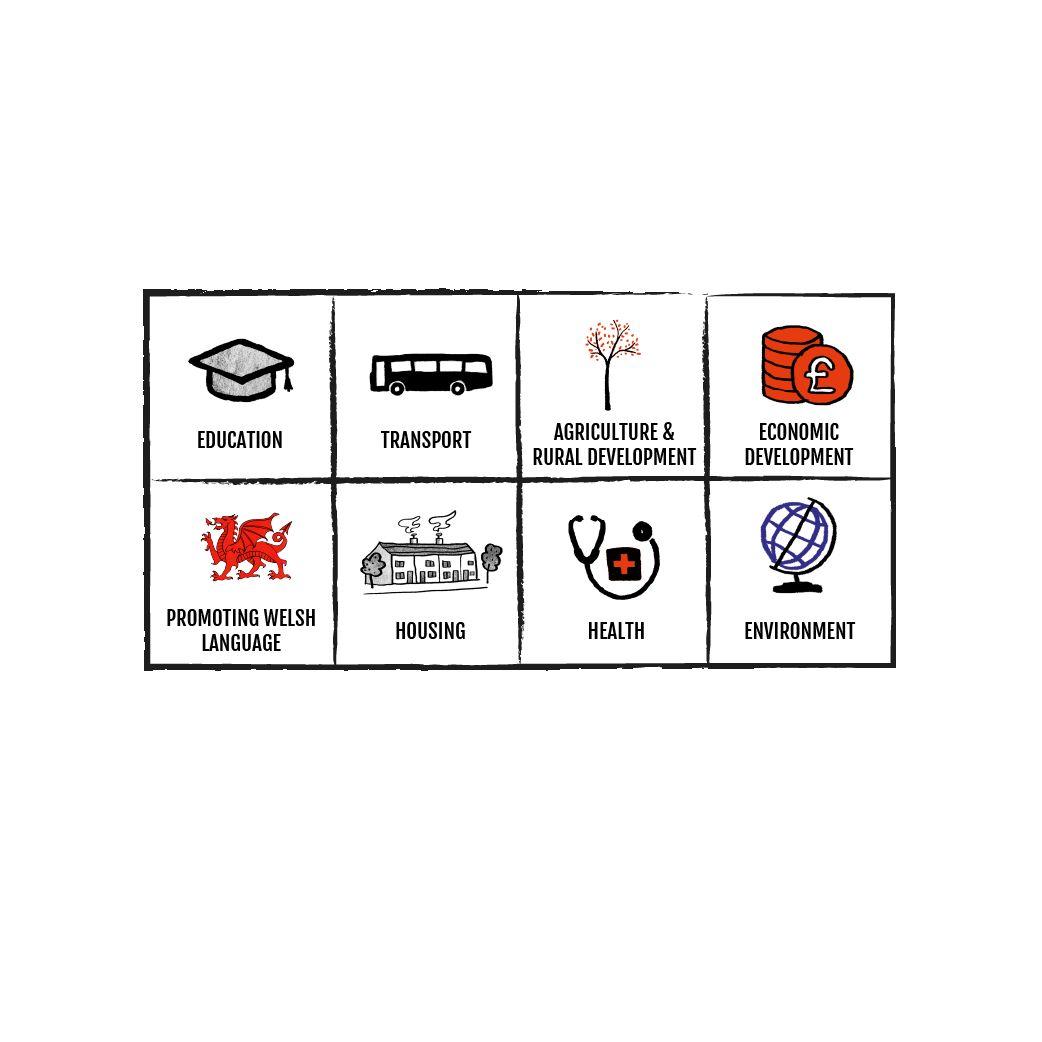
● Optional - Political Priorities worksheet
● Optional - Lego – each person needs eight bricks corresponding to the different colours of the Political Priorities worksheet.

Making a Decision
Define your terms - 5 minutes
Collectively as a group define all of the terms described on the Political Priorities worksheet to ensure that all learners understand the meaning and scope of each policy area.
Rank your priorities - 5 minutes
Ask learners to individually rank the different areas from most important, to least important by:
● Complete the 1st column of the ‘Making a Decision’ worksheet.
● Ordering the cut up Political Priorities worksheet.
● Stacking the Lego bricks in order of rank.
Compromise with others - 5-10 minutes
Ask learners to get into pairs and compare rankings. Ask them to come up with a compromise list either by:
● Completing the 2nd column of the ‘Making a Decision’ worksheet.
● Reordering the cut up Political Priorities worksheet.
● Reordering their Lego bricks.
Compromise again - 5-10 minutes

Extension:
Questions for learners:
● What order would different political parties put these priorities in?
Ask learners to find another pair and compare and compromise again, using the worksheets or Lego bricks. You can repeat this step getting into larger groups for as long as you wish.
● Did you change your mind when debating the order of the priorities with others?
● What priority not listed would you add?
MAKING A DECISION
ACTIVITY: MAKING A DECISION

Have a look through the terms on the sheet.
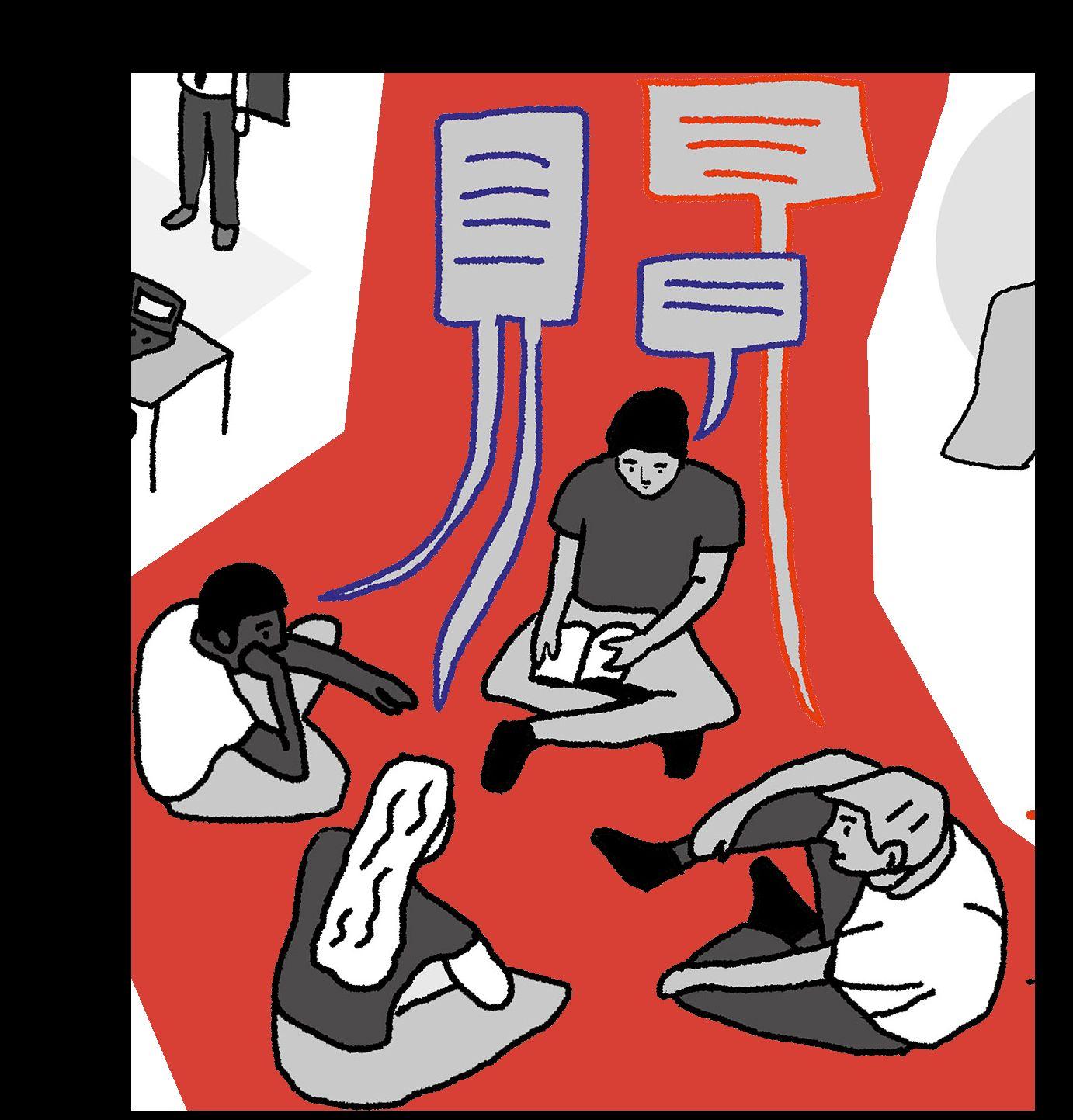
As a group, try to collectively define and give an example of each of these terms.
Individually, using your worksheet, rank the different areas from most important, to least important.








Promoting Welsh language



ACTIVITY: MAKING A DECISION
Compare your rankings with a partner.
Are there differences? Discuss these.
Agree on a list of priorities with your partner based on compromise.
When you have come to a compromise…
With your partner, find another pair on your table and compare rankings. Compromise again by coming up with a new ranking both pairs agree with.