EAT YOUR PROTEIN STRONG BONES HARNESS CHANGE FOR GOOD
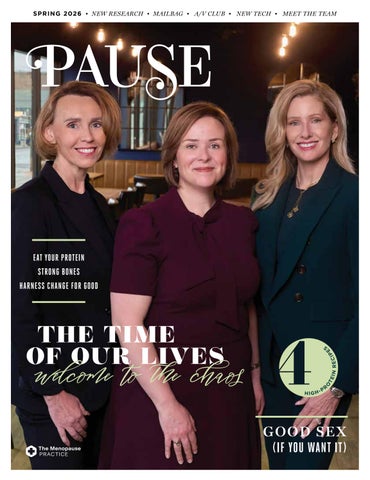
EAT YOUR PROTEIN STRONG BONES HARNESS CHANGE FOR GOOD
GOOD SEX (IF YOU WANT IT)

































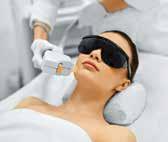
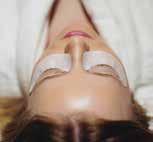
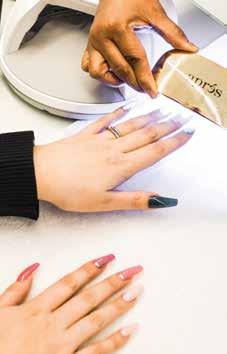
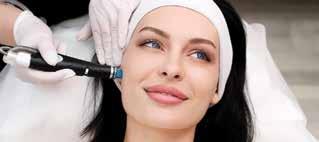


• Over 25 custom facials, including LightStim, Microneedling, NuFace, and HydraFacial
• Cutting-edge laser technology for skin care (rejuvenation, hyperpigmentation), contouring (body and face), and hair removal
• Therapeutic and cosmetic BOTOX
Come solo for an urban getaway or bring your crew: We offer packages from party and vacation prep to Mommy and Me and birthday parties (under 13 or over 18) in our fully licensed space.

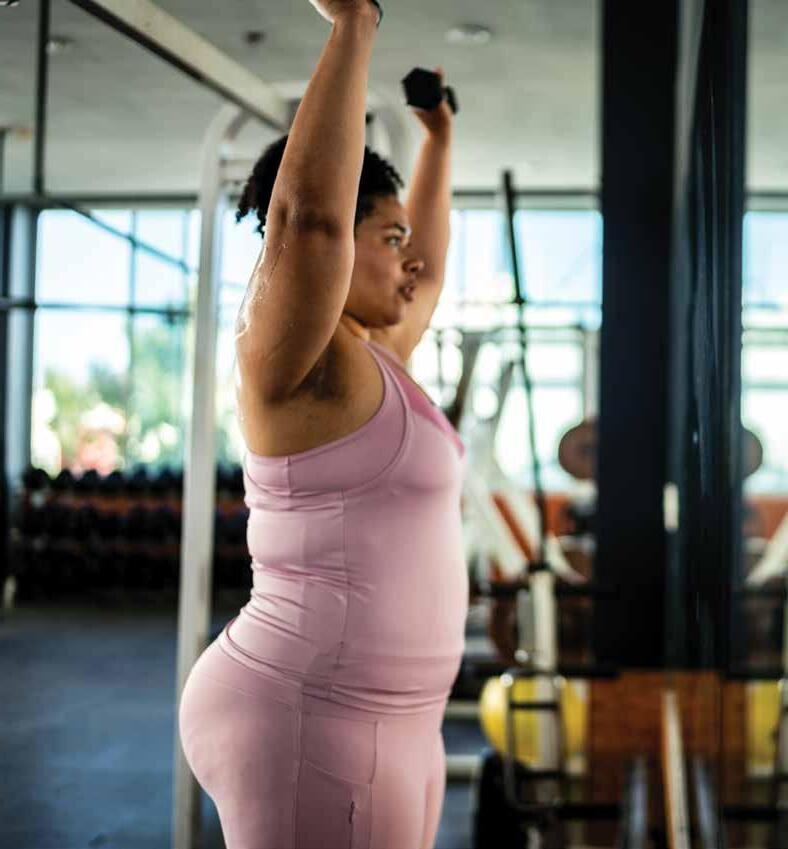


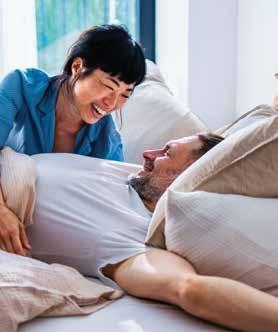
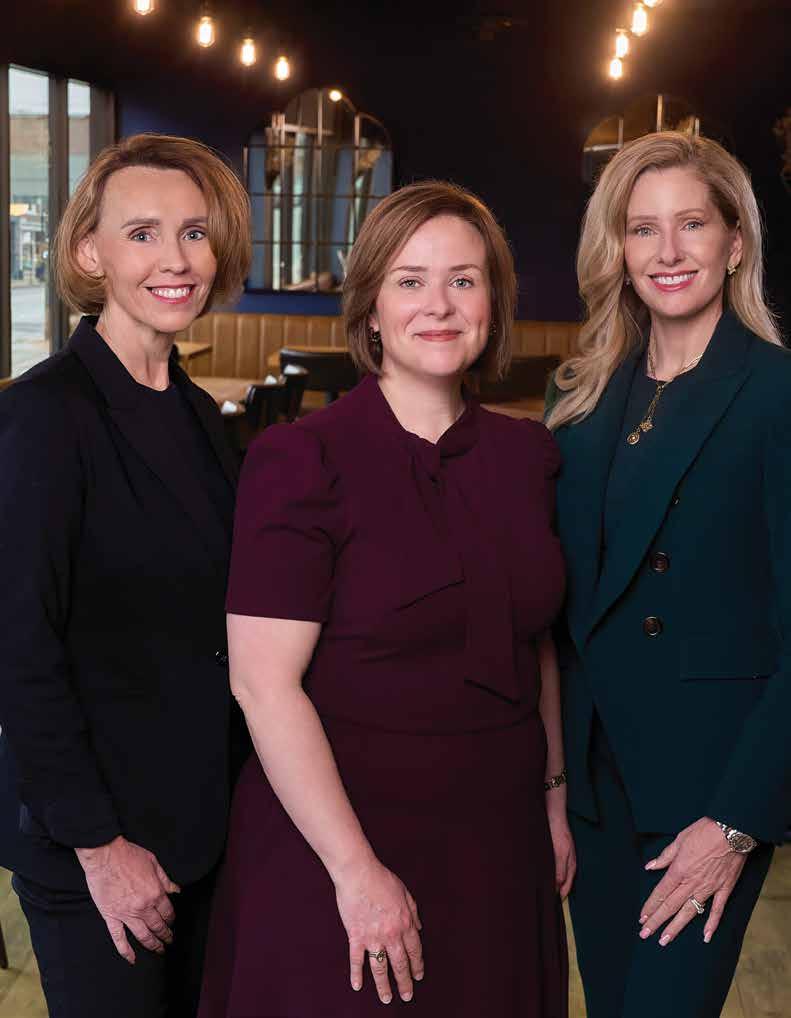
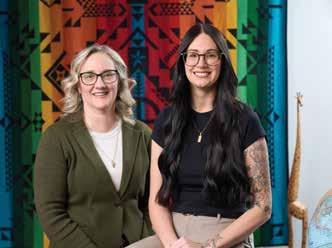
The Menopause Practice, launched in 2025 by Annabelle Reimer, Melina Elliott, and Erica Henderson, has quickly become a community leader in personalized, evidence-based women's health care. We harness cutting-edge research and technology to treat the whole person through every stage of hormone health.
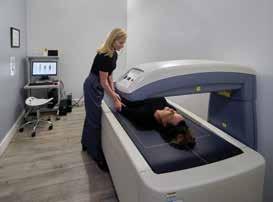
Our focus on hormone health is supported by our clinical lead, Nurse Practitioner Annabelle Reimer, her team of NPs, Supriya, Anna, Jill, and Meghan; nutrition services by our registered dietician, Angela; mental health support by Carolyn; and bone density and body composition analysis by Erica.
Our goal is to build a community where women have our full attention to express their concerns, receive the testing they need for proper diagnosis, and work with us on a plan that fits their lifestyle and values.
Pause magazine is a collective effort by our team to get evidencebased information out to our community. We weed through the contradictions and new research and distill it to make it accessible to everyone.
Pause is published twice a year—in spring and fall. Each issue, we deliver 15,000 print magazines into the community and encourage our readers to pass their copy along to someone else who could use it once they are done reading. The magazine is also available online in a digital format, available on our website and on the website of our publisher, Poise Publications.
We encourage your feedback! Please contact us anytime—and if you have a moment, fill out our survey on page 54 for a chance to win $100 gift card for our services.
PUBLISHER AND EDITOR
Lisa Muirhead lisa@poisepublications.com
ART DIRECTOR
Leigh McKenzie leigh@hingedesign.ca
PHOTOGRAPHY
Ian McCausland talk@ian.ca
COPY EDITORS
Andrée-Anne Boisvert, Tom Penner
EDITORIAL BOARD
Melina Elliott, Erica Henderson, Annabelle Reimer
PUBLISHED FOR THE MENOPAUSE PRACTICE by Poise Publications Inc.

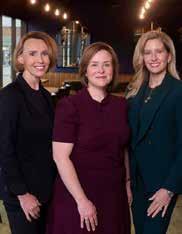
Co-owners Annabelle Reimer, Clinical Lead and Nurse Practitioner; Melina Elliott, Director of Operations; and Erica Henderson, Marketing Strategist
Cover photo by Ian McCausland Photography
The Menopause Practice offers personalized, compassionate, evidence-based care that empowers women to thrive through every stage of hormonal health. We want to empower every woman to take control of their health and thrive in midlife and beyond.
After spending 20 years in catering, food retail, and the hospitality industry, Becky made the transition into real estate. She began in an administrative role, supporting her husband Garry with business development, but it didn’t take long for her to realize her true calling was more hands-on — working directly with people and helping guide them through important life decisions.

Her journey, however, extends far beyond her professional path. As a breast cancer survivor who has navigated 10 years of perimenopause followed by 15 years of menopause, Becky has faced challenges that have shaped her resilience and outlook on life. Through it all, she has found strength in movement — whether at the gym or outdoors, using physical activity as a powerful outlet to cope, reset, and stay grounded.
Fast forward to 2026, and 30 years later, the slogan “Moving families since 1977” continues to stand strong. Becky remains just as passionate as she was on day one. Her story is not only about real estate — it’s about perseverance, growth, and purpose. Today, she is especially driven to inspire women to pursue careers they truly love and to never settle for anything that doesn’t ignite their passion.

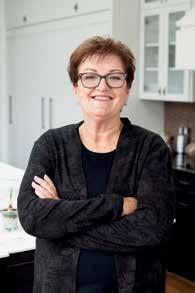
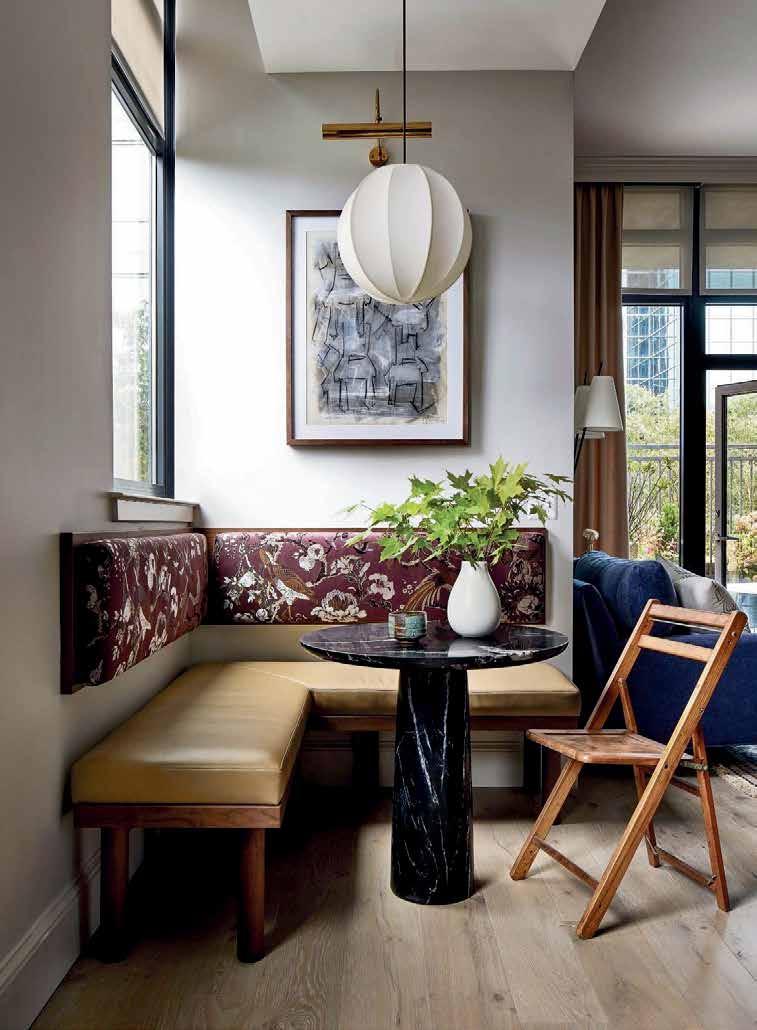
If you’d like to chat about real estate, have questions about the current market, or want advice on which upgrades could make the biggest impact on your home’s value, I’d love to connect.
I’m here to help and support you every step of the way!
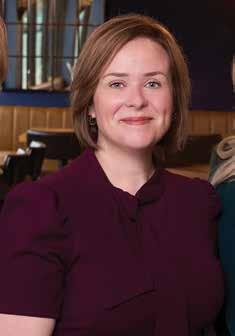
Welcome to the inaugural issue of Pause—Winnipeg’s first magazine for women navigating midlife! I am so proud of what we have created here. It has been a passion project for our whole team. For good or bad, I am one of those people who loves a project, and when I get a few quiet moments, my brain starts to think about new ventures!
Last year, amid our first year here at The Menopause Practice, I had a few quiet moments, and the idea of a magazine popped up. I envisioned a magazine created by women for women. A magazine that was filled with credible, sciencebased information that could help women navigate this new chapter of their lives. A place where they could see their stories and experiences reflected back to them. A space for women to be supported, celebrated, and empowered. When I look through this magazine, we achieved just that! We have been strategic about what we chose to include in this issue, from the topics we explored to the businesses that advertised. These are the topics, stories, and businesses that speak to women in our province.
As a woman, a daughter, a sister, and a mother, I wanted to create something just for us. As women, our role is often to give. Give care, support, guidance—give life! I wanted to give something back to us, to create a space for us to celebrate, acknowledge, learn, and empower one another. I hope you enjoy this first issue of Pause and the future issues as much as we have enjoyed creating it.

MELINA ELLIOTT
Co-founder & Director of Operations, The Menopause Practice Inc & Body Measure Inc.














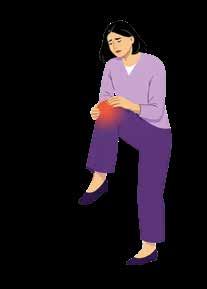
My joints have been bothering me, and I am worried that I might be developing arthritis. But I have also heard that this can be linked to menopause (like everything else, it seems). What are my options for treatment if it’s linked to my hormones?
You’re right—it could be menopause! Up to 80% of perimenopausal and menopausal women experience muscle and joint pain. This cluster of symptoms is known as the Musculoskeletal Syndrome of Menopause (MSM)—and it’s far more common than most realize.
As estrogen levels decline, inflammation can worsen and muscle mass and collagen decrease. As a culture, we focus on how collagen dips affect our face, but we SHOULD be focusing on how it affects our bodies: collagen is found in cartilage and is critical for joint health! Once the collagen in your body starts to break down, it is hard to replace.
In addition to joint pain, MSM can lead to loss of muscle strength and tone, increased risk of osteoporosis, and tendon discomfort or “frozen shoulder.” These changes can appear suddenly—sometimes even before other classic menopause symptoms.
A healthy treatment approach is to focus on:
• Restoring hormonal balance
• Supporting muscle and bone health
• Reducing inflammation through targeted lifestyle and nutritional strategies
• Coordinating DEXA scans (for bone density and lean muscle mass) and metabolic testing for accurate diagnostics
The most important thing to remember is that you don’t have to “just live with it.” The right support can help you feel strong, capable, and pain-free again.
Sometimes I feel like my bladder is not a team player. I don’t want to be afraid to laugh, dance, run, or—god help me—sneeze. What are my options?
Bladder leaks are common in menopause—but they are not normal, in that they are not something you have to abide. Bladder leaks can happen to any woman due to declining estrogen, which can affect the bladder, urethra, and pelvic floor tissues, making them thinner, less elastic, and weaker over time. This can manifest in leaking with coughing, sneezing, laughing, or exercise; the urgent need to pee and difficulty holding it in; more trips to the bathroom at night; and a feeling of general pelvic heaviness.
I have a history of heart disease in my family and am at risk of developing high blood pressure. Is estrogen an option for me to treat my hot flashes?
There are many links between heart health and menopause. Declining levels of estrogen can cause changes in cholesterol levels, blood vessel function, visceral fat distribution, blood pressure, and insulin sensitivity. The good news is that several studies have found that hormone therapies can play a protective role in cardiovascular disease in women under 60.
One interesting factor is how the estrogen delivery method interacts with heart health. For example, researchers at the University of Calgary studied 112,000 women over 45 years old between 2008 and 2019 and found that women taking oral estrogen therapy had a higher risk of developing high blood pressure compared to those using transdermal estrogen (by 14%) or vaginal estrogen creams or suppositories (by 19%). In addition, the length of time and dose of estrogen seem to matter. We also need to account for individual responses to hormone therapy when weighing the pros and cons. If you want to better understand your personal risk and what steps may help protect your cardiovascular health (and yes, they will involve healthy lifestyle changes!), talk to your health care provider!
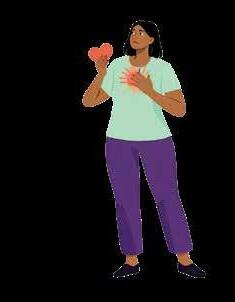
In addition to hormone menopause treatment, helpful therapies include pelvic floor strengthening, vaginal estrogen (via cream, tablet, or ring) to improve tissue health, bladder training strategies, and targeted therapies such as Emsella, which uses high-intensity focused electromagnetic technology to strengthen and tone your pelvic muscles (it doesn’t hurt your sex life either—think: Kegels on steroids!).
Come and talk to us about options—because you are going to need to laugh, dance, and exercise your way through this midlife rollercoaster more than you ever have.



When we set out to design this all-women’s journey to Türkiye, we did so with the knowledge that women are key decision-makers at home and at work. Our goal was to create a meaningful, safe, and stress-free travel experience that centred on women’s interests and experiences.
With that in mind, explains Continental Travel trip designer Julie Millar, “We approached our local contact and said, ‘Rose, we want something really special. We want an all-women’s tour where the guides are English-speaking women and the businesses we visit are run by women. We want a farm-totable dinner experience with a woman chef and some wellness experiences so we can treat ourselves.’” She was thrilled for the opportunity to show our travellers Türkiye through the lens of the local women.
In nine days of travel, we will explore women-run artisan shops in Istanbul’s Grand Bazaar along with urban cultural destinations like the Blue Mosque, Topkapi Palace, and the Hippodrome. At our next destination, Cappadocia, we will offer yoga, hiking, a cooking class, local music, spiritual experiences, and an optional balloon ride. There will be fascinating historical moments at the Library of Ceisius, Temple of Artemis & Ephesus, and House of the Virgin Mary in Ephesus, and our final destination, Pamukkale, will include the ancient city of Hierapolis, Travertine Terraces, and medi-spa experiences.
This is a truly unique adventure for a girls’ trip, a multi-generational trip, and women who love to travel solo.
For more information, contact Julie: julie@continentaltravel.ca
Starting from $11,860 per person | November 8–23, 2026

On this nature-lover’s dream holiday, you will spend 10 wildlife-filled days travelling the rich ecosystems of Tanzania’s safari circuit with local safari tour Maasai Wanderings. Photography buffs will get opportunities to capture giraffes, buffaloes, and the rare colobus monkeys in Arusha National Park; the Big Five and Great Migration across the legendary Serengeti; elephant herds in Tarangire National Park; and hyenas, jackals, lions, and flamingoes in the lush Ngorongoro Crater. Delicious meals and luxury accommodations immersed in natural surroundings are included at every stop.
The final two days of the trip are spent on the lush island of Zanzibar. “After 10 days of game drives in the heat of the Serengeti, we finish the trip in luxury on the white sand beaches and crystal clear waters of the Zanzibar coast,” explains Continental Travel trip designer Trish Orton. The island offers cultural experiences like the spice market, Stone Town, and historical tours of the important history of the Dhow Harbour.
For more information, contact Trish: trisho@continentaltravel.ca
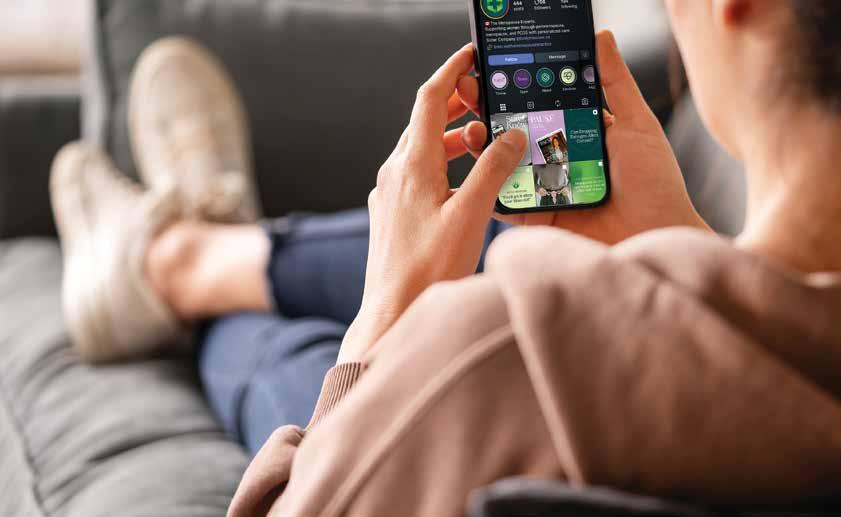
@themenopausepractice:
Erica, Melina, and Annabelle, the founders of this magazine, bring you all of the science-based research you have been clamouring for on Instagram and Facebook. We use our platform to dispel menopause myths, describe symptoms and treatments, provide tips for healthy living, and educate our followers about the services we offer to help you burst into midlife with confidence.

If your social media algorithm has skewed hard to menopause content, chances are good that you have come across creator Melani Sanders and her “We Do Not Care Club.” With multiple pairs of glasses hanging off her head, she is armed with lists and bulky highlighters to dispel the myths of what women in mid-age actually care about. And she’s coming out with a book: The Official We Do Not Care Club Handbook!
We love a themed playlist! In fact, we share a new one each month in The Menopause Practice newsletter! Here is one of our favourites: SYMPTOMS, featuring Florence + the Machine, INXS, Metric, Pixies, Rancid Eddie, Soundgarden, Sinéad O’Connor, David Bowie, and so much more!
Dr. Vonda Wright is an orthopedic surgeon and researcher who has been writing books about optimizing health, fitness, and aging for over 15 years. Follow her to find out about skeletal and bone health, new research in longevity and fitness, and many menopause topics. Her book, Unbreakable, is the guide to stronger muscles and bones in midand late life.
On her podcast “You are not Broken,” Dr. Kelly Casperson discusses difficult topics such as sex, hormones, and communication to guide you through life’s transitions. Available where you find your podcasts and on YouTube.
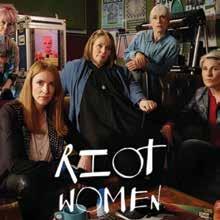
(1 season, Drama, BritBox)
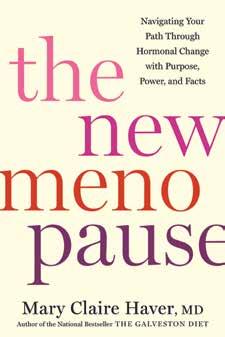
The New Menopause
by Dr. Marie Claire Haver
Dr. Haver emerged as one of the prominent voices in menopause care when her book The New Menopause hit the New York Times Bestseller List in 2024. Dr. Haver is an OB/Gyn and Adjunct Associate Professor at the University of Texas Medical Branch. She is also a Certified Menopause Specialist through The Menopause Society. This book is kind of like the What to Expect… of menopause care. It delves into what is happening in your body; symptoms, and how to cope with them; how menopause interacts with other conditions and how to mitigate its effects; how to advocate for yourself when visiting your health care provider; and current research on hormone replacement therapy. Watch for her new book, The New Perimenopause, coming out this year!
Stop me if you’ve heard this: five complex women tired of navigating blended families, separation and empty nest, parental care, retirement, addiction, waning and flaring libidos, and some criminal activity form a punk band for a charity concert amid the disbelief, sarcasm, and mortification of those around them. No? Me neither, and thank god it has arrived. Riot Women celebrates the messiness, grief, and joy of women coming into their power with drama and dark humour— the thing getting us all through it.

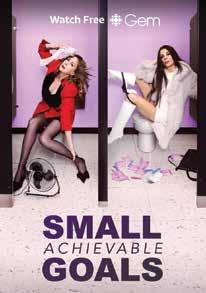
(2 seasons, Comedy, GEM)
Two of the screamingly hilarious women from the iconic Baroness von Sketch Show (obviously another recommendation if you haven’t seen it, also available on GEM), Meredith MacNeill and Jennifer Whalen, reunite to apply their spot-on wit to midlife, menopause, and … podcasting? Career aspirations and personal battles with menopause collide to extremely hilarious effect. These two are national treasures.
Join our community!
Sign up for The Menopause Practice’s twice-monthly newsletter by scanning this QR code:

A vaccine for shingles … and dementia? Another great reason for women over 50 to get their shingles vaccine: Researchers in Wales discovered a striking reduction in dementia among people who received the shingles vaccine (recommended for people over 50).
“The protective effect held steady across multiple analyses and was even stronger in women. Evidence also suggests benefits for people who already have dementia, hinting at a therapeutic effect.”
Gray matters: A literature review presented at the 25th Annual Meeting of The Menopause Society in 2025 found links between how menopause restructures the brain and symptoms like brain fog, mood swings, and behavioural changes. Understanding the physiological changes can ultimately help us find new treatment options. In addition, a new research project at Fordham University will study menopausal women’s brains to uncover cellular and molecular changes in the brain to highlight links between menopause and mental illness. Up to eight years leading up to menopause, hormonal fluctuations can raise the risk of depression, anxiety, panic attacks, and
psychosis. This work could lead to new options for treatment.
It’s getting hot in here, so please take all your meds. Using data gathered by the SWAN project, researchers at the University of Victoria have found a link between high insulin levels and vasomotor symptoms like hot flashes and night sweats. This study considered factors such as age at menopause onset, symptom severity, race, ethnicity, and socioeconomic status. They found a correlation between higher insulin or body mass index and earlier onset of hot flashes.
on the spectrum:
Researchers Dr. Rachel Moseley and Professor Julie Gamble-Turner have found that some characteristics of autism are exacerbated by menopause, including hyper-focus or attention to detail, emotional regulation, and sensory sensitivities. Participants in the study with co-occurring ADHD found the volume turned up on those symptoms as well. Their recently published book, Autistic Menopause: A Guide to the Menopausal Transition for Autistic People and those Supporting Them, examines their findings.
Helping women helps the economy: Would it surprise you that Canadian women will experience about 14 years living with a disability compared to 11 years for men (about 24% longer)? A study by McKinsey Health Institute found that addressing that gap would improve the health and lives of millions of women (and, let’s be honest, the partners they take care of) and could boost the Canadian economy by at least $37 million by 2040 (because women’s improved health has never been enough incentive…).
Is that last period affecting your mood? There is an exciting cross-country longitudinal study of mid-life women’s health that started in the United States in 1994 called the Study of Women’s Health Across the Nation (SWAN). SWAN participants from seven states, representing five racial/ethnic groups and a variety of backgrounds and cultures, come in once a year to give blood and urine samples for research dedicated to physical, biological, psychological, and social changes during mid-life. Some interesting research has come out, including elevated depressive symptoms during the menopause transition (the final menstrual period).
Have a cuppa! A 10-year study of 9,704 women aged over 65 years at Flinders University (Australia) has shown that tea drinkers have slightly stronger bones than coffee drinkers. Over five cups of coffee per day (designated as “heavy intake”) was linked to lower bone density (especially when paired with alcohol consumption). While calcium, vitamin D, and strength training are the cornerstones of healthy bone aging, the effects of tea were found to be “modest but meaningful.”
Be a part of the research: Do you struggle with Polycystic Ovary Syndrome (PCOS)? The Centre for Menstrual Cycle and Ovulation Research at the University of British Columbia is examining treatment options for those who suffer from this very under-researched area of reproductive health—and they would like to hear from you. Women+ (of all genders) can take an online survey to add their voices to the research. Visit http://cemcor.ubc.ca and click on the Research tab.
At The Menopause Practice, we keep up with the new technologies coming to market to help women live their best lives pre- and post-menopause. Two common concerns we hear from women are less control over when they pee (from heightened urgency to incontinence) and pain or discomfort during sex. There is a biological reason for this: with a drop in estrogen, the tissue lining our vaginal walls and our outer labia can become thinner, drier, and less elastic (see more detailed info on page 42). Hormone treatment can help with these symptoms—and so can technology!
When we discovered EMFEMME 360® by BTL, we were excited to be the first clinic in Manitoba to offer it as a treatment to help women enjoy their sex lives and regain control of their bladders. EMFEMME 360® is a non-surgical radiofrequency treatment that rejuvenates and stimulates the internal and external tissues of the vagina, promoting natural collagen production, improving blood flow, and enhancing overall vaginal health.
Treatment is quick (8–15 minutes per session, depending on your body’s specific needs), comfortable, and requires no downtime.
OUR FAVOURITE BENEFITS?
EMFEMME® can:
• Help tighten and restore vaginal tone that may have become slack due to childbirth and hormonal changes.
• Improve blood flow and lubrication.
• Improve bladder control and help with mild- to moderate-stress urinary incontinence.
• Improve sexual satisfaction by increasing blood flow, lubrication, and tissue elasticity.
• Reduce pain during intercourse by combating dryness and irritation associated with menopause.
If discomfort during sex is making you shy away from the intimacy you crave or your confidence is taking a hit from urinary problems, The Menopause Practice can help! Reach out today:






By Annabelle Reimer
For generations, the experience of menopause and that wild period leading up to it, perimenopause, has been shared in murmurs—or not discussed at all. As splashy leaps in medical history like DNA sequencing, organ transplants, mRNA, and HIV vaccines have made headlines, women’s health has consistently been put on the research backburner, suffering from a lack of funding and focus. And then something happened. Women started talking. Social media, for all of its downsides, offers a space for voices that have previously been ignored to speak out. Small communities form, then larger ones. The women of Generation X, known as the unsupervised generation raised on hose water and moxie, began to get angry; Millennial women, well versed in the language of wellness and mental health, began speaking up.
And for the first time in history, more women are being accepted into medical school than men (54.6% in 2023 in Canada). When you look at health care as a whole, women make up over 70% of that workforce globally.
For all of our diversity, women who are born with ovaries have two things in common: they will experience menses (periods) in one form or another, and they will go through menopause. For some women, the symptoms associated with perimenopause and menopause are life-changing, traumatic, and upsetting; for others, it is simply the end of their periods. Most of us fall somewhere along that spectrum.
When we discuss perimenopause and menopause, the first step is learning the difference between these two phases of reproductive life.
Perimenopause can begin 10–15 years before menopause, typically in a woman’s late 30s or 40s. It is the period before menopause when hormone levels start fluctuating, experiencing highs and lows. Typically, progesterone is the first/ earliest hormone to start fluctuating and is most noticeable during the luteal phase of the menses cycle, which occurs after ovulation (or mid-cycle) until the first drop of the period.
As progesterone production diminishes, premenstrual symptoms such as irritability, insomnia, and night sweats tend to be more prevalent. As well, without adequate progesterone, estrogen becomes a driving force and contributes to the hormone chaos, causing the 5 Five Bs.
Estrogen during perimenopause (especially in later perimenopause) becomes more irregular and may vary between elevated and decreased levels, creating some chaos in your body’s systems. In fact, the theme of perimenopause is variability: things just become more… unpredictable. Cycles may shorten or lengthen; periods may become very light or very heavy; you may see clots in your period blood that weren’t there before—or they may disappear. The cycles in your body that you have come to know and plan for can become erratic. It can feel like your body is revolting against that bond of trust you have (hopefully) slowly built with it since puberty.
There are hundreds of estrogen and progesterone receptors in our bodies, located in all kinds of tissues—including cardiovascular, bone, uterus, ovaries, and adipose (fat) tissue—resulting in more than 75 symptoms.
Very common – vaginal dryness, low libido, decreased skin elasticity, hair thinning, hot flashes, insomnia, heart palpitations, brain fog, night sweats, low mood/depression, increased anxiety
Less common – joint/muscle pain, dizziness, headache, burning tongue, body odour, tinnitus, cold flashes, chocolate cravings, digestive issues, panic attacks, allergies or sensitivities
Annabelle Reimer is dedicated to shepherding women through the transitions intrinsic to midlife care. As the first Menopause Society-certified Nurse Practitioner in Manitoba (and a partner in The Menopause Practice), Annabelle is uniquely qualified to give us the rundown on what to expect when you’re transitioning.


While the term “menopause” has often been used as an umbrella term for everything to do with “change-of-life” symptoms, including the lead-up to menopause, it is very specific and lasts only one day: menopause occurs “officially” 12 months after a woman’s last period.
One caveat here: women’s bodies can go into surgical menopause if their ovaries are removed (for example, in a hysterectomy) or medical menopause, caused by certain medications or treatments (for example, some types of chemotherapy).
The average age of menopause is, very generally, between 45 and 55 years old. If it occurs before age 40, it is called “premature menopause,” or primary ovarian insufficiency; before age 45, it is called “early menopause.”
Everything after menopause is considered “postmenopause.” So maybe take yourself out for dinner that night. Have a toast. Get a massage. For the lucky ones among us, that could mean the end of symptoms caused by the hormone instability of perimenopause. But sadly, it does not guarantee a symptom-free life (of course it’s not that easy—we’re women, after all). Many women can continue to have symptoms for up to 12 years after menopause.
YOU CAN’T SEE
• LOSS OF BONE DENSITY (OSTEOPENIA) WHICH LEADS TO INCREASED RISK OF OSTEOPOROSIS
• INSULIN RESISTANCE WHICH MAY LEAD TO DIABETES
• HYPERTENSION
• HEART DISEASE
• DEMENTIA
After decades of women bearing their symptoms due to misinformation about links between menopause hormone therapy (MHT) and cancer, we finally have the research to state definitively that hormone therapy is safe for most women. It has become standard practice to use MHT as the first line of treatment for many perimenopause and menopause symptoms. MHT can include:
• Estrogen in pill, patch, or gel delivery formats
• Vaginal estrogen like estradiol, estrone, premarin, and/or vaginal DHEA (dehydroepiandosterone)
• Progestogens (via micronized progesterone or progestins)
• Testosterone
Some women are not candidates for hormone therapy. For example, it is not recommended for women who have a history of breast cancer or estrogen-sensitive cancer, who may be pregnant, or who have a recent history of blood clots. Evidence-based research is constantly evolving our understanding of how to treat peri/menopausal symptoms. There are also women who simply prefer alternative paths to treatment—and that’s okay too! There are non-hormone treatments available, including:
• A nutrition plan that supports your body in the best way for you
• Movement, with a focus on strength to maintain muscle and bone density
• Lifestyle choices that include reducing or eliminating alcohol and smoking (including tobacco, vaping, and cannabis), getting adequate sleep, and reducing stress
• Supplements can be beneficial; however, it is best to review supplement choices with your health provider
OUR BODIES ARE COMPLEX, AND EACH WOMAN’S TREATMENT PATH IS VERY PERSONAL, BASED ON THEIR MEDICAL HISTORY AND PERSONAL VALUES. IT IS IMPERATIVE THAT YOU HAVE A MEDICAL CARE PROVIDER WHO HAS THE TIME AND KNOWLEDGE TO WALK YOU THROUGH YOUR OPTIONS AND HELP YOU FIND THE RIGHT FIT.
SYMPTOM SPOTLIGHT:
Do you feel like you’re “losing it”? Forgetting words and names, losing focus, or feeling mentally slow?
Brain fog is a recognized symptom of perimenopause. It is extremely common. Brain fog, difficulty concentrating, forgetfulness, mental fatigue, distracted focus, feeling “not like yourself,” and the inability to retrieve words in the moment is not permanent. Most women will move through menopause and leave these symptoms behind.
One of the main causes of brain fog is the impact of fluctuating estrogen on the activity of neurotransmitters in the hippocampus (your brain’s memory centre), like serotonin (affecting mood, sleep and mental clarity), dopamine (responsible for mental fatigue, attention span, and problem-solving), and acetylcholine (essential for learning, memory, and attention).
Other factors during perimenopause:
• Sleep disruption impacts concentration
• Blood sugar instability worsens cognitive symptoms
• Stress elevates cortisol

When you talk to your care provider about brain fog, they should rule out other conditions (like vitamin deficiencies, thyroid imbalances, and sleep disorders, among others) before setting up a plan to help you.
What helps perimenopausal brain fog:
• Balance your hormones through hormone therapy
• Prioritize sleep
• Strength train
• Manage stress
• Keep blood sugar stable
• Take Omega-3s + B vitamins
• Stay mentally active
The Menopause Practice also uses innovative, non-invasive, and non-hormonal technology like EXOMIND® therapy to help you feel like yourself again (read more about that on page 30).
And remember: you’re not losing your mind, your brain is just adapting to hormonal change.

your menopause care.
Feeling overwhelmed, chronically tense, or burned out due to stress or past trauma? Learn to regulate your nervous system with somatic, body-based tools grounded in neuroscience and guided by biometric breathing behaviour retraining.
Let’s connect. Book your free 15-minute consultation. joysomatics.ca/pause
Life is about balance, yet for many women in perimenopause and menopause, that balance can feel harder to access than ever before. The demands of work, home life, and constant connectivity can create a sense of ongoing pressure, both mentally and physically.
The body is designed to regulate itself through a process known as homeostasis, maintaining internal stability even as external conditions change. However, when stress becomes chronic, this system can be disrupted.
Prolonged stress activates the sympathetic nervous system, known as the fight-or-flight response. While useful in short bursts, staying in this state for too long can cause anxiety, sleep problems, irritability, fatigue, brain fog, pain, digestive issues, and inflammation. These symptoms are often more intense for women during hormonal changes.
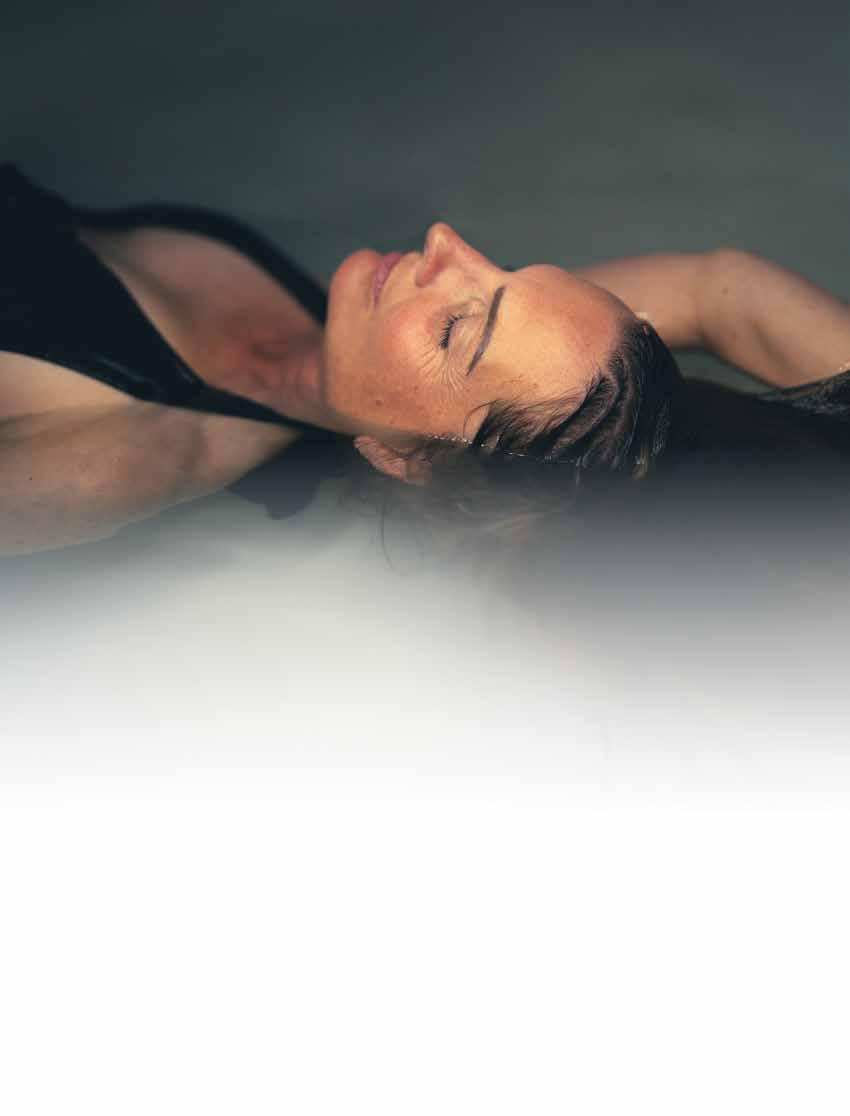
FLOAT.Calm in Winnipeg offers a unique escape designed to support a dysregulated nervous system, helping the body, mind and spirit recalibrate naturally from the inside out.
FLOAT.Calm is all about rest—and is rooted in research: the Restricted Environmental Stimulation Technique (R.E.S.T.). Disconnecting from the external world of screens and the needs of others allows us to recentre ourselves.
Once you slip into your own private float suite, have a shower and slide into your pod. In there, the quadruple-filtered, skin-temperature solution contains 1200 lbs of pharmaceutical-grade Epsom salt that will gently cradle you in a weightless experience that allows all of your senses to calm and recalibrate. Your mind relaxes. Your body slides into restorative self-regulation.
• Floating can offer relief from arthritis, back, joint and muscle pain, tendinitis, inflammation, and psychosomatic pain. Stretching in the float tank is very popular.
• Magnesium in the Epsom salt can help relieve menopause symptoms by supporting bone health, regulating high blood pressure, and improving sleep quality.
• Weightlessness and Epsom salt both contribute to athletic recovery by improving circulation, eliminating lactic acid buildup, and accelerating muscle regeneration
• Relief from overstimulation can reduce symptoms of anxiety, PTSD, depression, and ADHD.
• The quiet darkness (optional) allows for deep states of meditation to be achieved, even without practice, creating a deep sense of peace and serenity.
• Deep relaxation floods the body with endorphins, which help with pain and mood enhancement.

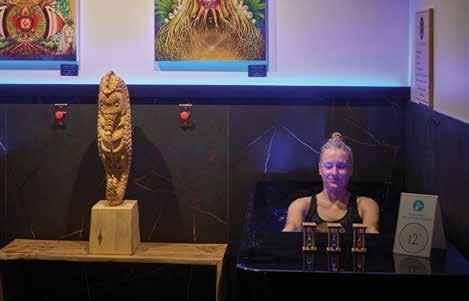
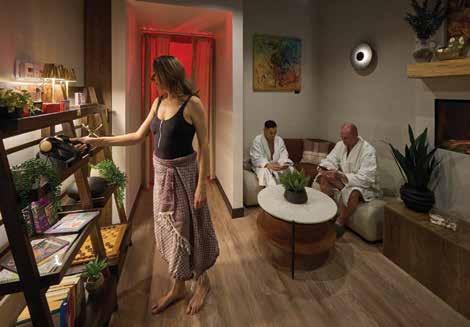
The Fire & Ice Immersive Wellness Lounge at FLOAT.Calm is the yang to Floating’s yin. It is a space for sensory engagement to build resilience through contrast. Guests often transition between the experiences to optimize their complementary benefits. Fire & Ice’s self-guided space offers opportunities to engage with vibration, sound, heat, and cold to stimulate physical and mental healing and resilience.
Relax on heated, zero gravity vibroacoustic loungers using sound through individual headphones and low-frequency vibration to reduce stress and anxiety and improve mood and sleep quality.
Increase resilience with contrast therapy. Nordic cycling—the pairing of infrared sauna and cold plunge—improves circulation, reduces inflammation, causes an explosion of endorphins, and boosts your immune system.
Connect with a partner or small group of friends in a comfortable lounge stocked with games and brain teasers (including checkers, crib, and head-to-head Tetris) carefully selected to activate your mind while respecting the peaceful environment.
Retreat from the world. This communal space also welcomes those who want to be still with their own thoughts (grab a wellness drink and a good book). The lounge offers pockets of space for solitude. Come solo or with friends.
Floating and Fire & Ice at FLOAT.Calm offers a space where every path leads back to calm.

Scan here to receive $20 off your first visit.

By Carolyn Nykiforuk, MSW, RSW

Life is change. So how do we manage it? Carolyn Nykiforuk has spent 30 years shepherding her clients through life’s steepest roadblocks. Here, she starts at the very beginning—an understanding of how our minds approach change—to give us insight into what to expect and how to measure success by being a little gentler with ourselves.
UNDERSTANDING
THE PROCESS
OF CHANGE CAN QUIET WORRIES AND MOTIVATE ACTIONS THAT MOVE US CLOSER TO OUR VALUES AND PRIORITIES. BUT FEELING LIKE YOU NEED A CHANGE AND KNOWING HOW TO MOVE FORWARD
ARE TWO VERY DIFFERENT THINGS.
Ilove spring; the sweet awakening of spring bulbs and tiny insects, the budding of trees and the promise of warmer days as the sun moves closer. As the snow melts, I practice gratitude for the insulation it provided in blanketing my unfinished projects in the fall. The change in season offers time to reflect on the quiet and cold of winter and the potential for growth and renewal as the land and the winds warm. Peri/menopause, too, marks important seasons of change for women.
Shifts in our cycles, our bodies, our relationships, and our roles can create opportunities for rich reflection and curiosity related to our understanding of ourselves. These shifts can create a longing for change or spur realizations that we are stuck in important areas of our lives. Understanding the process of change can quiet worries and motivate actions that move us closer to our values and priorities.
But feeling like you need a change and knowing how to move forward are two very different things. The cycle of change developed by Prochaska & DiClemente shows you how to locate readiness in the process of shifting behaviour patterns. Whether the desired change relates to reducing or eliminating unhealthy behaviour patterns or increasing and embracing healthier choices, understanding how change evolves can help ground your actions in self-compassion and insight.
Change is not about willpower, and negative self-talk is not nearly as motivating as we may have been told in our younger days. Understanding the nature of change can support meaningful shifts and enable us to be kinder to ourselves as we navigate the steps.
PRE-CONTEMPLATION: You have not entered the cycle of change yet. Rather, the problem is not fully understood or acknowledged, even though it is affecting your quality of life.
CONTEMPLATION: You start to become aware of the problem, but are not prepared to address it.
PREPARATION: Once you decide that changing a behaviour is a positive step and that you can indeed make the change, you prepare to take action.
ACTION: You are engaged in modifying the behaviour you want to change.
MAINTENANCE: A new behaviour has replaced an old pattern and is sustained over time.
RELAPSE: Occasionally, you fall back into old behaviours, repeating past patterns.
UPWARD SPIRAL: Following relapse is a time to reflect on why you have fallen into past behaviours, identify triggers, and learn from this cycle. Each relapse period is an opportunity to learn more about the why and how of your patterns. Subsequent relapse periods grow shorter and give you tools to re-enter the cycle of change, reinforcing new, healthier behaviours each time.

This transitional time in your life can be the time to consider if a change or shift is needed or welcome. You might be considering a shift in one of the following areas now, but are uncertain how to break your current patterns:
• ANXIETY
• DEPRESSION
• SUBSTANCE USE YOU WOULD LIKE TO BE DIFFERENT
• GRIEF/LOSS
• INSOMNIA
• RELATIONSHIPS YOU WOULD LIKE TO BE DIFFERENT
• SENSE OF SELF

Carloyn Nykiforuk, Master of Social Work
Carolyn has extensive experience working with anxiety, depression, women’s health, advanced illness, caregiver burnout, grief, and sleep concerns. Her goal is to create a calm, supportive environment where women can better understand themselves, build emotional resilience, and feel empowered to thrive through perimenopause, menopause, and beyond.
If you are struggling with a behaviour that is holding you back in relationships, work, or self-worth, reviewing the cycle of change can help locate where you are in your process and a trained counsellor can help you move past sticking points into growth. The Menopause Practice team understands this is a tender time of life when we can be managing many demands and multiple stressors. We offer a safe space to work with a counsellor to explore your own desire or need for change.
How does it feel?
Peri- and post-menopausal anxiety can manifest in many ways, including feelings of worry or panic, racing thoughts, difficulty focusing or activating memory, insomnia, irritability, shortness of breath, digestive problems, and rapid heartbeat.
What causes it?

What helps?
If heightened anxiety is disrupting your sleep or your daily functioning, contact your primary care provider (doctor or nurse practitioner), therapist, or menopause care specialist. These are some treatments they may recommend:
• Cognitive behavioural therapy or psychotherapy
First, there are the internal causes of anxiety. Dipping or erratic estrogen levels can cause heightened anxiety in women who have a predisposition to it, as well as in women who have not experienced anxiety premenopause. In addition, hot flashes and night sweats can disrupt important sleep patterns, which can affect cortisol levels—the hormone that regulates stress—and heighten anxiety, especially at night or first thing in the morning. There are also situational causes of anxiety in women who are of perimenopausal age: many women in their 40s to 60s are juggling childcare, elder care, and workplacerelated stress, creating a real-life pressure cooker.
• Menopause hormone therapy to stabilize your estrogen levels
• Medications that impact serotonin to relieve symptoms of anxiety and promote sleep.
• Mindfulness techniques like meditation, yoga, hypnotherapy, and biofeedback SYMPTOM SPOTLIGHT:
• Transcranial magnetic stimulation (TMS) using devices like EXOMIND can ease many mood disorders, including anxiety and depression.

“BUILD A BETTER UMBRELLA AND THE WORLD WILL BEAT A PATH TO YOUR STORE”

Your potential lifespan is lengthening—but do you have the information you need to make sure that your health span will extend for those extra years?
Body Measure opened in 2018 with the core belief that the more we know about our bodies—how they metabolize food, burn fat, build muscle; how strong our bones are—the more power we have to get the most out of our lives.
Body Measure harnesses both technology and the latest health research to help to achieve your wellness goals.
Medical and diagnostic technology and testing will provide you with a baseline to evaluate your true health.
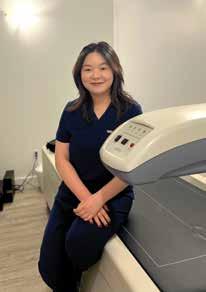
DEXA SCAN: Total body scans with Dexa provide accurate and precise measurements of your total body composition, including bone health, lean mass and body fat.
RESTING METABOLIC RATE TESTING (RMR): Why has my weight loss plateaued? How many calories do I need to eat to gain muscle? An RMR test will answer these questions and more.
FIBROSCAN: Fatty liver has become a worldwide epidemic. The FibroScan is a clinically proven, safe, noninvasive way to identify a fatty liver.
COMPREHENSIVE BLOODWORK: Our comprehensive blood work panel gives you a detailed and insightful look into your health.
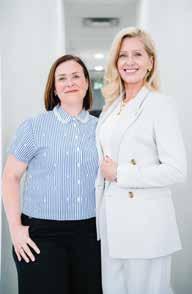
Medical aesthetics give nature a little boost to help you look and feel your best.
EXION MICRONEEDLING: This advanced, noninvasive aesthetic treatment combines cutting-edge radiofrequency (RF) energy with microneedling, offering unparalleled skin rejuvenation.
EMFACE: EMFACE is a revolution in non-invasive facial treatments. By emitting both radiofrequency and High-Intensity Facial Electrical Stimulation energies, it simultaneously affects the facial skin and muscles to lift, tone, and rejuvenate your skin.
EMSELLA: Emsella harnesses the power of highintensity focused electromagnetic technology to stimulate the entire pelvic floor, improving urinary control and sexual performance
EMSCULPT NEO: Emsculpt Neo is a non-invasive, nonsurgical procedure that focuses on body contouring. Therefore, you’re burning fat AND building muscle at the same time.
Nutrition and weight management are critical to achieving your health and fitness goals.
Our registered dietician, Angela Martens, helps her clients with weight loss and nutrition, as well as managing chronic health conditions, such as Type 2 diabetes, food allergies, and metabolic diseases.
Health is your most valuable asset. By prioritizing holistic approaches that address both internal and external aspects of health, we can unlock your fullest potential for vitality and well-being.


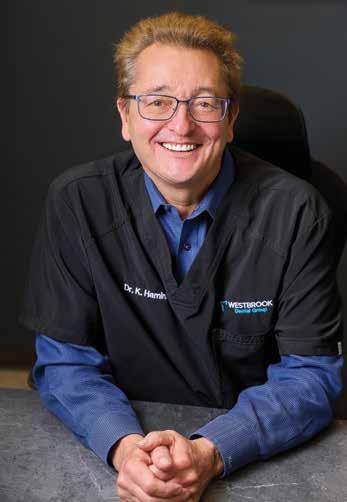
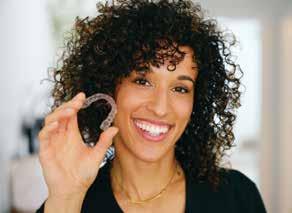
Dr. Ken Hamin, DMD, BSc, Dentist
In his 38 years of dental practice, Dr. Ken Hamin has been an enthusiastic and early adopter of cutting-edge technology to treat and diagnose his patients. Dr. Hamin’s commitment to compassionate care is highlighted by his training in cosmetic dentistry, sedation dentistry, and dental implantology. His investments in education and technology empower him to offer treatment options based on the best available care for his patients.
Dr. Hamin is committed to lifelong learning in his field. Upon graduating from the University of Manitoba’s dental program in 1988, Dr. Hamin served a one-year university hospital residency to receive extra training in many procedures. He has also served as a Professor at the University of Manitoba Dental College for 32 years. Dr. Hamin’s commitment to professional development recently culminated in a Fellowship in the Academy of General Dentistry.
Dr. Hamin practices at Westbrook Dental Group at 249 St. Mary’s Road and Springfield Dental Centre in Oakbank, MB.

Periodontal Treatment (LANAP/LAPIP)
Laser-assisted therapy allows for reattachment and control of disease in infected gum and bone tissue for failing teeth and implants.
Snoring and Sleep Apnea
Referrals for sleep studies available, as well as dental appliance therapy to reduce sleep-disordered breathing
Bad Breath
Proper assessment and diagnosis allow us to pinpoint the source of the bad breath and treat the cause.
Pinhole Surgery Technique
This minimally invasive treatment for gum recession requires no incisions or stitches.
Saliva Testing
The oral-systemic connection is well established. Saliva testing provides objective measurements that allow for treatment and reduction of bacteria and inflammation.
BOTOX Treatment
Cosmetic and therapeutic care smooths lines, reduces wrinkles, and relaxes muscles to aid in clenching, headaches, and migraines. Dr. Hamin also offers BOTOX at The Magic Room at 264 Edmonton St by appointment (204.943.6702).
Lip and Tongue Tie
The painless release of ties using laser therapy improves feeding, speech, and sleep issues. Infants, children, and adults benefit from this simple treatment, along with proper aftercare.
Sedation Dentistry
IV, pill, or nitrous oxide sedation allow for relaxation during dental treatments, such as wisdom tooth extraction, dental fillings, and all aspects of care.
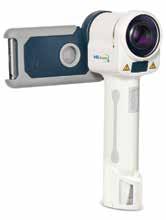
VELscope Oral Cancer Screening
The blue light of the VELscope enables us to see below surface tissues at areas that may not be clinically visible to catch any areas of concern early.

Have you heard that midlife is when you break free of social restraints? When you start wearing purple and dancing like no one is watching? This is your era of giving zero craps about what people think of you.
It makes midlife sound like a revolution. It sounds like freedom.
But the reality is that a lot of us are struggling. Under our brave faces, we are dealing with various levels of decisionmaking fatigue, shortened attention spans (thanks, social media), unhealthy coping behaviours, and procrastination loops that make us feel like we are constantly trying to catch up. We may give zero craps—but it feels more like burnout than freedom.
In addition to the stressors that naturally accompany this period of transition—children moving out (and then moving back in), parents needing care, late-career professional responsibilities—many women are finding that their usual coping mechanisms and ability to function are challenged by menopause symptoms. Perimenopause and menopause can quietly change how your brain feels—not just your body.
During perimenopause and menopause, fluctuating estrogen and progesterone affect how the brain regulates mood, stress, sleep, and focus. Even with optimized hormone therapy, many women continue to feel mentally overloaded, emotionally reactive, or depleted. You are not failing—your nervous system is overloaded.
For many, menopause hormone therapy can help relieve many of the physical symptoms of menopause. But for some, the mental health changes need a boost. If you are reluctant to add medication on top of your medications, a new technology has emerged to offer a safe, non-invasive alternative.
EXOMIND® supports the brain directly by stimulating the neural networks responsible for emotional regulation, executive function, and stress resilience. This makes it a powerful tool. EXOMIND® can be used:
• Alongside bioidentical hormone therapy
• Before starting hormone treatment
• When hormone levels are optimized but symptoms persist
• As an alternative for women who cannot or choose not to use hormones
Think of hormones as the biochemical foundation and EXOMIND® as the neurological support for how your brain adapts and functions during this transition.
EXOMIND® may be a fit if you:
• Feel mentally overloaded or emotionally drained
• Notice increased irritability, anxiety, or low mood
• Struggle with focus, memory, or mental clarity
• Feel less patient, less resilient, or more reactive
• Are managing work, family, aging parents, or caregiving
• Want support without adding another medication
You don’t need to be “at a breaking point” to deserve support. EXOMIND® is about restoring balance—not pushing through.
EXOMIND® by BTL is non-invasive, comfortable, and drug-free. You will be sitting or reclining—whichever is most comfortable for you—and fully clothed for the appointment. The setup takes less than 5 minutes, and your treatment takes under 30 minutes. Most women describe the sensation as gentle tapping on the scalp, with no side effects or downtime. You can return to your day immediately after the appointment.
If you have questions about EXOMIND®, call The Menopause Practice to book a free 10-minute consultation: 204.416.6545
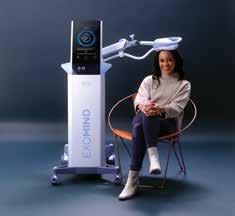
EXOMIND® uses advanced repetitive Transcranial Magnetic Stimulation (rTMS) technology to gently stimulate the left dorsolateral prefrontal cortex (DLPFC) — the brain’s executive control centre. It is in charge of:
• EMOTIONAL REGULATION AND IMPULSE CONTROL
• STRESS RESPONSE
• FOCUS AND CONCENTRATION
• MOTIVATION AND MENTAL STAMINA
• DECISION-MAKING AND SELF-CONTROL
If you look at an image of the brain of a person who is struggling with anxiety or depression, you will notice that the DLPFC— your brain’s engine—shows low electrical activity. During perimenopause and menopause, hormonal shifts, chronic stress, and disrupted sleep can reduce activity in this region—even in women with no prior mental health concerns.
EXOMIND’s technology can target specific brain neurons and neural pathways in the brain to boost its functioning.
But how? Picture your brain neuropathways as a crowded highway during gridlock. Nothing’s moving. EXOMIND’s targeted use of rTMS essentially adds lanes to the left, right, above, and below your brain’s highways to get transmissions flowing again. It is so precise that it can stimulate healthy pathways that are underactive while quieting the troublesome pathways that are overactive, promoting neuroplasticity and improved mental functioning.

By Angela Martens
Most of us know our bodies and what we can do (or at least what we are supposed to do) to manage some extra weight. And then, some time between the ages of 45 and 55, our bodies change— sometimes gradually, and sometimes suddenly— and all of the rules change with it. But we don’t have to take it sitting down! Registered Dietitian Angela Martens guides us through this metabolic plot twist no one asked for.
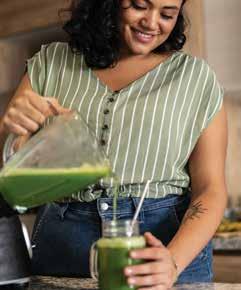

For many women, unwanted weight gain can be one of the most frustrating changes to navigate during the menopause transition. On average, women gain between 12 and 15 lbs between the ages of 45 and 55. Up to 65% of post-menopausal women are affected by obesity, which is linked to higher chronic disease risk.
The thing about the hormonal chaos of perimenopause is that every woman has a unique hormonal experience. When it comes to weight gain, several converging factors can contribute.
Menopausal hormone changes lead to fat redistribution from the subcutaneous depot (beneath the skin) to the abdominal cavity (in and around the organs). This is associated with higher insulin production, the main metabolic hormone that signals the body to store fat. Age-related muscle loss, which slows our metabolism, also plays a role.
SOLUTION: Reduce insulin production. Reducing your energy intake, focusing on the macronutrient composition of your diet, and engaging in time-restricted eating or intermittent fasting can all help to lower insulin output from your pancreas, making it easier for your body to access stored body fat.
High levels of stress combined with disrupted sleep from hot flashes can rev up cortisol production from the adrenal glands. Cortisol is notorious for increasing hunger, spiking sugar cravings, and promoting insulin resistance.
SOLUTION: Prioritize sleep (aim for 7–8 hours per night) and find ways to manage stress (e.g., get outside and enjoy nature, spend time with friends, play your favourite music, go for a massage, or try a mindfulness app).
Changes
Research is starting to uncover the complex interplay between the gut microbiome and sex hormone levels, but more research is needed in postmenopausal women. During menopause, reduced female sex hormones can lead to damage to the gut barrier. Decreased microbial diversity and alterations in the gut microbiome composition may also favour weight gain.
SOLUTION: Fibre-rich, whole plant foods feed healthy and diverse gut bacteria, which produce beneficial compounds for our body (like short-chain fatty acids) that protect the gut barrier and support your immune system.
The rules (or lack thereof) you had for your younger body may no longer apply: unhealthy eating habits, regular alcohol consumption, and reduced physical activity can start to catch up with women in midlife.
SOLUTIONS
Dial up your protein intake. Not sure how much to consume? The optimal protein target should be based on your lean body mass. This can be measured by a DEXA scan.
Pump some iron. Regular resistance training helps maintain and build lean mass, which in turn keeps your metabolic engine humming along rather than slumping as you grow older.
WEIGHT GAIN IN MIDLIFE IS COMMON—BUT NOT INEVITABLE. KNOWING THE FACTORS THAT CAN AFFECT WEIGHT GAIN CAN HELP YOU FORMULATE A PLAN TO GET YOU BACK IN THE DRIVER’S SEAT.
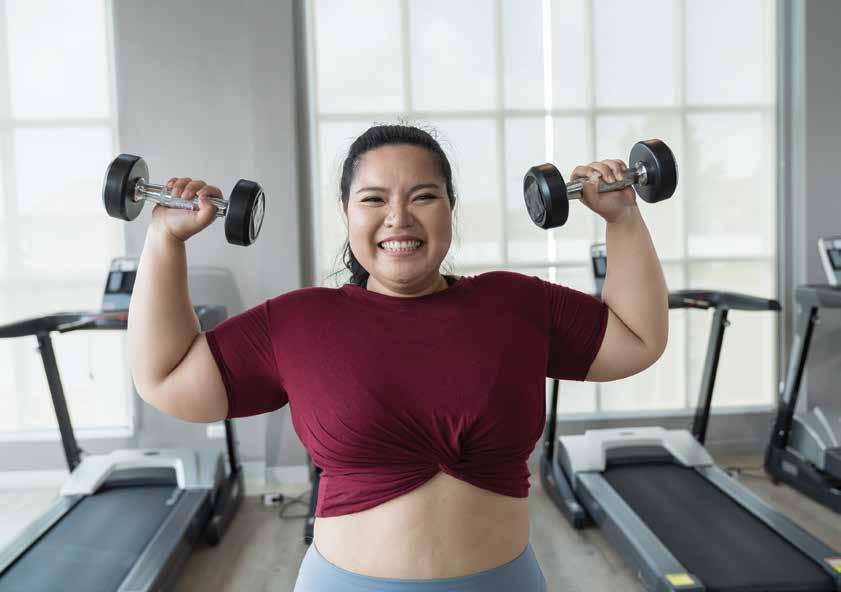
Estrogen is critical to building and repairing muscle, maintaining strength, and synthesizing muscle protein. Our muscles have estrogen receptors that help them function properly and promote muscle health. When estrogen levels drop, messages telling your body to grow and repair muscle mass and bone density can grow weaker. In addition, while women have lower levels of testosterone than men, lower perimenopausal levels can also exacerbate muscle loss.

Metabolic changes can also be exacerbated by a loss of muscle mass (reduced muscle mass = lower metabolic rate), which can team up with your body’s fun new inclination to accumulate fat around the belly.
Continuing to build muscle mass during peri- and postmenopause is important for maintaining a strong heart, bone density, and metabolic health. It has also been associated with fewer vasomotor symptoms (like hot flashes).
The same approaches to staving off weight gain work for maintaining and improving muscle mass: diet (protein) and exercise (weight training 2–3 times a week).
Menopause hormone therapy (MHT) can also help reverse a loss of muscle mass and hormone-related weight gain.
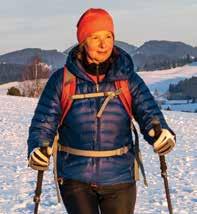

Walking with a friend is low-impact, weight-bearing, and great for your mental health! Instead of scheduling happy hour at the pub, why not schedule a 45-minute walk with a friend to catch up or throw on your favourite podcast. Suit up with a weighted vest to add resistance (start with 6–8 lbs., depending on your current fitness level, and make sure you use one fitted for a woman).
Dancing offers not only fullbody benefits, but it is also great for your mental health! It improves your flexibility, balance, and coordination; tones muscle; enhances cardiovascular health; and strengthens bones. It’s also a great way to burn energy and improve your mood! Grab your bestie, your kids, your grandkids, or just lock yourself in your bedroom and dance like no one is watching!

You don’t have to be a bodybuilder to benefit from a few weights. Start at 5 lbs and work your way up, either on your own in your living room or in a small group at the gym. Our bodies are changing in ways we cannot always predict, but building strength is one thing all of us can do, no matter what our size or fitness level. Harness your body’s potential!

Always wanted to learn golf? That’s a great way to incorporate walking! Interested in this pickleball trend? Check out your local community club for drop-in nights for beginners! Does a friend’s curling team need a spare? It’s great for short bursts of cardio and flexibility. Every little bit helps, and being a part of a team will keep you engaged and socially connected.
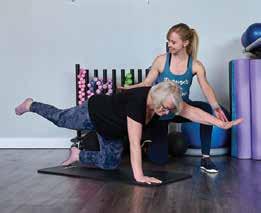
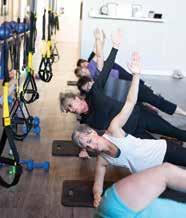
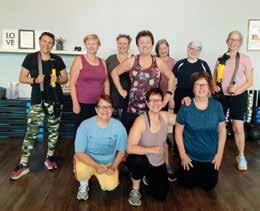
A unique, non-intimidating fitness experience for women who want to extend their health and fitness for a lifetime. We focus on safe and effective exercise in group fitness classes, one-onone personal training, and small group training with certified instructors who provide modifications for all fitness levels.



Try your first week for free! 8-960 Lorimer Blvd | 204-221-4285 fifty5fitness.com | formfitnesswpg.com
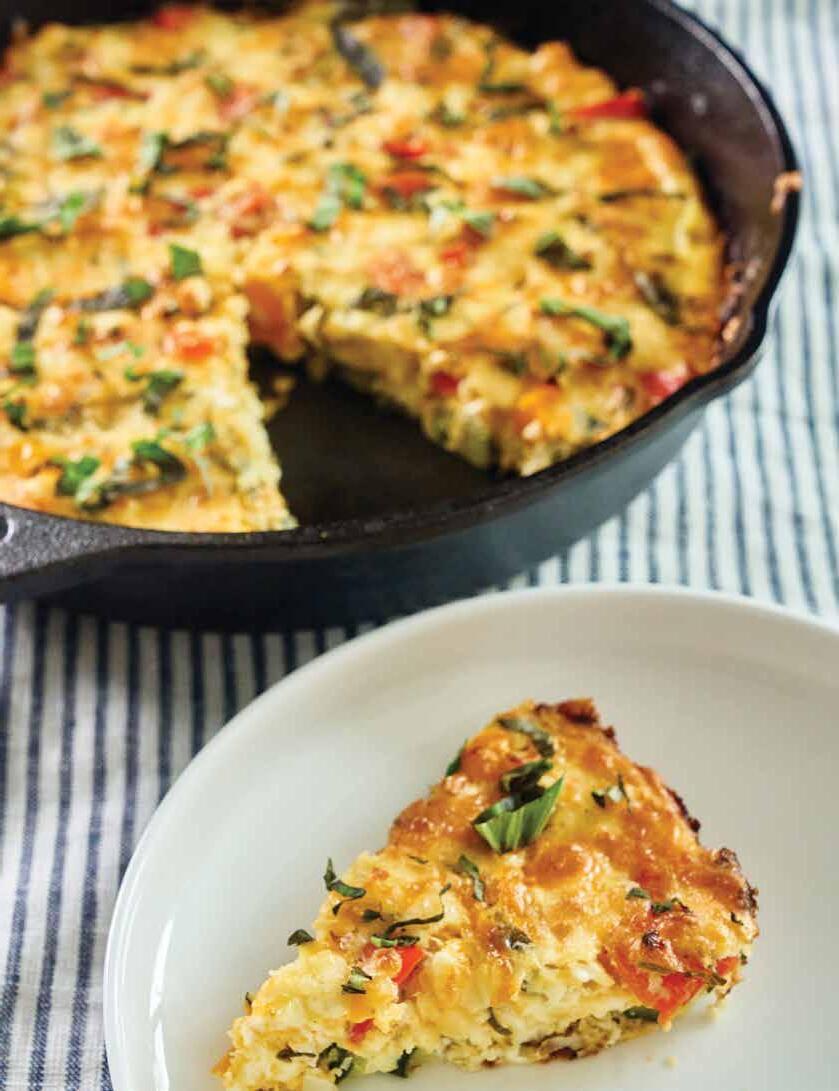
CRUSTLESS VEGGIE QUICHE
Serves 8
1 medium zucchini, diced
1 red bell pepper, diced
2 cups dry curd cottage cheese
4 eggs, beaten
3 tbsp butter, melted
1 cup old cheddar cheese, shredded
3 tbsp flour
3 cloves fresh garlic, minced
1/3 cup green onions, chopped
¼ cup fresh basil
Salt & pepper, to taste
Combine all ingredients in a mixing bowl. Mix well. Pour mixture into a greased 8-inch glass pie plate. Bake for 60 minutes at 375˚F.
Nutrition (serving 1/8 of the quiche):
366 calories; 26 g protein; 1 g fibre; 11 g carbs; 24 g fat
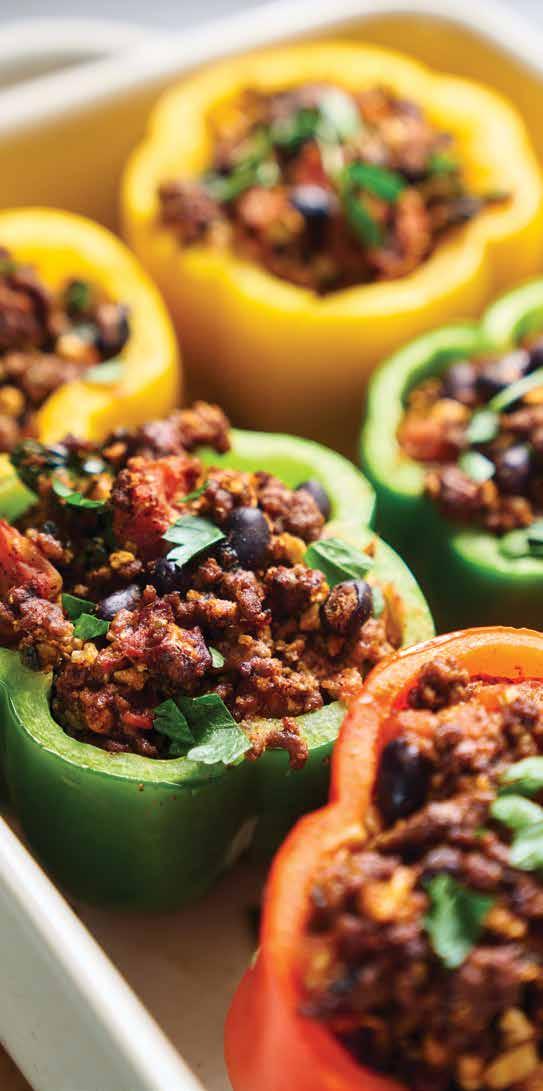
STUFFED BELL PEPPERS
Serves 6
6 large bell peppers
450 g lean ground beef *
1 tbsp cumin
1 tbsp smoked paprika
1 tbsp oregano
1 tbsp chili powder
1 tsp onion powder
Salt and pepper
1 cup cauliflower rice (fresh or frozen)
1 cup diced tomatoes with juice
½ cup canned black beans
Optional: Serve with plain Greek yogurt, cilantro, and salsa
* This recipe is easily adapted for vegetarians—just substitute veggie ground round for the beef.
Preheat oven to 375˚F. Slice off the top of the pepper and scrape out the seeds. In a pan, brown ground beef with all spices and salt and pepper to taste. Stir in cauliflower rice, tomatoes, and black beans. Stuff each bell pepper with the mixture. Bake for 20 to 25 minutes, until peppers are soft. Serve with Greek yogurt, salsa, and cilantro.
Nutrition: 410 calories; 39 g protein; 9 g fibre; 20 g carbs; 14 g fat; 5 g sugar
DID YOU TRY ONE OF THESE RECIPES? SHARE A PIC OR TAG US ON SOCIALS:
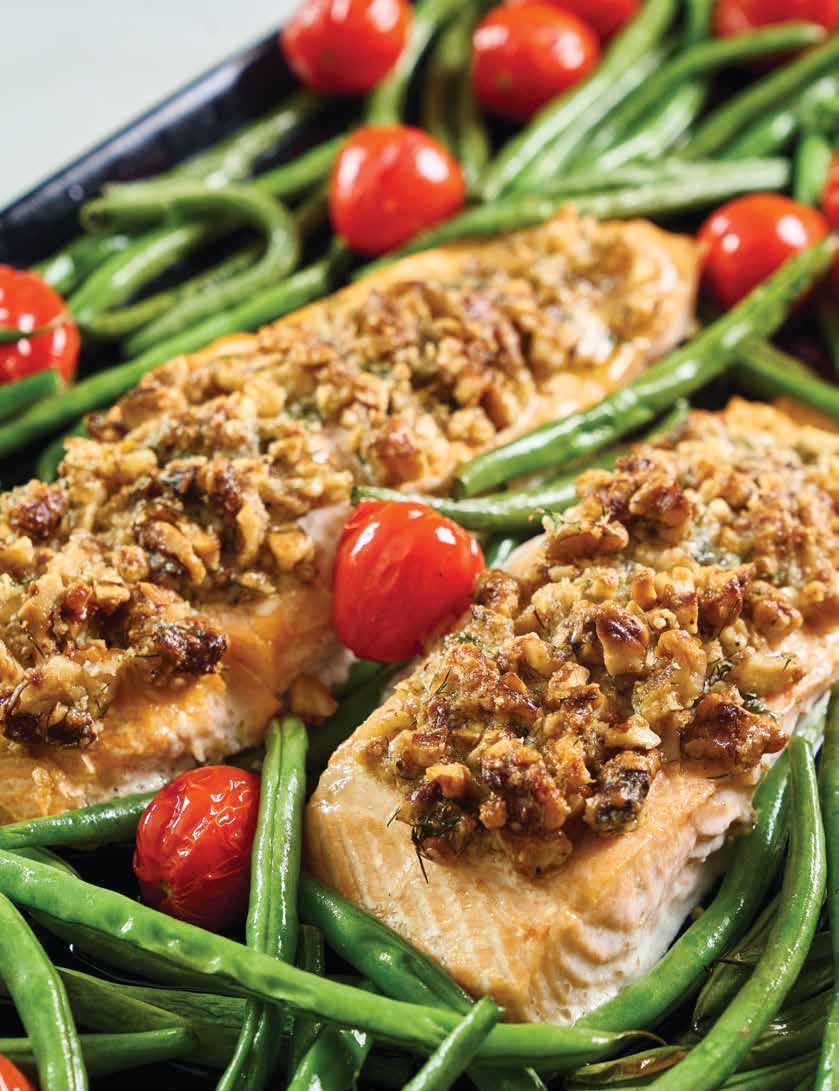
WALNUT-HERB SALMON WITH GREEN BEANS
Serves 4
225 g fresh green beans, trimmed
2 cups cherry tomatoes
¼ cup olive oil, divided
900 g boneless salmon fillets
½ cup Parmesan cheese, shredded
1/3 cup walnuts, coarsely chopped
1 tbsp ranch seasoning*
1 tbsp chives
1 tsp lemon zest
salt and ground black pepper
HERB SAUCE
1 cup Greek yogurt
2 tbsp fresh dill, chopped
2 tbsp fresh chives, chopped
1 tsp fresh lemon juice
1 tsp garlic powder
Salt and ground black pepper to taste
*If you cannot find premade ranch seasoning, combine 1 tbsp each of dry dill and parsley; 2 tsp each of dry chives, garlic powder, and onion powder; 1 tsp black pepper; and ½ tsp salt.
Preheat oven to 400°F. Place salmon fillets in the centre of a cookie sheet covered in parchment or sprayed with cooking spray. Toss the beans and tomatoes in olive oil and arrange them around the salmon. Season the entire pan with salt and pepper.
In a bowl, mix the walnuts, Parmesan cheese, ranch spice, chives, and lemon zest. Spread the walnut mixture over each salmon fillet.
Bake for 20 minutes in the oven or until the fish reaches an inner temperature of 122–125°F.
HERB SAUCE: Combine all the ingredients and season with salt and pepper to taste. Add a dollop of sauce to the salmon to serve.
Nutrition: 244 calories; 30 g protein; 6 g fibre; 6 g carbs; 19 g fat; 8 g sugar
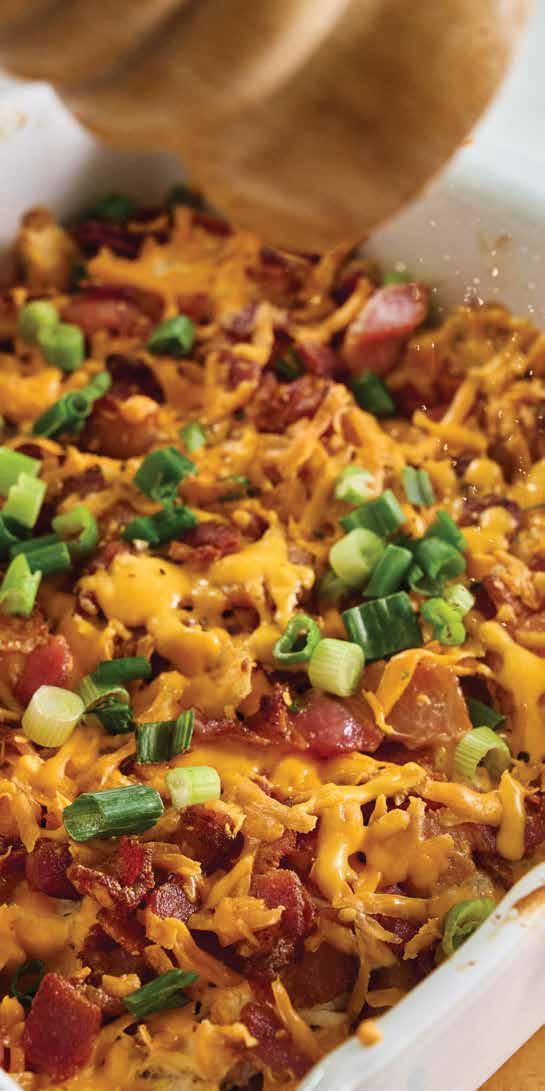
CRACK CHICKEN
Serves 6
900 g chicken breasts
1-1/2 cups cream cheese
2 tbsp ranch seasoning
1 tsp cayenne pepper
1 tsp salt
6 slices thick-cut bacon, diced
1 cup cheddar cheese
½ cup green onions
¼ tsp ground black pepper
SLOW COOKER: Mix the ranch seasoning, cayenne pepper, salt, and cream cheese in a bowl. Place the chicken in the bottom of the slow cooker. Spread the cream cheese mix on top of the chicken. Cover with lid and set on low for 5 hours, or on high for 3 hours. Fry the bacon on mediumhigh heat in a frying pan until crispy. Set aside. Shred the chicken using two forks. Mix everything together. Sprinkle with cheddar cheese and bacon, and cover with the lid until the cheese has melted. Sprinkle with green onions and ground black pepper to serve.
OVEN: Preheat oven to 400°F. Poach chicken breasts in chicken broth for 20 minutes, covered. Remove chicken from liquid and shred using two forks. Cook bacon until crispy. In an ovensafe casserole dish, mix the meat, ranch seasoning, cayenne pepper, salt, cream cheese, and half of the cheddar cheese. Layer bacon and the rest of the cheddar cheese on top. Bake for 15 minutes or until the cheese is melted and bubbly. Sprinkle with green onions and ground black pepper to serve.
INSTANT POT: Mix the ranch seasoning, cayenne pepper, salt, and cream cheese in a bowl. Place the chicken in the bottom of the instant pot. Spread the cream cheese mixture on top. Close the lid and the vent and cook on high for 15 minutes. Let steam naturally release for 10 min. Open the lid and stir in cheddar cheese. Let the sauce thicken for a few minutes. Sprinkle with green onions and ground black pepper to serve.
Nutrition: 397 calories; 26 g protein; 0.3 g fibre; 3.1 g carbs; 25 g fat; 1.4 g sugar
Rica
Guenther, Senior Wealth Advisor, Wellington-Altus Private Wealth

Rica Guenther is a Senior Wealth Advisor and Insurance Advisor at Wellington-Altus Private Wealth, where she helps clients simplify the complexity of managing and transitioning their wealth. Rica guides individuals and families through life’s pivotal moments—retirement, business exits, loss, divorce, generational wealth transfers, and any major lifestyle shifts. Because wealth is more than numbers—it’s a tool to live the life you want.
with Rica Guenther
Asecure life is, in many ways, about empowering yourself to plan for—and handle—transitions with confidence. Your wealth planning can be many things— a safety net for you and your family, a source to draw on to create the life you want, a tool to manage business exit and succession, or a means to manage lifestyle shifts like retirement.
As a Senior Wealth Advisor and Insurance Advisor at Wellington-Altus Private Wealth, I work extensively with women in midlife who are seeking simplicity, peace of mind, and a strategic plan that aligns their resources with the life they want to create. I call my approach “Wealth by Design,” which combines all aspects of financial wellness to enable clients to spend more time doing the things they value most.
Midlife is a golden opportunity to reflect and move forward with intention on multiple levels. It is a meaningful inflection point for women, a period of transition that reshapes priorities, identity, and direction in many ways. For many, this stage coincides with peak earning years. You may be entering an empty-nest phase, while also taking on the role of caregiver for aging parents. At the same time, it is a moment when we are truly coming into our power— financially and emotionally, with a deeper sense of self-confidence and clarity about what matters most.
However, because money is so emotionally attached to selfworth, confidence, security, and safety, not knowing what to do with it can make people feel very uncomfortable. My job is to facilitate difficult conversations where everyone shows up. That means for all parties involved, everyone needs to understand the basic language we are using, the general outlook of their finances, and the investment choices available to them in their current stage of life.
There are common challenges, regardless of your financial position. There are longevity gaps (we are living longer than we used to— and need to plan for that); there is wealth interruption (e.g., when one partner chooses to change careers or stay home to raise kids); there is decision fatigue; and there can be a confidence gap—and that doesn’t mean a lack of ability.
In this phase, women want to establish clarity, simplicity, and a game plan to the finish line.

Big-picture collaboration: My role is as a longterm collaborator. Clients often say that I am their first call if a major decision is happening in life, investment or otherwise. My clients often have complex portfolios, so I partner with their accountants and family lawyers to ensure that all of the plans have outlined in their wills— which you need to have, by the way—align in a cohesive strategy. That way, when I deliver investment recommendations, they align with all the other pieces of that puzzle. It's powerful when it all comes together.
Communication: Establish a foundation of trust and comfort so that everyone can speak openly. No relationship at any stage of your life works unless you can openly and honestly communicate, and wealth planning is too important for your well-being to feel like you cannot have an honest conversation.
Ability to connect with your needs: Clients want to be a part of the conversation. They don’t want to hear jargon that they don't understand—and they don’t want information overload. It’s the opposite. They want simplification because midlife often means juggling multiple responsibilities at once. They want a partner who will troubleshoot and streamline all of the moving parts so they can focus, gain clarity, and move confidently toward their goals.
Money management has many hidden triggers that hide in our past. For example, think about your first experience with money—whether it’s your first job or how money was handled in your childhood household. We can crack open some really interesting revelations about our approach to money now when we look at our early memories. Pinpointing these emotional triggers can inform our risk tolerance, fee sensitivity, and even our willingness to address financial decisions.
At midlife, there are core pillars of planning. First, you need to take the time to assess your personal situation and where you’re at now. One thing I must stress is that, no matter your financial position, it’s not too late to start planning, and you don’t have to do it alone. For women in particular, who are trying to do it all, the most valuable step you can take is to align yourself with a professional who understands where you’re at.
The next step is to articulate what it is you want out of life, and how your money can support you. That can look several ways: maybe that’s, I want to travel more, or I want to step away from work or make work optional. Or maybe you are thinking about your legacy. Whatever your goals, I help build a clear, purpose-driven plan that’s tax-efficient and uniquely yours—so more of your money works for you, both today and long term.
Once you have established trust in the relationship and set out your goals, you and your financial advisor need to reverse-engineer steps to attain those goals. A financial plan will give you a sense of purpose and help you consider opportunities. It is planning for what you can control, while preparing for what you can’t.
For clarity and trusted stewardship in family wealth decisions, connect with Rica Guenther, CIM.
ricaguenther.wealth rica-guenther-wealth 204-925-2076
rica.guenther@wellington-altus.ca
By Melina Elliott

Sex and menopause! Let’s talk about it. In the midst of changing bodies, busy schedules, and caring for children and aging parents, this can be a time where many of us look at our partners and think, “I really love you… but I do not want to F**K you!” This is not necessarily because our love has changed drastically (though sometimes it has)—it is often because our hormones are changing and dragging our feelings along with them.
In midlife, we are being pulled in so many different directions. On top of life stresses, if you are like me, you are not sleeping well! You wake up at 3 a.m. with night sweats and start thinking about all the things that happened that day, all the things that you need to remember to do tomorrow, and all the things your beautiful children will tell their future therapist about your parenting mistakes. I once tossed and turned all night, tortured by a comment I made at a party five
years ago! Or maybe you are gaining weight, and you have no idea why. Suddenly, you stand in the same room as a cookie, and you gain three pounds! You didn’t even eat it!!
Then, when you do end up setting aside the time and revving yourself up to have sex, it hurts. The natural lubrication that was once always there is gone, and it feels like you’re having sex with a Brillo pad. Painful sex is not good sex, and no one should feel pressure to clench their teeth and endure it.
So what is happening? Our ovaries are heading into retirement. The hormones are packing up their desks and marching themselves out of the building—and it is causing chaos. Does it have to be this way? Well, the answer is yes and no. Yes: it will happen, because if you were born a female, you will go through menopause. But also no: there are treatment and lifestyle options available for keeping that bedroom spark alive during menopause!
It’s hard to feel sexy when a sweaty hot flash is the only lubrication your body seems to be able to muster. So let’s all say it together: “Lubricant!” At this stage, lube is your best friend, and there have been some great new formulations that will help. For optimal vaginal health and pleasure, you want to look for a good quality product that is (1) long-lasting, (2) won’t disrupt your PH balance, and (3) colour- and scent-free
The key to penetrative sex is lots of lubricant: don’t be stingy! The more the better! Remember Slip 'N Slide as a kid? Don’t be afraid to get wet. If you are feeling shy, I promise that at the point in the evening where you want to pull out the lubricant, there isn’t a partner on the planet that will blink an eye. You can even make it part of the fun! (I will leave that part up to your imagination.)
Now that we are all lubed up, what else can we do? For sexual health, it can help to create a healthy balance by paying attention to the following simple pillars of health: get your sleep, eat high-protein, lower-carb foods; limit alcohol; and exercise. “Can help” is important to remember. It may not always work. Last week, I had a big day at work, so I set myself up for success by eating a healthy supper, going on a 5-km walk, and not drinking alcohol—and guess what? I woke up at 3 a.m. in a pool of my own sweat and started obsessively worrying that I am a bad daughter because I haven’t had my dad over for supper in a few weeks—despite the fact that I speak to him daily.
So even with the best laid plans (pun intended!), things may still not work out the way we want. This is when you need to have patience with yourself and have an honest conversation with your partner. Tell them that you are trying, that maybe you need to use more lube and get more sleep, and that your body is changing. Reassure them that you still love them very much but let them know that your sex life is going to reflect the changes in your body. Like many transitions, it’s not bad; it is just different and may require a new set of tools.

Melina Elliott thinks that everyone should be having good sex—either solo or with a partner! Midlife has its ups and downs, and at least some of them should be in the sack. Melina offers insights and recommendations to bring intimacy back into your life.


SYMPTOM SPOTLIGHT:
When you are pre-menopausal, picture the folds inside your vagina (called rugal folds) like a pleated skirt, expanding to accommodate whatever is coming in or going out. Postmenopause, the tissue becomes thinner and the folds flatten out, leaving you with more of a rigid pencil skirt situation. This can cause changes in how your labia looks, your vagina’s elasticity, and how you experience (or even tolerate) penetrative sex. In addition, a drop in estrogen can also inhibit your natural lubrication and flatten out the padding in your labia, contributing to discomfort and even pain during penetrative sex.
Want to bring some of the magic back?
Menopause hormone therapy can improve vaginal blood flow to your labia and vagina, restoring thickness and elasticity. Estrogen can be taken as a pill or patch, or estrogen-containing products—like cream, vaginal rings, or vaginal tablets—can be applied directly on or inserted into the vagina.
Is more sexual activity the answer?
It turns out that it helps! A study published in Menopause, the journal of the Menopause Society, found that masturbation is one of the highest-rated “treatments” to alleviate symptoms like mood changes (anxiety, anger, mood swings) and poor sleep (two total libido-killers). In addition, a Japanese study published in Menopause found that regular sex is associated with less pain, dryness, and irritation in the vulva (the outer lips of the vagina) during intercourse. Orgasm is great for critical blood flow to all your best bits!

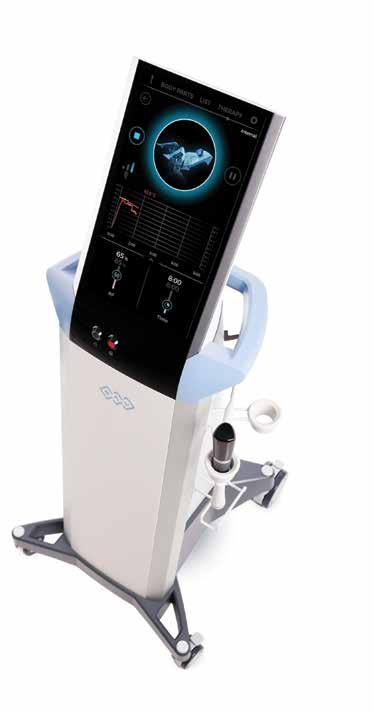
Emfemme 360 uses cutting-edge, energy-based technology to stimulate the tissues of the vaginal wall and vulva, promoting natural collagen production, improving blood flow, and enhancing overall vaginal health (see more on page 15).

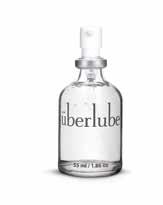
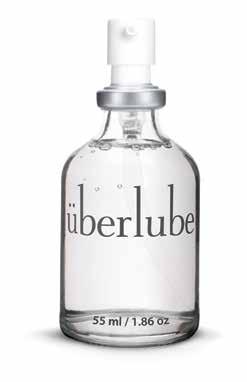
Überlube is anhydrous and biostatic (it won’t change your pH), cruelty-free (no animal products or testing), and it has simple, safe ingredients: silicone and vitamin E. Oh ya, and it’s sweat- and water-resistant, so you can also use it on any part of your body that chafes during ANY kind of workout (I mean actual exercise… but also acrobatic sex). It ticks all the boxes, and it comes in a beautiful glass bottle.
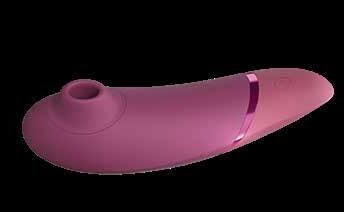
Womanizer is a user-friendly vibrator that is safe for all vaginas because it is not inserted—it stimulates the clitoris (it is also quiet and
Get yourself in the mood with the Heated Rivalry series by Canadian author Rachel Reid. You’ve seen the series, now read the steamy book that got it all started!
All of these products and services are available at The Menopause Practice, except the Heated Rivalry book, which you can get at your local bookstore.

AEVI BOUTIQUE is rooted in quiet luxury—easy, modern style with clean lines and refined textures. Everything is thoughtfully made and designed to be worn for years to come.
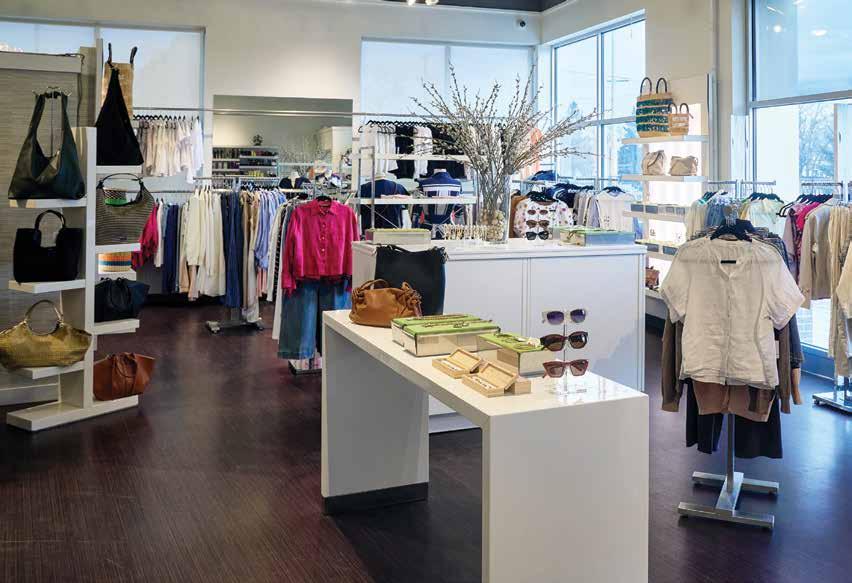


We focus on pieces that are sustainably produced, versatile, and built to last. Nothing overworked, nothing unnecessary—a thoughtfully curated collection of clothing, hats, bags, and jewellery that elevate your everyday style.
Our collections are made to work for you, whether your style leans more classic or a little more current. It’s a space where women of all ages can find pieces that feel like them.
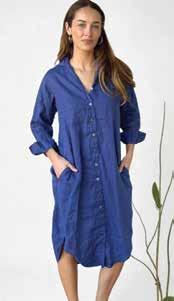
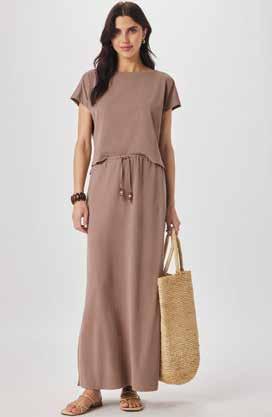

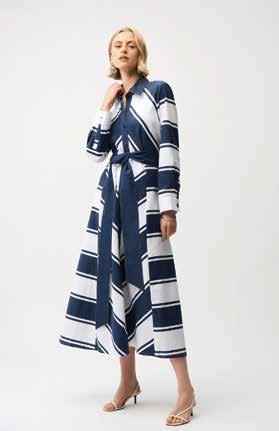
This summer, Aevi leans into understated sophistication—lightweight fabrics, relaxed silhouettes, and tonal dressing. A soft neutral palette is paired with subtle seasonal colour. We’re not about chasing trends, just refining them into pieces that feel relevant, wearable, and lasting

Shop all of our clothing and accessories online
By Erica Henderson
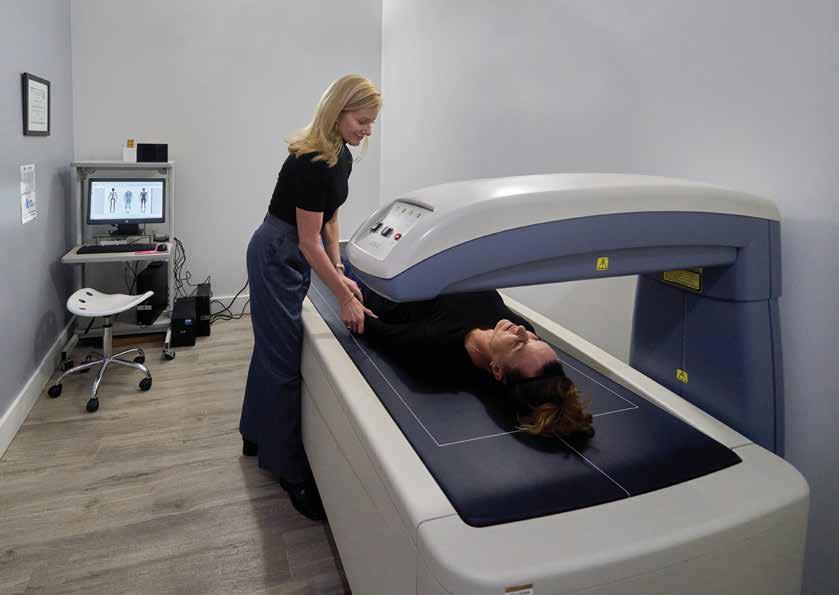
Of all the symptoms we worry about during menopause, some of the most concerning are not the most obvious. Estrogen is critical to strong, healthy bones. Monitoring your bone density as you age will help you live a long, active life.
WE CAN CONTINUE TO BUILD NEW BONE THROUGHOUT OUR LIVES THROUGH CONSISTENT RESISTANCE
TRAINING, IMPACT TRAINING, AND SMART NUTRITION.
They are the infrastructure of our bodies—yet we tend not to think about our bones until it’s too late.
Bone health is often associated with aging: we all dred the thought of falls, fractures, and frailty. But the truth is, if you want to stay strong, mobile, and independent later in life, you need to start paying attention to your bones now.
Bone is living, dynamic tissue that is constantly being remodelled. This process involves two key types of cells: osteoblasts, which build new bone, and osteoclasts, which break down old or damaged bone. This continuous cycle— known as bone remodelling—is happening throughout your entire life.
Women build the majority of their bone mass between the ages of 15 and 25, when nutrition, movement, and hormones—especially estrogen—play a critical role. From this point forward, the focus becomes preserving bone and slowing loss, while still stimulating new bone formation where possible.
The good news is that we can influence this process.
We can support osteoblast activity—and help maintain strong bones—through:
• Resistance training (lifting weights)
• Weight-bearing exercise (walking, hiking)
• Impact training (jumping, skipping)
• Targeted nutrition
MOVE WITH INTENTION
Incorporate weight-bearing, resistance, and impact exercises into your routine. These forms of mechanical loading stimulate bone remodelling and signal your body to maintain or build bone.
PRIORITIZE NUTRITION
Bone requires the right building blocks:
• Protein for structure
• Calcium: 1,200–2,000 mg daily (total intake from food + supplements)
• Vitamin D: 2,000 IU daily (adjusted based on blood levels)
Estrogen plays a critical role in regulating bone remodelling. During perimenopause, hormones fluctuate significantly—estrogen levels rise and fall unpredictably. But it is post-menopause, when estrogen levels decline and remain consistently low, that bone loss accelerates.
Menopause hormone therapy (MHT) has been shown to reduce bone loss and lower the risk of fractures by up to 50% in appropriate candidates.
Of all the symptoms we think about during menopause, some of the most important are the ones we don’t see. Bone loss is silent—but its consequences are not. Currently, 1 in 3 women over the age of 50 will develop osteoporosis, and in North America, approximately 400,000 women experience fractures related to osteoporosis each year.
Getting a baseline bone density scan early is one of the most important steps you can take. It allows you to understand where you are starting from and monitor changes over time—so you can take action before significant bone loss occurs.
Monitoring your bone density as you age is a powerful way to protect your long-term health, mobility, and independence.
We are always remodelling bone. And with the right inputs, you can influence that process—at every stage of life.
Erica Henderson is a Registered Radiation Technologist, with over 35 years of experience. She is registered with the CAMRT and MAMRT. She is Dexacertified with the International Society for Clinical Densitometry. She is a passionate advocate for active living that extends our health span to match our lifespan.

Estrogen plays a key role in balancing bone remodelling. It helps slow down osteoclasts (cells that break down bone) and supports osteoblast activity (cells that build bone).
Post-menopause, estrogen levels drop and remain low. This leads to:
• Increased bone breakdown
• Reduced bone formation
• A net loss of bone density over time
This is why the risk of osteopenia, osteoporosis, and fractures increases after menopause.
QUIZ: ARE YOU AT RISK?
R Are you over 45 or have you experienced early menopause (before age 45)?
R Do you have a family history of osteoporosis or hip fractures?
R Have you weighed under 132 lbs (60 kg) for most of your adult life?
R Do you have low muscle mass?
R Do you have celiac disease or another condition that affects nutrient absorption?
R Have you used steroids long term (e.g., prednisone)?
R Do you smoke cigarettes or vape?
R Do you drink more than 2 alcoholic drinks per day?
R Do you have low protein, calcium, or vitamin D intake?
R Do you lead a sedentary lifestyle (working out less than 3 times per week for 30 minutes)?
If you answered “yes” to more than 3 of these questions, now is the time to start looking after your bones! We can help!
THEMENOPAUSEPRACTICE.CA
@THEMENOPAUSEPRACTICE
SYMPTOM SPOTLIGHT:
Unfortunately, you can’t just eyeball your bones to see if they are healthy. The gold standard test to measure bone mineral density is a DEXA scan, which assesses your hip and spine— the most important sites for predicting fracture risk. Unlike traditional X-rays, a DEXA scan provides a precise, painless, and non-invasive assessment of your bone health. It detects even the earliest signs of bone loss, allowing you to take action before a fracture occurs.
In Canada, you can’t get a DEXA scan through the health care system unless you’re over 65 or meet specific criteria (like celiac disease or long-term steroid use, like prednisone). The statistics are sobering: one in three women will develop osteoporosis after the age of 50, and of these women, half will break a bone—sometimes with life-altering consequences. By the time a woman is over 65 and diagnosed with osteoporosis,

medication (like bisphosphonates) is usually the only option— and these can come with side effects like heartburn and nausea. However, if you catch osteopenia (the precursor to osteoporosis) in your 40s or 50s, you can work to prevent osteoporosis and even build back some bone density.
The DEXA scan can help clients track their bone density over time and identify modifiable risk factors like nutrition, exercise, and hormone changes. DEXA scans are available at Body Measure, The Menopause Practice’s sister company, which focuses on preventative care. The team includes a registered dietitian and nurse practitioners who work with you to develop a personalized, evidence-based plan to maintain or improve your bone health. From recommending the right supplements to designing weight-bearing exercise routines, our approach is both holistic and practical.
Let us catch those embarrassing mistakes.
Firefly Communications Experts will edit, design, and translate your research, funder reports, proposals, annual reports—and anything in between.
Clients include the International Institute for Sustainable Development, Council of Canadian Academies, CARE Netherlands, Colombia Center on Sustainable Investment, IISD Experimental Lakes Area, Emond Publishing, and NAP Global Network, among others.

Contact us for an estimate: lisa@fireflywords.com | www.fireflywords.com
KKathryn Dzikowicz opened Blue Sky Fitness & Health Coaching with the goal of building a fitness community. Her passion for fitness extends to ongoing professional development, including certification through Osteoporosis Canada as a BoneFit Instructor and through the Canadian Society for Exercise Physiology.
Kathryn’s definition of fitness expands beyond the traditional workout to encompass the holistic sense of the word. The training team at Blue Sky takes care of your body through small classes that range from hardcore workouts to SeniorFit classes and personal training that creates individual plans for your fitness goals. They also support your mental health through exercise and community connections that extend beyond the gym walls. When you join Blue Sky, you join a family—a small gym with a big heart!
See what they have to offer with an introductory week for just $10!
FIVE REASONS WHY COMMUNITY MATTERS FOR WOMEN OVER 40 IN A BOUTIQUE GYM
As women move into their 40s, 50s, and beyond, fitness stops being just about aesthetics—and becomes about health, strength, connection, and quality of life.
1. ACCOUNTABILITY WITHOUT PRESSURE
In a boutique gym, clients are known by name—not just a number, and they get to know each other! That sense of being “missed” (in a supportive way) by your classmates increases consistency far more than willpower alone.
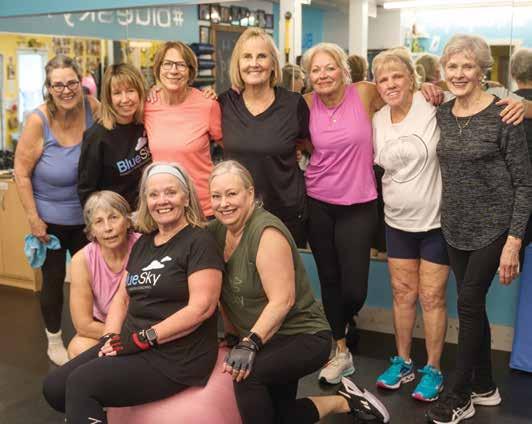
2. EMOTIONAL SUPPORT + SHARED EXPERIENCE
Women over 40 are often navigating hormonal changes, aging parents, career shifts, and empty nests. Being surrounded by others in a similar stage of life creates understanding, empathy, and real conversations. That connection, along with the natural stress-relief benefits of exercise, help you manage stress, which directly impacts health and weight.
3. CONFIDENCE & PSYCHOLOGICAL SAFETY
Large gyms can feel intimidating. Boutique environments offer a nonjudgmental space, personalized attention, and freedom to ask questions.
This helps women feel:
• More confident
• More willing to try new things
• Less afraid of “doing it wrong”
4. HIGHER ADHERENCE = BETTER RESULTS
Community is one of the strongest predictors of long-term success—even more than the program itself. When clients feel connected:
• They show up more often
• They push a little harder
• They stay longer-term
5. IT MAKES FITNESS ENJOYABLE AGAIN
Working out in a boutique gym isn’t just about physical wellbeing. As a social outlet for connection and support and a physical outlet that offers natural endorphins, the gym experience transforms from a chore to something to look forward to.
Instead of: “I have to work out,” it becomes: “I get to go see my people.”
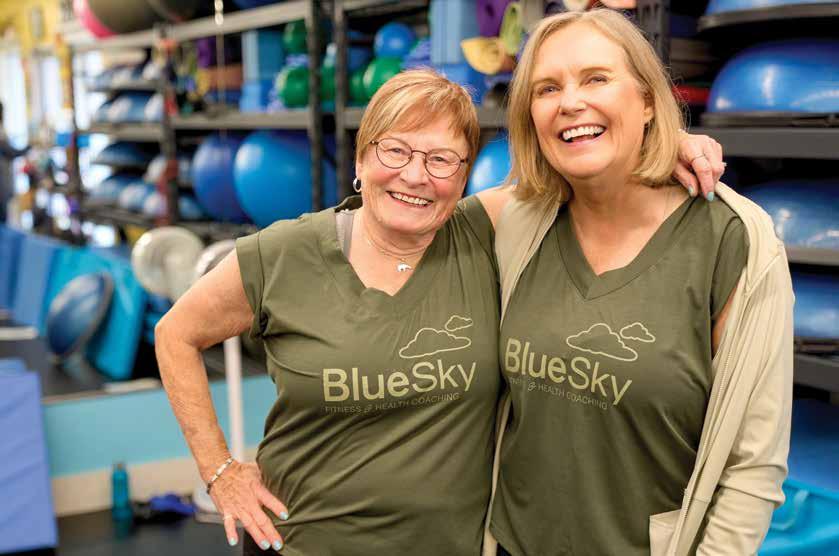
It’s never too late to get active and start moving your body to build muscle and bone, stay strong, and maintain balance and mobility. Weeding through workout advice can be daunting without a guide. And as we age, our fitness goals shift to more functional purposes. With that in mind, Blue Sky Fitness Studio owner Kathryn Dzikowicz identifies six elements of a “good workout.”
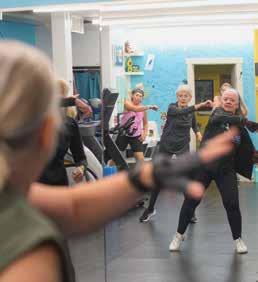
WARM-UP: Time is short, and many of us want to optimize our workouts to get maximum results in the time we have. But don’t skip your warm-up! A good warmup will promote circulation with a little aerobic activity; increase flexibility for a better range of motion; raise your core temperature to prevent injury to muscles, joints, and connective tissue; and prepare you mentally for your workout.
GOOD FORM: Any exercise is better than no exercise. True—to a point. However, good form is critical to preventing injuries and maximizing your efforts. Poor form can lead to strained muscles, sprained ligaments, and barriers to continuing a healthy lifestyle. When you are starting, personal training and small group classes with greater personal attention can help you establish proper techniques for safer progress.
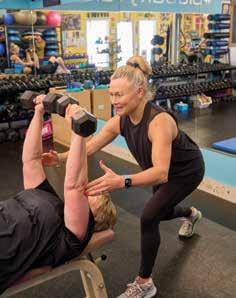
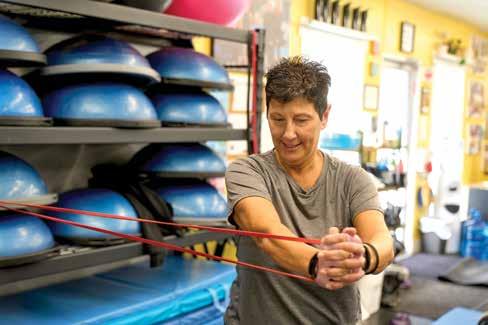
CORE: It’s called “core” for a reason! Core strength supports all of your daily and workout activities. It is critical for daily life (bending, lifting, standing up); it supports a healthy, pain-free back; it contributes to success in other sports and hobbies (like gardening and housework); it promotes good balance, stability and posture; and it can prolong a healthy sex life.
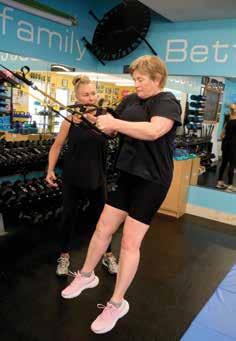
IMPACT: Bones are so important to healthy, active aging! Bones remodel themselves constantly based on the stress they endure. Movements like jumping, running, and skipping signal a rebuilding response that also blocks a protein that suppresses bone formation. Kathryn, a BoneFitcertified trainer, can guide you to safely build bone-healthy movement into your workout.
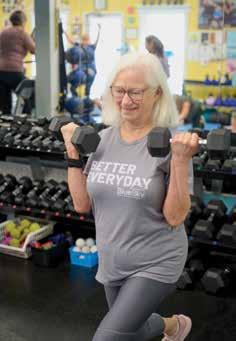
STRENGTH: Strength training (also called resistance training) in midlife is essential for healthy living and aging. Strength training triggers the body to rebuild stronger, more resilient muscles. Training with barbells, kettlebells, and resistance bands will boost your metabolism, strengthen your cardio, improve bone density, and improve mental health and cognitive resilience.

THE FIRST WEEK OF CLASSES IS ONLY $10 FOR EVERY NEW CLIENT AT BLUE SKY FITNESS! NO OBLIGATIONS, NO COMMITMENTS— JUST FITNESS BLISS. SIGN UP NOW!
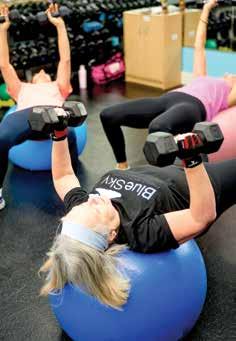
BALANCE: Balance becomes increasingly important as we age. In our later years, falls and injuries can lead to longer hospital stays and more complicated health problems. Like core strength, balance work enhances our body awareness, improves performance in daily activities—from sports to chores— and helps us move through the world safely.

Pause was created by women for women—and we want to hear from our community. Do you have 5 minutes to give us some feedback and help us make Pause magazine Manitoba’s go-to resource for evidence-based information on perimenopause and menopause?
To enter our giveaway for a $100 gift card for The Menopause Practice’s services or products, simply:
1. Scan the QR code and take the 9-question survey
2. Follow us on social media @themenopausepractice





We all know that women make the vast majority of household decisions. Now is your chance to grab their attention!
PAUSE centres the experiences of women ages 40–75+ with features on hormone therapy, nutrition, sexuality, fitness, bone health, wealth management, mental health, and lifestyle.
With a readership of over 15,000 per issue, PAUSE cuts through the noise to bring you cutting edge-research grounded in evidenced-based science.
The next issue comes out in Fall 2026. Don't miss out on this captive and engaged audience.