Embracing Digital Hospitality: The Future of Training Solutions
In an era where technology reigns supreme, the hospitality industry is undergoing a significant transformation. A digital hospitality platform serves as a lifeline for businesses striving to remain competitive and efficient. With the right tools and resources, restaurants and hotels can streamline their operations, improve staff performance, and enhance customer satisfaction. This article explores the importance of digital training solutions for restaurants, the significance of effective employee training in hospitality, and the best practices for onboarding in the food and beverage (F&B) industry.
The Rise of Digital Training Solutions

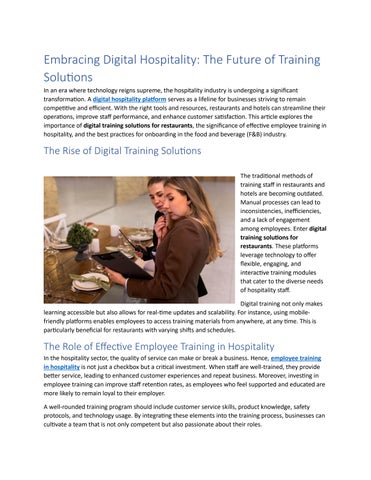
The traditional methods of training staff in restaurants and hotels are becoming outdated. Manual processes can lead to inconsistencies, inefficiencies, and a lack of engagement among employees. Enter digital training solutions for restaurants. These platforms leverage technology to offer flexible, engaging, and interactive training modules that cater to the diverse needs of hospitality staff.
Digital training not only makes learning accessible but also allows for real-time updates and scalability. For instance, using mobilefriendly platforms enables employees to access training materials from anywhere, at any time. This is particularly beneficial for restaurants with varying shifts and schedules.
The Role of Effective Employee Training in Hospitality
In the hospitality sector, the quality of service can make or break a business. Hence, employee training in hospitality is not just a checkbox but a critical investment. When staff are well-trained, they provide better service, leading to enhanced customer experiences and repeat business. Moreover, investing in employee training can improve staff retention rates, as employees who feel supported and educated are more likely to remain loyal to their employer.
A well-rounded training program should include customer service skills, product knowledge, safety protocols, and technology usage. By integrating these elements into the training process, businesses can cultivate a team that is not only competent but also passionate about their roles.
Best Practices for Onboarding in the F&B Industry
When it comes to best practices for onboarding in the F&B industry, it's crucial to create a structured and engaging experience for new hires. An effective onboarding process goes beyond simply handing over an employee manual. Here are some key strategies to consider:
1. Structured Orientation: Begin with a comprehensive orientation session that introduces new employees to the company culture, values, and expectations. This helps them understand the bigger picture of their role within the organization.
2. Hands-On Training: Practical, hands-on training is essential in the F&B sector. Pair new employees with experienced staff who can mentor them through real-life scenarios. This not only enhances learning but also fosters teamwork.
3. Utilize Technology: Incorporate digital training solutions for restaurants into your onboarding process. For example, use a best LMS platform that allows new hires to complete online modules at their own pace, reinforcing their skills through quizzes and interactive content.
4. Continuous Feedback: Establish a feedback loop where new employees can voice their concerns and suggestions. This helps identify any areas where additional training may be needed and shows employees that their input is valued.
5. Cultural Immersion: Encourage new hires to immerse themselves in the company culture. This could involve participating in team-building activities or shadowing different departments to gain a well-rounded understanding of operations.
Best Practices for Staff Onboarding in Hotels
Hotels have their unique challenges when it comes to staff onboarding. The following strategies can enhance the onboarding process in hotel settings:
1. Pre-Boarding Communication: Begin engaging with new hires before their official start date. Send welcome emails with essential information, company policies, and a sneak peek of what to expect on their first day.
2. Role-Specific Training: Tailor training modules to fit the specific roles of new employees. For instance, front desk staff may require different training than housekeeping or kitchen staff.
3. Cross-Training Opportunities: Encourage cross-training among different departments. This not only builds a versatile workforce but also fosters a greater appreciation for each team member's role within the hotel.
4. Mentorship Programs: Pair new hires with mentors who can guide them through their first few weeks. This support can significantly enhance confidence and competence.
5. Regular Check-Ins: Schedule regular check-ins during the onboarding period to address any challenges and celebrate milestones. This ongoing support can ease the transition into their new role.
Exploring Alternatives: Expandshare and Beyond
As the demand for effective digital training solutions grows, businesses are exploring various options beyond traditional platforms. An Expandshare alternative may offer features tailored to specific needs within the hospitality sector, including customizable training modules, analytics to track progress, and community forums for peer support.
When choosing a best restaurant LMS or best LMS platform, it’s crucial to consider user-friendliness, scalability, and the ability to integrate with existing systems. The right platform can make a significant difference in how effectively employees are trained and retained.
Conclusion
The evolution of the hospitality industry calls for innovative approaches to training and onboarding. By embracing digital training solutions for restaurants and adhering to best practices for onboarding in the F&B industry, businesses can enhance their operational efficiency and improve staff performance. As the hospitality landscape continues to shift, those who invest in their employees will undoubtedly reap the rewards of improved service, customer satisfaction, and long-term success.