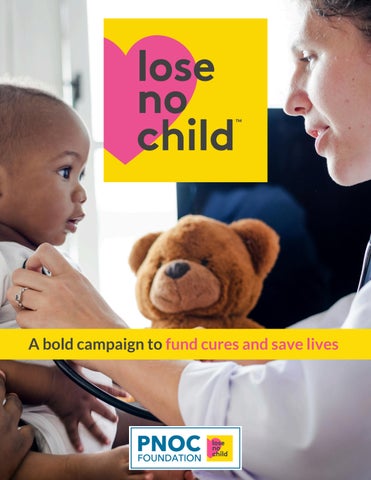
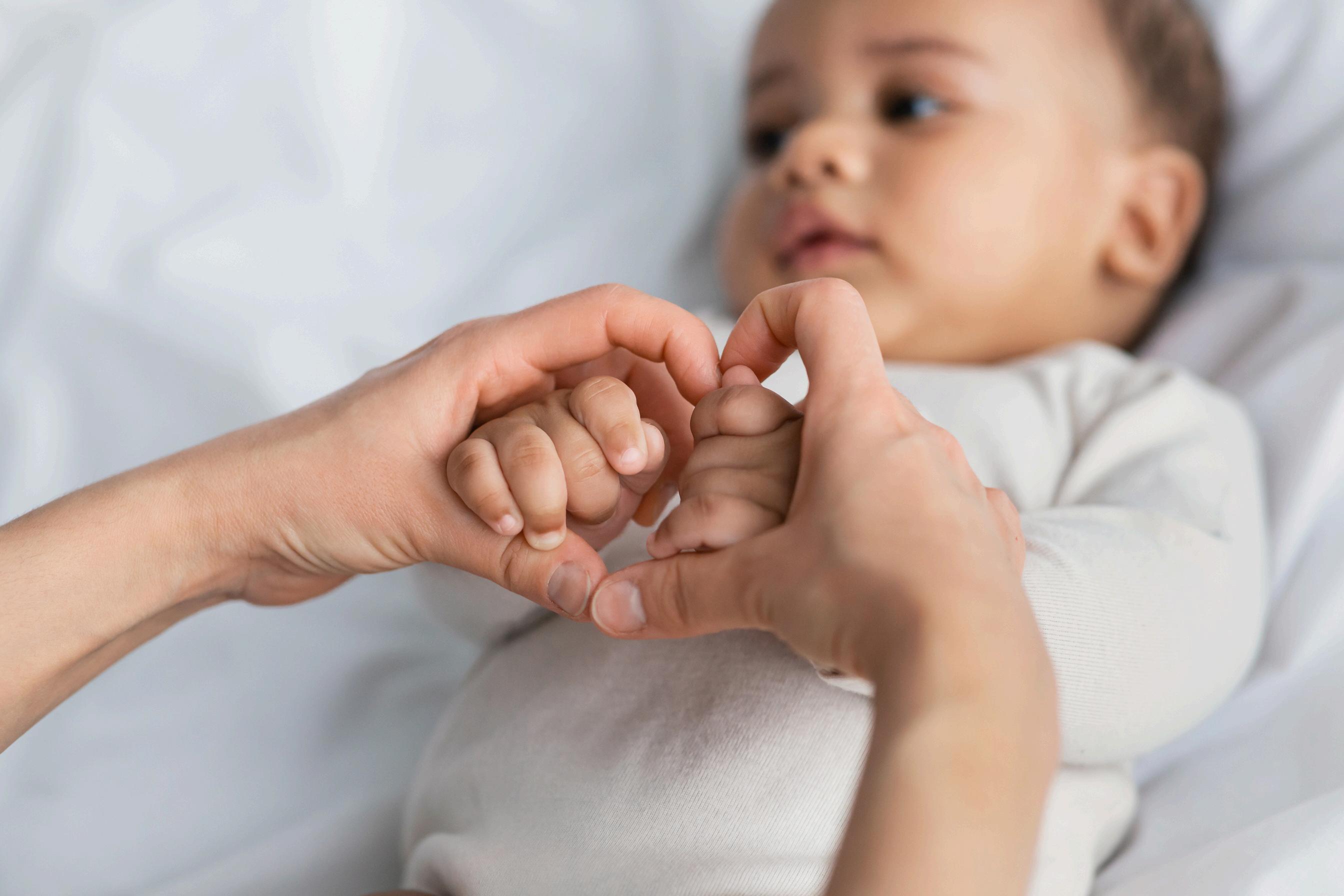
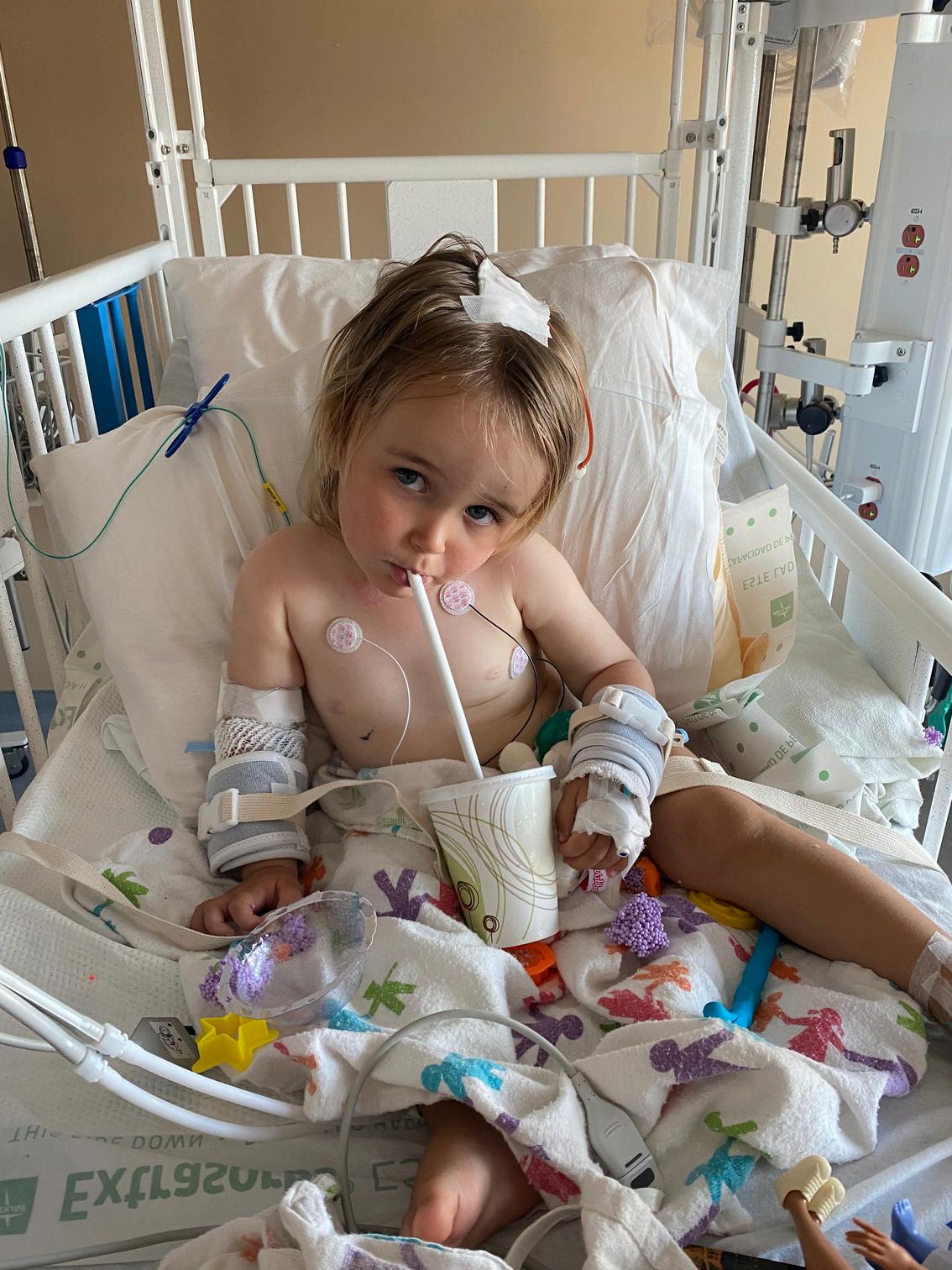
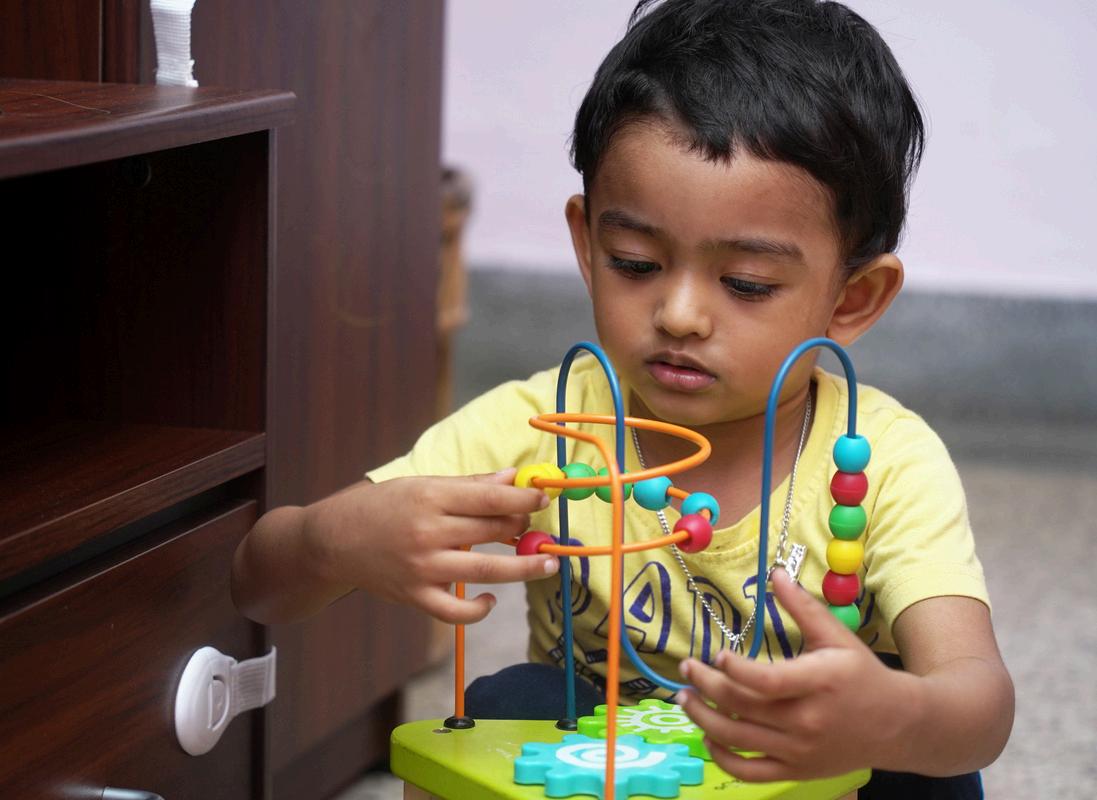
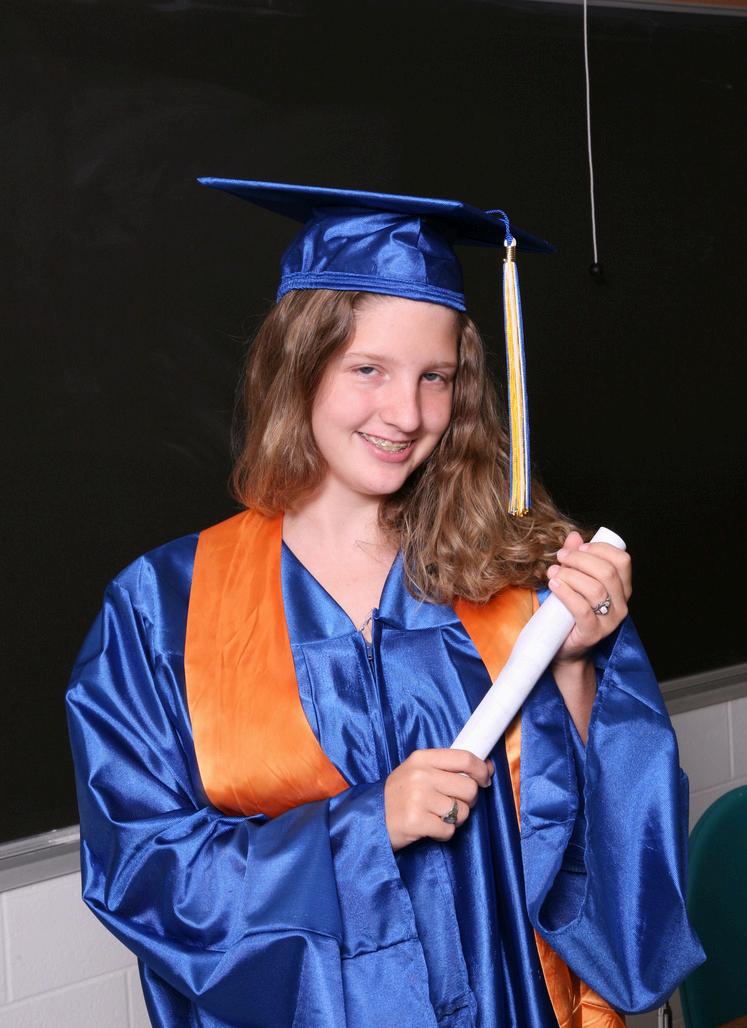
Julia was six months old when she was diagnosed with brain cancer.
She was born in Brazil in May 2016. Within months, she stopped eating and was losing weight rapidly. Her parents knew something was wrong, but nothing could have prepared them for what came next doctors running through hallways, an emergency MRI, and then the words no parent should ever hear.
Their daughter had brain cancer.
The family relocated to California for care at UCSF, where Julia enrolled in a PNOC clinical trial testing a new treatment for pediatric lowgrade glioma. It wasn't easy. In the early months, she slept nearly 24 hours a day. Her parents watched and waited. Then something shifted. Julia was awake. She was able to eat real food, without a feeding tube, for the first time in her life.
She was a different kid.
The drug she takes tovorafenib, the first new FDA-approved treatment for pediatric brain cancer in over 50 years is an oral medication. Once a week. At home.
Julia is now in school. She takes singing classes. She enjoyed a triumphant visit to Disneyland.
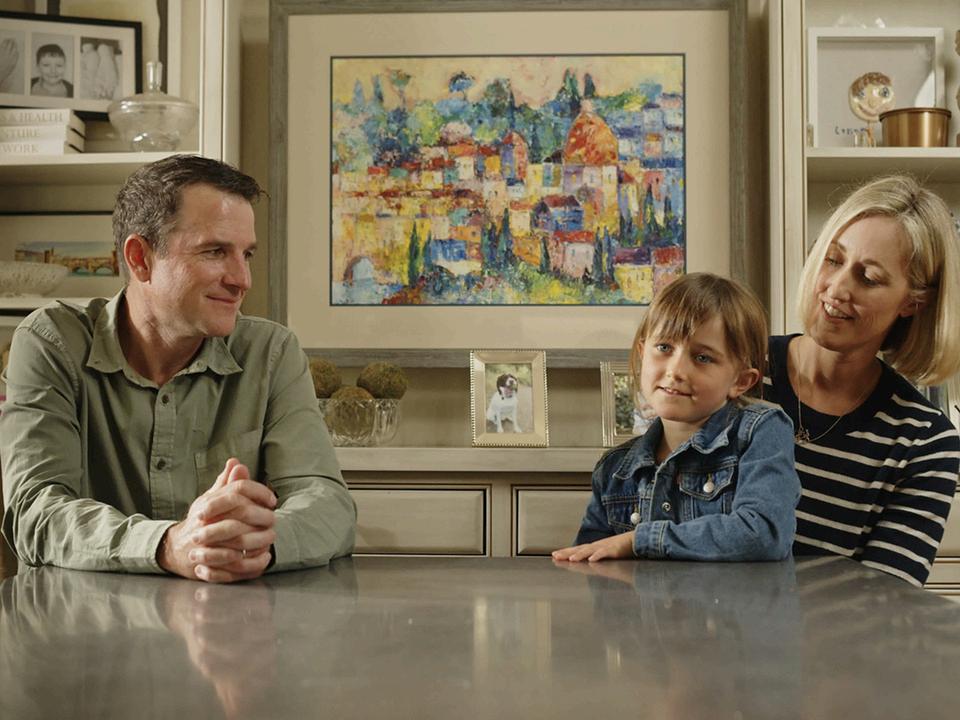
"We started this medication, we started seeing results, the tumor's shrinking," her father said. "We have our Julia now."
Julia is one child. There are thousands more waiting.
They are why we launched Lose No Child.
There has never been a more hopeful time to invest in childhood cancer research.
Pediatric brain cancer is the leading cause of cancer death in children. For decades, progress was slow, treatments were limited, and families had few options. PNOC was built to change that.
In just over ten years, the Pediatric Neuro-Oncology Consortium (PNOC) created a global clinical trial platform that has enrolled over 1,200 children, launched 45 trials, and driven two historic FDA approvals for pediatric brain cancer treatments. The model works.
Lose No Child is the campaign to scale it. $50 million over five years to accelerate trials, expand global access, and bring life-saving treatments to more children than ever before.
With $25 million over the first ten years, we have proven what is possible. Now it is time to raise twice as much in half the time. Why? Because the price of delay is measured in children's lives. This is the moment to act.
$50M goal 5-year campaign Launched in November 2024
A decade of progress.
In ten years, PNOC built a global research and clinical trial platform that is delivering results for children with brain cancer. These are the numbers.
45+ clinical trials launched
$25 million raised in the first decade
The first 2 new FDA approved pediatric brain cancer drugs in over 50 years
43 leading children’s hospitals in the U.S. and across the world The world's best 300+ clinicians and researchers
10 participating countries across 6 continents 1,200+ children enrolled in clinical trials
PNOC clinical trials and milestones by year
PNOC cumulative total patient enrollments by
“Since PNOC was established, more progress has been made towards the understanding of the biology of the most highly malignant brain tumors than
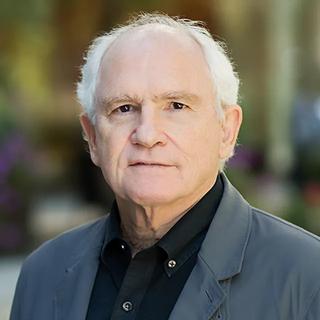
Dr. Michael Prados
The most dangerous cancer a child can face.
Brain cancer is the leading cause of cancer death in children. And for decades, it has been treated as if it can wait.
Every year, 4500 families in the U.S. and 47,000 families across the globe hear a diagnosis that changes everything.
Children who were healthy one day are in emergency rooms the next For many, the system they enter has not changed in a generation.
Too many children with brain cancer still receive the same standard of care as in 1960.
Less than 1% of federal cancer funding goes to childhood brain tumors. Only 5% of cancer drugs are approved first for children.
Every year, an estimated 47,000 years of life are lost to brain cancer in the U.S. alone. Children cannot wait decades for progress. Neither can we
And one of the least funded.
“We are starting to see, for the highest-risk tumors, signs that there are kinks in the armor. We have the team, the science and the ideas; we just need the financial support to accelerate it.”
— Dr. Carl Koschmann PNOC Co-Principal Investigator
We built PNOC because progress wasn't moving fast enough.
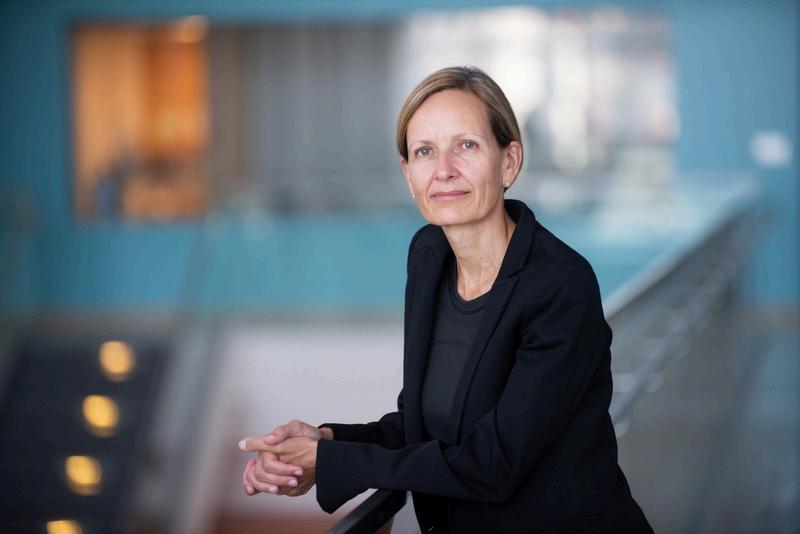
When Drs. Sabine Mueller and Michael Prados looked at the landscape of pediatric brain cancer research in the early 2010s, they saw a field that was fragmented, slow, and risk-averse. Researchers at different institutions weren't sharing data. Trials were taking years to open. The outcome for children with the most deadly tumor types had not meaningfully changed in over 50 years.
They believed there was a better way. Faster trials. Real-time data sharing. A collaborative model that put the patient at the center and moved with the urgency the disease demanded. In 2013, they founded PNOC. Bruce and Allyn Campbell were there from the beginning.
After the Campbell’s son George was diagnosed with brain cancer at age 6 and successfully treated, they committed their energy to making sure other families had the same chance. They understood something critical: the science needed a philanthropic engine behind it. Federal funding moves slowly. Philanthropy moves fast. Together, those two things could build something the field had never seen.
That is the model PNOC was built on. Bold science and philanthropy working together, at speed. It is also exactly what Lose No Child is designed to sustain.
PNOC Co-founder & Project Lead
PNOC Co-founder & Project Co-Lead
Dr. Sabine Mueller
Dr. Michael Prados
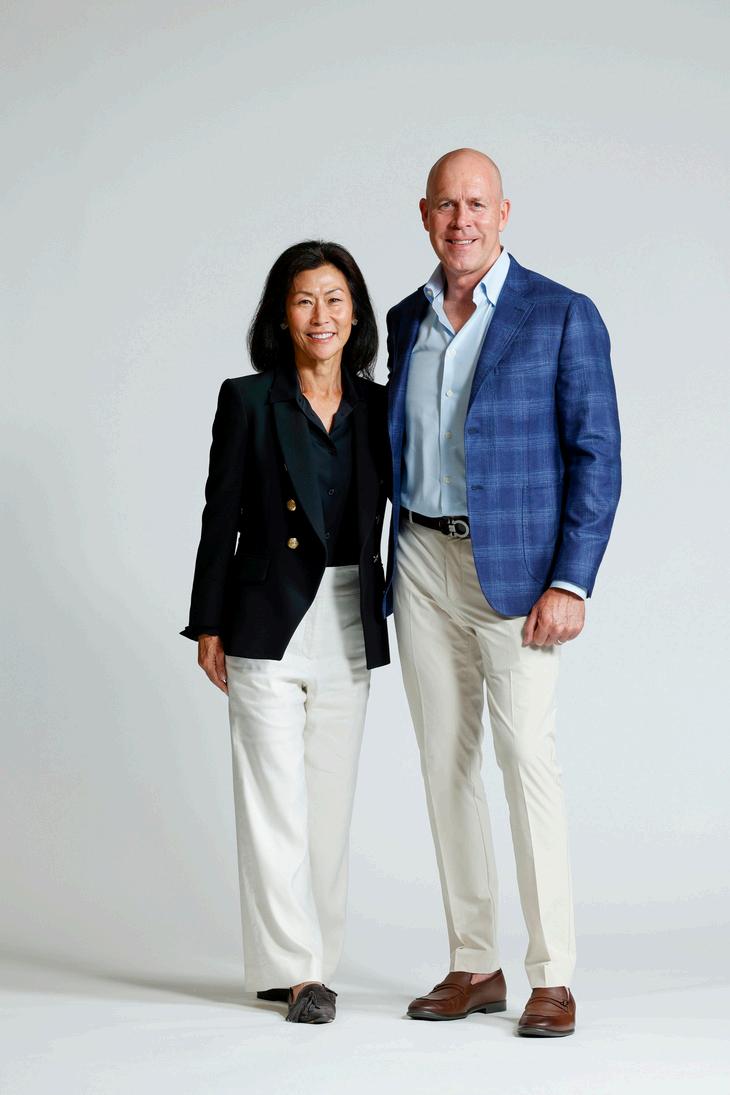
Allyn and Bruce Campbell
PNOC Foundation Co-Founders
We built a platform. Not just a research program.
Most clinical research in pediatric oncology is slow by design. Institutions work in silos. Trials take years to open. Data sits behind firewalls. By the time a promising treatment reaches a child, years have passed. PNOC was designed to break every one of those patterns.
Speed
PNOC trials launch in months, not years. The infrastructure exists. The relationships exist. When a promising therapy is identified, the consortium moves.
Collaboration
Data is shared across institutions in real time. Researchers at 43 leading hospitals around the world are working from the same information, refining trials faster, and getting answers sooner. In ten years, PNOC has helped advance the understanding of the biology of pediatric brain tumors more than the previous forty years combined.
Independence
Private philanthropy gives PNOC the agility that other funding cannot. There are no bureaucratic delays, no political cycles, no waiting. When the science says move, PNOC moves.
Responsibility
The NCI/NIH-funded pediatric brain cancer consortium has shut down. PNOC is now the organization carrying this work forward. The responsibility that comes with that is not lost on us.
“Kids with brain cancer don't have time for business as usual. Neither do we.”
— Dr. Sabine Mueller PNOC Co-Founder and Project Lead
Courtney’s
Courtney’s parents had noticed that she started having trouble with her balance. She was an active 22 month old, usually bouncing off the walls and all of a sudden walking around she wanted to hold their hands.
“Two doctors came in and sat down with us on the bed, I knew right then that it wasn’t going to be good news. Our whole world came crashing down.” remembers her father.
For Kelsey and Michael Grady, that moment became the line that separated life into before and after. Courtney was diagnosed with a large tumor in the back of her brain.
“As a parent, you will never forget that moment—that you might lose your child, And the enormous responsibility of making treatment decisions while still trying to process the gravity of Courtney’s diagnosis. One of the things that gave us a lot of assurance was our team led by PNOC Co-Founder Dr. Mueller.”
— Kelsey, Courtney’s mom
Just days later Courtney underwent surgery at UCSF Benioff Children's Hospital. Under the care of Dr. Nalin Gupta and his team, the tumor was successfully removed. It was the first step in a journey defined by expert care and hope.
Amid uncertainty, the Gradys found not only world-class medical care, but a community of compassion and innovation. Guided by leading experts, including PNOC Co-founder Dr. Sabine Mueller, their family experienced firsthand the power of collaborative research and specialized pediatric care.
In the weeks and months that followed, Courtney faced the hard work of recovery. She had to learn to walk again step by step. But Courtney’s spirit never wavered. Today, she is a thriving, joyful six-year-old. She runs. She jumps. She plays soccer. She goes to tumbling classes and school dances. She talks non-stop. Most importantly, she is healthy and showing no regrowth of the tumor.
Wanting to give back, Kelsey and Michael began searching for ways to support other families facing a pediatric brain tumor diagnosis. Today, they are part of a growing community inspired by a vision to reach a future where we lose no child to brain cancer.
Because every child deserves the chance to run, to laugh, to grow, and every child deserves a treatment that will allow them to not only survive, but to thrive.
Two historic FDA approvals. Proof the model works.
Two unprecedented FDA approvals for pediatric brain cancer treatments. Both driven through the PNOC platform. Both delivering something that had not existed before for the children who needed them most.
Tovorafenib / DAY101 for pLGG
For children with pediatric low-grade glioma, the most common pediatric brain tumor, standard treatment had long meant years of chemotherapy grueling, slow, and often only partially effective. PNOC researchers identified a promising compound early and built the trial infrastructure to test it. What began with a discovery at Dana-Farber, advanced through PNOC014, and moved through a series of pharmaceutical partners — Millennium, Takeda, and ultimately Day One Biopharmaceuticals — became FIREFLY-1, PNOC026.
In April 2024, the FDA approved tovorafenib. Children with pLGG can now take a once-weekly oral medication at home. No infusion center. No hospital stay. The first new FDA-approved treatment for pediatric brain cancer in over 50 years.
"Tovorafenib’s development in pLGG started with early clinical trials through PNOC. We are grateful to them for their collaboration on the clinical trials and for the critical role they played in partnership with Day One, the foundation and the patient community. With tovorafenib’s approval, we have put children at the forefront of oncology drug development and pediatric oncologists will now have a new medicine to offer their pLGG patients.”
Dr. Sam Blackman, Founder and former Head of Research at Day One Biopharmaceuticals.
ONC201 for DIPG / diffuse midline glioma
DIPG diffuse intrinsic pontine glioma has been one of the most devastating diagnoses in all of pediatric oncology. Children diagnosed with DIPG and other diffuse midline gliomas have historically had almost no treatment options. Median survival after diagnosis has been less than a year.
PNOC's role in the development pathway for ONC201 helped bring this therapy to the children who needed it most. The approval of ONC201 means that for the first time, families facing a DIPG diagnosis have a treatment option.
“PNOC is proud of our investigators and the pediatric brain cancer community’s contributions toward this collaborative achievement. We are especially grateful to the brave patients and families who participate in clinical trials, deepening our understanding of these complex tumors. This approval unlocks new possibilities: It allows drug developers testing combination therapies to pursue FDA approval of their agents in combination with ONC201—a regulatory path that wasn’t possible before. Our ongoing clinical trials are already evaluating multiple ONC201-based combinations, and that data will be critical in defining the next generation of treatment for our patients."
Dr. Sabine Mueller, PNOC Co-Founder and Project Lead
The pace of progress is accelerating.
In 2025, PNOC opened 7 new clinical trials. In 2026, 7 more are on track to open, 14 new trials in two years. The platform built over the past decade is now moving faster than ever. These are some of the most important areas of work underway.
PNOC020: Extending mRNA vaccine technology to pediatric oncology
PNOC020 represents a pioneering effort within the Pediatric Neuro-Oncology Consortium to adapt mRNA vaccine technology from adult to pediatric applications. Initially focused on adults with glioblastoma (GBM), this trial is now expanding to include pediatric patients with high-grade gliomas (pHGG). The study aims to investigate the safety and immunologic activity of RNA-LP vaccines, marking a critical step in adapting successful adult immunotherapy treatments for children. This trial underscores PNOC's dedication to leveraging cutting-edge scientific advancements to provide new, effective treatment options for young cancer patients.
PNOC030 and PNOC035: ATRT: Innovating with external cohort trials
Atypical teratoid rhabdoid tumor (ATRT) is a rare, malignant tumor that occurs in the brain and spinal cord of young children. The condition usually appears in children under the age of 3 years old. PNOC is at the forefront of ATRT research with the development and launch of the ATRT registry, PNOC030, which will collect critical data of previously treated, as well as newly diagnosed children. PNOC030 also allows parents the opportunity to request a molecular tumor board for their children, to explore options for treatment. The registry will serve as a vital resource for the innovative ATRT PNOC035 platform therapeutic trial. This type of clinical trial strategy allows multiple different “arms” to be introduced into the protocol over time and utilizes the ongoing registry data as an external control group, a method showing significant promise for enhancing trial efficiency and effectiveness. The first arm of the PNOC035 platform trial will include two agents to treat children with progressive ATRT. Additional arms are in development, all of which will use the registry data to guide both design, endpoints and sample sizes. By streamlining the incorporation of new therapies into ongoing trials, PNOC aims to accelerate the delivery of groundbreaking treatments to patients, potentially setting new standards in pediatric Neuro-Oncology and other rare disease research.
PNOC027: Expanding the horizons of personalized medicine in pediatric oncology
PNOC027 exemplifies personalized medicine in pediatric oncology, initially targeting relapsed medulloblastoma and now expanding to relapsed ependymoma. Utilizing realtime drug screening and genomic testing of tumor cells taken directly from surgery done at the time of tumor progression, the trial customizes treatments based on tumor response to a large panel of chemotherapy and targeted agents, with the goal to enhance efficacy while minimizing toxicity. This approach not only advances patient specific targeted cancer care but also paves the way for broader applications in pediatric brain cancer research, embodying a transformative step in precision medicine.
PNOC022: The DMG-ACT platform trial
Similar to PNOC035, PNOC022 is a “platform trial”, allowing the development of multiple “arms”, or treatment regimens over time. PNOC022 has been incredibly successful in allowing novel, investigational, combination agents for the treatment of children with newly diagnosed and relapsed diffuse midline glioma (“DMG”). The most recent arm is called “Cohort 6” and is the 6th treatment being explored in the trial. This is a unique approach: actually injecting a modified virus (adenovirus) into the brainstem of children with tumors that arise in that location, one of the most difficult to treat of the diffuse midline gliomas. The trial allows injections on multiple occasions after standard radiotherapy. The virus is capable of selectively killing tumor cells, and to continue to “infect” those cells over time. The direct injection of a virus overcomes the difficulty of bypassing the “blood brain barrier”, concentrates the treatment just to the tumor region, and can also induce the body's immune system to also target the tumor, allowing another mechanism of tumor cell kill. Done only in very specialized PNOC centers with the necessary neurosurgical expertise, the first patient was enrolled in January, 2026.
PNOC028: Intratumoral injection of natural killer (NK) cells
As a normal part of our complicated and elegant immune system, natural killer cells (NK cells) are often one of the first lines of an immune response directed against foreign viruses, bacteria or tumor associated proteins in our body. NK cells start a defense against the foreign element and recruit or start an elaborate process of ensuring that other immune cells (“T” cells) expand and also attack. Those specialized T cells will ultimately remember if those foreign proteins persist or enter the body again and use that memory to continue to kill when and as needed. Due to their unique immunology, NK cells can now be collected from healthy donors, and safely used to treat patients, without those patients rejecting
another person's NK cells. In a sense, they are now available “off the shelf”, and do not need patients to donate their own NK cells for treatment. In addition, the NK cells can be modified to enhance their ability to efficiently target tumor cells by, in the case of PNOC028, overcoming mechanisms that tumors use to resist an immune response. The trial is unique with the modified NK cells injected directly into a cavity that is naturally created at the time of surgery to remove tumor at the time of progressive disease. Using what is called an Ommaya Reservoir placed at the time of surgery, NK cell injections can be given weekly as an outpatient procedure. Our hope is that the NK cells will create a specific immune response against the tumor cells that remain, recruiting, as mentioned earlier, other “memory” T cells to continue to attack and kill tumors. Patients have been enrolled and treated, and we are collecting important safety information about this strategy, as well as how beneficial it may be in controlling tumor growth.
PNOC042: Laser interstitial tumor therapy (LITT)
The most common brain tumors in children are classified as “low grade glioma”, and represent a multitude of various, mostly slowly growing tumors. For some of these tumors, if surgery can remove the tumor, no additional treatment is needed. Unfortunately, they often occur in areas of the brain that are difficult to treat with surgery alone, resulting in symptoms that need treatment, typically with either chemotherapy or newer targeted agents. While treatment is often initially effective, these tumors can grow back over time or become resistant to treatment. Therapy may require years to give, with potential side effects, and multiple visits for MR imaging to monitor potential tumor growth. It’s not uncommon for a child to be treated with multiple different kinds of therapy over time.
PNOC042 utilizes an approach initially developed to treat seizures, called LITT. Basically, this is a surgical treatment that introduces a very small catheter with a tip that allows heating of the catheter, a process called thermal ablation. Heating the region of interest to a high temperature can mimic what open surgery can accomplish, in effect destroying that region with heat as opposed to physically removing the lesion. Because the catheter is placed with very precise navigation, using a small entry point on the skull, patients can often be discharged either the same day or the next day after the procedure. Preliminary experience has shown this to be an effective approach for abnormal regions of the brain causing seizures, as well as tumor regions. Using LITT to treat difficult to reach lower grade glioma has not been studied in a dedicated clinical trial in children. The hope is that for some lower grade tumors, in hard-to-reach areas of the brain, a single, one day treatment may potentially be as effective as systemic targeted therapy that requires a year or more to give. PNOC042 has just opened, and we expect the first patients to be treated in May.
“There will be a day in the near future when I can say to families: This used to be an incurable disease, but through true collaboration we now have effective therapies”
— Dr. Sabine Mueller
PNOC Co-Founder and Project Lead
We believe that every child deserves access to a clinical trial.
PNOC started at UCSF with seven sites, all on the West Coast. The founding vision was always bigger than that — a network that could reach children wherever they were, built on the principle that geography should never determine a child's access to the best available treatment.
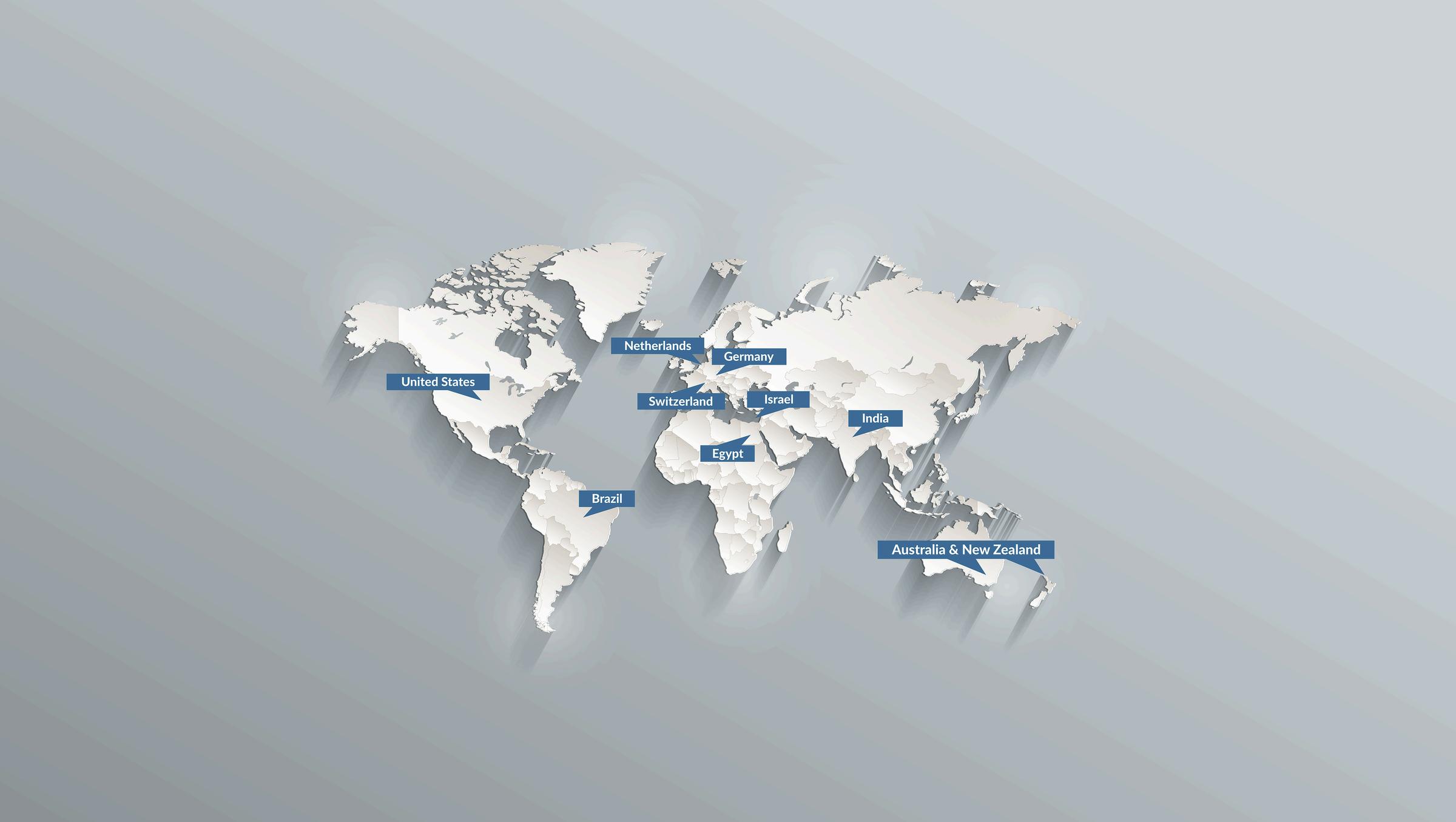
Today PNOC spans 43 institutions across more than 10 countries and 6 continents. Children in the United States, Europe, Australia, and beyond have access to PNOC trials. The network keeps growing.
Stanford University recently joined the PNOC consortium one of the most significant expansions in the network's history and a validation of the platform that has been built.
Every new collaborating site means more children have access to innovative therapies through PNOC clinical trials more lives with a chance, and more data shared to accelerate learning.
“In addition to providing hope and access to new approaches to treatment for children, the ability to accrue into trials more quickly from populations across the globe will enhance the availability of real time results, markedly lessening the time needed to understand whether a treatment is successful or not. Brain tumors in children are rare diseases, no matter in what country they occur. We cannot wait 7-8 years to accrue into a clinical trial. We need to do it a lot faster, to learn much more quickly so that we can improve outcomes for all children.”
— Dr. Michael Prados PNOC Co-Founder and Co-Lead
Our foundation partners
PNOC’s philanthropic funding model reflects the same spirit of shared purpose and collective advancement that defines the innovative PNOC scientific collaboration.
The work of PNOC would not be possible without the private foundations that have chosen to stand with us. These organizations represent something profound: families, communities, and visionaries who looked at the state of pediatric brain cancer research and decided that the status quo was not good enough. Their support has funded trials, trained researchers, and given children access to treatments that would not otherwise exist. We are honored to call them partners.
Our growing network of collaborating foundations include:
driving progress, together.
Charlie Kerr and Isabella Kerr Molina Foundation
Will Meeker Foundation Goldwin Foundation Minnick Family Fund PLGA Project Open DIPG
Viniar Family Foundation Grady Family Research Fund
We have proven the model.
Now we scale it.
Lose No Child launched in November 2024. The goal is $50 million, and the work is already underway. The campaign funds three priorities:
50% 30% 20%
Clinical trial development — protocol design, recruitment, AI integration, and regulatory work
Clinical trial development — protocol design, recruitment, AI integration, and regulatory work
Global access — ensuring children everywhere can benefit from the most promising therapies
Global access ensuring children everywhere can benefit from the most promising therapies
Biomarker discovery and preclinical research — advancing safer and more effective treatments
Biomarker discovery and preclinical research — advancing safer and more effective treatments
This is a consortium that has spent a decade proving the model works. The science is ready. The partnerships are in place. The only thing standing between where we are and where we need to be is resources.
In ten years, we raised $25 million. We are now asking our partners to help us raise twice that in half the time. That is not an ambitious ask. That is an urgent one. Every month of delay is a month a child with a diagnosis spends waiting for a treatment that exists somewhere in our pipeline but cannot yet reach them. That is not acceptable.
We have never been closer. And we have never needed our partners more than we need them right now.
The price of delay is measured in children's lives. With your support, we do not have to accept that price.
Ways to give
Sponsor
an Eve
Sponsor our annu Gratitude Gala in San Francisco in November
Make
a Donation
Support progress instantly with a secure online credit card donation, bank transfer or check.
In-Kind D
Donate serv to supp opera or even
Corporate Partnership
Align your business with us to create mutual value.
Wills & Bequests
Stocks
Transfer stock to us as a tax-efficient way to give.
Fundraise on our Behalf
Help us raise funds through your community or personal network
Donor Advised Funds
Direct your philanthropy through recommended DAF grants to us.
Memorial & Tribute Gifts
Honor loved ones with gifts that make a lasting impact
Leave a legacy by including us in your estate planning. surance
ate us as a ary to your for future pport.
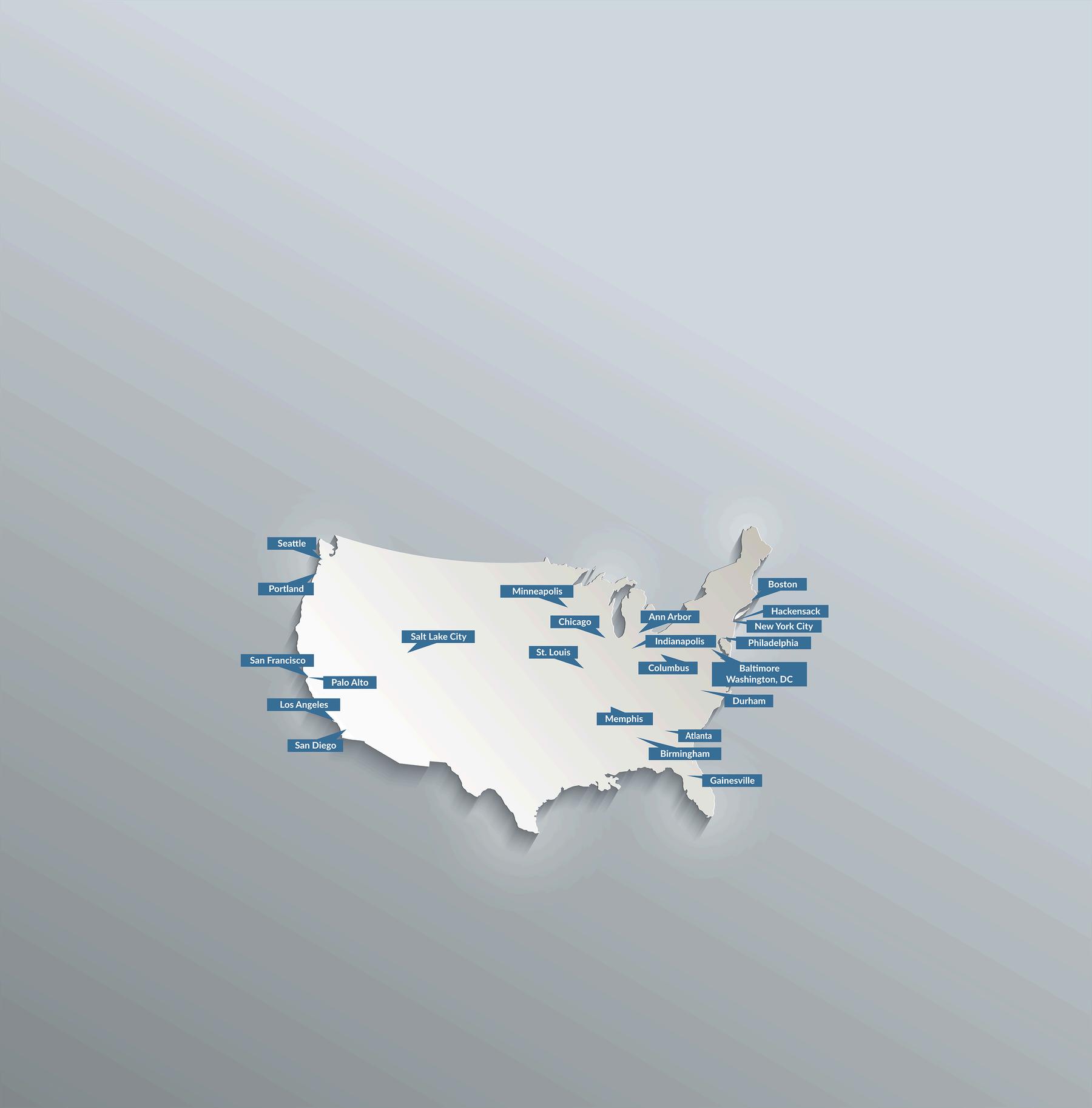
PNOC participating hospitals
UNITED STATES
Ann & Robert H Lurie
Children’s Hospital of Chicago CHICAGO, IL
Children’s Hospital Los Angeles LOS ANGELES, CA
Children’s Minnesota MINNEAPOLIS, MN
Children’s National Hospital WASHINGTON, DC
Dana-Farber/Boston Children’s Cancer and Blood Disorders Center BOSTON, MA
Doernbecher Children’s Hospital Oregon Health & Science University (OHSU) PORTLAND, OR
Duke University Medical Center DURHAM, NC
Johns Hopkins Hospital BALTIMORE, MD
Joseph M. Sanzari Children’s Hospital Hackensack University Medical Center HACKENSACK, NJ
EUROPE
Princess Maxima Center UTRECHT, THE NETHERLANDS
MIDDLE EAST
Children’s Cancer Hospital, Egypt CAIRO, EGYPT
AUSTRALASIA
John Hunter Hospital NEWCASTLE, AUSTRALIA
Monash Children’s Hospital CLAYTON, AUSTRALIA
Perth Children’s Hospital PERTH, AUSTRALIA
Queensland Children’s Hospital BRISBANE, AUSTRALIA
Nationwide Children’s Hospital COLUMBUS, OH
NYU Langone Health NEW YORK CITY, NY
Riley Hospital for Children at Indiana University Health INDIANAPOLIS, IN
St. Jude Children’s Research Hospital MEMPHIS, TN
St Louis Children’s Hospital ST. LOUIS, MO
Seattle Children’s Hospital SEATTLE, WA
The Children’s Hospital of Philadelphia PHILADELPHIA, PA
University of Alabama at Birmingham, Children’s of Alabama BIRMINGHAM, AL
University of California, San Diego Rady Children’s Hospital SAN DIEGO, CA
UCSF Benioff Children’s Hospitals SAN FRANCISCO, CA
University Children’s Hospital Zürich ZURICH, SWITZERLAND
Shaare Zedek Medical Center JERUSALEM, ISRAEL
Royal Children’s Hospital Melbourne MELBOURNE, AUSTRALIA
Sydney Children’s Hospital SYDNEY, AUSTRALIA
Starship Children’s Hospital AUCKLAND, NEW ZEALAND
The Children’s Hospital at Westmead WESTMEAD, AUSTRALIA
University of Michigan – C S Mott Children’s Hospital ANN ARBOR, MI
University of Florida Shands Children’s Hospital GAINESVILLE, FL
University of Utah SALT LAKE CITY, UT
Children’s Hospital of Michigan DETROIT, MI
Huntsman Cancer Center SALT LAKE CITY, UT
Stanford Medicine’s Lucile Packard Children’s Hospital PALO ALTO, CA
Texas Children’s Hospital HOUSTON, TX
University of California, Los Angeles LOS ANGELES, CA
Yale University, Yale Cancer Center NEW HAVEN, CT
Sheba Medical Center RAMAT GAN, ISRAEL
Women’s and Children’s Hospital ADELAIDE, AUSTRALIA
SOUTH ASIA
Tata Memorial Centre, Mumbai MUMBAI, INDIA
SOUTH AMERICA
GRAACC Children’s Hospital SAO PAULO, BRAZIL
45 clinical trials developed
PNOC001: Phase II study of everolimus for recurrent or progressive low-grade gliomas in children.
PNOC002: Pilot efficacy study of vemurafenib, an oral inhibitor of BRAFV600E, in children with recurrent/refractory BRAFV600E-mutant gliomas.
PNOC003: Pilot trial testing the clinical benefit of using molecular profiling to determine an individualized treatment plan in children and young adults with newly diagnosed DIPG
PNOC005: Phase I study of modified measles virus for the treatment of children and young adults with recurrent medulloblastoma or recurrent atypical teratoid rhabdoid tumors (ATRT)
PNOC007: H3 3K27M specific peptide vaccine combined with poly-ICLC and nivolumab for the treatment of newly diagnosed HLA-A2 (02:01)+ H3.3K27M positive diffuse intrinsic pontine glioma (DIPG) and newly diagnosed HLA-A2 (02:01)+ H3.3K27M positive midline gliomas.
PNOC008: Pilot trial testing the clinical benefit of using molecular profiling to determine an individualized treatment plan in children and young adults with high grade glioma (excluding diffuse intrinsic pontine glioma).
PNOC009: Phase I and early efficacy study of convection enhanced delivery of irinotecan liposome injection using real time imaging with gadolinium in children with diffuse intrinsic pontine glioma.
PNOC010/NF108: Phase II study of binimetinib in children and adults with NF1 associated plexiform neurofibromas.
PNOC011: Pilot study of the safety and toxicity of acquiring hyperpolarized carbon-13 imaging in children with brain tumors.
PNOC012: Study of tozuleristide and the Canvas imaging system in pediatric subjects with CNS tumors undergoing surgery.
PNOC013: Safety and pharmacokinetic study of single agent REGN2810 in pediatric patients with relapsed or refractory solid or central nervous system (CNS) tumors and a safety and efficacy trial of REGN2810 in combination with radiotherapy in pediatric patients
PNOC014: Phase I/II and target validation study of TAK-580 (MLN2480) for children with low-grade gliomas and other RAS/RAF/MEK/ERK pathway activated tumors.
PNOC015: Open label single arm Phase I/II study of MTX110 delivered by convection-enhanced delivery (CED) in patients with diffuse intrinsic pontine glioma (DIPG) previously treated with external beam radiation therapy.
PNOC016: Target validation study of fimepinostat in children and young adults with newly diagnosed diffuse intrinsic pontine glioma (DIPG), recurrent medulloblastoma, or recurrent high-grade glioma (HGG).
PNOC017: Target validation/Phase I study of BGB-290 in combination with temozolomide in adolescent and young adult IDH1/2 newly diagnosed and recurrent mutant gliomas.
PNOC018: Phase I clinical trial of autologous T cells expressing TCR specific for H3.3K27M with inhibition of endogenous TCR (KIND T Cells) in HLA-A*0201-positive participants with newly diagnosed H3.3K27Mpositive diffuse midline gliomas.
PNOC019: Randomized, double-blinded, pilot trial of neoadjuvant checkpoint inhibition followed by combination adjuvant checkpoint inhibition in children and young adults with recurrent or progressive high grade glioma (HGG)
PNOC020: Phase I/II study of RNA-lipid particle (RNA-LP) vaccines for newly diagnosed pediatric high-grade gliomas (pHGG) and adult glioblastoma (GBM)
PNOC021: Phase I trial evaluating the combination of trametinib and everolimus in pediatric and young adult patients with recurrent low grade gliomas.
PNOC022: Combination therapy trial using an adaptive platform design for children and young adults with diffuse midline gliomas (DMG) including diffuse intrinsic pontine gliomas (DIPG) at initial diagnosis, postradiation therapy and at time of progression.
to accelerate breakthroughs
PNOC023: Open label Phase I and target validation study of ONC206 in children and young adults with newly diagnosed or recurrent DMG and other primary brain tumors.
PNOC025: Phase I study of Hu5F9-G4 (anti-CD47) in children and adults with recurrent or refractory malignant brain tumors.
PNOC026: Phase II, open-label, multicenter study to evaluate the safety and efficacy of the oral pan-RAF inhibitor DAY101 in pediatric patients with BRAF-altered, recurrent or progressive low-grade glioma
PNOC027: Pilot trial testing the clinical benefit of using real time drug screening to determine an individualized treatment plan in children and young adults with relapsed or refractory medulloblastoma.
PNOC028: Phase I study of intra-tumoral injections of ex vivo expanded natural killer cells in children and young adults with recurrent or progressive supratentorial malignant brain tumors.
PNOC029: Nivolumab and DAY101 for the treatment of newly diagnosed or recurrent craniopharyngioma in children and young adults
PNOC030: Registry study for children with atypical teratoid rhabdoid tumors (ATRT).
PNOC031: ETMR – still in early development.
PNOC032: Germinoma study
PNOC COMP: Protocol for children and young adults diagnosed with a central nervous system (CNS) tumor to assess cognitive quality of life (QOL) and functional long-term effects of therapies.
PNOC033: Molecular risk-adapted therapy for newly diagnosed choroid plexus carcinoma in children and young adults.
PNOC034: Phase I study and expansion of pegylated arginine deiminase (ADI-PEG 20) plus radiotherapy and temozolomide in children and young adults with newly diagnosed high-grade glioma (HGG).
PNOC035: A Phase I/II adaptive platform, multi-arm study of novel therapies for children with progressive/recurrent ATRT
PNOC036: Phase I study of autologous BCAN-synNotch Primed CAR (“B-SYNC”) T Cells IN Children AND YOUNG ADULTS with H3K27M altered diffuse midline glioma (DMG).
PNOC037: A Phase I de-escalation study of dabrafenib and trametinib for patients with BRAF V600 mutant low-grade gliomas.
PNOC038: A safety and efficacy Study of neoadjuvant cemiplimab in combination with fianlimab versus cemiplimab alone followed by adjuvant cemiplimab in combination with fianlimab in pediatric and young adult participants with recurrent or progressive high-grade glioma or ependymoma.
PNOC039: Phase II trial of isotretinoin vs doxycycline for acneiform eruption
PNOC041: A target validation and efficacy study of metformin in patients with recurrent or progressive posterior fossa group A (PFA) ependymoma.
PNOC042: Phase II, multi-institutional trial, evaluating the safety and efficacy of Laser Interstitial Thermal Therapy (LITT) in children, adolescents and young adults with recurrent or progressive low-grade gliomas (rLGGs).
PNOC044: Combination liothyronine (T3) with irinotecan, temozolomide and bevacizumab for relapsed medulloblastoma.
All PNOC trials use patient’s tumor tissue to study the biologic underpinnings of disease and treatment response and resistance.
PNOC Scientific Leadership
Prof. Dr. Sabine Mueller, Project Lead (UCSF)
Prof. Dr. Michael Prados, Project Co-Lead (UCSF)
Asst. Prof. Dr. Cassie Kline, Project Co-Lead (CHOP)
Assoc. Prof. Dr. Ashley Margol, Project Co-Lead (CHLA)
Dr. Adam Resnick, Scientific Director (CHOP)
Prof Dr. Annette Molinaro, Statistical Lead (UCSF)
NOC Foundation Board
Campbell, Founder and Board President Campbell, Founder and Board Secretary Keenley, Board Treasurer my Bender ael Burton
Angela Caltagirone mpbell
m rated 501(c)(3) EIN 46 3152273
1005 Northgate Drive #224
San Rafael, CA 94903
info@pnocfoundation.org
Chris Gallagher
Richie Goldman
Kelsey Grady
Aaron Nobles
Jason Schlesinger
Rob Stuart
Contact: Adam Eversole Director of Development (513) 673-1170