



































Easily capture debris and small amounts of liquid. Convertible handle allows use as handheld or lobby dustpan.

brush-cleaning teeth to easily remove debris from broom bristles
Frayed brush fiber excellent for sweeping fine material from smooth surfaces, vinyl, marble, and terrazzo floors. Light Sweep











06 From the Editor

A new video series from the editors of PMMI Media Group o ers a wider industry perspective.
22 USDA FSIS Proposes Changes to Poultry and Swine Testing
The updates are intended to provide establishments with greater operational flexibility.
38 New Product Solutions
June’s New Product Solutions highlight: Mixing and Blending
Quality Control Solutions
Pumps
50 Packaging Technology
Coding is a Key to Eggpacking Upgrade
52 Practical Wins from Digital Transformation
The Smart Line Playbook #3: OEE reimagined.
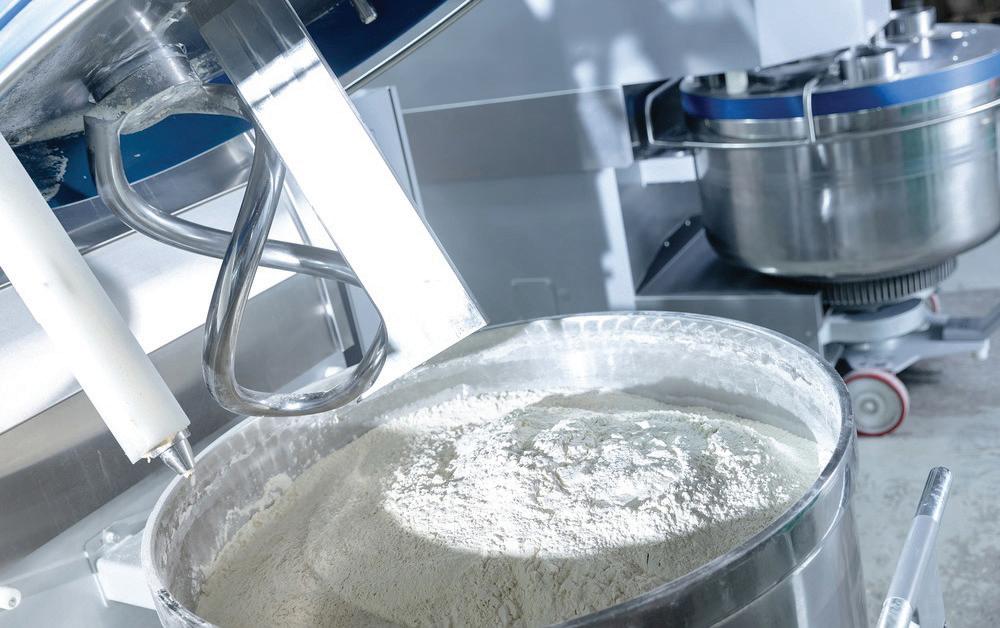
Tech Today: The Mixing & Blending Imperative

Shorter production runs, increasingly complex formulations, tighter allergen controls, and the relentless push for automation are reshaping how manufacturers approach every stage of the mixing process.
17 Tech Today: Reshaping Food & Beverage Cooling
As food processors rethink cooling from the ground up, ammonia, CO2, and nitrogen technologies are each carving out distinct roles in faster, smarter, and more sustainable refrigeration systems.
28 Plant Profile: Building the Future in a Historic Setting
By anchoring its new facility around sous vide technology—even before securing a site—Standard Meat Company transformed a historic renovation into a flexible, high-capability processing hub built to meet the evolving demands of modern customers.
42 Potato Processor Balances High Demand and Quality with Sorting Tech
Brazil-based Bem Brasil installed an integrated line with two stages of optical sorting to ensure maximum quality and yield at a high production volume.
46 Scaling High-Speed Beverage Production
DrinkPAK is leveraging Siemens’ integrated automation and energy systems to scale high-speed beverage production while boosting e ciency, reliability, and sustainability.
EDITOR-IN-CHIEF DERRICK TEAL dteal@pmmimediagroup.com
ASSOCIATE EDITOR CASEY FLANAGAN cflanagan@pmmimediagroup.com
EDITORIAL OPERATIONS COORDINATOR TRACEY LABOVITZ
DIRECTOR OF CONTENT KIM OVERSTREET
CONTRIBUTING EDITORS BRYAN GRIFFEN, MAURA KELLER, PAT REYNOLDS, CHRISTINE TERVO
ART DIRECTOR KATHY TRAVIS
CREATIVE DIRECTOR DAVID BACHO
VICE PRESIDENT, SALES REGGIE LAWRENCE rlawrence@pmmimediagroup.com
PUBLISHER PATRICK YOUNG pyoung@pmmimediagroup.com • 610/251-2579
DIRECTOR, CLIENT SUCCESS & DEVELOPMENT COURTNEY NICHOLS cnichols@pmmimediagroup.com
ACCOUNT EXECUTIVE BRIAN J. GRONOWSKI bgronowski@pmmimediagroup.com • 440/564-5920
SENIOR MANAGER, PRINT OPERATIONS LARA KRIEGER lkrieger@pmmimediagroup.com
FINANCIAL SERVICES MANAGER JANET FABIANO jfabiano@pmmimediagroup.com
PRESIDENT DAVID NEWCORN
VICE PRESIDENT, DIGITAL ELIZABETH KACHORIS
SENIOR DIRECTOR, DIGITAL MEDIA JEN KREPELKA
DIRECTOR OF MARKETING AMBER MILLER
DIRECTOR, AD TECH AND SEARCH JOAN JACINTO
DIRECTOR OF INDUSTRY STRATEGY ANGIE SZERLONG
FOUNDING PARTNER AND EXECUTIVE VICE PRESIDENT, INDUSTRY OUTREACH, PMMI JOSEPH ANGEL
PMMI, The Association for Packaging and Processing Technologies 12930 Worldgate Drive, Suite 200, Herndon, VA 20170 Phone: 571/612-3200 • Fax: 703/243-8556 • Web: www.pmmi.org

A weekly joint video series from the editors of the PMMI Media Group brands offers a greater industry perspective.

Do you know people or have seen people together and wondered, “How could they be friends? What could they possibly have to talk about?”
Maybe it’s something you’ve even wondered about in your life. I don’t really have many friends, and I’m too oblivious to the world around me to actually wonder about what other people have to talk about… which is probably why I don’t have many friends.
While I might not be a social butterfly, I do have coworkers. So, wondering (or not) about what some people could possibly have to share with each other changed a few weeks back when the editors of Packaging World, Healthcare Packaging, OEM, and I got together for a new video series: End of the Line.
If you were wondering, that means two editors covering packaging, one editor covering equipment manufacturing, and another covering food and beverage processing have to find something to talk about each week. While it can be hard given the differences in what we see day in and day out, we’ve been able to pull it off—and it’s had its benefits. For example, we’ve talked about PCR in packaging, the differences between U.S. and EU regulations, and the importance of recognizing those differences. We’ve talked about tariffs and the impacts they have on the industry as a whole, which goes further than what would be covered in ProFood World alone. To sum it up, you should watch if you want a more complete picture of what’s impacting the food and beverage industry and how.
We have fun making them and even learn from one another. They’re typically pretty short since we have jobs to do, too, plus you can always listen to the video podcaststyle because we don’t often post visuals. So, visit the ProFood World homepage every Monday for the latest or checkout the video page for the archives.

dteal@pmmimediagroup.com
EDITORIAL ADVISORY BOARD
CHRISTINE BENSE
CHIEF SUPPLY CHAIN OFFICER Turkey Hill
GREG FLICKINGER
CEO American Botanicals
JOHN HILKER
SENIOR VP, OPERATIONS Kite Hill
VINCE NASTI
SENIOR VP, OPERATIONS Frozen Assets Cold Storage
TRAVIS POWELL
ENGINEERING TEAM LEADER Schreiber
JIM PRUNESTI SVP, ENGINEERING Conagra Brands
SCOTT SPENCER
CEO
Quality Harvest Foods
TONY VANDENOEVER PRINCIPAL CONSULTANT Waterfall Ventures
DIANE WOLF
INDEPENDENT FOOD AND BEVERAGE CONSULTANT
BROOKE WYNN
SENIOR DIRECTOR, SUSTAINABILITY Smithfield Foods
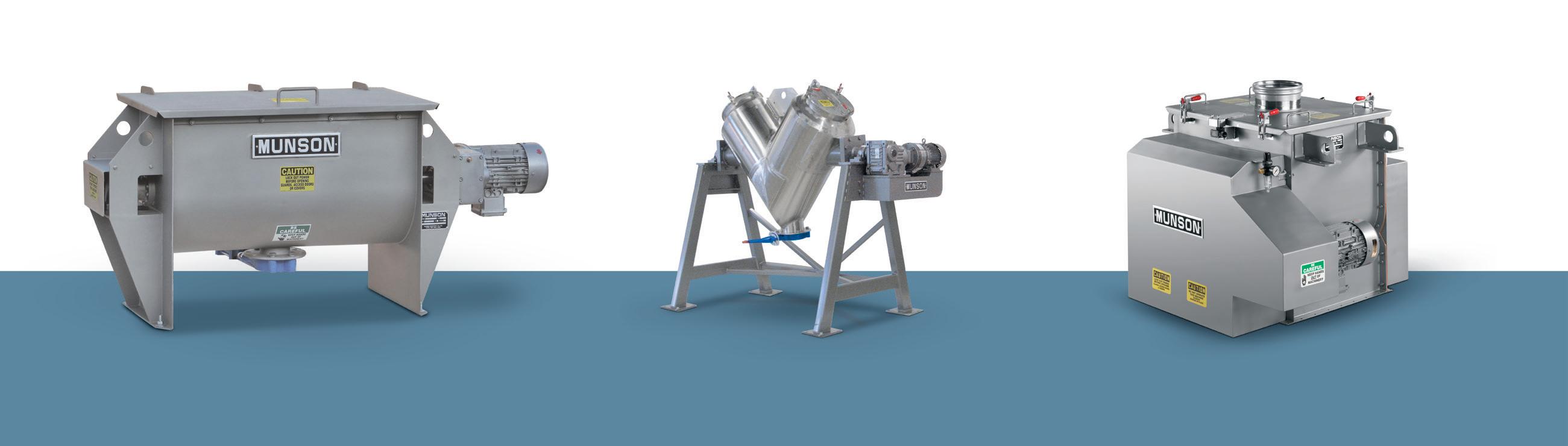
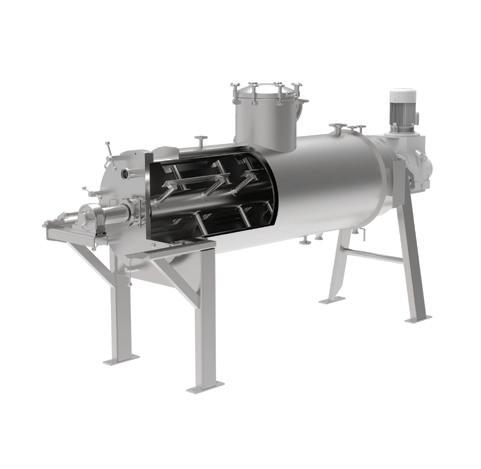
RIBBON/PADDLE/PLOW BLENDERS HANDLE POWDERS TO PASTES
Agitators forced through stationary materials impart shear needed to reduce agglomerates and blend pastes and slurries. Basic industrial units to state-of-the-art sanitary designs with heating/cooling jackets, liquid spray additions, and high-speed choppers/intensifiers. Capacities from 1 to 1,150 cu ft (.03 to 32 m3).
SANITIZE ULTRA-FAST, THOROUGHLY
Smooth internal surfaces free of baffles, shafts and bearings allow unobstructed material flow, plus complete discharge through a gate valve for rapid cleaning or sanitizing of the easy-access interior. Uniform blends are typically achieved in as little as 15 minutes with equal efficiency at fill volumes from 100% to 25% of capacity. Ideal for dry and granular materials.
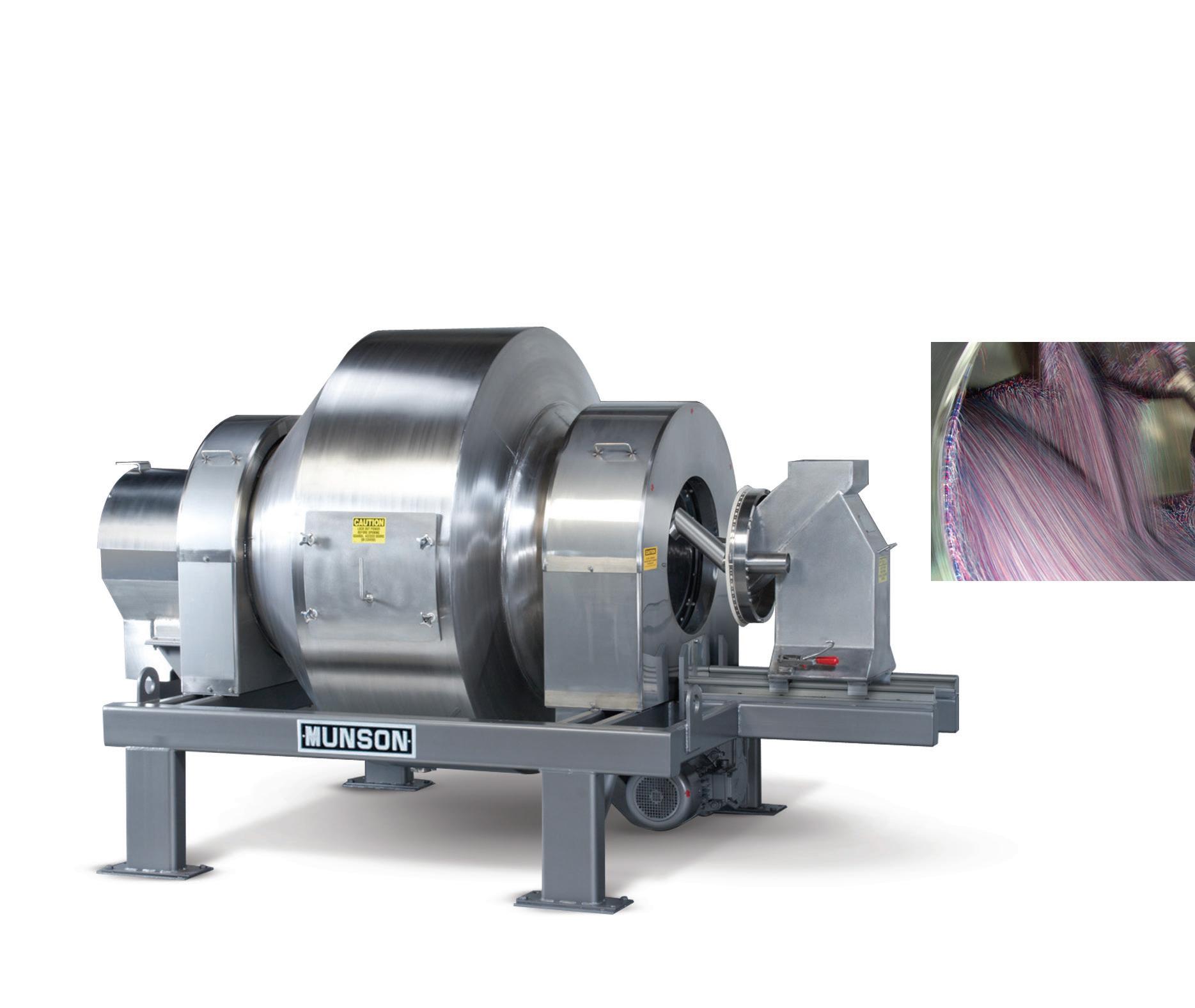
n 100% Uniform blending and/or liquid additions in one to 2–1/2 minutes
n Total discharge with no segregation
n Ultra-gentle tumbling action (versus blades forced through batch)
n Ultra-low energy usage
n Equal efficiency from 100% to 15% of capacity
n No internal shaft or seals contacting material unlike other rotary mixers
FLUIDIZED BED MIXERS BLEND ULTRA-FAST, GENTLY
MUNSON® Fluidized Bed Mixers feature two shafts with paddles that counter-rotate at high speeds to fluidize material, achieving homogeneous blends in 10 seconds to 2 minutes. Low shear forces minimize friction with little or no degradation and insignificant heat generation. Drop-bottom gates provide rapid discharge. Capacities from 0.21 to 283 cu ft (6 L to 8 m3).
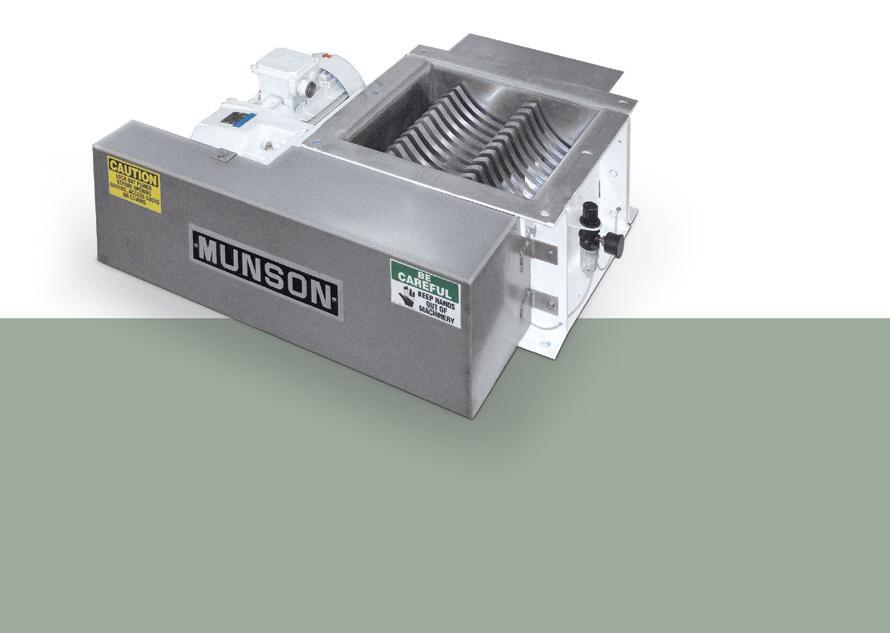
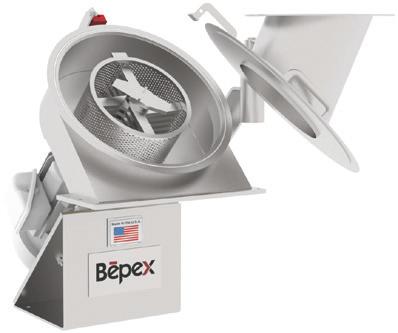
LUMP BREAKERS REDUCE AGGLOMERATES, FRIABLE MATERIALS
Remove lumps and agglomerates from bulk foods. Dual rotors with three-point, singlepiece breaking heads rotate with minimum clearance inside a curved, perforated bedscreen. On-size material exits through bedscreen apertures from 1/32 to 2–1/2 in. (0.8 to 63.5 mm) in diameter. Fits tight spaces between upstream and downstream process equipment.
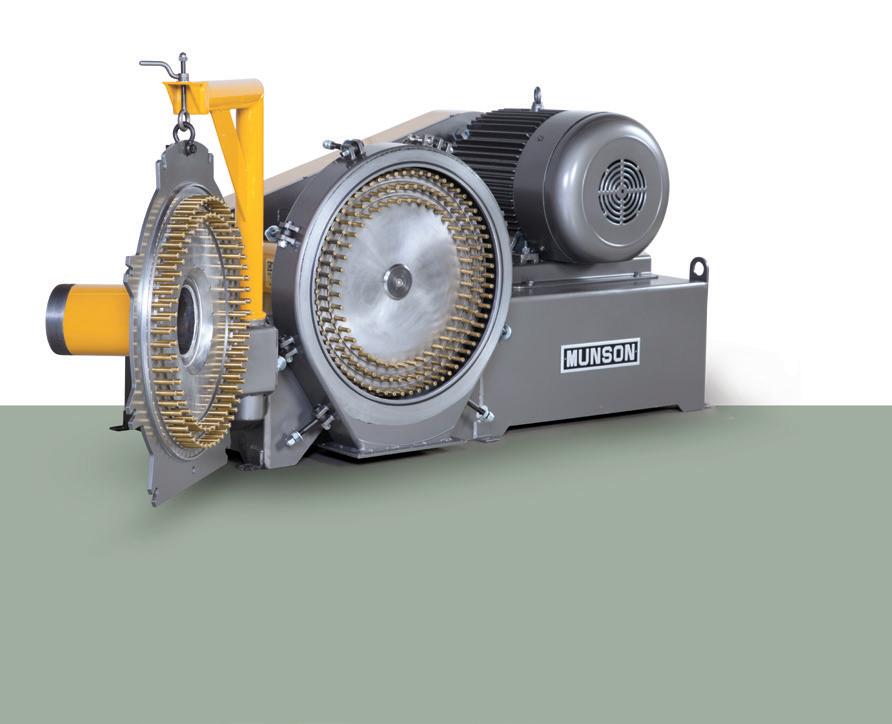

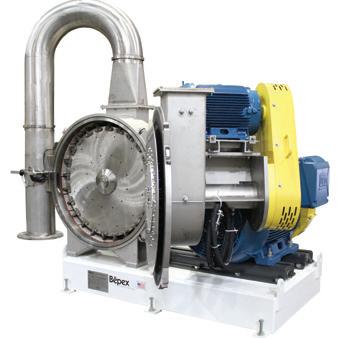
PIN MILLS REDUCE FRIABLE SOLIDS IN CONTROLLED SIZE RANGES
Coarse to fine grinding of friable powders, flakes and granules into controlled particle sizes at high rates per HP/kW. High-speed rotation of the inner disc creates centrifugal force that accelerates bulk material entering the central inlet of the opposing stationary disc through five intermeshing rows of pins. Desired tight particle size distribution obtained by controlling the rotor speed.






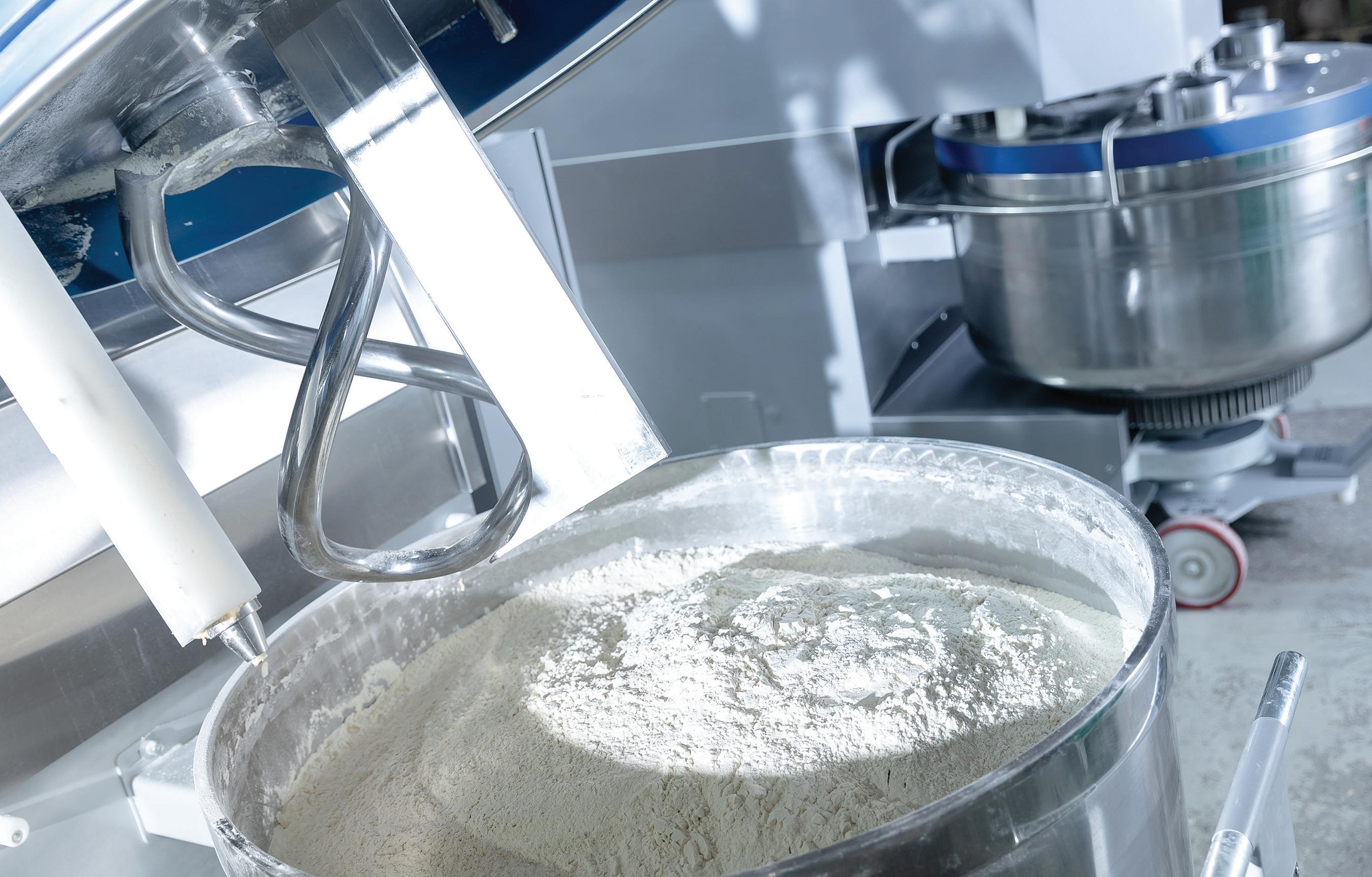
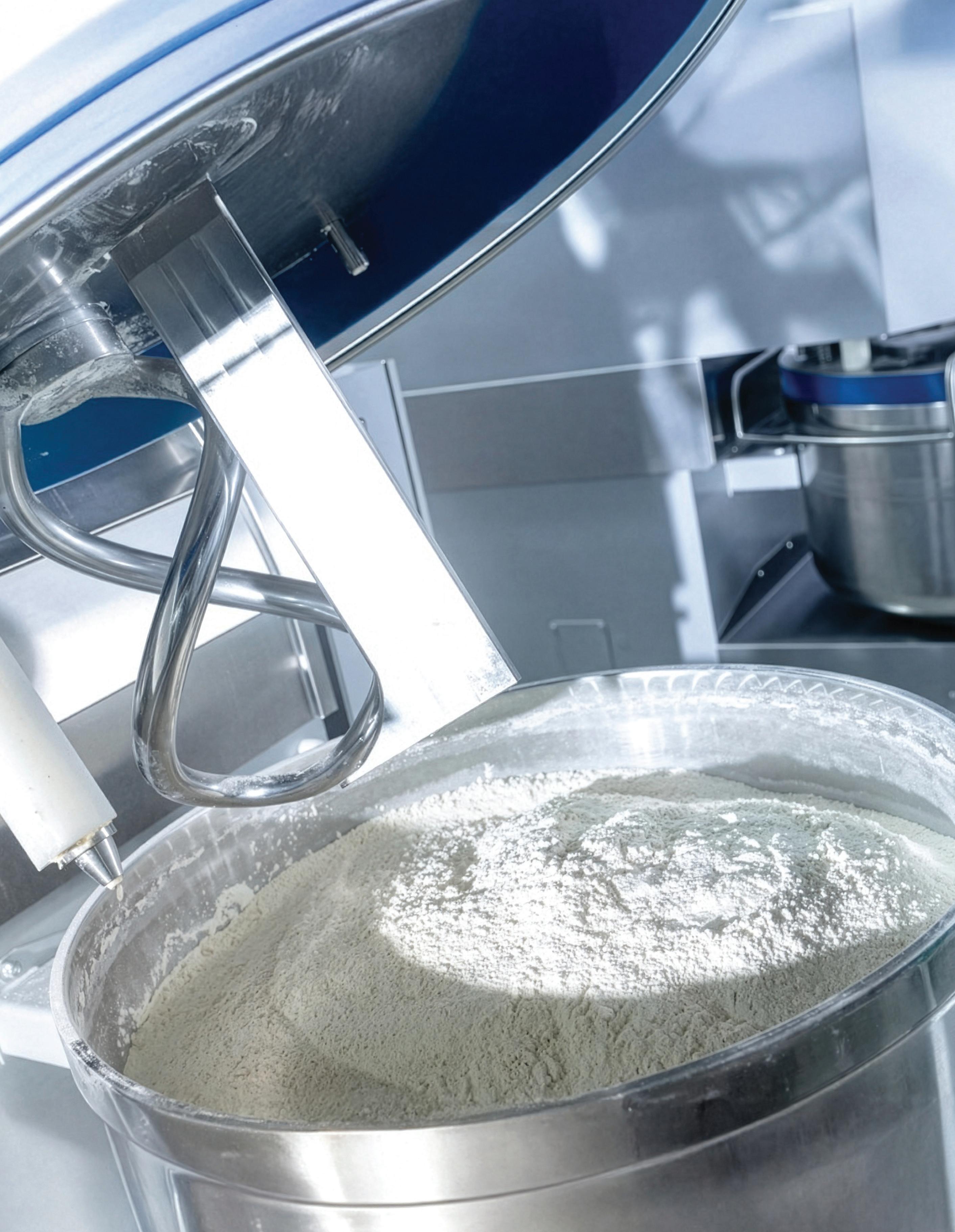
From vinaigrettes to viscous pastes, today’s food processors are asking more from their mixing and blending equipment than ever before. Shorter production runs, increasingly complex formulations, tighter allergen controls, and the relentless push for automation are reshaping how manufacturers approach every stage of the mixing process.
The days of specialized mixing systems built for a narrow range of applications are fading fast. Modern processing demands equipment that can adapt—sometimes dramatically—within a single production run. “Modern mixing and processing systems can no longer be specialized systems that cover only a narrow viscosity range,” says Michael Kapps, National Sales Manager at AmTrade Systems, which serves as the o cial North American partner for GLASS GmbH & Co. , a German manufacturer of industrial food processing machinery.
In practice, that means reliable performance across everything from a thin vinaigrette to a highly viscous, paste-like mayonnaise or a thick ready-made sauce— often within the same facility.
Shear control sits at the center of that challenge. Ken Langhorn, Vice President of Sales at ROSS, frames it around the need for precise calibration: “The key to minimizing product degradation is choosing the right mixing technology for the formulation.” Evaluating peak shear—a function of both mixer geometry and speed—is a critical part of that assessment.
Shorter runs, complex formulations, tighter allergen controls, and the push for automation are reshaping every stage of the mixing process.
Double planetary mixers are well suited for high-viscosity materials like doughs and pastes,
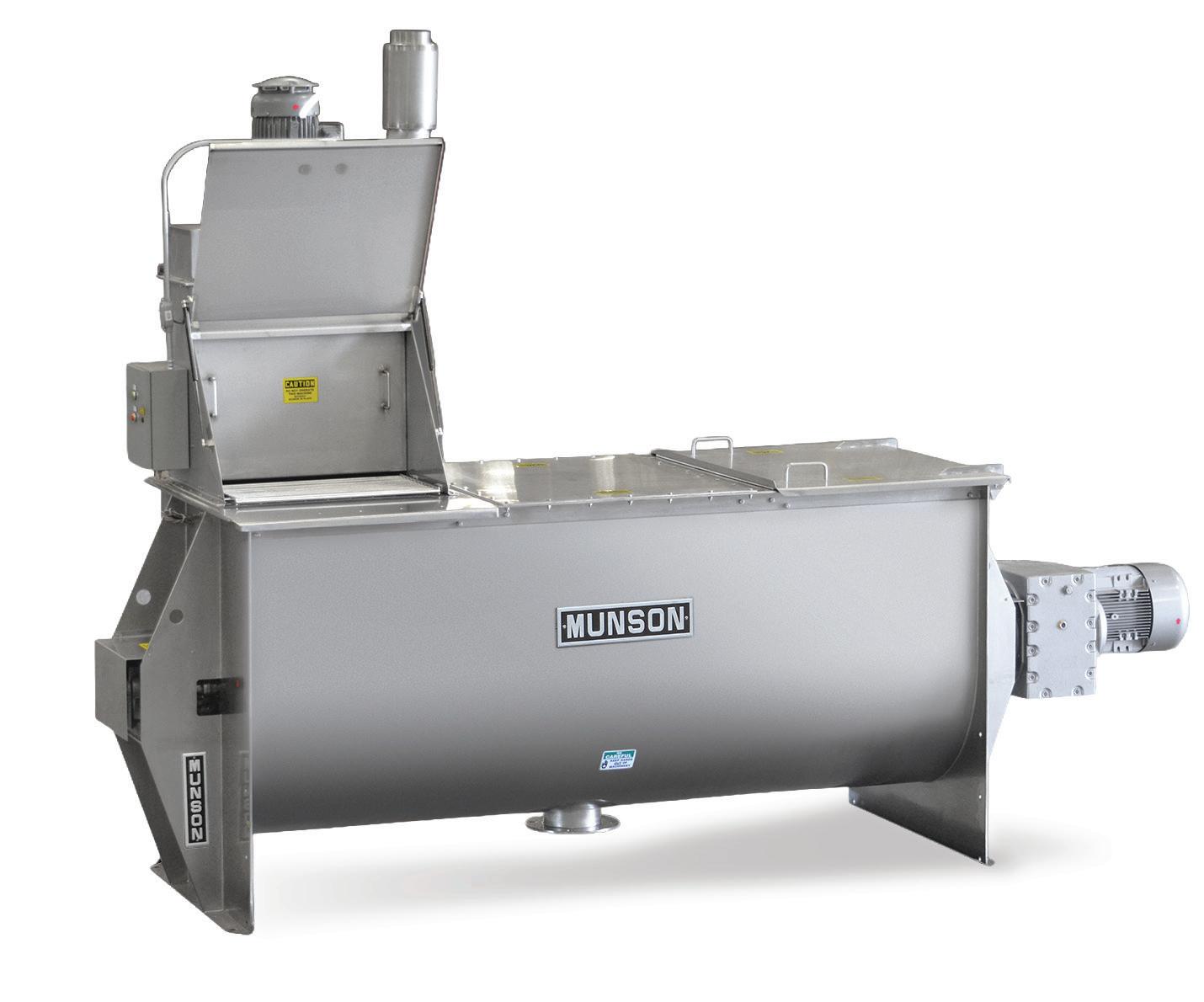
A new Munson Ribbon Blender with an integral bag dump station collects airborne dust generated during manual additions to the batch, improving worker safety and plant hygiene. Dust generated during manual dumping is drawn onto cartridge filters of the dust collector, as nozzles within each cartridge blast air on an alternating basis to dislodge accumulated material, returning it to the batch.
where agitators move through the entire batch rather than relying on product flow. That same platform can also handle low-viscosity, shear-sensitive products, where limited viscosity naturally caps shear levels.
Not every platform is designed for that range, and leading manufacturers are candid about it. “If something is shear sensitive, don’t use our mixers,” says Matt Smith, Sales Director of Silverson Machines, Inc., whose equipment is engineered specifically for high shear dispersion. That candor underscores a broader truth: Successful mixing starts with understanding exactly what a formulation requires—then selecting equipment to match, not the other way around.
One of the more technically demanding requirements in modern food manufacturing is the ability to handle both wet and dry blending within a single system, ideally without extensive reconfiguration between runs. Planetary mixers, ribbon and paddle blenders, and vertical cone screw blenders are all capable of bridging both worlds, Langhorn notes.
In some processes, dry blending occurs prior to wet blending for the same product, making a single-pot approach especially attractive.
“A single platform solution eliminates inefficiencies in transfer steps, risk of contamination, as well as freeing up floor space in the process area,” says Langhorn. That said, any such setup must be validated through testing before entering production.
For manufacturers working with more complex emulsified products, the engineering challenge shifts
toward combining different mixing and shearing mechanisms within a single unit. In GLASS’s VAS systems, interchangeable tools on a high-speed side rotor allow operators to precisely adjust energy input—ranging, as Kapps describes it, “from gentle mixing to intensive dispersion and emulsification,” without a full changeover.
High-speed dispersion offers clear advantages—faster incorporation, finer particle size, and more stable emulsions—but it also introduces risks. Aeration, overheating, and ingredient degradation require careful attention to both mechanical design and process control.
Tool selection is foundational. GLASS’s VAS systems allow operators to choose from gentle rounded “whirlers,” classic grinding and cutting attachments, or turbines engineered for high shear forces. As Kapps explains, “delicate particle structures are preserved, while sufficiently high shear forces can be applied simultaneously to create stable emulsions.” Precise speed control enables consistent, repeatable results batch after batch.
At the systems level, Langhorn points to variable speed control paired with programmable recipes and logic-based controllers that allow fine adjustments at each process stage. As viscosity changes mid-batch, speed can be reduced to prevent overheating and over-shearing. For higher-viscosity applications, he recommends closed-system multishaft mixers or hybrid planetary mixer/disperser combinations—“essentially preventing the formation of localized hot spots and eliminating any air voids,”

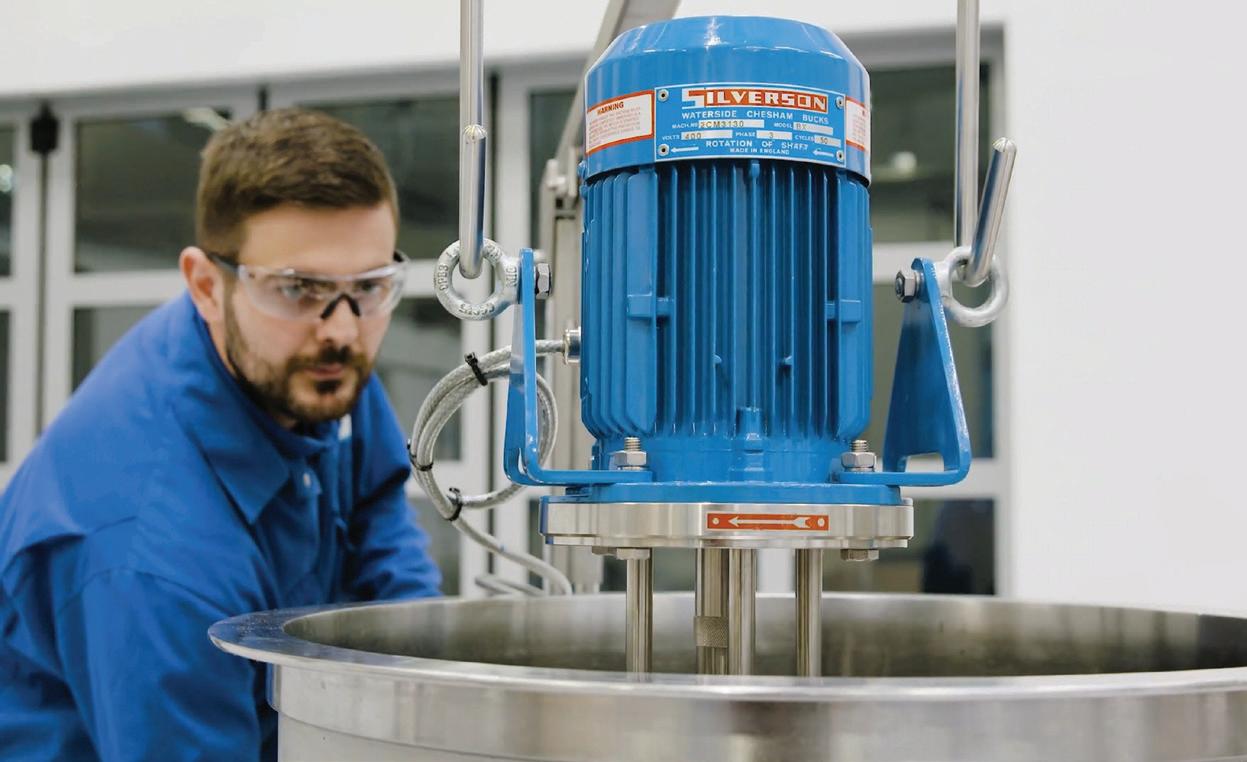
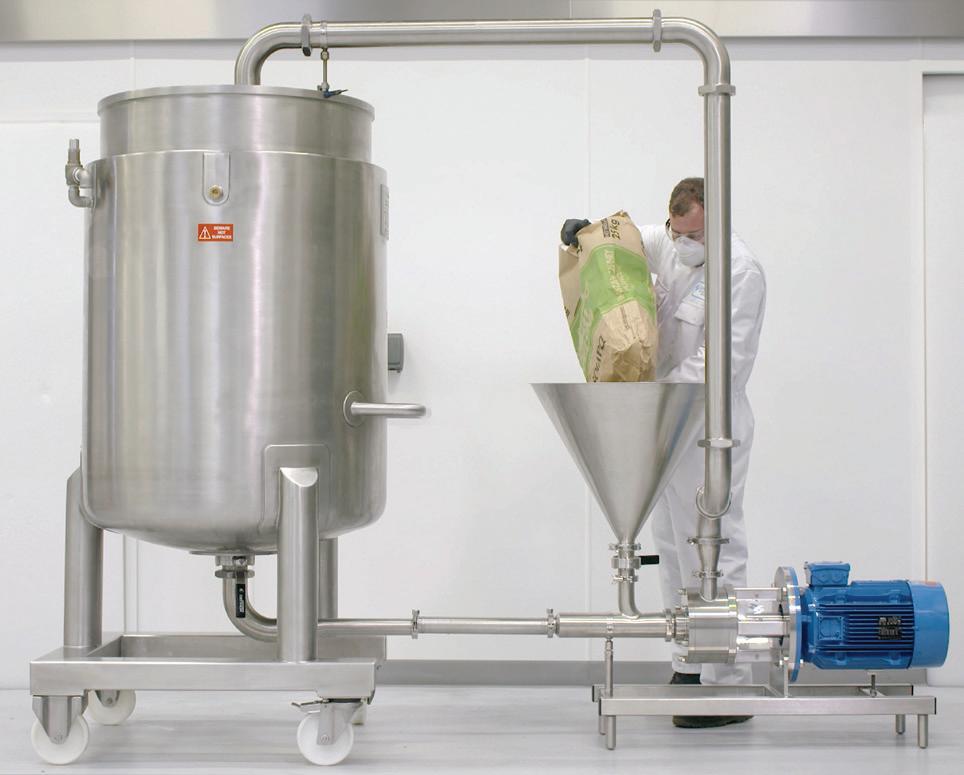
As an optional extra, Silverson Machines’ Flashmix can be supplied with pneumatic valves coupled to a powder sensor for semi-automatic processes.
says Langhorn. Optional vacuum operation and jacketed vessels extend these capabilities further.
Silverson’s approach emphasizes collaboration during product and process development. Testing establishes proof of concept, while commissioning support helps operations teams develop standard operating procedures that address aeration, heat generation, and over-shearing before issues arise on the production floor.
The tension between bespoke, application-specific equipment and standardized, scalable platforms is a key consideration during capital planning. “While ROSS offers a wide range of standard equipment, a large number of the mixers we produce are specifically engineered to overcome our customers’ processing challenges,” Langhorn says.
Custom agitator designs, optimized vessel configurations, and enhanced vacuum capabilities can significantly improve performance—but the decision between custom and standard is, as Langhorn notes, “both a business and technical decision.” ROSS addresses this through its Test and Development Center, where customers can evaluate formulations under real-world conditions and identify equipment capable of supporting future growth. Rental options from both standard and custom-built inventories provide a lower-commitment path for short-term or campaign-based needs.
Scalability is often more achievable than it appears—provided core design principles remain
consistent from lab to production. Smith notes that Silverson’s high shear parameters, including tip speed and shear gap, remain consistent across its equipment. “Because the fundamentals of high shear mixer design are consistent, scaling becomes less of a challenge,” he says.
Processors who develop formulations on equipment different from what is used in production often encounter avoidable issues stemming from that mismatch rather than the formulation itself.
Building modularity from the outset is equally critical. “Mechanics, peripherals, and controls are structured in such a way that functions can be specifically added later,” Kapps explains—whether integrating dosing stations or adding a homogenizer as product lines expand. Requirements not apparent at installation frequently emerge during operation, and systems designed to accommodate them protect the initial investment without requiring line shutdowns.
Few areas of mixing technology are advancing faster than automation and process intelligence, and the shift extends well beyond basic timers and temperature monitoring. “To achieve high batch-to-batch reproducibility, it is no longer sufficient today to monitor only temperature and time,” Kapps says.
What matters is how much energy is introduced into the product at each stage—particularly when incorporating steam, water, and oil. AmTrade is working to link process-critical data, such as energy input relative to viscosity development, into control

logic that can determine when a process step is truly complete: when optimal emulsification or target texture is achieved, rather than when a timer expires.
HMI and SCADA systems are key enablers. Langhorn highlights their role in automatic data logging, batch traceability, and regulatory compliance. Recipe controls accessible via smartphone or tablet provide real-time visibility into mixer performance across the plant. For processors evaluating new equipment, he recommends prioritizing “recipe management, batch traceability through data logging, and integration with existing plant-level systems.”
Online or continuous particle-size monitoring post-mixing is one practical method for ensuring reproducibility, Smith adds, along with tracking motor amp draw as an endpoint indicator. This provides a reliable signal that a formulation has reached its target state without requiring manual sampling. “The customer is the expert in their formulation,” he says. “It is often they who take the lead on such monitoring.”
As production runs shorten and changeovers become more frequent, sanitation design has evolved from a compliance requirement into a competitive differentiator. Processors handling multiple formulations—especially those involving allergens—cannot afford cleaning protocols that significantly reduce uptime.
“Cleanability has been the focus of GLASS mixer design for many years,” Kapps says. These systems are engineered for easy access and disassembly with minimal tooling. Their hygienic seal design allows shaft seals to be removed for inspection and cleaning without pulling the motor, while maintaining multiple seal carriers enables rapid swaps between batches to support allergen control.
At ROSS, interchangeable mix cans support semi-continuous operation—allowing one batch
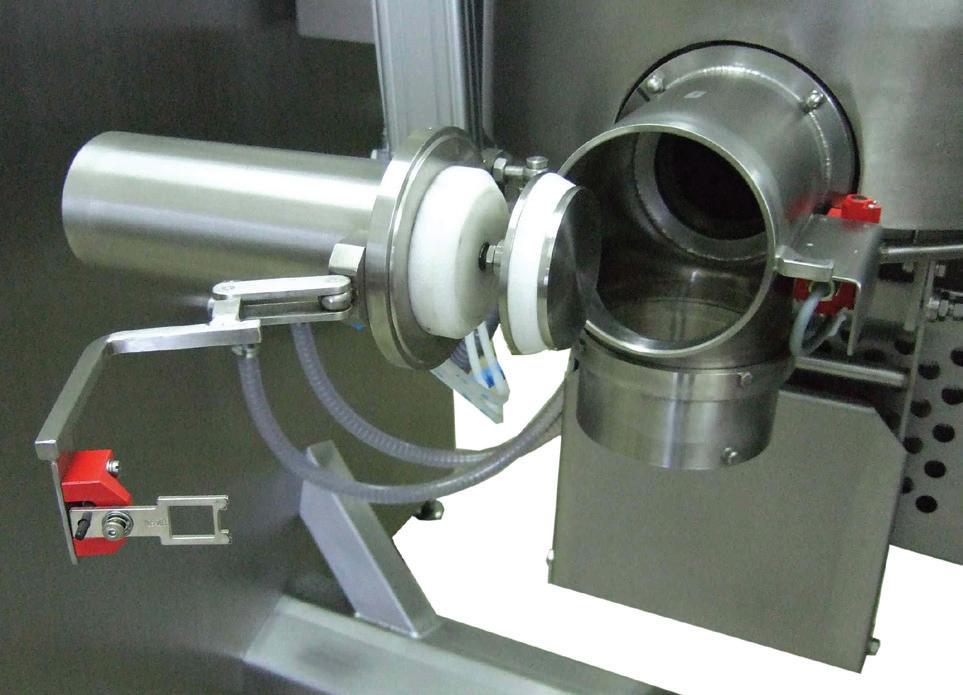
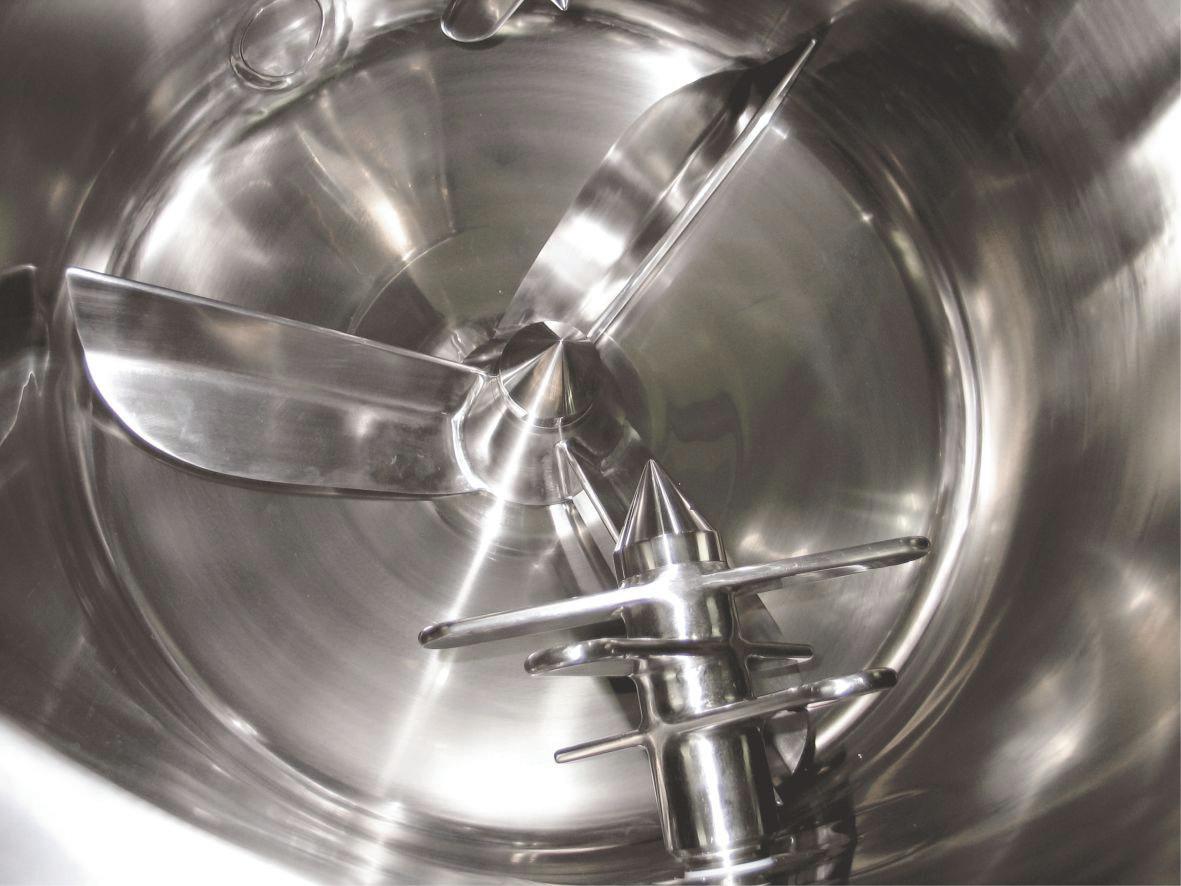
GLASS’s VAS systems allow operators to choose from gentle rounded “whirlers,” classic grinding and cutting attachments, or turbines engineered for high shear forces.
to run while another is discharged and a third is cleaned. “It’s a practical way to keep production moving while still meeting strict sanitation requirements,” Langhorn says.
Silverson similarly prioritizes CIP compatibility, designing mixers that “conform to the latest clean-inplace protocols so that machines do not have to be taken out of service for cleaning,” according to Smith.
Flexibility, testability, and intelligent design are no longer premium features in mixing and blending equipment—they are baseline expectations for processors competing in a dynamic market. Equipment decisions made today will shape operational flexibility for years, if not decades.
“A well-built mixer is one of the most effective ways to improve efficiency,” Langhorn says. “Highquality equipment requires less maintenance, delivers consistent results, and is built to withstand the demands and regulations in the food industry.”
Langhorn’s recommendation: Invest in equipment with interchangeable agitators, variable speed control, and semi-continuous capabilities to accommodate evolving product lines. Validate performance through testing and build in adaptability from the start.
For Smith, protecting a capital investment comes down to consistency between R&D and production. Using the same equipment across both stages enables smoother scale-up and faster commercialization. “Being able to scale quickly and accurately from R&D to production,” he says, “will not only get the maximum benefit from the capital equipment but also the edge on getting products to market.”

As food processors rethink cooling from the ground up, ammonia, CO₂, and nitrogen technologies are each carving out distinct roles in faster, smarter, and more sustainable refrigeration systems.
, meet sustainability targets, and handle increasingly complex production demands is mounting. Rising to the occasion are refrigeration and freezing systems, which are undergoing a quiet but significant evolution. What was once considered a background utility is now central to plant design, product quality, and overall operational performance. From traditional ammonia systems to rapidly advancing CO₂ architectures and emerging nitrogen-based freezing technologies, processors today have more options than ever. Rather than a clear winner, however, the trend is toward application-specific solutions.
“CO₂ is another tool in the toolbox,” says Bob Almon, President of Innovative Refrigeration Systems. “The technology has evolved significantly, and it’s now viable for a wide range of industrial applications—from processing to cold storage.”
At the same time, processors operating at massive scale are increasingly focused on how refrigeration integrates into production itself. “Freezing cannot be treated as a standalone step,” says Andrey Kalinichenko, Platefreezer Lead at Silver Bay Seafoods, who works with high-volume seafood freezing operations in Alaska. “It has to be tightly integrated with upstream processing lines so the freezing step does not become a bottleneck during peak production.” That perspective reflects a broader industry shift: Refrigeration is no longer just about maintaining temperature, it’s a core part of process engineering and throughput optimization.
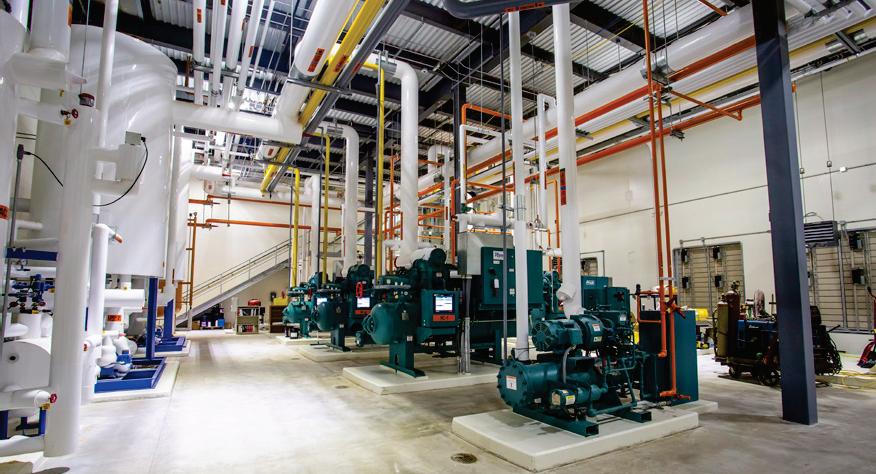
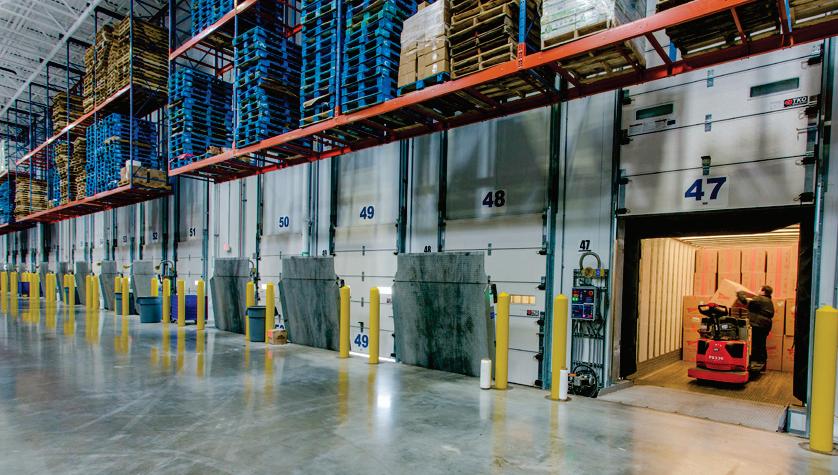
Ammonia has been the dominant refrigerant in industrial food processing for decades, and it continues to set the benchmark for large-scale, whole-facility refrigeration. Its staying power comes down to a combination of thermodynamic efficiency, scalability, and familiarity among engineers and operators. Particularly in facilities with high refrigeration loads—such as meat processing plants, dairy operations, seafood processors, and large cold-storage warehouses—ammonia systems offer unmatched performance when designed and maintained properly.
“Some companies will always prefer ammonia. It’s highly efficient and familiar,” says Almon. That familiarity is not insignificant. Many processors have decades of experience operating ammonia systems, along with established safety protocols and
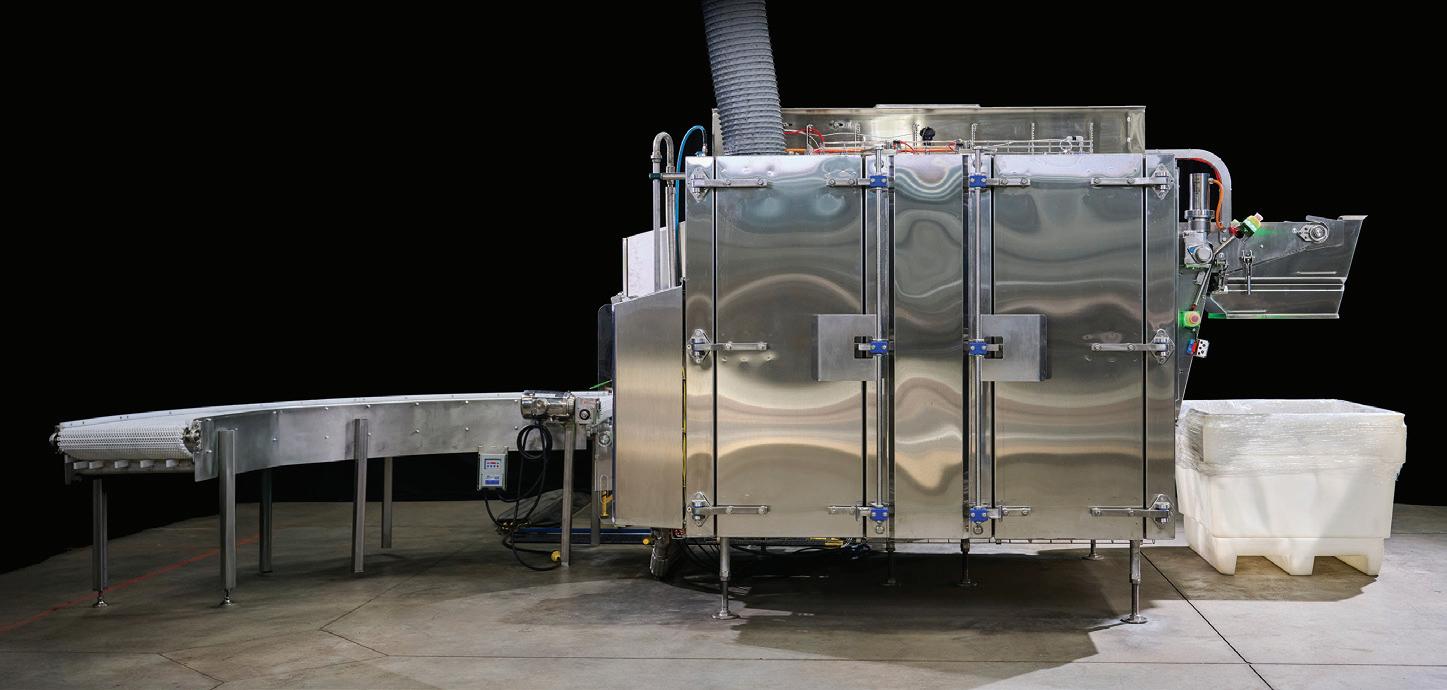
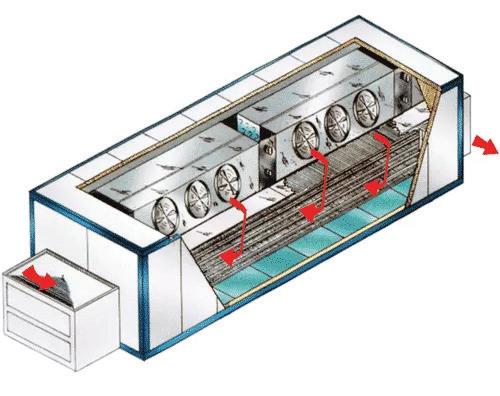
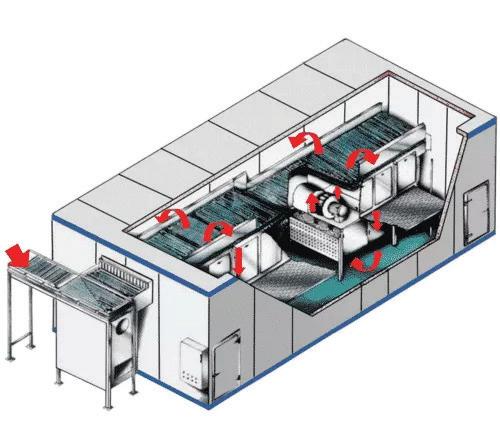
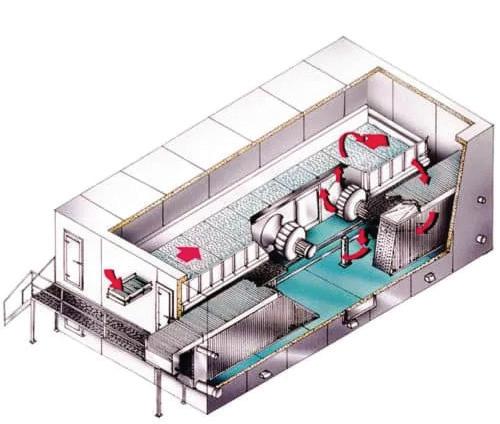
Messer’s KwikChiller allows processors to rapidly cool or freeze delicate or texturesensitive products while simultaneously boosting throughput.
trained personnel. As a result, ammonia continues to dominate in applications where energy efficiency and reliability are paramount.
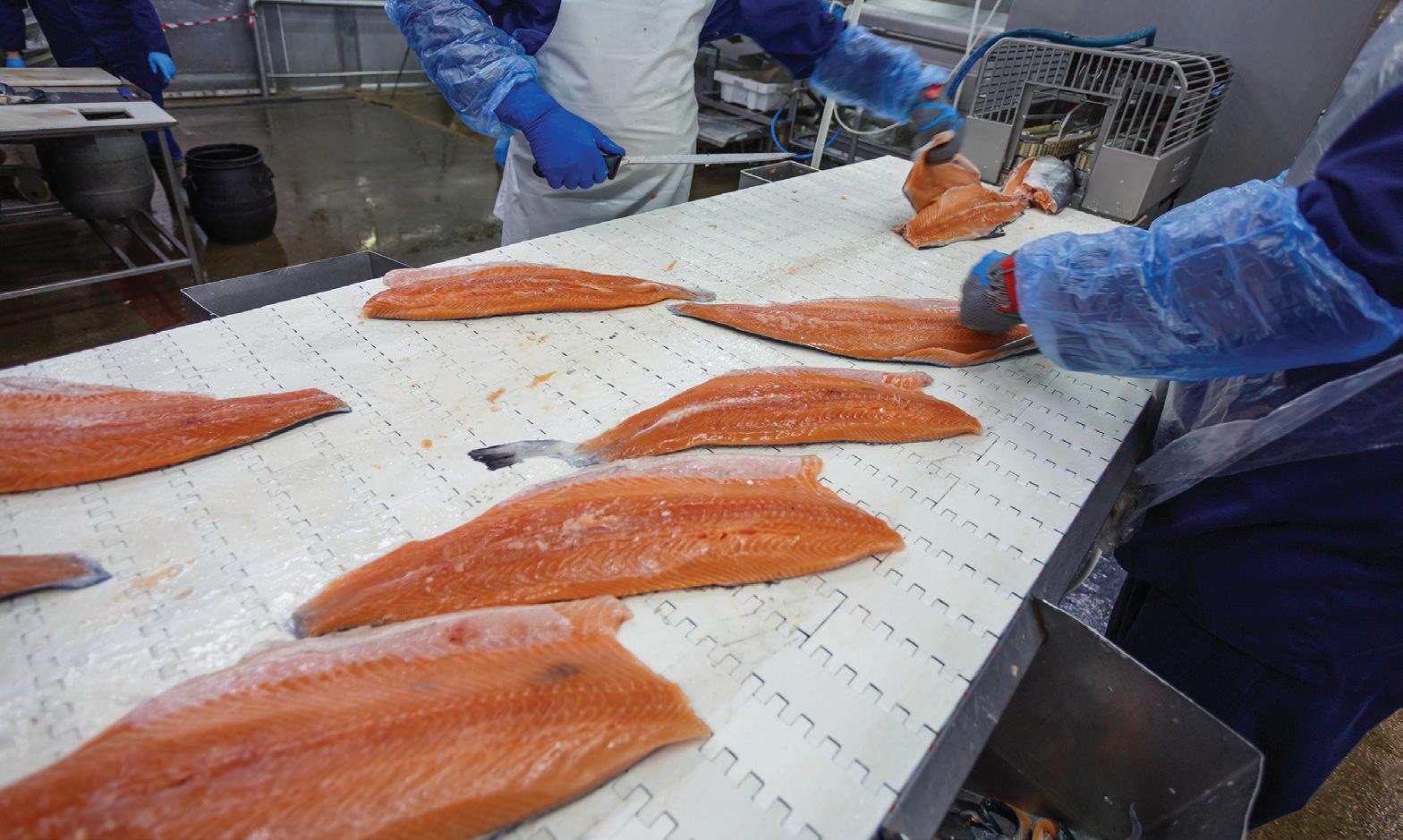
In high-throughput environments, the advantages of ammonia become even more pronounced. Kalinichenko emphasizes that in seafood processing, for example, the refrigeration system must respond immediately to incoming product. “From the moment the fish is landed, temperature control becomes the priority,” he says. “The goal is to reduce product temperature as quickly as possible to preserve texture, color, and overall quality. In seasonal seafood operations, that also means designing the freezing process around sudden peaks in volume rather than around average daily load.” This rapid pull-down requirement aligns well with ammonia’s ability to deliver consistent, high-capacity cooling across large systems.
Beyond freezing, ammonia systems also support the broader facility ecosystem. Refrigeration is deeply embedded in every stage of the process, from initial intake to storage and distribution. “Cold storage, staging, and transport all depend on stable, controlled temperatures,” Kalinichenko explains. “Even small deviations can impact final product quality, especially when the product moves through several temperature-controlled zones before distribution.” In this context, ammonia’s ability to provide centralized, plant-wide cooling becomes a major advantage, ensuring uniform conditions across multiple zones and processes.
Despite these strengths, ammonia systems come with challenges that influence their adoption. Because ammonia is classified as a hazardous substance, facilities must comply with strict regulatory requirements, including Process Safety Management (PSM) and Risk Management Plans (RMP). These requirements add complexity in both system design and day-to-day operations, often necessitating specialized personnel and robust safety infrastructure. “Some companies avoid ammonia due to perceived
risk or lack of in-house expertise,” Almon notes. Even so, for large-scale processors that can manage these requirements, ammonia remains the gold standard for efficiency and performance.
While ammonia continues to anchor many facilities, carbon dioxide (CO₂) refrigeration systems have gained significant traction in recent years, particularly in new construction projects. Advances in system design and equipment capabilities have enabled CO₂ to move beyond niche applications and into full-scale, facility-wide refrigeration.
“For us, it’s system-wide,” says Almon. “We use CO₂ as the primary refrigerant for the entire facility— typically a transcritical CO₂ system.” These systems are designed to handle the full range of refrigeration needs within a plant, from processing areas to cold storage, making them a viable alternative to ammonia in many cases.
Several factors are driving this shift. Regulatory pressure on synthetic refrigerants has pushed companies to consider natural alternatives, while corporate sustainability goals are encouraging the adoption of low global warming potential (GWP) solutions. “We’ve seen significant adoption over the past three to five years,” Almon says, noting that even as regulatory timelines evolve, companies are planning ahead. CO₂, with its negligible GWP and non-synthetic nature, aligns well with these long-term strategies.
Technological improvements have also played a key role. “Equipment has improved significantly— larger compressors, valves, and gas coolers—making large-scale industrial CO₂ systems viable,” Almon explains. These advancements have addressed earlier limitations, allowing CO₂ systems to operate efficiently at the scale required by modern food processing facilities.
CO₂ offers particular advantages in low-temperature applications. “It performs very well at -20°F to -60°F,” says Almon, making it especially well-suited for blast freezing and cold storage. Additionally, CO₂ systems operate at positive pressure in these ranges, which can improve system stability compared to ammonia systems that may operate under vacuum conditions.
However, the adoption of CO₂ is not without tradeoffs. The systems operate at significantly higher pressures, requiring more robust piping, components, and overall design considerations. Retrofitting

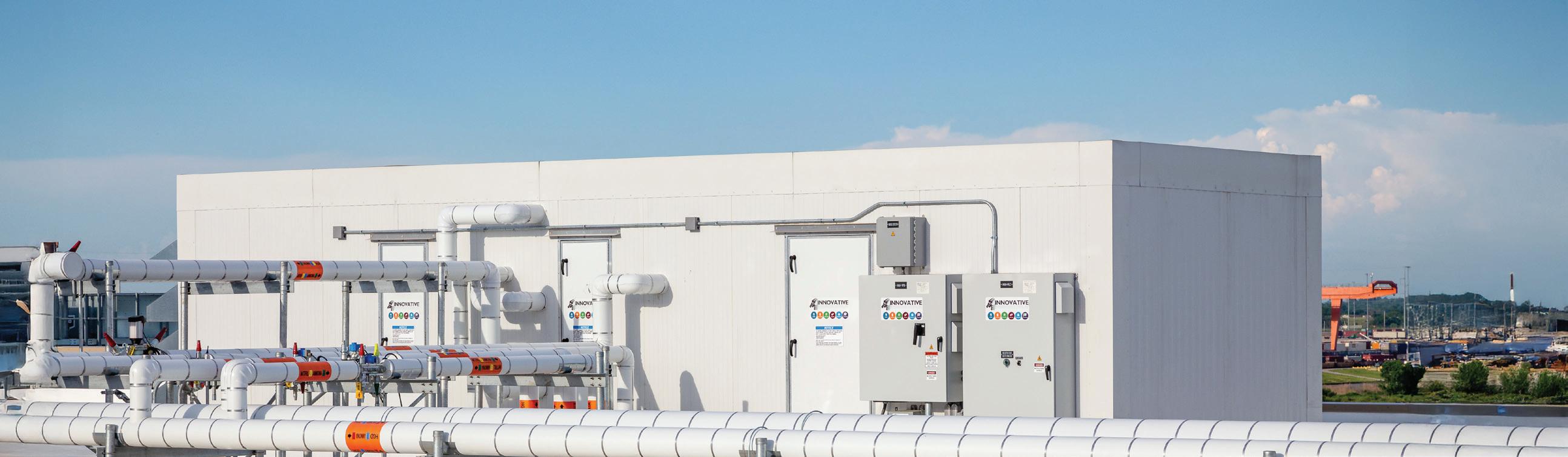














Innovative is the premier design/builder for state-of-theart natural refrigeration systems, utilizing transcritical CO2 & ammonia, in the cold storage, food processing, process cooling, blast freezing, life sciences, & data center markets.
SPECIALIZING IN:
• Design/Build
• Service & Preventative Maintenance
• Engineering Services


• Energy Management Be the most trusted, customer focused and solution-oriented design, build, service partner for industrial refrigeration.
• Process Safety Management
• Compliance & Training Solutions

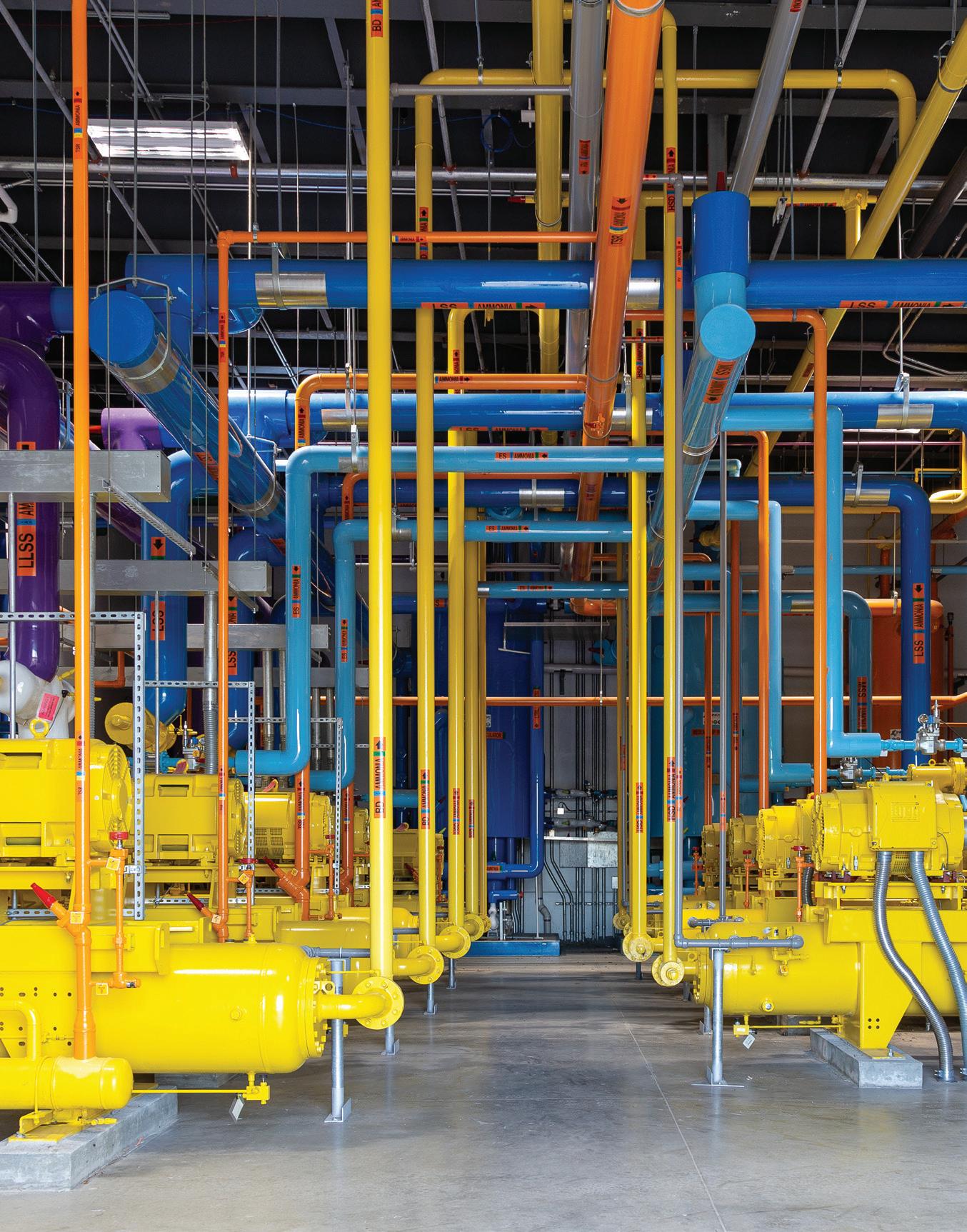








Thermodynamically ef cient and scalable. Offers engineer and operator familiarity. Provides high performance levels when designed and maintained properly in facilities with high refrigeration loads.






Reduced complexity compared to ammonia without the same regulatory requirements. Slightly less energy ef cient than ammonia systems, but may help advance a company’s sustainability goals.



existing facilities is typically not practical. “You’d need to rebuild the system from the ground up,” Almon says. As a result, CO2 is most commonly implemented in new builds.
Energy e ciency is another consideration. “CO2 is slightly less e cient than ammonia,” Almon notes, though the di erence may be o set by other benefits such as reduced regulatory burden and simpler safety requirements.
That reduced complexity is a key advantage. CO2 systems do not carry the same regulatory requirements as ammonia, making them more accessible for facilities without specialized expertise. “CO2 o ers a safer alternative that’s energy e cient and comparable to traditional freon systems,” Almon says. For many processors, that balance of performance, sustainability, and reduced risk is driving increased adoption.
While ammonia and CO2 systems are designed to cool entire facilities, nitrogen-based technologies such as Messer ’s KwikChiller serve a fundamentally di erent role. These systems are not intended to replace plantwide refrigeration but instead provide targeted, highspeed cooling at specific points in the process.
“Bakers and processors have long sought a reliable way to maintain product quality while scaling up their operations,” says Don Smiley, Director of Food and Beverage at Messer. “With the continuous operational design and a compact footprint of the KwikChiller, processors can now rapidly cool or freeze delicate or texture-sensitive products while simultaneously boosting throughput.”
“These types of systems are a type of flash cooling,” Almon explains. “Nitrogen is a consumable—it’s purged during the process to rapidly cool the product. It’s not a closed-loop refrigeration system.” This distinction is critical. Unlike ammonia or CO2 systems, which continuously circulate refrigerant, nitrogen systems rely on a constant supply of liquid nitrogen to




Provide targeted, high-speed cooling, not designed for system-wide refrigeration use. Preserves product structure with reduced ice crrystal formation. Relies on a constant supply of nitrogen.


achieve extremely rapid temperature reduction.
That capability makes nitrogen particularly valuable in applications where speed is essential. With a boiling point of approximately -320°F, liquid nitrogen enables ultra-fast freezing, which can help preserve product structure, reduce ice crystal formation, and maintain overall quality. This is especially useful for high-value or delicate products, as well as processes like crust freezing or individually quick frozen (IQF) production.
In high-throughput environments, nitrogen systems can also help address process bottlenecks. Kalinichenko notes that achieving both speed and consistency is a constant challenge. “The challenge is balancing speed with consistency at high throughput,” he says. While nitrogen excels at rapid cooling, it must be carefully integrated into the broader process to ensure uniform results. “Rapid freezing alone is not enough; the process has to be controlled so that product freezes consistently across batches and does not create quality variation.”
Because nitrogen systems do not require the same level of infrastructure as traditional refrigeration systems, they o er a high degree of flexibility. They can be deployed in targeted areas, integrated into existing lines, and used to enhance specific process steps without major facility modifications. This makes them an attractive option for processors looking to improve performance without committing to a full system overhaul.
However, this flexibility comes with tradeo s. Because nitrogen is consumed rather than recirculated, operating costs can be higher over time compared to closed-loop systems. As a result, nitrogen-based freezing is typically used as a complementary technology rather than a primary refrigeration solution. It fills a specific role within the process, particularly where speed and responsiveness are critical.
Across ammonia, CO2, and nitrogen systems, a common theme is emerging: Refrigeration is increasingly
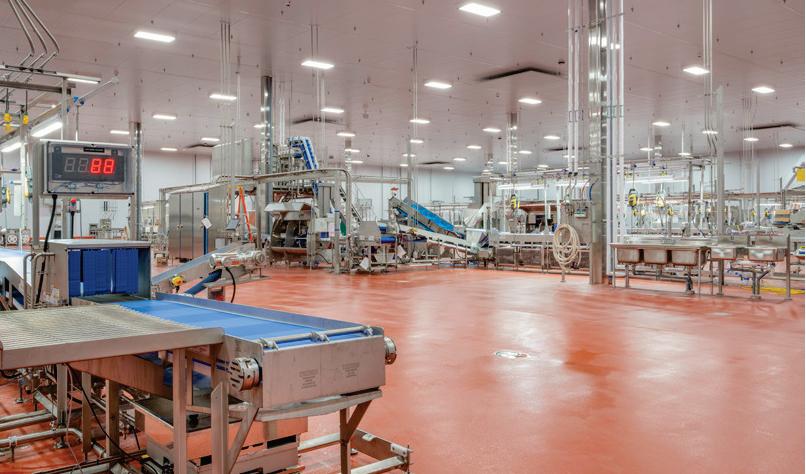
being designed around process flow and throughput rather than temperature alone. This shift reflects the growing complexity of modern food processing where everything is tightly connected.
“You can’t treat freezing as a separate step,” Kalinichenko reiterates. “It has to be synchronized with upstream processing.” This integration becomes especially important in industries with significant variability, such as seafood processing, where seasonal peaks can dramatically increase production volumes. “During peak season, volumes increase dramatically,” he says. “Systems must be able to scale up without sacrificing performance. For plate freezing operations, that means coordinating freezing capacity, labor, product flow, and storage availability as one connected system.”
Meeting these demands requires a combination of system design, redundancy, and real-time monitoring. It also requires the careful management of tradeoffs. “There is always a balance between speed, energy use, and product quality,” Kalinichenko explains. “If that balance is wrong, the facility can lose capacity during the busiest production windows or create inconsistency in the finished product.” Faster freezing can improve quality, but it
may require greater energy input or system capacity, while efficiency measures must be weighed against performance requirements.
No single technology can address every need. That’s why facilities are increasingly adopting a portfolio approach, combining multiple systems to optimize performance across different parts of the process. Ammonia may provide the backbone for large-scale cooling, CO₂ may offer a sustainable alternative for new builds, and nitrogen may deliver targeted performance improvements where speed is critical.
Looking ahead, refrigeration systems will continue to evolve alongside broader industry trends, including decarbonization, automation, and increasing demand for throughput and flexibility. While the technologies themselves may differ, the goal remains the same: to deliver consistent, efficient, and reliable temperature control in an increasingly demanding production environment.
In that sense, the future of refrigeration is not about replacing one system with another. “The story isn’t about one system being better,” says Almon. “It’s about what works best for the application.”





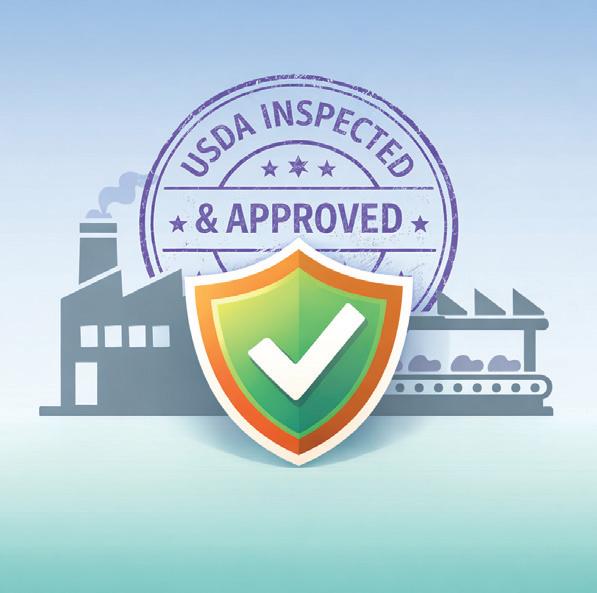
According to the FSIS, the updates are intended to provide establishments with greater operational flexibility while maintaining food safety and compliance with federal inspection standards.
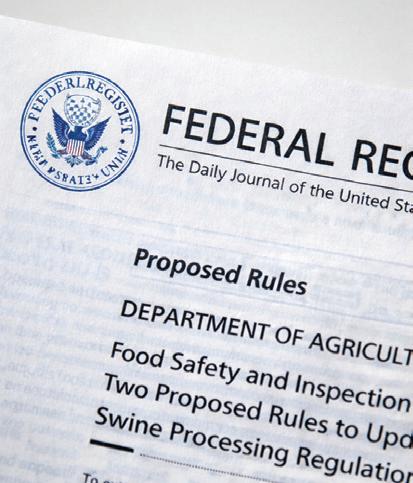
ANNOUNCED IN FEBRUARY 2026, the U.S. Department of Agriculture’s (USDA) Food Safety and Inspection Service (FSIS) proposed two rules to revise regulatory requirements for facilities operating under the New Poultry Inspection System (NPIS) and the New Swine Inspection System (NSIS).
If finalized, the changes could influence plant operations in several ways, including:
• Line speed and production capacity
• Workforce training
• Process control measures
• Federal inspection authority
• Foodborne pathogen prevention
• Support for smaller processors
• Modernization and technology integration
According to the FSIS, the updates are intended to provide establishments with greater operational flexibility while maintaining food safety and compliance with federal inspection standards.
The first proposed rule would update regulatory requirements for establishments operating under NPIS, allowing trained plant personnel to perform certain sorting functions while federal inspectors focus on food safety verification. Establishments remain responsible for ensuring carcasses meet required standards.
Under the proposal, the FSIS would permit NPIS establishments to operate at line speeds of up to 175 birds per minute for young chickens and 60 birds per minute for turkeys, provided they maintain effective process control. This is a change from 140 and 55 birds per minute, respectively.

The Inspector in Charge retains the authority to require a reduction in line speed whenever adequate carcass-by-carcass inspection cannot be conducted or when process control is lost.
The FSIS also proposes to eliminate requirements beyond its statutory scope, including worker safety attestations regulated by the U.S. Occupational Safety and Health Administration (OSHA), while maintaining all inspection and verification functions.
A separate proposed rule would update regulatory requirements for establishments operating under the NSIS.
Currently, NSIS facilities operate under a maximum regulatory line speed of 1,106 head per hour. That limit would be removed under the proposed rule. Instead, establishments would determine operating speeds based on their ability to maintain process control and comply with all requirements applicable to food safety.
must ensure that sorting, inspection readiness, sanitation, and defect removal processes remain e ective. Processors may need to review operational procedures and supporting process control documentation to ensure that carcasses presented to inspectors continue to meet regulatory requirements even as production volumes increase.
Operational flexibility under the new proposed rules may also a ect workforce management.
Federal inspection oversight would remain unchanged. Inspectors would continue to conduct carcass-by-carcass inspection, and all existing verification activities would remain in place.
Additionally, the rule would streamline certain regulatory provisions for swine slaughter by removing outdated inspection procedures and other administrative requirements that fall outside the statutory responsibilities of the FSIS.
Among the potential impacts of the proposed rules is production capacity, which could change how plants manage output. This is especially true in swine processing, where removing a fixed regulatory line speed allows establishments with modern equipment and strong process control to better match production to equipment and sta ng levels.
However, the proposals reinforce that process control remains the determining factor in plant operations. Establishments that increase line speeds
Facilities operating under NPIS and NSIS rely on trained plant personnel to identify and remove carcasses with defects before presentation to federal inspectors. As line speeds increase, worker training and line balance become increasingly important to ensure these tasks are performed e ectively.
Plants considering higher operating speeds may evaluate sta ng levels, training programs, and workstation design to maintain both productivity and compliance.
Facilities with advanced processing equipment and automated monitoring systems may be best positioned to take advantage of the flexibility proposed by the FSIS.
Many processors have invested in improved carcass handling systems, automated defect detection technologies, and digital monitoring platforms that track production and food safety metrics in real time. These systems can help plants identify deviations in process control early and make operational adjustments when necessary.




Preventive controls are essential for high-risk processes.

As regulatory oversight increasingly emphasizes documented process control, the ability to monitor and demonstrate consistent operational performance may become even more important for processors.



Environmental monitoring supports early detection and risk mitigation.




Collaboration among industry, researchers, and federal partners is critical for effective food safety management.
Under both proposed rules, FSIS inspection authority remains unchanged. The Inspector in Charge can mandate line speed reductions to ensure thorough carcass-by-carcass inspection and e ective process control. This is to prevent operational flexibility from compromising federal inspection responsibilities.
FLEX-TURN® CONVEYORS
The hygienic way to convey around corners
LADDER-FLEX® CONVEYORS
The hygienic way to spread, converge, diverge
STRAIGHT CONVEYORS
Designed for your application
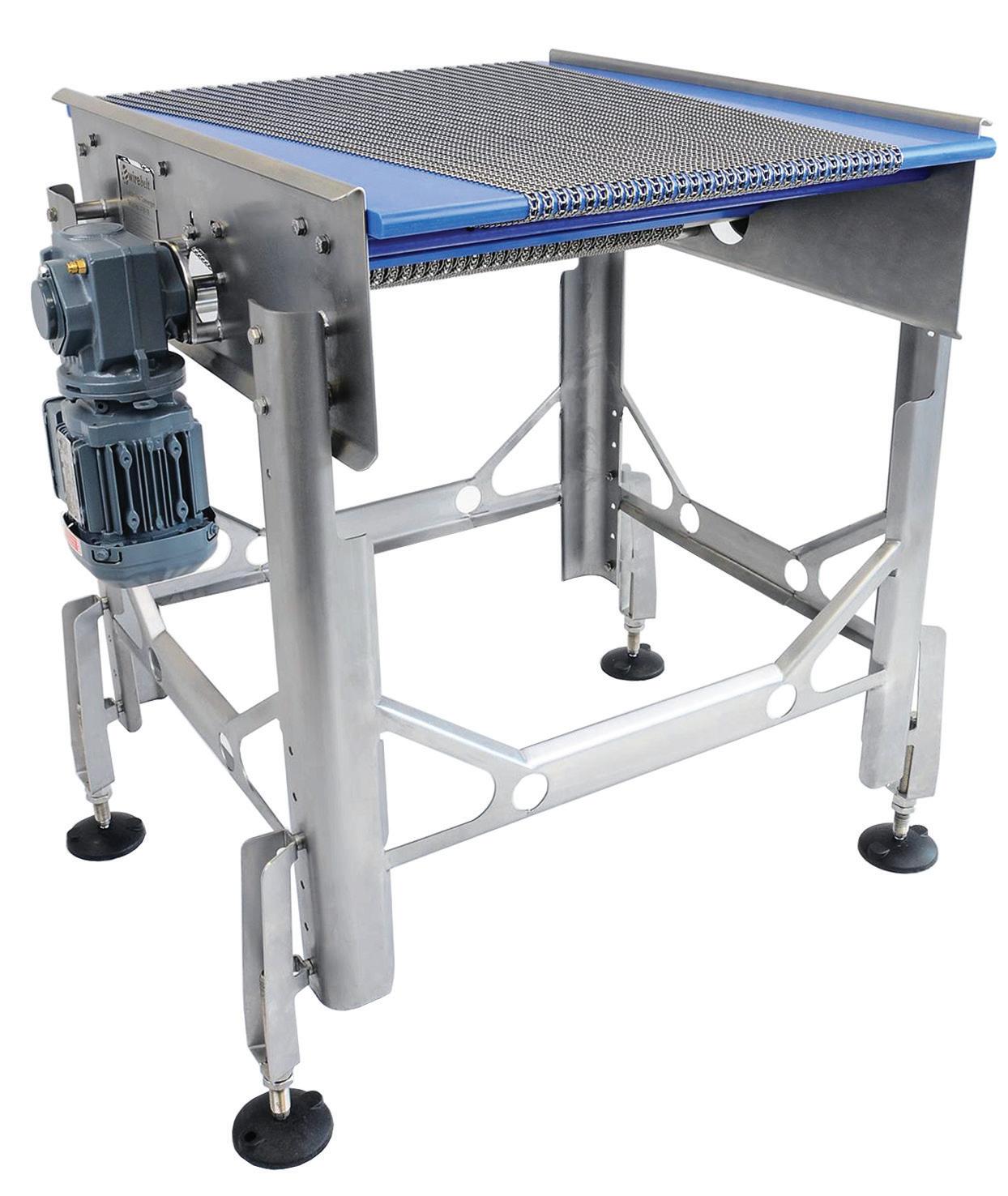
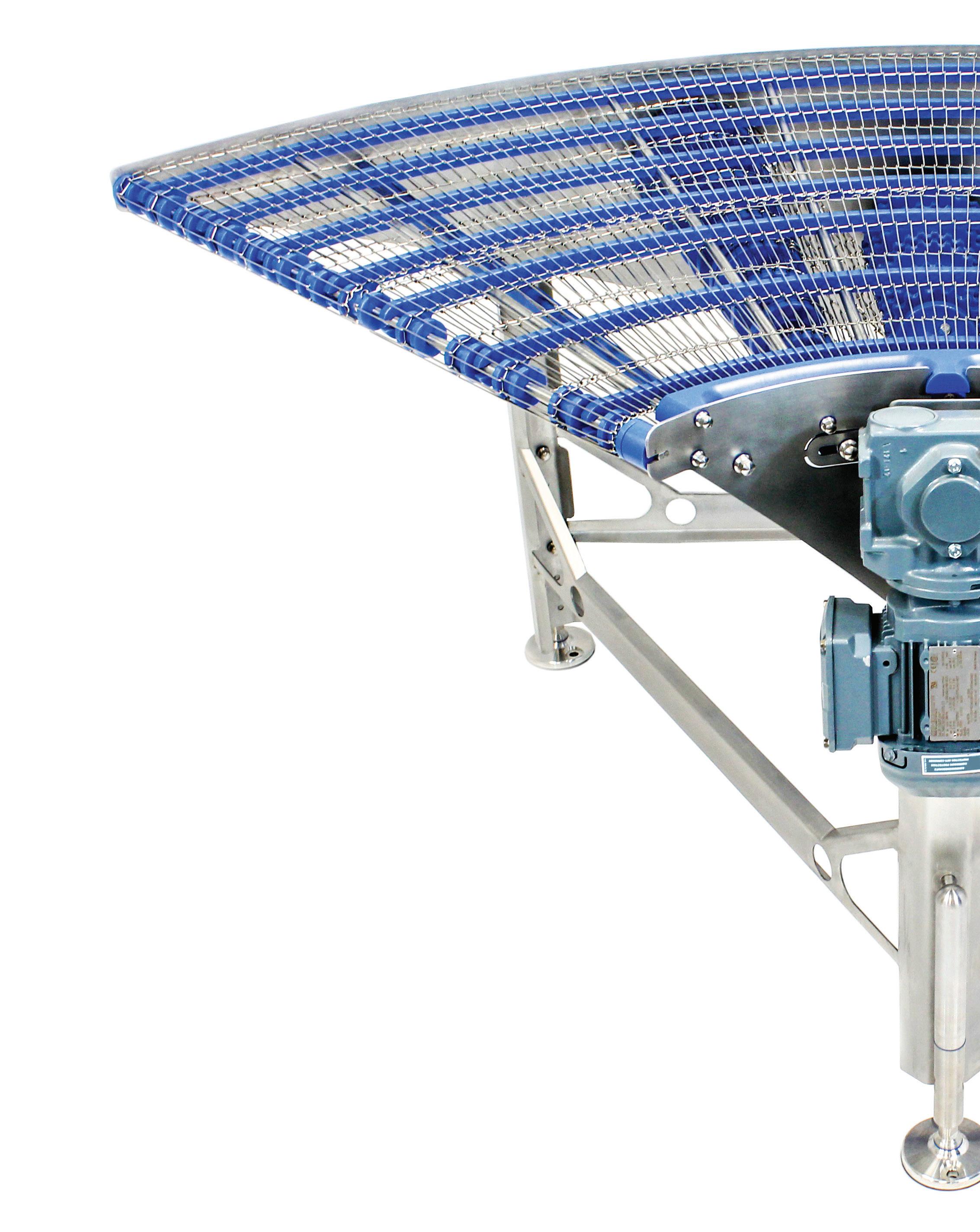
• Simplified wash-through construction
• pen section leg frames
• lean-in-place
• asy to sanitize, clean and maintain
• High density blue plastic components
• o place for bacteria and allergens to hide
This authority remains a central component of the federal inspection system and serves as a safeguard for public health.
As part of safeguarding public health, agency leaders emphasized ongoing e orts to address major foodborne pathogen risks.


• ~1.35 million U.S. infections per year; ~23% attributed to poultry
• FSIS data: Proportion of chicken samples testing positive declined, but human illness rates have not.

At the National Turkey Federation Annual Convention in Fort Lauderdale, Fla., on February 19, 2026, Under Secretary for Food Safety Mindy Brashears highlighted e orts to reduce Salmonella enterica in poultry. Salmonella is a leading cause of foodborne illness in the U.S., with the Center for Disease Control (CDC) estimating about 1.35 million infections annually, with roughly 23% linked to poultry.
• Rare but high risk, particularly in ready-to-eat products
• ~0.3–0.4% of RTE meat and poultry samples test positive

Listeria monocytogenes, while less common, also poses a significant risk in deli turkey products and ready-to-eat (RTE) meat. The FSIS sampling indicates 0.3–0.4% of poultry samples and RTE meat test positive.
Brashears identified preventive controls and environmental monitoring as essential tools for the highest-risk processes. She added that the FSIS is evaluating improved metrics and sampling strategies and stressed that continued progress will depend on collaboration among industry, researchers, and federal partners.
Another area of focus is support for smaller processors. According to the FSIS, small and very small establishments represent more than 91% of federally inspected facilities. Recognizing the unique challenges these businesses face, the agency is developing a strategy to strengthen support, including technical guidance, training, and outreach.
The FSIS plans to improve coordination with other government agencies and industry partners to help smaller establishments navigate regulatory requirements, adopt best practices, and maintain compliance e ciently.
This strategy is intended to ensure that smaller processors can continue to operate safely and competitively, particularly as new technologies and
process improvements are introduced across the industry. By tailoring resources and guidance to the scale and capabilities of smaller facilities, the FSIS aims to enhance food safety outcomes without imposing unnecessary burdens.
These proposed rules are part of a broader modernization e ort underway at the FSIS.
During remarks at the Southwest Meat Association’s Meat, Education, Advocacy, and Technology Forum in Arlington, Tex., on February 18, 2026, FSIS Administrator Justin Ransom outlined the agency’s strategy for strengthening workforce capabilities. He further discussed plans to expand the use of data and technology to support regulatory decision making.
Ransom noted that the agency is investing in workforce development and analytical tools designed to identify emerging risk trends across the food system. He also highlighted ongoing e orts to explore artificial intelligence tools that could support faster, more proactive oversight.
Modernizing rules, he said, reflects current operating realities across the industry, including advances in equipment, training, and inspection tools.
The FSIS accepted public comments on both proposed rules through April 20, 2026.
• Docket No. FSIS-2025-0012/RIN 0583-AE01 (poultry)
• Docket No. FSIS-2025-0009/RIN 0583-AE02 (swine)
After reviewing feedback from industry stakeholders and other interested parties, the agency will determine the next steps toward final rulemaking.
For poultry and swine processors, the proposed rules reflect an evolving regulatory framework that combines federal inspection oversight with greater operational flexibility. However, establishments must continue to demonstrate e ective process control while supporting the core mission of the FSIS to protect public health and ensure food safety.


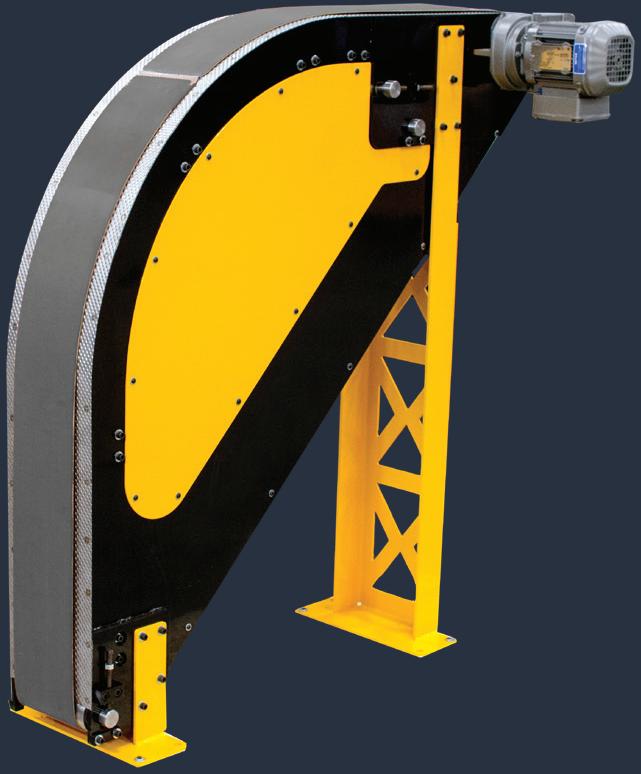
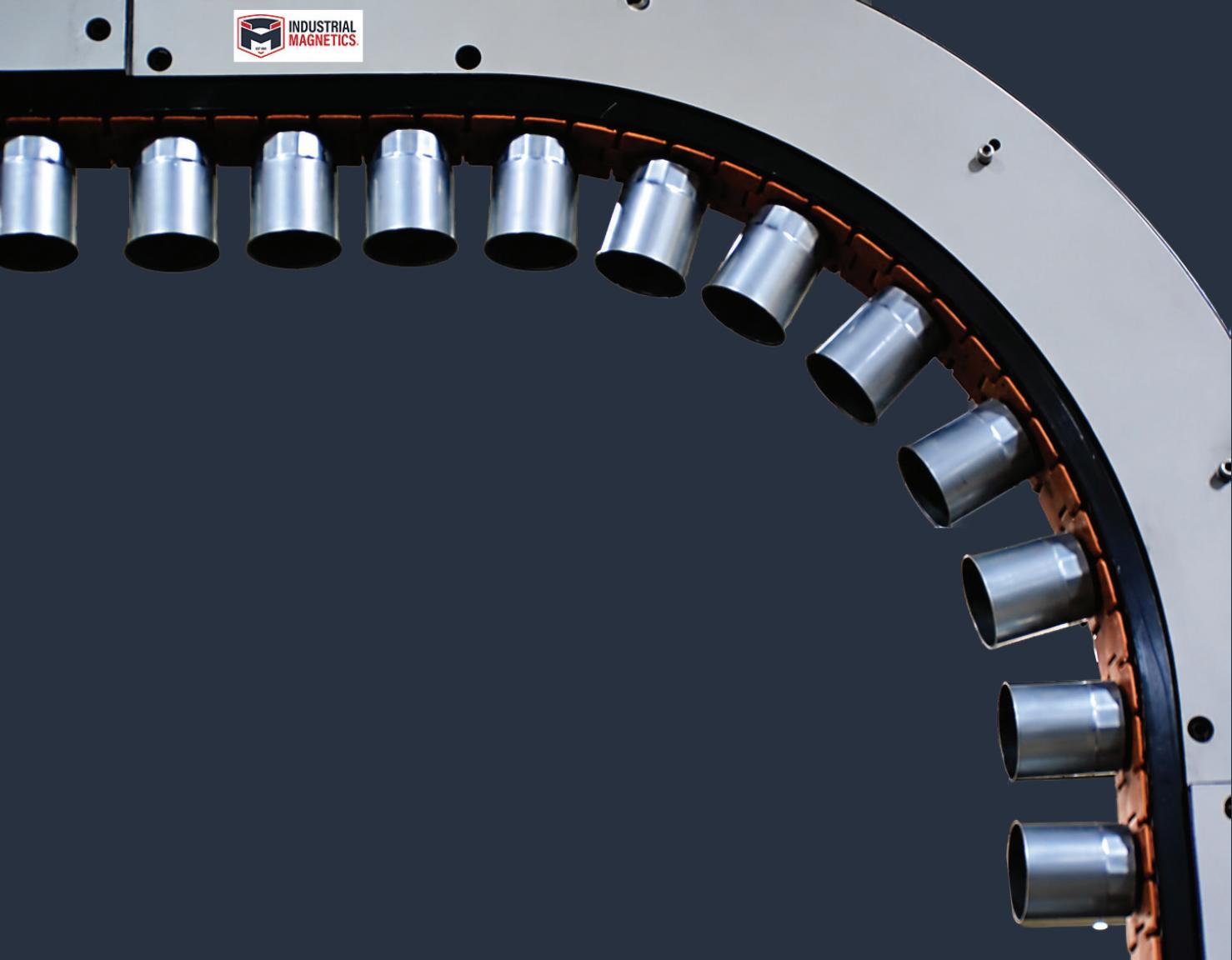
Utilize powerful permanent magnets to hold composite cans and lids firmly in place during conveying, even during vertical, inclined, or horizontal conveying!
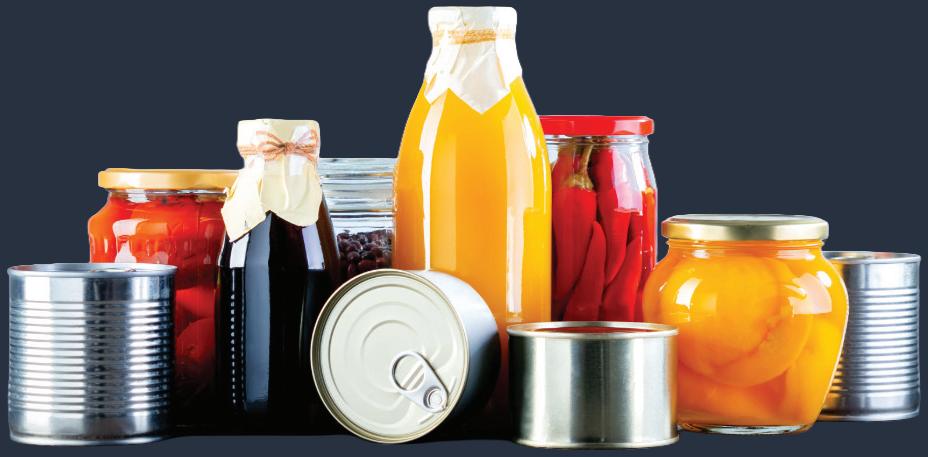
IMI’S POWERFUL CAN CONVEYORS BETTER UTILIZE SPACE AND REDUCE NOISE WITHIN YOUR FACILITY.


By anchoring its new facility around sous vide technology—even before securing a site—Standard Meat Company transformed a historic renovation into a flexible, high-capability processing hub built to meet the evolving demands of modern customers.
RENOVATING AN EXISTING PLANT is a lot like that famous line from Forrest Gump about life and a box of chocolates: You never know what you’re going to get. For Standard Meat Company, the reward of having a manufacturing plant in Fort Worth’s historic Stockyards was worth the risk of whatever mysteries were revealed while renovating a facility from the 1950s.
That uncertainty ultimately shaped not just the construction process, but the philosophy behind the finished plant. What began as a capacity expansion evolved
into a highly flexible, customer-driven processing facility—one designed as much around future product innovation as current production needs.
Capacity was the catalyst, customers were the driver
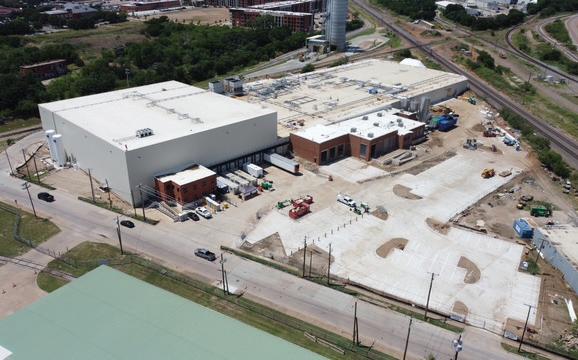
Site constraints include active rail lines that made construction challenging and defined the site’s footprint.
The project began with a clear operational constraint: Standard Meat had run out of room to grow.
“I’ll never forget when someone from our commercial team came to us and said, ‘I’m running out of things to sell because we don’t have space,’” says Standard Meat Company CEO and Co-President Ben Rosenthal, adding that operating at capacity isn’t ideal for the company to properly address customers’ future plans.
But simply adding square footage wasn’t enough. The company recognized that customer needs were changing—particularly in foodservice. Labor shortages, high turnover, and operational complexity in quick-service and fast-casual restaurants were creating demand for more consistent, labor-saving protein solutions.
“If you don’t grow and evolve and change

LOCATION Fort Worth, Texas
OWNER Standard Meat Company
SIZE Approx. 190,000 sq ft
total (including adjacent structures)
PRODUCTION Prepared protein
OPENED September 2025
in reaction to what’s happening around you, then you’re not going to stay around,” says Standard Meat Company Co-President Ashli Rosenthal Blumenfeld. “So, it’s been really important to us to diversify.”
Instead of reacting to that shift later, Standard Meat made a bold move early. That’s where readyto-eat and sous vide really came into focus.
In a decision that underscores how central processing capability was to the project, Standard Meat committed to its core technology before it even had a building.
“We ordered the sous vide equipment before we bought the facility,” says Blumenfeld. “The lead time was about 24 months, so we knew if we didn’t act, we’d miss the window.”
That decision effectively reversed the traditional plant design process. Rather than selecting equipment to fit a facility, the company had to find—or create—a facility to fit the equipment.
“This was the first piece of equipment purchased for the plant,” says Adam Speirs, Standard Meat Company’s Plant Manager at the Fort Worth location. “Once we committed to it, it ruled out several locations because it simply wouldn’t fit.”
The size, infrastructure demands, and layout requirements of the sous vide system dictated everything from building selection to production flow. Ultimately, the team identified an aging cold storage facility in the Stockyards that could be transformed to meet those needs.
Transforming a mid-century facility into a modern processing plant proved far more complex than anticipated.
“The biggest thing we underestimated was the process,” says Rosenthal. “Not just permitting, but everything involved in bringing a building like this up to modern standards.”
Once construction began, the building revealed its age in unexpected ways.
“When we tied into the sewer, we found lines from the early 1900s that didn’t match any of the drawings,” says Speirs. He adds that not only were the blueprints hand drawn, “[The sewer lines] weren’t where they were supposed to be, and they ended up being 23 feet further away.”
In another case, excavation uncovered a previously unknown basement. “We dug down to install a grease
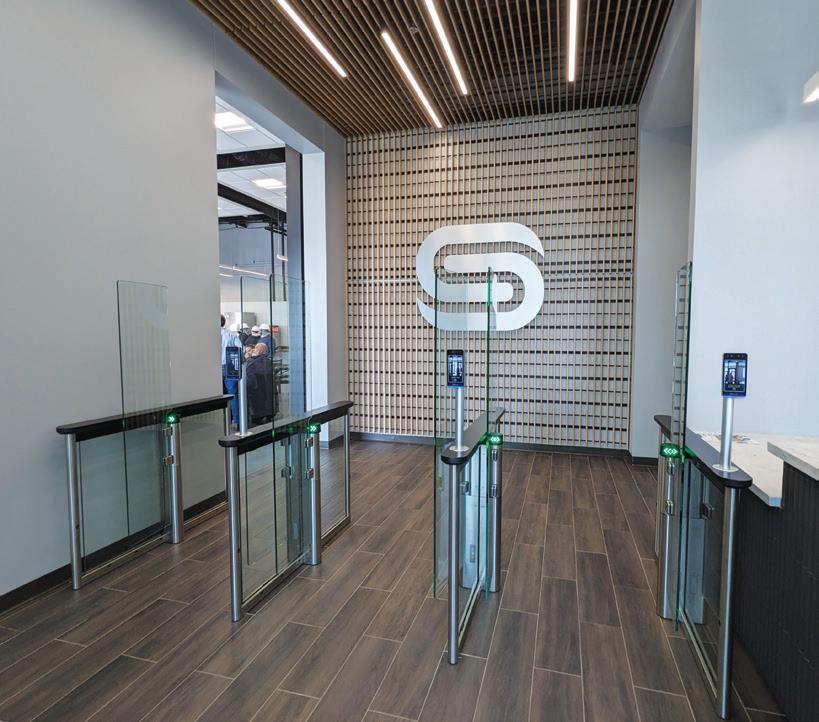
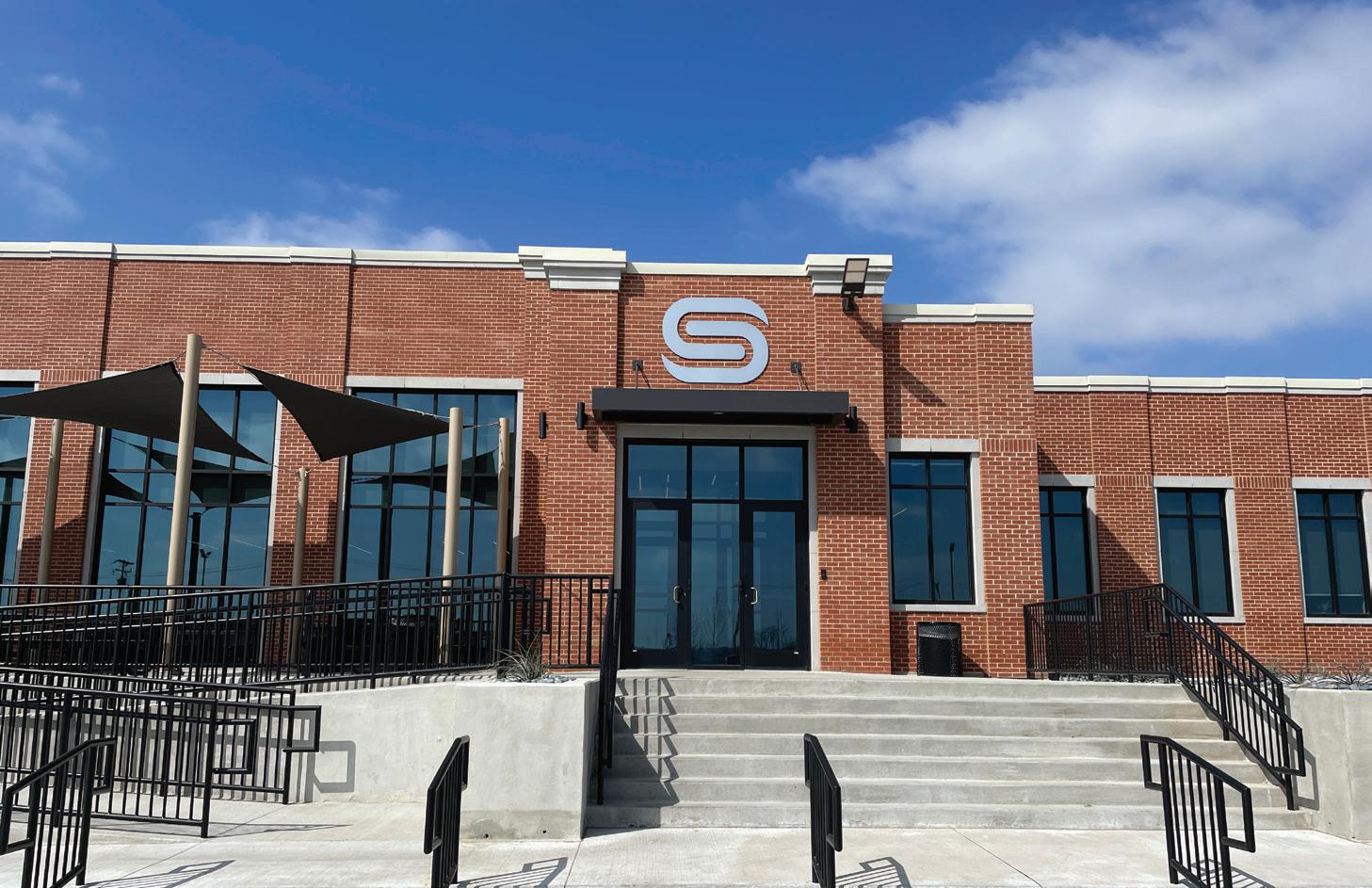
All employees and guests enter at the same doors at the front of the building. This was an intentional design element to foster interaction.


When high heat loads push your freezer to the limit, the NITROBOOST™ Supplemental Refrigeration System can deliver the cooling power of liquid nitrogen to maintain optimal operating temperature and keep production moving. This closed-loop, add-on coil heat exchange unit allows you to get more from your existing equipment – without costly expansion or additional shifts. Talk to a Linde expert today to find out how the NITROBOOST™ System can enhance your operation. Visit lindeus.com/nitroboost to learn more.
The sous vide system was ordered before the site was even selected.
trap and found a basement that wasn’t on any plans,” explains Blumenfeld.
“Things like that you just can’t plan for,” adds Speirs. These discoveries reinforced a central lesson that renovation requires adaptability.
“A remodel takes a whole different kind of patience,” says Speirs. “You have to be ready for surprises and be willing to adjust.”
Despite the challenges, the team approached the facility design with a clear goal: create a platform that could evolve with customer needs.
The plant isn’t built around a single product; it’s built around the idea that customers will continue to change, and Standard Meat plans to change with them. That philosophy is reflected in the plant’s modular design, open floor space, and pre-installed infrastructure for expansion.
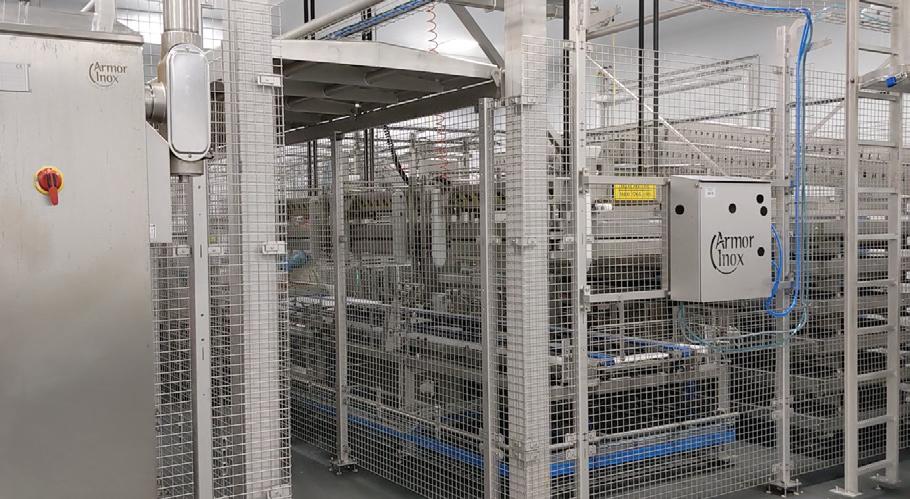
Throughout the facility, production lines are configured to allow rapid reconfiguration. Equipment is arranged to support multiple product flows, and future capacity has been engineered into the layout.
“We’ve already done the design work for expansion,” Speirs says. This means that the infrastructure is in place to easily integrate new equipment.
At the center of the operation is the large-scale sous vide system—designed to deliver consistent, readyto-eat products at high volumes.
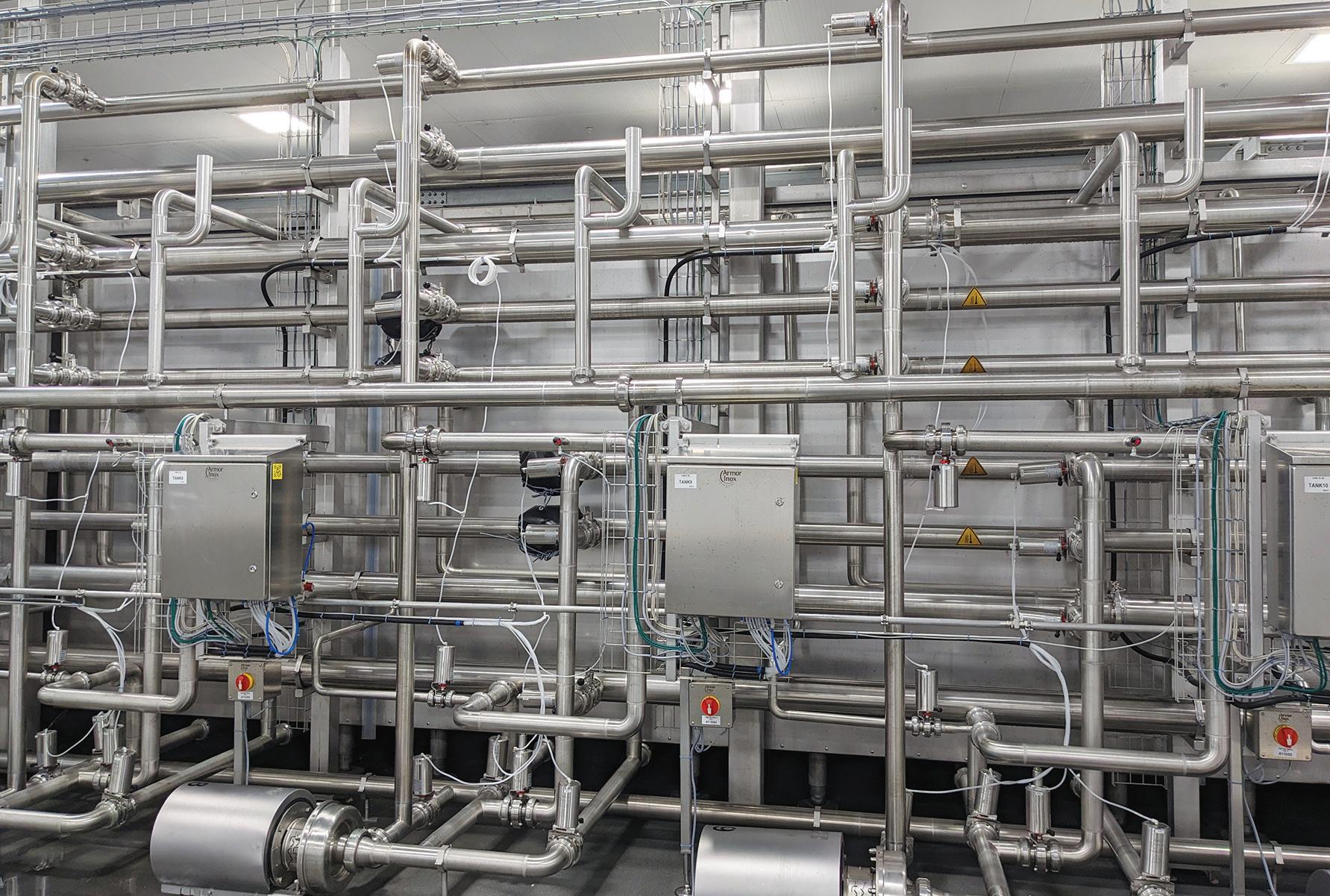
The system includes 14 cooking tanks, each capable of handling approximately 8,000 pounds of product per cycle. Baskets are loaded via overhead cranes, with each tank holding up to 54 baskets. But the system’s real advantage lies in its integrated design.
“Cooking and chilling happen in the same tank,” says Speirs. “Once the cook cycle is complete, the system immediately switches to chilled water.”
This eliminates the need for product transfer, reducing handling, improving food safety, and increasing throughput. It also enables extended production cycles.
“We can start a cook at the end of the day and let
There’s currently one sous vide line, but there is enough space for a second unit. Connections are already in place, so all that’s needed is the machine. s
it run overnight,” Speirs adds. “That way, the system is working even when the plant isn’t staffed.”
For customers, this translates into consistent product quality and reliable supply—two critical factors in foodservice.
While sous vide is the centerpiece, the facility’s broader capabilities are what enable Standard Meat to serve a wide range of customer requirements.
The plant is designed to support highly customized production.
“All of our processes are built specifically for our customer partners. Everything we do is 100% custom,” Speirs says. “I think there’s a lot to be said about that because we can dial into exactly what the line’s purpose-built for.”
This includes tailored cuts, marinades, cooking profiles, and packaging formats. The integration of an R&D test kitchen within the facility allows for rapid prototyping and scaling. “We can develop a product in the kitchen and then move it directly to the production floor,” says Speirs.
The facility incorporates multiple processing technologies upstream of sous vide, including:
• Par frying for texture and partial cooking
• Flame searing for surface color and flavor development




Looking back, the team identified several lessons that will inform future projects:

Renovations require more flexibility and contingency planning

Early investment in infrastructure pays o in long-term scalability
Crossfunctional collaboration strengthens outcomes

Designing for customers— not just production— creates greater value
Perhaps most importantly, the project reinforced the importance of adaptability.
“We expected challenges,” says Spiers. “We knew that things were going to change over the course of the project from that first design, but our first drawings and our last set of blueprints were worlds apart.”
“Overall, when you take on hard things like this, it’s amazing at the end,” says Rosenthal. “You’re that much prouder because it was di cult and it brings everybody together.”
• Liquid nitrogen chilling to rapidly halt cooking processes
“Everything still goes into sous vide to finish,” says Speirs. “But these steps allow us to customize the product before it gets there.”
This layered approach gives customers greater control over final product attributes, whether they’re targeting a specific eating experience or operational requirement.
The plant also includes a high-capacity grind line capable of producing up to 10,000 pounds per hour.
The system is designed for precision formulation, incorporating:
• Multiple grinders and bowl choppers
• Real-time fat analysis via X-ray systems
• Automated blending and batching
“We can make live adjustments to the formulation as we’re producing,” Speirs explains. “That allows us to hit very tight specifications.”
For customers, this means consistent product quality across large production runs—an essential requirement for national foodservice brands.
Packaging systems are designed to support both flexibility and e ciency.
“We built everything to keep the product moving,” Speirs says. “The goal is to minimize stops and reduce handling.”
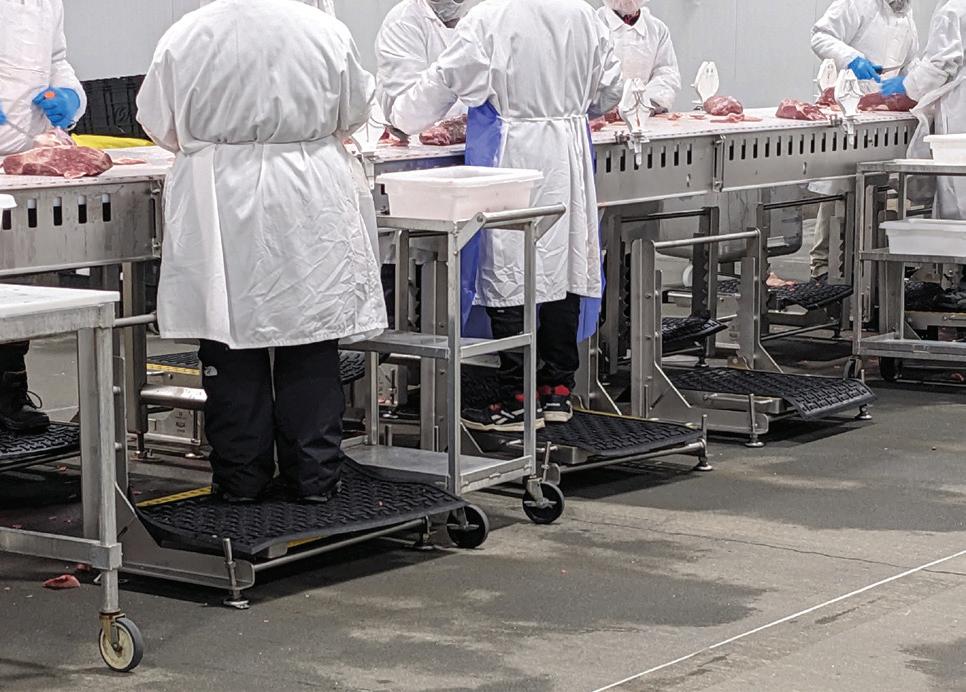
Lines feed directly into packaging machines, with ergonomic design reducing strain on workers. In some
cases, automation replaces manual lifting entirely.
The plant also supports multiple SKUs and rapid changeovers, allowing customers to run diverse product portfolios without sacrificing e ciency.
Underlying all these capabilities is a broader strategic shift: Standard Meat is positioning itself as a partner in product development and problem-solving.
“We’re not a transactional-type provider of proteins,” says Blumenfeld. “We want to work with our customers to do really innovative things and lots of new product development. We work closely with our partners and create long-term relationships. The plan is to be together for years.”
Helping customers to take on challenges that often center on labor, consistency, and speed to market is one of Standard Meat’s strategies with the new plant. By delivering ready-to-eat or easy-to-prepare products, Standard Meat enables customers to simplify operations while maintaining quality.
where it matters
The facility incorporates automation strategically, focusing on areas that improve safety and e ciency without compromising product quality. For example, robotics are used for tasks such as palletizing and heavy lifting.
“We had people lifting 40-pound boxes all day,” Speirs says. “Now we can eliminate that strain and move those employees into higher-skill roles.”















Future plans include autonomous guided vehicles (AGVs) to handle internal logistics, further reducing manual handling. At the same time, the company has deliberately avoided automating tasks that require human expertise.
“You can’t replace the human interface,” adds Speirs, “because every piece is unique. We rely on our personnel to make decisions and trim everything into spec.”
Another key feature of the facility is its emphasis on continuous improvement. Employees are encouraged to provide feedback on processes and ergonomics, and adjustments are made accordingly. This mindset extends to quality control, where multiple checkpoints and employee involvement help ensure product integrity.
“If someone sees something, they’re empowered to stop the line and address it,” explains Speirs.
A facility built for what’s next
Today, the Stockyards facility stands as a bridge between Standard Meat’s past and its future. It reconnects the company with its historical
“We knew we needed to add capacity, and we wanted to do it in a big way, where not only did we
add capacity to meet the current conversations that we were having, but also to give us plenty of future space. And that’s what this does. This is the right place for us.”
— Ben Rosenthal, CEO and Co-President, Standard Meat Company
roots while enabling new capabilities that align with modern foodservice demands. With its combination of scalable infrastructure, advanced processing technologies, and customer-focused design, the plant positions Standard Meat to continue evolving alongside its customers.
“We knew we needed to add capacity, and we wanted to do it in a big way, where not only did we add capacity to meet the current conversations that we were having, but also to give us plenty of future space,” says Rosenthal. “And that’s what this does. This is the right place for us.”

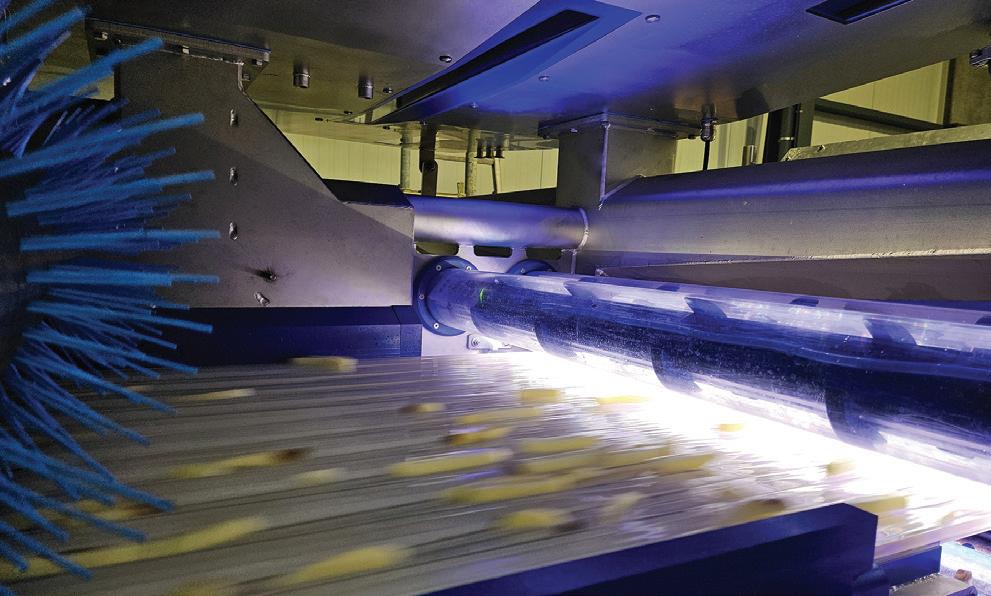
Key’s ADR X is an automatic system designed to identify and precisely trim defects on peeled and peel-on wet potato strips, helping processors recover more usable product and improve yield. The system features enhanced multi-spectral sensing, recipe-driven alignment mechanics, and independent cutter-wheel control to deliver accurate trimming across varying cut sizes in high-capacity production environments. Its hygienic, clean-inplace design simplifies maintenance, reduces downtime, and supports sanitation requirements and extended production runs.
Key Technology | key.net
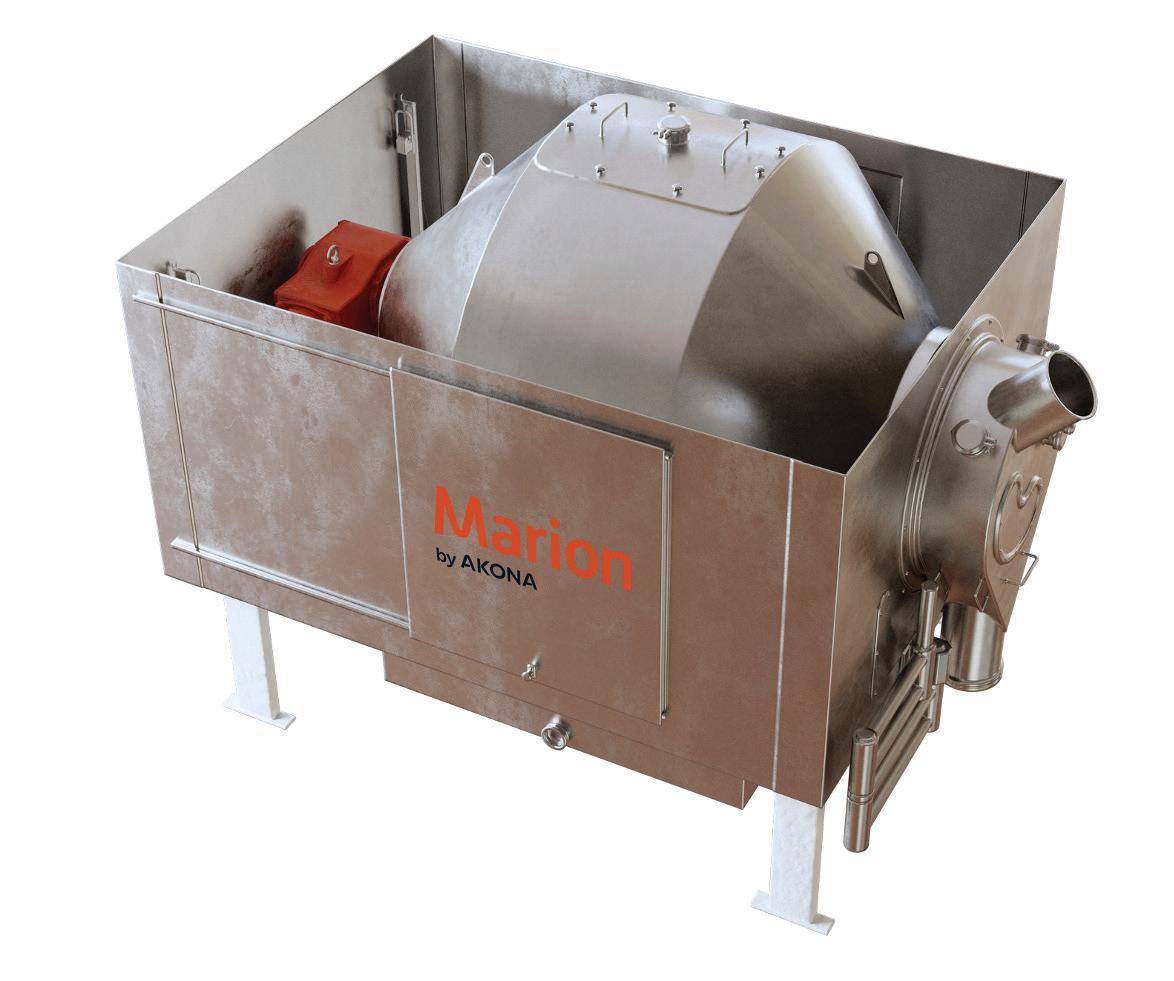
Akona’s Rotary Batch Mixer is designed to deliver uniform blends through a gravity-driven tumbling process that reduces particle damage, heat generation, and segregation. The shaft-free design eliminates seals and agitators, simplifying maintenance and enabling faster, more effective cleaning between batches to support uptime and repeatability. Suitable for powders, granules, and fragile materials in applications such as bakery and spices, the mixer supports consistent batch processing and integration into automated production lines.
Akona Process Solutions | akonasolutions.com
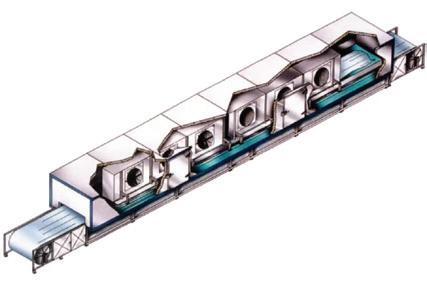
With Quickdraft Venturi based exhaust systems, no moving parts are in contact with cryogenic gas, eliminating fan failure due to freezing. Velocity Reduction Chamber component is available to capture breading and meat particles in the exhaust stream.











































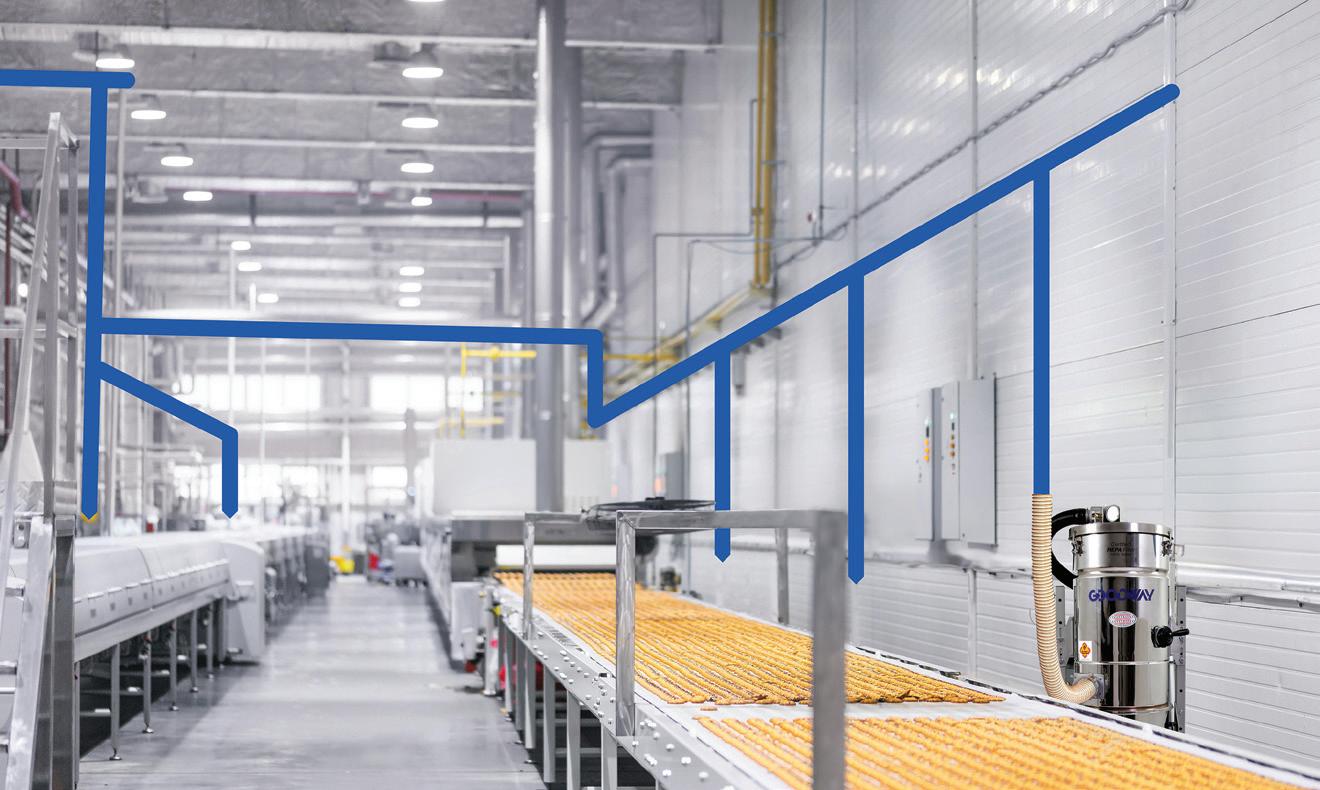
Goodway Technologies’ Regional Vacuum System replaces traditional centralized systems with strategically placed, production line-specific vacuum units. By dividing facilities into zones with dedicated vacuum sources, the system improves suction performance, supports multiple operators, and maintains operation even if one unit goes offline. Designed for NFPA 660 compliance, it uses hard piping for longer distances, shorter hose drops for safety, and scalable configurations to expand capacity, reduce downtime, and improve cleaning operations.
Goodway Technologies | goodway.com
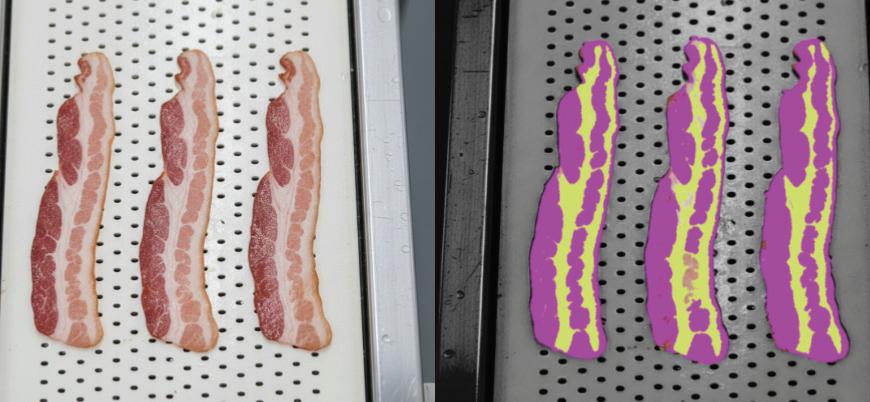
P&P Optica’s PPO bacon grading solution automates strip-by-strip inspection of cooked and raw bacon. The system performs real-time measurement of length, width, shape, and color, assesses cook level to identify over- or under-cooked product, and communicates at high speed with rejection mechanisms to ensure only compliant strips continue down the line. Designed with a modular, small-footprint platform, the solution integrates into existing processing lines to improve consistency while reducing labor demands and product waste.
P&P Optica | ppo.ca
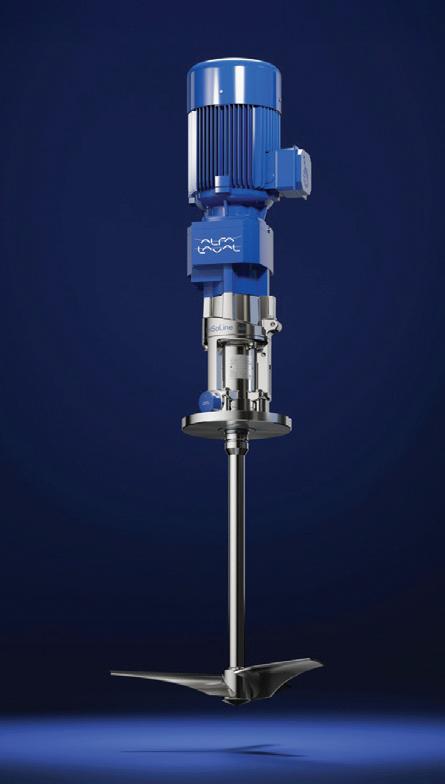
Alfa Laval’s EnSaLine offers an approach to hygienic mixing that reduces energy consumption up to 80% while improving product quality and process efficiency. Engineered for ease of use, the system features a cartridgebased seal and bearing design that enables safe, single-operator maintenance in under 30 minutes without entering the tank. With integrated sensors for predictive maintenance and a hygienic, fully flushable design, the platform supports improved uptime, simplified servicing, and future-ready connectivity.
Alfa Laval | alfalaval.com


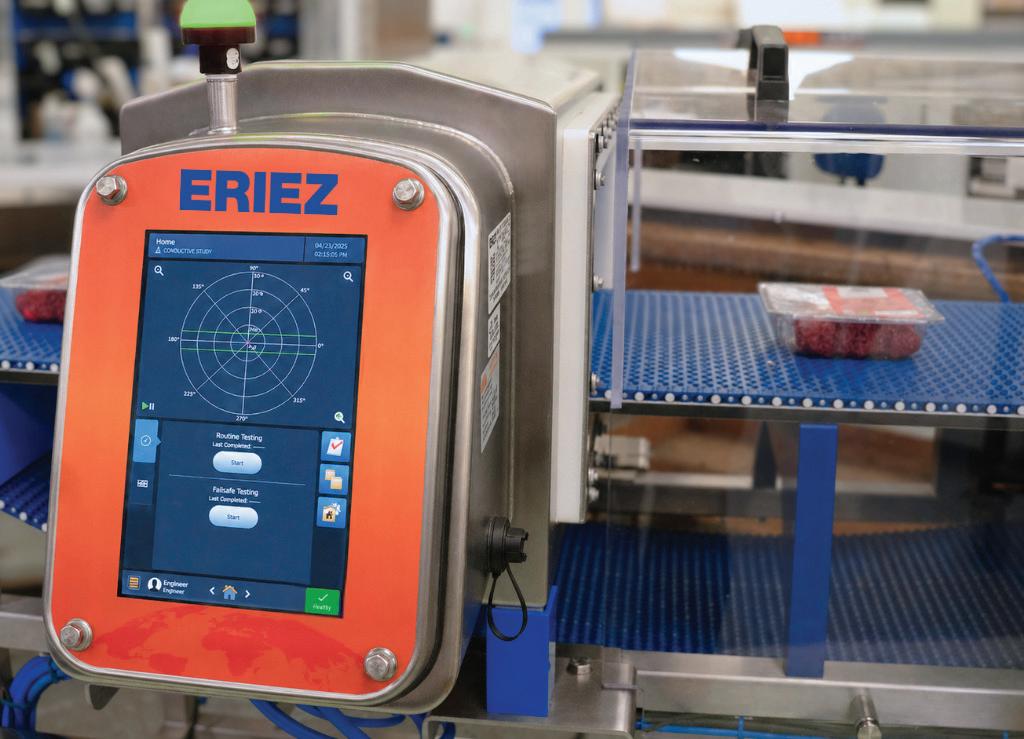
The Eriez X8-SF uses multiple frequencies simultaneously to improve detection stability and sensitivity across challenging food products such as meat, poultry, and dairy. By reducing the effects of product conductivity and composition changes, the system helps minimize false rejects while maintaining reliable contaminant detection. The hygienic inspection platform also includes integrated data capture, automated performance verification, and auditready reporting to support traceability and regulatory compliance.
Eriez | eriez.com
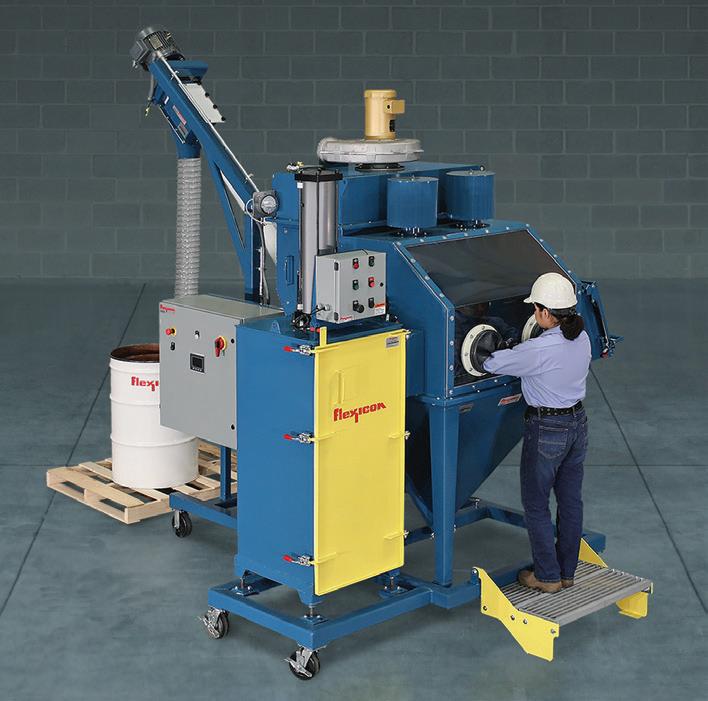
The FLEXICON Mobile Bag Dumping Station combines a glove box, dust collection system, bag compactor, and flexible screw conveyor to support dust-free transfer of materials into downstream process equipment. The unit has locking casters for movement between production areas and uses integrated gloves and enclosed dumping access to isolate operators from dust and contamination. It also offers dual-cartridge filtration, safety interlocks, and a stainless-steel screw conveyor that handles free- and non-free-flowing materials without blend separation. Flexicon Corporation | flexicon.com
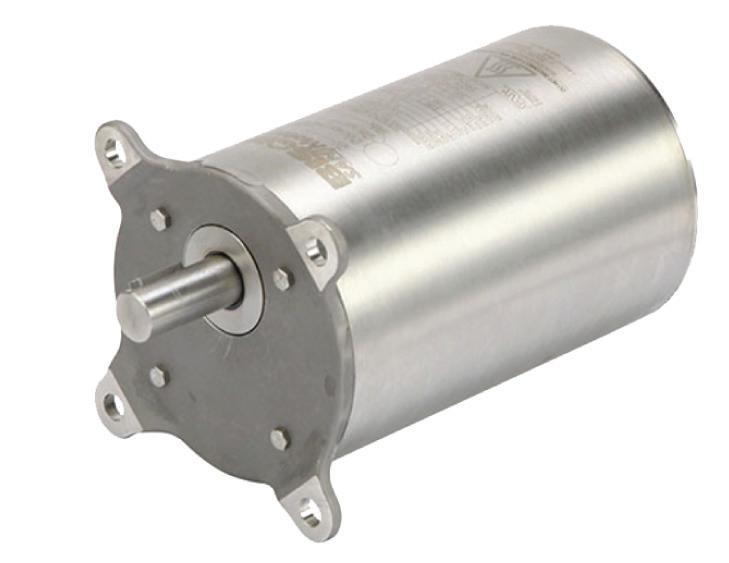
Bison’s 261 Series Sanimotor gearmotors are engineered for demanding applications requiring durability, cleanability, and continuous operation. Featuring an IP69K-rated stainless steel enclosure, sealed components, and food-grade lubrication, the units are built to withstand high-pressure, high-temperature washdowns while delivering reliable, maintenance-free performance. With a range of speed and torque options, the gearmotors support high-load processing environments where uptime and sanitation are critical. Bison, an AMETEK business | bisonametek.com
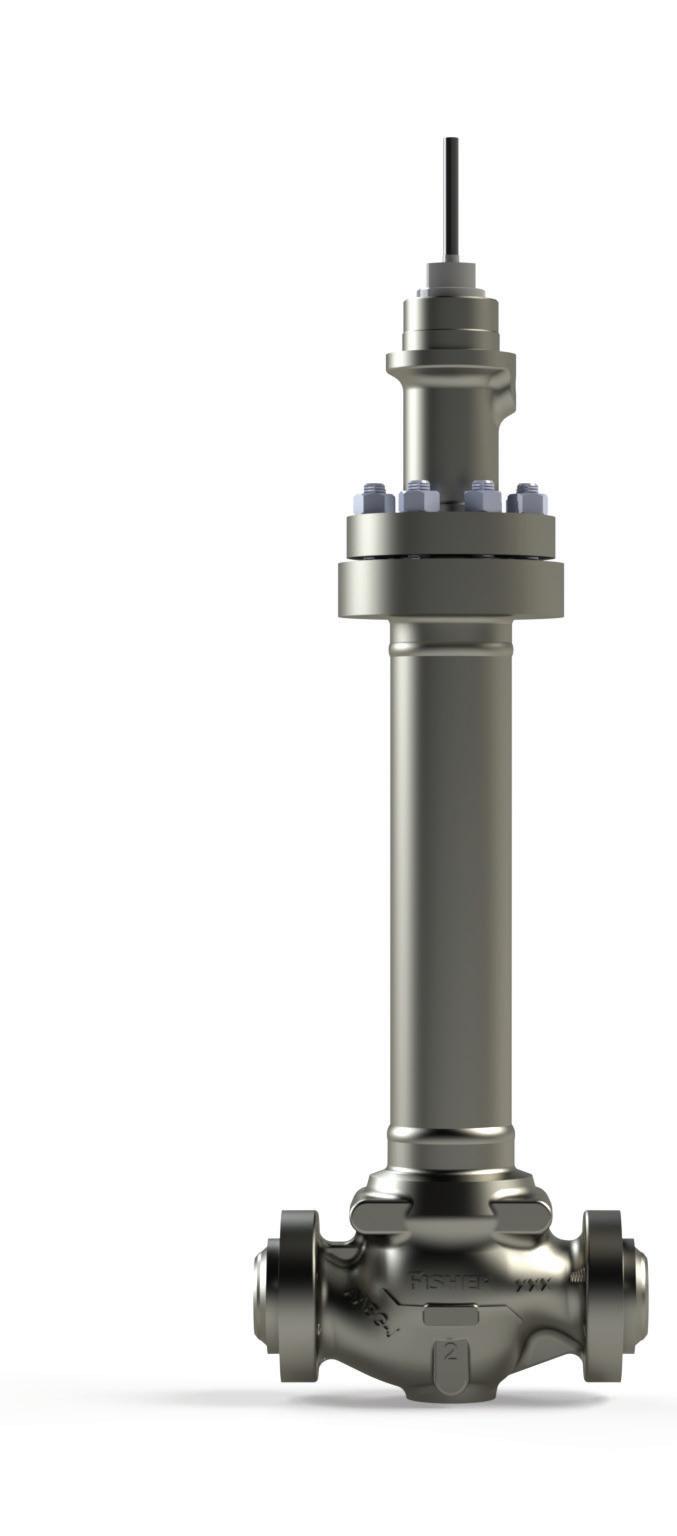
Emerson’s Fisher IC2 is for use in cold box applications such as air separation, hydrogen liquefaction, and LNG production, where it operates reliably at temperatures as low as -452°F (-269°C). Designed with features such as a narrow extension diameter and fluid baffle, the valve helps reduce heat transfer and energy loss while supporting efficient cryogenic processing. It also incorporates low-leakage sealing, durable materials, and a serviceable top-entry design to support long-term performance and maintenance in demanding environments.
Emerson | emerson.com
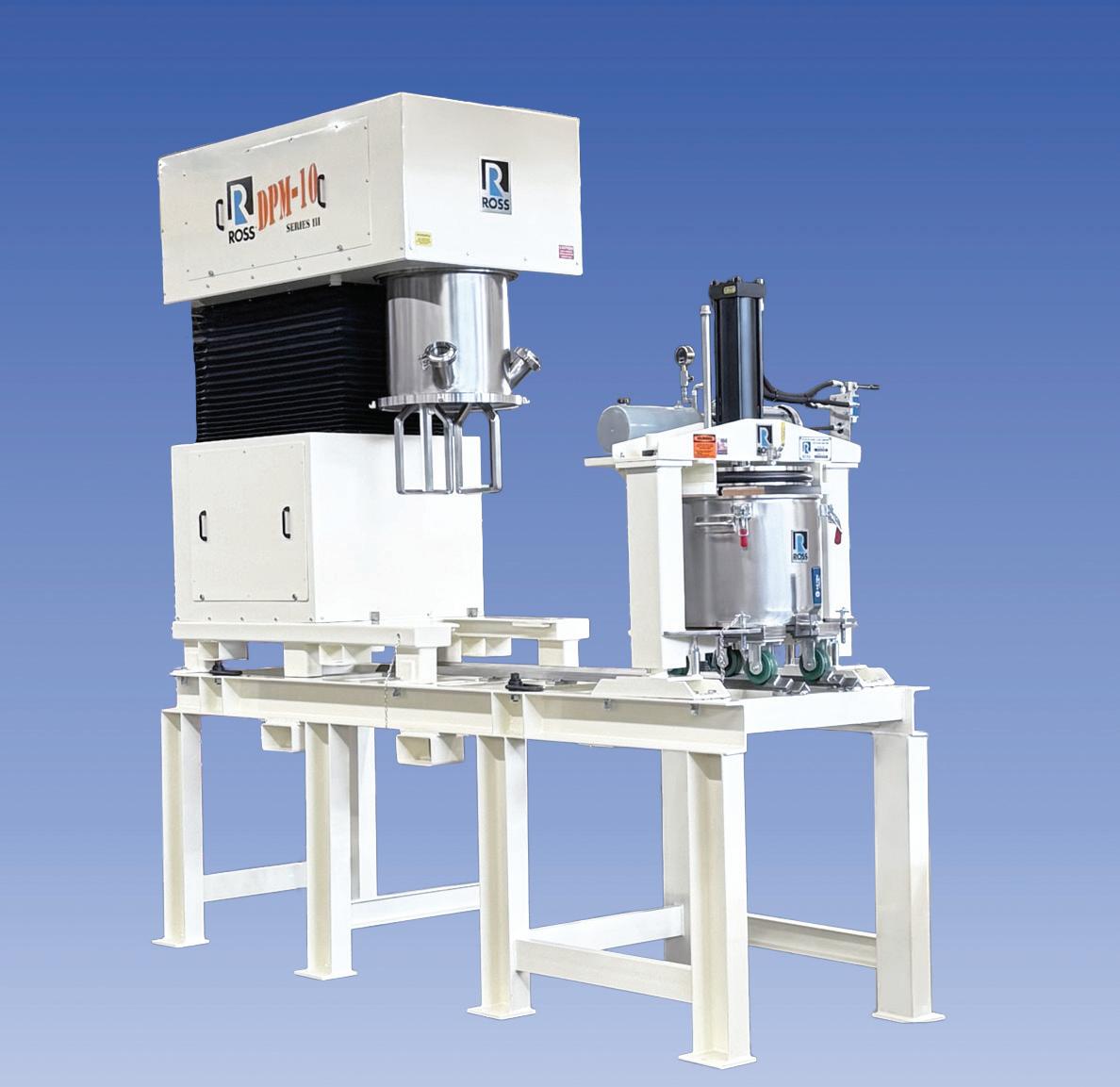
The ROSS Double Planetary Mixer Model DPM-10 is designed for laboratory and pilot-scale processing of highviscosity and specialty materials. The mixer features dual planetary blades, vacuum mixing capability, and a heating/cooling jacketed mix can to support uniform blending, improved dispersion, and controlled product handling. Paired with the accompanying ROSS DS-10-gallon Discharge System, the unit is designed to maximize product yield, simplify clean up, and support safe, controlled operation. Charles Ross & Son Company | mixers.com
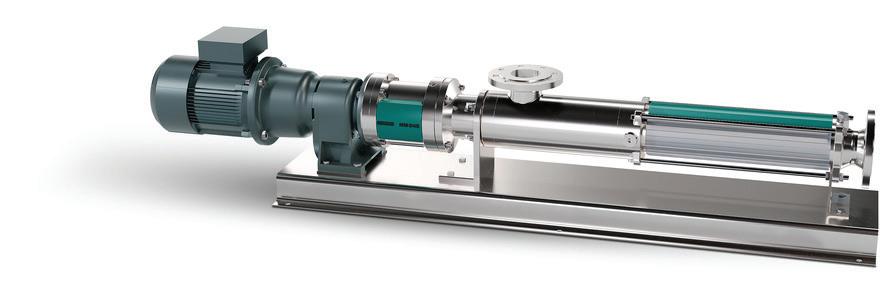
NETZSCH Pumps & Systems’ NEMO R. MY Magnetically Coupled Pump is designed for highly viscous, shear-sensitive, and abrasive products, like sauces and syrups. The hermetically sealed solution uses a magnetic coupling instead of a traditional mechanical seal to eliminate leakage risk while delivering continuous, low-pulsation transfer that helps maintain product integrity and consistent flow. It offers maintenance-free sealing technology, handles viscosities up to 20,000 cps, and supports safe, efficient processing in demanding environments.
NETZSCH Pumps & Systems | pumps-systems.netzsch.com
Brazil-based Bem Brasil installed an integrated line with two stages of optical sorting to ensure maximum quality and yield at a high production volume.
BEM BRASIL produces over half of all french fries consumed in its home country of Brazil, not to mention the international markets it serves. Meeting that production demand required equipment that would ensure consistent quality, so the company turned to Key Technology for a solution, the supplier says.
“We reached a point where our existing lines couldn’t keep up with demand for our products,” explains Célio Zero, Director of Operations at Bem Brasil, as the company produces around 500,000 metric tons of product each year. “On top of that, our incoming raw material can naturally vary several times in a single day, so we needed equipment that performed reliably even with those product shifts.”
To meet needs for both high output and consistent product quality, Bem Brasil installed a Key
Technology processing line capable of running 30 metric tons of frozen potato strips each hour, with a layered sorting system to find and remove any defects.
“When we compared suppliers, Key stood out because they offered a fully integrated solution complete with world-class optical sorters, graders, and more. Full-surface inspection, quick changeovers, and straightforward operation help us achieve both the high capacity we require and the quality our customers expect,” Zero says.
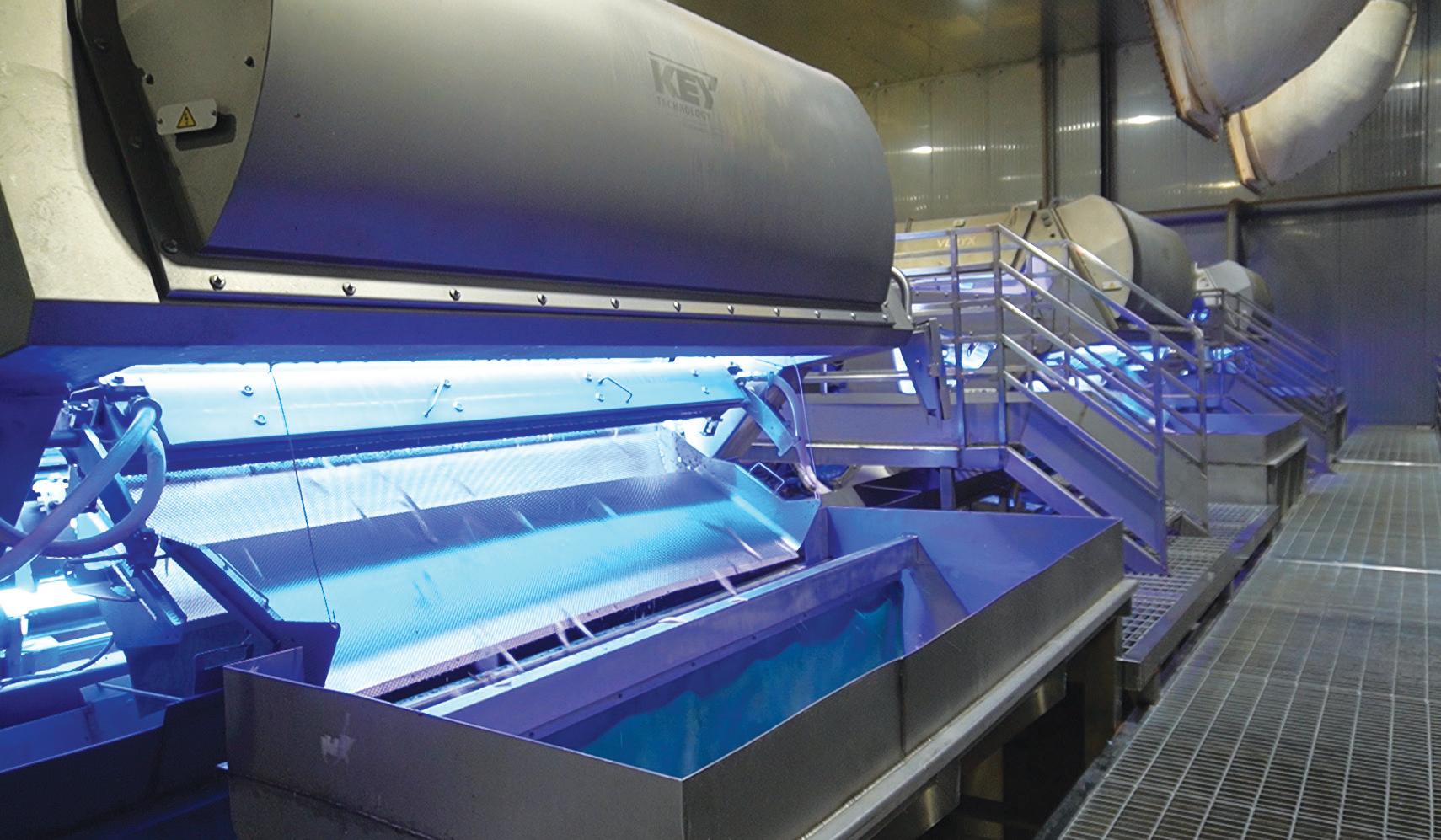
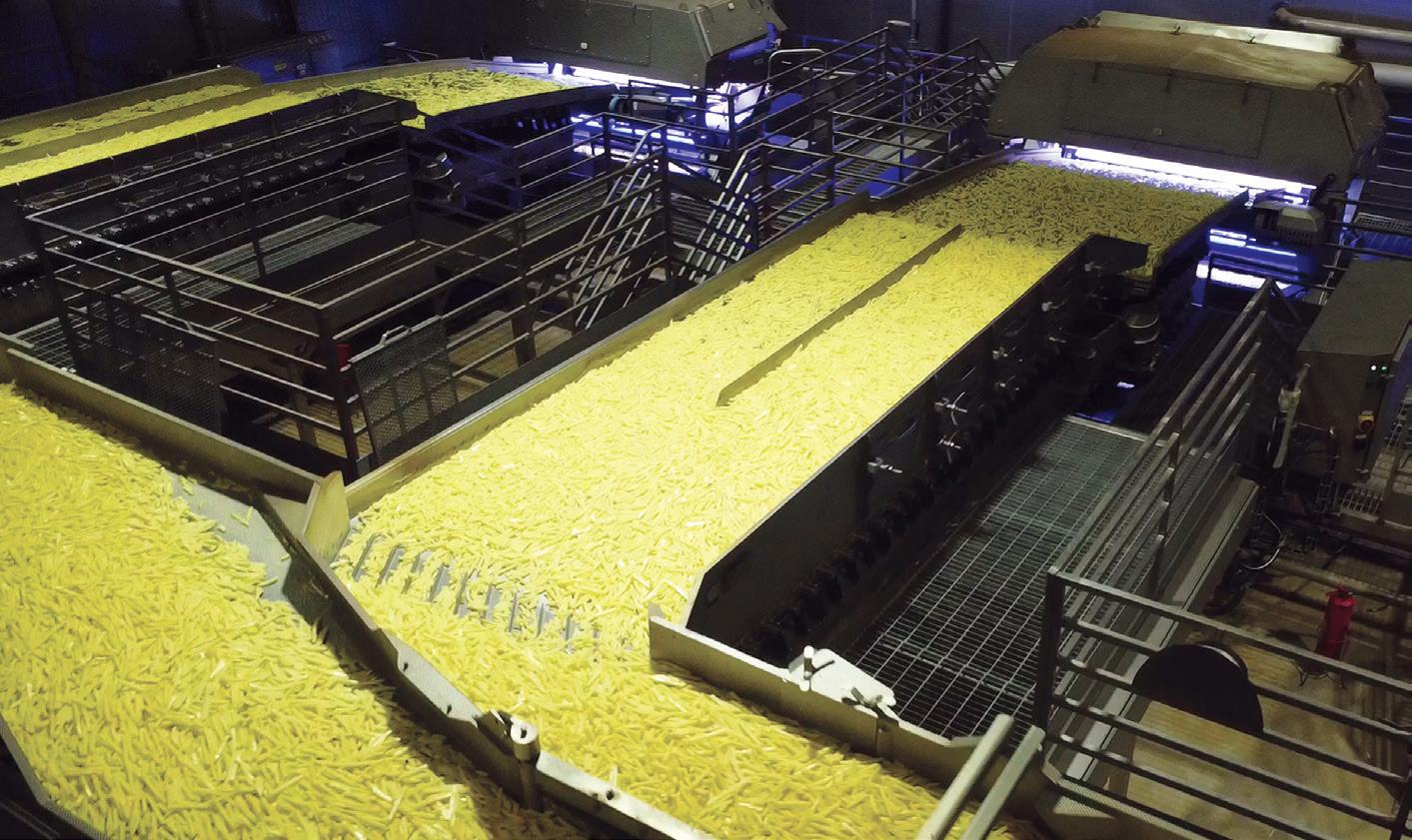
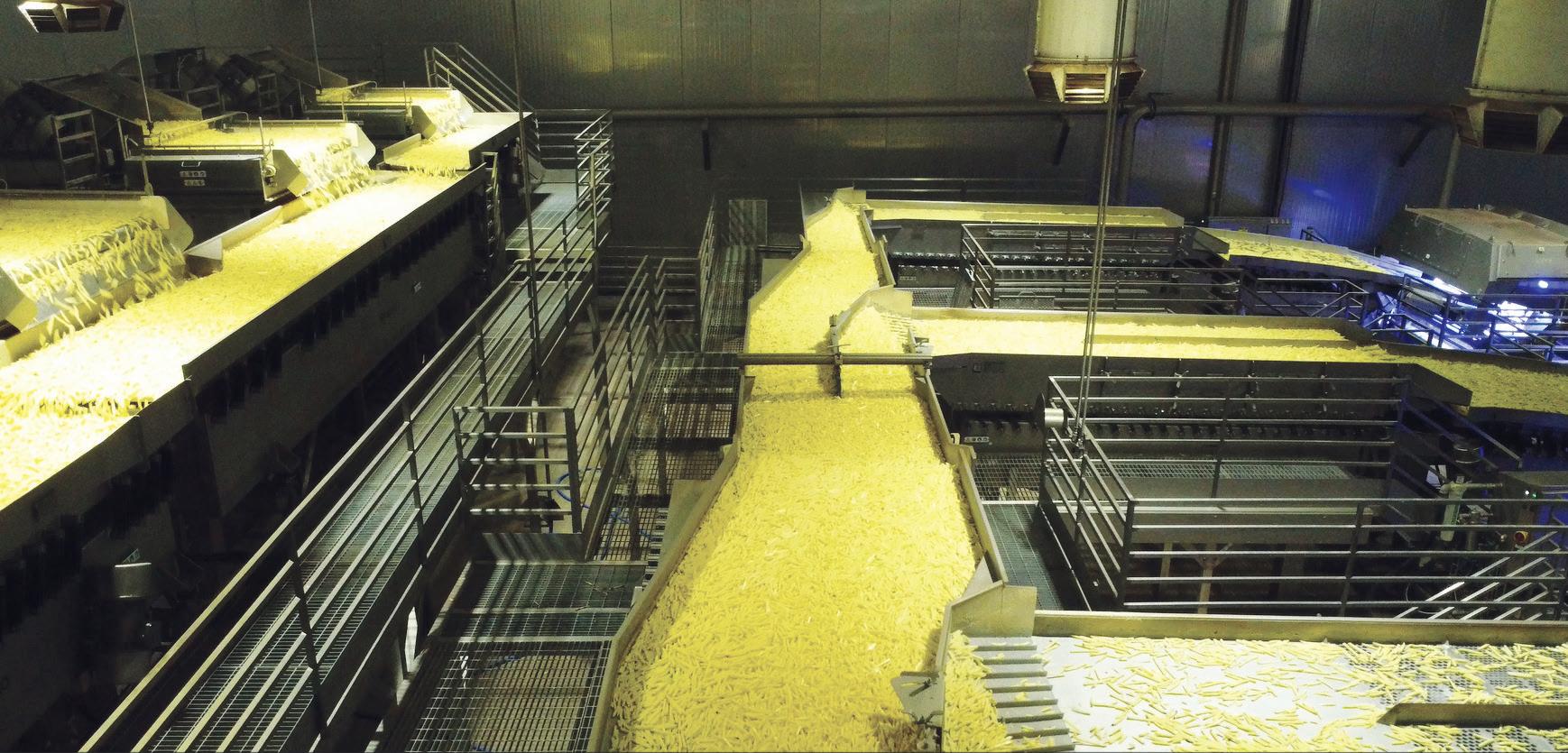
Bem Brasil’s potato processing line relies on two unique sets of sorting equipment, one each for the wet and frozen areas, to help ensure consistent quality. Starting with the upstream wet area, Bem Brasil installed three VERYX B210 sorters with off-axis cameras in a tilted-X configuration. This setup enables detection and rejection of any product defects without blind spots. Placing it early in the process creates a more uniform product stream for better performance down the production line. “The benefit of VERYX’s full-surface inspection is huge. Since defects can appear on any side of a potato strip, a complete view improves the precision of the sort and helps us achieve the great product quality we’re known for,” Zero says. Further downstream in the frozen area before packaging, the company also installed three VERYX B175 sorters fitted with cameras and lasers, performing both three-way sorting and final inspection.
















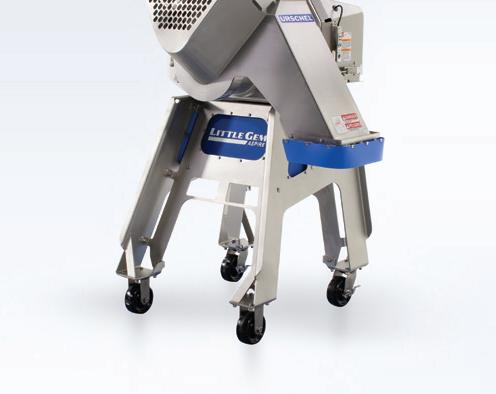
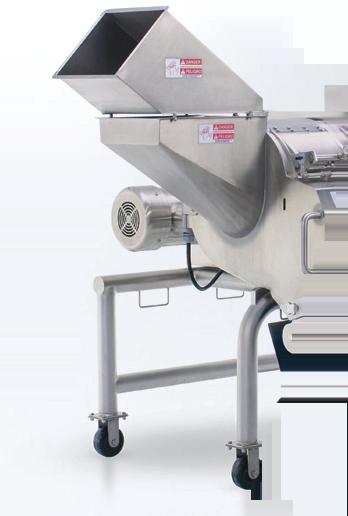









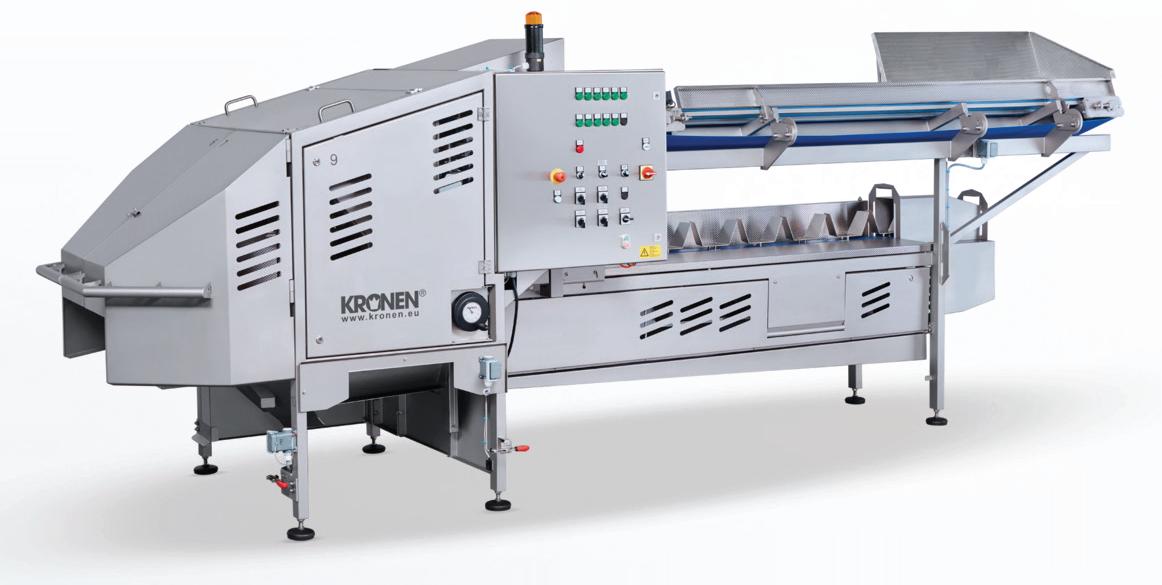
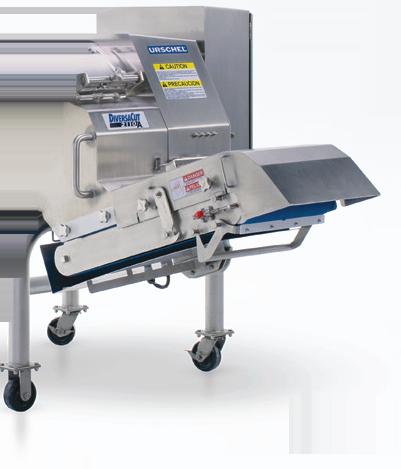
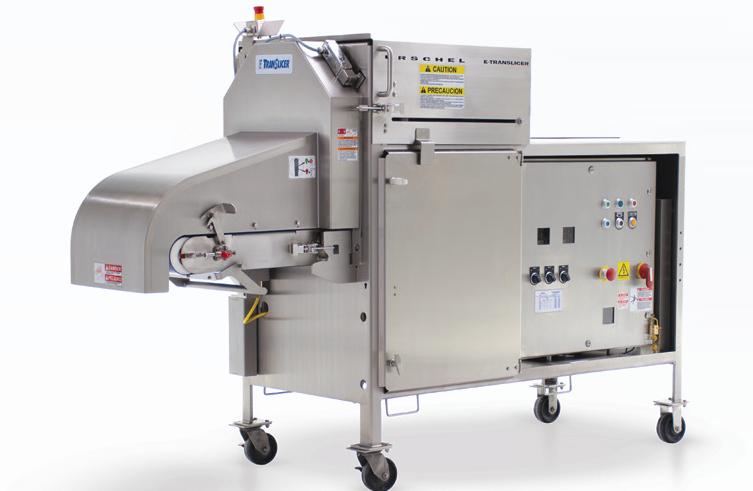
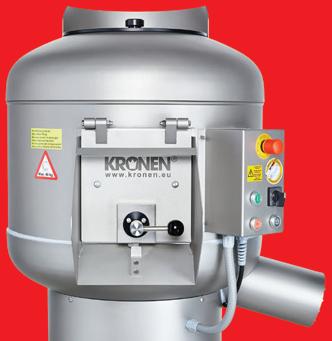
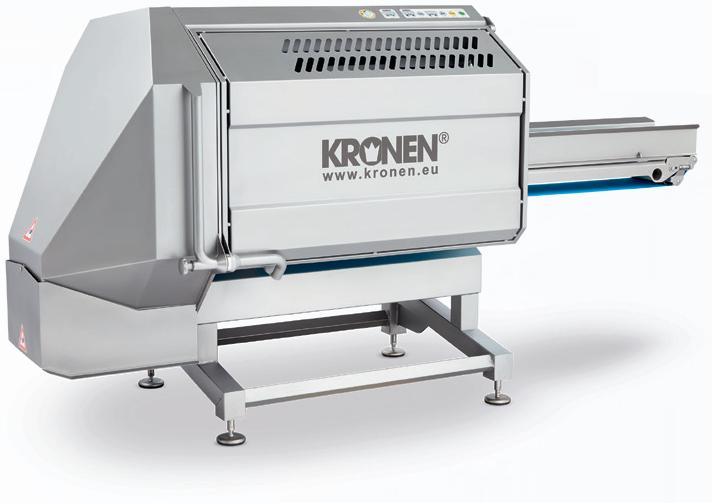
Rely on Urschel to provide even more cutting solutions by delivering Urschel and KRONEN.
Whether you are a batch or high-yield processor, look to Urschel for complete resources to improve your line.
Continuous, simple operation backed by the Urschel global network of sales and support.
Explore complete processing solutions at urschel.com.









s
The VERYX sorting equipment at Bem Brasil’s facility enables full-surface inspection of potato strips.
The frozen area system separates short potato strips into their own dedicated stream, while also removing any foreign material or product defects. Key’s Sortto-Grade (STG) software evaluates the dimensions and quality profile of each strip, determining how they would impact the final product quality grade and accepting or rejecting based on that calculation for maximum yield. Further dialing in detection accuracy is Key’s Pixel Fusion technology, which can identify especially difficult-to-find foreign material and product defects ahead of packaging.
This two-stage inspection setup benefits quality assurance for the product as well as ease of use for operators.
“The interface is clear, the recipe changes are fast, and the equipment responds to the setting adjustments as expected,” says Zero. “That makes for a meaningful difference when we’re changing recipes several times a day.”
Beyond the optical sorters, several additional components work together to support quality and yield across the potato processing line.
One key piece of equipment to improve yield is an ADR EXOS automatic defect removal system. The system is placed downstream of the wet-area VERYX sorters, and accepts defective strips rejected by the sorters. A mechanical cutting system removes only the blemished area of the product and returns good strips back to the line.
“Our ADR adds significant value,” says Zero. “It recovers good product that would otherwise be lost, and in the right conditions, has a substantial impact on our final yield.”
Further upstream, three Sliver Sizer Removers
before the wet-area VERYX sorters help create a cleaner product stream, rejecting small slivers and nubbins from the proper-sized strips.
Also supporting overall line efficiency are Key’s Iso-Flo vibratory conveyors. The shakers on the conveyors spread and distribute product and regulate flow between processing steps as they feed equipment, contributing to more precise sorting.
“Bem Brasil has a lot of future in front of it. We’re always looking for innovative equipment that enables us to push forward and maintain our position as an industry leader,” Zero says. “Key Technology helps us uphold the great product quality and consistency our customers expect. Since our new line reached full production in 2022, it has proven its effectiveness and reliability across every season. As we continue to grow, having Key as a trusted partner gives us a lot of confidence to tackle what’s next.”
DrinkPAK is leveraging Siemens’ integrated automation and energy systems to scale high-speed beverage production while boosting efficiency, reliability, and sustainability across its growing U.S. network.
DrinkPAK HAS POSITIONED ITSELF as a leader in high-speed, high-volume canned beverage production. Central to that growth is a strategic investment in automation and infrastructure—most notably at its flagship facility in Fort Worth, Texas—where collaboration with Siemens is delivering measurable operational gains.
Building
DrinkPAK operates one of the largest contract manufacturing platforms in North America, producing beverages for global brands at speeds of up to 3,000 cans per minute. Its facilities in Santa Clarita, Calif.,
and Fort Worth rank among the largest of their kind in the U.S., with a third site in Philadelphia, Pa., slated to come online in 2027.
This expanding footprint reflects a clear priority: scale production without sacrificing flexibility, reliability, or efficiency. To achieve that, DrinkPAK turned to Siemens for an integrated automation and infrastructure approach.
“Partnering with Siemens gave us the flexibility to scale rapidly while investing in energy-efficient automation,” says Brian Aster, Chief Strategy Officer, DrinkPAK. “Their industry knowledge and tailored financing solutions have been critical to our growth and long-term success.”
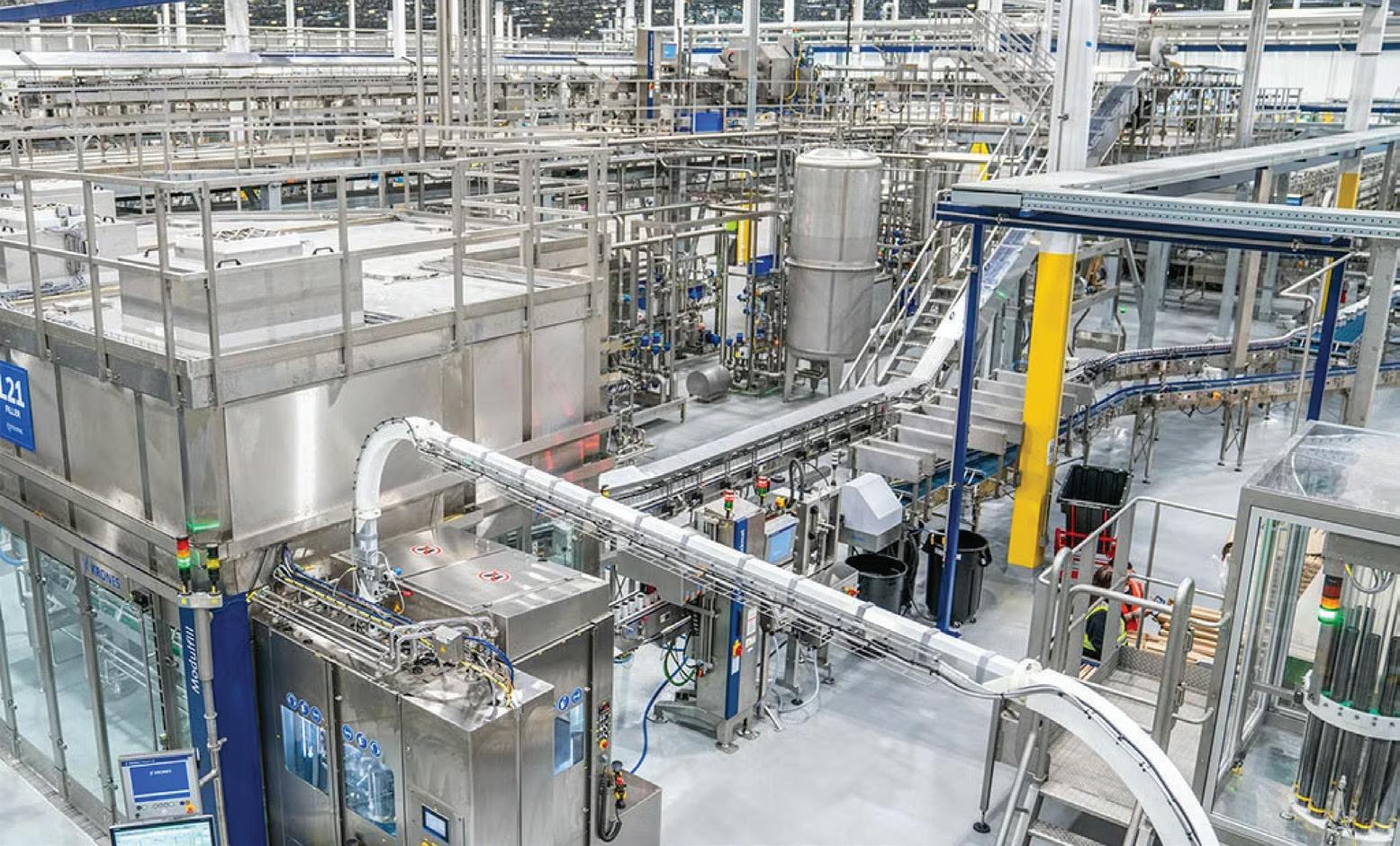
DrinkPAK’s Fort Worth, Texas, facility integrated Siemens’ automation and energy management technologies to support high-speed beverage production, real-time operational visibility, and scalable manufacturing efficiency.
At the heart of DrinkPAK’s operations is Siemens’ BRAUMAT process control system, purpose-built for the brewing and beverage sector. The platform automates recipe-driven production, enabling consistent product quality while streamlining batch management. By integrating programmable logic controllers (PLCs) and human-machine interfaces (HMIs), BRAUMAT provides real-time visibility into operations. This allows DrinkPAK to monitor performance, optimize throughput, and quickly respond to production variables—critical capabilities in a highspeed, multi-SKU environment.
The result is a more controlled and efficient production process, with reduced variability and improved overall equipment effectiveness (OEE).

Beyond process control, Siemens delivered a comprehensive energy and electrical infrastructure package at the Fort Worth facility. This includes switchboards, metering systems, and intelligent power monitoring tools that ensure stable, high-output operations.
These systems give DrinkPAK deeper insight into energy usage across the plant, enabling more informed decision making and supporting sustainability goals. By aligning energy management with production demands, the company can reduce waste while maintaining peak performance.
“This project demonstrates the power of combining technology with tailored financing. Our role is to make innovation accessible, supporting DrinkPAK with solutions that align investment with performance, and enable scalable, sustainable growth.”
— Oleg Rakitsky, Head of Siemens Financial Services Commercial Finance Americas
ments with sensors, drives, and safety systems. Meanwhile, HMIs provide operators with real-time diagnostics and system visibility.
DrinkPAK’s automation strategy extends beyond production into warehouse and logistics operations. Through its partnership with E80 Group, the company implemented automated guided vehicle (AGV) systems to handle pallet movement, storage, and truck loading.
Siemens technology plays a key role in orchestrating this system. PLCs manage communication and control across each vehicle, coordinating move -
This level of integration enables precise, synchronized material flow, thereby reducing manual handling, minimizing errors, and supporting continuous operations across the facility.
The impact of Siemens’ technology is evident across DrinkPAK’s operations:
• Improved scalability: Standardized, modular automation allows the company to expand capacity quickly as demand grows.
• Higher reliability: Integrated systems and real-time monitoring reduce downtime and support predictive maintenance strategies.
• Enhanced efficiency: Coordinated production and intralogistics systems streamline workflows and maximize throughput.
• Energy optimization: Intelligent infrastructure provides visibility and control over power usage, supporting sustainability initiatives.
• Operational consistency: Recipe-based automation ensures repeatable quality across high-volume production runs.
A key differentiator in the partnership has been Siemens’ ability to combine automation technology with tailored financing solutions. This approach allows DrinkPAK to invest in advanced systems while aligning costs with performance outcome, which is an important factor in scaling capital-intensive operations.
“This project demonstrates the power of combining technology with tailored financing,” says
Oleg Rakitsky, Head of Siemens Financial Services
Commercial Finance Americas. “Our role is to make innovation accessible, supporting DrinkPAK with solutions that align investment with performance, and enable scalable, sustainable growth.”
For DrinkPAK, the Fort Worth facility represents more than a production site; it serves as a model for future expansion. By standardizing on Siemens’ automation platform, the company is building a cohesive, interoperable network that can be replicated across new facilities.
DrinkPAK’s collaboration with Siemens highlights how integrated automation, infrastructure, and financial strategy can come together to solve complex manufacturing challenges. The result is a highly connected operation capable of delivering speed, flexibility, and efficiency at scale—key advantages in today’s competitive beverage market.
As the company continues to expand its coastto-coast footprint, this digital foundation positions DrinkPAK to meet growing demand while maintaining the performance standards its customers expect.
Steady growth meant that this Ontario company, dedicated to truly fresh and locally sourced eggs, needed faster throughput.
‘We couldn’t keep up anymore,’ says the owner.
NATURE PLUS EGGS is an Elmira, Ontario-based company that sources eggs from small-scale farmers in its region and distributes them to supermarkets chiefly in southern Ontario. As it makes clear on its website, the eggs it provides, many from families that have been farming for generations, come from hens that are never fed antibiotics or hormones.
Not long ago the firm was able to meet its requirements with an egg sorting and packaging system capable of 40 cases/hr (where each case holds 360 eggs). But steady growth led to a new and larger facility and a system capable of 150 cases/hr.
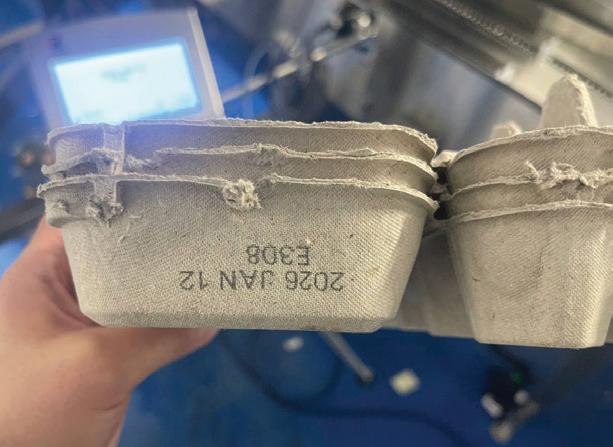
The side of each carton gets a clean, readable lot and date code.
As we’ll see shortly, the highly automated and robotic system guides eggs into eight lanes. Each lane denests molded pulp cartons and feeds them into an egg depositing station. Essential to each lane, of course, is the ability to print lot and date code information on each carton just after denesting and before eggs are deposited. For this part of the operation Nature Plus turned to RNJet. Nature Plus is using the RNJet 100, a high-resolution small-character DOD printer based on a print engine from Xaar
According to Nature Plus Owner and Founder Josh Weber, carton coding is running every bit as smoothly and reliably as he wants it to. As for how he wound up selecting RNJet as a supplier, location had a lot to do with it. He puts it this way. “I called several suppliers and when I called RNJet, they said, ‘We’re located two hours from your plant. We’ll be right there.’”
Eggs arrive from the farms in reusable compartmented plastic flats. The flats are stacked six-high and each holds 30 eggs. An operator places a stack of flats on the initial infeed conveyor of the automated grader/
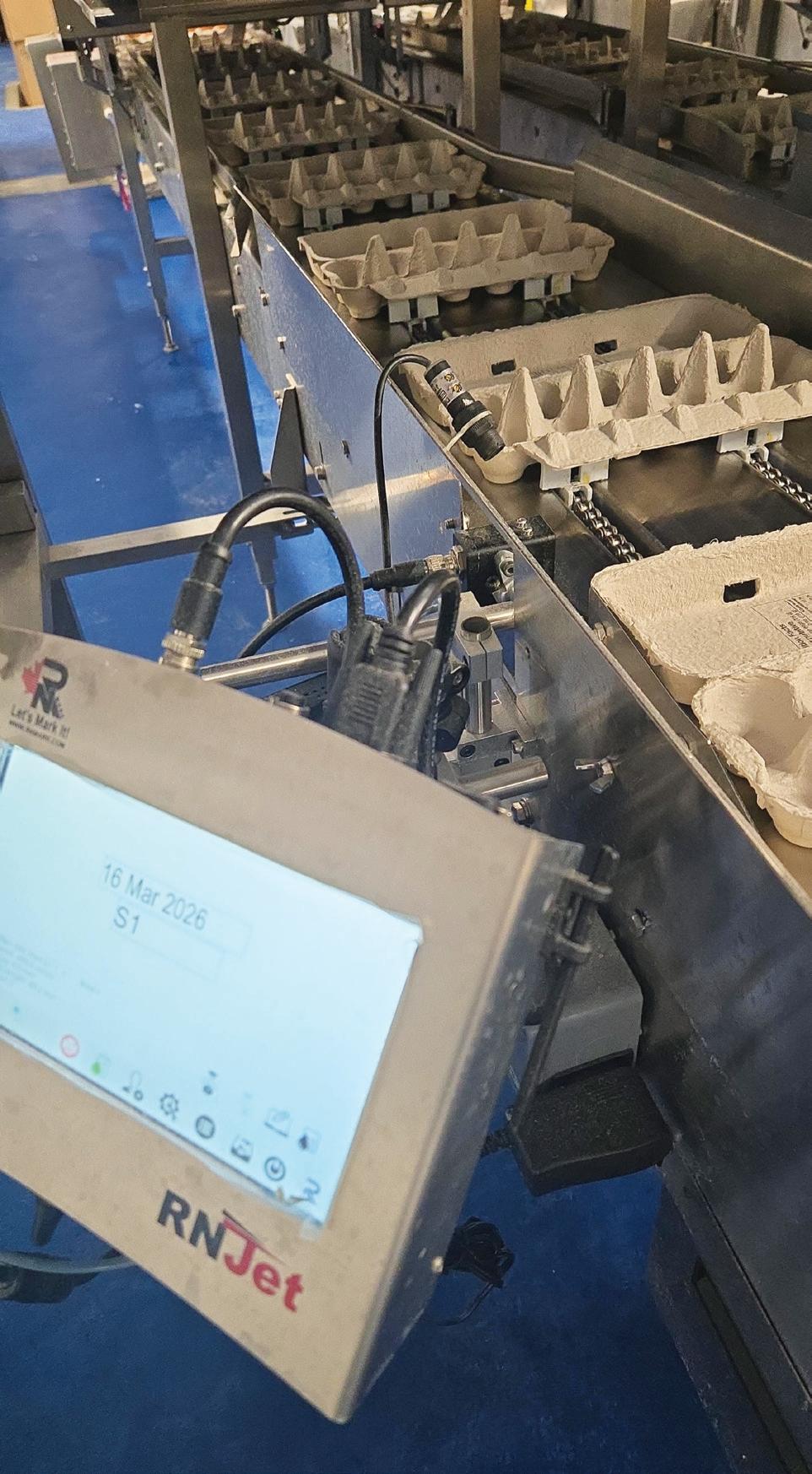


washer/inspector/cartoner supplied by Yamasa. Next comes the following:
• A robotic pick-and-place system mechanically picks two flats at a time from the stack of six flats and places the two on a conveyor.
• Two more robotic pickers pick all 30 eggs from each flat and place them on a parallel conveyor running in the opposite direction; empty flats are neatly stacked for subsequent removal.
• Eggs are conveyed through a washing unit and then through a dryer.
• Eggs pass through Yamasa’s Model SV150 automatic egg candling unit that uses vision inspection to identify any egg that is either dirty or leaking so that they can be rejected from the flow of good eggs.
• Eggs pass through another vision system that detects any egg with blood inside and flags it for ejection.
• Eggs pass through a final inspection system that uses ultrasonic sensors to identify any egg with a hairline crack that can’t be seen by the naked eye and flag that egg for ejection.
“I called several suppliers and when I called RNJet, they said, ‘We’re located two hours from your plant. We’ll be right there.’”
—Josh Weber, Owner and Founder, Nature Plus
• Eggs are weighed and sorted into jumbo, extra large, large, etc.
At this point the eggs reach eight lanes running perpendicular to and below the flow of eggs. Each lane is equipped with a mechanical denester that feeds nested molded pulp cartons one at a time so that eight parallel lanes of cartons are now moving beneath the flow of eggs. Right after each denesting station is an RNJet ink-jet coder that puts lot and date code onto the side of each carton. All that’s left is for the cartons to pause briefly as 12 eggs are gently dropped inside. Then a mechanical tucker closes the carton top and finished cartons are conveyed to manual case packing.
“The expansion to a new facility was essential,” says Weber as he looks back at how far the firm has come. “We couldn’t keep up anymore.”




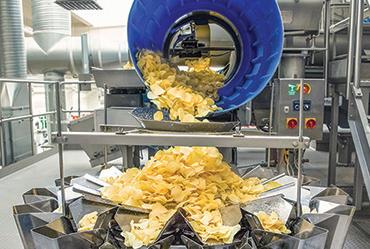
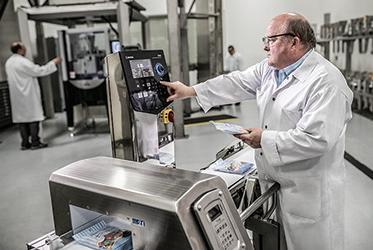



The Smart Line Playbook #3: OEE reimagined—moving past the scoreboard.
MOST FOOD AND BEVERAGE manufacturers track overall equipment effectiveness (OEE).
The metric is widely known, commonly displayed, and frequently discussed in meetings. Yet in many plants, OEE has become something it was never meant to be: a scoreboard.
Numbers are posted. Targets are announced. Records are celebrated. But when production misses schedule, quality losses persist, or chronic downtime remains unresolved, an uncomfortable truth emerges: Knowing the number is not the same as improving the operation.
Used properly, OEE can be one of the most valuable tools on the plant floor. It can help identify hidden losses, focus maintenance priorities, improve changeovers, and align teams around real performance constraints. Used poorly, it can distort behavior, encourage gamesmanship, and create false confidence.
Digital tools now give manufacturers the opportunity to rethink OEE entirely. Instead of treating it as a monthly report card, plants can use it as a daily operating tool that drives faster decisions and smarter improvement.
The opportunity is not to get better at reporting OEE. It’s to get better at using it.
One of the most common problems with OEE is not the formula, it’s the temptation to manage the number rather than the losses behind it.
I’ve seen lines assigned nominal operating speeds well below their true standard rate. When the line runs above that lowered baseline, OEE rises accordingly. In some cases, plants have reported OEE above 100% while still dealing with downtime, waste, and recurring quality issues.
Similar distortions can occur in availability calculations. Planned stops may be excluded inconsistently. Minor stoppages may disappear into broad categories. Changeovers may be handled differently depending on which result management wants to see. These practices may improve the metric, but they don’t improve the plant.
Without honest baselines, OEE loses its real pur-

Bryan Griffen is the President of Griffen Executive Solutions LLC. He was previously Senior Director of Industry Services for PMMI: The Association for Packaging and Processing Technologies, and he held a number of roles for Nestlé during his many years there.
pose: identifying where the operation is struggling so teams can improve it. Once the number becomes the goal, the process often gets ignored.
That’s unfortunate, because when used honestly, OEE can be extremely powerful.
At its core, OEE is valuable because it simplifies performance into three understandable dimensions: availability, performance, and quality.
Availability asks how much scheduled time was truly productive. Performance asks whether the line ran at its realistic capable rate. Quality asks how much of what was produced was saleable product.
The key word in all three categories is realistic
Operators can’t improve an abstract 78% OEE score. They can improve a recurring filler jam every 40 minutes. They can improve a changeover that consistently runs 18 minutes long. They can improve startup scrap that happens every Monday after sanitation. When losses are broken into specific, observable events, OEE becomes practical again.
This is where digital tools help. Automated stop tracking, timestamped events, speed trend analysis, and reject categorization make it easier to move from estimated averages to operational truth. The best plants use OEE not to admire the score, but to expose the next problem worth solving.
OEE discussions often center on packaging lines because losses there are visible and relatively easy to count. Stops, jams, rejects, and speed losses are easier to observe on a cartoner or wrapper than
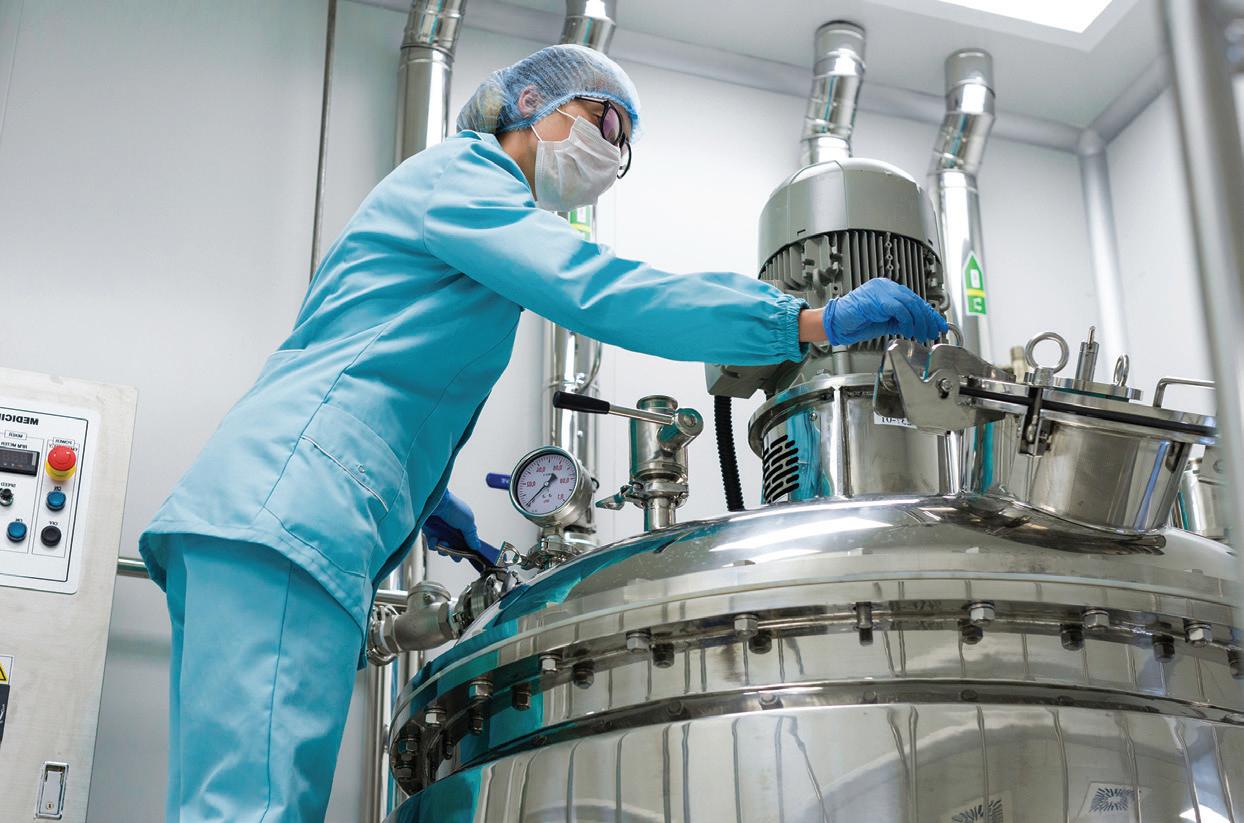
inside a mixing, cooking, drying, or batching process. But some of the most important opportunities exist upstream.
Processing systems are heavily influenced by variables that traditional OEE conversations sometimes overlook: ingredient variability, moisture levels, ambient temperature, sanitation cycles, viscosity shifts, and utility performance.
I’ve seen powder operations take a significant production hit simply because a major storm rolled in and humidity spiked—throughput dropped, flowability changed, and efficiency suffered. The wrong response would be to criticize the incoming shift because the prior team posted a better number. The right response would be to understand what changed and adapt accordingly.
This is where OEE becomes valuable as a diagnostic tool. It can show that performance changed. Leadership still has to determine why.
In processing environments, context matters as much as the metric itself.
Once OEE is built on honest definitions and meaningful baselines, digital tools can help turn it from a historical report into a live operating system.
In many plants, OEE is still reviewed after the fact. Yesterday’s number is discussed in this morning’s meeting. Last week’s trends are reviewed after the losses have already occurred. Monthly summaries arrive long after the opportunity to intervene has passed. Modern plant-floor systems can shorten that cycle dramatically.
Automated stop tracking can capture downtime the moment it occurs. Speed trend data can highlight recurring slowdowns that may never trigger a formal stop event. Reject tracking can identify
whether losses are tied to startup conditions, material changes, or specific equipment states. Microstops that once disappeared into averages can now be seen for what they are: repeated interruptions that quietly consume capacity. This visibility changes the role of supervision and support teams.
Instead of asking, “What happened yesterday?” leaders can ask, “What is happening now, and what support does the line need?” Maintenance can focus on recurring losses rather than the loudest complaint. Operations can intervene before a bad hour becomes a bad shift.
The best digital systems do not simply display losses. They help teams remove them while there is still time to matter.
Technology can improve visibility, but behavior determines whether performance improves.
I have seen plants reward shifts for achieving record OEE while criticizing the team that posted the lowest result that week. On the surface, that may seem performance driven. In reality it often punishes the very behavior plants need most.
Sometimes the lower-performing shift is the one that stopped to correct a chronic issue, completed overdue maintenance, or took the time to solve a root cause that benefits every team afterward. If short-term numbers are rewarded while long-term improvement is penalized, people learn quickly what matters, and it is not continuous improvement. Healthy OEE cultures focus less on internal competition and more on waste removal.
They celebrate teams that eliminate a recurring stop, shorten a difficult changeover, improve firstpass quality, or identify a maintenance issue before failure occurs. They use daily huddles to review one meaningful loss rather than overwhelming teams with 10 metrics at once.
They also share ownership. Operations, maintenance, quality, and engineering all influence OEE. When one department owns the score while others only comment on it, progress usually stalls.
Dashboards can make losses visible. Daily huddles, faster escalation, better handoffs, and consistent follow-through are what turn visibility into improvement. Awareness matters, but habits create results.
In plants that use OEE well, the metric becomes a common language for prioritization rather than a source of tension.
A supervisor begins the shift by reviewing the prior day’s largest loss and asking what can be done differently today. Operators flag recurring interruptions in real time. Maintenance uses trend data to address the
same failure before it happens again. Quality teams identify startup losses and work with operations to reduce them. Engineering uses recurring constraints to justify targeted capital improvements.
The score still matters, but it is no longer the headline. The conversation shifts from “What was our OEE?” to “What is limiting performance, and what are we doing about it?”
Benchmarking can also play a useful role when handled responsibly. If one line or one plant consistently performs below another, that may signal an opportunity worth understanding. However, direct comparisons are rarely as simple as they appear. Equipment vintages may differ. Build revisions may differ. Utility stability, environmental conditions, altitude, humidity, plant layout, forklift traffic, staffing experience, and product mix can all influence performance.
Even when two facilities run the same product, the operating realities may be very different. One plant may show slightly lower OEE while benefiting from lower inbound freight costs, stronger labor availability, or better proximity to key raw materials. Another may post a higher score while carrying disadvantages elsewhere.
Used wisely, benchmarking should prompt deeper questions, not instant conclusions. Sometimes the right response is investment. Sometimes it is operational support. Sometimes it is accepting that the systems are fundamentally different.
What rarely works is using OEE comparisons in isolation to judge people, assign blame, or drive compensation. Metrics are strongest when they guide decisions, not when they replace judgment.
Overall equipment effectiveness remains one of the most useful metrics in manufacturing, but only when treated as a means rather than an end.
When OEE becomes a scoreboard, plants often chase appearances. When it becomes an operating tool, plants uncover losses, improve teamwork, and make smarter decisions faster.
Digital systems now make it easier than ever to collect and display OEE data. That’s helpful, but it’s not enough. Real value comes when honest metrics are paired with curiosity, accountability, and action. The best plants don’t worship the score, they use it to remove the next loss.
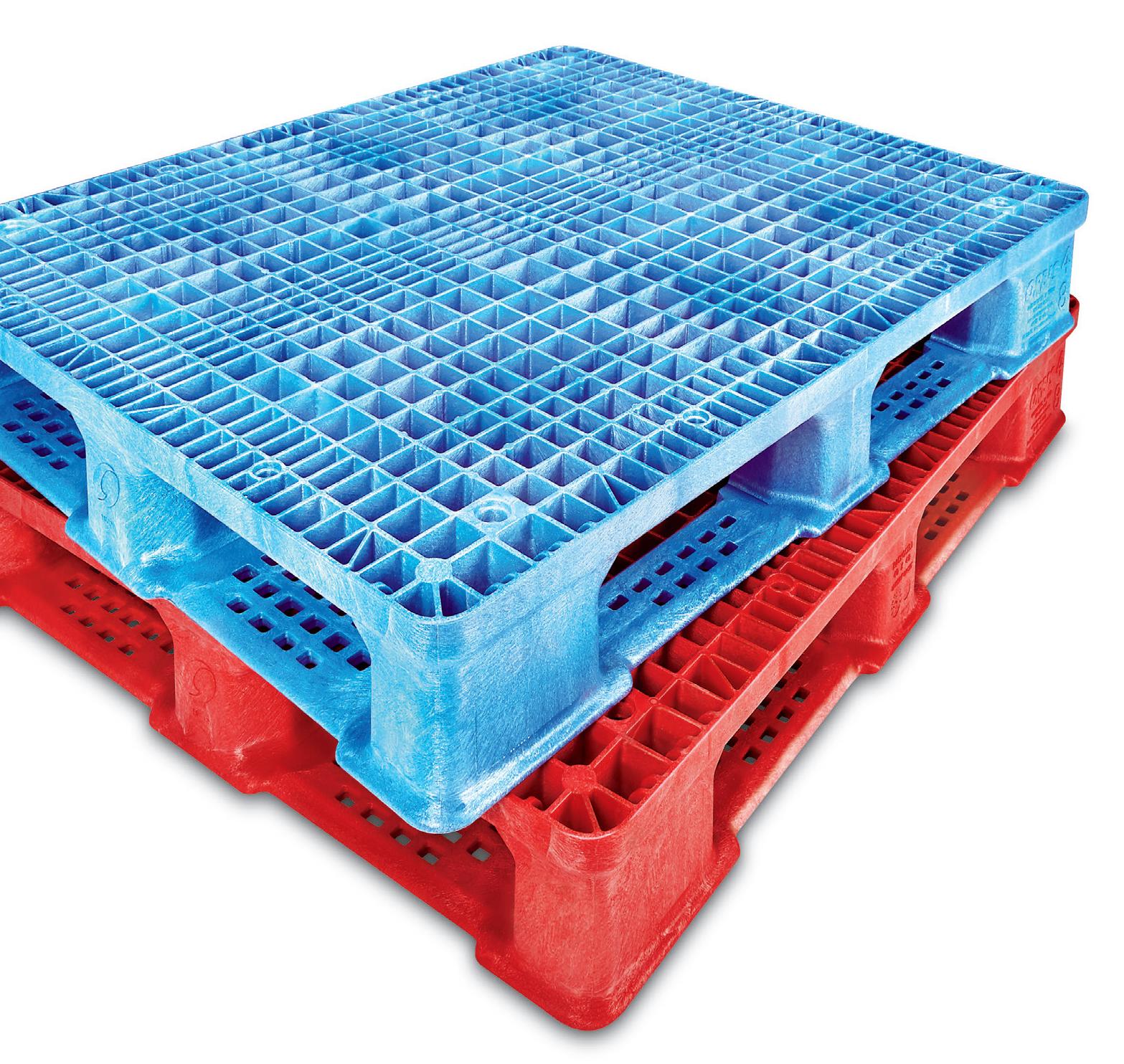


Acrison, Inc.
www.acrison.com
Equipment Inc.
www.advancedfreezer.com
USA, Inc
www.aerzen.com
Products
www.airproducts.com
AmTrade Systems, Inc.
www.amtrade-systems.com
www.bepex.com
www.big-d.com
www.buschusa.com





















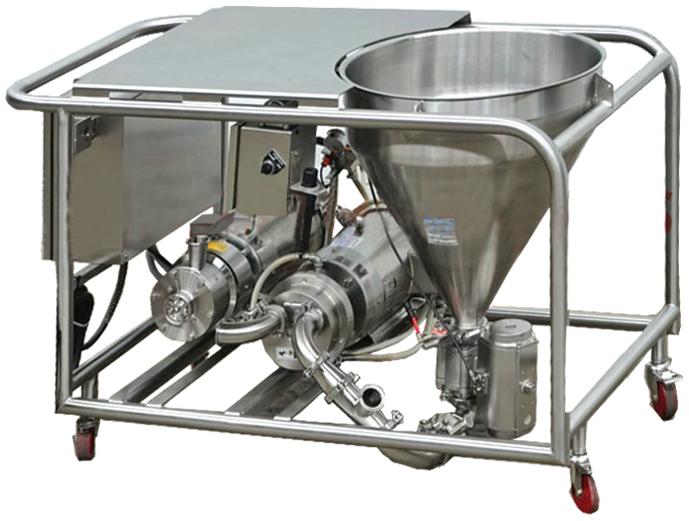
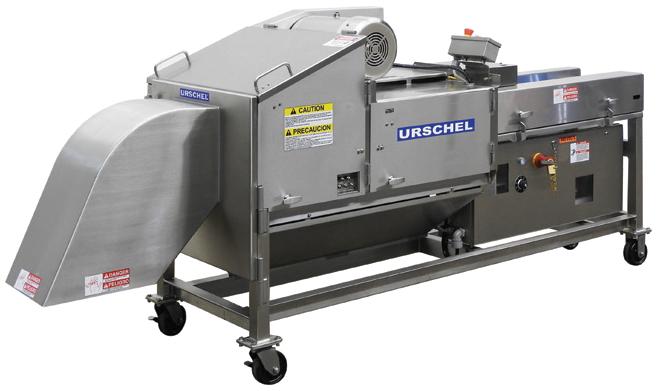
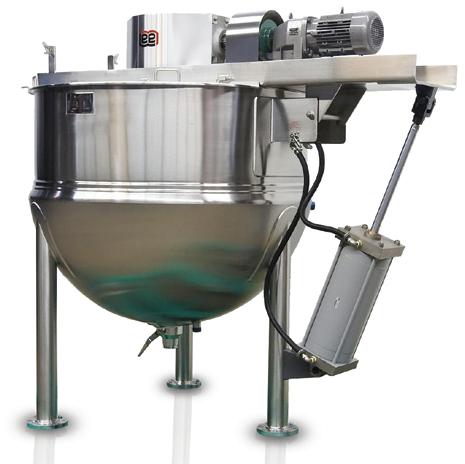
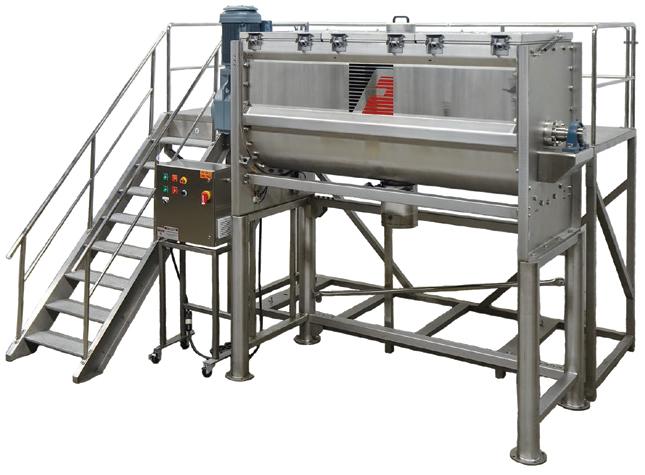
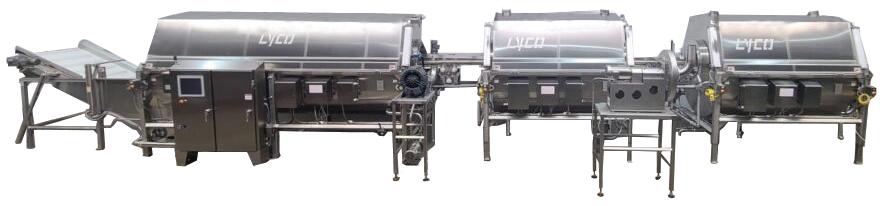
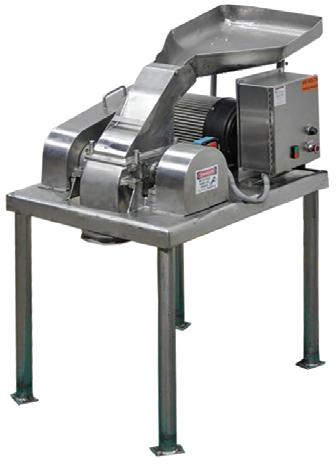
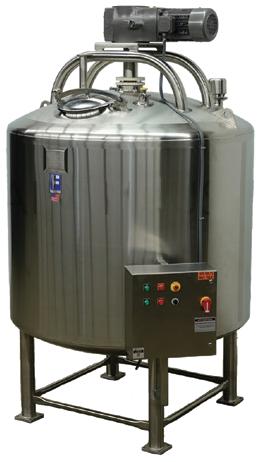
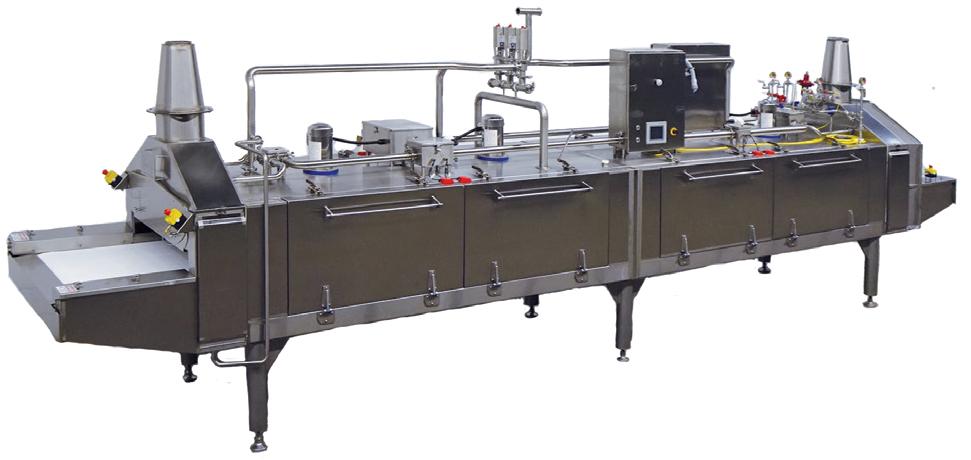



MOVIMOT® performance ELV delivers industrial performance in a compact, decentralized 48 V DC drive solution for systems and machines. Eliminate control cabinets, reduce wiring, and simplify architecture with motor-mounted electronics and a fully connectorized design. Plug-and-play startup with automatic motor recognition accelerates commissioning, while high overload capacity and integrated feedback ensure dynamic performance. Seamless Industrial Ethernet communication enables real-time PLC integration, no gateways required.
Meet our experts at: Automate - Booth # N-19034