


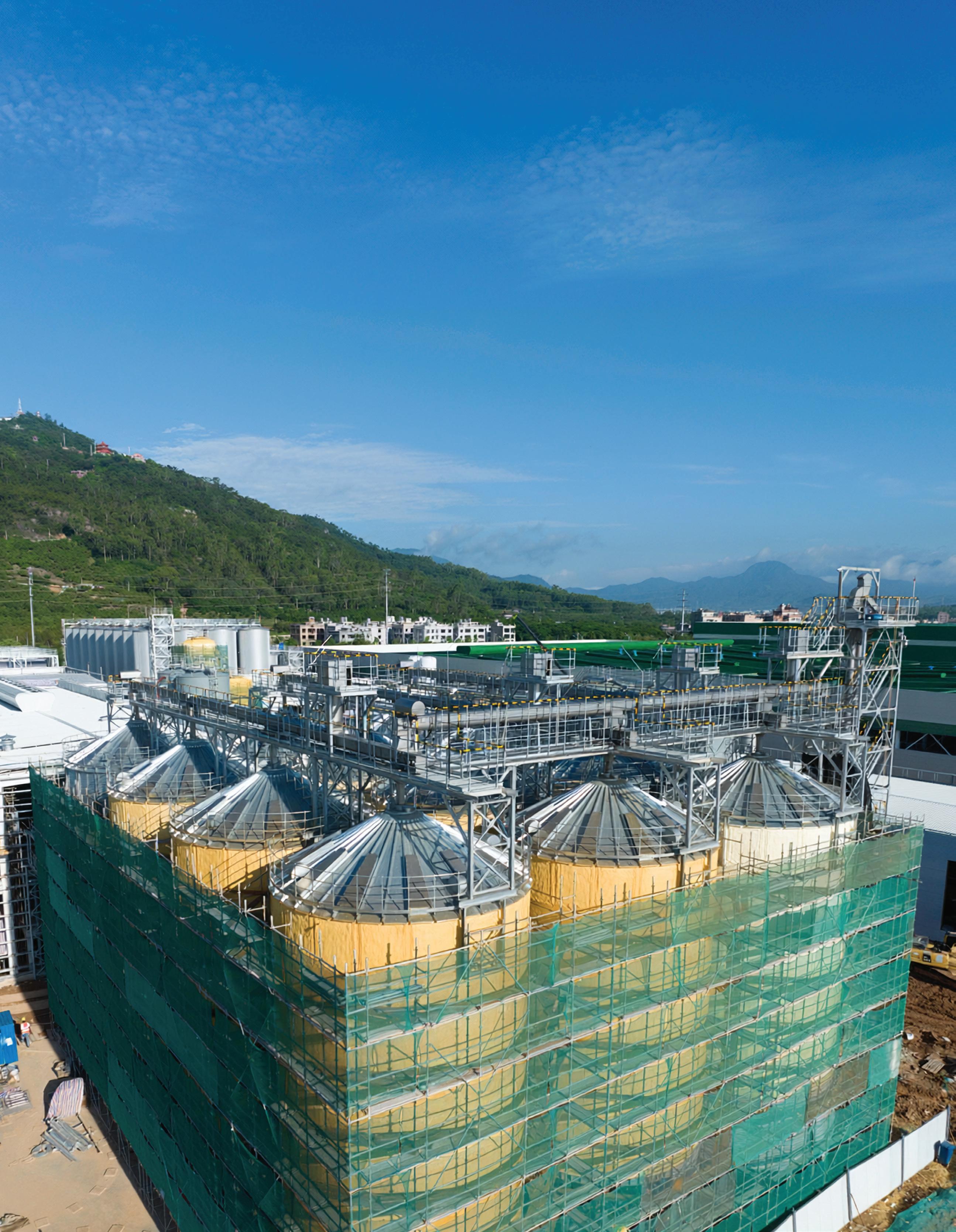
How AI is Reshaping Food Safety | 14
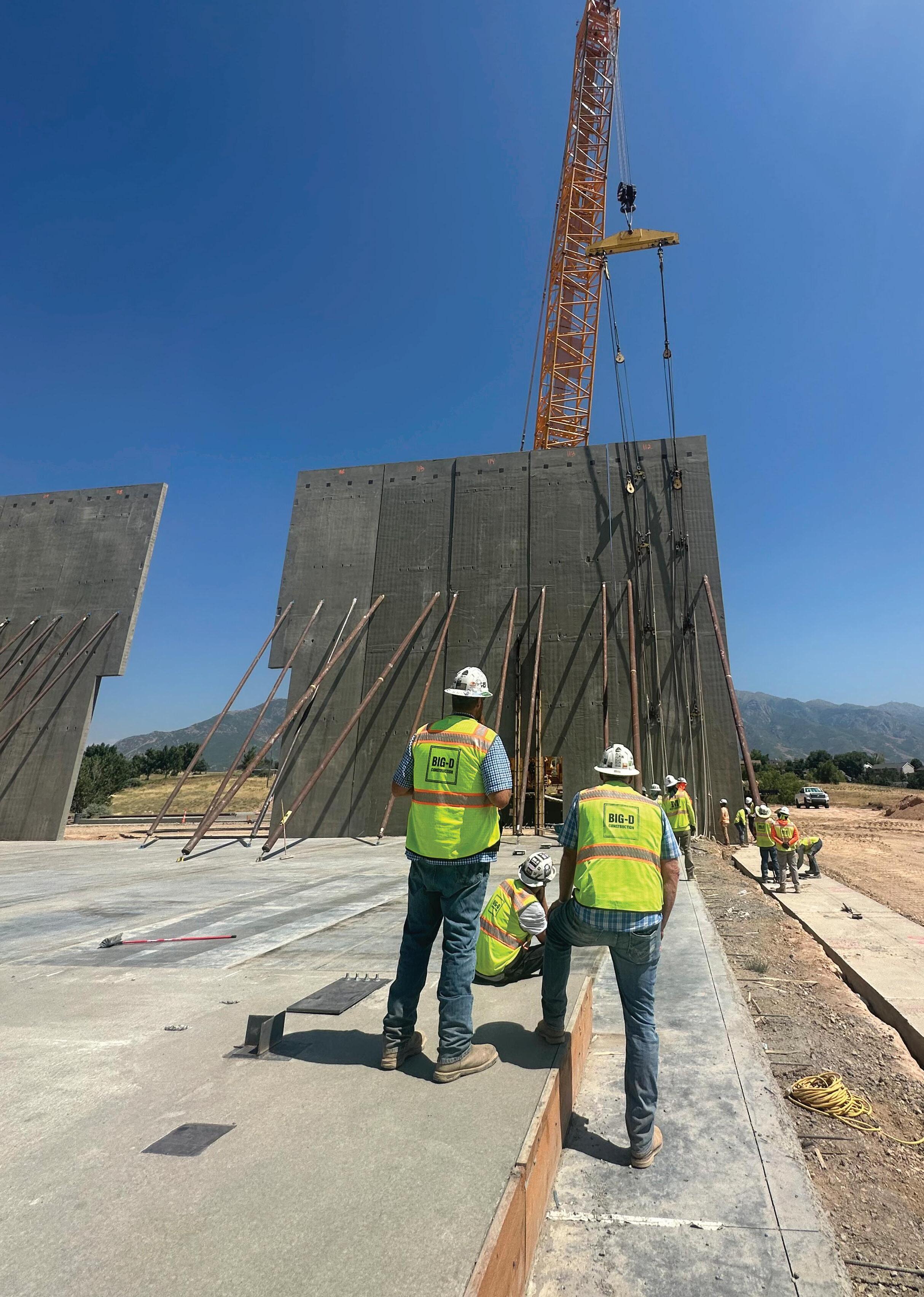
3-Minute Primer in CIP Optimization | 28
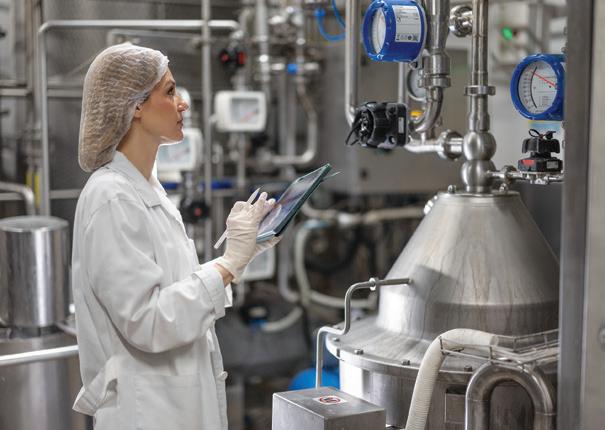
Campbell’s Expansion Builds Aseptic Capacity | 54
Turning Data Into Daily Decisions | 66

How AI is Reshaping Food Safety | 14
3-Minute Primer in CIP Optimization | 28
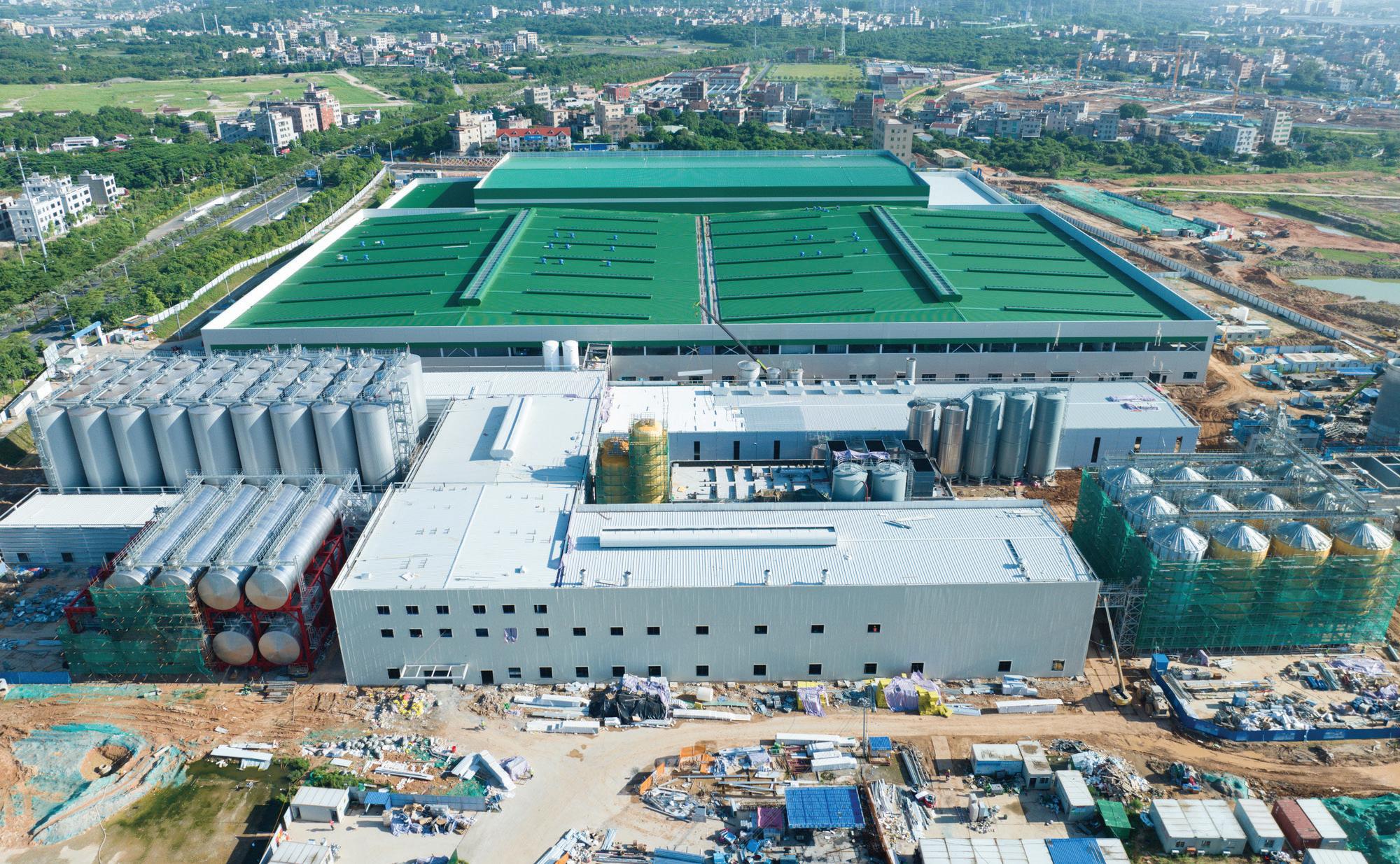
Campbell’s Expansion Builds Aseptic Capacity | 54
Turning Data Into Daily Decisions | 66


























Easily capture debris and small amounts of liquid. Convertible handle allows use as handheld or lobby dustpan.

Integrated brush-cleaning teeth to easily remove debris from broom bristles
Light Sweep
Frayed brush fiber excellent for sweeping fine material from smooth surfaces, vinyl, marble, and terrazzo floors.


Stiff brush fiber excellent for sweeping coarse material from rough surfaces, concrete, and blacktop. Heavy Sweep
Rough Sweep







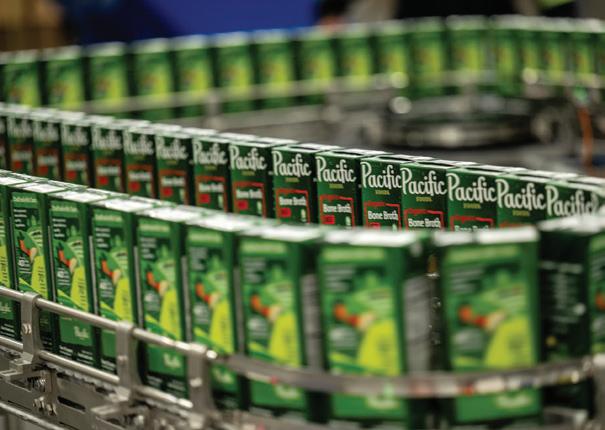









Product Solutions August’s New Product Solutions highlight:
Elizabeth Gallo shares how a small operation grew to have a national reach.
The Smartline Playbook #4: Closing the loop




The Agility Premium: Rethinking Food Plant Design

For processors working with capital equipment budgets under $10 million, plant design success depends less on scale and more on flexibility. Here’s what can transform limited capital into a competitive advantage.
to
Uptime Real-time data tools for operators and modern machine design are enabling flexible manufacturing approaches to increase uptime.
AI is moving from pilot projects into practical food safety applications, provided processors can validate the results.
Food manufacturers continue investing in advanced traceability equipment and technology despite regulatory uncertainty.
Thinking CIP optimization for your beverage operation? Read this quick primer first.
This is what manufacturers are doing to stop problems before products reach consumers.

EDITOR-IN-CHIEF DERRICK TEAL dteal@pmmimediagroup.com
ASSOCIATE EDITOR CASEY FLANAGAN cflanagan@pmmimediagroup.com
EDITORIAL OPERATIONS COORDINATOR TRACEY LABOVITZ
DIRECTOR OF CONTENT KIM OVERSTREET
CONTRIBUTING EDITORS GRANT GERKE, BRYAN GRIFFEN, JAMIE VALENTI-JORDAN, CHRISTINE TERVO
ART DIRECTOR KATHY TRAVIS
CREATIVE DIRECTOR DAVID BACHO
VICE PRESIDENT, SALES REGGIE LAWRENCE rlawrence@pmmimediagroup.com
SENIOR MANAGER, PRINT OPERATIONS LARA KRIEGER lkrieger@pmmimediagroup.com
FINANCIAL SERVICES MANAGER JANET FABIANO jfabiano@pmmimediagroup.com
PMMI MEDIA GROUP
PRESIDENT DAVID NEWCORN
VICE PRESIDENT, DIGITAL ELIZABETH KACHORIS
SENIOR DIRECTOR, DIGITAL MEDIA JEN KREPELKA
DIRECTOR OF MARKETING AMBER MILLER
DIRECTOR, AD TECH AND SEARCH JOAN JACINTO
DIRECTOR OF INDUSTRY STRATEGY ANGIE SZERLONG
FOUNDING PARTNER AND EXECUTIVE VICE PRESIDENT, INDUSTRY OUTREACH, PMMI JOSEPH ANGEL
PMMI Media Group 500 W. Madison, Suite 1000, Chicago, IL 60661 Web: www.pmmimediagroup.com
PMMI, The Association for Packaging and Processing Technologies 12930 Worldgate Drive, Suite 200, Herndon, VA 20170 Phone: 571/612-3200 • Fax: 703/243-8556 • Web: www.pmmi.org

DERRICK TEAL | EDITOR-IN-CHIEF
The
Cyclospora outbreak is another reminder that government surveillance matters—but manufacturers still have to own food safety.

Ilive in Michigan, which as I write this, is at the center of a major outbreak of cyclosporiasis. Hopefully, it’s passed as you read this.
I know at least three people who have it or recently had it, so far. For weeks, my family stopped buying prepackaged lettuce, choosing whole heads and produce we could peel or cook. Health officials recommended similar precautions, but washing won’t necessarily remove the parasite.
Investigators have linked some illnesses to shredded iceberg lettuce served at certain restaurants. Their traceback points to Taylor Farms de Mexico, but the situation still isn’t completely clear. The FDA reported a positive lettuce sample, then withdrew the result as a false positive.
That uncertainty shows how difficult these outbreaks are to investigate. Fresh products move quickly through complicated supply chains across the country, and symptoms may take days to appear. By then, the product may be gone.
The outbreak has also raised questions about government surveillance. In July 2025, FoodNet reporting became optional for Cyclospora and five other pathogens. The CDC says other surveillance systems still track these illnesses and FoodNet wasn’t designed to detect outbreaks. Still, experts warn that reduced active surveillance could make it harder to identify food-supply trends.
Could this outbreak have been identified or contained sooner if those systems hadn’t been scaled back? We may never know. But manufacturers shouldn’t take comfort in that uncertainty.
Government surveillance is a backstop, not a substitute for supplier verification, sanitation, preventive controls, traceability, accurate records, or recall readiness.
The public could blame regulators when an outbreak happens, but would you bet your company’s reputation on that happening?
Manufacturers can’t prevent every problem. They can build systems that reduce risk, catch problems earlier, and support a quick response when prevention fails.
That’s what food-safety fundamentals are for.
Anything less is hope—and hope is a terrible strategy.
EDITORIAL ADVISORY BOARD
CHRISTINE BENSE Chief supply chain Officer Turkey Hill
GREG FLICKINGER COO IMMEC
JOHN HILKER
Independent Food and Beverage Consultant
VINCE NASTI VP, Operations Great Kitchens Food Company
TRAVIS POWELL Engineering Team Leader Schreiber
JIM PRUNESTI SVP, Engineering Conagra Brands
SCOTT SPENCER CEO Quality Harvest Foods
TONY VANDENOEVER Principal Consultant Waterfall Ventures
DIANE WOLF
Independent Food and Beverage Consultant
BROOKE WYNN Senior Director, Sustainability Smithfield Foods

Processors are adopting real-time data tools for operators, and modern machine design is enabling flexible manufacturing approaches to increase uptime. In addition, advances in digital twin technology and automation are enabling flexible manufacturing in the plant.
SIX IN 10 MANUFACTURERS (59%) report actively using smart manufacturing technologies to support operations, according to a recent Rockwell Automation report. The 2026 State of Smart Manufacturing survey also cites that only 18% of respondents remain in pilot mode. While this survey is not centered on food, recent surveys point to more real-time tools at the operator level, machine learning, and more automation for plants.
The transition to digital manufacturing in the food segment is a long one. The challenges in operations are many, including numerous changeovers per shift, multipack formats, increased SKUs, and limited operator skills. However, digital twin technology and data collection at the operator level may prove to be a step-change in productivity—a golden age of food production—while innovative machine design continues to increase uptime and throughput.
Real-time data analytics target micro-stoppages, anomalies, and line configuration adjustments during processing to prevent downtime.


Food giants and midsize producers want flexible manufacturing. Operators face significant challenges on the plant floor, as increases in stock-keeping units (SKUs) lead to complex changeovers and scheduling.
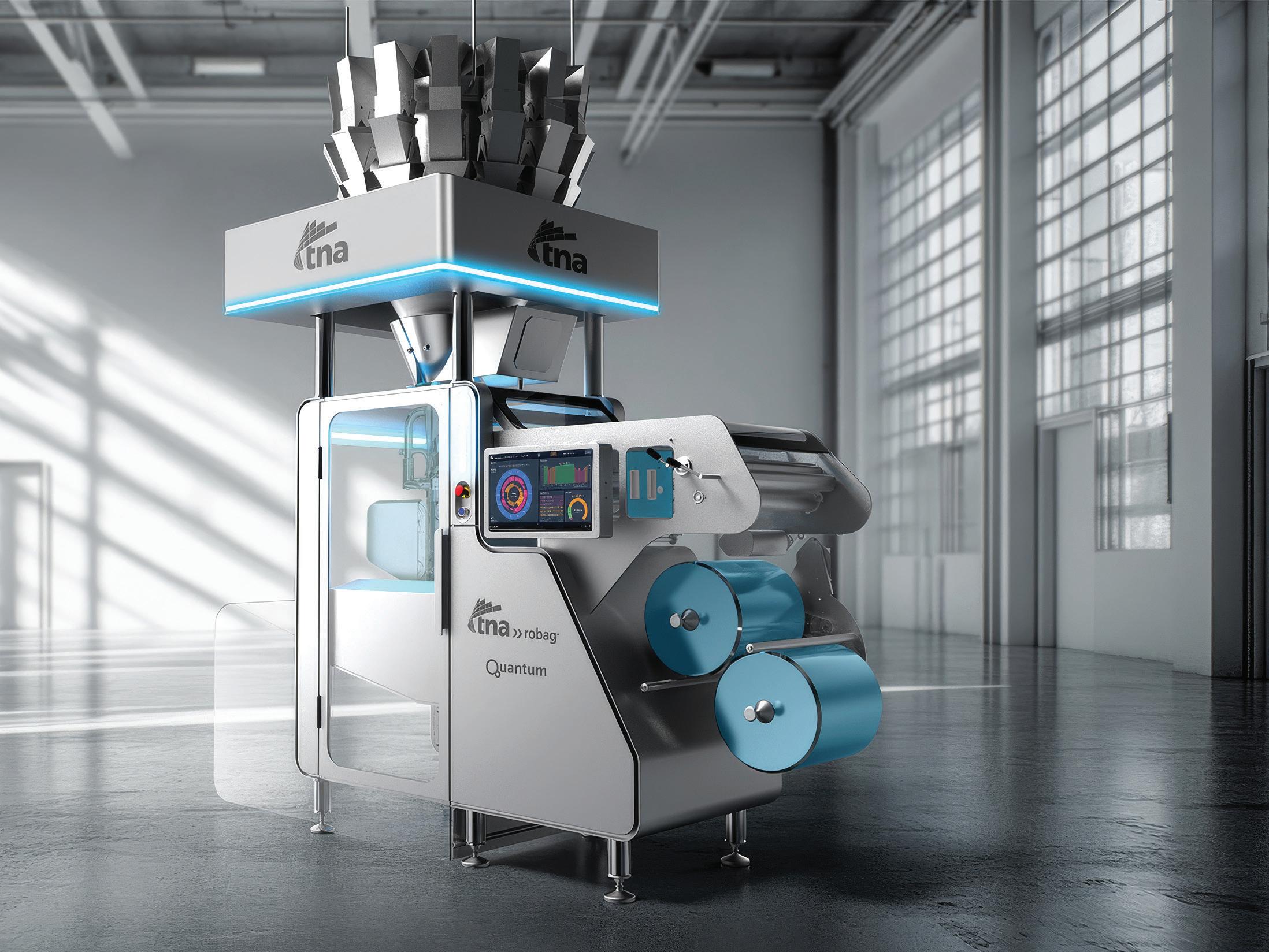
“In plants running multiple lines, the priority is to keep each stage of production aligned, so capacity is not lost between processing, seasoning, weighing, packaging, and downstream handling,” says Steve Johnson, Divisional Sales Manager, North America at TNA Solutions .
Data-fi rst approaches and standardized automation are the new norm in today’s plant.
“Plants are improving throughput and flexibility by optimizing whole-line performance and designing lines that are both modular and data-rich,” says Dave Reynolds, Business Development Manager of Snacks, Cereal and Protein Solutions at Bühler Group


“In plants running multiple lines, the priority is to keep each stage of production aligned, so capacity is not lost between processing, seasoning, weighing, packaging, and downstream handling.”
“Line balancing plays a central role,” adds Johnson. “Controlled distribution into the weighing and packaging section helps prevent overfeeding, starvation points, and product build-up, all of which can create micro-stoppages.”
— Steve Johnson, Div. Sales Mgr., North America, TNA Solutions
Micro-stoppages on packaging and processing lines are becoming more transparent. “Operational data is often trapped and stored for limited periods in historians, locked behind legacy protocols, or isolated in systems that were never connected to any network,” adds David Ariens, Founder at the IT/OT Insider. “Data that’s perfectly adequate for day-to-day operations—an operator sees a sensor fl atline and knows to ignore it—is not adequate for analytics.”
Digital twin technology and data modeling are making inroads to maximize uptime by feeding raw data into models. Targets on the plant fl oor include packaging and processing line configurations, bottlenecks, and Overall Equipment E ectiveness (OEE) challenges.
SmartSights provides digital twin technology for packaging and other manufacturing applications.
“Regression models shine since they can handle di erent variances and manage outliers,” said Marc Bertrand, Director of Industry Solutions, SmartSights, in a Control Systems Integrators Association webinar in late 2025.
“Many times operators believe a filling machine on the packaging line is the bottleneck, and we’ve run regression models and found the filler is not the true bottleneck on the line,” said Bertrand.
The same applies to processing lines. “Digital twins are becoming increasingly practical for simulating capacity changes, recipe shifts, and equipment interactions before implementation,” adds Reynolds from Bühler Group.
Recent advances in modeling using unstructured data in processing are pointing toward real-time data analytics for operators. Companies recognize the potential for targeting anomalies, micro-stoppages, and adjusting line configurations during baking, cooking, or mixing processing.
A step-change advance could be coming soon.
Companies like HighByte, Litmus , and TwinThread (now part of AVEVA) are winning over managers and executives already sold on eventual AI-based strategies to take unstructured data, pipeline plant-fl oor data into their platforms, and add context.
The modeling platform eventually standardizes the data, exposes it to AI and machine learning, and can start iterating with an experienced operator or production line manager. “Companies can start to drive interesting insights that help operators on the factory fl oor so that they can start to have conversations with the data,” says Aron Semle, CTO at HighByte, Inc.
An experienced operator is needed to iterate on the right AI prompts. Semle provides a prompt example of a human-in-the-loop and working with the modeled data:
• This machine doesn’t sound right.
• Can you look at the historical data to see what’s going on?
Machine suppliers are adding tool-less features to increase repeatability for operators experiencing four to five changeovers per shift.
• Give me the top three suggestions on what it could be and what to look at?
Older workers are retiring, and companies want to retain tribal knowledge. However, transferring tribal knowledge has been a significant challenge amid evolving technology and operations, so companies are evaluating frontline tools with AI components.
Crest Foods, a dry food packaging company in Illinois, did just this by adopting Line Lead Champion from QAD Redzone, which is part of the company’s ChampionAI technology.
The AI-powered agent allows operators to view production lines, safety actions and quality on a tablet. “It’s the shift summary that has been the thing we’ve latched onto at Crest Foods,” says Jared Stumpenhorst, Operations Manager at Crest Foods.
The company has multiple lines with horizontal form/fill/seal machines, and web failures with the film material are a constant challenge. The problem with film forming the stand-up pack is an issue
that occurs “four times more frequently than any other issue in the multiple plants,” according to Stumpenhorst.
“So we went into the AI agent and said, ‘Can you help us solve web failures?’” says Stumpenhorst. “The AI prompt provided us with the top four causes of web failure and directed us to three to five actions for each of the causes.”
The AI tool delivers answers quickly and provides context. “What was interesting about (the AI responses) is the titles of those recommended actions did not even explicitly state web failure is a term; these answers were all related to web failures, and it was 100% spot on,” says Stumpenhorst.
A leading consumer trend in snacking and nutrition is experimentation. Food companies have responded by introducing new flavors, especially for millennials and Gen Z.
Suzy Badaracco, President at Culinary Tides, Inc. , spoke at the International Dairy Deli Bakery Association show in early June and discussed


From temperature-sensitive pharmaceuticals to perishable food products, maintaining product integrity from manufacturing to storage to nal delivery requires advanced cold storage facility design. And, bringing in an experienced design team as early as possible will ensure your facility is operating at optimal ef ciency both now and in the future.
Those early-stage discussions should revolve around operational goals, temperature requirements, work ow, and future growth plans, says Timothy P. Gibbons, AIA, NCARB, LEED AP, vice president of Design/Business Development, ESI Group. Key considerations at this point will include storage and automation strategies, regulatory requirements, site constraints, refrigeration and energy goals, staf ng and safety needs, utility demands, and project budget and schedule expectations. Location should also be considered early. Sites near major transportation routes and key markets reduce delivery times, improve customer satisfaction, and cut costs while supporting future growth.
A well-planned design maximizes space and work ow, including ef cient storage rack arrangement, smooth employee movement, and clear product pathways.
Evaluate your warehouse every six months to ensure trending products are optimally placed relative to dock doors, says Riley J. Pawelski, director of Business Development, ESI Group. Regularly adjusting rack con gurations as product pro les change helps maintain maximum storage ef ciency and capacity.
1. Identifying “slow movers” vs “fast movers.” Place slow movers in the further areas of the building so that high-velocity SKUs can be easily accessible and have the shortest forklift travel to the dock. “This improves optimization and reduces downtime by minimizing retrieval times, cutting down congestion, and ensuring smoother workows,” says Pawelski.
2. Analyzing operations and SKU throughput. Understanding product needs
10% of US cold storage sites were built in the last 5 years; close to 80% are decades old
47% identify exible storage capacity as their greatest need from cold storage partners
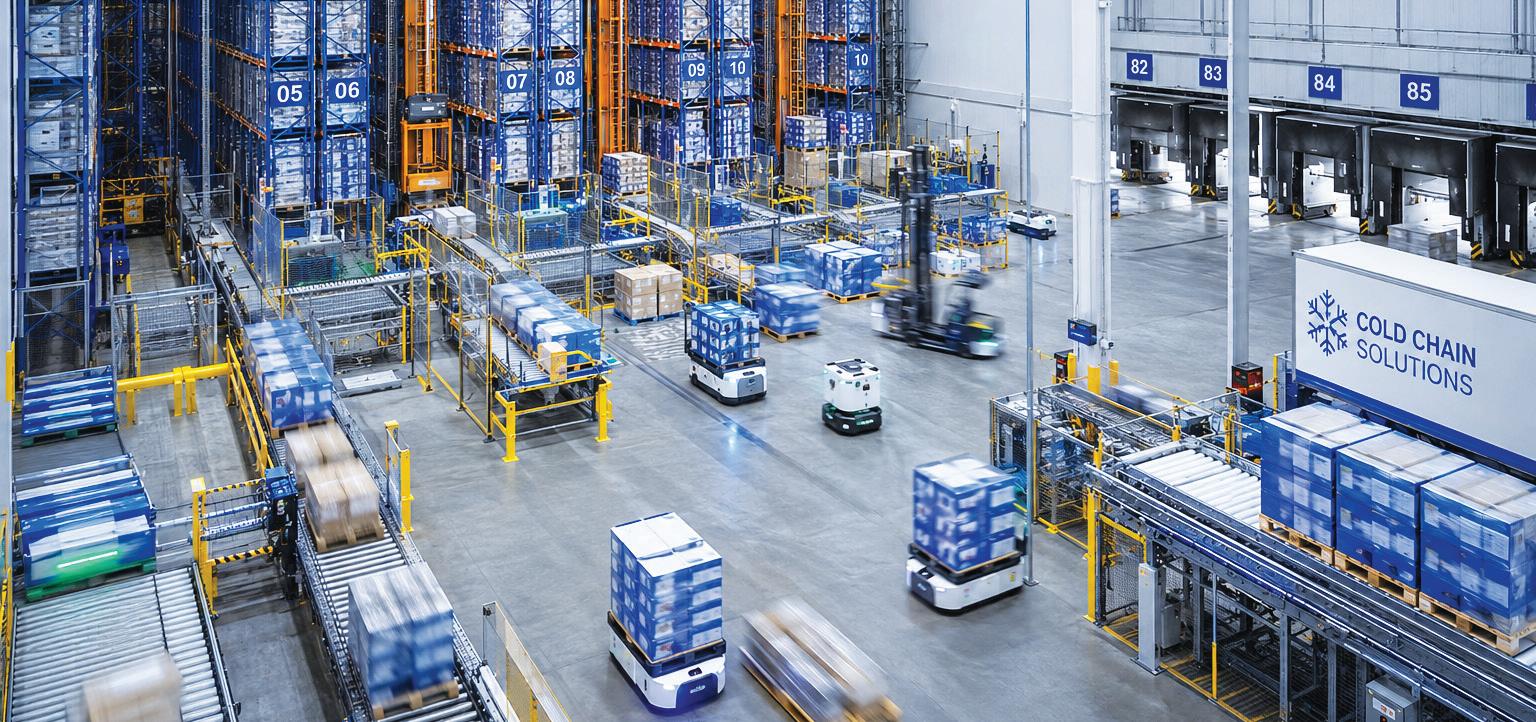
Advanced automation streamlines product movement throughout modern cold storage facilities. (AI-generated illustration)
of FIFO and LIFO will pinpoint whether more density or more selectivity is needed. “This will dictate design strategies to maximize vertical space and storage ef ciency,” says Pawelski.
3. Investigating how new products affect existing ow. If offering public storage, you can densify due to uniform product, or if FIFO is unnecessary, consider deeper storage solutions to save time and money. Vertical openings can be adjusted to accommodate new product heights using existing racking.
4. Adopting a just-in-time raw material delivery system. Although smaller, more frequent purchases may increase procurement costs, that can delay the need for facility expansion.
Workflow and Workers Benefit
DC/plant managers can ef ciently scale their existing facility to address growing demands by implementing advanced automation systems that allow for tight adjustments in production levels and maximizes space utilization. Additionally, automation makes cold facility sites safer by minimizing or completely eliminating human exposure to extreme sub-zero temperatures.
Mark Livesay, vice president of automated warehousing, ESI Group, says such automated systems include:
• Tier and Height (TiHi) Scanning where AI and computer-vision sensors automate the counting of boxes on a pallet layer. This can help with storage repro ling to maximize highpiled storage capacity.
• Automated Storage and Retrieval Systems that use computer-controlled mini-loaders, material-carrying vehicles, or crane systems to automatically store and retrieve high-volume inventory from dense rack structures. “Adding additional levels of storage can save approximately 66% of standard building
The key is to enable incremental capacity expansion to scale production gradually and respond efficiently to demand spikes.
—Timothy P. Gibbons, Vice President of Design/Business Development, ESI Group.
See ESI’s cold facility experience—scan the QR code to take a closer look inside.
footprint,” says Livesay. Some AS/RS systems can often handle tasks inside deep freezers down to -40°C.
• Vertical Lift Modules with enclosed, tray-based storage structures lower inventory items to an operator workstation, saving up to 85% of standard oor footprint.
• Pallet Shuttle Systems use shuttles to after shuttles to store and retrieve pallets from deep-lane storage, reducing forklift traf c and improving worker ergonomics.
• Autonomous Mobile Robots (AMRs) are intelligent, onboard-mapped transport robots that safely navigate facility oors via sensors or GPS to move individual cartloads or bins directly to workers. AMRs travel along predictable, dedicated paths, minimizing the risk of vehicle collisions on slick, iced oors.
• Automated Guided Vehicles (AGVs) are minimal-computing mechanical vehicles or automated forklifts that follow xed physical paths or embedded wires to handle long-distance horizontal and vertical pallet transport.
• Conveyor & Multi-Lane Systems enable continuous hardware infrastructure to move, split, combine, or invert boxes and bins to instantly regulate the physical speed of product lines.
“The key is to enable incremental capacity expansion through automation to allow production to scale gradually and respond ef ciently to demand spikes,” says Gibbons.
Successful cold storage facilities don’t happen by chance. They result from thoughtful planning that aligns layout, storage strategies, automation, and future growth with operational goals. Investing in the right design decisions early creates facilities that operate more ef ciently, adapt to changing demands, protect product integrity, enhance worker safety, and deliver long-term value.
“Hybrid Meals” and other fl avor trends. Culinary Tides is a consumer forecasting company, and Badaracco cited that “experimentation remained strong post-COVID and citrus, chilies, heat, and spice are popular.”
These consumer trends can be indirectly observed on the plant fl oor, as changeovers increase during shifts due to more SKUs and shorter production runs. In response, machine suppliers are innovating by introducing new features to enable quicker changeovers.
“OEMs are enabling faster changeovers through modular, hygienic, and operator-friendly designs with fewer manual adjustments, guided setup, and automation-ready features,” says Reynolds from Bühler Group, a supplier of processing equipment. Reynolds notes they have added tool-less features such as quick-release clamps, hand-adjustable guides, slide-in/slide-out components, captive fasteners, color-coding, and hygienic access.
Quick changeovers are of prime importance, and so is accuracy. “Tool-less features also reduce the risk of incorrect reassembly, make cleaning more consistent and help less experienced operators carry out routine tasks with greater confi dence,” adds TNA Solutions’ Johnson.
Operators are also benefiting from new approaches to validating changes during changeovers, such as Turck ’s BL Ident RFID system. The tool won’t allow a packaging machine to start if the new product configuration is not correct. Turck
“OEMs are enabling faster changeovers through modular, hygienic, and operator-friendly designs with fewer manual adjustments, guided set-up, and automation-ready features.”
— Dave Reynolds, Business Development Manager of Snacks, Cereal and Protein Solutions, Bühler Group
embeds an RFID chip into miniature data carriers that are fl ush-mountable in metal.
“The latest tracking and verifi cation technologies help reduce reliance on manual checks and give operators clearer confi rmation that the line is set up correctly,” says Johnson.
Cheaper costs on sensors and automation are advancing these trends. “The broader trend is the combination of mechanical simplicity with digital validation and automation,” says Reynolds. “Guided recipes, sensors, digital checklists, and operator guidance can confi rm that the correct parts are installed properly and that each step is completed in the right sequence.”
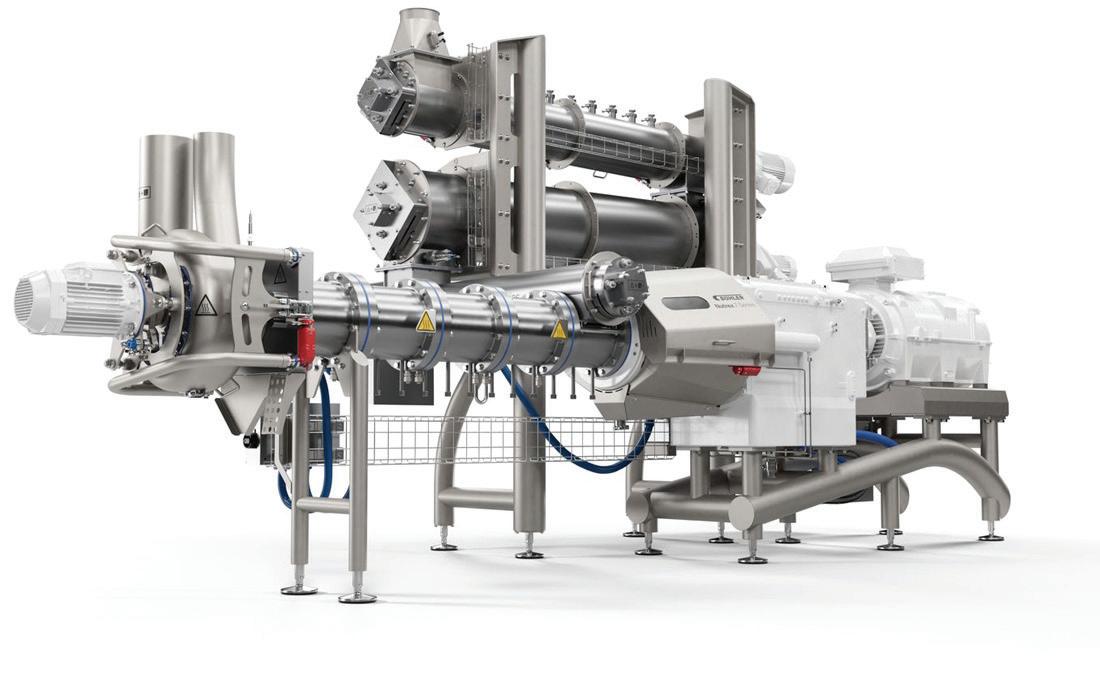
Scheduling is moving closer to real-time, since teams are using plant data, inventory, demand signals and line performance information. Pictured above is the Nutrex 7 Series extruder.


From pathogen detection to computer vision inspection, AI is moving from pilot projects into practical food safety applications, provided processors can validate the results.
FOOD SAFETY has always been a numbers game: illnesses prevented, recalls avoided, risks detected before they reach consumers. But the scale of the challenge remains enormous.
The Centers for Disease Control and Prevention estimates that 48 million Americans get sick from foodborne illness every year, with about 128,000 hospitalizations and 3,000 deaths. The USDA Economic Research Service cited the annual cost of that burden as $74.7 billion in 2023 dollars.
The events behind those figures bring real-world consequences for both consumers and manufacturers. The U.S. Public Interest Research Group’s Food for Thought 2026 report highlights 28 foodborne illness outbreaks announced by U.S. food regulators in 2025. Just 11 of those outbreaks triggered
a recall, compared to 17 that didn’t result in a product being taken off the market, the report says. As of the release of that report in February 2026, those 28 outbreaks had been linked to 1,003 illnesses, 235 hospitalizations, and 22 deaths.
Machine learning can accelerate pathogen detection and defect identification, but human judgement remains essential in food safety.
PIRG notes that while 1,003 illnesses may seem low compared to the U.S. population, foodborne Salmonella alone can cause 29 illnesses for each one detected per CDC estimates. About one in six people in the U.S. get foodborne illness each year, according to the U.S.
Department of Health and Human Services. Against that backdrop, artificial intelligence is rapidly growing in popularity in the food and beverage industry.
During the Binsted Lecture 2026, “Leveraging AI in New Product Development and Ensuring Food Safety and Quality,” Peggy Poole, PhD, President at IFT, described AI as being tested widely across the food and beverage industry today. In 2025 alone, the technology’s market valuation for the industry was about $16 billion, and its yearly market growth rate is over 39%, Poole said.
“That growth rate is not a casual encounter; that’s not a simple trend. That is a core technology that’s being tested and is working, and is being used across the food system,” she said.
Driving this growth are machine learning, computer vision and predictive analytics being woven into how plants operate to improve contaminant detection and food safety.
The turnaround time and cost of traditional microbial testing is one of the longstanding challenges of food safety testing, Poole explained. She pointed to testing turnaround time before the advent of ATP testing to illustrate the potential efficiency gains from AI-enabled food safety tools. Traditional microbiological methods would often require one to three days to identify a pathogen, she said.
“It takes a long time. If your production plant’s waiting to run that line, do you think they want to sit around waiting for three days for the lab to say, ‘it’s good, run it’?” Poole said.
That type of latency is exactly where machine learning is making inroads.
One example highlighted by Poole was from the University of Connecticut, where she said researchers combined a 96-well plate and 12-sensor array with
AI method developed at the University of Connecticut
n Uses a 96-well plate and sensors to capture unique bcterial signatures
n Machine learning identifies bacteria based on patterns
n Detects eight harmful or spoilage bacteria in two hours with 98% accuracy
© INSTITUTE OF FOOD TECHNOLOGISTS | ALL RIGHTS RESERVED

Food safety success with AI depends on high-quality training data, human oversight, and validation rather than fully autonomous systems that operate without human involvement.
machine learning to speed the identification of foodborne pathogens and spoilage organisms in dairy and meat.
“That machine learning was able to identify bacteria based on that characteristic interaction of the 12 different sensors, and they were able to detect eight of those harmful bacteria or spoilage organisms in less than two hours with 98% accuracy,” Poole explained. “That is progress. It may not be perfect, it was only in dairy and meat, but that’s a pretty good stretch for starters.”
UConn is not alone. A study published in the Springer Nature journal npj Science of Food in late 2025, titled “Deep Learning Enabled rapid Detection of Live Bacteria in the Presence of Food Debris,” demonstrated deep learning models that can detect live bacteria such as E. coli and Listeria monocytogenes in microscopy images even when food debris from spinach, cheese and chicken would otherwise interfere with detection. The model trained only on bacteria generated 24.2% false positives, but the model trained on both bacteria and food debris reach 0% false positives, 100% precision, and 94.4% recall. It demonstrated reliable bacterial detection in complex foods within three hours.
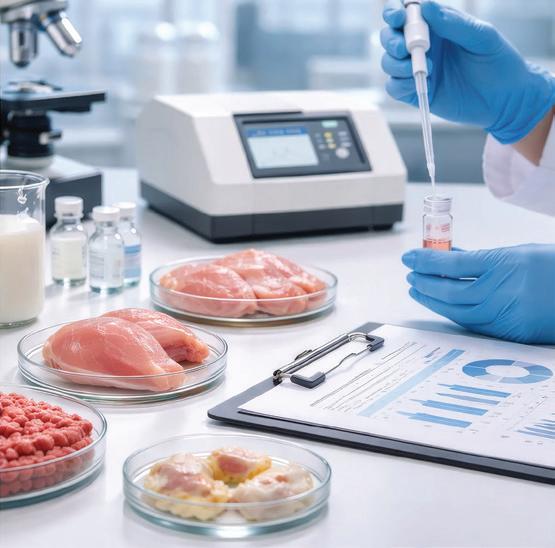
The UConn study demonstrated how machine learning could identify food safety risks accurately and at high speeds.
The research targets a practical obstacle that has limited automated microbial imaging: the messy reality of actual food rather than clean laboratory samples.
If pathogen detection is the headline application, computer vision is the one already running in plants today. Unlike traditional rule-based machine vision systems, AI-enabled inspection

systems can be trained on large image datasets and improve their ability to distinguish acceptable product from defects, contaminants, and foreign material.
In ProFood World ’s 2025 report, “The Real Role of AI in Food Inspection,” suppliers described AI not as a replacement for existing inspection technologies, but as a tool that expands what automated inspection systems can recognize. The technology is particularly useful in varying or less predictable food applications.
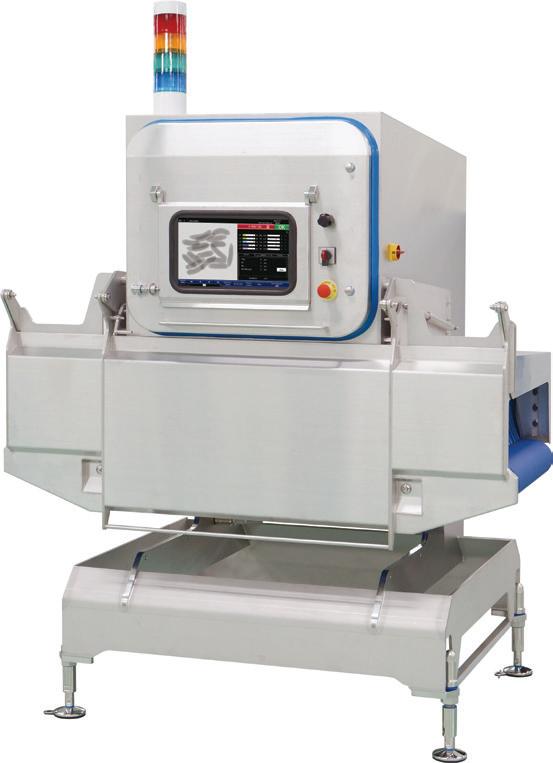
Je Youngs, President and CEO at ProSpection Solutions, said in the report as his company actively uses AI in X-ray and inspection, “These onboard AI systems adapt in real time, learning from product variations to improve safety and quality.”
AI models can be trained to identify subtle defects and contamination events that would be difficult to define through traditional rules-based programming alone. Rather than relying exclusively on predetermined thresholds, the systems learn from large data pools provided by the user.
“Critical training data includes both defect-free images for baseline comparison and diverse examples of known contaminants and defects to teach the model,” Ian Scott-Mance, Digital Marketing
Manager at Mettler Toledo, said in the report. “Ensuring good data quality involves representative sampling, accurate labeling, and continuous validation.”
The suppliers also emphasized that successful deployments depend on training data quality and human oversight.
“The biggest misconception is that inspection systems are now ‘fully AI-driven,’ and can manage themselves without human involvement. In practice, most so-called AI systems depend on significant upfront training and curated datasets. Results often take months to reach full e ectiveness,” said Norbert Hartwig, Head of R&D at Eagle Product Inspection in the report. “Human oversight remains essential, and processors should view AI as a powerful tool to enhance proven inspection methods, not as a replacement for them.”
That distinction mirrors a broader theme emerging across food safety applications: AI is proving most valuable when it accelerates and strengthens decision-making, while trained personnel remain responsible for validation, oversight, and corrective action.
The use of AI in food safety is not limited to processors and technology suppliers. The FDA is also building AI into its own internal workflows, exploring the same broad promise manufacturers are: faster analysis, better targeting and more e cient decision support.
In June 2025, the FDA launched Elsa, a generative AI tool available agency-wide to help employees, including scientific reviewers and investigators, read, write, and summarize information more e ciently. The FDA said the tool was already being used to shorten scientific evaluations and identify high-priority inspection targets. The agency emphasized that Elsa was built in a secure GovCloud environment and that its models do not train on data submitted by regulated industry.
The FDA expanded that e ort in December 2025 with agentic AI capabilities for all agency employees. Unlike a basic chatbot, agentic AI can plan, reason and execute multi-step workflows toward a specific goal. The
Three fronts, ranked by proximity to the plant floor.
01 — CLOSEST TO THE LINE
READY TO DEPLOY
DOES Flags defects, contaminants and foreign material; adapts in real time to product variation.
PROOF Suppliers already run AI in X-ray and vision inspection today
BEST FOR Variable products that rule-based vision systems miss.
03 — AT THE AGENCY
02 — IN THE LAB
EMERGING/PILOT
DOES Speeds pathogen ID from the traditional 1–3 days toward hours.
PROOF UConn—Eight pathogens in under two hours at 98% accuracy (dairy & meat). npj study—live bacteria and food debris in about three hours, 0% false positives.
CATCH Not yet commercialized at the line speed.
REGULATORY LAYER
DOES FDA is building AI into its own analysis, targeting and decision support.
TIMELINE Elsa (2025) → agentic AI → Elsa 4.0 + HALO platform (2026).
IMPACT Inspection targeting, compliance and post-market surveillance.
ACROSS ALL THREE: A TOOL, NOT A TURNKEY
AI is only as good as the data it’s trained on. Human oversight, validation and calibration stay essential before anyone acts on a result.
“It’s
not AI versus humans.
It’s [AI] plus [humans].”
— Peggy Poole, PhD, IFT President
The question is no longer whether AI belongs in food safety, but which application fits your needs.
SOURCES: PROFOOD WORLD REPORTING; FDA; IFT; UCONN; NPJ SCIENCE OF FOOD


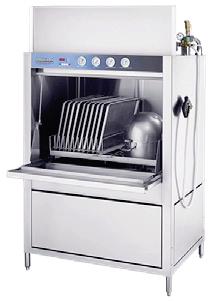
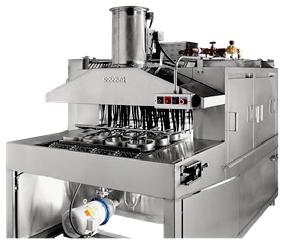
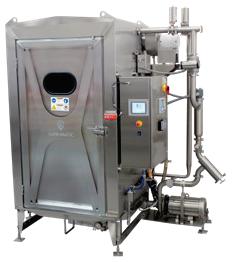
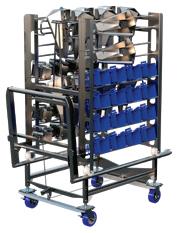
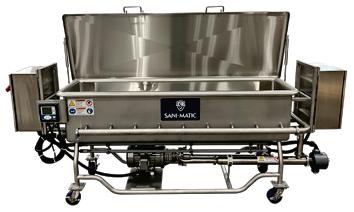
When cleanliness directly impacts product quality, safety, and brand trust, don’t leave it to chance.
Sani-Matic’s portfolio of cleaning solutions provides repeatable, reliable results while protecting your delicate processing equipment.

Scan here or go to SaniMatic.com to learn more.







agency said the deployment could assist staff with complex tasks including post-market surveillance, inspections, and compliance, while incorporating builtin guidelines, including human oversight.
The agency continued to iterate and expand on Elsa’s capabilities, and in May 2026, it announced Elsa 4.0 along with a new data platform called HALO, or Harmonized AI & Lifecycle Operations for Data. It consolidates more than 40 application and submission data sources, systems, and portals across FDA centers. The agency said the integration would allow staff to query data and build workflows without manually uploading documents into each chat. New Elsa features include custom agents, document generation, and quantitative data analysis and visualization.
While this technology is in the hands of regulators and not a plant-level tool, the FDA’s rollout shows that AI is moving into the regulatory infrastructure around food and other FDA-regulated products, including inspections and compliance.
The enthusiasm around AI in food safety comes with important considerations for implementation. Many of the most promising laboratory results, including
UConn’s, are not yet commercialized at line speed. AI systems are only as effective as the data used to train them, and food manufacturers still bear responsibility for validating results before acting on them.
Poole emphasized that during her lecture.
“We cannot just assume because something spit out a result when we pressed a button and asked a question, poof, there’s the answer. It’s dangerous to do that,” Poole said. “We do need to question, to look at what works, what doesn’t work, and optimize, calibrate like any other technology that we bring to the market.” She also cautioned against viewing AI as a substitute for expertise.
“What it can’t provide you is human experience, human judgment, ethics, accountability. You need the two to come together. We are not fighting AI, we are not being replaced by AI,” Poole said. “It’s not AI versus humans. It’s [AI] plus [humans].”
Still, the trajectory is unmistakable. The applications that looked experimental a few years ago are now generating measurable returns in detection speed, inspection accuracy, and decision support. For processors weighing where to invest, the relevant question is no longer whether AI belongs in food safety, but which application addresses their specific needs best.
Food manufacturers continue investing in advanced traceability equipment and technology as federal and state regulations shift. Customer requirements for lot tracking remain strong, data standardization initiatives continue to gain traction, and companies are pursuing continuous improvement despite the uncertainty.
THE FDA PAUSED FSMA 204, but traceability technology, innovations, and applications are moving forward in food manufacturing. Retail customers’ requirements for lot tracking aren’t slowing, and companies are pursuing continuous improvement amid regulatory uncertainty.
The state of West Virginia banned petroleum-based food dyes in 2025 via HB 2354. However, just seven days into 2026, a federal court delivered a preliminary injunction in favor of the International Association of Color Manufacturers due to a lack of definition around the words “poisonous” and “injuri-
ous” in the bill. In essence, the court said there was insufficient scientific support for the state ban. While unexpected state laws emerged in 2025, the Food and Drug Administration (FDA) delayed Food Safety Modernization Act (FSMA) Rule 204 by 30 months, a move announced in March 2025. Rule 204 is intended to enable identification
Machine learning can accelerate pathogen detection and defect identification, but human judgement remains essential in food safety.

of food safety incidents within 24 hours through digital records and lot-level tracking throughout the supply chain.
“I don’t believe the staff changes at the FDA had much to do with the 30-month extension,” says Dr. Jennifer McEntire, Founder of Food Safety Strategy. “The FDA realized it would be impossible to enforce the rule if the Jan. 2026 date had stood.”
Despite shifting federal and state regulations, food manufacturers continue investing in advanced traceability equipment and technology. Customer requirements for lot tracking remain strong, data-standardization initiatives continue to advance, and companies are pursuing continuous improvement regardless of regulatory uncertainty.
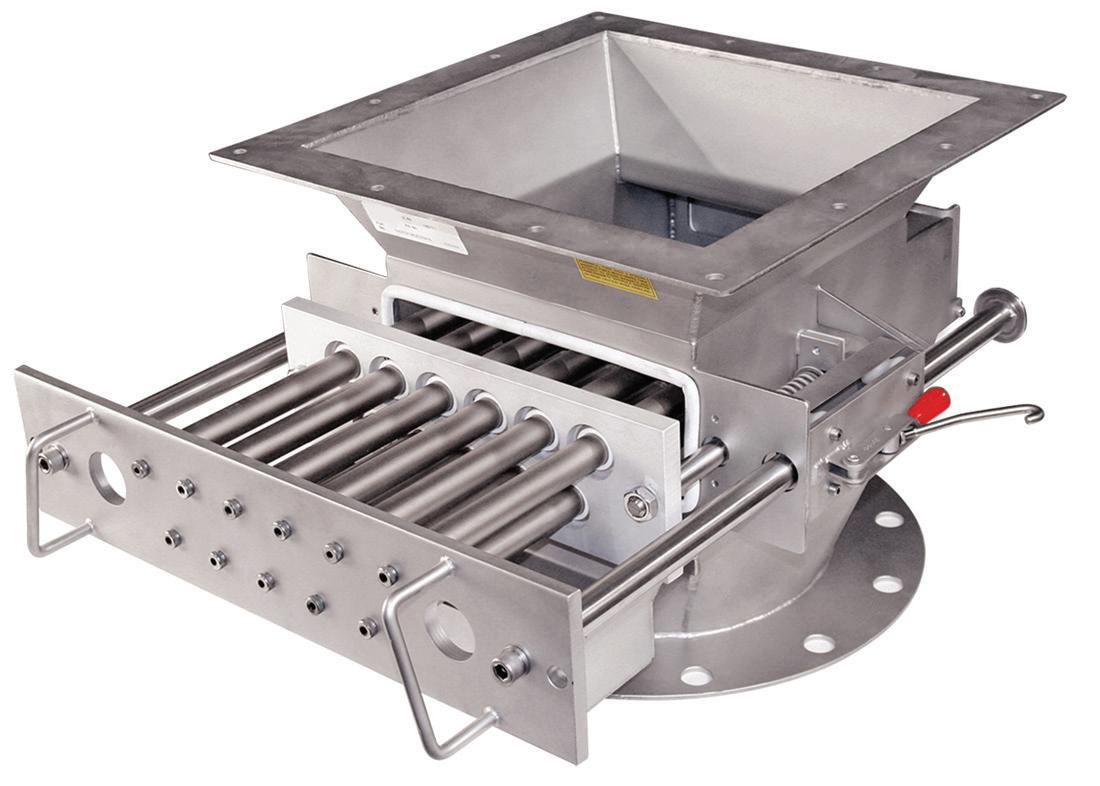
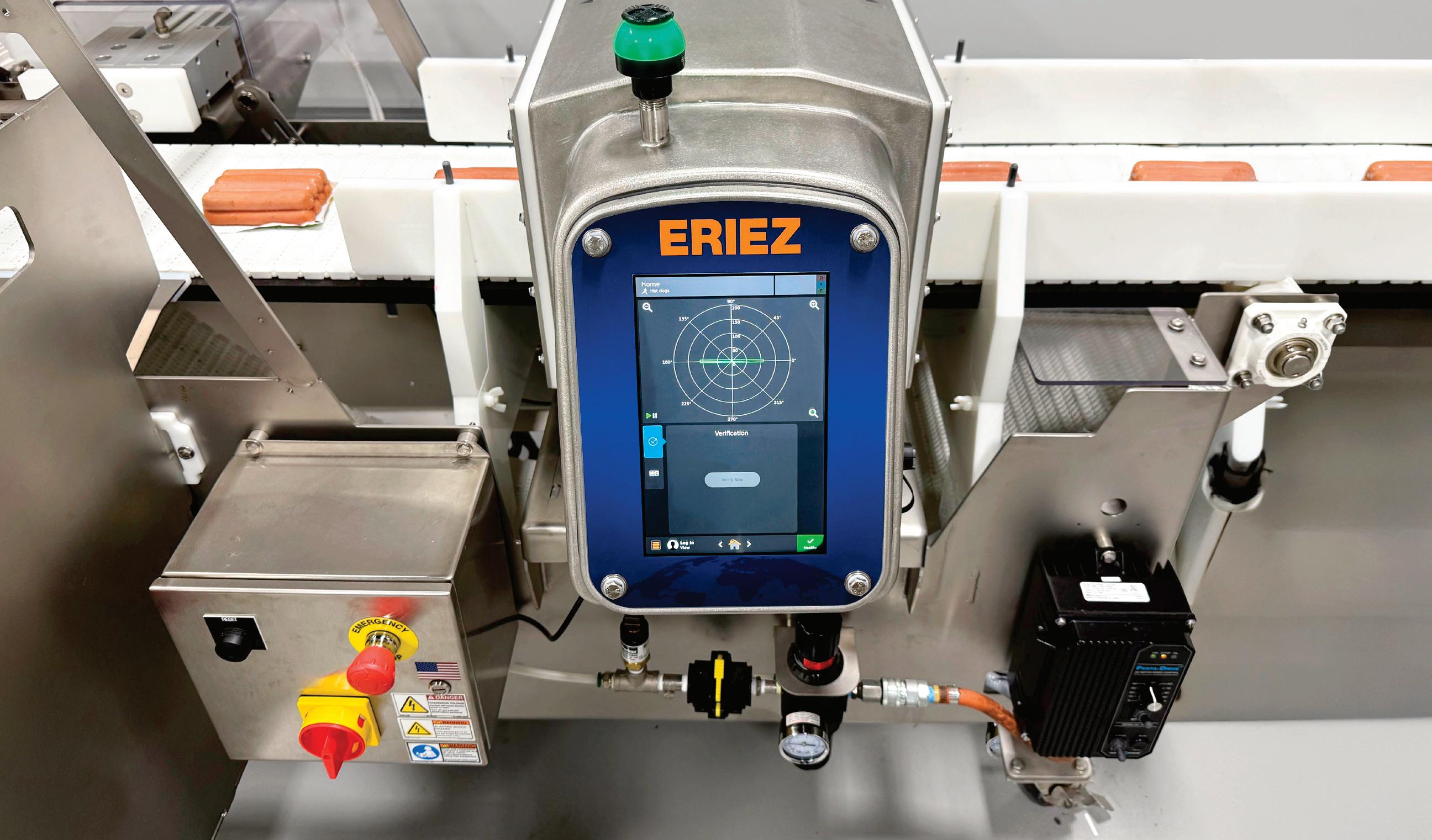
Some food manufacturers are adding more magnetic inspection units upstream to reduce risk.
The FDA announced a comment period for the Food Traceability Rule in February 2026. However, the comment period did not include the public and was limited to the Partnership for Food Traceability (PFT), an organization of approximately 10 food companies. Congress added the new comment period through the 2026 appropriations bill. McEntire highlighted the development in February and raised concerns about the limited access to stakeholder feedback opportunities:
“FDA’s February 2026 announcement related to food traceability contained a concerning, and to the best of my knowledge, unprecedented statement indicating that the only listening session scheduled prior to the close of the comment period for the draft guidance will be limited to paying members of the Partnership for Food Traceability.”
On March 6, the PFT and FDA held the meeting and established a framework focused on lot-level tracking. Objectives included:
• Identifying points in the supply chain where lot-level tracking has the potential to break down;
• Examining the challenges those breakdowns create for establishing traceability;
• Identifying and discussing potential solutions to those challenges, including potential regulatory flexibilities, to comply with the lot-level tracking requirements in the Food Traceability Rule.
“In addition to several supportive comments on my related LinkedIn post, I also heard from several others individually, including a few involved in PFT,” says McEntire. “I don’t think anyone likes the idea of secrecy.”
The uncertainty continues to create challenges for the industry.
“There still seems to be a limited understanding of how to comprehensively comply with the upcoming regulations,” says Stuart Thomas, Head of Sales
Even without definitive answers on FSMA 204, manufacturers are moving forward.
“Traceability expectations are high among customers, and the level of discussion has significantly increased,” says Craig Lorei, Global Marketing Manager, Light Industry, at Eriez . “Smaller producers may be more hesitant because they’re unsure how the rules will ultimately be interpreted or enforced.”
“Larger manufacturers often act proactively and create their own internal expectations while waiting for more regulatory clarity,” says Molly Dohm, Quality Lead at Industrial Magnetics
A traditional public comment meeting titled Challenges and Solutions in Lot-Level Food Traceability took place on June 15, 2026.
The January 2026 Manufacturing Outlook Study indicates that traceability remains a priority for food manufacturers. Thirty percent of respondents say digital technologies are affecting operations, and processors continue replacing paper records with electronic systems.
Current FSMA 204 requirements include recordkeeping obligations for companies that manufacture, process, pack or hold foods on the Food Traceability List (FTL). The rule requires key data elements (KDEs) associated with critical tracking events (CTEs) and the ability to provide information to the FDA within 24 hours or within another reasonable timeframe established by the agency.
“There’s still non-stop discussion and work being done to understand and implement the rule despite the delay,” McEntire says. “The Food Safety Preventive Controls Alliance just began offering FDA-recognized training. Although the rule doesn’t
require training, interest in the training is high.”
Major retailers are also continuing to push suppliers toward stronger traceability capabilities.
In October 2025, Walmart and Sam’s Club reiterated the need for advanced traceability from suppliers:
“As of August 1, 2025, Walmart and Sam’s Club require suppliers of all food and beverage items to comply with ASN and packaging requirements. Food suppliers must confirm the FSMA 204 eligibility of their products in the item catalog, if not already completed.
“While the FDA has recently proposed a 30-month extension to the compliance date for the Food Traceability Rule, we strongly encourage all suppliers to maintain momentum in their compliance efforts.”
While retailer requirements continue to drive investment, food manufacturers are also accelerating data standardization initiatives that support enterprise AI strategies across processing, manufacturing, and product development.
As a result, equipment suppliers are upgrading data-communication capabilities to support both legacy and new equipment.
“Food producers are looking for more data from our equipment,” says Lorei. “We’re developing our software to not only capture that data, but also log it in a way that is useful for manufacturers.” Eriez recently upgraded its Quality Retail Compliance (QRC) software to provide audit-ready documentation.
“The conversation is shifting toward how magnetic separation equipment is applied within food processing systems and how producers can use those control points to gather more meaningful data,” says Industrial Magnetics’ Dohm.
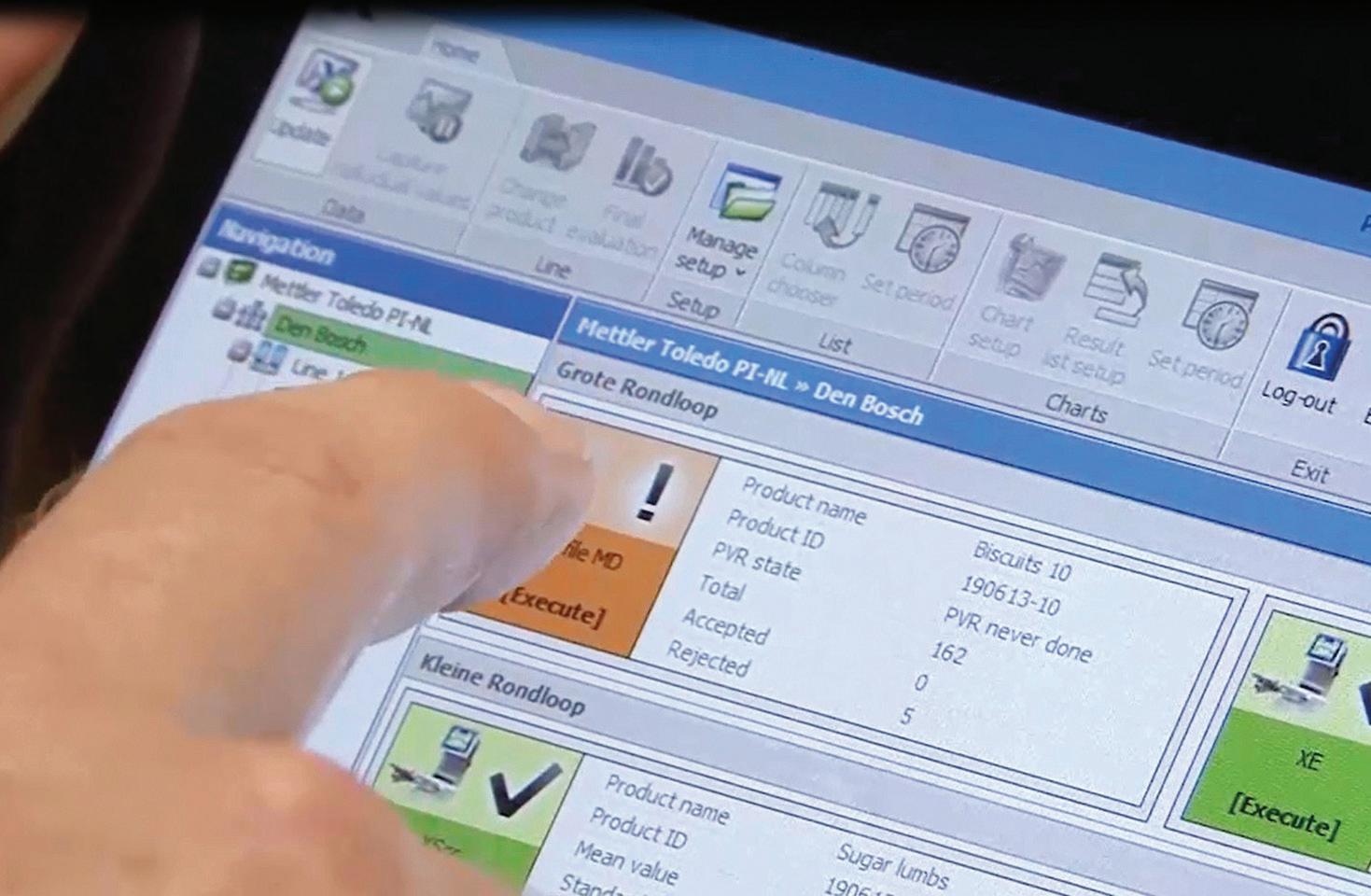
Legacy-equipment upgrades increasingly include “adding communication components and pursuing middleware solutions,” says Thomas. Mettler Toledo’s ProdX data-management software provides real-time monitoring and uses Microsoft SQL Server 2022 Express Edition.
Food manufacturers are already seeing benefits from data standardization initiatives, and continued compliance investments are expected to strengthen traceability programs even amid regulatory uncertainty. As retailers, regulators, and customers continue pushing for greater visibility, manufacturers appear committed to advancing traceability regardless of when FSMA 204 ultimately takes effect.
Thinking CIP optimization for your beverage operation?
Read this quick primer first.
CLEAN-IN-PLACE (CIP) —the automated process of cleaning interior surfaces of pipes, vessels, and equipment without disassembly—is perhaps one of the most resource-intensive and operationally critical processes in beverage manufacturing.
When done right, it ensures product safety, microbiological integrity, and consistent quality. But if done inefficiently, it drains water, energy, and that most precious resource—time—which plants can’t afford to waste.
Here is a quick primer on CIP optimization best practices, adapted from a presentation at BevTech 2026*.
1
Before exploring ways to clean less frequently or use fewer resources, plants must be in a stable, high-performing state. Attempting to optimize during periods of microbiological or quality issues will make things worse, not better. If micro-problems or quality issues are present, that is not the time to clean less frequently or less aggressively.
Not every CIP is the same, and knowing the distinct goals of each of the three main types is essential before any optimization work begins:
• A “clean and sanitation CIP,” which removes soil and kills microorganisms

• A “cleaning-only CIP,” designed to remove soil but does not reset the sanitation clock
• A flavor changeover CIP, which can range from a simple water flush to a complex multi-step process depending on the products involved
3Changing CIP type or frequency adds value
There can be real, measurable value in changing CIP type or frequency. A variables matrix approach can illustrate just how significant the resource savings can be. For example, moving from a 5-step
Clean-in-Place (CIP) is the automated process of cleaning interior surfaces of pipes, vessels, and other equipment.
hot-water-sanitized wash to a 3-step cold wash could yield 75 hours of production time, 1,500 cubic meters of water, and nearly 60 million BTUs of energy savings per year. But those savings come with tradeoffs: Switching to a 3-step hot wash will increase energy usage even while saving water and time.
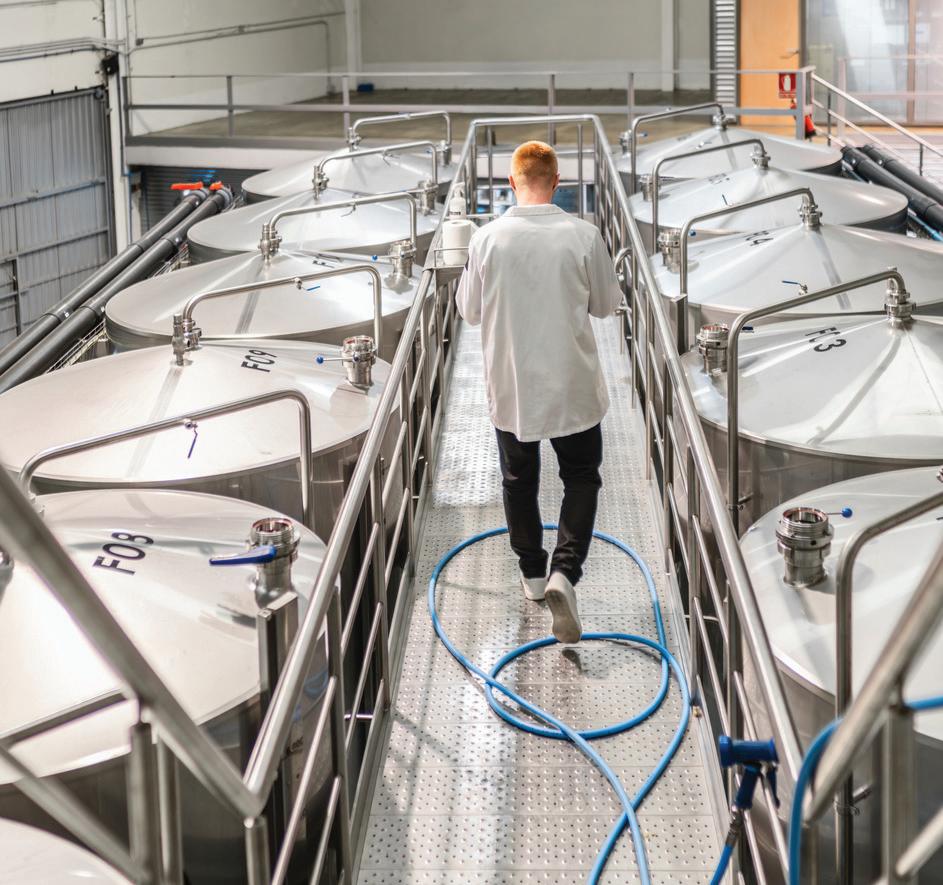
Using a new production line with a daily clean-and-sanitation requirement as a baseline, consider four progressive steps. A processor might begin by extending the interval between washes from one day to two, cutting time, water, and energy consumption by half; that interval might then be pushed to three days, provided micro-quality results continue to hold.
From there, the beverage maker might consider
changing the CIP type itself. A 5-step wash might be swapped for a 3-step hot wash that achieves the same cleaning and thermal sanitation in fewer steps, saving significant time and water despite a modest energy increase. Introducing a cleaning-only wash mid-week and reserving the full sanitation step for later in the cycle can also eliminate the need to cool

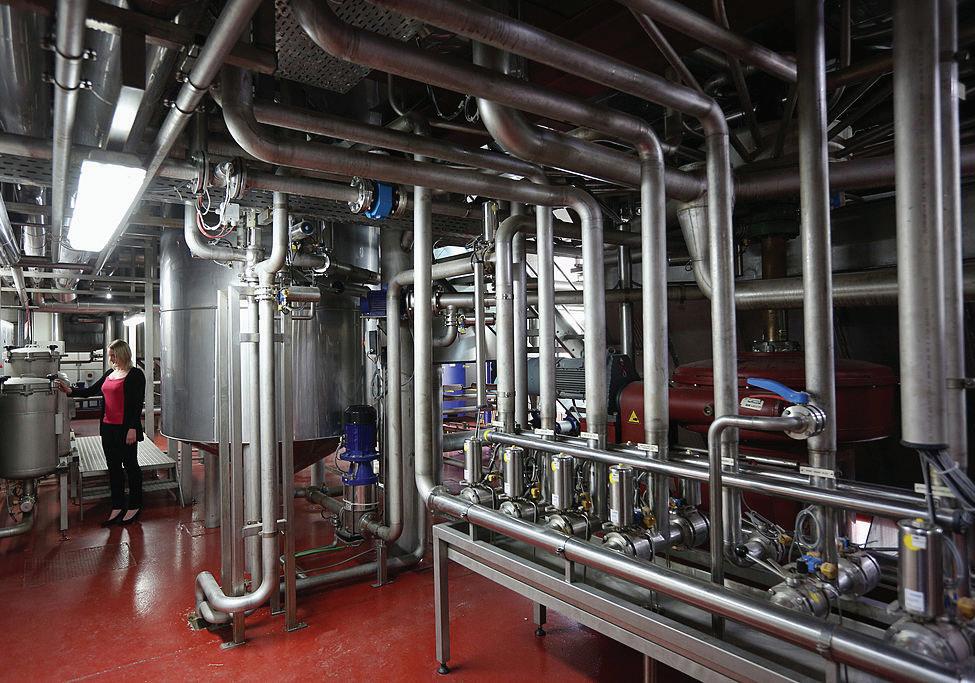
Many plants incorporate a CIP protocol that is progressive and iterative.
the system down entirely.
Such an approach can lead to a leaner, more efficient schedule that still preserves microbiological integrity—though it’s worth noting that requirements vary by brand and bottler, and no single approach is a universal fit. Revalidation takes real effort, time, and investment, but the efficiency gains are well worth it.
The ultimate goal of a CIP optimization program is not simply to clean less, but to ensure that every wash does exactly what it should, using exactly the resources needed. That means tracking quality results (conformance) alongside resource consumption (performance) at every step of the optimization journey.
* This article was adapted from content presented by representatives of Ecolab during a technical committee meeting at BevTech 2026. BevTech is an annual conference of the International Society of Beverage Technologists (ISBT), with content driven by its member community. Learn more about the event and membership in ISBT at www.isbt.com.

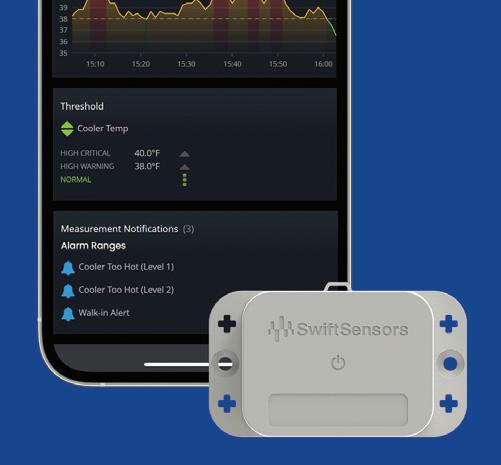







Swift Sensors automates temperature compliance through every stage of the cold chain. Our scalable wireless sensor solutions pair with a powerful cloud analytics platform, instant mobile alerts, and on-demand reports to provide 24-hour inventory protection and real-time, audit-ready compliance.





As recalls become a marker of deeper system vulnerabilities, food manufacturers are strengthening environmental monitoring, supplier verification, traceability, data integration, and food safety culture to stop problems before products reach consumers.
FOOD RECALLS have long been treated as an unavoidable reality in food manufacturing. When they occur, companies activate established recall plans. However, that response-only mindset is shifting across the U.S. food industry.
Recalls are increasingly viewed as indicators of deeper system vulnerabilities, including gaps in supplier oversight, environmental monitoring, process validation, or data visibility. They also carry significant financial and operational consequences. As these pressures continue, manufacturers are placing greater emphasis on preventing recalls.
According to U.S. Food and Drug Administration (FDA) and U.S. Department of Agriculture (USDA) data from

federal enforcement reports and agency announcements, approximately 320 food recall and public health alert announcements were issued in 2025 across regulated food categories. Of these, about 253 involved FDA-regulated foods, and about 71 involved USDA Food Safety and Inspection Service (FSIS)-regulated meat, poultry, and egg products, including recalls and public health alerts. Totals may not align because different reporting systems and categories are used.
The leading causes of recall and alert activity were undeclared allergens (about 39%), followed by microbiological contamination (about 34%), foreign material contamination (about 9%), and chemical contamination, such as lead (about 4%). The remaining actions involved other issues, including labeling, formulation, and process deviations.
The financial impact of a recall extends well beyond product recovery. Direct costs typically include product retrieval and disposal, production downtime and schedule disruption, testing and laboratory analysis, overtime labor, operational adjustments, and regulatory reporting and documentation requirements.
The scale of USDA FSIS-regulated recalls illustrates the potential economic exposure for processors. A recent Journal of Food Protection analysis of USDA FSIS recall activity found that 1,001 recall incidents occurred from 2012 through 2023, involving 205.2 million lbs of recalled product.
A USDA Economic Research Service (ERS) analysis has also shown that indirect market effects can exceed the value of recalled products themselves. In an analysis of FSIS ground beef recalls, ERS found that the median amount recalled was approx-






imately 98,000 lbs, with an estimated retail value of $223,220, while reduced consumer purchases following recalls were estimated to have resulted in more than $97 million in industry losses in 2005. The study remains one of USDA’s most detailed economic analyses of the broader financial effects associated with food recalls.
Indirect consequences can be more difficult to quantify. Manufacturers may face retail delisting or reduced shelf placement, contractual penalties and lost business, increased regulatory scrutiny following an event, legal claims and insurance exposure, and long-term brand and reputation impacts. Lost sales and product destruction are among the major cost drivers associated with recalls, particularly when affected products cannot be precisely identified.
As systems continue to advance, improved product tracking may help companies and regulators identify affected products more precisely.
Modern food safety strategies are increasingly built around prevention rather than detection at the end of production. While finished-product testing remains an important verification tool, it’s not sufficient by itself to manage today’s complex risk environment.
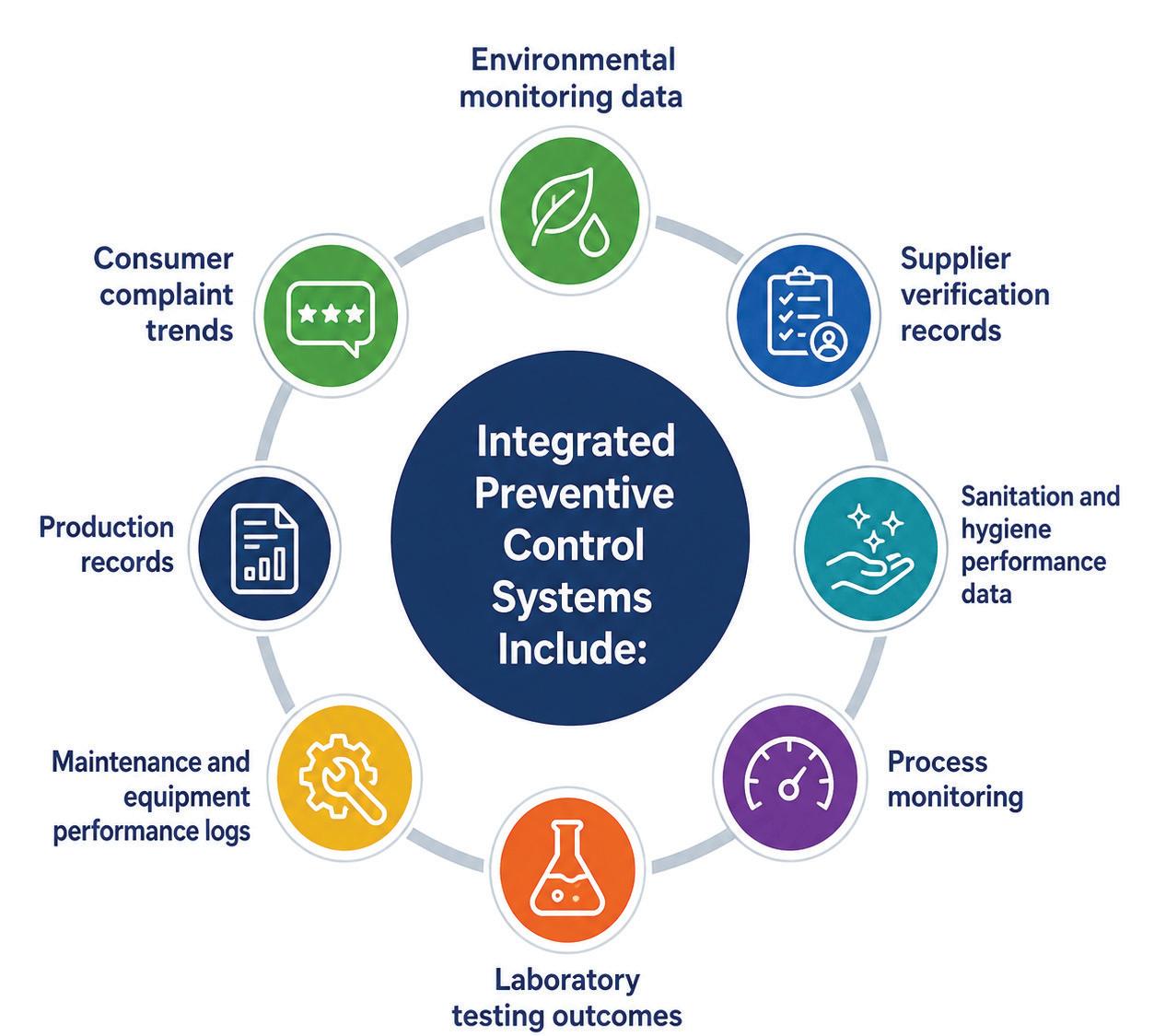
Instead, FDA and USDA regulatory approaches emphasize identifying hazards earlier in the process and applying controls to prevent or reduce food safety risks before products reach consumers. Integrated preventive control systems include:
• Environmental monitoring data
• Supplier verification records
• Sanitation and hygiene performance data
• Process monitoring
• Laboratory testing outcomes
• Maintenance and equipment performance logs
• Production records
• Consumer complaint trends
When evaluated together, these inputs provide a more complete view of operational performance and allow quality teams to identify emerging patterns that may not be visible through individual data sources.
Environmental monitoring programs have evolved from compliance-focused activities and turned into proactive tools for identifying potential contamination risks.
FDA and USDA recall and alert data continue to show that microbiological contamination remains a significant driver of food safety events, reinforcing the importance of managing risks within the production environment.
Leading facilities are relying more on zone-based sampling strategies, trending environmental results over time, identifying recurring contamination sites, and conducting drain, equipment, and air sampling programs. The resulting data can help manufacturers target corrective actions based on trends rather than isolated findings.
Ingredient and supplier-related issues continue to contribute to food safety events, making supplier management a critical part of preventive programs. As supply chains become more complex, supplier oversight has evolved from a procurement function into a core component of food safety management. Modern supplier verification programs typically involve:
• Risk-based supplier approval systems
• Ongoing supplier performance monitoring
• Ingredient testing strategies based on risk level
• Audit and documentation verification
• Traceability validation exercises
• Supplier food safety culture assessments
Digital supplier management platforms further improve coordination by centralizing compliance records and enabling manufacturers to monitor supplier status, documentation, and performance trends.
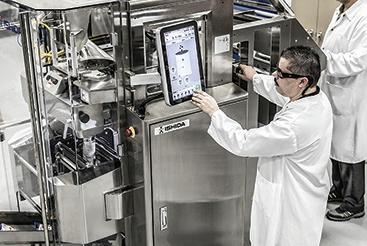
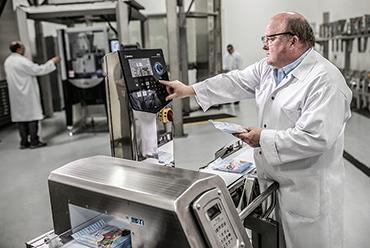
Manufacturers are connecting operational and quality systems to identify potential issues before they become failures. Linking environmental monitoring, production parameters, maintenance data, and quality assurance records allows teams to recognize patterns that may signal emerging problems.
Current applications focus on:
• Statistical process monitoring for deviation detection







• Automated alerts when parameters approach control limits
• Correlation of process conditions with historical quality events
• Multi-line or multi-site trend comparisons
•Anomaly detection and early warning tools
These technologies do not replace expert judgment; instead, they provide additional information that helps quality teams make faster, more informed decisions.
Traceability as a preventive capability
Traceability is often associated with recall response, but its value extends beyond product recovery.
Robust traceability systems enable manufacturers to isolate affected ingredients or production lots more quickly, improve root-cause investigations, and identify recurring supplier or process issues. By improving the precision of product tracking, traceability can help reduce the scope of corrective actions and minimize unnecessary disruptions.
When integrated with enterprise resource planning and warehouse management systems, traceability becomes a continuous risk management tool rather than simply a response mechanism during a recall.
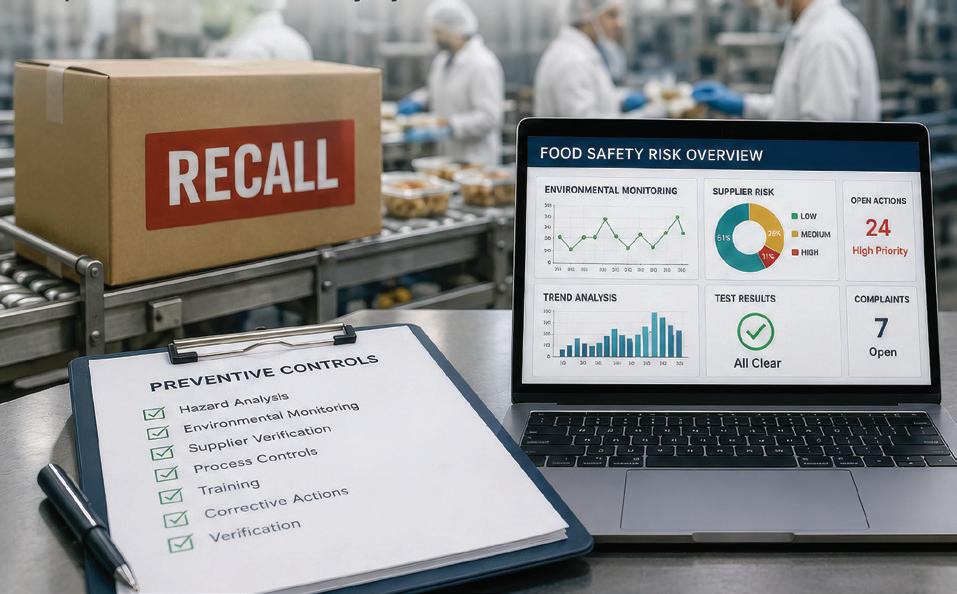
AI GENERATED BY CHRISTINE TERVO
Linking environmental monitoring, production parameters, maintenance data, and quality assurance records allows teams to recognize patterns that may signal emerging problems.
Food safety culture as a foundation
Regulatory agencies continue to emphasize the importance of organizational behavior in food safety.
Facilities with strong food safety outcomes typically demonstrate employee engagement in identifying potential issues, clear escalation pathways, leadership commitment, cross-functional communication between operations and quality teams, ongoing training, and accountability in daily operations.
Technology can improve detection and
decision-making, but effective food safety performance still depends on people, processes, and a culture that encourages early action.
Preparedness remains essential. Mock recall exercises are commonly used to validate traceability systems, test internal communication processes, assess record accessibility and accuracy, and identify gaps in documentation or system integration. These exercises are also being used to evaluate the effectiveness of broader food safety programs and strengthen response readiness.
Under the Food Safety Modernization Act (FSMA) and related FDA oversight programs, manufacturers of covered foods are expected to implement hazard analysis, preventive controls, supplier controls, corrective actions, and verification activities. For FSISregulated products, establishments operate under Hazard Analysis and Critical Control Point (HACCP)based systems.
Inspection and regulatory oversight focus on whether food safety systems are effectively implemented and maintained, reinforces the importance of continuous verification and operational effectiveness.
The food manufacturing industry continues to shift how food safety performance is defined. While preventive programs have become more advanced, FDA and USDA recall and alert data show that food safety events remain an ongoing operational challenge.
Undeclared allergens and microbiological contamination continue to drive a significant share of recall and alert activity, reinforcing the need for stronger safeguards across supplier networks, production environments, and quality systems.
By integrating environmental monitoring, supplier verification, traceability, analytics, and food safety culture into coordinated risk management programs, manufacturers are moving toward a more proactive approach that emphasizes early detection and mitigation of potential hazards. The objective is not to respond faster when a problem occurs, but to reduce the likelihood that those problems ever reach consumers.
Moving beyond recall response means building systems designed to detect and address risks earlier. The future of food safety will be defined not by how quickly companies respond to recalls, but by how effectively they prevent them.
For processors working with capital equipment budgets under $10 million, plant design success depends less on scale and more on flexibility. Modular systems, co-manufacturing strategies, and future-ready infrastructure can transform limited capital into a competitive advantage.
THE NINE-FIGURE MEGA-PROJECTS are undeniably seductive: sprawling, greenfield, automated facilities covering half a million square feet, built from the dirt up for a singular, dominant consumer brand. These projects are marvels of modern engineering, to be sure. For the vast majority of the professionals operating, managing, and engineering the modern food plant, however, they represent an alternate reality.
According to industry data, more than half of the processing community operates in the mid-market and emerging-brand space—facilities where a nine-figure budget isn’t just unavailable; it’s com-
pletely unjustifiable when ROI relies on far too many assumptions. In this sector, capital equipment investments are measured in single-digit millions, and lines are shoehorned into existing brownfield spaces.
For decades, the conventional wisdom for mid-market food plant design was simply to scale down the large-brand playbook: Buy smaller versions of the same rigid, dedicated equipment, accept a few more manual interventions, and hope the market doesn’t pivot too quickly.
Today, this approach is a recipe for operational obsolescence. The modern market doesn’t reward monolithic consistency: It rewards speed to market
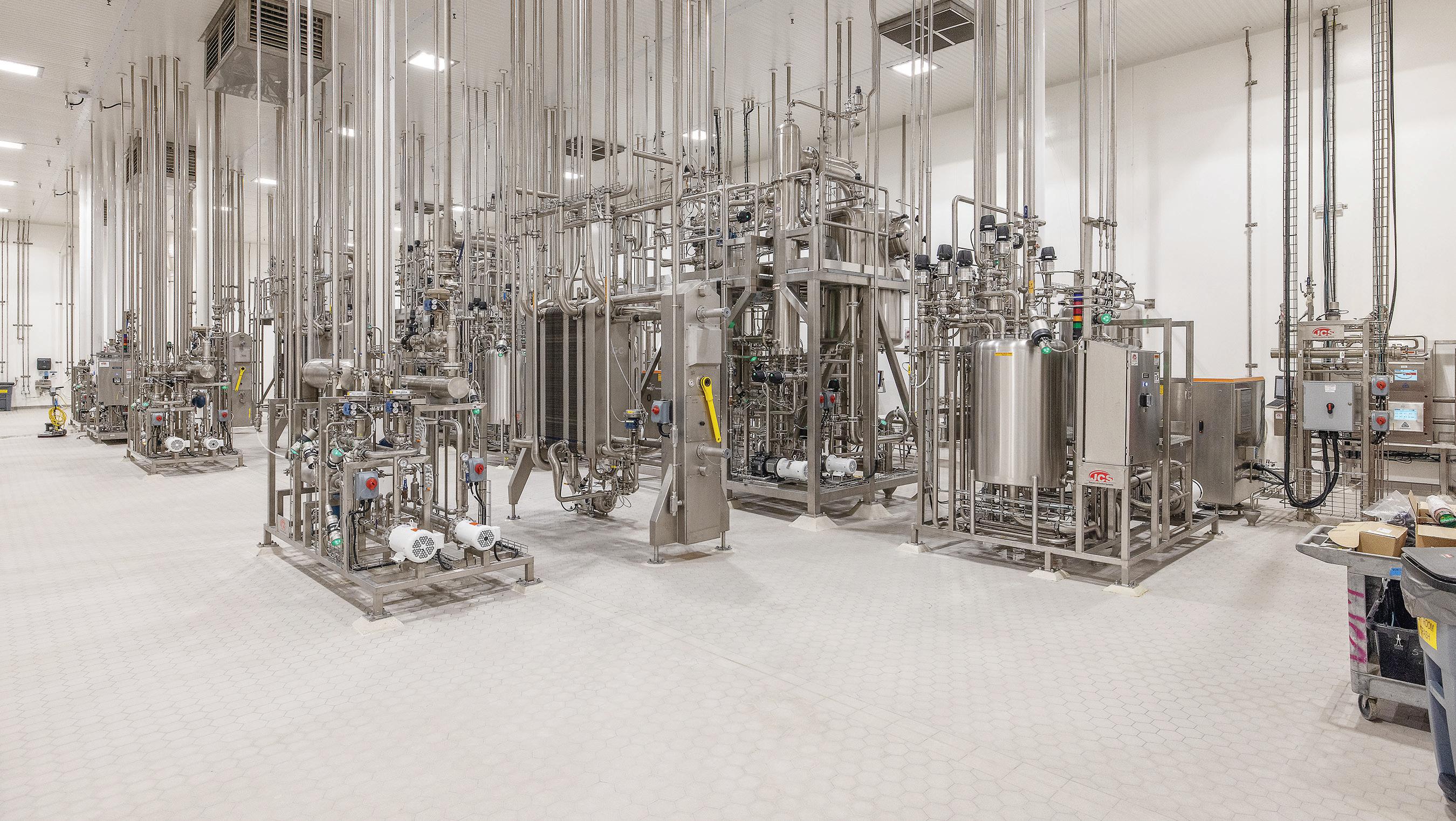
A full walk-on interstitial ceiling at California Dairies, Inc.’s Valley Natural Beverages plant in Bakersfield, Calif., houses piping, wiring, and utilities, giving maintenance personnel easy access while keeping production floors clear. Use of an interstitial space also prevents horizontal piping runs that can collect moisture during washdowns and potentially house bacteria.
Small and midsize manufacturers can gain a competitive edge by designing for agility rather than scale, using modular equipment, flexible utilities, and adaptable layouts to respond quickly to changing products, customers, and demand.
and highly targeted products. When working with a capital equipment budget under $10 million, flexibility cannot simply be an auxiliary equipment feature purchased from a vendor’s catalog. It must be an inherent systems property engineered directly into the plant layout, utility distribution, and sanitary architecture.
This agility becomes doubly critical when managing the lumpy reality of mid-market capital expenditures. Equipment at this scale is rarely bought in perfectly smooth increments; expansion happens in large, stepwise jumps that leave processors with significant latent capacity. To justify the ROI on a sub$10 million line, manufacturers must aggressively backfill that extra space with co-manufacturing and white-label partnerships.
For the mid-market processor, competitive plant design is not about mimicking the giants at a discount. It is about capturing “the agility premium,” building a multitenant manufacturing ecosystem that turns a modest capital footprint into a highly flexible, cash-generating engine.
Historically, food plant design was treated as a linear math problem. We engineered a line to run a specific product at a specific throughput over a 10-year amortization horizon. Stainless-steel lines were hard-piped, anchored to the floor, and hardwired back to central-
ized control cabinets. This monolithic design philosophy delivers exceptional efficiency—provided our product formulation, packaging format, and volume never change.
But in the sub-$10 million capital environment—where lines must frequently pivot between a company’s own branded products and diverse contract-manufacturing formulations—dedication is a liability. If a white-label client alters a packaging substrate or shifts from a liquid to a semi-solid formulation, a hard-piped line becomes a monument to stranded capital. To survive, mid-market plants must transition from rigid, linear architectures to modular, decoupled systems.
The foundation of an agile layout is the self-contained processing skid. Rather than assembling a mixing, heating, and pumping system on the plant floor, forward-thinking designers are grouping these components onto standardized, mobile structural frames.
These skids are engineered with their own localized control drops, localized valving, and standardized dimensions. When a plant switches from its own low-viscosity branded sauce to a high-particulate dip for a contract-manufacturing customer, operators do not spend days re-piping the room. Instead, they disconnect the mixing skid, wheel or forklift it out of the line, and roll in a blending skid optimized for the partner’s unique product texture.
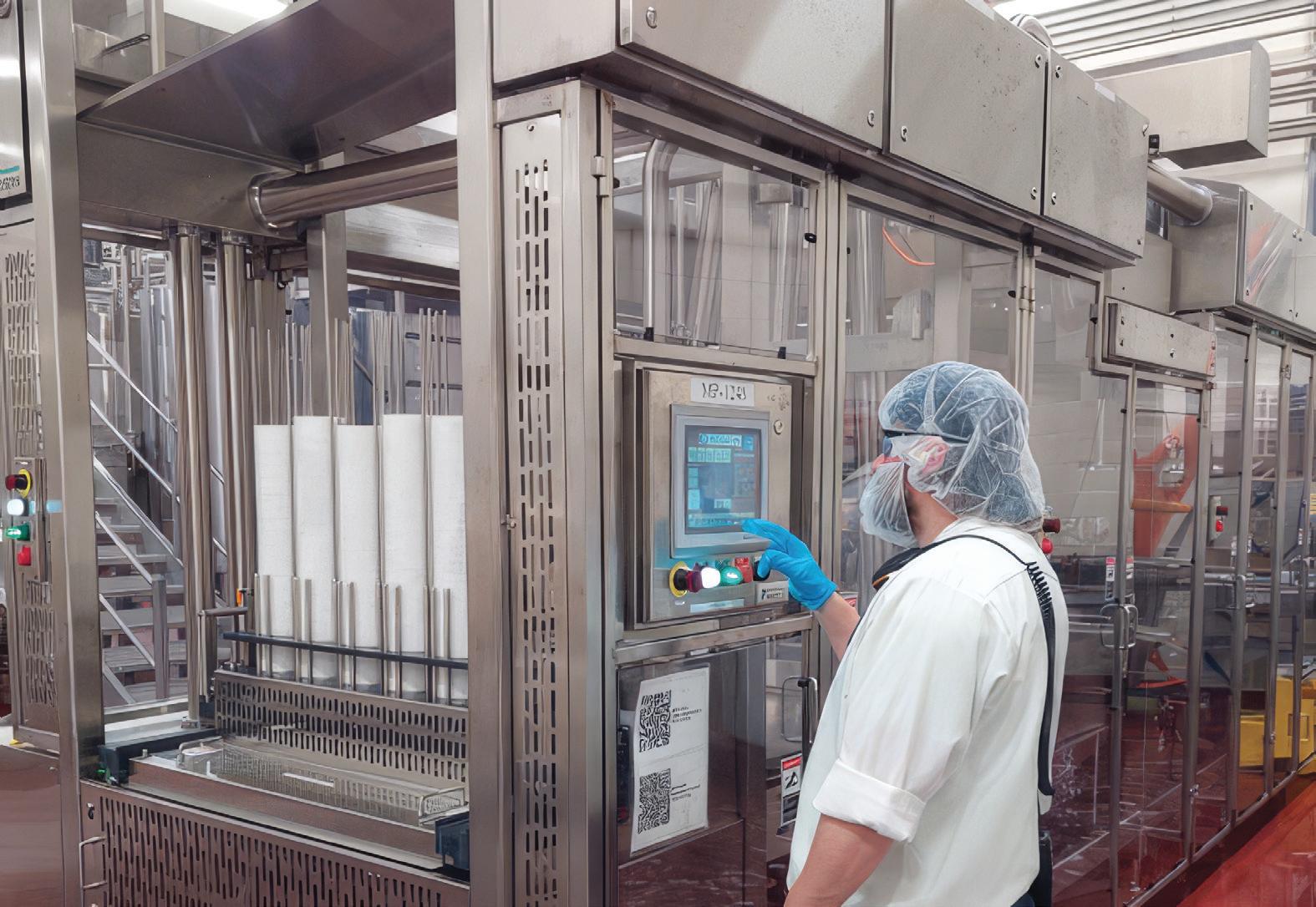
Operators at Reykjavik Creamery control their Modern Packaging filling machine via an easy-touse HMI touchscreen, which has significantly enhanced the company’s labor e ciency by streamlining training and operation, minimizing reliance on operators with extensive experience.
Overhead utility drops: the plant floor as a grid
To make modular skids functional, the traditional method of running utilities has been completely inverted. Modern agile design treats the space above the production ceiling but below the roof—commonly called an interstitial space—as a dynamic utility grid with enough clearance and structural support to allow for infrequent re-pathing and upgrades. Utilities are distributed via dropped headers featur-




ing standardized quick-connect manifolds for electrical power, hot and cold water, compressed air, steam, and CIP-system supply.
By utilizing overhead utility drops, the production floor e ectively becomes a process engineer’s playground capable of supporting numerous systems on demand. If an engineering team needs to introduce an intermediate allergen-clearance step, a partner’s proprietary dosing unit, or a secondary indexing conveyor for a specific client run, they simply position the equipment and drop the necessary utilities from overhead. This reduces line reconfiguration times from days to hours, protecting the facility’s overall equipment e ectiveness (OEE) across varied client schedules. This design principle has been adopted by highly fl exible small plants and the pilot plants of large billion-dollar companies, which “acquired” the idea from university pilot plants. The origins of this design concept date back even further to university chemistry labs that needed a variety of utilities for di erent experiments.
Scaling production capacity is rarely a smooth, linear progression. One cannot buy 12% of a rotary piston filler or increment capacity through the purchase of 27% of a cooker. Instead, capital expansion happens in lumpy, stepwise increments, especially at smaller-scale installations.
When a growing processor outgrows its basic 30-unit-per-minute line and steps up to a robust, intermediate system capable of 120 units per minute, it suddenly faces a new operational challenge: how to keep the line financially viable.
In large companies, the increase in operational capacity allows other departments to optimize around their impacts on the company’s bottom line,
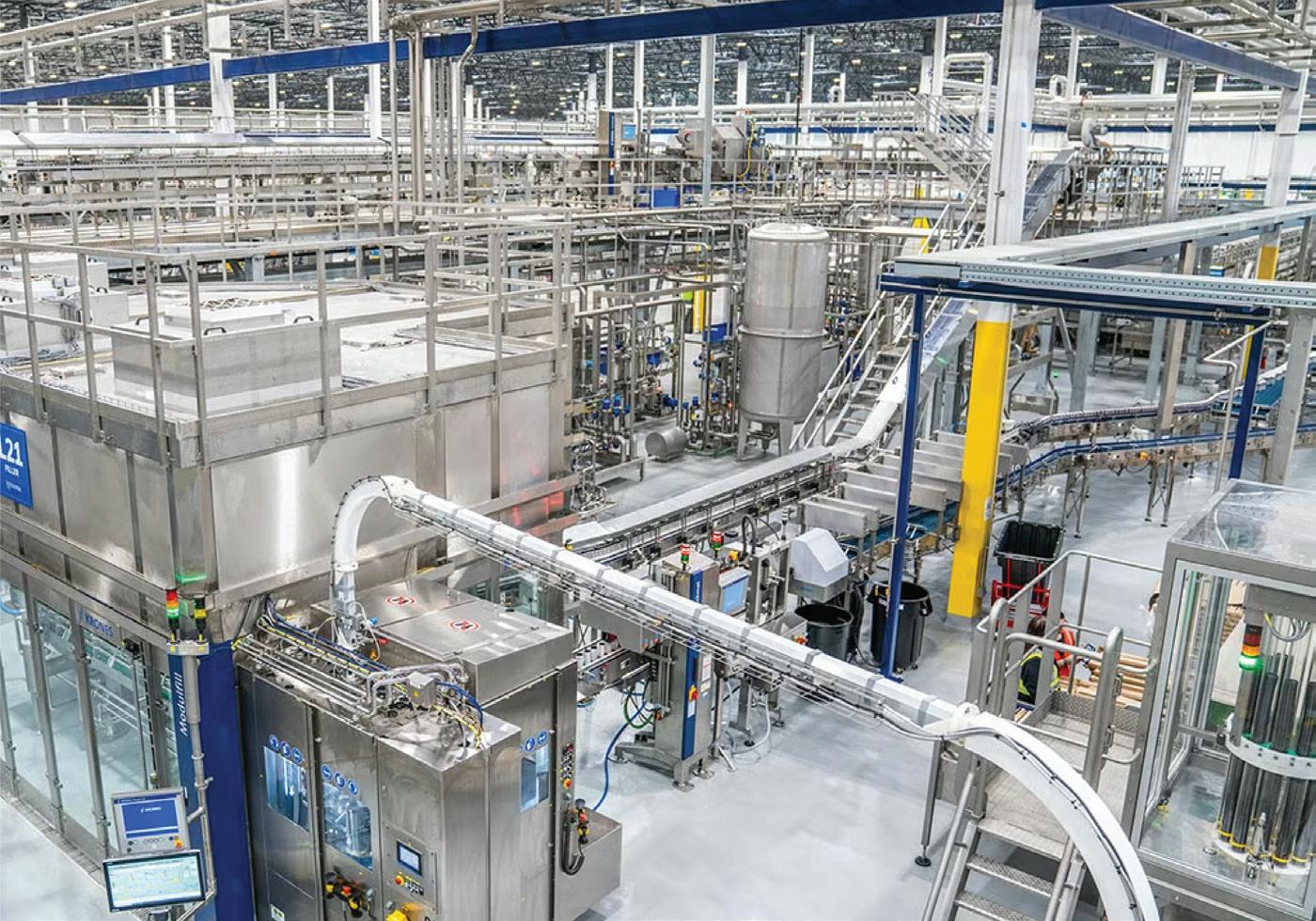
DrinkPAK’s Fort Worth, Texas, facility integrated Siemens’ automation and energy management technologies to improve scalability with standardized, modular automation that allows the company to expand capacity quickly as demand grows.
including scheduling, ordering, trade spend, warehousing, and even R&D through shelf-life extension. This allows a larger company to capitalize on a 10%20% increase in total throughput for the company as a whole, which may represent a 50%-100% increase at that plant alone.
In smaller companies, operational-capacity increases of 300% can create additional challenges, including retaining operational staff with reduced hours, increased operational skill requirements, and even asset-depreciation concerns due to a miscalculation of whether demand can absorb 100% of what the new supply chain can deliver. In the worst-case scenario, the supply and demand sides of the business are not aligned. In the case of a former employer, that misalignment resulted in an inventory overbuild with no home and the eventual write-off of several million dollars in finished products—representing roughly 10% of the company’s annual revenue.
production without having to sell the product
At the heart of the problem is a mismatch between supply chains and demand. The supply chain is often constrained by production, and production equipment takes time to build, bring online, and upgrade. With a four- to six-month build time for production equipment, plus a two-month ramp-up period, demand planning needs visibility at least that far into the future. Yet demand planning often does not project plateaus, while equipment inevitably has limits.
Rules of thumb dictate that equipment decisions are made based on volumes projected two to three years in advance. For smaller companies, the projected volume in six months may be only 5% of the volume projected in three years.
So many production facilities can easily end up trapped between being unable to make profitable products long term on slow, small equipment and being unable to fully utilize the next equipment size because it moves too fast. For many companies, the appeal of using excess capacity—and deferring some fixed costs—for the benefit of another brand is obvious.
To bridge this financial gap and accelerate the
payback period of a sub-$10 million installation, progressive manufacturers do not wait for their own brand to slowly catch up to the equipment’s ceiling. Instead, they design the facility from the outset to operate as a dual-engine model, leveraging excess capacity to provide contract-manufacturing and white-label services for other brands.
From a financial perspective, contract manufacturing acts as an immense margin absorber for a mid-market plant. The fixed overhead costs of the facility—the lease, salaried staff, and initial capital depreciation of the sub-$10 million equipment—remain constant whether the line runs two hours a day or 12.
By running contract volumes through the excess-capacity window, the plant absorbs these fixed costs across a much larger total number of units. This dramatically lowers the per-unit manufacturing cost of the company’s own branded products, driving higher gross margins on its core retail SKUs.
Furthermore, this multitenant approach turns a manufacturing facility into a highly resilient asset. If retail demand for the proprietary brand experiences a seasonal dip or a temporary macroeconomic slowdown, the plant can pivot its operational hours toward stable, predictable white-label contract volumes, ensuring steady cash flow and continuous equipment utilization.
The greenfield site is a blank canvas, but the brownfield site is a puzzle. The overwhelming majority of sub-$10 million capital installations take place within existing brick-and-mortar structures—aging warehouses, legacy food plants, or retrofitted commercial spaces. These spaces are often chosen by management teams that may not know what to look for in a future production facility.
These environments present severe physical constraints: low overhead clearances, irregular col-

umn spacing, inadequate floor slopes, and utilities that are already strained to their absolute limits.
o and isolated is that the HVAC-quality requirement for a production room may be higher than for other parts of the building. To provide the highest-quality air, production spaces are often built using a “room-within-a-room” concept. This limits the cubic footage of air that must be serviced with high numbers of hourly air exchanges.
In highly sensitive production environments, HVAC systems may create a 1-psi air-pressure gradient relative to the warehouse. A simple gravity louver can mitigate and control the pressure gradient, ensuring doors still close properly and roll-up doors do not create system-pressure issues.
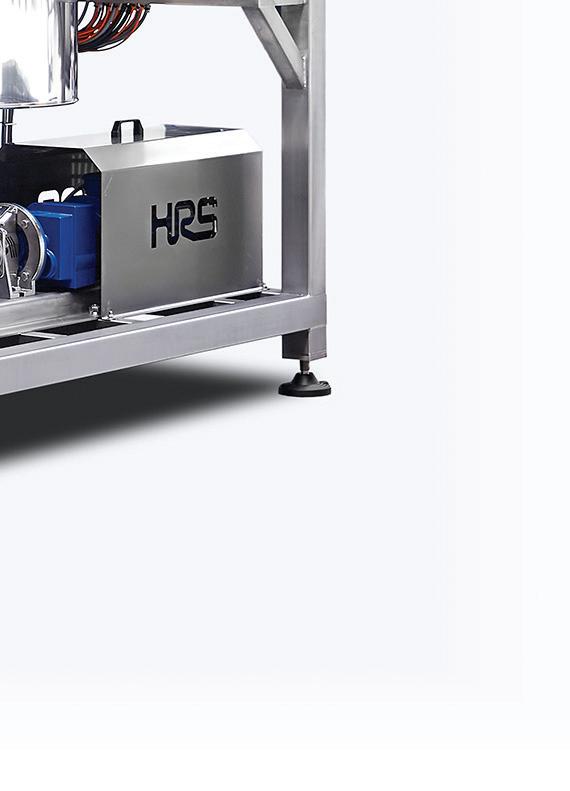
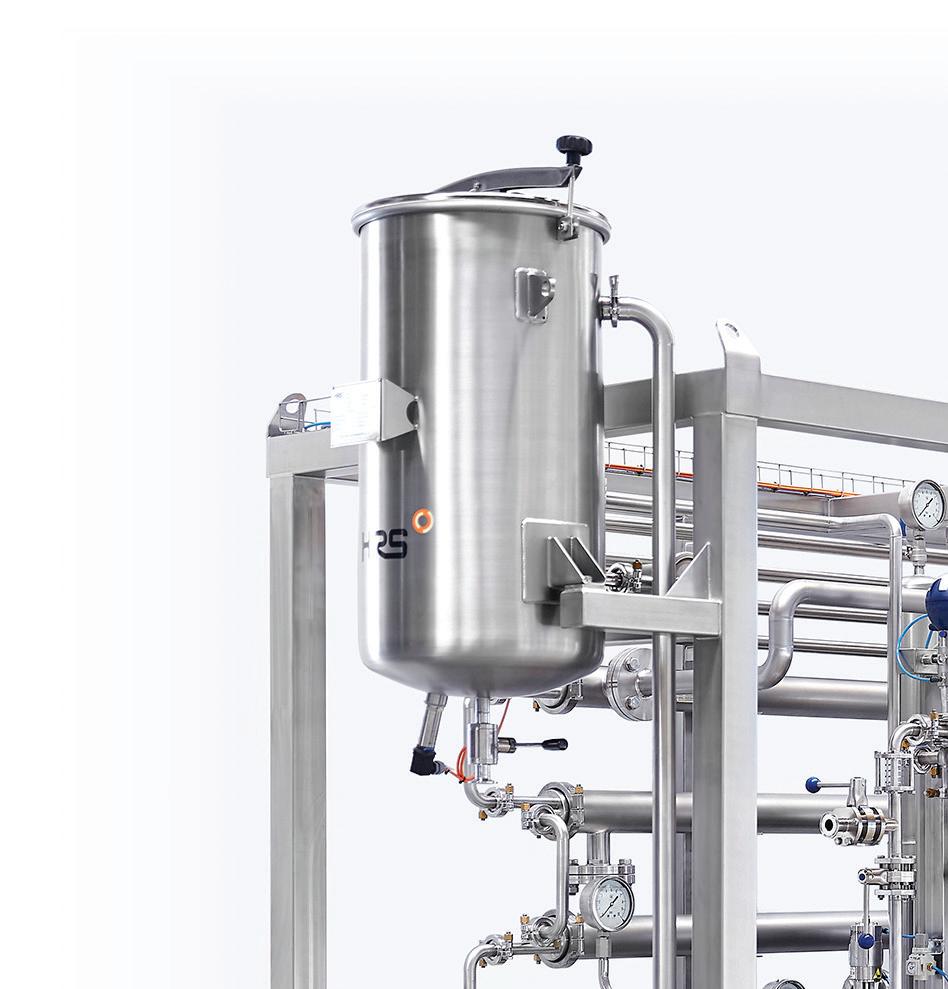
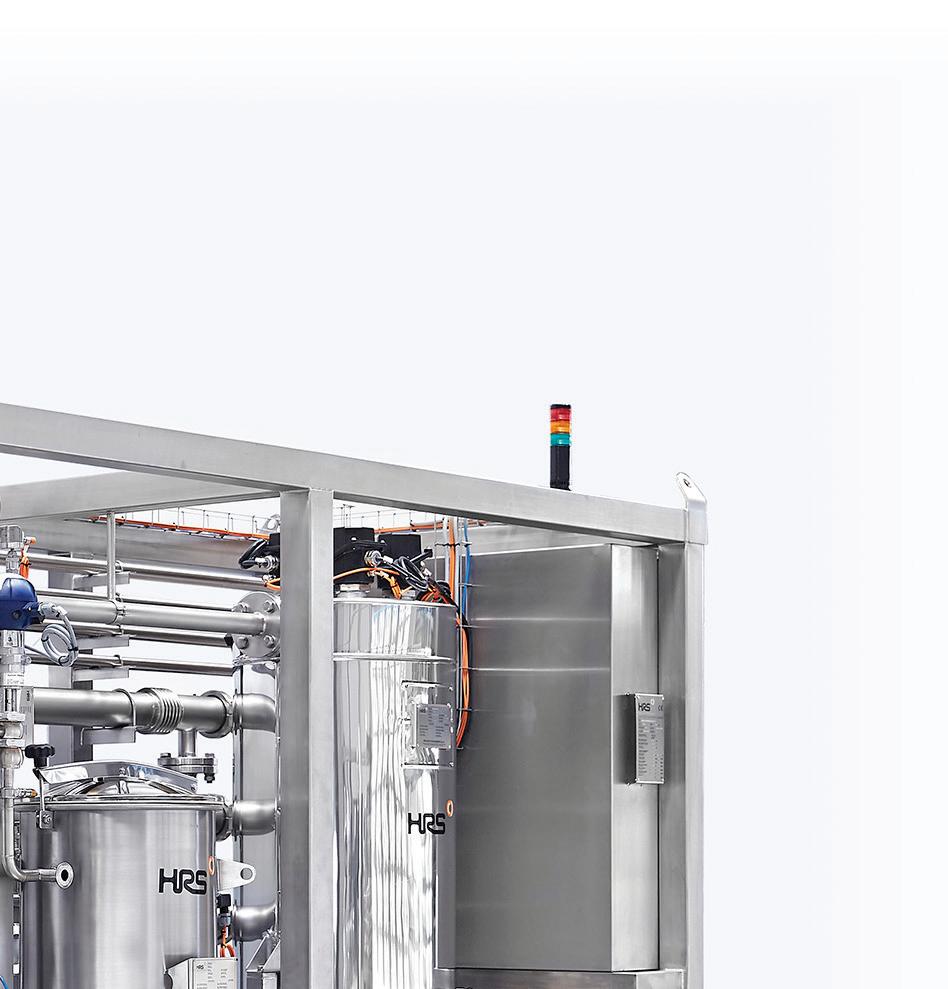
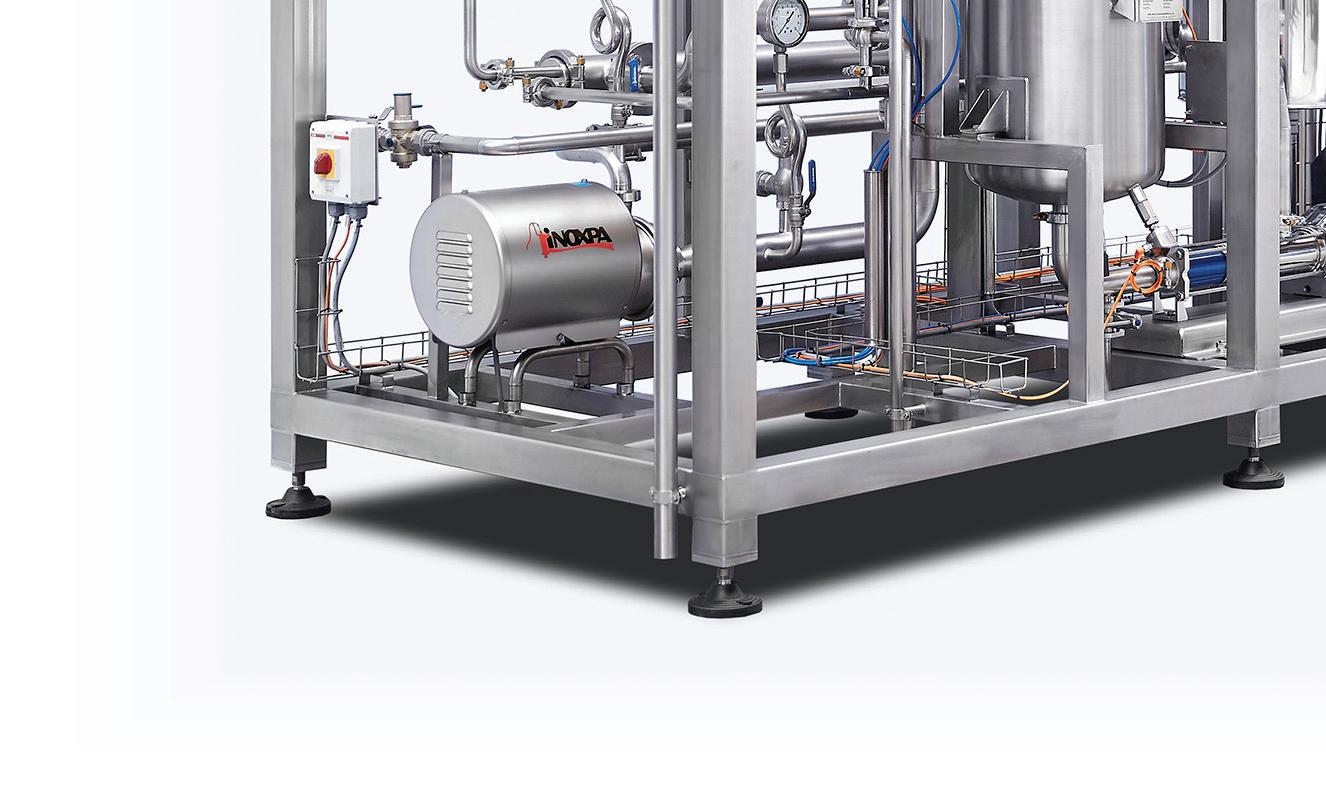
Skid-based solutions from companies like HRS Heat Exchangers facilitate easy transport and installation of new processing systems.
Success in a brownfield environment requires an engineering mindset that treats these constraints not as roadblocks, but as fixed boundaries around which creative solutions can be designed. Anyone can recommend a full tear-down and rebuild, but a true master of the craft can find the unique solutions inherent in a particular installation.
Managing environmental and structural transitions
One of the most frequent points of failure in a brownfield remodel occurs when a facility transitions from a non-food ambient-storage environment to a temperature-controlled food-processing space. Three areas where this shift commonly comes into play are drains, HVAC, and ceiling height.
Cutting into an existing concrete slab to install new trench drains can often seem like a simple measure, but without a floor sloped to those drains, cleaning water can collect on the surface. This water can become both a slip hazard and a microbiological growth zone. The floor should be sloped ¼ inch per foot toward the drains to meet SQF and other cleanliness standards. Unfortunately, there is no simple way to build up an existing floor to meet these slope requirements, which is one reason production rooms are often boxed in—to limit the amount of floor that must be removed and re-sloped.
Another reason production rooms may be walled
Ceiling height often drives equipment decisions because the roof is typically viewed as immovable. Moving the roof—specifically in a localized area—is actually possible through a carved-out section where a small portion of the roof is relocated, commonly called a “doghouse” by those of us in the industry. This approach requires input from structural engineers, roofers, and the fire marshal, and often requires additional lighting and service considerations. It’s no small matter.
Sometimes, for smaller organizations, de-stacking and elevating between tall pieces of vertical equipment can eliminate the need for a doghouse. On rare occasions, when the slab transitions in height within a facility, a nuanced approach of “diagonalizing” a stacked system can leverage an otherwise troublesome transition.
Because a sub-$10 million plant relies heavily on backfilling its stepwise capacity jumps with co-manufacturing, the facility must be engineered to scale utilities smoothly when those contract volumes inevitably grow. The goal is to ensure the facility can scale to a $20 million or $30 million operation without requiring the demolition of infrastructure installed today. This concept is known as tactical master planning. When installing primary utility headers for steam, water, and compressed air, it costs very little to specify a pipe diameter one size larger than currently required and to install quick-coupled segments at regular intervals. These segments can later be replaced with T-junctions as needed. Do not install T-junctions ahead of time, as they become dead zones that create excessive flow restriction and require routine cleaning.
When a major new white-label contract demands the addition of a second packaging line or an auxiliary pasteurizer, the installation team does not need to shut down the plant, drain the main utility loops, and weld new joints into the system. They simply splice

into the quick-coupled segments during a standard weekend maintenance window. Similarly, main and sub-distribution electrical panels should be specified with at least 30%-40% empty space for future breakers. Purchasing a larger physical enclosure upfront represents a minor capital premium, but it can save tens of thousands of dollars and avoid catastrophic electrical shutdowns when a new specialized piece of equipment demands additional power.

A floor should be sloped ¼ inch per foot toward drains to meet SQF and other cleanliness standards. Without a sloped floor to drains, cleaning water can collect on the surface, which can become both a slip hazard and a microbiological growth zone.
equipment can become a structural bottleneck. By replacing physical mechanical linkages with independent, software-controlled servo motors, processors are unlocking unprecedented levels of line agility and footprint optimization.
When managing a capital budget under $10 million, every square foot of plant floor space and every minute of changeover downtime carries an outsized financial burden. Historically, mid-market processors populated their lines with legacy mechanical cam-driven machinery. In a facility designed for high SKU variation and co-manufacturing, cam-driven







The physics of agility: software over steel
The fundamental flaw of cam-driven machinery is its rigidity. A mechanical cam is a piece of shaped steel; its motion profile is permanently fixed. If a line needs to switch from a standard 12-oz rigid container to a taller, wider 24-oz jar, a mechanical changeover is required. Technicians must physically swap out cams, adjust timing chains, and fine-tune linkages with hand


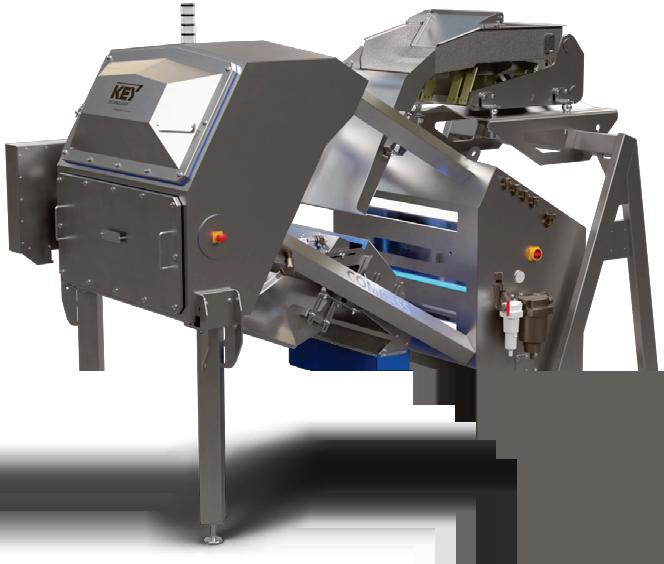
Key Technology’s optical sorters combine intelligent technology with intuitive operation, taking food sorting to the next level.
Our systems maximize product yield, cut maintenance costs, simplify sanitation, and deliver actionable performance data to optimize your production process.



tools—a process that can easily consume four to six hours of highly skilled labor.
Servo-driven machinery completely re-engineers this dynamic. In a servo-driven system, most moving components—such as a filling nozzle, indexing starwheel, or capping head—are powered by dedicated servo motors that remember their optimum settings and positions.
When a changeover is required, the operator simply selects the new product recipe on the touchscreen HMI. The programmable logic controller (PLC) instantly pushes a new motion profile to the servo drives, adjusting strokes, dwell times, and torque limits in milliseconds.
Footprint minimization and mechanical simplicity
In brownfield facilities where space constraints are severe, the physical architecture of servo-driven machinery offers a significant layout advantage. Because servo motors are compact and directly coupled to the loads they move, the overall physical footprint of the machinery is drastically reduced. Furthermore, eliminating chains, gearboxes, and universal joints yields a dramatic reduction in total part count and lowers the technical burden on the
maintenance team. Fewer moving parts mean lower preventive-maintenance costs, fewer grease points to manage near sanitary zones, and a major reduction in the spare-parts inventory the plant must carry.
In today’s dynamic consumer environment, agility and asset utilization are the ultimate determinants of profitability.
When an engineering or operations team approaches plant design within a sub-$10 million capital-equipment framework, it should not view the budget as a compromise or the lumpy, stepwise capacity jumps as an operational penalty. Instead, the constraint presents a unique opportunity to build a multifunctional, high-utility facility that is structurally faster, more adaptable, and more financially resilient than industrial giants can often manage. By embracing modular process skids, executing precision hygienic zoning to satisfy third-party audits, deliberately configuring lines to capture profitable co-manufacturing contracts, and future-proofing brownfield spaces, mid-market processors can unlock a powerful operational advantage.
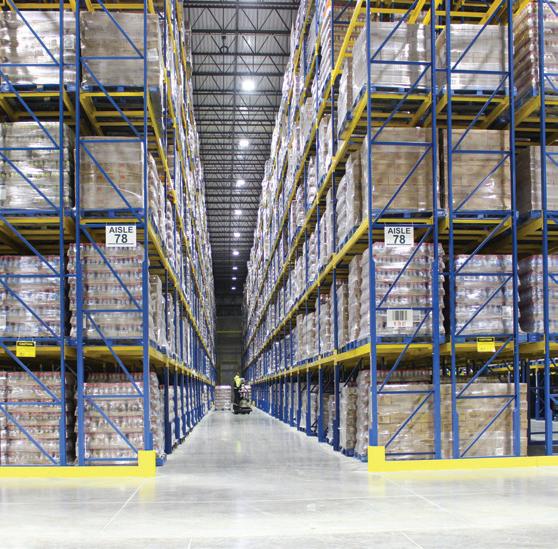
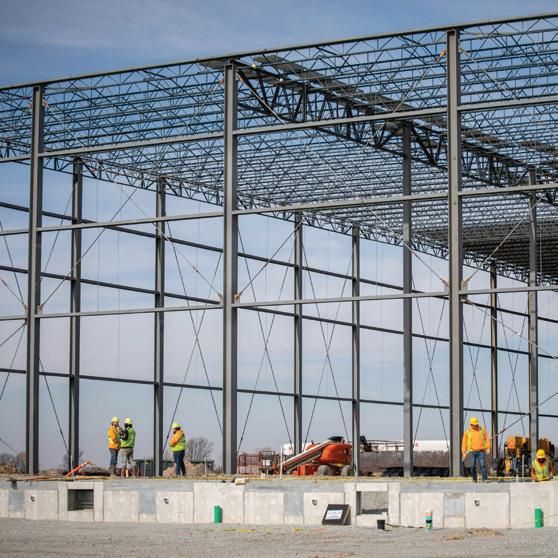
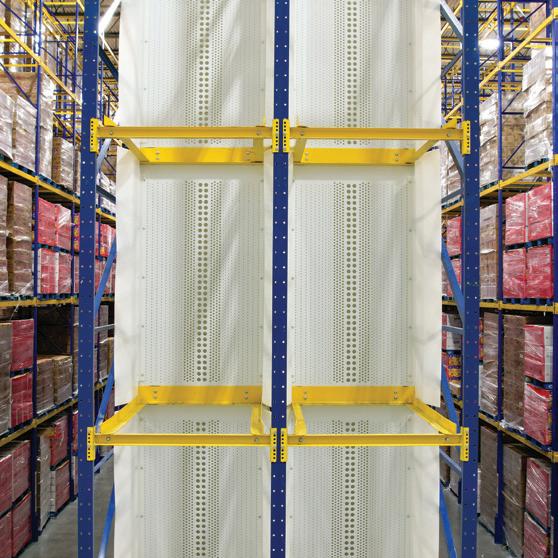
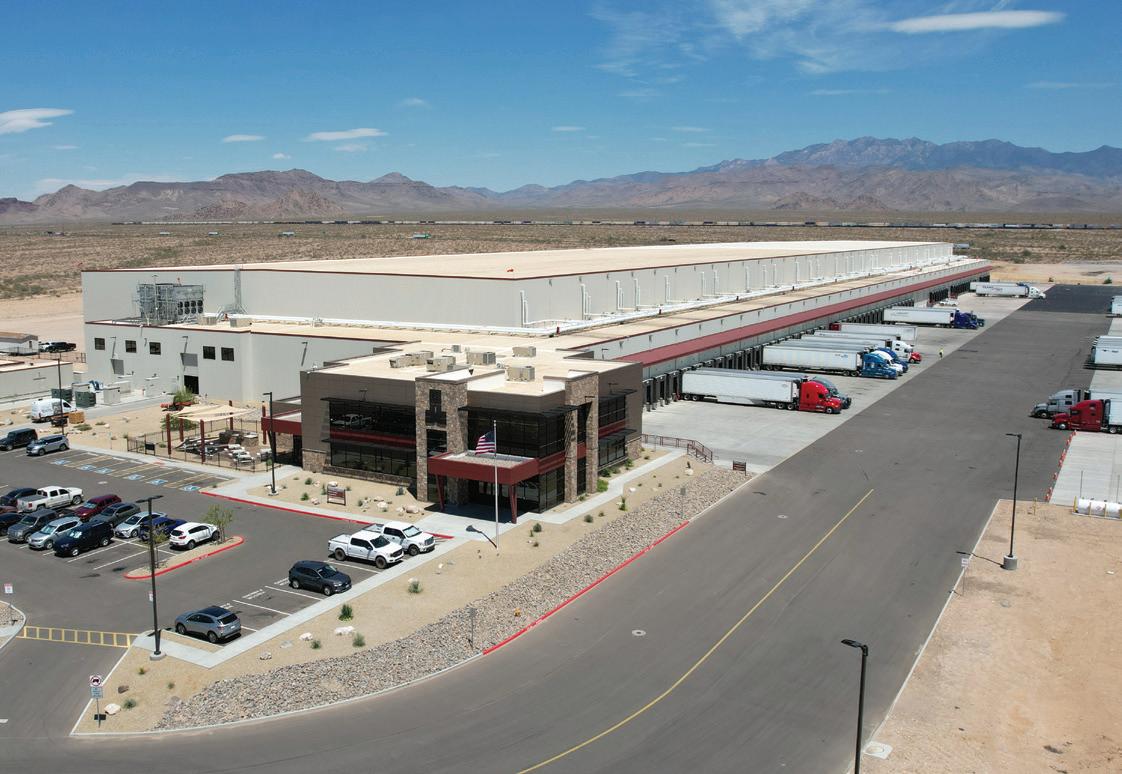
No other company combines the knowledge and experience in cold storage construction and warehousing that Tippmann Group offers. As owners & operators of more than 140,000,000 cubic feet of temperature-controlled space, Tippmann Group is your single source for cold storage excellence.

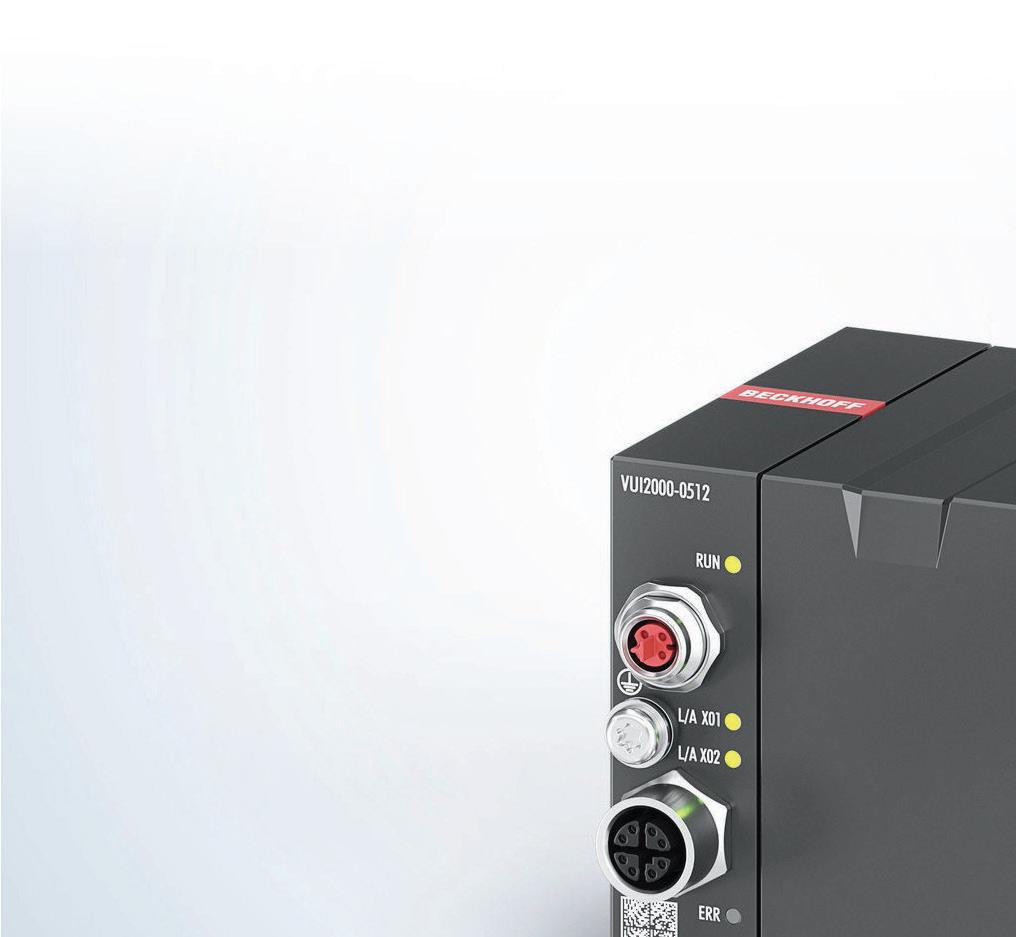
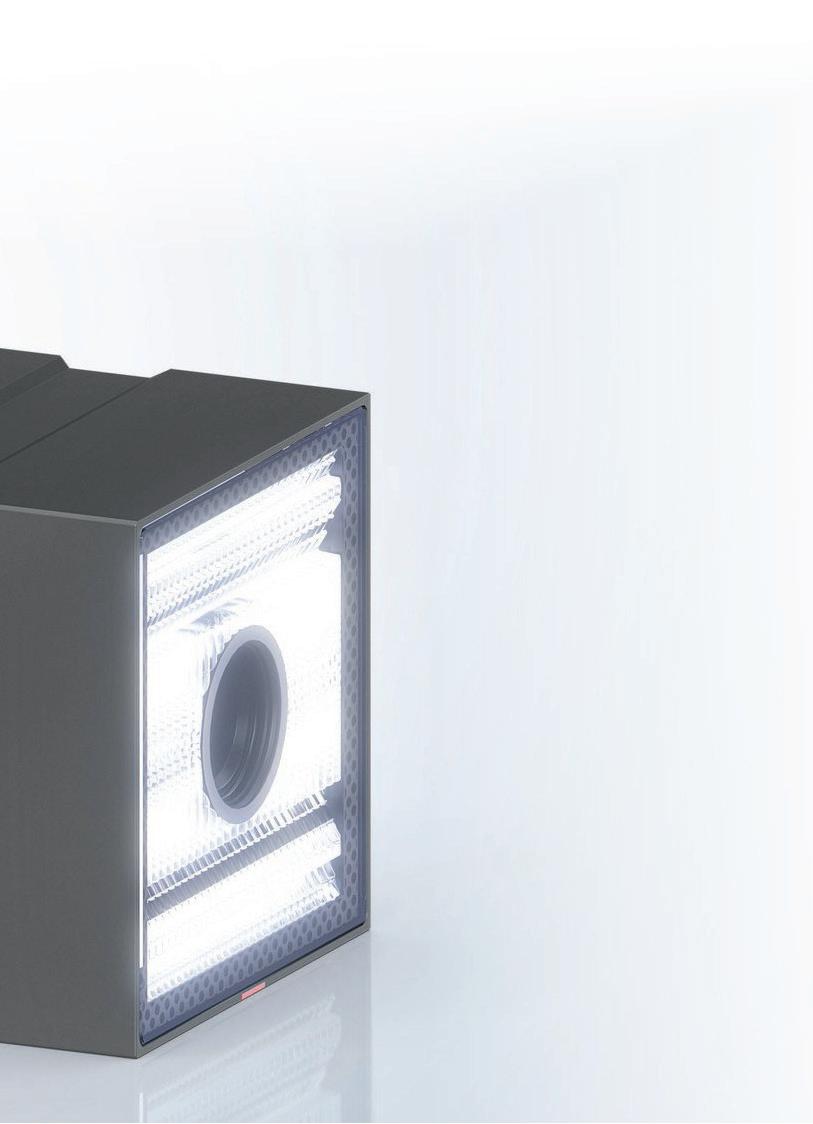
Beckho ’s Vision Unit Illuminated (VUI) is a compact machine vision unit that combines a camera, illumination, and liquid lens focusable optics in a single housing designed for industrial inspection and measurement applications. The expanded VUI series includes 16 devices featuring Sony Pregius S image sensors and resolutions ranging from 5.1 to 12.4 MP. Enhancements include new functionality, advanced image sensors, and crossed polarizing filters.
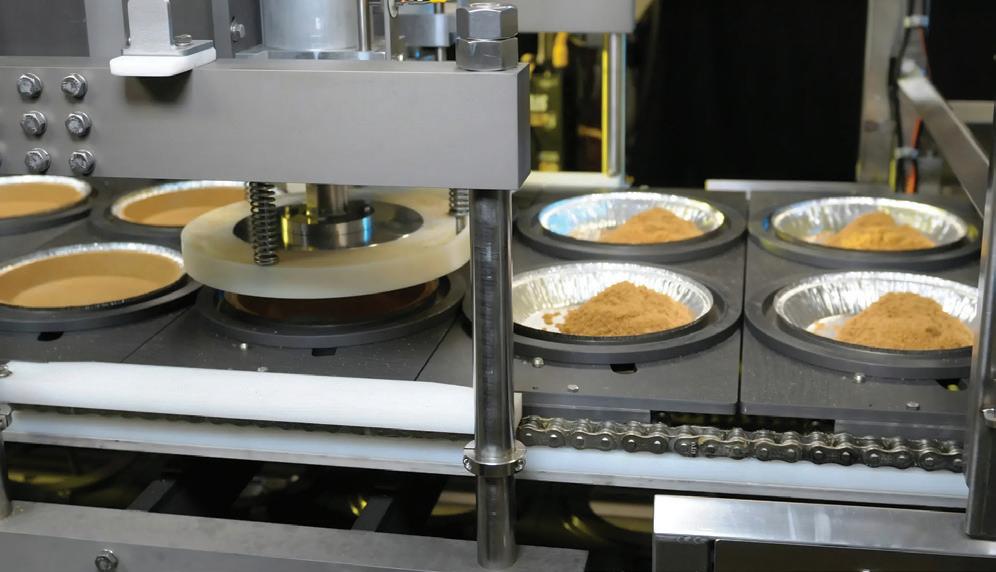
Raque Food Systems’ Crumb Shell System automates crumb crust forming for cheesecakes, pies, and other dessert applications in high-volume production environments. The system helps to improve throughput, reduce labor demands, and maintain consistent product quality while supporting food safety and sanitation requirements. Built for flexibility, it can be customized to integrate into existing bakery and dessert processing lines.
Raque Food Systems | raque.com
Beckho | beckho .com


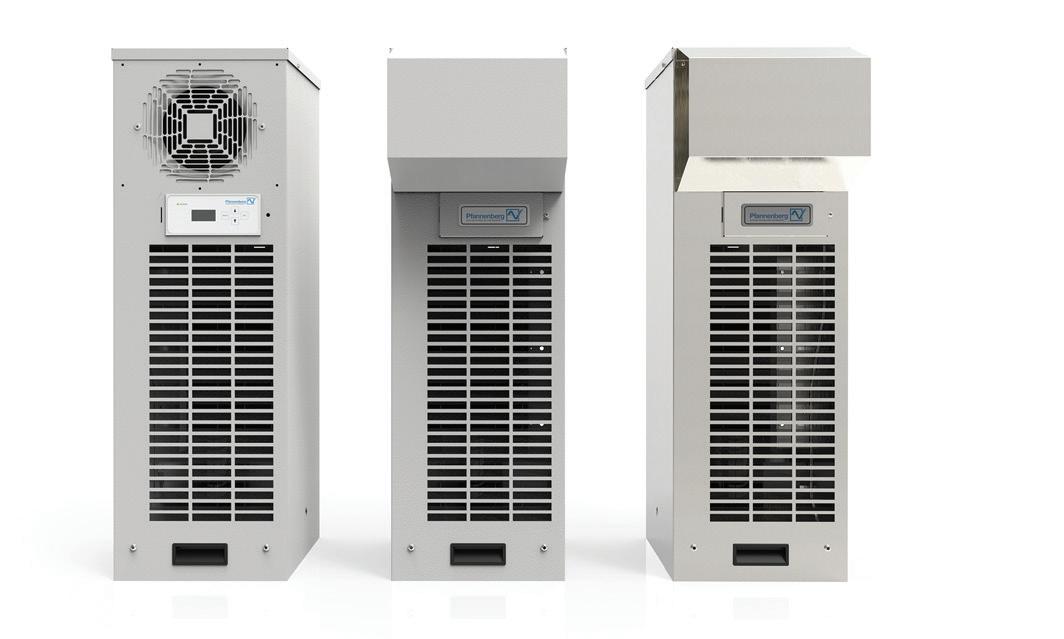
Pfannenberg’s ActiveCool DTS 5000 Series maintains safe operating temperatures for electrical control cabinets using a long internal airflow path and R513A A1 nonflammable refrigerant. Available in 4,700- and 8,500-BTU/hr models with Type 12, 3R, and 4X protection, the units are suited for dusty, washdown, and outdoor food processing environments. External access simplifies maintenance, and the compact side-mount design fits most 12-in.-wide cabinets.
Pfannenberg, Inc. | pfannenbergusa.com


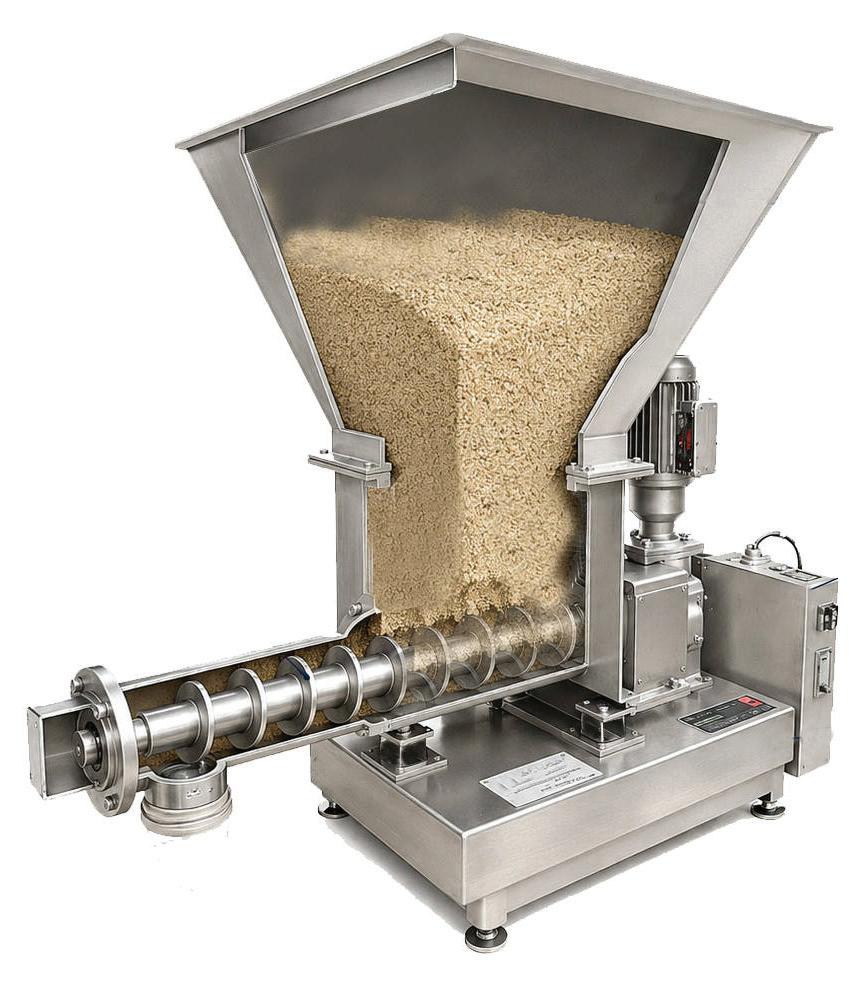
Airgas’ CRYO TUNNEL-FP1 offers freezing, crust freezing, and chilling capabilities while supporting high sanitation standards. With a fully welded stainless-steel body, a hygienic lifting system, and sloped surfaces for improved drainage, the compact unit enables faster cleaning and easier inspection. It uses liquid nitrogen or carbon dioxide to improve cryogen efficiency, boosts production capacity up to 20%, and simplifies operation with integrated controls.
Vibra Screw’s loss-in-weight feeder systems provide precise bulk material feeding by continuously weighing material during discharge and automatically adjusting feed rates to maintain consistent flow. Using controlled vibration technology, the feeders minimize bridging and clogging while handling materials ranging from fine powders to sticky products. Available in multiple sizes and capacities, the systems support low-maintenance operation for bulk materials.
Vibra Screw, Inc. | vibrascrew.com

Miura’s LX 300 delivers up to 10,350 lb/hr of steam output while combining high efficiency, low emissions, and rapid startup capabilities. Producing steam in under five minutes from a cold start, the boiler offers on-demand operation, reducing energy consumption and operating costs by generating steam only when needed. Flexible pressure and fuel options, integrated heat recovery, and a compact footprint help meet sustainability goals and accommodate future growth.

Airgas, an Air Liquide company airgas.com
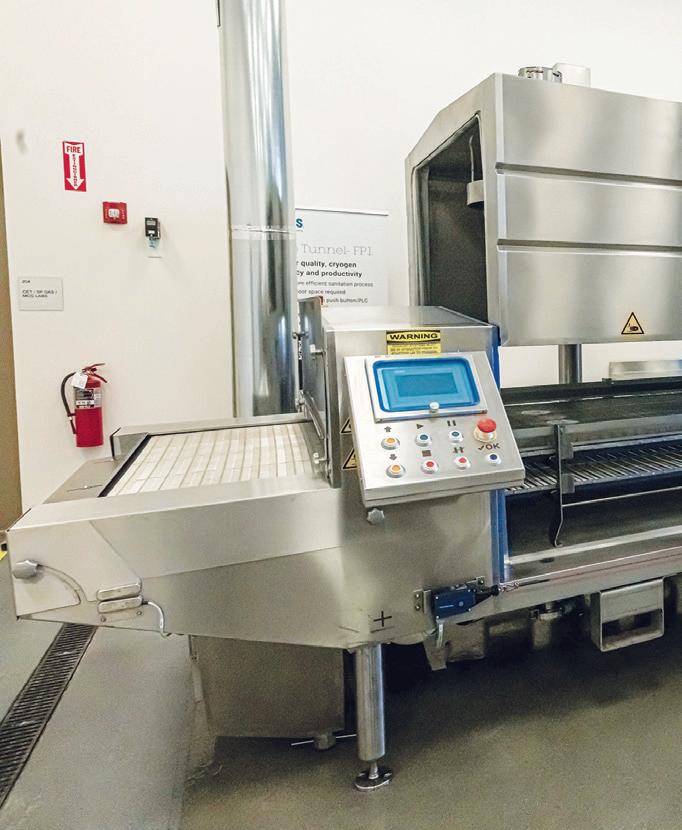
Miura America miuraboiler.com


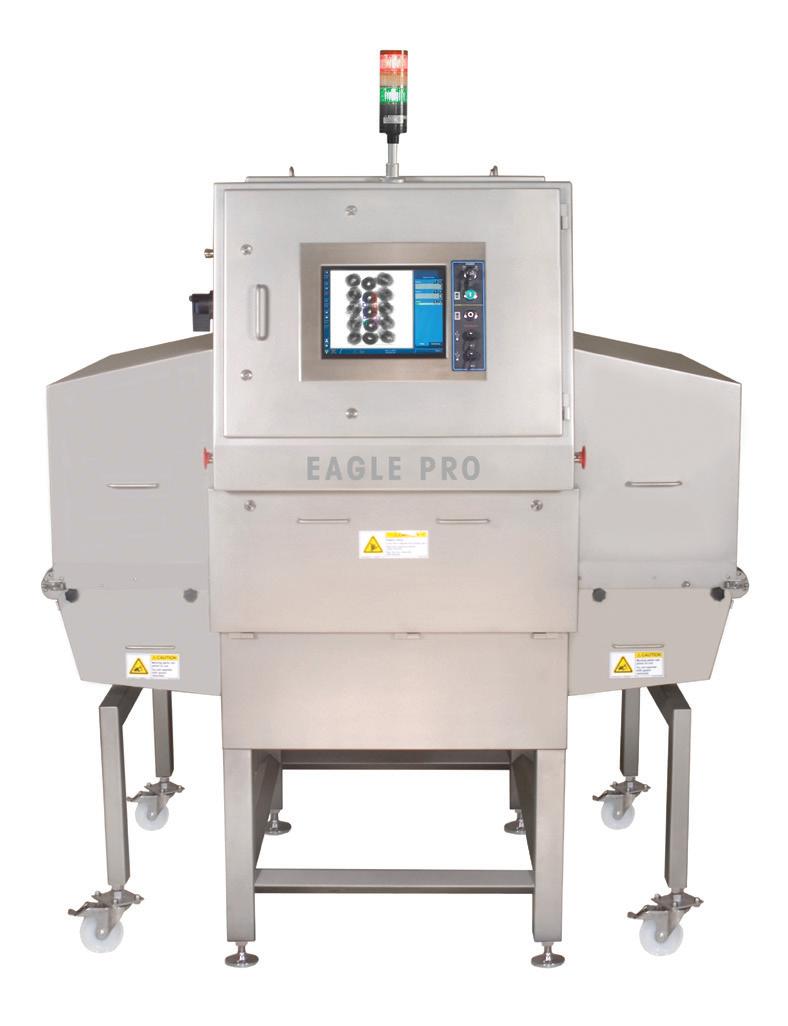
Eagle PI’s Pack 720 PRO is designed to help processors maintain reliable contaminant detection across a wide range of packaged food applications, including cartons, pouches, foil trays, and rigid containers. Designed to handle product and packaging variability, the system supports stable inspection performance and reduces false rejects. It also performs quality checks such as fill level verification, mass measurement, and missing component detection. Eagle Product Inspection | eaglepi.com
NETZSCH Pumps USA’s NOTOS Barrel Emptying System is designed to maximize product recovery and reduce residual waste left in drums, combining a sanitary multi-screw pump with a follower plate design for gentle, efficient transfer of high-viscosity and shear-sensitive products. The pump delivers continuous, low-pulsation flow for consistent conveying and dosing while supporting hygienic processing requirements and minimizing product aeration or damage.
NETZSCH Pumps USA pumps-systems.netzsch.com
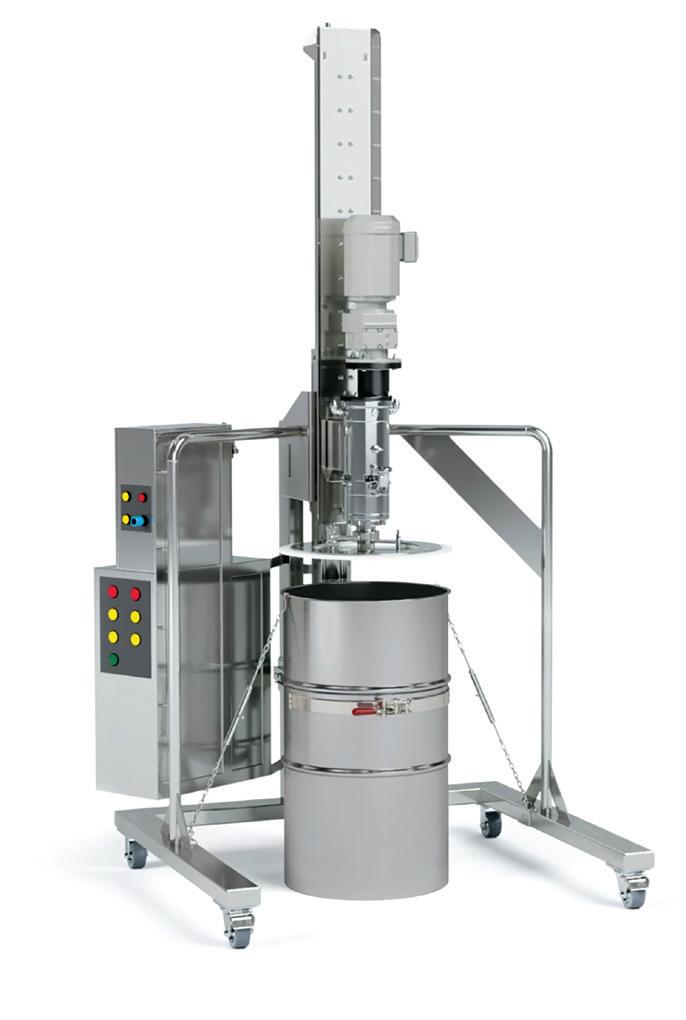
The ROSS Model 42N-18 is designed for the atmospheric blending of powders, granules, and dry bulk solids, combining an 18-ft working capacity with a double-ribbon agitator for uniform mixing. The unit features variable-speed operation, a high-speed sidewall chopper for dispersing minor ingredients and reducing agglomerates, and a dust-tight, stainless-steel construction with safety interlocks to support reliable operation and simplified maintenance. Charles Ross & Son Company (ROSS) mixers.com
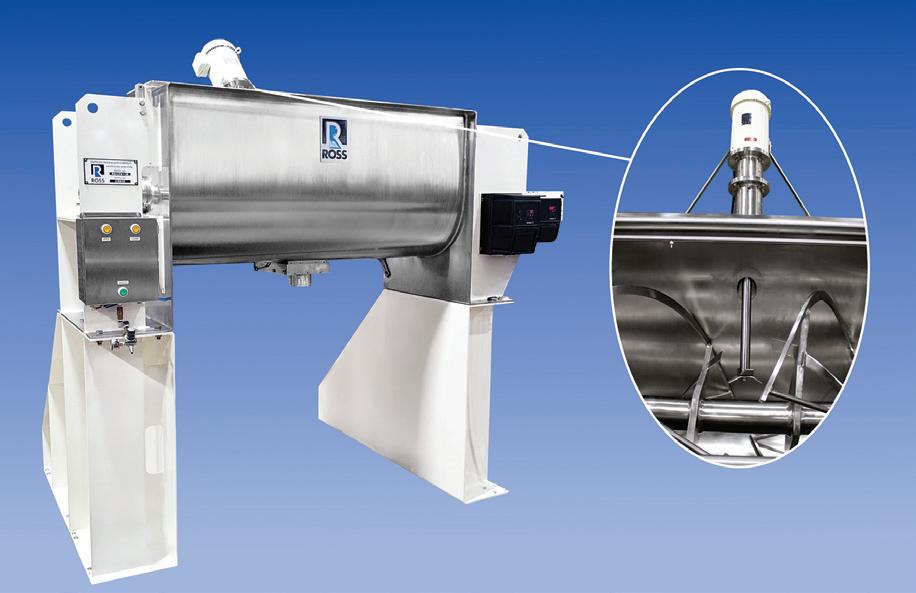
Xchanger’s dual-stage air heater is designed to provide clean, dry heated air for industrial and cold-weather applications. Custom-built and constructed entirely of 304 stainless steel, the unit combines weather protection, explosion-proof dampers, MERV 8 and MERV 13 filtration, and two steam heating stages to condition incoming air while minimizing condensate freeze-up. Hinged access doors and pressure taps simplify inspection, filter replacement, and maintenance. Xchanger, Inc. | xchanger.com
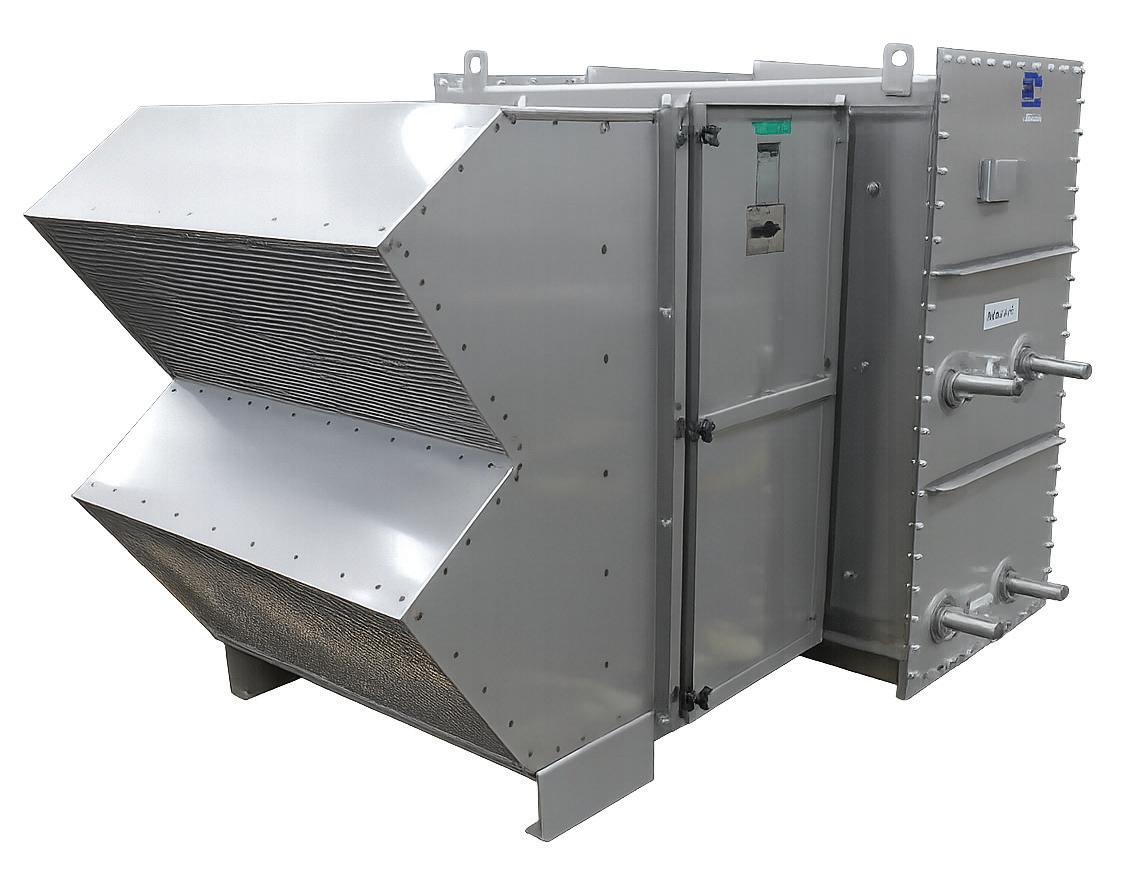
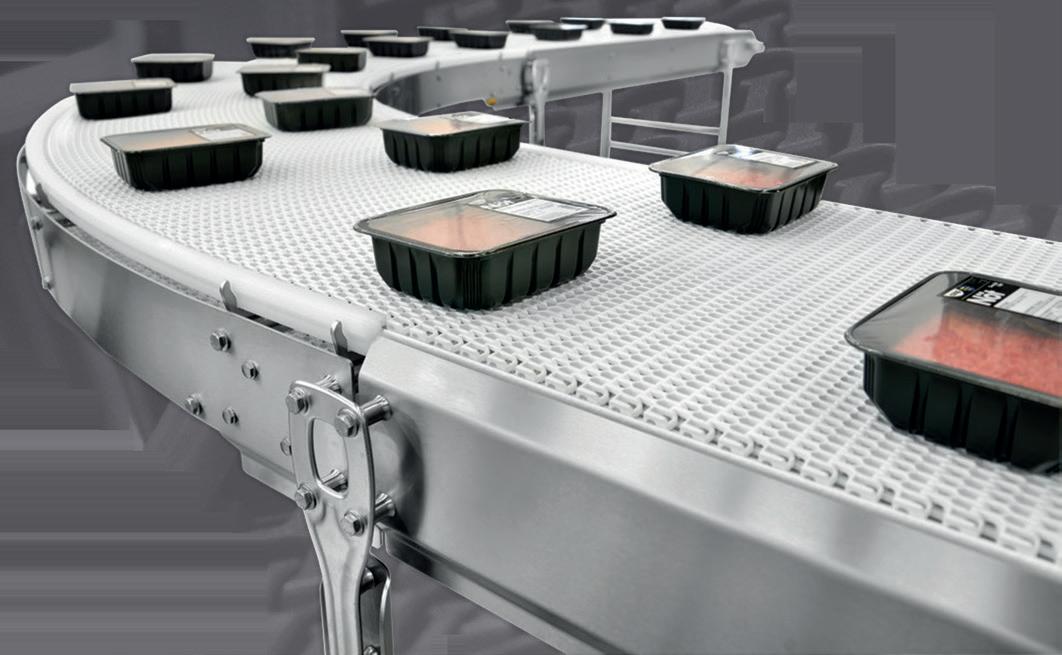
Food production lines from FlexLink increase the efficiency of food processing and packaging processes. FlexLink’s modular, flexible food automation solutions are reconfigurable and reusable. Additionally, they require minimal maintenance with low power consumption.










Elizabeth Gallo shares how a small theater concession operation grew into a manufacturing business with national reach — and what other emerging food brands can learn from the journey.
If you truly believe in what you’re doing, go for it.
— Elizabeth Gallo
Director
of Manufacturing, Prospector Popcorn
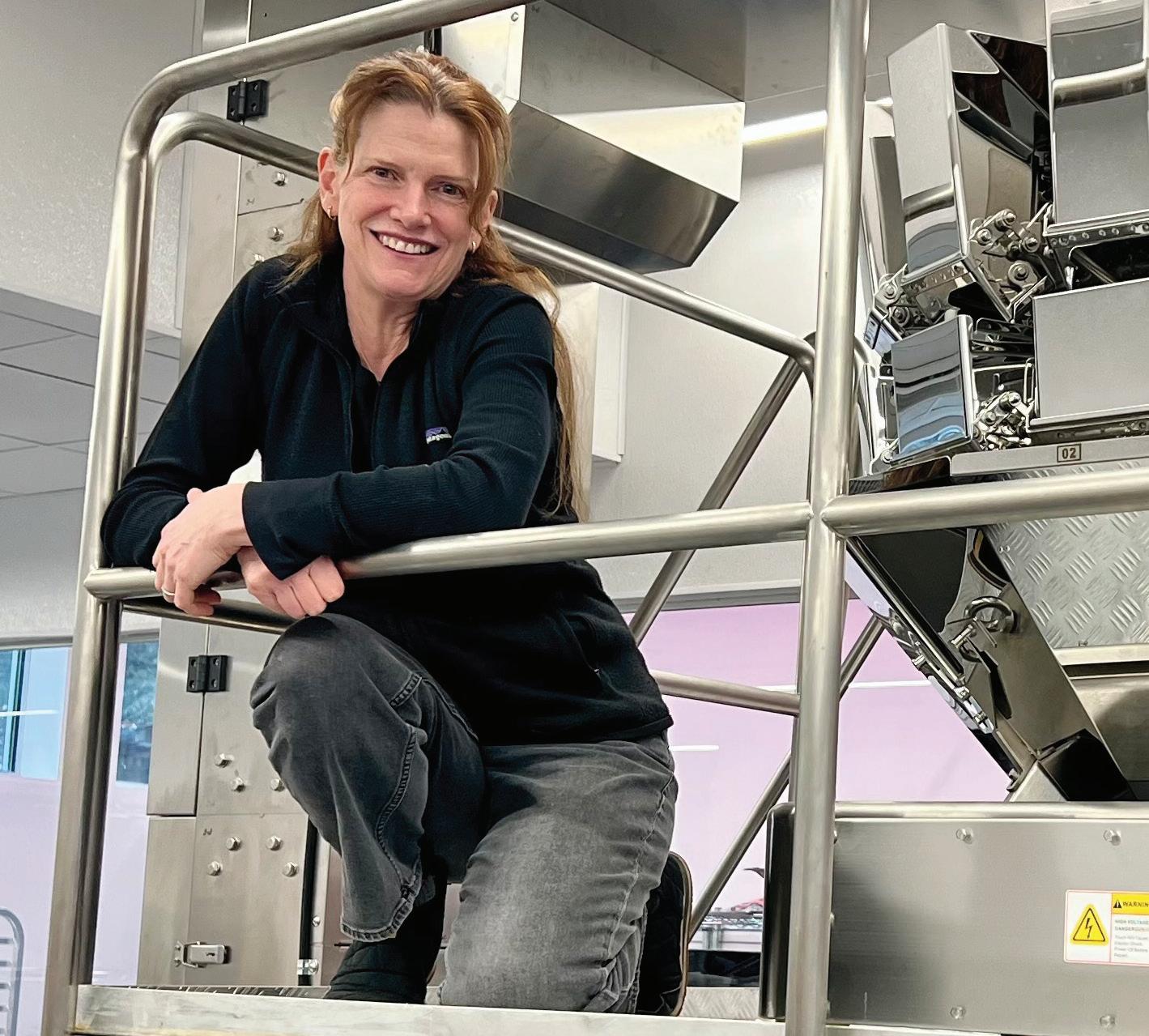
Elizabeth Gallo is Director of Manufacturing at Prospector Popcorn, where purpose has been at the heart of every decision from the very beginning.
The business grew from the Prospector Theater in Ridge eld, Conn., a nonpro t cinema created to support meaningful employment opportunities for adults with disabilities.
What started as popcorn at the concession stand quickly became a fan favorite. Through pop-up events and an online store, demand took off, expanding from a 300-sq-ft kitchen with one machine to a 5,000-sq-ft production facility with national reach.
WATCH THE FULL INTERVIEW Scan to watch the Prominent People in Packaging video interview with Elizabeth Gallo.
12 years with the company
5,000-sq-ft facility
8 signature avors, about 20 total throughout the year
Distributed through 400+ hotels, distributors, grocery, and e-commerce
About 75% of employees self-identify as having a disability
DERRICK TEAL | EDITOR IN CHIEF
CASEY FLANAGAN | ASSOCIATE EDITOR
Campbell’s Maxton, N.C., expansion adds aseptic processing capacity, quality infrastructure, and training space to support demand for shelf-stable broth and soup products.
CONSUMERS’ INCREASING DEMAND for quality and consistency continues to shape food and beverage manufacturing. Producers like The Campbell’s Company are taking notice. Installing aseptic technology at its Maxton, N.C., facility
New aseptic processing lines at Maxton increase broth capacity, improve product consistency, and expand the site’s ability to produce aseptic soups.
for its Pacific Foods and Swanson brands is just the latest example of The Campbell’s Company adapting to stay ahead.
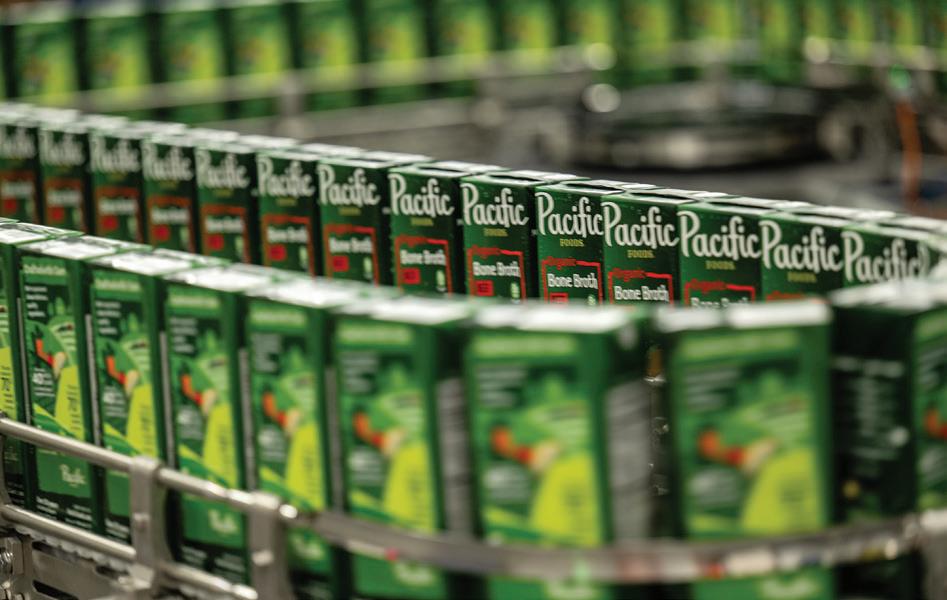
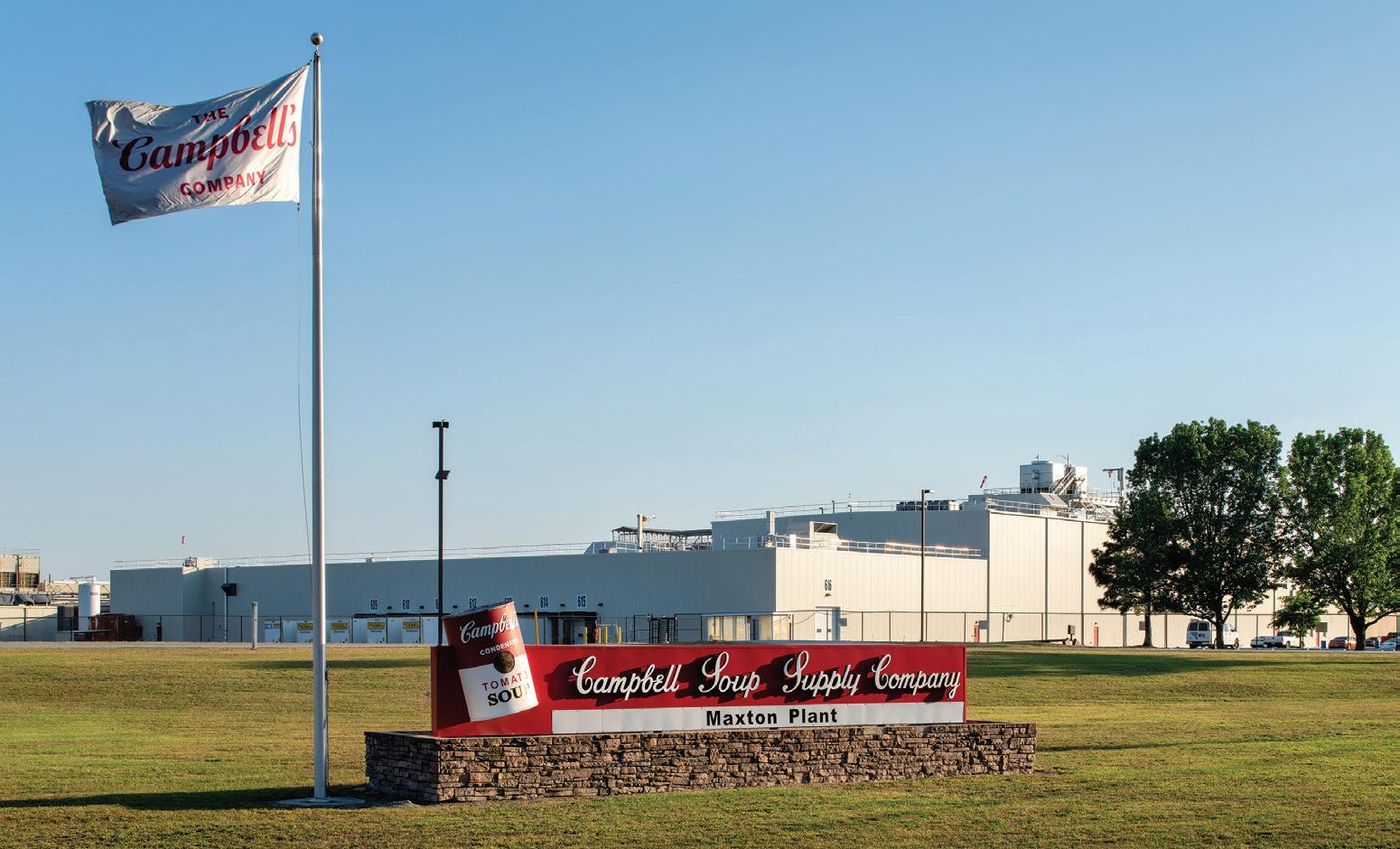
For Campbell’s, the rationale starts with demand. “As more consumers cook at home, broth and soup continue to play an essential role, and this expansion helps us make even more Pacific Foods and Swanson broth,” says Jason Roethig, Sr Director, Engineering Services & Product Execution at The Campbell’s Company. The Maxton expansion is designed to increase production capacity, improve consistency, and support future growth in a category where repeatable quality matters to both the manufacturer and the consumer.
Aseptic processing is not simply another filling format. For shelf-stable liquid foods such as broth and soup, it requires a coordinated system of processing, sterilization, filling, packaging, utilities, quality checks, incubation, and trained operators.
The value proposition is clear in consistent product quality. Roethig says the facility “incorporates state-of-the-art aseptic technology designed to support production of shelf-stable products while maintaining quality, freshness, and safety.”
Precision valve bagging for flour, starch, sugar, dairy & specialty food powders.
Bulk Liquid Filling
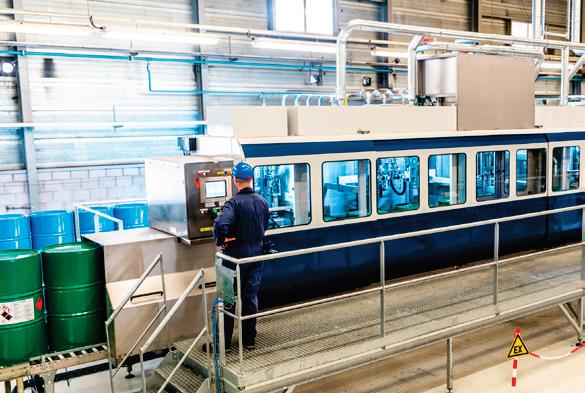
Bulk Bag Packing Bulk Material Handling CLEANER LINES. FASTER THROUGHPUT. SAFER PLANTS. CONTACT
From flour mills to specialty ingredients, BEHN + BATES delivers hygienic, high-speed food processing solutions — automated valve & open-mouth baggers, bulk liquid fillers, FFS systems, robotic palletizers, and integrated material handling. Engineered for food-grade compliance, dust control, and 24/7 uptime.
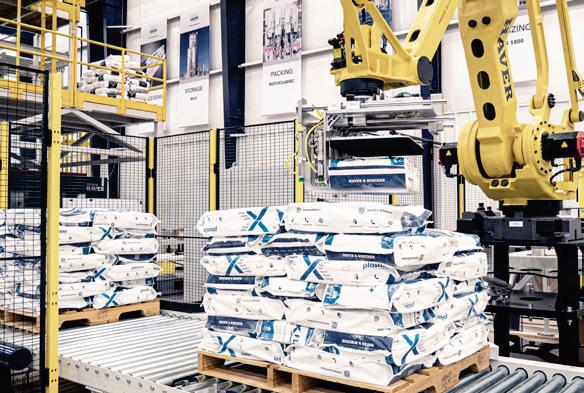
+1 770.760.1130
ga-info@haverboecker.com
https://ga.haverboecker.com
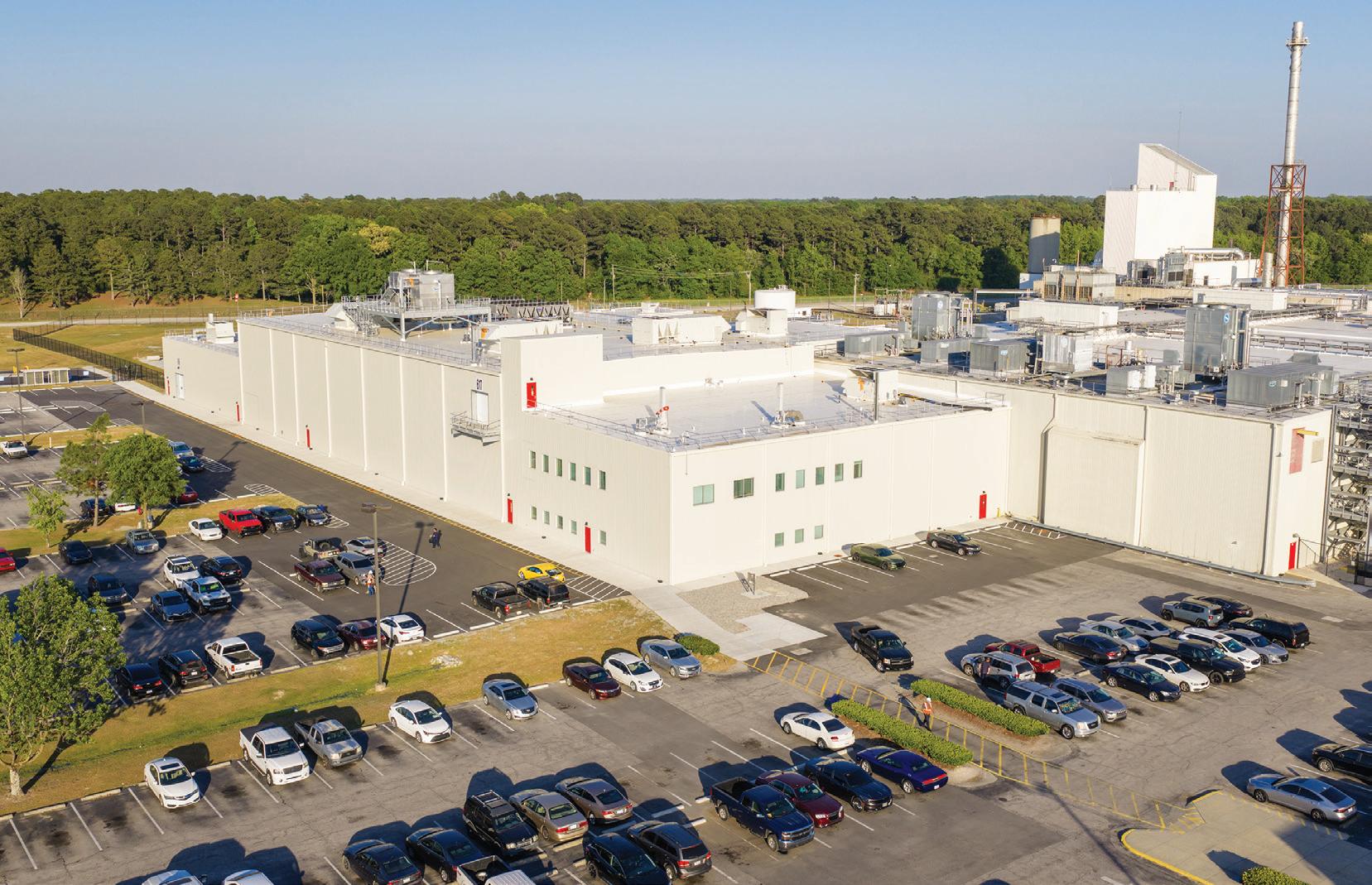
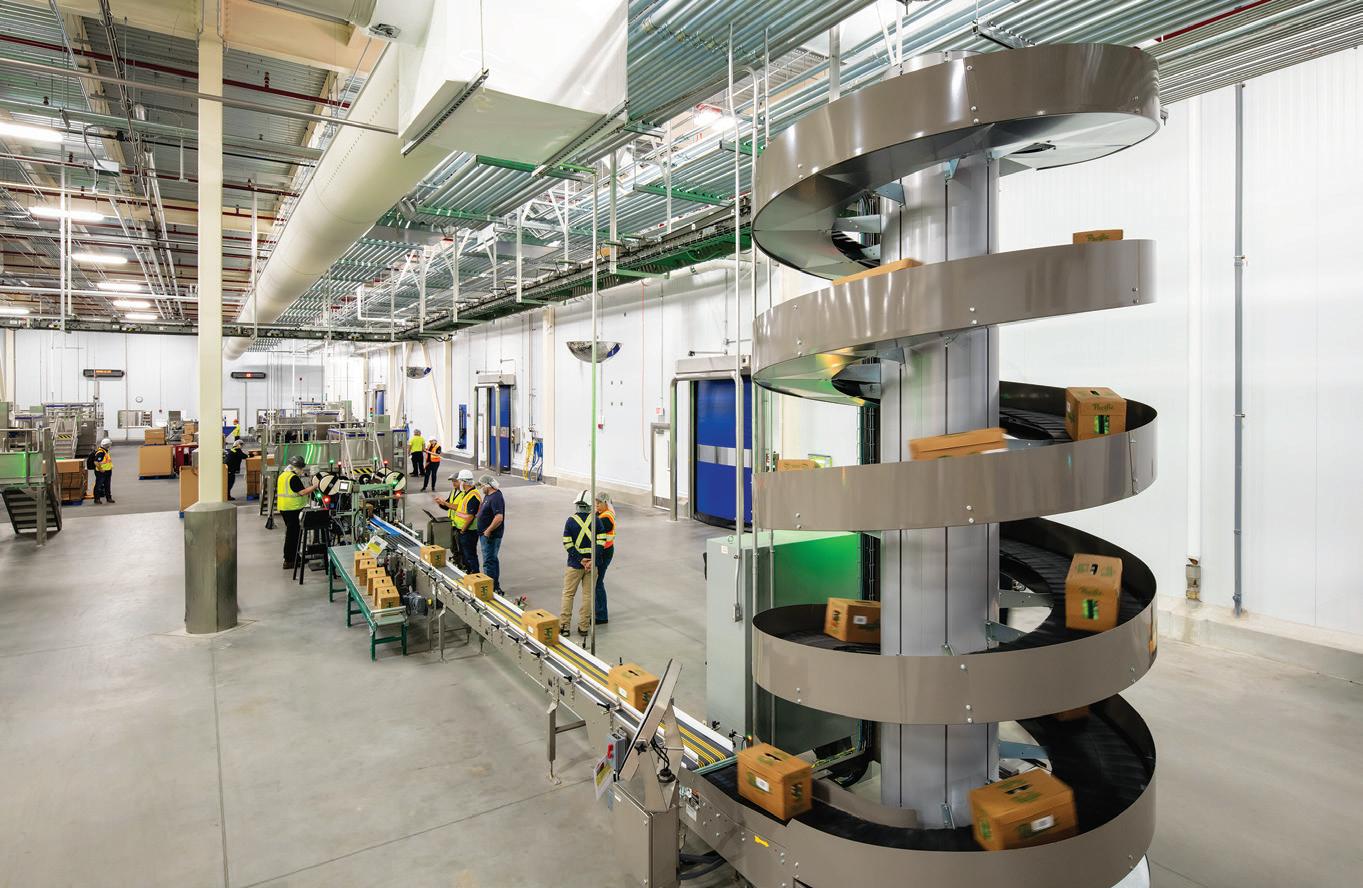
lines, new quality labs, a larger incubation room, and expanded ingredient storage, all aimed at capacity, consistency, control, and long-term flexibility.
Campbell’s Maxton site already had aseptic experience, which helped make it the right location for the investment. The expansion is comprised entirely of new equipment, but it builds on an existing manufacturing base and strengthens the plant’s role in Campbell’s broader network.
“The expansion reinforces the Maxton site’s role within Campbell’s manufacturing network, supporting ongoing production and innovation needs. It also reflects the strong partnership and support Campbell’s has received from the local community,” Roethig says. He adds, “The Maxton site has been an important part of our network since 1979, and this project is an investment for the future. The expansion will create approximately 100 new jobs, reflecting our long-term commitment to Maxton, North Carolina, and Robeson County.”
AEC firm CRB was at the center of facility design, utility planning, equipment coordination, construction, and startup support.
Campbell’s partnered with Tetra Pak on the filling side, “to optimize our production line layout for peak efficiency and maximize our building and utility supporting infrastructure design,” Roethig says.
The project included an 88,000-sq-ft aseptic manufacturing expansion with another 28,000 sq ft of utility mezzanine space at Campbell’s existing Maxton facility. It added two new aseptic processing
“Our role was the design-builder on this project: designing the utility systems and facility layouts, serving as architect and engineer of record, and ultimately building it—from pre-construction to procurement to in-field execution,” says Colton Koncak, Director, Construction Operations for CRB.
Koncak says early planning centered on “what equipment goes in the building and how do we provide a space that works for operators, works for the equipment, and meets the needs of the customer.” That meant close attention to utility tie-ins, equipment clearances, operator access, room heat loads,









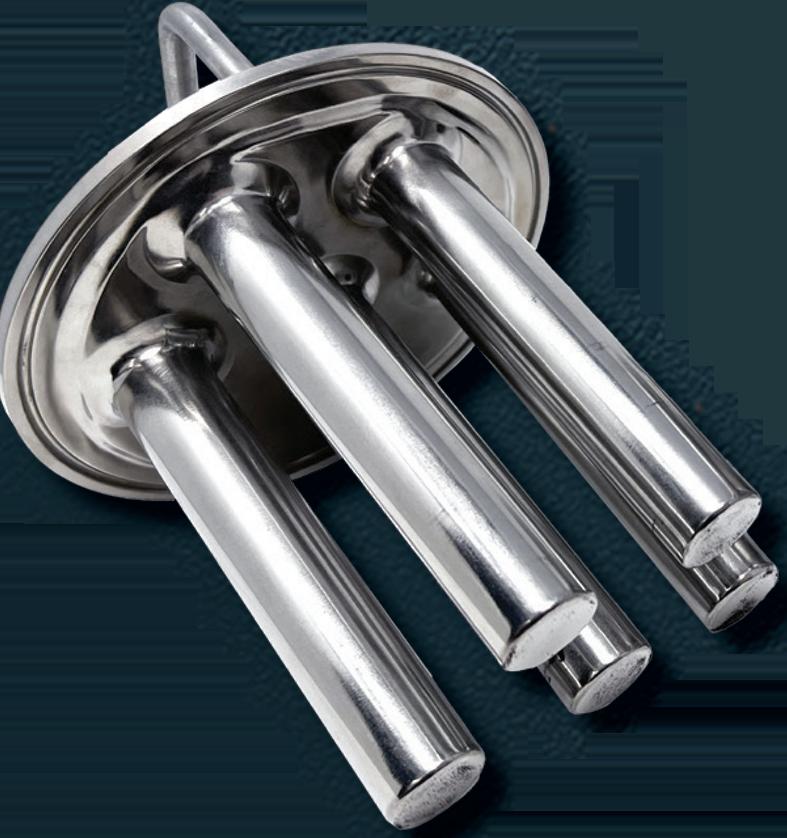




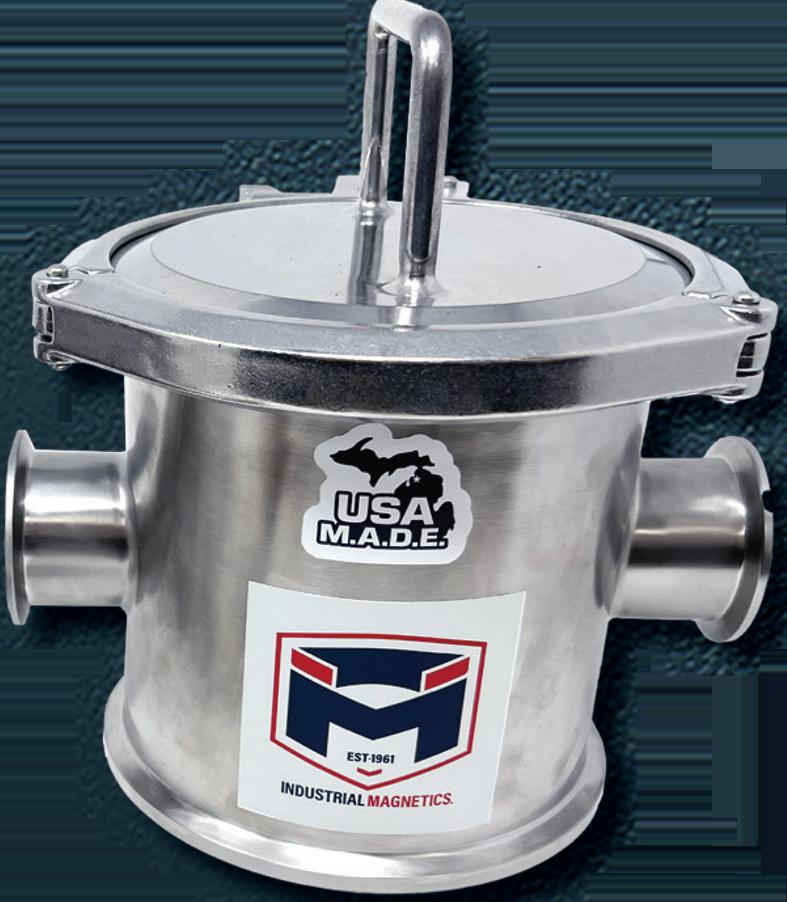

and how the facility would function once Campbell’s teams were running product through the new lines.
Campbell’s expansion was not isolated from existing production. It had to be integrated into an operating manufacturing site.
“The project required careful coordination to maintain ongoing operations while always prioritizing employee safety,” Roethig says. “Over 350,000 hours of onsite construction and installation were performed in Maxton with zero recordable injuries or lost time.”
The fast-track structure meant design, construction, and equipment installation moved in parallel. “Campbell’s partnership with CRB Group was critical to the success of the project,” Roethig says. “This collaborative approach enabled the project to be completed on schedule while maintaining strong safety performance.”
For CRB, that required close communication between design and field teams. Koncak says onsite engineering support helped reduce back-and-forth when questions came up in the field and allowed the team to get faster answers on discipline-specific issues.
He also points to daily planning and safety communication as essential to keeping the work moving.
“What we did at Maxton was continue to talk about those things and reinforce that it doesn’t take much to put somebody in a situation where there’s a hazard or safety concern,” Koncak says. “Go slow to go fast was something we talked about a lot.”
The new aseptic lines may be the center of the expansion, but the support spaces are what help make the operation work day to day. New quality labs, incubation capacity, and ingredient storage were not treated as afterthoughts.
“These additions strengthen the Maxton site’s ability to support production, maintain product quality, and support food safety processes,” Roethig says.
Koncak says adjacency was a critical design consideration, particularly for lab work connected to production. “You can imagine getting a sample off a line and getting it into a lab, and then being able to release that product line for whatever the next step may be. Keeping the train moving is really important. We didn’t want somebody having to walk a mile through the building to do what they needed to do.”







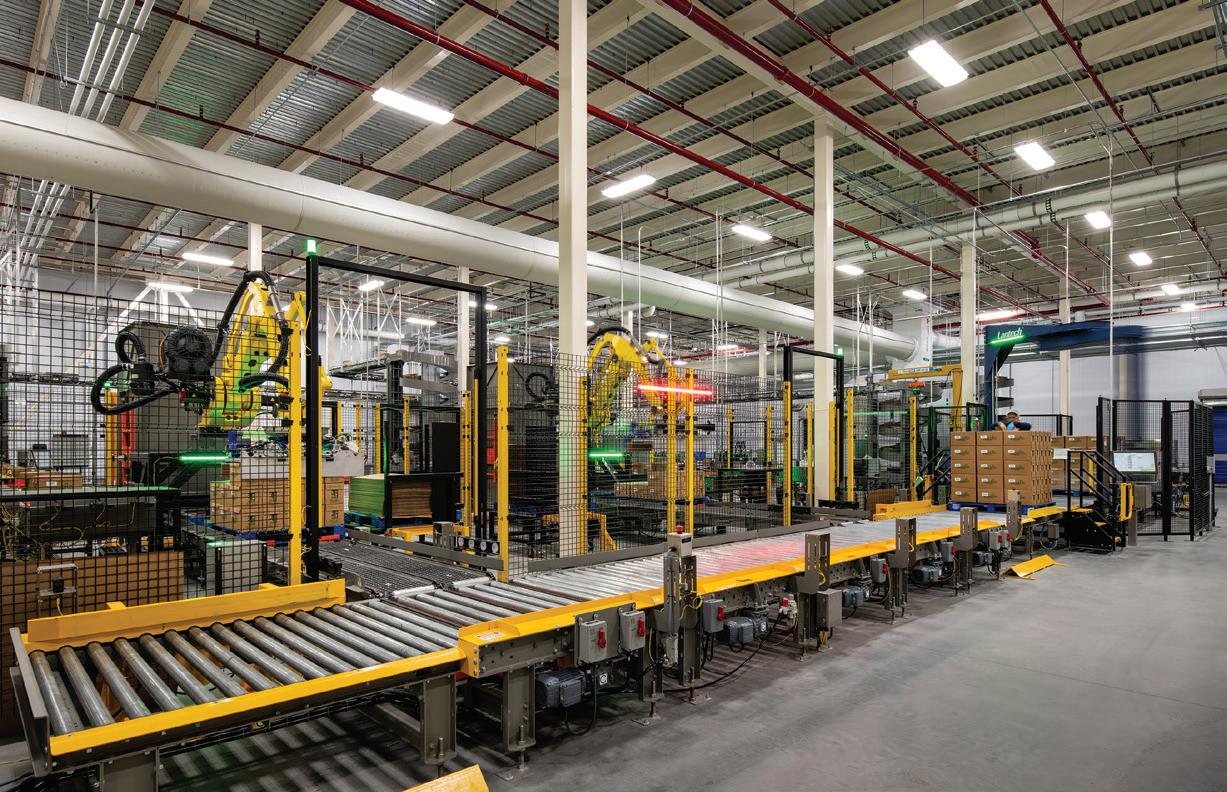
Campbell’s brought new employees in 4-6 months before the expanded area started up so they could train on existing aseptic lines “Once trained, the new operators were then able to help vendors, R&D, and engineering teams with test runs on the new equipment,” Roethig says.
The added capacity is aimed first at broth, but the implications are broader in supporting future product opportunities.
“The new aseptic lines increase production capacity for broth, improve product consistency, and support future growth. They also expand the facility’s capabilities by enabling production of aseptic soups in addition to broth, supporting continued innovation across Campbell’s soup and broth portfolio,” Roethig says.
For food and beverage manufacturers, the Maxton project offers a familiar lesson: capacity projects are rarely only about capacity. In this case, Campbell’s investment connects consumer demand, aseptic technology, quality infrastructure, workforce development—such as trainig funds through the NC Community College System’s Customized Training Program—into one manufacturing expansion.
Roethig says of the overall team effort that was used to complete the facility: “The project demonstrated the importance of strong collaboration, disciplined planning, and coordinated execution. The fast-track approach will help inform future investments as Campbell’s continues to strengthen our manufacturing network.”









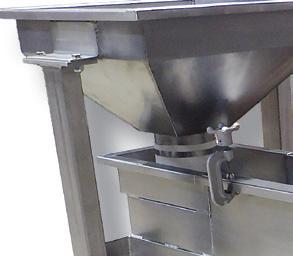
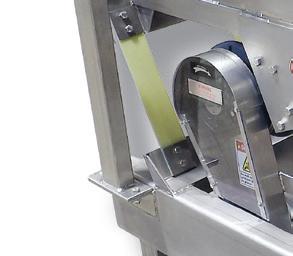



































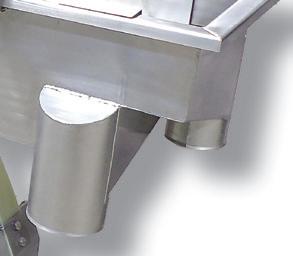















Witte designs and manufactures food grade vibratory screeners to meet your specific requirements. The inherently food friendly design is easy to clean and will meet USDA and FDA standards.
Discover more about Witte here








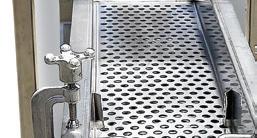






JOSEPH
Two FAM STUMABO Tridis 240 dicers help Agrophoenix hit peak-season peach targets without losing yield.
“Observe due measure, for right timing is in all things the most important factor.”
The Greek poet Hesiod wrote that roughly 2,700 years ago about the discipline of working within nature’s calendar. At Agrophoenix’s processing facility in modern Greece, Hesiod’s words read like an operations memo.
The peach harvest in Imathia doesn’t negotiate; when it comes, it comes fast. And for the processors who supply international canned fruit markets, the season runs hard and leaves little room for error. Plants need to operate around the clock, with raw material moving continuously. And the cutting line, where soft, juice-laden peaches are transformed into dimensionally consistent dice, halves, and slices, has to perform from the first hour of the season to the last.
Agrophoenix, established in 2018 in the Macedonian heartland of northern Greece, is one of the processors carrying that weight. The company operates two specialized processing plants in Imathia producing a range of peach products, including canned peach halves, diced and sliced fruit, aseptic fruit dice, and aseptic purees and
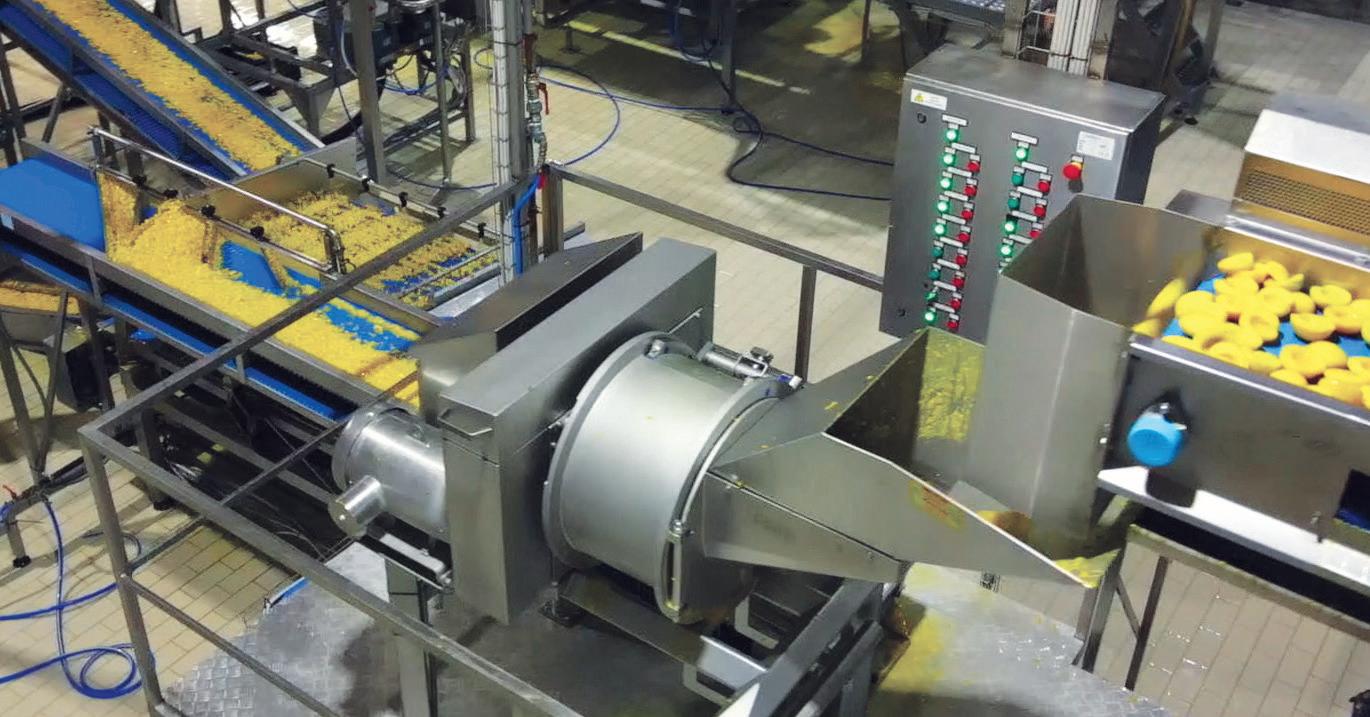
concentrates. It supplies both industrial and retail markets across multiple export destinations, where product quality, texture, and dimensional consistency, along with full traceability from orchard to delivery, are non-negotiable.
Greece, one of the world’s leading exporters of canned peaches, is supplying product as global demand for processed fruit is climbing too; the market is projected to grow at close to an 8% compound annual rate in the coming years as convenience foods, ready-to-use formats, and industrial applications expand. That growth raises the stakes on raw material utilization, product consistency, and throughput, especially during a short production window (typically from mid-July to mid-August.) Getting the cutting operation right isn’t optional for processors who want to win the game.
Peaches are a delicate raw material. Unlike harder produce, they bruise, they “weep” (or leak) juice due to damage, over-ripeness, or high temperatures, and they generate small-piece byproduct if the cut isn’t clean. Every imprecise cut represents lost yield, and in a high-volume seasonal operation, those losses can compound quickly.
When Agrophoenix developed its new fruit processing plant in 2019, cutting performance was identified as a critical priority, and the company’s requirements were specific.
“Our main challenge was to achieve high-precision cutting with minimal trim loss, so we could maximize utilization of the raw material,” says Konstantinos Ineglis, Technical Operations Director at Agrophoenix. “Our customers are among the most demanding internationally, with strict specifications for both the quality and the dimensions of the final product.”
Clean cuts and minimal byproducts were equally important. “It was critical to ensure clean cuts, with as few small pieces as possible ending up as byproduct,” says Ineglis. “It was equally important to reduce juice loss during cutting, so the fruit’s natural sugars are

retained, and the quality of the end product is improved.”
Underpinning all of this was a capacity requirement that left no room for compromise: Each machine needed to process more than six to seven tons of peaches per hour.
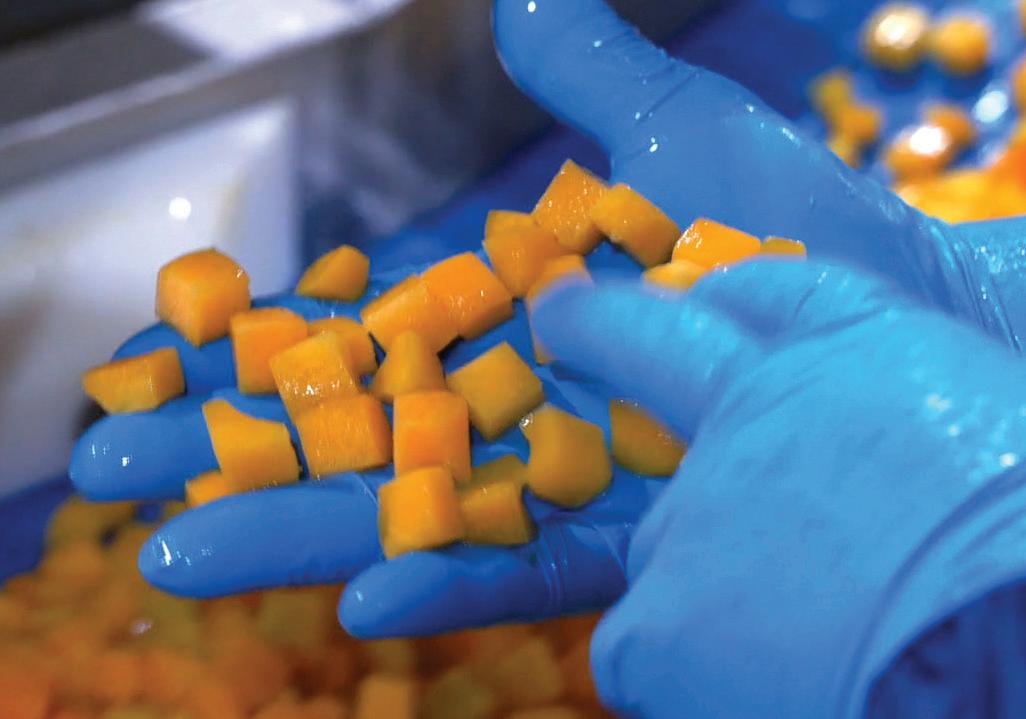
Agrophoenix uses the dicers to produce a wide range of cut sizes and formats, including dice, strips, and slices.
The machine that made the cut Agrophoenix began collaborating with FAM STUMABO during the early stages of development of its new processing facility. The plant manager’s prior familiarity with FAM STUMABO equipment influenced the decision, along with several operational priorities: ease of use, dedicated cutting tools, proven industry experience, and reduced cleaning workload. A particular emphasis was placed on combining throughput, product quality, and operational reliability from the very beginning.
Because this was a new project, Agrophoenix went directly to the most advanced option available. “As this was a new project, they started immediately with the most advanced equipment available:
the Tridis 240,” explains Sven Boen, Senior Sales Manager for Europe at FAM STUMABO. “For peach processors, achieving the right balance between cutting quality, throughput, and operational efficiency is essential, particularly during the short and intensive production season.”
Agrophoenix installed two FAM STUMABO Tridis 240 dicers at the facility. Designed for high volumes and continuous product flow, the Tridis 240 accepts products up to 240 mm in any dimension and enables processors to produce a wide range of cut sizes and formats, including dice, strips, and slices.
The machine’s flexibility allows cutting tools and cut sizes to be adjusted to the peak season, which was an important feature for Agrophoenix given the natural variability in peach size, growth, and condition the processor sees from one harvest to the next. (The manufacturer notes that the machine is also used

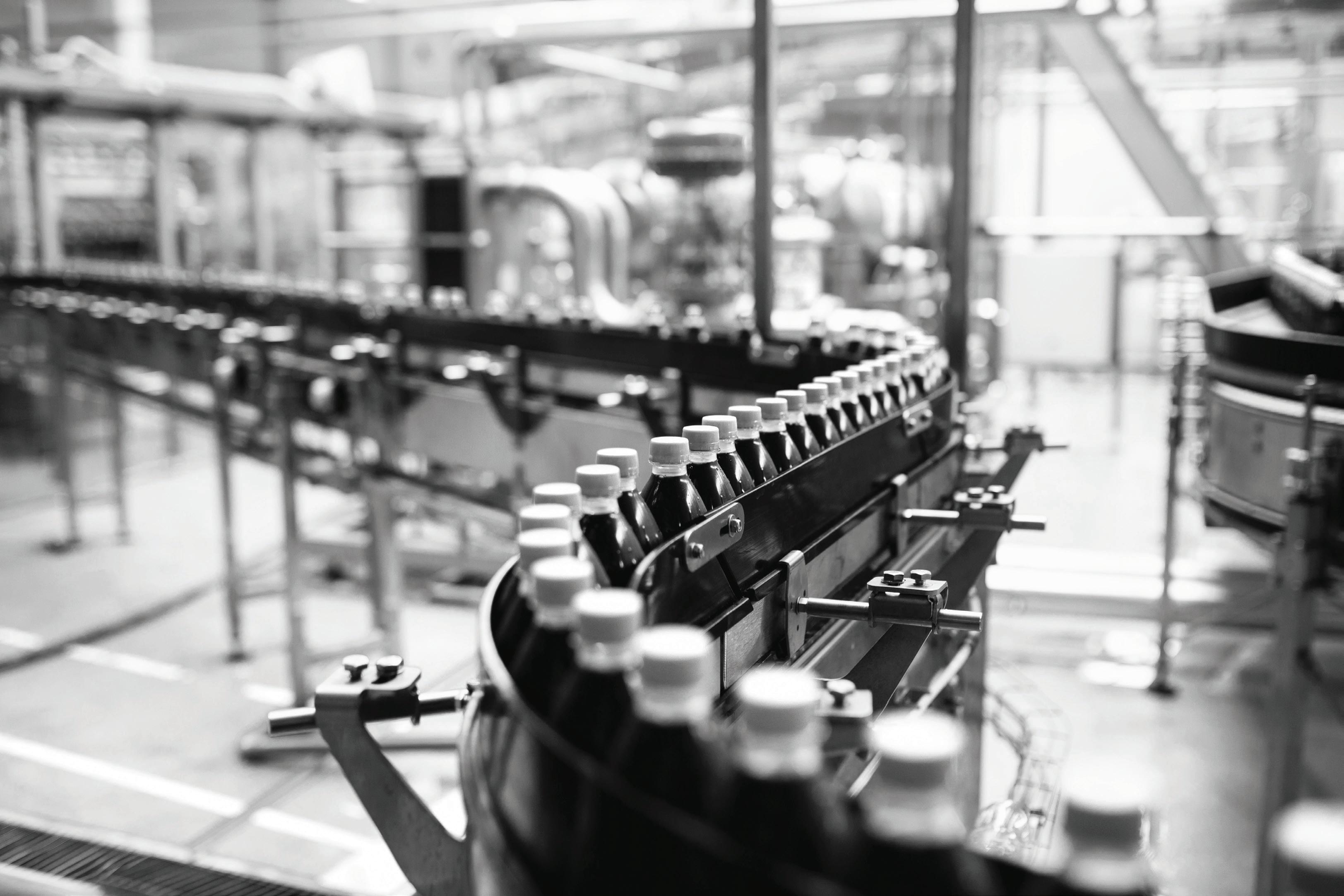

for processing other types of fruit product, including mango, apples, pears, and strawberries, as well as harder vegetables, including carrots, onions, potatoes, and beetroot.)
Keeping the line moving during peak season
Equipment performance is only half the equation during a harvest this compressed. FAM STUMABO and its Greek partner, SIVVAS S.A., support Agrophoenix with services including operator and maintenance training, preventive inspections, startup assistance for the season, and local availability of key spare parts and consumables. During the intense harvest season, technical support is available within 24 hours.
“Fast local service support through our partner Sivvas is extremely important in an industry that depends on a very short production season, where nothing can be allowed to disrupt production,” says Boen.
Today, the two Tridis 240 dicers operating at maximum capacity have become a core part of Agrophoenix’s production process, says Ineglis.
“Tridis 240 has made a substantial contribution to improving the quality of our products. Cutting accuracy, combined with reduced trim loss, leads to better utilization of the raw material. In addition, the high throughput and stable operation of the machine contribute to the overall efficiency of the line.”
With high performance comes the need for steady support. Fast turnaround on parts and service, backed by FAM STUMABO’s Greek partner SIVVAS S.A., is part of why the plant keeps running.
“We would recommend FAM STUMABO to other fruit processors,” says Ineglis. “We are very satisfied both with the equipment’s performance and operation, as well as with the fast support for spare parts and after-sales service.”
Ineglis says that throughout the year (and especially during production season) their service partners are ready to provide quick response, be it with spare parts or technical support. “This gives us confidence and minimizes downtime,” says Ineglis.
Writing in 700 BC, Hesiod never could have imagined a Tridis 240. He just knew that right timing was of the utmost importance. It’s a lesson Agrophoenix is putting into practice during each harvest season more than twenty-seven centuries later.
Britannia turned to aseptic PET for Winkin’ Cow to support ambient distribution and showcase indulgent dairy drinks in transparent packaging, pairing format choice with flexible, multi-SKU production.
BRITANNIA INDUSTRIES’ move into aseptic PET for its Winkin’ Cow dairy drinks portfolio reflects a packaging-led decision as much as a processing one. At its greenfield facility in Ranjangaon, India, the company installed an integrated aseptic PET line built around Sidel’s Aseptic Combi Predis system to support growth in value-added dairy beverages, a category it entered in 2018.
The choice of format was tied closely to how the product is presented and consumed. According to a company spokesperson, “the shift to aseptic PET packaging elevated the multi-sensory experience

Filled Winkin’ Cow bottles move through the aseptic PET line, designed to handle multiple formats while maintaining consistent product quality.
of the consumer, supporting their ability to smell, see, and feel their product, which features indulgent flavor profiles.” The spokesperson adds that the format also supports on-the-go consumption, helping “strengthen brand appeal and further drive growth in the market.”
Transparent PET bottles allow the product to be visible in a way cartons do not, reinforcing the positioning of Winkin’ Cow’s thick shakes and flavored dairy drinks.
The aseptic line was specified to support multiple product types and formats, with flexibility built in from the outset. The system is designed to handle flavored milk, juices, and other value-added beverages while maintaining consistent product quality and extended shelf life. “Operational flexibility” was a key requirement, according to the company, including the ability to respond to regional preferences and future product introductions.
At the core of the installation is Sidel’s Aseptic Combi Predis, which integrates preform sterilization, blow molding, filling, and capping into a single system. The line operates at 24,000 bottles per hour. The Predis dry preform decontamination process injects hydrogen peroxide into the preform prior to heating, using the existing oven stage to activate the sterilant and achieve decontamination while limiting the size of the sterile zone.

Because the project was executed at a new facility, the aseptic line was incorporated early in the plant design. “The aseptic PET line was integrated from the earliest design stage of Britannia’s greenfield facility,” the spokesperson says, noting that this approach allowed the team to optimize layout and material flow. Cleanroom zoning was established
to maintain aseptic conditions, while utilities were planned to support continuous operation.
The company pointed to coordination across engineering, project, and operations teams as a factor in addressing early challenges related to space optimization and utility routing. Those issues were resolved during the design phase, allowing installation and commissioning to proceed without disruption.
Implementation took approximately 24 months from project initiation to full commissioning. Shortages of electronic components affected progress, but the project continued through close coordination among partners. A company spokesperson describes “strong communication, quick response times, and a single point of contact” as important to maintaining progress during that period.
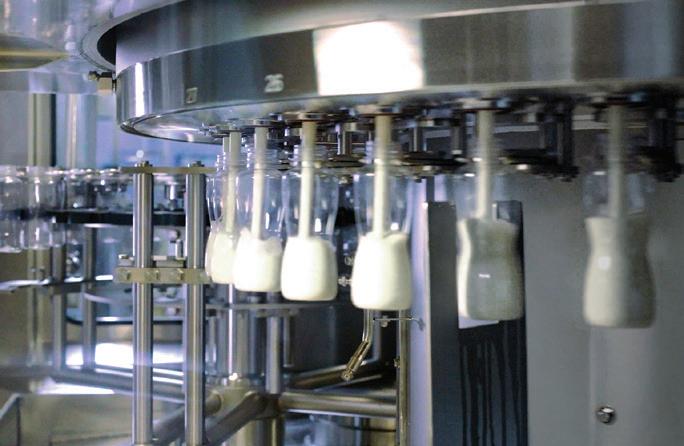
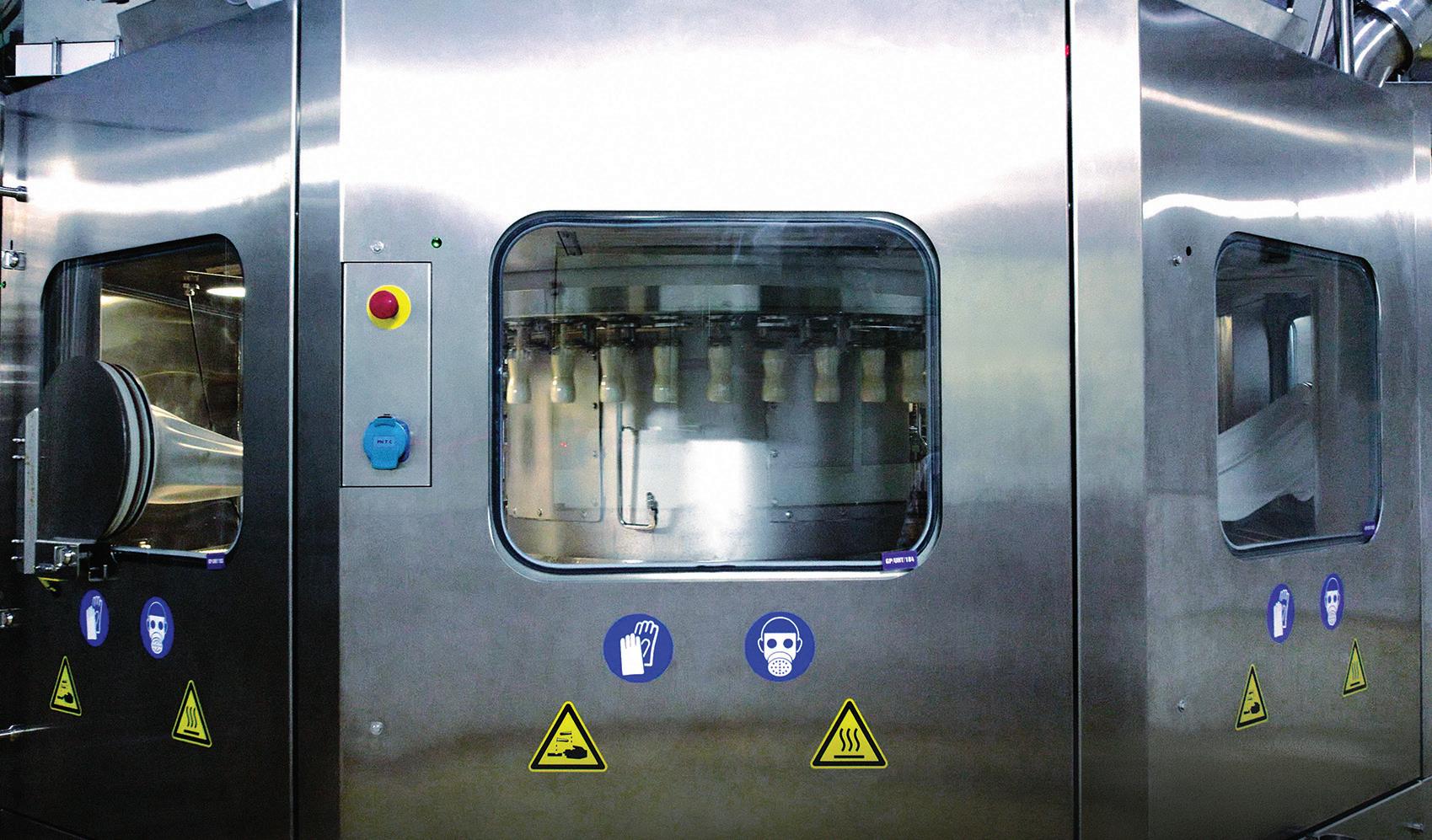
Sidel’s Aseptic Combi Predis system integrates preform sterilization, blow molding, filling, and capping within a controlled aseptic environment.
Inside the Aseptic Combi Predis, bottles are filled and sealed in a continuous process that supports high throughput and extended shelf life.
The line has been in regular production since December 2022. Aseptic processing enables the company to distribute products through ambient
channels while maintaining product stability, an important consideration given India’s varied climate and distribution conditions.
Sidel supported bottle and label design, packaging validation, and shelf-life studies alongside the line installation. The packaging work and line development were carried out in parallel as the aseptic PET format was introduced.
Ultimately, the line supports portfolio expansion and allows for ambient-temperature distribution.






















Digital transformation creates real value when plant data reaches the right people, provides the right context, and supports action while there is still time to influence the outcome.
MANY YEARS AGO, I worked with a facility that was frustrated by its safety performance. Management carefully tracked lost-time incidents, reviewed the metrics regularly, and communicated safety expectations throughout the organization. Yet the results stubbornly refused to improve.
Eventually, the plant installed a simple electronic sign near the employee entrance. The display showed the number of days since the last lost-time incident and the facility’s all-time safety record. Almost immediately, behavior began to change. Employees paid attention to the number. Teams talked about breaking the record. Supervisors referenced it during shift meetings. What had previously been a monthly statistic became a daily point of focus.
The information had not changed. The visibility had. That experience highlights a lesson many are learning as they invest in digital technologies. Data rarely
changes behavior on its own. People act when information is visible, relevant, and delivered at a moment when they can do something about it.
Digital transformation has delivered no shortage of data to today’s manufacturing organizations. Sensors monitor temperatures, pressures, flow rates, ingredient additions, utility consumption, and equipment performance. Manufacturing execution systems (MES) collect production information. Historians archive years of process data. Dashboards display metrics in real time.
Yet, despite this abundance of information, many plants continue to struggle with the same operational challenges they faced before these systems were installed. Batch variability persists. Process upsets recur. Changeovers take longer than expected.
Production targets are missed. Operators and supervisors still spend valuable time reacting to issues rather than preventing them.

The reason is surprisingly simple: Collecting data is relatively easy—helping people make better decisions with that data is much harder.
As digital transformation efforts mature, many manufacturers are discovering that the greatest opportunity is no longer visibility, it’s action. The organizations seeing the strongest returns from their digital investments are those that have learned how to close the loop between information and decision-making.
Ten years ago, many manufacturers struggled to obtain meaningful process data. Information was often trapped in PLCs, paper records, spreadsheets, or the experience of long-tenured employees.
Today, the situation is very different. Most facilities can tell you what happened yesterday, last week, or even five minutes ago. Process variables are continuously monitored. Production metrics are available on demand. Equipment performance can be analyzed in greater detail than ever before. Yet visibility alone does not improve performance. Consider a cooking process where occasional product scorching is affecting quality and yield. The historian may clearly show that affected batches experienced pressure spikes within the heating system. Process engineers may generate reports documenting the events, and quality teams may track the resulting product losses. But if operators do not recognize the developing condition while the batch is running, the information arrives too late to change the outcome. This illustrates an important distinction: Data explains the past. Decisions influence the future. The challenge facing many manufacturers today is not collecting more information, it’s delivering the right information to the right people at the moment when they can still act on it. To do that effectively, the information must provide more than visibility. It must provide context.

Bryan Griffen is the President of Griffen Executive Solutions LLC and the author of The Practical AI Partner. He was previously the Senior Director of Industry Services for PMMI, and he held a number of roles at Nestlé during his many years there.
the heat exchanger was increased? What if maintenance records show recent work on a control valve within the system? Suddenly, the information becomes meaningful. The operator is no longer looking at a single pressure excursion but instead seeing a pattern that may lead to scorching, reduced yield, or an out-of-specification batch.
This ability to connect information across systems is where modern digital tools begin creating real value. Operators, supervisors, maintenance technicians, and process engineers often need different views of the same event. Effective systems provide the context necessary for each role to make informed decisions quickly.
Data without context creates curiosity. Data with context drives action.
Once organizations understand the importance of context, the next challenge becomes delivering that context to the people making decisions on the floor.
Historically, human-machine interfaces (HMIs) served a straightforward purpose. They displayed process values, alarm conditions, and equipment status. Operators used them to monitor the process and make manual adjustments when necessary.
One of the most common mistakes in digital transformation is assuming that more data automatically creates better decisions. In reality, context is often more valuable than the data itself.
Returning to our cooking process, imagine that a pressure spike is recorded and flagged by the system. Viewed in isolation, it is simply another process event. However, what if the operator also sees that similar pressure spikes occurred during the previous three production runs? What if the system indicates that each event occurred shortly after product flow into
Data explains the past. Decisions influence the future. The challenge facing many manufacturers today is not collecting more information, it’s delivering the right information to the right people at the moment when they can still act on it. To do that effectively, the information must provide more than visibility. It must provide context.
Today’s HMIs are evolving into something much more powerful. Modern systems increasingly provide operational context alongside process information. Trends, diagnostic information, guided responses, and performance indicators are becoming part of the operator experience. In our cooking process example, pressure within the heating system begins trending upward. A traditional HMI may simply display the current pressure and generate an alarm once a threshold is reached. A more advanced system might show the pressure trend over time, identify that product flow rates have increased during
From contamination control to traceability and inspection, food safety regulations demand smarter systems at every step. Explore new technologies, materials and processes to enhance quality and protect your brand at PACK EXPO International 2026 North America’s biggest event for food and beverage manufacturers.
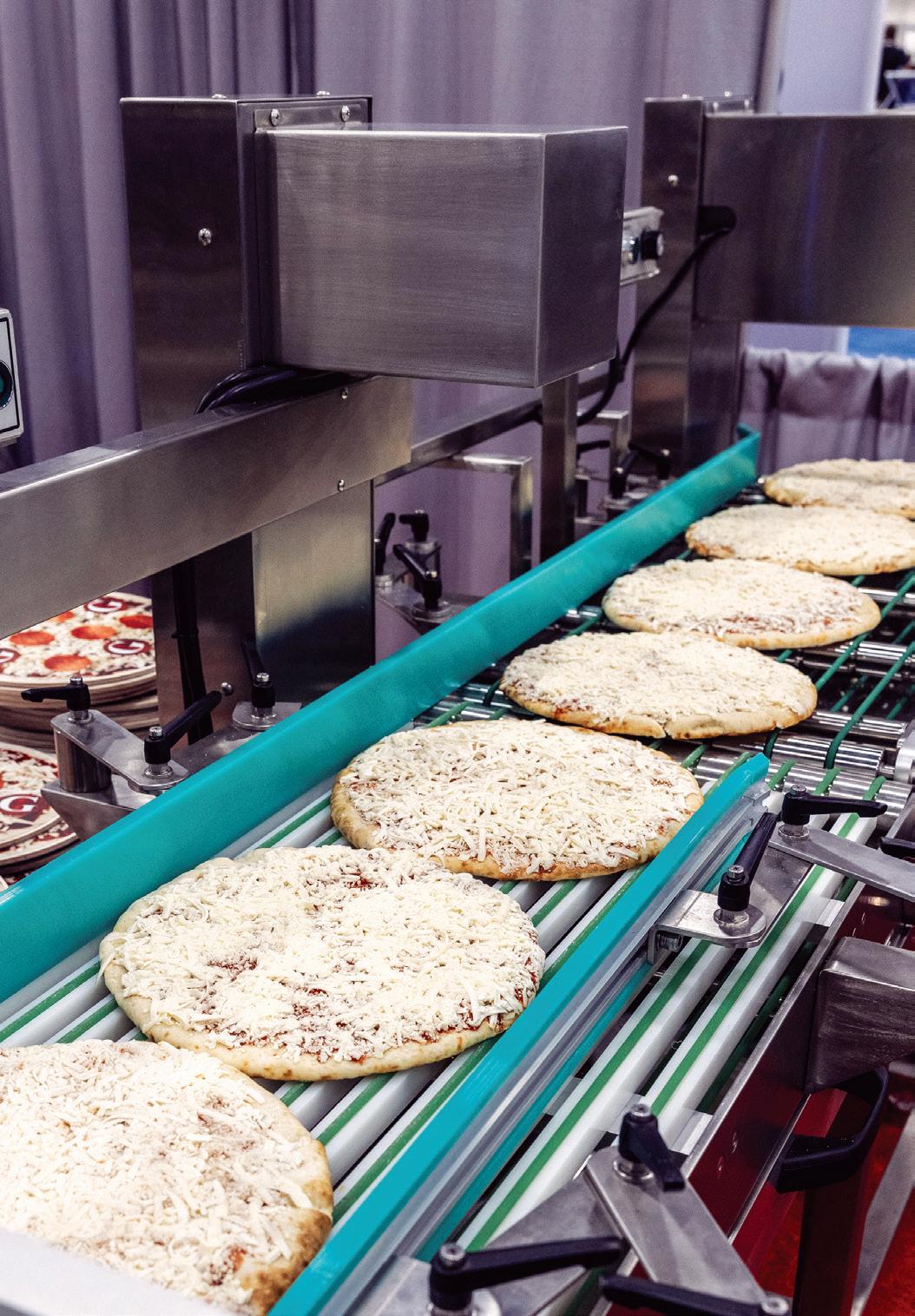
See machinery in action and materials from 2,600 exhibitors, up close.
Gain insight from 150+ free sessions on all the latest trends to help improve operations.
Apply
the same period, highlight similar occurrences during previous production runs, and present recommended troubleshooting steps based on historical performance.
This reduces cognitive load during stressful situations and helps less-experienced operators respond with greater confidence. The objective is not to replace human judgment—it’s to strengthen it.
Individual decisions are important, but many operational challenges extend beyond a single process area. This is where broader operational context becomes valuable.
Manufacturing execution systems (MES) often suffer from an image problem. Many operators view MES platforms as management tools designed primarily for reporting, compliance, or production tracking. While those functions remain important, modern MES platforms can provide far greater value when they support frontline decision-making.
The real power of MES lies in its ability to connect operational information that would otherwise remain isolated.
Returning once again to our cooking process,
A single Columbia palletizer can handle all of these products and more with ease.
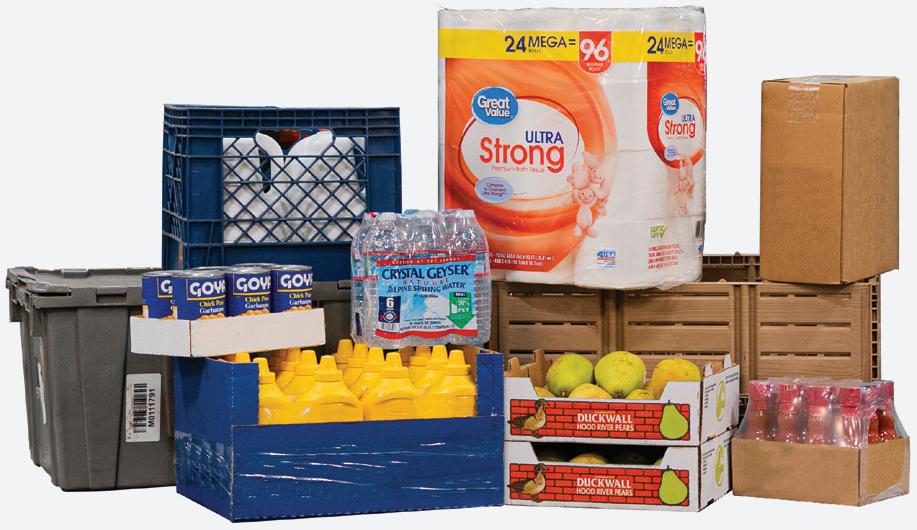
imagine that recurring pressure spikes are affecting product quality. The HMI may help the operator recognize the condition in real time, but MES can provide broader operational context.
Instead of treating each pressure spike as an isolated event, supervisors and process engineers can begin identifying recurring patterns across shifts, products, and production campaigns. The result is not simply better reporting. It is faster problem solving and more confident execution.
The most successful MES implementations are often those that focus first on helping operators perform their jobs more effectively. When frontline personnel benefit directly from the system, management reporting becomes a byproduct rather than the primary objective.
Much of the discussion surrounding digital transformation focuses on enterprise systems and cloud platforms. While these technologies provide tremendous value, some decisions need to happen closer to the process.
This is where edge computing is beginning to play a larger role. By processing information locally, edge

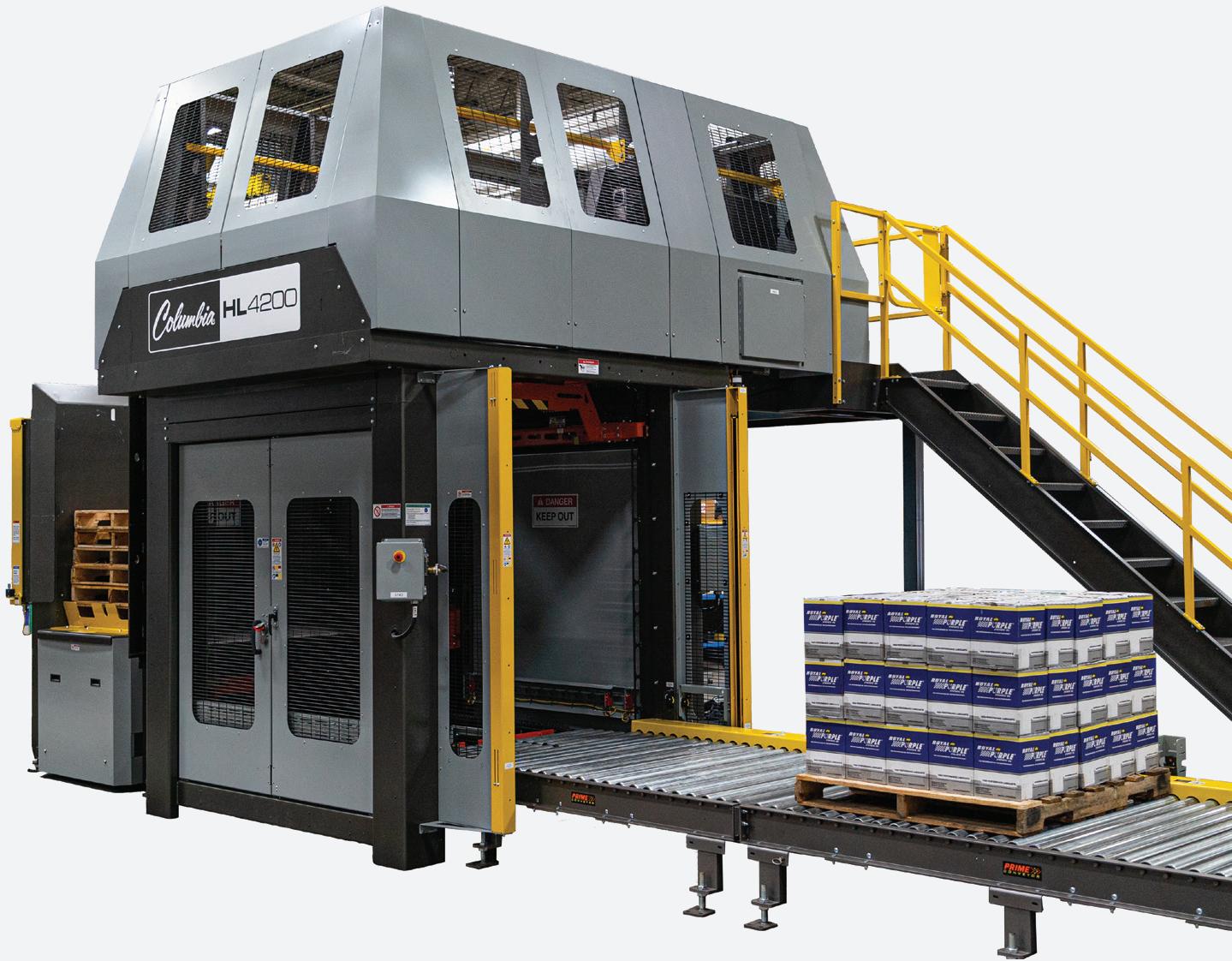


devices can respond to changing conditions far more quickly than systems that depend entirely on centralized infrastructure.
In our cooking process example, pressure spikes may develop within seconds when product enters the heat exchanger faster than the system can effectively process it. Waiting for information to travel through multiple enterprise systems may provide valuable historical insight, but it does little to protect the batch in real time.
Edge computing allows local analysis of pressure, flow, and operating conditions directly at the process. When developing conditions indicate an increased risk of scorching, operators can be alerted immediately, giving them time to intervene before quality is affected.
The same principle applies to countless other applications throughout the food and beverage industry. Sometimes the most valuable decision is the one made a few seconds earlier.
Technology doesn’t improve performance. People do.
For all the discussion surrounding digital tools, software platforms, and advanced analytics, it’s import-
ant not to lose sight of a fundamental truth: Technology doesn’t improve performance—people using technology improves performance.
This is why successful digital transformation efforts almost always include investments in training, change management, and workforce development alongside technology deployment. A sophisticated system that nobody trusts or understands will never deliver meaningful value. Conversely, even relatively simple tools can produce significant improvements when they are designed around the needs of the people using them.
For years, manufacturing organizations focused on answering a single question: What happened? Today’s digital technologies help answer a much more valuable question: What should we do next?
That shift represents the true promise of digital transformation. The most valuable data in the plant is the information that helps someone make a better decision before the next batch, the next process upset, or the next production loss occurs.
Closing the loop is ultimately about turning insight into action, one decision at a time.

Acrison, Inc. 26 www.acrison.com
Aerzen USA, Inc 50 www.aerzen.com
Apex Motion Control 25 www.apexmotion.com
Austin Company 43 www.theaustin.com
BEHN + BATES 55 www.behnbates.com
Big-D Construction IFC www.big-d.com
Columbia Machine, Inc. 70 www.palletizing.com
Coperion 53 www.coperion.com
D&F EquipmentSales, Inc. 58 www.dfequip.com
Eriez 33 www.eriez.com
ESI Group 12-13 www.esigroupusa.com
Flexicon Corporation 5 www.flexicon.com
FlexLink Systems, Inc. 51 www.flexlink.com
Frain Industries IBC www.fraingroup.com
Graphite Metallizing Corp 48 www.graphalloy.com
Heat and Control, Inc. 35 www.heatandcontrol.com
High Tek USA 29 www.hightekusa.com
Hiperbaric 21 www.hiperbaric.com
Hydro-Thermal Corporation 30 www.hydro-thermal.com
Industrial Magnetics, Inc. 57 www.magnetics.com
Key Technology 46 www.key.net
Layton Systems 41 www.laytonsystems.com
Lubriplate Lubricants Company 9 www.lubriplate.com
Material Transfer & Storage Inc. 49 www.materialtransfer.com
Metsa Board 63 www.metsagroup.com
METTLER TOLEDO 23 www.mt.com
Miura America Co., Ltd 62 www.miuraboiler.com
Munson Machinery Co., Inc. 7 www.munsonmachinery.com
MXD Process 72 www.mxdprocess.com
Paxton 4 www.paxtonproducts.com
PERFEX TruCLEAN CORPORATION 1 www.perfex.com
PMMI 61, 67, 69 www.pmmi.org
PPM Technologies Holdings LLC 71 www.ptchronos.com
Laboratories, Inc. 11 www.urschel.com
(Van der Graaf) OFC www.vandergraaf.com
Belt Company of America 19 www.wirebelt.com

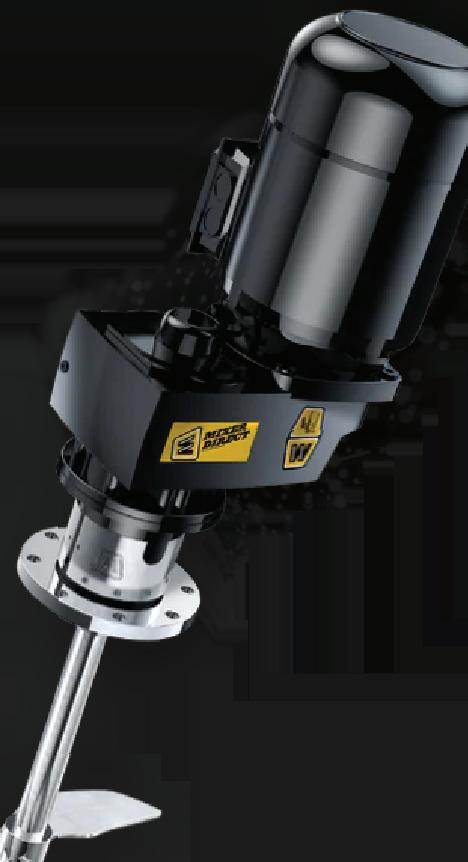



























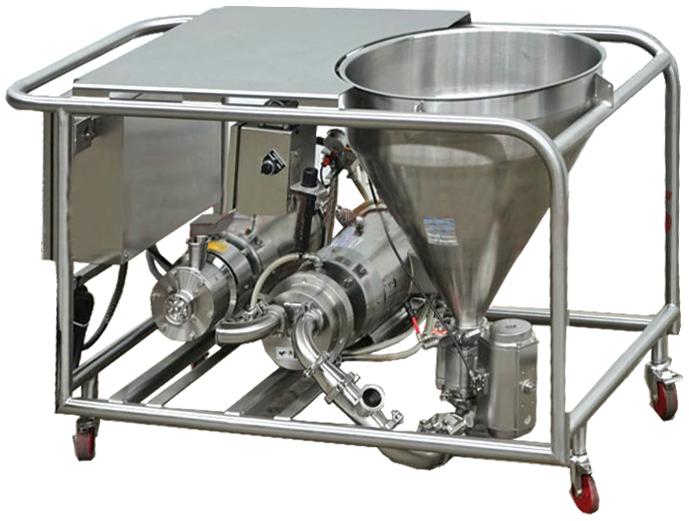
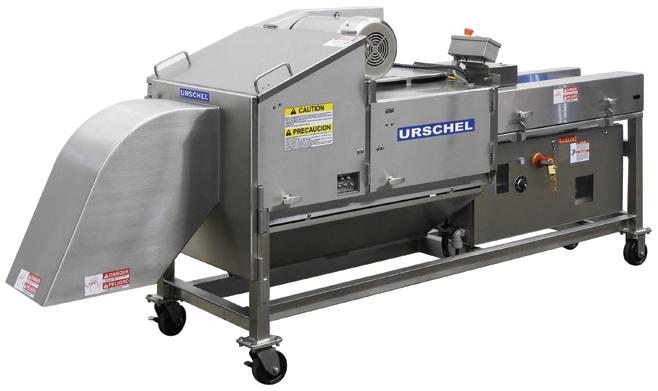
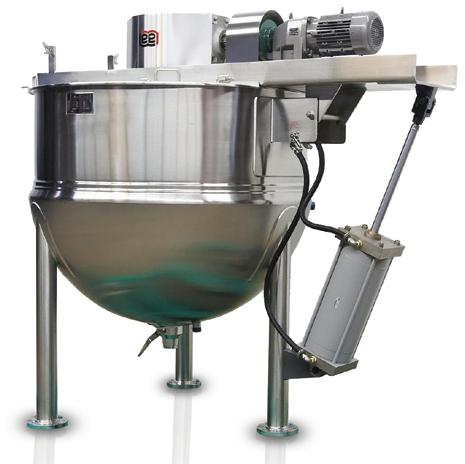
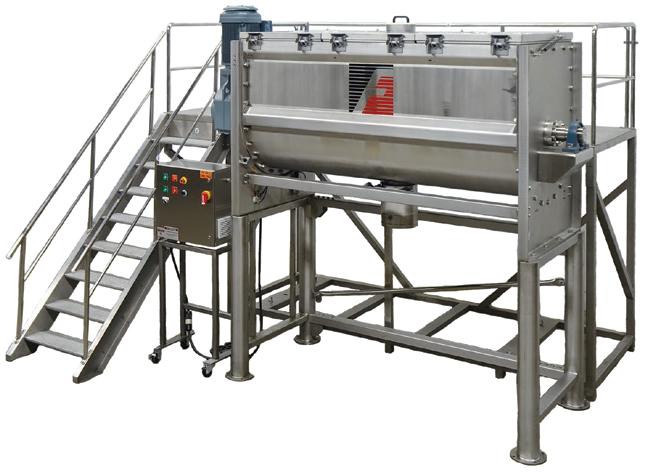
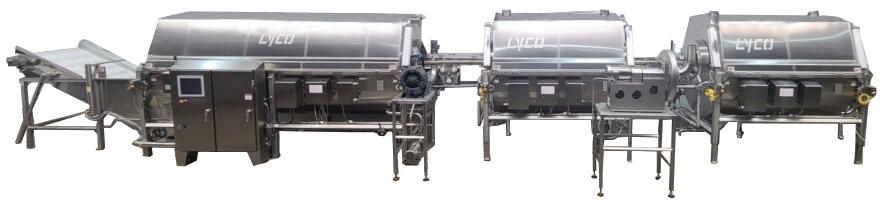

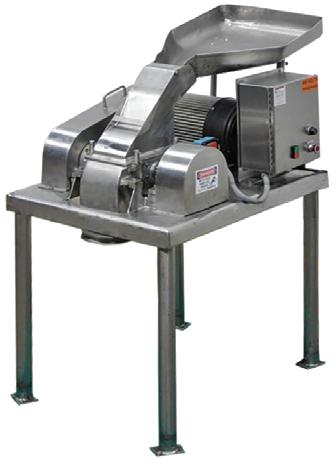
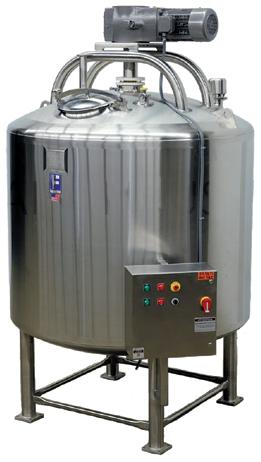
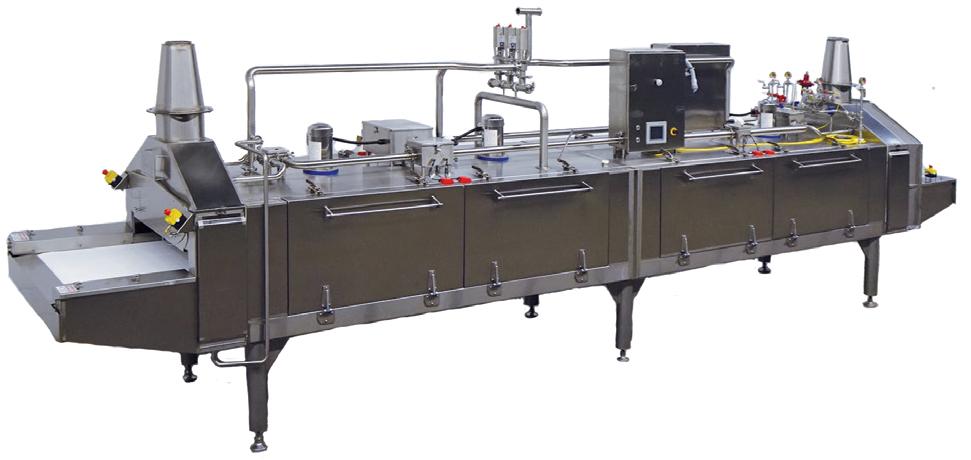



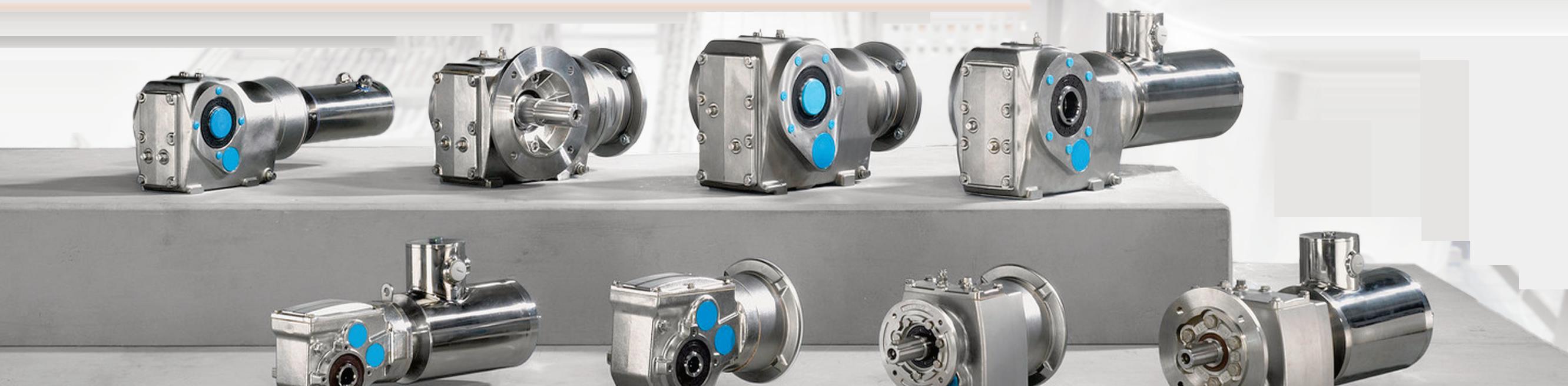

SEW-EURODRIVE’s stainless steel gear units and gearmotors are engineered for applications subject to frequent cleaning and harsh washdown conditions. Helical, helical-bevel, and SPIROPLAN® gearing provides flexibility for torque, speed, efficiency, and installation requirements. Compared to traditional worm gear solutions, these gearing technologies offer higher operating efficiency, reduced heat, extended lubricant life, and longer service intervals.
Units are available as integral stainless steel gearmotors or with stainless steel adapters for IEC, NEMA, and servo motors, providing flexibility for new designs and retrofit applications.
Join us at: PACK Expo - Booth # LU-8735