SUBJECT Environmental Science Edition
Admissions
+44 (0)1752 585858 admissions@plymouth.ac.uk plymouth.ac.uk
School & College Outreach outreach@plymouth.ac.uk
University of Plymouth Drake Circus Plymouth Devon PL4 8AA
United Kingdom
Environmental Science
Follow us @plymuni
Environmental Science Edition
SUBJECT
It’s never too early to start thinking about what you would like to do after school or college, or if you are thinking of a career move! At Plymouth, we know that choosing a university and course is a big decision. While you may have an idea of a profession, career or industry that you’re aspiring towards, if you’re unsure of exactly what you want to do or are keen to find out more – this is where our handy subject guide comes in.
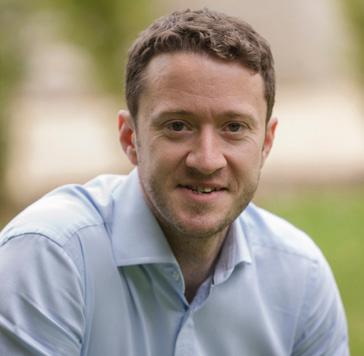
Meet some of this issue’s contributors:

Inside...
FEATURES:
P. 8 Which degree is right for me? Which environmental science courses are available?
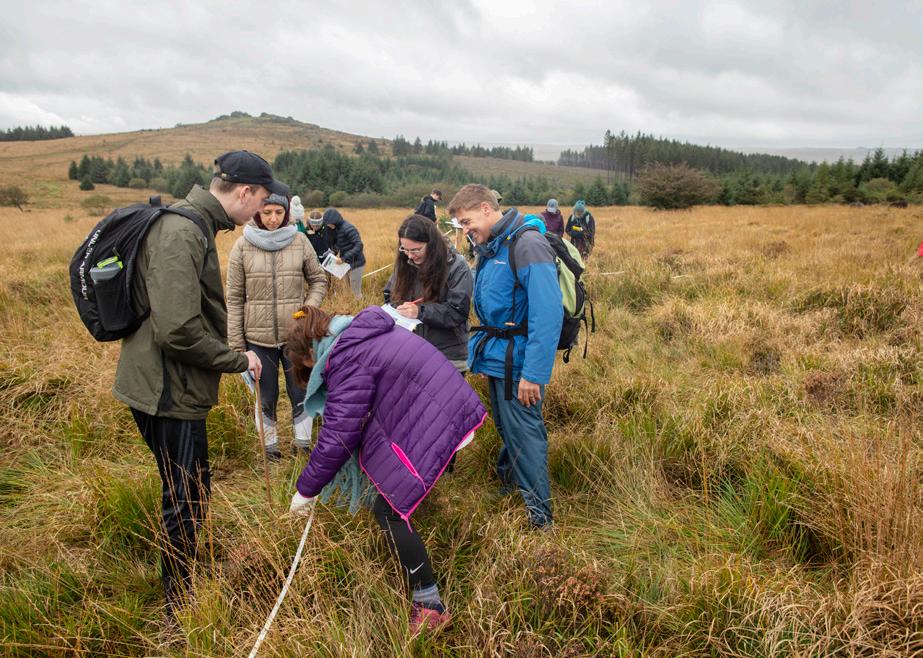
P. 10 What can fieldwork do for you?
Learn how working in the field can improve your skill set.
P. 12 Aligning with the United Nations Sustainable Development Goals
Read about how we align with these goals in our teaching!
P. 16 Ben’s story
Ben talks about his experiences at Plymouth.
P. 18 Why you should do a placement!
Learn about what a placement is and why you should do one.
P. 22 Carving a career
Learn more about what careers are available in environmental science.
P.24 Graduate Stories
EXPLORE YOUR FUTURE HOME
tour Welcome to our city.
When it comes to finding out if university feels right for you, nothing compares to an open day. Talk to current students and quiz lecturers about your course. You can register to attend here plymouth.ac.uk/open-days
Experience first-hand what it is like to be on campus and explore the environments and facilities that inspire and shape our learning every day. Step into one of our campus buildings and picture yourself studying here with us. Visit us at an Open Day
Hear from recent graduates about their journey into employment and how their career paths have developed.

Halel
BSc (Hons) Environmental Science Halel discusses her path since graduation. P. 28
Alvania BSc (Hons) Environmental Management and Sustainability Alvania shares her experiences as a student at Plymouth. P. 26
Dr Tim Daley Admissions Tutor for Environmental Science
Tim shares his top 10 reasons why studying at Plymouth is special. P. 4
10 REASONS TO STUDY AT PLYMOUTH
If you’ve picked up this brochure and have started reading this line, then you’ve already begun a journey that could quite possibly change the world.
I expect you might have a mixture of feelings as you start to read this: one perhaps of excitement, another of nervousness, as you busily consider your future. By now you may have been presented with dozens of course brochures, many saying the same things. Perhaps you’re left wondering what really makes a difference between universities and courses.
Well, I want to help.
Here goes my top 10 for starters!
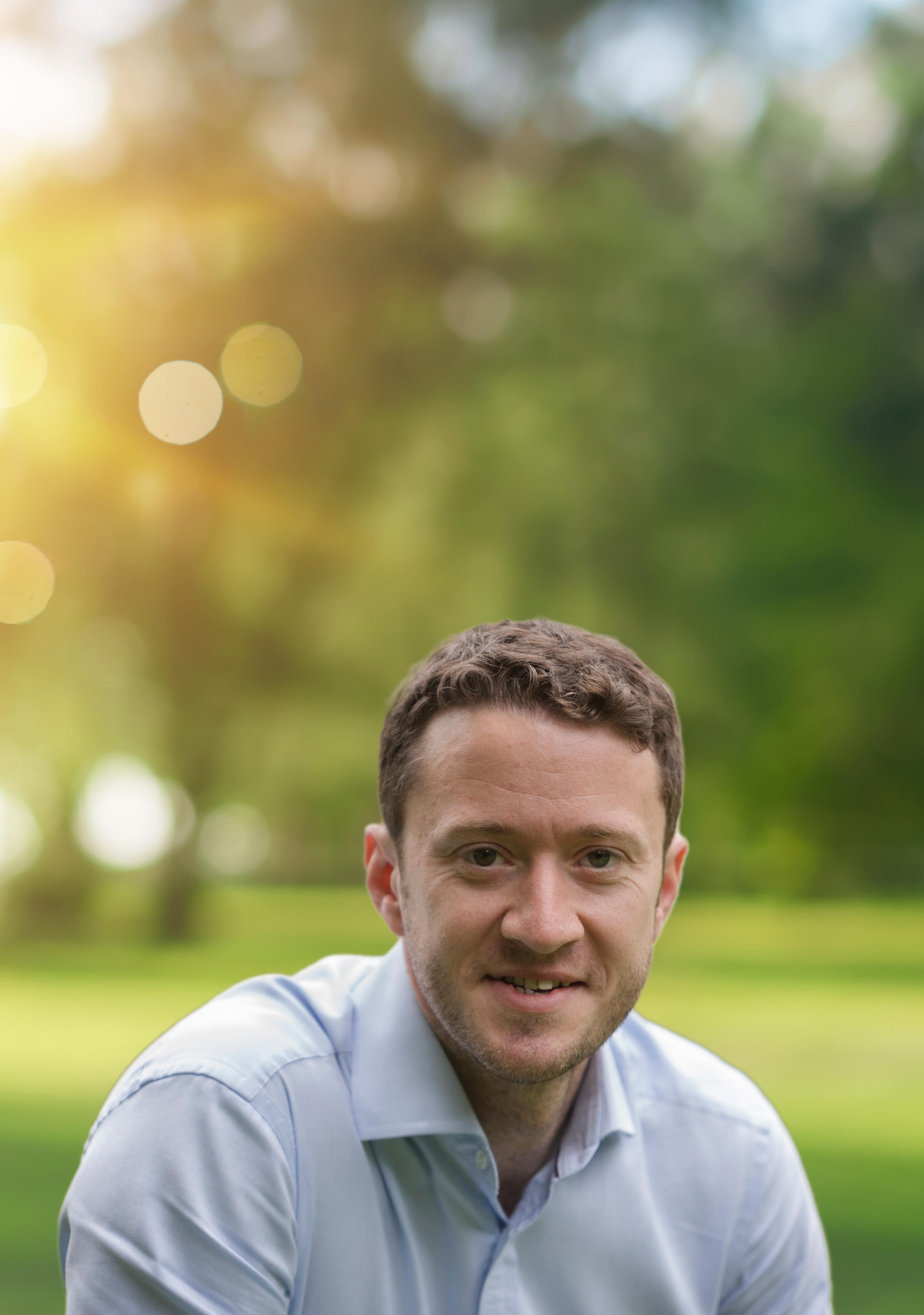
Dr Tim Daley Environmental Science Admissions Tutor
1. YOU WANT TO MAKE A DIFFERENCE
The 21st century has become a rapidly evolving place. We’ve entered the Anthropocene. One species has come to dominate the planet. We’ve begun a biodiversity crisis and a climate crisis. The impacts from both may threaten our own lives and livelihoods. The world needs passionate and informed environmental leaders to change the way we do things. If that’s you, then come and study with us.
2. YOU WANT TO BE WITH OTHERS WHO SHARE YOUR PASSIONS
You’d be forgiven for feeling a bit overwhelmed by the urgency and scale of the need for environmental action. If others around you don’t care as much as you do, that can be isolating. Joining a course where everyone around you cares about the environment and wants to make things better can be wonderfully empowering. Working together, you can learn about solutions to our global problems. Our courses do just that.
3. YOU WANT TO BE INSPIRED
You may already know much about the challenges to Earth’s environment. You may have taken post-16 courses in environmental sciences. So, where would a university course take you; how would you grow? Enrolling on one of our courses will take you into a whole new world of knowledge and understanding. It will deliver you to the coal face of knowledge creation itself. You will discover how to create new knowledge and learn face to face from those exploring our strange new world. You will learn from those literally writing the books.
4. YOU WANT CHOICE
Everyone’s interests are different. Choosing a degree can feel like you are prematurely binding yourself to a pathway, but the environment is big and complex and so are our courses. Your journey can be what you want to make it. Choose modules that fascinate you. Choose to specialise in those things you feel are right for you. Keep your options open. Enjoy the journey.
6. YOU WANT TO USE CUTTING-EDGE KIT AND FACILITIES
I remember when I went to university, there were some big shiny powerful instruments. Some measured things to the size of an electron. Sounds amazing, doesn’t it? I wasn’t allowed to use them though.
5. YOU WANT TO EXPLORE
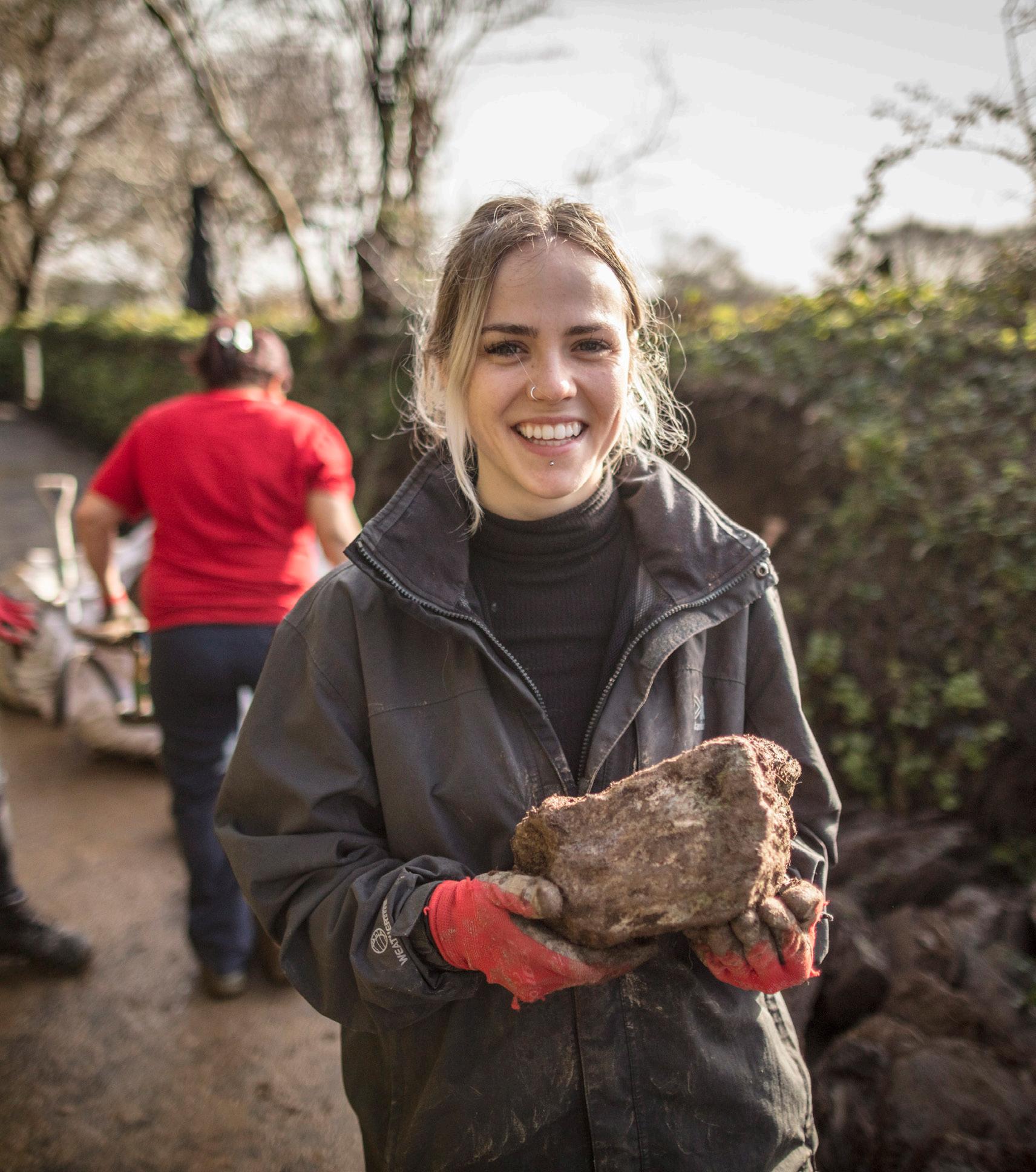
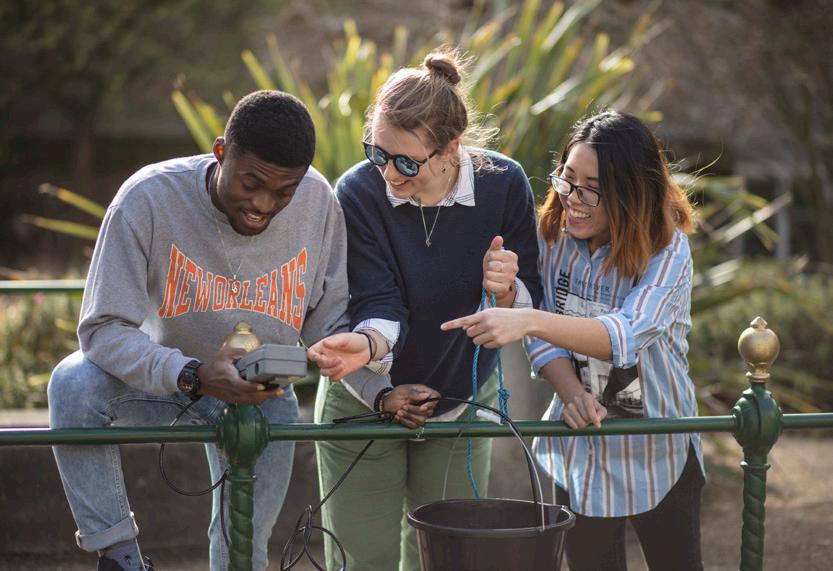
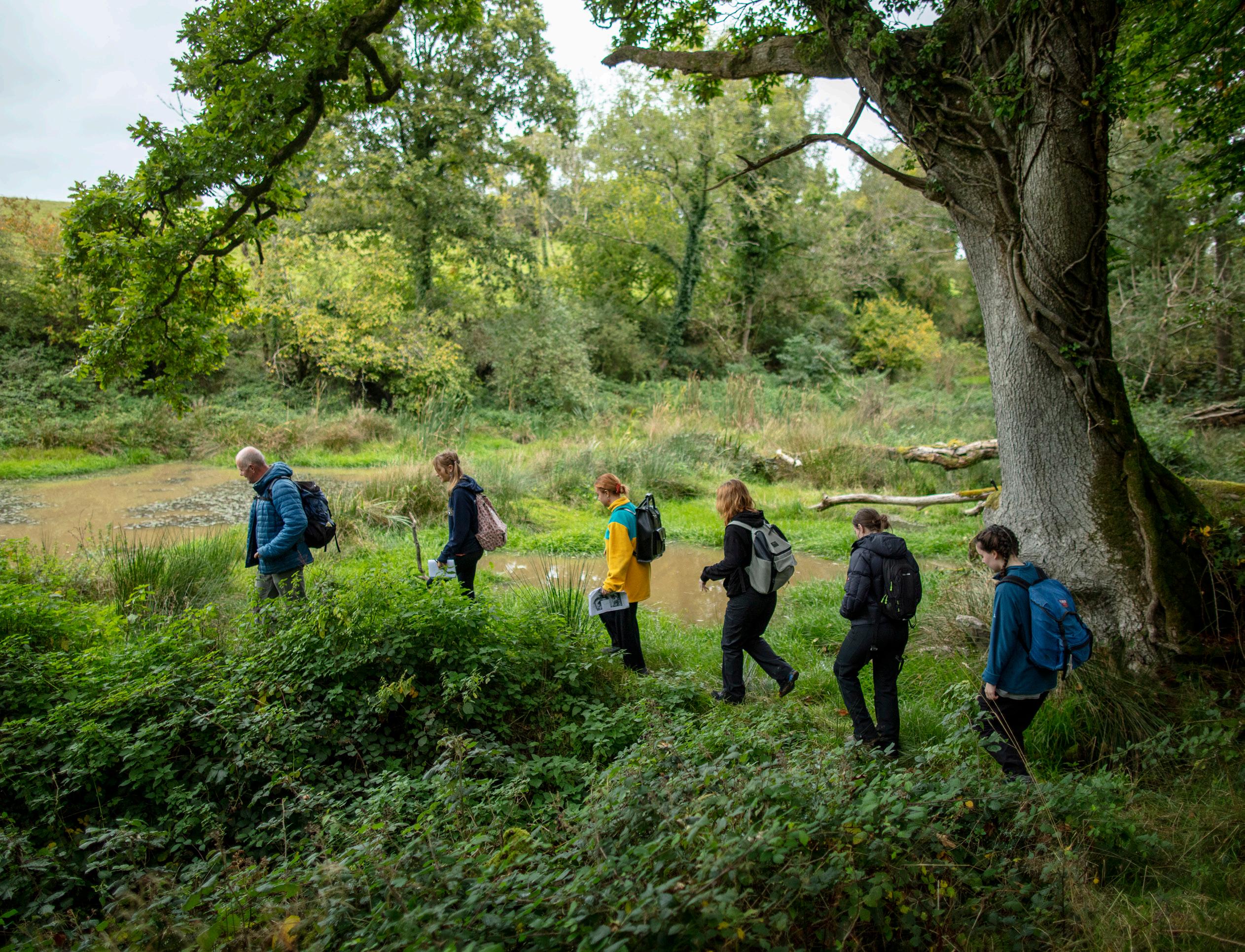
Being out in the field, allows you to see and feel environmental processes at work in their natural environment. There is little substitute for first-hand experience. You don’t have to be sporty to study the environment. You don’t have to know everything. You just need to be curious. Fieldwork is delivered through both residential courses and day trips within your modules. Assessments may well be based on what you learn from that fieldwork and may test your skills in the field not just what you might write down.
7. YOU WANT TO BE WHERE YOU WILL BE HAPPY
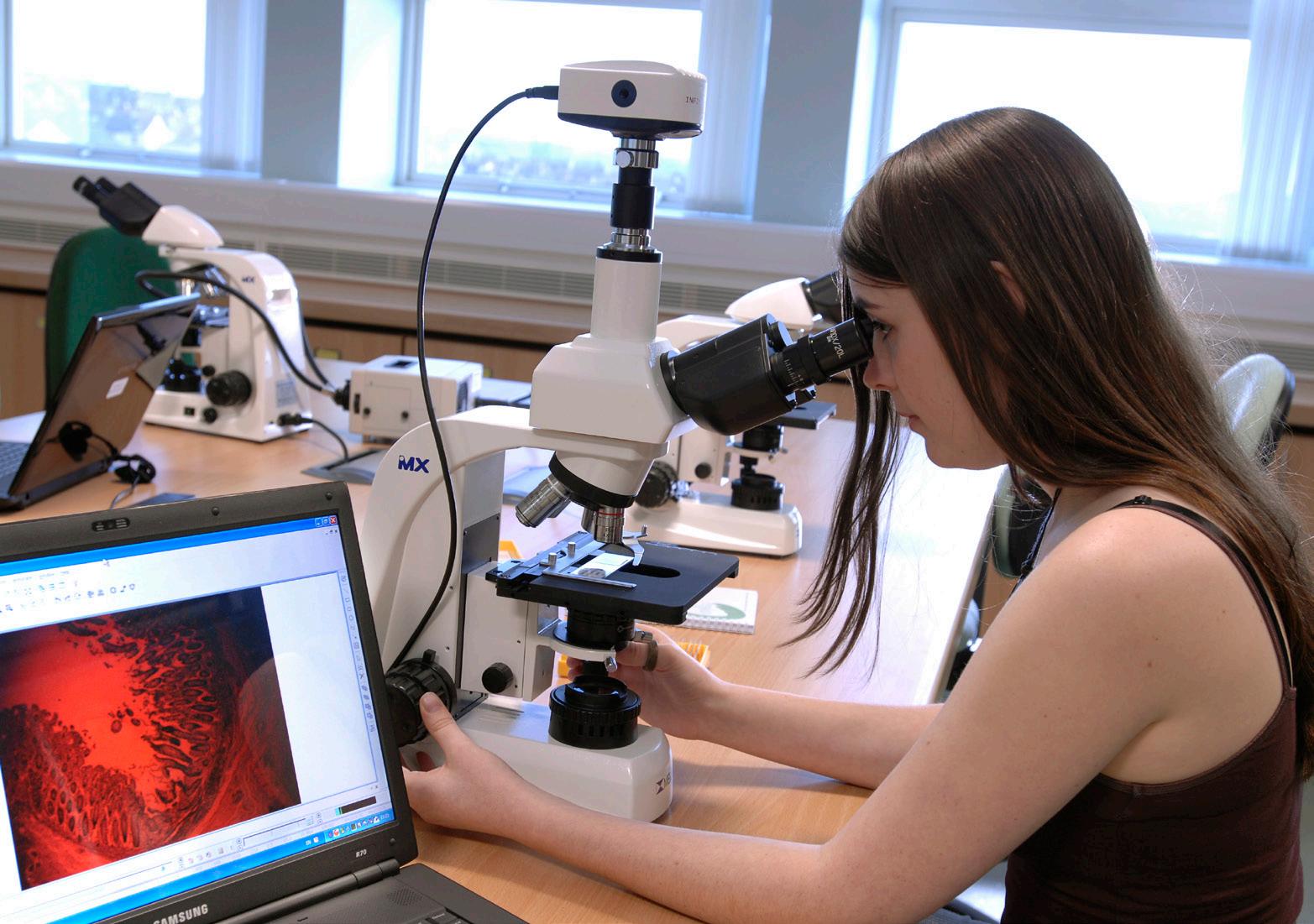
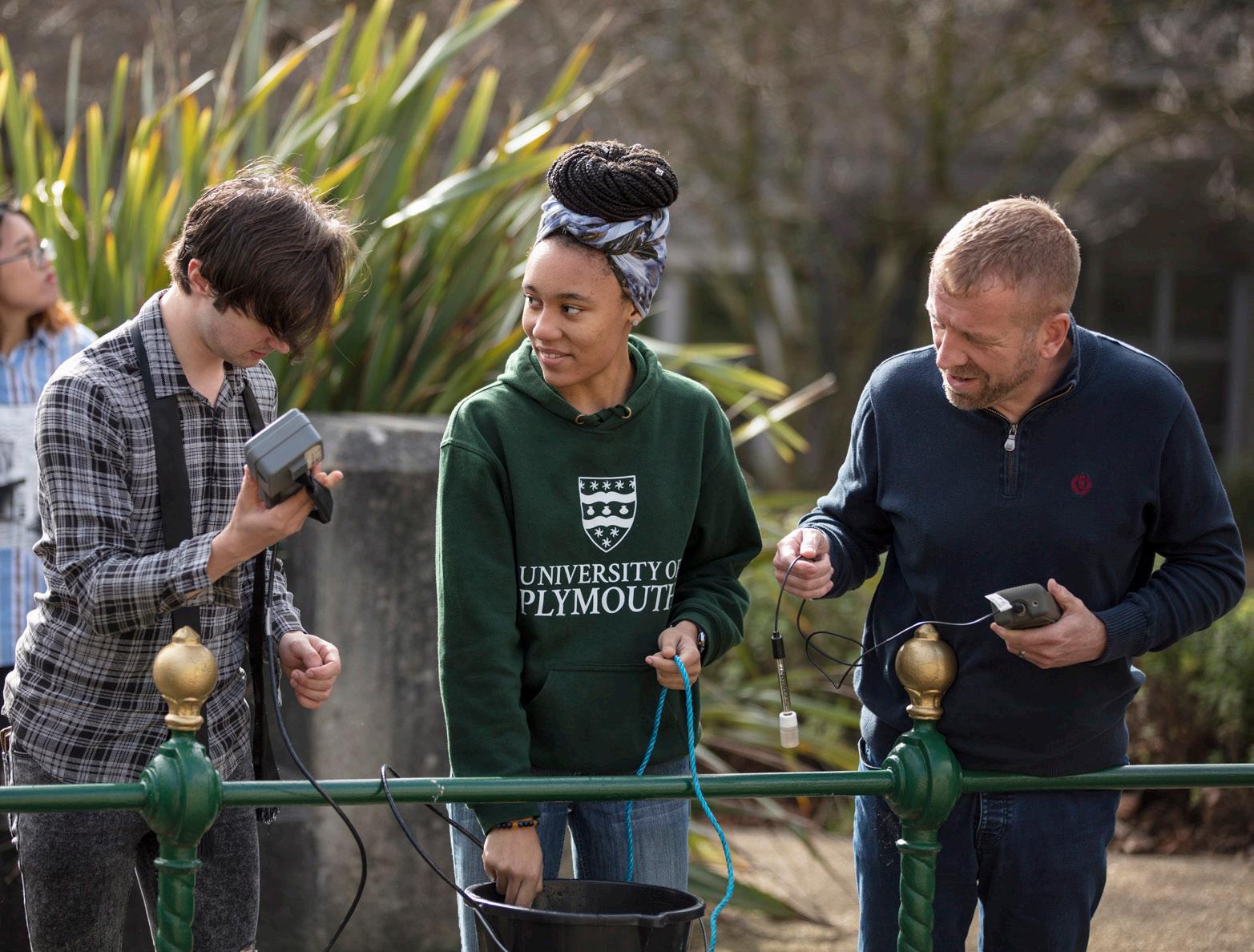
However, at Plymouth, the equipment is yours to be played with (under the guidance of staff ��). Recent investment has opened up a whole world of new environmental monitoring capability. We now have a campus and city-regionscale real time environmental monitoring network that will open up endless possibilities for student-led projects.
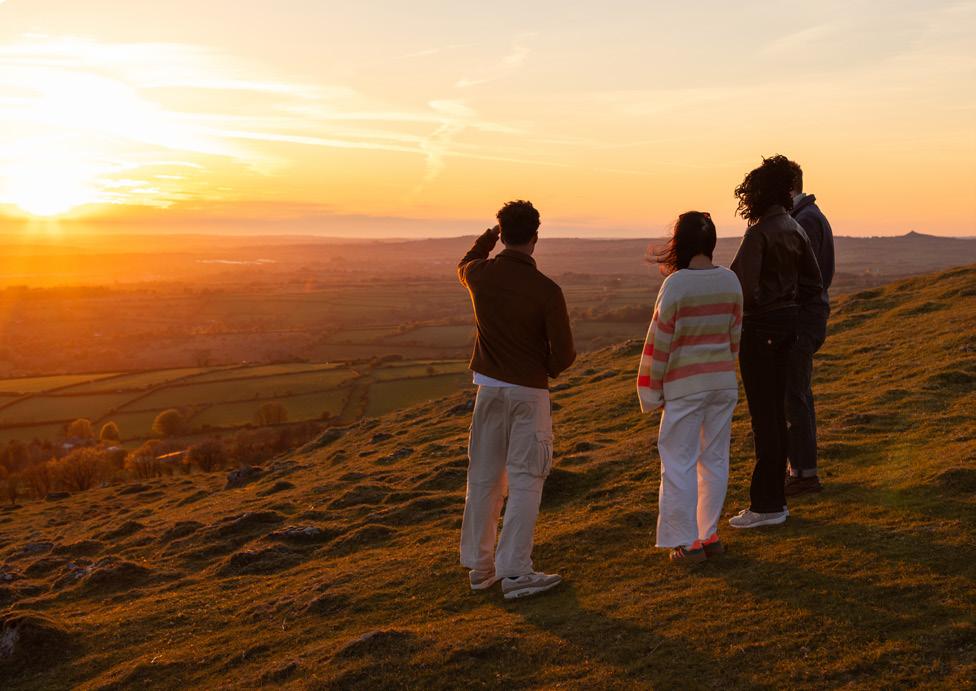
Plymouth is Britain’s Ocean City, home to the UK’s first National Marine Park and one of the UK’s most sustainable cities. It is also part of the county of Devon which is home to Dartmoor National Park and the Tamar Valley Area of Outstanding Natural Beauty, with no shortage of outdoor activities. The city has just under ten miles of coastline and plenty of beaches. It is a friendly and magnificent place to live and study.

9. YOU WANT A CAREER THAT WILL BE RELEVANT
You want to come to university to grow, both as a talented individual but also as a person. You want to learn how to make connections quickly. You want to have fun. That is a lifelong journey. University is simply one important chapter on that journey. What you really want to know and what must surely define your choice of place will be whether that experience will be defining for your future journey. By choosing an Environmental Science course at Plymouth, you are joining one of the longest running programmes in Europe, which passed half a century in the 2020s. You will be preparing yourself to solve the climate crisis which some have argued is the greatest threat in the 21st century. You can’t argue the relevance of that!
8. YOU WANT TO BE SOMEWHERE THAT CELEBRATES SKILLS
And not necessarily in the ways you might expect. We have an incredibly varied range of assessment methods. One week you may be writing a report. Later that month, you might be working with others on a collaborative project. You may well find yourselves creating a YouTube video to raise awareness of an environmental challenge and showcase a solution. At Plymouth, we recognise that talent and skills vary between all students. The days of simply writing essays and lab reports as assignments have been replaced by this rich, varied and engaging suite of assessments that should inspire you to achieve your best.
10. YOU WANT TO BE ACCREDITED
Our degrees are accredited by the Community for Environmental Disciplines in Higher Education (CEDHE), the education committee of the IES. What does that mean? Well, the education committee of the IES provides a professional accreditation scheme for honours and masters programmes in higher education institutions. When accredited, departments become part of an active community which champions environmental disciplines both academically and professionally, providing careers advice and resources. Students enrolled on IES accredited programmes can apply for free IES student membership. Accreditation indicates that an educational institution is planning the career paths of its students. We do this via specific modules and through pastoral support provided by personal tutors.
WHICH DEGREE IS RIGHT FOR ME?
BS c (HONS) ENVIRONMENTAL SCIENCE
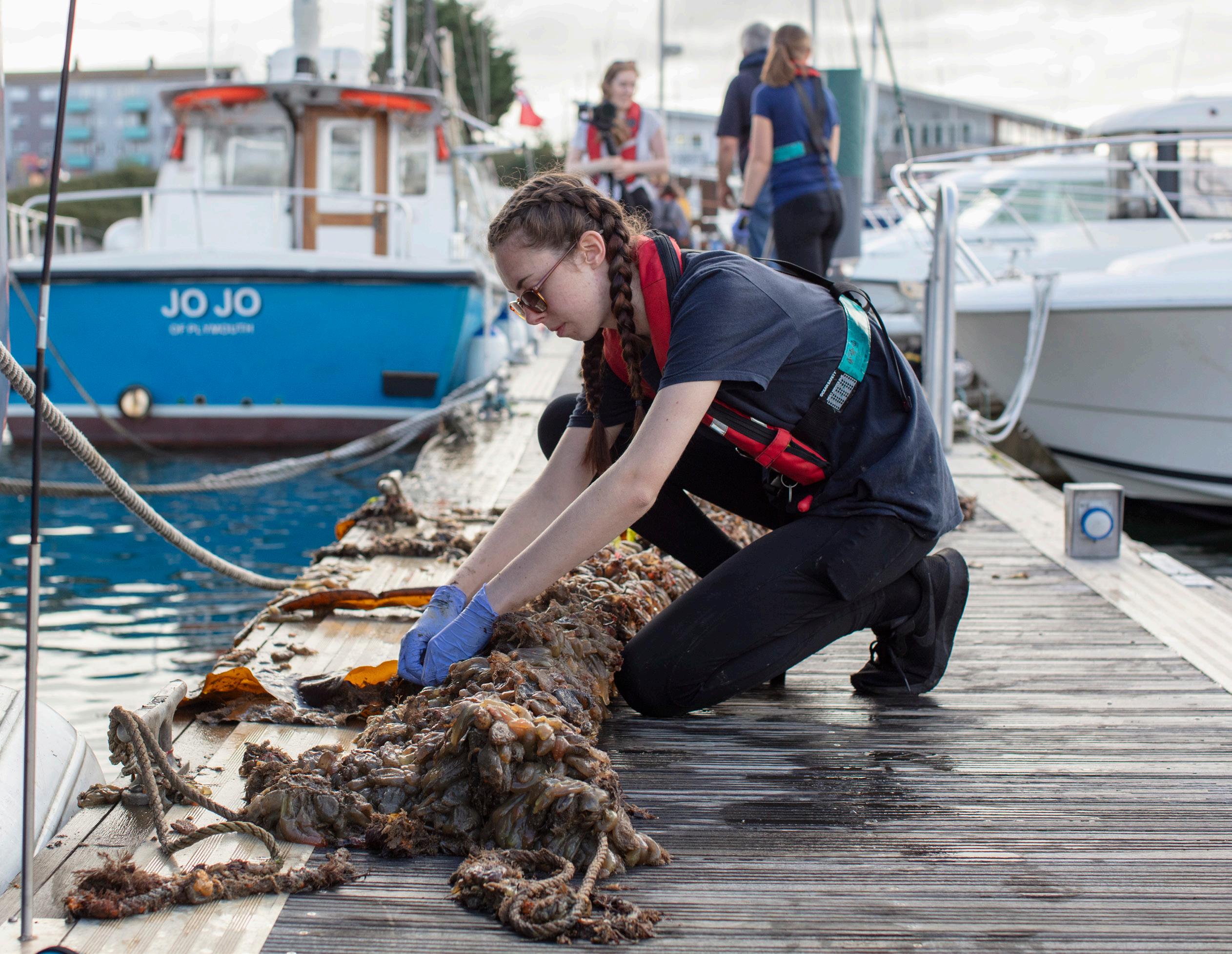
Environmental scientists are critical to addressing global environmental challenges. Your degree will provide you with the knowledge and skills to identify and develop solutions to a wide range of environmental challenges on land and in our oceans, including climate change, biodiversity loss, conservation and sustainability. Applying the latest techniques in the laboratory and the field, you will graduate ready to shape the future of fields from ecosystem management to environmental monitoring.


HEBE BSc (Hons) Environmental Science
“Environmental Science attracted me, because of the diversity of modules, with interdisciplinary teams and assessments. The course enabled me to combine knowledge from different subjects and apply them in a range of opportunities.”

Find out more about our BSc (Hons) Environmental Science programme.
BS c (HONS) ENVIRONMENTAL MANAGEMENT AND SUSTAINABILITY
This degree is strongly interdisciplinary and practical, providing you with the knowledge and skills to help build and manage solutions to environmental challenges on land and in our oceans. It draws on a wide range of modules from environmental science, geography and marine disciplines. Our teaching team are leaders in their research fields and offer excellent links with environmental consultancies, industry, national and local government.

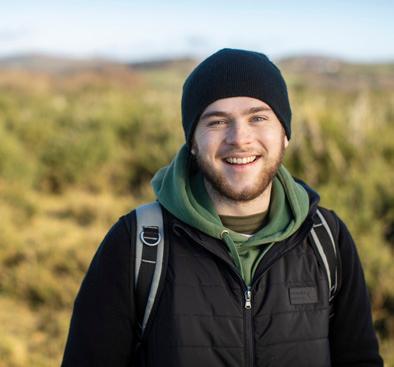
RHYS BSc (Hons) Environmental Management and Sustainability
“I sat down with my dad and I looked at all of the modules on offer for first year, second and third year. Plymouth just had the right mix for me between environmental science and the management and sustainability side which is my interest.”
Find out more about our BSc (Hons) Environmental Management and Sustainability programme.

Find out more about our BSc (Hons) Environmental Science with Foundation Year programme.
BS c (HONS) ENVIRONMENTAL SCIENCE WITH FOUNDATION YEAR
Our foundation year provides the opportunity for progression to the BSc (Hons) Environmental Science or BSc (Hons) Environmental Management and Sustainability degrees . This is the ideal pathway if your current qualifications don’t allow you direct entry to the course or if you are returning to education.
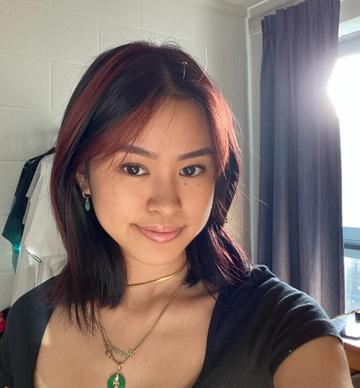
CARMEN
BSc (Hons) Environmental Science with Foundation Year
“Through my foundation year, I have gained experience in science labs and fieldwork while meeting friends along the way. It has nurtured my passion for sustainability and science, leading me to find my career aspirations for the future.”
WHAT CAN FIELDWORK DO FOR YOU?
We provide fieldwork leading programmes taught by staff who are expert researchers in their field.
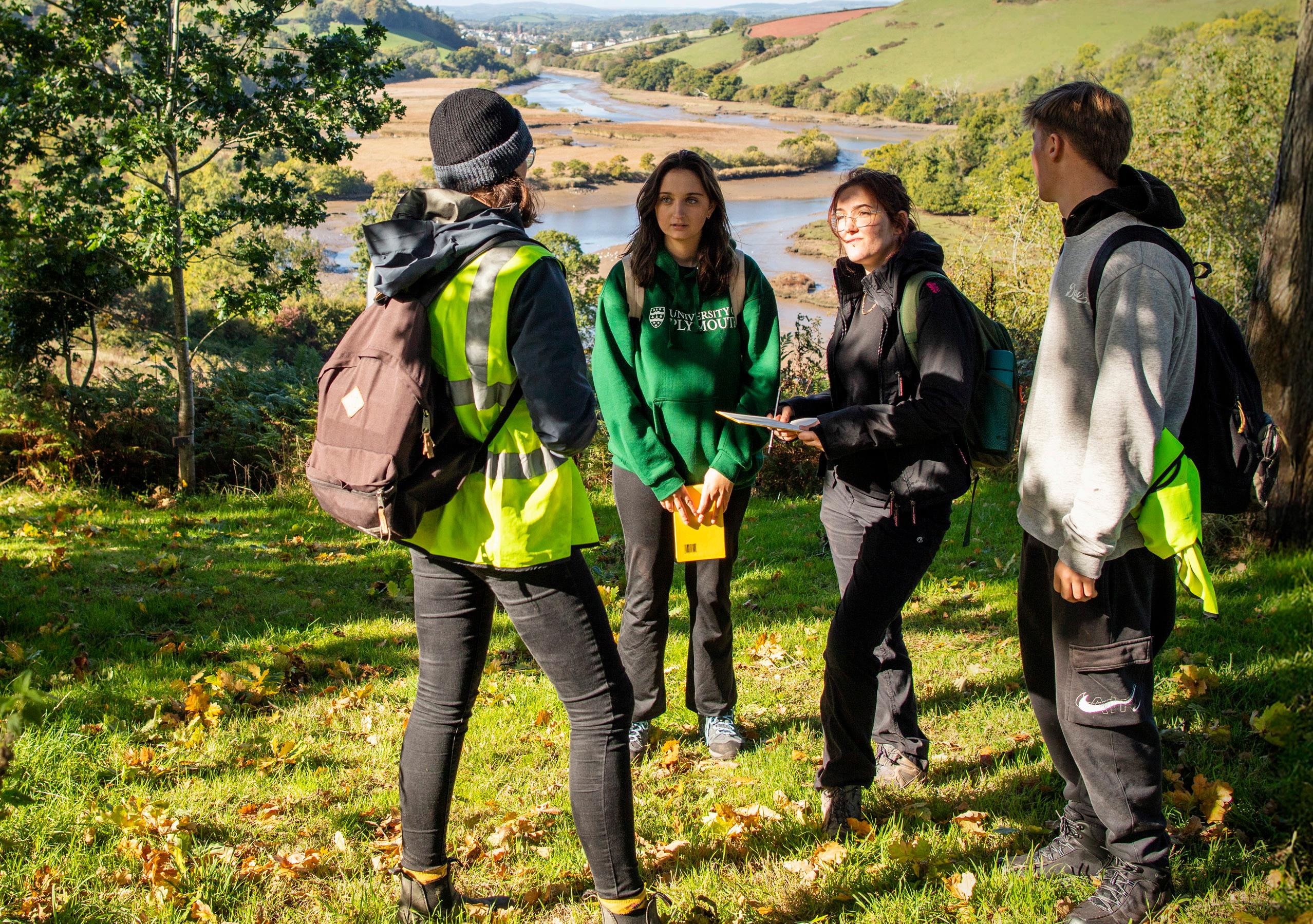
We’ve signed up to the IES’s principles for undergraduate field courses. These encompass safe, sustainable, ethical, accessible and inclusive fieldwork.
Students gain experience of hands-on research, investigating environmental issues in a wide variety of places. The skills gained from fieldwork are highly sought after by a range of employers and include:
• project design
• data collection
• teamwork
• working in different settings.
INTERNATIONAL FIELD WORK
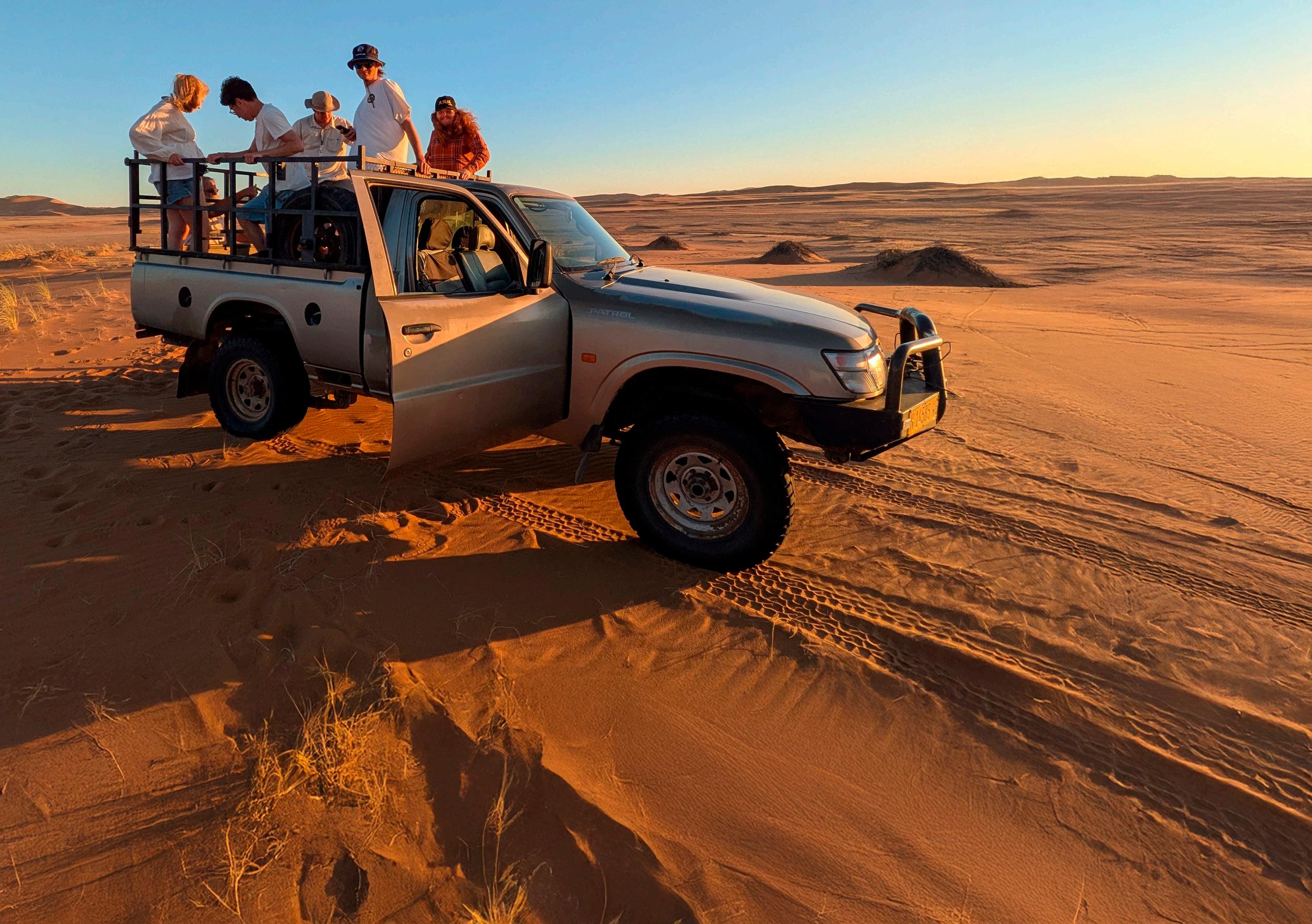
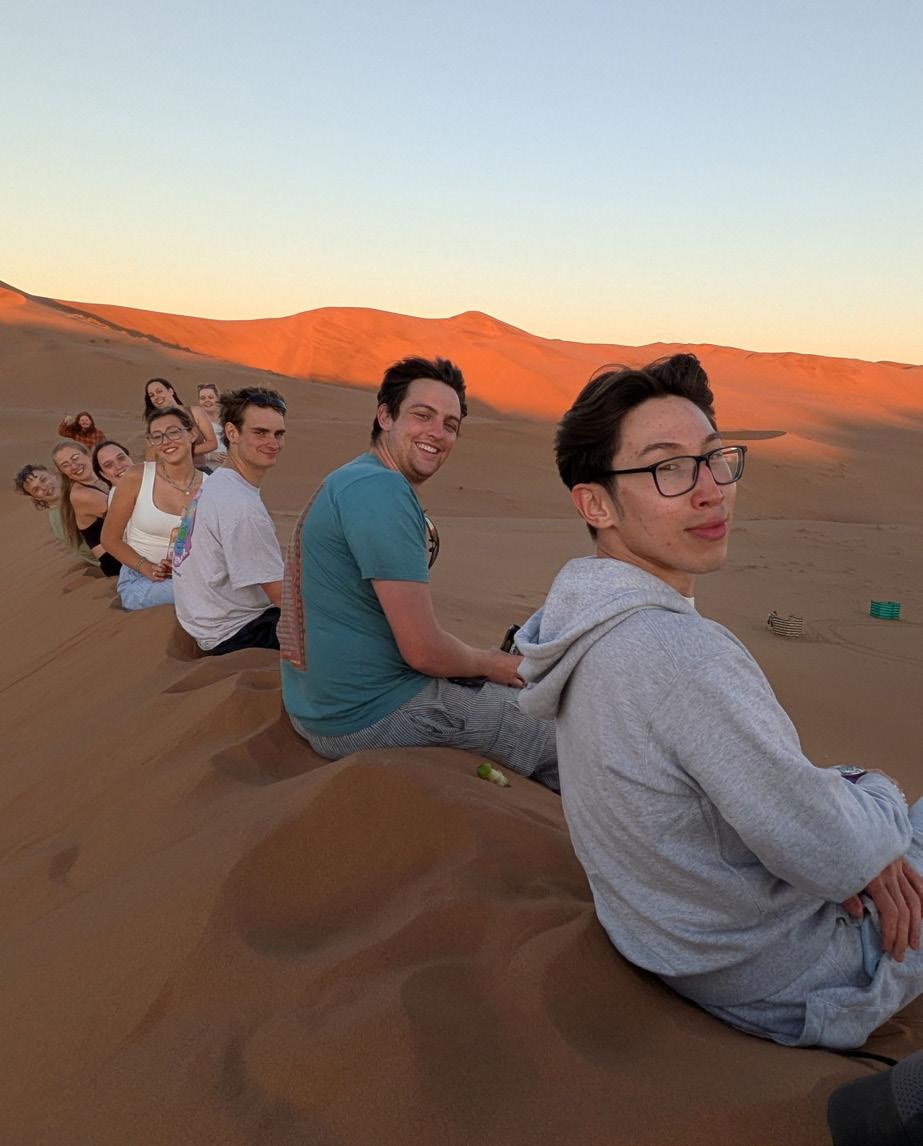
In addition to local field visits associated with specialist modules, residential international fieldwork is an integral part of our degree programmes. Current and previous field courses have
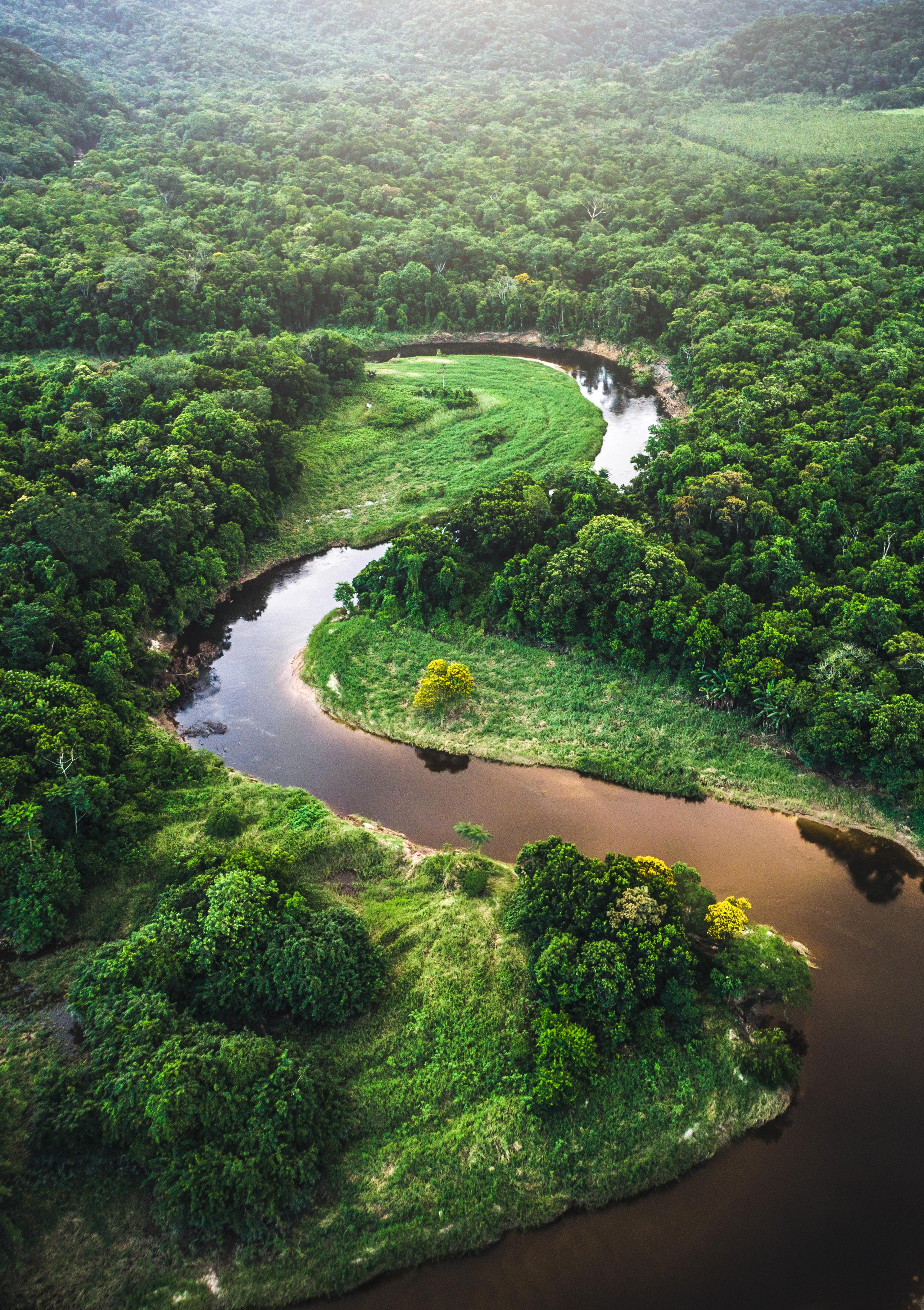
spanned the high latitude boreal zone to sites deep in the tropical forests.
We believe that worthwhile and responsible international travel provides an important context for us to better understand different environmental and human processes. This international theme is also a core part of our focus on finding solutions to global challenges. Graduates from our programmes will be well prepared to contribute to employers all over the world.
FOR MORE INFORMATION, SEE OUR CURRENT FIELDWORK PAGES HERE:
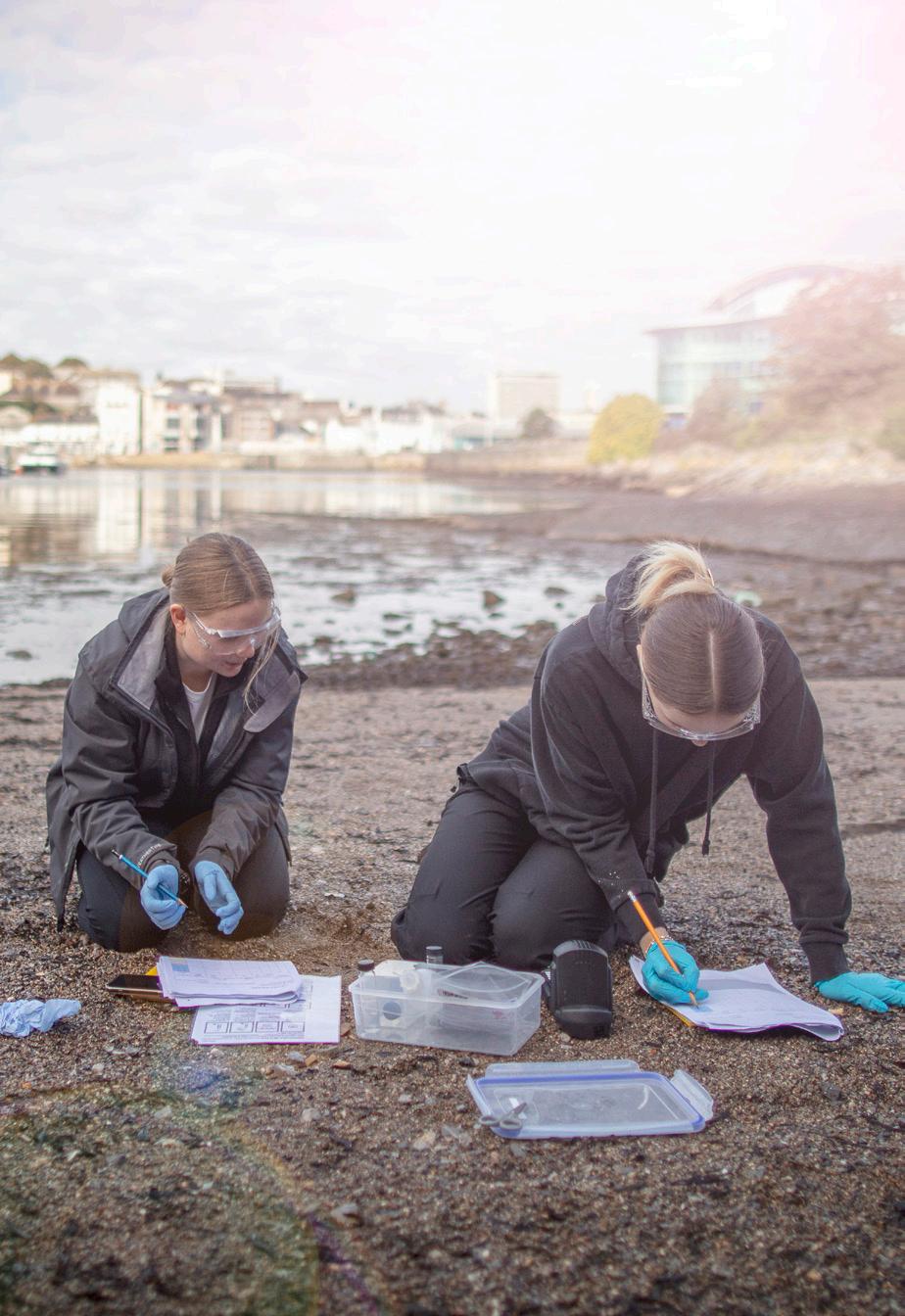
“There are a plethora of facilities and opportunities available, most especially from the coastal location, including fieldwork on Dartmoor, Plymouth Sound and numerous coastal beaches; idyllic for both work and play.” Hebe,
Environmental Science graduate
“The new agenda is a promise by leaders to all people everywhere. It is an agenda for people to end poverty in all its forms – an agenda for the planet, our common home.”
Ban Ki-moon (UN Secretary-General in 2015)
ALIGNING WITH THE
UNITED NATIONS SUSTAINABLE DEVELOPMENT GOALS
As environmental scientists we use the natural sciences such as physics, chemistry, biology and maths to understand how our planet works.
The skills and expertise of environmental scientists are fundamental to address current challenges humankind faces and our degrees explicitly link to international efforts such as the United Nations Sustainable Development Goals (SDGs).
THE SUSTAINABLE DEVELOPMENT GOALS
In 2015, the United Nations developed an ambitious target of 17 SDGs including the eradication of poverty, ending of unsustainable consumption patterns and improved environmental protection. A degree in one of our environmental courses can help address many of these goals.
For example, our students learn about the impact of human activities on the environment and how to manage natural resources in a sustainable way. This can help to address SDG 2 (Zero Hunger) by
promoting sustainable agricultural practices, SDG 6 (Clean Water and Sanitation) by protecting water resources and promoting efficient use, and SDG 7 (Affordable and Clean Energy) by promoting renewable energy and energy efficiency. Additionally, our students learn about the impacts of climate change and strategies to mitigate it. This can help to address SDG 13 (Climate Action) by promoting actions to combat climate change and adapt to its impacts.
Our students also learn about the impacts of pollution on human health and strategies to reduce pollution. This can help to address SDG 3 (Good Health and Wellbeing) by promoting actions to reduce pollution and protect human health. Our students learn about the importance of biodiversity and strategies to protect it. This can

help to address SDG 14 (Life Below Water) and SDG 15 (Life on Land) by promoting actions to protect marine and terrestrial biodiversity.
Studying one of our courses can help you to develop the knowledge and skills needed to promote sustainable development and address the UN SDGs. We understand how people think about the environment, how different societies choose to govern it. We learn how to evidence environmental change and impact and how we can fix it. Each of these underpins the SDGs. In delivering our courses, we directly contribute to SDG 4 (Quality Education).
MAKE YOUR STUDY ABROAD ASPIRATIONS COME TRUE.
Our Global Opportunities team will support you in finding a host, your application, during your year abroad and when you return home.
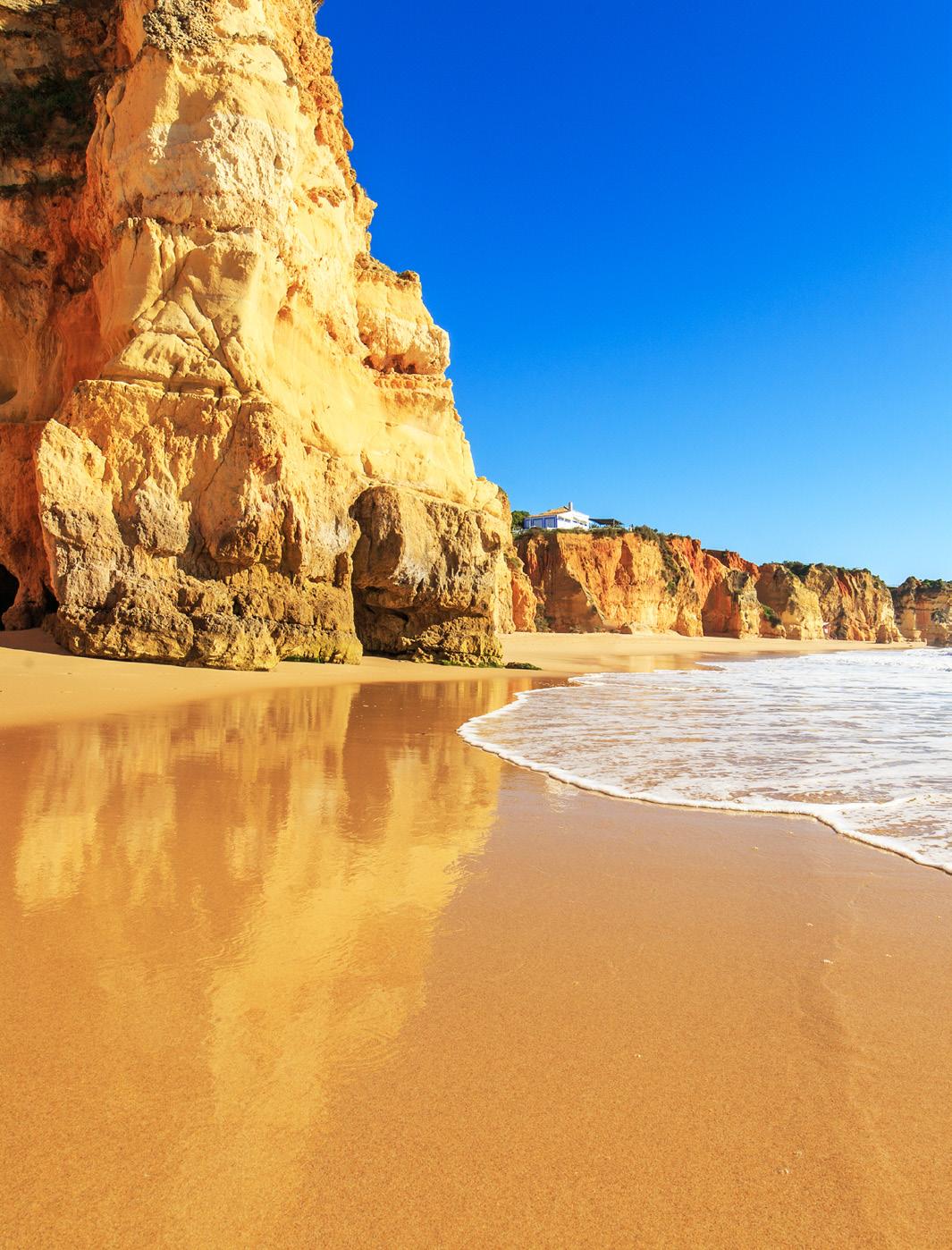
WHY SHOULD YOU GO ABROAD?
Because it is a unique adventure that is available to you at no other time of your life. The sheer excitement of experiencing a new culture, meeting new and interesting people, and understanding the world from a bigger perspective – can change you, your life, your career and your future, and will improve your academic and job prospects. This is backed up by research over many years of tracking the careers of our graduates.
WHAT IS YOUR EXPERIENCE WITH ENVIRONMENTAL SCIENCE STUDENTS?
We regularly help Environmental Science students study abroad for a year. Previously, students have studied abroad in the USA, Canada, the Netherlands,

Germany, France, Portugal, Finland, Norway and Iceland. We try our best to get you to where you want to go but wherever you do go, you will not regret it. And it is always interesting to hear their experiences. For example, one Environmental Science student who said she didn’t like the cold sent us photos of herself ice bathing in Finland!
IS THERE FINANCIAL SUPPORT FOR STUDENTS TAKING PART IN AN INTERNATIONAL EXCHANGE?
Yes, depending on your circumstances there is a range of possible financial support such as tuition fee reductions, maintenance loan enhancements, and cost of living and travel grants to help you on your way. Keep in mind: we want you to go and will do our best to make it happen!
AN INSIGHT FROM A CURRENT STUDENT
NIM KWAN CHEUNG
"You will not regret your decision to study with Plymouth University; they provide support in different areas and try their best to help develop you, not just academically but also personally - that is something other universities cannot provide.
I studied my higher diploma in Analytical Science and Biotechnology at Hong Kong Institute of Vocation Education, which has a partnership with Plymouth University. I would like to be a person that takes part in our environment and helps save our Earth, therefore I decided to change my major to environmental science when I applied to Plymouth University.
Being an environmental scientist, there is a lot of work to do; luckily I chose to further my studies at Plymouth University. Not only are they teaching me how to be a professional environmental scientist in a practical way but also how to shape myself into a better person.

Plymouth is a relaxing city, very different to Hong Kong. With the help of staff I found it easier to adapt to life at Plymouth University, they helped me a lot and I am very grateful to have met a lovely officer within the University.
There are some experiences which you cannot learn from books or lectures. University is like a miniature version of society in which we learn how to adjust and fit in, which is a great opportunity for improving and practising our sociability before entering society. It is more valuable than anything books could have taught us."




BEN'S STORY
Get to know
our BSc
(Hons) Environmental Science student who wants to educate others to protect our planet.
CAN YOU DESCRIBE YOUR PASSION FOR YOUR SUBJECT AREA?
Coming from Norfolk, I love the outdoors.
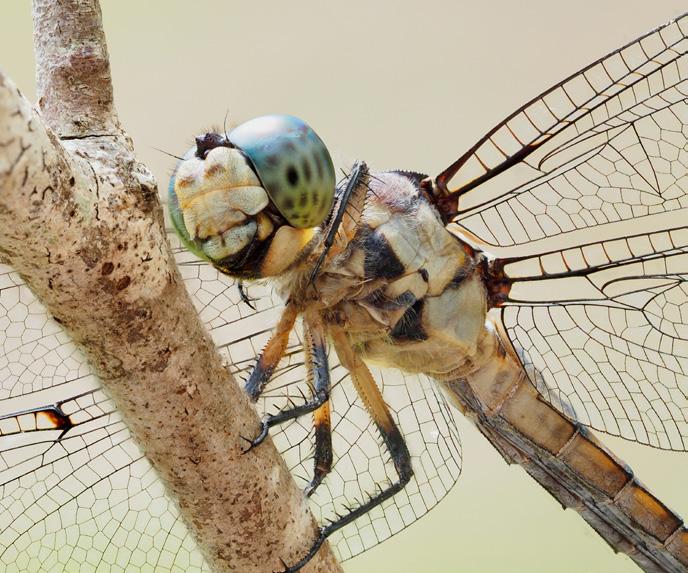
I’m inspired by the Norfolk Broads – a unique habitat in its own right. The Broads may look natural, but they are a man-made phenomenon.
Over the hundreds of years they have existed, the area has been rewilded and repopulated with wildlife. It’s home to a number of rare species of birds and animals. However, due to population decline as a result of habitat degradation and invasive species, it is unfortunately also home to some of the most endangered species in the UK – from the cuckoo to the European eel.
The thought of this wonderful habitat no longer being here really scares me but also really motivates me.
“Early in my first year, I’d already had lots of laboratory work and been on two field trips.”
“I’m studying environmental science because I want to ensure what we’ve got is still here for future generations. I’m passionate about educating others on how they can play their part in preserving the environment.”
WHAT MAKES STUDYING WITH THE UNIVERSITY SPECIAL?
Visiting Slapton in Devon, we calculated carbon in the woodland biomass, measured trees and looked at the River Continuum Concept (RCC), investigating the invertebrates living at different stages of a river.
Find out more about Ben's student journey with Plymouth

WHY YOU SHOULD DO A PLACEMENT
Placements can be extremely beneficial for undergraduate students studying our environmental courses. They provide you with hands-on experience in the field, which can help you to better understand the applications of the theories and concepts you are learning in the classroom. Additionally, placements can help you to develop a network of professionals in your chosen field, which can be valuable when you’re seeking employment after graduation.
WHAT WOULD I DO?
Placements can also help you to gain a deeper understanding of the various career paths available to you in the field of environmental science. For example, a student who is interested in conservation may choose to complete a placement with a non-profit organisation that focuses on preserving endangered species, while another student who is more interested in pollution control may choose to complete a placement with a government agency that regulates
air and water quality. Placements can also help you to gain valuable skills that are highly sought after by employers. For example, many placements involve fieldwork, which can help you to develop your analytical and problemsolving skills. Additionally, many placements involve working as part of a team, which can help you to develop your communication and collaboration skills.
WHY SHOULD I DO ONE?
While these skills are taught comprehensively in class, rarely is there a substitute for practise in the places where these skills are gainfully applied. Why not have a go at learning what is needed in the workplace and experience just how valuable you are? Placements are the route to this experience and can enable you to grow into an even more attractive proposition for an employer. Here are some stories from recent placement students.
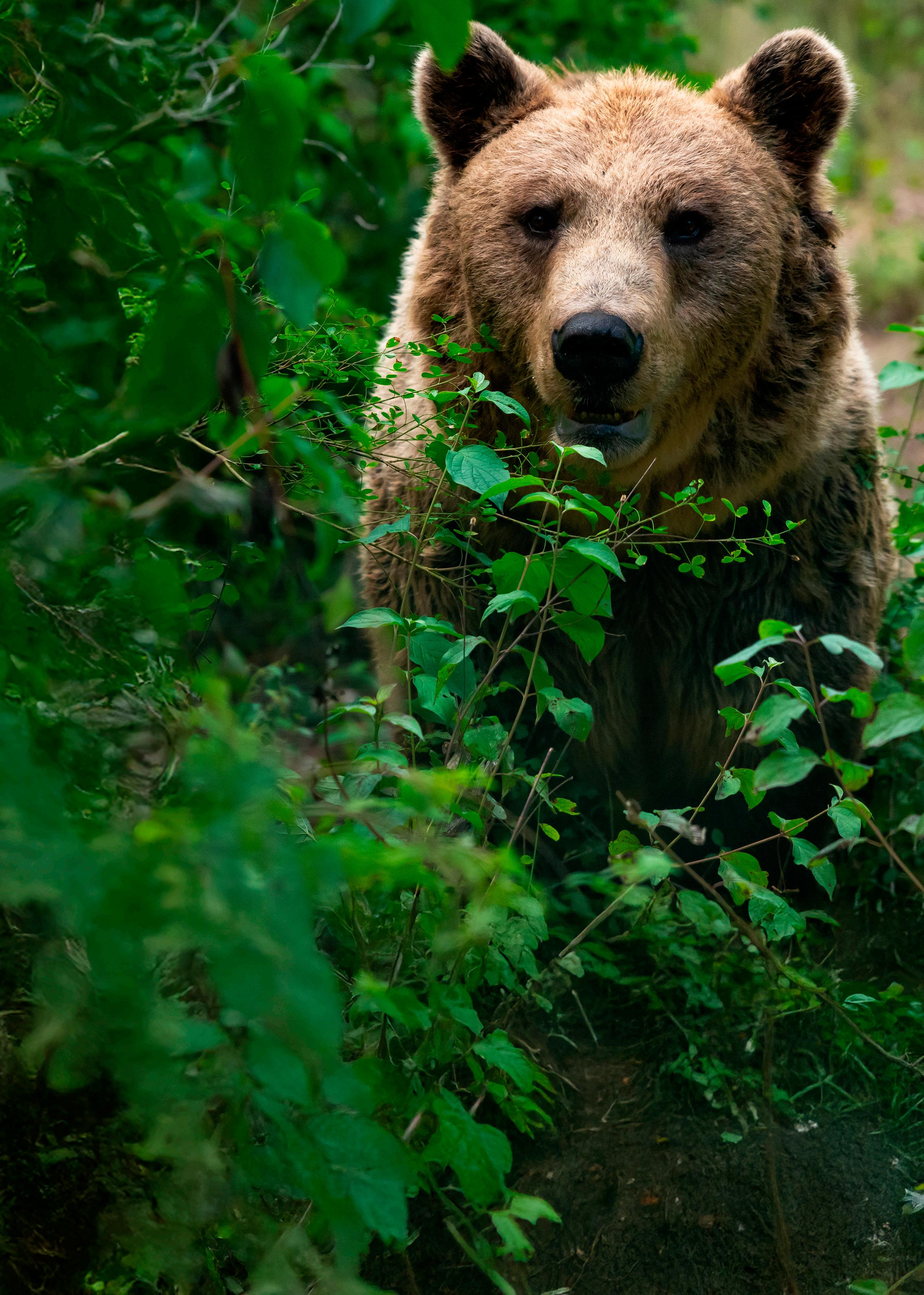
MONITORING THE MARSICAN BROWN BEAR WILLIAM
BSC (HONS) ENVIRONMENTAL SCIENCE PLACEMENT PROVIDER: SALVIAMO L’ORSO.
JOB ROLE: VOLUNTEER WORK FOR THE REWILDING PROCESS OF THE APENNINES REGION AND MONITORING OF THE MARSICAN BROWN BEAR.
WHAT DID YOU DO ON YOUR PLACEMENT?
My time on placement was spent travelling all over the Apennines in Italy, finding ways to reduce the human impact in the bears habitat, like removing barbed wire, cleaning up fly tipping and educating locals on the need to protect them. We also put in measures to reduce the bear and human contact, like setting up electric fences around farms, orchards and apiaries.
HOW DID THE UNIVERSITY HELP YOU ORGANISE AND PREPARE FOR A PLACEMENT?
The academic staff and placement team were really helpful when it came to organising the next steps I needed to take when applying for a placement. They were both very fast with replies and always did their best to get me on
the right track. The best example of this was when I was in Manchester applying for a visa. I was missing a crucial form for the application and I had 30 minutes to get it and print it off. One quick phone call later and I had the papers straight away!
WOULD YOU RECOMMEND DOING A PLACEMENT?
Absolutely! I wasn’t originally planning to do one, but I know I would be kicking myself now if hadn’t. The chance to meet new, like-minded people was amazing. I feel as if the time that I have spent away has really helped me to mature as a person, as well as now having that first-hand experience in the ‘working world’ and helping me to choose my next steps in my career.
WHAT WAS YOUR BEST MEMORY FROM YOUR PLACEMENT?
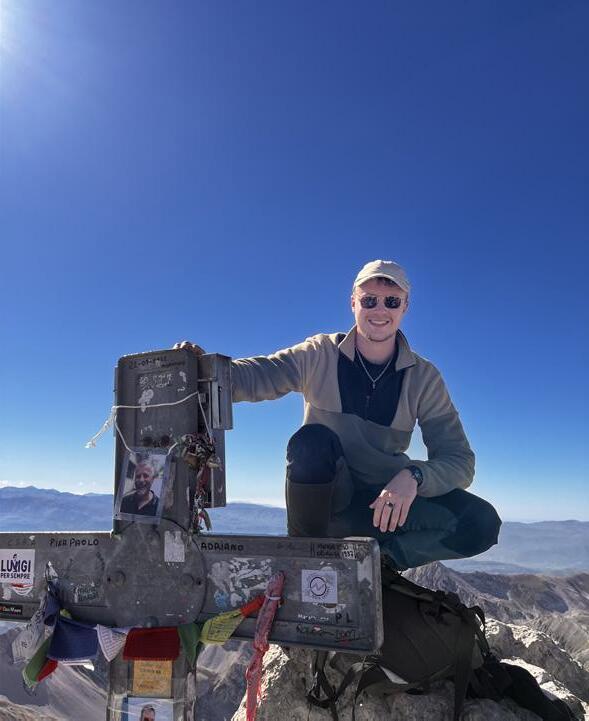
Climbing the highest peak in Central Italy with a view of the Croatian coastline, across the Adriatic coast, is something I will never forget. I also don’t think I need to explain how good the pasta and pizza was, it’s Italy!
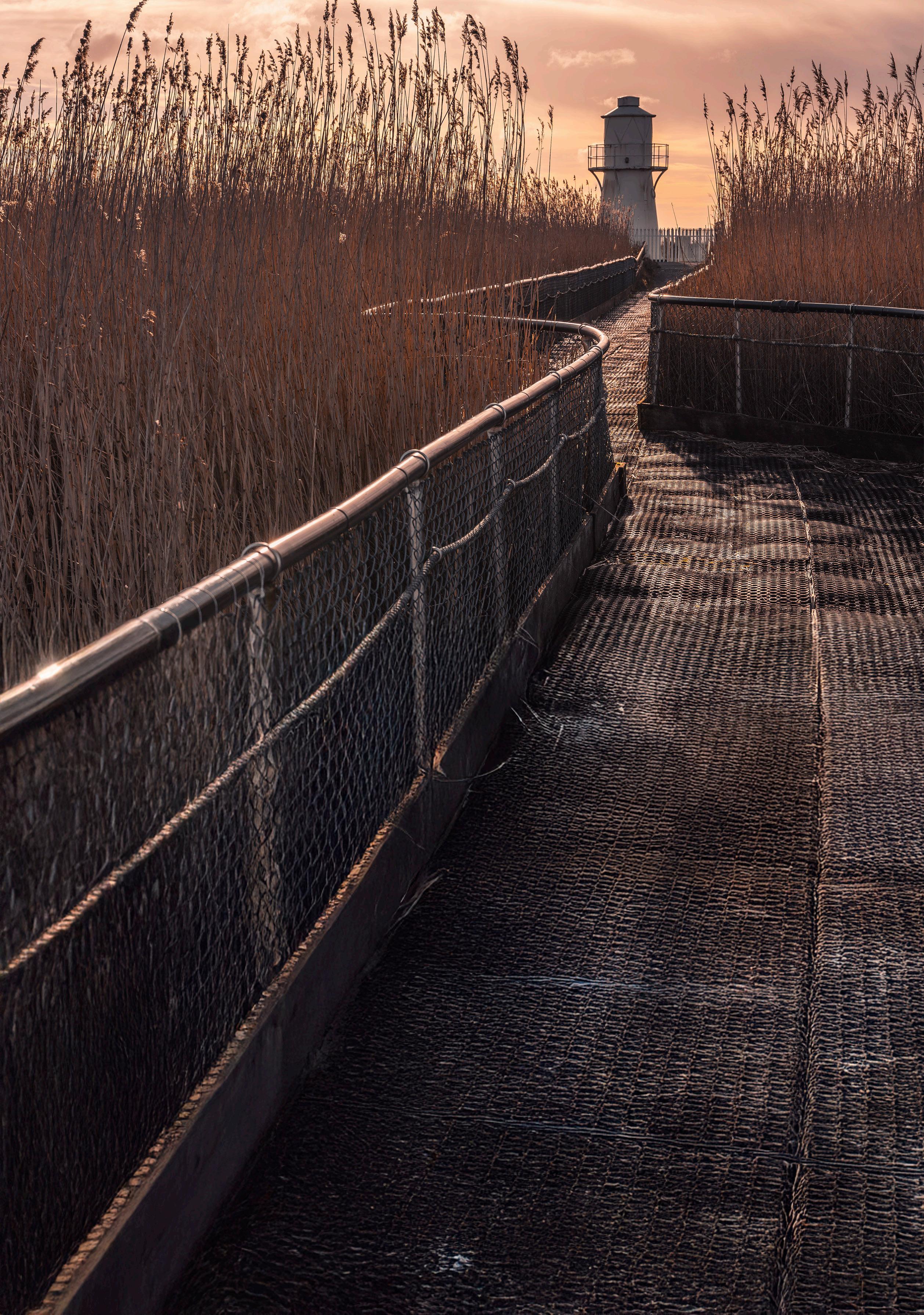
THERE’S NOWHERE QUITE LIKE THE RSPB NEWPORT WETLANDS!
ELEANOR
BSC (HONS) ENVIRONMENTAL MANAGEMENT AND SUSTAINABILITY
PLACEMENT PROVIDER: RSPB NEWPORT WETLANDS
JOB ROLE: SCHOOLS ON RESERVES LEADER
WHAT DID YOU DO ON YOUR PLACEMENT?
My main role was running outdoor education sessions for schools and visitors of all ages — inspiring young people to care about the natural world was something I absolutely loved. I also worked with the visitor experience team on events and social media, which gave me a real insight into how a conservation charity operates. On top of that, I trained as a volunteer otter surveyor with the Founder of the South Wales Otter Trust, learning field signs, data collection, and otter ecology. It feels incredible to have worked with the UK's largest conservation charity before even graduating.
HOW DID THE UNIVERSITY HELP YOU PREPARE?
The support was brilliant from the start — lectures from previous placement students, help with CVs, cover letters and interviews, and one-to-one appointments through the Careers Service. That backing was particularly valuable as I became the first-ever placement student at RSPB Newport Wetlands, helping to add credibility and overcome any concerns along the way.
WOULD YOU RECOMMEND DOING A PLACEMENT?
Absolutely. In five months I discovered new interests, made great contacts, and gained real insight into potential careers — but the biggest thing I took away was
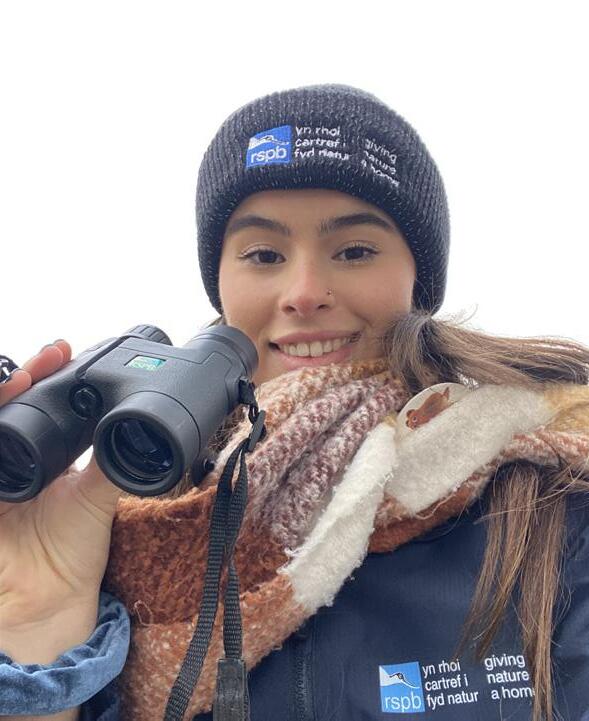
confidence. Putting knowledge into practice in the real world was invaluable and genuinely inspiring.
WHAT WAS YOUR BEST MEMORY?
There was never a dull moment — from herding cattle to dodging golf-ball-sized hailstones with 60 screaming children! But my favourite was a trip to RSPB Conwy in North Wales, meeting the team, sharing ideas, and experiencing a session on another reserve, with stunning snowy mountains as a backdrop. Rain or shine, I always left the wetlands feeling happy.
CAREER SUPPORT
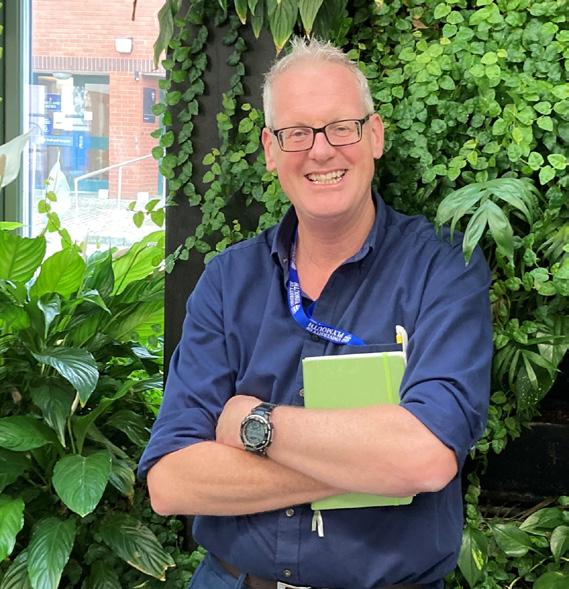
Meet Jon Christie, our Careers and Employability Consultant (STEM specialist). Jon has been working in the University careers sector for over 20 years.
HOW DO YOU SUPPORT THE CAREER PROSPECTS OF OUR STUDENTS?
One of the important parts of my job is to make students aware of the breadth of opportunities that are open to them both during and after they graduate.
THIS IS FACILITATED BY:
• course-based lectures in all three years
• one-to-one appointments in our Careers Hub
• inviting employers and alumni onto campus via careers fairs, employer panels and specific academic activities.
WHAT CAREER SUPPORT SERVICES DOES THE UNIVERSITY OFFER?
The Careers Service offers students one-to-one careers guidance at any point during their studies and even years after graduation. This includes:
• support with job hunting, application writing, CVs, networking and interview skills
• on-campus careers fairs

• a paid work placement programme using our extensive industry contacts and an industry mentoring scheme. The latter matches students with a specific industry individual who will meet with them regularly to provide incredibly valuable insights into a specific sector. University of Plymouth alumni who now work for employers who are keen to spot future talent usually host the mentoring scheme.
• our myCareer internet platform hosts an extensive vacancy database of both graduate, placement and part-time opportunities. It allows students to sign up for events such as employer panels, enterprise competitions or mentoring. It also holds a range of highly specialised digital tools such as a CV builder, an interview simulator, online courses and video resources. Access to myCareer is available to our graduates at any time in the future.
HOW DO YOU JUDGE THE JOB PROSPECTS IN THE ENVIRONMENTAL SECTOR?
Excellent – currently demand for graduates is extremely high in this sector but also these skills are completely transferable across a very broad range of STEM employer sectors. Graduate salaries are very competitive compared to other sectors and for many students doing work placements, it is highly likely that you may well be offered a graduate role with the placement host after completing your final year. This is also reflected by the great willingness of employers seeking to recruit our students by engaging with our events and online vacancy platform.
GET IN TOUCH!
Follow us on , or @uniplymcareers
Contact us or visit our website for more information.
careers@plymouth.ac.uk, +44 (0)1752 587456 or plymouth.ac.uk/careers for more information.
CARVING OUT A CAREER
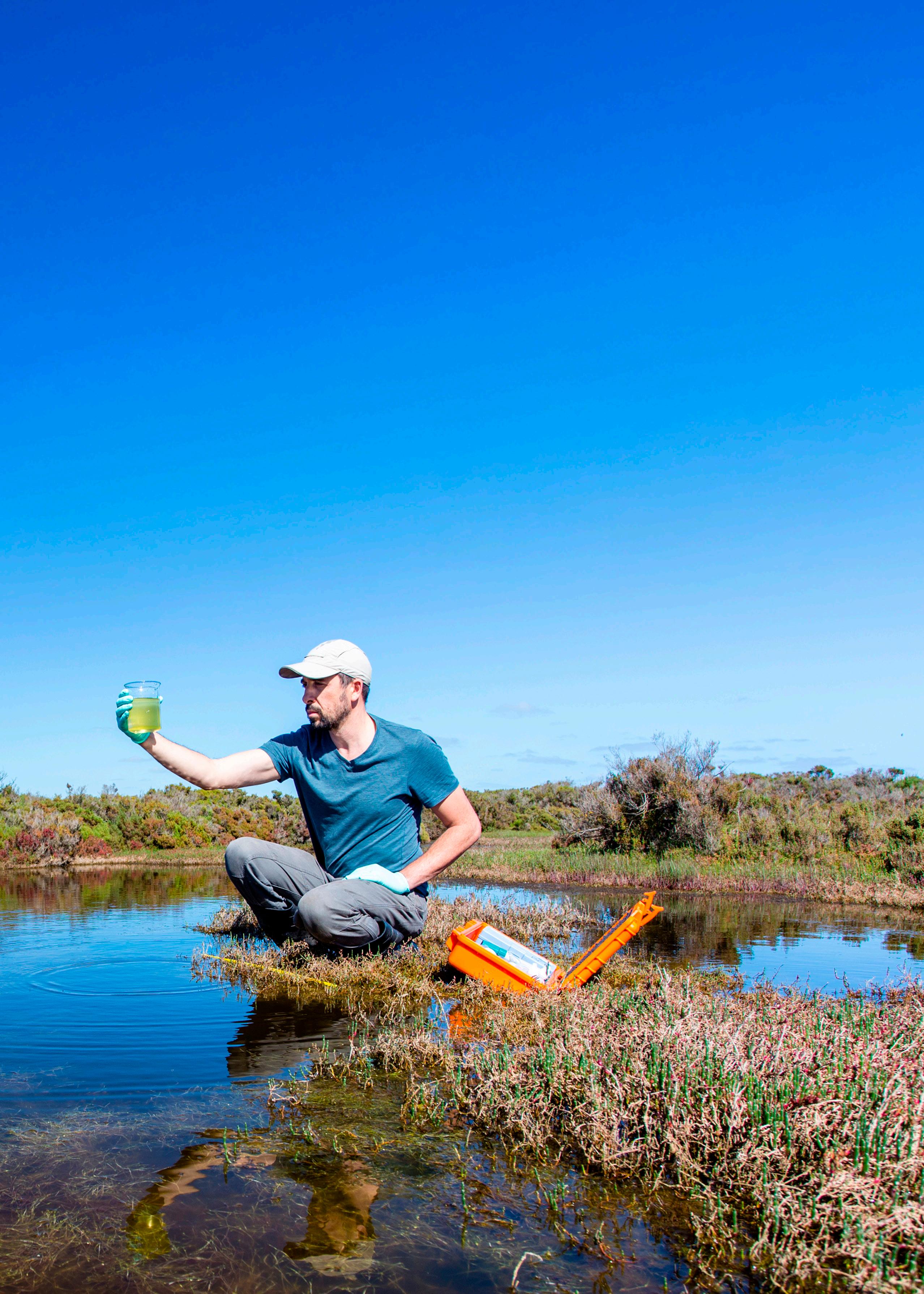
Throughout each of the courses you will establish solid foundations across a range of scientific, legal and economic subject areas. You will explore environmental challenges and learn how to propose solutions. You will learn about climate change, biodiversity, conservation and sustainability in both marine and terrestrial ecosystems. The skills you gain will open the widest number of doors to craft your future career.
WHAT SKILLS WILL YOU GAIN?
• Research, analytical and problemsolving skills by utilising the facilities such as the laboratories, the Marine Station and multiple research vessels.
• Competence in developing arguments from scientific, ethical and philosophical perspectives and forming these into environmental impact assessments.
• Planning and project management skills from group project work to fieldwork in the UK and abroad.
• Verbal communication skills developed through conveying complex scientific information and delivering presentations with complex technical data.
• Written communication skills developed through regular submission of concise, coherent reports.
• The flexibility to work in all kinds of environments, developed through working in the field.
"My environmental science degree has truly given me an interdisciplinary skillset and knowledge: from commercial scuba diving to maritime law, from food production systems to ecological economics, the variety of my course is what drew me to it in the first place – and I wasn’t disappointed."
Jasmine Tribe, Environmental Science graduate
• Numerical and IT skills, developed through the application of statistics and measurement techniques.
• A broad understanding of local, national and global environmental issues.
WHERE COULD YOU GO?
Our graduates go on to pursue a wide range of career paths in various types of organisations.
• Government agencies
• Non-profit charities
• Consulting firms
• Private companies
SOME COMMON CAREER DESTINATIONS FOR OUR GRADUATES INCLUDE:
• Environmental Consultant
• Sustainability Manager
• Environmental Engineer
• Conservation Scientist
• Environmental Policy Analyst.
These roles may involve tasks such as conducting research, analysing data, developing and implementing environmental policies and regulations, and advising organisations on sustainable practices. Graduates may also go on to pursue advanced postgraduate level degrees in related fields such as environmental law, environmental policy or environmental management.
GRADUATE STORIES

RESEARCHER WITH POLICY CONNECT TOM
TELL US ABOUT YOUR CAREER PATH SINCE GRADUATION.
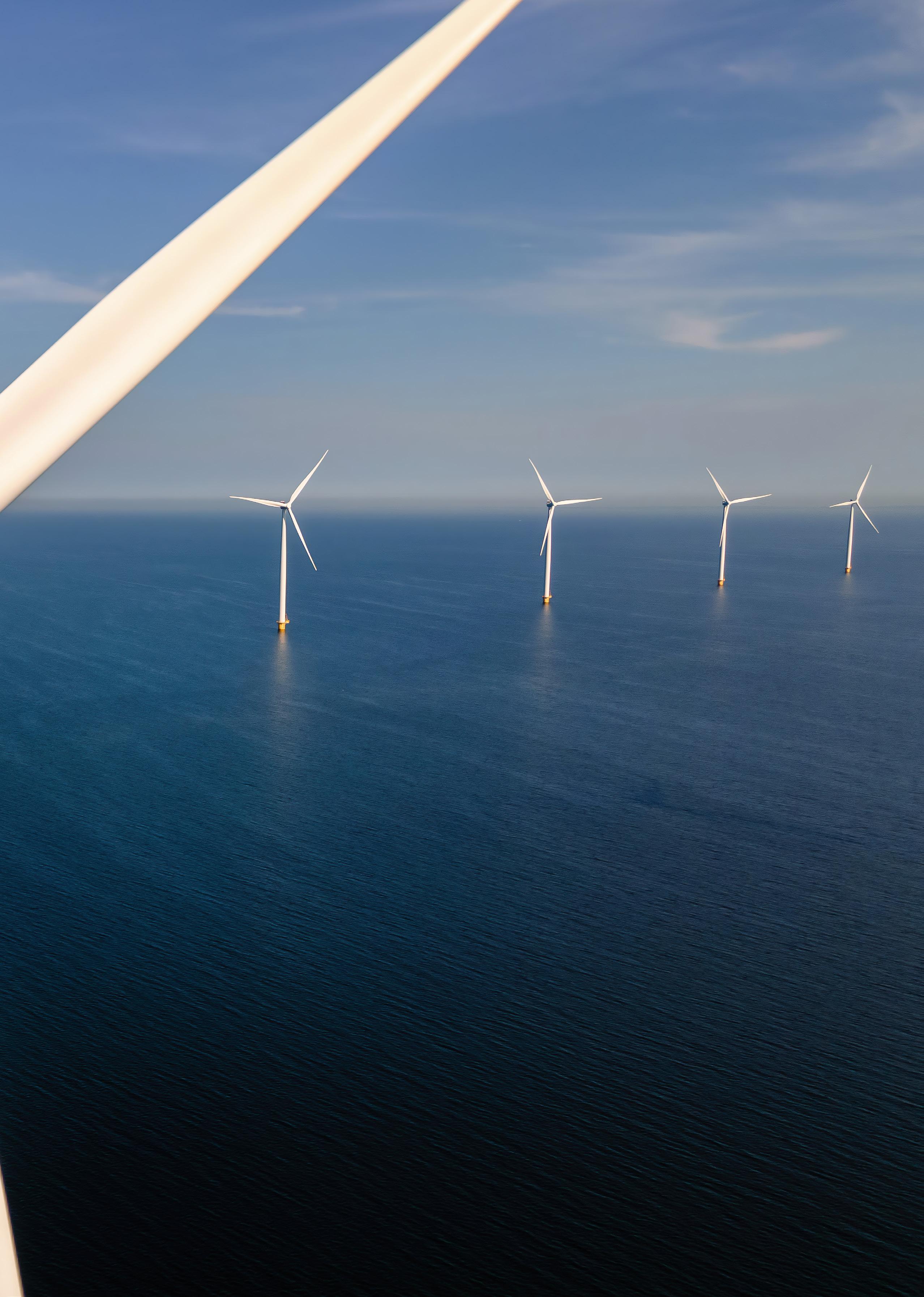
After finishing University, I found work at RenewableUK – the wind, wave, and tidal energy industry trade association. I worked in the external affairs team and was responsible for coordinating communications regarding onshore wind development.
Having worked at RenewableUK on a five month fixed term contract, I then moved on to the Fleming Policy Centre to work as a campaign manager, advocating for the Tradable Energy Quotas (TEQs) policy framework.
Most recently, I’ve started working at Policy Connect as a researcher. Policy Connect is a grouping of All-Party
Parliamentary Groups, and I coordinate the All-Party Parliamentary carbon monoxide group.
WOULD YOU RECOMMEND UNDERTAKING A COURSE WITH THE UNIVERSITY, AND WHY?
Yes I would. The location is excellent. If you’re looking at studying environmental science, Plymouth is seriously the place to go. The lecturers are extremely experienced in their field and are also great teachers.

FROM AN OCEAN NATION TO THE OCEAN CITY ALVANIA
BSc (Hons) Environmental Management and Sustainability graduate from the Seychelles, is looking to make a difference and impact change.
CAN YOU DESCRIBE YOUR PASSION FOR YOUR SUBJECT AREA?
The natural environment to me is literally everything. To put into context, I grew up on an island and to narrow it even further, I grew up surrounded by a farm. All I know is how to love and care for the environment. I’ve seen the beauty of the ocean, the plants and the animals. My country’s economy depends explicitly on that: tourism, fisheries and agriculture. We have an economy that thrives on nature. Understandably, it was quite alarming to me when I learnt that our planet was under threat. As a small island state with such a large oceanic space, we absolutely cannot afford these threats and no one is coming to save us, we must save ourselves. And for that, knowledge is imperative.
GIVEN YOUR PASSION FOR YOUR SUBJECT AREA, WHY DID YOU DECIDE THAT THE UNIVERSITY WAS THE RIGHT PLACE FOR YOU TO PURSUE YOUR STUDIES?
Coming from an ocean country, it was essential for me to be reminded of why I am pursuing this degree, and what better place than Britain’s Ocean City! I had been searching for the perfect university for this course since I was 15 years old, and along the way I got many great reviews about the University of Plymouth. These
reviews came from past Plymouth students and people who knew of this university.
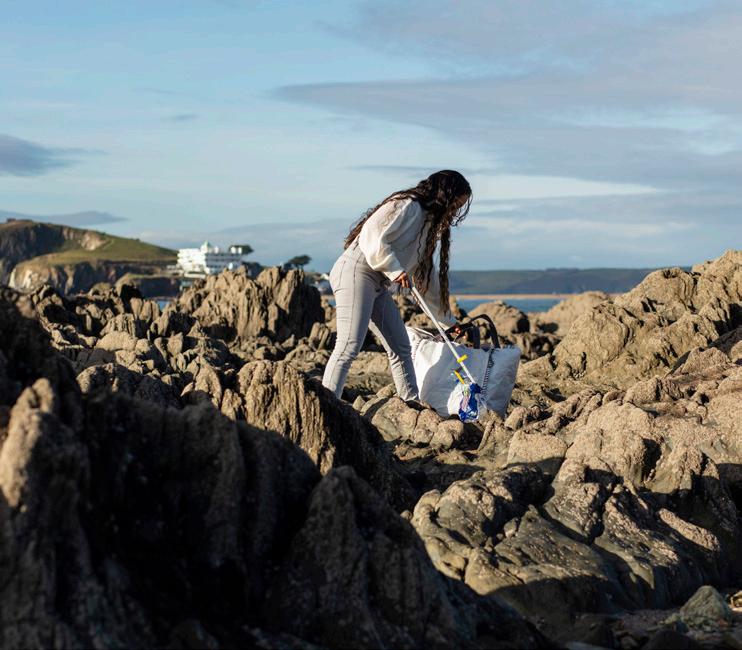
I must say, the most prominent review came from Dr Sylvia Earle, whom I had the humble opportunity of hosting a beach clean up with. She asked me about my future plans and when I mentioned that I was considering Plymouth, she confirmed that the University was a great one and added that it had one of the best marine labs in the world. That for me sealed the deal.
WHAT DID YOU ENJOY MOST ABOUT THE COURSE?
I loved that we got hands-on experience on the course. Being able to see and do the practicals we read about really helped with understanding the purpose of certain methods and the module itself. I also really loved the staff on the course – especially knowing that they themselves are incredibly passionate about the environment – and getting to read papers they write about our current climate situation.
WHAT MADE STUDYING WITH THE UNIVERSITY SPECIAL?
I loved how accessible the library was, how I could speak to someone from the Caribbean, France, Mexico,

South Africa and Seychelles all in the same day. I loved the societies and how active and passionate they are. Everyone is fully engaged with what they choose to do and that is really motivating. Also, going up the education ladder really brings you closer to what you are most passionate about. I was in a place where I was surrounded with likeminded individuals with different experiences who are willing to share and I loved it.
WHAT WOULD YOU SAY TO SOMEBODY WHO’S CONSIDERING STUDYING ON YOUR COURSE?
I would tell them about all my great experiences: that the cost of living is significantly cheaper than other cities within the UK, that the level of safety is better than most other cities, that the University is very hands on, the staff pay particular attention to questions during lectures as well as through emails, that the course is well organised and planned well in advance which meant that we could plan our study times well and be organised ourselves.


Find out more
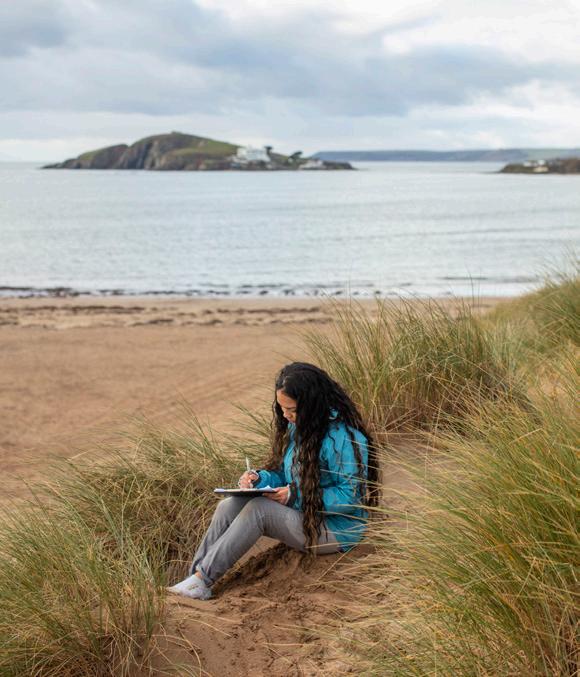
about Alvania’s student journey with Plymouth.
GRADUATE STORIES
MANAGING DIRECTOR FOR ENVIRONMENT ARABIA HALEL
TELL US ABOUT YOUR CAREER PATH SINCE GRADUATION.
After obtaining my bachelors degree from the University, I went on to do a masters degree in Environmental Impact Assessment and Auditing. When I returned to Bahrain, I was offered a job in one of the country’s leading aluminium industries called Midal Cables. I was Head of Environment, Quality, Health, Safety and Security for 18 months.
After that I set up the Environmental Consultancy as Bahrain’s first registered and approved environmental company in May 2001. In January 2012, I set up Reef Arabia, a company specialising in the design, manufacturing, supply and deployment of artificial reefs.
I am now working on setting up a third company focusing on ecotourism and
educational environmental awareness (educational ecotours). I chose to set up an environmental consultancy as I enjoy and love working on different projects ranging from marine to terrestrial, industrial to infrastructure, etc. I enjoy the challenge of environmental issues and love meeting different clients, ranging from government officials to private developers. Working with schools and educational institutions is very rewarding, especially as more and more people become aware of the difficulties facing the environment nowadays.
WOULD YOU RECOMMEND PLYMOUTH?
I would suggest the Environmental Science course to anyone interested in having an environmental career. I love Devon and I would recommend anyone who had a choice to study in Plymouth to
do so, of course depending on the type of degree they choose to take on. Even though I knew I wanted a career in the environmental field, the Environmental Science degree made me realise that consultancy was the area I was most interested in.

GRADUATE STORIES
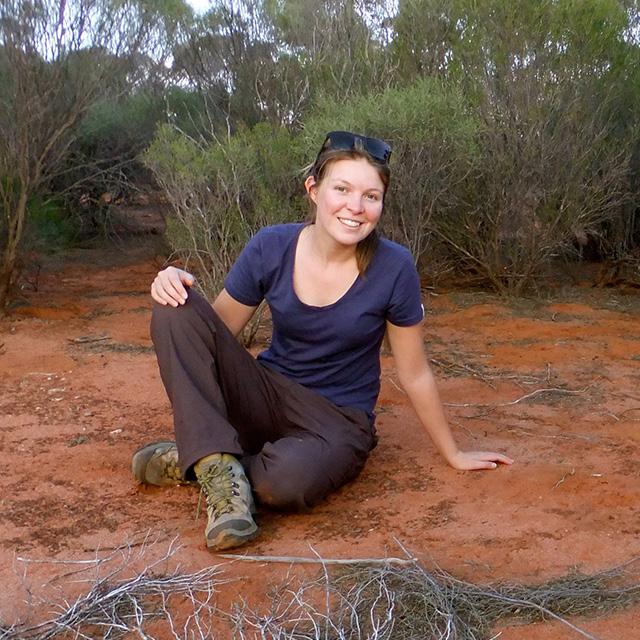
SENIOR ECOLOGIST FOR FPCR
KATHERINE
TELL US ABOUT YOUR CAREER PATH SINCE GRADUATION.
Since completing my studies, I have finished a six-month internship with Trucost, a subsidiary of Standard and Poor’s Canary Wharf and then worked for Thrive Renewables in Bristol.
I carried out my internship working on a corporate project assessing the water-risk of a Nordic Bank’s investment portfolio. I was able to apply my strong research skills to this. The additional communication, financial and project skills learnt as part of this allowed me to approach my previous employer, Thrive Renewables.
WHAT WAS IT LIKE STUDYING AT PLYMOUTH?
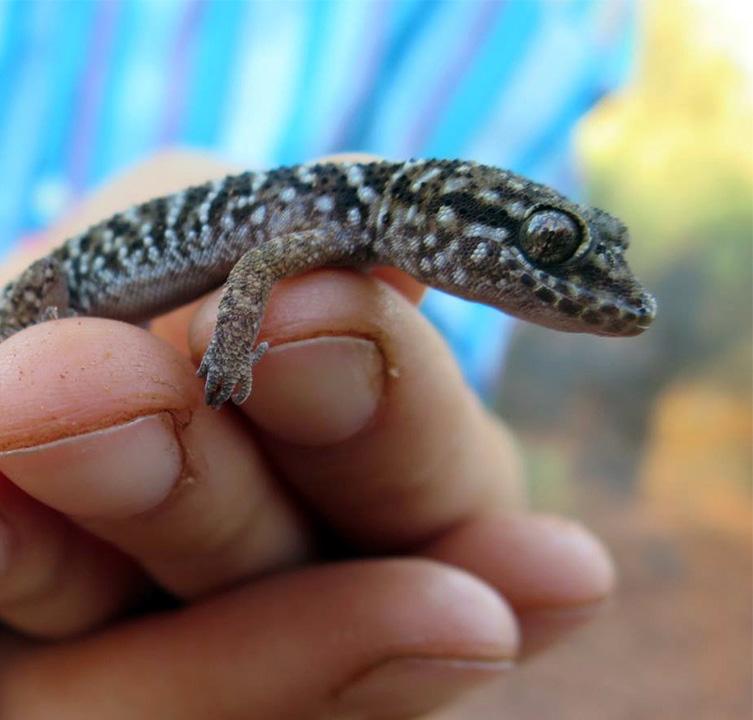
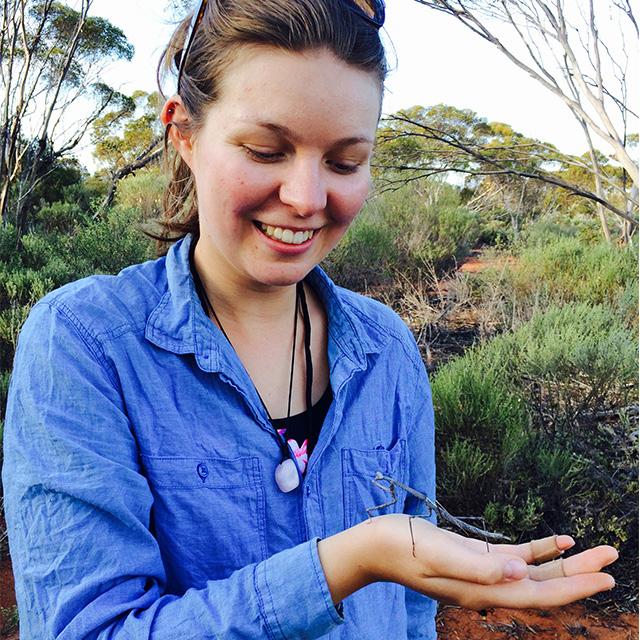
The lecturers gave a really positive impression with their energy and enthusiasm on the open day and maintained this throughout the course. There was a large fieldwork element on the course and I felt this allowed me to explore all avenues of being an environmental scientist. My favourite memory was my placement year spent in Australia. This was a perfect opportunity to enjoy something extraordinary. I constantly used the Careers Service for CV building and job application advice. I found this service really supportive throughout final year. This certainly helped with my forward thinking.

IT’S YOUR FUTURE MAKE IT COUNT
Over 95% of our graduates are in work or further study*