If you have yet to be called an incorrigible, defiant woman, don’t worry, there is still time.
– Clarissa Pinkola Estés US / Mexican writer
News
4 Upfront: The top international news stories involving women in business
12 In the Right Direction: Good news stories from around the world
Regulars
8 The Alex Bailey Column
AI isn’t the biggest shift at work, culture is
10 The Laura Hearn Column In defence of boredom
14 The Pippa Moyle Column
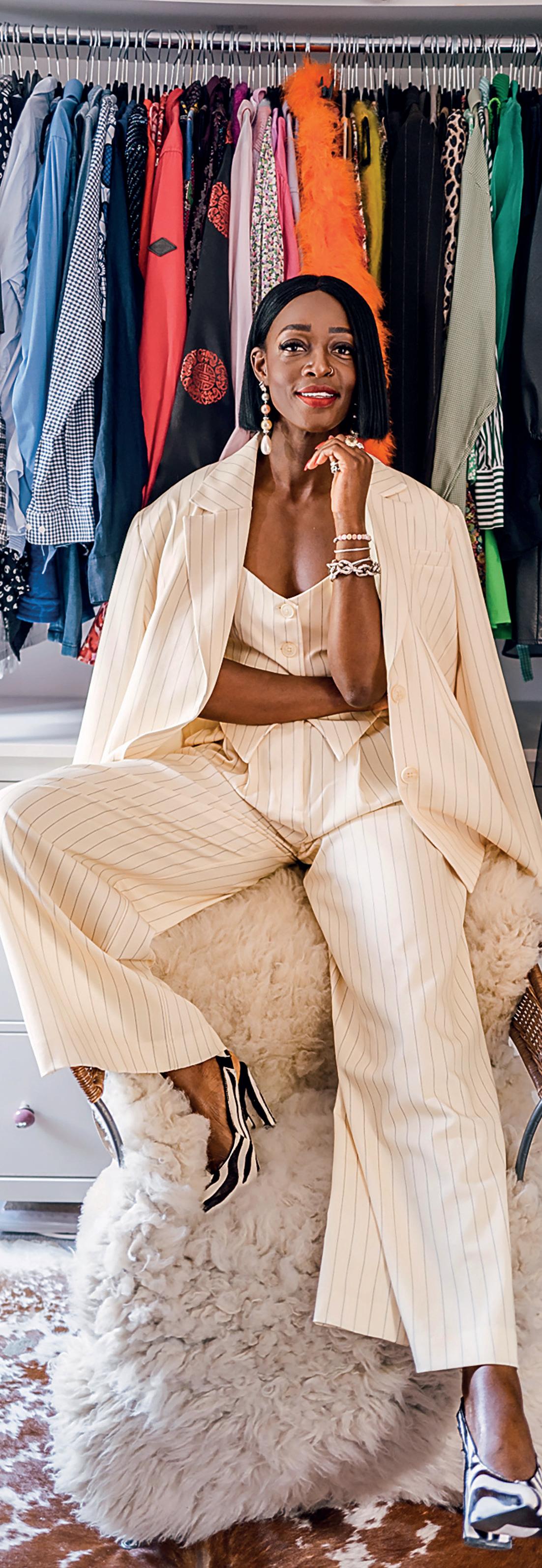
46 The Sophia Lorimer Column
In another first of a new series, fashion expert Sophia Lorimer, suggest ways to present yourself
Finance
6 Kreston Reeves
Alison Jones bows out with a final helping of wisdom
Features
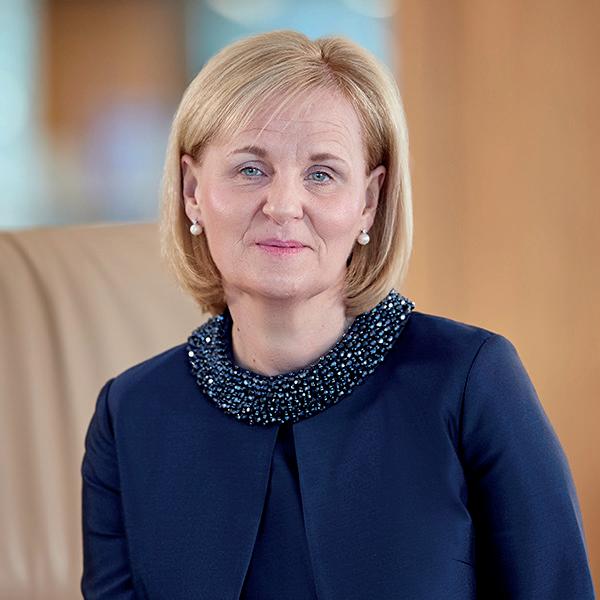
18 Dame Inga Beale
The first female, and openly bisexual CEO, of Lloyd’s of London
Becoming the leader your business needs right now
16 The Natalie Montagnani Column
Is leadership now no longer enough?
42 The Camille Pierson Column
In the first of a new series, wellness expert and spa owner Camille Pierson looks at your whole-body wellness shakedown
PLATINUM MEDIA GROUP
Further Reading
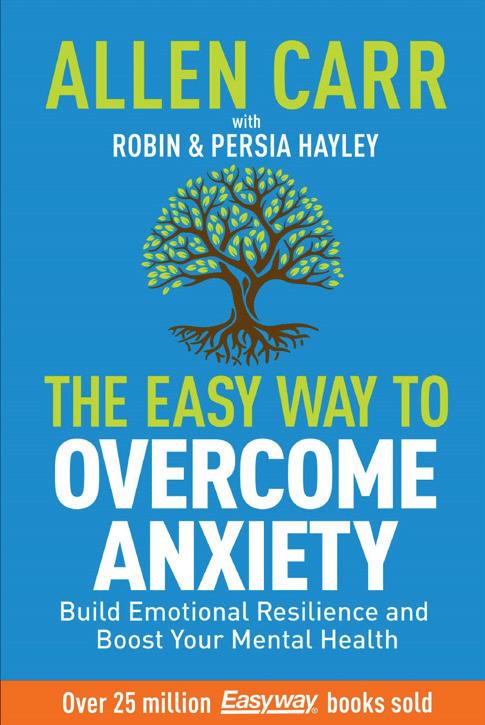
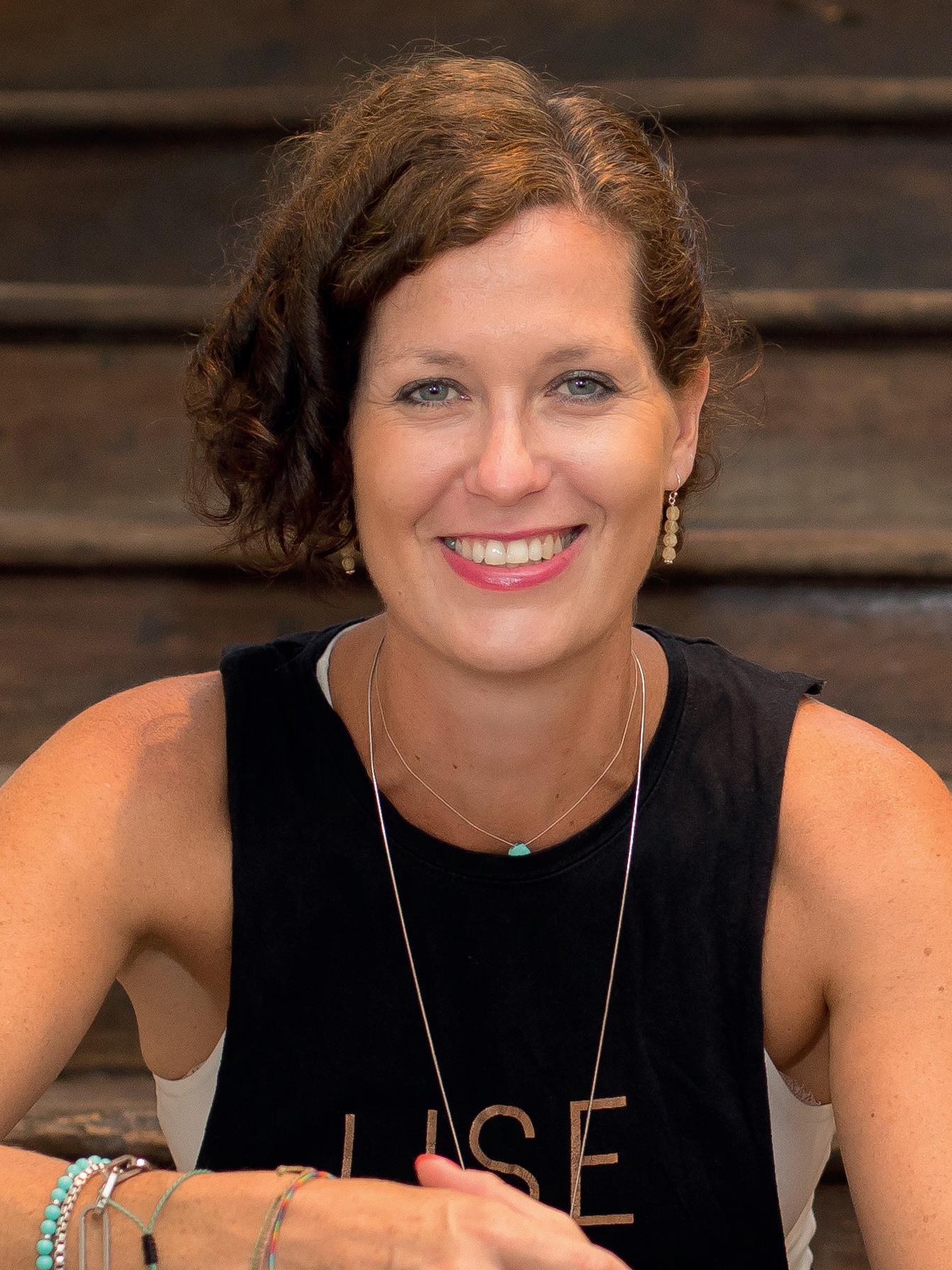
50 Persia Hayley
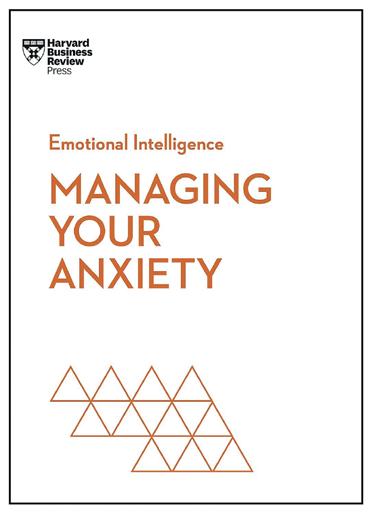
The myth of control ...and why it might be holding you back in business
Wellbeing
24 What’s in a name?
The 11-year battle to get PCOS renamed to a more appropriate PMOS
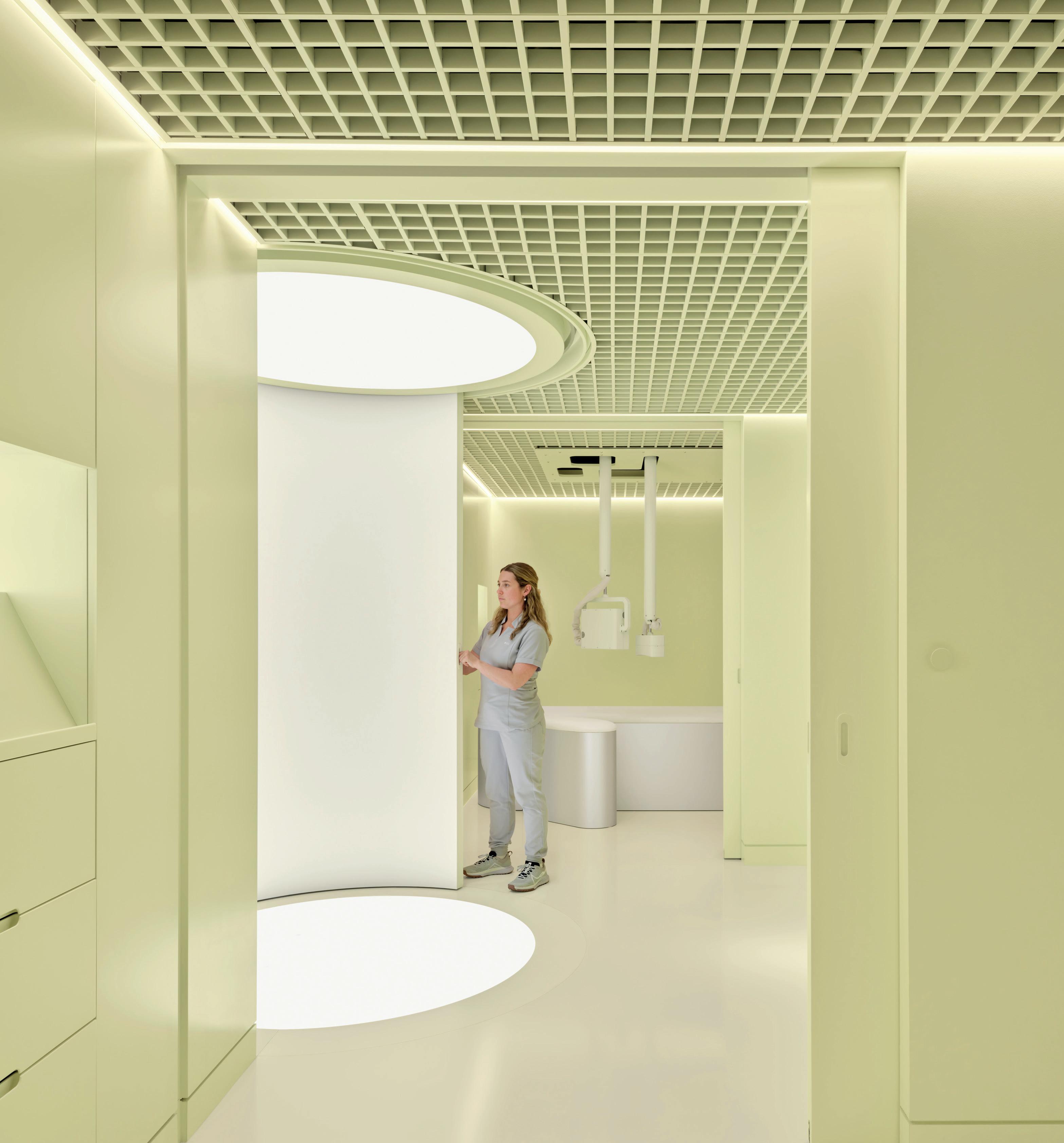
44 The Neko Body Scan
The nearly-full body scan which gives you a mildly comprehensive health MOT
28 Spotlight
Focusing on two women who are not getting the recognition they deserve
30 The Longevity Gap
How women over 50 are re-writing the business rules
44 Curiosity, not perfection
The new skill that ends DEI inaction
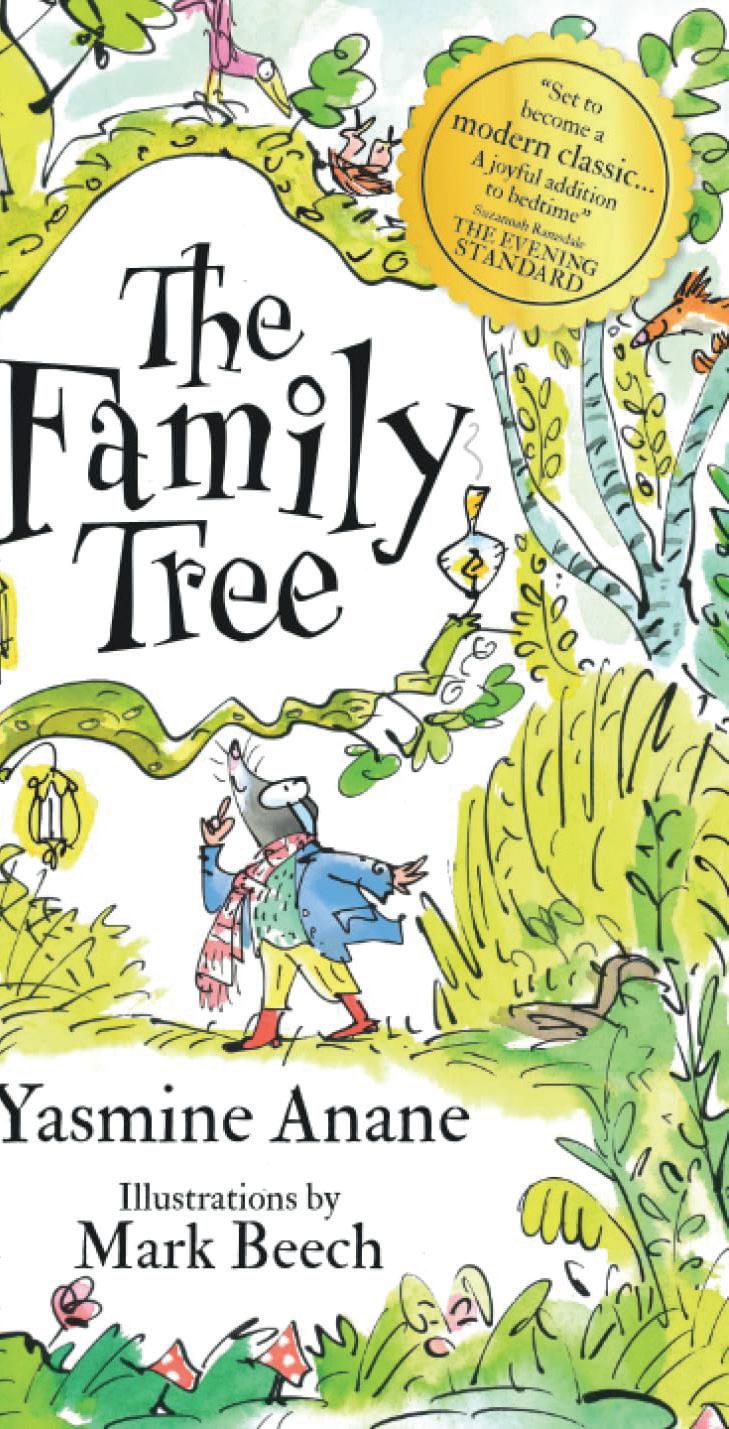
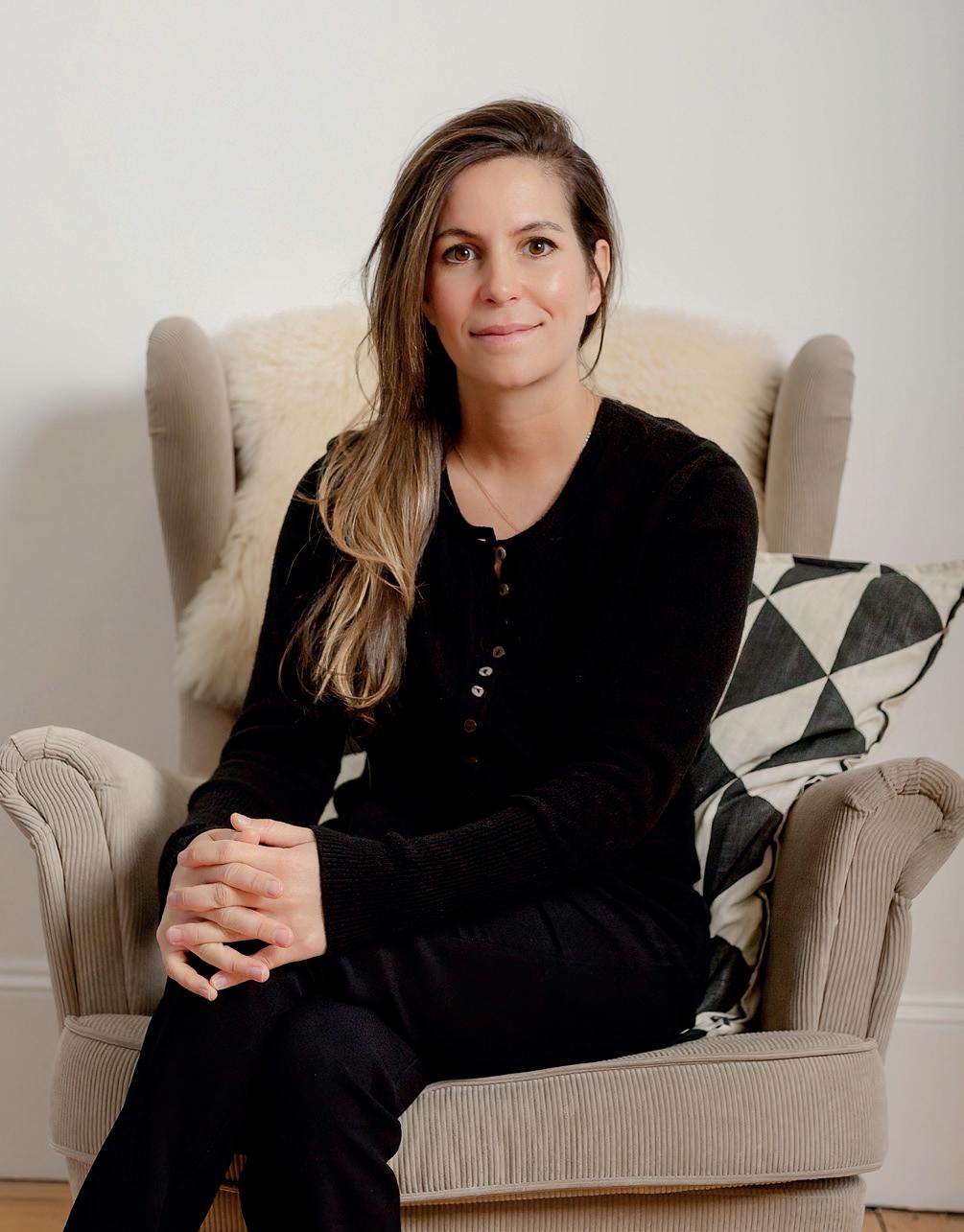
48 Yasmine Anane
From manuscript to market: the business of publishing
Art
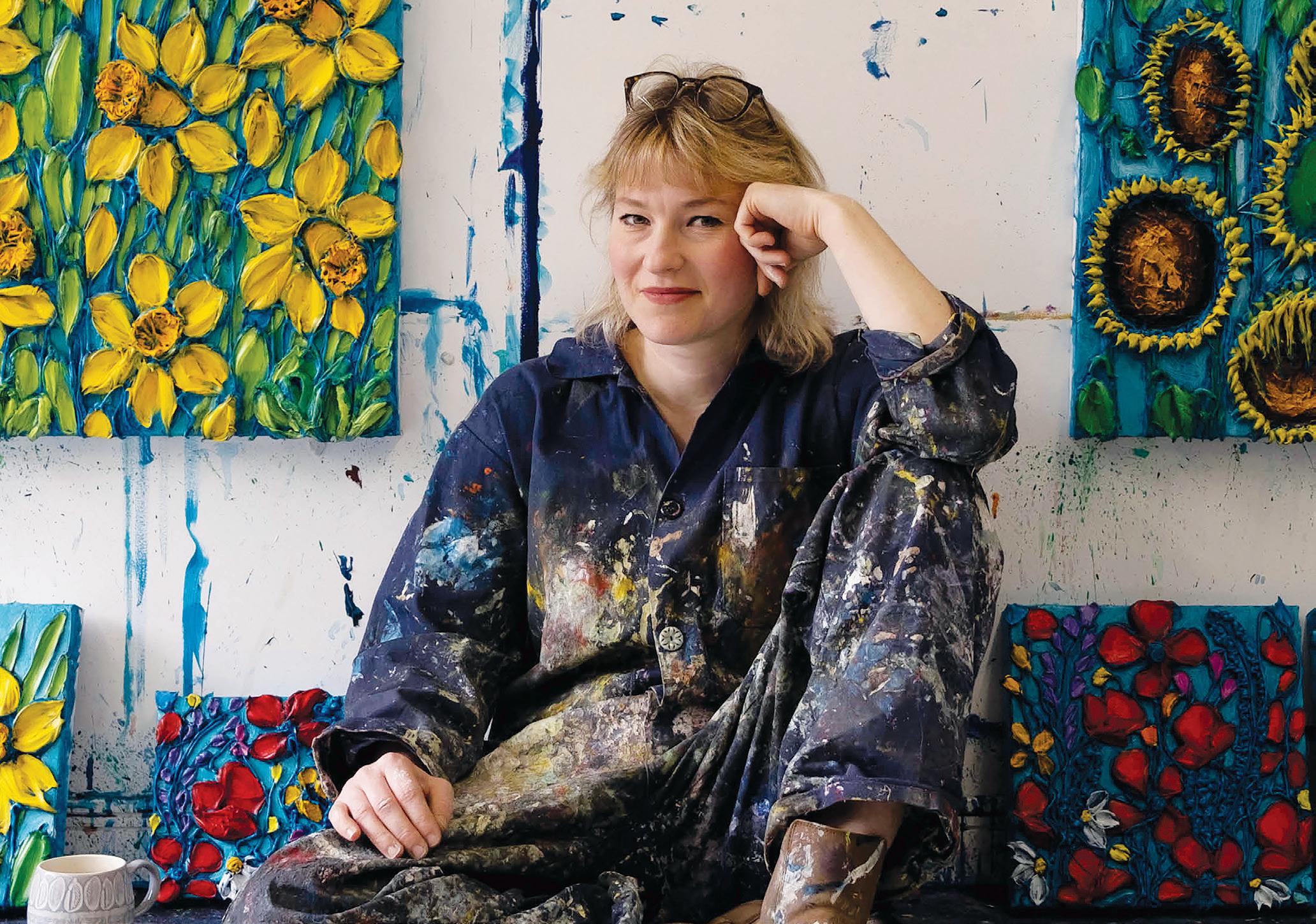
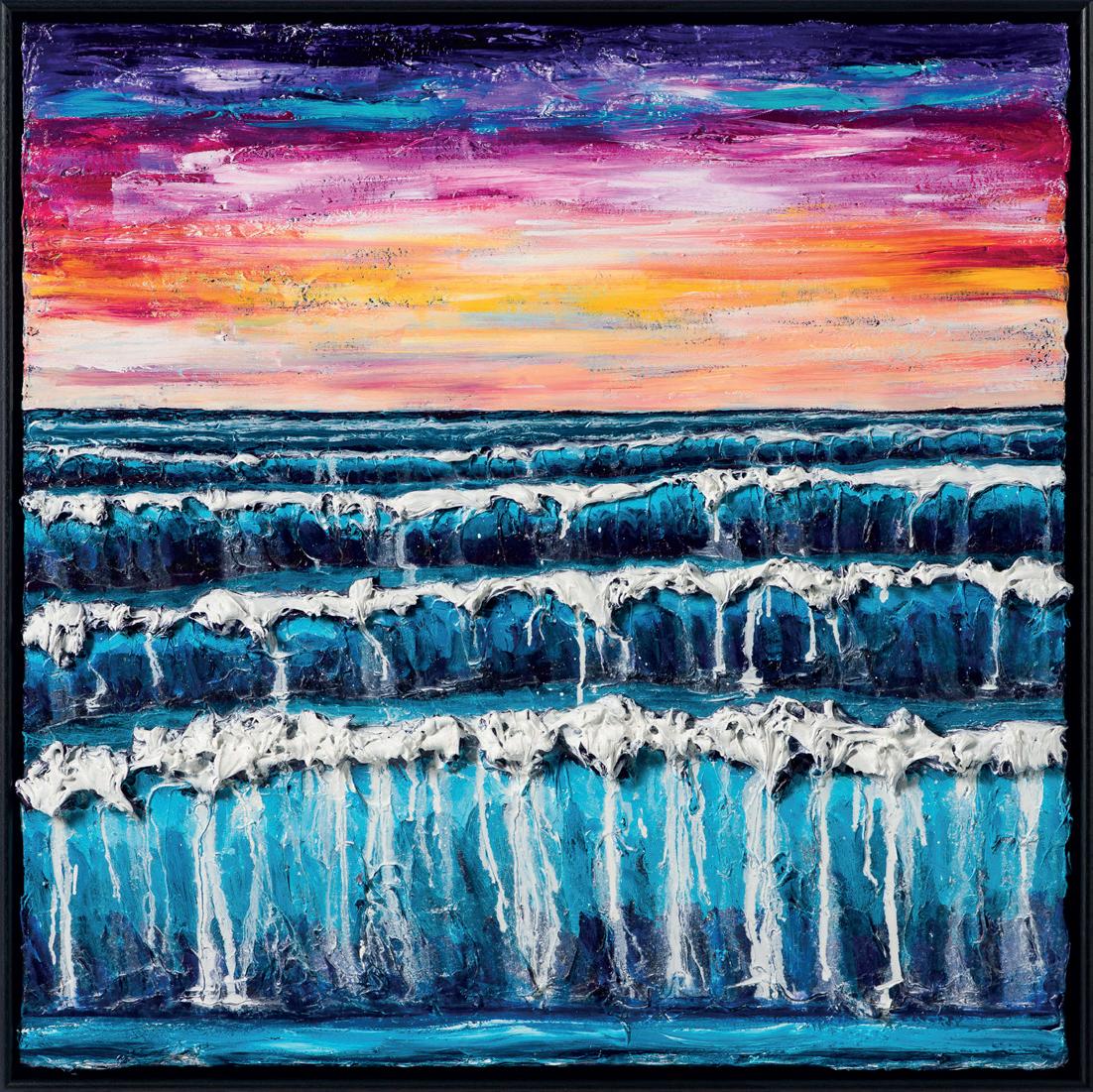
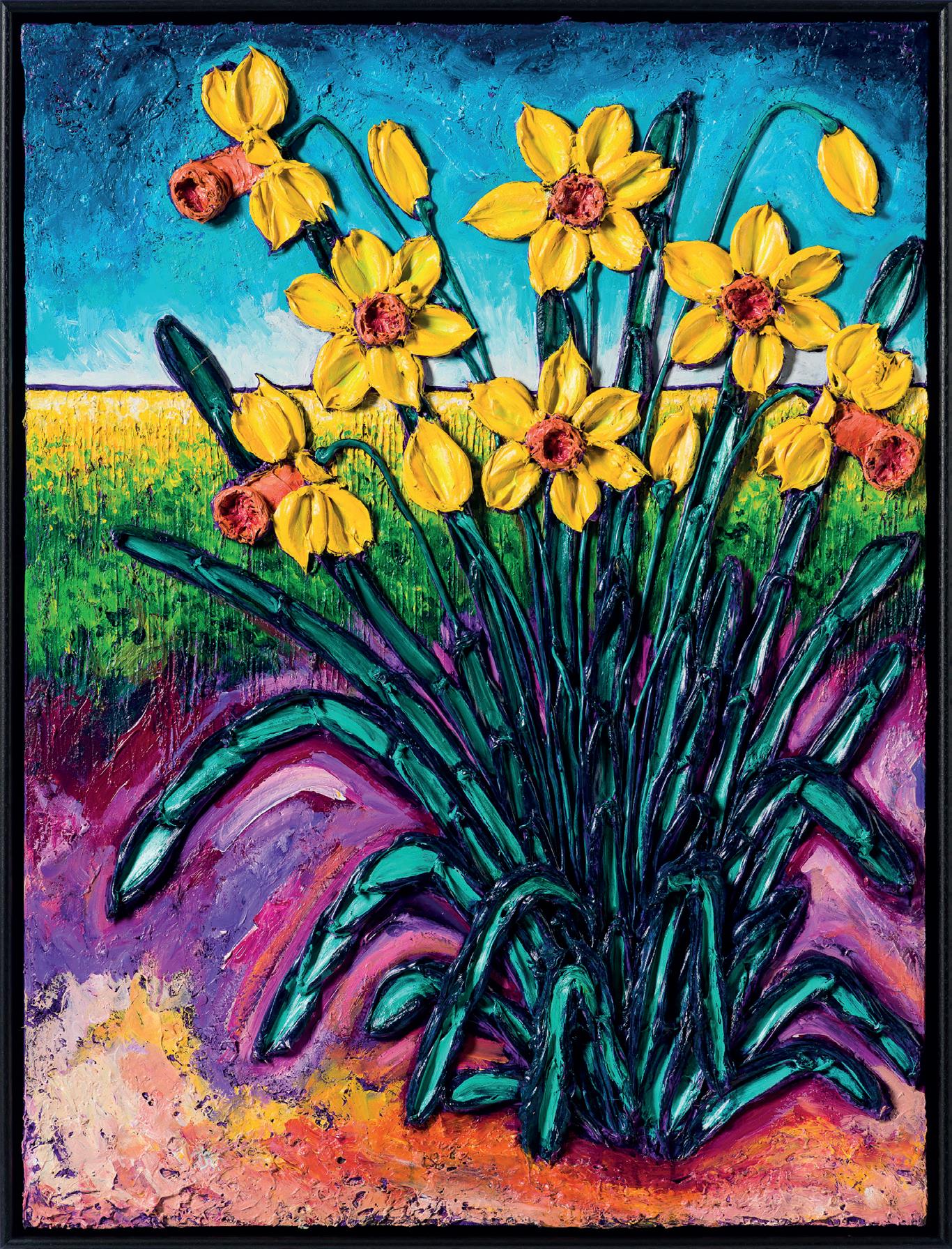
48 Scarlett Raven
Her new English Garden collection at Castle Fine Art, Brighton
Travel
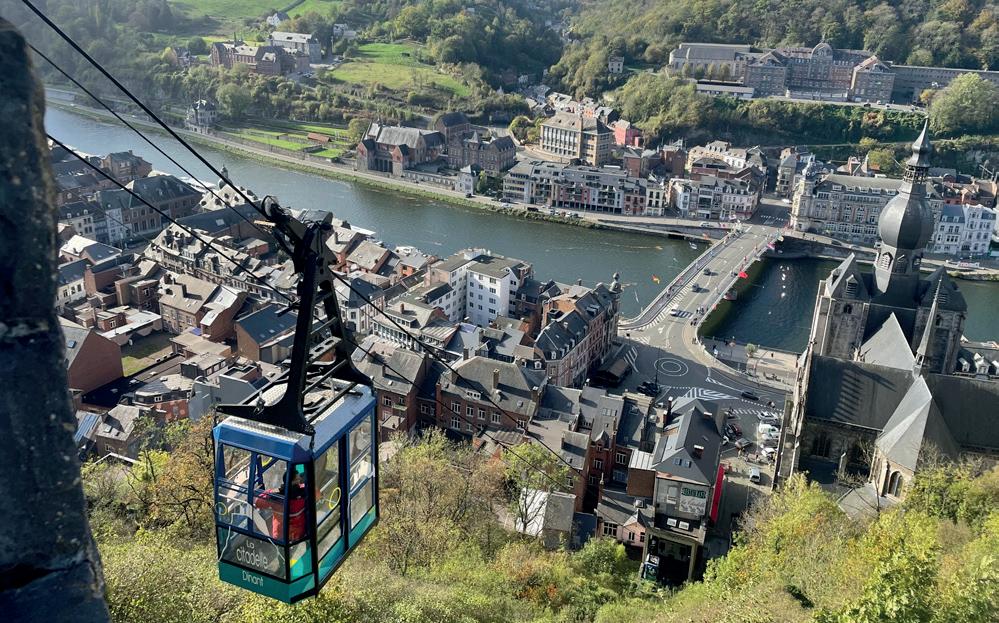
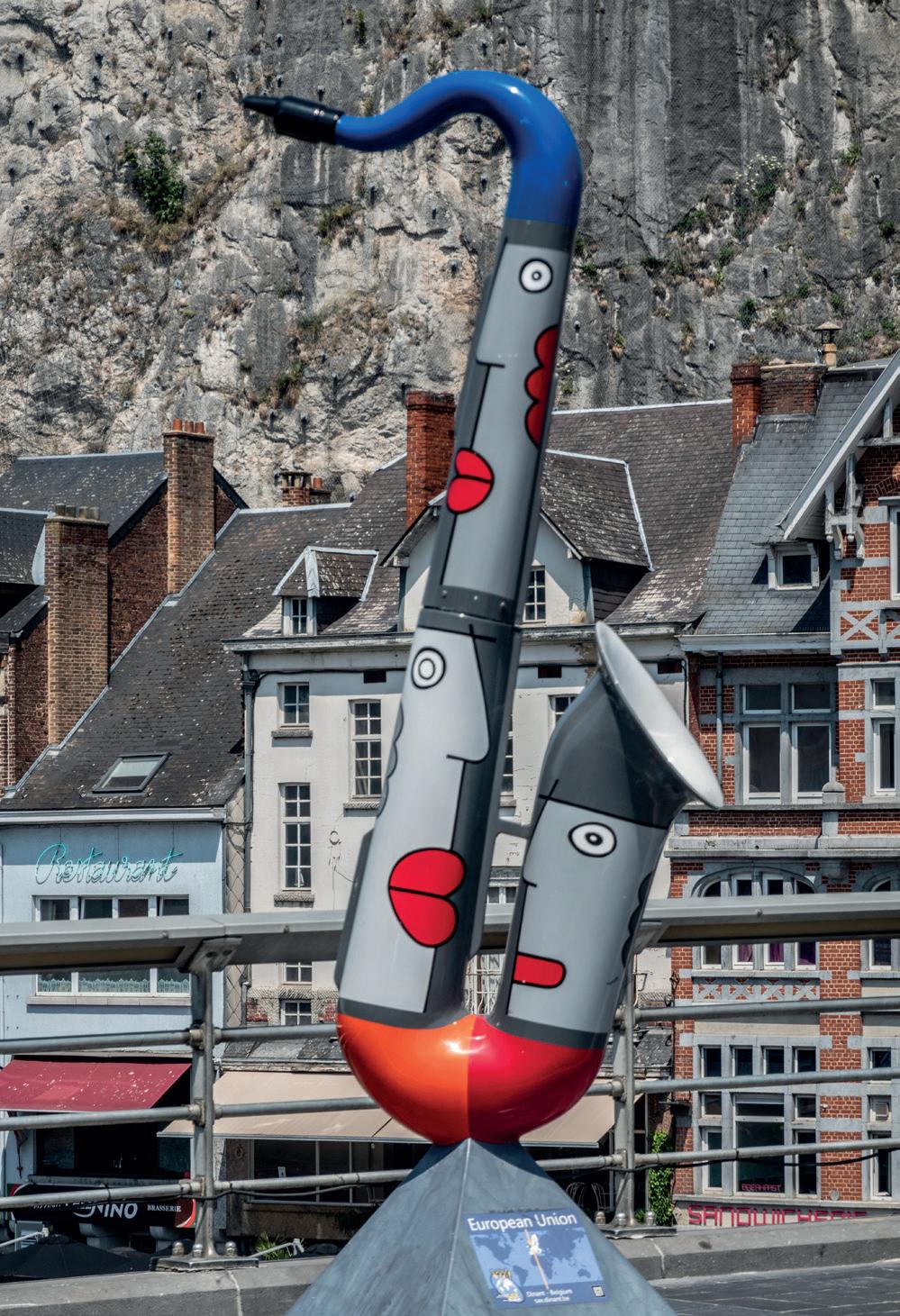
50 A day in Dinant
The quickest of flits around the town in Belgium, full of history, despite its size
Wine & Dine
52 Green, going, gone
Michelin has done away with its Green Star merit system - without telling anyone
What’s On
54 A brief snapshot of what’s on in the South East
EDITOR’S NOTE
Welcome to Dynamic
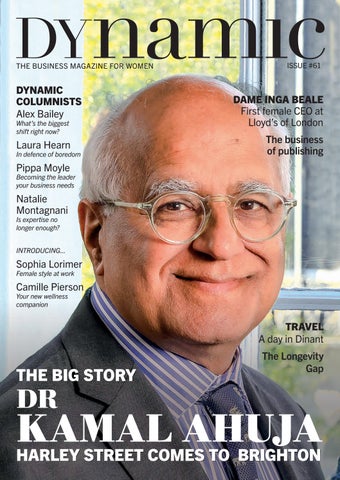
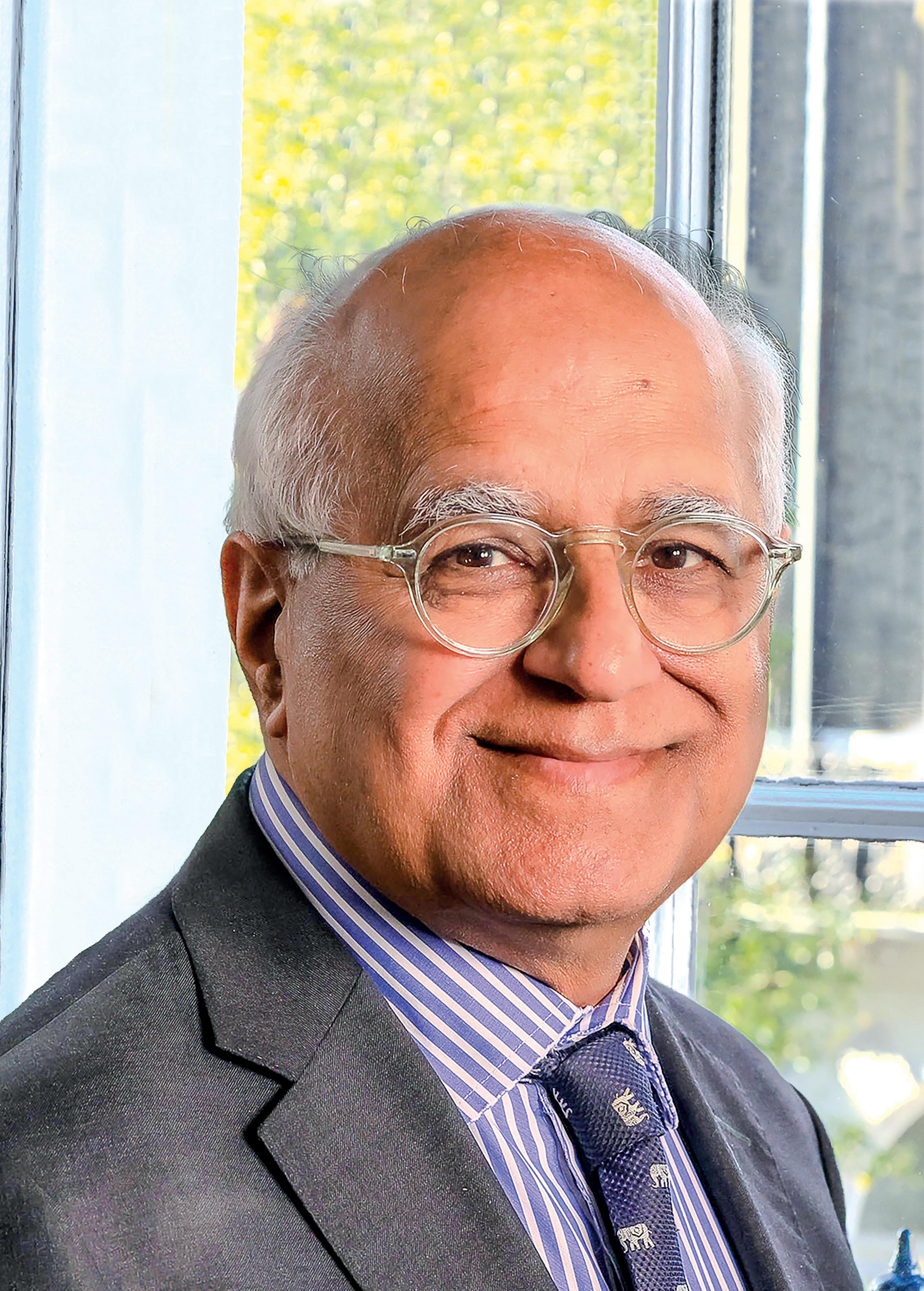
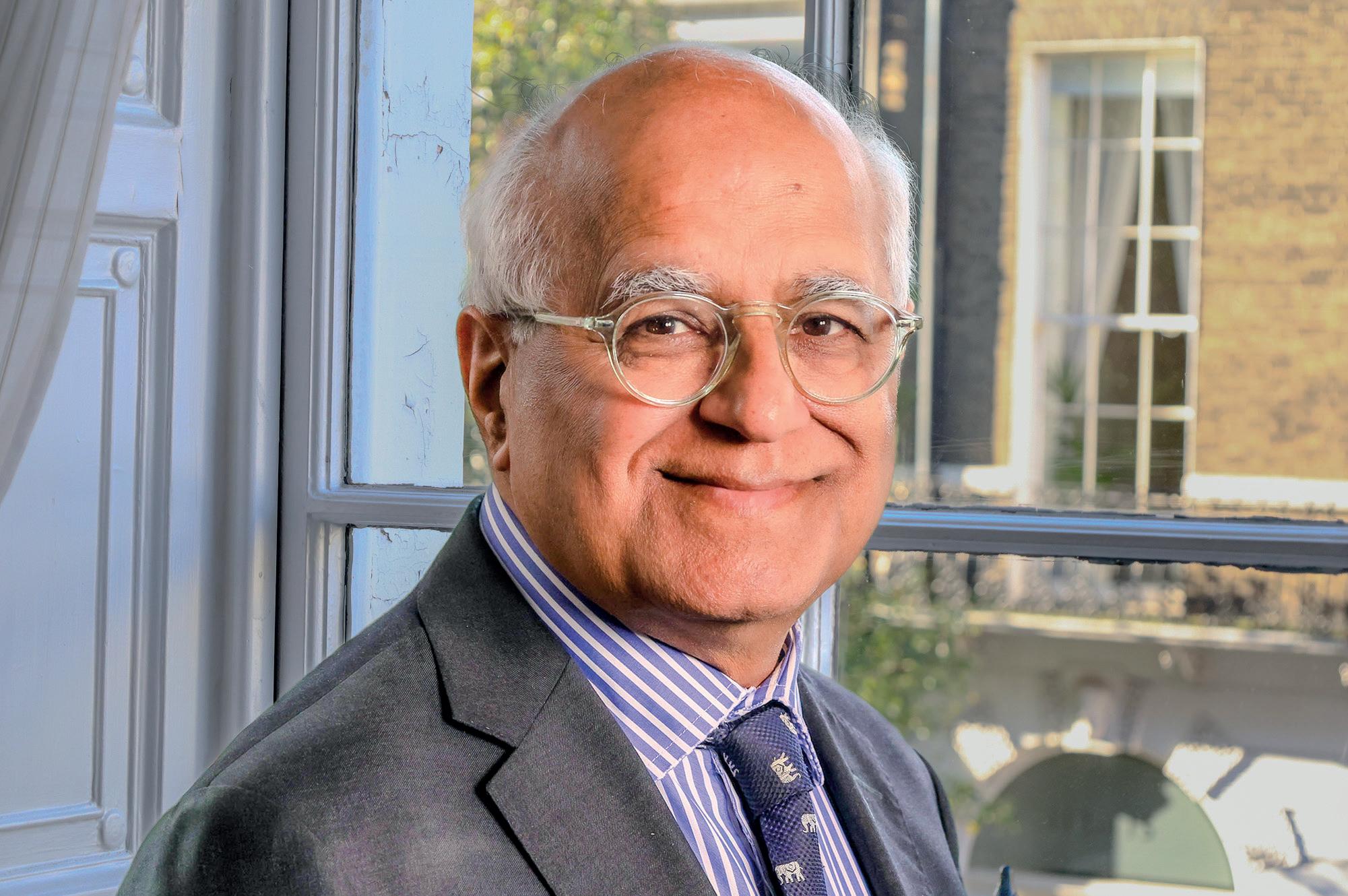
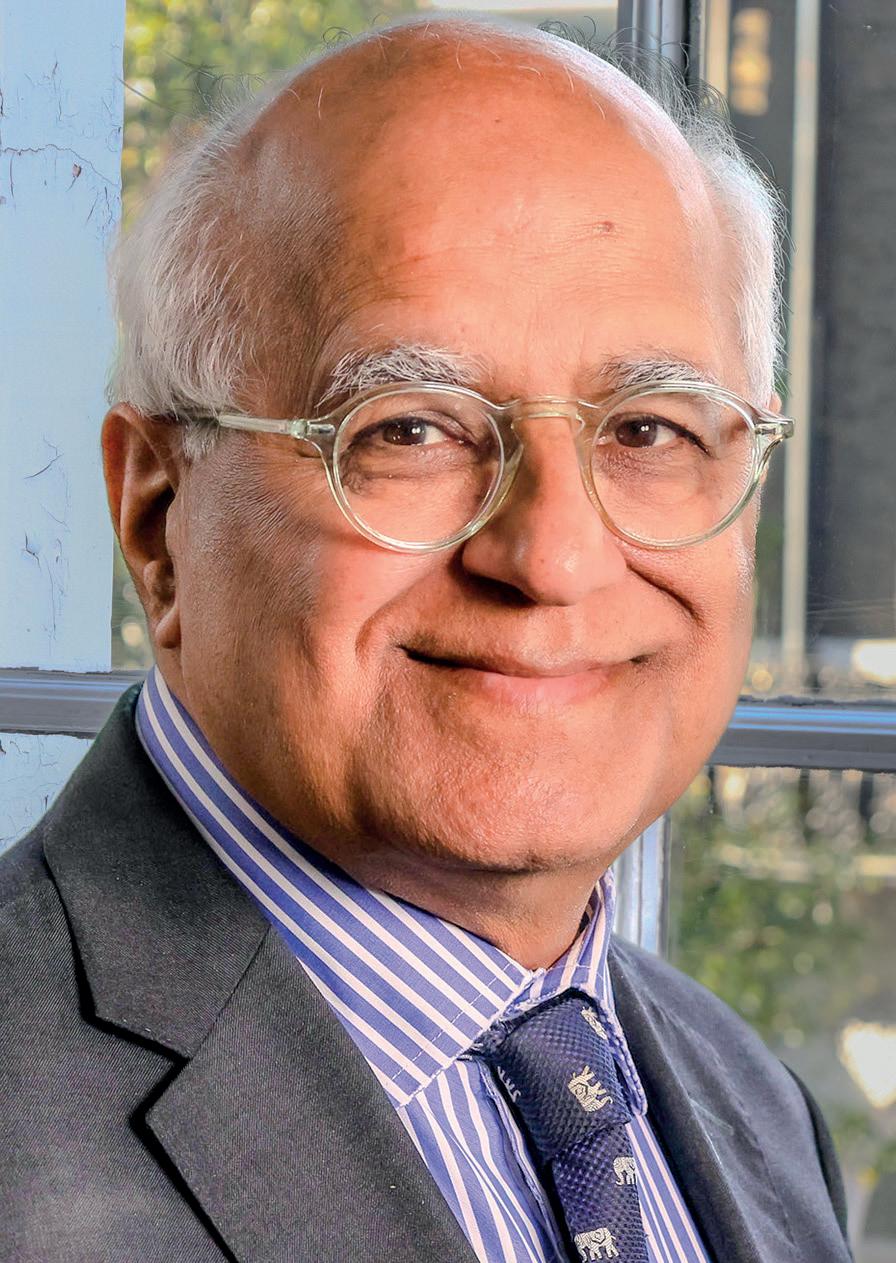
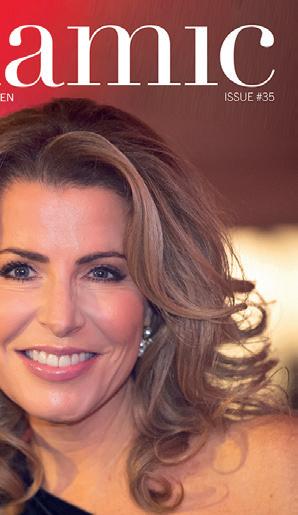
You might be forgiven for doing a double take when you first saw this month’s cover. A man on the front of Dynamic? We know, it’s a little different for us. But Dr Kamal Ahuja is no ordinary cover story. As one of the leading voices in fertility and reproductive medicine, his work has influenced conversations around IVF and women’s health for decades. His career, insight and influence made him impossible to ignore for this issue – even if it does make for an unexpected Dynamic cover.
Inside, you’ll also find Dame Inga Beale’s remarkable story, from becoming the first female CEO of Lloyd’s of London to challenging long-standing ideas around leadership and inclusion, alongside thoughtful contributions from our regular columnists on culture, confidence, reinvention and the value of taking the time to just be.
This month also marks a moment of change
for Dynamic itself as we say a heartfelt thank you to Alison Jones, whose articles have brought warmth, intelligence and generosity to these pages over the years. Alison has consistently championed women in business with honesty, empathy and quiet wisdom, and we are incredibly grateful for her contribution to the magazine. We wish her a fulfilling retirement and every happiness in her next chapter.
At the same time, we are delighted to welcome two new columnists to Dynamic. Sophia Lorimer joins us with a fresh perspective on style, confidence and personal presentation in business, exploring how what we wear can shape how we feel and shape up professionally. We also welcome Camille Pierson, owner of The Float Spa, whose commitment to health and wellbeing brings another thoughtful and inspiring voice to the magazine.
HEAD OF DESIGN / SUB EDITOR: Alan Wares alan@platinummediagroup.co.uk
SERUM ADVERTISEMENT BANNED FOR MISLEADING
We’d love to report a rapidly closing gap, but while women are gradually gaining ground in UK business leadership, significant gaps persist across sectors, regions, and access to finance. While one in five active UK companies – approximately one million of the 5.2 million – are female-led, a funding gap is holding female-led businesses back. Generational trends show that younger founders are slightly more likely to be women, with female representation among Gen Z-led businesses rising from 18.7% in 2024 to 20.28% in 2026. Millennials mirror this pattern at 20.13%, while Gen X and Boomer-led companies lag behind at 18.63% and 18.19%, respectively. Despite these gains, progress toward gender parity remains slow and inconsistent across industries.
BBB BACKS FEMALE INVESTMENT
In an attempt to alleviate some of this persistent disparity, The British Business Bank invests £1 million to support female founders amid declining women-led business leadership. The British Business Bank has pledged £1 million to back female founders, as recent data shows the number of women leading mid-market businesses falls to its lowest in nearly a decade.
The state-backed lender said the capital will be deployed through Angel Academe’s Enterprise Investment Scheme (EIS) fund, which invests in high-growth businesses with at least one female founder. The move comes amid longstanding concerns that women-led businesses continue to attract a disproportionately small share of venture capital in the UK.
UK / FRANCE AGREE PARTNERSHIP FOR WOMEN’S HEALTH
The UK and France have formed a partnership to explore solutions to millions of women suffering from complications arising from childbirth or living with endometriosis. As the technology secretary arrives in Paris for talks with G7 Ministers, scientists in both countries
will bring together their AI capabilities and data for the study. The collaboration targets under-researched, underdiagnosed conditions - like endometriosis and childbirth complications - that affect millions globally but currently lack proper treatment. This partnership will
unlock new treatments, enable earlier diagnoses for safer pregnancies and more personalised care. The deal will also track drug-resistant microbes (such as E. coli) to speed up the way international teams identify and tackle infectious outbreaks before they spread.
UPFRONT
THE LATEST BULLETINS FROM AROUND THE WORLD
AMANDA BLANC TO LEAD SEARCH FOR NEXT BP BOSS
BP has backed Amanda Blanc to lead its search for a new chair for the second time, shrugging off investor concerns about her role at the company following the shock departure of its chair last week.
Some shareholders have voiced concerns over Blanc, the senior independent director at the British oil company, running the process again after Albert Manifold’s short stint as chair.
WOMEN GAINING GROUND IN LEADERSHIP ROLES
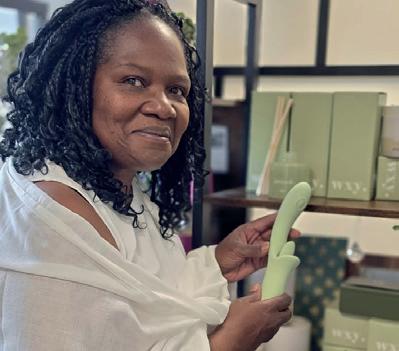
A Lewes-based entrepreneur has launched a new women’s intimate wellness brand – finally bringing to life a business concept she had shelved for six years because, as she put it, she felt too embarrassed to front it publicly.
However, the BP interim chair, Ian Tyler, said in a statement: “At the request of the board, Amanda Blanc will lead the search process for BP’s next chair. As in previous searches, this will be a rigorous process involving the entire board and the final decision will reflect our collective view.”
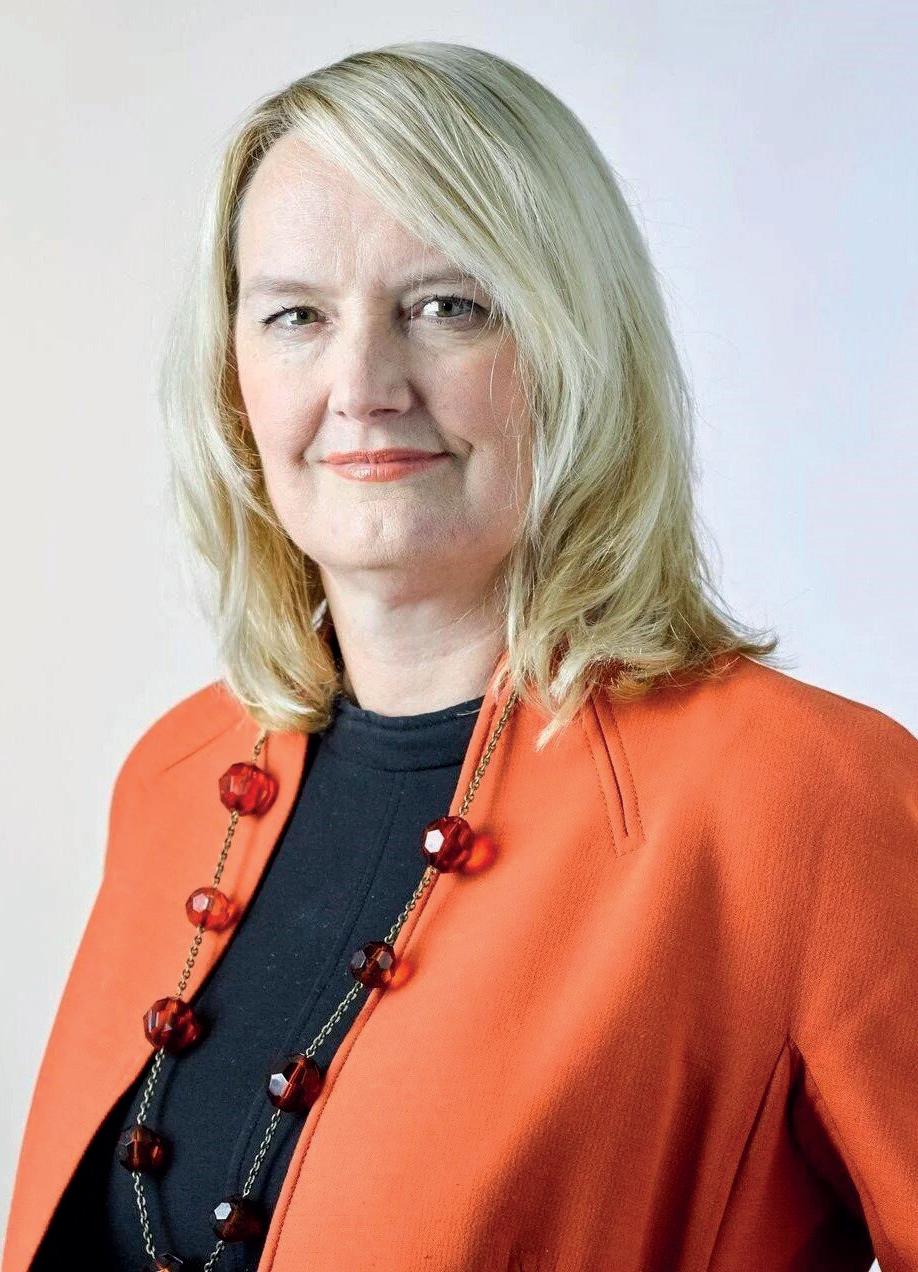
Barbara Rowe (pictured), founder of the established Sussex wellness brand Take Good Care, has officially launched Confortá-la (‘Comfort Her’ in Portuguese), an online store that combines intimate wellness products with a broader self-care philosophy rooted in conversations about menopause, ageing, confidence, and women’s wellbeing.
The website – www.confortala.com – is now live and accepting orders.
WOMEN PAID LESS - AT EVERY AGE LEVEL
According to the Office for National Statistics, median weekly pay of men working full-time outstrips that of women at every age. The gap widens significantly from around age 30 until workers are in their 60s, likely because more women than men have disrupted career paths due to caring responsibilities for children or elderly relatives.
Women tend to be more likely to take career breaks and re-enter the workforce in lower-paid roles. The median annual salary of men aged 50 to 59 in full-time work is £43,940 – 8% more than that of women of the same age, whose median salary is £40,456.
SHEGULLS MAKE THEIR WEMBLEY DEBUT
❛ ❛
The most beautiful thing a woman can wear is confidence.”
- Blake Lively
FORTUNE’S MOST POWERFUL WOMEN LIST – REVEALED
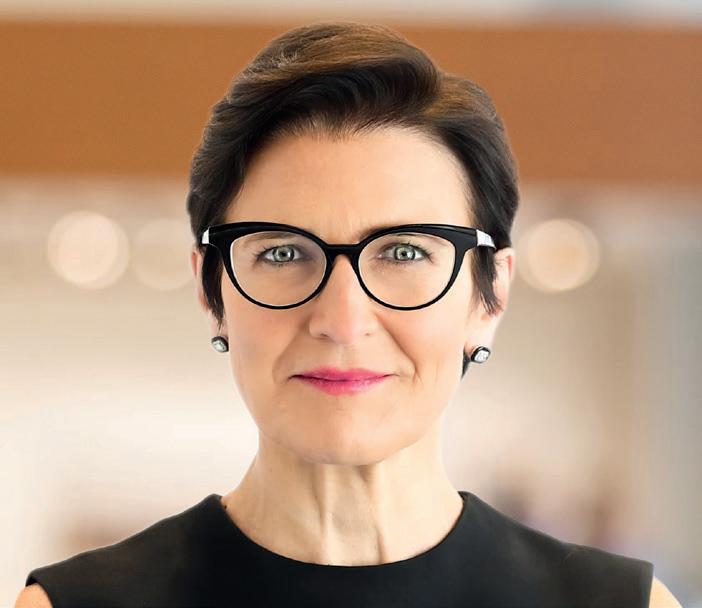
Fortune Magazine has published its Most Powerful Women List 2026, and a new name occupies the top spot.
Jane Fraser (left) is the CEO of Citigroup, having led a five-year upward turnaround in the bank’s fortunes. Fraser broke Wall Street’s glass ceiling when she became the first woman CEO of a major bank in 2021. Her rise
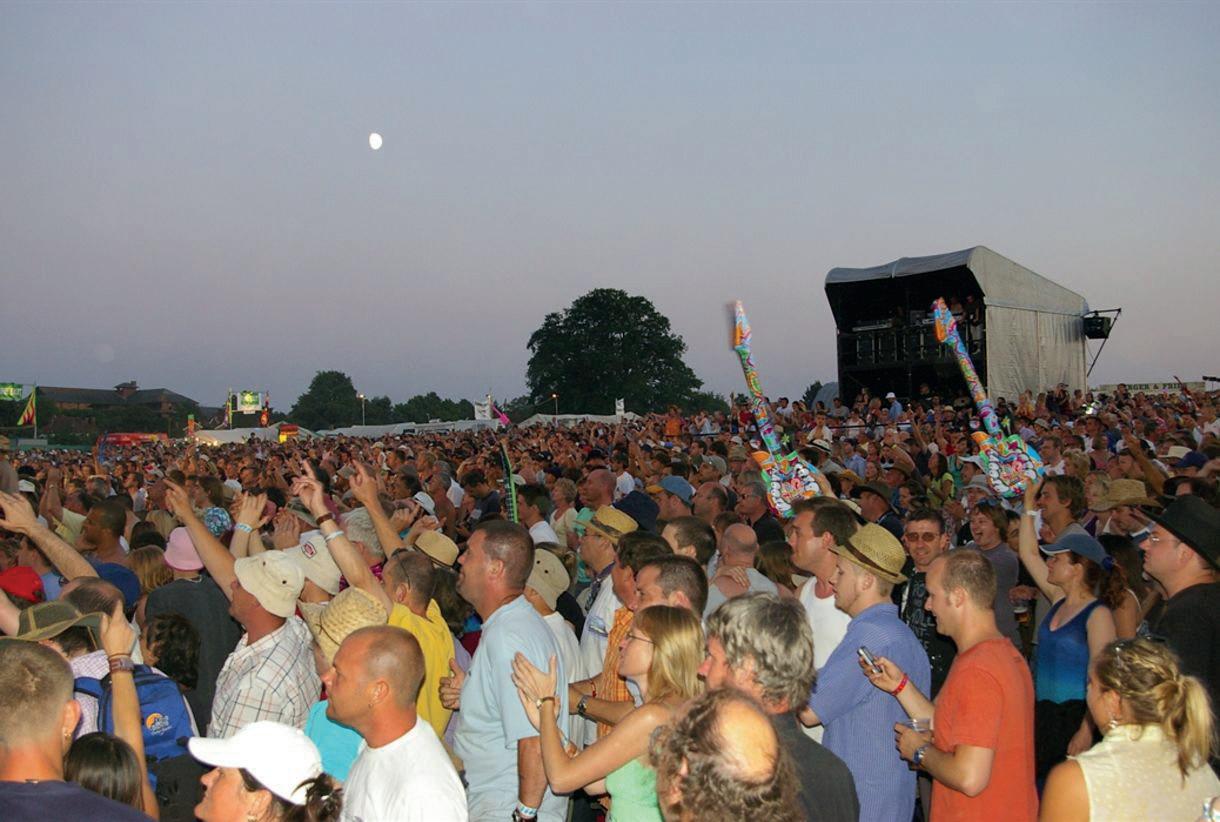
Brighton & Hove Albion Women’s team made history by reaching their first FA Cup Final this season. The showpiece event took place at Wembley Stadium on Sunday, May 31st, between the Albion and Manchester City, attended by a crowd of 43,917. Brighton fans outnumbered City fans, though the largest contingent were clearly neutrals, who came along to celebrate the high point of England women’s domestic football.
Ultimately, it was not to be for the debutants, as despite Brighton dominating possession, the Sky Blues from Manchester scored four unanswered goals to win the Cup and complete a historic first domestic League-andCup double.
❛
A pessimist is a man who thinks all women are bad. An optimist is a man who hopes they are.”
- Chauncey Depew
exemplifies how this list tracks not just who has an impressive title, but also what they are doing with it—backed by hard business metrics.
Last year’s No.1, Mary Barra, CEO of General Motors, is now at No.2. Meg O’Neill, CEO of BP, is the highest-placed British woman on the list, coming in at No.16.
UK ACCOUNTS FOR ONE-THIRD OF ALL EUROPEAN C-LEVEL WOMEN
Analytics companies The Big Search and Statista partnered to uncover deeper insights into the number of women holding C-level titles.
The research analysed 284 growth-stage and late-stage European B2C internet companies, which together employ 1,470 C-level executives across Europe, excluding managing directors. Among the companies surveyed, 37% had at least one woman in a C-suite role, representing 331 female executives overall.
The United Kingdom accounts for one-third of the entire female C-level sample. But volume isn’t the same as share. Among countries with at least 10 female executives, the Netherlands has the highest representation (31.9%). Germany ranks at the bottom, despite having the secondlargest pool of female executives, with only 15.8%.
By Alison Jones, Partner, Kreston Reeves
Keep supporting women in business
“Good luck, and I hope you enjoy your career journey as much as I have enjoyed mine.”
This is my last article for Dynamic magazine. As I prepare to take early retirement, I’ve found myself reflecting on my working life: what shaped me, what challenged me, and what I hope I’ve passed on to others.
Within weeks of starting my fi rst job, I discovered that the other student who had joined at the same time was being paid more! After a few sleepless nights, I plucked up the courage to ask my boss, Brian, why. He had no answer. There was no performance issue, no difference in experience, no justification at all, except that I was a young woman and he was a young man.
I am pleased to say that Brian soon sorted this out for me, but this was the fi rst of many occasions during my career where differences and inequality arose. From then on, Brian and I developed a real professional respect for each other, and he became a mentor to me. For many years, we met regularly for lunch, and I sought his perspective when I was facing a tough decision, doubting myself, or trying to work out my next career step.
• Ability to motivate and inspire – People are more motivated when they know why something matters, not just what needs to be done.
• Mentoring – a good leader doesn’t just give instructions; they build knowledge. Coaching someone through a task, explaining what “good” looks like, sharing context, and checking understanding means that next time they can do it with more confidence and less support.
• Fairness – be fair to everyone in your team and avoid favourites. Human nature can make this difficult, but your decisions must still be consistent, transparent, and evidence-based.
“We sometimes forget how closely our teams watch us. People learn from the way we speak, the way we make decisions, and the way we respond under pressure”
He never pretended leadership was easy, but he reminded me that people remember how you treat them far longer than they remember what you say in a meeting. I will always be grateful for his advice, his honesty, and his kindness.
For me, Brian was a great example of what leadership can look like in practice. Later, when I became a leader myself, I decided I wanted to have the same positive impact on others as he had on me. We sometimes forget how closely our teams watch us. People learn from the way we speak, the way we make decisions, and the way we respond under pressure. If we behave badly, if we are dismissive, impatient, or unfair, then we silently give others permission to do the same.
If we want brilliant leaders in the future, we need to be brilliant leaders now, especially in the small, everyday moments that don’t feel like ‘leadership’ at the time, but which can have a massive impact on our teams.
Over the years, I’ve worked with some exceptional leaders (and a few who were not so good!). These are the qualities that, for me, make a good leader:
• Kindness – no matter what has happened, we should always be kind. Kindness is not weakness. Yes, someone may have made a mistake, but didn’t we all make mistakes when we were learning? Feedback should always be in private.
• Respect – we should always respect each other. It shouldn’t matter who we are, where we come from, or what we look like. We should be treated equally, not more, not less, just equal.
• Humour – we can’t be serious all the time at work. Being able to share a joke, smile at the chaos, or laugh together after a long week helps people connect. Humour is often the glue that makes a team more resilient, especially during stressful projects.
In conclusion, be yourself. Don’t try to copy someone else’s style because you think it looks more ‘senior’ or more ‘confident’. Lead in a way that is authentic to you. If you don’t know something, admit it. If you make a mistake, own it. These actions inspire your team far faster than any title ever will.
If you aim for these behaviours, you will build stronger relationships with colleagues and clients, and you will help shape the next generation by showing them what good leadership looks like, day after day.
Good luck, and I hope you enjoy your career journey as much as I have enjoyed mine.
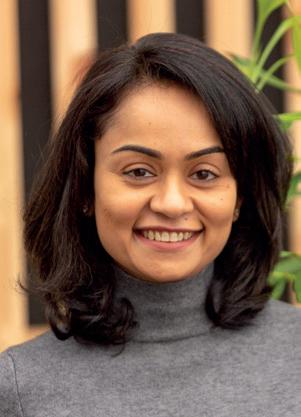
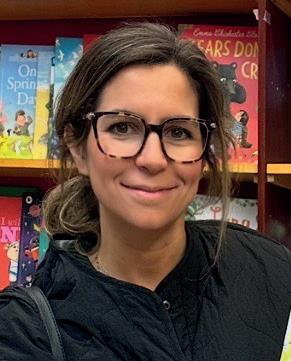
Finally, I am delighted to tell you that I am handing the baton to Sam Jones (pictured, below), one of my fellow partners. Sam is equally passionate about supporting women in business, so I know that I will be leaving this role in safe hands.
Sam will tell you more about herself when she writes her fi rst article in the next magazine.
To fi nd out more, please contact Sam Jones, Partner, Head of Corporate Tax: Call: +44 (0)33 0124 1399 Email: enquiries@krestonreeves.com Visit: www.krestonreeves.com
By Alex Bailey
The
Alex Bailey Column
COMPANY OF THE YEAR 2022
We are delighted to have and CEO of Bailey & French, She founded leadership team delivering work across large blue chips as well
AI isn’t the biggest shift at work right now;
At its simplest, culture is the space between people: how we connect, make sense of work, and understand what matters. And that space has changed.
We are spending a lot of time talking about AI, and understandably so. It is moving quickly, it is visible, and it is changing how work gets done. Conversations with clients and leaders often start there: what tools are we using, how far behind are we, and how do we keep up?
But I am noticing those conversations don’t stay there for long. They move to something harder to define but more important: the experience of work itself. Leaders can feel a shift, even if they cannot always articulate it. Teams are still delivering, but work feels different.
The same patterns keep coming through. Energy feels less even. Connection is thinner, especially across teams that spend little time together. Shared understanding of priorities is weaker, with more left to individual interpretation.
I saw this clearly in a recent leadership session. We spent the first hour on AI adoption: tools, capability and where the organisation needed to move faster. But when we shifted to how work actually felt for their teams, the tone changed. One leader said, “We’re all busy, but I don’t think we’re very connected anymore.” Another added, “I’m not sure people really know what matters most week to week.”
It would be easy to attribute this to AI because it is the most visible shift. But AI has not created these conditions; it has accelerated and exposed them. Hybrid work has stretched connection and trust. The pace of change has made clarity harder to maintain. Heavy workloads have pushed people into more individual, task-focused ways of working.
Many organisations underestimate this because culture is often treated as background while strategy evolves. In reality, it shifts through daily interactions: how people communicate, what gets noticed, what gets reinforced, and how decisions are made under pressure.
The conditions that once held it together have shifted: less time physically together, more communication through
“AI will keep advancing. But culture will decide whether it works.”
have Alex Bailey contributing to Dynamic. She is an organisational psychologist, author, French, and a global expert in humanising leadership, culture, and the world of work. leadership and culture consultancy Bailey & French which has grown organically to a global across 155 countries, in all markets and industries and trusted by the board/execs of as those at the most senior levels of central government.
shift happening culture is.
screens, and work that is faster and more fragmented. Many organisations respond with values, surveys and programmes, but these often miss the reality of how work actually feels.
The result is that little appears to have changed, but something important has eroded. Belonging is harder to feel.
Purpose is referenced more than experienced. Collaboration becomes more transactional.
This is why the conversation about AI matters even more. If AI takes on more task-based work, the human system around it must be stronger. How people connect, build trust, maintain energy, and stay aligned becomes critical.
For many women leaders, this will feel especially familiar. Many are carrying not just performance pressure, but the invisible work of holding people together: sensing shifts in energy, creating clarity, managing tensions, and sustaining connection across teams. In an AI-shaped world of work, I believe that supporting women leaders to engage confidently with these tools, without losing the human strengths they already bring, matters enormously. Those capabilities are not soft extras. They are becoming central to whether organisations function well at all.
What I am seeing in organisations navigating this well is not more programmes, but a shift in attention. Leaders are noticing where energy builds or drains, where connection holds or weakens, and where people are clear versus left to interpret things for themselves.
This is the early work of reculturing: understanding the culture you have, the one you need, and how to close the gap through everyday experience.
SO, WHAT SHOULD LEADERS FOCUS ON?
This does not start with a programme. It starts with noticing. Notice where energy lifts and where it drops. Notice which conversations create clarity and which leave people guessing. Notice how decisions are made when pressure is high.
Be explicit about what matters day to day. If people are left to determine their own priorities, cultures begin to fragment.
Create space for genuine connection in how people work together. How people listen, challenge, and support each other matters more than anything written down.
AI will keep advancing. But culture will decide whether it works. If the space between people is weak, no amount of technology will compensate. If it is strong, technology can build on something solid.
Laura Hearn is a former BBC journalist, now storytelling consultant and founder of Flip It - a podcast and platform helping people and businesses use storytelling as a tool for clarity, connection and change. This month, for Dynamic, Laura looks at the upsides of ‘boredom’, and how it can be a force for creativity
“Like many people, I struggle to watch a 30-minute episode without instinctively picking up my phone halfway through...”
IN DEFENCE
By Laura Hearn
Istill remember setting up my first Hotmail account in an internet café in Australia almost two decades ago. Tucked between a surf shop and a backpackers’ hostel in Byron Bay, the café was bustling with travellers and the smell of a flat white permeated throughout. Back then, internet cafés were the only way I could update (and reassure) my family at home that I was all OK - they were an intrinsic part of the travelling experience. You’d queue to use a bulky computer, quickly check your emails, so as not to clock up too many charges, perhaps upload a few grainy digital photos, then return to the real world again.
For more than a year, I travelled across multiple countries without a mobile phone or social media. I navigated unfamiliar cities, overnight coach journeys, hostels, jobs, and friendships armed with little more than a paper map, instinct, and conversations with strangers. Somehow, despite being less connected digitally, I felt more connected to life itself. I was present for it all.
I would lie on beaches and simply people-watch for hours on end. I would read books from beginning to end without interruption (I first discovered Memoirs of a Geisha, left on a boat along the Gold Coast, and consumed it in a matter of hours). Long stretches of silence existed naturally throughout the day, and rather than feeling uncomfortable, they felt spacious.
Now, like many people, I struggle to watch a 30-minute episode without instinctively picking up my phone halfway
DEFENCE OF BOREDOM
through. Even when I’m enjoying what I’m watching, part of my brain seems to crave another layer of stimulation. A quick scroll. A notification. Another hit of something. Just the other night, I realised I had rewound the same episode several times, having completely lost track of what was going on - it struck me that somewhere along the way I had lost the practice of doing nothing.
Boredom has developed a terrible reputation in modern life. We speak about it as though it’s something to avoid at all costs - lazy, unproductive, empty. The moment boredom appears, we rush to eliminate it. We have confused constant stimulation with living fully, when in reality, it often pulls us further away from ourselves. Even our downtime has become layered. We scroll while we watch. We reply to messages while we eat. We listen while simultaneously half-reading something else. Rarely do we experience one thing at a time anymore.
itself instantly, but emerges gradually, through listening, waiting, and sitting long enough in a moment for something far deeper to appear.
Some of the most important conversations I’ve had in my career happened not during the formal interview itself, but afterwards. In the silence after a difficult question. During a long car journey to the next location. Over coffee, when the recorder was already packed away. The subject had relaxed. The performance was over. And that’s precisely when the truth came out - which is why anyone who has attended a conference will tell you the real conversations happen in the margins, not on the main stage.
“I’ve started wondering whether boredom was ever really the problem at all. Perhaps boredom is the solution...”
But I’ve started wondering whether boredom was ever really the problem at all. Perhaps boredom is the solution, and our need to fill space is the problem. Space to think, to notice, to process, to feel. And yet some of the most meaningful things arrive in silence.
I spent two decades working in journalism, and the older I get, the more convinced I am that real observationthe kind that produces stories worth telling - is impossible without taking a pause. The best material rarely reveals
That quality of attention - the willingness to wait, to resist filling silence, to stay present rather than reach for distraction - isn’t something you can manufacture on demand. It requires practice. And I think my own experience has only highlighted that removing every quiet moment from our lives also removes the conditions in which that kind of thinking can happen.
Our brains need moments of idleness. Creativity can’t be ignited when we’re force-feeding ourselves stimulation every waking second. It tends to surface during the in-between moments we’re increasingly reluctant to sit with. Of course, technology itself is not the enemy. I’m genuinely grateful for the connections and opportunities it has brought into my life, but I do think we’ve lost balance. We’ve forgotten that not every moment needs optimising, documenting, or filling. That there is value in staring out of the window. In silence. In letting your thoughts wander without immediately directing them somewhere useful.
For driven professionals, this matters more than it might initially seem. The ability to think clearly, to spot what others miss, to bring genuine insight rather than reactive noise, depends on having some mental space to work with. You cannot operate at your best on a brain that is never still.
Boredom is not a flaw in modern life that needs fixing. It might be one of the more underrated professional assets we keep discarding. Perhaps the moments we label as doing nothing are actually where some of our clearest thinking happens. The trick is learning to tolerate them again - and trusting that something worthwhile will surface if we do.
You can listen to Laura’s podcast, Flip It, wherever you get your podcasts, and you can connect with her at www.flipitglobal.com
GAZA SISTERS WIN AWARD FOR RECYCLING INNOVATION
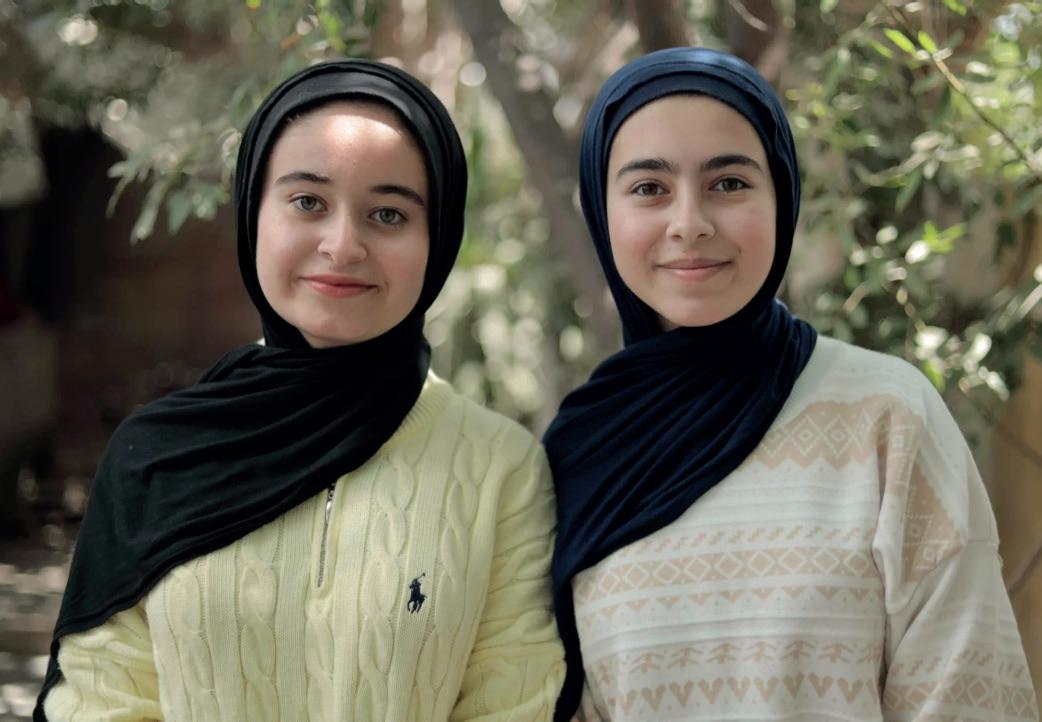
Two teenage sisters in Gaza have won an environmental award for developing a method to turn rubble from destroyed buildings into reusable construction blocks. The process uses crushed debris mixed with natural binders to create materials for non-structural uses like pavements and garden features. Despite living amid conflict and displacement, they recognised their innovation’s potential for post-war reconstruction. The sisters hope their work can support rebuilding efforts in their community.
IN THE RIGHT DIRECTION
FRANCE EXPANDS €1 UNIVERSITY MEAL SCHEME
poverty and improving access to affordable nutrition on campus.
have skipped meals due to financial initiative. Officials describe it as a
France has extended its €1 threecourse university meal programme to all students, aiming to ease food insecurity in higher education. Previously limited to those receiving financial aid, the scheme follows reports that nearly half of students have skipped meals due to financial strain. The government has committed €120m to support the initiative. Officials describe it as a major step in addressing student
Bad behaviour makes men more glamorous. Women get destroyed, thrown out of society and locked up in institutions”
Marianne
Faithfull
MONITORING IMPROVES HEART HEALTH AFTER PRE-ECLAMPSIA
A study from the University of Oxford suggests that daily blood pressure monitoring after pre-eclampsia may improve long-term cardiovascular health. Women who tracked readings at home and adjusted treatment showed improved arterial health compared with standard care. Preeclampsia affects up to 8% of pregnancies and can increase later heart disease risk. Researchers say regular monitoring could help reduce complications such as stroke and heart attack, with larger trials now underway to confirm the findings.
NEW RAIL LINK RECONNECTS EUROPEAN CAPITALS
A direct high-speed train between Prague and Copenhagen has been restored after more than a decade, reflecting growing demand for low-carbon travel. The 13-hour service passes through Berlin and Hamburg, reaching speeds of 230kph. Interest in rail travel is rising as travellers seek alternatives to flying, with searches for “flight-free holidays” increasing significantly. The route is part of a broader European trend toward expanding international rail connections and reducing dependence on aviation.
GLOBAL NET ZERO COMMITMENT WIDESPREAD
New research challenges claims that most countries are abandoning climate action, showing that 71% now have net-zero targets. Data from Carbon Brief indicates that only a small number of major emitters, including the United States and Iran,
UK ENDS NEW NORTH SEA OIL LICENCES
The UK government has announced a ban on new oil and gas exploration licences in the North Sea, a move praised by climate groups but criticised by opposition politicians. Supporters argue it strengthens climate commitments and reduces reliance on fossil fuels, while critics warn it could harm energy jobs. Scientists have long cautioned against expanding fossil fuel extraction. The decision reflects ongoing tension between energy security, economic concerns, and climate policy goals.
FRANCE EASES RETURN OF COLONIAL ARTEFACTS
lack such commitments. The UK was an early adopter of net-zero, and around 74% of global emissions are now covered by national targets. The findings counter political arguments that limit international participation in emissions-reduction efforts.
BLOOD TEST PREDICTS DISEASE PROGRESSION
Scientists have developed a blood test that can predict how diseases may progress and how patients will respond to treatment. The method analyses RNA markers associated with changes in gene activity during illness. Early trials suggest it could forecast outcomes for conditions such as inflammatory bowel disease and infections. Researchers say it may help clinicians intervene earlier and personalise treatment. While still in development, the test could reach clinical use within five years if further studies confirm its accuracy.
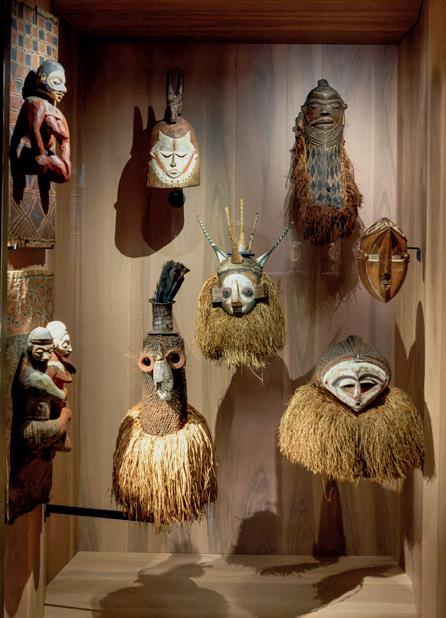
France has passed new legislation that streamlines the return of cultural artefacts taken during its colonial era. Instead of requiring a separate parliamentary law for each restitution, the government can now approve returns by decree. The move reflects growing pressure to address the legacy of colonial-era looting, much of which still shapes Western museum collections. Other countries, including the Netherlands and Indonesia, have also introduced frameworks or actions to facilitate the repatriation of cultural heritage in recent years.
If you can’t handle me at my worst, then you sure as hell don’t deserve me at my best”
Marilyn Monroe
Becoming the leader your business now
By Pippa Moyle
Last month, I shared that I’m entering a new chapter as a business leader. One where the opportunities are bigger, the rooms are bigger, the expectations are bigger, and the invoices are, thankfully, bigger too.
The City Girl Network is now VAT registered. We’re hosting larger-scale events, building partnerships with major institutions, strengthening our national presence and creating opportunities that didn’t feel possible even 18 months ago. I’m even flying out to Canada this month for a project.
It’s incredibly welcome progress. But there’s a strange thing that happens when your business starts to grow into a version of itself that you once scribbled into notebooks, pitch decks and wildly optimistic spreadsheets. The business is not just asking you to keep going anymore. It is asking you to change.
“There’s a strange thing that happens when your business starts to grow... The business is not just asking you to keep going anymore. It is asking you to change.”
For a long time, my leadership style was built around survival. I became very good at figuring things out. I could stretch a budget, rescue a project, rewrite a proposal, fill a venue, patch a system, chase an invoice, and convince myself that everything was absolutely fine because, frankly, it had to be.
That version of me was useful. She was scrappy, energetic and stubborn, and she refused to let the whole thing fall apart. She could build something out of very little and make it look much shinier than the bank account suggested. She could take rejection, disappointment and the occasional existential spiral, then turn up the next morning with a strong coffee and a new plan.
Survival mode may be useful in a crisis, but it’s not a
leader now needs
long-term leadership strategy. As the business gurus say: there comes a point where the skills that helped you build the business are not the same skills that will help you lead it into its next stage. The instinct to say yes to everything becomes a capacity problem. The ability to do everything yourself becomes a bottleneck. The willingness to keep pushing through becomes a risk to your health, creativity and judgement.
The business starts to need something different from you. It needs structure, strategy, better boundaries, clearer decision-making, and to stop treating every opportunity like it might be the last one you’ll ever get. That last one is particularly hard to shake.
When you have built through uncertainty, you can become incredibly attached to urgency. Every email feels important. Every opportunity feels make-or-break. Every ‘no’ feels personal. Even when the business is growing, your nervous system can still be sitting in the passenger seat of the car from last year, surrounded by tissues, fearing it’s falling apart.
Pippa Moyle is the CEO and founder of the City Girl Network, a mission-driven business dedicated to empowering and supporting women across the UK. Since launching in March 2016, the network has built a vibrant community of over 150,000 women, facilitating new friendships, business connections, job opportunities, housing solutions, and valuable life advice.
moving parts and greater consequences if something slips. It is no longer enough to hold the plan in my head and trust that I’ll somehow pull it together. I need timelines, briefs, budgets, delivery plans, decision points and a clear understanding of who owns what.
It’s working with highly skilled creatives and learning that good leadership is not about having every answer, but setting the vision clearly enough that brilliant people can do their best work. In other words, giving a designer, photographer, videographer, writer or strategist enough direction to understand the purpose, while leaving enough space for them to bring the expertise I hired them for in the fi rst place.
“Leadership becomes less about being able to carry everything and more about building something that doesn’t require you to.”
It also looks like saying no to things that do not align, even when they are fl attering. It’s charging properly without over-explaining the value; and asking for what the business needs, not just what feels safest to request.
As many a business guru has said, at some point, leadership becomes less about being able to carry everything and more about building something that doesn’t require you to.
External reality changes faster than internal reality. I would much rather tell you that growth has made me effortlessly confident, brilliantly composed and entirely immune to waves of imposter syndrome. But confidence changes shape as the business grows.
In the early days, confidence looked like putting something out there and hoping people would show up. It looked like pressing publish, sending the pitch, booking the room, making the Instagram post and applying for the award.
Now, confidence looks quieter and more disciplined. It looks like opening a budget spreadsheet and not just asking, “Can we afford this?” but “What return does this need to deliver?” It’s understanding cash flow, VAT, supplier payments, contingency and payment terms with a level of seriousness I could once avoid when the numbers were smaller.
It looks like leading larger projects with more people, more
That is the version of leadership I’m stepping into now. It is an uncomfortable shift, because it asks you to grieve parts of yourself that once kept you safe. But like everyone who’s been promoted to a new role after being stuck in the same one for years, it’s a change that I’m ready for – after all, I built it.
Natalie Montagnani is a Business & Leadership Coach for Women and Founder of Ignite. Drawing on 25 years helps female founders and leaders strengthen self-leadership, commercial confidence and influence. Through curated leadership rooms, Natalie is on a mission to advance a new era of female leadership.
Is expertise
no longer Why success now requires far more than simply being
By Natalie Montagnani
There comes a point in so many women’s careers where the role quietly changes beneath their feet. What am I talking about here? Commercial leadership - revenue, sales, business development and money.
The HR consultant who thought she was building a business around helping people, only to realise she now spends most of her time leading a team, managing cashflow, making difficult decisions and trying to generate consistent revenue.
The senior lawyer who excelled technically for years, only to discover that partnership is no longer simply about expertise. They’re now expected to become a ‘rainmaker,’ generating significant new business, attracting lucrative clients and strengthening commercial growth within the fi rm.
Th is is largely a shock to the system because many women enter professions because they are exceptional at the technical work, and they’ve never been formally taught how to network strategically, market themselves confidently or generate business opportunities.
I met a lovely accountant at her fi rst networking event and asked her what type of client she was looking for, so I could make a useful introduction. Her response?
“Oh, anyone really.” On pressing, she revealed she hadn’t been told who to target, a huge, missed opportunity for her employer. And instead of feeling empowered to work the room, she stood and chatted to her colleague most of the evening out of awkwardness.
“Perhaps
the deeper issue is that women have been conditioned to feel uncomfortable with money altogether.”
But perhaps the deeper issue is that women have been conditioned to feel uncomfortable with money altogether.
Women in the UK could not even open their own bank accounts without a male guarantor until the 1970s, and, historically speaking, fi nancial independence for women is still incredibly recent.
Even now, many women still do not manage the fi nances within their households despite being highly educated
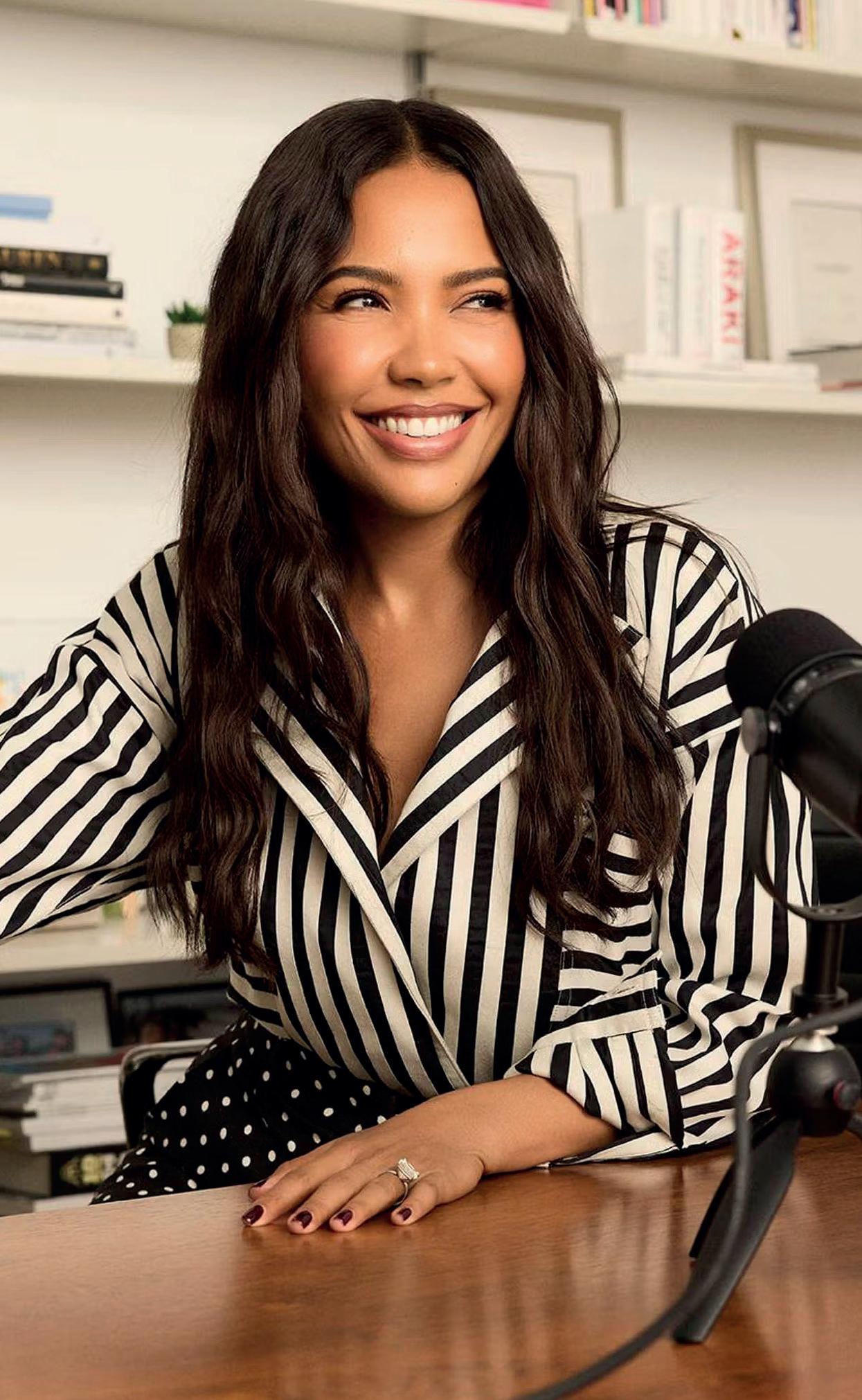
Emma Grede
years of commercial experience, she Through her coaching, workshops and
longer enough? being brilliant
at your job
and capable. And language around wealth and ambition continues to carry very different undertones for women. A wealthy man is often seen as successful. A wealthy woman is still, in some circles, labelled intimidating, materialistic, or a gold-digger.
And so many women grow up learning to associate money not with freedom, security, influence or impact, but with guilt, judgment or discomfort. It’s no wonder then that highly capable women struggle when their careers suddenly require them to become more commercially confident and financially driven.
And why I see so many female founders massively undercharge and overdeliver, quietly exhausting themselves trying to prove their value before they feel justified charging properly for it. Hesitating to raise prices, speak confidently about money or fully own the value of what they bring.
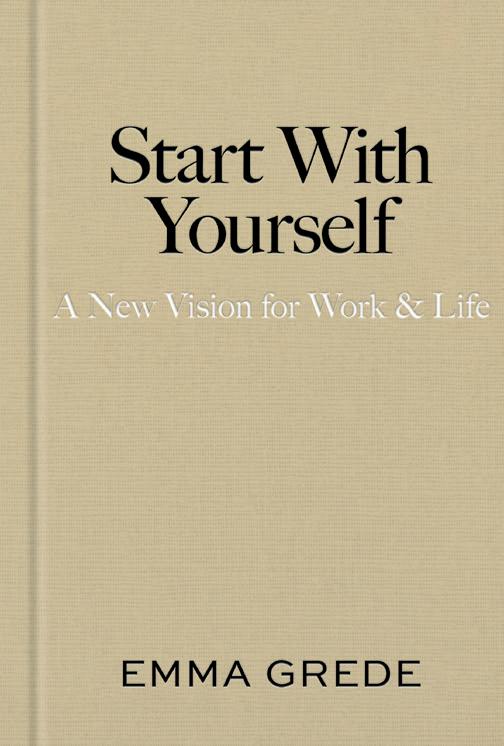
Which is why Emma Grede’s new book, Start With Yourself, feels particularly timely and I am honestly obsessed.
Her message is clear: women must become more comfortable talking about money, building wealth and positioning themselves commercially without shame. As Grede famously says: “If you elegantly avoid the subject of money, money will somehow elegantly avoid you,” which is a powerfully accurate observation.
“Her message is clear: women must become more comfortable talking about money, building wealth and positioning themselves
commercially without shame.”
As the British-born Co-Founder and CEO of Good American and Founding Partner of SKIMS, she dedicates an entire chapter to money and openly challenges the conditioning many women still carry around ambition, visibility, money and power.
She argues that as women, “We’ve been conditioned to avoid the very behaviours that lead to money, leadership, and influence.”
With an estimated net worth of more than £300 million, Grede has become one of the most commercially successful self-made businesswomen in the world. When discussing fundraising and investment, she has spoken openly about the difference in how men and women often position themselves commercially — with male entrepreneurs typically speaking confidently about profit and scale, whilst female founders are more likely to focus on purpose, impact or service first.
Although this is a significant shift in female leadership, many are still trying to navigate the transition alone, quietly believing they should somehow already know how, and they shouldn’t, because many of these skills were never taught. But the good news is that they can absolutely be learned.
And this is essential, because expertise may open the door, but commercial confidence is often what determines who gets to stay in the room, shape the conversation and build lasting influence once they are there – and boy, do we need some more women with power in this world.
So maybe Jessie J got it wrong. Maybe it is about the ‘money, money, money’, and as women, we all need to get comfortable with that.
Natalie Montagnani Founder of IGNITE Women in Business
07900 153503
ignitewomeninbusiness.com
Connect with Natalie on LinkedIn or drop her an email to natalie@ignitewomeninbusiness.com
Inga DAME
Inga Beale DAME
THE FIRST FEMALE CEO OF LLOYD’S OF LONDON
DAME INGA BEALE is a British entrepreneur best known as the first female CEO of Lloyd’s of London, a position she has since left. She has over 40 years of experience in the financial world. While working for the company, she saw it through a dramatic period of modernisation.
She is credited with significantly enhancing the company’s access to the international insurance market. It takes an exceptional profile to work at the helm of a company founded over three centuries ago, and Beale has one.
Before she joined Lloyd’s, Beale worked for many other companies in various capacities. She was the Group CE of Converium, a Swiss reinsurance firm that closed operations in 2007. Other companies she worked for include Canopius and GE Insurance Solutions.
Inga Beale was born in Berkshire in 1963. Beale is the second child of an English father and a Norwegian mother, and studied economics and accounting at Newbury College, Berkshire.
She started her career in 1982, at Prudential Assurance Company in London. She trained as an underwriter, specialising in international treaty reinsurance.
The industry was composed predominantly of men at the time; she once took issue with posters in the office depicting half-naked women, only to have her colleagues plaster them across her computer and chair. In 1989, weary of the overtly male-dominated lad-culture in the City, she took a year off, cycling in Australia and backpacking in Asia. She ultimately left Prudential in 1992 to work as an underwriter in General Electric’s insurance division. She joined GE’s management in Kansas in 2001, and continued with GE
However, it was her stint at Lloyd’s that stands out most. While at the company, she delivered some of the firm’s best financial returns. The company’s presence in the Middle East and Asia is now highly noticeable thanks to her efforts.
Under her eagle eye, Lloyd’s of London developed and implemented numerous diversity initiatives, with the Dive In Festival being one of the most notable ones. The initiative would blossom into an international event that fosters diversity and inclusion in the insurance world.
Looking at her achievements, many people believe that Inga is a true example of a one-of-a-kind female leader who succeeded where even male figures failed. When it comes to driving women’s inclusion agenda, perhaps no one does it better than her.
Insurance Solutions until 2006, taking leadership roles in Paris and Munich, and at Swiss reinsurer Converium.
In 2008, she joined Zurich Insurance Group as a member of their Group Management Board. It was here, at her interview, that she made her first public admission of her sexuality. This led to her effectively having a dual role going forward; as a businessperson and, ultimately, as an open supporter of LGBT issues.
The following year, she was named the group’s Global Chief Underwriting Officer. From 2012–13, she was the Group CEO at the privately held Lloyd’s insurer Canopius. Beale was announced as the new CEO of Lloyd’s of London in December 2013, replacing Richard Ward. She was Lloyd’s first female CEO in the insurance market’s then328-year history.
The CEO role at Lloyd’s was one she held for four and a half years. In June 2018, she announced that she would be stepping down. During her time there, she was instrumental in increasing the company’s turnover and profits and in launching Pride@Lloyds, an internal LGBT employee resource group, and has supported the LGBT Insurance Network.
She helped start the international Insurance Supper Club for leading female executives. In 2015, Beale became the first woman and the first openly bisexual person to be named number one on the OUTstanding & FT Leading LGBT executive power list.
PARALLEL CAREER
During the first nine years of her working life, she found sports to be her saviour. She would spend a lot of time after work rowing with her crew on the Thames near Chiswick. She also played rugby; indeed, she played for Wasps for 12 years, into her early 30s. Looking back, she stated that in 2022 she now realises how important sport was to her, as the playing field was the only place she felt she really belonged. “I was part of the team, and I felt valued for what I could contribute. That support network enabled me to be able to come into work every day, even when I was feeling odd and out of place.”
However, sports can be a mixed bag for LGBTQ+ people. A lot of the ‘banter’ that some people defend can quickly become abusive. In fact, banter is often the lazy trope homophobes and misogynists use when they are challenged over their comments. Banter, they don’t realise, is always a two-way street; it doesn’t work any other way. If the other person doesn’t respond or indulge in the same supposed wit, it’s abuse.
It’s this same kind of ‘banter’ that causes LGBTQ+ people and women to leave jobs or feel unsafe in the workplace.
“I experienced awful sexism in the workplace. When I was 27, some colleagues hosted a cocktail party for the Jamaican
tourist board and decorated the walls with tourism adverts, all featuring women in wet T-shirts and bikinis. Weeks after the party, these posters were still up in the office. I was so proud of myself for working up the courage to speak to my boss and explain why they made me uncomfortable.
“In 2008, she made her first public admission of her sexuality. This led to her effectively having a dual role; as a businessperson and, ultimately, as an open supporter of LGBT issues.”
“At first, he was very apologetic, but I came in the next day to find the posters wrapped around my workstation. I was so angry I walked out of the office and went straight home. I was sure I’d never work in insurance or finance again – so I decided to go backpacking.”
The iconic Lloyd’s of London building
When she returned to work, “because I needed money” after a year backpacking around Australia and the Far East, she did things differently. “I’d met people who made me realise I could succeed being myself and stop pretending.” She’d tired of hiding the reality; of leading a dual life. “I can now be much more myself; I can be my own personality,” she said in 2017. And she’s found that personal transparency is a way “to engage with the younger generation.”
“Once I was ‘out’,” she told Rosie Parry of the London Business School in 2022, “I realised how much effort it had taken to hide my sexuality. I felt better equipped to do my
job, because I wasn’t wasting all that energy” Of course, not everyone was completely on board.
“When I fi rst became CEO of Lloyd’s in 2014, I was shocked by the culture. Bear in mind they’d only been accepting females on the trading floor since the 1970s, after nearly 300 years of an all-male workforce. I remember walking through the trading floor and marvelling at how all these men – regardless of their age – looked exactly the same as each other in their suits and ties.”
Not only was she the fi rst female CEO Lloyd’s of London had had, but she wasn’t afraid to use words that had previously been taboo. She started talking openly about not seeing many gay, lesbian, or bisexual staff members – she
“Once I was ‘out’, I realised how much effort it had taken to hide my sexuality. I felt better equipped to do my job, because I wasn’t wasting all that energy”
thought some people thought it was all just too much for that audience. Despite the criticism, and there was plenty, she kept going.
She always felt she was on to something regarding cultural values, so she kept talking. Slowly, related employee resource groups began to spring up. Beale hadn’t hired a D&I consultant, so these grassroots movements were really her only support. Finally, people were coming together and properly discussing LGBTQ+ issues.
She told Parry that she will always remember the night she formally launched the LGBT network. “It was a real celebration, and we even had someone from Stonewall speaking. I remember looking at her and thinking ‘wow!’ we’ve got somebody like this in the Lloyd’s offices.
“A member of staff approached me with a tear in his eye and told me
THE INTERNATIONAL PANEL ON THE INFORMATION ENVIRONMENT (IPIE)
The IPIE is an international consortium of over 250 experts from 55 countries dedicated to providing actionable scientific knowledge on threats to the global information environment. The organisation has been compared with the Intergovernmental Panel on Climate Change, but also (CERN) and the International Atomic Energy Agency, because it uses the model of scientific panels and neutral assessments to identify points of consensus or gaps in knowledge. The IPIE was legally registered as a charitable entity in the Canton of Zurich, Switzerland, in 2023.
ORIGINS
The concept was proposed in 2021 during the first Nobel Prize Summit organised by the US National Academy of Sciences and the Nobel Foundation, involving Dr Sheldon Himelfarb, then head of PeaceTech Lab,[6] and Professor Philip N Howard, a Professor at Oxford University and then Director of the Oxford Internet Institute
he never thought he would see a moment like that at Lloyds, not in his whole 30 years there. It was a moment of such joy – I was sure he was about to come out. But what he actually said was that his son was gay, and he’d been avoiding talking about it because he was afraid of people’s reactions. Conversations like that remind me how the things we do in the workplace can seep out into our personal lives.”
In 2013, she married Philippe Pfeiffer, a Swiss jewellery designer, and the couple live in Spitalfields, London.
Beale was appointed Dame Commander of the Order of the British Empire (DBE) in the 2017 New Year Honours for services to the economy. In February 2022, she was appointed president of The British-Swiss Chamber of Commerce. In December 2024, she joined the Board of the International Panel on the Information Environment.
She is also a Patron of Insuring Women’s Futures, an alliance of insurance and personal fi nance professionals helping to improve women’s long-term fi nancial resilience. She is also a member of Stonewall’s Development Council, and was awarded a Damehood for her influential work in driving the inclusion agenda for women and the LGBT community.
She has served as President of the UK Chartered Insurance Institute, a member of the Geneva Association Board, and a member of the UK Government’s Financial Services Trade and Investment Board. She also sits on the London First Board and the London Mayor’s Business Advisory Board.
In addition, Beale is the Chair of the HIV Commission established by UK AIDS charities the Terrence Higgins Trust and National AIDS Trust. The year-long Commission was scheduled to publish its recommendations in spring 2021. The UK Government committed to end HIV transmission in the country by 2030 and was to develop its action plan once it received the HIV Commission’s report.
“A member of staff approached me with a tear in his eye and told me he never thought he would see a moment like that at Lloyds”
Today, Dame Inga Beale continues to speak on a range of business issues, especially those that have affected her personally. Acceptance of LGBTQ+ in the workplace foremost among them.
Eleven years, 22,000 voices and a landmark paper in The Lancet later, one of the world’s most common hormonal conditions has finally been renamed. The story of how PCOS became PMOS is one of patient frustration, scientific persistence and a medical system forced to reckon with its own blind spots.
Imagine being told for years that your condition is about cysts on your ovaries, then learning the cysts aren’t actually cysts, they aren’t necessarily on your ovaries and that the real story of what’s happening inside your body is more complex and consequential than anyone told you. For more than 170 million women worldwide, that has been the reality of polycystic ovary syndrome.
This just changed. On May 12th 2026, a landmark paper in The Lancet officially announced that PCOS - polycystic ovary syndrome - is now PMOS: Polyendocrine Metabolic Ovarian Syndrome. The new name follows an eleven-year global campaign widely described as the most rigorous disease-renaming process in medical history. It is a change that doctors, researchers and patients have been pushing for across three generations of effort, and its implications stretch far beyond nomenclature.
A CONDITION HIDING IN PLAIN SIGHT
PMOS is startlingly common. It affects roughly one in eight women of reproductive age, more than 170 million people globally, and yet an estimated 70% of those with the condition have never received a diagnosis. It is, in large part, a consequence of a name that pointed clinicians and patients in the wrong direction from the very beginning.
The condition is characterised by hormonal fluctuations that affect almost every system in the body. Symptoms include irregular or absent periods, excess body hair, acne, hair thinning, difficulty managing weight and significant impacts on mental health. People with PMOS face substantially elevated risks of type 2 diabetes, gestational diabetes, cardiovascular disease and high blood pressure. The psychological burden is considerable, too: anxiety and depression are disproportionately prevalent among those affected.
And yet, for decades, the clinical framing of the condition, shaped by its name, concentrated attention almost entirely on reproduction and the ovaries. Gynaecologists took the lead in diagnosis and management, while the broader metabolic and endocrine story went largely untreated. Patients were often seen only when they sought help with fertility. By then, years of unaddressed cardiometabolic risk had already accumulated.
What’s How PCOS became
“On May 12th 2026, a landmark paper in The Lancet officially announced that PCOS - polycystic ovary syndrome - is now PMOS: Polyendocrine Metabolic Ovarian Syndrome.”
THE PROBLEM WITH ‘POLYCYSTIC’
The term polycystic ovary syndrome has been contested almost since it was first used. The ‘cysts’ it references are not pathological cysts at all. Under ultrasound, the ovaries of someone with the condition can appear to contain multiple small follicles - eggs whose development has been arrested as a result of a disruption in the endocrine system. They are not cysts in any meaningful clinical sense. Describing them as such misled generations of patients into believing they had a structural problem with their ovaries, and misled clinicians into treating it as one.
The effect was compounding. Research into the condition was narrowly framed around reproduction and ovarian function, leaving the metabolic and endocrine mechanisms - insulin resistance, androgen excess, disrupted
in a name?
became PMOS and why it took so long
Professor Helena Teede, Director of Monash University’s Monash Centre for Health Research and Implementation in Melbourne, has spent more than 25 years researching the condition and advocating for those affected. She led the renaming process through three phases of global consultation, beginning with surveys administered in 2017 and 2023 and culminating in a third survey that reached nearly 15,000 stakeholders in 2025. In total, around 22,000 people contributed; doctors, researchers, patients, charities and advocacy groups from every region of the world.
hormone signalling - underexplored and underfunded. Patients who did not fit the reproductive template fell through diagnostic gaps. Those who presented primarily with metabolic symptoms were often told they simply needed to lose weight. The diagnostic delay, on average, can run into years.
ELEVEN YEARS TO A NEW NAME
Campaigns to rename the condition are not new. As far back as the 1990s, clinicians were raising concerns about the accuracy of the PCOS label. What changed in recent years was the emergence of a coordinated, evidence-based international effort to actually get it done.
The coalition behind the final paper comprised 56 major academic, clinical and patient organisations. Their brief to participants was clear: what do you want a new name to accomplish? The responses were unambiguous. Avoiding stigma came first. Scientific accuracy came second. Ease of communication came third. Participants wanted a name that was descriptive rather than generic, that acknowledged the endocrine system’s central role, and that did not inadvertently create new burdens for women in cultures where certain reproductive terms carry stigma.
Names were tested in workshops with diverse international groups. The result - polyendocrine metabolic ovarian syndrome - was close to unanimous among the panel of clinicians, researchers and patient advocates. The paper was simultaneously published in The Lancet and presented at the European Congress of Endocrinology in Prague on May 12th.
“This is about accountability and progress. It is about my daughters, their daughters and the countless women yet to be born. We deserve clarity, understanding and equitable healthcare from the very beginning.”
— Lorna Berry, PMOS patient and advocate
WHAT THE NEW NAME ACTUALLY MEANS
Breaking down PMOS word by word is instructive. ‘Polyendocrine’ acknowledges what science has long established: this is a condition involving multiple hormones and the endocrine system more broadly, not simply the ovaries. ‘Metabolic’ centres the insulin resistance, disrupted blood sugar regulation and cardiovascular risks that define the condition for many of those affected. ‘Ovarian’ is retained to reflect the impact on the reproductive system and to maintain some continuity for patients and clinicians navigating the transition. ‘Syndrome’ acknowledges the constellation of symptoms that present differently across individuals.
The practical implications are significant. The new framing is expected to encourage collaboration across medical specialties - endocrinology, cardiology, dermatology and mental health - rather than leaving management siloed within gynaecology. It should also prompt a shift in research funding and clinical guidelines, with greater attention to the upstream metabolic drivers of the condition, as well as its reproductive dimensions.
The Lancet paper sets out a three-year transition plan. It includes multilingual patient resources, clinician education programmes, updates to electronic health records and medical textbooks, engagement with research funders and journals to adopt the new terminology, and formal work with the World Health Organisation to incorporate PMOS into the International Classification of Diseases by 2028.
“The stigma associated with the old name was also real and specific. The word ‘polycystic’ conjured images of diseased organs.”
THE HUMAN COST OF GETTING IT WRONG
Behind the scientific and semantic debate lies something simpler: the experience of millions of people who spent years being misunderstood by the medical system. Many described being dismissed when they raised symptoms beyond fertility. Others reported receiving contradictory diagnoses from different specialists, each looking at one piece of a much larger puzzle. Some were told to lose weight, take the pill and come back when they wanted children.
The stigma associated with the old name was also real and specific. The word ‘polycystic’ conjured images of diseased organs. The emphasis on ovaries and reproduction reduced a complex systemic condition to a fertility problem, attaching shame and inadequacy to an experience that was already difficult enough to navigate.
WHAT TO EXPECT NOW
Change will not happen overnight. Some pushback is anticipated. Not from the clinical community, which has largely welcomed the new name, but from the commercial ecosystem that has grown up around the PCOS brand. Wellness
Professor Helena Teede
influencers, supplement companies and online communities have invested heavily in the PCOS identity.
As Professor Teede has noted, these voices are loud and financially motivated to resist the shift. She is candid about the challenge: “It costs them money, and they have a loud voice and a loud platform. And yet, we know from women in the community they really want this.”
“Change will not happen overnight. Some pushback is anticipated. Not from the clinical community, but from the commercial ecosystem that has grown up around the PCOS brand.”
There is also a minority view within the scientific community that PMOS still does not go far enough, specifically, that retaining ‘ovarian’ forecloses the possibility of recognising what some early research suggests may be a male equivalent of the syndrome. This remains an open question, and the paper acknowledges it.
For the vast majority of clinicians and patients, however, the change is long overdue and unequivocally welcome. The new name will not solve every problem facing those with the condition - underfunding, diagnostic delays, and
inadequate care are systemic issues that outlast any renaming. But a name that accurately reflects what a condition is, and what it does, matters. It shapes how doctors think, how researchers frame their questions, how patients understand their own bodies and how policymakers decide where to direct resources.
After eleven years, 22,000 voices and the most extensive naming process in medical history, PCOS is gone. PMOS is here. And for millions of people living with it, the change cannot come soon enough.
The Lancet article in full - www.thelancet.com/action/ showPdf?pii=S0140-6736%2826%2900717-8
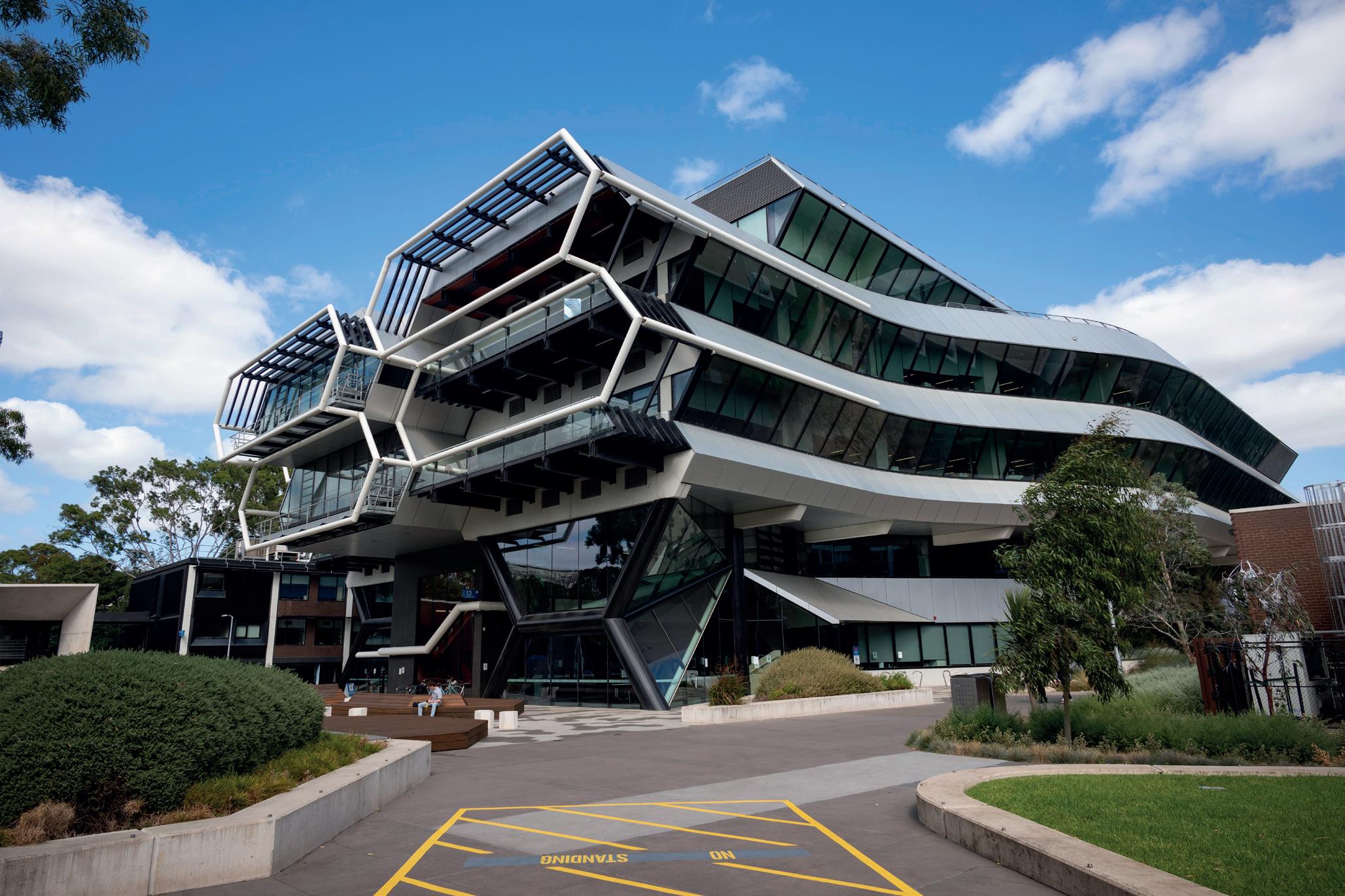
Monash University, Melbourne
In our exclusive Spotlight feature, we highlight women who are doing good things in their community. They’re not always seen but we think they should be.
SP OTLIGH T
Sarah Whitemore
Sarah is Senior Partner, Head of Peace Of Mind. For and on behalf of Warner Goodman LLP. Winner of the Dynamic Professional Services Award
Ididn’t set out to be a traditional lawyer. Right from the start, I set out to challenge perceptions of lawyers and law firms. Early in my career as an employment lawyer, I kept seeing the same pattern. Employers would only pick up the phone when things had already gone wrong — when a tribunal claim had landed, and the focus had shifted to damage limitation. By that stage, the best we could often do was negotiate a settlement, rather than prevent the issue in the first place.
I found myself asking, “Why so late?” The answer, I felt, was simple. Lawyers were often seen as aloof, hard to reach and, perhaps most significantly, expensive. The uncertainty around hourly rates created a barrier that prevented businesses from seeking advice when they needed it most — early on.
So, around 20 years ago, I decided to do things differently. I built a subscription-based employment law and HR service designed to be affordable, accessible and approachable. A service where clients could pick up the phone without hesitation, knowing they would get clear, pragmatic advice without worrying about the ticking clock. That service became Peace of Mind — or POM, as our clients know it.
it feels like being part of an extended professional family, where relationships deepen over time, and trust becomes the foundation.
I get a real buzz from that journey. From the conversations, the shared laughter at events, and even the moments of vulnerability that build stronger partnerships. I love giving HR professionals an opportunity to learn and grow, and to provide a space where they can ask questions without fear of the cost. I always say there’s no such thing as a stupid question, just one that you don’t yet know the answer to.
“For me, it has never just been about the law. It’s about helping people feel supported, confident and able to focus on what they do best”
What I didn’t fully anticipate at the start was what POM would grow into.
Yes, we support businesses with their legal and HR needs, but over time, we’ve built something much more meaningful — a community. Many of our clients have been with us for over 15 years. We’ve supported them as they’ve grown their businesses, navigated challenges and celebrated successes. In many ways,
We’ve also surrounded our clients with a network of trusted partners, offering support across areas like visas, sponsorship, pensions, health and safety and employee wellbeing — creating a genuine wraparound service.
For me, it has never just been about the law. It’s about helping people feel supported, confident and able to focus on what they do best — running their businesses.
And that’s what continues to drive me today.
www.warnergoodman.co.uk
Professional Services Award
Julia Foxwell
Julia runs The Old House at Home – a community pub combining commercial success with social value, sustainability, and inclusion. The pub won this year’s Dynamic Best New Business Award
Inever expected to end up in hospitality. My background has always been in education. After moving to the UK from Russia in 2006, I gradually built London & Surrey Montessori Schools Ltd, a group of three nurseries. Education became my world — supporting children, families, and staff, and creating environments where people felt safe and valued.
My husband, Michael, came from recruitment. Between us, we had strong business experience, but absolutely no hospitality background. Looking back, that was one of our biggest advantages. We weren’t tied to traditional ways; we simply focused on how we wanted people to feel.
The Old House at Home came about because we saw a village pub at risk of disappearing. Having lived locally for many years, we wanted to create a welcoming, inclusive place where everyone felt comfortable regardless of age, background, or circumstance.
When we reopened the pub in March 2024 under our company, Meridius Ltd, we knew the hospitality industry would be difficult. But we believed business skills can be adapted, while kindness, energy, and genuine care create true community.
One of our proudest moments was becoming the first Shepherd Neame pub to achieve sustainability accreditation, followed by our win of the BII Sustainability Training Award. We believe businesses should give back and think about the future, not just profit.
“Winning the Dynamic Award was incredibly emotional because it reflected the support of an entire community that believed in our vision.”
Michael quickly became the friendly face of the pub — chatting at the bar, remembering names, and making people feel at home. Around us, an incredible team formed. So much of what the pub has become comes from collective ideas and simply being present with people.
Community, inclusion, and wellbeing sit at the centre of everything we do. We wanted the pub to feel alive — somewhere families spend time, where people struggling with loneliness feel connected, and where customers belong rather than simply being “served.”
At the same time, we never wanted to lose the fun. Pubs should bring joy. Some of my happiest moments are seeing strangers become friends, watching families celebrate milestones, or hearing live music with a full pub laughing together.
Winning the Dynamic Award was incredibly emotional because it reflected the support of an entire community that believed in our vision.
www.oldhouseathome.co.uk
Best New Business
By Lucy Patterson
THE LONGEVITY How women over 50 are rewriting
The longevity conversation has been dominated for too long by tech bros in ice baths trying to biohack their way to immortality one podcast at a time. But that’s not the longevity economy I’m interested in.
The real opportunity is much bigger, more human, and far more commercially significant. It’s being shaped by people who are more interested in living better, working differently, spending intentionally, protecting their health, staying connected, and remaining economically active for longer.
Leading the charge? Women over 50.
“The
confused, technically baffled, and irrelevant? It’s patronising and doesn’t make commercial sense.
in
World Economic Forum described the longevity economy as one of the largest economic opportunities of our time”
The World Economic Forum described the longevity economy as one of the largest economic opportunities of our time, calling for businesses and governments to redesign systems for longer lives. That matters because the organisations that win in this space won’t be the ones making lazy assumptions about older consumers. They’ll be the ones brave enough to involve us in shaping what comes next.
50 IS NOT ‘LATER LIFE’
At 50, most women are not winding down. They’re just starting quarter three. Th ink less epilogue, more complex chapter. They’re navigating career pivots, caring responsibilities, menopause, divorce, financial rebuilding, business ownership, and they’re refusing to tolerate things that no longer fit.
Prowess reports that women aged 50 and over is now one of the fastest-growing groups of entrepreneurs in the UK, accounting for one in four female business owners. So why are businesses still talking to us as though we’re cautious,
THE GAP IS ABOUT RELEVANCE
I work in the longevity economy using design thinking, co-creation and LEGO® SERIOUS PLAY® to help organisations better understand the 50+ female market. What I see repeatedly is more about misalignment than disengagement. Women are interested in money, work, health, independence, creativity, connection, and future planning. But they’re not always interested in the way those things are currently packaged and sold to them.
Take financial services.
Too much of the language still centres on retirement as the main event. The imagery is often grey-washed, and the tone can feel like someone gently explaining life to a woman who has already survived recessions, career changes, teenagers, ageing parents, broken systems, and possibly a kitchen renovation.
She’s busy, not helpless, and she’s already researching before she ever speaks to an adviser; using digital tools, asking friends, reading widely, experimenting with AI, and often bypassing traditional advice routes entirely. That should make the sector sit up. Because if women are bypassing traditional systems, the
LONGEVITY GAP: rewriting the rules of business
answer shouldn’t be to shout louder from the same old script, but to instead ask why the old script no longer fits.
LONGEVITY IS MORE THAN MONEY
Office for National Statistics data shows that although women in the UK live longer than men, they spend a greater proportion of their lives in poorer health. Despite the huge implications for work, wellbeing, and financial security, these conversations are still gatekept separately within an outdated model.
Financial planning over here. Health and wellbeing over there. Connection and purpose somewhere else. For longer lives, we need to think in terms of what I call a Longevity Portfolio - A living, breathing toolkit based around three pillars:
• Health and wellbeing
• Social connection and creativity
• Financial capability
Women who are 50 or older do not fit neatly into a single demographic. For example, a 54-year-old launching a consultancy after redundancy has different needs from a 63-yearold caring for a parent, or a 72-year-old funding a creative second act. Acting as though they do is lazy segmentation; this fails because it flattens people. Flattened people do not feel seen, so they opt out.
“Women who are 50 or older do not fit neatly into a single demographic. Acting as though they do is lazy segmentation; this fails because it flattens people.”
The businesses that get this right will start bringing women over 50 into the room at the point of design, rather than just deciding how to market to them. Shifts need to happen from assumption to insight, from segmentation to co-creation, and from ‘later life’ to designing for longer, better lives.
Yes, money matters deeply, but as money is what enables choice in every other part of life, it shouldn’t sit in isolation.
STOP DESIGNING FOR US.
START DESIGNING WITH US
The House of Commons Women and Equalities Committee recently reported that female entrepreneurs continue to face barriers in access to finance, investment networks and business support, driven in part by systemic bias and entrenched cultural norms. That matters because the longevity economy is as much about founders, carers, workers, investors, and decision-makers as it is about consumers.
Th is needs to be addressed within strategies, visions, missions, and value statements, rather than being seen as a ‘soft’ issue. The longevity gap is widening. The gap between how women 50+ actually live and how businesses still imagine we live is widening. And frankly, that gap is looking expensive.
Lucy Patterson is a design thinking & LEGO® SERIOUS PLAY® expert for the Longevity Economy and award-winning podcast host.
She is launching a new podcast, The Long Game with Lucy Patterson, in June. It will be a curated blend of thoughts on design thinking, longevity, curiosity, and building ideas that last.
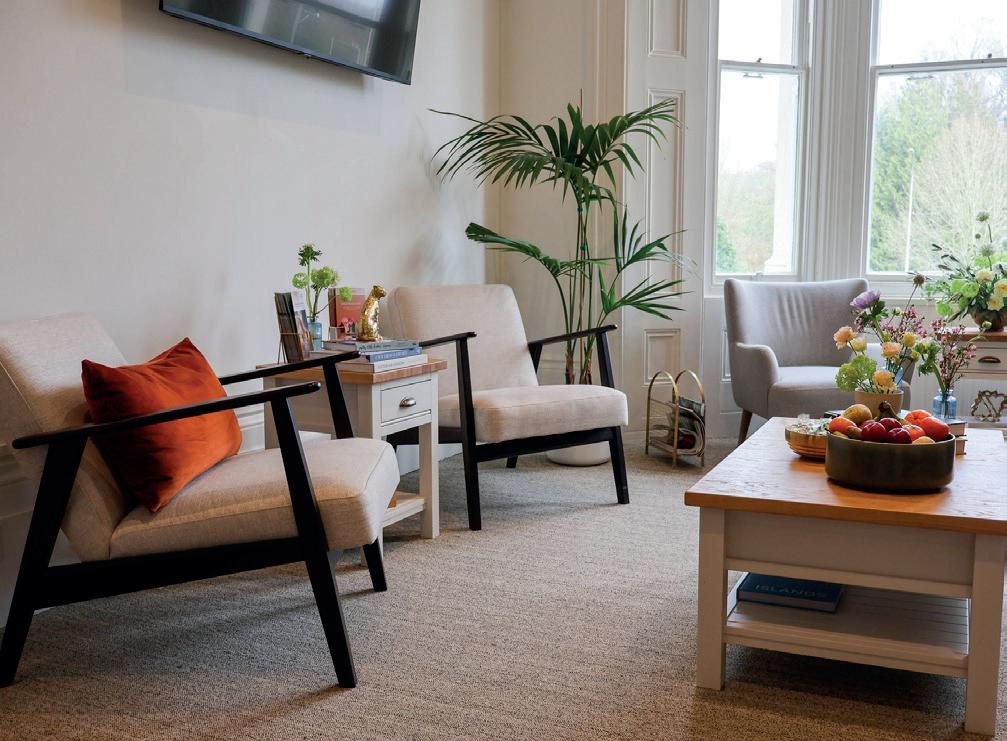
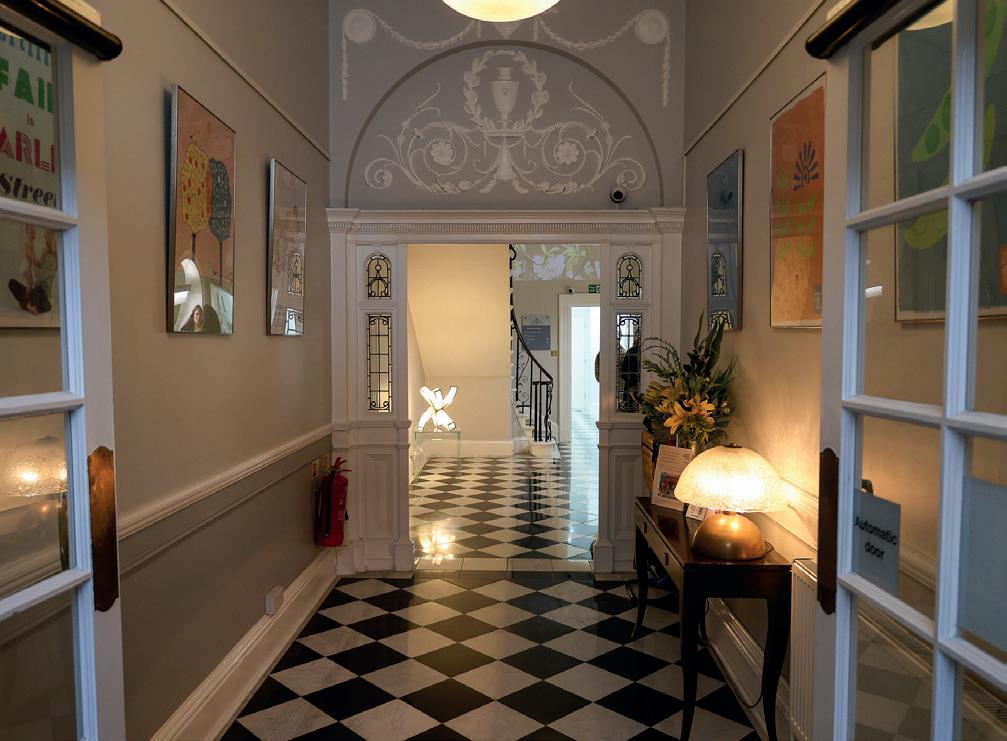
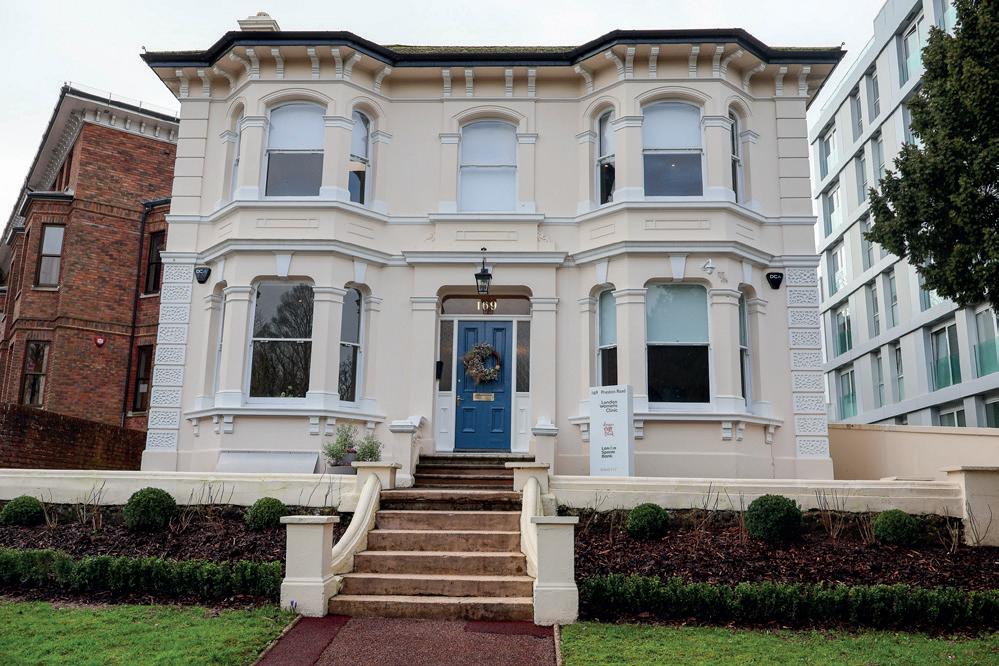
Harley Street care on your doorstep
Established in 1985, London Women’s Clinic (LWC) is a UK fertility provider with over four decades of experience and over 40,000 families created. Its flagship Harley Street centre in London provides treatment procedures and laboratory services supported by experienced clinical teams.
fertility doorstep
LWC’s network of strategically placed satellite clinics, including Brighton, Bromley, Guildford, Tunbridge Wells and Canterbury in the South, provides access to consultations, investigations and monitoring closer to home. Owned and managed by Dr Kamal Ahuja, under the parent company JD Healthcare (JDH), the organisation is now a leading independent fertility provider encompassing London Women’s Clinic, Kind iVF, London Egg Bank and London Sperm Bank.
DR KAMAL AHUJA, SCIENTIFIC AND MANAGING DIRECTOR
Dr Ahuja’s story began with the resilience and determination of a first-generation immigrant family. His mother, a dedicated midwife, was the linchpin of the family, providing stability, care and an enduring example of service that inspired his own profession in science and healthcare. Named after his mother’s initials, JDH reflects his enduring respect for family roots and the role of strong women in his life.
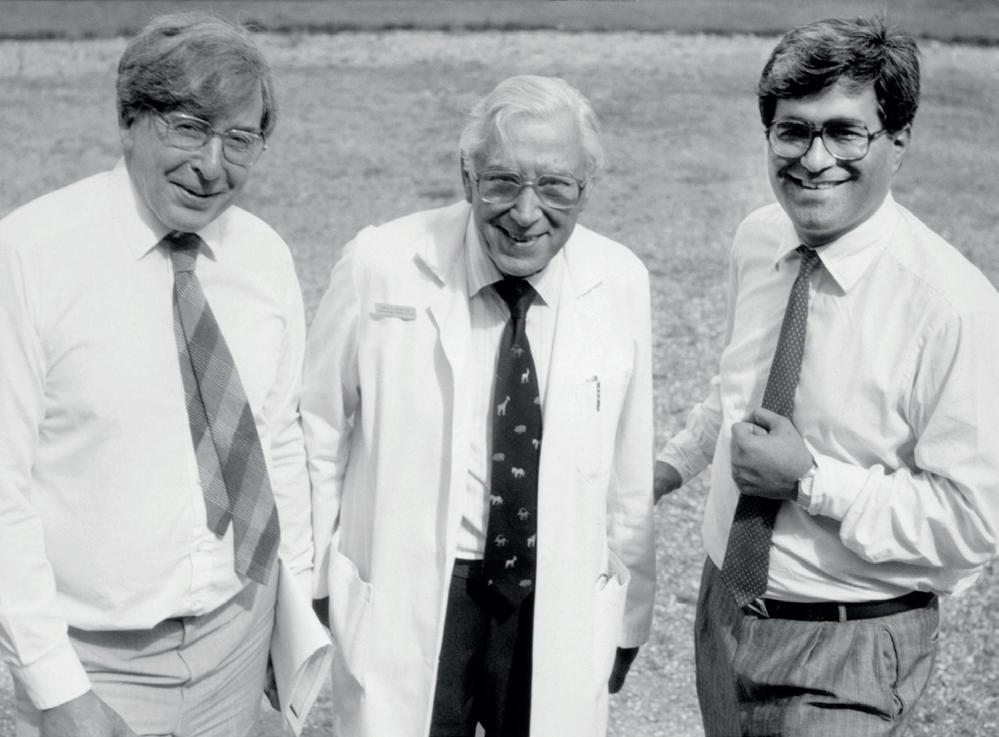
In 1977, Dr Ahuja arrived in Cambridge to begin his doctoral studies in reproductive physiology under Professor Robert Edwards, the Nobel Prize–winning scientist behind
the world’s first IVF birth. The Marshall Laboratory was then at the centre of global excitement, with the imminent arrival of Louise Brown, the first IVF baby, signalling a revolution in reproductive medicine.
“In the past four decades, LWC has forged its reputation in many emerging techniques in reproductive medicine”
What began as a daunting step into the unknown quickly turned into a defining chapter: Dr Ahuja not only came under the mentorship of Edwards—who remained the single greatest influence on his scientific and professional trajectory over the next three decades—but Dr Patrick Steptoe and Jean Purdy provided pivotal guidance and inspiration that shaped his early scientific approach and his enduring commitment to patient-centred care. It was a defining moment in Dr Ahuja and LWC’s history to open a clinic in Cambridge in 2024, back where it all began.
FOUR DECADES OF INNOVATION, RESEARCH AND COLLABORATION
In the past four decades, LWC has forged its reputation in many emerging techniques in reproductive medicine - most notably in embryo screening and egg-sharing, in the IVF treatment of same-sex female couples and single women, and in the fertility preservation procedure of egg freezing.
As the only fertility clinic in the UK with a research license, their contribution to the industry runs across the board. LWC has now published more than 100 research papers, many with Dr Ahuja’s own contributions, including the largest egg-freezing study in the UK, the first study into trans fertility, and the first into shared motherhood.
In its research and clinical programmes in egg freezing, LWC has established itself as Britain’s largest and leading IVF centre. Notably, the opening of London Egg Bank as part of the JDH network has enabled the company to grow into the UK’s largest and only source of home-based donor eggs for the donation treatment of women unable to produce their own eggs.
London Sperm Bank, a personal labour of love for Dr Ahuja, is now, after fifteen years, recognised as the sole provider of UK donor sperm, supplying over 85% of UK licensed centres. This has driven their treatment of solo mothers and samesex couples, as well as a growing number of surrogate and
Robert Edwards, left, with Patrick Steptoe and Kamal Ahuja, 1987
Dr Kamal Ahuja
‘shared motherhood’ arrangements. At LWC Harley Street, over 12,000 cycles of Intrauterine Insemination (IUI) with donor sperm have been completed.
GROUNDBREAKING ‘HUB-AND-SPOKE’ MODEL
All these cutting-edge techniques, part of a world-class IVF programme, are available at every LWC clinic. Its groundbreaking ‘hub-and-spoke’ model has defined LWC’s growth throughout the past four decades. The re-launch of LWC’s Brighton clinic, as well as the opening of three new satellite clinics – Newcastle, Oxford and York - brings the total number of LWC clinics to twenty.
Th is satellite model enables patients to access consultations, investigations and monitoring closer to home, while procedure stages are delivered through LWC’s full-service clinics, located in Harley Street, Bristol, Bromley, Cardiff and Darlington, which operate seven days a week and are strategically located with easy rail access from the satellites.
access to fertility treatment, supporting LGBTQIA+ individuals, single women and others historically underrepresented in reproductive healthcare.
“With over 40,000 babies born and more than 100 research papers published, JD Healthcare remains privately owned and proudly independent.”
Th is welcoming and inclusive attitude was fundamental to the development of LWC’s new Brighton clinic. Located in a Victorian property at 169 Preston Road, LWC Brighton has been thoughtfully designed to be warmer and more spacioussomewhere that feels welcoming and safe, rather than clinical or sterile. A space grounded in heritage but designed for hope and reassurance. Th is truly patient-friendly clinic is helping meet the growing demand for fertility care across Sussex and the South Coast.
AN INTEGRATED NETWORK COVERING EVERY POSSIBLE PATHWAY TO PARENTHOOD
LWC BRIGHTON: AN INCLUSIVE CLINIC
Dr Ahuja’s leadership philosophy combines ambition with compassion: building clinics that are not only centres of scientific excellence but also welcoming, inclusive spaces for all patients. He has been a consistent advocate for equitable
With a 40-year legacy, the LWC network has grown to span twenty clinics across England and Wales. With over 40,000 babies born and more than 100 research papers published, JD Healthcare remains privately owned and proudly independent.
Its integrated network offers every possible pathway to parenthood: egg and sperm donor banks, affordable IVF programmes, and a laboratory infrastructure connecting clinics across the country. Dr Ahuja’s philosophy remains strong 40 years on, with an ambitious resilience and determination for the organisation to grow and succeed, and a welcoming and inclusive attitude towards patient care.
Find out more about London Women’s Clinic and its new Brighton clinic at londonwomensclinic.com
LWC Brighton and LWC Harley Street receptions
London Women’s Clinic’s Brighton satellite at 169 Preston Road
By Dr Poornima Luthra
CURIOSITY, NOT PERFECTION
The new leadership skill that ends W
hen it comes to diversity, equality and inclusion (DEI) initiatives, it’s easy to avoid acting out of fear. Fear of saying or doing the wrong thing, of being cancelled, of being perceived as incompetent, of having a negative or unintended impact, of not knowing the ‘correct’ words and phrases.
Leaders are often expected to always have the necessary answers and know-how. But we’ve also been conditioned into believing that not having all the answers is a sign of weakness, so it can be scary to admit that you’re not perfect. Th is can lead to inaction in advancing DEI initiatives.
So how do we let go of this idea of perfection? The answer involves addressing the root cause of the fear of getting it wrong – not knowing enough about DEI-related topics and issues.
Though it sounds simple enough, overcoming this requires curiosity – curiosity to unlearn, learn and make mistakes. Th rough curiosity, we expand our understanding of the bias and discrimination around us, which enables us to see DEI as an opportunity for growth and self-development.
Here are four ways you can use curiosity to improve your DEI leadership.
1. Unlearn to understand biases
When it comes to learning about our biases and how to stop them from influencing our words and actions, it actually begins with unlearning.
Th roughout our lives, we have developed certain views of the world and of other people. There are times when these socially conditioned attitudes harm others and uphold systemic and cultural inequity, so we have to unlearn them.
the workplace. In unlearning, we try to make the familiar strange. Th is means approaching all the things that we’ve taken for granted or accepted as ‘just how it is’ with curiosity.
“We’ve been conditioned into believing that not having all the answers is a sign of weakness”
Unlearning a lifetime of conditioning is not easy, but it’s essential to understand our biases and how they affect the decisions we make and the way we interact with others in
2. Educate yourself
If we want to make our workplaces more inclusive, we must fi rst recognise that we experience them differently, and to do so, we must be curious about other viewpoints and educate ourselves. Th is involves challenging our preconceptions and assumptions about what constitutes good practice in our organisations.
In today’s information age, there are plenty of resources out there. Read books, listen to an audiobook or podcast, or read one of many articles available. Follow people on social media
PERFECTION ends DEI inaction
who have made it their life’s work to educate us to be inclusive. Attend events by speakers from a different background and be curious about their life stories and experiences.
Once you’ve made the effort to educate yourself, take time to deeply reflect on what you have read/listened to. Allow the know-how to be internalised. That’s when it has the potential to change attitudes and behaviours.
3. Use communication inclusively Inclusive communication is crucial. Here are some good starting points:
• Avoid using language and jargon that make DEI complex and create opportunities for misunderstanding and misinterpretation. Ground it in the core principles of what DEI is about – uniqueness, fairness and belonging.
• Make a genuine effort to spell and pronounce another person’s name in the way that they would spell and pronounce it. You may not get the pronunciation right the fi rst or second time, but keep trying until you do.
• When tempted to ask a question to someone that may be discriminatory, sense check by asking yourself a fl ip question – would you ask that question to a man, or to a white woman, or to an able-bodied person? If not, don’t ask that question.
• Redirect focus from intention to impact. There is a big difference between intention and impact. We often think that our intentions are good enough, but the impact that we have matters. If harm is caused, then take accountability.
“We can’t be perfect when it comes to DEI. But we can be curious and develop this as a leadership skill.”
4. Embrace intelligent failure
The concept of ‘intelligent failure’ by Prof. Amy Edmondson is helpful here, where you reframe mistakes as opportunities for learning and growth. In engaging with DEI, view your efforts as an experiment, even if things don’t quite go as you hoped. Learn what worked, what did not and what needs to be done differently the next time to achieve positive outcomes.
Remember, if you get it wrong, it doesn’t mean you’re not a good person or leader. Don’t see it as a blow to your ego, but instead as a growth opportunity to learn and do it better.
USING CURIOSITY TO TAKE DEI FORWARD
We can’t be perfect when it comes to DEI. But we can be curious and develop this as a leadership skill.
It’s important to remember that we’re all learning along the way. There will be times we get it right and other times when we don’t, but we cannot let fear of failing hold us back from making our workplaces more inclusive.
Dr. Poornima Luthra is a globally recognised expert on developing inclusive workplaces, a leading academic, Fortune 500 consultant, keynote speaker and award-winning author of ‘Can I Say That?’
By Yasmine Anane
From manuscript to the business of publishing
The manuscript is only the start. Finishing a manuscript feels like a milestone. For a long time, it was the goal I had in mind. Sitting down to write The Family Tree was a quiet, creative process, shaped by instinct and emotion. It was just me, the story, and the meaning I hoped it would carry.
But what I hadn’t fully appreciated at the start is that writing the book is only one part of the journey.
As soon as the manuscript begins to move towards publication, everything shifts. The process becomes more collaborative, more practical, and more outward-looking. You start thinking not just about the story itself, but about how it will
be experienced. Who is it for? How will it be read? What will it look and feel like in a child’s hands?
For me, that meant stepping out of a purely creative mindset and into something broader. Th inking about illustrations, pacing, format, and how the story would land beyond the page. It’s a different kind of work, and one that doesn’t always get talked about.
THE STORY BEHIND THE STORY
One of the things I’ve learned is that people don’t just connect with the words on the page. They connect with the reason the book exists in the fi rst place.
The Family Tree came from a very simple place. I wanted to create something that would help children understand that families, people and lives can look different and that those differences are something to be valued rather than questioned. That idea of belonging sat at the heart of everything.
What surprised me was how much that “why” mattered beyond the writing itself. It shaped conversations with my publisher, guided partnerships, and gave people a clear way to talk about and share the book.
“What I hadn’t fully appreciated at the start is that writing the book is only one part of the journey.”
“The commercial reality of being a modern author may look different from the traditional image many of us grew up with, yet it also offers something powerful.”
to market: publishing
It wasn’t about over-explaining or turning the book into a message. It was simply about being clear on where it came from. And in a crowded space, that clarity makes a difference.
BRINGING A BOOK INTO THE WORLD
If writing is a largely private process, publishing is anything but. Getting a book into people’s hands takes intention. It means thinking early about where it will live, how people will discover it, and what will make someone pick it up in the fi rst place.
For me, that involved a mix of approaches. Exploring different channels, from online platforms to independent bookshops. Sharing early copies. Starting conversations before the book was even fi nished. Building momentum slowly rather than relying on a single launch moment.
What I’ve come to realise is that visibility doesn’t happen by accident. It comes from a series of small, consistent actions over time. None of them feel particularly significant on their own, but together they create something that allows the book to travel further than it otherwise might.
Writing a book will always be the most personal part of the process. But learning how to bring that book into the world, and helping it fi nd the people it was written for, is what turns it into something lasting.
Yasmine is a best-selling children’s author of The Family Tree & Whitney the Wasteater and the Wrong Bite.
www.yasmineanane.com
FURTHER READING… THE MYTH OF CONTROL
...and why it might be holding you back
Persia Hayley is co-author of The Easy Way to Overcome Anxiety: Build Emotional Resilience and Boost and Robin Hayley, out on June 1st, published by Arcturus, priced £9.99 (paperback and audiobook) and
For many women in business, control can feel like competence. When you know you may be judged for being too assertive or not assertive enough, too emotional or too cold, it is easy to believe the answer is to manage every detail perfectly. And when women are still so often expected to prove themselves, it can feel as if you must be more prepared than everyone else to be taken seriously.
“This is the myth of control: the belief that certainty is possible if only you work hard enough to secure it.”
So, you rewrite an email five times before pressing send or
THE PERFECTION TRAP: EMBRACING THE POWER OF GOOD ENOUGH
By Thomas Curran (Scribner,
2024)
Curran examines how perfectionism has become a cultural epidemic fuelled by competition, social media, and workplace pressure. Drawing on psychological research and personal stories, he explains how impossible standards create burnout, anxiety, and chronic dissatisfaction. The book offers a compelling argument for “good enough” thinking as a healthier, more sustainable path to ambition, creativity, and professional fulfilment.
prepare for every possible objection before a meeting. On the surface, this can look responsible, professional, even impressive. But often it is anxiety disguised as diligence. It tells you that if you can just find the perfect words, anticipate every reaction, and avoid every possible mistake, you can escape your racing thoughts, the tight chest and the knot in your stomach.
Th is is the myth of control: the belief that certainty is possible if only you work hard enough to secure it. Th is often manifests as the Illusion of Preparedness: the idea that if
MANAGING YOUR ANXIETY
By Harvard Business Review and contributors including Alice Boyes (Harvard Business Review Press, 2024)
This workplace-focused guide examines how anxiety influences leadership, communication, productivity, and decision-making. Using researchdriven strategies, the contributors address overthinking, perfectionism, imposter syndrome, and fear of failure. Designed for professionals in demanding environments, the book combines emotional intelligence frameworks with practical techniques to help readers manage stress without sacrificing ambition, confidence, or performance.
THE UNACCOUNTABILITY MACHINE
By Dan Davies (Profile Books, 2025)
Davies explores how modern organisations create confusion, stress, and emotional detachment through complex systems where responsibility becomes diffused. Although not strictly a self-help book, it offers sharp insight into the psychological pressures of corporate life, workplace anxiety, and decision paralysis. The book reveals how dysfunctional structures often intensify perfectionism, fear, and chronic professional dissatisfaction.
back in business
Your Mental Health with Allen Carr and £6.99 (ebook)
you can mentally rehearse every outcome now, you will be protected later. Th is is not to suggest you walk into a pitch, presentation or negotiation unprepared. Of course, doing the work matters. But there is a point at which preparation tips over into anxiety. You are no longer sharpening your argument; you are trying to make yourself immune to criticism, embarrassment or failure.
The problem is that no amount of rehearsal can eliminate uncertainty. You can anticipate ten objections and still be asked an eleventh. You can write the “perfect” email and still find that the recipient responds negatively. Worse, over-preparation can drain the very
LETTING GO OF IMPOSTER SYNDROME
By Serena Choo (Sispara Hodford, 2024)
This practical guide explores the emotional patterns beneath imposter syndrome, self-doubt, and perfectionist thinking. Choo focuses on how ambitious individuals become trapped in cycles of overachievement and chronic selfcriticism. Combining reflective exercises with psychological insight, the book helps readers build confidence, separate identity from productivity, and develop healthier ways of approaching career growth and success.
energy, flexibility and presence of mind you need to perform well when the moment actually arrives.
Letting go of the myth of control does not mean lowering your standards. It means writing the email, preparing for the meeting, making the decision, and accepting that the outcome is not entirely up to you.
“The problem is that no amount of rehearsal can eliminate uncertainty. ”
The strongest position in business is not being certain of the outcome. It is being willing to act without perfect certainty and trusting that, whatever happens, you can handle it.
THE ANXIOUS GENERATION
By Jonathan Haidt Penguin Press, 2025)
Haidt examines the rise of anxiety, perfectionism, and emotional fragility among younger generations shaped by social media and high-performance culture. While focused broadly on societal change, the book offers powerful insight into why younger professionals increasingly struggle with comparison, fear of failure, and workplace pressure. It connects digital culture with declining resilience, confidence, and emotional wellbeing.
THINK LIKE THE MINIMALIST
By Chirag Gander and Sahil Vaidya Penguin Business
This business and creativityfocused book argues for simplifying work, decision-making, and personal ambition. Using examples from branding, design, and entrepreneurship, the authors challenge perfectionist habits and productivity obsession. The result is a thoughtful guide for professionals seeking clarity, focus, and calmer ways of working without becoming trapped in cycles of overwork and constant optimisation.
Your new wellness companion...
Camille Pierson is a wellness entrepreneur, founder of Float Spa, and a qualified naturopathic health coach specialising in behaviour change and nervous system regulation. With over a decade of experience in the wellness industry and a background in marketing, Camille brings a unique blend of science, strategy and real-world insight to her work.
Following her own personal health challenges, she has developed a deep understanding of stress, resilience and sustainable wellbeing. Camille is passionate about helping individuals and organisations move from burnout to balance through practical, accessible tools that create lasting change.
By Camille Pierson
Hello, Dynamic readers. I’m Camille Pierson, Wellness Entrepreneur, Naturopathic Health Coach, and founder of Float Spa. Every issue, I’ll be right here in these pages with you, exploring what it truly means to feel well in a world that doesn’t always make that easy.
Not the Instagram version of wellness, the crystal-infused smoothies and perfectly arranged fl at lays, but the real, honest, sometimes-messy work of understanding your body, your mind, and what they’re quietly asking of you.
My path into this world didn’t begin in a classroom. In 2014, I was the stressed stereotype. Operating on Diet Coke and fresh air, never exercising, working impossibly long hours whilst trying to parent and telling myself, as so many of us do, that I was absolutely fi ne. I wasn’t. A diagnosis of PTSD, anxiety and depression, and what we now more honestly call burnout, changed everything.
It forced me to stop, to look properly at how I was living, and to ask what it would actually mean to feel well. It took stepping into a float tank for the fi rst time, into complete
“In 2014, I was the stressed stereotype. Operating on Diet Coke and fresh air, never exercising, working impossibly long hours... and telling myself that I was absolutely fi ne.”
darkness, total silence, and the strange gift of having nowhere to be and nothing to do, to begin to find the answer (though I did not enjoy my fi rst float, that’s a much longer story).
That experience changed the course of my life and eventually led me to build The Float Spa, train as a Naturopathic Health Coach, and dedicate my work to helping others fi nd their way back to themselves.
That’s what this column is for. Each issue, I’ll bring you insight, tools, and honest conversation around a topic that matters. And I can’t think of a more fitting place to start than where so many of us quietly live, right in the middle of stress we don’t even know we’re carrying.
YOU’RE PROBABLY MORE STRESSED THAN YOU THINK
Here’s something I say to almost every client I work with, and almost every one of them responds with the same slightly defensive look: “I’m not that stressed, really.”
Your nervous system, however, is keeping a very careful score. And to be clear, stress itself is not entirely the enemy. We were wired for it. The dark alley, the chase, the sudden surge of something that makes us sharp and fast. That spike of cortisol kept our ancestors alive, and it still has its place today. The body does that brilliantly. What it was never built for is living there permanently, running the ancient survival software on a very modern, very relentless life. That is where the trouble begins.
Chronic stress doesn’t always look like panic or overwhelm. It is far more subtle and creative than that. It shape-shifts. It hides in plain sight. And when you know what to look for, the signs are often everywhere.
WATCH FOR THESE QUIET SIGNALS
“The fi rst step in managing stress is something deceptively simple: acknowledging it is there.”
And I believe them. I believe that they believe it. at’s precisely the problem.
We have normalised stress to such a profound degree that most of us no longer recognise it as stress at all. It has simply become the texture of daily life, the low hum beneath everything, the background noise we stopped noticing years ago. We reserve the word ‘stressed’ for crisis moments: a redundancy, a bereavement, a relationship falling apart. But the truth is that chronic, low-grade stress, the kind that simmers quietly and persistently, is often far more damaging than the acute kind, precisely because we never address it. We never even name it.
You wake up tired. Not just occasionally, but consistently. Sleep that should restore you doesn’t. You open your eyes, already bracing for the day. Th is is often a sign that your cortisol rhythm has been disrupted, a hallmark of a nervous system that has been running on high alert for too long.
You’ve lost your appetite, or can’t stop eating. Stress hormones directly interfere with hunger cues. Some people fi nd they forget to eat; others fi nd themselves reaching for food not out of hunger but out of a need to self-soothe. Both are worth paying attention to.
You feel oddly fl at. Stress doesn’t only make us anxious. Prolonged stress can actually switch us into a kind of emotional grey zone. Joy feels slightly out of reach. Enthusiasm is hard to locate. Th is emotional blunting is your body’s self-protective response, and it’s more common than people realise.
Small things feel enormous. When your stress bucket is full, there is no room left for the ordinary frustrations of life. The traffic, the slow email response, the spilt coffee, they land with a weight entirely disproportionate to their size. If you’re noticing that your fuse has shortened, look beyond the small things to what’s fi lling the bucket beneath them.
Your body is sending postcards. Tight jaw. Raised shoulders. A persistent knot between the shoulder blades. Recurring headaches. Digestive grumbles. The body is an extraordinarily faithful messenger. The question is whether we are listening.
The fi rst step in managing stress is something deceptively simple: acknowledging it is there. Not catastrophising, just noticing. Your body has been talking. Th is column is an invitation to start listening.
Next issue, we go deeper: what to actually do about it, and why the people who insist they thrive on stress might be the ones who need to read it most. Camille x
www.camillepierson.co.uk www.thefloatspa.co.uk
THE NEKO BODY SCAN
A HEALTH CHECK WORTH HAVING
(as long as you don’t expect too much)
By Tess de Klerk
Ididn’t book the Neko Body Scan because it was trending, or because 100,000 people are on the waiting list, or because Spotify billionaire Daniel Ek co-founded it. I booked it, looking for some reassurance. I booked it because I knew spiralling down the worry hole each time I had a migraine or awful brain fog was unreasonable.
Or is it? My mother suffered a brain aneurysm at 52. I’m nearly 45, more stressed than she ever was and dealing with a health condition that she never had. Plus, my father had two ischemic strokes. A high-tech full-body scan for £299 sounded like a great idea.
The day arrived, around a year after signing up for the waiting list. Designed by Foster & Partners, the steel pavilion that houses Neko’s Spitalfields clinic is cool, calm and futuristic - all Nordic minimalism and soft citrus tones. Staff glide around quietly as you’re asked to slip into a cream robe and Nike-designed pale slippers. You feel, rather pleasingly, like you’ve stepped into the healthcare of tomorrow. And in many ways, you have.
WHAT GETS TESTED?
Two things genuinely impressed me. The Ankle-Brachial Pressure Index (ABPI) test measures blood pressure in the arms and ankles to detect Peripheral Artery Disease, a condition in which plaque builds up in the arteries and restricts blood flow to the limbs. It’s simple, non-invasive and underused in standard primary care. It’s worth having it done.
But the real star of the show is the skin-scanning, which is extraordinary. Using 70 high-resolution sensors capturing 50 million data points, the technology maps every single mole and mark on your body in seconds. Mine totalled over 900! Each one is photographed, logged and assessed by a doctor there and then, with anything borderline referred to a dermatologist within 24 hours, included in the £299 fee. For early detection of skin cancer, this is genuinely above and beyond anything a standard GP appointment can offer.
My nurse and doctor were terrific too, with fantastic bedside manner and absolutely no feeling of being pressed for time.
MY VERDICT
“In short, it’s a cardiovascular and metabolic health check; and a very good one.”
The scan itself takes around ten minutes. Blood pressure is measured simultaneously at your fi ngers, arms and ankles. A cardiovascular scanner using different wavelengths of laser light examines blood flow through your veins and arteries. A radar sensor sweeps your chest, an ECG records your heartbeat, and blood is taken for a panel covering cholesterol, LDL, haemoglobin, high-sensitivity CRP (an infl ammation marker) and HbA1c - your long-term blood sugar. Grip strength and BMI complete the picture.
In short, it’s a cardiovascular and metabolic health check; and a very good one. Slick, immediate and doctor-led, but not the organ-scanning, brain-imaging full body MOT that the phrase ‘full body scan’ might lead you to imagine. And there, for me, lay the rub.
Most of these tests are available through your GP. A full blood panel - which many of us can request at our local surgery - actually covers more biochemically than the Neko offering. For someone with my family history, what I truly needed was a brain MRI, or at a minimum, a transcranial Doppler scan to assess blood flow to the brain. Neither is on the Neko menu.
Neko Health reports that in its fi rst year, 6.6% of people scanned had a moderate-to-severe condition they were completely unaware of. One per cent received potentially life-saving interventions. Those are significant numbers. For someone who has never had a proper health baseline or who simply wants the peace of mind of knowing their heart, arteries, blood sugar and skin are in good shape - all in under an hour - the Neko Body Scan at £299 is genuinely worthwhile.
I left knowing mine were all in good nick. And that is not nothing.
But my brain, and the long shadow of my mother’s aneurysm, remains unexamined. The Neko scan is excellent at what it does - I just wish it were more obviously upfront about what it doesn’t do. Yes, the website makes clear what it tests when you start reading thoroughly, but you’ll be forgiven for initially thinking a ‘full body scan’ and the hightech marketing images mean a scan of more than your skin and cardiovascular markers. Something more akin to an MRI – a scan that actually images what’s going on inside.
Nevertheless, Neko’s exit was at Spitalfields Market’s entry, and I was smiling contentedly as I wolfed down a double cheeseburger, now knowing my cholesterol is optimal and my heart is the age of someone quite a bit younger than the me I see in the mirror.
nekohealth.com
“...your wardrobe is your nonverbal business card, speaking before you’ve even had the chance to say your name.”
FEMALE
Presenting
Have you ever stood in front of a wardrobe full of clothes and still felt like you had nothing to wear?
By Sophia Lorimer
Most people don’t have a wardrobe that reflects who they are or who they want to be. Instead, they have a collection of clothes that’s quietly holding them back. Because what we wear is more than fabric. It’s a gateway to confidence, a tool for self-expression, and often the fi rst impression we make in a professional space.
So the question is, does your wardrobe reflect where you are now… or where you’re trying to go?
Imagine using your clothes as a tool. Showing up professionally and feeling respected, heard, and confident in who you are because your wardrobe is your non-verbal business card, speaking before you’ve even had the chance to say your name.
I kept seeing incredibly capable, credible people not being reflected in how they showed up, opportunities missed, confidence lacking, and time wasted second-guessing what to wear. I thought, enough was enough. We spend so much time focusing on credentials, strategy, and business growth, yet we often overlook one of the most powerful tools we have: how we present ourselves.
I wanted to see more women walk into rooms of opportunity without shrinking. Not shying away from visibility, but stepping into it, taking up space, and embodying the leaders they already are.
Today, I work with women who feel stuck in a style rut but know they’re ready for more. Women who recognise that up-levelling doesn’t just happen externally, it starts from within, and how they show up plays a huge part in that.
Dynamic Magazine is pleased to welcome Sophia Lorimer as its new columnist for Female Style at Work. A sustainable stylist and founder of Fine-Tuned Wardrobe, Sophia helps people feel confident in what they wear while making more conscious choices. She has spoken at the House of Lords, spoken at Channel 4 and been featured in Forbes Magazine, Good Housekeeping and The Sun. She was also named Sustainability Champion of the Year at The Dynamic Awards.
STYLE AT WORK:
Presenting a fine-tuned you
I help women feel seen. To dress in alignment with their values. To show up with confidence that feels unshakable, not because they’ve changed who they are, but because they’re finally expressing it.
Because your brand doesn’t stop at your logo. It doesn’t end with your website or your social presence. It lives in how you show up every single day.
And when your inner identity aligns with your outer expression, something shifts. You carry yourself differently. You speak differently. You lead differently.
and authority. We’ll also explore how to align your personal brand with what you wear, so that every outfit becomes an extension of who you are and where you’re going.
And just as importantly, we’ll talk about sustainability in a way that feels realistic and empowering. Not as a trend or buzzword, but as a mindful, intentional way of dressing that lets you truly wear your values.
“The way you show up is how you are received… and that can truly change everything.”
I’m not just a stylist. I align your image with your impact.
As the founder of Fine-Tuned Wardrobe, I’ve spent years helping women transform how they show up by using their wardrobes as tools for confidence, clarity, and impact.
That is why I’m so excited to bring you this column.
After working with hundreds of women and connecting with many more, I truly believe we are selling ourselves short when it comes to how we use our wardrobes. This column is here to change that.
Think of me as your style sister, bringing that big-sister energy each month, guiding, challenging and empowering you to get dressed with intention and impact. It’s time to let go of the outdated belief that fashion and business don’t belong together. They do. And when used intentionally, they can become one of your most powerful assets.
Throughout this column, we’ll explore different chapters of life, whether that’s motherhood, a career shift, menopause, or moments of loss, that require us to show up differently. And how our clothes can support us through those transitions, helping us step into each new version of ourselves with clarity and confidence.
Now, if you’re anything like me, you’re probably wondering what you can expect from this column each month. This isn’t your average fashion column. This is a space where we bridge the gap between business and personal style, aligning your inner capability with your outer image and presence.
Each month, I’ll share practical wardrobe strategies you can use in your day-to-day life. From building a wardrobe that supports your goals, to dressing for confidence, visibility,
All of this is designed to help you shift your mindset and start using your wardrobe as a powerful business tool, rather than something you overlook or feel disconnected from, because when you become intentional with how you show up, the impact can be transformational.
Before we dive into the months ahead, I’ll leave you with this...
The way you show up is how you are received… and that can truly change everything.
www.finetunedwardrobe.com
SCARLETT RAVEN
Her new English Garden collection at Castle Fine Art, Brighton
Scarlett Raven is a contemporary British impressionist whose work is widely recognised for its emotional intensity and heavy texture. Through bold colour, dramatic paint application and vivid scenery, her textured landscape paintings have positioned her as one of the most exciting female impressionists in the UK today. With stylistic influences from Vincent van Gogh, Anselm Kiefer, Gustav Klimt and David Hockney, her emotive works are inspired by her deep personal connection with nature.
The English Garden collection is a captivating new collection of original works. Inspired by the profound meaning a garden can hold in a person’s life, the artist sees a garden not simply as a physical space but as a deeply personal and sacred one: a place of healing, grounding, memory, and quiet renewal.
Symbolising places of safety and aliveness, gardens are living expressions of hope, care and continuity, spaces we nurture to nurture ourselves. Drawing upon the rich cultural and literary symbolism of the English country garden, the collection was also inspired in part
“Rather than offering escapism, Raven’s representation of the natural world brings us fully into the present moment.”
by William Wordsworth’s ‘I Wandered Lonely as a Cloud’ – reflecting the idea that nature has the power to inspire joy, awaken memories and reconnect us to our true selves.
Rather than offering escapism, Raven’s representation of the natural world brings us fully into the present moment. Rooted in personal memory, as Scarlett draws directly from the landscapes around her home, the collection is an orchestra unfolding through seasons with different flowers emerging at different moments. With their continual cycles of growth and bloom, flowers embody fragility, resilience and beauty not only in triumph but also in surrender and transformation.
“I’m turning 40 this year, and as I’ve got older, I keep coming back to what’s around me - the sea, and the daffodils I’ve planted in my garden in memory - the things that bring beauty and joy. That’s what a garden does - it’s a safe space to be, to feel, and most importantly, to grow.” – Scarlett Raven.
Each original artwork is hand-signed by Raven and available exclusively from Castle Fine Art. As the UK's leading group of retail art galleries, Castle Fine Art has been at the heart
of the contemporary art movement for 30 years. Specialising in original fine art, hand-signed limited editions and sculptures, it unites collectors with artworks from some of the most renowned figures in the art world.
Recent releases include work by Johnny Depp, Bob Dylan, Billy Connolly, James Francis Gill and John Myatt. They offer an exceptional collection of art for all, and you can discover more at their Brighton gallery located at 55-56 East Street. When you step through the doors, you’ll be sure to receive a warm welcome from their team of friendly experts. They will make you feel right at home, allowing you to browse or guiding you through their collection of incredible art, with a touch of luxury along the way.
Whilst each gallery is unique to its area, their shared passion for quality, creativity and excellence can be felt in every one, with Castle Fine Art in Brighton being no exception.
Abstract impressionist artist, Scarlett Raven, graduated from Central St Martins. Her artworks can be viewed at Castle Fine Art Brighton, across their nationwide network of galleries, and on Castlefineart.com.
Une journée à Dinant / Een dag in Dinant
A day in Dinant
By Tess de Klerk
Just a hop, skip and a train ride from Brussels, and you can find yourself in pretty Dinant – an ideal day trip from the Belgian capital.
The thing that struck me first was the dramatic cliffs. They rise straight out of the river, limestone and shadow, and the town has simply arranged itself in the narrow strip of land between water and rock as if it had no other choice. A citadel crowns the top. A Gothic church with an onion dome anchors the middle. Pastel houses do their best along the bottom. Standing on the bridge looking at Dinant, I thought of pages straight out of fairytales. Then a saxophone started playing somewhere nearby, and off I went to explore.
day. A young Lieutenant Charles de Gaulle was wounded nearby in the same campaign. There's a simple memorial near the Capuchin convent that marks the spot.
“For a town you can walk end to end in under an hour, Dinant carries an extraordinary amount of history.”
The Citadel is the obvious first stop and can be reached by cable car or, if you're feeling optimistic, 408 steps. I chose the stairs, regretted it somewhere around step two hundred, then forgot entirely once I reached the top. The Meuse valley spreads out below in that particular green-gold way river valleys do on clear mornings, wide and unhurried and worth every breath of the climb. The fortress dates back to the 11th century, and the guided tour moves briskly through sieges, occupations and restorations, each layer of conflict folded into the next. Each stone seeped in history.
For a town you can walk end to end in under an hour, Dinant carries an extraordinary amount of history. It was razed by Charles the Bold in 1466, then devastated again in August 1914 when German forces massacred 674 civilians in a single
Back down by the river, the Charles de Gaulle Bridge stopped me in my tracks - it's lined with saxophone sculptures, each one painted differently, gilded and colourful and a little wild, honouring the man who was born just a few steps away in 1814. Adolphe Sax's birthplace is now a small free museum, and though I walked in with modest expectations,
I found myself entirely absorbed by the strangeness of his life: an inventor who gave the world one of its most beloved instruments, who spent decades locked in legal battles over his own patents, who then died in poverty, famous in name but not in fortune. The museum tells his story without embellishment, and I left it with a fondness for someone I could never have met.
I ate lunch at a riverside table watching the boats. Ordered Moules-frites and a local Leffe, brewed for centuries only in Dinant before the brand became ubiquitous the world over. It tasted better than ever at the original source!
Save the afternoon for wandering, because Dinant rewards it generously. The Collegiate Church of Notre-Dame is Gothic and gorgeous, its side chapels holding Renaissance woodwork and a 1914 memorial that stopped me in my tracks. Outside, pick up the saxophone trail along the riverfront; there are dozens of the sculptures, each painted differently, each dedicated to a different country, silly and joyful and somehow very Belgian. It costs nothing and takes as long as you let it.
“Save the afternoon for wandering, because Dinant rewards it generously.”
Before you leave town, duck into a boulangerie and buy couques de Dinant, the local biscuit made from nothing but honey and flour, pressed into carved wooden moulds and baked until rock hard. The woman behind the counter laughed when I bit into one too enthusiastically. ‘You eat them slowly,’ she said, ‘or you don't eat them at all.’ Buy a packet - they make beautiful gifts for people you'd also like to warn.
If you have time for one final detour, make it the Grotte La Merveilleuse, a cave system just below the citadel where the temperature drops and the world narrows to stalactites and still, mirror-flat pools that reflect everything back, doubled. Cool, strange and entirely worth the stop.
Dinant is worth the stop and doesn’t ask much of you. A day, comfortable shoes, a willingness to look up. It has been burned and bombed and rebuilt, and it carries that history without heaviness, with something closer to dignity. No doubt, Dinant has earned its beauty several times over.
How to get there: You’ll find plenty of daily trains from Brussles to Dinant – some direct, some with 1 stop. Average travel time is around 1h30.
A car journey will get you there in around 1h10, from central Brussels.
Green, going gone: drops its Sustainability
By Tess de Klerk
For six years, the little clover-shaped emblem next to a restaurant’s name meant something. It said: “This place cares. About where the food comes from, how it’s grown, and what happens to the food waste.”
And now, without fanfare or explanation, it’s gone.
Michelin confirmed in May that the Green Star is being discontinued globally, with roughly 40 recipients in the UK and Ireland gradually losing their accolades by the end of 2026. We understand that the announcement dropped without any direct communication with the restaurants themselves. Chefs and restaurateurs who had built their identity, their menus, even their marketing around the award were apparently left to find out via the press release, like everyone else. It’s hard not to feel let down for them.
The Green Star launched in France in 2020 and arrived in the UK and Ireland guide the following year. It was Michelin’s way of saying fine dining has a duty to the planet, not just to the palate. Restaurants were recognised for preserving biodiversity, reducing food waste and cutting their use of non-renewable energy. This wasn’t the Michelin star you got for perfect hollandaise, it was the one you got for composting your vegetable peelings and knowing your farmer by name.
Plenty of top-tier British spots fully embraced it. Moor Hall in Lancashire, currently topping the Harden’s 100 as the country’s best restaurant, earned a Green Star and wears it proudly on its website. Chef-owner Mark Birchall has spoken passionately about the kitchen’s commitment to local sourcing and seasonal cooking, describing sustainability as part of the restaurant’s very philosophy. Knepp Wilding Kitchen in West Sussex, set on one of England’s pioneering rewilding estates, received its Green Star just three months before the axe fell. Chef-director Ned Burrell said he was “really proud of getting it”, which makes the cancellation even more disappointing.
Most vocal was Piers Milburn of Pythouse Kitchen Garden in Wiltshire: “We think it’s quite irresponsible for Michelin to build a platform for businesses to thrive from for an accolade and then whisk it away. We were enormously proud of it, and now we feel let down by them.” Hard to argue with that.
“The Green Star launched in France in 2020 and arrived in the UK and Ireland guide the following year. It was Michelin’s way of saying fine dining has a duty to the planet, not just to the palate.”
Michelin Sustainability Star
So why pull it?
Michelin hasn’t said, which has left the food world to fill in the blanks. One theory doing the rounds is that the EU’s increasingly robust anti-greenwashing legislation made the award’s future legally awkward - particularly given that Green Stars were handed out without any checks from inspectors, which is a rather significant caveat for a credentialling body of Michelin’s standing. Another, more frightening, theory is that the cultural mood is shifting, and sustainability projects are being quietly dropped as political priorities change.
“The restaurants that earned those Green Stars do not need Michelin’s stamp of approval to keep doing good work”
Whatever the reason, Michelin’s choice of replacement does not exactly inspire confidence. Instead of the star, they are launching ‘Mindful Voices’ - a ‘global editorial initiative’ meant to celebrate forward-thinking practices in food, hospitality, and wine. To be honest, it sounds like something cooked up in a corporate marketing meeting. Crucially, it is not an actual award, has no logo, and gives restaurants absolutely nothing physical to show off. Going from a highly prized badge of honour to a vague shoutout in an article is a massive downgrade for businesses that put so much into the original star.
Still, Juliane Caillouette Noble of the Sustainable Restaurant Association sees a silver lining. She suggests looking at the end of the Green Star as a push for “greater accountability” rather than a step backwards. In her view, it proves that sustainability is “no longer just a ‘nice to have’” and that restaurants now need to show real, measurable results. That is a pretty generous take, though it probably offers very little comfort to chefs who were handed a trophy in February only to be told to give it back by December.
At the end of the day, the restaurants that earned those Green Stars do not need Michelin’s stamp of approval to keep doing good work. Hopefully, the compost bins will keep turning, the kitchen gardens will keep growing, and those close bonds with local farmers won’t go anywhere. But the main spotlight that made all those hard efforts visible has officially been turned off.
In a world that desperately needs more of that spotlight, not less, Michelin’s timing could not feel worse.
BRIGHTON PRISCILLA QUEEN OF THE DESERT –THE MUSICAL
This flamboyant stage adaptation of the celebrated film arrives in Brighton with dazzling costumes, iconic dance-floor hits and uplifting humour. Following three friends as they travel across Australia aboard a battered bus, the production combines emotional storytelling with spectacular choreography and infectious energy.
Theatre Royal, Brighton June 16th-20th atgtickets.com/venues/theatre-royal-brighton
BEXHILL-ON-SEA
BEXHILL’S BIG SUMMER SOUNDS
The Royal Philharmonic Orchestra heads to the Sussex coast for a seaside music festival blending orchestral classics with outdoor entertainment. Concerts include symphonic disco, ABBA-inspired performances and classical masterworks presented beside the sea at the De La Warr Pavilion.
De La Warr Pavilion, Bexhill-on-Sea June 27th – July 4th dlwp.com/
WHAT’S ON...
A brief snapshot of art and culture in the region
GUILDFORD GUILFEST
GLYNDE LOVE SUPREME JAZZ FESTIVAL
A spectacular three-day music event set against the stunning backdrop of Glynde Place. This immersive outdoor festival celebrates the very best of jazz, soul, funk, and R&B beneath the Sussex sun. Attendees can enjoy world-class main stage headliners, discover emerging
This popular, family-friendly music festival returns to the heart of Guildford for a weekend of fantastic entertainment. Across multiple stages, the event showcases a brilliant mix of legendary rock icons, pop hitmakers, and exciting breakthrough acts. Alongside the live music, guests can explore a massive comedy tent, craft village, children’s entertainment, and food stalls.
Stoke Park, Guildford July 4th-5th 2026 visitsurrey.com/whats-on/festivals
talent on secondary stages, experience club nights, and enjoy luxury camping and wellbeing areas.
Glynde Place, Lewes July 3rd-5th lovesupremefestival.com
CHICHESTER
GOODWOOD THREE FRIDAY NIGHTS
Experience a thrilling combination of high-stakes horseracing and sensational open-air music. The afternoon starts with a series of competitive flat races on the picturesque racecourse. As dusk falls, the atmosphere transforms completely into a vibrant festival as world-renowned DJs take to the decks in the parade ring, creating an unforgettable summer party.
Goodwood Racecourse, Chichester June 5th-19th media.goodwood.com/ save-the-date-goodwoods-2026-event-season-is-here
GUILDFORD
SUMMER SALADS WITH MICHELINSTARRED CHEF STEVE DRAKE
KNEPP WILDING KITCHEN AND SUMMER EVENTS
Knepp Estate hosts seasonal gatherings combining rewilding experiences, outdoor dining and live entertainment in the Sussex countryside. Guests can enjoy locally sourced food, nature walks and talks exploring conservation and sustainable farming. The estate’s celebrated landscape offers a distinctive setting where wildlife, culture and hospitality combine to create an inspiring and relaxing summer escape.
Knepp Estate, West Sussex June – July 2026 knepp.co.uk/
Join Michelin-starred chef Steve Drake for an inspiring, fresh, and fun summer salad workshop. In this live demonstration, Steve shares pro tips for crafting vibrant, ingredient-led dishes perfect for barbecues and relaxed summer entertaining. It is a laid-back, delicious culinary experience ideal for anyone who loves great food and company.
Sorrel Social, 4 Tunsgate, Guildford June 25th eventbrite.com/e/summer-salads-with-michelinstarred-chef-steve-drake-tickets-1985957894523
DORKING DENBIES SECRET VINEYARD TRAIL
Embark on a magnificent outdoor journey through the rolling green hills of the UK’s largest independent wine estate. This exclusive, informative trail guides visitors through beautiful, secluded areas of the vineyard normally closed to the general public. Participants will learn about English viticulture, admire stunning panoramic views, and enjoy a premium tasting of awardwinning Surrey wines.
Denbies Wine Estate, London Road, Dorking June 8th - July 8th (Select dates across the season) surreycc.gov.uk/community/news/whats-on