March 2026

March 2026
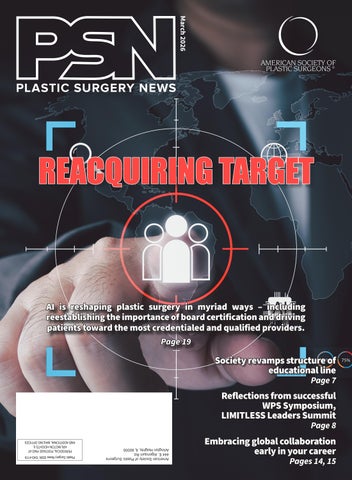
AI is reshaping plastic surgery in myriad ways – including reestablishing the importance of board certification and driving patients toward the most credentialed and qualified providers. Page 19
Society revamps structure of educational line
Page 7
Reflections from successful WPS Symposium, LIMITLESS Leaders Summit
Page 8
Embracing global collaboration early in your career Pages 14, 15
The ASPS Plastic Surgery Coding Workshop provides attendees with the most up-to-date coding information and specialty-specific instruction. This comprehensive learning program is a live, online interactive meeting that allows new coding professionals and those with more experience to learn accurate coding and implementation strategies from experts in the field. This is the
Make




















We have established trust and deep connections within the cosmetic industry, benefiting both our partners and their patients.







Cardholders trust CareCredit as a financing solution they can use again and again at plastic surgery locations in the CareCredit Network. In fact, 80% of cardholders say they are likely to use their CareCredit credit card again.1






Delivers Positive Patient Experiences
95% of cardholders surveyed rate CareCredit as a good to excellent value.1
Helps Patients Get the Care They Want or Need
Special financing is available for treatments and procedures that are $200 or more.*

Many providers believe CareCredit is beneficial to their practice—with 81% of cosmetic providers surveyed stating they find CareCredit valuable to their practice.²


Helps Increase Treatment Acceptance
44% of cosmetic providers surveyed agreed that the CareCredit credit card helps patients accept full treatment.2
CareCredit Averages High Transaction Volumes
On average, there are 68,000+ uses of the CareCredit credit card per weekday.

With over 35 years of experience, CareCredit prides itself on industry credibility with patients and providers alike. We have one of the highest net promoter scores across all industries at 76.³





A Credit Card Consumers Can Rely On A Partner That Providers Trust
CareCredit has 12+ million existing cardholder accounts, highlighting the widespread adoption and trust in CareCredit as a financing solution.
There are 270,000+ locations enrolled in the CareCredit Network.
As an ASPS member, you’ll receive exclusive reduced processing rates.**
1CareCredit Cardholder Engagement Study, 2023. CareCredit is a Synchrony solution.
2CareCredit Provider Satisfaction Findings, 2022. CareCredit is a Synchrony solution. 3Satmetrix 2023 Net Promoter Benchmark Study of U.S. Consumers (March–April 2023). “Net Promoter Score” Medallia, 2024, medallia.com/net-promoter-score.
*Subject to credit approval.
**See your CareCredit rate sheet for details.
© 2025 Synchrony Bank
Plastic
The
and maintain professional and ethical standards through education, research and advocacy of socioeconomic and other professional activities.
ASPS PRESIDENT
C. Bob Basu, MD, MBA, MPH drbasu@basuplasticsurgery.com
CHIEF MEDICAL EDITOR
Richard Baynosa, MD richard.baynosa@unlv.edu
ASSOCIATE MEDICAL EDITORS
Paige Myers, MD, MPH paigelm@med.umich.edu
Andrew Rosenthal, MD drdrew@rosenthal-md.com
ADVERTISING EDITOR
Anu Bajaj, MD anukbajaj.mac@mac.com
EXECUTIVE VICE PRESIDENT
Michael Costelloe mcostelloe@plasticsurgery.org
STAFF VP OF COMMUNICATIONS
Mike Stokes mstokes@plasticsurgery.org
MANAGING EDITOR
Paul Snyder psnyder@plasticsurgery.org
SENIOR NEWS EDITOR
Jim Leonardo jleonardo@plasticsurgery.org
CONTRIBUTING EDITORS
Jarrod Bogue, MD; Philip Brazio, MD
CONTRIBUTING WRITERS
Erika Adler; Kaibrea Durham; Frances Hackler; Jun Magat; Amanda Taylor; Alex Walton
COVER DESIGN
Paul Snyder
DISPLAY ADVERTISING SALES
Michelle Smith, (646) 674-6537
michelle.smith@wolterskluwer.com, Wolters Kluwer Health
CLASSIFIED ADVERTISING
Jeanne Embrey, jembrey@plasticsurgery.org
Plastic Surgery News (ISSN 1043-4119) is published eight times per year: March, June, September, December single issues – and combined January/February, April/May, July/August and October/November issues – by ASPS.
Phone: (847) 228-9900; Fax: (847) 228-9131
POSTMASTER, send address changes to:
ASPS Membership Department
Plastic Surgery News 444 E. Algonquin Road Arlington Heights, IL 60005
Periodicals postage paid at Arlington Heights, IL, and at additional mailing offices. USPS# 508-890.
The views expressed in articles, editorials, letters and other publications published by PSN are those of the authors and do not necessarily reflect the opinions of ASPS. Acceptance of advertisements for PSN is at the sole discretion of ASPS. ASPS does not guarantee, warrant or endorse any product, program or service advertised.
2025 Subscription Rates:
Basic subscription rate: $90; for foreign subscriptions add $90 for first class service. The subscription price for PSN is included in annual membership dues. Letters, questions or comments should be addressed to: Editor, Plastic Surgery News, 444 E. Algonquin Road, Arlington Heights, IL 60005.
plasticsurgery.org




By Babak Mehrara, MD
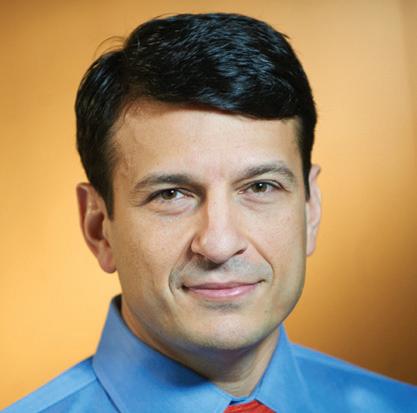
The PSF President
The work of The PSF remains vital to our specialty and is fueled by your continued engagement and generosity. The progress we’re making across education, research, data science and humanitarian outreach is possible only because of the collective com mitment of our community.
One of our most visible and impactful initiatives remains the Breast Reconstruction Awareness Campaign, through which The PSF ensures that women facing mastectomy are informed of their reconstructive options as guaranteed under federal law. The campaign provides accessible, patient-centered educational materials and partners with advocacy organizations to reach patients at critical decision points in their care. Importantly, this campaign is not promotional – its sole focus is education, empowerment and equity. We are committed to ensuring that all patients – regardless of geography or background – are aware of their op -
tions and can engage in shared decision-making with their healthcare teams. We’ve also continued to invest heavily in clinical data registries, which are essential to advancing quality and safety in plastic surgery. A prime example of this success is the National Breast Implant Registry (NBIR). As the nation’s leading quality improvement collaboration for breast implant surgery, the NBIR has grown exponentially since its inception and now captures data on more than 156,000 breast-implant procedures from more than 1,900 registered sites. This robust dataset allows us to track long-term device safety; benchmark outcomes; and provide the real-world evidence necessary to demonstrate the value of board-certified plastic surgeons to patients and regulators alike.
Our global and humanitarian mission continues to expand through Surgeons in Humanitarian Alliance for Reconstruction, Research and Education (SHARE). SHARE focuses on sustainable, bidirectional partnerships that emphasize education and long-term capacity
building in resource-limited settings. Rather than relying solely on short-term mission work, SHARE prioritizes training and the development of local expertise. Through this program, we support not only the delivery of care but also the advancement of research that strengthens reconstructive capacity worldwide.
Of course, research remains the cornerstone of our mission, and I’m especially proud of the breadth of work we supported in 2025. It’s important to emphasize that, in addition to collaboration with sister societies and industry, many PSF research grants are funded entirely through charitable donations. Last year alone, we awarded nearly $600,000 in research funding to support innovative, investigator-initiated research projects and fellowships across the full spectrum of our specialty.
These grants included studies examining the longitudinal effects of acellular dermal matrix on the peri-prosthetic environment, aiming to reduce capsular contracture, as well as groundbreaking research in peripheral nerve reconstruction exploring biomimetic strategies to restore natural sensation. We also funded novel translational work focused on lymphat-
ic preconditioning to prevent lymphedema, a condition with profound long-term morbidity. Together, these projects reflect our commitment to fund research that’s scientifically rigorous, clinically relevant and capable of changing practice.
I want to reiterate that none of this is possible without you. If you haven’t yet made your annual contribution, I invite you to do so today by scanning the QR code below. Thank you for your partnership and for fueling the education, research and humanitarian work that define The PSF. I look forward to the advances we will achieve together in the year ahead. PSN

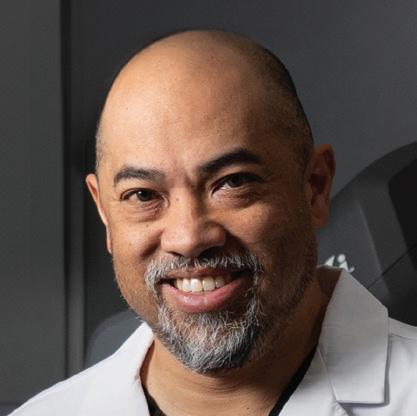
By Richard Baynosa, MD PSN Chief Medical Editor
There are losses that you antici pate, and there are losses that still manage to catch you unprepared. Sometimes these losses are one in the same.
When an elderly parent or loved one dies, the world is quick to offer a particular kind of consolation – “They lived a full life,” or “You were lucky to have them so long” or “At least it wasn’t sudden.” These statements are well-intentioned, but they miss something essential. Longevity does not soften absence. Anticipation does not diminish grief. As plastic surgeons, we are trained to manage problems and crisis with clarity and efficiency. We make difficult decisions under pressure, compartmentalize emotions and move efficiently from problem to solution. These skills serve our patients well. It does not always do the same for us.
I have previously written about the difficulties of raising a family as a plastic surgeon, highlighting the childcare problem – especially for dual-physician households. In contrast, supporting an aging parent while maintaining a surgical practice is a quiet, grinding strain that’s somewhat similar but also includes the subtle undertones of guilt and indebtedness. It’s the phone call that you take between cases. The calendar that you and/or your significant other constantly rearrange to attend the never-ending appointments and procedures that become increasingly essential as our parents age. The low-grade guilt that hums beneath everything – guilt that you are not present enough, not attentive enough, not doing this as well as you do surgery and not taking care of them as well as you take care of your patients.
Then there’s the reality beyond emotion: the cost. In the United States, caregiving in midlife is increasingly common and increasingly expensive. Nearly one in four American adults are family caregivers, providing ongoing support for someone with a complex medical condition or disability – and the total number of family caregivers has grown by about 20 million over the last decade.1 The financial burdens these caregivers shoulder is substantial. The average family caregiver spends roughly $7,200 per year out of pocket on caregiving expenses – even before factoring in professional care, lost wages or reduced work hours.2 The fees for full-time care are even more staggering with the national median cost for assisted living estimated at more than $64,000 per year and private-room nursing home stays that can surpass $127,000 per year.3
What can and can’t be fixed
There’s a cruel irony in devoting your life and spending your days restoring bodies to improved form and function while watching someone you love decline in slow, irreversible ways. In aesthetic and reconstructive surgery, we manipulate the body often borrowing from Peter to pay Paul or using implants or fillers to rejuvenate and reverse unwanted changes with our surgical knowledge and skill employed to solve problems and improve created or perceived defects.
Plastic surgery teaches us what can be fixed. True aging teaches us what cannot – and asks us to accept that some forms of care are measured only in presence and availability. Inside the O.R., effort correlates with outcome. Outside of it, effort often just means witnessing and
being available. You show up, you advocate, you coordinate care, and still the trajectory bends only one way. For surgeons accustomed to control, this helplessness cuts deep. What remains, unexpectedly, is not only sorrow but permanence. As Helen Keller wrote, “What we once enjoyed and deeply loved we can never lose, for all that we love deeply becomes a part of us.” Loss, then, is not elimination or erasure. It is, in a sense, incorporation – carried forward into how we listen, how we notice, how we care. My dad died one month ago, thousands of miles away in the Philippines. He had been sick for a while, and yet when it happened, it was still a shock. Time zones and distance have a way of sharpening regret. There were calls I meant to make earlier, visits I assumed could wait and time that I thought would still be there. Even knowing how this story always ends does not make its finality easier to accept. When the loss comes, there is no clean break. No incision that can be closed. Grief seeps into the margins of your day – during the morning pre-op evaluation, while scrubbing, in the quiet moment before the bright surgical spotlights come on. You return to work quickly and still attend previously scheduled conferences to give talks, because that’s what competence looks like. Because people are still counting on you. Because stillness would make the absence louder. C.S. Lewis described this exchange with merciless clarity: “The pain I feel now is the happiness I had before. That’s the deal.” In plastic surgery, we understand the tradeoffs and plan for complications with numerous backup plans for unanticipated failure. This loss, however, is different and isn’t an unexpected failure. Instead, it’s the cost of having loved well. Yet, perhaps something shifts after this type of loss. You become more patient with the elderly patient who moves slowly and requires
assistance. More attuned to the fear behind a family member’s questions. More aware that time, not surgical technique, is often the most precious commodity we fail to offer each other. Losing an elderly loved one doesn’t just take someone from your life – it gently but irrevocably rearranges your understanding of it. It reminds you that achievement does not exempt you from vulnerability. That professional excellence does not shield you from regret. That love, even when given imperfectly, still leaves a mark. We don’t talk enough about this version of grief in plastic surgery or medicine – the kind that runs parallel to success, hidden behind productivity and professionalism. Nevertheless, it’s there, quietly shaping us – often for the better.
And maybe that’s not entirely a loss. If grief teaches us anything, it is that presence matters. Not just in the O.R. or at the organization’s meeting, but in the small, unbillable moments that we too often postpone. The calls that we think we’ll return later. The visits that we assume we have time for. One day, we won’t. That time will be gone. And we will hope that, in the balance between duty and devotion, we showed up enough for it to have mattered. PSN
References
1. New Report Reveals Crisis Point for America’s 63 million Family Caregivers. AARP Press. Available at: https://www.aarp.org/press/releases/ 2025-07-24-new-report-reveals-crisis-point-foramericas-63-million-family-caregivers.html
2. The Caregiving Landscape: Data & Insights On The Caregiver Experience in The U.S. Available at: caregiveraction.org/caregiver-statistics
3. Genworth and CareScout Release Cost of Care Survey Results for 2024. Available at: investor.genworth.com/news-events/press-releases/ detail/982/genworth-and-carescout-release-costof-care-survey-results.
By ASPS Staff
ASPS education is at its best when it feels immediately relevant – a session that answers a pressing question in clinic, a module that updates your technique or a pathway that helps close a gap in your practice. As the Society’s educational portfolio has grown over time, learning opportunities have also been spread across various products and platforms. Although members agree the offerings provide great content, they also note it can sometimes feel harder to see the “connective tissue” or strategic throughline.
“When presented with the existing ASPS education line committees, I noted a lot of redundancy and scant communication between groups that were tasked with similar projects,” says ASPS/PSF Board Vice President of Education Peter Taub, MD, MS, New York. “In aesthetic education alone, there were upward of five separate committees with numerous members – some who did most of the work and many who often had little input into the actions of the committees.
“It makes sense for a single committee to be charged with creating education regarding a topic – such as craniomaxillofacial surgery – across all ASPS education, rather than many separate committees for each educational endeavor,” he adds.
With that in mind, ASPS is reorganizing how education is planned, built and evaluated based on the way that members actually practice – in order to deliver the most meaningful education on the most relevant, timely topics. This restructure is designed to make each member’s experience with ASPS educational offerings more targeted, coherent and valuable.
Each major focus area in plastic surgery now has dedicated leadership responsible for building a robust educational strategy for that topic area. This allows ASPS to be more intentional about what’s taught, when it’s taught and how the Society can connect learning across formats


and offerings, so that education in each domain can build a purposeful portfolio.
By centering governance on topic areas, ASPS can better identify the questions members are asking right now, clinical challenges surfacing across the specialty and practice changes that demand attention. The outcome should be programming that feels less “onesize-fits-all” and more like a curated, continuously improving roadmap for each area of plastic surgery.
“Committee members will be able to interact with a smaller, more cohesive group of colleagues who share similar interests and work together to create educational programming across the Society’s entire robust educational menu,” Dr. Taub says.
Whether members engage through meetings, online learning or other educational channels, the Society’s goal is stronger alignment and less duplication. Topic-focused leadership improves the ability to coordinate learning objectives and standards across different formats – helping en-
Looking for a meaningful way to get involved, grow professionally and make a lasting impact on the specialty? ASPS invites Active Members, Life Active Members, International Members, Candidates for Membership, International Candidates for Membership and qualified Residents to apply for committee service in the upcoming term.
Be part of the conversation that influences health policy, drives research, enhances education, fosters leadership, supports professional development and sets the standard for excellence and ethics in plastic surgery. The deadline to apply is 11:59 p.m. (CDT) April 30. Getting started is easy:
• Log in to plasticsurgery.org
• Click on “My Account”
• Go to the “Membership” tab
• Select “Committee Application” from the dropdown Residents should check the “Residents & Fellows Forum Committees” page for specific application instructions.
Need more info? Visit plasticsurgery.org/committees for FAQs, committee descriptions and additional resources — or email us directly at ASPSCommittees@plasticsurgery.org with questions.
Make your mark. Apply today! PSN

sure that what can be learned in one place is reinforced, expanded and advanced elsewhere.
The restructure also strengthens the Society’s ability to evaluate initiatives against defined goals. When an offering isn’t meeting its objectives or no longer addresses members’ most pressing needs, governance can work to redesign, refocus or simply step away from it.
“It shouldn’t mean less education, but better stewardship of member time and Society resources – with a sharper focus on outcomes and value,” Dr. Taub says.
If you currently volunteer with ASPS educational initiatives (or are considering it), the restructure creates clearer leadership lanes and more intuitive pathways to contribute. Topic-area “governorships” will lead the work, with each topic area led by a governor and vice governor, each accountable for the overall educational strategy and priorities within that domain.
(For aesthetic education, the governorship is structured with two subdivisions to reflect the breadth of the space.) Under each governorship, volunteer work will be organized to support the educational portfolio across the Society’s key delivery channels.
For more-established programs (e.g., Annual Meeting, Spring Meeting, In-Service, etc.) the “committees” will change to “councils” that only include the chair and vice-chair of the overall program/initiative. The Annual Meeting Council, for example, will only consist of the chair, chair-elect and vice-chair. All topic-specific workgroups will be composed of volunteers from the governorships, so that there is a team responsible for the overarching strategy of the event, program or initiative – while also retaining the benefit of consistency from the governorship topic structure.
For smaller products, the work will shift into the governorship structure, and the standalone committee will be sunset. This integration reduces fragmentation, creates a clearer home for ongoing work and helps leadership coordinate and prioritize initiatives more effectively within each topic area.
To place volunteers thoughtfully in this updated structure, all current education line volunteers will be asked to complete the member committee interest application this year. The application window is open through April 30 This is an important step in aligning expertise with the right topic areas and types of work.
“Ultimately, this restructure is about delivering education that feels more connected to your practice, more responsive to what’s happening in the specialty and more accountable to impact,” Dr. Taub says. “It’s a shift from managing individual offerings to managing strategy – so that the Society’s education continues to be not only high quality but meaningfully aligned with what members need most. I’m excited for a more nimble, efficient and dynamic interchange between active and engaged committee members and ASPS staff.” PSN
finale’
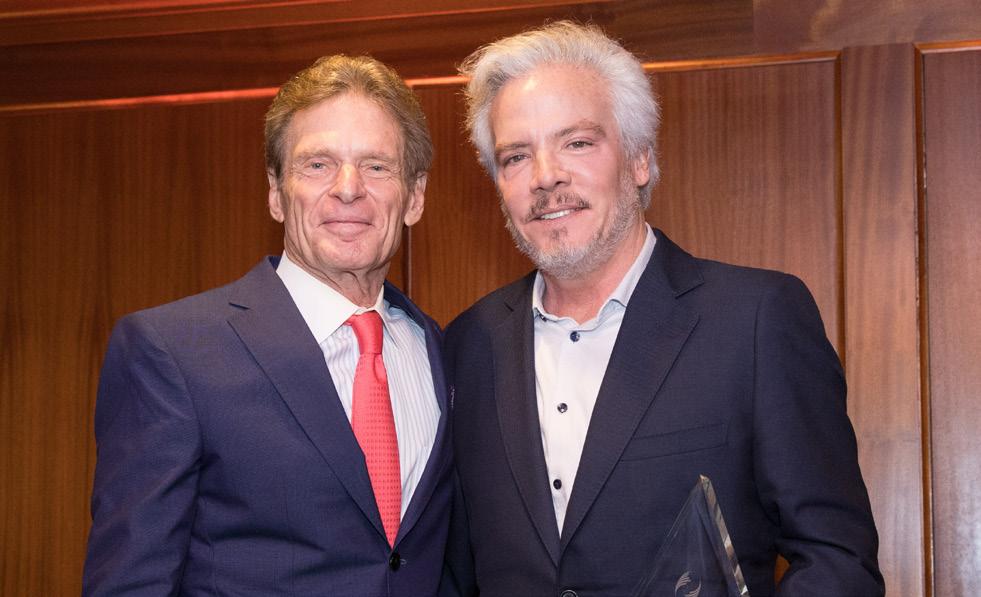
ASPS President C. Bob Basu, MD, MBA, MPH, Houston (left), spoke at the 60th (and final) Baker Gordon Educational Symposium in Miami in February.
Dr. Basu also presented awards on behalf of the Society to Mary Felpeto, who served as the coordinator of the symposium for 25 years; Bruce Solomon, who recorded surgical videos and programming for the symposium over a 40-year period; and to James Stuzin, MD (right), for his work over the past four decades in advancing aesthetic education as the meeting’s host.
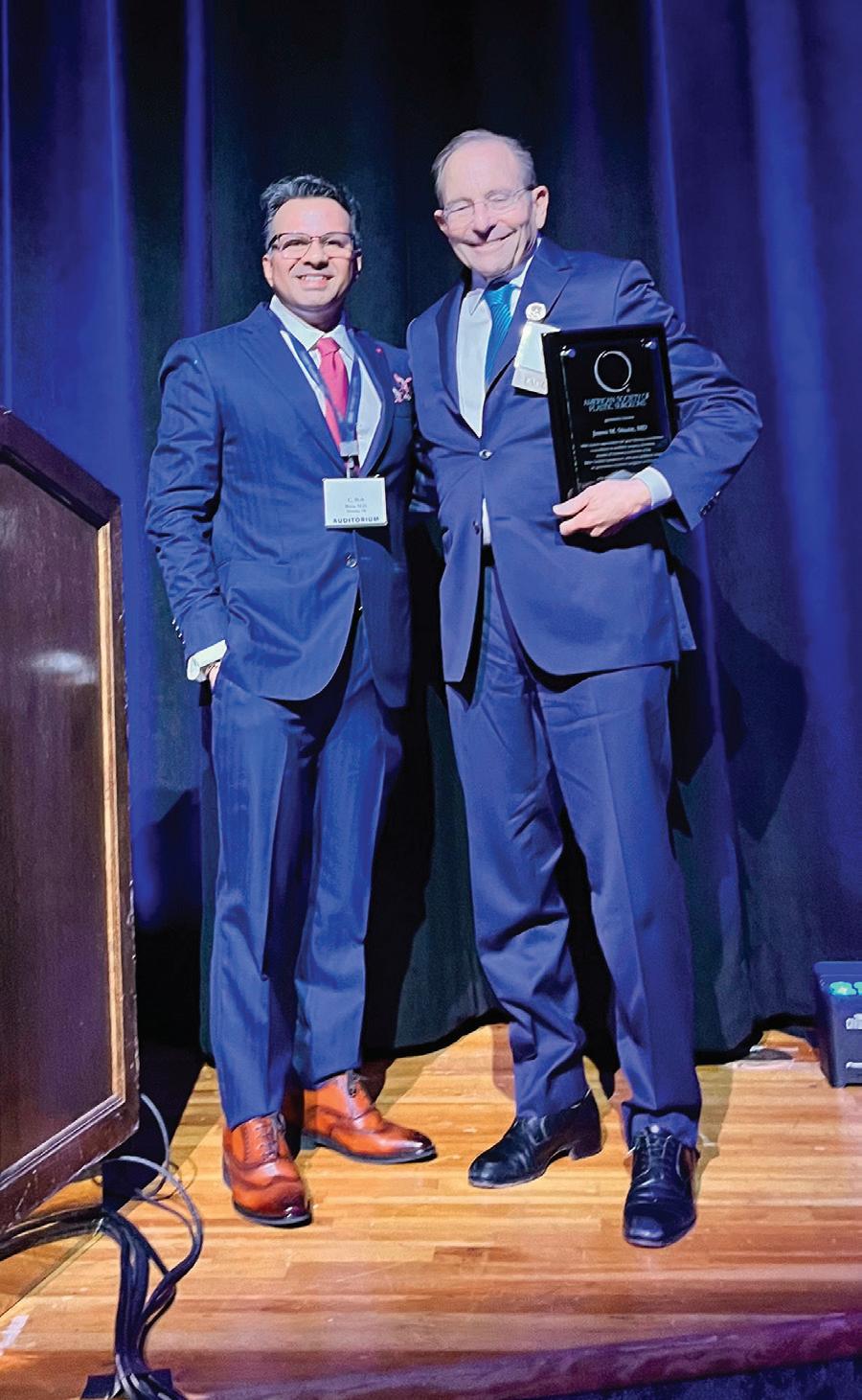
“We recognize Dr. James Stuzin for his lifelong commitment to excellence in aesthetic surgery education, decades of visionary leadership of the Baker Gordon Symposium – and for his profound impact on generations of plastic surgeons around the world,” Dr. Basu told the symposium’s audience. PSN
By Paige Myers, MD, MPH
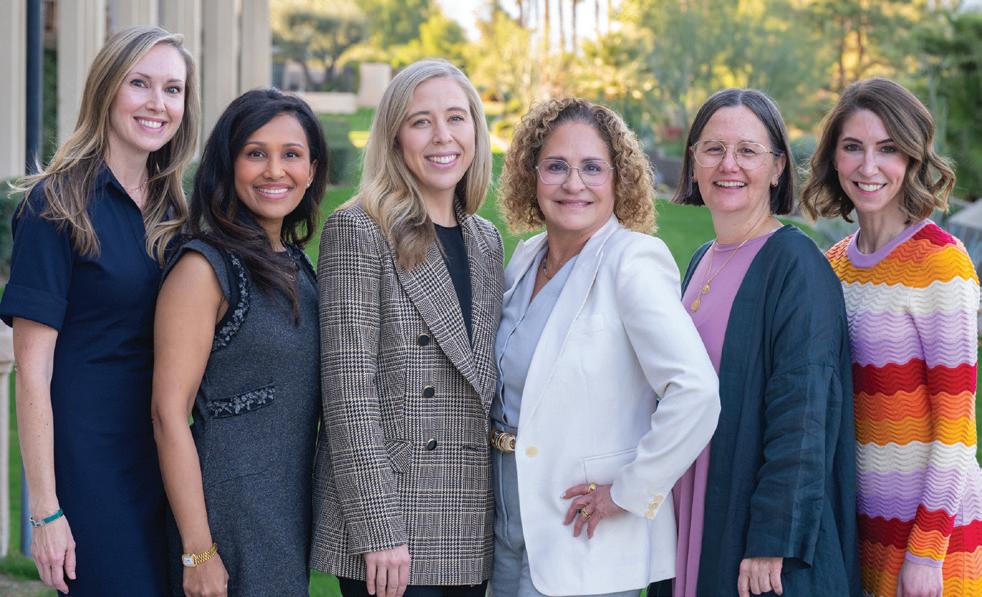
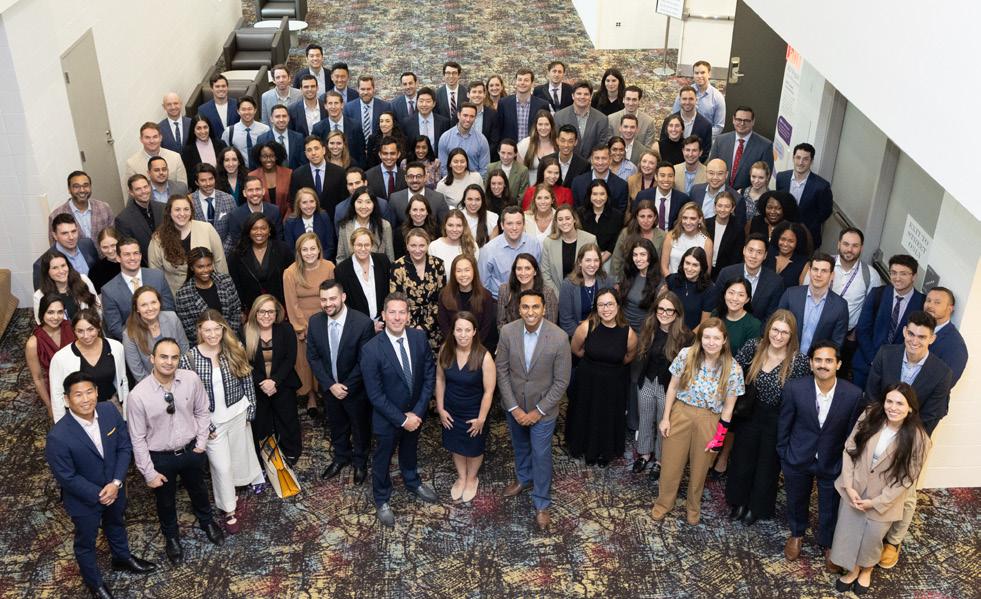
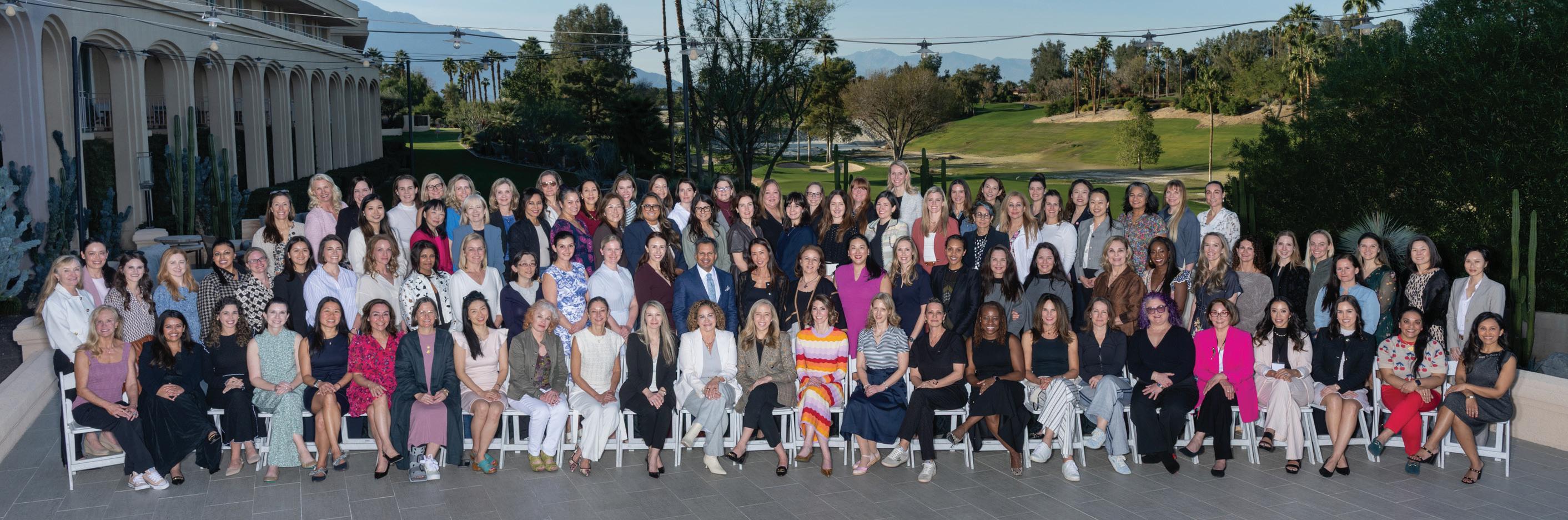
The 2026 Women Plastic Surgeons (WPS) Symposium in Indian Wells, Calif., was a remarkable success. With 150 attendees from six countries, our sold-out gathering was a powerful display of the enthusiasm and community that define women in plastic surgery today.
The symposium began with a personal highlight for me – the introduction of our first-ever formalized resident abstract session. Watching future plastic surgeons use this new platform to present innovative research was a reminder of why we invest so deeply in mentorship and uplifting those around us.
The technical programming kicked off with “Uphill Battles – Navigating the Legal System with Challenging Patients and Staff,” followed by an address by ASPS President C. Bob Basu, MD, MBA, MPH, and a live injectables demonstration. As we transitioned to a cocktail party on the terrace, the California sunset provided the perfect backdrop for the networking and enjoyment that make this community so unique.
Saturday began with a shared moment of movement and mindfulness during sunrise yoga, after which we dove into a robust day of programming. It was an honor to recognize our four resident scholarship winners – Michelle Benedict, MD, MBA; Thais Calderon, MD; Becca Patrick, MD; and Stephanie Shin, MD
– who rose to the top of a highly competitive applicant pool.
Our panels throughout the day – “Sculpting Financial Success: The Business of Plastic Surgery;” “Downsizing and Uplifting: Recreating Smaller Breasts;” “Meeting of the Mas-
ters: Aesthetic Debates and Controversies;” and “Pushing the Plastic Surgery Envelope” –captured the incredible breadth and brilliant talent of our specialty. We concluded the day with an empowering keynote by Katerina Gallus, MD, “Resilience Restored: From Setback
By Noopur Gangopadhyay, MD
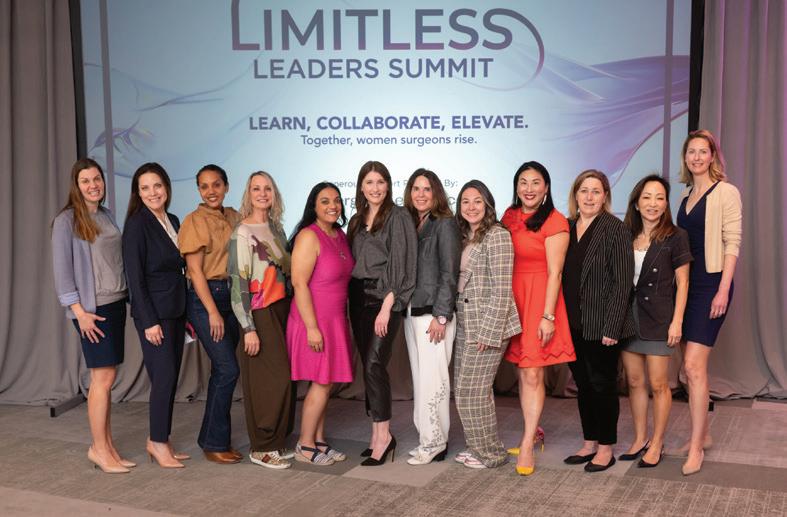
t was an honor to serve as chair of the LIMITLESS Leaders Summit in Indian Wells, Calif., in January as we celebrated our fifth anniversary. Having been a part of LIMITLESS since the inaugural meeting in New Orleans in 2021 – and to see where we are now – has been both humbling and incredibly inspiring.
LIMITLESS is not simply another medical conference. It’s a place where women surgeons can show up fully – as clinicians, as leaders and as people. It’s a place where ambition is supported, voices are amplified and leadership is cultivated with purpose. We are sustained by the shared commitment of ASPS, The Aesthetic Society, the American Hernia Society and supported by Allergan Aesthetics, an AbbVie Company. I couldn’t be more proud of our steering committee and the program they put together for this past year. This is a community that proves, year after year, what’s possible when we rise together. There were so many highlights from this
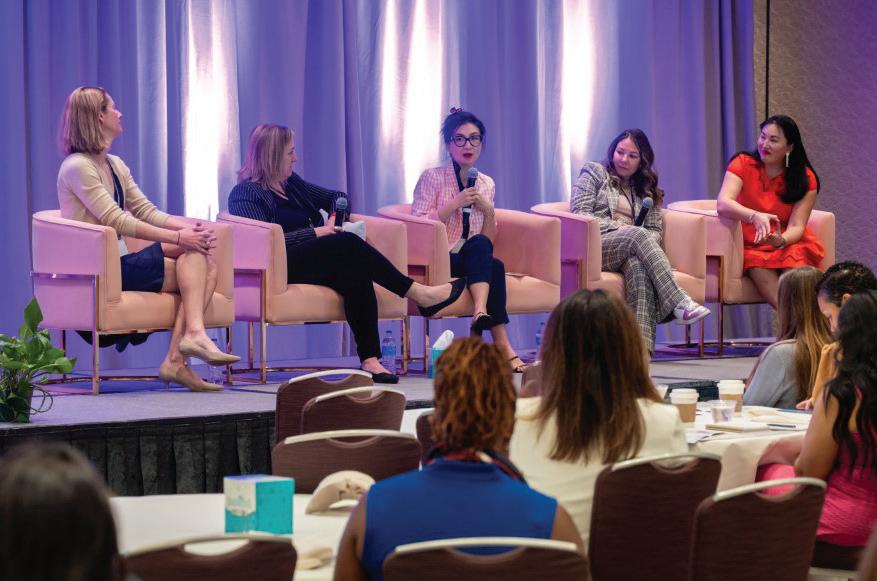
meeting, but a few stand out. The retrospective panel covering alumna from the last five years of our summit was a great way to start the meeting and reminded us all of the importance of impact. The workshop on confi dence by Rukmini Red nam, MD, reinforced that we belong in every room we enter. Our keynote speaker, Julia Landauer, a former NASCAR driver, gave a lecture that resonated with all of us – “Can Nice Girls Win?” The answer is a resounding yes. The ideas, energy, courage and connection didn’t end after the meeting – they will be carried forward into our work, our communities and our choices. When women surgeons rise with confidence, clarity and community, the ceiling doesn’t crack – it disappears PSN
to Strength in Plastic Surgery.” Her insights on navigating challenges and sustaining passion reminded all of our collective strength.
Sunday morning featured our international keynote, “Cutting Through the Noise: My 30Year Perspective as a Woman Surgeon,” delivered by Ruth Waters, MD. Her journey as a trailblazer in the U.K. inspired us to embrace innovation and perseverance across borders. We officially concluded the meeting with “Pro Tips: Helpful Insights from Head to Toe,” ensuring everyone left with practical, high-level expertise.
DEADLINE: April 3, 2026
Recognize and share your courageous patient’s experience and help encourage others to do the same!
Patients of Courage is an annual awards program that honors patients whose lives were changed or saved through reconstructive plastic surgery who now give back to their communities through charitable efforts. Help us inspire others and share their stories by nominating them to be a Patient of Courage.
Learn more about Patients of Courage at PlasticSurgery.org/POC and nominate a patient who inspires you and others!


As I look back on this symposium, I’m filled with a profound sense of gratitude. An event of this magnitude is only possible through the tireless work of our ASPS staff and dedicated leadership team, whose vision keeps this organization moving forward. We’re also incredibly grateful to our corporate sponsors, whose support enables us to deliver such a high-caliber experience for our members. This year’s Platinum supporters were Allergan Aesthetics, an AbbVie Company and Integra LifeSciences. Our Gold supporters were Evergen and Mentor Worldwide, LLC. Our Silver supporters were BD; BioCircuit Technologies; BRIJ Medical; BRUMABA; CareCredit; Lumisque, Inc./CO2Lift®; Mitaka USA; Motiva by Establishment Labs; MTF Biologics; Pacira BioSciences, Inc.; Plexaa; SUTUREGUARD Medical; Tiger Aesthetics; U.S. Bank; and Vinaya Rednam, MD –The Confidence Collection.
Serving as WPS chair is far more than an administrative role; it’s a front-row seat to the changing face of our profession. Beyond logistics or lectures, the incredible WPS community is truly what makes this symposium so special. Seeing women at every stage of their careers –from residents presenting their first abstracts to masters of the craft sharing three decades of wisdom – reminds me that while our paths are individual, our progress is collective.
This sold-out event affirmed that the WPS Symposium remains a catalyst for both personal and professional growth. I’m already looking forward to building on this momentum as we head to New York next year. PSN
Dr. Myers is chair of the Women Plastic Surgeons Forum and associate medical editor for PSN
By John G. Meara, MD, DMD, MBA; Bonnie L. Padwa, MD, DMD; and Kevin B. Churchwell, MD
John Mulliken, MD, a pioneering figure in plastic surgery, passed away Jan. 20 at age 87.
Born April 30, 1938, in Chicago, Dr. Mulliken’s legendary career was marked by groundbreaking contributions to the understanding and treatment of vascular anomalies and craniofacial deformities. His life’s work transformed the landscape of plastic surgery and left an indelible impact on patients and the medical community worldwide. He inspired countless trainees to devote themselves to perfecting the art and science of caring for children with facial differences.
Dr. Mulliken’s medical journey began with a strong educational foundation. He graduated magna cum laude from Princeton University in 1960, earning an A.B. degree in chemistry. His intellectual curiosity and dedication to excellence propelled him to pursue a medical degree from Columbia University College of Physicians and Surgeons from where he graduated in 1964. At Columbia, he demonstrated a passion for research and innovation, earning recognition for his academic achievements and clinical promise.
After medical school, Dr. Mulliken completed his surgical training at Massachusetts General Hospital in 1970. This was followed by military service as a major in the U.S. Army Medical Corps. Dr. Mulliken was commanding officer of the 43rd Mobile Army Surgical Hospital in Uijongbu, Korea, and later the chief of surgery at Cushing Hospital at Fort Devens in Massachusetts. His experiences during this time honed his surgical skills and deepened his commitment to saving lives under challenging conditions.
Upon returning to civilian life, Dr. Mulliken continued training in plastic surgery at The Johns Hopkins Hospital in 1972-74, laying the groundwork for his future innovations in craniofacial surgery and vascular anomalies.
Dr. Mulliken joined Boston Children’s Hospital in 1974 as the first associate of Joseph Murray, MD. He would spend the rest of his illustrious career there, holding held several key positions, including co-director of the interdisciplinary
Vascular Anomalies Center, director of the Craniofacial Center and director of the Cleft Lip and Palate Program. His leadership transformed these programs into world-renowned centers for patient care, research and education.
Dr. Mulliken progressed from instructor in surgery at Harvard Medical School to professor of surgery, a role he held from 2002 onward. His dedication to teaching and mentorship ensured that his knowledge and skills would be passed on to future generations of surgeons.
Many of his mentees became leaders in their own right, carrying forward his legacy of innovation and excellence.
One of Dr. Mulliken’s most significant contributions to medicine was his work in the field of vascular anomalies. He co-founded the International Society for the Study of Vascular Anomalies and served as its president in 199698, fostering global collaboration among clinicians and researchers. His pioneering research led to the development of the Mulliken classification system for vascular anomalies, a framework that has become a cornerstone of diagnosis and treatment for these conditions.
Dr. Mulliken’s research was characterized by a meticulous approach to understanding the biology and clinical behavior of vascular anomalies. His collaboration with colleagues in molecular genetics uncovered the genes responsible for familial venous malformations, glomuvenous malformations and capillary-malformation-arteriovenous malformation. He published extensively on the subject, with more than 500 scientific articles and book chapters to his name. His seminal textbook, Vascular Anomalies: Hemangiomas and Malformations, co-edited with Patricia Burrows, MD, and Steven Fishman, MD, remains a definitive resource in the field.
Dr. Mulliken’s expertise extended beyond vascular anomalies to craniofacial surgery. He was instrumental in developing innovative techniques for repairing congenital deformities. His single-stage approach to bilateral cleft lip repair received the American Association of Plastic Surgeons (AAPS) James Barrett Brown Prize in 1996. With exacting attention to detail, Dr. Mulliken applied direct anthropometry to develop optimized techniques for cleft lip and nasal repair. These techniques, which emphasized achieving both functional and aesthetic outcomes, set new standards in the field and
improved the quality of life for countless patients and their families worldwide.
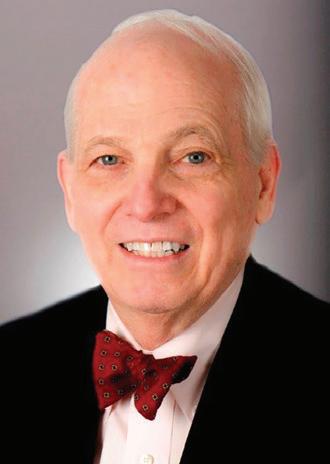
Dr. Mulliken’s collaboration with geneticists helped identify the causative genes responsible for Boston-type craniosynostosis, cleidocranial dysplasia and craniometaphyseal dysplasia, paving the way for targeted treatment. His work was devoted to the children of others and he, along with patients’ parents, established the Foundation for Faces of Children in 1986.
Throughout his career, Dr. Mulliken remained committed to education and mentorship. He trained hundreds of medical students, residents and Fellows – many of whom became prominent figures in plastic surgery and related fields. His teaching extended beyond technical skills; he instilled in his trainees a deep empathy, an unwavering commitment to excellence and a passion for advancing care through research.
Dr. Mulliken’s mentorship earned numerous awards, including the William Silen Lifetime Achievement in Mentoring Award from Harvard Medical School and the School of Dental Medicine. He took great pride in seeing his mentees succeed and often maintained lifelong relationships with them, offering guidance and support long after their training was complete.
Dr. Mulliken’s contributions to medicine were widely recognized. He received an honorary degree from Université Catholique de Louvain in Brussels in 1998 and was named an Honorary Fellow of the Royal College of Surgeons of England in 2014. He received the Honorary Award from AAPS, and he was also ranked No. 1 in the world by Highly Ranked Scholars for lifetime contributions in the field of birth defects. These distinctions reflected his international impact on the field of plastic surgery.
In addition to these honors, Dr. Mulliken received the Clinician of the Year Award from the American Academy of Pediatrics and the Lifetime Achievement Award from Castle Con-
nolly. These accolades reflect his unparalleled contributions to the field, and the profound and lasting impact he’s had upon the lives of patients, families and generations of physicians.
Beyond his professional accomplishments, Dr. Mulliken was a devoted husband and father. He is survived by his wife, A. Portia Chiou, MD, and their daughter, Olivia Angelica. His family was a constant source of immense joy and support throughout his life. Despite the demands of his career, he always made time for his loved ones, cherishing moments of connection and celebration. With a sparkle in his eye, Dr. Mulliken spoke lovingly of his daughter, overflowing with pride, and savoring their time together, whether playing the piano together, helping with her homework or reading books side by side.
Dr. Mulliken loved history and the arts. He often drew inspiration from these pursuits, finding parallels between the creativity required in the operating room and the artistry evident in human expression. His colleagues and friends remember him as a man of great intellect, humility and compassion.
Dr. Mulliken’s passing marks the end of an era in plastic surgery. His visionary work, compassionate patient care and unwavering commitment to advancing medical science left a transformative impact on the field. He will be remembered not only for his surgical innovations and scholarly contributions, but also for his profound humanity and the inspiration he provided to all who had the privilege of knowing him. Until the very end, Dr. Mulliken remained devoted to his life’s work. Even as he faced health challenges, he stayed unwavering in his commitment to teaching and sharing what he had built – pouring his energy into his textbook on caring for children with cleft lip and cleft palate. As his father often reminded him, “Mullikens never quit.” Dr. Mulliken lived by those words, never yielding and fighting tirelessly with remarkable strength and resolve.
Dr. Mulliken’s legacy endures through the countless lives he transformed, the mentees he inspired and the scientific advancements he championed. His contributions will continue to shape plastic surgery, ensuring that his spirit of innovation and compassion lives on.
Memorial contributions may be made to the Foundation for Faces of Children (facesofchildren.org). PSN
By SallyAnne Lund, MD
With characteristic tenacity and perseverance Paul Yu Liu, MD, fought leukemia until his passing Jan. 26 at age 65. Dr. Liu was a world-renowned plastic surgeon, pioneering researcher in wound healing and revered educator whose contributions spanned more than three decades. At home, he was a cherished husband and father.
Dr. Liu’s career was defined by a rare combination of surgical skill, scientific curiosity and mentoring. He held prestigious leadership positions, including chief of plastic surgery at Brown University Health, chief of surgery at Roger Williams Medical Center and professor of surgery at The Warren Alpert Medical School of Brown University. Internationally recognized for his clinical expertise and innovations, Dr. Liu revolutionized treatments for complex wounds and diabetic limb salvage, integrating insights from mathematics, immunology, genetics and surgery.
Born in 1960 in Fort Collins, Colo., to Hsin-Kuan Liu, PhD, and Esther Tsong TzuChiu Liu, EdD, he was raised from infancy
by his widowed immigrant mother. In his youth, he was recognized statewide as a scholar, athlete, debater and musician (both clarinet and violin).
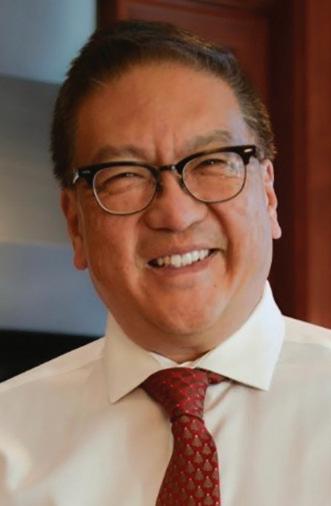
Paul Liu, MD
After graduating from Durango High School in Durango, Colo., he was awarded a Boettcher Scholarship, which provided a full ride to Colorado College. In college, he played violin professionally with the Colorado Springs Symphony Orchestra.
After graduating magna cum laude, majoring in mathematics, he earned a master’s degree in philosophy and physiology as a Marshall Scholar at University College, University of Oxford, U.K. He received the distinction of an Oxford Varsity Blue on the ice hockey team (and also played rugby). Dr. Liu earned his MD from Harvard Medical School followed by an internship, residency and research fellowship at Harvard’s Brigham and Women’s Hospital,
where he served as senior and chief resident in plastic surgery.
His academic and professional accomplishments were numerous, including an MA ad eundum from Brown University, the Louis T. Benezet Award from Colorado College, the Outstanding Mentor in Plastic Surgery Award, the Gordon Fellowship at Lahey Clinic and the Compassionate Doctor Award. Beyond awards, however, colleagues and students remember him for his humility, generosity and unwavering commitment to nurturing the next generation of surgeons and researchers.
Dr. Liu’s dedication to wound-healing research was unmatched. He served as president of the Wound Healing Society, program co-chair for its annual meetings and director of the Functional Diabetic Limb Salvage and Wound Healing Foundation Conference. He also organized the Thomas K. Hunt Lecture Series, fostering collaboration and innovation across the field. His mentorship and leadership have inspired countless physicians, surgeons and scientists worldwide.
As a surgeon who did basic research in addition to patient care, Dr. Liu took his focus
on wound healing into the laboratory – exploring ways to optimize surgical repair by developing biologicals that could improve on the body’s natural healing. He and his long-time research lab head, Xiaotian Wang, MD, developed a novel approach, delivering a growth factor that results in faster and stronger healing of ruptured tendons. To bring this discovery to patients more rapidly, he established a biotech company, PAX Therapeutics. PAX not only is the Latin word for peace, but stands for the names of the co-founders (Paul And Xiao). PAX Therapeutics is on the cusp of starting clinical trials.
Colleagues remember Dr. Liu as compassionate, approachable and endlessly curious. Patients recall his surgical excellence paired with genuine empathy, reassurance and hope. He was a person motivated by deep faith to serve others. His service extended globally; he participated in medical missions that brought reconstructive care to underserved communities, further reflecting his deep commitment to humanitarian work. Dr. Liu also served with his wife in church leadership. He was
Continued on page 26
“CPT Corner” provides general information, available at the time of publication, regarding various coding, billing and claims issues of interest to plastic surgeons. ASPS is not responsible for any action taken in reliance on the information contained in this column.
By Philip S. Brazio, MD
Procedural coding is central to the practice of surgery in the United States. Yet the history, nomenclature, organization and usage of procedural codes remain shrouded in mystery for the average surgeon. There are good reasons for this.
We most often work with the familiar five-digit CPT Category I codes, but multiple overlapping coding frameworks also exist –each administered or recognized by different organizations. These systems have developed piecemeal over time, with new components added without a broader redesign of the overall structure. As a result, several notable exceptions to the usual coding “rules” persist. The outcome is an alphabet soup or complex mix of entities, classifications and code types that require both background knowledge and careful attention to navigate and decipher.
The CPT system was first published in 1966 by the AMA to standardize physician reporting of surgical procedures and some diagnostic services in health records. Subsequent iterations expanded the list of diagnostic and therapeutic procedures. The fourth edition (CPT-4) was published in 1977 and introduced a system for updating the codes to adapt to changing practices and evolving surgical procedures.
Separately, the Health Care Financing Administration (HFCA, now CMS) introduced the Healthcare Common Procedure Coding System (HCPCS) in 1978 to standardize reporting for supplies, DME, non-physician services and items not included in CPT.
CMS in 1983 mandated that CPT-4 be used for reporting physician services under Medicare Part B, and folded CPT into HCPCS as HCPCS Level I codes; the previous HCPCS codes were designated as Level II. Medicaid and commercial payers adopted CPT over the late 1980s and early 1990s. The Health Insurance Portability and Accountability Act (HIPAA) of 1996 formally designated CPT as the national standard for reporting physician and outpatient services, solidifying its use across the U.S. health system.
CPT Category II codes (which, despite their name, are not procedural codes) were introduced in 2000 by the AMA with the intention of supporting outcomes tracking, preventive care and value-based care programs. These category II codes were included as part of HCPCS Level I along with the existing CPT (now CPT Category I) codes.
CPT Category III codes were created and implemented in 2001 to allow tracking of in-
Do you have questions about coding? ASPS members can search past “CPT Corner” columns from PSN along with a wealth of coding resources – including question submission forms, help with modifiers and telehealth scenarios – in the “Health Policy” section of plasticsurgery.org.
Administering
Purpose Tracking and billing of established, widely used procedures
Exceptions None
Temporary codes for tracking usage of emerging or experimental procedures
Procedures may fail to be elevated from Category III to Category I, despite evolving to meet Category I criteria
Example 19318, reduction mammaplasty 0437T, prophylactic synthetic mesh abdominal wall reinforcement
Evidence requirement for creation
Consistent with current medical practice; performed commonly; clinical efficacy supported by high-level evidence; all necessary components FDA-approved
Early evidence of efficacy
RVUs assigned? Yes, by AMA RUC; with some exceptions No
Coverage Covered for medically necessary services
Reimbursement Reimbursement indexed to RVUs
novative procedures without requiring immediate assignment of permanent CPT Category I codes. CMS in 2002 began recognizing Category III codes for reporting, although these were never made part of HCPCS. Although mandated as a standard by the federal government, CPT codes are the intellectual property of the AMA and are licensed unless covered by fair-use exemptions, which include small, necessary excerpts for teaching, research or scholarship and transformative use such as commentary or critique. Licenses are required for other activities such as embedding CPT in software; using CPT lists for billing, claims or EHR workflows; distributing CPT to staff as a code reference; copying substantial portions of the code book or commercial courses and coding tools.
CPT Category I codes – representing the primary portion of HCPCS Level I codes – are the standard five-digit CPT codes most clinicians and coders use every day. They are organized into major sections such as evaluation and management, anesthesia, surgery, radiology, pathology/laboratory and medicine. Within this structure, the surgery section (1002169990) is further broken down by anatomical region. These section boundaries remain fixed and when new procedures are added, these codes are placed within the appropriate existing range rather than altering the overall structure.
As these codes are used to report standard medical procedures, any individual or group can propose the addition, change or deletion of a CPT code. To approve a new code, the AMA CPT Editorial Panel requires that the procedure meet criteria that include being accepted medical practice; commonly performed (with respect to its expected frequency); and well-supported by scientific evidence.
Once a Category I code is created, it goes to the AMA’s Relative Value Scale Update Committee (RUC) to initiate the valuation process and to get assigned a relative value unit (RVU). The RUC, however, does not have final authority to set RVUs for Category I codes. Instead, it provides CMS with recommendations on how newly approved codes should be valued – recommendations that CMS may adopt or modify at its discretion. The RUC’s suggestions are
Case-by-case; often not covered
Highly variable; usually not reimbursed, varies by payor and code
Quickly editable adjunct to CPT for miscellaneous non-physician service items
Rarely: physician procedural services not captured in CPT; e.g., S-codes (created by commercial payors), G-codes
S2068, Breast reconstruction with DIEP or SIEA flap
Evidence of existence; not based on clinical efficacy
No
Broadly recognized; usually covered by Medicare and Medicaid (exceptions include S codes)
Fee schedules set by CMS or carriers
based on data gathered through surveys distributed by the relevant surgical specialty societies to their members.
CPT Category III codes are intended for new and emerging techniques and technologies, and primarily serve the function of tracking usage. They take the form of four digits, followed by the letter T, and can be exemplified by CPT 0479T – laser ablation of burn scars.
These codes are intended to be temporary and only require early evidence of efficacy. If a procedure represented by a Category III code becomes standard of care, it can go through the process of being converted to a Category I code based on growing evidence for effectiveness and widespread usage. In some cases, however, a Category III procedure may fail to be elevated to Category I status long after it evolves to meet Category I criteria if no applicant is able or willing to meet the burden of proof required for the administrative change.
Category III codes are not typically reimbursed by CMS except under special programs. No RVU value is assigned, although CMS can assign facility payment values. Category III codes may or may not be recognized or covered by commercial payors.
HCPCS Level II codes primarily describe non-physician services, supplies, durable medical equipment and drugs. These codes consist of a single letter followed by four numbers. They are used for services recognized by CMS that are either not included in CPT, or used for items and services for which CMS chooses to apply specific coverage rules or policies.
In addition to non-physician services, HCPCS Level II confusingly also includes CMS-specific codes such as “G codes,” which can include certain physician services. An example is G6001, “Ultrasonic guidance for placement of radiation therapy fields,” which was created because CMS needed to update quickly to include these services when a gap in CPT coding was identified. The CPT process takes at least 18 months from proposal to implementation along specific timeframes, whereby CMS can be more nimble and update Level II codes at any time.
To further add to the confusion, S codes are a special subset of HCPCS Level II codes which were initially created by the Blue Cross Blue Shield Association – and are only used by commercial payors (not CMS) to reimburse physician procedural services for which no ac-
curate CPT Category I code exists. A familiar example is the S2067-2069 range for free perforator flap breast reconstruction.
Procedural code categories may influence – but do not determine – the valuation, coverage or reimbursement of the described procedure. No category of code is universally assigned an RVU value by CMS – not even Category I CPT. In some cases (such as CPT 49906, omental free flap), a Category I code may not be assigned an RVU value because there was insufficient procedural volume for an accurate survey at the time the code was created. In other instances, such as with liposuction, codes that are considered not medically necessary by Medicare may not be assigned an RVU value. For codes that are not CMS valued, healthcare institutions can assign internal work RVU (wRVU) values by extrapolating from other procedures. For surgeons whose work is valued based on RVU production and who perform procedures without CMS RVUs, it’s worth checking what values your institution has assigned. It’s also important to remember that Category III CPT and HCPCS Level II codes are never assigned wRVU values.
Although Category I CPT codes are not always covered by insurance policies, their approval process implies that they rise to the level of standard of care. This fact may encourage coverage by payors in certain cases. Category III CPT and HCPCS Level II codes are often variably covered and may not be covered at all.
The amount of CMS reimbursement for RVU valued codes is indexed to the CMS conversion factor. The Simplified Formula is RVUs (work + practice expense + malpractice) X GPCI (geographic adjustment) x Conversion Factor = Medicare payment. Many commercial payors in turn choose to index their payments to CMS (i.e., a percentage of what CMS reimburses), although these payment contracts are potentially negotiable. For non-CMS valuated codes that are covered by commercial payors, the reimbursement may be highly variable.
There are additional types of codes which are not used for physician billing and should not be confused with a procedural billing code should they be encountered in the wild. CPT category II is the second type of HCPCS Level I code (along with our familiar CPT Category I). A five-character code (four digits + F) is used for quality measurement and performance tracking – but not for billing or reimbursement and includes counseling, screening, preventive care and follow-up actions. An example is 2014F, counseling for mammography results documented.
ICD-10-PCS (International Classification of Diseases, 10th Revision, Procedure Coding System) is a highly structured, seven-character alphanumeric code. Contrary to its nomenclature, this system is used only in the United States. It’s designed for inpatient reporting of quality and utilization, research and epidemiology. It does allow for billing for procedural services – but only on the part of hospitals. An example is 0HHT0NZ – Insertion of Tissue Expander into Right Breast, Open Approach. In conclusion, HCPCS codes are a comprehensive system for billing and are divided into two levels: I and II. Level I codes are the CPT set of codes that are further broken down into category I, II and III codes. HCPCS Level II codes are used for items not covered by CPT, such as DME, supplies and drugs. Hopefully this overview will clarify your understanding of a sometimes soupy coding system. PSN
By Jim Leonardo
Research and innovation run deep in the family lineage of William (Jay) Gerald Austen, Jr., MD. His father and uncle were prominent physician-inventors, and his grandfather played a pivotal role in the early development of Zeppelin and Goodyear airships. That legacy of curiosity and problem-solving shaped Dr. Austen’s career from the start.
Today, Dr. Austen serves as chief of Burn and Wound Surgery and chief of Oral & Maxillofacial Surgery and Dentistry at the Mass General Brigham (MGB) in Boston after serving more than 18 years as chief of the Division of Plastic and Reconstructive Surgery at the Massachusetts General Hospital (MGH). Over the course of a wide-ranging career, he has moved fluidly from pediatric plastic surgery to innovations that have advanced fat grafting, skin rejuvenation and even cardiac bypass surgery.
That forward-thinking mindset was familiar to his grandfather, Karl Arnstein, who emigrated to the United States from Germany shortly after World War I. Before arriving in Akron, Ohio, Arnstein worked as chief engineer for Count Ferdinand von Zeppelin, helping to build the famed airships. Once in the United States, Arnstein went on to design aircraft and radar systems for Goodyear.
Medicine took hold in the next generation. Dr. Austen’s father, William Gerald Austen Sr., followed his brother Frank into the field, with both bothers enrolling at Harvard Medical School. Frank, who contracted polio early in life, pursued immunology and rheumatology and ultimately became chief of immunology at Brigham and Women’s Hospital (BWH). His research led to many discoveries, including leukotrienes, laying the foundation for multiple allergy medications used today. W. Gerald Austen Sr., meanwhile, earned an engineering degree at the Massachusetts Institute of Technology (MIT), graduating at the top of his class. Later, as an intern at MGH he built the first heart-lung machine in Boston – an innovation that saved countless lives.
“My father helped build the machine, and they scheduled operations around his days off as an intern so he could run the pump and take care of patients in the ICU at night,” Dr. Austen tells PSN. “He eventually became chief of cardiac surgery and later chief of surgery at the MGH for 30 years. He also invented the intra-aortic balloon pump that is still used today. I grew up thinking that inventing things was just what people did.”
Early in life, Dr. Austen intended to pursue a career in pediatric surgery, conducting research in high school with Patricia Donahoe, MD, the chief of pediatric surgery at the MGH. Once at Princeton University, however, he chose to major in art history.
“Medicine was always my future,” he says, “But I decided I might as well learn a few other things while I had the chance.”
After being accepted to Harvard Medical School, Dr. Austen Jr. returned to his goal of a career in surgery, weaving research into his training whenever possible. He extended medical school by a year to study pathology and transplantation in the lab. During his two years of research during residency, he focused on innate immunity and ischemia-reperfusion injury.
After general surgery training at the BWH, he entered the inaugural class of the Harvard independent plastic surgery training program and further advanced his training by completing a clinical fellowship at the Royal Children’s Hospital in Melbourne, Australia, studying pediatric and craniofacial surgery under Anthony Holmes, MD. Soon after, Mass General recruited him back to Boston.
“My father was stepping down as chief, and it felt like the right time to return,” Dr. Austen
says. “I wanted to restart the pediatric plastics program and also develop an adult practice.”
Dr. Austen also launched a laboratory focused on immunology and ischemia-reperfusion injury – an extension of his earlier research interests that would prove integral to his later innovation. After being named chief of plastic surgery in 2004, he moved to more translational research.
“It was a chance to rethink my life, including my research,” he says. “I dove into translational research, which is what I always wanted to do. At the time, fat grafting was drawing increasing attention. A few people were talking about it, but mostly about stem cells. To me, it was always an ischemia-reperfusion problem.”
Although fat has promising regenerative potential, its cells are particularly fragile and early results in fat grafting were notoriously inconsistent.
“Some outcomes were great; but in some cases, the fat would just disappear,” Dr. Austen says. “I discovered that when a tissue surfactant – specifically a tri-block polymer – was added, fat survival approached nearly 100 percent.”
After patenting this technique, Dr. Austen helped launch the Viality™ system, which has since been used in more than 20,000 procedures.
“This is one of several technologies he’s successfully taken from the laboratory to the clinic,” says ASPS past President and former Harvard classmate J. Peter Rubin, MD, MBA. “It is an achievement that is incredibly difficult to accomplish.”
Another move forward
That experience opened the door to further innovation, including the formation of Cytrellis Biosystems and the development of the Ellacor® system for skin rejuvenation. In 2013, Dr. Austen was named chief of the burn division at the Mass General, creating new opportunities to improve burn care.
“We were seeing that burn patients benefited from fractional laser treatment,” he explains. “But at the time, plastic and burn surgery at MGH didn’t have a laser center. You can’t just buy one – you need to have a thorough understanding of settings, safety, and limitations. It was overwhelming.”
Fractional lasers require significant energy to create microscopic skin injuries that stimulate rejuvenation and Dr. Austen realized that small needles could accomplish the same effect. After discussing the idea with Rox Anderson, MD – the inventor of fractional laser technology – Dr. Austen conducted his own study. Using biopsy needles in an animal model, he demonstrated dramatic increases in collagen production and dermal thickening.
“The results got a lot of attention,” he says. “People encouraged me to start a company around it.”
That company became Cytrellis. According to Dr. Rubin, the effort exemplified Dr. Austen’s ability to navigate regulatory approval, intellectual property, manufacturing and commercialization – turning innovation into real-world impact for patients.
“No mean feat,” Dr. Rubin tells PSN. “He’s a role model in bringing innovations from bench to bedside.”
Dr. Austen’s innovation was not only limited to the laboratory but was also born out of his clinical practice. After seeing the outcomes and cost associated with the use of biologic acellular dermal matrices (ADM) in breast reconstruction, he sought more affordable alternatives. He found his answer in absorbable synthetic mesh, reporting positive short-term and longterm results indicating that ADM was not the only effective solution.
“Patient satisfaction was the same, and we saved about $1 million in a single year,” he says.
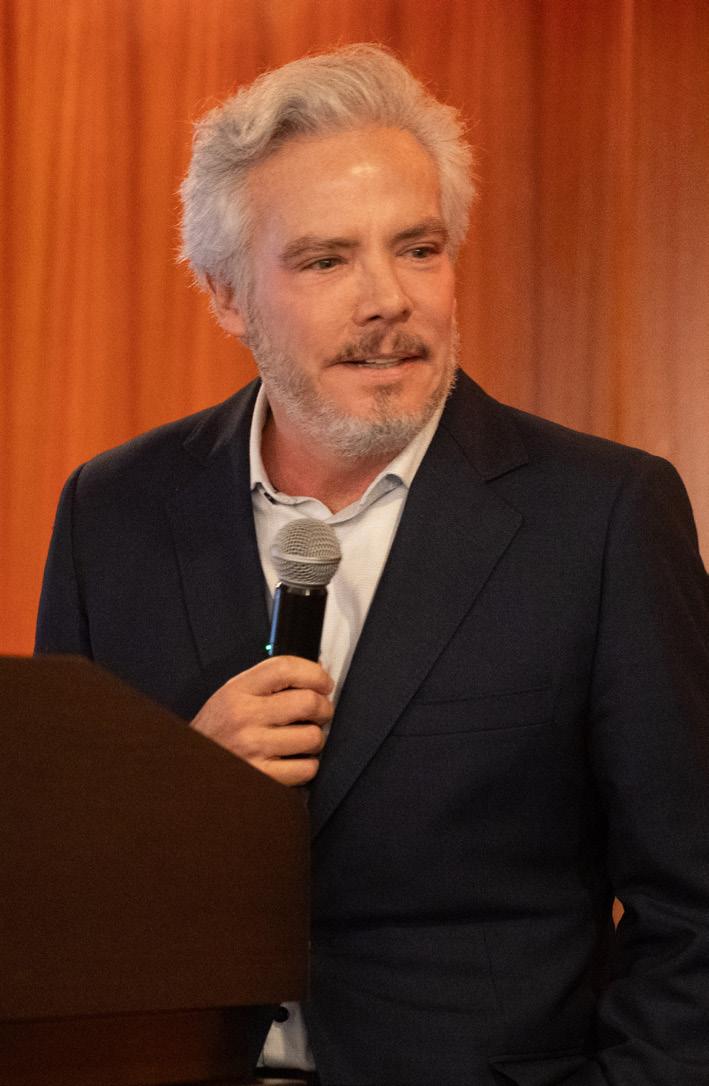
“There was resistance at first, but now it’s widely accepted that absorbable material works just as well as ADM.”
Another pivotal moment came in the early 2000s, when former ASMS President Bahman Guyuron, MD, visited Boston and introduced Dr. Austen to migraine surgery.
“I mainly knew Bahman as a very famous cosmetic surgeon – but all he wanted to talk about was his headache patients,” Dr. Austen recalls. “The idea that surgery could eliminate pain was fascinating.”
Dr. Austen became an early adopter of migraine surgery, ultimately building one of its
leading clinical research programs, with a database of more than 2,000 patients and numerous seminal publications.
These achievements culminated in Dr. Austen receiving The PSF Distinguished Career Researcher Award at Plastic Surgery The Meeting in New Orleans in 2025 alongside his mentor and colleague, Dr. Guyuron.
“It was such an honor to stand on the stage and receive such a significant award next to someone who had such an impact on my career” Dr. Austen says.
According to his peers, this award is well deserved. The PSF immediate-past President Alan Matarasso, MD, notes Dr. Austen’s focus on advancing patient care through innovation sets him above colleagues in several ways.
“For decades, Jay has been a driving force Massachusetts General Hospital and Harvard Medical School,” Dr. Matarasso says. “Jay also holds Harvard’s prestigious Sumner Redstone Professorship and over his career, he’s published more than 200 peer-reviewed articles, secured major research funding and presented widely. His work also has led to more than 20 patented technologies and the founding of numerous companies – all aimed at advancing patient care.”
ASPS past President Jeffrey Janis, MD, Columbus, Ohio, says Dr. Austen’s versatility has paid off in myriad ways for plastic surgery at large.
“Some people establish themselves by narrowly focusing their clinical activity and research interests in one specific topic, but Dr. Austen has established himself across a broad buffet of topics,” Dr. Janis tells PSN. “He’s incredibly approachable, very innovative and has his fingers in a lot of pots – and whatever he touches turns to
Continued on page 26
By Kaibrea Durham, BA
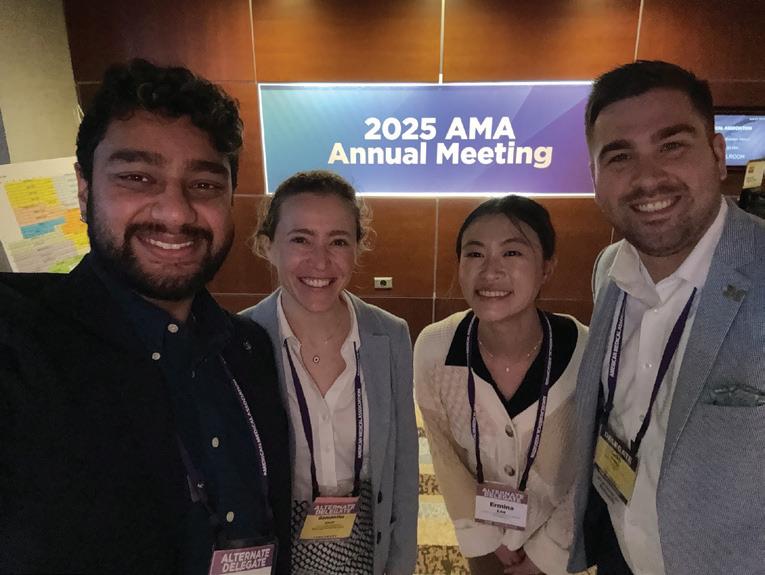
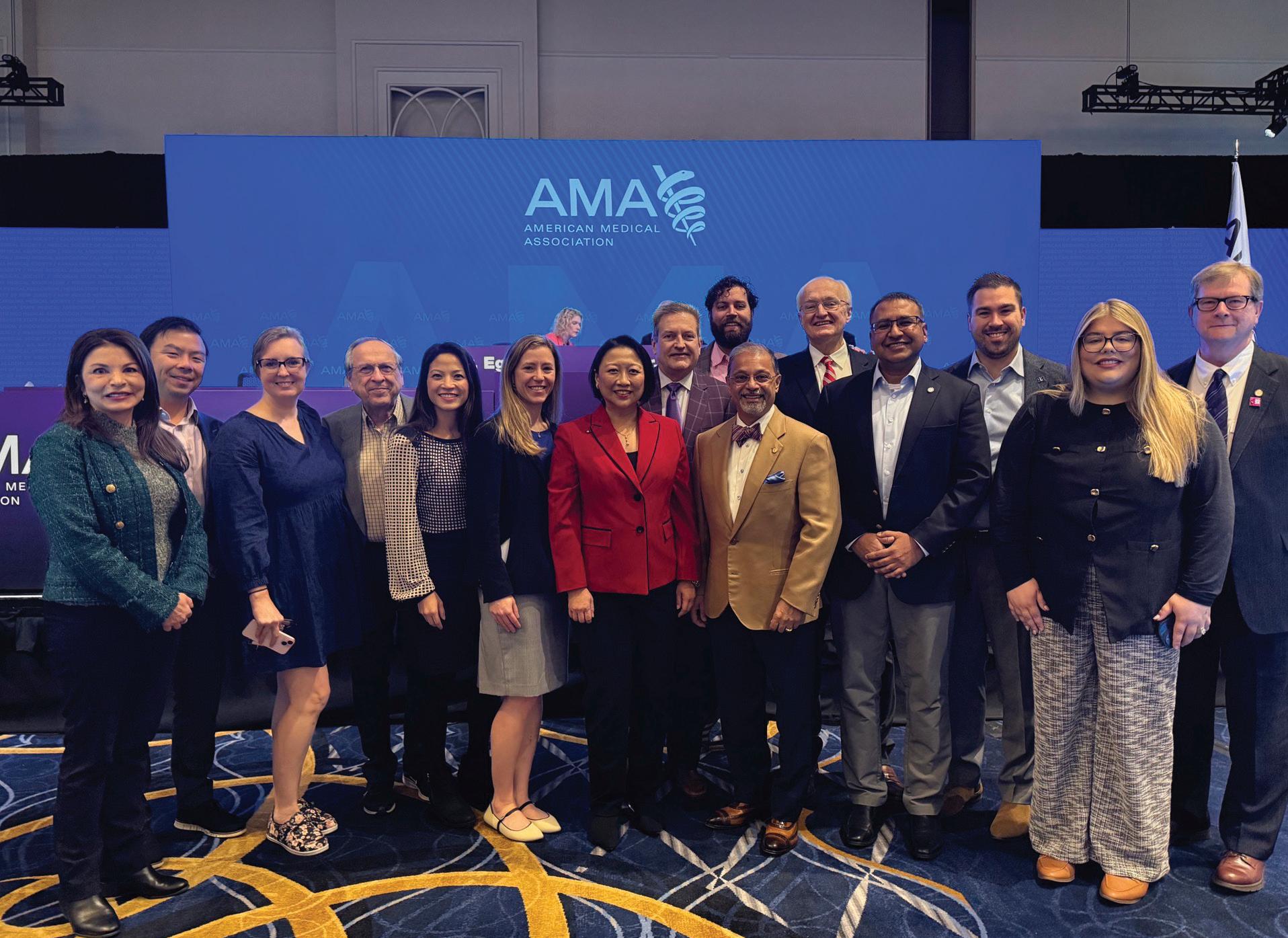
There’s an old saying that if you’re not at the table, you could be on the menu. A recent debate in the AMA’s House of Delegates is a prime example of the importance of plastic surgeons showing up
At the November meeting, delegates considered a proposal aimed at addressing the growing financial pressures facing independent physicians. Although well-intentioned, the proposal conflicted with the federal No Surprises Act – a law that has strengthened patient protections while providing plastic surgeons a structured process to resolve payment disputes with insurers.
Due to the fact that plastic surgeons were present and engaged in House debate, delegates from ASPS were able to raise concerns in real time. They explained how the proposal would function in practice and why, as written, it risked undermining existing protections. The resolution was referred for further study rather than adopted outright. That pause mattered. Without specialty input, a policy designed to help physicians could have unintentionally weakened pro -
ASPS
tections that plastic surgeons fought to secure and rely on every day, with real consequences for practices and patients.
This instance highlights a broader reality within organized medicine: Outcomes are
A quick look at some of the work ASPS did in January to advocate on behalf of the specialty at the state level.


voices ASPS can bring into the room – is directly tied to AMA membership. This fall, ASPS will undergo its five-year AMA membership review, which will determine how many seats the Society retains in the HOD and, by extension, how many plastic surgeons are in the room.
shaped by who is – and who is not – in the room.
The AMA is the largest physician organization in the country and the most influential healthcare lobbying force on Capitol Hill. The positions adopted by the AMA House of Delegates (HOD) do not stay on paper – they shape lobbying strategy, inform conversations with lawmakers and influence how legislation and regulation take form in Washington, D.C. When the AMA speaks, Congress and federal agencies listen.

In Indiana, ASPS initiated a grassroots alert and submitted testimony cosigned by the Midwestern Association of Plastic Surgeons and the Ohio Valley Society of Plastic Surgeons in support of legislation that would expand access to breast reconstruction options. The bill did not receive a hearing in its assigned committee, so it has likely stalled for the remainder of the regular session – but ASPS is working with the sponsor’s office toward a reintroduction during the 2027 fiscal session.
ASPS worked with the New Jersey Society of Plastic Surgeons to distribute a grassroots alert against legislation that would authorize advanced practice nurses with more than 24 months or 2,400 hours of active clinical practice to practice independently without the need for a joint protocol or a collaborating physician. For several years, the state has seen a proliferation of medical spas opening without any physician involvement. This bill is in direct response to an executive order that recently ended the state’s COVID-19 emergency, thus reinstating the collaboration requirement.
As a member of the SUNucate Coalition, ASPS signed on to a letter of support for legislation in New Hampshire that would allow students to possess and use a topical sunscreen without a physician’s note or prescription while on school property, at a school-related event or at recreation camps.
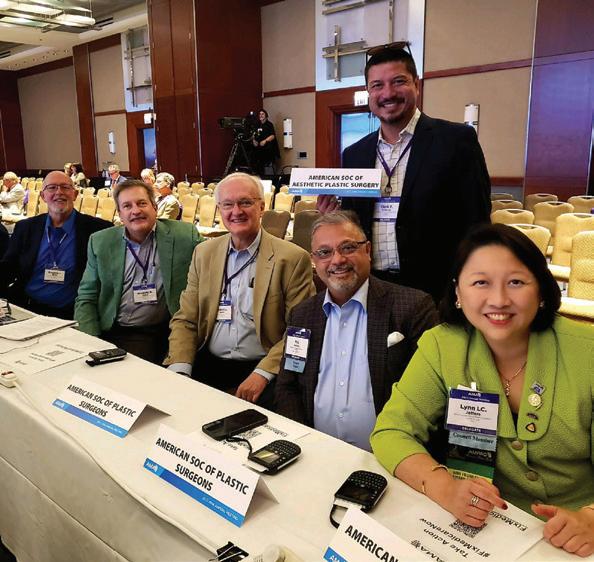
Each year, ASPS sends a delegation of plastic surgeons to the HOD to speak, vote and advocate on behalf of the specialty. Those delegates listen in on reference committees, speak during floor debate and vote on policies that affect medical practice broadly and plastic surgery specifically. Their job isn’t theoretical. Their job is to prevent bad policy from becoming settled policy – and to help good policy move forward.
The size of that delegation – how many
PCurrently, ASPS holds three delegate seats, supported by three alternate delegates – but we are close to something more. With approximately 100 additional dual ASPSAMA members, ASPS would become eligible for a fourth delegate seat. That additional delegate would mean another plastic surgeon in committee rooms and in debates, and another opportunity to stop problems before they’re locked in. Participation in the House of Delegates isn’t about winning every vote. It’s about not forfeiting the decision-making process. If plastic surgeons are absent, others will decide what works for us –often without understanding how those decisions play out in our practice. Choosing not to participate doesn’t insulate the specialty from those decisions. It simply removes our voice from the room.
We recognize that joining or renewing AMA membership is a real investment. For ASPS, AMA membership isn’t about endorsing every AMA position – it’s about maintaining representation. ASPS doesn’t participate in the AMA because we agree with every position it takes. We participate because we don’t. If agreement were guaranteed, presence would be optional.
We urge ASPS members to join or renew their membership in the AMA. Your AMA membership determines how many plastic surgeons ASPS can send to the HOD and ensures plastic surgery is heard when policy decisions are made. To join or renew AMA membership, visit member.ama-assn.org/join-renew PSN
lastyPAC, the bipartisan political action committee of ASPS, works to educate and influence Congress on issues that directly affect plastic surgery. As the largest voice for reconstructive and cosmetic surgery, PlastyPAC is grateful for the support of the following people whose contributions during January and February help play a key part in the specialty’s success on Capitol Hill
Alabama
Kitti Outlaw, MD
California
Debra Johnson, MDu
Florida
Alicia Billington, MD, PhDI
Kristina Buller, DOs Andrew Rosenthal, MDI Rajendra Sawh-Martinez, MD, MHSH Devinder Singh, MDI
Maryland
Kitae Park, MDn
Massachusetts
Theodore Calianos, MDI
Michigan
Christina Shabet, MDn
New York
North
Carolina
Mary Ann Contogiannis, MDI Lynn Damitz, MDH Luke Juckett, MDn Gregory Swank, MDJ
Ohio
Sonu Jain, MD
Anne Taylor, MDH Christiane Ueno, MDI
Texas
Warren Ellsworth IV, MDI Patrick Garvey, MD, MBAH Virginia Chris Campbell, MDu

Illinois
Arun Gosain, MDu
Louisiana
Holly Casey Wall, MDH
Richard Agag, MDI Jeffrey Ascherman, MDL Glenn Becker, MDu Keith Blechman, MDH
Scot Glasberg, MDI Evan Matros, MDI Diana Yoon-Schwartz, MDI
Pennsylvania Sean Li, MDs
Tennessee
Kent Higdon, MDs Ellis Tavin, MDI
By Amanda Taylor
When people think about practice management consulting in plastic surgery, the focus is often on private practices. When striving for lean teams, direct decision-making and clear financial incentives tend to make consulting feel like a natural fit. Academic and health system-based practices are often viewed differently – sometimes as too complex, too regulated or too slow moving for outside consultants to add value.
The reality is more nuanced. These environments present unique challenges, but there’s absolutely room for consulting and, in many cases, a real need for it. In fact, it can be highly effective when expectations are aligned from the start. Academic and health system-based practices are often motivated to improve the patient experience, increase operational efficiency and thoughtfully grow their cosmetic and non-surgical offerings. These goals align well with the core strengths of experienced plastic surgery consultants.
Experience working with academic and health system-based plastic surgery practices reinforces both the opportunities and the limitations of consulting in this space. PS2, an ASPS practice management consulting company, supports these types of practices through focused, practical engagements – including recruiting, targeted coding reviews, plastic surgery department startups and facility fee analyses. In each case, the work was designed to fit within institutional structures rather than push against them.
Consulting tends to work best in areas that touch workflow, staffing, patient access and strategic planning rather than areas driven primarily by payer contracting and reimbursement negotiations.
Where consulting adds value
Institutions that engage consultants typically want support in areas such as:
• Improving the cosmetic patient journey within a system designed primarily for insurance-driven care
• Streamlining clinic flow and scheduling across O.R., ASC and office-based settings
• Supporting department or service line startups
• Evaluating staffing models and recruiting talent specializing in plastic surgery
• Performing targeted coding reviews with practical, plastic surgery-focused guidance to improve accuracy and compliance
• Analyzing facility fee structures by site of service to understand how fees compare to industry benchmarks
These initiatives directly impact patient satisfaction, access to care and the long-term sustainability of the department.
Of course, consulting in this environment is not without friction. Approval processes are often layered and slow. Recommended improvements can meet pushback – especially if they challenge longstanding workflows or cultural norms. Resources may be limited or already allocated, making implementation more gradual than in private practice settings.
In addition, many academic and health system-based practices operate under global or bucketed reimbursement models, which limit the ability of consultants to directly influence payer contract negotiations.
Renegotiating payer contracts is typically outside the scope for academic and health system-based practices, but consultants can still provide meaningful financial insight through analysis and benchmarking – reviewing top billed CPT codes, analyzing current contracted rates, comparing those rates to regional or national benchmarks or identifying underperforming service lines or sites of service. This type of analysis helps departments understand where they stand relative to industry norms
and provides leadership with data to support internal discussions and long-term planning.
The most successful consulting relationships in academic and health system-based plastic surgery practices are grounded in realism. Progress often happens incrementally.
That said, for institutions committed to improving patient experience, operational efficiency and thoughtful growth of cosmetic and self-pay services, consulting can be a powerful tool. The key is choosing a consultant who understands plastic surgery specifically and appreciates the structure and constraints of complex health systems. Consulting in this space is not about forcing a private-practice model – it’s about helping these practices function more effectively within the systems they already operate, while positioning them for sustainable growth.
A good consultant will meet you where you
are, help define goals and work with your staff and systems to drive better results. They can lead productive conversations, uncover missed opportunities and help focus efforts in the right direction to support growth.
Before reaching out to a consultant, academic and health system-based plastic surgery practices benefit from having internal conversations to clarify whether consulting support is needed, what success should look like and whether the environment is ready for change.
It is also important to define the expected benefits of engaging a consultant. Establishing realistic goals, timelines and measures of success upfront helps prevent frustration and misaligned expectations. Consultants can rec-
ommend improvements, but implementation depends on internal support. Practices should consider whether leadership is prepared to champion change, allocate resources and navigate internal approvals. Without this, even well-designed recommendations can stall.
Engagements are most successful when expectations are clearly defined and when leadership is aligned around achievable goals. Progress may be incremental, but improvements in patient experience, operational efficiency and financial clarity can still be meaningful.
For academic and health system-based plastic surgery practices willing to assess their needs honestly and engage thoughtfully, consulting can serve as a valuable resource, not as a onesize-fits-all solution, but as a strategic partner focused on sustainable improvement.
For more information, visit ps2pm.com PSN
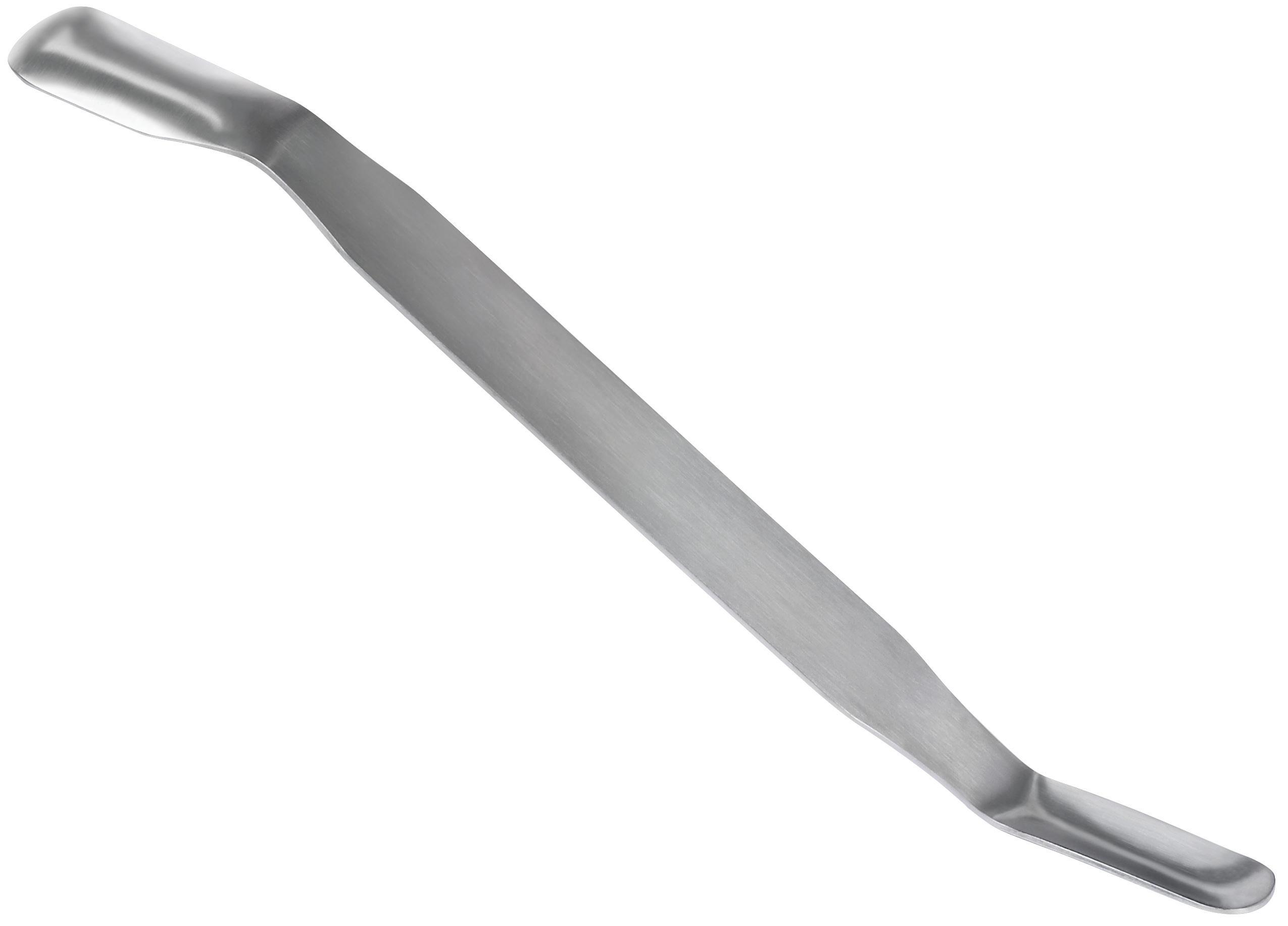
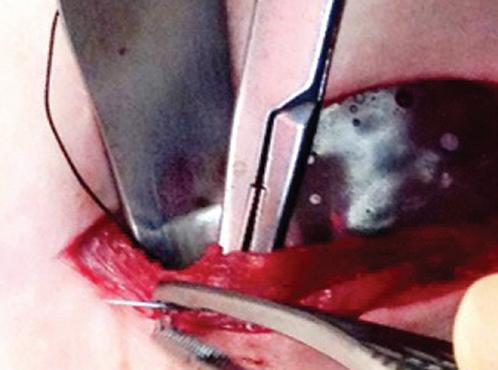
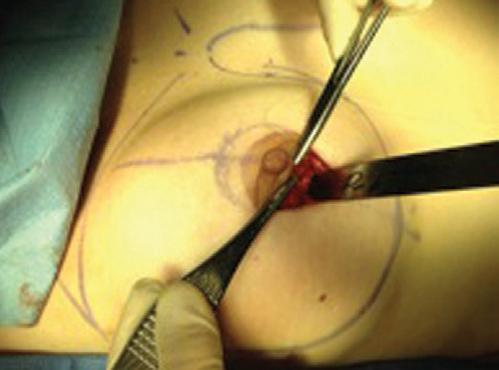
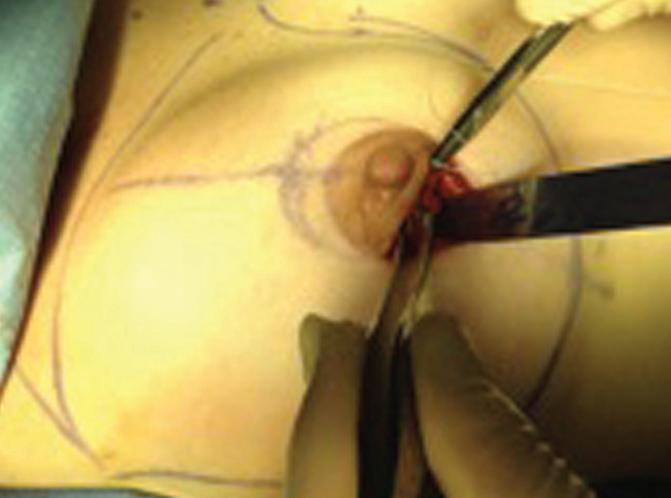
l Designed to facilitate closure of the tissues over a prosthesis.
l This Retractor simplifies exposure and eliminates accidental implant damage when suturing acellular matrix in tissue expander or immediate breast reconstruction
l Prevents accidental damage to saline filled implants.
l The Levine Breast Retractor & Implant Protector is useful in all breast prosthetic procedures including augmentations, as well as reconstructions.


By Jarrod Bogue, MD
Four years into academic practice, I’m still very much in the process of building –building my clinical practice, building trust with patients and referring physicians and building my identity as a surgeon, educator and mentor. At the same time, I’ve chosen to remain actively involved in global surgery. It has been one of the most meaningful aspects of my career so far – and also one of the most challenging.
As a young attending, time feels like the most limited and precious resource. Every week away from my practice carries consequences –clinics must be rescheduled, operative blocks rearranged. When you’re early in practice and still establishing your surgical volume and referral base, stepping away can feel risky. There’s a constant, quiet pressure to be present, available and productive. Taking time away for clinical work not related to my full-time job can feel like working against that momentum.
My interest in global surgery began during residency, when I traveled to Kathmandu, Nepal, with ReSurge International. What stood out immediately was that the trip was not designed around case volume and referral patterns. Instead, it centered on education and partnership. We worked collaboratively with local surgeons on a smaller number of complex cases, spending long hours side-by-side in the O.R. Teaching was reinforced with structured didactics, simulation

difficult to coordinate early in practice.
• Hands-On
The transition from resident to faculty made those challenges clear very quickly. Like many junior faculty members, I was balancing clinical growth, board collection, research responsibilities and resident education. Adding international travel to that mix required careful planning and honest self-reflection. Scheduling
with expert faculty
• Access to Recorded Sessions following the meeting
• Pre-symposia covering Rhinoplasty, Migraine Surgery, Hot Topics and the Senior Residents Conference
• Social Events and Networking and so much more!

cases around trips abroad is difficult and there are inevitable trade-offs. There’s lost operative time, disrupted clinic flow and the mental load of knowing your absence affects all aspects of your practice.
What has made continued involvement possible for me is supportive leadership. Our division chief at Columbia University, Christine Rohde, MD, MPH, has been incredibly supportive of my global surgery efforts. She herself is deeply involved in global surgery through The PSF’s Surgeons in Humanitarian Alliance for Reconstruction, Research and Education (SHARE) Program and understands both the value of this work and the realities of making it happen as a practicing surgeon. Having a leader who not only supports global surgical education but actively participates in it has been paramount. That support sends a clear message: This work is not peripheral to academic medicine, but rather part of our mission. With that encouragement, I have traveled twice to Addis Ababa, Ethiopia, to teach reconstructive microsurgery. Each trip required coordination, flexibility and thoughtful communication with my team and my patients. Each trip also reaffirmed why I believe this work is worth the effort. The focus has remained on education – performing cases collaboratively, teaching intraoperatively and strengthening local training programs so progress continues long after we leave.
These experiences have without a doubt made me a better surgeon and educator. Operating in resource-limited settings forces efficiency, adaptability and clarity of thought. Teaching complex concepts to an audience with a diverse training background fortifies your own understanding. Just as importantly, the relationships formed through this work are deeply meaningful, professionally grounding and increase the lasting impact of a mission trip.
As a resident, I assumed global surgery was something I would return to later in my career, once my practice was fully established. That assumption is wrong. Early career may not be the easiest time to engage in global surgery, but it can be one of the most formative. The challenges are real, and the trade-offs should be acknowledged honestly. With the right mentorship, institutional support and an education-centered approach, however, global surgery can be both feasible and deeply rewarding for young attendings.
For me, global surgery isn’t separate from my work at home – it enriches it. It reminds me why I chose academic medicine in the first place and reinforces the importance of teaching, collaboration and service. With supportive leadership and thoughtful partnerships, it’s possible to pursue global surgery early in one’s career in a way that’s responsible, sustainable and profoundly worthwhile. YPS
Dr. Bogue is is an assistant professor of surgery in the Division of Plastic Surgery at Columbia University Medical Center in New York. He is also the YPS Perspectives section editor for PSN
By Rajiv Parikh, MD, MPH
Iwas fortunate to be exposed during training to visiting surgeons from around the world. At the time, though, I assumed those international relationships only existed for the most senior or well-established surgeons. Initially, it felt distant and somewhat out of reach. However, as a young plastic surgeon, I’ve learned that this isn’t the case.
International relationships can be built at any stage – and some of my most impactful and enjoyable personal and professional experiences have come from relationships with colleagues outside the United States. These relationships can be developed early through curiosity, openness and simple conversations. By sharing cases, learning different ways to approach familiar problems and spending time together in O.R.s, at meetings and in different cities around the world, these connections have brought perspective and humility to my practice and joy to my early career.
What I value most about these relationships is how much they broaden the way I think about my work. My practice is focused on reconstructive microsurgery in an academic center, but I believe this openness to an exchange holds true for all young plastic surgeons – regardless of subspecialty or practice model. Seeing how colleagues practice in different healthcare systems, navigate practice-building and/or manage complex problems – often with different resources or constraints – has challenged many of my assumptions and led to immense growth. Furthermore, many of our international colleagues push the boundaries in their field with cutting-edge techniques and leveraging technology to innovate. Learning from these colleagues and introducing some of these innovations locally enhanced my
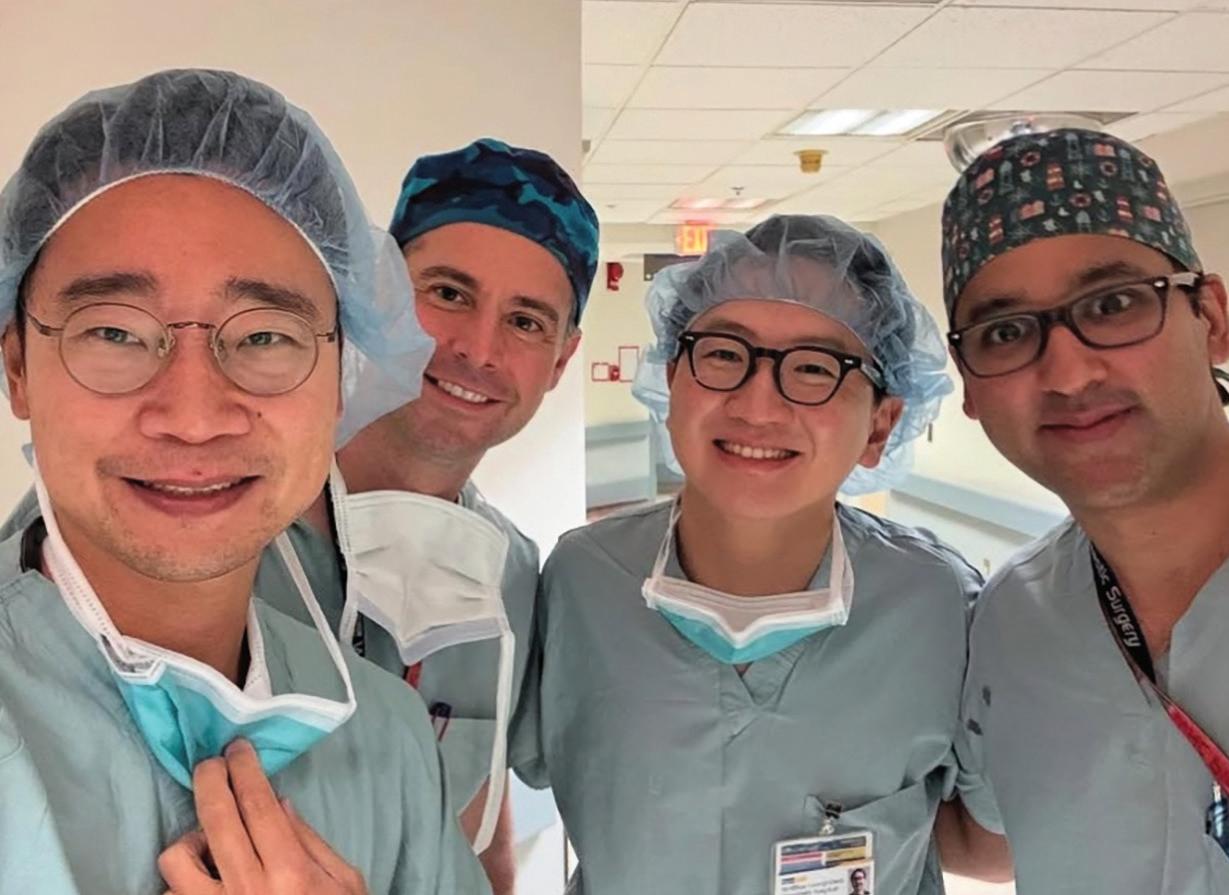
clinical practice, improved patient outcomes and created unique growth opportunities. For young plastic surgeons who are interested in building these connections, I can offer the following perspective: Most of these international relationships did not start in any formal or strategic way. They began with simple conversations after a lecture, a shared interest in a technique or a follow-up message after meeting at a conference. Connecting with colleagues at a similar stage of their career and with similar cases is an authentic way to grow
together. There may be some initial reticence to approach someone you don’t know personally, but I’ve been encouraged by the fact that almost all our colleagues love talking about their work and getting to know people who do similar work. I have learned that being approachable, curious and willing to stay in touch matters the most. Small efforts – checking in periodically, sharing an article or congratulating a colleague on a milestone – often lead to long-standing professional relationships that feel more like friendships than networking.
Hosting and visiting international surgeons has also proven to be especially meaningful. In many cases, international colleagues are visiting the United States for meetings or other engagements. Bringing them to your practice or institution during the same visit is simply a matter of logistical coordination. In the past year, we were honored to host several friends from Korea. We then had the privilege of visiting Seoul later in the year and seeing our friends and colleagues in their hometown. Inviting colleagues into the O.R. or educational conferences creates space for honest conversations about decision-making, workflow and training, while traveling abroad has allowed me to step out of my routine and simply observe, listen and learn. Many of these visits are marked by laughter, shared meals and cultural exchange that extends well beyond the hospital. These experiences add richness to my career and become some of the memories I value most from early practice.
For young plastic surgeons, international collaboration offers far more than academic opportunity. It brings connection, perspective and a sense of belonging to a global community that shares the same challenges and passions. These relationships develop slowly and organically – built on authenticity and reliability –and they often provide support and inspiration at key moments in a career. For me, staying connected with colleagues around the world has not only made me a better surgeon, it has made the journey more enjoyable, more grounded and far more meaningful. YPS
Dr. Parikh is a plastic surgeon at MedStar Washington Hospital Center and Georgetown University School of Medicine in Washington, D.C.
By Sara Neimanis, MD
At the risk of sounding like one of those “Who saved who?” bumper stickers that are popular with animal rescues –and with absolutely no disrespect intended – I can’t talk about my experience with surgical mission work without emphasizing its impact on patients and myself.
My first exposure to this type of work was a cleft mission trip during my fourth year of residency. I was nearly certain at that time that I wanted to pursue pediatric craniofacial surgery as a career. My week in Mexico with Clint Morrison, MD, and the team from Advent Health Sharing Smiles affirmed my love for cleft surgery and the population affected by cleft. However, those weren’t my only takeaways. Since starting my pediatric/craniofacial practice in 2021, I’ve spent roughly two weeks per year in Mexico and Guatemala, repairing cleft lips and palates and performing revisions with Sharing Smiles and HUGS Foundation. I plan to continue this work as long as I’m needed.
Through my involvement in these trips, I’ve learned to be a technically better cleft surgeon. I repair cleft lip and palate at home for patients age 4-10 months, respectively. For particularly wide clefts, I can have patients start nasoalveolar molding. However, kids and sometimes
adults who live in countries with limited access to care can show up at any time and in any condition. I’ve repaired some wide and complex clefts in patients much older that I’m used to in my own practice. When parents in Rochester ask if I’ve ever seen a cleft like their child’s, my answer is almost always yes. I’m more confident in my skills because I’ve been able to help patients with challenging cases in other parts of the world.
I’ve also changed how I do procedures at home based on results abroad. Although I was trained to do mostly straight-line cleft palate repairs and double-opposing Z-plasty was typically reserved for submucous clefts or revisions, I started using Z-plasty techniques and buccal fat flaps more frequently on mission trips for all palates because I felt like giving these kids the longest, most robust palate possible was important. Many of these patients wouldn’t ever have the opportunity for speech surgery if needed. With that in mind, why would I not give my patients at home the best results possible as well? Since honing this technique abroad, everyone at home gets my personal best palate repair, Furlow +/- buccal fat, as well.
My time performing mission work has also made me come to see how wasteful we are. Having to pack and order everything needed for surgery makes you realize what’s actually
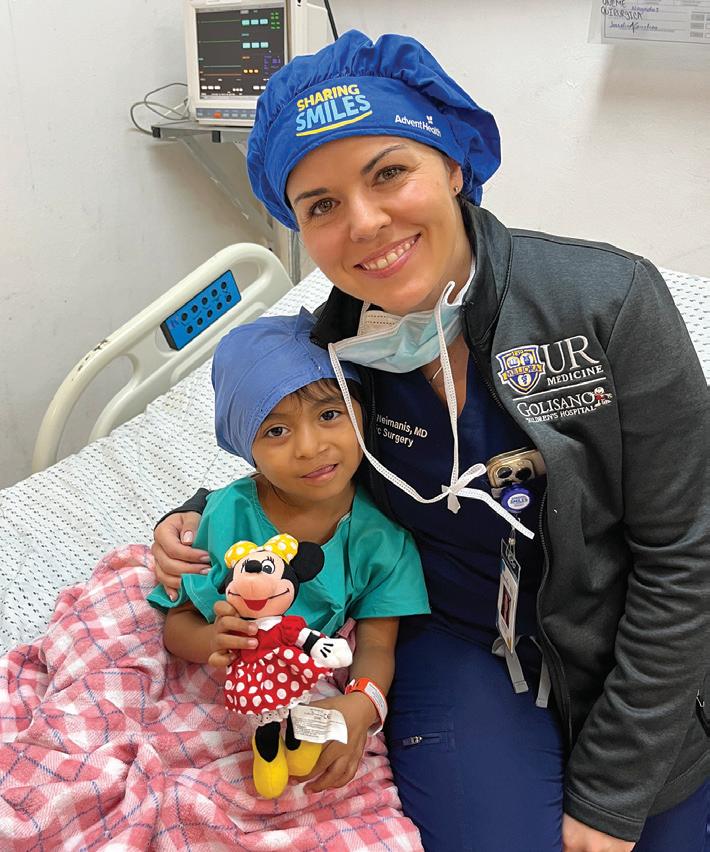
Dr. Neimanis with a patient on a Sharing Smiles trip to Mexico.
important to get the job done. Cleft surgery is not sterile. The many towels and drapes and gowns that get used and thrown away are probably unnecessary. Mylar blankets are cheap and much smaller for packing than other warming devices. I only need about 20 percent of the instruments in the pan.
Dr. Morrison and I both use one type of su-
ture (shout-out 4-0 vicryl on a TF) for a palate from start to finish both at home and abroad, because we realized that’s all we need. We also try not to use more than four of them per case. Packing many types of sutures takes up room and has a higher cost. Those of us in academics and employed by hospitals don’t always think about waste – but there are changes we can make to reduce it, both for cost efficiency and the environment.
Perhaps most importantly, mission work makes me a happier doctor. It’s easy to get jaded by patient dissatisfaction, Google reviews, the looming threat of lawsuits and any other number of frustrations we face as plastic surgeons. Mission work reminds me why I love what I do. It takes away the parts of medicine that wear me out and introduces me to wonderful, appreciative people who are happy I’m there to take care of them or their child. They don’t know me. They really don’t even know whether I’m a good surgeon. Nevertheless, they trust me and hand me their babies and pray for me and thank me.
If that’s not a good reason to do this type of work, I don’t know what is. YPS
Dr. Neimanis is an assistant professor of plastic surgery at University of Rochester in New York.

In preclinical studies, AlloDerm™ RTM was shown to minimize inflammation, enable rapid revascularization and fibroblast repopulation, and transition into host tissue instead of forming scar tissue.1-4*

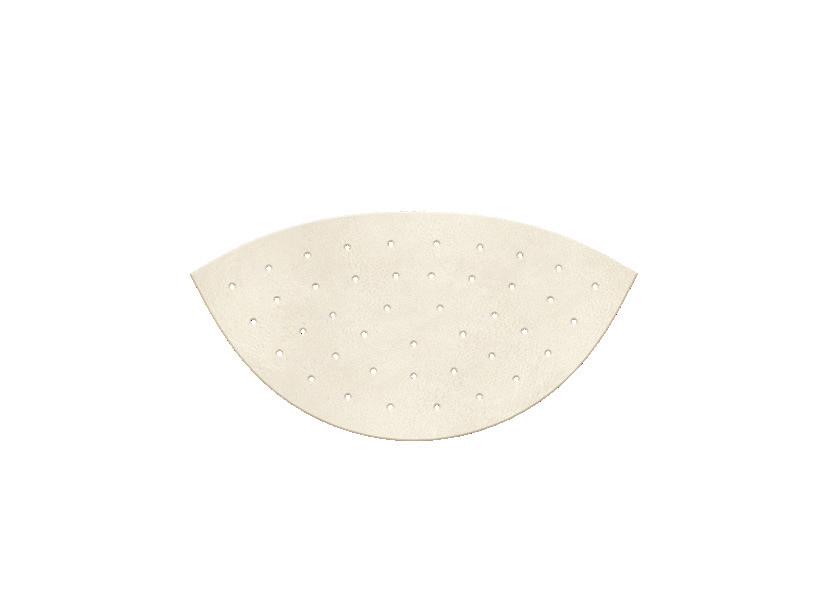
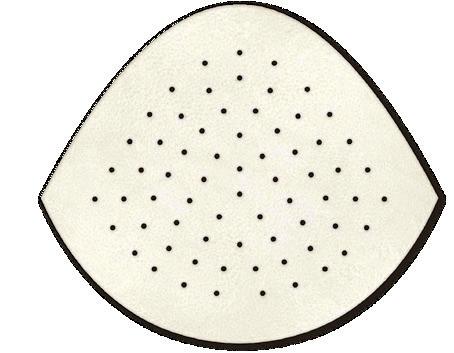
With over 4 million implantations and more than 1000 scientific* and clinical publications, AlloDerm™ RTM is the most-used, most-studied ADM by far.5-7 And our portfolio has blossomed into the industry’s most extensive, with 32 sizes, 5 thicknesses, and 3 shapes to fit your needs.8
*Correlation of these results, based on animal studies, to results in humans has not been established.
INDICATIONS
ALLODERM SELECT™ Regenerative Tissue Matrix (ALLODERM SELECT™ RTM refers to both ALLODERM SELECT™ RTM and ALLODERM SELECT RESTORE™ RTM products) is intended to be used for repair or replacement of damaged or inadequate integumental tissue or for other homologous uses of human integument. ALLODERM SELECT™ RTM is intended for use in post-mastectomy breast reconstruction surgical procedures where the use of the acellular dermal matrix (ADM) is considered homologous, such as managing a potential skin defect created from harvesting tissue for use in autologous tissue reconstruction. Examples of uses in post-mastectomy breast reconstruction not considered homologous include use of an ADM to form an extension of the submuscular pocket for placement of a breast implant or tissue expander, and use to prevent expander or implant extrusion, or to constrain the expander or implant in the correct position. This product is intended for use in one patient, on a single occasion. ALLODERM SELECT™ RTM is not indicated for use as a dural substitute or intended for use in veterinary applications.
IMPORTANT SAFETY INFORMATION
CONTRAINDICATIONS
ALLODERM SELECT™ RTM should not be used in patients with a known sensitivity to any of the antibiotics listed on the package and/or Polysorbate 20.
WARNINGS
Processing of the tissue, laboratory testing, and careful donor screening minimize the risk of the donor tissue transmitting disease to the recipient patient. As with any processed donor tissue, ALLODERM SELECT™ RTM is not guaranteed to be free of all pathogens. No long-term studies have been conducted to evaluate the carcinogenic or mutagenic potential or reproductive impact of the clinical application of ALLODERM SELECT™ RTM.
DO NOT re-sterilize ALLODERM SELECT™ RTM. DO NOT reuse once the tissue graft has been removed from the packaging and/or is in contact with a patient. Discard all open and unused portions of the product in accordance with standard medical practice and institutional protocols for disposal of human tissue. Once a package or container seal has been compromised, the tissue shall be either transplanted, if appropriate, or otherwise discarded. DO NOT use if the foil pouch is opened or damaged. DO NOT use if the seal is broken or compromised. DO NOT use if the temperature monitoring device does not display “OK”. DO NOT use after the expiration date noted on the label. Transfer ALLODERM SELECT™ RTM from the foil pouch aseptically. DO NOT place the foil pouch in the sterile field.
PRECAUTIONS
Poor general medical condition or any pathology that would limit the blood supply and compromise healing should be considered when selecting patients
for implanting ALLODERM SELECT™ RTM as such conditions may compromise successful clinical outcome. Whenever clinical circumstances require implantation in a site that is contaminated or infected, appropriate local and/or systemic antiinfective measures should be taken.
ALLODERM SELECT™ RTM has a distinct basement membrane (upper) and dermal surface (lower). When applied as an implant, it is recommended that the dermal side be placed against the most vascular tissue. Soak the tissue for a minimum of 2 minutes using a sterile basin and room temperature sterile saline or room temperature sterile lactated Ringer’s solution to cover the tissue. If any hair is visible, remove using aseptic technique before implantation.
ALLODERM SELECT™ RTM should be hydrated and moist when the package is opened. DO NOT use if this product is dry. Use of this product is limited to specific health professionals (eg, physicians, dentists, and/or podiatrists). Certain considerations should be made to reduce the risk of adverse events when performing surgical procedures using a tissue graft. Please see the Instructions for Use (IFU) for more information on patient/product selection and surgical procedures involving tissue implantation before using ALLODERM SELECT™ RTM.
ADVERSE EVENTS
Potential adverse events which may result from surgical procedures associated with the implant of a tissue graft include, but are not limited to, the following:
wound or systemic infection; seroma; dehiscence; hypersensitive, allergic or other immune response; and sloughing or failure of the graft.
ALLODERM SELECT™ RTM is available by prescription only.
For more information, please see the Instructions for Use (IFU) for ALLODERM SELECT™ RTM available at https://hcp.alloderm.com/ or call 1.800.678.1605.
To report an adverse reaction, please call Allergan Aesthetics at 1.800.433.8871.
References: 1. Xu H, Wan H, Sandor M, et al. Host response to human acellular dermal matrix transplantation in a primate model abdominal wall repair. Tissue Eng Part A. 2008;14(2):2009-2019. 2. Harper JR, McQuillan DJ. Extracellular wound matrices: a novel regenerative tissue matrix (RTM) technology for connective tissue reconstruction. Wounds. 2007;19(6):163-168. 3. Data on file, Allergan; Study Report LRD-2010-04-005. 4. Data on file, Allergan; Study Report LRD-2012-05-006.
5. Data on file, Allergan Aesthetics, AlloDerm Global Product Sales 2023. 6. Data on file, Allergan Aesthetics, LIS Publication Search performed May 2024. 7. Data on file, Allergan Aesthetics; iData MedSKU Hospital Purchasing Data. Q1’17–Q4’23. 8. Data on file, Allergan Aesthetics, 2022; Manual of competitive ADM sizes, shapes, thicknesses by brand, by company.
By Jim Leonardo
Editor’s note: The following is part of an ongoing series highlighting The PSF Research Grant Award winners, and research they’re conducting to improve patient safety and develop new technologies for plastic surgeons. These features examine research funding awarded prior to the current year, as projects to which grants were awarded this year may not yet have results ready to discuss.
Jana Dengler, MD, MASc, MHSc
Title: Assistant Professor, Division of Plastic and Reconstructive Surgery, Sunnybrook Health Sciences Centre, University of Toronto Award: PSF/ASPN Combined Pilot Research Grant
Project: Development of a Pa tient-Reported Outcome Measure for Nerve Injuries: NERVE-Q
PSN: What would you like to accomplish through the NERVE-Q?
Dr. Dengler: Our goal is to develop the NERVE-Q, the first comprehensive patient-reported out come measure for peripheral nerve injuries. Current tools are either too generic or too narrowly focused and none fully capture the unique combination of sensory loss, motor dysfunction, neuropathic pain, long and uncertain recovery, and the profound life impact of nerve injuries. The NERVE-Q is designed to measure what truly matters to patients: function, symptoms, appearance, psychosocial impact, work participation and overall experience of care. Ultimately, the NERVE-Q will allow clinicians and researchers to evaluate treatments in a standardized, scientifically sound way – and elevate the patient voice in clinical decision-making.
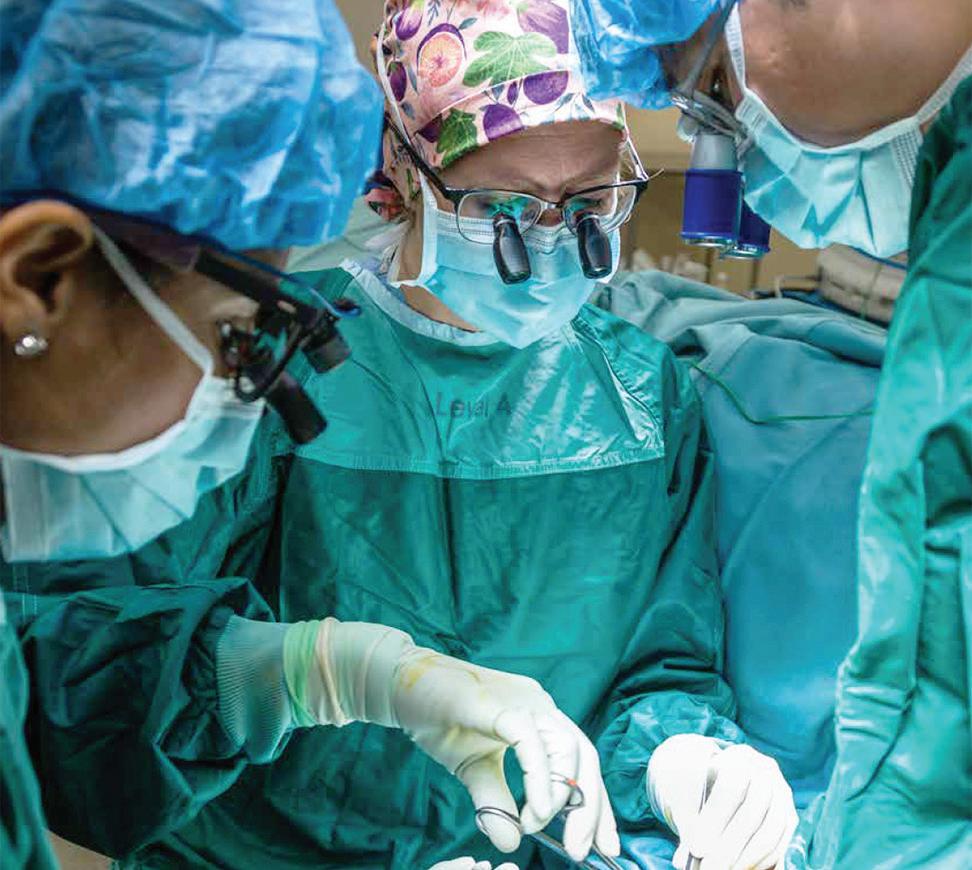
LYMPH-Q scales for relevance to nerve-injured populations, conducting qualitative interviews with patients, and engaging peripheral nerve experts internationally for iterative review in order to build a preliminary set of independently functioning NERVE-Q scales. We learned that patients consistently describe important concepts that current measures miss, especially around psychosocial impact and disrupted identity, long recovery timelines and functional uncertainty.
PSN: How far along are you in your work?
Dr. Dengler: With PSF support, we’ve completed Phase I, the qualitative foundational phase of PROM development. This included adapting existing HAND-Q, LIMB-Q and
PSN: What do you see as this project’s practical applicability?
Dr. Dengler: Once complete, the NERVE-Q will be usable in clinical care, research and health

PSN: Do you have any thoughts as to what’s behind that development?
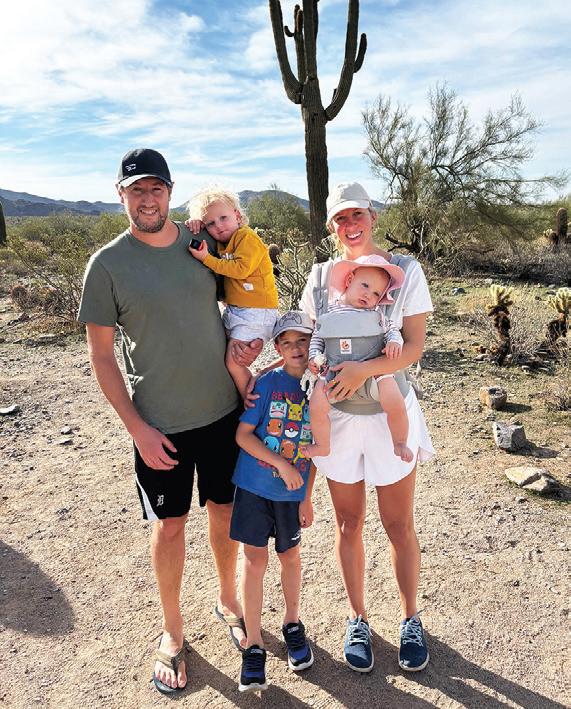
system evaluation. I hope that it will help guide treatment decisions, allow meaningful comparison of outcomes across interventions and give the nerve-injury community a standard, patient-centered way to measure success.
PSN: Has anything unexpected surfaced?
Dr. Dengler: Yes, one of the most unexpected findings was how deeply emotional and identity-shifting nerve injuries can be for patients. Participants described fear of permanence, frustration with slow and often unpredictable recovery, the cumulative fatigue of long-term therapy and feeling misunderstood by clinicians. These insights prompted us to build more robust psychological and social-function scales.
Dr. Dengler: Our hypothesis is that peripheral nerve injuries impose a unique combination of uncertainty, chronicity and loss of independence. Unlike many musculoskeletal injuries, recovery is prolonged, nonlinear and often invisible externally, which can create a sense of isolation. Additionally, the mismatch between objective measures (MRC grades) and subjective experiences (pain, clumsiness, sensory loss) may leave patients feeling misunderstood; newer nerve procedures such as nerve transfers and TMR/RPNI set high expectations, which heightens emotional investment in recovery; and many patients lose valued roles during recovery, amplifying psychological strain. These insights reaffirm that psychosocial constructs must be integral to the NERVE-Q.
PSN: Who helped out on this project?
Dr. Dengler: I’m grateful to Anne Klassen, DPhil, whose leadership in Q-PRO development has shaped every aspect of this work. I’m also grateful to Kristen Davidge, MD, MSc, for her collaboration; Dr. Davidge is leading development of the pediatric side of the NERVE-Q.
PSN: As a youngster, what did you want to be when you grew up?
Dr. Dengler: I went through several phases. At various times I dreamed of being a Hollywood actor, an interior designer, a food scientist, a university professor and a teacher. In hindsight, a lot of these roles involved creativity, communication and helping others understand the world; themes that still resonate with me today.
PSN: What’s been your favorite research project – except this one?
Dr. Dengler: One of the most meaningful projects I have been involved with (which I’m still working on) is my implementation and dissemination work to improve upper-limb function in individuals with cervical spinal cord injury. Breaking down barriers to ensure equitable access to specialized care has been incredibly motivating, and I’m passionate about making sure that transformative surgical options reach the people who need them.
PSN: How do you spend your time away from the lab?
Dr. Dengler: Home life is wonderfully full! I have three children (ages 8, 3 and 1) and a supportive husband. Most of my time outside of work is spent with my kids. They bring me so much joy. I also love curling up on the couch with a book, a cozy blanket and a cup of tea.
PSN: What sounds are heard in your O.R?
Dr. Dengler: When my speaker is actually charged (which, admittedly, isn’t often), I listen to a wide range of music, depending on the case and the mood. Some days it’s upbeat and energizing; other days it’s calm and steady. While music helps set the tone, silence is equally welcome when I need to focus.
For more information about the many research studies funded by The PSF or to support our current and future research initiatives, please go to ThePSF.org PSN
Over the past year and a half, Dr. Horton says she has worked with the media company that runs her website to optimize every internal page on the site for AI. Not so long ago, that company prioritized search-engine optimization (SEO). Now, she says, it’s all about AI optimization.
“It’s essentially the same thing, but it allows these AI tools that are looking for the same information – valuable education, the topics or procedures you’re known for, your credentials and so forth,” she says. “I can spend some time creating content – whether that’s a blog, a YouTube video that can be transcribed and searchable or a podcast. The more content you put out there, the more you establish yourself as an authority on the particular procedures that you want to be known for. If you have good-quality content that’s useful and adding value, AI will find you and push your name and information up when patients begin searching.”
Over the past few years, AI has worked its way into nearly every facet of society, and plastic surgery is no exception. The rapidly evolving technology has already demonstrated value in terms of work in the O.R., file management, clinical organization and diagnostic assistance. With it, of course, come lingering questions about keeping proprietary information about patients and practices secure and associated privacy concerns. It’s also bringing with it revamped marketing opportunities and the possibility of reestablishing the importance ASPS membership and other specialty-specific credentials, such as ABPS board-certification, in patient searches.
“Patients aren’t just Googling ‘best plastic surgeon near me’ anymore,” says ASPS past President Steven Williams, MD, Dublin, Calif. “They’re asking generative AI which surgeon has the right credentials, outcomes and reviews. They’re getting answers distilled from millions of data points in seconds. That means what lives online – our publications, ASPS credentials, patient reviews, even how we answer FAQs – is now shaping decisions through algorithms, not just human judgment.”
Eric Payne, MD, Houston, says the targeted results provided by AI could be a boon to plastic surgeons.
“Especially for those who have a specific niche in the market,” he says. “Google didn’t always filter through everything – it gave you a laundry list, whereas these AI tools take that laundry list and then categorize particular information. When I realized that, I immediately started working with my website development group and said, ‘We need to look at this and stay ahead of it – because if we don’t, we’re going to be left in the dust.”
During the PSN Presidents Forum in New Orleans during Plastic Surgery The Meeting 2025, ASPS President C. Bob Basu, MD, MBA, MPH, Houston, expressed optimism about how AI tools are reshaping the means by which patients find plastic surgeons. With constant frustrations surrounding scope creep
and having to repair procedures performed by non-plastic surgeons – and even in some cases, non-medical professionals – Dr. Basu says he understands the cynicism that some plastic surgeons feel in wondering whether messaging around board certification gets through to the general public. However, he says AI seems to understand the importance of that messaging.
“Generative AI increasingly pulls from authoritative sources, and the ASPS website –and board certification through ABPS – consistently carry the highest authority in these platforms,” Dr. Basu told the panelists in New Orleans. “Early data show that 60-70 percent of patients now use AI to find or validate their doctor. Those searches strongly emphasize the importance of choosing a board-certified plastic surgeon. Although some of our members might be frustrated, thinking board certification may not matter or patients may not care, I do think we’re going to start seeing the pendulum swing back. We must remain vigilant around privacy, liability and training requirements, but I’m optimistic. With thoughtful policy, strong ethics and continued education, ASPS can ensure plastic surgeons stay at the forefront of innovation while AI actually helps reinforce the value of our specialty and protects patients seeking safe, qualified care.”
In one way, the educational aspect of generative AI can seem reductive. Instead of a potential patient clicking through to a member’s website to watch a video or read a blog about a specific procedure, the patient in question can type their question into Google and get the AI-generated summary or answer to their query to breast augmentations, facelifts, rhinoplasty or any other procedure. However, that information is being seeded by the efforts that plastic surgeons put into said videos, blogs, podcasts and social media posts that help establish them as authorities on various topics.
“It’s an interesting shift – not that long ago we wanted to make our websites the go-to,” Dr. Horton says. “If somebody types ‘breast reduction in San Francisco,’ my website still might be the first one listed, but are they going to click through to my site for that information? No. They just look at the AI summary. So now it becomes a new challenge – how do you be strategic about providing good information and getting that to be incorporated into the AI summary?”
No sooner had some plastic surgeons got a handle on maintaining a website – let alone refining it for SEO purposes – the goalposts have moved again. This can be a continuing source of frustration for plastic surgeons who started and established their careers on the power of word-of-mouth, but Dr. Horton notes that maintaining authority in this new forum doesn’t need to become a second full-time job.
“Don’t just throw money at it,” she says. “Don’t just look for the flashiest company that offers to optimize your page or hire a high
school kid who seems to know what they’re doing on TikTok. There are experts out there who know how to manage online profiles and social media presence – the surgeon should still be the one to create the valuable educational content, but these consultants can help optimize the content for AI searches and make it eye-catching for social media.”
The Society’s own ASPS Connect platform can also help fortify a plastic surgeon’s online presence, as can having a “Find a Surgeon” listing on the ASPS website. Having a practice’s content in more places online and in social media increases the likelihood of AI surfacing that content in its responses. This becomes even more true if that content is on a recognized, reputable site such as plasticsurgery.org
ASPS members who have a Connect profile with nothing on it will see a note on their individual dashboard that leads to the “Enhanced Quick Start” page (also accessible via plasticsurgery.org/members/MyAccount/ EnhancedQuickStart.aspx). AI can use the data from that member’s account to generate the “intro” and “about” sections of the Connect profile. Members will get two options for each that can be edited before posting. These sections can also be edited or replaced at any time.
Members who already have content on their Connect profiles also have access to the AI Profile Optimizer, which can be found near the top of the page on the “Profile Management” screen. This tool uses AI to review your Connect profile and make recommendations for improvements.
“A social media presence, reviews, photos are all key,” Dr. Horton notes. “But what AI is looking for can change day-to-day, and we’re trained to be plastic surgeons – not necessarily web or social media experts. Our job is to stay up-todate with literature and science and to take care of our patients. That’s why consultants can help us stay up-to-speed on these other fronts.”
As with privacy concerns regarding patient and practice information fed into AI tools, the paradox of these tools potentially tipping patient searches into plastic surgeons’ favor is that they are simultaneously accelerating potentially unrealistic expectations on the part of those same patients.
ASPS member Roy Kim, MD, San Francisco, says that in addition to boosting board-certified plastic surgeons in searches and the tools that can help any plastic surgeons’ day-to-day operations (e.g., procedural planning and generating personalized, adaptive post-op instructions with clearer timelines, smarter reminders and guidance that adjusts to the patient’s recovery), more “dystopian” concerns remain.
“We’re close to flawlessly faked before-and-after photos – and eventually videos – that will be indistinguishable to real patients,” he says. “Verification, consent and strict standards will matter more than ever.”
Thanks to facial recognition software, plastic surgeons have already fallen victim to having their own likenesses used for fake videos advertising supplements and treatments they never authorized or providing erroneous advice on treatments. Although plastic surgeons know how to spot these fakes – and likely have a sharper eye for distinguishing unrealistic patient before-and-after photos – the consumer might not be as prepared.
The onus falls to the patient to become more vigilant in how they review these AI-generated images and videos – but it remains incumbent on plastic surgeons to lead in patient education efforts. The boost from AI tools to help establish authority and reiterate the importance of board certification is one thing, but for a realm that evolves as quickly as AI, plastic surgeons must be able to keep time with making sure patients have the best information at their fingertips.
“In terms of doing your homework, with board certification, the patient has to make sure what board it is,” Dr. Horton says. “Is it a board of cosmetic surgery? Is it a board of basket weaving? If you see an image that looks amazing, that’s great. Screenshot it. You could use that as a wish picture when you do – but that doesn’t mean it’s necessarily real or achievable, and we still will have to be able to explain that and why this ‘wish’ may or may not be realistic.”
“Ethical Considerations for Generative Artificial Intelligence in Plastic Surgery,” an article published in the June 2025 edition of PRS Global Open, highlights the fact that while generative AI has opened many doors for plastic surgeons from enhancing efficiency to clinical decision making and patient outcomes, it continues to raise at least as many concerns around misinformation, data breaches, biases and general misuse.
Although patients will need to still do their homework – even with easier, more targeted search tools available for their particular needs, Dr. Payne says these tools still require work and information from plastic surgeons.
“It’s on us to get the word out if we’re publishing and presenting – whether on the internet or in medical journals,” he says. “We need to continue to emphasize that patients will get the best outcomes from reputable plastic surgeons who are certfied by ABPS. Right now, AI might not yet be able to discern who’s the ideal or the safest – and there is the possibility that non-certified players can put information out to try to dilute that – but if we’re working together and establishing that authority, the AI engines will continue to discover and learn from that.”
Dr. Basu says ASPS – and plastic surgeons everywhere – need to remain mindful about the power and potential pitfalls of technology that’s still undergoing a rapid evolution.

“With AI-driven technology, unscrupulous providers can show results and entire patient journeys that are completely AI generated,” he says. “ASPS should lead in establishing ethical guidelines, consumer education and clarity around what is real and safe, reinforcing the Society as the trusted authority for patients.” PSN
For additional ASPS/PSF meeting information, visit the Meetings & Education page at www.plasticsurgery.org/meetings; e-mail registration@plasticsurgery.org; or call (800) 766-4955 / (847) 228-9900. Dates, locations and program information are subject to change without notice.
5
In-Service Self-Assessment Residents Exam
Online
Contact: (847) 228-9900
Web: plasticsurgery.org/exams
Directly provided by ASPS
5-8
Mountain West Society of Plastic Surgeons 11th Annual Meeting
Vail, Colo.
Contact: (847) 228-9900
Web: mwsps.org
Jointly provided by ASPS
13-14
2-5
American Association of Plastic Surgeons 104th Annual Meeting
Lihue, Hawaii
Contact: (978) 927-8330
Web: meeting.aaps1921.org
14-17
The Aesthetic Meet
Boston
Contact: (847) 228-9900
Web: theaestheticsociety.org
27-29
Global Plastic Surgery Congress 2026
Buenos Aires, Argentina
Contact: (847) 228-9900
Web: globalplasticsurgerycongress2026.com
Jointly provided by ASPS and SACPER

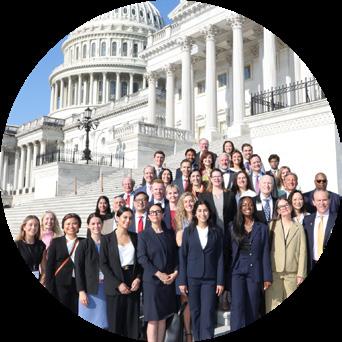
ASPS Plastic Surgery Coding Workshop
Online
Contact: (847) 228-9900
Web: plasticsurgery.org
Directly provided by ASPS
21
Northeastern Society of Plastic Surgeons Spring Meeting
New York
Contact: (978) 927-8330
Web: nesps.org
28-31
The Ohio Valley Society of Plastic Surgeons 69th Annual Meeting
Huron, Ohio
Contact: (216) 375-5025
Web: ovsps.org
5-7
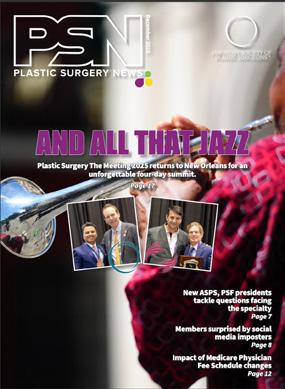

New England Society of Plastic and Reconstructive Surgeons Inc. 66th Annual Meeting
Kennebunkport, Maine

8-June 3
In-Service Self-Assessment Surgeons Exam
Online
Contact: (847) 228-9900
Web: plasticsurgery.org/exams
Directly provided by ASPS
8-11
Functional Diabetic Limb Salvage Washington, D.C.
Contact: (202) 451-6705
Web: dlsconference.com
10-12
California Society of Plastic Surgeons 76th Annual Meeting
Huntington Beach, Calif.
Contact: (978) 927-8330
Web: californiaplasticsurgeons.org/meeting
Contact: (603) 305-8946
Web: neplasticsurgery.org
10-Aug. 5
Life-Long Learning Exercise (L³E): Aesthetic In-Service
Online
Contact: (847) 228-9900
Web: plasticsurgery.org/exams
Directly provided by ASPS
18-20
Northeastern Society of Plastic Surgeons 43rd Annual Meeting
Boston
Contact: (978) 927-8330
Web: meeting.nesps.org
1-3
International Aesthetic & Plastic Surgery Meeting Dubai
Dubai, United Arab Emirates
Contact: +97143116323
Web: iamplast.com
The PSF’s excellence and leadership within the specialty depend greatly on the generosity of ASPS members. From annual gifts that make an immediate impact to endowed gifts that support future generations of plastic surgeons, contributions to The PSF serve as the catalyst of innovation for our specialty.
Last year, your generous contributions, professional achievements and selfless enthusiasm enabled The PSF to perpetuate its reputation as the most distinguished research foundation in the specialty. Thanks to your generosity, The PSF provided grant funding for investigator-initiated research projects, international scholars at U.S. plastic surgery institutions, distributed Breast Reconstruction Awareness Fund grants to U.S.-based charities and awarded Charitable Care Breast Reconstruction Awareness Fund grants to cover breast cancer surgical care costs for women who otherwise could not afford reconstruction. A total of 1,390 donations were made from Jan. 1 through Dec. 31, 2025.
Sapphire
Sherwood Smith, MD
Gregory M. Swank, MD
G. Patrick Maxwell, MD
Platinum
Amanda Gosman, MD
Christine Rohde, MD,
Diamond
Daniel J. Freet, MD
Daryl Hoffman, MD
C. Scott Hultman, MD, MBA
Gold
Ashley Amalfi, MD
Marguerite Barnett, MD
Chris Campbell, MD
Michelle Coriddi, MD
Karol Gutowski, MD
Alexandra Malave
Erik Marques, MD
Andrea Pusic, MD, MHS
Amy Wandel, MD
Sterling
Michael Bohley, MD
Steven Bonawitz, MD
Earl Campbell, MD
Holly Casey Wall, MD
Angela Cheng, MD
Eugene Cherny, MD
Mihye Choi, MD
R. Brannon Claytor, MD
Mimis Cohen, MD
Julia Corcoran, MD
Michael Costelloe
Richard D’Amico, MD
Joseph Dayan, MD
Sara Dickie, MD
Dina Eliopoulos, MD
Thomas Francel, MD
Katerina Gallus, MD
John E. Gatti, MD
Gayle Gordillo, MD
Arun Gosain, MD
Gregory Greco, DO
Matthew Greives, MD
Josef Hadeed, MD
David Halpern, MD
William Hoffman, MD
Karen Horton, MD, MSc
Kenneth C. W. Hui, MD
Debra Johnson, MD
K. Alex Kim, MD
Timothy Marten, MD
Tim Matatov, MD
Evan Matros, MD
G. Patrick Maxwell, MD
Aaron Mayberry, MD
Mark Migliori, MD
Paul B. Mills, MD
Adeyiza Momoh, MD
Andrea Moreira, MD
Lisa Murcko, MD
Michael Neumeister, MD
G. William Newton, MD
Linda Phillips, MD
Samuel Poore, MD, PhD
Alanna Rebecca, MD
Michael Reed, Esq.
James Romanelli, MD
Leonard Roudner, MD
Paul Ruff, IV, MD
Michele Shermak, MD
Nicole Sommer, MD
Leigh Spera, MD
Ann Taylor
Cristiane Ueno, MD
Victoria Vastine, MD
Peter Viebrock
Raj Vyas, MD
Libby Wilson, MD
Brian Andrews, MD
Alberto Aviles, MD
Nebil Aydin, MD
Harold Bautista, MD
Glenn Becker, MD
Sean Bidic, MD
Richard Bosshardt, MD
Paris Butler, MD, MPH
Theodore Calianos, MD
Avery C. Capone, MD
Aaron Capuano, MD
Paul Cederna, MD

Frank Agullo, MD
Jeffrey Ascherman, MD
C. Bob Basu, MD, MBA, MPH
Richard Baynosa, MD
Devra Becker, MD
Gunnar Bergqvist, MD
Nada Berry, MD
Maliniac Circle
The Maliniac Circle was named for ASPS co-founder Jacques Maliniac, MD. Fellows of the Maliniac Circle have made an outright gift of $50,000 or more, or a minimum deferred gift of $100,000, advancing plastic surgery to a higher level through research, innovation and public service. The following is a complete list of Maliniac Circle members. We thank them for their commitment to the specialty.
Dr. Bruce* and Tamara Achauer
Dr. John and Candese Alexander
Dr. Bernard and Susan Alpert
Drs. Darrick and Elizabeth Antell
Daniel Krochmal, MD
Neil Kundu, MD
Mark Labowe, MD
Janice Lalikos, MD
David Larson, MD
Bernard Lee, MD, MBA, MPH
H. Peter Lorenz, MD
Michele Manahan, MD, MBA
Dr. Stephan and Viviane Leao-Baker
Dr. Mark T. Boschert
Dr. Keith and Tina Brandt
Dr. Garry S.* and Sonia Brody
Dr. Richard E. and Colleen A. Brown
Dr. Brentley and Diane Buchele
Dr. Rafael C. Cabrera
Dr. Theodore and Sheryl Calianos
Drs. Chris A. Campbell and Kristin Turza
Dr. John and Laurie Canady
Drs. Andrew and Amy Chen
Dr. Eugene and Ruth Ann Cherny
Dr. Bernard Cohen*
Dr. Norman* and Pat Cole
Dr. Sydney R. Coleman
Michael Wong, MD, MBA
Silver
Todd Adam, MD
Todd Adam, MD
Ahmed Afifi, MD
Richard Agag, MD
William Albright, MD
Dr. Mark and Charlotte Constantian
Dr. Mary Ann Contongiannis and Ralph E. Huey
Dr. Robert N. Cooper
Dr. James R. and Gayle Cullington
Dr. J. Douglas and Barbara Cusick
Drs. Richard and Brenda D’Amico
Dr. Tancredi D’Amore
Dr. Lynn Damitz
Dr. Glenn and Maryann Davis
Dr. Sara R. Dickie
Dr. Sharadkumar Dicksheet*
Dr. T. Michael Dixon
Dr. Christine Dowbak*
Dr. Sepehr Egrari
Dr. Walter and Carolyn Erhardt
Dr. Daniel J. Freet
Manish C. Champaneria, MD
Chuma Chike-Obi, MD
Carrie Kai-Cheng Chu, MD
Mark Clemens, MD
Lynn Damitz, MD
Alexander Davit, III, MD
Jorge De La Torre, MD, MSHQS
William Dougherty, MD
Frederick Duffy, Jr., MD
Steven Earle, MD
Themistocles Economou, MD
Katie Egan, MD
Brent Egeland, MD
Frederick Ehret, MD
Sean Figy, MD
Brooke French, MD
Robert Galiano, MD
Patrick Garvey, MD
Antonio Gayoso, MD
Robert Goldstein, MD
Jesse Goldstein, MD
Jeffrey Gusenoff, MD
Kristy Hamilton, MD
Cathy Henry, MD
Gwendolyn Hoben, MD, PhD
Drs. Heather J. Furnas and Francisco L. Canales
Dr. Roberta Gartside
Dr. John E. and Margaret M. Gatti
Drs. David* and Lisa Genecov
Dr. Scot and Alisa Glasberg
Dr. R. Cole Goodman
Dr. Gayle Gordillo
Dr. Arun and Smita Gosain
Dr. Gregory A. Greco and Daniel Ranger
Dr. Richard and Robin Greco
Dr. Matthew Greives
Dr. B. Rai Gupta
Dr. Subhas and Seema Gupta
Dr. Geoffrey and Kathryn Gurtner
Dr. Karol and Ellen Gutowski
Dr. Bahman and Lora Guyuron
Dr. Dan and Mrs. Lynsi Hatef
Dr. James* and Barbara Hoehn
Dr. Scott and Julie Hollenbeck
Dr. C. Scott and Rev. Suzanne C. Hultman
Dr. Ron and Nancy Israeli
Dr. Ronald and Virginia Iverson
Dr. Jeffrey E. and Emily Janis
Dr. John and Marcia Jarrett
Dr. Debra J. Johnson
Dr. Michael Kalisman
Dr. Susan Kaweski
Dr. Brian Kinney*
Dr. Gurmander and Maninder Kohli
Drs. Joshua and Siobhan Korman
Dr. William and Linda Kuzon
Scott Hollenbeck, MD
Henry Hsia, MD
Ronald Iverson, MD
Ellen Janetzke, MD
Robert Kearney, MD
Christopher Killingsworth, MD
Gabriel Kind, MD
Jason Ko, MD, MBA
Jeffrey Kozlow, MD
Arito Kurazono, MD
Carol Lazier
Charles Lee, MD
Edward Lee, MD
Samuel Lin, MD
Zoe Macisaac, MD
Bernard Markowitz, MD
Aaron Mason, MD
Patricia McGuire, MD
Joseph Mlakar, MD
Raymond Mockler, MD
Delora Mount, MD
Daniel Murariu, MD, MPH, MBA
Robert X. Murphy, Jr., MD
Jason Mussman, MD
Paige Myers, MD
Arthur Nam, MD
Son Nguyen, MD
Minh-Doan Nguyen, MD, PhD
Anne M. Nickodem, MD
Devin O’Brien Coon, MD
Eamon O’Reilly, MD
Keith Paige, MD
Janet Parler, MD
Ash Patel, MBChB
Mihaela Elena Rapolti, MD, MBA
Andrew Rosenthal, MD
Michael Ruebhausen, MD
Thomas Satterwhite, MD
Rajendra Sawh-Martinez, MD, MHS
Steven Schuster, MD
Akhil Seth, MD
Christopher Shale, MD
Makoto Shiraishi, MD, PhD
Mahira Tanovic, MD
Anne Taylor, MD
Scott Tucker, MD
Sybile Val, MD
Charles Verheyden, MD, PhD
Robert Wald, Jr., MD
Robert Wallace, MD
Mark Walsh, MD
Dawn Wang, MD
Philip Wey, MD
Diana Yoon-Schwartz, MD, PhD
Bronze
Peter Aldea, MD
Robert Allen, Jr., MD
Shoshana Ambani, MD
Bahar Bassiri Gharb, MD, PhD
Keith Berman, MD
Kristen Broderick, MD
Athleo Cambre, MD
Hector Campbell, MD
Raymond Capone, MD
Ubaldo Carpinteyro Espín, MD
Larry Carson, MD, MBA
Heath Charvet, MD
Harvey Chim, MD
Tae Chong, MD
Alvin Cohn, MD
Rodrigo Contreras, MD
Jeffrey Copeland, MD
J. Douglas Cusick, MD
Jared Davis, MD
Gabriel Del Corral, MD
Utku Dolen, MD
Patricia Eby, MD
Benjamin Eskra, MD
Gregory Evans, MD
Angel Farinas, MD
Heather Faulkner, MD, MPH
Wendy Feinberg
Tathyana Fensterer, MD, PhD
Jannine Griese
Robert Havlik, MD
Todd Hewell III, MD
Collin Hong, MD
Tara Huston, MD
Sang Yoon Kang, MD
Adam Katz, MD
Surinder Kaur
Phillip Khan, MD
Kenneth Kim, MD
Richard Korentager, MD
Aleksandra Krajewski, MD
Peter Kunz, MD
Charles Lee, MD
Gordon Lee, MD
Mary Lester, MD
Scott Lifchez, MD
John Lindsey, MD
Jared Liston, MD
Raman Mahabir, MD
Patricia Mars, MD
Alan Matarasso, MD
David Mathes, MD
Martha Matthews, MD
Gina McClure
Tiffany McCormack, MD
Sarah Mess, MD
Anita Mohan, MBBS, MRCS, PhD, MBA
Alexander Moya, MD
G. Neurohr, MD
Michael Orseck, MD
Anne Peled, MD
Mitchell Pet, MD
Ashley Pistorio, MD, MS
John Potochny, MD
Jeremy Powers, MD
Angela Prescott, MD
Ariel Rad, MD, PhD
Brian Reedy, MD
Thomas Rishavy, MD
Renee Robbins
Alan Stephens, MD
Coleen Stice, MD, CEO CPE
Jeff Swail, MD
Shoichiro Tanaka, MD, MPH
Jesse Taylor, MD
Seth Thaller, MD
Rudolf Thompson, MD
Winnie Tong, MD
Larry Weinstein, MD
Mark Wigod, MD
Steven Williams, MD
Thao Wolbert, MD
Alvin Wong, MD
Curtis Wong, MD
Albert Woo, MD
Arthur Yu, MD, PhD

Richard Silverman, MD
Lane Smith, MD
David Stephens, MD
Guy Stofman, MD
John Stranix, MD
Srinivas Susarla, MD, DMD, MPH
Victor Suturin PhD
Dr. David and Sherry Larson
Dr. David C. Leber
Drs. Bernard and Britt Lee
Dr. Charles K. Lee
Dr. Edward Lee
Dr. Samuel Lin
Dr. J. William Little
Drs. Joseph Losee and Franklyn Cladis
Dr. Dennis and Mary Lynch
Dr. Raman C. Mahabir
Dr. G. Patrick Maxwell
Fred* and Mary McCoy Foundation
Dr. Michael Francis McGuire*
Dr. Dan and Jan Mills
Dr. Narayanan Nair
Dr. Peter Neligan
Dr. Michael W. Neumeister
Dr. R. Barrett and Barbara Noone
Ronald Ford, MD
Paige Fox, MD, PhD
Daniel Garritano, MD
Lloyd Gayle, MD
Amir Ghaznavi, MD
Wendy Gottlieb, MD
Samita Goyal, MD
Jennifer Greer, MD
Drs. John and Katie Osborn
Dr. Douglas Ousterhout
Dr. and Mrs. Vasu Pandrangi
Dr. Christopher Pannucci
Dr. Ash Patel
Dr. James and Diane Payne
Dr. John and Susan Persing
Drs. Linda and William Phillips
Dr. B. Aviva Preminger
Dr. Patrick Proffer
Drs. Andrea and Martin Pusic
Dr. Norman and Deborah Rappaport
Dr. Debra Ann Reilly-Culver
Dr. William Riley
Dr. Luis M. Rios, Sr.*
Dr. Luis M. Rios, Jr.
Drs. Rod Rohrich and Diane Gibby
Dr. Stephen Ronan
Jody Rodgers, MD
S. Alex Rottgers, MD
Moises Salama, MD
George Sanders, MD
Adam Schaffner, MD
Sachin Shridharani, MD
Hooman Soltanian, MD
Isaac Starker, MD
Dr. Michelle Roughton
Dr. Robert and Cynthia Ruberg
Dr. Robert and Anne Russell
Dr. Justin Sacks
Dr. Kenneth* and Luci Salyer
Dr. Bernard G.* and Rhoda G. Sarnat
Dr. Loren S. Schechter
Dr. James D. and Kathleen Schlenker
Dr. Petra Schneider-Redden and Curt Redden
Dr. Paul and Barbara Schnur
Dr. Ali A. Seif*
Dr. Jack* and Anita Sheen
Dr. Michele Shermak and Mr. Howard Sobkov
Dr. Randy Sherman*
Dr. Reginald R. Sherrill
Dr. Geoffroy and Lauren Sisk
Dr. Margaret and Stephen Skiles
Dr. Sherwood and Judith Smith
Dr. David H. and Janie Song
Dr. Scott* and Cynthia Spear
Dr. JT Stranix
Dr. Gregory M. Swank and Tammy Swank
Dr. Anne Taylor and David Heutel
Dr. Kevin Tehrani
Dr. Jacob Unger
Dr. Karen B. Vaniver*
Drs. Nicholas B. Vedder and Susan R. Heckbert
Dr. Charles and Gale Verheyden
Dr. Amy Wandel
Dr. Philip D. and Elizabeth L. Wey
Giving levels
Sapphire: $25,000+
Platinum: $10,000 - $24,999
Diamond: $5,000 - $9,999
Gold: $2,500 - $4,999
Sterling: $1,000 - $2,499
Silver: $500 - $999
Bronze: $375 - $499
Dr. Linton and Renata Whitaker
Dr. Thomas C. Wiener
Dr. Robert* and JoAnne Winslow
Drs. Steven Williams and Anita Reddy
Dr. Elvin G.* and Sharon Zook
Anonymous (1)
*Deceased

An impressive number of scientific papers were submitted for consideration by resident authors for the 2025 Plastic Surgery
The Meeting Resident Abstract sessions held in New Orleans. The in-person sessions were reviewed favorably by those who attended and from the moderators who facilitated the sessions
The following were honored as the outstanding resident presentations:
Aesthetic & Breast Session 1
Comparing Soft Tissue Support Approaches in Immediate Prepectoral Implant-Based Breast Reconstruction
Kian Pourak, MD
Aesthetic & Reconstructive Session 2
Use of Tunica Vaginalis for Neovaginal Canal Lining in Penile Inversion Vaginoplasty
Bernice Yu, MD
Craniomaxillofacial & Breast Session 3 (tie)
Pain in the Bone Controlled at Home: Nerve
Blocks vs Pain Pumps in Alveolar Bone Grafting
David Mitchell, MD
Three-Year Risk of Lymphedema After Mastectomy: Role of Anxiety, Substance Use and Pulmonary Disease
Helen Xun, MD
Hand, Research & Technology Session 4
Optimization of the Murine Hindlimb Lymphedema Model
Shahnur Ahmed
Hand, Research & Technology Session 5
Scaphoid Advanced Fixation Equipment (SAFE): A Preclinical Validation Study
Hedi Zhao
The Big Easy Encore Session
At PSTM 2025, the top 10 highest-rated abstracts and posters were invited to showcase their work once more during The Big Easy Encore Session, held Sunday, Oct. 12. The honored abstracts included the following:
Rhinoplasty Trends and Patient Satisfaction: Analyzing the Less Presence Aesthetic Nose (LPAN) Concept in Japan
Nao Ishikawa
Prophylactic Antibiotic-Loaded Cement, Absorbable and Non-Absorbable, for Implant-Based Breast Reconstruction
Alvin Nguyen
Antibiotic Prophylaxis in Gun Shot Wound (GSW)-related Mandibular Fractures: A Retrospective Chart Review and a Plea for Guideline Revision
Barite Gutama, MD
Impact of BMI on Sensory Recovery After Targeted Nipple Areolar Complex Innervation in Gender Affirming Mastectomy
Kassandra Carrion
Investigation of the Effects of the Lymphatic Vessel Wire, Lymtracer, on Patients with Advanced Lymphedema
Yushi Suzuki, MD
Predicting Cancer-Related Lymphedema: A Decade of Outcomes and Model Development from a Cohort of 15,666 Cases
Siba Haykal, MD, PhD
Targeted Viral Vector-Mediated Ablation of Sensory Nerves: A Novel Therapeutic for Pain
Zachary Zamore, MD
Analyzing Artificial Intelligence-Generated Text in Plastic & Reconstructive Surgery Articles
William Bohler
The Impact of Retrorectus Vicryl Mesh on DIEP Donor Site morbidity: A Propensity ScoreMatched Analysis
Rami Elmori, MD
Algorithmic Bias in AI-Driven Medical Education: Uncovering Implicit Racial and Gender Disparities
Andrew Salib, MD
The following paper and poster presentations received honors during Plastic Surgery The Meeting 2025 in New Orleans.
Abstract Topics
Session 1
Injectable Composite Collagen Hydrogel (iCCH) Induces Tissue Formation and LongTerm Volume Retention
Xue Dong, PhD
Session 2
>1300cc Silicone Breast Implants For Large-Breasted Women Are Safe and Effective in Breast Reconstruction: Findings From the Athena Multicenter, Prospective Study
Patrick Garvey, MD
Aesthetic
Session 1

The Mummy Study: Analyzing the Effect of Concomitant vs Staged Brachioplasty and Thighplasty on Operative Outcomes
Alexander Comerci
Session 2
Data-Driven Insights: A Computational Model for Optimizing Rib Cage Remodeling Surgery
Emily Zona
Session 3
Open Label Phase 2 Study to Evaluate the Safety and Efficacy of a Second Treatment Session of Utenpanium (RZL-012) into Submental Fat in Subjects Seeking Further Treatment
Sachin Shridharani, MD
Session 4
A Clinically Relevant Model for Hands-On Training in Ultrasound-Guided Gluteal Fat Grafting: The Miami Butt Model
Emily Finkelstein
Session 5
Impact of Serotonergic Antidepressants on Hematoma After Abdominoplasty: A Propensity Score-Matched Patients
Agustin Posso, MD
Session 6
Timing is Everything: The Impact of The Menstrual Cycle on Reduction Mammaplasty Outcomes
Tara Sara Saffari, MD, MS
Breast
Session 1
Prepectoral Versus Subpectoral Implant-Based Breast Reconstruction: Evaluating the Shift
Holly Cordray
Session 2
Topical Tacrolimus: A Game-Changer in Full Thickness Necrosis Prevention In Alloplastic
Breast Reconstruction
Lucy Wei
Session 3
Dual-Nerve vs. Single-Nerve Coaptation in DIEP Flap Breast Reconstruction: A Pilot Study on Sensory Recovery and Patient Reported Outcomes
Craniomaxillofacial
Session 1
Surgical Management of Palatal Fistula Repair in Adults: Challenges, Recurrence Rates, and Speech Improvement
Muhammad Daiem, MD
Session 2
Streamlined Preoperative Evaluation of Velopharyngeal Dysfunction: A Novel Protocol for Simultaneous Speech MRI and Carotid MRA Evaluation
Mbinui Ghogomu
Session 3
Symmetry in Pediatric Jaw Reconstruction
Anika Kim
Gender Surgery
Session 1
Introitus Dehiscence is Strongly Associated With Increased Revision Rate Following Primary Vaginoplasty
Sky Kihuwa-Mani
Session 2
Annie McVeigh
Session 4
Positionally Stable Smooth Implants: An In Vivo Submuscular Model
Sophia Salingaros
Session 5
Characterization of the Differences in Capsular Cellular Response in Breast Cancer Patients Following Pre- and Post-Mastectomy Radiotherapy
Sarah Petrecca
Session 6
Perioperative Cannabis Use: A Hidden Risk For Increased Opioid Use?
Malini Chinta, MD
Session 7

The Effect of Neoadjuvant Chemotherapy on Implant Loss in Immediate Tissue Expander Based Breast Reconstruction
Eileen Wen
Session 8 (Tie)
Wound Complications Associated with Use of Glucagon-Like Peptide-1 Agonists in Autologous Microsurgical Breast Reconstruction
Yasmeen Byrnes, MD
Surgical Outcomes of Prepectoral Two-Stage Breast Reconstruction in Patients Treated with Pembrolizumab: A Retrospective Review
Yasmine Ibrahim, MD (Presenter) Tahera Alnaseri, MPH (First Author)
Development of a Clinical Workflow and Machine Learning Algorithm for Hypernasality Diagnosis using CAPS-A-AM Rated Speech Samples in Pediatric Patients with Velopharyngeal Dysfunction
Molly MacIsaac
Session 4
Neurocognitive and Psychiatric Outcomes in Pediatric Craniosynostosis: Insights for Plastic Surgery from a Retrospective Risk Analysis
Viraj Govani
Session 5
Occlusal Plane Stability After Curvilinear Mandibular Distraction Osteogenesis
Kirin Naidu
Session 6
Effect of Cranioplasty Timing on Balance and Motor Coordination in a Model of Syndrome of the Trephined
Ryan Enslow
Session 7
Comparison of Clinical and Patient Reported Outcomes for Velopharyngeal Insufficiency After Cleft Palate Repair
Meghana Bhaskara
Session 8
Step Genioplasty Using Trapezoid Osteotomy
Yoshitsugu Hattori, MD
Session 9
Developing a Three-Dimensional Data Driven Model of the Unilateral Cleft Lip Nasal Deformity in Early Mixed Dentition
Ruth Tevlin, MD
Session 10
The Impact of Custom Endoprosthesis versus Non-Custom Reconstruction on Facial
Propensity-Adjusted Analysis Evaluating Early Discharge within 2 Days After Gender-Affirming Vaginoplasty: Insights from a Decade-Long National Surgical Quality Improvement Database
Tricia Mae Rabago Raquepo
Session 3
The Effect of Early Hormone Therapy in Frontal Sinus Anatomy in Patients Presenting for Facial Feminization Surgery
Alexander Argame
Session 4
Physician Exposure to Litigation in Gender Detransition Medical Malpractice Cases
Sai Rajagopal
Session 5
Impact of Age on Decisional Regret and Satisfaction After Gender-Affirming Chest Surgery
Danielle Eble, MD
Global Partners
Session 1
Tuberous Breast Treatment with Gradual Lower Pole Expansion Using Smooth Implants
Maria Grazia Moio, MD
Session 2
Palatal Fistula Difficulty Index – A Standardized Assessment Tool for Surgical Complexity of Palatal Fistulas
Ghulam Qadir Fayyaz, MD
Hand
Session 1
Brachial Plexus Injury Model in Rodent for Future Development of Exoskeleton Biological Interface to Restore Function
Aref Rastegar


Session 2
Implementing Privacy-Focused AI for Clinical Note Data Extraction in Neonatal Brachial Plexus Palsy Care
Meredith Cox, MD
Session 3
Predictors of Reoperation after Digital Amputation
Makenna Ash, MD
Session 4
Time’s Toll on the Tunnel: How Aging Affects the Median Nerve and Carpal Tunnel
Karen Bach, MD
Session 5
A Single Institution Experience in the Management of Radial Tunnel Syndrome
Kanad Ghosh, MD
Migraine
Session 1
Evaluating the Colony Stimulating Factor 1 Receptor as a Biomarker for the Identification of Peripheral Nerve Injuries
Jared Zhang
Session 2
3D Head Model with AI Pattern Recognition for the Identification of Nerve Pain in Patients with Headache Disorders
Giulia Monnink, MD
Session 3
Evaluating the Mechanisms of the Supercharged End-to-Side (SETS) Nerve Transfer in a More Accurate Rodent Chronic Denervation Model
Zachary Zamore, MD
Practice Management
Session 1
State Family Support Policies and Their Impact on Women’s Representation and Productivity in Surgical Research: A Comparative AI-Driven Analysis
Georgios Karamitros, MD, MS
Session 2

CAMPI: A Model for Continuous Intraoper ative Safety Monitoring in Plastic Surgery and Beyond Natalya Foreman
Session 3
Dog Bite Injuries Over 14 Years: A Compara tive Study of Socioeconomic Indices and Risk Factors
Danny Chamaa
Reconstructive
Session 1
Intraoperative Frozen Section Analysis (IFSA): One Plastic Surgeon’s Experience with 1598 Consecutive Skin Cancer Removals
Lawrence Chang, MD
Session 2
Achieving Rejection-Free Survival Beyond One Year in Face Transplantation with a Novel Immunosuppression Regimen
Sachin Chinta
Session 3
Trends and Drivers of Decreasing Referrals to Plastic Surgery following Mohs Procedures
Goutam Gadiraju
Session 4
Lower Extremity Free Tissue Transfer in the Setting of Severe Medial Arterial Calcifica tion: Limb Salvage is Possible, But at What Cost?
Karen Li, MD
Session 5
The Impact of Retrorectus Vicryl Mesh on DIEP Donor Site Morbidity: A Propensity ScoreMatched Analysis
Rami Elmorsi, MD
Session 6
Understanding Burns and Diabetes: A 12-Year Analysis into Outcomes and Challenges in Lower Extremity Reconstruction
Christopher John Fedor
Session 7
Comparing Reconstructive Options and Outcomes Following Scalp SCC Excision
R’ay Fodor
Research & Technology
Session 1
Monitoring Hyperbaric Oxygen Therapy
Treated Post-Operative Flap Ischemic Tissue Using FLIR Thermography Imaging: Does it Work?
Rebecca Friedman
Session 2
Real-Time Biomechanical Monitoring of Burn Wound Healing Using Digital Image Speckle
Correlation (DISC) in a Porcine Model
Gurtej Singh
Session 3 (Tie)
Impact of Muscle Fiber Composition on RPNI Performance in a Rodent Model
Aref Rastegar
Collagen is a Promising Substrate for Engineering Clinically Relevant Vascularized Tissue Flaps Using “Reset” Vascular Endothelial Cells
Abby Choporian Fuchsman
Session 4
Metformin Topical Ointment Reduces Acute Damage in Irradiated Human Skin by Blocking TGFβ Signaling Through Modulation of AMPK and mTOR
Alexa Rivera del Rio Hernandez, MD
Session 5
Metformin-Enhanced Proliferation and Angiogenesis of Adipose-Derived Stem Cells in Living Scaffolds for Improved Wound
Healing
Kristina Khaw
Session 6
Modulation of Key Lymphangiogenic Pathway and its Effects on Lymphedema: A Mouse Model
Bracha Pollack
The Big Easy Encore Session
Session 1
Prophylactic Antibiotic-Loaded Cement, Absorbable and Non-Absorbable, for ImplantBased Breast Reconstruction
Alvin Nguyen
Best Posters of PSTM25
Aesthetic
Mapping the Carotid: An Anatomical Study of the Carotid Artery’s Depth in Facelift Patients to Guide Safe Hemostatic Net Placement
Sakar Gupta
Breast 1
The Five-Item Modified Frailty Index (mFI5) Predicts Adverse Short-Term Outcomes in Patients Undergoing Mastectomy: A Propensity Score-Matched Analysis of 252,054 Cases
Felix Klimitz, MD
Breast 2
Analgesic Impact of the Erector Spinae
Plane Block in Bilateral DIEP Flap Breast Reconstruction
Eileen Wen
Craniomaxillofacial 1
Outcomes and Complications of Monobloc versus LeFort III Procedures for Treating Craniosynostosis: A Literature Review
Bassem Chamma
Craniomaxillofacial 2
Optimizing the Risk Stratification Tools for Patients Undergoing Cranioplasty
Abdulaziz Elemosho
Gender Surgery Impacts of Social Determinants of Health on Facial Feminization Surgery Outcomes in a High-Volume Setting
Pariswi Tewari
Global Partners
Extended Reduction Malarplasty for Asians with Prominent Cheek
Yoshitsugu Hattori, MD
Hand
Digital Nerve Coaptation vs. Standard of Care for Partial and Ray Digital Amputations
Ron McCall, III
Migraine
Superficial Inferior Epigastric Fascia Flap in Mice to Study Peripheral Nerve Regeneration
Tina Tian, MD
Practice Management
Trends in Payer Types and Associated Hospital Length of Stay in Common Body Contouring Surgeries
Amanda Girardi
Reconstructive 1
Direct-to-Implant Versus Tissue Expander –Implant Reconstruction: A 15-Year Follow-Up Analysis of Revision Outcomes
Mihir Patel
Reconstructive 2
Simultaneous Microsurgery During Bilateral Autologous Breast Reconstruction Reduces Ischemia Time Without Increasing Complications
Jacquelyn Roth
Research & Technology 1
PlasticsGPT: A Validation Study of Automated Systematic Review Screening with a Large Language Model (LLM) in Plastic & Reconstructive Surgery
Nikhil Gangoli
Research & Technology 2 (Tie)
Algorithmic Detection of Digitally Enhanced Rhinoplasty Photographs on RealSelf.com: Implications for Patient Informed DecisionMaking Adebusola Olabiran
Expediting Time to Autograft: An In-Vivo Comparative Study of Collagen-Based Dermal Matrices to Repair Full-Thickness Defects Jayson Jay, PhD
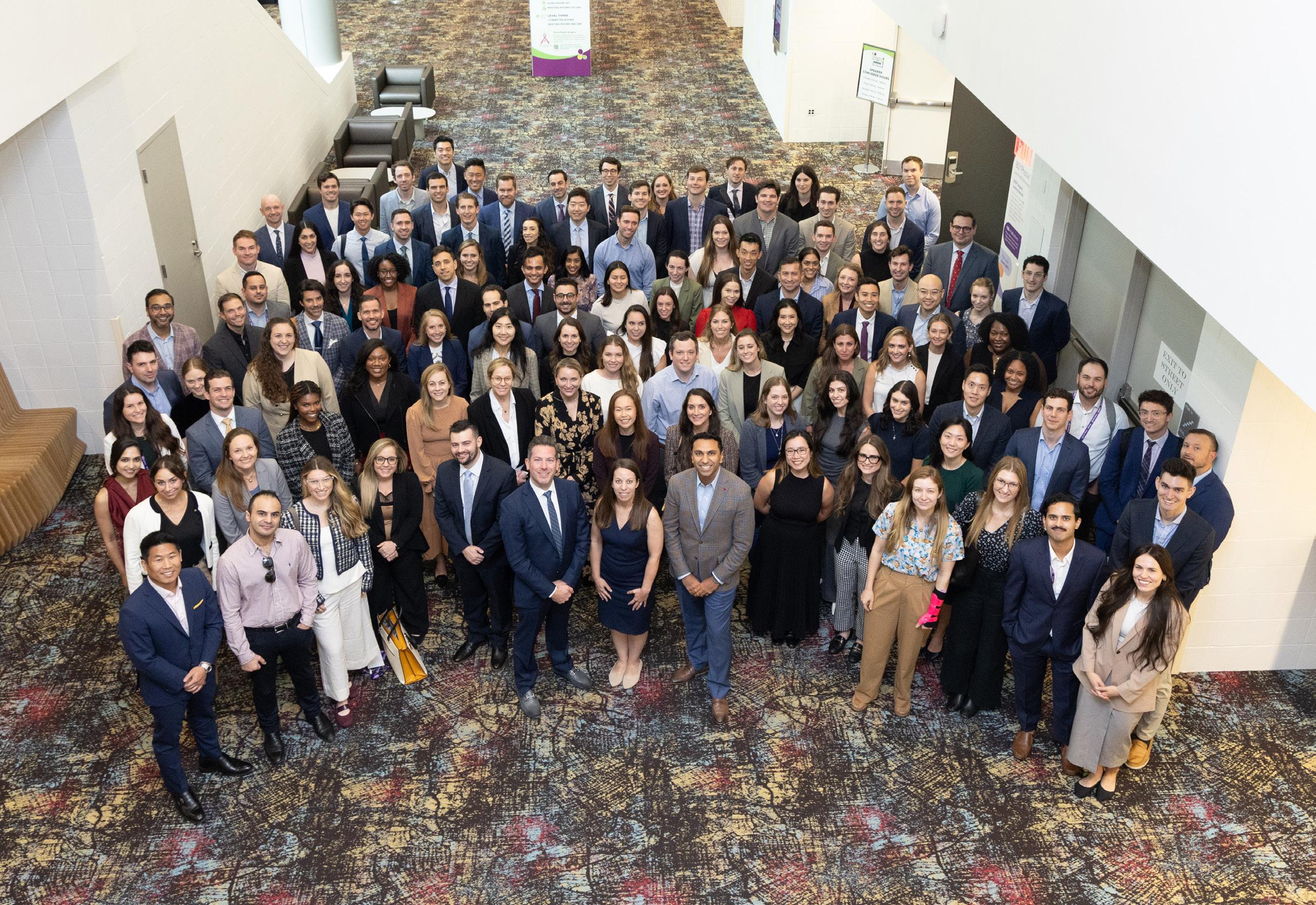



By Understand.com
Editor’s Note: From time to time, PSN provides space for ASPS Endorsed Partners to offer insight on market trends, new products and company offerings as a way to highlight collaboration between Society leadership and industry.
Plastic surgeons spend years mastering the foundations of anatomy, developing clinical judgment and honing their professional techniques. Sometimes the complexities of these concepts make their way to a practice website, which can leave patients anxious and overwhelmed with the experience. This situation has presented a major challenge in modern aesthetic medicine – a disconnect between clinical expertise and patient comprehension.
Patient education videos are one of the most effective tools available to bridge that gap. When used intentionally on plastic surgery websites, these videos significantly enhance the patient experience by improving health literacy, increasing engagement, setting more realistic expectations and improving compliance. Perhaps most importantly, patient education videos boost a patient’s confidence before they ever set foot in a consultation room with a provider.
Most surgeons are trained in environments that rely on academic studies, lectures and scientific explanations – an experience in stark contrast to the way patients consume information online. Research consistently shows that patients struggle to grasp written medical information, particularly when it includes unfamiliar terminology. Patients experiencing high stress levels – a common concern for many seeking medical care – are also likely to demonstrate low information comprehension.
A systematic review published in the Journal of Medical Internet Research found that video-based education significantly improves patient knowledge of a wide range of medical conditions. These authors concluded that video tools are especially valuable when used with patients who have variable or limited health literacy.1
Plastic surgery patients often fall into this category. Even highly educated individuals can
PSF Distinguished Career Researcher
Continued from page 11
gold. It’s like the modern-day Midas touch –and he’s a tremendous leader, to boot.”
Dr. Rubin calls his colleague notable for rethinking clinical approaches, challenging surgical dogma and trialing new methods.
“Dr. Austen is a great example of opportunity meeting a prepared mind,” he says. “Throughout his career, he’s demonstrated a keen ability to identify technologies and techniques that can be applied to plastic surgery in innovative ways.”
Despite the various advancements Dr. Austen provided for the specialty, Dr. Matarasso says what might be most important is his service to young plastic surgeons.
“Jay’s been a devoted mentor – training countless students, residents and Fellows – instilling in them the same passion for innovation and excellence that defines his own career,” he notes.
There are no signs of slowing down, either. Dr. Austen’s current work shifted to the world of cardiac bypass surgery to address vein graft failure – a problem experienced when veins are exposed to arterial pressure.
“My idea was to treat the outside of vein
encounter complex anatomical terms, risks and recovery protocols. Patient-education videos allow them to see and hear explanations instead of decoding paragraphs of text. Video can be paused and revisited as questions arise, allowing patients to learn at their own pace. Many also have the option of captions, which allows patients to read text if necessary.

There is growing evidence that video education improves understanding during the informed-consent process. A randomized trial published in Patient Education and Counseling showed that video-assisted consent significantly improved patient knowledge compared with standard written consent alone. In addition, this process had no negative impact on patient satisfaction or anxiety.2
Studies in preoperative settings yielded similar findings, showing that patients who received video education had higher comprehension scores than those who received paper-based materials.3
These results have real-world implications for plastic surgery practices. When placed on procedure pages, patient education videos can prepare patients for their consultations. This practice can prevent misunderstandings and allow providers to have more focused conversations in person. Clinicians can utilize consultation time to reinforce concepts that were previously reviewed, which helps patients accurately retain information once they leave the office.
If a practice does not offer video education, patients will seek it elsewhere. Data from the 2020 Health Information National Trends Survey shows more than 40 percent of U.S. adults use YouTube to watch health-related videos.4 These numbers might be even higher, as some sources suggest overall YouTube usage among U.S. adults exceeds 70 percent.5
Because of the volume of medical videos available, clinicians are additionally tasked with ensuring their patients are getting reliable information. Multiple studies have raised concerns about the quality and accuracy of medical
grafts with a photoactive dye and light, effectively converting them into arteries,” he explains.
The approach proved successful in animal models and led to the founding of Durvena. Last year, the company received FDA breakthrough designation. The technology has already been used in patients in Europe, with U.S. trials planned to begin in 2026.
Dr. Austen’s career embodies a multigenerational commitment to innovation, translating curiosity and rigorous science into meaningful advances in patient care. From reconstructive and burn surgery to migraine treatment and cardiac bypass technology, he continues to bridge disciplines to translate ideas into meaningful clinical advances.
As Dr. Janis notes, however, it’s Dr. Austen’s effect on leading the next generation of plastic surgeons that might be just as meaningful as his innovations.
“It’s the leadership by example that he displays,” Dr. Janis says. “It’s his approachability and selfless commitment of time and energy to guide mentees that is his investment into the future of plastic surgery. Many people will call him not only a friend, but a mentor. Look at his previous trainees and previous research Fellows – they’ve gone on to do great things. If you ask them, I think they would trace their inspiration in their role modeling back to him.” PSN
information available on open platforms. NYU Langone highlights how some of the most popular medical videos are incomplete, biased or misleading.6 When practices provide their own patient education videos, they give patients a trusted source that reflects their standards, communicates their approach and reinforces their values. Patients are less likely to end up confused or seek third-party platforms if there are effective patient education videos on their practice’s website.
Patient education videos go beyond explaining procedures by humanizing a practice and increasing a patient’s comfort level with their provider. When patients watch a video that walks them through what to expect before, during and after surgery, it helps reduce fear of the unknown. It also allows patients to hear tone and clarity in a way text cannot replicate, which reassures them. This emotional component is especially important in aesthetic medicine, where decisions are deeply personal.
There is also a measurable engagement benefit. Data shows that visitors spend more time on pages that include video compared to pages that do not.7 This indicates deeper involvement with the information and reflects patients who are actively learning, sharing material with family members and then returning to the site.
Search engine optimization (SEO) is often discussed in terms of keywords and rankings, but search engines increasingly evaluate how users interact with content.
Pages that hold attention, answer questions clearly and reduce quick exits tend to perform better over time. Patient education videos contribute directly to those outcomes by keeping users engaged and informed.
There is also a more technical SEO advantage. Google supports structured data for video content that can make pages eligible for video more visible in search results. When implemented correctly, these enhancements can make a listing more visually prominent and more compelling to click.8
In competitive plastic surgery markets, even small improvements in click-through rates can have a meaningful impact. Patient education videos help differentiate pages that might otherwise look similar in search results.
Not all videos are equally effective. The most successful patient education libraries share a few common traits:
• They are procedure specific and are located on relevant pages.
• They explain anatomy, surgical steps and recovery in clear, non-promotional language.
• They focus on expectations rather than persuasion.
Dr. Liu tribute
Continued from page 9
uplifted by avidly researching the Bible and sharing insights with fellowship groups. He additionally enjoyed the camaraderie and joy of making music with the Warwick Symphony Orchestra.
Despite pouring so much of himself into his surgical and academic work, Dr. Liu’s highest priority was his family, who will always be grateful to him for excelling as a husband and father in innumerable ways.
Mourning his loss are his wife of 37 years, SallyAnne Lund, MD; and his children, Christian Liu, JD, of Boston, and Meredith Liu, MFA, of Falls Church, Va. He was the
• They are medically accurate and reviewed for clarity and consistency.
For plastic surgery practices, this often means using professionally produced educational animations and explanations rather than informal, unverified resources. The goal is understanding rather than entertainment.
Patient education videos transform a website from a digital brochure into a true extension of the consultation process. They help patients arrive informed, calm and prepared. They reduce repetitive explanations for staff, which facilitates clinician efficiency. Ultimately, patient education videos support better outcomes while enhancing patient experiences.
As expectations around digital health information continue to rise, video-based patient education is no longer optional. It’s becoming a standard of care in how practices communicate online.
If you’re interested in learning how procedure-specific, anatomy-based patient education videos can be integrated into your practice website, you can explore examples and best practices at Understand.com PSN
References
1. Deshpande, N., Wu, M., Kelly, C., Woodrick, N., Werner, D., Volerman, A., & Press, V. (2023). Video-based educational interventions for patients with chronic illnesses: systematic review. J Med Internet Res, 25, e41092. DOI: 10.2196/41092
2. Miao, Y., Venning, V. L., Mallitt, K. A., Rhodes, J. E. J., Isserman, N. J., Moreno, G., Lee, S., Ryman, W., Fischer, G., & Saunderson, R. B. (2020). A randomized controlled trial comparing video-assisted informed consent with standard consent for Mohs micrographic surgery. JAAD International, 1(1), 13-20.
3. Kim, S.H., Koh, W.U., Rhim, J.H., Karm, M.H., Yu, H.S., Lee, B.Y., Shin, J.W., & Leem, J.G. (2012). Preconsent video-assisted instruction improves the comprehension and satisfaction in elderly patient visiting pain clinic. Korean J Pain 25, 254-257.
4. Lee, J., Turner, K., Xie, Z., Kadhim, B., & Hong, Y. R. (2022). Association between health information‒seeking behavior on YouTube and physical activity among U.S. adults: Results from Health Information Trends Survey 2020. AJPM Focus, 1(2), 100035.
5. Osman, W., Mohamed, F., Elhassan, M., & Shoufan, A. (2022). Is YouTube a reliable source of health-related information? A systematic review. BMC Medical Education, 22(1), 382.
6. NYU Langone Health NewsHub. (2020). Beware Dr. YouTube – 4 ways to spot medical misinformation online. Retrieved from https://nyulangone.org/news/beware-dr-youtube-4-ways-spot-medical-misinformation-online
7. Fishman, E. (2022). How videos can boost the average time spent on your website. Retrieved from https://wistia.com/learn/marketing/videotime-on-page
8. Google Search Central. (2025). Video (VideoObject, Clip, BroadcastEvent) structured data. Retrieved from https://developers.google.com/ search/docs/appearance/structured-data/video
beloved brother of Ingrid Lin, MD (Henry Lin, MD) and Margaret Liu, MD (Robert Johnson, MD, PhD), of Palos Verdes Estates and Lafayette, Calif., respectively. Dr. Liu also leaves his dearly loved nieces, nephews, in-laws and cousins.
With his passing there’s a deep void, but Dr. Liu’s legacy endures through the lives he touched and people he inspired. Dr. Liu will be remembered for his brilliance, compassion and lifelong dedication to improving patient care, educating future surgeons and advancing medicine worldwide.
Those seeking to make contributions in Dr. Liu’s memory might donate in his name to the Wound Healing Foundation or to the Warwick Symphony Orchestra. PSN
Assistant/Associate Professor Plastic Surgery Faculty Medical College of Wisconsin Milwaukee, Wis.
The Department of Plastic Surgery at the Medical College of Wisconsin is recruiting a board certified or board eligible plastic surgeon with a focus on breast reconstruction to join our group of fourteen faculty members in Milwaukee. Our breast care team sees 550 new breast cancer patients a year with over 300 primary reconstruction patients treated a year. A team of 4 surgeons offer the spectrum of options including microvascular and implant-based procedures. The position will allow ample opportunity to treat patients with a breadth of reconstructive and cosmetic needs.
Our MCW partner institutions including a major cancer center, a top ranked tertiary adult and children’s hospitals as well as community hospitals. We collaborate with all surgical specialties in our system. Our integrated plastic surgery residency is one of the oldest in the country and we support one microsurgery fellow a year.
Milwaukee and SE Wisconsin is a playground in all four seasons for those who enjoy the outdoors – whether it be on the lakefront, 1000’s of miles of trails or on the 15,000 inland lakes throughout the state. Milwaukee and its surrounding communities include 1.2 million residents who enjoy the benefits of a big city without its headaches.
Contact: John LoGiudice Professor and Program Director Microsurgery Fellowship Program - Medical College of Wisconsin Department of Plastic Surgery jlogiudice@mcw.edu
Plastic Surgeon Partnership Opportunity
Boca Raton, Fla.
Prestigious boutique aesthetic practice in Boca Raton seeks BC/BE Plastic Surgeon for partnership, with a structured path to full ownership. Join an established practice known for excellence in cosmetic surgery, with mentorship from a highly regarded surgeon. The facility includes an accredited Quad A surgical suite in a premier location. This is an outstanding opportunity to advance your career in an upscale, thriving practice with a loyal patient base.
Send CV to: cosmeticjourney77@gmail.com
Thriving private practice seeks a board-eligible or board-certified plastic surgeon to join a busy aesthetic team. Modern accredited facility with on-site surgical suite, strong referral base, mentorship, and partnership potential. Excellent professional and lifestyle opportunity in vibrant Northern Virginia.
Send CV to info@plasticsurgeryservices.com
Sun Valley Idaho Practice for Sale
Special Op! How about a retirement “deescalation”? After 20 yrs of full time, try 25 more in a rural resort practice in Sun Valley Idaho? Practice includes cosmetic, skin care/cancer or more. All in office based with possible outpatient surgeries or not. Life quality includes high value cultural entertainment activities and outdoor mountain living and sporting. Practice of 25 years & building is for sale. Emsculpt Neo, Smart LASERS, instruments etc. included.
Contact Tom Crais, MD, FACS. motsiarc@aol.com. Board Certified.
100% Aesthetic Practice in Dallas/Fort Worth Metroplex
Signing bonus, large guaranteed salary and the ability to make huge bonuses with proven track record of success for young surgeons.
• 100% aesthetic practice
• Six locations in DFW Metroplex
• No insurance accepted
• No ER call, no nights, no weekends
• Dedicated 6 OR AAAASF accredited surgical facility
• 4 full-time anesthesia providers
• 6 medical spas
• Technology focused practice with 3-dimensional imaging, HIPPA compliant texting apps, state-of-the-art lasers and body contouring equipment
• Large dedicated social media team
• Personal patient care consultant for each surgeon
• 4 weeks paid vacation
• Additional paid time off for meetings
If you dream of being a successful aesthetic plastic surgeon, we can make it happen! Please email CV to sandy@northtexasps.com. To learn more about our practice, please check out our website www.northtexasplasticsurgery.com.
Aesthetic Practice
With Private Surgery Center For Sale
Established and reputable solo aesthetic practice with unlimited growth potential in metropolitan Cleveland, Ohio is actively seeking a buyer for unique turnkey opportunity.
Included is a 4600 sq foot contemporary office space and an on-site QUAD A, fully accredited class C surgical suite.
Interested parties please contact: plastydoc007@gmail.com
North Texas
Looking for a motivated surgeon to thrive in our state-of-the-art facility!
Join a premier plastic surgery facility in North Texas, fully equipped practice with two operating rooms, offering patient comfort and privacy. Enjoy flexible terms, and comprehensive administrative support.
Email us at karina@drplano.com for more details.
A well-known plastic surgeon is offering his established Beverly HIlls practice of over 35 years for sale. The practice has a national and international reputation and is a balance of breast reconstruction and cosmetic surgery. Located in a prime penthouse space, the office provides an upscale and welcoming environment for patients. Seeking a highly skilled, compassionate, board-certified plastic surgeon with particular interest and experience in breast reconstruction to take over this solo practice. Beautiful outdoor patio garden and reasonable assumable lease. Seriously interested parties please send inquiries to: Bhplasticsurgery24@gmail.com.
Plastic Surgeon - Geisinger
Geisinger is seeking plastic surgeons to join our team in central or northeastern Pennsylvania. Our services include general plastic surgery, cosmetic surgery, microsurgical and/or implantbased breast reconstruction, maxillofacial trauma, and cancer/trauma reconstruction.
Our integrated plastic surgery residency provides opportunity for teaching, research, and program development.
Geisinger has an established reconstructive and cosmetic referral base which is geared to building a thriving practice. We collaborate closely with multiple disciplines throughout the system, and we are supported by an excellent team of physician assistants, nurses, and staff.
We are looking for highly motivated, exceptional plastic surgeons who love the breadth of plastic surgery and want to build the plastic surgery program by being an integral part of this team, continuing Geisinger’s tradition of innovation and excellence.
Salary and benefits are very competitive.
If you want to learn more about these opportunities, we would love to speak with you.
Please reach out to Christian Kauffman, MD, Chair c/o Sarah Lipka, Physician Recruiter, at slipka1@geisinger.edu
Plastic Surgery Practice For Sale
Rare opportunity to acquire a well-established cosmetic surgery all cash practice in desirable Eastern Long Island near the Hamptons. 30-year owner retiring, modern facility with top-tier equipment, and consistent demand. Strong reputation and loyal patient base. Seller motivated – ideal for a surgeon seeking immediate upside. Send inquiry to eeprhs@gmail.com
McLeod Regional Medical Center – Florence, South Carolina
McLeod Health, a respected, integrated multi-specialty health system, is seeking a Board Certified or Board Eligible Plastic Surgeon to join our growing, hospital-based plastic and reconstructive surgery practice in Florence, South Carolina. This is an excellent opportunity for a surgeon who is motivated to build and grow a well-supported practice within a stable health system and a large regional referral base.
Practice Highlights
• Join a growing practice with 1 other plastic surgeon to develop a complementary plastic and reconstructive practice. This surgeon will be 1 of 3 Plastic Surgeons in the McLeod Health system.
• Full-time position with a balanced mix of inpatient and outpatient care – 2 dedicated OR days and 2 days in the office.
• APP support provided
• Broad scope of practice including reconstructive and cosmetic procedures
• Bread-and-butter plastic surgery with willingness to take facial trauma call
• Based at a Level II Trauma Center
• Regional service area exceeding 1 million people
Compensation & Benefits
• Competitive compensation
• Comprehensive benefits package
• Retirement plan
• Sign-on bonus
• Relocation allowance
• Paid CME
About Florence, South Carolina
Florence, S.C., is a welcoming community and regional medical hub that’s growing significantly. Florence offers an outstanding quality of life with a relaxed pace, affordable housing and a strong sense of community. Residents enjoy short commutes, family-friendly neighborhoods, growing dining and arts scenes and easy access to outdoor recreation. Its central location provides convenient trips to the coast, historic Charleston and major metropolitan areas. This makes Florence a very appealing place to live, work and put down roots.
About McLeod Health
McLeod Health is the region’s destination for medical excellence, serving patients from the Midlands to the Coast along the North and South Carolina border. Our not-for-profit health system serves more than one million people and continues to grow as community needs expand.
Founded in 1906, McLeod Health is locally owned and managed and includes:
• 7 hospitals located in Florence, Dillon, Manning, Cheraw, Loris, Little River and Myrtle Beach
• More than 900 medical staff members
• Over 2,900 licensed nurses
• Approximately 18,000 team members
McLeod is committed to delivering high-quality care through physician-led, data-driven and evidence-based practices.
Learn More/Apply
For more information about this opportunity, please contact Amanda Wagner AWagner@mcleodhealth.org | 843-777-7038
Visit www.mcleodhealth.org to learn more about McLeod Health.
Northern California - Plastic Surgery
Established plastic surgery clinic and medspa, serving the community for over thirty years, now available for a strategic partnership or full buy-out. The recently remodeled facility includes multiple operating rooms, four exam rooms, and aesthetician treatment areas. With 3,300 active patients, 10-15 new patients per month, and a FFS model, the clinic generates $1.46 million in annual collections and $535,000 in SDE. Currently open just four days per week, there’s clear potential for growth.
Northern California plastic surgery highlights:
• Collections of $1.509 million
• EBITDA of $140,000
• FFS clinic
• Two AAAHC-accredited operating rooms, 2 aesthetician rooms, 4 exam rooms
• Established clinic with 3,300 active patients
To learn more, contact LuxMed Transitions Today: bailey@luxmedtransition.com or (719) 694-8320. Reference #LM43025
Solo Cosmetic Surgery Practice
Northshore Chicago
Want your own solo 100% cosmetic surgery practice on the Northshore of Chicago? Want to make the next generation of gender affirming care your expertise? Over 60% gender affirming care practice (FFS/BAM/BBL), other 40% bread/butter cosmetic with strong Latina component. My 28 year turnkey International Center of Gender Excellence becomes available April 1, 2027. Easy buyout, self-referring base thru independent large volume electrology program that generates cash flow for buyout, rent, and gender referrals. Onsite surgical facility with 22 years of consecutive accreditation.
Start work July 1, 2026, or later at no cost to you until 4/1/27. If Chicago is your goal, this is a once in a lifetime opportunity.
Respond to facesculptor@yahoo.com with a CV.
Cosmetic-Focused Plastic Surgery Practice
Southeast Florida
Well-established cosmetic practice (22+ years) in a rapidly growing, affluent market. Strong cashpay aesthetic volume.
Fully outfitted office with on-site multi-OR ASC. Turnkey infrastructure, experienced staff, and scalable upside. Available due to physician relocation. Confidential.
Contact: info@SEFloridaPractice.com
Transform Your Career: Own a Thriving Practice in a Growing Community!
Greenville, S.C.
Imagine stepping into a thriving, well-established aesthetic practice where dozens of patients seek the expertise of a caring, experienced team every day. After 30 years of dedicated service, I’m ready to pass the torch. I’m seeking a compassionate, positive, and skilled surgeon(s) to carry forward this successful legacy of providing aesthetic surgery, injectables, laser treatments, non-surgical body contouring, and specialty skin care to thousands of loyal and future patients.
What Awaits You:
• A stellar business reputation, glowing reviews, consistent profitability and opportunities for growth
• Decades of AI-safe procedures
• Prosperous and growing community: Greenville, SC
• 16+ talented employees including 8 providers
• Spacious 6,500+ sq ft facility, including a QuadA certified OR
• Robust external and internal marketing
• Support with transition
This is your chance to own a valuable practice and shape your future. Visit AestheticCenterGreenville.com for practice profile, photos and testimonials.
Email us at femurs82409@mypacks.net for Practice Summary to learn more.
Cosmetic Surgery Practice For Sale Delaware
Be Busy from Day One in this Well Established Solo Private Plastic / Cosmetic Surgery Practice for Sale.
Large patient base with over 30 years in the area.
Excellent Mix of mostly Cosmetic (80%) and some Insurance (20%) Cases.
Full Medspa Onsite with Injectables / Lasers / Aesthetician.
Large multi-state draw area in great community. Great place to live and work.
Close to beaches / Delaware and Jersey Shore and lots of outdoor activities. Close to Philadelphia / Baltimore / Washington, D.C. / NYC.
Owner willing to stay on if desired for smooth transition.
Very flexible purchase options with No Money Up front and No Buy-In.
Contact aestheticplasticinfo@gmail.com for more information.
Plastic Surgery Practice and Private Surgery Center For Sale – Austin, Texas
Rare opportunity to acquire Austin Gynecomastia Center (AGC) and Westlake Plastic Surgery (WPS), two highly respected, profitable practices in Austin, Texas.
AGC is a globally recognized leader in gynecomastia surgery with 5,000+ cases performed and approximately 450 new cases annually, generating stable, high-margin revenue.
WPS is a 25+year well-established cosmetic practice focused on female procedures.
The practice features a fully accredited in-office OR, experienced staff, and prime Austin location. Ideal for solo surgeons, group practices, or private equity seeking expansion, trademarked brand leverage, or entry into the growing men’s health market. Physician/owner willing to assist with a smooth transition.
Inquiries: olga@westlakeplasticsurgery.com
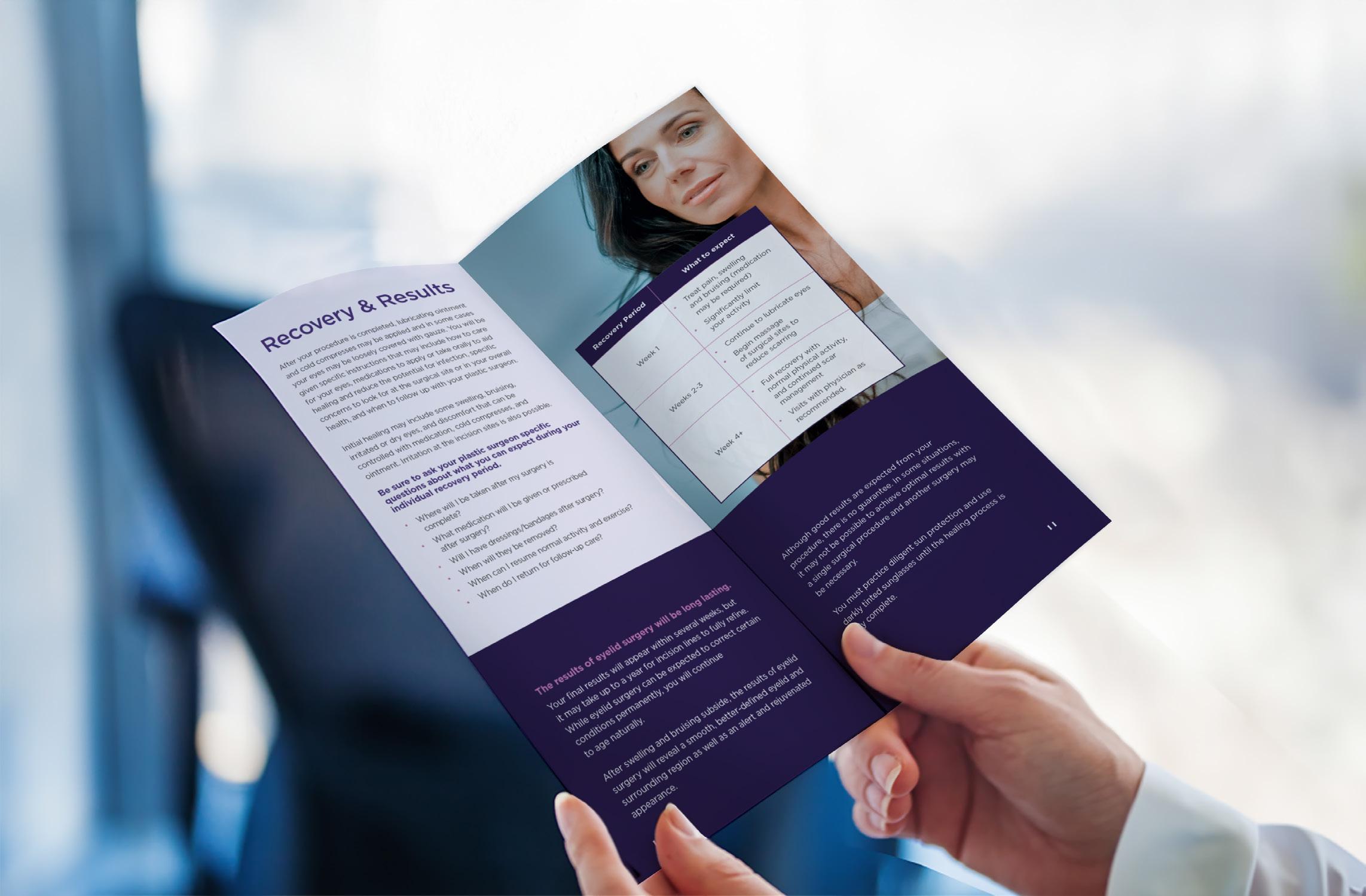
Plastic Surgeon - Pediatric / Craniofacial Columbia, South Carolina Prisma Health, the largest not-for-profit healthcare organization in SC, seeks a BC / BE Plastic Surgeon with expertise in pediatric / craniofacial care who will assume leadership of the Cleft & Craniofacial Care team.
• Prisma Health Children’s Hospital, located in Columbia, is South Carolina’s first children’s hospital and has more than 150,000 children’s visits each year. More than 30 subspecialties to meet the unique health care needs of children and have central South Carolina’s only Children’s Emergency Center.
• The Plastic & Reconstructive Surgery division consists of 6 plastic surgeons and an integrated residency program practicing in various sub-specialties including craniofacial, hand, microsurgery, trauma, aesthetic, and general reconstructive surgery.
• The position has an affiliate faculty appointment with the University of South Carolina School of Medicine at the Assistant / Associate Professor level and entails teaching residents and medical students.
This surgeon will lead the multidisciplinary pediatric craniofacial team to treat cleft lip & palate, craniosynostosis, microtia, craniofacial trauma, and other general plastic surgical conditions in children.
Benefits
• Competitive salary commensurate with experience
• Paid Relocation
• Malpractice with tail coverage
• Professional expense allowance
• Generous benefits
• Public Service Loan Forgiveness Employer
Contact: Brandy.Vaughn3@prismahealth.org
Profitable and Growing Specialty Plastic Surgery Clinic For Sale in the South Sound Collections $3,000,000+ with low overhead. Draws patients from large area; 20 new patients/ month. Rave reviews from loyal patient base. Modern and secure. Long-term lease.
Contact Emil Fretheim at 206-618-7917 or emil@omni-pg.com. (WAM104)
NDA Request: omnipg-medical.com/washington-listings.html
Practice Opportunity: High-End Surgery Practice – Danville, California
I would like to transition my surgical practice to a professional, skilled, and caring plastic surgeon in 2026. Ideally, I would like to be able to use some of my office facilities three times a month. I would continue to do filler, Botox, and IPL treatments for a limited number of long-term patients.
An opportunity to acquire a long-established and reputable plastic surgery practice. One of the Bay Area’s most affluent, high-demand cosmetic markets. The practice offers high-margin procedures and consistent patient volume.
• Premium patient demographics (Danville, Alamo, San Ramon, and Walnut Creek)
• High-margin aesthetic surgical procedures
• Growing nonsurgical segment: Injectables, IPL, and Botox
• Cash-pay revenue
Contact: Elliott Lavey, MD Laveymd@gmail.com or 925-820-3633
Join Our Thriving Plastic Surgery Practice
Are you looking to work and live in paradise?
Athena Plastic Surgery is a well-established, high-volume plastic surgery practice in the Treasure Coast and Palm Beach areas seeking a Board-Certified/Board-Eligible Plastic Surgeon to join a thriving, reputable practice.
What we offer
• Strong referral base and loyal patient following
• Beautiful 7,000 sq. ft. facility and fully equipped surgical suite
• Diverse practice including reconstructive and cosmetic surgery
• Wide scope of services
• Competitive compensation with high earning potential
• Supportive, experienced clinical and administrative team
• Opportunity for long-term growth and partnership
Ideal candidate is motivated, professional, and committed to delivering exceptional patient care.
• Board Certified in Plastic Surgery with at least 2-5 years of practice experience.
• Active Florida medical license or the ability to obtain.
• Focused on clinical excellence with a side interest in academic productivity.
• Strong interpersonal skills and a good communicator.
• Established patient following.
• Prepared to take patient calls
To apply or learn more, send your resume to: dcangley@athenaplasticsurgery.com
Greenville, S.C. Partnership Opportunity
Upstate Plastic Surgery in Greenville, SC is seeking an additional partner to meet patient demand for our high-volume private practice. Greenville is a growing community in the Upstate region of South Carolina. Our private practice is located in a practice owned building with 3 floors sitting on a beautiful golf course which hosts the BMW Charity Pro Am on an annual basis. Our AAAASF office-based surgery center is located inside our building along with our Medical Spa and Laser Center. There is close access to both local hospitals and the airport.
Our practice has an aesthetic focus. We currently perform both aesthetic and reconstructive surgery with an established referral base. We have received multiple community awarded honors.
The office is essentially turnkey with a talented medical and administrative staff.
We are committed to marketing a new surgeon and helping him or her succeed. We are offering an attractive package including salary with a bonus structure, moving expenses, and benefits. We are looking for a long-term relationship leading to a partnership/ownership track.
Our ideal candidate is BC/BE with an interest in performing both aesthetic and reconstructive surgery. An aesthetic fellowship or planning an aesthetic fellowship is preferred. We are looking for a surgeon who is well trained and has an entrepreneurial spirit. We offer a collaborative environment with a passion for excellence where a new surgeon can thrive.
Interested candidates please send your CV to dmccray@upstateplasticsurgery.com.
Opportunity For BC/BE Plastic Surgeon To Join Busy Private Practice
Houston, Texas
Memorial Plastic Surgery (MPS) is a leading aesthetic and reconstructive plastic surgery practice, known to deliver unparalleled patient care and results.
Excellent opportunity for a Board-Certified/ Board-Eligible Plastic Surgeon, with a strong interest in microsurgery to perform DIEP flap breast reconstruction and/or cosmetic breast and body procedures, to join a well-established practice.
MPS OFFERS:
• Mentorship and hands-on training with premier group of board-certified plastic surgeons
• Heavy volume of patient overflow for associate to build practice
• Team-oriented staff for administrative and clinical support, including marketing and social media needs
• Physician offices, spacious exam rooms, MedSpa area for non-surgical services
• Private AAAHC accredited ORs located on-site
• Multi-specialty ASC located one floor below with direct access to 4 additional ORs
COMPENSATION:
• Competitive compensation models
• Partnership track opportunity
• Medical/Vision/Dental Insurance & 401k QUALIFICATIONS:
• Board Eligible or Board Certified in Plastic Surgery
• Active Texas Medical License
• Aesthetic fellowship/training strongly preferred
• Must have a passion for delivering high-quality patient care and results
Qualified applicants are encouraged to apply by submitting an updated CV & headshot photo to: APPLY@MEMORIALPLASTICSURGERY.COM
Manhattan Plastic Surgeon Office For Sale Plastic Surgeon is retiring and desirous to sell upper eastside office.
Fully furnished office with operating room; office approximately 1,250 sq ft.
Perfect office for bi-coastal practice or young surgeon desiring own space.
Please contact me for more information: Charles K. Loving Jr., MD 17 E 84th St. Suite 1B New York, NY 10028 cutrush7@aol.com 212-472-0900
Seeking BC Plastic Surgeon For Employment/Partnership
Charlotte, N.C.
Well-established southeast busy solo cosmetic plastic surgeon seeks BC plastic surgeon to join practice with option for eventual partnership.
Ideal candidate would be 100% cosmetic with proficiency in face and body. Practice includes a medical facial spa and AAAASF certified OR in our own building located across the street from a major hospital.
Competitive salary with bonus structure and benefits.
Email CV to: manager@natural-lookingresults.com
Pediatric Craniofacial Surgery Fellowship The Hospital for Sick Children University of Toronto
The Division of Plastic and Reconstructive Surgery at The Hospital for Sick Children (SickKids), University of Toronto, is offering a 12-month Pediatric Craniofacial Surgery Fellowship commencing July 1, 2026.
This fellowship provides high-volume, comprehensive exposure to the full spectrum of pediatric craniofacial conditions, including craniosynostosis, syndromic craniofacial anomalies, cleft lip and palate, orthognathic surgery, craniomaxillofacial trauma, cranioplasty, and vascular anomalies.
Eligibility Requirements
Applicants must have successfully completed a Royal College of Physicians and Surgeons of Canada or American Board–certified Plastic Surgery residency program, or an equivalent training program.
Please note:
• While the MCCEE/MCCQE Part I is no longer required, the University of Toronto requires applicants to have completed residency training in the same specialty as the fellowship (Plastic Surgery).
• Applicants must be eligible for a Certificate Authorizing Postgraduate Education (educational-type medical license).
• The College of Physicians and Surgeons of Ontario (CPSO) requires applicants to be recognized as a medical specialist in the jurisdiction where they previously practiced.
Application Process
Please submit the following materials to Medical Director Dr. Christopher Forrest and Fellowship Coordinator Michael Perrino:
1. Curriculum Vitae (CV)
2. Three letters of reference
3. Proof of medical degree
4. Letter of good standing or subspecialty certificate
5. Letter of intent
Contact Information
Christopher R. Forrest, MD, MSc, FRCSC, FACS, FRACS Medical Director christopher.forrest@sickkids.ca Michael Perrino Fellowship Coordinator michael.perrino@sickkids.ca
Stanford Microsurgery
Clinical Instructorship
A one-year position in Microsurgery is available beginning August 1, 2027, through July 31, 2028, at Stanford University Medical Center. Individuals acquire expertise in comprehensive microsurgery and complex reconstruction, including reconstruction of the breast (TRAM, DIEP, Omental, SGAP, TUG, SIEA, PAP), lower extremity, peripheral nerve, facial reanimation, hand, brachial plexus, nerve transfers, and lymphedema (LVA, lymph node transfer, liposuction). Stanford is a Level I Trauma Center as well as a Comprehensive Cancer Center.
You will be appointed as a Clinical Instructor. Opportunities are available for participation in global health, basic science, and clinical research projects, as well as medical device development. Individuals typically perform over 150 microvascular cases each, and work with ten full-time microsurgeons.
Please apply through SF Match. Please direct inquiries to:
Dung Nguyen, MD Director of Microsurgery, Division of Plastic Surgery Stanford University 770 Welch Road, Suite 400 Palo Alto, California 94304-5715 tmlomeli@stanford.edu
PatientList.org: Electronic Health Record (EHR) for Plastic Surgeons
✓ Integrated Patient Charts
Note templates, Photos, Files, and much more
✓ Smart Calendar Management
Advanced Patient Scheduling System
✓ Advanced Billing Dashboard and Analytics Intuitive insurance claims, Cash Payments, and IDR/arbitration. HIPAA-Compliant
→ All-inclusive: $100/month* (single-surgeon practice, limited time)
Plastic Surgery Biller
Specializing exclusively in Plastic Surgery billing with over 25 years’ experience. We check for correct coding for maximum reimbursement and review each claim before submission. Once the claims are submitted, we follow closely and appeal when necessary. We work remotely, off-site with excellent references. Call Ana at 239-297-3737.
Building For Sale: Retired Plastic Surgeon Ready for Immediate Occupancy
$2.1 mil.
Twin Falls, Idaho
Easy to find in premier location with hotel next door. Large lot and parking area with mature landscaping.
Quad A /Medicare Certifiable Surgery Center Office/Spa and OR with equipment and lasers. No charge for practice.
Two private drive through garages and 5500 square feet office.
Please call: Dr. Dell Smith 208-731-1159
Rates for printed classified ads are based on word count and must be paid prior to publication. Logos, boxes and color enhancements can be designed for additional fee. The editors do not investigate positions of employment and assume no responsibility for them. ASPS reserves the right to accept, reject or cancel any advertisements in its sole discretion.
■ 1 to 50 words: $165
■ 51 to 100 words: $305
■ 101 to 150 words: $440
■ 151 to 200 words: $555
■ 201 to 250 words: $763
■ More than 250 words: Contact jembrey@plasticsurgery.org for “designed” ad options
Designed Ad Rates
■ 1/8 page: $930
■ 1/4 page: $1,440
■ 1/2 page: $2,175
■ Full page: $3,195
To place a classified, contact: Jeanne Embrey Advertising Coordinator jembrey@plasticsurgery.org
Visit the Job Opportunity Board plasticsurgery.org/job
Opening a restaurant – often cited among the top 10 industries for failure – can be an expensive gamble, but Dominika Pullmann-Carpio, MD, and her husband decided to forge ahead amid the COVID-19 shutdown. They endeavored despite Dr. Pullmann-Carpio still training as a second-year medical student at the Medical University of South Carolina – and the fact the pair had never attempted anything remotely similar to starting a restaurant from scratch.
Currently a research Fellow at NYU Langone’s Department of Plastic Surgery, Dr. Pullmann-Carpio needed to generate income during a rough financial stretch created by the shutdown, so she decided to see if Charleston’s general population would enjoy hibachi with traditional Filipino dishes. It was a business move that needed, however, to be balanced with her training.
“I was involved with virtual classes because of the pandemic, so I was in the restaurant with my laptop tucked away near the cash register, listening to lectures while serving customers,” she says. “As terrible as it was to be completely remote for med school, it did allow me some flexibility to be able to have a side gig. But it was difficult to balance – especially when exams were coming up. When you have limited time, that’s really when you truly make an effort to manage your time as best you can.”
The restaurant was named Jade Hibachi and served mainly takeout customers, though a couple of tiny tables sat within the similarly tiny space in downtown Charleston. Matthew, her then-fiancé (now husband), had been laid-off from his film job during the pandemic, so he ran the kitchen and daily operations while Dr. Pullmann-Carpio oversaw most of the restaurant’s business elements. “I took over the customer service and financial aspects of opening the business – we had a handful of workers who I oversaw and I also handled our social media,” she tells PSN
The menu was primarily hibachi but with an emphasis on introducing Filipino dishes. “Similar to any hibachi restaurant, the food was cooked on a flattop grill,” she says. “We served staples such as chicken, steak, shrimp with rice and teriyaki vegetables. And because both my husband and I are of Filipino descent, we offered rotating Filipino menu items.”
Despite the disparate objectives, Dr. Pullmann-Carpio notes that running a restaurant can be surprisingly similar to practicing plastic surgery in some respects. “The No. 1 thing is, at a restaurant, you really have to work as a team. As a manager, you must know how to manage your team and how to coordinate team members – but you also must be able to delegate and keep a certain professional atmosphere in place. That’s very translatable to the clinical setting because as a team, no matter what the specialty is, you must work together for the common goal – which is taking care of the patient.
“Another commonality is that running a restaurant is backbreaking work,” she adds. “Long hours and physically demanding – there’s a lot of running around. You can’t sit for very long. So in that sense, the restaurant prepared me for surgical residency, because a lot of that is moving, being on your feet and keeping really long hours.”
In the restaurant business, there’s only one metric that really counts: Do people like the food? Dr. Pullmann-Carpio received some welcome feedback while overhearing her attending and residents talking about this new hibachi restaurant as they were scrubbing-in one morning. “Luckily, they had really nice things to say about it,” she says. That sentiment seems to have spread throughout Charleston: Jade Hibachi, which was sold to her brother-in-law in 2022, continues to serve customers today. PSN
With an increasing number of medical journals looking into physician burnout and compiling statistics on medical professionals who dealt with symptoms and shared their feelings on the topic, ASPS members opened up about their own battles with burnout – and the importance of addressing it to improve patient care –in the March 2016 issue of PSN: “Get over the denial that it can’t happen to you – it can. And it’s happening with increasing frequency... Healthcare reform is putting pressure on physicians to make them prioritize productivity over, potentially, patient care; many of us are being asked to do more with less.”
– David Song, MD, MBA 2006 ASPS President Washington, D.C. PSN
Editor’s note: The bulk of PSN’s pages are devoted to specific elements of our mission statement – to keep members informed of the social, political and economic trends and educational opportunities that affect the specialty of plastic surgery.
PSN is pleased to take liberties with the “social” aspect of its mission statement by presenting a good-natured look at the lives of notable members who we believe are making significant contributions to the specialty.
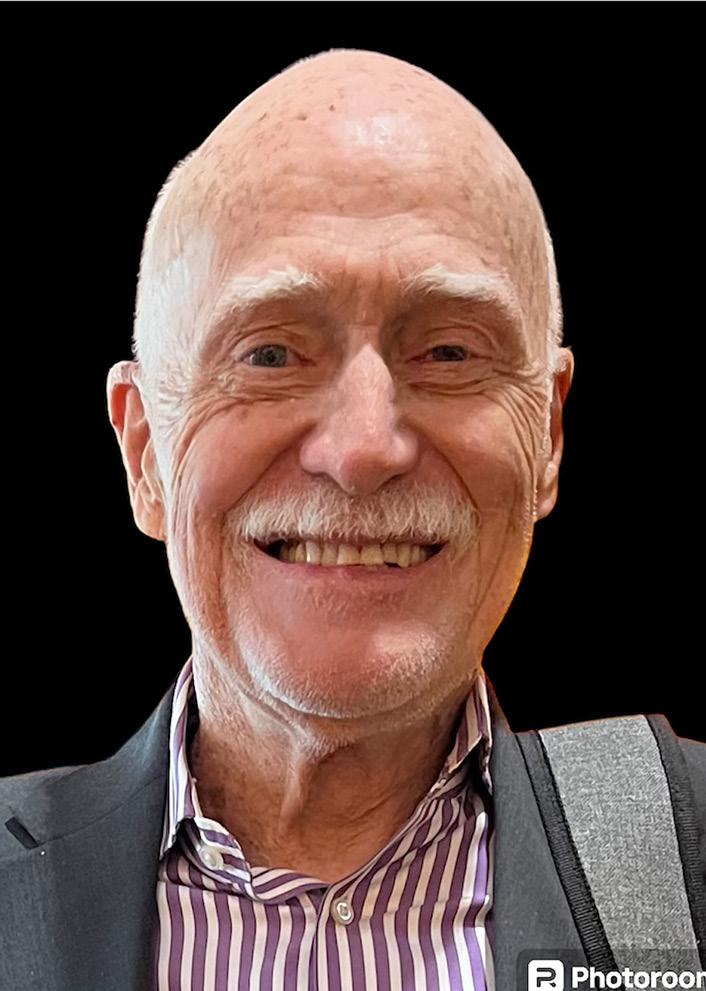
Edward Luce, MD
In this issue, we present ASPS Active Life Member Ed Luce, MD, Charleston, S.C., formerly of Memphis, who in 2002 served as ASPS president. Dr. Luce has held multiple leadership positions in ASPS and societies beyond – including president of ABPS, ASMS, AAPS, ACAPS and the Southeastern Society of Plastic and Reconstructive Surgeons; chief of the Division of Plastic Surgery at Case Western University; and professor of plastic surgery at the University of Tennessee. Dr. Luce has undertaken countless other roles of importance on behalf of the Society – and PSN, for which he currently serves as the “Unofficial Reviewer of Books.” Dr. Luce is biding time between his next great meal and next journal article review to answer the following questions for PSN:
The best part of being retired is ... Getting up in the morning with no responsibilities for the day.
The worst part of being retired is... Getting up in the morning with no responsibilities for the day. Seriously, the loss of my professional social fabric – the O.R., the clinic and the residents – all the people with whom I interacted as Dr. Luce. Now, I’m “Ed.”
If I had to do it all over again, I would... Not change anything. Maybe as a young academic surgeon, not swing at every political pitch.
In the past 24 hours... I’ve worked on a book (mine), walked the dogs, chatted with my wife, also a retired (sort of) plastic surgeon, went to the gym, ate a great meal of seafood chowder and a glass of wine, and went to bed.
The best trip I’ve taken since retiring is... To Maui for the Lahaina, Maui, basketball tournament. Dayton (my alma mater) lost in the finals in overtime to No. 1 Kansas. That tournament was unfortunately followed by the tragic fire of 2023.
In my garage, I kept a classic... 1982 BMW 633CSi. I donated it to Kars for Kids when we moved.
Compared to when I was in practice, the healthcare system today is... Hopelessly fragmented – dominated by private equity and “nonprofit” healthcare systems. This absolutely has to change. Plastic surgery has prospered, though. There’s been much concern about other specialties creeping into our tent and gaining our scope of practice. Maybe. But we keep moving the tent.
One of my most important mentors was... Jack Hoopes, MD. He still is.
One of my most memorable students was... Actually two: ASPS past President Jeff Janis, MD, and Amanda Gosman, MD – both at Case Western Reserve. Their intellect and drive was evident then and is on full display now.
The most recent book I read was... Barbara W. Tuchman’s The Guns of August. This novel details the events that led to World War I. Written 60 years ago, it’s hauntingly prophetic of current events.
I still keep up by reading surgery journals, because... I still do journal reviews and attend conferences at MUSC (Charleston) and USC (Columbia).
My advice to young surgeons starting out now is... Don’t close doors. Cases will come down the pike that you didn’t see in residency. You can do it. Remember – a thin line exists between success and failure. Expend the effort to land on the right side of the line.
Rule #1 of retirement is... Life is finite.
Rule #2 of retirement is... Forget Rule #1.
One of my favorite quotes is... “No reality exists except in action” – Jean-Paul Sartre. PSN





Hilton Buenos Aires, Argentina | May 27-29, 2026


Plan now to join some of the top plastic surgeons in the world in one of the most picturesque cities for a three-day deep dive into aesthetic and reconstructive plastic surgery!
• 20+ Educational Sessions
• 100+ World-Class Faculty from More Than 20 Countries
• Spanish Interpretation Available
• The First International Congress of ASPS!
GlobalPlasticSurgeryCongress2026.com