In this issue
Features
8 Country Focus: China – China is holding steady against the backdrop of disrupted supply chains and trade tariffs with chemical companies still going ahead with investments
11 Packaging – In these case studies on recycled content/recyclable packaging, ExxonMobil Signature Polymers worked with machinery makers Reifenhauser and W&H to validate the solutions
12 Film & Sheet Sector – Austria’s SML proposes a MDO-PE unlaminated cast film for deep-freeze applications; NO.EL and Colines introduce tamper-proof stretch film
13 Additives – With plastics being engineered for heavy-duty and innovative applications, much of their performance comes from additives
16 PlastMilan 2026 – The Italian show for plastics, to be held from 9-12 June at Fiera Milano, will focus on Made-in-Europe machinery from companies such as Luigi Bandera, Moretto and BMB

publisher/editor-in-chief
Arthur Schavemaker
Tel: +31 547 275005
Email: arthur@kenter.nl
Associate publisher/executive editor
Tej Fernandez
Tel: +6017 884 9102
Email: tej@plasticsandrubberasia.com
european correspondent
Jeanet Draaijer
E-mail: jeanet@kenter.nl
Asian correspondent
Angelica Buan
Email: gel@plasticsandrubberasia.com
circulation
Stephanie Yuen
Email: stephanie@taramedia.com.my
layout/design
Prestige Trading
Email: prestige9a@gmail.com permits
ISSN 1360-1245

Machinery: Machine makers are catering to large formats with Austria’s Engel having rolled out its largest injection machine for a US customer and Cypet Technologies launching 1,000-l IBCs made from PET using ISBM
Automotive: GIC’s pilot project involving industry leaders attempts to address the challenges of ELV recycling
Tyres:


is published 4 (four) times a year in English by Kenter & Co Publishers’ Representatives BV.
Whilst every effort is made to ensure that the information contained in this publication is correct, the publisher makes no warranty, expressed or implied, as to the nature or accuracy of such material to the extent permitted by applicable law. © 2026 Kenter & Co Publishers’ Representatives BV No part of this publication may be reproduced, stored or used in any form, or by any means, without specific prior permission from the publisher.
PRA is a digital publication that is circulated free to trade readers in the plastics and rubber industry. Please view this link to subscribe/renew your free subscription: http://plasticsandrubberasia.com/register.html
www.plasticsandrubberasia.com www.rubberjournalasia.com www.injectionmouldingasia.com www.eog-asia.com
India, Singapore, Taiwan on sustainability drive
India mandates 40% rPET use in food packaging
Since recycling plays an important role in creating sustainability in the plastics sector, and policies like minimum recycled content in end products are a step forward, countries are taking a keen interest in this. For example, in India, effective 1 April, brands and producers are required to use 40% recycled content in packaging.
This measure also sets out how companies can make up any shortfall against the mandatory recycled-content target for 2025/26. In a draft notification from June 2025, the Ministry of Environment , Forest and Climate Change ( MoEFCC ) had already proposed allowing brands and producers to offset gaps in meeting the 30% r-PET requirement for food contact uses in 2025/26 over the following three years.
The Plastic Waste Management Rules set a 30% recycled-content obligation for rigid plastic packaging from 2025/26.
The threshold is set to rise by 10% each year to reach 60% in 2028/29 and thereafter.
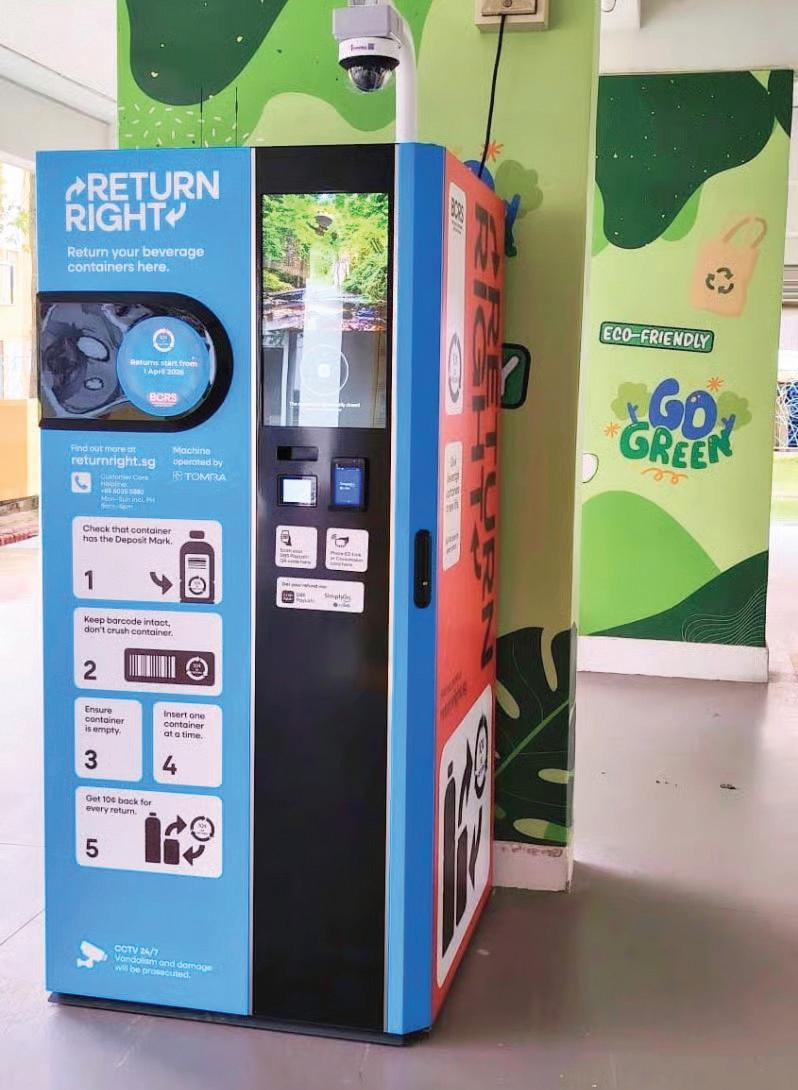
Singapore launches first deposit return scheme in SEA Meanwhile, Singapore has become the first Southeast Asian nation to launch a nationwide deposit return scheme (DRS). The country adds that the implementation of DRS is a transformative step in advancing circularity, reducing waste, and increasing high quality recycling across the nation. The launch of the Beverage Container Return Scheme (BCRS) marks a major milestone in Singapore’s environmental strategy.
The nationwide scheme is designed to make recycling more convenient, more accessible, and more effective for residents and businesses alike.
As of 1 April 2026, Norwegian multinational corporation manufacturing collection and sorting products, Tomra Collection , has deployed 350 reverse vending machines (RVMs) across the Central and North Eastern regions of Singapore, all going live as the scheme launches.
These machines allow consumers to easily return eligible used beverage containers and receive their deposit refund via digital payment solutions (EZ-Link cards, concession cards or DBS PayLah! Wallets), ensuring each container can be collected, sorted, and recycled.
While deposit return systems in Australia, Europe, and North America often follow a return to retail model, Singapore’s BCRS takes a hybrid approach tailored to the country’s dense urban layout, consumer behaviour, and existing infrastructure.
India has implemented a 40% rPET content in new products, paving the way for sustainability
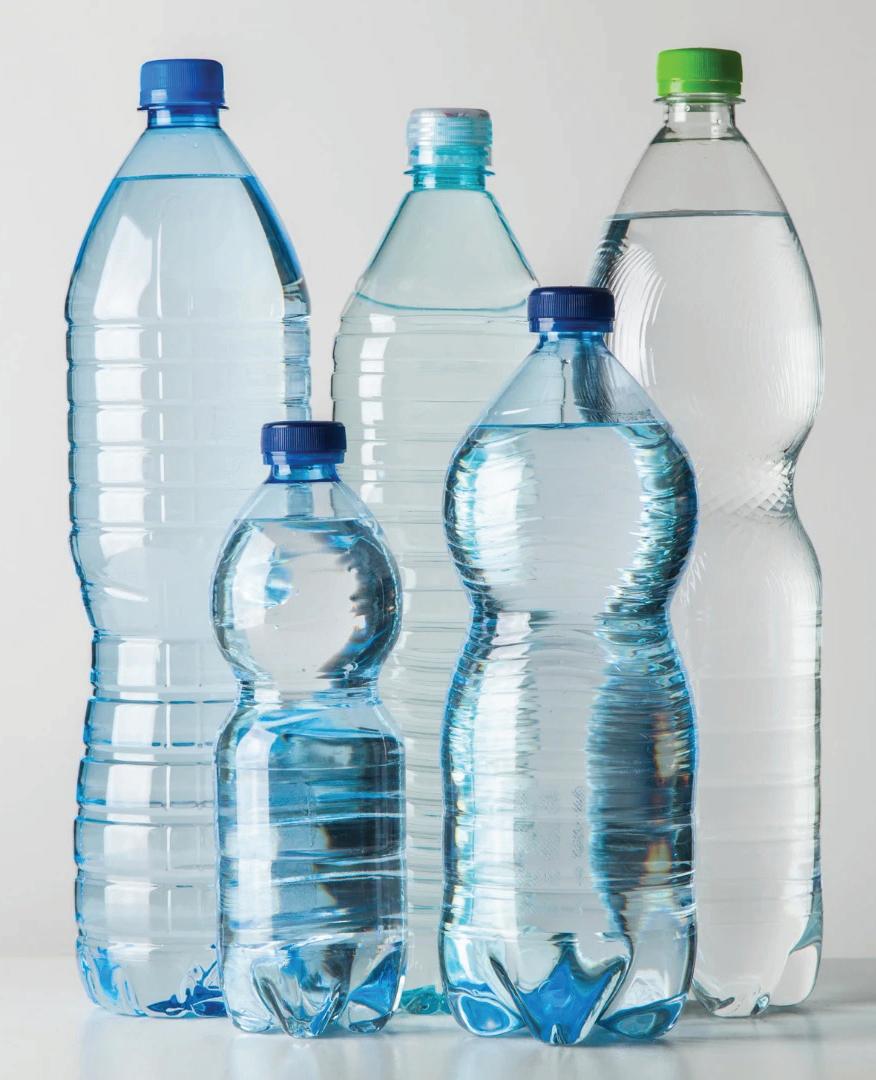
With the Centre notifying mandatory norms for use of 40% recycled content, Association of PET Recyclers Bharat said that rPET makers have established facilities with a total capacity of about 300,000 tonnes with investments to the tune of US$1 billion.
The industry body said that with this India is wellpositioned to cater to 50% of the total PET requirement for bottle applications through recycled material.
Earlier in March this year, the Food Safety and Standards Authority of India ( FSSAI ) had also granted approvals to 17 rPET manufacturing plants. The companies include Dodhia Industries , Ganesha Ecopet , JB Ecotex , Ribotl Solutions , and Srichakra Polyplast , adding on a collective capacity of 300,000 tonnes to India’s circular packaging infrastructure.
A statement from APR said: “The FSSAI’s move granting final licences will help strengthen India’s packaging supply chain at a time when virgin PET faces global pressures in the wake of the Iran-Israel war.”
Tomra adds that RVMs will be available not only in retail stores and supermarkets, but also in publicly accessible locations such as HDB void decks, hawker centres, town centres, high footfall public areas, higher education campuses, major tourist attractions, etc.
Tomra Collection has deployed 350 reverse vending machines in Singapore
Taiwan’s programme to defuse panic buying of plastic bags
Elsewhere, the Taiwanese government has launched what it calls an “affordable plastic bag” programme to stabilise local supply, and promote reuse schemes, after disruptions to petrochemical feedstocks, with the Middle East war having triggered panic buying across the island.
Under the program, state-run CPC Corp will allocate 5,000 tonnes of additional ethylene from its No. 4 naphtha cracker in Kaohsiung to Formosa Plastics Corp to produce PE to manufacturers of plastic bags.
CPC said the facility’s production capacity has been raised to about 79,000 tonnes from just over 60,000 tonnes, which could help ease a shortfall in raw materials for downstream plastic products.
The ministry expects the higher output of such materials to help stabilise plastic bag supply and prices, since small plastic bags and inner bags are in short supply.
Meanwhile, the country’s environment ministry is expanding a nationwide reuse initiative to curb demand for new plastic bags and reduce pressure on supply chains. The programme, which encourages households to donate unused paper and reusable bags, connects supply with retailers and traditional markets through a matching platform. Businesses can set up lowcost collection points using standardised designs provided by the government.
It introduced a pilot programme at Taipei’s Jianguo Flower Market, which showed the share of plastic-free purchases rose to 10% from 1.5% after introducing secondhand bag circulation, according to the ministry.
The initiative also aims to strengthen resource circulation and reduce costs for businesses amid volatile external conditions, while encouraging corporate participation as part of environmental, social and governance (ESG) efforts.
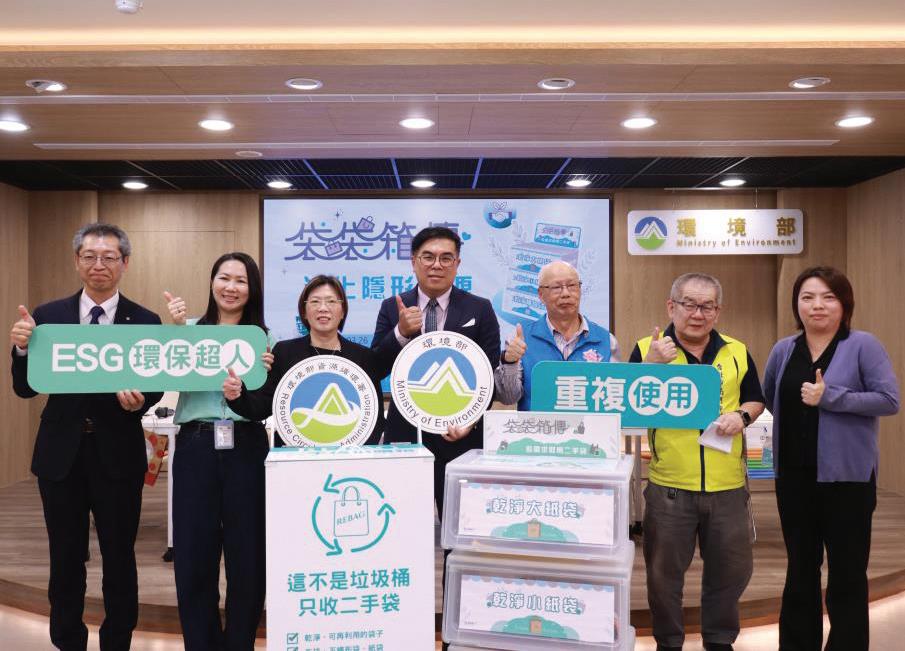
Taiwan’s environment ministry is expanding a nationwide reuse initiative to curb demand for new plastic bags
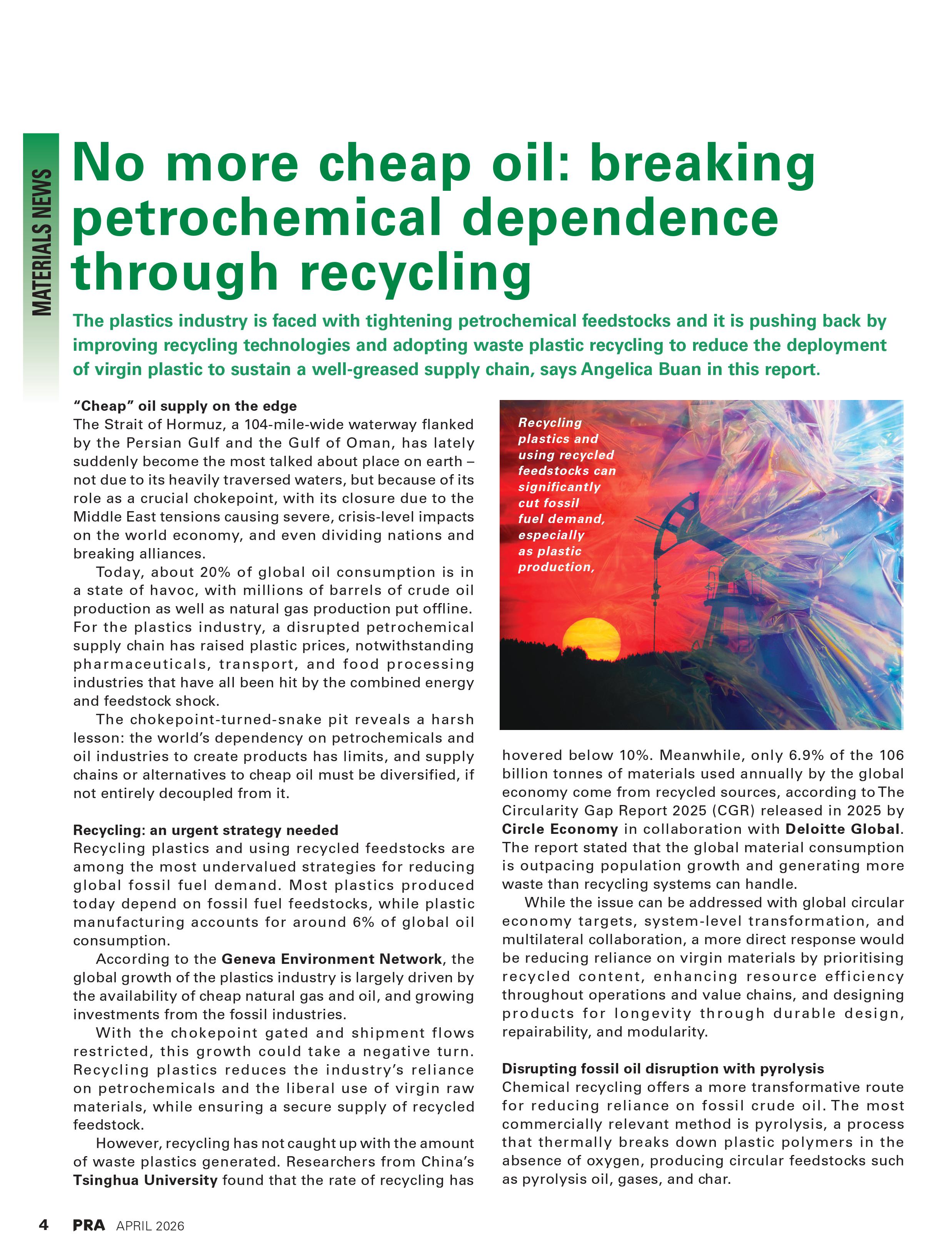

WPU’s new Port of Rotterdam pyrolysis plant will use lowemission, energy-efficient furnace technology and process 80,000 tonnes/year of post-consumer plastic, raising total capacity to 100,000 tonnes/year
Major players such as Swiss-based Dutch energy and commodity trading company Vitol ’s WPU , French multinational integrated energy company TotalEnergies , and German polymer materials manufacturer Covestro are among the latest in a roster of industry prime movers that have invested in pyrolysis to recycle end-of-life plastics.
WPU, Vitol’s plastics recycling business, is building a new chemical recycling facility for end-of-life plastics at the Netherlands’ Port of Rotterdam, one of Europe’s
largest ports, alongside Vitol’s refinery VPR, acquired in 2017 by Vitol’s wholly owned subsidiary, Vitol Refining Group BV . The location is strategic, as the facility connects recycled output with existing industrial infrastructure and end markets.
The new pyrolysis plant, which will incorporate furnace technology designed to reduce emissions and lower energy use, will have the capacity to process 80,000 tonnes/year of post-consumer plastic, increasing WPU’s total recycling capacity to 100,000 tonnes/year.
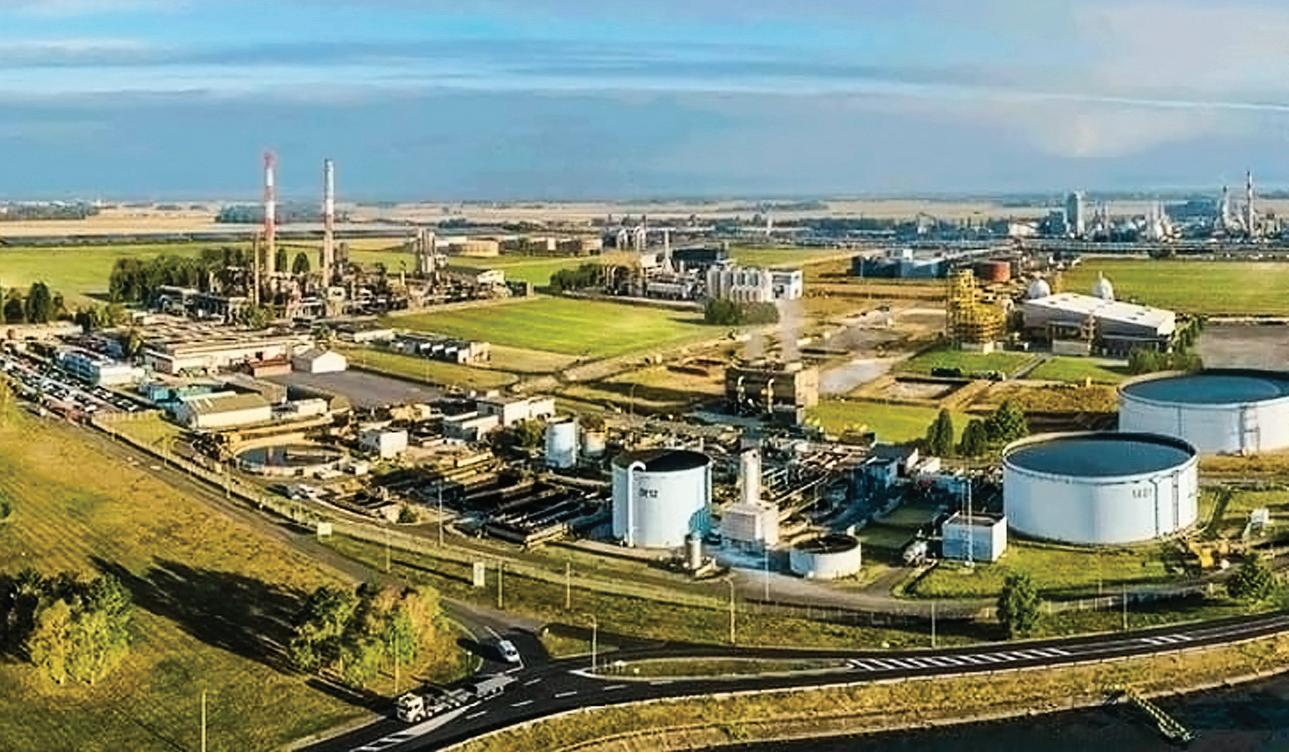
TotalEnergies's first advanced plastics recycling plant at its Grandpuits site has a capacity of 15,000 tonnes/year
The Rotterdam facility is expected to be one of Europe’s largest chemical recycling plants for end-of-life plastics, converting waste plastics into pyrolysis oil for the production of circular chemicals, intermediates, and new plastics, targeting a lower carbon intensity than fossil naphtha. According to WPU, the project is expected to meet growing demand for circular feedstocks and support European policy to add higher recycled content in products and the decarbonisation of petrochemical value chains.
WPU’s pyrolysis technology has already been deployed at its plant in Farevejle, Denmark, with a recycling capacity of 20,000 tonnes/year. It is currently operating near full capacity and serves as a reliable supplier to customers. WPU is among the first companies to deploy plastics pyrolysis at commercial scale for waste plastic.
Along the same vein,TotalEnergies has launched France’s first advanced plastics recycling plant, with a capacity of 15,000 tonnes/year, at its Grandpuits site southeast of Paris.
The new facility uses recycling technology supplied by its partner, UK-headquartered chemical recycling company Plastic Energy . The plant transforms hard-to-recycle plastic waste from French households, which is currently sent to landfill or incineration, into pyrolysis oil, through heating the waste to high temperatures in an oxygen-free environment and under pressure. This advanced recycling process makes it possible to recycle waste that cannot be processed mechanically, it adds.
The synthetic oil is then used as petrochemical feedstock, as a substitute for fossil fuels. It contributes to producing recycled plastics of the same quality as virgin plastics, compatible with the strictest requirements for food contact and medical applications.
TotalEnergies signed an agreement in 2023 with two French partners: eco-organisation Citeo and recycling company Paprec, to secure the plant’s long-term supply of plastic waste.
Meanwhile, Covestro and the Fraunhofer Institute for Environmental, Safety and Energy Technology (UMSICHT) have recently signed a contract to operate a 2,000 tonnes/ year pilot plant for pyrolysis of rigid polyurethane (PU) foam waste, primarily from end-of-life insulation PU materials. The technology specifically targets rigid foam
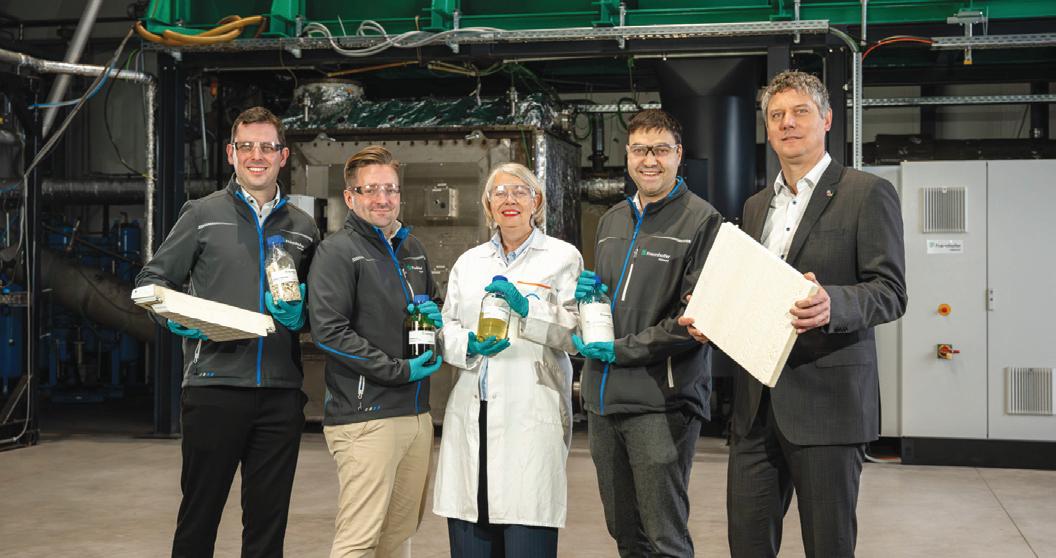
because it is notoriously difficult to recycle due to its crosslinked molecular structure, according to Covestro. The plant will be operational by mid-2028. The resulting amount of aniline could be used to produce insulation for roughly 200,000 refrigerators.
The agreement covers Fraunhofer UMSICHT’s pyrolysis research expertise and existing chemical recycling infrastructure to implement and scale Covestro’s proprietary smart pyrolysis process, converting insulation waste from appliances and construction into high-purity re-aniline for the production of MDI (methylene diphenyl diisocyanate).
The resulting MDI meets the same purity standards as conventional MDI, with up to a 40% lower carbon footprint compared to fossil-based production routes.
The technological development builds on extensive research within Circular Foam, an EU-funded flagship project coordinated by Covestro with Fraunhofer UMSICHT and 23 other partners across Europe.
The development is significant for the MDI market, which is seeing growing demand for rigid PU applications in insulation, as well as in the automotive and construction industries.
Enhancing recycling for PET and acrylic plastics
Advances in chemical and mechanical recycling of commonly used yet hard-to-recycle plastics are coming into focus for more energy efficient systems that deliver optimum results.
Recycling PET trays, widely used for convenient food handling, preventing spoilage, extending shelf life, and reducing waste, addresses not only the environmental impact of such products but also food security and supply, which may be derailed by disruption in the oil supply chain.
According to Lucintel ’s plastic tray market forecast to 2031, demand for plastic trays continues to grow and is expected to reach a CAGR of 5.2% from 2025 to 2031, driven by increasing demand from the food & beverage industry and the rising use in healthcare packaging.
In line with this, Spain-based Sulayr Recycling has bolstered its PET tray recycling operations by working with Tomra , a Norwegian sorting technology provider, to build a more stable and scalable system that turns used plastic trays back into new food-grade trays with full traceability.
PET tray recycling is particularly difficult due to complex materials, mixed waste streams, and strict quality standards, according to Sulayr, which addresses this by focusing on a closed-loop, transparent-to-transparent recycling process, producing over 50,000 tonnes of recycled PET in 2025, or more than 4 million trays/day.
As quality demands increased, the company recognised that consistency was just as important as purity, with its technology officer explaining that reliable day-to-day performance is essential for tray-to-tray recycling, not just ideal conditions. To achieve this, Sulayr and Tomra co-designed the entire sorting process to ensure consistent, high-quality results that meet strict and evolving European standards.
Covestro partnered with Fraunhofer UMSICHT to operate a 2,000 tonnes/year pilot plant for the pyrolysis of rigid PU foam waste, primarily from end-of-life insulation materials
Sulayr
Recycling and Tomra collaborated to build a more stable and scalable system that turns used plastic trays into new food-grade trays with full traceability
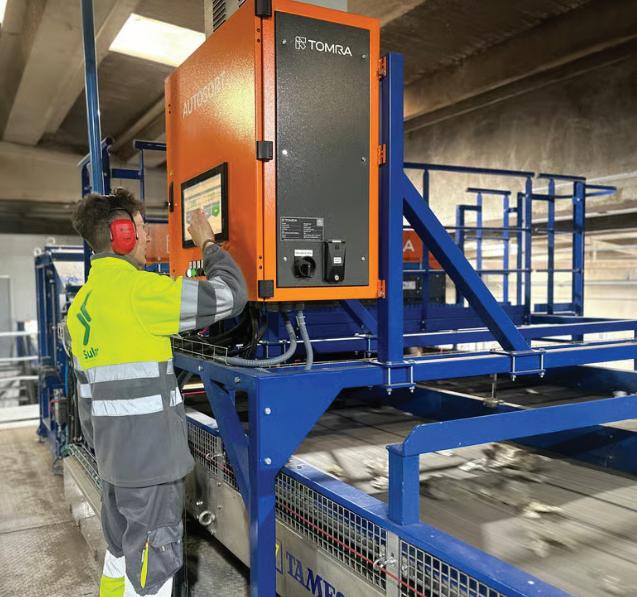
This collaboration led to a system that delivers over 99.8% purity, enabling recycled material to match virgin plastic quality and be reused in food-grade applications. The improved process has increased material recovery, reduced waste, and allowed Sulayr to meet stricter customer requirements and expand into new markets.
Similarly, researchers at UK’s University of Bath offer a breakthrough solution for continuous yet environmentally friendly recycling of acrylic plastics.
Acrylic, sold under brand names including Perspex and Plexiglas, is made from the transparent PMMA. Approximately 3 million tonnes are used worldwide each year in a wide range of applications, including automotive components, screens, and construction materials.
Mechanical recycling is often the primary option for recycling waste acrylic plastics. The method involves shredding or melting the plastic to reform pellets for new
uses. However, this leads to discolouration and a gradual decline in quality, whereby the recycled material can no longer be used for glass-like applications.
With pyrolysis, heating Perspex to 350–400°C to return the plastic to its monomer state, the process can be energyintensive and easily contaminated by other plastics.
The researchers developed a new method for recycling acrylic plastics that uses less energy, safer solvents, and maintains material quality so it can be reused multiple times. The process chemically breaks the plastic back into its original building blocks using UV light at much lower temperatures (120–180°C compared to the usual 350–400°C), making it far more energy-efficient.
It also relies on non-toxic, sustainable solvents, offering a safer alternative to conventional methods. With over 95% conversion and more than 70% recovery of reusable material, the approach enables plastics to be remade into like-new products without degradation, unlike mechanical recycling, which reduces quality over time.
Dr Jon Husband, ISCC Research Fellow, who led the study with Dr Simon Freakley from the University’s Institute of Sustainability and Climate Change (ISCC) and co-author Innovation Centre for Applied Sustainable Technologies (iCAST) Director Professor Matthew Davidson, said current recycling methods are energyintensive and inefficient, and demand for cleaner, more efficient recycling technologies has never been greater. He added that plastic recycling is often economically challenging due to high energy costs and low-quality output, and that this work directly addresses both issues.
Overall, for the plastics industry facing the major challenge of reducing petrochemical dependence, there is no hurdle too great to overcome.


























Circular plastics from Thai project partners Register Now!
China forges ahead with industrial resilience
As a global economic powerhouse, China has kept its sails up, navigating the rough waters of disrupted supply chains amid ongoing fuel blockades and geopolitical mayhem, says Angelica Buan in this report.
Tenacity amid global oil shock
The US/Israel war against Iran has disrupted Gulf oil routes and supply chains. Soaring oil prices and a closed Strait of Hormuz are sending ripples through global markets, which are facing higher energy costs and tighter oil flows.
According to the US-China Economic and Security Review Commission ( USCC ), China, a major importer and committed partner to Iran, buys around 90% of Iran’s exported oil, generating tens of billions of dollars in annual revenue for the Iranian government’s core budget.
China’s top industries were already showing strong performance since the start of the year, months before the Gulf conflict began. According to the National Bureau of Statistics of China, manufacturing rose 6.6% in the first two months (of 2026), while equipment manufacturing grew 9.3% year-on-year, with hightech manufacturing rising over 13%, outpacing large industrial enterprises by about 7% and 3% respectively.
It is not surprising that China has maintained its dominant stake in the global market, as the top manufacturing country for the third consecutive year, according to the Asia Manufacturing Index ( AMI ) 2026 report by consulting firm Dezan Shira and Associates AMI reports that China will continue to anchor manufacturing in the region, particularly in high-tech and capital-intensive industries.
Domestic coal to secure plastics supply
As the world’s largest producer and consumer of plastics, the country has faced challenges from ongoing policy shifts and geopolitical developments such as high US tariffs on feedstock, putting pressure on manufacturing.
Notwithstanding this, the country is able to source oil from Russia, a major supplier of naphtha, and is selfsufficient in plastics such as PVC, transforming it from a net importer to a net exporter, shielding the country from PVC supply uncertainties.
Meanwhile, the country’s abundant coal resources and coal-based production provide further insulation from petrochemical supply shocks.
For PVC, it uses the calcium carbide route, and it also leverages locally sourced coal to produce ammonia and fertilisers. As well, according to research firm ICIS’s insights in March, coal-to-olefins (CTO) PP producers in China are able to supply Southeast Asian converters with their PP requirements.
Getting on the bandwagon of green chemicals
Last year, China opened what it said is the world’s first industrial-scale chemical recycling plant with 200,000tonne/year capacity in Jieyang city, Guangdong.
Though China claims it’s the first, Site Zero in Sweden, catering to the Nordic market, also has a capacity to recycle 200,000 tonnes/year and opened in 2023. Site Zero can sort up to 12 types of plastic including four types of flexibles at a 95% success rate, but the waste has to be sorted before recycling, unlike China’s plant that uses a pioneering one-step chemical recycling process that converts low-value mixed plastics directly into high-value raw materials, bypassing sorting and achieving a 92% yield, according to plant operator Guangdong Dongyue Chemical Technology
Municipal and provincial officials say the project will reduce plastic pollution, enhance China’s self-reliance on chemical raw materials, and position Jieyang as a hub for chemical recycling, with plans to expand capacity to 3 million tonnes/year in future phases.
Amid changing global trade dynamics, the country’s industrial ecosystem and supply chain capabilities has seen several global players locate manufacturing to China for easier access to regional customers.
Despite global headwinds in the oil trade, China has maintained steady performance, with its key industries already on track since the start of the year
Early this year, Swiss subsidiary of Danish shipping group A.P. Möller-Maersk , Vioneo , dropped plans to build a EUR1.5 billion green plastics factory in the Port of Antwerp in Belgium, instead opting to construct it in China.
Vioneo said China offers better access to green methanol, a key raw material, which would lower costs, reduce carbon emissions, and accelerate production. The company added that the China-based plant is expected to emit less carbon overall than the originally planned Antwerp facility.
The Antwerp factory, intended to produce up to 300,000 tonnes/year of green PP/PE for sectors such as healthcare and automotive, was viewed as a boost to the port’s sustainability ambitions, but the site lost out due to the higher costs.
Strategic material investments for the Asian market Leveraging China’s robust upstream nylon industry, Swiss specialty chemical company Clariant has expanded production capacity for its stabiliser portfolio. Clariant’s joint venture with Beijing Tiangang Auxiliary completed commissioning of Nylostab S-EED line, a multi-functional stabiliser, allowing Clariant to serve customers in the textile and engineering plastics industries in China and the Asian market.
Nylostab S-EED has also gained traction in artificial turf for sports fields, providing protection against light, heat, and oxidation. Designed using a molecular recognition method, the stabiliser is said to exhibit solubility in nylon.
Similarly, Japanese materials manufacturer Toray Industries ’ subsidiary, Toray Plastics ( China ), set up a production site for resin compounds used in automotive electrical components and electrical/ electronic connectors in Guangdong. The new facility, which doubles as a hub with a focus on Southeast Asia, aims to expand Toray’s business in the Chinese market by focusing on energy vehicle (EV) applications, as well as anticipated growth in advanced communications, electrical/electronic applications, and solar power generation.
More recently, this year, German chemicals firm BASF officially inaugurated its newly built, world-scale site in Zhanjiang, Guangdong, which was first mooted in 2018. Covering an area of around 4 sq km, and employing over 2,000 people, it will produce a diversified portfolio that includes basic chemicals, intermediates and specialty chemicals for the transportation, consumer goods, electronics, home care and personal care industries. The project was completed on schedule and below the original budget, with an investment of around EUR8.7 billion, said officials.
BASF adds it has successfully started up 18 plants, 32 production lines, and is producing more than 70 products, including engineering plastics and thermoplastic polyurethanes (TPUs).
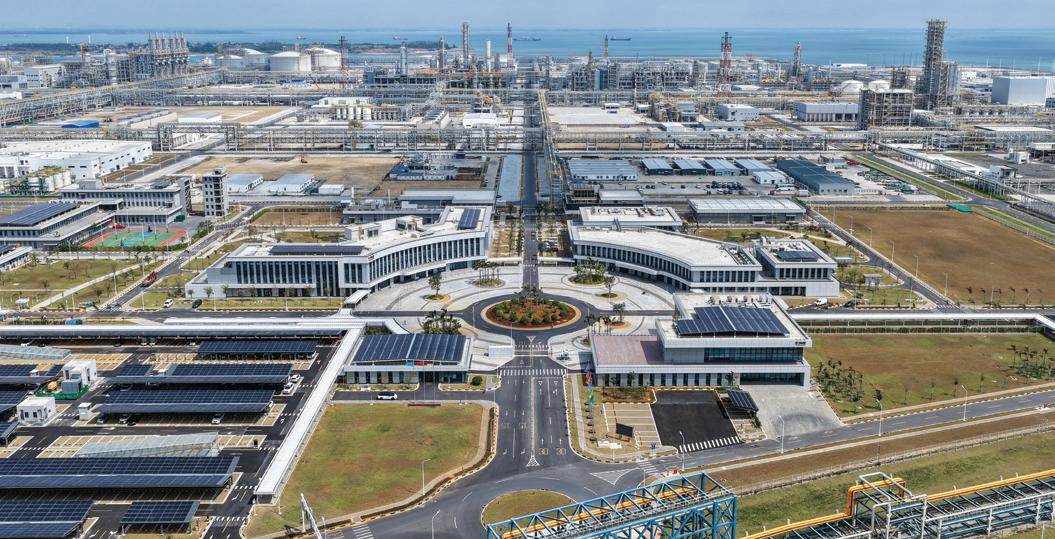
BASF recently officially inaugurated its world-scale site in Zhanjiang, built with an investment of EUR8 billion
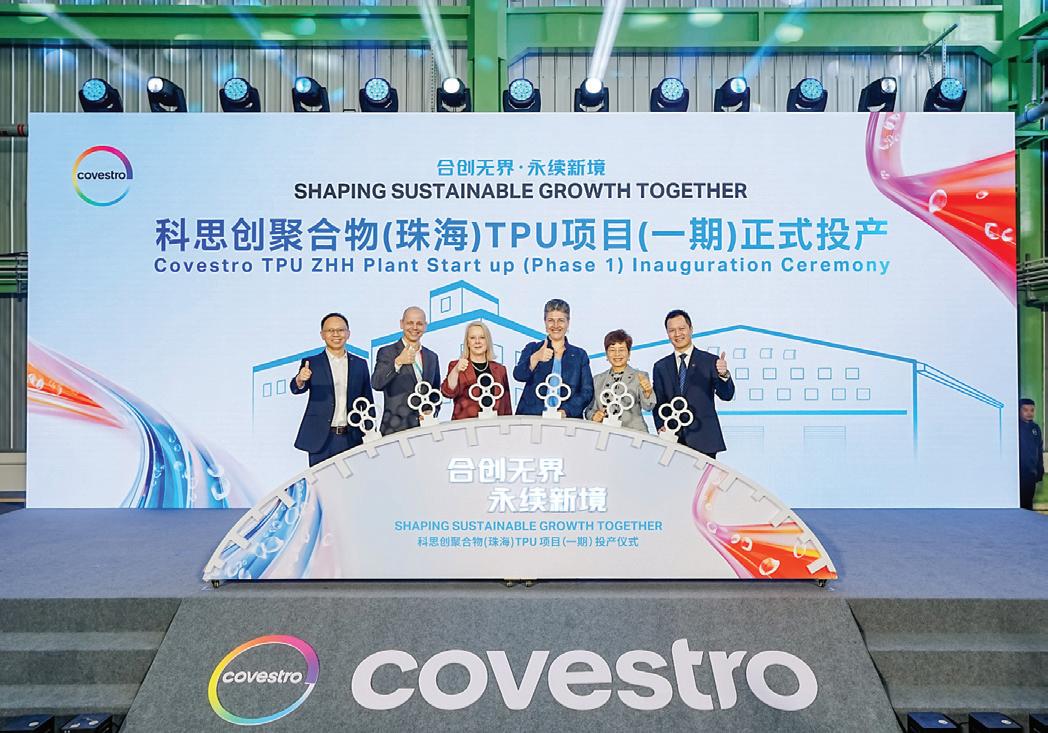
Another German compatriot Covestro also inaugurated its latest production site for TPUs in Zhuhai, South China, this year. With a mid-doubledigit million-euro investment, the company aims to address the growing demand for TPU in key industries such as automotive, IT, and footwear. With an initial production capacity of 30,000 tonnes/year, it is expected to increase to 120,000 tonnes/year by the 2030s, making it Covestro’s largest TPU production site globally.
Country Fo C us
Covestro launched Phase 1 of its TPU facility in South China early this year. It will be largest TPU site for Covestro after completion of all three construction phases in the 2030s
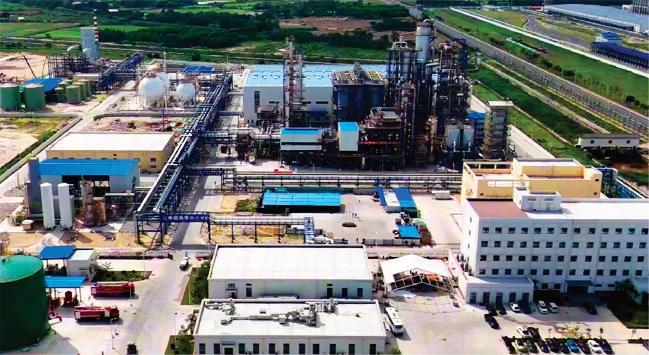
China opened its 200,000-tonne/year capacity industrial-scale chemical recycling plant in Jieyang city, Guangdong
The Zhuhai facility is complemented by Covestro’s TPU R&D centre in Changhua and the TPU application development centre in Guangzhou.
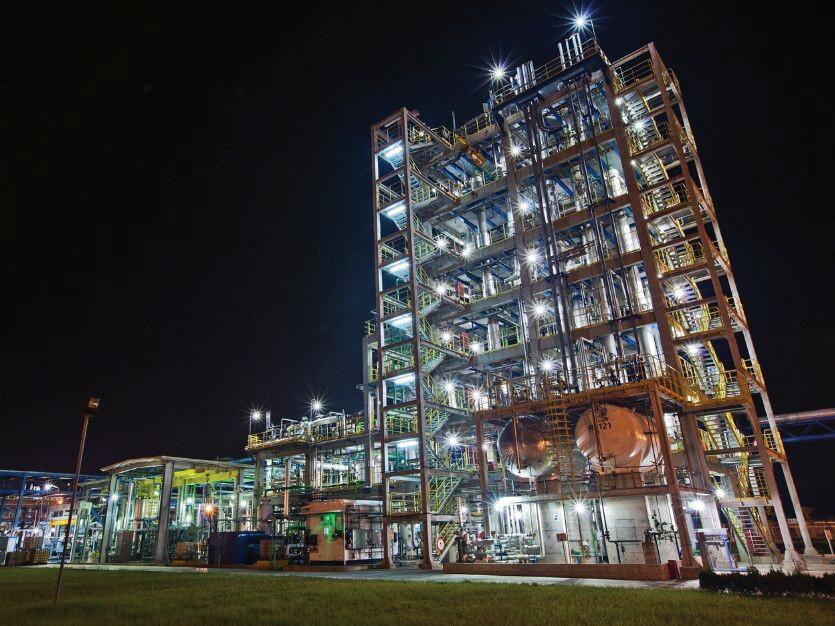
Similarly, French chemical firm Arkema recently unveiled a 20% expansion of its Kynar PVDF production capacity at its Changshu site in China, with the new unit expected to start up in 2028. This additional capacity is designed to support the growth in demand of PVDF for lithium-ion batteries for EVs and energy storage systems (ESS), high-performance coatings, chemical processing industries, semiconductor manufacturing, water filtration, and wire and cable
PVDF producer Arkema is expanding its output by 20% at its
Scaling up machinery presence in the region
Similarly, Italian automation specialist Piovan Industrial Automation opened a facility in Suzhou, Jiangsu Province, 25 years after establishing its first subsidiary in China. The EUR10 million, 15,000-sq m facility is aimed at strengthening Piovan’s presence in the Asian region as a provider of automation systems for plastics processing, food powders, and refrigeration solutions.
Piovan CEO Filippo Zuppichin said the group has pursued an international network with direct branches to stay close to customers and provide timely support to distributors. The group’s first Asian sales office opened in Singapore in 1997, followed by production facilities in Zhuhai in 2005 and Suzhou in 2008.
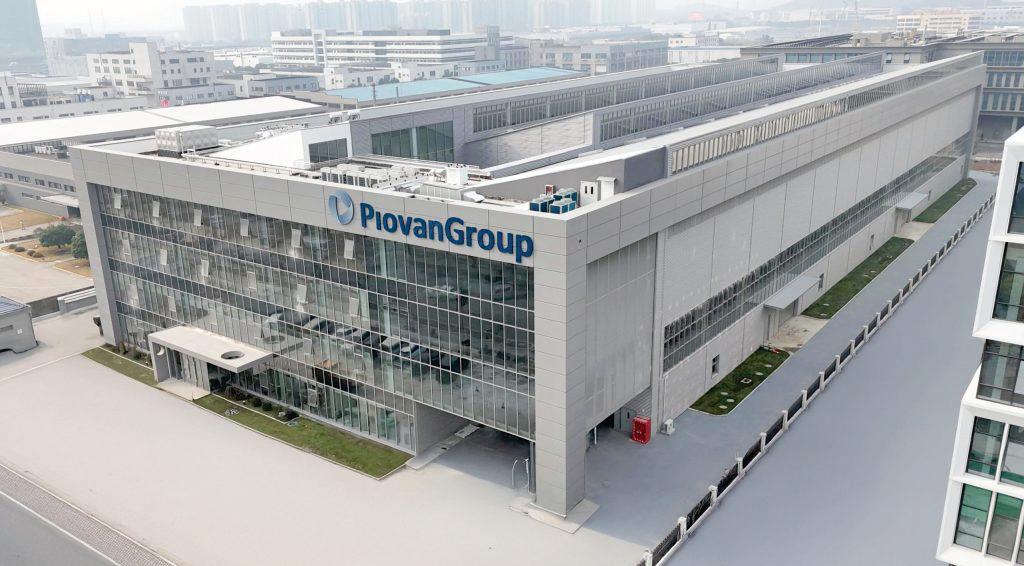
Piovan Industrial Automation opened a EUR10 million, 15,000-sq m facility in Suzhou to
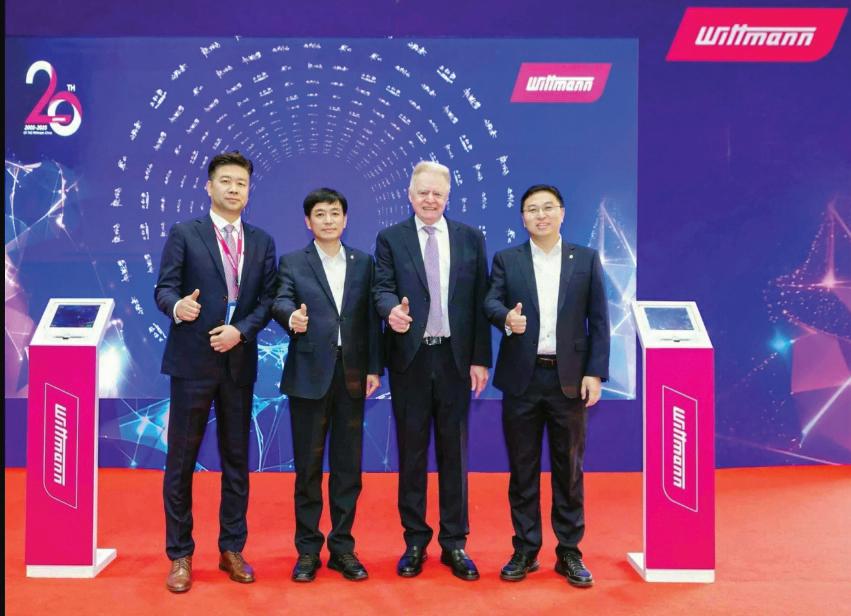
Wittmann expanded its Kunshan plant to produce machines locally, starting with the 100-tonne all-electric EcoPrimus injection moulding machine
Likewise, Austrian auxiliary equipment/machinery manufacturer Wittmann Group, which has a long-standing presence in China, has expanded its plant in Kunshan, adding local production of machines alongside robots and auxiliaries. Production will initially focus on the 100-tonne all-electric EcoPrimus injection moulding machine.
Kevin Wang, General Manager of Wittmann Kunshan and Wittmann Battenfeld Shanghai , said the expansion represents the group’s move from a component supplier to a full-service systems provider, with shorter delivery times and cost advantages.
The expansion doubles capacity for the auxiliary division, adding over 10,000 sq m: with 6,500 sq m for production and 3,500 sq m for offices. Workflows have been optimised, with mechanical processing, assembly, and painting areas networked for efficiency, it adds.
Wang furthered that local R&D enables faster and more flexible responses to market needs in China and Asia, with focus areas including packaging, medical devices, automotive, and home appliances. Wittmann has been in China since 2001, producing robots in Kunshan since 2005, adding on temperature control units, conveying units, compact dryers, and granulators later. In 2021, the company opened a second sales/ service centre in Dongguan.
Meanwhile, German injection moulding machine manufacturer Arburg is banking on the Asian market for sales, since China delivered better results for the company, compared to the US/European markets. And in response to growing demand in China, Arburg is developing a vertical machine for the Asian market in cooperation with Tayu Machinery .
The Chinese partner will supply the base of the machine and mechanical systems, such as the clamping unit, and rotary table, while the plasticising unit and control system will manufactured at Arburg’s headquarters in Lossburg, Germany.
The machines are being developed for high-precision, ergonomic overmoulding of inserts and will be fully assembled at Arburg's Pinghu factory in China, and will be launched later this year.
At Pinghu, Arburg already assembles entry-level machines in the Golden Electric series for the regional market, and assembly of the Trend machines is also scheduled to start there by end 2026.
Changshu site to meet demand for EV sector
boost its presence in Asia as a provider of automation systems for plastics processing
Sustainability in packaging
Rising consumer awareness and evolving regulations are driving brand owners to seek packaging solutions that incorporate recycled content. In these case studies, ExxonMobil Signature Polymers worked with machinery makers Reifenhauser and W&H to validate the solutions.
Stretch hood films with 35% household-sourced PCR content
With demand for high-quality post-consumer recycled content (PCR) from industrial and commercial sources expected to rise in the years to come, the industry is being driven to explore the use of lower-quality PCR, such as waste sourced from household streams.
Household-derived PCR streams have traditionally been considered too contaminated for high-performance applications like stretch hood films. Yet, this is exactly where innovations in materials science and process engineering, combined with the right collaborations, can redefine what’s possible.
In collaboration with Reifenhäuser Blown Film, ExxonMobil Signature Polymers developed a highperformance stretch hood film that can incorporate up to 35% PCR derived from household sources. This breakthrough is enabled by Reifenhäuser’s EVO Fusion line, whose twin-screw technology provides the intense shearing, thorough homogenisation, and volatiles extraction required to process lower-quality PCR materials into a high-quality film.
At the core of this innovation are ExxonMobil’s resins. The five-layer film formulation features Exceed Tough+ m 0512 PE for its excellent bubble stability, good openability features, and high holding force, alongside Vistamaxx 6102 performance polymer, which facilitates PCR incorporation by enhancing the film toughness.
The Vistamaxx polymer content was kept ≤ 15% for potential compatibility with design for recyclability guidelines2. The PCR resin (Systalen LD-C12200) provided
by Der Grüne Punkt is derived from post-consumer waste collected through Germany’s ‘yellow bag’ recycling system. This PCR fraction is blended with Exceed Tough+ m 0211, a low-MI PE that can act as a gel grinder, further improving film performance and optics.
Friction control is essential for stretch hood applications, yet difficult to achieve with heavily contaminated PCR. Permanent and non-migrating slip additives (such as Constab SL 05077 LD, provided by Constab GER) may ensure a stable and consistent coefficient of friction throughout processing and usage.
Reifenhäuser’s twin-screw extruder technology ensures thorough mixing and homogenisation of PCR blended into virgin resin(s). Its shear action effectively breaks down gels and distributes them evenly, minimising the risk of film failure during the stretch hood application. Additionally, the EVO Fusion line is equipped with an in-line degassing system that effectively removes volatiles (which tend to be particularly prevalent in household-sourced PCR), ensuring a bubble-free film that is capable of withstanding the high mechanical stresses of industrial packaging.
The film was tested on the Lachenmeier hooding system, where it was evaluated against key performance metrics including friction control, tear resistance, and load retention. Despite the incorporation of lower-quality PCR derived from household sources, the film met the performance requirements, delivering good holding force, elastic recovery, and tear propagation resistance to ensure secure load containment and help protect goods during transit.
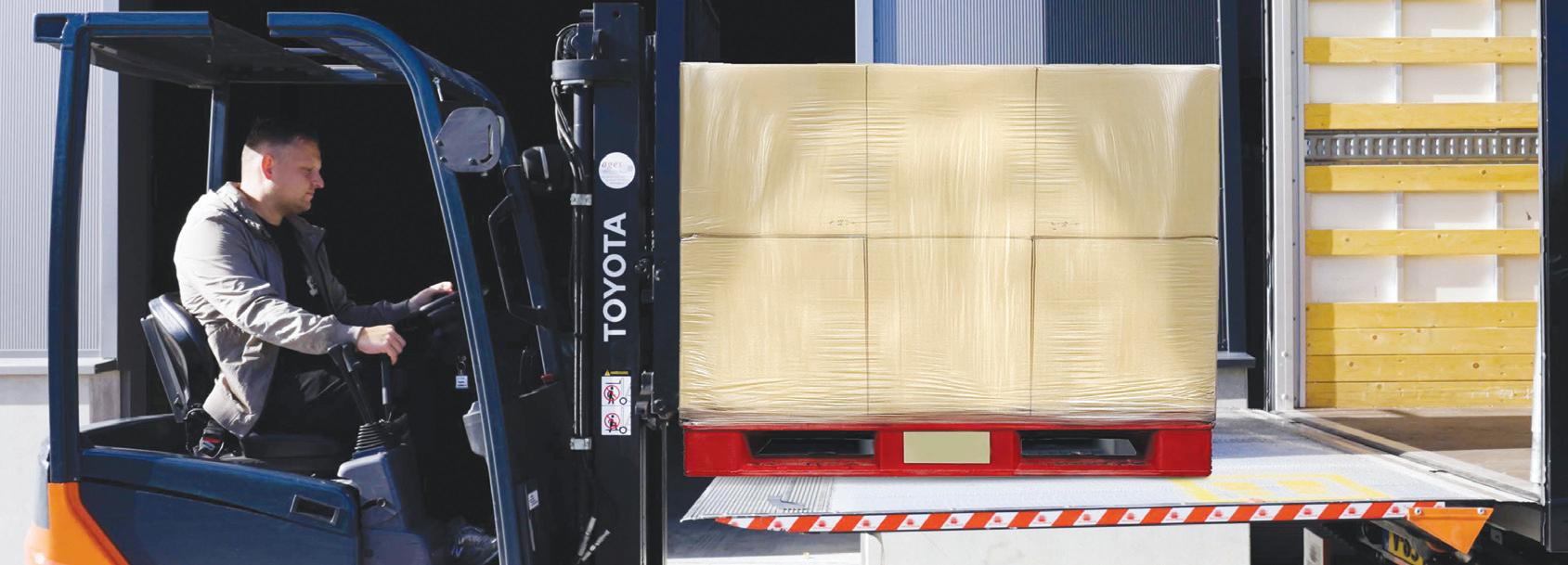
Through close collaboration across the value chain, it was demonstrated that even lower-quality, household-sourced PCR can be transformed into a high-performance packaging solution.
Household waste PCR films are possible for packaging use
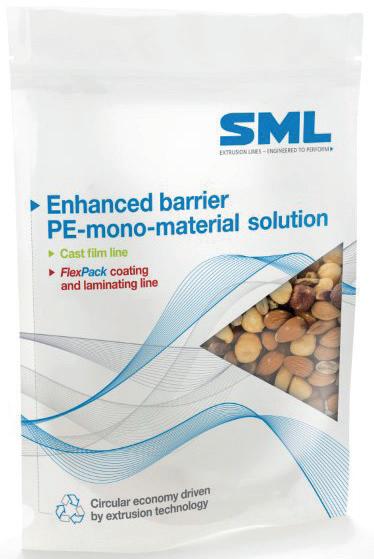
Developing recyclable mono-material PE pouch solution While traditional multi-material films, such as coextruded PP/PE or BOPP-based laminates, are able to deliver stiffness, optical clarity, and print quality, but they are often difficult to recycle and do not support downgauging. This challenge is further amplified by evolving regulations, including the EU Packaging and Packaging Waste Regulation (PPWR), which emphasise the need for recyclable packaging that maintains structural integrity and shelf performance.
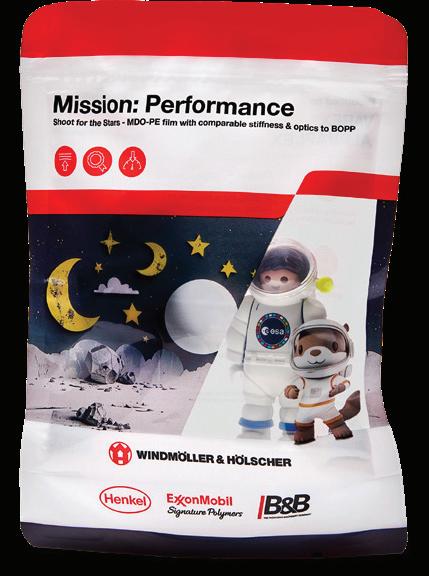
To meet this challenge, ExxonMobil collaborated with extrusion machinery supplier Windmöller & Hölscher ( W&H ), converting machinery maker B&B, and adhesives supplier Henkel to develop a mono-material PE pouch solution.
W&H’s Machine Direction Orientation (MDO) technology was used to produce an ultra-thin 25 μm PE substrate with outstanding stiffness, optical quality, and printability, comparable to conventional BOPP films.
A five-layer sealant web was formulated using ExxonMobil’s resins and laminated with Henkel’s recycling-compatible PU adhesive, creating a monomaterial PE structure designed for recyclability.
Finally, B&B converted the laminated film into high-performance stand-up pouches on its STBB 8K
Film/Sheet Sector
MDO-PE unlaminated cast film for deep-freeze applications
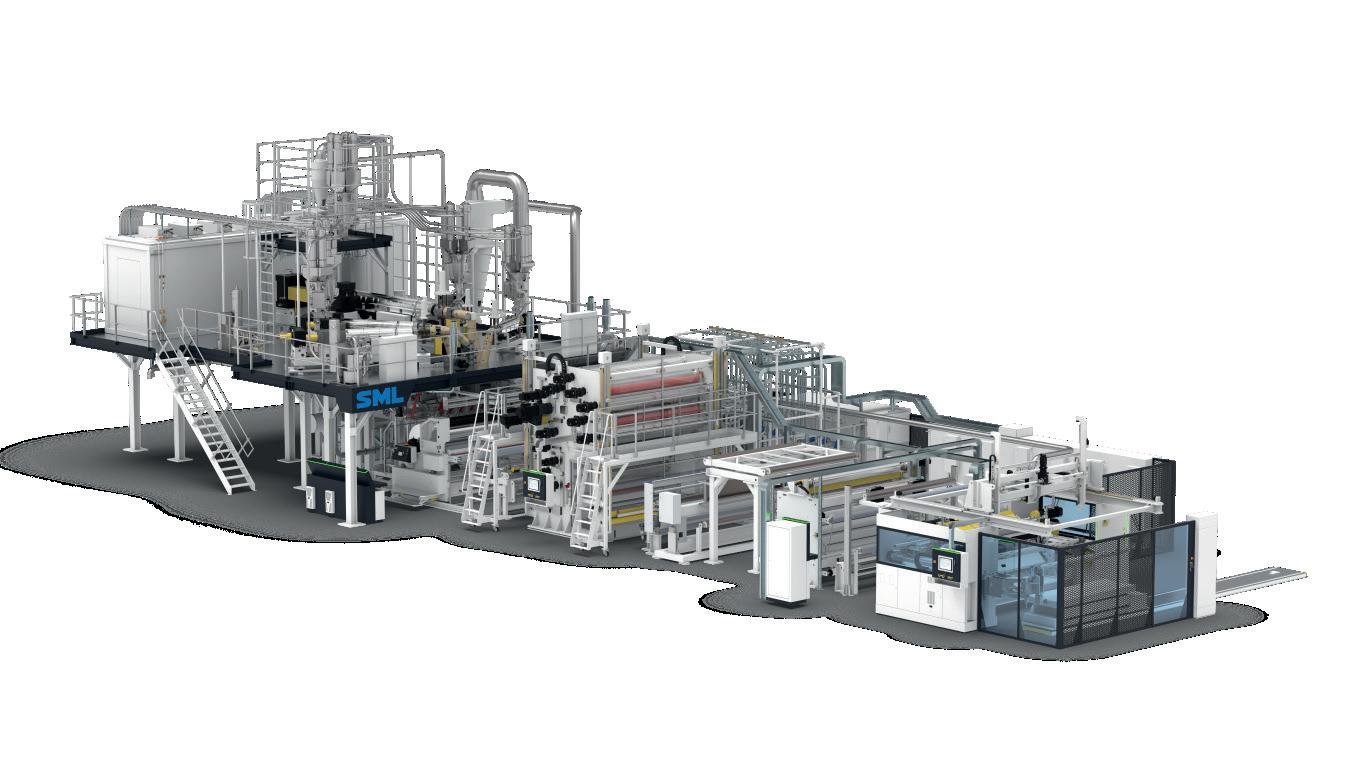
Austrian machinery maker SML’s latest generation of cast MDO lines have successfully produced a new, unlaminated MDO-PE film optimised for deep-freeze packaging. This film enables downgauging by up to 50% compared to conventional deep-freeze structures, while maintaining mechanical strength and excellent sealing properties.
The cast MDO process ensures exceptional processability across a wide thickness range from 15 μm to 65 μm. These MDO-PE films are produced at line speeds of up to 380 m/min and then successfully printed at speeds of up to 500 m/min.
Optimised resins and film layer structures deliver stiffness, puncture resistance, and sealing performance without the process of lamination.
“This joint development with TotalEnergies underlines SML’s ongoing commitment to innovation in cast MDO technology and sustainable flexible packaging solutions,” explains Elias Mayrhofer, Product Manager, Cast Film Extrusion at SML.
Cast MDO technology delivers films with significantly enhanced optical properties, including exceptional gloss and clarity, combined with outstanding flatness and a perfectly uniform thickness profile. This is achieved through precise die regulation with thickness measurement after the MDO unit, compensating neck-in and ensuring best winding quality.
Making mono-material PE pouches recyclable
equipment, delivering both process efficiency and consistent package quality.
The collaboration resulted in a monomaterial PE pouch that combines high-performance stiffness, excellent optical properties, and robust sealing performance while supporting recyclability.
Key benefits demonstrated include:
• Outstanding stiffness of the 25 μm MDO PE substrate, even at elevated temperatures, comparable to BOPP.
• High-quality printability and excellent optical clarity, critical for shelf appeal.
• Downgauged 90-115 μm sealant web maintaining seal strength and package integrity.
• 100% survival in 2-m bag-drop tests, confirming robust mechanical performance.
Excellent cooling rates on the chill roll enhance surface smoothness and mechanical properties, while integrated edge-trim recycling supports sustainable production in a closed loop system.
“These unique performance features are unmatched by any other technology currently available on the market. The result is a premium mono-oriented film, ideal for demanding applications where visual quality and dimensional consistency are most important,” Mayrhofer further states.
For sensitive products requiring high barrier properties, a barrier layer of EVOH or PVOH can be integrated into all MDO-PE film structures. Cast MDO-PE barrier films are available in thicknesses from 17 μm up to 65 μm.
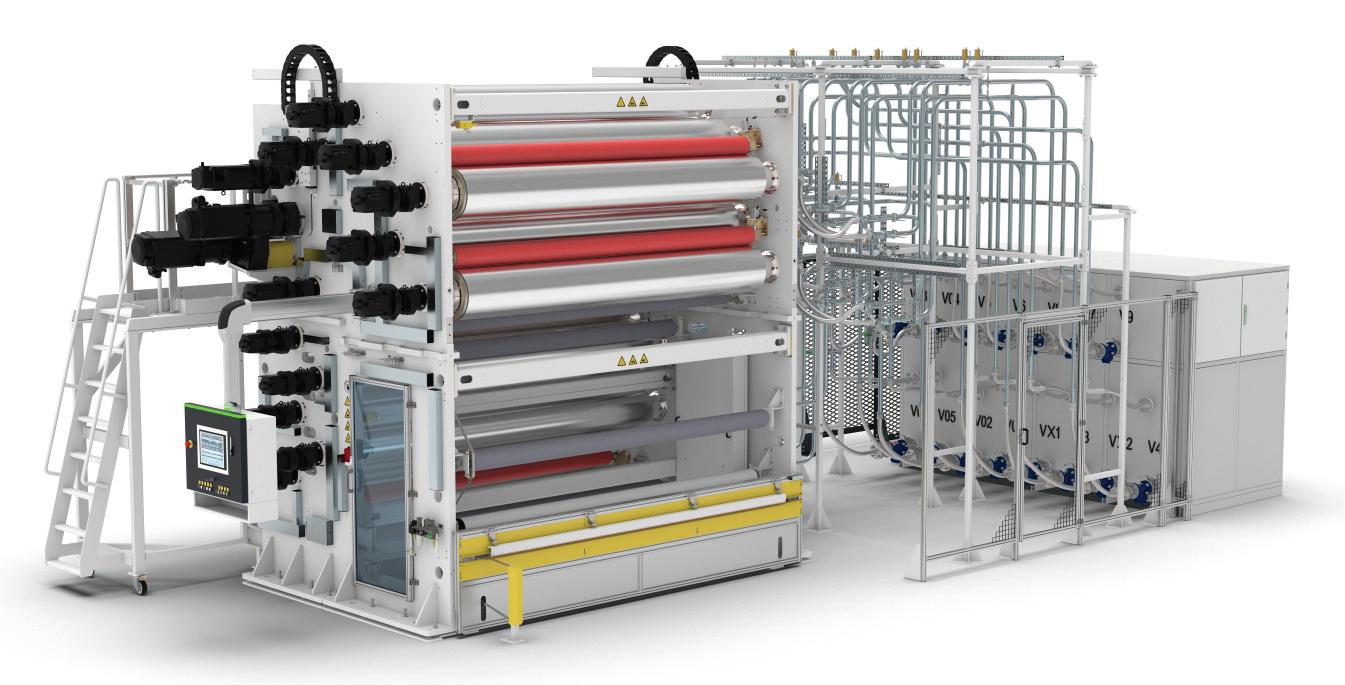
SML has introduced a MDO-PE cast film for deep-freeze applications that does not require lamination
Compared to unstretched barrier structures, the orientation (stretching) process enhances the barrier performance at the same EVOH content within the film. This ensures superior protection while maintaining recyclability due to the low proportion of the barrier material in the film structure.
NO.EL and Colines introduce tamper-proof stretch film
Security in palletised logistics has become a critical issue worldwide. It is estimated that at least 1% of all pallets are subject to tampering or theft every year which results into approximately 150 million compromised pallets globally.
Traditional solutions, such as coloured stretch film, have proven ineffective. While they obscure the visibility of the pallet’s content, they do not prevent unauthorised access. In fact, such materials can be easily supplied, allowing pallets to be resealed without detection.
Now, pre-stretch machinery provider NO.EL (part of Gruppo Colines Holding) and cast stretch film extrusion machinery supplier Colines have introduced a patented and tamper-proof stretch film system, known as Safe Track, designed for the logistics and pallet wrapping sector.
Aimed at preventing unauthorised access to goods during transit, It was designed to enhance security in palletised cargo management, offering a more effective alternative
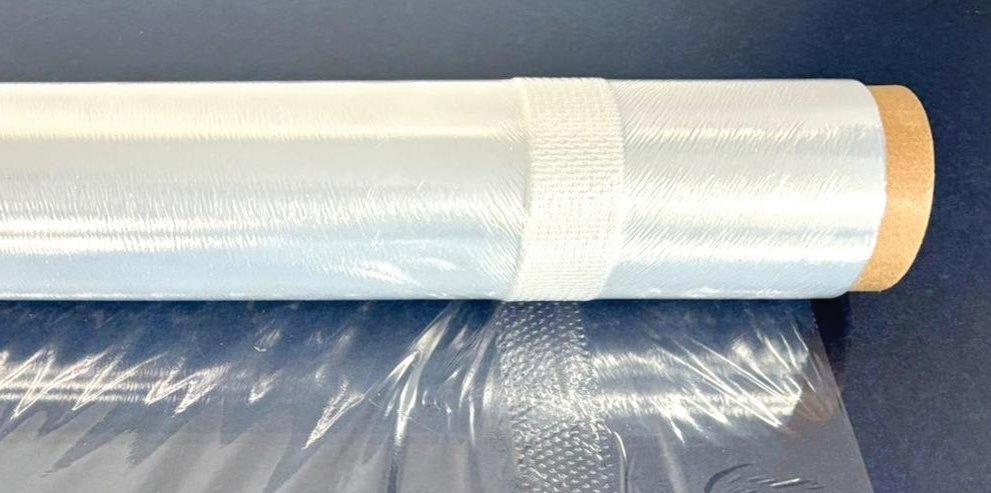
to coloured stretch films, which can often be compromised without detection.
The solution, which utilises a special, recognisable wrapping pattern, provides clear, immediate visual evidence if a pallet has been tampered with, making it an effective and cost-efficient alternative to traditional coloured stretch films, which can often be easily replaced after theft.
The companies say this breakthrough does not generate additional production costs, maintaining efficiency while enhancing security.
The technology has just been successfully tested in offline configurations, and is currently under advanced testing for in-line integration on Colines’s extrusion lines.
Adding elements of refinement in plastics
Far from being mediocre materials, modern plastics, engineered for heavy-duty and innovative applications, owe much of their performance to additives, says Angelica Buan in this article.
Reinventing materials
Traditional plastics have had a troubled past, often considered inferior to steel or glass in certain applications and viewed as an environmental concern due to their resistance to degradation, limited recyclability, and relatively low durability. Fast forward to today, additives deserve recognition for refining the properties of conventional plastics as they are, transforming basic polymers into highly capable materials with superior strength, flexibility, durability, and appearance, suited for demanding applications in automotive, construction, packaging, and healthcare. Importantly, certain additives can extend product life and enable recyclability and even controlled degradation. In this sense, additives modify how plastics function and how they are perceived in modern material use.
Architecting sustainability and durability
Additive producers are laying the groundwork for developing solutions that meet the needs of different applications in terms of sustainability and structural integrity.
Tokyo-headquartered Kaneka Corporation’s biodegradable polymer Green Planet is jointly developed with Japanese sports equipment and sportswear company, Mizuno Corporation. It has been adopted for the warning zone at Vantelin Dome Nagoya, and is said to be the world’s first use of biodegradable artificial turf made with Green Planet in this application.
Green Planet is a 100% biomass-derived biodegradable polymer. Due to its biodegradability into CO2 and water by microorganisms living in soil and seawater, it can contribute to solving the problem of marine plastic pollution.
NO.EL and Colines have introduced a tamperproof stretch film for pallets
Additives
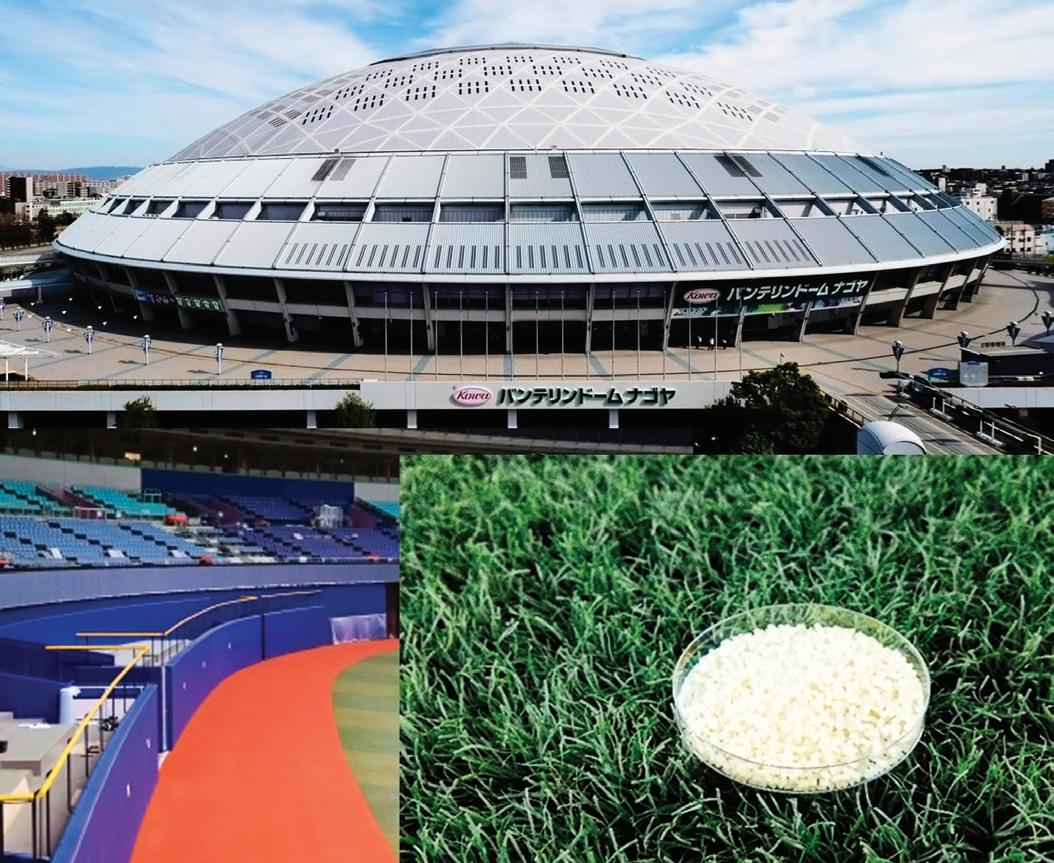
Artificial turf can break down into fragments that can unintentionally flow into the ocean and become microplastics, harming marine ecosystems. Kaneka says its Green Planet offers a texture similar to that of conventional artificial turf while maintaining durability. More than 90% of the resin used in the turf blades is derived from biomass, enabling a reduction in CO2 emissions compared with petroleum-based artificial turf. Meanwhile, in broadening the accessibility of additive products German firm Evonik has expanded its collaboration with Dutch specialty chemicals distributor IMCD into the US market. The partnership, already established in Brazil and Canada, now extends IMCD’s distribution activities to the US.
The agreement will see IMCD distribute Evonik’s Visiomer specialty methacrylates, which feature lowodour, reactive diluents, improved mechanical properties, superior adhesion, and flame retardancy for a wide range of end-use applications, including coatings, adhesives and sealants, construction, composites and polymer synthesis.
Making a case for food-safe packaging materials
Packaging materials do more than just contain products. The inclusion of additives in plastics, coatings and adhesives bolsters the strength and safety factors of these materials. In packaging, additives are the “magic” ingredients for making packaging materials food-contact safe. Certain additives also provide antimicrobial and antioxidant properties, protecting product quality and extending shelf life.
Filling a long-standing industry demand gap for safer, high-performance food-contact antioxidant technology, US-headquartered chemicals company Dover Chemical Corporation offers Doverphos LGP-12, a high-molecularweight, polymeric phosphite antioxidant stabiliser developed to provide long-term thermal and oxidative
stability in polyolefins and other thermoplastic resins. It is formulated as a liquid polymeric system and serves as an alternative to TNPP and other secondary phosphite antioxidants.
The product is free from alkylphenols and per and polyfluoroalkyl substances (PFAS) – also known as “forever chemicals” – and its polymeric structure is designed to reduce migration, making it suitable for sensitive food packaging applications where regulatory compliance and material safety are required. It also helps maintain clarity, mechanical strength and processing stability while supporting consistent performance across multiple processing cycles.
Applicable in materials such as LLDPE, HDPE and PP, Doverphos performs effectively in both virgin and recycled resin systems, helping preserve melt flow and colour while enabling the use of higher recycled content without loss of key properties. It has also received authorisation from the EU 2026/245 for use in foodcontact plastic applications in the EU, following a positive EFSA opinion.
In a related move, targeting major barriers in film production – balancing multiple film properties while maintaining production efficiency – is the aim of US-based materials solutions company Avient Corporation, with the introduction of Hiformer Slip + Antistatic, a new additive for BOPP films.
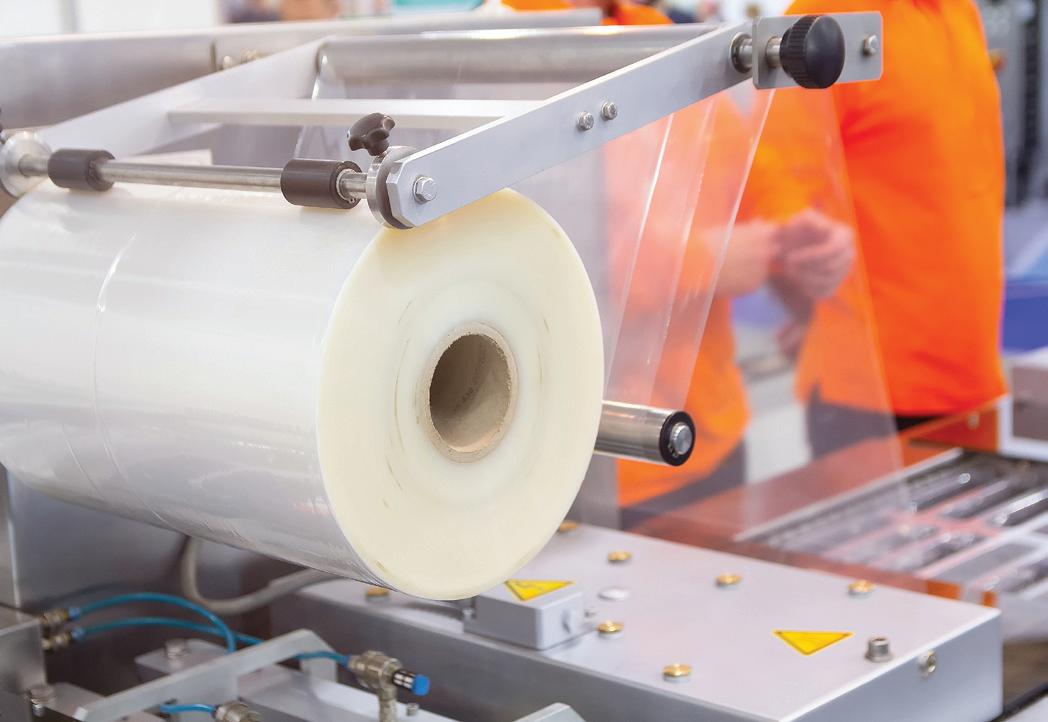
The new super-concentrated liquid additive combines migratory slip and antistatic agents in a single formulation. Avient said this feature reduces production complexity while delivering consistent performance across key film properties.
Conventional BOPP film production uses separate additives for slip and antistatic properties, which can complicate inventory, increase dosing errors and affect film quality.
Hiformer Slip simplifies this as one additive replaces two separate products, reducing handling and formulation errors. It also offers precise performance control, maintaining coefficient of friction (CoF) between 0.20 and 0.35 with consistent static control, and improved
Kaneka's 100% biomass-derived biodegradable polymer, Green Planet, is used for the warning zone at Vantelin Dome Nagoya
Avient's Hiformer Slip + Antistatic is a new additive for BOPP films
optical properties with higher gloss and transparency than conventional multi-additive systems. It delivers efficiency at a 0.3-0.5% dosage, lower than traditional combinations. Cleaner operations and more predictable processing are achieved through direct liquid dosing into the extrusion feed zone using a high-precision unit, compared with solid masterbatches.
The material is approved for food contact applications and suitable for transparent, matte, pearl and white BOPP films in a range of thicknesses. To ease adoption, Avient supplies precision dosing equipment on loan at no cost to customers.
Safer substitutes for medical and industrial use
Materials free from toxic substances are backed by regulations, and those used for physical structures must pass quality tests. Base polymers on their own may not meet the full range of medical and manufacturing requirements. Additives pack in strength, flexibility and stability. For medical devices to be safe for human use and to perform consistently under strict conditions, additives ensure biocompatibility among other properties, while in industrial use, they are indispensable in maintaining material integrity.
Saudi’s chemical firm Sabic has introduced medicalgrade thermoplastics well-suited for use in drug delivery, patient testing and surgery. Its new biocompatible Siltem HU resins can potentially replace fluoropolymers in medical tubing.
Sabic's biocompatible Siltem HU resins can potentially replace fluoropolymers in medical tubing
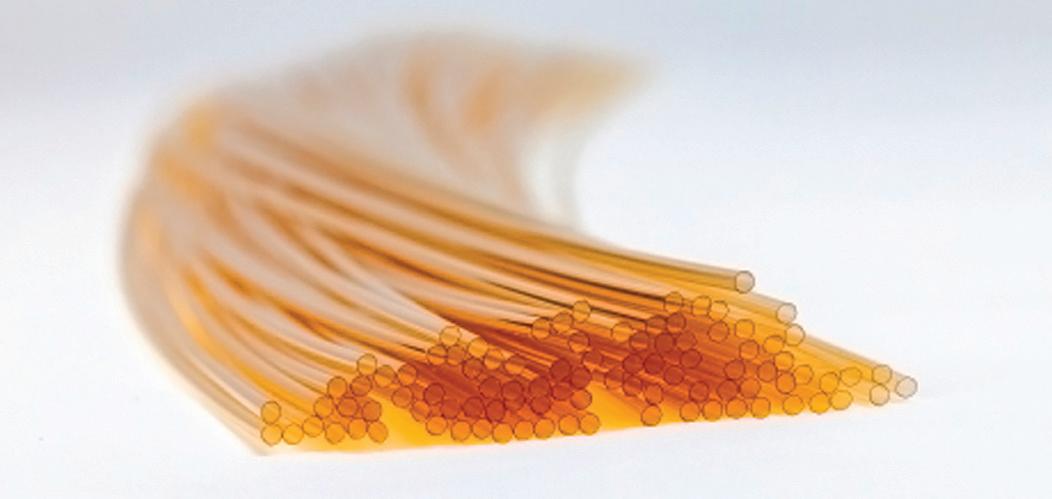
As fluoropolymer alternatives, Sabic addresses PFAS restrictions, offering materials formulated without fluorine or other PFAS chemicals. They include Ultem HU resins and new Siltem HU copolymers for use in select medical tubing applications, as well as its LNP Elcres NPCRX9612U resin, which is UL746G-certified as non-PFAS, for use in device housings, and internally lubricated LNP Lubriloy compounds, formulated without PTFE, for wear and friction parts.
These resins, especially the LNP Elcres CRX copolymer resins, provide best-in-class chemical resistance for equipment and device housings, while LNP SLX grades offer impact and UV resistance for applications such as the transparent cover of Rotaid’s AED cabinet. To advance surgical robot technology, Ultem HU resins deliver lightweight strength in robot wrist and arm base components. These polyetherimide (PEI) resins are
compatible with popular sterilisation methods.
In the segment of silicon-based additives, German chemical company Wacker offers its latest additives to deliver mechanical reliability, fatigue resistance, and low-temperature performance for demanding composite, adhesive, and coating applications.
Wacker’s two new impact modifiers for composites, Genioperl W37 and Genioperl W38, represent a new generation that improve the mechanical properties of thermosetting resins. Developed for epoxies and vinyl esters, they enhance durability and performance through a tailored molecular structure based on a functional silicone building block. This promotes phase separation and forms nanoscale elastomeric domains in the resin matrix, increasing toughness and reducing the risk of breakage under impact.
Other advantages include improved impact strength, particularly at low temperatures, with Genioperl W37 recommended at a dosage of 2-8% by weight. It has minimal effect on viscosity and glass transition temperature, with processing temperatures of at least 50 °C recommended for optimal dispersion.
Genioperl W38 also enhances low-temperature impact strength at a similar dosage and includes additives that reduce foaming, making it suitable for low-pressure casting processes.
Wacker added that sustainability was also considered, with both products containing significantly lower levels of cyclics. They disperse easily, are compatible with organic resin systems, and perform at low dosages. Processing is straightforward, using either simple stirrers or rotor-stator systems, with no adverse effect on mechanical strength, viscosity, or heat resistance.
On the other hand, Powersil Resin 710 is a silicone compound that can be processed by compression moulding, pressure gelation, or injection moulding. It is designed for heat-resistant moulded parts and meets thermal class R, allowing components to withstand temperatures of up to 220 °C, over extended periods.
The material addresses the need for mechanically resilient components that can endure temperatures above 200 °C. It serves as an alternative to high-temperature polymers such as PTFE and PEEK, offering good electrical insulation, mechanical strength, and UV stability.
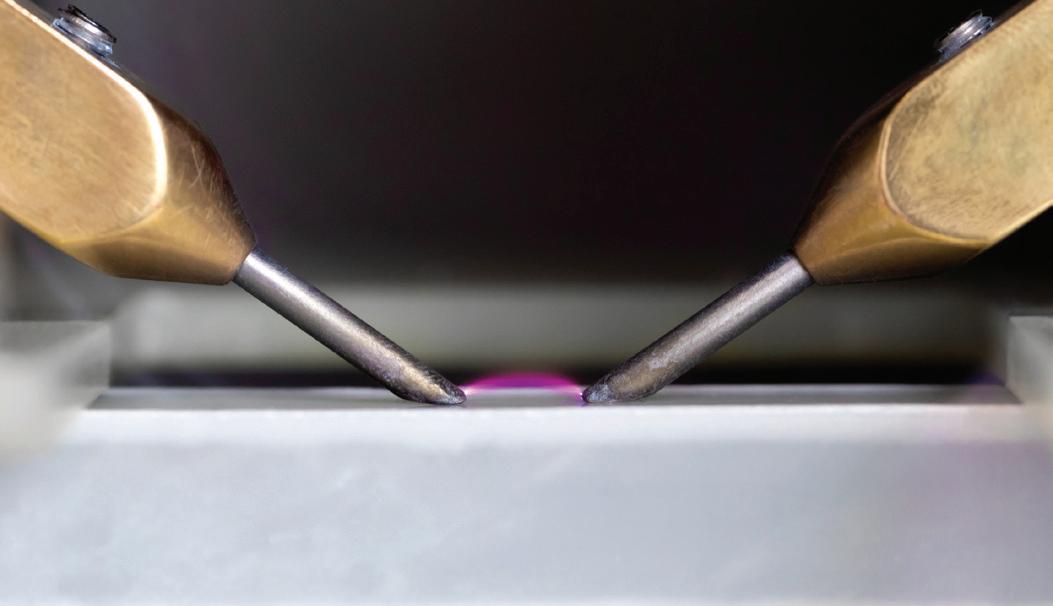
Wacker's impact modifiers Genioperl W37 and W38 and Powersil Resin 710 silicone compound top in mechanical and thermal performance for demanding composite, adhesive, and coating applications
PlastMilan 2026
Italian show to showcase Madein-Europe machinery
During a press preview organised early this year, officials spoke to journalists about the 20th edition of Plast 2026, scheduled for 9-12 June at Fiera Milano, Italy; with factory visits to machinery companies such as Luigi Bandera, Moretto and BMB.
Plast sees growth with new exhibitors
The Milan-based event, said to be Europe's premier trade fair of the year for the plastics and rubber sector, and the second largest after the mammoth Germany-held K show, has demonstrated its resilience with the participation of around 200 new exhibitors, compared to the previous edition, 30% of whom are international companies, said officials from organiser Promaplast speaking at the press preview.
This, the officials added, is a particular significance “in a decidedly complex market context”, especially since sectors like automotive are undergoing a phase of transformation and adapting to current global dynamics.
“Hence, the ability to attract new exhibitors in this scenario confirms the solidity and international appeal of Plast and underlines the sector's growing confidence in the Milan event as a reference platform for presenting innovations and developing commercial partnerships,” said Mario Maggiani, Managing Director of Promaplast.
Meanwhile, Alessio Fineo, Plast Exhibition Manager, said the exhibition aims to significantly increase the presence of international visitors, with delegations coming from Middle East, Africa and Asia, organised in collaboration with ICE (a government body responsible for promoting Italian companies) and strategic
agreements with trade associations, both within the sector and target markets.
Furthermore, Gabriele Caccia, Vice-President of machinery association Amaplast , said the "Madein-Europe" machinery segment is characterised by a strong export orientation towards emerging markets with growing investment propensity, and maintains a strategic role in the global scenario.
The show will have a participation of more than 1,000 exhibitors and expects visitors from 120 countries.
Bandera to promote new business unit
At Plast, extrusion machinery maker Luigi Bandera , located in Busto Arsizio (Varese), will present a new business unit on coating and lamination, the expansion of its service and spare parts program, water-soluble PVOH/PVA film and 100% PA vacuum film. It will also showcase flat-die membranes and geomembranes as well as technical sheets in ABS, PMME and PC.
The new coating and laminating business will highlight Alphacoat, which is targeted at liquid packaging, aseptic packaging, paper disposable products and packaging, aluminium packaging, and film packaging.
Furthermore, the company will introduce its ANY MA Line Supervision, said to be an intelligent and
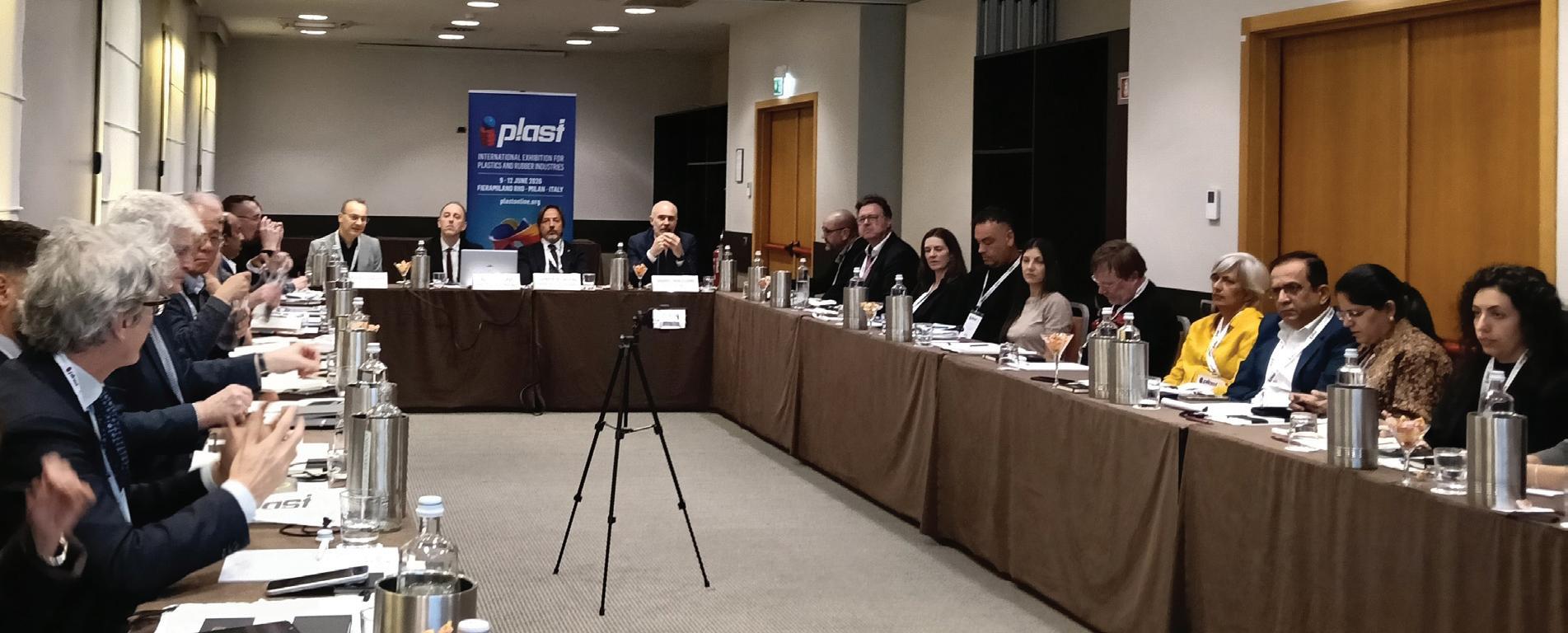
At the press conference, officials pointed out that Italian machinery exports increased to Asia over the 2024/2025 period

Massimo Santini, Sales/ Marketing Director of Bandera, outlined the company’s plans for AI with a three-phase programme
modular system for managing the entire machine and peripherals, which is developed in-house by Bandera. It can be updated remotely, reducing commissioning and troubleshooting times, said Massimo Santini, Sales/Marketing Director.
With EUR20 million invested in R&D over the last five years, the company is also focusing on AI and presented a roadmap, which includes three phases. In the first phase human error is eliminated with AI acting as a quality control guardian. Specialised cameras are strategically positioned at the winder and images are captured and passed to the AI in real-time, detecting anomalies instantly and ensuring no oversight.
In the second phase, the system evolves and will identify exactly why a defect has occurred, correlating the defect with active machine data, and provide specific parameters to operators to adjust plant set-up.
The final step aims to have a self-adjusting machine that closes the loop to ensure zero-waste production without human intervention. The machine will continuously detect any process defect, diagnose underlying causes and autonomously adjust parameters to correct the process.
BMB: focus on technical, high-speed machinery Brescia-based injection moulding machinery manufacturer BMB SpA has a history that dates back almost 60 years ago having been established in 1967 by Egidio Bugatti as a small mechanical workshop, now with his son Marco Bugatti having come into the picture to take it to the international market.
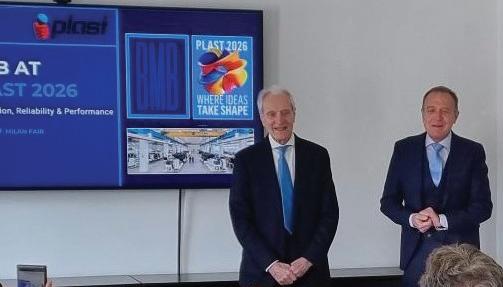
Ensconced in the heart of the metalworking district in north Italy, with foundries, die casting and forging available in the area, BMB is able to source castings, metal fabrications, and iron/steel components for its machinery locally, allowing for lead-time management and quality control and cutting on costs of transportation, said Marco.
The family-owned business has chosen to stay midsized, with a production of 400 machines/year in the range of 100-4,800 tonnes of hybrid/electric types, and is customer-focused, according to Sales Director Lucio Strappazzon.
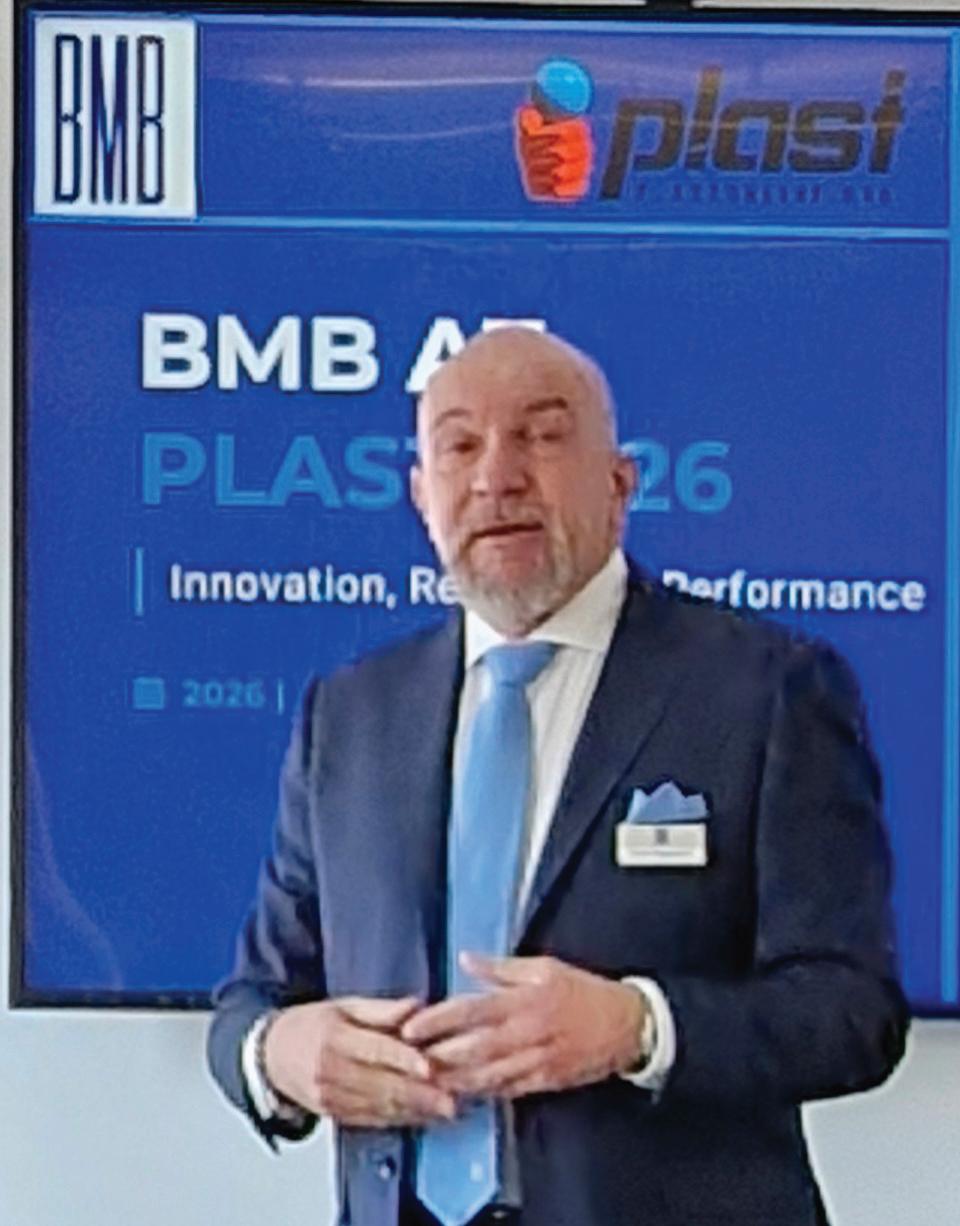
“We do not want to compete with Asian machinery in terms of pricing or the number of machines produced, but focus more on the technical designs of machines,” he added.
At the Plast show, it will display the eKW45HP/3450WP hybrid model tailored for highproductivity packaging and medical applications, such as a 30 ml cup production. It ensures consistent output, high speed, and operational stability.
It will also display the full electric, cleanroom-ready eKW20Pi/700 machine for food packaging, while for caps/closures, a standard business for BMB, it will display the eKW38Pi/2200 that offers energy savings and optimised cycle times, for high-volume production with reduced operational costs.
The third presentation will be another hybrid machine, eKW28Pi/1300, designed for food packaging and high-speed injection applications.
At the core of the machines is the iQ-pump technology, a hydraulic system that adjusts power output according to cycle requirements, with 15-20% reduction in energy consumption, lowering operational costs while maintaining optimal performance, says BMB.
PlastMilan
Egidio Bugatti started BMB and his son Marco Bugatti has taken the company to international markets
Sales Director Lucio Strappazzon says BMB remains focused on customer needs and technical aspects of machines
PlastMilan 2026
Meanwhile, the self-lubricating pneumatic guides minimise the need for lubrication, reducing maintenance requirements and allow for a cleaner mould area, while user interaction is optimised through an advanced interface.
The new clamping unit design in the KW series also improves mould parallelism by reducing the distance between the moving plate and mould centre, supporting higher precision and accommodating large multi-cavity moulds.
BMB also offers flexible configurations for the electric and hybrid models for high-speed production.
Moretto on the move with technology
Manufacturer of auxiliary equipment Moretto SpA, located in Massanzago (Padua), will have a range of machinery on display at Plast 2026 in the segments of dehumidification, gravimetric dosing and material traceability, based on the factors of high performance requirements and sustainability criteria.
In the area of recycling technology, Moretto will present:
- Hyper Cut, an open-rotor, low-speed grinder for various types of production waste, such as waste, sprues, and blown parts
- MPK crystalliser for amorphous materials, with adjustable blades and openable cone
- DGM Gravix Maxi gravimetric batch blender for rPET bottle flakes
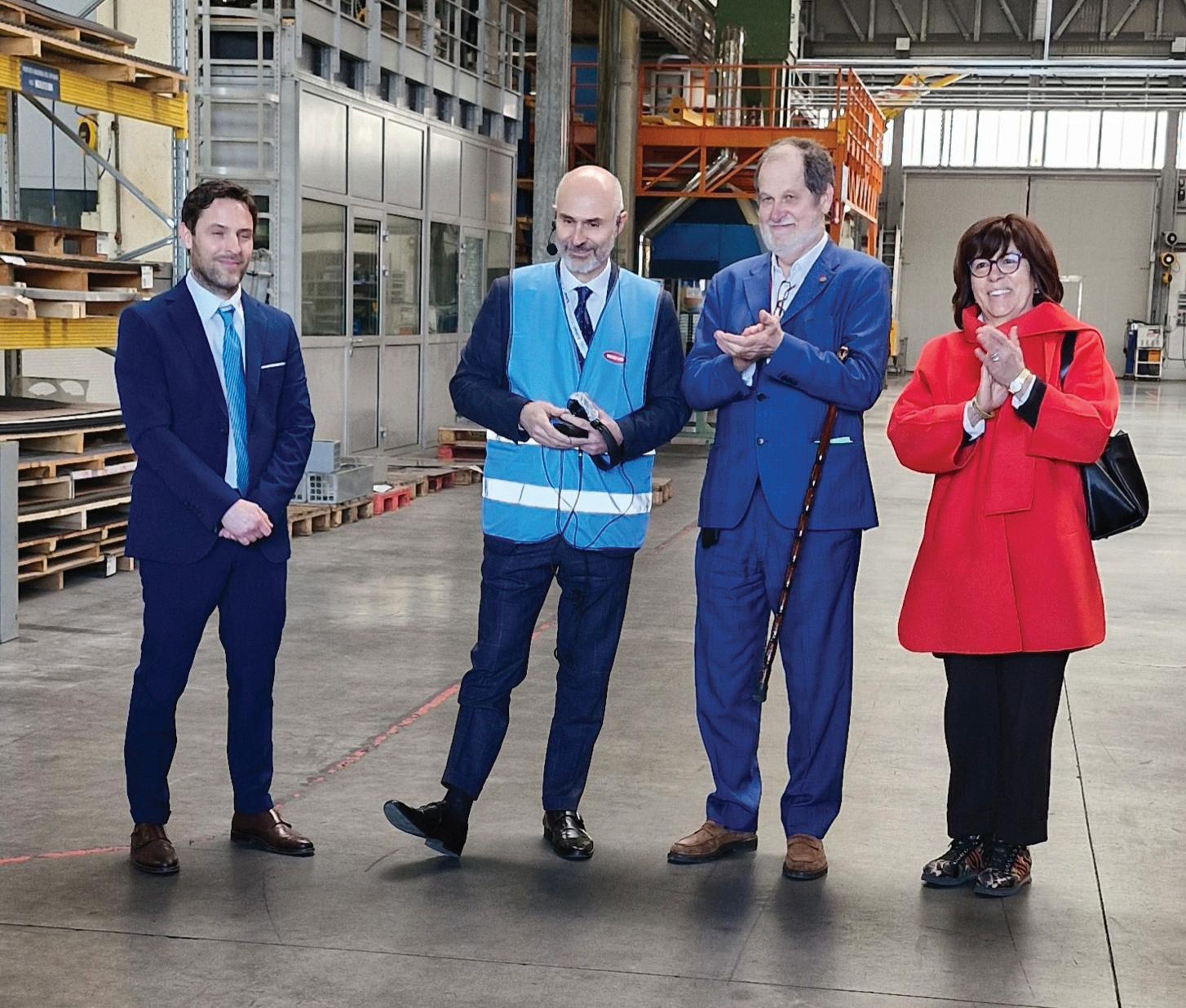
Meanwhile, in a move towards enhancing quality assurance, Moretto is resorting to in-house production of equipment components, reducing reliance on suppliers and minimising supply chain risks. The company says each component in the factory is traceable through a comprehensive Management Information System (MIS).
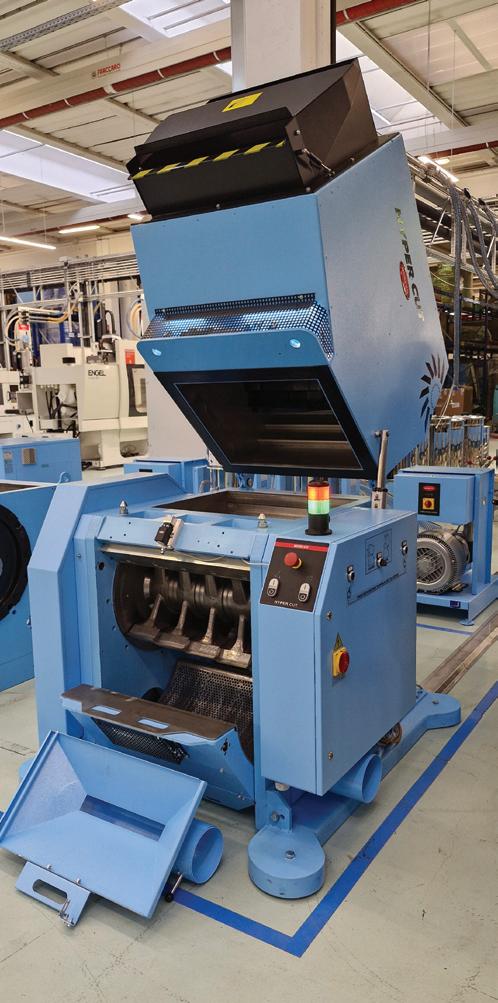
At Plast, Moretto will showcase its HyperCut openrotor, low-speed grinder for various types of production wast
The company, which celebrated its 45 years in business last year, has also invested in around 20 automatic warehouse systems to enhance both storage and component traceability, with plans underway for a new plant spanning 13,000 sq m.
More recently, it has launched the Moretto in Motion 2026 tour, a roadshow that brings machines directly to customers' premises in Italy and Europe. The machines are located in a converted bus, with live presentations, operational simulations, touch screen totems, and customised advice available on hand.
Speaking to journalists at the press event, Renato Moretto, President/Founder, said that the company is looking at expanding its market reach and last year opened a branch in Mexico, in Querétaro, to be closer to the local market, providing support and service to customers .
It has also set its eyes on the Chinese market, where it has had a sales office in Shanghai since 2017.
“It is lively, huge market that cannot be neglected. We are looking at setting up a spare parts/service centre and have started infrastructure work. But we are not going to produce our equipment in China,” he affirmed.
The company has sales offices in Germany, Eastern Europe, Turkey, Brazil, US, Mexico, Russia, India, and China, and a presence in more than 70 countries.
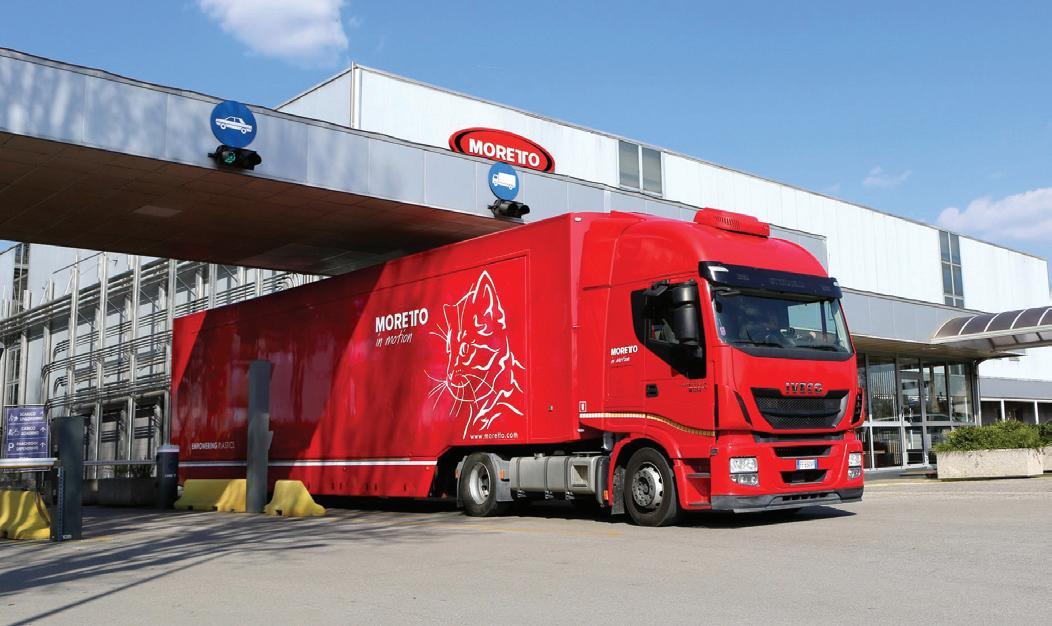
Moretto has remained family-owned over the past 45 years, with Mr and Mrs Moretto staying involved in the business
The company has recently set in motion its travelling bus that brings machines directly to customers' premises in Italy and Europe

Injection Moulding Asia
GIC project addresses challenges of ELV recycling
The Global Impact Coalition (GIC), a CEO-led collaborative platform originally incubated at the World Economic Forum, has launched what it says is the world’s first Automotive Plastics Circularity pilot together with eight companies in the chemical and recycling industries. These are: BASF, Covestro, LG Chem, LyondellBasell, Mitsubishi Chemical Group, Sabic, SUEZ, and Syensqo.
The pilot will address the critical challenge of recycling plastics from End-of-Life Vehicles (ELVs).
Each year, over 800,000 tonnes of ELV plastics in the EU alone are incinerated or landfilled. This pilot is a key first step to transform this waste into valuable resources, enabling the automotive industry to significantly increase the rate of closedloop recycled plastics.
GIC’s CEO Charlie Tan contends that recycling ELV plastics has long been a challenge, with less than 20% of these materials recycled today.
The real barrier is not recovery technology, but the lack of an aligned value chain linking OEMs, dismantlers, waste managers and chemical producers to make ELV plastics circularity work at scale, which the project aims to address.
Taking a step toward circularity
The pilot, taking place in the Netherlands and Germany, will dismantle, shred and sort plastic fractions, clustered into 10 types of polymers and automotive parts from 100 end-of-life vehicles.
These sorted plastic fractions will then be recycled by the collaborating companies with each of their specific technologies. Focusing on bulk aggregation of ELV plastics, the pilot will serve to test and optimise a new approach to dismantling, sorting and recycling plastic fractions under real-world conditions.
To ensure success, the project partners have engaged dismantlers, shredding companies, and sorting facilities to create an interconnected network.
By pooling demand for a wide variety of ELV polymers, the initiative seeks to demonstrate the economic feasibility of largescale closed-loop recycling systems.
Project members collectively represent a significant portion of the global plastics industry, making this pilot relevant for Europe and other key regions of the world.
Meeting regional sustainability mandates
The project comes at a crucial time and aligns with evolving regulatory frameworks, including the EU’s proposed ELV regulations, which currently mandate that by 2030, 25% of plastics in new cars must come from recycled materials, with 25% of those derived from closed-loop recycling (from end-oflife vehicles).
Elsewhere, outside of Europe, China processed more than 7.9 million ELVs in 2024 and launched a national action plan in December 2025 targeting increased recycled material use in automotive manufacturing by 2030.
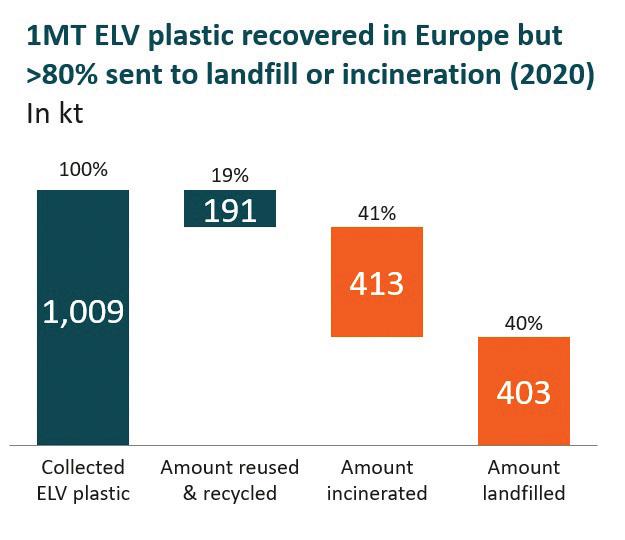
This pilot aims to validate the scalability of solutions capable of achieving these targets, ensuring significant impact and reducing the current reliance on landfilling and incineration.
By optimising processes and achieving purer polymer fractions, the pilot will provide actionable insights into meeting regulatory requirements. Additionally, it will showcase the potential for a scalable, sustainable business model that can be applied globally.
The pilot is expected to yield valuable data to guide broader industry adoption. Following its conclusion, the project will focus on scaling up efforts regionally in Europe and expanding to other key markets for ELV plastics recycling and production.
“Scaling up ELV plastics recycling requires both technological advancements and strong cross-industry collaboration,” said Sunghee Son, Director of Business Development at LG Chem. “By joining this initiative, LG Chem is reinforcing its commitment to developing high-quality recycled materials that meet the performance demands of the automotive sector. This pilot is a critical step toward integrating recycled content into future vehicle production at scale.”
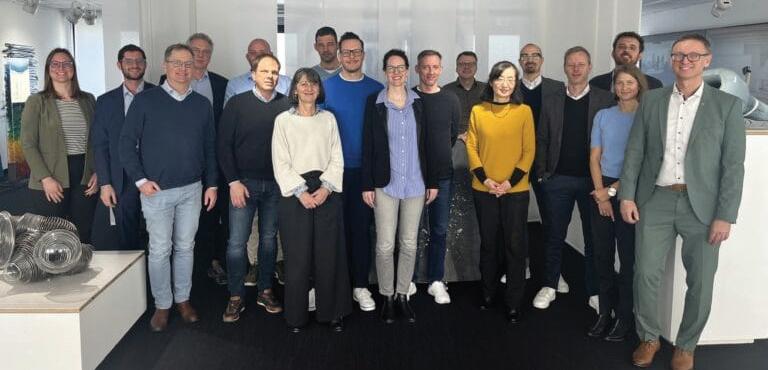
The pilot project on ELV recycling involves various companies in the industry
Injection Moulding Asia
Engel builds world’s largest injection machine
Austrian machinery maker Engel says it has built what it claims to be the biggest injection moulding machine in the world. The two-platen machine, duo 12000 US, with a clamping force of 110,000 kN was specifically developed for parts with projected areas of more than 2.5 m² and was recently commissioned at a customer’s site.
With this, Engel adds that manufacturers can produce large-format structures in a single production step. This reduces material usage, simplifies production logistics and thereby saves time and costs. In addition, it improves the CO2 footprint over the entire product life cycle.
To enable large shot weights for large-area components, the system is equipped with two injection units operating in parallel. With screw diameters of up to 210 mm, they enable a shot volume of up to 65,000 cm³ and homogeneous filling of large projected areas.
The customer selected eight tie bars, while machines of this size are also possible with four tie bars, according to Engel.
The dimensions of the system illustrate the technical challenge: with a length of 24 m and a height of 8.4 m, it is among the largest industrial production systems in injection moulding worldwide. The total weight is 551 tonnes, the maximum mould weight 170 tonnes. In total, around 30 km of cables were installed. The total installed power is approximately 2.4 MW with a total current of 2,900 A.
Despite these dimensions, Engel says the machine remains compact,. thanks to the modular design principle of the duo series, thereby saving valuable floor space.
In addition to the standard sizes of the duo series, several systems with clamping forces of 74,400 kN have already been installed in the market, it adds. Despite their dimensions, the large machines are characterised by exceptional precision. Through options such as injection compression moulding, the component dimensions can be defined with an accuracy of a few hundredths of a millimetre, a level of precision comparable to the thickness of a sheet of paper.
In the automotive sector, demand for such gigamoulding solutions for large structural components is increasing. Megatrends such as electromobility, autonomous driving, platform consolidation and CO2 reduction targets are driving this development. Applications such as battery housings, underbody panels or hybrid inner door structures can be rethought through the new production possibilities. The objective is to reduce the costs of components, and with functional integration, weight reduction and reduced assembly complexity are possible.
Large machines also open up new application potential in the field of technical injection moulding and Engel adds it has already successfully established machines with clamping forces of around 11,000 tonnes in the market, for logistics and infrastructure products. These include transport containers for the disposal of e-mobility batteries, large-volume infiltration boxes for rainwater management as well as water tanks with mould areas of nearly 6 sq m and shot weights of up to 109 kg.
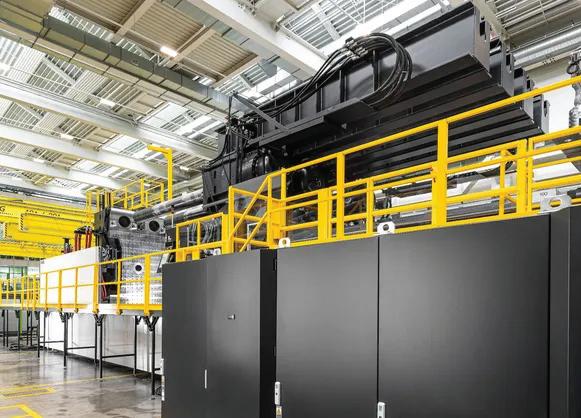
Engel’s two-platen duo 12000 expands the possibilities for the industrial production of large-format parts to previously unattained dimensions as well as reduction of part costs
With the duo 12000 US, Engel says the system is not only a record-holder in terms of size, but also serves as a platform for new technologies, material substitution and highly integrated component concepts for mobility, infrastructure and industry sectors. It also demonstrates the potential of gigamoulding for the industrial production of large-format structures.
Injection Moulding Asia
Cypet’s breakthrough with 1,000 l PET IBCs Cyprus-based Cypet Technologies has launched what it says are the world’s first 1,000-l Intermediate Bulk Containers (IBCs) made from PET using injection stretch blow moulding (ISBM). It adds that these 8-9 kg containers are lighter, more durable, and more sustainable than traditional 12-15 kg HDPE alternatives, featuring improved barrier properties and high-precision, leak-proof closures. The lighter weight also helps to reduce transportation costs and carbon emissions.
Other advantages include enhanced barrier properties, stress crack resistance, and gas impermeability, making PET suitable for a wide range of contents that may not be compatible with HDPE. The injection-moulded neck finish ensures precise, leak-proof closures and valve fittings, with the option for transparent designs to improve product visibility.
These PET IBCs can already serve applications in industries with high demands for packaging cleanliness and safety, such as food, chemicals, and pharmaceuticals, Cypet adds.
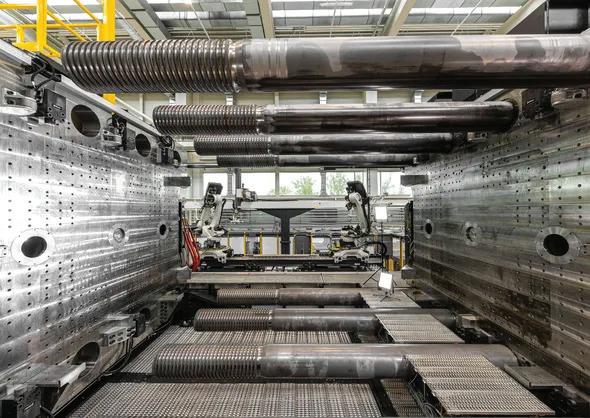


It says that samples of this PET IBC are being produced in India using Cypet’s ISBM equipment. The same customer is also developing a 1000-l PET water tank, with both containers being manufactured on Cypet’s K185 single-stage ISBM machine. This machine features a horizontal layout, similar to an injection moulding machine, and uses a 1,850-tonne clamp for preform injection and bottle blowing.
The design of the K185 machine makes the production of large containers possible, breaking through the volume limitations of traditional PET moulding technology, says Cypet.
The Cypriot company plans to promote the PET IBC to the global market after obtaining market validation, offering a new lightweight solution for liquid storage and transportation.
Cypet has had a breakthrough with 1,000-l IBCs in PET, as an alternative to HDPE IBCs

PARKROYAL COLLECTION Kuala Lumpur | Malaysia
11-12 June 2026
China remains key market for Europe’s plastics & rubber machinery industry
Despite a challenging global market environment, China remained the second most important export destination for European plastics and rubber machinery in 2024. Even with a 20% year on year decline in exports to EUR2.9 billion, China continues to play a central role for European manufacturers: both as a major sales market and as an increasingly strong global competitor, says machinery association VDMA . European suppliers retained a solid position in the Chinese market. Germany and Italy together accounted for 43% of all shipments of plastics and rubber machinery to China in 2024, underlining Europe’s technological relevance and long standing customer relationships in the region. Only Japan ranked between the two countries in terms of market position.
Against this backdrop, Chinaplas, to be held from 21-24 April at the National Exhibition & Convention Centre (NECC), Hongqiao, Shanghai, once again serves as a strategic focal point for the industry. As the leading plastics trade fair in Asia, it is the most important international platform in China for presenting technological excellence, innovation capability, and competitiveness. For European machinery manufacturers, a visible and strong presence at Chinaplas is essential to defend and expand market share in a highly competitive environment.
China: market and competitor at the same time
China’s plastics processing industry continues to evolve rapidly across packaging, consumer goods, construction, mobility, electronics, and healthcare. Substantial domestic investments, combined with rising technological sophistication, are intensifying competition, both within China and on global export markets.
For European companies, this dual role of China requires a clear positioning. Success increasingly depends on providing high performance machinery, energy and material efficient solutions, and reliable process technologies that support consistent quality, productivity, and sustainability— areas where European manufacturers traditionally excel.
Technology focus at Chinaplas
Chinaplas reflects the investment priorities of processors and brand owners in China and the wider Asian region. Key topics include:
• Efficiency and productivity: High performance injection moulding machines, extrusion lines, and automated systems designed to reduce energy and material consumption
• Digitalisation and smart manufacturing: Process monitoring, intelligent control systems, data integration, and predictive maintenance
• Recycling and circular economy: Advanced solutions for mechanical recycling, material handling, and compounding, supporting higher recyclate quality and closed loop applications
• High value applications: Machinery for demanding end use sectors such as medical technology, lightweight construction, and functional packaging
European exhibitors use the show to demonstrate complete system solutions, combining machinery, automation, digital tools, and process know how.
The Power of Plastics Conference
Complementing the exhibition, the conference The Power of Plastics, held during the first three days of Chinaplas, provides a dedicated platform for in depth technical exchange. Organised jointly by VDMA and Adsale, the organiser of Chinaplas, the conference continues key topics driven by VDMA member companies at the K-Show in October 2025. Sessions focus on plastics recycling, the processing of recyclates, and the opportunities arising from digitalisation and artificial intelligence in plastics processing. By linking technology, regulation, and real world implementation, the conference underlines the industry’s commitment to innovation, efficiency, and circular solutions in a rapidly changing global market.
The event will feature Baumüller that will analyse "Shredder Drive – Manage the Challenges The Advantages of the High Torque Drive System in Recycling Industry". KraussMaffei will address "Closed-loop Recycling Solutions for Plastics". Windmöller & Hölscher ( W&H ) will present "Solutions for Processing of Recyclates". Reifenhäuser will share "Patented Solutions for Improved Sustainability in Blown Film Extrusion". Coperion will speak on "Next-Level Compounding Performance Through Automation and Digitalisation". Engel will discuss "From Hype to Shopfloor | How AI Improves Injection Molding in Daily Production". Arburg will talk about "Connectivity for Success – Smart Production Made Simple.
Chinaplas as a strategic platform
In a global exhibition landscape that is becoming increasingly crowded, Chinaplas stands out as an industry anchor event for the Asian market. It brings together processors, brand owners, material suppliers, and machinery manufacturers at scale and with strong technical depth.
For European plastics and rubber machinery makers, Chinaplas is not merely a regional fair, it is a strategic instrument for maintaining visibility, engaging with existing customers, and establishing new partnerships in a market that remains indispensable despite cyclical fluctuations.
Outlook
While short term market conditions remain challenging, the long term fundamentals of China’s plastics industry, large domestic demand, ongoing modernisation, and rising quality requirements, continue to offer opportunities for technology driven suppliers.
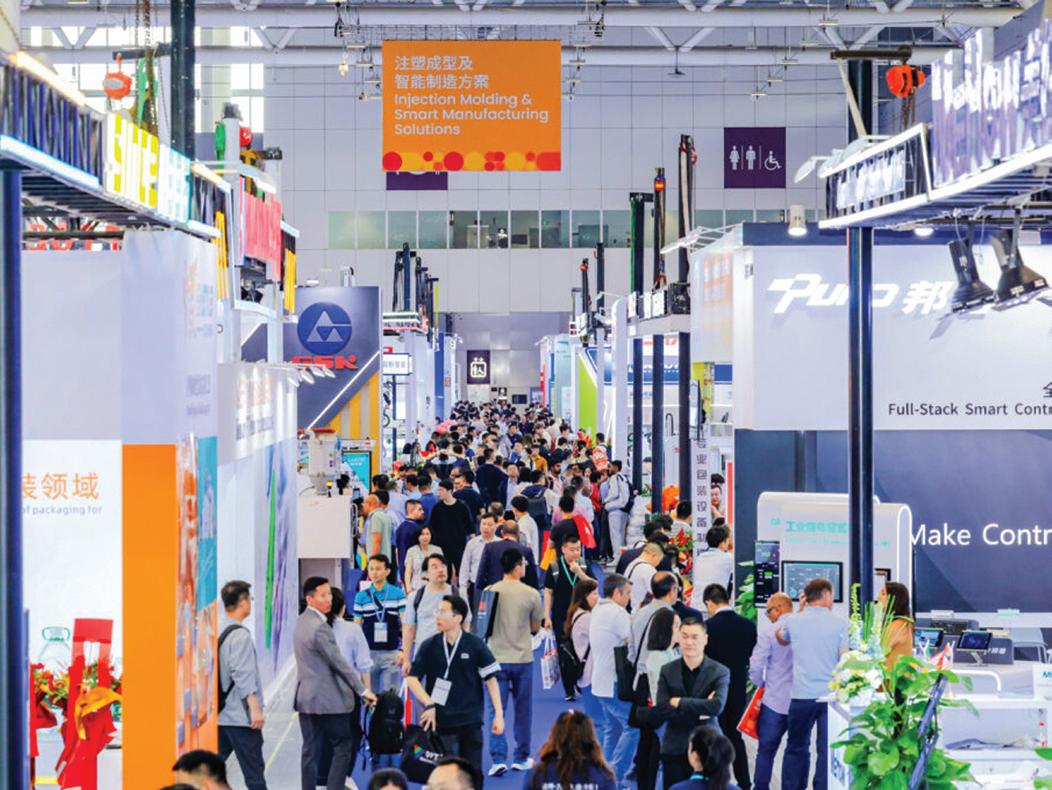
For more information or enquiries about the show, please visit www.ChinaplasOnline.com or contact Chinaplas.pr@adsale.com.hk.
TaipeiPLAS 2026 Opens Visitor Pre-registration
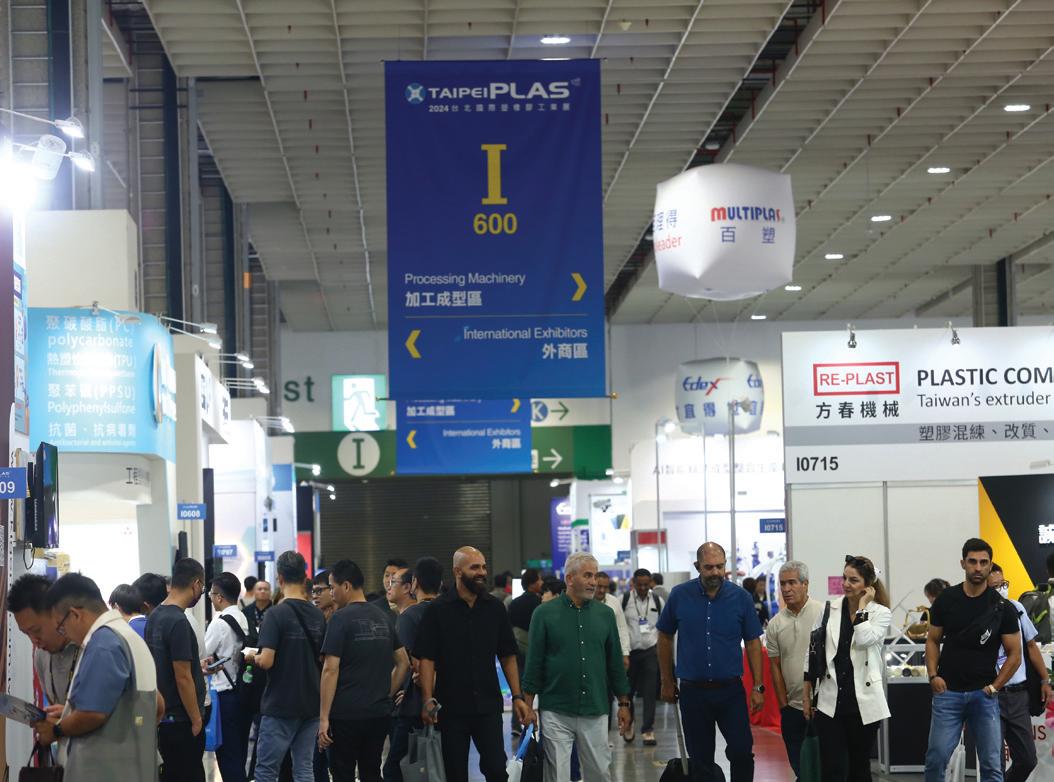
Organised by the Taiwan External Trade Development Council ( TAITRA ) and the Taiwan Association of Machinery Industry ( TAMI ), the Taipei International Plastics & Rubber Industry Show (TaipeiPLAS) will take place from September 15 to 19, 2026 at the Taipei Nangang Exhibition Centre, Hall 1. Online visitor pre-registration is now officially open, inviting global industry players to explore the next wave of industrial upgrading and market growth.
Under the theme “Form to Future,” the show focuses on Smart Manufacturing, Innovative Materials, and Sustainability & Circular Economy. It will highlight the latest breakthroughs in processing upgrades and the expanding range of applications across the plastics and rubber sectors.
In 2025, Taiwan’s plastics and rubber machinery exports reached US$825 million, up 4.6% from 2024, signalling a steady recovery in export momentum and a rebound in market demand. Major export destinations include China, Vietnam, the US, Thailand, and Indonesia, reflecting Taiwan’s strong presence across Asia and the Americas. Beyond traditional hubs, Taiwanese manufacturers are actively penetrating emerging markets in Poland, Latin America, and Africa.
Amid global supply chain realignments, manufacturers are integrating automation and digitalisation, leveraging machine connectivity and data monitoring, to optimize processes and ensure stable product quality. Meanwhile, material development is shifting toward high-performance, diversified, and sustainable applications.
TaipeiPLAS 2026 is expected to feature 330 exhibitors across 1,500 booths, presenting a full spectrum of upstream and downstream solutions. Leading Taiwanese exhibitors are Victor Taichung , FCS , Huarong , CLF , Everlight Chemical , and GRECO , while international powerhouses include Arburg , Wittmann , Engel , and igus . During the exhibition, TaipeiPLAS will host a series of events designed to facilitate global partnerships such as Procurement Meetings, Thematic Forum, Guided Tour, and Award Ceremony & Gala. Industry professionals are encouraged to register early via the official website: www.taipeiplas.com.tw
For the latest updates, follow the social media channels, or subscribe to the e-Newsletter.
Rubber Journal Asia
Tyre Sector
Setting in motion the wheels of change
Once liabilities and eye sore on landfills, end-of-life tyres have now become assets for rubber supply and circularity via chemical recycling and material recovery, says Angelica Buan in this report.
Headlights on for tyre solutions
The tyre sector stands on the precipice of prolonged market shake-up as geopolitical turmoil linked to the Russia-Ukraine war and Iran continues to dent supply chains, raise energy costs and limit access to raw materials.
Meanwhile, trade policies, including tariffs introduced under the current administration of US President Donald Trump, particularly those targeting China, a major global producer and consumer of rubber/rubber products, as well as other Asian countries, have prompted manufacturers to relocate production to lower-cost locations in Asia to manage rising import costs.
At the same time, the industry is vexed by a growing volume of discarded tyres. With billions produced each year and a large share thrown away, recycling and disposal are becoming more difficult and costly, alongside the loss of raw materials each time an end-of-life tyre (ELT) is landfilled.
Releasing the brakes on supply and pricing vulnerabilities, environmental impact from tyre waste and material sustainability gaps, the industry is adopting new approaches of recovering value from ELTs and reducing reliance on feedstocks exposed to price swings and supply gridlock, while widening sourcing options in a market at the crossroads of uncertainty.
Tie-ups lead to R&D and localisation
There is strength in numbers when providing solutions as complex as securing the supply chain for sustainable materials, more so in ensuring a more localised or, at most, easily accessible source. Collaboration among major players in the chemical and automotive industries, tapping scientific expertise, is driving home this point.
Japan’s Bridgestone Corporation has started joint research with Universitas Indonesia, Yokohama City University and Maebashi Institute of Technology on the genetic analysis of para rubber trees to address a major roadblock in rubber sourcing.
Natural rubber supply is strained as demand grows, while production is concentrated in limited equatorial regions and exposed to climate and disease risks, according to Bridgestone. The project uses trees and genetic data from Bridgestone’s natural rubber farm in Indonesia, combined with research from the partner universities, to develop marker-assisted selection technology that enables early identification of high-yield, stableperforming trees.
The initiative aims to improve productivity and stabilise natural rubber supply through faster and more precise breeding methods.
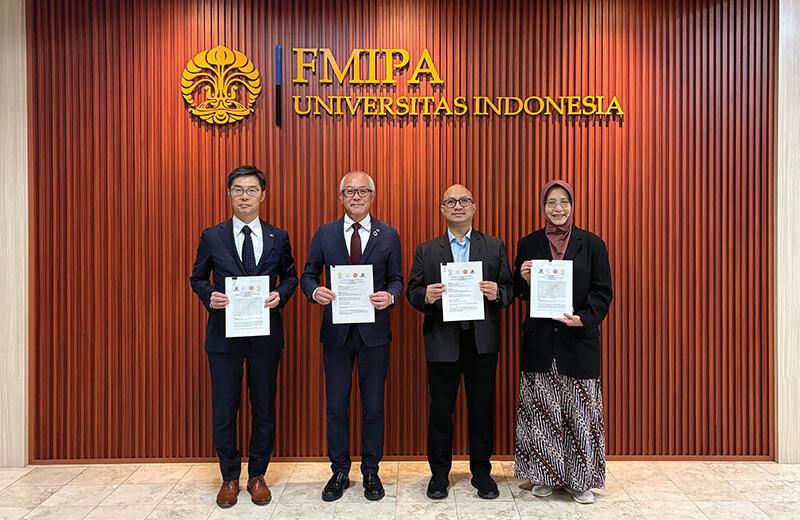
Under the collaboration, Bridgestone provides latex samples and genetic information from its plantation, while Universitas Indonesia handles DNA and RNA data collection.
Yokohama City University and Maebashi Institute of Technology conduct genetic and bioinformatics analysis to identify traits linked to higher rubber productivity. The findings will be used to develop selection methods that shorten breeding cycles and allow earlier identification of elite trees, with the long-term aim of improving yields within existing farmland.
In a related development, chemical firm Saudi Basic Industries Corporation (Sabic) has forged an agreement between Public Investment Fund and Italian tyre maker Pirelli to supply polybutadiene rubber and carbon black for the production of up to 3.5 million tyres/year.
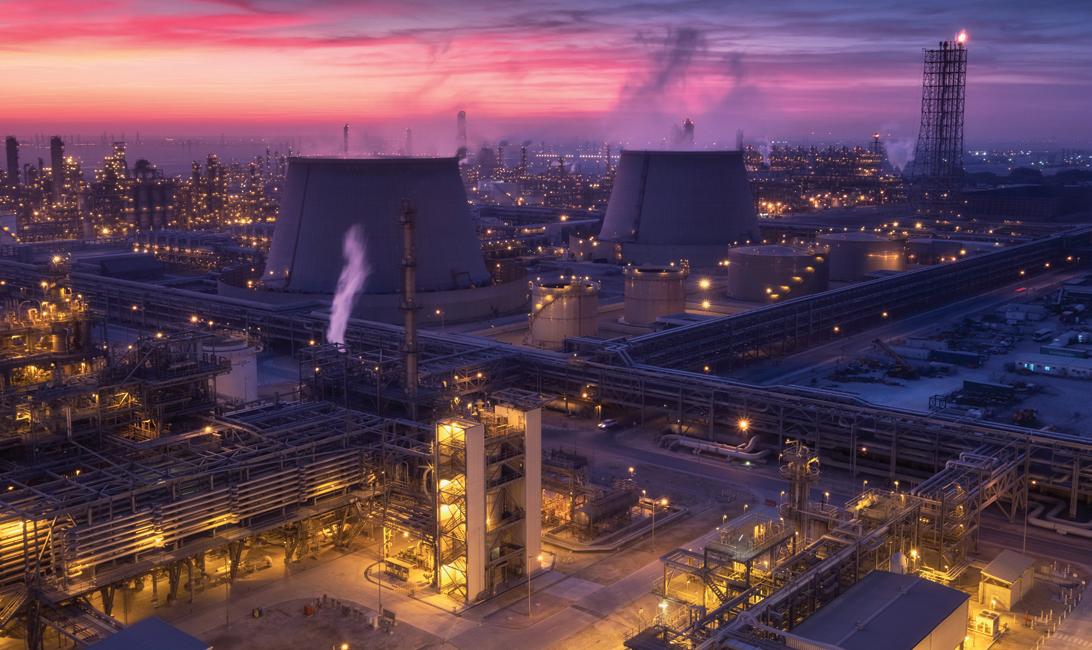
The agreement will lead to the launch of a Saudi tyre brand that will serve both passenger vehicle manufacturers and regional markets, is part of Saudi Arabia’s NUSANED initiative to increase local content and develop domestic tyre manufacturing capability.
Bridgestone Corporation has launched joint research with Universitas Indonesia, Yokohama City University, and Maebashi Institute of Technology on para rubber tree genetics to improve rubber sourcing.
Sabic has partnered with Public Investment Fund and Pirelli to supply polybutadiene rubber and carbon black for the production of up to 3.5 million tyres per year
Rubber
Production will take place at a facility in the King Salman Automotive Cluster at King Abdullah Economic City, connecting upstream petrochemical supply directly to local tyre output.
Plant-based tyres a reality
Meanwhile, Finnish tyre manufacturer Nokian Tyres’s Betula concept tyre features a raw material made from birch bark residue. The renewable input, developed by Swedish company Reselo, uses residue from the global pulp, paper and plywood industry. The material is applied in the tread compound of the concept tyre, where renewable and recycled content reaches 93% of all materials used in the tread.
Nokian Tyres’s Betula concept tyre uses a birch bark–based material from Reselo, enabling the tread to reach 93% renewable and recycled content

The tyre carries the tread design of the Nokian Tyres Hakkapeliitta R5 non-studded winter tyre and has been tested at Nokian Tyres test centres in Ivalo, Finnish Lapland and Nokia, Finland, with promising results.
The use of plant-based and side-stream materials introduces an additional sourcing route for tyre production by drawing on abundant forestry residues such as birch bark from Nordic regions.
Circularity in tyre recycling
Chemical recycling can keep material supply steady while maintaining circular use of materials. Lummus Technology has invested in InnoVent Renewables to accelerate deployment of its tyre recycling technology.
The company operates a commercial facility in Monterrey, Mexico, with capacity to process up to 1 million passenger tyres/year, and the investment is intended to expand production capability and improve commercial viability.
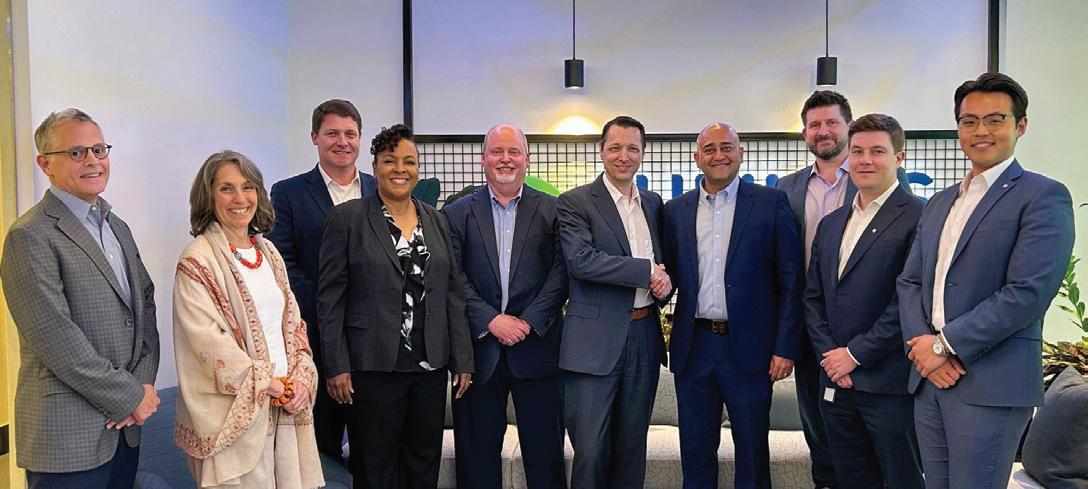
Lummus has also entered a separate partnership with Advanced Ionics to develop a pilot plant for low-energy electrolyser technology at its R&D facility in Pasadena, Texas, where it will manage operations and balance of plant systems while Advanced Ionics provides the hydrogen production technology. This development introduces novel alternatives to traditional feedstocks.
Meanwhile, Gunvor Group and New Energy (NE-TECH Group) have tied up to advance the use of chemically recycled outputs from ELTs. With the deal, New Energy will supply pyrolysis oil produced at its industrial-scale facility in Dunaharaszti, Hungary, with additional volumes expected from plants under development in Karcag, Hungary, as well as facilities planned in Western Europe and other regions outside the European Union.
The material is derived from delinquent tyres through advanced chemical recycling and is intended for use as a refinery feedstock, replacing conventional fossil-based inputs.
The use of pyrolysis oil from chemically recycled tyres introduces a lower-carbon input into petrochemical processing and enables material reuse from ELTs that would otherwise enter disposal pathways. By integrating recycled feedstocks into refinery operations, the process creates an additional supply source for materials used in tyre and rubber production while contributing to waste reduction within the value chain.
Treading a similar path, specialty chemical company Cabot Corporation has expanded its Asia Pacific circular reinforcing carbon production capacity. It is powered by its Evolve Sustainable Solutions platform to enable global tyre makers to meet their targets of increased renewable material use in tyres, targeting between 40% by 2030 and 100% by 2050.
Cabot’s circular reinforcing carbons act as a drop-in replacement for conventional carbon black, allowing tyre makers to raise sustainable content in their products without changing performance characteristics, it adds. The ISCC Plus-certified materials are produced using tyre pyrolysis oil derived from ELTs.
Cabot says it has validated production of circular reinforcing carbons at its facilities in Cilegon, Indonesia, and Tianjin, China, adding to existing capabilities in Ville Platte (US), Mauá (Brazil) and Valasske Mezirici (Czech Republic).
With 13 ISCC Plus-certified sites across Asia, Europe and the Americas, alongside two certified masterbatch and compounding facilities in Europe, the company now operates production capacity across major regions. This enables a “make-in-region, sell-in-region” model that shortens supply chains and improves material availability in key tyre manufacturing hubs, says Cabot.
Extracting raw materials from tyres
Resource recovery from recycled used tyres drives the industry towards a circular economy while reducing production costs and creating new markets
A stalwart in the waste-to-energy sector, Waste Energy Corp. is preparing to commission its first 15-tonne/day waste conversion system this year, ushering in the final stage of deployment at its Midland, Texas facility.
Lummus Technology and InnoVent Renewables signed an MoU on tyre pyrolysis technology
Rubber Journal Asia
Tyre Sector
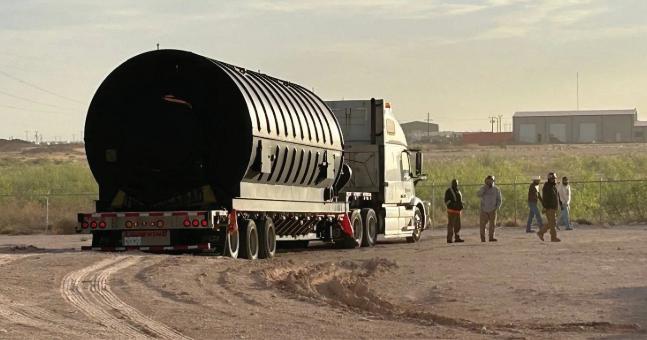
The primary thermal processing unit, which enables continuous conversion of ELTs into energy products, arrived early this year, moving the project into installation and systems integration. This phase covers mechanical assembly, electrical integration, emissions control setup, digital monitoring systems and pre-operational testing ahead of commissioning.
ELTs form a significant waste stream in the US and worldwide. The Midland system is designed to process 100,000 tyres/year converting them into usable outputs, such as energy-rich liquid fuels, recovered carbon materials, steel and process gases, for reuse within the system.
The facility is also intended to operate as a distributed energy model, using locally sourced tyre feedstock to produce domestic energy products and reduce dependence on imported fuels. Waste Energy Corp. plans to add another 15 tonnes/day of capacity in the second half of 2026 and replicate the modular system across additional sites, increasing the role of wastederived materials in the energy and materials supply chain.
Meanwhile, Prism Worldwide offers material solutions aimed at improving the recycling and reuse of ELTs and other rubber materials, The company has advanced work in odour reduction, sustainable thermoplastic vulcanisates (TPV) development and high-content ethylene propylene diene monomer (EPDM) reuse, addressing long-standing barriers that have limited broader adoption of recycled materials in both consumer and industrial applications.
Its technology reduces persistent odours in recycled tyre materials and plastics, validated through independent laboratory testing to meet automotive-grade odour and VOC requirements, making them suitable for indoor use in vehicles, housing and consumer products. A patent-pending TPV formulation uses revulcanised ELT rubber to produce a sustainable TPE. Prism’s devulcanised EPDM enables high recycled content use while maintaining performance levels and lowering material costs compared with conventional alternatives, it says.
It adds that all materials are produced in the US using non-capital-intensive processes that reduce production costs, a factor that becomes more relevant amid tariff uncertainty and increasing demand for domestic sourcing.
Furthermore, Prism says the materials can be used without altering existing manufacturing processes, allowing
up to 50% recycled ELT content in injection moulding, rotational moulding and extrusion, extending application beyond compression moulding into areas such as gym mats and automotive interiors while avoiding persistent odour issues.
New additives for low carbon tyres
Tyre additives and lower-carbon chemicals are being developed to improve tyre performance and comply with regulatory and environmental requirements.
German specialty chemicals manufacturer Lanxess has expanded its tyre-focused additives portfolio with sustainable products like Vulkanox 4060 that is a US/EU regulatorycompliant alternative to the widely used antioxidant 6PPD, offering comparable protection against oxidative ageing.
Others like sustainably-derived Aflux SD improves silica dispersion in tyre compounds, helping reduce rolling resistance and improve wear resistance and wet grip. The company also offers talc-free additive systems, including Cohedur RA as a resorcinol-free coupling agent that strengthens bonding in textile and steel cord applications without the regulatory and performance drawbacks attributed to resorcinol.
Meanwhile, another German compatriot, tyre maker Continental AG, says it is the first to commercially use Lanxess’s Vulkanox HS Scopeblue in tyre manufacturing. It is a lower-carbon version of the antioxidant Vulkanox HS (TMQ), developed using bio-circular raw materials and renewable energy, resulting in a carbon footprint more than 30% lower than conventional production.
It provides effective protection for rubber compounds during vulcanisation, shielding them from oxygen and heat while maintaining thermal stability and long-term tyre performance, without requiring changes to existing manufacturing processes.
Produced in an ISCC Plus-certified, mass balance-based system in Germany, the additive also carries the Scopeblue label, indicating reduced carbon intensity and higher use of circular inputs.
For tyre makers, it offers a practical route to reduce emissions in materials sourcing while maintaining high performance standards in compounds used for durability and safety.
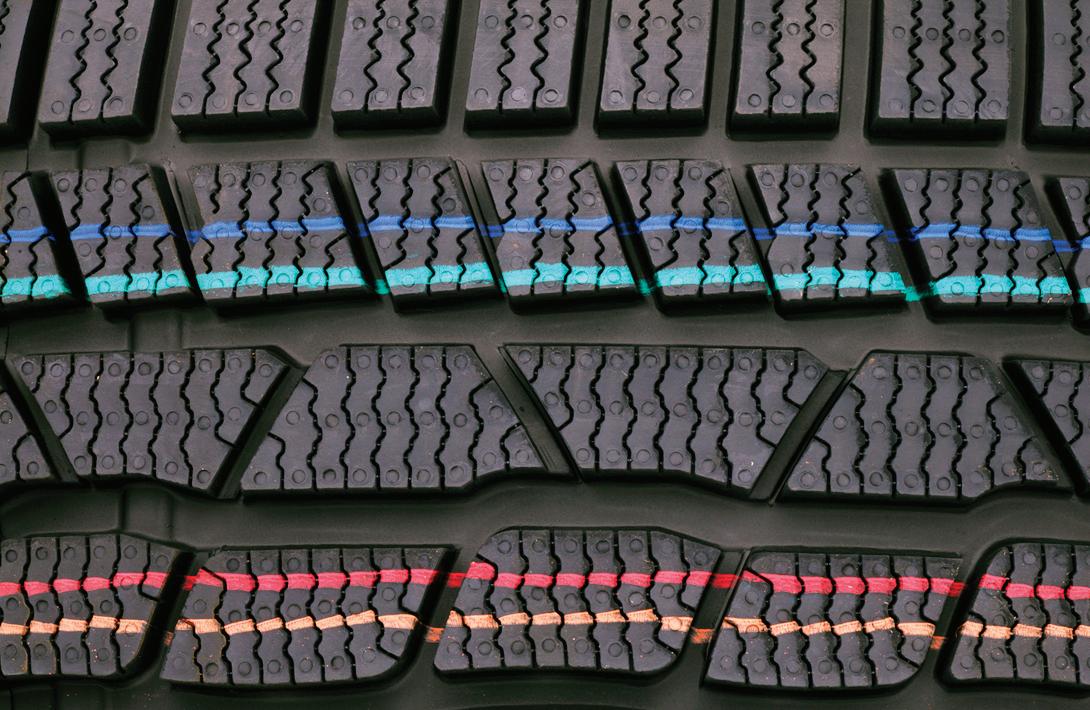
Waste Energy will commission its first 15-tonne/day waste conversion system this year at its Midland, Texas facility, entering final deployment
Lanxess has expanded its tyre additive portfolio with sustainable, US/ EU-compliant alternatives to 6PPD that offer comparable protection against oxidative ageing
Events
21 – 24 APRIL
Chinaplas
Venue: Shanghai, China
Tel: +852 2811 8897
Email: chinaplas@adsale.com.hk Website: www.chinaplasonline.com
5 – 6 MAY
PRS Europe
Venue: RAI, Amsterdam, Netherlands
Tel: +44 (0)7739 302081
Email: mabarber@crain.com Website: www.prseventeurope.com
13 – 15 MAY
Plastic Japan - High performance Plastics Expo
Venue: Osaka, Japan
Tel: +81 3 6739 4118
Email: materialweek-e.jp@rxglobal.com Website: www.material-expo.jp
13 – 16 MAY
INTERMACH & MTA Asia
Venue: BITEC, Bangkok, Thailand
Tel: +66 (0) 2036 0500 ext. 774
Email: Intermach-th@informa.com Website: www.intermachshow.com
13 – 16 MAY
Plastics & Rubber Thailand
Venue: BITEC, Bangkok, Thailand
Tel: +66 (0) 2036 0500
Email: plasticrubber-th@informa.com Website: www.plasticsrubberthailand.com
20 – 22 MAY
Tyre & Rubber Indonesia
Venue: JIExpo Kemayoran, Jakarta, Indonesia
Tel: +62 21 54358118
Email: paramitha@gemisen-group.com Website: www.tyre-indonesia.net
20 – 23 MAY
Metaltech & Automex
Venue: MITEC, Malaysia
Tel: +603 9771 2688 Fax: +603 9771 2799
Email: geonice.chong@informa.com Website: www.metaltech.com.my
2 – 4 JUNE
ProPak Mena
Venue: Egypt International Exhibition Center (EIEC), Egypt
Tel: +20 223226982
Email: fiandpropakcs@informa.com Website: www.propakmena.com
9 – 12 JUNE
Plast
Venue: Milan, Italy
Tel: +39 02 8228371 Fax: +39 02 57512490
Email: info@plastonline.org Website: www.plastonline.org
10 – 12 JUNE
PlasTech Vietnam
Venue: SECC, Ho Chi Minh City, Vietnam
Tel: +84 28 3848 8561
Email: info@veas.com.vn Website: www.plastech-expo.com
10 – 13 JUNE
ProPak Asia
Venue: BITEC, Bangkok, Thailand
Tel: +66 0 2 036 0500 Ext. 246
Email: watcharee.w@informa.com Website: www.propakasia.com
15 – 17 JUNE
ProPak China
Venue: Shanghai, China
Tel: +86 21 3339 2386
Email:Jovienne.Dai@imsinoexpo.com Website: www.propakchina.com
17 – 20 JUNE
InterPlas Thailand
Venue: BITEC, Bangkok, Thailand
Tel: +66 2686 7222 Fax: +66 2 686 7266
Email: interplas@rxbitec.com Website: www.interplasthailand.com
3 – 6 JULY
HanoiPrintPack
Venue: Hanoi, Vietnam
Tel: +886 2 2659 6000 Fax: +886 2 2659 7000
Email: exfdp@chanchao.com.tw Website: www.hanoiprintpack.chanchao.com.tw
26 – 28 AUGUST
Propak India
Venue: Mumbai, India
Tel: +91 98193 48505
Email: mustaque.ahmed@informa.com Website: www. propakindia.com
31 AUGUST – 2 SEPTEMBER
Plastics Recycling Show India (PRSI)
Venue: Mumbai, India
Tel: +44 07739 302081
Email: mabarber@crain.com Website: www.prseventindia.com
9 – 11 SEPTEMBER
Medical Manufacturing Asia
Venue: Marina Bay Sands, Singapore
Tel: +65 6332 9624
Email: zarina@mda.com.sg Website: www.medmanufacturing-asia.com
9 – 12 SEPTEMBER
VietnamPlas
Venue: Saigon Exhibition & Convention Center, Ho Chi Minh City, Vietnam
Tel: +886 2 2659 6000 Fax: +886-2-2659-7000
Email: exfdp@chanchao.com.tw Website: www.vietnamplas.chanchao.com.tw
15 – 19 SEPTEMBER
TaipeiPLAS
Venue: Taipei, Taiwan
Tel: +886 2 27255200 Fax: +886 2 27251959
Email: plas@taitra.org.tw Website: www.taipeiplas.com.tw
3 – 5 NOVEMBER
Plastics Recycling Show Asia (PRSA)
Venue: Shanghai, China
Tel: +44 (0)7739 302081
Email: mabarber@crain.com Website: www.prseventasia.com
18 – 21 NOVEMBER
Plastics and Rubber Indonesia
Venue: JIExpo, Kemayoran, Indonesia
Tel: +62 21 2525 320
Email: faradiba@pamerindo.com Website: www.plasticsandrubberindonesia.com
Check out the Advertisers' page on our website. Information is categorised by the YEAR & DATE of publication for easy reference.
For further details, email us at: news@plasticsandrubberasia.com
Publishing Office / Scandinavia, Benelux & France
Postbus 130, 7470 AC Goor, The Netherlands
Tel: +31 547 275005 Fax: +31 547 271831
Email: arthur@kenter.nl
Contact: Arthur Schavemaker
European Correspondent: E-mail: jeanet@kenter.nl
Contact: Jeanet Draaijer
Regional Office
B6-11, Menara Indah, Jalan 9, Taman TAR 68000 Ampang, Selangor, Malaysia
Mobile: +6017-8849102
Email: tej@plasticsandrubberasia.com
Contact: Tej Fernandez
China & Hong Kong
Room 6B, Floor 6, Building HengLong, No. 50 Renming Zhong Road, Zhangjiagang, 215600 China
Tel: 0512-58919146
Fax: 0512-58919145
Mobile: +86-17751702720
Email: henry.xiao@matchexpo.com
Contact: Henry Xiao/Zhu Wei
Malaysia (Print, Web, Digital Advertising & Conferences)
Tara Media & Communications
Mobile: +6017 610 1270
E-mail: yokepeng@taramedia.com.my
Contact: Yoke Peng
Southeast Germany, Switzerland & Austria Verlagsbüro G. Fahr e.K
Breitenbergstrasse 17
D-87629 Füssen, Germany
Tel: +49 8362 5054990
Fax: +49 8362 5054992
Email: info@verlagsbuero-fahr.de
Contact: Simon Fahr
North-West Germany
JRM Medien+Verlag
Minkelsches Feld 39
D-46499 Hamminkeln, Germany
Tel: +49 2852 94180
Fax: +49 2852 94181
Email: info@jwmedien.de
Contact: Renate Wickenhöfer
Malaysia, India, Indonesia, Singapore, Thailand, Australia, New Zealand, Korea & Philippines
Tara Media & Communications
B6-11, Menara Indah, Jalan 9, Taman TAR 68000 Ampang, Selangor, Malaysia
Mobile: +6017-8849102
Email: tej@plasticsandrubberasia.com
Contact: Tej Fernandez
Italy, Spain & Portugal
MediaPoint & Communications Srl
Corte Lambruschini, Corso Buenos Aires, 8, Vo Piano - Interno 9, 16129 Genova, Italy
Tel: +39 010 570 4948 Fax: +39 010 553 0088
Email: info@mediapointsrl.it
Contact: Fabio Potesta
Taiwan 宗久實業有限公司 Worldwide Services
11F-B, No.540 Sec.1, Wen Hsin Rd., Taichung, Taiwan
Tel: +886 4 23251784 Fax: +886 4 23252967
Email: global@acw.com.tw
Contact: Robert Yu 游宗敏
USA & Canada
Plastics Media International
P. O. Box 44, Greenlawn, New York 117430, USA
Tel/Fax: +1 631 673 0072


Email: mjm@4m-media.com
Contact: Michael J Mitchell
www.plasticsandrubberasia.com