Future-Ready Implementation Plan
chapter FIVE
Student Experience
This Chapter Serves as a Direct Response to Board Request #6: Indication of how the plan will improve students' experience with rationale
Advancing a Unified, Future-Ready Student Experience
The Future-Ready Facilities Plan is designed to strengthen every Pittsburgh Public Schools student’s day-to-day experience through coherent instruction, equitable access, and inspiring school environments The effort unites multiple departments under a single aim: that every child regardless of neighborhood, grade band, or program encounters consistent, rigorous, and culturally responsive learning that fosters belonging, purpose, and achievement.
A cohesive infrastructure supports this transformation. Standardized grade configurations (K-5, 6-8, 9-12) create a predictable educational journey and allow students to build relationships within developmentally appropriate communities The plan’s design ensures that students benefit from high-quality instruction, engaging enrichment, and coordinated wrap-around supports at every level Together, these shifts make transitions more seamless, strengthen identity and engagement, and guarantee equitable access to enrichment, advanced coursework, and whole-child
Student Experience
OFFICE of curriculum and instruction
The Office of Curriculum and Instruction is committed to ensuring that instructional changes outlined in the Future-Ready Facilities Plan directly enhance the student experience by providing consistent, rigorous, and equitable learning opportunities across all schools. Our focus is on providing consistent, rigorous, and culturally affirming learning opportunities across all schools so that every student has access to standards-aligned curriculum, high-quality instruction, and engaging environments. These priorities are designed to guarantee that every student has access to standardsaligned curriculum, high-quality instruction, and engaging learning environments, regardless of school transitions or neighborhood demographics
Rationale for Chosen Strategies
Instructional consistency across schools eliminates fragmentation, reduces inequities in program access, and ensures that transitions (e.g., from elementary to middle school) are academically and developmentally responsive By emphasizing coherence and teacher support through the Teaching and Learning Centers, we ensure that instructional practices improve student engagement and outcomes
Core Philosophy and Rationale
The instructional plan ensures that all students, regardless of where they attend school, receive rigorous, standards-based instruction Curriculum revisions in each content area reflect evidence-based strategies that accelerate learning, build strong academic identities, and prepare students for college, career, and life. Shifting to consistent grade bands (K–5, 6–8, 9–12) supports equitable access to specialized programming. For example, middle schools will provide developmentally responsive learning environments with increased offerings, while high schools will expand access to advanced courses, electives, STEM pathways, and career exploration
Student Experience
Underlying Philosophy
Our instructional approach is grounded in the principles of equity, excellence, efficiency, and whole-child, asset-based learning. Every student regardless of school or background gets access to challenging, culturally relevant learning experiences. This commitment is intentional, not left to chance
Guided by the work of Corwin’s Equity by Design: Delivering on the Power and Promise of UDL (2020), PPS is aligning instruction to ensure that Universal Design for Learning (UDL) principles are embedded across classrooms. Clear, standardsbased pathways from grade to grade provide consistent expectations and prevent learning loss during transitions. Streamlined grade bands and coherent pacing will reduce fragmentation, ensuring that time, staffing, and resources remain focused on learning.
Instruction must honor each student’s identity and voice, building joy, purpose, and agency alongside strong academics, so that every learner can thrive both personally and academically
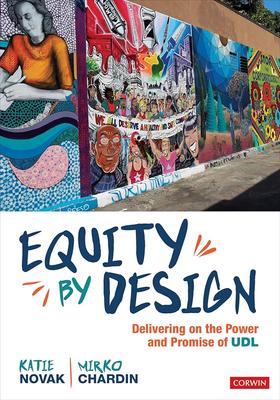

Corwin. (2020). Equity by design: Delivering on the power and promise of UDL. Corwin Press https://wwwcorwin com/books/equity-by-design-269459
Student Experience
Rigorous and Culturally Relevant Learning
Aligned assessments and common benchmarks provide a consistent measure of progress across schools Teachers will use formative and performance-based assessments to identify strengths and needs quickly, ensuring that supports are activated early. Benchmark data will be shared across grade bands to inform interventions and enrichment, while six-week review cycles in the Teaching and Learning Centers will help educators refine instruction using real-time evidence of student growth.
Curriculum revisions across all content areas are guided by Dr Gholdy Muhammad’s Five Pursuits identity, intellect, skill, criticality, and joy so that students see themselves reflected in learning and experience academic challenge that is meaningful.

ELA & Social Studies: Literacy instruction grounded in the Science of Reading emphasizes complex texts, writing, and culturally relevant materials that affirm identity and strengthen comprehension.

Mathematics: A problem-based curriculum builds reasoning and confidence while expanding access to Algebra I for all eighthgrade students, removing inequities caused by small school size
While we have a high quality District-wide curriculum, not all students have access to advanced mathematics courses in the middle grades For example, currently 285 students (about 21%) of our 8th grade students attend a school that is unable to offer Algebra 1 in 8th grade due to the small size of the school. Under the new configuration, those students would have that opportunity.
Student Experience
Science & STEAM: Inquiry-based, phenomena-driven lessons, aligned to STEELS standards, nurture curiosity and connect local, real-world issues to academic content. STEAM education moves from limited enrichment to universal exposure, expanding access for 100% of students by Year 3
The guiding rationale for our curriculum and program shifts in STEAM is a commitment to a paradigm shift, from a model of limited access reserved for only a handful of students to one of a comprehensive, equitable opportunity for all students This philosophy is grounded in the belief that a robust STEAM education is no longer an enrichment program for a select few but a fundamental imperative for preparing every student to navigate the complexities of the modern world and unlock future-ready career pathways.

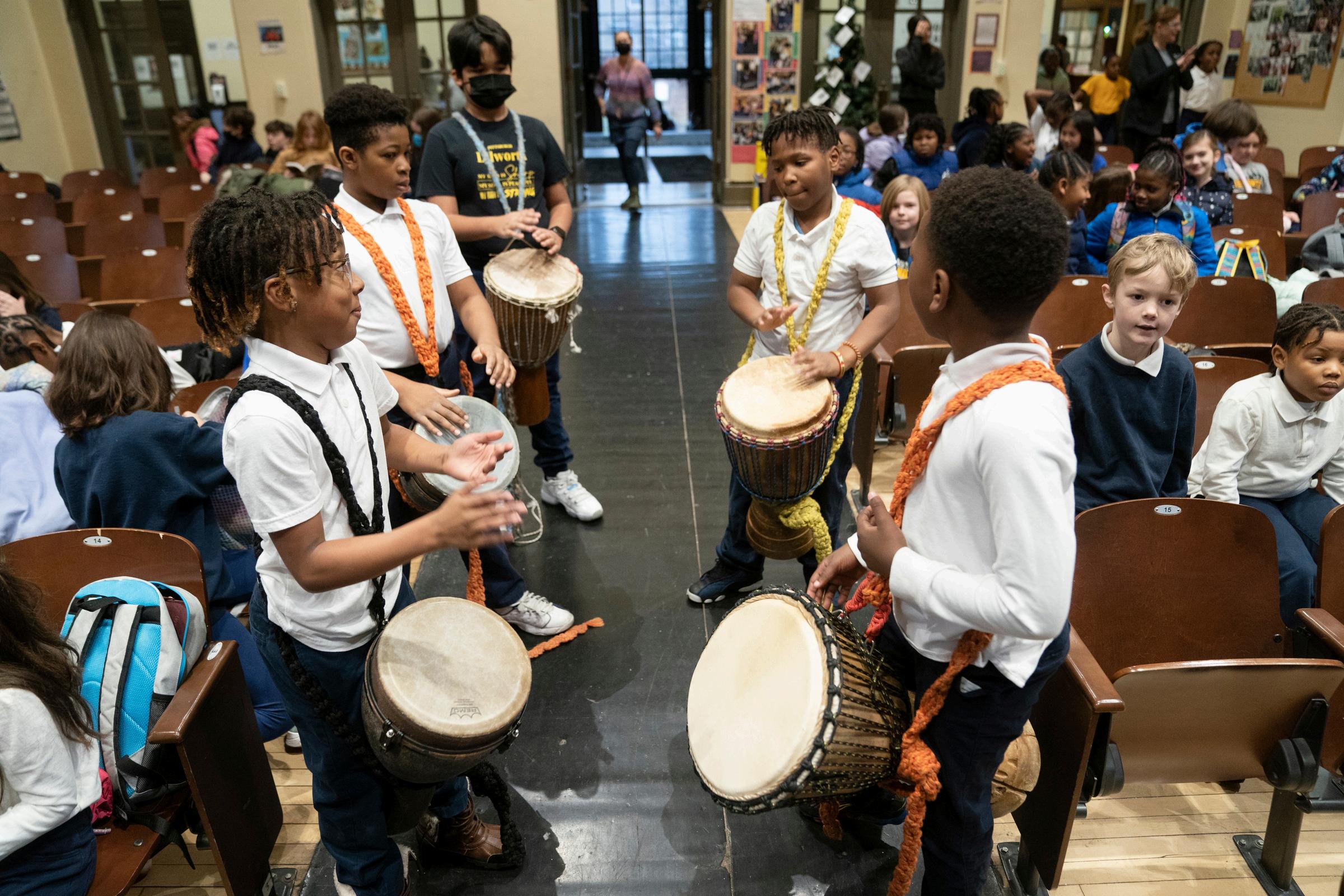
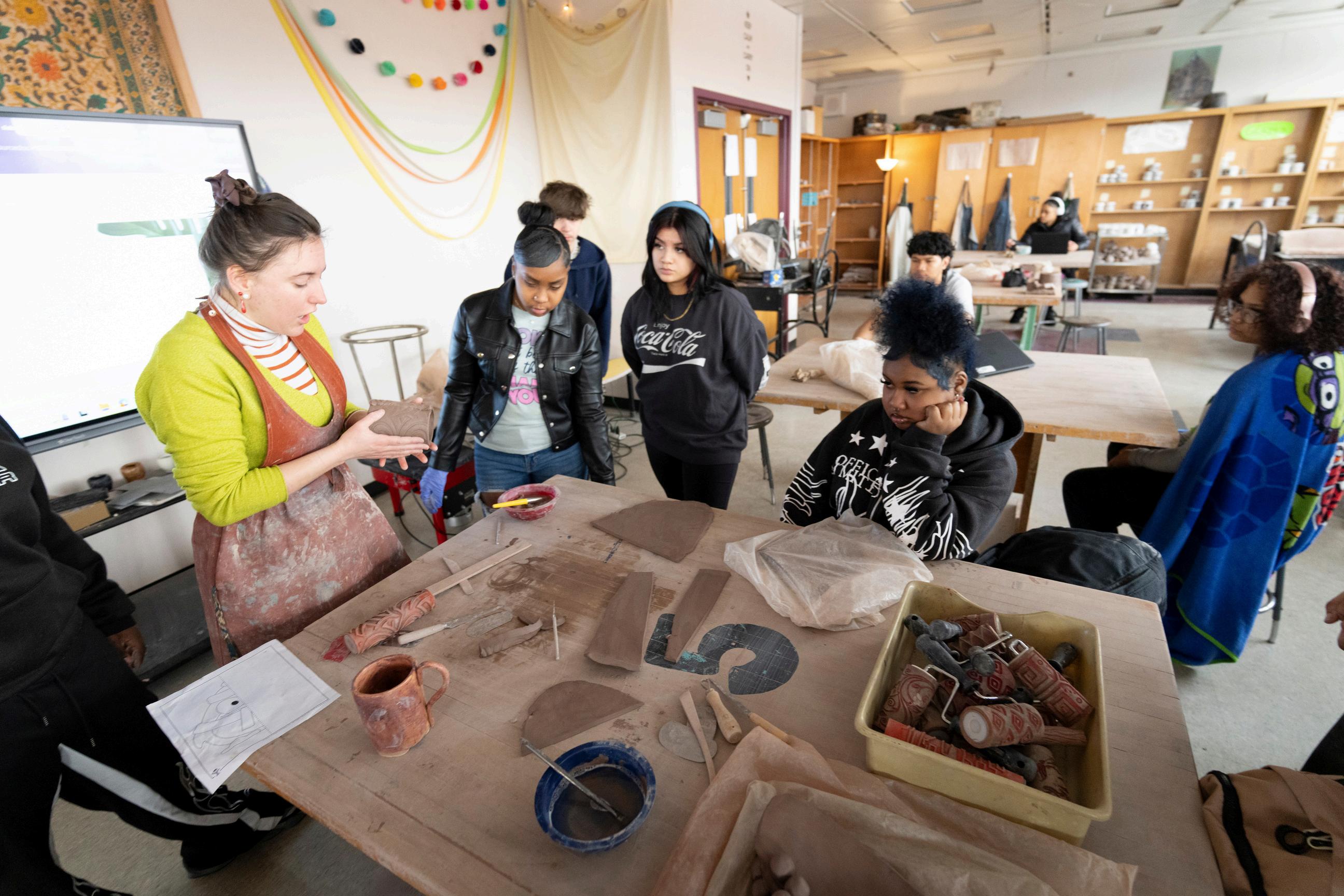
Arts & World Languages: Expanded programs engage creativity, build global competence, and promote joy in learning through authentic performance and communication. The shifts for World Languages makes sure every student has the chance to learn a world language from elementary school through high school. While in the Arts, students will have opportunities to engage in the full range of artistic processes (creating, presenting/performing, responding, and connecting) in arts courses through experiential, inquiry-based learning rooted in curiosity and lived experience
Career Exploration: Middle-grade students will engage in handson, standards-based projects that connect classroom learning to real-world careers.
A structured and hands on intentional curriculum based on PA Academic Standards for Career Education and Work and National Career Clusters will allow students to build awareness of career options in the early grades, deepen exploration and skill development in middle school, and make more informed choices about pathways in high school and beyond
Student Experience
Collaboration and Professional Growth
New Teaching and Learning Centers for elementary, middle, and high school levels will serve as hubs for collaborative professional learning. Teachers will participate in six-week cycles of coaching, model lessons, and joint planning, ensuring consistency in instruction and access to high-quality practices across the District.
Time for Professional Learning Communities will be embedded in schedules so teachers can co-plan lessons, review student data, and share successful strategies, ensuring that instructional quality is strong and coherent across schools
Helping families feel confident about continuity
Families will receive clear, accessible information about what their children are learning and how curriculum changes improve outcomes Visual guides, FAQs, and videos will explain grade-band alignment, course offerings, and supports Regular updates through newsletters, family nights, and digital platforms will reinforce transparency and trust Principals and teachers will be equipped with shared talking points to ensure consistency across schools.
Student Experience
Equitable Scheduling and Access
The new Educational Delivery Model will standardize course access and eliminate conflicts that limit enrichment. Common bell schedules, protected intervention and enrichment blocks, and equity “guardrails” will ensure every school offers the same opportunities. Using scheduling simulations, schools can anticipate needs and make adjustments early. Student voice surveys will guide new elective offerings, ensuring relevance and equity in access to advanced courses and extracurriculars
Expanded opportunities are being built into every student’s schedule, not reserved for select schools or programs

Arts
Structured progression from K–8 ensures every student experiences both performing and visual arts, with middle-school programs connecting identity, culture, and creativity
STEAM
Integrated into the K–8 core curriculum, expanding access from 15% to 100% of middle-grade students
Career Exploration
A structured elective in Grades 6–8 will connect learning to career readiness, using e-portfolios and community partnerships
World Languages
Starting in Grade 3, students will have continuous exposure through graduation, including heritage language and accelerated pathways
Student Experience
Office of Professional Learning
The Office of Professional Learning directly ties adult learning to improvements in engagement, belonging, and achievement Teachers receive training in inquiry-based, collaborative, and technology-enhanced instructional strategies, while leaders and support staff engage in restorative and culturally responsive practices that create inclusive, welcoming classrooms.
Job-Embedded Learning and Coaching
Rather than one-time workshops, learning occurs in the flow of daily work Coaching cycles pair educators with content specialists who model lessons, co-teach, and provide feedback. Peer observations promote collective accountability and professional pride.
The new Teaching and Learning Centers function as innovation hubs. Teachers can observe exemplary instruction, rehearse new strategies, and reflect on their impact. Leaders use walkthroughs to celebrate strong practice and provide targeted support, ensuring that adult learning is visible and sustained
Feedback and Continuous Improvement
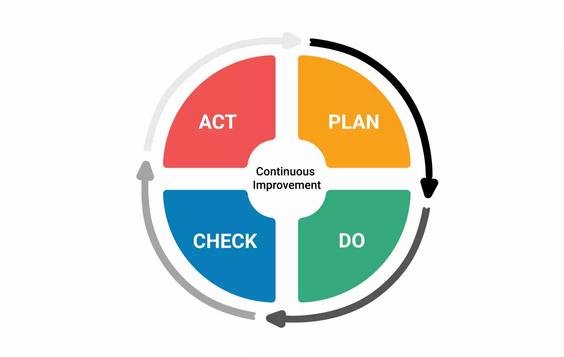
Professional learning effectiveness will be measured through multiple lenses: classroom observations, student engagement data, and staff surveys. Insights will feed into a continuous improvement loop managed by the Professional Learning Steering Committee, aligning offerings with district priorities and ensuring timely, high-quality delivery
By embedding growth within practice and aligning it to measurable outcomes, the District creates a culture where professional learning is not an event, but an expectation and a shared pathway to student success.
Professional learning
Instructional Technology, ELs, UDL, asynchronous courses
Start structured walkthroughs and coaching cycles to monitor progress with implementation
Utilize templates for feedback loops during structured walk-throughs and coaching cycles
Begin District-wide collaborative team meetings
Open K-5 Teaching and Learning Center pilot
Continue structured walkthroughs and coaching cycles to monitor progress with implementation
Utilize templates for feedback loops during structured walk-throughs and coaching cycles
Continue District-wide collaborative team meetings
Evaluate K-5 Teaching and Learning Center pilot
Meet with Office of Professional Learning Steering Committee for feedback and determining action steps
Q1 Q2
Continue District-wide collaborative team meetings
Continue structured walkthroughs and coaching cycles to monitor progress with implementation
Utilize templates for feedback loops during structured walk-throughs and coaching cycle
Pending recommendation of pilot Teaching and Learning Center, proceed with preparations for Middle School Teaching and Learning Center and High School Teaching and Learning Center (school designation, teacher identification, professional learning)
Prepare for Summer Leadership Academy 2027
Collect feedback and assess effectiveness
Collaborate with departments to review learning pathways to adjust and strengthen
Meet with Office of Professional Learning Steering Committee to report progress, receive feedback and determine action steps
Continue preparations for Summer Leadership Academy
Q3 Q4
The Office of Professional Learning is prepared to take the next steps in advancing this vision. In Fall 2027, the District will launch a pilot for the Teaching and Learning Center, with plans for expansion across grade levels. The office will present its revised professional learning system to the Executive Cabinet, ensuring alignment with strategic goals and accountability for results.
Ongoing data and feedback will guide continuous improvement, and partnerships across central office departments will sustain equity, excellence, and effectiveness
Through this work, the Office of Professional Learning will ensure that every student in the district experiences a supportive, engaging, and high-quality education that prepares them to thrive
Student Experience
Office of SCHOOL PERFORMANCE
Building Culture and Readiness from Day One
In collaboration with a cross-functional PPS team, the Office of School Performance will assist will assist with the coordination of all transition efforts, ensuring alignment with district priorities and consistent progress monitoring through scheduled checkins and data reviews The goal is to create conditions where every student experiences a seamless transition, a sense of belonging, and rapid academic acceleration within the first 90 days.
Strengthening Transitions and Belonging
Preparation for change begins months before students arrive
Early Needs Identification: Power BI dashboards surface academic and socialemotional needs early (attendance, behavior, course history, screening data) to inform placement, supports, and outreach.
Transition activities build readiness and relationships.
Peer Mentoring: Trained student ambassadors connect with incoming students prior to day one and host follow-up touchpoints in the first month.
Family Onboarding: Multi-lingual orientations, campus tours, and transition meetings to reduce uncertainty and establish two-way communication
All middle schools will implement the Ron Clark Academy House System to build a shared culture where belonging is intentional, not left to chance. The system will feature common houses and colors, consistent behavior expectations, and a rubric aligned with PPS values. Schools will launch with a sorting and house reveal, followed by advisory lessons on belonging, goal setting, and restorative practices.

Throughout the year, students will engage in weekly house challenges and monthly recognition events supported by staff training on consistency and celebration. Equity reviews will ensure points, recognitions, and consequences are monitored by subgroup to prevent disproportionality. Together, these efforts will create smaller communities of care, promote pride and accountability, and strengthen student connections. The Office of School Performance will oversee implementation and provide ongoing support.
Student Experience
Equitable Access to Quality Resources
Neighborhood magnets will implement the same high-quality core curricula, enrichment, and technology as all district schools. Staff will participate in standardized professional learning, and facilities modernization will include equitable access to labs, arts studios, and digital resources.
Sustained Support for
Alternative
Education Transitions
With the closure of the Student Achievement Center (SAC), all students will return to their assigned high schools to receive in-school credit recovery supports Each student will have a personalized transition plan that follows them to their home school, with dedicated counselors monitoring progress through weekly check-ins and ongoing collaboration with families. Core services, including counseling, social work, and behavioral health, will continue without interruption. The middle school Overage Program will sunset with the SAC closure.
Student Experience
Program for Students with Exceptionalities (PSE)
Inclusive Design and Continuity of Services
As Pittsburgh Public Schools enters a period of building reconfiguration to better align facilities and programs with current enrollment and evolving student needs, this transition presents both challenges and opportunities for the Program for Students with Exceptionalities (PSE). The District must ensure not only compliance with all federal and state mandates for accessibility and service continuity, but also that every student with a disability experiences a welcoming, inclusive environment from the very first day in a new setting
The strategies outlined within this plan are designed to uphold those commitments. Retaining many specialized classrooms in their existing locations preserves trusted relationships and familiar routines, easing anxiety for students and families. All reconfigured spaces are built or renovated to exceed ADA standards, with thoughtful design elements - such as in-room bathrooms for K–2 Autistic and Emotional Support classrooms, nearby sensory areas, and flexible zones for calm-down and learning activities that reflect the day-to-day needs of exceptional learners
Leadership preparation and collaborative practice are equally central to success Principals and general education staff are positioned as joint stewards of inclusion, supported through professional learning in co-teaching models, culturally responsive instruction, and positive behavior supports. In parallel, transparent communication and authentic family engagement ensure parents have an informed and active role in transition planning, fostering trust and confidence throughout the process
Together, these actions transform a complex facilities reconfiguration into a meaningful opportunity to advance equity, inclusion, and excellence for every student.
Student Experience
Rationale for Chosen Strategies
The selected strategies are grounded in evidence-based practices shown to improve outcomes for students with disabilities and to strengthen whole-school culture. Prioritizing in-place programming where feasible preserves continuity of services and trusted relationships, which research links to stronger academic and social-emotional growth Purposeful facility design, such as integrating sensory rooms, in-class bathrooms for K–2 Autistic and Emotional Support programs, and flexible PSE spaces creates environments that support individualized instruction and proactive behavior supports
Empowering principals and general education staff to view all students as part of one unified school community builds collective ownership and raises expectations for inclusion. Professional development in co-teaching, culturally responsive practices, and positive behavior supports equip educators with the tools to translate this mindset into daily practice Finally, consistent, two-way communication with families ensures that decisions reflect lived experience and fosters trust, which is critical for successful transitions and long-term partnerships
Leadership and Staff Development for Inclusion
Principals and general education staff will set the tone for a school culture where every student is valued They will ensure that Special Education classrooms are not relegated to the smallest or most remote spaces, but are integral, visible parts of the school Principals will lead by example embracing all students as our students rather than “your” or “my” students and will provide ongoing professional development, so all staff understand their shared responsibility for inclusive practices. Through intentional leadership and collaboration, every educator will help create a welcoming environment that supports the success of exceptional learners alongside their peers.
Family Partnership and Communication
Ongoing, transparent communication with families ensures confidence in placement and support decisions. Families participate in transition planning meetings and have multiple channels for feedback, reinforcing trust and collaboration.
Student Experience
Allderdice9-12
east + central south + west
Colfax6-8
GreenfieldK-5
MifflinK-5
MineadoK-5
Sci-Tech9-12
Sci-Tech6-8@Milliones
WeilK-5
ObamaIB9-12
Arsenal6-8
LibertyK-5
SunnysideK-5
Westinghouse9-12
Sterrett6-8
DilworthK-5
FaisonK-5
LincolnK-5
Perry9-12
full magnets north
Schiller6-8@Allegheny
AlleghenyK-5@King
MorrowK-5
NorthviewK-5
Brashear9-12
Carmalt6-8
Classical6-8
BanksvilleK-5
BeechwoodK-5
BrooklineK-5
LangleyK-5
PhillipsK-5
WestwoodK-5
WhittierK-5
Carrick9-12
Arlington6-8
ConcordK-5
GrandviewK-5
RooseveltK-5
WestLibertyK-5
CAPA6-12
MontessoriK-5
Student Experience
GIFTED AND TALENTED DEPARTMENT
The Gifted and Talented Department ensures that enrichment and advanced learning are no longer limited to select programs but become a fundamental feature of every PPS school. Integrating gifted services across the District creates a more equitable system one that honors diverse talents and recognizes excellence in all neighborhoods.
The model is grounded in the belief that students thrive when they are both challenged and seen By embedding enrichment into daily instruction, the District will broaden the definition of giftedness to reflect intellectual curiosity, creativity, and persistence not just test performance This inclusive approach gives students in all schools access to advanced inquiry and deeper learning experiences
Students will engage in projects that encourage them to ask questions, solve authentic problems, and make connections between content areas. Teachers will design cross-curricular experiences that allow students to demonstrate mastery through creation, collaboration, and research. This not only enhances academic rigor but also promotes joy, confidence, and self-direction in learning
Framework for Culturally Relevant Excellence
The enrichment framework draws on Dr Gholdy Muhammad’s Five Learning Pursuits identity, skill, intellect, criticality, and joy and Dr Gloria Ladson-Billings’ Culturally Relevant Pedagogy Together, these approaches help teachers design lessons that center students’ cultural and community identities while cultivating advanced thinking skills.
Classroom activities will: Encourage students to pursue self-selected topics that connect to real-world challenges.
Integrate literacy, research, and presentation skills into enrichment projects. Emphasize inquiry, collaboration, and creativity as hallmarks of excellence
Through this framework, gifted education becomes not a separate track but a mindset an expectation that every child will engage in high-level thinking and meaningful work
Student Experience
Professional Learning and Leadership Development
To sustain this vision, the District is investing in educator capacity. Teachers will receive training in equitable identification practices, differentiation, and enrichment design. Gifted Liaisons and Instructional Coaches will model the Schoolwide Enrichment Model (SEM) in classrooms and guide teams in adapting it to their context.
Leadership development will unfold in three phases:
Foundation and Learning Implementation and Integration Leadership and Sustainability
Foundational learning in equitable identification, GIEP compliance, and culturally relevant enrichment
Transition to schoolembedded model with Gifted Educators in every K-5 and 6-8 school
Leadership institutes that focus on sustaining systems, mentoring new administrators, and embedding gifted practices into ongoing school culture.
The result will be a District-wide enrichment culture that recognizes talent broadly and nurtures it intentionally, ensuring that curiosity and excellence are accessible to every learner.
Student Experience
Office of Information Technology (OIT)
Technology as a Catalyst for Modern Learning and Equity
The Office of Information Technology (OIT) is leading Pittsburgh Public Schools (PPS) into a new era of innovation, equity, and efficiency As the District reimagines its learning environments under the Future-Ready Facilities Plan, OIT ensures that every student and educator regardless of school assignment has equitable access to reliable devices, modern infrastructure, and digital systems that transform classrooms into connected, future-ready spaces.
Reliable technology infrastructure is the foundation of equitable learning. When students have uninterrupted access to secure devices, high-speed connectivity, and adaptive tools, they can engage with rigorous content, collaborate authentically, and demonstrate learning in ways that mirror the modern workplace
Building a Future-Ready Digital Foundation
As the current practice, every student and staff member will receive a District-issued device that travels with them across grade levels promoting continuity, accountability, and equitable access. Each device is tracked through asset management systems, ensuring accurate accountability and sustainable refresh cycles.
To support reconfigured and newly designed schools, OIT is expanding wireless access points (WAPs), upgrading network equipment, and deploying ClearTouch interactive panels in every classroom to enable flexible, high-bandwidth instruction These upgrades ensure every learning space is digitally equipped from the first day of operation, supporting collaboration, video conferencing, and multimedia learning. The result is a consistent digital foundation that enables every PPS school, regardless of size or location, to operate as a connected, efficient, and secure hub for teaching and learning.
Student Experience
Enhancing Engagement Through Innovation
Tomorrow’s classrooms will operate less like traditional lecture spaces and more like innovation studios dynamic environments where students create, collaborate, and problem-solve through authentic learning experiences Teachers will design lessons that use technology to cultivate communication, critical thinking, teamwork, and digital citizenship, supported by clear rubrics and published exemplars that define what high-quality, tech-integrated learning looks like.
Classrooms PreK–12 will function as collaborative creation hubs, where every student’s device becomes a tool for exploration, problem-solving, and authentic expression. Teachers will use real-time feedback and formative assessments to guide instruction and regroup students dynamically, while adaptive digital platforms personalize lessons to meet individual learning needs
Students will produce digital stories, data visualizations, and virtual lab experiments, collaborating across classrooms and schools to solve real-world problems. Partnerships with community organizations will extend learning beyond school walls. Students might design a neighborhood sustainability dashboard or a publicservice campaign while building critical skills in creativity, communication, and digital citizenship
Equitable access, universal design principles, and digital student portfolios will ensure that every learner can engage, create, and grow in a truly connected district. Through the integration of Microsoft 365 A5 tools including Teams, OneNote, Whiteboard, and Clipchamp teachers and students will connect across schools, share projects, and receive feedback in real time. ClassLink Analytics+ will provide insight into digital engagement patterns, helping principals and educators tailor professional learning and ensure every technology investment directly improves student outcomes
Student Experience
Equity Through Access, Inclusion, and Data
Technology is central to PPS’s equity mission OIT’s systems are designed to ensure every family and student has meaningful access to learning, communication, and support
Innovations such as translation kiosks, Pocketalk devices, and multilingual parent portals connect families to schools in their preferred languages, eliminating barriers to engagement. Automated communication tools and Microsoft Bookings simplify scheduling, while Counselor Connect and GradTrak empower staff to monitor counseling sessions, graduation readiness, and academic supports for vulnerable populations
To extend access and digital confidence beyond the school day, OIT will introduce evening technology classes for parents and students, hosted in school buildings and community locations. These night sessions will help families learn how to use district platforms, manage student devices, navigate online learning tools, and understand digital safety. By building digital literacy at home, PPS ensures that technology becomes a shared tool for connection, learning, and empowerment across generations.
By unifying data and communication systems, OIT enables targeted interventions and transparent reporting, ensuring that technology strengthens, rather than widens, opportunity gaps
Student Experience
Data-Driven Operations and Cybersecurity
A modernized district data warehouse and real-time dashboards provide leaders with visibility into technology usage, device distribution, and performance metrics. This data-driven approach improves decision-making and accountability, ensuring resources reach the students and schools that need them most.
Simultaneously, OIT is advancing cybersecurity through multi-factor authentication (MFA), districtwide phishing simulations, and cybersecurity awareness training videos that build a culture of digital safety across all PPS users Together, these efforts protect student data, ensure operational continuity, and prepare the District to meet evolving digital security standards
Preparing Students for the Future
Technology integration is shaping a generation of PPS students who are confident digital citizens and innovative problem-solvers Through project-based learning, multimedia creation, and collaborative tools, students are developing transferable skills in creativity, communication, and digital literacy skills essential for success in college, career, and civic life in a rapidly evolving world.
Conclusion: Technology as the Core of Future-Ready Schools
As PPS reimagines its facilities and instructional environments, the Office of Information Technology stands as the backbone of innovation. Through reliable infrastructure, inclusive systems, and transformative teaching tools, OIT ensures that technology is not just an operational support, but as a catalyst for equity, creativity, and excellence for every Pittsburgh student.
Student Experience
Office of Student Support Services
The Office of Student Support Services plays a vital role in ensuring that every child has access to a high-quality education and the supports necessary to thrive academically, behaviorally, socially, emotionally, and physically By aligning services across schools, the District is building a comprehensive, integrated support system that centers students and strengthens collaboration among staff, families, and community partners.
This coordinated approach advances equity by ensuring consistent and fair access to services across all schools, with a particular focus on reducing disparities for our most vulnerable populations. It improves student outcomes through targeted interventions that address engagement, social-emotional growth, physical health, athletics, attendance, and academic achievement. The office also promotes safety and well-being by offering proactive wellness services and reducing the need for crisis-based responses
Through a unified, district-wide framework, the Office of Student Support Services increases efficiency and alignment, reducing fragmentation and duplication of efforts at the school level. Finally, by leveraging partnerships with families and community organizations, the office expands the network of support available to students ensuring that every learner is seen, supported, and set up for success
Expanding ENGAGEMENT IN Athletics
A comprehensive K–12 athletics strategy will expand participation, align facility use, and improve transportation logistics so that every student can benefit from extracurricular involvement.
Athletics are more than physical activity they cultivate leadership, teamwork, and pride. The District’s unified approach will: Increase access to sports opportunities for younger students and underrepresented groups.
Modernize facilities and equipment to ensure equity across schools
Connect athletics to college and career pathways through coaching, officiating, and sports management experiences
These investments build stronger school communities, reinforce positive culture, and promote health and wellness
Student Experience
Strengthening Culture and Safety Through Restorative Practices
Restorative practices will serve as a cornerstone for creating safe, supportive school environments. Instead of relying solely on punitive measures, PPS will emphasize proactive relationship-building, reflection, and accountability.
Implementation will include:
Integration Weeks that orient students to their new schools and emphasize shared values and expectations
Advisory Programs that provide structured opportunities for connection and dialogue.
Restorative Circles and peer mediation to address conflict constructively and restore community trust.
These practices not only reduce discipline disparities but also strengthen belonging, empathy, and respect among students and staff
Comprehensive Health and Wellness Systems
Student well-being underpins every academic and cultural initiative. The District is standardizing medical and behavioral health protocols to ensure consistent quality of care. Each building will maintain reliable nursing coverage, access to counseling, and direct communication with families about health and wellness.
Partnerships with local health agencies and universities will expand services related to mental health, nutrition, and physical fitness The Office of Health Services will coordinate care and ensure that every family knows how to access resources. Together, these strategies advance a holistic approach to education that nurtures the body, mind, and spirit of every learner.
Student Experience
Conclusion and Next Steps
Moving from Planning to Action
The Future-Ready Facilities Plan represents a unified, district-wide commitment to reimagining the student experience. It aligns curriculum, professional learning, technology, and support systems around a single vision: Students First Always, In All Ways.
The Plan will guide a multi-year implementation process that balances operational realities with the urgent need to improve outcomes for all learners Through deliberate coordination among departments, schools will open each year ready to deliver engaging, equitable, and high-quality instruction.
Immediate Priorities
In the months ahead, the District will focus on several key actions to ensure smooth execution:
Finalizing curriculum maps and pacing guides across all content areas
Launching Teaching and Learning Center coaching cycles and embedded PLC structures
Completing ADA and facility readiness reviews to guarantee safe, accessible spaces.
Standardizing restorative and health protocols District-wide.
Scaling equitable scheduling models and monitoring course availability by school.
Publishing clear, family-facing roadmaps that outline pathways, programs, and timelines
Student Experience
Sustained Accountability and Feedback
PPS will monitor progress using key equity indicators student enrollment, course access, academic growth, and sense of belonging disaggregated by race, gender, and disability status Feedback loops from students, families, and educators will inform quarterly reviews and adjustments
A public-facing dashboard will share metrics and milestones, reinforcing transparency and accountability. Continuous improvement will remain the foundation of the Plan’s success.
Lasting vision
Ultimately, the Future-Ready Facilities Plan is not just about reconfiguring buildings, it is about reimagining what learning looks like and feels like for every Pittsburgh student. Through aligned instruction, equitable access, and whole-child support, PPS is building a system where every child can thrive academically, socially, and emotionally.
This work honors the District’s ongoing promise: to create a future where every student is known, challenged, and celebrated - a future built on the unwavering principle of Students First Always, in All Ways.