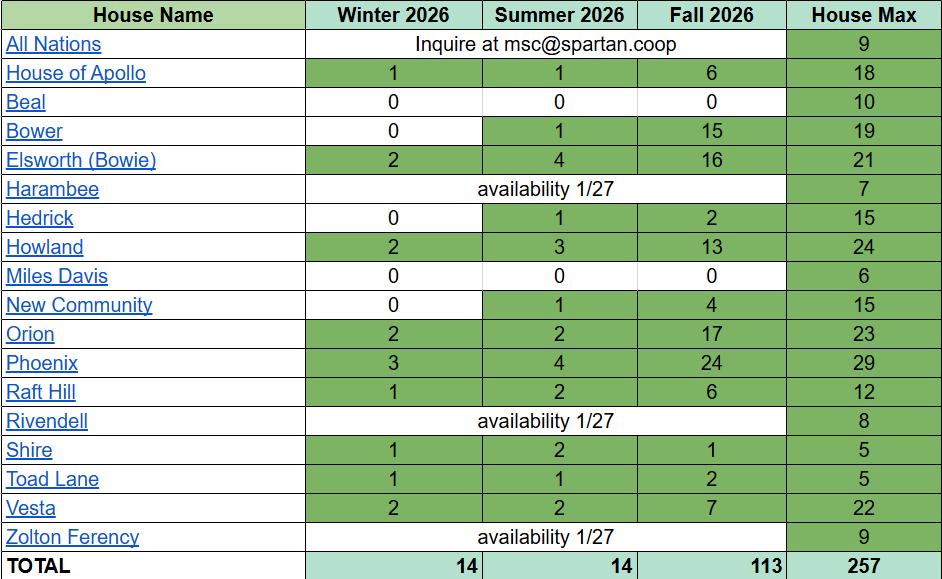
◆ This room availability chart is from April 6th, 2026. There were 28 tour cards submitted during this month.
Board of Directors (BoD)
➔ The Board had its last meeting of the term on April 27th, voting on 4 different policies and finding them all in compliance: 1.1.6: Ecological, Environmental, and Ecological Responsibility, 2.4: Compensation and Benefits, 2.6.1: Financial Liquidity, 2.6.12: House Deficits. Other reports, such as 2.1: Treatment of Member Residents, 2.2: Treatment of Households, and 2.5: Business Planning and Financial Budgeting, were supposed to be reviewed per the Board Governance Schedule, but were delayed to June due to time constraints. The Governance Revision sub-committee of the Board also drafted an ethical investment policy to align the SHC’s investments with what the coop stands for. Since the 25-26 term ended, the Board will be on recess until June.
Membership Committee (Memcomm)
➔ As Summer creeps closer, Vice President of Membership (VPM) AJ has been working with Membership Officers to come up with an advertising strategy for their houses to fill up for the Fall. So far, things have been moving along as the SHC has received 28 tour cards in April, and Membership Officers are ensuring schedule Room Picks earlier. Furthermore, they’re still discussing the idea of having an Open-Door policy, which would change how houses take in new members. The number of steps required to have members move in would be reduced by having prospective members sign up for a house, skipping the touring
Management Report, {April, 2026} process and house meeting requirement. Finally, Membership Officers were also required to attend the Identifying & Combating Microaggressions training hosted on April 19th, along with Education Officers.
Education Committee (Educomm)
➔ It’s been an eventful month for the Education Committee. Right after the All Member Meeting on April 11th, members helped clean litter around MAC. Furthermore, they had the Pad the Mitten drive, where members of each house were encouraged to donate menstrual products for the unhoused and struggling community members. This event had a packing party on April 21st at Wells Hall. Finally, Education officers and other members had several opportunities to help with tabling on April 6th, 17th, and 23rd to recruit new members.
Facilities Committee (FacCo)
➔ As the Facilities Committee’s Spring term comes to a close, Vice President of Facilities (VPF) Jack has been honing in on unfinished preventative maintenance tasks. Currently, they stand at 56.26% preventative maintenance completed, the most in SHC history. Congratulations and thank you, Facilities Committee!
Finance Committee (FiCo)
➔ The Finance Committee has been reviewing how much money should be spent on maintenance, which included a revision of an SHC Budget Workshop presentation from 2022 made by Zach Crewes1. This agenda item was discussed to obtain a deeper understanding of the SHC budget. This way, Finance Officers can take the information back to their house and give the general membership a better understanding of the budget as a whole.
Finance
Income and Expense
➔ March Books2
Income ~$118,769 Expense
Routine Maintenance (incl. Rental license fees, Fire Safety, and electrical expenses) ~$8,168 Programs (incl. CTRL+A sponsorship and EC snacks) ~$1,259
1 Our Maintenance Coordinator (MC).
2 These books will be unreconciled until our next audit process. DO NOT take them as fact. This is just a ballpark as to where our finances lay.
Management Report, {April, 2026}
Overhead (incl. Staff payroll and benefits, EC stipend, CC fees, office furniture, office rent, software bills, and 2 months' worth of accounting fees) ~$42,259
Net Operating Income (NOI) ~$67,083
Loan Payments (Interest only) ~$9,970
Facilities
Current Capital Improvements
➔ Regent St. Electrical work - ~$15,104
➔ New Community Environmental Testing - ~$8,952
For a total of ~$25,075
Work Orders
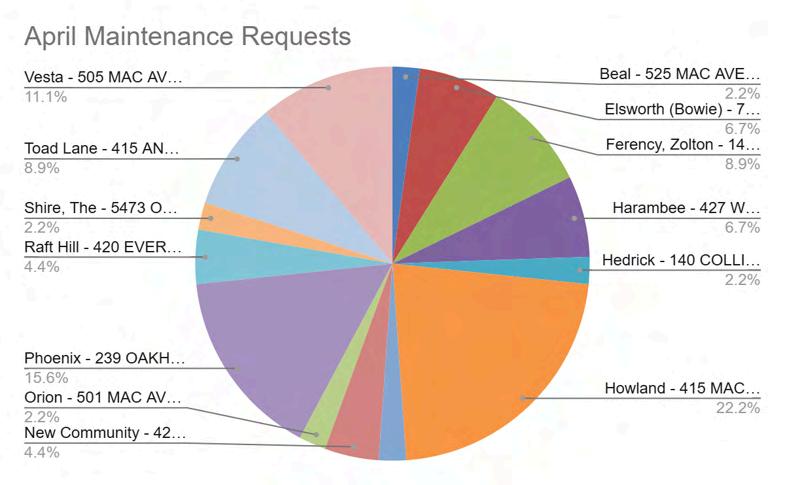
➔ There were 45 maintenance requests submitted in April, with Howland, Phoenix, and Vesta having the most. It was a big month for flooding as April showers came in across the houses. Other issues are attributed to water heater malfunctions and dryer issues.
Property Development Grants
➔ No new projects have been proposed. The budget remains at $3,640.38 for the 25-26 fiscal year.
Management Report, {April, 2026}
SHC Organizing Training
➔ Organizing Training happened on April 11th from 10 am to 2 pm in the MSU Student Union, facilitated by Jordan, our Cooperative Experience Coordinator. This training was open to any members interested in collective organizing, with topics like how to start the process, breaking down roles, connecting with people on a common cause, etc. Food and drinks were provided.
All Member Meeting
➔ Following the Organizing Training, the All Member Meeting took place at Hedrick from 3 pm to 5:30 pm. The meeting consisted of updates from the new Regent St. houses that were purchased back in February of 2025, the Mosaic Collective’s recruitment efforts, which is made up of POC members who help give suggestions to the EC for diversifying the membership and improving the cooperative’s practices, Board theme activity to collect data on sustainable practices from different houses, and general Executive Committee (EC) updates. For the All Member Meeting minutes3, they are linked here.
MAC Litter Clean-up
➔ April 11th was a big day for co-opers, as right after the All Member Meeting, Vice President of Education (VPE) Onyx organized the MAC Litter Clean-up. Members gathered at Hedrick and walked over to MAC to start the process. After they were done, they collected approximately 10 bags in total.
T-Shirt Contest
➔ VPM AJ announced the 2026 SHC T-Shirt contest back in March to have entries submitted by April 20th. Members submitting entries had to incorporate the ‘Spartan Housing Cooperative’ and the Twin Pines somewhere in the design. There are two designs available for voting until May 17th, so if you haven’t voted, make sure to do that by looking up vpmembership@spartan.coop in your email, and looking for the title ‘T-SHIRT CONTEST VOTING IS LIVE’.
Pad the Mitten Packing Party
➔ This took place on April 21st at Wells Hall from 7 pm-8 pm
Co-op Movement
Cooperation Among Cooperatives
➔ East Lansing Food Co-op (ELFCO) Board President Holly-Jo
◆ ELFCO had its annual general member meeting, where they shared the state of the co-op, and they’re not positioned to sustain themselves financially without outside
3 For those reading via Pine Press, the minutes will be in the SHC Shared Drive>SHC Resources>All Member Meeting Minutes.
Management Report, {April, 2026}
contributions unless they significantly increase sales by the Fall. They also elected a new Board member and are still looking for folks to open.
➔ Asante/Allen-Place Co-op Collaboration
Cooperatively,
◆ For those of you who do not know, back in 2022, the SHC Board voted on a collaboration with the Allen Neighborhood Center (ANC) and the Refugee Development Center (RDC) to set up a coop on top of the ANC’s building. ANC, since then, has gathered over 1.5 million in funds to develop the space, and it’s finally completed and ready for move-in! The relationship that has been discussed would be that ANC would be maintaining the building’s maintenance, the SHC would be in charge of managing membership within the spaces, and RDC would happily provide their services to anyone who’s affiliated with the co-op if referred. Now, Holly-Jo has received a draft lease for review.
Bec Melaku, Corporate Secretary
Alexina (Orion): "A Thousand Years" ~ Lamb of God
Yousif (Hedrick): “Blue Fairy” - Clarion
Avery (Ferency): $T. LOSER - Slayyyter
Divya (Orion): Almost (sweet music) - Hozier
Emma (Bowie): Anything by Masayoshi Takanaka
Andrei (Howland): BRITTANY MURPHY.
by Slayyyter
Luna (Bower): Centimeter by pluot
Kai (New Comm): Cheese and Dope by Project Pat
Kylie (Hedrick): get wet by your mates ex
Ben (New Comm): I've Never Been in Love Before - Chet Baker
Star (Bower): III: Family Graveyard by RENT STRIKE
Onyx (Apollo): Yummy by Ayesha Erotica
HJ (Phoenix): Monty.Pk - prism
Alexandra (Howland): Lifestyle- Rich Gang
Eva (Howland): Mask Off- future
Jalon carroll (New Comm): Mina de
Conodomino by Seu Jorge
Fern (Bower): Ologies podcasts.. they’re so good
Ashley M (Howland): Plate Glass Apology
- Apes of the State
Chloe (Bower): Podcasts: Ologies with Allie Ward
Marisol Macias (Ferency): Rasputin from playing just dance at our last prog!
Nina Jo (Howland): Running With Scissors by Cavetown, especially Sailboat and NPC
Logan Fairchild (Bower): Ventura Highway - America
Clay (Phoenix): Warm Enough by Niko
Segal, My Ego Dies At The End by Jensen McRae, Midnight Sun by Zara Larsson, Daddy Lessons by Beyonce
Hi there co-opers!
This has been a great term and I am so glad to have had the opportunity to work with all of you this past year. Over the course of my term, I have been able to learn new skills and I hope that members have been able to do the same. A main goal of mine coming into the role was to more clearly outline the role of the VPE and education committee, and I feel as though I have been able to make a decent amount of progress on this.
A few accomplishments from the past year:
● Updated grievance code and included new grievance committee policy
● Expanded on VPE and education officer onboarding materials
● Aided in income certification education
● Organized several tabling and outreach events, and aided in ones organized by the VPM
● Worked on organizing the VPE google drive (This is not done… there is years worth of mess in there, this is gonna be an ongoing process)
● Ensured regular monthly production of the Pine Press and worked to expand general member participation
● Provided multiple, and consistent free trainings such as:
○ Consent education
○ Conflict resolution
○ Combatting microaggressions
○ Unpacking white supremacy
○ Meeting facilitation
○ Organizing training
○ Pediatric and adult first aid and CPR certification with opioid overdose and anaphylaxis treatment add ons
○ Comprehensive and inclusive sex education
● Multiple educational member wide events
○ Litter cleanups around the MAC Ave neighborhood and Lansing River Trail
○ SHC history jeopardy
○ 2 documentary nights
○ Collage and Zine making night
I want to wish the next VPE luck in their term. I hope that the work I have done this year will help you move forward with institutional goals and improving member knowledge and participation in processes. To general members, I hope that my work this year has been able to improve your quality of life, or helped you learn something new this year. Thanks to everyone for your participation, and support this year!
In cooperation,
Onyx Bromley
Letter
from the Editor: your new VPE, Dante!
Hey yall! This is your new Vice President of Education speaking! I’ m excited to be working with and for you all for the next year! Here’ s a lil bit of info about me:
Dante Chinni-Ianzito
Pronouns - he/him
House - Beal
Hometown - Washington, DC
Dream Job - Owner of a local book store/record store
Hobbies - Video games, DnD, riding my bike, & playin the banjo!
Hopes for my term - I wanna bring the SHC closer to the wider Lansing community and get more general members of the co-ops engaged with the overall mission of the cooperative movement!
I’m very excited to be your new VPM, and hope to make the SHC a more diverse, and cooperative housing organization that can survive many many more years.
A little bit about me: I’m a game developer and student organizer!! I grew up in Massachusetts, but currently I live at Beal!
Hopes for my termI want everyone (even the person reading this...) this to fully understand both their house and the wider SHC finances, and how their monthly charges factor in to it
Dream JobPharmaceutical research to invent the perfect vice
Pronounsshe/her Ho useOrion HometownLansing, MI
Corporate Treasurer: Aurelia Ellis
Dear Neighbors
,
s this term comes to a close, and I look back on this year, I feel an extreme sense of gratitude for this community and the people around me. Being in this role has been such a journey for me. It’s been a wild ride, and I’ve loved every second of it.
Watching the development of the Regent Street houses has given me a lot of excitement for what the newest SHC community is going to look like. I was lucky enough to get onboarded into the role just as they were picking out the colors for the siding (thank god - I was terrified we were going to end up defaulting to one of their 40 different shades of beige). Walking through those houses, seeing the garden, standing on the deck, seeing all the beautiful old woodwork - I just couldn’t wait to see it all come to fruition. And even though the process of fixing those houses up has been what I like to call “work order whack-a-mole”, we can finally see the light at the end of the tunnel with us expecting to fully move people in around September.
Perhaps the biggest project I’ve taken on is the development of a “Cooperative Stewardship Plan”. In short: our houses are old. And just like people, they age. And as they age, repairs get more expensive. There comes to be a certain point in every building’s lifespan where you’ve got to decide between spending a couple hundred thousand dollars to keep a building running for another 10-15 years… or make the tough call to retire or redevelop the building, and instead, put that money towards buying or building a new house, possibly with more amenities, and more room to bring affordable housing to more people.
Now - none of our houses are there right now. And they won’t be there within the near future. But 10-15 years down the line, we could see ourselves having to make these tough calls.
But our buildings aren’t just buildings, these are people’s homes. Which is why it’s uber-important to have a plan in place to make sure that there’s a solid template for how to go about this, where no one’s left out to dry and has to fend for themselves in figuring out where they’re going to go and how they’re going to afford it.
Being completely honest - getting into the nitty-gritty of developing this plan has gone way deeper than I ever imagined, and has sent me down rabbit hole after rabbit hole, which is precisely why I’m excited to continue working on this as I enter my second term as Vice President of Facilities. But this is an end term report - not a second term teaser trailer, so let me reel myself back in.
Of course, I can’t finish this report without saying how proud I am of the work that the facilities committee has done this year. I remember last year, when I was facilities officer of my house, seeing how overjoyed everyone was that we were able to hit 40% on total preventative maintenance completion. From what I’ve heard - we’d previously only hovered around 20%. I’d established early on in my term that I was going to make sure that I kept that momentum going. But, when September rolled around, I quickly realized we were going into the year with 14 out of 18 officers being brand new to the role - 11 of which were brand new to the SHC altogether. It goes without saying that being your house’s facilities officer is no easy task. Keeping a house full of 10, 15, 20 or so people is a lot of work - especially if you’re in your early 20s and only a couple years into living on your own, (which I know is the case for many people here in the SHC).
Looking back at my worries then, and looking at where we’re at now, with preventative maintenance at 56.86%, I’m so grateful that I lucked out with such an amazing group of people to work with. Not only did everyone have so much knowledge that they were ready to contribute, but there was no hesitation when it came to their role. The willingness to dive in, use what they know, and figure out what they don’t, was genuinely inspiring. That kind of attitude is exactly what the Spartan Housing Cooperative needs. In fact, that attitude is precisely what this organization was built on in the first place. Seeing the fruits of community labor manifest in real time is, truly, nothing short of beautiful. I am overjoyed to have had the opportunity to experience it, and I am overjoyed that I have the privilege to continue experiencing it for another year.
Thank you all so much for contributing to our community. I’m so lucky to be able to share it with you all.
In cooperation,
Bec & Jack
Bec & Jack
If you could shape shift into one animal, what animal would it be?
Chloe (Bower): Dire Wolf made of moss with wings
Ashley M (Howland): I think shape shifting into a cat would be fun because cats seem like they have a great life
Alexandra Dionicio (Howland): A shark since it's summer, iykyk
chris (Vesta): a bat to fly around and visit all the houses
FairyQueenAri (Toad Lane): squirrel!!!!!
Alexina (Orion): Something with wings
Jalon carroll (New Comm): Moose
Eva Leinbach (Howland): Squirrel
Nina Jo (Howland): Raven
Kai (New Comm): Eagle
Onyx (Apollo): raccoon
Divya (Orion): Whale
Kylie (Hedrick): cat
Marisol Macias (Ferency): one of those deep sea aliens so that I know what the bottom of the ocean is like leah (Raft): sandpiper. i bet its so fun to run up and down the beach chasing the tide all day.
Star (Bower): Sandhill crane so I can fly and sound cool
Fern (Bower): Either a crow or a whale shark
Logan Fairchild (Bower): Sandhill crane
Andrei (Howland): Shrimps is bugs
Emma (Bowie): Probably a cat or mermaid
Yousif (Hedrick): Hamster, but like a big one
Luna (Bower): Red Tailed Hawk
Avery (Ferency): mountain goat
Rowan (Hedrick): groundhog :)
aj (Vesta): probably a skink
Clay (Phoenix): Rabbit
HJ (Phoenix): Kaya
How Does the SHC Work?
SHC Organizational Structure Explained
By James Gleespen. Last Updated: 2/4/2026
The SHC’s structure is complex. This complexity helps to ensure that there are checks and balances on power within the SHC and that the SHC can function effectively, but it also makes it more difficult to understand how decisions are made. Understanding how the SHC works is crucial to being able to use your democratic power as a member, identify if this structure is not working as designed, and evaluate ways that the structure could be improved. My goal is for this document to be as accessible as possible, so if anything is confusing, please let me know at president@spartan.coop.
The Board of Directors and the Moral and Legal Ownership of the SHC
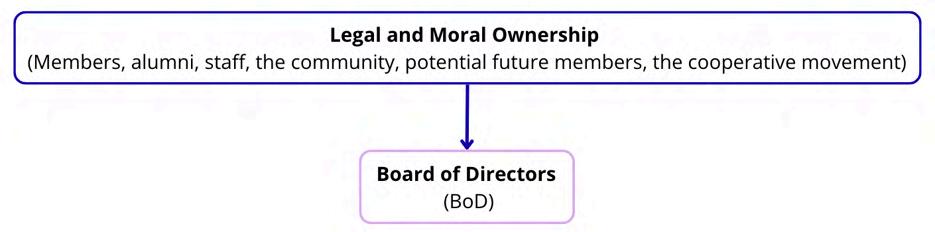
The Board of Directors (aka the Board/BoD), the governing body of the SHC, is composed of one member from each House. The Board is responsible for creating policies that set the direction of the SHC and ensuring that these policies are followed. These policies, and all Board decisions, must be made with the best interests of the moral and legal ownership of the SHC (meaning everyone with a stake in the SHC’s work—our current members, alumni, future members, the broader community, and the cooperative movement) in mind and follow applicable laws.
The Bylaws, the Board Policy Manual, and the Code of Operations
The SHC Bylaws is the highest-level policy document of the SHC. It broadly outlines the SHC’s purpose, structure, and policies. Changes to the bylaws must be voted on by the membership as a whole.
The second highest-level policy document of the SHC is the Board Policy Manual. This manual contains policies written by the Board designed to set the direction of the SHC. It includes:
● Policies that state the end goals/intended outcomes of the SHC’s existence (Ends Policies)
● Policies that set limits/parameters on the Executive Team’s authority (Executive Limitations).
The third-highest policy document of the SHC is the Code of Operations. This includes policies that explain how the day-to-day operations of the SHC work. It includes policies related to the process of becoming a member, maintenance, the responsibilities of members, conflict resolution, the responsibilities of officers and Executive Committee members, and much much more. Information on who can change the Code of Operations is included in “Who Decides…” (see below).
You can find these policies, as well as house constitutions, at wiki.spartan.coop.
The Executive Team
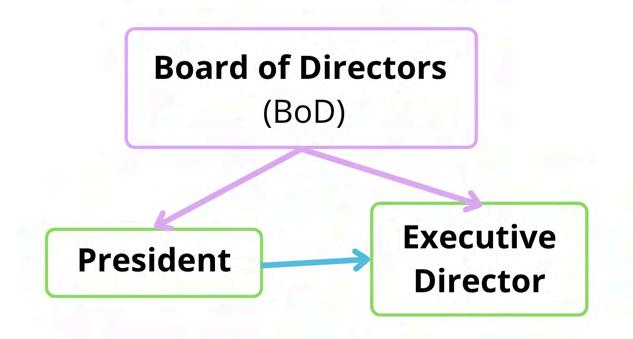
The Board is the supervisor of the Executive Team, which includes the President and the Executive Director.
● President: An SHC member elected by the membership that serves as the Chief Executive Officer and Chief Governing Officer of the SHC.
● Executive Director: An individual hired by the SHC Board of Directors that serves as the Chief Operations Officer of the SHC.
○ In addition to the Board, the Executive Director is also supervised by the President. The Board provides general oversight and has termination power for both the President and the Executive Director, while the President provides day-to-day supervision, support, and feedback to the Executive Director.
The Executive Team is responsible for ensuring that the SHC operates in accordance with the Board Policy Manual. This means ensuring that work occurs that moves us towards achieving Board Ends policies (end goals/intended outcomes) and ensuring that nothing occurs that violates Board Executive Limitations (limits/parameters).
Beyond just setting Board policies, much of the Board’s day-to-day work involves holding the Executive Team accountable for following these policies. This is done by monitoring
progress towards Ends Policies and the avoidance of violations of Executive Limitations. The Board regularly receives monitoring reports for this purpose, which contain data on to what degree these policies are being achieved.
Authority is delegated by the Board to the Executive Team to make decisions that fit into the framework of Board policy. This includes decisions about hiring staff members (though this is typically supported by a hiring committee that can include members and staff members), operational initiatives and policies, and directives to other staff and Executive Committee members. While the Executive Team strives to work together to make decisions, if there is disagreement between the President and the Executive Director, the final decision can be made by the President (provided that this decision does not put the cooperative in jeopardy or violate laws/SHC policies).
All of the other staff and Executive Committee members of the SHC are supervised by the Executive Director and the President, respectively. This supervisory power is part of how the Executive Team ensures that Board policies are followed.
For example, one of the Board’s Ends Policies is “Member residents will promote and practice consent culture”, and one of the things that the Board looks for in considering whether or not this policy is being followed is if consent trainings are being held regularly. The President isn’t responsible for planning and organizing consent training, but they are responsible for ensuring that this gets done by the Vice President of Education and the Education Committee.
The Executive Committee
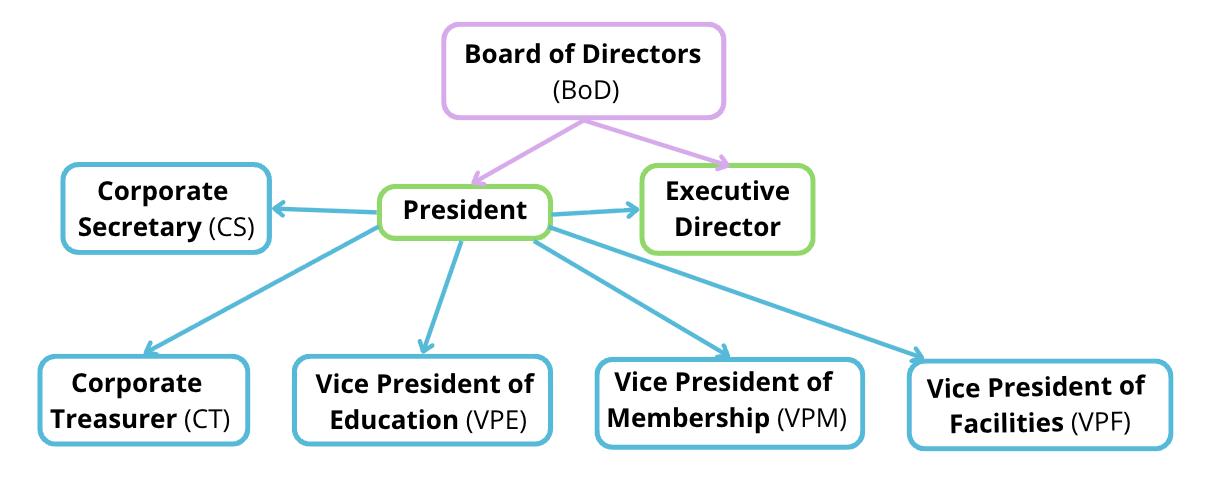
The President is responsible for supervising the Executive Committee (EC). The Executive Committee includes the:
● President
● Executive Director
● Corporate Secretary (CS), a voting member of the Board and the Executive Committee who is responsible for taking minutes at Board and EC meetings and facilitating the Executive Committee election process
○ Appointed annually by a Selection Committee chaired by the President that typically includes Board Members and relevant staff members
● Four operational committee chairs:
○ Vice President of Membership (VPM)
■ Elected annually by the membership
○ Vice President of Education (VPE)
■ Elected annually by the membership
○ Vice President of Facilities (VPF)
■ Appointed annually by a Selection Committee chaired by the President that typically includes Facilities Officers and relevant staff members
○ Corporate Treasurer (CT)
■ Appointed annually by a Selection Committee chaired by the President that typically includes Finance Officers and relevant staff members
There aren’t many decisions that the Executive Committee makes as a group. Instead, most operational decisions are made by operational committee chairs working with their committees.
Operational Committees
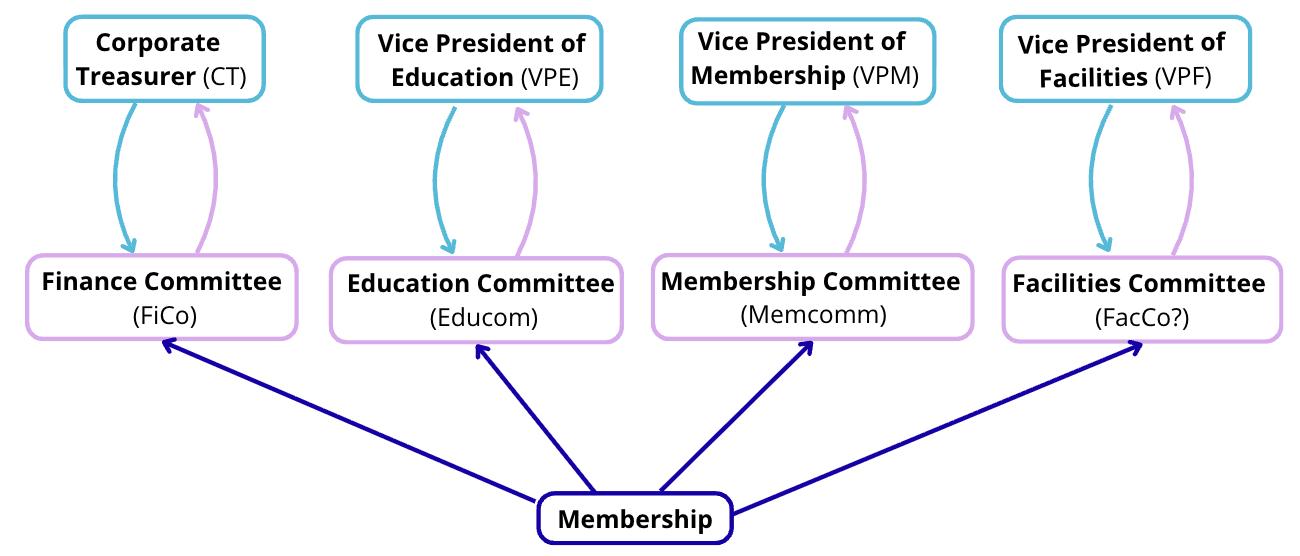
The Vice President of Membership, Vice President of Education, Vice President of Facilities, and Corporate Treasurer each chair an operational committee. These operational committees are each composed of one member from each house (officers) and are, in
collaboration with their committee’s chair, responsible for making decisions in their area of the SHC’s operations. Some of these decisions include:
Membership Committee
Education Committee
Facilities Committee
Finance Committee
Voting on touree denials, changes to Membership-related sections of the Code of Operations, setting the Membership Committee’s budget, decisions about what membership events to plan
Changes to Education-related sections of the Code of Operations, setting the Education Committee’s budget, decisions about what educational events and community service projects to plan
Changes to Facilities-related sections of the Code of Operations, setting the Facilities Committee’s budget
Changes to Finance-related sections of the Code of Operations, voting on requests to waive late fees
Officers on these committees are responsible for helping to connect their house with their committee’s area of the SHC. This involves bringing information shared at committee meetings back to their house (to ensure their housemates are informed about committee decisions, discussions, and events) and bringing input from their house back to committee meetings (on decisions). Officers also are responsible for tasks at a house-level, like giving tours (Membership Officers) and ensuring the completion of preventative maintenance tasks (Facilities Officers).
Houses
This document focuses on the SHC’s organizational structure as a whole, but houses also have their own internal democratic structures. Houses typically operate as direct democracies, with all members (or at least those present at meetings) voting on all decisions. Some decisions that houses have the authority to make include setting their budget (which decides what their members pay in House Charges), writing norms and constitutional policies, spending savings, and planning events.
The Membership
The SHC functions as a representative democracy in many ways (e.g. Board and Executive Committee members representing the membership as a whole, and officers representing their houses), but certain decisions can only be made directly by a vote of the general membership. These votes are called referenda. Some decisions that require a referendum include:
● Changes to the Bylaws, the SHC’s highest-level policy document
● The sale or purchase of real estate
● Elections of the President, Vice President of Membership, and Vice President of Education
Staff Members
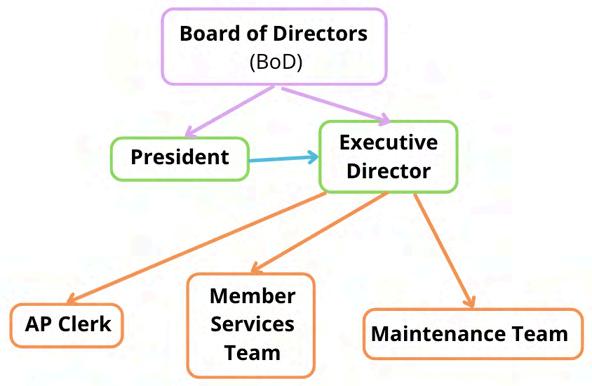
The Executive Director is responsible for overseeing all of the other staff members. These include our:
● Member Services Administrator, who manages member accounts and income verification, oversees the contract signing process, and provides reception to individuals who call or visit the office
● Cooperative Experience Coordinator, who helps with the grievance process, building a healthy culture within the SHC and houses, and supporting the work of committees (especially the Membership and Education Committee)
● Operations Analyst, who focuses on the analysis and improvement of SHC operational systems, supports special and routine projects, and maintains relationships with external organizational partners
● Accounts Payable Clerk, who helps ensure that our bills are paid and financial records are maintained
● Maintenance Coordinator, who manages our maintenance work and conducts maintenance work on our houses
● Maintenance Tech, who conducts maintenance work on our houses
Staff roles are designed to provide support to our members, houses, and committees. For the most part, staff members other than the Executive Director help implement plans and policies rather than creating them, though they do offer input into this creation process.
Who Decides…
How the SHC works?
The broad structure of the SHC is written in the Bylaws, which can only be changed by a vote of the entire membership. Some aspects of this include:
● The general purpose and principles of the SHC, including our status as a cooperative and an affordable-housing provider
● The existence and broad responsibilities of the Board of Directors, President, Executive Vice President, VP of Facilities, VP of Membership, VP of Education, Corporate Treasurer, and Corporate Secretary
● The potential for staff members to be hired as necessary
● The requirement that the President, VP of Membership, and VP of Education be elected
● The requirement that the VP of Facilities, Corporate Treasurer, and Corporate Secretary be appointed by the President with consent from the Board
● The process for referenda (all-member votes)
The Board also plays a role in deciding how the SHC is structured. Board policies can be used to delegate and restrict the authority of the Executive Team. Some aspects of this include:
● The authority of the Executive Team to hire staff members (this power is given to the Board in the Bylaws but delegated to the Executive Team by the Board)
● The requirement that the Board vote on all changes to carrying charges
Other parts of how the SHC functions are written in the Code of Operations. Some aspects of this include:
● The structure of the SHC grievance and harassment investigation processes (9.02, 9.03, Appendix A)
● The division of responsibility between the Maintenance Team (our Maintenance staff members) and members regarding the maintenance of houses (4.05)
● The process for approving new members (1.04)
● Specific responsibilities of Executive Committee members, House Officers, and Operational Committees (2.04, 2.02, 2.03)
What policies are added, revised, or removed in the Code of Operations?
Changing the Code of Operations is a multi-step process:
1. Proposing a change: Any member can write and propose a change to the Code of Operations by sending a proposal to the Corporate Secretary
2. Voting: The most relevant committee votes on the proposal. For example, a change to the SHC’s conflict resolution process could be voted on by the Membership or Education Committee. This vote is based on how committee members (ideally with input from their housemates) feel about the proposed change.
3. Approval: Once a proposal is approved by a committee, the Corporate Secretary brings it to the Executive Team for review. The Executive Team considers if the proposed change is written clearly, if the proposed change contradicts other
policies, and if the policy is actionable (meaning possible to be fulfilled). If the proposal is approved, it is implemented; if it is not approved, feedback is provided to the proposer and the policy can be re-submitted with revisions.
What carrying charges are set as?
The Board has the power to approve or deny proposed changes brought by the Executive Team.
What house charges are set as?
This is up to houses, with a few caveats outlined in the Code of Operations:
● Houses must contribute 2% of carrying charges per house member to the vacancy reserve, a fund that is used to support houses that have a carrying charge deficit due to unexpected/unavoidable vacancies
● Houses must budget $5 per member of the house to be spent by the house on house maintenance
● Houses must budget 1.5% of carrying charges per house member for contingencies, which can be used for unexpected expenses (to help houses avoid a deficit)
● Houses must budget .5% of carrying charges per house member for house savings, to help maintain or increase savings
How the SHC spends money?
The SHC’s spending is based on our corporate budget. Setting this budget is a complex process that occurs every year in the spring with input from many groups and individuals. The process is as follows:
● The Executive Director, Corporate Treasurer, and President (the budget team) are responsible for initiating and managing the budget setting process. The AP Clerk helps provide technical support and implements the final budget in AppFolio.
● Committee chairs are responsible for working with their committees to create a budget for spending that relates to their area of work. Committees typically vote on these budgets. Once a budget has been decided on, committee chairs are responsible for bringing this back to the Executive Team/Corporate Treasurer.
● The budget team works to create the rest of the budget outside of these areas (this includes staff-related expenses, office expenses, debt-service, and professional dues). This process involves comparing the budget from the previous year with what was actually spent, evaluating trends in inflation, and determining where the funds from increased costs will come from (either from decreasing other costs or increasing carrying charges). The budget setting team tries to accommodate the budgets proposed by committees as much as possible. Ultimately, this leads to a finished budget and a proposal for carrying charges for the following year.
● The budget, including the proposal for carrying charges, is brought to the Board. The Board does not specifically vote on the budget as a whole, but it does have the power to approve or deny changes to carrying charges. If these changes are denied, revision to the budget is necessary, and the budget returns to the budget setting team and committees for revision.
What staff members are paid?
The Executive Director’s compensation is decided by the Board. All other staff members’ compensation is decided by the Executive Team. One caveats to this:
● Almost all SHC spending, including on staff compensation, comes from member carrying charges. As the Board has to vote on all changes to carrying charges, staff compensation cannot be increased unless it is possible to do so without adjusting carrying charges or the Board votes to approve an adjustment.
What Executive Committee members are paid?
The Board (though Executive Committee pay is currently based on a ratio relative to carrying charges, allowing for increases to occur as carrying charges increase over time).
What work Executive Committee members do?
This is a complicated one! Many people and groups play a role:
● The membership: The broad responsibilities of each Executive Committee member are written in the Bylaws, meaning they can only be changed by a vote of the entire membership
● The Board: The Board does not have the authority to make direct orders to Executive Committee members on operational matters. The Board, however, does impact the work of Executive Committee members through Board policies.
○ For example, the outcome “reliable and informed Executive Committee members” is monitored within the Board’s policy “Member residents will create an empowered environment”. The Board cannot tell the President they must train and supervise Executive Committee members using a specific method, but the President must show that EC members are trained and supervised in a way that is leading to this outcome. If the Board feels like this outcome and policy are not being met, the President must present a plan for achieving this policy that the Board finds satisfactory.
● The President: As the supervisor of the Executive Committee, the President can make specific requests of Executive Committee members.
● Committees: Operational committees work with their chairs to make decisions about what projects should be taken on.
● Executive Committee members: Much of the work of Executive Committee members is self-managed.
Potential Flaws and Gaps
This section is largely opinion based. Here are some weaknesses that I’ve noticed in this structure. To be clear, I am not naming these as areas in which power is currently being abused; rather, these weaknesses may allow for this abuse (or as it commonly occurs, neglect) to occur. It is important to understand what abuse of power could look like in order to guard against this.
● Board -> Executive Team: The Board holds the Executive Team (and with them, the rest of the Executive Committee and staff) accountable for following Board policies through the monitoring process. In order for this check on the Executive Team’s power to function effectively, Board members have to be informed and active in their roles. This means that Board members need to understand the power that the Board holds, feel confident in making decisions that require change from the Executive Team, be well informed, and attend Board meetings having read the meeting materials. For this to happen:
○ The President must provide training and support to the Board that promotes its ability to fully utilize its authority.
○ The Executive Team must ensure that Board Members are provided with thorough, accurate, and verifiable information on compliance with policies, and the Board must be able to act if this does not occur.
○ Board Members must be invested in their roles and take their responsibilities seriously.
● President -> Executive Director: Considerable authority is given to the President and Executive Director by the Board. As the Executive Director can be a non-member, the President’s supervisory role over the Executive Director ensures that an elected member oversees their work and can override decisions if necessary. the President generally has less experience and knowledge about how the SHC works than the Executive Director, however, which may make them less likely to utilize this authority. For this “check” to work, the President must be confident in their ability to make decisions, comfortable acting as a supervisor to someone with more experience than them, and aware that they have this responsibility.
● President: The President has considerable authority and no day-to-day supervision. While this system functions best when the President involves more groups in decision-making, this is often not explicitly required. For example, while the selection of the Vice President of Facilities/Corporate Treasurer/Corporate Secretary is typically done by a selection committee, this is not required. The President could also make decisions that are not in the best interest of the membership or staff. The Board has the ability to hold the President accountable for this, but to do so, they must be able to identify abuse or neglect of power, which is not always visible.
● Members -> Operational Committees: Operational officers are a key link between the rest of their house and decisions in their operational area. For this link to work, officers must keep their houses informed, provide opportunities for their housemates to share input, and bring this input back to their committees. This relies on operational committee chairs to ensure that their officers are aware of this responsibility, officers to fulfill this responsibility, and members to be aware that their officers have this responsibility and hold them accountable for fulfilling it.
● Operational Committees -> Operational Chairs: Operational committees are the primary way that members are involved in operational decision making. This relies on operational chairs to ensure that their committees are involved in decision making and that their officers are aware that this authority is part of their role. It also relies on officers to be engaged and attend committee meetings.
● Moral and Legal Ownership -> Board: The Board is responsible for making decisions that are in the best interest of all those that have a stake in the SHC (they do not each only represent their house). This relies on the Board to seek out input from those who have a stake in the SHC and take this responsibility seriously. The input that the Board receives could be biased towards groups that are more accessible or vocal.
● Members and Facilities Committee -> Maintenance Decisions: The Facilities Committee has less of a direct say in what maintenance projects are conducted than the Education/Membership Committees have in what education/membership projects are conducted. This does serve to ensure that maintenance decisions are made by those with more relevant technical expertise, but it also leads to staff members in this area being more involved in creating plans than in other areas and reduces member influence.
If there was a book written about your life, what would the first line be?
Star (Bower): *record scratch* "Yep, that's me. You're probably wondering how I got here."
Eva (Howland): "Once upon a time, there was a bad bitch with a fat ass named Eva L."
Jalon carroll (New Comm): "Yea okay"
Yousif (Hedrick): " � "
Avery (Ferency): "what the freak"
Kai (New Comm): "It's all a bit hazy but... "
Alexina (Howland): "So she lied....again LMAO"
Marisol Macias (Ferency): "oh shit, I was born"
Chloe (Bower): "They, like Ponyo, became a fishy in the Sea
"
Logan Fairchild (Bower): "It is said that in my life, I have not been gifted at much of anything: but this cannot be true, as I have mastered enjoying a pipe full of weed on sunny days and the brewing and sipping of crimson wines."
Alexina (Orion): "This bitch was fucking autistic, and she was about to make it everyone else's problem"
Fern (Bower): It would probably start with an intro then get distracted talking about a recent hyper fixation
Andrei (Howland): "Unfortunately, my first girlfriend thought she turned me gay, that would be incorrect, the culprit of that was my friend from 2nd grade who kissed me to “practice” for his girlfriend who was my best friend at the time."
Kylie (Hedrick): "just when she thought nothing worse could possibly happen, life always seems to find a way"
Emma (Bowie): "She did nothing and everything for her entire life."
Clay (Phoenix): "This book will be making the same poetic mistake that its muse has made time after time after time; to turn a life into a narrative."
From Jordan Smith at history.com
How Cinco de Mayo Became a Holiday
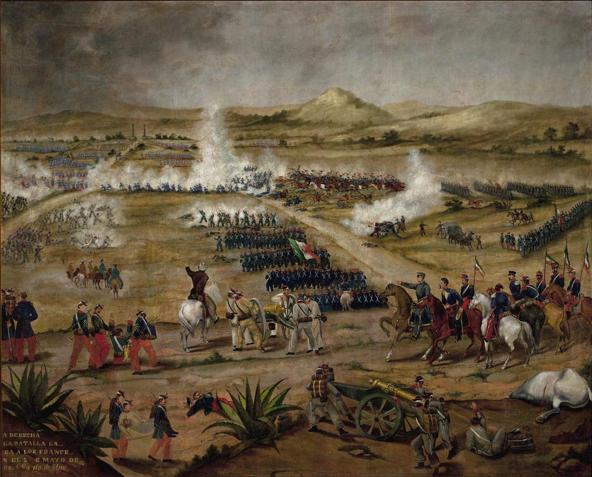
The Fifth of May marked an unlikely military victory for Mexico in 1862, leading to the annual celebration we now recognize as Cinco de Mayo. Although the holiday conjures up images of raucous celebrations, Cinco de Mayo’s origins are much different. The battle victory alone was cause for celebration locally, but Mexican Americans in the United States saw it as an opportunity to start a political movement over 160 years ago. Now, the holiday is widespread in its country of inception which, perhaps surprisingly, is America.
What historical event does Cinco de Mayo celebrate?
Cinco de Mayo marks the Battle of Puebla, fought in Puebla, Mexico, on May 5, 1862. A group of poorly equipped Mexican soldiers, estimated to number 2,000 or as many as 5,000, defeated a French army of roughly 6,000, sent by Napoleon III to establish a French presence in Mexico. The holiday celebrates this single victory, which didn’t prevent France from controlling much of the country from mid-1863 until mid-1867.
When was the first Cinco de Mayo celebrated?
Celebrations began soon after the Mexican victory, especially in Puebla, says Sehila Mota Casper, the executive director and co-founder of Latinos in Heritage Conservation. The triumphant news also crossed the border quickly.
Batalla del 5 de mayo de 1862anonymous artist
1914
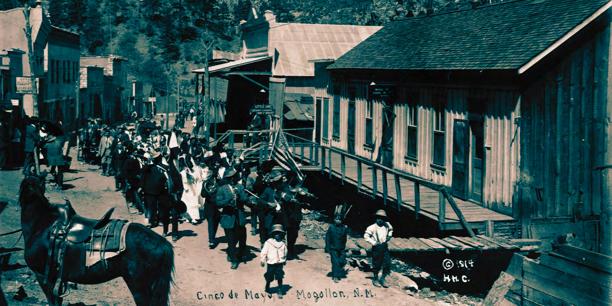
Cinco de Mayo Parade in Mogollon, New Mexico
“By the time [Latinos in California] heard about the news of the battle, they began to raise money for the Mexican troops, and they formed a really important network of patriotic organizations,” José Alamillo, a professor of Chicano studies at California State University Channel Islands, previously told Time.
“By 1863, Mexican Americans in California were already commemorating the date, treating it as a political and cultural moment tied to resistance and democracy,” Casper says. U.S. cities like Los Angeles and San Francisco were the first to mark the anniversary of the victory that year with parades, speakers and music.
How has Cinco de Mayo evolved?
Despite beginning as a political rallying cry for democracy, the holiday and its meaning have changed, especially as the Mexican-born population in the United States has grown. For example, in the 1960s, the Chicano Movement embraced Cinco de Mayo in its broader effort to highlight Mexican American identity in society, Casper explains.
“Cinco de Mayo comes from a precise historical moment, but in the United States, it also reflects the experience of Mexican American communities over time,” she says. “It has been a way to make culture visible, to gather publicly and to carry history across generations.”
Today, Cinco de Mayo isn’t recognized as a federal holiday in either Mexico or the United States, but the holiday is celebrated in both countries every year. In Mexico, its celebrations remain mostly within the state of Puebla, while festivities in the United States occur across much of the nation.
Actual Mexican independence celebration in Mexico City, on September 16th
Source: Al Jazeera
If
you could replace your neighbor's house with anything, what would it be and why?
Marisol Macias (Ferency): "Howl's moving castle or the cat bus from totoro"
Jalon carroll (New Comm): "I would probably put a data center there"
Fern (Bower): "A giant block of cheese, it’d be so cute. The little holes in the cheese could be the windows or have balconies built off it."
Divya (Orion): "A giant jungle gym. The reasoning speaks for itself"
Kylie (Hedrick): "a greenhouse so i can be among the plants even when it’s cold asf"
Logan Fairchild (Bower): "A really bangin permaculture garden so I can have lots of fruits and veggies and look at the cool bugs that would live there."
Alexandra Dionicio (Howland): "A waterpark, its getting to hot in Lansing"
Ashley M (Howland): "Giant hot tub comes to mind, would be great for the winter and having a hot tub in proximity to me would be a dream"
leah (Raft): "house that is more appealing for bats to live in than ours"
Eva (Howland): "7-brew. I fw 7-brew."
Nina Jo (Howland): "Community garden"
chris (Vesta): "a barcade that also sells really good food and cheap drinks. i just think it’d be a vibe yk."
Rowan (Hedrick): "a co-op but like a really big one. with a public laundromat and gym in the downstairs"
Ethan (Howland): "Bees"
Star (Bower): "I would replace All Nations with the same exact everything except its called Left Bower again"
Yousif (Hedrick): "Slightly smaller replica of Hedrick"
Brenna (Howland): "I would replace Kappa Sigma (our neighbor) for McDonalds"
aj (Vesta): "i would say a giant apple tree because yay"
Andrei (Howland): "Kappa Sigma should become a water park only open to the SHC and cool people"
Emma (Bowie): "Massive public heated pool (would be absolutely fire) bonus points if theres a hot tub too"
Alexina (Orion): "only REAL americans will say a paved surface lot. nothing is better than a paved surface lot."
Avery (Ferency): "POOL. TWO POOLS EVEN. SORRY MILES DAVIS AND HEDRICK IT’S NECESSARY"
HJ (Phoenix): "Same house but with a new roof, appliances, and hardwood floors"
FairyQueenAri (Toad Lane): "smoke shop"
Kai (New Comm): "The Gorillaz Plastic Island"
Chloe (Bower): "Trampoline + water park combo"
Onyx (Apollo): "pool and hot tub"
Clay (Phoenix): "Another co-op"
What is a Co-op?
A co-op is a business controlled by its members. Members are user-owners; they patronize the business but also own its earnings and assets. They control the co-op’s day-to-day operations, its finances, and its mission. Cooperatives offer many advantages that other businesses cannot. Saving money for their patrons while providing the best quality products at the lowest cost, they allow for greater economic democracy and self-determination. Since they operate for the benefit of their user-owners, co-ops can easily adapt to reflect the diverse and changing needs of their patrons.
The cooperative model can be adapted to a variety of businesses. There are food co-ops, housing co-ops, rural electric co-ops, and even financial co-ops (credit unions). Despite the diversity of goals and traditions in the co-op sector, all co-ops follow certain guiding principles.
Different Types of Co-ops
Source: Cooperative/Credit Union Dictionary and Reference
Agricultural Cooperative
An agricultural co-op is a firm, usually incorporated, owned and controlled by member farmer-producers, which operates for the mutual benefit of its members or stockholders, as producers or patrons, on a cost basis after allowing for the expenses of the operation and maintenance and any other authorized deductions for expansion and necessary reserves. These co-ops play a vital role in North America’s food distribution system (including such well known brands as Sunkist oranges or Land O’Lakes butter).
Buying Club Cooperative
A buying club is formed by a small group of people who jointly purchase goods and services from a wholesaler (co-op or other wise) for their own needs according to Rochdale principles—usually as a temporary procedure to becoming a full fledged co-op. Members typically share in the labor involved.
Child Care Cooperative
A child care co-op is a group of families who jointly provide child care. Three models have been developed: 1. Parent Model. This type is comprised of parents who have formed a co-op to provide quality care for their children. 2. Employee Model. Child care being essential for many women in the work force, many employers are including it in benefit packages, and establishing child care facilities near or within their work sites. 3. Consortium Model. A group of employers or organizations form a childcare co-op to be owned by their combined employee groups.
Consumer Cooperation
"As defined in the broadest terms is understood to include all joint purchasing and production of goods, foods, or services by ultimate users organized on the basis of the Rochdale Principles." (Definition adopted in 1937 by the Executive Committee of the Cooperative League of the USA).
Consumer Cooperative
1) A co-op (usually retail) formed by and for the benefit of the user/consumers. 2) A purchasing co-op which sells goods and services that will be consumed/used by the buyer. 3) A cooperative that adheres to the philosophy that major institutions of distribution and production should be
owned and controlled by the consumer for the purpose of supplying his or her economic needs—rather than for maximizing profit.
Credit Union
A credit union is an association that provides financial services to members (personal loans, checking accounts, etc.) and is governed by a member-elected Board of Directors. Typically, a credit union consists of members of the same group: club, union, institution (such as the university or state government), etc.
Cooperative Bank
A cooperative bank is a bank owned cooperatively or formed to loan primarily to cooperatives.
Cooperative Insurance
1) Mutual insurance from a cooperatively run firm. 2) Insurance obtained by joining economic forces for purposes of obtaining most beneficial services and rates.
Food Cooperative
Whether a full line supermarket, or small specialty or natural food store, food co-ops are committed to consumer education, service product quality, truth in advertising and member control. At most, members and nonmembers may shop, but the benefits of membership include a voice in co-op policy, discounts or rebates for patronage and other specialized services.
Housing Cooperative
A housing co-op is a form of multi-family home ownership, jointly owned by a co-op corporation and the corporation's owners, who are typically called tenant-stock holders. The co-op corporation owns or leases the housing project, including all land, dwelling units and common areas. The corporation, in turn, is jointly by its tenant-stock holders, who by virtue of their own stock ownership, are entitled to occupy a specific dwelling.
Labor/Consumer Cooperative
This is a cooperative organized on a consumer basis by the membership or board of one or more labor unions with the interest of serving union members.
Livestock Cooperative
This is a cooperative of livestock producers engaging in pooling of livestock for shipment to markets and/or preparation for marketing.
New Wave Cooperative
This term describes most consumer cooperatives and buying clubs started in the late 1960's and early 1970's by anti-war and alternative society activists. These co-ops were originally designed for self-empowerment and later for economic reasons; they usually featured an emphasis on alternative diets.
Nonprofit Association
A non-profit association is a membership based-group that is prohibited by law from making a profit at the expense of the patrons; net savings must be distributed to the patrons.
Producer Cooperative
A producer cooperative is a co-op that is owned and operated by a group of producers working either separate or together, for the purpose of aiding production and marketing.
Recreation Cooperative
A recreation cooperative is a co-op that provides recreation services, either on a consumer basis, where users own the co-op, or on a producer-basis, where the people owning land and/or facilities as a co-op, make them available by a charge.
Religious Cooperative
Interpretation of religious beliefs to support cooperative activity on a social, economic, or political level.
Retail Cooperative
A retail cooperative is a consumer or worker cooperative that is engaged in retail of goods or services.
Retailer Owned Cooperative
This concept came into being in the mid-1920's, when participating independent retail operators came together to form cooperatives for the purposes of collective buying, advertising, and other services that were of mutual benefit.
Rural Electric Cooperative (REC)
Function: a co-op that purchases its power at wholesale and delivers it at cost to its members. The distribution co-op is responsible for building and maintaining the lines, for purchasing electricity to meet members' demands, for billing and providing information related to the co-ops' function and organization.
• National Structure: the National Rural Electric Cooperative Association.
• Local Structure: Only consumers served by the local rural electric co-op are members. Each one has voting rights and functions similar to a consumer co-op.
Rural Telephone Cooperative
These are co-ops that provide telephone service. These were formed in rural areas to fill the service gaps left by private utilities, which found rural telephone service to not be very profitable. Founded in the1890's, these co-ops proved to the participating farmers that there were benefits derived from working together to provide needed services. For the purpose of serving their interests, rural telephone cooperatives today participate in the National Telephone Cooperative Association.
Worker Cooperative (also known as a Worker Collective)
A collective is a business owned and operated by workers within the business itself. This model of ownership was prevalent in the late 1770's when various groups of artisans joined to produce and market their own wares. Worker Co-ops flowered in the 1800s in England and France, and were common in the early part of the 20th century in the U.S. Overall, however, these co-ops were not successful and with few exceptions vanished from the scene. The concept of workers owning their own businesses came alive again in the 1960s and '70s, in the U.S., Canada and England, with organization and expansion in many fields.
Presented by the Pine Press:
ThisMonthinHistory:TheHaymarketAffair&MayDay
By: Dante Chinni-Ianzito
Hey everyone! I wanted to try out this new section for the Pine Press. The point behind it is going to be to highlight and discuss one historical event each month that relates back to the cooperative movement, social justice, or labor organization in some way. This month? We’re gonna talk about the Haymarket Affair.
In the 1800s, labor organization in the US was much more robust than it is now. A main focus of this struggle was the establishment of the modern 8 hour work day, with many industrial jobs demanding much more than this from their workers.
That is why starting on May 1st 1886, workers across America would go on strike with the hopes of achieving this goal. These strikes were faced with harsh pushback across the country, including in Chicago where on the third day of the strike, a worker was killed by police violence outside of a factory.
On the following day of May 4th, leading labor activists called a mass meeting in Chicago’s Haymarket square. The gathering was fully peaceful and was even attended by Chicago’s mayor. However towards the end of the event after many of the activists had left or were on their way out, police arrived and demanded the crowd disperse.
It was during this altercation between the police and protesters that a member of the crowd threw an explosive into the line of officers.
Following this, the police began firing into the crowd indiscriminately. The ultimate death toll of both police and protesters was around 13, with nearly a hundred people wounded.
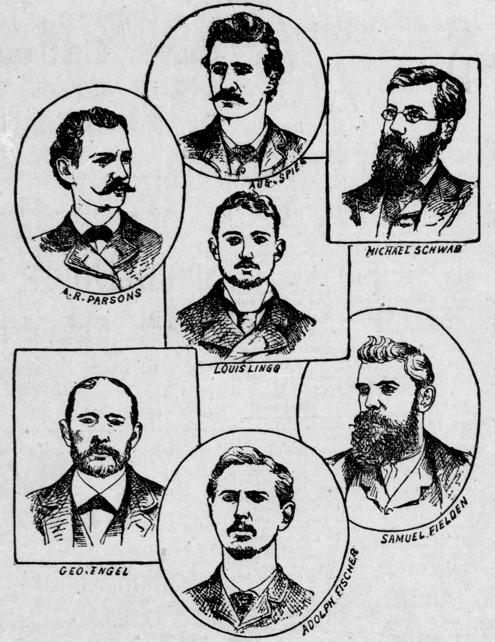
The person who threw the device was never identified. But still, eight men were arrested and later convicted for their alleged contribution to the attack. After the trail, four of these men would be sentenced to
death by hanging, with an additional deal death when another member of the group took his own life. The trials of the so called “Chicago Eight” were largely considered unfair and heavily biased with the surviving three men being pardoned and released from prison seven years later.
The Haymarket Affair and the conviction of the Chicago Eight would prove to be a watershed moment for the labor movement in the United States. The event would lead to widespread paranoia towards immigrants, anarchists, and labor activists in general. Additionally, this would mark the beginning of the end for the Knights of Labor, at the time the largest labor organization in the United States.
Despite the group having no proven involvement in what happened in Haymarket Square, the media storm afterwards largely implicated the KOL as part of the planning for the attack. The group would loose much of it’s membership over the next few years with the less radical American Federation of Labor rising in it’s stead.
Newspaper sketch of seven members of the Chicago Eight
The tragic loss of life during the Haymarket Affair is looked back on as an example of the tumultuous political climate of the late 1800s and the risks that come with taking action in these environments. Still, these events would serve as an inspiration for future generations of labor organizers and activists and would eventually lead to May 1st being declared International Worker’s Day.
Sources: Library of Congress, Encyclopedia Britannica
The SHC Presents: The Flowers of SPRING
Kylie (Hedrick)
Chole (Bower)
Chris (Vesta)
Kai (New Comm) Fern (Bower)
Logan (Bower)
Andrei (Howland)
Marisol (Ferency)
Leah (Raft Hill)
Ben (New Comm)
Clay (Pheonix)
Hi Dante :)
-Ethan (Howland)
Hi Ethan :)
ask Dante
What’s your favorite DND character you’ve ever made/played?
-Chloe (Bower) This goober! His name was Rollin and he made a living selling snake oil. I still miss him sometimes...
If you could add one completely unnecessary feature/room to every SHC house, what would it be?
-Divya (Orion)
Cardboard cutout of myself so I never get FOMO when people are hanging out
How many coops can do backflips?!
-Alexandra (Howland)
Prob like 6?
holy fuck that’s not onyx!!! congrats on vpe
-Chris (Vesta)
Thank you! Good luck on whatever your post-Vesta summer looks like!
What’s your favorite party you been to in the SHC?
-Andrei (Howland)
Either Midnight Mass at Vesta this year or Hedrick Hoedown last year, I have some sick ass pics from both
What’s the deal with airline food?
-HJ (Phoenix)
So when you’re on a passenger jet, the air that you’re breathing is heavily conditioned and manually pressurized so you dont, you know, die. The thing about that tho is it isn’t a great environment for your taste receptors. The low pressure combined with with dry ass air means that you can’t really taste that well (remember alot of taste is actually via smell) so airline food tastes bland and kinda nasty
How are you feeling about doing the PP?
-Logan (Bower)
Pretty good! I like writing and messing around with graphic design so I can’t really complain.
If you were transported into a dnd world, where would you want to go and what class/race would you be?
-Fern (Bower)
I would be a halfling bard and I would want to travel the land smoking pipeweed
what would you do if when you okay so he said yes would go?
-AJ (Vesta)
Do you fw fried eggplant? Avery (Ferency)
So so so much. There was this cute little Italian restaurant by where my grandparents live that was there for like 60 years, they had the absolute best fried eggplant, I still think about it sometimes.
Do you wear wigs? Have you worn wigs? And will you wear wigs?
-Emma (Bowie)
which shoe do u tie first? (R/L) Marisol (Ferency)
Good question! I don’t know how to tie my shoes, I just sleep with them on like spongebob.
What is your mainstream guilty pleasure (e.g. American football, Taylor Swift, Reality TV...etc)?
-Star (Bower)
Lowkey Bro Country... Tyler Childers kinda rocks
Do you believe in the VPE to President pipeline? - Clay (Phoenix)
Erm, good question... depends on how well my plots and machinations turn out...
Oh... ok... I guess I’ll just... go then No I’m ok