• Giving So Others Can Have a Different Ending: Bruce’s Story
• Making End of Life Better for All: Judy’s Story
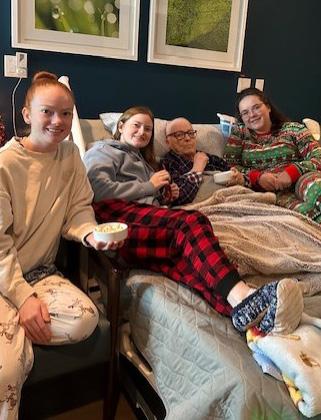
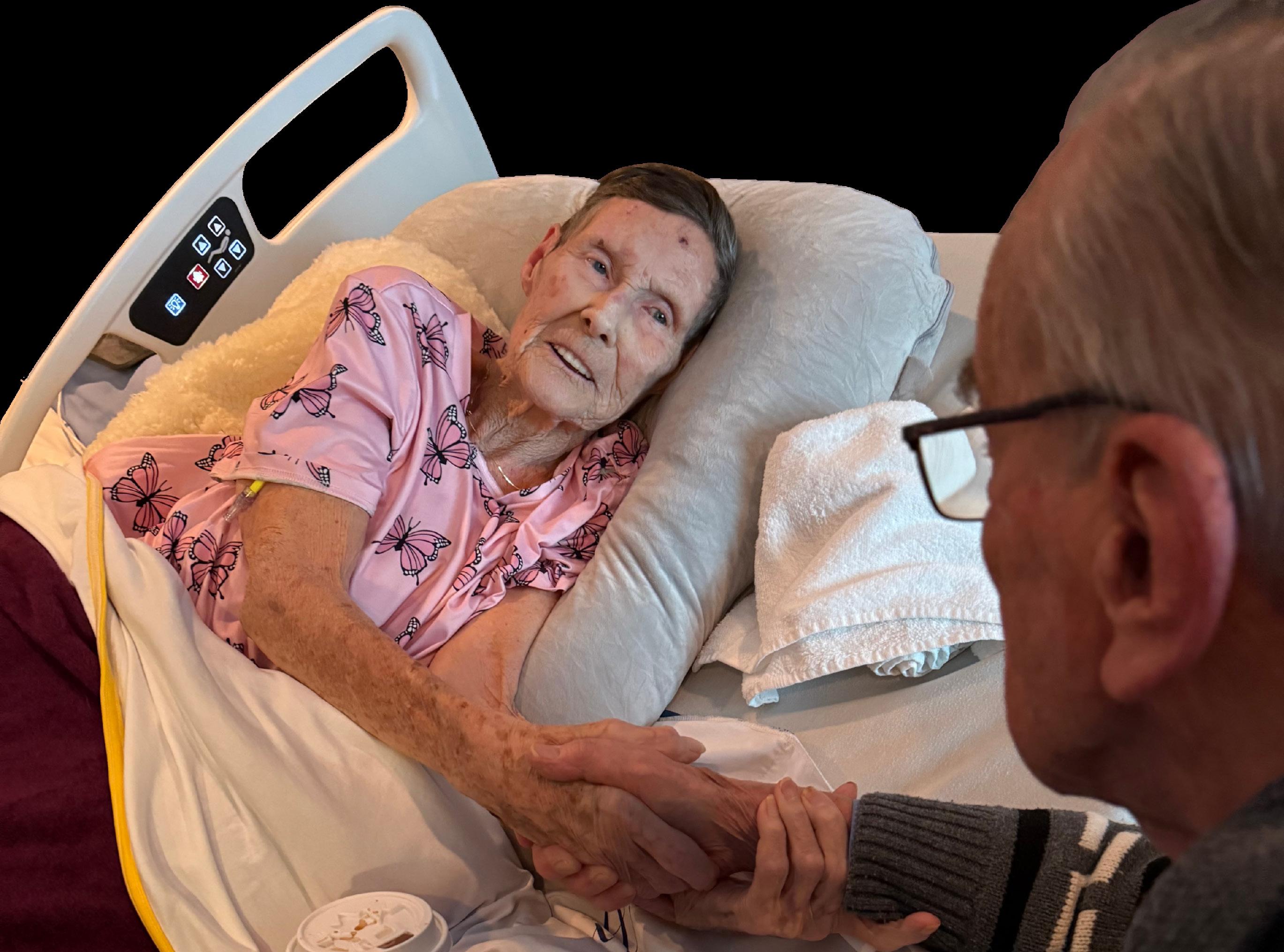
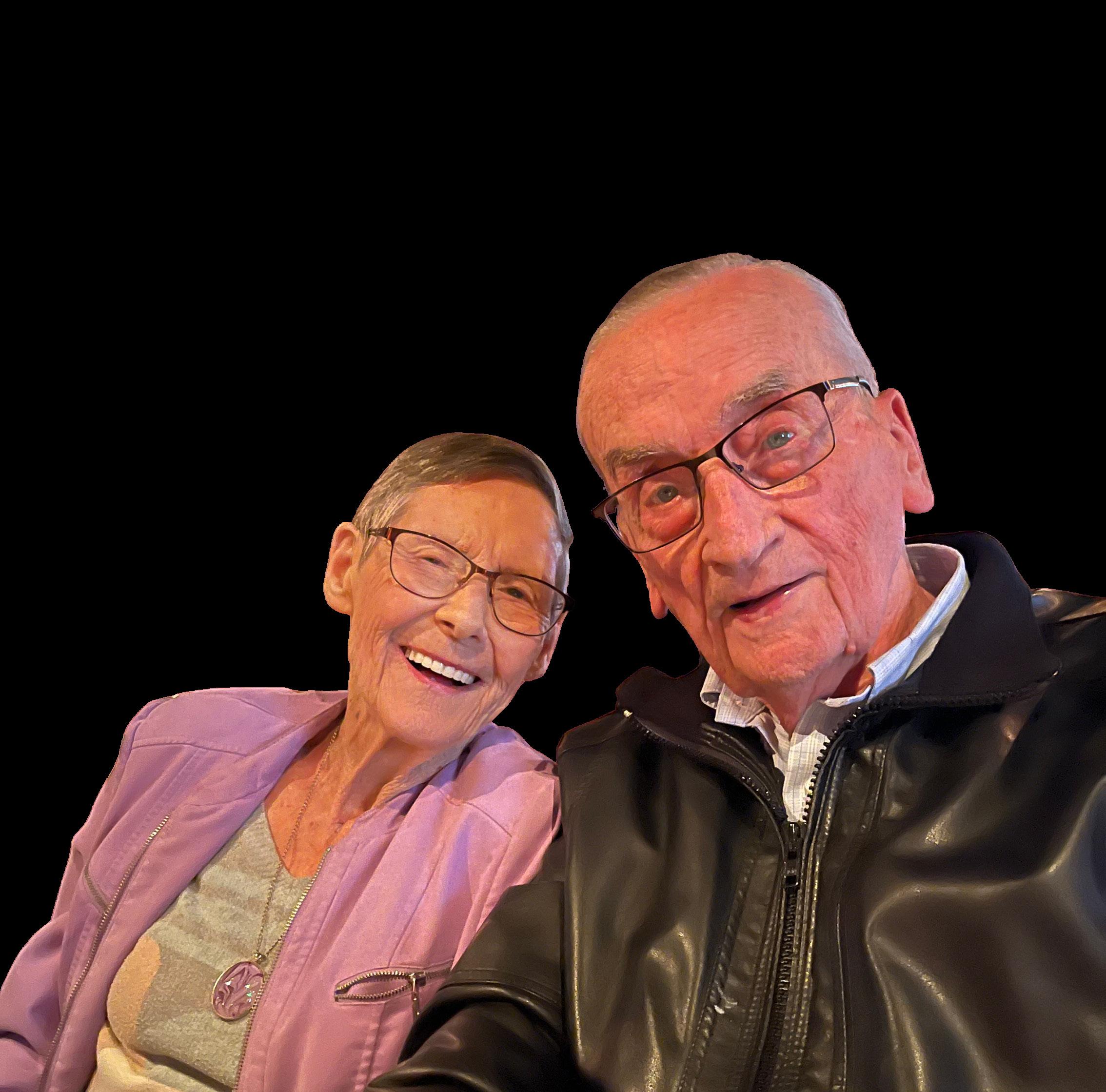
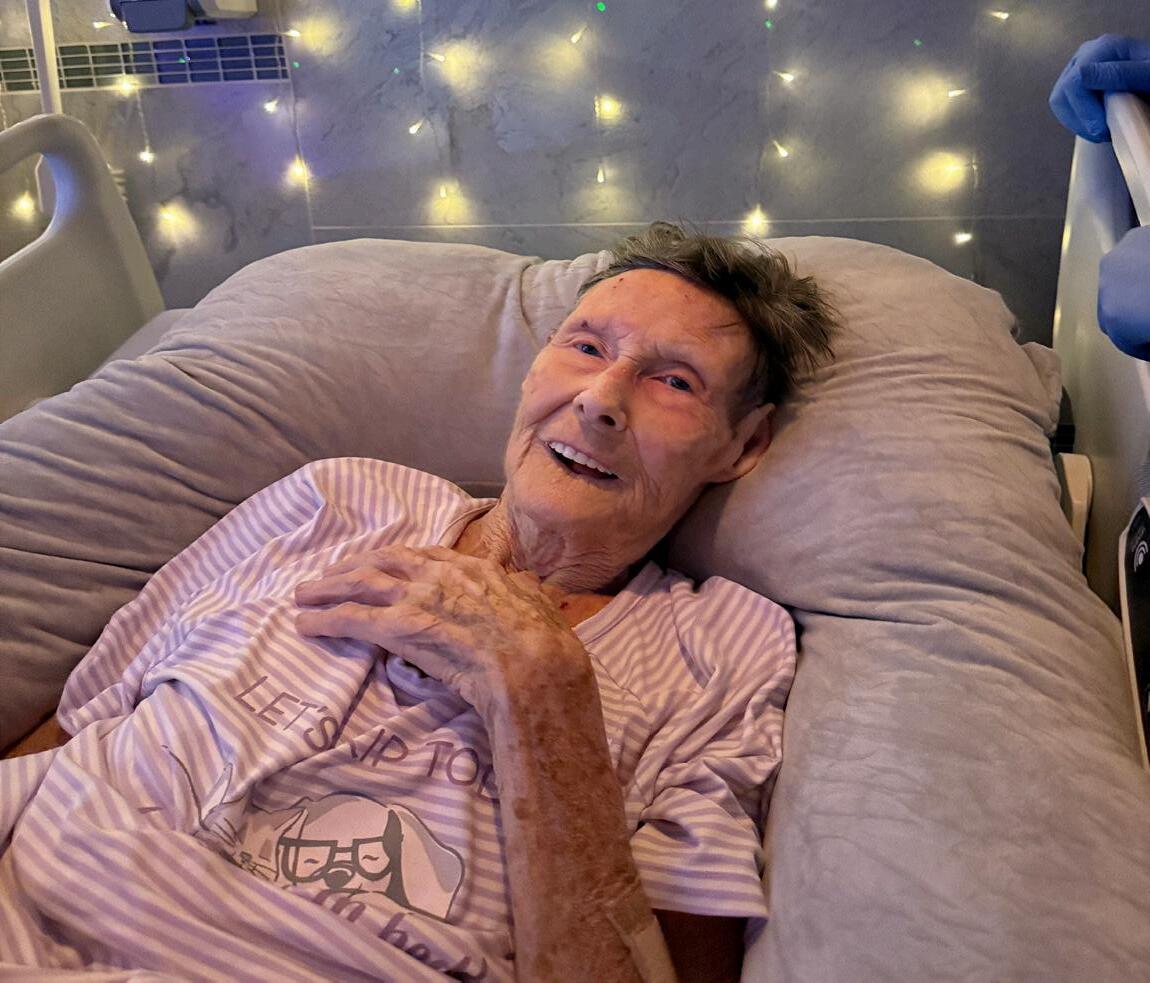
• Coming Home: Eileen’s Story
• Potato Pancake Recipe: From Chef Thomas
A MESSAGE FROM OUR CEO
In every end-of-life story, there is a quiet thread of care that runs throughout. It lives in the hands that comfort, the voices that reassure, and the presence that remains when it matters most. Often, that thread is shaped by the care we first received, and the ways it continues to guide us.
Around Mother’s Day, these connections feel especially close. This time of year can bring reflection, gratitude, and for many, a sense of absence. While each story in this report is unique, together they speak to something shared: the lasting impact of care and how it continues to guide us across a lifetime.
In these pages, you will see how that care takes shape in different ways. In values passed down. In families making difficult decisions. In moments of connection, comfort and peace, even in the face of loss.
These stories remind us that the end of life is not only about death. It’s about relationships, being present, and the moments that matter most when time is short.
They also reflect the heart of Pilgrims Hospice Society. We support both the person who is dying and those around them, to ease the burden of caregiving and create space for connection.
To our donors, volunteers, staff and community, thank you. Your compassion makes these moments possible.
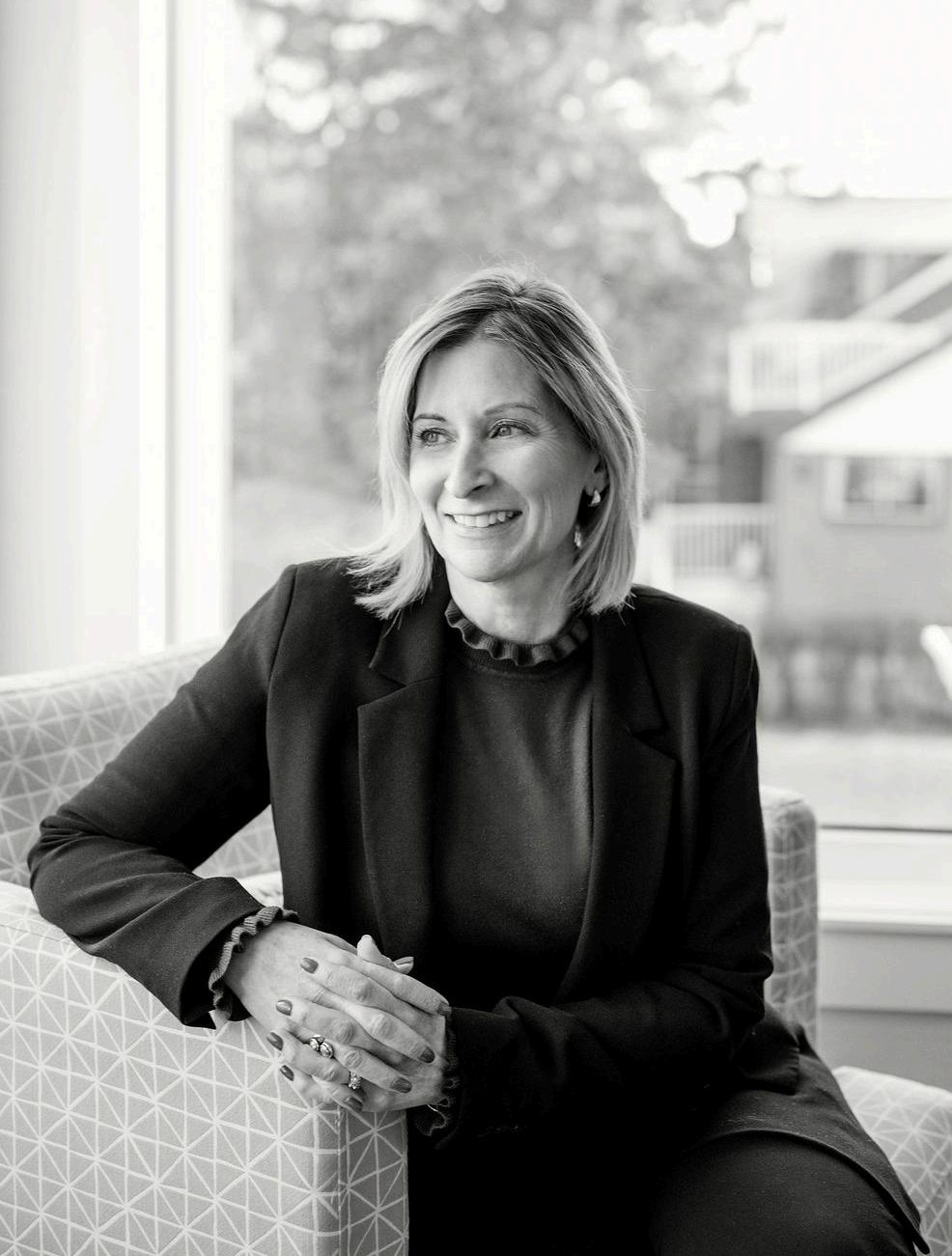
With gratitude, Monica Robson
PILGRIMS
$25/ month
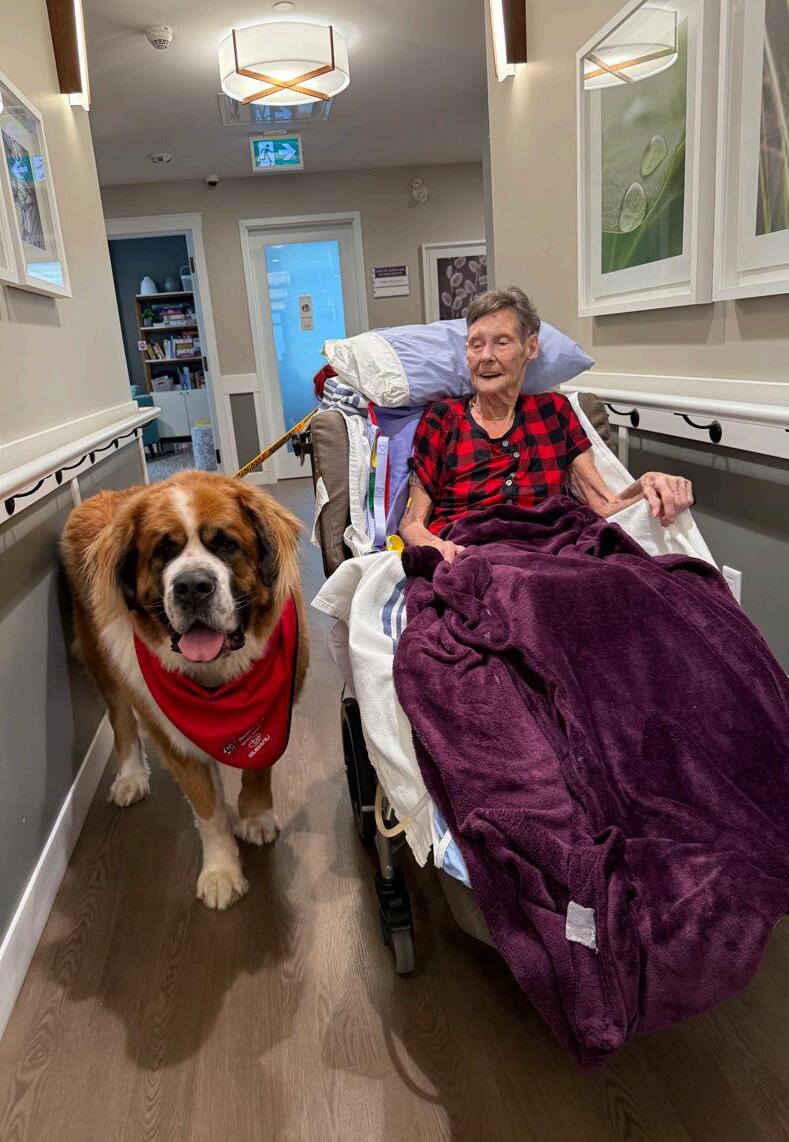
Supports grief services, including music, art, pet therapy, movement and digital tools grounded in therapeutic best practices.
$50/ month
Provides vital respite to caregivers and strengthens our ability to offer attentive, personalized care, so families can focus on simply being present.
$100/ month
Advances hospice care through innovation, equipment and continuous staff training.
BRUCE’S STORY
Giving So Others Can Have a Different Ending
For Bruce Kirkland, President and CEO of Lexus of Edmonton, giving back isn’t just a business philosophy; it’s a way of life. “A lot of the things I believe in — my roots and my values — come from my parents,” he explained. “They taught us to be compassionate, kind and open.”
Bruce was first introduced to Pilgrims many years ago through a friend’s invitation to one of our fundraising dinners. Later, when Pilgrims launched its Capital Campaign for the residential hospice, that same friend asked Bruce to consider becoming involved. “I didn’t hesitate,” Bruce beamed. “I joined the Board for the Capital Campaign, and that experience ignited my passion for the work that Pilgrims does.”
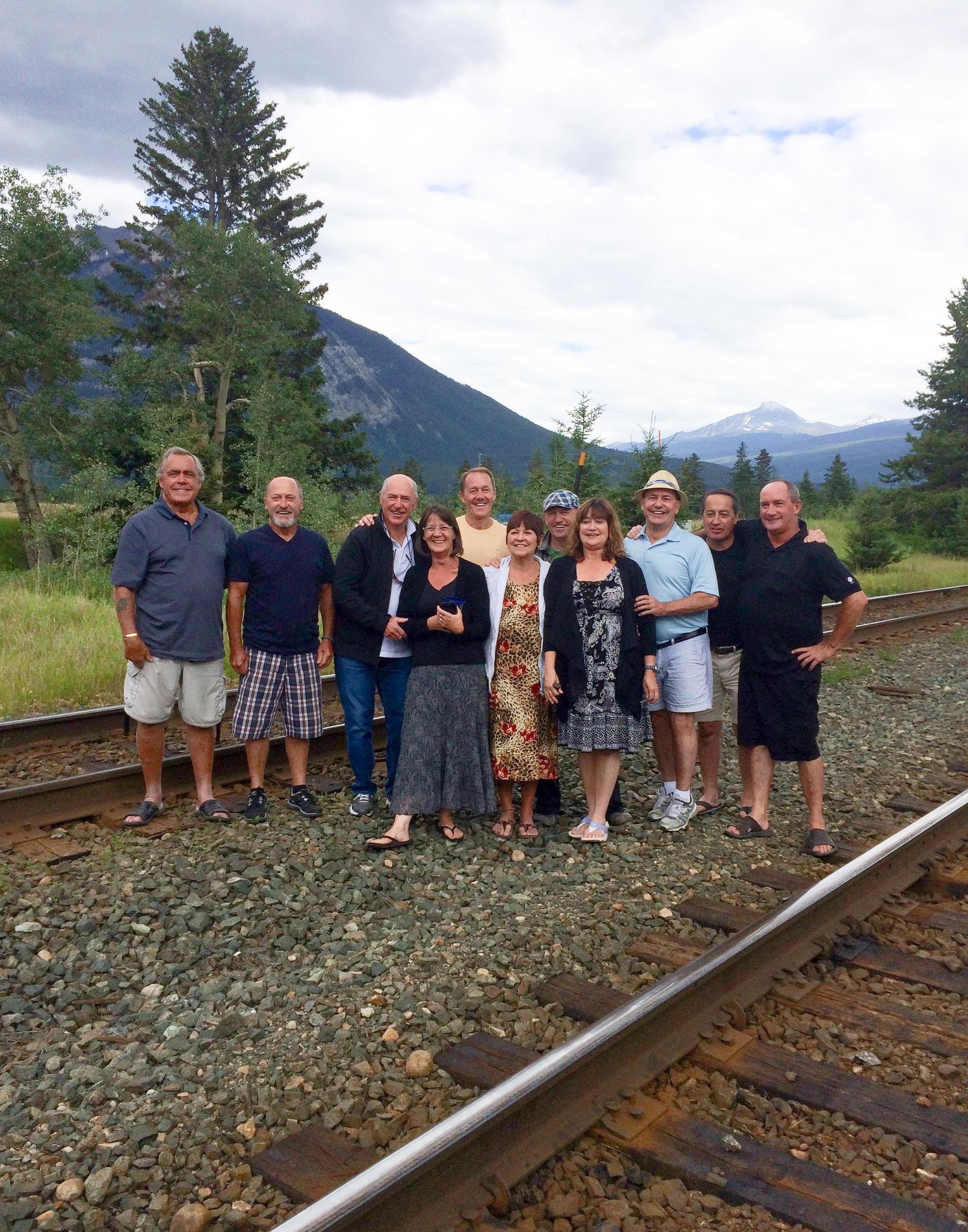
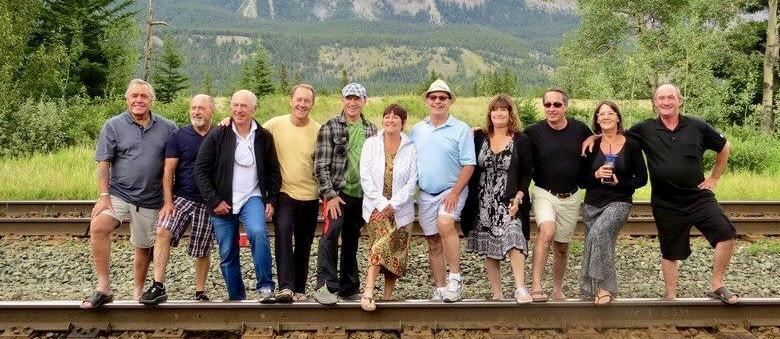
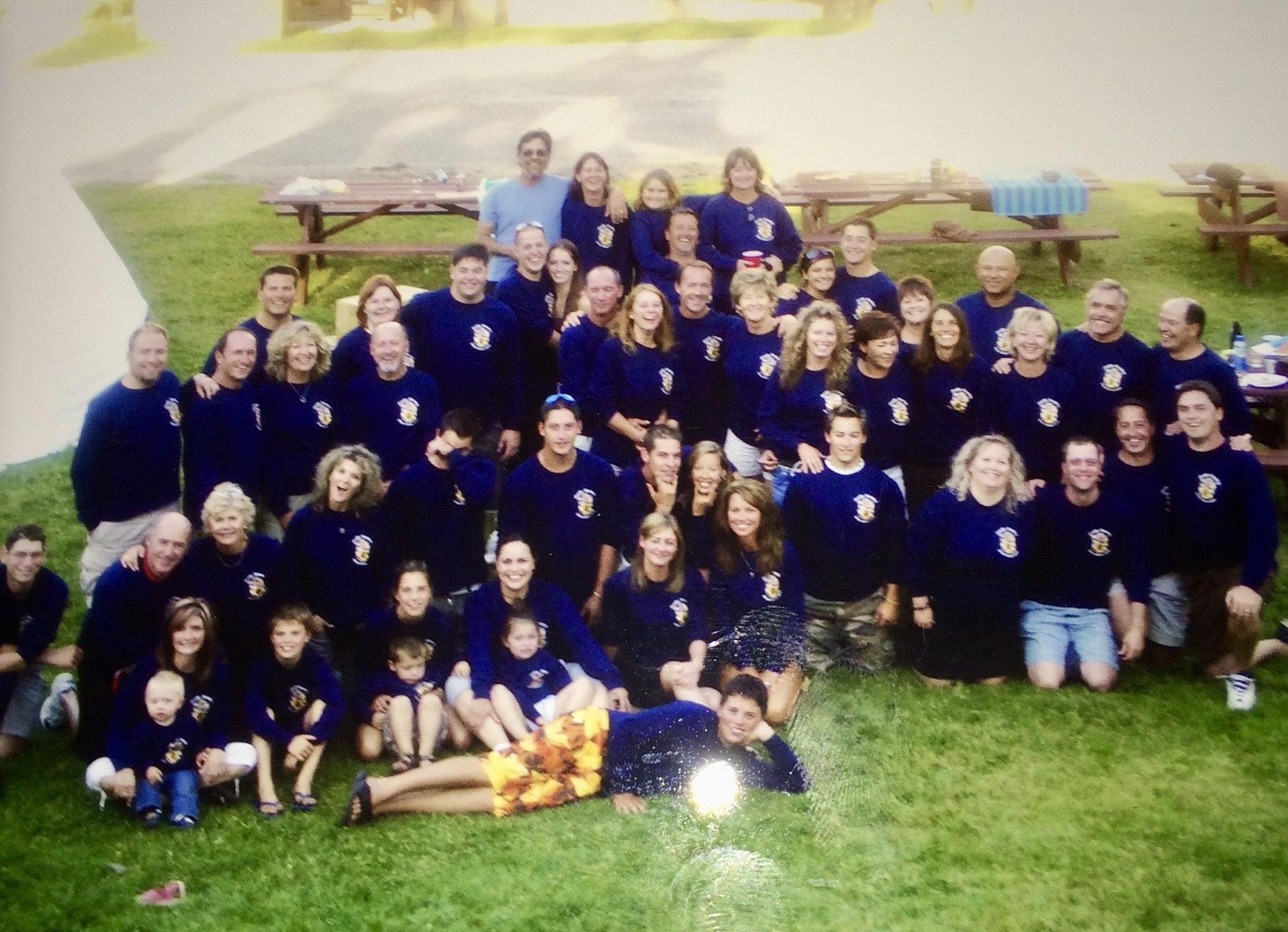
As one of 11 children born to hardworking parents, Bruce
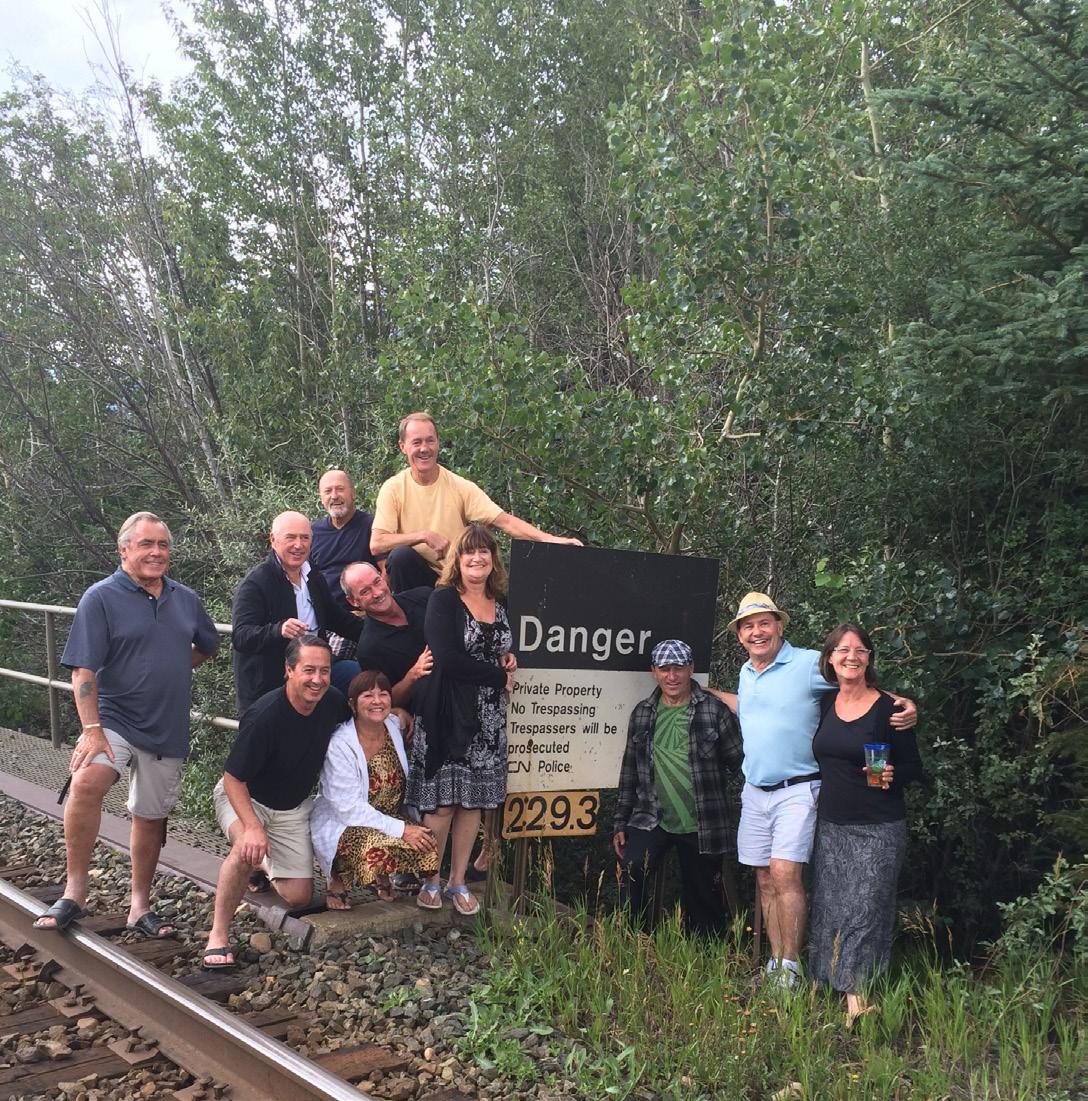
remembers the hardships his parents faced. “My dad worked on the railway, went to war, and lost his legs. He also suffered a stroke. My mom raised 11 kids and cared for my dad full-time. I often wonder how different their lives would have been if Pilgrims had been around back then.”
It’s this memory of his parents that has driven Bruce’s support for Pilgrims ever since. “There are others out there who, like my parents, need help at the end of life, but don’t know where to turn or what to do,” he explained. “Even though both of my parents have died, I want to make a difference for someone else.”
In addition to his leadership on the Board for Pilgrims’ Capital Campaign, Bruce has made personal contributions, funding and naming
“
I truly believe that you have to give back to the community that gives to you,” he said. “ The community is very supportive of my store, so my store is very active in the community.”
one of our resident suites as well as the main elevator in our hospice as a legacy for his family and his parents. “I am fortunate enough and financially stable enough to make bigger gifts,” he explained, “but it’s the little gifts that make the difference. It’s the $10, $30 and $100 donations that really matter.”
Bruce’s belief in the power of giving — regardless of amount — inspired him to collaborate with Pilgrims on its Donor Love appreciation event, for which Lexus of Edmonton has been the presenting sponsor for the past four years. “I wish more companies understood that you don’t always have to give money. Donor Love is a great example. I wanted to help recognize Pilgrims’ donors for their support, so I offered to host the event at Lexus of Edmonton. It’s become one of my — and my team’s — favourite events.”
Community support is a core value at Lexus of Edmonton, and it’s something Bruce credits for their success. This philosophy of giving means Lexus of Edmonton supports many causes across Edmonton. At Pilgrims, their support also includes Hike for Pilgrims Hospice which they sponsor and participate in each year, often walking in honour of a co-worker or family member who has died.
While Bruce’s personal experience with death and caregiving didn’t happen within Pilgrims’ walls, it deeply informs his connection to our organization. His support is shaped not by what he received, but by what his family once needed — and what he believes everyone deserves at the end of life. “Seeing how my parents’ lives ended really affected me. This truly is the way the end of life should be. I’m sad my parents didn’t get to see Pilgrims or experience it, but I know they’re proud.”
It’s this belief that continues to guide his generosity, helping to ensure that more individuals and families have access to the kind of care, comfort and dignity his own family once navigated without.
JUDY’S STORY
Making End of Life Better for All
The end of life brings a slow buildup of responsibilities, decisions and emotions. For the person who is dying, there may be discomfort, uncertainty and a loss of independence. For those around them, caring becomes both an act of love and an increasing demand. The burden of wanting to do everything and the reality of not always being able to can lead to feelings of guilt and exhaustion. Yet, with the right support, this chapter can hold something more. It can create space for connection, quiet moments, and a different kind of care that supports both the person who is dying and those walking alongside them.
“I couldn’t change what was going to happen, but I could change how my mom was going to be taken care of,” reflected Karen, Judy’s daughter. “Once I got in touch with Pilgrims and things started moving, it gave me some control, which helped me be better for my dad, my brother and my kids.”
Judy was diagnosed with cancer in 2021. She had surgery on December 23 and by the 25th was feeling well enough to help with Christmas dinner. A course of radiation therapy followed, and by the next December, Judy was feeling great. The family believed this chapter was behind them, but that hope quickly faded. By Easter of 2023, Judy’s cancer was back, this time for good.
“I told Mom that we would take care of her for as long as we could, but when it became unsafe, we’d have to do something different,” Karen recalled. “My greatest fear was that if she fell or something happened at home, we’d have to call an ambulance, and I knew they wouldn’t take her to Pilgrims.”
As Judy’s needs grew more complex, the care Karen had promised to provide at home began to carry risks she could no longer ignore.
This is what Judy’s family found at Pilgrims Hospice Society.
“I felt so guilty about not being able to care for Mom at home. I felt like I was letting her down, like I was letting everyone down,” said Karen. “The first person I met when we arrived at Pilgrims was a volunteer. They asked if they could give me a hug, and of course, I burst into tears, but it helped us feel at home. And that’s what Mom wanted, to stay at home.”
That first welcome marked a turning point. The responsibility Karen had been carrying became a shared one, supported by a team that understood what Judy, Karen and their whole family needed.
As Karen put it, “The process at Pilgrims’ is built around respect, which is how it should be. You feel it right from the start. When the doctor first met with us, he really focused on Mom, listened to her wishes and then honoured them. That was so comforting for all of us.”
Karen also appreciated the care team’s openness and honesty with her and her family. “They say all the things you may be thinking but are too scared to say yourself. They make it okay. That really helped me release some of the guilt I was still harbouring.”
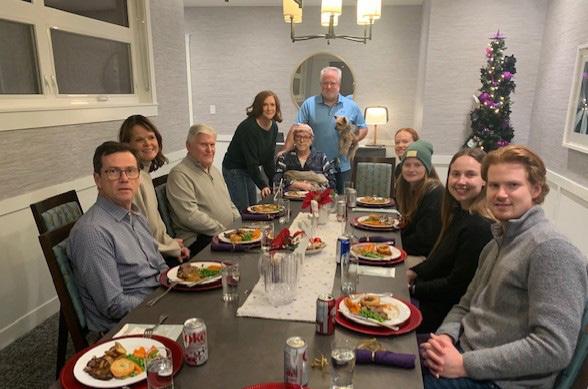
Judy arrived at Pilgrims just before Christmas in 2024, a bittersweet moment for her family. “Mom loved Christmas. The big dinners. The presents. The stockings. She even put ‘Santa sacks’ under our pillows at night to keep the magic going just a little bit longer,” remembered Karen. “Pilgrims invited our whole family to the Christmas dinner. They even set up the private dining room for us. Knowing this would be our last Christmas with Mom was hard, but that dinner was a great send-off for her. It’s a memory we’ll cherish forever.”
Judy’s last day at Pilgrims was just as meaningful and befitting of her wishes. “Mom hated funerals; she
thought they were morbid,” laughed Karen. “The walk of honour Pilgrims’ staff held for her gave us the closure we needed, while still respecting her wish not to have a funeral.”
These moments reflect Pilgrims’ purpose of making end of life a better experience for all. For Judy and her family, that meant care shaped with intention, creating space for connection, easing the burden of caregiving, and honouring what mattered most to her.
“This is such a comforting place,” added Bryson, Judy’s husband and Karen’s dad. I can’t imagine there is any other place that offers the same care we received here.”
In the end, Pilgrims gave Judy and her family something that can be hard to find at the end of life: not just care, but the ability to be present with one another. To shift from managing each day to truly sharing it. And in doing so, to experience a different kind of ending, one shaped not only by loss, but by connection, dignity and peace.
This is what it means to make end of life a better experience for all. It’s what it means to support Pilgrims Hospice Society.
EILEEN’S STORY Coming Home
Like many people nearing the end of life, Eileen wanted to die at home. Her family did everything they could to honour that wish.
The palliative home care team were amazing, but mom’s care was becoming too difficult, even for them,” explained her daughter Debi. “I had heard about Pilgrims, so I started looking into it. After talking to them, I knew in my heart this was where my mom needed to be.”
Eileen wasn’t so sure. Described as “feisty” by her family, Eileen had no problem making her feelings known.
“We had a bit of a hard time convincing Grandma,” recalled Lindsay, Eileen’s granddaughter. “I remember her yelling, ‘I’m not going!’ as we were leaving the house to come to Pilgrims. It made us second-guess ourselves.”
“I felt guilty because I couldn’t do it,” added Debi. “I just knew that she needed more care.”
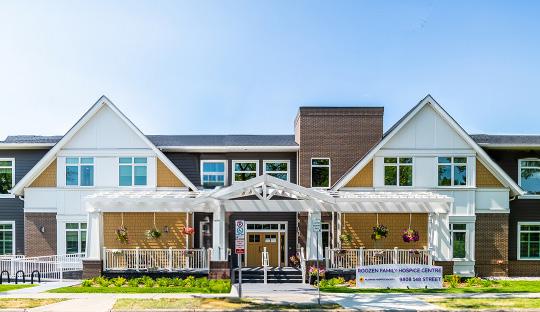
But once the family arrived at Pilgrims, those doubts quickly disappeared. “When we walked in for the first time, it felt like we were moving into a new house,” said Lindsay. “Even though we knew Pilgrims had all of the clinical resources Grandma would need, it didn’t feel clinical when you walked in. It was a home first, and that put us at ease.”
And home is what Pilgrims became.
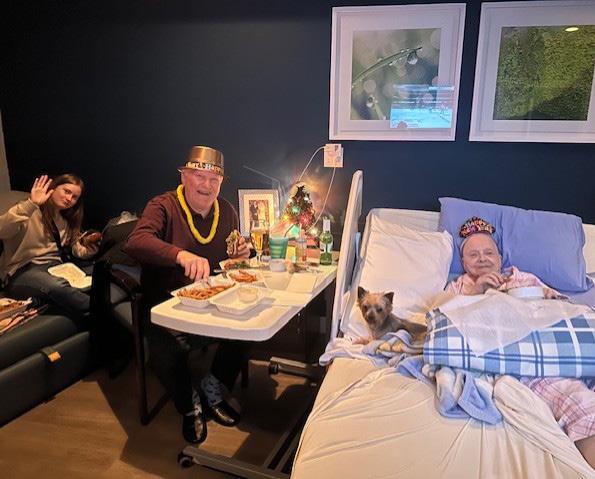
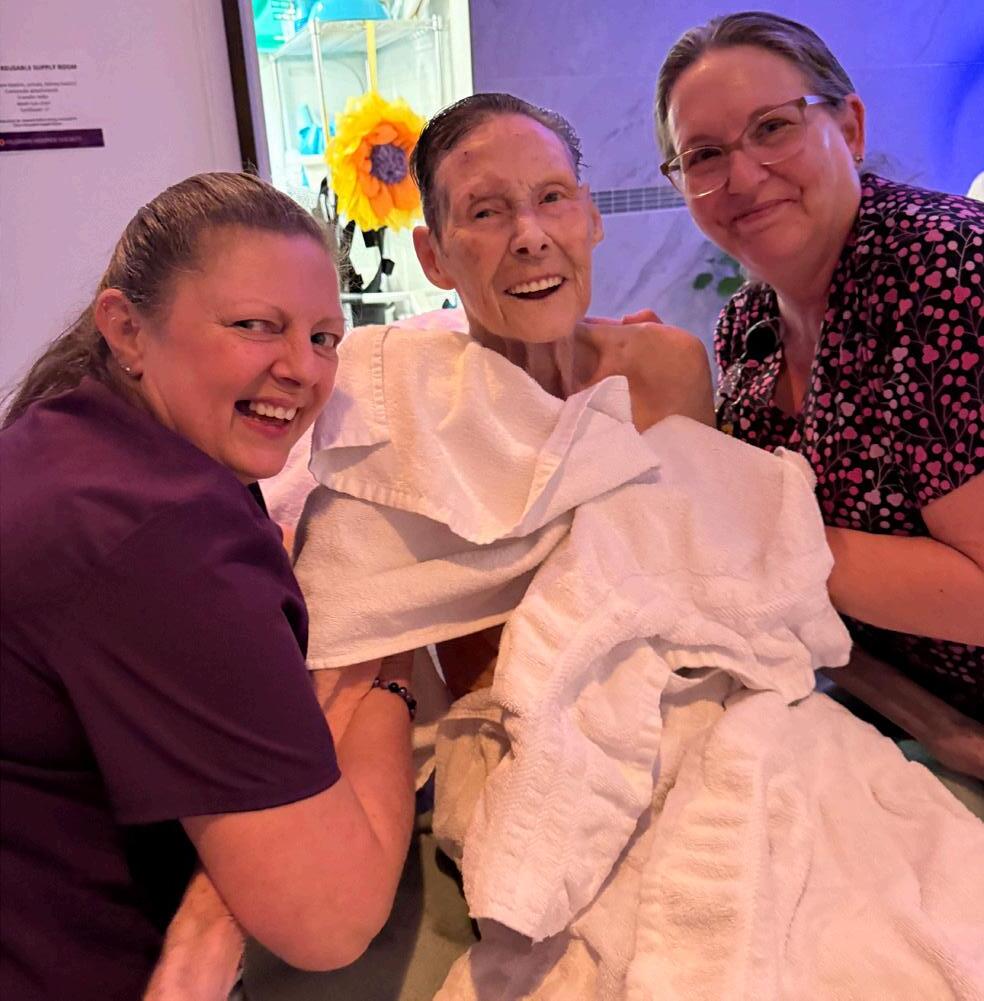
Eileen settled into her suite, and warm soaks in the tub became her favourite thing.
Debi stayed by her mom’s side and found herself cared for, too. “They brought a cot into Mom’s room for me to sleep in. I showered every morning. I even had a massage. I couldn’t believe it when they offered that.”
Earl, Eileen’s husband of 69 years, enjoyed a bowl of soup every day and made a special connection with a member of Pilgrims’ dietary team. “They were both of Irish descent,” recalls Debi, “They’d sit and talk about Ireland and share their family histories.”
Lindsay spent every moment she could at Pilgrims, and being a nurse herself, appreciated being involved in her grandmother’s care. “Because we had been doing this for so long already, it felt weird to be hands-off. The Care Team would always ask, and if we wanted to help, they supported that.”
Now, more than a year after Eileen’s death, what the family remembers most are the more personal connections they made during their stay. Casey, one of Pilgrims’ nurses, became particularly special to them.
It’s moments like these — of connection and support, of family, of peace — that stay with families long after they leave Pilgrims. They’re the moments that transform a place of care into a place that feels like home. A place where residents like Eileen can find joy in simple things like a bath, and where families can just be present.
At Pilgrims, it’s this focus on comfort, dignity and human connection that sets the experience apart. It’s why families continue to support us long after they leave, and why
“I was planning to leave one night because I had to work the next day,” Lindsay remembers. “I took Casey aside and asked what I should do. She told me she didn’t know what was going to happen. Grandma could die that night, or she could hold on another two weeks. But she said she didn’t think I would ever regret staying.”
Lindsay took her advice, and Eileen died about half an hour later.
“I don’t know what we would have done without Casey,” Lindsay recalls. “Grandma’s death was the most beautiful thing because of her.”
our community of supporters grows stronger every year.
“My motivation to become a donor was to give back,” said Debi. “For the amount that everyone gives to you when you’re here, my donation will never be enough, but I’m doing what I can, so the next family can experience the same care that we did.”
“You will never regret investing in something that makes times like these even a little bit easier for families,” added Lindsay. “You don’t know how important it is until you need it.”
Because when the time comes, it’s moments like these that matter more than anything.
FROM OUR KITCHEN
POTATO PANCAKE
Yield: 2-3 pancakes
Ingredients:
• 1 large Russet or Yukon Gold potato
• Unsalted butter as needed
• Salt and pepper to taste
• Sour cream, chopped chives, bacon bits as garnish (optional)
Directions:
1. Peel potatoes and grate on the largest hole on the box cheese grater.
2. Squeeze out as much liquid starch as possible and season with salt and pepper to taste.
3. Pre heat a pan to low to medium heat and add a fair amount of butter.
4. Scatter the grated, squeezed and seasoned potato into the pan and form with a spatula into a pancake circular shape.
5. Allow to caramelize and form a firm crust on the bottom before flipping and caramelizing the other side, add additional butter if the pan is dry. It shouldn’t be deep or shallow frying but also shouldn’t be too dry.
6. Serve with sour cream, bacon bits and chopped fresh chives if desired.
This issue’s recipe comes with a story of its own.
Olga, a former resident at Pilgrims, grew up on a farm with 400 hills of potatoes. Potato pancakes for dinner were common, and she carried on the tradition with her own children. “She would make them for us at least every couple of weeks,” recalled Donna, Olga’s daughter.
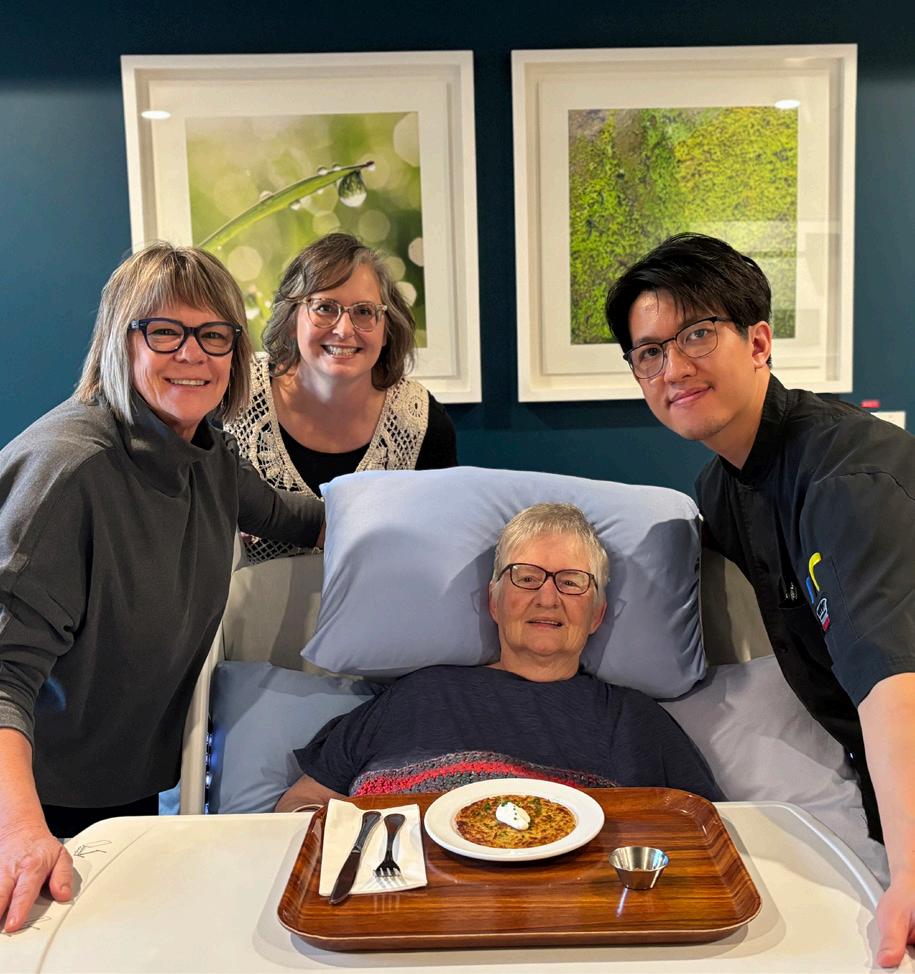
Food can carry comfort in a way few other things can. A familiar taste or cherished recipe offers not only nourishment but also a sense of home, connection and reassurance. Knowing this, Pilgrims’ Chef Thomas is happy to prepare special meals for our residents. Potato pancakes, however, were a first for him.
“Mom lit up when she saw the potato pancake,” Donna smiled. “It brought back all these memories from when we were kids. And Thomas made it perfectly round. She commented on that.”
At Pilgrims, care is more than medical. Honouring a simple request, such as potato pancakes, wasn’t about recreating a recipe. It was about recognizing its history and supporting a family as they shared something familiar and meaningful together at the end of life.
“The care here was over and above my expectations,” added Darrell, Olga’s youngest son. “Knowing she was here is very comforting to us. She was safe and well cared for. And if she had a special request, 15 minutes later it was done!”
Recipe provided by Chef Thomas
- Rupi Kaur
Donations — from residents, clients, families and the community — cover more than half of our expenses every year. Donations:
• Enable us to provide care at no cost to you
• Provide grief support and spiritual care
• Ensure soup and snacks are available for families and visitors
• Pay for our Resident and Family-Centred Care Coordinator
In 2025, these services cost Pilgrims an average of $11,300 per resident.
Please consider making a one-time donation or joining our GEM (Give Every Month) Club today.
Unable to scan? Please Visit: pilgrimshospice.com/the-heart-of-hospice
THANK YOU FOR GIVING!
If you have questions about our funding model, call 780-413-9801 or email donations@pilgrimshospice.com.
Charitable Registration No. 897041455 RR 0001 A tax receipt will be issued for donations over $20.