TOTAL HIP REPLACEMENT

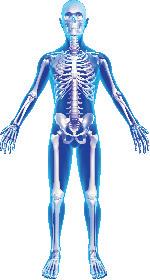




If your hip has been damaged due to arthritis, a fracture or other conditions, common activities such as walking or getting in and out of a chair may be painful and difficult. Your hip may be stiff, and it may be hard to get dressed. You may even feel uncomfortable while resting.
This safe and effective surgery can:
• Relieve pain
• Increase range of motion
• Help you resume normal activities
You may be recommeded for total hip replacement surgery if you experience:
• Hip pain that limits everyday activities, such as walking and bending
• Hip pain while resting (day or night)
• Chronic hip inflammation (not improved by medications/rest)
• Stiffness in the hip limiting the ability to move/lift the leg
• Limited or no improvement from anti-inflammatory medications, physical therapy or walking supports.
Talk with your family, primary care physician and orthopedic surgeon to determine whether you should have total hip replacement surgery.
• Medications will be provided to help ease your pain and make you more comfortable
• Once your pain level ceases, you can begin moving around
Hip replacement surgery at PMC may not require physical therapy.
• Stitches/staples removed approx. two weeks after surgery
• Do not soak the wound in water until wound is completely sealed and dried
• Keep the wound bandaged to prevent irritation from the clothing/support hose
Activity
• Exercise is critical during the first week after surgery
• You may resume normal activities within 3-6 weeks
• Pain during activity and at night is common for several weeks
Most people experience a significant reduction of hip pain and a dramatic improvement in performing daily living tasks. Surgeons don’t recommend high-impact activities like running or jumping after surgery. Realistic activities following total hip replacement include walking, driving, swimming, biking, dancing and other low-impact sports. Following these activity guidelines can allow hip replacements to last for many years.
After Surgery you may experience
• Numbness of skin around the incision
• Stiffness, especially during excessive bending
It is normal to experience these side effects after surgery.
• Reduction or elimination of joint pain
• Improved quality of life
• Years of easier movement
• Hip joint infections occur in fewer than 2% of patients
• More serious complications have an even lower occurance rate
• Chronic illnesses may increase the possibility of complication
Minor wound infections are treated with antibiotics, while major infections may require additional surgery or complete removal of the prosthetic. Any infection in you body can spread to the joint replacement. Infection may occur in the wound, deep around the prosthetic, even years after surgery.
After Surgery you may experience
• Continuous fever (>100 degrees Fahrenheit)
• Shaking chills
• Increased redness, tenderness or swelling of the hip
• Hip wound drainage
• Increased hip pain during activity/rest

To determine if total hip replacement surgery is right for you, your physician will:
• Gather your medical history
• Complete a physical examination to asses motion, stability, strength and alignment
• Order x-rays to determine the amount of damage
• You will register and be admitted to the hospital
• Surgery usually takes a few hours
• The hip’s damaged cartilage and bone will be removed and a new plastic, metal or ceramic implant will be positioned into place
• You will be monitored for several hours during your recovery from anesthesia
• Once you wake up, you will be taken to your hospital room
Some patients may be eligible for outpatient surgery, meaning he or she will be discharged to go home at the end of the day.

ACL Repairs
Amputations
Arthritic Conditions
Arthritis
Carpal Tunnel Surgeries
Carpal Tunnel Syndrome
Concussion Management
Congenital Problems
(Syndactyly/Polydactyly)
de Quervain’s Tenosynovitis
Sports Injuries
Sports Physicals and Clearance to Play
Tennis Elbow
Total Hip Replacement
Total Knee Replacement
Traumatic Injuries
Treatment of Arthritis and Chronic Overuse Syndromes
Treatment of Fractures
Trigger Thumb or Finger
Developmental & Post-Traumatic Limb Deformity
Dupuytren’s Contracture
Evaluation and Correction of Limb Length Discrepancy
Ganglion Cysts/Tumors
Hand Surgery
Hip/Knee Revision Surgery
Joint Pain
Knee Arthroscopy
Knocked Knee and Bow-Leg Deformities
MRI Custom Fit Total Knee Replacement
Muscle Sparing Direct Anterior Total Hip Replacement
Nail & Fingertip Injuries
Orthopedic trauma
Other Routine Orthopedic Pathology
Post-Traumatic Complications
Rotator Cuff Repair
Shoulder Arthroscopy