


Information you need during your stay
INSIDE:
Your Room
Patient Rights & Responsibilities
Campus Map & Locations
Dining & Conveniences
Important Phone Numbers
PMC’s Services & Specialties
Support Groups & Seminars
Discharge Instructions
Financial Assistance





I would like to welcome you to Pikeville Medical Center on behalf of the Board of Directors, Medical Staff and all hospital employees.
At Pikeville Medical Center, we live our Mission Statement and strive to accommodate you and your family by providing worldclass quality health care in a Christian environment. You are the most important person here and our goal is to always provide the best care available anywhere.
In this guide, you’ll find helpful information about your stay and we hope it will help you feel more at home while with us. Please keep in mind, our policies and procedures are for your protection, safety and comfort. If you have any questions or concerns during your stay, please ask any of our staff members.
Thank you for choosing Pikeville Medical Center. We understand you have a choice and, with that, we appreciate your decision to choose us to care for your needs.
God bless you and we hope you have a comfortable experience.
Blackburn Pikeville Medical Center President / CEO / Chairman of the Board of Directors
Our mission is to advance the health and well-being of our region through comprehensive care in a Christian environment.
Please visit www.pmcky.org or scan the code and take a moment to learn about services we offer in our new, “Focused on You” program.


Everyone has a role in making health care safe. That includes doctors, health care executives, nurses and many health care technicians. Health care organizations all across the country are working to make health care safe. As a patient, you can make your care safer by being an active, involved and informed member of your health care team.
An Institute of Medicine (IOM) report says that medical mistakes are a serious problem in the health care system. The IOM says that public awareness of the problem is an important step in making things better.
The “Speak Up™” program is sponsored by The Joint Commission. They agree that patients should be involved in their own health care. These efforts to increase patient awareness and involvement are also supported by the Centers for Medicare & Medicaid Services.
This program gives simple advice on how you can help make health care a good experience. Research shows that patients who take part in decisions about their own health care are more likely to get better faster. To help prevent health care mistakes, patients are urged to “Speak Up.”
SPEAK UP if you have questions or concerns. If you still don’t understand, ask again. You have the right to know.
• Your health is very important. Don’t worry about being embarrassed if you don’t understand something that your doctor, nurse or other health care professional tells you. If you don’t understand because you speak another language, ask for someone who speaks your language. You have the right to get free help from someone who speaks your language.
• Don’t be afraid to ask about safety. If you’re having surgery, ask the doctor to mark the area that is to be operated on.
• Don’t be afraid to tell the nurse or the doctor if you think you are about to get the wrong medicine.
• Don’t be afraid to tell a health care professional if you think he or she has confused you with another patient.
PAY ATTENTION to the care you get. Always make sure you’re getting the right treatments and medicines by the right health care professionals. Don’t assume anything.
• Tell your nurse or doctor if something doesn’t seem right.
• Expect health care workers to introduce themselves. Look for their identification (ID) badges. A new mother should know to whom she is handing her baby. If you don’t know who the person is, ask for their ID.
• Notice whether your caregivers have washed their hands. Hand washing is the most important way to prevent infections. Don’t be afraid to remind a doctor or nurse to do this.
• Know what time of the day you normally get medicine. If you don’t get it, tell your nurse or doctor.
• Make sure your nurse or doctor checks your ID. Make sure he or she checks your wristband and asks your name before he or she gives you your medicine or treatment.
EDUCATE YOURSELF. Ask your doctor about the special training and experience that qualifies him or her to treat your illness.
• Look for information about your condition. Good places to get that information are from your doctor, your library, support groups, and respected Web sites, like the Centers for Disease Control & Prevention (CDC) Web site.
• Write down important facts your doctor tells you. Ask your doctor if he or she has any written information you can keep.
• Read all medical forms and make sure you understand them before you sign anything. If you don’t understand, ask your doctor or nurse to explain them.
• Make sure you know how to work any equipment that is being used in your care. If you use oxygen at home, do not smoke or let anyone smoke near you.
ASK a trusted family member or friend to be your advocate (advisor or supporter).

• Your advocate can ask questions that you may not think about when you are stressed. Your advocate can also help remember answers to questions you have asked or write down information being discussed.
• Ask this person to stay with you, even overnight, when you are hospitalized. You may be able to rest better. Your advocate can help make sure you get the correct medicines and treatments.
• Your advocate should be someone who can communicate well and work cooperatively with medical staff for your best care.
• Make sure this person understands the kind of care you want and respects your decisions.
• Your advocate should know who your health care proxy decision-maker is; a proxy is a person you choose to sign a legal document so he or she can make decisions about your health care when you are unable to make your own decisions. Your advocate may also be your proxy under these circumstances. They should know this ahead of time.
• Go over the consents for treatment with your advocate and health care proxy, if your proxy is available, before you sign them. Make sure you all understand exactly what you are about to agree to.
• Make sure your advocate understands the type of care you will need when you get home. Your advocate should know what to look for if your condition is getting worse. He or she should also know who to call for help.
KNOW what medicines you take and why you take them. Medicine errors are the most common health care mistakes.
• Ask about why you should take the medication. Ask for written information about it, including its brand and generic names. Also ask about the side effects of all medicines.

• If you do not recognize a medicine, double-check that it is for you. Ask about medicines that you are to take by mouth before you swallow them. Read the contents of the bags of intravenous (IV) fluids. If you’re not well enough to do this, ask your advocate to do it.
• If you are given an IV, ask the nurse how long it should take for the liquid to run out. Tell the nurse if it doesn’t seem to be dripping right (too fast or too slow).
• Whenever you get a new medicine, tell your doctors and nurses about allergies you have, or negative reactions you have had to other medicines.
• If you are taking a lot of medicines, be sure to ask your doctor or pharmacist if it is safe to take those medicines together. Do the same thing with vitamins, herbs and over-the-counter drugs.
• Make sure you can read the handwriting on prescriptions written by your doctor. If you can’t read it, the pharmacist may not be able to either. Ask somebody at the doctor’s office to print the prescription, if necessary.
• Carry an up-to-date list of the medicines you are taking in your purse or wallet. Write down how much you take and when you take it. Go over the list with your doctor and other caregivers.
• If you think you have taken an overdose, or a child has taken medicine by accident, call your local poison control center or your doctor immediately.
USE a hospital, clinic, surgery center or other type of health care organization that has been carefully checked out. For example, The Joint Commission visits hospitals to see if they are meeting The Joint Commission’s quality standards.
• Ask about the health care organization’s experience in taking care of people with your type of illness. How often do they perform the procedure you need? What special care do they provide to help patients get well?
• If you have more than one hospital to choose from, ask your doctor which one has the best care for your condition.
• Before you leave the hospital or other facility, ask about follow-up care and make sure that you understand all of the instructions.
• Go to Quality Check at www.qualitycheck.org to find out whether your hospital or other health care organization is “accredited.” Accredited means that the hospital or health care organization works by rules that make sure that patient safety and quality standards are followed.
in all decisions about your treatment. You are the center of the health care team.
• You and your doctor should agree on exactly what will be done during each step of your care.
• Know who will be taking care of you. Know how long the treatment will last. Know how you should feel.
• Understand that more tests or medications may not always be better for you. Ask your doctor how a new test or medication will help.
• Keep copies of your medical records from previous hospital stays and share them with your health care team. This will give them better information about your health history.
• Don’t be afraid to ask for a second opinion. If you are unsure about the best treatment for your illness, talk with one or two additional doctors. The more information you have about all the kinds of treatment available to you, the better you will feel about the decisions made.
• Ask to speak with others who have had the same treatment or operation you may have to have. They may help you prepare for the days and weeks ahead. They may be able to tell you what to expect and what worked best for them.
• Talk to your doctor and your family about your wishes regarding resuscitation and other life-saving actions.

We have no tolerance for discrimination in our organization. The quality of care will be consistent among patients regardless of access to care or lack of resources (such as internet or transportation), age, education level, gender identity or expression, geographic location, language, physical or mental ability, race or ethnicity, religion or culture, sexual orientation or Social and/or economic status.
If you notice something wrong with your loved one, DON’T WAIT — CALL FOR HELP
WHAT IS RAPID RESPONSE?
The Rapid Response Team (RRT) is a group of specially trained clinicians who respond quickly when a patient’s condition is getting worse or an emergency arises.
WHEN SHOULD YOU CALL?
Dial 5000 if you notice:
• Sudden trouble breathing
• Chest pain or severe discomfort
• Sudden confusion or inability to wake up
• You feel something is “just not right”
HOW TO CALL
1. Use any hospital phone.
2. Dial 5000.
3. Tell the operator:
o Patient’s name
o Room number
o What you are worried about
WHAT HAPPENS NEXT?



• The Rapid Response Team will come to the patient’s room within minutes.
• They will assess and provide immediate care.
• A staff member will follow up with you after the event.
The television control is located at the side of the bed. All beds feature private speakers. Closed captioning for the hearing impaired is available upon request.
Controls are located on the side of the bed to make head or foot adjustments and raise or lower your bed.
You may contact your nurse directly by calling his/her phone or by pressing the call button on the side of the bed. Your nurse’s phone number is located on the white communication board in your room.
All patients wear wrist bands during their hospital stay. For your safety during your hospital stay, you will be asked to state your name and birth date to hospital staff. All hospital staff are required to wear name badges and anyone giving you care or serving you should be wearing an identification badge.
Smoking is not permitted in any of the hospital buildings or on hospital grounds. PMC is a tobacco free and vape free property. No smoking or vaping permitted in any hospital buildings or near any entrances.
Telephones are located in all patient rooms except in the Intensive Care Units. Family and friends outside the hospital can call directly to a patient’s room until 10pm.
Courtesy phones are located in most waiting areas and on the second floor of the May Tower in the Atrium.
Local calls: dial 9, wait for dial tone and then dial the seven-digit number. Long distance calls: dial 820 and wait for an operator.
Patients are asked not to bring items of value or bedding items, such as pillows and blankets, to the hospital. You may deposit items such as a billfold, watch or money in the hospital safe; please ask your nurse for assistance. Pikeville Medical Center does not accept responsibility for lost or damaged personal items.
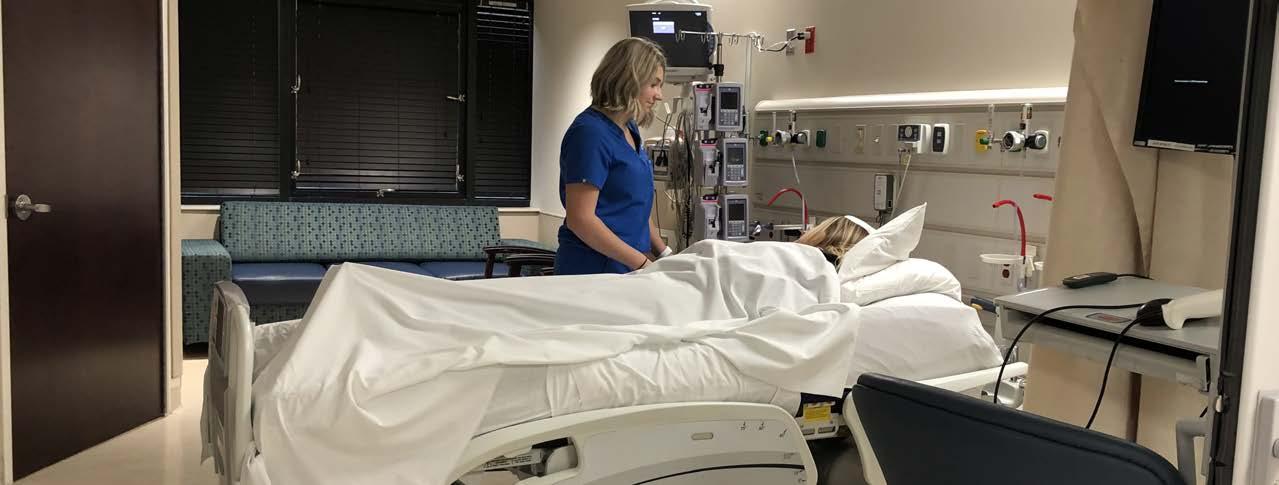

Our nurses can talk with patients during admission and discharge. Patients see and speak with an experienced registered nurse on a screen, just like a video chat.
The virtual nurse handles most of the paperwork so the bedside nurse can focus on helping the patient with direct hands-on care, saving time and making everything go smoother providing more focused care for you.
PMC is proud to use smart technology like this to make sure our patients get the best care possible.






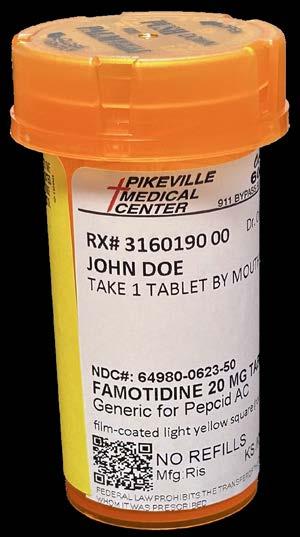
• FREE Delivery right to your hospital bedside
• No waiting in the pharmacy line


• Only pay the cost of your meds
• Open weekdays 8am-8pm/Sat & Sun 10am-6pm


Phone and video interpreter services are available upon request.
Section 1557 Coordinator: 606-430-3532 / After Hours: House Manager at ext. 606-430-3500, extension 17001
The chapel is located on the 11th floor of May Tower near the Top of the Tower Restaurant and is open 24/7. At your request, the chaplain can inform the clergy from your church or religious organization of your needs. A variety of devotional materials are available upon request and a baptistery is available for anyone wishing to be baptized.
DEVOTION LINE: ext. 22055, can be accessed at any time
PRE-RECORDED CHAPLAIN SERVICES ON TV: Chaplain’s Corner sermons, services and devotionals are available for patients periodically on Channel 3.1 or 5
A chaplain can be contacted 24/7 at 13123 from any hospital in-house phone or 606-430-3500 from any outside phones
Advance Directive/Living Will information is provided to all adult patients at the hospital and can be created at any time during your stay. Please ask your nurse for more information.
Network of Hope hotline: 1-800-525-3456
You are encouraged to share with our Director of Guest Relations any concerns or positive comments you may have about your stay. For more information, call 606-430-8950.
Licensed social workers, discharge planners and case managers are available to assist with discharge planning and information regarding your illness. For more information, call 606-430-8201.
Open Monday - Friday 8am-5pm
The eligibility for financial assistance is determined by total family income and assets. The financial counselors’ office is on the second floor of the May Tower. For more information, call 606-430-3303 or 606-430-3304.
Our nurses talk with patients via video calls during admission and discharge. Patients see and speak with an experienced registered nurse on a screen, just like a video chat. The virtual nurse handles most of the paperwork so the bedside nurse focuses on direct hands-on care of patients. This teamwork makes it faster and smoother for patients.
PMC is proud to use smart technology to give patients the best care possible and make hospital visits easier for everyone.



At Pikeville Medical Center, patients are screened for the risk of falling. Our goal is to prevent falls. Certain medicines may increase your risk of falling and may make you dizzy or weak.
Remember: ALWAYS CALL FOR HELP
• When you are admitted to the hospital, your nurse will tell you and your family about your room
• Please look around the room to be aware of your surroundings
• Please call for help before going to the bathroom or getting out of bed
• Keep personal belongings within reach
• Turn on lights before getting out of bed
• Always be sure to wear glasses, if you need them
• For your safety, always use the call light to ask for assistance
• If you use a walker or cane at home, we encourage you to bring them with you. If you are unable to bring them, we will provide you with a walker or cane during your stay at PMC
• Be sure to wear rubber bottomed shoes. If you do not have any, we can provide you with non-skid footwear
• Always sit for a moment before standing to prevent dizziness
• Try exercising in bed before getting up
• Use your call light or call the nurse’s phone for assistance
• Keep your personal items close
• Have your family or friends bring your cane, walker or crutches
• Sit before standing and always rise slowly
• If your visitors stay at different times, please have them educate one another about fall prevention
• Always have visitors tell your nurse when they are leaving
• Your bed position is generally kept low with wheels locked unless authorized by the nurse
• Personal items are kept within easy reach
• Non-skid footwear is provided
• The nurse call light is within reach Pikeville Medical Center is committed to providing quality care for our patients and their families. We believe our patients have the right to be treated with respect. Our goal is to keep your loved ones safe from harm. Family members are encouraged to stay with patients who are at high risk for falls.
• Install timers, “clap-on” or motion sensors on your lights
• Use night lights in your bedroom, bathroom and the hallway leading to the bathroom
• Keep the floor and stairs clear of objects such as books, tools, papers, shoes and clothing
• Remove small area rugs and throw rugs that can slip. Rubber mats can be a good replacement
• Put frequently used items in easy-to-reach places that do not require using a step stool
• Make sure you can easily get in and out of your bed
• Apply non-slip treads on stairs
• Apply non-slip decals or use a non-slip mat in the bathtub or shower
• Install grab bars near the toilet and the bathtub or shower




Proper hand hygiene is especially important before & after:
• Entering and leaving a patient’s environment
• Preparing or eating food
• Treating a cut or wound
• Tending to someone who is sick
• Using the restroom
• Handling garbage
When should you wash your hands?
Proper hand washing is the most effective way to prevent the spread of infectious disease. By washing your hands, you wash away germs picked up from other people and surrounding contaminated surfaces.
Every time you touch your eyes, nose or mouth without washing your hands, you have contributed to the spread of germs.
The common cold/flu and stomach viruses along with more serious illnesses, such as hepatitis A and meningitis, can all be prevented by washing your hands for 10-15 seconds several times a day.
There are two different hand washing methods offered to patients and guests.
1. Wet your hands and lather with liquid soap
2. Rub your hands vigorously together, scrubbing all surfaces
3. Remember to lather under your nails where germs tend to hide
4. Continue scrubbing for 15 seconds
5. Rinse well and dry hands with a clean paper towel
1. Place foam, the size of a 50 cent piece, in your hands
2. Rub hands together for 10 seconds or until the foam dries
Pikeville Medical Center encourages patients to take an active role in their health. Supporting patient/health care provider accountability, PMC urges you to ask your physicians and nurses if they have washed their hands. Assuring your hands, and the hands of your health care professional are clean is the single most important factor in preventing the spread of dangerous germs.
You should wash your hands frequently throughout the day. Creating a habit of washing your hands on a regular basis will prevent the spread of bacteria and viruses (germs) that cause illnesses.

Your safety is our top priority. Infections can sometimes occur in hospitals, but there are simple steps we take and steps you can take to reduce your risk.
All staff must clean their hands before and after caring for you.
You may politely ask, “Did you clean your hands?”
Clean your hands:
Before eating
After using the bathroom
After coughing or blowing your nose
Before and after touching wounds or devices
Alcohol hand sanitizer is available in your room.
Shower or bathe daily if allowed.
Keep skin clean and dry.
Tell your nurse if you notice:
Redness
Drainage
Pain
Fever
Cover coughs and sneezes.
Wear a mask if asked.
Perform hand hygiene after coughing.
Use Nozin Nasal Sanitizer to help reduce bacteria in the front part of the nose and support overall hygiene.
Combine nasal hygiene with other practices such as:
Regular handwashing
Avoiding touching your face
Keeping your environment clean


Medical devices increase infection risk. We:
Use them only when necessary
Check them daily
Remove them as soon as possible
You can help by:
Not touching IV lines or dressings
Keeping dressings clean and dry
Asking daily: “Do I still need this catheter/line?”
Some infections require special precautions. You may see:
Staff wearing gowns or gloves
Signs on your door
Visitors asked to follow special instructions
This protects you and others.

Antibiotics treat bacterial infections but are not needed for all illnesses. We follow guidance from the Centers for Disease Control and Prevention to ensure antibiotics are used safely and only when needed. Take antibiotics exactly as prescribed.
Tell your nurse or doctor right away if you have:
Fever or chills
New cough or shortness of breath
Burning with urination
Redness, swelling, or drainage from a wound
Diarrhea
You are an important part of your care team.
Visitors
Visitors should:
Clean their hands when entering and leaving
Stay home if sick
Follow posted precautions


What is KASPER?
Kentucky All Schedule Prescription Electronic Reporting System (KASPER) is an electronic system that monitors Schedule II, III and IV controlled substances prescribed by Kentucky physicians and nurse practitioners and filled in Kentucky pharmacies.
What data is recorded?
• Patient name
• National code of the drug
• Date of purchase
• Amount of drug purchased
• Physician name
• Pharmacy name
Who can see this information?
• Doctors and staff
• Pharmacists
• Kentucky Board of Medical Licensure
• Office of Inspector General
• Cabinet for Health and Family Services
• Commonwealth attorneys
• Medicaid
• Hospitals
• Kentucky Board of Nursing

Prescription Procedure
In accordance with state law, your physician or nurse practitioner is required to take additional steps before prescribing some controlled substances.
State law applies guidelines to anyone who is prescribed a controlled substance, even for those prescribed a one-time dosage.
Your physician or nurse practitioner may have to obtain a KASPER report on you along with other administrative and treatment requirements that may include a physical exam.
If you have questions about these mandated administrative and treatment requirements, ask your physician or nurse practitioner.
A controlled substance is any drug with a potential for abuse or addiction and is held under strict governmental control. They can be effective in the treatment of pain, illness and disease and should be accessible to persons who medically need them for these reasons.
Controlled substances can cause addiction, injury, impairment or death when abused, misused or diverted to illegal use. There is also a risk of tolerance and dependence when using controlled substances.
The U.S. Department of Justice, Drug Enforcement Administration regulates drugs and other substances that are considered controlled substances under the Controlled Substance Act. Drugs are divided into five schedules. A listing of the substances and their schedules is found in the DEA regulations, 21 C.F.R. Sections 1308.11 through 1308.15.
A controlled substance is placed in its respective schedule based on whether it has a currently accepted medical use in treatment in the United States and its relative abuse potential and likelihood of causing dependence. Some examples of controlled substances in each schedule are outlined in this guide. This is not a comprehensive list of all controlled substances.
Substances in this schedule have a high potential for abuse, have no currently accepted medical use in treatment in the United States and there is a lack of accepted safety for use of the drug or other substance under medical supervision and therefore may not be prescribed, dispensed or administered in the U.S.
Examples: Heroin, Marijuana (cannabis)
Note: Drugs listed in schedules II-V have some accepted medical use and may be prescribed, administered or dispensed for medical use.
Substances in this schedule have a high potential for abuse which may lead to severe psychological or physical dependence.
Examples of single entity schedule II narcotics: Morphine, Opium
Other schedule II narcotic substances used to treat moderate to severe pain: Hydromorphone (Dilaudid®), Methadone (Dolophine®), Oxycodone (OxyContin®)
Examples of schedule II stimulants: Amphetamine (Dexedrine®, Adderall®), Methylphenidate (Ritalin®)
Substances in this schedule have a potential for abuse less than substances in schedules I or II and abuse may lead to moderate or low physical dependence or high psychological dependence.
Examples of schedule III narcotics used to treat moderate pain: Combination products containing less than 15mg of hydrocodone per dosage (Vicodin®), Products containing not more than 90mg of codeine per dosage (Tylenol with Codeine®)
Other schedule III narcotics: Buprenorphine products used to treat opioid addiction (Suboxone® and Subutex®)
Examples of schedule III non-narcotics: Benzphetamine (Didrex®), Anabolic steroids such as Oxandrolone (Oxandrin®)
Substances in this schedule have a low potential for abuse relative to substances in schedule III.
Examples: Propoxyphene (Darvocet-N 100®)
Other schedule IV substances used to treat conditions such as anxiety, panic attacks, insomnia, sleep disorders, muscle spasms and seizures: Alprazolam (Xanax®), Diazepam (Valium®), Lorazepam (Ativan®)
Substances in this schedule have a low potential for abuse relative to substances listed in schedule IV and consist primarily of preparations containing limited quantities of certain narcotics. These are generally used to antitussive, antidiarrheal and analgesic purposes.
For more information, visit: www.deadiversion.usdoj.gov/schedules/index.html
As a patient of the hospital, you can expect information about pain and pain relief measures. Although all pain may not be totally eliminated, every effort will be made to maximize your comfort.
• to have PMC respect, protect and promote your rights, including the right to be viewed as an individual with unique health care needs to which we will respond to in a considerate and positive manner respective of your personal values, beliefs and dignity
• to participate in the development and implementation of an individualized plan of care
• to make informed decisions regarding your care, including being informed of your health status, being involved in your care planning and treatment, and to accept or refuse treatment (to the extent allowed by law) after being informed of the expected benefits, potential discomforts, risks, alternative therapies and procedures to be followed. Refusal of treatment will not affect your access to hospital services
• to have a family member/representative of your choice and your own physician notified of your admission to the hospital
• to have PMC address your decisions about care, treatment and services received at the end of life, including the right to formulate or review and revise advance directives and to have those honored
• to receive information in an understandable way about the individual(s) responsible for, as well as those providing, your care, treatment and services
• to receive care in a safe setting, have personal privacy and confidentiality of information within the requirements of the law
• to an environment that preserves dignity and contributes to a positive self-image
• to an environment free from discrimination due to age, education, gender identity or expression, geographic location, language, physical or mental ability, race or ethnicity, religion or culture, sexual orientation or social and/or economic status
• to have access to internet, interpretative services and transportation assistance if needed to receive care
• to the confidentiality of your clinical records and to access information contained in your clinical records within a reasonable time
• to receive appropriate information about and give informed consent prior to being involved/enrolled in any research, investigations or clinical trials
• to be cared for in an environment that is free from all forms of abuse or harassment
• to be free from corporal punishment; neglect; exploitation; and verbal, mental, physical and sexual abuse
• to have complaints reviewed by PMC and to access protective and advocacy services
• to ask and be informed of:
» hospital policies and practices that relate to patient care, treatment and responsibilities
» available resources for resolving disputes, grievances and conflicts, such as the ethics committees, patient representatives or other mechanisms available
» PMC’s charges for services and available payment methods
• to receive, subject to your consent (or your support person, when appropriate) visitors whom you designate, including, but not limited to, a spouse, a domestic partner (including a same-sex domestic partner), another family member or friend and your right to deny or withdraw consent at any time
• to be informed about any restrictions or limitations on visitation due to your medical condition or environment. PMC does not restrict or limit visitation due to age, race, ethnicity, religion, culture, language, physical or mental disability, socioeconomic status, sex, sexual orientation and gender identity or expression
• to be free from restraint or seclusion of any form imposed as a means of coercion, discipline, convenience or retaliation (Restraint or seclusion, if less restrictive interventions have been determined to be ineffective, may be used to ensure immediate physical safety of yourself, PMC staff members, or others and must be discontinued at the earliest possible time.)
• to safe implementation of restraint or seclusion by trained staff
• to give or withhold informed consent to produce or use recordings, films or other images of you for purposes other than your care
• to be informed about your responsibilities related to your care, treatment and services
• to have access to internet, interpretative services and transportation assistance if needed to receive care

As a patient at this hospital, we expect that you will ask your doctor or nurse about pain and pain management. Staff will discuss relief options and we expect that you will work with your doctor and nurse to develop a pain management plan for you. We expect that you will ask for pain relief when your pain first begins, help your doctor and nurse to assess your pain and tell your doctor or nurse if your pain is not relieved. If you have any worries about taking your prescribed pain medication, we expect that you will discuss this with your doctor or nurse.
You are responsible to participate in decision making of treatment, including providing accurate and complete information about your present complaints, past illnesses, hospitalizations, medications and other health related matters. You and your family should report any perceived risks in your care as well as any unexpected changes in your condition.
You and your family are responsible to ask questions when you do not understand your care, treatment and service and what you are expected to do.
You are responsible for your actions if you refuse treatment; do not follow your care, treatment and service plan; do not follow instructions; or do not abide by PMC’s rules and regulations affecting patient care and conduct.
You are responsible for supporting mutual consideration and respect by maintaining civil language and conduct in interactions with staff and licensed independent practitioners.
You are responsible to refrain from taking unauthorized or illegal drugs.
You have the responsibility to refrain from bringing alcohol, weapons or illegal substances onto the premises. Pikeville Medical Center will seek to search with reasonable cause when prohibited items are suspected.
You are responsible for being respectful of PMC’s and staff’s property. You have the responsibility of being considerate of other patients and their property and for assisting in control of smoking, visitors and noise.
You are responsible for assuring that financial obligations of your health care are fulfilled as promptly as possible.
If you are a parent and/or guardian of an infant, child or adolescent patient, you have the above responsibilities on behalf of the patient.
You are responsible to notify PMC upon admission if you have a Living Will/Advance Directive.
Please make transportation arrangements prior to discharge so that your wait time is shortened.
Your nurse will provide instructions regarding appointments, any supplies or equipment that may be needed at home, medication and home care. Please do not hesitate to ask questions.
Questions and concerns regarding your individual plan of care are best addressed with your physician, nurse or other health care provider.
Concerns related to the overall quality of care and treatment at our health care facility are best addressed directly with the floor or department director/manager or the House Manager.
If you need to contact the Chief Nursing Officer or Risk Manager, we ask that you pick up your room phone, dial 0 and ask the operator to connect you.


Pikeville Medical Center’s (PMC) visitation policy is designed to protect patients’ privacy and increase their comfort. It is a reasonable, enforceable guideline that provides all patients with an opportunity to rest and recover in comfortable, quiet, private surroundings (as much as possible), to enhance the cohesiveness of the family unit and the patient’s support systems and to provide access control that protects the rights of patients, visitors and employees to a safe and secure environment.
To establish the patient visitation time schedule for visitation at Pikeville Medical Center, this policy accommodates patient and family needs as well as the allowance for medical and nursing care needs. Visitation might be restricted to reduce any risks to the patient.
1. Patients or support person(s), where applicable, are to be informed of their visitation rights, including any clinical restriction or limitation on such rights, upon admission.
2. Visitors are not to be restricted, limited or otherwise denied on the basis of race, color, national origin, religion, sex, gender identity, sexual orientation or disability.
3. Patients are allowed to have a spouse, a domestic partner (including a same sex domestic partner), another family member or a friend, or other individual present with them for emotional support during the course of their stay, unless the individual’s presence infringes on others’ rights, safety or is medically or therapeutically contraindicated.
a. This individual might or might not be the patient’s surrogate decision-maker or legally authorized representative.
4. Patients are encouraged to have no more than two (2) visitors at a time.
a. A waiting room is provided for visitors.
5. Children under the age of twelve (12) are to have an adult with them at all times. Children under the age of eighteen (18) are to be accompanied by an adult during the hours of 10:00 AM – 6:00 AM unless special arrangements have been made with the Shift Supervisor on the patient care unit or House Manager.
6. Nursing reserves the authority to limit the number of visitors, in certain circumstances, including children.
Open Visitation except during shift change from 6:00 to 8:00 both morning and evening. Specialized areas have specific visitation requirements and are as follows:
Emergency Department (ED) Limit to two (2) visitors at a time for each patient
Post Anesthesia Care Unit (PACU) Limit to two (2) visitors at a time for each patient
Intensive Care Unit (ICU)
Obstetrics
Labor & Delivery
Holding
Open visitation with one-two (1-2) visitors allowed contingent on patient condition and Nurse discretion. Visitation to be limited during the following times:
• Shift changes: 6 AM – 8 AM and 6 PM – 8 PM
• Only one (1) visitor allowed in patient room between the hours of 10 PM – 6 AM.
• As deemed appropriate by Nursing Staff, contingent on patient condition.
• No children under the age of 12 are permitted.
No children under the age of 12 unless they are accompanied by an adult is a sibling of newborns.
• Limit to three (3) visitors at one time.
• No children under the age of 12 until after the delivery and they must be accompanied by an adult and are a sibling(s) of the newborn.
Limited to two (2) visitors during the following times:
6 AM – 6:15 AM / 11 AM – 11:15 AM
3 PM – 3:15 PM / 6 PM – 6:15 PM
9 PM – 9:15 PM
Restricted visiting between the hours of 7 AM – 11 AM.
Occasionally, it might be necessary to limit or restrict visitation. Clinical indications include the following but are not limited to:
• Stabilization of the patient’s condition
• Change in patient condition requiring immediate intervention
• Bedside procedures as part of the patient’s therapeutic treatment plan that necessitate patient privacy
• Behaviors such as agitation, or a deteriorating patient condition as a result of over-stimulation by visitors
• Impeding care, intentionally or not by the visitor(s)
When visiting hours are over at 10:00 PM, families/visitors are encouraged not to stay overnight. However, it is understood that some visitors might be reluctant to leave. Visitors who plan to remain on the unit or in the waiting room overnight are requested to obtain a pass from Security.
Passes are issued in the following manner:
• Two passes per private room or semi-private with one patient
• One pass per patient in a semi-private room
• Unlimited passes for OR (Operating Room) waiting
• Two passes per patient for Intensive Care Unit
Note: Any exception to the above guidelines are approved by the Shift Supervisor of the unit or House Manager.
Social Services are able to provide assistance to people needing accommodations.
Between 10 PM – 6 AM passes will be available at the Second Floor Information Desk or Emergency Department for visitors entering the hospital.
1. At 10 PM, inform visitors that visiting hours are over and encourage them to leave the unit.
2. If visitor wishes to spend the night, request that they obtain a visitor pass.
Note: The patient must be either in a private room or in an Intensive Care Unit. Only one visitor is permitted to stay overnight with a patient in a semi-private room. Intensive Care may make exceptions when approved by the House Manager or Shift Supervisor.
3. Issue a pass after visiting hours (10 PM).
4. Place the visitor’s name, patient’s room number and date on the pass. The visitor pass will be color coded daily.
5. Log the patient’s room number and visitor’s name on the visitor pass log sheet.
Visitors who have failed to respond to the end of visiting hour’s announcement are asked to leave the unit or obtain an approved pass. The House Manager is notified and Security may be called if the visitor(s) refuses.
KEY WORDS
Visiting Hours, ICU Visiting Hours, ED Visiting Hours, OB Visiting Hours, Children Visitation, Visitor passes
REFERENCES
A.0001 Organizational Plan for the Provision of Patient Care and Services.

Pikeville Medical Center strives to determine preliminary financial needs upon your admission. A Financial Counselor may visit you in your room shortly after admittance to discuss payment options and financial assistance programs.
If you have health insurance, PMC will bill your insurance company as a courtesy. You will receive a statement for any remaining balance after your insurance has paid. You may authorize your insurance company to pay the hospital directly. Once your coverage has been verified, you may be asked to pay a co-pay or deductible upon admission.
Personal checks, bank checks, money orders, VISA, MasterCard, Discover Card, American Express or cash are accepted.
Cashier’s office is located on the second floor of the May Tower. Open Monday - Friday: 8am - 5pm.
Ext. 13307
Self-pay patients are expected to pay in full prior to any scheduled service. If possible, we will estimate the required payment when service is scheduled. Self-pay patients may be eligible for a prompt pay discount depending on how quickly you pay your bill. If unable to pay your bill in full, financial counselors are available to discuss payment options, as well as financial assistance programs.
Your Bill Includes Two Types of Charges:
• Basic daily rates
• Special/miscellaneous charges
Patients seen at Pikeville Medical Center will now receive one single patient bill for the self-pay portion of both physician and hospital services. If you received services from other non-PMC providers, you may receive a separate bill.
PMC is committed to providing affordable healthcare to those most in need. Anyone may apply for our Financial Assistance Program by calling one of our financial counselors or by visiting the Billing section on PMC’s website. Financial assistance discounts are based on family size, income and household assets.
AblePay is also available, saving patients time and money. It’s FREE to use and easy to save.
Scan the code below to find out more.

A final statement may be mailed to your home a few days after your hospital stay for medicine and other treatments during the 24 hours before discharge.
Please bring these items with you to the hospital:
• Insurance cards
• Referrals or pre-certification numbers/information from your physician
• Valid driver’s license or state identification card
• Payment for your co-pay, deductible and for any services that are not covered by your health insurance plan
Patient Financial Counselors are available to guide patients through payment processes and assist with other needs. To speak with a financial counselor, dial 13303 or 13304 from an hospital phone.
Located in May Tower, 2nd floor Monday - Friday: 8am-5pm


Pikeville Medical Center (PMC) has two financial assistance programs:
The DSH (Disproportionate Share Hospital) Program is run by the Commonwealth of Kentucky and offers free acute care hospital services to Kentucky residents without insurance who qualify. It does not apply to rehabilitation hospital services, durable medical equipment, or the services of any doctor, physician’s assistant (PA), or nurse practitioner.
The Commonwealth of Kentucky sets the rules for who qualifies for the DSH Program based on income level, financial resources, and household size. Patients must submit an application for the DSH Program.
The In-House Sliding Scale Program is run by PMC and offers discounted or free care. It applies to PMC’s acute care and rehabilitation hospital services, and the services of PMC’s employed doctors, physician’s assistants (PAs), nurse practitioners, clinical psychologists, and audiologists. It does not apply to durable medical equipment or doctors or other practitioners who are not PMC employees including, but not limited to, PA’s, and nurse practitioners; radiologists; and community-based doctors who maintain their own private offices.
The rules for the In-House Sliding Scale Program are based on income level, financial resources, and household size. Patients must submit an application for the In-House Sliding Scale Program.
A copy of PMC’s Financial Assistance Policy, the DSH Program, AGB (Amounts Generally Billed) calculation, and applications for both the DSH and In-House Sliding Scale Programs are available (i) on the second floor of the May Tower at 911 Bypass Road, Pikeville, Kentucky 41501; or (ii) on PMC’s website: www.pikevillehospital.org.
To request a free copy of the Policy and applications by mail, call PMC’s patient financial counselors at 606-430-3303 or 606-430-3304. PMC’s patient financial counselors, located on the 2nd floor of the May Tower, can provide information about the Policy and the application process.
PMC will not charge a patient who qualifies for financial assistance more for emergency or other medically necessary services than the amount that PMC generally bills patients with insurance for the same services.


Kentucky law gives every competent person over 18 the right to make his or her own healthcare decisions. Patients may create a living will or similar document in another state and present it to PMC. PMC should honor out-of-state living wills if validly created under the laws of the state in which it was created. Questions concerning the validity of a living will should be directed to the Legal Department.
I need an attorney to draw up my Living Will?
No. Kentucky law (KRS311.625) actually provides a form that you can complete. Should this form not meet your needs or if you have questions regarding using the form, you should contact an attorney.
The best time to think about the type of care you want is when you are able to decide for yourself. It is your responsibility to inform your doctor, family members and others that you have an executed Living Will. The conversation is just as important as the document.
Give copies of your Living Will to your doctor, family members and others. Also, a copy of your Living Will should be put in your medical records. It is your responsibility to inform a hospital or nursing home that you have a living will or advance directive.
Scan the code to download a printable copy of the Kentucky Living Will Packet

The Kentucky Living Will Packet is available at: http://ag.ky.gov/civil/consumerprotection/livingwills/documents/ livingwillpacket.pdf.
You may also contact Pikeville Medical Center Case Management at 606-430-8201 to get a copy of the Kentucky Living Will and Designation of Health Care Surrogate Packet form. PMC staff will not prepare a Living Will for you. If there is anything you do not understand regarding the form, you might want to discuss it with an attorney. A PMC physician can assist in helping explain your medical issues and diagnosis, but cannot provide advice in regards to a living will or advance directive. However, a PMC employee who is legally a Notary Public on their own accord, can sign as a Notary Public. When completing the form, you may complete all of the form, or only the parts you want to use. You are not required by law to use these forms. Different forms, written the way you want, may also be used. You should consult with an attorney for advice on drafting your own Advance Directive. Living Will documents must be signed and dated by you in the presence of two witnesses over the age of 18 or in the presence of a Notary Public. The following people CANNOT be a witness to or serve as a Notary Public:
• Your blood relatives
• A person named as a beneficiary in your will or a person with the potential to inherit from your estate under Kentucky law
• An employee of a health care facility in which you are a patient (unless the employee serves as a notary public)
• Your doctor
• Any person with direct financial responsibility for your health care
Your are not required to have a Living Will or an Advanced Directive in order to receive healthcare services from PMC. The decision to execute a Living Will must be your own personal decision and should only be made after serious consideration. A patient who does not have a Living Will will receive medical intervention. This may include any and all of the following interventions:
• Cardiopulmonary resuscitation (CPR) including chest compressions, IV medications, electrical shock
• Respiratory support which may include nasal cannula, BiPAP, intubation (tube in your throat) for ventilator support
• Blood and blood products
• Antibiotic and fungal therapies, intravenous, oral
• Nutritional support
• Hydration support
• Laboratory tests, blood, urine, tissue, body fluids
• Radiology procedures, X-rays, CT Scans, MRIs; and other therapies as directed
• A patient with an executed Living Will receives medical interventions as directed in the Living Will.
You may choose to be DNR or DNI at any time by informing your physician. DNR/DNI does not mean we stop medical treatment(s). If you choose to be DNR and your heart stops beating, attempts will not be made to restart the heart by CPR, electrical shock, or medications. If you choose to be DNI, you will not be intubated for ventilator support.
Families and patients have the option of Comfort Care, and to forgo any further aggressive medical management. All therapies will be focused on “comfort” and to allow natural death to occur. Comfort Care patients may receive medication(s) for:
• Pain control
• Anxiety and agitation control
• Dyspnea/Shortness of air
• Constipation or diarrhea
• Others as indicated to attain “comfort”
Can Living Wills and other advance directives such as DNRs, DNI and Comfort Care be changed?
Yes. You may change or revoke your Living Will or Advance Directives. and change at any time by a written document signed and dated by you, orally in the presence of two adults with one being a healthcare provider ,or by you or someone and in your presence and with your direction physically destroying it. If you revoke your advance Living Will or directive, you should tell all people who have a copy of it about the revocation.
Will Pikeville Medical Center honor my Living Will and Advance Directive?
Yes, if compliant with Kentucky laws and consistent with reasonable medical practices. “Reasonable medical practice” refers to the authority of your doctor to decide if treatment is appropriate.
Will Pikeville Medical Center honor the directives of my healthcare surrogate?
Yes, with one exception. Kentucky law requires artificial hydration if you are pregnant, unless to a reasonable degree of medical certainty, as certified by your doctor and one other doctor who has examined you, that:
• The procedures will not permit the continued development and live birth of your unborn child
• The procedures will be physically harmful to you
• The procedures will prolong severe pain which cannot be alleviated by medication
A health care surrogate may make health care decisions for you which you could make if you had decisional capacity, provided all the decisions are made in accordance with your desires as indicated in the Living Will and/ or advance directives. When making any health care decision for you, your health care surrogate will consider the recommendation of the attending physician and honor the decision made by you in the Living Will and/or advance directive. Your surrogate may not make a health care decision in any situation in which your physician has determined, in good faith, that you have decisional capacity or as noted below. Your physician will proceed as if there were no designation if your health care surrogate is unavailable or refuses to make a health care decision.
Can my surrogate authorize the withholding of artificially provided nutrition and/or hydration?
Yes, but only in the following circumstances:
• When death is eminent, meaning when death is expected by reasonable medical judgment, within a few days
• When a patient is in a permanent unconscious state if the grantor has executed a Living Will or advance directive authorizing the withholding or withdrawal of artificially provided nutrition and hydration
• When the provision of artificial nutrition cannot be physically assimilated by the person
• When the burden of the provision of artificial nutrition and hydration itself should outweigh its benefits
Even in the exceptions listed above, artificially-provided nutrition and hydration shall not be withheld or withdrawn if it is needed for relief of pain and to provide comfort. If you regain your capacity to make or to communicate health care decisions, your health care surrogate’s authority will end and your consent will be required for treatment.
Can my physician refuse to comply with my Living Will and advance directives?
Yes, however, under Kentucky law, a staff member who refuses to comply with your Living Will and advance
directive or decision made by your representative (health care surrogate) must tell you or your representative. In that event, PMC and/or the physician will immediately inform you or your representative of such refusal. If you or your representative then requests transfer to another facility, PMC and/or the physician will supply your medical records and other information or assistance medically necessary for your continued care, to the receiving physician and health care facility.
If I do not have a Living Will or have not designated a health care surrogate, who will speak for me?
If you do not have a Living Will, have not identified a health care surrogate, and you are unable to speak for yourself, your health care provider will look to the following persons in the order listed for decisions about your care:
• Your guardian, if a court has appointed one and if medical decisions are within the scope of the guardianship
• Your power of attorney, if the power of attorney document includes the authority to make health care decisions
• Your spouse
• Your adult children, or if you have more than one, a majority of your adult children who are reasonably available for consultation
• Your parents
• Your nearest living relative of the patient or, if more than one relative of the same relation is reasonably available for consultation, a majority of the nearest living relatives;
• An adult friend of the patient who— Has maintained regular contact with the patient; and is familiar with the patient’s activities, health, and religious and moral beliefs.


THIS NOTICE DESCRIBES HOW MEDICAL INFORMATION ABOUT YOU MAY BE USED AND DISCLOSED AND HOW YOU CAN OBTAIN ACCESS TO THIS INFORMATION. PLEASE REVIEW CAREFULLY.
Pikeville Medical Center (hereinafter PMC) and the members of its medical staff who may provide treatment to you at this facility and the corporations or other legal entities through which those physicians may render such treatment (hereinafter collectively “Physicians”) use health information about you for treatment, to obtain payment for treatment, for administrative purposes, and to evaluate the quality of care that you receive. Your health information is contained in a medical record that is the physical property of PMC.
PMC is required by law to maintain the privacy of your Protected Health Information (PHI) and to provide you with this notice explaining PMC’s privacy practices with regard to your and/or your legal dependent’s health information and the manner in which PMC may use and disclose your and/or your legal dependent’s PHI for treatment, payment, and for health care operations, as well as for other purposes that are permitted or required by law. You have certain rights regarding the privacy of your protected PHI and PMC also describes those rights in this notice. PMC is obligated to abide by the terms of this notice, and to maintain the privacy of your PHI for a period of 50 years following your death.

Protected Health Information consists of individually identifiable health information, which may include demographic information PMC collects from you or creates or receives that relates to:
(1) your past, present or future physical or mental health or condition
(2) the provision of health care to you
(3) the past, present or future payment for the provision of health care to you
This Notice of Privacy Practices is effective November 7, 2022.
PMC and the Physicians may use and disclose your health information to provide you with medical treatment or services, coordinate or manage your health care and any related services. PMC may disclose your health information to another provider who has been requested to be involved in your care. For example, information obtained by a health care provider will record information in your record that is related to your treatment. This information is necessary to determine what treatment you should receive. Health care providers will also record actions taken by them in the course of your treatment and how you respond to the actions. Additionally, PMC and the Physicians may disclose your PHI to others who may assist in your care, such as your spouse, children or parents.
PMC and the Physicians may use and disclose PHI to others for purposes of receiving payment for treatment and services that you receive. For example, a bill may be sent to you or a third-party-payer, such as an insurance company or health plan. The information on the bill will likely contain information that identifies you, your diagnosis, and treatment or supplies used in the course of treatment.
PMC and the Physicians may use and disclose health information about you for operational purposes. For example, your health information may be disclosed to members of the medical staff, risk or quality improvement personnel, Business Associates and others to:
• evaluate the performance of the medical staff, hospital employees, and others
• assess the quality of care and outcomes in your cases and similar cases
• learn how to improve our facilities and services
• determine how to continually improve the quality and effectiveness of the health care we provide
• perform billing, consulting, or transcription, or other services for our facility
PMC and the Physicians may disclose your PHI to other health care providers and entities to assist in their health care operations. For Example, PMC and the Physicians may disclose your PHI to your health plan for quality assessment and outcomes evaluations and to coordinate your care through disease management and other wellness programs.
PMC and the Physicians may use your information to provide appointment reminders or information about treatment alternatives or other health-related benefits and services that may be of interest to the individual. Please let us know if you do NOT wish to be called.

Unless you instruct PMC otherwise, PMC may use information to contact you to raise funds for the hospital. To Opt Out, please inform the admitting clerk, your nurse, or call the privacy officer at 606-430-3532. Additionally, any written fundraising communications from PMC must state, clearly and conspicuously, your opportunity and the manner in which you may elect not to receive further communications.
For the purpose of marketing, patient health information can only be disclosed with the patient’s written consent.
PMC and the Physicians may use and disclose health information about you as required by law. For example, PMC and the Physicians may disclose health information for the following purposes:
• for judicial and administrative proceedings pursuant to legal authority
• to report information related to victims of abuse, neglect, or domestic violence
• to assist law enforcement officials in their law enforcement duties
Your health information may be used or disclosed for public health activities such as assisting public health authorities or other legal authorities to prevent or control disease, injury, or disability, or for other oversight activities, including but not limited to maintaining vital records, reporting reactions to drugs or problems with products or devices or notifying individuals if a product or device they may be using has been recalled.
Health Information may be disclosed to funeral directors or coroners to enable them to carry out their lawful duties. PMC may also disclose PHI to family members of deceased individuals or others who were involved in the deceased individual’s health care or payment for health care prior to death, unless disclosing such information would be inconsistent with the deceased individuals’ prior expressed preference to PMC.
PMC may disclose proof of immunization to a school when legally required for attendance. No HIPAA authorization is required, but PMC must receive either written or oral permission from the adult student, parent or guardian of a child, or other person acting on the student’s behalf.
Your health information may be used or disclosed for cadaveric organ, eye, or tissue donation purposes.
PMC and the Physicians may use your health information for research purposes, when an institutional review board or privacy board that has reviewed the research proposal and established protocols to ensure the privacy of our health information has approved the research.
Your health information may be disclosed to avert a serious threat to the health and safety of you or any person pursuant to applicable laws.
Your health information may be disclosed for specialized government functions such as protection of public officials or reporting to various branches of the armed services.
Your health information may be used and disclosed in order to comply with the laws and regulations related to Workers’ Compensation.
Other uses and disclosures will be made only with your written authorization and you may revoke the authorization except to the extent PMC has taken in reliance on such. The following uses and disclosures of your PHI will be made only with your written authorization: 1) uses and disclosures of PHI for marketing purposes if PMC receives financial remuneration from a third party in exchange for making the marketing communication, 2) disclosures that constitute a sale of your PHI, 3) most uses and disclosures of psychotherapy notes, and 4) any other uses and disclosures not described in this Notice. An authorization for marketing will tell you financial remuneration is involved, and an authorization for sale of PHI will tell you the disclosure will result in financial remuneration to PMC.
If you do not object, PMC may include your name, location, and general condition in its facility Patient Directory. This is used for requests by those who ask for you by name. If you do not object, we also disclose information from the directory and your religious affiliation to clergy who request the same.
Although your health record is physical property of the facility that compiled it, the information belongs to you. You have the right to:
You have the right to request a restriction of the manner in which we use or disclose your medical information for treatment, payment, or health care operations. For example, you could request that we not disclose information about a prior treatment to a family member or friend who may be involved in your care or payment for care. Your request must be made in writing to the Director of Health Information Management. We are not required to agree to your request if we feel it is in your best interest to use or disclose that information, except in the limited situation in which you or someone on your behalf pays in full for an item or service, and you request that information concerning such item or service not be disclosed to a health insurer. If we do agree, we will comply with your request except for emergency treatment. You may cancel the restriction at any time. In addition, we may cancel a restriction, except as otherwise required by law, at any time as long as we notify you of the cancellation and continue to apply the restriction to information collected before the cancellation.
You have the right to obtain a paper copy of PMC’s Notice of Privacy Practices upon request, even if you have agreed to receive the notice electronically.
You have the right to inspect and receive a copy of the protected health information that we maintain about you in our designated record set for as long as we maintain that information. This designated record set includes your medical and billing records, as well as any other records we use for making decisions about you. Any psychotherapy notes that may have been included in records we received about you are not available for your inspection or copying, by law. Your first copy will be provided for free; however, PMC may charge you a fee for the costs of copying, mailing, or other supplies used in fulfilling additional requests.
If you wish to inspect or copy your medical information, you must submit your request in writing to our Privacy Officer. You may mail your request, or bring it to the Health Information Management office. We will have 30 days to respond to your request for information that we maintain at our facility. If the information is stored offsite, we are allowed up to 60 days to respond but must inform you of this delay.
You also have the right to access your own e-health record in an electronic format and to direct PMC to send the e-health record directly to a third party. PMC may only charge for labor costs under electronic transfers of e-health records.
Additionally, you may access your health information via your patient portal account. It is a private, secure and instant access. Please contact our Patient Portal Department for more information.
You have the right to request that we amend your medical information if you feel that it is incomplete or inaccurate. You must make this request in writing to our Privacy Officer, stating what information is incomplete or inaccurate and the reasoning that supports your request. We are permitted to deny your request if it is not in writing or does not include a reason to support the request. We may also deny your request if:
• the information was not created by us, or the person who created it is no longer available to make the amendment
• the information is not part of the record which you are permitted to inspect and copy
• the information is not part of the designated record set kept by this facility
• if it is the opinion of the health care provider that the information is accurate and complete
You have the right to receive confidential communications of PHI. You have the right to request the manner in which we communicate with you to preserve your privacy. For example, you may request that we call you only at your work number, or by mail at a special address or postal box. Your request must be made in writing and must specify how or where we are to contact you. We will accommodate all reasonable requests.
Uses or disclosures of your health information not covered by this notice or the laws that apply to us may only be made with your written authorization. You may revoke such authorization in writing at any time and PMC will no longer disclose health information about you for the reasons stated in your written authorization. Disclosures made in reliance on the authorization prior to the revocation are not affected by the revocation.
You have the right to request a list of the disclosures of your health information we have made outside of the facility that were not for treatment, payment, or health care operations or that do not fall within one of the other exceptions recognized by Federal Law. Your request must be in writing and must state the time period for the requested information. You may not request information for a period of time greater than six years (our legal obligation to retain information). Your first request for a list of disclosures within a 12-month period will be free. If you request an additional list within 12-months of the first request, we may charge you a fee for the costs of providing the subsequent list. We will notify you of such costs and afford you the opportunity to withdraw your request before any costs are incurred.
You have the right to be notified in the event of a breach of medical information. If a breach of your medical information occurs, and if that information is unsecured (not encrypted), we will notify you by first class mail within 60 days of the event with the following information: 1) a brief description of the breach, including the date of the breach and the date of discovery; 2) a description of the health information that was involved; 3) recommended steps you can take to protect yourself from potential harm resulting from the breach; 4) a brief description of the actions PMC is taking to investigate the breach, mitigate losses, and to protect against further breaches; and 5) contact procedures so you can obtain further information.
You may complain to PMC or to the Department of Health and Human Services if you believe your privacy rights have been violated. You will not be retaliated against for filing a complaint. All complaints made to PMC must be in writing.
This Notice of Privacy Practices is intended as a Joint Notice on behalf of those persons and entities described on the first page hereof. The joint nature of this notice is for compliance with certain requirements of the Health Insurance Portability and Accountability Act and Health Information Technology for Economic and Clinical Health Act only, and in no way is intended to imply that any physician is an employee of PMC or that PMC is legally responsible for the acts and omissions of the Physicians or other entities who are not their employees with respect to privacy of your health information or otherwise.
PMC reserves the right to change its information practices and to make the new provisions effective for all protected health information it maintains. PMC is obligated to promptly revise and distribute its notice whenever there is a material change to the uses or disclosures, the individual rights, PMC’s legal duties, or other privacy practices stated in this notice. Revised notices will be made available to you upon receiving a written request from you on or after the effective date of any revision. Revised notices will be posted on the PMC web site.
If you have any questions, requests for inspection or complaints, please contact:
Privacy Officer at Pikeville Medical Center, Inc.
911 Bypass Road, Pikeville, Kentucky 41501
Compliance Hotline: 606-430-3532
Stay connected every step of the way.

A tool designed to keep patients and families informed, involved and empowered during hospital stays.
• View test results
• See your daily schedule
• Communicate with your care team
• Get updates for friends & family
Whether you are a patient or a loved one, MyChart bedside is for you.












CANCER SUPPORT GROUPS
606-430-8513
The Art of Healing
Every Tuesday
Lawson Cancer Outreach Office 10th Floor, Clinic Building, 10am-12pm
Cancer Support Group
Second Thursday of Every Month
Lawson Cancer Outreach Office 10th Floor, Clinic Building, 12pm
Cancer Survivorship Support Group
Every Third Tuesday of Every Month
Lawson Cancer Outreach Office 10th Floor, Clinic Building, 3:30-4:30pm
Look Good Feel Better
Virtual Support Group
Contact Brandi Wilson: 606-430-8513

Nutritional Seminar for Cancer Survivors
Second Tuesday of Every Month
Lawson Cancer Outreach Office 10th Floor, Clinic Building, 3:30-4:30pm
DIABETES SUPPORT GROUP
606-430-8120
Diabetes Support Group
Last Monday of Every Month
Top of the Tower Restaurant, 11th Floor Dining Room 3, 4-5pm
HEART SUPPORT GROUP
606-430-2201
Heart Failure Support Group
Quarterly
Top of the Tower Restaurant Dining Room #3, 11am
WEIGHT LOSS SUPPORT GROUPS
606-430-7156 or 606-794-2038
FREE Reclaim Your Life Meetings
Third Tuesday of Every Month
PMC Bldg. F, 127 Park St., 5pm
FREE Weight Loss Surgery Seminars
Third Tuesday of Every Month
PMC Bldg. F, 127 Park St., 5pm
For more information
call 606-430-3500
*Times and locations are subject to change






We recognize our employees who go above and beyond with Employee of the Month recognition programs. If there is a PMC employee who has provided outstanding patient care, please let us know. You can let unit management know the employee’s name, title and department.
For nursing exclusively, PMC is in partnership with the DAISY Foundation to nominate a deserving nurse for their extraordinary nursing.
The following criteria is encouraged when nominating a nurse for the DAISY Award:
• Makes a special connection with the patient and family
• Includes patients and families in the planning of their care
• Does an excellent job educating patients and their families
• Works well with the health care team to meet the needs of patients and family members
• Makes patients and their families feel comfortable
• Goes above and beyond

Nominate someone you know who routinely performs above and beyond the call of duty. Complete and submit the nomination form by scanning the QR code provided or go to pikevillehospital.org/star-players.
Fill out online or print/complete/mail to:
Pikeville Medical Center Star Player Employee Recognition Program
911 Bypass Rd. Pikeville, KY 41501




I would like to nominate:
Department/Unit where the nominee works:
This nurse exhibits the following qualities and attributes (please check all that apply):
Makes a special connection with the patient and family Does an excellent job educating patients and their families
Includes patients and families in the planning of their care
Works well with the healthcare team to meet patient and family needs. Makes patients and their families feel comfortable Goes above and beyond
Please describe a situation involving the nurse you are nominating that clearly demonstrates he/she meets the above criteria for The DAISY Award. Tell your story and try to write your story in detail! This is how our DAISY Committee picks the winner!
Anonymous nominations will NOT be accepted. The following information is about the nominator.
Nominator’s Name:____________________________________________________
Patient _____ Visitor_____
Address:_____________________________________________________________________________
Phone:____________________________ E-mail:____________________________________________

Scan to vote using your phone or tablet






PMC, The Appalachian Valley Autism (AVA) Center 131 Summit Drive Pikeville, KY 41501
606-430-2256
PMC, The Appalachian Valley Autism (AVA) Center 631 South Lake Drive Prestonsburg, KY 41653
606-430-2256
PMC Cardiology Clinic at Grundy 1520 Slate Creek Road - Suite 205 (Tri-State Building) Grundy, VA 24614 276-935-1640
PMC Family Practice 184 South Mayo Trail Pikeville, KY 41501
606-430-2213
PMC Prestonsburg Urgent Care Clinic 723 South Lake Drive Prestonsburg, KY 41653
606-886-8175

CHOOSE HOW YOU PAY
Choose a payment plan that fits your budget - enjoy flexible options, savings or 0%.
SAVE UP TO 13%
Take control—save up to 13% or choose the payment term and method that suits you best.
0.00% APR
You’ll never pay interest when you choose to extend your payment terms.
Easy
No application, no credit check.

PMC South Williamson Primary Care & Specialty Clinic 285 Southside Mall Road South Williamson, KY 41503 606-237-3969
PMC Specialty Clinic at Prestonsburg 311 N. Arnold Avenue, Suite 303 (Peoples Bank Building) Prestonsburg, KY 41653
606-886-1495
PMC Specialty Clinic 107 Medical Plaza Lane (in front of Food City) Whitesburg, KY 41858 606-633-7355
PMC Urgent Care & Family Wellness Center 238 Cassady Boulevard Pikeville, KY 41501
606-430-2230