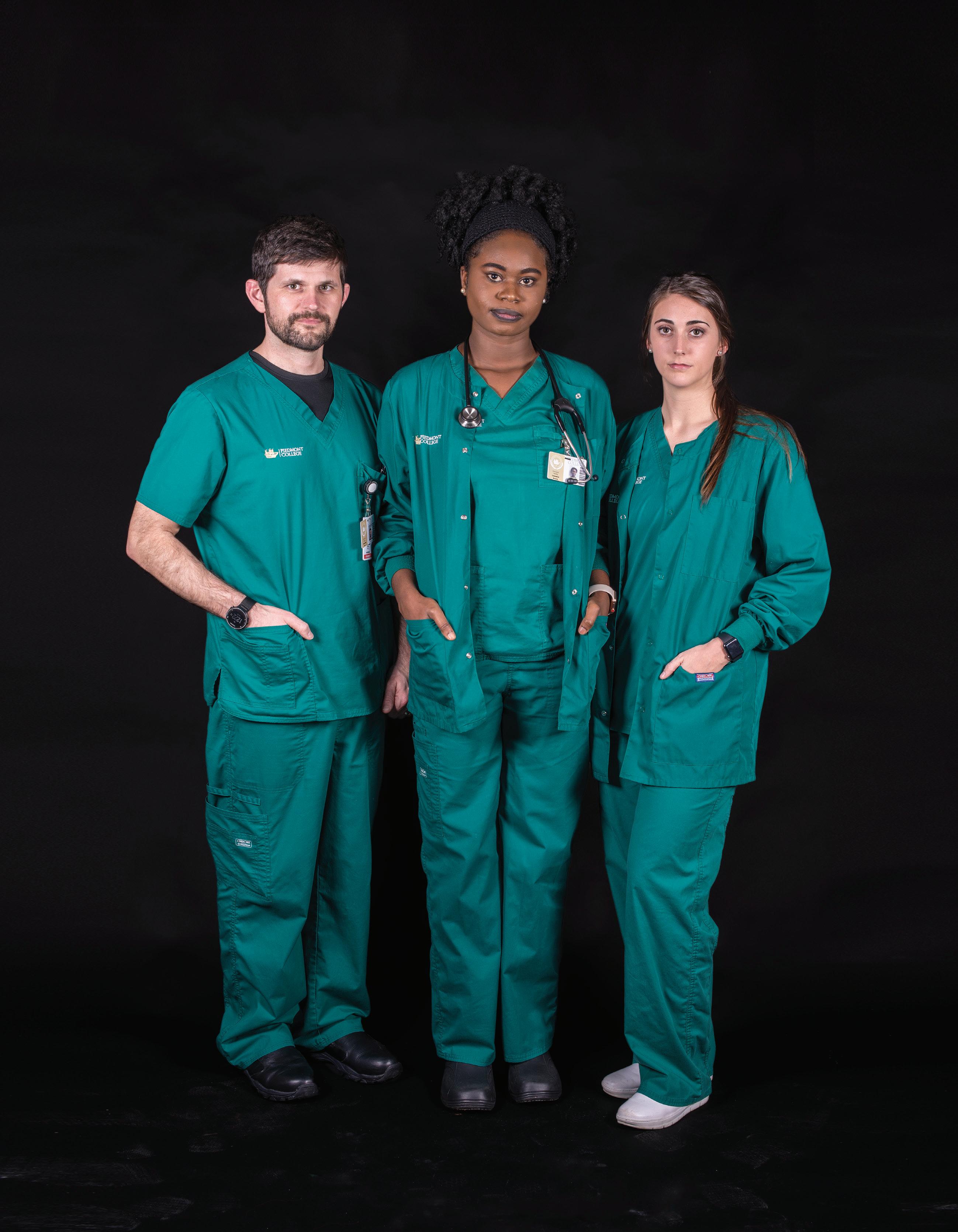
Turning Twenty Grit, hard work, and determination have made Nursing Program one of Georgia's best

Turning Twenty Grit, hard work, and determination have made Nursing Program one of Georgia's best
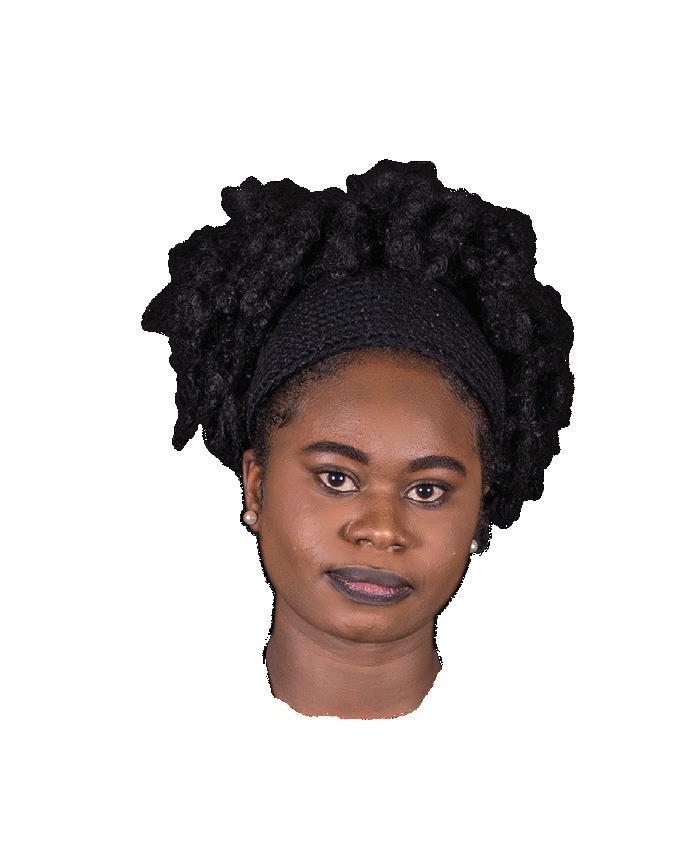
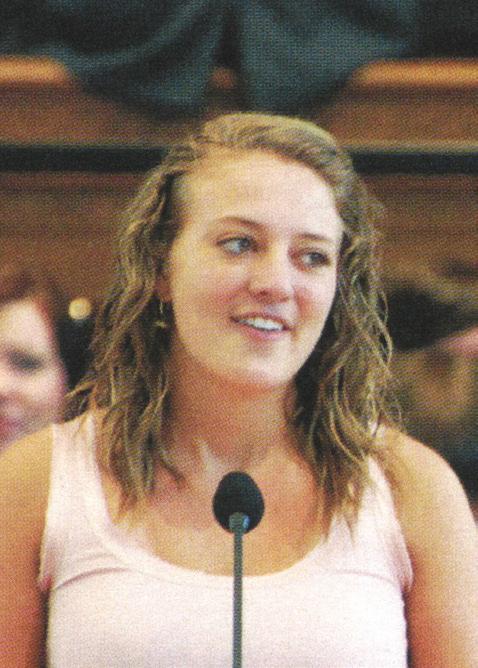
Your investment in Piedmont College opens doors to students like Anna. A political science major and aspiring lawyer, Anna's goal is to be the first member of her family to graduate from a four-year college. Your support enables Piedmont students like Anna to achieve remarkable success, both on campus now and in the communities they will serve in years to come.
Your donations help Piedmont offer:
• Career-focused education in a warm, caring environment
• Individualized attention with a student/faculty ratio of 10 to 1
• Financial aid to approximately 96% of our student body
• The opportunity for many first-generation students to earn their degrees

of any size, make a difference in the lives of our students.


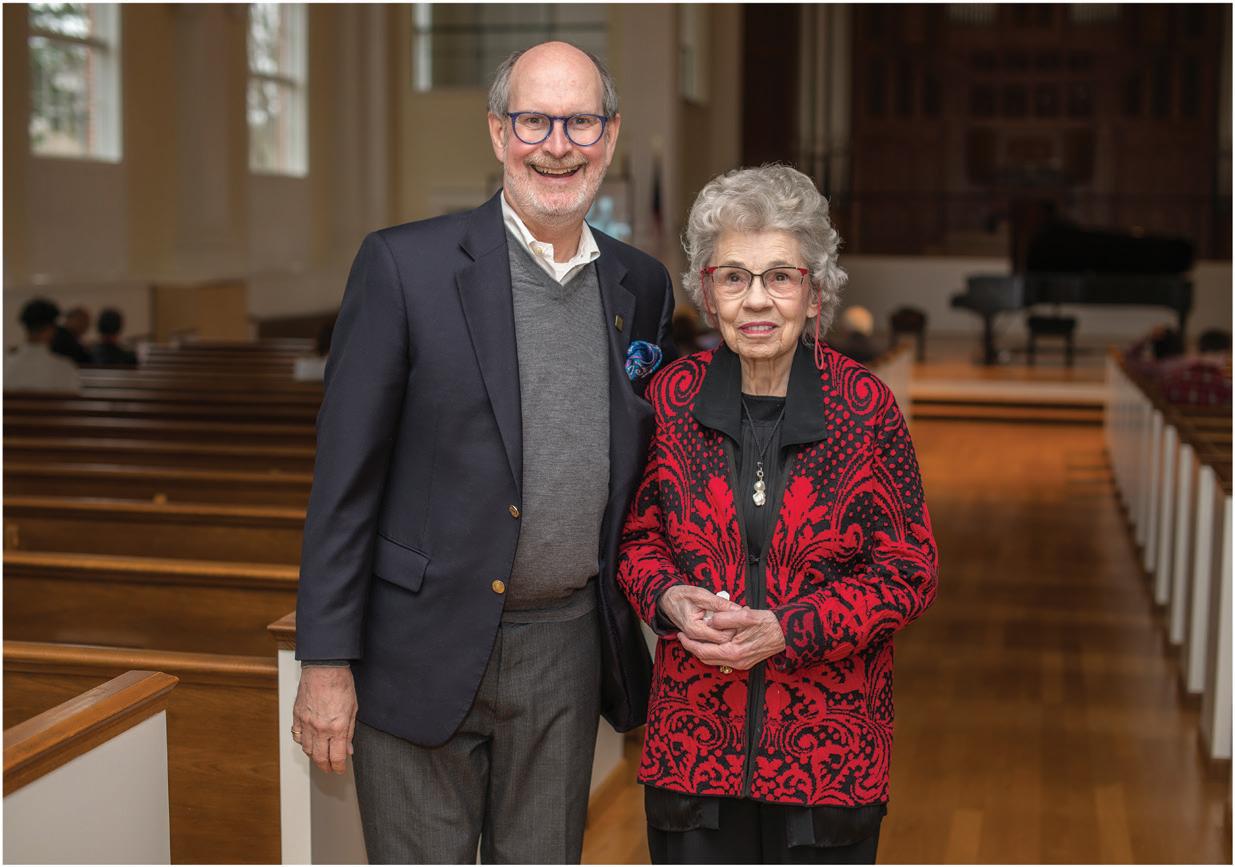
If we were fortunate, growing up, there were one or two adults in our lives, besides our parents, who helped guide us through the trials and tribulations of childhood and adolescence. Those adults could be family friends, teachers, neighbors or others. After losing both parents while relatively young, I know first-hand how important these relationships are.
These special people are not just important in our younger years, but as we mature into young adults, those that take a special interest in our well-being can be important role models and confidants, giving us professional as well as personal advice. Some call these special folks mentors. Whatever they are called, they provide inspiration, wisdom, and a listening ear.
W. Brad Johnson, PhD, a professor of psychology in the Department of Leadership, Ethics, and Law at the United States Naval Academy and a faculty associate in the Graduate School of Education at Johns Hopkins University says that every student should leave college with a “mentoring constellation;” a set of relationships formed over time to provide guidance and feedback at crucial moments and to encourage reflection. That statement describes exactly what we have been doing at Piedmont College since its inception in 1897.
In the pages ahead, you will find stories of how Piedmont faculty, staff, and fellow students have formed important, abiding relationships that have influenced their educational and personal growth as students and into their professional, adult lives. Our outstanding graduates become the teachers, nurses, business owners, parents, and friends who turn right around, and impact future generations as mentors and leaders.
Enjoy these stories about our engaged, curious and talented, problemsolving students who are preparing themselves to make a positive impact in the world.
To say that our story in the Fall issue about history professor Al Pleysier was crowdpleasing would be an understatement.
During a time when readers are bombarded with stories and messages, breaking through the clutter can be tough. But compelling stories can, on occasion, spring free from the gaggle. And this one – about a master story teller and professor and his impact on a father and son—did that.
Good stories matter. Going forward, we are making a commitment to tell more of them.
For the first time in recent memory, the piece generated letters to the editor. On Facebook, more than 2,300 people engaged with the story. For those unfamiliar with social media metrics, that means roughly 2,300 folks shared, liked, or commented on the story. Since launching the Piedmont Facebook page in 2011, only three posts have crested the 1,000
When I was at Piedmont, I ended up minoring in history, just as an excuse to take more of Dr. (Al) Pleysier’s classes, and to this day, I still have every note from each of his lectures. These notes are not stored away in a box, but actually sit on the bookshelf within my home.
Unlike several other notes I took in college, the lecture notes from Dr. Pleysier’s classes read like a story. From the start to end of every lecture that Dr. Pleysier conducted you were captivated. He did not just recap historical facts, but actually seemed to have a way to take you back to the time and place of the events he was describing.
He ignited my love for history and travel, and by far was one of the best professors I have ever had.
Tamara Budd Ward ’12
I came across the article; “A Call to Teach” and wanted to share my memories of Dr. Pleysier.
Dr. Pleysier was one of my favorite professors! I remember before taking his class, I was in a religion class next door and often found my notes would reflect what he was saying on the other side of the wall.
Dr. Pleysier was in command when he was teaching, and I really enjoyed how he put everything into a story. One thing is for sure, you would always enjoy his class whether you were physically in the class or in some cases sitting right outside the door. After taking his class, I understood why it was always full.
Aubrey Glencamp ’04
engagement level. Only our 2017 post on the solar eclipse (1,700) came close.
That’s a big deal.
And it underscores what we know. Good stories matter. Going forward, we are making a commitment to tell more of them. Many of our alumni, faculty, and others connected to the college are changing lives, reaching career summits, or perhaps, just doing something that is unique and interesting.
We want these stories to be reflected on these pages. So please, if you have a good Piedmont story share it with us at journal@ piedmont.edu. We also welcome your feedback on how we’re doing.
John Roberts Editor
We welcome letters on any topic covered in the Journal. They should be limited to 150 words, refer to a subject from the most recent issue, and include the writer’s name, city/state and class year/degree (if applicable). Your notes may be emailed to Journal@piedmont.edu Letters are published at the discretion of the editor and may be edited for length and clarity.
By John Roberts
Those strolling across the quad or checking out the Commons this spring probably noticed something different. Greek letters. Greek jerseys. And Greek posters.
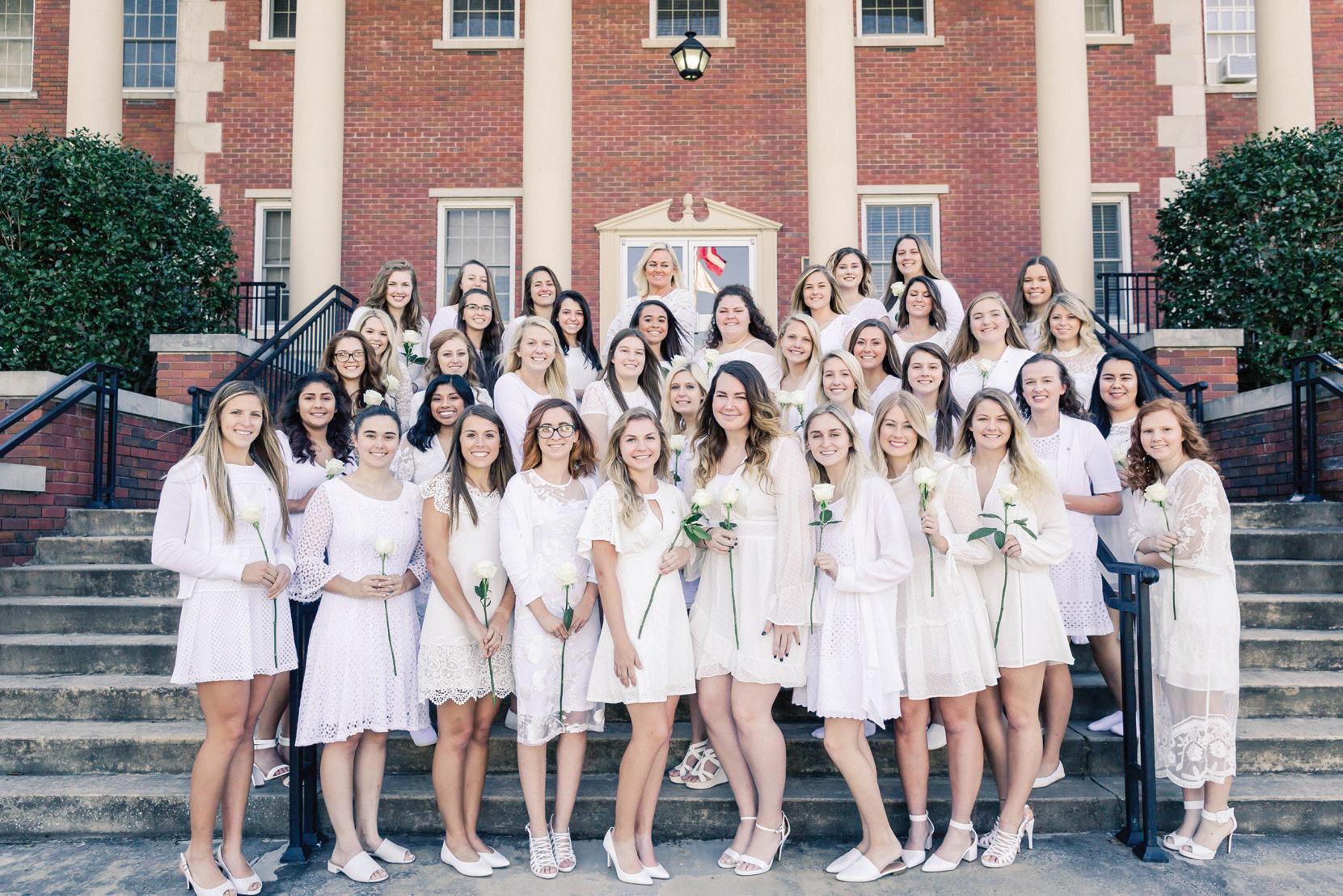
After three years of preparation and process, Piedmont College officially welcomed Greek Life to campus last fall as Zeta Tau Alpha (ZTA) and Alpha Sigma Phi (ΑΣΦ) accepted bids and hosted installation ceremonies.
While some Greek organizations have collected unflattering national headlines, Dr. Kim Crawford, Piedmont's Associate Dean of Student Life, says most are very positive. They raise money for charities, champion
volunteerism, and promote leadership and responsible behavior.
During a digital age when young people spend countless hours staring at screens, Greek Life gets students speaking – and engaging – with one another.
“Studies show that students who are involved in a Greek organization are more likely to persist in their education and make better grades,” says Crawford. “College can be hard, and it’s important that our students make a connection.
Fraternities and sororities offer students another venue to make friendships and develop leadership skills.”
The college began to explore the possibility of bringing a Greek organization to the Demorest campus three years ago after a group of students asked President James F. Mellichamp to consider adding Greek Life. The process took some time. Greek organizations are less enthusiastic about launching chapters at colleges and universities that have no existing programs. In 2017, representatives from ΑΣΦ, a men’s fraternity based in Carmel, Indiana, visited campus and
Studies show that students who are involved in a Greek organization are more likely to persist in their education and make better grades.
Kim Crawford, Associate Dean of Student Life
met with about thirty interested students. But the organization didn’t want to take a leap of faith unless a sorority also signed on.
The effort could have stalled there, but President Mellichamp was determined. A committee was formed. Faculty and staff who participated in Greek Life at their alma maters were encouraged to reach out to their fraternities and sororities to gauge interest.
Ultimately, it was a personal invitation from Mellichamp to ZTA that won the day. A delegation visited and a commitment was made. Alpha Sigma Phi followed.
Thirty-nine students were initiated into ZTA last October during a banquet in the Commons. One of them was Rowan Bumpass, a junior from Dallas, Texas who is also a member of the lacrosse team.
Curiosity led her to attend one of ZTA’s “cupcakes and consultants” recruiting events.
“I just wanted something that was different than lacrosse because that’s been with me all my life,” she says. “Piedmont is a small campus but there’s still a lot of people you don’t know. Getting involved with ZTA has broadened my horizons and helped me to make so many social connections.”
Rowan, who was elected president of the chapter, says working with ZTA officials to establish the chapter, taking part in webinars, and networking with professional women has
helped her hone her leadership skills.
Students weren’t the only ones inducted last fall, though. Crawford and Monika Schulte, associate professor of German, were also installed and are serving as mentors to the program.
Crawford did not join a Greek organization while an undergraduate at Reinhardt College because they were not offered. As the college’s liaison with ZTA, she was impressed with the organization’s core values and accepted an invitation to join the sisterhood. Schulte became connected with ZTA through her daughter, Morgen, a Piedmont senior who joined the sorority and is now a ZTA officer.
“Going through the initiation and installation process with my daughter was very special,” says Schulte. “I know ZTA will enhance student life at Piedmont. The group provides philanthropic support and promotes sisterhood.”
Crawford hopes to grow ZTA membership to 55 and boost interest in ΑΣΦ, which has eight members, before adding more Greek organizations.
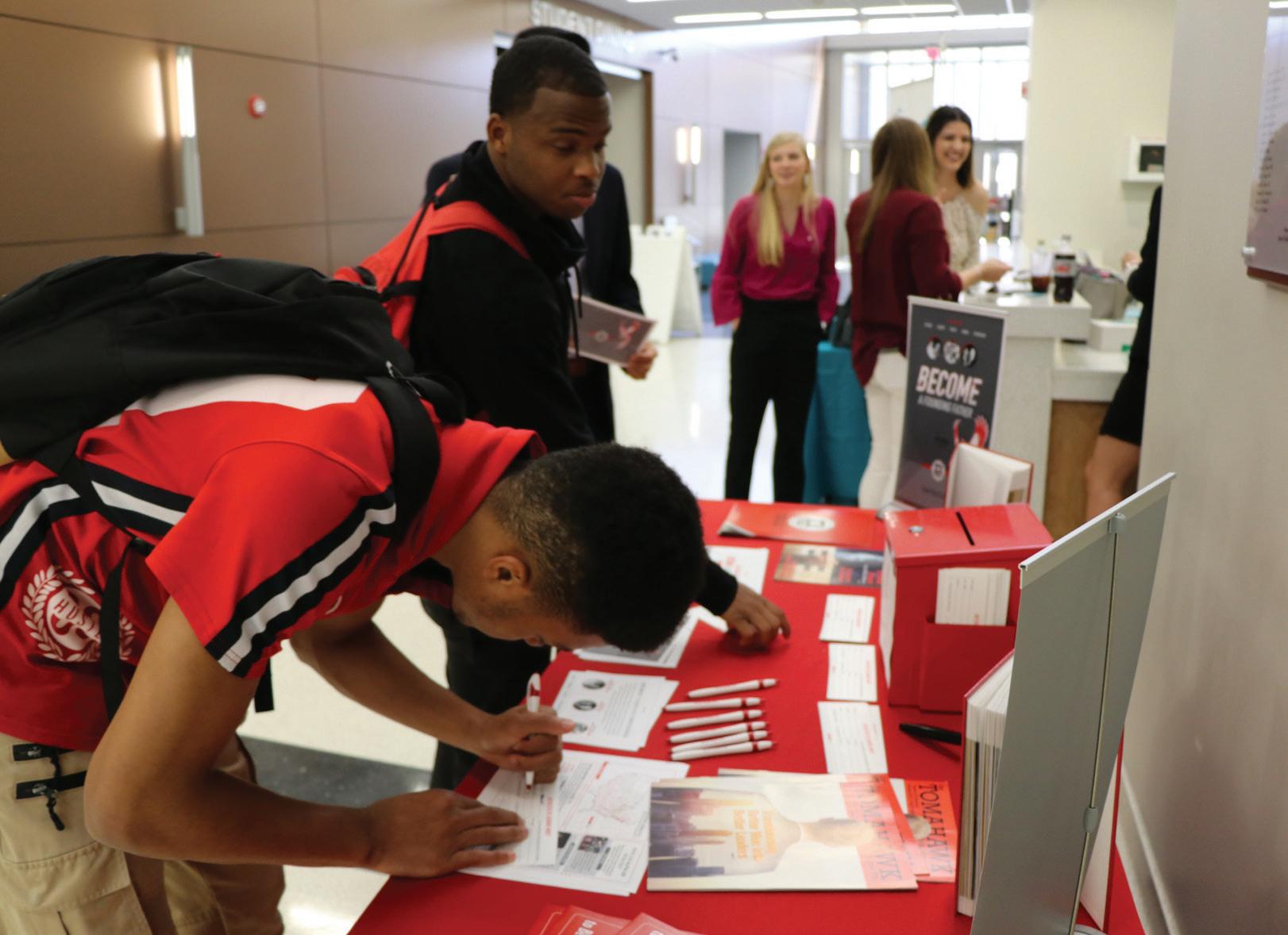
up a recruitment table in the Commons last spring.
By David Harrell
Perhaps it was providence. Or simply being in the right place at the right time. Leslie Dunham was taking a MARTA train to Georgia State University where she was pursuing—and close to completing—a Ph.D. in Neuroscience.
She happened to glance up and notice an advertisement for the Woodrow Wilson Teaching Fellowship Program, which provides financial support for experts in the fields of science, technology, engineering, and math (STEM) who are intrigued by the idea of sharing their expertise with local (primarily high school) students.
“It was an 'aha' moment,” she explains. “I loved my lab work but didn’t want to be
Our Woodrow Wilson Fellows have been outstanding, and their real-life application of content has been a tremendous resource to Lanier High School. The impact they have had on our culture is immeasurable, —Reuben
Gresham, Assistant Superintendent, Gwinnett County Schools
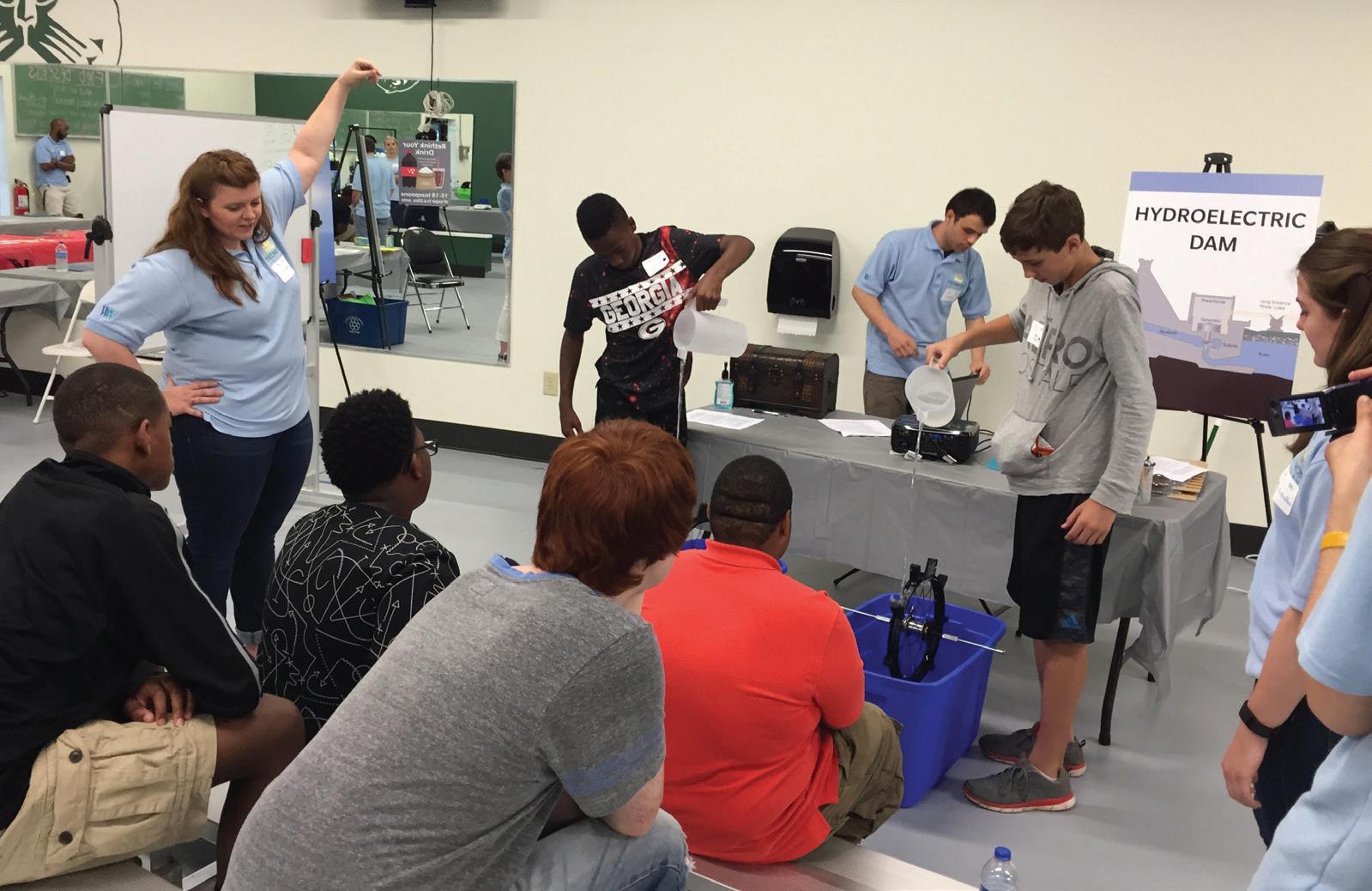
Woodrow Wilson Fellow Leslie Dunham works with campers at Piedmont’s first Summer STEM Camp in 2016.
confined to doing research forever. Plus, I was drawn to the notion of connecting with young people. So, why not at least look?”
In June 2015, two weeks after defending her dissertation and being awarded the Ph.D., Dunham was in a Piedmont College classroom as a member of our first cohort of Woodrow Wilson Teaching Fellows.
She is now on the faculty at Meadowcreek High School in Gwinnett County and one of 36 Piedmont fellowship
graduates earning rave reviews from administrators and fellow teachers for the tangible difference they are making in the education, quality, and collaborative spirit of their schools.
Piedmont College is one of only five Georgia institutions of higher education selected to receive the three-year Woodrow Wilson Georgia Teaching Fellowship grant to accept the challenge to develop a master’s level teacher preparation program aimed at increasing the supply of exceptional STEM
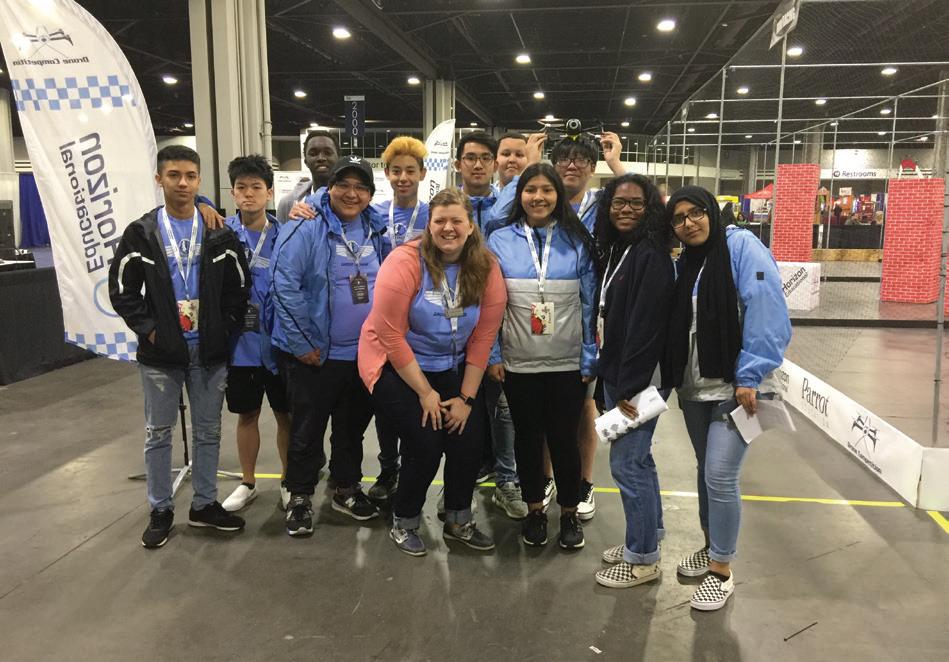
STEM students, all of whom attend Meadowcreek High School, participated in a drone competition at the 2018 National Science Teachers Association Conference last year in Atlanta.
teachers in the state and to develop innovative ways to teach subjects that can be challenging.
While we could dig into the creative way the highly experiential Piedmont program integrates content, pedagogy, and technology (and is considered a model by other institutions), the words of Jami Brownlee, third cohort participant, holder of a bachelor’s degree in physics, and current teacher at Johnson High School in Hall County, hit the nail squarely on the head.
“Our model is not your ‘come in, sit down, take notes, pass test’ traditional teaching approach. We are tour guides for our students. We encourage them to dive in, be hands-on. Have ideas. Try things. Get excited about discovery. Take an active, opposed to passive, part in their own educations. I sure wish my high school experience had been like that.”
“We have now prepared three cohorts of certified teachers,” says Dr. Lynn Rambo, associate professor of education, “and let me tell you, the feedback we are receiving from educational leaders around the state is beyond gratifying. We’re now working to use what we’ve learned from this unique model to inform other Piedmont teacher preparation programs.”
Here’s a good example: “Our Woodrow Wilson Fellows have been outstanding, and their real-life application of content has been a tremendous resource to Lanier High School. The impact they have had on our culture is immeasurable,” Dr. Reuben Gresham, former Principal of Lanier High School in Gwinnett County, now serving as an Assistant Superintendent said.
While Piedmont’s Woodrow Wilson Fellows see their job as “inspiring students to see themselves as scientists” we consider ours “inspiring scientists to see themselves as teachers.” The results show both jobs are well done!
A$1 million gift from Piedmont alumnus and former trustee Charles Sewell ’54 and his wife, Catherine, will be used to convert Nielsen Hall into a new home for the School of Education.
The school, the college’s largest single academic unit, includes almost 1,400 majors and is currently housed on the ground floor of the Arrendale Library. The estimated cost of the entire project, which includes a complete renovation of the building’s interior, is more than $2.5 million. With the Sewells’ gift the college has raised $1.5 million.
Built in 1972, Nielsen Hall once housed Piedmont’s dining hall and student activities center. The music department is currently located there but will relocate to the Music Conservatory when that facility is completed at the end of the fall semester 2019.
“Since our founding in 1897, Piedmont has been known for training teachers,” says President Mellichamp. “Our School of Education has the distinction of being the largest graduate program for teacher education in the state of Georgia. We are the secondhighest producer of new teachers annually among all colleges and universities, but unlike many other teacher programs, Education has not benefitted from having dedicated, purpose-built space. A signature academic program such as ours deserves a signature facility.”
Once completed, the building will be dedicated as the Charles and Catherine Sewell Center for Teaching to reflect the family’s gift. The Sewells, who live in Atlanta, provided the naming gift for the Sewell Organ nearly two decades ago. The 3,691-pipe organ is housed in the Chapel and was designed by Mellichamp.
In the coming months, Piedmont will launch a campaign to raise the balance of the funds needed to complete the project.
“In particular, we’ll be asking our education alumni to help us push this project over the finish line,” said Mellichamp. “We are looking forward to their launching this important fundraising effort and know that the gifts we receive from our education alumni will reflect their admiration for the Alma Mater.”
By John Roberts
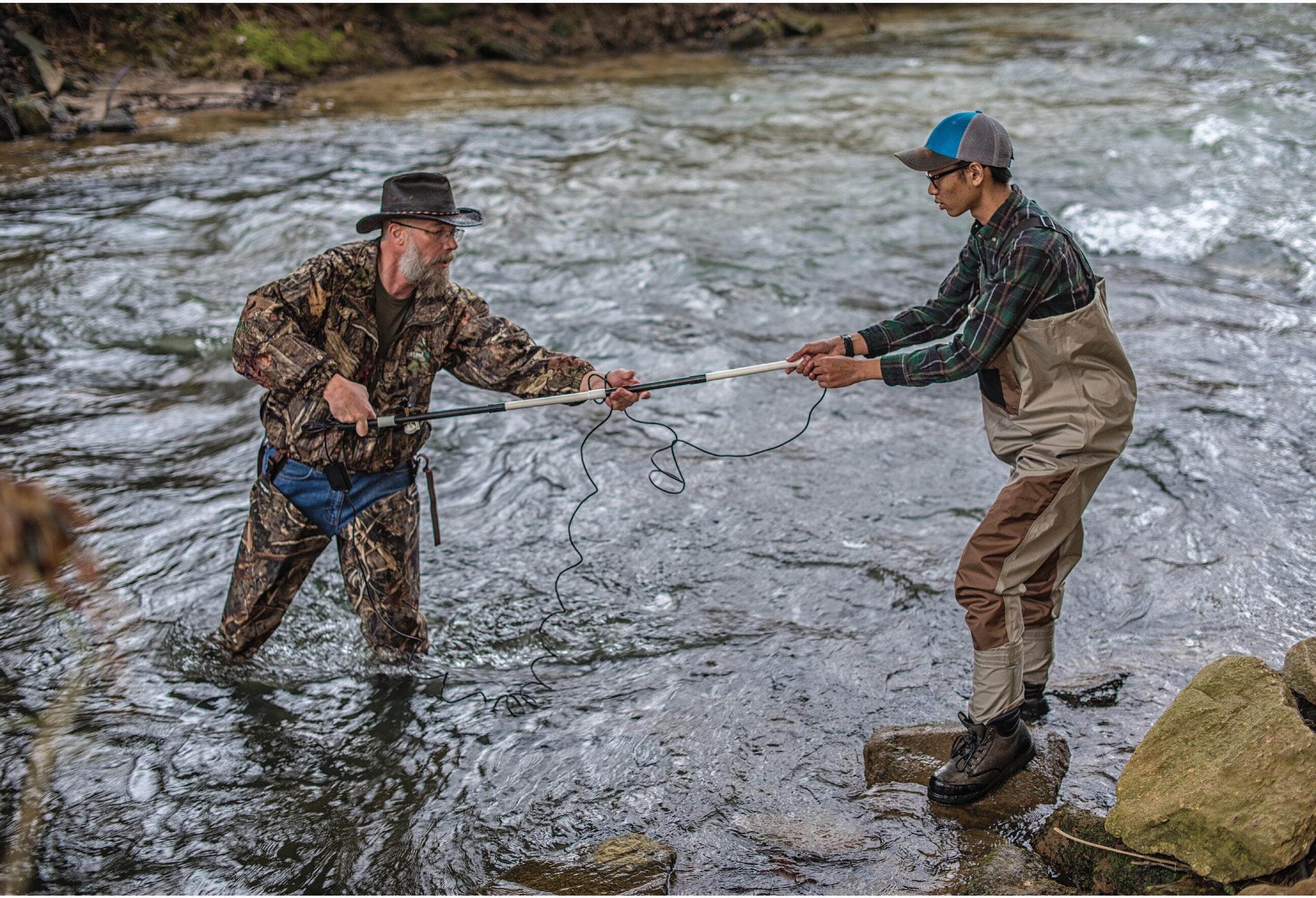
Six a.m. is an early rise for anyone. But for a 17-year-old, it is especially uncomfortable. Even so, on February 6, Souliya Chittarath, a senior at Habersham Central High School, was up before the sun. He put on a warm pair of jeans, a soft blue flannel shirt and grabbed his waders, rod, reel, and other fishing equipment.
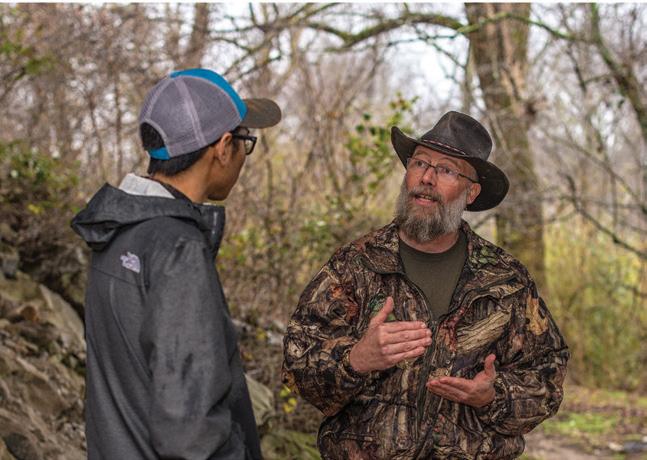
By 7 a.m. he was turning onto Georgia Highway 384 roughly 30 miles from an upper section of the Chattahoochee River near Helen. There he met his new friend, Bill Nye. Thin and angular, Nye had a greying beard that extended below his collarbone. Wearing a brown camouflage jacket and broad-brimmed hat, he looked every bit the outdoorsman he is.
It was a fish that brought the two together this morning. But this is not a normal fishing tale. And the Chattahoochee Red Eye Bass is no
ordinary fish. The species – identified by the orange-red pigment of its fins – was discovered in 2013. Souliya, who will attend Georgia Tech in the fall, and Nye, associate professor and director of the Innovation and Discovery Center at Piedmont, had partnered to map the habitat of the Red Eye Bass.
For the next five hours they roamed the riverbank, measuring oxygen levels, temperatures, velocity, and depth while managing to catch a few bass. Over the next two months, they will return to the river a dozen times to collect additional data.
In May, Souliya and Nye will present their findings to the Georgia Department of Natural Resources. Long-term they hope their work will be used to develop conservation techniques to protect the fish.
Souliya and Nye were paired through a partnership with
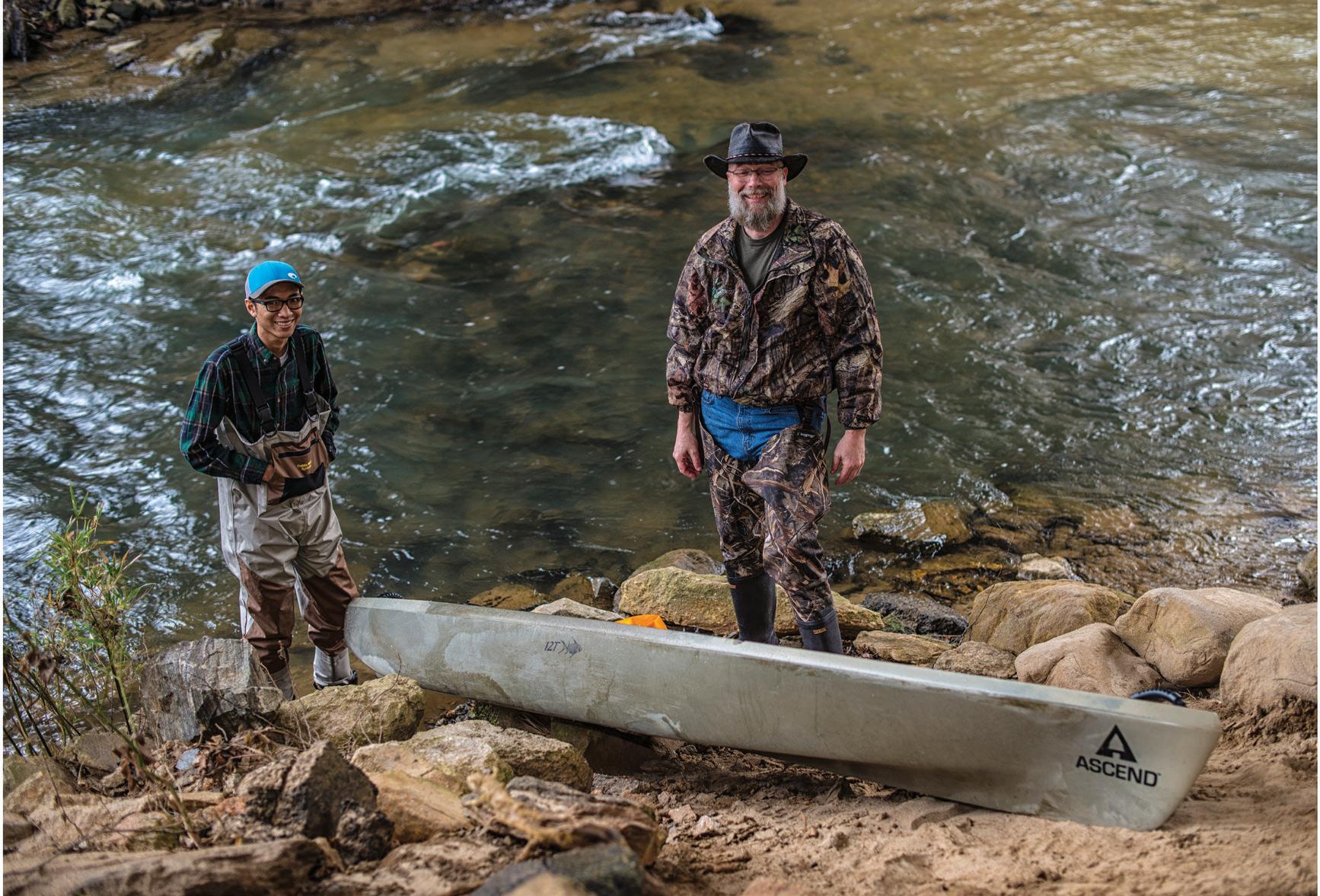
Nye is working with Souliya to publish their research in an academic journal. The high school student will also present his research findings to Piedmont students and faculty in April.
I’ve always known that I wanted to do this kind of research as a career. But I never thought that I would be involved with research at this level of intensity at my age. It has been amazing.
–Souiliya Chittarath, high school senior
Habersham County Schools that allows high school student researchers to tap into the resources of Piedmont College. Oftentimes, that means teenagers are provided access to the college’s library and are tutored by library staff about research techniques.
In select situations, Piedmont staff and faculty may mentor high school seniors through a research project.
The collaboration began when Dr. Martha Cantrell, the gifted program coordinator for Habersham County Schools and a member of the Piedmont College Board of Trustees, reached out to Piedmont President James F. Mellichamp as Habersham Central High School began to offer the AP Capstone Program. Mellichamp extended the support of the college to assist the high school students with their research. Each year, about 40 students at Habersham Central High School participate in the Advanced Placement (AP) Capstone Program, a program that equips students with independent research, teamwork, and communication skills.
Typically, students complete a group project and conduct joint research during their junior year. High school seniors take on an independent research program. Cantrell said, “While the AP program teaches
students to think critically and to work together, the partnership with Piedmont exposes them to college-level resources and academic rigor.”
“The partnership extends beyond providing our students access to scholarly articles,” she continued. “They have had contact with some professors and assistance from library staff. Piedmont has welcomed our students and has been a fantastic community partner.”
“It is transformative,” she concluded. “They gain confidence in their ability to communicate with people outside their peer group and age group. And they learn to value perspectives differing from their own.”
While his research is still evolving, Souliya hopes to work with Nye in the spring to have it published. More importantly, the project has affirmed his passion for scientific inquiry, research, and conservation.
“I’ve always known that I wanted to do this kind of research as a career,” he said. “But I never thought that I would be involved with research at this level of intensity at my age. It has been amazing.”

By John Roberts
Advocate, administrator, dogged detective
leadership
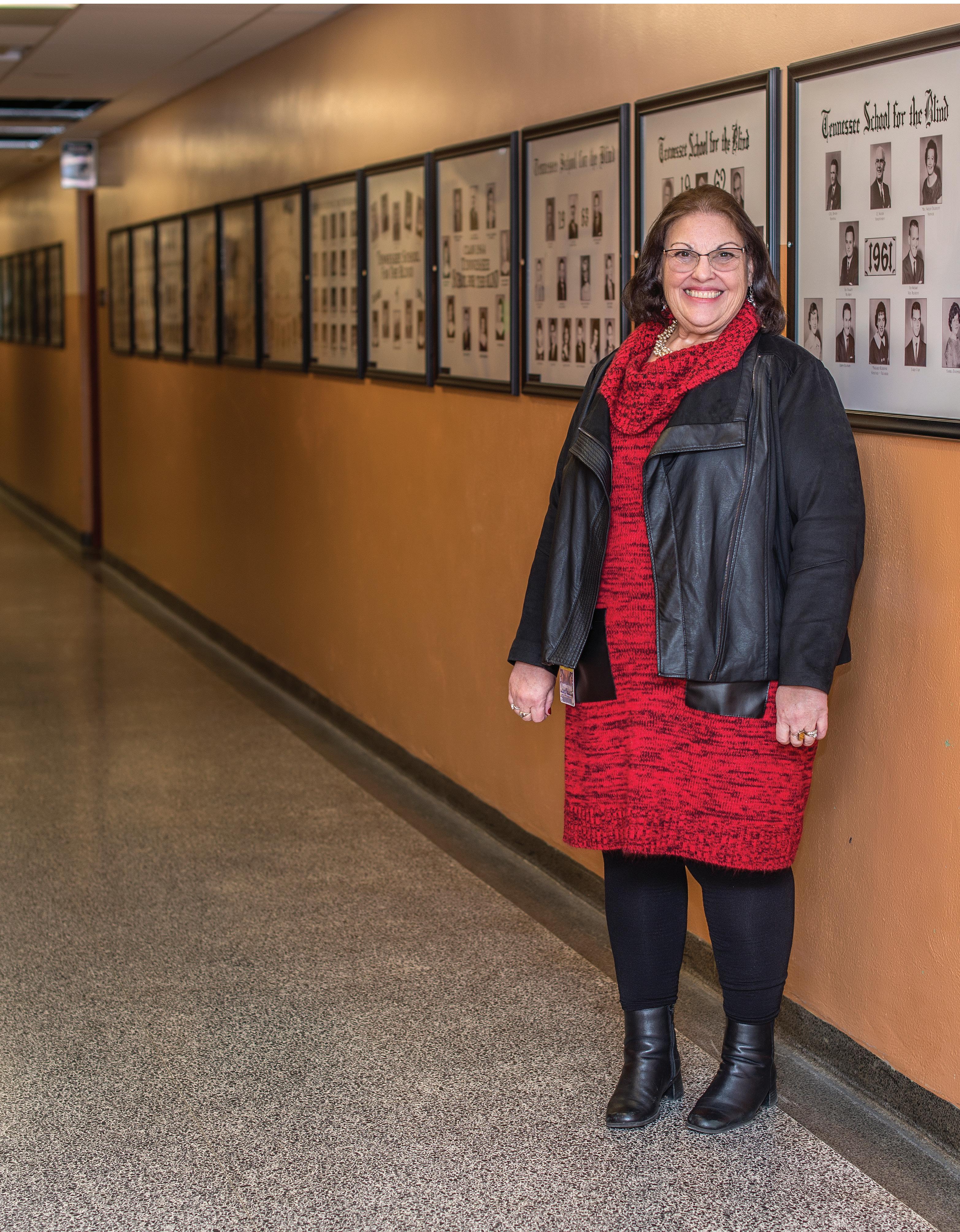
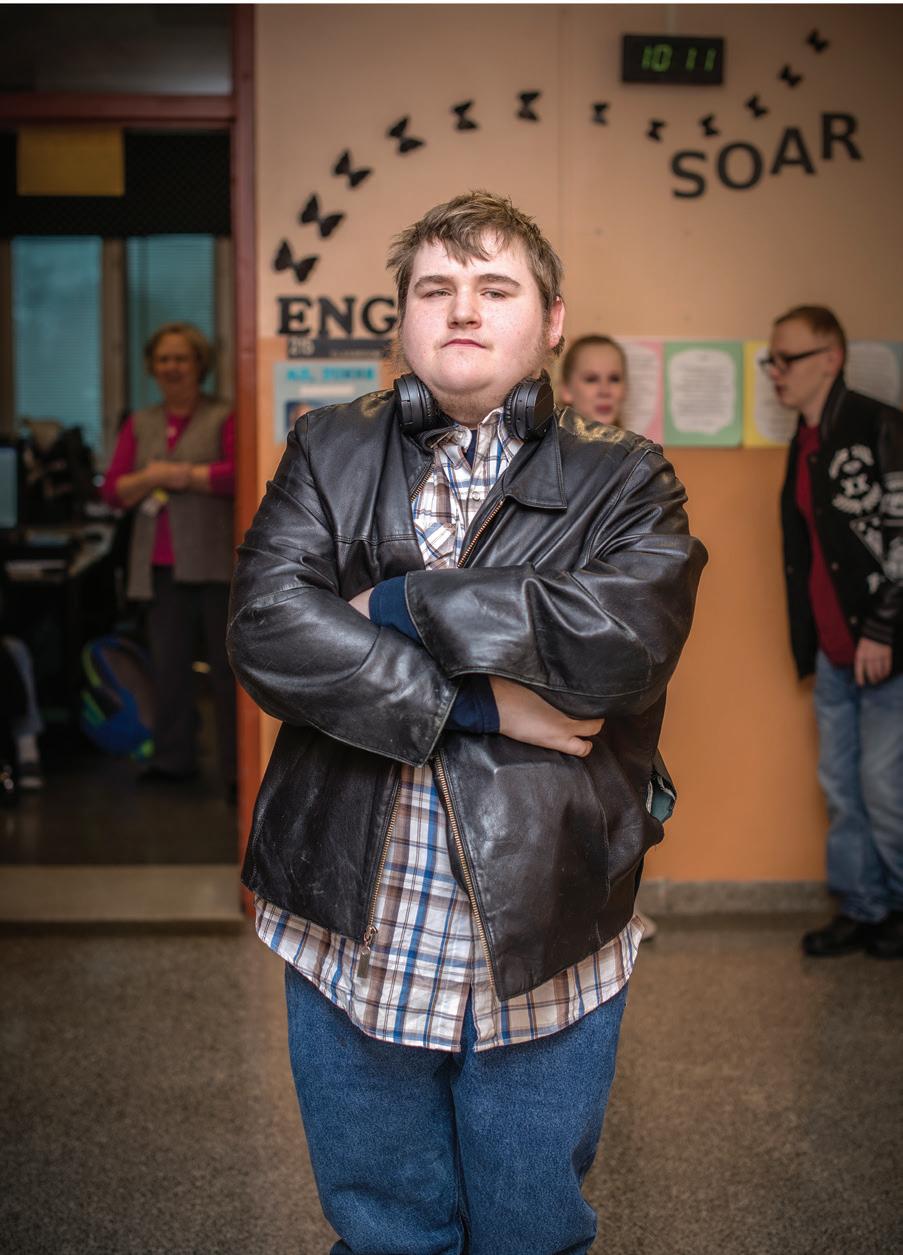
There are roughly 2,500 blind students living in Georgia and Tennessee. Of these, only a fraction has heard of Dr. Kathy Segers '82
But no one, according to advocates and educators, has had a greater impact on the lives of visually impaired students in this pair of states than Segers. During a career that has spanned 35 years, the Habersham County native has served as a teacher, principal, administrator, and superintendent at institutions that educate and serve the visually impaired.
Like a large rock cast into a small pond, the ripples of her labor, tireless work ethic, and unrelenting, obsessive pursuit of order have touched the lives of the visually impaired from the Mississippi to the Savannah Rivers.
streamlined the process and saved millions of tax dollars.
Now, she’s duplicating the same feat for the State of Tennessee.
Just a few yards from Segars' office on the sprawling campus of the Tennessee School for the Blind is the site for a new two-story, 20,000-square-foot resource center. When completed next summer the building will house thousands of braille books and other learning materials for the visually impaired. If an order is placed for a blind student, Segers vows
executive director for operations for the Tennessee Department of Education. “Now the number of requests we are getting has exploded. Her work is truly having a statewide impact.”
Colleagues and friends describe Segers as a restless servant leader who never became too big to do the small things. A native of Demorest, she blew through her time at Piedmont in just two years, graduating in 1982 (summa cum laude) with a BA in Education.

To understand, imagine that you are a young, blind student. Outside of the words from a teacher or computer, braille is your only path to learning. It fills a dark world with the light of imagination and possibilities.

Braille books, workbooks, and learning manuals, though, are a rare find. Many are produced individually at great cost and labor. Translating a 200-page book from print to braille can take four days. Precious few reading materials are mass produced. The ones that are comprise bulky volumes and are very expensive. A braille version of a Harry Potter book costs around $500 on Amazon, compared to $35 for the printed version. Think about this: A braille copy of the Bible can consume five feet of shelf space.
For decades, the Georgia Department of Education had no accurate inventory of its braille books and other learning material for the blind. Many were lost. And it took a dogged detective to track down others.
In 1998, Segers helped launch the Georgia Instructional Material Center, a state-operated repository that was developed to procure, house, and ship all the braille and large-print materials for the state’s 181 school districts. By all accounts her work brought order to a chaotic system. It put more learning materials into the hands of the visually impaired. And it took less time to get there. Along the way, she modernized and
the book will be shipped the next business day. Since assuming control of the center a year ago, Segers has recycled outdated materials, bar-coded inventory, improved efficiencies, and laid the groundwork for the building transition.
“It was not a resource that our educators were aware of before,” says Eric Williams,
Segers, who also completed several music courses at the college, worked as a music teacher for six different elementary schools in Habersham County – Cornelia, Baldwin, Hazelgrove, Woodville, Demorest, and Fairview – in the 80s where she developed a niche for helping students with learning disabilities.
“Everybody learns differently, particularly students with disabilities,” she says. “Finding that thing that can turn on the light bulb can be a puzzle. And I fell in love with that process.”
As a teacher of visually impaired students, Segars experienced the bureaucratic nightmare of getting a braille book. It took weeks, sometimes months. When a Georgia school teacher needed a braille workbook, they logged it with the state, and an official there often ordered the book through a vendor, had it shipped to the school, and catalogued the purchase and location. Over the years, the schools loaned the books to others, discarded them or lost track of them altogether without notifying the state. The result: education officials had no accurate inventory. And tracking down an item was cumbersome and time-consuming.
The new Georgia Instructional Materials Center would change that by serving as a repository and shipping house for all state-owned educational materials for the visually impaired.
“The first thing I did was send a statewide letter and asked everyone to send me all of their material. You would not believe all that came in, stuff from the 1930s and 40s,” she says. “We purged some, kept the good, and


She just knows vision, and she had a great reputation with all the stakeholders. She was a team player who had already accomplished so much before she came here.
–Kelly Benton, Director of Federal Programs
catalogued it all.”
That was the start. Efficiencies continued to improve. A new cataloguing software helped, and soon the center was humming and became a model for others.
Outside of the center, Segers led an effort to teach newly adopted braille code to select prisoners. Transcribing a textbook into braille was expensive. Prisoners could do it for very little, while learning a marketable skill and saving the state hundreds of thousands of dollars each year.
In 2014, Segers took a step back from her job to care for her aging mother and retired soon after when she attained 30 years of service, the state’s mandatory retirement age for employees. She and her husband, Mark, moved back to Habersham County. And they visited the Outer Banks of North Carolina and the Shenandoah Valley before the call from the Tennessee School for the Blind. They needed a principal.
A second state and a second career Segers had too much energy to retire, and the new position meant a return to the classroom.
More than 80 percent of Tennessee’s visually impaired students are taught in their home districts. Those who need extra attention, or face a unique situation, are referred to the School for the Blind, which houses and educates about 130. Others are at the school because their rural school districts lack the resources to care for and educate visually impaired students.
Originally constructed in the 1950s, the school works with children from five to 18. All are taught on the Perkins Brailler, a typewriter with six keys and two side knobs that was first introduced in 1951. There are varying degrees of blindness, so some students roam the halls like a typical sighted student. Others make their way with the help of a guide or tapping stick. Subtle differences in the building that go unnoticed to the untrained eye are critical to helping the
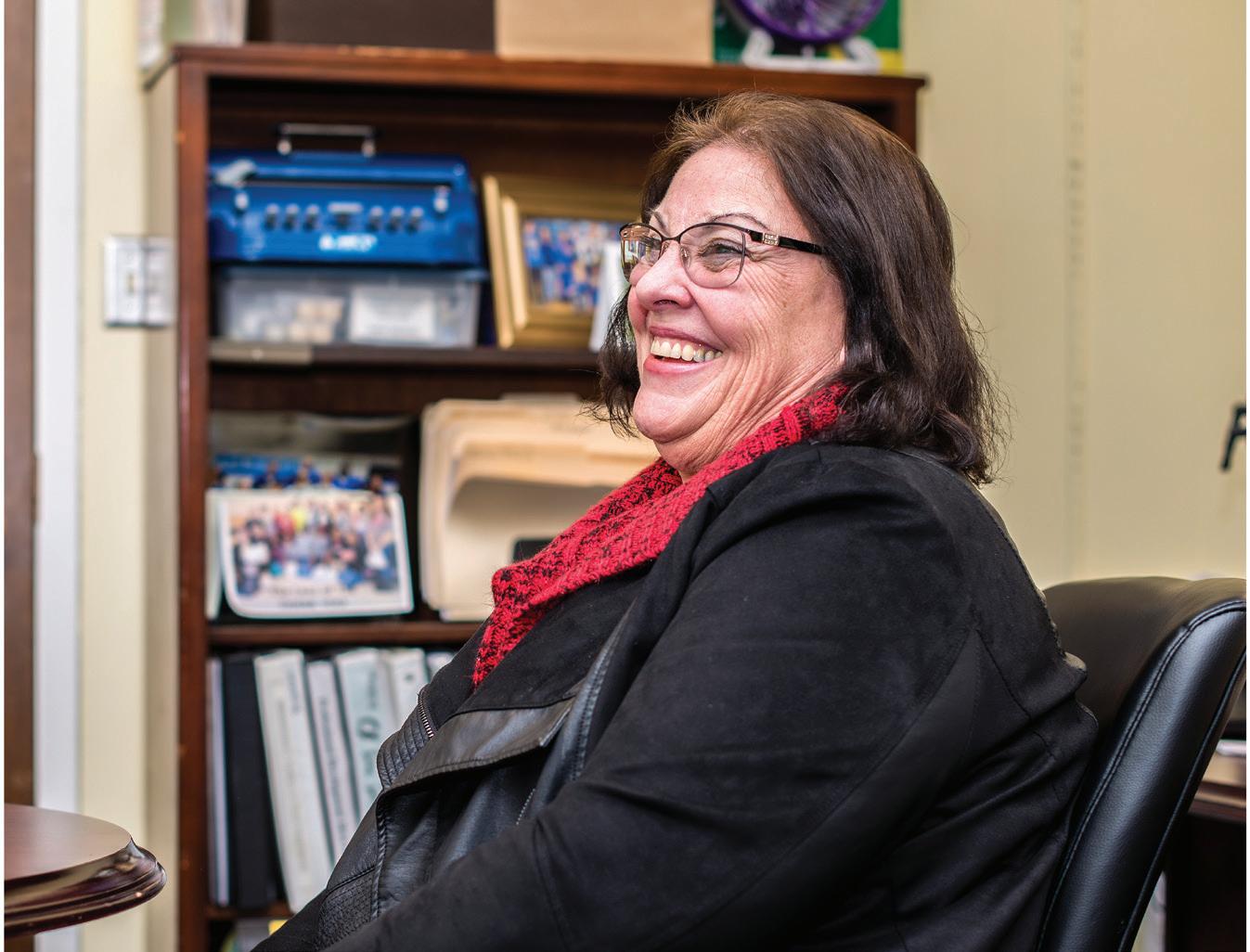
visually impaired. The ceilings are high, allowing sound to reverberate. Hallway floors and outside sidewalks have different textures that can be detected by students with tap sticks. Students know that the soft floor tile in the hallway makes a different noise than the hard-ceramic tile near the exits.
The educational experience at the School for the Blind is intensely individualized. Teachers work with tiny clusters of students, and some learning occurs one-on-one. For Segers, who is identified by students by her jangling jewelry, the role of principal helped her rediscover the joy of being on the front lines of learning.
Beyond the classroom, though, her early years as an administrator were tumultuous. After decades of steady leadership, the institution endured two successive superintendents that did not last long. As commissioners began the search for a permanent superintendent, they needed a bridge, someone who understood the blind culture and had the respect of the existing staff.
For Segers, that meant a step up to interim superintendent.

When David Martin was named superintendent in June 2017, many assumed Segers would return to her post as principal. But she had different plans. Throughout her period as interim, Segers had mentored a colleague (Tonja Dandy) who was primed for that position. And Segers knew the school’s resource center needed help.
So, nearly three decades to the date, Segers is again leading and modernizing a resource center. Only this one is in a different state. On the side, she’s even working with the state’s prison system to teach braille to Tennessee inmates. The irony is not lost on her.
“It’s kind of interesting, isn’t it?”
But she knows, the resource center is where she belongs. The job satisfies her need for order, organization, and efficiency. It’s also a
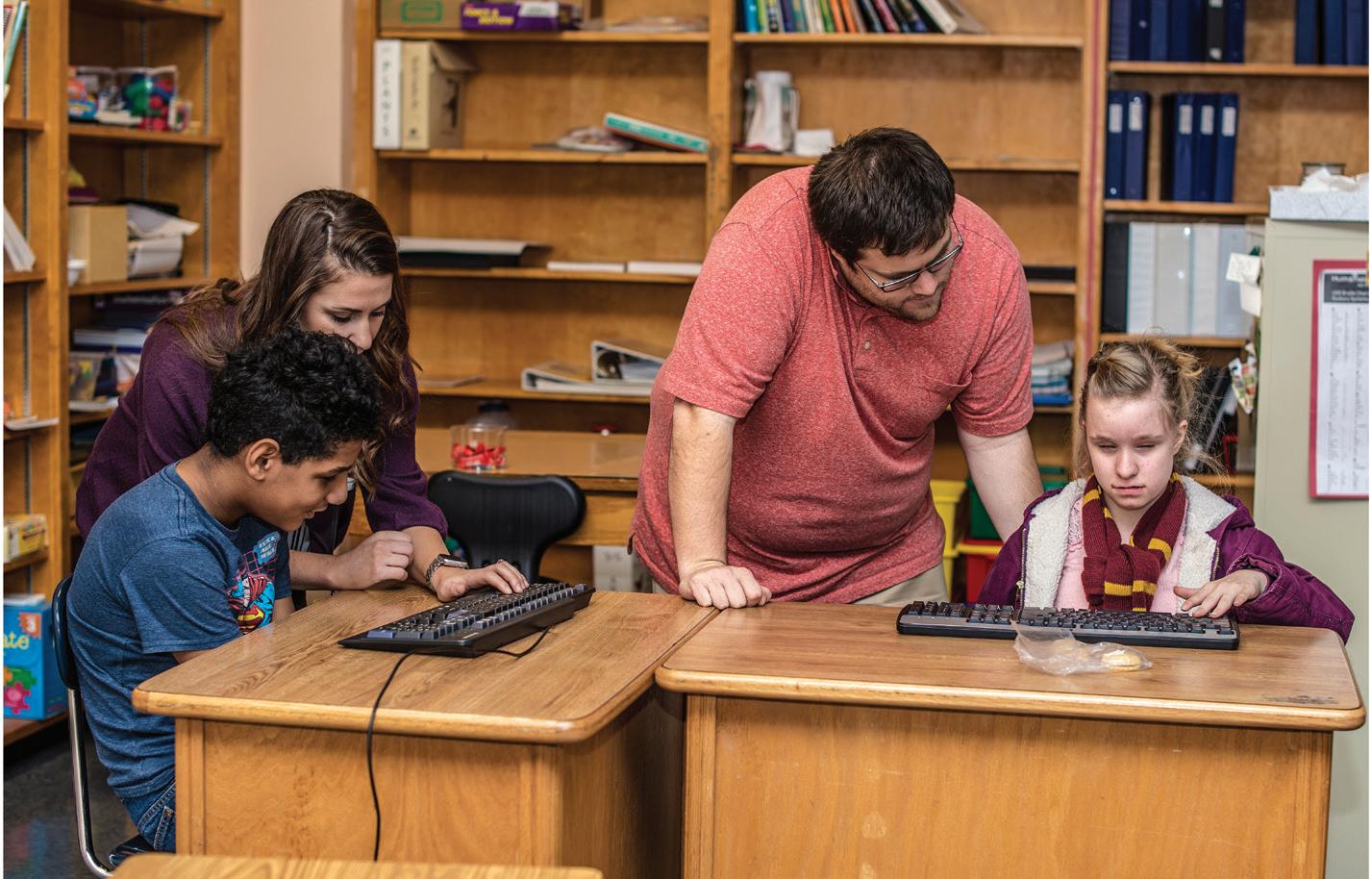
Kelly Benton, Director of Federal Programs at the school, said Segers had instant credibility and respect. And she had a reputation for being fair, collaborative, and gracious.
“She just knows vision, and she had a great reputation with all the stakeholders,” says Benton. “She was a team player who had already accomplished so much before she came here.”
place where she can do the greatest good.
“When you put braille into the hands of students who need it, you open up a new opportunity for them. You open a door for them to learn just like any other child. No amount of auditory will give you what a braille book can,” she says. “With braille you can transform lives.”
By Ron Wagner
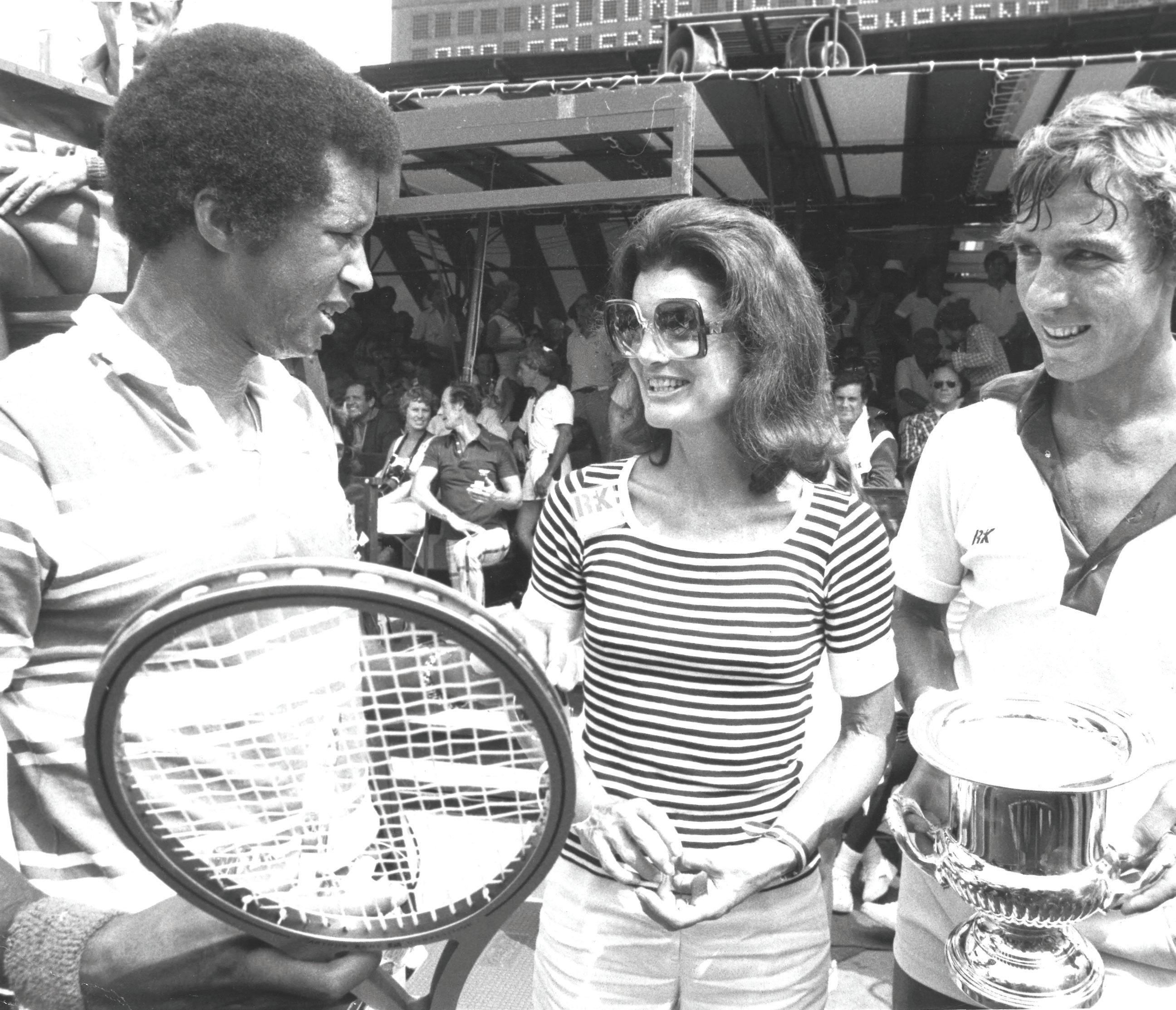
When he posted the job, nowhere under qualifications for men’s tennis coach did Piedmont athletic director Jim Peeples include “must have defeated at least one player ranked No. 1 in the world.”
But he’ll take it.
“I grew up in the ’70s and the ’80s, and I loved watching tennis. So, I knew of Dick Stockton,” Peeples says. “That was to me one of the greatest times for American tennis, with Jimmy Connors and John McEnroe and the guys that he played with. When I got the resumé and his application material, I thought ‘can this be the same Dick Stockton? Is he really applying for our tennis job?’ I knew the name immediately.”
He really was, and as of last summer Dick Stockton, once one of the finest tennis players on earth, has been in charge of the Lions’ program. He admits he’d never heard of Piedmont but was attracted to coaching at the NCAA Division III level.
“It’s less stressful. The kids are more in tune with why they’re really here, which is to get an education,” he says. “The fact that they happen to be student-athletes is just a little bit of a bonus. I’ve seen it from both sides, and I think DIII is really a great thing.”
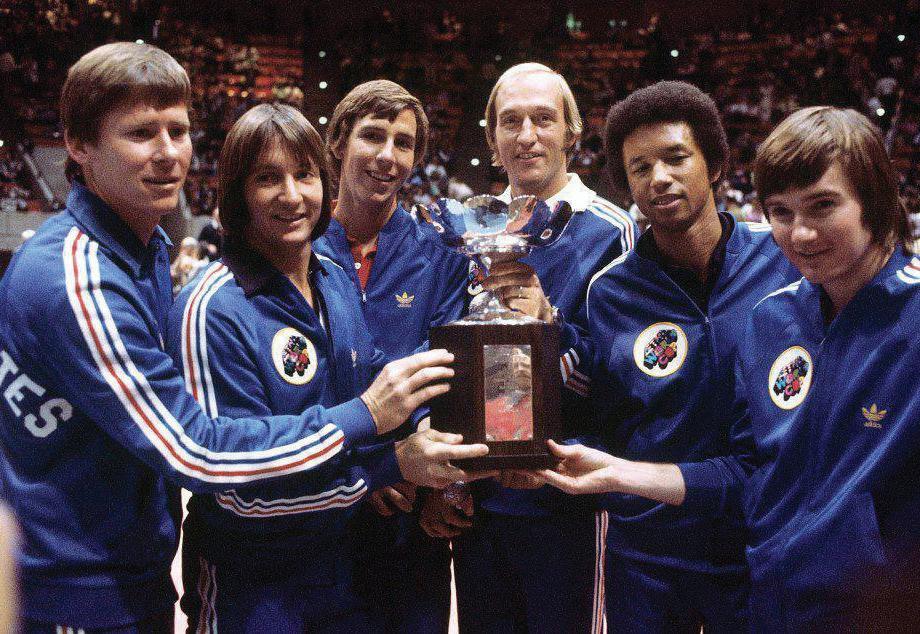
Stockton, born in New York City, was a four-time All-American at Trinity University in Texas, which at the time competed at the NCAA Division I level. He led Trinity to its only DI national title, in 1972, and won the NCAA singles championship the same year before embarking on a long and very successful professional career.
Stockton climbed to as high as No. 8 in the world rankings (on Nov. 1, 1977) and advanced to the semifinals of two major tournaments: Wimbledon in 1974 and the French Open in 1978. He also reached the quarterfinals of the U.S. Open in 1976 and 1977 and won a total of eight tournaments to go with 10 runner-up finishes.
Along the way, he defeated legends like McEnroe, Arthur Ashe, Bjorn Borg, Connors, and Rod Laver.
Knocking off Connors in five sets in the finals of the 1977 U.S. Pro Indoor Championships when Connors was No. 1 in the world ranks as Stockton’s top individual highlight, though beating Laver the same year at Wimbledon is a
It's less stressful. The kids are more in tune with why they're really here, which is to get an education.
–Dick
Stockton, Piedmont Tennis Coach speaking on NCAA Division III
close second.
“It was the only time I was able to get the better of Mr. Laver, arguably the greatest player who ever played the game,” Stockton remembers.
When asked to name the highlight of his entire playing career, however, team accomplishments rise to the top of the list. Stockton represented the United States on five Davis Cup teams, including the 1979 championship squad, and he says nothing as a pro ever matched capturing the NCAA championship at Trinity. Since retiring in 1986, Stockton has remained involved with tennis in a variety of ways, including working as the Director of Tennis for the Delray Beach Tennis Center and serving as founder, president, and executive director of Blue Sky Foundation Inc., which brings free tennis clinics to military bases. He hadn’t coached since leading the
University of Virginia men’s team from 19982001 and being a part of that dynamic again was the biggest reason he was willing to leave his wife, Liz, and the warm weather of his home in West Palm Beach, Florida, for part of the year.
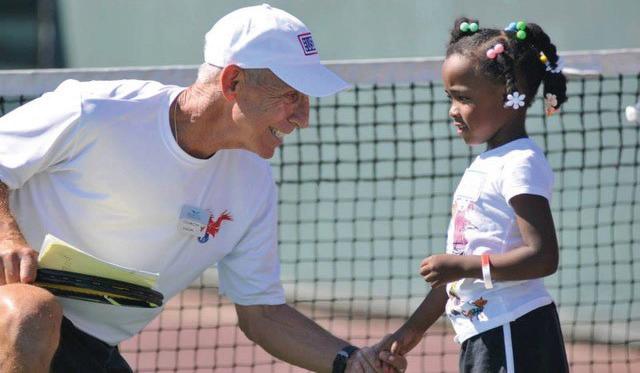
“I’m living in a one-bedroom bachelor pad, which is actually quite nice,” Stockton says with a chuckle. “I think I can help people, and I enjoy helping them. I enjoy being around kids. It makes me feel young. I’m almost 70 years old, but I don’t feel 70. I’m fitter than I’ve ever been, and I’m hanging around young kids. So that’s good for me too.”
These young kids, he notes, can hit a tennis ball harder than he ever could.
Technology and strength training have relegated the rallying and shot placement that defined the ‘70s and ‘80s to near extinction in favor of maximum-velocity winner hunting on every swing, but Stockton is convinced that only makes it more valuable for Lions players to learn how he played.
“Today’s young players don’t really understand how to play the game, how you can be successful without just trying to knock the cover off the ball every time you hit it. I say that to them all the time, a good pitcher is not a thrower, but it’s a guy who can hit spots and change speeds,” Stockton, whose stepson pitched at Lehigh and whose son was a hurler at Jacksonville, says. “And it’s the same in tennis. I just tell people it’s not how hard you hit a tennis ball; it’s where you hit a tennis ball … Think about hitting one more ball on the court, before you go for that ridiculous winner
you’re trying to hit. Statistics tell us all if you hit five balls in a row on court you’re probably going to win the point, because the other guy’s not going to do that. He’s going to lose his patience.”
Stockton impressed Peeples with his vision for the program.
“He talked about really wanting to grow tennis in America, and his commitment to recruit American players,” Peeples says. “His
passion to want to give back to the game –that was very clear when we had that first conversation.”
Stockton is also serving as an assistant to women’s tennis coach Trey Martin.
“How can we go about bringing in the level of player who can win a conference championship and do it in a way that fits our philosophy and our culture here at Piedmont? I think Dick Stockton is going to give us an edge
that way,” Peeples says. “I’m really excited with the way things are going. The applications from the men’s and women’s programs are way up.”

By John Roberts
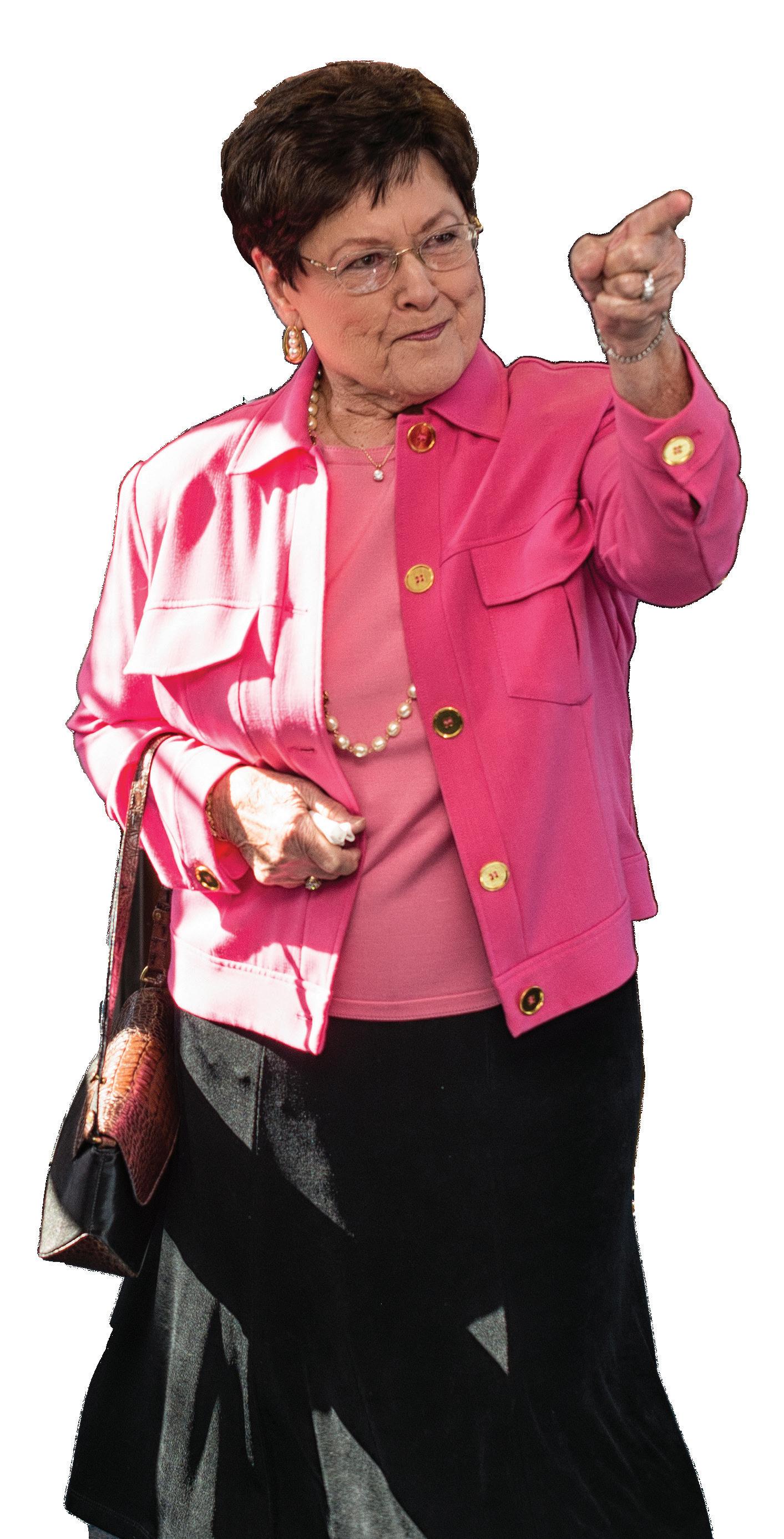
It’s been about two decades since Dr. Frances Brown first stepped onto Piedmont’s campus.
Back then, she had a herculean job: start a nursing program. In her mind was an endless checklist: program accreditation, student recruitment, developing curriculum, hiring faculty, and a feasibility study among many others.
But Brown, then 64, was uniquely equipped for success. She had recently retired as the Dean of the College of Nursing at Valdosta State University, which had 425 students and 25 faculty.
Meeting her that day was Dr. W. Ray Cleere, who had been President at Piedmont less than two years.
The two were old friends. Both moved up through the academic ranks at Valdosta. When Cleere left the university in 1982, he was the school’s chief academic officer. Brown served as a professor, assistant dean, and dean at Valdosta for 19 years.
At the time, Piedmont had an enrollment of less than 900. And the new president’s top initiative was to attract more students.
He knew Brown had retired from the state of Georgia but wasn’t quite ready to settle down to a life of full-time leisure, travel, and spending time with family. He also knew that she liked a challenge.
And it was the appeal of “starting something from scratch” that drew Brown to Northeast Georgia.
“I told him that I would come in and get the program implemented, graduate one class, and then turn it over to someone else,” says Brown, now 85. “Well, I went back on my word. I stayed until the second class graduated.”
The new program set up shop in the attic of Daniel Hall. Brown hired
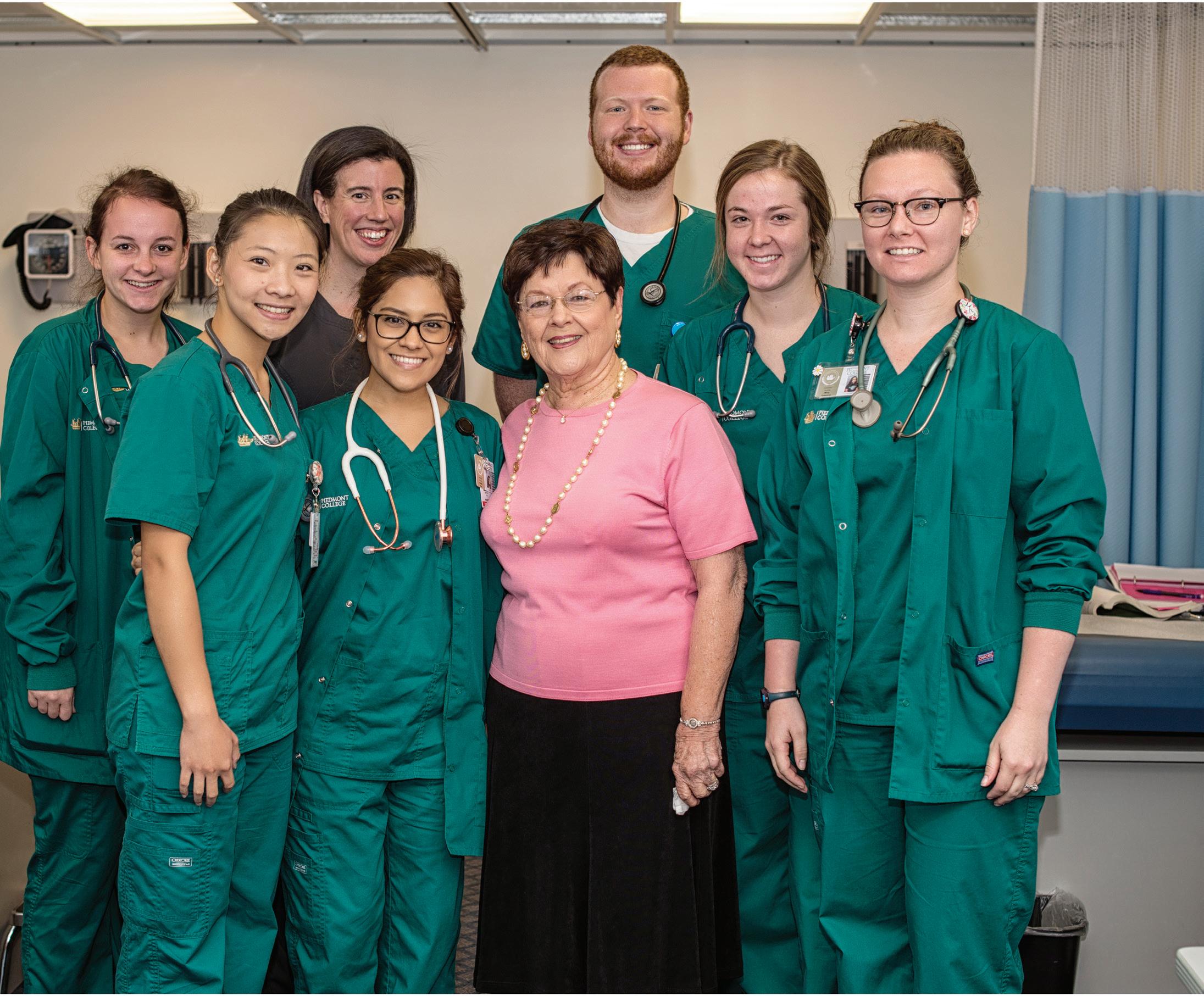
Frances Brown, founding dean of the school of nursing, willed the program to early success. It was to be a crowning achievement to a career that spanned nearly three decades.
faculty that she had worked with at Valdosta and set about developing the curriculum.
More importantly, she and the nursing faculty developed the founding philosophy for the program. It would be committed to academic rigor, patient care, and compassion. Fifteen students enrolled in that first class.
Only seven graduated. But those that did passed the National Council Licensure Examination (NCLEX) on their first attempt. That philosophy thrives today and has been the cornerstone of the nursing program’s remarkable success.
There are about 60 nursing programs in Georgia. Each is evaluated on how many of its graduates pass the NCLEX.
Nationally, the pass rate average is 84.49 percent.
Last year, Piedmont’s pass rate was 96.55 percent. This places Piedmont in the top five of all programs in the state.
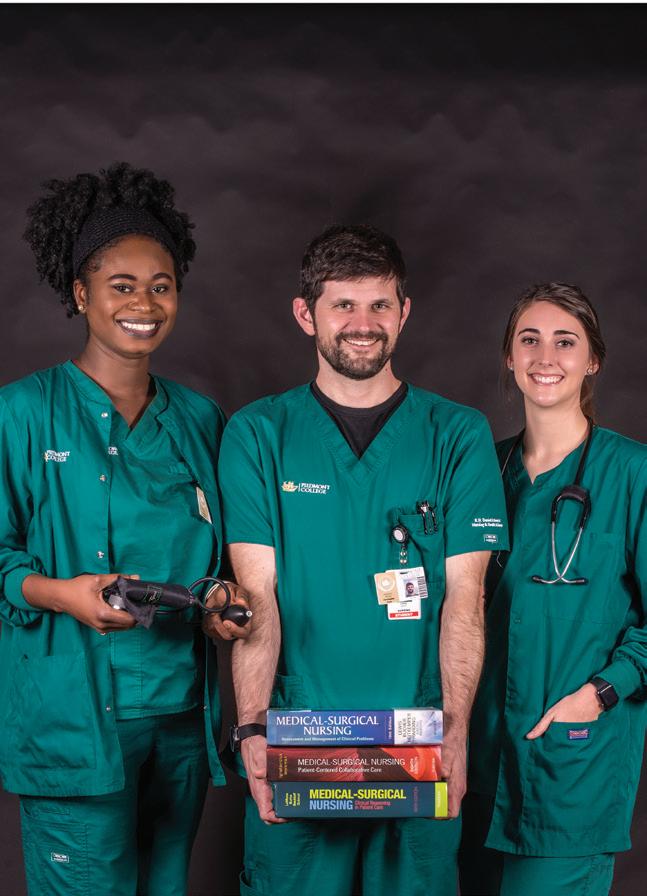
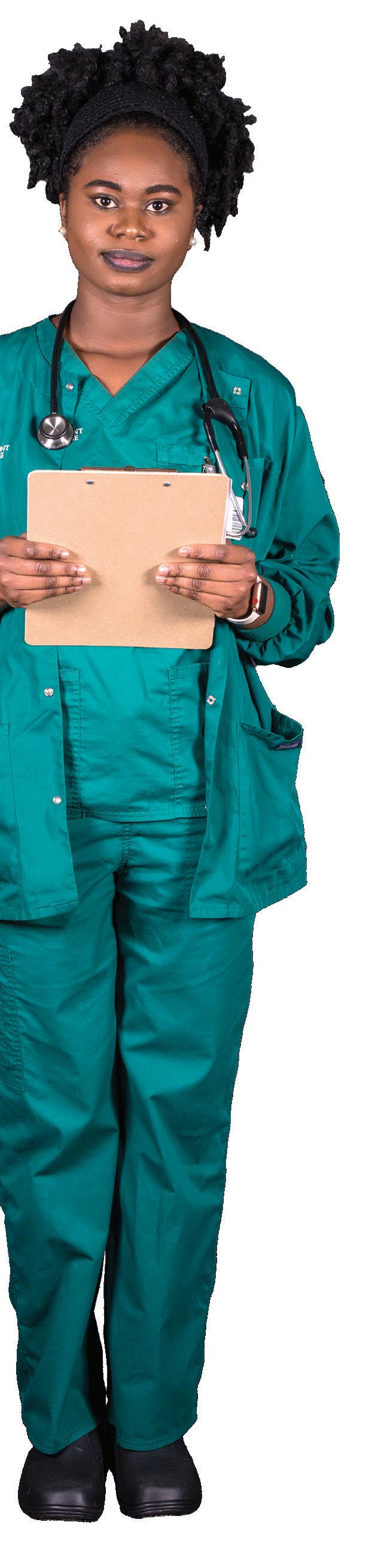
“The reason for the success rate is that we have high standards and committed students,” says Dr. Julia Behr, Dean of the R.H. Daniel School of Nursing & Health Sciences. “As a small college, we give our students much more individual attention.
We get to know their strengths and weaknesses, and this helps us to be better
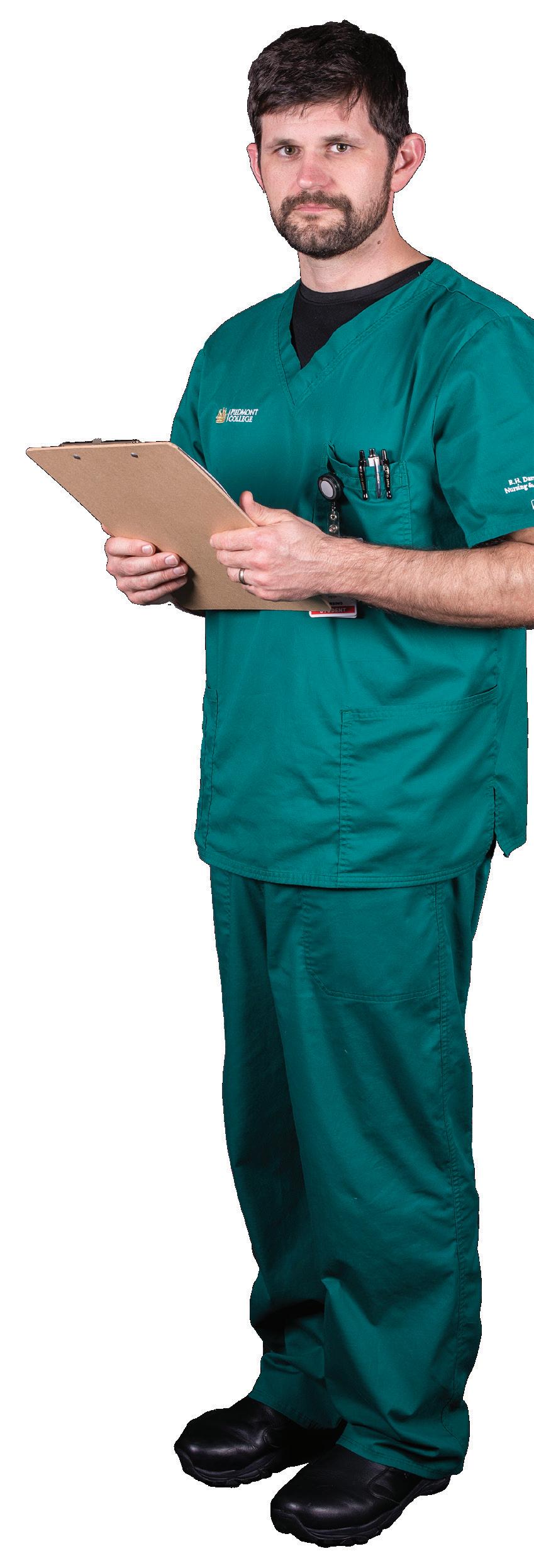
There are 180 nursing students on Piedmont’s campuses in Demorest and Athens. All enter the two-year program after their sophomore year. Some enrolled at Piedmont as a freshman. But a majority are transfers from other institutions.
Accepted students must possess a better-than-average score on the TEAS (Test of Essential Academic Skills) or HESI (Health Education Systems Incorporated) examinations and have a grade point average of greater than 3.0.
Students spend time in the classroom, lab, simulation, and
About half of Piedmont's nursing students attend classes on the Athens
clinical settings throughout their junior and senior years. The academic and clinical pathway of a nurse is not easy.
“Nursing is a tough field. It is not a major for anyone who is afraid of hard work and dedication,” says Behr. “Our students must complete 800 hours of direct-patient clinical care. Sometimes they have to be at the hospital at 6 a.m. That’s not for everyone.”
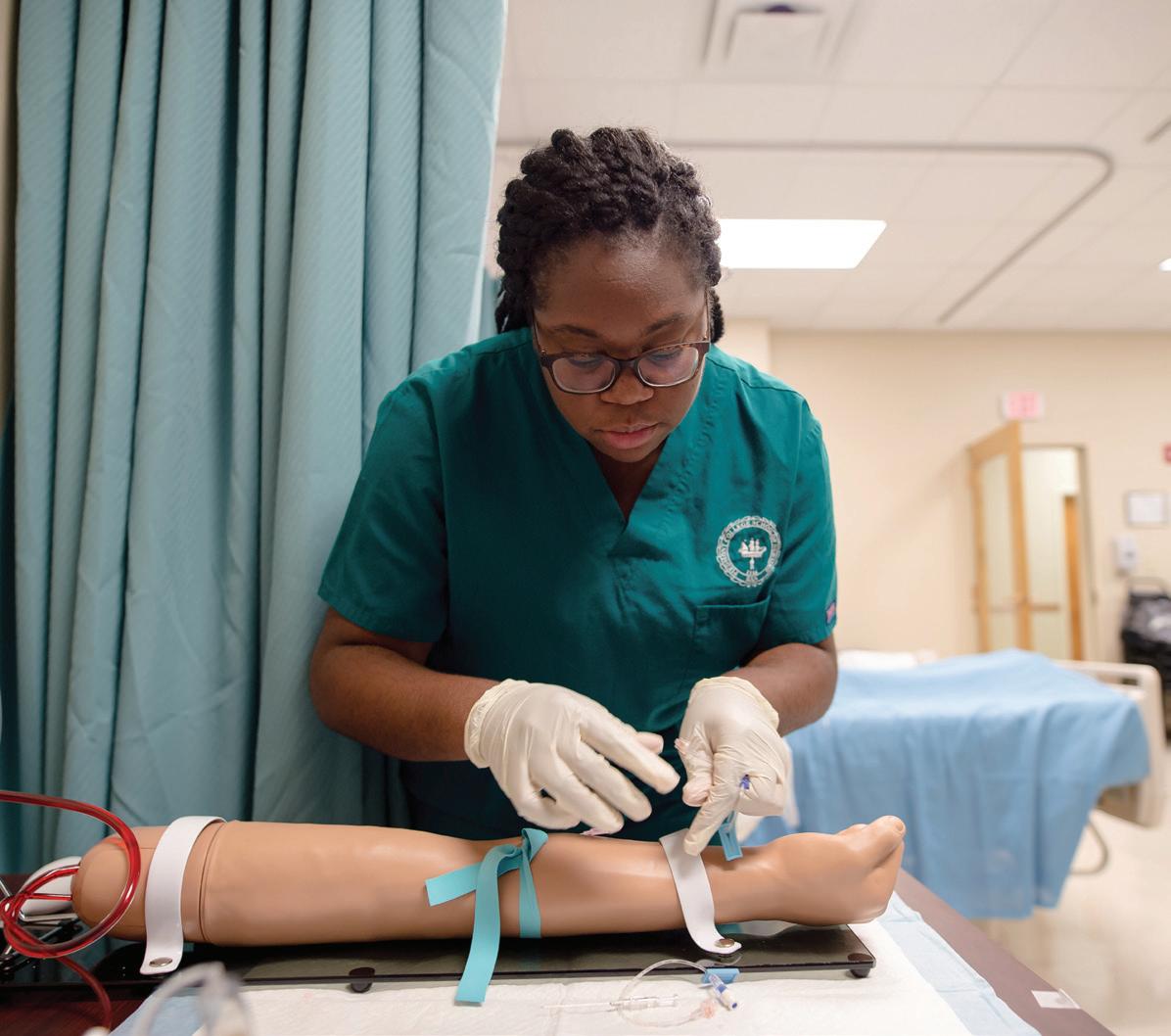
Students will spend some of their time in the company of simulators, imitation
simulator responds to a treatment. He or she can adjust the blood pressure, heart rate, or even induce a seizure.
“The goal is to get our students to think on their feet,” says Behr. “Like in a real setting, they work in teams. They collaborate to make the best decisions.”
Like Brown, Behr spent much of her career working at a large nursing school.
Before joining Piedmont, she served more than twenty years at Augusta University (formerly the Medical College of Georgia), the last six years as an associate dean on the college’s Athens campus.
The goal is to get our students to think on their feet. Like in a real setting, they work in teams. They collaborate to make the best decisions.
human patients that can be programmed to realistically present illnesses and symptoms. Oftentimes a professor – sometimes located behind a one-way mirror – controls how the
–Julia Behr, Dean, R.H. Daniel School of Nursing & Health Sciences
The opportunity to lead a program –and make a difference – attracted her to Piedmont.
“Piedmont is a college that is entrepreneurial, and I liked that,” she says. “At a smaller school you can be more flexible and make changes that can be impactful. Now, I can also teach a class or two, and I have really enjoyed working with the students.
For those who successfully navigate nursing at Piedmont, a well-paying job is almost always the reward. Starting salaries for nurses are around $65,000. Many in the field work three, 12-hour shifts and have the remainder of the week free.
“I have found that this work schedule is particularly attractive to some millennial students who enjoy traveling and experiencing different things,” says Behr. “It can be a very flexible lifestyle.”
Looking ahead, Behr says the nursing program is beginning to outgrow its facilities in Demorest. Classrooms are packed and students have to sign up for shifts to get valuable lab
time. The college, she says, is examining options that would give the program room to grow.
As for Brown, who returned to campus last fall to be honored, seeing the seed she planted 20 years ago grow into a top-ranked program is “more gratifying than you will know.”
“It’s very humbling to have a legacy at Piedmont,” she says. “But we all know that nothing is ever done by one person. There were a lot of faculty and administrators who worked very hard to see this through. The most important thing is we are helping the students to be successful in their careers in nursing.”
By John Roberts
it
Alot, say professors and musicians.
A crowning moment for Piedmont’s new Conservatory of Music will occur about a month after the paint dries.
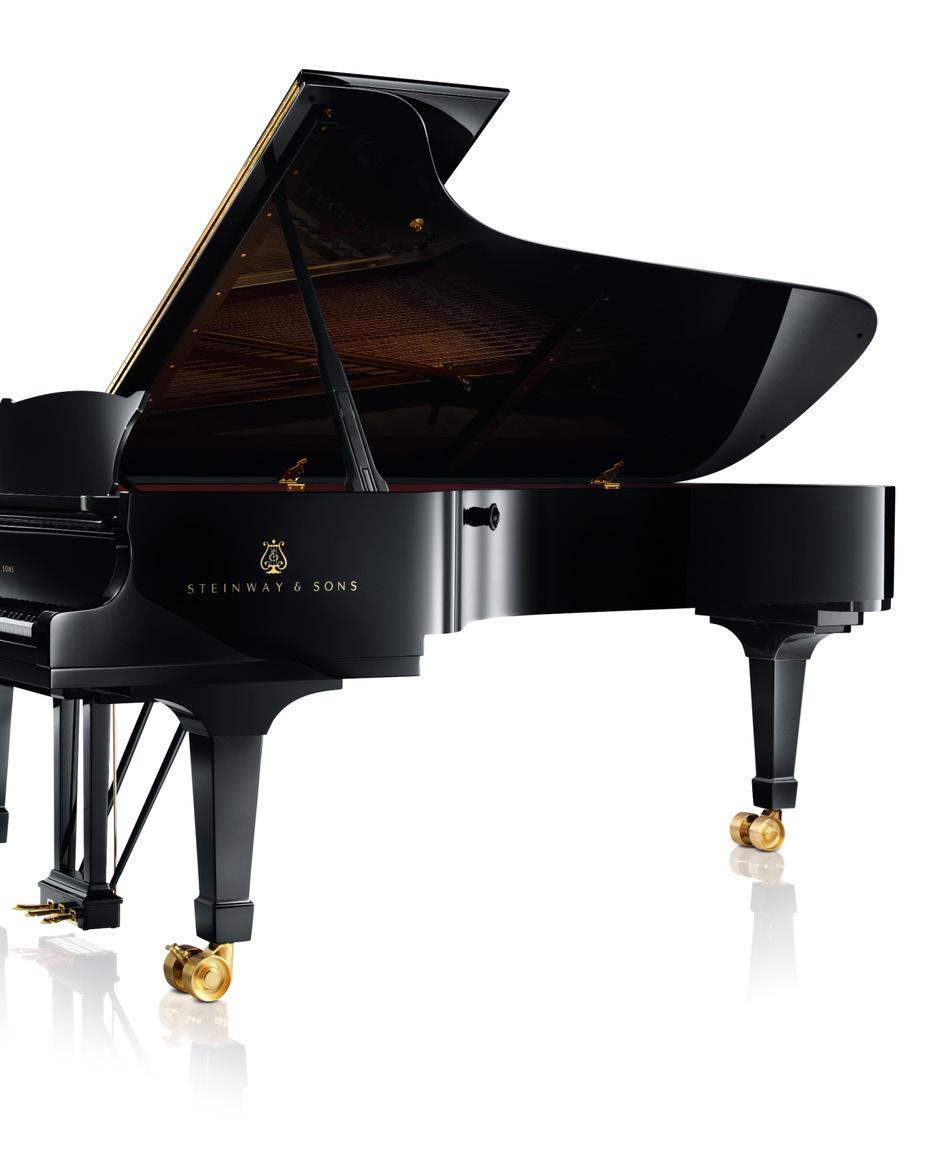
That’s when the first of 22 Steinway pianos will arrive from Astoria, New York. The hand-crafted instruments will be in different shapes and sizes. A variety of upright and grand pianos will be used for teaching, and two elegant nine-foot concert grand pianos will be used for performances.
To the layman, the name Steinway may have little meaning. But to pianists and piano majors alike, the name is synonymous with prestige, standing, and quality. Some A-list pianists will perform only on Steinways. These pianos, widely considered the best in the world, attract top students and elevate music programs.
Founded in 1987, Piedmont’s Music Department has a reputation for producing top-shelf performances and alumni. The Chapel, too, is considered by many to be the best performance space in Northeast Georgia. But the college has lacked quality instruction space and equipment.
The addition of the Steinway pianos – made possible through a $1.4 million gift by an anonymous donor — and Piedmont’s designation as an All-Steinway School will be an important milestone as the program elbows its way to becoming one of the premier music programs in the Southeast.
Other All-Steinway Schools include Oberlin Conservatory of Music, Yale School of Music, Cleveland Institute of Music, and Curtis Institute of Music.
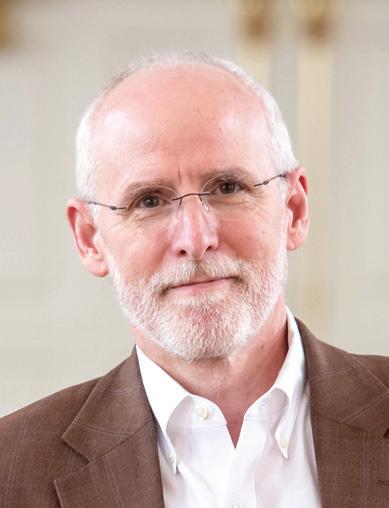
“It is a boon for us to be recognized in that company,” says Dr. Wallace Hinson, professor of music and chair of the music department. “When you are looking for the best in the industry, you don’t go past Steinway. Having these instruments will help us attract majors and top performers.”
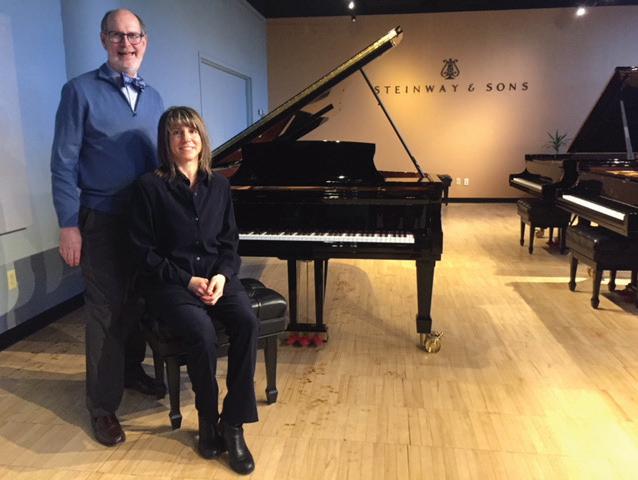
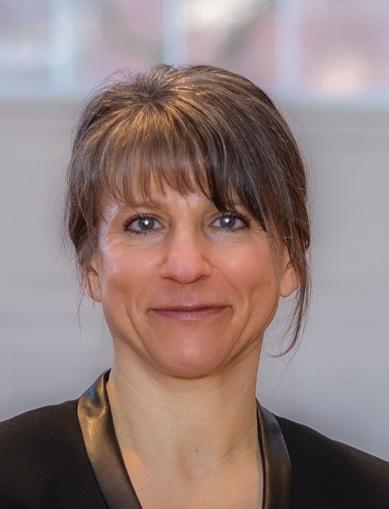
In December, President James F. Mellichamp and Piedmont Artist-inResidence Dr. Jeri-Mae G. Astolfi visited the
Steinway & Sons factory in New York to handpick the five largest instruments that will soon become part of the college’s piano holdings.
Beyond Piedmont’s impact on music education, the college serves the local and regional communities by providing access to high-quality music and arts events in the region. Each year, the music department hosts approximately 40 public concerts and recitals that are free to attend.
“These new Steinways will have a significant impact on the quality of music performances, instruction, and education, while also enhancing both the greater Piedmont and music communities,” says Astolfi, a piano performer and master class instructor. “Among other notable attributes, these instruments are capable of responding to and creating deeper dimensions of expression.”
22 Steinway pianos will arrive from Astoria, New York. The hand-crafted instruments will be in different shapes and sizes. A variety of upright and grand pianos will be used for teaching, and two elegant nine-foot concert grand pianos will be used for performances.

These new Steinways will have a significant impact on the quality of music performances, instruction, and education, while also enhancing both the greater Piedmont and music communities ...
— Jeri-Mae G. Astolfi, Performer

30 13-14
THE COMPLETE HISTORY OF AMERICA (ABRIDGED)
When you are looking for the best in the industry, you don’t go past Steinway. Having these instruments will help us attract majors and top performers.
— Wallace Hinson, Chair, Department of Music
The Piedmont College Theatre Department presents 600 years of history in 6000 seconds … history will never be the same! From Washington to Watergate, from the Bering Straits to Baghdad, from New World to New World Order – THE COMPLETE HISTORY OF AMERICA (ABRIDGED) is a ninetyminute rollercoaster ride through the glorious quagmire that is American History, reminding us that it’s not the length of your history that matters — it’s what you’ve done with it! Bravo!
GREAT COMPOSERS CONCERT SERIES
The Piedmont Chorale, various soloists, and instrumentalists perform musical gems written by Georgia composers. Dr. Lauren Ringwall, conductor.
MAY 19
CAMERATA CONCERT
Piedmont College’s artists-in-residence chamber ensemble, Piedmont Camerata, will present a free concert at 4 p.m., May 19 in the Chapel on the Demorest campus. The group will perform chamber music by Haydn, Stanchinsky, and Franck.
May 16August 15

FACULTY ART SHOW
Professors in the art department represent a variety of disciplines: Rebecca Brantley (Art History), Jackie Ellett (Art Education), Chris Kelly (Ceramics and Sculpture), Brian Hitselberger (Drawing and Painting), Tyler Mann (Graphic Design and Photography), and Drema Montgomery (Foundations). The show will include drawing, painting, photography, ceramics, and mixed media work.
For more information on events, visit www.piedmont.edu/fine-arts-events
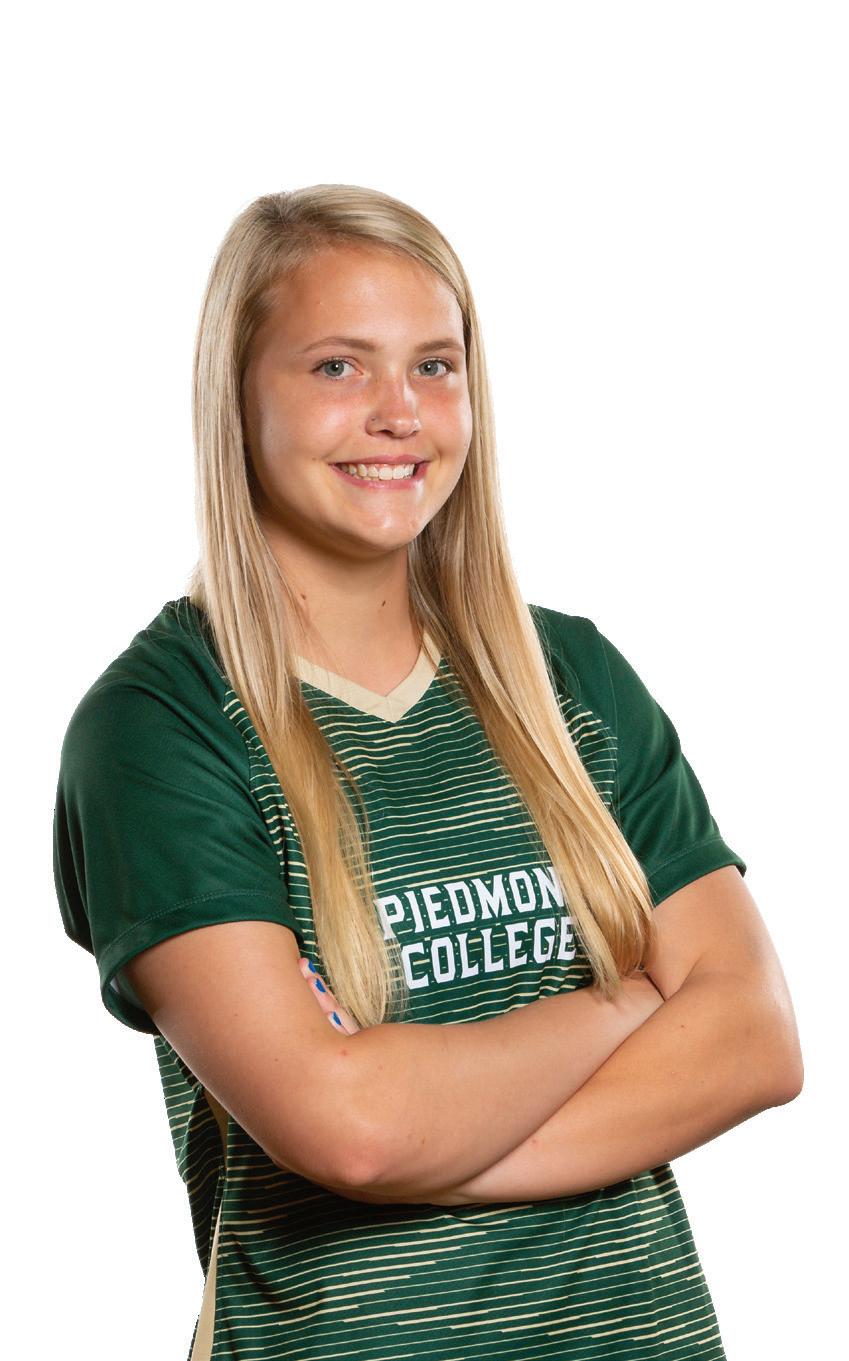
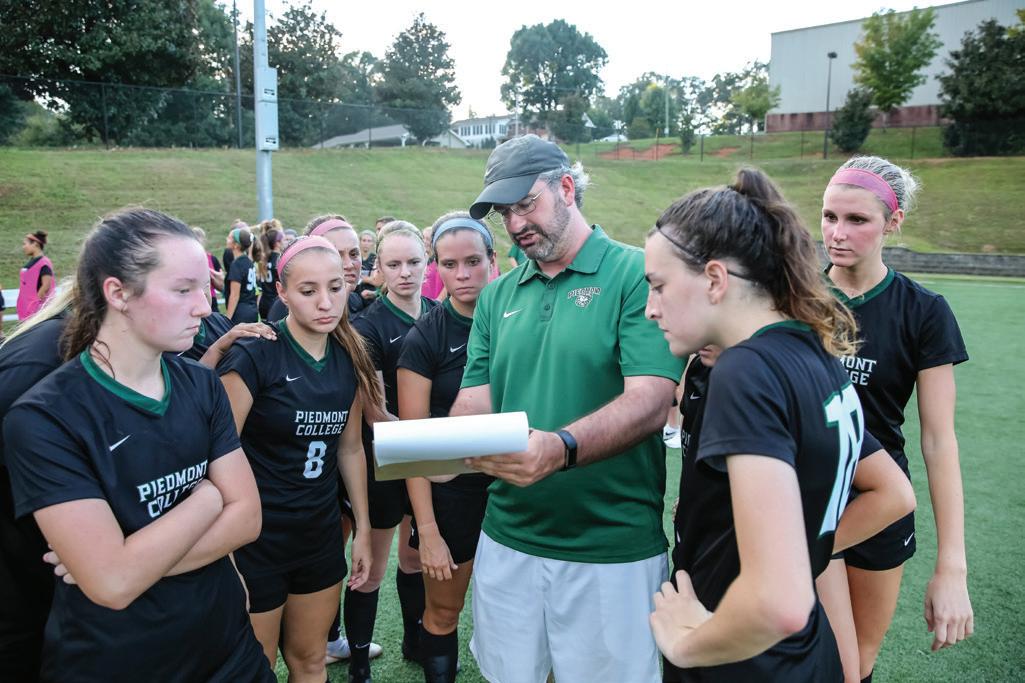
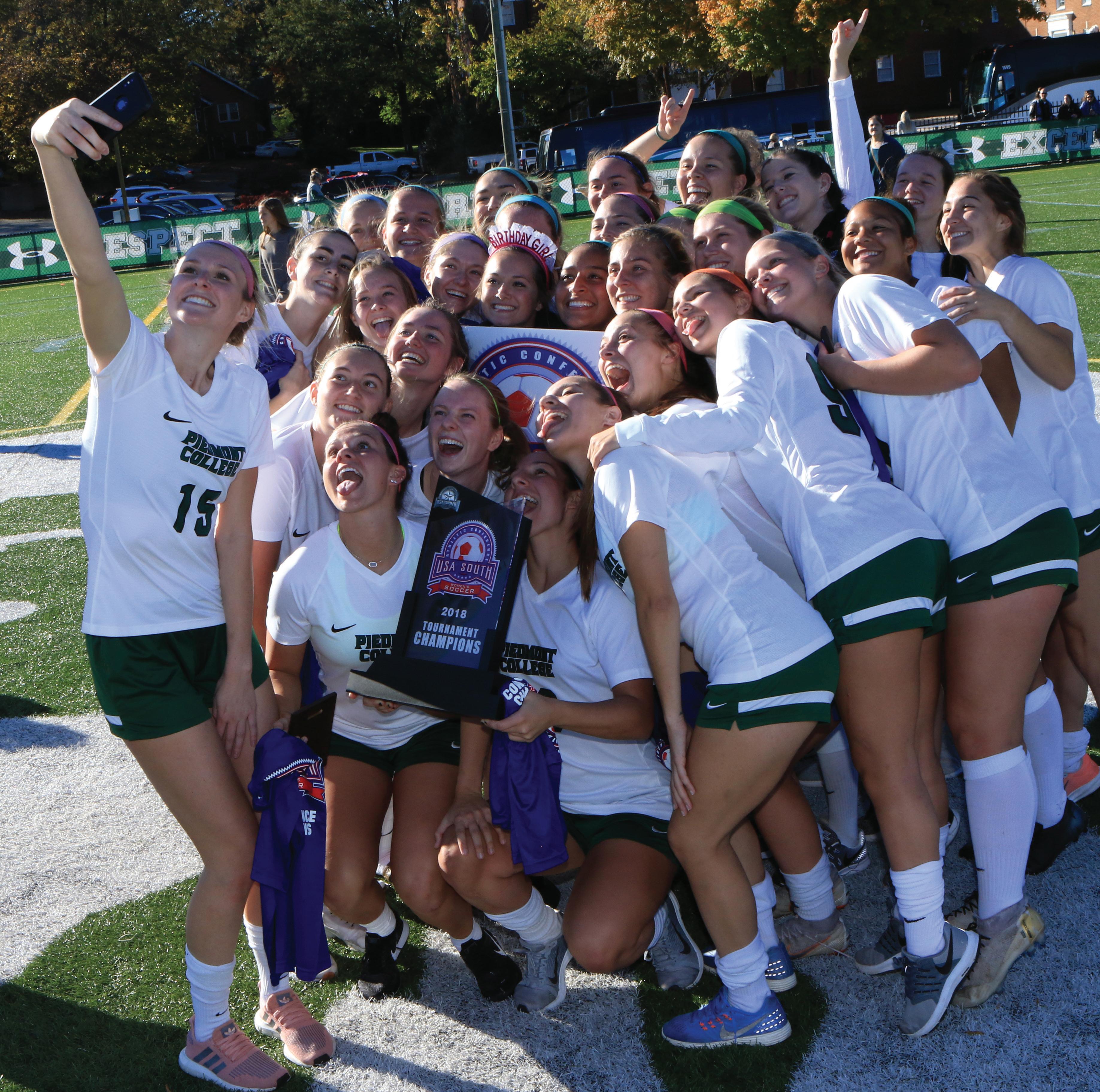
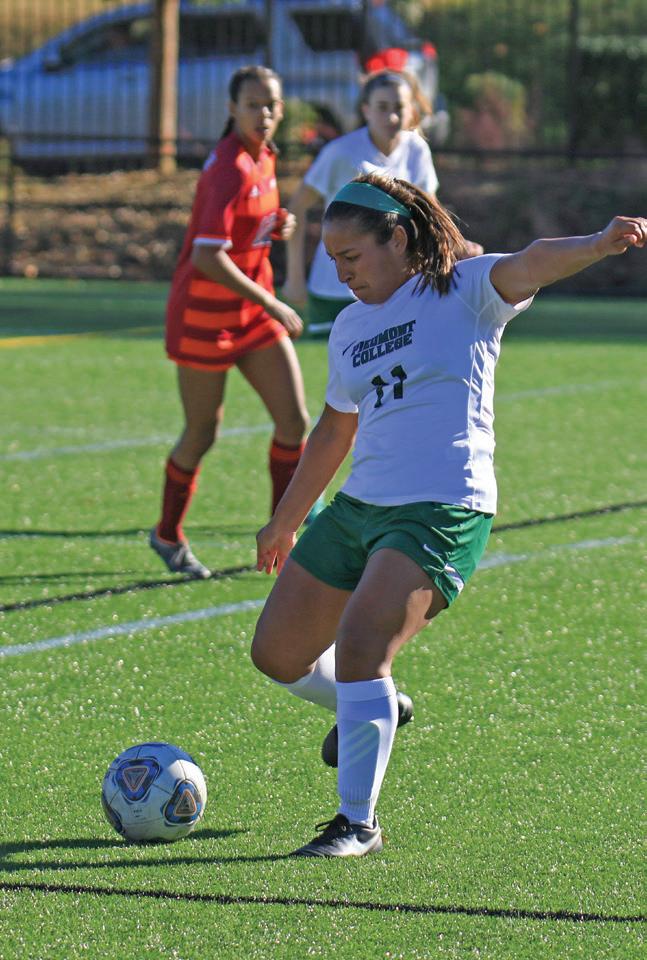
The Piedmont women’s soccer team produced another championship winning season in 2018, as the Lady Lions captured their fourth USA South Athletic Conference Championship and advanced to the NCAA Tournament.
The Lady Lions finished the season with a 17-5-1 record while going 7-1 in conference play. Piedmont played three ranked teams, two of which ended the season ranked 11th and
12th in the nation.
The Lady Lions entered the USA South Tournament as the No. 2 seed in the West Division and quickly advanced to the final four after defeating Methodist 2-0 in the quarters. Piedmont defeated No. 1 overall seed and host college Greensboro 2-1 in double overtime. The following day, the Lady Lions took on long-time rival Maryville College. Freshman Allie Kuzel scored the lone goal in the contest to give Piedmont its fourth USA South Championship since joining the conference in 2012.
Although the Lady Lions dropped a 2-1 decision to Lynchburg College in the opening round of the NCAA Division III, the seniors on the team can boast a home 32-3-5 record and three conference tournament championships in four seasons.
Also, the Lady Lions, coached by Timothy McCormack, placed seven players on the all-conference team with two seniors, Cassidy Reich and Natalie Munoz, named to the first team. The duo also captured all-region honors.
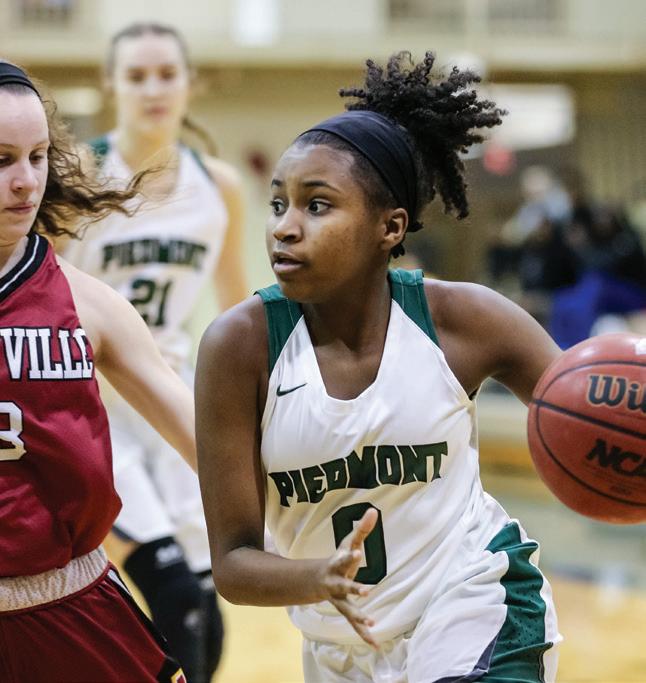
The Piedmont College women’s basketball team defeated Berea 74-67 February 24 to win the USA South Championship for the third consecutive year.
The Lady Lions advanced to the finals with victories over Mary Baldwin (84-53) and Huntington (68-53). Piedmont took the lead on Amari Price’s buzzer-beating three-pointer at the end of the first quarter and led the rest of the way, staving off multiple Berea rallies in the second half.
Price was named the tournament’s most valuable player and Hope Franklin and Kelly Ackerman were named to the alltournament team.
Following a 67-77 loss to Transylvania in the first round of the NCAA Division III Tournament, the Lady Lions completed the season with a record of 23-6, the program’s fourth straight season with at least 20 wins.
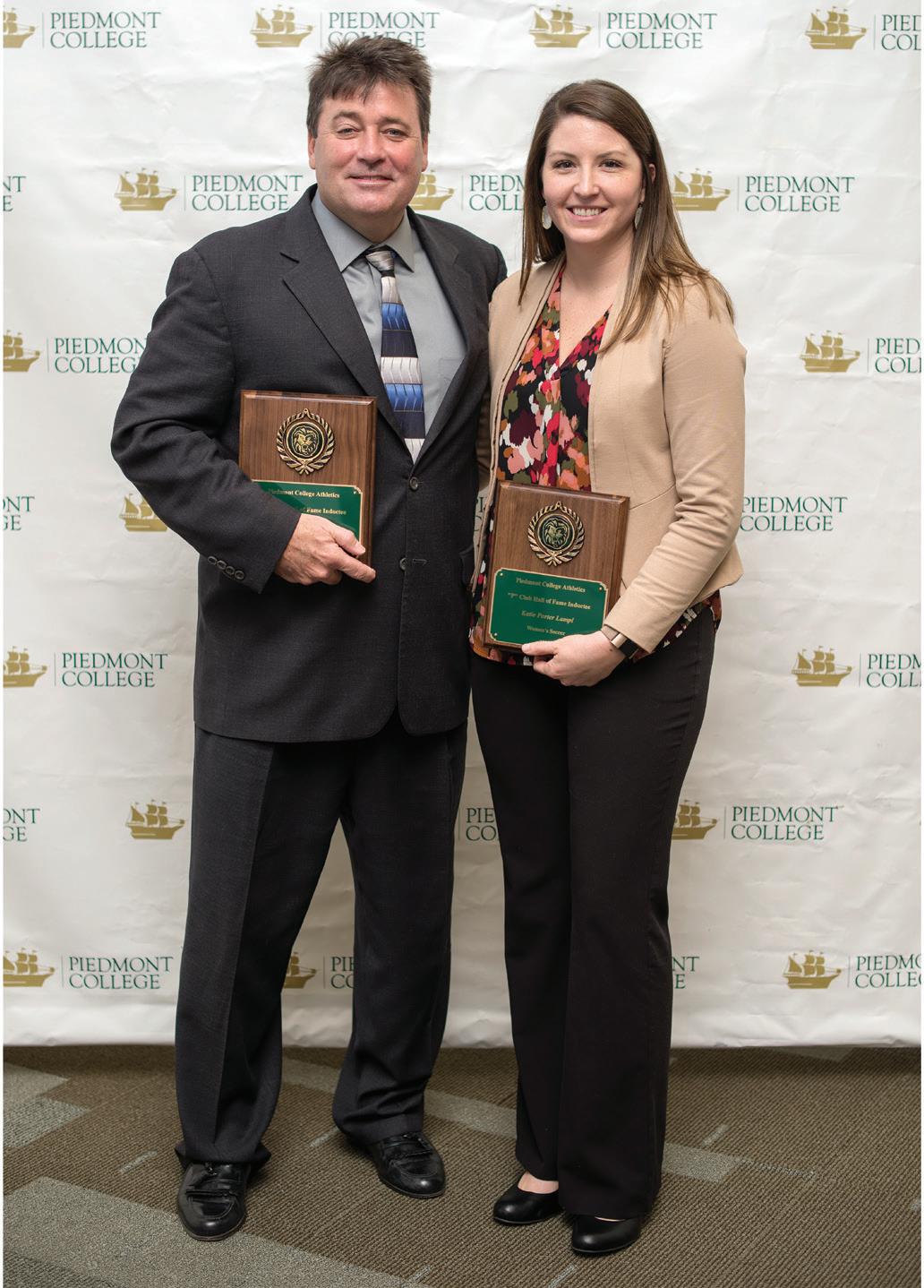
Aformer women’s soccer player and soccer head coach were inducted into the P-Club Hall of Fame in February.
Piedmont Men’s Tennis Coach Dick Stockton, a four-time All-American who climbed as high as No. 8 in the world rankings, served as the guest speaker at the annual event, which was held in the Commons.
Those inducted included Katie Porter Lampl ’10, MBA ’11, an All-American who helped lead her team to back-to-back appearances in the Great South Athletic Conference championship game in 2009 and 2010. She is the career leader in women’s soccer for points, goals, points per game, goals per game, and game-winning goals.
Jason P. Smith ’96, MPA ’04, the other inductee, served as the head coach for Piedmont’s men’s and women’s soccer team from 1993 to 2004 and is the winningest coach for both programs. His 2003 men’s team made a NCAA tournament run into the sweet 16, the best-ever showing for any Piedmont team in NCAA postseason play.
During a 15-minute address Stockton, who joined the college last summer, discussed his tennis career as a player and coach. Stockton advanced to the semifinals of two major tournaments: Wimbledon, in 1974, and the French Open in 1978. He also reached the quarterfinals of the U.S. open in 1976 and 1977 and won a total of eight tournaments to go with 10 runner-up finishes.
Along the way, he defeated legends like John McEnroe, Arthur Ashe, Bjorn Borg, Jimmy Connors, and Rod Laver. Knocking off Connors in five sets in the finals of the 1977 U.S. Pro Indoor Championships when Connors was No. 1 in the world ranks as Stockton’s top individual highlight (see story pg. 14).
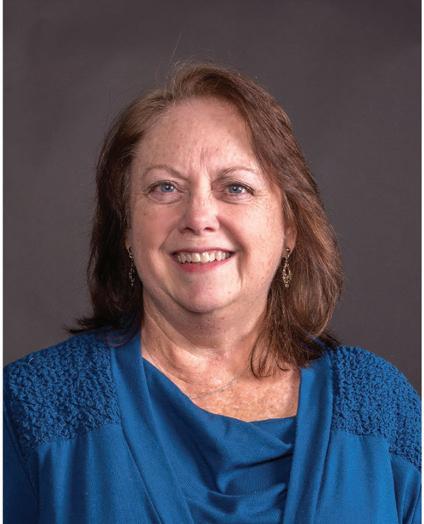
Pamela Fountain, who has 13 years of experience in education fundraising and alumni development, has been named Director of Alumni Affairs and Annual Giving at Piedmont College.
In this role, she will develop outreach programming for alumni and work to enhance the college’s annual giving program. Most recently, Fountain served as Assistant Director of Development at Brenau University and was Director of Development at Tallulah
Falls School (2009-12) and Rabun Gap-Nacoochee School (2006-09).
While serving at Brenau, Fountain oversaw the planning and execution of a $1.5 million annual fund campaign and was a key contributor to the success of a $40 million capital campaign, ForeverGold
Fountain holds a A.B.J. in Journalism with a major in Public Relations from the University of Georgia.
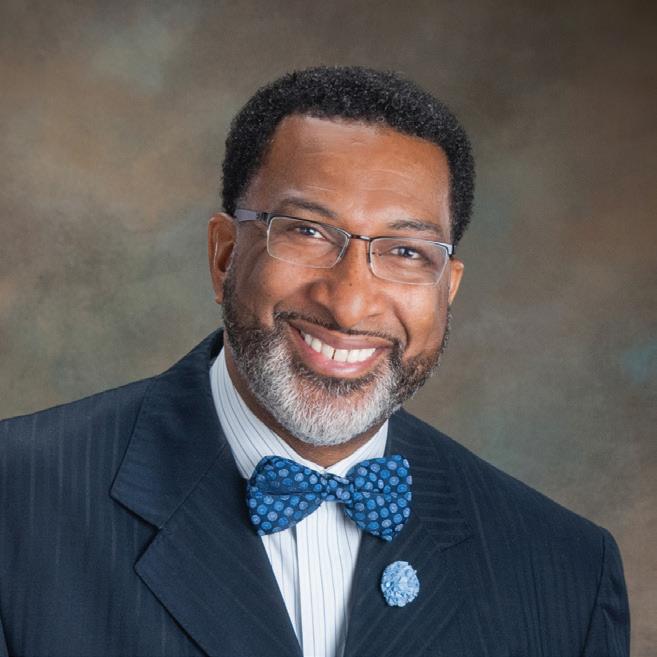
1 Benjamin Hinton ‘85 is serving in his 28th year as the senior pastor of the Tabernacle Baptist Church in Gastonia, North Carolina. During his time at Piedmont, Benjamin served as pastor of the Friendship Baptist Church in Toccoa, Georgia and played basketball.
Greg Graber ’94 recently released his debut book, "Slow Your Roll- Mindfulness for Fast Times." Garber is the owner and director of
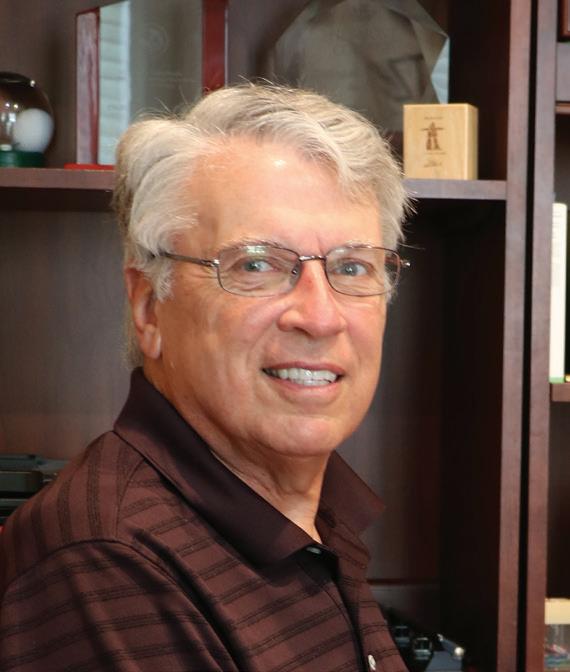

Mindful Memphis, and teaches mindfulness and meditation to athletes, academics, and musicians. He also serves as an international middle school principal in Memphis, TN. Graber is a former women’s soccer coach at Piedmont.
2 Jennifer Fisher Ninan ‘04 and Vasant Ninan announce the birth of a daughter, Henrietta Elizabeth Fisher Ninan, on December 29, 2018. Jennifer is a teacher with Muskegon (Michigan) Public Schools.
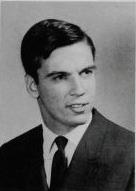

Ayanna Cooper EdS ‘04 will provide the keynote address for International TESOL PreK-12 Day on March 16, 2019 at the Georgia World Congress Center in Atlanta. Ayanna attended the Paulding County EdS cohort.
3 Jennifer Gathercoal Kimbro ’09 and Nathaniel Kimbro announced the birth of a son, Andrew Dorsey, on January 29, 2019. Jennifer was on the women’s tennis and track/cross country teams while at Piedmont.
Dr. Phillip Furman ’68 past president of the International Society for Antiviral Research, was inducted into the Florida Inventors Hall of Fame in September.
The holder of 10 patents, Furman’s discoveries led to the development of antiviral drugs that are used to treat viral diseases including AIDS, Herpes, and Hepatitis C.
Furman was among eight who were inducted into the hall of fame, which also includes Thomas Edison and Henry Ford.
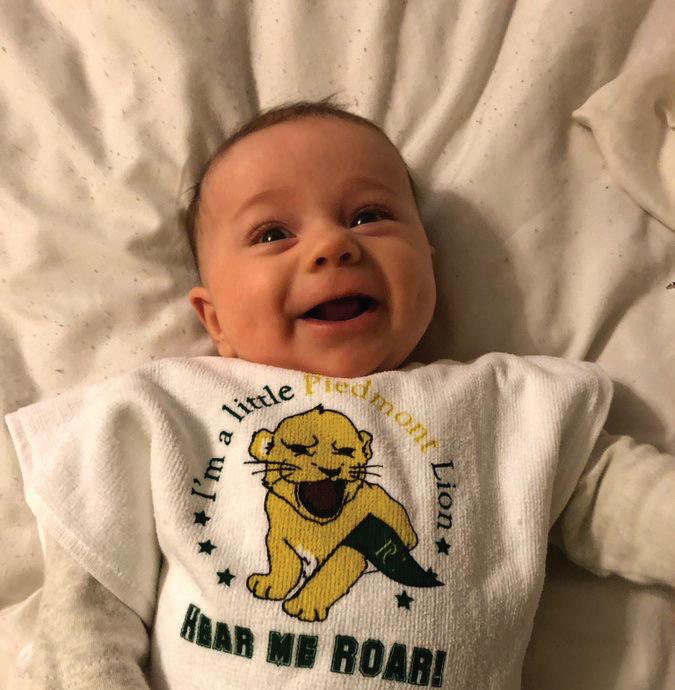

Sarah Simler ‘10 moved to Tallahassee, Florida, where she teaches algebra at Lincoln High School. She earned her BA in Mathematics.
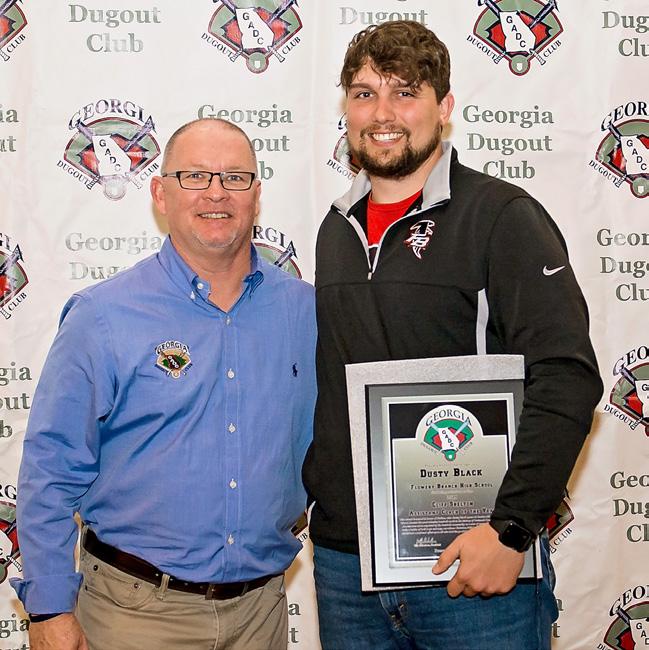
4 Dusty Black ‘12 received the 2019 Georgia Dugout Club Assistant Coach of the Year award. Dusty is the Varsity Assistant Baseball Coach at Flowery Branch High School. Dusty played baseball at Piedmont and majored in history education.
5 Rev. Jacob Douylliez ’12 and Catherine Douylliez announce the birth of a daughter, Valerie Rose Douylliez, on October 29, 2018. While at Piedmont, Jacob was in the Chamber Singers and majored in Philosophy & Religion. He and his wife live in Bishop, Georgia.
6 Haley Cawthon-Freels ’13 married Kali Cawthon Freels in November 2017. Haley recently relocated to Atlanta to begin a new position at Applerouth Tutoring Services.
7 Lynne Sparks EdS ’13, EdD ’17 celebrated her son’s graduation from Georgia Southern University. Her daughter is attending University of North Georgia and her older son is earning his MS at Georgia Tech.
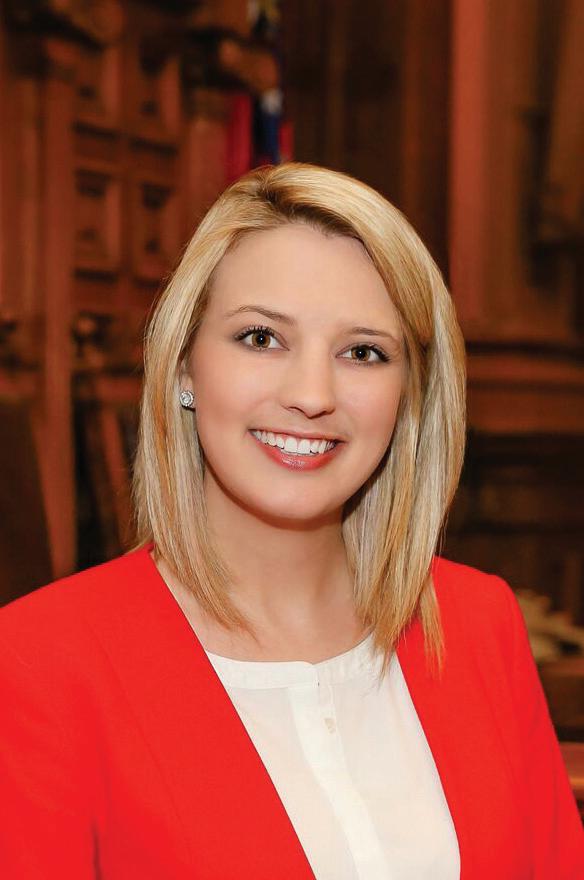
Sasha Ugi ’12 has been named one of “50 women in the know” by Engineering Georgia, a magazine that covers Georgia’s engineering industry.
The list, published in the magazine’s January/February issue, honors females who are “serving clients in their communities, across the county, and around the world… quickly becoming innovators, influencers, and experts in their fields.”
Ugi serves as the director of marketing and communication for Marietta, Georgia-based Croy Engineering.

8 Stephen Miragila BA ’15 MBA ‘17 and Ashtin Thomas ‘16 were married on September 8, 2018.
Carly Preston ’16 recently began a new position with Lifelink of Georgia as a Transplant Coordinator.
In January 2019, Jessica Dundore ‘16 accepted a sixth grade social studies teaching position at Academies of Discovery at South Hall in Gainesville, Georgia.
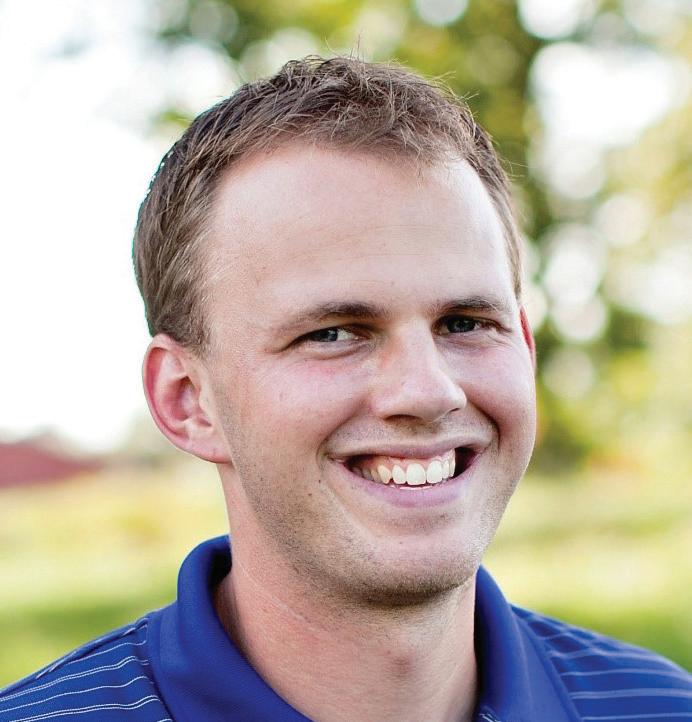
Alexandra Smith ’16 won second place for Sports Writer of the Year in the state of Washington through the Washington Newspaper Publishers Association.
Rontravius "Trae" Gaines ’17 is now the Head Athletic Trainer at Hart County High School.
9 April Williams Wallace ’17 was promoted to Talent Acquisition Coordinator II at InComm in Atlanta, Georgia.
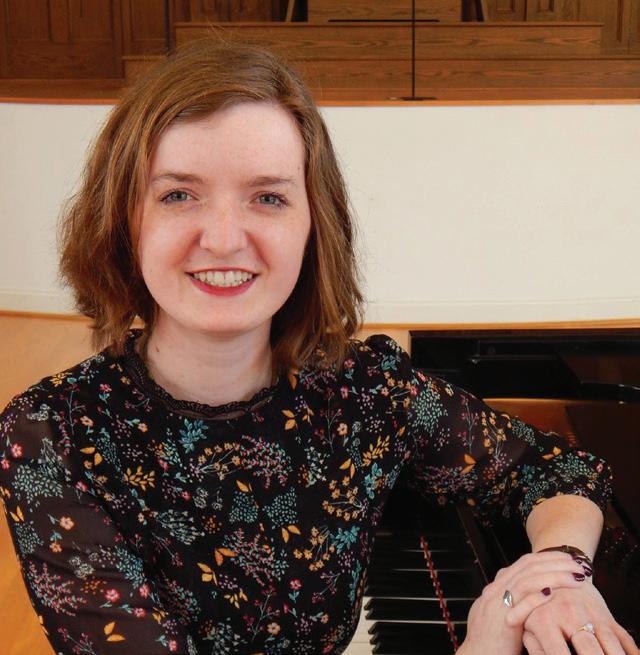
10 Diana Cleland ’18 was awarded a collegiate grant from the Georgia Music Teachers Association to further her piano studies at Piedmont College. She was honored for her achievement during a ceremony at the University of Georgia in November, 2018. Diana is a piano student of Dr. Jeri-Mae Astolfi.
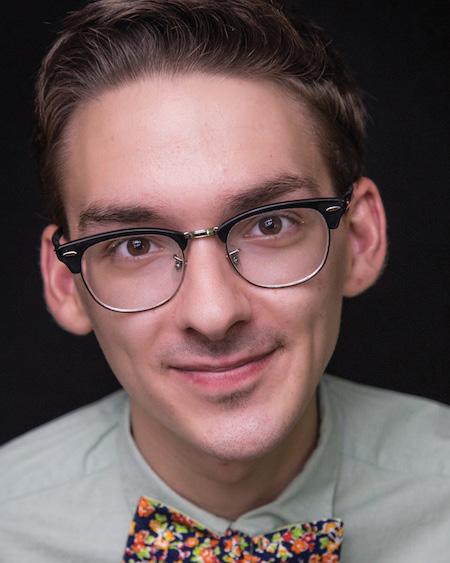
Jacob McKee ’15, a theatre arts major, was named one of “8 young actors to watch in Atlanta” in December by the Atlanta Journal Constitution
The list was compiled after interviews with casting directors, artistic directors, and producers.
McKee, who lives in Lawrenceville, has landed leading roles in “Tim Tesla and the Terrific Time Machine” at the Aurora Theatre, “Grease” at Serenbe Playhouse and “I Love You Because” at Marietta Theatre Company.
Jonathan Feicht ’18, Gifted Education Coordinator/Coach/ Teacher at Chestatee Elementary School in Forsyth County Georgia, was presented with this year’s Georgia Gifted Teacher of the Year Award at the Georgia Association of Gifted Convention on March 5.
The ceremony took place at the University of Georgia's Center for Continuing Education in Athens, Georgia and was assisted by Piedmont College trustee and alumna Dr. Martha Cantrell.
From baseball to amusement parks and after-work parties, our “On the Move” events have you covered. Please review the events below and make plans to join your fellow alumni for fun and fellowship.

April 28
Andretti Indoor
Karting & Games Marietta, GA
2-5:30PM

May 5
Augusta Green Jackets Baseball
Augusta Green Jackets Stadium North Augusta, SC 2PM
May 18
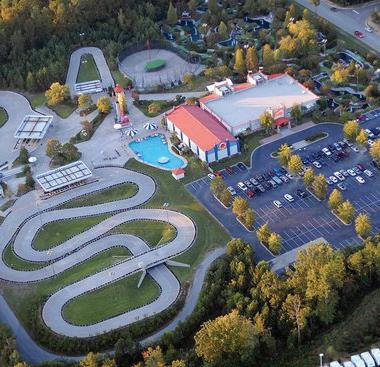
Frankie's Fun Park Greenville, SC 1-4PM

May 9
Lions After Hours
The Lazy Hiker Brewing Co. Franklin, NC 5:30-7:30PM

June 13
Lions After Hours
Highland Brewing Co. Asheville, NC 5-7PM
Have an idea? Have a question? Contact Pam Fountain at pfountain@piedmont.edu or 706-894-4249. A complete schedule is posted at piedmont.edu/on-the-move-events

When am I ever going to use math? How can I teach math to a child?
These questions are often asked. And Dr. Gene Pease, an educator, parent, and Piedmont’s Director of Disability Support, answers them in this 18-chapter book published by Rowman & Littlefield. The work includes 365 exercises that parents and teachers can use to encourage young students to explore math, measurements, and space.
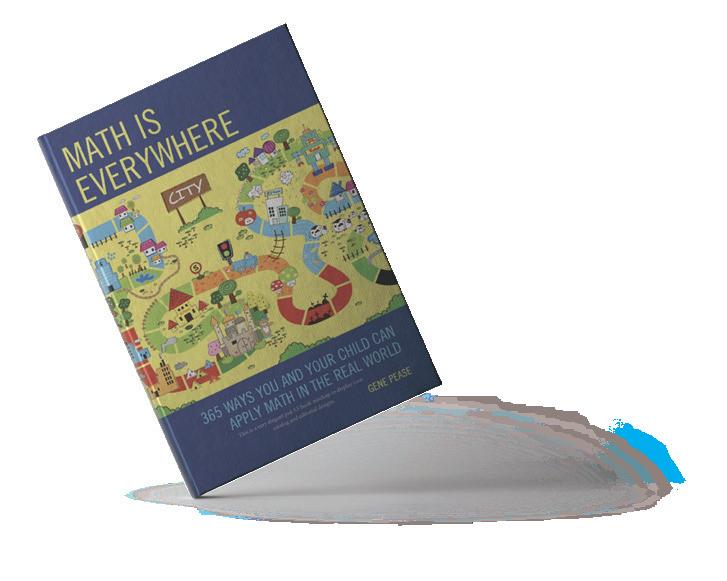
Many of them you can do with household items (make a chart that shows how and where you spend your allowance). Others, may require a field trip (estimate the width and length of the waiting and room and explain how you arrived at your estimate).
The work, written for teachers and parents, is imaginative, fun, and practical.
by Al Pleysier and Alexey Vinogradov
The 133-page work by Piedmont History Professor Dr. Al Pleysier and Alexey Vinogradov tells the stories of Soviet prisoners Urkho Rukhanen and Sofia Prupis.
Rukhanen was arrested in 1938, accused of participating in an anti-Soviet nationalist organization and exiled to a Soviet labor camp until 1946. Prupis was charged with treason in 1946 and given a 10-year prison sentence. Both were ethnic minorities, educators and – most importantly –completely innocent.

The work, published by Rowman & Littlefield, explores the early life of Rukhanen and Prupis, details their struggles in confinement and how they adapted to life after prison. The book exposes the cruel tactics and paranoia of Communist dictator Joseph Stalin who was convinced that ethnic groups were working to undermine him.
Vinogradov, who collaborated with Pleysier on the project, is chairman of the Research Center for Archaeology, Historical Sociology, and Cultural Heritage of the St. Petersburg State University in St. Petersburg, Russia.
Liza Jane Thigpen Alexander ‘43 of Lawrenceville, Georgia, died December 11, 2018, at the age of 98. Alexander attended Piedmont College during World War II after transferring from a work-study program at Rabun Gap. Mrs. Alexander graduated with a degree in Business Education. She went on to earn two more degrees from the University of Georgia. Through the years she taught business education and vocational office training at Tucker High School, Old Grayson High School, and retired from South Gwinnett High School in 1976. Some students, close to eighty years old, told her how well she had prepared them for their careers and helped them get their first job.
Jimmie L. Pittman ‘44 of Maysville, Georgia, died January 1, 2019, at the age of 75. Ms. Pittman was a school teacher at Maysville Elementary School until she retired.
Lorenzo E. Allgood ‘46 of Gainesville, Georgia, died November 4, 2013, at the age of 92. Allgood graduated from Piedmont College with a degree in Chemistry while serving in the U.S. Army during World War II. During his time at Piedmont College, Allgood met and fell in love with his wife of 71 years, Runette. Remaining true to his mountain roots, he and several partners obtained the property that is now the Boy Scouts Camp in Union County. Subsequent to that he consolidated the land that is now Smithgall Woods near Helen, Georgia.
Emma Farr ‘46 of Opelika, Alabama, died January 11, 2019, at the age of 94. Farr graduated with a BA in Business Administration. Farr met her husband, Wallace Farr, while attending Piedmont College in Demorest where she served as the private secretary to Piedmont College President Albert Ray Van Cleave, and worked as the school’s registrar. Emma and Wallace were married in Demorest on February 22, 1947.
Marjorie Justus Clark ‘48 of McDonough, Georgia, died July 4, 2018, at the age of 90. Clark graduated from Piedmont College in 1948 with a BA in Early Childhood Education and English. She was the loving wife of Royce Jackson (“Jack”) Clark whom she married in 1948 after they fell in love at Piedmont College. Clark was a member of The Torch, Piedmont College’s Society for Women. She valued education and reading, and was a career librarian, responsible for transitioning then North Georgia College’s library from the Dewey Decimal system to the Library of Congress system, a proud accomplishment for her.
Bill R. Brooks ’49 of Smyrna, Georgia, died August 17, 2018, at the age of 91. He proudly served in the U.S. Navy in WWII in the Pacific Theater. Brooks returned to graduate from Piedmont College with a BA in Biology. He was an active member of the P-Club and played on the Piedmont College men’s basketball team.
Delores Jones ‘51 of Land O Lakes, Florida, died January 18, 2019, at the age of 86. She retired as a secretary.
Bonnie Manning Henderson ‘52 of Pickens, South Carolina, died October 17, 2018 at the age of 87. Henderson graduated from Piedmont College, magna cum laude, with a BS in General Science and was a member of The Torch, Piedmont College’s Society for Women. She also went on to attend Emory University in Atlanta. Henderson completed her master’s degree at Clemson University and taught at Pickens Middle School until her retirement.
Estelle Parker Wall ‘54 of Athens, Georgia, died September 17, 2018, at the age of 86. She graduated from Piedmont College with a BA in Elementary Education. She taught eighth grade English for 31 years at North Canton Elementary, now Tippens Elementary and was also a media specialist at North Canton Elementary. Wall was also the past president of the Gilmer County Genealogical Society.
Charles W. Fagan ‘57 of Clemson, South Carolina, died October 22, 2018, at the age of 88. Fagan graduated magna cum laude with a BA in Business Administration after attending Abraham Baldwin Agricultural School and the University of Georgia. While at Piedmont College, he was class president and a member of the Protropin Literary Society. Fagan was an Air Force veteran and was stationed in Cheyenne, Wyoming for four years during the Korean War. He worked for 32 years at the Pendleton Finishing Plant of Milliken Company in Pendleton, South Carolina and retired as the personnel manager.
James Tom Cosby ‘59 of Cataula, Georgia, died November 1, 2018, at the age of 86. Cosby graduated from Piedmont College with a BS in History and Elementary Education. Before attending Piedmont College, he enlisted in the US Navy in 1951 and served on the USS Henderson and the USS New Jersey. He attended ship reunions for both ships in the years following his service. He worked for the Centers for Disease Control and retired from the Muscogee County Health Department. He was also a distinguished member of the P-Club.
Clifton Avery Stroud ‘59 of Suwanee, Georgia, died December 2, 2018, at the age of 86. Stroud graduated from Piedmont College with a BS in Physical Education. While at Piedmont College, he played on the men’s basketball team and was a distinguished P-Club Member. His two brothers also attended Piedmont College, John B. Stroud ‘62 and Softball Coach Alfred “Al” Stroud. He proudly served in the US Navy and had a distinguished career with Blue Cross Blue Shield for 30 years.
Henry Carl Goolsby ‘59 of Suwanee, Georgia, died October 13, 2018, at the age of 81. Goolsby graduated from Piedmont College with a BA in Mathematics. He was a member of the Protropian Literary Society. His wife, Thelma C. Goolsby also graduated from Piedmont College with a BS in Elementary Education in 1961.
Bob A. Forester ‘60 of Carnesville, Georgia, died October 19, 2018, at the age of 85. Forester graduated from Piedmont College with a BA in English. He served proudly in the US Army and was a well-known businesses owner. He owned Sharino's, the first Italian restaurant in Toccoa.
W. Clay Strange ‘61 of Cornelia, Georgia, died November 14, 2018, at the age of 87. Strange graduated from Piedmont College with a BA in Mathematics. He served in the United States Army for two years during the Korean War. In 1956, he went into the restaurant business for 30 years. In 1972, he was elected as a Habersham County Commissioner and served in that position for two terms. He remained heavily involved in Habersham County community organizations and participated in several Piedmont College alumni events including the annual Coach Cave Golf Tournament.
David M. Jackson ‘66 of Cumming, Georgia, died November 7, 2018. Jackson graduated from Piedmont College with a BA in History. While at Piedmont, Jackson played on the baseball team and was a distinguished member of the P-Club.
Donnis Williams Davenport ‘02 of Madison, Georgia, died December 7, 2018, at the age of 54. Davenport graduated with a BA in 2000 and MA in 2002, both in Early Childhood Education from Piedmont College. She began her teaching career at the Morgan County Primary School, and for the next 22 years loved working as a kindergarten teacher.
William F. O’Connor of Cornelia, Georgia, died November 1, 2018, at the age of 93. O’Connor joined Piedmont College in 1980 as a tenured professor after retiring as superintendent of schools for the Maine-Endwell School District in New York. He served in World War II in the 86th Blackhawk Division of the U.S. Army. O’Connor remained active at Piedmont College by assisting with events and fundraising.
Betty L. Williford of Gainesville, Georgia, died April 8, 2018, at the age of 84. Williford was a longtime Piedmont College Friends of Music and Friends of the Arts contributor. She graduated from Bass High School of Atlanta in 1951 as valedictorian. Following her love of music, Williford went to the University of Tulsa and earned two bachelor’s degrees, one in Elementary Education and the other in Music Performance in Organ. She began her teaching career in 1956 as a thirdgrade teacher in Oklahoma but returned to Georgia in 1957 to teach music in Atlanta Public Schools until she retired in 1996. She had a 40-year career as an educator and music teacher. She continued her own education with a MA in Music Education, an Education Specialist at the University of Georgia. She was also an accomplished organist. She held the position of organist/ director/accompanist at several Atlanta churches over many years. Williford was also a member of numerous music education organizations such as The American Guild of Organists, Organ Historical Society, Choristers Guild, Georgia Music Educators Association, Georgia Association of Educators, Sigma Alpha Iota, and Delta Kappa Gamma.
J. L. Sam Canup of Demorest died September 26, 2018, at the age of 79. Canup joined Piedmont College as associate professor of theatre in 1999. During her years at Piedmont, Professor Canup, or “Sam” as she preferred to be called, became a vital part of not only the Piedmont College Theatre Department but Habersham County and surrounding area theatre groups. She received her BA in English and Speech from the University of California at Long Beach and her MA in Communication Arts (Theatre) from the University of Montevallo in 1989. Professor Canup was also a contributor to several Piedmont College Scholarship funds.
Sloan Y. Stribling of Demorest, died January 10, 2019, at the age of 67. Stribling attended Piedmont College in the early 1970s. After graduation, he had a 27-yearcareer with Habersham Mills culminating in his service as Fiber Department Manager and ending in 1999 when the mill closed. He served several years as a volunteer firefighter in Habersham County.
5
WE ARE THE CHAMPIONS!