
What's in a name? Everything.

Rising rankings, growing classes, great headlines.
Piedmont has been capturing a Lion’s Share of good news. For the college to continue to grow, we need the collective, united support of our alumni and friends.
Today, we debut a new name for our annual giving campaign that reflects our common identity, and unites the Piedmont Family in a culture of philanthropy.
Lions Share.
For our most ardent supporters – those who make an annual gift of $1,000 or more -- we enthusiastically embrace a name that is inspired by the beauty of nearby Mount Yonah and for 100 years has served as the name of the college yearbook.
The Yonahian Society.
Support our Lions Share campaign by giving to Piedmont. Those who make an annual gift of $1,000 or more by June 30 will become charter members of the Yonahian Society, hold an honored place in Piedmont’s philanthropic history, and be celebrated at a Spring gala.
Ways to Give: • Gift
Pledge
Stock • Monthly check draft • Matching gift by employer



Since joining Piedmont in 1982, I have worked approximately 9,000 days at the college. Like any job, some days have been challenging, but most have been good. September 9 was among the best.
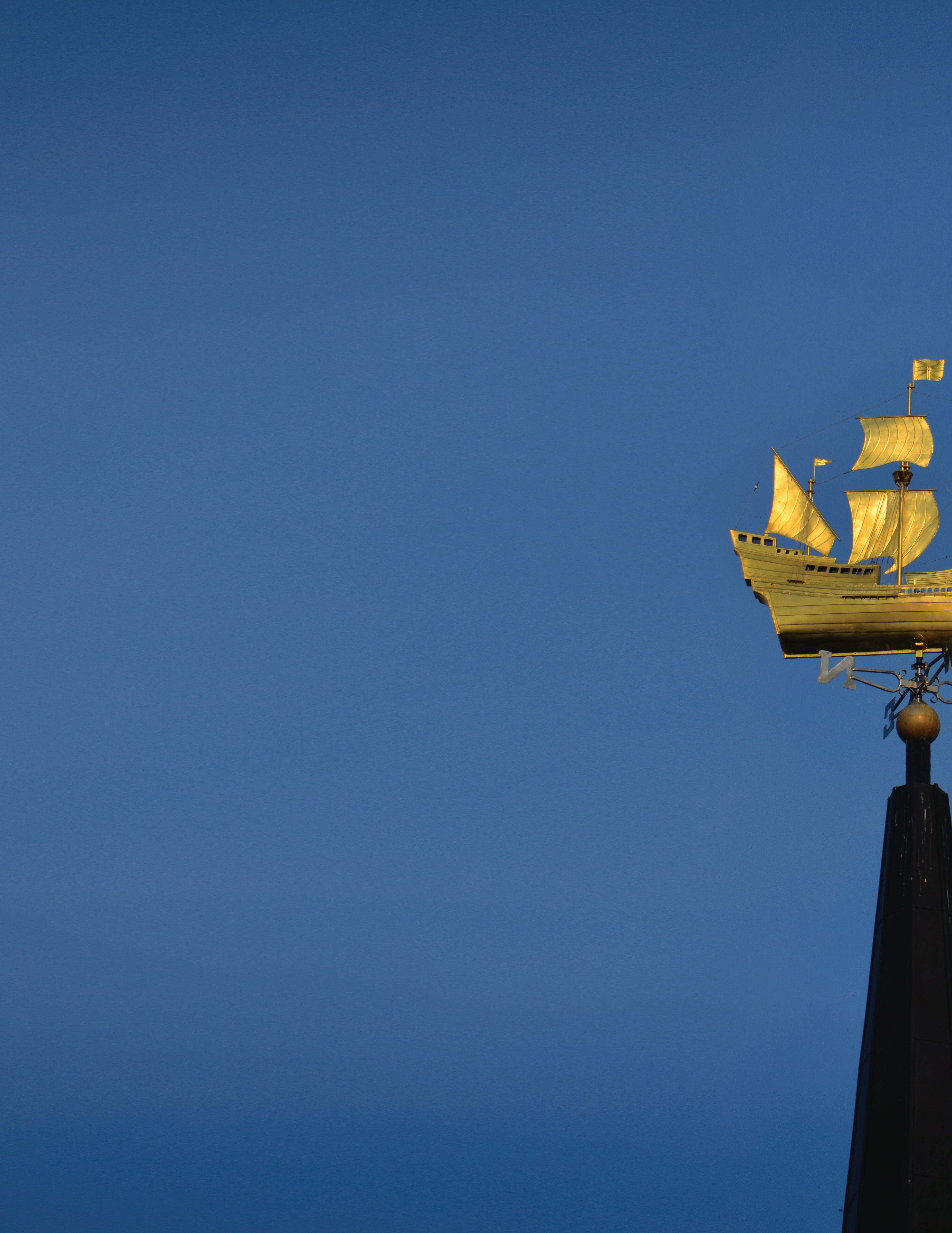
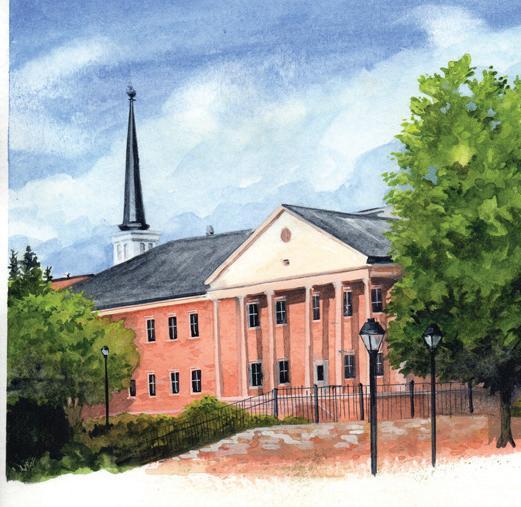
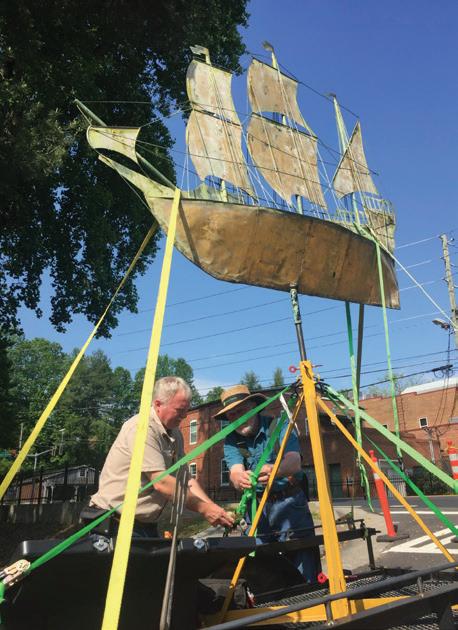
It was hot that day, but lower-thannormal humidity made the afternoon bearable as I walked next door to the Chapel. Resting near the grand steps of that building was the new Mayflower weathervane. Developed by metal artist David Wall, the seven-foot-long goldplated ship glimmered in the sun.
Fifteen months before, the original Mayflower was removed from the Chapel steeple. Our plan was to inspect and repair the ship before returning it to its home. But nearly 50 years of the elements had taken a toll
One-hundred and eighty-seven feet above Central Avenue, the Mayflower represents Piedmont’s historical ties to the Congregational Church. Almost exactly 400 years ago, an English ship named the Mayflower transported the first Pilgrims to the new world. Since that time, the Mayflower has become a cultural icon. To many, the vessel represents hope, courage in the face of uncertainty, and liberty.
Surviving disease and famine, those settlers and their ancestors established Congregational Churches throughout New England. They also founded more than 200 colleges (Harvard and Yale among them). In 1901, the American Missionary Board of the Congregational Church began supporting Piedmont. The college has since enjoyed a close relationship with the churches.
On this day, two mammoth cranes – one for the ship and the other for the workers – were anchored on Massachusetts Boulevard. As contractors reviewed final calculations (the cranes and buckets needed to be perfectly balanced), I took in a
magnificent view of the just-completed Conservatory of Music. Each year, more than 200 students participate in music academic programs, choirs, and programs at Piedmont. Now they would have a state-of-the-art facility in which to hone their craft. In just days, twenty-seven Steinway pianos would be installed in the building, a fitting and fantastic finish to this two-year project.
As I watched the crane bucket ascending against the crystal blue backdrop of a cloudless sky, I was reminded of Piedmont’s rising fortunes. Earlier that morning, we received news that the college had advanced 13 spots in the annual US News & World Report college rankings. Our freshman class and total enrollment had just reached historical highs. Indeed, while many smaller colleges are shuttering or contracting, we have purchased acreage adjacent to campus for future expansion.
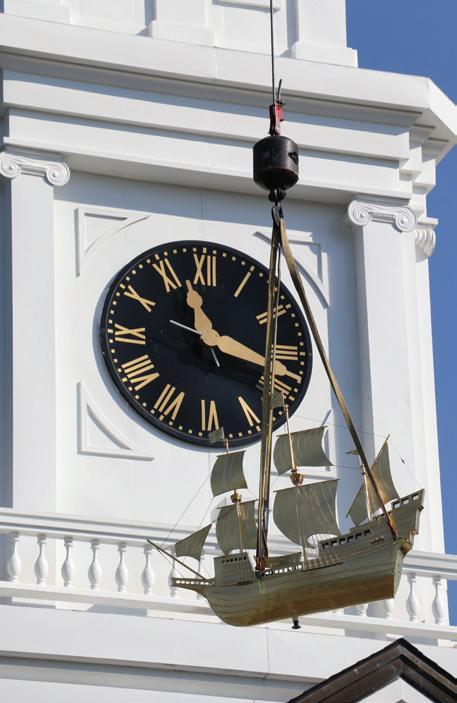
With the bucket and workers in place near the church spire, the second crane began to do its work. Rising quickly, the Mayflower


moved past the chapel columns and the clock before completing its journey. Expertly, the crane operator positioned the ship just a foot from the steeple’s tip.
The men in the bucket did their work quickly. Within a few moments, a Mayflower once again towered above the town and the college (the original is on display in a terrace garden between the Conservatory and Camp Hall). The last human hand to touch the Mayflower for another 50 years gently nudged the aft section of ship, setting the weathervane into a slow twirl to the crowd’s delight below. In that windless sky, the Mayflower dazzled, reflecting the late afternoon sun in a brilliance that is symbolic of the future of the college she represents.

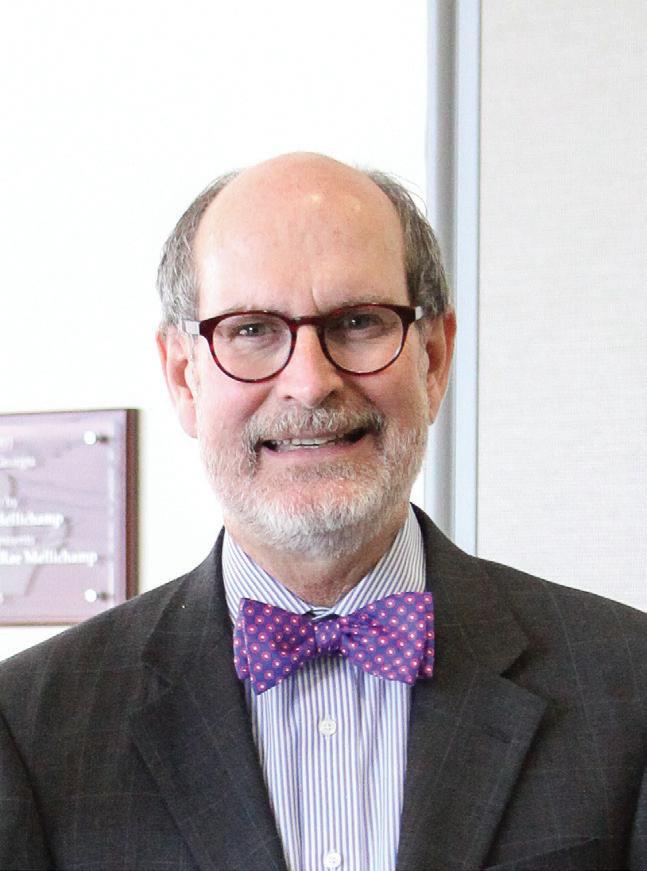
James F. Mellichamp College President
In the coming pages, you will notice a few not-so-subtle changes in this issue of the Journal.
To give the publication some structure, we have portioned our content around several broad categories. “Around the Quad” includes campus news while “Pitch & Court” features stories about our athletic programs. “Alumni News & Notes” contains short alumni stories and announcements.
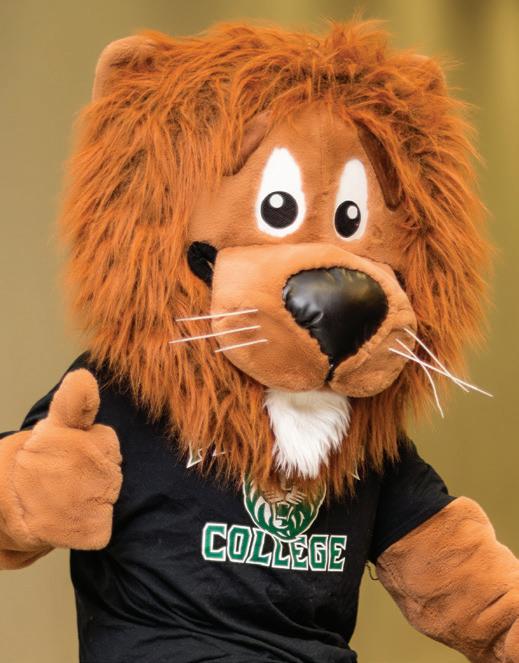
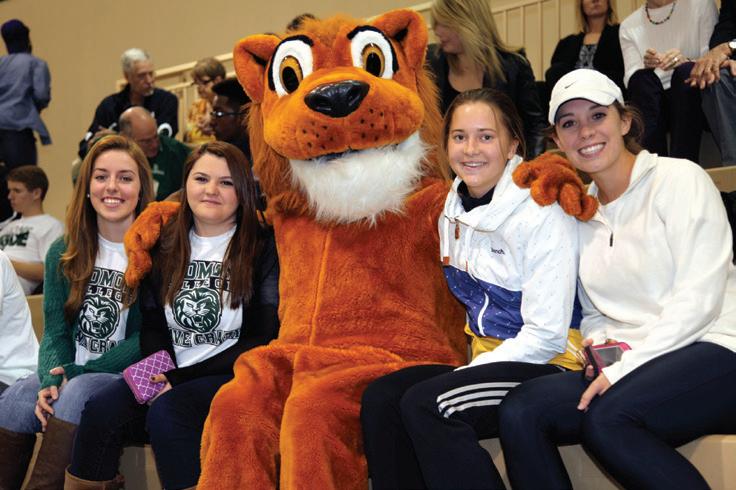
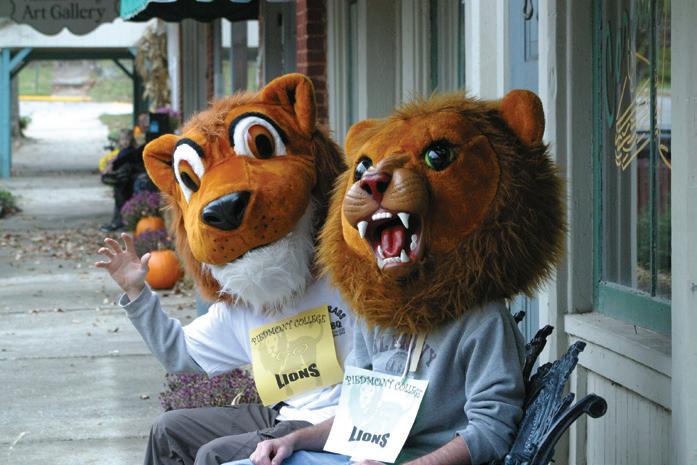
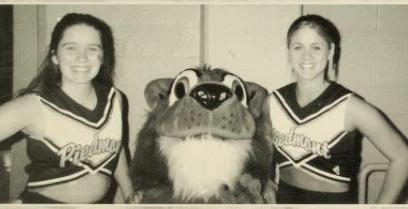
Piedmont has a rich history that dates back to our founding in 1897. Looking ahead, we will highlight snippets of this history in the “Piedmont’s Past” column. This issue includes a piece about the many faces and representations of our dear mascot Leo.
Going forward, another staple of the Journal will be an alumnifocused column, a "Note from Hobbs." This contributed piece, named for our alumni house, will encourage Piedmont philanthropy and highlight ways for alumni to connect with alma mater.
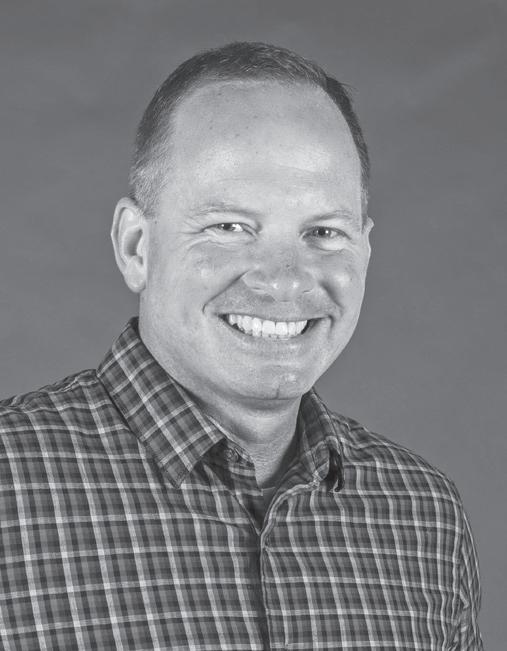
We’re committed to featuring compelling story-telling in each Journal. That takes good writing. In that vein, we’re delighted to feature the work of E. Lane Gresham ’10 on page 12. A seasoned journalist, Lane is a long-time resident of Habersham County, was the editor of The Northeast Georgian from 2011 to 2014, and now serves as Director of Community Relations at Tallulah Falls School.
As always, we welcome your input and letters.
SHARE YOUR THOUGHTS
We welcome letters on any topic covered in the Journal. They should be limited to 150 words, refer to a subject from the most recent issue, and include the writer’s name, city/state, and class year/degree (if applicable). Your notes may be emailed to Journal@piedmont.edu Letters are published at the discretion of the editor and may be edited for length and clarity.
News and events from our campuses in Demorest & Athens
Room to Grow
College acquires property adjacent to Demorest campus
IIn 2002, the Rohletter Family donated 11 acres of their farm to Piedmont College for incorporation into the wetlands conversion of the former lake.
This July the family, longtime fixtures in the Demorest community, did another service to the college by selling 80 acres to Piedmont. The land had served as a family farm since the early 1900s and was managed by Mary and the late Ray Rohletter. It is contiguous to the main campus, southeast of Loudermilk Field and partly bordered by Camp Creek and U.S. 441.
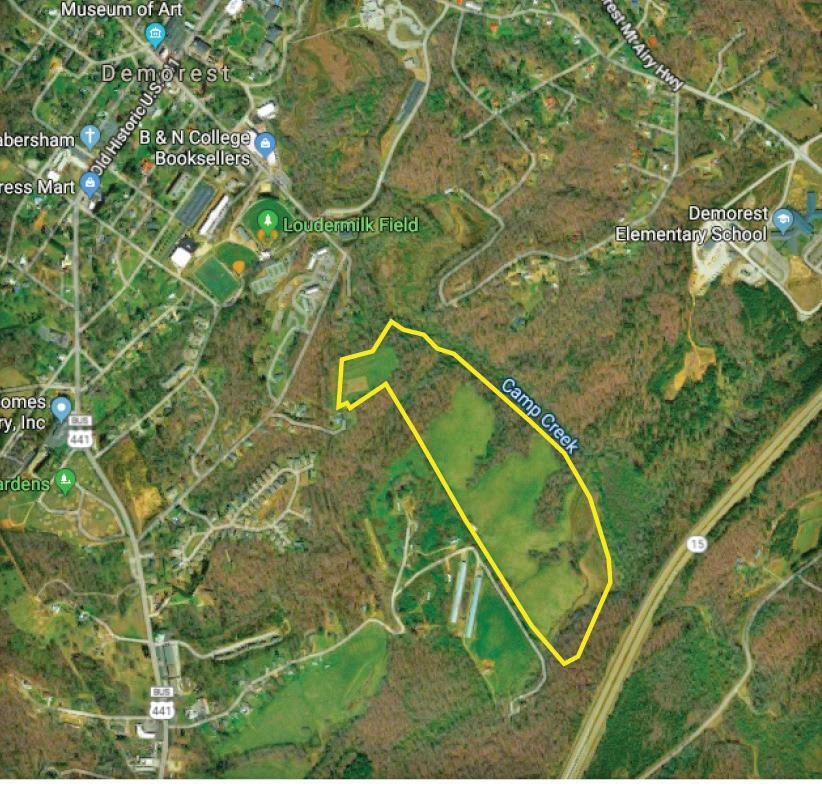
Piedmont's property holdings total more than 400 acres in Demorest.
To honor the family, the college has named the area the “Mary and Ray Rohletter Farm Campus.” A future access road through the property will be been named “Rohletter Farm Drive.”
With the acquisition, completed July 12, Piedmont’s property holdings total more than 400 acres in Demorest. The college also operates a four-acre campus in Athens. The property will provide room for future expansion. Some of the land may be developed into needed athletic fields.
“We are deeply grateful to the Rohletter family, in particular Ray and Mary’s children Joel Rohletter, Jennifer Rohletter Chambers, and Amanda Rohletter Powell, for their commitment to our students by enabling the transfer of this unique asset,” said Piedmont President James F. Mellichamp.
Trending Up
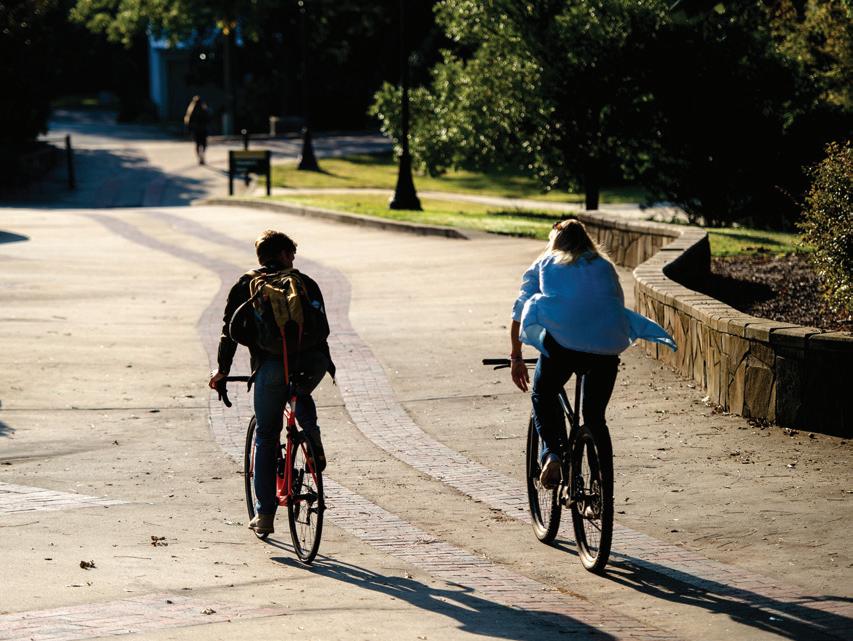
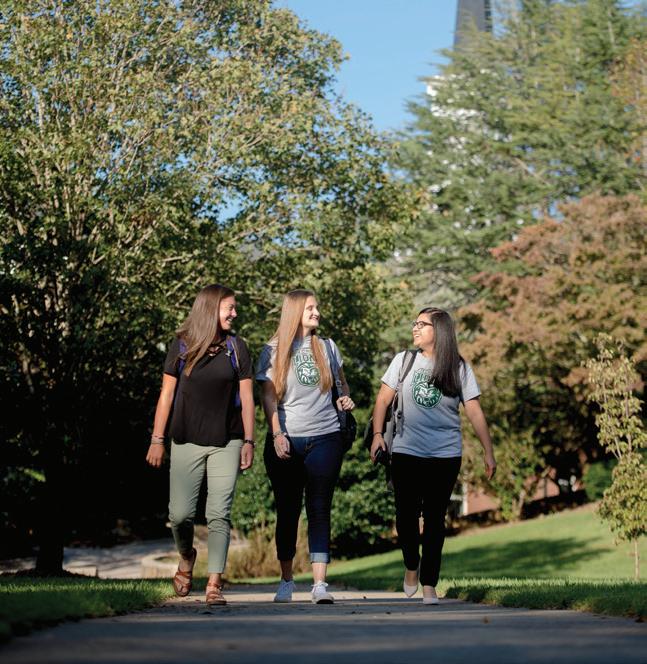
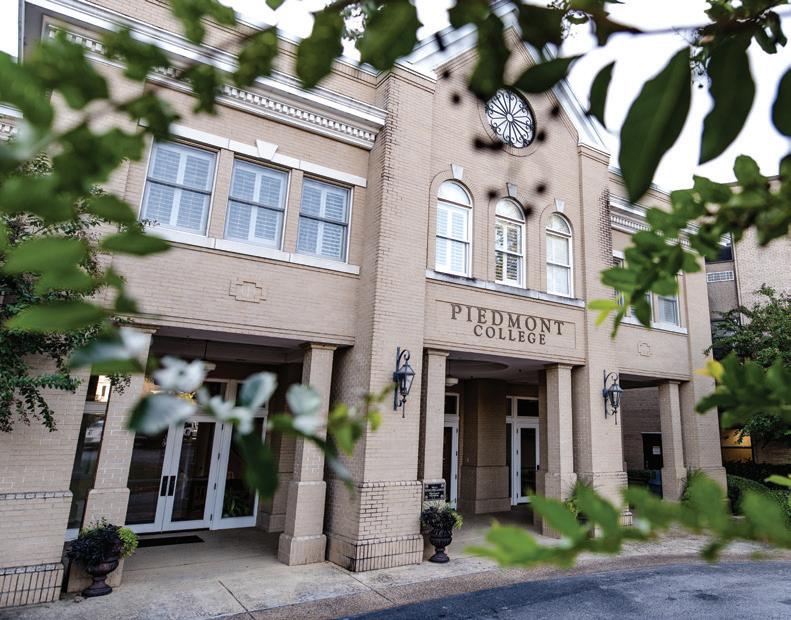
Piedmont’s ranking and student body rising
Most colleges and universities hold Convocations each year to celebrate the coming academic year. The event usually involves a bit of pomp (faculty adorn robes), music, and an inspiring speaker.
When Piedmont faculty, staff, and first-year students gathered in the chapel this September for the annual affair, the institution had something more to celebrate: the college’s largest ever freshman class. The nearly 300-member class of 2023 represents 16 states, three countries and boasts an average high school GPA of 3.44. Total enrollment at the Demorest and Athens campuses is 2,584, compared to 2,498 last year and 2,368 in 2017.
Student population is not the only number trending up.
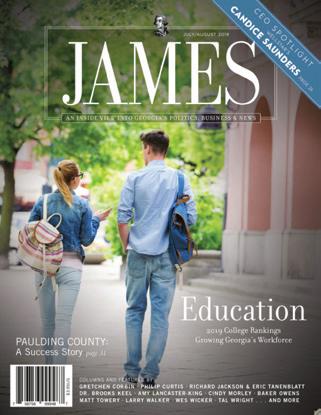
This summer James Magazine, a popular Georgia magazine that covers politics, business, and education in the Peach State, ranked Piedmont as the top private college in
Georgia. The college also advanced 13 spots in the annual US News & World Report college rankings, which were released September 9.
The popular college guide ranked Piedmont No. 50 among “Regional Universities” in the large 12-state South Region, compared to 63 in 2018 and 68 in 2017.
In a new “Social Mobility” ranking that is designed to measure an institution’s success in helping economically disadvantaged students advance in their career and life, the publication ranked Piedmont No. 19 in the South Region and No. 1 in Georgia.
Institutions move up and down in the rankings over time. But it is rare for a college or university to advance 10 spots or more in overall rankings.
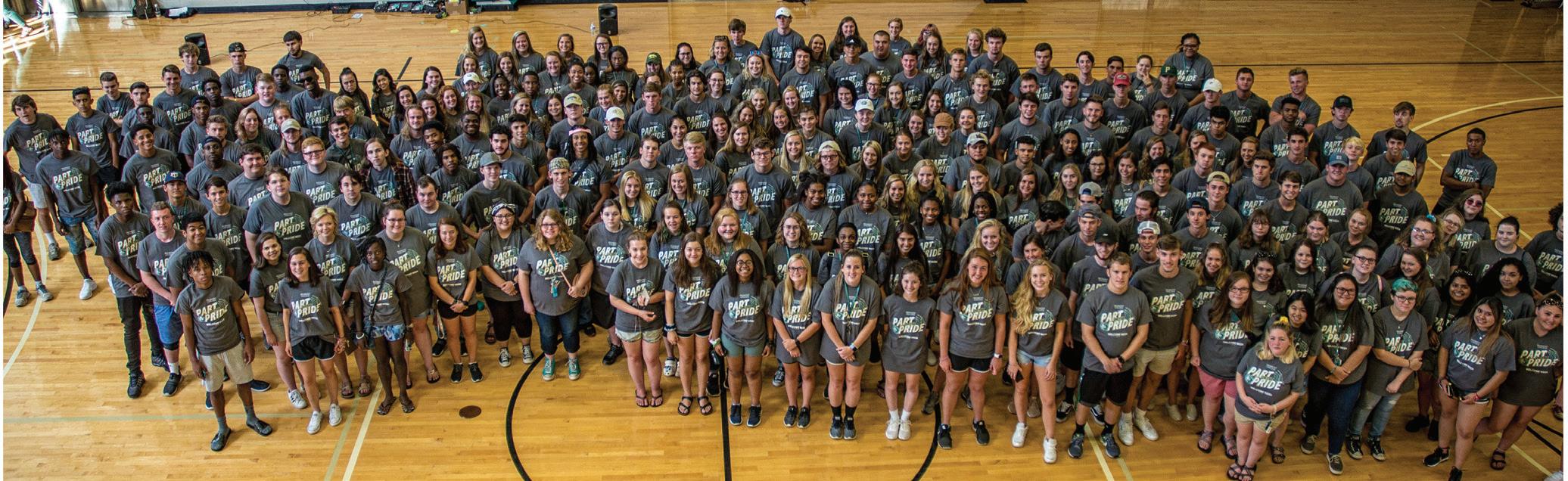
Piedmont College Class of 2024
Back Home
Mayflower returns to chapel
Absent for more than a year, some may have wondered if Piedmont’s Mayflower was lost at sea.
The shining ship, a weathervane stationed atop the chapel since 1970, was removed last May. The original plan called for the ship to be inspected, cleaned, repaired, and returned to its home in a few months.
But a close inspection of the weathervane concluded that more than 45 years of the elements had extracted a heavy toll. The ship would need to be replaced.
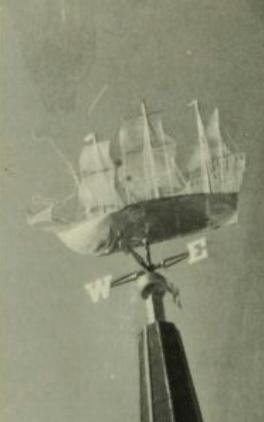
The task fell to David Wall, a metal sculptor who crafted the shallop and whale weathervanes that sit atop New Bedford and Plymouth residence halls. The newest Mayflower arrived in September and took eight months to complete.
The 98-pound stainless steel ship is about six-feet high, seven-feet long, and includes 750 rivets. Bronzed screen wiring on window openings were installed to keep small birds from entering the ship.
Wall, who jokes that the Mayflower has a life-time warranty, said he studied an architectural
rendering of the original ship that brought the Pilgrims to New England’s shore before developing the weathervane.
A longtime fixture in Habersham County, the glittering Mayflower ship is stationed 186-feet above ground level and signifies Piedmont’s historical connection to the Congregational Church.
So, what’s to become of the original Mayflower? It will be the centerpiece of the soon-tobe developed garden adjacent to the Conservatory of Music.
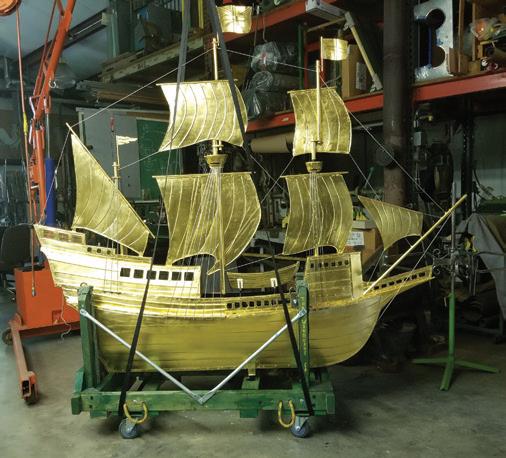
A new, sturdier Mayflower was crafted by artist David Wall.
Going up! The new Mayflower was installed earlier this fall.
The ship was removed for repairs. But it was too damaged to return to the steeple.
The original Mayflower was installed in 1970 as the Chapel was dedicated.
Nordgren named Dean
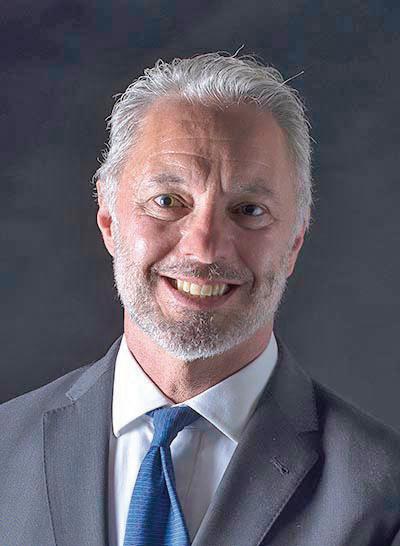
Dr. RD Nordgren, a professor and past chair of Educational
Leadership at National University in La Jolla, California, joined Piedmont College this summer as Dean of the School of Education.
A native of Illinois and former bodybuilder, Nordgren has blue-collar roots, attended college in fits and starts as his checkbook allowed, and earned his undergraduate degree at the age of 29. An English major at the University of South Florida (Tampa, Florida), his passion for teaching was sparked his senior year during a student teaching assignment.
Nordgren began teaching full-time in Pasco County, Florida, in 1990, quickly moved up the administrative ladder, and was put in charge of mentoring new teachers. He began taking graduate school classes at South Florida with long-range plans of becoming a superintendent.
While progressing through his studies, a passion for serving in higher education was sparked. After earning a Ph.D. in Interdisciplinary Studies, Nordgren served as an assistant then associate professor of education, department chair, and director of undergraduate curriculum at Cleveland State University (Ohio).
The author of three books and more than 40 articles and book chapters on school reform, leadership, and curriculum, Nordgren joined National University in 2010 and helped to grow his department’s online offerings.
Former Georgia First Lady joins Piedmont Board
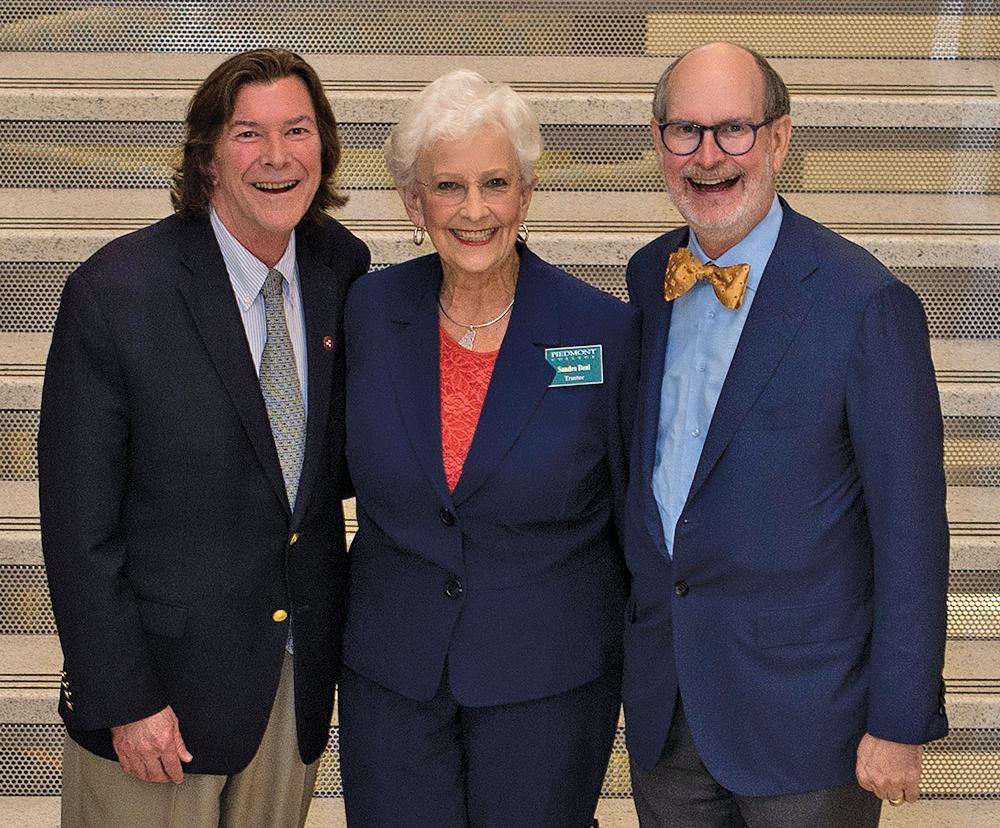
Sandra Deal, an education activist, retired language arts teacher, and former First Lady of Georgia, has been appointed to the Piedmont College Board of Trustees.
As the wife of Georgia Governor Nathan Deal, Sandra Dunagan Deal served as the First Lady of Georgia from 2011 to 2019. The daughter of educators, she grew up in Gainesville and is a two-time graduate of Georgia College & State University. She received her bachelor’s degree in elementary education in 1963 and a master’s degree in elementary education in 1966.
Before becoming first lady, Deal taught language arts at public schools for more than 15 years and retired as a sixth-grade middle school teacher in Hall County. As Georgia's first lady she was a strong advocate for literacy and education.
With the addition of Deal, the Piedmont College Board of Trustees number 30. She will serve on the board’s student life committee.
“Nathan and I value life-long learning and opportunities for advancement through quality education,” said Deal. “Piedmont College has through the years educated many of the caring teachers who taught me, taught with me, and inspired others to choose Piedmont. I am honored to be asked to serve on the board.”
Thomas A. Arrendale, III, Chairman of the Piedmont College Board of Trustees (left) and President James F. Mellichamp welcomed Sandra Deal to the college’s board in October.
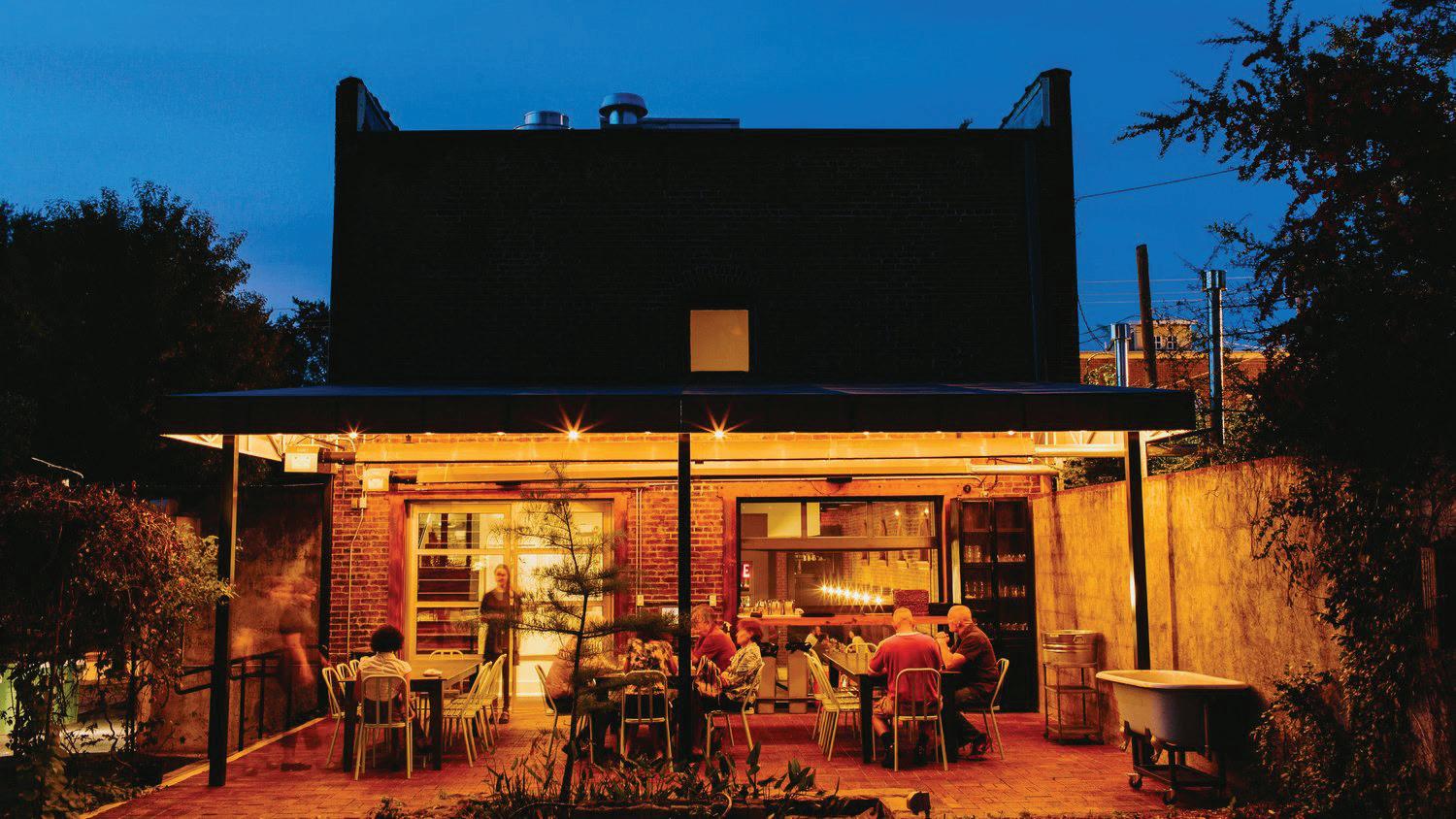
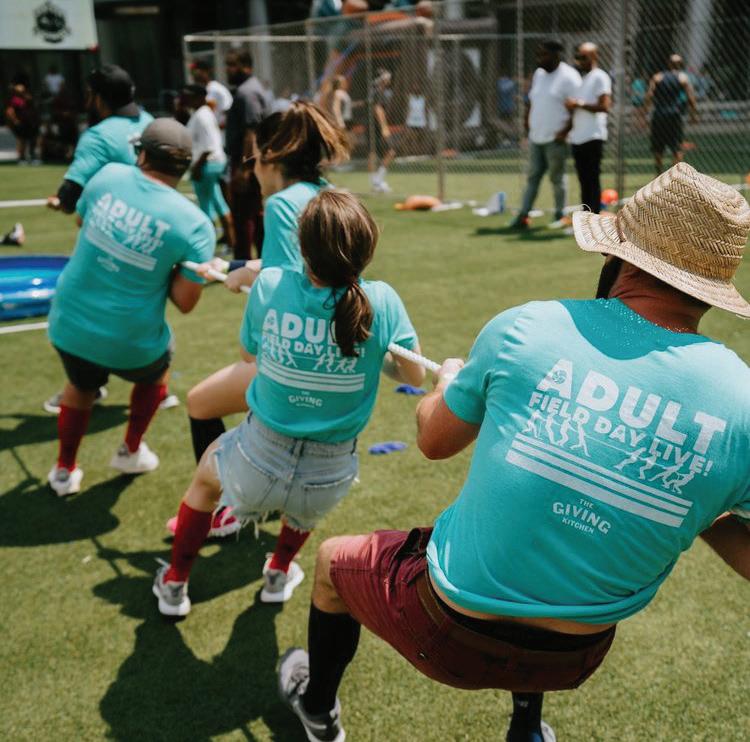
The non-profit, which helps food service workers, provides about $1 million annually in assistance, up from $300,000 two years ago. Giving Kitchen operates Staplehouse Restaurant (right) and raises funds through community events that often include games, music, and (always) food.
Photo courtesy of: The Atlanta Foodcast
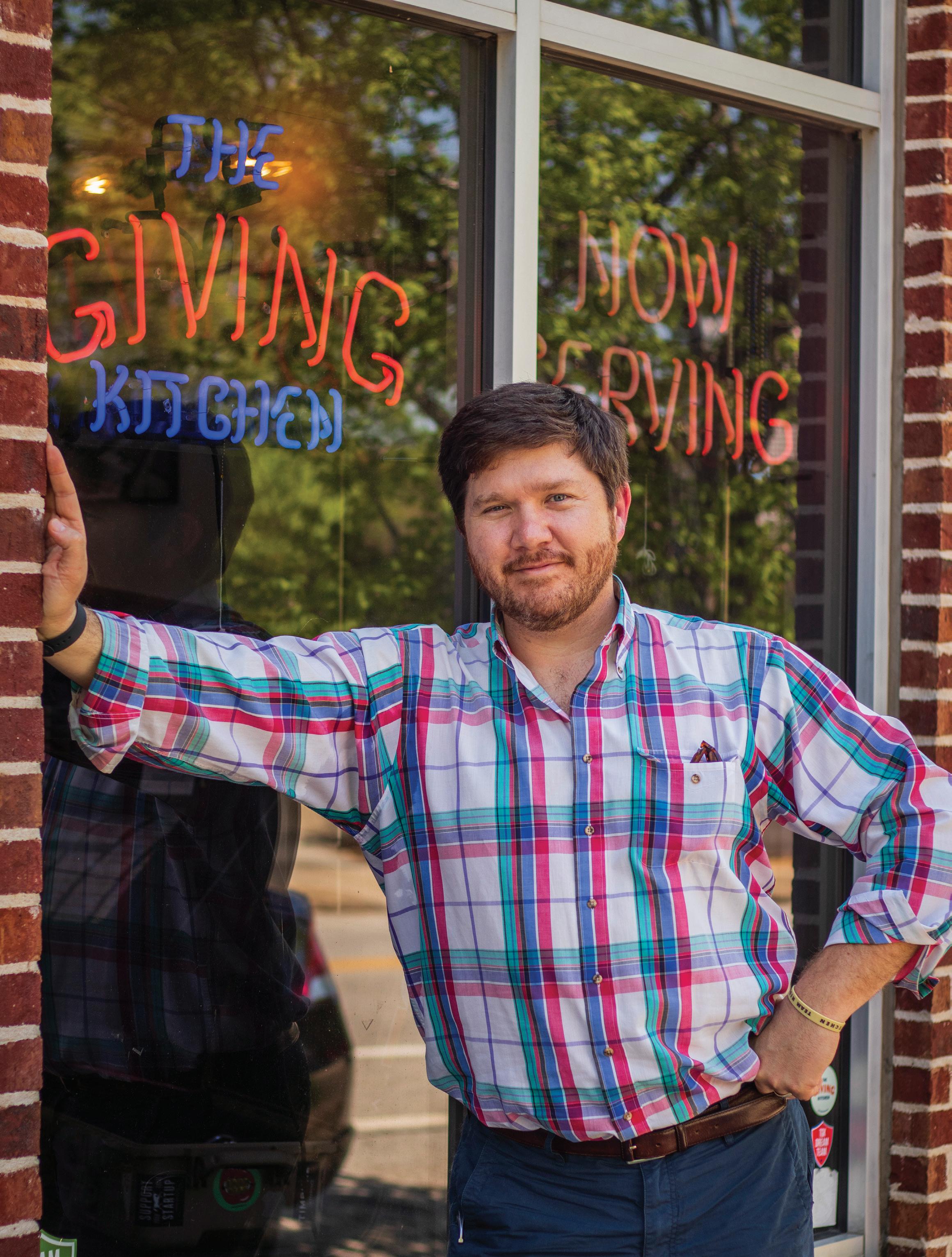
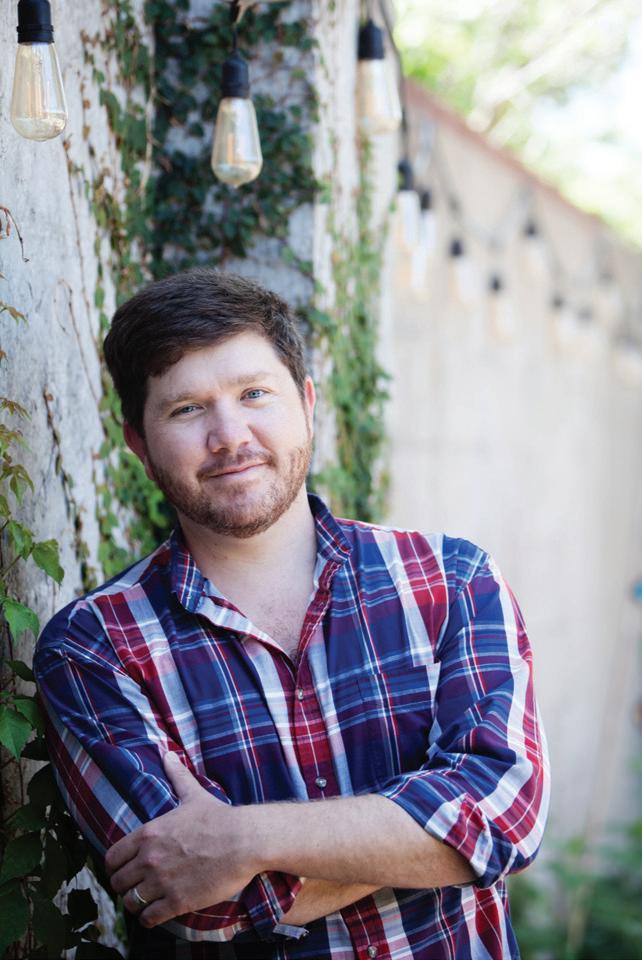
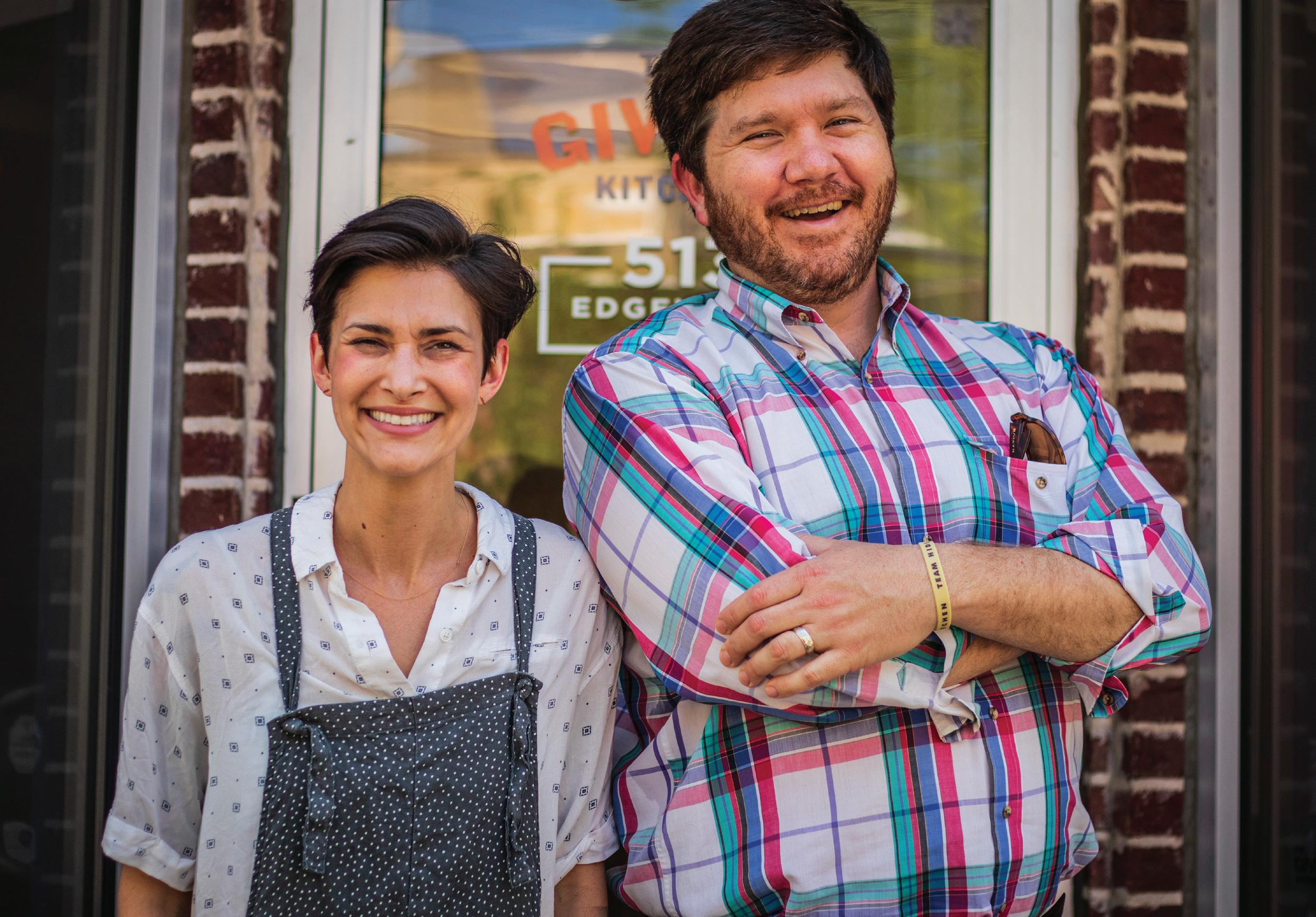
Bryan Schroeder ’03 and Jen Hidinger-Kendrick outside Giving Kitchen’s Atlanta office.
The Nonprofit Path to a Rich Life
By David Harrell
Do you like stories about people whose lives, either by plan or serendipity, come full circle –reconnecting them in the most satisfying way with their roots? If so, you’re in the right place.
Bryan Schroeder ’03 was three days old when his parents opened their restaurant, Schroeder’s New Deli in Rome, Georgia. (It’s still going strong, so if you’re in the area, drop by. You cannot go wrong with the roast beef relief.) Naturally as Schroeder grew and the restaurant prospered, it was all hands on deck. He worked his way through every available job: dishwasher, prep cook, fry cook, pizza cook, sandwich cook, and server.
Closing in on four decades after his birth and the opening of the family restaurant, Schroeder has circled back into the food service arena – albeit in a broader and more impactful way. He is Chief Executive Officer of Giving Kitchen, an Atlanta-based nonprofit that provides financial assistance and social service connections to food service workers.
In a recent interview in his offices at Giving Kitchen, joined by his golden retriever sidekicks, George and Miles (both very good boys), he said “While having a successful restaurant business has certainly been good for my family –allowing my mother, my brother, and me to attend college – the thing my dad loved from day one, and still loves today, is that it is all about relationships. Watching the genuine way he connects with, cares about, and supports his employees, customers, and vendors
planted the idea of serving others in my DNA.”
Schroeder’s journey from dishwasher to executive has had some impressive stops along the way. It began at Piedmont.
“I looked at several options.
There are two reasons I knew Piedmont was right for me,” he explains, “There are large schools and small schools. I was definitely better suited for the latter. The other deciding factor was the special bond I had with Dr. Timothy Lytle (professor of philosophy and religion). I met him in high school through Camp Mikell in Toccoa, Georgia. I admired his outlook on the world – focused on the present and future, not the past – and knew I wanted to learn from him. He remains a mentor and friend to this day.”
and ‘their’ in my papers. Like I said, embarrassing. I’ll never forget her words, ‘Bryan you are too smart to be doing this. Good, correct writing matters.’
The fact someone of that statue invested that much interest in my success was amazing. Believe me, I cleaned up my act and what a difference it made.”
Schroeder also remembers learning from this dynamic duo that his major (religion and philosophy), in true liberal arts fashion, was not preparing him to do a specific thing but, rather, to do anything. Another lesson he took to heart, as you can see from this brief recap of his resume.
After graduating, he became a wilderness therapist with the State of Georgia as part of an outdoor hiking and camping program for troubled and in-trouble youth.
He earned a masters in nonprofit management from the University of Georgia’s Institute for Nonprofit Organizations in 2006 in order to refine his plans for the future.
There were large schools and small schools. I was definitely better suited for the latter.
“Another big influence on my life,” he continues, “was (former professor of religion) Dr. Barbara Brown Taylor. It’s kind of embarrassing, but I will share this story. She called me into her office one day for a ‘talk.’ Now, this is a woman of national renown, someone open to discussing big issues and diving into tough questions. However, she had something else in mind that day. She was concerned – and rightfully so –when she saw, among other things, that I was confusing the use of ‘they’re’
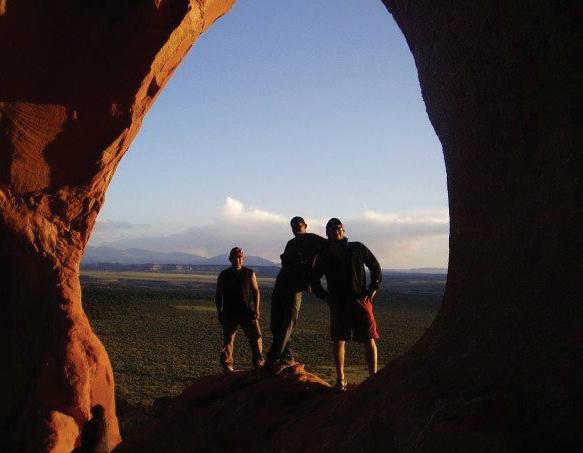
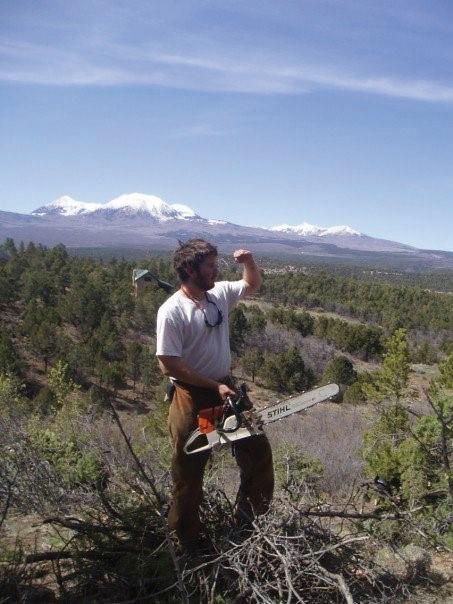
Next up was a stint with AmeriCorps. His first assignment was as a team leader helping with the rebuilding of New Orleans after Hurricane Katrina. His second was working with young Navajo adults in Colorado to earn their “chainsaw certification” to prepare them to clear forests – and ward off fires – on public and private lands.
Then it was off to Savannah to join a company that provided environmental education in public schools.
That position segued into a leadership role with the Georgia Conservancy where he spent ten years creating programs that he’s proud to say are still utilized today.
“I really enjoyed my work at Georgia Conservancy,” he confirms, “I was involved in setting policy that would help people in the long run. I really wanted to work with people directly and be able to help them immediately.”
As you’ve probably guessed by now, he
Schroeder provided cousel to Navajo native Americans in counselN
fed that desire to serve by taking the helm of Giving Kitchen.
Giving Kitchen provides stability for some of the most hard-working and vulnerable members of our community: food service workers. The simple and critical reality is that restaurant folks often don’t have a safety net. Say a server breaks her ankle in a biking accident and obviously can’t work. Plus, like many, she lives paycheck to paycheck. Where can she turn for help with rent, groceries, medical bills? Giving Kitchen. That’s a simple example, but you get the idea. (NOTE: The founding of Giving Kitchen is a heartbreaking and heartwarming story. Hearing it is worth a visit to the website, thegivingkitchen.org.)
In addition to providing financial assistance to food service workers through Crisis Grants, Giving Kitchen has also created the Stability Network to connect restaurant workers who may be dealing with mental health issues with community social services.
Since coming on board two years ago, Schroeder has overseen the growth of financial assistance from around $300,000 a year to about $1 million. The staff has expanded from five to 12. Created to support workers in metro Atlanta, Giving Kitchen now offers assistance in every county in Georgia. Even the definition of those served has broadened beyond brick and mortar restaurants to encompass everyone who serves food (i.e. food trucks, caterers, concession employees, etc.).
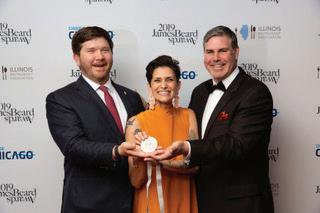
Are people paying attention to all this outstanding work? You bet. And in a big way. Giving Kitchen received the 2019 James Beard Foundation’s Humanitarian of the Year award, given to an individual or organization working in the realm of food who has given selflessly and worked tirelessly to better the lives of others and society at large. (If you’re not a foodie, a Beard award is the food world’s equivalent of an Oscar.)


The Giving Kitchen was founded as a tribute to Ryan Hidinger, a popular Atlanta chef who died of gall bladder cancer in 2013.
The outpouring of support that Hidinger and his wife, Jen, received after Ryan’s diagnosis informed the values of nonprofit, which provides emergency financial assistance to food service workers who are facing a crisis.
Today, Giving Kitchen offers assistance throughout the state. In 2019, Giving Kitchen received the 2019 James Beard Humanitarian of the Year award at the event in Chicago on May 6.
Pictured above, Bryan Schroeder, Jen HidingerKendrick, and Ryan Turner of the Giving Kitchen with the 2019 James Beard Humanitarian of the Year award at the event in Chicago on May 6.
The official motto of Giving Kitchen is Serving Those Who Serve Us... Every. Day. Words that easily double as the personal mantra of Bryan Schroeder.
Before joining the Gving Kitchen, Schroeder cleared forests in Colorodo to prevent wildfires.
Taylor’s Holy Envy offers glimpse into Piedmont experience
By E. Lane Gresham '10
In the classroom, Dr. Barbara Brown
Taylor guided the intellectually curious through lessons covering religious practices, awakening student seekers to a broader worldview.
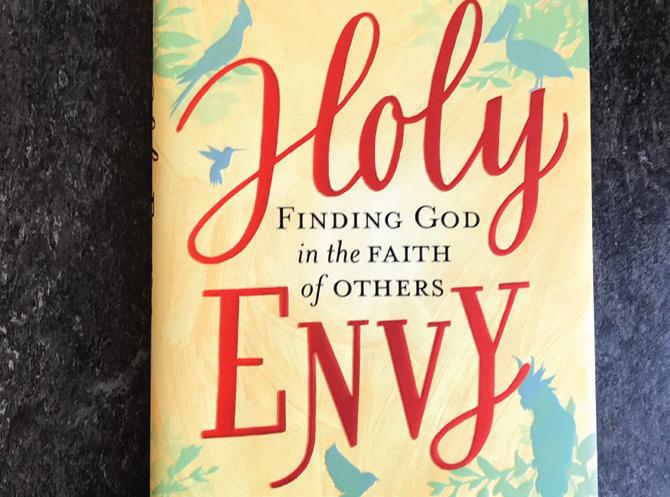
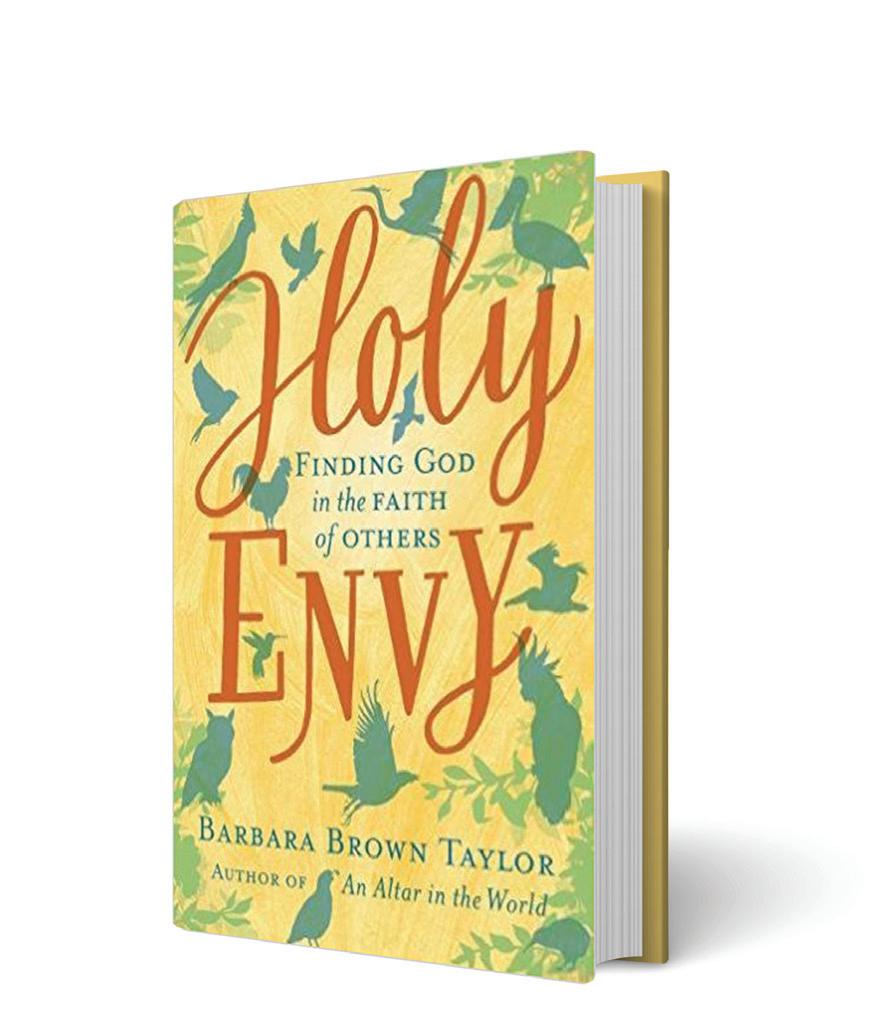
The New York Times best-selling author describes this season in Holy Envy, her latest literary offering. The work is a reflection from two decades of teaching “Religions of the World” at Piedmont from 1998 to 2017.
In her Daniel Hall classroom, learners of varied backgrounds gathered to discuss the world’s major religions. Field trips were woven into the syllabus. Regular excursions to Atlanta offered students the chance to visit worship services in Christian, Buddhist, Hindu, Muslim, and Jewish communities.
The choice of title, Holy Envy: Finding God in the Faith of Others, offers a glimpse into Taylor’s intellectual worldview.
“I heard it the first time without having a clue what it meant,” Taylor said.
The phrase Holy Envy is attributed to biblical scholar Krister Stendahl. It was the last rule on his three rules of religious understanding. Taylor said it fit into her goals for the class so well that she incorporated it into the final exam, posing the question: “What has inspired ‘Holy Envy’ in you this semester?”
“The students always gave
wonderful answers,” she said.
Taylor encouraged her charges to consider ways to expand the Christian practice of loving thy neighbor, reminding them that studying faith traditions other than their own didn’t mean they were being disloyal. She reminded students all the major religions had a version of the Golden Rule embedded in their doctrines.
In chapter two, the author recounts a story about a Christian student who had a simple assignment: Use your newly acquired knowledge of the world’s great religions to design an interfaith chapel for Piedmont College.
“As I remember it, her chapel was round with
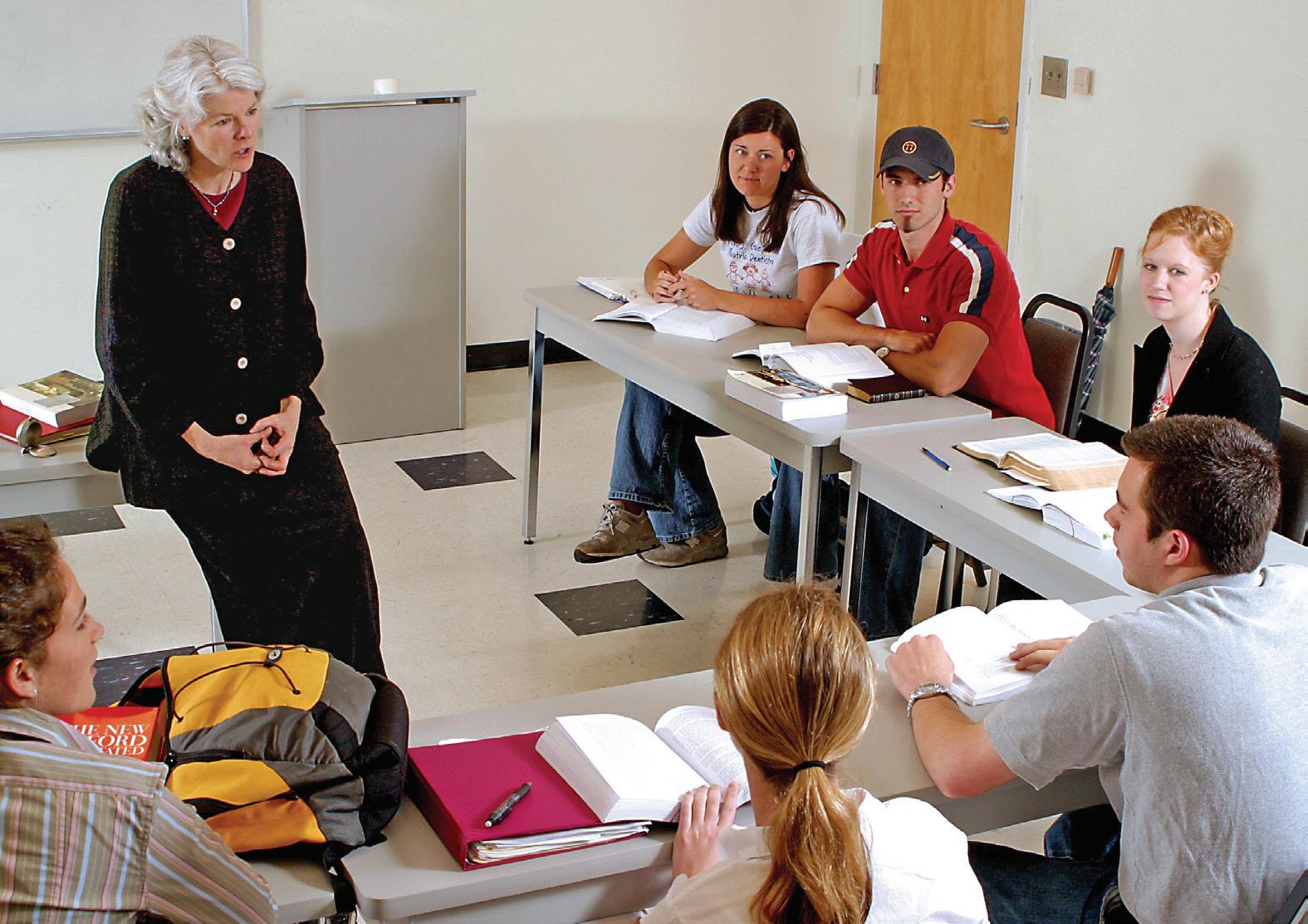
Taylor taught “Religions of the World” for nearly 20 years at Piedmont.
nothing inside it but polished floors, walls, and ceilings made entirely of black marble,” said Taylor. No religious symbols nor furniture were incorporated into the space “so that no matter where people look, all they will be able to see are each other’s faces reflected back at them.”

The student received an A.
Even though Taylor began writing the book while still at Piedmont, she completed it after leaving the classroom, providing her with time to reflect. After reviewing the first draft, her editor sent her back to the keyboard, telling Taylor to write more of herself into the story.
“Memoir sells books,” Taylor said. “With reluctance, I put more of myself in it.”
Taylor was intent on representing accurately the traditions covered in the chapters.
“There is a huge variety among faith traditions; I just provided a perspective on it,” she said.
While teaching, she connected deeply with her students, mentoring those who revealed and honed their own spiritual gifts. Taylor was especially careful with the student profiles included in the book.
“Anytime I told a recognizable story I cut that piece out and sent it [to the student],” she said. “Some students wanted to be anonymous. Two changed their names. Two wanted their full names included.”
One former student, Patrick Reid, currently enrolled at Yale Divinity School, Taylor’s alma mater, was asked to read, review, and comment on the manuscript.
“I had not considered what Barbara had learned by teaching us, and the many students that came before me,”
Reid said. “Some moments of the book transplanted me back into that course as if I were taking the class all over again. Other moments, however, showed me how the class varies from each group of students each year, as many bring into the class their own life experiences and questions. Reading the manuscript allowed me to grasp what can be learned, not only from taking world religions, but the transformative lessons Barbara gained from teaching it.”
Taylor misses being in that academic environment, both in the classroom and being immersed in a university setting.
“What I miss the most are student responses to new information,” she said. “The questions they asked, the insights they had, the papers they wrote, the projects they dreamed up – all of it so surpassed my imagination. The students would bring it [assignments] to life over and over again.”
I had other invitations to go be happy at other schools, but I wanted to be a part of Piedmont's mission. I wanted to be with students who might be the first in a family to go to college.
–Barbara Brown Taylor
She describes Holy Envy as a love letter to Piedmont College.
“Clearly, I was happy. I had other invitations to go be happy at other schools, but I wanted to be a part of
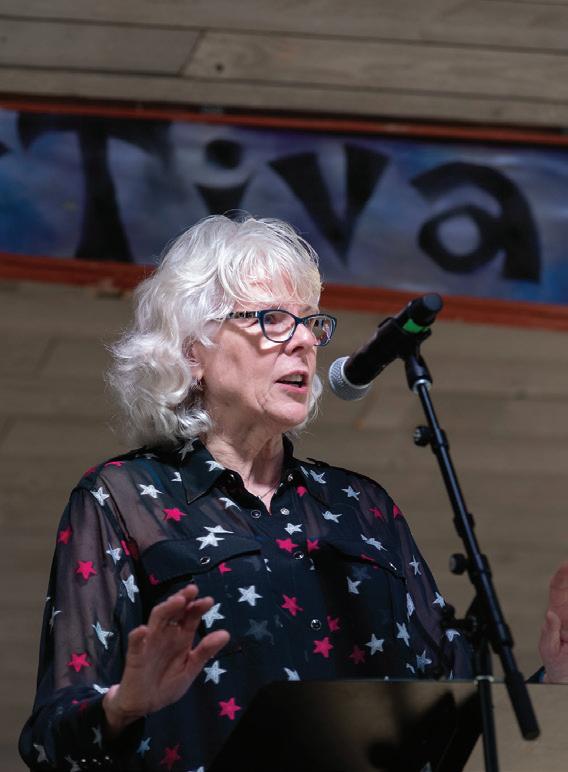
Taylor is a regular attendee and speaker at the The Wild Goose Festival in Hot Springs, North Carolina.
The weekend event explores spiritualism, justice music and art.
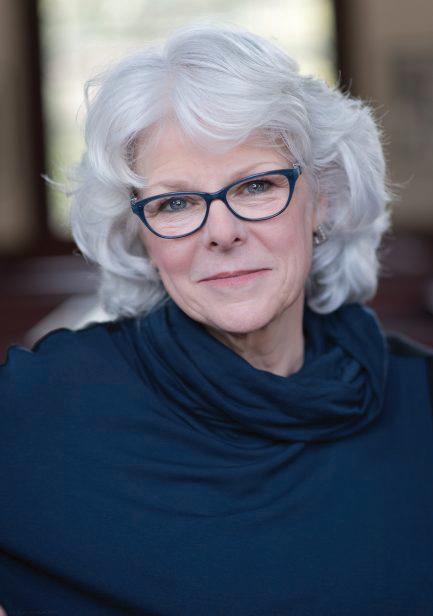

Since retiring as the Butman Chair of Religion, Taylor remains invested in the foundational work of building community through conversations about faith. She speaks at conferences and leads writing workshops, adding her graceful and lyrical commentary to inspire others.
Taylor is a New York Times best-selling author, an Episcopal priest, a world-class wordsmith, and a gifted preacher.
In 2014, she was included on the list of Time’s 100 Most Influential People, just after “Learning to Walk in the Dark” was featured as a Time cover story.
She was also featured on Oprah’s Super Soul Sunday and is a regular attendee at The Wild Goose Festival, a merging of spirit, justice, music, and art, held each July in Hot Springs, NC.
Taylor and husband, Ed, live on a working farm in Habersham County where they care for the land and a menagerie of horses, chickens, cats, and dogs.
We’ve kept gathering around communion tables, just like Jesus told us to. That meal holds a central place in my tradition. It’s what keeps me at home in my faith.
Piedmont’s mission. I wanted to be with students who might be the first in a family to go to college,” she said. “Piedmont has a wide and diverse student body but I felt like I was serving near home...to produce a fabulous graduate enriched by the Southeast. I was with such a broad range of students with all kinds of abilities and interests. I loved their breadth; I was never bored.”
The book’s dedication illustrates Taylor’s commitment to the college and its leadership: “For Ray Cleere (Piedmont President 19952011) who hired me, (current President) James Mellichamp, who retired me, and Timothy Lytle, my closest ally all along.”
At Piedmont, she and Dr. Lytle shared an office entryway in the northeast corner of Daniel Hall. Lytle misses the everyday interactions developed through a long-term connection of like minds.
“I miss the quiet grace that she brings with her,” Lytle said. “I think that it is what made her such a great teacher. She would approach classes as an opportunity for her students and her to learn together, and she was always eager to hear their voices, their views, and their questions.”
Lytle said students at all levels enrolled in the “Religions of the World” class as it satisfied a core requirement. It was for some, he said, the first time they might encounter someone from a different religion.
Taylor provided that safe space to explore new ideas, he said.
“That was a powerful gift that she gave to her students,” he said. “College is an incredibly important time, especially that first year. The world is opening up to them in a way that many of them have never before experienced. It is crucial to be able to understand a multiplicity of perspectives – our own and those of others – if we are to function successfully in this global community. Reading Holy Envy was a real pleasure for me, partly because I knew so many of the people involved, but mostly because I was reminded of the care, the passion, and the gentle grace that Barbara brought to her teaching.”
Taylor said her spiritual practices have evolved, and she “borrows” from other traditions, but she remains rooted in her Christian foundation.
“I’ll do yoga; I’ll sit in something that approximates meditation,” she said. (Continued on Page 18)

By John Roberts



A Bel egend

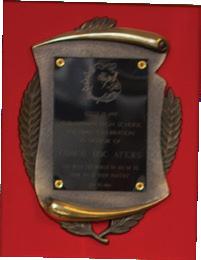
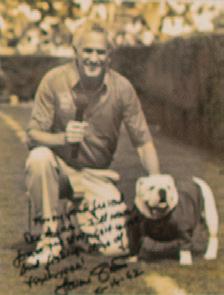
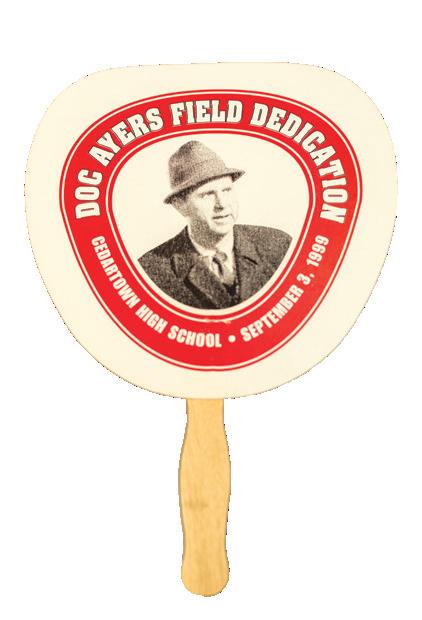

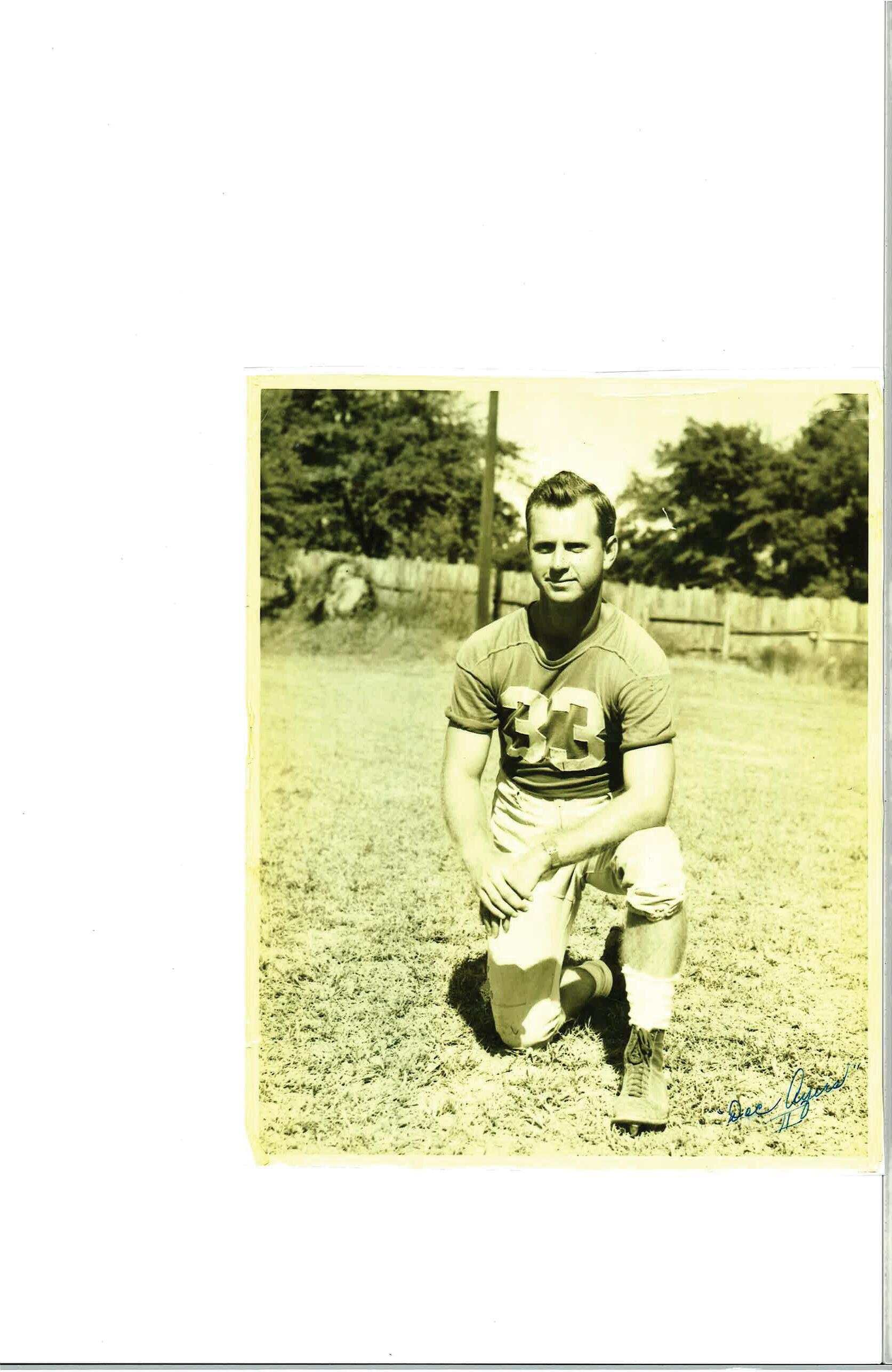
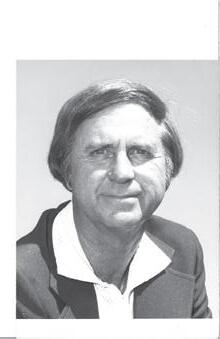
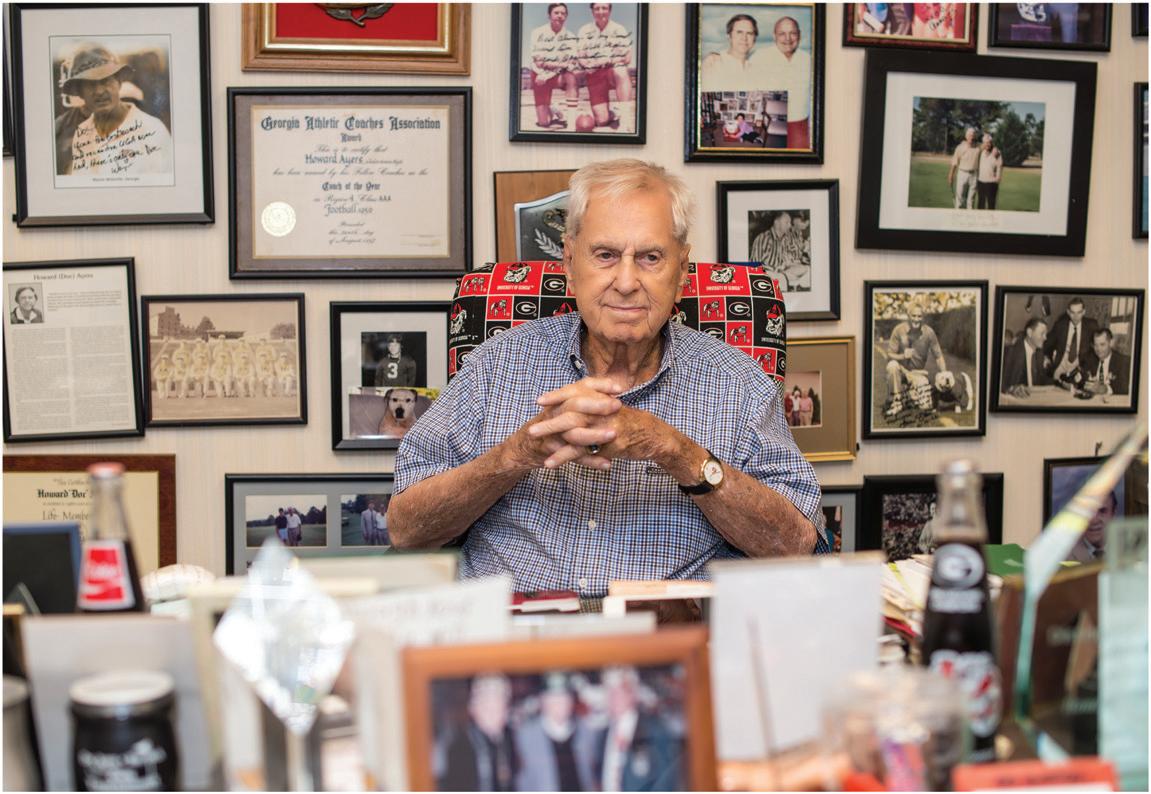
Part of Howard “Doc” Ayers’ office is walled with 1970’s-style wood paneling, the kind with the black-grooved vertical lines and mock wood grains. But his visitors see none of it. Every square foot of the space represents a memory.
Photographs, certificates, and newspaper clippings canvas the office. Admiring notes from legendary football coaches Bear Bryant, Steve Spurrier, and Vince Dooley (Ayer’s boss for 16 years) are there. So are the images of professional golfers


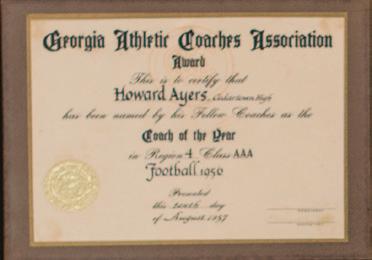






and countless athletes. They spill out into an adjacent bathroom. Some are tacked to the ceiling.
If Ayers, now 97, can’t recall the big games he’s coached or the accolades showered upon him, his office, located off Main Street in Cedartown, Georgia is a reminder.
“If I can’t remember something, then I’m sure it’s on here somewhere,” he says making a sweeping gesture with his hands.
Behind Ayers’ desk is a page from the program when he was inducted into
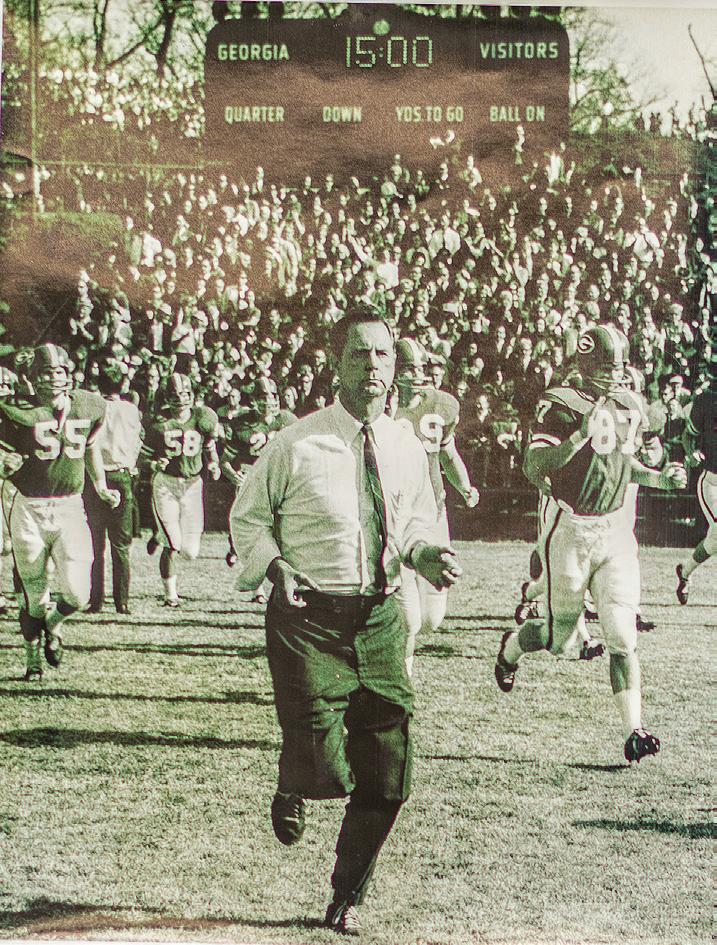
the Georgia Sports Hall of Fame. There are images of him leading the Georgia Bulldog football team onto the Sanford Stadium field before kick-off. And there are family remembrances, too. On his desk rests a yellowed newspaper clipping about his father, Dr. Clarence Ayers, a much-loved physician in Toccoa who delivered more than 5,000 babies and served several terms as a state senator.
Much of the wall is a time warp to a simpler era when high school football was the entertainment lifeblood of

small-town Georgia. Each Friday night, townspeople crowded around dusty, grass-spectacled fields to cheer on their hometown heroes. And each Saturday, high school scores and highlights were splashed across the front page of the sports section of the Atlanta-Journal Constitution. And every boy who could toss a bale of hay tried out for the high school team.
Ayers’ life, at least early on, did not seem destined for the gridiron.
The youngest of four children, he was a sometimes tag along when his father made house calls. Later, the boy developed a habit of carrying a miniature black medical kit around the neighborhood, mimicking his father and pretending to practice on his classmates. The endearing behavior stuck. Soon adults began calling him “Doc” like his father.
Georgia. The younger Ayers, though, continued his ways. As his grades languished in the classroom, his reputation on the field soared. He was a sudden celebrity in Northwest Georgia and very popular with the girls.
“My daddy didn’t like it worth a damn,” he said. “He sent me to
he enrolled at Piedmont College and commuted 15 miles down US 441 each weekday for classes.
“It was a very small campus and very quiet,” said Ayers. “They expected you to behave, and I thought it was a very good school. And, of course, because it was close to Toccoa it was economical.”
Darlington Prep to study medicine, but the only thing I wanted to study was Shorter (Academy) girls.”
As a teen, though, Ayers lacked the patience and classroom work ethic of an aspiring physician. A cocksure running back, he emerged as a young star for Toccoa High, leading the team to a 17-3 record his freshman and sophomore years.
“Oh, I thought I was real good,” remembers Ayers. “I didn’t weigh but 130 pounds, but I went around telling everyone I was 190.”
Sensing his son could benefit from a stricter academic environment, Dr. Ayers packed him off to Darlington Preparatory Academy in Rome,
Ayers ambition to play college football at the University of Georgia was put on hold by World War II. He joined the Navy and served three and a half years on an aircraft carrier that patrolled the Atlantic and Pacific oceans.
A wiser, more humble Ayers traded his navy whites for apple red in 1946 when, college scholarship in hand, he joined the University of Georgia football team. A knee injury during spring practice, though, ended his career. Despondent, Ayers stayed on as a student coach for a year, then moved back to Toccoa where
All the while, though, Ayers was desperate to get back into football and maintained contact with his Georgia coaches.
“I was just always interested in athletics. It got me really excited.”
He graduated in 1949, a year after Georgia Coach Wally Butts helped the young man land his first head coaching job at Lavonia High School, a team with just 16 players.
“I was thrilled to death,” he said. “I thought I was coaching at Notre Dame.”
Ayers compiled a 25-4-1 record at Lavonia and coached one season at Winder High School before moving
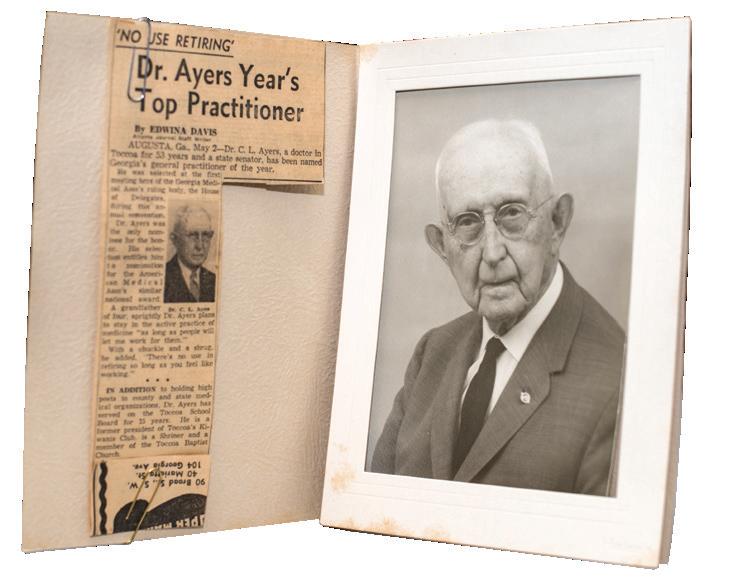
Doc Ayers’ Cedartown office is filled with memories.
The original Doc (Dr. Clarence Ayers) was a longtime family physician in Toccoa.

to Northwest Georgia to coach Cedartown High School. In that small town, Ayers’ coaching star began to rise. His teams, it seemed, were always out-manned and under-sized. But a hard-scrabble Cedartown team won the
Along the way,
Ayers earned a reputation for doing things the right way.
North Georgia championship in 1956. Seven years later, the Bulldogs were crowned 1963 AAA state champions. Along the way, Ayers earned a reputation for doing things the right way. He never cursed in front of his players or asked a hurt player to play through an injury. Coach Ayers never ran up the score on an opposing team and placed character development before winning.
In a 2004 issue of Georgia Trend magazine, then editor and publisher Neely Young, a starting guard for Cedartown in 1958, wrote: “Ayers held to the theory that the water boy was just as important to the team as the quarterback. At the end of each game he would take time to give praise to someone who was a substitute, who might have run in a play for one down. He always thanked the trainers and mentioned the other staff.”
Ayers’ greatest coaching gift, according to many, was his ability to inspire.
“In almost every game we would be behind at the half,” wrote Young.
“Doc Ayers’ halftime pep talks were legendary… During one game when we were not playing well I expected we were in for a real chewing out. Instead, he opened a letter. ‘Boys,’ he said. ‘This is a letter I received today from my mother.’
‘Dear son,’ he read. ‘I know this is an important game for you and Cedartown High. I know that your boys will play their hardest for you and for the team. I want you to know that I believe with all my heart that this team is the greatest team in the state. I hope you will win and bring home the championship for Cedartown High. Love, your mother.’

played a key role in the success of Georgia’s program. The players on this walk-on squad competed for football scholarships. Each year, a few made it. Dooley wanted a big personality, energetic recruiter, and inspirational coach to lead the program.
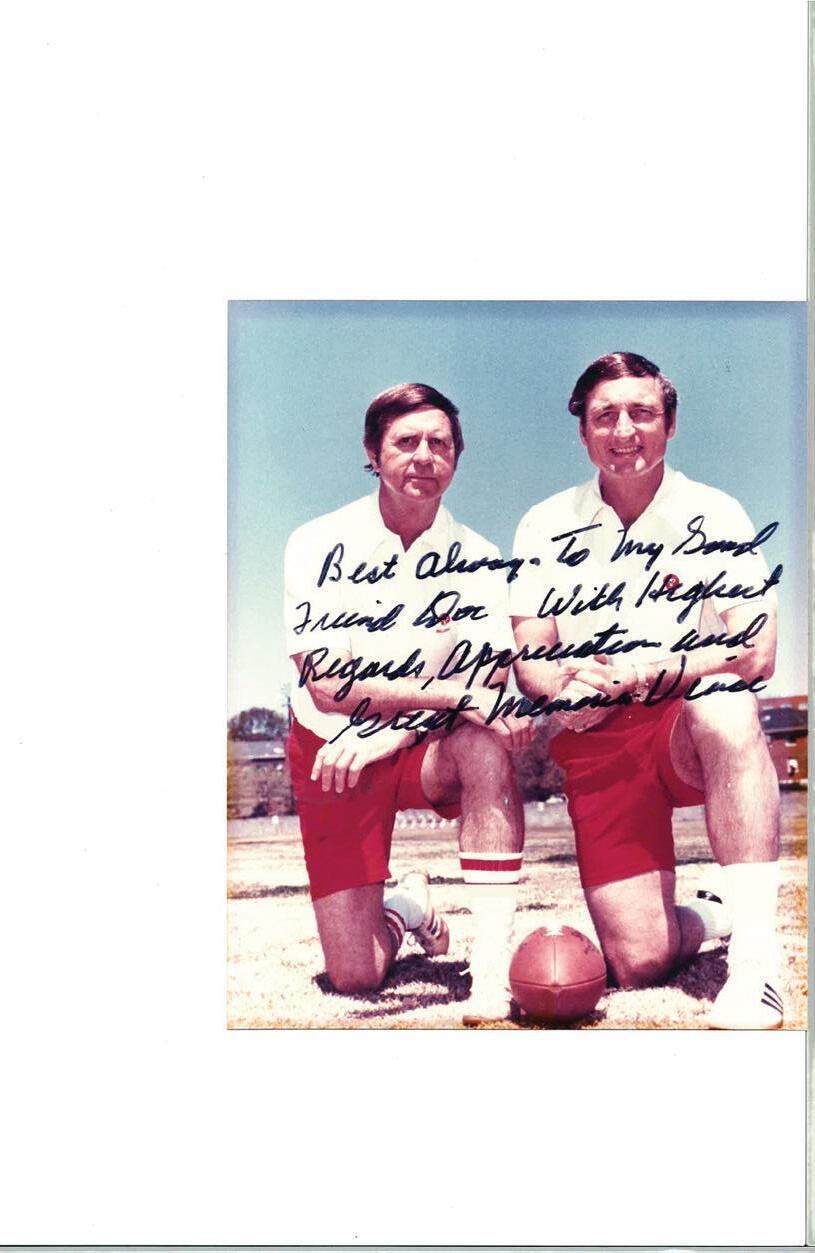
“Doc was all the things we needed in a freshman coach and more,” said Dooley.

With a tear in his eye, Coach Ayers asked us to win the game for his mother. We were so fired up after that letter that we scored two touchdowns in the second half and put the game on ice. Later I discovered that players on the 1956 team had heard a similar letter, and also the 1957 squad. But it didn’t matter.”
All of Ayers’ Cedartown quarterbacks earned college scholarships. Many of his players went on to play football at Auburn University where they impressed a young Vince Dooley, then an assistant on the Auburn staff. When Dooley was named head football coach at the University of Georgia in 1964, his first hire was Ayers.
In those days, the freshman team
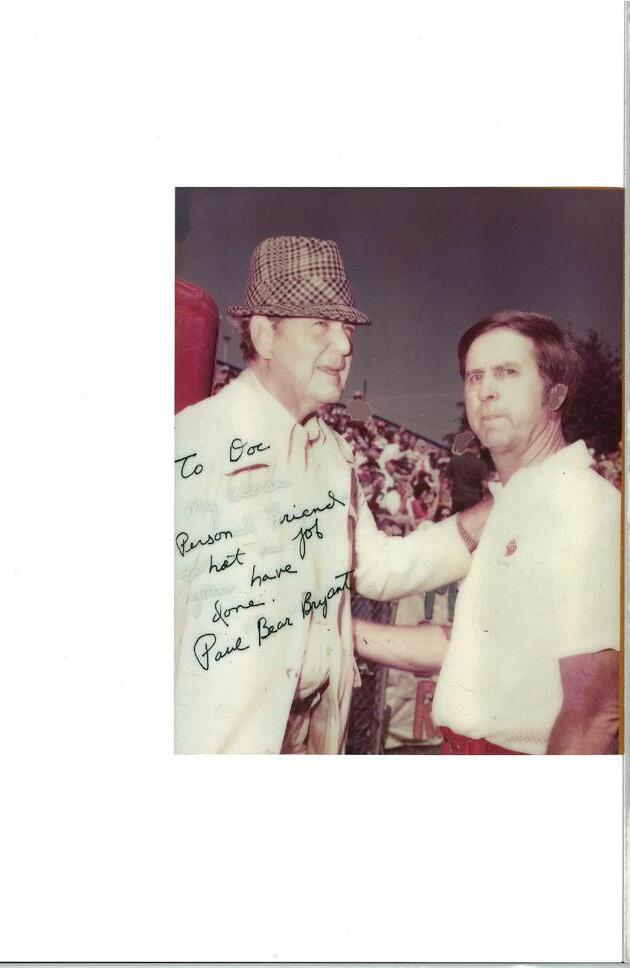
Ayers coached Georgia’s freshman team for ten years, compiling a 28-12 record. He had a knack for canvassing the state

Georgia Coach Vince Dooley. Paul William “Bear” Bryant was a great admirer, too.
and recruiting promising off–theradar players, some of whom earned scholarships and starting positions.
After stepping down as head coach of the freshman team, Ayers became a Georgia football jack of all trades. He gave motivational talks to
He was my go-to coach. I would send Doc after them, and they always came back together.
–Vince Dooley
the team, continued to recruit, spoke at civic organizations and was the headline at Bulldog club meetings.
“He was fantastic with public relations, knew how to relate to people, and was always at home wherever he went,” said Dooley. “Doc was just a tremendous ambassador for the University of Georgia.”
When a player became homesick and left the program, Dooley always called Ayers.
“He was my go-to coach,” said Dooley. “I would send Doc after them, and they always came back together.”
After the Bulldogs won the national championship in 1980, Ayers left the Georgia program, moved
Love Letter
(continued from page 14)
“But the daily-ness of the divine is at the heart of my practice.”
Beyond retirement in the traditional sense, she continues to teach, lead, and guide important and relevant conversations about faith.
“My hope is in the activity of the Holy Spirit,” she said. “I’ve received more invitations because of this book.”
back to Cedartown and became reacquainted with high school football. For many years, he dropped by Cedartown football practices, gave pre-game motivational talks and encouraged the players. Ayers has also served on non-profit boards and started a charity golf tournament in 1991.
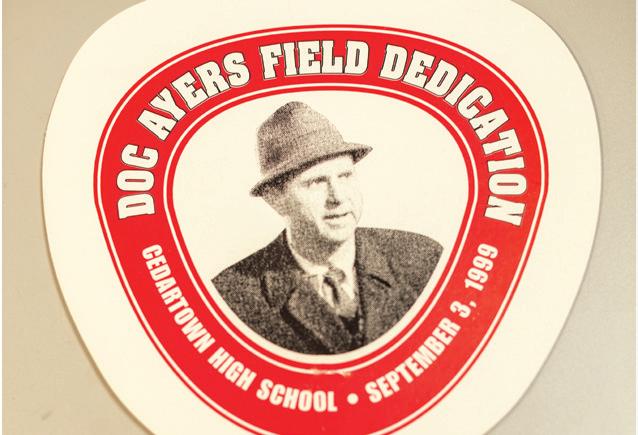
When Cedartown High named the football field in his honor on September 3, 1999, the entire town showed up. Today, the kindly gentleman keeps regular office hours and spends much of his day visiting with friends and corresponding the old fashioned way (hand-written notes). He attends luncheons, civic meetings, and is a favorite and popular downtown fixture. The coach’s charm, quick wink, and wit remain ever-present.
“You know you’re old,” he says, “when all three funeral homes in town call you to
She reminds readers of the Christian tradition where people gather around a table.
“Whatever else Christians have gotten wrong during the years, we’ve kept gathering around communion tables, just like Jesus told us to,” she said. “That meal holds a central place in my tradition. It’s what
ask you how you’re doing.”
While Georgia red and black festoon his office, Ayers has a special place in his heart for Piedmont. A mention of the college brings a soft smile. Each month, like clockwork, the school’s advancement office receives a hand-addressed envelope from Ayers. Inside is a check. The memo line on each captures his feelings for alma mater.
It reads simply “with love.”
keeps me at home in my faith.”
In times of global turmoil and shrinking worship practices, she said it is important to seek out and invest in a faith community.
“People are on the move...keep your eyes peeled, see where God is active and go there. Go and see what’s happening; what’s missing.”
For many years, Ayers led the Georgia Bullogs onto the field before home games in Sanford Stadium.
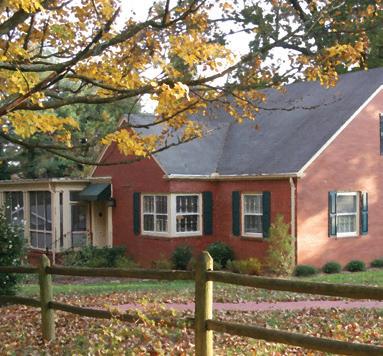
A Note from Hobbs
Your alumni house
Join Us on the Front Porch
phi·lan·thro·py
the desire to promote the welfare of others, expressed especially by the generous donation of money to good causes.
Philanthropy. It’s a powerful four-syllable word. John F. Kennedy called it “a jewel of an American tradition.” Poet Henry David Thoreau said “philanthropy is almost the only virtue which is sufficiently appreciated by mankind.”
A modern definition, which combines the humanistic with social science traditions, is “private initiatives for the public good, focusing on quality of life.”
My job at Piedmont is to facilitate a culture of philanthropy, one in which participants realize the joy and fulfillment of giving. I know that sounds corny and idealistic, but that is how I see it. That said, few will give to a cause that does not inspire and excite them.
Since arriving at Piedmont in July, I have experienced both. I’ve met wonderful people and have become delightfully immersed in the campus culture. My perspective grows each day. I gain more optimism and become more aspirational about what can be accomplished. We have an amazing renaissance curriculum that combines the arts, business, education, and health sciences with an experience that is grounded in broad-based learning. Ours is an entrepreneurial culture that responds to the marketplace and student needs.

And the campus is bustling with energy and growth.
Most recently, we put the finishing touches on a sparkling new Conservatory of Music, purchased 80 acres adjacent to campus for expansion, and have plans to renovate and convert Nielsen Hall into a new home for the School of Education.
These facility and program expansions inspire a culture that is focused on the core goal of philanthropy: improving lives. A large number of our students are the first in their family to attend college. With us, many take their
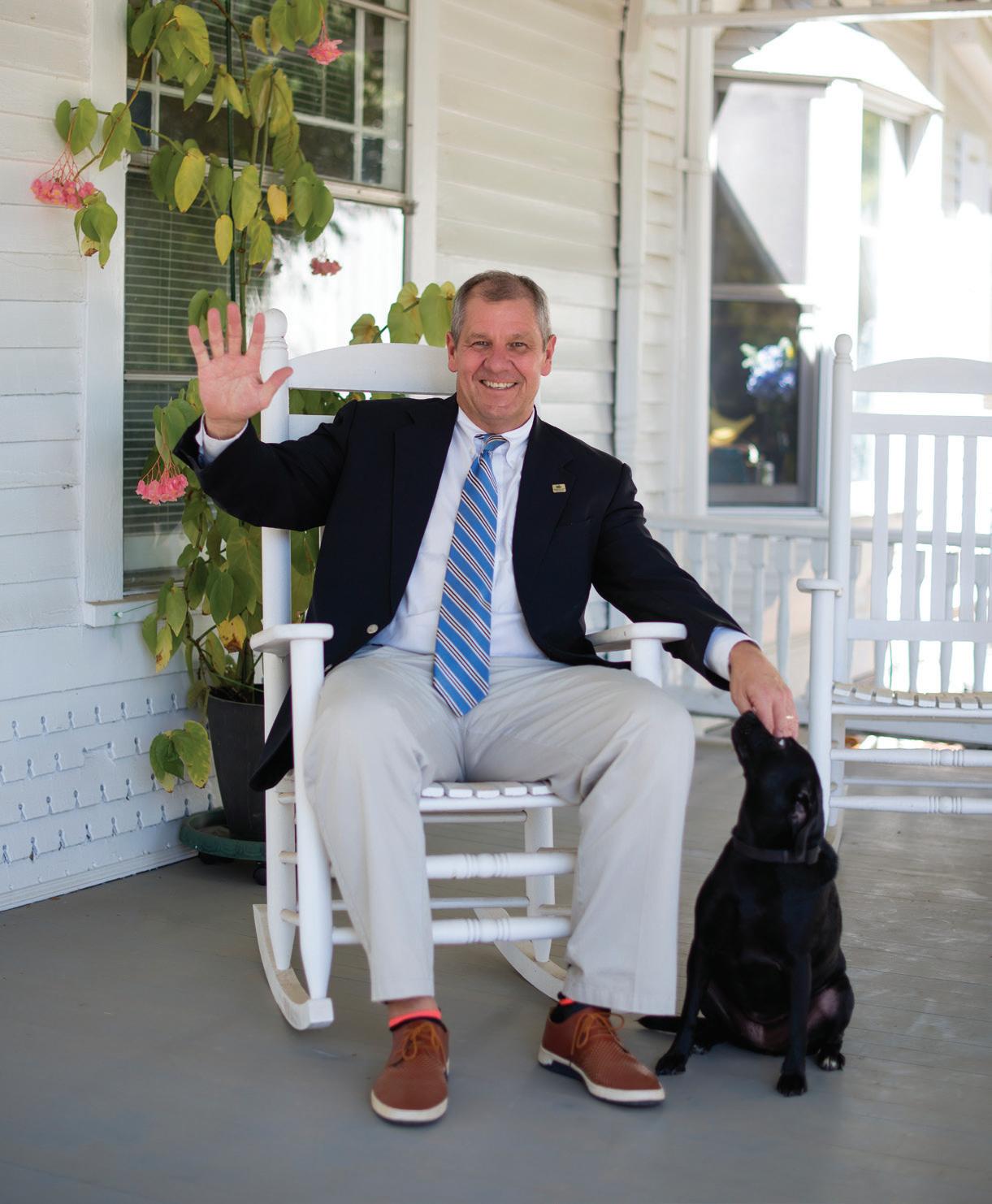
Craig Rogers, Vice President of Institutional Advancement, is joined on the front porch of the Pyle-Davis House (Graduate Admssions) by Bailey Jo.
first trip abroad to study a new culture. And they graduate with a job secured or plans to advance to graduate school. U.S. News & World Report recently ranked Piedmont No. 1 among Georgia’s regional colleges and universities in social mobility, a ranking that is designed to measure an institution’s success in helping economically disadvantaged students advance in their career and life.
Piedmont changes lives every day. My responsibility is to inspire a vibrant philanthropic culture among our alumni, parents, and friends that ensures our transformational work with our students continue. Cultivating that culture begins with building relationships. Ours is a front-porch philosophy that engenders comfort, trust, and sharing. This approach is captured in the name of our annual fund campaign, Lions Share.
Through this effort, we are asking members of the Piedmont family to share their friendship, time, and treasure. Many of you remember the College yearbook, the Yonahian. This publication, celebrating 100 years, shares the name of our most intimate supporting family. The Yonahian Society recognizes donors who contribute $1,000 or more annually to Piedmont. This group will be recognized at a gala each year.
In closing, if you are in the area or on our beautiful campus, please stop by our front porch, the Hobbs Alumni House. You’ll be greeted with a warm smile and welcoming handshake. We hope you’ll share your story and join our campaign.
Craig Rogers, Vice President of Advancement
(Craig Rogers is Vice President of Institutional Advancement. Before joining Piedmont, he served in advancement leadership roles at Hargrave Military Academy, Hampden-Sydney College, and Longwood University).
Yonahian Society Giving Levels
Meet the Designer
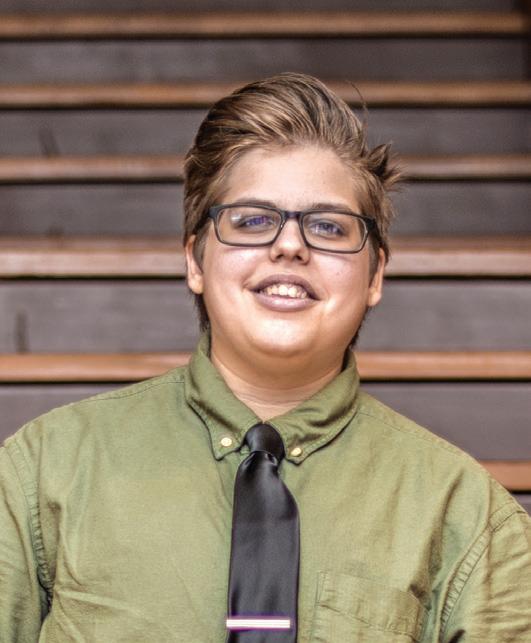
It’s good to have home-grown talent nearby.
Before developing a design for our giving society in house, we decided to give our students a crack at it. We had high expectations, (after all they are Piedmont students) and we weren’t disappointed.
The simple, elegant Yonahian Society design was developed by Hayden Giovino, a junior art and religion major from Rabun County. Hayden developed several working drafts and concepts, presented them to our staff, and worked with us to develop a final product that made everyone smile. Going forward, this circular design will be featured on coffee cups, lapel pins, and other marketing materials.
Furthermore, the student behind the work illustrates why giving to Piedmont is so important. Hayden receives scholarship aid that is made possible through your gifts to Piedmont.
We hope you like the Yonahian Society branding. And we’re sure it will enhance Hayden’s resume.
Trifecta
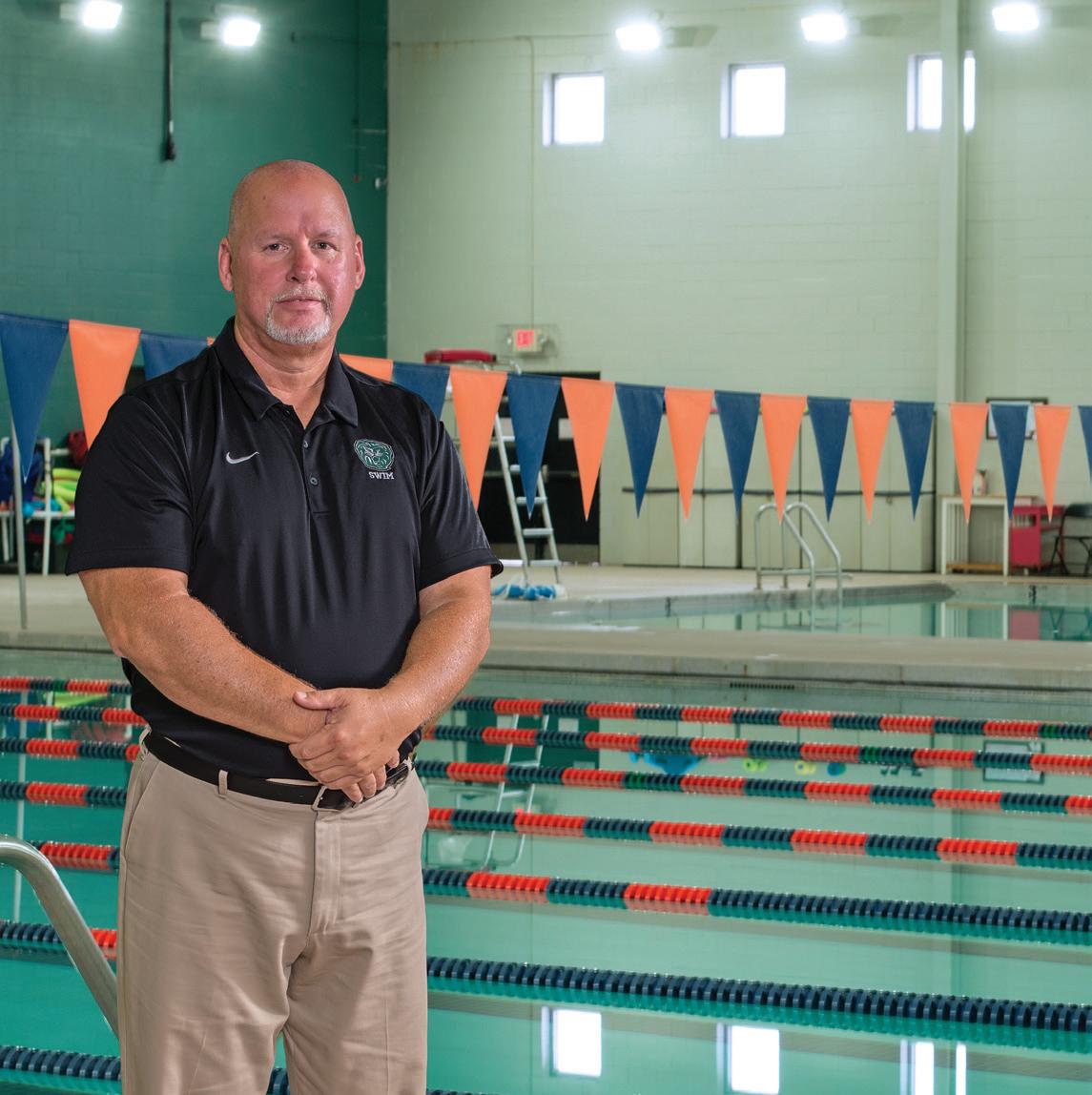
Guyer founded two college swim programs. Piedmont will be his third.
By Ron Wagner
If there’s one thing Teddy Guyer, tabbed to coach Piedmont new men’s and women’s swimming teams in July, has proven in his life, it’s that he’s not afraid to do some heavy lifting. Figuratively and literally. Before he got into the business of single-handedly
Athletics accolades & accomplishments
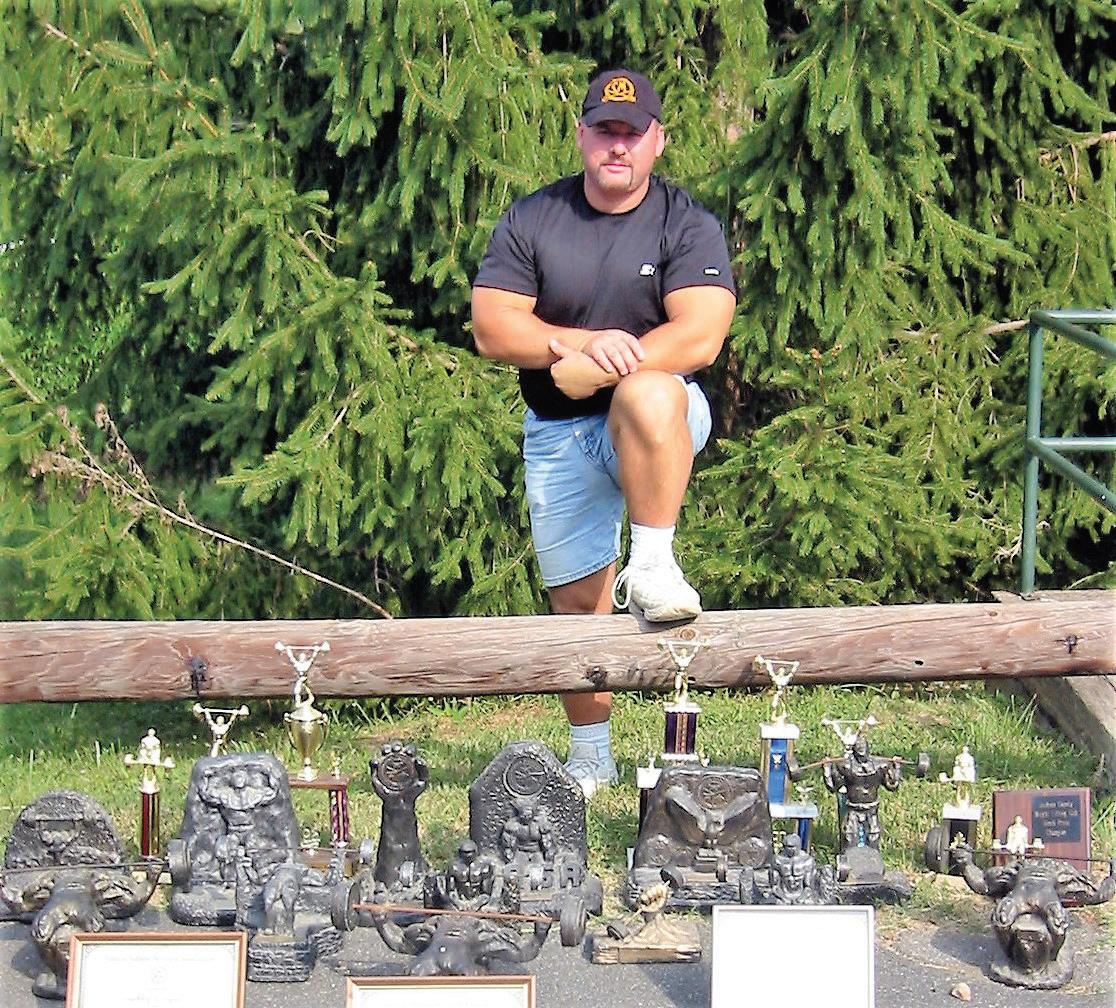
making the mountains of western North Carolina an unlikely hotbed for collegiate swimming, Guyer was a champion weight lifter. Those two things may not seem to have much to do with each other, but you don’t bench press 550 pounds or pull dominant athletic programs out of thin air without a unique ability to build things.
Piedmont Athletic Director Jim Peeples knew almost right away Guyer was the person to lead the college’s 20th and 21st sports.
“Any time you’re starting something from scratch, having somebody that has experience starting a program from basically ground zero is important,” Peeples says. “That’s not an easy thing to do, especially from a Division III standpoint where you don’t have any athletic scholarship money.”
Guyer, 56, may no longer be quite possibly the strongest swim coach who has ever lived, but quick and sustained success at both Warren Wilson College and Mars Hill University, where he compiled an overall dual meet record of 354 wins and 73 losses, saw 19 swimmers make NCAA national cuts, and earned seven Coach of the Year Awards, is nearly as remarkable as the unlikely journey he took to get there.
When Guyer was growing up in the 1970s in Bethel, a small, unincorporated community about 30 miles west of Asheville, North Carolina, swimming was pretty far down the list of popular athletic pursuits. No high schools in the area had teams, and Guyer taught himself to swim at a YMCA in nearby Canton.
That evolved into life guarding, teaching swim lessons, and some competition in local summer league teams, which in turn evolved into Guyer being offered a job – and a place to live — running a pool in Fontana Village, North Carolina, after he graduated from Pisgah High. While there,
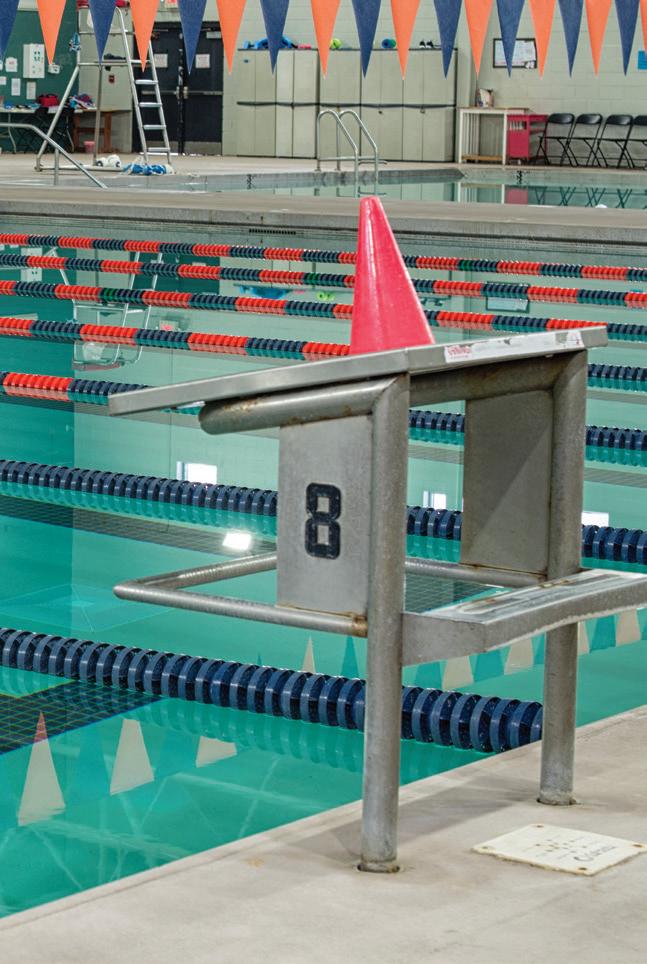
Swim coach Teddy Guyer will host practices and meets at the Ruby C. Fulbright Aquatic Center in Clarkesville.
Guyer got into weight lifting. Really into weight lifting.
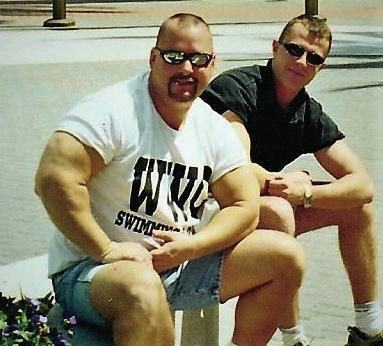
“By the time I stopped lifting, which was early 2000s, I was benching around 550 in competition,” he says, noting he held several American and state drug-free records in the bench press in the 1980s and ‘90s. “But then the injuries caught up with me, and I had to give it up.”
In 1985, Guyer met his future wife, Haven, who was a student at Western Carolina University, and she persuaded him to enroll there. He became a high school coach and physical education teacher, but some Warren Wilson students Guyer had taught to swim as kids told him about a job opening to run the college’s pool and teach some PE classes.
He like that idea. He also had one of his own.
After being hired at Warren Wilson, they said, “We know you want to coach, and if you would like to start a team, we’ll back you 100 percent,’” Guyer remembers. “I never planned on being a swim coach, but in ’93 I started the Warren Wilson swim team. Of course I had a lot to learn, but I knew the basics from all my years of instructing swimmers and my summer league experience.”
Rachel Nichols is a fifth-grade English teacher at Tallulah Falls School who swam sprints in the freestyle and butterfly for Guyer at Mars Hill from 2015-18. She says Guyer’s ability to communicate is special.
The rest, as the cliché goes, is history. Despite having no scholarship money, Guyer put together a 146-36 record before leaving for Mars Hill in 2005. He was just as successful there, and looking back, Guyer thinks his lack of a traditional coaching background worked in his favor.
“What got me into being a swim coach was I had so much experience running pools and teaching young kids to be competitive swimmers … Once I got to the college level, the experiences I had working with the club coaches who used our pool helped me a lot,” he says. “I’ve definitely had to learn the sport from the ground up, but sometimes I think it’s been good for me because I have a way of being able to talk to the kids in a way that I’m not talking above them.”
“He wrote the workouts. He did what you’re supposed to do as far as coaching goes,” Nichols, whose grandmother (Sandra G. Barrow) is a member of the Piedmont Board of Trustees, says. “But he was like your parent away from home, too. You could go to him with anything … Because he gives everyone that sense of belonging, you immediately feel comfortable, and you can trust him. Having that bond with him ultimately helped us bond as a team together.”
That bond also eventually motivated Nichols to take over the Tallulah Falls swim teams, which she coaches.
“I always knew I wanted to teach,” she says. “He made a lasting impact on me… and I want to make that kind of impact on other young peoples’ lives.”
One of the biggest reasons Guyer took the Piedmont position is that, for the first time in his career, impacting the lives of young people will be his only job. At Warren Wilson and Mars Hill, Guyer spent more time managing pools than he did instructing athletes, but the Ruby Fulbright Aquatic Center in Clarkesville, Georgia, where the Lions will train and race, will be maintained by the Habersham County Parks and Recreation Department.
“For 40 years now, I have run pools … I have had to deal with all the chemicals and maintenance and cleaning, and the last couple of years it’s really gotten to me,” Guyer says. “When Coach Peeples offered me this job, he said I wouldn’t have any pool responsibilities … I said sign me up.”
That extra time to recruit Atlanta’s rich talent pool could allow Piedmont, which has won three consecutive USA South Presidents Cup awards, given to the top-performing athletic program in the conference, to hit the water swimming.
“Atlanta swimming has some of the biggest and best clubs in the United States. Period,” Peeples says. “Finding somebody with the years of experience Teddy has and having the recruiting connections that he does to this local swim community I thought was a pretty important factor … The goal is, like in any of our sports, we want to have a program here that can hopefully first be very competitive within our region and, hopefully in time, be a competitive D-III program on a national level.”
Piedmont will start competition in the 2020-21 season.
Tops in USA South – Again
For the third consecutive year Piedmont has been awarded the Presidents Cup by the USA South Conference. The Cup, established more than 40 years ago, recognizes the conference’s top performing athletic program.
Piedmont College also won the Women’s Presidents Cup trophy.
Overall, Piedmont athletic programs took home a total of four regular season championships and won five conference tournaments in 2018-19, including the inaugural USA South Track & Field Championship.
On the women’s side, this marks the fourth consecutive season in which the Lady Lions have finished first. Courtesy of conference tournament championships in soccer, basketball, and track & field, Piedmont took the Women’s Presidents Cup by a school-record 20 points, coming in with 76.5 points, 20 ahead of second-place Meredith.
Piedmont won the overall Cup by a record margin with 133 points, 22 ahead of runner-up Methodist.
On the men’s side, the Lions finished a school-best second, just 3.5 points behind Men’s Presidents Cup winner Methodist. The season was highlighted by a West Division Regular Season Championship in men’s tennis, track & field taking the first ever USA South title and finally, men’s lacrosse winning the USA South Tournament in only its second season in the league.

The margin of victory by Piedmont in both the overall and women’s final standings are the largest in the USA South since Christopher Newport ran away with all three cups in the 2012-13 season.
Keep up with all of our sports news, schedules, and scores at www.piedmontlions.com
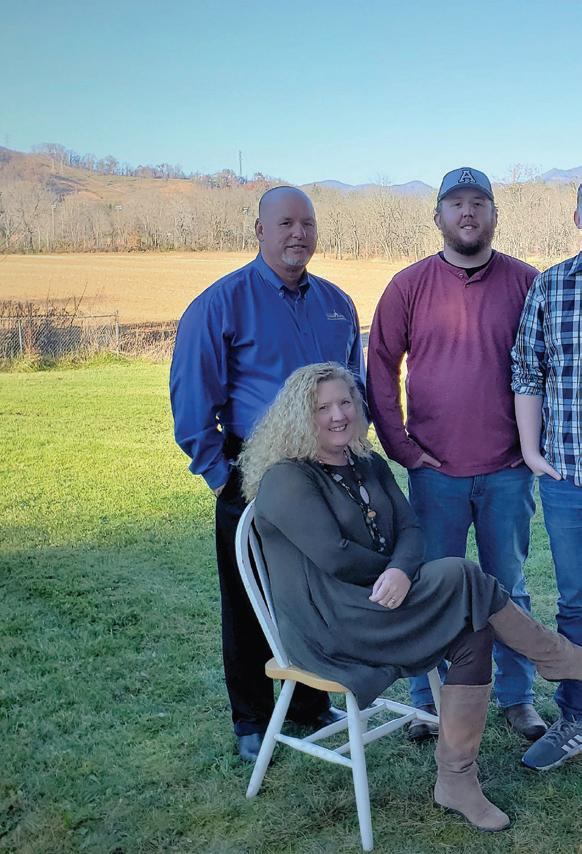
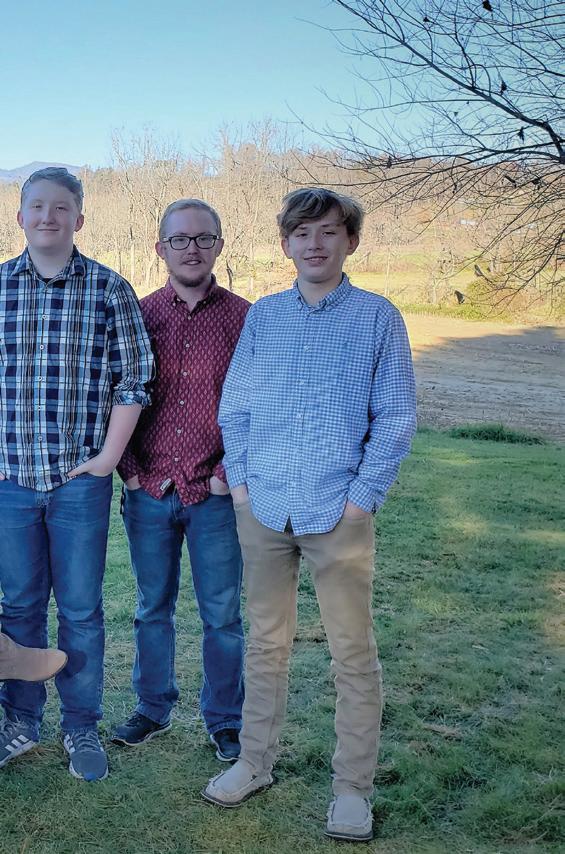
Guyer, who once bench-pressed 550 pounds, has collected more than his share of power-lifting hardware (top left). His family (above) includes Haven, his wife, and four sons: TC (third from left), Lance, Colby, and Trace.

The Many Looks of Leo
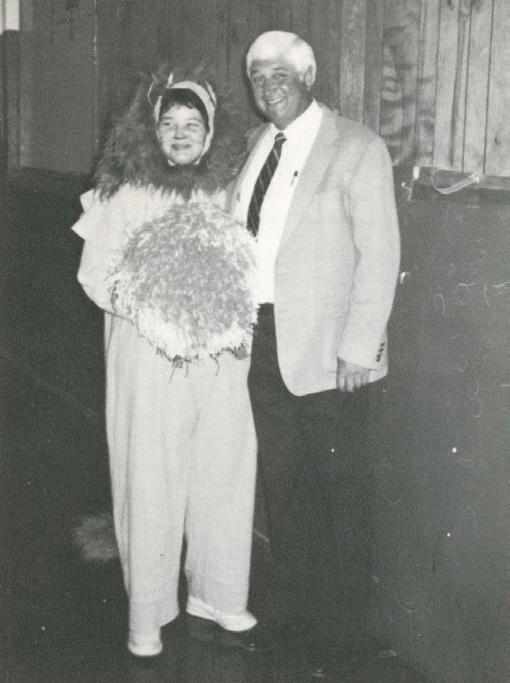
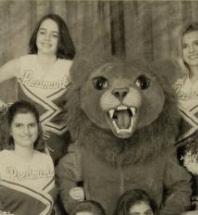
Leo the Lion has had many different looks through the decades. During the 1970s and early 1980s, Leo was a throwback to his grandfather who starred in the Wizard of Oz. With a face strangely human and a stringy red mane, Leo had a roomy pajama-like body that was suitable for disco-dancing and MC hammering.
By the early 1990s, a kinder,
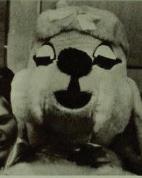
gentler Leo emerged. But this one, with a long snout, white chin, and no mane, looked more like a friendly dog than a lion. It was around this time that a lady lion (perhaps it was Leo’s girlfriend) happened upon campus. Like the human hairstyles of the day, this lioness had a frizz. And judging from her fangs, she must have been sassy, too.
The relationship did not last long. The lioness disappeared into the north Georgia Mountains as the new century dawned.
Today, Leo has benefitted from modern beauty products. The white chin of yesteryear has regained much of its original color. And Rogaine has thickened his mane. He is fullerbodied, the result of a slowing metabolism. But his smile is broader.
Single life must suit him.
– John Roberts
History highlights & interesting stories
&News Notes CLASS
1990s
Matthew Stewart ’99 and Leslie Stewart announced the birth of William Emory Stewart, March 15. William’s older sister, Katie will be 13 in April, and older brother, Wiley will be 11 in April. The Stewarts live in Americus, Georgia where both parents work for Habitat for Humanity International.
2000s
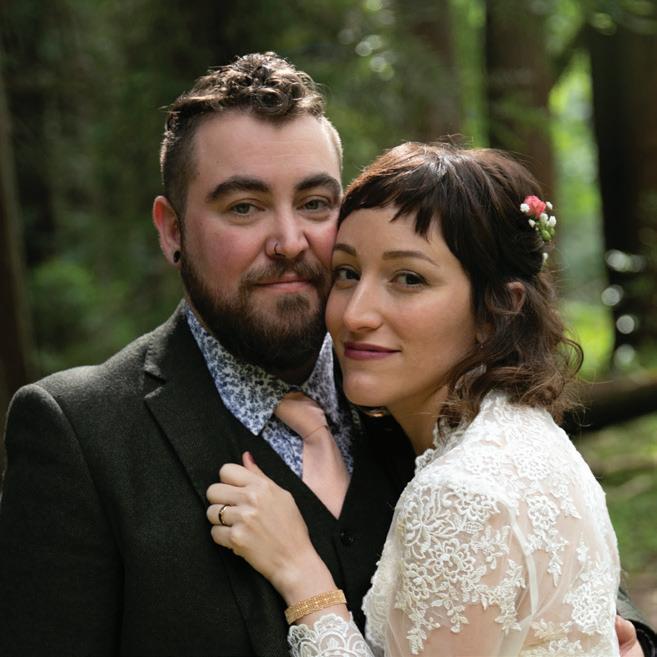
1 Regina McCormick ’08, Design Manager at Piedmont College, married Tyler Mann, Assistant Professor of Graphic Design at Piedmont, in Big Hendy Grove, California on May 27.
2 Lisa Diehl ’09 was awarded the Excellence in Teaching Award by the University of North Georgia. Diehl teaches English Composition and British Literature II at the University of North Georgia where she has been for seven years. Diehl was also a recent Gabrielle Straub residency awardee offered through the Lillian E. Smith Center.
2010s
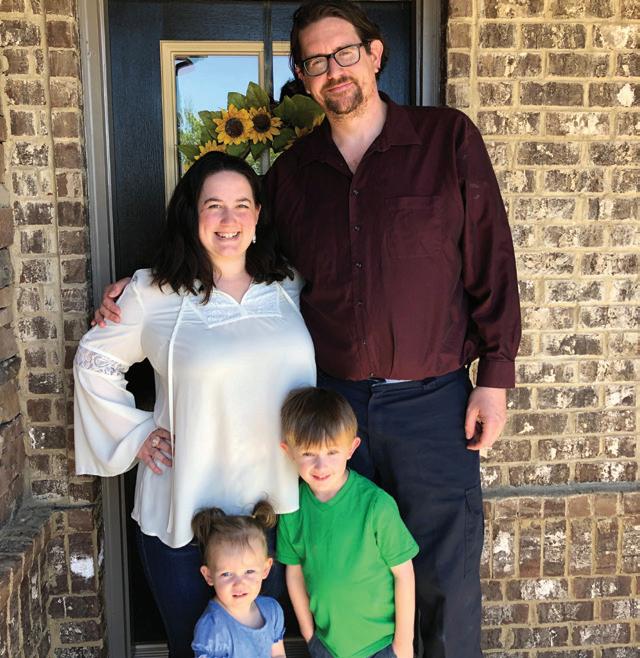
3 Heather Rose ’10 is now the Administrative Assistant to the Assistant Vice President of Research & Engagement at the University of North Georgia. Her daughter Annabelle (age 2), and son Emmett (age 6) are pictured, along with her husband Patrick Rose ’12
Patrick Rose ’12 will be celebrating his 7th year at Mill Spring Academy in Milton, Georgia at the Technical Director/Tech Theater Teacher.
4 Molly Atkinson ’12 is presently a postdoctoral fellow at Miami University, Oxford, Ohio.
5 Sarah Hafeman ’12 and Darren Hafeman announced the birth of Ryker Maddox Hafeman August 13. Sarah is also the daughter of Professor Keith Nelms.
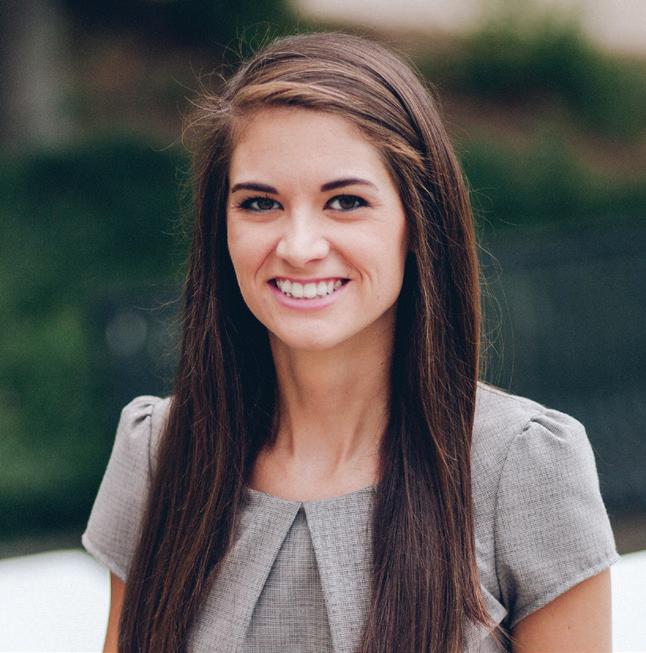
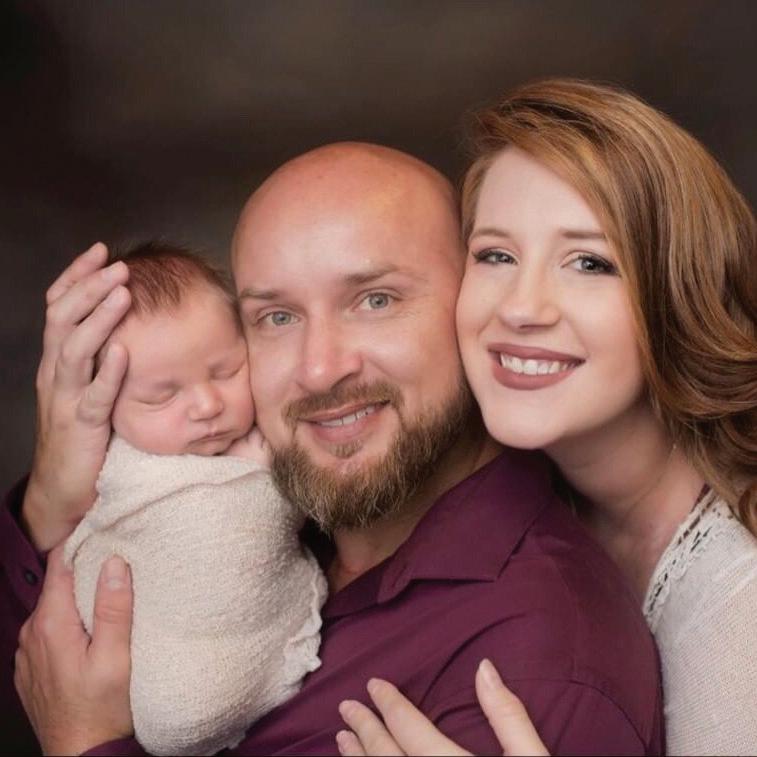
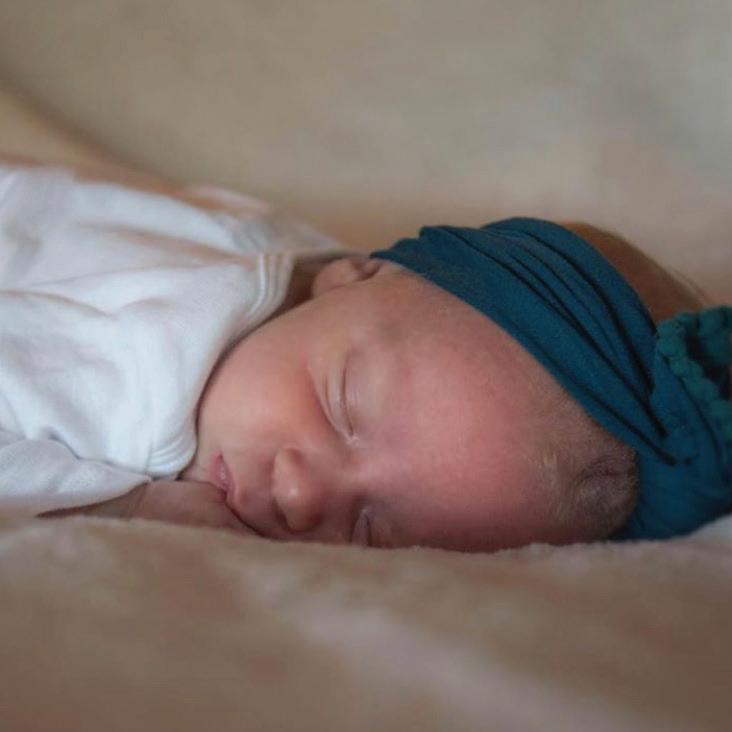
6 Dilyn Cox ’12, MBA ’15 and Zachary Cox ‘16 announced the birth of Addilyn Truett Cox July 12.
&News Notes
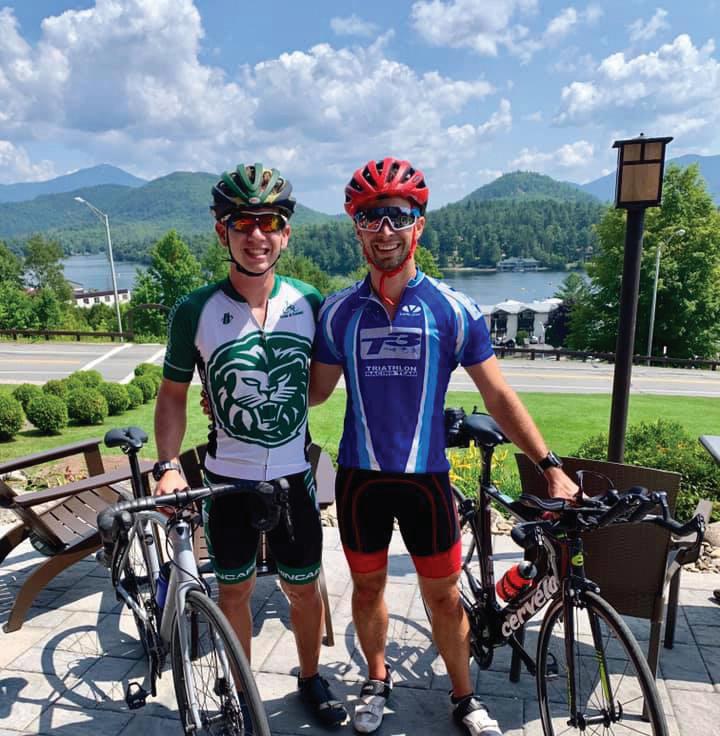
7 Patrick Steck ’14 completed an Iron Man in Lake Placid in July in under 12 hours. Current student and brother-in-law to Patrick, Harris Sailors, came along to support and went on a pre-race ride around Lake Placid.
Matt Stephens ’15, MBA’17 and Taylor Cramsey ’17 were married August 24.
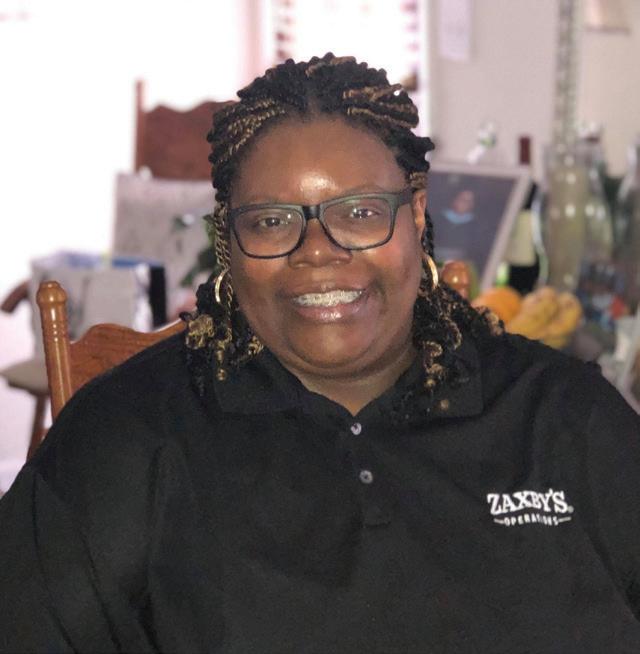
8 Krysti Elam ’16, MA ’19 is now employed with Zaxby’s Franchising LLC in Athens as a ZFL Subject Matter Expert. As a Certified Field Training Specialist with Zaxby’s, Elam travels the country training managers and team members as new locations open.
Porcha Simmons ’17 graduated with her Master’s in Social Work from the University of Georgia May 10.
Owensby included in Georgia Trend list
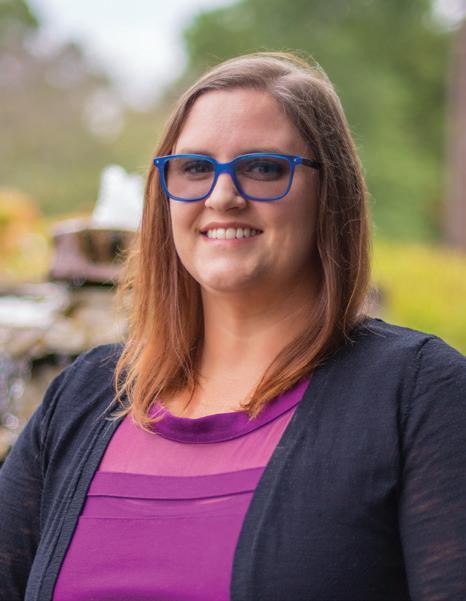
Jessie Owensby ’15 has been included in Georgia Trend Magazine’s distinguished 40 under 40 feature. This list is a who’s who in their profession and represents those passionate about community service.
Owensby has deep roots in northeast Georgia. After graduating from Piedmont, she became news director at WCON in Cornelia, where she interviewed interesting people and built relationships and connections throughout the community. It was her passion for community that led to her next job: Community
Development Manager for the city of Cornelia.
In this position, she oversees strategic planning and manages tourism, an area that has fueled business growth and investments in Cornelia and the surrounding area. In August, Owensby was awarded a level-one certification by the Georgia Downtown Association at the group’s annual conference in Jekyll Island, Georgia.
A mass communications major, Owensby said Dr. Dale Van Cantfort was among the many Piedmont professors who have offered her valuable career counsel. “Dr. Van Cantfort kept me motivated throughout my time at Piedmont,” she said. “He remains my biggest cheerleader, mentor and supporter; I call him for advice today.”
- Adam Martin
Second Nature to Give Back
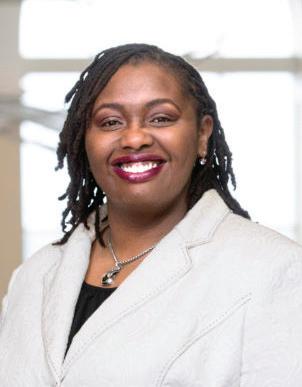
Michele Pearson ’03, a longtime board member of the Athens Housing Authority and Athens Area Chamber of Commerce, has been awarded the President’s Fulfilling the Dream Award. The award by the University of Georgia, Athens-Clarke County Unified Government, and the Clarke County School District is given to an outstanding member of the Athens-Clarke County community who is advancing Martin Luther King, Jr.’s dream of equality and justice for all.
The award was presented at the 16th annual Martin Luther King Jr. Freedom Breakfast on January 18 at the Grand Hall of the Tate Student Center at the University of Georgia in Athens.
“Being an Athenian, I would think, what did I see? What did I complain about?” she said. “I am one of the strong believers in ‘you don’t complain; you do.’ So, being an engaged citizen was just like breathing.”
After graduating Piedmont in 2003, her vision was to attend law school, but an internship at a law firm changed her mind. She sought advice from a Piedmont professor and ultimately changed course and received her MBA from the Harry W. Walker School of Business in 2005. She learned one of the best ways she could effect change in her community was to help people learn more about finance.
“No matter what socioeconomic level you are, if you are able to understand financial freedom, then you could actually take charge and do things.”
Since graduating, she has worked in the financial community and five years ago, opened her own branch of an Edward Jones strategic investment firm in Athens.
- Adam Martin
We'd love to hear from you! Send us your news at classnotes@piedmont.edu and look for them in the next Journal. Visit our alumni page to update your contact information so you don’t miss out on invitations to alumni events! Visit us online at www.piedmont.edu/alumni.
Photo courtesy of University of Georgia
Omer E. Bryant
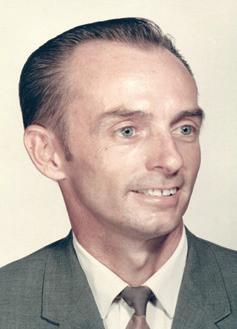
‘49 of Carnesville, Georgia died July 10 at the Veranda of Carnesville. Bryant received his masters from Peabody College in 1954. An educator, he taught at Rentz High School in Laurens County; Upson County, Red Hill, Franklin County High School, Carnesville Elementary, and Banks County. Bryant was girls’ basketball coach at Franklin County High School from 1956 to 1957. He served as a principal at Carnesville Elementary and Banks County elementary and primary schools. Bryant was Franklin County School Superintendent from 1965 to 1968, and eight years from 1977 to 1984. A Korean War veteran, he served in the US Army Signal Corps in Germany. He had been a member of the Carnesville Lions Club and the Kiwanis. Bryant had been a member of the Cross Roads Baptist Church since 1945 and had served as trustee and treasurer.
Mary N. Whitmire-Chandley
‘50 of Lake Wales, Florida died June 9, at the age of 88. Born on January 5, 1931, to Cleo and Neil Hardman, both residents of Lake Wales. Throughout her life, WhitmireChandley was very active in school, church, community service, youth organizations, music, and other local projects. She graduated with honors from Lake Wales High School in 1948 and attended Piedmont
In Memory
College on a piano scholarship. Whitmire-Chandley graduated cum laude in 1951 from University of Florida with a BA in Music and Education. In 1953, she married Quinton J. Whitmire, whom she had met at Piedmont at First United Methodist Church, Lake Wales. Her loves were her husbands and children, family, friends, church, world travel, reading, music, nature, teaching, learning, helping others, and volunteering. Her first husband, Quinton, died in 1978 and she was widowed for 20 years. In 1998, Whitmire-Chandley became reacquainted with Dick Chandley. She and Dick married on February 14, 1999.
Mackie D. Brown ‘68 of Gainesville, Georgia died August 26 at his residence.
Hal W. Chestnutt ‘81 of Clarkesville, Georgia died August 22 at the age of 69. Born in Sylvester, Georgia on May 16, 1950, Chestnutt was the son of the late Sam L. and Wynell C. Howell Chestnutt. He graduated from Tift County High School and earned an AA Degree in Wildlife from Abraham Baldwin Agricultural College and BA Degree in Psychology from Piedmont College. Chestnutt was a United States Army Vietnam era veteran, was stationed at Camp David, and was a fire fighter and chaplain with Clarkesville Fire Department with over 20 years of loyal service. Chestnutt was the retired manager of Lake Burton Hatchery and Regional Stock Coordinator with the Georgia
Department of Natural Resources Fisheries Division. He was a member of Hills Crossing Baptist Church where he was past deacon chair and Sunday school teacher, mission trip coordinator, and was a RA leader and audio technician. Chestnutt spent many years coaching, refereeing, and umpiring with Habersham County Athletics, and he was an avid woodworker.
John T. Ward ‘97 of Alto, Georgia died June 25 at the age of 66. Born in Demorest, Georgia on June 14, 1953 to the late John Buford and Dorothy “Dot” Henson Ward, John was a lineman and worked his way up to an operations manager with Habersham EMC with 37 years of service. During his career, he received GEMC Foreman & Supervisors’ Cofer-Langston Award for outstanding leadership. Ward was a member of the Cherokee Gun Club, past president of the Lake Burton Water Ski Association, ground man, team leader, and founding member for HEMC’s first Lineman’s Rodeo team, who placed first in the state and third in the nation. Ward enjoyed hunting, fishing, gardening, traveling, and the water, especially the lake and early Saturday morning ski trips with his kids while they were growing up
Gary Shattuck ‘98 of Agora Hills, California died June 1. Dr. Shattuck was born February 5, 1947 in Corpus Christi, Texas. He was the son of the late Rear Admiral Charles William Shattuck, SC USNR-R and the late Violet
Louise McNair Shattuck, formerly of Manhattan Beach, California. Dr. Shattuck graduated from Mira Costa High School in the Class of 1965. Dr. Shattuck received a BA degree in History with a minor in Geography from UCLA and a MAT degree in Social Studies Education from Piedmont College. He took his Ed.S. degree in Instructional Technology and his Ph.D. in Instructional Technology from The University of Georgia: Dissertation, “Understanding School Leaders’ Role in Teachers’ Adoption of Technology Integrated Classroom Practices.” Dr. Shattuck worked 17 years for the Newton County School System where he served the last 15 years as director of technology. In 1980, University of Georgia History Professor Emeritus Dr. Albert Saye proposed Dr. Shattuck to the Republican National Committee. Then, Dr. Shattuck became one of four GOP Georgia State Field Officers who were instrumental in helping Ronald Regan win in Georgia’s presidential election.
Deanne I. Duckett ‘09 of Dacula, Georgia died May 17 at the age of 51 in her home and went to be with her Father in heaven. Duckett was born October 30, 1967 in Hialeah, Florida to Arlene and Frank Swider. She graduated from Piedmont College with a degree in early childhood education and married Michael Duckett on November 24, 2006. Together, they raised six children. Duckett spent her life working with special needs children and their families. Although trained in school, Duckett had a gift from God in this area. She was full of joy, and her presence touched everyone she came in contact with.
She stressed to pray for others, to look at the big picture, and to always be thankful.
Joshua L. Merrill ‘11 of Merrill’s Farm Drive died June 25 at the age of 31. He is the son of Tim Lane and Susie Hyatt Merrill. Merrill played baseball for Limestone and Piedmont College. He served on the Madison County Youth League Baseball Board where he also coached for three years and was an assistant coach for the Mountain Xplosion travel baseball team. Merrill was an avid outdoors man, who loved mountain biking, fly fishing, hiking, and camping. Merrill hand carved spoons and forks out of raw wood which became a hit with his family for Christmas gifts. He had a desire and love for the kids in this community and was always striving and working to have more for his children.
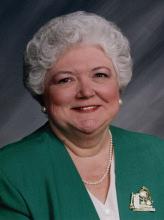
Sandra B. Dickson (former Dean of Graduate Admissions) of Valdosta, Georgia died May 10, at the age of 72 at South Georgia Medical Center following a period of declining health. She was born in Valdosta on January 5, 1947 to the late Otis Willard and Grace Devereaux Belote. She was a retired educator and was a member of the Clyattville United Methodist Church. Dr. Dickson began her teaching career at Northside-Warner Robins. From there, she taught at Hahira Junior High and was a social worker for the Lowndes County School System, and then served as the Assistant Principal at Hahira Middle
School. She later moved into the role of the curriculum director for Lowndes County. She also served as superintendent in Atkinson County and retired after serving as the Dean of Graduate Admissions at Piedmont College. Dr. Dickson was very involved with Georgia Retired Educators Association, Learning in Retirement, the Annette Howell Turner Arts Center, BARC, and the Theatre Guild of Valdosta.
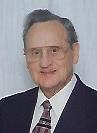
Paul J. Reeves (trustee emeritus) of Cornelia, Georgia died July 18 at the age of 93 in his home. Born December 15, 1925, in Clarkesville, Georgia, he was the son of the late Francis Marion and Hester Ayers Reeves, the youngest of eight children. Shortly after his 17th birthday, he joined the US Navy and served with the 5th Amphibious Corp in Saipan during World War II. He returned home in 1946 and began his hardware business career by managing his brother’s hardware store in Highlands, North Carolina. Later in 1946, he returned to Cornelia and in short order met and married the love of his life, Doris Elder, and started Habersham Hardware with his brothers. He and Doris began their family, eventually welcoming four daughters. He was a member of the Rotary Club, Cornelia Optimist Club, and was a member of the Cornelia Masonic Lodge #92 F&AM for 69 years. He also served as a Trustee of Piedmont College for many years. In 2015, he was inducted into the Habersham County Chamber of Commerce Hall of Fame.

Leo in Vietnam
Leo traveled with a group of Piedmont students to Vietnam this summer where he visited the Từ Hiếu Temple, a Buddhist monastery on the outskirts of Hue, a city in central Vietnam. The stop was part of a cycling tour of the country that began in Hue and finished 300 miles away in Nha Trang.