
HEALTH INEQUALITIES ACTION PLAN FOR PRIMARY CARE


Welcome
Health inequalities are avoidable, unfair and systematic differences in health between different groups of people. Primary Care helps to reduce health inequalities by providing high quality, accessible equitable care. It also supports communities indirectly through employment, by procuring services and working with partners to advocate for better health.
4 Articles
Getting to know our members: Andrea Parr
Launch of Teg I Bawb / Fair for All: A Strategic Action Plan to address health inequalities through Primary Care
Primary Care Division, Public Health Wales, Public in Wales supportive of a holistic, flexible and consistent primary care service: findings from our Time to Talk Public Health panel
Victoria Tice,Senior Public Health Practitioner, Health and Well-being Directorate, Public Health Wales
Catherine Sharp,Principal Public Health Researcher, Policy and International Health Directorate, Public Health Wales
Kerry Bailey,Consultant in Public Health, Health and Well-being Directorate, Public Health Wales
Bronfwydo Môn: Strengthening Community Breastfeeding Support to Reduce Health Inequalities
Ceri Hughes, Service Manager Health Visiting, Betsi Cadwaladr University Health Board
Annual Health Check can make a difference to people
Bethany Kruger, Senior Improvement Manager, National Learning Disability Programme, NHS Wales Performance, and Improvement
Smoothing pathways between primary and secondary care as a tool to tackle health inequality
Dr Hilary Williams,Clinical Vice President, Royal College of Physicians
Dr Rowena Christmas,Chair of Welsh Council, Royal College of GPs
Deep End Cymru: General Practice where it’s needed most
Joanna Watts-Jane, Deputy Chair Deep End Cymru and Practice Manager, Hirwaun
Dr Kathrin Thomas,, Public Health Lead Deep End Cymru, ex-GP and Public Health Consultant
Treherbert Initiative
Claire Turbutt, Principal Public Health Practitioner (CTMUHB)
Rachel Reed, Public Health Practitioner (CTMUHB)
GP and Primary Care provision across rural Mid Wales – innovation in a time of crisis?
Anna Prytherch, Head of Rural Health and Care Wales
Nominations now open! Vaccination Saves Lives Awards 2026
Vaccine Preventable Disease Programme, Connecting
The Hywel Dda Arts Referral Pathway
Kathryn Lambert, Head of Arts and Health,
Hywel Dda University Health Board
Rhian Rees, Senior Public Health Practitioner, Hywel Dda University Health Board 26
Grapevine
Working Together for a Healthier Wales: Public Health Wales’s Five Policy Messages
Leah Wargent, Principal Public Health Practitioner (Policy and Advocacy), Public Health Wales
Public Health Wales’ Annual User Survey
Finding Renewal in the Heart of the Forest: A Wellbeing Journey for Healthcare Practitioners
Roger Davies, Manager, Golygfa Gwydyr

Getting to know our members: Andrea Parr
We are getting to know our members and would like to help our members to get to know each other. This month we’re meeting Andrea Parr, Senior Business Support Manager.
Please tell us a bit about yourself and your current work - I support the operation and development of the Wider Determinants of Health Unit and part of that is also providing support and coordination to the Influencing the WDOH Priority Leads Group and also Building a Healthier Wales Coordination Group which has a focus on reducing health inequalities through influence around the wider determinants of health.
What motivated you to join this network? - The network delivers quality information through its e-bulletins and webinars which align very closely with wider determinants of health topic areas of work, education, housing, our environment and access to money and resources so it shares topics, discussions, evidence and real life stories which are very relevant to my understanding of the work which I’m involved in.
What are the benefits for you in being a member of this network? - Information is delivered in engaging and accessible ways, I can contribute to the content the team puts out and encourage others through my networks to do the same. It’s a great way of sharing what you are doing, networking with peers across Wales who have similar areas of work/interest and finding out what’s new and what else is going on in the spaces I work in.
What is one thing you would like to share with other members of the network? - if any member would potentially like to be involved with or know more about work we do around the wider determinants of health to let us know at phw. determinants@wales.nhs.uk so we can contact them and find out how they may be able to find out about opportunities to collaborate on work with us or find out more about what we do.
If you would like to feature in a future edition, please email us at publichealth.network@ wales.nhs.uk

Launch of Teg I Bawb / Fair for All: A Strategic Action Plan to address health inequalities through Primary Care
Primary Care Division, Public Health Wales,
Over 100 people attended the launch including colleagues from third sector, primary care, health board and public health.
Teg I Bawb sets out clear actions across five priority areas: leadership and culture, data and population health management, finance and resources, workforce, and community involvement. The plan offers practical steps that everyone, from policy makers to frontline teams, can take to maximise impact. This work doesn’t happen in isolation. It aligns directly with the ambitions of the Well-being of
Future Generations Act, which challenges us to think longterm, prevent problems before they arise, and work together for a healthier, fairer Wales. The Act gives us the lens; Teg I Bawb gives us the tools. Together, they complement each other—turning vision into action and hopefully action into a fairer future.
Teg I Bawb – Fair for All Reducing Health Inequalities through Primary Care Strategic A…
Recognising the unique role of Primary Care in addressing health inequalities, this
framework has been developed to be action focused, identifies the roles and opportunities to reduce inequalities by all partners working across the primary care system in Wales. The framework has been developed in collaboration with colleagues working in and with primary care across Wales, patients and experts by experience and is underpinned by data and evidence of what works.
Actions within the plan are grouped under five pillars:
• Leadership and Culture
• Data, & Population
Health Management
• Finance and Resources
• Workforce
• Community Involvement
The Action plan has been developed to provide each key player in Wales with clear actions they are well placed to take forward under each pillar.
• Actions for Welsh Government
• Actions for National Organisations
• Actions for Health Boards
• Actions for Regional Partnership Boards (RPBs), Public Service Boards (PSBs) and Area Planning Board
• Actions for Pan Cluster Planning Groups, Clusters and Professional Collaboratives
• Actions for General Practice, Pharmacy, Optometry and Dentistry
Public in Wales supportive of a holistic, flexible and consistent primary care service: findings from our Time to Talk Public Health panel
Victoria Tice,
Senior Public Health Practitioner, Health and Well-being Directorate, Public Health Wales
Recognising the unique role of primary care in tackling health inequalities, in December 2025, the Primary Care Division of Public Health Wales published “Teg i Bawb – Fair for All Strategic Action Plan for Wales”. The action plan sets out evidence-informed actions for organisations working in or with primary care, on how to work collaboratively in reducing inequalities in health outcomes and access to care. The action plan was developed collaboratively with input from professionals and community members.
Part of this engagement was
Catherine Sharp,
Principal Public Health Researcher, Policy and International Health Directorate, Public Health Wales
conducted through Public Health Wales’ “Time to Talk Public Health” (TTPH) panel. TTPH is a broadly nationally representative panel of people living in Wales aged 16 years and over. The aim of TTPH is to gather public insight to inform public health policy and practice. The aim of this work was to help understand the public’s perspectives on whether they believe primary care services have a role in helping to reduce health inequalities, and what action they thought was appropriate for primary care services to intervene on as a way of reducing health inequalities. Survey questions were co-
Kerry Bailey,
Consultant in Public Health, Health and Well-being Directorate, Public Health Wales
developed by the Primary Care Division and TTPH Team.
A cross-sectional survey was conducted between 20th January, and 2nd March 2025 using a quota sampling approach to recruitment based on age, sex, deprivation, health board, and ethnicity. A final survey sample of 2,137 people was achieved. The survey was delivered using a multimethod approach (online, telephone and face-to-face interviews).
The results demonstrated that people in Wales have a strong desire for fair and equitable healthcare services and that
they have an awareness that the conditions in which people live and work, such as housing, employment, and local environments have an impact on whether a person experiences good health and well-being.
Most people (80%) thought primary care services had ‘a lot’ of a role in supporting everyone to experience good health and reduce health inequalities. The results also highlighted that people largely think it is acceptable for healthcare professionals to ask patients about wider determinants of health which could be impacting their health. For example, 72% of people said it is very acceptable (and a further 25% somewhat acceptable) to be asked about the quality of air a person breathes.
The survey found 70% of people support the allocation of funding for primary care services being based on community needs (e.g. health status, employment levels, quality of the environment), and 51% of people support this approach even if it would mean areas with better health would receive less primary care services.
This suggests a willingness in the population for primary care to be supported to address the social, environmental and economic factors that shape health and
match the holistic culture of primary care. Primary care can play a vital role in reducing health inequalities through addressing both medical and social needs. Healthcare is one of the building blocks of health, and primary care is the most accessible point of contact within the health system for members of the public. Primary care services are also embedded in the community as an employer and a voice within local public services.
The findings from the TTPH survey alongside wider engagement with people and professionals informed the development of the action plan. For those shaping policy, this is about embedding equity into every decision. For those delivering care, it’s about making fairness part of everyday practice. And for all of us, it’s about collaboration. Because reducing health inequalities is not one organisation’s job, it’s a collective responsibility.
For more information about primary care and/ or our strategic action plan, please contact: https:// primarycareone.nhs.wales/
The strategic action plan can be viewed on our website primarycareone.nhs.wales/ topics/teg-i-bawb-fair-for-all/ reducing-health-inequalitiesthrough-primary-care/
teg-i-bawb-fair-for-allstrategic-action-plan/phwhealthinequalitiesactionplanenglish-v1-0-pdf/.
For more information about TTPH, please contact Catherine Sharp (catherine. sharp@wales.nhs.uk). All TTPH reports, including the one with the primary care data mentioned in this article, are published on Public Health Wales website Time to Talk Public Health Panel Publications - Public Health Wales.
Bronfwydo Môn: Strengthening Community Breastfeeding Support to Reduce Health Inequalities
Cadwaladr University Health Board
Breastfeeding is one of the most powerful equalizers in health. Wales has some of the lowest breastfeeding rates globally, particularly in areas of social deprivation. Babies born into disadvantaged families are least likely to be breastfed (UNICEF, 2025).
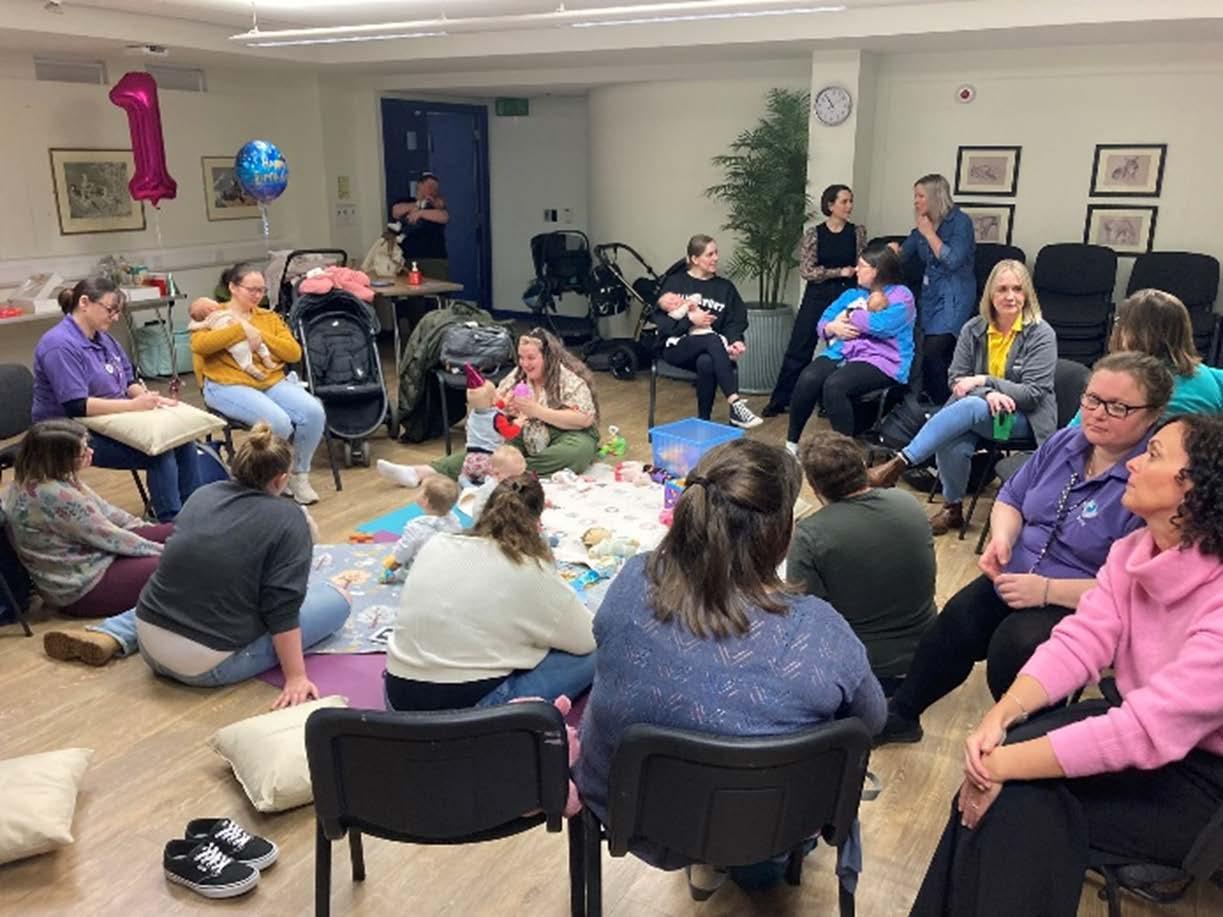
Bronfwydo Môn, a pioneering community lactation service in Anglesey, was introduced to address the steep drop in breastfeeding rates at 10 days and strengthen community services. After three years, the results speak for themselves.
A brief description of the project and why it is important
Breastfeeding protects against infections, obesity, diabetes,
and cancers, making it a cornerstone of public health. However, North Wales has historically low breastfeeding rates, with many mothers stopping early due to lack of skilled support. Bronfwydo Môn was launched in 2022 as a GP cluster pilot to provide specialist, community-based lactation support. The service developed a new health role: Community Lactation Specialist, recognising the talent and experience of Breastfeeding Counsellors in our communities, qualified as International Board-Certified Lactation Consultants. These specialists integrate with midwifery and health visiting to offer seamless care. Its aim: improve breastfeeding
continuation rates, maternal confidence, and reduce health inequalities.
A
fuller description of the work
Bronfwydo Môn offers openaccess sessions in two areas of Anglesey, combining individual consultations with peer support. Each session includes private assessments for complex feeding issues and group discussions to normalise infant behaviours and reduce isolation. Social media promotion and signposting by professionals ensure accessibility. The service aligns with UNICEF standards and maintains quality through a steering group.
Key achievements final year
(2025):
893 episodes of care / 86 clinics
59% increase in attendance from previous year
81% of mothers attending were still breastfeeding at 6 weeks; 73% at 6 months
Exclusive breastfeeding rates among attendees: 84% at 10 days vs 37% general population; 81% at 6 weeks vs 30%; 73% at 6 months vs 20%
Flying Start families accounted for 13% of attendees, with combined breastfeeding rates at 6 weeks (37%) exceeding the national average (30.6%). The pilot has now been extended to Bangor City and showing similar improvements. Since its introduction, overall breastfeeding rates have improved significantly:
exclusive breastfeeding rose by 4.4% at 10 days, 3.6% at 6 weeks, and 2.2% at 6 months. When combining partial feeding, increases were even greater—7.6% at 10 days, 3.7% at 6 weeks, and 2.7% at 6 months.
What difference has the project made
Bronfwydo Môn has significantly improved breastfeeding continuation, particularly among vulnerable families. Attendance has surged, and mothers report increased confidence, reduced feeding challenges, and improved wellbeing. Exclusive breastfeeding rates among service users far exceed local averages, demonstrating effectiveness of a specialist-
led, integrated approach to infant feeding. Its success has informed new antenatal pathways, training, and discussions are underway to maintain and expand the service.
Key messages and call to action
Health inequalities start early - breastfeeding support is a proven solution.
- Specialist community services transform breastfeeding outcomes
- Integration ensures seamless support
- Partnered investment is essential
Bronfwydo Môn shows what’s possible when communities invest in targeted interventions. We call on health boards, GP’s, and early years stakeholders to prioritise funding for lactation services. Together, we can scale this model across Wales and give every child the healthiest start in life.
Further resources:
WHO Breastfeeding
Recommendations: https:// www.who.int/health-topics/ breastfeeding Welsh Government
Breastfeeding Action Plan: https://www.gov.wales/allwales-breastfeeding-five-yearaction-plan-july-2019
Contact: BronfwydoMon@gmail. com
Practice
Annual Health Check can make a difference to people
Bethany Kruger,
Senior Improvement
Manager,
National Learning Disability Programme, NHS Wales Performance, and Improvement
While we strive for good health and a life that fulfils our potential, unfortunately not everyone has the same opportunities to achieve this. Circumstances in which we are born, grow, and live with, and the health conditions and the care we receive all have an impact.
People with a learning disability experience poorer health and outcomes than the general population. Often people with a learning disability do not receive equitable support and care, and they are more likely to experience premature deaths and avoidable deaths (Watkins and Jones, 2024). Annual Health Checks (AHCs) play a critical role in reducing these differences by identifying health issues early,
managing chronic conditions, preventing unnecessary hospital admissions, and early mortality.
The National Learning Disability Programme was created ‘to enhance patient safety and create sustainable improvements in the health and wellbeing of people with a learning disability in Wales’ (Performance and Improvement, 2026). In the final year of the Learning Disability Strategic Action Plan (2025-2026), the Minister for Health and Wellbeing in Wales confirmed four priority areas, one being ‘Increasing access to and uptake of annual health checks for people with learning disabilities’ (Welsh Government, 2025). Hence, this priority became an objective for the
National Learning Disability Programme.
People with a learning disability experience a higher burden of chronic conditions, and they are at an increased risk of hospitalisation and mortality (Wigham et al, 2022). Attendance to Primary Healthcare is less frequent than the public. When people with a learning disability do attend, their health needs are often unrecognised, unaddressed, and their experiences can be overlooked (Doherty et al., 2020). Given these disparities and challenges, prioritisation for this population group is vital.
AHCs are yearly physical health checks completed by the person’s General Practice service. Crucially they are
designed for early detection, monitoring illness and the delivery of right care and support at the right time. It provides an opportunity for the person with a learning disability to talk about their health and any worries they may have (Gov. UK, 2026).
The project has demonstrated the untiring belief and commitment of all stakeholders, from people with a learning disability, their families and carers of the importance and value of Annual Health Checks for people with a learning disability. The collative approach made it possible to identify national disparities, structural variation, and inconsistency of delivery. More importantly, it has created a solid foundation to build momentum and continue moving forward with its development and improvement. We collaborated with Community Health Pathways ensuring the AHC Pathway is embedded in local Primary Healthcare systems. We cooperated with Digital Health and Care Wales (DHCW) to explore opportunities for a digital approach for AHC. We developed stakeholder working groups and collaborative forums to ensure shared ownership, address barriers collectively, and engagement throughout the project.
The AHC project demonstrated the importance of building
trust and collaboration with all stakeholders across the system. Through strong engagement with people with lived and learnt experience, we built trust and codesigned solutions which addressed the true and genuine health needs and outcomes for people. We developed strong partnerships across learning disability liaison health services, primary care, social care, and voluntary sectors facilitated a seamless approach. Primarily, effective, open communication and shared purpose drove understanding and commitment, making equity and inclusion possible and achievable. This project demonstrates that systemwide collaboration and personcentred approaches can tackle health inequalities and deliver measurable outcomes.
For further information please contact: Bethany.Kruger2@ wales.nhs.uk
References
Doherty, A.J., Atherton, H., Boland, P., Hastings, R.P., Hives, L., Hood, K., James-Jenkinson, L., Leavey, R., Randell, E., Reed, J., Taggart, L., Wilson, N. & Chauhan, U. (2020) ‘Barriers and facilitators to primary health care for people with intellectual disabilities and/or autism: an integrative review’, BJGP Open, 4(3), bjgpopen20X101030.
Gov.uk (2026) Annual health checks and people with learning disabilities. London: Public Health England. Available at: https://www. gov.uk/government/publications/ annual-health-checks-and-peoplewith-learning-disabilities/annualhealth-checks-and-people-withlearning-disabilities (Accessed: 09 January 2026).
NHS Wales Performance and Improvement (2026) A National Vision and Action Plan for Children and Young People with a Learning Disability in Wales. Cardiff: NHS Wales Performance and Improvement. Available at: https:// performanceandimprovement.nhs. wales/functions/quality-safetyand-improvement/improvement/ our-work/learning-disability/anational-vision-and-action-planfor-children-and-young-peoplewith-a-learning-disability-in-wales/ (Accessed: 09 January 2026).
Watkins, A. & Jones, R.A. (2024) An overview of mortality amongst people with a learning disability in Wales, 2012–2022. Cardiff: Welsh Government. Available at: https:// www.gov.wales/sites/default/files/ publications/2024-06/an-overviewof-mortality-amongst-people-with-alearning-disability.pdf (Accessed: 09 January 2026).
Wigham, S., Bourne, J., McKenzie, K., Rowlands, G., Petersen, K. & Hackett, S. (2022) ‘Improving access to primary care and annual health checks for people who have a learning disability: a multistakeholder qualitative study’, BMJ Open, 12(12), e065945. Available at: https://bmjopen. bmj.com/content/12/12/e065945 (Accessed: 09 January 2026).
Welsh Government (2025) Learning Disability Strategic Action Plan 2022 to 2026. Cardiff: Welsh Government. Available at: https://www.gov.wales/ learning-disability-strategic-actionplan-2022-2026-html (Accessed: 09 January 2026).
Smoothing pathways between primary and secondary care as a tool to tackle health inequality
Dr Hilary Williams,
Clinical Vice President, Royal College of Physicians
Health inequalities are often most stark where continuity, access and pathway clarity are weakest. This can occur as a patient is referred between primary and secondary care. When a patient’s journey through the health system encounters fragmentation, delays and miscommunication, the harms are not felt
Dr Rowena Christmas, Chair of Welsh Council, Royal College of GPs
equally: those with complex needs, and multiple morbidities are disproportionately affected, deepening inequity rather than reducing it.
While some of the steps to rectify this situation are technical in nature, improving integration between primary and secondary
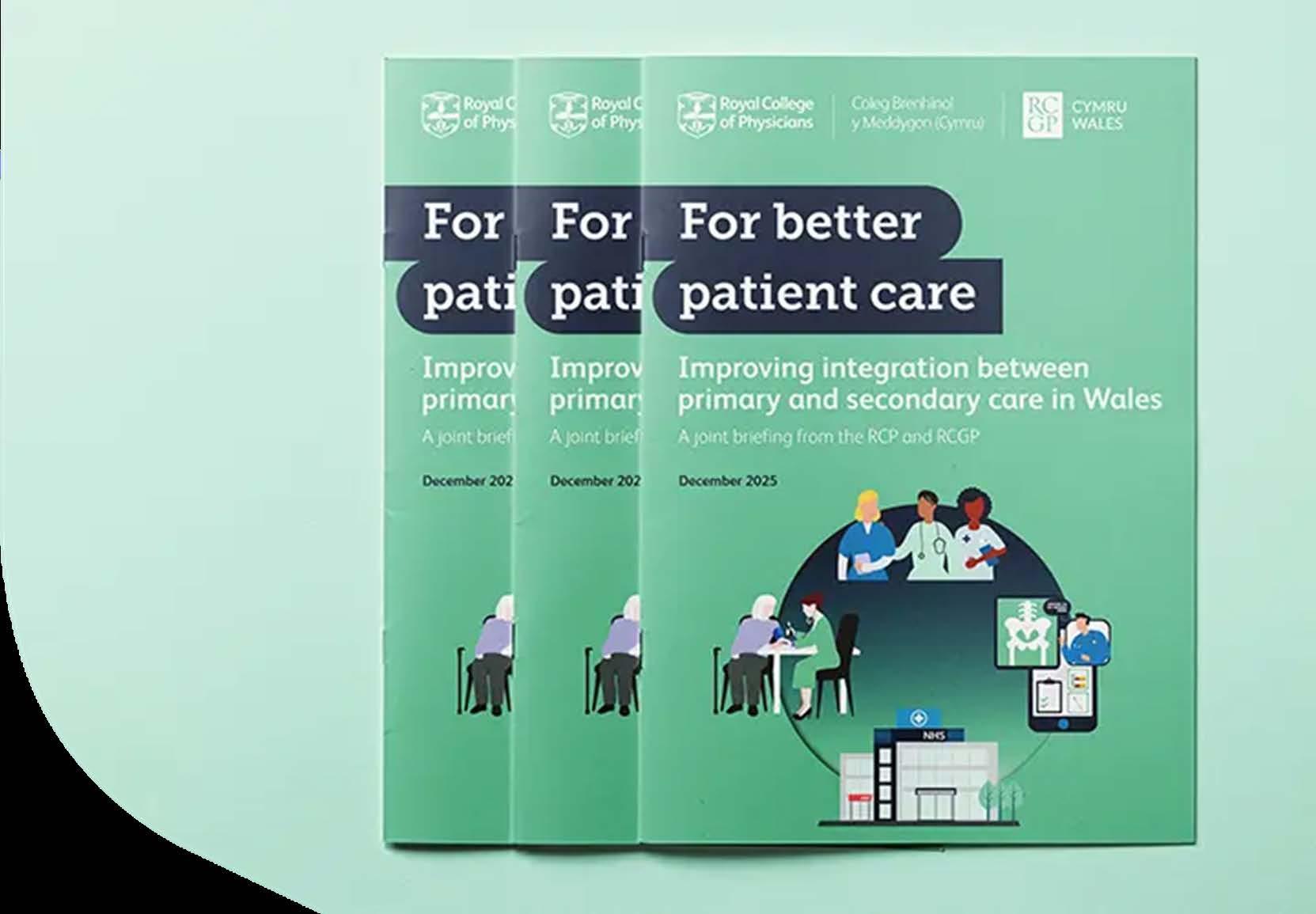
care is not a technical nicety; it is central to reducing health inequalities. This principle underpins For better patient care: improving integration between primary and secondary care in Wales, a joint briefing published by the Royal College of Physicians and the Royal College of General Practitioners. Drawing on a
workshop involving clinicians, policymakers and system leaders, the briefing sets out practical, clinician-led priorities for creating seamless pathways that keep the patient, not institutional boundaries, at the centre of care.
At the core of effective integration is a healthcare system that communicates well. Poor communication and lack of shared understanding between general practice and hospital teams create unnecessary barriers to timely diagnosis and treatment, particularly for those with chronic conditions. The briefing calls for intentional efforts to improve mutual understanding between professionals, embed shared training, and strengthen clinical leadership that spans settings.
While fragmentation affects all patients, its impact is magnified for people living in socioeconomically deprived communities, those with language or cognitive barriers, and those navigating multiple conditions. For these groups, disjointed care pathways are more likely to lead to delayed referrals, missed follow-ups and avoidable deterioration. By strengthening integrated working, through expanded joint training opportunities, interoperable digital systems and sustainable funding for crossboundary roles, we can reduce the systematic disadvantage these patients face.
Early evidence from clinically led integration pilots in Wales is encouraging. Examples range from GP–consultant exchange schemes that build professional rapport to community-based specialist services that have reduced admissions and improved outcomes. These local innovations demonstrate that when primary and secondary care work in partnership around need, not organisational silos, inequities in access and outcomes can be ameliorated.
The difference this approach makes is tangible. Patients experience smoother transitions between care settings, clinicians work in more collaborative environments, and pathways are aligned around patient needs rather than administrative convenience. For communities experiencing persistent health inequality, integrated care can translate into earlier access to appropriate care, fewer emergency admissions, and better long-term condition management.
Integration must be elevated from policy aspiration to operational reality. This requires investment in digital infrastructure that enables shared records, protected time for joint education and leadership, and a shift from shortterm pilots to stable, scalable models. By bridging the divides between primary and secondary care, we address one of the root structural contributors to health inequality in Wales and can make
strides towards a more equitable, patient-centred care.
For further information please contact: Nicolas.Webb@rcgp.org. uk
Policy / Research / Practice
Deep End Cymru: General Practice where it’s needed most
Joanna Watts-Jane,
Deputy Chair Deep End Cymru and Practice Manager, Hirwaun
In Wales’s most deprived communities, GP surgeries face a perfect storm: soaring health needs collide with chronic under-resourcing, creating what Dr Julian Tudor Hart famously termed the “inverse care law” in 1971. Areas with the greatest health needs often have the least capacity to meet them, and Deep End Cymru is working to change this.
The Challenge
GP practices serving highly deprived populations
Public
struggle with a distinctive set of pressures. Their appointment books fill faster, often with complex non-medical social issues layered onto multimorbidity. Staff recruitment and retention prove harder. While all Welsh practices face increased demand, those serving concentrated areas of deprivation become overwhelmed sooner than those with only scattered pockets of disadvantage. The consequences cascade
through the health system. Preventable conditions worsen, screening and immunisation uptake falls, and opportunities for early intervention slip away. With finite capacity stretched beyond breaking point, problems get worse that primary care could have resolved earlier. The result is fragmented care, longer waits, and worse outcomes for people already facing multiple disadvantages—ultimately, shorter and less healthy lives.
Dr Kathrin Thomas,,
Health Lead Deep End Cymru, exGP and Public Health Consultant
A Grassroots Movement for Change
Launched in late 2022 and hosted by the Royal College of General Practitioners with Welsh Government funding, Deep End Cymru draws inspiration from Scotland’s pioneering Deep End movement that began in 2009. The initiative now extends internationally, bringing a health equity lens to everyday practice.
Deep End Cymru creates protected time for frontline primary care staff to meet, share common challenges, and develop solutions. The network has already generated significant progress (1). They’re working on bringing in Community Health Workers to address non-medical needs, are collaborating with Health Education and Improvement Wales (HEIW) to integrate deprivation medicine into training curricula and partnering with Cardiff University on research including a qualitative study of Deep End working conditions (2) and an analysis of funding allocation equity (3).
Solutions and Advocacy
The network argues that primary care represents a powerful lever for reducing health inequalities—but only when properly funded, fairly distributed, and designed around local needs. They advocate for funding formulas aligned to deprivation levels and better-resourced, neighbourhood-based care
that offers continuity and works cohesively with local services.
Deep End participants consistently report loving their work and feeling highly motivated to serve families and communities who need them most. Yet these same practices face the highest risk of closure, merger, or takeover by external companies. Deep End Cymru provides crucial advocacy for practices with the least time to advocate for themselves.
Looking Forward
As general practice crisis deepens across Wales, the impact hits hardest where surgeries serve as lifelines in communities where other services have withdrawn. Deep End Cymru amplifies voices from the frontline, translating their insights into practical solutions that could benefit the entire health system. For anyone interested in supporting this work or learning more, please see Deep End Cymru website and contact DeepEndWales@rcgp. org.uk
References
Deep End Cymru First Phase Report July 2024
‘We’re all in the same boat … some of us just have more holes in their boat’: a qualitative interview study of primary care staff views of Deep End Cymru | BJGP Open Exploring the equity of distribution of general medical services funding allocations in Wales: a time-series analysis | BJGP Open.
Treherbert Initiative
Claire Turbutt,
Principal Public Health Practitioner (Cwm Taf Morgannwg University Health Board)
Rachel Reed, Public Health Practitioner (Cwm Taf Morgannwg University Health Board)
call appreciative enquiry. We have uncovered what is good about Treherbert, what is already strong and what is on the top of everyone’s and a community lunch club which is being supported by Fareshare Cymru. Recently the fruit and veg stall has been offered out to other
Enquiry training has been delivered to the local organisations in the area. This will enable organisations to capture community insights
and learning.
Collaborative Events:
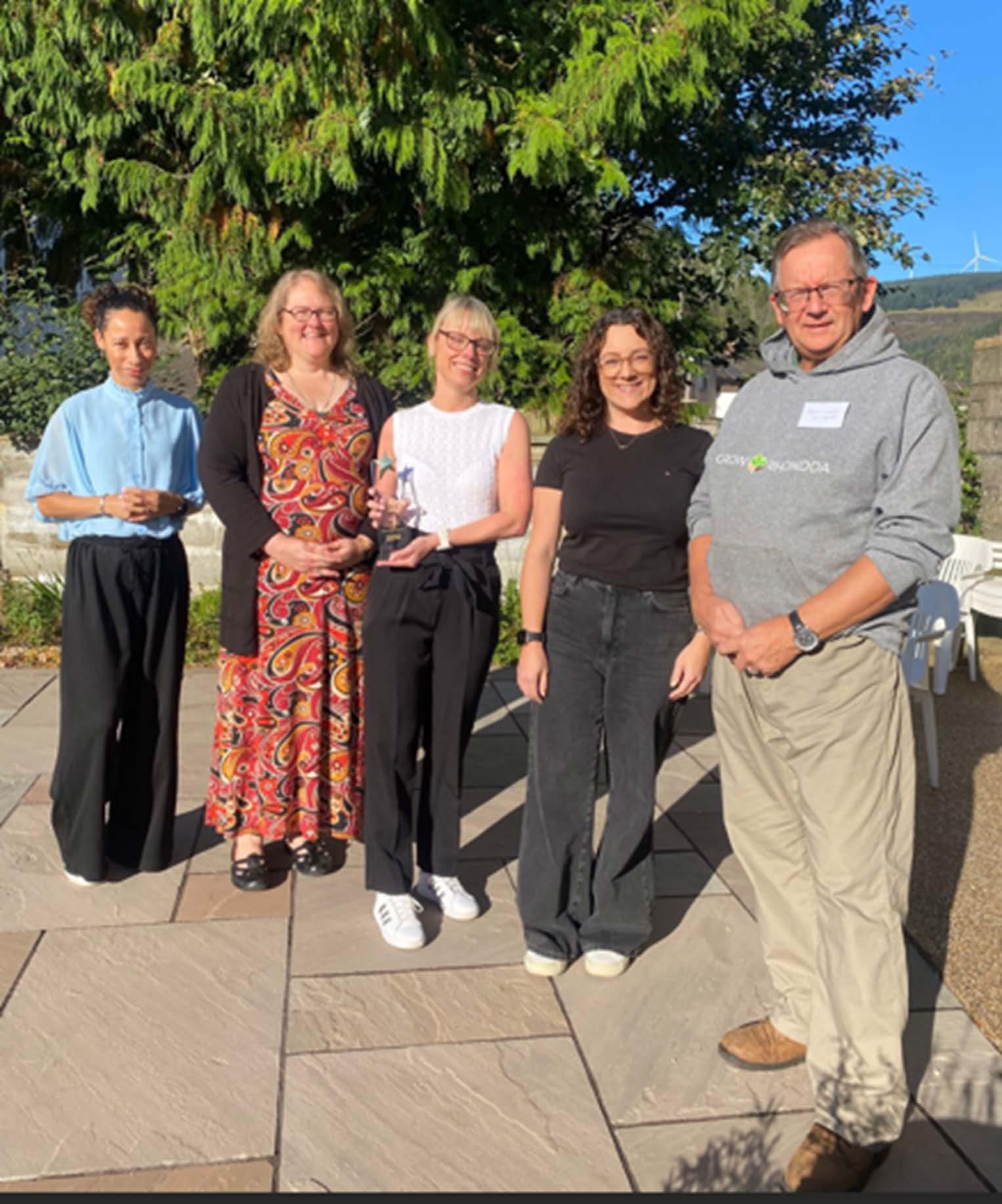
Community events with Grow Rhondda, Valleys Kids, and Treherbert OAP Hall have ensured the priority areas captured are a true representation of the community voice.
Formation of Treherbert Learning Community (TLC): Established in September 2025 to explore the priority areas for collaboration which were:
-Improving Physical Activity Facilities and Access -Improving Play, Youth and Family Activity Opportunities -Promotion, Collaboration and Access to Good Quality Affordable Food.
Community Ownership: Actively exploring, through collaborative conversations, how this work can become deeply rooted within local communities and stakeholder networks, ensuring shared responsibility and long-term sustainability.
Progress so far:
Improved Food Access:
Grow Rhondda launched a monthly market stall and a lunch club supported by FareShare Cymru.
Community-Driven Solutions: Valleys Kids have been working with Early Years Wales to deliver Initiatives such as Active Baby at Home
sessions which has increased early years play opportunities in the area.
Expanded Activities:
Treherbert Baglan Football Sessions now include litter picking, walking groups and substance use awareness sessions with Barod.
Relationship Building:
Many organisations in the area are now coming together to look at ways they can merge resources and work together.
Treherbert Learning Community: Are exploring the promotion and access of walking trails in the area, development of a Borrow Box of play and sport equipment at the local park, building a local Green Gym and how they can build on the access to good quality affordable food and play and youth provisions.
Learning: The Healthy Weights Team have developed a deeper understanding of community health challenges and the role our food and active environments have in this.
Feedback and Recognition
“The feedback from our families has been overwhelmingly positive; this link-up means better nutrition and a higher standard of food provision across all our activities.” (Amy, Valleys Kids, Treherbert Family Hub)
“The work Claire and her team have done in Treherbert using appreciative enquiry and human learning systems has helped us to understand more about what is strong in the community and has raised the volume on voices that aren’t often heard by the public services, I’m very hopeful that as we work together we will see great things in Treherbert for future generations” (Cllr Bob Harris -Cabinet Member for Public Health and Communities)
The team also received a Cwm Taf Morgannwg University Health Board (CTMUHB) Seren Award for the inclusion and respect category which involved the Treherbert Initiative work area. In 2026 the Treherbert Initiative will continue to build on the insights and priority areas uncovered.
You can join the Treherbert Learning Community to help shape a healthier Treherbert. Email: Grow Rhondda at headoffice@growrhondda. co.uk
To find out more visit: WSA Highlight Bulletin Dec 25 Healthy Weight Case Studies - Cwm Taf Morgannwg University Health Board
GP and Primary Care provision across rural Mid Wales –innovation in a time of crisis?
Anna Prytherch, Head of Rural Health and Care Wales
In 2019, the United Nations estimated that about 3.4 billion people across the world lived in rural areas (United Nations, 2019), with, generally, rural residents having poorer health outcomes and higher mortality rates than people who live in more urban areas (World Health Organization, 2010). Counteracting this, it has been found that regions with stronger primary care
services have improved health outcomes, lower costs and reduced inequity in health (Starfield et al., 2005); it can thus be deducted that it is critical for rural areas to have access to robust primary care services to counteract the disadvantageous impact of rural living. However, therein lies the dilemma, since rural areas have accelerated issues facing primary care, in particular in terms of
traditional GP practices, where there are not only challenges in recruitment and retention, but also in terms of a patient demographic that is biased towards an elderly population with increasing, complex health needs and logistical issues in terms of lack of public transport and digital connectivity. To address these challenges, there needs to be a focus on improving healthcare accessibility and
ensuring equitable quality of care, all the while prioritising a value-based, patient-centred approach.
The Research
There were three distinct phases to the research: Working with the SAIL Dataset team at Swansea University, Rural Health and Care Wales (RHCW) was able to explore distance travelled to GPs / accessibility by rural patients (further distances travelled) and also the broad health markers of the Mid Wales population (less medicalised, though increased complex chronic cases due to ageing demographic)
A review of GP practice provision across the Mid Wales regions, including statutory and policy frameworks in situ and other mitigating factors; this phase also included exploration of the literature and operational models of best practice In depth questionnaire analysis of GP practices to explore challenges / successes and issues of concern, with the potential for patient engagement and input. This overview focuses on the outcomes of the second phase of the work, with the following concluding recommendations made:
Recommendations:
The recruitment and retention of GPs and an adequate primary care workforce must be a key priority
continue with longitudinal placements of medical students (e.g. CARER scheme at Cardiff University; RHiME at Swansea University) to embed rural exposure work with Graduate Entry to Medicine and widening participation programmes to encourage “local” people to study medicine
improve the provision of accessible training – a medical school in Mid Wales? CPD options – regional programmes? develop a Rural Specialism in Medicine that meets the specific needs of rural Wales (akin to Australia’s new Rural Generalist qualification) encourage medical students and newly qualified healthcare professionals to embed in rural communities through a mentoring / befriending scheme
create more flexible work opportunities across the region e.g. work across health boards, job experience days etc. consider shared roles for GPs across the region, building resilience into provision (e.g. shared GP Fellowship?)
Greater cross-region pollination of cases of best practice and shared learning should be encouraged
roll out the Multi-Agency Team model across the region (best practice)
embed integrated community work in the rural model of delivery by creating
community hubs for multidisciplinary and multi-agency teams allow for innovation and build confidence in new processes (risk / trust) set up annual regional cluster meetings actively build connections and integrate primary care with secondary care to improve communications and relationships
For further information please contact: Anna.L.Prytherch@ wales.nhs.uk
Nominations now open! Vaccination Saves Lives Awards 2026
Vaccine Preventable Disease Programme,
The Vaccination Saves Lives (VSL) Awards are here, and it’s time to celebrate the hard work and dedication behind immunisation efforts in Wales.
This is your chance to recognise those who have made a significant impact in immunisation. You can nominate yourself, a colleague, or a team (individuals, teams, or organisations).
Award categories:
• Champion Award –Recognises an outstanding individual.
• Team AwardCelebrates a group of two or more working on the same project.
• Lifetime Achievement Award - Celebrates a longterm individual contribution.
• Student Award -
Recognises a pre-registration student (e.g., student nurses, midwives or doctors).
Why nominate?
All nominees will be acknowledged at the Welsh Immunisation Conference on 24 April 2026. Winners will receive their award during the conference at No. 2 Capital Quarter, Cardiff. Nominations close on 2 March 2026.
How to nominate
To view the award criteria and submit a nomination, please complete the correct form using the links below:
Champion award: VSL Champion Award 2026 nomination form – Fill out form
Team award: VSL Team Award
2026 nomination form – Fill out form
Lifetime achievement award: VSL Lifetime Achievement Award 2026 nomination form – Fill out form
Student award: VSL Student Award 2026 nomination form – Fill out form
Please ensure you save your receipt after completing the Microsoft Form.
Details about the Welsh Immunisation Conference can be found here: Welsh Immunisation ConferencePublic Health Wales
To see last year’s winners, visit the Welsh Immunisation Conference 2025 SharePoint page.
Questions? Contact phw. vaccines@wales.nhs.uk
Connecting Health and Creativity: The Hywel Dda Arts
Referral Pathway
Kathryn Lambert, Head of Arts and Health, Hywel Dda University Health Board
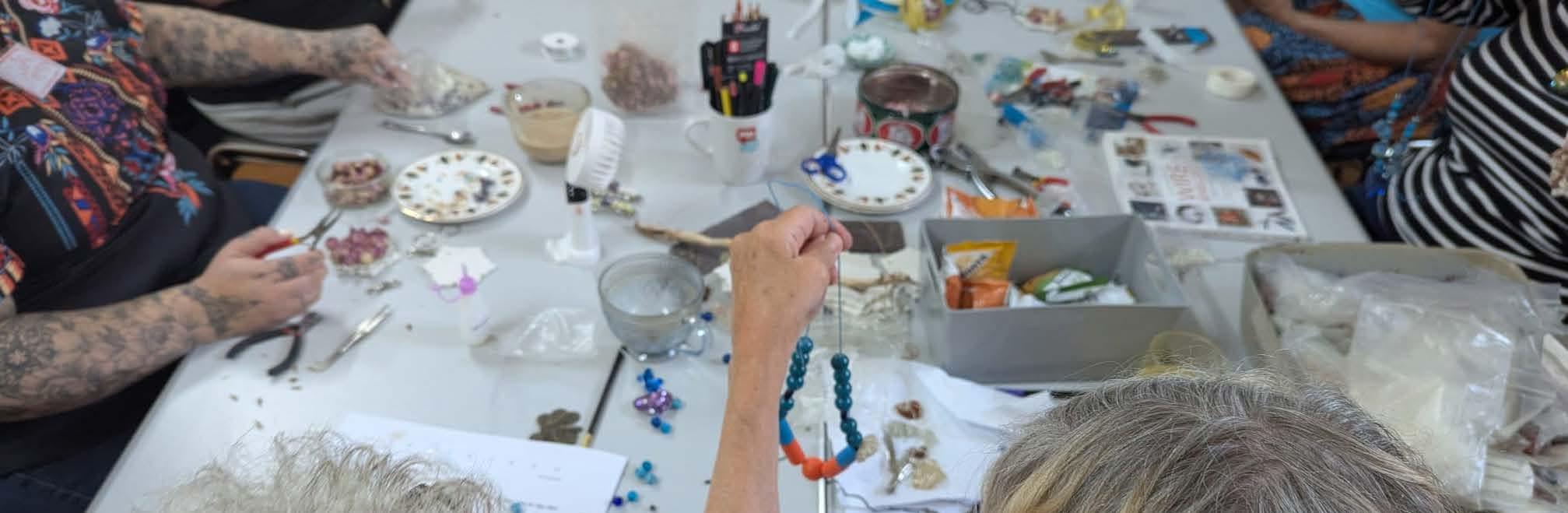
The Hywel Dda Arts Referral Pathway (HARP) is a pioneering creative health prevention programme designed to connect people living with long-term conditions and social isolation to community arts activities. By integrating creativity into healthcare, HARP aims to improve mental wellbeing, reduce stress, and empower individuals to manage their health more effectively. This approach matters because traditional clinical care alone cannot address the social and emotional factors that shape health outcomes. Through arts-based interventions, HARP promotes inclusion, resilience, and holistic wellbeing—helping people rediscover confidence and connection while reducing demand on overstretched
Rhian Rees,
Senior Public Health Practitioner, Hywel Dda University Health Board
health services.
HARP was developed following the Hywel Dda Creative Prescribing Discovery Programme and aligns with national priorities for social prescribing and mental health. Evidence shows that arts engagement can reduce anxiety, improve mood, and foster coping skills, complementing clinical care and supporting prevention. The programme launched as a pilot in 2025, working with GP surgeries in Tenby, Lampeter, and St Clears, alongside arts partners Arts Care Gofal Celf, People Speak Up, Arts4Wellbeing and SPAN Arts.
Patients identified by GPs as frequent attenders with chronic conditions, pain, or
mental health needs were referred to an eight-week creative programme led by professional artists. Sessions provided safe, inclusive spaces for participants to explore music, visual arts, and storytelling, supported by healthy living teams. Interim findings from TriTech evaluation and qualitative feedback highlight significant benefits: reduced stress, increased confidence, and improved self-management.
HARP demonstrates innovation in rural health by integrating arts into preventative care. It builds on the Social Model for Health and Wellbeing, tackling isolation and inequality while strengthening community networks. With funding secured for 2026–27, HARP
will expand to a rolling programme and longer provision (16 weeks), targeting GP surgeries located in the most deprived communities of Hywel Dda and delivering on the Hywel Dda 20four7 Public Health Framework. This will ensure sustainability and robust evaluation.
In its first six months, HARP received 49 referrals and supported 23 patients with complex needs. Participants reported lifechanging impacts: “I want to do more—this is the focus of my week.” Beyond improved wellbeing, HARP activated patients to engage with community provision, volunteer, and take up healthy living opportunities. GPs
and health professionals expressed enthusiasm for continuing the model, recognising its potential to reduce clinical demand and transform perceptions of healthcare. The programme has fostered collaboration across arts organisations and health services, creating an “association of associations” that strengthens local capacity for creative health interventions.
HARP shows that creativity is not a luxury—it is a powerful tool for prevention, wellbeing, and health equity. Arts-based interventions can reduce pressure on clinical services while improving quality of life for those most at risk of isolation and poor
mental health. Our key learning: success depends on collaboration, longerterm provision, and robust evaluation. We call on health professionals, commissioners, and community partners to champion creative health approaches and embed them into mainstream care. Together, we can build a healthier, more connected Wales—where arts and health work hand in hand.
For further information please contact: Kathryn.Lambert@ wales.nhs.uk


Grapevine
Working Together for a Healthier Wales: Public Health Wales’s Five Policy Messages
Leah Wargent, Principal Public Health Practitioner (Policy and Advocacy), Public Health Wales
Imagine a Wales where every child has the best start in life, where families feel financially secure, and where our communities thrive in healthy, sustainable environments. This isn’t just a vision, it’s a future we can create together.
Currently, Wales has a 20-year gap in healthy life expectancy for women between the least and most deprived areas. And three times more avoidable deaths in our most deprived communities. These differences are unfair and avoidable.
Without change, health inequalities will continue to cost Wales £322 million in NHS hospital costs every year.
Wales faces significant health challenges:
1 in 4 children grow up in poverty
7.2 million days lost through sickness absence each year 18% of homes pose health risks
50,000 more diabetes cases expected in 10 years
Nearly £1 billion a year –health and productivity costs of air pollution
Public Health Wales’s
Five Policy Advocacy Messages
Using the latest evidence and data, Public Health Wales has introduced the five policy areas where policy action could have the greatest impact on health and wellbeing in Wales. Our prevention-led messages set out where policy action can make the biggest difference to help build a healthier, fairer and more prosperous Wales for the future and support a strong sustainable health and care system.
Best Start – We need to prioritise the health and wellbeing of babies, children and young people so they can thrive today and shape resilient communities tomorrow.
Financial Wellbeing – We need to support more people to stay healthy and in work, and improve financial security so families can live well.
Healthy Spaces – We need to make homes, shops, and public spaces healthier so it’s easier for people to live well and avoid harmful habits.
Local Care and Support – We need to strengthen primary and community care to
prevent illness, respond early, and better meet the needs of supporting those with long term conditions.
Healthy Planet – We need to protect people and communities from the health risks of climate change and environmental harm.
Why Prevention Matters
Our policy messages are rooted in prevention because we know that preventing ill health is better—and more cost-effective—than treating it later. Investing in prevention will help prevent ill health happening or getting worse, so that people enjoy longer and healthier lives. Prioritising prevention is also a route to a sustainable health and care system that is available to those who need it when they need it, now and for future generations.
Every £1 invested in highquality prevention can return £14 (Masters et al., 2017). That’s not just good for health, it’s good for the economy. Healthier people create stronger communities and a thriving Wales.
Key Resources for Action
We have developed several
resources to support our public health policy messages. Working together for a healthier Wales: A summary
This document highlights Public Health Wales’ public health policy priorities and “what good looks like”. Working together for a healthier Wales: How we make change happen
This document highlights practical actions to make a difference across Public Health Wales’ public health policy priorities.
Working Together for a Healthier Wales: At a glance
This infographic highlights current health challenges in Wales, Public Health Wales’ key policy messages, practical actions to make a difference, and evidence on return on investment.
Working Together for a Healthier Wales: Get to Know Us
This document provides an overview of Public Health Wales, what we do, and why our work matters.
Working Together for a Healthier Wales: Why it Matters
This document makes the case for why we need policy action by highlighting data on
both current challenges and opportunities in Wales. Together, we can make prevention the foundation of a healthier Wales.
Please do not hesitate to reach out to phw.advocacy@wales. nhs.uk if you’d like to discuss these resources.
Resources
https://phw.nhs.wales/ advocacy
Public Health Wales’ Annual User Survey
As we start 2026, Public Health Wales are taking time to reflect on what they delivered in 2025 and would love your help to shape what comes next. Public Health Wales’ Annual User Survey is now open and will remain available until Friday, 13th February. It’s completely anonymous and should take just 10–15 minutes (perfect for a coffee break!). Complete the survey here: https://secure.membra. co.uk/ExperiencePHW/s/ SurveyIntro.
aspx?ID=10372D85-71E84B24-88BC-
Your feedback is vital to ensure Public Health Wales’ data and knowledge products like reports, dashboards, toolkits, webpages, newsletters, and other resources remain relevant, useful, and impactful.
Please share this survey with colleagues or anyone who uses Public Health Wales data and knowledge products. The more voices we hear, the better we can serve your needs.
If you have any questions, please contact Ruth.Davies6@ wales.nhs.uk.
Finding Renewal in the Heart of the Forest: A Wellbeing Journey for Healthcare Practitioners
Roger Davies, Manager, Golygfa Gwydyr
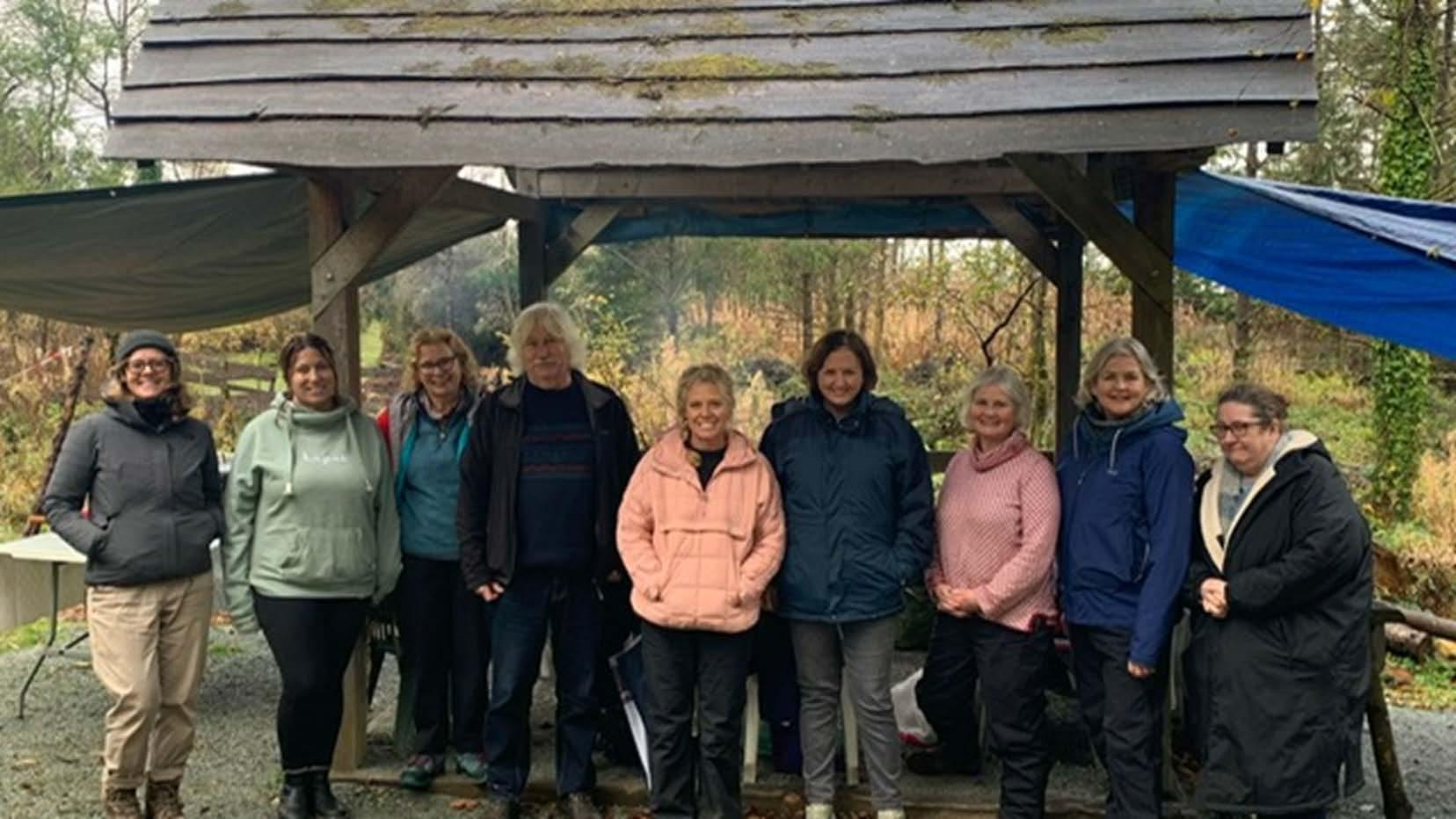
In the demanding field of healthcare, finding moments of stillness often feels like a luxury. However, a group of healthcare practitioners from BCUHB recently discovered the transformative power of pausing, breathing, and reconnecting with nature. They participated in a unique wellbeing programme held in the serene Gwydir Forest, which provided not just rest but deep restoration.
This nature-based course, designed by Golygfa Gwydyr, was targeted at healthcare professionals grappling with the heavy burdens of compassion fatigue, emotional strain, and the relentless responsibilities of their roles. Its mission was straightforward yet impactful:
to create a sanctuary for healing through rest, kindness, self-compassion, and renewal, illustrating how time spent in nature can alleviate stress and restore balance.
The programme was structured around weekly themes, each guiding participants deeper into personal wellness and their connection to the forest. The themes shaped the group’s shared experiences, offering new insights into how nature fosters recovery, facilitating a powerful journey of reconnection, grounding, and renewal, emphasizing that wellbeing is both a practice and a path best explored among trees. The immersive sessions enabled participants to step away from
the pressures of their clinical environments, entering a space that encouraged reflective healing. The emphasis on mindfulness included gentle breathing exercises, visualization, movement, stillness meditations, and creative sessions, all encapsulated by the forest’s serene embrace.
While the programme provided immediate restorative benefits, it also equipped practitioners with practical tools for ongoing use after leaving the woods. Participants received personal journals to document their insights, observations, and coping strategies, which would aid in fostering balance in their daily lives and promoting long-term wellbeing.
This journey of healing highlighted that the need for self-care extends beyond patient care; it is essential for healthcare providers themselves. Often, simply stepping into nature can be the first step toward regaining one’s centre.
Feedback from participants reflected the programme’s profound impact:
“The benefits have not only helped me personally, but also professionally. I feel more grounded to manage the demands of work and home.”
“I would highly recommend this programme to anyone working in the NHS as everyone deserves a break.”
“All patients would benefit from this programme—it complements resilience initiatives for children and young people, addressing mild to moderate anxiety and promoting preventive care.”
“I gained so much from the exercises and meditations, fostering connections and kindness.”
“This course arrived at a crucial time for me, allowing for reflection on how to best support my team and patients.”
In conclusion, the Golygfa Gwydyr programme represents not just a respite for healthcare professionals but a pathway for sustained wellness, enabling them to nurture both their own wellbeing and that of their patients.
For information on future events or discussions about specific team sessions, please visit: https://www. golygfagwydyr.org/what-wedo/wellbeing/
Videos



Introducing the ‘Evidence Pie’ with Health Determinants Research Collaboration (HDRC) Rhondda Cynon Taf
Join us for this webinar with Zoe Lancelott and Rhianydd Davies from the National Institute for Health and Care Research (NIHR) Health Determinants Research Collaboration (HDRC), Rhondda Cynon Taf.
Explore our video library on our website
Launch of Teg I Bawb / Fair for All: A Strategic Action Plan to address health inequalities through Primary Care
This webinar launches a Fairer Primary Care – Fair for All, Teg I Bawb, action plan that has been developed by reviewing the evidence, data and iterative rounds of face to face and online workshops, and extensive engagement and collaboration with patients, health professionals, senior leaders, community groups, and experts by experience across the Primary Care system in Wales.
What role does biodiversity play in creating healthy, sustainable communities?
This webinar explored the connection between nature and health and its place in creating healthy, sustainable communities.
View all our videos

News & Resources

Consultation: Improving walking, wheeling and cycling
25-11-2025
Rise in mental health difficulties among children and young people highlight need for early action
25-11-2025

New guide to help local authorities plan and design healthier places across Wales
20-11-2025
Planning Healthy Places: A guide for local authorities in Wales for embedding health in planning policy
Public Health Wales
Delivering public health and well-being priorities through Local Development Plans (LDPs) in Wales
Public Health Wales / Cardiff University
WAYS OF WORKING: AN OPPORTUNITY TO SHARE ANY TOOLS, FRAMEWORKS OR APPROACHES WHICH HELP YOU WITH YOUR WORK

In our recent webinar we were introduced to the ‘Evidence Pie’ which is a practical tool used to support building the evidence base to inform local decision making and offers a common language for discussing research and evidence across sectors, that can be adapted to meet local needs. Do you use similar tools, frameworks, or approaches to support evidence based or evidence informed decision making in your work? For our upcoming e-bulletin, we welcome submissions from projects and initiatives that can share practical methods, resources, or examples that others could benefit from. These can be national, regional, or local initiatives, policies or programmes. We’d love to learn from and share your experiences.
Our article submission form will provide you with further information on word count, layout of your article and guidance for images.
Please send articles to publichealth.network@wales. nhs.uk by 12 February 2026 Contribute