
Start with Safety.
Go with Honor.
Deliver with Commitment.
Cultivate
Seek different perspectives. Pursue excellence.
LETTER FROM OUR CHAIRMAN AND CEO

Start with Safety.
Go with Honor.
Deliver with Commitment.
Cultivate
Seek different perspectives. Pursue excellence.
LETTER FROM OUR CHAIRMAN AND CEO
At Phillips 66, our mission to provide energy and improve lives guides everything we do, shaping how we manage risk, build resilience and position the company for long-term success. In 2025, we advanced that mission by further embedding sustainability into how we operate.
At Phillips 66, sustainability is integral to running a safe, reliable and financially resilient business. We apply it as a risk-management lens across our operations to protect our people, strengthen asset reliability, navigate a changing regulatory environment and maintain the trust of our stakeholders.
In 2025, this approach delivered tangible results. We achieved best-ever safety performance, advanced data-driven methane management and progressed our returns-focused greenhouse gas emissions intensity targets. These efforts reduce operational risk, improve efficiency and support long-term value creation. We also expanded our leadership in sustainable aviation fuel, meeting customer demand and supporting the decarbonization of a critical sector.
Equally important, we continued to invest in our people and our communities through workforce development and $39 million in charitable giving. These investments strengthen our license to operate, build future ready capabilities and reinforce the culture that underpins consistent execution.
Our sustainability journey has been defined by focus and continuous improvement in how we operate and how we share information with stakeholders. We have evolved our sustainability and human capital management disclosures from a single flagship report to an annual highlights report, a dedicated climate disclosure report and expanded digital content.
This optimized approach allows us to meet evolving regulatory requirements and stakeholder expectations more efficiently while providing clear, accessible insight into how sustainability is integrated across our business.
Looking ahead, we remain focused on driving performance, pursuing excellence and delivering on our strategy, powered by a strong culture and a future-ready workforce that brings our values to life every day. The global energy system continues to evolve, creating both challenges and opportunities. We are proud of the role Phillips 66 plays in providing energy and improving lives, today and in the future.
Thank you for your continued trust and support.
Mark Lashier Chairman and CEO

Phillips 66 makes products that help make modern life possible. Beyond conventional and lower-carbon transportation fuels, we produce specialty products that support the manufacture of medical devices, pharmaceuticals, electronics, vehicles, batteries, agricultural products, recycled steel and more.
Our people, financial strength, operational scale, asset diversity and commercial acumen enable us to meet the world's growing energy needs. Our integrated portfolio positions us to deliver value through economic cycles, and we increase operational efficiency by promoting innovation and leveraging digital capabilities.
Crude Oil
3 MMBD crude traded and sourced
2 MMBD for refining system
Mixed NGLs and Gas
4 BCFD gas gathered and processed
1 MMBD NGLs transported and traded1
80 MBD feedstocks sourced or traded 50 MBD feedstocks processing capability2
As of Dec. 31, 2025, unless noted otherwise
(1) Achieved in 4Q 2025.
(2) Excludes coprocessing.
Thousand
1 MMBD gasoline; 0.9 MMBD distillate
2 MMBD clean products traded
7,620 branded U.S. outlets
10 MBD neat SAF capability
Access our comprehensive sustainability and people-related disclosures at the Phillips
6 MM MT fuel-grade and specialty cokes
22 MBD base oil capacity
One of the leading U.S. lubricants manufacturers
5 MM MT US ethylene capacity via CPChem
At Phillips 66, sustainability is a journey of continuous improvement and adaptation, rooted in environmental stewardship, social responsibility, strong governance, operating excellence — all underpinned by financial performance.
Our policies and practices support our commitment to operating safely, reliably and with respect for the environment and our communities. Our board oversees sustainability and people management through its relevant committees, and our management aligns these initiatives with company strategy to drive integrated, purpose-driven performance.
Our success begins and ends with our people. Their talents, ideas and determination are a competitive advantage and investing in them enables our continuous innovation.

We aim to serve our stakeholders with the highest standards of responsibility, ethics and integrity, and we regularly engage with them to remain responsive to their expectations. Our stakeholders include, among others, our employees, contractors, shareholders, customers, suppliers, local communities, policymakers and energy users. Our processes are designed to identify the key issues stakeholders use to assess our sustainability performance, which are addressed in this report.
In 2025, the top five sustainability issues of interest based on stakeholder engagements were:
• Greenhouse gas (GHG) emissions and targets.
• Renewable fuels.
• Personal safety and environmental performance.
• Supply chain due diligence.
• Community engagement.
This report also highlights new and expanded disclosures responsive to stakeholder feedback:

Scaling Decarbonization in Aviation
Los Angeles Refinery Transition Approach
Leveraging AI & Technology


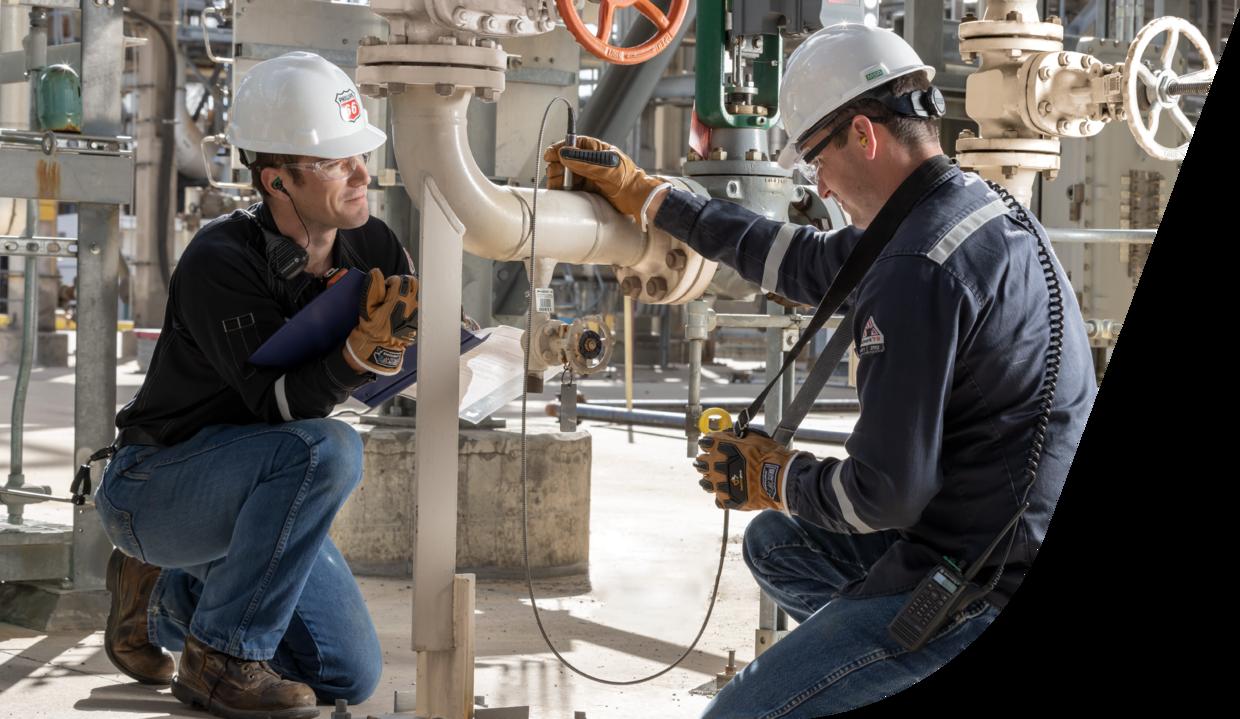
Safety is at the core of everything we do. We aim to send every worker home safely every job, every day. We also strive to reduce our environmental footprint through greater efficiency and lower waste and natural resource use, while pursuing returns-focused investments in emissions reductions, nature conservation and biodiversity.
Delivered outstanding personal and process safety performance.
Demonstrated continued progress toward GHG emissions intensity targets.
Reduced air emissions by 6% from 2024.
Disclosures
47%
0.11
28%
reduction achieved in injuries from serious incidents (ISI) rate compared to 2024.1
combined total recordable rate (TRR), matching our lowest-ever result.
reduction in plant process safety event (PSE) rate versus 2024, our best-ever plant PSE rate, and an 11% improvement in pipeline PSEs. 6
refineries earned 2025 AFPM Safety Awards, and Midstream received the 2025 API Distinguished Pipeline Safety Award.
• Championed the industrywide "Walk the Job" campaign, launched by the AFPM Safety and Health Committee and AFPM Contractors Group. The initiative brings together asset operators and work teams to jointly walk the job, anticipate what could go wrong and develop mitigation plans.
• Leveraged Human Performance principles by conducting multiple learning teams across Refining and Midstream regions to strengthen work practices, improve equipment reliability and implement safeguards so it's easier to get the work right, and harder to make mistakes.
• Engaged hundreds of stakeholders in safe digging practices and community protection through Texas 811 Damage Prevention Excavation Events, reinforcing shared responsibility for underground infrastructure safety and promoting the "Call or Click Before You Dig" process.
• Invested in world-class, hands-on training facilities for our employees and contractors, reinforcing critical processes such as control of hazardous energy and improved hazard identification.
(1) The ISI rate decreased from 0.034 in 2024 to 0.018 in 2025 (per 200,000 work-hours).
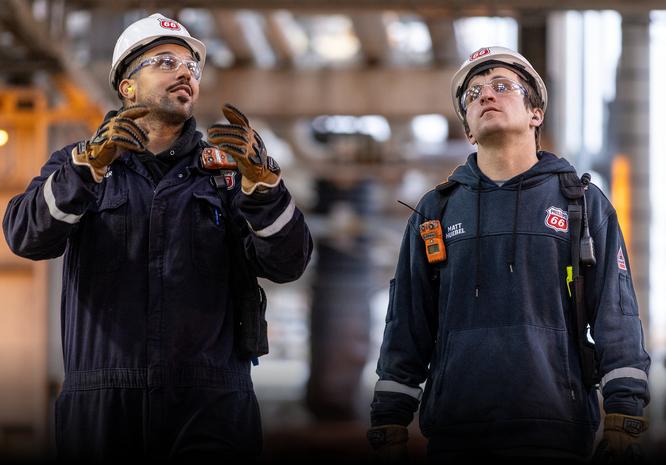
• Launched a world-class Reliability Excellence Assurance Process to improve operational availability, reduce lost-profit opportunities and embed a sustainable reliability culture. Subject-matter experts assessed all refining sites and produced prioritized improvement plans at site-specific and refining-wide levels.
• Established the Refining Business Practices team to improve efficiency and redirect capacity toward highvalue reliability and operating excellence activities.
• Launched the Reliability Mindset workshop series to reinforce a consistent, refining-wide reliability vision. Site visits are planned through 2026 to build on shared lessons, advance action plans and embed reliability into decision-making and operations.
• Implemented a proactive, risk-based overhaul strategy that completed 216 planned overhauls of large rotating equipment and compressors, improved operational coordination, advanced data-driven decision-making and reduced major equipment failures to 13 year-to-date, down from 24 in 2024.
• Implemented the Advanced Integrated Mechanical Integrity program at our Ferndale, Borger and Bayway refineries. Shifting from time-based to risk-based inspections helps enable earlier risk identification, optimize inspection planning and reduce turnaround costs while strengthening compliance and lowering operational and safety risks.
• Added 44 new miles of pipeline near Oklahoma City, replacing a 1930s-era pipeline to reduce risk, along with improvements to internal corrosion monitoring programs and the development of a new program to detect and mitigate localized areas of higher pipe hardness that are more susceptible to cracking.
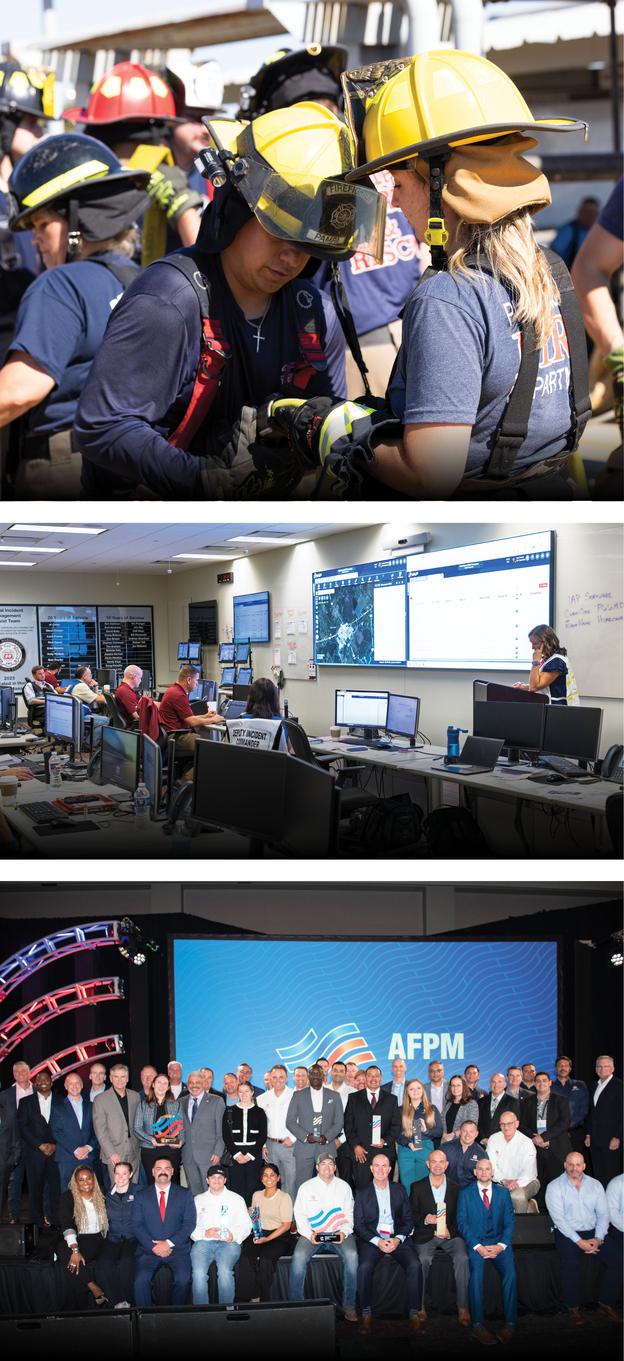
• Trained 140 Phillips 66 colleagues at the Texas A&M Engineering Extension Service's Brayton Fire Training Field, the largest training facility in North America, through an intensive four-day program to strengthen worst-case scenario preparedness.
• Cohosted a full-day training with the National Association of State Fire Marshals, aligned with the U.S. Department of Transportation Pipeline and Hazardous Materials Safety Administration's priorities, equipping first responders with critical procedures and tools to strengthen pipeline incident readiness.
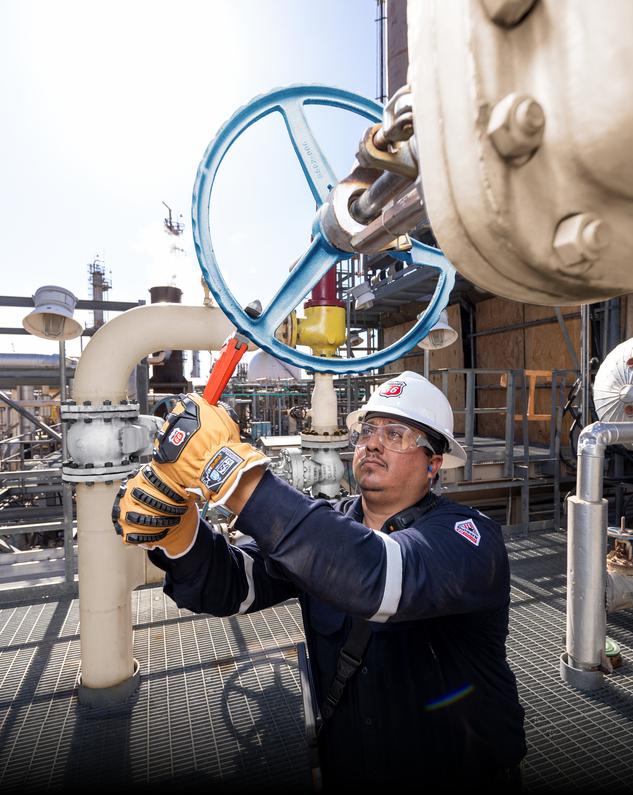
We continued to progress our returns-focused companywide targets covering our operated assets and products we manufacture and sell. Since 2019, our people have helped deliver measurable reductions through practical actions that support long-term resilience, including energy efficiency improvements, portfolio optimization and select lower-carbon investments.
Methane accounts for approximately 5% of our total Scope 1 and 2 GHG emissions. We remain committed to disclosing our efforts to address our methane emissions.
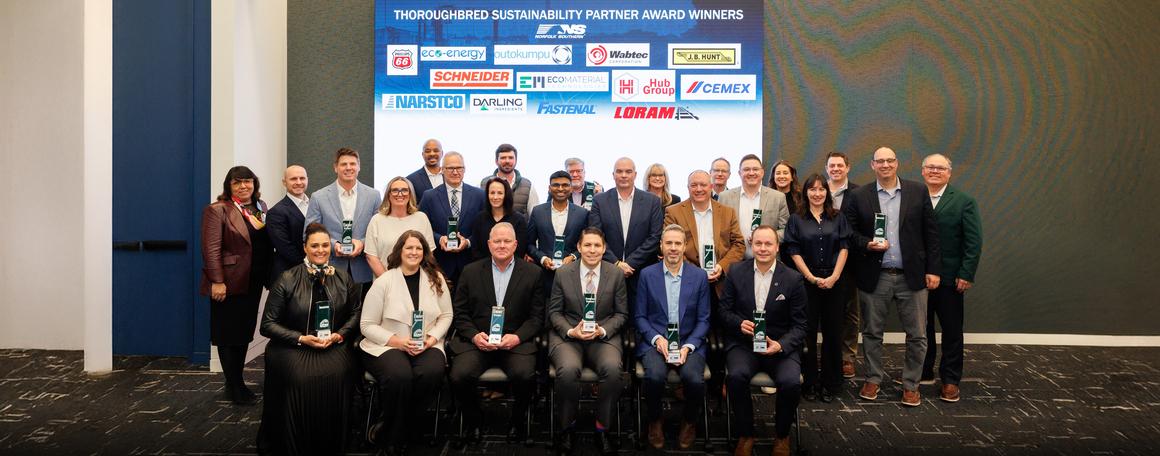
Received Norfolk Southern’s 2025 Thoroughbred Sustainability Partner Award for our methane emissions management platform, recognizing cross-functional collaboration and measurable environmental impact.
• Expanded ground-based monitoring capabilities by deploying more than 250 additional fixed fenceline sensors, over 20 tower-based optical gas imaging cameras and eight tank emissions sensors.
• Accelerated leak resolution and simplified elements of regulatory compliance by integrating an emissions management platform with maintenance and environmental reporting systems and adopting a standardized response procedure. These enhancements strengthened collaboration across maintenance, operations and environmental teams.
• Improved pipeline integrity, reduced corrosion risk and supported emissions reduction efforts by installing dehydration units on gathering systems to remove water from gathering lines.
• Established an internal compressor station design standard for greenfield sites that incorporates best practices to help minimize emissions throughout the life cycle of new facility operations.
• Monitored 100% of our active, operated gathering lines about 45,000 miles of pipeline for leaks using aerial surveys with measurements conducted twice per year.
• Reduced outstanding methane events by over 20% from 2024 to 2025. The improvement is supported by our internal application to detect, prioritize and resolve events.
• Received external recognition from Bridger Photonics for collaborative efforts that advanced aerial methane detection capabilities and accelerated mitigation efforts across Midstream operations.
• Advanced industrywide emissions reduction initiatives by sharing data on leak programs, gas pneumatics and compressors through The Environmental Partnership, a collaborative forum for sharing best practices.
• Participated in annual meetings and industry conferences, such as the American Petroleum Institute and GPA Midstream, to stay informed and engaged on policy developments and emerging solutions.
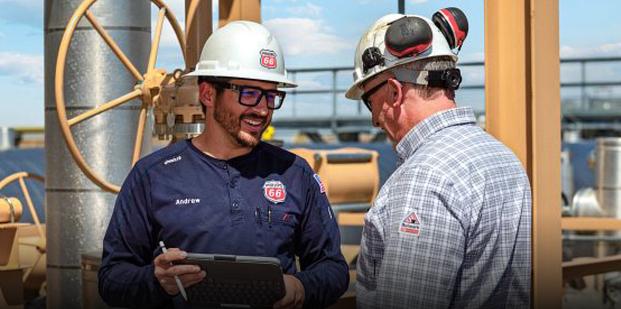
• Developed a standardized dashboard for our refinery cooling towers designed to streamline data collection, normalize performance metrics and improve visibility into operations, enabling sites to optimize energy and water usage more quickly.
• Created over 35 automated alarms equipped with daily status updates for environmental operating limits at Bayway Refinery to preemptively identify potential deviations, reducing the likelihood of non-routine emissions to the environment.
• Entered into new supplier agreements to reduce solid waste disposal and off-specification hydrocarbon reclamation transport distance, lowering environmental impact and cost across multiple regions. New facilities were as much as 1,000 miles closer.
• Installed a feed and effluent heat exchanger to recover waste heat from a Ferndale Refinery unit to reduce heater and boiler firing rates for energy efficiency, mitigating approximately 10,000 metric tons of CO2e per year.
reduction in air emissions achieved across our Refining assets since 2021. From 2024 to 2025, we reduced our air emissions by approximately 6%. 3
Managed the treatment of impacted groundwater at sites undergoing remediation. In 2025, over 2 billion gallons of treated water were recycled for reuse at our facilities, reducing our freshwater requirements. Additionally, Borger Refinery conducted a leak identification program to reduce wasted raw water by approximately 500 gallons per minute.
• Invested $5 million in environmental stewardship and preservation at Woolaroc Museum and Wildlife Preserve, a 3,700-acre Oklahoma wildlife site dedicated to protecting Western heritage, education and conservation.
• Completed a 10-year monitoring period for the on-site wetland established at our Ferndale Refinery in Washington, fulfilling all restoration requirements tied to prior permitting. The site, which includes ponds and native forested wetlands, is now transitioning to long-term management.
• Donated $650,000 in 2025 to Ducks Unlimited, continuing a long-standing relationship that has provided $5.7 million in funding across 29 projects and helped the nonprofit improve more than 34,521 acres for waterfowl and other wildlife.
• Supported eel grass recovery in the Cherry Point Aquatic Reserve in Washington by replacing Ferndale Refinery's causeway with infrastructure that increases sunlight to the water, removes creosote and steel pilings, while improving resilience against seismic and severe weather events. The project is scheduled for completion in 2026.
• Contributed $100,000 to coastal habitat restoration in Galveston Bay by supporting the Galveston Bay Foundation's installation of a 16,000-linear-foot structure that reduces wave energy hitting the shoreline, balances saltwater and freshwater conditions and creates a reef sanctuary for young oyster growth.
• Protected vital pollinator habitat across more than 10,000 acres, exceeding our 2025 target, through conservation measures under the Nationwide Candidate Conservation Agreement with Assurances for the Monarch Butterfly.
This isn’t all a dream about something, but a place where I can get back to nature... The conservation of wildlife now will mean much to future generations.
Frank Phillips on the inspiration for Woolaroc Museum and Wildlife PreserveSupply Chain
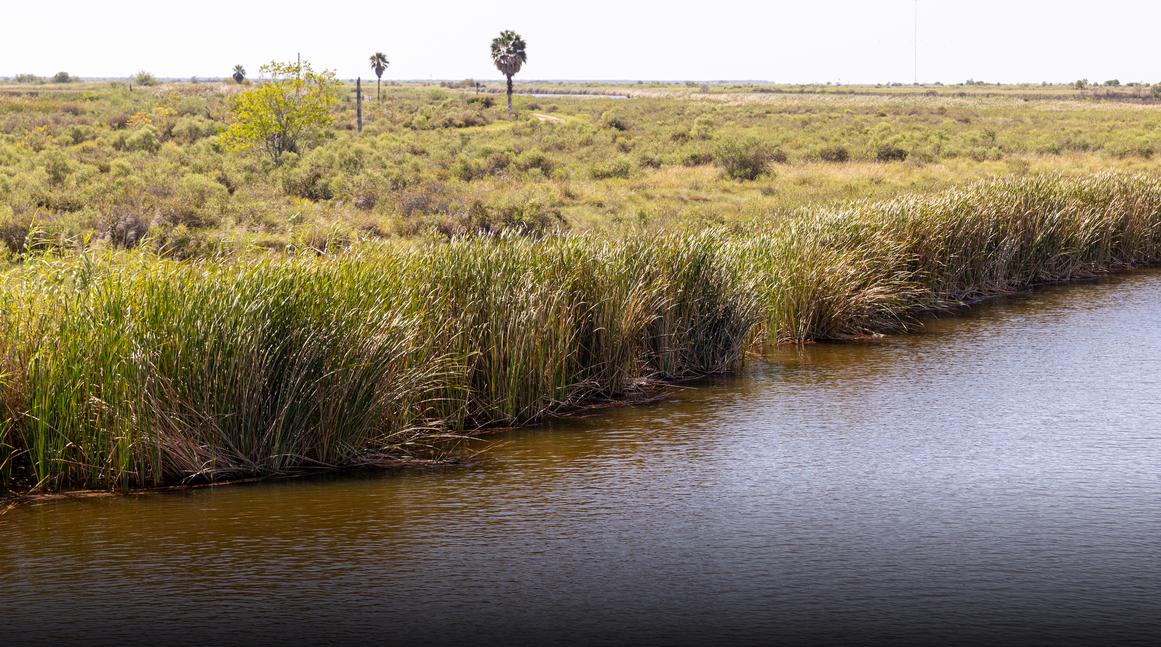
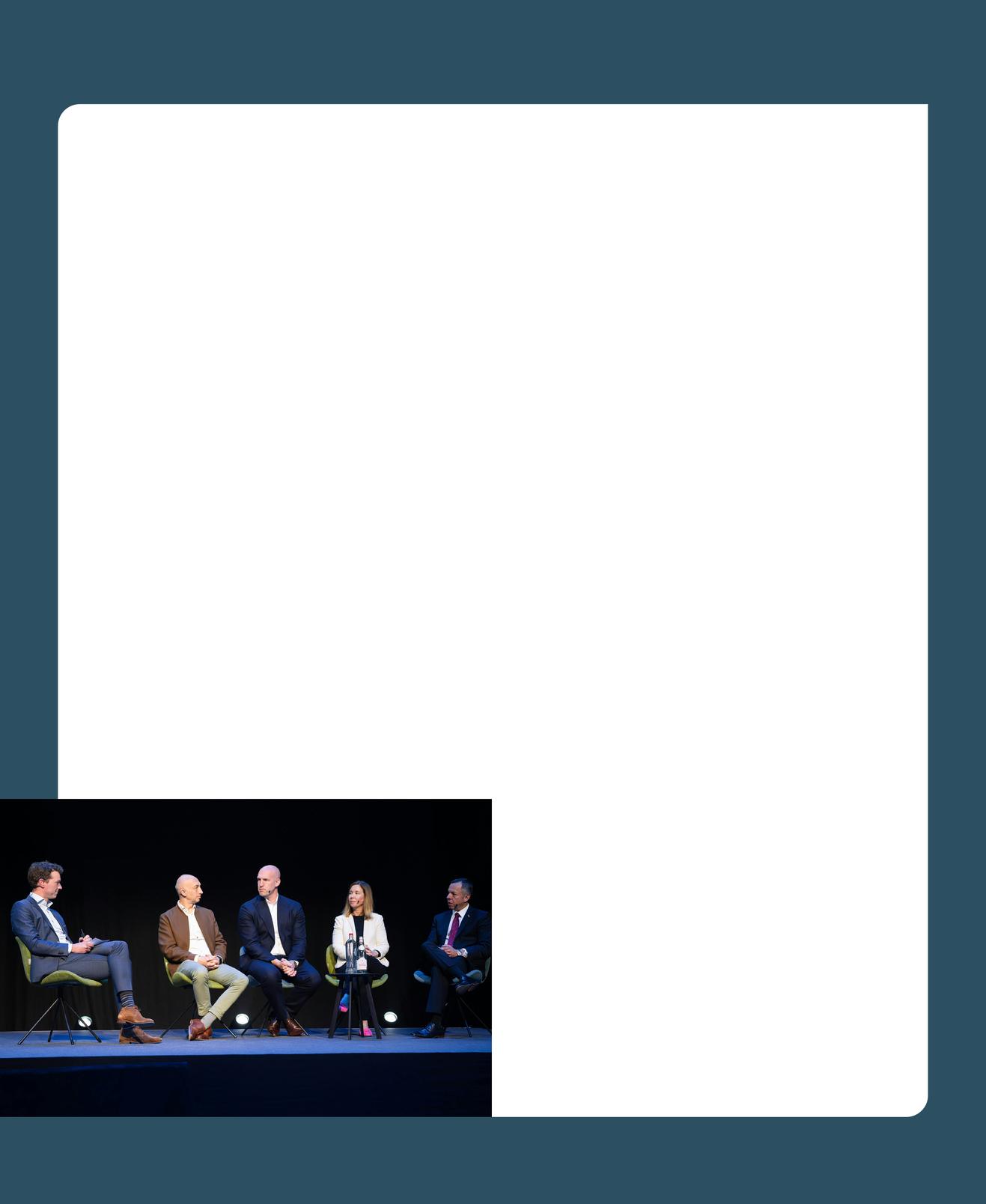
As one of the world's largest producers of sustainable aviation fuel (SAF), we use an integrated global platform that spans feedstock sourcing, refining, logistics and commercial operations in more than 80 countries to deliver reliable, lower-carbon solutions at scale. Built on nearly a century of aviation fuel experience, this model promotes resilience, feedstock flexibility and supply chain agility in the SAF market. Our Rodeo Renewable Energy Complex (RREC) in California can produce up to 150 million gallons of neat SAF annually, and our Humber Refinery in the U.K. was the first in the country to produce SAF at commercial scale through coprocessing.
• Secured SAF supply agreements with major airlines and major cargo operators.
• Collaborated with airlines, fuel producers, technology developers, policymakers and regulators to support broader SAF adoption.
• Invested in digital infrastructure to support transparent and efficient SAF distribution, including book-and-claim systems that streamline environmental attribute allocation and tracking.
• Automated product transfer documentation to reduce manual coordination and provide airlines with access to real-time delivery data.
Waste and residue-based feedstocks, such as used cooking oil, selected waste oils and processed byproducts have completed required permitting and regulatory reviews, helping limit land-use change and related biodiversity impacts associated with our renewable fuels business. We manage deforestation risk in our feedstock supply through fuel regulations, certification frameworks and supplier due diligence. In the U.S., suppliers provide documentation required under the U.S. Environmental Protection Agency (EPA) Renewable Fuel Standard and Low Carbon Fuel Standard programs, and we review chain-ofcustody records for each batch we source. Outside the U.S., we purchase feedstocks certified under the International Sustainability and Carbon Certification (ISCC). These requirements exclude biomass produced on land converted from highbiodiversity or high-carbon-stock status after 2008, and we periodically reassess eligible feedstocks and our controls as regulations and best practices evolve.
• Achieved a 3 to 10 percentage point reduction in carbon intensity for SAF and renewable diesel, respectively, at the RREC compared with our initial life-cycle calculations, which were benchmarked to conventional fuels.
• Renewed the RREC ISCC EU, PLUS and CORSIA certifications using a full year of operational data and maintained ISCC certifications across the Bayway, Humber and Sweeny refineries and our trading and storage operations, reinforcing supply chain traceability, verified GHG reductions and the protection of land and biodiversity.
Fostering belonging, development and local engagement so our people and communities thrive
Our people power our performance. By investing in employee development, fostering a growth mindset and creating opportunities to lead change, we are building a high-performing, future-ready workforce. Phillips 66 remains committed to our employees and communities through actions that create shared value and support long-term success.
Advanced employee development to build leadership and critical skills.
Recognized with five top workplace awards and was named to Forbes' "World's Best Employers" list.
Strengthened community resilience with $39 million in giving and 121,000 volunteer hours.
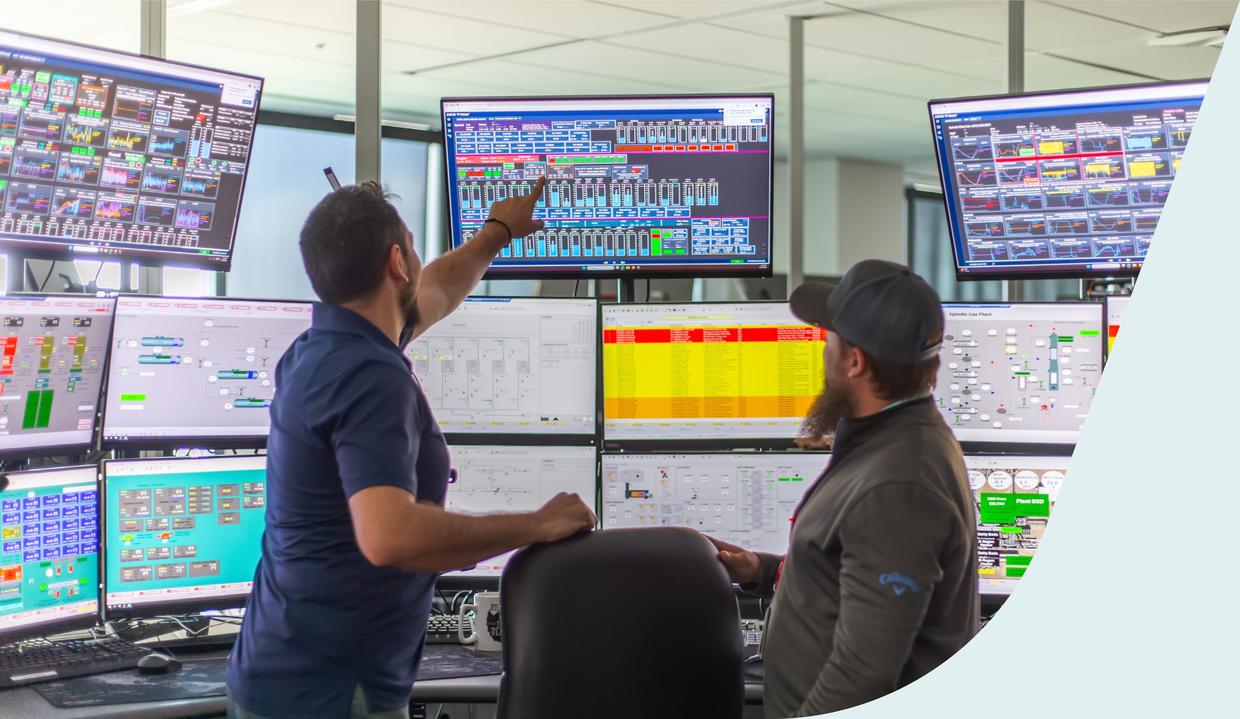
• Launched the Employee Value Proposition (EVP): Well-being, Impact and Community. The EVP, built through extensive employee listening, frames the value employees receive, what our people can expect from a career at Phillips 66 and what the company expects from them.
• Implemented a market-aligned job architecture that brings greater clarity and consistency to roles across the company, helping employees and leaders better understand skill expectations and career paths.
• Introduced Learning Central, a skills-based learning platform that connects employees’ job profiles and associated skills to personalized learning opportunities, empowering employees to upskill and develop new capabilities.
• Launched Invest in U, a new education benefit that can help alleviate upfront financial barriers for U.S. employees pursuing certifications, trades or degrees.
• Redesigned performance management to set high performance as the baseline expectation. Also strengthened top-end differentiation and expanded equity eligibility by 2.8x to reinforce an ownership mindset and align rewards with impact and performance.
• Launched the Lead Forward leadership competency model, which sets a clear and consistent standard for how People Leaders build and sustain a highperforming workforce equipped for the future. It brings Our Energy In Action to life and guides how leaders exemplify, empower and execute every day.
• Strengthened focus on people-centered leadership, where leaders demonstrate caring accountability and balance coaching with results. Piloted targeted leadership programs in 2025 in support of aspiring People Leaders, mid-level leaders and senior leaders looking to expand their impact and growth.
• Expanded leadership capability across all levels, with more than 1,700 leaders companywide participating in development programs.
hours invested in annual training per employee.
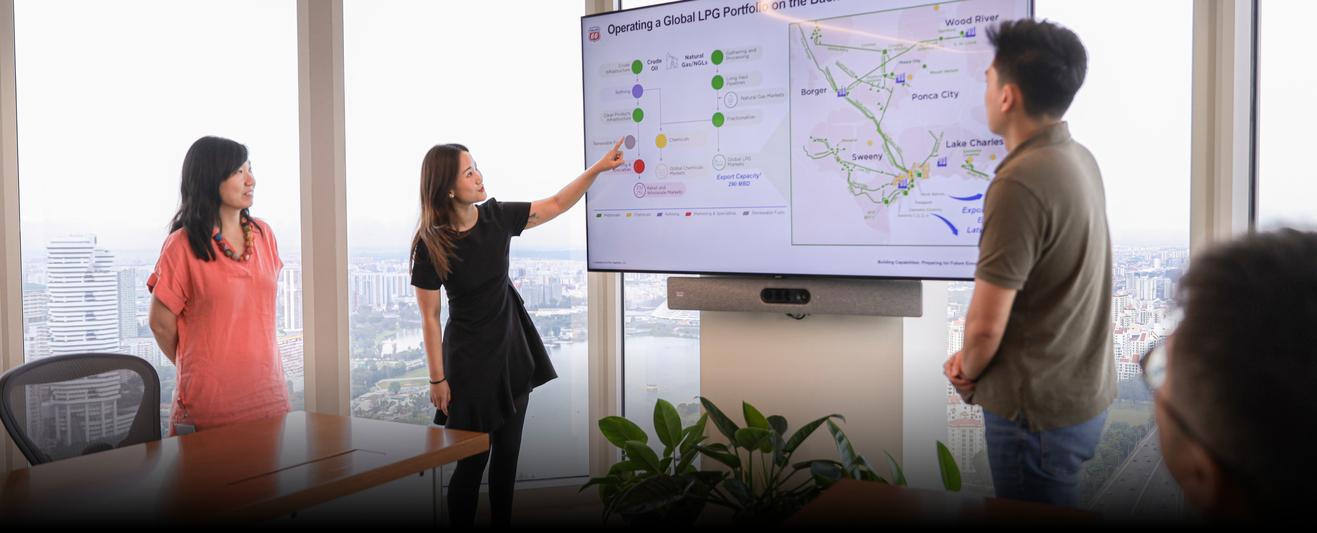
• Honored with two Impact Awards from World 50 Group that highlight achievements in workplace culture, community and belonging.
• Culture Catalyst Award — recognized for leading a thoughtful, enterprisewide culture transformation grounded in listening, collaboration and clear strategic intent. By engaging employees and leaders to redefine values, behaviors and the Employee Value Proposition, the team created a unified cultural framework aligned with business goals.
• Power in Community Award — recognized for the strength and maturity of our Employee Resource Groups (ERGs), which play a key role in fostering inclusion and belonging across the organization. With a refreshed mandate and strong governance, the ERGs demonstrate a thoughtful and structured approach.
• Recognized for being a top employer for veterans for excellence in hiring, development and retention.

Named to the 2025 'Best for Vets' Employers list by Military Times.

Received the U.S. Department of Labor's HIRE Vets Gold Medallion Award for the fifth consecutive year.
• Ranked among the top workplaces for disability inclusion on the Disability Equality Index for the second consecutive year.

• Invested in the development of more than 80 ERG leaders during a two-day convening that focused on professional growth and leading with impact, powered by community.
9% of our U.S.-based employees currently serve, or have previously served, in the military.
8%
U.S.-based employees selfidentify as having a disability or a history or record of a disability.
• Earned broad recognition with five top workplace awards and named to Forbes' "World's Best Employers" list.
• Increased Midstream nonexempt hiring by 145% since 2022, with 194 hourly and salary nonexempt hires in 2025, demonstrating continued year-overyear growth in support of our strategy.
• Strengthened community connections and engaged future talent by reimagining university career fairs nationwide. Gave students the choice to support a charity in lieu of receiving branded merchandise, directing $13,400 to five nonprofit organizations.
• Prioritized "future vision" and "career development" as two companywide focus areas, based on feedback from recent employee surveys.
• Demonstrated improved employee engagement through the annual Employee Perspectives survey, with gains across key areas such as alignment with company values, ability to take initiative and increased sense of belonging.
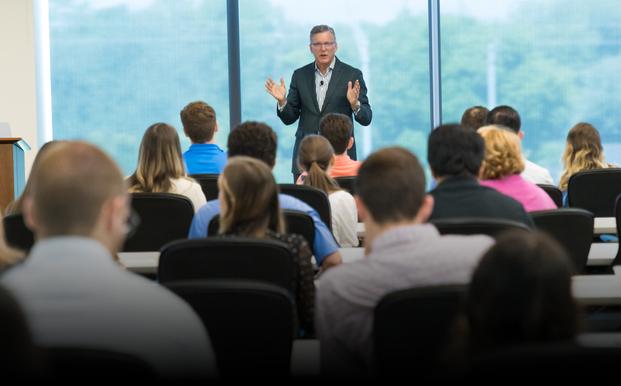
• Implemented internal Midstream Public Engagement Program Guidelines to operationalize the American Petroleum Institute's Pipeline Public Engagement standard (RP 1185) across business units, emphasizing proactive, inclusive, two-way communication with stakeholders such as local officials, landowners, tribal nations, community leaders and regulators.
• Secured adoption of external facilitation, a best practice for two-way engagement, for 70% of groups and expanded Midstream operations representation to all existing community advisory groups.
• Standardized governance documents defining the purpose, roles and responsibilities of community advisory groups.
• Expanded stakeholder engagement activities to include community and environmental resilience planning. For example, at our Wood River Refinery, we hosted an event where attendees shared their perspectives on investment priorities, community concerns and preferred communication channels.
• Reengaged with the Confederated Salish and Kootenai tribes to build relationships and establish trust on topics such as pipeline integrity and safety.
• Strengthened relationships and explored collaboration opportunities with the Otoe Missouri, Kaw, Tonkawa, Osage, Pawnee and Ponca tribes near our Ponca City Refinery in Oklahoma.
• Sponsored the 2025 American Indian Science and Engineering Society National Conference, an organization dedicated to increasing Indigenous peoples' representation in STEM careers.
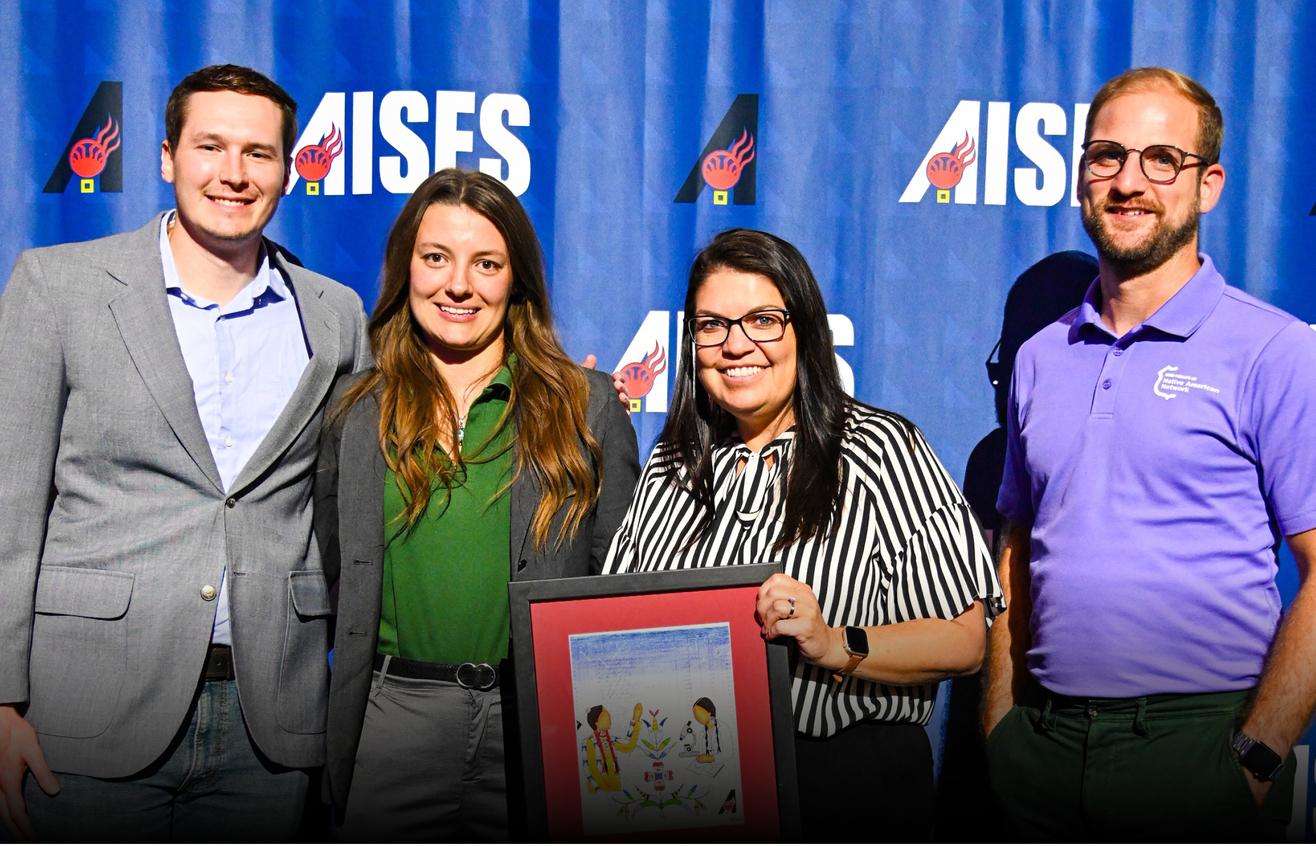
invested in 2025 toward education equity, safety and well-being, social advancement and the environment.
• Recognized as a community leader among industry peers in giving, volunteering and program participation, based on 2025 benchmarking data from Benevity, a respected corporate social responsibility platform.
• Celebrated Good Energy Month in April 2025, a companywide effort timed with Global Volunteerism
When operational changes affect our workforce and neighboring communities, we aim to manage the transition thoughtfully and responsibly. The idling of the Los Angeles Refinery reflected our commitment to safety, environmental compliance, workforce support, community engagement and collaborative site redevelopment.
• Maintained a stellar safety record during the significant task of idling 25 process units in rapid succession. In 2024 and 2025, the site achieved a record of more than 7 million workhours without injuries from serious incidents.
• Engaged city agencies and community organizations to provide support for employees and contractors, including job fairs, résumé-building, interview preparation and unemployment services workshops. The two on-site job fairs connected employees and contractors with more than 40 businesses, resulting in over 65 local opportunities.
Month. We contributed 17,500 volunteer hours and generated $423,000 in volunteer grants for local causes, a 9% increase in funding from the prior year
• Expanded our existing engagement with Project Lead the Way to bring computer science and engineering grants to high schools across the United States. Grants were awarded to 37 high schools, which builds upon the existing support of 181 middle schools.
• Invested $5 million to create a Discovery Center learning hub with Junior Achievement of Southeast Texas, helping students connect classroom learning with real-world skills.
• Invested $5 million in Texas A&M's Mays Business School to create the Phillips 66 Trading Room and advance the school's Trading, Risk & Investment Program, building a pipeline of students prepared for trading careers.

• Invited employee input to proactively manage workforce transitions while maintaining appropriate support and expertise during the site transition:
– Over 50 internal placements.
– Financial severance for all other impacted employees (155 severances in 2025 with 117 planned for 2026).
– Quarterly incentive bonus paid to all employees who stayed through the idling process.
• Proposed a Wilmington redevelopment concept featuring 75 acres of community space, shaped by input from more than 130 community listening sessions and incorporating the community's top 10 priorities into the proposal.
• Submitted applications for site redevelopment at the Carson and Wilmington properties, advancing our reimagined vision for these locations.
Good governance and ethics are foundational to how we operate. Our values guide our processes, policies and decisions, reinforcing a culture of integrity and accountability across our operations and supply chain.
Conducted the first Phillips 66 Ethical Culture survey, soliciting voluntary employee participation.
Expanded the Supplier Management Process across Phillips 66 Procurement.
Achieved Trendsetter status on the CPA-Zicklin Index for our political giving disclosures.
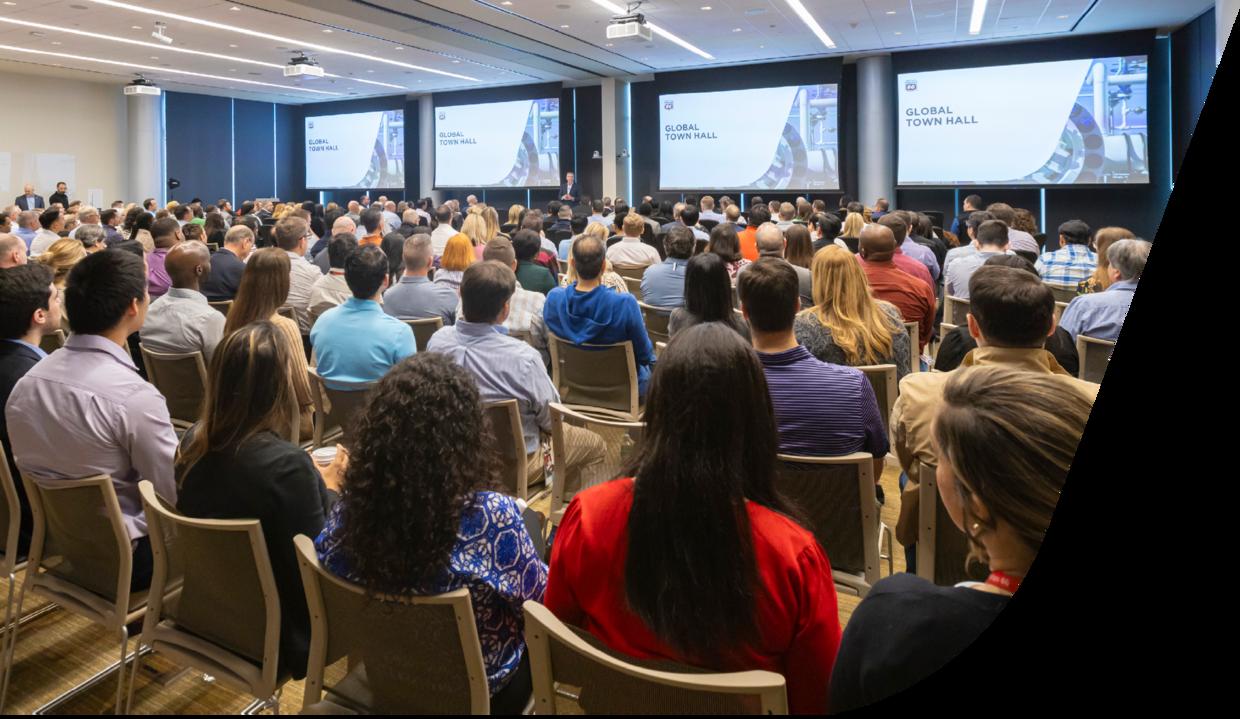
Additional Disclosures
Corporate Governance
2025 Form 10-K
2026 Proxy Statement
Political Policy and Activity
Climate-Related Report
Climate Lobbying Assessment
Ethics and Compliance Policies
Supply Chain Sustainability Practices
ESG Library
• Refreshed board composition with 10 director appointments and eight resignations since 2021 to effectively manage director tenure, incorporate additional skills for effective oversight and address shareholders' desire to maintain deep energy industry knowledge.
• Published a stand-alone climate disclosure report aligned with the IFRS S2 framework, building on years of TCFD-aligned reporting to deliver enhanced transparency on climate-related governance, strategy, risk management, and metrics and targets across our operated assets.
• Achieved Trendsetter status on the CPA-Zicklin Index, the premier annual ranking of political spending transparency among S&P 500 companies, extending a track record of Trendsetter or First Tier recognition since 2020 and reinforcing Phillips 66's commitment to leading disclosures, board oversight and accountability for corporate political activity.
• Confirmed that our active trade associations align with our climate positions across key criteria, as detailed in our Climate Lobbying Assessment.
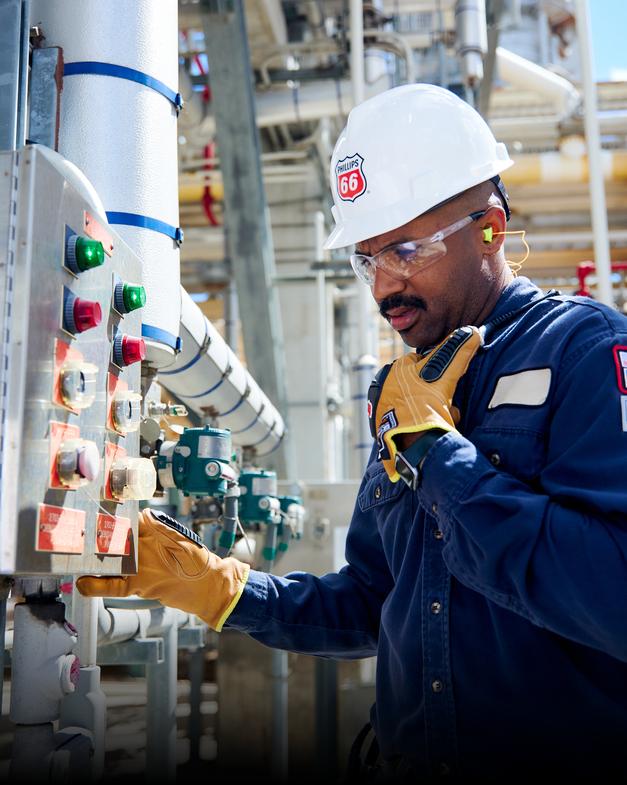

Since deploying AI and machine learning in 2018, we have advanced these capabilities under responsible governance to strengthen safety, improve operational efficiency and support environmental performance. We recognize that digital technologies, including AI, have their own energy footprint and therefore apply these tools selectively where they can deliver value.
• Diagnosed root causes of operating issues in real time, quantified their impact and put actionable knowledge directly in the hands of frontline employees.
• Optimized maintenance scheduling and execution across dispersed assets, increasing time-on-tools while reducing unplanned, reactive work.
• Strengthened safety and environmental performance by linking historical incidents to daily work plans and deploying AI-powered methane detection that combine satellite and other technologies to identify and remediate emissions faster.
• Investigated 153 ethics allegations received through various channels by the Office of Ethics across 30+ cities and 3+ countries of which 141 were categorized as Misconduct.
• Administered corrective actions for 100% of the confirmed cases in 2025, including training and coaching or other discipline (such as performance improvement plans, compensation impacts, written or verbal warnings, and termination of employment).
• Conducted the first Phillips 66 Ethical Culture survey, engaging a broad set of stakeholders, and confirmed that our employees understand and have the tools and leadership support to uphold our ethics and compliance program.
• Delivered annual baseline ethics and compliancerelated training for all employees through in-person, computer-based and role-specific formats, making content meaningful and directly applicable to each function.
• Expanded the Supplier Management Process across Phillips 66 Procurement to strengthen supplier relationships, reduce costs, mitigate risk and drive innovation across the supply base.
• Participated in the API Pathways to Excellence cohort, helping small and diverse businesses close hundreds of operational gaps against key international standards through six months of mentorship across health, safety, environmental, cybersecurity, quality, finance, technical capabilities and sustainability.
• Advanced antihuman-trafficking awareness through our ongoing platinum-level sponsorship of Truckers Against Trafficking (TAT). Phillips 66 connected or reconnected 29 of its third-party carriers to the TAT program, cohosting a Coalition Build in Greeley, Colorado. These efforts continued to reinforce the anti-trafficking requirements embedded in the Phillips 66 Business Partner Principles of Conduct
991
hours invested in Procurement Policy training among 1,981 employees.
$165 million
in Tier 1 small and diverse supplier spend Tier 1 are direct suppliers to Phillips 66.
$61 million
in Tier 2 small and diverse supplier spend Tier 2 are suppliers or contractors to Tier 1 suppliers.
Phillips 66 has published sustainability metrics and information since the company was founded in 2012. Our foundational disclosures are now available on our website, allowing this publication to focus on key accomplishments and recent performance. We remain committed to providing our stakeholders with clear, transparent and decision-useful information that is responsive to their needs.
We continue to assess our operations against the Sustainability Accounting Standards Board (SASB) criteria across our Midstream, Refining, Marketing and Specialties, and Renewable Fuels businesses. We report metrics relevant to our businesses and stakeholders with consideration for the Global Reporting Initiative (GRI) standards. We also consulted industry trade association sustainability reporting guidance.
Our most recent disclosures are aligned with the International Financial Reporting Standards (IFRS) S2 Climate-related Disclosures issued by the International Sustainability Standards Board (ISSB). Phillips 66 also participates annually in the Carbon Disclosure Project
(CDP) Questionnaire and Disclosure Cycle. The results are available on our website.
Unless otherwise stated, this publication highlights selected Phillips 66 performance and activities in 2025 and includes the results of our operated joint ventures. Chevron Phillips Chemical Company LLC (CPChem) publishes a separate sustainability report on its website
Phillips 66 engaged ERM CVS to provide limited assurance over selected GHG data included in this report for the year ended Dec. 31, 2025. Figures may be rounded and performance data may vary year to year due to methodology or portfolio changes. Historical data have not been normalized to include assets prior to Phillips 66's operation (e.g., DCP Midstream pre-2023). Restatements are noted accordingly.
In some instances, we used AI-powered tools to assist in developing the narrative sections of this publication. These tools were prompted with specific questions and guidelines, and all content was reviewed and edited by our subject-matter experts for accuracy and clarity.
Indirect GHG Emissions From Imported Energy (Scope 2)
Indirect GHG Emissions (Scope 2)All GHGs 9
Indirect GHG Emissions (Scope 2), Location-Based - All GHGs
Indirect GHG Emissions From Products (Scope 3) 10
Indirect GHG Emissions From Products (Scope 3)
Intensity - GHG Emissions 11
1 and 2
3 Product-Related Emissions Intensity
Denotes restatement of data
Water15, 16
1 As defined by the Occupational Safety and Health Administration (OSHA). All rates are calculated as incidents per 200,000 work-hours.
2 Also known as Lost Time Incident Rate, as defined by OSHA. All rates are calculated as incidents per 200,000 work-hours. Includes employees and contractors.
3 Calculated using the OSHA incident rate formula. Incidents per 200,000 work-hours.
4 Tier 1 and Tier 2 Process Safety Events differ by release rate, type of product and impact as defined by the American Petroleum Institute Recommended Practice 754.
5 The company reports relevant Scope 1, 2 and 3 GHG from assets over which it has operational control. Operated joint ventures, such as Excel Paralubes, are included on a 100% basis; nonoperated joint ventures, such as CPChem and MiRO Refinery, are not included. Emissions are inclusive of carbon dioxide (CO₂), methane (CH₄) and nitrous oxide (N₂O). Other GHG emissions are not considered to be material to our operations and are, therefore, excluded. Downstream refers to operations from the Rodeo Renewable Energy Complex, refineries and associated facilities. Prior to 2024, the global warming potentials for each GHG are sourced from the Intergovernmental Panel on Climate Change Fourth Assessment Report (AR4), Appendix A: Global Warming Potentials. Starting in 2024, the Intergovernmental Panel on Climate Change Fifth Assessment Report (AR5) is used. Absolute Scope 1, 2 and 3 emissions are reported in accordance to the World Resources Institute/World Business Council for Sustainable Development’s GHG Protocol, and emissions intensity calculations follow the Global Reporting Initiative Sustainability Reporting Standards Disclosure GRI 305-4. Phillips 66 calculates and reports emissions in accordance with the mandatory reporting requirements, such as the U.S. EPA’s Mandatory Greenhouse Gas Reporting Program (EPA GHGRP) and U.K. and EU Emissions Trading System (U.K and EU ETS). Because those regulatory frameworks may differ from the frameworks referenced in this report, agency-reported data may vary from the data presented here. Beginning in 2024, Scope 1 and 2 from minor emissions facilities, such as lubricants facilities and corporate offices, are included using a five-year average. In 2025, methane emissions from amine treaters using the mass balance methodology are estimated at 42.769 metric tons per amine treater, regardless of control scheme. Release events are included regardless of rate, using reasonable assumptions for duration. For 2025, EPA GHGRP reporting was delayed beyond the publication date of the highlights report. As a result, changes to EPA GHGRP requirements issued after the report was prepared are not reflected.
6 Scope 1 direct GHG emissions by the company, such as fuel combustion and fugitive emissions, including those from Rodeo Renewable Energy Complex, operated refineries, natural gas plants, NGL fractionators, pipelines and terminals, are calculated utilizing actual emissions data. If actual data was not available, emissions were calculated utilizing emission factors referenced in the EPA GHGRP for all U.S. assets and the U.K. and EU ETS for U.K. and European assets, respectively. Phillips 66 does not include emissions from operated vehicles as they are not considered material to our operations.
7 Biogenic emissions are excluded from Scope 1 and reported separately. California biogenic emissions are calculated as required by the California Air Resources Board. The U.K. biogenic emissions allocation is proportionately estimated based on the fraction of biogenic feed to total conversion unit feed.
8 Midstream gathering and processing methane emissions reported in 2025 are 66,327 metric tons, which includes 115 metric tons of methane beyond EPA GHGRP methods. Methane emissions reported in 2024 are 41,137 metric tons, which includes 6,847 metric tons of methane beyond EPA GHGRP methods. Methane emissions reported in 2023 are 43,305 metric tons, which includes 7,347 metric tons of methane beyond EPA GHGRP methods.
9 Scope 2 indirect GHG emissions are reported on a market-based basis and reflect imported electricity and steam used in our operated refineries, natural gas plants, NGL fractionators, compressor stations, gas processing plants, NGL pump stations, pipelines, terminals, lubricants facilities, corporate headquarters and research facilities. For 2021, electricity consumed by the Sweeny NGL Fractionator was treated as being supplied entirely by the Sweeny cogeneration unit. For 2022 and 2023, all electricity consumed at the Sweeny Refinery was treated as imported electricity. Beginning in 2024, Phillips 66 revised the treatment of electricity consumed by the Sweeny Refinery and by the Sweeny NGL Fractionators to align with internal reporting guidance and sitelevel review. Because this electricity is generated by the Phillips 66 owned and operated Sweeny cogeneration unit, it is considered selfgenerated electricity and therefore reflected in Scope 1 emissions from the cogeneration unit rather than Scope 2 emissions at the consuming facilities. This change reflects a clarification in accounting treatment rather than a material operational change in the refinery’s power configuration. Consistent with GHG Protocol Scope 2 market-based guidance, supplier-specific emission factors were used. Where supplier-specific emission factors were unavailable, regional grid-average emission factors were used as a proxy; for U.S. assets, this proxy consisted of applicable EPA eGRID emission factors for CO2, CH4, and N2O. Contractual instruments, including renewable energy credits and renewable power purchase agreements were not included in our Scope 2 emissions. For our European assets, GHG emissions are calculated using U.K. Government Conversion Factors for GHG emissions as of June 2025; prior-year emissions were calculated using the conversion factors available at the time of report publication.
10 Product-related emissions include Scope 3 emissions from products manufactured in operated Refining assets, the Rodeo Renewable Energy Complex and NGL fractionators. Our products include jet fuel, gasoline, diesel, fuel oil, petroleum coke, NGLs and other products. The data in this report assumes that all fuels are 100% combusted by the end user for purposes of calculating Scope 3 Category 11 emissions. Non-fuels products, such as sulfur, are not combusted by the end user and therefore, are not included in these Scope 3 estimates. For U.S. assets, GHG emissions are calculated using the EPA factors identified in Table MM-1 of 40 CFR Part 98 as of March 2026. GHG emissions for NGL fractionators are calculated using the EPA factors identified in Table NN-1 of 40 CFR Part 98 as of March 2026. All Phillips 66 NGL fractionators are in the United States. For European assets, GHG emissions are calculated using U.K. Government Conversion Factors for GHG emissions based on the June 2025 factor release.
11 Manufacturing-related intensity is calculated as Scope 1 and 2 metric tons of CO₂e divided by processed inputs. Processed inputs include feedstocks, such as crude, renewable feedstocks, natural gas and NGLs, processed in operated global Refining, Rodeo Renewable Energy Complex, Excel Paralubes, natural gas plants and NGL fractionators. Product-related intensity is calculated as Scope 3 from Use of Sold Products metric tons of CO₂e divided by total products produced. Total products produced include all refined petroleum and renewables products, combusted and not combusted by the end user, and NGLs fractionated at our operated assets. Products moved through pipelines and terminals are excluded.
12 Environmental events are those that result in an exceedance of the permit or regulatory-based numeric emissions limit, or a significant release of hydrocarbon or chemical. The count is of events that require immediate agency notifications.
13 Spills represent liquid hydrocarbons from operating assets that reach land or water and are >1 bbl.
14 Spills beyond secondary containment; includes free product recovered; does not include remediated soil.
15 Refining only.
16
Freshwater is defined as water that has low salinity – usually less than 0.1% (local legal definitions vary). Water recycling practices are prevalent within Phillips 66 and result in reduced water withdrawn. Examples include reuse of intermediate refinery streams and optimization of cooling tower and boiler systems to improve water use efficiency.
17 The World Resources Institute Aqueduct™ Water Risk Atlas is used to identify areas with high water demand or potential for water scarcity in the future. Sites are classified as water scarce if withdrawing and consuming water in locations with High (40%-80%) or Extremely High (>80%) Baseline Water Stress as classified by the Aqueduct™ Water Risk Atlas. Water use in water-scarce areas is expressed as a percentage of the total freshwater use.
18 1,000 bbls of water per 1,000 bbls of processed inputs.
19 Water consumed is primarily due to evaporative losses (e.g., operation of cooling towers).
20 Water that has been treated to meet National Pollutant Discharge Elimination System permits.
21 Consists of both hazardous and nonhazardous waste streams, including refinery process catalyst captured for metals reclamation.
22 Total processed inputs, Refining, includes products from global refining and Rodeo Renewable Energy Complex.
23 Total processed inputs include products from global refining, Rodeo Renewable Energy Complex, Excel Paralubes and NGL fractionation.
24 Soybean oil, canola oil, distillers corn oil, used cooking oil, tallow and tire pyrolysis oil. Increase in 2024 from Rodeo Renewable Energy Complex conversion.
25 Total energy consumption is imported electricity from traditional and renewable/zero-carbon sources, site-generated electricity (cogeneration plants), fuel consumption for non-flaring combustion and imported steam for all operated assets.
26 Power consumed is imported electricity from traditional and renewable/zero-carbon sources and site-generated electricity from cogeneration plants.
27 Energy Intensity ratio for operated assets. Calculated as total energy consumed per Refined Petroleum Products and NGLs fractionated globally.
28 Active and operated pipelines near ecologically sensitive areas as defined by Pipeline and Hazardous Materials Safety Administration (PHMSA). Pipelines may not intersect or cross sensitive areas.
29 Unless otherwise specified, data represents our global workforce, excluding subsidiaries.
30 U.S. Workforce.
31 Retention rate of high performers.
32 Invested across key focus areas through national and local partnerships and our Employee Giving programs.
33 2024 and 2025 do not include retiree hours.
34 View our 2026 Proxy for board composition and experience.
35
Upholding Product Standards by maintaining certification for the Phillips 66 owned and operated Lubricants facilities that includes five plants certified to ISO 14001:2015 Environmental Management Systems Standard and IATF 16949:2016 Quality Management Systems Standard, ISO 9001:2015 compliant and one plant that is certified to the ISO 9001:2015 standard. The Lubricants Research and Development Center to ISO/IEC 17025 standard for testing and calibration laboratories. Wood River Refinery's (Roxana, Illinois) odorless mineral spirits and benzene business lines to ISO 9001:2015 Quality Management Systems Standard. Humber Refinery (United Kingdom) to ISO 14001:2015 Environmental Management Systems Standard. Bayway Refinery's polypropylene business (Linden, New Jersey) to ISO 9001:2015 for the design and manufacturing of plastic pellets.
This report contains certain forward-looking statements within the meaning of Section 27A of the Securities Act of 1933, as amended, and Section 21E of the Securities Exchange Act of 1934, as amended, including statements regarding our corporate responsibility matters, including plans, goals, targets, aspirations, commitments, strategies, or expectations with respect to political engagement, lobbying, philanthropy, suppliers and procurement, and environmental sustainability (including the 2030 and 2050 GHG emissions intensity reduction targets), as well as statements from third parties about our sustainability performance and risk profile, statements about our future financial performance and business. Words and phrases such as "aim," "is anticipated," "is estimated," "is expected," "is planned," "is scheduled," "is targeted," "believes," "continues," "intends," "will," "would," "objectives," "goals," "projects," "efforts," "strive," "seek," "endeavor," "strategies," "priorities" and similar expressions are used to identify such forward-looking statements. However, the absence of these words does not mean that a statement is not forward-looking. Forward-looking statements included herein are based on management’s expectations, estimates and projections as of the date they are made. These statements are not guarantees of future performance or promises that any such goals, targets, plans, initiatives, projections, prospects, aspirations, commitments, strategies, or expectations set forth in this report can or will be achieved or maintained, and you should not unduly rely on them as they involve known and unknown risks, uncertainties and assumptions that are difficult to predict and often beyond our control. Therefore, actual outcomes and results may differ materially from what is expressed or forecast in such forward-looking statements. Factors that could cause actual results or events to differ materially from those described in the forward-looking statements include: the effects of any widespread public health crisis and its negative impact on commercial activity and demand for our products; the inability to timely obtain or maintain permits necessary for capital projects; changes to government policies relating to renewable fuels and GHG that adversely affect programs like the renewable fuel standards program, low-carbon fuel standards and tax credits for biofuels; the pace of technological advancements and industry innovation, including those focused on reducing GHG emissions and advancing other climate-related initiatives, and our ability to take advantage of those innovations and advancements; our ability to identify and execute opportunities, including through the positioning and optimization of our assets, including the use of alternative or renewable fuels; our ability to efficiently and economically reduce the carbon intensity of our operations; fluctuations in market conditions and demand impacting the prices of NGL, crude oil, refined petroleum products, renewable fuels, renewable feedstocks and natural gas prices, and changes in refined product, marketing and petrochemical margins; changes in costs for constructing, modifying or operating our facilities; difficulties in manufacturing, refining or transporting our products; the level and success of producers' drilling plans and the amount and quality of production volumes around our Midstream assets; risks and uncertainties with respect to the actions of actual or potential competitive suppliers and transporters of refined petroleum products, renewable fuels or specialty products; changes in the cost or availability of adequate and reliable transportation for NGL, crude oil, natural gas,
refined petroleum and renewable fuels products; liability resulting from pending or future litigation or other legal proceedings; liability for remedial actions, including removal and reclamation obligations under environmental regulations; failure to complete construction of announced or future capital and other projects on time and within budget; our ability to comply with governmental regulations or make capital expenditures to maintain compliance; limited access to capital or significantly higher cost of capital, related to changes in our credit profile or illiquidity or uncertainty in the domestic or international financial markets; damage to our facilities due to accidents, weather and climate events, civil unrest, insurrections, political events, terrorism or cyberattacks; domestic and international economic and political developments, including war and armed hostilities; changes in estimates or projections used to assess fair value of intangible assets, goodwill and properties, plants and equipment, and/or strategic decisions or other developments with respect to our asset portfolio that cause impairment charges; substantial investments required, or reduced demand for products, as a result of existing or future environmental rules and regulations; changes in tax, environmental, and other laws and regulations (including alternative energy mandates) applicable to our business; economic, political and regulatory conditions domestically and internationally, including imposition of tariffs or other tax incentives or disincentives; the operation, financing and distribution decisions of equity affiliates we do not control; the potential impact of activist shareholder actions or tactics; and other economic, business, competitive and/or regulatory factors affecting our businesses generally as set forth in our filings with the Securities and Exchange Commission (the "SEC"). Phillips 66 is under no obligation (and expressly disclaims any such obligation) to update or alter any forward-looking statements, whether as a result of new information, future events or otherwise.
In addition, historical, current, and forward-looking sustainability-related statements, and standards of measurement and performance, are developing and based on assumptions that are subject to change, which may impact current or historical goals, targets, aspirations, commitments, or estimates; diligence, internal controls, and processes that continue to evolve; and data, certifications or representations provided or reviewed by third parties, including information from acquired entities that is incomplete or subject to ongoing review, or has not yet been integrated into Phillips 66’s reporting processes.
The information included in, and any issues identified as material for purposes of, this report shall not be considered material to Phillips 66, its operations, strategy, or financial results, or its stakeholders for SEC or other mandatory reporting purposes. In the context of this document, the term "material" is distinct from, and should not be confused with, how such term is defined for SEC or other mandatory reporting purposes.
Website references and hyperlinks throughout this report are provided for convenience only, and the content on the referenced websites, including, but not limited to, the CPChem sustainability report, is not incorporated by reference into this document, nor does it constitute a part of this document. We assume no liability for any third-party content contained on the referenced websites.