
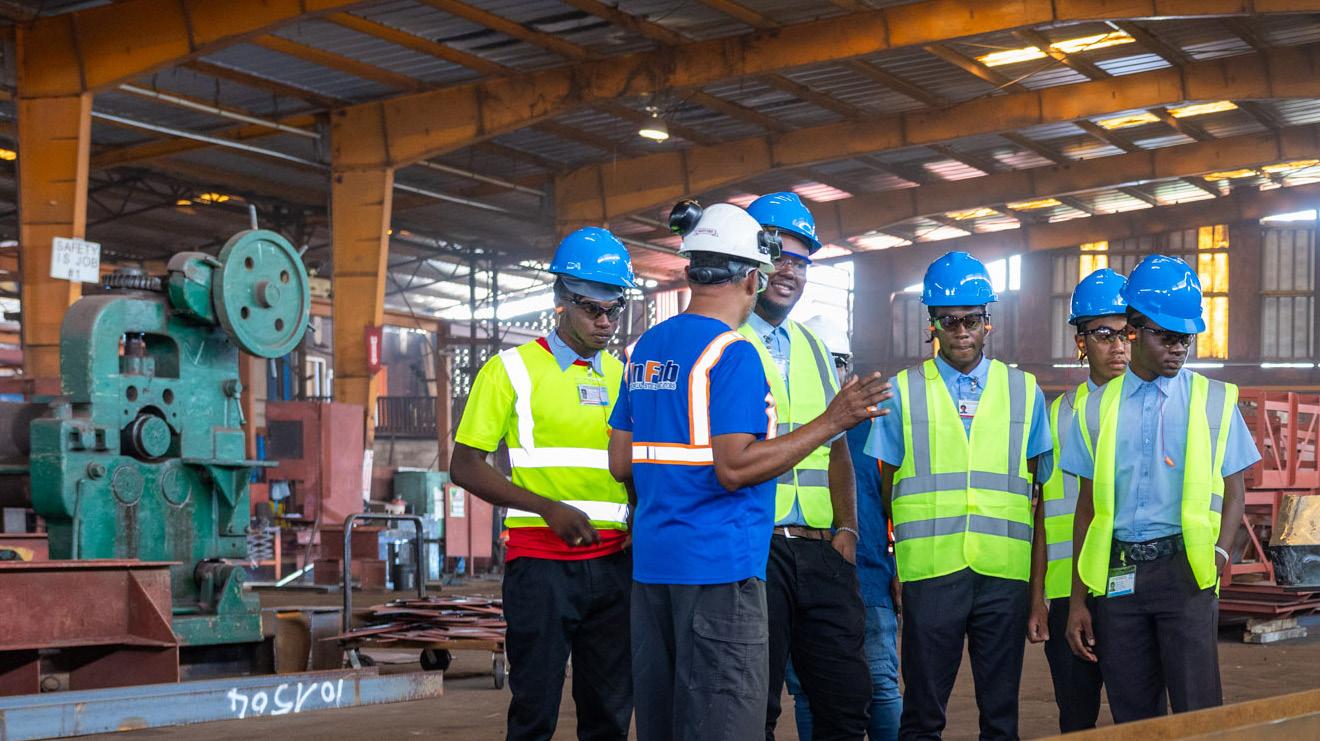
The Basic Industrial Safety Training (BIST) program is a structured and comprehensive introduction to basic essential safety principles. It is designed for new and experienced workers across various industrial sectors. Spanning 20 Units, the program blends legal awareness, practical skills, and behavioural expectations to build a strong foundation for personal and workplace safety.
At its core, BIST promotes the idea that safety is not just a set of rules rather a culture and shared responsibility. The training begins by helping participants understand this mindset, establishing that safety is attained through:
• management commitment
• cooperation between management and workers
• awareness, habits, and mutual care among coworkers.
Participants are encouraged to reflect on their own role in fostering a safe environment and to commit to safety as a personal value.
The early Units focus on regulatory knowledge and competency development. Participants learn the key provisions of the Guyana Occupational Safety and Health (OSH) Act and explore how safety management systems are structured. They examine the link between competency—defined as a mix of knowledge, skill, and motivation—and safe work performance. A worker who knows what to do, how to do it, and why it matters is far less likely to be involved in an incident.
As the program progresses, attention shifts to system-based thinking and proactive safety practices. Through Human and Organizational Performance (HOP) principles, workers are taught to view error as part of normal work and to focus on improving systems rather than blaming people. Hazard identification and risk management are presented as everyday practices that all workers can contribute to, using tools like Hazard ID Reporting, Job Safety Analyses, Start Work Checks and Last Minute Risk Assessments.
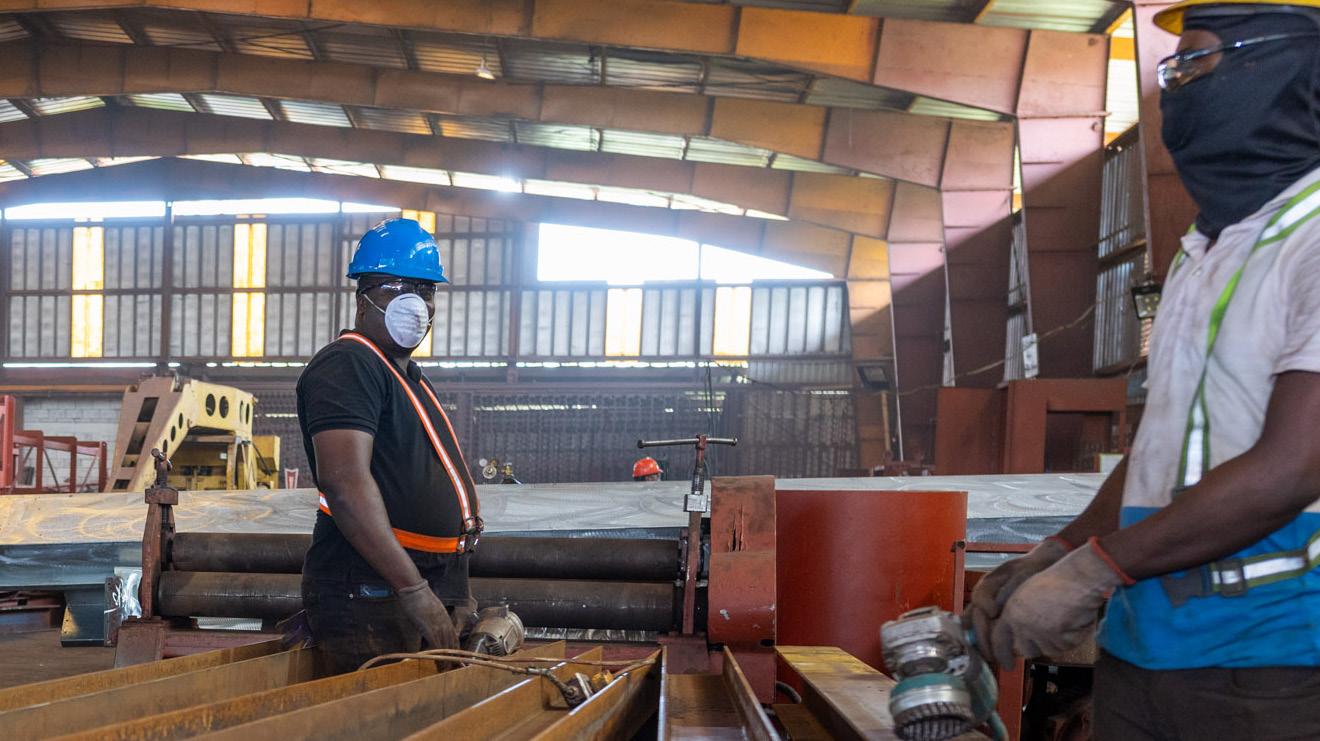
The core of the BIST program lies in its coverage of the 12 Life-Saving Rules & Actions (LSRAs). The need for Verification and Validation of critical safeguards, specifically those associated with the LSRAs, is emphasized. This focused approach mitigates the risk associated with activities that have the potential for fatality or life altering injuries. These Units address communication and work authorization, safe driving, hazardous energy control (lockout/tagout), working with chemicals and explosives, and equipment safety. Workers are trained to pause, assess hazards, and verify required safeguards before commencing any task with fatality or life altering injury potential.
Each of these topics reinforces the importance of work preparation, specific safeguards requiring verification and validation, team engagement and a commitment to stop the task if there is evidence of loss of control such as failed safeguards. For example, hot work requires specific authorization such as a work permit system and a vigilant fire watch; lifting operations must be thoroughly planned and kept clear of bystanders; excavations demand protective systems and constant inspection; and working around water or at height requires emergency rescue planning. Across all Units, participants are taught that the right equipment, communication, and decision making can mean the difference between a routine task and a life-threatening incident.
The final Units bring everything together with focused guidance on Personal Protective Equipment (PPE), tool safety, and long-term safety commitment. Participants leave with a broader understanding of how all safety elements—from legal compliance and technical know-how to culture and leadership—interconnect to prevent harm.
Ultimately, the BIST program aims to equip workers not just to follow procedures, but to think critically, act responsibly, and support each other in creating a resilient, safety-first workplace. It is the first step in a lifelong journey of learning, vigilance, and care in industrial work environments.
Overview:
This Unit welcomes participants, explains the training layout, and sets class expectations. The Unit emphasizes the concept of safety culture – defining it as the shared values and behaviors that make safety a habit – and the role that risk tolerance plays in developing a safety culture. The Unit stresses a personal and collective commitment to safety as the foundation for all upcoming topics.
Key Outcomes:
• Know emergency exits, muster points, and classroom rules.
• Understand respectful participation and shared responsibility.
• Explain the meaning of risk tolerance, ‘safety culture’ and why this matters.
Overview:
This Unit explains how workplace safety has evolved over time and introduces key systems for managing it. It compares traditional and modern safety approaches, outlines the three pillars of safety (systems, conditions, people), and reviews Guyana’s safety statistics. The Unit also explains the OSH Act of Guyana, covering employer and employee responsibilities, legal rights, and the role of safety authorities. It highlights that safety is both a legal and moral obligation.
Key Outcomes:
• Describe key parts of the Guyana OSH Act.
• Identify employer and worker legal duties.
• Understand the pillars of a strong safety management system.
Overview:
This Unit explains that competency means having the knowledge, skills, and motivation to do a job safely and well. It shows how each of these elements helps prevent errors and improve performance. The Unit covers different types of competencies—core, technical, and behavioral—and explains how gaps in competency can lead to unsafe work. It also outlines ways to build competency through training, experience, and a strong learning culture.
Key Outcomes:
• Define competency in terms of safety.
• Identify examples of knowledge, skill, and motivation.
• Explain how lack of competence can lead to accidents.
Overview:
This Unit introduces Human and Organizational Performance (HOP), which treats human error as normal and focuses on building systems that prevent those errors from causing harm. It teaches five key HOP principles, such as avoiding blame and learning from mistakes. The Unit encourages a no-blame culture where employees feel safe reporting issues, and leaders focus on fixing systems. Participants learn that safety improves when organizations treat workers as part of the solution and use errors as learning opportunities.
Key Outcomes:
• List the five principles of HOP.
• Explain why blaming people doesn’t fix safety issues.
• Understand how system design can reduce human error.
Overview:
This Unit focuses on identifying workplace hazards as a key step in preventing accidents. It explains different types of hazards—like physical, chemical, biological, and electrical—and the difference between unsafe conditions and unsafe acts. The Unit explores why hazards are sometimes missed and offers strategies to improve hazard recognition, such as training, inspections, and open communication. It encourages both management and workers to take responsibility and use tools like checklists and mobile apps to spot and report hazards early.
Key Outcomes:
• Identify common types of hazards at work.
• Explain the difference between unsafe conditions and unsafe acts.
• Use simple tools or checklists to recognize hazards.
Overview:
This Unit teaches how to assess and control risks from workplace hazards. It defines hazard and risk and introduces the three main steps of risk management: identifying hazards, assessing risk, and applying controls. Participants learn to use tools like risk matrices, the Hierarchy of Controls, and Job Hazard Analysis to manage risk. The Unit also explains how human and organizational factors influence risk tolerance, helping workers understand and reduce risks before harm occurs.
Key Outcomes:
• Define hazard, risk, and risk tolerance.
• Use a basic risk matrix to rate hazards.
• Apply the hierarchy of controls to reduce risks.
Overview:
This Unit focuses on the importance of communication and formal authorization before starting high-risk work. It teaches the use of pre-job briefings and the Permit-to-Work system to ensure everyone understands the job, hazards, and safety controls. The Unit also covers managing multiple tasks happening at once (SIMOPS) and highlights critical pause points—times to stop and verify conditions are safe. The key message is that clear communication and proper authorization save lives.
Key Outcomes:
• Explain why authorization such as permits are needed for high-risk jobs.
• Identify key steps in pre-job communication.
• Know when and how to use a Stop Work Authority.
Overview:
This Unit reinforces life-saving driving habits to prevent crashes on and off the job. It stresses always wearing a seatbelt, obeying speed limits, avoiding distractions, and staying alert and rested. The Unit covers journey planning, vehicle checks, and safe overtaking practices. It also introduces critical pause points—like stopping to reassess in bad weather or if distracted—emphasizing that safe driving is a personal responsibility every time you’re behind the wheel.
Key Outcomes:
• Always wear a seatbelt, follow speed limits and pass only when safe to do so.
• Avoid distractions like phones while driving.
• Plan trips and avoid driving when tired.
Overview:
This Unit teaches safe handling of hazardous chemicals and explosives. It emphasizes reading and following Safety Data Sheets (SDS), using the right PPE, and ensuring proper labeling and storage. Workers learn to respond to spills, avoid contamination, and never use unmarked substances. For explosives, only trained personnel may handle them, with clear signals and exclusion zones required. The Unit highlights critical pause points to check labeling, PPE, and safe conditions before beginning any hazardous work.
Key Outcomes:
• Read and follow the SDS before using chemicals.
• Use proper PPE when handling hazardous materials.
• Store and label chemicals safely.
Overview:
This Unit focuses on Lockout/Tagout (LOTO) procedures to safely control hazardous energy before working on equipment. It explains how uncontrolled energy—like electricity or pressure—can cause serious injuries or deaths. Participants learn each step of LOTO, including identifying energy sources, locking and tagging them out, releasing stored energy, and verifying isolation. The Unit stresses personal locks, team communication, and critical pause points to confirm systems are safely de-energized before work begins.
Key Outcomes:
• List the steps in a proper lockout/tagout.
• Test to verify all energy is isolated before work.
• Use personal locks to stay safe during maintenance.

Overview:
This Unit teaches how to stay safe around heavy machinery by recognizing hazards like entanglement, crushing, electrical shock, and unexpected start-up. It stresses keeping a safe distance, using lockout/tagout before servicing, and never removing or bypassing machine guards. Workers are taught to pause, assess risk, and communicate clearly with operators before entering a machine’s area. The Unit reinforces staying alert, securing loose clothing, and treating all machines as if they could move unless proven otherwise.
Key Outcomes:
• Identify common machine hazards and follow established procedures for use.
• Stay clear of moving parts and pinch points.
• Use guards and never remove or bypass them.
Overview:
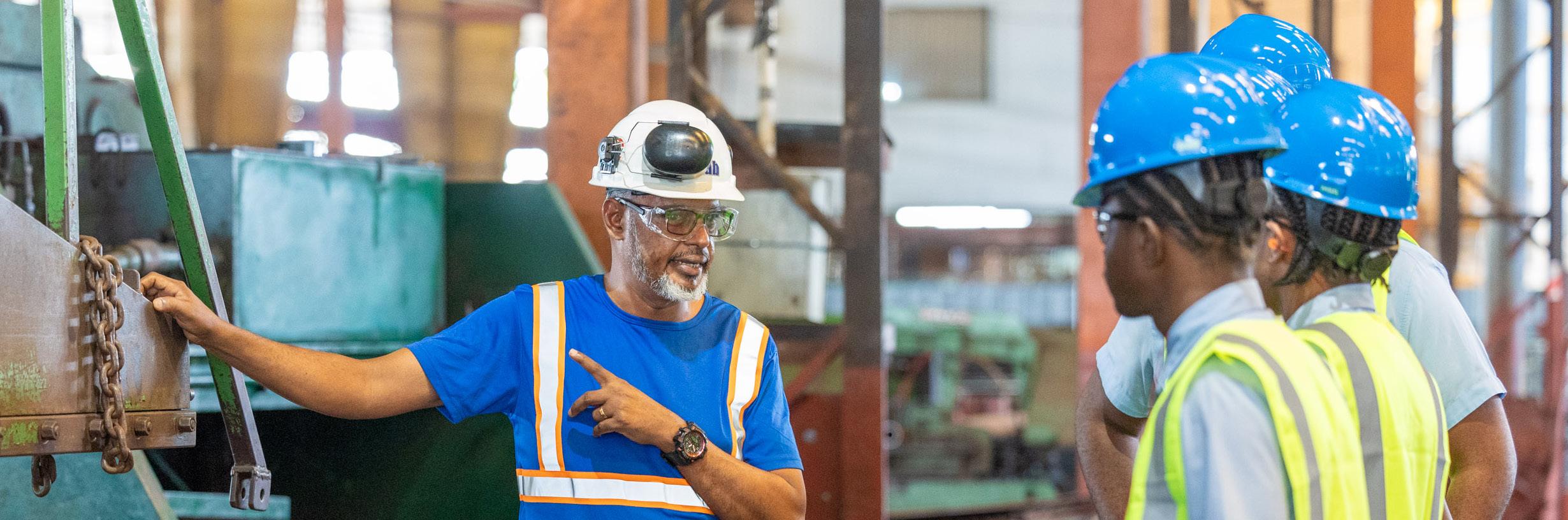
This Unit focuses on staying safe around mobile equipment like forklifts, trucks, and excavators. It highlights the dangers of being in the “line of fire” and the importance of staying out of blind spots. Workers are taught to use high-visibility gear, make eye contact with operators, and never assume they’ve been seen. The Unit stresses clear communication, using spotters, and following site traffic controls to prevent struck-by incidents. Staying alert and respecting signals are key to avoiding serious injuries.
Key Outcomes:
• Stay out of the line of fire around equipment.
• Wear high-visibility gear and be seen by operators.
• Follow site traffic plans and signals.
Overview:
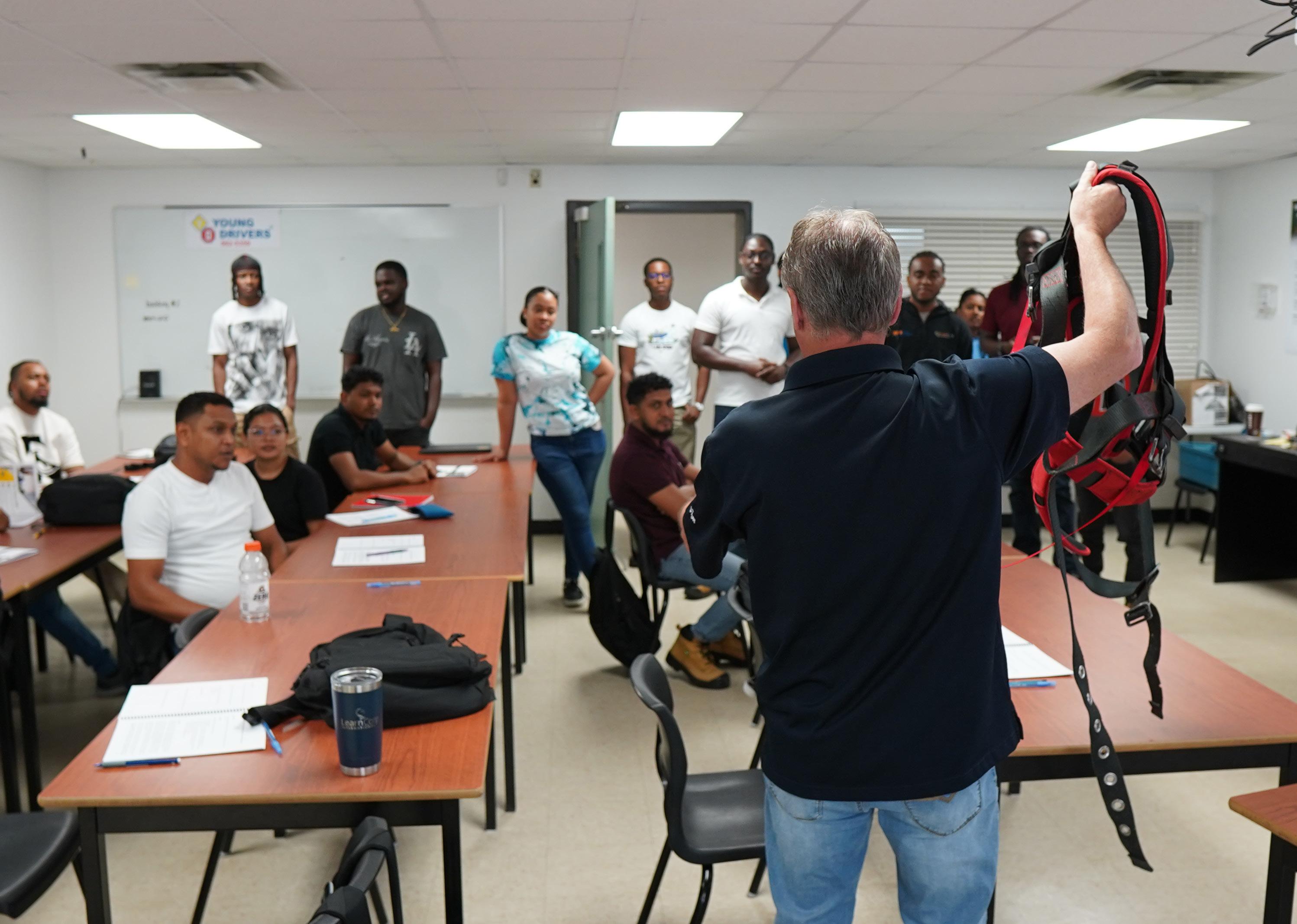
This Unit teaches how to prevent falls, one of the leading causes of workplace injuries and deaths. It covers recognizing fall hazards, using fall protection systems like harnesses and guardrails, and always tying off when not protected by a barrier. Workers learn to inspect their gear, secure tools to prevent dropped objects, and plan for emergency rescues. The Unit also stresses safe ladder use and checking weather conditions before working at height. The goal is to ensure every worker is fully prepared and protected before leaving the ground.
• Use fall protection and always tie off.
• Inspect harnesses and anchor points before use.
• Plan for rescue in case of a fall.
Overview:
This Unit focuses on staying safe when working near or over water. It emphasizes assessing site conditions like currents, weather, and water temperature before starting work. Workers are taught to use personal flotation devices, install guardrails or lifelines, and never work alone near water. The Unit also covers rescue readiness—having life-saving gear, trained responders, and clear emergency plans. Communication and constant awareness are key to preventing drowning and water-related incidents.
Key Outcomes:
• Wear a life jacket when working near water.
• Use buddy systems and rescue equipment.
• Assess water risks before starting work and restrict access.
• Use hand signals and tag lines / push-pull sticks properly. DAY 8
Overview:
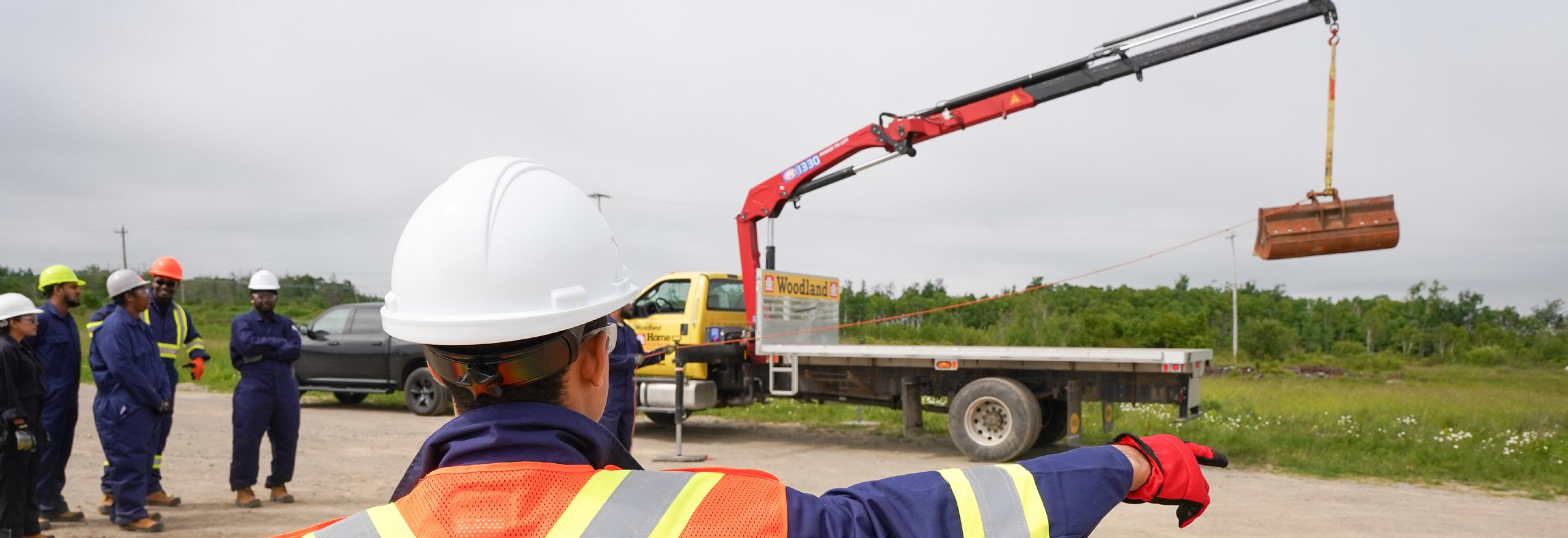
This Unit teaches safe mechanical lifting practices using equipment like cranes and hoists. It emphasizes planning each lift carefully—knowing the load weight, choosing the right gear, and checking for hazards. Workers are trained to inspect lifting equipment, communicate clearly using signals, and set up exclusion zones. Key risks like dropped loads and crush points are addressed, along with pause points to stop the lift if conditions change. The goal is to ensure every lift is predictable, controlled, and incident-free.
Key Outcomes:
• Plan lifts and choose the right equipment.
• Stay clear of and keep hands off suspended loads.
Overview:
This Unit focuses on excavation safety, stressing that unprotected trenches can be deadly. It teaches the importance of planning, having a competent person inspect the site, and using protective systems like trench boxes, shoring, or sloping. Workers learn to keep spoil piles away from edges, test for hazardous atmospheres, and ensure safe entry and exit. Daily inspections, emergency plans, and a strong safety culture are emphasized. The key message: never enter a trench unless it’s properly protected.
Key Outcomes:
• Use protective systems like trench boxes or sloping.
• Inspect trenches daily and after bad weather.
• Establish barriers and keep spoil piles and equipment away from edges.
Overview:
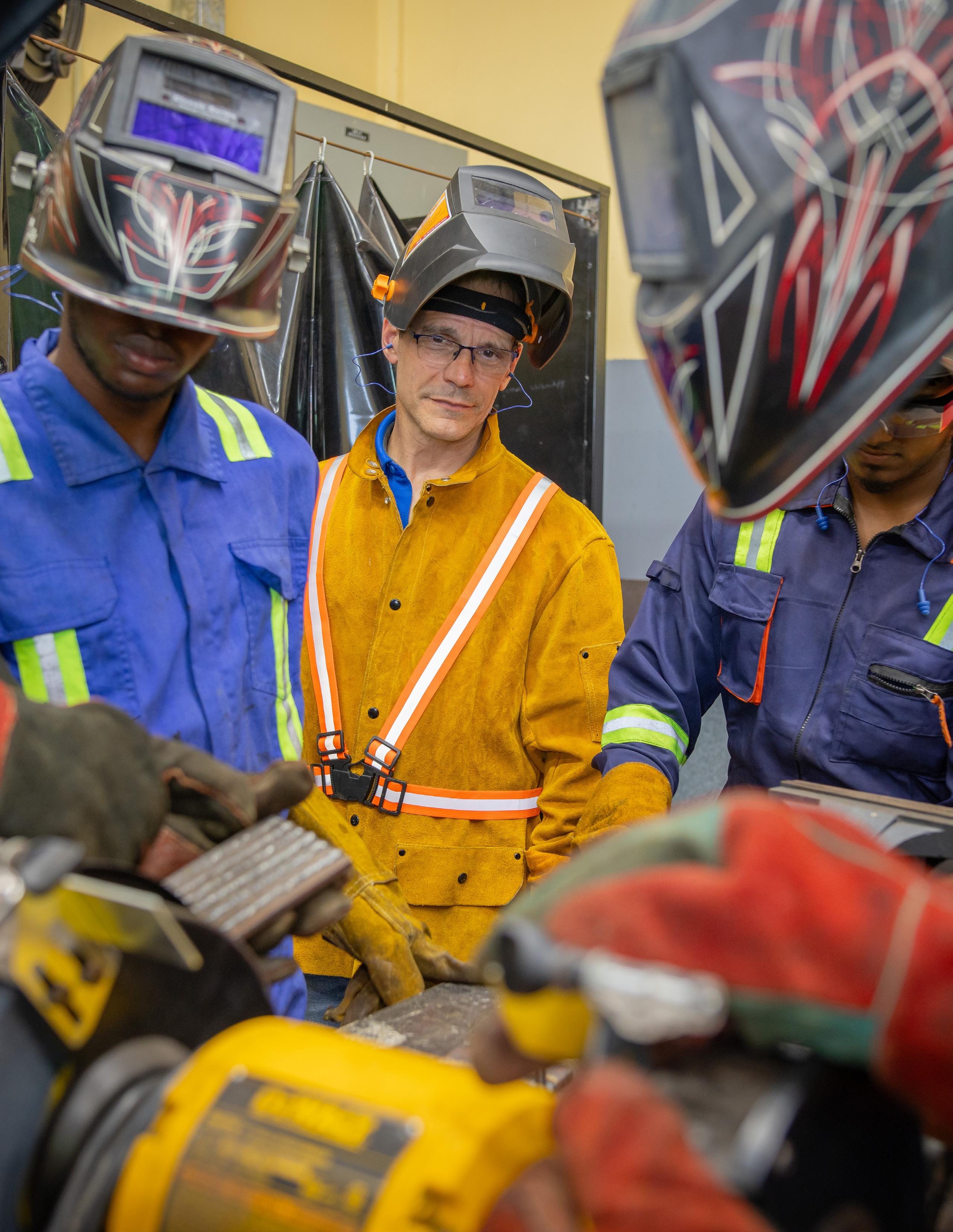
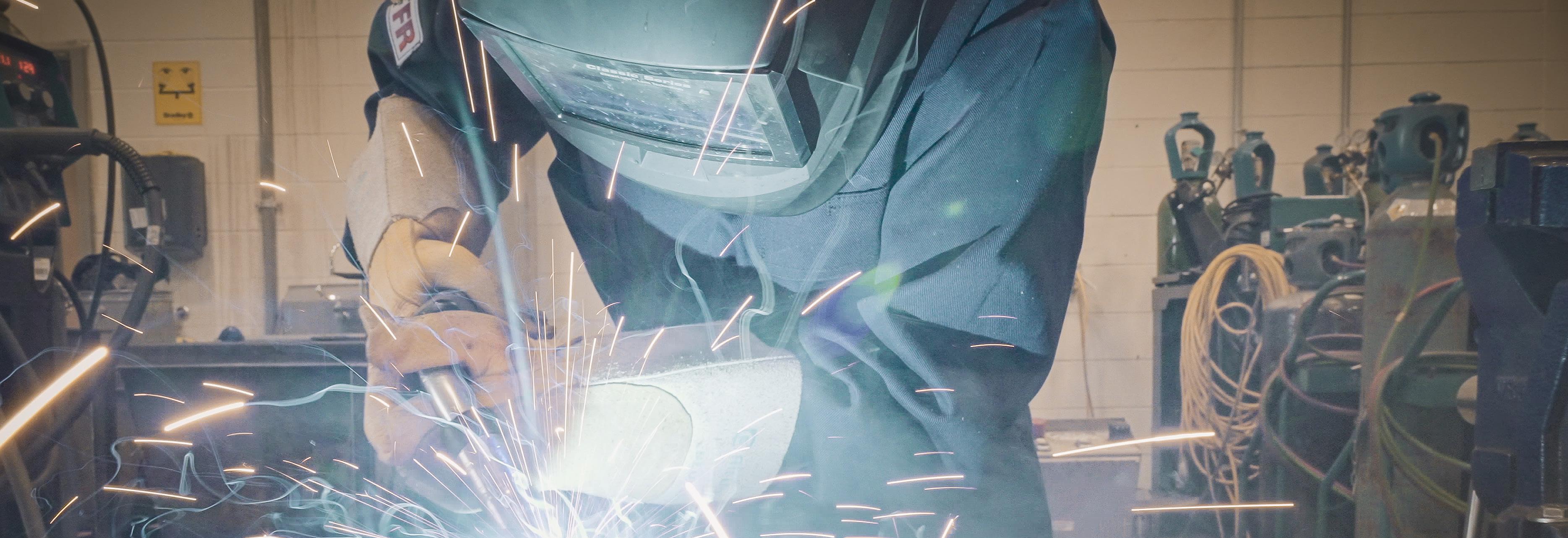
This Unit covers the risks of hot work—tasks like welding, cutting, or grinding that can cause fires or explosions. It emphasizes the need for authorization to perform hot work, clearing flammable materials, and assigning a fire watch to monitor for sparks during and after work. Workers learn to test for flammable gases, ventilate the area, wear proper PPE, and communicate clearly with others nearby. The key takeaway: hot work is high-risk and must follow strict controls to prevent serious incidents.
Key Outcomes:
• Get authorization before starting hot work.
• Remove flammable materials and post a fire watch.
• Use PPE like welding shields and flame-resistant clothing.
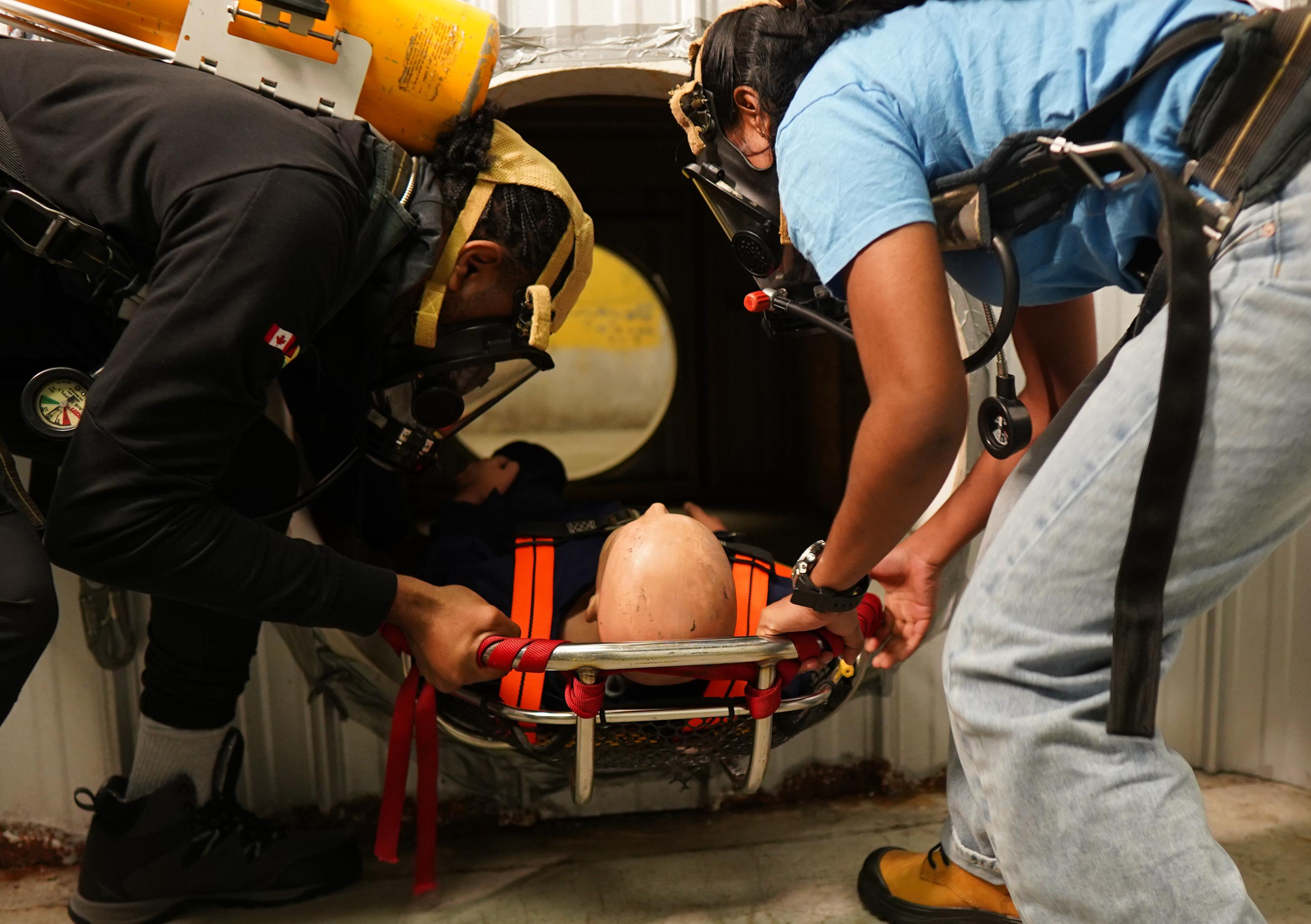
This Unit focuses on the serious dangers of working in confined or restricted spaces, such as tanks or deep trenches. It emphasizes the need for entry authorization, atmospheric testing, ventilation, and energy isolation before anyone enters. Workers must use proper PPE, including SCBAs if needed, and a trained attendant must always stay outside to monitor and respond in emergencies. The Unit reinforces that only trained personnel should enter confined spaces and that skipping safety steps can be fatal.
• Test the air before entering a confined space.
• Have a trained attendant and rescue plan in place.
• Obtain authorization and use appropriate respiratory protection.
Overview:
This Unit covers the proper use of Personal Protective Equipment (PPE) as the last line of defense and safe handling of tools. It explains types of PPE—from hard hats to respirators—and stresses wearing the right equipment, fitting it correctly, and maintaining it. The tool safety section teaches how to choose and use hand and power tools properly, inspect them before use, and avoid common hazards like slips, cuts, or shock. The Unit reinforces that PPE and tools must be used together, with care and attention, to prevent injuries.
• Wear the correct PPE for each job.
• Inspect tools and use them correctly.
• Store PPE and tools properly after use.
Overview:
This Unit wraps up the safety training by reviewing key lessons from all Units and showing how they connect to form a strong safety system. Participants reflect on how to apply what they’ve learned, commit to safe practices, and recognize that safety is an ongoing responsibility. The session reinforces worker rights, encourages continuous improvement, and motivates everyone to lead by example in creating a safer workplace.