Expanding access: Reshaping women’s health
Beyond the comfort zone: Dr Jana Pittman
A daughter’s career in addiction care



Expanding access: Reshaping women’s health
Beyond the comfort zone: Dr Jana Pittman
A daughter’s career in addiction care



Do your customers need support now and don’t know where to start?
Let them know about Mable, an online platform dedicated to connecting people with local independent support workers. With over 10 years in the sector, we’ve helped more than 200,000 people find the right support for their needs.
Customers can find support in 3 quick steps
Sign up for free and create their personal account
Post a job or search for support workers who match their needs
Book a session knowing all support workers on Mable are verified
President’s message
PGNZ News Update
Community pharmacies gear up for flu season
US pharmacy leader to headline Pharmacy Connect 2026
Expanding access:
Reshaping women’s health
Question
How one UK pharmacists’s humble work sparked his daughter’s career in addiction care


In this issue: Dr Jana Pittman gave an inspiring address at this year’s APP conference. On page 22 don’t miss her learnings about moving beyond the comfort zone, fear, resilience and the power of community pharmacy.
Australasian Pharmacy is produced for pharmacy operators and their teams in New Zealand and Australia. The presence of the logo of the Pharmacy Guild does not constitute endorsement of a product. The Pharmacy Guild of Australia, Pharmacy Guild of New Zealand and Gold Cross, accept no responsibility for claims made by advertisers. Opinions and views expressed in articles do not necessarily reflect those of the publishers.
Circulation: 5,200
Printers: IVE Group - Australia Bluestar - New Zealand




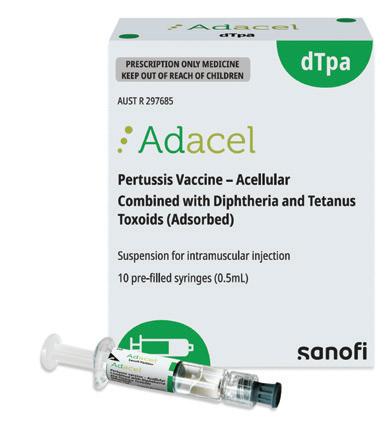
Whooping cough vaccination is recommended every 10 years for anyone wishing to protect themselves against whooping cough and at ages 50 and 65 years1
• Adacel is recommended at 5- to 10-year intervals2
Can be co-administered at the same time as other vaccinations, including the flu shot1,2
Increase convenience for your patients by minimising the number of appointments required for vaccinations3
Reduce the number of missed opportunities to vaccinate3
Save 65% fridge space with the Adacel 10-Pack4
Take advantage of the opportunity.
Check when they last had a whooping cough vaccination and recommend a
Tetanus, Pertussis (acellular component) Vaccine (adsorbed, reduced antigen(s) content).
Adacel AEs: The most-frequently reported AEs (≤10%) occurring during the first 24 hours included pain, swelling, redness at the injection site, headache, decreased energy and generalised body-ache.2 Adacel is indicated for active immunisation against tetanus, diphtheria and pertussis in persons aged 10 years and over as a booster following primary immunisation.2
PBS Information: This product is not listed on the PBS. This product is listed on the National Immunisation Program (NIP). Refer to the NIP Schedule and your State or Territory Health Department for details.
AE, adverse event.
PLEASE REVIEW THE PRODUCT INFORMATION (PI) BEFORE PRESCRIBING. Scan the QR code to access the PI for ADACEL
References: 1. Australian Government. Department of Health, Disability and Ageing. Australian Immunisation Handbook. Available at https://immunisationhandbook.health.gov.au. Accessed February 2026. 2. Adacel pertussis vaccine-acellular combined with diphtheria and tetanus toxoids (adsorbed) Australian Product Information. 3. Tan L, et al. Influenza Other Respir Viruses. 2025 Mar 5;19(3):e70090. 4. Data on file. sanofi-aventis australia pty ltd trading as Sanofi. All rights reserved. ABN 31 008 558 807.Sydney, Australia. www.sanofi.com.au. MAT-AU-260333 V1. Date of preparation: March 2026.


As flu season arrives, many people (we hope) are heading to their community pharmacy for an influenza vaccination. It’s something we’re particularly focused on this year.
But something less well known is pharmacists in Australia can also administer a pneumonia vaccine for eligible people — something I only learned after a very rough number of weeks.
My own flu season started early. After returning from Singapore and Indonesia earlier this year, my daughter came down with a nasty cough and flu-like symptoms. Aeroplane travel can do that to some people. I was fine — until I wasn’t.
Influenza A hit me with an unmistakable, bone-aching sickness: the relentless swings between burning hot and freezing cold, the kind of fever which makes time feel slippery.
After a week, I thought I was improving. I even went back to work for a couple of days. But the “getting better” phase didn’t last. A deep cough set in, and I was soon diagnosed with bronchitis — something I’m unfortunately quite familiar with. I started antibiotics and waited for the turnaround. It didn’t come.
Instead, things worsened. When, unbeknownst to me, pneumonia began to take hold, it felt so similar to the flu, I genuinely thought I’d gone down with it again: the fevers, the chills, the exhaustion, and a strange confusion over simple things like the hot and cold taps in the shower, whether it was night or day, the dates and times.
The only real difference was the breathing. One night, I woke up drenched in sweat, barely able to draw air in without severe pain. For hours I propped myself up, trying to find any position to make breathing less painful.
I tried just about everything in the medicine cabinet. But every breath remained sharp and laboured, and the effort became frightening.
I was trying to look after my eight-year-old daughter at the same time, which made everything feel just a little scarier. I thought about calling an ambulance — but didn’t.
The next morning, my neighbour — who had heard me coughing violently over the fence — gently told my daughter, “You must make mummy go back to the doctor.” And she was right.
When I returned to my GP, he sent me straight to hospital to rule out a pulmonary embolism. After several hours in the emergency department, blood tests, and a chest X-ray, the real culprit emerged: pneumonia, layered on top of the flu and bronchitis I’d already battled.
While recovering, I learned something I wish I’d known earlier: there is a pneumonia vaccine available for eligible people in Australia, and pharmacists can provide it just as easily as a flu jab. I’m not suggesting it would have prevented everything, but it likely would have protected me from at least the pneumonia part of the triple hit.
The work we’re doing at the moment really leans into winter preparedness. Our communication efforts across the board outline what pharmacists want people to know as the colder months hit us: there are preventative steps we can all take.
I’m sharing my experience not to alarm anyone, but because I wish I’d had more information sooner. And if my experience prompts even one person to have a longer conversation with their pharmacist this winter, then it’s worth it.
(And yes, next time I probably will call an ambulance.)
Sarah C Porter Editor Best,
For more stories from Australasian Pharmacy, please visit: australasianpharmacy.com.au
Pharmacy Careers
Summit 2026 opens national registrations
Registrations are now open for the Pharmacy Careers Summit 2026 (PCS26), a national virtual event set to bring together pharmacists, industry leaders, employers and organisations from across Australia on Friday July 10 2026.
PCS26 is an initiative designed to connect pharmacists, employers and industry stakeholders, with a strong focus on career pathways, workforce insights and engagement across the profession.
Delivered in a fully interactive online format, PCS26 provides a platform for the pharmacy profession to connect, explore career opportunities, and gain insight into the evolving workforce landscape — all accessible from anywhere in the country.

PGA members:
Download your flu season resources here


Now in its latest iteration, the summit continues to build on strong national engagement, with thousands of attendees participating in previous years.
Registrations are via: https://www.pharmacycareerssummit.com.au
Glenn Mills appointed Interim Chief Executive of PGNZ
PGNZ has appointed Glenn Mills as Interim Chief Executive, ensuring continuity, stability and momentum at a pivotal time for the organisation and for community pharmacy.
Well-known across the sector as a former pharmacy owner and through his senior leadership roles, Glenn brings:
• Deep familiarity with PGNZ’s strategic priorities
• Strong relationships with government, officials, sector partners and members
• A track record in successful advocacy, including co‑payment removal and full mitigation of the 12‑month prescription fee impacts
• Strong commercial, negotiation and governance acumen.
His understanding of both frontline pharmacy practice and the evolving funding and policy environment positions him well to maintain progress on critical work.
The PGNZ Board will commence a full recruitment process for a permanent Chief Executive, to be completed by early December 2026.
Australia’s peak professional body representing doctors, the Australian Medical Association, has adopted a more conciliatory tone on pharmacists working to full scope, with its president Dr Danielle McMullen acknowledging pharmacists’ frontline role and the need for collaboration.
Speaking at the National Press Club in Canberra, Dr McMullen said collaboration between GPs and pharmacists is already working well on the ground.
“I think actually on the ground GPs and pharmacists have been working really well together for a long time,” she said.
“You get to know the pharmacist across the road. It is about those individual collaborations and being confident to pick up the phone, both ways.”
For more: https://australasianpharmacy. com.au/articles/2026/04/australianmedical-association-changes-tonearound-pharmacists-working-at-scope

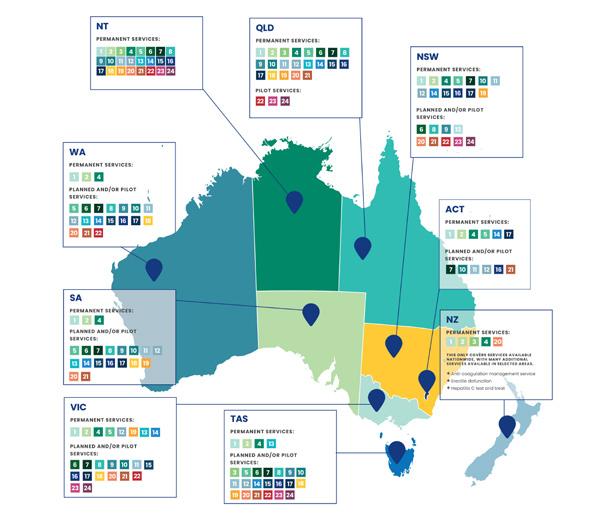
Australia’s Northern Territory Government has confirmed full scope of practice arrangements for appropriately trained community pharmacists are now permanent. This decision positions the Northern Territory as Australia’s full-scope leader in improving access to safe, timely and affordable everyday healthcare — and is a strong vote of confidence in the role community pharmacists already play every day. Meanwhile the Australian Capital Territory has made pharmacist prescribing for a range of common skin conditions permanent. Please see page 50

PGA’s WA Branch has congratulated the Western Australian Government on its announced investment of AUD4.1 million to support pharmacist training through the Enhanced Access Community Pharmacy Pilot (the EACPP).
The investment, to be included in the 2026/27 state budget, will allow a significantly larger cohort of pharmacists to undertake the required specialised training, equipping them to deliver patient services under EACPP.
This announcement adds to the current cohort of 80 community pharmacists undertaking subsidised EACPP training.

The PGA has welcomed the Pharmacy Board of Australia’s consultation on a proposed national approach to pharmacist prescribing, calling it a critical step towards clearer, nationally consistent settings that strengthen access, safety and the future of primary care.
Community pharmacists already assess patients, diagnose conditions and prescribe medicines under state and territory arrangements. The proposed national framework aims to bring greater clarity and alignment across jurisdictions, supporting a model that reflects how pharmacists already practise and improving access to timely care for patients.

Professor Trent Twomey National President, Pharmacy Guild of Australia
APP2026 may now be a number of weeks behind us, but the momentum from those three energising days on the Gold Coast remains strong.
The conference brought together thousands of pharmacists, sponsors and industry partners in a powerful celebration of innovation, leadership and excellence in community pharmacy.
Each year, APP gives us a moment to take stock of where we are as a profession and where we are heading. This year’s conference made one thing abundantly clear: community pharmacy is not simply keeping pace with change — we are driving it.
Across the program, the energy was unmistakable.
The scale and momentum of APP reaffirmed its standing as the largest and most influential pharmacy conference in the southern hemisphere, but more importantly, it reflected a sector which is collaborative, solutions‑focused and deeply committed to the communities we serve.
Strong representation from government, too, including the Hon David Crisafulli MP, Premier of Queensland, the Hon Mark Butler MP, Federal Minister for Health and Aged Care, and Senator Anne Ruston, Shadow Minister for Health and Aged Care, underscored the central role community pharmacy plays in Australia’s health system.
Our keynote speakers, such as Tom Murray, President of the Irish Pharmacists Union, and Clare Fitzell, President of the Pharmaceutical Group of the European Union (PGEU) also delivered insights which will stay with delegates long after the conference.
Just ahead of APP starting, I had the privilege of welcoming PGNZ President Kesh Naidoo-Rauf to our PGA National Council meeting. Every time we meet, we deepen our shared understanding, compare priorities, and strengthen the trans-Tasman partnership which matters so much to both our organisations.
Although our systems operate under different funding and policy settings, the direction we’re heading is remarkably aligned. Both Guilds are focused on building a future
where community pharmacies are sustainably supported, able to broaden their clinical role, and positioned to deliver stronger, more accessible care for the people who rely on us. And the trade hall again showcased the breadth and vibrancy of our profession, with more than 450 exhibitors presenting new products, technologies and services.
APP2026 also provided an important moment to recognise excellence through the National Pharmacy Awards, celebrating individuals and businesses shaping better health outcomes nationwide.
These stories of leadership and dedication remind us why our sector continues to earn the trust of people in Australia every day. Please do read more about our winners in the following pages.
Landmark women’s health program starts January 1
The most significant moment at APP2026 was Minister Butler’s announcement that the Women’s Health Pharmacy Prescribing Trial would begin from January 1. The initiative is a commitment of the Eighth Community Pharmacy Agreement.
The program will enable appropriately trained community pharmacists to provide women free consultations for uncomplicated urinary tract infections and hormonal contraception initiation and if required, a prescription for PBS-listed medicines.
The Federal Government’s announcement builds on almost every state and territory empowering community pharmacy to provide women with hormonal contraception initiation.
Most recently, New South Wales has now joined this shift, announcing a AUD $4.5 million investment to allow eligible pharmacists to prescribe the pill for women over 18. We hope the Australian Capital Territory will follow swiftly.
Under the Federal Government’s new women’s health package, only pharmacists who meet the national prescribing standard will be authorised to support women seeking contraception advice and treatment for uncomplicated UTIs. Safety is, and always will be, central to pharmacy care.

APP this year was once again a momentous reflection of what community pharmacy brings to people everywhere
The evidence supporting this model is already strong. Since the introduction of pharmacy-based UTI treatment, more than 145,000 women have received care from almost 4,000 participating pharmacies across metropolitan, regional and remote communities. Monthly service volumes remain high, demonstrating the importance of this service to patients — particularly at a time when GP wait times continue to grow. Research shows 16 per cent of patients nationwide wait more than three weeks for a GP appointment, and nearly half of women report these wait times as unacceptable.
Empowering trained pharmacists to deliver more women’s health services means women can access the help they need sooner, and GPs can focus on more complex care. It is a win for patients and a win for the health system. We have a feature on women’s access to better healthcare in this issue, so please do read that one.
We also continue to visit lawmakers at Parliament House in Canberra, and across the nation, to advocate for something simple but essential: ensuring medicines remain affordable for every Australian.
On January 1 this year, the PBS general patient co-payment fell to AUD25.00 — its lowest level in more than two decades.
This reform is already easing cost-of-living pressures for patients. But without further action, the co-payment will begin increasing again with inflation from January 1, 2027.
That is why the PGA is calling for the AUD25 co-payment to be frozen until 2030, ensuring Australians are not forced to choose between their health and other essentials.
It is a well-understood, widely supported measure which delivers real cost-of-living relief without adding inflationary pressure to the economy.
In addition, the Guild’s 2026 2027 Federal Budget Submission calls for targeted, practical adjustments to strengthen medicines affordability, stabilise essential programs, and expand capacity in a sector where demand continues to rise. The Federal Budget will be handed down on 12 May 2026.
Conversations with lawmakers make it clear medicine affordability remains a priority for communities across the country. Every day, community pharmacists see the impact cost has on adherence, health outcomes and, ultimately, the strength of our health care system.
Good health care policy should be practical, sustainable and centred on patients. Freezing the co-payment meets all three tests.
It is a straightforward, responsible reform which will help Australians stay well — and stay engaged with their treatment.
While our focus is always on delivering care locally, we cannot ignore the global forces shaping the environment in which we operate amid the current Middle East conflict.
At the time of writing, Australia’s medicine supply remained stable. However, it is essential we stay vigilant, maintain strong communication with wholesalers and support national strategies which strengthen supply chain resilience.
Community pharmacies are often the first within the health care landscape to feel the effects of global disruption, and so the PGA will continue working with government and industry to ensure people in Australia can access the medicines they need, when they need them.
APP2026 reminded us of the extraordinary capability and commitment within our profession. From women’s health reforms to affordability, advocacy and global supply chain vigilance — community pharmacy continues to show leadership at every level.
As we move through 2026, we will remain focused on practical, patient-centred reforms which strengthen our health system and support the nation’s 6,000 community pharmacies.
Thank you for everything you do for your patients and your communities. Our profession is strong, united and ready for the opportunities ahead.
Professor Trent Twomey National President, Pharmacy Guild of Australia

Kesh Naidoo-Rauf President, Pharmacy Guild of New Zealand
This year is flying by, with key policy changes for community pharmacy implemented in New Zealand and the opportunity to catch up with our Australian colleagues and continue to learn from each other.
Extended prescriptions were introduced on February 1, and we are helping our members cope with the dayto-day practical realities of this change. All prescription medicines, except controlled drugs, are eligible and default to a maximum period of supply of 12 months.
This has resulted in issues for pharmacies, with some prescribing systems not yet updated to reflect the changes, or the conversion of data through national electronic systems resulting in prescription details not being visible to the pharmacy.
We are working with prescriber organisations and software vendors to ensure extended prescriptions are fit for purpose when they reach pharmacies, so pharmacists are not left to interpret prescribing intent.
Technical changes to pharmacy payment systems are also currently being processed to ensure the financial mitigation achieved by PGNZ is delivered — this will mean pharmacies are not financially disadvantaged when they dispense extended prescriptions.

From February 1, the rules for prescribing ADHD stimulant medicines changed, allowing specialist general practitioners and nurse practitioners working within their area of practice to initiate treatment for adults in certain circumstances.
These changes introduced new compliance and legal risks for community pharmacy and were introduced at the same time as extended prescriptions came into effect.
To support members, we have developed guidance outlining who can initiate treatment under the new rules, what must be checked on a prescription for newly initiated and continuation of treatment, and how to verify a prescriber’s registration and scope.
MediMap, a national medication charting platform used by rest homes, hospices and other facilities was recently breached, and patient records were incorrectly modified.
Because of this, the platform was taken offline, and pharmacies had to use alternative processes to dispense medicines for patients in these facilities, such as using previous information from pharmacy dispensing software or paper records provided by the facility — creating a huge workload for pharmacies.
We created guidance for members on safe business continuity processes while MediMap was unavailable, including practical steps for medicine verification, reconciliation, and documentation, and have raised financial compensation given the additional workload.
This is a timely reminder to pharmacies of cyber security risks, especially given how closely this follows the breach of Manage My Health — a patient health information/record portal.

Both Guilds want to see pharmacies that are well-funded and enabled to provide more services and deliver better health outcomes for our patients.
Attending events like APP is a great reminder of why we do what we do — we all share a common goal of improving health outcomes and supporting our communities.
It was great to hear about scope of practice developments in Australia, particularly pharmacist prescribing, and Ireland and across Europe — with our Irish colleagues attending and presenting on behalf of the Irish Pharmacy Union and the Pharmaceutical Group of the European Union.
Most of Europe is experiencing the same workforce issues as New Zealand and significant medicines shortages, with huge amounts of time spent by pharmacists sourcing common medicines for patients, including antibiotics and insulin.
The opportunity to compare scope of practice developments in New Zealand with Australia and numerous European countries is always worthwhile. While we have led in some areas, namely pharmacists vaccinating, we are behind in others, such as community pharmacists autonomously prescribing.
We do however offer many of the same services through other pathways, such as the ‘prescription except when’ classification or using standing orders.
I, along with Glenn Mills and Victor Chong, had the pleasure of representing PGNZ at the PGA National Council meeting before APP. It is always great to learn from each other, share our top priorities, and further strengthen our relationship.
While our health systems and funding models are different, we share many similarities — most importantly, a commitment to community pharmacy. Both Guilds want to see pharmacies that are well-funded and enabled to provide more services and deliver better health outcomes for our patients.
Of key interest to our Australian colleagues was potential pharmacy ownership changes in New Zealand — a top priority for us and a key piece of work for 2026.
We thank PGA for their generosity in hosting us and look forward to continuing to work closely together.
Kesh Naidoo-Rauf President, the Pharmacy Guild of New Zealand
Nicole Rickman, General Manager, Membership and Professional Services, PGNZ

The Pharmacy Council of New Zealand released a discussion document in March on how regulation could be used to advance pharmacy practice. We support using regulatory levers to empower pharmacists to practice to the full extent of their competence.
Of the five topics included in the document, registration pathways and prescribing are our key priorities, as these have the potential to help ease workforce pressures and support the continued development of the sector’s vital growing role.
We support the concept of innovative practice and encouraging pharmacists to practice to the full extent of their competence.
Enabling pharmacists to expand their practice and develop new services is important for improving access to care and ensuring the profession continues to evolve in response to patient and system need.
However, a high-level statement alone is unlikely to shift practice across the sector or provide pharmacists with the confidence needed to develop and implement innovative services.
To enable pharmacists to adopt innovative approaches in a safe and consistent way, practical tools and clear guidance are required, including supporting pharmacists to upskill, ensuring re certification expectations are clearly understood, and providing clarity on how innovative practice can occur within existing scopes and professional standards.

We are keenly aware of the workforce issues impacting community pharmacy and support the Pharmacy Council of New Zealand, our regulator, exploring changes to registration pathways that could enable overseas trained pharmacists to enter the New Zealand workforce more easily and quickly.
We support broadening eligibility for the Recognised Equivalent Qualification Route (REQR) and removing the Competency Assessment of Overseas Pharmacists (CAOP) requirement, where this creates unnecessary cost and delay for applicants.
However, appropriate safeguards must remain in place to ensure patient safety and maintain confidence in the profession, including ensuring overseas trained pharmacists demonstrate cultural competence requirements for practice in New Zealand, as well as completing structured supervision and transparent competency assessment processes where appropriate.
If implemented appropriately, endorsements could provide a pathway for pharmacists with additional training and competence to undertake expanded roles without requiring the creation of entirely new scopes of practice. It will be important that any endorsement framework is applied proportionately and only where there is a clear need for additional regulation.
Careful consideration will also be required to ensure that any endorsement framework doesn’t introduce unnecessary regulatory burden or additional costs for pharmacists or employers, and any ongoing competency, professional development and recertification requirements will need to be clearly defined.
This includes whether endorsements represent the most effective regulatory approach compared with other options such as accreditation, credentialling, or additional scopes of practice.

Enabling pharmacists to expand their practice and develop new services is important for improving access to care and ensuring the profession continues to evolve in response to patient and system need.
We strongly support enabling pharmacists to practice to the full extent of their competence, including prescribing. We are currently participating in a working group developing pharmacist prescribing scopes and look forward to ensuring that the development of prescribing roles appropriately considers the various prescribing functions community pharmacists could undertake.
We recognise the Pharmacy Council of New Zealand’s discussion of a prescribing continuum and the potential for pharmacist prescribing to occur at different levels, from protocol-based prescribing for minor ailments through to more advanced prescribing roles.
Expanding prescribing in a staged and structured way will improve timely access to medicines and better utilise pharmacists’ clinical expertise.
It will be important that any progression of prescribing roles is staged and supported by clear training requirements, clinical protocols, and appropriate governance frameworks to ensure patient safety and consistency of practice.
Regulation may improve visibility of the technician workforce, however, it is also likely to create additional financial and administrative burdens for technicians and employers, which could act as a barrier to entering or remaining in the workforce.
Importantly, regulating this workforce is unlikely to change the existing accountability framework, where pharmacists retain professional and legal responsibility for the safe supply of medicines. It is unclear whether regulating technicians would deliver additional safety benefits beyond the existing model.
Given the significant work and cost involved in establishing a regulatory framework, we question whether regulation is necessary or if alternative non regulatory mechanisms could better support workforce development, role clarity, and career progression for technicians and Pharmacy Accuracy Checking Technicians, or PACTs.
You can read our full response at www.pgnz.org.nz/submissions

Jessica Seeto, Director of Policy and Regulation, PGA

Community pharmacies across Australia are preparing for increased demand for influenza vaccination services updating services, resources and patient information as they begin receiving vaccine stock for the 2026 influenza season.
Community pharmacies across Australia are beginning to receive vaccine stock and prepare for delivery of influenza vaccination services ahead for the 2026 influenza season commences.
Influenza A viruses are expected to predominate, with A(H3N2) strains — including the H3N2 subclade K — or “Super K” — circulating more widely.
These Influenza A strains may lead to increased transmission; they are known to mutate more frequently, spread easily, and cause more severe illnesses than Influenza B strains, as well as posing a higher risk of complications in older adults.
Prevention of disease is particularly important for people at higher risk of complications such as older people in Australia, young children, people with chronic conditions and pregnant women; and everyone can help reduce the risk of transmission by getting vaccinated — where influenza vaccination is considered appropriate.
Community pharmacies will again play a central role in prevention, early access to vaccination and provision of patient advice on additional precautions to reduce the risk of influenza transmission — particularly for older people in Australia, people with chronic conditions, pregnant women and families with young children.
To support patient engagement and the promotion of vaccination services, the PGA has developed a suite of member exclusive flu vaccination marketing resources.
Pharmacies can ensure vaccination service listings are accurate and visible through Find a Pharmacy by updating their pharmacy details in myGuild, making it easy for patients to find and book appointments.
Members are encouraged to review and update their pharmacy details in myGuild, including:
• Flu vaccination services
• Booking links
• Opening hours
• National Immunisation Program (NIP) participation (where applicable).
Accurate listings ensure patients can easily find and book appointments with your pharmacy via findapharmacy.com.au.
To update myGuild visit: guild.org.au/my-guild/mypharmacy and follow the instructions provided.
Australasian Pharmacy’s Influenza 2026 webinar hosted by National Vaccination Ambassador Anna Theophilos is available to watch on demand: https://vimeo.com/1170873137/f63eddc9cf
Member-exclusive materials are available to support local promotion of vaccination services including:
• Digital display slides
• Posters and A-frames
• Social media assets.
Go to https://www.guild.org.au/resources/ health-services/vaccination-resources.
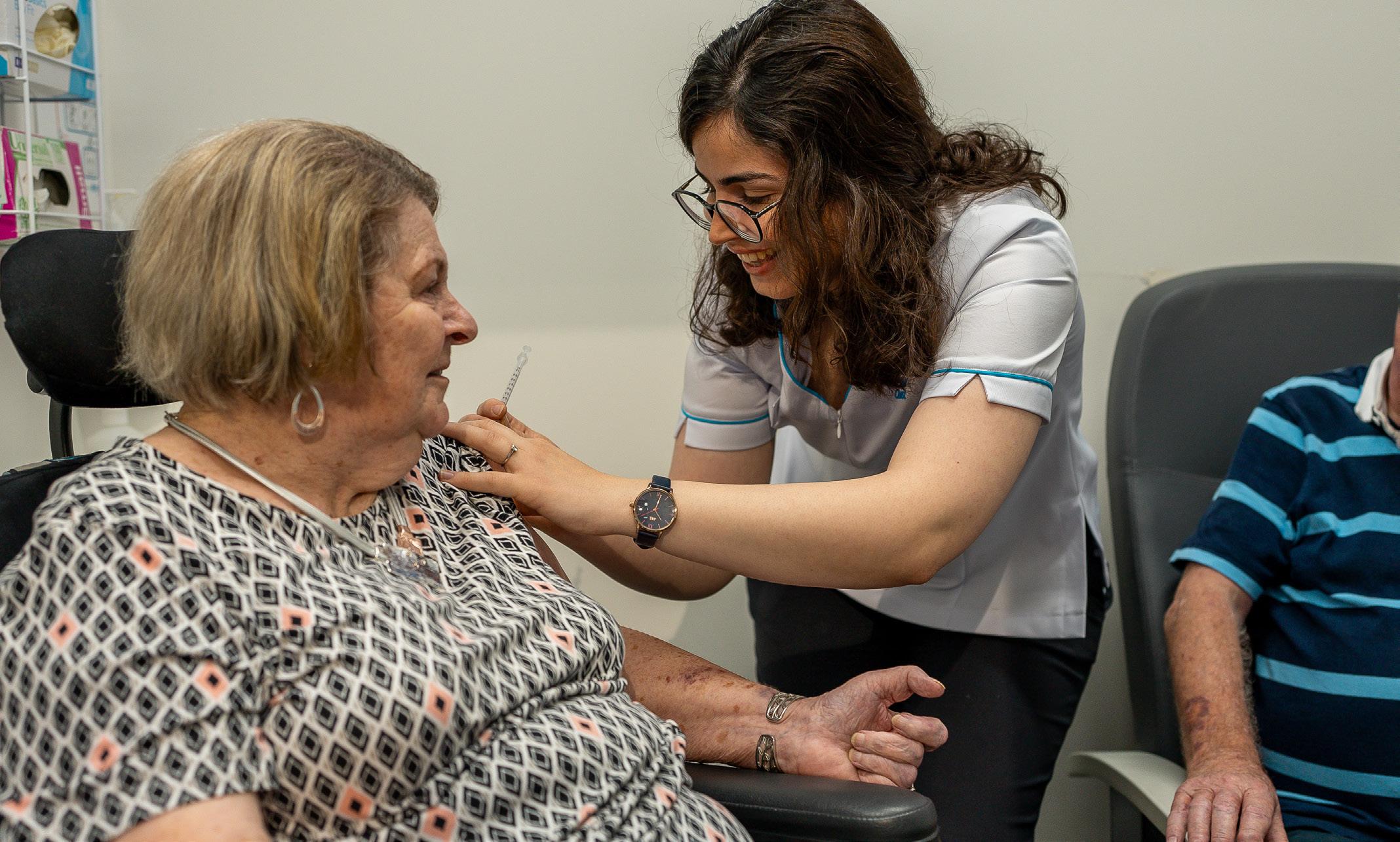
Visit www.pgnz.org.nz/vaccinations to access posters, standard operating procedures, screening tools, consent forms, equipment checklists, and key templates and resources to support your vaccination service. Ensure all your vaccination services and hours are listed on HealthPoint and your pharmacy website and social media pages.
Contact the PGNZ with any questions or for help on 04 802 8200 or enquiries@pgnz.org.nz.

Where shared experiences spark meaningful conversations and a shared vision for the profession, across three days of learning, reconnecting and being part of something bigger.
A conference that brings the profession together across all areas of practice.
What to expect:
•Inspiring keynote speakers shaping the future of pharmacy
•Practical clinical updates for everyday patient care
•40+ sessions and workshops across clinical, policy, and practice innovation
Where connection comes to life
From your first moments at the Welcome Reception to the signature Saturday night celebration. Be part of the room where the profession comes together, and where you feel you belong.

Stay up to date with the latest PSA26 announcements at www.psa26.com.au/news




A leading voice in US community pharmacy will headline Pharmacy Connect 2026, with National Community Pharmacists Association President Dr Kristen Riddle confirmed as the event’s first keynote speaker.
Pharmacy Connect Convenor Kos Sclavos AM said Dr Riddle’s appearance comes at a pivotal time for the profession, as global policy shifts continue to influence the direction of community pharmacy in Australia and New Zealand.
“Policy decisions made in the United States often set the tone for pharmacy worldwide,” Kos said.
“Dr Riddle brings unparalleled insight as both an influential advocate and an inspiring industry leader.
“Her understanding of the evolving US market makes her an exceptional addition to our 2026 program.”
Kos said the rapid rise of direct-to-consumer healthcare models in the US has accelerated major structural change, with significant pharmacy closures recorded across 2025.
He noted emerging proposals such as “Most Favoured Nation” pricing frameworks and digital offerings like TrumpRx provide important context for what may lie ahead for the Australian and New Zealand sectors.
A second-generation community pharmacist, Dr Riddle coowns American Home Pharmacy in Clinton, Arkansas.
She is widely recognised for delivering comprehensive, patient-centred services including wellness testing, vaccinations and medication management.
Her work reflects a strong commitment to advancing community-based clinical care, particularly in women’s health, preventative health and personalised compounding.
Across her state and national leadership roles, Dr Riddle has championed the independent pharmacy sector and strengthened the profession’s contribution to community health outcomes.
Dr Riddle is the first keynote presenter announced for Pharmacy Connect 2026, with further speakers to be confirmed.
Pharmacy Connect will run from September 9 to 11 at the Hyatt Regency Sydney.
Early Bird registrations, offering savings of up to AUD 100, are now open.
Kos encouraged pharmacists, owners, students and industry partners to secure their place early.
“Pharmacy Connect offers highly practical education and genuine opportunities to connect with peers and leaders. Securing a place early ensures participants get the best value.”
More information and registration details are available at pharmacyconnect.com.au

As governments in Australia expand pharmacist-delivered care, women across the nation are gaining faster access to contraception and UTI treatment — and community pharmacy is emerging as a central gateway to timely support.


Australia’s approach to women’s health is shifting, and community pharmacies are increasingly at the centre of the change.
With most governments in the country expanding pharmacist-delivered care, women are gaining faster, more practical access to essential services which once required long waits or limited appointment availability.
Momentum is building nationwide. What began as targeted trials has grown into a coordinated effort to broaden the role of trained pharmacists in contraception, urinary tract infection (UTI) management and other frontline women’s health needs.
In April, community pharmacy welcomed the news women in New South Wales will soon be able to access safe and convenient consultations for hormonal contraception at community pharmacies.
NSW is the second-last jurisdiction in Australia to enable appropriately trained pharmacists to prescribe and supply hormonal contraception, including the pill, with the Australian Capital Territory still to make the move.
Almost 4,000 pharmacies nationwide now deliver UTI treatment in metro, regional and remote areas.

Sixteen percent of patients wait more than three weeks for a GP appointment.

On January 1, the Federal Government’s Women’s Health Pharmacy Prescribing Trial will begin — one of the most significant expansions of pharmacist-delivered care in recent years.
The 12-month trial, a commitment of the Eighth Community Pharmacy Agreement, will allow appropriately trained pharmacists to provide free consultations for uncomplicated UTIs and initiate hormonal contraception, including issuing PBS-listed prescriptions when clinically appropriate.
The trial builds on years of state-based reforms which have already demonstrated strong demand and safe delivery. Since pharmacybased UTI treatment was introduced, more than 145,000 women have received care from almost 4,000 participating pharmacies across metropolitan, regional and remote communities.
Monthly service volumes remain high, underscoring the importance of accessible, same day care.
NSW is the second-last jurisdiction in Australia to enable appropriately trained pharmacists to prescribe and supply hormonal contraception, including the pill, with the Australian Capital Territory still to make the move.
These services are landing at a time when GP wait times continue to stretch. National research shows 16 percent of patients wait more than three weeks for an appointment, and nearly half of women consider these delays unacceptable.
For many, the ability to walk into a pharmacy and receive timely support is not just convenient — it is essential.
Only pharmacists who meet the new national prescribing standard will be authorized to deliver these services, ensuring strong clinical governance and consistent safety expectations.
Victoria has also confirmed it will enable pharmacists to initiate oral contraception — a reform long-supported by pharmacists who see firsthand the barriers women face when appointments are scarce.
The Victorian model will operate within structured clinical pathways, including standard training on contraceptive options and risk assessment, clear consultation protocols, improved digital tools for documentation and clinical flags, defined referral pathways to GPs, nurse practitioners and sexual health clinics, and follow up expectations to keep women connected to ongoing care.
For women, the experience will feel familiar: a private consultation, a blood pressure check, a discussion of medical history, and — where appropriate — supply of the pill with tailored advice. If any red flags emerge, referral is immediate.
Every jurisdiction in Australia except the ACT now has a pathway in place or underway to allow pharmacist initiated contraception. The moves add to the growing evidence which shows structured, pharmacist-delivered contraception services are safe, effective and valued by patients.

For many women, delays of even a few days can mean missed doses, gaps in contraception or prolonged discomfort from a UTI. Pharmacists already support women who run out of medication unexpectedly.
These reforms allow them to help from the outset — not only in emergencies.

The benefits extend beyond convenience. Faster access reduces the risk of complications, supports continuity of care and helps women stay in control of their health.
At the same time, GPs are freed to focus on more complex presentations — a practical redistribution of workload at a time when primary care capacity is under pressure.
As Victoria prepares for implementation and the national trial begins, pharmacies across Australia are reviewing consultation spaces, refreshing clinical knowledge and strengthening relationships with local health providers.
The next phase will be about embedding these services sustainably and ensuring women know what support is available.
The bigger picture is one of alignment. With each state advancing its own model, national consistency is becoming less theoretical and more achievable.
The evidence is growing, the demand is clear, and the role of Australia’s community pharmacy landscap in women’s health is expanding with purpose.



More than 145,000 women have received pharmacy-based UTI care since the service began.
Some patients in Australia wait more than three weeks for a GP appointment, with one in five resulting in unnecessary hospitalisations

Dr Helen Haines MP represents the Victorian electorate of Indi and says she draws on her background in nursing, midwifery and rural health research every day. In this Question Time, she discusses the role of community pharmacy, the progress and inequities she sees across Australia’s health system, and the reforms she believes are essential for regional communities.

When you’re at home in Victoria, which community pharmacy do you rely on, and what personal memories stand out about the role it has played for you and your family?
I am very fortunate that where I live in Wangaratta, we have several wonderful community pharmacies where I receive health advice, vaccinations and purchase prescription medicines.
When I first moved to Northeast Victoria, I lived in Chiltern which has a proud history of community pharmacy with Dow’s Pharmacy which was part of the community for more than 160 years. For a time, it was run by David J. McEwen, father of former Prime Minister John McEwen after which Hilda Dow took over. After she married her husband John Dow in 1932, he became her apprentice.
The pharmacy ran from 1929 until 1969. It remains almost completely intact and is now cared for by National Trust. I had the great privilege of getting to know Mrs. Dow when I was the Director of Nursing of the Chiltern Bush Nursing Hospital. She was greatly loved and admired and emblematic of the deep, personal connections that local pharmacies have within their communities.
From your perspective, which areas of Australia’s healthcare system have seen the most meaningful progress in recent years?
Prior to being elected to the Federal parliament, I spent 30 years working both clinically and as research academic in rural health. Over the course of that time the most meaningful progress has been in the implementation of evidence to care. I have seen such a shift in how clinicians now routinely ask the question “what does the evidence say?”.
With the advent of integrating genomics and bioinformatics into clinical care and diagnostics there is real promise in delivering highly targeted personalised care but with that comes the challenge of ensuring that people who live in rural communities such as mine have access to such therapies in the same way as people who live in the cities.
We have a long way to go in meaningfully addressing serious health inequities in outcomes and funding between regional and rural Australia and metropolitan Australia.
Since becoming the independent Member for Indi in 2019, what are the three biggest personal or professional changes you’ve experienced?
1. I have had to change how I navigate and live with social media — It can be a power for good in communicating with a wide range of people but sadly a force for evil in spreading misinformation and disinformation and social division.
2. We have no federal laws to ensure truth in political advertising, and this creates a significant professional challenge both during election campaigns and between them. We need to change this.
3. Finding the balance between life as a public figure and being an ordinary human with family, friends and carer responsibilities has meant many changes in my daily life. I have learnt to quarantine time for both but accept that even when I am out and about with my family, I may be stopped and asked about a particular issue.
What feedback have you heard from community pharmacists and people in Australia about the recent bipartisansupported reduction in the PBS co-payment?
In regional areas, as many as one in three Australians skip or delay filling a script because of the cost of medication. Constituents often contact my office or stop me in the street to tell me the sacrifices they make to afford their medications or sometimes, the sacrifices to their health they make to afford to keep a roof over their head. I know pharmacists in Indi hear stories like this every day. They want medicine to be affordable for all Australians. I supported the Cheaper Medicines Bill to reduce the PBS co-payment as a meaningful policy that will tangibly improve health outcomes for rural communities.

Looking ahead, what further improvements would you like to see to strengthen the PBS?
The PBS would mean nothing if we did not have a fantastic workforce of dedicated pharmacists to deliver it. The Government should be doing all they can to make sure we continue to train the next generation of pharmacists to care for us. Initiatives like expanding Commonwealth Prac Payments to include all allied health professions, including pharmacists, is one way we can improve the PBS by making sure we have the workforce to make it happen.
How do you view the role of community pharmacists in addressing what you’ve called the postcode lottery in Australia which affects access to quality healthcare across the nation?
Rural Australians travel extraordinary distances to access services that our city cousins take for granted. But one thing we often have is a local pharmacist. They are at the heart of rural communities — they know everyone, and everyone knows them. Having trusted pharmacists who live in our communities and who understand the joys and challenges of rural life is one way we can start and are addressing the postcode lottery. We need a whole lot more of them too.
You’ve been a strong advocate for expanding the Commonwealth Prac Payment program. What changes would you like to see to ensure pharmacy students are properly supported as part of any reform?
Students studying allied health and medical courses - including pharmacy - are required to undertake hundreds, if not thousands, of hours of mandatory placement to complete their degrees. When we’re experiencing a crippling health workforce shortage, it’s unacceptable that students are effectively paying to train. We need a fair, nationally consistent system that provides financial support during placements so students can focus on learning, not on how they’ll make ends meet.
Given your professional background and public role, how do you think about modelling good health and wellbeing — and what are your top three tips for our readers?
Well, nothing new from me. My tips are consistent with longterm public health evidence and importantly I don’t always succeed, so big tip is be kind to yourself and keep trying.
1. I try hard to have a balanced diet with as little highly processed food as I can.
2. I keep my body moving by exercising in some way, every day and even better if I can do that with people whose company I enjoy. That’s great for both my physical and mental health. If I can’t do a lot, I do a little. Some days it might only be a ‘Sun Salutation’, other days it might be a decent bike ride or Pilates.
3. I like to have a laugh. I enjoy Australian comedy and honestly some of the antics in Australian politics is laughable.
When you think about your work, which issues weigh you the most?
It’s the persistent disadvantage experienced by far too many rural, regional and remote Australians — whether in accessing healthcare, education or well-paid secure employment opportunities. Australians have experienced a lack of longterm policy solutions from successive governments and that has real consequences. Those of us living outside metropolitan Australia have shorter life expectancy, and that’s simply not good enough. It’s something I carry with me every day in this role.
Looking back on your time in politics so far, what are you most proud of?
I am very proud to be the Member for Indi - to have both local impact and national influence. I am so proud of the way my office works with thousands of constituents to resolve Commonwealth issues.
One case that’s stayed with me is helping a family caring for their son who lived with significant disability. When the family came to see me, they were deeply distressed and exhausted by both Centrelink and NDIS. I was able to resolve their issues and now that young man is flourishing in a traineeship, his mother has returned to the workforce and the family is thriving. I see them from time to time, and it gives me a great sense of purpose that I can make a difference to people’s lives.
I’m proud of the work I took on after my predecessor Cathy McGowan to establish the National Anti-Corruption Commission. Our community — and the nation — had seen a serious decline in trust in government, and establishing the NACC was an important step towards restoring integrity and accountability to federal politics. My work to establish the Cheaper Home Batteries Program, which is helping households lower their energy bills while contributing to the clean energy transition is an example of the pragmatic solution focused work I bring to the massive global challenge of climate change.

Dr Jana Pittman delivered the prestigious Ann Dalton Address at APP2026, sharing insights on resilience and high performance from her dual careers in Olympic sport and medicine. Australasian Pharmacy TV sat down with her ahead of her address.

Olympian-turned-obstetrician Dr Jana Pittman’s conversation with APTV host Miranda Deakin was a candid one about reinvention, teamwork, and the expanding role community pharmacy plays in women’s health and preventative care.
Across her career, Jana has worn many hats — dual-season Olympian, medical doctor, women’s health advocate, reality-television participant, author, and mother of six.
Her ‘Drama Jana’ moments are now a distant memory.
Yet when she stepped onto the APTV stage and Miranda read the Olympian’s achievements aloud, Jana instinctively dipped her head, almost shy in the face of her own extraordinary trajectory.
“I’ve had a very wonderful career,” she says.
“A lot of it’s been hard work … things that didn’t go to plan, and the chance things that came out of that, that were wonderful … it’s been an eclectic journey.”
Her transition from elite sport to obstetrics and gynaecology still feels surreal.
“I sometimes have to almost pinch myself that this new career has evolved,” she says. “I’ve been doing it for 10 years now, so it’s very wonderful.”
For Jana, the link between the track and the birth suite is resilience.
“In sport, things don’t always go to plan … and medicine’s the same, except that instead of it being more about you, it is about the patient and the family that’s in front of you.”
It’s a perspective which naturally extends to the community pharmacists she sees as essential partners in patient care.
Jana’s respect for community pharmacy is grounded in personal experience as much as professional collaboration. And she’s more than grateful for her local pharmacy.
“I’ve been with them for many, many years, and the amount of times when I haven’t understood something in medicine — I’ve been able to go to them and ask,” she says.
“In fact, in medical school, we don’t actually get an opportunity to often be with our pharmacy colleagues… and I think it is something we should do, because we can learn about the medications and what they look like.”
Jana says she has now spent some time in her local pharmacy being a part of their environment and says the experience was “amazing”.
She sees pharmacists as the “gateway” between doctor and patient, often filling communication gaps left by time‑poor clinicians.
“They’re dealing with that forefront of patients that come in and have complaints about the medications, have complaints about us as doctors — most often [about us] not giving them enough information about why we’re prescribing something, or the side effects, or if things don’t go to plan.”
In women’s health, that gateway role is expanding.
Jana points to urinary tract infection management, script extensions, and timely advice as examples of pharmacists stepping into extended care.
Jana says her transition from elite sport to obstetrics and gynaecology still feels surreal
I want to talk about miscarriage and endometriosis and chronic pelvic pain. Miscarriage is a big area that I’m working in… having had several myself.
“The amount of times they’ve had to call me and say, ‘I’m really sorry, Jana, but you haven’t done the script correctly’ — it’s been a really beautiful environment that I felt very supported by both my local pharmacy and the ones I work with closer to my hospital.”
It’s a level of trust and back-and-forth she sees as fundamental to how pharmacists and doctors care for their patients together.
Collaboration between pharmacists and GPs is essential, Jana says, but not always straightforward.
“Ultimately the pharmacy is a business, but there are people there working really hard to have that collaborative approach… but it can be a challenge because sometimes there will be times where they can’t get in contact with us, when something’s not right.”
And when communication breaks down, Jana says it is the patient who suffers.
“If there’s something … that maybe there’s a medication that is actually going to be contraindicated with something else they’re also taking, and they can’t connect with us, again, that patient is the one sitting there thinking, ‘well what do I do now?’.”
Public hospitals add another layer of complexity.
“Someone who writes the script may not be the person who’s even looking after the patient, nowadays,” she says.
Strengthening GP–pharmacy relationships, where continuity is possible, is where Jana sees the greatest opportunity.

Our wonderful pharmacists see our patients probably more than we do.
As an ambassador for the Australian Cervical Cancer Foundation, Jana believes pharmacy has enormous potential in preventative health, too.
“Our wonderful pharmacists see our patients probably more than we do,” she says.
“So, it is a conversation piece: ‘Have you spoken to your GP lately, have you had your HPV vaccination? Have you had a breast screen?’,” she says.
Women’s health is ripe for deeper collaboration, Jana says, particularly in women’s health, where collaboration and extended care would be “incredible”.
“One of the areas we’d really love the [pharmacy landscape] to work on with us more is around our menopause space.
Many women, she says, are unsure whether hormone replacement therapy is right for them — and pharmacists are often the trusted first point of contact.
Despite her Olympic pedigree, Jana says nothing compares to the fear she experiences in obstetrics.
“What I do now is so much more fearful than what I did as an athlete,” she says, recalling a recent emergency birth where the baby’s heartbeat was lost.
“I was shaking, shaking trying to help deliver this baby.”
It’s a very humbling job, she says, and fear is part of it — in medicine and in pharmacy.
“What we do matters. And there’s a patient on the other side of that… if a patient has a bad outcome for something they’ve taken, or something we’ve done… that’s real life,” she says.
“It certainly pales into insignificance — my sporting career and losing the Olympics.
“But it takes time to learn that fear. It takes time to say, ‘fear is a part of my everyday life’.”
Her strategy is analytical: write down every fear, cross off what can’t be controlled, and focus only on what remains.
“So, when you go into a fear space or a new opportunity … taking on a new goal in life, you are really just focusing on those things that you can control, rather than all the peripheral, extra mind chatter that really isn’t going to influence the outcome.”
When things go wrong, Jana doesn’t pretend to be stoic.
“I think it is really important to let yourself break,” she says.
“For me, it’s a block of chocolate and a lot of tears.
“Then you’re able to move past that and sit with that discomfort again and say … ‘look, well, what actually went wrong? What could I have done differently?’”
If nothing could have changed the outcome, she lets it go — and banks the experience as resilience for next time.
“I survived the last one. I learnt from the last one. Therefore I can approach the next one with a better attitude.”
What I do now is so much more fearful than what I did as an athlete.
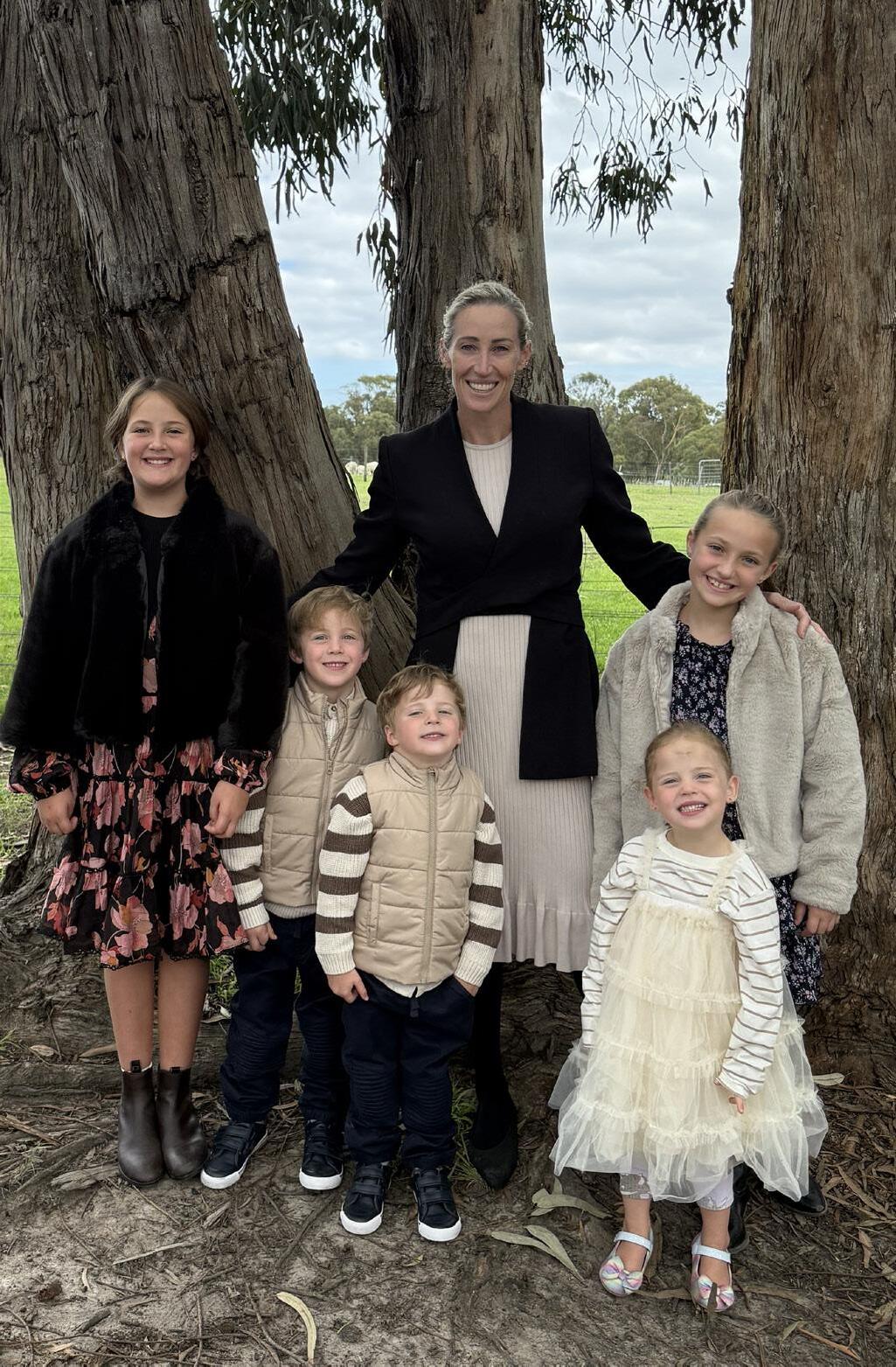
Jana’s time on the reality television programs SAS Australia: Who Dares Wins and The Amazing Race reinforced the value of teamwork — something she sees mirrored in pharmacy.
“There were a lot of big personalities … but when we broke it down, it was very raw,” she says referencing the SAS Australia show.
“I know it was just reality television, but it felt so real … and you had to kind of bring those different personalities together and collectively get the best out of your colleagues,” she says.
“And it’s the same in a pharmacy. It’s the same in a team that I work in now on the birth unit.
“And obviously, there are different levels of expertise, too, which has to come into play.
“Someone who’s been in it for 20, 30 years and someone who’s just graduated from university — and adapting to those different personalities, I think, is the biggest key.”
Her advice to overcome differences is deceptively simple: step outside the workplace to understand the person behind the role.
“Have a coffee together… learn who that person is,” she says.
“If someone’s maybe not performing… try and step into their shoes because something is often happening in their world.”

Pharmacy owners, Jana says, know better than most what it means to operate at the coalface of change — from COVID-19 to scope-of-practice reforms.
“We all do different chameleon changes throughout life,” she says. “How we handle them is different each time.”
She recalled nearly abandoning her dream of becoming an obstetrician because she couldn’t see how it would work as a single mother of six.
“I almost didn’t [start those studies],” she says.
Then she says a friend reminded her: “But you haven’t tried. So how do you know you can’t, until you give it a go?”
That advice — start and adjust if needed — is what she now offers to pharmacists facing the next wave of sector reform.
“It’s okay if … if that goal doesn’t eventuate, then you make a different plan. But you won’t know unless you give it a bit of go in the first place.”
Politics is off the table. “I’m far too sensitive for that,” she says.
But women’s health remains her driving force.
“I want to talk about miscarriage and endometriosis and chronic pelvic pain,” she says.
“Miscarriage is a big area that I’m working in… having had several myself.”
Helping people navigate difficult conversations, she says, is where she finds her joy.
Dr Jana Pittman delivered the prestigious Ann Dalton Address at APP2026, sharing insights on resilience and high performance from her dual careers in Olympic sport and medicine.
Sponsored by iNova Pharmaceuticals, her session “Just another hurdle” focused on personal growth, leadership, and adapting to change.
You can watch the full interview on Australasian Pharmacy’s Spotify channel.

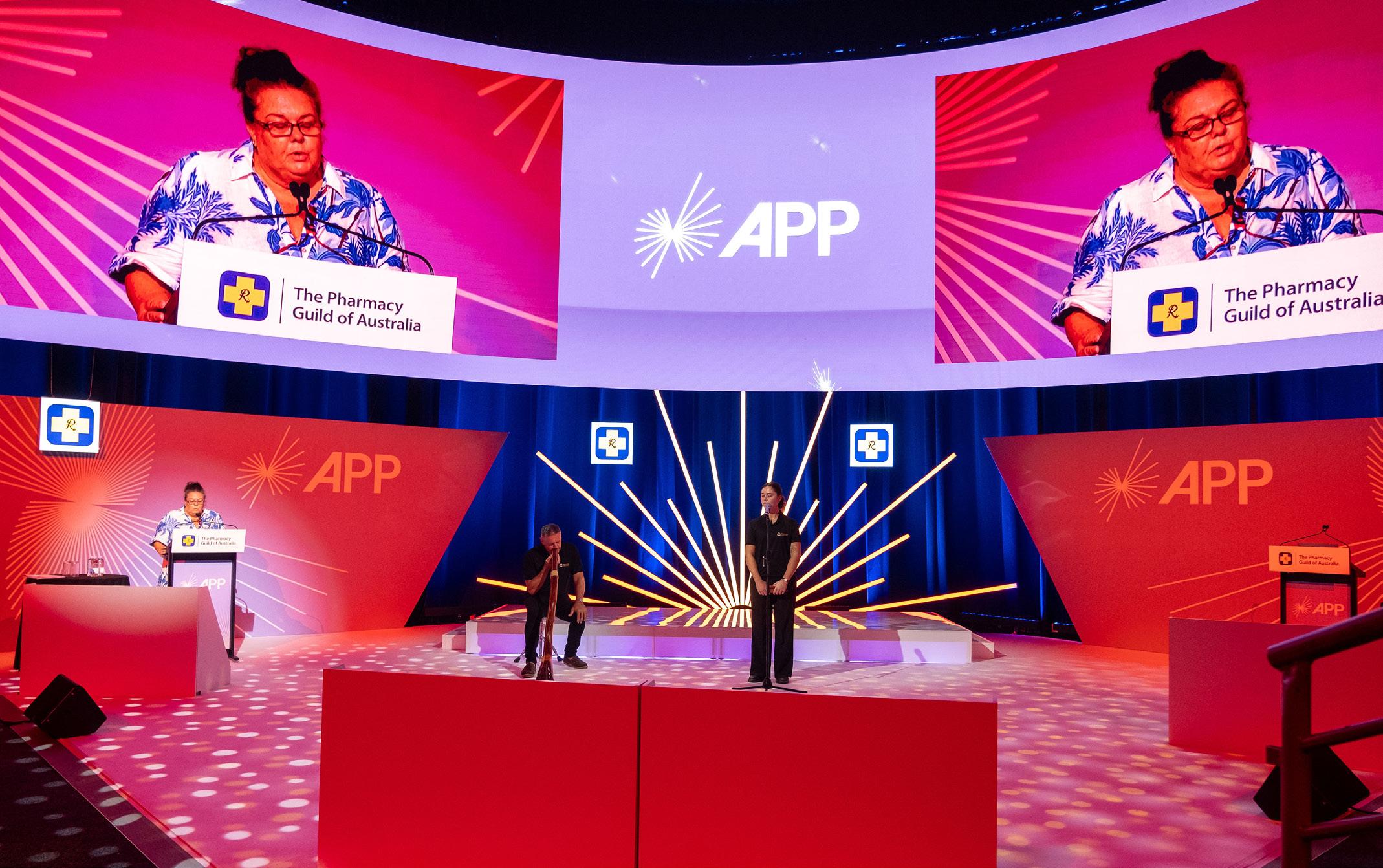
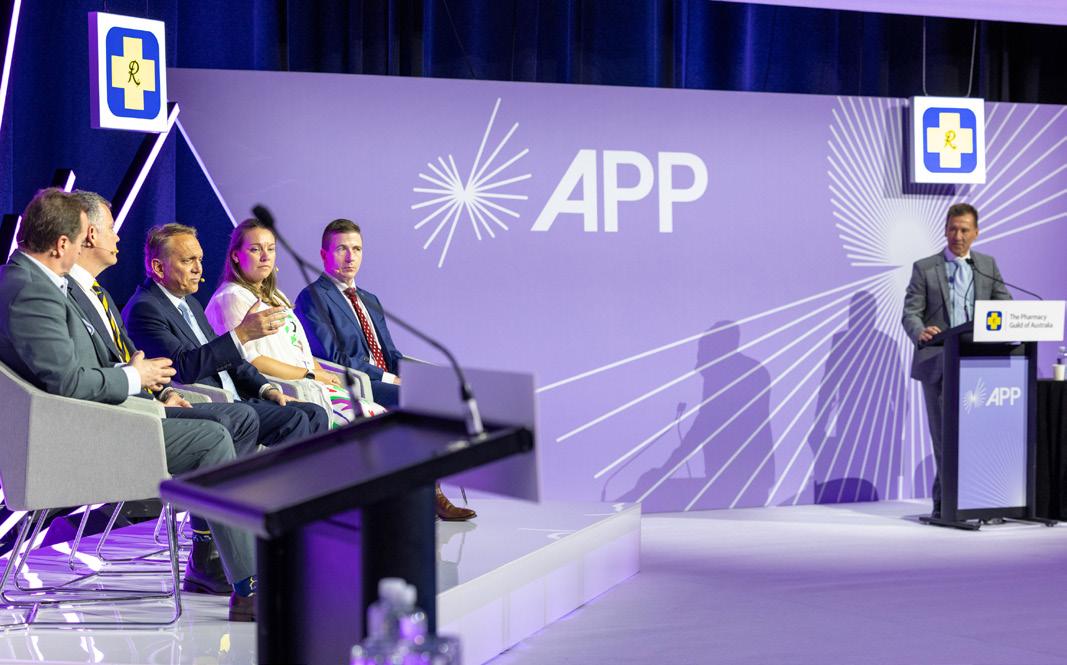
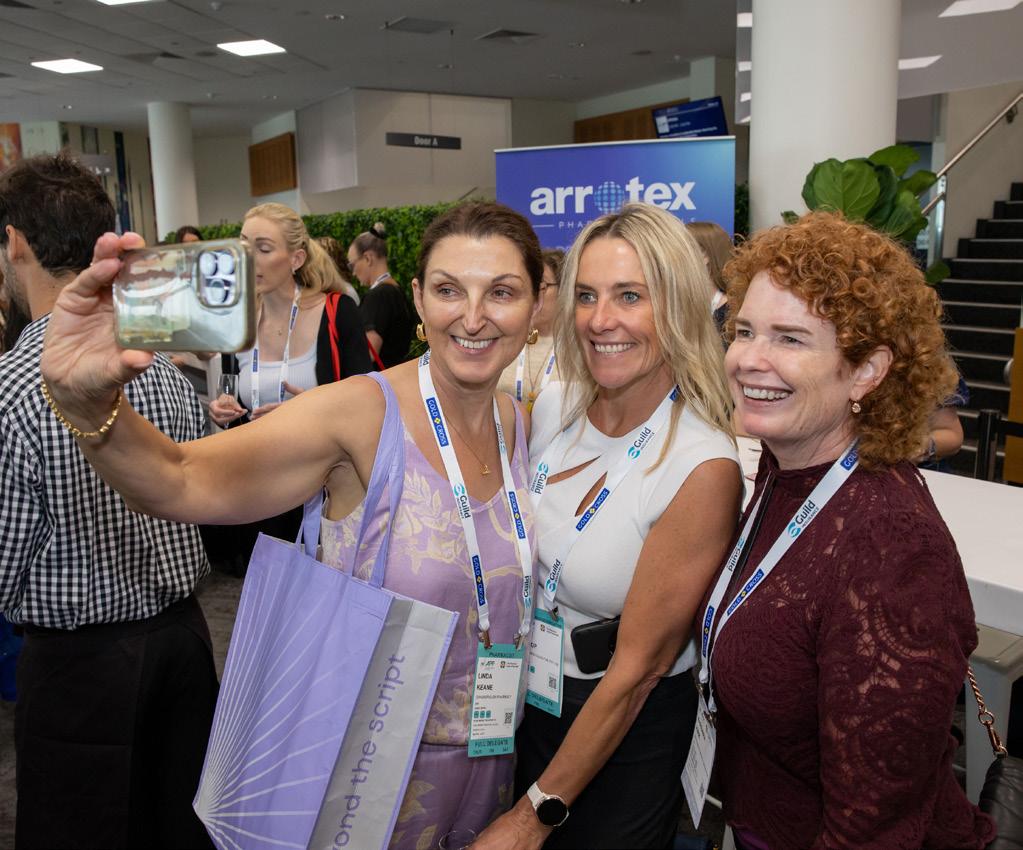
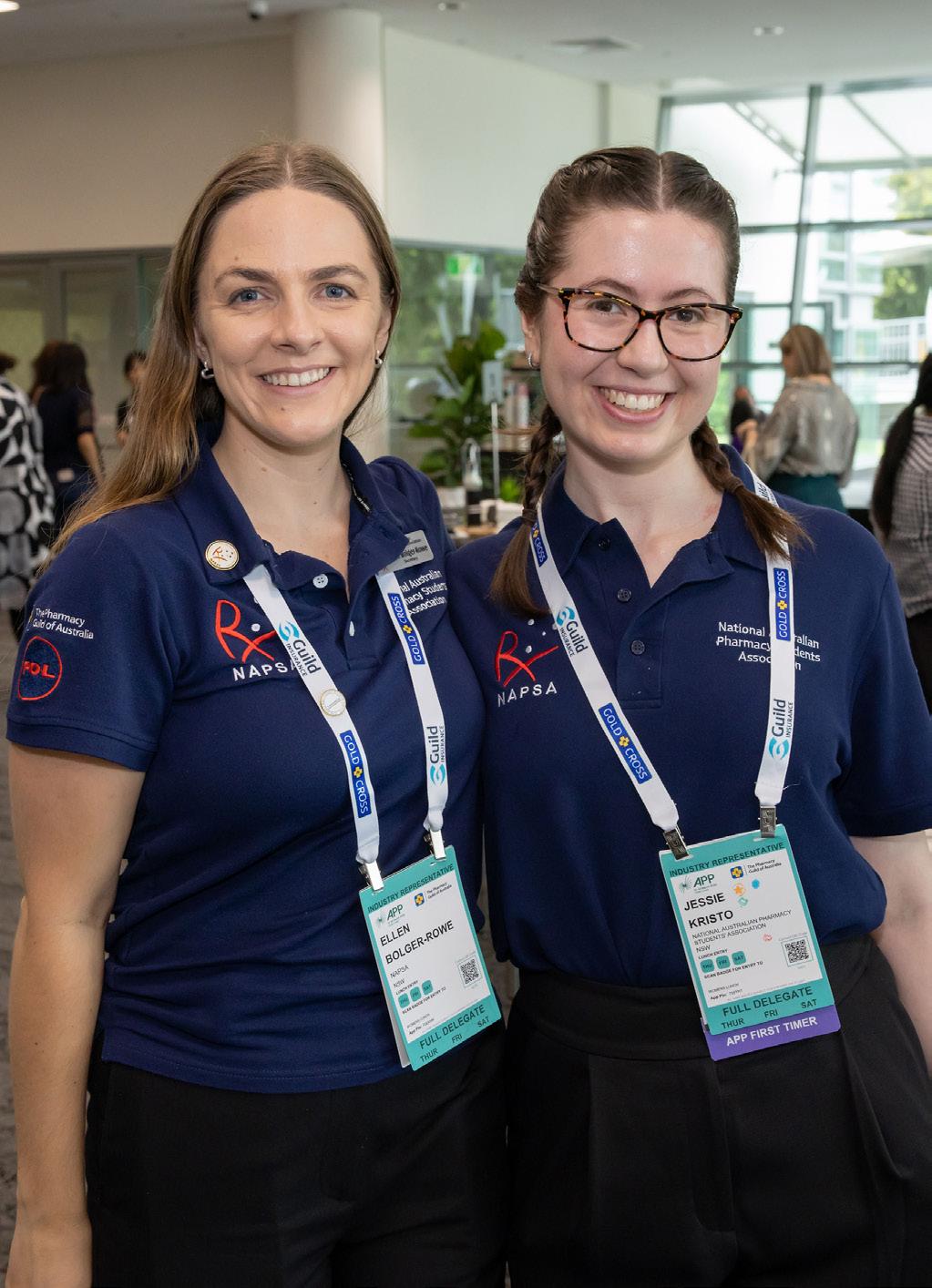
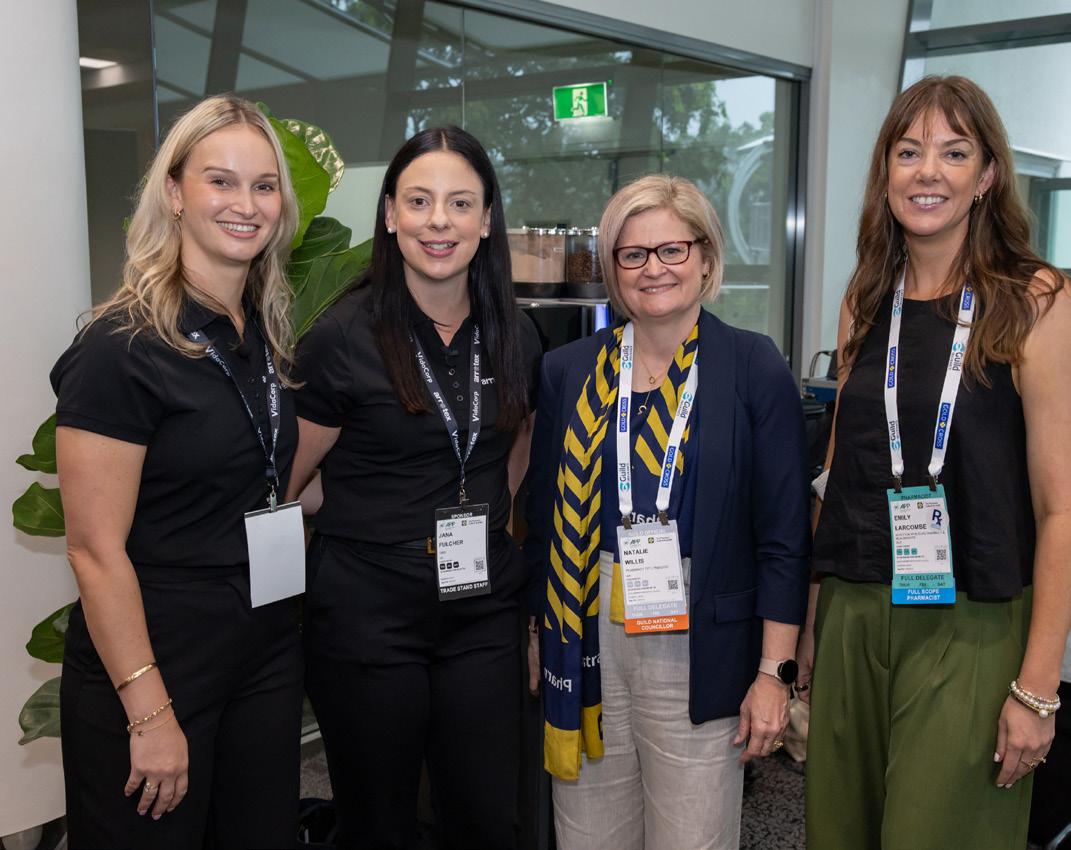
Thousands of pharmacists, industry partners and health leaders gathered on Australia’s Gold Coast for APP2026, a three-day program celebrating community pharmacy in Australia and around the world, highlighting the sector’s innovation, collaboration and global reach.
APP2026 concluded on the Gold Coast after three days of discussion, learning and sector-wide collaboration, bringing together thousands of pharmacists, sponsors and industry partners to celebrate leadership and innovation in community pharmacy.
The conference again drew strong attendance from across Australia, alongside delegates from overseas who travelled to engage with the program and the broader sector.
Conference Convenor, Kos Sclavos AM, thanked delegates, sponsors, exhibitors, speakers and suppliers for contributing to what he described as another outstanding APP, reinforcing its position as the largest and most influential pharmacy event in the Southern Hemisphere.
Community pharmacy continues to push beyond traditional boundaries to meet evolving patient needs.
Community pharmacy continues to push beyond traditional boundaries to meet evolving patient needs.
Kos said this year’s program was designed to equip pharmacists with the insights, skills and confidence needed to meet the evolving needs of their communities.
“Our aim is always for attendees to leave APP feeling inspired, informed and ready to turn opportunity into action,” he said. “APP2026 once again demonstrated the strength, professionalism and innovation of community pharmacy across Australia.”
He also acknowledged the broader pharmacy and health sector that supports the conference each year.
“APP would not be possible without the commitment of our industry partners and suppliers, and we are grateful for their ongoing support,” he said.
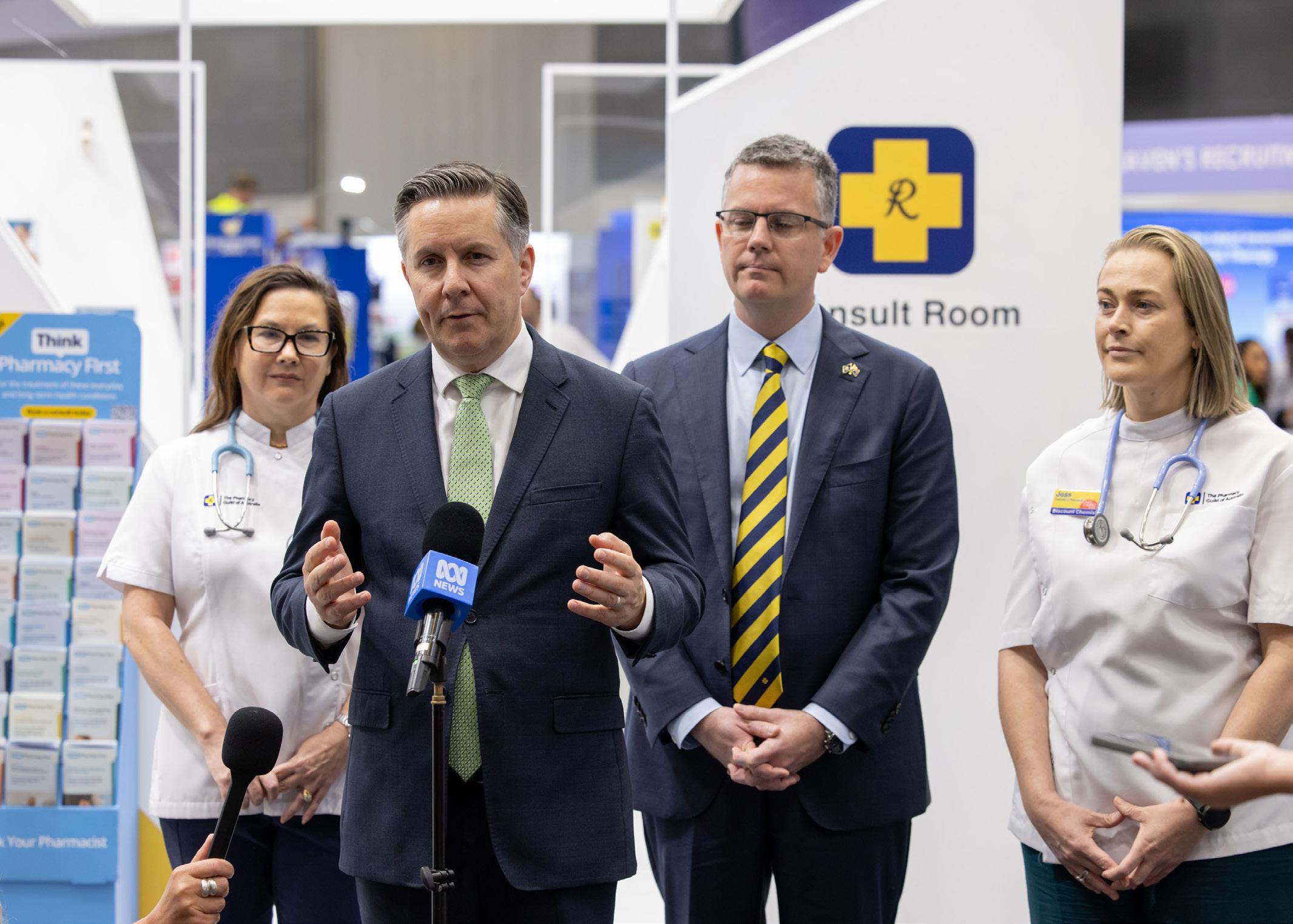
APP2026 featured strong representation from government, reflecting the central role community pharmacy plays within Australia’s health system. The conference welcomed the Premier of Queensland, the Hon David Crisafulli MP, the Federal Minister for Health, the Hon Mark Butler MP, and the Shadow Minister for Health and Aged Care, Senator the Hon Anne Ruston, who addressed delegates during the program.
Their attendance underscored the importance of collaboration between government and community pharmacy in improving access to care and delivering better health outcomes nationwide.
The program also included a compelling lineup of keynote speakers. Walter Mikac AM delivered a powerful address on resilience, leadership and community, while Jana Pittman AM shared her insights on high performance, wins and losses, adaptability and personal growth. Both sessions resonated strongly with delegates and were among the most discussed presentations of the conference.
The Trade Exhibition again showcased the scale and vibrancy of the sector, with more than 450 exhibitors presenting new products, technologies and professional services across an expansive exhibition floor that remained busy throughout the event. International delegates also spent time on the exhibition floor, engaging with suppliers and gaining insight into the breadth of Australia’s — and the globe’s - community pharmacy offering.











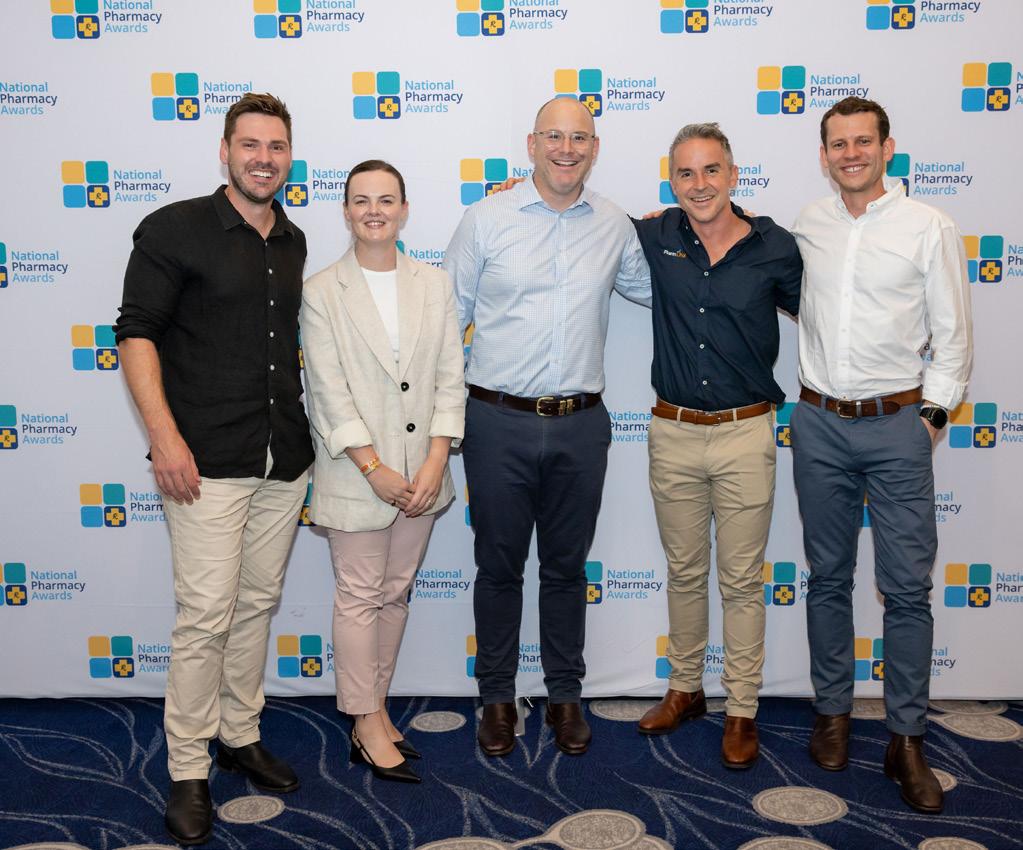








Australia’s leading community pharmacy professionals have been celebrated for their impact on patient care, innovation and local health outcomes, with this year’s National Pharmacy Awards at APP in March highlighting the breadth of excellence across the profession.

Australia’s top community pharmacy professionals have been recognised for their leadership, innovation and commitment to patient-centred care, with four national titles awarded across community practice, student achievement and intern excellence.
Community Pharmacy of the Year: Capital Chemist Bathurst (NSW)
Community Pharmacist of the Year: Molly McGuire (QLD)
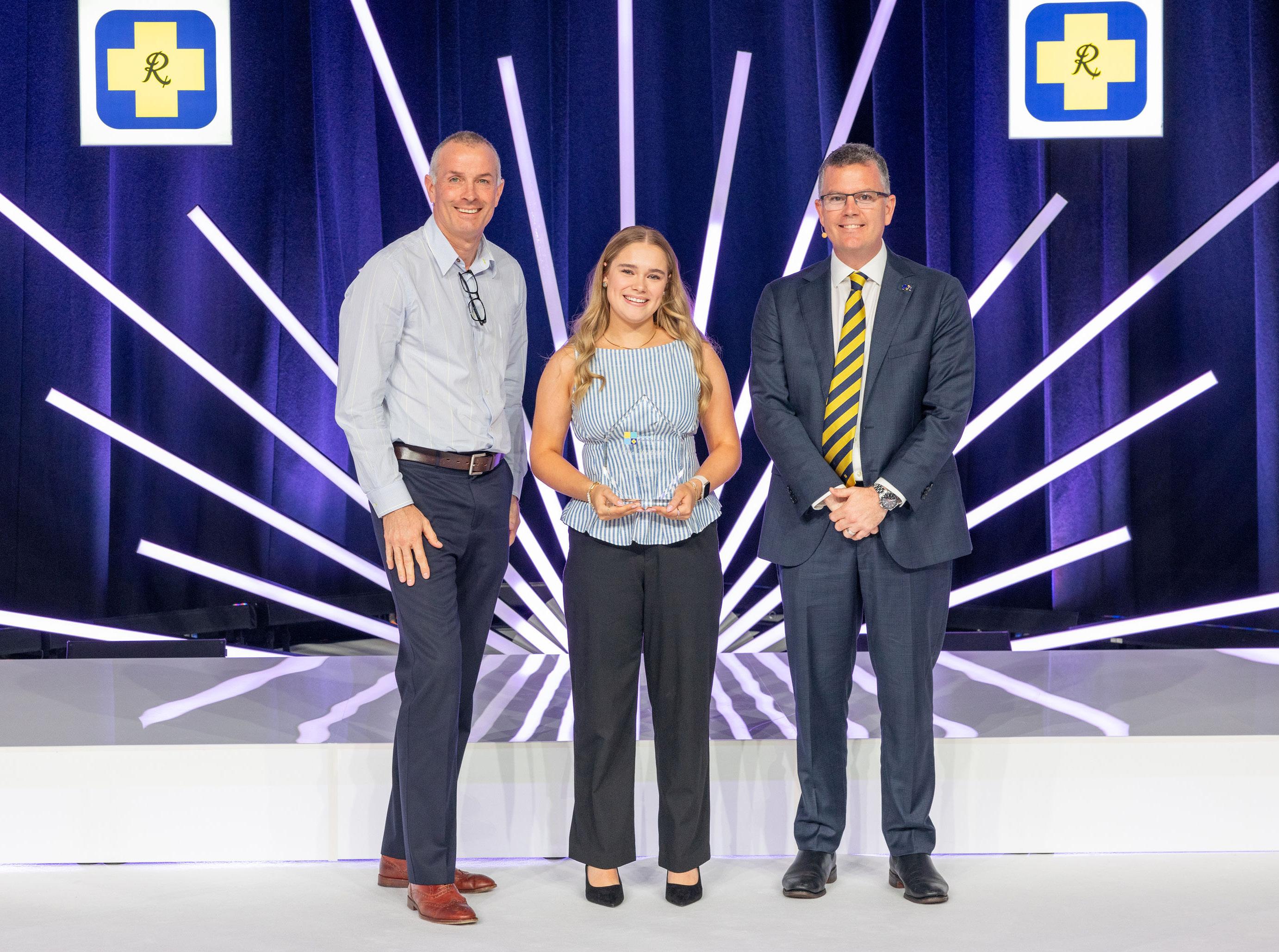
Student Pharmacist of the Year: Mia Shinkfield (TAS)
Intern of the Year 2025: Ruby Schembri (NSW)

Capital Chemist Bathurst was awarded Community Pharmacist of the Year, recognised for its integrated care model linking patients with local GPs, hospitals and aged care providers.
Founding owners Hannah and Marcus Heiner first joined the Capital Chemist group in their mid-20s, some 15 years ago. Moments after their win on the Gold Coast, the pair told Miranda Deakin on APTV they were thrilled with the result.
“You never expect to win but you’re always hopeful,” Hannah said. “We’re ecstatic,” Marcus said. “And with the pharmacy team who does all the work with us — well, they put everything into it … our staff are absolutely phenomenal, so we’ve been very lucky with that over the years.”
The pair also reflected on joining Capital Chemist at just 24, praising the group’s owner operator model, support network and commitment to excellence in healthcare.
“I’ll be the first to promote them,” Hannah said. “Marcus met (former CEO) Andrew Topp at an information evening and he saw his passion — and that’s the passion everyone in the Capital Chemist Group shares.”
“They’re always looking for opportunities to bring in young pharmacists who are like minded and patient focused.
“Luckily, they backed us in, because we were broke … we had nothing to lose and we went all in. As 24-yearolds at that time, we couldn’t have done it without that support, so we’re eternally grateful.”
Today, the pharmacy has developed a nationally leading approach to homecare and NDIS support, which is now being adopted by other pharmacies across Australia.





Its five pharmacist owners and nearly 50 staff have transformed the business into a comprehensive healthcare hub delivering significant community impact.


Our staff are absolutely phenomenal, so we’ve been very lucky with that over the years.
— Hannah Heiner
Molly McGuire (right) took out the Community Pharmacist of the Year award, recognised for advanced clinical practice and regional leadership at TerryWhite Chemmart Wilsonton.
Molly is among Queensland’s first full scope pharmacist prescribers, enabling her to assess, diagnose and treat common and chronic conditions.
She told APTV she was “very surprised” with her national award win, but said it was a real reflection of how wonderful her team is.
“They support all my crazy ideas,” she said. “And when I was studying for full scope and not maybe as present at work, they really supported that and they’ve really jumped on board with full scope.
“They’re trying to get me to do consults for everything,” she said. “I have a wonderful team and it’s definitely not possible without them.”
Molly’s work supporting patients with disability, strengthening professional collaboration and contributing to local health initiatives reflects her commitment to improving access to care in regional communities.
I have a wonderful team and it’s definitely not possible without them. — Molly McGuire


It means all the hard work that I’ve gone through for the past four years … just all paid off.
Tasmania’s Mia Shinkfield (left) was recognised for her academic excellence, leadership and strong commitment to culturally safe care.
Her work spans student advocacy, Honours research on benzodiazepine tapering and clinical placements in low socioeconomic communities. She also speaks openly about overcoming a diagnosed learning disorder and the hurdles she has faced throughout her studies.
Mia told APTV she was so shocked when her name was announced as the Student Pharmacist of the Year — she couldn’t recall going up on stage or accepting the award.
“I don’t remember anything until I sat back down with that massive award in my lap … [but] it means everything to me,” she said.
“It means all the hard work that I’ve gone through for the past four years, navigating the specific learning disorder, and navigating the challenges that come along with that … it means that it just all paid off, honestly.”
Ruby Schembri (right) was recognised for her impact as a rural intern at Gilgandra Pharmacy, where she has delivered contraception education to local high school students and led a medication management seminar at the hospital.
She has also personally administered more than 1,000 vaccinations in a town of just 3,000 people. Her work reflects the vital contribution pharmacists make in regional communities.
On receiving her national award, Ruby spoke to APTV about her passion for women’s health and what drove her into contraception education.
“I was a student who was very proactive about my health -- I liked to think I had a bit of knowledge about what was going on -- but it wasn’t until I went to university in my last year that I thought, ‘I actually don’t even know what a menstrual cycle is, or what the mechanics are behind it…’.
“And I thought if I don’t know that, imagine who else doesn’t know that too.”
So, she set about providing contraception information sessions for school students from year nine to 12.
The course was a huge success, and she says she has received widespread thanks from not only students in town, but their teachers, too.
“And that’s when I thought the message has landed and they know we’re just here, we’re not pushing anything, we’re just here.”
Ruby attended APP with her employer and local pharmacist Emma Robinson, who was thrilled with Ruby’s win.
“We are all just so excited that Ruby’s hard work and dedication, throughout a pretty big year of study, has been recognised,” Emma told The Gilgandra Weekly.
“She really treated her intern year, which is basically like your fifth year of study, like a marathon,” Emma said.
“She was working hard from the start of (2025) onwards — she has done really well to win the award and we’re really proud of her.”

These national winners represent the future of frontline primary healthcare — accessible, trusted and focused on delivering more high-quality care for patients when and where they need it.
PGA’s National President Professor Trent Twomey congratulated the winners and said their achievements highlight the critical role community pharmacists play every day.
“Community pharmacies are Australia’s most trusted and accessible frontline healthcare destinations. These national winners represent the strength, leadership and innovation that define our profession,” Professor Twomey said.
He noted this year’s winners exemplify the best of community pharmacy, improving access, strengthening communities and showing Australians why they should Think Pharmacy First.
Australians visit a community pharmacy every three weeks on average — more often than any other primary healthcare provider. Community pharmacies across Australia are now able to treat a range of everyday health conditions and support patients to manage long term health needs.
Nominations for the 2027 National Pharmacy Awards are now open at Find a Pharmacy: https://findapharmacy.com.au/awards
Integrated care is becoming the norm Capital Chemist Bathurst’s model shows how pharmacies are embedding themselves within local health ecosystems, linking with GPs, hospitals and aged care to deliver coordinated, continuous care.
Expanded scope is reshaping access Molly McGuire’s work as a full scope pharmacist prescriber highlights how advanced practice is improving timely access to assessment, diagnosis and treatment, particularly in regional communities.
Culturally safe care is essential Mia Shinkfield’s leadership reflects a workforce increasingly focused on culturally responsive practice, ensuring every patient feels respected, heard and supported.
Rural pharmacists remain vital an Ruby Schembri’s impact in Gilgandra demonstrates the outsized role pharmacists play in small towns, from vaccinations to health education and community outreach.
How one UK pharmacist’s humble work sparked his daughter’s career in addiction care

Growing up in her father’s community pharmacy, just outside London, Victoria Manning became fascinated with medication from an early age.
When heroin-use was rife in England in the 80s and 90s, Victoria vividly remembers her dad dispensing prescription methadone “out the back” of his pharmacy.
“I understood from a young age that drugs have an incredible capacity to help and heal people but also cause profound harm,” she says.
“I think that sparked a level of interest in how substances interact with the human brain and the body — and inspired me to study psychology and eventually a PhD in schizophrenia and addiction.”
I often wonder what Dad would be thinking about the mass expansion of pharmacists’ roles, you know, giving COVID injections and health screening and many other important clinical services that is now part of their scope of practice.
While she doesn’t dwell on the darker moments of that era, Victoria often reflects on her father’s unwavering commitment to his community.
It’s a legacy she recognises has profoundly shaped her own path into addiction research and life-saving care.
She has now spent more than two decades as clinical researcher, in countries including Singapore and Australia, specialising in drug and alcohol treatment.
In addition to this, she has run addiction recovery groups for several years as a volunteer. And while she’d never say it herself, her work is helping to save lives.
As Professor in Addiction Studies at Melbourne’s Monash University, and Head of Research and Workforce Development at Turning Point — a drug and alcohol treatment research and education centre — Victoria has dedicated her career to finding new ways to treat and respond to people struggling with addiction.
Much of her work focuses on understanding if cognitive processes can be retrained to support recovery.
“We are testing and developing new interventions — sometimes we are trialling new drugs, medications or treatments for different conditions,” she says.
I remember people coming into Dad’s pharmacy looking agitated and edgy, and I realise now they were probably in withdrawal.
“I run a research program that looks at neurocognitive training interventions, and that develops and tests psychosocial and peer-based interventions.
“A lot of what we do is trying to understand the limitations and opportunities with the current treatment system.”
Having worked and studied across the UK, Singapore and Australia, Victoria has focused much of her career on research tied closely to pharmacy practice.
This has included a UK-wide study examining pharmacists’ dispensing records for opioid substitution treatments — methadone and buprenorphine among them — to shed light on GP prescribing trends.
She has been involved in studies developing toolkits and resources for pharmacists to help patients recognise signs of opioids overdose, and clinical trials for substance use disorders, including N-acetylcysteine, an antioxidant, as a treatment for methamphetamine dependence.
Other trials Turning Point have conducted include MDMAassisted psychotherapy for PTSD and alcohol, and lisdexamfetamine for methamphetamine dependence.
“I keep coming back to my early fascination with addiction,” Victoria says.
“I remember people coming into Dad’s pharmacy looking agitated and edgy, and I realise now they were probably in withdrawal.
“They would have their methadone dose and look relived.”




While much of their family life revolved around the pharmacy, it was also what brought her parents together.
They met while her mother was working on the make-up counter at Boots, one of the UK’s oldest pharmacy chains.
Her father began his career working for a pharmaceutical development company in Nottingham, before eventually opening two pharmacies in Crawley, West Sussex, not far from Gatwick Airport.
Victoria and her sister spent many afternoons riding their bikes behind the pharmacies, while their parents worked as a team to serve the community.
“The ‘old girls’, as my dad would call them, would come in for their medication and just be grateful for some social interaction.”
Victoria and her sister eventually worked there too, helping to replenish shelves and complete stocktakes.
“I was probably the highest-paid 15-year-old in the country because he’d pay me my salary, and then at the end of each day, I would go round and get all the hair and makeup products I wanted,” she says.
Sadly, her father passed away just two years into his retirement.
“I often wonder what Dad would be thinking about the mass expansion of pharmacists’ roles, you know, giving COVID injections and health screening and many other important clinical services that is now part of their scope of practice.”
I understood from a young age that drugs have an incredible capacity to help and heal people but can also cause profound harm.
The US’ latest drug pricing policy and what it means for the world
Stephen Armstrong, Chief Economist, World Pharmacy Council

America’s new MFN pricing regime — backed by sweeping tariffs and Medicare reforms — is forcing pharmaceutical companies to rethink where and when they launch new medicines. With Denmark already losing a major therapy, Australia and New Zealand may be next in line as global pricing power tilts decisively toward Washington.
In May 2025, President Trump signed an executive order titled “Delivering Most-Favored-Nation Prescription Drug Pricing to American Patients”.
Its core premise is straight forward: the United States should no longer pay more for prescription medicines than what the same manufacturer charges in comparable developed nations.
The lowest such price — the “most favoured nation” or MFN price — should become the ceiling for the American market.
Politically, it plays well at home.
Studies there have shown US prices for branded prescription drugs are commonly around three times higher than the prices paid in other highly developed countries.
The US asserts its market finances around three quarters of global pharmaceutical profitability, and from the American perspective, this has effectively subsidised lower-priced access in countries with centralised procurement systems.
What has followed since the May 2025 executive order is a rapidly evolving mix of voluntary agreements, regulatory proposals, and trade-related pressure — culminating, as of April 2026, in tariffs of up to 100 per cent on imported patented pharmaceuticals — with consequences across the developed world.
The May 2025 executive order directed the Centers for Medicare & Medicaid Services (known as CMS) to establish MFN price targets — defined as the lowest price offered to any OECD country with a GDP per capita of at least 60 per cent that of the United States — and to communicate those targets to manufacturers.
The administration’s approach to-date has relied heavily on deals rather than legislation.
Pfizer was the first major manufacturer to reach an agreement on September 30, 2025, followed by AstraZeneca and EMD Serono, then Eli Lilly and Novo Nordisk — makers of the world’s highest-selling medicines, the GLP-1s, in November.
In December 2025, nine further companies joined the list: Amgen, Bristol Myers Squibb, Boehringer Ingelheim, Genentech (Roche), Gilead, GSK, Merck, Novartis, and Sanofi.
In exchange for offering MFN prices across Medicaid — the US program targeted at low-income populations — and for new drug launches, companies receive a zero percent tariff rate through January 2029.
This exemption was formalised in April 2026, when the administration imposed a tariff of up to 100 percent on imported
patented pharmaceuticals, with specific exceptions. Companies holding both an MFN pricing agreement and an onshoring commitment face are exempted from any tariff.
Separately, in relation to MFN pricing, CMS has proposed two mandatory regulatory models for Medicare — the federal program that provides coverage for Americans aged 65 and over:
• GLOBE (for Medicare Part B, which covers clinically administered drugs such as cancer therapies and treatments for autoimmune conditions)
• GUARD (for Medicare Part D, which covers drugs typically provided through pharmacies).
GLOBE and GUARD would codify the MFN international benchmarking concept into formal programs using reference prices from a basket of 19 countries, including Australia (at this stage the list does not include New Zealand).
In terms of international community pharmacy relevance, the GUARD model may be the one to watch most closely.
It is proposed to cover 17 therapeutic categories including cardiovascular agents, diabetes medications, antivirals, and respiratory agents.
As a parallel track to the same policy, CMS has also launched the “GENEROUS” model for Medicaid — which is the state-run program that covers low-income Americans.
Under this model, the benchmark is the second-lowest net price from a reference group of eight countries, which are Canada, Denmark, France, Germany, Italy, Japan, Switzerland and the United Kingdom.
This model has been implemented from January 1 2026 but is voluntary for both manufacturers and states.
Adding to the mix, the direct-to-consumer online platform TrumpRx has just been launched.
Although touted as providing ground-breaking access to lower pricing, its practical significance appears limited: the platform explicitly does not accept insurance, so it primarily benefits the minority of Americans who are uninsured or who prefer to pay out of pocket.
It also covers a relatively small list of drugs, and is essentially a price comparison and referral portal — directing patients to participating pharmacies or to manufacturers’ own direct-to-patient platforms.
Most Americans covered by insurance plans will continue accessing medicines through their existing channels.
Perhaps the most significant “canary in a coal mine” example so far comes from Denmark.
In early 2026, Amgen withdrew Repatha (evolocumab) from the Danish market — reportedly the first such market withdrawal widely attributed to MFN-related pressures.
Because Denmark is included in the US reference pricing basket, a low Danish price becomes a price anchor that can directly constrain what a manufacturer can charge in the American market.
This has prompted Denmark to establish a dedicated MFN task force, with its pharmaceutical industry association warning that companies are actively reconsidering whether to launch new products in the country at all, given the downstream implications for US pricing.
One of the more illuminating frameworks to emerge from analysis of MFN’s global effects is the distinction between “price-maker” countries and “price-taker” countries.
Price-makers establish prices through an independent process using health technology assessment (HTA) and direct negotiation.
These include a small number of European countries, as well as Australia (the PBS) and New Zealand (Pharmac).
Most other countries are “price-takers”: they reference or benchmark against prices already set elsewhere.
As the US moves toward its own form of international reference pricing, the logic of this system becomes strained.
If the US seeks to pay near the lowest price in the OECD, and most OECD countries already reference each other, the entire pricing architecture risks a “race to the bottom” in which only a shrinking group of countries anchor the system — and manufacturers respond by managing, or avoiding, those anchor markets.
This has direct implications for how pharmaceutical companies will sequence global launches.
The financial rationale is not complex: if launching in a low-priced market reduces what you can charge in the world’s most profitable market, then launching in that low-priced market becomes a costly decision.
TrumpRx is a federal website introduced by the Trump administration in late 2025 to let consumers buy select prescription medicines directly from manufacturers at discounted “most-favored-nation” (MFN) prices, with the goal of reducing out-of-pocket costs.

Pharmaceutical companies are already known to manage international launch sequences strategically; MFN substantially increases the incentive for companies with innovative medicines to delay or skip entry into markets with especially low prices, or to withdraw existing products from those markets.
There is also increased pressure on the confidential pricing arrangements which are a common feature in developed countries’ expenditure management for medicines — including in Australia and New Zealand.
The US models (including GENEROUS) are increasingly demanding manufacturer-reported net prices — that is, the unpublished prices after subtracting rebates given to governments.
Another dimension of MFN which deserves attention is the implied export of health technology assessment frameworks — and particularly the Quality-Adjusted Life Year (QALY) valuation approach — into US pricing discussions.
Australia, New Zealand and the United Kingdom use QALY-based HTA to assess the cost-effectiveness of new medicines against existing therapies.
While this is widely used across Commonwealth countries, it is worth noting that the use of the QALY is actually prohibited under US federal law in some contexts, including Medicare, on the basis that it can be discriminatory.
A person living with a disability or chronic illness typically has a baseline QALY score of less than 1.0, meaning that a treatment extending their life is mathematically valued less than the identical treatment for a non-disabled person — which could, in theory, lead to denying coverage to those most in need.
The US is not adopting QALY-based analysis for its own drug assessments. However, by benchmarking prices against countries that do use QALYs, MFN in effect imports the consequences of those QALY decisions into the American market.
The UK, for its part, is already adjusting in response: as part of its bilateral economic deal with the US, the NHS is raising its cost-effectiveness threshold from a range of GBP20,000–30,000 to GBP25,000–35,000 per QALY gained, explicitly allowing higher drug prices for new innovative medicines.
Countries are responding to the new environment in various ways:
• The UK is negotiating higher prices for innovative medicines while seeking to protect its broader trade relationship with the US.
• Many EU countries are reinforcing their HTA systems while quietly adding greater confidentiality to their negotiated prices to reduce their visibility as reference points.
• And there is growing discussion of whether IP protections should be conditioned on manufacturers actually launching products across all markets.
Perhaps the most important question is how durable these policies are.
Executive orders are not legislation, and previous attempts by the Trump administration to implement MFN during its first term were successfully challenged in court and subsequently rescinded by the Biden administration.
Formal rulemaking would be required to extend MFN beyond current voluntary arrangements, and that process is vulnerable to both legal challenge and political change — with the upcoming mid term elections a notable inflection point.
Before April 2026, MFN and tariff threats could have been characterised as political manoeuvring, aiming to extract concessions from manufacturers and pressure from trading partners that may, in themselves, be enough of a “win” for the Trump administration.

The formal imposition of tariffs in April 2026 significantly changes that characterisation.
The tariffs transform MFN from a voluntary arrangement into the primary mechanism for avoiding a punitive trade penalty.
Unlike the executive order route used in the first term, the new tariffs use a “Section 232” authority (which derives from national security trade powers) that has historically proven more resilient to legal challenge.
The voluntary manufacturer agreements already signed represent real price concessions.
The GLOBE and GUARD regulatory proposals represent a serious effort to embed international reference pricing into Medicare law.
And the Section 232 tariffs now provides structural enforcement for the entire framework.
Model Target Market
GLOBE Medicare Part B (over 65s, clinically-administered drugs)
The pharmaceutical industry is responding: companies are entering into new agreements, adjusting launch sequencing, raising prices in some lower-priced markets, and making large manufacturing investment commitments in the US.
Access to new medicines in smaller, lower-priced markets may become slower and more contested — a genuine concern for Australia and New Zealand.
The global pricing dynamics that shape what drugs reach formularies like the PBS and Pharmac’s schedule, on what timeline, and at what cost, are changing in ways no single country can fully control.
In Australia and New Zealand, the applicability of the new 100 per cent tariff rate has been well-publicised through mainstream media.
The tariff structure also creates an explicit country-level hierarchy.
The UK secured a separately negotiated preferential tariff rate as part of its December 2025 bilateral deal.
The EU, Japan, South Korea, and Switzerland are grouped at a 15 per cent rate.
However, Australia and New Zealand are not named in any exemption category, meaning patented pharmaceuticals manufactured in either country and exported to the US would face the full 100 per cent tariff unless the exporting company holds an MFN and onshoring agreement.
This further reinforces the commercial incentive for manufacturers to either sign MFN deals or shift production to the US — both of which have implications for how, and on what timeline, innovative medicines may reach the PBS and Pharmac.
GUARD Medicare Part D (over 65s, pharmacy drugs across 17 therapeutic categories)
GENEROUS Medicaid (state-based programs, primarily for low-income recipients)
TrumpRx Uninsured patients
Pharmaceutical Tariffs — the new state of play
Company/Country Status Tariff Rate
MFN pricing agreement & US onshoring commitment
US onshoring commitment only
EU, Japan, South Korea, Switzerland
United Kingdom
All other companies/countries (no deal, no onshoring)
Lower negotiated rate
Generics, biosimilars, and their ingredients 0% (currently)
Benchmarking Approach Status
Basket of 19 countries (includes Australia)
Basket of 19 countries (includes Australia)
2nd lowest price of 8 countries (does not include AU or NZ)
Proposed mandatory from Oct-26
Proposed mandatory from Jan-27
Voluntary, launched Jan-26
Price comparison and referral Launched Feb-26
Conditions (as at April 2026)
Through January 20, 2029
Until domestic manufacturing operational (max 4 years, then 100%)
Existing trade deal countries
Per December 2025 US-UK bilateral deal
Large companies: 120 days; smaller companies: 180 days
Exempt for now; to be reassessed within one year
Applies to patented pharmaceuticals and active pharmaceutical ingredients only. Australia and New Zealand are not named in any exemption category.

As flu vaccination season gains momentum, community pharmacists are once again at the frontline of preventive care. But while the focus is on protecting patients from influenza, there is another vaccine-preventable respiratory illness which deserves attention — pertussis, commonly known as whooping cough.
Whooping cough is not just a childhood disease.
Recent Australian research reveals an average annual diagnosis rate of 76.9 per 100,000 adults in primary care, with 2024 marking Australia’s largest pertussis, or whooping cough epidemic on record.
There were more than 57,000 notified cases, more than 70 per cent of these occurring in older children and adults.
This surge represents the highest level in 35 years, with cases continuing to rise in 2025.
Pertussis typically produces outbreaks every three to four years, but the current epidemic has broken that pattern.
During the COVID-19 pandemic (from years 2020 to 2022), whooping cough cases plummeted due to lockdowns, masks and social distancing.
As these measures eased, a dramatic resurgence followed — a phenomenon epidemiologists call ‘immunity debt’, where reduced exposure to common pathogens during lockdowns leaves populations more vulnerable when restrictions lift.
Flu season is a critical opportunity because patients presenting for influenza vaccination are often the same individuals at heightened risk of pertussis complications.
Research shows 58.7 per cent of adults diagnosed with pertussis had underlying comorbidities, with asthma and chronic obstructive pulmonary disease the most prevalent at 24.9 per cent.
These patients were six times more likely to have comorbidities than the general population.
One Australian study found adults aged 50 and over with asthma contracted whooping cough at about 160 cases per 100,000 people each year, compared with about 90 cases per 100,000 in people the same age without asthma.
These are the patients who present every autumn and winter — those with chronic respiratory conditions, older Australians and individuals managing multiple health concerns. They trust pharmacists with their flu shot.
Pharmacists can also play a key role in discussing pertussis protection.
The data paints a sobering picture.
Among adults with a documented pertussis diagnosis in primary care, only 14 per cent had received a pertussis vaccination — despite the Australian Immunisation Handbook recommending a pertussis-containing booster at 50 and 65 years of age.
This low vaccination rate persists despite these patients having visited their GP at least three times in the previous two years, highlighting significant missed opportunities for prevention.
The economic impact is also substantial. Conservative estimates place the cost of each whooping cough case between AUD473 and AUD909 in primary care alone — excluding hospitalisations and emergency presentations.
For the 2024 epidemic year, this represents approximately AUD27 million in primary care costs.
Whooping cough in adults often presents atypically, with a nonspecific cough rather than the classic ‘whoop’ seen in children.
Only 34.1 per cent of diagnosed cases had laboratory confirmation, suggesting significant under diagnosis.
Additionally, 4.1 per cent of adults had an unspecified coughing illness during the study period — potentially representing undiagnosed pertussis.

This flu season, consider adding simple pertussis questions to vaccination consultations, such as:
“When did you last have a whooping cough booster?”
“Do you have asthma, COPD or other chronic conditions?”
“Are you in regular contact with infants or young children?” These questions take moments but could prevent weeks of debilitating illness.
Whooping cough in adults often presents as a persistent, exhausting cough lasting months — affecting work, sleep and quality of life.
With more than 428 million patient visits annually, community pharmacies are Australia’s most accessible healthcare touchpoint.
The infrastructure for vaccination is already in place — consultation rooms, cold chain and trusted relationships.
Unlike influenza vaccination, pertussis vaccination is not funded under the National Immunisation Program for most adults (except pregnant women).
This funding gap, combined with low awareness, contributes to persistently low vaccination rates.
By integrating whooping cough awareness into flu consultations, pharmacists have a genuine opportunity to reduce the burden of a preventable disease.
Pertussis and influenza vaccines can be safely co administered, making it easy to offer both in a single visit.
The current epidemic shows that pertussis remains a significant public health challenge — one that pharmacists are uniquely positioned to address through opportunistic vaccination discussions.

REFERENCES
Moa AM, et al. The Burden of Pertussis Disease and Vaccination Coverage in Australian Adults Attending Primary Health Care. Vaccines. 2025;13:1029. National Notifiable Disease Surveillance System. National Communicable Disease Surveillance Dashboard. Accessed February 2026. Australian Immunisation Handbook — Pertussis. Accessed February 2026.
Georgina Odell, Consultant, Corporate and Commercial, Meridian Lawyers
Every pharmacy sale contract is different, and sellers should carefully review the terms before signing. Alongside key commercial elements such as price, adjustments, conditions precedent, and arrangements for employees and stock, most contracts also include ‘warranties’ — promises made by the seller that, if incorrect, may expose them to legal claims or indemnity obligations.
Warranties form a significant part of most pharmacy sale contracts. They operate as assurances from the seller to the purchaser about the state of the business at the time of sale.
If a warranty is later found to be inaccurate or misleading, the purchaser may have grounds to pursue a claim, and any accompanying indemnity may require the seller to compensate the purchaser for resulting loss.
Warranties are, in effect, promises made by the seller to the purchaser. If a warranty is later found to be incorrect or misleading, the purchaser may be entitled to bring a legal claim against the seller.
Warranties are often accompanied by an indemnity from the seller to the purchaser which (depending on the wording) may require the seller to compensate the purchaser for any loss suffered as a result of a warranty being incorrect.
Because every sale contract is different, the warranties it contains will also vary. Set out below are two examples of warranties commonly found in pharmacy sale contracts:
1. Anything attached to this contract is accurate and complete and not misleading in any respect
Documents attached to a contract may include copies of any accounts the purchaser has relied on when deciding to offer a certain price and deciding to buy the pharmacy.
A copy of the lease of the premises and a lessor’s disclosure statement may also be attached to the contract.
For that reason, it is important to ensure that the lease is the most recent, complete version, and includes any variations or amendments that have been agreed.
A list of plant and equipment is also commonly attached to the contract.
While the list does not have to detail every last paperclip and computer cable, it should include a reasonably full list of the main items of plant and equipment being sold as part of the business.
If any item of plant or equipment is not in good working order, the seller should inform his or her lawyer.
Where appropriate, any defective or non-operational items can be disclosed to the purchaser before completion, to reduce the risk of disputes later.
Sale contracts will also typically include a warranty that the plant and equipment is in good working order.
Again, if a warranty contains this promise, but this is not the case in practice, the seller should disclose this to his or her solicitor so that appropriate disclosures can be made to the purchaser, or the contract can be amended to reflect the true position.
A list of employees, potentially with their start dates, position descriptions, salary and the dollar value of their employee entitlements will usually be attached to the contract.
Again, if there is a warranty in a sale contract that all annexed information is complete and not misleading, together with an indemnity for this warranty, then care should be taken by sellers to ensure employee information is accurate.
Warranties are, in effect, promises made by the seller to the purchaser. If a warranty is later found to be incorrect or misleading, the purchaser may be entitled to bring a legal claim against the seller.
This helps to minimise the risk of a future claim by a purchaser.
2. The business is not subject to any charge, encumbrance or security interest
Pharmacy businesses and their assets are typically subject to charges, encumbrances or security interests, and a seller may not even be aware of this.
Depending on their nature, security interests can give third parties rights to take back ownership of specific goods in certain circumstances, or to appoint a receiver to the business and sell the business and its assets if the owner defaults under the agreement with the third party.
These security interests are often given in favour of suppliers and financiers.
Some sellers will have paid off their finance some time before selling a pharmacy, and may assume that as a result, no security is registered over the business and its assets.
However, in practice, security interests will be registered by financiers on the national Personal Property Securities Register (PPSR) and those registrations are not always removed from the PPSR when a loan is fully repaid.
Pharmacy businesses and their assets are typically subject to charges, encumbrances or security interests.
A seller, or his or her lawyer, should confirm what, if any, security interests are registered over the business and its assets by undertaking a PPSR search, and ensure that any warranty in the sale contract accurately reflects the true position regarding encumbrances and security interests.
These are only two examples of the types of warranties a seller might encounter when selling their pharmacy, and the contract will likely contain many more.
Given the potential consequences of breaching a warranty, sellers should obtain legal advice before signing to ensure they understand the warranties they are giving and that any necessary disclosures are made.
In addition to providing specialist advice about buying or selling a pharmacy, our team of pharmacy lawyers regularly advises clients on employment and staff management obligations, franchising and privacy compliance, obtaining finance, partnership and shareholder arrangements, dispute resolution, retail leases and Pharmacy Location Rules.
Georgina Odell
Consultant | Corporate & Commercial
Level 16, 25 Martin Place, Sydney NSW 2000
p: +61 2 9018 9975 | f: +61 2 9018 9900
godell@meridianlawyers.com.au www.meridianlawyers.com.au




From distribution to digital, we’re investing in what pharmacy needs next.
Symbion’s backing of community pharmacy means investing in the technology, products and infrastructure so pharmacists can focus on caring for their patients.
That is why we continue to strengthen our distribution network and end-to-end support for pharmacies across Australia.
Our new Kemps Creek distribution centre in Western Sydney is a clear demonstration of that commitment.
One of the most technologically advanced and automated distribution centres in Australia, the 50,000sqm facility has been designed to support pharmacies with greater efficiency and expanded capacity.
Together with a further seven distribution centres across Australia, Symbion is trusted to ensure the dependable supply of medication to nearly 4,000 pharmacy customers.
But our help doesn’t stop once the delivery vehicles leave the dock.
We’ve improved pharmacy management software Minfos to take the guesswork out of product ordering and advanced business insights powered by Intellipharm give pharmacists the clarity and confidence to manage their business.
Over 850 pharmacists are earning rewards through our Symbion Elite Rewards program while our HealthSAVE pharmacy banner celebrated a milestone 100 stores underscoring its strong appeal among locally owned pharmacies.
So, whether you’re looking to join a leading community pharmacy brand, enhance your retail offering or better support your customers and staff, Symbion can help take your business to the next level.
With over 180 years of tradition, Symbion is at the heart of connecting communities to care.



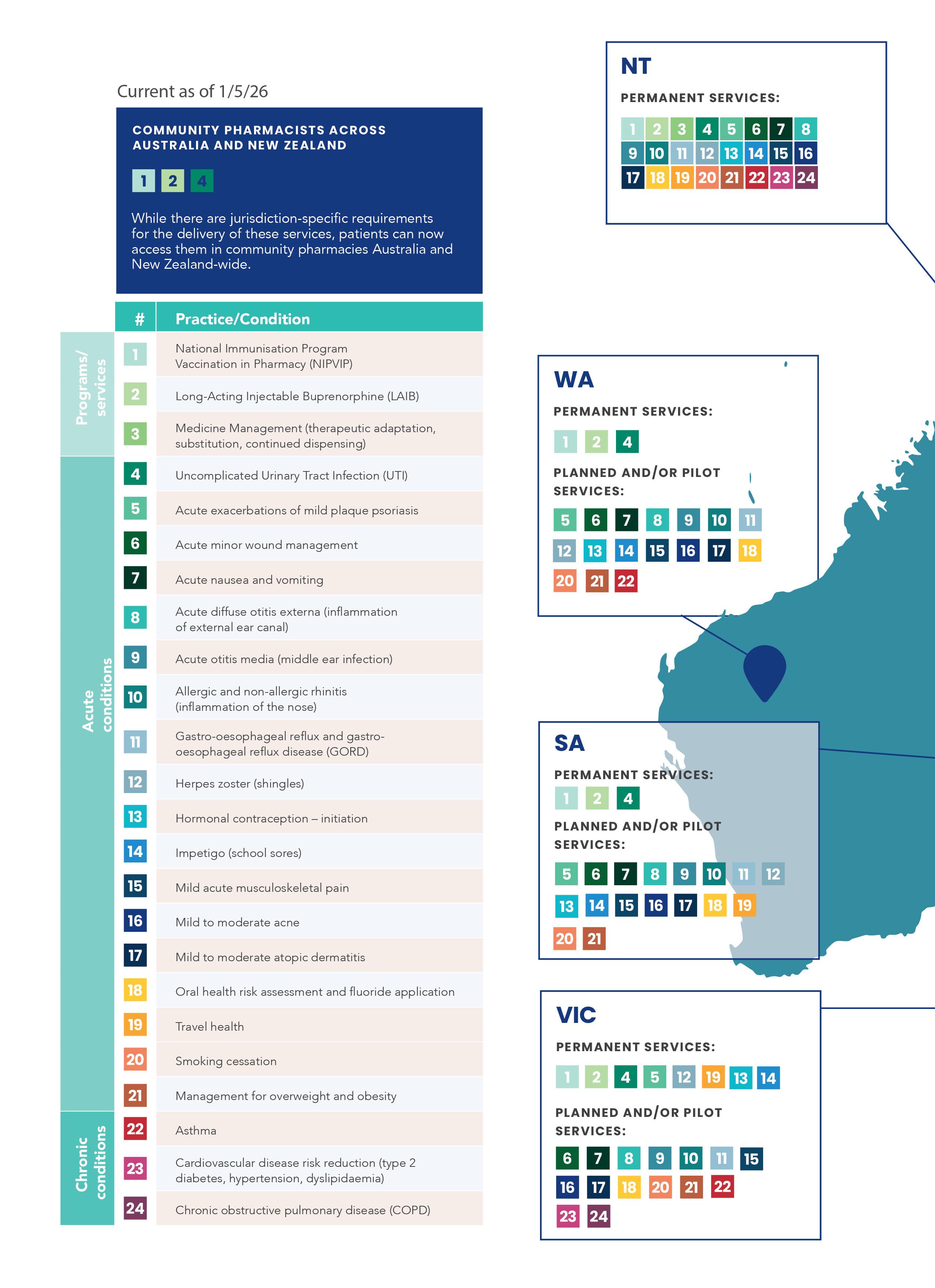
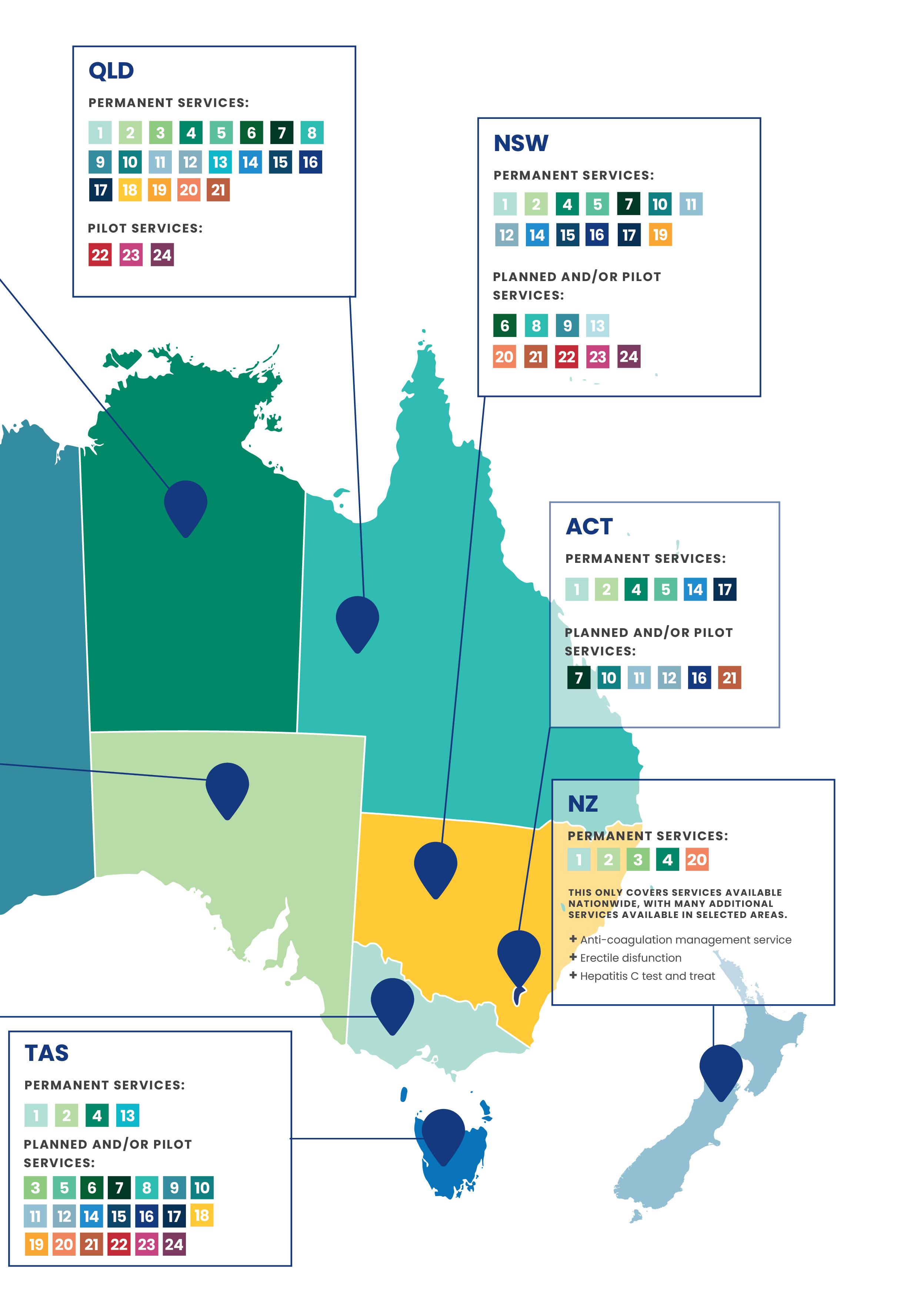
Professor Trent Twomey National President, PGA

Accreditation shapes the pharmacists who will care for people in Australia tomorrow. When it’s modern and aligned to practice, it strengthens safety, boosts workforce readiness and keeps community pharmacies delivering the care people rely on every day.
When accreditation lags, or is not aligned to practice, everyone feels it.
Right now, we’re at a turning point. The Australian Pharmacy Council’s review of accreditation standards is an opportunity to ensure our training system prepares graduates for the realities of contemporary pharmacy.
Community pharmacy already shows where the profession is heading. Teams are delivering accessible primary care, providing clinical services and filling long standing gaps in access. Our training structures need to match that reality.
Real-world readiness can’t come from a single, late placement. Students need practical exposure much earlier. They need to learn alongside practising clinicians, understand workflow, and build confidence through repeated hands‑on experience. No graduate should be meeting the dispensary for the first time in their final year.
Healthcare is also digital. Secure messaging, electronic prescribing, clinical documentation and emerging tools such as artificial intelligence are now everyday parts of patient care. These aren’t optional extras. They’re skills every new pharmacist needs on day one.
This review is our chance to build that system. It’s time for accreditation to catch up to community pharmacy and then help shape what comes next.
The divide between the degree and the intern year adds cost, stress and delays. A Masters Extended model offers a cleaner path — one program, accredited from enrolment to general registration. Accreditation standards can be structured to support this streamlined national pathway, ensuring consistent, job-ready graduates.
Pharmacy also needs graduates who can lead in clinical care, business operations, service design and team management. These skills support quality care, strong local employment and sustainable pharmacy ownership. Accreditation should help ensure they’re embedded in every program.
Growth alone isn’t enough. Providers must demonstrate strong support for student success, high-quality placements and course designs that avoid unnecessary delays to registration. Enrolling more students means little if they struggle to graduate.
Accreditation must improve access for rural and regional students and support culturally and linguistically diverse cohorts. We also need stronger outcomes for First Nations students, and programs that genuinely partner with First Nations communities. Cultural safety can’t be a footnote, it must be part of how graduates learn to deliver respectful, effective care.
In summary, pharmacists are often the first health professional people in Australia turn to. We need an accreditation system which produces graduates who can step into that role with confidence — clinically capable, digitally fluent and ready for the realities of practice.
This review is our chance to build that system. It’s time for accreditation to catch up to community pharmacy and then help shape what comes next.
Accreditation must improve access for rural and regional students and support culturally and linguistically diverse cohorts.
Secure messaging, electronic prescribing, clinical documentation and emerging tools such as artificial intelligence are now everyday parts of patient care.


Dustin Wee Tong Sim B.Pharm PG Cert Pub Hlth
Dustin is a pharmacist with a diverse background in hazardous and sterile compounding, including experience in oncology and a TGA licensed sterile compounding facility. He has also contributed his expertise to setting up a cancer project in Malawi for Doctors Without Borders, highlighting the importance of safe practices in hazardous drug compounding.
REVIEWED
BY:
Joe Tsai BPharm (Hons), MPharmPrac, MSHP, BCGP (he/him) Quality and Clinical Trials Pharmacist
Hazardous medicines are drugs that are known to cause harmful effects, including carcinogenicity, developmental toxicity (including teratogenicity), reproductive toxicity, genotoxicity or organ toxicity at low doses.1,2
After completing this activity, pharmacists should be able to:
1. Describe what is considered a hazardous medicine
2. Discuss essential considerations when handling or compounding hazardous medicines
3. Discuss examples of protective measures used when handling or compounding hazardous medicines
Competencies (2016) addressed: 1.1, 1.3, 1.4, 1.5, 1.6, 3.4, 4.5
Accreditation expires: 31/05/2027
Accreditation number: CAP2406AMDS
Accreditation points: Up to 1.5 Group 2 CPD points

This article aims to equip you with the tools necessary to meet recertification requirements and actively contribute to the growth of your professional knowledge and skills.
Effectively contribute to your annual recertification by utilising this content to document diverse learning activities, regardless of whether this topic was included in your professional development plan.

Hazardous medicines play an important role in modern healthcare, offering treatment for diverse diseases and conditions, such as cancer or the prevention of transplant rejection. However, their handling and compounding pose substantial risks to healthcare workers (including pharmacy staff) and others.
This article aims to provide pharmacists with an overview on how to prevent risks associated with handling or compounding hazardous medicines. It discusses the importance of personal protective equipment (PPE), various containment systems, validation processes, and details essential guidance and information resources.
Hazardous medicines are drugs that are known to cause harmful effects, including carcinogenicity, developmental toxicity (including teratogenicity), reproductive toxicity, genotoxicity or organ toxicity at low doses.1,2
New drugs with structure or toxicity profiles that mimic existing hazardous drugs, or drugs with product information or safety data sheets that include safe handling information, are also considered hazardous medicines.1,2
Hazardous medicines include commercial products, compounded medicines, and ingredients of compounded medicines. They should all be treated similarly, according to an assessment of the exposure risk to healthcare workers and others.2
Medicines used in cancer chemotherapy, sex hormones, certain antivirals, gene therapy, highly sensitising or highly irritant substances, medicines that can cause infection (i.e. Bacillus Calmette-Guérin instillation), nicotine and certain monoclonal antibodies are examples of hazardous medicines.2
The handling and compounding of hazardous medicines can pose significant risks to healthcare workers and others. The occupational exposure risks to healthcare workers are mainly through internalisation of the hazardous substance through ingestion, aerosol inhalation or absorption through skin and mucous membranes.1
To prevent adverse health effects, these medicines may require safe handling precautions by healthcare workers. Hazardous medicine compounding is considered complex compounding.2
The following are essential considerations when undertaking hazardous medicines handling or compounding2-4:
• Before handling or compounding hazardous medicines, pharmacists should undertake appropriate training and validation of skills (e.g. validated workplace training or training course).
• Regulatory requirements that pharmacists must comply with include, but are not limited to, occupational health and safety regulations. See Table 1 for resources that can be used to ensure pharmacists are following the latest guidelines and best practice. It is important to note that this list of resources is not exhaustive, and pharmacists should also consult any additional guidelines specific to their practice setting, as well as the regulatory authorities in their state or territory. Regularly reviewing these and staying up to date with new guidelines is essential.
• A risk assessment should be performed before handling or compounding a hazardous medicine. This should be based on the toxicity of the substance, the potential routes of exposure, and the types of control available. For example, a pharmacist opening tacrolimus capsules to use the contents to make a tacrolimus suspension poses a higher risk of unintended exposure to tacrolimus than if a pharmacist was to repackage sealed tacrolimus capsules.
• A process risk assessment should also be conducted to examine each of the steps taken when handling hazardous medicines, including receipt of starting material, compounding, packaging, transport, administration, and waste management.
• All staff handling hazardous medicines should be familiar with the Material Safety Data Sheet (MSDS) of the medicine they are handling. The MSDS is useful in showing hazards identification and toxicological information, and first aid measures required if exposure occurs. Staff knowledge on location and access of MSDS should be checked periodically.
• There are several levels of protection measures available to ensure safety of staff. Personal protective equipment (PPE) and containment systems are two important factors to prevent staff exposure to hazardous medicines and will be discussed further below.
For more information, see the new ‘Handling or compounding hazardous medicines’ chapter in the Australian Pharmaceutical Formulary and Handbook (in APF26 or APF digital).
Table 1: Important resources to utilise when handling or compounding hazardous medicines
Australian Pharmaceutical Formulary and Handbook (APF)
eviQ clinical resources
The International Society of Oncology Pharmacy Practitioners (ISOPP) Standards for the safe handling of cytotoxics
National Institute for Occupational Safety and Health (NIOSH): Comprehensive list of antineoplastic and other hazardous drugs, and other resources on the safe handling of hazardous medicines.
Product Information: Pharmacists should refer to the specific product information provided by manufacturers of hazardous medicines. This includes the safety data sheet (SDS), labelling, and package inserts, which often contain important handling instructions and precautions.
Safe Work Australia
Society of Hospital Pharmacists of Australia (SHPA): Guidelines on safe handling and transportation of cytotoxic medicines.
Therapeutic Goods Administration (TGA): TGA guidance on compounded medicines and good manufacturing practice
United States Pharmacopeia (USP): General Chapters <795>, <797>, and <800>
Victorian Therapeutics Advisory Group (VicTAG) Handling of Hazardous Medicines Framework: Comprehensive list of hazardous medicines, and other resources on the safe handling of hazardous medicines.
Personal protective equipment or PPE acts as a barrier between the hazardous medicine and the person, preventing direct contact and exposure to potentially harmful substances.
Different levels of PPE are required depending on the activity carried out. For example, dispensing oral dosage forms of a commercial product would have different PPE requirements to compounding hazardous medicines from raw materials. The Victorian Therapeutics Advisory Group (VicTAG) provides a useful PPE recommendation chart.
The effectiveness of PPE used for handling or compounding hazardous medicines should be supported by reputable evidence. This means that the PPE should have been tested against a range of chemicals and medicines for resistance or permeability.3 Pharmacists should purchase PPE from reputable suppliers and review the evidence of protection against the hazardous medicines to be handled or compounded.
PPE that should be considered for hazardous medicine handling or compounding includes3-6:
1. Gloves: help protect the hands and skin from direct contact with hazardous substances. It is important to select gloves that are specific to hazardous medicines, such as chemotherapy gloves which are made of materials that provide superior chemical resistance. Some references also recommend using two pairs of gloves for handling of chemotherapy; this should be documented as part of the risk assessment.
2. Gowns: are worn to protect the body and clothes from contamination. Disposable gowns made of impermeable materials are preferred, as they can be disposed of after use to prevent tracking hazardous materials from the compounding rooms to other areas. Gowns should be long-sleeved and cuffed, to cover the entire body. Since most hazardous spills occur to the front of the body, gowns should fasten at the back, to allow the safe removal of a soiled gown. Any soiled gown should be disposed of as hazardous waste immediately; a gown soiled with cytotoxic material should be disposed of as cytotoxic waste.
3. Respiratory protection: Compounding a hazardous medicine can generate airborne particles, dust, or vapours that can be harmful if inhaled. Respiratory protection, such as N95 masks, or more protective respirators, should be used to filter these particles and protect the respiratory system. This is especially important when compounding with hazardous powders and vapours. Specific respiratory protection is needed against inhalation of gases, vapours, or liquid splashes.
4. Eye and face protection: Safety goggles or full-face shields should be worn to protect the eyes and face from potential splashes or spills. A combination of both should be considered if a full range of protection for the face and eyes is needed. Personal glasses or spectacles are not a substitute for protective eyewear.
5. Shoe covers: are recommended to prevent contamination of shoes and to minimise the risk of tracking hazardous medicines outside the compounding area. Disposable shoe covers made of impermeable materials should be used and changed regularly to maintain cleanliness and reduce cross-contamination.
6. Head covers: such as disposable bouffant caps or hoods, are used to cover the hair and prevent the contamination of the compounding area. They also provide protection from contact with hazardous residue.
It is essential for compounding personnel to receive proper training on the correct usage and disposal of PPE. This includes instruction on the proper sequence of donning and doffing PPE, as well as the disposal of contaminated PPE.3,4
Regular inspection and maintenance of PPE is crucial to ensure its effectiveness. Gloves should be inspected for any signs of damage or wear and changed as necessary. Gowns and other disposable PPE should be discarded after each use to avoid cross-contamination and maintain a clean environment.3,4
The containment primary engineering control (C-PEC) is a critical component in ensuring the safety and integrity of hazardous medicine compounding. It refers to the specialised equipment and facilities used to contain and control hazardous medicine within the compounding area.
The C-PEC serves as a barrier between the compounding personnel and the hazardous medicine, preventing the release of harmful particles or vapours into the surrounding environment.3,4
The most used C-PEC in hazardous medicine compounding is the biological safety cabinet (BSC), specifically designed to maintain a controlled environment. BSCs are classified into three different types based on their design and airflow patterns Class I, Class II, and Class III3,4:
1. Class I BSCs: provide personnel and environmental protection by drawing contaminated air away from the operator. Class I BSCs are useful for the preparation of non-sterile hazardous medications.
2. Class II BSCs: provide personnel, environmental, and product protection through a combination of downward and rearward sterile airflow and all feature a high efficiency particulate air (HEPA) filter, which removes harmful particles and prevents their release into the surrounding environment. Class II BSCs used for cytotoxic compounding must not exhaust air into the cleanroom and should have total exhaust into dedicated exhaust exits.
3. Class III BSCs: also known as glove boxes, provide maximum containment for handling high-risk or extremely hazardous medicines. They are completely enclosed and feature two sets of gloves, through which compounding activities are performed. These are generally used in dealing with highly infectious microbiological agents and are not found in compounding pharmacies.
In addition to BSCs, other C-PECs commonly used include compounding aseptic containment isolators (CACIs) and isolator technology. CACIs combine the benefits of a ventilation system and a physical barrier to ensure the safe handling of hazardous medicines. They are typically used for low and medium-risk compounding and provide protection against cross-contamination.3,4
Isolator technology involves isolating the compounding process within a fully enclosed system, eliminating any potentially harmful substances from being released into the surrounding environment. Isolators used in hazardous medicine compounding operate at a negative pressure and rely on gloves and airlock systems for operator access.3,4
BSCs and CACIs both need to be placed in a specific compounding area that is separate from the rest of the facility and is dedicated and controlled to minimise the risk of exposure to pharmacy personnel, the public and the environment to hazardous medicines. The controlled area is also referred to as Containment Secondary Engineering Control (C-SEC).2-4
When using any type of C-PEC, it is crucial to regularly monitor and validate their performance to ensure they are functioning as intended. This includes regular certification, maintenance, and airflow velocity tests to verify proper containment and protection at least once a year.
Ongoing training and education of compounding personnel on proper C-PEC usage and maintenance are also essential to minimise risks and ensure the safety of all individuals involved in hazardous medicine compounding.3,4

Validation plays a pivotal role in hazardous medicine compounding as it offers crucial insights into the functionality of processes, equipment, and systems. By evaluating and verifying performance, accuracy, and reliability against predetermined standards, validation ultimately ensures the safety and effectiveness of the engineering controls and processes.3,4
The validation process for hazardous drug compounding typically involves several key elements3,4:
1. Process Validation: This focuses on the compounding procedures and practices used to prepare hazardous medicines. It includes evaluating the consistency and reliability of compounding processes to ensure that the desired outcomes are consistently achieved. Process validation involves verifying critical parameters, such as cleaning and measuring.
2. Equipment Validation: Equipment used, such as automated compounding systems, BSCs or CACIs, must be validated to ensure their performance and effectiveness. This involves verifying accuracy and functionality, airflow, air quality, and containment capabilities to maintain a controlled environment. Performance verification and certification of equipment, including regular maintenance and calibration, should be contracted to National Association of Testing Authorities (NATA) accredited providers to ensure that appropriate standards are adhered to.
3. Documentation and Record keeping: Proper documentation and record keeping are essential in the validation process. Accurate and detailed records should be maintained to document all stages of the compounding process, including materials used, personnel involved, equipment used, environmental monitoring results, and any deviations or corrective actions taken. These records serve as evidence of compliance and provide a historical reference for validation activities.
Compounding sterile hazardous medicines should also involve rigorous environmental monitoring and sterility testing. In some instances, container closure integrity testing may also be required. Regular review and reassessment of validation processes are necessary to ensure that they are up to date with current regulations and industry best practices.3,4
In addition to following good compounding practices, pharmacists must possess a comprehensive understanding of the risks associated with the medicines they handle during compounding. When working with hazardous medicines, it is imperative to implement and document appropriate strategies to mitigate these risks.
All personnel involved in handling or compounding hazardous medicines should receive thorough training to comprehend the risks associated with these medicines, enabling them to make informed decisions, take responsibility for adhering to proper procedures, and foster an environment conducive to discussions that promote continuous improvement.
Pharmacists should prioritise staying up to date with the latest evidence and guidelines and commit to regular reviews of their procedures to ensure ongoing adherence to best practices.
With pharmacists playing a crucial role in the handling and compounding of hazardous medicines, a comprehensive understanding of the associated risks is paramount. By diligently adhering to the necessary requirements and accessing reliable resources, pharmacists can uphold the highest standards of patient care and prioritise occupational safety throughout the handling and compounding process. This commitment ensures the wellbeing of those involved in the handling and compounding process and safeguards the integrity of the compounded medications.
1. Pharmacists involved in hazardous medicine handling and compounding must comprehend the risks involved and implement appropriate strategies to protect all personnel involved.
2. Correct training and equipment, supported by appropriate risk assessment and management, protection measures and validations are key to ensuring the safe handling and compounding of hazardous medicines.
3. Pharmacists should refer to key resources and stay updated with the latest evidence and guidelines.
You are working in a compounding pharmacy and are presented with a prescription for an oral tacrolimus suspension for Patrick, age 8, who has had an organ transplant. Due to the hazardous nature of tacrolimus, compounding the medicine requires strict adherence to safety guidelines.
You begin by reviewing the prescription and consulting the stability data and available formulations for compounded oral tacrolimus suspension. You gather the necessary ingredients and equipment required.
With appropriate PPE in place, such as gloves, a gown, protective eyewear, and a N95 mask, you proceed to compound the medicine in a Class I BSC located in a designated compounding area in the pharmacy. Using proper compounding techniques, you measure out the required ingredients and mix them to form a uniform suspension.
Upon completion of compounding, you package the suspension in an appropriate container according to the stability requirements, label the final product with the appropriate dispensing and cautionary advisory labels and include the directions for administration and expiry date. You provide comprehensive counselling to the patient or caregiver regarding the proper administration, storage, and potential side effects of the oral tacrolimus suspension, including the additional instructions required for safe handling of the medicine.


Australasian College of Pharmacy members and subscribers can submit answers online via the College CPD Library (formerly know as GuildEd) at www.acp.edu.au
Note: Pharmacists will be required to join the College as a member or subscriber to be able to submit answers to these assessments.
Cassie Potts B.Pharm GradCertChronCondMgt FANZCAP (Cardiol.) AdPhaM
Cassie (she/her) is a Senior Clinical Pharmacist with SA Pharmacy and has over 11 years of experience specialising in heart failure as part of the cardiology team at Flinders Medical Centre. She holds consultant-level recognition in cardiology clinical pharmacy through ANZCAP, and serves on the AdPha Cardiology Leadership Committee. Currently, she is practicing within the intensive care unit at the Royal Adelaide Hospital.
REVIEWED BY: Hana Numan (she/her) BPharm (NZ), PGDipClinPharm (NZ), MPS (NZ)
Heart failure is a clinical syndrome caused by the inability of the heart muscle to provide adequate cardiac output and/or the presence of increased cardiac pressure. This is due to either a structural or functional abnormality of the heart.1
Competencies addressed:
1.1, 1.4, 1.5, 2.2, 3.1, 3.2, 3.5
Accreditation expires: 31/03/2028
Accreditation number: CAP2504CDMCP
Accreditation points: Up to 1.5 Group 2 CPD points
After completing this activity, pharmacists should be able to:
1. Discuss how heart failure is categorised
2. Outline current pharmacological management of heart failure
3. Discuss the use of sodium-glucose co-transporter 2 inhibitors in the management of heart failure
4. Explain the role of the pharmacist in optimising sodium-glucose co-transporter 2 inhibitor use

This article aims to equip you with the tools necessary to meet recertification requirements and actively contribute to the growth of your professional knowledge and skills.
Effectively contribute to your annual recertification by utilising this content to document diverse learning activities, regardless of whether this topic was included in your professional development plan.

The clinical syndrome consists of symptoms such as breathlessness and fatigue and may be accompanied by signs of fluid accumulation such as peripheral oedema, elevated jugular venous pressure and pulmonary crackles.1
In many cases, heart failure may be both preventable and treatable. Choice of treatment depends on the type of heart failure present, with management being primarily pharmacological.1
Pharmacists play an essential role in optimising pharmacotherapy for heart failure patients, providing recommendations on safe and effective dose titration and appropriate pharmacological management, as well as providing education, counselling and support for adherence.2
Heart failure remains a global public health issue that affects at least 38 million people worldwide.2 It is a major cause of hospitalisation in Australia and is associated with significant health care costs.3
Heart failure has a poor prognosis and results in markedly reduced quality of life.1 Re-admission to hospital is extremely common with about 1 in 3 patients being readmitted in the first month, and up to 15% of patients dying during the first 6 months, after being discharged from hospital.4 By 12 months post-discharge, approximately 25% of heart failure patients will have died.5
Concerningly, due to population ageing and increasing prevalence of comorbidities, heart failure hospitalisations could increase by as much as 50% in the next 25 years.1
Heart failure is categorised according to the measurement of the left ventricular ejection fraction (LVEF). Knowing the LVEF at time of diagnosis is crucial, as this guides treatment.1 Heart failure is categorised as either:1,6,7
• Heart failure with reduced ejection fraction (HFrEF), defined by an LVEF of ≤40% (historically known as systolic dysfunction or systolic heart failure)
• Heart failure with mildly reduced ejection fraction (HFmrEF), defined by an LVEF range of 41%–49% (historically known as heart failure with mid-range ejection fraction).
• Heart failure with preserved ejection fraction (HFpEF), defined by an LVEF of ≥50% (historically known as diastolic dysfunction or diastolic heart failure).
These classifications stem from original heart failure treatment trials showing significantly improved outcomes in patients with LVEF ≤40%, but not above.1
This is due to the difference in pathophysiology of the two main phenotypes. In HFrEF, the primary issue is reduced cardiac contractility which reduces output, therefore therapies aimed at improving systolic function are effective for both survival and symptoms.8
However, the HFpEF phenotype is characterised by myocardial stiffness, systemic inflammation and increased left ventricular filling pressures, all contributing to diastolic dysfunction.8 Therefore, the traditional heart failure therapies do not improve the prognosis or management in HFpEF as they do for HFrEF.1
HFrEF
For HFrEF, there are effective pharmacological therapies, supported by robust, high-quality evidence. These include what has now become known as ‘the four pillars’, and these collectively make up guideline directed medical therapy for HFrEF. These include:9-11
1. A beta blocker with demonstrated improvement of outcomes in heart failure (i.e. bisoprolol, nebivolol, carvedilol or metoprolol XL)
2. A mineralocorticoid receptor antagonist (also known as an ‘aldosterone antagonist’)
3. A renin angiotensin system inhibitor — either an angiotensinconverting enzyme inhibitor (ACEi), angiotensin receptor blocker (ARB) or an angiotensin receptor neprilysin inhibitor (ARNI), with the latter being preferred by guidelines
4. A sodium-glucose cotransporter 2 inhibitor (SGLT2i).
This combination of medicines has been shown to be the most effective regimen at reducing all-cause death relative to placebo, delaying disease progression, decreasing symptoms and improving quality of life in HFrEF.9,10
The reduction in risk of death is substantial, with a relative risk reduction in all cause mortality of 73%.12,13 This has been translated to an extension of life expectancy in HFrEF by 7.9 years in a 50 year old patient, and by 5 years in a 70 year old patient, compared with no treatment.12
All patients with HFrEF should be prescribed all four agents (unless contraindicated or not tolerated), with early initiation being associated with the best outcomes.1,9,10 Other therapies are available as HFrEF progresses, however the ‘four pillars’ are the cornerstone of HFrEF treatment.10
There is limited evidence to support specific recommendations for the pharmacological management of HFmrEF.1 Some studies suggest that patients with HFmrEF may receive similar benefit from a beta blocker, a mineralocorticoid receptor antagonist and a renin angiotensin system inhibitor as in HFrEF, and SGLT2i’s have been shown to reduce the risk of cardiovascular death and hospitalisation for heart failure.14 The medicines used to treat HFrEF are often used to treat HFmrEF, however the confidence in prognostic benefits is much less.1,14
For the treatment of HFpEF, no medicines have demonstrated a statistically significant benefit on mortality or morbidity.1 Recommended treatment consists of:15
• An SGLT2i
• Diuretics for fluid retention
• Treatment of co-morbidities such as hypertension.
• The use of an SGLT2i in HFpEF has not been shown to improve mortality to the same extent as for HFrEF.
However, an SGLT2i is still recommended because major trials have shown they can still offer some benefits.16,17
The EMPEROR-Preserved trial demonstrated a 21% lower relative risk in the composite of cardiovascular death or hospitalisation for heart failure with the use of empagliflozin in the treatment of HFpEF compared with placebo — a result driven primarily by a reduction in risk of hospitalisation rather than mortality.16
Importantly, this benefit was seen regardless of the diabetic status of the patient.16 This benefit was later reinforced by the DELIVER trial which showed a lower risk of its composite primary outcome of worsening heart failure or cardiovascular death with dapagliflozin use, compared to placebo for those with HFmrEF and HFpEF.18 As a result, SGLT2i’s have received a strong recommendation for the management of HFpEF in treatment guidelines.1
Additionally, mineralocorticoid receptor antagonists are used in clinical practice because they have been associated with a reduction in risk of hospitalisation for HFpEF patients, as demonstrated by the TOPCAT trial.19
SGLT2i’s lower blood glucose by inhibiting SGLT2 transporters in the proximal tubules of the kidneys to decrease glucose reabsorption, which increases the excretion of glucose in the urine.20 Sodium excretion also occurs because the SGLT2 receptor is close to, and works together with, a sodium/hydrogen exchanger, which is a major receptor responsible for sodium reuptake.21
Although SGLT2i’s lower blood glucose, blood pressure and contribute to diuresis, their benefits in terms of renal and cardiovascular outcomes cannot be solely attributed to these properties, as similar clinical benefits are not seen with other agents that lower glucose, blood pressure or increase natriuresis to similar or more extents.22,23
The mechanism of action linked to these benefits is complex, and appears to also be a combination of antiinflammatory and anti fibrotic effects, a reduction in epicardial fat and reduction in hyperinsulinaemia.20
Additional evidence also suggests a reduction in oxidative stress, less coronary microvascular injury and improved contractile performance.22 Emerging clinical evidence may also suggest antiarrhythmic properties, which is particularly important given that ventricular arrhythmias and sudden cardiac death is a major cause of death in heart failure patients.20
Some trials have demonstrated a decrease in sudden cardiac death for patients using a SGLT2i.20
Initially developed as a medicine used for diabetes, SGLT2i’s have now become a crucial cardiovascular drug class as demonstrated above by their role in the management of heart failure. This is largely due to results of cardiovascular outcome trials mandated by the United States Food and Drug Administration (FDA) in 2008.
These trials led to findings that have significantly changed clinical practice.24 They arose from concerns of cardiovascular risks with certain medicines used for type 2 diabetes, evidence suggesting rosiglitazone may increase the risk of myocardial infarction, and in recognition of the high prevalence of cardiovascular disease in these patients.24
The EMPA-REG OUTCOME trial in 2015 was a landmark study, demonstrating that empagliflozin significantly reduced cardiovascular death among high-risk patients with type 2 diabetes, compared to placebo.25
Importantly, it also suggested renal benefits, with less cases of acute renal failure in the empagliflozin group.25 These findings were later confirmed by the EMPA Kidney (empagliflozin) and DAPA CKD (dapagliflozin) trials, which both showed reduced rates of death due to renal disease, slower decline in renal function and delayed time to needing dialysis.26-28
The cardiovascular benefits of these medicines went on to be confirmed in further trials including the DAPA HF (2019), EMPEROR Reduced (2020), EMPEROR Preserved (2021), and DELIVER (2022) trials.16,18,29,30
• As SGLT2i’s contribute to sodium excretion and have a diuretic effect, it may be prudent to review and potentially slightly decrease the dose of other diuretics in euvolaemic patients prior to commencement if appropriate.23
• The cut offs in estimated glomerular filtration rate (eGFR) for commencement of SGLT2i’s vary according to its indication:21,31,32
» For heart failure and chronic kidney disease: can be commenced when eGFR is greater than 25 mL/min (dapagliflozin) or 20 mL/min (empagliflozin). However, they may be continued if eGFR reduces below this level as heart failure and/or chronic kidney disease progresses, until dialysis is started.
» For type 2 diabetes: glucose-lowering effect is likely reduced or absent when eGFR is less than 45 mL/min (dapagliflozin) or 30mL/min (empagliflozin). However, cardiovascular and renal benefits have been shown to continue as renal function falls.

• Upon commencement, it is normal to observe an initial increase in serum creatinine and a decrease in eGFR.23,27 This often occurs during the first 2 weeks of therapy and then stabilises within about a month. Decreases in GFR of up to 30% are considered normal and no change to therapy is required.27,33 This initial ‘dip’ in eGFR is due to a reduction in glomerular hyperfiltration and glomerular pressure.27,33,34 Glomerular hyperfiltration is a known mechanism contributing to chronic kidney disease, therefore this initial decline of up to 30% is tolerated in order to protect long-term renal function.27,34
• Due to the increased risk of diabetic ketoacidosis, SGLT2i’s should not be used in patients who have type 1 diabetes unless prescribed and managed by an endocrinologist.35
• For key counselling considerations please see Table 1.

[Table 1]
Counselling consideration
Benefits of treatment
In heart failure SGLT2i’s can help to:
• Reduce hospital admissions
• Reduce symptoms
• Improve quality of life
• Increase life expectancy.
Sick-day rules
Possible adverse effects
SGLT2i’s are taken regularly even if the patient has no heart failure symptoms, however they should be stopped temporarily in some situations. It is important to make a distinction from other medicines which should not be abruptly ceased.
Patients should be instructed to temporarily stop taking their SGLT2i if:
• They are unwell (e.g. vomiting, diarrhoea, fever, have an infection)
• Not eating or drinking normally
• Advised by their doctor prior to planned surgery or a procedure. The patient should check with their doctor if they have surgery, or a procedure planned.
• They are on a very low carbohydrate diet (<60 g carbohydrate per day)
• They have been instructed to temporarily stop or reduce their insulin
Recommencement typically can occur once the patient is feeling better, has been eating and drinking normally again for 24–48 hours and renal function has returned to baseline. Specific advice should be sought from their doctor.
Dehydration (thirst, dizziness, dry mouth) - ensure adequate fluid intake, without exceeding any fluid restrictions in place. Advise patient to see their doctor if symptoms persist.
Genital infections (e.g. thrush) and urinary tract infections — patients should exercise good personal hygiene to help prevent genital infection, and see their doctor if symptoms occur.
Importance
Many patients cease medicines that do not have a noticeable effect on their daily life. This risk is increased if long term prognostic benefits are not communicated well.
To reduce the likelihood of the patient experiencing euglycaemic ketoacidosis — a rare but serious adverse effect where ketones are detected, and blood can become too acidic.
Omitting SGLT2i’s as instructed prior to surgery or procedures requiring fasting and /or bowel preparation reduces the risk of ketoacidosis occurring.
Most heart failure patients will be instructed to limit fluid intake to 1.5 litres per day (this is individualised and determined by their treating doctor).
Concomitant diuretic use means thirst can be a common complaint. Drinking up to the fluid restriction will be helpful in maintaining euvolaemia and avoiding dehydration and thirst.
Patients should be on alert as dizziness can also be sign of worsening heart failure as well.
References: AMH23 QLD Health35, SA Health36, Jaarsma et al37, Heart Online38
The use of heart failure guideline-directed medical therapy in HFrEF can have a significant impact on patient outcomes. The combination of the ‘four pillars’ (a heart failure beta blocker, a mineralocorticoid receptor antagonist, a renin angiotensin system inhibitor and an SGLT2i) has the ability to improve life expectancy, delay disease progression, decrease heart failure symptoms and improve quality of life.9,10 All patients with HFrEF should be prescribed all four agents unless a contraindication or intolerance exists preventing their use.32 In HFpEF, there are currently no medicines that demonstrate a statistically significant benefit on mortality or morbidity. However, the use of SGLT2i’s has been shown to reduce risk of hospitalisation (regardless of diabetic status) and are recommended to be used by guidelines as part of its management.1,9
Heart failure remains a significant health burden, but modern medicines, particularly SGLT2i’s, can offer significant benefits. Pharmacists play a pivotal role in optimising therapy, ensuring adherence, and providing education to patients. By leveraging their expertise as medication experts, pharmacists can profoundly impact outcomes, improving survival and quality of life for individuals living with heart failure and associated co-morbidities.
• Heart failure is a clinical syndrome due to either a structural or functional abnormality of the heart. Heart failure has a poor prognosis and results in markedly reduced quality of life.
• It is categorised according to the measurement of left ventricular ejection fraction (LVEF) and this guides treatment.
• SGLT2i’s form part of guideline directed medical therapy for HFrEF and are recommended for all patients with HFpEF due to their known benefits.
• Pharmacists should familiarise themselves with the role of SGLT2i’s in heart failure and be able to counsel and provide appropriate guidance on their use and role in therapy.
Malcolm (68 years old, male) visits your pharmacy with a new prescription for sacubitril/valsartan. He mentions he has recently been diagnosed with heart failure with reduced ejection fraction (HFrEF). You review his records and confirm he is still taking metformin/sitagliptin for type 2 diabetes.
Malcolm explains that he has taken this for many years, and that his general practitioner has advised him that his blood glucose control needs to be better. He expresses frustration that the shortness of breath from his heart failure limits his ability to exercise and improve his diabetes. Malcolm hopes that starting this new medicine will improve this.
Recognising the benefits of an SGLT2i for both Malcolm’s heart failure and diabetes, you discuss the option of adding an SGLT2i to his regimen, and the potential benefits and risks. Malcolm explains that his main priority is to get his heart failure symptoms under control so that he can play with his grandchildren and exercise comfortably.
At Malcolm’s request, you contact his GP, and it is agreed to commence empagliflozin 10 mg daily (after ensuring his eGFR is appropriate). This intervention may help to reduce Malcolm’s risk of death from heart failure, improve his quality of life, delay disease progression, improve diabetic control and assist in helping Malcolm achieve his health goals.

Australasian College of Pharmacy members and subscribers can submit answers online via the College CPD Library (formerly know as GuildEd) at www.acp.edu.au
Note: Pharmacists will be required to join the College as a member or subscriber to be able to submit answers to these assessments.

TV will return to APP on the Gold Coast in 2027.
Bringing you fresh interviews with global pharmacy leaders, PGA award winners, policy makers, politicians and more, make sure you come and find us in 2027.
Catch up on this year’s standout conversations — including Dr Jana Pittman, Minister for Health and Aged Care the Hon Mark Butler MP, and Irish Pharmacy Union President Tom Murray — at australasianpharmacy.com.au/app-tv.



As the pharmacy landscape continues to evolve, your Guild remains by your side — advocating for community pharmacy, supporting your business, and helping you navigate change with confidence. Your membership gives you access to:
Expert workplace relations advice and support
Advocacy that protects and strengthens community pharmacy
Member-only savings, resources and tools
Discounted access to leading industry events and programs
Practical support for you and your pharmacy team