2026
Cost of Moving On Pages 5-7
Home Reduced to Rubble Pages 33-38 How the Unhoused Search for Stability Pages 17-20
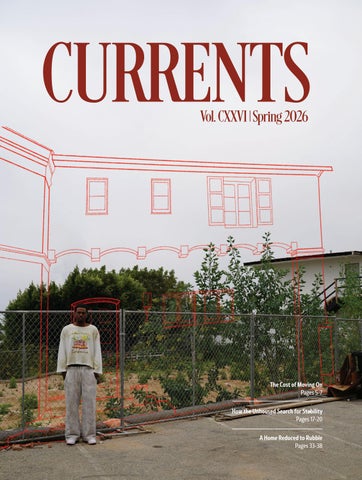
2026
Cost of Moving On Pages 5-7
Home Reduced to Rubble Pages 33-38 How the Unhoused Search for Stability Pages 17-20
story by Nick Charkhedian design by Amanda Monahan
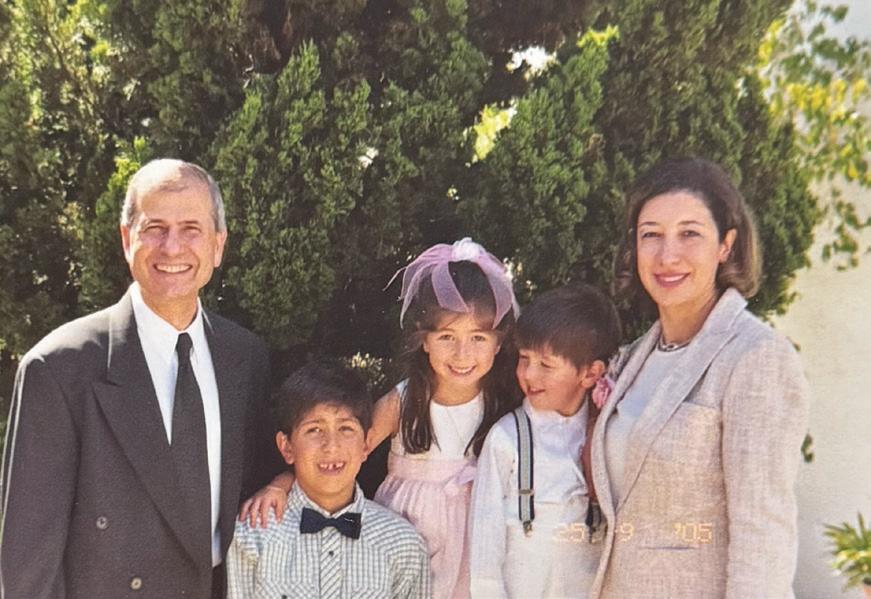
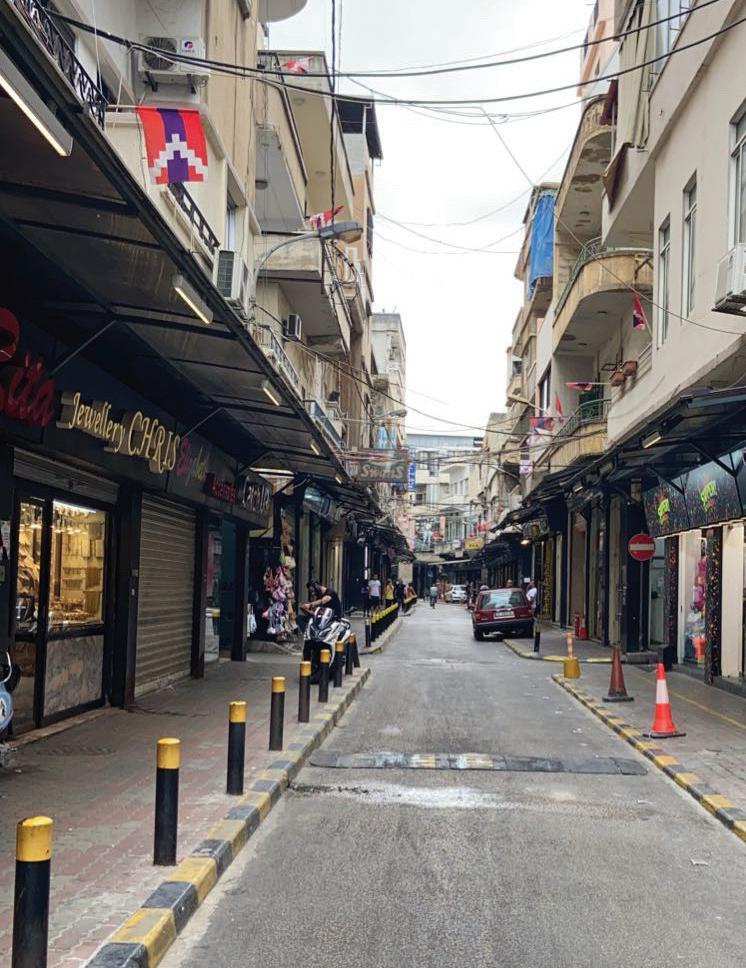
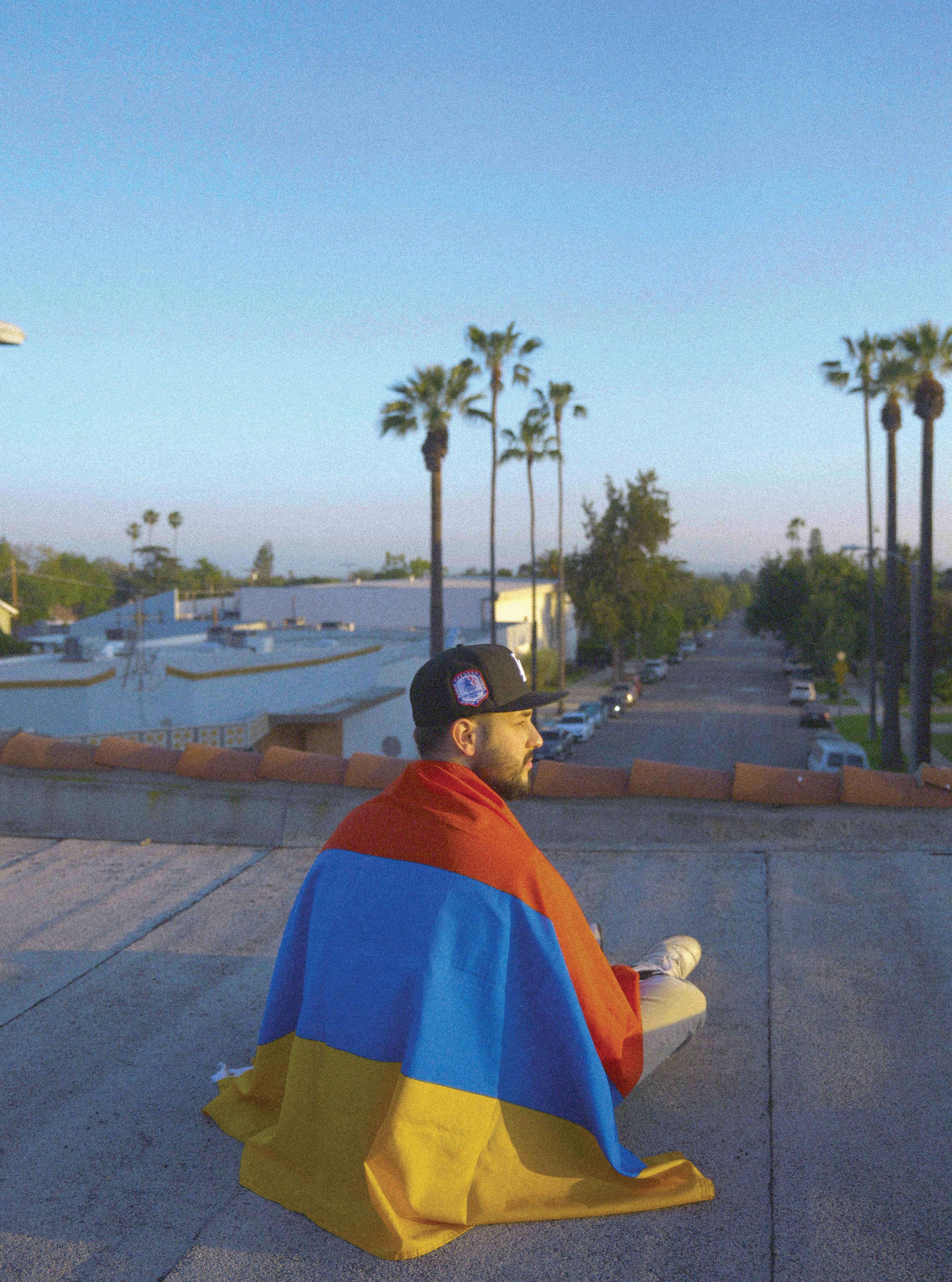
A little over 100 years ago, my great-grandparents faced forced deportation. Along with more than a million other Armenians, the lands we had lived in for hundreds and thousands of years were left behind — and not by choice.
My grandparents and parents lived in Lebanon and Syria — next to countless other Armenian refugees — away from home. By the time I came into this world, my family was in the United States, surrounded by a wave of Armenian refugees who fled the Lebanese Civil War — once again, away from home.

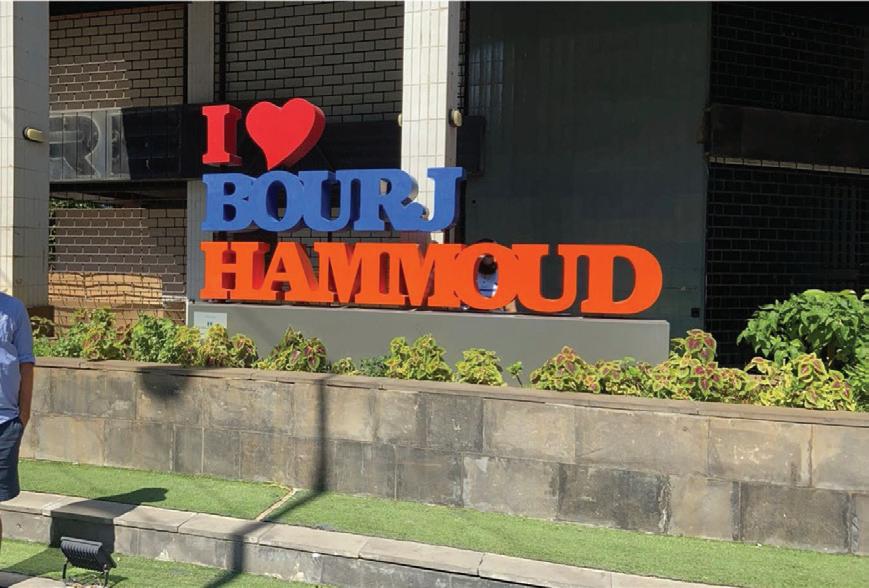
My siblings and I are second generation Americans. Living in America has always been our reality; however, for some reason, I hesitate to consider it home. I have visited Lebanon and Armenia, and while each had elements that felt like home — the food, the language, the music — it still didn’t feel like what I thought it would.
I could go back to our native lands in modern-day Turkey — I know where it is. But I also know that if I go back there and find myself without my family and community, it will be nothing more than a cool trip. It won’t be home.
This magazine’s theme is home. As simple as that may sound at first, it can be complex for so many different reasons.
After editing all the articles in this magazine, I was constantly reminded of a saying I’ve heard all throughout my life: “Home is where the heart is.” It started to sound repetitive, and hearing it made me start to cringe, but that doesn’t change that people from all over said that it resonated with them.
When I thought of where I find home, I thought of a feeling, not a
place. I thought of memories, family, friends and moments in my life.
Some stories in this magazine are fun topics that are aimed at resonating with a large majority of the Pepperdine community — stories about famous Malibu homes, homemade recipes and growing up homeschooled. I also want ed to include topics that were tough to swallow — being unhoused, having to constantly move around and losing your home to a natural disaster.
Home can be pretty, and it can be ugly. It can be secure, and it can be any thing but.
Diving into this magazine taught me just how much I don’t know about home.

My search for home is far from over. I hope this magazine serves you well for wherever you are on your own quest.

Nick Charkhedian Editor-in-Chief



Production Assistant I Cristal
Assistant Editor
Lila Rendel

Production Assistant II Clementine

Creative Director Amanda
Contributors
Ava Anderson
Sofia Cifuentes
Nina Fife
Tony Gleason
Annslee Mitchell
Haylie Ross
Cara Tang Adviser Christina Littlefield, Associate Professor of Journalism and Religion

Assistant Editor

Production Assistant I

Production Assistant II Kiyomi Ware

Design Assistant Christine

Design Assistant






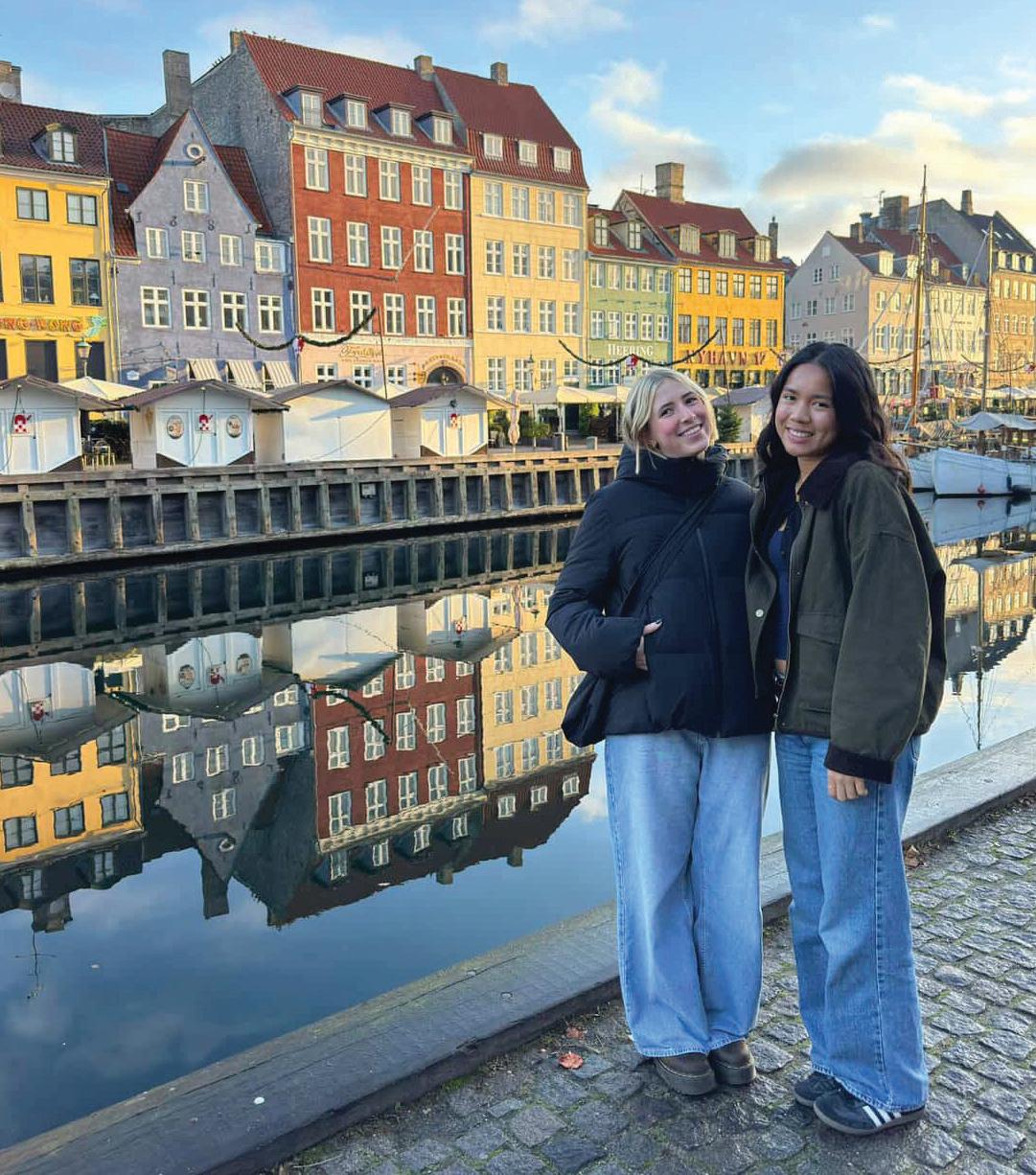


As she saw her favorite part of the house for the last time, tears blurred her vision. She walked down the spiral staircase, into her father’s home office, past the fish tank that held 200 small fish and to the wall that defined her family — her home.
Sophomore Romane Bonnet would go on to live in six homes in Los Angeles, but only one place would ever truly feel like home — the beautiful white house in the 12th arrondissement in Paris, with white moulure trim connecting the walls and the ceilings and a garden of bamboo in the backyard.
“When we had to move, I helped my mom take every picture down, and I was crying because it was just so beautiful,” Bonnet said. “The people around us, our family and friends, knew that this was the wall of our family.”
Leaving Paris when she was 12 — after Bonnet’s immediate family relocated to LA for her dad’s work — she never truly felt settled again.
“I’ve never lived more than like a year and a half in a house [in LA], and I don’t consider that enough time to feel like home,” Bonnet said.
A childhood home holds memories and acts as a safety blanket — a place where nostalgia unfolds and anxiety washes away. For Pepperdine community members who have had to say goodbye to their childhood home, leaving means changing one’s physical address, but also reconstructing what home means to them.
She always wanted to feel at home in LA, but Bonnet’s family — who have French citizenship — could never guarantee that they would not have to return to Paris. She herself just got
her U.S. Green Card. As a result, they found themselves moving from house to house as renters, often being kicked out by homeowners who wanted to sell their homes.
Because of this feeling of instability, Bonnet has never felt inclined to make her room feel like home. She described her room at her current family home as “completely just white with a bed and a desk.”
“I might move in six months, so what’s the point of decorating this room?” Bonnet said.
Kelly Haer, executive director of the Boone Center for the Family, said this is common for people who are familiar with loss.
“It’s a sense of protection,” Haer said. “I don’t want to get too attached, I don’t want to feel too attached, I don’t want to feel too comfortable here because I’m about to lose it again.”
While leaving a home is challenging, it also opens up the opportunity for individual growth and reflection, Haer said.
“It really begs the question and the opportunity for people to define, like, what is home?” Haer said. “A physical place is home. People is home. A house is home, a city or neighborhood.”
First-year Grace DeAmicis has considered Atlanta, Charlotte, New York and now Malibu home. Just a few months ago, she added a new location to the list: Las Vegas. With her dad’s job forcing her family to relocate, DeAmicis became accustomed to mov ing homes often.
Spending her formative childhood years in Atlanta, DeAmicis considers that her childhood home. When the temperatures warm up, she relives the big wooden fence around the yard that enclosed her and her friends running through the sprinklers in the summer heat.
Since starting her first year at Pep perdine this past fall, DeAmicis has learned the difficulty that comes with answering “Where are you from?” She usually responds with Charlotte, hav ing lived there since she was 13.
While she will always hold on to climbing on her playground in Georgia and drinking Cheerwine soda in Charlotte, DeAmicis found there is something special about being able to find home in a new place.
“I mean, I would love to have the same home that I did have — I think that would definitely be super awesome if I could go back to the home that I grew up in,” DeAmicis said. “But I also think it helped me grow more and not get too attached to a place and realize that home isn’t a house, and it’s more of the people and growing.”
Connie Horton, vice chancellor of the RISE Institute, compared leaving home for college to psychologist Mary Ainsworth’s “The Strange Situation” experiment. In the famous 1970s study, Ainsworth showed the connection between a child’s inclination to explore and their mother being nearby, according to Simply Psychology.
“If you have a secure base and you have a secure attachment to those parents, then you explore the playroom, right?” Horton said. “And so I always tell parents when I’m talking about this, ‘When in college, the playroom just got a little bigger — they’re going to look back at you, but let them explore.’”
One of the most dreadful questions for Bonnet comes every October, November, December and February — “Are you going home for break?”
“If [students] are asked that


and they don’t know how to answer it, that can be, you know, a difficult moment to just have to figure out, ‘What is a fair way to answer this question?’” Haer said. “That can just kind of create a difficult moment to navigate, to know what to say.”
Despite not living in Paris for over eight years now, when people ask her where she is from, Bonnet still answers with the only place that has ever felt like home.
“I always say I’m from Paris,” Bonnet said. “That’s just fully who I am, and that’s what feels like home the most.”
Bonnet’s Christmases have never felt the same since she left Paris eight years ago. Every year, she would walk into her living room to see all her family members sitting on the large sofa next to the fireplace, which had a doorway connecting it to the dining room, where they would then have what she described as “a cliche French meal” — a meal that took five hours.
At these meals, Bonnet was never allowed to drink sodas. Yet every day after school, she would sit and admire the two limited edition Marc Jacobs Coca-Cola bottles her parents had collected years earlier. As she swooned
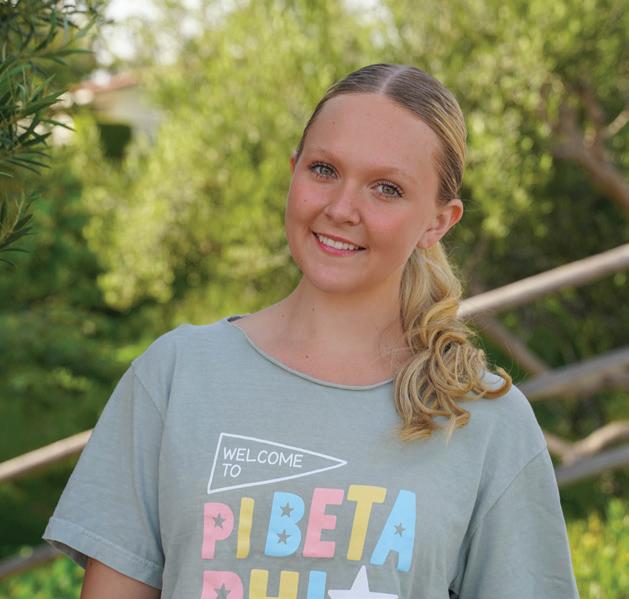
if she had good enough grades, the bottles would be hers.
“Do you want them?” her parents asked her when the school year came to a close. As she reflected on the bottles that she had such strong adoration for all those years, she suddenly realized how their meaning would change if they just belonged to her.
“I was like, ‘No, really I just want them as the mascot of our house, of our family,’” Bonnet said.
While on the playground in her Georgia backyard, DeAmicis would always take moments to marvel at the big cherry blossom tree in the corner. Across the large field of grass, her childhood dogs would race across the yard, sometimes shaking the tree, forcing the flowers to fall.
For spring break, DeAmicis traveled to Japan and was pleasantly surprised to experience cherry blossom season there. Seeing the trees again inspired her to carry a piece of home with her everywhere in the form of a tattoo.
“I was like, ‘Oh, well I definitely want something to represent that because it was a very big part of my childhood,’” DeAmicis said. “It reminds me a lot of growing up in Georgia and all of my friends from that time.”
For students struggling with homesickness, Horton suggests drawing inspiration from DeAmicis, finding comfort in having home close by all the

“Find something from home, sometimes literally, to bring with you,” Horton said. “You know that no, you will never have that house again, but you can bring those throw pillows that were on that old couch that’s getting thrown out in the move.”
When Horton was a sophomore at Pepperdine and studying abroad in Heidelberg, Germany, she found out her parents were moving and that she would never truly come back home. While this was not an ideal time to deal with the situation,
Horton believes that living in another country taught her she would ulti mately be OK.
“You do learn things about yourself during that that serve you in other stag es, even though you wouldn’t have signed up for it,” Horton said.
Though DeAmicis has lived in several places, moving to Pepperdine meant it would be the first place she called home on the West Coast.

Grace DeAmicis’ cherry blossom tattoo
“I think I wanted something different, something new,” DeAmicis said. “Even though I’ve had a bunch of new things, I still really wanted a fresh start.”
DeAmicis firmly believes that her acclimation to change throughout her childhood made her transition into college smoother. Though loss is inherent to change, the lessons learned and carried forward are valuable.
“I mean [with] home, I think that loss thing is partly ‘Am I OK?’” Horton said. “You can be OK, you can create a sense of home anywhere, and you can get that sense of home anywhere, and you can get that sense that you are the same person.”
Bonnet’s collection of homes growing up made her realize just how special it is to have a place to feel like, call and consider home. While she has become accustomed to saying goodbye, the biggest lesson she has learned is that home can be created again.
“In a way, of course it sucks — I would rather be living still in my childhood home,” Bonnet said. “But I also know that I will one day have that again.”

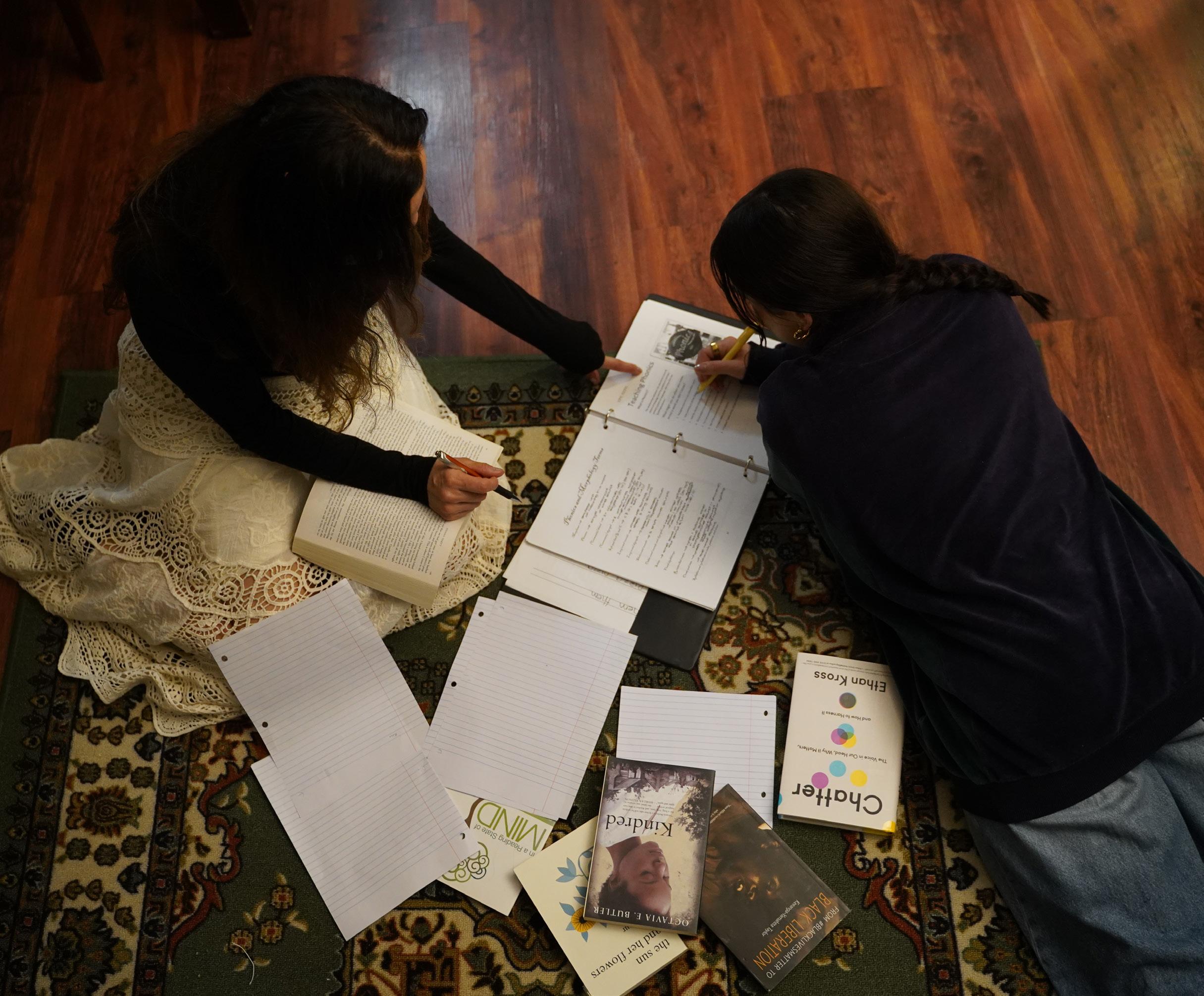
Pepperdine alumna Anika De Long’s (‘21) bamboo-trimmed loft bed held her entire routine.
Her fluffy pillows and a comforter with a tropical Hawaiian print rested on the top half. Below the lifted bed was her school desk and books. A wooden staircase led from the mattress above to the workspace below, blending rest and work into a single piece of furniture enclosed within the teal walls of her bedroom.
As a homeschooled student, she climbed down the steps each morning and joined her online classes without ever leaving her bedroom. More often than not,
she stayed in her pajamas, drifting first to the comfortable chair in the corner before turning to assignments waiting on her desk.
“There are many different ways to homeschool, and there are different family dynamics,” De Long said. “But so much of who I am as an adult is because of the way I was educated.”
Three Pepperdine students — all homeschooled for middle and high school — detailed contrasting experiences and routines. Their parents chose homeschooling for religious reasons or to give them more freedom.
While merging home and school requires discipline and personal boundaries, this academic preference enables students to experience hands-on learning and form deep bonds within their own families — with the potential for lasting impact on
their educational and relationship skills.
Stereotypes and Misconceptions
“Antisocial.” “Easy classes.” These are just some of the labels often associated with homeschooled students.
Junior Jack Sulewski was homeschooled from preschool until college. He said those assumptions didn’t match his experience — that many of the stereotypes placed on homeschoolers are unjust.
“People see homeschooling as a form of otherness,” Sulewski said. “It is a different experience than public school, but it’s more similar than people think. You still take math, reading, English — you still do school and hang out with people.”
De Long said that although she is aware of the generalization that homeschooled students don’t have friends, she felt like
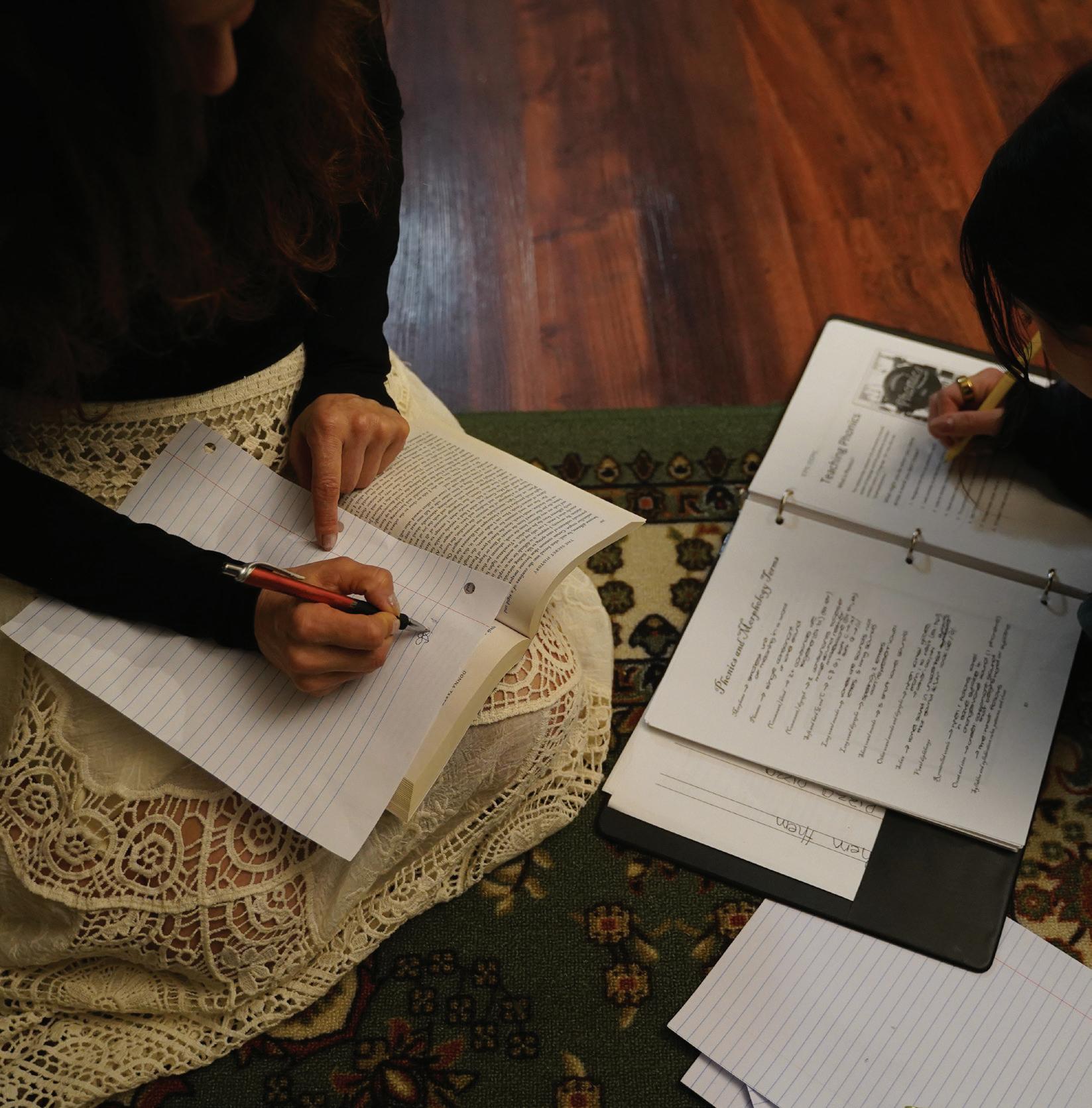
she was surrounded by people every day. Her education held a different structure, but it still contained friendships and community.
Junior Grace Kepes defied the traditional misconceptions about homeschooled students by forming deep friendships through church activities. Her friends would come over to her house and spend time with her whole family.
“There were few moments where I was alone,” Kepes said. “I was almost always with my siblings, my parents, my tutor or my friends.”
De Long said homeschooling gave her an advantage in college because of the intensity of her online curriculum, even though moving from being home all day to spending most of her time away from family was not easy.
She was surprised by the difference between having friends and living life with friends — since she didn’t learn with friends in high school or have a cafeteria to talk to peers about classes. De Long said since she missed out on those experiences in high school, she deeply cherished them in college.
Sulewski said the learning skills his mom taught him while being homeschooled set him up for success in college. He did not find his classes in college challenging because he felt that working with a professor was similar to working with his mom.
“I was taught how to love learning,” Sulewski said. “I found in my experience that when you focus on the process and you enjoy learning, the grades will follow.”
For many students who grew up homeschooled, “school” was not defined by lockers or lunch periods, but by working over math problems at kitchen tables or spending their “recess” in their backyard.
When Kepes reflects on what “home” looked like throughout her personal homeschool experience that began in fifth grade, she said she pictures the fireplace lit and her family gathered around a game of Catan — with her dogs, Disney, a goldendoodle, and Lacey, a Bernese mountain dog, running around the living room.
Every day, as she spent her morning hours working with an online tutor on assignments, her dad made Eggo pancakes with lots of syrup for breakfast, which he would bring up to her bedroom while she studied.
“Being in such close proximity made us [her family] know each other really well,” Kepes said. “That closeness established the foundations of my identity.”
Sulewski said homeschooling is a more individual experience than people often realize, and his own experience was defined by the intentionality of his mother’s teaching.
Sulewski’s mom wrote the curriculum for his education herself. Even though she did not get her B.A., she spent 10 years educating him. Every morning, his mom wrote five to eight subjects on the chalkboard for him to focus on, and Sulewski would spend three to four hours working in the morning and four to five in the afternoon.
“When I was homeschooled, the grade was never the focal point,” Sulewski said. “It was always mastery-based learning. From a young age, it was about learning for the sake of learning — and this mentality changed how I read and how I pursue different hobbies, and it definitely shaped who I am today.”
Sulewski said field trips were an important part of his education, reflecting his mother’s emphasis on experiential learning. She took her children to various sites and landmarks — such as the Getty Villa and Olvera Street in Los Angeles — teaching them about California’s diverse history and cultures, often assigning additional reading afterward.
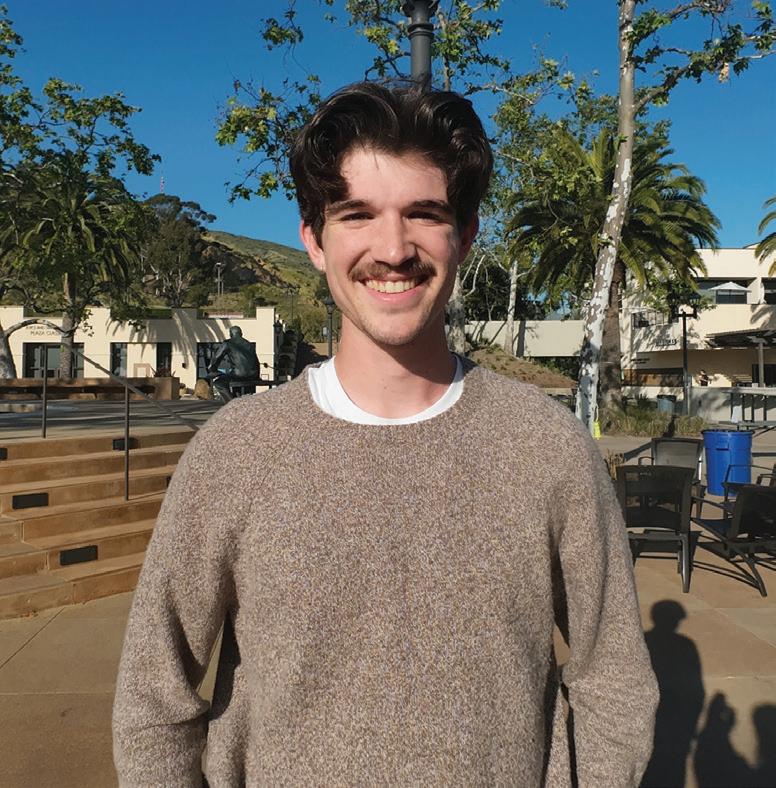
Jack Sulewski
Sulewski’s mother would also regularly read aloud to him and his sister. He recalled sitting on the living room carpet while his mother read “A Tale of Two Cities” to him when he was in middle school. And when he started high school, he found himself reading for enjoyment on his own.
Sulewski said this focus on reading granted him a unique perspective on life.
“When you read a lot of stories, you begin to see life more as a process than just as results,” Sulewski said.
Kepes said her family supported her as well, especially by offering love and comfort after a long day of rigorous academics. If she had a rough day, she could put on pajamas, walk downstairs and play a game or watch a show with her parents.
De Long said the aspect she valued most about homeschooling was the flexible schedule, which allowed her to dedicate plenty of time to extracurricular activities — particularly gymnastics.
“I tried a lot of different sports growing up — soccer, ballet, karate, softball, you name it,” De Long said. “I probably tried each for a season before I landed on gymnastics.”
Despite its benefits, students said that homeschooling sometimes made it difficult to separate academic responsibilities from everyday life.
When Kepes transitioned from an intensive homeschooling routine to an online school system in high school, the change altered how she experienced life at home. She said her house merged into a space that balanced relaxation and community with long hours of studying — her friends would frequently visit her in the evenings.
For De Long, spending too much of her day at home felt isolating, especially after her brother went to college and both of her parents were working full time.
“It was less the time at home that was the issue than it was the time by myself that became really hard,” De Long said.
Complete separation between home and school is impossible when learning from home, but De Long said students can create boundaries with intention.
Later in high school, De Long tried creating separate spaces to distinguish school from personal life by dismantling the routine that took place entirely in her bedroom. She made the desk in her room just for personal things — such as journals and makeup — and in her office and
“Homeschooling fostered a closeness with my family that established my identity in a really profound way.”
Grace Kepes Junior
library room, she set up a desk for school.
Most people focus on the “school” side of homeschooling — whether it’s rigorous or easy or how it impacts a child’s social skills — but Sulewski said he believes it’s the “home” environment that makes the largest difference.
“It’s volatile because it’s your home — the quality of your home matters, and your parents and family matter,” Sulewski said. “If you feel supported by them, which is a privilege, it can make all the difference.”
Sulewski was also able to maintain a balance between rest and work. He said he did his homework in the living room rather than his bedroom in order to focus better and that he was intentional about spending time outside of his house as well.
Kepes said her homeschooling experience affected the person she has become.
The closeness that homeschooling allowed her to have with her family provided her a foundation of support and love that she now associates with her education.
“Homeschooling fostered a closeness with my family that established my identity in a really profound way,” Kepes said. “Having that sense of identity has allowed me to thrive in every new place I live and through every new experience.”
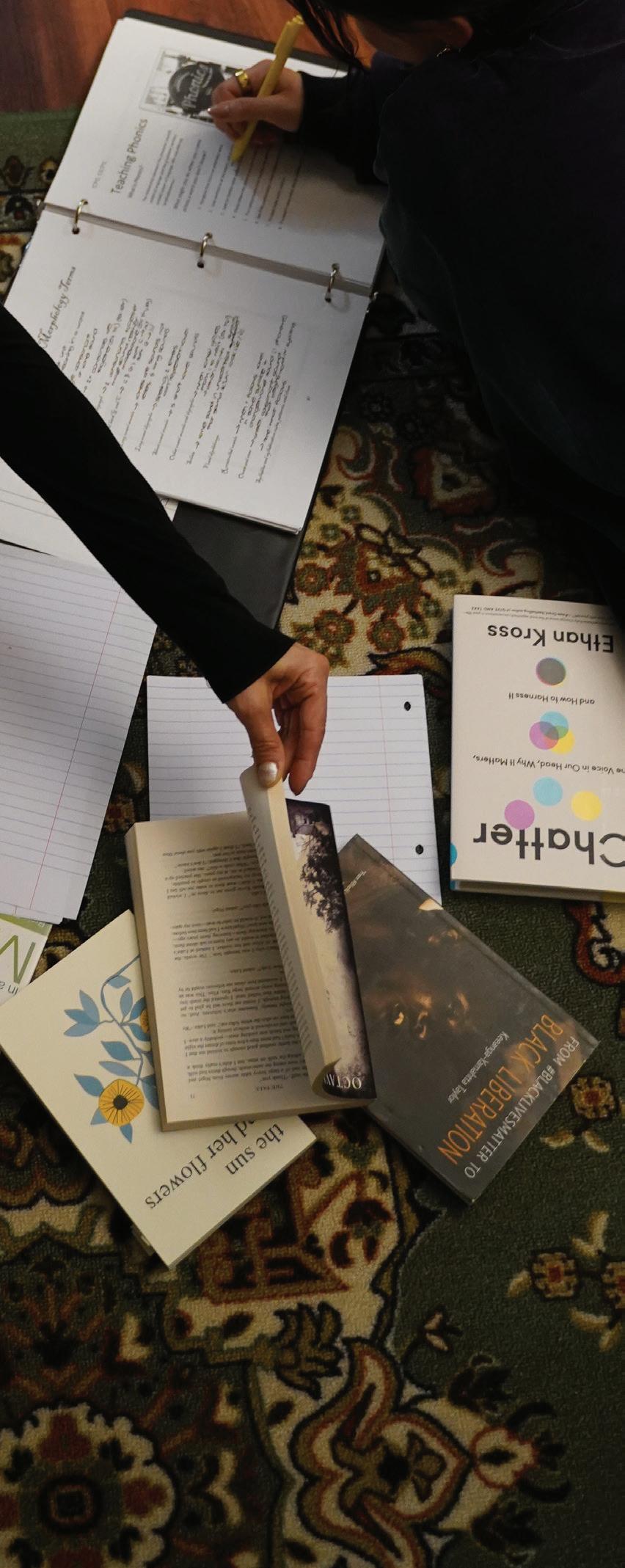

Lara Aponte
With the road as her classroom and a driver as her tutor, sophomore Rylan Dettling turned a taxi ride into an unexpected learning opportunity.
After graduating high school and moving to Madrid, Spain, Dettling said she found herself outside the Spanish Notary, defeated after struggling to communicate with locals. She felt her effort to learn and speak Spanish correctly had been in vain. As she was getting into a taxi, she immediately made her level of Spanish proficiency clear to the driver.
“I tell him, ‘Entiendo español mejor que lo hablo’ — I understand better than I speak,” Dettling said. “He happily proceeded to encourage me to practice Spanish with him from the back seat.”
After years of hearing the language, Dettling said she had a hard time speaking Spanish but could understand it perfectly. She attended boarding school for most of high school in the district of Canton of Vaud, Switzerland, where she met her best friends — originally from Mexico. Their friendship sparked a determination to be able to speak in their native tongue.
“I never lived in Mexico, but I identified with the Mexican culture through my friends,” Dettling said. “I wanted to know them in their language because they knew me in mine.”
Three Pepperdine students shared how living in different countries opened their eyes to new cultures — ones that gradually became part of who they are today. For some, the need to adapt made it difficult at times to fully open themselves to belonging.
Starting fresh in a new country — regardless of age — forces a person to adapt to a new environment. It brings obstacles that are initially hard to overcome.
Sophomore Ayla Olsen left her native country, Guatemala, when she was 12 to live in Norway. The differences between the countries made adapting
take more than a year.
“It started feeling like home,” Olsen said. “It wasn’t easy.”
Senior Peter Runey followed a nomadic lifestyle, living in 18 places throughout his life due to his dad’s corporate job.
Runey was born in State College, Pennsylvania; he then moved to New York state, where he had his first memories. He and his family lived for four years in central Texas, a few months in Kansas and then back to Pennsylvania. His first out-of-continent move was to South Central Bavaria, Germany, and after two years, he moved to Pennsylvania, then Kentucky, and back to Pennsylvania.After that, he moved to Virginia, New Hampshire, Massachusetts, Missouri and Arizona. He later traveled on his own to South Korea, back to the States where he traveled in a van for four months, then to Sicily before college in Malibu.
When he moved to Kentucky from Germany at age 15, he joined a baseball team. He said he struggled to connect with his teammates due to a lack of memories shared together. Runey felt the only way he could relate to his team mates was through his baseball skills.
the new kid on the block and I was
stepping into just a mountain of relational equity between each other that I just had never had time to build with them,” Runey said.
Before moving to Spain, Dettling moved from Las Vegas — where she had lived her whole life — to Switzerland for boarding school as a high school junior. At first, Dettling said she felt out of place.
“I went to boarding school for two years in Switzerland, where it was very culturally grouped and there weren’t a lot of Americans,” Dettling said.
Dettling and her family had agreed that it was time for her to be introduced to the world’s cultures and to experience life outside the United States. The biggest challenge for her was being able to communicate.
When Dettling lived in Switzerland, all her classes were in English, due to students being from all parts of the globe.
Outside of school, she was never able to become fluent in French. While she was able to express herself, she was unable to
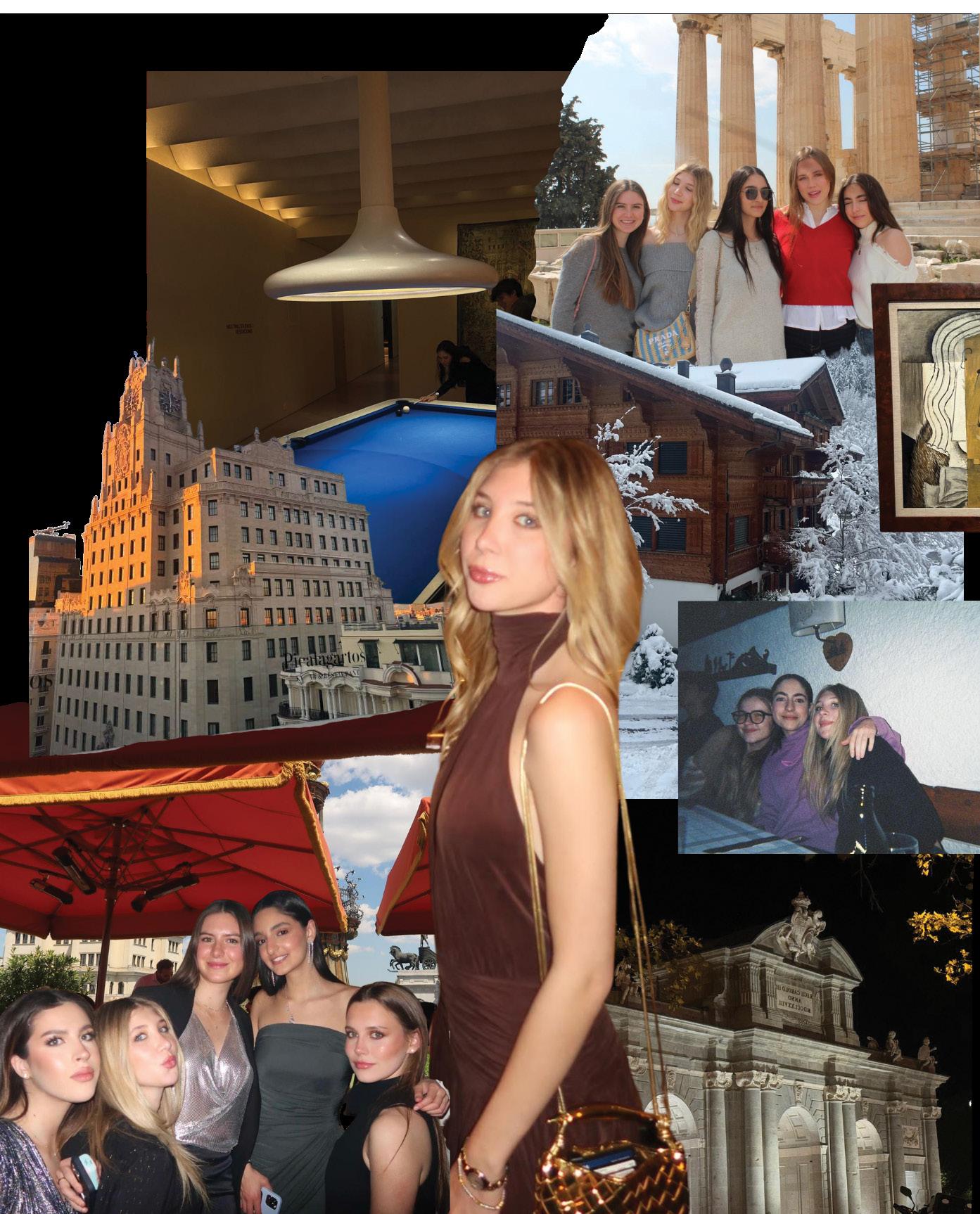
Even in the classroom, Dettling found herself struggling in a room crowded with different languages. Speaking made her anxious.
“I was sitting in silence my first year,” Dettling said. “I didn’t understand anyone. When people would finish their conversation, they would give me a 10-minute summary in English of their conversation so I could still be included.”
Similar to Dettling, Olsen said at first she struggled to connect with Norwegians due to the way they express themselves.
“I think one of the differences from Guatemala was how straightforward people were,” Olsen said. “Back in Guate, a lot of people would sugarcoat things for you to not feel bad, but in Norway, they were really direct and straight to your face.”
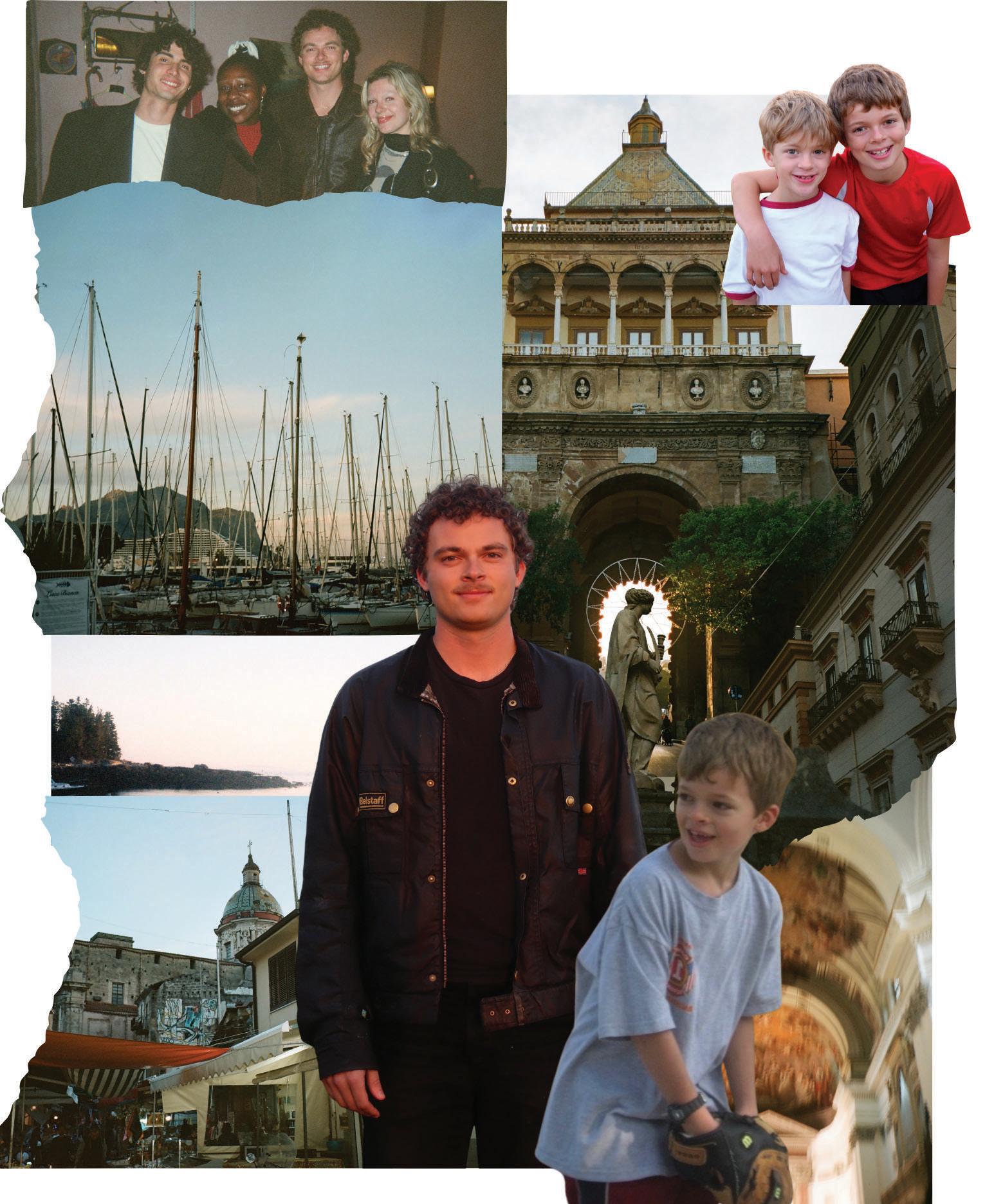
Peter Runey
Something that caught Olsen’s eye immediately was how free Norwegians were compared to Guatemalans. She had never felt safe enough to have the level of independence that people had in Norway. When she first moved, Olsen believed children being able to walk alone and take public transportation was “crazy,” something that could have never been done in Guatemala at their age.
Dettling became close with a group of Mexican girls who gave her a chance, girls who later influenced her to move with most of them to Madrid for a year.
“There’s a lot of Latin American and Mexican people in Madrid,” Dettling said. “So I kind of feel like my circle just expanded since Switzerland and evolved.”
When Dettling was learning Spanish, she got introduced to the singer Bad Bunny through her friends. She found that learning her friends’ languages came
“When your pie of life is divided into 18 different geographical locations ... You can’t expect or ask anyone to fully see you.”
Peter Runey Senior
quicker when she approached it in an engaging way.
“I remember being in boarding school and my Mexican friends trying to teach me the songs,” Dettling said. “I would literally study the songs and practice them,
and I remember the first song that I could get down was ‘Titi Me Pregunto.’ When I started singing it for the first time, all of my Mexican friends were screaming, and it was the cutest thing ever.”
Every time Dettling would understand a deeper part of Mexican culture, her friends would be excited and supportive of her. Being able to slowly learn a new language meant a lot to Dettling, especially when it allowed her to understand her friends as well as they understood her.
“At the beginning, I was learning the language more for them,” Dettling said.
The first time Olsen started feeling seen and accepted in Norway was when her friends became interested in her life in Guatemala, even asking her parents about it. Her friends began learning common phrases in Spanish for her.
“The first thing they learned in Spanish was ‘Hola, yo me llamo,’” Olsen said.
Her friends’ curiosity prompted them to ask about Guatemalan customs, holidays, traditional foods and what she was used to doing on weekends. She immediately felt a barrier had broken between the two cultures.
“I think just seeing how my friends were so interested and intrigued by my culture and willing to learn made me feel welcomed,” Olsen said. “I guess I didn’t think I would ever feel that way.”
After Runey moved to the state of Bavaria in Germany, a wave of culture shock hit him when it came to the lifestyle and language. Runey found familiarity far from home.
“There was a pretty strong American presence where I was at, so that helped soften the landing,” Runey said. “Otherwise, it would have been pretty isolating and pretty shocking for an 11-year-old to just be dropped in the middle of Germany without much outside cultural context for how other people live.”
Runey has never been able to fully identify himself in one culture; instead, he said there was a regular need to adapt to find community. He always made the most
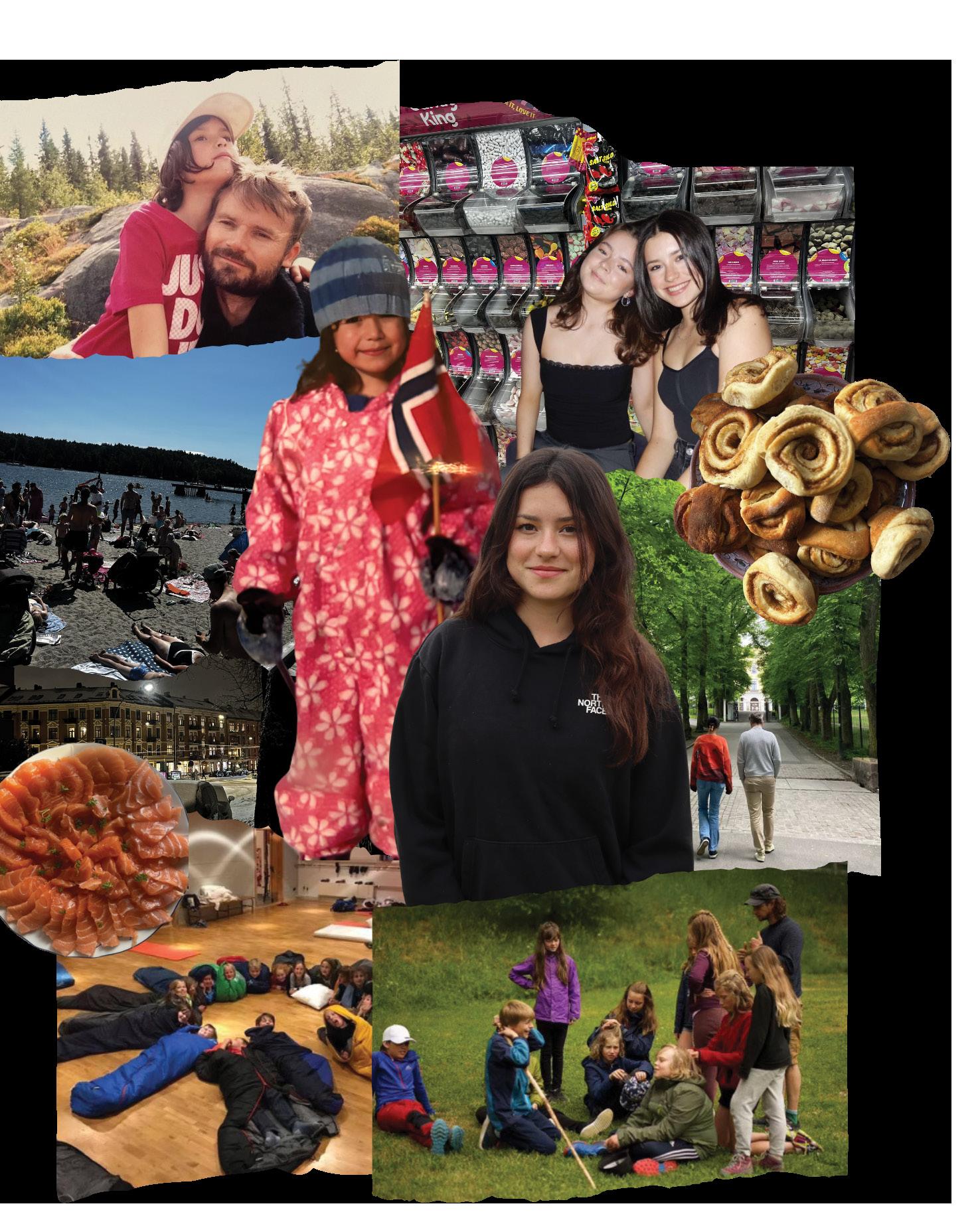
of where he lived because Runey knew that time was ticking; the next move was on the horizon.
“That sadness and pain teach you pretty quickly that you have so much time with people,” Runey said.
When moving, Runey often prioritized others by meeting them where they were, allowing them to see a genuine but partial version of himself, especially when they lacked the time to understand his complexities and life experiences fully.
“When your pie of life is divided into 18 different geographical locations, then naturally, it’s kind of hard,” Runey said. “You can’t expect or ask anyone to fully see you.”
Aside from the Norwegian language that she uses to communicate with her sister all the time, Olsen said her family adopted the Norwegian tradition of “Lørdagsgodt dag,” which translates to “Saturday sweets.”
Olsen said that although most Norwegians eat healthily, children often hold off eating candy until Saturdays, which makes the tradition feel particularly special — especially when it means going to
the store with loved ones to choose sweet treats.
Though he has absorbed parts of every city he has experienced, Runey said he feels closest to Boston, Massachusetts, where his family has lived for seven generations. As much as he has struggled with a sense of belonging, returning to New England — especially during the winter holidays — reminds him of the importance of ancestry and family, standing as the one place he ultimately considers home.
“Having proximity to a specific location over a long period of time can adjust how you are and how you resonate with yourself,” Runey said.
Dettling now visits her friends back in Mexico City, where they always greet her with open arms.
“Every time I visit them in Mexico City, they have waiting for me all my favorite candies that I would steal from them in boarding school,” Dettling said. “They make me shove my suitcase full of them every single time.”
Excited to root for Spain in the World Cup, Dettling said that while she doesn’t live there anymore, she carries pride for Spain — how it will always feel like home to her.
“It’s like an imposter syndrome because I’m not Spanish,” Dettling said. “I have such a love for it, I’d say I definitely carry every country I’ve lived in as home in a way — even if I’m not from there, I was a part of it, it’s a part of me.”






story by Clementine Metz
Most students are familiar with the name George Pepperdine; yet, there are few who know of Margaret Brock.
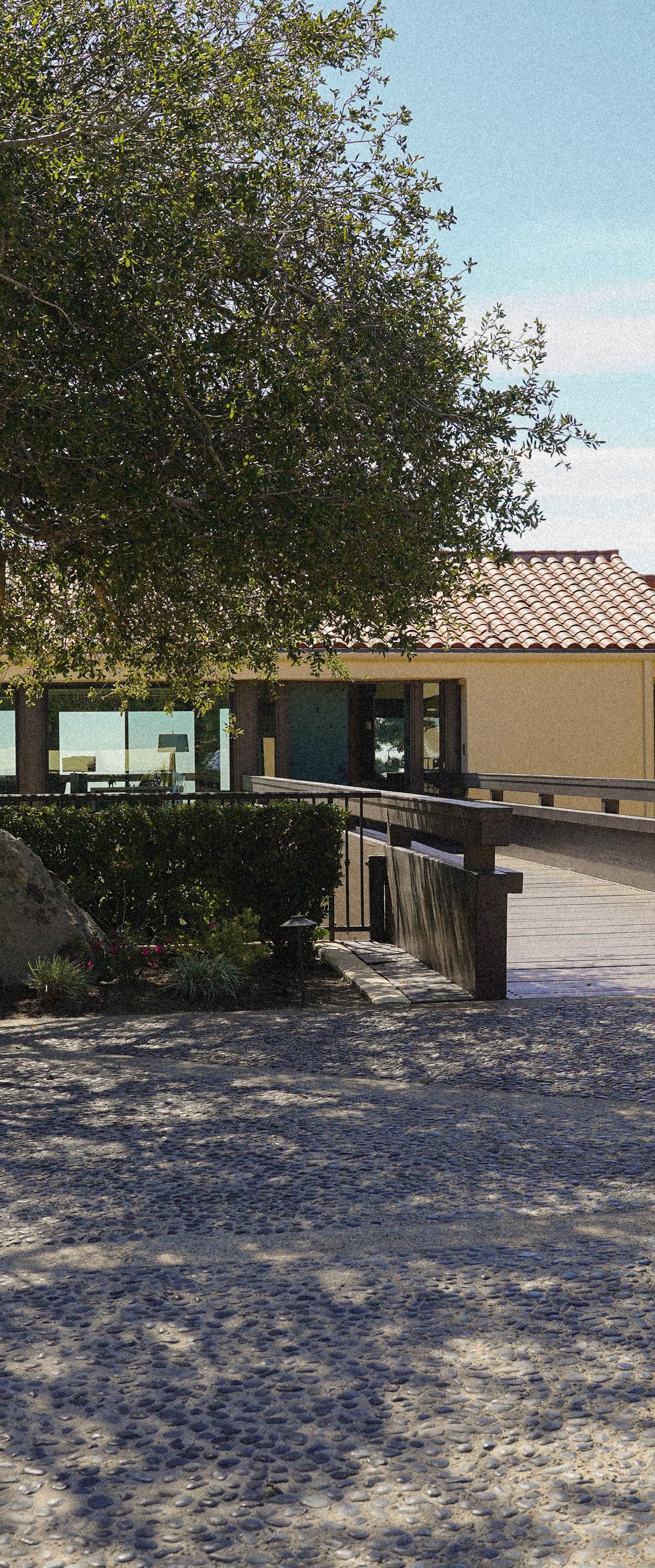
Following the creation of Pepperdine’s Malibu campus in 1972, Margaret Brock generously funded the creation of a permanent residence for the University’s president, according to The Brock Collection at Pepperdine University. Brock was an influential Republican donor, known as “Mrs. California Republican,” and a member of the Board of Regents.
“She was very selfless,” First Lady Joline Gash said. “She gave a lot of her personal fortune to Pepperdine in terms of benefiting our students.”
U.S. President Gerald Ford dedicated the Brock House at Pepperdine University in Malibu on Sept. 20, 1975, honoring Margaret Brock’s contributions.
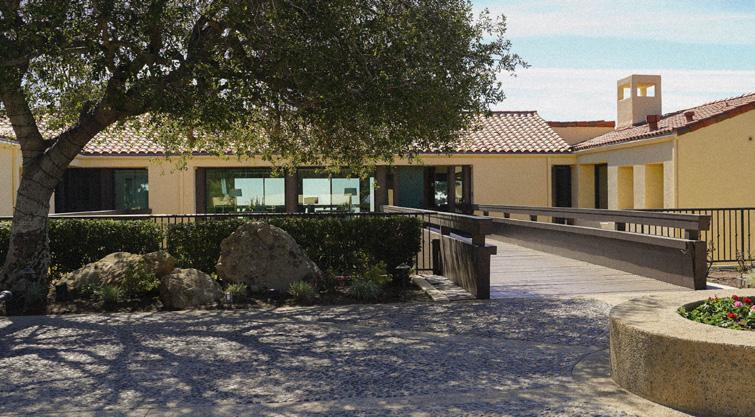
The Brock House plays an interesting role as a “home” at Pepperdine. It is both an official entertaining space for University events and the private home of the first family.
Jennifer Gash, 2022 Pepperdine alumna and daughter of President Jim Gash, said living in the Brock House was a quintessential part of her time at Pepperdine.
“There’s never a dull moment at the Brock House,” Jennifer Gash said.
One of her favorite memories was during her first year of grad school when she was pursuing a Master of
Divinity at Fuller Theological Seminary. While she worked on an exam for finals, she could hear laughing from the annual Brock House Christmas party upstairs.
“It was a cool moment where I had to keep working, but I could be in both worlds still,” Jennifer Gash said.
Even in its earliest years, the Brock House was a place for community and gathering. Guest books from the 1970s and 1980s record visits from donors, regents, civic leaders and friends of the University. From the beginning, this was a house meant to be shared.
Jim Gash said he wants to “let people know that there’s a home on campus where they’re welcome.”
As Pepperdine grew, so did the role of the Brock House. Former President Andrew K. Benton, who served from 2000 to 2019, expanded the use of the Brock House to students and campus life.
Benton started “Rock the Brock,” the celebration for senior students at the start of their final year, an echo of the annual first-year President’s Reception with music, food and dancing. Today, students feel the purpose and values of Pepperdine through the house.
“Having that time at the Gash’s house was so special and fun,” firstyear Lily McDowell said. “I met so many people and really felt welcomed by the president.”
Senior Hannah Snow said coming back to the Brock House was “a full circle moment.”
“It was so crazy to be back at that same place but with a completely new
perspective on this place and these people,” Snow said.
The house’s dual purpose informed some of the architectural details, with two kitchens — one for catering big events and another for the first family’s personal use, Pepperdine historian Sam Perrin, also known as the Ghost of George Pepperdine, wrote in an email.
When Jim and Joline Gash arrived in 2019, they inherited not just a home but a legacy of hospitality.
“It’s a home for students as well as us,” Joline Gash said.
Shortly after Jim Gash became president of Pepperdine, the Brock House underwent renovations — completed in 2020 — to modernize the space and better support gatherings.
Across decades, presidents have used the Brock House to bring people together. The house has hosted first hellos and final goodbyes. Jim Gash started hosting baptism events at the Brock House in December 2021.
“It’s intended to be a space for joy and laughter but also a place for meaningful conversations and worship — further seeking the mission of the University,” Jennifer Gash said.
In that sense, the Brock House is exactly what it was meant to be — a home at the heart of Pepperdine, continually shaped by the people who pass through its doors and opening those doors wider for the next generation.
“It is a kingdom asset as well as a Pepperdine asset,” Jim Gash said. “This isn’t just for the University. This is for the kingdom of God.”
story by Nina Fife
Joseph Kling had just finished another day of high school. As a senior trying to push through his final year, Kling was exhausted after an entire day of class and cross country practice.
Wanting nothing more than to go home and lay his head down to rest, Kling began walking up to his Downey, California home. He slid his key in the door and grabbed the handle to push it open, ready to be greeted by the sweet smell of a home-cooked meal and the warmth of his family’s smiles.
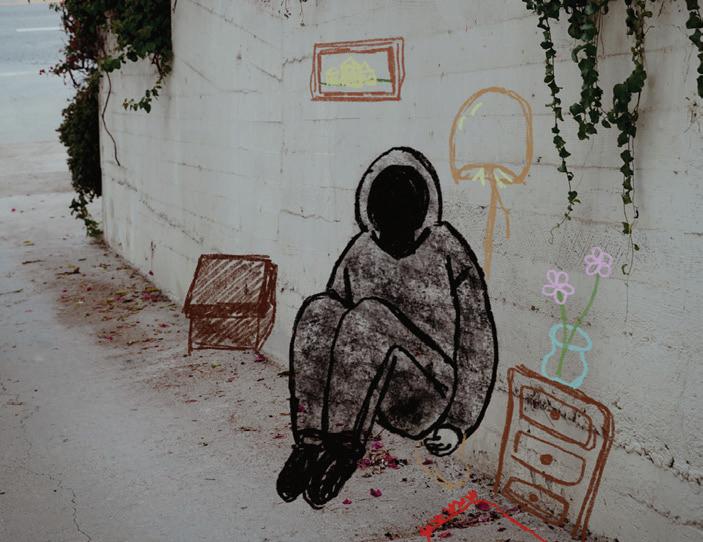
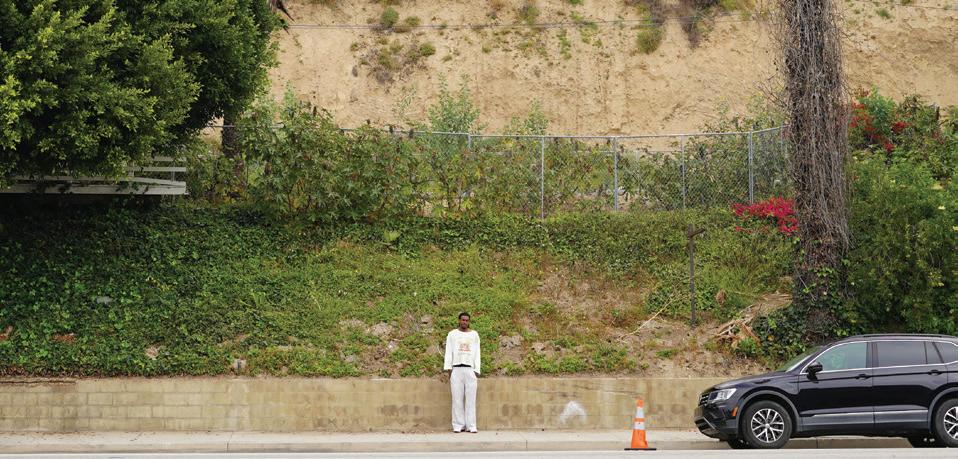
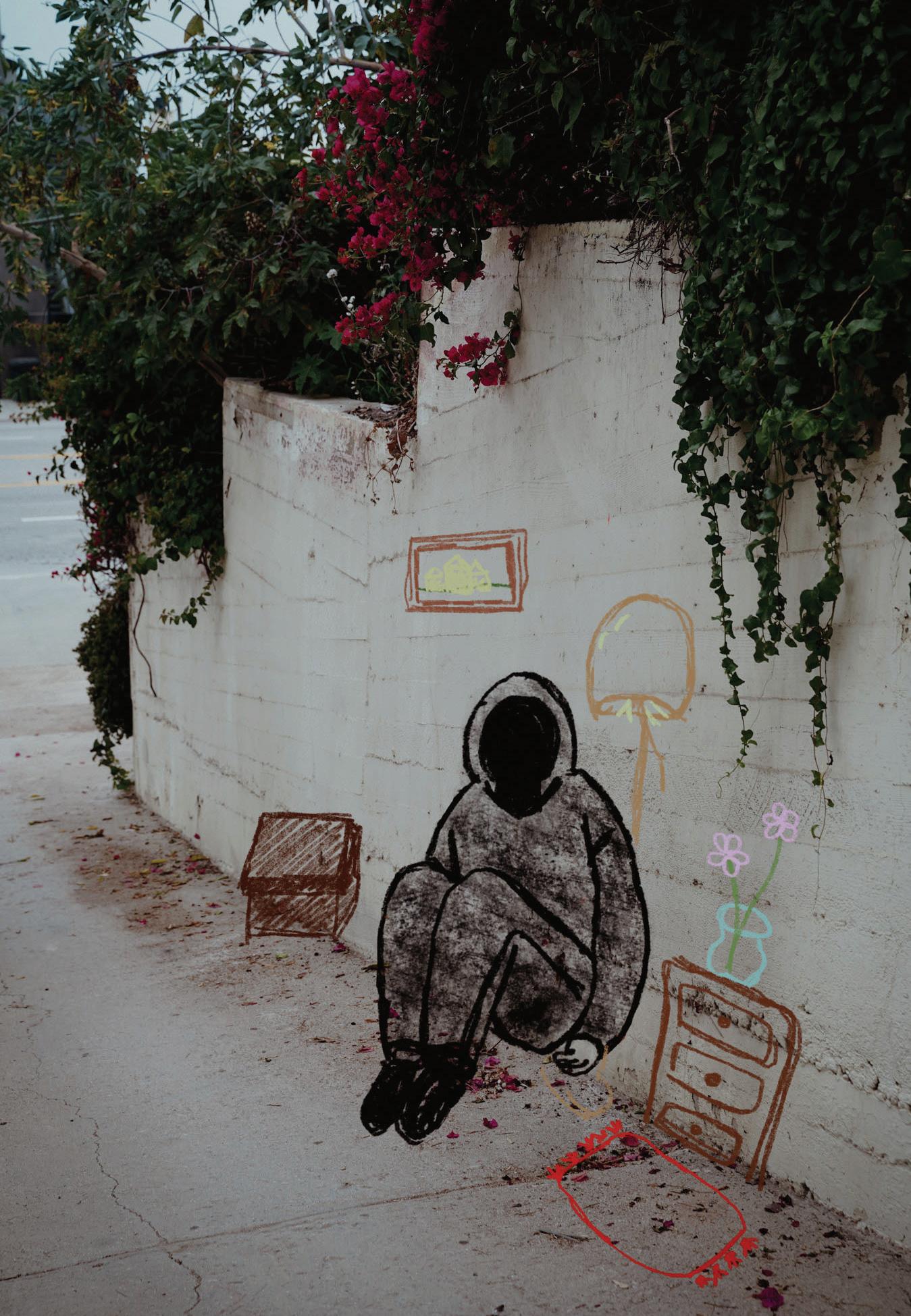
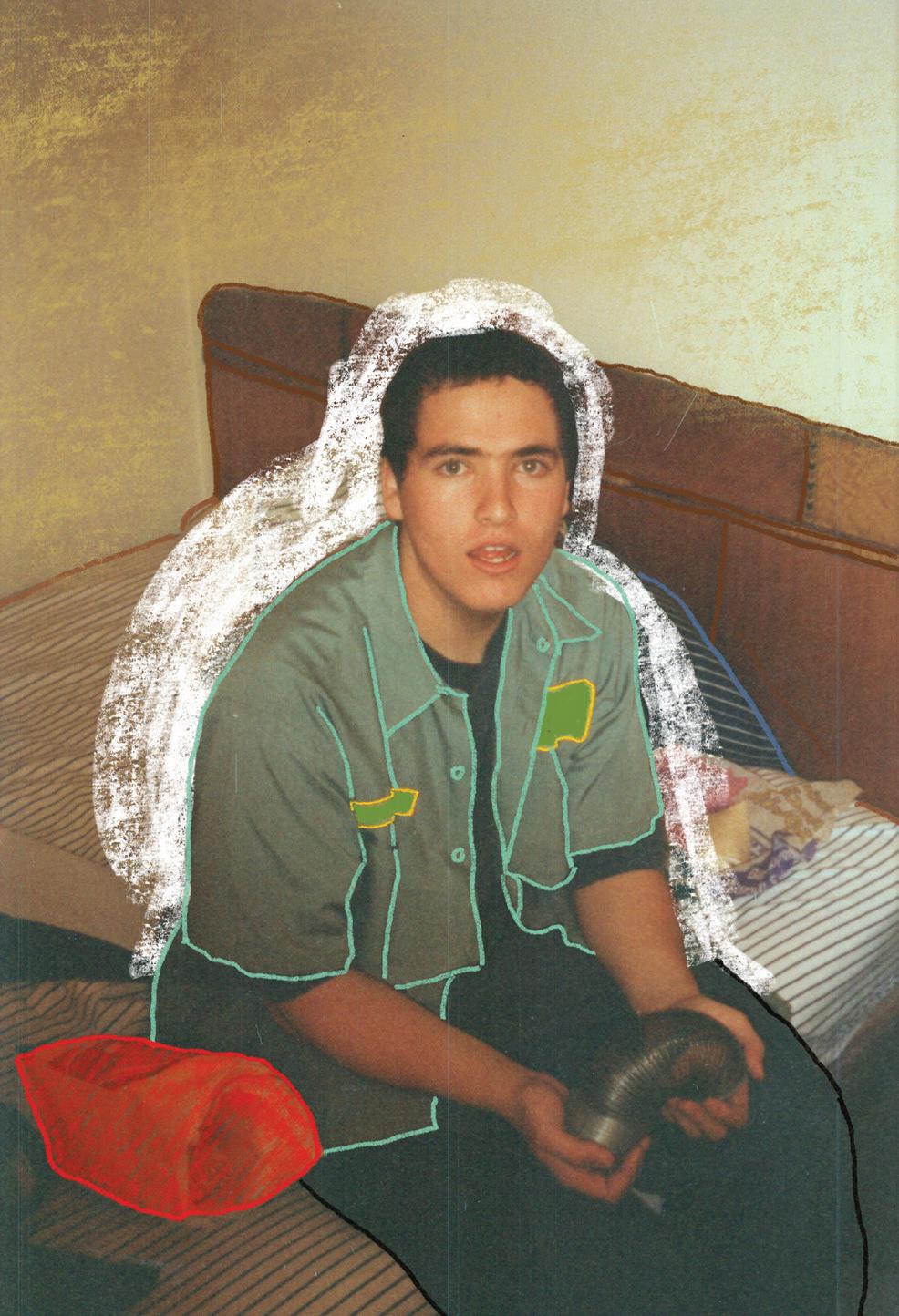
Right when he tried to enter his house, he woke up in nothing but a brown Dickies jacket and the fierce cold of the outdoors. This nightmare was one that often scared Kling awake as he didn’t have a house to go home to — he was an unhoused teenager sleeping on the roofs of Walmarts and department stores in the Los Angeles area.
The United States is currently home to 771,480 unhoused people, according to the National Alliance to End Homelessness. Nearly 10% of these unhoused people, 72,308 of them, live in Los Angeles alone, according to the Los Angeles Homeless Services Authority.
“When you’re younger, home is where you lay your head, but for me, home became just belonging,” said Kling, 47, a current Long Beach resident who was unhoused for two years in the 90s. “It wasn’t belonging to everybody. It was just if you feel like that’s where you should be, that’s your home — whether it was a house, van, tent or the streets.”
Kling said he first lost his home as a senior in high school when he fell into the world of illegal substances and his family kicked him out.
“Pretty much, I just didn’t care,”
Kling said. “I was going to high school with a Screwdriver or Vodka and orange juice in my water bottle. Eventually, it just became whatever was around that I could get my hands on.”
In an attempt to find something he could control, Kling lost himself in the process. To avoid feeling like an outcast, he used substances to find his home in what was around him.
“I was trying to fit in with something, and that was the easiest way to fit in with some people,” Kling said. “Contrary to a lot of people’s beliefs, alcoholics and drug addicts are pretty friendly people. As long as you got alcohol and drugs, everybody’s your friend, right?”
At this point, the world of substances became a place where Kling felt like he belonged. No matter what it was, Kling said he was able to find a community of people as long as he had something to exchange.
That sense of trade started defining Kling’s idea of home. Rather than thinking of home as a place he could put his head down, he started building his sense of home around the few possessions he had.
Kling said while living on the streets, he survived with a skateboard and backpack. While many unhoused people carry their belongings around with them, Kling didn’t find any reason to keep many material things.
“Whatever I was doing that day, that was home,” Kling said.
Kay Gabbard, 82, regularly volunteers to feed the unhoused with Malibu United Methodist Church, working with Malibu Community Assistance Resource Team (CART). Several Malibu congregations — including Our Lady of Malibu Catholic Church, St. Aidan’s Episcopal Church, Chabad of Malibu and the Malibu Jewish Center and Synagogue — serve the hungry every Monday and Wednesday, and Pepperdine students often volunteer.
Gabbard said her efforts to help
those in the city aren’t for any sort of exchange — they’re merely a sense of connection.
“I recognize there is a need in our city, specifically for those who are hungry,” Gabbard said. “There is a community counting on us — they’re looking to us for answers. I do it because I love it. I love these people.”
Michelle Woodall, a current unhoused person in the Los Angeles area, attended one of these community meals in Malibu in March. She said her sense of home lies in the connections she makes, whether those are with other people or her belief in God.
“Home means people, it means my daughters, but it also requires trusting God,” Woodall said. “It’s not up to anybody on Earth, we’re just sent here, but no one’s unstoppable. God has the final say.”
As an unhoused person in Los Angeles, Kling said he was often treated inhumanely. Even when someone would reach out to help him, he was skeptical. A lot of this doubt came from his experience trying to fit in on the streets.
Any time someone approached him, even if they were merely trying to give him food to eat, Kling put all of his walls up. He was instantly filled with questions, which led to one thing: What did this person want from him in exchange?
Woodall agreed about this skepticism controlling her life. Even as she interacts with different people daily, there are some words that constantly ring in her head as she continues searching for her version of home.
“Someone once told me, ‘Everything you know is a lie,’ and I’m realizing that’s true,” Woodall said. “I’m human too, just like anybody else. I haven’t lived a perfect life, but there’s still life that needs to be lived.”
This constant state of alarm changed how Kling thought of home. At his lowest, Kling said his care for life ceased to exist — he figured he would be dead within a few weeks anyways.
Kling never thought he would find a traditional sense of home again. He
grew suspicious of everything, unable to find comfort anywhere or with anybody.
“I didn’t think that home was an option anymore,” Kling said.
This distrust is common in the “unhoused neighbors” Gabbard sees weekly. In fact, that is what fuels her outreach. Every week, Gabbard hands out meals to the local unhoused community.
Even when it’s raining or a busy day for her, such as Thanksgiving, Gabbard said she will always show up to distribute food. In this way, she is able to build trust with the unhoused — a sense of connection everyone needs.
“Many of them, in their perception, have been messed with their whole life and they don’t trust people, but if we can get together and trust each other — that is just one step,” Gabbard said.
While this was Kling’s experience on the streets, he clarified that not every unhoused person is the same. He said some stereotypes may apply to those who are unhoused, but not all have the same experience.
“For a while, there was a joke that I was one of the best-fed homeless people in the world,” Kling said. “I created a cycle of staying on couches, getting a homemade dinner, then I would be on a roof living out of a trash bag.”
Gabbard said one of the most valuable parts about connecting with the unhoused is hearing their stories. While some people tend to forget those on the streets are human beings too, it is something Gabbard holds close to her heart. Remembering this and treating the unhoused as the individuals they are is just another step in building trust.
“They’re just like us,” Gabbard said. “They’re all different, they all have their stories.”
“Whatever I was doing that day, that was home.”
Joseph Kling Long Beach resident
While living a life of instability, searching for a place to sleep each night, Kling said he always appreciated those who reached out to him. Years after getting off the streets, Kling still has mementos he was given during that low point.
“I have a lot of crap now, but I can get rid of it and it really wouldn’t matter,” Kling said. “But those are things I would never give up, no matter what the situation is.”
Consistency is another thing Gabbard said is useful in building trust with the unhoused. While bouncing from place to place as an unhoused teen, Kling said his hope for consistency was what motivated him to keep moving forward.
“I always wanted a place that was mine,” Kling said. “I didn’t have a picture or an idea of what that place was. I just wanted a place that was regular — it didn’t matter what it was — just some place I knew that I could go that was nobody else’s, just mine.”
However, there were also some strings attached to his search for stability. For Kling, homelessness wasn’t necessarily the only option, it was a choice he made himself.
“I didn’t want to be a member of society, it was a way to escape,” Kling said. “Home was work, in fact it was too much work. Home was something I had to put effort into. So for a while, the idea of home was a real pain in the ass.”
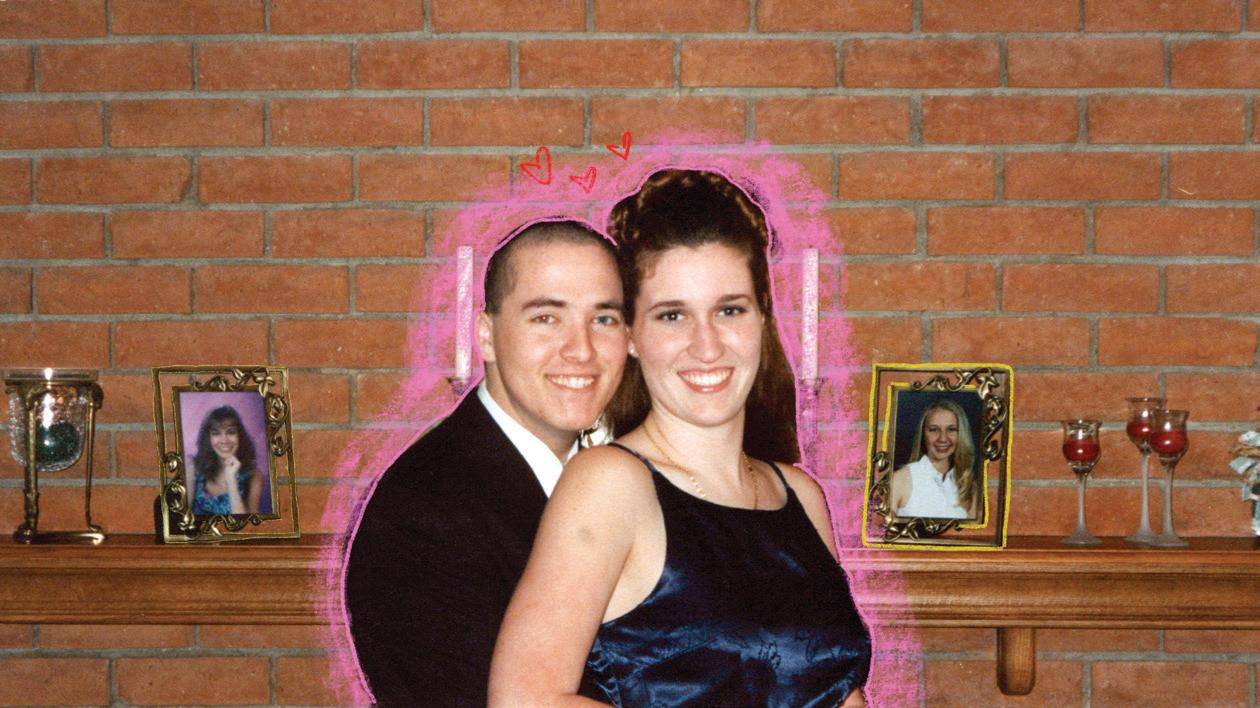
Kling’s definition of home changed when he met his wife, Jayna, on Christmas Day in 1997. Two weeks after first meeting her, Jayna called Kling and told him to come live in her family’s house instead of continuing to move around.
“She saved my life,” Kling said. “She made me want to be better. There were no restrictions with her. She didn’t try to change me, she didn’t try to force me to do anything. She just was there.”
Jayna moved Kling into her family’s home while she started helping him get on his own two feet. What first started
as a couch surfing spot became a place where he was able to start over. Little things, such as chores around the house, turned into building hygiene habits and finding a job he was passionate about: photography.
“She helped me slowly integrate back into being a regular person,” Kling said.
Kling’s definition of home wasn’t the only thing that changed once he got off the streets. He said his time being unhoused led to a change in how he viewed the world too.
“I see the world for what it is now,” Kling said. “Not everybody needs to have the same things or the same level of success. You define your own happiness. Whatever makes you happy and enjoyable, do it.”
Even though it has been nearly 30 years since Kling was on the streets, he said his time spent there still affects his life. What started as a fight for survival turned into a fight for a place in society.
“Home, for me, is still about being accepted,” Kling said. “I think I still fight for a little bit of acceptance.”
Home doesn’t have to be a place, home can be wherever someone feels most comfortable. When living on the streets, home became any place Kling could go and still feel welcomed.
“If you’re not welcome, that’s not really home,” Kling said. “Home is where you feel like you belong in a wider view.”
For the unhoused people in Malibu, they said their home is based on those who still remember they are human beings living life. Gabbard said this is what motivates her to help in any way she can.
“There’s nothing to me that’s more important than for them to feel like they’re being heard — they’re visible,” Gabbard said. “To me, that’s what we all need, not just them. We all need to feel seen and heard.”
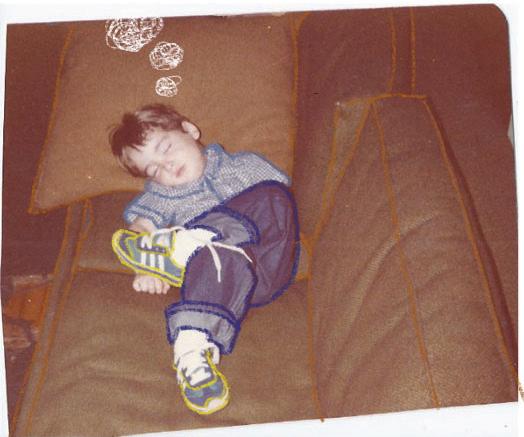
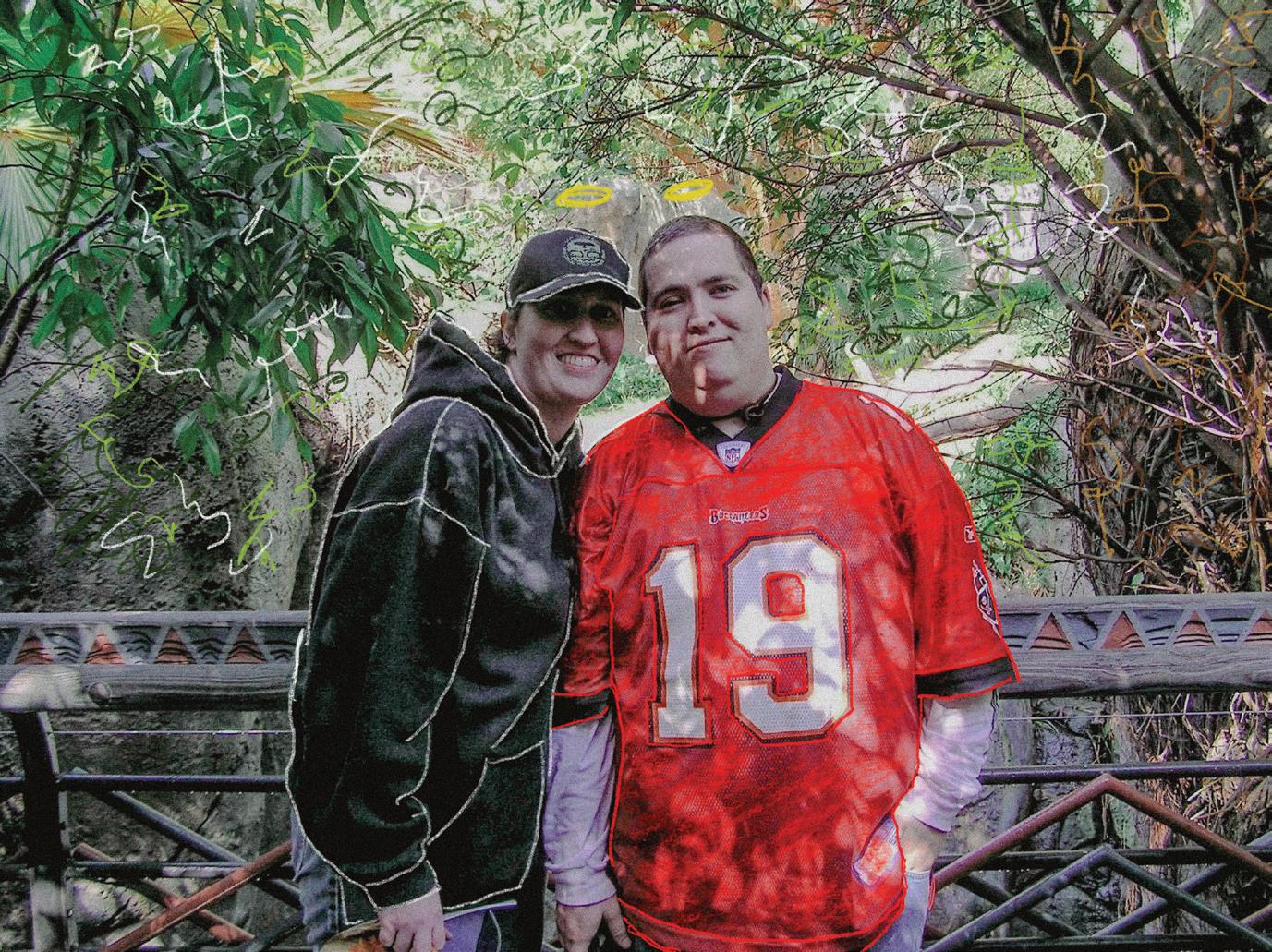
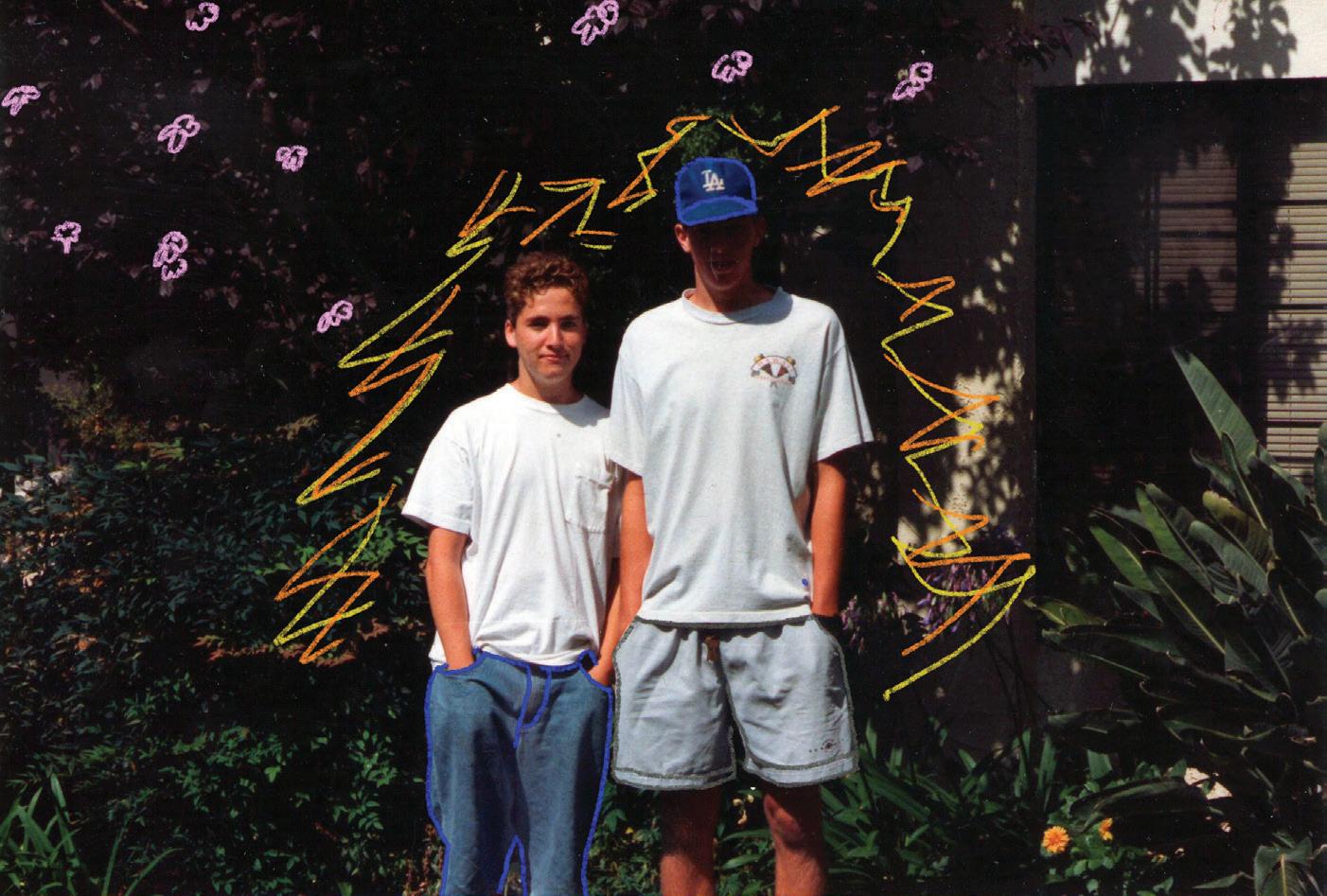
Long Beach resident Joseph Kling spent two years unhoused in the 90s.
The smooth roads outlining Germany, the vibrant avenues of Brazil and the bustling streets of South Korea all bore witness to an earlier part of life for three international members of the Pepperdine community.
All three call Pepperdine their home now, yet in their hearts, another home exists beyond Pepperdine; one that is tied with family, culture, identity, nationality and language. They recounted the long journey of embracing — and at times, challenging — the American way of life.
“I’m still trying to find out, but to me, home is wherever I have people that I love around me — my friends, my communities, wherever I find that people understand me,” said sophomore Daniel Valini Pacheco da Fonseca, who is from Brazil.
More than 600 international students currently attend Pepperdine, according to the Office of Institutional Effectiveness. As of Fall 2025, inter
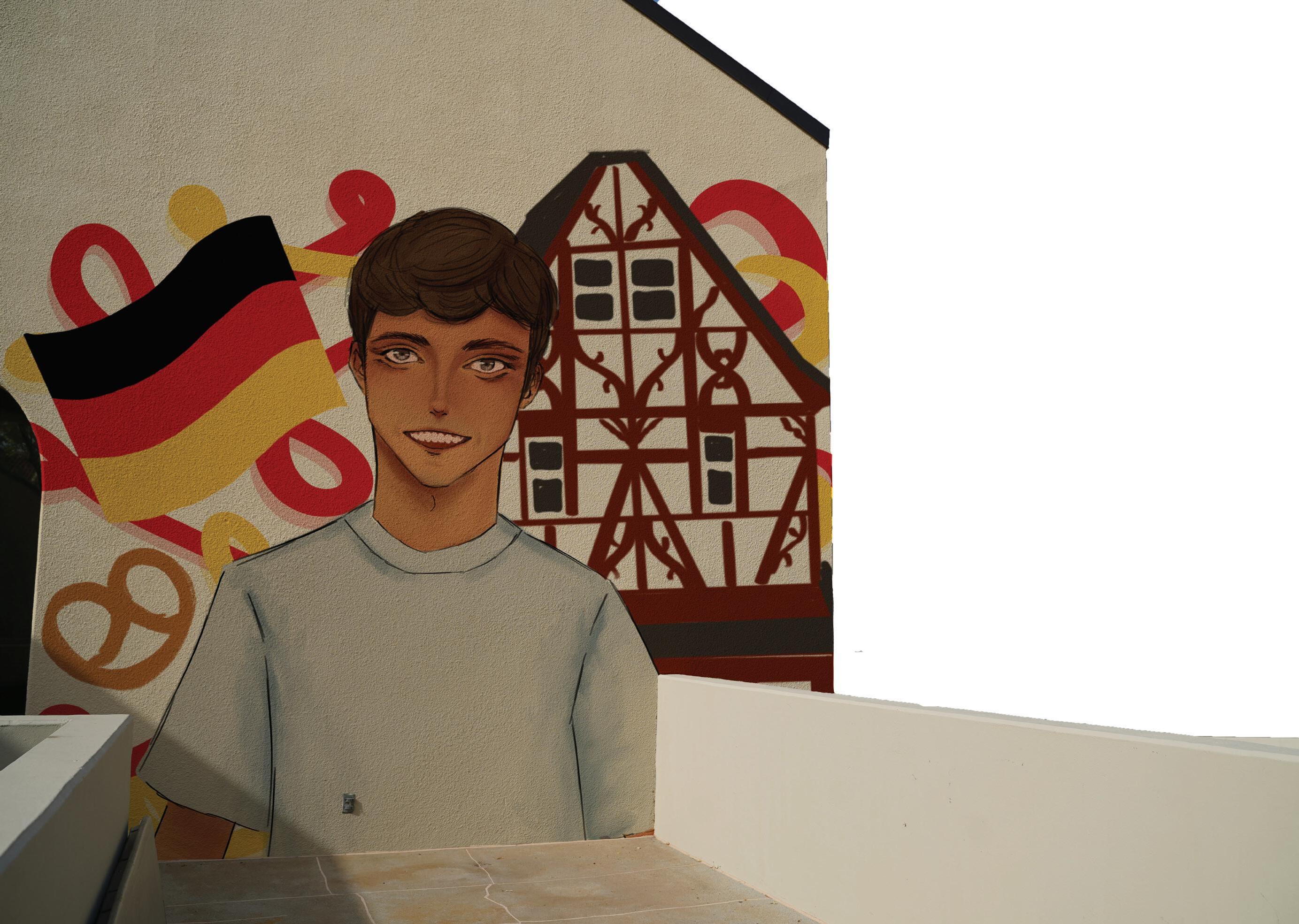


His first-ever class at Pepperdine was a musical theatre dance class. Sitting down on the floor with seven classmates, he felt out of place.
This was a stark contrast to Germany, where the last time he sat in a classroom was in eighth grade.
“I was struggling my first semester a lot because it’s a new environment, new people — can be stressful sometimes,” Homberg said. “Everything is so fastpaced. I was in 17-18 units all semesters and I felt like I was running from one place to the other place.”
Another culture shock was the overall atmosphere at Pepperdine.
“I think Pepperdine in general, people are so nice, so welcoming,” Homberg said. “Whereas in Germany, you would walk by someone, not say anything.”
As an athlete, much of the food he consumes comes from the Waves Cafe, though he finds that American food contains a lot of sugar and processed fats. He misses German cuisine and his favorite dish, called “ente mit knödel und blaukraut,” German-roasted duck with bread dumplings and red cabbage.
“I always have the feeling when you’re at home, where you grew up, where you spent your childhood — that’s, I feel, home,” Homberg said. “But also home — for me, home is everywhere where my friends or my family is.”
Homberg loved Pepperdine from the beginning, even with its ups and downs. Part of his daily routine that brings him comfort is team dinners.
The last few weeks of a semester hit him the hardest, when he feels homesickness and nostalgia the most for Germany.
Reflecting back to his first couple of years at Pepperdine, Homberg said he has grown to embrace being more comfortable with feeling uncomfortable, from navigating a different American tennis culture and coaching
environment to adjusting to constant indoor air conditioning and becoming more open to saying yes.
“Be very open to everything. There are going to be times when you’re not gonna be happy with the culture,” Homberg said. “I think it’s very important to stick to your teammates and the friends you have or [are] closest to.”
Pacheco da Fonseca’s weekends revolve around producing music and traveling around Los Angeles for any opportunity to cultivate his passion.
Pacheco da Fonseca is from a small suburban town called Alphaville in Sao Paulo. The town has a tight-knit community culture he thrived off of, build
same language, same values, so I really loved being there, but at a certain point, I found myself in a bubble, you know?”
Pacheco da Fonseca said.
He knew he wanted to move to the United States, hoping to experience different people from diverse cultures, religions and origins. To him, America allowed a space for him to evolve in life and build his music career and network.
“I found the best school to be in when I got accepted into Pepperdine,” Pacheco da Fonseca said. “I came [to] visit this campus and right when I saw the view, I said, ‘This is the university for me.’”
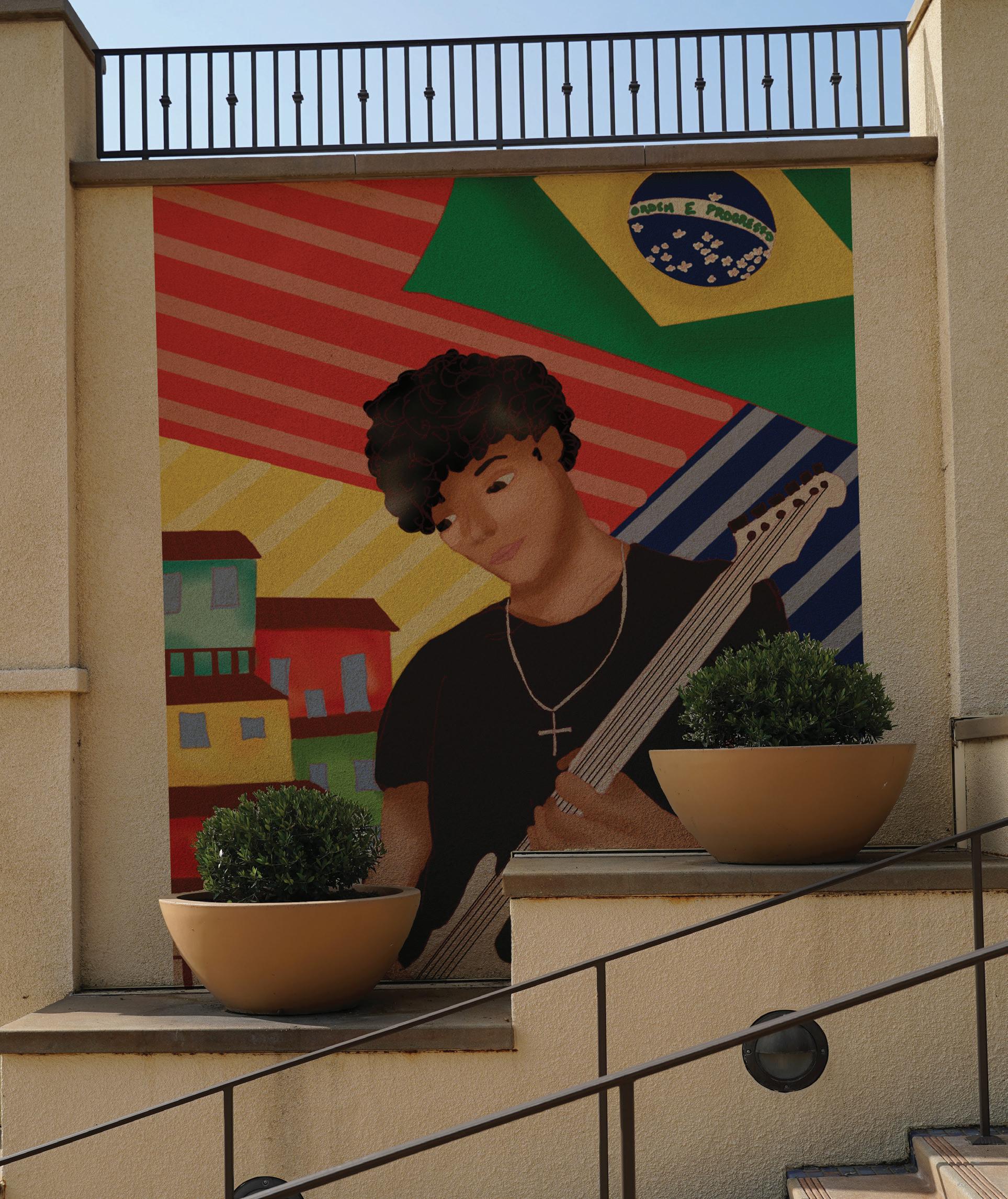
works within the government, being able to apply it more directly to what he wants to do with his life beyond just a business standpoint.
Growing up in a conservative Catholic household, attending church was the norm in a predominantly Roman Catholic country. Now, his time in the U.S. has deepened his understanding of American diversity, fostering friendships with people from different religions: Baháʼí, Hinduism, Buddhism and Christianity.
When first coming to Malibu, there were some American social norms that created a divide between him being able to fully connect with his newfound community.
“As a Brazilian, I’m a very touchy person,” Pacheco da Fonseca said. “I always hug, I always dap people up, and I find that a lot of Americans, they are not that comfortable the way I am.”
Another hurdle he had to manage was getting into disagreements, due to misunderstandings of his Brazilian way of being very open with his thoughts without hesitation. He also finds that people here who aren’t Brazilian are not used to the high energy he has.
Still, he finds community through the Brazilian community at Pepperdine.
As co-founder of BRASA (Brazilian Student Association), a Brazilian club that hosts events that foster belonging, he finds comfort in the support they all have for each other.
“I love Brazil, I miss Brazil, but I’m so grateful to be here in a place where I can be safe in a place where I have friends, and they have their diverse experiences that help me shape my life,” Pacheco da Fonseca said.
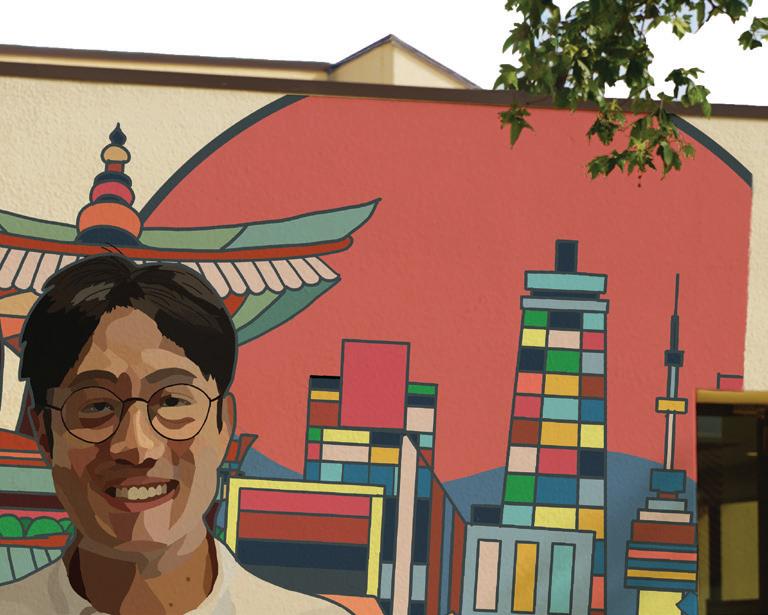
Professor Klive Oh’s first time in the States was in fifth grade, down South in Richmond, Virginia, when his family moved due to his father studying for his doctorate.
Oh recalled the language barrier and the racial jokes he and his brother faced in elementary school at first as the only
East Asian international students. Yet, year after year, English became more familiar as they adjusted to life in the United States and started to build friendships with their classmates.
Afterward, Oh moved back to South Korea for high school and eventually attended a Korean university, majoring in English due to his love for the language and literature. The bigger challenge Oh faced was transitioning from an American education to the Korean system.
“My friends and how freely they were expressing their views and, you know, the lifestyle whereas in Korea was very strict,” Oh said. “So, I’ve always had that longing for coming back to the United States, which I eventually did after many years.”
Additionally, Oh served in the mandatory military service and worked professionally in the public relations and marketing fields.
Eventually, he returned to receive his master’s at the Missouri School of Journalism, and then his PhD from the University of Maryland.
“That was quite difficult because I thought I was a very flexible person with the two cultures within me,” Oh said. “But having worked for several years at a Korean company, the way things work or how people behave, their attitude towards things, I guess I was a little flustered by that at first, all the same.”
Growing up, Oh said he was inspired by the uplifting community he experienced in his home, as his father — a professor, and his students would gather on holidays. Thus, he pursued teaching as a profession, following his calling to help students succeed in the field.
Oh said the lack of PR training in his undergraduate years led him to emphasize coaching
students with essential skills to know in the field.
“I mean, I wouldn’t wish for anyone to have to go through some of the things that I did to learn about the field,” Oh said. “Like the sleepless nights and the overtime hours and just to kind of make myself heard.”
Ultimately, his journey led him to Pepperdine where he provided a teaching demonstration.
“It was in CCB 257, I still remember it,” Oh said. “I was doing a PR lecture, and the students were so engaged and so sweet and kind and so smart. Even after my little session, walking down
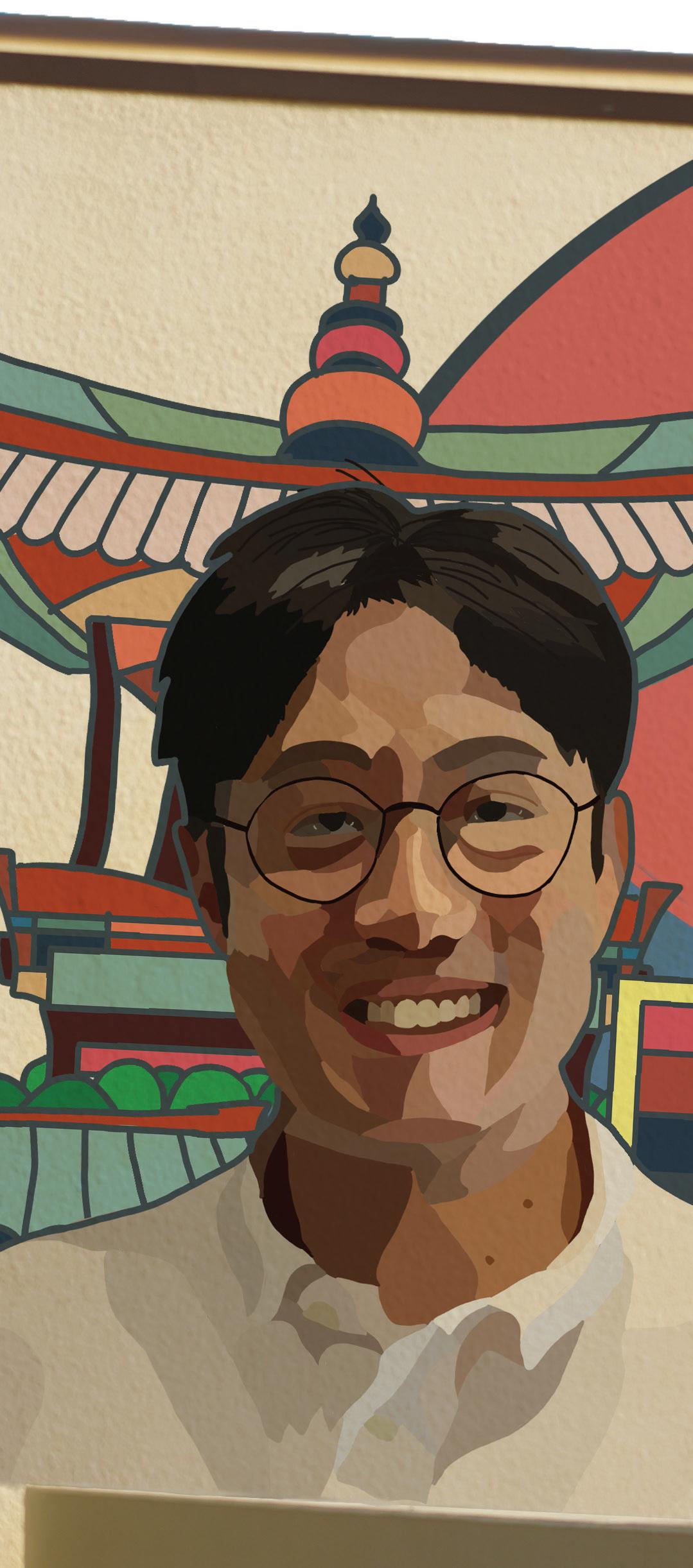
the hallway, a few of them would follow me out, say hi, introduce themselves and then tell me about places I should go to in Malibu. I’d never had that at any other school.”
Having worked in PR globally, Oh wants students to understand that his ability to provide diverse perspectives comes from a combination of his life and professional experiences beyond just his cultural background.
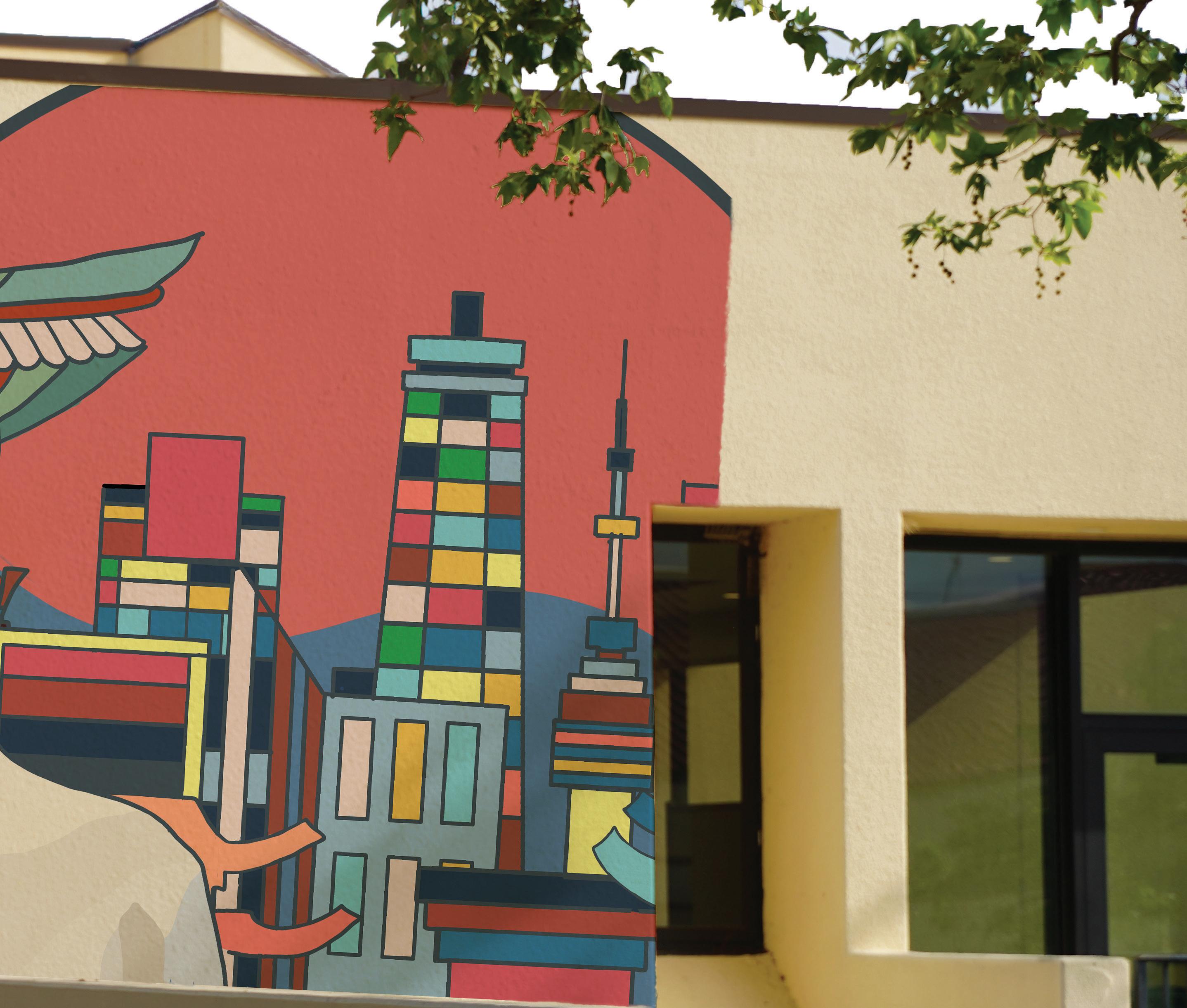
Now, home to Oh is an intermingling of both cultures, Korean and American, as he equally loves both settings.
“It’s [Seoul is] just deeply rooted in my heart, this is my hometown, I know
the ins-and-outs, like every corner, the vibe and the air, food, those things, I reminisce on quite often, right?” Oh said. “And so, I do miss it, but at the same time, here, I have my family, I have a home and a job that I love.”
Drawing from his own international experience, Oh touches on how, for international students, it can be lonesome at times — the lack of belonging due to the sheer distance and cultural barriers. Even when seeking communities, sometimes it’s not natural as international students have to force themselves to engage because they need the resources.
Malibu’s location provides a unique international experience. Even though it’s right next to LA, the isolation makes it difficult for the students to assimilate into their cultures or find churches easily, Oh said.
“I would just say in order to really experience, sometimes that means maybe get out of your comfort zone and try to engage more because everyone is willing and the culture is there and the resources are there,” Oh said.
Culture, location, people — these elements all shape individuals as they grow up. Food is a big part of that.
Food, whether making it or sharing it with others, has the ability to bring people together. Certain dishes enable people to close the gap between cultures to foster community and build a home.
“Food is a great way to bring people from different backgrounds together because everyone enjoys it, can share ideas and hold interesting conversations together,” Rabbi Sholom Eagle said.
Many people have certain family or traditional recipes that have been passed down over generations. Those recipes represent their culture and hold great memories.
“Soto Ayam is a famous Indonesian soup that my mom makes,” first-year Marissa Viegas said. “It’s one of the most famous traditional soups made in Indonesia.”
Viegas said people can make Soto Ayam differently according to how they were taught. Viegas’s mom learned it from her mother in Indonesia.
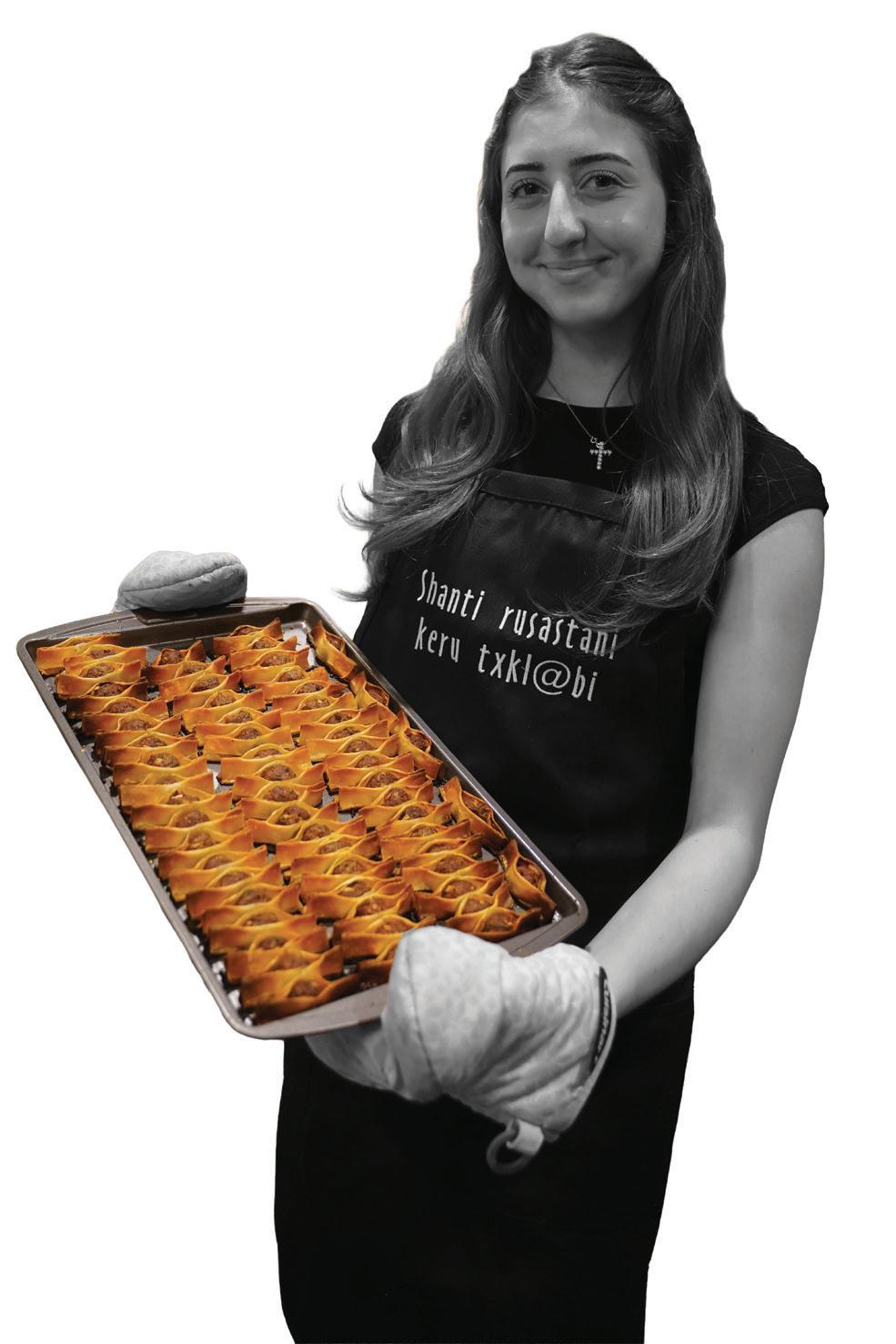
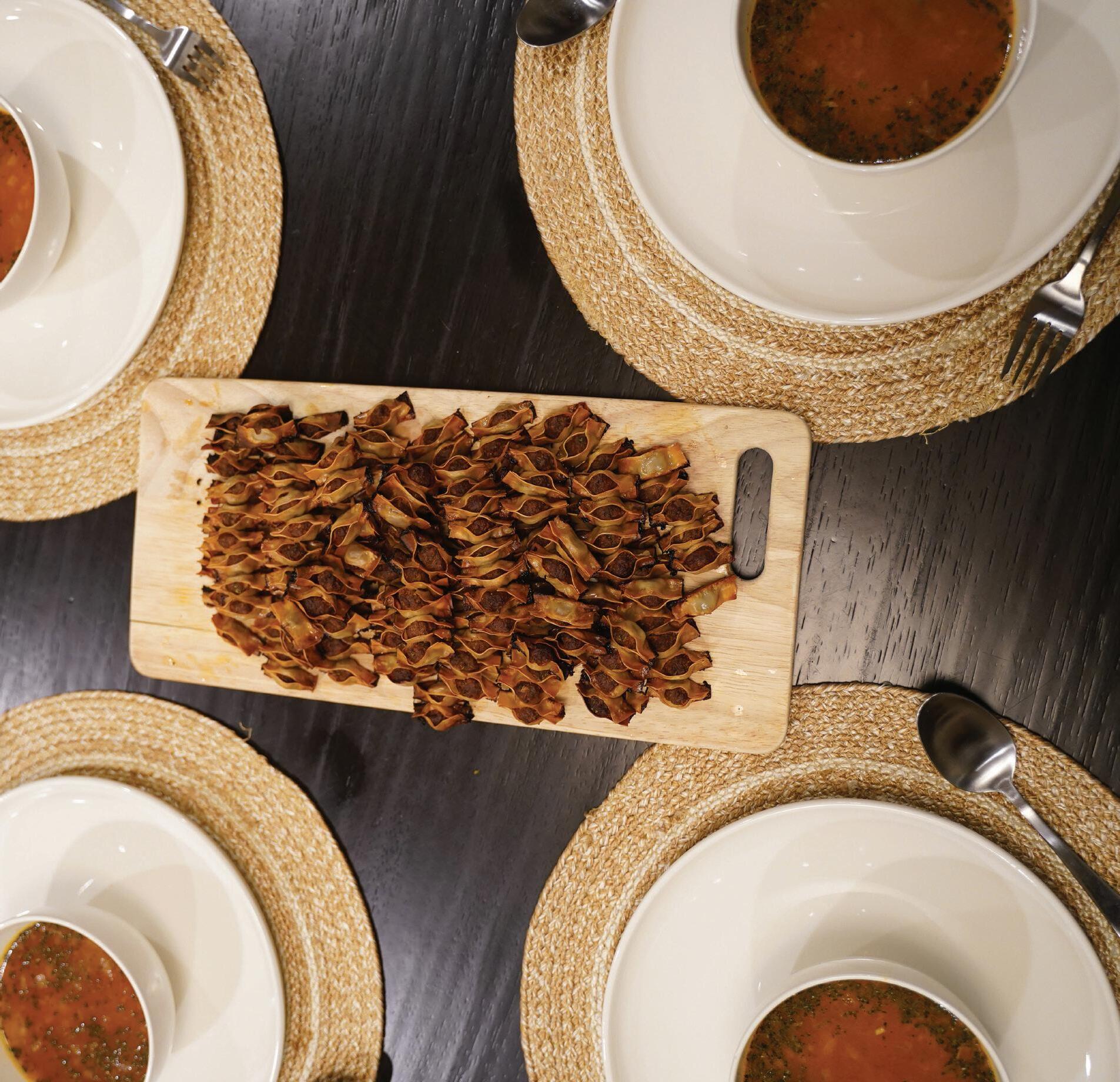
Senior Kristina Urfalyan grew up with Manti, a traditional Armenian dish.
“My mom taught me how to make Manti and her mother taught her,” Ur-
falyan said. “Manti is an Armenian version of a dumpling and it’s a staple in my house-
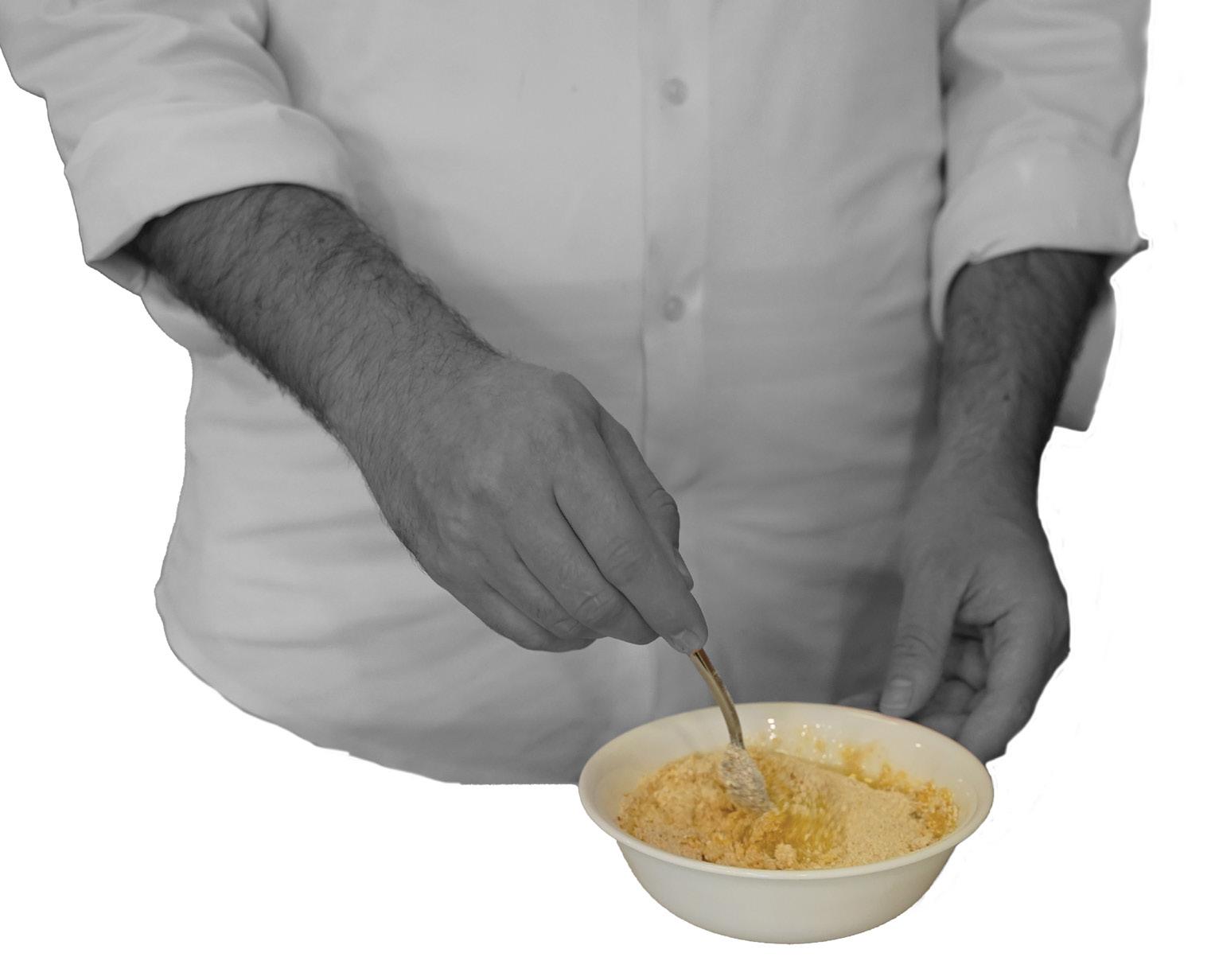
Urfalyan said making Manti is simple to do and that in order to make it, someone would first start with onion paste, sour cream and red pepper, before mixing it in and starting to assemble the wontons.
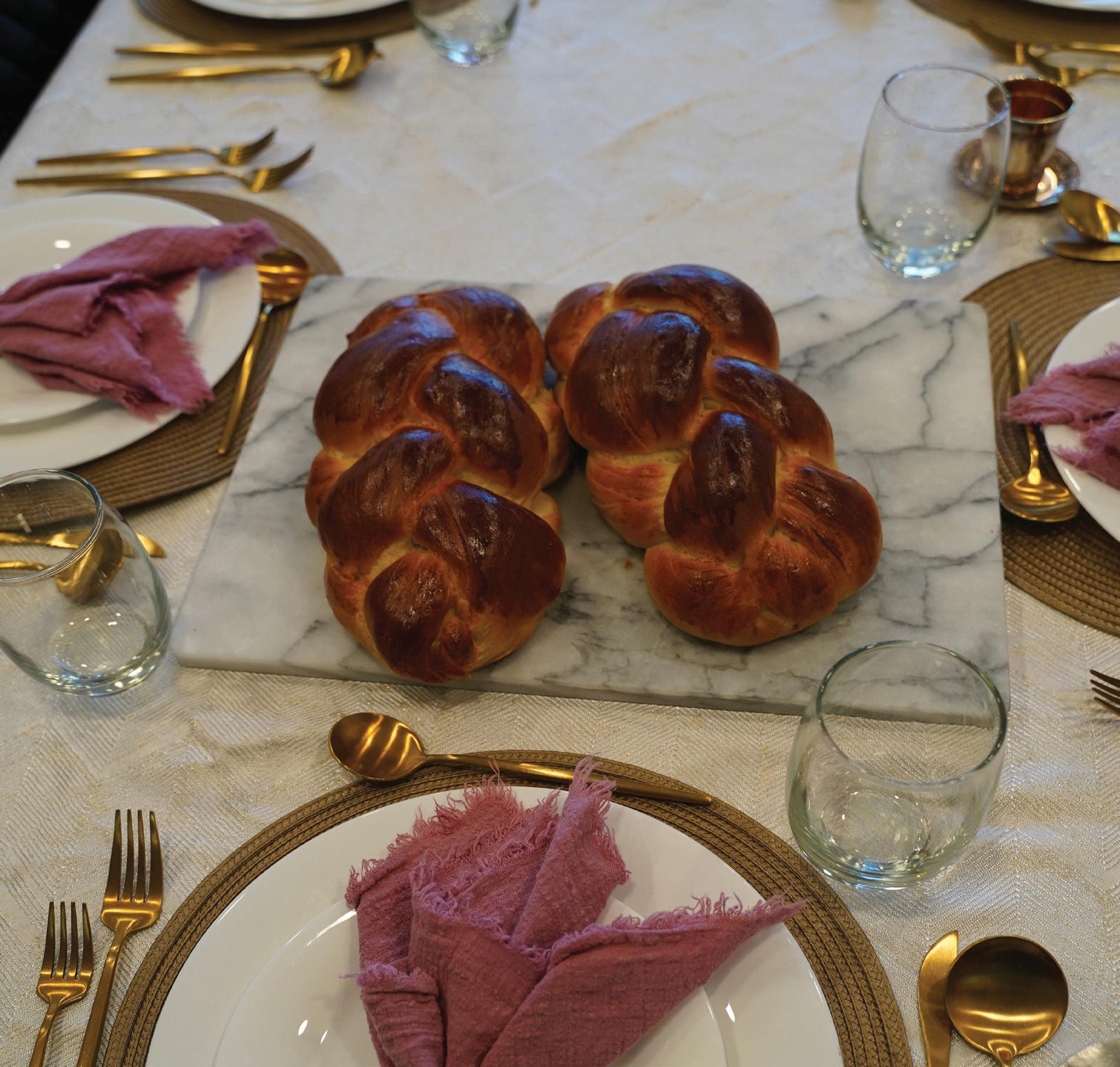
In Jewish culture, there are certain staple foods that appear at every Shabbat — or Jewish Sabbath — dinner, Eagle said. One food that is a staple at every dinner is the Challah bread.
There are two loaves of bread served at Shabbat on both Friday night and Saturday to symbolize how the Israelites received Manna from heaven in the desert and were given a double portion on Friday, Eagle said. This was so the Israelites could honor the day of rest on Saturday.
“As symbolism for that, we make a special blessing over two of the breads at each Shabbat dinner,” Eagle said. “My wife makes the bread fresh every Friday, and it’s definitely one of the highlights of the meal.”
Recipes are often more than just a piece of paper. Oftentimes, they hold much deeper meaning and offer the ability to connect across different cultures.
“I’ve been making
it [Manti] since I can remember,” Urfalyan said.
Her mom taught her how to make Manti and making it came naturally, Urfalyan said. She formed an attachment to it because of how much it means to her when her family comes together to eat it.
“When my mom was showing me, it was as if I was the one who was kind of leading,” Urfalyan said. “I’m very particular when it comes to cooking because I like things looking a certain way, but my mom’s way is more speed rather than what it looks like. I went very slow in learning how to master forming the Manti, but now I do it extremely quickly and extremely neat.”
Eagle said he is sure a lot of families have a Challah recipe that has been passed down. His wife has a box of recipe cards from her grandmother for various Viegas said Soto Ayam has been a part of
her family history for a long time and she always had it growing up.
“Even though I have actually never made this [Soto Ayam] before, growing up and even now I would always peek in the kitchen and ask my mom questions of why she adds the certain ingredients that she does and try to learn,” Viegas said.
Viegas said she believes food is one of the major things people can connect over, especially thinking about her own family history and culture.
Urfalyan said she loves trying different foods and expanding her palate.
“I use that as a way to shift the way I cook because there’s specific food tendencies I have that aren’t Armenian, but I utilize them when I start cooking my own dishes,” Urfalyan said.
Eagle said Shabbat is a great way to come together, enjoy a good home-cooked meal and connect with people.
“We’ve had people from all backgrounds join us at our Shabbat dinners and I really think if this were to happen more often, if people actually got to meet each other, it would take away a lot of the stereotypes or hesitation from connecting with someone from a different culture or different religion,” Eagle said.
“Food is a great way to bring people from different backgrounds together because everyone enjoys it, can share ideas and hold interesting conversations together.”

Sholom Eagle
Rabbi

Texas, Alaska, Germany, Japan.
For many military kids, these were not vacation destinations they were temporary homes.
With each move, there was a new school to learn from, new neighbors to get to know and a new city to start all over in. Rarely did they stay long enough to feel like it was home.
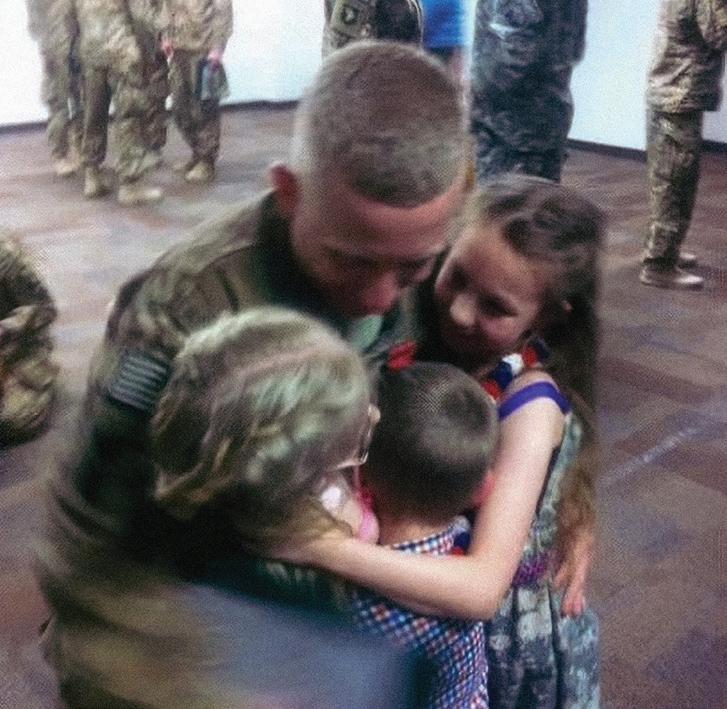
Pepperdine senior Ariel Miles knows this feeling all too well. Growing up in a U.S. Army family meant moving across multiple states and even overseas.
“My dad was in the army for 21 years, and so over the course of 21 years, I lived in, gosh, one, two, maybe six duty stations,” Miles said. “And a bunch of states, like, six or seven states. And I lived in Germany too.”
For children raised in military families, home is not usually just a place on a map. More so, it is a tradition carried from place to place, whether in family, memories, routines or objects that come with them through every move.
Moving around so many times leaves the idea of “home” complicated.
For Miles, moving around so often made it hard for her to truly feel rooted anywhere. She said that no matter
kind of a complicated answer, you know, because I say Ohio but I didn’t grow up there, I just grew up going there.”
However, Miles quickly learned that home was not necessarily a location; instead, it came from the small things that stayed consistent in her life with every move she made.
Whether it was the decorations or furniture, Miles said those consistencies made her feel comfortable with the constant change.
“We took the same dining room table through all of our moves,” Miles said. “Our couch came with us and just like little decorations that my mom had, things that made it really feel like home.”
For families whose neighborhoods, schools and houses are constantly changing, a sense of home can come from what remains the same.
Miles said that some of the only relationships that stayed consistent for her were those with her siblings.
“We were each other’s foundational friends,” Miles said.
That closeness is common among military families. When their friendships and schools are shifting every few years, siblings become one of the only
York, Alaska, Germany and Arizona, all before she graduated high school.
Like Miles, she found that attaching “home” to a specific location was difficult.
Dickey said, when calling a place home, she picks Casa Grande, Arizona, as her go-to, even though the answer carries a weight of complexity. In high school, it was difficult for her to claim that small town as home, where everyone knew everyone. Instead, home became her family.
“My mom was a huge part of home,” Dickey said. “I think that’s a little bit of a cliche answer, but I would say that my nuclear family, my parents, my two sisters and I are like so close that I think even if they move to another place right now — to a place I’ve never been — that place would still be my home because that’s where they are.”
Frequent moves for military children’s lives can shape how they form friendships. There are expectations that relationships may only last a few years, causing each connection to look different.
Dickey said moving so often made it difficult for her to make long-term friendships, and besides her own family, there is nobody who has known her since she was little.
Even now, Dickey said she experiences these long-term moving effects


relocations and starting all over in a new place.
Miles said the community was very tight knit. To this day, her family still talks about how they miss the community and sense of connection after leaving military life. She said everyone on the base understood the struggles of being a military kid and showed support for everyone — no matter how long they’d been on base.
“Everybody was genuinely there for each other,” Miles said. “Our friend’s moms were like moms to us, and we would just hop from house to house and leave our doors unlocked.”
Dickey had a similar experience of support through her community. As a child, she said many people were willing to help or show true care to her as she processed so much change.
For Gretchen Batcheller, a Pepperdine Art professor who also grew up as a military dependent, those experiences stayed with her long after childhood.
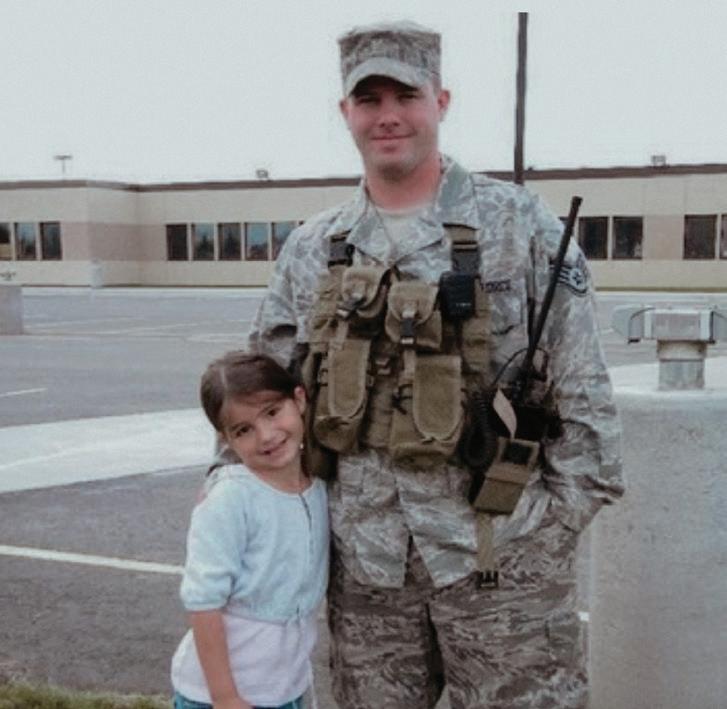
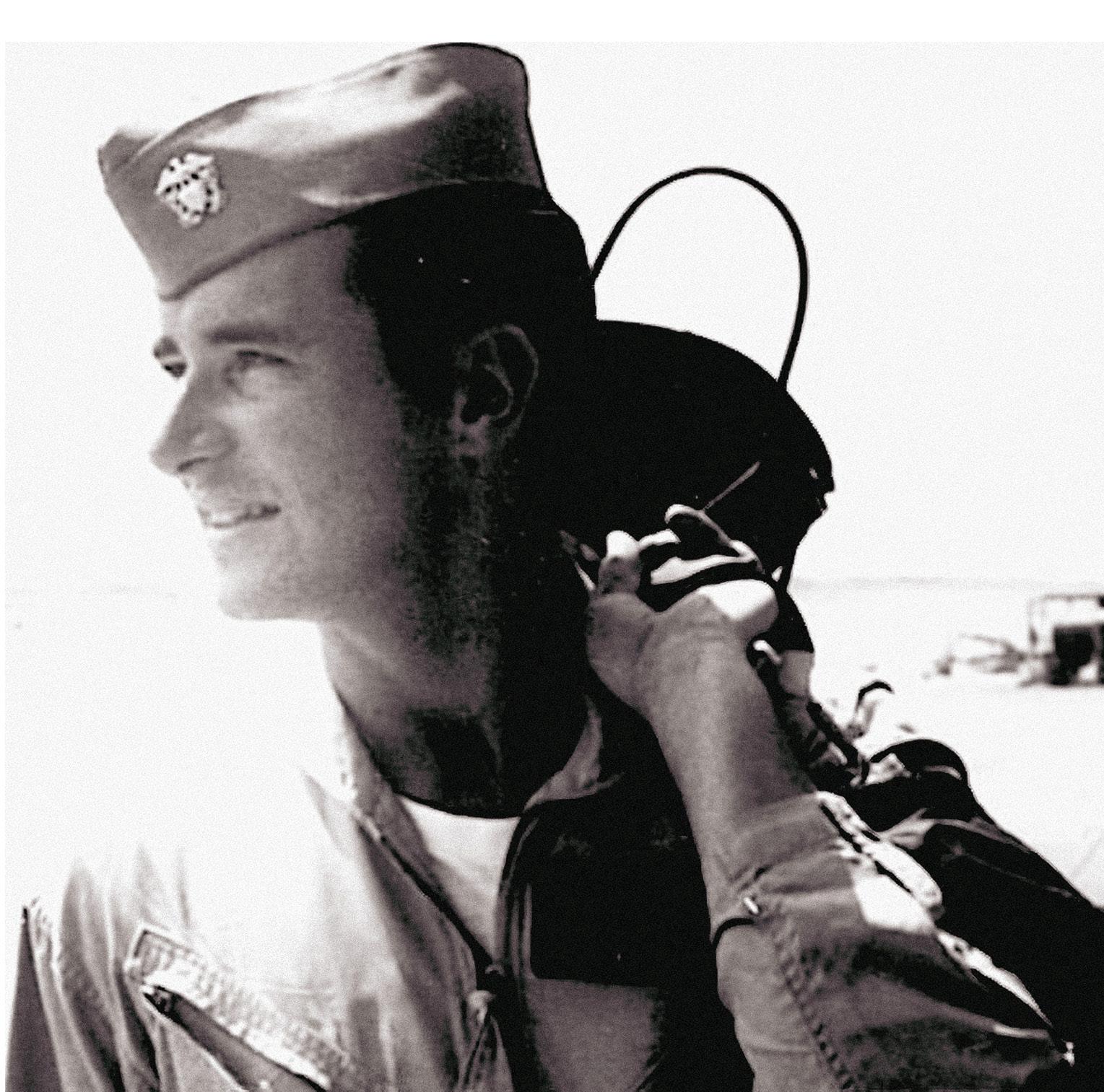
Batcheller’s father was a Navy fighter pilot, and by seventh grade she had attended 11 different schools. Over the years, she lived in California, Japan, Washington and Hawaii. To this day, Batcheller doesn’t have a simple answer for where home is.
“It’s complicated right?” Batcheller said. “I don’t know if there’s such thing as military diaspora, but I don’t necessarily know where I belong and where home is.”
That sense of uncertainty about where she belongs has shaped a lot of her perspective as an adult. Today, these reflections have become a central part of her work as an artist.
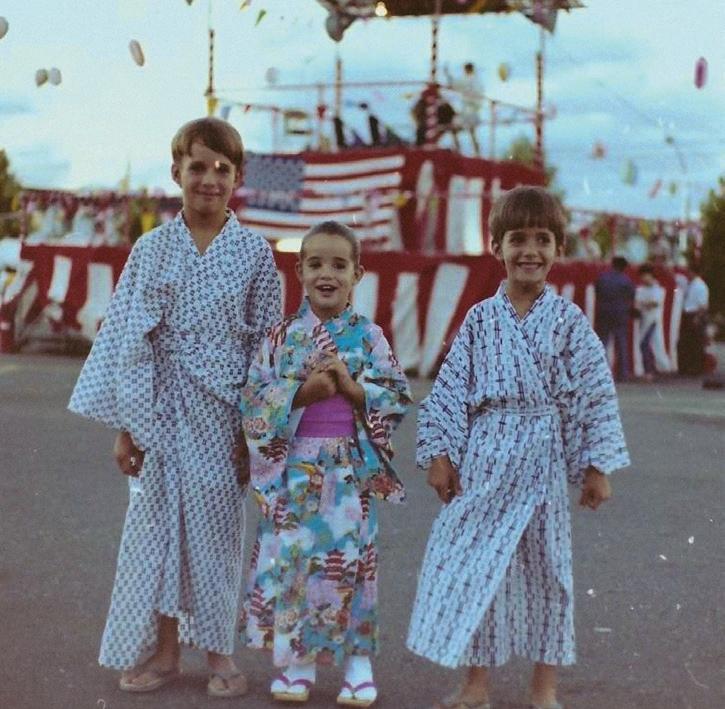
For nearly a decade, Batcheller has created a body of work based on her family’s time stationed in Japan during her childhood. She said her creative work stems from her life as a military dependent.
“When I first began that body of work, it was pretty nostalgic, which — nostalgia is a one-sided story,”
Batcheller said. “It didn’t encom pass the entire narrative.”
In her work, she began explor ing the broader historical and polit ical context surrounding the child hood memories she has. Once she took the time to reflect on her child hood, her work shifted with it.
“My work is very much about a critique of the military com plex and specifically the mil itarization of the Pacific,” Batcheller said.
Using her family’s photographs and cultural imagery, Batcheller blends her personal experiences with larger historical narratives in her work.
“It’s like this very complicated mixture of critique of military complex and the militarization of the Pacific and its cultural awakening for me,” Batcheller said. “But it’s also wrapped up in family honor of growing up a military dependent, being proud of my father, being grateful that my father survived the war.”
For the military’s dependents, growing up constantly moving does not erase their idea of home; it simply reshapes it.
Sometimes, home is a place. Sometimes, it is a family dinner table, a sibling or a group of friends who are scattered across the world. And sometimes, it is something harder to define.
“But home is where your heart is, you know,” Batcheller said. “Like home is with my family here on campus, and home is still my grandma’s house.”




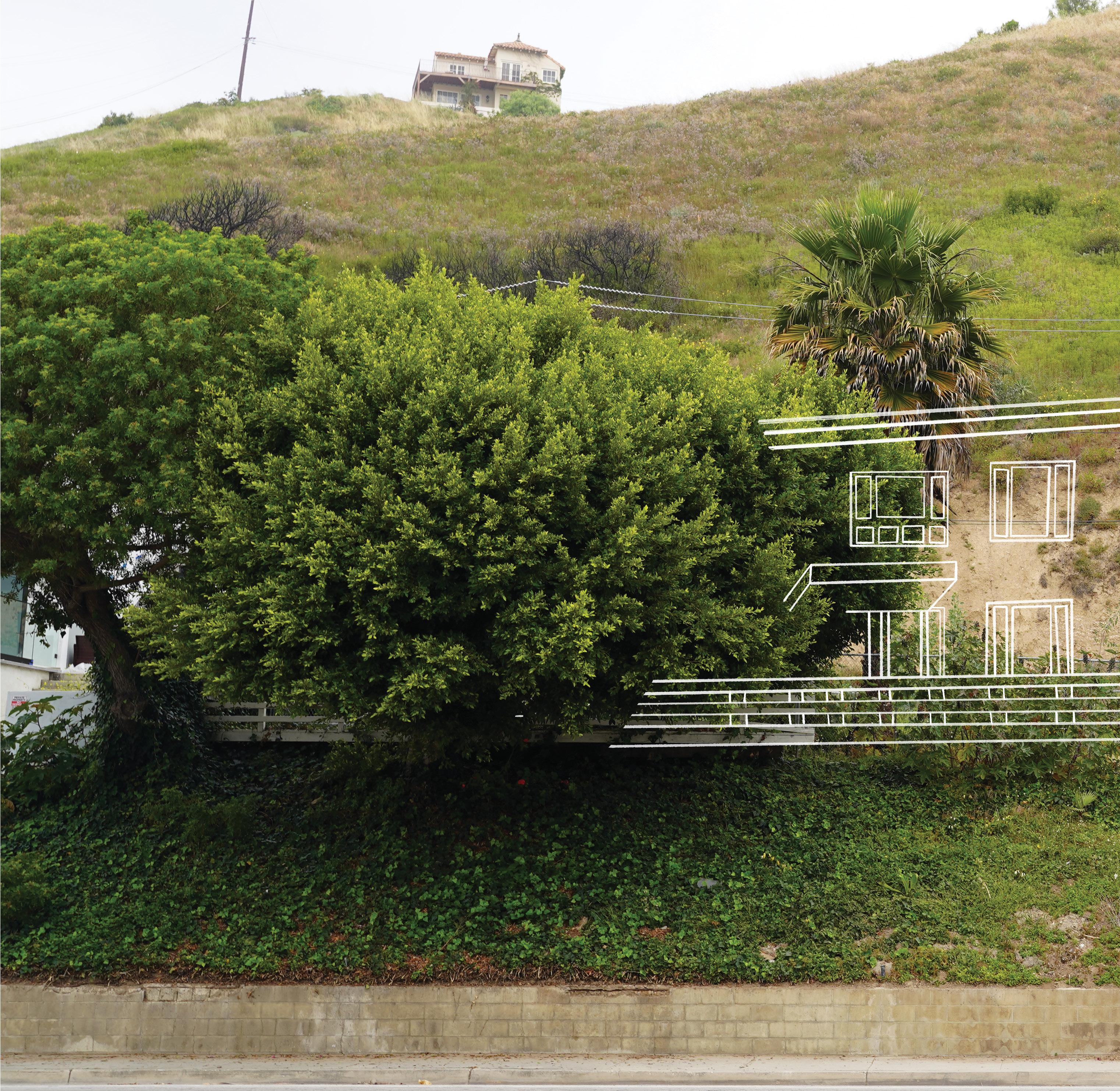
they couldn’t orient themselves.
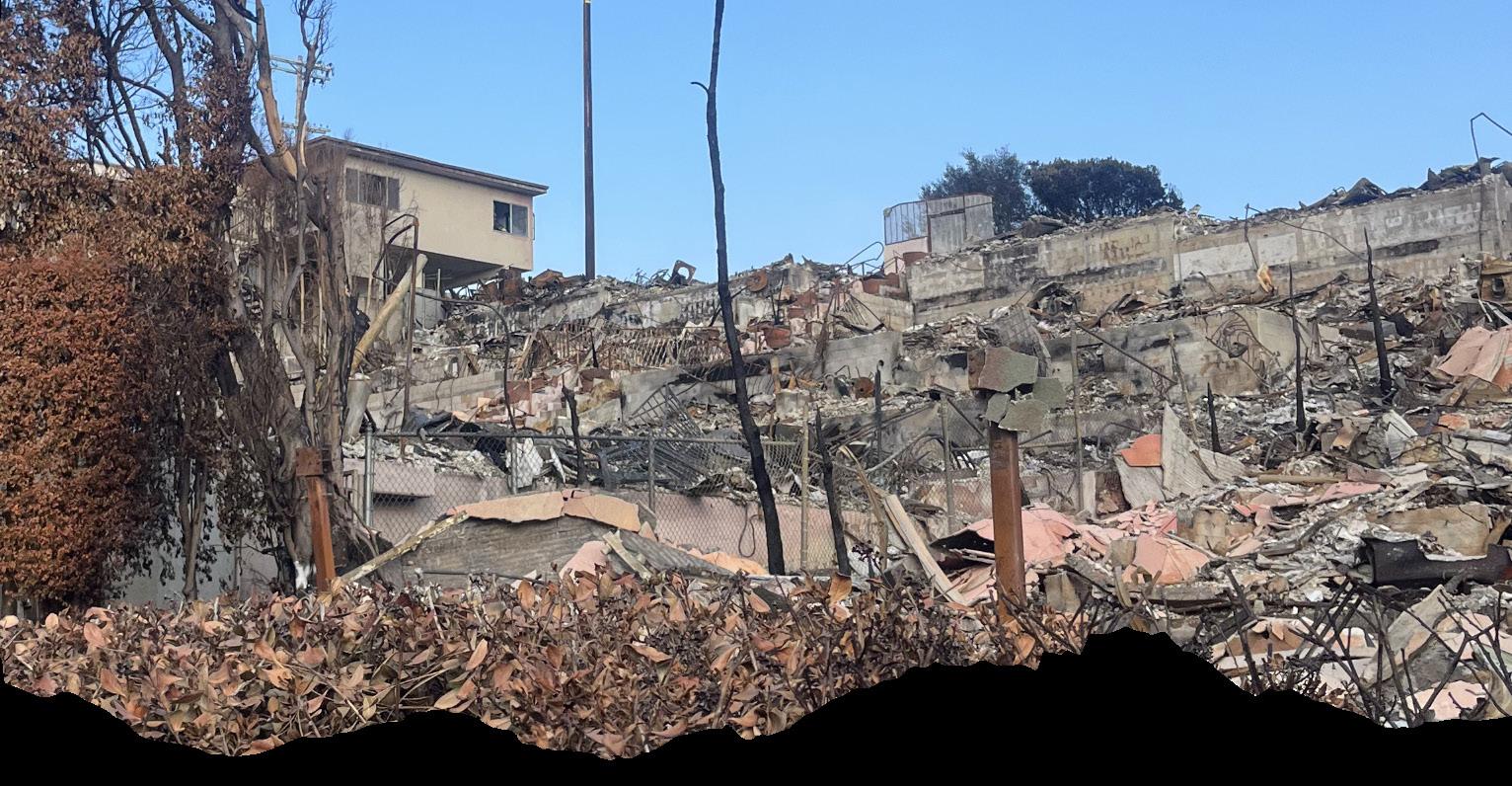
“It looked like a bomb had gone off,” Collins said.
Jan. 21, 2025. Two weeks since thousands of lives in Los Angeles had been turned upside down.
Former Pepperdine professor Rachel Collins was lost driving around the Palisades. She and her husband, Troy, couldn’t figure out where they were. Landmarks were gone. All their favorite spots too. After years of walking these city blocks,
More than a year has passed since America’s costliest wildfire event in history to date. Currents Magazine followed three diverging lives forever changed by the morning of Jan. 7, 2025: Collins, Waves basketball player Javon Cooley and flute instructor Susan Greenberg.
Rachel Collins had just left her job at
Pepperdine. She worked at the University for six and a half years as an associate chaplain and then moved to the Religion and Philosophy Division. During her time as a Pepperdine employee, she also received an MBA degree from Pepperdine’s Graziadio Business School.
The Franklin Fire in Fall 2024 cut her final semester short.
Collins and her husband moved into their Palisades apartment a week after they got married. They were part of their local YMCA, knew all their neighbors and had nicknames for the walking routes they
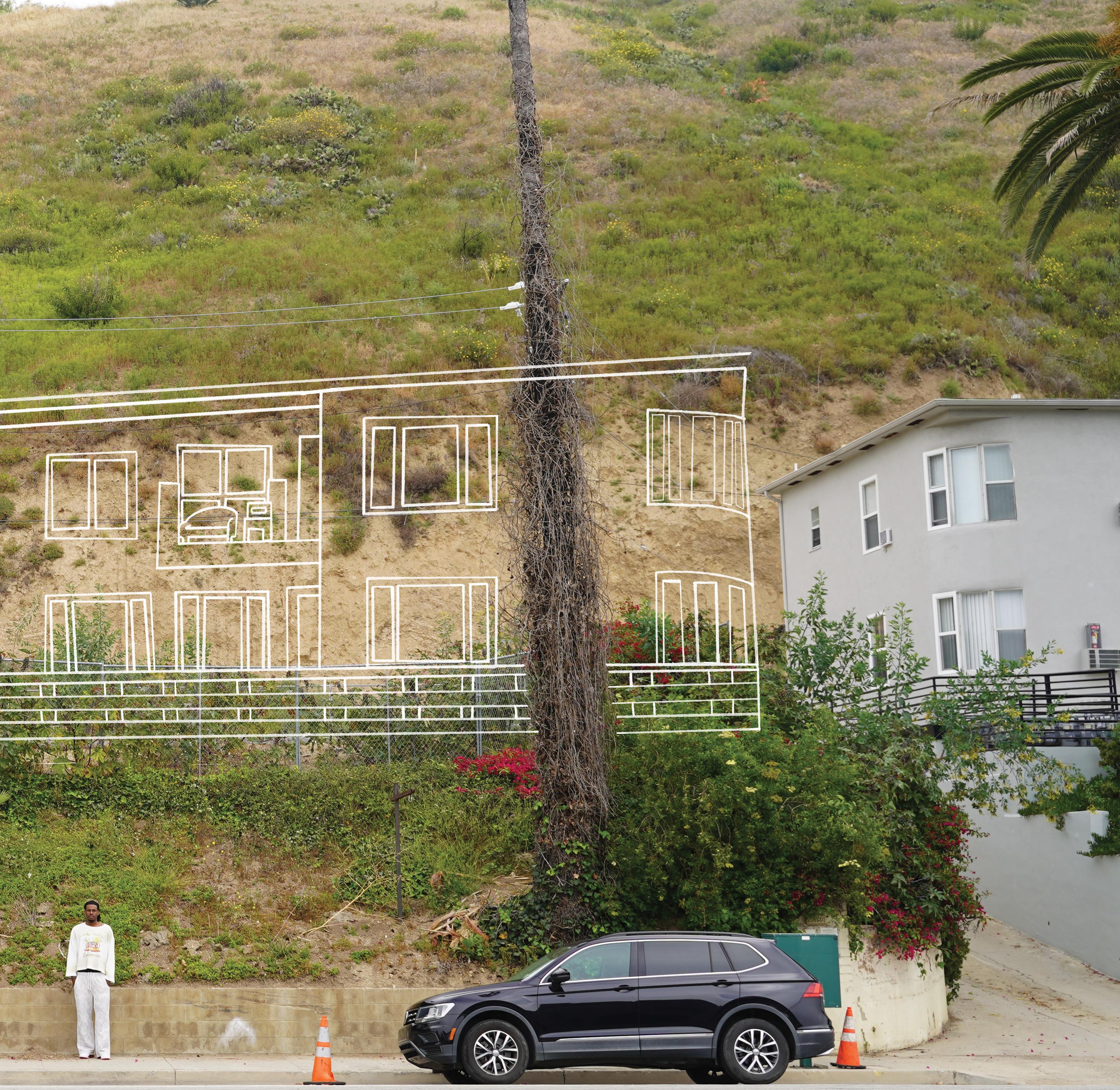
took around the Village shopping area.
“It was a really special place,” Collins said.
Collins never forgot the highly destructive Woolsey Fire in November 2018 while she worked in the chaplain’s office.
Grad student Javon Cooley’s story began across the country. He previously played college basketball at Marist University in New York before transferring to Pepperdine. Cooley moved to Malibu in June 2024 for a M.S. in Global Business at Graziadio, and his first year was filled with twists and turns.

“We don’t really have natural disasters,” the 6’5” Chicago native said. “The only thing I had to worry about growing up was a blizzard and maybe a thunderstorm with tornado warning.”
A month after arriving in Malibu, Cooley slipped on a wet spot during practice and injured his hip, an injury that would sideline him for the entire 2024-25 season.
The Franklin Fire that December forced him to evacuate from his Eastern Malibu apartment — across from Carbon Beach — with only the clothes on his back.
Greenberg came to Pepperdine as an adjunct professor to teach flute and chamber orchestra.
As one of LA’s premier flutists, she’s played at the Hollywood Bowl, operas and ballets, with the LA Chamber Orchestra, and for over 500 movies — including “On Golden Pond,” “The Notebook” and “The Lion King” — as well as for TV shows such as “The Simpsons” and “Animaniacs.”
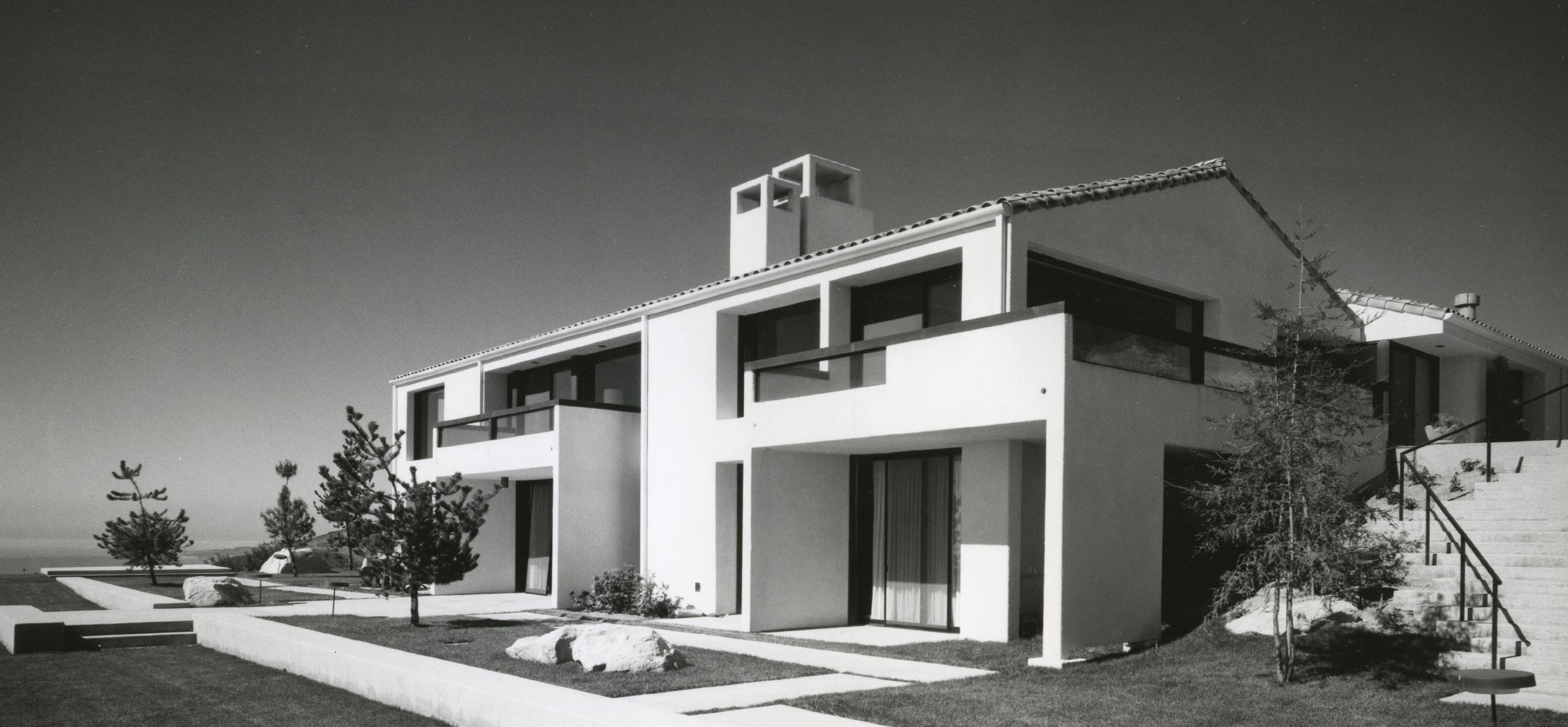
Greenberg and her husband bought their Palisades house in 1974 and raised their kids there. Their house — on a culde-sac adjacent to Will Rogers Park — was filled with photos and memories of her wedding and her kids’ bar and bat mitzvahs, candlesticks from her 50th anniversary, her instruments and her husband’s sculptures.
Fire was always a threat. They had evacuated three times before. The Mandeville Canyon Fire in 1978 came close — 150 yards — but firefighters protected their house from damage.
On Monday, Jan. 6, Greenberg received a standard fire-weather warning alert. The email encouraged them to consider packing up valuables, just to be safe. She didn’t take it too seriously. Firefighters routinely refilled their water tanks at Will Rogers Park, next to their house.
“They always saved our area,” Greenberg said. “I figured, ‘Oh, this will be the same.’”
Jan. 7: The Day the Fire Broke Out
That Tuesday, wind gusts ranged from 40 to 55 mph, according to The Weather Channel.
Southern California had documented record dry conditions months before.
“I’d never been in winds like that,” Greenberg said.
Collins remembers that morning as being dry and windy, but nothing worth canceling plans over. Her husband, Troy, headed to work in Burbank and she headed to Pepperdine to babysit for friends who lived in the condos on campus.
Her friends were home but in meetings as Collins was watching their son.
“Hey Rachel, have you looked out the window in a moment?” her friend called out to her.
She saw smoke.
Collins got a text from Troy, telling her that he was going back home. She quickly grabbed her things and handed the baby off to her friend, who gave her a mask in return. Collins sprinted to her car, only to get stuck on Pacific Coast Highway for the next hour and a half.
Greenberg was watching TV when she saw bumper to bumper traffic on Palisades Drive.
“I better get out of here,” Greenberg said.
She and her husband, Michael Norman, packed two flutes, two piccolos
and an alto, some clothes for them, two pillows, a laptop, her good jewelry, two passports and the key to the safety deposit box. They left behind photos, her wedding album, more of her flutes, a Steinway piano, laptops, sculptures, clothes and more.
“We left in an empty car,” Greenberg said. “We took nothing, thinking, ‘We’ll be back.’”
They made it out of the Palisades and traveled south to Santa Monica. Meanwhile Collins strived to make it back to her apartment, facing a police blockade at Topanga.
Collins handed her ID to an officer.
“I’m going to let you through ‘cause we have been instructed to let residents through,” the officer said to Collins. “But please, be careful.”
As Collins heard those words, her heart sank. She’ll never forget the look on his face.
She kept driving into the smoke and eventually lost the sun. Stuck at a standstill and struggling to see around her, she instructed Troy — who had made it home from Burbank — by phone.
“You just need to grab the main things,” Collins told him. “Grab our wedding box, grab the documents, grab a few changes of clothes and get out.”
In her car, stuck on PCH, she could make out flames racing down the hill, coming straight for her and the others stuck on the highway.


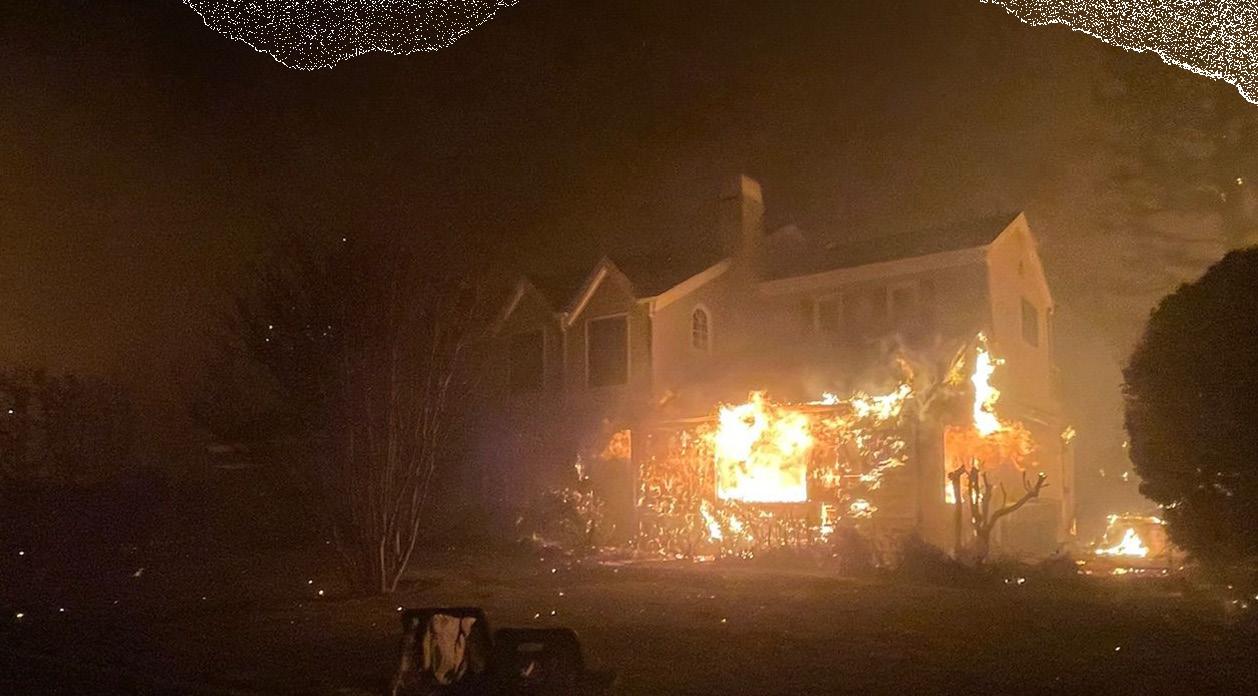
“Let me see what I can do,” he told her.
“No — just grab the stuff and get out,” she responded.
Collins made a U-turn and headed back to Malibu.
Greenberg and her husband spent an hour with friends in Santa Monica after evacuating from their Palisades home. But the fire was spreading south toward San Vicente Boulevard.
“I’m leaving,” Greenberg told her friends, heading for another friend’s house in Mar Vista.
Her friends laughed in response; they left an hour after she did.
While the firestorm raged through the Palisades, Cooley’s Eastern Malibu residence was still safe. Men’s Basketball were in the middle of their season, and Cooley headed for Firestone Fieldhouse. He was awaiting hip surgery but still regularly showed up to practices and lift sessions.
As he made his way to practice, Cooley saw light smoke in the sky and ambulances on the roads. After practice, Cooley went home. That night, the lights went out, just like they had with the Franklin Fire. He didn’t leave, he just stayed in the dark.
Eventually, Cooley’s “intuition” told him to leave and check out where the fires were. The blockade had moved from Topanga to Duke’s Malibu — about 1.4 miles from his home near Carbon Beach.
“I seen the fire coming almost over the
hill,” Cooley said. “Police officers, everybody, they told us to vacate our homes, so I did. So I left with a book bag and that was about it.”
A month earlier, during the Franklin Fire, Cooley left with nothing. This time, he thought packing a book bag was doing himself a service. He made his way to “Stinkies” — formally known as Malibu Canyon Village Apartments — to a teammate’s apartment and spent the night there.
Collins went back to her friend’s house on Pepperdine’s campus, and Troy joined her later that night, where they planned to stay.
“We started to see the fire coming north and cresting the hills,” Collins said. “There was just something psychologically where we were like, ‘Yeah, we got to get out of here.’”
They made their way down to Oceanside, where Troy’s family lives, and where they would stay for the next 12 days.
Jan. 8: The following morning. Cooley tried to reach his apartment at 6 a.m. The barricade had pushed further north, blocking traffic around the Country Mart. He went to a lift session instead.
A few hours later, he tried again and was able to drive to his complex.
“I pulled up and it was just nothing there,” Cooley said. “Both of the cribs

next to mine, still standing. And the fire came from the south direction, so I really didn’t understand it. But in that moment, I really didn’t know what to think, how to feel.”
He headed back to Stinkies where he told a group of teammates his situation. Cooley said everybody felt for him.
His day was far from over. His long-awaited hip surgery was still slated for that same day.
Because of road closures, Cooley drove to Kanan Dume Road to get to Redondo Beach for his surgery. His family had flown in to help take care of him until he could move on his own again.
His surgery went smoothly. He’d spend the next three weeks on bed rest at a hotel in Redondo. Recovery included a wheelchair and help just getting to the bathroom. All the while, Cooley was processing losing his home, which had everything to his name that wasn’t packed in his book bag.
Rachel and Troy Collins were still in Oceanside, away from the fires, with no idea of what their home looked like. The morning after they evacuated, her husband learned that the fire had reached their local high school, a couple of blocks away from their apartment.
“There’s just no way,” he said to her.
They were frantically trying to figure out if the fire had jumped Temescal Canyon Road and reached their apartment.
“We were doing our best to try to piece things together,” Collins said.
Two days after the fires, Collins found out her apartment complex was still standing, thanks to a neighbor who had snapped a photo for them. There was damage to the structure, but it was saved.
“There was relief in that for a little bit,” Collins said. “But then we slowly realized over the course of that day that didn’t really mean very much because it had just been baking in smoke and ash with lead and arsenic in it.”
Any belongings that could be salvaged would likely be covered in poisons.
Meanwhile, Collins was starting a new job. She dove into her work — not in denial of what had happened — but to distract herself.
Well-wishers, friends, family — they all said the same things to her: at least they were safe, that she and her husband still had each other.
“Those things are all true, but they do ring a little bit hollow coming from people who also have all their things,” Collins said. “The things you have represent where you’ve been in your life and the memories that you have.”
Greenberg’s memories of the fire are still foggy. She said she kept looking at charts vand maps, keeping herself updated through the internet. Her neighbors had also been
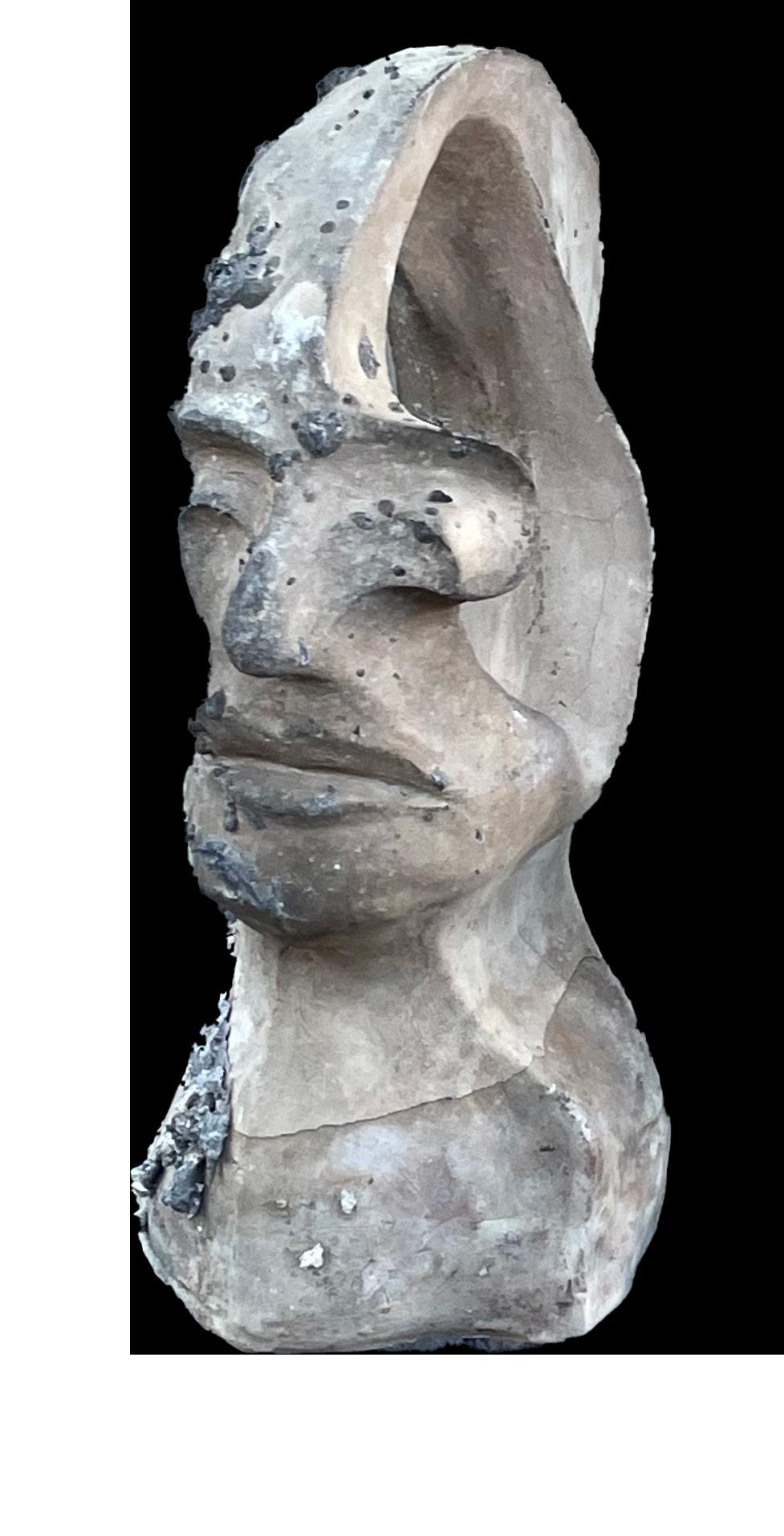
communicating with each other. She said she probably heard from a neighbor that her house was gone.
“I don’t think we went up there for a while to see it,” Greenberg said. “I think it was so bad that you can’t even contemplate it, you know what I mean? It was such a shock that you just had to feel grateful that you were safe, that you got out.”
In all, the fire damaged or destroyed 7,810 structures, according to CAL FIRE.
After the initial recovery stage of Cooley’s surgery was over, he stayed at a hotel in Westwood for two to three weeks so that he could be close to his physical therapist in Santa Monica. He began touring for a new apartment and was looking heavily through Santa Monica because he didn’t even want to be near potential fire locations.
When Cooley came out to the West Coast in May 2024, the first apartment complex he toured was in Calabasas. The second time around, he didn’t pass up on the opportunity to live there.
Whatever wasn’t packed in his book bag, he lost. People rallied around him to help him replace many of his belongings, but there were sentimental items he couldn’t get back.

Soon after the fires had settled, Greenberg got a call from her next-door neighbor. He was in the process of rebuilding his house before the fires.
“Good morning,” he said over the phone to her. “I’m pouring concrete, I want to buy your lot.”

She told him she wanted to think about it. For the next six months,

Collins was in “survival mode.” She was working remotely, but her husband needed to be in LA for work. They bounced around, staying with friends and in Airbnbs.
“There was a night where we left an Airbnb, and then didn’t have another one booked until 24 hours later,” Collins said. “We went to church not knowing where we were going to stay that night, and just like hoped that a friend would take us in.”
They eventually moved into a monthto-month apartment as they tried to get back on their feet. Collins said all of her neighbors have scattered. The potential health hazards are a looming concern.
“FEMA (Federal Emergency Management Agency) did not do soil testing,” Collins said. “I don’t fully understand why. I don’t trust the reports that have come out saying, ‘Oh it’s fine to live there.’ I don’t believe it.”
Collins and her husband came back three weeks after the fires and sat in a line. The Red Cross handed them body suits, N-95 masks, goggles, heavy-duty gloves and covers for their shoes, just for them to go back to their apartment and see if they wanted to rescue anything.
In her former apartment, Collins pulled her mask down for a second and said she couldn’t even describe the smell.
“It’s not a smoke smell,” Collins said.
Because of that experience, Collins doesn’t trust moving back to the Palisades yet.
She said they would wait several years before she thinks they would be comfortable.
“Maybe that’s us being overly cautious, but that’s where we landed,” Collins said.
Greenberg’s home was flattened. Little survived — their safe and pieces of Norman’s


sculptures remained standing.
Greenberg and her husband eventually found a house for rent while they searched for a new home. Their kids assisted them through the process, and Norman’s USAA insurance helped as well.
Her son-in-law wanted to show her around some houses near his house, in case they wanted to move closer to them, south of the LA County Art Museum. Greenberg went to look for new homes with him and saw a house that she described as beautiful.
However, she stopped there.
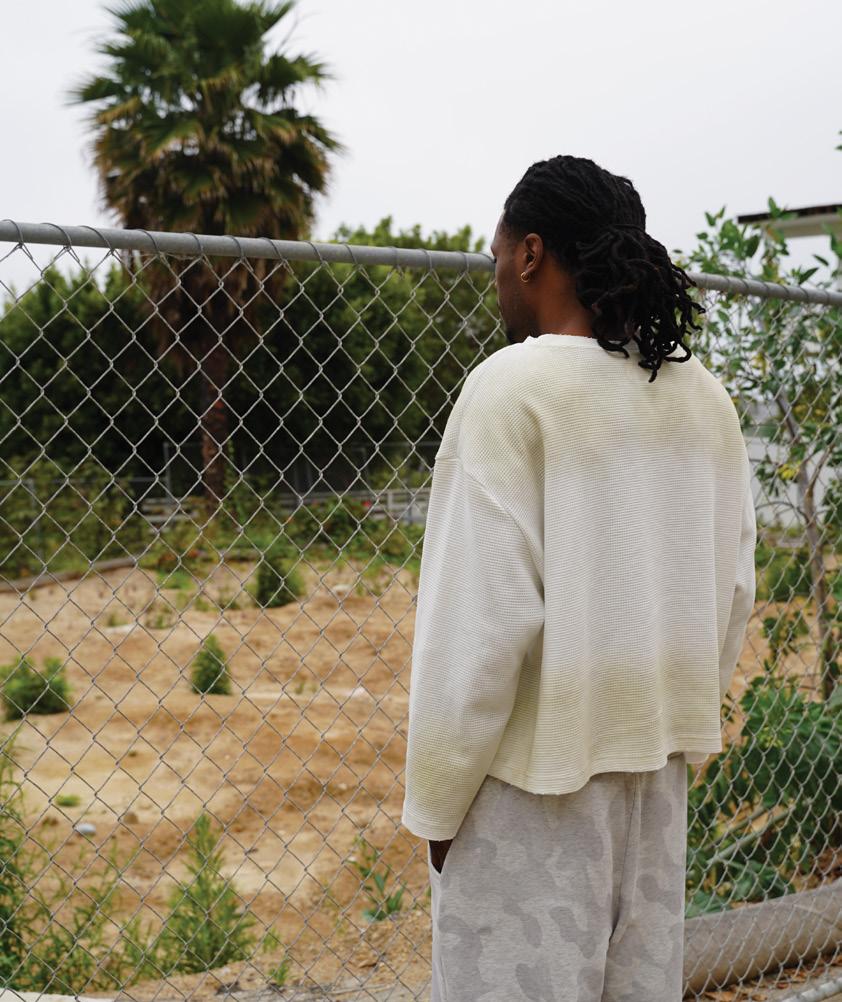
is still active, forcing lane closures.
“It’s too soon, I can’t even think about it,” Greenberg said. “I’m getting a sick feeling in my stomach, forget it.”
Greenberg said she and her husband bought the smallest house on the smallest lot in 1974. In 1989, they added a second story and moved out for 10 months. They didn’t want to remodel again. Greenberg was also concerned about the soil.
She decided to sell.
In November 2025, the LA Times reported that the first home had been rebuilt in the wake of the Palisades Fire. The home received a certificate of occupancy and passed inspection, being deemed safe to inhabit, and had its grand opening Dec. 6.
PCH has been reopened since May 2025, but construction along the highway
Malibu’s City Council announced that they had issued 574 total permits in the fire incident area as of Feb. 27, 2026.
While the rebuilding process has made it possible for some people to start moving back, the trauma from the wildfires — and the uncertainty of it’s long-term health impacts — still stand in the way for many former residents.
Collins said the grief comes in waves.
“There are just a lot of little moments that you don’t really predict,” Collins said. “Funnily enough, this morning I woke up, and I need to travel to the East Coast in a couple days. I was like, ‘I don’t have a coat, a jacket,’ I just never replaced the one that I had in our apartment. It sounds silly, but I loved this coat. It fits so well, I got so many compliments on it, and I never replaced it and couldn’t find the same one again.”
Greenberg compared the loss of her house to a death. She said you don’t get
a death right away, that it takes a while to sink in, and that it was the same with the fire.
“A lot of people cried,” Greenberg said. “I cried later, you know? I was just in such shock that I couldn’t even express the emotion.”
She bought a new house in Carthay Square, just a mile from one of her kids’ homes.
“In the Jewish religion, it’s interesting that the prayer for the dead — the Kaddish that you say after somebody dies — doesn’t say anything about death,” Greenberg said. “It reaffirms God, and it says you move on, and I think that’s just what I decided.
‘What other choice do I have?’”

She was given concert clothing donations from fellow musicians, got new instruments and received kind messages from others. Her family helped her throughout. A little over a year later, Greenberg said she’s living in gratitude.
“I just realized that I have a lot of those memories in my heart,” Greenberg said. “Which was kind of a very comforting thing because in a way, that’s kind of what life is. It’s a compendium of the memories you have as you’re building and going through your life. I think that’s been a great comfort to me.”
Cooley said he’s always dealt with adversity, and he believes this was another stamp in his journey. He believes this is something God put in front of him and that God knew he would be able to overcome.
Ten months after the Palisades Fire and his hip surgery, the power forward grad student made his debut as a Wave in November 2025.
The trauma is still there. He believes the experience is probably going to be something that lives with him forever.
“I wasn’t really able to process it early on, but now I feel better,” Cooley said. “Sometimes in Malibu, when it gets dark, cloudy, sometimes I just think about the smoke and everything.”






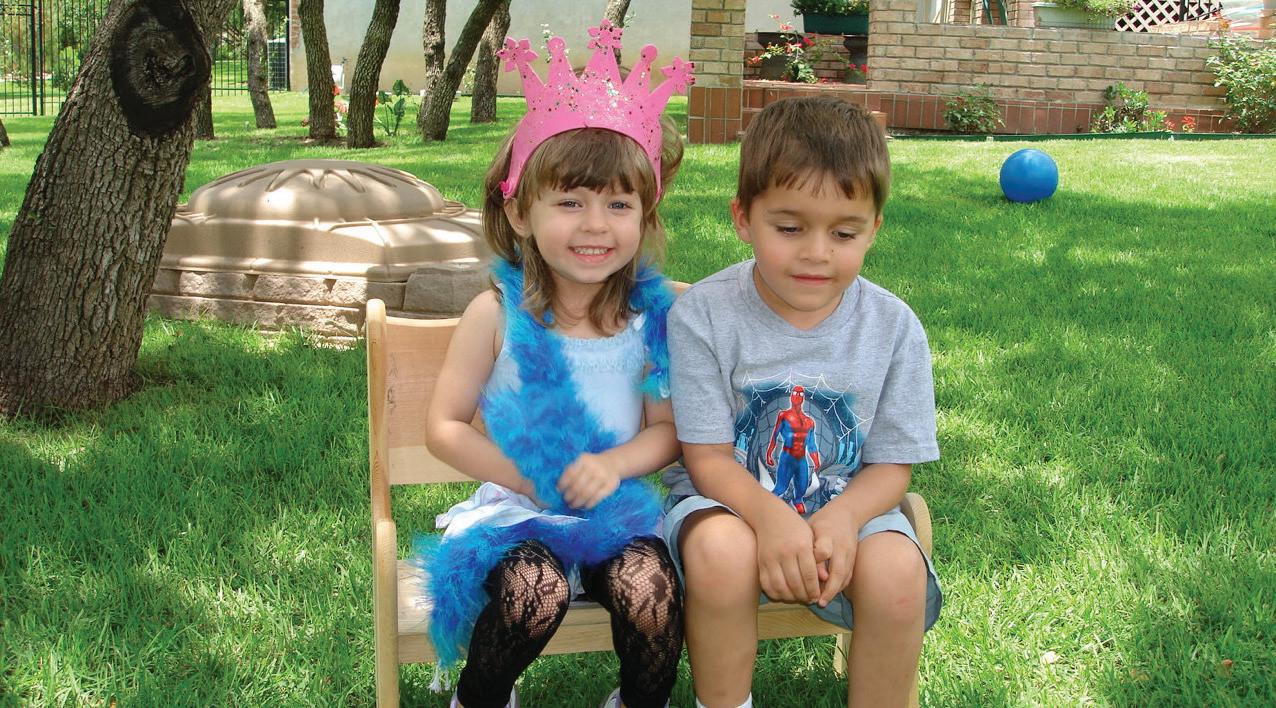

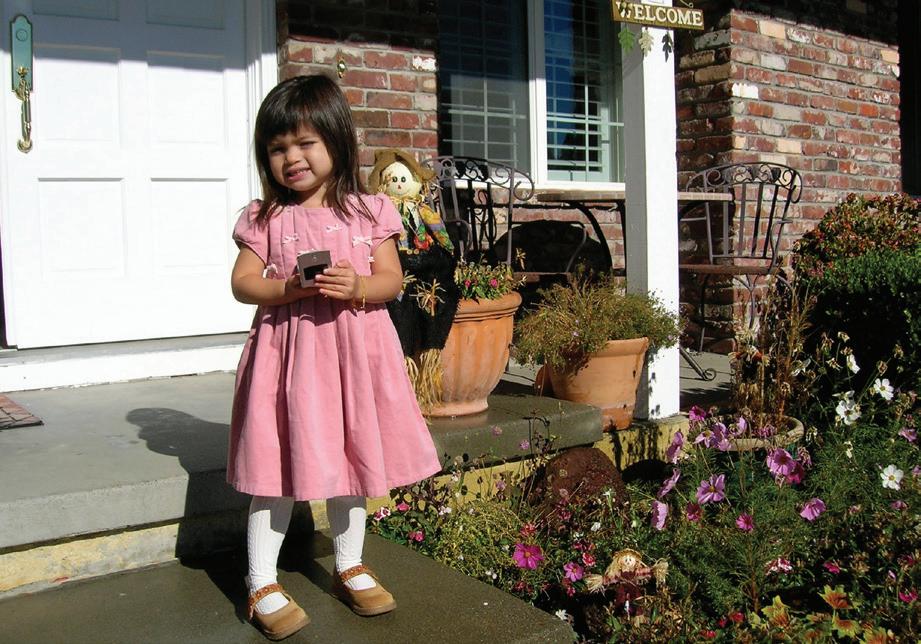




9-to-5

story by Kiyomi Ware
photos by Melissa Houston
design by Ella Monte
When the line between work and home begins to blur, it can often leave people feeling burned out or distracted from what is important to them, leading them to resent their 9-to-5.
Pepperdine Theatre Professor Kelly Todd, Malibu Colony Pilates owners Paul and Haylee Joseph and Rafi Lounge Operations Manager Emily Vo have made their 9-to-5s something more: a place of connection, tradition and shared purpose.
“Being surrounded by a community that values restoration, connection and intentional living makes work feel more like a sanctuary than a workplace,” Vo said.
As a theatre professor of 12 years, Todd has made the Lindhurst Theatre on Pepperdine’s campus home for herself and her students, as they create strong relationships with the long hours spent together.
Todd described her classroom dynamic simply as family. In theatre, Todd said a common phrase is always used to describe a familial feeling between the team.
“We are all a bunch of orphans — obviously, we aren’t all orphans, but this is a space where you can connect to humanity,” Todd said.
She references the familiar saying,
“Home is where the heart is” when describing her profession.
For Todd, that idea comes to life within the theatre department.
“We are a family, so that is home, and that’s how I feel here,” Todd said. “We come together, we work hard, we push each other, we’re vulnerable together.”
doing shows, so I’m here a lot.”
“It feels like an extension of our home and hopefully our clients’ home as well.”
Haylee Joseph
Co-Owner of Malibu Colony Pilates
On long nights, even after classes have ended, the lights inside Lindhurst Theatre remain on. Todd said she often spends more hours working than she does at her own home, rehearsing dances, instructing students and planning productions.
While it may seem surprising, many professors on campus share this experience. For them, the long hours are not simply part of the job, but a reflection of the passion they bring to their work.
Fostering Home in Malibu Colony Pilates Studio
New in town, Malibu Colony Pilates is run by a father and daughter duo. Paul and Haylee Joseph opened the studio in October 2025 with hopes of creating an experience that offers strength, care and community.
“It’s never been a moment where we felt like we had to rush out of here because it’s so peaceful,” Haylee Joseph said. “It feels like an extension of our home, and hopefully our clients’ home as well.”
As Malibu residents themselves, they understand how important it is to maintain that comforting atmosphere, knowing that a strong sense of community is what the people of the city value most.
“With us being Malibuites, we wanted to serve the community and create something home grown and family friendly,” Paul Joseph said.
Kelly Todd
“I run home, pick up my kids, get them wherever, dinner, and then I come back and work from like 6 to 10,” Todd said. “And then weekends a lot when I’m
Rather than building something that felt too polished or commercial, the goal was to design a studio that reflected the warmth and openness of the Malibu community.
“Everyone’s energy in Malibu is very spiritual, happy and cozy,” Haylee Joseph said. “That’s the vibe and feng shui we wanted in our studio so it feels homey.”
They intentionally created a workout that feels personal rather than transactional. In doing so, when they clock in, they

are stepping into a community far beyond the typical 9-to-5.
“It’s tranquil, even on busy days or when there’s a lot going on,” Haylee Joseph said. “There’s still that sense of peace and community,”
Similarly, staff members at a local wellness lounge described the space as a sanctuary not only for clients but for themselves. They created the lounge to foster connection, centering and wholeness.
Emily Vo, the operations managers and pilates instructor at Rafi Lounge Malibu, recalled her transition into working at the lounge as “serendipitous.”
“The first time I walked into Rafi Lounge, it immediately felt special,” Vo said. “Like a little sanctuary above the ocean.”
Despite her background in business and public relations, Vo wanted to find a quieter and more meaningful career path. That’s when she entered the wellness world and focused on becoming a comprehensive Pilates instructor, a certified yoga teacher and a Barre instructor.
These initiatives are what brought her through the doors of Rafi Lounge, where she started as a hot pilates instructor.
“The energy of the lounge, the panoramic view of the Malibu coastline and the calm ambiance felt like the stars aligning for me,” Vo said.
Vo recently stepped into the role of
operations manager, where she’s able to unite her professional skills and personal values in a more intentional way. In many ways, the position feels like a natural fit.
Vo reflected on how surprisingly creative and freeing her work environment feels, challenging the common perception of pressure and burnout that often comes with management positions.
“It feels less like an office and more
like a creative sanctuary where I have meetings, conversations and naturally flowing ideas,” Vo said.
Vo further explained how her transition into her role at Rafi Lounge differed from previous jobs.
“Work stopped feeling like something separate from my life,” Vo said. “Instead, Rafi Lounge became a place where I could nurture community, curate experiences and do work that genuinely fills my heart.”
The atmosphere and environment of a business often reflects its leadership and management. When staff feel genuinely at peace and at home in their workplace, guests and members are more likely to experience that same comfort and energy.
That is often the issue with many workplaces and classrooms: When leaders are not fulfilled in their profession, it inevitably reflects in their work and shapes how others perceive the environment. To them, it becomes just a 9-to-5 job, nothing more and nothing less.
“There’s this saying that says, ‘If you do what you love, you never work a day,’” Todd said.

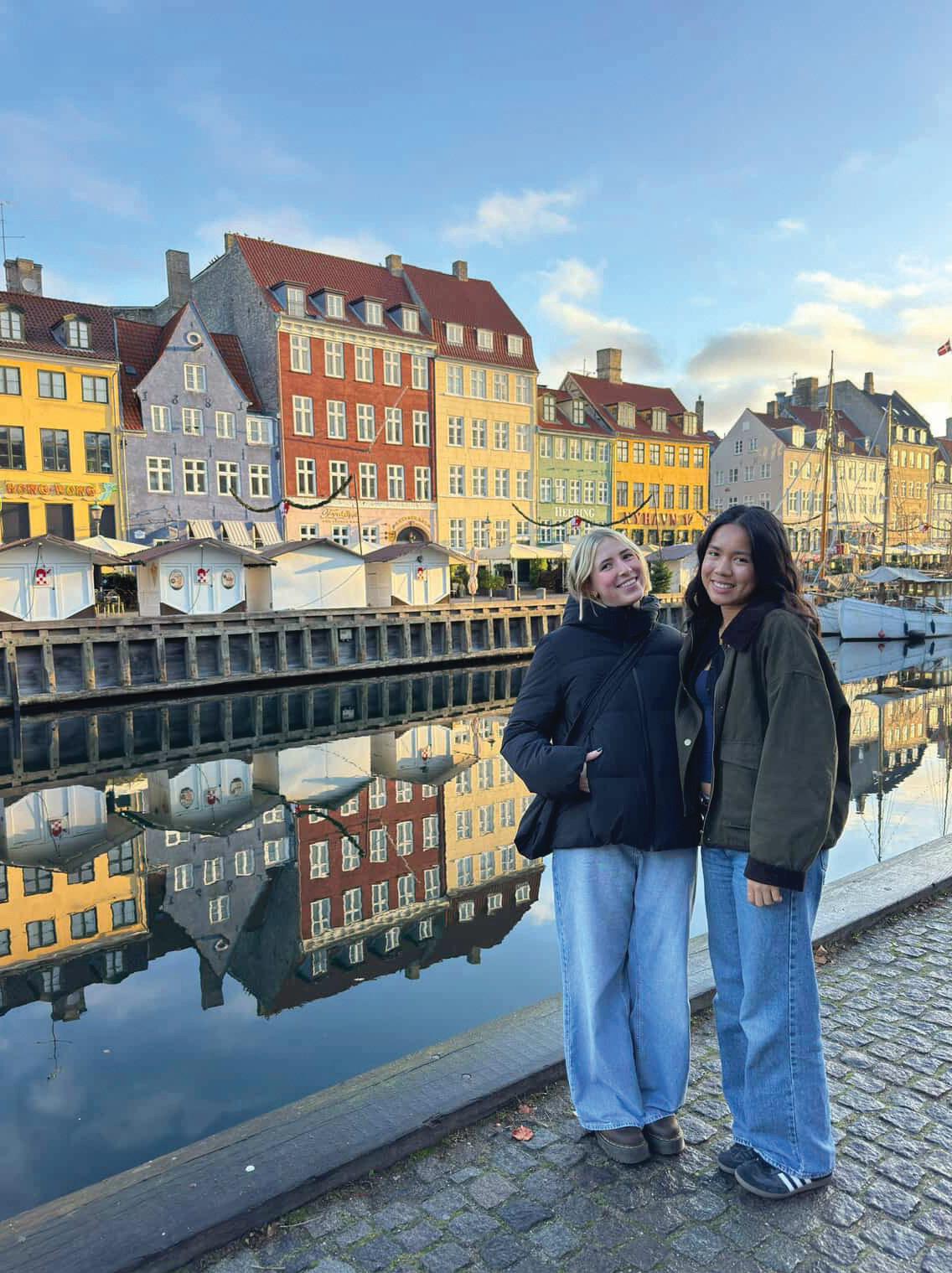
Personal growth emerges through change, yet change itself takes root in discomfort.
Leaving home to create a new one is no exception.
Moving to another country embodies this transformation, especially for students who choose to further their education abroad through Pepperdine’s International Programs.
Amid the uncertainty of a new setting, sophomore Isabel Norman — studying abroad in London for the 2025-2026 academic year — said it was the family by her side who ultimately transformed a foreign country into a place she would eventually call home.
“When I first came to London, I felt like I had made a mistake,” Norman said. “But the community here surrounded me and they became my new home.”
Home rarely disappears all at once — instead, it lingers quietly in the spaces between excitement and fear, making itself known just as students step into the unfamiliar.
One of the biggest discomforts study-abroad students face is the longing for home, familiarity and the love of family.
When junior Sofia Preston touched down in Buenos Aires for the 20242025 academic year, she felt as though she entered another world; a place where she was uncomfortable, starting the painful process of growth.
Although the feelings of homesickness hit her in the midst of
of mind because of the people around you,” Preston said.
Norman said although she rarely feels homesick anymore, the hardest hit of homesickness was before she even touched down in London.
“On the flight over, I was crying and felt nervous about leaving home,” Norman said. “But now I look back on that experience and feel so grateful for the life I’ve built in London.”
Sophomore Mia Perry, studying abroad in Switzerland for the 20252026 academic year, said the goal of studying abroad is to grow, even in the midst of newness.
“With abroad, embracing discomfort is so important,” Perry said.
Among the unfamiliarity, adventure, culture shock and the overwhelming feeling of dread that comes from moving to a new country, a program turns into a family.
When students take the leap of faith to move overseas, they aren’t making the journey alone; each program includes other Pepperdine students abroad in the same position.
These fellow students eventually transform from strangers to family.
Sophomore Patrick Tabscott — studying in Heidelberg, Germany for Spring 2026 — said his circle has wonderfully expanded since he made this life-changing journey.
“We have spent so much time together that we’ve basically become a family overseas,” Tabscott said.
Norman said she was weary about making friends when she first got to London, and now, she looks back on
in Malibu, she said she felt an awkward yet beautiful divide of having two homes and missing the one she wasn’t in.
“Coming back home was honestly a bigger adjustment than it was going abroad,” Preston said. “I became homesick for Argentina.”
However, she has a small piece of Argentina with her always — the students who went and came back alongside her.
“I do feel like I have two homes,” Preston said. “The best part is that I have a part of my Argentinian home here with the people who went abroad with me.”
With a transition as formidable as moving overseas, Perry said there is a common agreement among students that they will return to the United States forever changed.
“There’s a consensus between all of my classmates here that we all feel different and we have grown so much,” Perry said.
The beautiful diversity of cultures and backgrounds is what Norman said would leave an imprint on her heart for the rest of her life.
“I have grown a certain type of empathy while being abroad,” Norman said. “There are people from all walks of life in London, and living here makes you love them all.”
Being back in her usual setting in Malibu after a year living in Argentina, Preston said she grew into a new person and now views those changes as the true meaning of home: being at home with oneself.
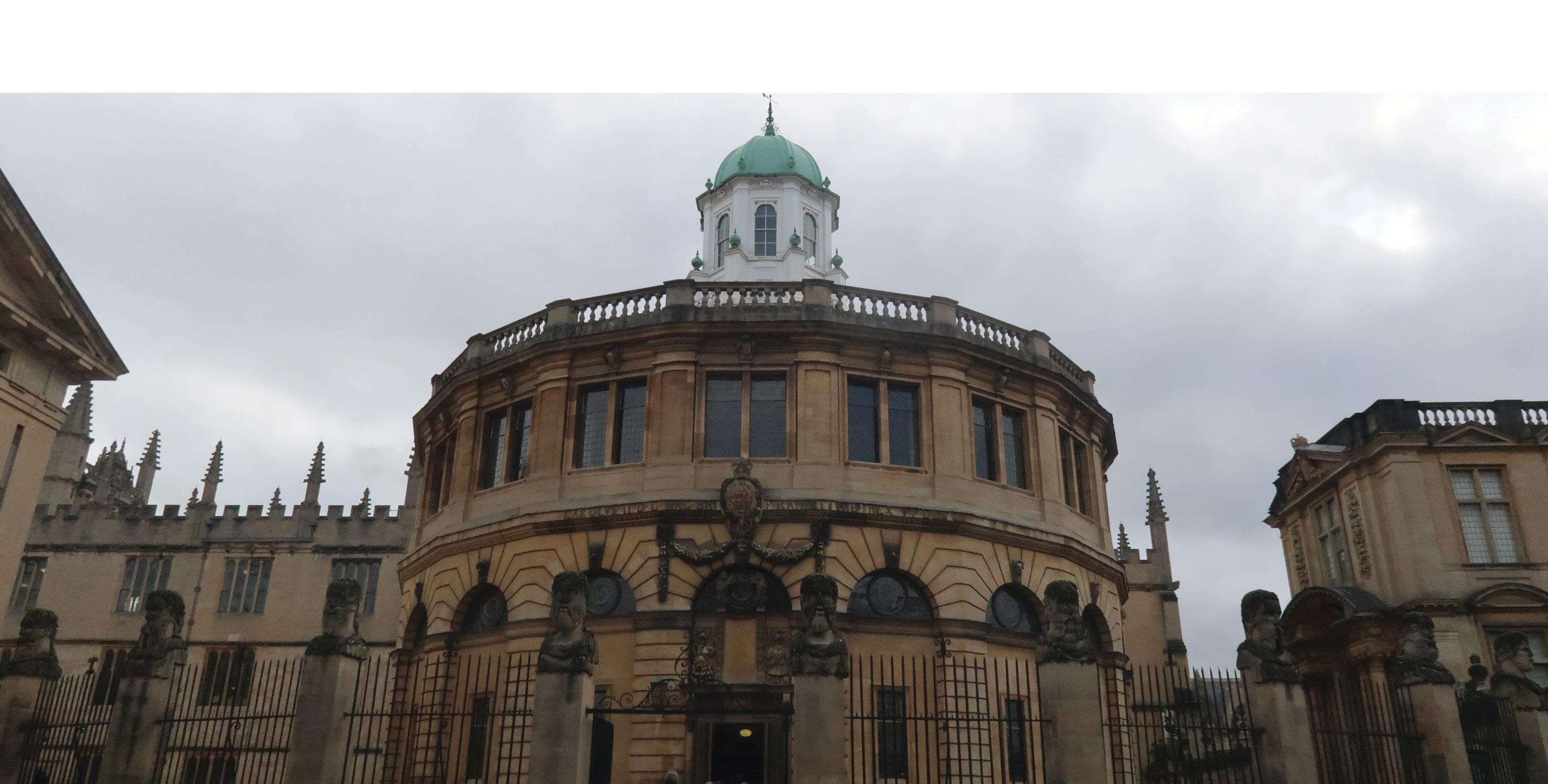
“I learned who I was while in Argentina,” Preston said. “And I guess that really is what home is — being confident and comfortable within your own skin no matter where you are.”









known as Pacific Coast Highway.
Steps away from the Malibu Lagoon, where the bright blue waves lap against a sandy shore and seabirds circle overhead, stands the home that marks the beginning of Malibu’s history.
The Adamson House can be easy to miss along Pacific Coast Highway. The home is tucked behind a Spanish-style gate and peppertrees, with a tiled sign announcing its presence: “ADAMSON HOUSE, Discover Historic Malibu.”
Long before Malibu became synonymous with oceanfront mansions and celebrity sightings, the land belonged almost entirely to one family.
“So the real family is not Adamson,” said 83-year-old docent Norman Buehring, who has volunteered at the house for more than two decades. “It’s the Rindge family.”
In 1892, Frederick Rindge purchased 13,000 acres and 20 miles of coastline stretching along the Pacific, Buehring said. At the time, Malibu was largely undeveloped. Rindge, a businessman and lawyer, thought it was the perfect place to build his estate.
“They were Malibu,” Buehring said. “Owned it all.”
As California expanded, the state began to seek passage through the Rindge’s land. Frederick and his wife May fought off railroad companies hoping to run tracks along the coast. They continued their legal battle with the state for years over plans to build a highway through their property, now
However, the cost of the legal battles eventually took its toll. By the 1930s, the family faced bankruptcy. Buehring said much of their land was sold off, opening the door for the development that followed.
What remained was the Adamson House.
Built in 1929 by Frederick Rindge’s daughter, Rhoda Rindge Adamson, and her husband, Merritt Adamson, the home was originally intended as a beach house. Now, it serves as a time capsule for the modern developers of Malibu.
For Buehring, that authenticity is what makes the house so meaningful.
“What this is — this house — it’s Malibu’s history,” Buehring said. “There’s nothing else like it here.”
“It’s a jewel of Malibu,” Calabasas native Nina Johnson said. “It’s probably one of the most beautiful time capsules I’ve ever seen.”
Johnson was struck by the house’s beauty and the care that went into its design.
“It reflects the culture of the time and the people that had the vision to build it,” Johnson said. “They took such great care and put so much love and personality into it.”
Each room holds its own artistic personality, from sailboat tile on the youngest son’s bedroom walls to hand-painted birds on the nanny’s bedroom ceiling.
The Adamson House also carries another layer of meaning for Pepperdine.
Toward the end of their legal battles, the Rindge family donated 138 acres to help relocate Pepperdine University from South Los Angeles to its current hillside campus overlooking the ocean, Buehring said. Furthermore, Chancellor M. Norvel Young moved into the Adamson House in 1971, maintaining the home until it could be properly restored, according to the Adamson House website.
History Professor Megan Kendrick said the connection makes the house an important part of local history for students.
“It’s fun for me to be able to show students this aspect of local history because it has had such a direct link to the existence of our campus,” Kendrick said. “The family had such an outsized impact on the creation of Malibu as we know it.”
For some visitors, the experience of walking through the house feels even more personal.
The house reminded 89-year-old visitor Kenny Joy Rizzo of the place where she grew up.
“The moment I stepped inside, it reminded me of my home my father built in Burbank,” Rizzo said. “The bottles in the kitchen are the same bottles that would be delivered to my family.”
Those small details make the Adamson house feel less like a museum and more like a home, Rizzo said.
The grounds are open to explore for free every day from 8 a.m. to sunset. To take a guided tour of the inside of the home, visitors are welcome from Wednesday to Saturday, 11 a.m. to 2 p.m., for $7.
from top, clockwise: Sydney Brennan, Luke Lewandowski, Zachary Luben, Sofia Szykowny

For some, the age of 18 brings the realities of adulthood and new bounds of freedom.
For senior Luke Lewandowski, this milestone involved a unique blood ritual.
“When everyone turned 18 in our family, we poked holes in all of our fingers and put the fingers against everyone so we had, like, the same blood,” Lewandowski said. “That was something my dad really wanted to do.”
Growing up in a family of three adopted children — and being one himself — his family always challenged the notion that they needed to share biology. In the absence of mirrored physical traits and shared cells, the bond of his family did not dissipate or atrophy, but rather grew into something thicker and deeper than DNA.
Lewandowski, fellow Pepperdine students Sofia Szykowny and Sydney Brennan and faculty member Zachary Luben discussed how their adoption stories challenged them and invited a new concept of family.
Born in South Korea and adopted at 8 months old, Student Convocation Director Zachary Luben remembers the experiences that defined his identity and perception of family as he grew up. He can recognize the peculiarity in having two white parents, a white older brother and two adopted Asian siblings, while growing up in the Bay Area.
“Where I was, there wasn’t a lot of families who looked like mine,” Luben said.
Luben pointed to a specific moment of recognition that many adoptees experience and has been defined by certain scholars as the idea of “coming to consciousness,” in particular moments and spaces.
“You kind of begin to recognize that, you know, you don’t fit what a lot of people will assume when we use the word ‘family,’” Luben said.
First-year Sofia Szykowny recounted a similar experience, having been adopted into a Mexican-Polish family from Guatemala at 13 months old.
“Whenever I’m with my middle brother sometimes, they would just ask, like, ‘Oh, you guys are siblings? I didn’t know
that,’” Szykowny said. “Some people don’t like to ask, ‘Oh, are you adopted?’ I would rather you tell me that than have assumptions or just to be weird about it ‘cause it’s nothing to hide.”
Adoptee scholars have referenced the need for an adoptee to explain their existence in their family to others as a “narrative burden,” Luben said.
“So you think about going out to a dinner, sitting down, my parents are there, my older brother’s there, and then there’s these three Asian kids with this white family,” Luben said. “And your server is sort of like, ‘What are the dynamics? Are you a family?’”
Other adoptees feel they better match their family’s biological traits.
“A lot of people say that I look like my family,” Lewandowski said. “Everyone thought that I was just born to my parents, like when I had to explain to people that I was adopted more often than vice versa.”
Lewandowski’s adoption story began before he was even born — his adoptive parents were there at the hospital with his 16-year-old birth mother, and from that moment on they raised him as their own. Still, Lewandowski noted the challenge of adoption in struggling to form identity without the luxury of knowing his full heritage.
“I just know what she [his biological mom] looks like, and I know where she lives,” Lewandowski said. “Yeah, that’s kind of it. I know a little bit about my story and how the adoption process went for them, but I don’t know much about them as people.”
He’s shared one brief phone call with his biological mom. Lewandowski said he feels the need to search for identity in the moments where he disagrees with his adopted parents — begging the question of where, or even who, he may get a perspective from.
Part of Lewandowski believes it could just be growing into his own opinion and understanding the world better, but he acknowledged that he could have received these internal traits from his birth parents.
“I wish I knew,” Lewandowski said.
An all-encompassing, soul-searching quest for answers can then emerge for many who share this genetic disconnect.
“It’s like I had three sets of different families,” Szykowny said.
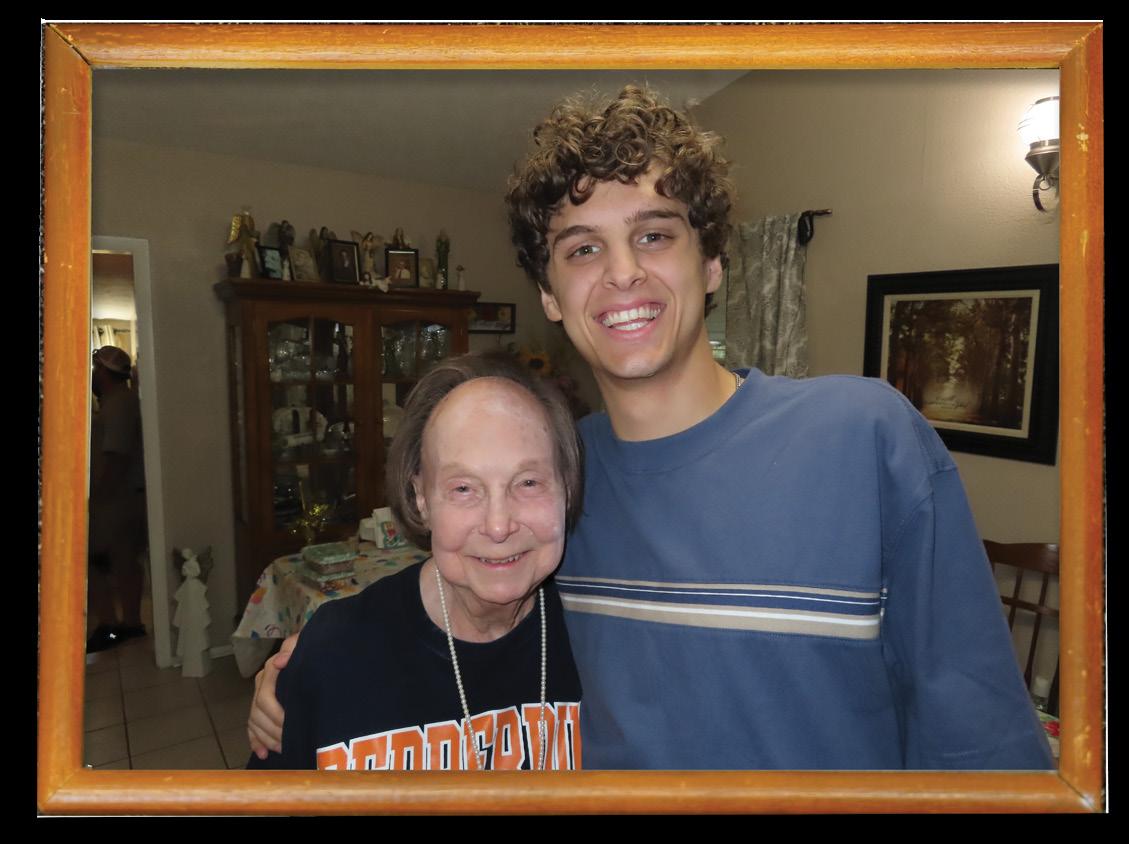
Placed in foster care before she was officially adopted, Szykowny recognizes her origin story as unique, creating curiosity over whether a part of herself remains in some of her original family.
Similar to the biological disconnect, a racial or ethnic disconnect can emerge for many transnational adoptees.
Walking around a department store, mother and child together, a woman — a stranger — approached Luben’s adopted mother with an accusation.
“She accused her of having kidnapped me,” Luben said.
Senior Sydney Brennan, a transracial and transnational adoptee, experienced similar challenges growing up Chinese in a white family.
“I feel like I made my own identity as adopted Chinese,” Brennan said. “I feel like that’s its own category because I don’t fully claim I’m Chinese — because I stick out with the Chinese people, but then, I’m not gonna say I’m white, you know?”
Brennan said that if she were to go back to China, she wouldn’t know how to act. Growing up, she felt a bit on the outside in Asian culture and considers herself whitewashed. Luben said he felt similarly.
“I don’t know, even to this day, I don’t know how comfortable I can say that I am being Asian, being Korean,” Luben said. Luben remembers his mom trying to get him interested in Korean culture, but he simply did not want to, calling upon the childlike feeling of wanting to fit in. Now, he still struggles to dictate exactly how much this culture fits into his story and identity.
As he sees it, exploration of his “home
culture” — Korean culture — has always felt a bit like doing a research project.
During the pandemic, Luben started cooking Korean food and evaluating it, but remembers thinking he didn’t really have a reference for it. He said he felt like an outsider to Korean culture who was trying to learn what it means.
“When I eat Korean food, it doesn’t remind me of a grandma or mom or anything like that,” Luben said. “It reminds me of the fact that I don’t have a context for it.”
A homemade meal and the taste of one’s home culture can carry weight for an adoptee, good and bad. For Szykowny, it was the taste of tamales.
Through her own efforts and the help of her church, Szykowny and her family once tried to find a Guatemalan refugee family in Chicago whom they could support. After a year of effort, she was successfully able to make a connection.
Szykowny and her family provided support for about two years, helping them buy groceries, facilitating their language learning, donating clothes and helping the family get settled in Chicago. In return, her family spent a lot of time over at their house and had the opportunity to make homemade tamales with them, which Szykowny said differed quite a bit from Mexican tamales.
“Being able to find family that at least looks almost exactly like me, and I’m able to try the food of our culture and get to know where they’re from and the language, was something very special that I’m really glad I was able to do,” Szykowny said.
Like the intimate closeness and eternal existence of one’s own shadow, adoption will always be a part of an adoptee’s reality.
“I think that there are stages and seasons of life where you’ve made peace with it to a point, and you can put it down for a moment,” Luben said. “But then something will happen, and you might need to pick it back up.”
For Luben, this need came when his
wife got pregnant. For others, it can look like attempting to find biological parents or visiting a home country.
Brennan said it might be uncomfortable or weird to find her birth parents, but also believes it would be great. She views this part of her life as something only God holds the answers to.
Similarly, Luben has considered going back to Korea and believes it could be something significant in helping him understand his story more. However, he also recognizes that the weight and expectation he has for a trip like that may just be too much.
Szykowny said she plans on revisiting Guatemala in her senior year or after she graduates.
“Whether it’s good or bad, I know to not have any expectations ‘cause you never know what could happen or what it might entail,” Szykowny said. “I know some people also don’t want to ever go back and figure out their roots, but I’ve never had that mindset.”
Seeking a sense of belonging, many adoptees engage with these roots in celebration of their “Gotcha Day:” a day commemorating the day their parents officially adopted them.
“I love to celebrate it,” Szykowny said. “I find it [her Gotcha Day] more important than my birthday, and it’s just like celebrating my chance of life and having a meaning to it all.”
A dinner out, a small gift, a day of celebration — Luben recounted the joy of every Feb. 16, his “Special Day.” Celebrating with his family growing up, he now carries on the tradition with his wife and son to commemorate his story.
“What I want more than anything as an adoptee is to be able to have to live in the ambiguity of the story,” Luben said. “It’s not all bad and it’s not all good. And a lot of times, for whatever reason, there’s this pressure to make it one or the other. And where I feel maybe most at home in talking about my story and my family is to recognize the full complexity.”
In navigating this shared complexity, Lewandowski said he can recognize pieces of himself that leave no doubt of his origin — he is his parents’ son, through and through.
“She’s [his adopted mom is] a big ‘I love you’ person, and that’s something that I inherited,” Lewandowski said. “It’s almost a form of like goodbye, like, ‘Bye, love you.’ I said that to my teacher the other day on accident — it was a really funny moment.”
Similar hair, similar eyes, similar smiles — the telltale signs of family, though valuable, all begin to fade into the background as evidence of similar hearts and souls rises to the surface.
Brennan said she sees herself as blending in completely with her family even though physically she knows she does not.
Defining family as one grows up, the life of an adoptee hinges on the relationships formed with their chosen family, finding home and identity in each other. Szykowny said she cherishes growing up with her brothers and recognizes how both of their personalities make up who she is.
“I’m half of them, they are half of me,” Szykowny said.
Lewandowski recounted a similar sentiment, growing up with brothers adopted from all different parts of Colorado and with vastly different features.
“My brothers are my brothers, even though we’re not related,” Lewandowski said. “‘Biological’ — it’s a cool phrase, but it’s not that important.”
Adoptees have found significance in the people who found and chose them, ultimately drawing upon something deeper than mere flesh and blood.
“Do you want a different child?” Szykowny remembers a story from her parents in which the adoption agency offered them another child after running into some legal issues during the year-long process of acquiring Szykowny specifically.
“No, we don’t want that happening. We’re gonna have the child that we want, that we were given,” Szykowny’s parents replied.
Szykowny believes she owes everything, from now until forever, to her parents — without them, she would never be where she is today, she said.
“I’m half of them, they are half of me.”
Sofia Szykowny
First-year
“They say ‘home is where the heart is.’ And I know that’s kind of cliche, but I agree with that — it’s where your family is,” Brennan said. “Family, meaning for me — my family is a little different. But I still consider them fully my family, people who raised me, and I think it’s more special that they chose me.”