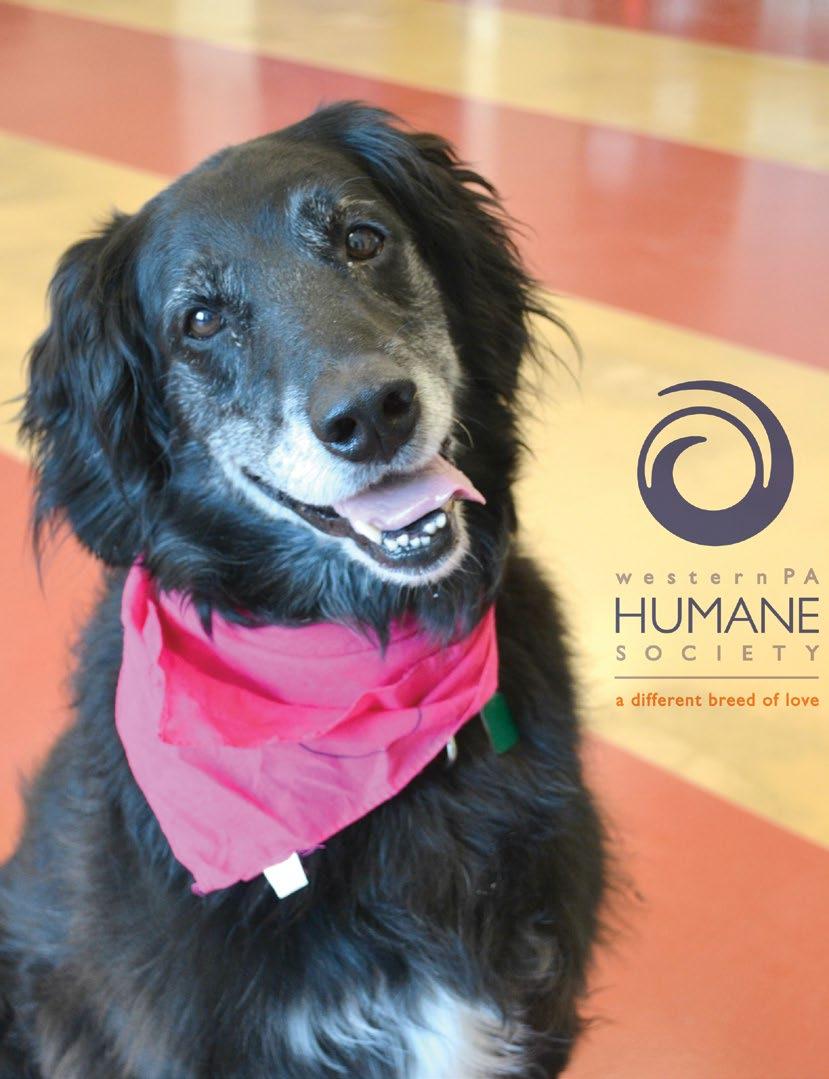


Whenwasthelasttimeyoulookedinside yourpet’smouthorgotawhiffoftheir breath? Checkingyourpet’steeth,breathand gumsregularlyisconsideredtobethebestformof preventivemedicinewhenitcomestoperiodontal disease.Yourvetshouldalsotakealookas wellduringtheirannualexam.
Thatbeingsaid,Ifeelmyfirstpriority istodenounceanoldmyth–Kibble doesNOTcleanteeth!Iknowyou’re allprobablyshocked,andgrantedit maykeepthetartarofftheverytipsof theteeth,butinnoway,shapeorform doesitkeepthebulkofthetoothclean,especially closetothegumlinewhichisthemostcriticalarea. Thinkaboutit.It’snodifferentthanyougoingtothe dentistandhimtellingyoudon’tbotherbrushing aslongasyouareeatingcrunchytortillachipsor crackersdaily,that’sallyouneed.Howabsurd wouldthatbe!Thismindsetformostofushasbeen driventhroughmassmedia&clevermarketing. Interestingly,dogslivinginunderdeveloped

countriesorcommunitiesarelessproneto developingsevereperiodontaldiseasethanare thoselivinginhighlydevelopedareas,presumably becausetheirdietismorevariedandtheirteeth andgumsexperiencemorerigorousgrindingand chewingaction.Inotherwords,theystillare eatingtheirancestraldietandusingtheir teethforwhattheywereintendedfor, rawmusclemeatandbone.
Thebestwaytopreventcanine periodontaldiseaseisthroughahealthy rawdiet,premiumkibbleorcannedfood, andofferingmanychewsandbodypartsfor ourdogstodiginto.Yes,it’sstillokaytochoosea kibbleasyourpet’sprimarydiet,aslongasyou’re notthinkingit’salsogoingtocleantheirteeth.Other measuresmustbetaken,andrawmeatybonesare oneofthebestchoicesfordogs,especiallythefemur bones(thelegbonesofbeefcattle,bison,orsimilar). Thesearethedensestandhardestbonesandones theydothebestwith.Yourdogwillchewfor2–3 hoursononeofthese.Therearemanyotherbody partsanddigestiblechewsavailable–justreadthe labelfirstandavoid‘MadeinChina’!

Badbreathisastrongindicationthatsomething otherthandirtyteethmightbewrong.Havinga putridorrottensmellusuallymeansthereisarotten toothintheresomewhere.Badteethtendtohave agrayishcolor.Tartarisusuallyorangeorbrownin color.Oneeasyhomeremedytofreshenpetsbreath istochopfreshparsleyandserveitintheirfood. Ifyounoticeyourpetalreadyhasalotoftartar buildupandthevetisrecommendingacleaning, thereareafewsafeandallnaturalproductsonthe marketthatliterallyremovetartar–andtheyreally doworkwell!Anounceofpreventioniswortha poundofcure,sopayingattentiontoyourpet’s teethcanleadtoyearsofpearlywhitesforyour bestfriend!
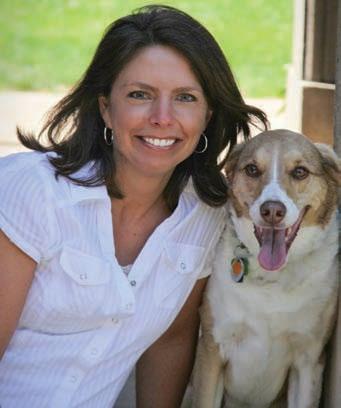

Regularlybrushingyourpets’teethwillalsohelp preventplaqueandmaintainthehealthoftheirteeth. Plaqueandtartarbuildupcanleadtotoothdecay, andserioustoothinfectionsareknowntocause systemicillnesses.Brushyourpet’steethatleast threetimesaweek.Thisincludescats,butIwish youluck!Ifyoustartbrushingwhenyourpetsare young,theybecomeusedtoitandmayeven enjoyit.Therearemanypettoothpastes,rinses, spraysandwateradditivesonthemarkettodaybut, asusual,buyerbeware.Readalltheingredients becauseyourpetwillinadvertentlyingestsomeof it.Ihaveresearchedliquiddrinkingwateradditives andfoundharmfulchemicalsinallbutone, whichwasmadewithacceptableingredients.


CrossgatesPlaza 1742WashingtonRd. UpperSt.Clair,PA.15241 (NexttoModelCleaners) 412.831.3700
Monday-Thurs:9am-8pm Friday-Saturday:9am-6pm Sunday:10am-4pm
9805McKnightRd. McCandless,PA15237 412.366.0700
Monday-Friday:9am-8pm Saturday:9am-6pm Sunday:11am-5pm
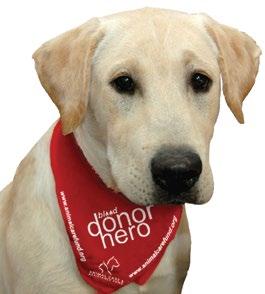
February 20th is “Love Your Pet Day!” Honor your pet with a donation in their name to WAHS!
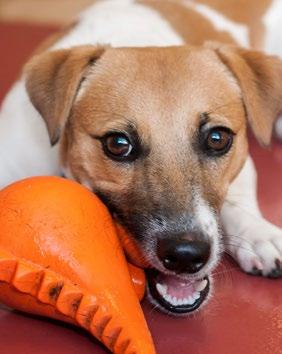
Hi, I’m Bigsby. I’m about 5 years old and came in with a bunch of my brothers and sisters, and I’m the last one left to be adopted. I would do best in a quiet home with no kids or other pets, as some of my past experiences have left me a little cautious with new sights and sounds.

My name is Boo, and I’m anything but scary! I was brought in to the shelter when my family had to move someplace that wouldn’t allow pets. At 5 years old, I’m a little shy at first, I’m super soft and sweet, and would love to have a second chance with you!
has done it all!
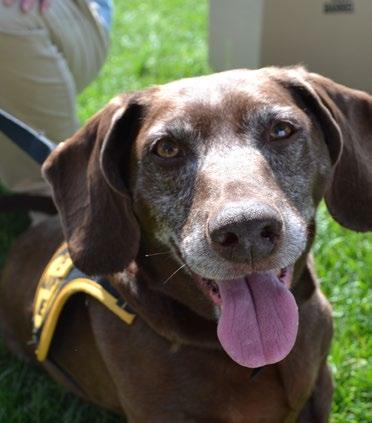
Hi, my name is Beatrice & I am currently looking for a new home. I am a senior dog at 9 years old but that doesn’t mean I’ve lost my spunk! I really like going on my walks here at the shelter and I am good with kids, too. I have a mammary tumor that the staff can tell you more about so I need some extra TLC!
Volunteer Orientations occur the 2nd and 4th Saturday of every month, 11am at the Shelter.
All animals have been spayed or neutered, microchipped and vaccinated.
The Washington Area Humane Society (WAHS) is a 501(c)(3) no-kill shelter funded solely by private contributions & donated supplies. Our shelter takes in thousands of animals & investigates an average of 1000 abuse complaints each year.
1527 Rte 136, Eighty Four, PA 15330 (724) 222-7387, www.WashingtonPAShelter.org









Our bond with animals takes us on many journeys. I never tire of hearing stories or seeing social media posts about people sharing experiences with animals, whether their own pets or witnessing a rare moment in the wild. As I celebrate this 25th issue of PetConnections, starting a new year with renewed energy and the completion of old cycles, I felt compelled to share with you my own journey that brought me here.
The Human-Animal Bond certainly has led me down an arduous but fulfilling path. My first pet-related job was at a pet store where I assisted the local veterinarian with examinations. From there I went on to an Animal Health Technician program, followed by my first veterinary assistant job at an animal emergency clinic. Over the next two decades I had many incredible opportunities to practice with amazingly talented veterinarians in multiple disciplines of veterinary medicine. Finally, I went into practice management. Just when I was at the pinnacle of my career, thinking of applying to veterinary school, I realized it no longer resonated with me. It was apparent that I was meant to do other work, and follow a different path.
Magazine. All viewpoints are welcome...”
Published By: Pittsburgh PetConnections, LLC.
Pittsburgh PetConnections, LLC. was formed in 2012. Our mission is to publish a high quality, informative and Human-Animal Bond focused publication. We support local businesses and also assist local non-profit businesses for pets and people, to give back to our great Pittsburgh communities.
So, by spring 2012 I was asking myself what was missing. Why was I not completely fulfilled by my amazing career? My former boss and veterinarian said, “That is like me saying I don’t want to be a veterinarian.” My reply was, “No, it is not. I can do anything I choose and continue to work with people and animals.” I knew intuitively there was a higher purpose behind my work. I took ownership of every job, putting my heart into it, always taking into consideration what was best for the patient, clients and staff. In pursuit of “the best,” I suddenly knew I needed to pursue a broader concept of health and healing, and that my life, my passion, my purpose was to lead, share and heal through the Human-Animal Bond. I had started along that path when co-founding HAAWC in 2010. The Human-Animal Advocacy & Wellness Centers focuses on the development of programming that leads people and pets to wellness through the Human-Animal Bond. However, while this was (and still is) developing, and with this publication still in the future, there was other work for me to do.
Since day one of my career I have appreciated every moment spent working with people and animals. The course I chose led me to meet special people and took me many places, providing numerous opportunities to learn and grow, and to become aligned with my true mission. PetConnections is the culmination of my life experiences thus far and the essence of who I am. As I continue to expand my personal knowledge and experience, I intend to share what I learn by developing the scope and content of PetConnections. It is my hope that, through PetConnections, we may continue to create a sense of community with the animals that are leading us all to wellness. I continue my journey…
Because everyone’s experience of the human-animal bond is unique, we want to continue to feature your stories in every PetConnections bimonthly issue and on our website. I encourage you to submit your photos and stories for consideration for publication in upcoming issues so that everyone can benefit from what you share!
Managing Editor.........................................................Carla Mader
Content Editor...........................................................Trinette Kern
Graphic Designer.......................................Flatboy Productions
Photography.................................Nicole Begley Photography
Sales & Distribution Manager...............................Carla Mader
Contributing Writers: Our contributing writers have many years of combined experience and expertise in the fields of veterinary medicine and the Human-Animal Bond.

ADVERTISING:
Contact: info@pghpetconnections.com 724-503-8695
All Rights Reserved Copyright 2015
The Western PA Humane Society is our featured shelter. Dr. Doug discusses spaying, neutering and Zeuterincutting edge medicine with a new technology in dog neutering. Dr. Sue Wagner writes about how we all are linked in Sustainable Healing, and the Rehabilitation Therapists at Pittsburgh Veterinary Specialty & Emergency Clinic feature Veterinary Rehabilitation.
Thank you for picking up PPC Magazine. Take care of yourself, as well as your animals and be well!
Warmly,
Carla Mader CEO & Publisher Pittsburgh PetConnections, LLC.
Animal Educational Exhibits
North:
The Pittsburgh Zoo & PPG Aquarium pittsburghzoo.org
The National Aviary nationalaviary.org
Animal Behavior
Greater Pittsburgh Area:
Judith Levy, M,Ed., CEHP, RMT 412-521-5133 | judithlevywellness.com
Animal Communication
Greater Pittsburgh Area: Renee Takacs, M.A. intuitguide.com
Animal Reiki
East: Janet Jackson animalangellady.com
East End:
Judith Levy, M,Ed., CEHP, RMT 412-521-5133 | judithlevywellness.com
Animal-Related Art, Photography & Retail
North:
Nicole Begley Photography nicolebegleyphotography.com Vibrant Images vibrant-images.com
South:
Kara Jones Photography kjones.smugmug.com
Paws ‘n Claws Eyewear PawsnClawsEyewear.com
Greater Pittsburgh Area: Pet and Home Portraits petandhomeportraits.blogspot.com
Jenny Karlsson Photography jennykarlssonphotography.com
Animal Rescue Organizations
North: Animal Friends
412-847-7000 | thinkingoutsidethecage.org Beaver County Humane Society 724-775-5801
Pennsylvania Great Dane Rescue 724-869-9185
Hope Haven Farm Sanctuary 412-366-1187 | hopehavenfarm.org
Western Pa Humane Society 412-321-4625 | wpahumane.org
South: Animal Care & Welfare 412-244-1372 | animalcareandwelfare.org
Washington Area Humane Society 724-222-7387 | washingtonpashelter.org
East:
Animal Rescue League
412-345-7300 | animalrescue.org
ARL Wildlife Center 412-345-7300 | animalrescue.org
SW PA Pugs with Special Needs 724-763-2790 | swpapug.org
West: CARMAA
412-780-4983 | carmaa-petadoption.com
Dog Training
Greater Pittsburgh Area: Success Just Clicks successjustclicks.com
North Shore: Western PA Humane Society 412-321-4265 | wpahumane.org
South:
Paula’s Professional Dog Services 412-818-2482
Dog Training Clubs
South:
Golden Triangle Obedience Training Club 412-653-6880 | gtotc.com
Keystone Canine Training 412-833-2211 | keystonecanine.com
Xcel Canine Training Center 412-833-2504 | xcelcaninetraining.com
Equine Boarding, Lessons & Training Facilities
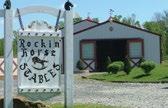
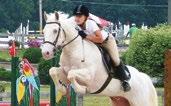
North: Rockin’ Horse Stables 724-601-4706 | rockinhorsestables.com
South: Coventry Equestrian Center 724-206-9902
Greater Pittsburgh Area: Dr. Michael Savko, DC, CCSP, CVCP 724-261-7915 | drchirovet.com
Equine Hoof Care
Greater Pittsburgh Area: All Natural Hoof Care Nancy Frishkorn 724-255-6465 | hooflady.org
Equine Tack Stores
South:
The English Horn 724-941-8088 | theenglishhorn.com
Lowry’s Western Store 724-228-1225 | lowryswesternshop.com
Equine Veterinarians
East:
Dr. Brian Burks, DVM Fox Run Equine Center 724-727-3481 | foxrunequine.com
Holistic Practitioners
Pet Chiropractor
North:
Dr. Doug Knueven, DVM Beaver Animal Clinic
724-774-8047 | beaveranimalclinic.com
South:
Dr. Astrid Manning, DC, CVCP 412-341-2505 | drastridmanning.com
East:
Dr. Dina Livolsi, Doctor of Chiropractic 412-824-6276 | drdinalivolsi.com
Greater Pittsburgh: Dr. Michael Savko, DC, CCSP, CVCP 724-261-7915 | drchirovet.com
Holistic Veterinarians
Dr. Doug Knueven, DVM Beaver Animal Clinic
724-774-8047 | beaveranimalclinic.com
Pet Burial, Memorial & Cremation Services
South:
Chartiers Custom Pet Cremation 412-220-7800 | ccpc.ws
Jefferson Memorial Funeral Home 412-655-4500 | jeffersonmemorial.biz
Pet Fencing
Greater Pittsburgh Area: DogWatch
724-586-6555 | DogWatchPGH.com Invisible Fence of Western PA 724-396-7231 | invisiblefence.com
J & D Home Improvements, Inc. 800-837-9379 | jdwaterproofing.com
Pet Stop Pet Fencing System of Western PA petstop.com
Pet Friendly Restaurants
North:
Double Wide Grille - Mars 724-553-5212
South:
Double Wide Grille - Southside 412-390-1111
Pet Grooming
North: 5th Avenue Fido
724-772-5511 | 5thavenuefido.com
All About Dogs
724-925-1577 | allaboutdogsgrooming.info
K-9 Kingdom
724-935-3647 | k9kingdom.com
Larry’s Laundromutt
412-534-4052 | larryslaundromutt.com
Paw Prints Pet Retreat
724-903-0063 | pawprintspetretreat.com
South:
Brush Run Styling
724-942-6352 | brushrunpetstyling.com
Canine Club
412-220-8100 | thecanineclub.com
Grand Slam Grooming 412-221-5081 | grandslamgrooming.com
Grooming With Care
412-977-5961
Petsburgh Dog & Cat Grooming 412-885-4027
Pets At Home
412-655-7297
The Pet Salon
412-279-5331 | petsalonusa.com
Sandy’s Cat Grooming 412-759-1806
Woody’s Dog Wash & Pet Boutique 412-714-4644 | woodysdogbath.com
Creative Canine Cuts
724-223-9020
West:
Paws Here Awhile Pet Resort 724-573-4665 | pawshereawhile.com
Greater Pittsburgh Area:
Zoom N Groom (Sonya Patterson) 724-225-4827
Pet Grooming Schools
Golden Paws Pet Styling Academy 412-297-9383 | goldenpawspittsburghpa.com
Pet Massage
Greater Pittsburgh Area: Your Critter Sitters – Raylene Hoover 724-448-7330 | yourcrittersitters.com
Pet Ministries
South:
Christ United Methodist Church
412-277-1096 | christumc.net
Westminster Presbyterian Church 412-835-6630 | westminster-church.org
Pet Resorts - Boarding, Daycare, Grooming & Training
North:
5th Avenue Fido
724-772-5511 | 5thavenuefido.com
Camp Bow Wow - Ross Township campbowwowpgh.com
K-9 Kingdom
724-935-DOGS (3647) | myk9kingdom.com
Paw Prints Pet Retreat
724-903-0063 | pawprintspetretreat.com
South:
Camp Bow Wow - Castle Shannon campbowwowpgh.com
Grandma’s Dog Daycare 412-586-7094 | grandmasdogdaycare.com Canine Club
412-220-8100 | thecanineclub.com
East:
Camp Bow Wow - Highland Park campbowwowpgh.com
Pittsburgh Pet Concierge 412-856-8505 | petconcierge.org
West:
Camp Bow Wow - Greentree campbowwowpgh.com
Paws Here Awhile Pet Resort 724-573-4665 | pawshereawhile.com
Pet Retail/Supply
North:
Healthy Pet Products 412-366-0700 | healthypetproducts.net
South:
Healthy Pet Products
412-831-3700 | healthypetproducts.net
Oddball Pets & Aquariums 412-884-2333 | oddballpets.com
Woody’s Dog Wash & Pet Boutique 412-714-4644 | woodysdogbath.com
East: Petagogy petagogy.com | 412-362-7387
Pet Sitters
North:
Little Piggies Pet Sitting littlepiggiespetsitting.com
South:
Chris’s Canine Club
724-746-3864 | chrisscanineclub.com
Your Critter Sitters– Raylene Hoover 724-448-7330 | yourcrittersitters.com
West:
Seraphina Pet Sitters
412-389-9735 | seraphinasitters.vpweb.com
Security Services
Greater Pittsburgh Area: Vector Security 800-756-9161 | vectorsecurity.com
Veterinary Hospice
Greater Pittsburgh Area: Nancy A. Ruffing, DVM
412-801-1071 | gentlejourneyvet.com
Veterinary Hospitals
North:
Beaver Animal Clinic
724-774-8047 | beaveranimalclinic.com
BelaCoop Animal Hospital
724-939-7062 | belacoopanimalhospital.com
Seven Fields Veterinary Clinic
724-742-4433 | sevenfieldsvet.com
VCA Northview Animal Hospital
412-364-5353 | vcanorthview.com
South:
All About Pets Veterinary Hospital 724-745-5503 | aapvet.com
Allegheny South Veterinary Services 412-257-0909 | alleghenysouthvetsvcs.com
Hickory Veterinary Service 724-356-1000 | hickoryvetsvcs.com
VCA Castle Shannon 412-885-2500
East:
Pittsburgh East Animal Hospital Monroeville - 724-325-2500
Greensburg - 724-205-6960 peah.vetsuite.com
The Big Easy 412-908-9301 | tbeah.com
West:
Avalon Veterinary Hospital 412-761-9149 | avalonvh.com
VCA MetVet West Animal Hospital 412-788-6400 | vcahospitals.com/met-vet-west
Veterinary Specialty & Emergency Services
Greater Pittsburgh Area: Pittsburgh Veterinary Specialty and Emergency Center, Inc. 412-366-3400 | pvs-ec.com
VCA Northview Animal Hospital Specialty Referral Center 412-364-5353 | vcanorthview.com
East
Allegheny Veterinary Emergency Trauma & Specialty 412-373-4200 | avets.us
Veterinary Technology Schools
Greater Pittsburgh Area: Pittsburgh Career Institute 412-281-2600 | pci.edu


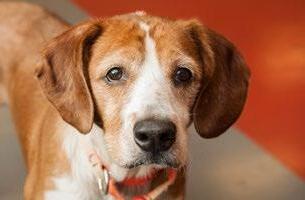
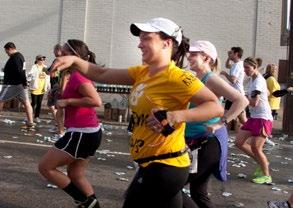
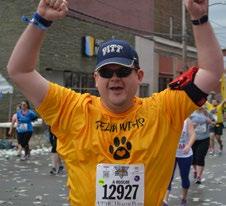
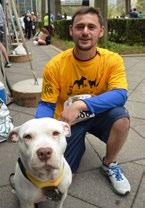
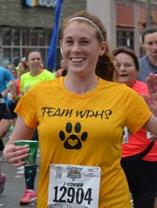
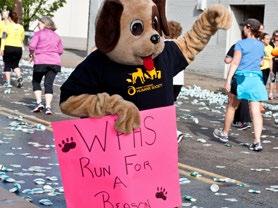
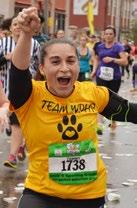
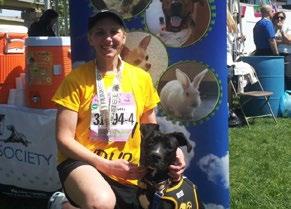
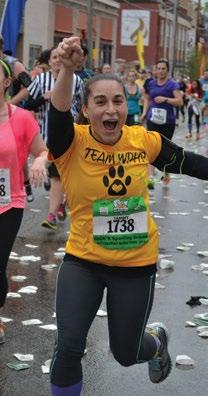
We have over 10,000! That’s how many homeless animals the Western PA Humane Society takes in every year. We count on runners like YOU so that we can continue to help these deserving pets. By running for the Western PA Humane Society in the Dick’s Sporting Goods Pittsburgh Marathon, you can help us to help Pittsburgh’s homeless pets.

So many people are having a rough time of it right now. They are distracted, agitated, and nothing seems to be going their way. It’s no wonder, given the current events around the world.
All of us are affected by global atrocities, but most people are unaware of how deeply and instinctively we feel them, because we are energetically and spiritually linked to every human on the planet. What happens to others influences each of us on a quantum level. All creatures are connected, so when violence or illness tears at the fabric of a country, it rips into the core of our being as well. Sacred souls all over the planet are experiencing extreme circumstances, opening deep, festering spiritual wounds, so that all may heal. It is imperative that we don’t allow any of their suffering to be in vain.
news is that by each of us being bitter and fearful, we strengthen suffering’s hold on them. The same is true for every child in this country and around the world.
by Susan Wagner DVM, MS, ACVIM
So after you have given the physical substance of money, I ask you to decide how you are going to spiritually contribute to healing this planet. Are you going to continue whining, being fearful, and blaming others for your circumstances? Are you going to learn from your own suffering and the suffering of others? Can you face that elephant in the room, or will you turn
away from anger and fear?
Each of us can support organizations that assist people and animals in need. I wish I could believe that digging into my wallet and sending loving thoughts was all that was necessary. If we are to have sustainable change, more is required. I ask that you take a moment to reflect on life from a spiritual perspective. What is our own personal responsibility in creating the world’s tragedies? And what is our responsibility in transforming humanity?
Life is a duality — each situation holds both positive and negative circumstances. In the midst of every tragedy, the best and worst of humanity come out. Because we are all connected, and because small changes in a quantum field can have universal ramifications, we must look at both the positive and negative aspects of ourselves. It is only through self-reflection, increased awareness, and a gutsy commitment to change that humanity will create long lasting peace and prosperity. The good news is that by being kinder and more courageous, each of us can positively affect a suffering child in Africa or the Middle East. The bad
There is no right or wrong answer. Life is about free will, and whatever you decide has value. If you begin by being honest with yourself about whether you can face your fears, you’d be surprised at how much more peaceful you will feel. What you resist persists. Acknowledge your fears, even if you can’t dwell with them for very long.
If you should choose to face your challenges, there’s good news. You don’t have to know how to overcome them, you need only intend to do so. Once the courageous choice is made, relax, open your heart, and ask for help. It will come. Relief may be far more subtle than rescue workers pulling refugees into a helicopter, but it will be just as miraculous.
HAAWC is a 501(c)(3) organization that honors the Human Animal Bond as a source of wellness for individuals, families and communities. Guided by the belief that animals are a gateway to human healing, HAAWC intends to develop both urban programs and rural sanctuaries designed to impact community health, safety and wellness.
HAAWC is raising funds for upcoming animal-related programming.
www.haawc.com







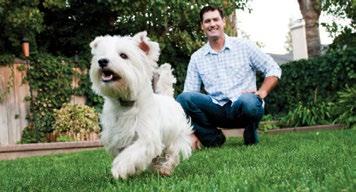


Whatcomes to mind when you hear the phrase veterinary rehabilitation? Maybe it’s underwater treadmills or laser therapy. You may also think that it is for animals that have had orthopedic surgery. Those ideas are true, but just begin to scratch the surface of this rapidly growing area of veterinary medicine. While physical rehabilitation certainly can enhance recovery following surgery, it also can increase balance, decrease pain, complement weight management, improve athletic performance and promote overall wellness and quality of life for dogs of all ages and breeds.
number of untrained individuals who are offering rehabilitation services as well.
By: Jessika Strauss, PT, DPT, CCRT and Dawn Piper, PT, MPT, CCRT
The benefits of massage and exercise have been known since the time of Hippocrates, but organized human physical therapy was not established until the late 1800’s in Europe, and the early 1900’s in the United States, during the polio epidemic and World War I. Physical therapists diagnose and manage human movement dysfunction, and provide interventions to restore optimal functional mobility. The same principle applies when performing rehabilitation for dogs in all phases of treatment.
Over the past century, the field of physical therapy has crossed over into the veterinary world. Initially it began with horses, then, in more recent years, included dogs and cats. The USA’s first canine rehabilitation certification program started in 1997 through collaboration between physical therapists and veterinarians who wanted to adopt and incorporate rehabilitation into their patient management strategies. As rehabilitation is being shown to enhance the standard of veterinary care, the field is becoming more specialized and more widely available. Unfortunately, the rising popularity of this field also attracts a growing
How do you make sure that your pet is receiving quality care? Ideally, the person supervising the care should be a Certified Canine Rehabilitation Therapist (CCRT) or a Certified Canine Rehabilitation Practitioner (CCRP). These credentials ensure that the therapist has advanced training in the field of veterinary rehabilitation. The difference in designation depends on which institution provided the training.
Only veterinarians or physical therapists can be trained as CCRTs through The Canine Rehab Institute; physical therapy assistants (PTAs) can be Certified Canine Rehabilitation Assistants (CCRA). Veterinary Technicians may also become CCRPs through the University of Tennessee. Restrictions on licensure vary by state, but in Pennsylvania PTAs are not permitted to perform certain hands-on techniques and should not be the supervising rehabilitation therapist, as they are not trained to evaluate the patient.
Now that you know how to find a qualified therapist, what should you expect from your rehabilitation experience? If you have ever had physical therapy, the experience will be quite similar for your pet. Your veterinarian examines the pet first, and clears him/her of any other medical conditions or problems before recommending therapy.
Veterinary rehabilitation therapists develop a comprehensive plan of care for their patients after taking a history about the pet’s condition by talking with you, the owner. On your first visit the therapist will ask for details about your pet’s daily functions (e.g. eating, playing, toileting), and how their injury or disease may be affecting their behavior and overall quality of life.
They objectively observe how the dog looks as it walks and moves, evaluating aspects that may affect daily life such as pain, strength, and the ability to move neck, limbs, and trunk. The therapist also manually examines the dog, feeling for any abnormalities such as swelling, tight muscles, stiff or painful joints, or skin breakdown.
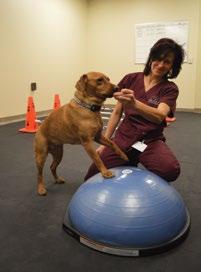
Based on the examination findings, the therapist develops treatments for the pet in the clinic, and also gives the owner suggestions to manage the patient at home. It is important to tell the therapist your expectations for your pet such as playing with other pets, returning to a job, or taking daily walks. The treatment plan will be specific to your pet and will be driven by the goals that you and your therapist discuss.
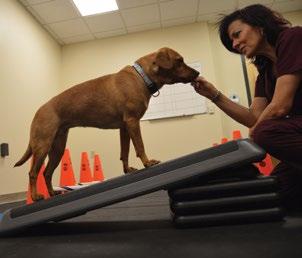
Rehabilitation programs usually include some form of exercise. Animals use much of the same equipment that humans use during rehabilitation. The popular underwater treadmill is one device that can help pets build limb strength, increase aerobic endurance, normalize gait (walking pattern), and improve balance. However, the treadmill is not always practical or necessary. Therapists employ a variety of equipment for specific tasks, including rubber balls, disks, foam pads, elastic resistance bands and stepping poles.
Sometimes therapists need to add physical agents (modalities) such as cold or warm gel packs, electrical muscle stimulation, or lasers to aid the healing process and reduce pain. Modalities can be an important part of treatment, but they should not be used in isolation.
For your home program, the therapist may teach you some basic exercises and stretches, or show you how to assist your pet in going outside or on stairs. In the clinic, the therapist may provide skilled manual techniques such as specific muscle stretches, gently moving a joint (e.g. knee or elbow) to promote normal motion, or massage to improve blood circulation.
An ideal treatment plan is made up of many components, depending upon the needs of your pet. Treatments can differ from session to session as the
therapists will assess and monitor the dog’s condition at every visit, and advance the patient in treatment accordingly.
Pets who have had surgery or a sports-related injury are not the only candidates that can benefit from rehabilitation. Does your pet have a chronic or progressive disease such as osteoarthritis or DM? Is your pet obese? Is your pet weak or have less energy after cancer treatment? Veterinary rehabilitation can be a key component in the comprehensive treatment of all of these conditions and many others. A regular conditioning program for healthy pets can also enhance athletic abilities and improve your pet’s overall quality of life.
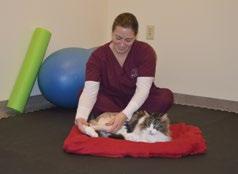
The rehab therapist is the key communicator between the referring veterinarian and the owner/client. The therapist keeps the referring veterinarian informed about the patient’s progress and notes any concerns or problems that arise, provides assessment notes, and confirms discharge plans. For owners, the therapist reviews and updates the home program, demonstrates and trains the owners on how to manage their dog between rehabilitation visits, and ensures that all questions are answered throughout the course of treatment.
The most important element of a successful rehabilitation program is you...the owner... the guardian... the pet parent! How well you follow up with visits and your home exercise program will play a major role in how well your pet does in therapy. Our pets are part of our families. We want to offer them the best care possible. If you have any questions regarding veterinary rehabilitation, feel free to contact the CCRTs at PVSEC for more information on how we can help your pet return to being happy and healthy!
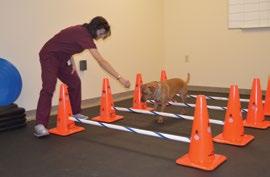
Pittsburgh Veterinary Specialty and Emergency Center (PVSEC) 807 Camp Horne Rd Pittsburgh, PA 15237 (412) 366-3400

By: Tena Parker, CPDT-KA Success Just Clicks Dog Training
There is a very big difference between being positive and being permissive when it comes to dogs. Having rules and routines are an important part of living happily with canine companions. Creating rules, routines, and expectations for our dogs gives them consistency that can help prevent or minimize problem behaviors. Dogs tend to thrive in situations where they know what to expect, and what is allowed and what is not. When dogs lack structure, a wide range of behavior issues can emerge.
I frequently am asked questions like: “Is it okay for my dog to be on my couch, or is he being dominant?” or “My husband would like Fido to sleep on the bed with us; is that okay?” My answer to these types of questions is always, “It’s up to you.” In my home, dogs can be on the couches and beds, but this is my personal choice. It has nothing to do with them “owning space.” There is nothing wrong with wanting to keep dogs off furniture. I would suggest that dogs that display guarding behaviors not be allowed onto furniture or beds, for example. However, it’s up to the humans in the household to make the house rules and consistently enforce them.
This set rules and expectations for my dogs work well for me, but may not be the best rules for everyone. Living in a multi-pet home with high energy young animals, foster dogs, and an adult dog who has worked through serious behavioral issues, I require a lot of structure to ensure a peaceful home.
1. Dogs must be lying on their mats while I prepare their dinner, and stay on their mats until released to eat.
2. When humans are eating a meal, dogs must lie on their beds.
3. Dogs cannot jump up onto people -- no paws on people.
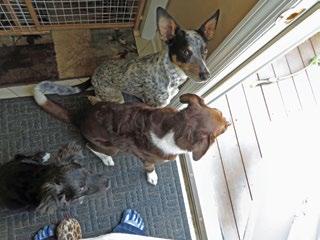
4. Dogs must wait until released to exit any open door (house, car, crate, etc.).
5. Dogs must sit to get their harness, collar, or leash for a walk.
6. No dogs in my kitchen when I'm cooking.
7. Dogs must move from furniture when asked.
8. Dogs must walk on a loose leash.
9. Games of fetch and tug each have their own set of rules.
10. Dogs may not take food off plates.
By following all the rules my dogs earn an incredible amount of fun and freedom: they can go wild when I arrive home as long as they keep their paws off me, they can accompany me many places and have many adventures because they are great on leash, they are never left in crates unless at a hotel, they don’t need to be crated or gated away when I have parties with plenty of food and guests, and they spend much of their time in areas where being off leash is legally allowed. Without consistent rules the dogs would likely run my house, jump on guests, steal food, squabble with each other over food, and potentially escape through open doors.
Establishing what rules and routines you want to implement in your home is only part of the equation. How you teach the rules is just as important as what you want to teach.
Most rules in my house are shaped over time through routine building, training, and management. My foster puppy, Loki, learned to lie on his bed while I eat by being put in a crate with a frozen Kong during my meals. This management method created a routine for him so that he learned to relax until released. As he got older the crate door was left open. Eventually the crate was removed and the mat remained in its place. I never had to force Loki to his mat, use body blocking to keep him there, or scold him for leaving his place; he simply followed the routine I’d built starting with the crate.
teaching him that sit gets attention. When I walked in through the doorway, if he jumped up I’d calmly turn around and leave. The first day it took me nearly 30 minutes to get inside, but it only took three days for Rio to completely stop jumping up. I was clear with him that jumping made me leave, and keeping his paws off me resulted in petting, cuddles, and treats.
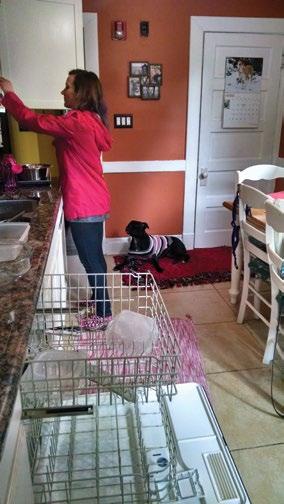
Tula is learning kitchen rules! She is learning to stay on her mat while her mom works in the kitchen instead of getting into the dishwasher or onto the counter.
Consistently enforcing rules is absolutely critical for success, yet this is the area humans seem to struggle with most. If I had sometimes petted or smiled at Rio when he jumped up, and sometimes I walked out the door, I would have sent very confusing messages. Rio likely would have had no idea what I wanted, so he would have continued jumping for attention.
Need help teaching rules or basic manners? Hiring a skilled, professional positive trainer can make the process faster and much easier. You can do it on your own, however, with time and patience and simple step-bystep instructions. Try this:
1. Start with the dog and you in the kitchen, within a foot or two of a door or boundary.
2. Say "Kitchen!" (before reaching for a treat).
To teach my jumping bean, Rio, to keep his paws off of me when I arrive home, I first spent time
3. Toss a high value treat OUT of the kitchen -- make sure your dog sees the toss.
4. Click a clicker or say "Yes!" as the dog leaves the kitchen to get the treat.
5. With your dog still outside the kitchen, do several repetitions of: Click/ "Yes," and toss another treat to the dog. (The dog gets 5 or 6 treats for STAYING out of the kitchen).
6. Say "All Done!" and indicate to your dog that he is welcome to come back into the kitchen.
7. Repeat steps 1-6 five to ten times. When your dog is easily running out of the kitchen on command, move on to the next step.
8. Next, say "Kitchen" and pretend to toss a treat.
9. Click/ "Yes" as your dog crosses the threshold, then toss the treat beyond him.
We financially help
families with
spays, neuters and
emergencies. Help us help others by sending donations to: AC&W, Inc., P.O. Box 8257, Pittsburgh, PA 15218. We are a 501(c)(3) non-profit and have been in existence since 1970. Look for our adoption animals at: www.animalcareandwelfare.org
10. Click/"Yes" and treat five to ten times for your dog remaining out of the kitchen.
11. Repeat steps 8-10 one or more times daily until your dog is reliably exiting the kitchen on command.
As you continue training, you can increase the level of difficulty by adding these steps:
1. Slowly start moving farther from the door before sending your dog out.
2. Slowly increase the time your dog must wait outside the kitchen before the "All Done!"
3. Slowly reduce the rate of reinforcement -- how often he gets a treat.


All Natural Hoof Care (see ad pg 32)
Animal Care & Welfare (see ad pg 17)
Cupids & Canines (see pg 25)
Creekside Distributing (see pg 22)
Coventry Equestrian Center (see pg 20)
Dog Stop (see pg 3)
Dog Watch (see ad pg 29)
Fifth Avenue Fido (see pg 12)
Gentle Journey (see ad pg 37)
Grand Slam Grooming (see pg 18)
Holistic Care for Animals (see ad pg 29)
Invisibile Fence (see pg 12)
Jenny Karlsson Photography (see ad pg 20)
Judith Levy (see ad pg 29)
J & D Home Improvements (see ad pg 2)
Larry’s Laundromutt (see pg 12)
Manning Chiropractic (see pg 10)
Manon’s Farm (see pg 35)
Mike T’s Auto (see pg 20)
Nicole Begley Photography (see ad pg 20)
Paws Here Awhile (see ad pg 3)
Petsburgh Dog & Cat Grooming (see ad pg 20)
Pittsburgh Career Institute (see ad pg 26)
Pittsburgh Home Show (see pg 11)
The Rogan Rexford Blood Bank (see ad pg 35)
Sandy’s Cat Grooming (see ad pg 20)
Success just Clicks (see pg 20)
Washington Area Humane Society (see pg 2)




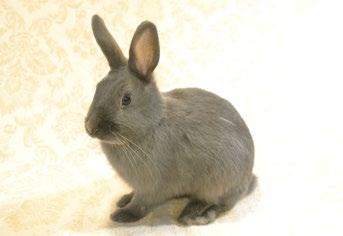
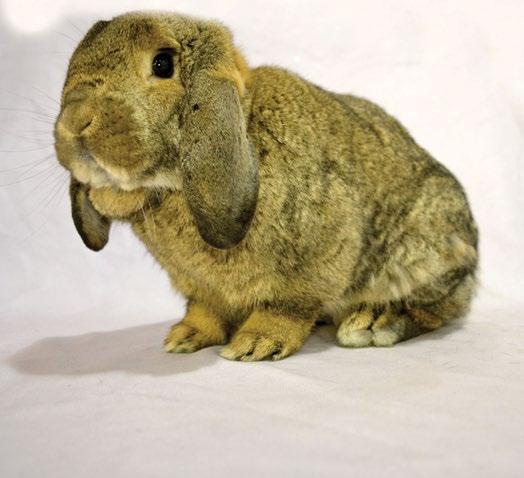
Did you know that rabbits are the third most-adopted companion animal? And for good reason! They are quiet and clean creatures making them an excellent roommate for apartment life. They can be litter-trained and roam freely throughout your home (after it’s been bunny-proofed, of course!).
Classified as lagomorphs, rabbits are incredibly intelligent and social. There are 47 breeds of rabbits recognized by the American Rabbit Breeders Association and each of them can live to be 8 to 12 years old.
At Animal Friends, we’re celebrating Adopt-aShelter-Rabbit Month for all of February.
Even if you’re not quite ready to add a bunny as your newest furry family member, you can get your bunny fix by becoming an Animal Friends’ Rabbit Volunteer!
Through our Rabbit Volunteer Program you’ll learn how to recognize certain behaviors, how to care for the buns and the basics of handling them. You’ll provide socialization, exercise and enrichment, stimulating the rabbits’ brains to prevent boredom, and to get them more comfortable with being handled and petted – all which makes them more adoptable!
Rabbit Volunteers have many options at Animal Friends. There is always a need for volunteers at our Bun Runs and off-site activities where you can spread your knowledge and love for buns and bring in more rabbit
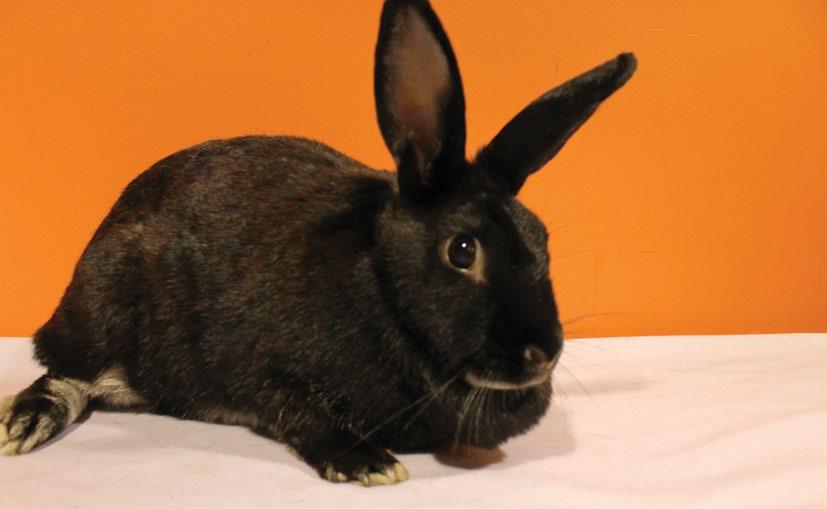
adopters. Volunteers are also needed to write bunny bios, become foster guardians, or even just to groom them. There truly is something for everyone.
Even if you don’t have time to dedicate to being a Rabbit Volunteer, please stop by Animal Friends to see our shelter rabbits in action at our weekly Bun Runs on Saturdays from 2:30 to 4:00 p.m. It’s such a joy to watch them run and play, and to see how much personality they have. For all you know, it could be love at first rabbit!

1. The clock is NOT ticking. The adoptable animals in our shelter never have a time limit. Ever. During their stay we provide love and enrichment, and make every effort to find them the best possible homes. When we become crowded, we work to find creative solutions such as recruiting foster families, partnering with pet stores to have our animals adopted through their facilities, and holding various promotions to encourage adoptions.
2. Our doors are open. The Western PA Humane Society is an Open Door Shelter. That means we accept every single pet surrendered to us. We never turn away any animal because of breed, age, temperament or medical condition.
they are helping us. None of those funds come to the Western PA Humane Society because we operate as an independent organization not affiliated with any other group. Therefore, we rely solely on generous donors to help us do our important work.
4. The doctor is in. There is a wellness clinic conveniently located at the Western PA Humane Society. Our caring veterinarians and technicians provide competitively priced routine checkups, tests, vaccinations, microchipping (for identification) and low-cost spay and neutering. We welcome all animals, not just those adopted from our shelter. To schedule an appointment, call 412-321-4625 ext. 274, or use the online appointment form.
3. We are not affiliated with any other Humane Society. We receive NO government funding. Many people contribute to national organizations such as the Humane Society of the U.S. and believe
5. We can bring out the genius in your dog. Or at least good manners. We offer a wide variety of training courses designed to strengthen the bond between you and your dog, and help ensure that your dog listens and obeys. Most dogs are eager to learn, and training will keep their minds and
bodies active. No matter what your dog’s temperament or personality there is a class that will meet his – and your – needs.
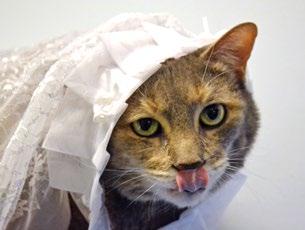
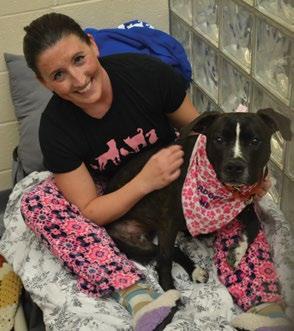
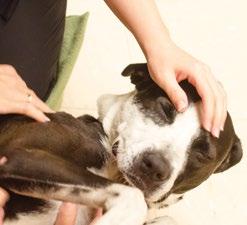
6. Animal advocates for 140 years! Formed in 1874, the Western PA Humane Society was the area’s first animal welfare organization. That has given us a lot of experience and skill in providing compassionate care and services to the thousands of animals who enter our shelter every year.
7. Our adoption fees are a tremendous bargain. For example, the $155 adoption fee for dogs age six months and older includes Spay/Neuter surgery, Distemper/Parvovirus vaccination, Bordetella and Rabies vaccinations, heartworm test, deworming and flea treatment, microchip implant (for permanent identification), and a dog training course. If purchased separately the total cost could top $1100.
8. We want you to visit us! While you can browse adoptable dogs, cats and bunnies on our website – www.wpahumane.org – we encourage you to pay us an in-person visit to meet and interact with different animals. A pet is a serious commitment. Because every animal has a distinct personality it’s
important for you to spend time with one of our adoption counselors. By sharing details about your lifestyle and expectations for your new pet, you’ll be helping us to find the best match for you.
9. There is a Pet Supply Shop at the shelter. Our onsite store offers a wide selection of pet care products. Whether you have a dog, cat, bunny or other small animal, the “Woof, Purr & Hop Shop” can meet your pet’s needs. From the highest quality foods and treats to training supplies, interactive enrichment toys, and apparel, we offer caring, personalized customer service.
10. Humane officers protect those who cannot speak. The Western PA Humane Society’s team of humane police officers respond to complaints of animal neglect and cruelty with an approach of prevention through education. Our officers log thousands of miles every year on humane investigations, often saving the lives of animals. If you are aware of a situation in which an animal is being abused, please call 412-321-4625 ext 216.
Western Pa Humane Society 1101 Western Avenue on Pittsburgh’s North Side 412-321-4625 www.wpahumane.org





As a veterinarian, the recommendation to spay/ neuter pets has always been very simple – do it, and the sooner the better. Having worked at an animal shelter for five years, I was good at sterilizing animals as young as two months of age. It was important that animals were “fixed” before they left the shelter because any animal that is not sterile is a possible source for more unwanted pets.
Spaying and neutering involves the surgical removal of a pet’s ovaries and uterus (spay) or testicles (neuter). We have all been taught that this procedure helps thwart many health, behavioral, and population problems. However,
more likely to develop lymphoma (cancer of the lymph nodes) than unspayed females.
Research done on 759 Golden Retrievers in 2013 found that neutered males were two times more likely to have hip dysplasia than unneutered males. Also, intact males and females in the study had no ACL (Anterior Cruciate Ligament) ruptures, while 5% of neutered males and 8% of spayed females did. Neutered males were three times more likely to contract lymphoma than unneutered males. Mast Cell Tumors and Hemangiosarcoma (cancer of the blood vessels) were more common in spayed females than in those that were unspayed.
By: Dr. Doug Knueven, DVM, CVA, CVC, CVCH
recent research is refuting the health benefits of spaying and neutering. Now, making the decision whether or not and when to spay/neuter is much more complicated.
A 2012 study concluded that sex hormones promote certain cancers, and that an increased risk of mammary cancer in unspayed females has not been scientifically proven. In 1999, a study found that spayed females had five times more risk of developing heart tumors than intact females, while neutered males had a slightly increased risk over unneutered males. In 2002, research showed that neutered males were four times more likely to develop prostate cancer than intact males.
More research in 2002, this time involving 683 Rottweilers, discovered that those that were spayed/neutered were significantly more likely than intact dogs to develop osteosarcoma (bone cancer). A 2007 study found that neutered male dogs were much more likely to develop prostate and bladder cancer than unneutered males. In 2009, a study found that spayed females were
Just to further muddy the water, a study of over 40,000 dogs in 2013 found that spayed/neutered dogs lived longer, on average 9.4 years while intact animals lived 7.9 years. Since the study only looked at cases referred to a teaching hospital, the results may not reflect the “real world” and may simply be an indication that people who do not spay/neuter their pets are less conscientious caregivers.
Finally, a study published in 2014 of 2,505 Vizslas born between 1992 and 2008 found that spayed/ neutered dogs were more likely to develop all cancers or behavior problems, including fear of storms. (Links to each of these studies can be found on my web site: DrDougKnueven.com).
There are flaws in every study cited. No single piece of research ever should be looked at as conclusively proving anything. On the other hand, the weight of research now indicates that sterilizing pets is not as innocuous as most people (and vets) think. Time seems to have shown that when you upset the intricate balance of the endocrine system by removing the source of sex hormones bad things can happen to the overall health and longevity of our pets.
We have known for decades that sterilizing immature pets delays the closure of their bones’ growth plates, causing the bones of the legs to grow abnormally long. The thing we’re just now realizing is that extra-long bones can throw off the biomechanics of the legs, apparently leading to an increased risk of ACL ruptures and hip dysplasia. It is also becoming apparent that the upsurge in cancer we have been seeing in pets may, in part, be due to us inadvertently screwing up their hormonal balance.
For male dogs, I now have an even better solution than delaying neuter surgery: skip the surgery and have your pet chemically altered. I have available at Beaver Animal Clinic the only FDA approved, injectable neuter technology called Zeuterin.
“Zeutering” a dog involves injecting into each testicle a small amount of a solution that selectively kills the cells that produce sperm. I know, it is hard to imagine an injection into the testicle (at least for men that image is difficult). However, light sedation and post-injection pain meds are all that are needed. There is no general anesthesia and no incision as with surgical neutering.
It can be difficult to manage an unspayed female since a male dog can smell a female in heat from two miles away. Unneutered male dogs sometimes develop aggressive behaviors and might run away to pursue females in heat. Plus, we live in a world where pet overpopulation is a huge problem. Millions of animals are killed at shelters every year because there are not enough loving homes for them all.
So what’s the answer? One size does not fit all. If you have a female dog I would recommend that you consider delaying the spay surgery until she is one to two years old, but if and only if you can handle the responsibility of keeping her from reproducing. This will give her body the benefit of fully maturing before the hormones are removed.
The best part is that the Zeutered dogs maintain about 50% of their normal testosterone levels. This is less than normal, but much better than the zero testosterone level left to neutered dogs. Long term studies have shown that 10 years post injection Zeutered dogs have no injection-site side effects. The process is 99.6% effective at sterilizing the dog.
Zeutering is currently approved for dogs between three and ten months of age. Beaver Animal Clinic is the only veterinary facility in the Pittsburgh area to have this cutting edge procedure available (and it doesn’t even involve any cutting). Using this new neutering process will lead to adult male dogs with a more normal balance of hormones and all the health benefits that brings.
This is an ever-changing list of resources for cat owners in Pittsburgh and beyond, though many of the listings, like the shelters, apply to dogs and other pets as well. It includes low-cost spay and neuter programs as well as TNR for community cats, pet-friendly rentals in Pittsburgh and across the US, and links to shelters for adoption and other services. In the future we will also list clinic dates with the organizations below when they are available.
TNR And Low-Cost Spay/Neuter For The Pittsburgh Area
Homeless Cat Management Team: www.homelesscat.org
City of Pittsburgh Free Spay and Neuter for City Residents
City of Pittsburgh free spay/neuter: www.pittsburghpa.gov/animalcontrol/spay_neuter.htm
City of Pittsburgh residents can apply for free spay or neuter vouchers for up to five pets, including stray/feral cats.
Low-cost Spay/Neuter and TNR Programs at Allegheny and Surrounding County Shelters
Animal Friends: www.thingkingoutsidethecage.org
Animal Rescue League: www.animalrescue.org
Beaver County Humane Society: www.beavercountyhumanesociety.org
Washington Area Humane Society: www.washingtonpashelter.org - Colony Cat Project: faith.b2@verizon.net
Western Pennsylvania Humane Society: www.wpahumane.org
Low-cost Spay/Neuter Organizations in Allegheny and surrounding counties
Frankie’s Friends Cat Rescue, Allegheny & Westmoreland Counties: www.sites.google.com/site/frankiesfriendsnatronaheights Fluffyjean Fund for Felines, Allegheny and Washington Counties: www.fluffyjeanfund.weebly.com
Fix Ur Cat, Washington County: www.fixurcat.org
Catnip Acres, Greene County: www.catnip-acres.org
Snip-it.org, Westmoreland/Indiana Counties, Alle-Kiski Valley (Leechburg): www.snip-it.org
Low-cost Spay/Neuter and Veterinary Clinic
Spay Neuter Clinic, Penn Hills, 412-244-1202: www.spayaz.com/pittsburgh-pa
Find Local Low-cost Spay, Neuter and Veterinary Care on the Internet
Low-cost Neuter and Spay (search by zip): http://neuterspay.org
Love That Cat (online search): http://neuterspay.org
Spay USA: http://neuterspay.org
Pet-friendly Rentals
In the Pittsburgh area, visit this list on the FosterCat website: www.fostercat.org/friendly.html Nationwide (United States only): www.rent.com/pet-friendly-apartments
Shelters and Shelter Services
ALLEGHENY COUNTY
Animal Friends (AFI): www.thinkingoutsidethecage.org
Animal Rescue League (ARL): www.animalrescue.org
Western Pennsylvania Humane Society (WPHS): www.wpahumane.org
SURROUNDING COUNTIES
Beaver County Humane Society: www.beavercountyhumanesociety.org
Butler County Humane Society: www.butlercountyhs.org
Humane Society of Westmoreland County: http://members.petfinder.com/~PA83/about.html
Washington Area Humane Society: www.washingtonpashelter.org
Non-shelter Feline Adoption
FosterCat: www.fostercat.org
Kopy Kat Sanctuary, Westmoreland County (Delmont): www.kopykatsanctuary.org
Our domesticated horses have it made. They leave their cleaned stalls for fun in the pasture, come back to a meal, and lounge while eating hay and drinking fresh water. However, in winter turnout is not always consistent because of the weather. Rain, snow, mud or cold - you name it, we experience it from November through April in Western Pennsylvania. As a result, on wintery days with inclement weather our horses stay stuck in their stalls. A horse living in a stall is like us living in our bathroom for days - not a very
Lunging is one of the best exercises and training you can do for your horse, especially on those rainy or exceptionally cold and blustery days. Lungeing stretches the horse, works the top line equally on both sides, teaches discipline, and helps with the eye, hand and leg coordination valuable for riding. So, with all this in mind, let’s start lungeing.
The best way to relieve the horse’s stress is to lunge without side reins or any other devices that determine its head position. There is a time and a place for these training aids, but not when the goal is to allow our horse to stretch and release tension from being stalled.
By: Kristin Hermann
large room, with hardly enough space to move around, stretch or release pent up energy. Horses are free ranging animals that like to be on the move. The domesticated horse stalled due to circumstances of weather can find relief not only by eating hay, but by skillful lungeing.
Lungeing, to some trainers, is merely spinning a horse on a circle to get the bucks out prior to riding. Other trainers think lungeing is harmful to the horse’s joints. Well, possibly, if you just let the horse rip around on a circle. And some trainers don’t value lungeing for any purpose. For me, with over thirty years training horses, I have learned the value of lungeing. Skillful lungeing not only gets the bucks out, develops a top line, teaches relaxation and rhythm, but will warm up your horse’s muscles prior to riding. Correct lungeing is a great tool to train horses, but in winter I primarily lunge horses to release their stress and pent up tensions.
Lungeing, like most equine activities, is an art! One must know how to lunge before it can benefit the horse. The best way to learn the technique is to lunge lots of horses that know how to lunge and who will not test you. Once you’ve mastered lungeing easy horses, you’ll be ready to attempt your newly acquired skills with a horse that may challenge you. When you can lunge most horses successfully, you are on your way toward being a good lunger. This acquired skill will enrich your horse’s life. Getting your horse out of the stall to stretch out by walking and trotting in a relaxed rhythm on the lunge line will benefit you both.
I have bridles solely for lungeing. I use a loose ring French snaffle bit that encourages chewing, and the bridles have no reins, so I don’t need to tie them up. Typically the lunge line is always attached to the bridles so I can just grab one and not have to remove the reins. The lunge line is attached over the horse’s poll so the bit gets equal pressure. The line over the poll also encourages the horse to stretch ‘down and out’ while lunging. Occasionally I lunge in a halter. When this is done, I attach the lunge line to the side of the halter, not underneath the halter. This encourages the horse to keep its head straight while lunging and does not encourage twisting in the head or poll.
I always lunge with a lunge whip because this is proper, but if a horse is afraid of the whip I hold it behind me. The whip represents the rider’s legs asking the horse to move forward, and a lunge line is the rider’s reins capturing and directing the forward motion.
With horse and handler equipped to lunge, we are ready. I lunge the horse to the right first only because this is the side most horses prefer not to lunge and often “fall in.” Lunging the horse’s weaker side first also helps to strengthen that side, or make the right side eventually more comfortable for the horse. Is that not one of the primary goals of training, to get the horse to work in balance, or equal on both sides?
Let me reiterate that lunging does not mean whirling the horse around at the end of the rope, but diligently allowing the horse to walk and trot in rhythm on a circle around you. I usually only trot the horse because cantering on the lunge for the majority of horses is
difficult and throws them off balance. My purpose is to get the horse to stretch out the top line and release back tension. Maintaining a nice, balanced canter on a lunge circle can be challenging, and the horse often has better balance at the canter using side reins to keep the outside shoulder supported and in alignment with the haunches.
* Remember we want the horse to relax and relieve stress, not create stress by trying to find a balance on a circle. Of course, every horse is different!
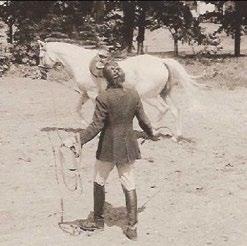
Lunging, as I mentioned, is an art. With lunging to relieve stress we try to get the horse to stretch out its top line. Here is a great photo of a horse stretching while lunging. He is trotting and has fully extended his neck downward to relax all the muscles along the vertebrae. Once a horse learns how to stretch when lungeing he will immediately start to stretch when trotting. A horse that is tight in its musculature may need assistance in learning how to stretch the top line. If the horse is fresh it may break into a canter, buck and just enjoy the ability to move unconstrained with no rider. I certainly allow the horse to play and buck on the lunge line, but I never let the horse go wild and out of control. Allowing crazy behavior on the lunge line can cause the horse to slip and fall. Plus, it usually just adds tension instead of releasing it.
has to be able to lengthen and shorten the lunge line without interrupting the rhythm of the horse’s trot. The best way to learn these techniques is to practice on a horse that has a great rhythm while lungeing and who won’t challenge you by turning in on the circle. Once you can lengthening and shorten the lunge line on a trained horse without disrupting its rhythm, then try your skills on a more challenging horse.
Without going into too much detail, just take out your horse on that day you do not feel like riding, or when you know your horse has been cooped up. Take the reins off your bridle, attach the lunge line over the poll and start having fun. I know your horse will be glad you did. Oh, did I mention that you can do this during the spring, summer and fall too?
Lungeing is similar to riding. The whip says go forward instead of the rider’s legs, and the horse steps towards the lunge line which is like the rein only longer. The lunger stands in line with where the saddle would be to keep the horse out on the circle.
* Lunging a horse with side reins is an acquired skill and should only be done with the help of a knowledgeable trainer. A horse needs to be introduced to side reins gradually. Kristin is available for clinics on lungeing and utilizing various training aids while lungeing.
When we lunge we train the horse in both directions. I spend as much time lungeing on one side as I do on the other, getting the horse to stretch equally in both directions. If a horse does not have the inclination to stretch, there are little exercises you can incorporate to encourage stretching. The best is to ask the horse to spiral in and out on the lunge line, or to simply shake the lunge line while the horse is trotting. Both techniques require more skill than plain lungeing. Simply shaking the lunge line causes a vibration to the bit that encourages the horse to chew and seek the bit by stretching down. Spiraling the horse in and out while lunging is a little more complicated because one
Suddenly,you are faced with an enormous decision about your best horse. The choice is colic surgery or euthanasia. You only have a few minutes to decide, and the outcome is uncertain. Will he have a good quality of life? Will he return to his previous performance level?
intestinal strangulation requiring a portion of the bowel to be removed. It should be noted that colic surgery is
By Brian S. Burks, D.V.M., Dipl. ABVP, Board-Certified Equine Expert
You may not even know the veterinarian telling you about colic surgery. Should you proceed with surgery, a deposit of $3,000 is required. The total cost may be $6,000-$8,000, or more, if there are complications. What should you do? There is no time for me to tell clients everything they need to know. There are many things to think about prior to facing this difficult decision.
Colic is a symptom- abdominal pain- not a diagnosis or disease. It is a sign of something wrong in the abdomen or occasionally from other organs outside the abdomen. The equine intestinal tract is very complicated with stacked horse-shoe configurations and different sized lumens at various points. Colic signs include depression, loss of appetite, lying down, pawing, rolling, sweating, looking at the belly, stretching, and others.
Many times colic is simple and occurs because of a spasm or a gas pocket. This may require minimal treatment or even resolve on its own. Other times aggressive medical therapy is required. Sometimes colic surgery is necessary to determine the cause, and to replace and/or repair the intestinal tract.
• Volvulus- a torsion or twist of the gut
• Small intestinal strangulation by a lipoma or other structure
• Colonic impaction- a build up a feed material, sand, or dirt in the colon
• Foreign body blocking the colon- an enterolith or other object
• Colonic displacement
Causes may vary with the breed and age of the horse. For instance, Ascarid impactions occur in weanlings and yearlings, whereas lipomas are most common in older horses.
There are many other variations and each comes with its own prognosis and estimated surgical cost. Large intestinal surgery usually has a better prognosis than small intestinal surgery and may cost less than a small
a diagnostic test; until the surgeon explores the abdomen to find out what the trouble is, a definite diagnosis, prognosis, or cost estimate cannot be given.
How does your veterinarian know your horse needs surgery?
• A diagnosis is made following a physical and rectal examination that the horse is in need of surgery.
• Unrelenting pain cannot be controlled by medication.
• Various diagnostic tests results may add up, even when the horse does not appear that bad (especially if it has been given pain medication).
• Medical management has not corrected the problem.
Diagnostic testing includes routine blood work, rectal palpation, abdominal ultrasound, abdominal tap, and occasionally radiographs for smaller horses.
The field veterinarian must determine whether the horse requires surgery. Whether surgery is even an option may depend on you, the horse’s owner. Sometimes, the only option is euthanasia.
Here are some considerations when making this difficult decision:
Diagnosis & Prognosis: What does the veterinarian think is wrong with your horse? How complicated will the surgery be? What is the likely prognosis? Will the colic reoccur?
Anesthesia & Recovery: General anesthesia is required for colic surgery, and although the risk of anesthesia is small, it still exists.
Cost: Can you afford surgery? Is your horse insured, and is there coverage for colic surgery? Colic surgery is expensive because it is performed in an equine hospital
with professional equipment and professional staff who have the experience to perform surgery and handle the intense after care required.
Stress: Colic surgery is stressful for any horse and any owner.
Assuming that you have decided to proceed with colic surgery, your horse is now being prepped for the procedure. The entire abdomen must be clipped, the feet cleaned, and the mouth rinsed to remove any residual feed material so that it does not end up in the lungs. These preparations are performed by a specially trained medical team, who will place an intravenous catheter. Large bags of IV fluids are used, and medications are given prior to surgery. A nasogastric tube is left in place until after surgery.
the small intestine into the cecum. Surgical time ranges from 1 ½ to 4 or more hours. Once the intestine has been repaired and replaced, the abdomen is painstakingly closed with heavy sutures. Post recovery, which is assisted, your horse will be taken back to his stall where post op care will begin.
Survival rates for many types of colic surgeries are high, however, things can go wrong at many points in the process. Very ill horses may have trouble surviving anesthesia. Horses can be injured during recovery. For horses with complicated conditions, the first week after surgery is critical, requiring intensive medical care, including large volumes of intravenous fluids. The horse is monitored frequently, every 1-4 hours, day and night, to adjust treatment and look for early signs of complications.
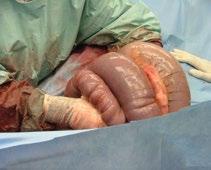
Once your horse I taken to the surgery area, he will be anesthetized and gently lowered to the floor. Using hobbles and a hoist system, he will be placed on a padded table. Your horse will be placed on his back and secured to the table. A ventilator will be used to deliver anesthetic gases and breathe for him, and other equipment will be used to monitor blood pressure and oxygen levels.
Your horse’s belly will be shaved and scrubbed with disinfectant. The heavily gowned surgeon will place a full body drape prior to making a 10-12 inch incision on the midline of the abdomen. Then, a full abdominal exploration will take place to determine the problem. Much of this is performed by feel, as many internal organs cannot be brought into plain view.
Colic surgery is a great physical undertaking. Heavy segments of bowel must be pulled out of the abdominal cavity, emptied and repositioned. Once a diagnosis has been made, the surgeon may need to discuss the problem and prognosis. You should be prepared to euthanize your horse on the table, as some lesions are not reparable or more extensive surgery may result in an expense you are not able to absorb.
Surgical correction may be as simple as placing the intestine back in its normal position, i.e. a partial torsion or twist, or some other displacement. Damaged intestine may need to be removed, a blockage of sand or other foreign objects removed, or fluid moved out of
Hospital stays can vary from a few days to a few weeks, depending upon the initial surgical problem. Other complications might include abdominal or incisional infection, laminitis, colic recurrence, reflux, and many others. For many horses, the intensity of treatment gradually reduces prior to discharge at 5-7 days post-surgery.
Once the horse is home, usually about 4 weeks of complete stall rest are required, followed by another 4 weeks of stall rest and hand-walking. This is followed by 4 weeks of turn-out in a paddock. The horse must not be allowed to move faster than a walk until the incision has gained sufficient strength to bear the weight of the organs and movement. The diet may be modified, and other specific instructions may be given to you.
There is a general belief that colic surgery is often not successful. Thirty years ago that was true, but anesthetics have improved, along with surgical techniques. Many types of colic surgery today have a good prognosis; however, you should remember that despite the investment of a great deal of time and money, fatal complications can occur. Think about all of this before you ever get into this situation.
Dr. Brian Burks, Dipl. ABVP is the owner/veterinarian at Fox Run Equine Center, a 24-hour medical-surgical center near Pittsburgh, Pennsylvania. He is board certified by the American Board of Veterinary Practitioners (Equine Practice). This certifies him as an expert in all categories of equine practice. He enjoys the diagnostic and treatment challenges of internal medicine and intestinal disorders. Find out more and contact us at: www.foxrunrequine.com


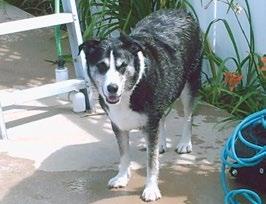
Twelve years ago my girlfriend’s dog passed away after a great life, except for some complications at the end. Like any good boyfriend , I took her to look at puppies just to get her mind off her loss.
When we met Bailey at the pet store, she went potty three times, which made her stand out from her two brothers. My girlfriend fell instantly in love and we went home with puppy Bailey that day. Family members wondered why we chose a dog that looked like the last one, but soon that didn't matter because everyone loved Bailey.
We were blessed to have a pool. Bailey, a mixed breed, became a swimmer. When kids would go down the slide, she would run crazily around the pool as if she were herding or protecting them. We found this amazing since we never had had a dog that enjoyed swimming or who owned the pool area so!
Bailey developed a unique personality of her own. We marveled as she pulled stuffing out of chew toys or chased a laser light endlessly. When we came home and up the steps, Bailey greeted us by standing on her back legs and putting her paws on our shoulders, appearing to greet us with a hug.
Around the age of three and a half Bailey started having seizures, which we were told was unusual for a dog of her age. In time we were able to get the seizures under control with two different types of medicine, the side effects of which were increased appetite and corresponding weight gain. At the age of five and a half Bailey tore the ligament in one of her knees.
We didn’t want her to have to live with a limp, so Bailey had surgery, which included rods, screws and pins. While her repaired knee was healing, Bailey shifted her weight onto her other leg, causing a tear of the other knee a few weeks later.
Another surgery and many ups and downs later, we were able to rehab Bailey back to as close to her old self as possible.
Bailey lived a good life, cared for more than we ever thought possible. The last 6 years of her life brought medical complications too numerous to list, but somehow she got through them all until the last year of her life when she developedt kidney failure. We administered fluids twice a day along with her medications,made frequent veterinary visits, and treated almost every kind of infection imaginable. She had a file at her vet’s office 90 pages long! But Bailey braved it all, doing her very best to be a good patient and a good dog. This was the hardest time of Bailey’s life for all of us.
We lost Bailey July 27th, 2014 at the age of twelve years and four months. Her impact on our lives still is deeply felt, especially through this past Christmas time. We were lucky to have her, and she us. When we feel sad we try not to think of how bad things became at the end, but remember how she made us smile. We know that she is in a better place, and thank her for the memories and the time we had together. We miss you, Bailey, in our hearts forever.
Kevin
Do you have a special pet that you would like to honor? Send submissions to info@pghpetconnections.com.
Your pet can be received from your home or veterinarian or your family may choose to bring your pet directly to my Bridgeville location.

Pittsburgh Veterinary
Specialty & Emergency Center
ANESTHESIOLOGY
Dianna Ovbey, DVM, MS, Practice Ltd. to Anesthesiology CARDIOLOGY
Eva Sikorska, DVM, DACVIM
Erin Anderson, VMD, MSc, DACVIM DENTISTRY
Krista Mendoza, DVM, DAVDC DERMATOLOGY
Sandra Sargent, DVM, DACVD
Bill Oldenhoff, DVM, Practice Limited to Dermatology EMERGENCY & CRITICAL CARE
Kenton D, Rexford, VMD
Christine Guenther, DVM, DACVECC
Christine Rutter, DVM, DACVECC
Sarah J. Deitschel, DVM, DACVECC
Amy Dickinson, DVM, DACVECC
Kara Osterbur, DVM, DACVECC
Rebecca A Miller, DVM
Joey Kallem, DVM
Elissa Allen, VMD
Robin M. Dutra, DVM
Lindsey Rademacher, DVM
Kristen Krisulevicz, DVM
Richard Skalos, DVM
Carol Park, BVSc
Tricia Tovar, DVM, Resident in EM & Critical Care
Jennifer Daly, DVM, Resident in EM & Critical Care
MRI & CT IMAGING
PetsDx Veterinary Imaging - www.petsdx.com
Gerald Frye, VMD
Sherwood Johnson, DVM, DACVIM
Tracey Peterson, DVM, DACVIM
Emily Klosterman, DVM, MS, DACVIM NEUROLOGY
Edward MacKillop, DVM, DACVIM
Kendra Mikoloski, DVM, DACVIM ONCOLOGY
Rebecca Newman, DVM, MS, DACVIM
Todd M. Erfourth, DVM, DACVIM
Bridget Urie, DVM, MS, DACVIM OPHTHALMOLOGY
Lawrence Bagley, DVM, DACVO
Rachel Keller, DVM, DACVO
Michael Finn, DVM, MS, DACVO RADIATION ONCOLOGY
Christine Anderson, DVM, MS, DACVIM, DACVR RADIOLOGY
Christopher Warrington, DVM, DACVR SURGERY
Anthony D. Pardo, MS, DVM, DACVS
John T. Payne, DVM, MS, DACVS
Julie L. Compton, DVM, MS, DACVS
Jonathon Anderson, DVM, DACVS
Michael Doornink, DVM, DACVS
Hope Chisnell, DVM, Practice Limited to Surgery
Kathryn Campbell, DVM, Resident in Surgery
Jeffrey Christ, DVM, Resident in Surgery