Sleep Deprivation in Horses Page 26.
Beaver County Humane Society Page 22.
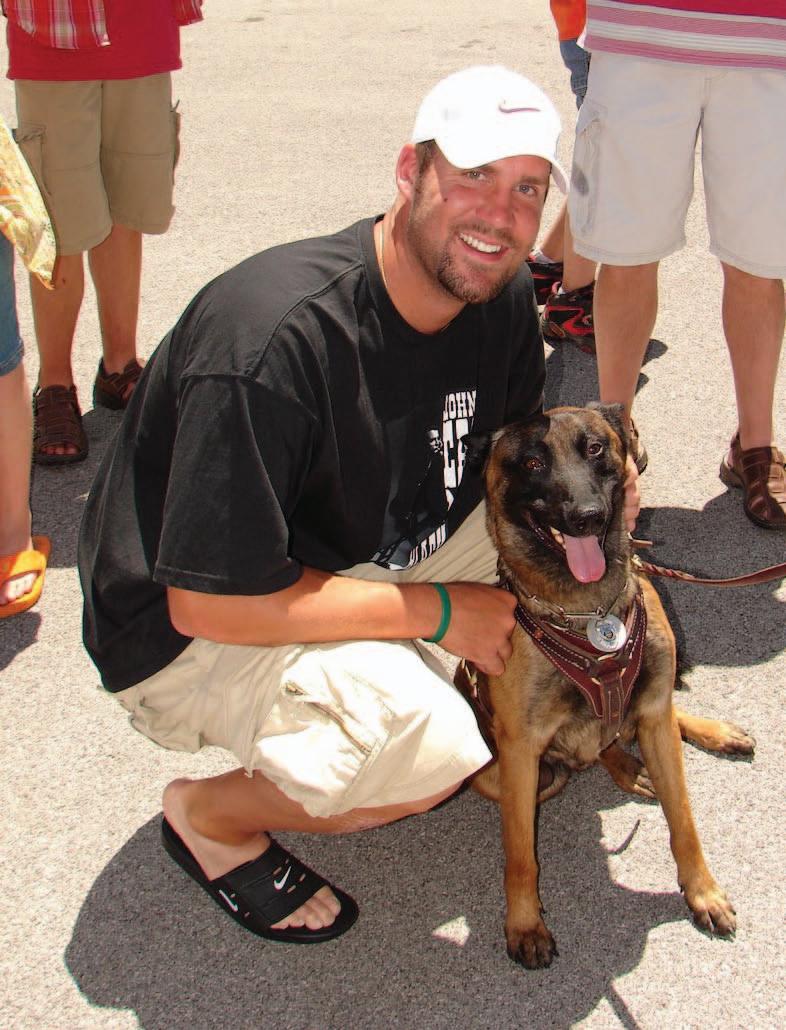
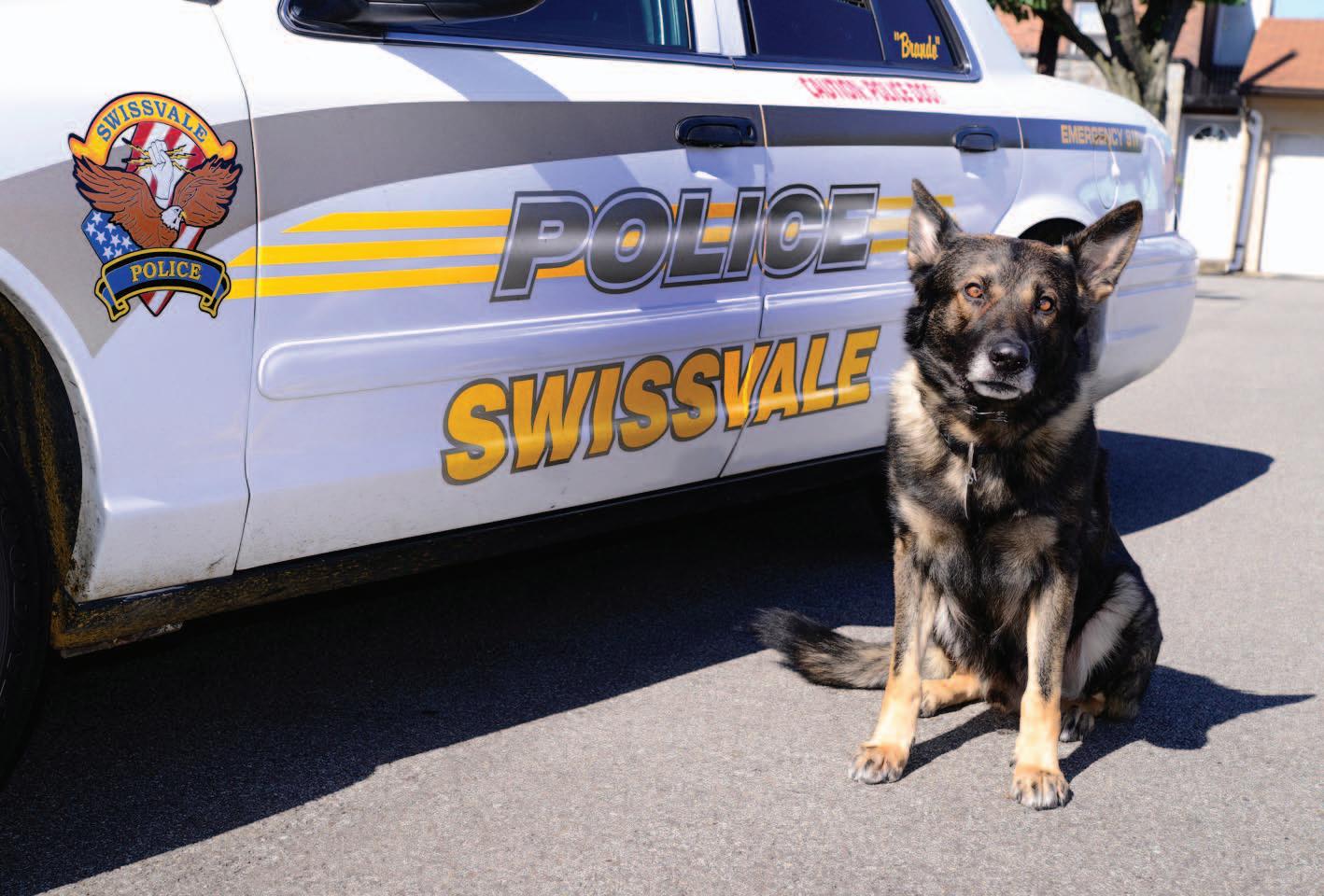

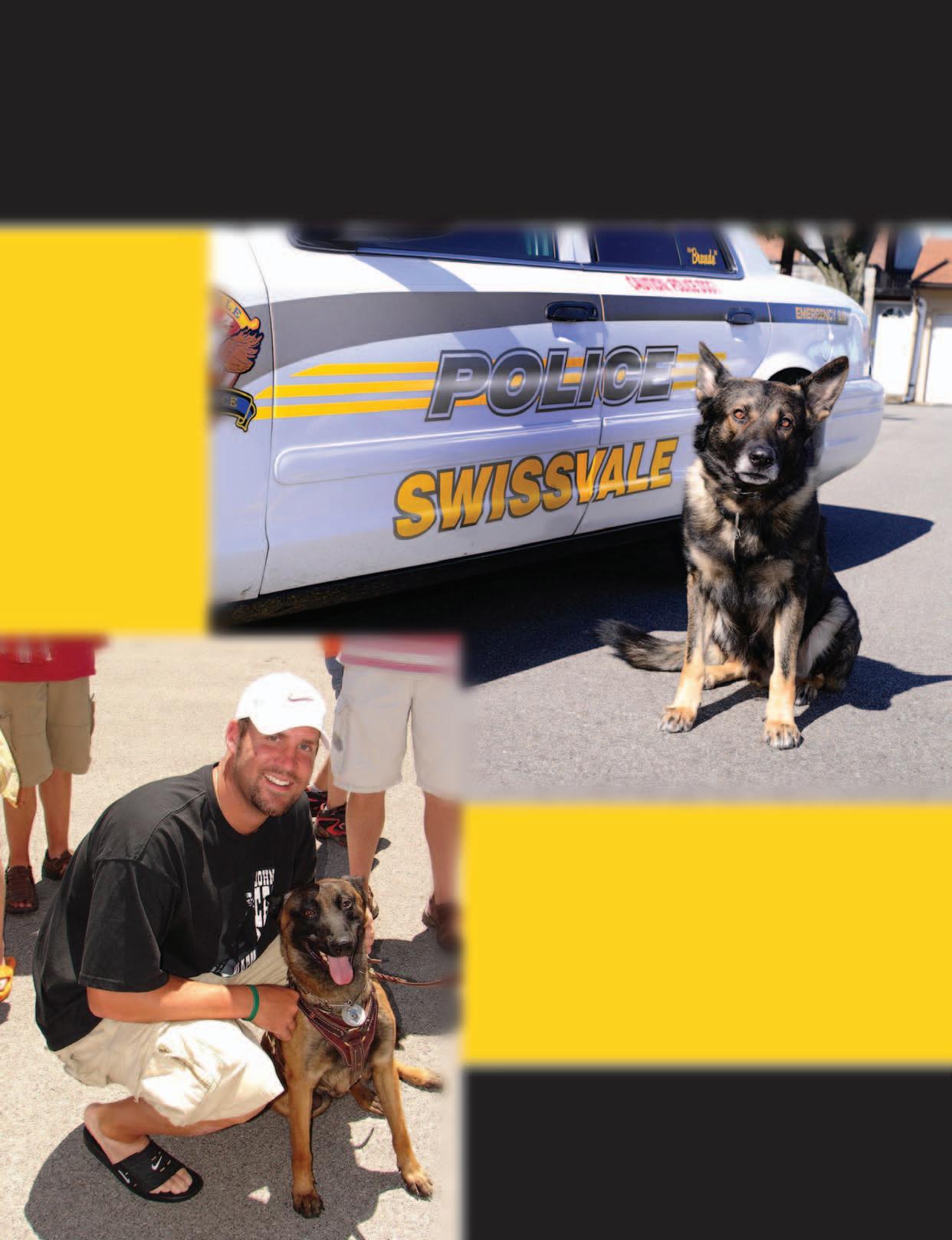
“Brando” Photo Courtesy of Swissvale Police Department
Photo by: Premier Photo-Works
Photo Courtesy of Ken Roethlisberger


Sleep Deprivation in Horses Page 26.
Beaver County Humane Society Page 22.







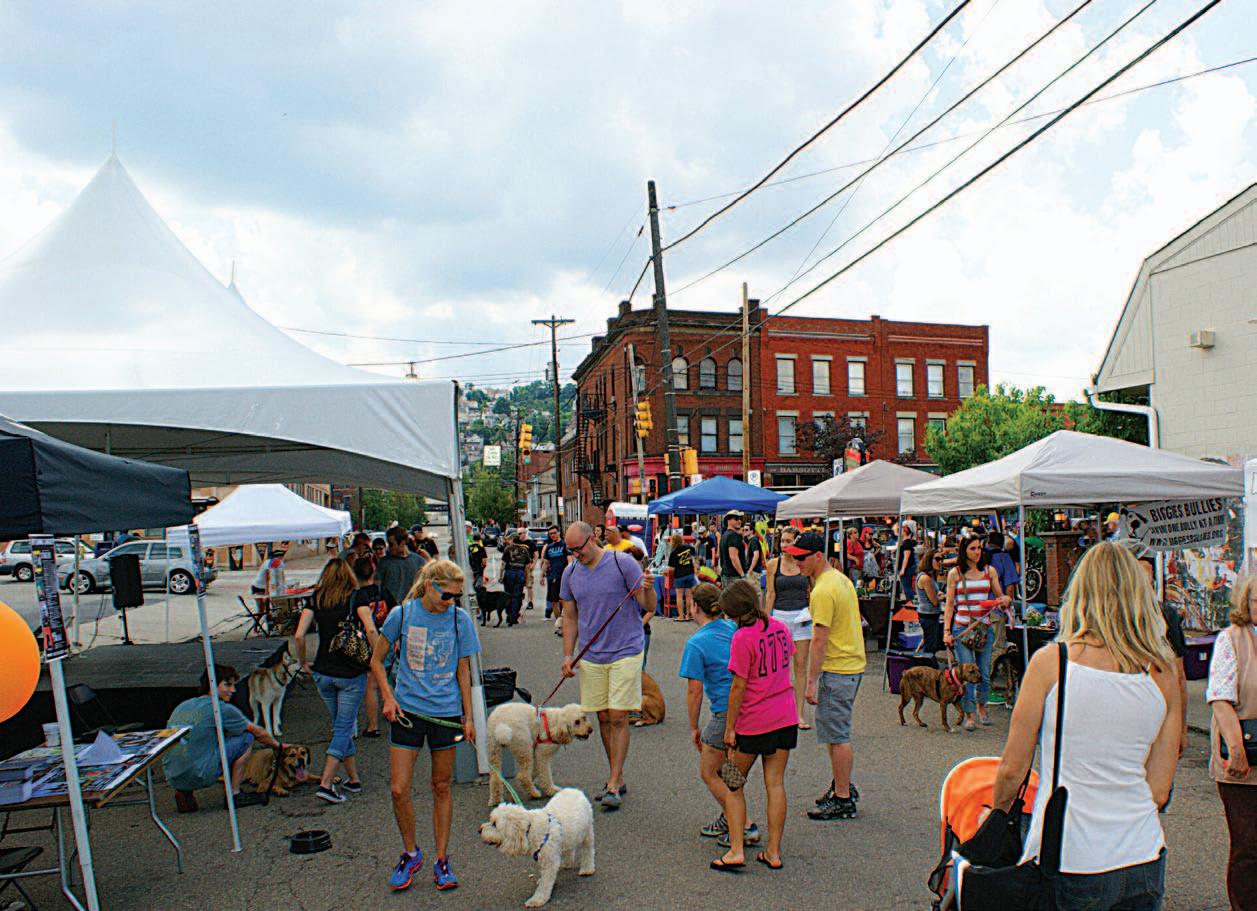
We are rolling into summer kicking off a great season of events! Our May events included Healthy Pet Products Day and Sewickley Unleashed. Our own Chief Editor, Bernadette Kazmarski, displayed her incredible artwork at Sewickley Unleashed.
Our June event calendar is packed full. See our event calendar for the events, including the Ben Roethlisberger Foundation events, and we are excited to be vendors at the Panera Pup Walk and the Pet Adoption & Care Fair and sponsoring the Steel City Pet Expo, as well as Lucky’s Southside Dog Festival.
We also welcome Joe Hirsch as our new advertising sales manager! Joe is an animal lover and cat rescuer, and also head of the Pet Ministry program at Christ United Methodist Church in Bethel Park. Joe is coordinating the 11th Annual Pet Adoption & Care Fair (see ad) He also brings years of professional advertising sales and is a welcome addition to our PetConnections team!
We welcome new advertisers this issue: Burton’s Total Pet, and Christ United Methodist Church! Please support all our advertisers who make this publication possible and let them know you saw them in PetConnections! Visit the Map Spread and Advertiser Locator map on pages 18-19 to see all.

It is Adopt-a-Cat Month and our featured rescue is Beaver County Humane Society including their new foster program for cats and dogs. Our featured foundation is the Big Ben Foundation. Also, more great articles such as “Scratch Training” by Dr. Doug, “Feeding Raw Diets” by Toni Shelaske, “Sleep Deprivation in Horses” by Dr. Burks, “Bach Flower Remedies®” by Judith Levy, “Ease Your Pet’s Anxiety” by Susan Wagner, the City of Pittsburgh’s free spay and neuter program and more!
Thank you for picking up PPC Magazine. Take care of yourself, as well as your animals, and be well!
Warmly,
Carla Mader CEO & Publisher
Pittsburgh PetConnections, LLC.
Published By: Pittsburgh PetConnections, LLC.
Pittsburgh PetConnections, LLC. was formed in 2012. Our mission is to publish a high quality, informative and Human-Animal Bond focused publication. We support local businesses and also assist local non-profit businesses for pets and people, to give back to our great Pittsburgh communities.
Managing Editor.........................................................Carla Mader
Chief Editor...........................................Bernadette E. Kazmarski
Sales....................................................................................Joe Hirsch
Distribution...............................................................Martin Mader
Graphic Designer.......................................Flatboy Productions
Photographer......................................Kara Jones Photography
Contributing Writers: Our contributing writers have many years of combined experience and expertise in the fields of veterinary medicine and the Human-Animal Bond.

info@pghpetconnections.com
Contact: info@pghpetconnections.com
Rights Reserved Copyright 2014
Subscribe, Submit, Upload! Submit your business or rescue organization’s info for a FREE listing on our directory.
No website for your small home-based pet or wellness business? Add a Featured Listing on the PPC online Directory for a small yearly fee and upload photos and detailed info about your business!
Become a Media Partner with PPC Magazine!
A Media Partnership with PPC includes:
• Ad in print or online (free design)
• A Free Featured directory page on our website with your business info, photos and link to your website
• Your logo in our monthly newsletter
• PPC promotes your business at our events

Animal Educational Exhibits
North:
The Pittsburgh Zoo & PPG Aquarium pittsburghzoo.org
The National Aviary nationalaviary.org
Animal Behavior
Greater Pittsburgh Area:
Judith Levy, M,Ed., CEHP, RMT 412-521-5133 | judithlevywellness.com
Animal Communication
Greater Pittsburgh Area: Renee Takacs, M.A. intuitguide.com
Animal Reiki
East: Janet Jackson animalangellady.com
East End:
Judith Levy, M,Ed., CEHP, RMT 412-521-5133 | judithlevywellness.com
Animal-Related Art, Photography & Retail
North:
Nicole Begley Photography nicolebegleyphotography.com Vibrant Images vibrant-images.com WearWoof Shop 412-956-1788 | wearwoof.org
South: Kara Jones Photography kjones.smugmug.com
Paws ‘n Claws Eyewear PawsnClawsEyewear.com
Greater Pittsburgh Area: Portraits of Animals portraitsofanimals.net Pet and Home Portraits petandhomeportraits.blogspot.com
Jenny Karlsson Photography jennykarlssonphotography.com
Animal Rescue Organizations
North:
Animal Friends
412-847-7000 | thinkingoutsidethecage.org
Beaver County Humane Society 724-775-5801
Pennsylvania Great Dane Rescue 724-869-9185
Hope Haven Farm Sanctuary 412-366-1187 | hopehavenfarm.org
Western Pa Humane Society
412-321-4265 | wpahumane.org
South:
Angel Ridge Animal Rescue
724-229-7053 | angelridgeanimalrescue.org
Animal Care & Welfare
412-244-1372 | animalcareandwelfare.org
Washington Area Humane Society 724-222-7387 | washingtonpashelter.org
East:
Animal Rescue League
412-345-7300 | animalrescue.org
ARL Wildlife Center
412-345-7300 | animalrescue.org
SW PA Pugs with Special Needs 724-763-2790 | swpapug.org
West: CARMAA
412-780-4983 | carmaa-petadoption.com
Greater Pittsburgh Area: Molly’s Canine Academy 724-914-3214 | mollyscanineacademy.com
Success Just Clicks successjustclicks.com
North Shore: Western PA Humane Society 412-321-4265 | wpahumane.org
South:
Golden Triangle Obedience Training Club 412-653-6880 | gtotc.com Keystone Canine Training 412-833-2211 | keystonecanine.com
Xcel Canine Training Center 412-833-2504 | xcelcaninetraining.com
Equine Boarding, Lessons & Training Facilities
North:
Rockin’ Horse Stables 724-601-4706 | rockinhorsestables.com
South:
Angel Ridge Farm (Lessons only)
Elizabeth Goldberg - 412-860-1136
Coventry Equestrian Center 724-206-9902
Equine Holistic Care
Greater Pittsburgh Area:
Dr. Michael Savko, DC, CCSP, CVCP 724-261-7915 | drchirovet.com
Equine Hoof Care
Greater Pittsburgh Area:
All Natural Hoof Care Nancy Frishkorn 724-255-6465 | hooflady.org
Equine Tack Stores
South:
The English Horn 724-941-8088 | theenglishhorn.com
Lowry’s Western Store 724-228-1225 | lowryswesternshop.com
Equine Veterinarians
East:
Dr. Brian Burks, DVM Fox Run Equine Center 724-727-3481 | foxrunequine.com
Holistic Practitioners
Pet Chiropractor
North:
Dr. Doug Knueven, DVM Beaver Animal Clinic
724-774-8047 | beaveranimalclinic.com
East:
Dr. Dina Livolsi, Doctor of Chiropractic 412-824-6276 | drdinalivolsi.com
Greater Pittsburgh:
Dr. Michael Savko, DC, CCSP, CVCP 724-261-7915 | drchirovet.com
Holistic Veterinarians
Dr. Doug Knueven, DVM Beaver Animal Clinic 724-774-8047 | beaveranimalclinic.com
Pet Burial, Memorial & Cremation Services
South:
Chartiers Custom Pet Cremation 412-220-7800 | ccpc.ws
Jefferson Memorial Funeral Home 412-655-4500 | jeffersonmemorial.biz
Pet Fencing
Greater Pittsburgh Area:
Contain-A-Pet of Pittsburgh 724-914-3214
DogWatch 724-586-6555 | DogWatchPGH.com J & D Home Improvements, Inc. 800-837-9379 | jdwaterproofing.com
Pet Stop Pet Fencing System of Western PA petstop.com
Pet Friendly Restaurants
North:
Double Wide Grille - Mars 724-553-5212
South:
Double Wide Grille - Southside 412-390-1111

Pet Grooming
North:
5th Avenue Fido
724-772-5511 | 5thavenuefido.com
All About Dogs
724-925-1577 | allaboutdogsgrooming.info K-9 Kingdom
724-935-3647 | k9kingdom.com
Larry’s Laundromutt
412-534-4052 | larryslaundromutt.com
Paw Prints Pet Retreat
724-903-0063 | pawprintspetretreat.com
South:
Brush Run Styling
724-942-6352 | brushrunpetstyling.com
Canine Club
412-220-8100 | thecanineclub.com
Grand Slam Grooming 412-221-5081 | grandslamgrooming.com
Grooming With Care
412-977-5961
Petsburgh Dog & Cat Grooming
412-885-4027
Pets At Home
412-655-7297
The Pet Salon
412-279-5331 | petsalonusa.com
Woody’s Dog Wash & Pet Boutique 412-714-4644 | woodysdogbath.com
Creative Canine Cuts
724-223-9020
West:
Paws Here Awhile Pet Resort 724-573-4665 | pawshereawhile.com
Pet Grooming Schools
Golden Paws Pet Styling Academy 412-297-9383 | goldenpawspittsburghpa.com
Pet Massage
Greater Pittsburgh Area: Your Critter Sitters – Raylene Hoover 724-448-7330 | yourcrittersitters.com
Pet Ministries
South:
Christ United Methodist Church 412-277-1096 | christumc.net
Westminster Presbyterian Church 412-835-6630 | westminster-church.org
Pet Resorts - Boarding, Daycare, Grooming & Training
North:
5th Avenue Fido
724-772-5511 | 5thavenuefido.com
Camp Bow Wow - Ross Township campbowwowpgh.com
K-9 Kingdom
724-935-3647 | k9kingdom.com
Paw Prints Pet Retreat
724-903-0063 | pawprintspetretreat.com
South:
Camp Bow Wow - Castle Shannon campbowwowpgh.com
Grandma’s Dog Daycare
412-586-7094 | grandmasdogdaycare.com
Canine Club
412-220-8100 | thecanineclub.com
East:
Camp Bow Wow - Highland Park campbowwowpgh.com
Pittsburgh Pet Concierge
412-856-8505 | petconcierge.org
West:
Camp Bow Wow - Greentree campbowwowpgh.com
Paws Here Awhile Pet Resort
724-573-4665 | pawshereawhile.com
Pet Retail/Supply
North:
Burton’s Total Pet - Allison Park
724-444-8103 | totalpetstores.com
Burton’s Total Pet - Cranberry 724-776-4822 | totalpetstores.com
Burton’s Total Pet - North Hills 412-367-0962 | totalpetstores.com
Healthy Pet Products
412-366-0700 | healthypetproducts.net
South:
Burton’s Total Pet - Bridgeville 412-257-0756 | totalpetstores.com
Healthy Pet Products
412-831-3700 | healthypetproducts.net
Oddball Pets & Aquariums
412-884-2333 | oddballpets.com
Woody’s Dog Wash & Pet Boutique 412-714-4644 | woodysdogbath.com
East:
Burton’s Total Pet - Edgewood 412-342-0110 | totalpetstores.com
Burton’s Total Pet - Greensburg 724-838-8198 | totalpetstores.com
Burton’s Total Pet - Irwin 724-863-7800 | totalpetstores.com
Burton’s Total Pet - Monroeville 412-374-1455 | totalpetstores.com
North:
Little Piggies Pet Sitting littlepiggiespetsitting.com
South:
Chris’s Canine Club
724-746-3864 | chrisscanineclub.com
Your Critter Sitters– Raylene Hoover
724-448-7330 | yourcrittersitters.com
West:
Seraphina Pet Sitters
412-389-9735 | seraphinasitters.vpweb.com
Veterinary Hospice
Greater Pittsburgh Area: Nancy A. Ruffing, DVM 412-801-1071 | gentlejourneyvet.com
Veterinary Hospitals
North:
Beaver Animal Clinic
724-774-8047 | beaveranimalclinic.com
BelaCoop Animal Hospital
724-939-7062 | belacoopanimalhospital.com
Seven Fields Veterinary Clinic
724-742-4433 | sevenfieldsvet.com
VCA Northview Animal Hospital 412-364-5353 | vcanorthview.com
South:
All About Pets Veterinary Hospital 724-745-5503 | aapvet.com
Allegheny South Veterinary Services 412-257-0909 | alleghenysouthvetsvcs.com
Companions First Veterinary Clinic 412-831-9500 | companionsfrst.com Hickory Veterinary Service 724-356-1000 | hickoryvetsvcs.com
VCA Castle Shannon 412-885-2500
East: Pittsburgh East Animal Hospital Monroeville - 724-325-2500
Greensburg - 724-205-6960 peah.vetsuite.com
The Big Easy 412-908-9301 | tbeah.com
West: Avalon Veterinary Hospital 412-761-9149 | avalonvh.com
VCA MetVet West Animal Hospital 412-788-6400 | vcahospitals.com/met-vet-west
Veterinary Specialty & Emergency Services
Greater Pittsburgh Area: Pittsburgh Veterinary Specialty and Emergency Center, Inc. 412-366-3400 | pvs-ec.com
VCA Northview Animal Hospital Specialty Referral Center 412-364-5353 | vcanorthview.com
East
Allegheny Veterinary Emergency Trauma & Specialty 412-373-4200 | avets.us

by Susan Wagner
We may love the 4th of July, but it can be a nightmare for our canine companions. The rumbles and booms of fireworks often elicit mild to severe anxiety, causing signs such as drooling, pacing, panting and hiding. The Humane Society of the United States has offered great safety tips for the 4th. I’d like to add advice on easing the fear associated with all the noise and hoopla. Each individual tip may be enough for your cat or dog, but in severe cases of anxiety, all may be necessary. They work well together.
1. Allow your dog to go where he feels safe. This may be in the basement or under a table. Stay with him if you can.
2. Put one drop of therapeutic grade lavender essential oil in the palm of your hand, then rub it down your dog’s spine. Start at the top of the head and go all the way to the tail. Be sure to use pure lavender, not the perfume quality found at most bath and beauty stores. If she doesn’t completely calm in 3 to 4 minutes, repeat the application. You can re-apply a third time if she is still fearful.
3. Play calming music at a low volume. There’s no need to overcome the loud fireworks — that will overstimulate your dog. I was proud to be the research coordinator for Through A Dog’s Ear: Music to Calm Your Canine Companion, so I stand by its effectiveness. This music has a physiologic calming effect. You can also play it in between anxiety events, when you and your dog are in a peaceful state. This will add a classical conditioning effect to the calming properties. You can go to www.throughadogsear.com for free music downloads in time for the 4th.
4. Some dogs respond to snug fitting jackets like Thundershirt or Anxiety Wrap. The tight fit gives them a sense of comfort.
5. Stay calm! I know some pets exhibit destructive behaviors during these events, but don’t become angry. The fear associated with punishment will only worsen an already difficult situation.
6. Energy therapies are also extremely effective in calming animals. You may want to consider taking a course in Healing Touch for Animals, animal Reiki or massage so that you can assist your own pet.
Many cats are also frightened of fireworks, and will retreat to their own safe places. Cats are lucky enough to fit into tiny corners in faraway closets! You can also use the calming music, energy therapy and lavender for them. With the lavender, use one drop one time only. If they are really excitable — frothing, shaking, hair standing on end (gee, that sounds like a trip to the vet) — you can apply another drop.
NOTE: Most essential oils are not safe for cats, so please use only pure lavender.
These tips are helpful for any type of anxiety, whether it be thunderstorms, separation anxiety, veterinary visits or strangers coming into the home. The most important piece of advice I can give you, however, is to understand the energetics of animal anxiety. Animals naturally reflect our energy fields, so if we have a pet with anxiety, we must look at what we are anxious about. If it weren’t significantly affecting our lives, our pets wouldn’t be reflecting it. This doesn’t have to be the same type of anxiety. It may be a reflection of something that happened long ago, but the energy persists and continues to affect our lives in some way. Once the cause is identified, faced and overcome, the energy can dissipate.
Resources:
www.care2.com/greenliving/dog-safety-tips-for-fourth-of-July.html www.care2.com/causes/5-repulsive-ingredients-in-your-perfumeor-cologne.html?lc=int_mb_1001
www.care2.com/greenliving/mirror-mirror.html



By Bernadette Kazmarski
Since 2007 the Ben Roethlisberger Foundation (BRF) has provided police and fire departments in Pittsburgh and in the cities and surrounding areas of each regular season away game during the Steelers season with a very special contribution: grants for K-9 units in each of those cities. The majority of the grants help K-9 units to purchase dogs and dog safety vests, but other types of K-9 related needs are also included.
Since its inception the BRF has made 135 grants totaling more than $1.2 million to 129 police and fire departments and five community youth organizations, including Ronald McDonald House Charities and Make-A-Wish®. The 129 canine grants have funded the purchase of more than 67 dogs, the training of more than 29 dogs and 50 handlers, safety equipment, such as vests, for more than 54 dogs and training equipment for more than 33 dogs as well as food, vet services and housing for many more.
During the 2013-14 grant cycle, the BRF distributed $157,600 in grants to K-9 units around the country, including $87,000 to police and fire department K-9 units in the Pittsburgh community. Remembering Rocco, the K-9 officer killed in the line of duty in January, Officer Phil Lerza began training this spring with Beny, a 13-monthold German Shepherd/Belgian Malinois that the Ben Roethlisberger Foundation bought for him.
“My Dad instilled in me a love and respect for animals. This is a good way to combine that passion with a desire to support the police and fire departments, which deserve all the appropriate resources needed to protect our cities and neighborhoods, and allow these brave men and women to arrive home safely,” says founder and Pittsburgh Steelers quarterback Ben Roethlisberger on his website.
In October 2013 Roethlisberger became the first non-law enforcement individual to be honored by the Amen Corner when he was honored at the 13th Annual Amen Corner Senator John Heinz Law Enforcement Awards Luncheon, receiving the award for his contribution to K-9 units through his foundation. Roethlisberger has been pictured many times with his two dogs, Rottweiler Zeus and Bernese Mountain Dog Hercules. In September 2013 his fans mourned with him as he said an unexpected goodbye to his buddy Zeus. “Zeus was with me for 9 years and was my first dog. He was my man and had been there through Super Bowls,
tough losses, injuries, snow storms and the heat. He was the best and I feel blessed to have had him in my/our lives for so long. I know he’s in heaven waiting to play tag or just cuddle again soon,” he said on his Facebook page that day.
The BRF also works with the Make-A-Wish Foundation and after last year’s fundraiser donated $30,000 to MakeA-Wish®. For the past several years Ben has devoted time to the Make-A-Wish Foundation because of his passion to help children. One of the most memorable of these MakeA-Wish moments was when he met 14-year old Akeem Havens, who signed a contract with the Pittsburgh Steelers in May 2008 to become one of Roethlisberger’s go-to wide receivers for the day.
“I have been blessed with opportunities throughout my life to pursue my goals and achieve some success, all under the guidance of a loving family and supportive communities,” Roethlisberger said about establishing a charitable foundation. “I was raised to appreciate my blessings and always try to help others who may not be as fortunate. I feel honored to be able to do so.”
Below are the away game cities the Steelers will play in the 2014-15 season. Police and fire departments in these cities and the surrounding areas are encouraged to visit bigben7.com/the-ben-roethlisberger-foundation/ and apply for a grant to cover departmental canine needs. Applications must be received by August 15, 2014. If your city isn’t on this list but the Steelers make the playoffs, BRF will also award one or two grant(s) to cities anywhere in the U.S. that are not NFL markets.
Eligible Cities Application Deadline Announcement Date
Baltimore, MD
August 15, 2014
Charlotte, NC August 15, 2014
Jacksonville, FL August 15, 2014
Cleveland, OH August 15, 2014
New York Metro August 15, 2014
Nashville, TN August 15, 2014
Cincinnati, OH August 15, 2014
Atlanta, GA August 15, 2014
September 10, 2014
September 18, 2014
October 2, 2014
October 9, 2014
November 6, 2014
November 13, 2014
December 4, 2014
December 11, 2014
Non-NFL Market August 15, 2014 TBD
Non-NFL Market August 15, 2014 TBD
Pittsburgh, PA August 15, 2014 After Super Bowl ‘15
For more information on the Ben Roethlisberger Foundation and to read the stories and thanks from police and fire departments who have received a grant— including one from a Baltimore, MD police department which is “appreciative, but still competitive,” and who named their canine “Raven”, visit www.bigben7.com.
















By Bernadette Kazmarski
This program is available all year round. Pet owners apply by completing an application for each cat or dog, and can also apply for feral cats if the colony is in the City of Pittsburgh. Pet owners and/or caregivers must prove city residence and vaccination records for their pets prior to surgery. Applicants will be contacted with appointment place, date and time, and pre- and post-surgery instructions. Caretakers may also purchase a microchip for a pet at the time of surgery for $3.00.
Did you know that City of Pittsburgh residents can receive up to five cat or dog spays and neuters— absolutely free—through the City of Pittsburgh Spay and Neuter Program? In February 2012 Pittsburgh’s City Council approved a program sponsored by Council President Darlene Harris that provides vouchers for up to five pets per household to Pittsburgh residents (the city has a limit of five pets per residence). The bill allocated $170,000 toward the program, yet the city spends much more than that in combined animal control costs.
“The numbers of animals we were killing was very sad, I’d rather not bring them into the world if that’s what would happen,” said Harris. “What we were paying per animal to trap and surrender them to a shelter was as much if not more than it cost to spay or neuter them.”
It took several years to determine what would be the best way to manage the situation and Harris visited other cities and worked with the groups who were planning to make Pittsburgh a no-kill city. “We are the country’s most livable city—for our people,” Harris said, “we should be for our animals too.”
Council decided that spaying and neutering pets of city residents will result in reduced costs immediately and into the future. Stray and feral cats maintained outdoors are also included in the program if they are within city limits.
The numbers of cats and dogs picked up by the city’s Animal Care and Control—the name change was part of the plan—has decreased each year since the program began. In 2011, 826 dogs and 1,039 cats were brought in; in 2012, 700 dogs and 1,026 cats; in 2013, 585 dogs and 791 cats. The Animal Rescue League and Animal Friends participate in the program as surgery providers. In 2012 they provided surgery for 171 cats and 188 dogs; in 2013, 393 cats and 244 dogs.
Read more about it, and if you are a City of Pittsburgh resident you can also download an application here: www.pittsburghpa.gov/animalcontrol/spay_neuter.htm.
For other free or low-cost spay and neuter programs in the Pittsburgh area and surrounding counties, visit page 28 for a list.



By: Burton Patrick, Total Pet Stores
Oneof the most misunderstood concepts of pond or outdoor container management is alkalinity and the pond’s relationship to acid balance. Alkalinity and pH are related in the sense that alkalinity is a measure of the amount of acid that your water can absorb without changing the pH. Dissolved chemicals in the water protect every body of water, no matter how big or how small. Alkalinity protects the water environment from rapid pH changes.
Hopefully you will seek out some background on “acid rain” and its effect on our environment. The acid wears out alkalinity and causes rapid pH changes that will ultimately destroy the affected aquatic system, especially in smaller containers.

In short we are talking about the carbonate/bicarbonate cycle as it connects with an acid-base balance of water. In the oceans, alkalinity is based on the reaction between carbonate/bicarbonate. It is the same in fresh water, but the level of carbonate/ bicarbonate varies greatly in each body of water and many times determines the kind of fish that can live in the various chemistries. Different mixes of chemicals will provide a buffer system that reflects a certain pH level. As an example, the African Rift Lake Cichlids require pH from 7.6 to 8.6. A discus from the Amazon needs pH 6 or below.
The type of watershed that feeds the body of water greatly impacts the chemistry for the surrounding and connected waters. An area that has primarily granite bedrock will have very little alkalinity. Areas like Mammoth Cave will have higher pH and high alkalinity because there are massive quantities of limestone. We have many tools at hand to monitor pH and alkalinity and the chemicals necessary to adjust if necessary.
A number of companies produce suitable supplements to stabilize pond chemistry. By tracking your alkalinity you will help ensure that your pH remains stable. Your target level should be 20 mg/liter. The kits will give you a chart for test.
You have the ability to change the destiny of your pond or container with just a little know how and some help from modern chemistry.
If you have any questions regarding this area of pond management don’t hesitate to use our Facebook site to ask. I answer almost every question personally. www.facebook.com/totalpetstores
Read more pet articles at www.totalpetstores.com

■
■
■





Story and Photos By Bernadette Kazmarski
Atearful young woman with an infant approached the counter with a small pet carrier, saying she had to give up her cat, which a friend had rescued and she had agreed to care for. She explained the landlord would not let her have the young cat in her apartment.
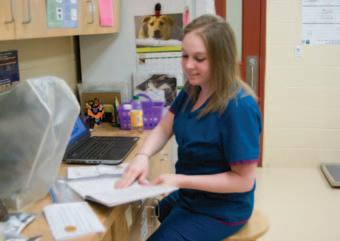
The woman behind the counter sympathetically asked where the young woman lived and asked about the friend who had rescued the cat. She knew the building and the landlord and began making phone calls. This shelter knows the community it serves and when a situation like this arises they don’t just take the animal and turn the person away, they do their best to help the person keep it.
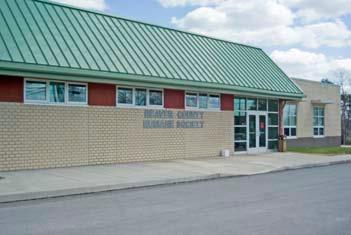
In 2006, when the board and committee of the Beaver County Humane Society found they needed to move their shelter, dating to 1968, they made bigger plans than just finding another building. They wanted more space where they could serve more animals, and house them more humanely, give them better medical care, and invite the public to a welcoming place where they could interact with the animals face to face before choosing to adopt. They also wanted to provide more resources for pet owners in this rural county north of Pittsburgh.
They planned, raised money over years and offered all this and more when they opened their new shelter in Center Township in February 2013, and already they’ve made a difference for animals and people who love them. The new shelter can house around 250 cats, dogs and small pets where the old shelter could only hold
about 75, the cages for cats and small dogs are modern and convertible, for large dogs open and bright, and there is staff and volunteers to give individual attention to each animal each day. Fenced runs behind the shelter offer a large exercise area for the dogs to burn off some steam along with walks from staff and volunteers. The animals are all socialized and friendly and obviously know the shelter workers well. The shelter accepts about 4,000 animals a year.
“We have a veterinary clinic where we offer low-cost spay and neuter and a TNR (trap-neuter-return) program, and quarterly rabies clinics, and we hope to offer a need-based full wellness program next year,” said Executive Director Susan Salyards. “We currently have offsite adoption locations for cats in three PetSmarts, in New Castle, Monaca and Robinson.” She mentioned they were planning a foster program for young kittens and cats needing medical care which they launched in May 2014.
Behind the front desk and adoption floor are areas for pet food and laundry, isolation for dogs and cats who need medical care, bathing and grooming onsite, and an intake room that is set up like a veterinary exam room for animals to be treated on arrival. The animal handling areas are set up to baffle the sounds of dogs barking and everyday shelter activities to help keep animals calm and relaxed.
And because the shelter accepts animals brought in from the 19 boroughs in the county and employs two certified humane officers to investigate humane complaints, there is a separate entrance and holding area for animals brought in by animal control, police and humane officers.
The public is welcome to post lost pet flyers on a wall-sized bulletin board in the lobby so that when a pet is brought in or surrendered as a stray staff can look through the flyers to see if the pet is there, and residents who’ve found a pet can stop in to see if a pet they’ve taken in actually belongs to someone.
Shelter veterinarian Dr. Debra M. Moon, DVM brings 25 years of experience in shelter medicine and innovative ideas for care from the moment pets enter the door until they leave.
“Every animal receives a distemper vaccine when it comes through the door to reduce the chances of an outbreak,” said Dr. Moon who suggested this policy, “and before adoption it is spayed or neutered when it is of age and weight, and microchipped, and of course they receive all their other age-appropriate vaccines.”
And for cats in particular, every cat gets a combo test for FeLV and FIV to help eliminate the possibility of spreading these two diseases through the shelter or into an adopter’s home.
Dr. Moon was also integral in working out the agreement and application for the shelter board committee devising the fostering program. “People will need to apply for the program and follow a protocol for the animal’s health,” she explained. The foster program works with healthy kittens and puppies with or without a mom who need a quiet place to grow up as well as “bottle babies” or orphaned kittens and puppies who need to be bottle fed until they can be weaned. All the little ones need to reach the age and weight requirement to be spayed and neutered and put up for adoption, and the moms are spayed as well.
“When they are ready they come in from the foster home to be spayed and neutered and stay overnight, then they go right out to PetSmart the next day,” she said. Cats and dogs are quickly adopted who’ve been in foster.
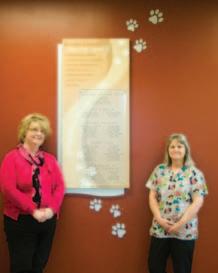
The foster program also serves animals with medical needs such as upper respiratory infections or other conditions who need medication given to recover, and cats and dogs at the end of their lives who need hospice care whose needs are better served in a loving home.
Foster homes can also give a cat or dog a much-needed break from living in the shelter, or help to socialize a shy pet or provide training for behavioral issues, or even simply allow an animal to stay with a family for a while to free up cage space when the shelter is at capacity.
Small dogs tend to move quickly and there are breed rescues who help with purebred dogs, but anyone in animal sheltering and rescue is familiar with “kitten season”. The numbers of cats led to the decision to begin the in-house clinic with affordable spay and neuter and a TNR program to help reduce the community’s populations of homeless cats and cats in the shelter.
“I looked at the numbers and there were just about exactly 1,000 more cats than dogs,” Dr. Moon said, “and when we asked, the majority of people didn’t want stray or feral cats living in colonies to be killed, many people were feeding and caring for them and they’d continue. Setting up a TNR program for the outdoor cats was the best way to start reducing those populations right away.” Truly feral cats have to be in a trap and the shelter has a dozen traps to lend, plus resources in the community who will also lend a trap. May 8, just about a year after Dr. Moon joined the shelter, she performed her 101st TNR surgery, preventing the births of hundreds of kittens who would likely fill the shelter this summer.
And Veteran’s Kitchen, the pet pantry, is open for donations from individuals and the community, to help feed the animals in the shelter and distribution to those who demonstrate need.

“Veteran was a drug house guard dog, emaciated and scared, who had to be tasered to bring him in on Veteran’s Day 2012,” Salyards explained. “He’s now in a foster home with a local dog trainer, much healthier and happier.”
These innovative programs to do much more than warehouse homeless pets did not come quickly or easily, Salyards said. “There was a fair amount of resistance and people who said it just wouldn’t work, who just wanted to do business as usual even though it wasn’t working for the animals. But we said that this is what shelters are doing now and the change happened.”
Visit their website, beavercountyhumanesociety.org, for shelter information and their Facebook page to follow adoptions and shelter events.
By: Judith Levy, M. Ed., CEHP, RMT Canine & Feline Behavior Consultant
BachFlower Remedies® offer an additional and integrative approach to helping your pet feel and get better. Bach Flower Essences (BFE) can also make behavior change easier for you and more comfortable for your pet. They comprise a therapeutic system that uses flower essences developed by Dr. Edward Bach in the 1930s. If one is trained in the use of these remedies, the practitioner can select appropriate combinations of the Bach Flower Essences which may improve your pet’s behavioral, emotional, mental or physical condition. It is advisable to address any problem holistically when using BFE. So if your pet is ill they work best in conjunction with veterinary care, and if your pet has a behavioral issue that is not improving a behavioral evaluation is suggested and behavioral program implemented.
It is believed that Bach Flower Essences are helpful for:
• Animals who seem to have lost control of their actions as in the case of barking, licking, etc.
• Reducing fear and terror (thunder) and other negative emotions
• Accelerating healing
• Replacing a loss of interest in life with optimism
• Easing challenges of adjustment in a new home or situation
• Increasing confidence
• Neutralizing effects of trauma
• Reducing the need for constant attention from pet’s guardian
• Helping the animal to have self control
• Creating a more patient animal
• Assisting in creating a more sociable animal
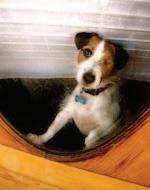
Willie
“Willie is a Jack Russell Terrier who has lived with a terrible fear of the noise of thunder. Using BFE four times per day appeared to reduce his discomfort by at least 40-50%. He no longer runs to hide behind the furnace during a storm as he has for years.”
Several of my client dogs and cats that I have assessed have suffered from generalized anxiety. When their guardians implement a combination of a well-rounded behavior program with an appropriate production of Bach Flower Essences, it has often been reported that the animal is much more calm and settled in general. Bach Flower Essences are 100% natural, safe and easy to use. The theory is these flower essences may be helpful in accelerating the rehabilitation of animals with behavior problems as well as animals with any out of balance emotional state or physical ailments.
There are 38 original Bach Flower Essences plus Rescue Remedy (used by many veterinarians) each addressing a particular emotional state as well as releasing toxins from the body. Combining the best mix of Bach Flower Essences for a particular problem is important as individual needs vary depending on the issues the animal is experiencing. Contact a skilled Bach Flower Essence Practitioner to acquire the best product mix for your pet.
Judith Levy, Bach Flower Essence Practitioner www.judithlevywellness.com
Photograph Courtesy of Michelle Jenkins
Critter could not walk. His back legs were severely weakened. He was diagnosed with not one but two bulging discs; bummer for 9-year-old Critter. He could not play, jump, or even get around. Going to the bathroom was a chore. He would fall over. He was on pain medications. He was depressed, as was his family. Options were limited to surgery, medicate and see, or euthanasia. By the grace of God, mom found DrChiroVet by referral from a friend.
Before the second visit, mom reported, “He’s a little more stable,” and, “He’s off the pain meds!” In fact he “had no pain at all!” Critter slept better, more soundly, and “he is more peppy!”
By the third visit, and within about two weeks, he was “80%” better!
He now walks into the office for his visits, instead of being carried. His eyes are bright and full of life. He is active and engaged with life and the people/things around him. Go CRITTER!
This little pup had neurological blockage in his mid lumbar spine that worsened at the pelvis into the legs, especially on the right. One of the body’s natural responses to nerve “pinching” is to tighten muscles to help stabilize, but that in fact can create more pinching. So we always work to relax and balance the muscles, and in his case he had extreme spasm from his mid-back to his knees. Not anymore though.
If you want your companion animal to be better tomorrow, call DrChiroVet TODAY!


Dr. Savko works with the following veterinary clinics: Meadowlands Veterinary Hospital, Washington, PA Suburban Animal Clinic, Butler, PA, Delmont Veterinary Hospital, Delmont, PA, Fox Run Equine Center, Apollo, PA DC, CCSP, CVCP


By: Dr. Doug Knueven, DVM, CVA, CVC, CVCH
Declawing a cat should be undertaken only as a last resort after all interventions have been exhausted. If tigers can be trained to jump through hoops of fire then surely we can teach our domestic cats to use scratching posts instead of destroying our homes. However, as in the case of the tigers, training a cat does take effort.
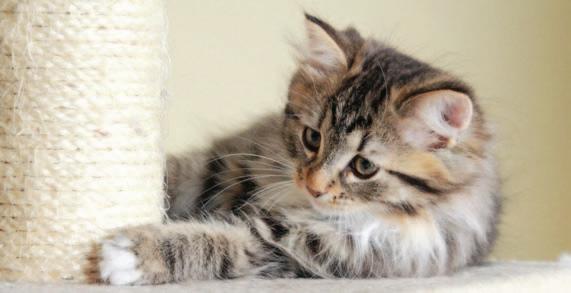
The first thing you need to realize is that scratching is a normal, even healthful, behavior of cats. Cats scratch to help shed old claw tissue, to stretch their limbs and spine (kitty yoga), to alleviate stress, and to sharpen their claws. Furthermore, there are scent glands in the feline foot and scratching is a way for these territorial creatures to claim the area they call home.
for stopping. “I need to do a better job next time,” she might think.
Even if you are successful in catching her in the act, she will associate you with the punishment. She will quickly learn never to scratch the lounge chair… when you are there. Unless you are constantly home to guard the furniture, that tactic is doomed to failure.
Your cat will scratch things – you can’t train it out of her. The only question is what will she scratch? Guiding feline scratching behavior requires a two-pronged approach – we need to reward desired behavior and discourage unwanted activities.
The first step is to provide appropriate scratching implements. Posts wrapped with sisal rope work well for many cats. Other felines may prefer wood and still others might favor a horizontal surface for scratching.
It is best to offer a smorgasbord to cover all the bases. An old stump can be used in case your cat is woodseeking. There are also corrugated cardboard pads that can be taped securely to the floor. Whatever you use, be sure the structure is solid and does not move, wobble, or fall over.
You must realize that just because the labels say “Scratching Post” does not mean that your cat will instinctively prefer them over your couch. Play with your cat near the structures by having her claw at toys that you dangle up and down them. You can also sprinkle the surface of the scratching post with catnip to encourage her to “do the right thing.” Reward appropriate behavior with praise, petting, and treats.
If your cat slips up and scratches in the wrong place, punishment is not likely to help much. First of all, if you hear her scratching in the other room and rush in to stop her, she is likely to stop before you get to her. In that case, she may think that you are punishing her
Instead, make the areas of the furniture that your cat is attracted to less appealing. Sticking double sided tape to the area or covering it with aluminum foil works well. Cotton balls sprinkled with a drop or two of lemon essential oil is also said to repel cats. You will not have to use these methods forever as long as you are encouraging the good behavior as outlined above.
To minimize the damage your cat does, you can learn to trim her toenails. Ask your veterinarian to show you how. This procedure is made easy if you train your kitty from the start to let you handle her toes.
To help your cat enjoy her pedicure requires two people. One person holds her comfortably but securely while offering the kitty her favorite treats. The other person carefully trims her toenails. The success of this approach is enhanced by doing it before her meal time when she is extra hungry and the goodies are especially valuable.
An additional level of protection to your furniture can be gained by the use of a product called Soft Paws. Soft Paws are plastic sheaths that are glued onto the freshly cut toenails. They further blunt the nail tips and stay on for about one month.
Living with another species in our homes requires truly understanding their needs and honoring their uniqueness. Cats are wonderful creatures and I can’t imagine living in a house without a feline friend. There are always challenges associated with sharing our life with others. I hope these simple tips help you enjoy your time with your four-legged family member.
This is an ever-changing list of resources for cat owners in Pittsburgh and beyond though many of the listings, like the shelters, apply to dogs and other pets as well. It includes low-cost spay and neuter programs as well as TNR for community cats, pet-friendly rentals in Pittsburgh and across the US and links to shelters for adoption and other services. In the future we will also list clinic dates with the organizations below when they are available.
TNR And Low-Cost Spay/Neuter For The Pittsburgh Area
Homeless Cat Management Team: www.homelesscat.org
City of Pittsburgh Free Spay and Neuter for City Residents
City of Pittsburgh free spay/neuter: www.pittsburghpa.gov/animalcontrol/spay_neuter.htm
City of Pittsburgh residents can apply for free spay or neuter vouchers for up to five pets, including stray/feral cats.
Low-cost Spay/Neuter and TNR Programs at Allegheny and Surrounding County Shelters
Animal Friends: www.thingkingoutsidethecage.org
Animal Rescue League: www.animalrescue.org
Beaver County Humane Society: www.beavercountyhumanesociety.org
Washington Area Humane Society: www.washingtonpashelter.org
Western Pennsylvania Humane Society: www.wpahumane.org
Low-cost Spay/Neuter Organizations in Allegheny and surrounding counties
Frankie’s Friends Cat Rescue, Allegheny & Westmoreland Counties: www.sites.google.com/site/frankiesfriendsnatronaheights
Fluffyjean Fund for Felines, Allegheny and Washington Counties: www.fluffyjeanfund.weebly.com
Fix Ur Cat, Washington County: www.fixurcat.org
Catnip Acres, Greene County: www.catnip-acres.org
Snip-it.org, Westmoreland/Indiana Counties, Alle-Kiski Valley (Leechburg): www.snip-it.org
Low-cost Spay/Neuter and Veterinary Clinic
Spay Neuter Clinic, Penn Hills, 412-244-1202: www.spayaz.com/pittsburgh-pa
Find Local Low-cost Spay, Neuter and Veterinary Care on the Internet
Low-cost Neuter and Spay (search by zip): http://neuterspay.org
Love That Cat (online search): http://neuterspay.org
Spay USA: http://neuterspay.org
Pet-friendly Rentals
In the Pittsburgh area, visit this list on the FosterCat website: www.fostercat.org/friendly.html Nationwide (United States only): www.rent.com/pet-friendly-apartments
Shelters and Shelter Services
ALLEGHENY COUNTY
Animal Friends (AFI): www.thinkingoutsidethecage.org
Animal Rescue League (ARL): www.animalrescue.org
Western Pennsylvania Humane Society (WPHS): www.wpahumane.org
SURROUNDING COUNTIES
Beaver County Humane Society: www.beavercountyhumanesociety.org
Butler County Humane Society: www.butlercountyhs.org
Humane Society of Westmoreland County: http://members.petfinder.com/~PA83/about.html
Washington Area Humane Society: www.washingtonpashelter.org
Non-shelter Feline Adoption
FosterCat: www.fostercat.org
Kopy Kat Sanctuary, Westmoreland County (Delmont): www.kopykatsanctuary.org
Hearts and Paws Pet Ministry of Christ United Methodist Church and the Pet Ministry of Westminster Presbyterian Church
Saturday, June 21, 2014
9:30 am to 2:30 pm
Christ United Methodist Church
44 Highland Road • Bethel Park, PA 15102
Visit with local animal rescue groups and service providers. Enjoy dog agility demonstrations, pony rides, and great food.
See what’s new in pet-related products. No admission fee.
For more information call 412-277-1096.


by Brian S. Burks, DVM, Dipl. ABVP, Board Certified in Equine Practice
Asremarkable as sleep deprivation in horses may seem it is not rare. These horses are unable to get enough paradoxical and rapid eye movement (REM) sleep, the deepest forms of slumber.
To understand sleep deprivation it is necessary to review the three distinct phases of equine sleep. First is deep restfulness phase during which a horse is relaxed but still easily roused. Next slow wave sleep begins: During this phase the horse is even more relaxed but still has some muscle tone and his brain waves charted on an electroencephalogram (EEG) are slow and large. Both of these stages can occur while the horse is standing.
Finally a horse may enter paradoxical sleep, so named because the brain is just as active during this phase of slumber as it is during wakefulness. REM sleep, characterized by rapid movement of the eyes under closed eyelids, occurs during this period.
Before entering the paradoxical phase of sleep, the horse will awaken for a moment in the intermediate phase, check out the safety of the environment, and then lie down. The horse will again enter deep restfulness, then slow wave sleep, and then, if comfortable in the environment, go into paradoxical sleep either lying on its side or tucking its head to the side.
In the paradoxical phase of sleep, rapid eye movements, loss of reflexes and muscle function, and increased brain activity occur. A horse snoozing with one hind leg hitched up may be in the deep restfulness or slow wave sleep phase but to achieve paradoxical sleep the muscles of the body are completely relaxed and he must lie down.
People need about two to three hours of paradoxical [REM] sleep daily. Horses in contrast need from 30 to 60 minutes per day. Horses do not have daily sleep cycles like people do, so they may not need to have paradoxical sleep every day.
On the other hand they can go only so long without getting REM sleep. There is a traditional thought that horses can get all the sleep they need standing up— that is simply not true.
Horses can usually go about seven to 14 days without paradoxical sleep but after that they begin to show clinical signs of sleep deprivation. Some horses, however, seem to be able to go far longer. Although the signs may seem similar, sleep deprivation is unrelated to narcolepsy, a condition characterized by frequent and uncontrollable periods of deep sleep.
Narcolepsy is a specific neurological problem in which horses slip nearly instantly into paradoxical sleep and REM without the usual preceding period of slow wave sleep. They collapse to the ground and they don’t catch themselves. This is usually in response to some sort of stress, excitement, or exercise. The horses described as sleep deprived are simply exhausted. A few days in a comfortable environment where horses can get paradoxical sleep is usually the cure.
Equine sleep deprivation can have a variety of physical causes. Older horses, for example, may simply be unable to lie down to sleep. The physical exam may reveal no significant health problems other than osteoarthritis. Owners often have not seen the horse roll for some time. A trial of phenylbutazone may fix the underlying issues, or the joints may need to be injected with corticosteroids and/or sodium hylauronate. Once anti-inflammatory medication has been given for a few days, comfort is reached, the horse lies down, gets paradoxical sleep, and the episodes stop.
Other cases of pain-related sleep deprivation aren’t so simple. Mysterious weight loss may begin. The physical examination may only have one significant finding: two small scars and hair loss over the front fetlocks. When monitored closely, the horse may seem to partially collapse, the horse may catch himself after scratching the fetlocks. They may even buckle at the carpi (knees) causing wounds on those joints.
Cases of enteroliths causing sleep deprivation have been described. When there are multiple stones, they may hit each other, causing discomfort. In other cases intestinal adhesions may stretch the intestine, causing pain when the horse tries to lie down.
Emotional discomfort or stress, rather than physical pain, may keep a horse from getting adequate rest. The
environment may have been changed in some way. Sometimes too many horses, or being alone may cause stress and therefore sleep deprivation.
Some horses need a strong female presence in the herd in order to feel comfortable enough to sleep. Equine society is very matriarchal. Mares are responsible for the day-to-day well-being of the herd and act as sentinels watching over other horses as they rest. Males can fill this role, but in general this is a mare’s job. There have actually been studies that show that horses will look to the nearest mare before they lie down. These horses feel safer knowing that a mare is on lookout. They do not seem to trust geldings or even stallions as much. In fact, the practice of separating mares and geldings into different fields may lead to very tired geldings.
Sometimes adding horses to a group may change the dynamic. The new horse may chase or harass another in some way, causing stress and thus sleep deprivation. This may make them disagreeable to handle or ride.
These types of cases illustrate the need to consider sleep deprivation as a possible cause of apparent collapse or perhaps other unexplained sluggishness. Many horses may be diagnosed with EPM or HYPP, or some other disorder, when they are really just sleep deprived.
There are three basic questions to help identify otherwise healthy horses who are suffering from sleep deprivation.
1. Have you seen your horse roll lately? If the answer is “no” or the owner cannot recall, then an investigation into the possibility of musculoskeletal or abdominal pain should begin. If the owner says “yes,” then investigate behavioral issues.
2. Has anything changed in the horse’s social situation? If pain is not the cause, we turn to the social setting. The goal is to identify why the horse might not feel comfortable enough to lie down. Often, adding another horse to the herd or removing an aggressive animal fixes the problem: you have to experiment with groupings and the environment a bit and give it a few days after each change to see how it works. The horse’s physical surroundings are also a consideration. Maybe the horse needs a bigger stall, more bedding or even a different horse in the next stall to be comfortable.
3. Is the horse’s environment noisy or somehow disturbing? Road repair or overhead electrical lines may cause stress and the horse will not lie down. In
that case, moving the horse to a paddock farther away from the construction may solve the problem. Whether the disturbance is during the night or day is of little consequence, because a horse’s sleep patterns are not dependent upon time of day.
The trial-and-error process involved in resolving sleep deprivation problems can take a few weeks but when you hit upon the solution the results are remarkable. In these cases the horses are just so relieved to finally be able to get some sleep. They may spend a few days “catching up” and then go back to a normal sleep pattern. They are happier and healthier for it, which only makes sense: Who doesn’t need and appreciate a good night’s sleep or a good midday nap?
Dr. Brian Burks, Dipl. ABVP is the owner/veterinarian at Fox Run Equine Center, a 24-hour medical-surgical center near Pittsburgh, Pennsylvania. He is Board Certified by the American Board of Veterinary Practitioners (Equine Practice). This certifies him as an expert in all categories of equine practice. He enjoys the diagnostic and treatment challenges of internal medicine, neonatology, surgery, and ophthalmology. Find out more and contact us at: www.foxrunrequine.com, brianburksdvm@comcast.net 724-727-3481
By: Kristin Hermann
Yoga for the horse, or the gymnastic training of the horse, is very similar to yoga for a rider. The muscles are stretched and flexed to develop suppleness, length and a wider range of motion. Tense muscles are more likely to become injured and a supple muscle less so. That is why football players practice ballet and yoga and runners stretch, to keep the muscles from only shortening and tightening but also to lengthen and relax the muscles.
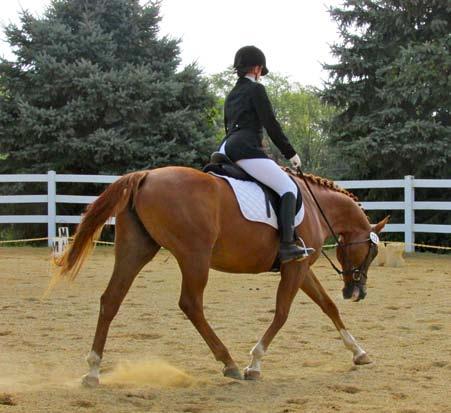
its head and neck to lengthen the top line muscles to come up under the weight of the rider and stretch from side to side to strengthen and supple the core and hindquarters.
Stretching in all directions from the front to back and side to side with the horse is the same for a person doing yoga. Of course, when the rider stretches they most often do it vertically and the horse does it horizontally with its horizontal spine. Asking a horse to move vertically is not a common request from the average rider! A vertical horse is referred to as rearing!
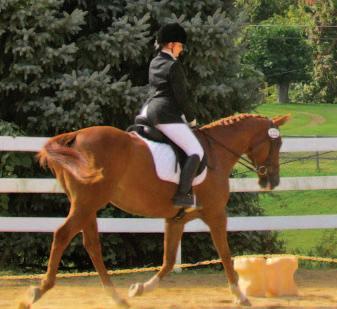
from behind. Both flexing and stretching the top
is the best gymnastic exercise for all horses.
The rider is allowing the horse to stretch longitudinally down and out. This releases the spine, opens up the gaits and releases any tension in the top line. Part of this training process is the horse learning how to stay balanced on the hind quarters while stretching and not falling on the forehand.
Horses, however, primarily get stretched and flexed with a rider on their back, so they have to work twice as hard. The horse’s top line needs to develop elastically with a rider mounted on the back muscles. Certainly, a talented horse person can long line or work the horse in hand to improve the top line without a rider, but this requires tremendous skill on the part of the handler. If anyone thinks riding a horse requires coordinated skill, try long lining!
Just like yoga stretches the rider in both directions, back to front and side to side, for the horse it is the same. When a trainer gymnastically exercises a horse, all the muscles are stretched and asked to both abduct and deduct (or get longer and shorter). A healthy muscle is one that can both flex or shorten, and stretch or lengthen. For the horse, this is called longitudinal suppleness or back to front stretching, and bending the horse from the side to side is called lateral suppleness. Stretching the horse both longitudinally and laterally, I call four way stretch! With four-way stretching, a horse can stretch down with
Being able to bend the horse both forward and back and side to side will develop a supple horse that will aid in its performance for any discipline. Training a horse is, as we know, a process. Horses do not just bend equally to the right and/or to the left or stretch forward and back equally. Most horses have a harder time bending to the left, because the average horse is bent right. Ironically, with the average horse being bent right, the average rider is right handed. Therefore, most riders that are right handed more easily bend the horse to the right and, as a result, the typical horse and rider struggle when tracking left, getting a left and trying to get a left bend.
Keen trainers are aware of the horse’s longitudinal and lateral weakness and through the process of training they even out the horse’s body so it works equally in all directions. The horse, however, will forever be dominantly bent in its natural direction, as would a right handed person that was taught to write with the left hand.
Yoga for the horse is merely a frequent workout of bending and flexing the muscles. Horses and riders that practice yoga to strengthen and lengthen the muscles in all directions and make them more supple will more easily accomplish the goals of harmonious riding. The
practice of yoga for both horse and human trains the muscles to work by stretching and flexing. The goal is to be able to work the body equally in all directions, but it is a process of training that brings about the goal. I am sure we all wish we could snap our fingers and be able to touch our toes or have our horse jump as well off the left lead as it does to the right!
A rider that practices yoga or dressage, the gymnastic training of the horse, will be more aware of the horse’s imbalances in its way of going and her own. She will start to train both herself and the horse to stretch longitudinally and laterally instead of making excuses for why a horse doesn’t “this” or “that”. However, the fact that all horses and all humans are born with a dominant side does not help with the training
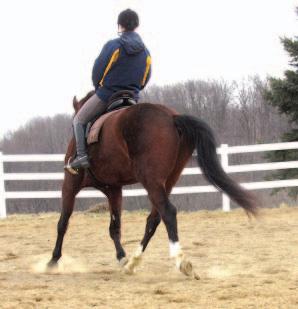
Training the horse to bend equally to the right and to the left is as good for the horse as it is for the rider! This horse is bending from tail to poll, the whole spine bending around the rider’s inside leg. Also called lateral bending, or side to side.
process... it just makes it more challenging! Learn how to bend yourself and your horse equally to the right and to the left, stretch the spine both forward and back. For the rider, learn to sustain a yoga posture and breath and, for the horse, train those gymnastic movements that bend and stretch a horse. The word yoga simple means union or to unite, is this not the partnership we seek with our horse?

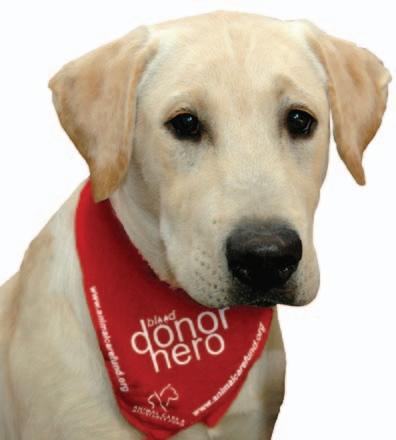

• Between 1 and 7 years of age
• Weight: 50 lbs. or more
• Healthy with a gentle temperament
• Current with vaccinations
• Never had a blood
•
• Not pregnant or currently nursing
For questions, or to make an appointment call: 412-348-2588 or e-mail:



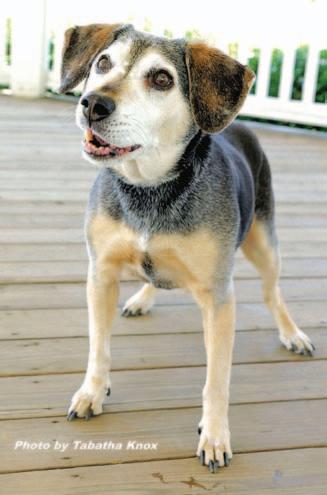
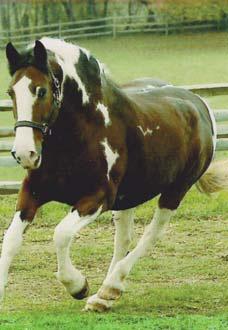
Take my picture and show me off. Let me express myself and make you smile. I am your forever friend, I am your pet. When you look at my picture, will you always remember that I love you. I am who I am because of you.


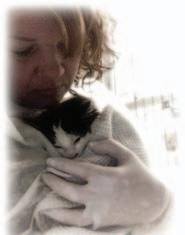
Christian
October, 2013 -November, 2013
Christian was a sweet kitten who was rescued among others from a high-kill shelter in October 2013. Upon arrival we quickly realized he was sick and rushed him and the others to the vet.
It wasn’t long until we realized that he had contracted panleukopenia at the shelter. He along with four others battled this horrible disease for a week at AVets in Monroeville, the first week I had them. If only the shelter he was rescued from would have taken the time and vaccinated them, he could have lived. We spent a week giving him every chance possible to beat this disease.
Sadly, he died Thanksgiving day...in the end he knew one thing for sure...he was loved, if only for a short time.
~ Kellie


Do you have a special pet that you would like to honor? Send submissions to info@pghpetconnections.com.

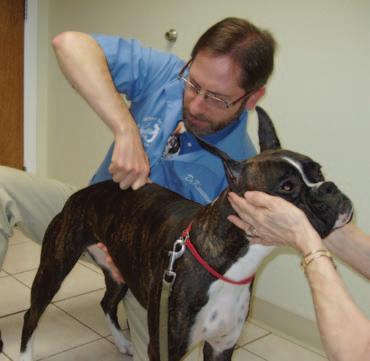

Dr. Doug Knueven practices an integrative approach to pet care. He is well versed in conventional veterinary medicine and has been licensed since 1987. He is also certifed in acupuncture, Chinese herbal medicine, and chiropractic. He is a member of the American Holistic Veterinary Medical Association and has advanced training in natural nutrition, massage therapy, homeopathy and a host of other alternative therapies. Holistic and Conventional Care:
• Full Service Animal Clinic

• Preventive Health Care
• General Surgery
• Radiology
• Dentistry
• Holistic Care
• Acupuncture
• Vaccine & Vaccine Counseling
• Nutrition Counseling
& Natural Raw Diets
• Chinese Herbal Medicine
• Therapeutic Laser
• Healing Touch & Massage Therapy
We at Beaver Animal Clinic believe in the power of caring.
Caring for our patients as our own pets.
Caring for our clients as our friends.
Caring for each other as our family.
Pittsburgh Veterinary Specialty & Emergency Center
ANESTHESIOLOGY
Dianna Ovbey, DVM, MS, Practice Ltd. To Anesthesiology CARDIOLOGY
Eva Sikorska, DVM, DACVIM
Erin Anderson, VMD, MSc, DACVIM DENTISTRY
Krista Mendoza, DVM, DAVDC DERMATOLOGY
Sandra Sargent, DVM, DACVD EMERGENCY & CRITICAL CARE
Kenton D, Rexford, VMD
Christine Guenther, DVM, DACVECC
Christine Rutter, DVM, DACVECC
Sarah J. Deitschel, DVM, DACVECC
Amy Dickinson, DVM, DACVECC
Kara Osterbur, DVM, DACVECC
Rebecca A Miller, DVM
Joey Kallem, DVM
Jennifer Wooderson, DVM
Elissa Allen, VMD
Robin M. Dutra, DVM
Lindsey Rademacher, DVM
Kristen Krisulevicz, DVM
Richard Skalos, DVM
Tricia Tovar, DVM, Resident in EM & Critical Care
MRI & CT IMAGING
PetsDx Veterinary Imaging www.petsdx.com
Gerald Frye, VMD
INTERNAL MEDICINE
Sherwood Johnson, DVM, DACVIM
Tracey Peterson, DVM, DACVIM
Todd Carter, DVM, DACVIM
Emily Klosterman, DVM, MS, DACVIM NEUROLOGY
Edward MacKillop, DVM, DACVIM
Kendra Mikoloski, DVM, DACVIM ONCOLOGY
Rebecca Newman, DVM, MS, DACVIM
Todd M. Erfourth, DVM, DACVIM
Bridget Urie, DVM, MS, DACVIM OPHTHALMOLOGY
Lawrence Bagley, DVM, DACVO
Rachel Keller, DVM, DACVO
Michael Finn, DVM, MS, DACVO RADIATION ONCOLOGY
Christine Anderson, DVM, MS, DACVIM, DACVR RADIOLOGY
Christopher Warrington, DVM, DACVR SURGERY
Anthony D. Pardo, MS, DVM, DACVS
John T. Payne, DVM, MS, DACVS
Julie L. Compton, DVM, MS, DACVS
Jonathon Anderson, DVM, DACVS
Michael Doornink, DVM, DACVS
Jennifer Covey, DVM, DACVS
Hope Chisnell, DVM, Resident in Surgery
Kathryn Campbell, DVM, Resident in Surgery