




East End, Strip District, South Hills, Sewickley, COMING SOON! Monroeville

We are pleased to announce that we are launching Central OH PetConnections this summer, in addition to Pittsburgh! Dr. Susan Wagner, DVM is now our Chief Editor. Dr. Wagner is a veterinary neurologist at MedVet Medical and Cancer Center in Columbus Ohio. She has been writing for our Human-Animal Bond section since inception and we are very excited to having her step into this integral role with PetConnections!
Ahhh, springtime is finally upon is! We have updated our dog park list so you can get out with your dogs for some much needed relief form cabin fever!
Our Pittsburgh pet event season is also here and will be in full swing! Join us for Healthy Pet Days on May 9th (see inside cover) and also Sewickley Unleashed on May 16th and many more on our event page.
We would like to thank Pittsburgh Veterinary Specialty & Emergency Center and for renewing and sponsoring for a third year in a row and also contributing expert content. PVSEC provides outstanding care and service to people and their pets, local veterinarians, as well as support many organizations and events in Pittsburgh.
Healthy Pet Products is another renewing sponsor for the third year and also provides great information for our readers, supports the community
of the authors and do not necessarily reflect the position or policies of Pittsburgh PetConnections Magazine. All viewpoints are welcome...”
Published By: Pittsburgh PetConnections, LLC.
Pittsburgh PetConnections, LLC. was formed in 2012. Our mission is to publish a high quality, informative and Human-Animal Bond focused publication. We support local businesses and also assist local non-profit businesses for pets and people, to give back to our great Pittsburgh communities.
with donations and event sponsorships, as well as provide excellent safe & natural pet products.
We also welcome or new advertising sponsors Petagogy pet supply store, Murray Avenue Apothecary, Fuzzy Paws Pet Villa, Titan Bones, The Medicine Shoppe of Oakmont, Pittsburgh Pet Concierge and Keystone Canine Training!
Springtime is finally here! Of course those in the rescue world know – here come the kittens! Read about how you can help conquer kitten season by The Western PA Humane Society! Our featured rescue organization is Save a Yorkie Rescue, Inc. Read on about Cat Scratch Fever by Dr. Hansell, The Five Supplements Every Dog Needs by Dr. Doug, Canine Soft Tissue Sarcomas by Dr. Anderson from Pittsburgh Veterinary Specialty and Emergency Center, Barn Yard Yoga by Kristin Hermann and more!
We encourage you to submit your photos and stories, as well as remembrances to be featured online and in future issues via email.
Thank you for picking up PetConnections. Take care of yourself and your animals and be well!
Warmly,
Carla Mader Publisher Pittsburgh & Central
Ohio PetConnections Magazine
Managing Editor.........................................................Carla Mader
Content Editor...........................................................Trinette Kern
Graphic Designer.......................................Flatboy Productions
Photography.................................Nicole Begley Photography
Sales & Distribution Manager...............................Carla Mader
Sales...........................................................................Michael James
Sales...........................................................................Robin Reinfeld
Contributing Writers: Our contributing writers have many years of combined experience and expertise in the fields of veterinary medicine and the Human-Animal Bond.

Subscribe, Submit, Upload! Submit your business or rescue organization’s info for a FREE listing on our directory.
No website for your small home-based pet or wellness business? Add a Featured Listing on the PPC online Directory for a small yearly fee and upload photos and detailed info about your business!
A Free Featured directory page on our website with your business info, photos and link to your website
Your logo in our monthly newsletter
PPC promotes your business at our events
Animal Educational Exhibits
North:
The Pittsburgh Zoo & PPG Aquarium pittsburghzoo.org
The National Aviary nationalaviary.org
Animal Behavior
Greater Pittsburgh Area:
Judith Levy, M,Ed., CEHP, RMT 412-521-5133 | judithlevywellness.com
Animal Communication
Greater Pittsburgh Area: Renee Takacs, M.A. intuitguide.com
Animal Reiki
East: Janet Jackson animalangellady.com
East End:
Judith Levy, M,Ed., CEHP, RMT 412-521-5133 | judithlevywellness.com
Animal-Related Art, Photography & Retail
North:
Nicole Begley Photography nicolebegleyphotography.com Vibrant Images vibrant-images.com
South:
Kara Jones Photography kjones.smugmug.com Paws ‘n Claws Eyewear PawsnClawsEyewear.com
Greater Pittsburgh Area: Pet and Home Portraits petandhomeportraits.blogspot.com
Jenny Karlsson Photography jennykarlssonphotography.com
Animal Rescue Organizations
North: Animal Friends
412-847-7000 | thinkingoutsidethecage.org Beaver County Humane Society 724-775-5801
Pennsylvania Great Dane Rescue 724-869-9185
Hope Haven Farm Sanctuary 412-366-1187 | hopehavenfarm.org
Western Pa Humane Society 412-321-4625 | wpahumane.org
South: Animal Care & Welfare 412-244-1372 | animalcareandwelfare.org
Washington Area Humane Society 724-222-7387 | washingtonpashelter.org
East:
Animal Rescue League
412-345-7300 | animalrescue.org
ARL Wildlife Center 412-345-7300 | animalrescue.org
SW PA Pugs with Special Needs 724-763-2790 | swpapug.org
West: CARMAA
412-780-4983 | carmaa-petadoption.com
Dog Training
Greater Pittsburgh Area: Success Just Clicks successjustclicks.com
North Shore: Western PA Humane Society 412-321-4265 | wpahumane.org
South:
Paula’s Professional Dog Services 412-818-2482
Dog Training Clubs
South:
Golden Triangle Obedience Training Club 412-653-6880 | gtotc.com
Keystone Canine Training 412-833-2211 | keystonecanine.com
Xcel Canine Training Center 412-833-2504 | xcelcaninetraining.com
Equine Boarding, Lessons & Training Facilities
North: Rockin’ Horse Stables 724-601-4706 | rockinhorsestables.com
South: Coventry Equestrian Center 724-206-9902
Greater Pittsburgh Area: Dr. Michael Savko, DC, CCSP, CVCP 724-261-7915 | drchirovet.com
Equine Tack Stores
South: Lowry’s Western Store 724-228-1225 | lowryswesternshop.com
Equine Veterinarians
East:
Dr. Brian Burks, DVM Fox Run Equine Center 724-727-3481 | foxrunequine.com
Holistic Practitioners Pet Chiropractor
North:
Dr. Doug Knueven, DVM Beaver Animal Clinic 724-774-8047 | beaveranimalclinic.com
South:
Dr. Astrid Manning, DC, CVCP 412-341-2505 | drastridmanning.com
East:
Dr. Dina Livolsi, Doctor of Chiropractic 412-824-6276 | drdinalivolsi.com
Greater Pittsburgh:
Dr. Michael Savko, DC, CCSP, CVCP 724-261-7915 | drchirovet.com
Holistic Veterinarians
Dr. Doug Knueven, DVM Beaver Animal Clinic 724-774-8047 | beaveranimalclinic.com
Pet Burial, Memorial & Cremation Services
South:
Chartiers Custom Pet Cremation 412-220-7800 | ccpc.ws
Jefferson Memorial Funeral Home 412-655-4500 | jeffersonmemorial.biz
Pet Fencing
Greater Pittsburgh Area: DogWatch
724-586-6555 | DogWatchPGH.com Invisible Fence of Western PA 724-396-7231 | invisiblefence.com
J & D Home Improvements, Inc. 800-837-9379 | jdwaterproofing.com
Pet Stop Pet Fencing System of Western PA petstop.com
Pet Friendly Restaurants
North:
Double Wide Grille - Mars 724-553-5212
South:
Double Wide Grille - Southside 412-390-1111
Pet Grooming
North: 5th Avenue Fido
724-772-5511 | 5thavenuefido.com
All About Dogs
724-925-1577 | allaboutdogsgrooming.info
K-9 Kingdom 724-935-3647 | k9kingdom.com
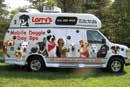
Larry’s Laundromutt 412-534-4052 | larryslaundromutt.com
Paw Prints Pet Retreat
724-903-0063 | pawprintspetretreat.com
South: Canine Club
412-220-8100 | thecanineclub.com
Grand Slam Grooming 412-221-5081 | grandslamgrooming.com
Grooming With Care 412-977-5961
Petsburgh Dog & Cat Grooming 412-885-4027
Pets At Home
412-655-7297
The Pet Salon
412-279-5331 | petsalonusa.com
Sandy’s Cat Grooming 412-759-1806
Woody’s Dog Wash & Pet Boutique 412-714-4644 | woodysdogbath.com
Creative Canine Cuts
724-223-9020
West:
Paws Here Awhile Pet Resort
724-573-4665 | pawshereawhile.com
Greater Pittsburgh Area:
Zoom N Groom (Sonya Patterson) 724-225-4827
Pet Grooming Schools
Golden Paws Pet Styling Academy 412-297-9383 | goldenpawspittsburghpa.com
Pet Massage
Greater Pittsburgh Area:
Your Critter Sitters – Raylene Hoover 724-448-7330 | yourcrittersitters.com
Pet Ministries
South:
Christ United Methodist Church 412-277-1096 | christumc.net
Westminster Presbyterian Church 412-835-6630 | westminster-church.org
Pet Resorts - Boarding, Daycare, Grooming & Training
North: 5th Avenue Fido
724-772-5511 | 5thavenuefido.com
Camp Bow Wow - Ross Township campbowwowpgh.com K-9 Kingdom
724-935-DOGS (3647) | myk9kingdom.com
South:
Camp Bow Wow - Castle Shannon campbowwowpgh.com
Grandma’s Dog Daycare
412-586-7094 | grandmasdogdaycare.com Canine Club
412-220-8100 | thecanineclub.com
Fuzzy Paws Pet Villa
724-746-3899 | fuzzy-paws.com
East:
Camp Bow Wow - Highland Park campbowwowpgh.com
Pittsburgh Pet Concierge 412-856-8505 | petconcierge.org
West:
Camp Bow Wow - Greentree campbowwowpgh.com
Paws Here Awhile Pet Resort 724-573-4665 | pawshereawhile.com
Pet Retail/Supply
North:
Healthy Pet Products
412-366-0700 | healthypetproducts.net
South:
Healthy Pet Products
412-831-3700 | healthypetproducts.net
Oddball Pets & Aquariums
412-884-2333 | oddballpets.com
Woody’s Dog Wash & Pet Boutique 412-714-4644 | woodysdogbath.com
East: Petagogy petagogy.com | 412-362-7387
Greater Pittsburgh Area: Titan Bones
724-622-3600 | TitanBones.com
Pet Sitters
North:
Little Piggies Pet Sitting littlepiggiespetsitting.com
South:
Chris’s Canine Club 724-746-3864 | chrisscanineclub.com
Your Critter Sitters– Raylene Hoover 724-448-7330 | yourcrittersitters.com
West:
Seraphina Pet Sitters
412-389-9735 | seraphinasitters.vpweb.com
East:
Pittsburgh Pet Concierge 412-856-8505 | petconcierge.org
Security Services
Greater Pittsburgh Area: Vector Security 800-756-9161 | vectorsecurity.com
Veterinary Hospice
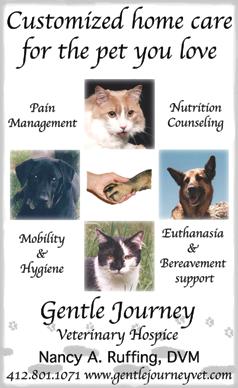
Greater Pittsburgh Area: Nancy A. Ruffing, DVM 412-801-1071 | gentlejourneyvet.com
Veterinary Pharmacies
Greater Pittsburgh Area: The Medicine Shoppe 412-826-9500 | mscompounding.com
Murray Avenue Apothecary 412-421-4996 | MAApgh.com
Veterinary Hospitals
North:
Beaver Animal Clinic
724-774-8047 | beaveranimalclinic.com
BelaCoop Animal Hospital 724-939-7062 | belacoopanimalhospital.com
Seven Fields Veterinary Clinic
724-742-4433 | sevenfieldsvet.com
VCA Northview Animal Hospital 412-364-5353 | vcanorthview.com
South:
All About Pets Veterinary Hospital 724-745-5503 | aapvet.com
Allegheny South Veterinary Services 412-257-0909 | alleghenysouthvetsvcs.com
Hickory Veterinary Service 724-356-1000 | hickoryvetsvcs.com
VCA Castle Shannon 412-885-2500
East:
Pittsburgh East Animal Hospital Monroeville - 724-325-2500 Greensburg - 724-205-6960 peah.vetsuite.com
The Big Easy 412-908-9301 | tbeah.com
West: Avalon Veterinary Hospital 412-761-9149 | avalonvh.com
VCA MetVet West Animal Hospital 412-788-6400 | vcahospitals.com/met-vet-west
Veterinary Specialty & Emergency Services
Greater Pittsburgh Area: Pittsburgh Veterinary Specialty and Emergency Center, Inc. 412-366-3400 | pvs-ec.com
VCA Northview Animal Hospital Specialty Referral Center 412-364-5353 | vcanorthview.com
East
AVETS – Allegheny Veterinary Emergency Trauma & Specialty 412-373-4200 | avets.com
Veterinary Technology Schools
Greater Pittsburgh Area: Pittsburgh Career Institute 412-281-2600 | pci.edu





Despite intensely cold weather here in the upper Midwest, the birds have been singing for weeks, and little critters are showing their faces. While we endured continuing temperatures below zero, the animals were telling us to hold on. No matter what, spring was coming — and what a spring it’s going to be.
There has been a monumental spiritual shift occurring in humanity over the last few years, and this spring marks it’s completion for many people. Recurrent struggles with bitter cold, snow and ice, as well as personal difficulties, are ready to end. It’s a new season, and we can choose to embrace it. And if we can truly choose a new way of being, we can influence the healing of the rest of the planet.

We must have the courage to see when situations are not in the highest good. Everyone and everything is connected by a vast energy field. When we continue to stay in drama and pain, we negatively influence the universal energy field, and promote suffering for all beings.
by Susan Wagner DVM, MS, ACVIM
Many of you have been following the powerful fight between darkness and light. This battle is apparent as we read stories of global violence and suffering. But our own personal wars may be more difficult to see. Our patterns have been repeating over and over again, but we’ve gotten wiser. The triggers that pull us back into suffering have to be smarter and more subtle in order to reel us in. They’re often just underneath the surface, and it’s difficult to see them — or perhaps we really don’t want to. We’re frustrated from shoveling layers of snow, only to find ice underneath, when our intention was to find a clear and safe path.
We want the daffodils to show up and make it all better, but it’s not quite that easy. Let’s not falter now. Yes, the snow is gone, but we can’t get swept away by spring flooding because we’re too exhausted to check the water level in the creek rushing right next to us.
One of the most important themes during this completion time is recognizing danger. We see or feel something that isn’t resonating with us, and we instinctively know that it’s unhealthy. We want to heal it, so we stay connected, when in reality, it’s not in our best interest to engage with it at all. Continuing on this path will cause suffering at some point. It may be physical, emotional or financial.
Each of us is here to make a difference - whatever that may be. As we follow our healing path, we must remember that the action step itself does not determine the outcome — the energy and intention behind it does. In other words, it’s not what you do, but how you do it. Walking away from a relationship or job may be very appropriate, but if the dynamic behind leaving is negative (anger, victimization, retaliation) the scenario will continue to be recreated. In fact, you’re not really moving forward— you’re just going around the block, only to end up back where you started. It may look a little different, but make no mistake, it’s the same place. And the next stimulus to move on is going to be even stronger.
If a resolution doesn’t seem at all possible, remember the power of spring — rebirth and renewal. Open your heart and ask for guidance. Remind yourself that it’s your heart’s desire to live a peaceful, fulfilling life. Simply intend that you are giving your difficulty to a higher vibration, and let it go. You may be amazed at what sprouts up to help.
Please take time to regenerate — even if it’s just a few moments to listen to the birds, take a walk, or enjoy the sun on your face. Quiet reflection is imperative. If you can’t do it daily, then set aside a couple times per week — whatever you can do. Being still isn’t optional —it’s as important for healing as eating and drinking are to your physical body. When asking for clarity, we have to have the patience to receive it! These simple steps keep us aware and resilient, so we can look forward to enjoying blossoming trees and baseball.

Apothecary’s state-ofthe-art compounding laboratory prepares innovative, economical, easy-to-use dosage forms for animals. Susan Merenstein, RPh, owner of Murray Avenue Apothecary, has over 34 years experience in pharmacy practice, including pet therapies. She and her dedicated staff, representing 40 years of combined experience, regularly help veterinarians and animal care specialists solve a variety of medication problems, including hard-to-find medications, custom dosages, drug combinations, alternatives and transdermal medications.
which cannot be served by commercially available medications.
It’s a team effort: A caring veterinarian working closely with a compounding pharmacist can improve the health and happiness of your pet.
In order for treatments to be effective, compliance is critical. Your pet can’t reap the benefits of a medication that you find impossible to administer. Compounding is uniquely suited to improve compliance by providing flexibility in strengths and concentrations, and making available dosage forms such as topicals, chewable treats, liquids, and flavoring options.
Veterinary compounding can make medicine time a treat – for pets and their owners.
Compounding, which is the art and science of preparing customized medications, is an increasingly popular solution to veterinary problems, just as it’s become more prevalent in human medicine. When it comes to diseases like skin rashes, eye and ear infections, heart conditions, cancer, and diabetes, animals and humans have a lot in common. But giving pets medication presents a unique set of challenges – challenges that can often be addressed through compounding.
Meeting the unique medication needs of animals is one of the fastest growing areas of pharmacy compounding. Working with your veterinarian, a licensed compounding pharmacist can individualize your pet’s medications based on species, size and weight, among other factors. Compounding is undertaken at the direction of the licensed prescriber, your veterinarian, who takes into consideration clinical observations, testing and experience before determining whether a compounded medication is required for your pet.
Just like their human owners, animals are unique and have individual needs when it comes to taking medicine. Compounding pharmacists can assist you with your finickiest felines, or canines that require specific dosing depending upon their breed and size, as well as exotic and large animal patients – many of
Our compounded medications are prepared from active pharmaceutical ingredients (APIs) purchased from FDA-registered suppliers, and are not “unapproved substances.” All of our pharmacists and certified technicians are licensed and strictly regulated by State Boards of Pharmacy, so you can feel certain that you and your pet are in highly qualified hands.
Your pets are special. Their medications should be, too.
Pets are members of our families. We want them to have the same level of attentive and innovative medical treatment that we expect for ourselves. Today’s veterinarians understand this, which is why many rely on compounding as one way to deliver this advanced level of care.
One of our most successful compounded medications is absorbable Acetyl-Glutathione. The buzz words in today’s healthcare settings for humans and animals are Glutathione, Telomeres, Enhanced Performance, Anti-aging, and Detoxification. Glutathione (pronounced “gloota-thighown”) is the body’s essential health AID-Antioxidant, immune booster and detoxifier. It is also an analgesic, decreases recovery time from injuries, and is great for arthritis and joint pain.
By:Christine Anderson, DVM, MS, DACVIM (Oncology), DACVR (Radiation Oncology)
Softtissue sarcomas (STS) are a collection of tumors of connective tissues, most commonly located in the skin and subcutaneous tissues. They are grouped together because they appear similar microscopically to the pathologist and have similar biological behavior: potentially aggressive and invasive at the site of the primary tumor but with a less than 10-15% rate of spreading to other locations in the body for low and intermediate grade tumors. High grade tumors can have an up to 50% rate of metastasis. STS include fibrosarcomas, peripheral nerve sheath tumors, hemangiopericytomas, myxosarcomas and liposarcomas. There are other types of sarcomas that occur in dogs that are not included in the category of STS because they either have a higher metastatic rate or typically arise in other locations in the body. STS usually occur in middle age to older dogs. No specific breed or sex is predisposed to STS, but they are more common in large breed dogs.
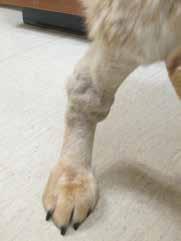
required. When STS metastasize, they spread to regional lymph nodes or the lungs, so careful palpation of the lymph node, with FNA and cytology of the lymph node when possible, and chest x-rays should be performed. Depending on location, abdominal ultrasound may also be recommended. Advanced imaging of the primary tumor with CT or MRI can be very helpful in planning the surgical approach as the true extent of the tumor may not be evident on physical exam.
Typically, a mass is noted by either the owner while petting their dog or by a veterinarian during a routine physical exam. The mass is usually firm and attached to the underlying tissue rather than mobile in the skin. No mass can be confirmed to be non-cancerous on exam alone. The only method to diagnose a skin or SQ mass is to obtain a tissue sample either with a fine needle aspirate (FNA) or biopsy. While a FNA can be done in seconds with the pet awake, they may be non-diagnostic for STS up to 40% of the time. A biopsy, where a larger tissue sample is obtained, may be
Because of the low metastatic rate, treatment is aimed at removing or controlling the primary tumor. The ideal treatment, when possible, is complete surgical excision which can be curative. Because these tumors are invasive into the surrounding tissues, in order to remove the entire tumor the surgeon will attempt to remove the mass with adequate tissue around the mass, known as a margin. For this reason, it is ideal that the veterinarian is aware that the mass is a sarcoma prior to surgery to best plan the surgical approach. After surgery, the entire surgical specimen should be submitted to a pathologist to determine if the mass has been completely excised and to determine the grade (ranging from 1- 3, or low, intermediate, and high). In some cases, due to the size or location of the tumor, complete surgical removal is not possible and tumor cells are left behind. In these cases additional therapy may be warranted to prevent or delay tumor regrowth.
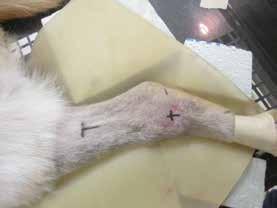
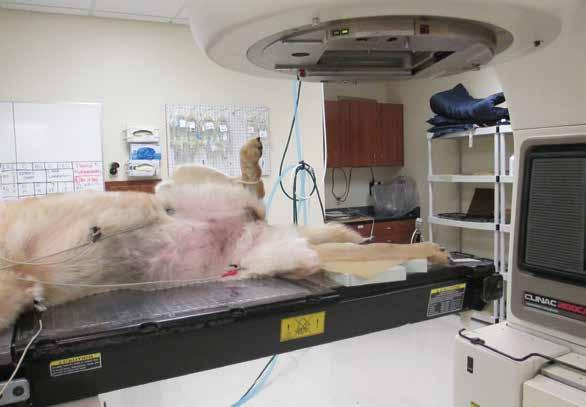
The best outcomes for incompletely excised STS are achieved with radiation therapy (RT). Eighty-five percent of incompletely removed STS are controlled long term with RT. The one year local control rate with radiation alone (no surgery prior to treatment) is approximately 50%. Definitive radiation therapy is typically administered as 18-20 daily treatments (Monday-Friday) over 3 to 4 weeks. Patients need to be anesthetized for each treatment to ensure they remain still in the correct position, but very short acting anesthesia drugs are used so patients are usually fully awake within an hour of their treatment. Side effects from radiation usually develop in the last week of treatment and include hair loss, redness and ulceration of the skin at the radiation site, like a bad sunburn. The pain can be managed with topical and oral pain medications, but some yemporary discomfort is likely. Given the hope and expectation of long term tumor control, this short term discomfort is considered acceptable. Veterinary patients do not experience nausea and lethargy from radiation therapy as some humans do.
Another option is to place beads containing the chemotherapy drug cisplatin under the skin at the surgical site after surgical removal of the mass to try to kill any remaining cancer cells in the area. According to unpublished data, 90% of patients have tumor control at one year, and 70% have tumor control two years after bead placement. Most animals tolerate this procedure very well, but inflammation at the bead sites can occur.
Low dose continuous chemotherapy/metronomic chemotherapy:
Another possible treatment option following surgery is low dose continuous oral chemotherapy known as metronomic chemotherapy. Understanding of how
metronomic chemotherapy works to treat cancer is evolving. There is less data regarding the efficacy of this treatment, but in one study of dogs with STS, the median time to tumor regrowth was 13.5 months compared to 7 months in dogs treated with surgery alone. The metronomic chemotherapy protocol involves oral chemotherapy given at home, and a non-steroidal anti-inflammatory medication (NSAID). While chemotherapy can cause lethargy, vomiting or diarrhea, and low white blood cell counts, these side effects are rare in patients on metronomic chemotherapy. Patients on metronomic chemotherapy protocols are seen for regular recheck appointments, including physical exams and blood work to monitor changes in physical condition.
Soft tissue sarcomas can be effectively cured in many patients, especially with early diagnosis and effective treatment. Many skin and subcutaneous masses are non-cancerous, but this cannot be determined on physical exam alone. “Lumps and bumps” on your pets should always be evaluated by a veterinarian with FNA and cytology, but masses that are increasing in size are particularly concerning.
Pittsburgh Veterinary Specialty and Emergency Center (PVSEC)
807 Camp Horne Rd
Pittsburgh, PA 15237
(412) 366-3400

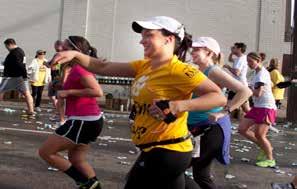
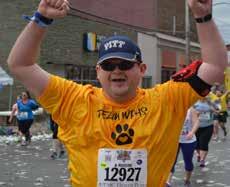
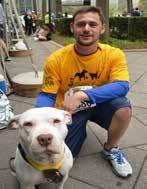
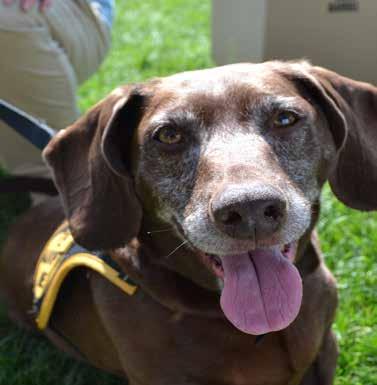
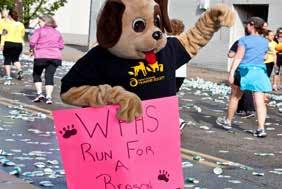
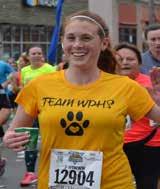
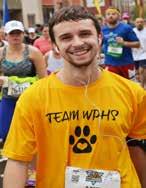
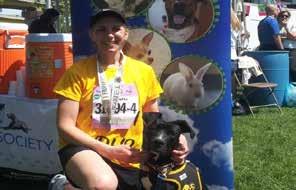
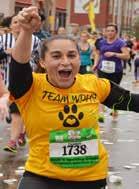
We have over 10,000! That’s how many homeless animals the Western PA Humane Society takes in every year. We count on runners like YOU so that we can continue to help these deserving pets. By running for the Western PA Humane Society in the Dick’s Sporting Goods Pittsburgh Marathon, you can help us to help Pittsburgh’s homeless pets.


3



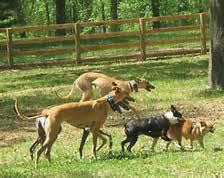
Spring is coming, and people who have been hibernating with their dogs all winter will be flocking to dog parks, so I thought it timely to write a little about dog parks and how to make your dog’s time there pleasant and safe.
First of all, not all dogs are good at dog parks. If your dog is fearful of people and/or other dogs, was not well socialized as a puppy, has been in a fight in which he or another dog was injured, or is either elderly or physically compromised, you should not take your dog to a public dog park. The dogs that do best in dog parks are younger, energetic, and well socialized with people and other dogs. Your dog’s personality and temperament should determine if he would enjoy visiting a dog park. It is also up to you to make sure your dog is healthy, up to date on vaccinations, and won’t pose a danger to any of the other park attendees.
By: Lilian Akin, CPDT-KA, CBCC-KA Akin Family Dog Training
Not all people should go to a dog park either. Dogs play hard and can barrel into people who are frail or elderly. Young children, babies and children in strollers should not enter a dog park. You do not know if all the dogs are good around children. A child running or crying might trigger the dogs’ natural instincts, and could be herded, nipped at or worse. If you want to bring your family, have them stay on the outside and watch.
I do not recommend bringing young puppies to dog parks. Young puppies need to be carefully socialized under controlled conditions. They need to meet all types of new people and well-mannered dogs with known vaccination histories and known temperaments. A puppy going through a fear imprint stage (where a fearful event can affect their behavior for the rest of their life) can be traumatized by a group of ruffian dogs. Also, some adult dogs might see your puppy as a prey animal and attack it. Although some dog parks allow puppies over the age of 4 months, a safer age would be at about 6 months. There is also the possibility that not all dogs at the park are healthy, and until all your puppy’s vaccinations have been received and immunity established, you run the risk of exposing him to disease.
When you take your dog to a dog park, you are responsible for your dog. Do not just let the dog run and spend the time socializing with your friends. Watch your dog. Pick up after your dog. Be attentive. While dogs playing together can be fun and enjoyable, it can quickly lead to chasing, bullying and over-stimulated behaviors that can tip to aggression and injuries. Give your dog a time out or rest if he is getting over-aroused. Stay connected with your dog, enjoy the time with your dog, and most of all, remember to parent your dog and redirect any inappropriate behavior.
I use a lot of treats and toys in my training, but I do not recommend bringing treats or toys into a dog park. Doing so can cause fights over resources. Some dogs are obnoxiously obsessed with food. Others might have allergies. Throwing a ball might be a favorite game for your individual dog, but it can cause other dogs to chase him or cause fights over possession of the toy. Leave the toys and the treats at home.
It is important to watch your dog so that you can intervene before a problem occurs. Most problems in dog parks are foreseeable and preventable if owners are proactive and redirect their dogs when needed.
Interrupt play that is too rough. Give your dog a break if his arousal level increases. Be willing to leave immediately if your dog becomes a bully or acts inappropriately, is being bullied, or if your dog is not having fun. Only you can protect your dog.
I do not recommend taking unaltered dogs to dog parks. It is irresponsible to have a female in heat off leash in a public park. Bringing an unaltered male into a dog park is a little more controversial. I do not recommend it, not because of the behavior of the unaltered dog, but because other male dogs sometimes react negatively to the smell of testosterone. It is just risking a fight when an unaltered male goes to a public dog park with unknown other dogs.
Years ago when I did bring my dogs to dog parks (they are older now and not as dog park tolerant), I would walk up to the gate and pause. I would look at the dogs who were there and watch their play styles and interactions. As I always had a herding breed dog and a greyhound, I needed to make sure that the dogs’ play styles were consistent with my dogs’ styles. If not, I would just leave and we would walk the trails.
Try, if you can, to allow your dog an appropriate greeting with the other dogs in the park. Do not bring your dog inside while being rushed by a big group of dogs. That is too overwhelming and fear inducing. If you are already in the park, do not permit your dog to rush newcomers. Call your dog away from the gate. Allow newcomers to do slow greetings with yours and the other dogs in the park.
Be careful of equipment. It is dangerous to leave choke chains and prong collars on your dog while he is playing. Teeth can easily get caught in the collars, causing panic and a fight resulting in severe injuries or even choking to death. Shock collars are also very dangerous in dog parks. An ill timed shock can be conducted through your dog to another dog and cause a serious fight.
If you do choose to go to a dog park, be aware, be responsible and enjoy.
• Allegheny Commons Park or West Park Off Leash Area
• Bear Hollow Park Off Leash Area
• Bear Hollow Trail Off Leash Dog Area
• Bernard Dog Run
• Bradys Run Dog Park
• Carnegie Dog Park
• Chambers Park Off Leash Dog Area
• The Charlie Douglas Dog Park
• Doglogic Indoor Dog Park
• Dogs Rule Dog Store and Playground
• The Dog Stop Indoor Dog Park
• Duff Park Off Leash Dog Area
• Fairview Dog Park
• Franklin Dog Park (at Twin Lakes Park)
• Green Tree Borough Dog Park
• Hartwood Acres County Dog Park
• Heritage Dog Park - Monroeville
• K9 Kingdom’s Indoor Adventure Park
• Keystone State Park
• Kovalczik Park Off Leash Dog Area
• Lillian Kellman Nature Reserve Off Leash Dog Area
• Lower Frick Park Off Leash Dog Area (East)
• Lucky Paws Dog Park and Pool
• Mingo Creek Park Off Leash Dog Area
• Misty Pines Dog Park
• North Dog Park
• Paws on the Run (at Murrysville Comm. Park)
• Pedora Park Off Leash Dog Area
• Penn Hills Dog Park
• Raccoon Creek State Park
• Riverview Dog Park
• Rotary Dog Park (in Cranberry Comm. Park)
• See Spot Run Dog Park
• Settlers Cabin County Park
• Sewickley Heights Borough Park Off Leash Area
• South Dog Park
• South Side Riverfront Dog Park
• Summervale Park Off Leash Dog Area
• Thornburg Conservation Park Off Leash Area
• Townsend Park Off Leash Dog Area
• Upper Frick Dog Park (West)
• White Oak Dog Park
Coventry Equestrian Center (see pg 20)
Dog Stop (see pg 3)
Dog Watch (see ad pg 25)
Fifth Avenue Fido (see ad pg 26)
Fuzzy Paws (see ad pg 20)
Gentle Journey (see ad pg 37)
Grand Slam Grooming (see pg 35)
HAAWC (see ad pg 25)
Holistic Care for Animals (see ad pg 29)
Invisibile Fence (see pg 12)
Judith Levy (see ad pg 24)
J & D Home Improvements (see ad pg 2)
Kara Jones Photography (see ad pg 16)
Keystone Canine Training Club (see ad pg 29)
Larry’s Laundromutt (see ad pg 16)
Manning Chiropractic (see pg 34)
Manon’s Farm (see ad pg 25)
The Medicine Shoppe (see ad pg 24)
Murray Avenue Apothecary (see ad pg 12)
Nicole Begley Photography (see ad pg 20)
Paws Here Awhile (see ad pg 3)
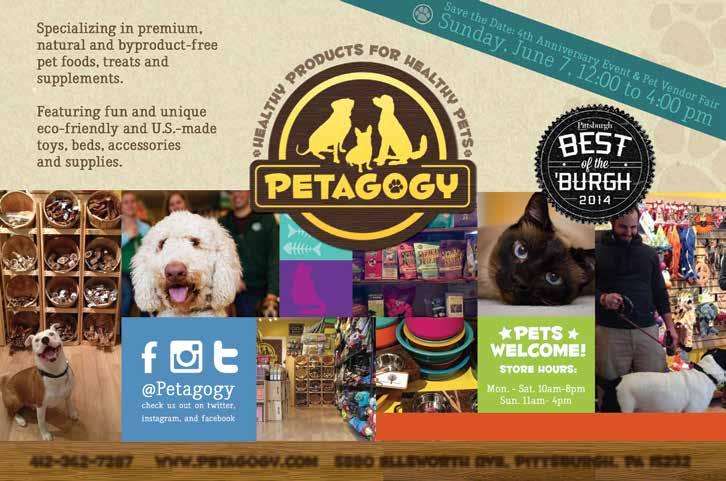
Petagogy (see ad pg 10)
Petsburgh Dog & Cat Grooming (see ad pg 20)
Pittsburgh Career Institute (see ad pg 32)
Pittsburgh Pet Concierge (see ad pg 20)
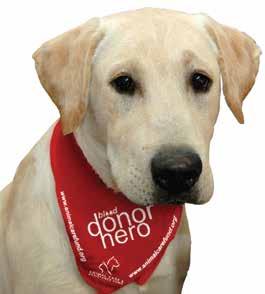
The Rogan Rexford Blood Bank (see ad pg 35)
Sandy’s Cat Grooming (see ad pg 20)
Sewickley Unleashed (see ad pg 36)
Titan Bones (see ad pg 20)
Washington Area Humane Society (see pg 2)

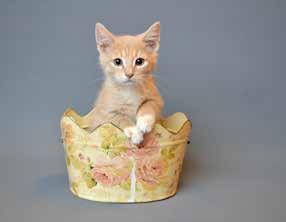
Everyyear beginning in springtime, the Western PA Humane Society as well as other shelters across the country experience a steady stream of Good Samaritans bringing in hundreds of homeless kittens. This phenomenon, known as “Kitten Season,” occurs when unspayed/unneutered cats mate and give birth. And it’s not just one litter. Many cats have two or even more litters, and a number of those kittens also give birth, because cats as young as five months can become pregnant.
Tending to so many kittens puts a huge strain on the shelter, both from a lack of space and a financial standpoint. Imagine how much work it is to feed and care for hundreds of kittens in addition to all the dogs, bunnies, and other small animals already being housed! All throughout Kitten Season, shelter staff works very hard to find homes for all these kittens.
One of the reasons that Kitten Season is so problematic is that many of the kittens brought to the shelter weigh less than a pound, and need to be bottle fed because they cannot eat on their own. Western PA Humane Society simply doesn’t have the staff to physically bottle feed all those kittens. Kittens weighing under a pound also are too young to be vaccinated, and therefore cannot be placed with the rest of the cat population due to the risk of contracting and spreading disease.
The Western PA Humane Society accepts and houses all kittens weighing at least a pound, because at that weight kittens generally begin eating on their own, and can also be vaccinated.
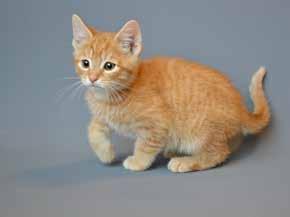
To address this issue, the Western PA Humane Society is reaching out to the community to recruit loving, dedicated foster parents to nurture and care for these tiny creatures until they grow to the appropriate size/ age to be adopted. Fosters then return them to the Western PA Humane Society.
Do you have what it takes to foster a litter of kittens? If you are willing to bottle feed every two hours, stimulate the kittens so they eliminate, and keep them constantly warm, you may be the perfect candidate. The Western PA Humane Society will train you and provide all the information you need to give these kittens a chance.
Before you say yes, you have to be prepared for disappointment. While it’s rewarding to care for tiny kittens, it is the sad reality that a high percentage will not survive. Even while being cared-for by their mothers, approximately 20% of kittens die in the wild, so it’s understandable that motherless kittens are at high risk for mortality. However, the Western PA Humane Society believes that fostering will help save more kittens than are lost.
For more details on becoming a foster, please visit wpahumane.org/foster-services, or call Foster Services at 412-321-4625 ext. 9. And, most importantly, please spread the word on the value of spay and neuter.
If caring for tiny kittens is not the right fit for you, please consider fostering some of our other animals in need. The Western PA Humane Society desperately needs the help of compassionate, kindhearted volunteers to foster:
• Cats with upper respiratory infections that need to be separated from healthy cats until they recover
• Dogs and cats who need behavioral training
• Dogs who need a kennel break

The Western PA Humane Society is a partner in the Three Rivers Feral Project, which is an initiative to provide low-cost spay/neuter/vaccination services to area caregivers who care for feral cat colonies. This program is available to feral colony caregivers who practice Trap -Neuter-Release, which is the humane solution for feral cats.
The Western PA Humane Society encourages compassionate individuals who feed feral cats in our communities to practice Trap -Neuter-Release, or TNR. To participate, you set a humane trap for a feral cat, and when the cat is trapped, bring it to our shelter. We will spay/neuter, provide a one -year rabies vaccination, a dose of flea treatment, and an ear-tip to identify the cat as an altered cat who is part of a managed feral cat colony. The fee is $30 per cat. Any feral cat or kitten over the age of three months is eligible for this program. When feral cats are spayed/neutered, provided food, water and shelter, they will thrive in their outdoor home. Appointments are available weekdays and Sundays, and must be made in advance for TNR. Drop off is between 8 and 9 AM and pick up is between 3 and 4:30 PM. Cats must arrive at our clinic in a humane box trap. Traps should be covered with a towel or a sheet in order to make this experience less stressful on the feral cat. To schedule an appointment, contact:
Molly Vandora 412-321-4625 ext 213 molly.vandora@wpahumane.org
To show our support of colony managers, we waive the fee for every 10th feral cat that you bring to the shelter during one calendar year.
A feral cat is different from a stray cat. A stray cat is a pet cat that has been lost or abandoned. Feral cats are born in the wild and are unable to be safely handled. Most of these cats are not adoptable in a shelter environment.
The Western PA Humane Society rents humane traps for $60 each per week. You will receive a $40 refund upon the return of the trap in good condition within seven days. Those returning traps after seven days will receive a $10 per week reduction of the initial refund amount. Contact Shelley Rosenberg at 412-321-4625 X 216 or shelley@wpahumane.org
Her voice broke with a sob. “I can’t do it anymore,” she said. “The dogs deserve better than this.”
A desperate phone call from an overwhelmed dog owner. Thus began Save a Yorkie Rescue’s latest adventure.
In one cramped hotel room, eight Yorkies were stampeding busily around and under the bed. Four of the Yorkies were just 7 weeks old – gold and black fluffy butts, fighting for a spot on their very young and harried mom. She could not escape their hungry attempts to nurse but she was worn out. This was her second litter. Hardly more than a pup herself, the puppies’ mother was the result of unspayed and unneutered dogs having been left alone for hours at a time. Fortunately, there was someone to call when their owner realized the dogs needed more than she could provide. Save A Yorkie Rescue, Inc. received the call – a plea for help, like so many others that come in every day - and we knew what to do.
happens. People lose jobs, divorce, move, deploy, die. Who takes the dogs left behind? We do.
By: Marilyn Faughner, Rescue Coordinator http://www.saveayorkierescue.org
610-781-3025
Save A Yorkie Rescue, Inc. was incorporated in 2002. Since that date we have upheld our mission: to find Yorkies in need – from shelters, from owners who can no longer care for them, the strays who get lost and, of course, those who are so sick or injured that there is no one else able to help them. We take them in, fall in love and begin giving them the care they need. While there are approximately 60 people in our rescue doing this work, we network with hundreds of others to make sure that home visits and transports take place as needed. We are part of a finely honed team, a vast army of volunteers, invisible to the public, but strong and thriving across the country.
Why do people give up the dogs they love, and why would anyone give up a tiny and popular dog like a Yorkie? It’s a question we are both amused by and saddened to answer: Why? Simply because life
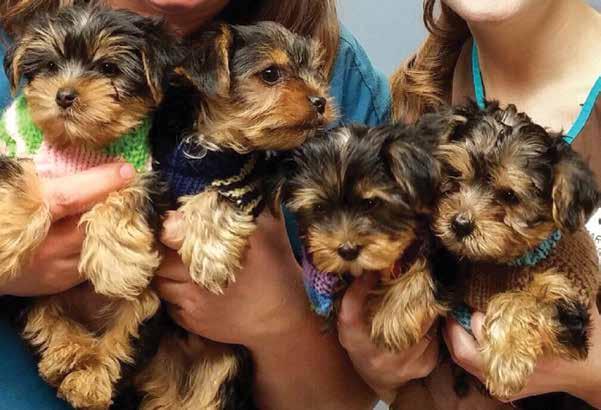
As an accredited breed rescue serving all of Pennsylvania, NJ, DE, MD, VA, and western NY, we are accountable to the Pennsylvania Department of Agriculture, which demands that we keep accurate vet records on every case. We report our income to the IRS and thus account for all expenses. This all-volunteer organization is not an amateur operation. None of our members receives a penny from the rescue for gas money, time or expenses. Any and all donations go to the Yorkies in our care. Whatever the veterinarian advises is done and done well. In many cases, we pay thousands of dollars for one dog, to keep our promise - to help our rescues thrive. But while vet bills are a major issue there is one even more important: finding people who will allow one small dog to come into their home temporarily. That is a stickler.

Nutritionalsupplements can be very beneficial to our pets because most pet foods are deficient in certain nutritional factors. Conventional pet foods are especially devoid of nutrients because the high-heat processing destroys most of the vitamins, enzymes, and phytochemicals foods naturally contain. The synthetic vitamin/mineral mix that pet food manufacturers add back is a poor substitute for the nutrition found in whole foods.
By: Dr. Doug Knueven, DVM, CVA, CVC, CVCH
macronutrient (protein, fat, carbohydrate) balance and its degree of heat-processing, all factor into your pet’s overall nutritional status.
Pet foods are held to minimal nutritional standards that are meant to prevent deficiencies, not provide optimal nutritional value. Even high-quality foods often fall short. Adding supplements ensures that our animal companions get everything they need to build healthy bodies.
Not all supplements are created equal. You cannot determine the quality of a product from the label and marketing materials. Recent studies have proved that many supplements do not live up to the claims on their labels. In this article I will mention supplements by name, not because these are the only good supplements available, but because I have seen for myself through years of prescribing them that they work. Other supplements may be great, but there is no way for me to test them all.
The first supplement on my list is a balanced, whole-food multivitamin, made by concentrating the nutrients from whole foods rather than producing them synthetically. The result is a supplement that provides the full range of vitamins and phytochemicals at doses found in whole foods. My product of choice is “Canine Whole Body Support” for dogs or “Feline Whole Body Support” for cats made by Standard Process.
Even raw pet foods can be missing nutrients. It is difficult to mimic Mother Nature. For example, the wild game eaten by the ancestors of our pets fed on grass that was high in omega-three fatty acids. The meat they provided was high in omega-threes. Most domestic food animals these days are grain fed, which results in meat with omega-six fatty acids. Pets benefit from a high omega-three to omega-six fatty acid ratio. This cannot be accomplished by feeding most modern meats.
As important as supplements are, they are not a substitute for a wholesome diet. You simply cannot undo poor nutrition with supplements. The quality of the ingredients a diet contains, as well as its
My second supplement is fish oil. Fish oil is high in omega-three fatty acids which are lacking in the vast majority of pet foods. The high omega-six fatty acids present in most pet foods promote inflammation. On the other hand, omega-three fatty acids decrease inflammation. Foods lacking omega-three fatty acids promote skin allergies, arthritis, and cancer. Supplementing fish oil in a pet’s diet can help to alleviate these issues. The omega-threes in fish oil also help promote brain development and health. My fish oil supplement of choice is “Canine Omega 3” for dogs and “Feline Omega 3” for cats from the company Ascenta.
My third recommendation is probiotics. Probiotics reinforce the good bacteria in the gut which help maintain intestinal health. Because three quarters of the immune system is located in the lining of the GI tract, probiotics actually help the immune system to function better, and because of the gut-brain connection, probiotics can even affect mood and behavior. My probiotics of choice is Answers Pet Food’s cultured, raw goat’s milk called “Additional.”
The fourth supplement I recommend is a combination of glucosamine and chondroitin. These two natural compounds help to promote healthy joints. Arthritis is a common, painful condition in both dogs and cats. Prevention of this terrible disease is paramount.
in. The joint supplement I recommend is Vetri-Science’s “Glycoflex.”
The fifth supplement from which every pet can benefit is digestive enzymes. Digestive enzymes support the digestive process and replace some of the natural enzymes that are processed out of commercial pet foods. Adding digestive enzyme to food can improve the absorption of omega-three fatty acids by 71%. As pets age, their production of digestive enzymes diminishes, which is why some pets lose weight in their senior years. The digestive enzyme supplement I recommend is called “Prozyme.”
All pets can benefit from these supplements throughout their lives. It is best to be proactive and head off medical problems before they start by providing the best nutrition possible. An ounce of prevention is worth a pound of cure.
Glucosamine/chondroitin supplements can help the body maintain joint health even after arthritis has set
Join us for our first every Garage and Bake Sale. We have over 100 members donating new and used items; dog, cat, equestrian, rabbit, rodents, aquarium and household objects to be sold at this event. And of course enjoy our baked goods while browsing and take home that special treat for your pet!
• Free Door Prizes, including Free Class Vouchers
• Free Samples of dog & cat food from Healthy Pet Products
• Special Vendor booths; Tastefully Simple and Pet Odor Candles
• Free Class Demos
• The proceeds go to Keystone Canine Training Club which is a not for profit all volunteer organization in your community dedicated to training and education.
SUNDAY, MAY 17, 2015 8 AM to 1PM www.keystonecanine.com
Saw every doctor, every specialist, had every test…
No one could figure out what was wrong. No one could get results.
For over a year Arielle “walked” with all pressure on her front legs. A cat that used to jump straight up in the air several feet, could not even jump on the couch. Medicated for an unknown cause of an unknown condition, she was in constant pain and lethargic. The owners had “tried everything”. Exploratory surgery was their next option. They were heartbroken, exhausted...until they met Dr. Savko.
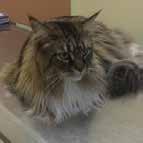
In just two weeks Arielle “had several bursts of activity, she was more playful!” After about six weeks she is actually initiating play with her brother. “Much more active, more social” mom says, “with no setbacks!”
Well, Arielle sure does have a jammed up, sensitive lower back, (but not jammed enough to show up on MRI or radiographs). We are gradually releasing the spasms, and removing interference from the nerves so she can start to HEAL. Her body was stuck, literally, and figuratively in what Dr. Savko calls “response mode”. The body didn’t know what to do but spasm and inflame to try and “protect”. Unfortunately, that pinches the nerves more increasing pain, and decreasing function, inhibiting LIFE.
After a few short weeks, we are now in “healing mode” where the body is producing natural muscle relaxers, anti inflammatories, and pain killers. It is releasing and relaxing...Arielle is getting better! Arielle is living! You have not tried everything unless you have seen Dr. Savko! KEYSTONE CANINE TRAINING CLUB • 5167 Brownsville Road Pittsburgh, PA 15236 • 412-833-2211
Dr. Savko works with the following veterinary clinics: Meadowlands Veterinary Hospital, Washington, PA Suburban Animal Clinic, Butler, PA, Delmont Veterinary Hospital, Delmont, PA, Fox Run Equine Center, Apollo, PA DC, CCSP, CVCP
I’llbet most people don’t know that Cat Scratch Fever is more than a song. Cat Scratch Disease (CSD) is real, and can affect cats, dogs and even people. For many years the disease in humans was associated with contact with cats and kittens, but the actual cause was a mystery. It was not until 1992 that the flu-like fever, malaise and lymph node enlargement was associated with a causative bacterial organism, Rochalimaea henselae, later renamed Bartonella henselae.
have no observable symptoms of the disease. There is also a test called PCR, but this requires a special laboratory and is costly. As with a blood culture, a positive PCR result proves infection but does not prove that the cat is ill from the Bartonella organisms.
By: John C. Hansell, VMD Washington Animal Hospital, LLC
It’s estimated that of the 60 million pet cats in the United States, at least 20% are infected with Bartonella, mostly young cats, cats that go outdoors, and cats exposed to fleas. During grooming the organism is transferred from a cat’s claws or teeth into the skin, and it can live in the bloodstream, lungs and gums. A bite or scratch from an infected cat transfers the organism to a new host. People diagnosed with Bartonellaassociated illness usually have a history of close contact with cats, although not always. In those cases the patients most likely have been exposed to fleas or flea feces in the environment. People with healthy immune systems may contract classical Cat Scratch Fever, which usually resolves on its own without antibiotic therapy, but in immunocompromised individuals a Bartonella infection can be particularly dangerous, even fatal. What begins as a flu-like disease within two weeks of exposure can become pneumonia, affect the liver, kidneys and even the brain, especially in infants, the elderly, people with auto-immune disorders, those undergoing chemotherapy, and others who have existing medical conditions that may have weakened their immune systems.
What makes Bartonella so worrisome is that many cats can carry the Bartonella henselae bacteria without showing any signs of illness. And, because it is possible for a cat to be exposed to Bartonella, develop antibodies against it, and then eliminate the infection from its body, blood tests will still show a positive result. Some veterinarians prefer to use a blood culture, but this technically difficult diagnostic test can take weeks because the organism is a slow grower. Although a positive blood culture proves infection, the cat still may
When a cat is showing clinical signs of illness from Bartonella, it may have a fever, its gums may be red, inflamed and infected, or it may have uveitis, an inflammation of the inner layers of the eye. Uveitis has been commonly associated with Bartonella infection, but may also be the result of viral diseases such as feline leukemia virus (FelV), feline immunodeficiency virus (FIV), feline infectious peritonitis (FIP), protozoal diseases such as toxoplasmosis, and systemic fungal disease. Uveitis can lead to blindness in cats, people and less commonly in dogs.
To be safe, when you get a new cat, especially if the cat was feral or has fleas before coming to you, or there are people in your household who may be susceptible to the more serious outcomes of Bartonella exposure, you should request a Bartonella test on your cat’s first visit to your veterinarian. Likewise, if your cat is showing clinical symptoms.
Your veterinarian may suspect Bartonella if:
• If your cat’s symptoms can be associated with Bartonella, especially if they keep coming back after treatment
• Other possible causes of the cat’s illness can be ruled out
• The cat tests positive for Bartonella (either by blood tests, blood culture or PCR)
• The cat responds positively to drugs known to be effective against Bartonella.
Bartonella infections are commonly treated with Azithromyacin. Flouroquinolones like Orbax and Zeniquin, and doxycycline and rifampin are also effective treatments.
Another reason the testing of apparently healthy cats for Bartonella may be useful is so that veterinary blood banks know the status of their donors, or breeders can know the status of their breeding stock. People with compromised health, or health issues in their families, may want to consider adopting only cats with negative test results as a precaution. Remember, though, that a cat may have a positive antibody test without being infected. It may only show that the cat was exposed to Bartonella, eliminated the infection and is partially immune. A positive test should not mark the cat as dangerous, and since Bartonella is so readily treatable, euthanasia should not be considered.
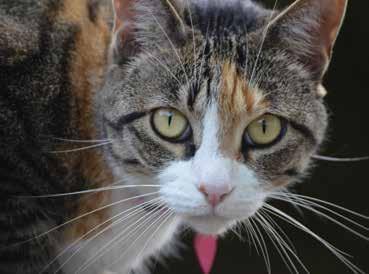


How can you keep your cat safe from Cat Scratch Disease? Because fleas are the most significant factor in the transmission of Bartonella, flea control is of the utmost importance. Keep your pet cats indoors, use veterinarian approved topical flea repellants year-round, and be cautious about adding stray or shelter cats to your household without testing. To protect yourself and your family members from Bartonella-associated illnesses, in addition to flea control, only adopt healthy, flea-free cats and kittens. Regularly trim your cat’s claws, and learn about cat body language so that you can recognize signs of agitation and avoid bites and scratches. If a scratch or bite does occur, wash the injury immediately and thoroughly, and contact a medical professional for advice.


Atrained horse should move equally in both directions, tracking right and tracking left. Riders spend hours to achieve this from side to side and longitudinally, or back to front, but how many of us actually take time to supple and balance our bodies so we can become better riders? We expect our horses to perform with precision on both sides, yet we can only brush our hair with one hand. While perhaps not ambidextrous, we need to be able to use our hands and legs equally in the saddle, and be actually “quadradextrous.” In order to better train our horses to be supple and balanced, we should take responsibility of our bodies first. As renowned trainer Alois Podhajsky so smartly stated in his book, The Complete Training of Horse and Rider, “riders must first have control over themselves before they could even consider to harness and train a horse!”
By: Kristin Hermann
in vertical alignment, and the arms, elbows and hands communicate with the bit. Riding may look easy. Ha! Most sports require use of an inanimate object, such as a ball, golf club or tennis racket. I know of no sport other than riding where the participant straddles an animal with a mind of its own!
In order to ride in harmony with a horse, you cannot be stiff, lean to one side, grip with the legs, or grab the reins tightly. In order to ride harmoniously, the rider needs to establish a relaxed, balanced position and communicate to the horse in a clear manner. Barn Yard Yoga emphasizes working the major areas of the body used to communicate to the horse: the arms and shoulders, back, hips and legs. Here are a few simple exercises you can try.
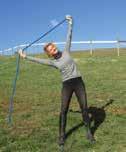
Barn Yard Yoga was created to integrate exercise and our love of horses, replacing the gym with the barn where we all want to be anyway. It presents exercises that can be done while walking to the pasture, sweeping the barn, feeding, watering and grooming a horse. Barn Yard Yoga lengthens and strengthens the areas of our bodies that we use for riding, including the neck and shoulders, pelvic girdle, hips, abdominal muscles, knees, ankles and feet.
The correct basic riding position enables the rider to communicate clearly with the horse. If the rider’s legs, seat or hands are out of alignment, the rider will be signaling the horse incorrectly (or out of tune). I always use the analogy of the horse being an instrument the rider is learning to play. If learning to play the clarinet you first would learn where to place your fingers on the instrument. It is the same with riding a horse, only you must learn to use your whole body, not just your fingers. The rider’s legs straddle the horse’s back, the torso and seat stay in balance, the ankle, hip, shoulder and ear stay
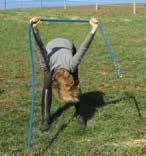
Most riders hold a lot of tension in the head, neck and shoulder area. Use of a lead rope will help you rotate your shoulders and open up your chest. It is important to keep your elbows straight to achieve symmetrical stretching in the shoulders. The wider apart your hands, the easier it will be to rotate your shoulders. Forward bends help to stretch the lower back.
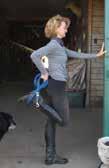
You can use the same lead rope to stretch the quadriceps. Balance is also addressed in this exercise. Try standing on one leg with your toes pointed forward. If you find that too difficult, use a wall or a feed bin for support. Never put yourself in a situation where you may tear a muscle or lose your balance. These exercises are meant to be simple stretches.
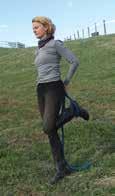
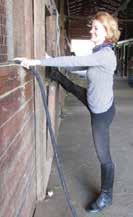
My favorite Barn Yard Yoga exercise is putting my leg up on the stall door while watering horses. Watering can be boring, so a little exercise at each stall is how I came up with the idea! In this photo, you can see how flexible Anita is, but you can also see how this position stretches her leg and opens her hip.
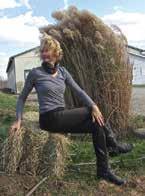
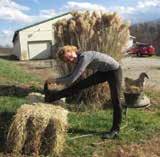
A more subtle hip opening and back stretch is to bend over a hay bale, or a small pony if you really want to be creative! While you are enjoying a beautiful day at the barn, why not stretch out on a bale of hay and open up your back?
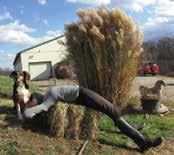
Barn Yard Yoga is for all riders. Keeping our bodies supple will keep us in the saddle longer and communicating to our horse more clearly. Enjoy these simple stretches
and I am sure you will come up with several of your own! Happy stretching.
The model for Barn Yard Yoga is Anita Prentiss Buzzy. She is a professional photographer, avid equestrian and certified Pilates Instructor. She teaches Pilates at her studio in Squirrel Hill, and at Coventry Equestrian Center. She can be reached at pilatesanita@gmail.com.
Author Kristin Hermann, also an avid equestrian, professional equine trainer and instructor, owns Coventry Equestrian Center. She recently pursued Pilates to maintain her athleticism, and has been doing Barn Yard Yoga almost daily as she completes chores around the stable.
Contact Kristin at blythedale@comcast.net.



















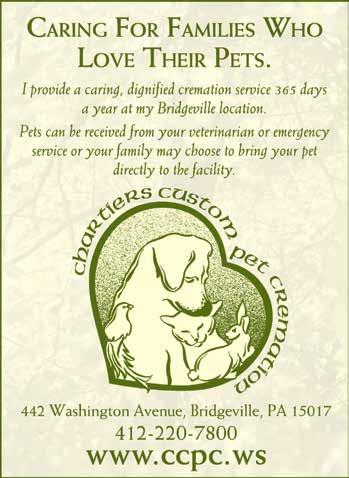
Your pet can be received from your home or veterinarian or your family may choose to bring your pet directly to my Bridgeville location.
The Animal Rescue League
Is partnering with Goodwill of Southwestern Pennsylvania to host a donation drive fundraiser!
Animal Rescue League and Wildlife Shelter 6620 Hamilton Ave. Pittsburgh, PA 15206
Saturday, April 18th
10:00am - 2:00pm
You can help the Animal Rescue League raise money by simply donating your gently used clothing, shoes, housewares, and more! They earn money for every pound of donated items!