





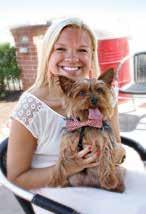


Susan Wagner, DVM MS ACVIM (Neurology)
As children head back to school, you may consider sending your four legged “child” to classes, too. If so, please be sure to research the instructors. Advertisements can be confusing or downright misleading, as some behavioral professionals are not what they seem. Be aware of what’s happening behind the scenes. There are no
requirements for dog trainers, nor are they licensed (although voluntary certification groups do exist).
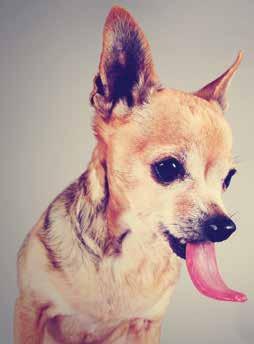
The most important thing to remember in training your dog, or in hiring a trainer, is the word positive. Reward-based training works. Punishment-based, assertive training may also succeed, but at what cost?

Many unwanted behaviors are driven by fear. Dominance based techniques create more fear and anxiety. If you think about it, treating anxiety or fear with more anxiety and fear doesn’t make sense. Dominance and punishment based training have been shown to make aggressive behaviors much worse, ultimately resulting in euthanasia. Why take this chance when reward based training has been proven to be effective?
From an energetic perspective, all words, actions and situations have an energy, or feel, to them. We’ve all experienced this when we’ve walked into an argument or uncomfortable situation. What’s the familiar saying? The tension was so thick, you could cut it with a knife. How can we feel someone else’s tension? We sense it through the electromagnetic (energy) field that emanates from every living thing.
When we reward our pets, we are coming from a kind place — hence our energy field will feel good to them. If we’d really like to take it up a notch, we can thank them for their good behavior! After all, when they behave, our lives are easier, so why not approach training with appreciation? The instinctive feeling that accompanies gratitude is heads and tails above hearing “good job”. Our canine companions are just like us. Respect is something every being inherently desires. PC
How can we feel someone else’s tension? We sense it through the electromagnetic (energy) field that emanates from every living thing.
■ Complete Wellness Care
■ Advanced Medical Care
■ Dentistry & Surgery
■ Experienced & Caring Staff
REGULAR HOURS: Mon-Fri: 8:00 AM - 8:00 PM Sat: 8:00 AM - 4:00 PM




Animal Educational Exhibits
North:
The Pittsburgh Zoo & PPG Aquarium pittsburghzoo.org
The National Aviary nationalaviary.org
Animal Behavior
Greater Pittsburgh Area:
Judith Levy, M,Ed., CEHP, RMT Feline Behavior 412-521-5133 | judithlevywellness.com
Animal Communication
Greater Pittsburgh Area: Renee Takacs, M.A. intuitguide.com
Animal Reiki
East: Janet Jackson
animalangellady.com
East End:
Judith Levy, M,Ed., CEHP, RMT 412-521-5133 | judithlevywellness.com
Animal-Related Art, Photography & Retail
North:
Nicole Begley Photography nicolebegleyphotography.com
Vibrant Images vibrant-images.com
South:
Kara Jones Photography kjones.smugmug.com
Paws ‘n Claws Eyewear PawsnClawsEyewear.com
Greater Pittsburgh Area: Jenny Karlsson Photography jennykarlssonphotography.com
Animal Rescue Organizations
North:
Animal Friends 412-847-7000 | thinkingoutsidethecage.org
Beaver County Humane Society 724-775-5801
Pennsylvania Great Dane Rescue 724-869-9185
Hope Haven Farm Sanctuary 412-366-1187 | hopehavenfarm.org Western Pa Humane Society 412-321-4625 | wpahumane.org
South:
Animal Care & Welfare
412-244-1372 | animalcareandwelfare.org
Washington Area Humane Society 724-222-7387 | washingtonpashelter.org
Animals Against the Odds Rescue/Rehab www.aato.rescueme.org
East:
Animal Rescue League 412-345-7300 | animalrescue.org ARL Wildlife Center 412-345-7300 | animalrescue.org
SW PA Pugs with Special Needs 724-763-2790 | swpapug.org
West: CARMAA
412-780-4983 | carmaa-petadoption.com
Dog Training
North:
AKIN Family Dog Training (Lilian Akin) 412-732-8091 | akinfdt.net
Greater Pittsburgh Area:
Droopy’s Basset Rescue 888-9 GET DROOL | www.droopysbassetrescue.com
Paws in the Sand 814.434.4857 | www.pawsinthesandpettreats.com
SPAAR
www.seniorpetandanimalrescue.org
Success Just Clicks successjustclicks.com
North Shore: Western PA Humane Society 412-321-4265 | wpahumane.org
South:
Paula’s Professional Dog Services 412-818-2482
Sit Means Sit Dog Training 412-345-1748 | www.sitmeanssit.com
Dog Training Clubs
South:
Golden Triangle Obedience Training Club 412-653-6880 | gtotc.com
Keystone Canine Training
412-833-2211 | keystonecanine.com
Xcel Canine Training Center
412-833-2504 | xcelcaninetraining.com
Equine Boarding, Lessons & Training Facilities
North:
Rockin’ Horse Stables
724-601-4706 | rockinhorsestables.com
South:
Coventry Equestrian Center
724-206-9902
Manon’s Farm
724-705-7912 | 724-621-0260
Equine Holistic Care
Greater Pittsburgh Area:
Dr. Michael Savko, DC, CCSP, CVCP 724-261-7915 | drchirovet.com
Equine Tack Stores
South:
Lowry’s Western Store
724-228-1225 | lowryswesternshop.com
Equine Veterinarians
Dr. Brian Burks, DVM
Fox Run Equine Center
724-727-3481 | foxrunequine.com
Holistic Practitioners
Pet Chiropractor
North:
Dr. Doug Knueven, DVM
Beaver Animal Clinic
724-774-8047 | beaveranimalclinic.com
Greater Pittsburgh:
Dr. Michael Savko, DC, CCSP, CVCP 724-261-7915 | drchirovet.com
Holistic Practitioners for Guardians
East End:
Judith Levy Wellness
Coaching/Energy Modalities
412-726-2659 | www.judithlevywellness.com
Renee Jennings
Hypnotherapy/Energy Psychology
216-375-7859
Holistic Veterinarians
Dr. Doug Knueven, DVM Beaver Animal Clinic 724-774-8047 | beaveranimalclinic.com
Pet Burial, Memorial & Cremation Services
South:
Chartiers Custom Pet Cremation 412-220-7800 | ccpc.ws
Jefferson Memorial Funeral Home 412-655-4500 | jeffersonmemorial.biz
East End:
Precious Pets Memorial Center & Crematorium 412-351-PETS (7387) | preciouspetspgh.com
Greater Pittsburgh:
Eternity Pet Memorials 412-421-6910 | eternitypetmemorial.com
Pet Fencing
Greater Pittsburgh Area: Invisible Fence of Western PA 724-396-7231 | invisiblefence.com
Pet Friendly Restaurants
North:
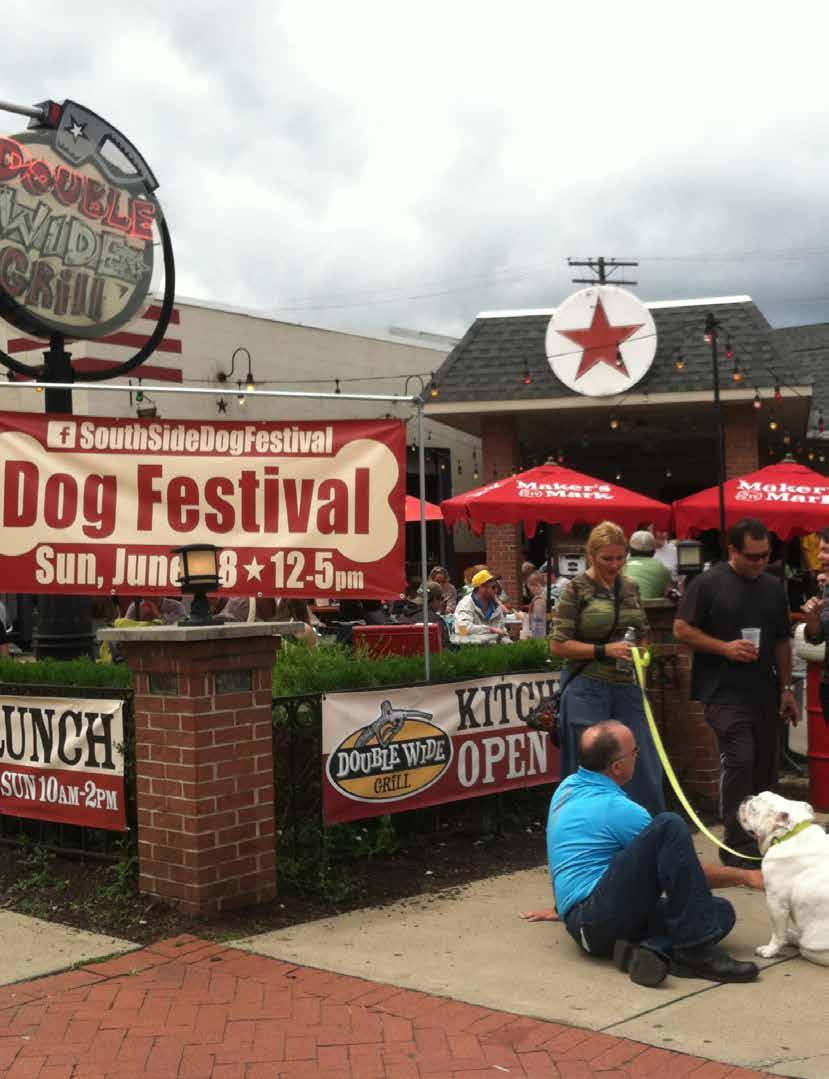
Double Wide Grille - Mars 724-553-5212
South:
Double Wide Grille - Southside 412-390-1111
Pet Grooming
North: 5th Avenue Fido
724-772-5511 | 5thavenuefido.com
All About Dogs
724-925-1577 | allaboutdogsgrooming.info
K-9 Kingdom 724-935-3647 | k9kingdom.com
Larry’s Laundromutt 412-534-4052 | larryslaundromutt.com
Healthy Pet Grooming 724-759-7567
South: Canine Club 412-220-8100 | thecanineclub.com
Candelore’s Barking Beauties 412-872-5550
Creative Canine Cuts
724-223-9020
Grand Slam Grooming 412-221-5081 | grandslamgrooming.com
Grooming With Care 412-977-5961
Petsburgh Dog & Cat Grooming 412-885-4027
Pets At Home
412-655-7297
The Pet Salon
412-279-5331 | petsalonusa.com
Sandy’s Cat Grooming 412-759-1806
Woody’s Dog Wash & Pet Boutique 412-714-4644 | woodysdogbath.com
East:
Animal Elegance
412-361-1177 | www.animal-elegance.com
Candelore’s Barking Beauties Pet Grooming 412-872-5550 | candeloresbarkingbeauties.com
West:
Paws Here Awhile Pet Resort
724-573-4665 | pawshereawhile.com
Greater Pittsburgh Area: Zoom N Groom (Sonya Patterson) 724-225-4827
Pet Friendly Businesses & Organizations
Bactronix
412-375-7886 | www.bactronix.com
Good Nature Organic Lawn Care 888-LAWNSAFER | whygoodnature.com Fundvelopes
412-595-8641 | fundvelopes.com
Matt Arch Foundation www.connectarian.com
One Hour Heating & Air Conditioning 724-225-1644
onehourheatandair.com/Locations/PA/Eighty-Four Skinny Tim’s Tint & Detail 412-414-9194
Susan G. Komen Pittsburgh 412-342-0500 | www.komenpittsburgh.org
Pet Grooming Schools
Golden Paws Pet Styling Academy 412-297-9383 goldenpawspittsburghpa.com
Pet Ministries
South:
Christ United Methodist Church 412-277-1096 | christumc.net
Westminster Presbyterian Church 412-835-6630 | westminster-church.org
Pet Resorts - Boarding, Daycare, Grooming & Training
North: 5th Avenue Fido 724-772-5511 | 5thavenuefido.com
Camp Bow Wow - Ross Township campbowwowpgh.com K-9 Kingdom
724-935-DOGS (3647) | myk9kingdom.com
The Dog Stop - Sewickley 412-766-DOGS(3647) | www.thedogstop.net /pa/pittsburgh/sewickley/about-dog-stop/ sewickley-location
South:
Camp Bow Wow - Castle Shannon campbowwowpgh.com
Grandma’s Dog Daycare 412-586-7094 grandmasdogdaycare.com Canine Club 412-220-8100 | thecanineclub.com
Fuzzy Paws Pet Villa
724-746-3899 | fuzzy-paws.com
The Dog Stop - Banksville Rd. 412-343-1171|www.thedogstop.net/pa/ pittsburgh/south-hills/south-hills-confirmation East:
Camp Bow Wow - Highland Park campbowwowpgh.com
Pittsburgh Pet Concierge 412-856-8505 | petconcierge.org
The Dog Stop - Monroeville 412-373-3355 | www.thedogstop.net/pa/ pittsburgh/monroeville/about-dog-stop/ monroeville-location
The Dog Stop - East End 412-361-0911 | www.thedogstop.net/ pa/pittsburgh/east-end/about-dog-stop/ east-end-location
West:
Camp Bow Wow - Greentree campbowwowpgh.com
Paws Here Awhile Pet Resort 724-573-4665 | pawshereawhile.com
Pet Retail/Supply
North:
Healthy Pet Products
412-366-0700 | healthypetproducts.net
South:
Healthy Pet Products
412-831-3700 | healthypetproducts.net
Martins Flowers & Shrubs Pet & Wildlife Feed 724-379-4684 | www.martinsflowersandshrubs.com
Oddball Pets & Aquariums 412-884-2333 | oddballpets.com
Woody’s Dog Wash & Pet Boutique 412-714-4644 | woodysdogbath.com
East:
Petagogy petagogy.com | 412-362-7387
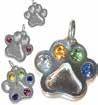
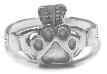
Puppy Paws Paw Shaped Jewelry 440-461-9667 | www.puppypaws.com
Wild Birds Unlimited www.pittsburgh.wbu.com
North 724-935-0051 East 412-374-0678
South 412-833-9299
Greater Pittsburgh Area: Titan Bones
724-622-3600 | TitanBones.com
Pet Sitters
South: Chris’s Canine Club
724-746-3864 | chrisscanineclub.com
Your Critter Sitters (Raylene Hoover)
724-448-7330 | yourcrittersitters.com
East: Pittsburgh Pet Concierge 412-856-8505 | petconcierge.org
Veterinary Hospice
Greater Pittsburgh Area:
Nancy A. Ruffing, DVM 412-801-1071 | gentlejourneyvet.com
Veterinary Pharmacies
Greater Pittsburgh Area: The Medicine Shoppe 412-826-9500 | mscompounding.com
Murray Avenue Apothecary 412-421-4996 | MAApgh.com
Veterinary Hospitals
North:
Beaver Animal Clinic 724-774-8047 | beaveranimalclinic.com
BelaCoop Animal Hospital 724-939-7062
belacoopanimalhospital.com
Sarver Animal Hospital 724-295-9933 | www.sarveranimalhospital .com
VCA Northview Animal Hospital 412-364-5353 | vcanorthview.com
South:
All About Pets Veterinary Hospital 724-745-5503 | aapvet.com
Allegheny South Veterinary Services 412-257-0909 | alleghenysouthvetsvcs.com
Hickory Veterinary Service 724-356-1000 | hickoryvetsvcs.com
VCA Castle Shannon 412-885-2500
East: The Big Easy Animal Hospital 412-908-9301 | tbeah.com
West:
VCA MetVet West Animal Hospital 412-788-6400 vcahospitals.com/met-vet-west
Greater Pittsburgh Area: Pittsburgh Pets at Home Mobile Veterinary Service 412-346-1177 | www.pghpetsathome.com
Veterinary Specialty & Emergency Services
Greater Pittsburgh Area: Pittsburgh Veterinary Specialty and Emergency Center, Inc. 412-366-3400 | pvs-ec.com
VCA Northview Animal Hospital Specialty Referral Center 412-364-5353 | vcanorthview.com
East:
AVETS - Allegheny Veterinary Emergency Trauma & Specialty 412-373-4200 | avets.com
Veterinary Technology Schools
Greater Pittsburgh Area: Pittsburgh Career Institute 412-281-2600 | pci.edu
List your business today! info@pghpetconnections.com
at pghpetconnections.com/Dog-Cat-Directory
We pet lovers and guardians enjoy the close bond we share with our pets.
As pet lovers, there is nothing better than snuggling up with our furry friends! However, how often do we stop and think about what they may carry from their daily routines until we notice an odor? Do we even think about bacteria as a possible cause of odors?
We all have the challenge of controlling pet odors and their origin effectively. Odors are bad enough, but when you consider that bacteria, fungus and viruses are contributing to the odor, it is an entirely new issue. To the average person odors are annoying, but to people suffering from a compromised immune system, respiratory or other health issues the underlying cause is potentially dangerous.
Our pets live indoors and outdoors. They constantly pick up odor-causing microorganisms from the environment. From outside in our yards, the neighborhood, woods, dog parks, kennels and even in veterinary offices, our pets are hosts to pesky germs. Of course, we tend to only notice when our pet gets skunked or rolls in what they consider fragrant eau de toilette de poop! Invisible microbes, airborne viruses and mold spores use our pets to cross-contaminate our home environment.
Our homes can become breeding grounds for mold and bacteria which can end up contaminating our ventilation systems. “Sick Home Syndrome” is the term used by the Environmental Protection Agency to define a home environment that is hazardous to your health. The EPA statistics are alarming at 6 in 10 homes are environmentally hazardous!
Steps can be taken to ensure that we can enjoy our pets in a safe clean environment. Pet waste, especially cat urine on carpets and flooring can be difficult to clean; especially having it reoccur. The challenge of managing odors, starts with knowledge, awareness and action. A clean and healthy environment can be obtained through specialized testing and a routine treatment plan for the entire house.
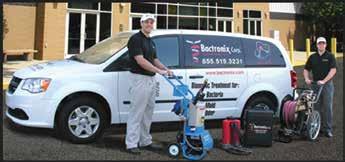
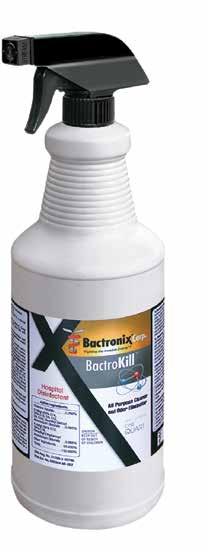
Aside from traditional routine cleaning procedures, there is now a better option for both our homes and pet care facilities. Bactronix Corporation, a Pittsburgh-based company, has developed proven specialized testing and disinfecting procedures. They use an EPA approved process, Bactronizing, for a complete, effective and affordable hospital grade disinfecting program.
Bactronix Corp. serves many industries such as in hospitals, schools, daycare facilities, cars, boats, veterinary facilities and animal shelters. Bactronix uses a very sophisticated, safe, organic system to test, diagnose and treat pets and the environment. Utilizing science-based practices, testing is performed on porous and non-porous surfaces to determine the bioactivity which cause odors and illness. They use advanced technology through an electrostatic delivery of their antimicrobial disinfectant and protectants which kills viruses and bacteria, including
H1N1, C. Diff, MRSA and ringworm. The Bactronizing process is a 2-step, nontoxic “green” disinfecting process. This Nanotechnology physically kills the odorcausing microorganisms.
Boarding, grooming and veterinary facilities, similar to our human hospitals, are also turning to Bactronix to control these contagious microorganisms that can cause infections. Dr. Susan Wagner of MedVet Medical & Cancer Center for Pets in Worthington Ohio says that Canine Parvovirus (CPV) is a highly contagious infectious disease that usually affects very young dogs. Parvovirus mainly attacks the intestinal tract, but also compromises the immune system. This can be fatal to young and/or immune-compromised dogs. The risk has been greatly reduced through a core vaccination program. Although occurrences of outbreaks are less frequent, animal care and breeding facilities can be at risk for CPV cases. Facilities which incorporate stringent isolation and disinfecting procedures can greatly reduce the spread of CPV.
Bactronix is a supporter of the veterinary industry. With the goal to promote envi ronmental health, safety and wellness. Close contact with animals can result in cross-contamination and the spread of dangerous bacteria. General surface areas, professional tools and direct contact are large contributors to the spread of germs. To protect your animals as well as yourselves, Bactronix® has developed a high performance, non-toxic,

disinfecting technology that is safe for people, pets, plants and the environment. The Bactronizing process along with a daily cleaning protocol with BactroKill will take your health and safety standards to the next level.
An independent laboratory study verifies that the Bactronizing Process meets the standards for killing the Canine Parvovirus. The study title is a “GLP Hard Surface Disinfection Evaluation of one Test Product (BactroKill) versus Canine Parvovirus.” Testing was based on methods described in the American Society for Test Materials (ASTM) E1053-11, based on US Environmental Protection Agency protocols.
For both facilities and in our homes, Bactrokill is an amazingly safe cleaner and disinfectant. It is also safe to use on your pets coat for any odors and has proven to be effective against the dreaded skunk odor! The product also has a lasting effect with durability that continues to protect between treatments.
Bactronix offers a great solution to assure we have a safer environment for ourselves, and our pets. PC



AUGUST 1 Pup Crawl 2015: The Big Sit – Supports Animal Rescue League, Animal Friends and Western PA Humane Society
AUGUST 23 Animal Friends Jurassic Bark Park in North Park
AUGUST 31 Animal Care & Assistance Fund 7th Annual Golf Classic
SEPTEMBER 27 Beaver Co. Humane Society Tails on Trails
OCTOBER 3 Animal Rescue League’s Blessing of the Animals
OCTOBER 3 CARMAA’s Dogtoberfest
OCTOBER 4 Susan G. Komen Paws for the Cure
OCTOBER 10 Southwest PA Pug Rescue Pugtoberfest
OCTOBER 17 Beaver Co. Humane Society Barks ‘n Brews
OCTOBER 23-25 Pittsburgh Pet Expo

beavercountyhumanesociety.org Sponsored by


Sunday, September 27, 2015 - 11am to 3pm
Brady's Run Park Shelter #7 and The Lodge For details and registration: tailsonthetrails.org
Saturday, October 17, 2015 - 3pm to 6pm
Beaver County Humane Society - 3394 Brodhead Road
• New This Year! Shitz & Giggle Comedy show at 6:30pm
• Can attend one or both events For details and registration: barksandbrews.org


The Animal Rescue League Shelter and Wildlife Center’s Education Department is having a very busy summer! From summer camp to summer programs, the members of the education department do not get to sit down for long. Our Education Animal Ambassadors have met a lot of new faces this year.
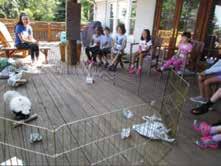
Wildlife Fun Camp ended this June with a bang. From June 22nd -26th, campers came to the Wildlife Center’s campus on 6000 Verona Road for a day filled with fun. Campers explored the campus looking for signs of wildlife, played educational games and made animal themed crafts. They also met our Education Animal Ambassadors and learned all about their wild animal cousins. With a different theme each day, campers learned all about what it takes to be a wildlife rehabilitator. From animal diets to adaptations, there was something engaging and interesting to learn each and every day. At the end of the week the campers didn’t want it to end!
This year the education department unveiled a few new classes for kids interested in wildlife. Wildlife Rainbow: Untamed Colors and Patterns is a 30 minute program for children ages 4-6. It talks all about the ways in which wild animals use the color wheel to their advantage. The kids get to meet a live animal guest
and learn how to spot those animals that utilize camouflage to survive.
Wildlife Rehab 101: What Would You Do? Is a 50 minute program for kids from 3rd to 8th grade. The students learn what it takes to care for sick, injured or orphaned wildlife. They get to choose a treatment plan for animal patients commonly seen at the Animal Rescue League Wildlife Center. This program includes an encounter with a live animal too!
The Animal Rescue League Education Department has several education ambassadors that live at the Wildlife Center. These animals are native Pennsylvania Wildlife that cannot be released for one reason or another. They help to teach the community about their wild counterparts and how they survive in the Pennsylvania wilderness.
They help to teach the community about their wild counterparts and how they survive in the Pennsylvania wilderness.
Perch Like a Peregrine…and More! Is a 30 minute program for up to 25 children ages 4-6. In this program, kids learn about how animals get around. From swimming to walking to climbing to flying, there are so many ways to move! The students also get to demonstrate their animal movement skills for their peers at the end of class.
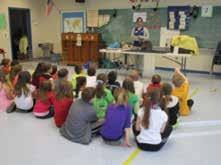
This summer’s library reading theme is Every Hero has a Story. The Education Department has put together a program called Wild Heroes Have Wild Stories in honor of this theme. They have already been on the road traveling to libraries across the Pittsburgh area teaching groups about some of Pennsylvania’s wild heroes.
Hermes the Short-Eared Owl came to us from another Wildlife Rehabilitation Center in Pennsylvania. He has an injured wing and cannot be released. He loves to hide in nest boxes on the ground as well as perching high up on a branch to watch volunteers and staff walk by. He teaches the public all about Short-Eared Owls, an endangered species in Pennsylvania.
Irwin the North American Porcupine is perhaps the most recognized of the education ambassadors. He was abandoned by his mother as a young porcupette, and has been at the Wildlife Center ever since. He has his own facebook page (www.facebook.com/Irwintheporcupine) and goes out to programs to teach the community about his wild cousins.
If you are interested in seeing what the Animal Rescue League’s Education Department has to offer, check out their website at www.animalrescue.org/education-programs. They can also be reached at education@animalrescue.org or 412345-7300 x501 or x503. PC


Saturday, October 3, 2015
11 am - 5 pm
Bellefonte Street – Shadyside
l Bring your well-behaved pets to receive Interfaith blessings
l Many pet vendors, activities and giveaways
l Animal Psychic Readings



By Tracy Royston
Cats, the most entertaining and inquisitive of creatures, make exceptional companions to people of all ages. Thousands of cats currently sit in Pittsburgh shelters, patiently awaiting the arrival of their forever family. Particularly during spring and summer – the time dubbed ‘kitten season’ due to the large influx of kittens that are surrendered – shelters are bursting at the seams with adoptable felines, and the need for adopters becomes critical. The Western Pennsylvania Humane Society (WPHS) proudly operates an open door shelter – we welcome any animal, regardless of age, breed, or medical condition. Because our shelter provides refuge to any and every cat and kitten that enters our facility, our organization is one such shelter that is in desperate need of loving homes for our feline population. In 2014 alone, our shelter took in almost 5,000 cats and kittens. Have you been considering adding a cat to your family? Are there questions that have prevented you from taking the leap? Let us ease your trepidation.

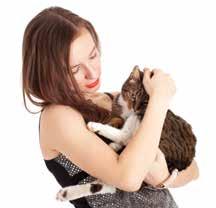
... cats make the perfect companion for anyone, with almost any schedule or lifestyle.
dozens of kennels and not be implored to take all of the animals home. Some may fear that the shelter will be a bleak or dreary place. These misconceptions could not be farther from the truth. The WPHS is committed to disproving these falsehoods and promises an exceptional experience for every individual that walks into our open doors – human and animal.
to leave the shelter without multiple animals, they can rest assured knowing that thousands of shelter animals find loving homes every year – over 4,000 animals are adopted from the Western Pennsylvania Humane Society alone.
Cat ownership has been scientifically proven to have positive psychological, emotional, and physical benefits, including a decreased risk of depression and anxiety, lessened feelings of loneliness and isolation, and a decrease in blood pressure and cholesterol levels. Cats provide their humans with a sense of purpose, fulfillment, and joy. Even the purr of a cat is healing – it is on the same frequency that encourages bone and tendon healing in rehabilitative therapy. A cat eager to curl up on your lap is the perfect medicine to decompress from the daily grind.
Tabbies and Ragdolls and Himalayans, oh my!
From five week old bottle babies, to fifteen year old seniors, all black domestic shorthairs to purebred Himalayans, the makeup of the cat population at the WPHS is as diverse as the population of Pittsburgh itself. Some people may have hesitation adopting their pet from a shelter because they fear it will be too difficult to find the specific type of animal they are looking for or too difficult to walk past the
We provide our cats with attention and care before they are adoptable – all cats are spayed or neutered, immunized, dewormed, microchipped, and assessed for behavioral issues by our staff. Our shelter employs knowledgeable adoption counselors to help adopters find exactly what they are looking for in an animal – age, breed, personality, and suitability with cats, dogs, and children. Whether you’re a first time pet parent, a cat aficionado who is looking to introduce a new cat to the felines in your home, or a parent seeking advice on how to integrate a cat into their home with young children, we can provide you with the tools for success.
Modern facilities are designed to be calming for the animals and welcoming to people. Shelters also have devoted kennel staff that ensure that all animal habitats are kept clean and comfortable throughout the day. Toys, music, and enrichment tools are utilized to create the most soothing environment for our cats. For those who feel that they will not be able
Whether you are seeking an older cat, with whom you can share a life of leisure and Netflix marathons, an adventurous kitten who can be your partner in crime, or a pleasantly plump cat that you can help drop a few pounds, the cat of your dreams can be found at your local shelter. With the amazing duality of their lazy and spunky sides (sleeping an average of fifteen hours a day, and occupying themselves with even the most mundane of objects the other nine), cats make the perfect companion for anyone, with almost any schedule or lifestyle.
The WPHS has three hundred cats and kittens in our care at any given time. If you are able adopt, come to our North Shore shelter today. Our cats desperately need volunteers, ‘cat cuddlers’ that can provide them with brushing, playing, and affection. We are also looking for foster families to care for our felines that need to get healthier before they can be placed for adoption. To adopt, volunteer, foster, or donate, contact us at wpahumane.org, or (412)321-4625. PC
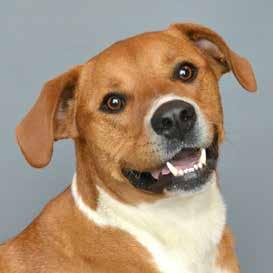
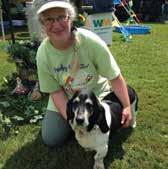
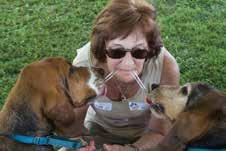
Spend some time with a Basset Hound and you will soon begin to appreciate the unique characteristics of the breed. Bassets have long reigned supreme as the clowns of the canine world, waddling along, tripping over their ears, and using their sad expressions to coerce their humans (aka foodslaves) to do their bidding. While watching their antics brings many smiles and frequent outbursts of laughter, their smooshy faces and engaging personalities also make them one of the most lovable beasts you could ever hope to share a couch with. And you will share that couch- Bassets appreciate their creature comforts and will quickly let you know if you are slacking off in the Basset spoiling department. Bassets are great family dogs, and tend to get along well with people and other pets, and fit in to many different types of households. Bassets aren’t for everyone thougha sense of humor is an absolute must, and potential adopters must be prepared for the stubborn nature, shedding hair, big bark, and occasional slobber slinging that their Basset bundle of joy will also bring into their lives. Droopy Basset Hound Rescue of Western Pennsylvania can help you find your new best Basset Hound friend.
Droopy Basset Hound Rescue began over twenty years ago with just a few volunteers accepting Basset Hounds from shelters and owners who could no longer keep them. DBHR has grown into a network of volunteers and foster homes throughout Western PA all working together to help Basset Hounds in need of new homes. DBHR provides all necessary vetting for their Bassets, including vaccinations, heart-
Copyright Pawsburgh Photography
worm testing, and spaying/neutering prior to adoption. DBHR is a 501 (c) 3 nonprofit all volunteer organization dedicated to saving homeless hounds and finding loving, stable homes for them. Information on the adoption process, becoming a volunteer or how to donate is available at www.droopybassetrescue.com.
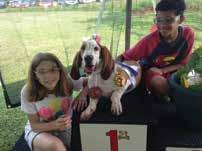
Slobberfest, held outside of Erie every July for the past sixteen years, is the main fundraiser for DBHR. Basset Hounds and their people come from all over to join in the fun and games and raise money to support the DBHR mission of rescuing Basset Hounds. Basset Hounds may participate in the games, which have included everything from Basset Hound Bowling, Counter Surfing contest, Bobbing for Biscuits, a Basset agility course, and many more. There are trick and costume contests, and lots of raffles featuring Basset Hound items for people to enjoy. There is
a Bassetarian of the Year Trophy, an original Clanimalzoo sculpture valued at $500 awarded to the person who has raised the most money for DBHR, and the VIB (Very Important Basset) special ringside seating raffle. Slobberfest is truly a one of a kind event! Slobberfest closes with a Blessing of the Pets at the Rainbow Bridge Memorial, a wonderful way to end the day honoring Bassets attending the games, and those who are gone but not forgotten.
While all Bassets are wonderful, there is truly a special joy in adopting an older Basset Hound. DBHR’s seniors have predictable behaviors, are generally calm and low maintenance, and really appreciate a home of their own. Seniors arrive confused and unsure- everything familiar to them is gone, whether they were picked up as strays, relinquished by owners, or had owners whose own aging left them unable to continue to care for their pets. Many adopters like the fact that seniors easily acclimate to their new homes, and don’t require as much training or work as a younger, more energetic dog. DBHR works hard to make sure that every senior has the chance to live out their years in a comfortable, home environment. Bassets that are not candidates for adoption due to their age or health remain in their foster homes, and are placed on sponsorship status. Bassets for adoption or sponsorship can be seen on the available Bassets page on the DBHR website, and a link is provided for people who wish to sponsor one of DBHR’s golden oldies.
Droopy Basset Hound Rescue can be found on the web at www.droopybassetrescue.com. Interested people may also email at info@droopybassetrescue.com, or call at 1-888-9 GET DROOL. Like DBHR on Facebook to stay updated on available dogs and upcoming events! PC
By Mary’s Doghouse
Jennifer Brown and Laura Brocklebank dreamed of a safe haven for senior animals that are generally considered “less adoptable” or “difficult to place.” As owners of elderly pets, they realized these animals needed their help.
Senior Pet and Animal Rescue (SPAAR) transformed that dream into a heartfelt reality.
Through grassroots outreach efforts, SPAAR is committed to educating the public about the advantages of adopting a senior animal and on the importance of spaying and neutering their pets. In addition, SPAAR works directly with pet owners to help keep senior animals with their families, reducing the number of senior animals that are surrendered to shelters.
By Jennifer Brown
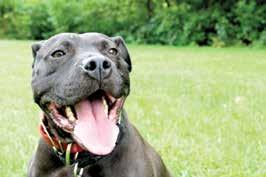
At this time, SPAAR is a 100% fosterbased, 501(c)(3) animal rescue organization located in Pittsburgh, Pennsylvania. While long-term plans include a safe, comfortable space dedicated to senior animals, currently all of its animals, including those in hospice care, reside in foster homes.
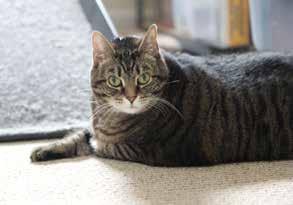
Since its incorporation in March 2015, SPAAR has rescued four senior animals –Ruger, Radar, Trinny, and Tilly. Ruger, an eight-year-old boxer mix, was the rescue’s first successful adoption in June 2015. Senior cats Trinny and Tilly, ages 10 and 11, respectively, came to SPAAR when their owners sadly passed away. They are currently adoptable and are looking for their forever homes. Radar, a senior Carolina
brought Ferdinand a clean bill of health in 2014. If it weren’t for a strong support system and financial assistance of friends and family, Ferdinand may not have received the help he needed to get better. Photograph courtesy of Matthew Ryann Photography.
Now that he spends his days napping on the couch with his stuffed animals, he wants to make sure that other pet parents can use Ferdinand’s Fund to help care for their senior pets in unanticipated emergencies or times of distress. The mission of Ferdinand’s Fund is to provide the resources owners of senior pets need to keep them in their homes. Medical bills, vet visits, food, and medication are only a few of the items that this fund covers.
Senior Pet and Animal Rescue receives funding through individual donations, business sponsorships, merchandise sales, and fundraising events. The organization is run and managed by volunteers who represent SPAAR at events, transport animals, develop marketing and public relations materials, foster senior pets, give of their time as teachers and trainers, and advocate for senior animals through grassroots outreach.
Adoptable Trinny gives gentle kisses and purrs of affection.
dog mix, is a part of the rescue’s hospice program. While her medical ailments and achy hind legs restrict her from being adopted, she lives happily and comfortably with her hospice foster.
In addition to rescuing senior animals, the organization’s mission is two-fold. SPAAR created Ferdinand’s Fund after co-founder Jen experienced an unexpected, tragic medical crisis with her dog Ferdinand. Nine months, thousands of dollars in emergency care, vet visits, medications, and a successful surgery
SPAAR is a community of people who understand the importance of keeping senior animals with their families and helping those pets searching for a forever home. To learn more about SPAAR or support its mission, visit the organization’s website at www.seniorpetandanimalrescue.org. PC
New Orleans is not like any other typical American city. It’s hot, humid, sweaty, laid back, easy and exotic. This is New Orleans, queen city of the South. This rich eclectic culture is what drew me to New Orleans and is why it will forever hold a special place in my heart and always be a part my soul.
ning water. Being that the majority of New Orleans was evacuating to Texas, I decided to evacuate to Pittsburgh to visit a friend....just like any other typical evacuation. The following 22 hours were exhausting. I left New Orleans on Sunday, August 28, 2005 at 9:45 am and arrived to Pittsburgh, Monday, August 29, 2005 at 5:45 am. I remember passing out as soon as I had arrived to my friend’s house in Lawrenceville. I woke up at 8:30 am to see the news and
that as soon as the water was pumped out of the city, if I would return and work alongside the Colorado National Guard’s 3650th Maintenance Company and help rescue animals that were left behind. They needed veterinarians that knew their way around the city and I offered to help. I contacted shelters and animal hospitals in Pittsburgh for donations. Any donation from food to towels were accepted. I packed my car and headed south.
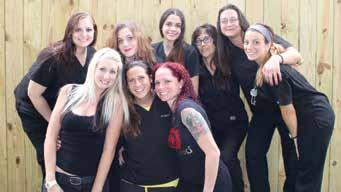
Saturday August 29, 2015, is the arrival of the 10th anniversary of Hurricane Katrina. New Orleanians will commemorate this anniversary in a variety of ways. We will remember the lives lost, a community and people changed, but also the strength of those people in that community which created an amazing resurgence of the entire New Orleans area. Katrina is a reminder to us all that life is fragile in the face of mother nature, and can be taken from us in an instant. I became one of the thousands of victims that Katrina changed forever.
After working an overnight weekend shift at an emergency veterinary hospital in New Orleans, I had to make a quick decision to pack only the essentials needed to evacuate, such as a bookbag containing clothing and my pets. My hometown, Miami Florida, was not an option for evacuation because Katrina had already made her way through Miami resulting in my family not having electricity or clean run-
no reports of flooding had occurred just yet. The news crew was reporting how the French Quarter was affected some, but not to the degree they had predicted. It seemed like everything was going to be ok. I went back to bed and woke up at noon, and turned on the news to learn from a reporter, “The water is starting to rise in the city of New Orleans”. That news report forever changed the path of my life. Day after day I would turn on the news for updates, watching the less fortunate be stuck in the superdome with no help. I remember watching people walking through the flood with their animals in plastic containers keeping them dry. I remember watching the elderly placed in canoes as family members pulled them through flood waters. It was an intense scene, and I was an emotional rollercoaster watching the constant news coverage. I really wanted to be able to do something to help.
Two weeks after the storm made landfall, I was contacted by the Humane Society of the United States. They asked
Upon my arrival, New Orleans was in complete lockdown. No one was allowed to go in or out of the city unless documentation from the government was provided. Once I was cleared to go into the city, I immediately headed to my apartment to assess the damage. The water had risen to my doorstep but not flooded my apartment. Although my apartment did not flood, there was moisture and mold everywhere. I realized quickly that my apartment was a complete loss. Nothing there could be saved, so I moved on to see the condition of the veterinary clinic where I had worked. I headed towards Buccaneer Villa Animal Hospital in St. Bernard Parish. The building had collapsed and all was gone. I flagged down a Fire truck to help me find the control box that contained medications. I obtained whatever medications I could find that I knew may be needed in a situation as dire as this.
I started the search for animals in abandoned buildings, overgrown shrubbery and, most notably, the spray painted Katrina”X” symbol tagged homes. I had to learn the meaning of the symbol which is the following: the northern sector of the X denotes the date; the southern gives the number of victims/animals found alive or dead; the western identifies the rescue team and the eastern depicts the current hazards of the home. One of the strangest cases I remember, was finding a herd of cows behind a house that had survived. Clean fresh water was an essential so I found a canoe and thought it was perfect for a trough. I flagged down a fire truck from Illinois and the firefighters were kind enough to fill the canoe with water.
As I continued my search and rescue, I came across a group of veterinarians in the area that had traveled from Virginia and Tennessee to help. We worked together as a team and built Camp Lucky in an abandoned warehouse. The military helped build pens while volunteers from all over the country began identifying each animal that was brought in. A man and his family had snuck into the city in hopes of finding his dog. Word of mouth led him to Camp Lucky. Miraculously, a team member did find his dog and showed him where he was. As soon as the dog saw him, the dog began howling for joy (he was a husky). As soon as we took the dog out of the crate, the dog got on his hind legs and hugged his owner. Our staff was in tears and the reunion made it more of a mission to continue rescuing these animals. Aside from joyous reunions, there were tragic cases. A fire fighter had dropped off a severely dehydrated cat that was in need of intravenous fluids for rehydration. Within the hour, the cat was stable and we had learned that the owner had passed away in her home because she did not want to leave her animals behind. We later learned that was one of the many reasons why some of the elderly had perished . Some of these people were my clients.
For 2 weeks, I lived on a Naval Ship in Violet, Louisiana while continuing rescues. Then came the news that another Hurricane named Rita was on her way to further damage what Katrina had already done. The mayor had asked us to release the animals we had saved and to evacuate. That was not an option after sacrificing 2 weeks of rescuing. A good samaritan sent his 747 jet to pick up the rescued animals and relocate them to California in hopes that pet owners would be able to find their pets through Pet Finder.
After my 2 weeks of search and rescue, I knew I had to leave New Orleans. As a veterinarian, there would be no jobs for many months as the city needed to rebuild. I decided to try out Pittsburgh being I had never lived up North. The rest is history. Pittsburgh gave me a chance to start my life over. Through 10 years of living in Pittsburgh, I met my husband, made
many great friends and started a successful veterinary practice in Lawrenceville. My hospital is called the Big Easy Animal Hospital, named after my beloved New Orleans. I am forever grateful that Pittsburgh welcomed me with open arms and gave me a chance to rebuild.
Dr. Aileen Ruiz always wanted to be a veterinarian, but she never expected to become a Pittsburgher. The Miami native held fast to her dream of helping animals throughout college and veterinary school. After she earned her veterinary license, Dr. Ruiz started practicing in New Orleans. When Hurricane Katrina struck in 2005, Dr. Ruiz was forced to evacuate the city with little more than a backpack, her diploma, two dogs and a cat. Fate brought her to Pittsburgh and she decided to make Pittsburgh her home. In July of 2010, Dr. Ruiz opened the “Big Easy Animal Hospital” on Butler Street in Lawrenceville. Big Easy is the only hispanic veterinary practice in the city of Pittsburgh. In the last 5 years, they have gained a reputation for professional and compassionate care of their clients’ pets. The practice has become so popular that they’ve outgrown their Butler Street office.
Early in 2015, Dr. Ruiz announced that the Big Easy Animal Hospital would be moving to a new larger facility at 12 McCandless Avenue in Lawrenceville. The newly remodeled 15,000 square foot facility was transformed into a full service animal hospital with state of the art operating room and radiology center. An on-site laboratory and pharmacy will facilitate getting your pet the relief they need as quickly as possible. Clients will appreciate the new facility’s large parking lot. This off street parking is not only more convenient for clients, but is safer and less stressful for the pet. The new Big Easy Animal Hospital will open on June 22nd for wellness and preventive care, urgent care, animal surgery and micro chipping.
In addition to veterinary services, the new Big Easy Animal Hospital will offer a wide
range of services for local “pet parents.” As of Saturday, August, 1, 2015, Dr. Ruiz’s staff will begin offering “Doggie Daycare” services. They will be open early for drop off and late for pick-ups to allow pet owners to make sure their furry friends are cared for and happy before they go off to their office or a shift at one of the local hospitals. If you have to go out of town, the Big Easy Animal Hospital will provide on-site boarding. To keep your pet looking good, the new facility will also offer expert pet grooming services. Big Easy Animal Hospital is the only veterinary practice in the city of Pittsburgh that offers doggie daycare and dog/cat boarding under the supervision of veterinarians on site.
You and your best friend will be able to relax at the Big Easy Animal Hospital’s unique pet friendly café. You’ll be able to enjoy a latte and a snack while your pet munches on a gourmet dog treat and laps up a cool bowl of water. On warm summer days, you and your pet may want to relax on the café’s large outdoor deck. There is nothing better than relaxing on a sunny afternoon with a delicious beverage while sharing time with your best and most faithful friend. The Big Easy Animal Hospital is sure to become very popular with local residents of both the 2 and 4 footed varieties.
Dr. Ruiz and her staff invite the public to stop by during their “Grand Opening” on Saturday, August 29, which marks the 10 year anniversary of Hurricane Katrina. The Grand Opening will start at 4pm and end at 8pm. New Orleanians will commemorate - in myriad ways - the lives lost, the lives changed, and the resurgence of the city and region in the years since the epic flooding that followed the failure of the federal levees. Dr. Ruiz plans to launch the new location in true New Orleans style by partnering with Pittsburgh’s preeminent Louisiana style restaurant “NOLA on the Square” and bringing in local jazz musicians to entertain their guests. You won’t want to miss this great event. To learn more about the Big Easy
Animal Hospital visit their informative website at www.TBEAH.com. PC
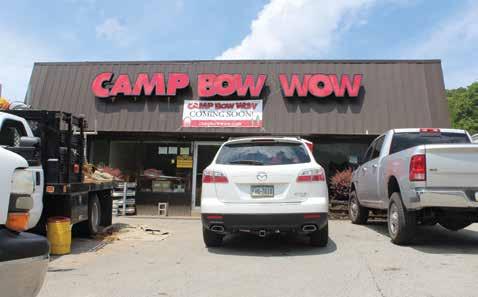
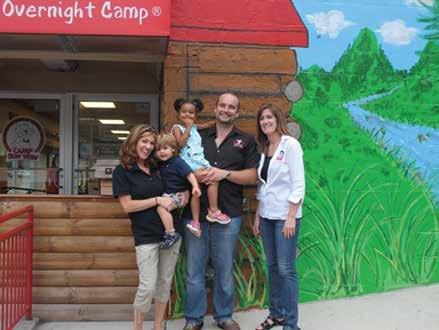
Camp Bow Wow®, the Premier Doggy Day and Overnight Camp® franchise and an Inc. 5000 company, is proud to announce the construction of its fifth location in Pittsburgh, PA at 1610 McClure Rd. Owned and Operated by Jordan and Barbara Murray, the Camp is slated to open in July of 2015 and will continue to fulfill the community’s need for great, local, quality pet care. To celebrate the fourth Camp opening and 10 years in the community, Camp Bow Wow Pittsburgh East will offer a “Dog Days of Summer” deal. New members will receive the first month of gold or silver membership, up to three days of daycare a week, for free.
“As we celebrate our 10 year anniversary of Camp Bow Wow in Pittsburgh, we are thrilled to announce the opening of the fifth location, Camp Bow Wow Pittsburgh East,” said Jordan Murray, co-owner of Camp Bow Wow Pittsburgh East. “We are excited to be able to take care of even more of our furry friends and keep tails wagging for many, many years to come.” Camp Bow Wow will continue to bring to
the Pittsburgh area fun, safe and upscale environments for dogs to play, romp and receive copious amounts of love and attention. Pet owners will have the option of both daytime and extended stay care.
Camp Bow Wow Pittsburgh East services will include:
• Large Indoor and Outdoor
• Play Areas
• Certified Camp Counselors®
• Live Camper CamsSM
• Luxury Suites
• Spacious Cabins with Comfy Cots
• Climate Controlled Atmosphere
• Tasty Bedtime Campfire TreatsTM for Overnight Campers
• All Inclusive Pricing
• Dog Pools and Outdoor Play Equipment
• 24- Hour Monitoring system
• Grooming
• Behavior Buddies, Premier Dog Training and Behavior Modification

“As
we celebrate our 10 year anniversary of Camp Bow Wow in Pittsburgh, we are thrilled to announce the opening of the fifth location...
“We are delighted to soon be offering another Camp Bow Wow location in the community of Pittsburgh,” said Heidi Ganahl, Founder & CEO of Camp Bow Wow. “Jordan and Barbara have been wonderful representatives of the brand for the past 10 years and we are excited to continue to support them as they carry on the Camp Bow Wow message of Happy, Healthy Pets and Happy, Healthy People.”
For additional information about Camp Bow Wow, Home Buddies, Behavior Buddies, or the Bow Wow Buddies Foundation, please visit: www. CampBowWowPgh.com, friend us on Facebook, or follow us on Twitter. Franchise opportunities are currently available; for more information, please visit: http://www.campbowwow.com/franchise.
In 13 years, Camp Bow Wow, the premier pet care franchise, has grown to include over 152 locations across North America, becoming an $86 million brand. The company was recently ranked 214 out of 500 in Entrepreneur’s Franchise 500 list in 2013 and for the fifth year in a row named to the INC. magazine 5000 list of America’s fastest growing private com-
panies. The Camp concept provides the highest levels of fun, safety and service for its Campers, and peace of mind for their parents. Dogs romp together in an open-play environment and pricing is all-inclusive. Since the Broomfield, Colorado-based Company started franchising in 2003, Camp Bow Wow has sold more than 150 franchises in 37 states, plus one in Canada, over 41% being women-owned. In August 2014, Camp Bow Wow was acquired by VCA, Inc. (NASDAQ: WOOF), a leading animal healthcare company in the United States and Canada.
The Camp Bow Wow brand family also includes:
• Home Buddies by Camp Bow Wow –premier in home pet care
• Behavior Buddies – premier dog training
• The Bow Wow Buddies Foundation –a non-profit organization dedicated to improving the lives and health of dogs everywhere, through foster programs, spay and neuter efforts, disaster assistance, canine cancer research, animal welfare education, therapy dog teams and shelter improvements.
Company Website: www.campbowwowpgh.com PC


Page 25 - A All About Pets Veterinary Hospital
Page 23 - B Animal Elegance
Page 37 - American Destiny Real Estate
Page 27 - Animals Against the Odds
Page 13 - C Animal Rescue League
Page 8 - Bactronix
Page 29 - D Beaver Animal Clinic
Page 21 - Camp Bow Wow
Page 27 - E Candelore’s Barking Beauties Pet Grooming
Page 4 - Canine Health
Page 45 - F Chartier Custom Pet Cremation
Page 30 - ChiroVet
Page 41 - G Coventry Stables
Page 31 - Dog Stop
Page 2 - Double Wide Grille
Page 44 - Eternity Pet Memorials
Page 37 - American Destiny Real Estate
Page 23 - H Fuzzy Paws Pet Villa
Page 45 - Gentle Journey Veterinary Hospice
Page 42 - Good Nature Organic Lawn Care
Inside inside cover - I Healthy Pet Products
Page 5 - Invisible Fence of Pittsburgh
Page 45 - J Jefferson Memorial
Page 34 - Judith Levy Wellness
Page 33 - K Murray Avenue Apothecary
Page 31 - L Martins Flowers & Shrubs Pet & Wildlife Feed
Page 5 - Paws Here Awhile
Page 23 - Pet Concierge
Page 27 - M Petsburgh Grooming
Page 25 - Pittsburgh Pets At Home Vet Services
Back Cover - N Pittsburgh Veterinary Specialty & Emergency Center
Page 44 - Precious Pets Memorial & Cremation
Page 2 - Puppy Paws Paw Shaped Jewelry
Page 40 - O Rockin Horse Stables
Page 27 - Sandys Cat Grooming
Page 25 - P Sarver Animal Hospital
Page 23 - Q Sit Means Sit Dog Training
Page 1 - R The Big Easy Animal Hospital
Page 31 - The Medicine Shoppe

Page 26 - Titan Bones
Page 5 - S VCA Castle Shannon
Page 37 - T Vibrant Images
Page - 5 - Wild birds Unlimited
Page 15 - U Western PA Humane Society
Page 23 - V Woody’s Dog Wash & Boutique







As the cold weather finally releases its grip on Western Pennsylvania, families and pets head outside for some much needed sunshine and fresh air! While there’s nothing like an� invigorating walk in the woods or a scenic picnic at the park, don’t forget to help your pet avoid the common warm weather hazards! Let’s take a few minutes to talk about a few of the big ones: heat stress, animal bites, stings, and (of course) cars.
Heat stress (heatstroke) can sneak up on even the best of us. My own dog had a heatstroke while hiking just a few years ago- and I should know better! Thankfully, he’s ok after spending a night in the ICU, but it was a lesson for me about how easily pets become overheated. They don’t sweat the same way we do, and rely on panting and convection (cooler air moving over the body) to dissipate heat. Be sure pets always have free access to fresh water and a way to escape the heat, such as air conditioning or shade. Avoid exercising your pet during hot or humid conditions, and NEVER leave your pet in a parked car (even with the windows cracked). Parked cars can become dangerously hot within as little as 15 minutes! Pets that are panting heavily, have acute vomiting, diarrhea, or weakness could be in very real trouble! Keep in mind that pets with short noses (bulldogs, pugs, Boston Terriers, and Persians), overweight pets, thickcoated pets, and pets with medical conditions will be even less tolerant of temperature extremes. If you suspect your pet is overheated, wetting their fur will help reduce heat as you drive to or contact a veterinarian.
While we are all outside enjoying our newfound freedom, our pets have increased contact with other animals and the environment. Animal bites from other pets and wildlife can be life threatening. Dog parks, hiking trails, and even your own yard will have increased traffic by both domestic and wild creatures.
A veterinarian should evaluate any animal bite on an emergency basis. Wounds are often more serious than they appear on the surface, and most bite wounds become infected without proper veterinary care. Be sure your pet has a current rabies vaccination, and be able to locate his or her rabies tag or certificate. According to the PA Department of Agriculture, “Rabies is widespread throughout Pennsylvania.” Most cases are in wildlife, but Pennsylvania has the highest reported number of domestic animal rabies cases in the country. While gaining popularity, vaccine titers for pets are not considered an alternative to vaccination in Pennsylvania. Failure to vaccinate your pet for rabies potentially puts your pet and family at risk for this lifethreatening virus. You could also incur a fine, and/or require quarantine for your pet in the event of a bite event. More information about rabies, vaccination, and the laws regarding animal bites can be found at the PA Department of Agriculture website: (http:// www.agriculture.state.pa.us/).
Thankfully, most of the snakes in Western Pennsylvania are not poisonous, but a veterinarian should evaluate any pet that has been bitten by a snake immediately! Snakebites are often very small, so increasingly large areas of bruising, pain, and swelling may be most noticeable to owners. Some snakebites require only supportive care (including pain management), but a few can be life threatening and/or require surgical intervention. A veterinarian should evaluate wasp and bee stings if your pet has facial swelling, hives, rash, vomiting, diarrhea, or weakness. Often these signs show up without owners knowing that their pet has been stung, and I find surprisingly few stingers left in pets with known or suspected stings. Thankfully, hypersensitivity to stings is typically responsive to medical therapy, so long as it is addressed early.
Pets and cars often don’t mix well for many reasons. Vehicular trauma is significantly more common in the summer, as pets roam or run across streets. A veterinarian should evaluate any pet that is hit by a car. Pets could seem uninjured at first, but later display life-threatening injuries. Respiratory distress, head trauma, internal bleeding, and organ injury may not be immediately apparent. If your pet has a run-in with a car, it is important that he or she gets medical attention, and sometimes even overnight observation.
Roadways are an obvious pet hazard, but driveways and parking lots can also be dangerous. Tempting garbage and toxic liquid spills (antifreeze, solvents, and oils) are common around roads and parking areas. Hot pavement can burn footpads, and parked cars provide a tempting but dangerous shelter from the sun. Pets who sleep soundly or with limited vision or hearing are especially at risk for trauma around parked vehicles. We always assume that pets will move out of the way when the car starts to move, but trauma due to cars moving at low speed is actually pretty common. Be mindful of your pet and watch out for pets having a siesta under your own car.
Now that we’ve covered the scary stuff, enjoy your summer and the gorgeous weather! Talk with your family veterinarian about your pet’s particular needs and how to best keep your pet happy and healthy this season!
Christine R. Rutter, DVM, DACVECC PC
• Don’t walk pets on or near busy roads
• Hot pavement can burn paws
• Avoid strenuous activity during the heat of the day
• Be sure your pet has fresh water and a way to escape the heat
• Pets should remain on a leash or supervised within a restricted environment when outdoors.
• Be sure your pet has a current rabies vaccination, and keep
your pet’s proof of vaccination and pet license (where required) handy for emergencies.
• Have your veterinarian’s contact info handy and know the location of the closest veterinary emergency center
Traci Shreyer, MA
Summer is full of fun and activities that make our schedules different from the rest of the year. In households with children, these schedule changes are exaggerated as kids have to say goodbye to summer and begin the school year and its routines again.
Dogs with home alone issues, often take a dip in their ability to cope with being separated from their family when routines and schedules change. Predictability, not the amount of time alone, seems to be very important to these dogs. Signs that your dog may not feel safe while home alone include problematic behaviors like destruction through digging and chewing, house soiling, and escape attempts. More subtle signs may be harder to catch and include: panting, pacing, whining, digging, drooling, howling, barking or simply not eating food or treats until their people return home and they feel safer and relax. Sometimes the only clue is that something is amiss is a neighbor complaint.
If you want to check on your pup to see how she’s doing, and particularly if you have noticed any of these behaviors, turn to technology! Video recording can give you insight into what may be causing the problem behaviors. Drag out the old retro camcorder from the closet, or utilize one of the many free apps that can connect the camera in your laptop to your smart phone (e.g. http://www.ustream. tv/). A couple hours of video, in a few different scenarios (ex. day, night, week end etc.), over a
few departures is often all you need. Normal videos are a yawn; they are quite boring and can be watched on fast forward. Dogs eat any treats or chews left for them and then quietly go to sleep. There is little to no movement, and silence. Nothing. Videos of dogs that aren’t coping well with departures are usually obvious and can be distressing to watch. Find comfort in knowing this is the first step in getting your dog what she needs.
If you know your dog struggles when left alone, there is help. Always see your veterinarian to rule out any medical problems that may be contributing to the issue. Bring any video you’ve made with you to your appointment. Some veterinarians now help their clients treat behavior problems, and others may refer you to an academically trained behavior consultant. Navigating these professionals, and their ability to help you and your dog can be difficult. Allow your veterinarian to help (http://avsabonline.org/blog/view/what-is-abehavior-professional ).
Everybody could use a little help from a friend. If your schedule is changing, or even if you’d just like to be proactive and extra kind to your pooch, try these things to make home alone time feel fun and safe for your dog (hint: these strategies are also the basis for the beginning of a treatment plan for dogs with even severe separation anxiety).
1. Get plenty of exercise
• Exercise is a great stress reliever, and promotes good home alone behavior- sleeping!
• Consult your veterinarian about appropriate exercise for your dog’s body.
classical music, avoiding driving beats and hard rock. Though A Dog’s Ear is a piece of music specifically written for this purpose, and with research to show that it helps. (http:// throughadogsear.com/)
• Utilize white noise (ex. a large box fan or commercially available machine) to block out intrusive noises from outdoors when needed.
• Pheromonal support helps many dogs. Dog appeasing pheromone (available in ADAPTIL wipes, collars, sprays, and diffusers, www. adaptil.com) is a replication of the pheromone that mothers release when nursing pups. It is soothing, and indicates safety even to adult dogs. The collars, my favorite application due to cost effectiveness and convenience, are available only through veterinarians and online.
3. Chew, Chew, Chew! Offer lots of enrichment (https://indoorpet.osu.edu/dogs/environmental_enrichment_dogs ). Puzzle toys (ex. www.kongcompany.com/recipes ) help focus chewing on appropriate items, distract and reward dogs while alone, changing how they view or actually feel about your departure.
• They likely reduce stress due to neurochemicals known to help stress levels that are also released naturally while chewing and licking.
• Puzzles feeders help the treats last longer, supporting dogs through the first half hour of a departure which is notoriously the most difficult. Simple biscuits or treats are gone in a flash, and don’t help in this same way.
• Have fun, get creative, and mix it up. Dogs easily get bored, and love toys and new challenges.
2. Create a quiet comfortable environment
• If you confine your dog, select areas she prefers. These are often areas where she spends time relaxing with her people.
• Provide soothing
Avoid punishment. It’s after the fact, won’t be effective anyway, and can escalate anxieties and make your dog fearful and stressed about interacting with you. This will only make problems worse. It’s temping, and these issues are frustrating, but just say “no” (to your temptation to punish that is!). It’s as simple as 1,2,3. Support your dog with the simple strategies above and you will both be happier. Enjoy the last dog days of summer together, and while apart! . PC



By Doug Knueven, DVM, CVA, CVC, CVCH
For the ancient Chinese, the maintenance of health was of supreme importance. Healthcare was not something they went to a doctor to get; it was a way of life. These wise people meditated, used massage, herbs and acupuncture, and did tai chi (gentle exercises) on a regular basis not just to treat disease, but to maintain health. In addition to these therapies, the Chinese considered every meal they ate as a form of treatment for their bodies.
The Chinese discovered that different foods had different energetic effects on the body. They worked out an elaborate diet ingredient classification system to guide them in eating the right foods for any given bodily disharmony. This Chinese food therapy method can be applied to our pets to benefit their health as well.
The intricacies of Chinese food therapy can make the therapy difficult to apply. The good news is that eighty percent of the value of Traditional Chinese Veterinary Medicine (TCVM) food therapy is simply
based on balancing bodily heating and cooling mechanisms.
From a TCVM point of view, there are foods that are warming, foods that are cooling, and foods that are neutral. To say that a food is warming does not necessarily mean that it creates a warm or hot sensation in the mouth. The Chinese determined that some foods produced a warming influence in the body while others created a cooling response. Warming foods are used to counterbalance cold conditions. Cooling foods are used to bring a hot condition down in temperature. Neutral foods are given when everything is on an even keel.
Hot conditions can range in intensity. Some pets seek cool surroundings and pant a lot. A “hot” pet may overheat easily and feel hot to the touch. In more severe cases, the heat may manifest as red, smelly skin rashes, red eyes, green or yellow discharges, or diarrhea with blood. Often the animal’s tongue will be red and dry. Any pet with these signs may benefit from being fed cooling foods.
“Cold” pets seek warmth and may shiver a lot. They avoid the cold and their skin might feel cold. Their skin and tongue may be pale and any discharges are clear or whitish. These pets do best when fed warming foods.
We must take into consideration that Chinese medical concepts were developed for people. Unlike us, different breeds of dogs were bred for different climates. If you live in Miami, Florida and your Husky pants all day long, it does not mean he has an internal problem; it merely means he is being affected by his external environment. Similarly, a Chihuahua that shivers throughout the winter in Maine is normal.
Although these behaviors are typical for the breeds under these circumstances, the animals may be better able to adapt to their conditions if fed food that can compensate for the temperature stress being placed on them. Likewise, a typical,
neutral dog may feel better if fed warming foods in the cold of winter and cooling foods in the heat of summer.
Here are some examples of Chinese food therapy temperatures.
Warming foods: Beef kidney, Chicken, Chicken egg yolk, Chicken liver, Goat milk, Ham, Lamb kidney, Lamb liver, Mutton, Pheasant, Prawn, Shrimp, Venison, Apricot, Basil, Blackberry, Cherry, Chestnut, Chives, Clove, Coconut, Coriander, Fennel, Ginger, Garlic, Hawthorn, Horseradish, Mustard, Nutmeg, Papaya, Peach, Pepper, Plum, Pumpkin, Quinoa, Raspberry, Squash, Sweet Potato, Sunflower seed, Tangerine, Thyme, Turmeric, Walnut
Cooling foods: Alligator, Clam or Mussel, Cod, Conch, Crab, Duck, Duck egg, Egg white, Herring, Rabbit, Scallop, Turkey, White fish, Yogurt, Alfalfa, Apple, Amaranth, Banana, Bitter melon, Blueberry, Broccoli, Celery, Cucumber, Eggplant, Gingko, Kelp or Seaweed, Kiwi fruit, Mango, Mushroom, Orange, Pear, Persimmon, Spinach, Strawberry, Tomato, Watermelon, White radish
Neutral foods: Beef, Beef liver, Bison, Catfish, Chicken eggs, Flatfish, Goose, Mackerel, Milk (Cows), Pigeon, Pork, Pork kidney, Pork liver, Quail, Salmon, Sardines, Tripe, Trout, Tuna, Wild rabbit, Cabbage, Carrots, Cauliflower, Chinese cabbage, Date, Figs, Ginkgo, Grape, Lemon, Lotus, Lychee, Pineapple, Potato, Radish, Sweet Potato, Shiitake mushroom, Yam The Chinese also considered that how a food is prepared affects its temperature. Raw foods are very cooling. Foods that is steamed or boiled are more neutral. Foods that are grilled baked or fried are warming, canned pet food is hot, and dry pet food is off the scale hot.
If your pet is hot, choose a diet made with cooling foods or feed cooling foods as treats and avoid processed foods. You may also want to add some of these cooling spices to his food – Mint, salt, honey, flax/
Dr. Michael G. Savko DC, CCSP, CVCP
Your veterinarian has diagnosed a torn ligament and has prescribed medications for pain, inflammation and muscle spasm. They make a referral to an orthopedic specialist. But what if you don’t want to do surgery for whatever reason? Is there a way to heal these injuries as safely and completely as possible without surgery, non invasively, and with minimal medications? In my experience that answer can be yes!
When I see animals in this condition, I am primarily trying to do two things. The first is to get the injured area to heal as efficiently as possible. How we do that is to reduce or remove any and all neuro-muscular imbalances between the brain, the body, and the injury. For the remainder of this article we will use the knee as our example. When the body gets traumatized it spasms muscles and creates inflammation around the area in order to stabilize. That is great, at first, but then due to the pain and the animal holding the leg up, or “tip-toeing”, that muscle spasm can tighten, and that inflammation can worsen; which slows down progress and can even create complications. So a main priority is to reduce muscle spasm. The middle of the thigh can be a bad area. The muscles can get so tight that they inhibit range of motion and create pain. The nervous system interprets this as a problem, and guess what, spasms and inflames even more. The top or side of the knee can also be sore. So by stimulating the nervous system to “move along” in the healing process we can naturally release muscle spasms, increase range of motion, restore nerve communication and reduce pain.
Dr. Michael G. Savko Dr. Michael G. Savko
Veterinary Orthopedic Manipulation (VOM) Chiropractor / Certified Veterinary Chiropractitioner
Veterinary Orthopedic Manipulation (VOM) Chiropractitioner
www.DrChiroVet.com www.DrChiroVet.com
Another goal of our work is to find and minimize the areas of compensation in the body. The opposite leg, often times bearing the weight of the bad leg is under way more stress than usual and that is why people hear “well the other leg is going to go eventually”. That doesn’t happen very often in my
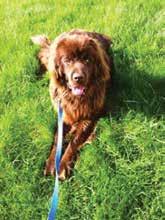
He was walking much better after our first visit, and now, just 3 visits in he is back to a normal life with no restrictions.
Our goals are: 1. prevent the other leg from “going”, and 2. make sure Hudson’s body is healing optimally after the procedure. He was walking much better after our first visit, and now, just 3 visits in he is back to a normal life with no restrictions.
By reducing the spasm, interference, and inflammation to and from the injured area, and removing the compensation in the rest of the body caused by the injury, your companion animal can get better! Remember, removing the blocks to healing restores health.
practice. Why? Because we are working on it from day one to minimize the extra stressors. The pelvis, lower back, and even shoulders/neck can also be a part of this compensation process depending on how bad the animal is limping and for how long. So by bringing these areas back into balance we heal.
Kelsea, an 8 year old Husky was weight bearing in 4.5 weeks, and back to normal in 6 months with minimal medications and no surgery. Buster, an 8 year old lab was improved after just one visit and now is better than ever when seen at our 8 week maintenance visits.
What if you already had surgery, or what if, in your companion’s case surgery is a must? In my experience, doing pre and post surgical visits has shown to get the animals up and about sooner, with less complications. Hudson a 2 year old Newfoundland came to me post surgical.
Please note, I am not saying you should not consider surgery. In SOME cases, it is needed. I am just presenting another option that has been successful many, many times in my practice over the past 15 years.
Dr. Savko is not a veterinarian nor does he practice veterinary medicine. He is an animal healer. He has his doctorate in chiropractic, he is certified in the VOM healing technologies, he is Reiki attuned, and well versed in muscle work and acupressure concepts. He works in house with 4 local veterinary hospitals on a weekly basis, and receives referrals from many other veterinarians all across the Pittsburgh area and beyond.
For more information www.facebook. com/animalhealingnow, www.drchirovet. com, 724-261-7915. PC
Hi, my name is Annie. I’m a 9 year old girl who is very shy but affectionate. I love to be petted, but I need someone who will help me come out of my shell. I’d do well in a home with other cats, but no dogs or small kids. I’ve been at the shelter 8 months and would really like a home to call my own!

My name is Daisey Mae. I’m a 7 1/2 year old girl who loves to sit in the window and watch the world. I’m shy but sweet and like to be brushed. I would likely do well in a home with other cats, dogs or older children do you have a window sill for me?

Hi, my name is Nemo. I’m looking for someone to come adopt me! I’m a very playful shepherd mix around 1 year old. I’m learning some nifty commands to help me with some of my puppy enthusiasm. Come see what I can do!

Volunteer Orientations occur the 2nd and 4th Saturday of every month, 11am at the Shelter.
All animals have been spayed or neutered, microchipped and vaccinated.
The Washington Area Humane Society (WAHS) is a 501(c)(3) no-kill shelter funded solely by private contributions & donated supplies. Our shelter takes in thousands of animals & investigates an average of 1000 abuse complaints each year.
1527 Rte 136, Eighty Four, PA 15330 (724) 222-7387, www.WashingtonPAShelter.org







Susan Merenstein
At Murray Avenue Apothecary
we love all animals and we believe they have the right to a healthy life.
Digestive disturbances are a very common complaint with our companion animals. A sick pet feels miserable and can affect your whole household, crimping your family’s plans and activities. It’s worrisome to leave your sick dog or cat behind, but on the other hand you don’t want to board or crate your animal, or turn it over to an unknowledgeable caretaker during a bout of diarrhea or other illness.
If you’ve had a pet with frequent or chronic digestive issues, you know the underlying problem is often difficult to diagnose and can take weeks or even months of trial and error to resolve.
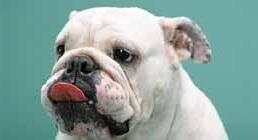
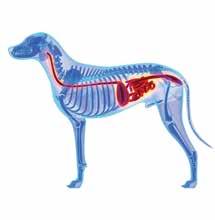
If your dog is passing a lot of foul-smelling gas, or leaving wet-looking poop in your backyard, or if he suffers from regular bouts of diarrhea, it’s very possible his intestinal tract is overrun with bad bacteria.
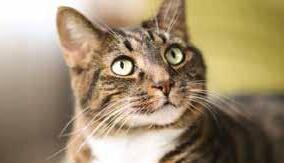
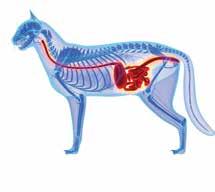
You can usually tell if your cat is having digestive problems by checking the litter box for changes in the consistency or color of her “deposits.” Cats with digestive issues will sometimes urinate or defecate outside their boxes.
Often, digestive upsets are the first sign your dog or cat has a larger health problem.
Your pet’s digestive tract is the largest immune organ in its body, and believe it or not, your dog or cat has even more bacteria in its intestinal tract than you do. Their digestive tract is designed specifically to handle a tremendous bacterial load -- bacteria which, if found elsewhere in the body, would be considered a life threatening infection.
Your pet’s digestive system must stay populated with a healthy level of good bacteria in order to keep the immune system strong. If bad bacteria overwhelms your pet’s intestines, your dog or cat can lose its vitality and become more susceptible to illness, not to mention GI symptoms.
Laboratory studies have shown animals raised either without colonies of friendly bacteria in the gut, or who have a poor
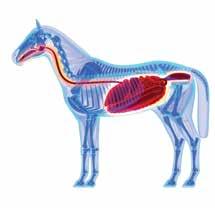
balance of good-to-bad gut bacteria, are at high risk of developing disease.
Friendly bacteria in the gut helps your pet’s body make important B vitamins, maintain a strong immune system, and prevent an overgrowth of harmful bacteria.
Your pet’s good-to-bad gut bacteria ratio can be thrown out of balance by gastrointestinal (GI) stressors which can be either emotional or physiologic -- or both. These stressors can include:
• A sudden change in diet (if your pet has been on the same food for a long time)
• A poor-quality diet
• Strange eating habits (feces, grass, sticks, rocks, etc.)
• Consumption of unclean water (from lakes, ponds or ditches)
• Ingestion of fertilizers, pesticides, or chemicals in the water supply
• Vaccinations
• Antibiotics and/or steroids (cortisone, prednisone)
• Surgery
• GI disease
• Boarding at a kennel or pet hospital
• Travel
• Emotional stress (usually caused by a change in routine)
Antibiotics and steroids like cortisone are the most-prescribed drugs in traditional veterinary practices. Both these drugs can decimate the friendly bacteria in your pet’s gut.
When GI stressors upset the balance of good to bad bacteria in your pet’s digestive system, it can create a cascade of nutritional and other health problems, including poor food absorption and intermittent or chronic diarrhea.
It also opens the door to leaky gut (dysbiosis), which means your dog or cat can absorb partially digested amino acids and allergens into its bloodstream. This in turn can trigger a host of other health problems, from allergies to auto-immune disease.
Probiotics are good bacteria. They have the ability to re-colonize the digestive tract with friendly bacteria.
Holistic veterinarians have been using them for years on their animal patients to prevent and treat digestive problems and a variety of other health concerns. Traditional veterinarians, however, have, until recently, dismissed probiotics as ineffective and a waste of money.
Then about two years ago, studies began to emerge showing specific strains of probiotics were indeed beneficial for dogs and cats with inflammatory bowel disease (IBD), gastritis and colitis (all GI conditions), as well as those suffering the side effects of antibiotics and steroid drugs. In fact, the overwhelming research conclusion was probiotics are not only effective, but help pets recover from illness faster and with fewer complications.
Pet owners who participated in a study to test the effect of probiotics on their dogs and cats suffering from kidney failure reported very positive results.
In pets with mild to moderate kidney disease, there was significant improvement in their conditions. For those animals with more advanced cases of renal failure, their owners reported their pets’ conditions stabilized with the probiotic therapy and quality of life was improved.
Probiotics are also used frequently in farm animals (poultry, pigs and calves) to prevent certain infections.
Probiotics show promise in the treatment of pancreatitis in dogs, and may prove beneficial for pets with allergies and other immune-related conditions. We also use a lot of colostrum powder, an inexpensive
yet effective treatment for allergies and immunity.
All Probiotic Supplements are Not Created Equal
Probiotic formulas used by humans were developed specifically to fortify the bacterial species found in the human GI tract. Pets have some specific strains of bacteria unique to them, so they need a unique probiotic. Your dog or cat must have organisms derived from its own species for best results.
Tests on commercially available veterinary probiotic supplements have revealed serious quality issues. For example:
• They often don’t contain the organisms listed on the label
• They are contaminated with unhealthy bacteria, or have too few live, healthy organisms to be beneficial
• They only contain one or two strains

of bacteria beneficial for dogs and cats
• Their viability, potency and purity have not been thoroughly evaluated
Another problem -- don’t be fooled by commercial pet foods claiming to be “probiotic foods.”
The bacteria in a probiotic must be live and able to reproduce in order for it to be beneficial. Tests on dog foods claiming to contain probiotic micro-organisms showed the manufacturing process kills too many of the live bacteria, rendering the probiotic effect useless by the time the food is packaged and shipped.
As you can see, it can be quite difficult to determine whether the probiotic you’ve purchased for your companion animal is effective and safe.
A pet probiotic should have the following qualities:
• It must not cause disease (despite the fact it contains bacteria)
• It must contain enough live organisms to colonize the intestines
• It must contain the correct strains of bacteria beneficial for pets.
• It should remain stable under normal storage conditions-we refrigerate all of our probiotics
It should be easy to give to your dog or cat At the Apothecary we sell probiotics for dogs and cats that can simply be emptied on their food. What a difference probiotics make in the health of our pets!
At Murray Avenue Apothecary, or Pittsburgh’s Pet Pharmacy as we are known in the veterinary community, we also compound a product called Animal Digest Formula. It can be obtained with or without an RX and contains probiotics, digestive enzymes, and colostrum to help with gut immunity, digestion, and allergies and can be flavored in many tasty flavors for your pet-beef, liver, 3 kinds of chicken, tuna, salmon, peanut butter, and cheese. My own cat Alice was given another chance at life after using this helpful compound after she was diagnosed with inflammatory bowel disease. Another compound we offer is Ralph’s Immunity & Inflammation Formula. It can also be obtained with or without an RX and contains AcetylGlutathione, probiotics, and beta-glucan to help with inflammation, arthritis, and asthma.
supplements for your animal ranging from Joint and flexibility products to fish oil chews, to tasty multivitamins. We even have calming chews or oral safe capsules called Happy Traveler to help with vet visits, thunderstorms, rides in the car or separation anxiety. And don’t forget natural flea remedies and prevention and even shampoo!!
We also have many different varieties of
And don’t forget to spread the word about our Greyhound Corn and Callus Cream compound for painful corns, calluses and other uncomfortable pad problems your dog may have. We are working with The Ohio State University Veterinary School and Dr. Couto and have submitted preliminary data for a collaborative study. We have already dispensed over 1600 tubes! The results have been outstanding! We are often called upon to come up with novel ideas to get your pet to take its medicine and we are problem solvers in the vet community. We can make topical medicine to be rubbed on your animal’s ear flaps and to overcome nasty tasting oral medicine we can prepare a tasty liquid with many different flavors to choose from! We will even give your animal a little sample flavor taste before we make their medicine!
Stop by the Apothecary today and please bring your animal…we always have treats handy for our furry visitors and they always bring a smile to our faces. Let’s keep our pets healthy so they can be our companions for many years to come!
Just mention this article or bring it in for a 10% discount on your first animal compound or supplement.
To your pet’s health, Susan Merenstein Pharmacist/Owner PC
which we can encourage them to settle and rest during the night or at least refrain from disturbing you!
My cat is keeping me awake at night! She comes and jumps on me until I either play with her or feed her some canned food!! I used to use a spray bottle but it no longer works. She is great at dodging the water! How can I stop this behavior? Sleepless in Pittsburgh
QHI. I am wondering if you can help. My young cats play on my bed at night and they keep me up. If I try to put them out, they scratch under and at the door. I don’t want to be mean to them and I am so frustrated. Thank you. Carrie from North Hills
HAVE YOUR VETERINARIAN EVALUATE THE PROBLEM: The suggestions here are in regard to cats that regularly disturb you during sleep. If your cat is older or if this behavior is unusual for your cat, I suggest that you have your veterinarian evaluate the problem.
A. While it is true that a cat’s natural active state is at dusk and at dawn, it is also true we are able to either strengthen behaviors in one direction or another. That is, we can teach our cats and develop their inclination to play and ask for attention during the hours that are convenient for us or we can “feed into” their tendency to develop the desire to be active and receive attention during our sleep time. So let’s look at the ways in
CHANGE FEEDING SCHEDULE: Instead of feeding your cat all of her food early in the day, use a measured amount of food and withhold some of it until the evening. Your cat having a full belly at your bedtime will reduce the probability that your cat will awaken you during the night for food. What you feed your cat matters as well. Make sure your cat food has some type of meat (not the word meat but fish, chicken, beef etc.) listed as the first ingredient and that there are no fillers in the food.
PLAY THERAPY and ATTENTION BEFORE BED AND DURING THE DAY: Play with your cat in the evening and before bed to vent some of that playful and predatory energy.
(or cat) is a well behaved dog (or cat) is indeed true! If your cat is not exercised regularly, she may develop undesirable ways to vent. Much like us—if we exercise, we are less likely to develop unhealthy conditions and habits.
LEVEL OF LIGHT IN YOUR HOUSE: Some folks have a night light in their bedroom or they leave on the TV when they fall asleep. If your cat is easily aroused or if you have kittens, that stimulation may be enough to get them going at night.
There are many wonderful toys and stimulating games on the market. Go on the internet and explore…..What would be appealing to your cat? You may also want to purchase some interactive toys for your cat to play with independently during the day. An animal needs to exercise and have stimulation. The expression a tired dog
STOP GIVING ATTENTION WHEN THE CAT IS BEHAVING INNAPPROPRIATELY: The most reliable and sometimes the ONLY treatment for attention getting behavior is extinction. This means that you MUST ignore the cat when she bothers you 100% of the time! It may be difficult for a week or so but you must Completely ignore unwanted behavior. Intermittent attention strengthens a behavior. So this means that if you ignore your cat for 30 minutes and then yell at her or pet her or even push her off the bed, she will know that she has been successful in getting your attention. If you consistently ignore this behavior, your cat will realize that you are not willing to do it her way.
Ignoring demands for attention along with these others suggestions can yield great success!! Go for it!
If you are having a behavioral issue with your cat, visit Judith’s website @ www.judithlevywellness.com PC

Kitty Korner
This is an ever-changing list of resources for cat owners in Pittsburgh and beyond, though many of the listings, like the shelters, apply to dogs and other pets as well. It includes low-cost spay and neuter programs as well as TNR for community cats, pet-friendly rentals in Pittsburgh and across the US, and links to shelters for adoption and other services. In the future we will also list clinic dates with the organizations below when they are available.
TNR & Low-Cost Spay/Neuter for the Pittsburgh Area
Homeless Cat Management Team: www.homelesscat.org
City of Pittsburgh Free Spay & Neuter for City Residents
City of Pittsburgh free spay/neuter: www.pittsburghpa.gov/animalcontrol/spay_neuter.htm
City of Pittsburgh residents can apply for free spay or neuter vouchers for up to five pets, including stray/ feral cats.
Low-Cost Spay/Neuter & TNR Programs at Allegheny & Surrounding County
Shelters
Animal Friends: www.thingkingoutsidethecage.org
Animal Rescue League: www.animalrescue.org
Beaver County Humane Society: www.beavercountyhumanesociety.org
Washington Area Humane Society: www.washingtonpashelter.org - Colony Cat Project: faith.b2@verizon.net
Western Pennsylvania Humane Society: www.wpahumane.org
Low-Cost Spay/Neuter Organizations in Allegheny & Surrounding Counties
Frankie’s Friends Cat Rescue | Allegheny & Westmoreland: www.sites.google.com/site/ frankiesfriendsnatronaheights
Fluffyjean Fund for Felines | Allegheny and Washington Counties: www.fluffyjeanfund.weebly.com
Fix Ur Cat | Washington County: www.fixurcat.org
Catnip Acres | Greene County: www.catnip-acres.org
Snip-It! | Westmoreland/Indiana Counties | Alle-Kiski Valley (Leechburg): www.snip-it.org
Low-cost Spay/Neuter and Veterinary Clinic
Spay Neuter Clinic | Penn Hills | 412-244-1202: www.spayaz.com/pittsburgh-pa
Find Local Low-Cost Spay, Neuter & Veterinary Care on the Internet
Low-Cost Spay & Neuter (search by zip): http://neuterspay.org
Love That Cat: www.neuterspay.org
Spay USA: www.neuterspay.org
Pet-Friendly Rentals
In the Pittsburgh area, visit this list on the FosterCat website: www.fostercat.org/friendly.html
Nationwide (United States only): www.rent.com/pet-friendly-apartments
Shelters & Shelter Services
Allegheny County: Animal Friends (AFI): www.thinkingoutsidethecage.org
Animal Rescue League (ARL): www.animalrescue.org
Western Pennsylvania Humane Society (WPHS): www.wpahumane.org
Surrounding Counties:
Beaver County Humane Society: www.beavercountyhumanesociety.org
Butler County Humane Society: www.butlercountyhs.org
Humane Society of Westmoreland County: http://members.petfinder.com/~PA83/about.html
Washington Area Humane Society: www.washingtonpashelter.org
Non-Shelter Feline Adoption
FosterCat: www.fostercat.org
Kopy Kat Sanctuary | Westmoreland County (Delmont): www.kopykatsanctuary.org


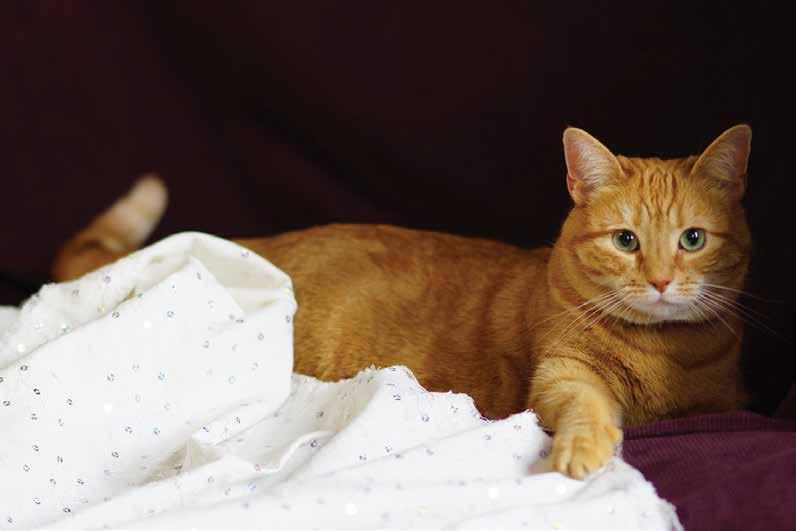
To say Matt Arch only loved all living things would be an understatement.
To say Matt Arch only encouraged all living things to connect with and support one another would even be an understatement. To say Matt Arch loved all living things, encouraged all living things to connect with and support one another all the while helping all who knew him to first love and accept themselves is just about right. Matt Arch was a humanitarian, philanthropist, care taker, animal lover and advocate, social worker, beloved friend and devout son, brother and uncle. In addition, Matt was a self-branded connectarian. Arch defined a connectarian as a person who builds relationships to maximize social capital in all facets of life. Even after Matt passed in March of 2015, his connectarian spirit and selfless lifestyle lives on in all who knew and loved him
Christine Kleck Galket, Owner and President of Paws in the Sand Pet Treats first met Matt when she was a college senior working as part of a film team on a documentary about first year college students at Penn State Behrend in Erie. She had just lost her father in 2002 to an extended
illness and Matt’s compassion and heartfelt friendship helped her through that difficult time. It was then that Christine knew she and Matt would be life-long friends. Throughout their professional lives, personal triumphs, entrepreneurial endeavors, graduate degrees, good times and difficult moments, the two remained connected and supportive of one another. Matt’s love of animals lead him to begin dog walking and eventually he became a pet caretaker in the Pittsburgh area. Christine and her husband, Greg Galket also began a petbased business making pet treats, toys and gift items and selling them in the Pittsburgh area and beyond. Arch would often give these pet treats to his clients’ pets and Matt even watched Christine and Greg’s dog, Brandy several times when they were both working on events together for their pet treat business.
Before Matt made the decision to move to Florida in late 2014/early 2015, he encouraged and inspired Christine and Greg to grow their business and possibly even rebrand. Christine and Matt kept in close contact even as he was living in Ft. Lauderdale, FL. He always made sure to check in on the status of Christine’s pet treat business even until he passed away a few months later. Around the time that Matt passed in March of 2015, Christine got out pictures to remember all of the good
memories that she and Matt shared. One particular memory she shared with Matt was just what she needed to find comfort in the grief she experienced. Reliving these beach road trip memories was also just what she needed to rebrand and expand their pet treat business: In 2004, Matt and Christine joined several friends while in college to make a trip to Orlando to visit another friend who as working for Disney. The group made a stop at Daytona Beach just before they got to Orlando. It was late when they got to Daytona, but Christine will never forget what Matt said to her when they reached the beach. The travelers were exhausted from finals and everything that comes along with the end of a college semester. Matt said to Christine “No matter how crazy life gets and no matter how stressful things are - when you get to a beach, you can’t help but want to PAUSE IN THE SAND.” Christine knew at that point what their new brand should be. With a little wink to her dear friend, Matt and all those great beach memories they shared, PAWS IN THE SAND PET TREATS came to be.
Christine joined together with many of Matt’s friends and family members within weeks of his passing to raise over $12,000.00 for the Out of the Darkness Walk at Robert Morris University on March 29, 2015. The money raised by the walkers went to support the efforts of the American Foundation for Suicide Prevention. Since then, friends and fam-
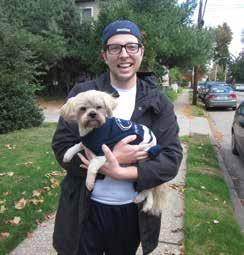
side reins are placed low to bring the horse’s back up. For a more advanced horse, the side reins would be placed higher to encourage the horse to stay flexed at the poll with a lifted back enabling the haunches to lower.
Instead of using the surcingle, we often lunge in side reins with a saddle. The horse in our photo is being lunged in side reins with a saddle. You can see how they are adjusted on the side of the girth.
When first introducing side reins to your horse, it may be best only to add one at a time. Typically, the inside side rein is used because the horse should already be bending in that direction. Once adjusted let the horse stand at a whoa and accept its resistance. Let’s expect the horse does not react so you can begin to lunge. Allow the horse to get used to the one side rein before introducing the outside side rein. Handlers know their horses, and if a horse is reactionary, you may need to wait before you add both side reins.
Training in side reins is best done at a trot, or what is termed, by the classical horse trainers as, “the foundation gait.” Lunging a horse at a canter in side reins would only be done after the horse is extremely comfortable trotting on the lunge line in side reins. It is challenging enough for a horse to canter on a lunge line let alone in side reins. However, eventually training a horse to canter with side reins is helpful to train the canter. When using both side reins, the outside side rein keeps the horse in longitudinal balance and prevents it from over bending, falling in, or popping the outside shoulder. Training a horse to canter in side reins, if done correctly, will help to train the canter to be balanced, without falling in or out and encourage a more uphill canter.
Because the side reins have elastic in them, they help to place the horse’s head and neck down but still have some give to them. The rider’s hands and arms are supposed to emulate the side reins by feeling for the contact with the bit
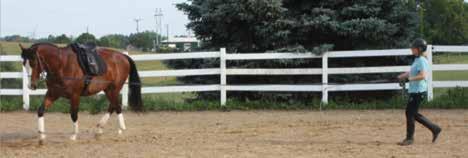
Lunging a horse requires skills. If a rider can lunge a horse, likely they will be a better coordinated rider because they can lunge. When lunging the thirty foot lunge line become the reins, and the lunge whip acts as the rider’s legs. The skilled lunger keeps the horse between their leg and hand aids. No doubt, lunging is an art which requires practice.
and at the same time allowing some give. Many riders have been told to feel the bit in the horse’s mouth but at the same time allow its head and neck to move with elastic elbows! How often have you heard an English riding instructor tell the student, “keep your hands and elbow to bit connection steady as if they are side reins?”
Riders that have difficulty keeping the horse steady in the contact would accelerate their success if they learned how to lunge with side reins. Experienced riders or trainers can do what the side reins accomplish when mounted on a horse, but not all riders have the skills of a trainer. Therefore, by using side reins the amateur rider can accelerate the training process. The side reins can become their trainer until they learn better riding skills. While they are learning to develop their skills, the side reins will keep the horse training gymnastically at all three gaits maintaining a round top line, giving to the bit, and balanced both longitudinally and laterally.
Learning to utilize side reins to train a horse can benefit all horses and riders; from amateur or
experienced rider. The side reins effect the horse in the same way as the skilled rider’s hands and reins do when mounted. Any rider that develops the skills of lunging and using side reins will develop an equestrian feel, and an eye to see how the horse moves. Also, the coordination that is required to lunge a horse will assist in the rider’s hand, eye and leg coordination that is needed to ride tactfully!
Lunging horses in side reins is a great tool to train horses. Learning to lunge in side reins can be valuable for the horse’s training and the rider’s education. Side reins should only be used on a horse by an experienced handler, one who knows how to lunge. And, side reins should only be used on a horse that lunges well and will keep a rhythm at a trot.
• Freelance Riding Instructor ~ will travel for lessons & clinics
• Dressage (Gymnastic) training of the horse applies simplified training techniques plus is helpful for all disciplines
• Improve the interaction and communication with your horse Call 724-206-9902, or visit www.CoventryEquestrianCenter.com
Lunging in side reins trains the horse to do a multitude of things such as flex at the poll, stretch into an accepting contact, provide a steady place to accept the bit, not to pull or back off the bit, longitudinal and lateral balance and all the while encourages the correct muscling of the horse.
Horses don’t like to feel trapped and side reins can do this to a horse. Good side reins have an elastic donut inserted into the leather strap so the horse can still move longitudinally (forward and back) and not feel completely constrained.
Use a snaffle bit ( preferably a French loose ring snaffle) when lunging in side reins. Side reins ask the horse to flex at the poll, putting its nose on the vertical, which results in the horse lifting its back. The outside side rein keeps the horse from falling in, or in lateral balance. The outside side rein would be the supporting side rein, such as the outside rein should be when riding on contact with the bit.
There are several places to attach side reins on a surcingle. These varying rings to attach the side reins depend on the horses level of experience. For a horse that needs to develop the top line, the side reins are placed low to bring the horse’s back up. For a more advanced horse, the side reins would be placed higher to encourage the horse to stay flexed at the poll with a lifted back enabling the haunches to lower.
Instead of using the surcingle, we often lunge in side reins with a saddle. The horse in our photo is being lunged in
Let’s expect the horse does not react so you can begin to lunge. Allow the horse to get used to the one side rein before introducing the outside side rein.
side reins with a saddle. You can see how they are adjusted on the side of the girth.
When first introducing side reins to your horse, it may be best only to add one at a time. Typically, the inside side rein is used because the horse should already be bending in that direction. Once adjusted let the horse stand at a whoa and accept its resistance. Let’s expect the horse does not react so you can begin to lunge. Allow the horse to get used to the one side rein before introducing the outside side rein. Handlers know their horses, and if a horse is reactionary, you may need to wait before you add both side reins.
Training in side reins is best done at a trot, or what is termed, by the classical horse trainers as, “the foundation gait.” Lunging a horse at a canter in side reins would only be done after the horse is extremely comfortable trotting on the lunge line in side reins. It is challenging enough for a horse to canter on a lunge line let alone in side reins. However, eventually training a horse to canter with side reins is helpful to train the canter. When using both side reins, the outside side rein keeps the
horse in longitudinal balance and prevents it from over bending, falling in, or popping the outside shoulder. Training a horse to canter in side reins, if done correctly, will help to train the canter to be balanced, without falling in or out and encourage a more uphill canter.
Because the side reins have elastic in them, they help to place the horse’s head and neck down but still have some give to them. The rider’s hands and arms are supposed to emulate the side reins by feeling for the contact with the bit and at the same time allowing some give. Many riders have been told to feel the bit in the horse’s mouth but at the same time allow its head and neck to move with elastic elbows! How often have you heard an English riding instructor tell the student, “keep your hands and elbow to bit connection steady as if they are side reins?”
Riders that have difficulty keeping the horse steady in the contact would accelerate their success if they learned how to lunge with side reins. Experienced riders or trainers can do what the side reins accomplish when mounted on a horse, but not all riders have the skills of a trainer. Therefore, by using side reins the amateur rider can accelerate the training process. The side reins can become their trainer until they learn better riding skills. While they are learning to develop their skills, the side reins will keep the horse training gymnastically at all three gaits maintaining a round top line, giving to the bit, and balanced both longitudinally and laterally.



Learning to utilize side reins to train a horse can benefit all horses and riders; from amateur or experienced rider. The side reins effect the horse in the same way as the skilled rider’s hands and reins do when mounted. Any rider that develops the skills of lunging and using side reins will develop an equestrian feel, and an eye to see how the horse moves. Also, the coordination that is required to lunge a horse will assist in the rider’s hand, eye and leg coordination that is needed to ride tactfully! PC



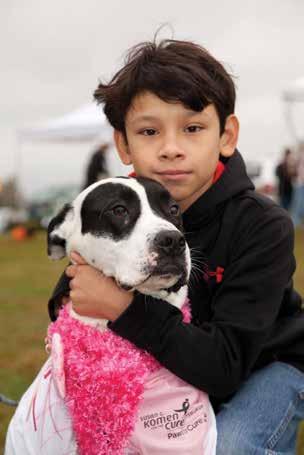








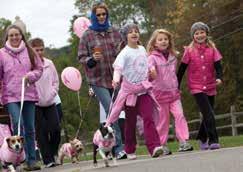







came to me later in his life. It was just before Thanksgiving in 2009 when I saw on the schedule at the animal hospital where I work that a Chihuahua was coming in to be euthanized. Being partial to Chihuahuas, I decided to take my dinner break at that time so I would miss seeing this sad appointment. As luck (or fate) would have it, Archie and his owner showed up very early for their appointment. His owner told me that he had become vicious and her husband insisted that she get rid of him. Archie was lying on the floor with his front

paws crossed, tilting his head from side to side, hanging on every word she said. She was very upset and clearly he adored her. Euthanasia was out of the question, so without hesitation I offered to adopt him. We soon learned that his “viciousness” was reserved for men and that he was especially wary around feet. In time he relaxed about the feet, but he did want a piece of my husband for a few years. He bonded to me immediately and became my little shadow. He would sleep at my side while I read at the park. He explored nearby streams with me and posed for pictures sitting on big rocks in the water. He never needed a leash because he stayed by my side always. At work he would often sleep on a little donut bed on the counter next to my key-
board. At home he made sure he could always see me and he slept on my pillow at night. He was always ready for a ride in the car and the people at the PNC bank drive-thru knew him by name. They would talk to him through the speaker and send out a biscuit for him. Unfortunately Archie came to me with a Grade IV heart murmur. He did well on medication and was alert and energetic for many years. Sadly, on January 21, 2015 at the age of 14 his little heart gave out and I had to set him free. As much as I tried to avoid meeting Archie, I believe it was meant to be. He was one of those soul-mate dogs who just show up as a gift. Sometimes at night when I am sitting at my computer, I feel a cold nose against my leg but no one’s there. Perhaps soul mates stick around. I’d like to think so. RIP my little Archibald <3
Leslie Taylor PC
ANESTHESIOLOGY
ANESTHESIOLOGY
Dianna Ovbey, DVM, MS, Practice Ltd. to Anesthesiology CARDIOLOGY
MRI & CT IMAGING
PetsDx Veterinary Imaging www.petsdx.com
MRI & CT IMAGING
Dianna Ovbey, DVM, MS, Practice Limited to Anesthesiology CARDIOLOGY
Eva Sikorska, DVM, DACVIM
Eva Sikorska, DVM, DACVIM
Erin Trageser, VMD, MSc, DACVIM DENTISTRY
Erin Anderson , VMD, MSc, DACVIM DENTISTRY
Krista Mendoza, DVM, DAVDC DERMATOLOGY
Krista Mendoza, DVM, DAVDC DERMATOLOGY
Sandra Sargent, DVM, DACVD EMERGENCY & CRITICAL CARE
Sandra Sargent, DVM, DACVD
Kenton D. Rexford, VMD
Bill Oldenhoff, DVM, DACVD
Christine Guenther, DVM, DACVECC
EMERGENCY & CRITICAL CARE
Christine Rutter, DVM, DACVECC
Kenton D. Rexford, VMD
Sarah J. Deitschel, DVM, DACVECC
Christine Guenther, DVM, DACVECC
Gerald Frye, VMD NEUROLOGY
PetsDx Veterinary Imaging www.petsdx.com
Gerald Frye, VMD NEUROLOGY
Edward MacKillop, DVM, DACVO
Kendra Mikoloski, DVM, DACVIM ONCOLOGY
Edward MacKillop, DVM, DACVIM
Kendra Mikoloski, DVM, DACVIM ONCOLOGY
Rebecca Newman, DVM, MS, DACVIM
Todd M. Erfourth, DVM, DACVIM
Rebecca Newman, DVM, MS, DACVIM
Todd M. Erfourth, DVM, DACVIM
Bridget Urie, DVM, MS, DACVIM OPHTHALMOLOGY
Lawrence Bagley, DVM, DACVO
Bridget Urie, DVM, MS, DACVIM OPHTHALMOLOGY
Rachel Keller, DVM, DACVO
Lawrence Bagley, DVM, DACVO
Rachel Keller, DVM, DACVO
Michael Finn, DVM, MS, DACVO RADIATION ONCOLOGY
Christine Rutter, DVM, DACVECC
Amy Dickinson, DVM, DACVECC
Kara Osterbur, DVM, DACVECC
Sarah J. Deitschel, DVM, DACVECC
Michael Finn, DVM, MS, DACVO RADIATION ONCOLOGY
Christine Anderson, DVM, MS, ACVIM, ACVR RADIOLOGY
Amy Dickinson, DVM, DACVECC
Rebecca A. Miller, DVM
Joey Kallem, DVM
Rebecca A. Miller, DVM
Christine Anderson, DVM, MS, DACVIM, DACVR (RO) RADIOLOGY
Joey Kallem, DVM
Jennifer Wooderson, DVM
Christopher Warrington, DVM, DACVR SURGERY
Elissa Allen, VMD
Elissa Allen, VMD
Anthony D. Pardo, MS, DVM, DACVS
Christopher Warrington, DVM, DACVR SURGERY
Robin M. Dutra, DVM
Stephanie V. Nelson, DVM
John T. Payne, DVM, MS, DACVS
Anthony D. Pardo, MS, DVM, DACVS
Robin M. Dutra, DVM
Lindsey Rademacher, DVM
Kristen Krisulevicz, DVM
Lindsey Rademacher, DVM
Kristen Krisulevicz, DVM RADIOLOGY
Brendan Cloonan, DVM
Carol Park, BVSc
Christopher Warrington, DVM, DACVR
Victoria Chu, DVM
Tricia Tovar, DVM, Resident in Emergency and Critical Care
Tricia Tovar, DVM, Resident in Emergency and Critical Care INTERNAL MEDICINE
Jennifer Daly, DVM, Resident in Emergency and Critical Care
Shaina Mooshian, DVM, Resident in Emergency and Critical Care
Sherwood Johnson, DVM, DACVIM
Tracey Peterson, DVM, DACVIM
Todd Carter, DVM, DACVIM
Kelsey Sutcliffe, DVM, Resident in Emergency and Critical Care INTERNAL MEDICINE
Sherwood Johnson, DVM, DACVIM
Emily Klosterman, DVM, MS, DACVIM
Tracey Peterson, DVM, DACVIM
Emily Klosterman, DVM, MS, DACVIM
Julie L. Compton, DVM, MS, DACVS
John T. Payne, DVM, MS, DACVS
Jonathan Anderson, DVM, DACVS
Julie L. Compton, DVM, MS, DACVS
Michael Doornink, DVM, DACVS
Jonathan Anderson, DVM, DACVS
Jennifer Covey, DVM, DACVS
Michael Doornink, DVM, DACVS
Hope Chisnell, DVM, Resident in Surgery
Hope K. Chisnell, DVM, DACVS
Katrin Saile, DVM, MS, DACVS
Kathyrn Campbell, DVM, Resident in Surgery
Kathryn Campbell, DVM, Resident in Surgery
Jeffrey Christ, DVM, Resident in Surgery
Jessica Ogden, DVM, Resident in Surgery