724 -292-7387 All Rights Reserved | Copyright 2017
PITTSBURGH PETCONNECTIONS BI-MONTHLY
Published by: Pittsburgh PetConnections, LLC. Pittsburgh PetConnections LLC. was formed in 2012. Our mission is to publish a high quality, informative publication focused on the Human-Animal Bond. We support local businesses and also assist local non-profit businesses for pets and people, to give back to our great Pittsburgh communities.
MAGAZINE PUBLICATION STAFF
Carla Mader, Managing Editor Kara Jones Photography, Photography Kelli Koladish, Graphic Designer
Carla Mader, Sales & Distribution Manager
ADVERTISING SALES
Robin Reinfeld, Director of Sales, Pittsburgh 412-780-2254 | rrcd@aol.com Denise Iamurri Bartman, Marketing Director, Pittsburgh & Central OH
CONTRIBUTING WRITERS
Susan Wagner, DVM, MS, ACVIM Doug Knueven, DVM, CVA, CVC, CVCH Pittsburgh Veterinary Specialty & Emergency Center
Kristin Hermann April Minech
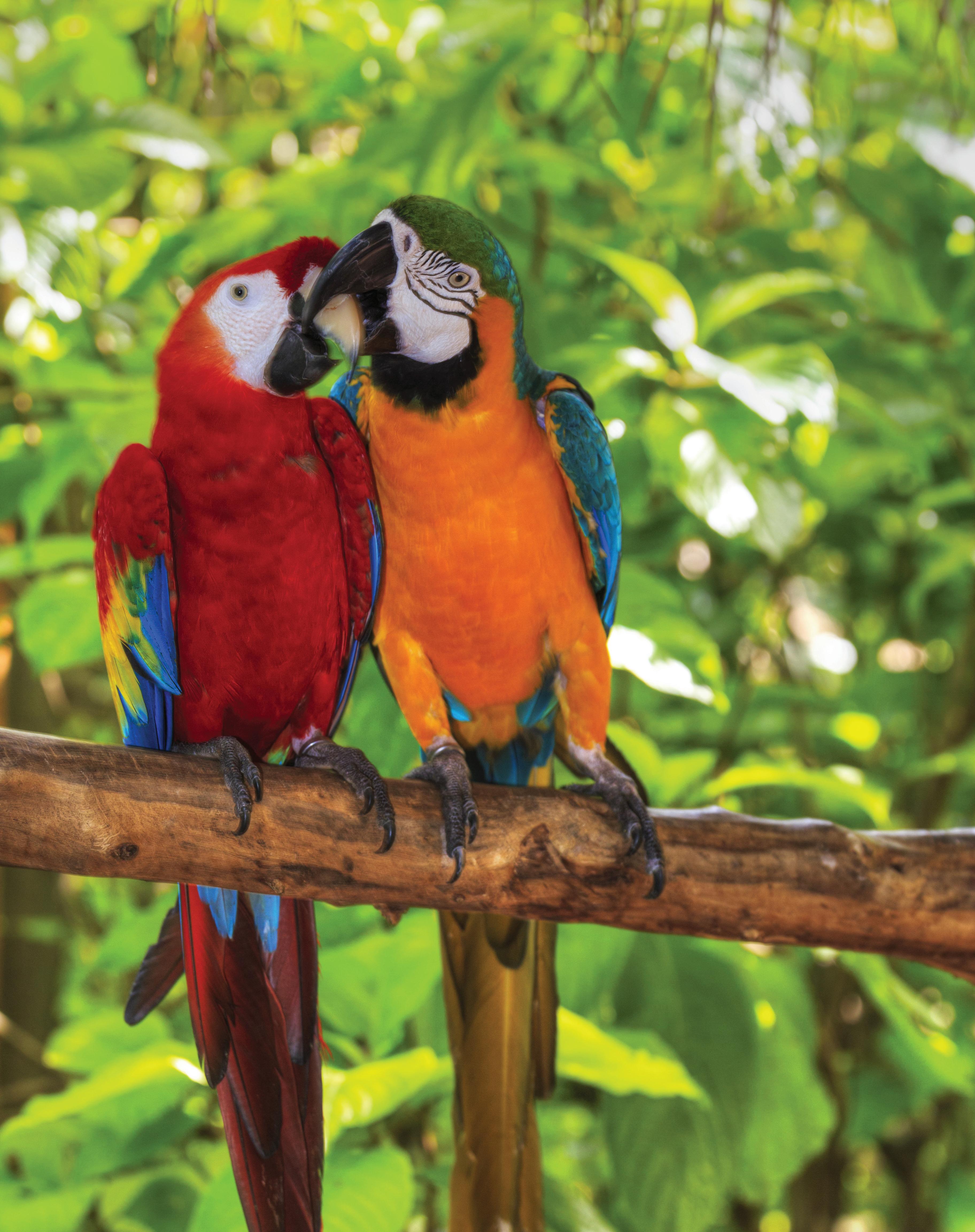
Bernadette Kazmarski Cover: Avian Nutrition
From The Publisher
Welcome to our Pittsburgh PetConnections Magazine’s!
January - February 2018, Volume 6 Issue 3
News & Events
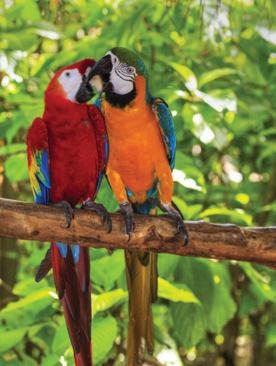
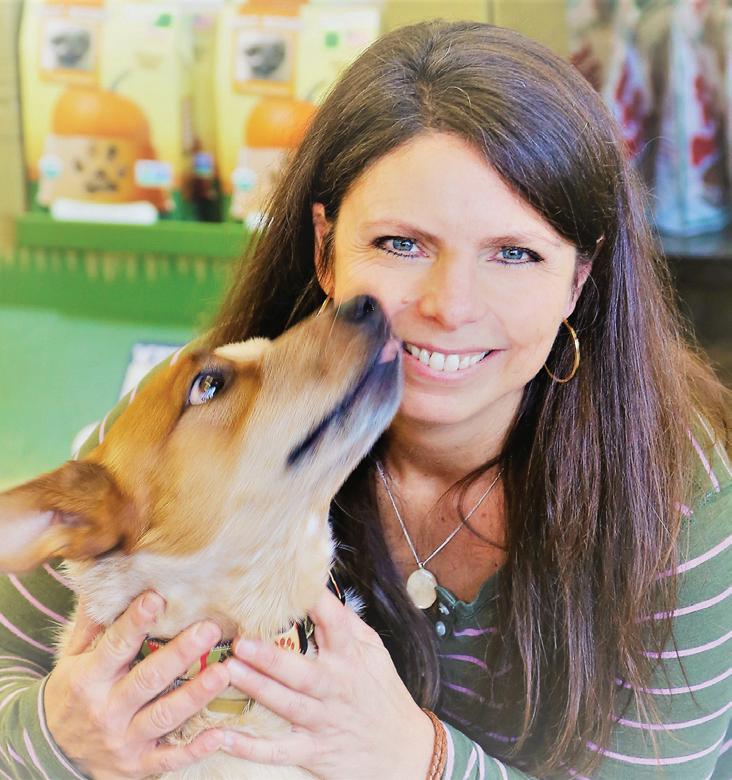
We hope your furry friends are keeping you warm this winter season and thought our cover would warm you up!
Our new publishing cycle is now quarterly and as follows: Early February, May, August, and November. Our print copy distribution sites will be replenished every 6 weeks. Our online presence has always been much greater than in print with over 275,000 impressions per issue. To subscribe to your own personal copy of PetConnections, please contact us below.
Please see our event page for all the many upcoming spring events, including Animal Friends, CARMAA, CFA Steel City Cat Show and Humane Animal Rescue. Also, don’t miss the second annual PETCON Pet & Equine Expo in June, more info TBA on our Facebook page and website soon!
This Issue
Read about “Unraveling Avian Nutrition”, By Edward R. Moats. It is also National Train your Dog Month and Pet Dental Awareness month and we have great articles on these, along with many others this issue!
Did you know? PetConnections has evolved into a full-service media company, providing services for advertising in print and digital platforms to help our sponsors grow their businesses. Contact us below for information on advertising or sponsoring!
Thank you for picking up this copy of PetConnections. Take care of yourself and your animals and be well!
Warmly,
Carla Mader Publisher
Pittsburgh & Central Ohio PetConnections Magazine
Please submit any correspondence to: info@pghpetconnections.com Please check us out on the web & subscribe at: www.petconnections.pet Follow PghPetMag on Twitter and “Like” us on Facebook! http://www.facebook.com/PghPetconnectionsMagazine
Disclaimer: The views expressed in our content does not necessarily re�ect that of PetConnections Magazine. PetConnections shall be indemni�ed against damages from content including ads and articles, false advertising libel, trademark infringement, etc.
Human-Animal Bond
TRAINED DOGS CAN DO MORE!
Having a well-trained dog opens up a world of possibilities for fun experiences and sets dog owners up for success with their pet. The definition of a “well trained dog” will vary from dog to dog and from situation to situation—not all well trained dogs can do the same things (or would want to do the same things) but there are plenty of things well-trained dogs can do that others can’t. Well trained dogs can walk nicely on leash in public, be invited into dog friendly stores (that aren’t pet stores), be invited into the work place, explore the environment off-leash (where legally permitted), help others through therapy dog visits, be trusted when visitors come over, behave appropriately in public situations, wait patiently, pose for photos nicely, and even help around the house (cleaning up their toys or even fetching you a drink!).
The Association of Professional Dog Trainers (APDT) has deemed January “National Train Your Dog Month”, so there is no better time than now to improve your dog’s training! Whether you have a new dog in your home that needs to learn the basics or you have an adult dog who has been annoyingly pulling on the leash for years, getting into training will ultimately make your life with your dog more enjoyable.
Now, you may be thinking, “It’s been like this for years, Fido’s behaviors can’t change” or “We’ve tried everything and nothing ever works!” Well, I’m here to tell you that things can change and change for the better! Getting into a training class with skilled and experienced positive trainer or hiring a private trainer can make all of the difference in the world to the efficiency of your training. You wouldn’t give up on fixing your car without
taking it to a mechanic or two, right? There is no need to just live with the behaviors your dog has without training with a trainer or two and certainly no reason to relinquish a dog to a shelter without hiring a professional.
Got a Training Problem?
Here’s where to find help…
Housetraining Problems—
If Fido is lovely except for the housetraining challenges, your best bet is to hire a private trainer who can come to your home, help you get a routine created and get a training plan in place.
Pulling On the Leash—
If your dog has a long history of pulling like a tank on leash, you may be best served by hiring a positive trainer to help coach you on that one specific problem area and teach Fido to walk nicely in your neighborhood. If your pup is a moderate puller or has some other manner issues, a group class may be appropriate for your situation.
Jumping on guests or going crazy at the doorbell—
Hiring an experienced trainer to come to your home and help you create a training plan that will work for your specific situation can be helpful for multi-dog homes but a good basic level group class will also help you learn techniques to quell the jumping.
Growling at, barking at, snapping at, or biting dogs/people—
With potentially dangerous behaviors, hiring a private trainer to address the concerning behaviors is the most prudent approach. When working with behavioral problems, it’s extremely important to hire a skilled and experienced trainer to work with. Not all trainers have catered their education or experience to working with behavioral cases, so making sure you get the right trainer is important to your success. You may be able to find a growly-dog class in your area as another option for some dogs/handlers, but these classes are not right for all dogs.
Generally just wild and hyper— Group classes that focus on manners may be a solution for many of these dogs. Group
By Tena Parker, CPDT-KA Success Just Clicks Dog Training
classes help teach a dog focus in distracting environments and trainers can help handlers learn some new exercise ideas. There are even some group classes that focus on relaxation that may be of help. Some dogs, however, may need private training to work on a relaxation protocol with individual coaching.
Doesn’t listen well—
basic group classes are designed for just this problem. You have a dog who doesn’t generally listen or respond to you (maybe they are great inside your home, but outside, they don’t even know you exist). Group manners classes will teach you all the basics and teach you how to get your dog to respond to these cues in the real world. Since not all dogs are right for group classes, private trainers can also be great resources for this problem as well.
Perhaps your dog is already a mannerly pup and you are just not sure that training is worthwhile. Well, getting involved in a fun training class can deepen your bond with your dog and teach you so much about him/her— plus classes are simply fun experiences your pup can have with you! There are countless canine sport classes and fun casual classes available to you—even if you have no desire to become a dog-nerd dog-sport competitor, training in a sport can be fun.
Here are just some of the classes or types of classes that can be found in the Pittsburgh area, including at Success Just Clicks Dog Training Center located in Coraopolis.
Agility—high speed sport with jumps, tunnels and obstacles
Rally-Obedience—fun sport based on obedience skills but with more variations
Treibball—a fun new sport mixing herding and soccer for dogs
K9 Nosework/Nosegames—a sport that teaches dogs to be scent detectives to find specific odors
Canine Enrichment Games—try fun braingames and toys for Fido
Flyball—high intensity relay race with dogs retrieving tennis balls over jumps
Tricks class—teach your dog fun party tricks and earn fun titles
C.L.A.S.S./C.G.C.—earn titles or degrees showing off your dog’s basic manners
You can learn more about National Train Your Dog Month and search for a trainer local to you at www.apdt.com . For more information about Success Just Clicks Dog Training, visit www.successjustclicks.com.
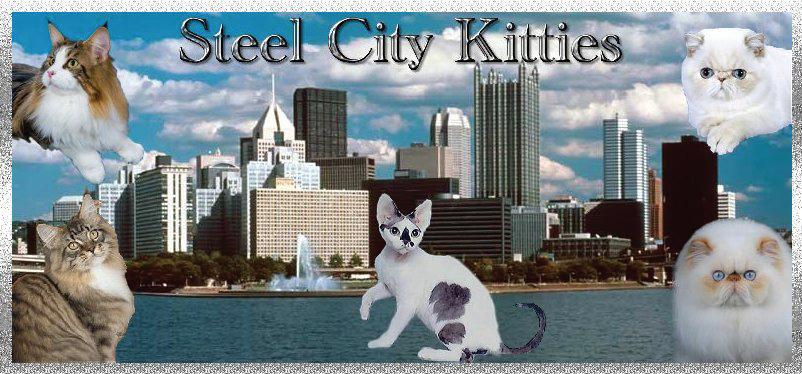
Steel City Kitties CFA Cat Show
Monroeville Convention Center Feb. 10-11
Animal Friends
Biscuits Bingo
Saturday, March 3
10 a.m.-6 p.m. | IBEW Hall
Paint Your Pet Night –St. Paddy’s Day Edition (21+)
Friday, March 9
6-9 p.m. | Animal Friends
Bow Wow Bingo
Saturday, April 21
Doors open at 6:30
Edgewood Country Club
Run for Their Lives
Sunday, May 6
7 a.m. | Downtown Pittsburgh
Humane Animal Rescue Cupids & Canines
Saturday February 17th
The Westin
Cat Cafe
Feb 22
5:00 pm - 9:00 pm
Threadbare Cider House
Bisquits Bingo
March 30th
10am | IBEW Hall Southside
B*tches Ball
March 15th
6-11pm | Pittsburgh Opera
Run for Their Lives
Sunday, May 6
7 a.m. | Downtown Pittsburgh
CARMAA
Clicker Training with Farm Animals May 5th 2018
Hope Haven Farm Sanctuary
2nd Annual PETCON Pet & Equine Expo presented by PetConnections Magazine JUNE 16-17, 2018
Location TBD
SATURDAY, MAY 5TH
CARMAA presents Clicker Training with Farm Animals at Hope Haven Farm Sanctuary with Nicole Larocco-Skeehan, CPDT-KA - Philly Unleashed
Steel City Kitties CFA Cat Show
Monroeville Convention Center Feb. 10-11
Animal Friends
Biscuits Bingo
Saturday, March 3
10 a.m.-6 p.m. | IBEW Hall
Paint Your Pet Night –St. Paddy’s Day Edition (21+)
Friday, March 9
6-9 p.m. | Animal Friends Doors
SATURDAY, OCTOBER 6TH
Saturday, Feb. 10, 2018 9 AM TO 4 PM
Sunday, Feb 11, 2018 9 AM TO 4 PM
Monroeville Convention Center 101 Mall Plaza Boulevard Monroeville, Pa 15146 412.373.7300
STEEL CITY KITTIES, INC CAT CLUB, a NONPRIFIT CFA REGISTERED CAT CLUB. Our club was established in June of 2011. Our club members encourage the breeding of pedigreed cats to the CFA standard while also encouraging the adoption of shelter cats. Steel City Kitties welcomes household pets to enter our shows which are always the second weekend in February in the Pittsburgh area. It is the practice of Steel City Kitties to allow for a vendor space for a shelter at each of our cat shows.
Sponsored By Steel City Kitties, Inc.
Saturday, Feb. 10, 2018, 9 AM TO 4 PM Sunday, Feb 11, 2018, 9 AM TO 4 PM
Featured Business
Pittsburgh Pet Concierge
Long ago are the days in which your dog & cat were just simple pets meandering around the house. Today’s pet owners have now commonly taken on the role as “Mom” or “Dad” to their pets. Pet parents are more knowledgeable about their pet’s health and well-being, and they take a more active approach in their pet’s health, nutrition, and whom they choose to care for them when they take them vacation, business trips, or just need daycare for their dog.
Along with this changing tide in pet parents being more educated, they are seeking more individualized care for their “fur kids” boarding and daycare needs. There is a quiet push coming from pet parents everywhere: They want their dogs and cats well cared for on a more one to one basis. They want professional services that cater to their pet’s individual personality, likes, dislikes, fears, and of course, want them to enjoy their time while they are away from them. They want a trained professional with them 24 hours a day, 7 days a week, on site in case of any emergency.
Pittsburgh Pet Concierge is unique pet resort in which the boarding facility is a real home, and yes, I live here. We believe that each dog and cat is an individual, and requires one on one care. We believe in small playgroups, and slowly integrate dogs together. Boarding and
Daycare are catered to your dog or cat’s specific needs. We have the capability of caring for dogs that are very social with other dogs, and also dogs that can only receive human attention. We approach boarding, daycare, and grooming from a psychological position.
We simply want to make your pet happy, and we do all we can to achieve that. We update our pet parents daily with emailed pet journals with pictures and descriptions on how their pet is doing. We also have stress free grooming on site, and offer a pet taxi service for any reason. The demand for more personalized pet boarding, daycare, and grooming is more present than ever.
Sending 50 dogs out in a group together is not so appealing any longer to today’s pet parent. Pet parents are seeing the high risks of dog fights, and staffing one person to 50 dogs as a part of the past. Daycare is no longer seen as just running your dog into exhaustion, unless that’s what they prefer. Daycare is catering to
your dog’s wants and needs. Possibly they just need a human companion, and they don’t want to be gated off in a concrete area overpopulated by dogs.
I know that feeling, as your packing your suitcase, and the guilt for leaving for your pet sets in. Lessen that horrible feeling, knowing your pet is getting constant one on one care. It will make your trip much more enjoyable, and your pet’s as well! Pittsburgh Pet Concierge is located in Monroeville, PA. We are licensed by the Pennsylvania Department of Agriculture, and trained in canine and feline CPR and First Aid Care. We’re always here! 24/7! PGHPETCONCIERGE.COM
Rescue & Shelter
Why You Should Adopt a Senior Pet
By Lauren Leffakis, Director of Placement Services
You can teach an old dog new tricks …
The old expression simply isn’t true – not just for dogs, but for cats and rabbits, too! Unlike their youthful counterparts, senior pets can be much more focused on learning the rules of their new home. A puppy, kitten or baby bunny will often be distracted by the new sights, sounds and smells of a new environment. With an older animal companion who has been around the block a time or two, you’ll be the newest and most exciting thing in their world, so you’re sure to be the center of attention!
What you see is what you get …
When it comes to personality, behavior or medical needs, senior pets usually wear it all on their sleeve. Youngers animals are growing so fast, that they’re almost certain to undergo personality changes as they continue to develop. Plus, whether they’ve learned it in a previous home or during their time at a shelter, older pets can come with a head start on some obedience training!
Golden Age Retrievers …
Animal Friends recognizes the special benefits of matching senior pets with senior owners! Many of our older neighbors find the calm and loyal demeanor of a senior pet to be just what they’re looking for in a companion. The animal and human benefit from the bond they develop – and they’re both likely to become more active during some light play time or a leisurely walk around the neighborhood. And, Animal Friends’ unique Golden Age Retrievers adoption program even offers special discounts to senior citizens who are interested in adopting pets older than a certain age.
They’re wise …
Of course they’re adorable, but young pets can be a lot of work. Whether it’s a puppy who hasn’t grasped the finer points of house training, a cat who needs to learn the difference between the couch and the scratching post or a rabbit who stills sees those computer wires as tasty chew toys, you could have some serious training time on your hands. While nobody is perfect, many senior pets have picked up on some of these common household rules over the years. And, less time spent training means more time to get to know each other!
Ready to love …
The sad truth is that senior pets typically spend a much longer time in shelters, waiting to find loving homes. At Animals Friends, these pets receive plenty of love and affection each day from compassionate staff and volunteers, but nothing compares to having a home to call their very own. Just think how much love you could be missing out on by not giving the gift of a home to a sweet senior pet!
Pet Health & Wellness
Periodontal Disease in Dogs and Cats
By Krista Mendoza, DVM, DAVDC, Owner of Animal Dental Clinic of Pittsburgh, LLC and Dental Specialist at Pittsburgh Veterinary Specialty and Emergency Center (PVSEC)
If I told you that the most common medical condition in adult dogs and cats was completely preventable, would you jump at the chance to keep your furry best friend as healthy as possible? By 3 years of age, over 75% of dogs and cats have periodontal disease (“perio” means around, and “dontal” refers to teeth) or disease of the teeth and surrounding tissues. Just like in people, periodontal disease, also known as gum disease, in animals is avoidable with pro-active dental care. In order to understand how to prevent periodontal disease, we first need to know why it occurs in the first place.
Imagine how your mouth would taste, feel, and smell if you did not brush, floss, or use mouthwash for days, weeks, or even years! Yuck! When bacteria in the mouth mix with food debris and saliva, a substance called plaque is formed that sticks to the surface of the teeth. Plaque builds up within 4-12 hours, which is why people brush their teeth at least twice daily. When plaque is not removed from the tooth surface, it mixes with minerals from saliva and forms a hard substance called tartar or calculus. Once this hard layer is formed, it is no longer easily removed with dental home care and more plaque and tartar accumulate. Tartar in pets is often visible by owners as brown, gray, or yellow discoloration on the teeth. At this point, a professional dental cleaning with scaling and polishing is necessary to remove the tartar and plaque above and below the gum-line.
Although tartar is unsightly on the tooth surface, it is really what happens beneath the gums that is the most important part of periodontal disease. As plaque bacteria move from the tooth surface
into the deeper tissues under the gingiva (gums), the body’s immune system is activated to battle the infection. Toxins from the bacteria and the body’s chemical responses cause tissue destruction that result in pockets of infection around the tooth. As the disease progresses, worsening infection can lead to loose teeth, dental abscesses, fistulas (draining holes) that may connect with the nasal cavity on upper teeth, and bone infection (osteomyelitis) that may become so severe the jaw can fracture. With advanced infection, the bacteria in the mouth gain access to the bloodstream (bacteremia) and travel through the body. Studies in dogs have shown that periodontal disease
is associated with changes in the heart, liver, and kidneys. Signs of dental disease in dogs and cats are bad breath (halitosis), difficulty or sensitivity when chewing leading to reluctance to eat hard food or avoiding toys, anorexia (not eating), weight loss, behavior changes, drooling, bleeding from the mouth, pawing at or rubbing the mouth, and swellings along the muzzle or jaw.
Treatment options for periodontal disease depend on the extent and severity of infection and tissue destruction. A professional veterinary dental cleaning to remove plaque and tartar both above and below the gum-line should always
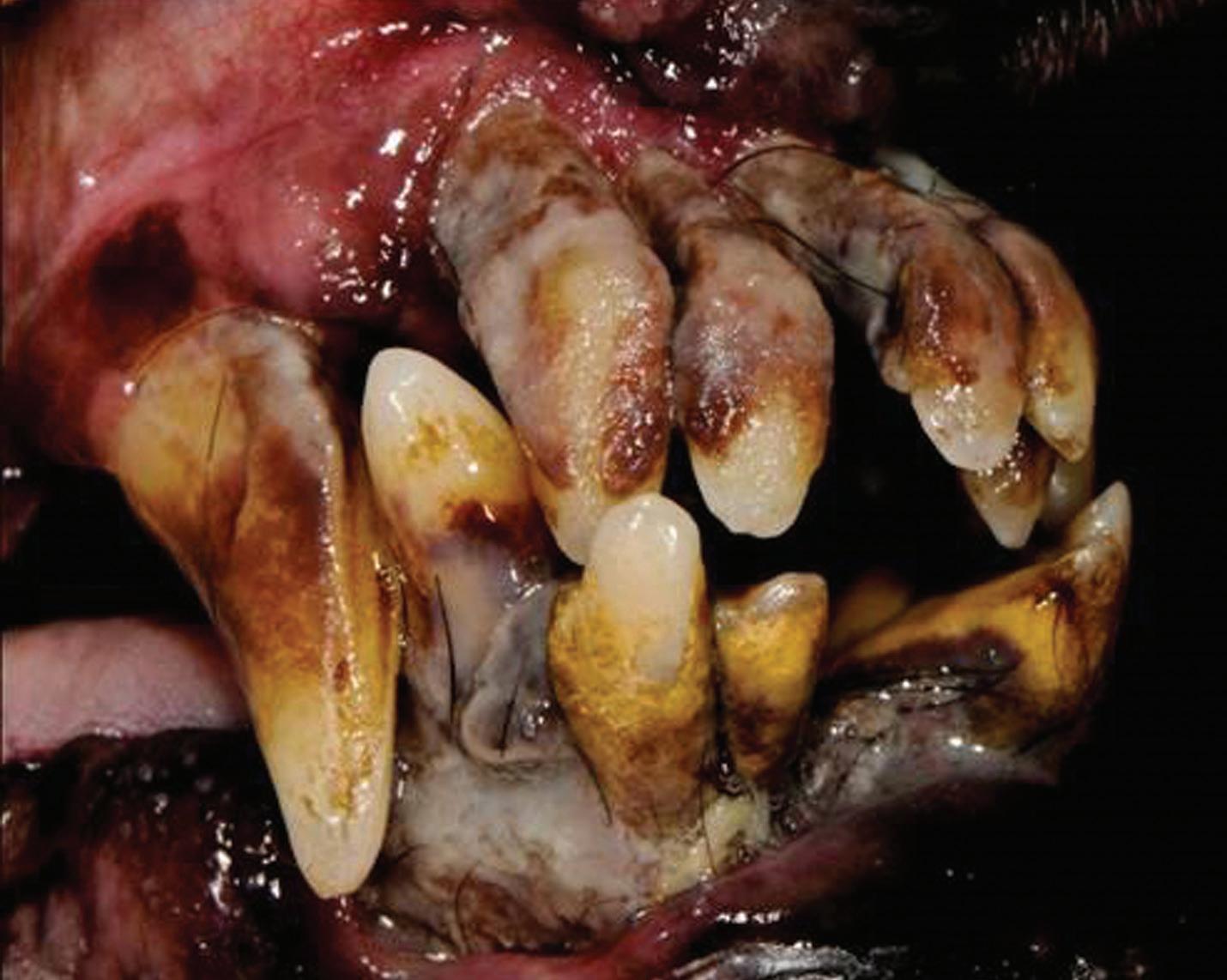
Photo of advanced periodontal disease in a dog from the American Veterinary Dental College (AVDC) website, www.avdc.org, click on Information for Animal Owners to learn more.
be performed under general anesthesia in order to thoroughly clean and polish the teeth in a pain-free manner while protecting the animal’s airway. Dental radiographs taken under general anesthesia are an essential tool when determining the degree of infection hidden along the roots and bone and if treatment options other than extraction of teeth are possible (called periodontal therapy). The animal’s overall health and owner’s willingness to provide home dental care are important factors to consider. Any teeth that are loose or have significant infection should be removed. The goal with any dental treatment should be a healthy, functional, pain-free mouth.
The key to preventing periodontal disease from becoming so severe that it leads to serious infection and tooth loss is plaque removal. Remembering that plaque builds up in 4-12 hours, it makes sense that excellent oral health requires daily oral hygiene. The gold standard in home dental care for animals is daily tooth brushing,
but very few (less than 2%) pet owners are able to brush their pet’s teeth. Toothpaste specially formulated for dogs and cats should always be used because it is fluoride free. Animals are like small children in that they don’t know to spit the toothpaste out during brushing like adults do, and swallowing fluoride can be toxic.
There are many other dental homecare options besides brushing to help keep your pet’s teeth clean. Brushless gels and oral sprays with enzymes and other ingredients to fight plaque are useful in cases where the owner can get into their pet’s mouth, but just for a short period of time. Healthy chewing with dental formulated diets and treats can help mechanically cleanse the teeth like a brush. Be sure to avoid offering very hard objects (antlers, pig hooves, “indestructible” hard plastic chews, etc.) to your pet to chew on as these may fracture teeth. Water additives are another option to introduce enzymes that control plaque in your pet’s mouth while drinking. It is very important to avoid products
with a high alcohol content that can burn sensitive gum tissue and xylitol, a sugar substitute that is toxic to animals. A complete list of products that have been awarded the VOHC (Veterinary Oral Health Council) seal of acceptance for meeting or exceeding standards in controlling plaque and tartar can be found at www.vohc.org.
It is important to realize that even with very good home care for your pet, periodic professional dental cleanings under anesthesia may still be necessary (remember that people should still see their dentist every 6 months for cleanings even with twice daily brushing). An oral exam and dental care discussion should be part of your pet’s regular checkups with the family veterinarian. For complicated cases involving high anesthesia risk or advanced periodontal disease, your veterinarian may discuss referring your pet to a veterinary dental specialist.
Pet Health & Wellness
Simple Things You Can Do to Keep Your Dog Safe Outdoors…in Any Season
Getting outdoors with your dog is a great way to get exercise and some quality bonding time. Winter, spring, summer, or fall, no matter the time of year, outdoor activities like taking a walk, hiking through the forest, or romping around the dog park are just a few examples of activities you can do. However, despite all the positives, there are some things that are not so great for your dog in the great outdoors. Help keep your dog safe outside by understanding potential dangers.
1. Protect against parasites
Heartworms are transmitted to dogs through a mosquito bite, and they can cause serious damage to the heart and lungs. Try to avoid areas that tend to be infested with mosquitos, like bodies of stagnant water, and talk to your veterinarian about heartworm prevention options.
You should also talk to your veterinarian about preventing fleas and ticks. Some animals are allergic to the saliva from flea bites, and the accompanying scratching can result in skin irritation and infections. Ticks can spread illnesses, like Lyme disease. Be sure to check your dog carefully for ticks after spending time outside.
2. Beware of poisons
Curious noses tend to poke around in places they shouldn’t, which can cause problems if they come across something toxic. Here are some of the most common outdoor poison hazards.
• Stagnant water, like ponds, lakes, and trickling streams, can be breeding grounds for mosquitos, which can transmit heartworm larvae. They can also contain harmful parasites. To help prevent exposure to these hazards, avoid letting your dog splash around in or drink water from an outdoor source.
• Chemicals, like pesticides and rodenticides, and swimming pool and hot tub treatments can be harmful to your dog.
• Poisonous creatures include certain kinds of frogs, toads, snakes, and spiders. It’s helpful to know what kinds of poisonous creatures are prevalent in your area and take precautions to avoid them.
• Toxic plants can be harmful to dogs. Some examples are azaleas, tulips, lilies, daffodils, and hydrangea.
3. Consider the weather
Very high or low temperatures can cause issues for your dog, but that doesn’t mean you can’t go outside on days like these. It just means you have to take some extra precautions to help keep your pooch safe.
Hot
days
If it’s hot out, you’ll need to make sure your dog doesn’t get overheated. Avoid staying out too long if the temperature is soaring and provide your dog with plenty of cold water to drink. If you notice signs of heatstroke, such as heavy panting or increased drooling, you should get your dog to a shady or air-conditioned area to cool down. You should also call your veterinarian immediately since your dog may need medical treatment.
Should I use sunscreen on my dog?
You might think their furry coat protects them from the sun, but dogs can still get sunburn on areas with short or no fur. Ask your veterinarian for recommendations about using sunscreen on your pooch and be sure to use sunscreen specially made for dogs.
Cold days
How cold is too cold to go outside with your dog? That honestly depends on your dog. Smaller breeds with short hair, such as Chihuahuas and Boston Terriers, might not tolerate the cold as well as larger dogs with heavy coats, like Labrador Retrievers. In any case, you should dress your dog appropriately for colder temperatures. That means a sweater or jacket, especially for dogs with thin or short fur.
It’s also a good idea for your pup to wear dog booties, which can help keep those paws warm, prevent slipping, and avoid cuts and burns from rock salt. Remember too that rock salt is harmful if ingested. Choose a dog-safe ice melt product and be sure to wipe your dog’s fur and clean their paws when you come back inside.
4. Microchip your pooch
Nobody wants to think about their dog getting lost, but it happens. Your dog should wear a collar with an ID tag so they can be identified. It’s also important to microchip your dog in case the ID tag falls off or your dog gets outside without it on. Make sure you keep your contact information up-to-date with your microchip service, or they may not be able to locate you.
5. Be careful around other animals
Wildlife can carry parasites or contagious diseases, like rabies. It can be tough to keep some dogs from chasing squirrels around the backyard, but you should do your best to keep them from interacting with wild animals, especially ones that are acting aggressive or erratic.
Your dog can also get hurt by other dogs while you’re out walking or at the local dog park. In fact, bite wounds are one of the most common dog injuries. Keep an eye on your dog while they play and get to know the other dogs who are there regularly.
6. Vaccinate your dog
One of the best things you can do to protect your dog’s health is to keep vaccines for diseases like rabies up-to-date. Vaccines are usually given during wellness check-ups, so it’s important to make those appointments.
7. Supervise your dog
One of the most important things you can do to keep your dog safe outside is to supervise them. It can be tempting to let your dog run freely at the dog park while you catch up with friends, but you should know where your dog is at all times and be aware of their surroundings.
8. Be prepared
Before you head out for a fun outdoor activity with your dog, make sure you have everything you need, such as a sturdy leash, collar with ID tag, plenty of water, a bowl for drinking (collapsible bowls travel well), and snacks if you’ll be out for a while. In addition, you should have a pet first-aid kit handy either in a backpack or your car if it’s parked nearby.
Written by Wendy Hauser, DVM. Dr. Hauser is AVP of Veterinary Relations, Crum & Forster Pet Insurance Group™, providers of ASPCA® Pet Health Insurance. www. aspcapetinsurance. com.
This article originally appeared on the company’s Paw Prints blog. (https://www. aspcapetinsurance. com/blog).
Advertiser Locator
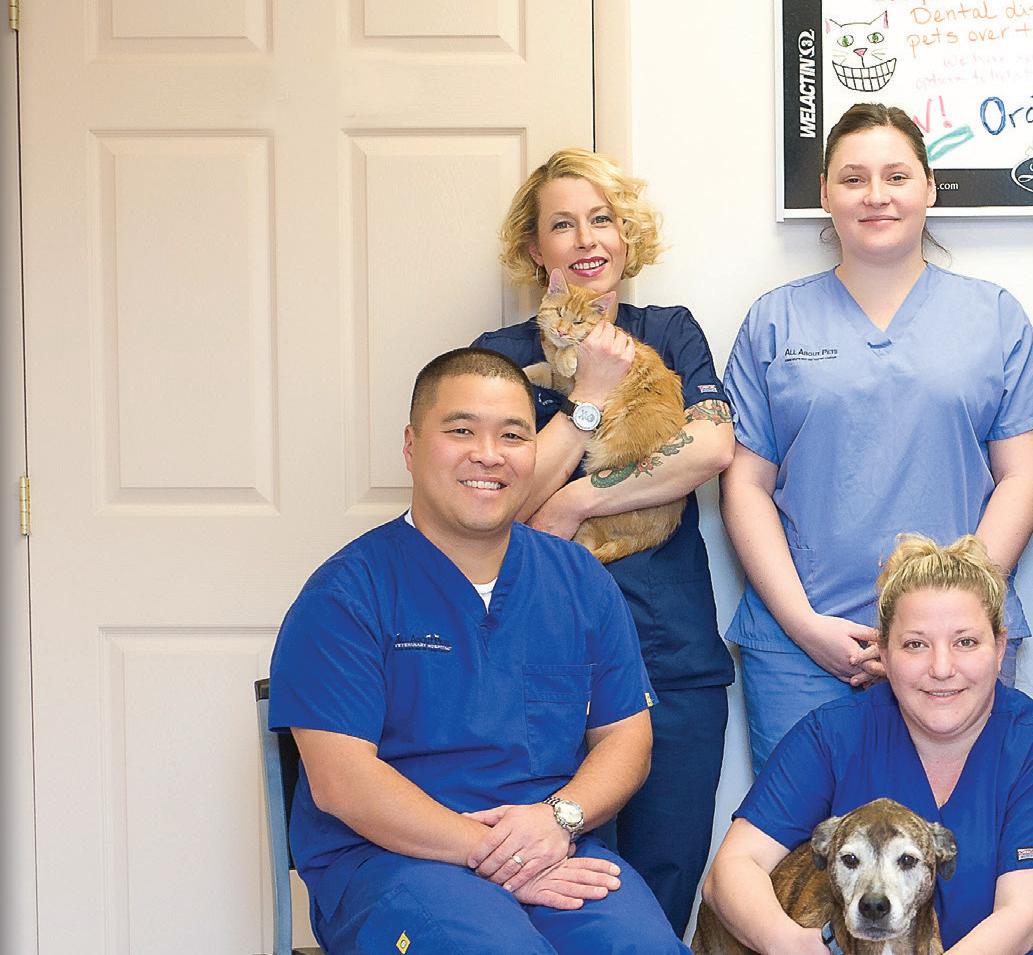
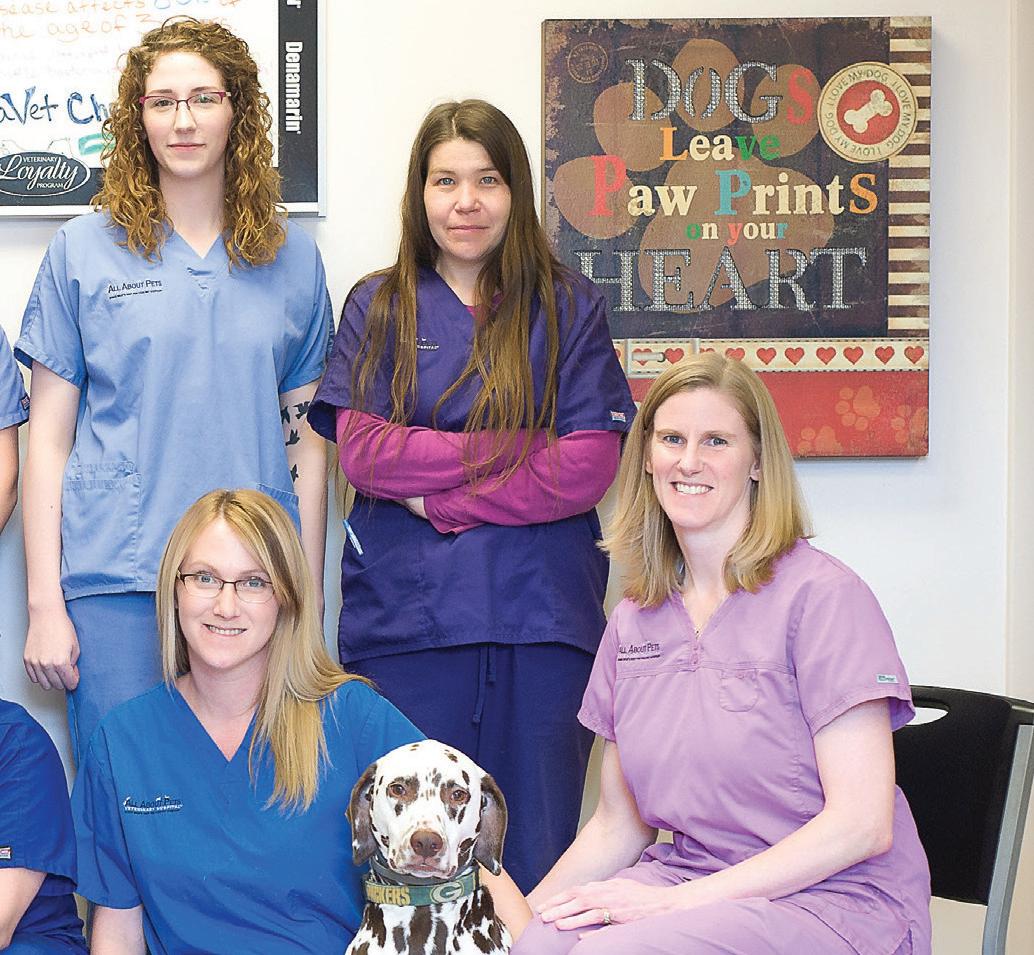
Page 20- A All About Pets Veterinary Hospitals
Page 15 - B Animal Elegance
Page 9 - M Animal Friends
Page 11 - C Animal Rescue League
Page 21 - D Beaver Animal Clinic
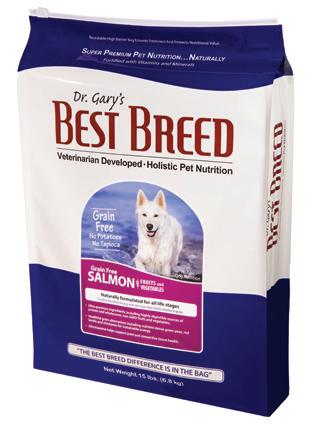
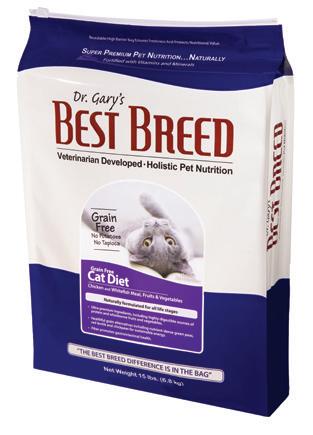
Page 19 - Best Breed Pet Food Inside Front Cover S VCA Castle Shannon
Page 34 - F Chartiers Custom Pet Cremation
Page 18 - Q Cheyenne Veterinary Wellness & Surgical Center
Page 19Page 15 - W Country Lane Pet Hotel
Page 28 - Costa Real Estate
Page 32 - G Coventry Stables
Page IBC - Dog Guard Pittsburgh Dog Fence
Page IBC - Dog Stop
Page 19 - H Fuzzy Paws Pet Villa
Page 5 - Gentle Journey Veterinary Hospice
Page 1 - I Healthy Pet Products
Page 36 - J Jefferson Memorial
Page 6 - P Larry’s Laundromutt
Page 21 - K Murray Avenue Apothecary
Page 3 - Oxymagic Carpet Cleaning
Page 15 - Paws Here Awhile
Page 19 - Pampered Paw Resort
Page 15 - Petagogy
Page 18 - Pets at Home
Page 19 - Petsburgh Dog & Cat Grooming
Page 29 - Pinch’s Property Services
Page 31 - Pittsburgh Career Institute
Page 19 - Y Pittsburgh East Nissan Back Cover - N Pittsburgh Veterinary Specialty and Emergency Center
Page 5
Page 31 - O Rockin Horse Stables
Page 17 - Dr. Michael Savko
Page 19 - V Woody’s Dog Wash & Boutique Pet Portraits - Baskets of Nature
Page 5 - Pittsburgh Premier Pet Care & Rehab
Page 8 - E Pittsburgh Pet Concierge
Page 29 - Sam’s Painting
Page 3 - Pittsburgh Pet Concierge
Page 23 - U Washington Area Humane Society
Page 3 - Dig It
Holistic Pet Care
Journeying with Your Four-legged Companion
By Dr. Doug Knueven, DVM, CVA, CVC, CVCH
When traveling, many pet-lovers choose to bring their animal companions along - and why not? Sharing your journey with the ones you love can enhance your experience. However, when traveling with pets, there are some things you should know to make the trip safe and stress-free. Here are some tips for traveling with your pet.
Be Prepared
Before setting off on your trip, there are a couple of thinks I recommend. First of all, have your pet microchipped - that way if she gets lost, there is a better chance she will be returned. If you are traveling by car, another pre-trip task is to plot out where you will be stopping each night and find the address and phone number for the nearest pet ER. (The best time to plan for an emergency is before the crisis strikes).
Before traveling, also be sure to gather your pet’s medical history and vaccine records, including her current rabies certificate. (The tag on her collar is not proof of vaccination). If you are traveling out of the country, plan ahead and get all the government documents you will need. Sometimes the timing of veterinary exams and vaccines is critical. This applies to a simple drive to Canada as well as oversees travel. Consult this government web site for details : www.aphis.usda.gov/aphis/pet-travel.
Also, be sure to contact your airline and find out all of the regulations they have.
Driving with Your Dog
Let’s look at issues of driving with your dog. If you are the owner of one of the many dogs who suffer from car-sickness, try candied ginger or ginger tea. Make the tea by steeping two to three thin slices of fresh ginger in one cup of hot water. Give ¼ cup of the tea, or one square inch of the candied ginger, per 20 pounds, 30 minutes before traveling. Try these remedies and take your pet on a dry run before your trip to be sure they will work. If they do not, then ask your veterinarian for a prescription medication if needed.
For travel anxiety, lavender oil has been proven effective. I recommend adding 10 drops of pure lavender oil to one ounce of olive oil. Massage three to four drops of this mixture into the underside of the ear flap, about 10 minutes before travel. Be sure not to get any of the oil into the eyes. Bring a container of water and a bowl, and snacks if appropriate, and stop every hour or two so your dog can stretch her legs and relieve herself.
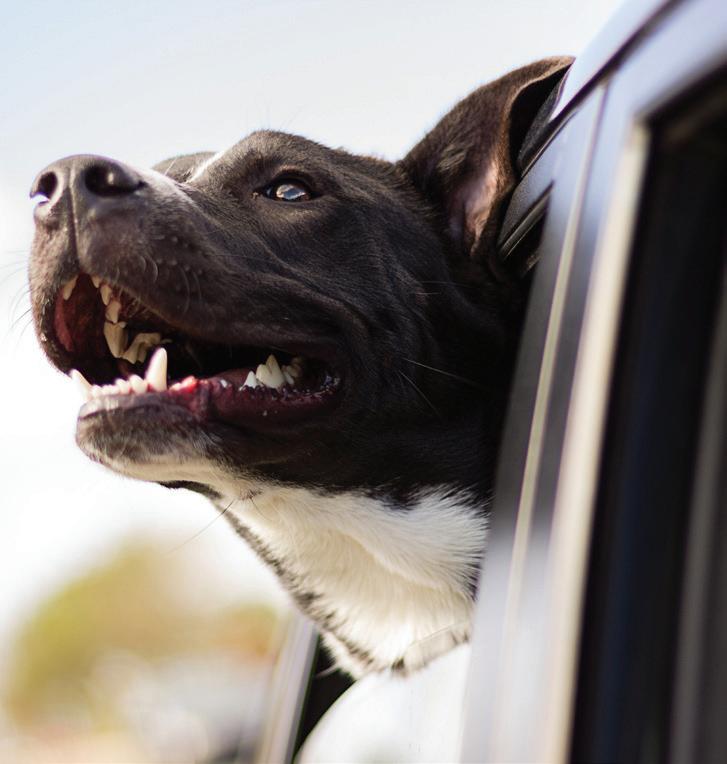
It is best to have a special harness that can be connected to the seatbelt for your dog. Having her free to jump around the car or riding on your lap is unsafe for both you and your pet. Always keep your pet on a leash, even inside the car, in case she slips out the door or window. Speaking of windows, do not let your dog hang her head out the window. The fast-moving air might carry particles that can damage her eyes. In addition, your dog might be able to slip out a smaller opening than you think. Also, I have treated more than one dog who choked herself by stepping on the button that closes the window while her head was hanging out.
Feline Considerations
As for cats, most of them do not like to travel. The reason for this is that for most cats, the process of travel (being stuffed into a carrier and driven in a car) always ends at one place: the vet’s office. And if you’re a cat, nothing fun ever happens at the vet’s office. It is best to get your cat used to the carrier and associate it with good things. Keep your cat’s carrier out and feed him or give him treats inside it.
For travel with your cat, be sure to use a sturdy crate that is big enough both for him to move around and for a small litter box. Many cats like to have a blanket to hide in or cuddle up with. This would also be a good time to give him a catnip toy. I would suggest offering water in a bowl periodically since if you leave a bowl in the crate, it is likely to spill.
No matter where your destination, traveling with your pet can make any journey more fun, but be smart about it.
Integrative Holistic Medicine
Integrative: combining the best of conventional and alternative medicine
Holistic: providing more options for therapy
• Acupuncture
• Herbal Medicine • Spinal Manipulation • Supplements
Vaccine Counseling
Dr. Doug has been practicing integrative veterinary medicine since 1993. He is certified in acupuncture, Chinese herbal medicine, and chiropractic. With over 30 years of veterinary experience, Dr. Doug has treated thousands of challenging cases.
For complete care for your animal companion, see Dr. Doug. Call Beaver Animal Clinic today to set up a holistic exam for your pet.
Dr.
Doug | The Holistic Vet 357 State Avenue |
“For those of you that own a pet who currently has or even could have back problems, keep reading...
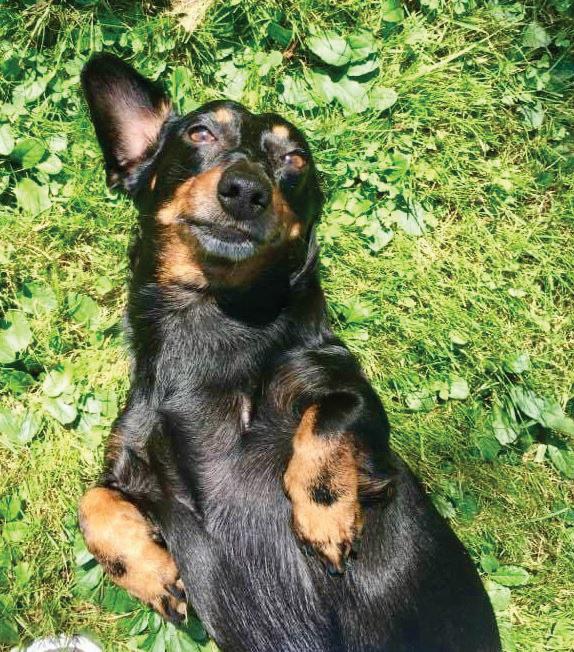
Before Thanksgiving, Knox was limping and walking slow with his head down; crying for no reason. It was agonizing.
We went to the vet, they dosed him on all kinds of meds, did an x-ray of and told us that there was a suspicious area in the neck. She recommended we take him to see a neurologist and get an MRI.
We went home thinking the worst. Dachshunds are known to have back problems and right away we knew if we took him to this specialty vet, we would be spending thousands upon thousands. I just kept thinking, what if there is another alternative?
That’s when I found Dr. Savko. I emailed and told him the issue; he replied within an HOUR! We talked the next day for about 45 minutes. He is a licensed chiropractor who is certified. He works under veterinary referral, in house under a veterinarian’s supervision and uses a process called VOM.
He is incredibly thorough. He explained and showed us exactly how the technique worked. Here is what was interesting: the vet took x-rays of Knox’s neck area. She thought that was the issue. Via the technique, Dr. Savko was actually able to determine that the problem was his lower back. After the first treatment we noticed a huge difference.
Knox is now back to his normal dog self!
There is no doubt that veterinarians can help with many issues, but if you can fix a dog without surgery or medicine, why wouldn’t you give it a try?
This technique may not provide miracles overnight and if Dr. Savko is unable to help, he will tell you. This process will not ever harm your animal. He does not do any type of manipulation with the animal. There is no bending or cracking involved. So what do you have to lose?”
Veterinary approved and supervised services provided at the following locations: Holiday Park Animal Hospital, Plum Greenfield Veterinary Hospital, Pittsburgh Pittsburgh Premier Pet Care and Rehab, Penn Hills
Donovan Veterinary Hospital, Ligonier Fox Run Equine Center, Apollo
20 Years Experience
“miracle worker”
“a very supporting and caring doctor”
“wish I would have known about you sooner” “best time/money we ever spent” “you have given us hope”
724.261.7915
Feathered Friends
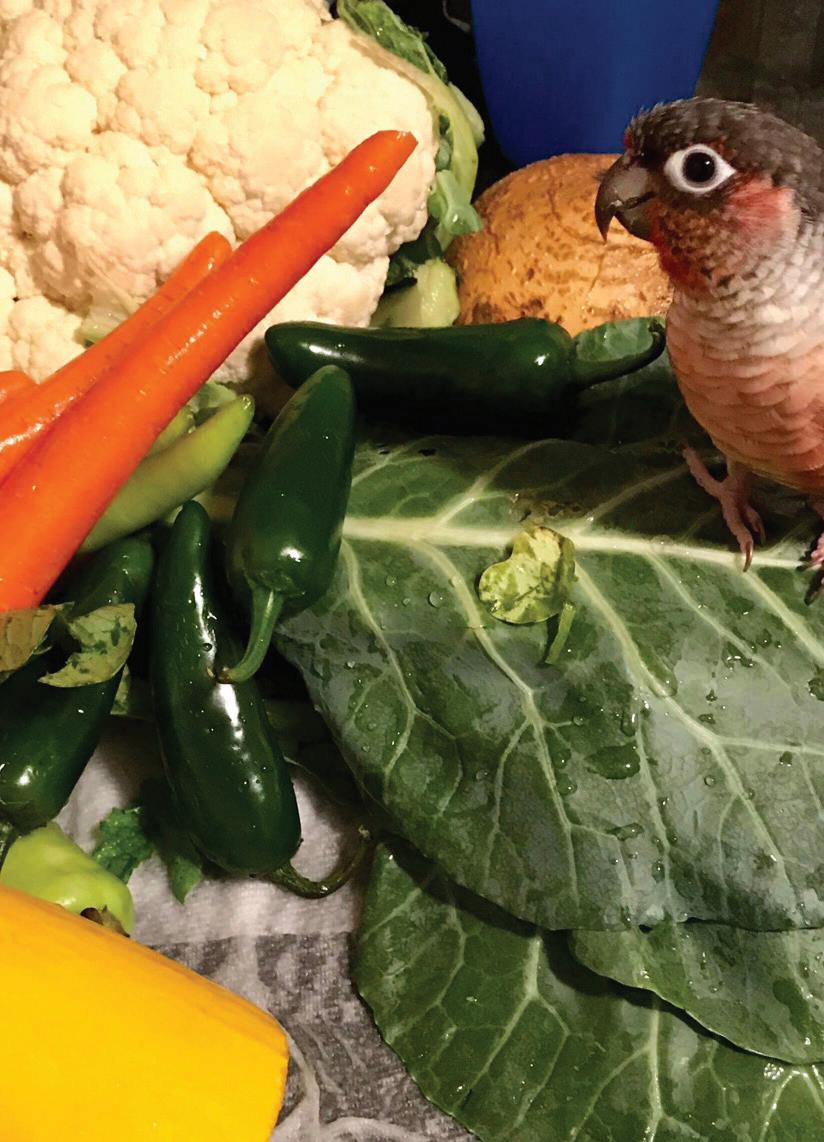
Unraveling Avian Nutrition
What are the best nutrient dense foods that I should feed my bird? A question that sparks much controversy in the Avian world. “Feed this,” “ Don’t feed that.” It can confuse any pet parent searching for the best foods to feed their companion. In this article, I will discuss this perplexing controversy with simple, and factual, information that the pet parent can utilize to sustain the health of their feathered companions.
Before I go any further, I would like to address one common misconception regarding a bird’s diet. There are no processed and packaged diets that can truly claim complete nutrition. Only a varied diet that includes fresh vegetables, fruit, whole grains, and plant-based proteins encompass a well-rounded nutrient dense diet for your bird. All to often when I discuss nutrition with bird families, they say that they solely feed a manufactured food because it claims, “complete nutrition” on the package. So, that is all they need to feed. Right? That concept could not be further from the truth. Birds are opportunistic scavengers. Meaning, they forage throughout the jungles and rainforests for foods that are available within their habitat. Therefore, a wild bird’s diet can vary considerably on a day to day basis. In our homes, birds are limited to what foods we offer. We essentially are the stewards to providing a healthy diet. However, it is possible to offer a well-balanced nutrient dense diet once you understand the fundamental principles of feeding your bird.
Selecting the proper diet.
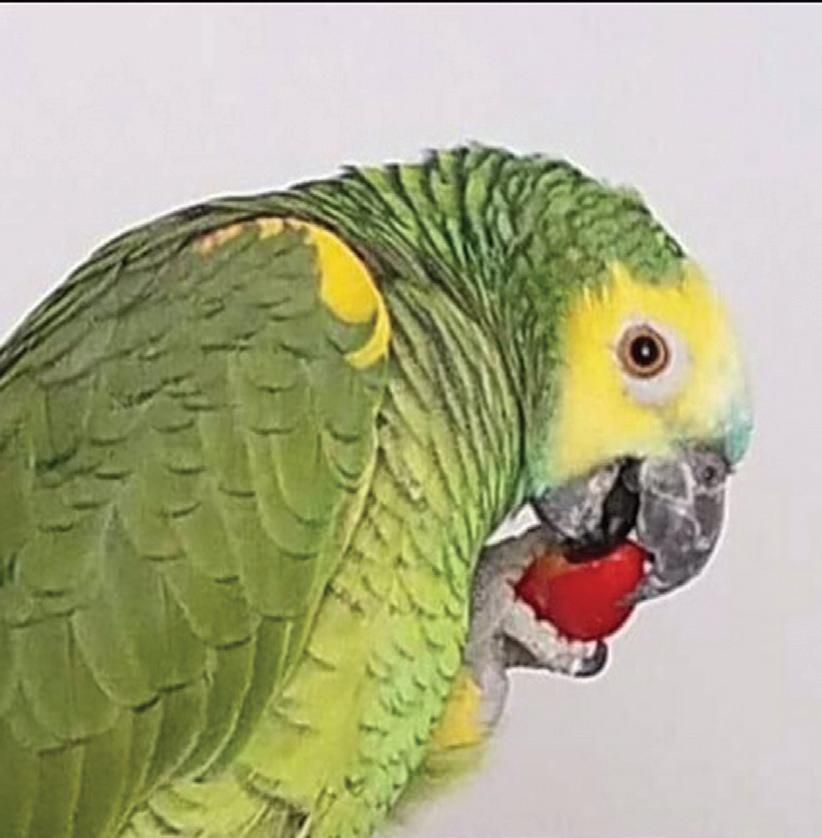
When making decisions regarding what foods to feed your bird, you first need to identify what type of bird you are keeping as a companion. Not all birds eat the same foods. Over years of evolving and adapting to their environments, birds have developed digestive enzymes that are capable of absorbing the nutrients found in food sources from their native habitats. These digestive enzymes differ in each species. For instance, granivores are birds with a diet that consists, in large part, of grass and seeds. Frugivores are birds that mostly eat fruits. Omnivore eat seed, insects, fruit, and invertebrates. Florivore’s eat seeds, nuts, roots and bark. And then some bird diets comprise mostly of nectar from flowers. These birds are called Nectarvores. Although the birds grouped in these diets tend to gravitate toward the predominate foods in that classification, some are interchangeable. It is important to understand what your bird would eat in the wild before you decide the best diet to feed in your home.
Feeding Seeds: The Myths and Facts
“Don’t feed Sunflower seed because it is high in fat and can cause fatty liver and heart disease that will shorten the life of your bird.” This is only a half truth. Let me explain the facts about offering seeds to your birds. When it comes to companion birds in our homes, there is one undeniable fact. Birds in our homes do not get the exercise that they benefit from in the wild. The number one cause of avian illnesses in companion birds is a sedentary lifestyle and a nutrient deficient diet. On average, wild birds fly 50-75 miles per day. Companion birds in our homes cannot meet those distances. Even those of you that allow your birds free flight, your home cannot compare to the open air of the wild. Therefore, it can be said that companion birds that are kept in our homes are extremely limited to flight. Flight is the best form of exercise for a bird. Because of this lack of activity, muscles atrophy. But most important, birds are not able to burn off consumed calories. So, when someone says that feeding seeds is unhealthy due to the fat content, that is not a complete truth. It is the lack of exercise that causes these illnesses. Feeding foods that are high in fat in conjunction with lack of physical activity to burn the calories is the deciding factor in this equation.
Let’s discuss the nutrients that are contained in seeds. Sunflower seed, what many revere as the villain in the avian diet; is actually a nutrient dense resource. These seeds are good sources of vitamins and minerals such as, Vitamin B1, B6, Magnesium, Potassium, Phosphorus, Copper, Manganese, Selenium, Iron, and Zinc. They are also a good source for Vitamin E. These nutrients are essential in maintaining body physiology such as cardiovascular and circulatory health. Boosting the immune system to fight off infection and illness. Aiding the blood in defense against anemia and insuring healthy bones. They also are a deciding factor in fertility.
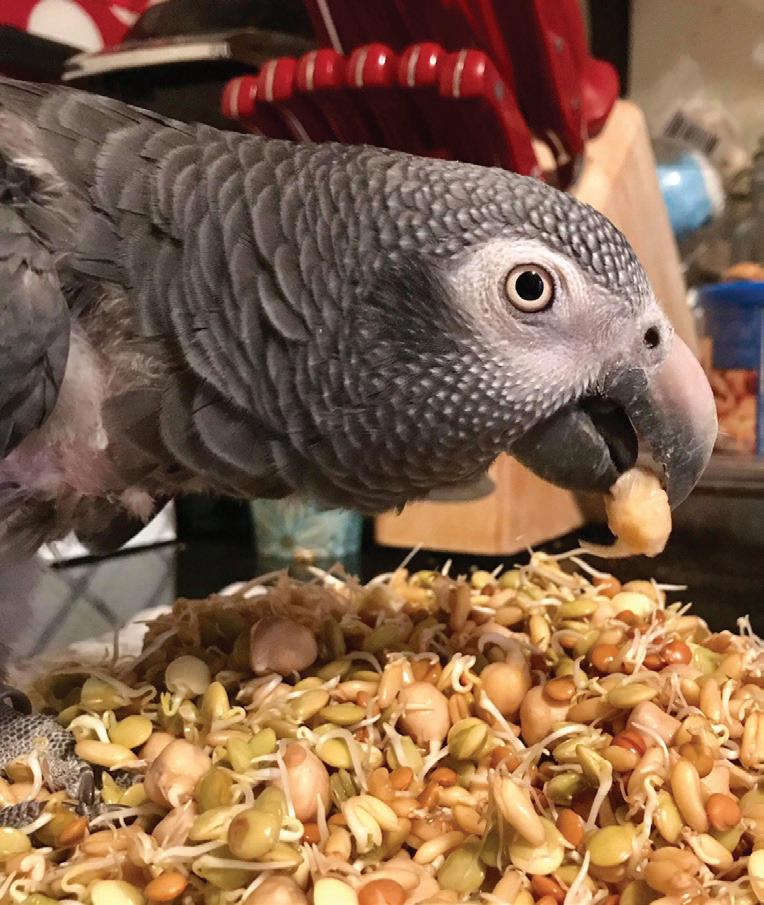
There is another group of nutrients that are found in seeds such as sunflower. These nutrients are called phytophenols. They are essentially “living” plant-based nutrients that aid in strengthening the physiology of the body such as the (immune) system, and aiding in fertility. There is one way to offer phytophenols from sunflower without the high fat content. These essential nutrients can be freely offered in sprouting seed. Seed that is sprouted utilizes the fat content as energy to sprout these lifesustaining nutrients.
Thus, eliminating the fat content that can be found in sunflower. However, when sprouting seed, care must be taken to monitor against
By Edward R. Moats
spoilage and fungus. What is the best type of seed to offer? Quality of seeds differ just as any other foods or products. However, there is one deciding factor that can determine if you are feeding a quality “product.” The term is “viability.” Meaning, the seed contains living nutrients (phytophenols) that can be sprouted and fed as a nutrient resource.
Not all seeds offered in the marketplace are viable. Many seeds offered for the avian diet are what I like to term “dead seed.” These seeds usually have been improperly stored or have weathered a long shelf life. They appear dull in color and can be dusty. But, they also lack water. Water is the life source for phytophenols. The best way to confirm quality of seed is by sprouting. Dead seed cannot sprout. For the best quality of seeds to sprout. I recommend “Human Consumption” grade. This insures that the seed has been stored properly and increases the sprouting potential of a viable product.
As you can see, there are benefits to adding seeds to a bird’s diet. However, an all seed diet can be detrimental. If you were paying attention, you may have noticed that I did not mention a vitamin found in sunflower and other seeds. One of the most important vitamins that cannot be found in seed is Vitamin A. Vitamin A is essential for vision. I have lost track of how many birds I have met over the years that were fed predominately an all seed diet throughout their lives that were now visually impaired or completely blind. So, in conclusion, seeds are a nutrient dense resource that should be offered sparingly due to high concentrations of fat. However, it is the lack of exercise and inability to
burn off the calories from seed that is the true culprit when it comes to heart and liver disease. Offering sprouted seed can be an excellent alternative to feeding seed in its high fat content form.
Pellets as the Staple Diet:
Since the introduction of pellets to pet parents in the mid 1980’s, a misconception offers a false sense of security regarding the avian diet. What do I mean? If a person approached you on the street and offered you a “vitamin capsule” and stated that you would never have to eat food again, just take this all-inclusive pill. Would you believe them? Is that not essentially what people are being led to believe regarding pelleted bird diets? Now consider this, pellets do not occur naturally. They are processed. What do physicians tell us about processed foods in the human diet? Are you starting to understand my concern?
How are pellets processed?
There are two forms of avian pellets, Extruded and Organic Cold Pressed. Extruded pellets are made by grinding ingredients (grains, seeds, etc.) into a powder and then adding water. The mixture is then heated over 300 degrees. And what happens to the nutrients once heated over this temperature? That’s right, they diminish. The heated mixture is then sent through a molding process that shapes the pellet. While pellets dry, (also at high heat), they are fortified with nutrients chemically. Over the last few decades, studies have shown that digestive enzymes in the body react differently to natural occurring nutrients than chemically enhanced,
or fortified, diets. The absorption rates of natural to processed nutrients differ. And overtime, can be detrimental to the health of your bird. Today, these processed food sources are encouraged as a staple in the avian diet. Mostly due to the practicality of feeding an “all-inclusive’ manufactured product. (I will explain the importance of the digestive tract below.)
There is one last point I would like for you to consider. There is one essential nutrient missing is Extruded pellets, WATER. Water is an essential nutrient that is the conduit in the absorption of all other nutrients. Without water, the absorption of nutrients is curtailed. Offering foods void of water will not insure quality absorption of necessary vitamins and minerals. Without water, “living” nutrients cannot exist. If a pet parent prefers to provide a pelleted diet to their feathered friend, consider Organic Cold Pressed pellets. Again, the process begins by grinding ingredients and adding water. However, Cold Pressed pellets are not heated. They are formed into pellets through a mechanical press.
Therefore, the nutrients are not destroyed by heat. There are a couple drawbacks to a Cold Pressed pellet. They are not as readily available as Extruded Pellets. And they tend to be a bit costlier. However, the benefits to feeding Cold Pressed pellets outweigh the disadvantages After discussing the pros and cons of a pelleted diet, I don’t want to give the impression that pellets do not have their place in the diet of some birds. However, I do not feel that feeding pellets solely ensures a well-balanced diet for our companions.
What do I recommend? A diet that consists of a variety of vegetables, limited fruits (unless a frugivore), whole grains (not corn), limited seeds, and a quality powder vitamin supplement offered over the fresh foods. Why offer a powdered vitamin? Even a diet that consists of the highest quality of nutrient dense foods requires vitamin supplementation to insure all necessary vitamins and minerals are being offered. In my home, fresh foods consist of the majority of my birds’ diet. I even prepare nutrient dense treats. Pellets consist of less than 20 percent of the diet I offer. I am a firm believer that offering a variety of naturally occurring nutrient dense foods is the best choice in providing a quality diet for a happy and long-lived life for our companion friends.
The Importance of the Digestive Tract
A few lines above, I mentioned how processed and naturally occurring foods differ in absorption rates in the
digestive tract. Let me explain this even further. Approximately 75 percent of the immune system in an animal is supported through the digestive tract. In the tract is beneficial bacteria, or flora. These bacteria are known as pro-biotic or “Microbiomes.” These bacteria support the immune system and help fight off infection and disease.
Recent studies out of Italy substantiate the benefits of feeding a bio-diverse diet to support immune health in dogs. However, this science can also transfer over to birds. In this study, animals were fed two types of diets. The first group was offered solely a manufactured or packaged product (kibble.) The other group was offered a bio-diverse diet that included a large variety of nutrient dense foods and naturally occurring pro-biotics to enhance the Microbiome flora. In conclusion, researchers found that the animals fed a nutrient dense and biodiverse diet had a higher number and variety of Microbiomes in their digestive tract. Whereas the animals fed a manufactured diet (kibble) possessed less variety and numbers of Microbiomes.
What does this mean?
The animals that were fed a bio-diverse diet that possess the high number of Microbiomes have a stronger capacity to fight off infection and disease. Thus, enhancing the health and longevity of the animal. In the avian diet, feeding a bio-diverse diet that includes nutrient dense food and naturally occurring pro-biotics will boost the immune system and aid in fighting off infection and disease. This greatly increases the chances for an extended lifespan. In closing, I hope this article opens your eyes to some of the myths and facts regarding avian nutrition.
Our birds rely solely on our care. When we decide to bring a feathered companion into our homes, we also take on the responsibility of maintaining their health. Understanding nutrition should be a priority when caring for these creatures that depend on their pet parents to keep them happy and healthy.
Directories
Animal Educational Exhibits
North:
The Pittsburgh Zoo & PPG Aquarium pittsburghzoo.org
The National Aviary nationalaviary.org
Animal Communication
Greater Pittsburgh Area: Renee Takacs, M.A. intuitguide.com
Animal-Related Art, Photography & Retail
Visit our online di re ct ory at pghpe tc onnections.com/Dog-Cat-Di re ct ory
April Minech Custom Portraits | Pet Inspired Art www.ladybugdelightz.etsy.com
Greater Pittsburgh Area: Pittsburgh Career Institute 412-281-2600 | pci.edu
Kitty Korner
Help Reduce Stray And Feral Cat Populations: HOMELESS CAT MANAGEMENT TEAM FREE OR LOW-COST SPAY/NEUTER CLINICS
By Bernadette Kazmarski
Between January and June 2018, HCMT will be offering a total of 11 free and low-cost spay/ neuter clinics for both stray/feral and rescued/ pet cats. Each spay and neuter reduces the number of homeless cats in the Pittsburgh region, and helps everyone be a part of the solution. Clinics fill up fast and registration well ahead of time is required.
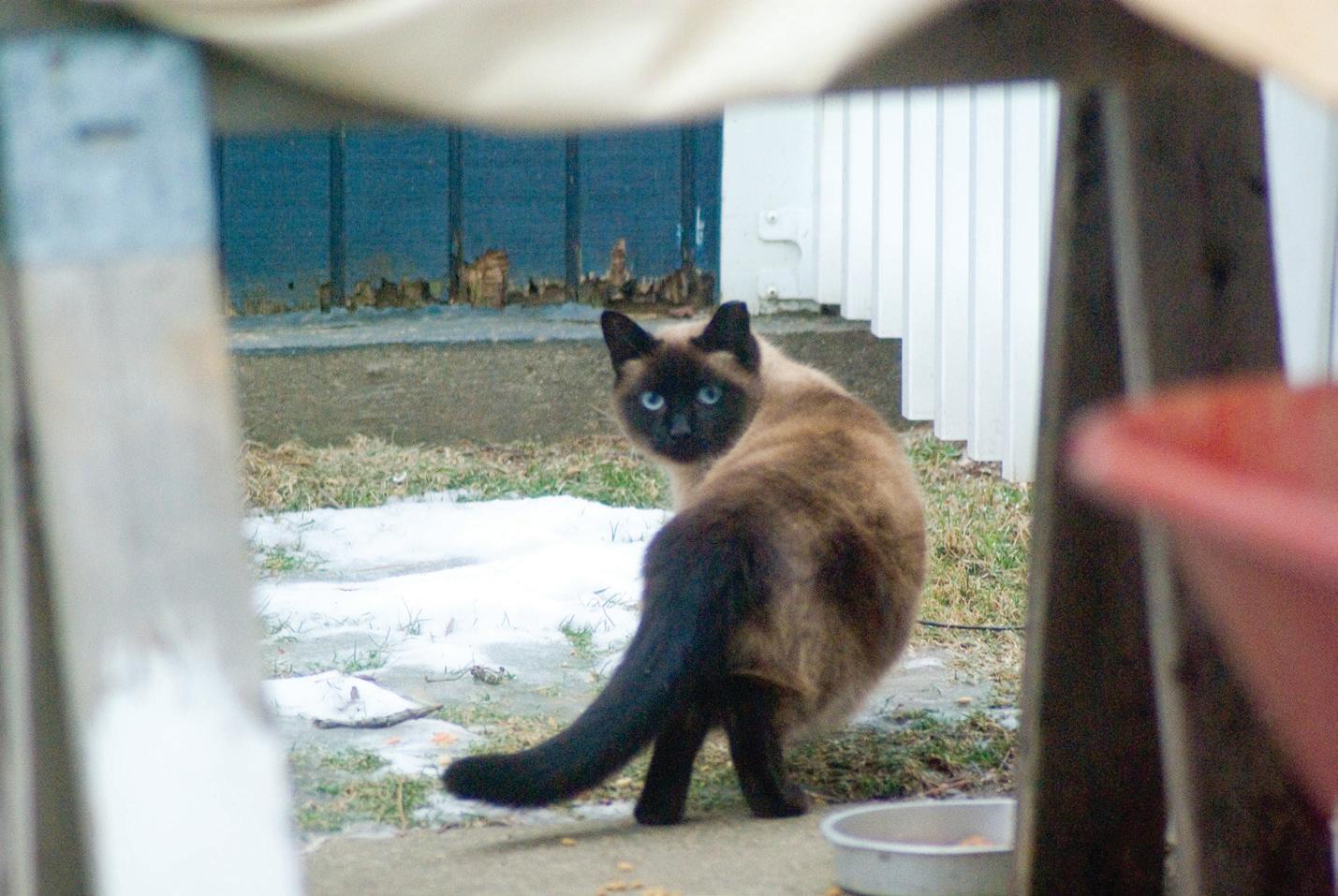
Cats end up living on the street in many ways but usually not by their own choice. They are left behind when people move, they are placed outside as if they are trash when they are no longer wanted, sometimes they unintentionally escape. The reason cats end up outside may be behavioral, or their owner’s financial or emotional issues, but cats end up abandoned and need the help of the community to rescue them and find them another home.
Cats can begin reproducing as young as four months old. An unspayed female cat can have an average of two litters per year with an average of four kittens, some are even more prolific. Her kittens can be ready to produce kittens four months after they are born. If none are spayed or neutered by the next year, well, you can do the math.
But kittens can be spayed and neutered as young as two months, weighing at least two pounds. All those extra kittens never need to be born.
HCMT has spayed or neutered over 1,000 stray, feral and pet cats per year since its founding in 2000. Clinics in the spring and summer often treat over 100 cats at each clinic, roughly
twice each month, and more with trapping and rescuing cats between clinics.
Think about that for a minute now…spay and neuter surgeries each year for over 1,000 stray, feral and owned cats. With the reproductive lives of that many cats effectively put to an end, imagine how many other kittens won’t end up out on the streets or in shelters?
What is the Homeless Cat Management Team?
The Homeless Cat Management Team is a freestanding “Trap-Neuter-Return” (TNR) organization in the Pittsburgh region. Our mission is to lead the way in ending the overpopulation of companion animals in our region by providing high-volume, high-quality, low-cost sterilization. We also assist and support community cat caretakers who work with HCMT with trapping, transportation, cat food and shelter and veterinary care.
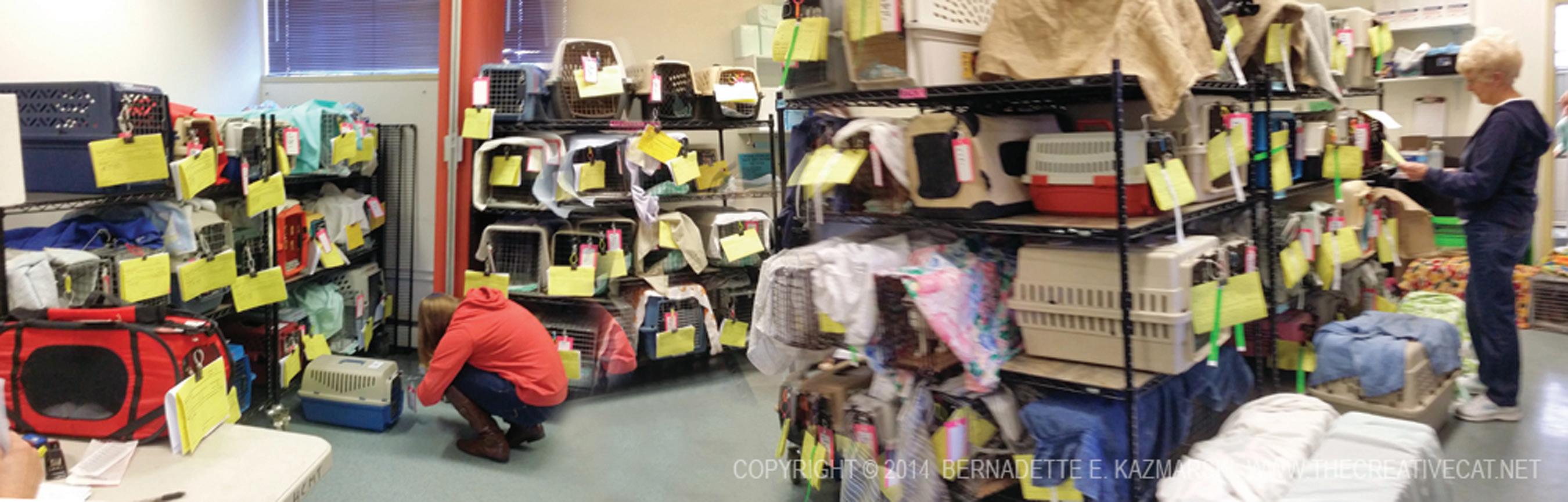
We also have clinics open to the public for rescued and pet cats, which provides an alternative for people with limited incomes or several cats who need to be spayed and neutered at one time, such as an “accidental” litter of kittens and their mother.
As part of HCMT’s TNR process and mission to end feline overpopulation and reduce populations of cats living outdoors, volunteers also assess all kittens and friendly cats HCMT has rescued for adoptability and socialization, and
after spay/neuter and age-appropriate vaccines offer them for adoption through the sister organization, a network of volunteer foster homes called Pittsburgh C.A.T.
2018 Homeless Cat Management Team Clinics
Feral Cats vs Rescue Cats
A feral is a cat that will be returned to the outdoor location where it was trapped after surgery. A rescue is a cat that either has been or will be adopted as a pet after surgery. Only feral cats are eligible for No-Charge clinics. Both feral and rescue cats can be treated at Fast Track Clinics.
NO-CHARGE CLINIC DATES
No-charge clinics are free for feral cats only and are sponsored by individual donors and fundraising events. The service includes the surgery, pain medications, flea treatment, ear mite treatment if needed, and rabies vaccine. Cats are ear-tipped to show they’ve been spayed or neutered and vaccinated for rabies.
January 20 – Spaghetti Dinner Fundraiser sponsored (Saturday)
February 24 – Open for sponsorship (Saturday)
March 24 – sponsored by Fritz’s Cats (Saturday)
April 22 – in memory of Milton Lendl (Sunday)
May 27 – sponsored by Samantha Ginsburg (Sunday)
June 24 – sponsored by Virginia Haid (Sunday)
FAST TRACK CLINIC DATES
Fast Track clinics are for any cat who needs a low-cost spay or neuter. Ferals cost $30.00. Rescue and pet cats cost: male, $40, female, $55. The cost includes the surgery, pain medications, flea treatment and rabies vaccine. Only feral cats are ear-tipped. Other vaccines and services are available at a separate cost.
February 10 – (Saturday)
March 10 – (Saturday)
April 7 – (Saturday)
May 12 – (Saturday)
June 9 – (Saturday)
How to register for a clinic
All clinics are held at HCMT’s clinic at 207 Allegheny St, Tarentum, PA 15084. You must pre-register for any clinic. Walk-ins are not permitted.
First, call 412-321-4060 and leave a message; someone will return your call and complete your pre-registration. HCMT is all volunteer and this may take some time. Clinics fill up quickly and it’s best to call at least two weeks in advance of the clinic you want to attend.
Second, once you have pre-registered for the clinic you want to attend, you will receive a confirming phone call to be included in the clinic.
Feral cats must arrive in a standard humane box trap (Havahart, Safe-guard, Tomahawk, TruCatch, etc.) for the safety of all involved. Rescue and owned cats can arrive in carriers, one cat per carrier. They will be placed back in their carrier or trap for recovery after surgery.
Support, donate and sponsor
HCMT opened their own clinic space in Tarentum, north east of Pittsburgh. Their free clinics are funded in part by donations from individuals, but the biggest portion of the funding is a $1,500 sponsorship by one donor. HCMT would love to offer more opportunities for clinics, so consider sponsoring one yourself, or your business or an organization. If you are interested in partially or fully sponsoring a clinic, send an email with your contact information and details to cathomeless@ gmail.com. We are all volunteer, and sometimes the community’s needs for help with cats is enormous, but we will respond.
Sponsors for the clinics listed above include family members of board members and volunteers. Milton Lendl, father of a board member, grew up on a farm, was an Ivy League graduate and a real animal lover according to his daughter Lisa who serves on HCMT’s board. His wife Jeanette Lendl regularly sponsors clinics in his memory and also runs a small sale table at clinics to raise extra money.
If Samantha Ginsburg ever won the lottery, she would use the money to spay and neuter every cat and dog. Until then, Samantha and her family have been sponsoring HCMT clinics and this will be their fifth year supporting us. When she is not caring for her own cats or her community cat colonies she can be found volunteering with Kopy Kat Sanctuary. Her mission is to advocate for the voiceless and to do her part to educate on the importance of spay / neuter / TNR.
In May 2017 HCMT received a call for help for a half dozen or so kittens dumped on a farm, but when a volunteer picked up the carriers holding the kittens she found 24 kittens in each carrier and one adult cat who was not their mother. The kittens were malnourished and full of fleas and parasites with upper respiratory infections bordering on pneumonia and infected eyes that could leave them totally blind. In July after two months of treatment those kittens were well and healthy and lost very few eyes, and all have been adopted. Many generous people saw HCMT’s need and donated money, goods and volunteer time, and what was leftover sponsored a clinic to hopefully prevent that sort of thing from happening again.
The Fund for Feral Cats is a Pittsburgh organization that assists local animal welfare organizations in their mission. They are sponsoring the clinic closest to National Feral Cat Day.
In May 2017 HCMT held its second annual Spaghetti Dinner Fundraiser, raising $14,355.55 which sponsored a clinic and helps cover the costs of rescues like the 48 kittens, the six hoarding cases in which HCMT has assisted the Pittsburgh Police in rescuing cats in the past year, the everyday expenses of rescuing cats and caring for cats at our clinic building between
spay/neuter clinics, and just paying the bills. Every clinic reduces the populations of cats living on the streets and prevents the births of potentially thousands of kittens. Any donation would help defray the cost of these clinics and help cats living outdoors, in shelters and even in foster homes. A small donation in honor of one of your cats or a person who was instrumental in teaching you about cats would help all cats in need. Also, if you know of an individual, an organization or a group of people who would like to make a donation and can sponsor a free clinic, you would have a huge impact on the lives of cats in the Pittsburgh area.
Volunteer
HCMT also needs volunteers for clinics, up to 20 per clinic for various duties and different shifts, with most of them not requiring medical training, and also volunteers who love cats to help daily to feed, medicate and play with the cats in our clinic for medical treatment.
Volunteer or donate. Call Homeless Cat Management Team hotline and leave a message, 412-321-4060 or visit www.homelesscat.org to find more information and to find links to our Facebook groups.
Kitty Korner
“CAT CHAT”
Jennifer Lauren Lopez, DVM, MBA
Cats rule the world; at least that’s what they want us to believe. Cats are most loving and well-behaved when they are in control of their surroundings at home, on their cat perch, or snuggled up in bed in their favorite sunny spot. So, when you, as an owner, get the cat carrier out of the garage they panic. Cats don’t like to be exposed to new environments nor do they like change. That is why it’s so important to get them used to their carriers at a young age and especially before it is used to transport them somewhere, like to the veterinarian.
As cat pet parent, we are always faced with the struggle of how do we make a trip to the veterinarian a positive and calming experience for everyone involved. This was one of the reasons for establishing the Cat Friendly Practice designation. Established by the American Association of Feline Practitioners (AAFP) and the International Society for Feline Medicine (ISFM), the Cat Friendly Practice® program is a global initiative designed to establish a standard of excellence in care for cats by reducing the stress for the cat,
caregiver, and also the entire veterinary team. It is well documented that the all too elusive cat carrier and the undue stress it causes you and your cat is one of the reasons that 52% of cats in the United States are not receiving any veterinary care. At Castle Shannon, we recognized this fact and knew that we needed to make adaptations in order to provide a better experience for cats and their pet parents.
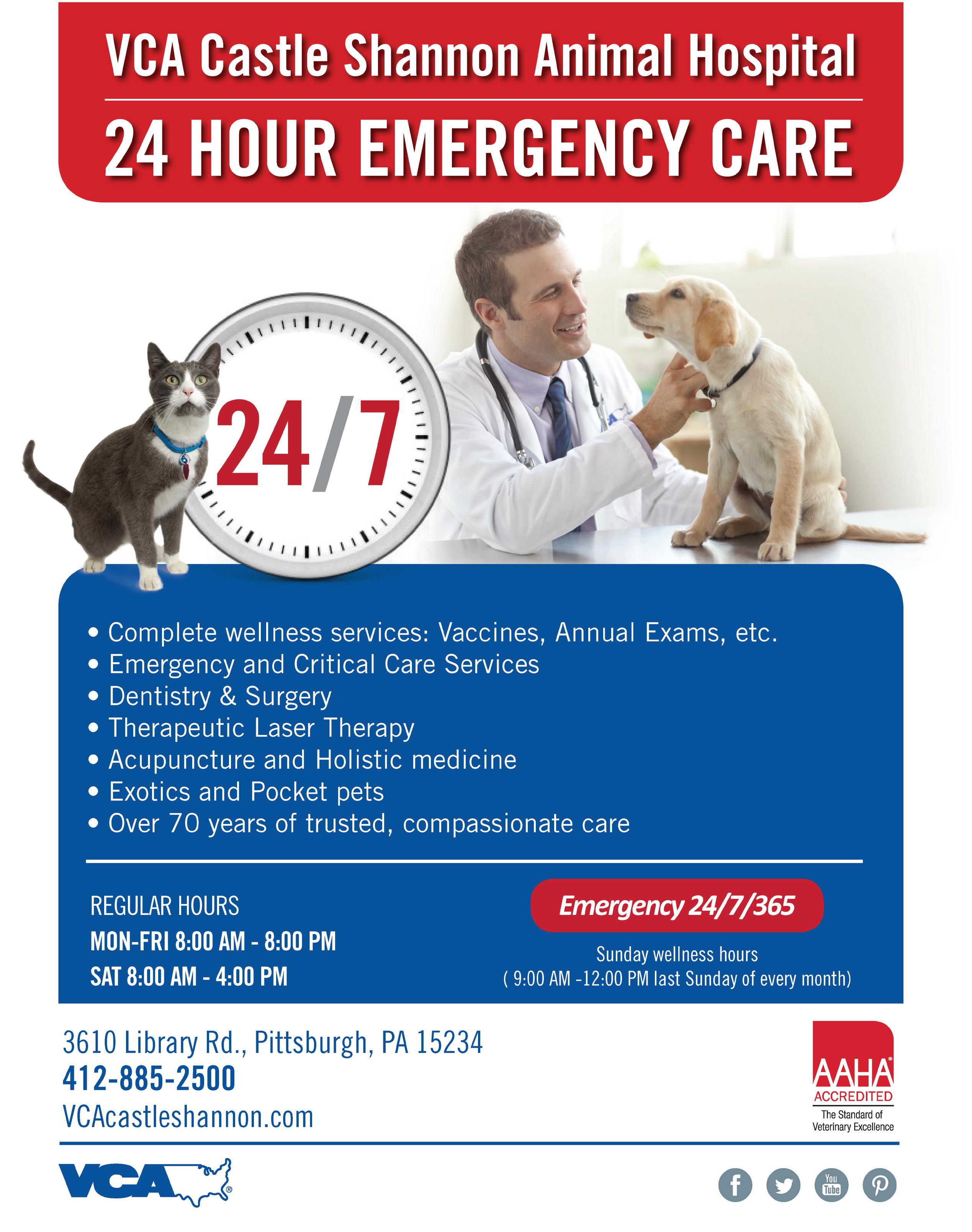
VCA Castle Shannon Animal Hospital has been certified as a Cat Friendly Practice since 2014. In order to earn the Cat Friendly Practice designation, Castle Shannon had to demonstrate to the AAFP specific steps to understand cats’ unique health care needs, in addition to establishing standards of care that are used in every day practice. Veterinarians and technicians at VCA Castle Shannon completed advanced training to better understand how to approach and handle feline patients in a compassionate way. For example, the veterinarians at Castle Shannon are trained to read a cats’ body language and establish an open dialogue with their pet parent.
Jennifer Lopez, Medical Director
Born and raised in Miami Beach, Florida, Dr. Jennifer Lopez made the move to Pittsburgh in 2014. As a child, she always knew she was going to be a veterinarian and learned to love and care for her 7 pet Rottweilers and the various dogs that her family rescued and placed in new homes.
While in college, she began her veterinary career as a technician at the University of Florida in the Dermatology department. It was there that her passion grew for clinical research and skin diseases resulting in her being published in several journals such as Veterinary Dermatology and American Veterinary Journal of Research.
Dr. Lopez attended St. George’s University School of Veterinary Medicine in Grenada, the West Indies. She stayed active in community programs to educate the local Grenadians on pet care, parasite control and preventive medicine. After graduating from veterinary school, she began general practice in Miami, while continuing her education and receiving her MBA in Multi-Sector Health Management.
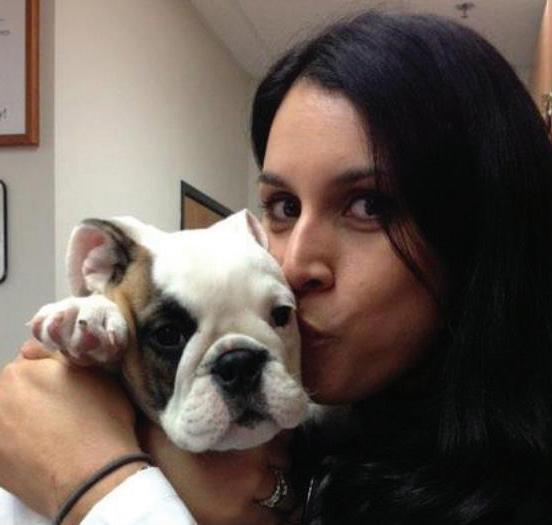
Dr. Lopez is enjoying Pittsburgh city life with her two French Bulldogs; King Pickle and Roxy Razzle Dazzle. She loves interacting with her clients, being involved in the community outreach that VCA is heavily involved in and hopes to use her bilingual skills as much as she did in Miami. Her varied interests include dermatology, surgery and emergency care.
She recently went on an educational safari to Kenya and Tanzania and looks forward to future visits to Rwanda, Botswana and South Africa.
establishing in happy and healthy visit for all. We told you cats rule the world!
If your cat is nervous around dogs, a Cat Friendly Practice takes this into consideration.
VCA Castle Shannon has separate areas for cats and dogs in the waiting room and also has a designated cat-only room. Many times, cats are often whisked away to the cat-only examination room, that is quiet and far away from the barks and cries of dogs. This provides the first step into
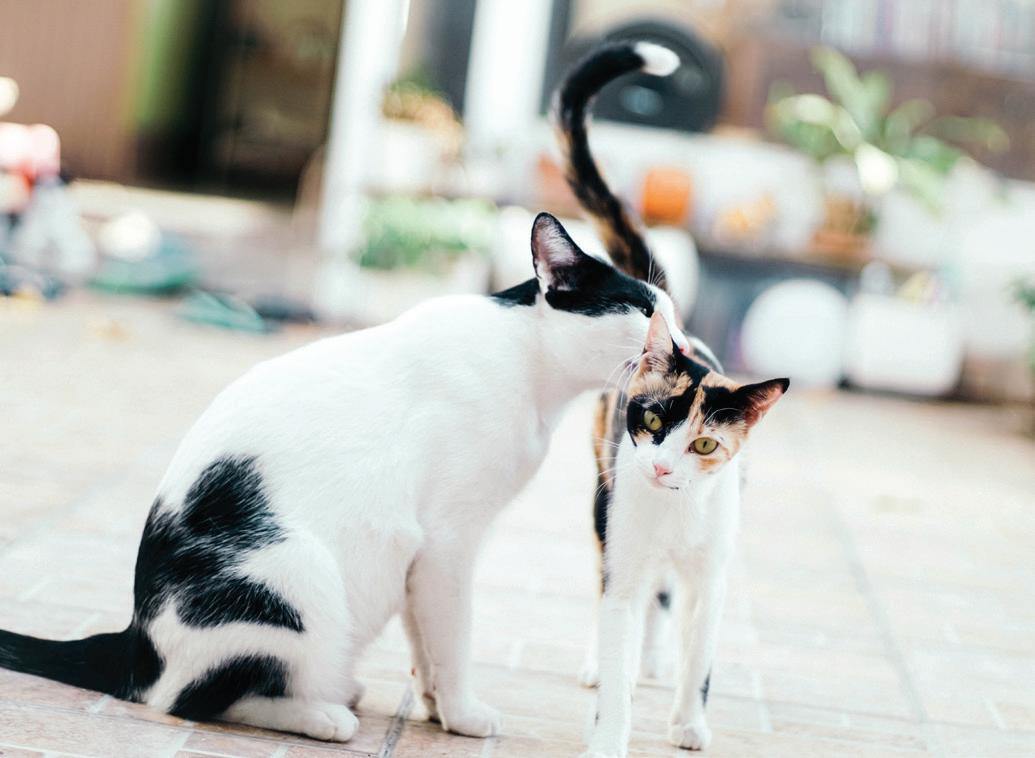
Since cats are easily susceptible to stress, our cat-friendly room has a perch to provide our patients with a place to stay out in the open, while still feeling secure. With an elevated perch, cats feel safe with a bird’s eye view of the exam room but also the elevated location provides security for them. If your cat likes to hide under things, towels sprayed with Feliway® are available in the room as well, to provide another layer of protection and give your cat a “security blanket”. Feliway® has been clinically proven to reduce tension and conflict at home; it also mimics the natural feline facial pheromones used by cats to mark their territory as safe and secure. When a cat rubs its face on something, they are marking their territory and indicating they are happy and comfortable in their surroundings. With this spray, cats understand that the veterinary hospital is a safe space to enjoy not fear.
Taking the stress out of transporting and spending time at the veterinary office will help the VCA Castle Shannon veterinarians to provide the excellence in care to help your cat live a healthy and happy life. To find out more information about cat friendly practices, please visit the AAFP website at www.catvets.com
Cat Resource Guide
Low-cost
spay/neuter and animal services in and around Allegheny
County
This is an ever-changing list of resources for pet owners in Pittsburgh and beyond including low-cost spay and neuter programs for pets as well as TNR for community cats, after-hours emergency care, help with veterinary bills, pet-friendly rentals in Pittsburgh and across the US and links to shelters for adoption and other services. This information is provided for reference only and subject to change without notice. Please contact the organization or agency before using their services.
TNR and Low-cost Spay and Neuter Organizations and Programs
Homeless Cat Management Team
http://www.homelesscat.org
City of Pittsburgh Free Spay and Neuter for City Residents
City of Pittsburgh offers five free spays/neuters to all city residents www.pittsburghpa.gov/animalcontrol/spay_neuter.htm
Low-Cost Spay/Neuter Programs at Shelters in Allegheny and surrounding counties Shelter Programs
PENNSYLVANIA
Animal Friends
www.thingkingoutsidethecage.org
Humane Animal Rescue
Please call each branch while the two shelters continue their merger.
East Liberty Shelter (formerly Animal Rescue League) http://www.animalrescue.org/
North Shore Shelter (formerly Western Pennsylvania Humane Society) www.wpahumane.org
http://fluffyjeanfund.weebly.com/ Fund for Feral Cats of Pittsburgh Reimburses partial funds to help spay/neuter feral cats (funds not always available)
412-521-5352
Lawrence County Animal Relief Fund (LCARF)
http://www.lcarf.com/ Operation Spay/Neuter Butler, PA (for Butler County residents only) http://operationspayneuter.com/ Pet Search
http://www.petsearchpa.org/ SNIPP: Spay and Neuter Indiana PA Pets Westmoreland/Indiana Counties, Alle-Kiski Valley (Leechburg) http://www.snippindianapa.org/
Low-cost Spay/Neuter and Veterinary Clinics
These are independent clinics that offer services on site during regular business hours.
Fix ‘Ur Pet
http://fixurpet.org/
Frankie’s Friends http://www.FrankiesFriendsCatRescue.org/ Penn Hills Spay/Neuter Clinic http://www.spayaz.com/Pittsburgh.html
A Unique Organization Addressing Bullying DIVERSE GAMING COALITION:
By April Minech
After enduring intense bullying both at school and online, Abbey Sager decided to fight back. She looked at the ways bullying had evolved with technology and decided to fight fire with fire. She founded her own non-profit that addresses the issues of today, aimed at finding ways to help today’s generation with the same tools used by those doing the bullying. She has a web site with a blog, comic strips, a comic book with a non-binary lead character, links to partnering organizations and she does assemblies at school. And she’s only 18.
Her non-profit, Diverse Gaming Coalition, talks about bullying in ways that today’s victims can relate to. Social media and everyday internet usage provide a wealth of new information and access, and that also means new ways for people to feel exposed and vulnerable. And unfortunately, new ways for victims to be intimidated. For instance, Abbey was often singled out while playing video games because she was a girl; one person was even able to post her parents’ names and her home address in the chat section of the game she was playing. At first, the video games where her safe haven, where she could go and escape the real world, but it crept in. So, she created Diverse Gamers, “a group of nerds from all around the globe enjoying their days free from bullying and harassment, while meeting new friends”. Says Abbey: “Our groups are a safe-space and go through a vetting-process before people are allowed to join. Come join our Discord & Steam group to be a part of the amazing community of gamers.”
An infographic from her web site highlights parts of the problem. About 58% of kids admit that someone has said something hurtful to them online, and 4/10 say it’s happened more than once. But 90% of teenagers who have seen someone being bullied online have ignored it. Bullying can be thought of as part of an online reputation, which may be accessible to schools, employers, colleges, clubs, and others who may be researching an individual now or in the future. Cyberbullying can harm the online reputations of everyone involved – not just the person being bullied,
but those doing the bullying or participating in it. That info can come back and impact college admission or employment later in life. Cyberbullying has unique concerns in that it can be persistent, as digital devices offer 24 hours a day, and victims may find it hard to seek relief. And it can be hard for adults to notice and step in.
Abbey is trying to change that through innovative education, and empowering teens by showing them what to do. Her web site features comic strips that offer a new way to discuss issues, whether it be in the classroom or workspace. And she’s created “Life on the Outside”, a comic book about high schooler Asher Phoenix, struggling with bullying, mental health, friendships, and their identity. Asher goes through many of the struggles facing teens today, and the story shows ways to deal with everyday hurdles.
The organization also has a monthly blog which uses stories and artwork to educate about situations that may make people uncomfortable, without even realizing it.
“Holidays can be rough for many people, especially those with mental illnesses or unsupportive families”, Abbey says in her holiday blog. And she goes on to share other ways to be more kind, such as asking beforehand if anyone needs special accommodations, dietary or otherwise, and not putting people in the spotlight. She suggests having general discussions instead, which allows the people who’d like to join in the conversation give input, while others who don’t can simply listen.
You can visit the group’s Facebook page at https://www.facebook.com/ diversegamingco, where there are photos, merchandise and updates about events. And touching videos about people sharing their stories and how bullying has affected them. The most recent video shows a bully and victim from grade school reuniting as
adults and remembering how they felt years later.
The organization welcomes people to share their stories and work together and continues to grow. Abbey is looking to expand in the Washington City area and develop more programing. On her wish list is finding ways to partner with animals to help victims heal and even learn to be kinder. Animals are comforting, and spending time in a safe space can be soothing. Often people will relate easier to dog or cat, and understand when the animal is being treated poorly, and that can transition into how to treat people better. Educating people about ways to be kinder and looking for new opportunities to fight today’s bullies is at the heart of Abbey’s mission.
Every day, our culture around bullying and harassment is changing, molded by factors such as technology and communication. Diverse Gaming Coalition believes the education around these changes should be keeping pace to remain effective. Their approach is created by millennials for millennials and is meant to address the issues as they arise. To book an Assembly or for more information, please reach out at contact@diversegaming.co or visit their web site at www.diversegaming.co
In Loving Memory
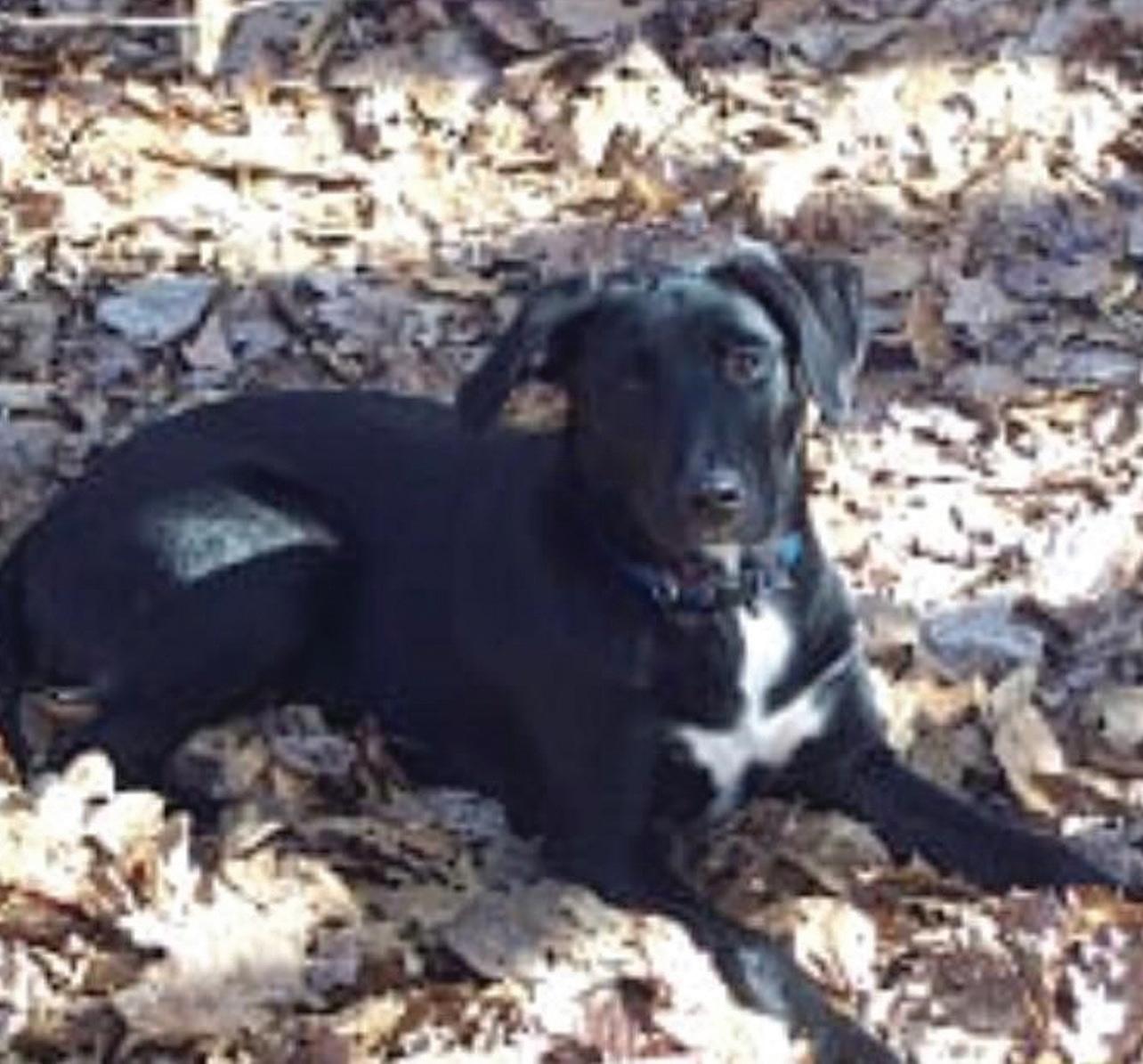
Sidney Rhule
Nov. 2, 2005-Dec. 21, 2017
I met Sidney the day she was born when a college friend told me that her family dog birthed a litter of Labrador retrievers. For the next 12 years we were rarely apart.
As a young pup, Sidney and I went to college. We moved to Oakland and she instantly became the more popular of the two of us. Everyone on campus knew her name, and knew me only as (Sidney’s Dad). She loved to swim and eat any food that was out when I left the house. Sidney was also a bit of a good luck charm. She was with me for three Stanley cups, two Steeler super bowl wins, and a college graduation.
Sidney was so gentle and well-behaved that I decided to get her a sister around her fourth birthday. A beagle named Sheila. After a few ups and downs, Sheila grew to love Sidney, just like everyone who ever got the chance to pet her.
Sidney spent her whole life doing the things she loved. Eating, sleeping, playing, and being pet. She was the best dog anybody could ask for. Sidney will be missed, but not forgotten.
- Forever with Love, Justin
Healing Hearts for Pet Lovers
After the rush of the holidays the grief of a recent loss can return, and that’s no different for pet lovers who’ve lost an animal companion.
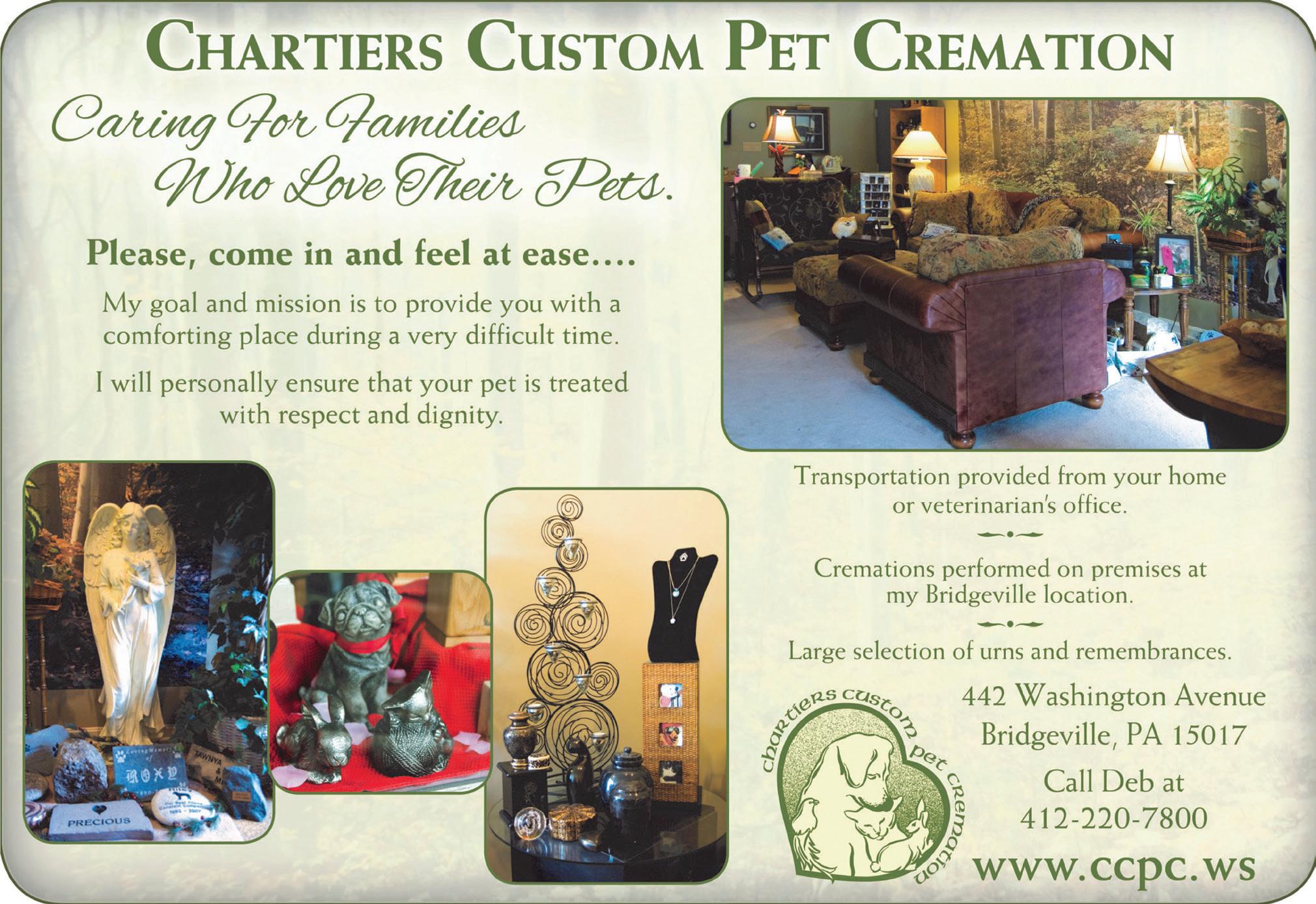
Chartiers Custom Pet Cremation offers specialized care from the time your pet’s body is received until the time your loved one is returned to you. Deb Chebatoris, the owner of CCPC, sees you through the entire process herself—from the initial phone call, through the transportation of the body, the cremation at the facility in Bridgeville and the comforting return into your hands. Unlike any other cremation service in the city, all the steps performed to cremate your pet are carried out by Deb herself.
Care for the family extends way beyond just the immediate needs of the cremation. Twice a year, CCPC offers events to help families deal with the overwhelming grief that often accompanies the loss of a pet. Healing Hearts is one of these events.
Scheduled for February 11, 2018, attendees will hear an enlightening presentation on grief and how to work through its impact. Elizabeth Babcock, a licensed clinical social worker, shares her
professional expertise about the psychological and physical effects of grief and offers resources to help navigate the fallout from the loss. Any person who is having trouble coming to terms with the loss of a pet, regardless of when the loss occurred, is welcome to attend.
The session is at LaBella Bean Café in Bridgeville, 609 Washington Avenue, Bridgeville, PA 15017, just two blocks away from Chartiers Custom Pet Cremation. LaBella Bean will be closed to the public during this session.
So that CCPC may properly prepare and also contact you in the event of bad weather, please RSVP if you are planning to attend by calling 412-220-7800.
Chartiers Custom Pet Cremation is owned and operated by Deb Chebatoris for the comfort and consolation of Pittsburgh pet’s families, and is located at 442 Washington Avenue, Bridgeville, PA 15017. For more information on CCPC or on the event, please visit www.ccpc.ws.