












CORRESPONDENCE
Summer 2021 Volume 8 Issue 4
Welcome to Pittsburgh PetConnections Magazine’s! Winter 2019, Volume 7 Issue 1
pghpetconnections@gmail.com
All Rights Reserved | ©2021
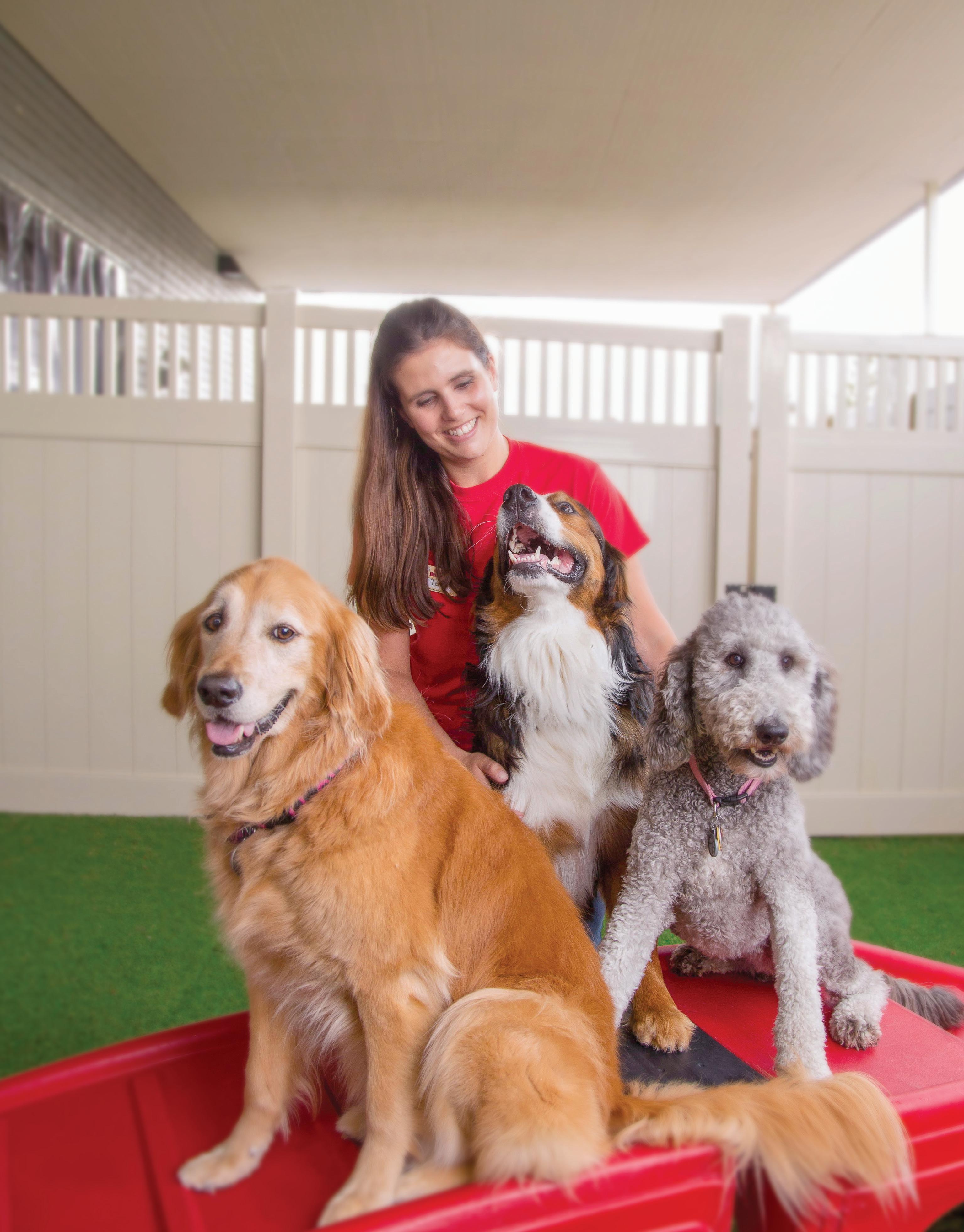
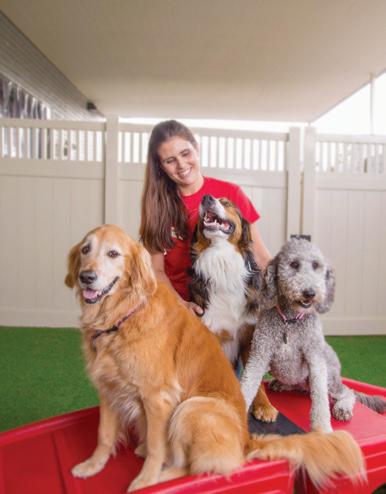
Camp Bow Wow is featured on cover! See their article and ad inside. This issue is packed full of informative articles from April Minech on Strengthening Bonds with Our Pets, Dr. Doug with Food as Medicine, Pittsburgh Veterinary Specialty & Emergency Center writes about Cancer in pets, Dr, Becky Morrow of Frankie’s Friend rescue covers questions about FeLV-FIV in cats. Kristin Herman writes about Riding Straight Lines. Also, the Kitty Korner section Bernadette Kazmarski has a great article on why “They Are All Cats” and see info on spay and neutering on Cat Resource page, and much more!
News
Welcome to our Winter 2019 issue!
We welcome Ease Animal Massage, Buzzy Photography, and O2 Derm Pet Topical Gel to our supporting advertisers!

We welcome new sponsor, Sunny Acres! We are also excited to welcome back Lucky Paws Pet Resort, Pittsburgh Pet Concierge, Walkers Pet HoTail, and J & D Waterproofing and Home Improvement.
Events
CORRESPONDENCE
info@pghpetconnections.com
Introducing our new sister publications coming out in March, Integrative Healing magazine for people (and, of course, a pet section!)
It is so good to get out to live events again!!!
724 -292-7387
All Rights Reserved | © 2019
Our mission is to publish a high quality, informative publication focused on the Human-Animal Bond. We support local businesses and also assist local non-profit businesses for pets and people, to give back to our great Pittsburgh communities.
We are also pleased to announce some fun new things that we have in the works for PetConnections!
www.petconnections.pet 11 6/30/19.
PITTSBURGH PETCONNECTIONS QUARTERLY
Published by: Pittsburgh PetConnections, LLC. Pittsburgh PetConnections LLC. was formed in 2012. Our mission is to publish a high quality, informative publication focused on the Human-Animal Bond. We support local businesses and also assist local non-profit businesses for pets and people, to give back to our great Pittsburgh communities.

We will be publishing pictures of your pet from winners of our new weekly social media photo contests! Also new, our membership sign-up button on our Facebook page, where you can receive news about events and contests, special discounts from our advertisers, discount event tickets, join our PetConnections Birthday Club for Pets, submit your story to be published in our Human-Animal Bond section or Remembrance, and more!
See our event section for upcoming dates such as Wags, Whiskers and Wings event, Woofstock, Biscuits Bingo, Woody’s South “Bark” Day and more!
We are working with our licensing partner dvm360TM magazine to pair great content! The partnership will mean online national and global exposure for PetConnections magazine!
“dvm360 TM is the veterinary profession’s No. 1 print resource for news, product resources, tools, and practice solutions. dvm360TM captures the voice of the profession and delivers relevant, real-world coverage while meeting the everyday clinical needs of small animal and equine veterinarians.”
MAGAZINE PUBLICATION STAFF
Carla Mader, Managing Editor
Kara Jones Photography, Photography
Kelli Koladish, Graphic Designer
Edward R. Moats, Content Editor
Carla Mader, Sales & Distribution Manager
Edward R. Moats, Media Account Manager
ADVERTISING SALES
We hope you enjoy this issue as it is packed full of informative articles and resources for our pet parent readers!

Chartiers Custom Pet Cremation’s Healing Hearts Pet Loss Grief Seminar, Animal Friends’ and CARMAA’s highlighted in our event section.
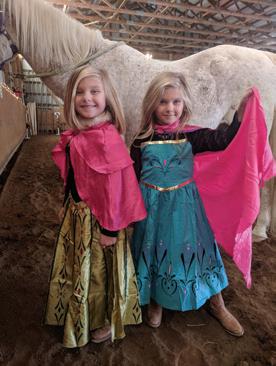
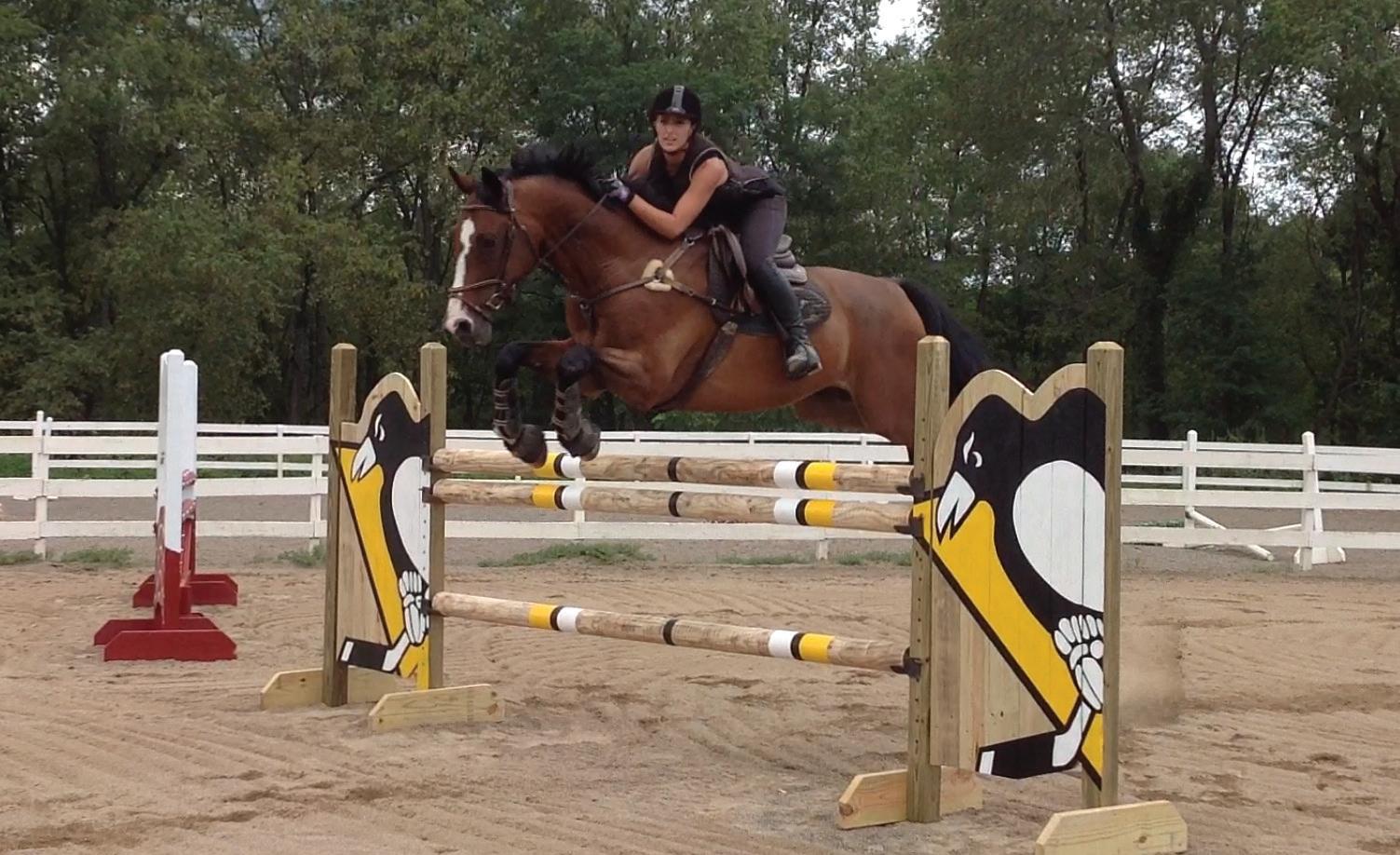
Our cover features Manon Farm’s Princess Showcase riding show! See the Equine Affairs section article inside, April Minech! Also, a reader, Ruth Maloy-Carter submitted her heart-warming story, “Great to be Ginger”, Animal Bond section! Edward Moats continues his avian nutrition articles, with more great tips, in Feathered Also, we are revisiting Integrative Healing for Pets with Dr. Doug, in our Pet Holistic section.
PetConnections is published quarterly as follows: March, July, September, and special Holiday issue in early December! Our print copy distribution sites will be replenished every 6 weeks. Our online presence has always been much greater than in print with now over 400,000 impressions! To subscribe to your own personal copy of PetConnections, please contact us below.
Robin Reinfeld, Director of Sales, Pittsburgh 412-780-2254 | rrcd@aol.com
Did you know? PetConnections has evolved into a full-service specialized pet media company, providing services for advertising in print and digital marketing platforms to help our sponsors grow their businesses. Contact us below for information on advertising or sponsoring!
CONTRIBUTING WRITERS
Doug Knueven, DVM, CVA, CVC, CVCH Pittsburgh Veterinary Specialty & Emergency Center
Our rescue section features Nate’s reptile Rescue. PVSEC/BluePearl’s article about winter safety for pets. Our Korner has Homeless Cat Management Team has spay and neuter info, by Bernadette Kazmarski. Equine Hermann writes about Learning from Source.
PetConnections is published quarterly as follows: Early February, May, August, and November. Our distribution sites will be replenished every 6 weeks. Our online presence has always been much greater print with now over 350,000 impressions this year. To subscribe to your own personal copy of PetConnections, please contact us below.
Thank you for picking up this copy of PetConnections. Be well and we wish you a happy summer with your family and pets! Stay Safe!
Did you know? PetConnections has evolved into a full-service specialized pet media company, providing services for advertising in print and digital marketing platforms to help our sponsors grow their businesses. Contact us below for information on advertising or sponsoring!


www.petconnections.pet 11
Kristin Hermann
April Minech
Bernadette Kazmarski
Edward R. Moats
Cover Photo: Hayden and Harper Stewart
Photo By:
Erica Stewart

Thank you for picking up this copy of PetConnections.
Warmly,

Warmly,
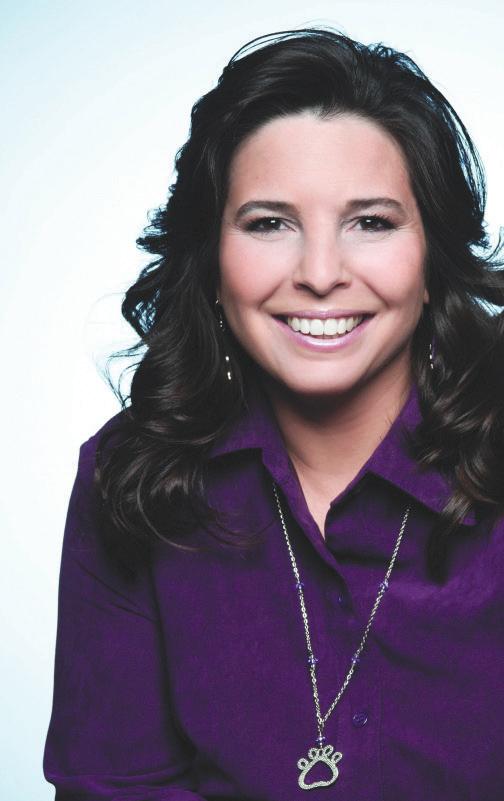
Carla Mader Publisher
Carla Mader Publisher


Pittsburgh | Central Ohio PetConnections Magazine
Please submit any correspondence to: pghpetconnections@gmail.com
PetCon Expos
Please check us out on the web & subscribe at: www.petconnections.pet Follow and “Like” us on Facebook!
http://www.facebook.com/PghPetconnectionsMagazine
Please submit any correspondence to: info@pghpetconnections.com
Please check us out on the web & subscribe at: www.petconnections.pet Follow PghPetMag on Twitter and “Like” us on Facebook! http://www.facebook.com/PghPetconnectionsMagazine


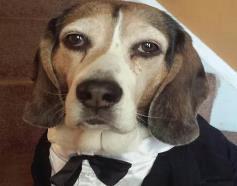

By April Minech, based on the work of Suzanne Clothier
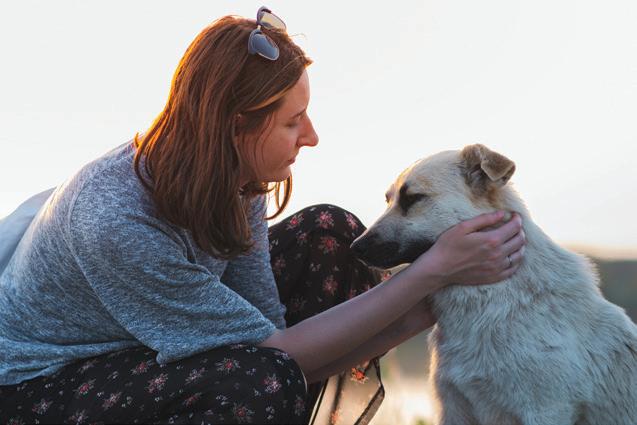
We all love spending time with our dogs. After all, that’s why we brought them into our family to begin with. But have you ever thought of that as a relationship? Something to be worked on, nurtured and open to the give and take that makes things work in our human connections? It seems obvious at first, but are we really asking our dogs how they feel about things? If someone told you starting today you would be joining their family and from now on they would be telling you what to eat, where to go, what items you were allowed to have, where you would sleep and what you were going to do everyday for the rest of your life without any input from you, and expect you to be grateful for it, would that be alright? Hmmm…
Suzanne Clothier, author of If Dogs Prayers were Answered, Bones Would Rain from the Sky and world renowned dog guru has some questions you can ask your dog to find out. In her video seminar The Elemental Questions, Suzanne walks owners through ways to ask your dog things instead of just telling them.
Suzanne’s simple but powerful Elemental Questions are:
Hello? Looks at the dog’s social interactions
Who are you? Asks about how the dog perceives and responds to his world
How is this for you? Asks about the immediate situation and balance
Can you…? Looks at the dog’s physical abilities & limitations
May I…? Seeks ways to gain the dog’s cooperation and permission
Can we…? Balancing the dog/handler team’s abilities and limitations against goals
“Learning how to ask these questions and really paying attention to the answers is the work of a lifetime” says Suzanne.
Starting with the first question, dogs may politely greet you without wanting any further interaction. They may wish to do a quick investigation of you or smell where your shoes have been, and sometimes we confuse this with the dog being friendly and wanting a big hug or petting. Just as we wouldn’t start hugging a stranger in the elevator that nods hello, dogs can be saying the same thing. While other dogs usually understand this when meeting each other, as do people meeting other people, humans can miss this important signal when meeting dogs. And just like people, dogs may be interested in meeting some other people but not all. The next time your dog comes in contact with a stranger, watch how he reacts and see if you’ve been letting him say hello on his terms.
When learning who the dog is, you need to factor in their life experience as well as their temperament. And most importantly, understand that the dog is an individual. While you may have had a certain breed before, that doesn’t mean that this dog of the same breed will be the same.
One of the most overlooked
questions we can ask our dog is How is This for You? You may think you know your dog’s regular tendencies, but is that true in this moment? So your dog likes playing in groups, but does he like this group? Does he like that today? If you like cheesecake, do you want it everyday all the time? What if you are sick? What if it smells funny? What if its 100 degrees out? Do you ask your dog if he’s okay every time you do something together? What if you were spending time with a friend and never checked in to see if they were having fun or asked if they wanted to stop or change the activity; how would that friend feel about you?
Each dog has their own physical abilities and limitations, so be aware of what they are comfortable doing. If a dog likes to go for long walks, pay attention to whether likes long walks or maybe he just wants to please you and spend time together. How do you know? If you stop the activity and give him a choice, is he glad to rest and just sit with you? You may be surprised at the answers if you give your dog a choice. And it’s important to be observant enough not to push your dog past his limits, even if he doesn’t know what they are. A dog may be so eager to please you that he doesn’t know when to stop. Basic manners with your dog includes asking “May I?” before you do something, especially when touching or entering their space. Dogs use space for a lot of communication just like people. Ever have someone stand too close when talking to you, or approach you so quickly that it startles you? Dogs feel this way x10. Look the dog’s reaction with the same caution and respect you use for people. And a good way to test for whether a dog wants to be petted is to stop doing it and see how the dog reacts. If he snuggles or pokes at you with his nose, paws at you, or otherwise encourages you to continue, the answer is “Yes, I’d like more!” If he does not, the answer can be no; he may have just been tolerating you. Try looking at other dogs when this is happening and chances are you’ll see examples of this with the owner having no idea.
Working together with your dog should be rewarding on both ends. Remember that conversations are two-way; what is said affects you both. Are you having conversations with your dog, or are you lecturing him? When you think of your dog as a partner, you’ll realize how great the relationship can be.
Learn more about Suzanne’s work about Relationship Centered Training at www.SuzanneClothier.com


When you think of kennels you probably think of sad dogs locked in cages waiting impatiently for their families to free them. We have good news! Camp Bow Wow has come to Pittsburgh and is improving the way we take care of man’s best friend! Camp Bow Wow treats their four-legged guests like kids at a summer camp while you’re on your next trip. At Camp all the campers participate in an all day, group play environment. There are different play areas for dogs of different sizes and energy levels (even one for teacup sizes!), all of which are indoor and outdoor so the campers can use the potty and play in the fresh air when they want to. Camp also has free live web cams for the guardians to check up on their furry friends while they’re traveling or at work!
At night, the overnight campers get their own cozy cabins with soft cots, fleece blankets, Kong’s with peanut butter and

biscuits, and classical music to lull them to sleep until it’s time to play again. Camp Bow Wow makes safety its number one priority and always maintains a 15 to 1 ratio of Certified Camp Counselors to dogs for safety. All campers do need to be vaccinated and spayed/neutered to stay at camp. All of this is included for just one low price since there are no “extras” to pay for like most places. You can even drop-off or pickup 365 days a year. Your dog just might have a better time than you on your next vacation!


Daily daycare is also an excellent option for lonely, high energy or overweight dogs looking for fun and exercise. Dogs love to be social and this can be an excellent way to avoid coming home to a dog that is anxious or depressed after a long day alone. Grooming, dog training services and Individual Enrichment Sessions are offered at Camp Bow Wow as well.
Camp Bow Wow has six convenient Pittsburgh locations. Call Camp today to set up your first appointment. The first day at Camp is FREE so you have nothing to lose! Call Camp Bow Wow today 832-400-CAMP (2267) or visit our website at www.CampBowWowPGH.com



By Kaley Kaczynski, Director of Community Resources

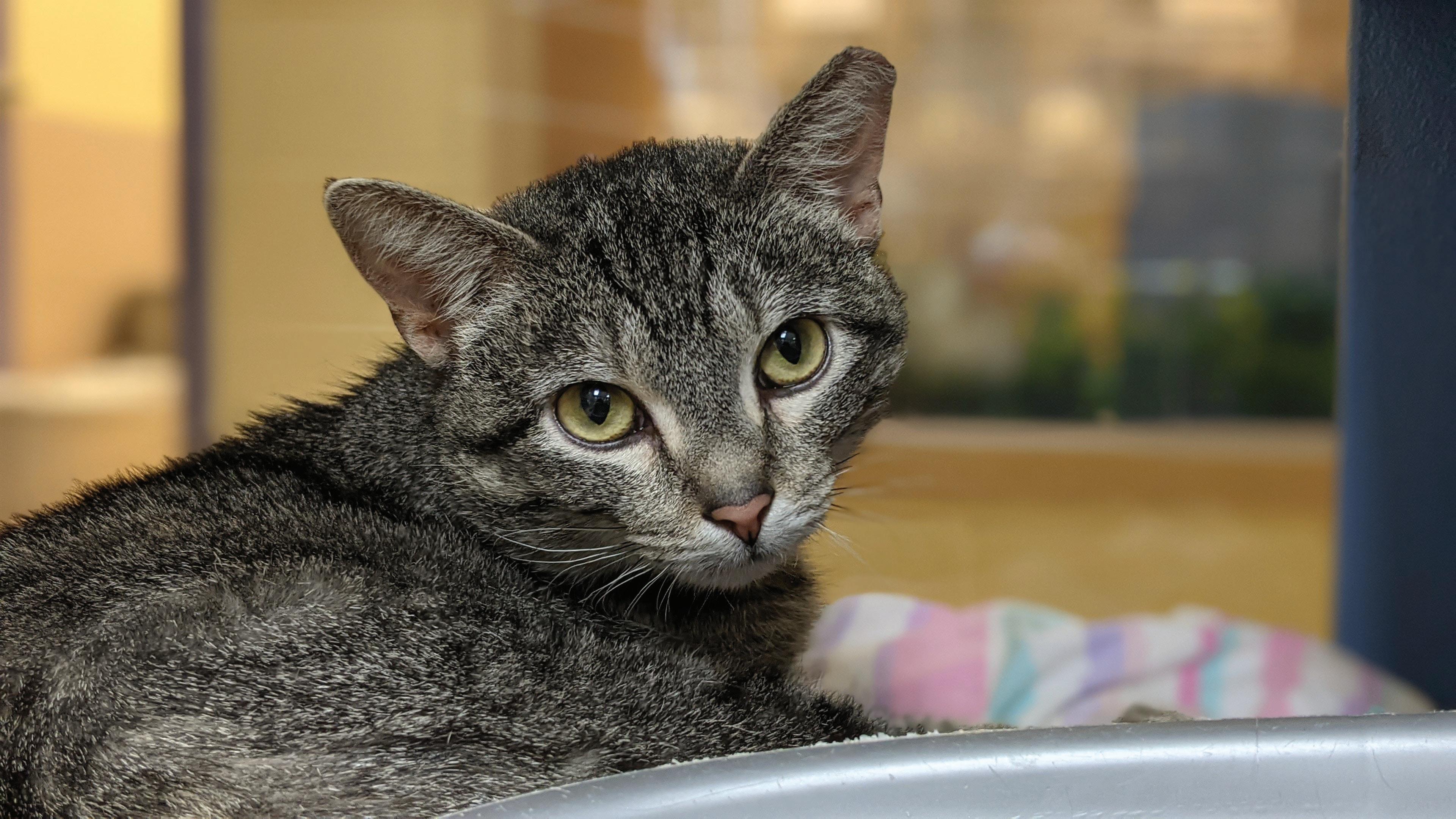
At Animal Friends, we have seen first-hand the importance of spaying and neutering companion animals, which is why progressive spay/neuter programming has long been at the forefront of our lifesaving mission.
By having your beloved pet spayed or neutered, you are doing your part to ensure they continue to live a happy and healthy life! An animal who has been altered is at a reduced risk of certain cancers and less likely to develop infections.
And, there are many behavioral bene f its of spay/neuter including lower anxiety, calmer temperament and even a decreased likelihood of running away. And, of course, once your pet has been spayed or neutered, they will no longer be at risk of contributing to the pet overpopulation crisis.
But our commitment doesn’t end with pets in homes. We are proud to offer affordable resources for feral cat colony caregivers to ensure that community cats are healthy and their populations are compassionately and humanely kept in check.
Euthanasia can never be the solution to pet overpopulation, which is why we are so committed to working toward an effective and proactive solution to this crisis. In addition to a spay or neuter surgery, our feral cat package includes rabies and FVRCP vaccines, flea treatment and an ear tip that helps to identify the cat in the future.
Owned Cat Package
$65*
*Includes spay/neuter surgery, e-collar and injectable pain medication
Feral Cat Package
$60*
*Includes spay/neuter surgery, rabies and FVRCP vaccines, ear tip, injectable pain medications and flea treatment
Affordable veterinary care is something that should be accessible for every pet owner. Since our Animal Wellness Center opened in 2017, we have met thousands of companion animals and the people who love them. Time and time again, we have seen that just because an individual is struggling to afford veterinary care for their pet, it does not mean that they love them any less.
By providing resources including low-cost vaccines and annual wellness exams for income-qualifying clients, we are breaking down barriers of affordability and accessibility.
Adding these resources to our low-cost spay/neuter services, we can ensure full-circle, whole-life care is available, regardless of a pet owner’s f inancial status.
And, by providing affordable veterinary care and other support services to the pets and people who need them most, we are keeping pets in homes with loving families where they belong.
Rabies (1 and 3 year)
Feline Leukemia
Feline Distemper (1 and 3 year)
Microchip
$15-$25
$20
$15-$25
$10*
*During spay/neuter surgery or with proof of alteration. $20 for intact animals.
Revolution Plus Single Dose Flea and Tick Treatment
Seresto Collar for Cats
$16-$19
$50
Wellness Appointment Exam Fee $35*
*For income-qualifying clients.

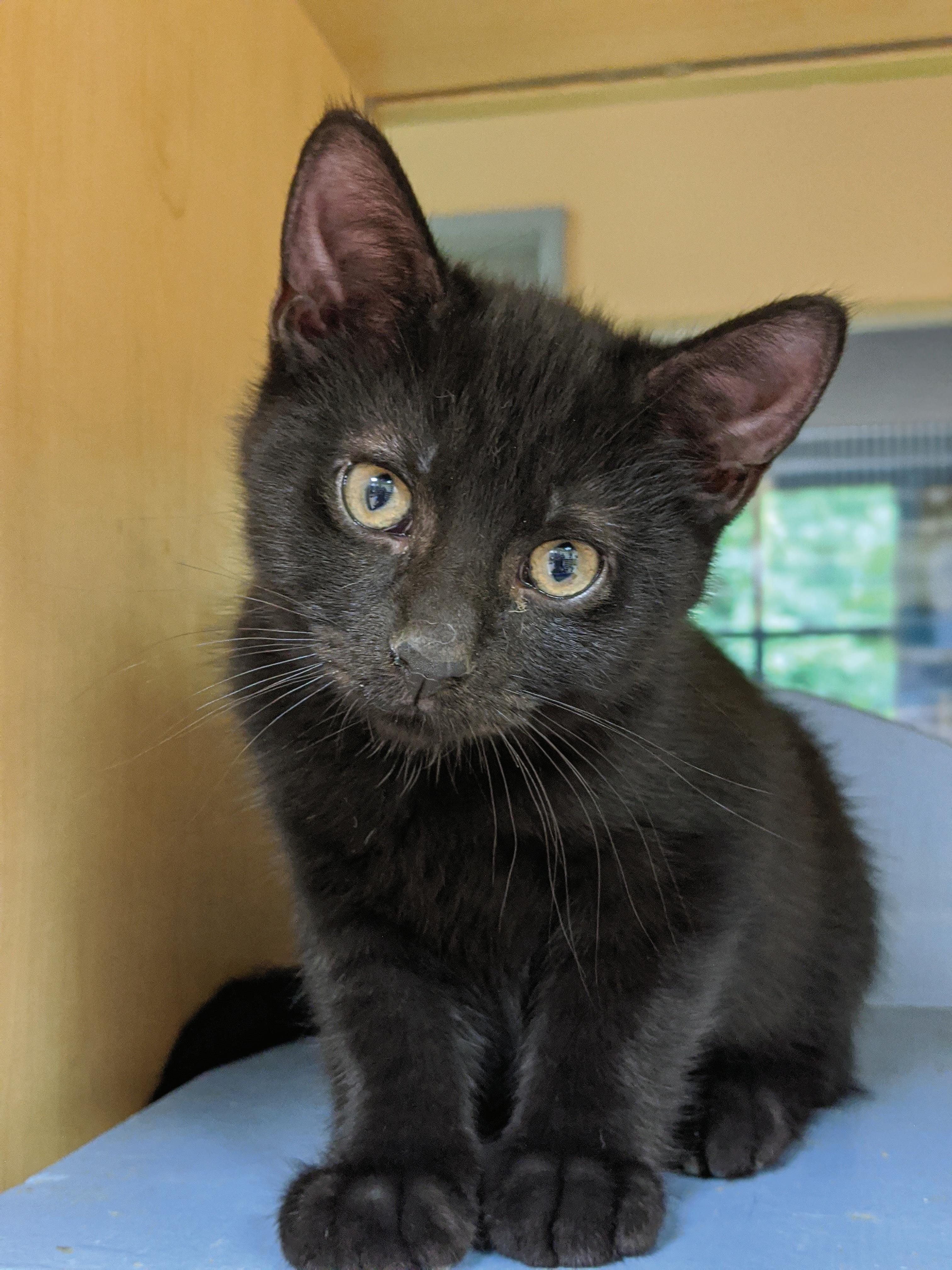
By Joy Durmis, CVT
A diagnosis of cancer in our pets can bring a lot of questions. The goal of this article is to provide encouragement for early detection, discuss generalized treatment options, and offer suggestions for end-of-life comfort.
The best prognosis for any type of cancerous process begins with early detection. A monthly check for lumps and bumps at the time of flea/tick/heartworm prevention administration is a perfect place to start monitoring at home. Another key time for early detection is during annual visits (biannual for senior pets) with your primary veterinarian, including routine bloodwork. Pet groomers are also on the front lines of early detection and can let pet parents know if they’ve noticed a lump, growth, or painful area that wasn’t previously noted. Please recognize that even with the best monitoring and intentions, cancer can have destructive tendencies after only a short amount of time. The survival instincts of animals often prevent them from showing us pain and vulnerability. We may only notice changes after the animal can no longer compensate. Changes in appetite or behavior, limping, and various masses/growths have many causes and vary in severity. Not every symptom points directly to cancer, but when it does, several different types of treatment options exist.
There are many different modalities for the treatment of cancer. If possible, surgical removal of the gross disease is recommended. Sometimes complete removal of a tumor could be curative, depending on the
specific diagnosis and behavior of the tumor. This information is obtained by submitting the removed sample to a pathologist who will be able to specify the type of cancer as well as describe the characteristics of how the tumor is behaving. The pathologist can also determine if the tumor was completely removed, or if there are cancer cells extending to the borders of the sample. Metastasis can occur whether or not the tumor has been completely removed. This means that the cancer cells have spread from the original location to other organs or tissues within the body. Prior to surgical removal, diagnostics such as radiographs and/or ultrasound should be performed to check for distant metastasis in order to guide treatment decisions.
A referral to a specialty hospital with boarded surgeons and/or oncologists may be recommended for further treatment options. Surgical excision is not always possible or recommended due to location or invasiveness to surrounding tissues/organs. In these types of cases, chemotherapy or radiation may be considered for treatment. Other indications for chemotherapy would include preventing metastasis from an aggressively behaving tumor (which has been removed), slowing down the spread of further known metastasis, or treating for microscopic disease which we cannot see with the naked eye. Cancer can also be blood or lymph based which would make chemotherapy the best option for treatment. Quality of life is always the ultimate goal when utilizing chemotherapy to treat our pets. Animals do not receive as high of chemotherapy doses as our human counterparts. This allows the animal to enjoy the time they have with their family and live a relatively normal life. The tradeoff for this is that the goal of chemotherapy is generally not curative, but rather to induce a remission status for a period of time.
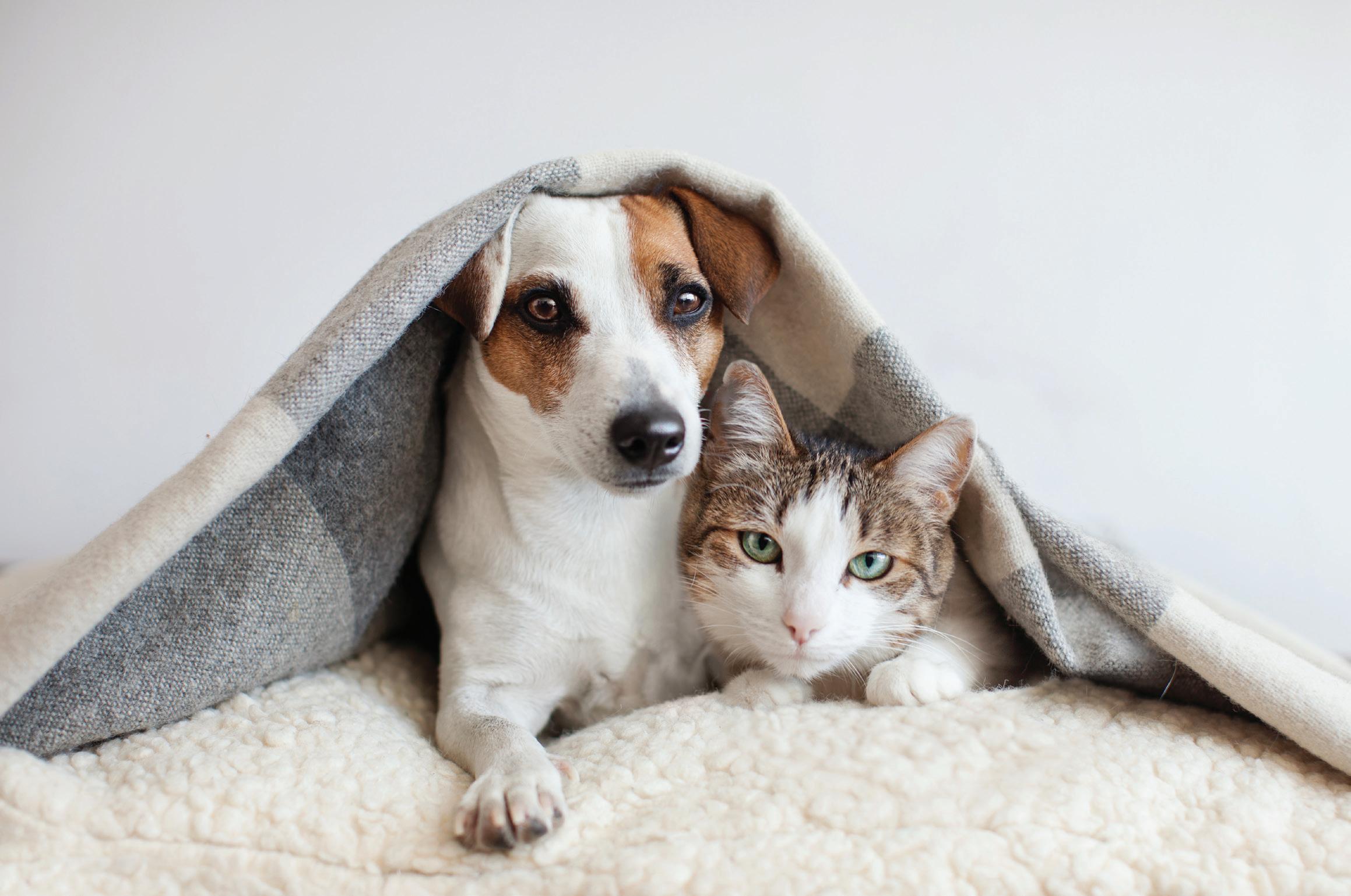
Other treatment modalities include stereotactic or conventional radiation therapy or electrochemotherapy. These types of options can be used for several different types of cancers and may be recommended over traditional chemotherapy depending on the specifics of the diagnosis. Mirroring the human world of cancer, immunotherapies and vaccines are being used or are in development right now. Other families may opt for a holistic approach which could be given alone or in conjunction with other treatments.
There are many reasons to seek out palliative care for your pet during, after, or instead of traditional treatment options for cancer or any other disease. The financial requirements may not allow for surgery, chemotherapy, or radiation as viable options. The stress of the required visits to the hospital may not be compatible with a good quality of life for your pet. Or, all treatment offerings may be exhausted and no other valid options exist for the doctor to suggest for your pet. Whatever the reason may be, as their guardians, we are responsible to prevent any unnecessary suffering. As this time approaches, you may consider giving your pet the go-ahead for anything and everything that makes him happy. Suggestions include extra special food, quality playtime, or just being present to enjoy the bond that you share. Pain medications and appetite stimulants, as well as alternative
options such as acupuncture, may temporarily improve your pet’s quality of life
However unfortunate, there comes an inevitable time when we have to say goodbye to our pets who have over the years became our best friends, family members and ever-present sources of happiness. Although never an easy decision to make, options remain for providing a peaceful departure for our pets. Many people make arrangements with their primary or specialty veterinary office. Others may opt to have a licensed veterinarian come to the home. Your pet may also be brought through an emergency service if experiencing an acute decline.
The days and weeks that immediately follow saying goodbye to our pets can often be the most difficult. Even then there are options for caring for yourself after experiencing loss. There are support groups, social workers, and friends and family with whom you can share memories. Remember that you gave your pet the best life and in turn, your pet inevitably allowed you to live yours.
Is your dog eligible?
• Weight: 50 lbs +
• Current with vaccinations
• Never had a blood transfusion
• Tested negative for blood-borne diseases (free testing by blood bank)
• Between 1-7 years old
• Healthy with a gentle temperament
• Must be on heartworm, flea and tick
• Not pregnant or currently nursing


Humane Animal Rescue of Pittsburgh’s annual fundraising event, Wags, Whiskers, & Wings End of Summer Paw-ty, returns on Saturday, August 28th in-person at the East Side shelter at 6926 Hamilton Avenue, Pittsburgh 15208.
Limited tickets will be available for the in-person Paw-ty, but we’ll have fun for our virtual guests as well.
It promises to be a festive evening with delicious food and drinks, fabulous auction items and the opportunity to experience firsthand the work and impact of Humane Animal Rescue of Pittsburgh.

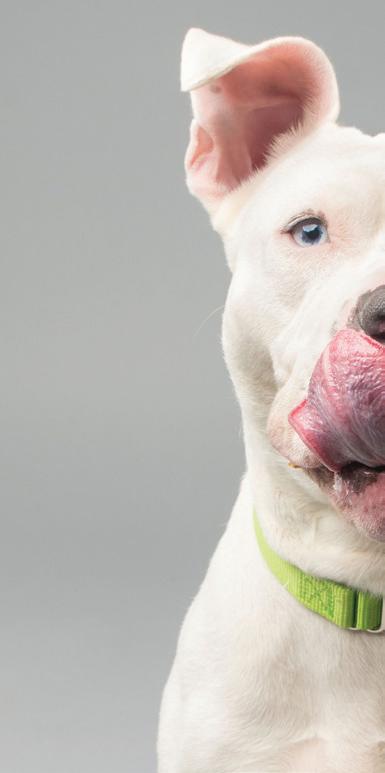
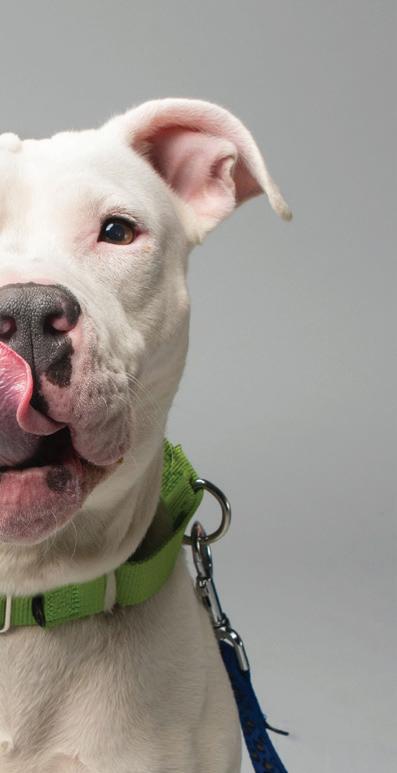
As the region’s largest animal welfare organization, Humane Animal Rescue of Pittsburgh (HARP) provides the most comprehensive, compassionate, and humane care to all animals – both domestic and wild – in our community. Each year more than 26,000 animals are helped through our adoption programs, veterinary medical centers, Wildlife Rehabilitation Center, free pet food distribution and community engagement initiatives.
Humane Animal Rescue of Pittsburgh will remain focused on providing care to domestic and wild animals in the region with the care they need and the love they deserve. Learn more about the organization, its services and how to get involved at www.humaneanimalrescue.org.





All Life Veterinary Clinics, page 27
Animal Friends, page 8, M
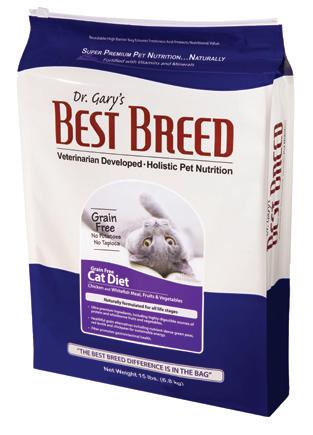
Best Breed Pet Food, page 15
Beaver Animal Clinic, page 17, D
BluePearl Pittsburgh Animal Blood Bank, page 11
Buzzy Photography, page 18
Camp Bow Wow, page 5
Catsa, page 21
Chartiers Custom Pet Cremation, page 28, F
Cheyenne Veterinary Wellness & Surgical Center, page 15, Q
Coventry Stables, page 27
Doggone Awesome Pet Services page 15
Dog Stop, page 6
EASE Animal Massage, page 18
Fuzzy Paws Pet Villa, page 15, H
Gentle Journey Veterinary Hospice page 15
Humane Animal Rescue, page 12
J & D Waterproofing Home Improvement, page 1
Jefferson Memorial, page 29, J
Lucky Paws Pet Resort, page 3
Larry’s Laundromutt, page 17, P
Murray Avenue Apothecary, page 19
Pittsburgh Pet Concierge, page 3
Pittsburgh Veterinary Specialty & Emergency Center, back cover, N
Portraits of Animals, page 17
Sunny Acres, page 27
Woody’s Dog Wash & Boutique
Walkers Pet HoTail, page 14

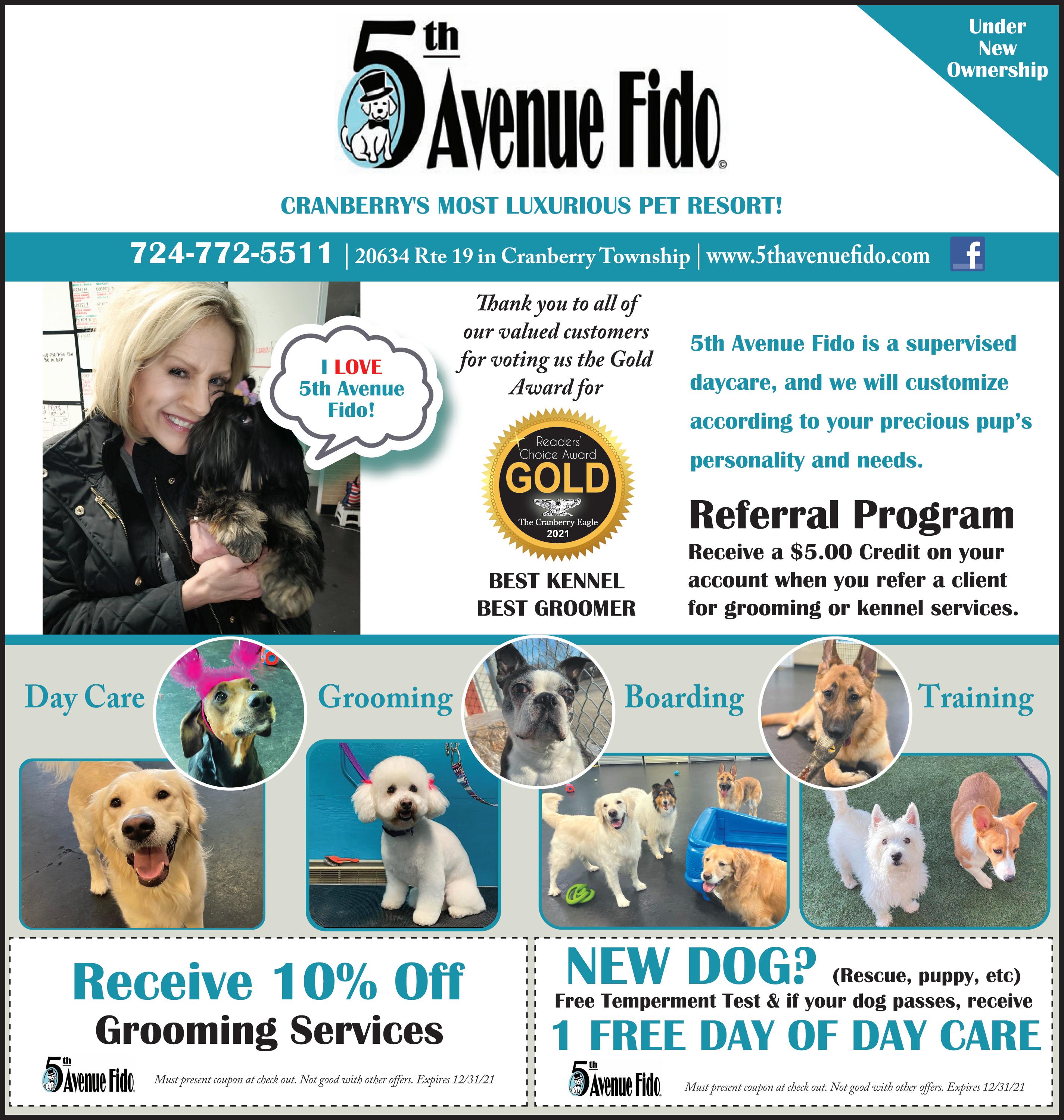
5th Avenue Fido, inside front cover
Please see listed pages for complete addresses.

















By Doug Knueven, DVM, CVA, CVC, CVCH
Holistic medicine sees wellness as a dynamic balance. It honors the body’s homeostatic processes that allow the organism to bring itself back into equilibrium. A holistic practitioner simply provides what is needed to nudge the body back to normal. In holistic medicine we see optimal health as something more than simply the absence of sickness. It is a vitality that resists sickness.
The wisdom of an approach to health and healing that utilizes gentle, natural treatments can be appreciated when one considers the complexity of an organism. Let’s take humans as an example. Human DNA is made up of a whopping 6 billion base pairs. This is especially incredible when you consider that with only 150 base pairs, the number of possible combinations is equal to the number of atoms in our solar system. The DNA from one cell stretches 4 feet in length. The genes code for over 100,000 proteins which form 10,000 biomolecular machines (enzymes and organelles) and 200 million membrane receptors of thousands of varieties.
The receptors respond to signals from the cell’s environment and affect the biomolecular machines as well as the DNA itself. Indeed, while the DNA codes for 100,000 proteins and contains 20,000 regulatory genes for a total of 120,000 expected genes, the human genome is made up of only 25,000 genes. It turns out that the signals from the environment act through the cell receptors to edit, slice, and splice the genetic information to come up with the needed blueprints.
Now, into the typical human cell we need to throw 1,000 to 2,000 mitochondria which make up about 1/5 of the cell’s volume, each with its own DNA. These power the biomolecular machines and also communicate with the nuclear DNA. All told, it is estimated that there are an astounding 6,000 chemical reactions per second in a typical cell.
All this activity is happening within and between the 37 trillion cells of the body, each sending out and receiving signals in the form of electrical currents, hormones, metabolites, and neurotransmitters. There are approximately 400 cell types in the body, each with the exact same DNA but very different expression of those genes and therefore different structures and functions. These cells are organized into the 78 organs and dozens of glands in our bodies. Just to add another layer to the picture, we need to realize that all the systems of the body interact with the GI microbiome which is made up of 10 times more cells than make up the body.
The incomprehensibly intricate and complex system that is an organism should make us hesitant to be intrusive in our attempts to treat any condition. The holistic approach is generally to aid the body and then step back and leave the healing to the inner wisdom of the system as it rectifies the situation as only it knows how.
One of the most effective holistic treatments that I have found is a species-appropriate, balanced, raw food diet. In my opinion, it is the best way to provide the raw materials a pet’s body needs to heal itself. Such a diet is what the genetics and systems of the body evolved to utilize. When one of my patients has a problem, I often start with food before recommending drugs or surgery, or even herbs. Let food be your pet’s medicine.

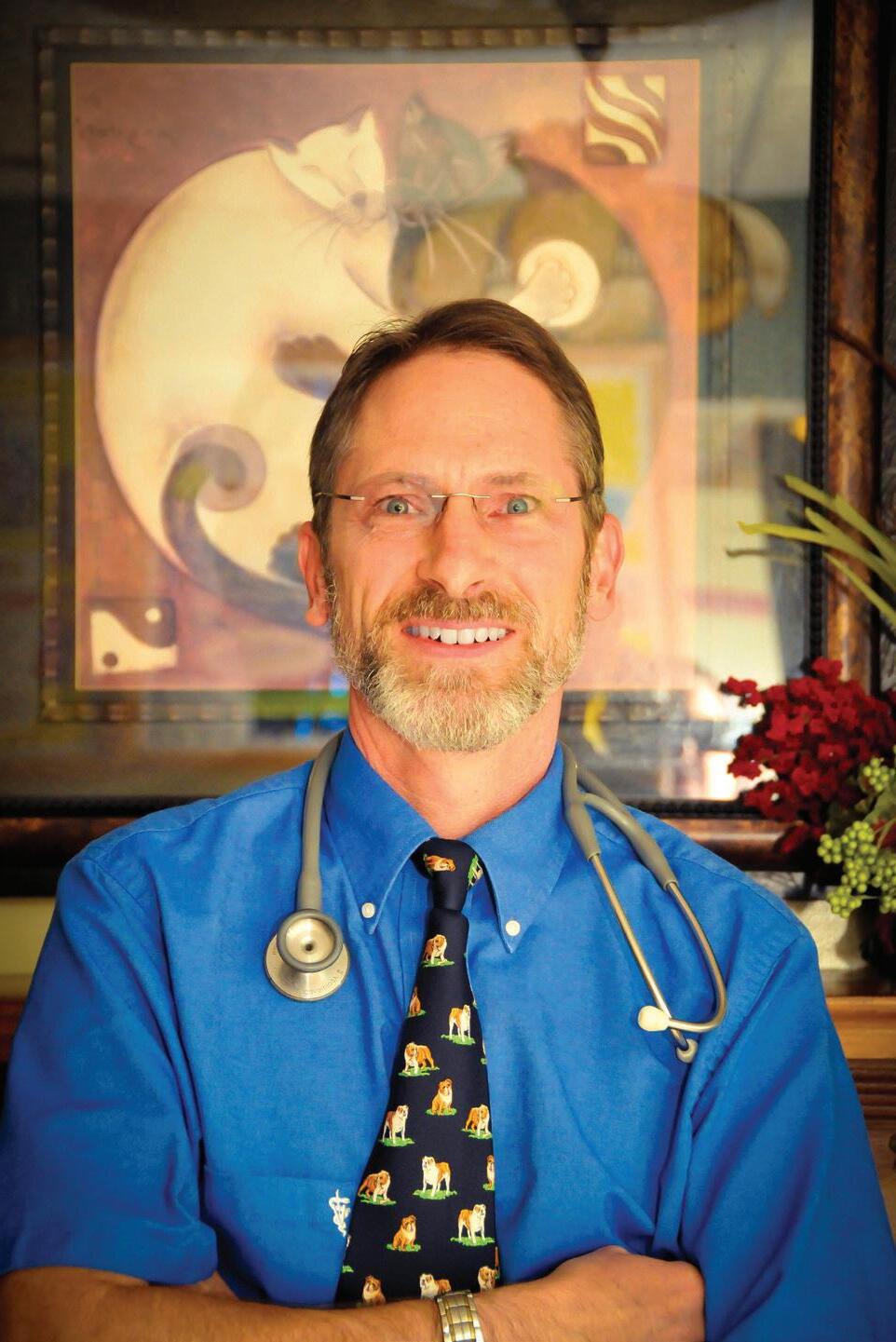
Chinese herbal medicine, and chiropractic. With over 30 years of veterinary experience, Dr. Doug has treated thousands of challenging cases. For complete care for your animal companion, see Dr. Doug. Call Beaver Animal Clinic today to set up a holistic exam for your pet.
Dr. Doug | The Holistic Vet 357 State Avenue | Beaver,
Young, vibrant Golden Retriever named Bauer is diagnosed with torn knee ligaments, after just 2 visits he is “acting as if nothing had ever happened”, read what Bauer’s dad had to say about working with Animal Healing NOW:





Dr. Savko is awesome! I took my Golden Retriever to him when the vets thought he tore his ACL. He was limping and not playing a whole lot. Initially the veterinarians had me thinking that expensive surgery after expensive diagnostic testing were my ONLY options for my pal to have a normal life again. If that was the way it had to be then so be it, but I thought maybe there might be a better way so I got a second opinion. I am so glad I got another opinion from a veterinarian that referred me to Dr. Savko. Right away I messaged Dr. Savko frantic about my baby and he responded immediately and was very calming. I’ve since been seeing him for about 8 weeks now and after just 2 visits, Bauer was acting as nothing ever happened and playing with his puppy brother. Dr. Savko saw the progress himself and could’ve easily taken advantage of me and told me to come 7 days a week, but he spread out the visits and even cut a few out because Bauer was doing so well. NO MATTER WHERE YOU LIVE, THIS DR. IS WORTH EVERY SECOND TO GET YOUR PET BETTER. THANKS DR. SAVKO!
You have not tried everything until you have tried Animal Healing NOW, besides why wouldn’t you go the non invasive route first? Unless it is a life or death emergency natural and non invasive options should always be considered first or at least in addition to anything else!
Healing, not just treating.









By Dr. Becky L. Morrow, DVM
If you have a feline family member, chances are that you have heard of Feline Leukemia (FeLV) and Feline Immunodeficiency Virus (FIV). FeLV was first discovered in 1964 in a group of cats from the same household with a type of cancer called lymphoma. After development of a reliable diagnostic test that could detect the virus in the blood stream, scientists found that cats with FeLV had an 888 times greater incidence of lymphoma than in non-infected cats. This strongly supported that FeLV caused lymphoma. With more studies, it was found that the virus also caused blood abnormalities such as severe anemia. Because there was not yet a vaccine to prevent viral infection, “test and remove” (euthanasia of the positive) was employed to prevent spread to others.
Soon after, a study of 45 multi-cat households demonstrated that direct contact between cats, rather than exposure to virus in the environment, was how FeLV was transmitted. We would later find out that the virus does not last for more than a couple of hours in the environment and is mainly transmitted via saliva and nasal secretions. We now know, from direct experience and the scientific literature, that the age of infection is of the utmost importance in transmission. FeLV decreases significantly with age, with almost 100% of newborn kittens developing persistent infection compared to 15% of kittens over four months of age. What I have learned from my experience working with thousands of cats, is that kittens testing positive for FeLV will typically die from the virus by one and a half to two years of age. These kittens often have sudden breathing difficulties due to fluid around the lungs (secondary to lymphoma) or become extremely weak due to severe anemia. FeLV-infected kittens also have a higher risk of other infections and are especially at risk for deadly Feline Infectious Peritonitis (FIP).
There is good news, though. Most adult cats with strong immune systems can fight off FeLV and clear it from their bodies. Knowing this, if we have an adult cat test positive on our IDEXX snap test (the most accurate by our assessment), we always retest in 6 weeks to see if they become negative. In our experience, if a cat tests positive again 6 weeks after the initial test, they are persistently infected, meaning that they continue to test positive in the future, and most will eventually develop FeLV-related illnesses. Other confirmatory tests are available, but due to lower sensitivity (ability to correctly identify cats with FeLV) and specificity (ability to correctly identify cats without FeLV) these expensive tests have not been as useful to us as the tried-and-true IDEXX snap tests. More good news about FeLV is that repeated cat-to-cat contact is usually necessary for a cat to become infected, and the virus becomes quickly non-infectious, or “dies,” when outside of the host. Unfortunately for kittens, this is the main reason they have such poor outcomes - in addition to weak immune systems, they have extensive exposure to the virus if their mother is infected. Kittens can get infected in utero, through the milk, or from the mother’s saliva during grooming.
So, what about FIV? Like FeLV, it is a retrovirus, but it is very much different in its transmission and outcomes for infected cats. It is much harder to transmit, as it is almost entirely passed from cat to cat via deep bite wounds. Naturally, sexually intact male cats that have been outside fighting with others have the highest risk of infection and a large percentage of older tomcats that we test are positive for FIV antibodies (the FIV test is for antibodies and the FeLV test is for the viral antigens). FIV was discovered in 1986 in a facility housing 43 previously stray cats, ranging from six months to 13 years of age. The researchers demonstrated antibodies against FIV in 10 of 25 “sick” cats that “were either very thin and rough-coated or had one or more of a number of chronic infections including gingivitis, periodontitis, pustular dermatitis, ear infections, chronic rhinitis, chronic conjunctivitis, or diarrhea” and in one of the 18 healthy cats in the group. Even though fewer than half of the sick cats had FIV, the researchers concluded that FIV caused the illnesses. They also tested for antibodies, the body’s reaction to the virus, rather than the virus itself in these cats.
From this and other articles I reviewed, the only completely convincing and repeatable evidence is that FIV causes a
decrease in certain white blood cells, and as such, could diminish the immune response of the cat. The discoverers of FIV write that cats ultimately die from “progressive secondary or opportunistic infections of the oral cavity, upper respiratory tract, gastrointestinal tract, skin, or urinary tract.” As I mentioned, this makes sense in theory, but was not clearly demonstrated by the researchers. Additionally, a study following FIV positive cats over a period of four years demonstrated that despite the lowered white blood cell counts, all the cats in the study remained “outwardly healthy.” Other studies even show no difference in prevalence of illnesses historically associated with FIV between positive and negative cats. This is consistent with what we see in practice.
Because we treat thousands of cats each year at the clinic, I am fortunate to be able to make observations that allow me to question what I was taught in veterinary school. Cats with FeLV can live happy and fulfilling lives. We do see a decreased lifespan in most of these cats, especially in kittens as previously mentioned. I have seen several FeLV positive cats that lived well into their teenage years. I have seen FeLV positive cats that came into the hospital with fractured jaws, severe upper respiratory infections, and other significant issues completely recover and have good quality of life for many years. FeLV cats should be kept separate from those without the virus but can safely live in the same household. Positive cats do not need to be automatically euthanized as was one advised in the “test and remove” era.
Many tomcats and an occasional female cat test positive for FIV and we watch them live normal, happy lives. Kittens nursing from an FIV positive mother cat will transiently test positive due to the antibodies they get from her milk. Other than that, we have not seen kittens test true positive after the maternal antibodies were no longer in their systems. While FeLV nearly always leads to a decreased lifespan, that is not what we see with FIV positive cats. I know of a great number that lived into their teens without ever having a significant infection or illness associated with decreased immune function. I also treat hundreds of young and old cats with stomatitis, gingivitis, juvenile periodontitis, and periodontal disease, and the vast majority are negative for FIV. Of thousands of cats treated for rhinitis and upper respiratory disease, diarrhea, and dermatitis, almost none are FIV positive. FIV cats do great after extensive reconstructive surgeries, with the same outcomes as negative cats. FIV positive cats can be part of a multi-cat household with negative cats if all are spayed and neutered (intact male cats fight and transmit the virus). There is no good reason to euthanize based on FIV status.

What is the bottom line? Take preventive measures to prevent your cat from getting FeLV. There is a vaccination that is safe and effective in preventing infection in cats that may come across FeLV positive cats. All cats that go outdoors should be vaccinated. Test any new cats before adding them to the family. If an unvaccinated cat gets outside, test her when time appropriate (it takes approximately 30 days from exposure for FeLV to be in the bloodstream and able to be detected). If you have a kitty with FeLV, keep her separate from negative cats, and watch for any signs of illness. As far as FIV goes, we do not use that status to make any decisions about the cats. We treat what needs to be treated, repair fractures, suture wounds, and adopt them to loving families. We advise keeping them indoors just as we would other pet cats.
I am currently looking at my FIV positive cat as I write this article. His feline family members don’t hold that status against him, and neither do I.

Limited Edition Spacethemed Cat Shelter Design to Benefit Community Cats
By Bernadette Kazmarski
Send a kitty off to space and support production of affordable, sustainable community cat shelters with this unique, limited edition CATSA Lander Mark1 indoor cat bed.
Purchase this CATSA


Lander Mark1 lunar lander-inspired luxury cat bed... ...to fund the production of this durable and sustainable community cat shelter.
Your kitty can nap in space and support production of affordable, sustainable community cat shelters from a Pittsburgh-based, woman-owned company! Visit CATSA.co


CATSA is a woman-owned, Pittsburgh-based small business on a mission to create the coolest, space-themed, cat-centric design objects possible. Proceeds from design work help fund cat rescue and advocacy initiatives in our local community.
CFO (Chief Feline Officer) Samantha Ginsburg has spent decades helping community cats have a better life through TNR (trapneuter-return) of dozens of cats in her own colonies as well as TNR for other cats in need in the Pittsburgh area. She has also sponsored TNR and low-cost spay/neuter clinics to provide opportunities for cat lovers and cat caretakers to provide basic veterinary services to owned, rescued and community cats.
“One largely unmet need that CATSA volunteers identified as critically important to maintaining healthy community cat colonies is high quality, affordable outdoor shelters,” Samantha said. “Cats are crafty survivors, but severe winters and exposure can kill any cat that does not have a secure, dry place to sleep when the temperature drops.”
The ideal outdoor cat shelter needs to be durable, insulated, weather-tight, tip/roll-resistant and have two exit door options. CATSA has secured a patent-pending status for the design and has potential manufacturers lined up, committed to fabricating these shelters in the USA as cost effectively as possible while keeping the shelter affordable, easy to use and environmentally friendly.
In order to finance the final shelter production and distribution, the CATSA team designed the CATSA Lander Mark1 lunar landerinspired luxury cat bed. Only 99 of the brushed aluminum Mark1
cat pods and 9 artist’s proofs will be produced with the debut colorway and material combination. The Mark1 was created and fabricated in Pittsburgh, Pennsylvania by cat loving design nerds. The proceeds from the Mark 1 will be invested in developing CATSA’s new, patent-pending outdoor shelter to keep community and feral cats safe from the elements.
Visit www.catsa.co for details on the outdoor cat shelter and Mark1 cat bed, and to learn more about caring for community cats and TNR opportunities in the Pittsburgh region.

Limited Edition Spacethemed Cat Shelter Design to Benefit Community Cats
Purchase this CATSA Lander Mark1 lunar lander-inspired luxury cat bed... ...to fund the production of this durable and sustainable community cat shelter.
Your kitty can nap in space and support production of affordable, sustainable community cat shelters from a Pittsburgh-based, woman-owned company!

By Bernadette Kazmarski
This is the story of a cat named Gabby who was, all at the same time, an owned cat, an abandoned cat, a rescued cat, a feral cat, a stray cat, a homeless cat, and more—all dependent on his relationship to humans, but not on his own being. What kind of cat was Gabby, really?
As the decades of rescuing cats have flowed from future to past they’ve carried an idea into my mind. It concerns what we call cats. Not breeds or coat colors or anything to do with physical or emotional characteristics, not a biological or scientific designation. It’s about whether or not they have a home with a human, and this dichotomy at what we call those who do have one, and what we call the ones who don’t, and what that means for all cats in our society.
Language is important. What we call things is a significant indicator of how we feel about those things, and influences how we act toward them.
We may call cats many things: stray cats, feral cats, homeless cats, rescued cats, fostered cats, shelter cats, community cats,
Even the lines on that relationship are blurred, since humans neglect and abandon cats at an alarming rate every day, so having a relationship with a human does not necessarily guarantee respect and care, and cats living outside of a physical home may have a compassionate caretaker and receive the same love and affection we typically think of as given to a cat in a traditional pet and owner relationship.
Does the cat change the moment a human takes the cat that is kept as a pet and puts it outdoors to “fend for itself?” No, the cat is the same, only its relationship with a human has changed, yet our actions toward it as a society change dramatically. Cats kept by humans are seen as pets while cats living outdoors generally are not, and are often seen as vermin and can be killed as such, yet how can you tell if that cat outdoors isn’t someone’s indooroutdoor pet, or who escaped and is being actively sought?
June is Adopt-a-Cat Month. If our intent is to give compassionate care to cats, to increase adoption and retention, to promote more and better health care given to them by their human caretakers and to develop more healthcare options for them in veterinary care, we have to stop thinking of some cats as deserving of this care and some not depending on their relationship with a human. Research into feline health and health care decisions for cats, diets, indoor environments and even responsibility toward cats who are pets, all of this is affected by society’s perception of that population of cats who don’t have humans—if those cats don’t need this care and compassion, then any cat can really live without it, including things like basic vaccinations and spay and neuter surgery, and the choice is based on human preference and not on the needs of the cat. I feel holding on to this dichotomy in the perception of cats based on their relationship with humans holds back both respect for cats in our society and the care all cats receive when a segment of their population is considered undeserving yet the whole population is the same.

neighborhood cats, owned cats, unowned cats, outdoor cats, indoor cats—the one constant about these names is the word “cat”. Those other designations tell us about a human relationship with the cat but do not describe the cat itself.
You can’t definitively predict anything about them by their current living situation because you might find a cat living under a car to be wildly affectionate and playful and a spoiled indoor cat to be unpleasantly aggressive. Regardless of how they act, their species is always the domestic cat, just as we are always humans regardless of our own living situation or actions.
But when we think of cats who live outside of a human relationship our society perceives them as needing or deserving less care and less attention, as being expendable, worthless, when if that same cat has a relationship with a human we feel it deserves more.
Gabby had been adopted by people who repeatedly neglected and abandoned him, and a compassionate friend who lived near repeatedly took him in for care when he needed it, had him neutered and even tried to adopt him but his “owners” made promises and took him back. In the end they moved away and left him and she found him wandering once again, ill and suffering from cancer, and assisted him through his last few months.
What was Gabby’s status? When he was in an adoptive relationship with a human he was neglected and abandoned, yet when he was a homeless cat he was given compassionate care by a human who was technically not responsible for him. In his life he was, by turns, a stray cat, a homeless cat, considered a feral cat, a rescued cat, a fostered cat, a shelter cat, a community cat, a neighborhood cat, an owned cat, an unowned cat, an outdoor cat and an indoor cat, all based on his relationship with humans. But Gabby was really only one thing all that time. Gabby was simply a cat.
Our clinic is located at 207 Allegheny Street, Tarentum, PA 15084. At this time, we treat only cats at our clinics. You must call to register prior to any clinic.
BY PHONE: call 412-321-4060 and leave a message. Please include your name and phone number in your message. Someone will return your call and complete your pre-registration. HCMT is all volunteer and this may take some time. Clinics fill up quickly and it’s best to call at least two weeks in advance of the clinic you want to attend.
BY EMAIL: Email cathomeless@gmail.com with your name, number of spots you need and which date you are registering for. You will receive a confirmation email ONLY if you are registered. NOTE: dates may be added and are subject to change.
FREE CLINICS (ferals only)
June 26
FAST TRACK CLINICS ($30 PER FERAL - See website for other costs)
More dates may be announced and dates are subject to change. Check www.homelesscat.org/clinic-info for the most up to date information. June 12
This is an ever-changing list of resources for pet owners in Pittsburgh and beyond including low-cost spay and neuter programs for pets as well as TNR for community cats, after-hours emergency care, help with veterinary bills, pet-friendly rentals in Pittsburgh and across the US and links to shelters for adoption and other services. This information is provided for reference only and subject to change without notice. Please contact the organization or agency before using their services.
Low-cost Spay and Neuter Organizations and Programs
TNR AND LOW-COST SPAY/NEUTER PITTSBURGH AREA
Homeless Cat Management Team
207 Allegheny St., PO Box 100203, Tarentum, PA 15084, 412-321-4060 http://www.homelesscat.org/
Feral Cats and Rescued Cats. Feral cats must arrive in a humane trap. Check the website for clinic dates. All appointments must be made by calling the phone number. No walk-ins. Ferals: $30.00 Fast Track, no-charge at free clinics. Rescued Cats: Females $55.00, Males $40.00 Both include rabies, earmite and flea treatments. Other services available.
City of Pittsburgh Free Spay and Neuter for City Residents City of Pittsburgh offers five free spays/neuters to all city residents http://www.pittsburghpa.gov/publicsafety/animal-control/spay-neuter.html
Low-Cost Spay/Neuter Programs at Shelters in Allegheny and surrounding counties
SHELTER PROGRAMS
Animal Friends
https://www.thinkingoutsidethecage.org/pet-care/spay-neuter/ Pet/friendly cats: $65 spay or neuter, includes pain medication – vaccines require are an additional fee.
Feral/Outdoor Package: $50, includes pain medication, rabies, FVRCP, ear tip and flea treatment. Cats must be feral and in a humane trap to receive this service.
Humane Animal Rescue
https://humaneanimalrescue.org/veterinary-care/spay-and-neuter-services/ East End: 66209 Hamilton Ave., Pittsburgh, PA 15206, 412-661-6452 North Shore: 1101 Western Ave., Pittsburgh PA 15233, 412-321-4625 Pet/friendly cats: $70 spay/neuter, rabies, FVRCP (distemper), microchip Feral/Outdoor Package: $50, includes pain medication, rabies, FVRCP, ear tip and flea treatment. Cats must be feral and in a humane trap to receive this service.
Beaver County Humane Society 3394 Brodhead Road, Center Township, PA 15001, 724-775-5801 https://beavercountyhumanesociety.org/tnr-and-owned-cat-surgery-prices Friendly cats: begin at $75. Feral cats: begin at $35 Visit website for more information.
Clarion Paws (Serves Clarion, Forest and Jefferson County) Mailing address: P.O. Box 804, Clarion, PA 16214
Current Location: 11348 Route 322, Shippenville, PA (Clarion River Hill, between Kronospan and Clarion Electric) http://www.clarionpaws.org/programs/spay-neuter/ Monthly clinics listed on website, submit an application. Pets or ferals: $65 spay, $45 neuter. Includes rabies vaccine, ear mite check and treatment and flea treatment. Optional services at an upcharge. Trapping and financial assistance through Spay Neuter program may be available to Clarion, Forest and Jefferson County feral/stray cat caregivers on a case by case basis.
Butler County Humane Society 1015 Evans City Road, Renfrew, PA 16053
https://butlercountyhs.org/clinic/
For current pricing and schedule information please give us a call at 724-789-1150.
Washington Area Humane Society 1527 Route 136, Eighty Four, PA 15330
http://washingtonpashelter.org/
Currently moving into new building.
Low-cost Spay/Neuter Organizations in Allegheny and surrounding counties (alphabetical)
These are organizations which are not day-to-day clinics but organize, host, sponsor or otherwise provide access to spay and neuter services.
Catnip Acres (Greene County)
155 Dark Hollow Rd, Waynesburg, PA 15370
https://catnip-acres.com/
To schedule a spay/neuter, please call 724-833-0954 and leave a message.
Fix ‘Ur Cat Spay & Neuter Clinic
Low Cost Spay Neuter Washington County, Inc., DBA Fix ‘Ur Cat 18 West Pike Street, Canonsburg, PA 1531
Call 724-405-7FIX (7349) for an appointment. Spay/neuter clinics are by appointment only. Pets: $60 for females, $50 for males Ferals: $50 Download and complete application, mail in for appointment. https://www.fixurcat.org/spay-and-neuter/
Fluffy Jean Fund (Washington County)
Packages at $65 and $85
Call Faith for Available Dates and Appointments (724) 941-5683 press 1
E-Mail: faith.b2@verizon.net http://fluffyjeanfund.weebly.com/ Fund for Feral Cats of Pittsburgh Reimburses partial funds to help spay/neuter feral cats (funds not always available)
Po Box 55135, Pittsburgh, PA 15207-0135
Lawrence County Animal Relief Fund (LCARF) PO Box 8514, New Castle, PA 16107, 724-510-4952
http://www.lcarf.com/
Monthly clinics: $70 Spay/Neuter for Cats and Kittens! Includes a rabies vaccine, FVRCP vaccine, (distemper) and flea and earmite treatment Operation Spay/Neuter Butler, PA (for Butler County residents only) Income-based spays and neuters for dogs and cats. Call 724-287-SPAY (7729) or you can email for details http://operationspayneuter.com/
Pet Search
P.O. Box 1653, Washington, PA 15301 Call 724-228-7335 for clinic information. http://www.petsearchpa.org/
SNIPP: Spay and Neuter Indiana PA Pets Westmoreland/Indiana Counties, Alle-Kiski Valley (Leechburg) Monthly low cost clinics, check website for dates and availability.
http://www.snippindianapa.org/
Low-cost Spay/Neuter and Veterinary Clinics Fix’N Wag’N
Spay/neuter: $70. Visit the website for upcoming dates and places. https://fixnwagn.com/
THESE ARE INDEPENDENT CLINICS THAT OFFER SERVICES ON SITE DURING REGULAR BUSINESS HOURS.
Frankie’s Friends
730 5th Avenue, New Kensington, PA 15068, 724-889-7011
Spay/neuter for pet/feral cats: Neuter $40, Spay $55, includes Rabies, Ear mite treatment, Flea Treatment. Also offers low cost vaccinations and basic medical treatments.
http://www.frankies-friends.org/
Penn Hills Spay/Neuter Clinic
11644 Frankstown Rd, Pittsburgh, PA 15235, 412-244-1202
Open Monday-Friday. No longer offering walk-in services for ferals. Pet/TNR: Spay $56, Neuter $37, visit website for details and scheduling. Also offers low cost vaccinations and basic medical treatments. http://www.spayaz.com/Pittsburgh.html
North Hills Spay/Neuter Clinic
3967 William Flinn Hwy, Allison Park, PA 15101, 412-213-7353
Open Monday-Friday. No longer offering walk-in services for ferals.
Pet/TNR: Spay $56, Neuter $37, visit website for details and scheduling. Also offers low cost vaccinations and basic medical treatments.
https://spayaz.com/locations/pittsburgh-north-hills/
Find Local Low-cost Spay, Neuter and Veterinary Care on the Internet
Low-cost Neuter and Spay (search by zip) http://neuterspay.org/
Love That Cat (online search)
http://www.lovethatcat.com/spayneuter.html
Spay USA
http://www.spayusa.org/search.php
Spay and Neuter Early, a Humane Alliance Campaign http://www.whentospay.org/get-your-pet-fixed
Get Your Fix.org
http://getyourfix.org/
ASPCA searchable map of low-cost clinics in US & Canada https://www.aspca.org/pet-care/general-pet-care/ low-cost-spayneuter-programs
EMERGENCY AND AFTER-HOURS CARE
Pittsburgh Veterinary Specialty and Emergency Center (PVSEC)
http://www.pvs-ec.com/
Rivers Veterinary Urgent Care
Walk-in, urgent, emergency care as well as surgeries and regular wellness appointments during daytime hours.
560 McNeilly Rd., Pittsburgh PA 15226, Phone: 412-998-9030, Fax: 412-998-9034 https://riversvet.com/
VCA Castle Shannon Animal Hospital http://www.vcahospitals.com/castle-shannon VCA Northview Animal Hospital Specialty Referral Center http://www.vcahospitals.com/northview A-VETS, http://www.avets.us/ PET-FRIENDLY RENTALS
In the Pittsburgh area, visit this list on the FosterCat website: http://www.fostercat.org/friendly.html
Nationwide (United States only) http://www.rent.com/pet-friendly-apartments SHELTERS AND SHELTER SERVICES
Adoption, surrender, low-cost clinics, pet food pantries, referrals, etc.
Humane Animal Rescue, North Shore (Western PA Humane Society) www.wpahumane.org
Humane Animal Rescue, East Liberty (Animal Rescue League) www.animalrescue.org
Animal Friends (AFI), www.thinkingoutsidethecage.org
Animal Advocates, animaladvocates.net
Washington Area Humane Society, www.washingtonpashelter.org
Butler County Humane Society, www.butlercountyhs.org
Beaver County Humane Society, www.beavercountyhumanesociety.org
ANIMAL CRUELTY LAWS BY STATE (UNITED STATES)
Animal Legal & Historical Center www.animallaw.info/articles/armpstatecruelty.htm
ANIMAL EDUCATIONAL EXHIBITS
North:
The Pittsburgh Zoo & PPG Aquarium pittsburghzoo.org
The National Aviary nationalaviary.org
ANIMAL COMMUNICATION
Greater Pittsburgh Area: Renee Takacs, M.A., intuitguide.com
ANIMAL-RELATED ART, PHOTOGRAPHY & RETAIL
April Minech Custom Portraits | Pet Inspired Art www.ladybugdelightz.etsy.com
North:
Kim Lenz, Behind the Lenz Photography 412-983-0981, https://www.facebook.com/ Behind-the-Lenz-127787624032093/
Buzzy Photography 412-371-5212 | anita@buzzyphoto.com
South:
Kara Jones Photography, kjones.smugmug.com
Paws ‘n Claws Eyewear, PawsnClawsEyewear.com
ANIMAL RESCUE ORGANIZATIONS
North:
Animal Friends
412-847-7000 | thinkingoutsidethecage.org
Beaver County Humane Society 724-775-5801 | www.beavercountyhumanesociety.org
Frankie’s Friend Rescue 724-889-7011 | www.frankies-friends.org
Pennsylvania Great Dane Rescue, 724-869-9185
Hope Haven Farm Sanctuary 412-366-1187 | hopehavenfarm.org
South:
Animal Care & Welfare 412-244-1372 | animalcareandwelfare.org
Droopy’s Basset Rescue 888-9 GET DROOL | www.droopysbassetrescue.com
Washington Area Humane Society 724-222-7387 | washingtonpashelter.org
Animals Against the Odds Rescue/Rehab www.aato.rescueme.org
East:
Humane Animal Rescue 412-345-7300 | animalrescue.org
HAR Wildlife Center 412-345-7300 | animalrescue.org
SW PA Pugs with Special Needs 724-763-2790 | swpapug.org
West:
CARMAA, 412-780-4983 | carmaa-petadoption.com
Greater Pittsburgh Area: SPAAR, www.seniorpetandanimalrescue.org Guardian Angels Pug Rescue, 724-537-3466 www.facebook.com/guardianangelspugrescue
Humane Society of Greene County 724-627-9988 | greenepet.org
PEARL Parrot Rescue, www.pearlparrots.com
BIRD & SUPPLIES
Natural Inspirations Parrot Cages www.naturalinspirationsparrotcages.com
North:
AKIN Family Dog Training (Lilian Akin) 412-732-8091 | akinfdt.net
Greater Pittsburgh Area:
Happy Pets Training/Christine Flint 412-373-9583 | www.happypetstraining.com
Success Just Clicks, successjustclicks.com
North Shore:
South:
Paula’s Professional Dog Services, 412-818-2482
DOG TRAINING CLUBS
South:
Dogworks Training Center at The Canine Club 412-220-8100 | www.thecanineclub.com
Golden Triangle Obedience Training Club 412-653-6880 | gtotc.com
Keystone Canine Training 412-833-2211 | keystonecanine.com
Xcel Canine Training Center 412-833-2504 | xcelcaninetraining.com
EQUINE BOARDING, LESSONS & TRAINING FACILITIES
North:
Rockin’ Horse Stables 724-601-4706 | rockinhorsestables.com
South:
Coventry Equestrian Center, 724-206-9902
Manon’s Farm, 724-705-7912 | 724-621-0260
SydMor Equestrian Center 724-969-0510 | www.sydmorstables.com
EQUINE FEED & SUPPLY
AGWAY - SOUTHERN STATES
North:
Mount Nebo Agway, Sewickley, PA | 412-364-4430
Beaver Agway, Beaver, PA | 724-775-0535
Mars Agway, Mars PA | 724-625-2340
South:
Eighty Four Agway, Eighty Four, PA | 724-222-0600 East:
Ligonier Agway, Ligonier, PA | 724-238-6207
West:
Imperial Agway, Imperial, PA | 724-695-7388
EQUINE HOLISTIC CARE
Greater Pittsburgh Area:
Dr. Michael Savko, DC, CCSP, CVCP 724-261-7915 | drchirovet.com
EQUINE TACK STORES
North:
Shady Acres Saddlery 412-963-9454 | www.shadyacressaddlery.biz
South:
Lowry’s Western Store 724-228-1225 | lowryswesternshop.com
EQUINE VETERINARIANS
Dr. Brian Burks, DVM - Fox Run Equine Center 724-727-3481 | foxrunequine.com
HOLISTIC PET PRACTITIONERS
Pet Chiropractor
North:
Dr. Doug Knueven, DVM, Beaver Animal Clinic 724-774-8047 | beaveranimalclinic.com
Greater Pittsburgh:
Dr. Michael Savko, DC, CCSP, CVCP 724-261-7915 | drchirovet.com
EASE Animal Massage 412-447-8490 | www.easeanimalmassage.com
HOLISTIC PRACTITIONERS FOR GUARDIANS
East End:
Judith Levy, Coaching/Energy Modalities 412-726-2659 | www.judithlevycoaching.com
South:
HOLISTIC VETERINARIANS
Dr. Doug Knueven, DVM, Beaver Animal Clinic 724-774-8047 | beaveranimalclinic.com
Dr. Qiang Li VCA Castle Shannon 412-885-2500
PET BURIAL, MEMORIAL & CREMATION SERVICES
South:
Chartiers Custom Pet Cremation 412-220-7800 | ccpc.ws
Jefferson Memorial Funeral Home 412-655-4500 | jeffersonmemorial.biz
Greater Pittsburgh: Thousand Hills Pet Crematory 724-355-8296 | www.thousandhillspetcrematory.com
Sunny Acres 412-292-6701 | sunnyacres.6@gmail.com
PET GROOMING
North:
All About Dogs 724-925-1577 | allaboutdogsgrooming.info
Happy Tailz Pet Spa 412-759-7620 | Happytailzpetspa.com
Healthy Pet Grooming 724-759-7567
Larry’s Laundromutt 412-534-4052 | Larryslaundromutt.com
South:
Woody’s Dog Wash & Pet Boutique 412-714-4644 | woodysdogbath.com
East:
Animal Elegance
412-361-1177 | www.animal-elegance.com
Cat Around Town Cat Grooming 412-466-7877 (PURR) | cataroundtown.com
West:
Paws Here Awhile Pet Resort 724-573-4665 | pawshereawhile.com
Greater Pittsburgh Area: Zoom N Groom (Sonya Patterson), 724-225-4827
PET FRIENDLY BUSINESSES & ORGANIZATIONS
Bactronix, 412-375-7886 | www.bactronix.com
Good Nature Organic Lawn Care
888-LAWNSAFER | whygoodnature.com
Simple Sugars Scrub, Simplesugarsscrub.com
Village Shoppes Scenery Hill
Elves Lair Christmas & Gifts, Jan’s Tea Shoppe - 2nd Street Coffee Roasters, Velvet Envelope, Westerwald Pottery, Two Old Crows, www.sceneryhillpa. com
Greater Pittsburgh Area:
Fragasso Financial Advisors 412-227-3200 | www.fragassoadvisors.com
J & D Waterproofing Home Improvement 724-746-8870 | www.jdwaterproofing.com
Matt Arch Foundation, www.connectarian.com
One Hour Heating & Air Conditioning 724-225-1644 | www.onehourair.com
OxyMagic, 412-781-4110 | www.oxypgh.com
Susan G. Komen Pittsburgh 412-342-0500 | www.komenpittsburgh.org
East
Pittsburgh East Nissan 412-824-9020 | www.pittsburgheastnissan.com
Unique Home Solutions www.uniquehomesolutions.com
South:
Southpointe Chamber, www.southpointe.net PET-FRIENDLY LIVING
Greater Pittsburgh Area:
Pinch Property Services 412-445-8550 | PinchPropertyServices.com
East:
The Getaway at Glen Highland Farm www.glenhighlandgetaway.com
South:
American Destiny Real Estate Services 412-983-2220 | www.adr-usa.com
Amore 877-716-6840 | amoreapartments.com
PET GROOMING SCHOOLS
North:
Pa Academy of Pet Grooming, 412-759-7620 PET MINISTRIES
South:
Christ United Methodist Church 412-277-1096 | christumc.net
Westminster Presbyterian Church 412-835-6630 | westminster-church.org
PET RESORTS - BOARDING, DAYCARE, GROOMING & TRAINING
Camp Bow Wow, www.CampBowWow.com
Locations:
Camp Bow Wow Pittsburgh Southwest 710 Trumbull Dr., Pittsburgh, PA 15205
412-276-WAGS (9247)
Camp Bow Wow Pittsburgh North 2327 Babcock Blvd, Pittsburgh, PA 15237 412-931-WAGS (9247)
Camp Bow Wow Highland Park
1325 Washington Blvd, Pittsburgh, PA 15206
412-362-PLAY (7529)
Camp Bow Wow Pittsburgh East 1610 McClure Rd, Pittsburgh, PA 15146
724-733-CAMP (2267)
North:
Dog stop - North
724-935-DOGS (3647) | www.thedogstop.net
The Dog Stop - Sewickley 412-766-DOGS (3647) | www.thedogstop.net
Lucky Paws Pet Resort
724-728-1484 | www.luckypawsresort.com
South:
Grandma’s Dog Daycare
412-586-7094 | grandmasdogdaycare.com
Fuzzy Paws Pet Villa
724-746-3899 | fuzzy-paws.com
The Dog Stop - Banksville Rd.
412-343-1171 | www.thedogstop.net
Pampered Paw Resort
724-413-3135 | pamperedpawresort.com
East:
Pittsburgh Pet Concierge
412-856-8505 | petconcierge.org
Doggone Awesome Pet Services, 724-212-0427
www.doggoneawesomepetservices.com
The Dog Stop - Monroeville
412-373-3355 | www.thedogstop.net
The Dog Stop - East End
412-361-0911 | www.thedogstop.net
The Dog Stop - East: Strip District
412-315-7050 | www.thedogstop.net
Country Lane Pet Hotel
412-824-7991 | www.countrylanepethotel.com
Walkers Pet HoTail
724-327-7297 | www.WalkersPetHoTail.com
West:
Paws Here Awhile Pet Resort
724-573-4665 | pawshereawhile.com
PET RETAIL/SUPPLY
North:
Oddball Pets & Aquariums
412-884-2333 | oddballpets.com
Woody’s Dog Wash & Pet Boutique 412-714-4644 | woodysdogbath.com
East:
Petagogy, petagogy.com | 412-362-7387
Petland East Side Village 412-363-PETS | www.petlandvillageofeastside.com
Greater Pittsburgh Area:
Baskets of Nature
724-831-9437 | www.basketsofnature.com
Dig It Collars, dig-it-store.com
Trixie’s Dog Fashions www.trixiesdogfashions.com

O2 Derm Pet Topical Gel, www.O2Dermpet.com
PET SITTERS
North
Furry Family Pet Sitting
412-999-9524 | www.furryfamilypetsitting.com
Western PA No Boarders Pet and Animal Care
Home & Farm Sitting
724-219-7801 | Noboarders-petcare.com
South:
Pets at Home
412-655-7297 (PAWS)
Your Critter Sitters (Raylene Hoover) 724-448-7330 | yourcrittersitters.com
East:
Pittsburgh Pet Concierge 412-856-8505 | petconcierge.org
VETERINARY HOSPICE & MOBILE SERVICES
Greater Pittsburgh Area:
Nancy A. Ruffing, DVM 412-801-1071 | gentlejourneyvet.com
VETERINARY PHARMACIES
Greater Pittsburgh Area:
Murray Avenue Apothecary 412-421-4996 | MAApgh.com
VETERINARY HOSPITALS
North:
Beaver Animal Clinic 724-774-8047 | beaveranimalclinic.com
Cheyenne Veterinary Wellness & Surgical Center 412-884-3162 | www.cheyennevet1.com
Frankie Friends Veterinary Services
724-889-7011 | www.frankies-friends.org/low-costveterinary-services 724-889-7011
VCA Northview Animal Hospital 412-364-5353 | vcanorthview.com
South:
All About Pets Veterinary Hospital 724-745-5503 | aapvet.com
All About Pets Veterinary Hospital – Washington location 724-503-4887 | www.aapvet.com
All Life Veterinary Clinics, 724-381-3446
East:
The Big Easy Animal Hospital 412-908-9301 | tbeah.com
Monroeville Pet Hospital 412-372-1100 | www.monroevillepethospital.com
VETERINARY SPECIALTY & EMERGENCY SERVICES
North/South: Pittsburgh Veterinary Specialty and Emergency Center, Inc. 412-366-3400 | 724-809-2000 pvs-ec.com
List your business today! pghpetconnections@gmail.com
Riding Straight lines to put your horse Straight by
Kristin Hermann
By Kristin Hermann
Riding Straight lines to put your horse Straight by
Kristin Hermann
When we train our horses, we train mostly on straight lines and circles. It sounds boring but putting a ten to fourteenfoot-long horse straight from tail to poll can be challenging. The goal is to maneuver the horse's shoulders in line with the haunches and then finagle the neck and head, so they stay straight and in alignment with the rest of the horse's body.
When we train our horses, we train mostly on straight lines and circles. It sounds boring but putting a ten to fourteen-foot-long horse straight from tail to poll can be challenging. The goal is to ma-neuver the horse’s shoulders in line with the haunches and then finagle the neck and head, so they stay straight and in alignment with the rest of the horse’s body.
We enter a dressage test on a straight line and end the test on a straight line. And riding a straight line is not as easy as it looks. Horses typically either fall in or out with the shoulders. So that is the challenge when riding your horse straight, keeping the horse’s shoulders, neck, and head in alignment with the hindquarters.
We enter a dressage test on a straight line and end the test on a straight line. And riding a straight line is not as easy as it looks. Horses typically either fall in or out with the shoulders. So that is the challenge when riding your horse straight, keeping the horse's shoulders, neck, and head in alignment with the hindquarters.
When we train our horses, we train mostly on straight lines and circles. It sounds boring but putting a ten to fourteenfoot-long horse straight from tail to poll can be challenging. The goal is to maneuver the horse's shoulders in line with the haunches and then finagle the neck and head, so they stay straight and in alignment with the rest of the horse's body.
I am not going to go into detail about how to make your horse straight accept to say, “Ride your horse rhythmically forward and put your horse straight!” And the best way to do this is to ride away from the railing of the arena. We call it the quarter-line or second track.
We enter a dressage test on a straight line and end the test on a straight line. And riding a straight line is not as easy as it looks. Horses typically either fall in or out with the shoulders. So that is the challenge when riding your horse straight, keeping the horse's shoulders, neck, and head in alignment with the hindquarters.
Horses that typically go around on the railing of the arena wall lean toward the wall because the shoulders are narrower than the haunches, and the wall directs the horse. Basically, the wall di-rects the horse instead of the rider. So, the challenge is to ride the horse about two feet away from the wall on the second track and see how you have to use your aids to put the horse straight by keeping its shoulders in alignment with the hind end.
I am not going to go into detail about how to make your horse straight accept to say, "Ride your horse rhythmically forward and put your horse straight!" And the best way to do this is to ride away from the railing of the arena. We call it the quarter-line or second track.

I am not going to go into detail about how to make your horse straight accept to say, "Ride your horse rhythmically forward and put your horse straight!" And the best way to do this is to ride away from the railing of the arena. We call it the quarter-line or second track.

When riding straight lines away from the wall, the horse will either fall in or out depending on which direction they like to bend. If your horse is a bent right horse it will typically fall in when tracking left because it wants to bend right. As a result, the left shoulder falls in. When tracking right and riding away from the wall the bent right horse will try to fall out because the right shoul-der falls out because the horse is bending right.
Horses that typically go around on the railing of the arena wall lean toward the wall because the shoulders are narrower than the haunches, and the wall directs the horse. Basically, the wall directs the horse instead of the rider. So, the challenge is to ride the horse about two feet away from the wall on the second track and see how you have to use your aids to put the horse straight by keeping its shoulders in alignment with the hind end.
Horses that typically go around on the railing of the arena wall lean toward the wall because the shoulders are narrower than the haunches, and the wall directs the horse. Basically, the wall directs the horse instead of the rider. So, the challenge is to ride the horse about two feet away from the wall on the second track and see how you have to use your aids to put the horse straight by keeping its shoulders in alignment with the hind end.
Thus, when we purposefully ride our horses away from the wall and figure out how to put them straight, they become more capable of carrying our weight and theirs equally from both hind legs. If a horse is allowed to go crooked or stay bent right its whole life, then the right hind leg will always be weaker because it travels a shorter distance under the horse’s body.
When riding straight lines away from the wall, the horse will either fall in or out depending on which direction they like to bend. If your horse is a bent right horse it will typically fall in when tracking left because it wants to bend right. As a result, the left shoulder falls in. When tracking right and riding away from the wall the bent right horse will try to fall out because the right shoulder falls out because the horse is bending right.
Riding your horse straight on a straight line away from the arena wall shows the rider how crooked their horse may be. When you feel a shoulder falling in, straighten the horse with the in-side leg and outside rein. In the other direction, if you feel the horse moving the shoulders out, use the outside leg to push the rib cage in and the outside rein to line up the shoulders with the hind quarter.
out, use the outside leg to push the rib cage in and the hind quarter.
When riding straight lines away from the wall, the horse will either fall in or out depending on which direction they like to bend. If your horse is a bent right horse it will typically fall in when tracking left because it wants to bend right. As a result, the left shoulder falls in. When tracking right and riding away from the wall the bent right horse will try to fall out because the right shoulder falls out because the horse is bending right.
And, it is sort of ironic that we can use circles too to train our horses to go straight. For example, if our horse is the average bent right horse, we ride circles to the left to lengthen its right side. When riding it to the right because it is already bent right, we keep it straight with the outside rein. And this is basically what we also do on the quarter line or second track.
Thus, when we purposefully ride our horses away from the wall and figure out how to put them straight, they become more capable of carrying our weight and theirs equally from both hind legs. If a horse is allowed to go crooked or stay bent right its whole life, then the right hind leg will always be weaker because it travels a shorter dis tance under the horse's body.
If you want to dabble in dressage and do gymnastic training for your horse by purposefully bending, stretching, and putting your horse straight, start practicing straight lines off the wall. For more info on simple dressage tips, visit my Home School Your Horse Facebook page. Or open this link “Off the Wall Riding” https://issuu.com/pghpetmag/docs/petconnections_ july2013-2/28 And, another article “Straight lines and Circles, Oh My!” https://issuu.com/pghpetmag/docs/pittsburgh_petconnections_julyaugu_5354a582781e35/34
And, it is sort of ironic that we can use circles example, if our horse is the average bent right horse, right side. When riding it to the right because it is
Riding your horse straight on a straight line away from the arena wall shows the rider how crooked their horse may be. When you feel a shoulder falling in, straighten the horse with the inside leg and outside rein. In the other direction, if you feel the horse moving the shoulders

Thus, when we purposefully ride our horses away from the wall and figure out how to put them straight, they become more capable of carrying our weight and theirs equally from both hind legs. If a horse is allowed to go crooked or stay bent right its whole life, then the right hind leg will always be weaker because it travels a shorter dis tance under the horse's body.
Riding your horse straight on a straight line away from the arena wall shows the rider how crooked their horse may be. When you feel a shoulder falling in, straighten the horse with the inside leg and outside rein. In the other direction, if you feel the horse moving the shoulders
Within two years of training, my Appaloosa became the 2020 United States Dressage As-sociation Appaloosa All Breed winner at Training Level. May your training is always fun and re-wardingly challenging!



By Joanne & Kris Kaufmann
Thirteen years. It was a lifetime. Yet it went by so quickly. Your triumphant, sassy spirit was infectious. And with it, you conquered your world. And me. And daddy. And all who entered your orbit. You had the world wrapped around your paw. That spirit that crashed into our home on a cold, snowy Sunday in March 2008 is still here…I feel it. You’re here…everywhere…I feel you. I try to keep your spirit alive by living the way you did. I leap out of bed and shout (in my head), “Get up! There are things to do, places to go, people to see! Let’s get going!” Some days this is easier than others. How you did this every day, I’ll never know. What I do know is that you were loved beyond measure. And that we will honor your memory the best way we know how…by rescuing another dog. We will love your forever, Gidget.


There is a special place in the southern suburbs of Pittsburgh that is open, cozy, and tranquil respite from the bustle of the surrounding community.
Affording beatific vistas of rolling hills and wooden glens that wrap around friendly nearby neighborhoods. Jefferson Memorial Cemetery has provided a a peaceful resting place since 1929 when it was founded by Harry C. Neel.
Jefferson Memorial Park was founded in 1929 and passed down to his only son, John D. Neel, who is credited with the growth and innovation that has made Jefferson Memorial what it is today. John’s eldest son, also Harry C. Neel, currently runs the business as President and CEO. Harry’s oldest daughter, Dagny V.N. Fitzpatrick, joined the sales department of Jefferson Memorial and is now Vice President in charge of Family Services. Harry’s second daughter, Whitney R. Neel, joined the Funeral Home team in 2013 and will become the family’s 1st Funeral Director upon completion of her mortuary degree in December 2016.
Jefferson Memorial Funeral Home Facts
• A fully handicap accessible facility
• 18,500 square feet of floor space, beautifully decorated in Williamsburg décor
• A chapel with vaulted ceiling and cushioned pews to seat up to 115 people
• 5 visitation rooms
• Hospitality room and lounge with parquet hardwood flooring
• A children’s room that offers parents and guardians the ability to express their condolences without a babysitter (adult supervision is required)
• Lighted parking lot that holds 178 cars with 6 handicap accessible parking spots
Jefferson Memorial Cemetery Facts
• Jefferson cemetery consists of 340 owned acres with 170 acres developed and 180 acres available for future development
• 1500 average annual interments
• 38 traditional ground burial gardens including 4 lawn crypt sections for double depth burials
• Mausoleum Crypt spaces constructed for casketed burial that includes

5 separate buildings and 4 private mausoleums
• 14 mausoleum cremation niche units
• 14 gardens that contain cremation niches
• 24 garden statues of bronze or marble
Unlike many cemeteries and funeral home’s today, Jefferson Memorial has a place dedicated to our furry friends that’s open, cozy and, tranquil – The Garden of Faithful Friends. Within the garden is the Faithful Friends Mausoleum, which houses crypt spaces for your pet, and unlike any other cemetery in the area, space for you and your pet. In that same building are niche spaces for pet and human cremated remains.
The mausoleum is an elegant visual feature that expresses meaningful sayings and showcases people with their pets. Like a full-service funeral home, Jefferson Memorial offers visitation opportunities to all pet families.
We at Jefferson believe that a pet who gave love and loyalty through life deserves the respect and dignity of having their remains placed in a lasting and final resting place, just as you would your human counterpart, for they too are a part of the family.

We have developed a distinctive pet room that consists of an arrangement room, a display room for caskets, urns and memorials, as well as a visitation room. Our before needs representatives and Family Service team aim to serve our pet families in every way we can.
We all love our pets and want to know they are in a safe and respectful place. Our Garden of Faithful Friends allows your pet to stay at your side forever. It truly represents our motto –Family is at the Heat of Everything We Do
For more information on how we can help you in your pets time of need, please reach out to our trained professional representatives at www.jeffersonmemorial.biz or call us directly at





807 Camp Horne Rd. Pittsburgh, PA 15237 412.366.3400
807 Camp Horne Rd. Pittsburgh, PA 15237
412.366.3400
• Anesthesia & Pain Management
• Cardiology
• Critical Care
• Dermatology
• Diagnostic Imaging
• Diagnostic Imaging
• Emergency Medicine
• Emergency Medicine
• Internal Medicine
• Internal Medicine
• Neurology & Neurosurgery
• Neurology & Neurosurgery
• Oncology
• Oncology
• Ophthalmology
• Ophthalmology
• Radiation Oncology
• Radiation Oncology
• Surgery
• Surgery NORTH HILLS
