Pittsburgh PetConnections Magazine June 2013 Vol. 1 Issue 10
Photo by Natalie Rose Photography
noon to 8 • Thursday: appt. only • Sun: noon to 6
4-5 Human and Animal Healing; People, Pets, and Stress
Animal Health & Wellness
Cats, Injections and Cancer: What all cat lovers should know; Kahlua’s Story
Animal Behavior
Does Your Dog Have C.L.A.S.S.?; Q & A with Judith Levy
Natural Flea Protection; Reiki for Animals; Our Pets as Teachers Event Calendar
10-12
14-15
20-22
Biosecurity and Your Horse; Basic Training 101: A Behavioral Approach; Stretching the Horse’s Top Line or Back
My Sister Zoie; Press Release: Book Release of “Grieving the Loss Of Your Pet: How to Survive Your Journey” Advertiser Locator Map
WELCOME TO OUR JUNE VOLUME 1 ISSUE 10!
We continue to receive positive feedback from our readers, advertising sponsors, as well as from other publishers! Thank You!
PPC Magazine June News: June is National Pet Preparedness month. Please see the informative article on page 25! Our June issue highlights the many local pet events so please see our new monthly event calendar page in this issue on page 24. Our website also has an event calendar and additional event listings and we welcome you to upload an event for your organization at no cost –visit www.pghpetconnection.com/calendar.
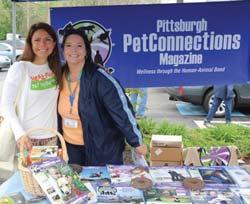
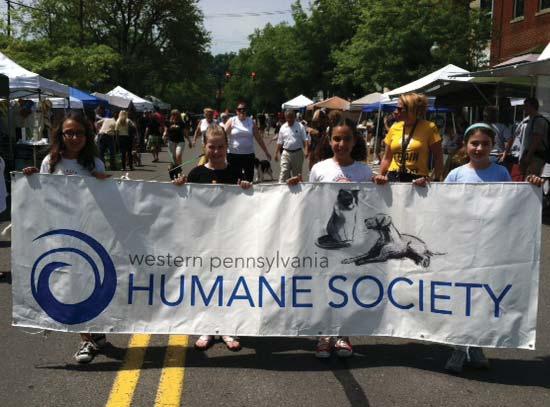
PPC Magazine had a great time as a vendor sponsor at both the Healthy Pet Products’ “Healthy Pet Day” event and also “Sewickley Unleashed” in May! Healthy Pet Day benefitted Animal Friends and the Western PA Humane Society. Sewickley Unleashed benefitted the Western PA Humane Society as well. Both were fun-filled and memorable events!
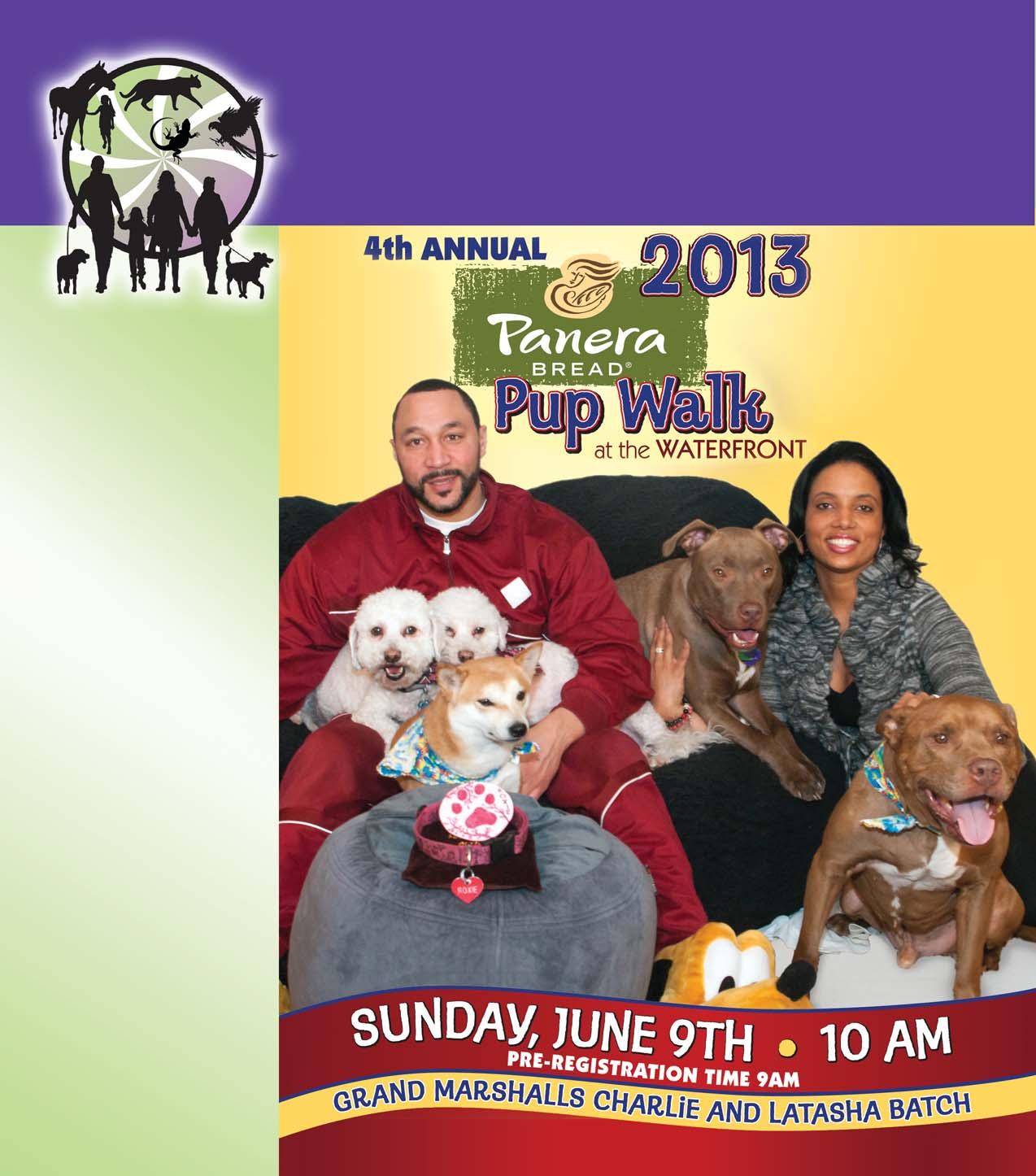
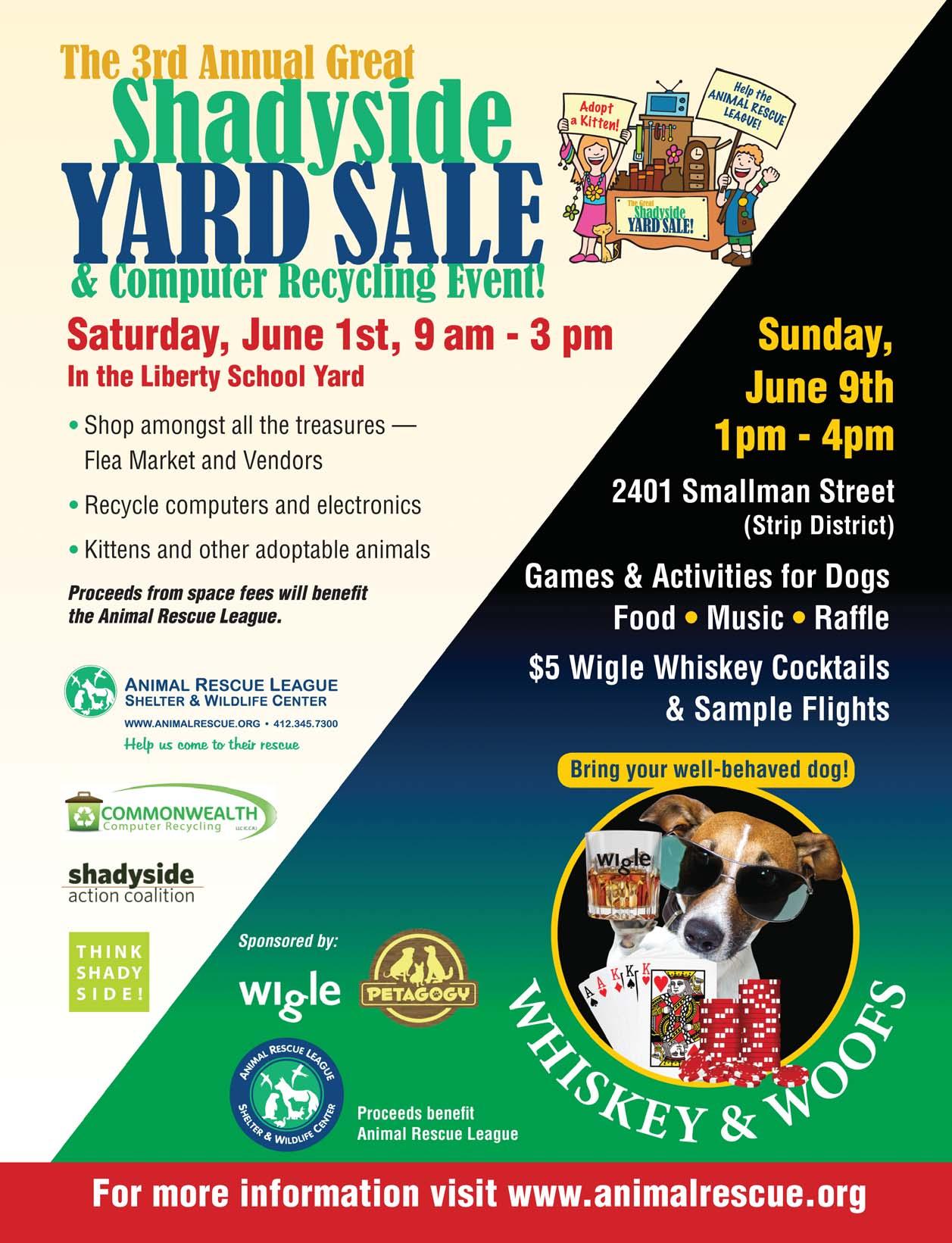
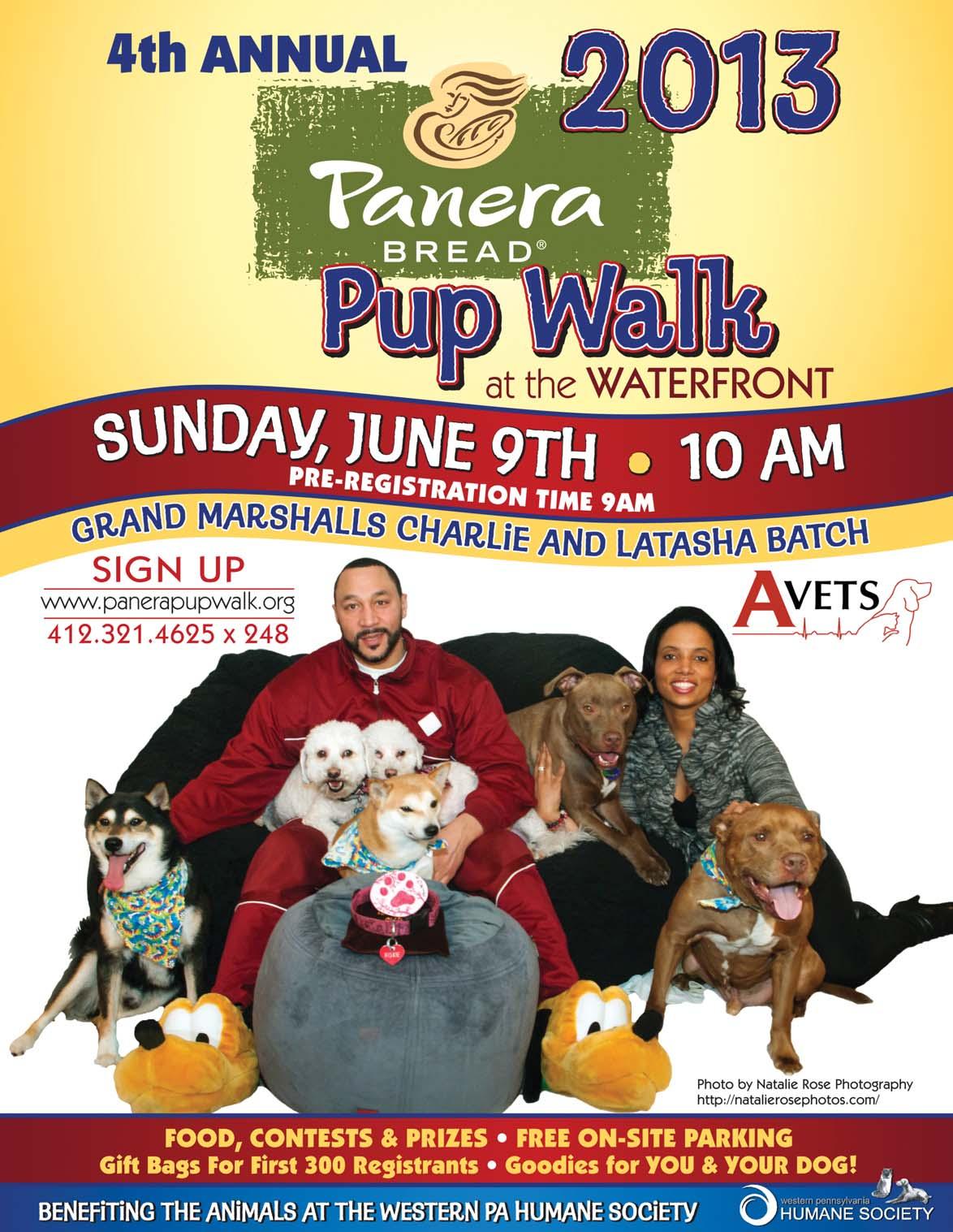
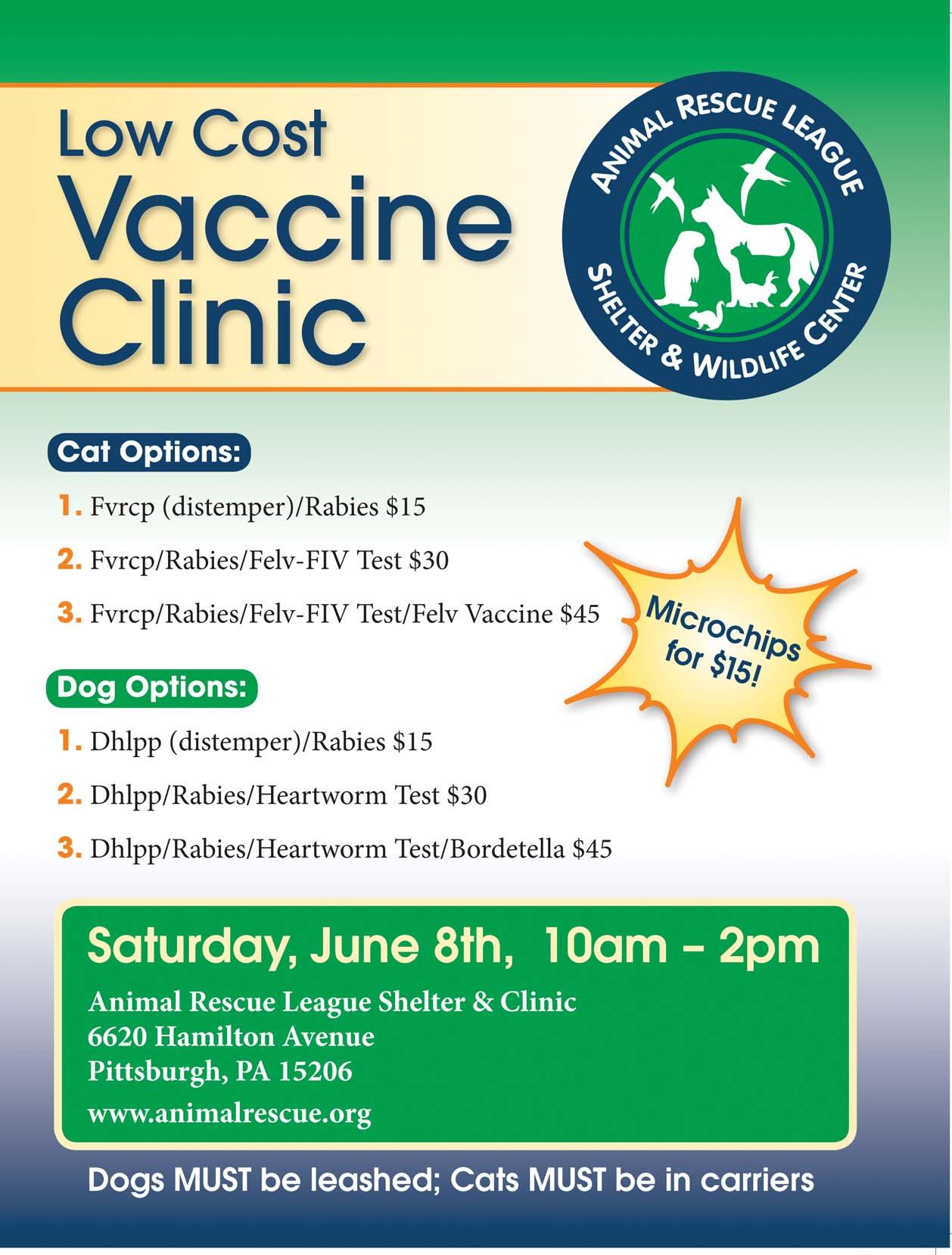
PPC Magazine is also proud to sponsor ads for the Panera Pup Walk, Southside Dog Festival, and Animal Rescue League’s Low Cost Vaccine Clinic and Shadyside Yard Sale, Whiskey & Woofs events. We are also media sponsor for The Steel City Expo, June 29 and now the official print media sponsor of Pittsburgh Pet Expo in November! The local and corporate support that our local shelters and rescue organizations have received for these events and missions is truly amazing. Pittsburgh is a city where our businesses have a true sense of community and giving back. I am very proud to call our great city home!
This Issue: PPC Magazine is committed to raising awareness on adopting and fostering rescued animals. We support the missions and events of our area shelters and rescue groups by sponsoring ads and articles both in print and our website and social media. We also offer free featured directory listings on our website and free upload of events on our calendar in print and online. Please visit our website or email info@pghpetconnections.com.
PPC Magazine encourages you to reach out and pay it forward any way you can this summer, through attending and participating in local events, volunteering, donating and shopping locally to support our area small businesses that in turn support our organizations! Please see our center map spread for our Advertiser Locator for services and products for your animals.
My background of over 25 years as a veterinary technician, veterinary hospital administrator and non-profit founder has led me to create Pittsburgh PetConnections Magazine. My goal is to lead, share and heal through the Human-Animal Bond (HAB). I would like to personally thank all of thank you for picking up PPC Magazine. Take care of yourself, as well as your animals and be well!
Warmly,
Carla Mader CEO & Publisher Pittsburgh PetConnections, LLC.
Please check us out on the web & subscribe at: www.pghpetconnections.com
Follow PghPetMag on Twitter and “Like” us on Facebook! http://www.facebook.com/PghPetconnectionsMagazine
Pittsburgh PetConnections Magazine Disclaimer: “The views expressed in PPC Magazine are those of the authors and does not necessarily reflect the position or policies of Pittsburgh PetConnections Magazine. All view points are welcome.” Please submit any correspondence to: info@pghpetconnections.com
Pittsburgh PetConnections Monthly
Published By: Pittsburgh PetConnections, LLC.
Pittsburgh PetConnections, LLC. was formed in 2012. Our mission is to publish a high quality, informative and Human-Animal Bond focused publication.
We support local businesses and also assist local non-profit businesses for pets and people, to give back to our great Pittsburgh communities.
MAGAZINE PUBLICATION STAFF
Sales Manager
Distribution
Graphic Artist
Photographer
.Carla Mader
.Martin Mader
.Patricia Sutkowski
.Kara Jones Photography
Contributing Writers: Our contributing writers have many years of combined experience and expertise in the fields of veterinary medicine and the Human-Animal Bond.
Managing Editor
Chief Editor
.Carla Mader
.Bernadette E. Kazmarski
ADVERTISING:
info@pghpetconnections.com 724-503-8695
Contact: info@pghpetconnections.com
Subscribe, Submit, Upload! Submit your business or rescue organization’s info for a FREE listing on our directory.
No website for your small home-based pet or wellness business?
Add a Featured Listing on the PPC online Directory for a small yearly fee and upload photos and detailed info about your business!
Become a Media Partner with PPC Magazine!
A Media Partnership with PPC includes:
• Ad in print or online (free design)
• A Free Featured directory page on our website with your business info, photos and link to your website
• Your logo in our monthly newsletter
• PPC promotes your business at our events
All Rights Reserved Copyright 2013
• A subscription to PPCMagazine and copies for your business
• Community Calendar link to your website or MeetUp site
• We accept content contributions (print or web articles promoting your business)
SUBSCRIPTION SPECIAL: 12 months for $20.00! To subscribe go to
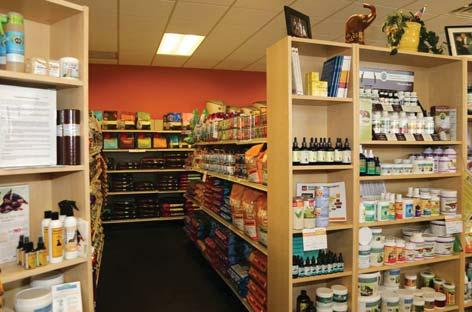
Toni Shelaske of Healthy Pet Products with PPCs Carla Mader during Healthy Pet Day.
Photo: Chiara Foto
THE HUMAN-ANIMAL BOND
There stood George Washington, looming larger than life, peering over Paul McCartney. With his outstretched arm, it looked as if George was singing Let it Be, or Hey Jude. It was quite a surreal moment. Isn’t that one of the great things about our country? We can watch Paul McCartney, Elvis Costello, Emmylou Harris, Herbie Hancock and a number of other artists perform in the White House, on a stage set underneath George Washington’s portrait.
One of my goals is to have a human and animal healing facility. Because of the energetic nature of the human-animal bond, when more than one species heals together, it creates a synergistic effect. Picture a rural setting where healing begins just by virtue of walking onto the property. We see people taking nature walks, painting or doing photography. Across the grounds we hear music, and watch the gardeners. Seniors are working together with children; both of them are interacting with animals.
Human & Animal Healing
by Dr. Susan Wagner
McCartney received the Library of Congress Gershwin Prize for Popular Song. During President Obama’s presentation speech, he mentioned the power of music and the arts. He told us how they help us make it through difficult times in our lives, and inspire us to be better human beings. The magic of music and art, however, goes beyond inspiration and comfort. They allow us to transform our lives. Whether we are creating or experiencing, they help us express our challenges in a positive way, which is part of the healing process. In doing so, we bring forth a positive energy for all beings and the planet.
Animals do the same thing. They assist us in facing our difficulties, and open our hearts to healing. Whether it is with an assistance, search and rescue or therapy animal or beloved pet, humans and animals are instinctively wired to help each other. Animal assisted therapy programs have been utilized for physical disorders since the late 1800s, and are currently gaining recognition within the medical and behavioral health communities. Several species of animals have been used to treat a variety of physical and emotional disorders, including dogs, cats, horses, rabbits, llamas, reptiles and even insects! We also know that nurturing animals can be as beneficial to the person as it is to the animal. As people assist animals in healing, they themselves can be healed.
In an outdoor arena, a disabled child rides his therapy horse, beaming with pride as he sits high above the people around him. When he is on this glorious animal, he becomes larger than life himself. The horse’s warmth relaxes the child’s cramped muscles, and the riding movement stimulates his musculoskeletal and nervous systems. The most phenomenal part of this process is the energy exchange between the child and horse. This animal’s amazing energy entrains with the child’s, and healing moves to a higher level. The horse becomes the energy practitioner.
Then comes the cherry on top, the have your cake and eat it too version of healing. The child looks out over the riding arena and sees horses and dogs doing their rehabilitation therapy. They have struggles, pain and frustration, too. I can imagine the child’s thoughts – if they can do it, so can I! We witnessed this phenomenon with Barbaro, the 2006 Triple Crown contender who suffered a devastating broken leg. People actually wrote to him, explaining that they were able to persevere through their suffering because he was such an inspiration to them. Barbaro ultimately lost his battle, but not before helping many others win theirs. Animal assisted healing may show up in unusual ways, but thank goodness it does.
Dr. Susan Wagner is a board certified veterinary neurologist whose pioneering work acknowledges the bioenergetic interaction between people and animals. She is an advocate for change in the area of interpersonal violence and animal cruelty, and works toward a greater understanding surrounding the health implications of the human-animal bond. Dr. Wagner is an Adjunct Assistant Professor at The Ohio State University Veterinary College, a Level IV Healing Touch for Animals practitioner and co-author of Through A Dog’s Ear.
THE HUMAN-ANIMAL BOND
Pets are one of the greatest natural stress relievers for people, but what about their stress? Most of us deal with stress every day and most of us would like to reduce its hold on us. Do we, however, fully realize the daily stress our furry friends are under? Just like people, there are common stressors in our pets’ lives that can be overwhelming. Together, we can help our pets live healthier, more stress free lives, as they do the same for us.
Prolonged stress in people and animals can lead to increased heart rate and blood pressure, anxiety, changes in sleeping patterns, aggression, irritation, poor digestion, eruption of skin conditions, self and property destruction, and the list goes on. Chronic anxiety and stress can crumble the body’s immune system. Stress changes the body’s biochemical state adding excess stress hormones to the blood stream and causing an overall abnormality in the body’s homeostasis. This can serve to perpetuate strain on the body and lead to further mental or physical illness.
several times a week for both your physical and mental health, your pet needs exercise too. Exercise enhances blood flow and helps to maintain a healthy weight as well as helping to modulate the metabolic and immune systems. Why not exercise together by walking your dog or playing with the cat/ferret/hamster/etc? The bright side at the end of a long and stressful day can be spending quality time with your pet
People, Pets, and Stress
-Chelsey Giardina B.S., V.M.D, Certified by the I.V.C.A.
and in turn, helping to decrease your stress and improve your overall health and well-being!
Other considerations to reduce your pets’ stress include: providing them with a constant source of clean water to help flush toxins from the body and reduce the risk of infection and disease, keeping pet bedding and litter boxes clean, providing proper nutrition through diet and possibly supplementation, and maintaining proper medical care (this may include vitalistic stress-relieving therapies such as chiropractic and acupuncture). It is important to provide activities and enrichment to decrease boredom and to provide a nurturing and loving environment. Lastly, just like people, animals crave love and affection. It is important to pay attention to changes; specifically, to watch for behavior changes, activity changes, and weight gain or loss.
Pets are extremely sensitive to their environment. The same triggers that cause stress in their human companions can trigger stress in them. Owner physical and mental health conditions can directly affect their pets’ physiological state.
Common animal stressors can be many things including environmental factors such as cigarette smoke, loud noises (TV, radio, video games, etc.), arguing, crying children, other animals, storms, and strong smells (candles, air fresheners, etc.). Health conditions can also cause animals stress; this can include poor diet, obesity, arthritis, pain, and sickness. Other less tangible stressors include loneliness and boredom. The list looks pretty similar to those things that cause us humans stress, doesn’t it?
It has been scientifically proven that pets help to decrease our blood pressure, help to open social barriers, and improve anxiety and depression in humans. So what can we do for them? The number one answer would be to spend time with them.
One of the best ways to decrease the power of stress in both two- and four-legged animals is exercise. Just as it is important that you exercise
Stress is a powerful mental and physical entity that when left unchecked can greatly affect a being’s overall health and wellness. Caring for an animal is a big responsibility; by being slightly more diligent and perceptive to their needs, we can help them live happier, healthier, more stress free lives in return! Remember, movement is life and it might just also be the key to reducing you and your pets’ stress!
To find a certified animal chiropractor: http://www.animalchiro.com/find-a-doctor
Please call (724) 815-0488, visit www.companionsinmotion.com, or email companionsinmotion@gmail.com for more information!
About the author:
Dr. Chelsey Giardina attended the nation’s leading animal chiropractic college, Options for Animals. She then obtained certification in animal chiropractic from the International Veterinary Chiropractic Association. Dr. Chelsey has a B.S. in Animal Bioscience with honors in Veterinary Sciences from The Pennsylvania State University’s Schreyer’s Honors College. She completed her veterinary education at The University of Pennsylvania. After veterinary school, she completed an internship at Mid Atlantic Equine Medical Center followed by three years in a traditional equine ambulatory associateship.
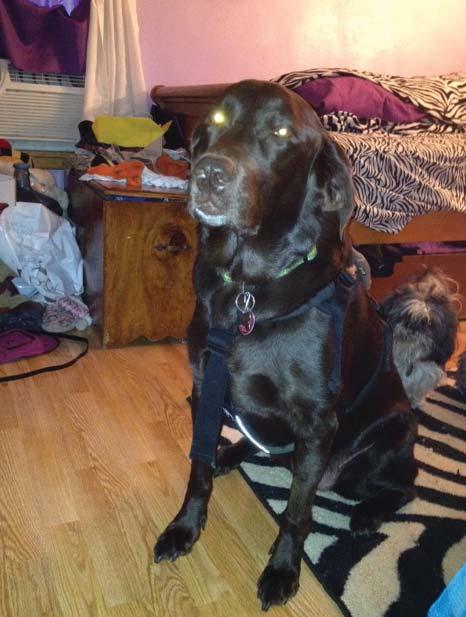
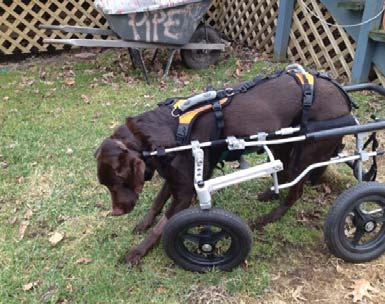
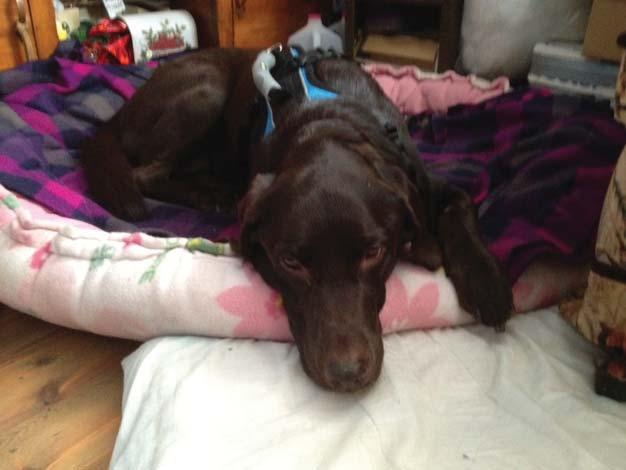
On Friday evening March 8, 2013 I noticed my chocolate lab, Kahlua, stumbling on her hind legs. I texted my veterinarian and he suggested that I bring her in to his office on Saturday morning.
Kahlua’s Story & ANIMAL HEALTH WELLNESS
she made remarkable improvement. We brought her home on Saturday because Shari wouldn’t be there on Sunday and she didn’t want Kahlua to be there alone.
I took her to his office that morning and by that time she had lost more use of her back legs and her front legs started to knuckle under. When he came in to examine her he was shocked to see her, and though he said she wasn't feeling any pain he really had no clue what was causing her condition. Thinking she might have thrown a blood clot in her spinal cord he suggested I take her home and give it a few days to see if she would improve.
He kept in contact with me that evening, Sunday, and Monday but by Tuesday morning she had lost use of all 4 legs and couldn’t bark at all, and couldn't even hold her head up to eat or drink. I texted my veterinarian and he told me to get her to his office immediately and he would call his office staff to let them know I was on my way with her.
When he arrived at the office he and his other veterinarian examined Kahlua and suggested that I get to her Pittsburgh Veterinary Specialty and Emergency Clinic (PVSEC) to have further tests done because his office was just not equipped for the kind of testing she needed done. She was seen by Dr. Kendra Mikoloski, DVM, DACVIM, specialist in neurology. She performed blood work, X-rays, a myasthenia gravis test and a spinal tap. Everything came back normal.
But by ruling out things that it wasn’t, she was able to come up with the diagnosis of “Coonhound Paralysis” or Acute Idiopathic Polyradiculoneuritis. Kahlua was hospitalized in the ICU at PVSEC for three days. We were able to bring her home with a catheter and were given range of motion exercises to do and Dr. Mikoloski also thought it would be a good idea if we were able to contact a canine physical therapist.
We had brought Kahlua home on Friday and Saturday afternoon we had an appointment with Shari, a canine PT at Woodlands Animal Hospital in Farmington. Shari evaluated her and performed range of motion exercises and laser therapy on Kahlua. She sent us home with exercises to do with her at home but she also suggested that she thought it would benefit her if we could board her there for seven days.
On our way home, my daughter and I talked it over and because we both work we felt it would benefit Kahlua if we did board her for the seven days. We asked our veterinarian what his opinion was and he agreed. So on Monday, March 18 we took Kahlua back to Woodlands and visited her every day. Each day
Kahlua had an appointment with Dr. Mikoloski on Tuesday and when Dr. Mikoloski walked into the exam room that day Kahlua stood up and took two steps towards her –this was two weeks after the disease plateaued. She was amazed at how well Kahlua was doing in that short amount of time saying it takes anywhere from one to six months for recovery, and as involved as Kahlua was she didn’t think she would be one of those dogs that recovered in a month.
After we left PVSEC we took her back to Woodlands for her last two days with Shari. When Shari walked into the waiting room, Kahlua stood up and took six steps to her. Shari was amazed at that. By Thursday when we went to pick Kahlua up from her final day of boarding she came out walking!!! She wasn’t 100% but was up on her feet within three weeks.
On April 15, 2013 she was at 90%. Her hind legs were a little shaky and she was just starting to try to run.
I want to stress that this is a rare condition and until Kahlua developed it most veterinarians have only heard about it in vet school. My vet admitted that he had never thought of it and the ones at Woodlands were made aware of it after I took Kahlua there. It does look as if it can be fatal, and can be if it affects the respiratory system, but once it reaches its plateau as it did with Kahlua, dogs can make a complete recovery with a lot of love, patience, and rehabilitation.
ANIMAL BEHAVIOR
Canine Life And Social Skills (C.L.A.S.S.)
is an exciting new program started by the Association of Pet Dog Trainers (APDT) to encourage dog guardians to continue training with their dogs beyond the basic level and even beyond the Canine Good Citizen (CGC) level.
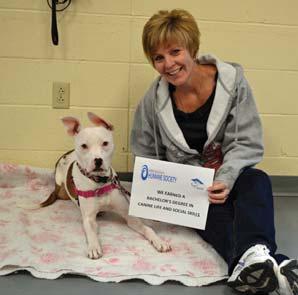
C.L.A.S.S. is a three-tiered program where dogs can earn their Bachelor’s degree (BA), Master’s degree (MA), or even a Doctoral degree (PhD) by passing evaluations at each level.
Does your dog have C.L.A.S.S.?
C.L.A.S.S. classes fill a glaring need in the world of dog training –high level training classes that are not geared toward competition or therapy dog work. Until the C.L.A.S.S. program debuted, there were many dog and handler teams that were left out in the cold trying to find appropriate training classes. Many had either earned their CGC or couldn’t earn it (for whatever reason) and knew their dog was not cut out for therapy dog work or they were not interested in competition dog sports. There were few, if any, classes available to help them continue to improve their life skills and manners training and go to the next level.
By Tena Parker
proximity but they do not have to accept petting by strangers to have good life skills. There are many dogs who are perfectly comfortable near strangers who would simply prefer not to be petted and if their handlers can advocate for them by telling people not to pet, that certainly demonstrates life skills. Dogs can earn up to an MA degree without having to be handled by a stranger which opens up this program to a large number of dogs who are well mannered, well trained, but simply prefer not being petted by strangers.
All dogs, with proper training, can earn C.L.A.S.S. degrees whether they are able-bodied or not. Dogs who have physical limitations may even request testing modifications to accommodate their needs prior to the test and evaluators will do what they can to fill the dog’s needs. Perhaps a three-legged dog may request a shorter loose leash walking route, tactile cues may be permitted for blind dogs, or dogs with mobility issues may request to have a dog sit instead of stand (or any other position change).
Although it is somewhat similar to the CGC program, C.L.A.S.S. is much more comprehensive and focuses on real-life skills more than basic obedience. Each level builds on the previous level’s skills and increases the difficulty. In the B.A. level test, for example, the dogs are tested on whether they can hold a one-minute sit or down stay while the handler stands directly next to them and has a conversation with the evaluator. Then, in the MA test, the dogs are asked to do a one-minute sit or down stay with the handler five feet away as people walk around the area, potentially dropping everyday items, or bending over to tie their shoes, or clapping and laughing, having a phone ring, or other daily distractions.
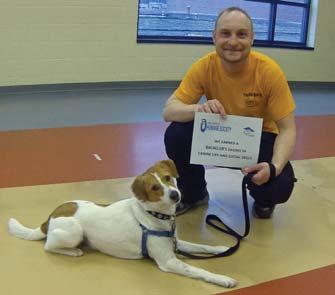
Above: Mo, a young mixed breed, and his guardian Brad are all smiles after passing their B.A. level C.L.A.S.S. evaluation!
Right: Penni, a 1 year old three-legged pitbull, and her guardian, Lori worked hard to earn the B.A. degree!
C.L.A.S.S. also encourages all types of handlers to participate in the program including junior handlers and those who have special needs. If a handlerhas special physical needs,they can request modifications to the test and evaluators will accommodate the needs of the handler to the best of their ability (wider paths for wheel chairs on the loose leash walking section or allowing the human to sit when they would normally be standing). The inclusiveness of the program is fantastic and encourages all handlers to continue training with their dog.
One of the features that sets C.L.A.S.S. apart from the CGC is that it gives handlers some agency with their dog. While dogs in the CGC must accept petting and strange handling by a friendly stranger, handlers in the BA level C.L.A.S.S. evaluation can have a friendly stranger offer a treat or simply say “no” to the friendly stranger when they ask to pet the dog. Dogs must be safe around strangers in close
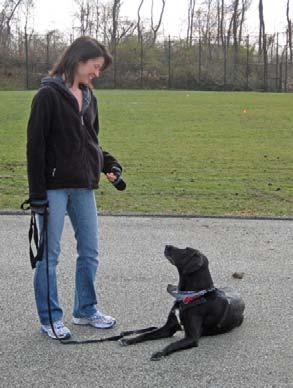
Sandy Louise practices a down-stay, a skill for the B.A. test, while her handler, Susan, has a conversation with the trainer behind the camera.
The Bachelor’s level C.L.A.S.S. curriculum teaches dogs to wait at doors, recall to the handler and get leashed up easily, loose leash walk, greet a friendly stranger appropriately, stay for 1 minute while the handler has a conversation, respond to the “leave it” cue, wait patiently for their food bowl to be placed on the ground, settle and relax on a mat or in a crate while the handler sits nearby, and give up a chew item or toy to the handler when requested. There are also two opportunities to show off “bonus tricks”— if the dog passes the evaluation and completes the two bonus tricks, they will graduate “With Honors.”
So, how can you get in on all of the fun? Well, there are C.L.A.S.S. classes and evaluations held regularly at Western PA Humane Society and there are other evaluators in the Pittsburgh area.
Could your dog be the next Fido, PhD?
For more information on APDT’s C.L.A.S.S. program, visit www.mydoghasclass.com or email successjustclicks@gmail.com.
Tena Parker is a C.L.A.S.S. Evaluator and C.L.A.S.S. Instructor at WPHS.
ANIMAL BEHAVIOR
Q & A withJUDITH LEVY
Levy Judith
WELLNESS FOR PEOPLE AND PETS
Hello,
I enjoy reading your articles & wondered if you can help me. I found my 8 month old cat in the kitchen, lying on his side near his water bowl. It was strange, his arm was stretched out, over his head, and he was using it to tip the water bowl! It was like he was playing chicken w/the water bowl…
Later; I walked into the kitchen & stepped into a puddle of water, so he must have tipped some out.
Why does he do this? How can I stop him from spilling water on my floor? I’ve never seen this behavior before in any other cats I've had. If you can address this for me, I’d sure appreciate it. Thanks! Jan C.
Hi Jan,
I have to admit that I did smile when picturing what that must have looked like to you! No worries, this is normal young cat behavior. That said, we do always want to rule out any medical issue such as diabetes, kidney issues and such when our cat is drinking a great deal. Since your cat is still very young, a medical issue is unlikely.
Judith
M,Ed., CEHP, RMT Educator
Some cats really enjoy playing with water, even feeling it on their feet or head. I am sure you would appreciate your floor staying dry so I suggest the following: Make an attempt to transfer that playful energy to other enriching activities. Experiment with various cat toys to see which ones your cat responds to. Spend several minutes a day enriching your cat’s life with play. There are interactive cat toys that you can offer him when you are not at home. Fresh catnip put on newspaper on the floor once a week can also stimulate your youngster. You can even train your cat to do tricks!
Regarding your kitchen floor Jan! You can use a heavy square dish that cannot be tipped over. If he continues to splash, you can insert a smaller dish into a larger dish to minimize spillage. If your little man will not give up and has an intense interest in water, you may want to put a water dish in your bathtub or shower for him to play with. Praise him or give him a treat when he enjoys that water instead of kitchen water.
Thanks for getting in touch! Judith Levy, Feline Behavior Consultant
support our Advertisers who make this publication possible.
E. 6th Ave., Tarentum, PA 15084 724-226-4822
ADVERTISERS
All About Dogs (see ad this page)
All Natural Hoof Care (see ad pg 32)
American Veterinary Charitable Fund (see ad pg 11)
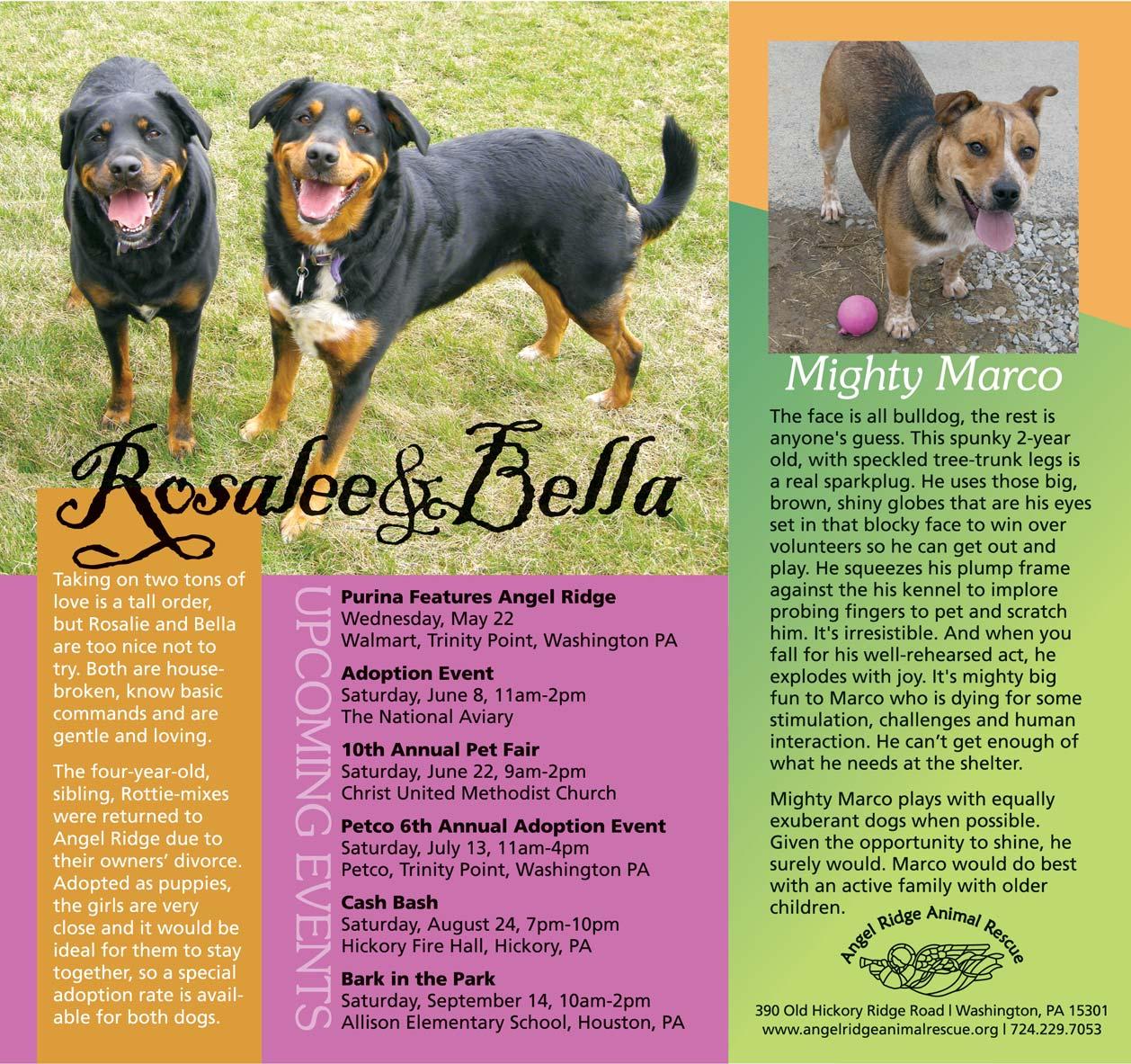
Angel Ridge Animal Rescue (see ad on inside front cover)
Answers Pet Food (see ad pg 23)
Chris’s Canine Club (see ad this page)
Coventry Equestrian Center (see ad pg 34)
DogWatch (see ad pg 17)
HAAWC (see ad pg 18)
Holistic Care for Animals (see ad pg 21)
Janet M Jackson, CRMT (see ad pg 22)
Judith Levy (see ad pg 15)
J & D Home Improvements (see ad on inside front cover)
KS Jones Photography (see ad pg 26)
Nicole Begley Photography (see ads this page & pg 24 )
Paws Here Awhile (see ad pg 16)
Portraits of Animals (see ad pg 26)
Renee Takacs, M.A., Intuitive Healer (see ad pg 22)
The Rogan Rexford Blood Bank (see ad pg 15)
The Steel City Pet Expo (see ad pg 9)
Success just Clicks (see ad this page)
steps to improve your pet’s well-being”
steps to improve your pet’s well-being” “Walking the dogs of Washington County”
walking, with extended services of pet transport to vet and groomer, and occasional pet-sitting for established clients. Insured and bonded, and trained in pet CPR and first aid. Call to reserve your spot!
HOLISTIC CARE
Natural Flea Prevention
Doug Knueven, DVM, CVA, CVC, CVCH
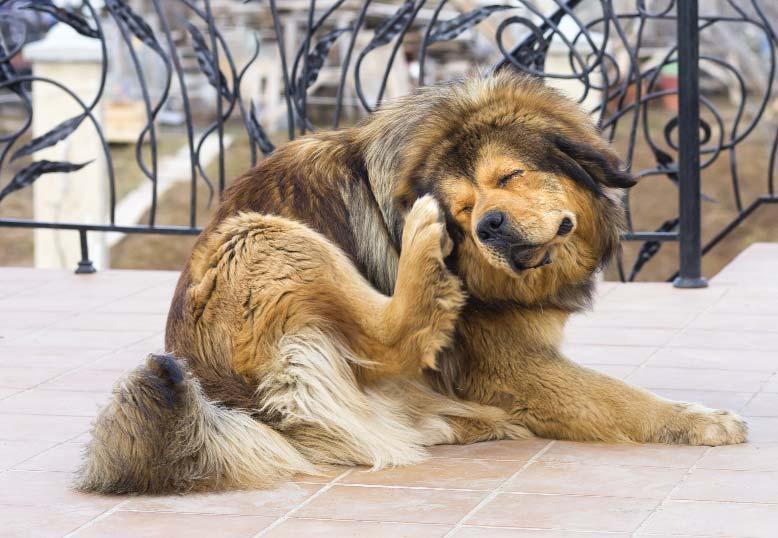
Fleas are a terrible affliction for pets. They cause itching and are a major cause of allergic skin disease in animals. They can also transmit tapeworms and other diseases. If fleas get into your home, you may be bitten as well. It is extremely important to prevent fleas from infesting your pets and your home.
There are many modern treatments for preventing fleas. Gone are the days when we needed to rely on flea baths, dips and collars. Now we have medications that are applied to the skin or given by mouth to repel and/or kill fleas and/or ticks. Unfortunately, all of these drugs are absorbed into the pet’s system which can lead to side effects and toxicity. While acute symptoms from these products are rare, there is no research regarding the safety of their long-term use. For this reason, many people opt for natural flea control.
Flea prevention is always easier than trying to cope with an infestation. Once you see fleas on your pet, the first battle is lost and the war is about to begin. It is very difficult to get fleas out of your home. Spring time, before the bugs are out in full force, is the time to start flea control.
From a natural, holistic standpoint, flea prevention begins with a truly healthy pet. A strong pet with a vigorous constitution is less susceptible to any parasite. Of course the foundation for a healthy pet is a natural, nutritious diet. In my view the best diet is a balanced raw pet food.
Ultimately, our pets contact fleas from the out of doors, so this is an obvious place to begin flea control. Treating your yard for fleas does not mean you have to address the entire 50 acres that you own. Even if your pet roams far and wide, setting up a buffer zone right around the house will help stop a problem.
The use of chemical insecticides in the yard is a bad idea. These hazardous chemicals pollute the environment and have been linked to bladder cancer in dogs. For the treatment of your yard, I recommend the use of “beneficial nematodes.” This natural flea control is safe, effective and non-toxic.
Nematodes are microscopic worms that feed on the larvae of fleas and other insect pests. They are totally harmless to people, animals and
insects that are not harmful to the lawn and garden. More than 230 pests are susceptible to these little critters including cabbage root maggots, gypsy moth larvae, Japanese beetles, strawberry weevils and white grubs, as well as fleas. Nematodes are the good guys of the parasite world.
The best part is that these nematodes cause no problems of their own. If there are no insects for them to eat, they die off. You don’t have to worry about the toxic effects that chemicals can have on animals, well water and the environment. Besides, isn’t it great to kill a parasite with a parasite? Give them a taste of their own medicine.
Beneficial nematodes may be difficult to find. I am familiar with a product called Scanmask. Look for it at garden stores, the office of your ecologically-minded veterinarian, or local holistic pet store such as Healthy Pet Products.
Once the yard is treated, we need to address the pets themselves. One means of keeping fleas off your pet is to use a natural, topical treatment that repels fleas. Aromatic oils such as citronella, pennyroyal and others give off a smell that repels insects. There are many sprays, shampoos and topical treatments available that contain these essential oils. The downside to these products is that they must be applied frequently to be effective.
Neem is an herb that has anti-parasitic properties. It comes in several different forms such as powders or oils that are applied topically to repel fleas and ticks. Again, frequent application is essential.
MAKE YOUR OWN NATURAL LEMON FLEA DIP
Here is a simple safe formula to make your own natural flea dip. Thinly slice one whole lemon, peel and all. Add it to one pint of near-boiling water and let steep over night. The next day, sponge the solution onto your pet’s skin and let it dry. You can repeat the procedure daily for severe flea problems.
Lemons are a source of natural flea-killing substances such as d-limonene plus other healing ingredients. Be careful not to get the solution in your pet’s eyes and do not apply to irritated skin.
A final natural flea tip is to get a flea comb and use it daily on your pet. A flea comb has finely spaced teeth that can pull the fleas and loose fur off your pet. This technique can serve as an early detection method allowing you to really jump on a flea infestation before it gets out of hand.
Remember that for every flea you find on your pet, there are 10 more in the immediate environment such as the house and yard. These prolific creatures lay hundreds of eggs each day. Whatever method you choose to control fleas, do not procrastinate, and start flea prevention now.
HOLISTIC CARE
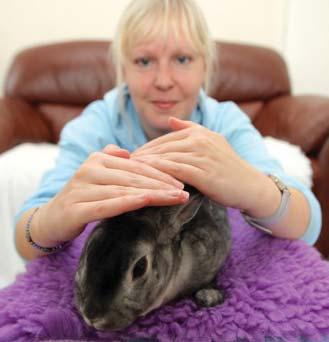
Reiki for Animals
Judith Levy, Reiki Master Teacher
Reiki – an ancient natural system of healing is believed to help relieve physical discomfort, promote relaxation, release toxins and assist in removing disturbances in the animal that impede good health and a sense of well being. Reiki is increasingly being utilized in shelters and pet clinics as well as by many pet practitioners. The theory is Reiki removes energetic blocks in your pet’s body that may cause any number of negative behavioral, mental, emotional or physical conditions. These include arthritis, side effects of medications, fear and effects of a history of abuse or neglect.
Clients who choose Reiki for animals who have terminal illnesses report improvement in their pet’s comfort level –some notice that their pet is more active after sessions and that their pet is “happier” and is more engaged with them.
What is the theory of how Reiki heals?
Our pets’ bodies, as well as our own bodies, have vital energy centers called “chakras, meridians and bio-fields”. The mental state, physical
“These treatments are a blessing!”
ANIMAL REIKI WORKSHOP:
SUNDAY, JUNE 30 9:30am - 5:30pm
body and emotional existence determine the health and balance of these systems. Negative states, such as fear, anxiety, illness, and trauma, create energetic blocks which eventually cause physical illness. By returning the body’s energy flow to a balanced, undisturbed state, it is possible to create positive conditions such as relaxation and feeling well. This promotes physical health and a sense of calm.
For more Q & A about Reiki for Pets please visit Judith Levy’s website www.judithlevywellness.com (section on Energy Practices)
Whether you are a veterinarian, body worker, pet guardian or another type of animal caregiver, this one-day workshop will give you a great tool for helping the animals in your practice or life.
Please note: This Reiki Training is for Reiki Practitioners who have already taken Reiki I and Reiki II Trainings.
Q & A on Animal Reiki: www.judithlevywellness.com Register right on our website! Please feel free to contact us with your questions: info@judithlevywellness.com
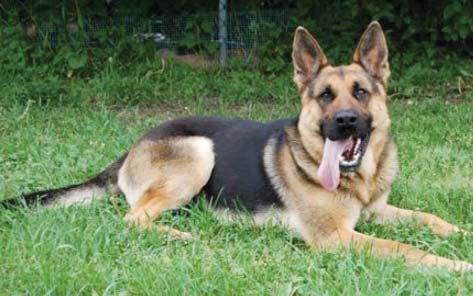
“Dr. Mike got my German Shepherd Valor to walk on his toes again! When we started to see Dr. Mike, Valor could only walk if he used his entire back leg. He was unable to use his feet and couldn't get up from a down position without rocking. It broke our hearts to see him having so much trouble. Valor now walks on his feet and gets right up from a down position with no trouble. These treatments are a blessing. Dr. Mike gave me more quality time (precious time) with Valor”
DC, CCSP, CVCP
Valor also has a history of being terrified of thunder and lightning; this is a voicemail I received after one of our recent maintenance visits:
“Hi Dr. Mike, I just HAD to tell you about Valor. We normally use a Thundershirt for him during bad weather because he is SCARED TO DEATH of thunder and lightning. Our vet told us to also use lavender oil and make the tub real snug because he ALWAYS goes and hides in the bathtub. Well after today’s visit he is soooo laid-down, laid-back and chilled out that the thunder, the lightning, the winds… nothing is bothering him?! He is just laying here! YOUR TREATMENTS ARE AWESOME!!! Talk to you later Dr. Mike. Thanks!”
Dr. Savko works with the following veterinary clinics: Meadowlands Veterinary Hospital, Washington, Pa Suburban Animal Clinic, Butler, Pa, Delmont Veterinary Hospital, Delmont, Pa, Fox Run Equine Center, Apollo, Pa
Over 13 experienceyears
HOLISTIC CARE
On a Wing and a Paw… Our Pets as Teachers
What do we mean when we refer to our pets as teachers? What is a teacher? What can a pet convey as a teacher? How can we be aware of what our pet is teaching us?
Ancient wisdom offers: “A teacher doesn’t teach you anything. A teacher merely holds the space for you in which to remember.” According to this wisdom, our pets certainly can be considered as teachers. They hold space for us just by living with us. Can they really help us grow in self awareness though?
Lucy stirred this kind of self reflection with her people Ron and Pat. Lucy was a mixed breed dog who passed suddenly while on a routine walk one sunny day. As a way to honor their relationship with Lucy, Ron and Pat decided to jot down their first impressions on what they felt Lucy had taught them: Lucy was sure of what she wanted and made sure she got it. People would go out of their way to bring her cookies. From Lucy’s perspective, the UPS, brown truck existed just to bring her cookies. A week before Lucy transitioned, the UPS driver passed Lucy’s house by five houses, then drove back just to give her a treat.
Lucy’s spirit and attitude conveyed even more: “I know who I am. No one else’s opinion matters as it doesn’t define me. The whole world is a place to bring me what I want and not taking it from anyone else in order to get it. I am not demanding yet expect it (whatever it is). I have a calm assertiveness and am appreciative. I am fearless in being who I am. I come from a place of love. I don’t allow anyone to make me feel less than. I am created perfect and acceptable just as I am. I expect great things. I expect people to go out of their way for me. I am in the moment. I can expect to be taken care of, and it’s okay to relax.” Amazing! As Ron and Pat read their list to me, I had chills of truth running through my body.
Are you curious to discover what your pet is teaching you? If so, begin by giving yourself permission to go quietly within your heart and mind. In order to relax, allow three deep breaths, placing your awareness on the exhales. Allow your body to soften and your mind to slip into silence. When you feel relaxed and inwardly focused, ask “What is my pet teaching me?” Trust what comes to you in the way of a thought or a feeling, and jot it down. I encourage you to do this with your pets on the Earth, or with pets who have transitioned home to spirit. This simple inquiry can be enlightening, satisfying and rewarding. It’s a wonderful way to honor your pet, yourself, and to realize what your pet has taught you so naturally, freely and lovingly.
Listening lightly, Renee
SPECIAL FEATURE
Weather emergencies, transportation and industrial accidents and emergencies involving our own health and welfare all affect our animal companions’ safety, sometimes necessitating the evacuation of an entire household or handing their care over to someone else. As responsible animal caretakers we need to be prepared for as many circumstances as possible.
PREPARE YOUR PETS FOR EMERGENCIES
EMERGENCY SITUATIONS TO CONSIDER
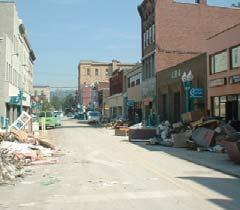
June is the beginning of the Atlantic hurricane season, an ideal time to think about the effects of a hurricane whether we live in the direct path of a hurricane or far away –and Western Pennsylvania is not immune to a hurricane’s effects. In 2004 Hurricane Ivan hit Pittsburgh communities with a flood that some are still recovering from nearly ten years later, only one of a number of devastating hurricane-induced floods in our region’s history with its geographic propensity for flash-flooding.
Summer is also the time for unpredictable and devastating tornadoes across the south and Midwest, and a few have even surprisingly visited our hilly area as well as summer storms that turn to microbursts of destructive energy.
In October 2012
Bernadette E. Kazmarski
A consequence of these situations may be that you are trapped or need to evacuate, but it might also happen when you are away from home and can’t get to your pets. And not least of all, you may be injured or incapacitated in one of these emergency situations, or you may have an unrelated health emergency and be hospitalized for some period of time, leaving your pets unattended.
Emergency preparation includes being ready to care for and move your pets as well as leaving instructions for a trusted person to do so if you can’t.
HOW AND WHAT TO PREPARE
The best time to prepare is now –not when you need to pack up your pets and run.
First, arrange with a neighbor, friend or family member who is familiar with your pets to be responsible for your pets in case you are not home, or are not able to get home. Pre-arrange how/where you would meet and keep in contact.
Second, contact hotels and motels outside of your area about their pet policies and any restrictions on number, size and species. Ask if a “no pet” policy can be waived in an emergency situation. Also check for boarding kennels in case you need to board your pet if no shelter or hotel will allow pets.
The best time to prepare is now –not when you need to pack up your pets and run.
Third, gather all the materials you will need to care for your pet and place these items in a waterproof container that is easy to carry. Keep the contents up to date and make sure it is clearly marked as your pets’ emergency kit. Here’s a quick checklist of basic things to gather, and prepare for five to seven days:
Western Pennsylvania was under watch for high winds and heavy snows from “Superstorm Sandy” that devastated parts of the east coast. We got out of that one without too much damage but we might not always be that fortunate, and in fact winter storms bringing ice and heavy snows do regularly hit our region, trapping us in our homes, often without power for days in freezing temperatures.
Pittsburgh is still home to various manufacturing industries as well as mining, our highways and railways serve trucks carrying dangerous loads, and our rivers are also paths of commercial transportation as well as our water supply. Accidents, spills, explosions and fires are not common but necessitate neighborhood evacuations, cause power outages and water shortages, and close roads and areas, often for weeks or months, during investigation and cleanup.
• An animal-focused first aid kit which you’ve purchased or assembled yourself.
• Your pet’s food, bottled water and medications.
• Easily transportable pet beds, a portable water and food bowl and a favorite toy to reduce your pets’ stress.
• Information on feeding schedules, medical conditions and any behavioral problems in case your pet has to temporarily stay somewhere away from you.
• Contact information of your veterinarian in the event you have to foster or board your pet.
• Current photos of your pet with your contact information in case he or she gets lost.
Some other helpful guidelines include:
• Have crates or carriers or leashes for all of your pets that are sturdy and able to be secured.
• Keep dogs and puppies securely leashed when outside your home and when traveling in the car.
• Always transport cats and kittens in carriers.
• Make sure your pets are microchipped, and also wearing identification.
continued on the next page
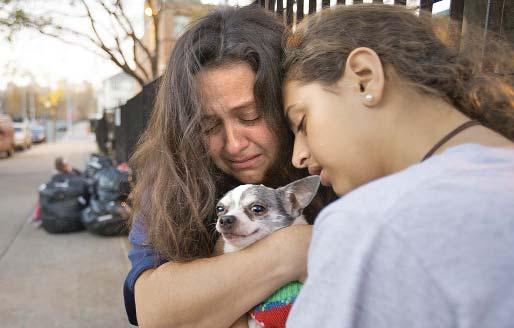
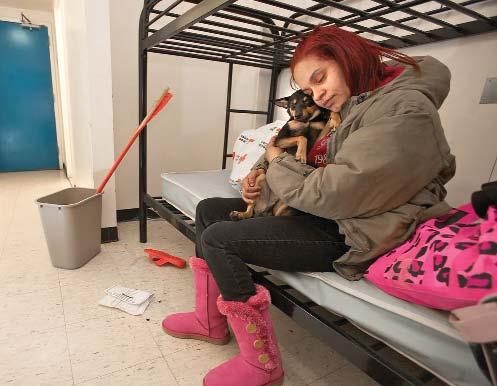
Retired New York City police officer Desiree Marino and daughter Angelika cry and hug their Chihuahua, Tiger, outside the PATH homeless shelter in Brooklyn after Hurricane Sandy.
Photo: Sherrie Buzby
Main Street of Carnegie a week after the flood caused by Hurricane Ivan in 2004.
Photo: B. Kazmarski
Photo: B. Kazmarski
Keep the contents of your first aid and emergency kits up to date and easily accessible, and keep in touch with anyone you’ve asked to care for your pets and let them know when you are away. Remember when an emergency does occur keep yourself calm for your own and your pets’ sakes. Chances are it will not, but if it does you’ll be glad you took the time to prepare.
FOR MORE INFORMATION
Several organizations step up to rescue animals after disasters, and all offer information on preparation, including informational flyers and stickers for your door or window indicating the number and species of your pets. Visit the websites for the American Humane Association (AHA), American Society for the Prevention of Cruelty to Animals (ASPCA), Humane Society of the United States (HSUS), and PetSmart Charities Emergency Relief.
Photo: Sherrie Buzby
Shanna Nevarez of Rockaway Queens, NY clings to her two-year-old Miniature Pinscher, Pedro, at the PATH homeless shelter in Brooklyn, NY. Nevarez chose to go to the shelter along with her four children instead of a FEMA supplied hotel, just so she could keep her dog with her.
Our pets can survive on anything but don’t we want them to thrive?
Have you ever scanned the ingredients in commercial dog food and asked yourself, are any of the ingredients in your pet’s food imported from China? Does the food contain cancer causing agents? Does the company have their own manufacturing plant or do they hire a company to make & process their food? Are the meats human grade or do they come from diseased, decaying or euthanized animals? These are just a few questions we should all consider when choosing a food for our beloved pets.
Do you truly think employees at grocery or “big box” stores have the knowledge base or care enough to answer these questions? Typically, the
answer is no. However, if you walk into a locally owned specialty pet store, the answer is more than likely going to be YES! Employees who care, are concerned and take the time to educate us, the consumer, have endless advantages. Besides supporting local business (which is something we should all look to do), you’re going to get help from a knowledgeable and caring staff. I hope you’ll agree we could all use more of that these days!
The following is a basic guideline on what to look for in the ingredient panel and guaranteed analysis label on all pet foods.
Ensure that meat meal protein sources are high on the ingredients list. Yes, meat meal is what you want to see as long as it is an identified meat
source, such as chicken meal. The meal is basically the meat with the water already removed, which ensures that it won’t reduce down anymore during the cooking process. (It takes 5 pounds of the animal meat to make one pound of the animal meal.) This simply means it has more weight in the ingredient panel, so it’s consequently a more nutritionally dense food for your pet. One way a pet food company can make their foods look good is by putting chicken, as opposed to chicken meal, in as the first ingredient followed up by 3 or more carbohydrates. The carbohydrates end up outweighing the chicken –this is not good because you want your dog’s or cat’s primary source of calories coming from a quality meat source, not carbohydrates. If chicken meal was the first ingredient, that would be a different story. We highly recommend avoiding meat by-products because they can include chicken beaks, feet, bones, etc. Reputable manufacturers will select ingredients that are processed to remove such material because it is not digestible by most dogs and cats. However, as per AAFCO, animal by-products MUST contain the animal’s head, feet, and/or intestines. Look for foods that exclude corn, cornmeal, wheat and partial grains, due to concerns about potential allergens. Grains can be a long-term source of energy and energy storage for dogs, but they can also be used as a cheap filler in order to boost the food’s protein percentage. Watch out! Any grain you feed your dog should be used in whole form so that it supplies more fiber, vitamins and minerals. The best whole form grains for dogs (when used in the proper percentages) are rolled oats, barley, quinoa, millet, and brown rice.
Bring in the ingredient list from your pets current bag of food and we’ll help you decide if
it is the right choice for your furry family member.
We can help you decide which food is best for your pet. However, one distinct advantage for my customers is you could walk into our store and blindly choose a food, knowing that it’s healthy and safe for your pet, without ever having to ask questions or read one of our informational brochures. I will not carry a food that I wouldn’t feed to my own, and my standards are very high. This is also something that sets us apart from the grocery and big box stores.
I also choose to sell foods that are made in the USA or Canada that also contain and use ingredients sourced from these countries as well. Our foods contain no animal by-products, wheat, corn or soy, and are naturally preserved containing no artificial ingredients or “fillers”. Now isn’t that the way our pets would choose to eat!?!
Specializing in Raw Feeding!
Photo: Chiara Foto
&HEALTH WELLNESS forGUARDIANS
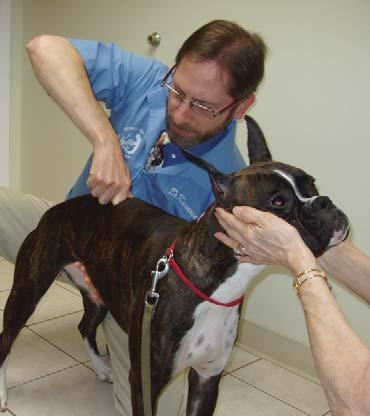
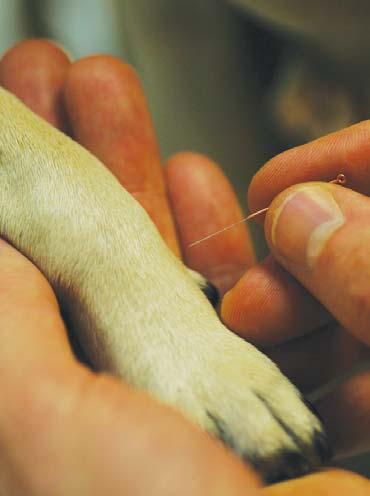
Acupuncture
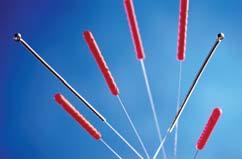
Acupuncture is the longest lasting medical delivery system on the planet. There is speculative evidence of its use over 5,000 years ago. A mummy found in the Alps in 1991 that was carbon-dated to be about 5,300 years old had tattoos on acupoints which are small areas or points on the body that are used in acupuncture treatments. The mummy’s tattoos were on points that would be used to treat conditions that he was found to have: vertebral and hip bone degeneration.
The oldest known text that discusses acupuncture and what is known as Chinese Medicine is the “Huang Di Nei Jing”, the Yellow Emperor’s Inner Canon (or “Classic” depending on who’s doing the translating) of Internal Medicine, that dates to over 2,000 years ago. It chronicles a dialogue between the Yellow Emperor, Huang Di and his chief physician, Qi Bo. It is presented in a question/answer format with many of Qi Bo’s responses to the Yellow Emperor’s questions referring to “the ancients” –and the text is already 2,000 years old!
It is believed that acupuncture and Chinese medicine are based on the Daoist (sometimes written as Taoist) philosophy that everything is interconnected in nature and all living things contain an energy that flows throughout them. Daoism is a way to live in harmony with all things in nature. Daoists believed that Qi, a word that can be loosely translated as “life force” or energy, flows throughout the body via meridians or channels in a specific order or sequence. This is what allows our body to become alive and animated.
The Daoists developed the philosophy of yin/yang. This is the understanding of opposites that are interdependent and codependent upon each other. It is the relationship between day and night, up and down, male and female, in and out, hot and cold, etc. Each is dependent on the other not only to exist but to be described and understood. The high school science class lesson of “for every action there is an equal and opposite reaction” is one description of the yin/yang relationship.
Maintaining the balance of yin and yang in our body equates with a healthful state. Imbalances of yin/yang can lead to disruption of the flow of Qi. The smooth flow of Qi can also be disturbed by trauma, stress or other situations, such as poor diet, leading to discomfort or disease. This, in turn, can further impede the flow which tends to create a vicious cycle.
During the Stone Age, a thin, sharp edged stone, called a bian stone, was used to puncture abscesses. It is believed this was the first use of acupuncture. The Chinese text character “bian” means “using a sharp edged stone to treat disease”.A tomb in Northeastern China that dated from the second century BC excavated in 1968 had a set of gold and silver needles believed to be used for acupuncture.
In addition to needles, moxibustion, a way of heating the meridians with special herbs to promote the flow of Qi, is used to improve or maintain health. It is believed by some researchers that heating the meridians predates using the bian stones.
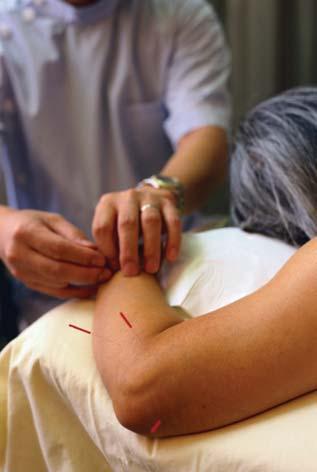
Acupuncture has a fascinating history, not fully understood because of pre-historical systems that seemed to evolve and missing documentation. But, in spite of that, it can be used for a variety of conditions. Today, the word “Acupuncture” encompasses both the system of health care relating to the meridians and flow of Qi and the physical act of inserting a thin needle into the body to manipulate the flow of Qi.
In 1997, the United States National Institutes of Health (NIH) issued a consensus statement on acupuncture that concluded that despite research on acupuncture being difficult to conduct, there was sufficient evidence to encourage further study and expand its use.
Barbara Solomon, a guardian of two formerly feral cats, Registered Nurse and Licensed Acupuncturist, is also a Reiki Master, Certified Qi Gong Instructor, Reflexologist and Reconnective Healing Practitioner.
Barbara has worked in the health care field since the late 70s in a variety of areas including doctor’s offices, ICU, clinical research, and private practice and has come to understand and embrace the mind/body connection and the role of vibrational energy in healing.
After living in Oregon for almost 40 years, Barbara returned to Pittsburgh in 2010 and is very excited to be able to offer a number of exceptional treatment modalities at Bamboo Road in Squirrel Hill. She can be reached through www.mybambooroad.com.
Barbara Solomon RN, LAc, RMT
Many herbs and supplements are very safe for our beloved pet –animals have been eating herbs and grasses for years to help themselves. I have worked with many pet owners over the years and have found a natural solution to many ailments, from joint pain, allergies, glandular issues, and nervous conditions, even diabetes and cancer.
Natural Health and Your Pets
I am not a veterinarian, but I have rescued many pets and was always able to treat them with a holistic approach. As a naturopath I am very familiar with both animals and humans, and I have found in 28 years
Testimonial
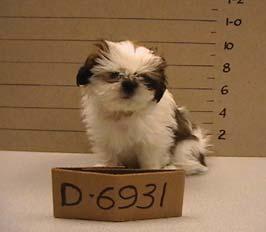
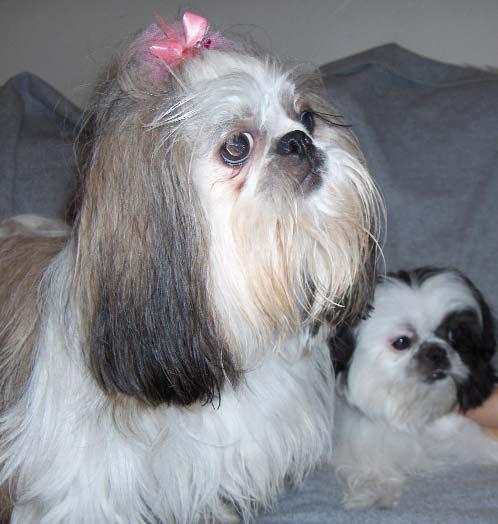
Four years ago, my 3-year old Shih Tzu, Goji, was terribly sick. She couldn’t hold food down and would gag so badly that she’d sometimes fall over from anxiety, and she had diarrhea. To make things worse, Goji’s beautiful white face turned brownish like fall leaf ‘dye.’
as a naturopath that both can be treated, with a few exceptions, with the same herbs.
Always ask a professional before administering herbs and vitamins because ingredients and dosages are critical with the species of your pet as well as the size, age and health condition of your pet. Since we are coming upon allergy season, here are a few herbal remedies you may want to consider if your pet suffers from seasonal allergies. Quercitin, Stinging Nettles and ALJ have been very successful for pets I’ve treated. Sometimes supporting the adrenals is necessary if they have had allergy issues for a long time, just as I would a human. Drenatropin from Standard Process is very good in this case and most animals will eat the small tablet as a treat because it is a whole food supplement and tastes good to them.
Knowing Sharon Satterfield of Back to Basics could cure everything that happens to us humans, I asked her about Goji. That was the turning point: Sharon analyzed Goji and did muscle testing. Goji was put on probiotics for kids and an intestinal rebuilder. Making life easier for Goji, Sharon recommended a teaspoon of aloe daily.
In very short order, Goji turned around completely, plus after we were on the holistic medicine steadily for a year or more the brown color that ruined her little white face disappeared!
Goji is gorgeous again. Healthy! And full of energy at seven years old, thanks to Sharon.
Oh yes…we had other little things too. My youngest Shih Tzu, Shittake, got the flu or something like that and Sharon cleared that up too. We’re a Back to Basics family.
Charmaine Nebash
I use a technique called “contact reflex analysis” or CRA to test your animal for the proper dosage just as I do my human clients. If you have any questions please feel free to call me at 412-343-8156 or email me at sharon@back2basicsinc.com. Look for us on Facebook as you will find daily posts there on many health issues. Our Website is back2basicsinc.com. Hope to hear from you soon. God Bless you and your pets!!
EQUINE AFFAIRS
Biosecurity and Your Horse
By Brian S. Burks, D.V.M., Dipl. ABVP (Equine Expert)
Biosecurity is often used interchangeably with infectious disease control. This is important not only for the individual horse, but also for the entire equine community, to understand and be aware of contagious diseases in the general equine population.
The principles of biosecurity are important not only at your barn, but also for ambulatory veterinarians, farriers, training facilities, breeding facilities, etc. The most important contagious diseases include Clostridium difficile, Streptococcus equi ssp. equi (strangles), equine herpes viruses, influenza, rotavirus, and Salmonella spp. Biosecurity includes not only prevention of spread from animal to animal, but also the zoonotic potential; that is, communicability to you and your family or co-workers. It is important to remember that some animals may be sub-clinical carriers of disease that can spread organisms and infect others, much like Typhoid Mary spreading Salmonella, or horses spreading strangles. For instance, up to 26% of horses may carry and shed Salmonella spp
Clostridium and Salmonella spp. are communicable to people and other animals. These are transmitted by the fecal-oral route and can be aerosolized to some degree. Streptococcus spp. are generally species specific, but those with compromised immune systems, the very old and the very young, can be infected with diseases such as strangles.
The first principle of biosecurity is to quarantine and limit access to potentially infectious animals. Horses should be housed in a separate facility, if possible, or at least at the far end of the barn. Recognize that horses can cough and sneeze 25 feet easily, so horses across the barn isle are at risk.
Quarantine of all new animals for 14 days is a must. Most infectious diseases will be noted within this incubation period. This goes for show barns, boarding barns, and rescue organizations. This helps prevent spread of contagious disease to the resident horses.
The second principle is to wash your hands and dip your feet. Using hand hygiene is proven to limit disease transmission. Soap and water are best, but the use of alcohol-based hand sanitizers is extremely useful in limiting spread of disease. Washing your hands while singing or humming Twinkle, Twinkle, Little Star in its entirety has been shown to remove 90-95% of germs you’re your hands. Having a dip pan –with disinfectant –outside the quarantined area to dip boots is also important.
Protective clothing includes gloves, boot covers, coveralls, and disposable gowns. Recognize that fomites, everyday objects that can carry and therefore spread disease such as you, pitchforks, buckets, etc., can spread organisms and contaminate other areas or horses. At Fox Run Equine Center, there are color-coded buckets that do not leave certain areas of the hospital. There are separate hoses for each stall, and individual ventilation is used to help prevent aerosolized particles from spreading.
Stalls must be properly disinfected once the horse has been deemed free of disease. This includes removal of all bedding and other organic material. This is followed by spraying disinfectant on the walls and floor. If possible, use hot water during this process. At Fox Run Equine Center, our stalls are disinfected for 3-7 days in a row, depending upon why the horse was admitted to the hospital and how long the horse was here; longer admissions cause dirtier stalls. There are specialized disinfectants for the organisms we see the most.
Patients admitted to Fox Run Equine Center are either unstressed (lameness evaluations or other elective procedures) or stressed. The latter are usually admitted during emergency evaluation and may have diarrhea, colic, or pneumonia. These patients are more at risk for shedding or acquiring infectious disease because of immunosuppression, abnormal intestinal flora, dietary changes, or antibiotic therapy. Sick patients are segregated from the rest of the hospital population. It is important to perform cultures and PCR (DNA testing) on these types of patients.
Horse shows and events are prime places for a horse to catch an infectious disease. In recent years there have been reports of disease outbreaks at horse shows, thus simple measures to protect your horse could mean the difference between coming home with a blue ribbon or a sick horse. Contagious diseases significantly endanger the well-being of horses in addition to having potentially devastating financial and emotional effects. Horses that travel are exposed to conditions outside the normal, including enclosed spaces, poor ventilation, fluctuations in ambient temperatures, and co-mingling of a large number of horses from different areas, states or countries. In addition to abnormal conditions, horses that travel are stressed resulting in a decrease in immunity making them likely to develop clinical disease when exposed to common pathogens (germs).
There are simple steps deemed the ABCDs of biosecurity for the traveling show horse that will help to assure the health of your horse is not compromised. These steps involve proper health care, disinfection and an awareness of day-to-day hygiene.
A“A” stands for appropriate health care, which starts at home. This refers to establishing the best practices to maintain the general health of your horse and includes appropriate vaccinations, proper deworming,a suitable diet, and proper exercise. The goal is to keep the immune system healthy. An appropriate vaccination schedule can be discussed with your veterinarian who will know of the possible contagious diseases in your area and the area to which you are traveling.
B“B” refers to the best form of transportation for the horse. The ideal means to transport your horse is in a properly cleaned and disinfected trailer, preferably your own. If commercial transportation is the only way you can ship your horse, research the company and ship only with a company that appropriately cleans and disinfects the trailer. If you can “smell horse” in the empty trailer then it has not been cleaned and disinfected properly. It is best not to ship with other horses of unknown health status. Good ventilation when shipping is important as is tying the horse loosely in the trailer. Research has shown that tying a horse’s head up makes it more prone to respiratory disease because it is harder for the horse to clear the airways of debris and mucous. Good ventilation does NOT mean direct, heavy wind on the face. Multiple horses on a trailer will mean that it is warmer and more humid, great growing conditions for many pathogens.
C“C” refers to cleanliness, especially of the show grounds. Stalls should be thoroughly cleaned and disinfected between uses either by the event coordinator or by the participants. Prior to putting your horse into the stall, note if the stall has been cleaned. If there is old bedding or feed material in the stall, you know it has not been properly cleaned and disinfected. There are times when it is nearly impossible to appropriately clean and disinfect a stall because the material the stall is made out of is porous (i.e. wood) and the floor is dirt. In a perfect world the best cleaning method is to remove all bedding, scrub the walls and floor with a detergent, rinse, allow walls to dry, and then spray with a disinfectant. The literature has shown that physically scrubbing surfaces with soap and water followed by rinsing removes about 90-95% of bacteria and viruses.
Unfortunately, this is not practical and thus a modification is to remove all of the old bedding and feed material and spray the surfaces with a disinfectant. Use a garden sprayer, filled with bleach diluted one part bleach to five parts water. If there is a large amount of organic material (dirt, fecal matter) on the walls, removal with soap and water is recommended prior to applying the disinfectant. In this scenario an appropriate disinfectant is one that is effective even in the presence of organic material such as a “phenol” compound. These disinfectants can be recognized by “-phenol” or “-phenate” at the end of the chemical name on the label (examples include One-Stroke Environ® or Tek-trol®). Let the surfaces dry before placing your horse in the stall.
Biosecurity does not stop once you leave the show grounds. Before leaving the show grounds, clean and disinfect tack, boots, equipment and grooming supplies. Once at home change your clothes and boots prior to handling resident horses. Isolate the returning horse from your resident horses for 14 days and monitor for clinical signs of an infectious disease. Appropriate biosecurity is important for the traveling show horse. As the saying goes, an ounce of prevention is worth a pound of cure.
Dr. Brian Burks is the owner/veterinarian at Fox Run Equine Center, a 24-hour medical-surgical center near Pittsburgh, Pennsylvania. He is board certified by the American Board of Veterinary Practitioners (Equine Practice). This certifies him as an expert in all categories of equine practice. www.foxrunequine.com, brianburksdvm@comcast.net.
Find us on Facebook www.facebook.com/foxrunequinecenter
“D” refers to day-to- day hygiene. This refers to many day to day activities at the show that put your horse at risk for exposure to germs. Closed or heated show grounds may be comfortable for you but usually result in poor ventilation and exposure of your horse to temperature fluctuations.
DGood ventilation and temperature control can help to reduce stress on the respiratory tract and circulation of germs/pathogens. Although it is impossible to restrict traffic around your horse, it is possible to limit direct contact to only essential people. Don’t let unfamiliar people pet or handle your horse because they may have just been touching another horse that was sick. Alcohol-based hand sanitizers or disinfectant wipes are an effective means to reduce the amount of germs on your hands. Do not loan or borrow equipment including buckets, towels, brushes and mucking equipment. If you need to borrow equipment appropriately disinfect it prior to using it on your horse.
Avoid taking your horse to community water or grazing areas. Communal water hoses can be a source of contamination, thus bring your own hose. In general do not submerge the end of the hose into the bucket because the end could be a potential way to transmit germs from bucket to bucket. Monitor your horse’s temperature several times a day. Be aware of other horses stalled near your horse. Listen for coughing and observe for nasal discharge because this may be a sign of an infectious disease. Don’t let your horse touch other horses especially nose to nose because this is a common way to spread contagious organisms.
Wearing rubber-soled shoes allows for proper disinfection of your footwear. Consider keeping rubber slip-ons to wear only when around your horse thus preventing tracking of germs from the show grounds to your horse.
EQUINE AFFAIRS
BASIC TRAINING 101: A
BEHAVIORAL
APPROACH
By Nancy Frishkorn BA. CHCP
Punishment can cause anxiety, a respondent reaction or a reflexive behavior that occurs involuntarily. For example, if you’ve ever used a whip or crop on your horse, even if it was for riding purposes, your horse may associate the whip with pain, an aversive stimuli. Reactively, a horse will naturally fear and potentially flee from any fast moving object (such as a whip being swung), but they can also learn that it is nothing to fear but merely an extension of you (or your arm) if you have introduced them to it appropriately. Having used it on the horse for punishment, however, establishes an operant, or learned behavior that occurs because of the previous consequence. Now, if you carry this same whip (or any object used to “spank” your horse) into a field or to a gate in an attempt to control your horse’s behaviors, you will have one of two responses. If you conditioned your horse correctly and used your crop sparingly and only after an undesirable response, your horse will not associate the crop as “something to be feared” and they will approach you calmly and respectively. However, if you used the crop before an undesirable response, or in an attempt to change behavior through punishment, your horse will fear you as well as anyone holding this object and will most likely avoid you or worse yet, become aggressive. Here is an example from an e-mail I recently received:
“I moved my new three-year-old filly to a very nice boarding barn. At feeding time, she is always first or second at the gate and she paces while switching her tail to keep the other horses behind her. The trainer at the barn carries a whip which she uses to make loud noises by banging on the gate to get their attention, and then when she opens the gate, tells them to stand while pointing or tapping them in the chest until she is ready to let them come through. My filly was first at the gate last night, and the trainer tapped her on the chest at first, but she tossed her head so she got a good smack…then she ran through the gate and knocked the trainer down! She told me my horse was crazy and now I may have to move if I don’t enroll her in lessons! What can I do?”
First things first… is their grain already in the feeder waiting for them when they enter their stall? There is an obvious reason that the horses are building anxiety and wanting to come in so readily; often times this is overlooked due to convenience and it causes unnecessary anxiety within the herd. Feed is directly related to “pecking order” and no training can change that. If the horses are brought in and made to rest while eating hay before they’re grained, it is better for the relationship as well as the digestive system.
Secondly, swishing the tail and tossing the head (in this case) are communications; the horse is telling its herd mates that she is ready and willing to “fight” for her position and she sees the trainer at the gate as another member of the herd, an equal that she can challenge for position. A horse respects a leader, another equine or human that protects them, keeps them safe and fed; this is innate, and this position must be earned, it is never given.
Presenting a crop before the horse has endangered itself or another is punishment. In this case, what the horse learned was “I get beat at the gate, so I must GO FASTER.” Ultimately, this responsibility falls upon
the owner, and it is important to seek help BEFORE there is an issue if you don’t know how to train yourself. Ideally, one should purchase a horse that has already been trained, but with all the adoptions and breeding, this is not always the case. Should you find yourself in such a situation, it may be best to hire a competent trainer from the start. Most times it is the human who needs the training, not the horse, so try to find someone who will work with both you and your beloved equine so that the new learned behaviors can be transferred appropriately. There is no benefit to sending a horse away for several (very expensive) months of training if you are not going to learn how to handle them yourself. Punishment and flooding (presenting an aversive stimuli until the horse “gives in” or dies trying) can lead to anxiety, emotional instability and ultimately a dangerous situation…a time bomb waiting to blow. All training should begin with positive reinforcement…
Your
horse should learn these three things FIRST: stand, go back, go forward…
STAND: in a closed area (such as a small round pen) let your horse have a few minutes without a lead to explore and relax. Then, put a lead on but let it drop to the ground (ground tie). Put your hands up, palms flat, and walk backwards a few steps then back to your horses head. If you can get several steps and return WITHOUT your horse moving its feet at all, reward with a high pitch “good boy/girl” while
rubbing the head. (Note: treats are OK only if your horse does NOT beg for them, push into your space or “mug” your pockets!). Practice this until you can walk an entire circle around your horse without it turning towards you (giving you two eyes) because this lesson is STAND not “latch on”. Do NOT look into their eyes unless you are directly in front of them; this causes them to turn and face you (joining up) so instead look at the chest area. Remember, every move you make means something to your horse, keep your energy low, your body quiet and your mind focused.
GO BACK: Find a flat wall, and use a prop –it’s easier for the horse to get a straight back-up if there’s a prop. Take four temp posts and run them parallel the wall (about six feet in width) with a short rope (something that will collapse easily if they get it wrong). Let your horse smell the rope and get comfortable with it before you try this! Now lead your horse first outside the temporary “chute” and at the end reward if they walk calmly. Then, lead again this time you walk outside the rope, and they walk between the wall and makeshift “chute”. Repeat this with rewards until they are calm and walk slowly without fear. Now lead them through the chute and stop about six feet past the last pole (their backside inches inside the chute). Reward and face them, ensuring they are calm… then stern (but not loudly) say “back” while walking with your shoulders back, head up, like you are going to walk right into them. The chute now has more purpose, your horse’s visual field allows them to see behind them and the result –they back up STRAIGHT until they are out of the chute. Stay calm and reward! Repeat, repeat, repeat.
EQUINE AFFAIRS
GO FORWARD: Use a longer lead, walk them to the chute as before, but this time you STOP at the first pole and let them go through to the end on their own. It is important to use the hand nearest the horse’s face to lead, and the other you swing from your hip in an arcing motion toward the backside (preferably without a whip!) until it is level with your shoulders. Remember, KEEP CALM! You don’t want your horse trotting through the chute and pulling the lead out of your hand, just a nice easy walk. This lesson is also a great prerequisite for lounging where you need to control direction, impulsion and speed. All too often I see people “lounging” and the horse is merely circling them with a tight line and sometimes kicking out, all the while there is no communication between the two, only a horse running on a circle as far away as the line will permit. Rewarding each step is called shaping, and receiving the reward within seconds of a good behavior encourages the equine to learn more quickly and effectively. This is what’s known as “backward chaining” which I will discuss in my next article.
After you have practiced this with the prop until it is “second nature” to you and your horse, remove the ropes and perform the same lessons IN THE SAME AREA. Ultimately, you want your horse to do this anywhere, at any time, but it is easiest for the horse to practice their lessons in the same area they learned them at first; horses learn pattern and areas quite easily, it is part of their genetic make-up. Wild horses follow the same paths daily every season and have an innate ability to make cognitive maps in their minds… so work with what is natural and you will soon be “speaking horse!”
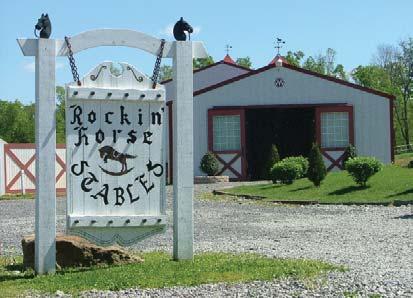
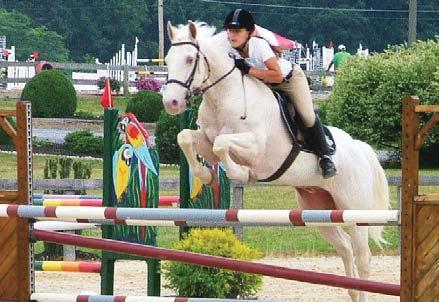
Rockin’ Horse Stables
SUMMER DAY CAMPS
EQUINE AFFAIRS
Stretching the horse’s top line or back by
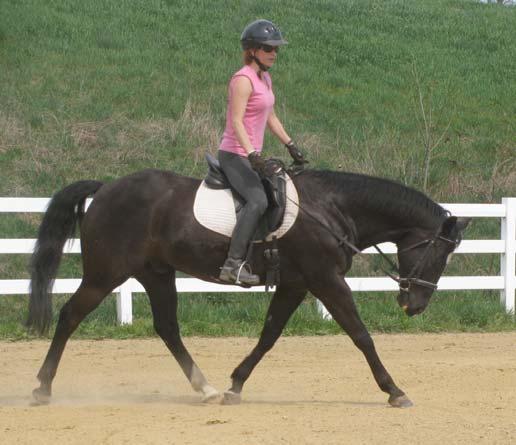
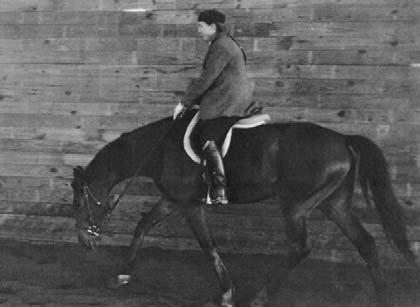
Wild horses never have sway backs, this is a consequence of riding horses. As soon as a rider sits on a horse, the horse’s back slightly sags down or can become what is called hollow. A horse’s back should be gymnastically developed to stay lifted to support the rider’s weight in order to prevent the back from being hollow or sway back.
Gymnastically developing your horse’s back is the most important aspect of training. A horse’s back bridges its hind end with its front end. Therefore to train the whole horse a rider should be utilizing the horse’s top line simultaneously: the hind end, the back, the shoulders, neck and head.Sounds complicated, but it is not, it is just a horse with a horizontal spine! The freedom of the horse’s back moving under the rider determines how the horse’s legs and neck move. As a result, how a horse’s back moves determines how well the horse will perform. Stretching a horse’s horizontal spine or top line is a great way to keep its back muscles elastic and the limbs freely moving. If a horse is stiff, it is usually from its back. The back and limbs work in unison therefore a horse with a tight back will have a shorter stride and a tight back will often result in a jarring gait! A horse with a soft flexible back that lifts the rider and is elastic will have a smoother, loftier and springier feel under saddle.
Kristin Hermann
injury thus all athletes, including horses, have to stretch to keep the muscles healthy. Even foot ball players do yoga and ballet, and runners stretch before and after a work out to prevent the muscles from cramping. For a horse, a cramping muscle is called “tying up.”
Here is a photo of the rider allowing the horse to stretch. The horse is taking a full stride so its muscles across the top line, or back, are fully stretching under the rider's seat. The horse is also stretching its neck down and into the rider's contact. The whole top line from tail to poll is stretching. You can see the horse has a soft jaw and is not trying to rip the contact away from the rider. This horse is “submissive.” As a rider becomes more adept at stretching the horse she can let the horse go further down and allow its nose to almost drag in the dirt. As long as the horse is striding underneath itself the whole back is then stretching.
Every horse has a different gait or way of going. Some horses have short strides by nature and others have a more forward stride with a natural lift. Depending on your horse, both its stride and back can be improved by knowing how to stretch its top line and gymnastically train its body. Just like any athlete, a horse needs to stretch to keep the muscles not only strong but supple. A stiff muscle is more prone to
Stretching a horse’s back or top line keeps it athletically sound and performing well. Horses trained in dressage, or the gymnastic training of the horse, are asked to stretch in the tests they perform. Typically after doing an exercise that contracts the horse’s muscle, such as a shoulder in or leg yield, the horse is rewarded by stretching. Just like yoga for the rider, one exercise contracts the muscles then the next exercise elongates the muscles. By working the muscles through a range of motion by both stretching and contracting they remain supple and healthy. A horse benefits if it is trained the same way. All horses benefit from stretching and lifting the back under saddle. The trained horse needs to comply to the rider’s signals by only stretching when the rider says “okay.” A horse should not just decide to yank the reins out of the rider’s hands when they want to stretch. Allowing the horse to stretch on the rider’s command is part of training the horse gymnastically. A rider that is trained to allow the horse to stretch out its top line and back will do wonders for keeping the horse’s back supple, the gaits free and unconstrained and the horse sound.
Here is the author stretching a horse circa 1984. This horse has almost fully stretched to the ground and it is taking a full stride from behind so the whole top line is stretching under the rider. When the rider asks this horse to come back up and into a “frame” its back will still be swinging under her seat because its back is so supple from stretching.
IN REMEMBRANCE
Ronnie, Zoie, & Ben on Zoies 13th b-day
IN REMEMBRANCE OF:
Zoie Grassell, August 1996 –March 2010
Zoie was the best dog you could have. She was more than a pet – she was my sister. Every day when I sit by her grave and hear the church bells ring, she reminds me that life is not a race, it’s not about being first, and it doesn’t matter about who has what –life isn’t always about rich and poor. Be thankful for what you have. And every day I say to myself “she is at the Rainbow Bridge”. And then a miracle happened– she gave me a Pembroke Welsh Corgi named Roscoe.
By Ronnie Grassell, age 8
PRESS RELEASE: FOR IMMEDIATE RELEASE
(Knoxville, TN – April 24, 2013)
Rebecca Cagle, Author and Owner of Empowerment Life Coaching, a professional life coaching practice based in Knoxville, TN announces her latest print and Kindle book “Grieving the Loss of Your Pet: How to Survive Your Journey” now available through book sellers and distributors, and on Amazon.com at: http://tinyurl.com/Rebecca CagleBookPage, for the pet owner faced with the loss of a pet through death, sale, theft or other reason.
CHARTIERS CUSTOM PET CREMATION
“Caring for families who love their pets.”
“Pets are so much a part of our lives that it stands to reason that we will go through sadness when they are gone,” says Rebecca. “It is no wonder that we have such strong feelings of missing them and wanting them back when they die or move on to a new owner.”
Topics in this book include: The Phases of Grieving the Loss of Your Pet; Grieving the Loss of Your Pet through Trauma or Illness; Grieving the Loss of Your Pet from Old Age; Grieving the Loss of Your Pet Before and After Euthanasia; Advice about Advising Other Pet Owners Faced with the Euthanasia Decision; Facing the Euthanasia Decision with a Teenaged Pet Owner; Grieving the Loss of Your Pet after Selling Him; Grieving When Your Pet is Lost or Stolen; Theft and Loss Prevention; Is it Okay to Grieve?; Family Members Experiencing the Grief; Making Decisions During Grieving; Will Your Pet Go to Heaven?; Bonding with a New Pet after Losing Your Pet, and more. This book also contains stories about people losing their pets and their journeys through the grieving process. This book answers a lot of questions about the grieving process that owners have when they go through the painful time of losing a pet.
For more information please go to Amazon.com, Amazon.co.uk or go to http://tinyurl.com/RebeccaCagleBookPage. You may also order this book through book sellers and distributors. You may contact author Rebecca Cagle through www.EmpowermentLifeCoach.com, Rebecca@EmpowermentLifeCoach.com.
Dr. Doug TheHolistic Vet
Holistic and Conventional Care:
• Full Service Animal Clinic
• Preventive Health Care
• General Surgery
• Radiology
• Dentistry
• Holistic Care
• Acupuncture
• Vaccine & Vaccine Counseling
• Nutrition Counseling & Natural Raw Diets
• Chiropractic
• Chinese Herbal Medicine
• Therapeutic Laser
• Healing Touch & Massage Therapy
Dr. Doug Knueven practices an integrative approach to pet care. He is well versed in conventional veterinary medicine and has been licensed since 1987. He is also certified in acupuncture, Chinese herbal medicine, and chiropractic. He is a member of the American Holistic Veterinary Medical Association and has advanced training in natural nutrition, massage therapy, homeopathy and a host of other alternative therapies.
At Beaver Animal Clinic, Dr. Doug offers a full range of options for the treatment of disease and the maintenance of health. Western medicine tends to focus on fighting disease while holistic medicine strives to strengthen the body. These two goals are not necessarily mutually exclusive. An integrative practitioner works with the best of what these two philosophies have to offer picking and choosing from the full menu of options to put together a treatment plan that is ideal for the individual pet and her caregiver.
BEAVER ANIMAL CLINIC
We at Beaver Animal Clinic believe in the power of caring.
Dr. Ingrid Rhinehart earned her veterinary degree in 2011 from Cornell University. During her time in veterinary school, she focused on such things as bringing veterinary medicine to low-income families, helping people cope with the loss of a pet by volunteering on the Pet Loss Hotline, organizing community education events and helping to bring holistic and complementary medicine to the college and the veterinary students. She is a Certified Veterinary Acupuncturist and looks forward to expanding her training in integrative modalities.
She shares her life with her husband and their three fabulous Great Danes (Aurora, Lucky and Harry), one smart and sassy Doberman (Ace), and a very entertaining Hermann’s tortoise (Scooter).