FREE First Exam*!
We hope that with each visit you and your pet feel like part of our hospital family.
Free exam includes:
•Status check on weight, nutrition and general health
•Dental check
•Vaccination overview
•Complete wellness services: vaccines, annual exams, etc.
•Emergency and critical care services
•Dentistry & surgery
•Therapeutic laser therapy
•Endoscopy and ultrasonography
•Over 70 years of trusted, compassionate care
MON-SAT: 8:00 AM - 8:00 PM SUN: 8:00AM - 4:00 PM





FROM THE PUBLISHER




to Pittsburgh PetConnections
NEWS & EVENTS

From The Publisher
Welcome to Pittsburgh PetConnections Magazine’s!
Winter 2019, Volume 7 Issue 1
Welcome to our FALL 2020 issue of Pittsburgh PetConnections and our 8th year anniversary!
News
This year has been extraordinarily challenging with the COVID-19 pandemic. We are all striving for normalcy again and navigating through the unknown future of how we can live our daily lives.
Welcome to our Winter 2019 issue!
We are back on track with publishing, having to omit our summer issue due to the pandemic, with our holiday issue scheduled for December.
We welcome Ease Animal Massage, Buzzy Photography, and O2 Derm Pet Topical Gel to our supporting advertisers!
We are incredibly pleased to announce that Becky Morrow, DVM, will be a regular author for PetConnections! See her story and her organization and veterinary clinic, Frankie’s Friends on pages 6 & 8.
Introducing our new sister publications coming out in March, Integrative Healing magazine for people (and, of course, a pet section!)

We are also pleased to announce some fun new things that we have in the works for PetConnections!
The featured event is Animal Friends is having their Annul Black Ties and Tails virtually this year on September 26th, 2020! See page 10 & 11 for the details. There are additional events on page 7 in our event section and
THIS ISSUE
We will be publishing pictures of your pet from winners of our new weekly social media photo contests! Also new, our membership sign-up button on our Facebook page, where you can receive news about events and contests, special discounts from our advertisers, discount event tickets, join our PetConnections Birthday Club for Pets, submit your story to be published in our Human-Animal Bond section or Remembrance, and more!
Our pets have been there - holding the energy, if you will, for many of us. We have all enjoyed spending more time with them! There is a rising concern about transmission (zoonosis) between pets and people and reverse-zoonosis. Read more to learn about this in our Kitty Korner section in the article, “Humans, Animals and COVID-19” written by Bernadette Kazmarski. Bernadette also has additional updates for the Cat Resource Guide, as well as clinic dates.
Events
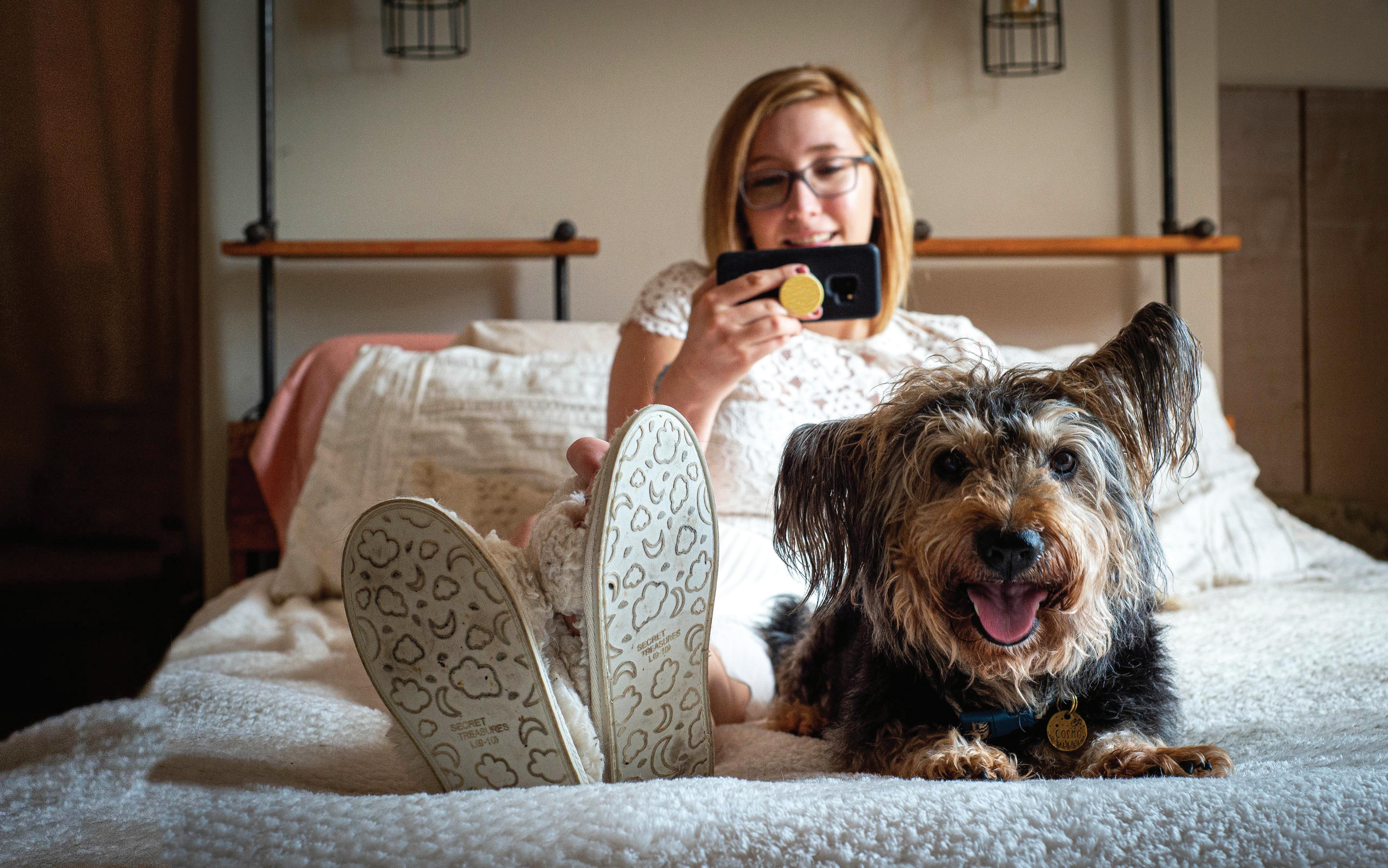
Our Human-Animal Bond section features “Sleeping with Dogs”, by April Minech. PVSEC BluePearl’s veterinary anesthesia and pain management specialist, Dr. Jenn Bornkamp, reviews common questions and concerns about anesthesia in pets “What to Know About Anesthesia and Pets” on page 12.
This Issue
Dr. Doug Knueven has an informative article on how to manage flea control naturally in our Pet Holistic sections on page 16. Ed Moats writes about “Understanding the Respiratory System in Birds” in our Feathered Friends section. Kristin Hermann covers communication with horse and rider in “The Ring of Muscles” in our Equine Affairs section. Finally, Pet Memorial Sunday is September 13th and is being held virtually this year.

Chartiers Custom Pet Cremation’s Healing Hearts Pet Loss Grief Seminar, Animal Friends’ and CARMAA’s highlighted in our event section.
Our cover features Manon Farm’s Princess Showcase riding show! See the Equine Affairs section article April Minech! Also, a reader, Ruth Maloy-Carter submitted her heart-warming story, “Great to be Ginger”, Animal Bond section! Edward Moats continues his avian nutrition articles, with more great tips, in Also, we are revisiting Integrative Healing for Pets with Dr. Doug, in our Pet Holistic section.
PetConnections is published quarterly as follows: March, July, September, and special Holiday issue in early December! Our print copy distribution sites will be replenished every 6 weeks. Our online presence has always been much greater than in print with now over 400,000 impressions! To subscribe to your own personal copy of PetConnections, please contact us below.
Did you know? PetConnections has evolved into a full-service specialized pet media company, providing services for advertising in print and digital marketing platforms to help our sponsors grow their businesses. Contact us below for information on advertising or sponsoring!
Our rescue section features Nate’s reptile Rescue. PVSEC/BluePearl’s article about winter safety for Korner has Homeless Cat Management Team has spay and neuter info, by Bernadette Kazmarski. Equine Hermann writes about Learning from Source.
PetConnections is published quarterly as follows: Early February, May, August, and November. distribution sites will be replenished every 6 weeks. Our online presence has always been much print with now over 350,000 impressions this year. To subscribe to your own personal copy please contact us below.
Did you know? PetConnections has evolved into a full-service specialized pet media company, services for advertising in print and digital marketing platforms to help our sponsors grow Contact us below for information on advertising or sponsoring!


Kristin Hermann April Minech
Bernadette Kazmarski
Edward R. Moats
Thank you for picking up this copy of PetConnections. Be well and enjoy the fall season with your pets! Warmly,

Thank you for picking up this copy of PetConnections.

Warmly,
Carla Mader Publisher
Carla Mader Publisher



Please submit any correspondence to: pghpetconnections@gmail.com
Pittsburgh | Central Ohio PetConnections Magazine
PetCon Expos
Please check us out on the web & subscribe at: www.petconnections.pet Follow and “Like” us on Facebook! http://www.facebook.com/PghPetconnectionsMagazine
Please submit any correspondence to: info@pghpetconnections.com
Please check us out on the web & subscribe at: www.petconnections.pet
Follow PghPetMag on Twitter and “Like” us on Facebook! http://www.facebook.com/PghPetconnectionsMagazine
Cover Photo: Hayden and Harper Stewart
Photo By: Erica Stewart
Cover photo by Buzzy Photography















FEATURED RESCUE
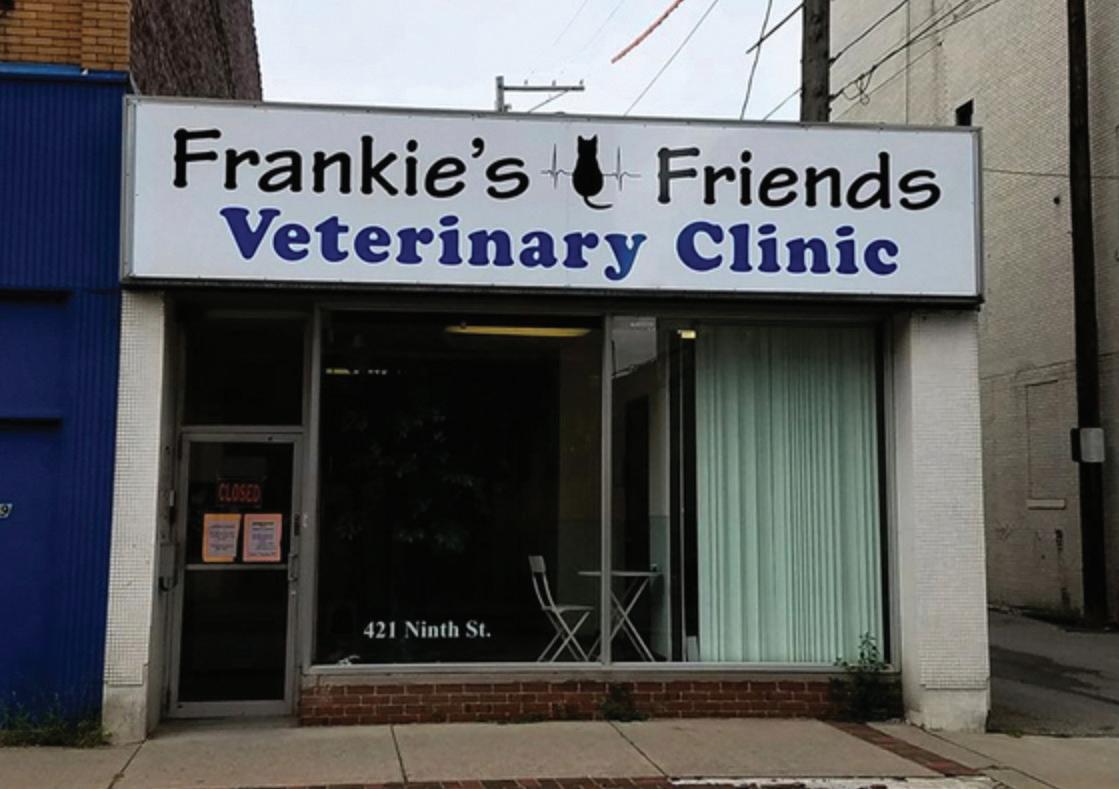
Frankie’s Friends From Meager Beginnings: A Community Reacts
By Dr. Becky Morrow, DVM
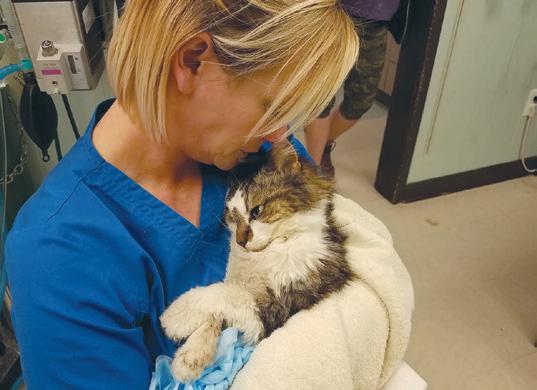
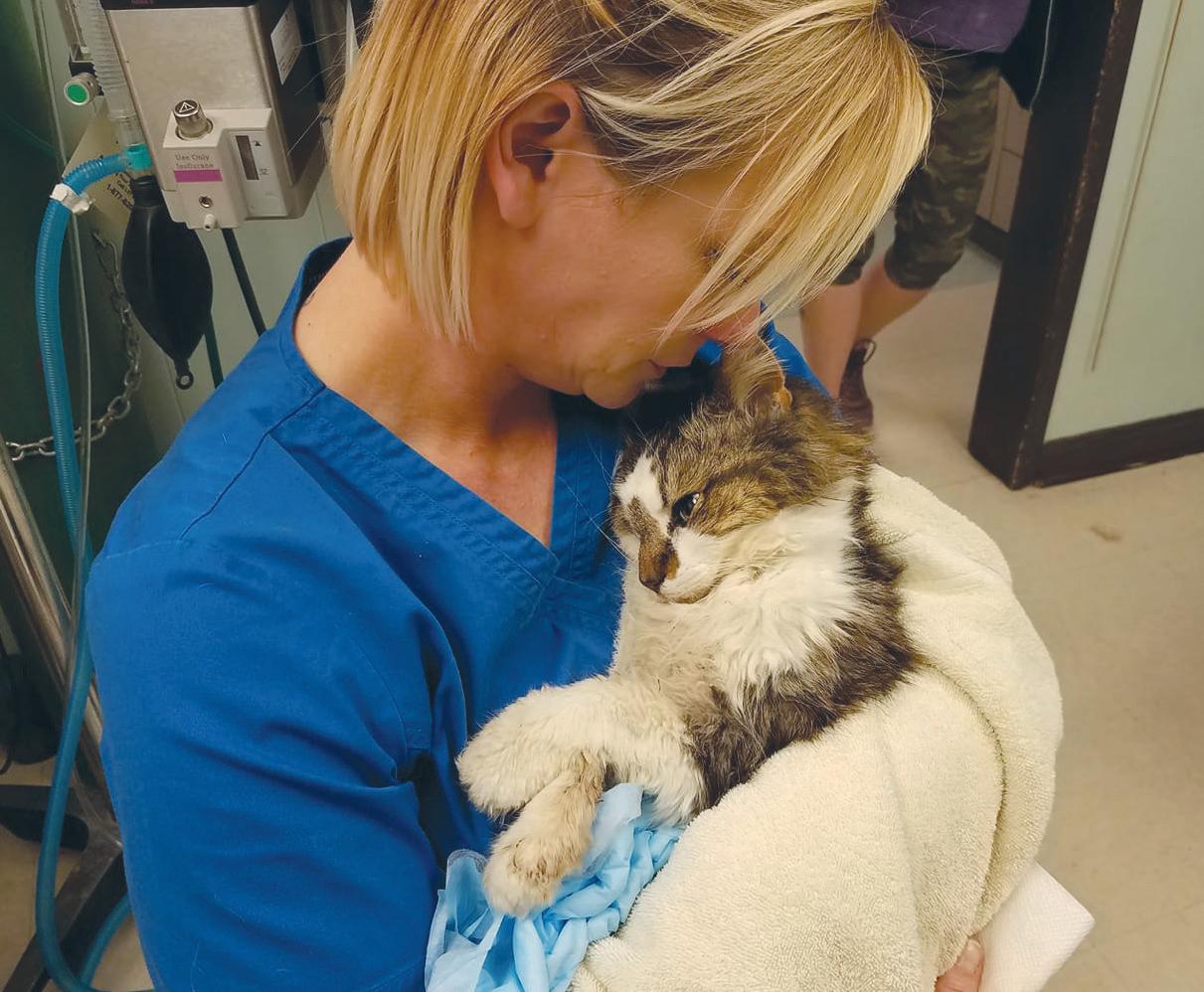
Frankie’s Friends was founded to provide a refuge for over one hundred victims of animal cruelty that were to be displaced after the temporary shelter that housed them was closed. The rescued cats were our family. We celebrated the Fourth of July with them by taking portraits to show how far they had come after months of treatment. We put up Christmas lights and spent the day with them. We were not going to let them go to shelters across the state. What seemed like mere banter became reality after we found a house that would be perfect to give the cats the happy ending that they deserved. The only problem was financing the endeavor. We joked about doing bake sales, but we had skills that did not involve the kitchen. I thought that these cats were now safe in our care, but many other animals were not so lucky. There had to be a way to help other animals that also allowed us to provide for our rescue cats.
Where was one to turn with no start up loans, grants, or donations to set up a veterinary surgery? Craigslist, of course! Not before long, a former box trailer turned “toy hauler” was purchased on my husband’s credit card (thanks honey!) and brought back via rental pickup truck. Driving from Cleveland was quite the experience, but I made it back in one piece. The 18-foot-long trailer underwent another transformation into the Mobile Surgery Unit, or mobile 1.0 as I call it, after a donation of a surgery table and the purchase of a tub prep table from eBay. An anesthesia machine, pulse oximeter, and other necessary instruments and supplies – just enough to get started,
came next. The term grassroots organization took on a literal meaning, as the mobile was parked in my backyard for quite some time!
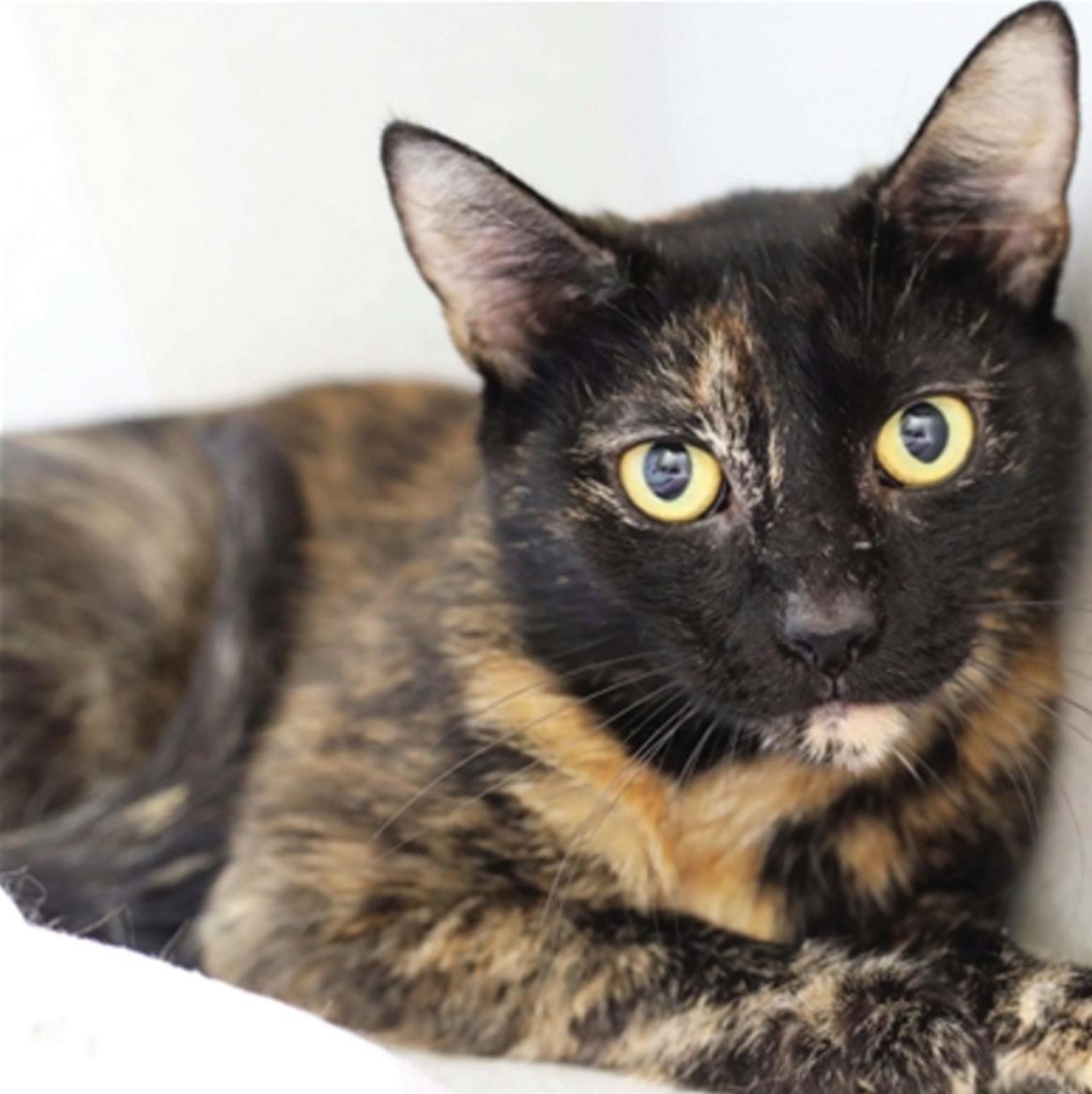
Now, ten years later, we have the CARE (Clinic and Animal Rehabilitation) center with the ability to do in house digital x-rays and bloodwork, two surgery tables, and surgical instruments that allow us to perform some specialized surgeries in addition to all of the spays and neuters. We have turned the original clinic into the Adoption Center and take sick and injured cats off the street, provide medical care, and find them loving homes. Mobile 2.0, although now 5 years old, is still holding her own and is parked in our ample parking lot instead of my back yard. Last year alone, we performed over 9,000 spay/neuter surgeries and helped hundreds more sick and injured animals. While our mission is focused on helping to stop overpopulation and homelessness of cats, we also provide care for local shelter dogs and respond to cruelty cases in Westmoreland and Butler counties. We perform surgeries and other procedures to prevent relinquishment of cats to our overburdened shelter system when we are able.
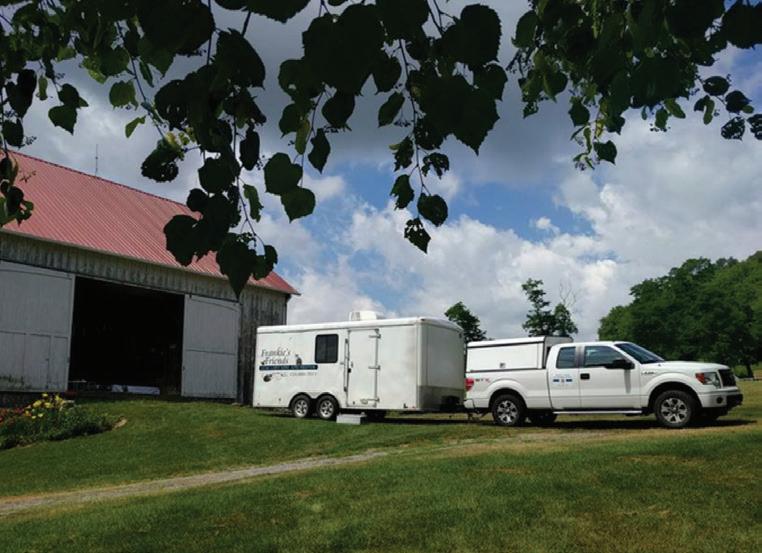
Within a year, Frankie’s Friends was partnered with several animal welfare groups in the region to provide lowcost spay/neuter and medical care to cats in our community. As more people found out about what we had to offer and with the tremendous need for these services, the number of community partners increased. Our three-person team became highly efficient at high volume high quality spay/neuter (HVHQSN), eventually performing over 60 surgeries a day. After borrowing a truck for many months, we were able to secure a grant from Petco to purchase a Ford F150 of our own. Two years later, when an axle broke on mobile 1.0, we were truly fortunate and grateful to get a new box trailer that was custom made to our specifications after the community graciously donated to the cause. We also found an affordable building in New Kensington that we fixed up and made into a stationary clinic.
It has been said that from humble beginnings come great things. We are a group of 12 people and, while we work 6 days a week to “turn off the faucet” and try to stop overpopulation, there is never a shortage of cats in the community that are reproducing. We see daily reminders of the suffering that comes with the birth of kittens as we transfuse those dying from flea-bite anemia, provide oxygen to those with pneumonia, and repair broken legs. While I certainly do not have all the answers to this problem, targeted Trap-NeuterReturn (TNR), working to sterilize and vaccinate all the cats in a region, will make a difference. We need to spay and neuter faster than they can reproduce and need veterinary professionals and animal welfare organizations to unite. I hope that this story can empower you to take action. Everyone has a role to play. I believe that we can do great things for the animals in our region – and it can start in our backyards.
If you and your family are considering adoption, contact: FRANKIE’S FRIENDS
730 5th Ave, New Kensington, PA 15068 (724) 889-7011 | www.FrankiesFriendsCatRescue.org
ANIMAL FRIENDS
Black Tie and Tails AT HOME Virtual Gala
September 26th, 2020
PET MEMORIAL SUNDAY VIRTUAL
September 13th, 2020
(see page 28)
PET FRIENDS
10TH ANNUAL WINE TASTING
October 3rd, 2020, 7:00 pm – 9:30 pm
Greenhouse Winery, Irwin, PA
Tickets $25
BRIDGE TO HOME ANIMAL RESCUE
5K RUN/WALK AND 1 MILE
October 4th, 2020, 8:00 am
North Franklin Fitness Trail, Washington, Pa FALL FANTASY
October 10th, 2020, 12:00 pm – 4:00 pm
Hilltop Hall, Turtle Creek, Pa
OHPA
OHIO PA BIRD FAIRS
October 18th, 2020
Carden City Hall
600 Garden City Dr., Monroeville PA 15146
ANIMAL LIFELINE
DRAG QUEEN BINGO
November 7th, 2020, 5:00 pm
Homestead, PA

RESCUE & SHELTER
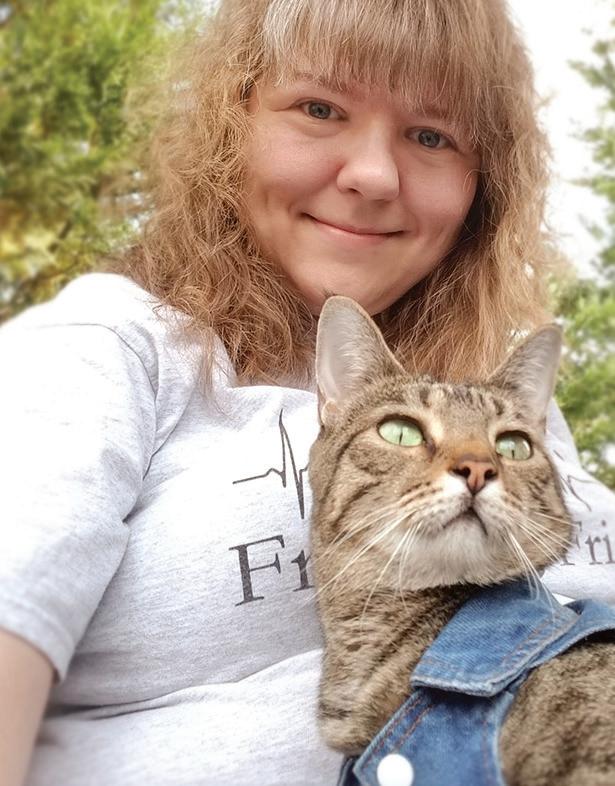
Dr. Becky Morrow: Introduction
By Dr. Becky Morrow, DVM
Hello Pittsburgh animal lovers! I am so excited to be a new member of the Pet Connections team and to add a unique, shelter medicine and animal rescue point of view. After graduating from Ohio State, I did what most new vets do, and entered private practice. Even after settling in, that just didn’t seem like the right fit for me. I needed to keep learning new things and expand my skills and knowledge while still earning a living (those loans do not pay for themselves!) so I began teaching in higher education. I quickly learned how to integrate my veterinary experience and love of animals into the curriculum by teaming up with other professors to design service-learning experiences. I got introduced to high quality high volume spay and neuter (HQHVSN) through our community partner in a servicelearning project. Up until that point, I had no exposure to shelter medicine other than visiting a couple of shelters during veterinary school. Within a few years, I ended up not only working at the spay/neuter clinics but becoming the president of the organization.
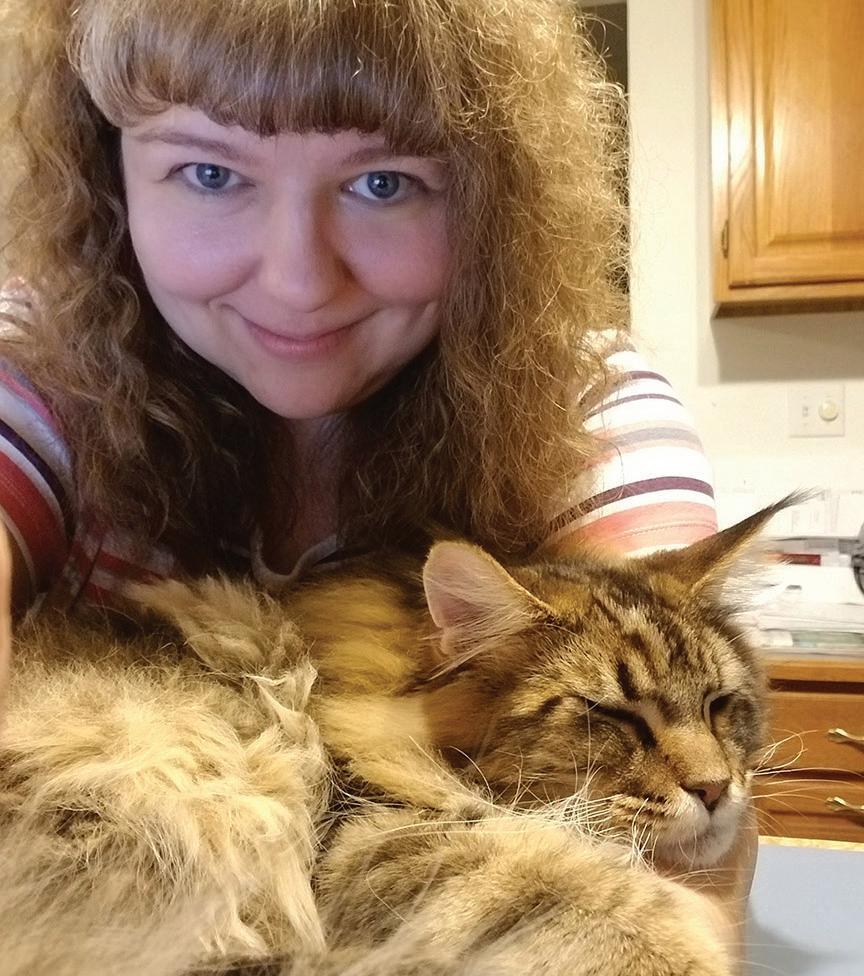
Not long after my initial exposure to this one facet of shelter medicine, was I completely submerged in the field. Through serendipity, I became involved in a cruelty investigation of enormous proportions. At this point
I had to learn about another aspect of shelter medicine –veterinary forensics. Our team of four, a former humane agent, animal rights advocate, psychologist, and myself, gathered enough evidence to allow the raid of Tiger Ranch, and the rescue of hundreds of cats, as well as several dogs, horses, chickens, and a goat. Because animals are considered
evidence as well as victims of crimes, if the evidence is not documented properly, the animals could be returned to their abuser. I found myself in an exceedingly difficult situation, performing the initial examinations and providing treatment for hundreds of animals, while being careful to document everything thoroughly for the courts.
Just two weeks after the rescue, I was left in charge of the medical care and forensic documentation of all the cats from Tiger Ranch that were being held in a vacant shelter building an hour away from me. I spent the next year and nine months traveling to the shelter on my days off from my full-time teaching position and guiding the care remotely on the other days through constant communication with my amazing vet techs. I performed postmortem examinations on most of the deceased cats found on the property and all of those that could not be saved. Ultimately, we were able to save most of the cats even though they had rare, life threatening conditions due to a multitude of infectious agents. I wrote 455 reports for the court and testified for over 5 hours on the stand. The defendant ultimately pleaded guilty to animal cruelty and the animals were safe from further abuse. It was at this point that I had another decision to make. We found homes for around 100 cats (and all the other species), but there were still dozens more that were going to be scattered throughout shelters in Pennsylvania after the temporary shelter was closed in a couple of months. Rather than let that happen, we found a house for the cats and started the non-profit Frankie’s Friends Cat Rescue.
Since that time, I have continued to tie my academic and shelter medicine worlds together. My students assisted in finding out what infectious organisms were causing the severe illnesses and death of the afflicted cats and we published the results to help others learn. I have had hundreds of students gain understanding into the world of animal rescue, especially the plight of community cats and Trap-Neuter-Return (TNR). I even collaborated with another professor to model the success of TNR and to visualize the benefits of performing TNR colony by colony (“Targeted TNR”). Along with teaching, I continued my journey into lifelong learning by expanding my knowledge and skills of molecular biology to help in diagnosing and treating infectious diseases. I also received formal training in veterinary forensics and shelter medicine through the University of Florida, earning two graduate certificates and a Master of Science. I am still actively volunteering at Frankie’s Friends as the president, medical director, and veterinarian, providing low cost spay/neuter and medical care to community cats, fighting animal cruelty, and helping shelters and rescues in Western Pennsylvania to provide care to their animals.
So, I guess you could say that I did not actually choose shelter medicine, rather, it chose me. I remain completely submerged in the field. No regrets.
COLLABORATION. COMMITMENT. CARE.
COLLABORATION. COMMITMENT. CARE.
COLLABORATION. COMMITMENT. CARE.
COLLABORATION. COMMITMENT. CARE.
We work closely with your family veterinarian from the moment of diagnosis through the en�re medical care period an into follow-up, con�nually providing updates regarding your pet’s treatment.
We work closely with your family veterinarian from the moment of diagnosis through the en�re medical care period an into follow-up, con�nually providing updates regarding your pet’s treatment.
THE BEST CARE FOR EVERY PET
THE BEST CARE FOR EVERY PET
THE BEST CARE FOR EVERY PET
We work closely with your family veterinarian from the moment of diagnosis through the en�re medical care period an into follow-up, con�nually providing updates regarding your pet’s treatment.

We work closely with your family veterinarian from the moment of diagnosis through the en�re medical care period an into follow-up, con�nually providing updates regarding your pet’s treatment.
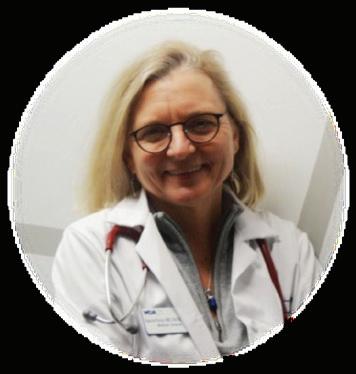
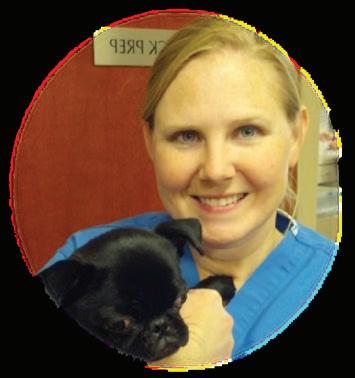
Deanna Purvis
Deanna Purvis
Deanna Purvis
Medical Director
Medical Director
Deanna Purvis
Medical Director
VMD, DACVECC, CVA
VMD, DACVECC, CVA
Medical Director
VMD, DACVECC, CVA
Cri�cal Care, Integra�ve Medicine, Acupuncture
VMD, DACVECC, CVA
Cri�cal Care, Integra�ve Medicine, Acupuncture
Cri�cal Care, Integra�ve Medicine, Acupuncture

Cri�cal Care, Integra�ve Medicine, Acupuncture
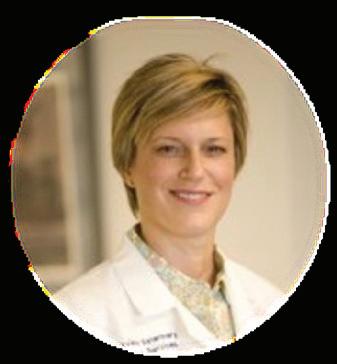
Lisa Assandri
Lisa Assandri
DVM, DACVIM
Lisa Assandri DVM, DACVIM Internal Medicine
Lisa Assandri
DVM, DACVIM
Internal Medicine
Internal Medicine
DVM, DACVIM Internal Medicine

BECAUSE ADVANCED CARE GOES BEYOND MEDICINE
THE BEST CARE FOR EVERY PET
BECAUSE ADVANCED CARE GOES BEYOND MEDICINE
BECAUSE ADVANCED CARE GOES BEYOND MEDICINE
BECAUSE ADVANCED CARE GOES BEYOND MEDICINE
The best health of every pet is our top priority delivered with expertise and compassion that goes beyond great medicine. Our goal is to provide a superior client/patient/doctor experience that gets to the heart of the health matter and provides the best possible outcome. We genuinely care for pets, their people, and promoting healthy collaborative relationships with referring primary care veterinarians. When further diagnostics or advanced care is necessary, we are here and ready to help. And because our hospital is equipped with state-of-the-art diagnostic and treatment equipment, coupled with highly trained doctors and support staff, we are able to offer an unparalleled level of comprehensive, specialized pet healthcare. Our dedication to exceptional animal health is apparent from the first “hello”.
The best health of every pet is our top priority delivered with expertise and compassion that goes beyond great medicine. Our goal is to provide a superior client/patient/doctor experience that gets to the heart of the health matter and provides the best possible outcome. We genuinely care for pets, their people, and promoting healthy collaborative relationships with referring primary care veterinarians. When further diagnostics or advanced care is necessary, we are here and ready to help. And because our hospital is equipped with state-of-the-art diagnostic and treatment equipment, coupled with highly trained doctors and support staff, we are able to offer an unparalleled level of comprehensive, specialized pet healthcare. Our dedication to exceptional animal health is apparent from the first “hello”.
The best health of every pet is our top priority delivered with expertise and compassion that goes beyond great medicine. Our goal is to provide a superior client/patient/doctor experience that gets to the heart of the health matter and provides the best possible outcome. We genuinely care for pets, their people, and promoting healthy collaborative relationships with referring primary care veterinarians. When further diagnostics or advanced care is necessary, we are here and ready to help. And because our hospital is equipped with state-of-the-art diagnostic and treatment equipment, coupled with highly trained doctors and support staff, we are able to offer an unparalleled level of comprehensive, specialized pet healthcare. Our dedication to exceptional animal health is apparent from the first “hello”.
OUR SPECIALTIES INCLUDE:
The best health of every pet is our top priority delivered with expertise and compassion that goes beyond great medicine. Our goal is to provide a superior client/patient/doctor experience that gets to the heart of the health matter and provides the best possible outcome. We genuinely care for pets, their people, and promoting healthy collaborative relationships with referring primary care veterinarians. When further diagnostics or advanced care is necessary, we are here and ready to help. And because our hospital is equipped with state-of-the-art diagnostic and treatment equipment, coupled with highly trained doctors and support staff, we are able to offer an unparalleled level of comprehensive, specialized pet healthcare. Our dedication to exceptional animal health is apparent from the first “hello”.
OUR SPECIALTIES INCLUDE:
OUR SPECIALTIES INCLUDE:
· Surgery
OUR SPECIALTIES INCLUDE:
· Surgery
· Surgery
· Internal Medicine
· Internal Medicine
· Surgery
· Internal Medicine
· Avian/Zoological Medicine
· Internal Medicine
· Avian/Zoological Medicine
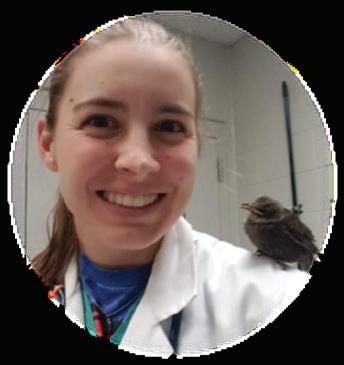
Tara Enwiller
Tara Enwiller
Tara Enwiller
· Avian/Zoological Medicine
Tara Enwiller
DVM, MS, DACVS
DVM, MS, DACVS Surgery
DVM, MS, DACVS
Surgery
Surgery

DVM, MS, DACVS Surgery
· Avian/Zoological Medicine
· Emergency Medicine
· Emergency Medicine
Jennilee Morrison
· Emergency Medicine
· Integra�ve Medicine
· Integra�ve Medicine
· Emergency Medicine
· Acupuncture
· Integra�ve Medicine
· Integra�ve Medicine
DVM, DABVP (Avian Practice)
· Acupuncture
· Acupuncture
· Advanced Diagnos�c Imaging/CT

Jennilee Morrison
Avian & Zoological Medicine
Jennilee Morrison
Jennilee Morrison
· Acupuncture
· Advanced Diagnos�c Imaging/CT
· Advanced Diagnos�c Imaging/CT
DVM, DABVP (Avian Practice)
· Advanced Diagnos�c Imaging/CT
Jennilee Morrison
DVM, DABVP (Avian Practice)
Avian & Zoological Medicine
DVM, DABVP (Avian Practice)
Avian & Zoological Medicine
Avian & Zoological Medicine
DVM, DABVP (Avian Practice) Avian & Zoological Medicine
We offer compassionate, personalized care and look forward to working closely with you and our partner veterinarians.

We offer compassionate, personalized care and look forward to working closely with you and our partner veterinarians.
We offer compassionate, personalized care and look forward to working closely with you and our partner veterinarians.
We offer compassionate, personalized care and look forward to working closely with you and our partner veterinarians.
LOCATION
VCANorthview@vca.com
www.vcanorthviewspecialty.com BUSINESS HOURS
ER/Urgent Care 7 days/week 8am-7pm
Referral Consulta�ons: By Appt. Mon-Sat Hospitalized Care 24/7
ER/Urgent Care 7 days/week 8am-7pm
VCA Northview Animal Hospital Specialty Referral







Greg Geibel
PET HEALTH & WELLNESS
What to know about anesthesia & your pet!
By Jenn Bornkamp, DVM, MS, CVA, CVTP, Practice Limited to Anesthesiology & Pain Management
Most procedures that need to be performed on your cat or dog will require either sedation and/or general anesthesia Sedation and general anesthesia allow veterinarians to perform these procedures quickly and safely. Anesthesia has changed drastically in the past decade and is much safer due to advances in human anesthesia. It can be intimidating for most pet parents and my goal is to provide some insight of what to expect when your pet comes to the hospital.
What is the difference between sedation and general anesthesia?
Sedation and general anesthesia (GA) use many of the same drugs, monitoring, and both require a full examination and blood work.
Sedation uses a combination of drugs that provide pain and anxiety relief with some muscle relaxation. This is similar to when you are falling asleep but loud sounds can startle you awake. Your pet is monitored constantly with the same monitors used in GA.
However your pet will not have a breathing tube placed in the windpipe (intubation) and may not have an intravenous (IV) catheter placed.
GA achieves pain and anxiety relief, muscle relaxation, and a state of unconsciousness. This is similar to you being in a deep restful sleep. During this time, the patient is intubated and continuously monitored to ensure safe anesthetic levels. This allows for rapid detection and treatment of complications (side effects) that may occur.
Is sedation safer than general anesthesia?
Sedation is great for short procedures less than 30 - 45 minutes and in

healthy patients. However in some cases, general anesthesia may be recommended over sedation due to breed specific issues (bulldogs), health reasons (cardiac disease), or to provide extensive pain management.
What are the most common side effects with general anesthesia?
The five most common anesthetic side effects are: low heart rate (bradycardia), holding of breath or shallow breaths (apnea or hypoventilation), low blood pressure (hypotension), low oxygenation (hypoxemia), and low body temperature (hypothermia).
Most of these side effects are easily detected and treated when standard anesthetic monitoring is performed. Always feel free to ask your veterinarian questions about what occurred and how it can be avoided in the future.
Are all anesthetic plans the same?
Who anesthetizes my pet?
Your veterinarian will review your pet’s history, physical examination, blood work and urinalysis, and other diagnostics (like radiographs, ultrasound). With this information, the veterinarian will create an anesthetic plan tailored to your pet that will include sedatives, pain medicine, and drugs to induce anesthesia. A veterinary technician will be responsible for monitoring your pet under sedation and/or general anesthesia. Our technicians are trained in all aspects of anesthetic monitoring and are an essential part of the anesthesia team.
Some hospitals like PVSEC/Blue Pearl have specialists in veterinary anesthesiology whom are in the hospital throughout the day and on an emergency basis. We provide anesthetic plans for most hospitalized patients, provide advanced pain management techniques like nerve blocks, and are present to address any complications during anesthesia. We are silent partners of the veterinary team but are involved in most anesthesia and sedation cases. We are available to your pet and you as needed while in the hospital.
How is my pet monitored?
Your pet will receive a physical exam the morning of the
procedure prior to any sedation. Most pets receiving general anesthesia will have the following values monitored: heart rate/ rhythm, blood pressure, oxygen saturation, and respiratory rate/effort. Your pet is continuously monitored from the start of anesthesia until they are completely awake and recovered.
Are certain pets more at-risk for anesthetic complications?
Most dogs and cats can have anesthesia performed safely. Brachycephalic breeds (bulldogs, pugs, Persians) are more at risk due to their short snouts and deviations of their airway. Some breeds like collies and shelties have a gene mutation that makes them more sensitive to the sedative effects of certain drugs.

Other breeds have specific diseases or risks associated with them. The most important thing to remember is, your veterinarian and their team are trained to identify these risk factors. They may make recommendations for additional diagnostics like clotting tests, cardiology consults, or even prearrival sedation to ensure a safe anesthetic experience.
What if my pet had a bad experience with anesthesia before?
This does happen on rare occasions. However it does not mean your pet cannot have a safe sedation or GA in the future. Important information to have sent to your veterinary team include a copy of the anesthetic record including the drug names and doses, what happened, and what was done to treat the issue.
Your veterinary team will review this information as well as the other information obtained via exam, history, and diagnostic tests. In most cases, small adjustments or changes in the anesthetic plan can ensure safer anesthesia. Veterinary anesthesiologists are available to your veterinary team as needed.
Can I request certain drugs not be used?
If your pet has had a bad reaction to a drug in the past, share this information with your veterinarian. Many times we can avoid reactions by reducing doses or using alternative drug combinations. I encourage you to discuss this with your veterinarian. Avoiding the use of one drug can limit our ability to provide stress-free and smooth anesthesia for your pet.
What if my pet takes a medication daily?
Most medications do not interfere with anesthetic drugs. However be sure to tell your veterinarian and their team all medications including over the counter medications or supplements that you give. Be sure to discuss with your veterinarian what daily medications or supplements should, and should not, be given the day of surgery.
What to expect after anesthesia?
The first 1 - 2 days after anesthesia or sedation, your pet may be sleepy, have a low appetite/thirst, nausea, or may not urinate or defecate. These are normal occurrences after anesthesia. If you have any concerns please talk to your veterinarian. Always follow the discharge instructions from your veterinarian.
AGWAY - SOUTHERN STATES, see ad on page 25
All About Pets Veterinary Hospitals, page 26, A
Animal Healing Now, page 17
Animal Friends, page 10, M
Beaver Animal Clinic, page 17, D
Best Breed Pet Food, page 15
BluePearl Pittsburgh Animal Blood Bank, page 13
Buzzy Photography, page 3
Camp Bow Wow, page 21
Chartiers Custom Pet Cremation, page 28, F
Cheyenne Veterinary Wellness & Surgical Center, page 15, Q
Coventry Stables, page 25
Dog Stop, page 21
EASE Animal Massage, page 3
Fuzzy Paws Pet Villa, page 15, H
Gentle Journey Veterinary Hospice, page 15
Hounds Town USA, page 1
Healing Hearts Pet Loss
Jefferson Memorial, page 27, J
Grief Seminar
Larry’s Laundromutt, page 5, P
Feb 24
OHPA Bird Fair, page 7
Paws Here Awhile, page 14
Pampered Paw Resort, page 15
Events
Bridgeville Chartiers Custom Pet Cremations www.ccpc.ws
Petagogy, page 5
Animal Friends
Biscuits Bingo Saturday
Pittsburgh Veterinary Specialty & Emergency Center, back cover, N
Portraits of Animals, page 5
March 23 | Doors open at 10 a.m.
Rockin Horse Stables, page 25, O
Bingo starts at Noon | IBEW Hall 5 Hot Metal Street, Pittsburgh, PA 15213
VCA Castle Shannon, inside front cover, S
VCA Northview Animal Hospital Specialty Referral Center, page 29
Pittsburgh Marathon Run for Their Lives
Woody’s Dog Wash & Boutique, page 15, V
Sunday, May 5 | 7 a.m.
Please see listed pages for complete addresses.
Downtown Pittsburgh
CARMAA presents
Suzanne Clothier Behavior Lecture
May 24-26









HOLISTIC PET CARE
Natural Flea Prevention
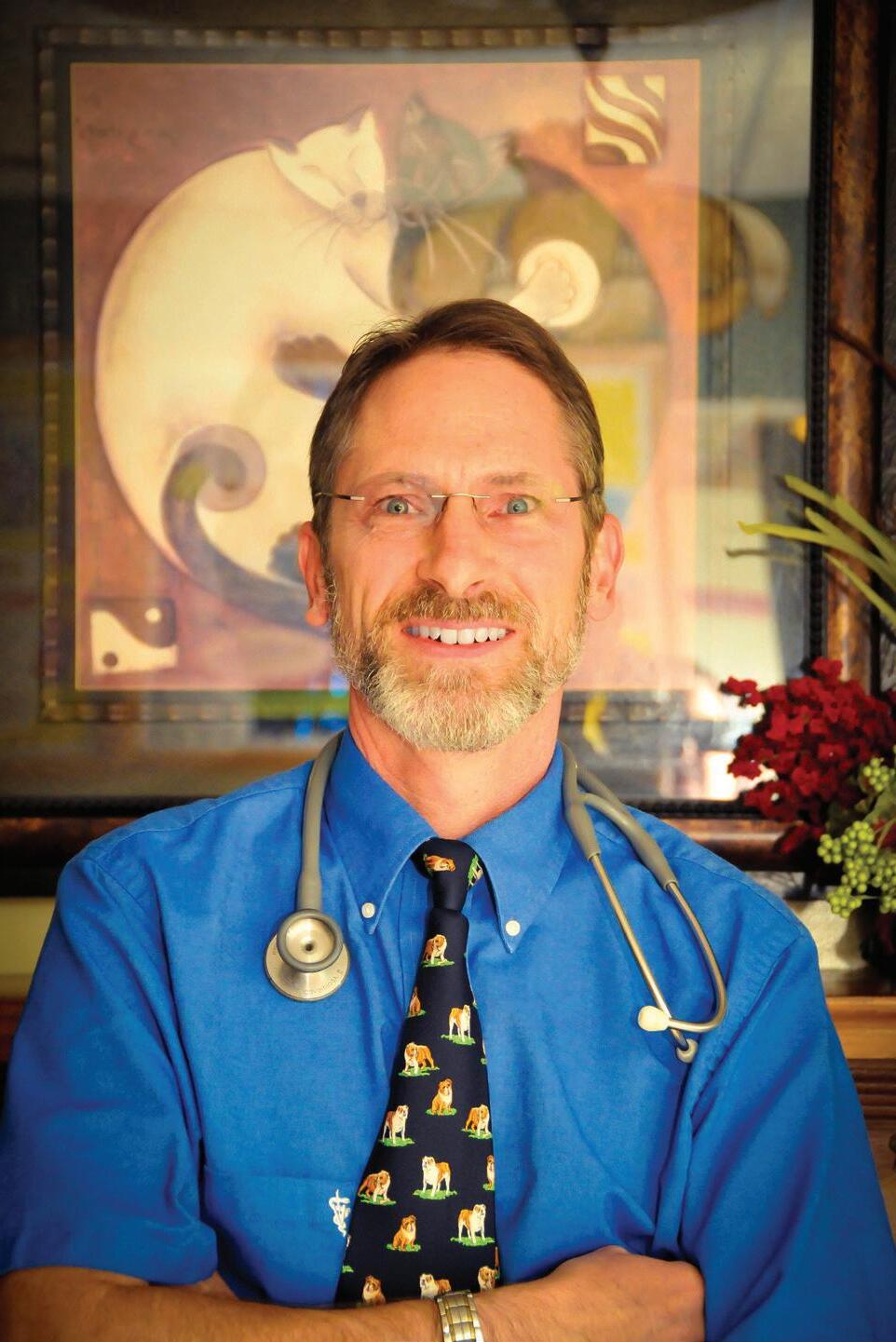
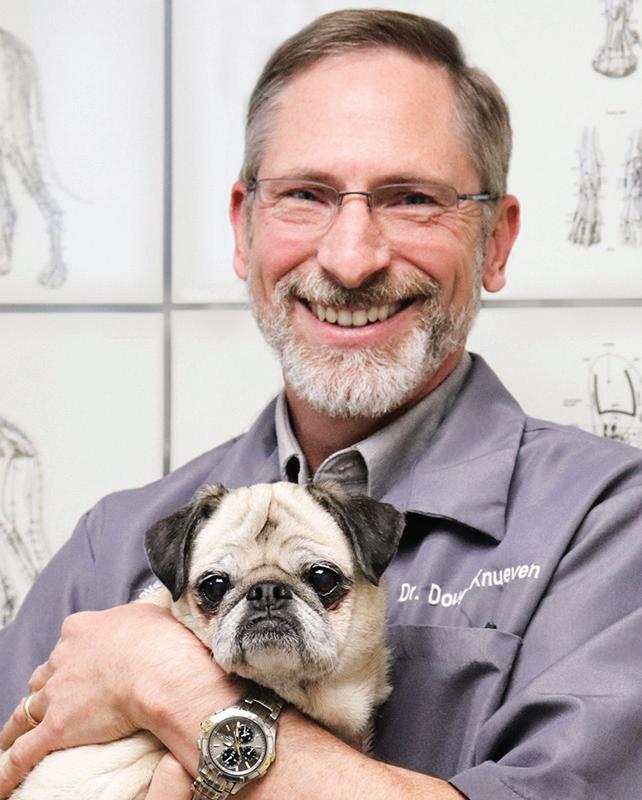
By Doug Knueven, DVM, CVA, CVC, CVCH
Fleas are a terrible affliction for pets. They cause itching and are a major cause of allergic skin disease in animals. They can also transmit tapeworms and other diseases. If fleas get into your home, you may be bitten as well. It is extremely important to prevent fleas from infesting your pets and your home.
There are many modern treatments for preventing fleas. Gone are the days when we needed to rely on flea baths, dips and collars. Now we have medications that are applied to the skin or given by mouth to repel and/or kill fleas and/ or ticks. Unfortunately, all of these drugs are absorbed into the pets system which can lead to side effects and toxicity. While acute symptoms from these products are rare, there is no research regarding the safety of their long-term use. For this reason, many people opt for natural flea control.

Flea prevention is always easier than trying to cope with an infestation. Once you see fleas on your pet, the first battle is lost and the war is about to begin. It is very difficult to get fleas out of your home. Spring time, before the bugs are out in full force, is the time to start flea control.
From a natural, holistic standpoint, flea prevention begins with a truly healthy pet. A strong pet with a vigorous constitution is less susceptible to any parasite. Of course the foundation for a healthy pet is a natural, nutritious diet. In my view the best diet is a balanced raw pet food.
Ultimately, our pets contact fleas from the out of doors, so this is an obvious place to begin flea control. Treating your yard for fleas does not mean you have to address the entire 50 acres that you own. Even if your pet roams far and wide, setting up a buffer zone right around the house will help stop a problem.
The use of chemical insecticides in the yard is a bad idea. These hazardous chemicals pollute the environment and have been linked to bladder cancer in dogs. For the treatment of your yard, I recommend the use of “beneficial nematodes.” This natural flea control is safe, effective and non-toxic.
Nematodes are microscopic worms that feed on the larvae of fleas and other insect pests. They are totally harmless to people, animals and insects that are not harmful to the lawn and garden. More than 230 pests are susceptible to these little critters including cabbage root maggots, gypsy moth larvae, Japanese beetles, strawberry weevils and white grubs, as well as fleas. Nematodes are the good guys of the parasite world.
The best part is that these nematodes cause no problems of their own. If there are no insects for them to eat, they die off. You don’t have to worry about the toxic effects that chemicals can have on animals, well water and the
environment. Besides, isn’t it great to kill a parasite with a parasite? Give them a taste of their own medicine. Beneficial nematodes may be difficult to find. I am familiar with a product called Scanmask. Look for it at garden stores or the office of your ecologically-minded veterinarian.
Once the yard is treated, we need to address the pets themselves. One means of keeping fleas off your pet is to use a natural, topical treatment that repels fleas. Aromatic oils such as citronella, pennyroyal and others give off a smell that repels insects. There are many sprays, shampoos and topical treatments available that contain these essential oils. The downside to these products is that they must be applied frequently to be effective.
Neem is an herb that has anti-parasitic properties. It comes in several different forms such as powders or oils that are applied topically to repel fleas and ticks. Again, frequent application is essential.
A final natural flea tip is to get a flea comb and use it daily on your pet. A flea comb has finely spaced teeth that can pull the fleas and loose fur off your pet. This technique can serve as an early detection method allowing you to really jump on a flea infestation before it gets out of hand.
Remember that for every flea you find on your pet, there are 10 more in the immediate environment such as the house and yard. These prolific creatures lay hundreds of eggs each day. Whatever method you choose to control fleas, do not procrastinate, and start flea prevention now.
Make Your Own Natural Lemon Flea Dip
Here is a simple safe formula to make your own natural flea dip. Thinly slice one whole lemon, peel and all. Add it to one pint of near-boiling water and let steep over night. The next day, sponge the solution onto your pet’s skin and let it dry. You can repeat the procedure daily for severe flea problems.

Lemons are a source of natural flea-killing substances such as d-limonene plus other healing ingredients. Be careful not to get the solution in your pet’s eyes and do not apply to irritated skin.

Integrative Holistic Medicine
Integrative: combining the best of conventional and alternative medicine
Holistic: providing more options for therapy
Acupuncture
Herbal Medicine
For complete care for your animal companion, see Dr. Doug. Call Beaver Animal Clinic today to set up a holistic exam for your pet.
Dr. Doug | The Holistic Vet
Dr. Doug has been practicing integrative veterinary medicine since 1993. He is certified in acupuncture, Chinese herbal medicine, and chiropractic. With over 30 years of veterinary experience, Dr. Doug has treated thousands of challenging cases.
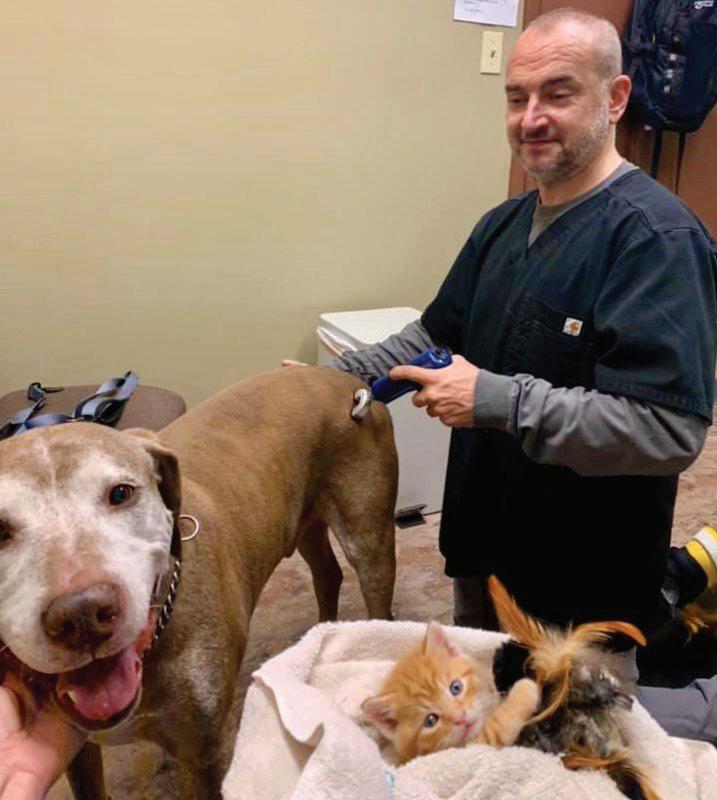
Young, vibrant Golden Retriever named Bauer is diagnosed with torn knee ligaments, after just 2 visits he is “acting as if nothing had ever happened”, read what Bauer’s dad had to say about working with Animal Healing NOW:
357 State Avenue | Beaver, PA 15009 | 724.774.8047 beaveranimalclinic.com
Better.
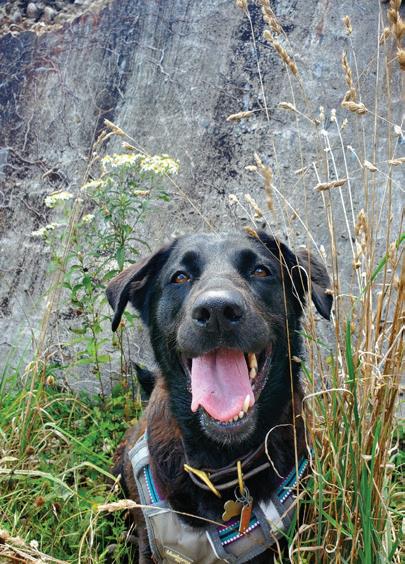
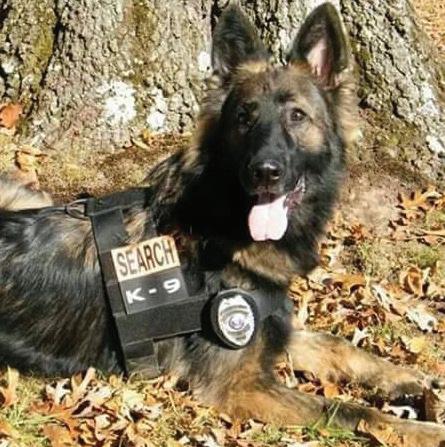
NATIONALLY CERTIFIED K9 SEARCH AND RESCUE named Duke was unable to even jump or walk steps without pain.
"Dr. Savko has given my dog her life ba
After being hit by a car, she practically couldn't use her left leg for about a year until I found Dr. Savko in a desperate attempt.
“My K9 partner of 7 years was no longer able to jump into my car, or walk up our steps without pain. I was distraught, no one could tell me what was wrong, all they wanted to do was meds and tests. Dr. Savko saved not only my partner, but my heart. Dr. Savko was HONEST and LISTENED to me right from the start. He is a very supportive, caring doctor with a deep compassion for people and animals. After getting a veterinary referral we saw Dr. Savko right there at the veterinary office! Awesome!
Since that first visit my 90 pound lab-shepherd mix's quality of life has improved drastically. She has full use of her left leg, and gets to enjoy an active lifestyle on the farm and on hiking trips. I couldn't be more grateful!! "
Dr. Savko is awesome! I took my Golden Retriever to him when the vets thought he tore his ACL. He was limping and not playing a whole lot. Initially the veterinarians had me thinking that expensive surgery after expensive diagnostic testing were my ONLY options for my pal to have a normal life again. If that was the way it had to be then so be it, but I thought maybe there might be a better way so I got a second opinion. I am so glad I got another opinion from a veterinarian that referred me to Dr. Savko. Right away I messaged Dr. Savko frantic about my baby and he responded immediately and was very calming. I’ve
since been seeing him for about 8 weeks now and after just 2 visits, Bauer was acting as nothing ever happened and playing with his puppy brother. Dr. Savko saw the progress himself and could’ve
SECOND TO GET YOUR PET BETTER. THANKS DR. SAVKO!
VISIT ONE: Duke met with Dr. Savko, he checked him out and determined where the pain was, and right away explained to me what was happening to Duke’s body.
"Finally a straight shooter Doctor for once!!
VISIT TWO: After the visit Duke jumped in the back of my car for the first time in over a month. I could start to see a different pup.
VISIT THREE: Duke was able to jump on the couch. It was the best nap that I had taken in months. He was running again, I could see my partner coming back.
VISIT FOUR: Duke was back to his normal self with no limping, pain or crying.
If you are giving up hope, and you don’t know what to do, you can’t go wrong by turning to Animal Healing NOW and Dr. Michael Savko.”
You have not tried everything until you have tried Animal Healing NOW, besides why wouldn’t you go the non invasive route first? Unless it is a life or death emergency natural and non invasive options should always be considered first or at least in addition to anything else! Healing, not just treating.
My dog was diagnosed with both back legs having torn CCL’s. I had braces made and did water therapy and then, after consulting with my veterinarian, we added Dr Savko. My dog is now running a little with no pain meds and can walk up the steps on his own. He is doing so great and I couldn’t be happier. Not everything needs surgery and my dog is living proof."




LOCATIONS:
Holiday Park Animal Hospital, Plum Greenfield Veterinary Hospital, Pittsburgh
New Stanton Veterinary Services, New Stanton Fox Run Equine Center, Apollo
“miracle worker”
“a very supporting and caring doctor”
“wish I would have known about you sooner” “best time/money we ever spent” “you have given us hope”

KITTY KORNER
Humans, Animals and COVID-19
By Bernadette Kazmarski
Early on, the coronavirus SARS-CoV-2 that came to be called COVID-19 was speculated to be zoonotic, meaning it originated in an animal but could then infect humans. But since we have no vaccine or cure, do we need to worry if it could also be spread from humans to animals by reverse zoonosis?
Zoonosis and reverse zoonosis
Some pathogens can infect both humans and animals, particularly RNA-based viruses. When infectious pathogens move between animals and humans it is usually from animals to humans and called “zoonosis”. Examples of these zoonotic diseases include toxoplasmosis, rabies, Lyme, salmonella and E. coli infection, swine flu, bird flu, and several more.
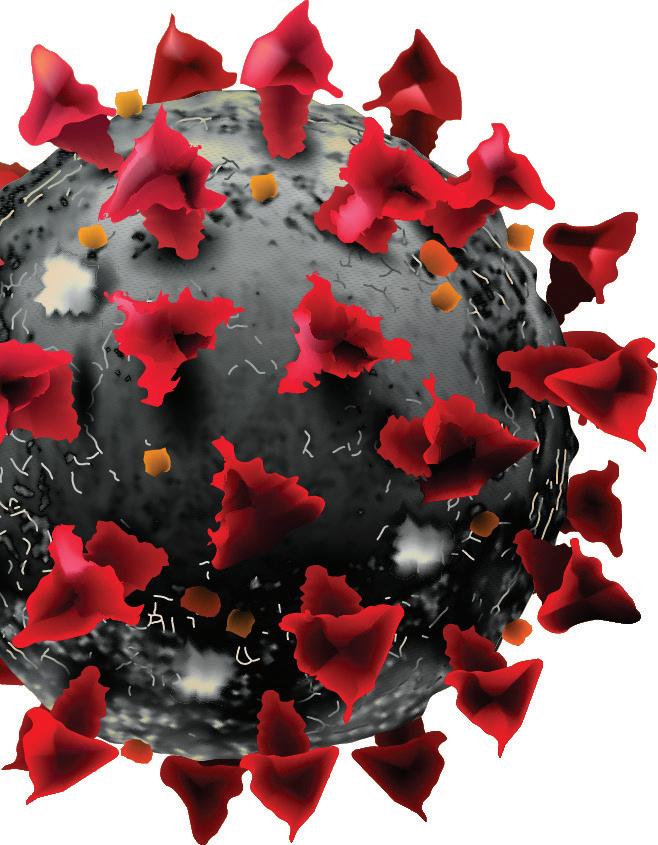
But pathogens moving from humans to animals in “reverse zoonosis” or “anthroponosis” has had little study. Though cases of bacteria, viruses, parasites, and fungi have been reported in medical literature. In the 1990s both MRSA (Methicillin-resistant staphylococcus aureus) and tuberculosis were found to be transmitted from humans to their pets. In 2009 a cat died of pneumonia caused by H1N1 influenza with which her human caretaker had been diagnosed. The increase in households with pets as well as interactions between wildlife, humans and pets, animals moved around the world for food and black-market trades, there may be more chance for reverse zoonosis today than ever before.
Right now, all situations indicate that we can indeed, on rare occasions, transfer COVID to our pets, but their symptoms seem to be mild and there is no instance yet of any of our domestic pets transferring it back to us.
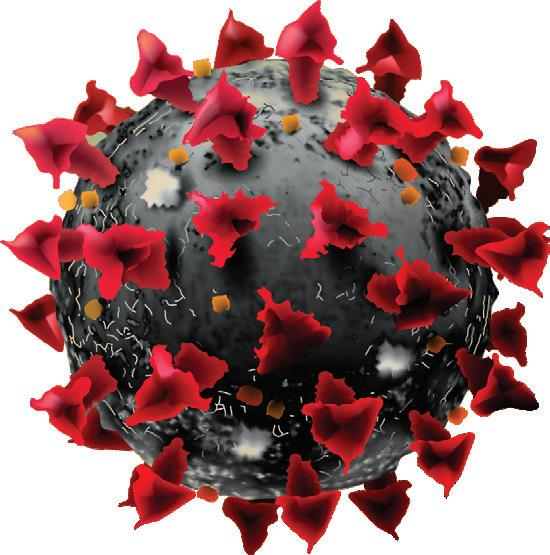
Known cases in animals
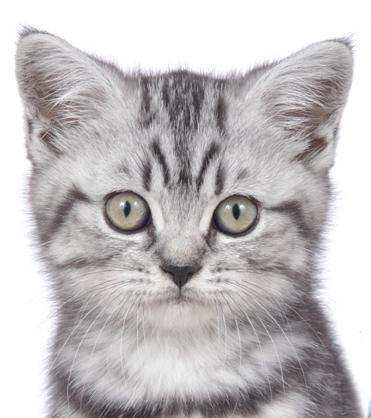
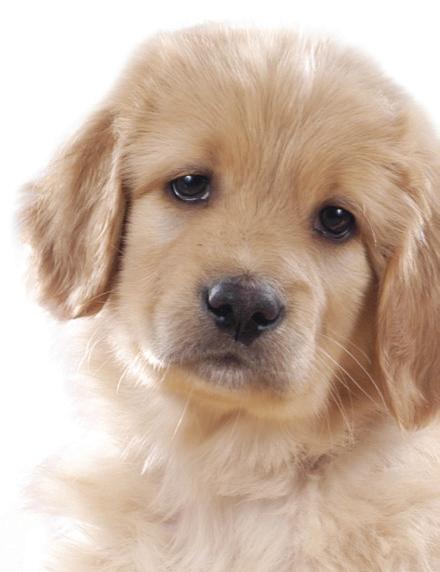
A small number of cats, dogs, ferrets, big cats, and minks have all tested positive for COVID-19 suffered mild symptoms and recovered. Only on a mink farm has there been a probable mink to human transfer of the virus. IDEXX Laboratories has been testing pets since March and has only found a few positive cases, all from homes with COVID infections present in humans. Generally, animals develop mild symptoms and fully recover. A German shepherd in New York named Buddy was not so lucky. He was also diagnosed with lymphoma along with a positive COVID test. The other dog in the house, a 10-month puppy, was negative, but had antibodies showing he had been infected.
Big cats in the Bronx Zoo
A Malayan tiger at the Bronx Zoo exhibiting symptoms tested positive in April. Six more big cats exhibited the characteristic dry cough and diminished appetite. No one is certain how the cats were infected. The zoo staff presumes it was from an asymptomatic or pre-symptomatic staff member though no one was tested, and no one developed clinical symptoms of COVID-19. The zoo had closed on March 16, even to volunteers. Staff members do not physically interact with the big cats which is puzzling because infection seems to take a prolonged exposure to the disease.
Only one tiger was tested because general anesthetic was required for a blood draw. Later other big cats at the zoo were tested by fecal sample which does not require anesthesia to collect. Several other cats tested positive, but one positive cat was asymptomatic. In all, eight cats were infected, but many other big cats were not. All the infected cats
References
recovered. Several new studies of SARS-CoV-2 infection in animals have shown that the disease is more infectious among ferrets and cats who will develop symptoms and develop antibodies, and other ferrets and cats near the infected animals will also catch the infection within days. Another study of cats only from Wuhan China showed that cats will become seropositive when in homes with actively infected humans, and will also develop infection from a milder exposure. Exposed dogs will typically not develop symptoms, but may develop antibodies showing they were infected and immune systems responded. Pigs and chickens showed no changes.
Ramifications for pets
The question for pets remains whether they are more likely to develop COVID if they have other compromising conditions, as is often true with humans, and if they have lingering effects after recovery. To date, not enough testing has been done to confirm one way or the other.
Social distancing for our pets!
Anyone who is infected with COVID-19 should quarantine themselves from animals just as they distance themselves from people to keep from spreading the virus to either animals or people. If you become sick with COVID-19, no matter how sick you are, someone else should care for your pets.
We still need to keep our pets in our social distancing plan— meaning that we need for them to quarantine as we do and keep a distance from other people and animals when we leave our quarantine area.
• Dogs at the dog park should keep a distance from other dogs —and from people, just as we should.
• Indoor-outdoor cats should not roam and mingle with other cats, animals and people.
• Continue feeding your community cats employing all social distancing and wellness guidelines. If you become ill, stop, quarantine, and find another caretaker to take your place.
Fur can act as a fomite, a material that can catch and hold an infection just like any doorknob or keypad. If an infected person coughs on your pet, then you pet and hug your pet, the infection could be transferred to you.
Keep pets in your emergency plan
Plan for what happens if you cannot leave the house, either from quarantine or from illness, and with food and supply chains interrupted stock up on essential goods. For your pets, start with any medications or medical needs, then food and any other necessities they have and make sure you are prepared for at least a week if not more. And your plan if you were to become ill and need hospitalization, or even be somewhat incapacitated at home, should have a plan for who will take care of your pets.
IDEXX: https://www.idexx.com/en/about-idexx/covid-19-resources/ American Veterinary Medical Association: https://www.avma.org/blog/what-do-youneed-know-about-coronavirus
World Organization for Animal Health (OIE): https://www.oie.int/scientific-expertise/specific-information-and-recommendations/questions-and-answers-on2019novel-coronavirus/
World Small Animal Veterinary Association: https://wsava.org/news/highlighted-news/the-new-coronavirus-and-companion-animals-advice-for-wsavamembers/ https://www.nationalgeographic.com/animals/2020/07/first-dog-to-test-positive-for-covid-in-us-dies/
CAT RESOURCE GUIDE
Homeless Cat Management Clinic Schedule through Decemeber 2020
Our clinic is located at 207 Allegheny Street, Tarentum, PA 15084. At this time, we treat only cats at our clinics. You must call to register prior to any clinic.
CLINIC REGISTRATION
BY PHONE: call 412-321-4060 and leave a message. Please include your name and phone number in your message. Someone will return your call and complete your pre-registration. HCMT is all volunteer and this may take some time. Clinics fill up quickly and it’s best to call at least two weeks in advance of the clinic you want to attend. BY EMAIL: Email cathomeless@gmail.com with your name, number of spots you need and which date you are registering for. You will receive a confirmation email ONLY if you are registered. NOTE: dates may be added and are subject to change.
FREE CLINICS (ferals only)
Sep 12 – in memory of Pat Tiani Jr.
Oct 10 – In memory of James McDonald Jr. (rescheduled from 3-28-2020)
All upcoming events have been postponed.
Nov 7 – Nadine Piontka
Dec 5 – half sponsorship in memory of Jeanne T. Richey, half sponsorship anonymous
Low-cost spay/neuter and animal services in and around Allegheny County
FAST TRACK CLINICS
$30 PER FERAL - See website for other costs
Sep 26 Oct 24
Nov 21 Dec 19
This is an ever-changing list of resources for pet owners in Pittsburgh and beyond including low-cost spay and neuter programs for pets as well as TNR for community cats, after-hours emergency care, help with veterinary bills, pet-friendly rentals in Pittsburgh and across the US and links to shelters for adoption and other services. This information is provided for reference only and subject to change without notice. Please contact the organization or agency before using their services.
Low-cost Spay and Neuter Organizations and Programs
TNR AND LOW-COST SPAY/NEUTER PITTSBURGH AREA
Homeless Cat Management Team
207 Allegheny St., PO Box 100203, Tarentum, PA 15084, 412-321-4060 http://www.homelesscat.org/
Feral Cats and Rescued Cats. Feral cats must arrive in a humane trap. Check the website for clinic dates. All appointments must be made by calling the phone number. No walk-ins. Ferals: $30.00 Fast Track, no-charge at free clinics. Rescued Cats: Females $55.00, Males $40.00 Both include rabies, earmite and flea treatments. Other services available.
City of Pittsburgh Free Spay and Neuter for City Residents City of Pittsburgh offers five free spays/neuters to all city residents http://www.pittsburghpa.gov/publicsafety/animal-control/spay-neuter.html
Low-Cost Spay/Neuter Programs at Shelters in Allegheny and surrounding counties SHELTER PROGRAMS
Animal Friends
https://www.thinkingoutsidethecage.org/pet-care/spay-neuter/ Pet/friendly cats: $50 spay or neuter, includes pain medication – vaccines require are an additional fee.
Feral/Outdoor Package: $50, includes pain medication, rabies, FVRCP, ear tip and flea treatment. Cats must be feral and in a humane trap to receive this service.
Humane Animal Rescue
https://www.humaneanimalrescue.org/veterinarycenters/spay-neuterservices/
East End: 66209 Hamilton Ave., Pittsburgh, PA 15206, 412-661-6452 North Shore: 1101 Western Ave., Pittsburgh PA 15233, 412-321-4625
Pet/friendly cats: $70 spay/neuter, rabies, FVRCP (distemper), microchip
Feral/Outdoor Package: $50, includes pain medication, rabies, FVRCP, ear tip and flea treatment. Cats must be feral and in a humane trap to receive this service.
Beaver County Humane Society
3394 Brodhead Road, Center Township, PA 15001, 724-775-5801 http://www.beavercountyhumanesociety.org
Friendly or feral cats, 3 packages: $35.00/$70.00/$100.00 Visit website for more information.
Clarion Paws (Serves Clarion, Forest and Jefferson County)
Mailing address: P.O. Box 804, Clarion, PA 16214
Current Location: 11348 Route 322, Shippenville, PA (Clarion River Hill, between Kronospan and Clarion Electric) http://www.clarionpaws.org/programs/spay-neuter/ Monthly clinics, submit an application and you will be called when an appointment becomes available. Pets or ferals: $65 spay, $45 neuter. Includes rabies vaccine, ear mite check and treatment and flea treatment. Optional services at an upcharge.

Low Cost Spay/Neuter Clinic: spayneuterclinic@clarionpaws.org or call 814-2291231. Trap-Neuter-Return: tnr@clarionpaws.org or call 814-229-1231 and leave a message
Butler County Humane Society 1015 Evans City Road, Renfrew, PA 16053 https://butlercountyhs.org/clinic/ Occasional clinics with mobile spay/neuter unit. Call 724-789-1150 for upcoming low-cost Pet/TNR clinics
Washington Area Humane Society 1527 Route 136, Eighty Four, PA 15330 http://washingtonpashelter.org/ Currently moving into new building.
Low-cost Spay/Neuter Organizations in Allegheny and surrounding counties (alphabetical)
These are organizations which are not day-to-day clinics but organize, host, sponsor or otherwise provide access to spay and neuter services.
Catnip Acres (Greene County)
155 Dark Hollow Rd, Waynesburg, PA 15370 https://catnip-acres.com/upcoming-events
To schedule a spay/neuter, please call 724-833-0954 and leave a message.
Fix ‘Ur Cat Spay & Neuter Clinic
Low Cost Spay Neuter Washington County, Inc., DBA Fix ‘Ur Cat 18 West Pike Street, Canonsburg, PA 1531
Call 724-405-7FIX (7349) for an appointment.
Spay/neuter clinics are by appointment only, on Mondays, Tuesdays, and Wednesdays. Pets and TNR surgeries. Early morning drop-off; late day pickup.
https://fixurcat.org/
Fluffy Jean Fund (Washington County) 724-941-3991
http://fluffyjeanfund.weebly.com/
Fund for Feral Cats of Pittsburgh
Reimburses partial funds to help spay/neuter feral cats (funds not always available)
412-521-5352
Lawrence County Animal Relief Fund (LCARF) PO Box 8514, New Castle, PA 16107, 724-510-4952
http://www.lcarf.com/
Monthly clinics: $65 Spay/Neuter for Cats and Kittens! Includes a rabies vaccine, FVRCP vaccine, (distemper) and flea and earmite treatment. Visit website for more information.
Operation Spay/Neuter Butler, PA (for Butler County residents only)
http://operationspayneuter.com/
For all surgeries call for an appointment at 724-287-SPAY (7729).
Pet Search
P.O. Box 1653, Washington, PA 15301 Call 724-228-7335 for clinic information. http://www.petsearchpa.org/
SNIPP: Spay and Neuter Indiana PA Pets Westmoreland/Indiana Counties, Alle-Kiski Valley (Leechburg) Monthly low cost clinics. Call 724-541-7205 for clinic information. http://www.snippindianapa.org/
Low-cost Spay/Neuter and Veterinary Clinics
Fix’N Wag’N
Mobile low-cost spay/neuter and vaccination clinics scheduled in communities partnering with rescues. Visit the website for upcoming dates and places.
https://fixnwagn.com/
THESE ARE INDEPENDENT CLINICS THAT OFFER SERVICES ON SITE
DURING REGULAR BUSINESS HOURS.
Frankie’s Friends
730 5th Avenue, New Kensington, PA 15068, 724-889-7011
Spay/neuter for pet/feral cats: Neuter $40, Spay $55, includes Rabies, Ear mite treatment, Flea Treatment. Also offers low cost vaccinations and basic medical treatments.
http://www.frankies-friends.org/
Penn Hills Spay/Neuter Clinic
11644 Frankstown Rd, Pittsburgh, PA 15235, 412-244-1202
Open Monday-Friday. Walk-in services for ferals.
Pet/TNR: Spay $56, Neuter $37, visit website for details and scheduling. Also offers low cost vaccinations and basic medical treatments. http://www.spayaz.com/Pittsburgh.html
North Hills Spay/Neuter Clinic
3967 William Flinn Hwy, Allison Park, PA 15101, 412-213-7353
Open Monday-Friday. Walk-in services for ferals.
Pet/TNR: Spay $56, Neuter $37, visit website for details and scheduling. Also offers low cost vaccinations and basic medical treatments. https://spayaz.com/locations/pittsburgh-north-hills/ Find Local Low-cost Spay, Neuter and Veterinary Care on the Internet
Low-cost Neuter and Spay (search by zip) http://neuterspay.org/
Love That Cat (online search) http://www.lovethatcat.com/spayneuter.html
Spay USA http://www.spayusa.org/search.php
Spay and Neuter Early, a Humane Alliance Campaign http://www.whentospay.org/get-your-pet-fixed Get Your Fix.org
http://getyourfix.org/
ASPCA searchable map of low-cost clinics in US & Canada https://www.aspca.org/pet-care/general-pet-care/ low-cost-spayneuter-programs
EMERGENCY AND AFTER-HOURS CARE
Pittsburgh Veterinary Specialty and Emergency Center (PVSEC) http://www.pvs-ec.com/ VCA Castle Shannon Animal Hospital http://www.vcahospitals.com/castle-shannon VCA Northview Animal Hospital Specialty Referral Center http://www.vcahospitals.com/northview A-VETS, http://www.avets.us/ PET-FRIENDLY RENTALS
In the Pittsburgh area, visit this list on the FosterCat website: http://www.fostercat.org/friendly.html
Nationwide (United States only) http://www.rent.com/pet-friendly-apartments SHELTERS AND SHELTER SERVICES
Adoption, surrender, low-cost clinics, pet food pantries, referrals, etc.
Humane Animal Rescue, North Shore (Western PA Humane Society) www.wpahumane.org
Humane Animal Rescue, East Liberty (Animal Rescue League) www.animalrescue.org
Animal Friends (AFI), www.thinkingoutsidethecage.org
Animal Advocates, animaladvocates.net
Washington Area Humane Society, www.washingtonpashelter.org
Butler County Humane Society, www.butlercountyhs.org
Beaver County Humane Society, www.beavercountyhumanesociety.org
ANIMAL CRUELTY LAWS BY STATE (UNITED STATES)
Animal Legal & Historical Center www.animallaw.info/articles/armpstatecruelty.htm
Understanding the Respiratory System: A Complex System for Flight
By Edward R. Moats
Many parrot families are aware that there are various household products that emit fumes that are dangerous to our birds. However, they cannot explain why these products place our birds at risk for respiratory distress. In this article, I will explain how the respiratory system functions in a parrot and why the pet parent should be cognizant of the home’s air quality.
The Respiratory System in our birds is a complex network bestowed by Mother Nature for the gift of flight. One function is providing oxygen to muscles for birds to fly over vast distances. And what is so interesting about a bird’s respiratory system is how it distributes oxygen throughout the body.
A bird’s lungs function differently from mammals such as dogs, cats, and humans. In mammals, muscles are attached to the ribcage and expand and contract with each inhalation and exhalation. During inspiration or inhalation, the ribcage expands and cause the lungs to expand. During inhalation, the diaphragm pushes down and causes a vacuum into the lungs whereby oxygen is accepted. Oxygen is then absorbed by the lungs and dispersed throughout the body via a vast network of capillaries. A bird’s lungs are static, and they do not possess a diaphragm. Oxygen is pushed through the body via air sacs that aid in moving oxygen to muscles and organs. This is done by air sacs changing pressure as oxygen is moved throughout the body. As one air sac contracts, it pushes air into the next air sac that expands. These pressure changes are triggered through inhalation and exhalation.
Depending on species, a bird can have seven to nine air sacs. The air sacs are highly efficient and allow more oxygen to be transferred with each breathe. Although air sacs do not directly absorb oxygen and disperse carbon dioxide, they keep oxygen moving throughout the system. The air sacs are comprised of two groups. The Caudal Group, which consists of the Caudal Thoracic Sacs and Abdominal Sacs. And the Cranial Group that consists of the Cervical Sacs, the Clavicular Sacs, and the Thoracic Sacs.
It should be noted that a bird’s lungs never fully deflate. This assists in maintaining altitude while in flight and allowing for more energy to propel.
So how exactly does oxygen move throughout a bird’s body? The following narrative and illustration will help you understand:
The Respiration Cycle
As a bird inhales, muscles press the sternum out and create a negative air pressure in the air sacs that cause air to enter the respiratory system. During inhalation, air travels through the nares and into the nasal cavity where it is led through the trachea and syrinx. The syrinx lies just below the trachea and divides in two. At this juncture, air does not go directly into the lungs. Instead, it travels to the posterior air sacs.
During the first inhalation, air is moved to the posterior air sacs through the Ventrobronchi and Dorsobronchi and into the lungs. Bronchi then divide into smaller diameter air capillaries. These Blood capillaries then flow through air capillaries where oxygen and carbon dioxide exchange.
At the time of the second inhalation, air is moved to the Cranial Air Sacs. Air is then moved out of these sacs and travels through the syrinx and into the trachea. Then through the larynx and finally through the nasal cavity and out through the nostrils.
It takes four breaths (two in and two out) for one inhalation of air to completely circulate the respiratory system. Meaning that air passes the lungs four times during a cycle. And with each passing, the lungs exchange gases. This explains why birds absorb more oxygen in the bloodstream per inhalation compared to mammals. It also explains why it is important to be mindful of toxic fumes and poor air quality. Thus, making birds highly susceptible to respiratory distress when toxins are inhaled.
Illustrration provided by Kortney Crigger


DIRECTORIES
ANIMAL EDUCATIONAL EXHIBITS
North:
The Pittsburgh Zoo & PPG Aquarium pittsburghzoo.org
The National Aviary nationalaviary.org
ANIMAL COMMUNICATION
Greater Pittsburgh Area: Renee Takacs, M.A., intuitguide.com
ANIMAL-RELATED ART, PHOTOGRAPHY & RETAIL
April Minech Custom Portraits | Pet Inspired Art www.ladybugdelightz.etsy.com
North:
Kim Lenz, Behind the Lenz Photography 412-983-0981, https://www.facebook.com/ Behind-the-Lenz-127787624032093/
Buzzy Photography
412-371-5212 | anita@buzzyphoto.com
South:
Kara Jones Photography, kjones.smugmug.com
Paws ‘n Claws Eyewear, PawsnClawsEyewear.com
ANIMAL RESCUE ORGANIZATIONS
North:
Animal Friends
412-847-7000 | thinkingoutsidethecage.org
Beaver County Humane Society 724-775-5801 | www.beavercountyhumanesociety.org
Pennsylvania Great Dane Rescue, 724-869-9185
Hope Haven Farm Sanctuary 412-366-1187 | hopehavenfarm.org
Western Pa Humane Society 412-321-4625 | wpahumane.org
South:
Animal Care & Welfare
412-244-1372 | animalcareandwelfare.org
Droopy’s Basset Rescue 888-9 GET DROOL | www.droopysbassetrescue.com
Washington Area Humane Society 724-222-7387 | washingtonpashelter.org
Animals Against the Odds Rescue/Rehab www.aato.rescueme.org
East:
Humane Animal Rescue 412-345-7300 | animalrescue.org
HAR Wildlife Center 412-345-7300 | animalrescue.org
SW PA Pugs with Special Needs 724-763-2790 | swpapug.org
West:
CARMAA, 412-780-4983 | carmaa-petadoption.com
Greater Pittsburgh Area: SPAAR, www.seniorpetandanimalrescue.org Guardian Angels Pug Rescue, 724-537-3466 www.facebook.com/guardianangelspugrescue
Humane Society of Greene County 724-627-9988 | greenepet.org
PEARL Parrot Rescue, www.pearlparrots.com
BIRD & SUPPLIES
Natural Inspirations Parrot Cages www.naturalinspirationsparrotcages.com
DOG TRAINING
North:
AKIN Family Dog Training (Lilian Akin) 412-732-8091 | akinfdt.net
Greater Pittsburgh Area:
Happy Pets Training/Christine Flint 412-373-9583 | www.happypetstraining.com
Success Just Clicks, successjustclicks.com
North Shore:
Western PA Humane Society 412-321-4265 | wpahumane.org
South:
Paula’s Professional Dog Services, 412-818-2482
DOG TRAINING CLUBS
South:
Dogworks Training Center at The Canine Club 412-220-8100 | www.thecanineclub.com
Golden Triangle Obedience Training Club 412-653-6880 | gtotc.com
Keystone Canine Training 412-833-2211 | keystonecanine.com
Xcel Canine Training Center 412-833-2504 | xcelcaninetraining.com
EQUINE BOARDING, LESSONS & TRAINING FACILITIES
North:
Rockin’ Horse Stables 724-601-4706 | rockinhorsestables.com
South:
Coventry Equestrian Center, 724-206-9902
Manon’s Farm, 724-705-7912 | 724-621-0260
SydMor Equestrian Center 724-969-0510 | www.sydmorstables.com
EQUINE FEED & SUPPLY
AGWAY - SOUTHERN STATES
North:
Mount Nebo Agway, Sewickley, PA | 412-364-4430
Beaver Agway, Beaver, PA | 724-775-0535
Mars Agway, Mars PA | 724-625-2340
South:
Eighty Four Agway, Eighty Four, PA | 724-222-0600
East:
Ligonier Agway, Ligonier, PA | 724-238-6207 West:
Imperial Agway, Imperial, PA | 724-695-7388
EQUINE HOLISTIC CARE
Greater Pittsburgh Area:
Dr. Michael Savko, DC, CCSP, CVCP 724-261-7915 | drchirovet.com
EQUINE TACK STORES
North:
Shady Acres Saddlery 412-963-9454 | www.shadyacressaddlery.biz
South:
Lowry’s Western Store 724-228-1225 | lowryswesternshop.com
EQUINE VETERINARIANS
Dr. Brian Burks, DVM - Fox Run Equine Center 724-727-3481 | foxrunequine.com
HOLISTIC PET PRACTITIONERS
Pet Chiropractor
North:
Dr. Doug Knueven, DVM, Beaver Animal Clinic 724-774-8047 | beaveranimalclinic.com
Greater Pittsburgh:
Dr. Michael Savko, DC, CCSP, CVCP 724-261-7915 | drchirovet.com
EASE Animal Massage 412-447-8490 | www.easeanimalmassage.com
HOLISTIC PRACTITIONERS FOR GUARDIANS
East End: Judith Levy Wellness, Coaching/Energy Modalities 412-726-2659 | www.judithlevycoaching.com
South:
Manning Chiropractic & Wellness Center 412-341-2505 | drastridmanning.com
HOLISTIC VETERINARIANS
Dr. Doug Knueven, DVM, Beaver Animal Clinic 724-774-8047 | beaveranimalclinic.com
Dr. Qiang Li VCA Castle Shannon 412-885-2500
PET BURIAL, MEMORIAL & CREMATION SERVICES
South:
Chartiers Custom Pet Cremation 412-220-7800 | ccpc.ws
Jefferson Memorial Funeral Home 412-655-4500 | jeffersonmemorial.biz
Greater Pittsburgh: Thousand Hills Pet Crematory 724-355-8296 | www.thousandhillspetcrematory.com
PET GROOMING
North:
All About Dogs 724-925-1577 | allaboutdogsgrooming.info
Happy Tailz Pet Spa 412-759-7620 | Happytailzpetspa.com
Healthy Pet Grooming 724-759-7567
Larry’s Laundromutt 412-534-4052 | Larryslaundromutt.com
South:
Candelore’s Barking Beauties, 412-872-5550
Creative Canine Cuts, 724-223-9020
Grand Slam Grooming 412-221-5081 | grandslamgrooming.com
Petsburgh Dog & Cat Grooming 412-885-4027
The Pet Salon
412-279-5331 | petsalonusa.com
Woody’s Dog Wash & Pet Boutique 412-714-4644 | woodysdogbath.com
East: Animal Elegance
412-361-1177 | www.animal-elegance.com
Cat Around Town Cat Grooming 412-466-7877 (PURR) | cataroundtown.com
West:
Paws Here Awhile Pet Resort 724-573-4665 | pawshereawhile.com
Greater Pittsburgh Area:
Zoom N Groom (Sonya Patterson), 724-225-4827
PET FRIENDLY BUSINESSES & ORGANIZATIONS
Bactronix, 412-375-7886 | www.bactronix.com
Good Nature Organic Lawn Care
888-LAWNSAFER | whygoodnature.com
Simple Sugars Scrub, Simplesugarsscrub.com
Village Shoppes Scenery Hill
Elves Lair Christmas & Gifts, Jan’s Tea Shoppe - 2nd Street Coffee Roasters, Velvet Envelope, Westerwald Pottery, Two Old Crows, www.sceneryhillpa. com
Greater Pittsburgh Area:
Fragasso Financial Advisors 412-227-3200 | www.fragassoadvisors.com
Fundvelopes, 412-595-8641 | fundvelopes.com
Matt Arch Foundation, www.connectarian.com
One Hour Heating & Air Conditioning 724-225-1644 | www.onehourair.com
OxyMagic, 412-781-4110 | www.oxypgh.com
Susan G. Komen Pittsburgh 412-342-0500 | www.komenpittsburgh.org East
Pittsburgh East Nissan 412-824-9020 | www.pittsburgheastnissan.com
Unique Home Solutions www.uniquehomesolutions.com
South:
Camp Bow Wow Highland Park
412-362-PLAY
Camp Bow Wow Pgh East
724-733 CAMP (2267)
North:
Dog stop - North 724-935-DOGS (3647) | www.thedogstop.net
The Dog Stop - Sewickley 412-766-DOGS (3647) | www.thedogstop.net
Lucky Paws Pet Resort
724-728-1484 | www.luckypawsresort.com
South:
Grandma’s Dog Daycare
PET SITTERS
Fuzzy Paws Pet Villa
412-586-7094 | grandmasdogdaycare.com
724-746-3899 | fuzzy-paws.com
The Dog Stop - Banksville Rd.
412-343-1171 | www.thedogstop.net
Pampered Paw Resort
724-413-3135 | pamperedpawresort.com
East:
Pittsburgh Pet Concierge
412-856-8505 | petconcierge.org
The Dog Stop - Monroeville
North
Furry Family Pet Sitting
The Dog Stop - East End
Home & Farm Sitting
South:
Pets at Home
412-999-9524 | www.furryfamilypetsitting.com
Western PA No Boarders Pet and Animal Care
724-219-7801 | Noboarders-petcare.com
412-655-7297 (PAWS)
412-373-3355 | www.thedogstop.net
412-361-0911 | www.thedogstop.net
East:
Your Critter Sitters (Raylene Hoover) 724-448-7330 | yourcrittersitters.com
Pittsburgh Pet Concierge 412-856-8505 | petconcierge.org
VETERINARY HOSPICE & MOBILE SERVICES
Greater Pittsburgh Area: Nancy A. Ruffing, DVM 412-801-1071 | gentlejourneyvet.com
Greater Pittsburgh Area:
VETERINARY HOSPITALS
North:
PET-FRIENDLY LIVING
East:
VETERINARY PHARMACIES
Murray Avenue Apothecary 412-421-4996 | MAApgh.com
Southpointe Chamber, www.southpointe.net
Greater Pittsburgh Area:
Pinch Property Services 412-445-8550 | PinchPropertyServices.com
The Getaway at Glen Highland Farm www.glenhighlandgetaway.com
South:
American Destiny Real Estate Services 412-983-2220 | www.adr-usa.com
Amore
877-716-6840 | amoreapartments.com
PET GROOMING SCHOOLS
North:
Pa Academy of Pet Grooming, 412-759-7620 PET MINISTRIES
South:
Christ United Methodist Church 412-277-1096 | christumc.net
Westminster Presbyterian Church 412-835-6630 | westminster-church.org
PET RESORTS - BOARDING, DAYCARE, GROOMING & TRAINING
Camp Bow Wow South
971 Killarney Dr Pittsburgh, PA 15234
Camp Bow Wow Southwest
412-276-WAGS (9247)
Camp Bow Wow North 412-931-WAGS (9247)
West:
The Dog Stop - East: Strip District 412-315-7050 | www.thedogstop.net
Country Lane Pet Hotel
412-824-7991 | www.countrylanepethotel.com
Paws Here Awhile Pet Resort
724-573-4665 | pawshereawhile.com
Greater Pittsburgh Area:
Hounds Town USA
PET RETAIL/SUPPLY
North:
Oddball Pets & Aquariums
412-884-2333 | oddballpets.com
Woody’s Dog Wash & Pet Boutique
412-714-4644 | woodysdogbath.com
East:
412-232 -5085 | www.houndstownusa.com
Petagogy, petagogy.com | 412-362-7387
Greater Pittsburgh Area:
Baskets of Nature
724-831-9437 | www.basketsofnature.com
Dig It Collars, dig-it-store.com
Trixie’s Dog Fashions www.trixiesdogfashions.com
Beaver Animal Clinic 724-774-8047 | beaveranimalclinic.com
Cheyenne Veterinary Wellness & Surgical Center 412-884-3162 | www.cheyennevet1.com
VCA Northview Animal Hospital 412-364-5353 | vcanorthview.com
South:
Petland East Side Village 412-363-PETS | www.petlandvillageofeastside.com
O2 Derm Pet Topical Gel, www.O2Dermpet.com
VCA Castle Shannon 412-885-2500
East:
All About Pets Veterinary Hospital 724-745-5503 | aapvet.com
All About Pets Veterinary Hospital – Washington location 724-503-4887 | www.aapvet.com
The Big Easy Animal Hospital 412-908-9301 | tbeah.com
Monroeville Pet Hospital 412-372-1100 | www.monroevillepethospital.com
VETERINARY SPECIALTY & EMERGENCY SERVICES
North/South:
North:
List your business today! info@pghpetconnections.com
Pittsburgh Veterinary Specialty and Emergency Center, Inc. 412-366-3400 | 724-809-2000 pvs-ec.com
VCA Northview Animal Hospital Specialty Referral Center 412-364-5353 | vcanorthview.com
EQUINE AFFAIRS
The Ring of Muscles,
or the cycle of communication between rider and horse and/or horse and rider
The Ring of Muscles, or the cycle of communication between rider and horse and/or horse and rider by Kristin Hermann
The Ring of Muscles, or the cycle of communication between rider and horse and/or horse and rider by
Kristin Hermann
By Kristin Hermann
Spanish Riding School in Vienna, Australia, referred to this ring of muscles between horse and rider as the circle of aids.

Basic riding position is designed to encourage the rider to signal the horse with clarity using the riders three natural aids. Riders work diligently for years to accomplish the correct riding position. Even years later, advanced riders are tweaked to refine the signals to the horse. I always compare the correct riding position to someone learning a musical instrument. For example, if you attempt to play an instrument, and if your hands are incorrectly positioned, you will play out of tune. Using the rider and horse analogy, the instrument would be the horse, and if you are sitting in the wrong position trying to ride/play your horse, the horse will find it hard to understand your signals and the overall performance will be out of tune.
Basic riding position is designed to encourage to signal the horse with clarity using the three natural aids. Riders work diligently for accomplish the correct riding position. Even later, advanced riders are tweaked to refine the to the horse. I always compare the correct position to someone learning a musical instrument. For example, if you attempt to play an instrument, and if your hands are incorrectly positioned, you will play out of tune. Using the rider horse analogy, the instrument would be the horse, and if you are sitting in the position trying to ride/play your horse, the horse will find it hard to understand signals and the overall performance will be out of tune.
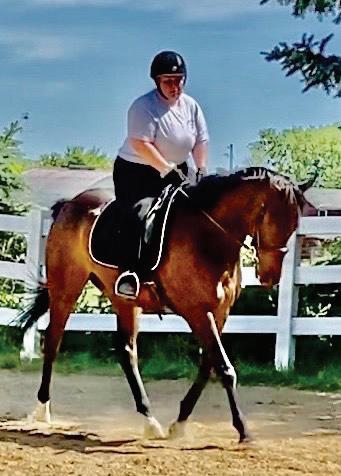
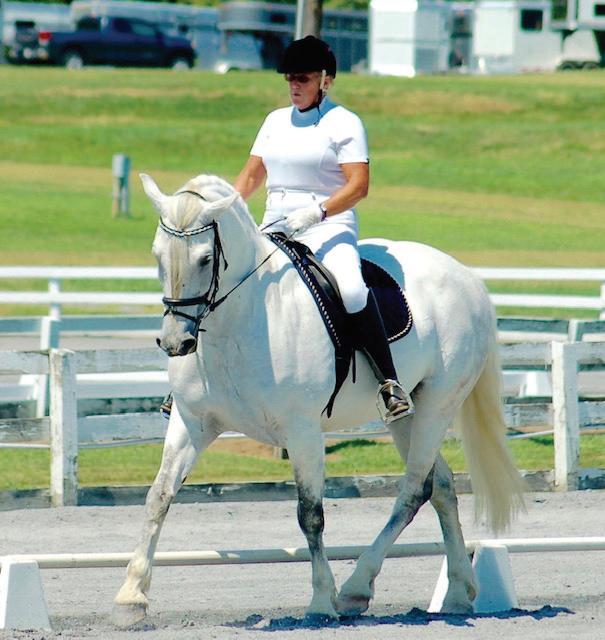
Being able to sit and maintain the correct basic position to ride a horse is the first step toward becoming an accomplished rider. After basic riding position is acquired, the rider then learns how to move with a following seat and not constrain the horse’s three natural gaits, or its’ back motion. Each of the horses, three natural gaits (walk, trot, and canter), has a different rhythm and the rider learns to feel the rhythm and signal the horse in timing with its movement.
When a rider learns to go with the horse while maintaining basic position, within all three gaits and signals the horse with the three natural aids (legs, seat, and hands) to influence the horse then voila! Developing this feel for the timing of the aids is called coordinating the aids or equestrian tact, and it is the most challenging learning curve for riders.
through the extension of the rein. This interaction of muscles between horse and rider and rider and horse results in harmonious communication. Karl Mikolka from the Spanish Riding School in Vienna, Australia, referred to this ring of muscles between horse and rider as the circle of aids.
When the rider sits in the correct position, the hands, legs, and seat are in the most advantageous place to signal the horse. How these aids work to signal the horse starts with the rider's calf or lower leg, asking the horse to move forward. The horse then moves forward through the rider's seat, which envelops the horse's back, and the reins capture the energy of the moving horse and determine whether it should go more forward or stay at the same rhythm or turn.
A good rider, or one who ‘rides with equestrian tact,’ silently asks the horse to move forward in rhythm, turn in balance, and perform at all three gaits effortlessly without interrupting the horse’s natural way of moving. The pair will look effortless.
When the rider sits in the correct position, the hands, legs, and seat are in the most advantageous place to signal the horse. How these aids work to signal the horse starts with the rider's calf or lower leg, asking the horse to move forward. The horse then moves forward through the rider's seat, which envelops the horse's back, and the reins capture the energy of the moving horse and determine whether it should go more forward or stay at the same rhythm or turn.
Being able to sit and maintain the correct basic position to ride a horse is the first step toward becoming an accomplished rider. After basic riding position is acquired, the rider then learns how to move with a following seat and not constrain the horse's three natural gaits, or its’ back motion. Each of the horses, three natural gaits (walk, trot, and canter), has a different rhythm and the rider learns to feel the rhythm and signal the horse in timing with its movement.
When a rider learns to go with the horse while maintaining basic position, within all three gaits and signals the horse with the three natural aids (legs, seat, and hands) to influence the horse then voila! Developing this feel for the timing of the aids is called coordinating the aids or equestrian tact, and it is the most challenging learning curve for riders.
It is one thing to have a good riding position, it is another skill to communicate to the horse at all three gaits. Learning is a journey…
It is one thing to have a good riding position, it is another skill to communicate to the horse at all three gaits. Learning is a journey…
thing to have a
Basic riding position is designed to encourage the rider to signal the horse with clarity using the riders three natural aids. Riders work diligently for years to accomplish the correct riding position. Even years later, advanced riders are tweaked to refine the signals to the horse. I always compare the correct riding position to someone learning a musical instrument. For example, if you attempt to play an instrument, and if your hands are incorrectly positioned, you will play out of tune. Using the rider and horse analogy, the instrument would be the horse, and if you are sitting in the wrong position trying to ride/play your horse, the horse will find it hard to understand your signals and the overall performance will be out of tune. When the rider sits in the correct position, the hands, legs, and seat are in the most advantageous place to signal the horse. How these aids work to signal the horse starts with the rider’s calf or lower leg, asking the horse to move forward. The horse then moves forward through the rider’s seat, which envelops the horse’s back, and the reins capture the energy of the moving horse and determine whether it should go more forward or stay at the same rhythm or turn. How the rider and horse understand one another is by a ring of muscles that communicate back and forth between rider and horse and horse and rider. The horse communicates to the rider through its body or muscles, and the rider corresponds to the horse with her muscles. As a result, a silent dialog of communication is created from muscle to muscle. The rider’s calf muscles signal the horse’s abdominal muscles to shorten, which then pulls the horse’s hind leg forward. When the hind leg goes forward, it stretches the horse’s longitudinal dorsal muscles (the horse’s back) under the rider’s gluttonous muscles (the rider’s seat). Then the horse stretches its head and neck down and onto the bit, connecting with the rider’s hands through the extension of the rein. This interaction of muscles between horse and rider and rider and horse results in harmonious communication. Karl Mikolka from the
How the rider and horse understand one another is by a ring of muscles that communicate back and forth between rider and horse and horse and rider. The horse communicates to the rider through its body or muscles, and the rider corresponds to the horse with her muscles. As a result, a silent dialog of communication is created from muscle to muscle. The rider's calf muscles signal the horse's abdominal muscles to shorten, which then pulls the horse's hind leg forward. When the hind leg goes forward, it stretches the horse's longitudinal dorsal muscles (the horse's back) under the rider's gluttonous muscles (the rider's seat). Then the horse stretches its head and neck down and onto the bit, connecting with the rider's hands
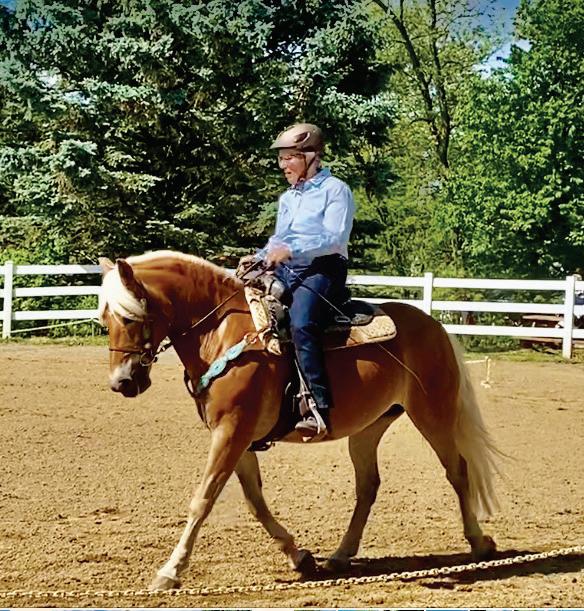
How the rider and horse understand one another is by a ring of muscles that communicate back and forth between rider and horse and horse and rider. The horse communicates to the rider through its body or muscles, and the rider corresponds to the horse with her muscles. As a result, a silent dialog of communication is created from muscle to muscle. The rider's calf muscles signal the horse's abdominal muscles to shorten, which then pulls the horse's hind leg forward. When the hind leg goes forward, it stretches the horse's longitudinal dorsal muscles (the horse's back) under the rider's gluttonous muscles (the rider's seat). Then the horse stretches its head and neck down and onto the bit, connecting with the rider's hands
This kind of effortless riding can take many years of practice. Riding is exceptionally challenging, but the journey is the best part because you interact with such a noble animal as the horse. I know of no other sport where you straddle a large animal with a mind of its own. Certainly, a sport using an inanimate object such as tennis or golf is for the enthusiast who does not have the patience to learn how to ride in harmony and share a ring of muscles interacting with a horse!
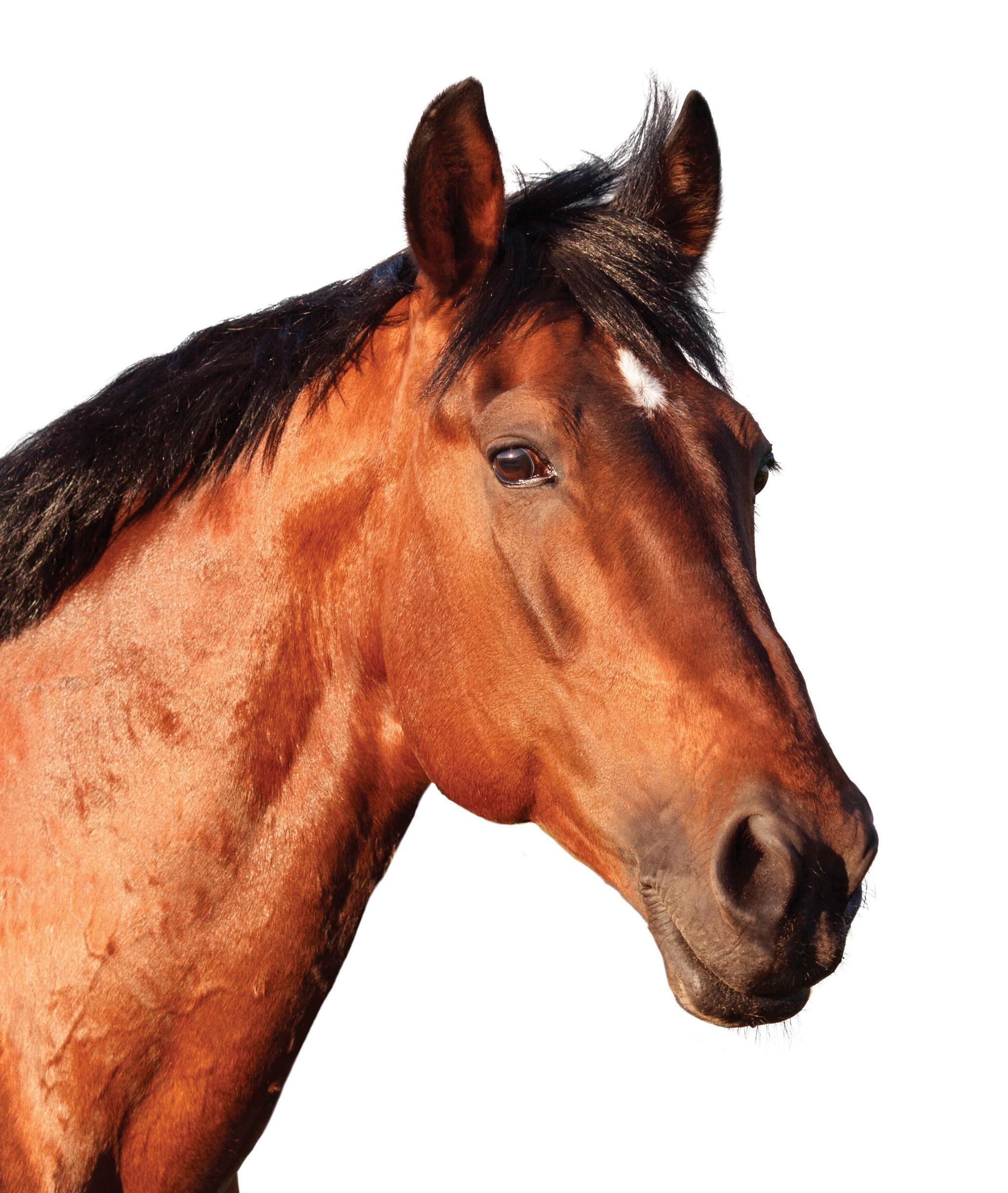
I first heard of the Ring of Muscles from a Karl Milkolka article published in the magazine Dressage & Ct. around 1980. Today and you can find other articles on his website mikolkadressage.com.
A good rider, or one who 'rides with equestrian tact,' silently asks the horse to move forward in rhythm, turn in balance, and perform at all three gaits effortlessly without interrupting the horse's natural way of moving. The pair will look effortless. This kind of effortless riding can take many years of practice. Riding is exceptionally challenging, but the journey is the best part because you interact with such a noble animal as the horse. I know of no other sport where you straddle a large animal with a mind of its own. Certainly, a sport using an inanimate object such as tennis or golf is for the enthusiast who does not have the patience to learn how to ride in harmony and share a ring of muscles interacting with a horse!
I first heard of the Ring of Muscles from a Karl Milkolka article published in the
Kristin and BrachStar showing good form / riding position.
Kristin and BrachStar showing good form / riding position.
Kristin and BrachStar showing good form / riding position.
English or Western riding requires good communication skills from the rider.
English or Western riding requires good communication skills from the rider.

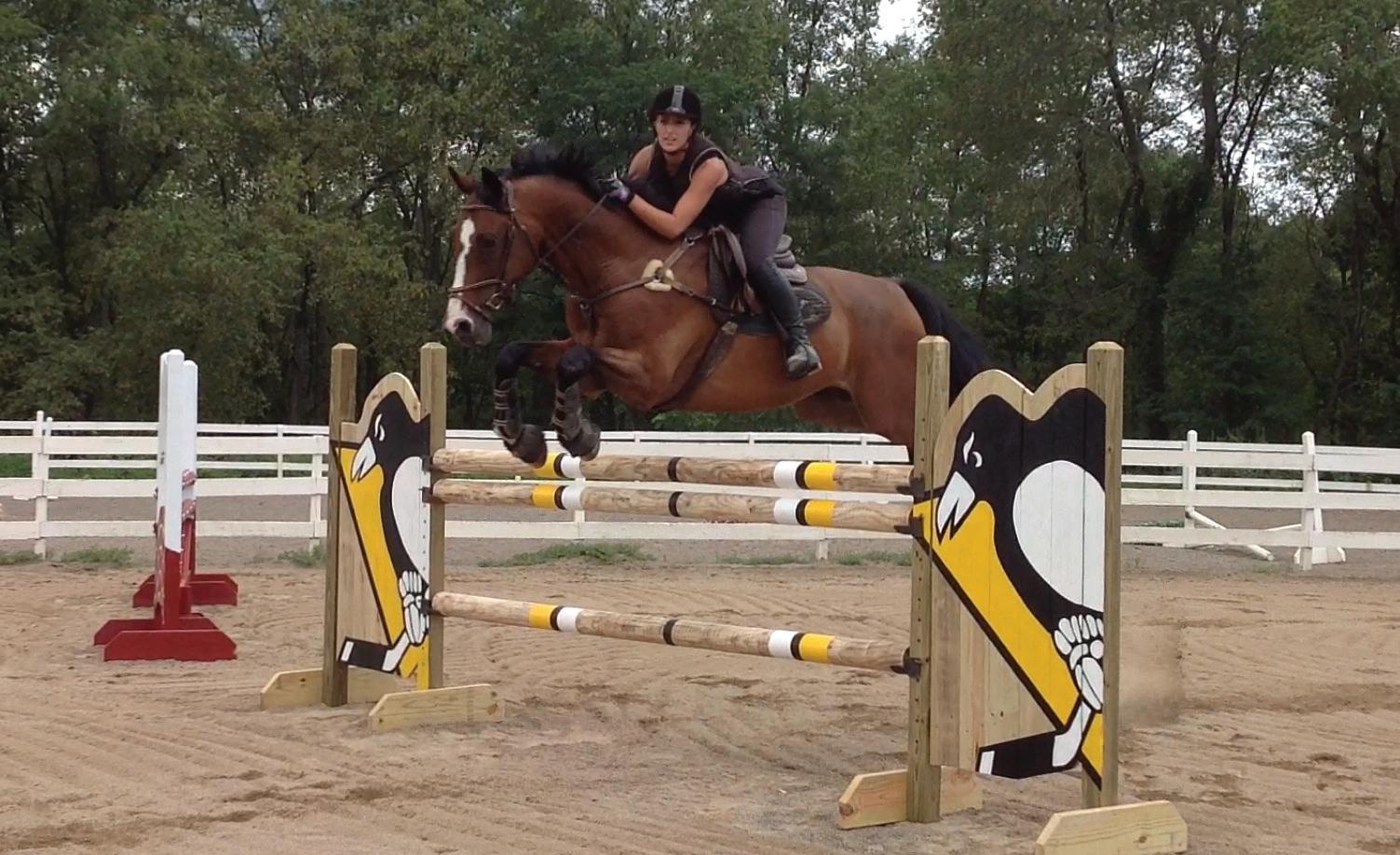


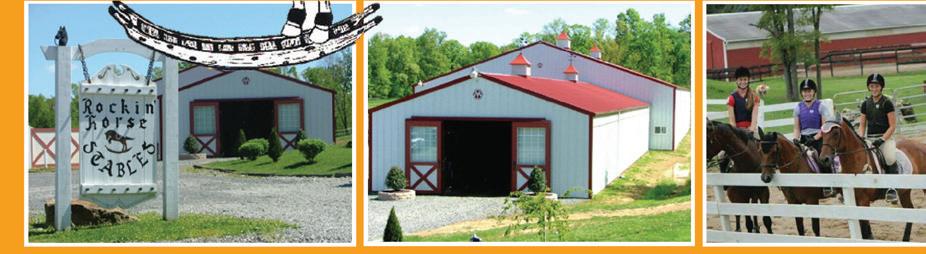
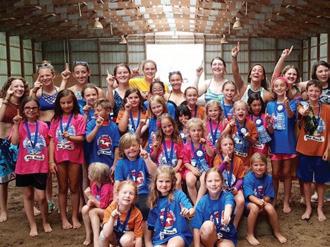
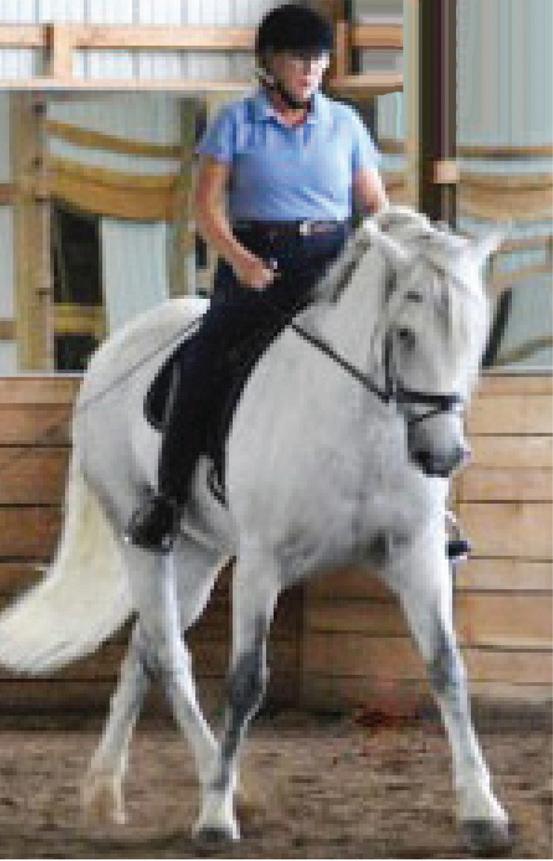





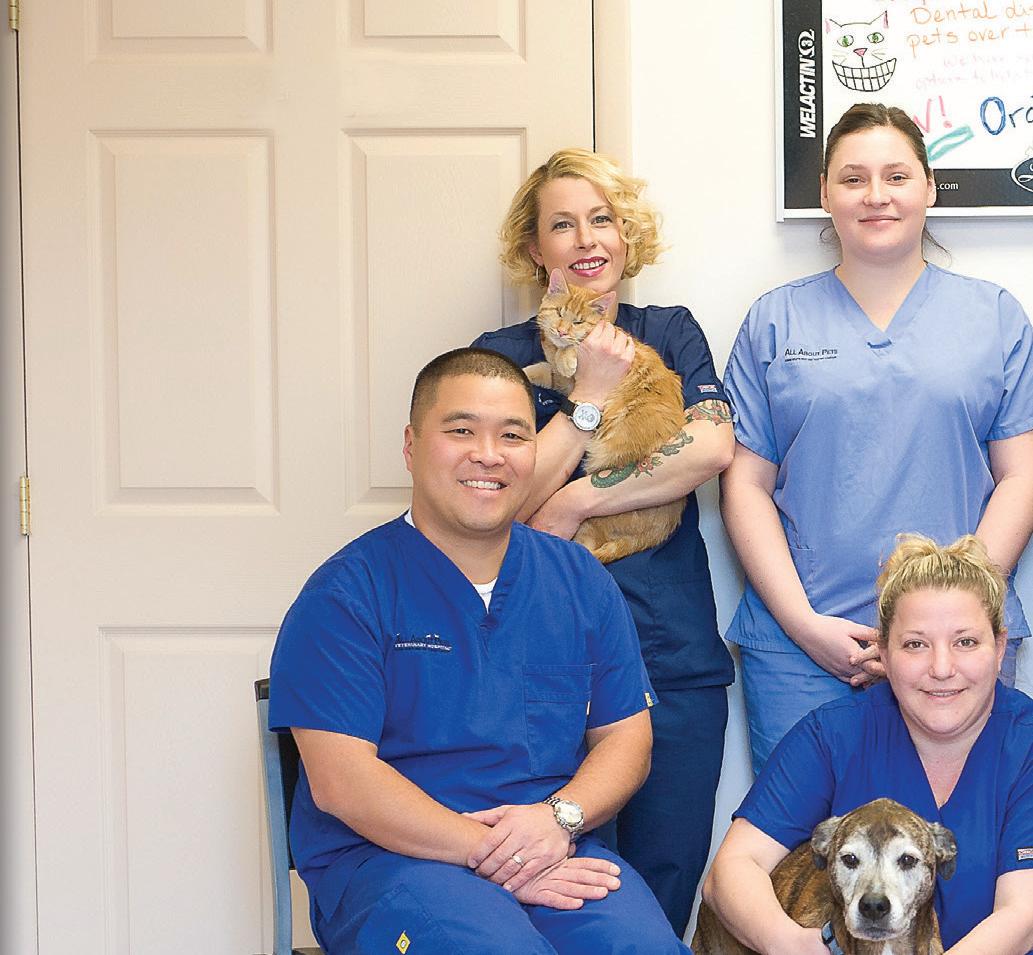

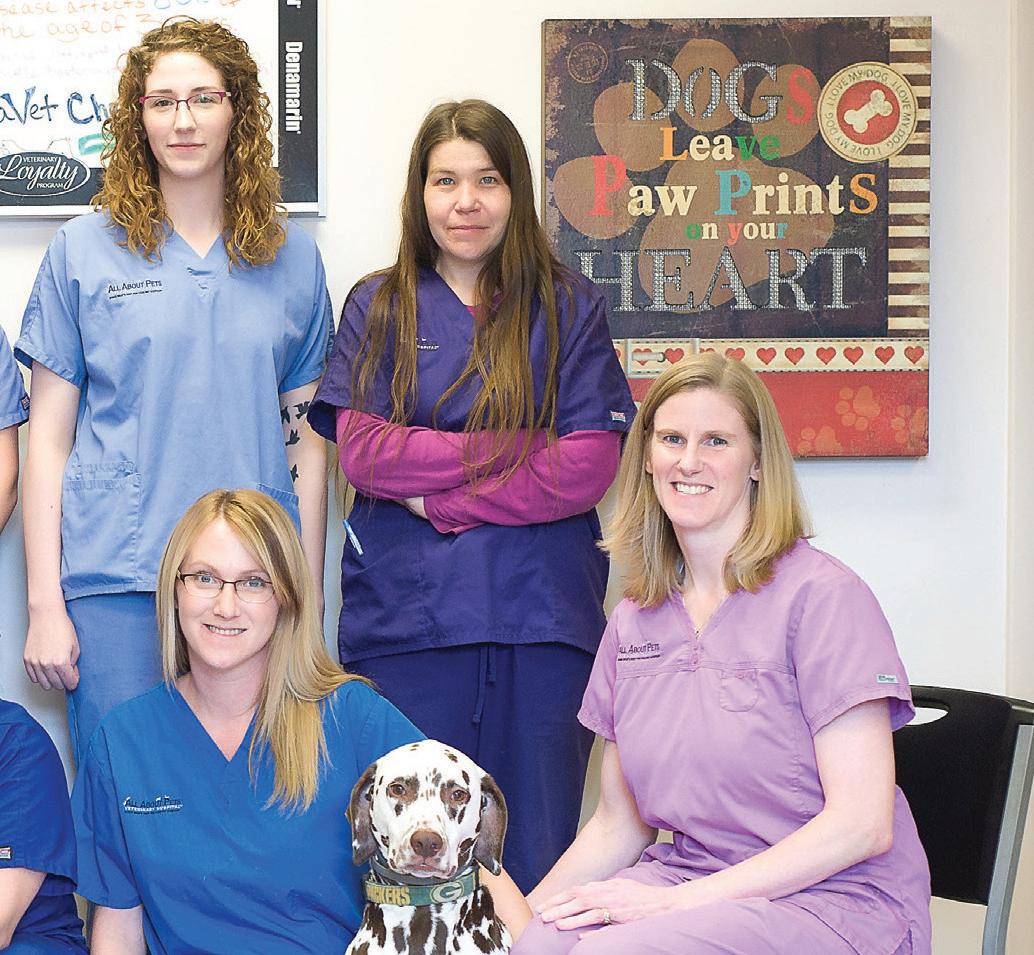


There is a special place in the southern suburbs of Pittsburgh that is open, cozy, and tranquil respite from the bustle of the surrounding community. Affording beatific vistas of rolling hills and wooden glens that wrap around friendly nearby neighborhoods. Jefferson Memorial Cemetery has provided a a peaceful resting place since 1929 when it was founded by Harry C. Neel.
Jefferson Memorial Park was founded in 1929 and passed down to his only son, John D. Neel, who is credited with the growth and innovation that has made Jefferson Memorial what it is today. John’s eldest son, also Harry C. Neel, currently runs the business as President and CEO. Harry’s oldest daughter, Dagny V.N. Fitzpatrick, joined the sales department of Jefferson Memorial and is now Vice President in charge of Family Services. Harry’s second daughter, Whitney R. Neel, joined the Funeral Home team in 2013 and will become the family’s 1st Funeral Director upon completion of her mortuary degree in December 2016.
Jefferson Memorial Funeral Home Facts
• A fully handicap accessible facility
• 18,500 square feet of floor space, beautifully decorated in Williamsburg décor
• 5 visitation rooms
• A chapel with vaulted ceiling and cushioned pews to seat up to 115 people
• Hospitality room and lounge with parquet hardwood flooring
• A children’s room that offers parents and guardians the ability to express their condolences without a babysitter (adult supervision is required)
• Lighted parking lot that holds 178 cars with 6 handicap accessible parking spots
Jefferson Memorial Cemetery Facts
• Jefferson cemetery consists of 340 owned acres with 170 acres developed and 180 acres available for future development
• 1500 average annual interments
• 38 traditional ground burial gardens including 4 lawn crypt sections for double depth burials


The Garden of Faithful Friends at Jefferson Memorial
By Clyde Callicott, Director of Marketing – Jefferson Memorial Funeral Home Cemetery
• 14 mausoleum cremation niche units
• 14 gardens that contain cremation niches
• 24 garden statues of bronze or marble
• Mausoleum Crypt spaces constructed for casketed burial that includes 5 separate buildings and 4 private mausoleums
Unlike many cemeteries and funeral home’s today, Jefferson Memorial has a place dedicated to our furry friends that’s open, cozy and, tranquil – The Garden of Faithful Friends. Within the garden is the Faithful Friends Mausoleum, which houses crypt spaces for your pet, and unlike any other cemetery in the area, space for you and your pet. In that same building are niche spaces for pet and human cremated remains.

The mausoleum is an elegant visual feature that expresses meaningful sayings and showcases people with their pets. Like a full-service funeral home, Jefferson Memorial offers visitation opportunities to all pet families.
We at Jefferson believe that a pet who gave love and loyalty through life deserves the respect and dignity of having their remains placed in a lasting and final resting place, just as you would your human counterpart, for they too are a part of the family.
We have developed a distinctive pet room that consists of an arrangement room, a display room for caskets, urns and memorials, as well as a visitation room. Our before needs representatives and Family Service team aim to serve our pet families in every way we can.
We all love our pets and want to know they are in a safe and respectful place. Our Garden of Faithful Friends allows your pet to stay at your side forever. It truly represents our motto – Family is at the Heat of Everything We Do


For more information on how we can help you in your pets time of need, please reach out to our trained professional representatives at www.jeffersonmemorial.biz or call us directly at 412.655.4500


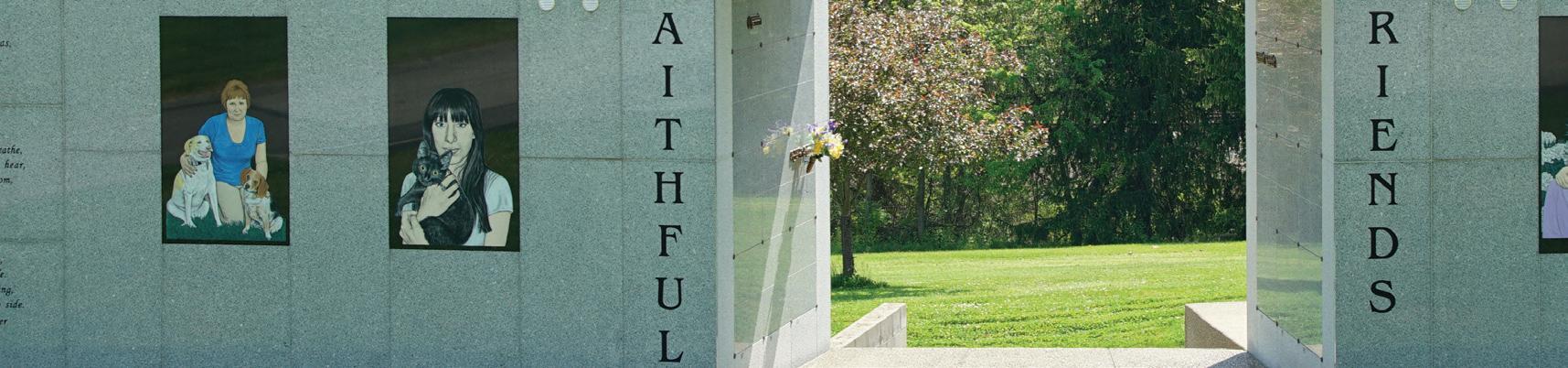




REMEMBRANCE
CCPC Pet Memorial Sunday Ceremony Goes Virtual for 2020
“For 15 years on the second Sunday in September, I have been hosting a Pet Memorial event that had us gathering under a tent to listen to speakers provide information on end-of-life issues,” said Deb Chebatoris, owner of Chartiers Custom Pet Cremation. “However, 2020 is the year that everything is different—the challenge is to have this experience in a COVID-safe way.” As always, anyone who is grieving the loss of an animal companion is invited to RSVP for this annual ceremony held on Sunday, September 13, 2020 as it’s celebrated partly virtually, partly live with social distancing. Gathering together under the tent has always been a part of the experience as attendees share their space with others as deeply affected as themselves by the loss of a precious pet. The gathering offered a unique support, and the act of writing and sharing special memories as each pet’s tribute was read was an act of healing. “Saying out loud the release recitation and then watching the doves fly, symbolically signaled our ability to begin to let go,” Deb said. Such gatherings are on the list of discouraged activities right now, so Deb devised ways to still be able to follow the ceremony without endangering anyone.
Rather than gathering under a tent, attendees will gather in a parking lot, with their cars parked safely distant from each other as they watch a portion of the ceremony on their mobile devices, then watch a live dove release. “We will gather there as we watch, on our mobile phones or iPads, a Tribute Scroll,” Deb said, referring to the video presentation created each year including the pets honored and tributes from their families. “We will say a Release Recitation and then from the safe distance of our cars, watch as the doves are released and fly skyward,” she continued. “We will be together, somewhat distanced, but visibly present as a community united in our grief.”
“You Don’t Have To Be There To Be There”
Those who can’t make it to the ceremony itself can still participate from home at that time by following along with the virtual presentations on their mobile device or computer.
“The attachment we form with our pets is remarkably strong, making their loss a uniquely hurtful experience,” Deb said. Chartiers Custom Pet Cremation has been providing comfort and compassionate care to families in the tri-state area for over 15 years. Deb knows the importance of a remembrance ceremony to assist human family members to deal with this huge loss. That’s one of the reasons she hosts the Pet Memorial Sunday ceremony each September.
If you would like to participate, go to www.ccpc.ws to RSVP for this free event. Your RSVP will register you and provide you with information about euthanasia, grief and renewal, and how to submit your 50-word tribute and picture.

Pet Memorial Sunday will be held September 13, 2020 at 2:00 p.m., Melrose Cemetery, 3064 Washington Pike, Bridgeville, PA 15017. RSVP with photo and tribute by August 27, 2020. If you have questions, please call Deb at 412-220-7800.
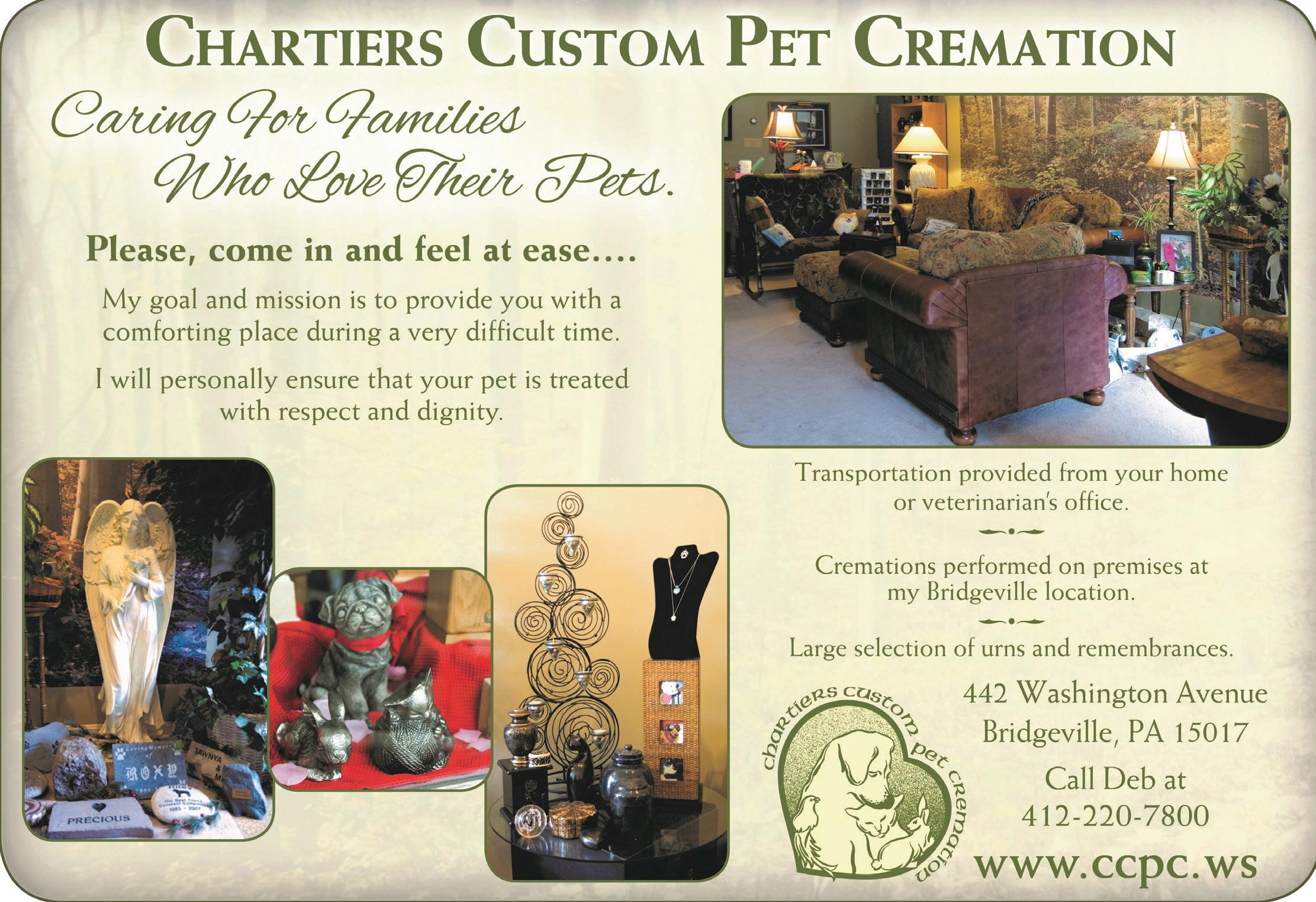
15th Year
PRIMARY CARE:
• Preventive and routine medicine (vaccines, spay/neuter, dentistry, routine diagnostic lab tests such as heartworm, fecal, CBC/chemistry, microchipping)
• VCA CareClub® – A wellness plan to help your pet live a happy, healthy life –is available for every stage of life!
SPECIALTY CARE:
• Surgery - Orthopedic, advanced soft tissue, laparoscopy/arthroscopy
• Internal Medicine - Diagnosis and medical management of complicated cases
• Integrative Medicine and Acupuncture - A mix of conventional western medicine and alternative eastern medicine
• Avian and Exotic / ZooMed - Fur, scales, feathers, fins, and slime!
Avian & exotic / zoological companion animals are unique and delicate. Their anatomy and physiology is vastly different from dogs and cats, yet require the same amount of expertise and care, special dedicated equipment, housing, and staff
• Advanced Diagnostics - Digital radiography, ultrasound, CT, endoscopy
Mention that you saw our ad in PetConnections when you book your appointment to receive a special offer upon check-in.
Critical
Dentistry
Dermatology Diagnostic
Ophthalmology
Radiation
Surgery
Neurology