north Huntingdon - Kenny Ross Subaru, 11299 State Rt. 30
Upper st. clair - Wild Birds Unlimited, 1775 N. Highland Road
Monroeville - Wild Birds Unlimited, 3848 William Penn Highway
Wexford - Wild Birds Unlimited, 12019 Perry Highway, Rt. 19
Murrysville - Ladd Wagner State Farm Agency 3700 Old William Penn Highway
Green tree - Greater Pittsburgh Joint and Muscle Center 2121 Noblestown Rd, Suite 115
CORRESPONDENCE
info@pghpetconnections.com
724-503-8695
All Rights Reserved | Copyright 2016
PITTSBURGH PETCONNECTIONS BI-MONTHLY published by: Pittsburgh PetConnections, LLC. Pittsburgh PetConnections LLC. was formed in 2012. Our mission is to publish a high quality, informative publication focused on the Human-Animal Bond. We support local businesses and also assist local non-profit businesses for pets and people, to give back to our great Pittsburgh communities.
MAGAZINE PUBLICATION STAFF
Carla Mader, Managing Editor
Kara Jones Photography, Photography
Nicole Begley Photography, Photography
Jaimee D. Greenawalt, Graphic Design
Carla Mader, Sales & Distribution Manager
ADVERTISING SALES
Robin Reinfeld, Sales Pittsburgh 412-780-2254 | rrcd@aol.com
Denise Iamurri Bartman, Sales Pittsburgh & Central OH
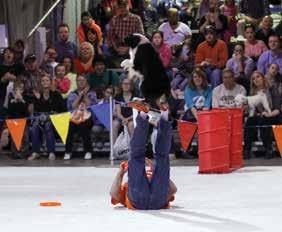
The 22nd All American Columbus Pet Expo in Ohio was a great success! Our recent partnership to produce the show has assisted us in growing Central Ohio PetConnections. We had a great show with features like our Meet the Rescue Presentations, Mega Adoption Event and featured entertainment with DockDogs, Classic K-9 Show, Johnny Peers and the Muttville Comix Show and Matt Bilderback and his High Performance Canines. Several local Pittsburgh businesses also participated including Chic Doggie Boutique and Natural Inspirations Parrot Cages!
We look forward to many more Pittsburgh events this spring, including ACAF’s Uncorked, Unleashed April 23rd, Crisis Center North’s 9th Annual Cocktails & Cuisine Friday, May 20th and Sewickley Unleashed May 21st. Check out details for these and more upcoming events on our event page.
This Issue
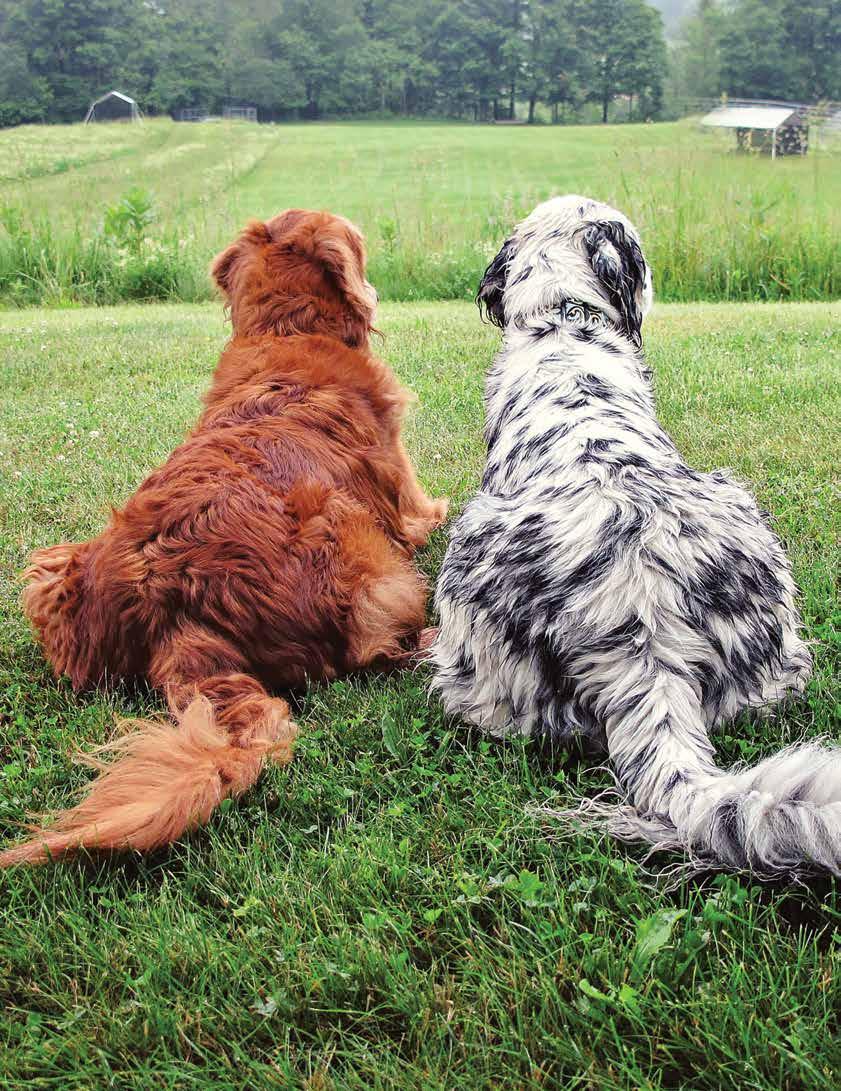
Our cover features a peaceful scene at The Getaway at Glen Highland Farm. Read more in our Featured Business section about this pet-friendly destination and how you can vacation with a cause!
This issue also includes a feature on the Pets for Vets program at Animal Friends, and also Horses with Hope – Discovery and Growth Learning Center. Also, Rainy day activities for dogs in Rain or Shine in our Canine Companion section by our new writer, Erica Cebzanov. See What’s the Best Dog Food? by Dr. Doug and Limiting Beliefs vs. Choice and Empowerment, by Judith Levy, in our Wellness for Guardian section and much more!
We also welcome new sponsors Agway and Southern States, Carved Stone by Serena, Monroeville Pet Hospital, Pawdentify and Links-It collar tags, Glen Highland Farm and Fragasso Financial Advisors! Every ad supports the donated and discounted ads for local organizations that PetConnections sponsors. Please support our advertising sponsors! See their locations on the map page. Check out our PetConnections Resource Directories for categorized listings.
We encourage you to subscribe to PetConnections Magazine, as our readership is growing!!! Even though PetConnections is free at select locations, reserve your personal copy to be mailed every issue! Visit www. pghpetconnections.com to subscribe today! Submit your photos and stories, as well as remembrances to be featured online and in future issues to: info@pghpetconnections.com.
Thank you for picking up this copy of PetConnections. Take care of yourself and your animals and be well this early spring season!
Warmly,
Carla Mader
Publisher
Pittsburgh | Central Ohio PetConnections Magazine
Please submit any correspondence to: info@pghpetconnections.com Please check us out on the web & subscribe at: www.pghpetconnections.com. Follow PghPetMag on Twitter and “Like” us on Facebook! http://www.facebook.com/PghPetconnectionsMagazine Disclaimer: The views expressed in our content does not necessarily reflect that of PetConnections Magazine. PetConnections shall be indemnified against damages from content including ads and articles, false advertising libel, trademark infringement, etc.
Photo by Christopher Cantin.
ANIMAL RESCUE LEAGUE
April 9th
Wildlife Baby Shower Fundraiser
April 17th
Goodwill Donation Drive
www.animalrescue.org
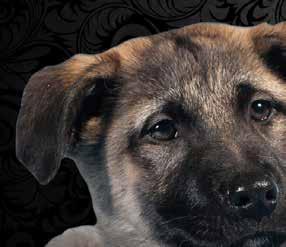
ANIMAL CARE & ASSISTANCE FUND
April 23rd
UnCorked and Unleashed
www.animalcarefund.org
AMERICAN CANCER SOCIETY
April 23rd
Bark for Life
www.relayforlife.org/pasouthhills
WESTERN PA HUMANE SOCIETY
April 24th Dine 2 Donate
April 24th Low Cost Vaccine Clinic
www.wpahumane.org
HEALTHY PET DAY
May 7th
www.healthypetproducts.net
ANIMAL FRIENDS
May 14th
Bow Wow Bingo
www.thinkingoutsidethecage.org
CRISIS CENTER NORTH
May 20th
9th Annual Cocktails & Cuisine
www.crisiscenternorth.org
Presented by:
A Street Fair for Pets & Their People in the Village of Sewickley
Benefitting the Western PA Humane Society
Saturday, May 21st
8:30am
The Unleashed 5K Run/Walk (people only - registration open now!)
9:00am - 1:00pm
A Street Fair & Vendor Booths Featuring a live broadcast from 100.7 STAR
10:30am The Pet Parade - Free!
Thank
Human-Animal Bond
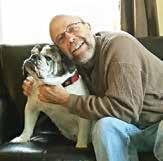
We didn’t know we needed a dog. I knew I loved dogs and would like to have one some day. But my husband of 35 years knew just as strongly that he didn’t want a dog. He said they were too much trouble. He surely didn’t know we needed a dog. Not until Mabel.
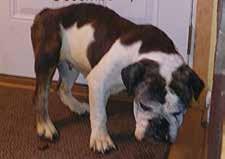
On a snowy December night I stepped out onto my porch near midnight. I heard her nails clicking on the pavement before I saw her. As soon as I turned around and saw her walking up my driveway, I knew she needed someone to help her. I tried calling to her, but she didn’t seem to hear me or even see me. She walked straight past me and through our broken gate into the backyard. I now jokingly describe that first impression as a ‘zombie dog’. I ran into the house and yelled upstairs for my son to get his shoes and coat on and come outside. We found her at the back fence line, stuck between the fence and an old tomato cage that had been thrown back there. With just a flashlight, we couldn’t really tell what we were dealing with. We could tell by her build that she was probably some sort of bulldog. What would she do if we reached for her? Not being experienced ‘dog people’, we were a little scared, but we freed her from the tomato cage
Mabel
By Karen Lindower
and my son scooped her up and carried her into the house. She was covered in ice and was very disoriented. We covered her with old towels to warm her up and dry her off. Her head just kept swaying from side to side until she finally fell asleep on the old towels. My son did a midnight run to the grocery store to get some dog food, which she devoured when she woke up an hour later.
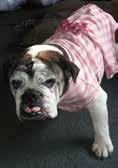
Now what do we do? What kind of dog is this? Is it male or female? How old is this dog. Is this somebody’s pet? We had lots of questions, but foremost was what will my husband do when he gets up at 4 a.m. to go to work and trips over a dog in his living room? We concluded that we had an English Bulldog in rough shape. At this point we were being cautious about handling the dog and hadn’t determined that she was indeed a she. (That actually took us 4 days to determine. Lol) My son and I stayed up most of the night keeping an eye on our dropin guest and reading all we could online about English Bulldogs. Fortunately, hubby was understanding when he discovered the dog and agreed that she could stay for a few days until her owner was found. After all, a full bred dog like this had to be someone’s beloved pet, right? Well, we used the internet to reach out to try to find her owner. It put me in touch with a community of dog lovers trying to help find where she belonged and giving helpful advice. We were getting comments in response to her picture that she appeared to be old and not well taken care of. They begged us not to take her to a shelter because she would probably not be considered adoptable. She had no collar or identifying tags. She wasn’t microchipped. Her teeth were ground down to her gums and we were able to conclude that she couldn’t hear. We couldn’t understand why she was having accidents in our house. Surely a dog this old had been house broken. Then one man made the comment that she had probably never been in a house before. How could that be? Who has an English Bulldog
and doesn’t keep it in a house. (After all, my son and I had found out in our research that English Bulldogs are one of the most expensive breeds to buy.) He told us she had probably been used as a breeder dog and kept in a crate outside. It started to make sense to us. Her physical appearance does indicate that she has had many puppies. Whoever had her no longer needed her in her senior years and she had been dumped on a cold snowy night.
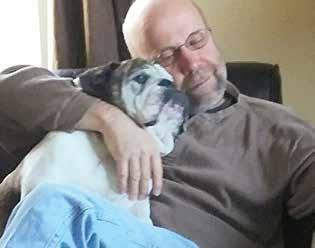
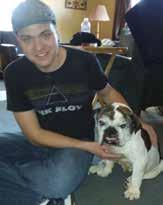
Well, that thought tugged at our heartstrings and we fell in love with this old toothless Bully. Even hubby couldn’t give her up after that. We decided as a family that we would work together to take care of her and give her a loving home. Our son offered to pay vet bills to have her looked at and get her shots. As she has been feeling better, she has been a livelier dog (well, as lively as old bulldogs get). She loves to snuggle up next to my husband, the man who was sure he didn’t want a dog, and he loves it just as much as her. They have become best buddies. She loves to be petted continuously and will nudge your hand with her short little nose if you stop. She has gained needed weight, maybe even a little too much, because, like all bulldogs, she never thinks she has had enough. But most of all, Mabel is happy — maybe for the first time in her life.
Right from the beginning it became clear that Mabel was a blessing to us by bringing our family together as a team to love and care for her. (We recently worked together to fix that broken gate for Mabel.) That’s why I say we needed her! PC
Mabel, December 3, 2015
Dog Daze & Cafe
Doggy Daycare
Dog/Cat Boarding
Grooming
Doggy Day Care
Is your dog unhappy or lonely while you are at work or school? Give your companion the personal attention he or she deserves throughout the day by enrolling them in Big Easy Dog Daze. Located in the trendy neighborhood of Lawrenceville, PA, your pet will have fun and stay active in a safe and caring environment, plus have the opportunity to play and socialize with other dogs. We offer full and half day pricing as well as five, ten and twenty day packages.
Dog Boarding
Dog Daze offers boarding for your dogs while you are away. Once checked in, your dog receives only the finest amenities, which include CLEAN & DRY indoor accomodations, spacious clean runs with continuous contact with staff throughout the day, 4 to 6 daily outdoor break (always supervised), supervised daily play-group or staff interaction (dogs not suited for playgroups enjoy
one-on-one play with staff), and individual meal preparation using food from home.
Cat Boarding
Need to have your kitty enjoy the comforts of home while you are away? We have a “Cats Only, No Dogs Allowed!” boarding room at the Big Easy Animal Hospital section of the facility. Or Kitty Condos have a sunny window ledge with a view of our future cafe. We have a large private play area, complete with climbing trees, tunnels and a lot of play toys!!!
Dog Daze & Cafe
Get your day started with a locally sourced and brewed coffee and a selectable pastry from our cafe. Free wifi makes it a perfect place to work away from the office. Veterinarian owned, Pet Bakery of Oakmont, will be selling their goodies on site. More details about our dog friendly cafe coming soon........
Now offering Grooming!
Human-Animal Bond
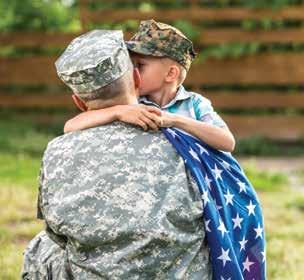
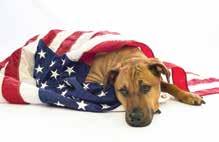
Pets for Vets
There are two numbers that may strike at your heart, and they are 22 and 4 million. Each day 22 veterans commit suicide in the U.S. and each year 4 million mostly good companion animals are euthanized in animal control facilities and over-crowded animal shelters. But those numbers are understated! The 22 veteran suicides figure comes from a nine state study and then extrapolated for the rest of the country. In addition to that potential understatement, the deaths of many homeless individuals are recorded as such and municipalities don’t have the time and resources to trace back the cause of the individual’s condition to forgotten wars. Similarly, the 4 million companion animal deaths are also an estimate and do not count the individual animal deaths caused by traffic and inhumanity.
So what can be done about those two statistics? Many initiatives are aimed at portions of the problem, such as Congressman Tim Murphy’s pending mental health bill. (Write or call your congress member to support the bill. It’s an easy Internet search.) Churches and other institutions try to help the homeless and veterans. All of that is good and necessary. But here is an initiative that is being created locally to help address both of those unconscionable numbers described above.
By Robert Fragasso
upon returning to civilian life and that is a tragedy for them and for our society and economy. It has been nationally shown that the presence of a trained companion animal allows the vet to return to more normal functioning. This article is too short to prove the point, but if you visit www. PetsForVets.com you will find many heart touching stories of the effectiveness of this kind of therapy.
volunteer veteran. The trainer will then provide as many in-home visits as may be necessary to assure a successful match. Animal Friends will furnish a starter kit of food and water bowls, leash, collar, full inoculations and spay/neuter at no cost to the vet. Allegheny County Treasurer, John Weinstein will provide a free lifetime dog license if the vet resides in the county. If the veteran qualifies for lower income assistance, ongoing veterinary help will be arranged. Experience shows this can be life changing for the vet and life saving for the shelter animal. This is especially so as Animal Friends draws from all portions of our community, including kill facilities.
You can help by (1) identifying veterans in need, and (2) contributing. Checks should be sent to Animal Friends at 562 Camp Horne Road, Pittsburgh, PA 15237. Make the check payable to Animal Friends with Maj. Ben Follansbee Memorial Fund in the memo field. Ben is being memorialized with this fund. He was a decorated, multi-deployed Special Forces soldier who suffered from just the kind of pressure that this program is meant to alleviate.
Animal Friends on Camp Horne Road in Pittsburgh’s North Hills has become a chapter of the nationally recognized Pets for Vets program that will train shelter dogs, cats and bunnies (yes, rabbits are great home companions) to become therapy animals for veterans suffering from PTS, PTSD, traumatic brain injury (TBI), physical impairments and unresolved stress. Many of those vets cannot fully function
This program is effective, relatively inexpensive and it works like this. Veteran and other organizations, agencies and employers are being asked to recommend veterans who are experiencing post combat challenges. Individuals can also recommend family members and friends for the program. Those veterans will agree to explore the program and will be visited by a volunteer combat veteran and an animal trainer to explore the vet’s needs and living arrangements. Then the trainer will search out the right companion animal and train it for the vet’s unique circumstances. Training may include desensitizing the dog to wheelchairs, crutches, night terrors or other impediments to full functioning. Once trained, the dog will be adopted through Animal Friends with the participation of adoption staff, the trainer and the
Visit www.ThinkingOutsideTheCage.org for online donations and for more information about the Pets for Vets Pittsburgh chapter. You can connect organizations and individuals to the program by emailing Joanne Moore at Animal Friends (jmoore@thinkingoutsidethecage.org) or Bob Fragasso (rfragasso@fragassoadvisors.com).
We owe this help to our veterans in recognition of their sacrifice for us all and to the animals that trust us to treat them humanely. Thank you for caring. PC
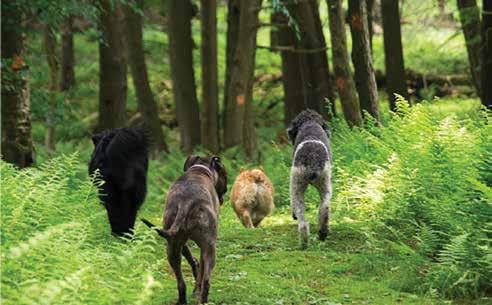
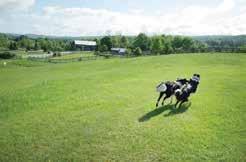
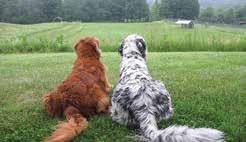
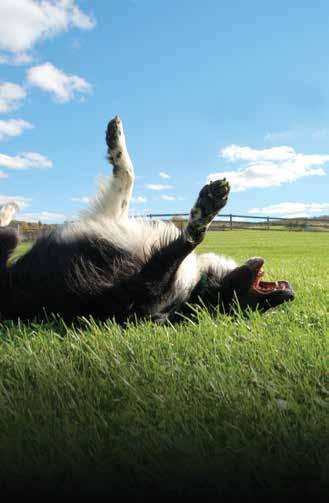
Nose down. Ears up. Feet on the move. Lots to check out! 175 acres of country paradise designed FOR dogs BY dogs… where dogs rule and can let go. The Getaway at Glen Highland Farm is the off-leash vacation destination for canines and humans to getaway together!
Featured Business The Getaway at Glen Highland Farm
Vacationing with a Cause
They can run, swim, and sleep to their hearts’ content. It’s not just a vacation with our dogs, it’s a vacation FOR our dogs.”
So, pack up your pooch and head to upstate NY, far from crowded urban and suburban settings, imagine winding country roads leading you past farms and small towns. This
When searching for places that allow canine friends to come, you’re not always sure of what you’ll find when you arrive. It may be a location near a busy street or the space for your dog to run ends up being a postage stamp sized area of grass. Finding a safe place for you and your dog can be a challenge. Even designated “dog-friendly” hotels have many stringent rules that lead to an unwelcome feeling.
Come to Glen Highland Farm for a vacation with your dog and you’ll discover a new definition of dog-friendly! Carole K., from Florida, says, “The great thing about this place: you can follow your dog, instead of your dog having to be leashed and following you all the time! My dog thinks it is heaven on earth, and I do too.” Danica and Carter B. from Connecticut agree, “Our dogs can just ‘be.’
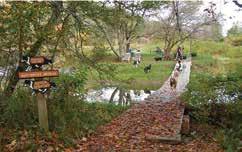
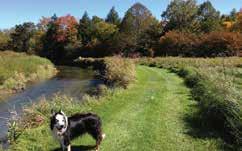
sprawling picturesque Farm has its roots in dairy farming but for the last 16 years has welcomed hundreds and hundreds of visitors, many returning year after year. Guests stay on-site to enjoy the property. Explore hiking trails through forest and meadows. Make your way to the spring-fed pond where dogs can wade in from the beach area or take a leap off the dock as you relax under the shade. Also, throughout the Farm property runs Butternut Creek with its babbling brooks and hidden swimming holes.
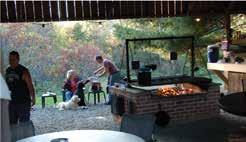
Lodging options at the Getaway include full-amenity RVs, cottages, cabins and tents. The social hub of the Getaway is the dining pavilion - prepare meals over a wood burning fire and share a drink with fellow dog lovers. Friendships are made and often guests prebook future visits so they can meet up again with their new friends. Says Dolores M. from New Jersey, a repeat visitor, “If you love doing things with your dogs, this place is for you.”
Karl V. from Massachusetts says “The Getaway is the place to go if you are a dog lover. Our dogs don’t often get to be offleash and they had a blast. The staff goes above and beyond all expectations you may have. We had an amazing time and made a lot of new friends. We can’t wait to come back.”
GoPetFriendly.com placed the Getaway as a #1 destination: “The place we saw last summer that I’d most like to return is Glen Highland Farm. Buster and I could have easily spent a week exploring all 200 leash-free acres, splashing in the creek, and soaking up the sun from a hammock. Knowing that all of this goes to support Sweet Border Collie Rescue just adds to the experience.”
Lives are saved with your vacation dollars Giving you and your dog a spectacular vacation is surely a bucket-list idea, but this Getaway comes with a special promise - to help save dog’s lives. The Farm is home to the largest, one-of-a-kind Border Collie res-
Photo by Michelle Osborne.
Photo by Joycelene Padilla.
Photo by Joycelene Padilla.
Photo by Ken Garrahy.
cue in the US, for dogs of all ages, needing a new home due to a poor fit, divorce or death in the family, or new living situation. Your vacation dollars help fund Sweet Border Collie Rescue, a 501(c)(3) non-profit organization.
A USA Today poll ranked the Border Collie breed as one of the top 5 dog breeds euthanized due to behavior issues. Border Collies, with a heritage of herding sheep, are not easy for most people. In the wrong setting, this intelligent high-energy breed can resort to behaviors such car chasing and nipping when their mental and physical needs are not met and many dogs end up in shelters or worse. That is where rescue steps in - to date, nearly 3000 dogs have found new homes thanks to Sweet Border Collie Rescue.
Getaway guests are welcome to tour the rescue facilities, walk dogs, play fetch games and of course, adopt. Getting a chance to meet some of the rescue dogs
(as many as 45 rescue dogs are onsite) is a highlight for many guests. Joyce, from New York says,
“I was thrilled to spend time with some of the rescue dogs. I loved taking them on walks and lavishing attention on them.” Founders and husband/wife team, John Andersen and Lillie Goodrich, gambled their normal lives with their huge desire to help the at-risk Border Collie breed. Kind donors supported their rescue efforts, keeping the Farm’s gates open to rescue over 200 dogs a year. Adoptions are focused in the northeast region. Glen Highland Farm is recognized as the leading and largest Border Collie Rescue in the US. The combination of a good cause with a great dog lover’s vacation experience sets Glen Highland Farm apart as a must-see destination.
For more information about Glen Highland Farm visit www.glenhighlandfarm.com
To book your Getaway vacation, visit www. glenhighlandgetaway.com PC
The Getaway
at Glen Highland Farm
Escape to the NY countryside where you and your dog can let loose
175 acres of off-leash adventures await!
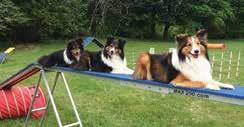
• explore miles of gorgeous trails through deep forest and open meadows • splash & swim in the spring-fed pond and winding creek • kick back & relax in the sun • jump into agility • share dog tales with other dog lovers who love their dog as much as you do • unwind by a toasty campfire under a blanket of shining stars
There is no other place on earth for dog lovers to Getaway like this!
Stay in one of our full-amenity RVs, get comfy in one of our cottages or cabins, or camp in the woods in our spacious tents.
All proceeds benefit our on-site Border Collie rescue –feel good knowing your vacation dollars help dogs in need!
Book your Getaway today!
www.glenhighlandgetaway.com
Photo by Joycelene Padilla.
Photo by Danica Barreau.
Photo by John Galada.
Greater Pittsburgh Area:
Zoom N Groom (Sonya Patterson) 724-225-4827
Pet Friendly Businesses & Organizations
Bactronix
412-375-7886 | www.bactronix.com
Good Nature Organic Lawn Care 888-LAWNSAFER | whygoodnature.com
Greater Pittsburgh Area: Pittsburgh Career Institute 412-281-2600 | pci.edu
pghpetconnections.com/Dog-Cat-Directory List your business today! info@pghpetconnections.com
Rescue & Shelter
How Group Training Classes Can Create a Happier and More Social Dog
By Sarah Shively
In this day and age, many of us love our dogs as our children and we want to be able to share them with the world. Humans, by nature, are social creatures and we count on our dogs being our social companions. Whether it be exercising the dog friendly trails, visiting the strip district on a Saturday morning or meeting a friend for lunch on the South Side; we often hope our dogs to be able to join us.
Sometimes, however, we are faced with the problem that Fido becomes out of control when he sees other dogs on the trails, Spot drags you all around the Strip District so you can’t do your shopping or Lady wants to jump right up on the table to share your friend’s dinner. Scenarios like this are not enjoyable and can be very frustrating when we want our dogs to share in our social lifestyle.
Washington Area Humane Society
Picasso & Paws Art Auction - Sunday, May 22, 4pm at Bella Sera. https:// picassoandpaws2016.eventbrite.com
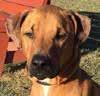
My name is Moe and I’m a 6 year old German Shepherd/Hound Mix. I’m very loud in my kennel but please don’t be scared - I’m just very excited to go out and play with anyone who walks past me! I would be okay in a home with older kids and other dogs.
My name is Milo and I’m a 1 year old long hair Tabby Cat. I’m Feline Leukemia Positive, so I can’t go into a home with other non -FeLV positive cats but I have lots of love to give to make up for it! Because shelter life is an extra stress on my immune system, I really need a home soon, even a foster home!
So what is the solution to these problems? You can help both you and your dog to succeed by working to build a strong bond of trust and understanding. Dogs are generally excellent at communicating with us. We as humans tend to not have the education and knowledge to appropriately communicate with our furry friends. By learning how to better communicate with your dog, you will open the doors to a whole new world full of adventures that will surely make for a happy, well socialized dog.
My name is Buddah and I’m a 4 year old American Staffordshire Terrier. I’m good natured and very loving with older humans! I can be a little protective of my things, so I might do best in a home with no other animals. Look at the smile on my face and tell me I can’t bring you good karma!
All animals are spay or neutered, up to date on their shots and microchipped prior to adoption.
Enrolling in a group training class can be a great way to begin to open that line of communication to learn the best way to communicate with your dog so he or she knows exactly what you are asking. The Obedience Training Center at the Western PA Humane Society
is Pittsburgh’s premier place for all your dog’s training needs. Our team is comprised of some of the city’s most knowledgeable canine trainers. Our positive, reward based training methods will help to bring out the best in your dog, all while strengthening the human-canine bond!
Check out some of the fantastic classes we offer:
Basic Obedience: Get your dog started with basic skills for success all while building a great bond with your canine companion. We have classes for all ages so whether you just opened your home to a new playful puppy or a sweet senior, we will have the perfect class to start building that amazing bond.
Advanced Obedience: Step up your game and take your dog’s basic skills to a whole new level.
Canine Good Citizen Coaching: Once your dog has rocked our basic and advanced classes, fine tune those skills to prepare for the Canine Good Citizen exam.
Therapy Dog Preparation: Freshen your dog’s skills and prepare them for the certified therapy dog exam. The Therapy Dog certification allows you to share your dog and provide therapeutic support to those in hospitals, schools and so much more!
Sports & Fun: Have a great time with your pooch while learning a variety of exciting new things such as nose work, treibball, and so much more!
As you can see, Western PA Humane Society offers a variety of classes and wants you to start out with one that is best for you and your dog. Please call 412-321-4625 extension 224 or email classes@wpahumane.org to find out more about our class offerings. We are here to help! PC
Pet Health & Wellness
Oncology from a Veterinary Technician’s Perspective
By Joy Durmis, CVT
www.pvs-ec.com
Aroutine day for a veterinary technician working in the field of oncology can be challenging but is also extremely rewarding. A normal day generally begins with routine things such as collecting vitals (weight, temperature, pulse, respirations). Diagnostic tests including bloodwork and radiographs are completed as well as any advanced imaging that may need to be performed (ultrasound, CT scan, echocardiogram etc...). Once the diagnostics are complete and the veterinary oncologist has reviewed and interpreted all values, a chemotherapy dose can be calculated and administered to the animal. The main difference for veterinary technicians who work in the field of oncology is that they are the people who administer chemotherapy. With that comes a unique understanding of safe handling and disposal pro-
cedures, proper administration techniques, and knowledge of various chemotherapy protocols. Oncology veterinary technicians also form strong bonds with both the patients under their care and the humans associated with them, since in many cases they are seen on regular basis for extended periods of time.
and attention to detail is required during administration to ensure that the correct patient is receiving the correct chemotherapy drug and dose. There are also oral chemotherapies given in hospital and others that may require a pet parent to give at home. There are others still that may need to be injected directly into a cavity, such as the chest. In all cases the same care and
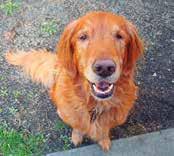
Shaemus had a renewed zest for life while being treated with an oral chemotherapy called CCNU for a nasal tumor. His trips to the park, swimming, and endless hours of playing fetch continued while being treated.
There are a variety of different cancers that can affect dogs and cats and for each patient there may be multiple chemotherapy options. The veterinary oncologist together with the pet parent(s) decide which approach is best, taking into consideration prognosis, financials, visits required, and an array of other factors. Many chemotherapies are administered intravenously and it is the responsibility of a veterinary technician who has undergone specialized training to administer the chemotherapy safely to the patient. Great care
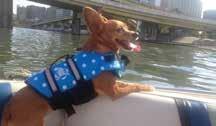
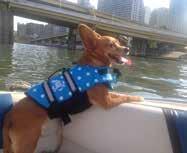
Sophie was diagnosed with a mast cell tumor in her left front leg in 2012. She had surgery to remove the tumor and was treated with radiation and chemotherapy. Sophie loves boat rides, car rides, and going to camp!
attention is given to ensure the safety of both those administering chemo and to the animals receiving it.
A common misconception exists in which people may think that an animal being treated with chemotherapy is going to be gravely ill after the treatment. This is typically the exact opposite of what chemotherapy actually accomplishes in veterinary medicine. The reason for this is because the goal of treating animals who have cancer is to give them a good quality of life so that they and their humans can continue to enjoy the bond they have together. Most dogs experience only mild/shortlived stomach upset (or none at all!) and significant hair loss is very rare and limited to only specific breeds such as Standard Poodles. Cancer is not cured in veterinary medicine. Instead, the goal is to induce a remission for as long as possible. This means that the clinical signs of illness are not present and the animal is able to enjoy his/her life to the fullest extent. The vast
majority of the time our patients continue to be the same happy companion they were prior to starting therapy.
When a beloved animal is diagnosed with cancer, pet parents are often scared, anxious, and full of questions. Is this going to make him more sick? What are the side effects? Can I still take her for walks? What if I don’t do anything? Often acting as a liaison, a veterinary technician relays information and questions like these and others to the doctor. In turn the doctor can often give advice and recommendations through us back to the pet parents. In this way the care of a veterinary cancer patient is a highly team-orientated approach and each family has the benefit of their doctor along with a team of technicians at their disposal. A technician will go over any side effects associated with chemotherapy as well as any safety precautions that may
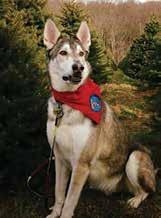
Nietzsche completed a chemotherapy protocol for the treatment of lymphoma with single agent Adriamycin. He has since been certified as a therapy dog.
be necessary. As previously mentioned, the goal of chemotherapy in animals is to promote a good quality of life so that the animal can experience as many good days as possible. Medications are prescribed to mitigate any expected side effects, mainly associated with mild GI upset, and many pet parents report that they didn’t ever need to use them.
After receiving chemotherapy, it is not uncommon to hear someone remark that their dog felt so good that he was behaving as a puppy again (often times a naughty puppy). Perhaps my favorite success story was when a gentleman told me his elderly cat had caught a mouse for the very first time in her life! For me, this is why I want to give chemotherapy to animals who have cancer. These dogs and cats are making new memories with their families. They are still able to get into mischief, continue to play at the park, snuggle in bed, and nap in the sun. The opportunity that veterinary technicians in the oncology field have to interact with these animals and their people is the reason most of us are excited to go to work each day. We are there not only to complete technical and medical tasks, but also to help alleviate fears, address concerns with compassion and to empathize during difficult times. PC
Advertiser Locator
Page 2 - W Country Lane Pet Hotel
Page 33 - Agway
Page 31 - A All About Pets Veterinary Hospital
Page 19 - B Animal Elegance
Page 28 - American Destiny Real Estate
Inside Front Cover - C Animal Rescue League
Page 29 - Bactronix
Page 23 - D Beaver Animal Clinic
Page 33 - E Candelore’s Barking Beauties Pet Grooming
Page 36 - Carved Stone By Serena
Page 36 - F Chartiers Custom Pet Cremation
Page 32 - G Coventry Stables
Inside Back Cover - Dog Stop
Page 19 - H Fuzzy Paws Pet Villa
Page 9 - M Fragasso
Page 35 - Gentle Journey Veterinary Hospice
Page 11 - Glen Highland Farm
Page 3 - I Healthy Pet Products
Page 21 - Invisible Fence of Pittsburgh
Page 36 - J Jefferson Memorial
Page 27 - Judith Levy Coaching
Page 4 - Kobi Collars
Page 19 Manning Chiropractic and Wellness Center
Page 31 - L Monroeville Pet Hospital
Page 24 - K Murray Avenue Apothecary
Page 25 - Nemacolin Pet Care Center
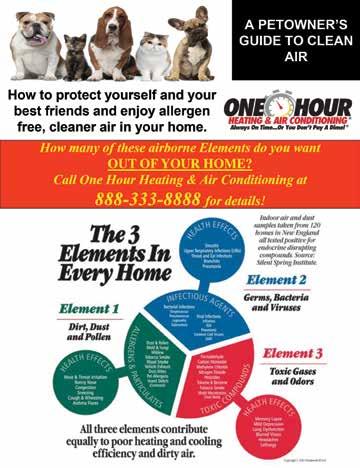
Page 28 - One Hour Heating & Air Conditioning
Page 4 - Pawdentify
Page 4 - Petagogy
Page 19 - Petsburgh
Back Cover - N Pittsburgh Veterinary Specialty and Emergency Center
Page 35 - Precious Pets Memorial & Cremation
Page 4 - Paws Here Awhile
Page 33 - O Rockin Horse Stables
Page 17 - The Rogan Rexford Animal
Blood Bank
Page 25 - Dr. Michael Savko
Page 19 - Q Sit Means Sit Dog Training
Page 7 - R The Big Easy Animal Hospital
Page 31 - S VCA Castle Shannon
Page 14 - Washington Area
Humane Society
Page 15 - U Western PA
Humane Society
Page 19 - V Woody’s Dog Wash & Boutique
Canine Companion
Rain or Shine: Area Businesses Offer Indoor Activities for Dogs
When it’s raining cats and dogs, pet owners may avoid venturing outdoors with their pooches for prolonged time periods. Fortunately, Pittsburgh businesses have developed ways for dogs and their owners to socialize indoors during spring showers.
Unleash your dog’s athletic side
Indoor canine athletic training may prevent cabin fever, according to Phyllis Huber, a Splash ‘n Dash K9 Sports trainer. The nonprofit is the area’s only flyball training club: The relay game involves dogs jumping over hurdles and obtaining balls from boxes. Splash ‘n Dash and the Western PA Humane Society (WPHS) both offer rally, a sport requiring dogs to maneuver a course while completing obedience commands, and Treibball, a herding activity similar to soccer. In addition, WPHS and Misty Pines Pet Company and Dog Park teach retrieval courses elaborating upon the fetch command.
Lucky Paws Pet Resort, Misty Pines and Splash ‘n Dash offer agility courses ideal for dogs of all sizes, as well.
“The teacup group is for smaller dogs, 20 inches and under. They use smaller-sized equipment, so they get the same experi-
ence of jumping quickly with hurdles based similar to their strides,” said Liz James, Splash ‘n Dash marketing director and trainer. “The bigger dogs’ jumps are usually 15 feet apart.”
Nose work instructors teach dogs to utilize their innate sniffing talents to locate specific odors, usually from essential oils. Despite the fact that search-and-rescue dogs undergo similar training, dogs of all sizes and breeds can thrive in these courses.
“The dog leads the activity and the handler supports the dog. The handler’s job is to trust the dog and learn to read the dog’s body language and recognize when he or she has found the target odor. This enhances communication between the handler and the dog,” said Animal Friends’ University instructor Gayle Bair.
Since taking the Animal Friends introductory course with her dachshund Scooby, Chelsea Cibella has introduced the pursuit to her other dogs. “I got a kit for nose work that has the little tins and everything. I hide it in my dining room, ... and I will work with all three of them on finding it,” she said.
The following additional groups offer this curriculum: Grandma’s Dog Daycare, Lucky Paws, Misty Pines, Splash ‘n Dash and WPHS.
In order to burn off excess energy, dogs may exercise using treadmills at select The Dog Stop locations. According to the company’s website, the activity is “more challenging and efficient than running and is ideal for those chilly or rainy Pittsburgh days.” Similarly, Misty Pines’ site states that “most fit and athletic dogs can run on the treadmill at 8 to 10 mph for 20 to 30 minutes.”
By Erica Cebzanov
Teach an old dog new tricks
Rainy days provide an opportunity for dogs to build upon their basic obedience skills through specialty classes. Dogs in Camp Bow Wow’s family-friendly Tricks are Fun class learn how to bow, crawl, shake, spin and wave. Canine companions and their handlers take selfies and paint during WPHS’ Selfie’ & Creative Canines workshops. Lastly, Lucky Paws holds Saturday Yappy Hours covering diverse training topics.
Turn your dog into a social butterfly
Indoor dog parks, daycare and socials deliver a safe, climate-controlled way for socialization when outdoor parks are off limits.
“When you go to a public dog park, you do not know for sure whether the dogs your dog is playing with have been recently vaccinated. … I am proud to say that Lucky Paws really enforces our vaccine policy,” said owner Gretchen Fieser, regarding her indoor/outdoor dog park, daycare and boarding business.
Most companies also conduct canine temperament evaluations prior to daycare.
“We have to make sure that the dogs who are coming to camp aren’t aggressive or super anxiety-ridden,” said Danielle Mashuda, Camp Bow Wow’s Pittsburgh marketing director. “We don’t want to put anyone at harm, whether it’s our counselors or the other dogs in the play areas.”
The following companies offer hourly or half-day daycare rates, allowing your dog just enough time to escape the dreary weather: Big Easy’s Dog Daze, Camp Bow Wow, Fuzzy Paws Doggie Day Care, Lucky Paws, Misty Pines and The Dog Stop. Similarly, Animal Friends, Camp Bow Wow and Lucky Paws hold age, breed or sizespecific socials, in which owners observe their dogs playing with others.
Mingle with your mutt
Pittsburgh is expanding its options for people who want to socialize alongside their dogs. Schoolhouse Yoga periodically offers “doga” – yoga for people and their dogs –as an Animal Friends fundraiser. Moreover, the WPHS has “doga,” “pup-ilates” instruction and “paw camp” endurance and strength training.
For those looking to unwind, Animal Friends invites guests to its next dogfriendly W(h)ine! wine-tasting event June 17 inside the shelter’s Caryl Gates Gluck Resource Center.
Later this spring or summer, Dr. Aileen Ruiz plans to open a dog-friendly café as part of The Big Easy’s animal hospital and daycare complex. The space will have a television,
Dogs also may accompany their owners shopping at pet-friendly stores on rainy days.
Enrich your dog’s life
Shelters develop enrichment activities that stimulate animals’ minds and create pleasurable environments. Shannon Tremblay, Animal Friends’ director of communications, said these strategies aide in stress-reduction, provide mental and physical stimulation and prevent problem behaviors. People may implement the same plans when engaging with their own dogs indoors.
“Just like us, if you have been working on a tough mental problem for a while, it can wear you out,” said Janice Barnard, Animal Rescue League’s program director. “It’s not a replacement for aerobic exercise, but it is good for dogs to think about things and to
Shelter staff members feed canine residents using Kongs or other food puzzles. “Pupsicles” made with diluted chicken broth, peanut butter or yogurt and filled with treats serve as a special treat, according to Barnard.
Easy games like hide and seek or playing with bubbles can entertain our furry friends, too.
For more enrichment ideas, visit the Animal Friends website.
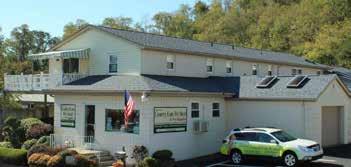
The following companies offer hourly or half-day daycare rates, allowing your dog just enough time to escape the dreary weather: Big Easy’s Dog Daze, Camp Bow Wow, Fuzzy Paws Pet Villa & Spa Doggie Day Care, Lucky Paws, Misty Pines, The Dog Stop, Paws Here Awhile Pet Resort, And Country Lane Pet Hotel and Nemacolin Wooflands. PC
y, Gibsonia PA
Holistic Pet Care WHAT’S THE BEST DOG FOOD?
By Doug Knueven, DVM, CVA, CVC, CVCH
We all want our pets to live long and healthy lives. A key factor in longevity and wellbeing is eating a healthy diet. Nothing stirs up more controversy than what constitutes a healthy diet for humans. Research seems to change from day to day. First butter is bad and margarine is good and then it’s the other way around. There is also the low fat vs. low carbohydrate dispute. What comprises a healthy food for dogs is no less controversial. So, what does constitute a healthy diet for a dog?
There is a common notion that dogs are omnivores. And, the bottom line is that they are omnivores. Of course that’s because they have no choice but to eat what we feed them. This is typically processed kibble containing at least 30% carbohydrates. Is that what’s best?
Think about this; If we captured all the polar bears in the world and started feeding them nothing but bananas, we could say that all polar bears are bananavores. Of course that is most likely not the best diet for them. They naturally eat what is best for them from their natural environment.
This study1, published in the Journal of the American Animal Hospital Association starts by stating the purpose of the research. “A good deal of disagreement exists within the veterinary profession about the proper diet for dogs… We conducted a review of the available wildlife literature, with the intent that the information gathered concerning food selection among feral carnivores might influence future considerations regarding the feeding of domestic carnivores…” Unfortunately, today there is little disagreement among veterinary nutritionists – dogs are omnivores they say.
“Anatomically, our domestic breeds of dogs possess gastrointestinal systems similar to those of the feral carnivores studied. They share in common strong carnassial teeth, simple stomachs of great digestive capability, thickly muscled esophagus, stomach and intestine, residual cecae, and simple non-sacculated colons.”
In other words, the fact that the domestic dog’s digestive tract is very similar to that of the wild animals studied indicates they evolved to eat similar diets. Anatomy dictates function. Dogs appear to be genetically programmed to eat like a wild carnivore. I am not saying that dogs are identical to wolves (I would not want one of those in bed with me). However their digestive anatomy indicates that they are adapted to eat similar diets.
Since dogs have been removed from their natural environment, how can we tell what they were meant to eat? What does their genetics dictate is best for them to eat for optimal health? What does science tell us? We’ll start with research published in 1979.
The researchers in this study surveyed the stomach contents of the coyote, fox, wolf, bobcat, cougar, and lynx. That’s an interesting approach to the mystery. But, is it valid? Why would they think that dogs should eat like wild carnivores? What do they have in common? The researchers offer this explanation.
So, what did the researchers conclude that dogs should eat? “From these many studies into the food habits of feral carnivores, it may be concluded that the staple diet of carnivores living in a natural setting includes other animals, carrion, and occasionally fruits and grasses… carnivores in their natural environments consume diets high in animal protein, bulk, and roughage (not plant fiber, but indigestible or poorly digestible parts of animal carcasses…) and low in carbohydrates, and caloric density.”
I am not proposing that we feed our pets carrion (dead and decayed animals). But notice that the diets that appear to be best for our dogs are high in animal protein
and low in carbohydrates. This is basically the opposite of what dogs foods offer. We need to turn the current, dog food pyramid upside down.
OK, so looking at anatomically similar animals is one way to try to determine the constituents of an optimal dog food. Here’s another way. Studies show that self selection (what an animal chooses when given a choice) could be an indicator of ideal nutrition. Predators select food based on the macronutrient (carbohydrate, protein, and fat) balance that best assures their survival.2,3
A study4 has been done to see what macronutrient balance dogs prefer. They studied five diverse breeds: papillon, miniature schnauzer, cocker spaniel, Labrador retriever, and St Bernard. The researchers found that “… the overriding conclusion is that the recent rapid divergence among dog breeds is not substantially reflected in their macronutrient priorities compared
with other phenotypic features such as size, color, and temperament.” Generally the dogs all preferred food that consisted of 30% Crude Protein, 63% Crude Fat, and 7% Carbohydrate.
Just like the wild carnivores, domestic dogs chose food high in protein and low in carbs. For comparison, the AAFCO Standards for dog food calls for 19% Crude Protein, 12% Crude Fat, and a whopping 69% Carbohydrate. A popular veterinary dog food is not much better at 21.3% Crude Protein, 32.8% Crude Fat, and 45.9% Carbohydrate.
Two separate lines of research converge on the fact that dogs thrive on high protein/ low carbohydrate diets. Unfortunately, the pet food industry has not caught up with the latest studies. From my perspective, the ancestral diet of dogs (balanced, raw pet food) leads to optimal health and longevity.
1. Landry SM, Van Kruiningen HJ. Food Habits of Feral Carnivores: A Review of Stomach Content Analysis. J Am An Hosp Assn 1979;15:775-782.
2. Mayntz D, Nielsen VH, Sørensen A, Toft S, Raubenheimer D, Hejlesen C, Simpson SJ. Balancing of protein and lipid by a mammalian carnivore, the mink (Mustela vison). Anim Behav 2009; 77:349–355.
3. Hewson-Hughes AK, Hewson-Hughes VL, Miller AT, Hall SR, Simpson SJ, Raubenheimer D. Geometric analysis of macronutrient selection in the adult domestic cat, Felis catus. J Exp Biol 2011;214:1039–1051.
4. Hewson-Hughes AK, Hewson-Hughes VL, Colyer A, Miller AT, McGrane SJ, Hall SR, Butterwick RF, Simpson SJ, Raubenheimer D. Geometric analysis of macronutrient selection in breeds of the domestic dog, Canis lupus familiaris. Behav Ecol 2013;24(1):293-304. PC
Holistic Pet Care
Pet Corner
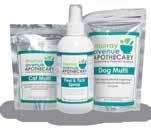
Susan Merenstein, RPh/Owner of Murray Avenue Apothecary has over 35 years of pharmacy practice experience including pet therapies. In their on-site state-of-theart compounding laboratory, certified technicians and pharmacists prepare innovative, economical, and easy-to-use dosage forms for animals. Susan and her dedicated and caring staff help veterinarians and animal care specialists solve a variety of medication problems including hard-to-find medications, custom dosages, drug combinations, alternatives and transdermal medications. They carry top-of-the-line, holistic private-labeled products including Dog Multi, Cat Multi, and Flea & Tick Spray.
Compounding is the art and science of preparing customized medications with
valuable benefits. Animals often have variations of the same diseases humans have, including skin rashes, eye and ear infections, heart conditions, digestion issues, cancer, thyroid disease, diabetes, and aging. Medicating pets presents unique problems that often are best dealt with through compounding.
As any pet owner is well aware, animals can be extremely difficult to treat with medications. Cats are notorious for refusing to swallow pills, and usually will eat right around one disguised in food. Dosages can be very tricky with dogs – a dose of medication that works for an 80-pound Golden Retriever may be far too much for a six-pound Yorkie to handle. Large and exotic pets pose many unique medication challenges. A compound-
ing pharmacist is equipped to help them all!
Murray Avenue Apothecary compounds an exclusive OTC product called Ralph’s Immunity and Inflammation Formula which contains Acetyl-Glutathione for inflammation, arthritis, asthma, liver disease, and more for your cat or dog. MAA’s Healing Rub with Zinc and Aloe may help to treat hot spots, itching, and excessive licking. A preliminary study using MAA’s Corn and Callus Cream and Hyaluronic Acid Pre-Treatment found that “80% of corns are improved or resolved.”
Murray Avenue Apothecary is your LOCAL destination for compounding and wellness. They always welcome you and your pets too! PC
Doctor told mom he wouldn’t live 10 more days in September of 2015.
Zar was getting fluid in his chest cavity, he had been drained at least 4 times prior to seeing Dr. Savko. He also wasn’t eating much. Zar’s doctor gave him ten days to live, even after mom continued to go back and get drained, the doctor said he would die soon. We saw Zar in mid November 2015, since his first visit with Dr. Savko, he has only been drained once, and that was early on, Zar is now on maintenance visits and has not been drained since, and obviously he is still ALIVE! He is eating well!
After seeing Dr. Savko we were thinking his problem was coming more from his stomach not digesting correctly than his heart or lungs, which was what the other doctor thought. They were advised to get a second opinion, which they did, and guess what the new veterinarian completely agreed with Dr. Savko’s findings...imagine that!
Dr. Savko found minimal issues with the areas in Zar’s body associated with the heart or lungs, but he did find problems in Zar’s lower lumbar spine and tailbone, the nerves in these areas can be related to digestion, elimination etc.
Important point, please note this case was not about an achy back or a sore shoulder, which we work wonders on, it was about fluid in the chest cavity and not eating...still HEALED naturally.
Healing, not just TREATING!
Dr. Savko
Greenfield Veterinary Hospital, Pittsburgh, PA
Suburban Animal Clinic, Butler, PA
Delmont Veterinary Hospital, Delmont, PA
Fox Run Equine Center, Apollo, PA
Monroeville Pet Hospital, Monroeville, PA
Wellness For Guardians
Limiting Beliefs vs. Choice and Empowerment
There is so much possibility beyond your limiting beliefs!
By Judith Levy M.Ed., CEHP, RMT, ACC Life and Couples Relationship Coach / Master Energy Practitioner
One major difference between reality and a limiting belief is that one is true and one is not. In reality you have two arms, two legs and a head on your shoulders. What is not true is the belief that you are not enough, that you are not lovable or that you do not have the talent or skill to fulfill a purpose here on earth. When one commits to doing personal work one inevitably bumps up against those sometimes deeply embedded beliefs that hold us back from being all that we want to be and from accomplishing what we desire.
There are limiting beliefs that are more surface than others but none the less negatively impact your daily personal or work life. For example, the limiting belief “I’ll never have enough time to get that finished, so why start”. Obviously this is limiting because if you continually tell yourself that you may as well not even start a work project because you will not be able to finish
it anyway, you are not likely going to move forward professionally. This type of belief can be dealt with by creating a plan and then executing that plan. By learning over time you in fact CAN complete projects with a bit of planning and with good self care, you can change that belief to something like; When I have the opportunity to create or accomplish something I desire, (here is new belief) “I can do it and look forward to doing
it one little step at a time as I follow a scheduled plan”.
For more deeply ingrained beliefs (but still not reality) like “I am not enough” or “I will fail” or “I don’t deserve love or success”, one may not even be aware that this IS a belief. To some it feels like reality and so they live for years believing that the way they feel IS who they are. Once they take the time to really
look closely at the belief and ask “is this true”, they begin to see that in fact the limiting belief is NOT true! I mean really, do you think any of us is born to fail, or to be “not enough” or undeserving?? From my experience working with my clients, ALL limiting beliefs can be changed to an empowering forward moving belief that is also true.
It is true also in my experience that those tenacious conditioned beliefs that have become part of us at a Cellular level, can take time to transform. How then, can one release and reframe those limiting beliefs that have you so very stuck in unproductive thought and behavior patterns?
In my practice, I have seen clients accomplish recreating their internal debilitating beliefs by following these steps.
1. TAKING THE TIME TO CREATE AWARENESS; you can change anything once you are aware of it!
2. RELEASING the BELIEF FROM THE BODY USING A BODY CENTERED MODALITY (TAPPING). When a belief is very old, it becomes part of us and therefore addressing it also at a physiological level becomes necessary. It is easy to do and can be very efficient and effective.
3. RECREATE A NEW AND TRUE BELIEF: I would never ask a client to lie to themselves but rather come up with “the truth”, a statement that is not limiting and is true may sound something like this:
Limiting Belief: I won’t be good enough
Rational Belief: I suppose for some I may not be good enough but as long as I give it my best, I can be enough for many, especially for myself. Facing these hidden “demons” can feel horribly frightening BUT I have never seen a person say it was as bad as they thought it would be. Once you are in the more positive belief state, you can shift the way you feel about yourself.
It is so rewarding to become the person who YOU can really accept and even love. I hope you will consider expanding yourself and transform in this way. What better thing can you possibly think of doing for yourself? You are so worth it— Whether you believe it or not right now. It IS your time to soar!
PET FRIENDLY LIVING
KEEP SAFE ... KEEP HEALTHY WITH BACTRONIX
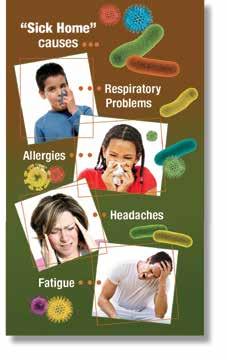
There are increasing news reports about how our homes are becoming more susceptible to molds, mildews, viruses and other harmful bacterial and fungal contamination. This has caused public concern to find new ways to reduce and prevent the emergence of these unwanted conditions. Bactronix has responded to this concern by developing new technology to help create a healthier and safer living environment.
Mold and Mold Spores:
Mold and mold spores can occur in the areas where moisture and ventilation problems develop. Mold not only compromises the structural integrity of a home, it can also cause long-term health problems.
The Bactronizing Seal of Certification is a Symbol of Health and Safety
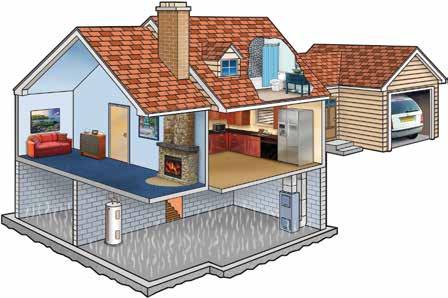
As shown in this illustration, bacteria, mold, mildew and odor problems can develop from pre-existing conditions in the home.
Pet Odors:
Pet odors are part of the home’s “biological footprint.” The Bactronizing™ Process eliminates pet odors and other unpleasant smells that develop over time. Our nanotechnology breaks down VOCs, providing a safer and fresher smelling home environment.
Bactronix Corp. serves many markets such as veterinary clinics, hospitals, schools, corporate, automotive, nursing homes, manufacturing and real estate. Bactronix uses an exclusive, safe, organic system to diagnose and treat interior environments for dangerous microorganisms. Utilizing science based practices, testing is performed on porous and non-porous surfaces to determine the level of bio-activity which may cause odor and illness. The Bactronizing Process uses a hospital grade, non-toxic “Green” disinfecting nanotechnology to kill mold, mildew and dangerous super-bugs such as MRSA, C.Diff, H1N1 and legionella. Bactronix also utilizes an advanced electrostatic spray system to treat 100% of all surface areas resulting in a highly effective sanitary finish.
Leaky Fixture Gaskets
Loose Backsplash
in Window Seals
Cat Rescue Resource Guide
Kitty Korner
Cat Rescue Resource Guide
Low-Cost Spay & Neuter Organizations & Programs
This is an ever-changing list of resources for cat owners in Pittsburgh and beyond, though many of the listings, like the shelters, apply to dogs and other pets as well. It includes low-cost spay and neuter programs as well as TNR for community cats, pet-friendly rentals in Pittsburgh and across the US, and links to shelters for adoption and other services. In the future we will also list clinic dates with the organizations below when they are available.
TNR & Low-Cost Spay/Neuter for the Pittsburgh Area
Homeless Cat Management Team: www.homelesscat.org
City of Pittsburgh Free Spay & Neuter for City Residents
City of Pittsburgh free spay/neuter: www.pittsburghpa.gov/animalcontrol/spay_neuter.htm
City of Pittsburgh residents can apply for free spay or neuter vouchers for up to five pets, including stray/ feral cats.
Low-Cost Spay/Neuter & TNR Programs at Allegheny & Surrounding County
Shelters
Animal Friends: www.thingkingoutsidethecage.org
Animal Rescue League: www.animalrescue.org
Beaver County Humane Society: www.beavercountyhumanesociety.org
Washington Area Humane Society: www.washingtonpashelter.org - Colony Cat Project: faith.b2@verizon.net
Western Pennsylvania Humane Society: www.wpahumane.org
Low-Cost Spay/Neuter Organizations in Allegheny & Surrounding Counties
Western Pennsylvania Humane Society (WPHS): www.wpahumane.org
Surrounding Counties: Beaver County Humane Society: www.beavercountyhumanesociety.org
Butler County Humane Society: www.butlercountyhs.org
Humane Society of Westmoreland County: http://members.petfinder.com/~PA83/about.html
Washington Area Humane Society: www.washingtonpashelter.org
Non-Shelter Feline Adoption
FosterCat: www.fostercat.org
Kopy Kat Sanctuary | Westmoreland County (Delmont): www.kopykatsanctuary.org
Equine Affairs
The Rider’s Seat
By Kristen Hermann
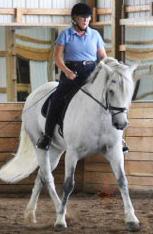
Riders communicate to the horse via three aids, the seat (pelvis and buttocks) the legs and the hands! The rider’s seat should envelop the horse’s back like an upside down U and allow the horse to move through the seat. A rider’s basic seat learns to go with the movements of the horses and allows the horse to go forward by not interfering, and a more advanced seat will influence the horse’s gaits. The whole position of the rider is often referred to as “the seat”. There is no doubt that a rider with a good seat whether basic or advance will be a complimentary rider!
If the seat is not balanced and does not go with horse’s motion, if it leans or is not positioned correctly, the rest of the rider’s aids are compromised. A good seat is in balance: it does not fall off to one side. If the rider’s spine is aligned with the horse’s spine, then the seat is in balance. The best way to learn how to keep a seat balanced is to ride bareback! (See Pittsburgh Pet Connections article: http://issuu.com/ pghpetmag/docs/petconnections_may14_ web/35?e=6029391/7749457.) Another way is to ride straight lines with the horse off the railing of the arena. A rider cannot put the horse straight if they are not sitting straight with a balanced seat!
Learning how to ride requires the rider to keep a balanced seat while using the other aids (legs and arms) to influence the horse. If a rider uses an opening rein she often leans and the seat loses balance. Or when a rider uses a leg aid and the muscles tighten and shorten this also causes the seat to become compromised. Having an independent seat means the other body parts of the rider are not being adversely affected when the other aids are used. Independent use of the aids are paramount for good riding.
A rider cannot put the horse straight if they are not sitting straight with a balanced seat!
A rider’s seat in addition to being balanced and not being compromised when the other aids are used is only correctly positioned if the rider is sitting on the seat bones! Many riders sit on the coccyx instead of the seat bones, and this rounds the rider’s back. This is called “pocket sitting” because the rider is sitting on the pockets of their pants! For the correct seat position, the rider should be sitting upright on the two sitting bones. Sitting on the two seat bones allows the rider’s spine to utilize the two natural curves of the back in the lumbar and neck. The pelvis should neither be tucked under (pocket sitting) or rotated forward,
also called perching. Pocket sitters remove the natural curve of the lumbar area and this, of course, affects how the leg aids are used, and the rider wonders why the horse does not understand their signals! And the rider who over arches the lower back by perching causes the stiffening of the pelvis and will inhibit the rider’s seat from going with the horse’s motion and the other aids to be used fluently!
Once the rider has the pelvis (seat) correctly sitting on the horse in a neutral position not arched forward or rounded under, then she needs to be sure the head is balanced! The head is also part of the rider’s seat because it is connected to seat via the spine. If the head is not balanced on top of the spine the seat will be compromised, and the rider’s arm connection to the bit will be affected. Everything is connected! Leaning the head to one side causes the torso and or seat to lean, poking the head forward stiffens the spine, putting the chin down will round the spine, or putting the chin too high will tense the neck, shoulders, spine and pelvis of the rider.
The rider seat is to be in neutral balance with the rider sitting on the sitting bones. A neutral pelvis means the rider is not perched or hollow in the lower back, or tucked under as in a “pocket sitter.” The seat is also to be balanced: equally distributed on both sides of the saddle. Once a proper seat position is developed, and the rider can maintain a good position on the horse without tensing, then the rider learns how to apply the aids without interfering with the seat’s balance. All riding aids: the legs, seat and hands need to be able to communicate to the horse without tensing or losing their relative “position.” Good riding is no doubt a skill and just like the famous saying, “no hoof, no horse,” I think every rider would agree “no seat, no rider!” PC
Equine Affairs
Discovery, Growth & Learning Center
Horses with Hope
Horses with Hope - Discovery, Growth and Learning Center is a non-profit 501(c)(3) organization located in the South Hills of Pennsylvania.
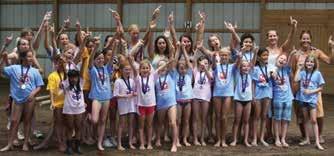
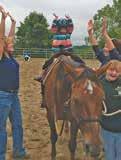
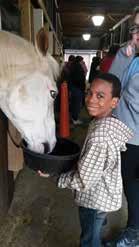
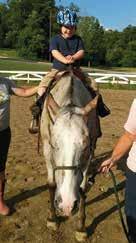
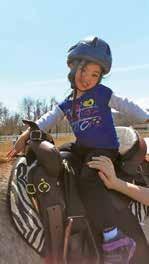
Horses with Hope programs focus on improving the lives of children, youth and adults assisting them to reach beyond their abilities, allowing daily success and milestones to be accomplished by the partnership developed by horse and rider. Some of the groups we work with are physically challenged, are at-risk youth, have intellectual disabilities or victims of abuse, to name a few.
Benefits of our programs include
Physically, the horse in motion moves a rider rhythmically and 3 dimensionally developing core muscle strength, balance and posture. Riding also develops gross and fine motor skills and promotes coordination.
Emotionally, helps to develop trust and a bond with the horse, the instructors and
volunteers as well as promote appropriate behaviors.
Mentally, increases concentration, spatial awareness and improves sequential thought processing. Socially, builds self confidence as well as a positive self image and independence.
as human growth & development, leadership training, team building and other enhancement skills/ trainings that can be utilized to enhance the workplace and daily living
• Volunteer Opportunities for schools districts, retirees and more
Overall Program Structure & What We Provide to the Community
• Offer programs that provides therapeutic services & support to at-risk youth and individuals with special needs & their families
• Bring an Accredited Equine Therapeutic Riding and Educational Center to our community
• Provide a unique environment of unconditional support and opportunities for skill building and personal achievement
• Build a strong connection with our community
• Resource for colleges, universities, medical field for internships and continued research
• Career Development programs for children & youth
• Center that will serve a wide ranging audiences through programs such
• Donations of any amount are always appreciated and directly impact our programs. They can be made through our website or by mail
On behalf of our Board of Directors, the Executive Director, our Riders and our volunteers, we thank you for your consideration of support of Horses with Hope. Together, we can make a difference!
By Anne Davis Horses with Hope Executive Director/Founder annehwh@gmail.com
412-932-6036
ANESTHESIOLOGY
ANESTHESIOLOGY
Dianna Ovbey, DVM, MS, Practice Ltd. to Anesthesiology CARDIOLOGY
MRI & CT IMAGING
MRI & CT IMAGING
PetsDx Veterinary Imaging www.petsdx.com
Dianna Ovbey, DVM, MS, DACVAA CARDIOLOGY
Eva Sikorska, DVM, DACVIM
Erin Trageser, VMD, MSc, DACVIM DENTISTRY
Eva Sikorska, DVM, DACVIM
Krista Mendoza, DVM, DAVDC DERMATOLOGY
Erin Anderson , VMD, MSc, DACVIM DENTISTRY
Krista Mendoza, DVM, DAVDC DERMATOLOGY
Sandra Sargent, DVM, DACVD EMERGENCY & CRITICAL CARE
Sandra Sargent, DVM, DACVD
Kenton D. Rexford, VMD
Gerald Frye, VMD NEUROLOGY
PetsDx Veterinary Imaging www.petsdx.com
Gerald Frye, VMD NEUROLOGY
Edward MacKillop, DVM, DACVO
Edward MacKillop, DVM, DACVIM
Kendra Mikoloski, DVM, DACVIM ONCOLOGY
Rebecca Newman, DVM, MS, DACVIM
Kendra Mikoloski, DVM, DACVIM ONCOLOGY
Todd M. Erfourth, DVM, DACVIM
Rebecca Newman, DVM, MS, DACVIM
Todd M. Erfourth, DVM, DACVIM
Bridget Urie, DVM, MS, DACVIM OPHTHALMOLOGY
Bill Oldenhoff, DVM, DACVD EMERGENCY & CRITICAL CARE
Christine Guenther, DVM, DACVECC
Christine Rutter, DVM, DACVECC
Kenton D. Rexford, VMD
Lawrence Bagley, DVM, DACVO
Bridget Urie, DVM, MS, DACVIM OPHTHALMOLOGY
Rachel Keller, DVM, DACVO
Lawrence Bagley, DVM, DACVO
Rachel Keller, DVM, DACVO
Christine Guenther, DVM, DACVECC
Sarah J. Deitschel, DVM, DACVECC
Sarah J. Deitschel, DVM, DACVECC
Amy Dickinson, DVM, DACVECC
Amy Dickinson, DVM, DACVECC
Kara Osterbur, DVM, DACVECC
Rebecca A. Miller, DVM
Rebecca A. Miller, DVM
Joey Kallem, DVM
Joey Kallem, DVM
Jennifer Wooderson, DVM
Elissa Allen, VMD
Robin M. Dutra, DVM
Elissa Allen, VMD
Stephanie V. Nelson, DVM
Lindsey Rademacher, DVM
Robin M. Dutra, DVM
Kristen Krisulevicz, DVM
Brendan Cloonan, DVM
Lindsey Rademacher, DVM
Carol Park, BVSc
Kristen Krisulevicz, DVM RADIOLOGY
Victoria Chu, DVM
Michael McGinley, DVM
Christopher Warrington, DVM, DACVR
Jennifer Daly, DVM, Resident in Emergency and Critical Care
Tricia Tovar, DVM, Resident in Emergency and Critical Care INTERNAL MEDICINE
Shaina Mooshian, DVM, Resident in Emergency and Critical Care
Sherwood Johnson, DVM, DACVIM
Tracey Peterson, DVM, DACVIM
Kelsey Sutcliffe, DVM, Resident in Emergency and Critical Care INTERNAL MEDICINE