THANK YOU FOR THE EXTRAORDINARY RESPONSE FROM OUR SEPTEMBER INAUGURAL ISSUE OF PITTSBURGH PETCONNECTIONS MAGAZINE!
Pittsburgh PetConnections is Pittsburgh’s new local monthly magazine focusing on wellness for people and their pets, through the Human-Animal Bond.
We offer expert information on care for all your pet and animal needs, as well as resources for services and products for you and your pet’s wellness. We are featuring topics animals lovers enjoy, such as animal health & wellness, activities with your pets, animal-assisted activities and therapies and people wellness, as well!
My background of over 25 years as a veterinary technician, veterinary hospital administrator and non-profit founder, has led me to create Pittsburgh PetConnections Magazine. My goal is lead, teach and heal through the Human-Animal Bond (HAB).
I want to personally thank all of our contributing writers, readers and our sponsors for making this magazine possible.
Pittsburgh PetConnections, LLC. was formed in 2012. Our mission is to publish a high quality, informative and Human-Animal Bond focused publication.
We support local businesses and also assist local non-profit businesses for pets and people, to give back to our great Pittsburgh communities.
MAGAZINE PUBLICATION STAFF
Sales Manager & Distribution
Graphic Artist
Photographer
.Al Levine
.Patricia Sutkowski
.Kara Jones Photography
Contributing Writers: Our contributing writers have many years of combined experience and expertise in the fields of veterinary medicine and the Human-Animal Bond.
There is a theory that assumes at some point in our ancient past, wolves stopped stalking humans who in turn took them into their caves - this proved to be a miraculous leap of faith that changed our world forever. Throughout history there are volumes of wonderful examples of the bond between humans and animals. Today the anecdotal stories of the humananimal bond have been supported by considerable research resulting in amazing developments regarding the benefits, strengths and possibilities of this incredible connection. Yet, as with many positives, there exists duality. The loving bond formed between an animal and human can, and is, frequently used by those wishing to control others.
faith to understand protection of beloved pets can be as emotionally significant as protection of children. Although there are many who insist you cannot equate children to pets, reality belies that assertion.
In a similar vein, we are hearing more and more about persons requiring medical procedures, especially those requiring extended aftercare,
Understanding the Link: How the Human-Animal Bond may Impact Personal Safety
Animals, like children, are often the innocent victims in homes where the tumultuous dynamics that surround interpersonal violence exist. Threats to harm a beloved pet may be used to extort funds from those who, through age or infirmity, are unable to defend themselves. Sexual predators wield power over their victims through vicious threats and acts of violence to innocent children and loving animals. Awareness of these possibilities is a key element to identification and intervention. From enforcement agencies to social support programs, those persons coming into contact with vulnerable populations should, as a matter of policy, include questions about pets in their assessments particularly when assessing lethality.
Dr. Barbara Boat, Associate Professor Department of Psychiatry and Behavioral Neuroscience, University of Cincinnati Academic Health Center and Director of The Childhood Trust, Cincinnati Children’s Hospital Medical Center created a helpful ten-question inventory which provides a simple, yet effective way to identify important clues to animal and human abuse within family dynamics. A copy of the Childhood Trust Survey on Animal-Related Experiences (CTSARE) can be downloaded at www.odvn.org > Resource Center > Domestic Violence and Animal Issues.
During my tenure as Director of the Domestic Violence and Stalking Unit of the Columbus City Prosecutor’s Office I began to realize the important role pets played in the lives of many domestic violence clients. In 2004 I conducted an informal survey of some 135 clients; approximately 50% of which had pets, out of which 32% indicated their animal(s) had been seriously harmed, threatened with serious harm or killed. I thought it significant that 47% of clients with pets stated they would have been more inclined to leave their abusive situation sooner if pet foster care was available. In 2011 the Ohio Domestic Violence Network, Animal Abuse and Domestic Violence Steering Committee gathered data from domestic violence shelters representing 21 of Ohio’s 88 counties. Findings showed 55% of total respondents had pets; out of which 42.5% claimed their pets had been harmed or threatened to be harmed in their current relationship. Further supporting the need for emergency care for pets in family violence situations, 41% of persons with pets stated the safety of their pets impacted their decision whether or not to leave the situation.
Lesley Ashworth
Currently a national consultant in the area of the human-animal bond and its link to abuse of animals, Lesley has over 30 years experience in the area of domestic violence, stalking and elder abuse. She is a member of the National Link Coalition Steering Committee and founder of the American Veterinary Charitable Fund.
by Lesley Ashworth
who are choosing to forgo crucial treatment rather than risk loosing their companion animals. To some, especially those on fixed incomes, the cost of boarding is prohibitive. At a time in life when many elders rely on their pets for support and companionship, it is not inconceivable they are averse to risking loosing the main source of their comfort.
Awareness of the need for emergency support services for a number of situations lead me to contact friends in the veterinary and related professions to discuss this need. I learned during my research the average veterinarian provides a considerable amount of low or no-cost support within their practice. Although we may bemoan the cost of veterinary care today, compared to the exorbitant cost of human medical care, it is still a bargain. Unfortunately, veterinary medical insurance has yet to become as widespread or cost effective as its human counterpart. We also tend to forget while veterinarians are required to maintain an extremely high standard of professional education, they also have to be skilled in a wide variety of treatments and procedures equally as complex as human anatomy.
In discussions about veterinary support for persons fleeing from domestic violence situations, one of the major areas of concern was potential safety issues. No one wants to have an irate husband or boyfriend demanding release of a terrified pet; or have their staff threatened. This is why working in partnership with an existing domestic violence program is recommended. No one knows better than the domestic violence shelter how to preserve confidentiality. In addition, working in conjunction with the domestic violence programs helps alleviate some of the problems veterinarians have reported in the past. Ohio’s state-wide domestic violence coalition, the Ohio Domestic Violence Network, recently included a complete section on pet support including guidelines for domestic violence shelters, applicable forms, and research results. For more information see: www.odvn.org > Resource Center > Domestic Violence and Animal Issues.
To the person who considers a pet as a family member, it is unthinkable for them to not consider the safety of the animals, even in times of potential personal danger. It is not a leap of
As a result of on-going research in 2012 I founded the American Veterinary Charitable Fund (AVCF). AVCF is a not-for-profit membership organization that serves as a charitable umbrella for member veterinarians, allowing their clients to donate directly to support the charitable work of their veterinary practice. More information can be found at www.avcfund.org.
Animals have always been an integral part of my life – in fact I credit much of my happiness and positive attitude to their ongoing influence. For those of us who experience our own human-animal bond, protection of beloved pets is an obligation, not a choice.
COMMUNITY EVENTS
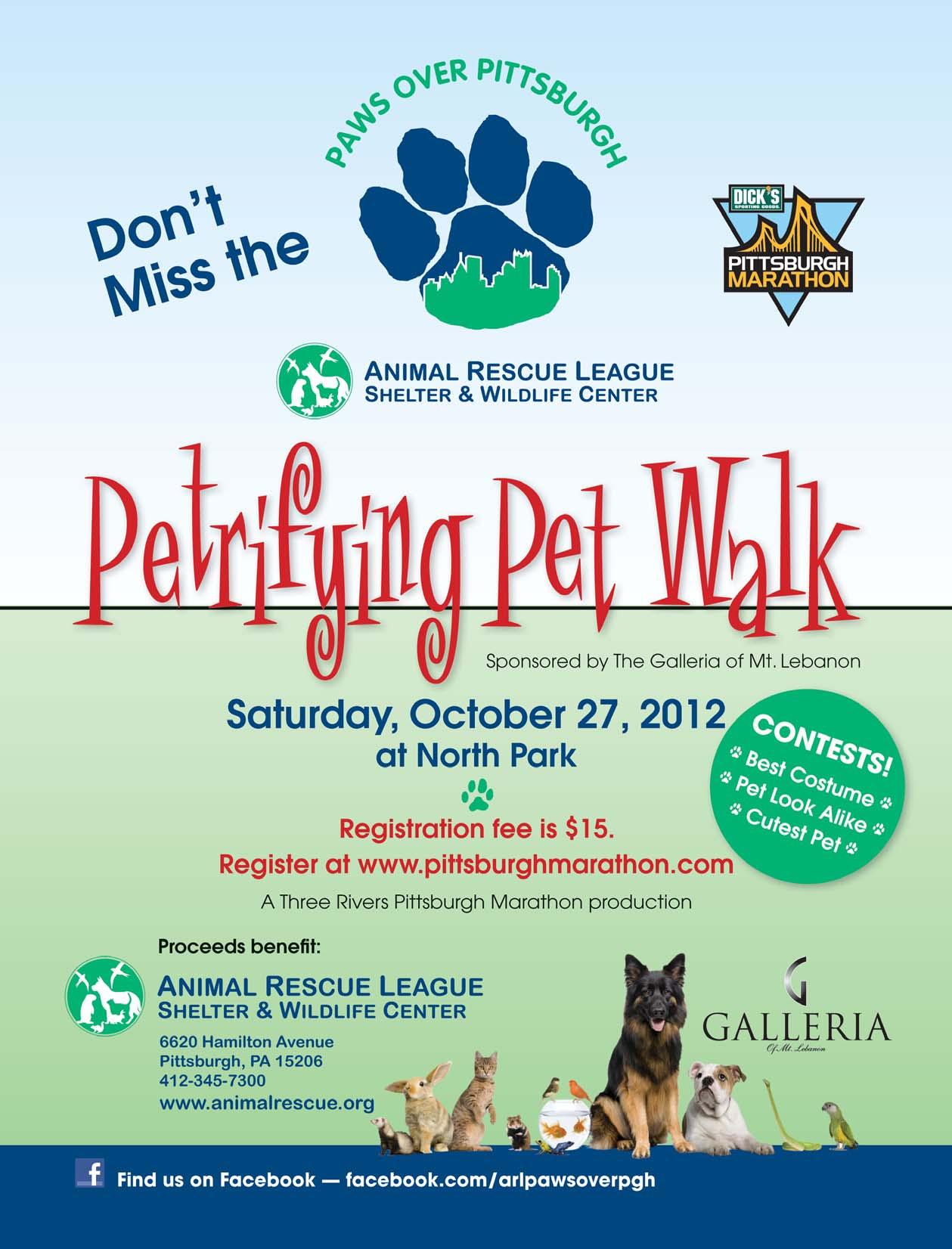
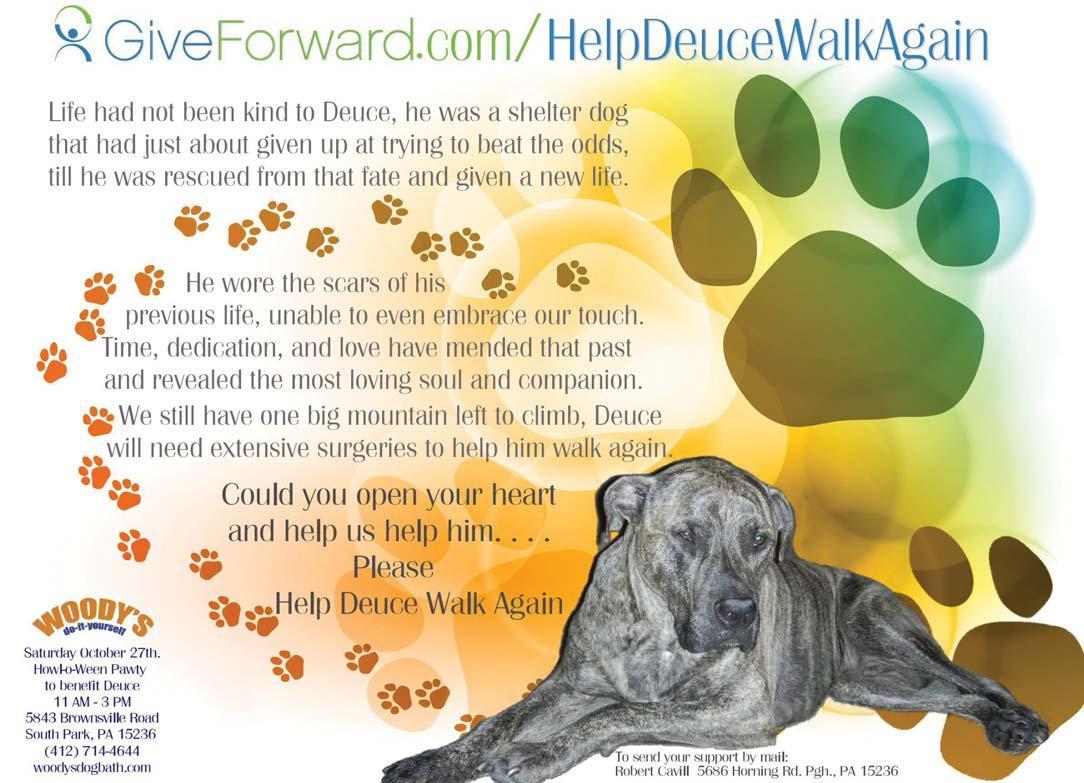
Saturday, October 27 Help Deuce Walk Again: Howl-O-Ween Party and Parade http://www.woodysdogbath.com/ See our ad on page 2.
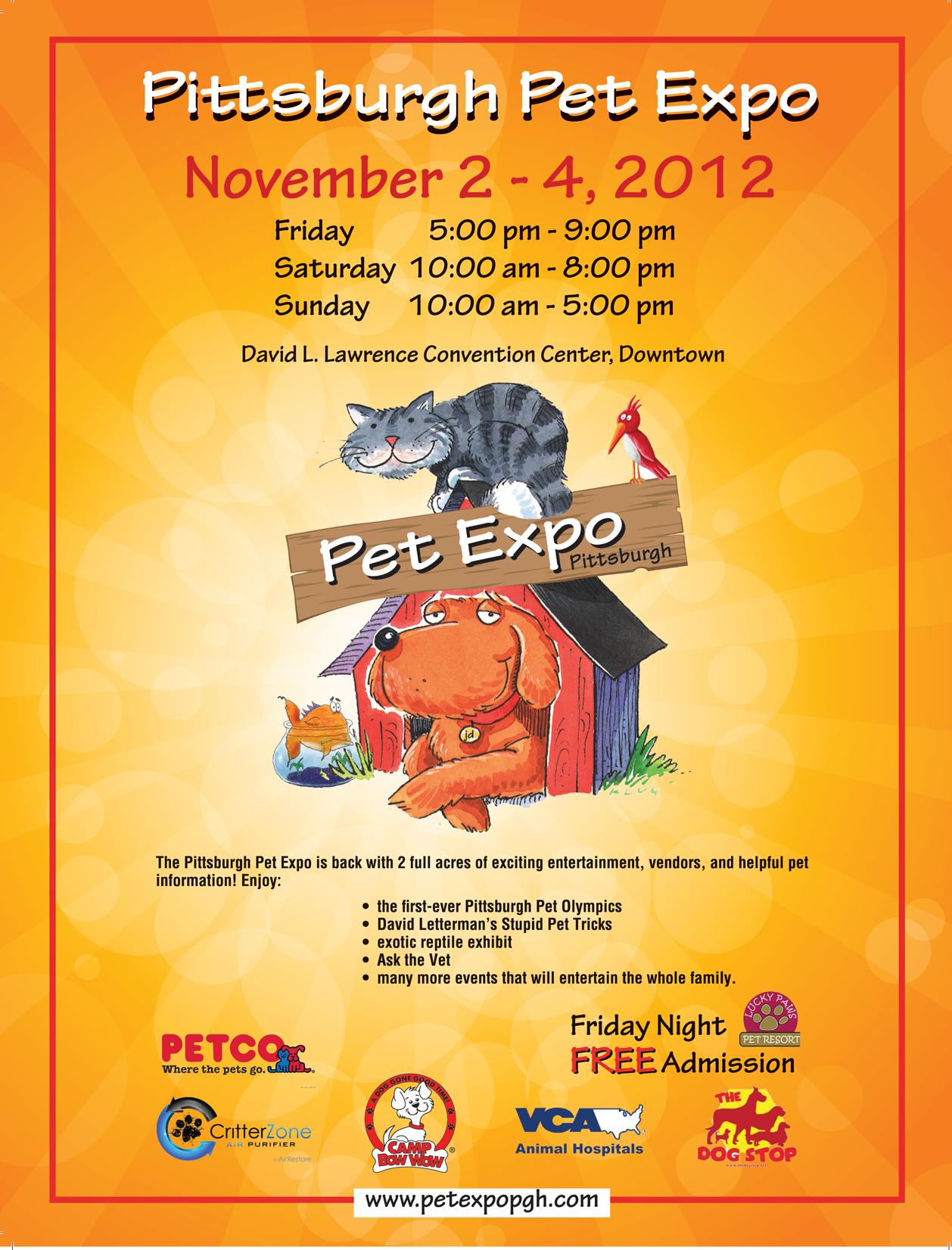
Friday-Sunday, November 2-4 Pet Expo Pittsburgh
David Lawrence Convention Center. For information, see our ad on Inside Front Cover.
Sunday, November 11 Celebrate Our 5 Year Anniversary with Woody’s Washes for Angel Ridge Woody’s Dog Wash in South Park http://www.woodysdogbath.com.
Saturday, November 17 Holiday Camera Day By Photographer Cindy Sumner at Xcel Canine Training Center. Come on out and have your dogs picture taken for the holidays. We will have 2 different background scenes to choose from and Santa will be making an appearance. 8 AM till 6 PM, 5400 Progress Blvd, Bethel Park, PA. Pictures will be taken by appointment only. Call Machell for your appointment now before time slots fill up (412) 298-2843.
HOLISTIC CARE
In order to understand acupuncture it is necessary to recognize that the ancient Chinese had a much different way of looking at the body than we currently do in the West. For the ancient Chinese, health care was a way of life. Today we call this approach Traditional Chinese Medicine or TCM. Diet, exercise, massage, meditation, sleep patterns, work patterns, herbs and acupuncture were all integrated to maintain balance within the body. At the heart of TCM is the concept of Qi (pronounced “chee”).
Understanding Acupuncture for Pets
Doug Knueven, DVM, CVA, CVC, CVCH
Qi is regarded as the life force energy. It is what differentiates the living from the dead and has both structural and functional qualities. Qi is that substance from which all physical form is composed. It is also the energy that flows in a cyclic, orderly course throughout the channels of the body allowing for the normal functioning of organs and tissues.
In TCM, health is the state of harmonious flow of Qi and disease is caused by an interruption in this flow. Any time an organ is not functioning properly – anything from kidney failure to lameness – we can say there is a disturbance of Qi.
re-balanced, allowing the body to heal itself.
There are 14 main acupuncture channels which act as pathways for the flow of Qi along which lie the acupuncture points. I prefer the word “channel” to the more commonly used term “meridian” because a meridian is an imaginary line, and the Chinese in no way considered the channels of energy to be imaginary.
Acupuncture points are discrete areas on the surface of the body that have unique features. Biopsies have shown that these points have higher than normal numbers of nerve endings, blood vessels and inflammatory cells. They are also areas of lower electrical resistance, meaning that electricity flows more readily at these spots. All of these features combine to amplify the effect of any stimulation of these points. The Chinese consider the acupuncture points as inlets to the channels. Through these inlets, the flow of Qi can be manipulated and
From the Western standpoint, acupuncturestimulates nerves that can block pain perception.Studies have also shown that acupuncture can be used to cause the release of hormones including cortisone as well as endorphins, which are the body’s own morphine compounds. Acupuncture can also reduce muscle spasms, increase blood circulation, improve athletic performance and strengthen the immune system.
Acupuncture can help in the treatment of any medical condition including arthritis, kidney failure, liver failure, thyroid disease, asthma, back and joint injuries, vomiting, diarrhea and reproductive problems. It can be used as an adjunct treatment for seizures and can even improve the quality of life for cancer patients. When applied properly, this holistic approach does not cause side effects as drugs often do. Acupuncture can be used alone or in conjunction with conventional therapies.
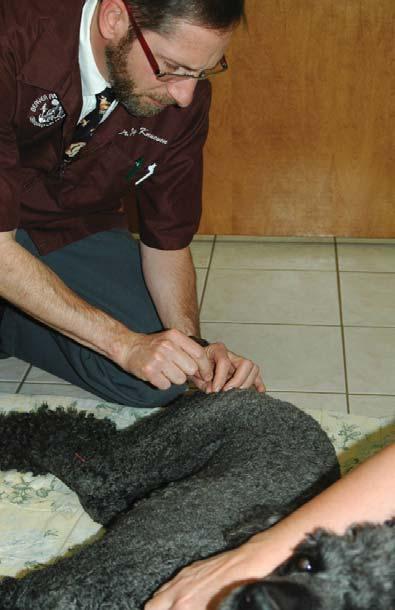
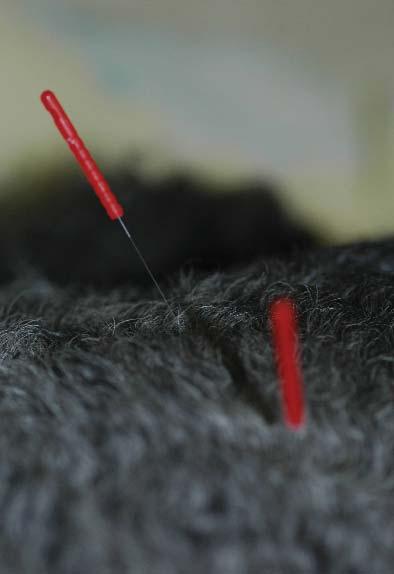
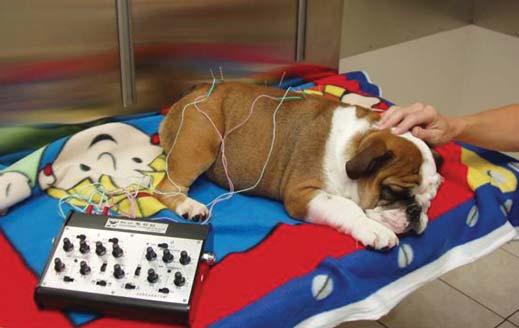
The biggest apprehension that most people have about acupuncture is that the needles will cause pain. In my experience, the patient rarely objects to the prick of the needles. As a matter of fact, some animals fall asleep during the treatment which may last from five to forty-five minutes depending on the problem being addressed. I’m more concerned about the remote possibility that the pet may decide to remove a needle with his mouth and then swallow it. In reality, the biggest obstacle to an acupuncture treatment is keeping the pet still while the needles work their magic. If the animal fidgets needles may fall out which is not harmful but just not very helpful.
Acupuncture is not a panacea. Even in China it is only part of the medical system. If after eight to ten weekly treatments there is no improvement in the patient, then acupuncture is probably not going to help. On the other hand, I have many patients who have given it two paws up.
“Don’t
Baby Me” –Colt
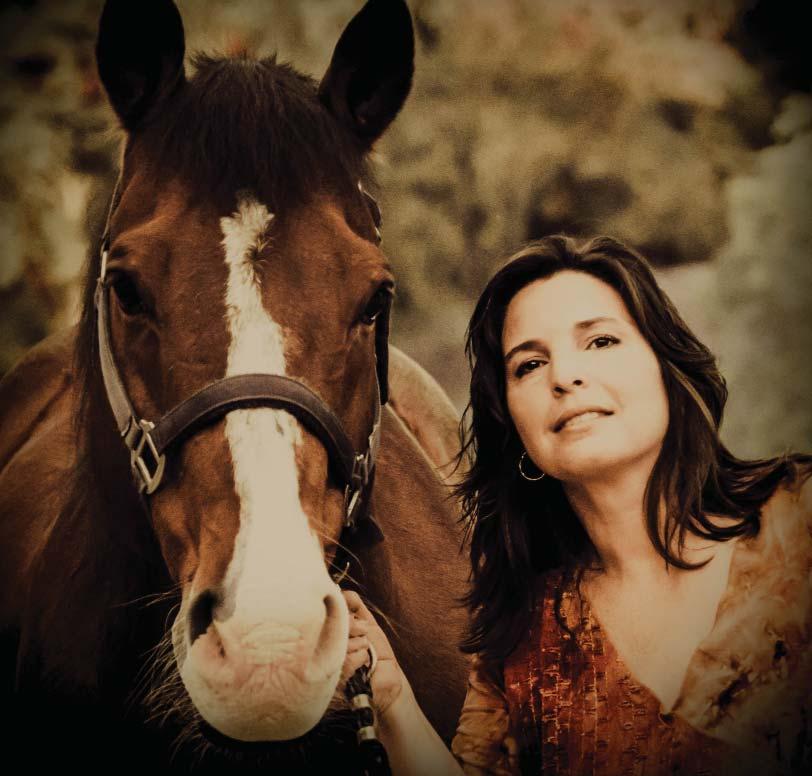
Colt is a horse who I met recently over the phone. What? Over the phone? Yes, most animal consultations are done at a distance. Better yet, you don’t even have to hold the phone to the animal’s ear. Why? Because we’re communicating telepathically.
On a Wing and a Paw… Listening With Heart
Think of telepathy like listening to a favorite song. Notice a few things, like how you feel emotionally during the song. Is there an image that comes to mind or a memory as the lyrics touch your heart? Telepathy can work through feelings, images, hearing words or feeling sensations. A basic definition is empathy at a distance.
Colt’s person, Carla, called me so I could confirm what she had been feeling about Colt. Carla was concerned about Colt’s health and happiness. These are common, valid reasons for contacting an animal communicator.
As always, I first asked Colt what he would like to say to Carla. Colt’s opening statement was most confirming for Carla. He said, “I don’t want to be babied. Stop babying me. I’m a big, powerful animal.”
HOLISTIC CARE
Carla confessed that she “babied” Colt. Colt was being dominant, pushy and would walk a few steps in front of Carla when she stopped walking with him. After our communication, Carla noticed a difference in Colt’s behavior. “It was great to connect with him and respect him as a big, powerful being. Colt is still expressive and doesn’t hesitate to tell me something, but in general he is much more cooperative which is really valuable,” said Carla.
Colt continued to boldly volunteer information. “I really like my grain.” Just recently, Carla had a conversation with her Natural Barefoot Trimmer, Nancy, in front of Colt where they discussed changing his grain to a low carbohydrate one. Nancy said his current grain was like letting a child have candy. Even so, Carla felt it was Colt’s way of saying, “I really like it, please don’t change it.”
Colt also blurted out, “Don’t worry about my teeth. They’re fine.” Carla said that although the vet had just checked them, she was considering having them checked again. Colt then stated, “I have no pain chewing my grain.” This comment from Colt gave Carla the confidence and peace of mind that Colt was comfortable with his teeth for now.
Carla was feeling bad about not going to the barn frequently due to her work schedule and some health issues. Because Colt had not seen her consistently, he was concerned she was going to sell him. Colt’s previous person stopped showing up, and then Colt went to live with Carla. Given his recent history and sad feelings, we emphatically assured Colt this was his forever home.
As we closed our communication, Colt acknowledged the deep heart connection and love he feels with Carla. Carla’s heart melted and said, “Beyond his soft gazes, how profound it is to hear Colt communicate our shared loving connection.”
Listening Lightly, Renée
Colt and Carla
&HEALTH WELLNESS
Living Green With Pets: Pumpkin, Pumpkin, Pumpkin!
Celebrating the Autumnal Equinox, get some fresh organic pumpkins now to process for your pets, snacks for yourself, and free bird seed for your feathered friends!
If you haven’t noticed, pumpkins are coming into season. In part it’s because they are elemental in our Halloween tradition, color, shape, jacko’-lanterns and all, but reverse that and you’ll see they are part of our traditions at this time of the year because this is their season of abundance, and they are a most versatile and nutritious fruit.
Pumpkins actually originated in Central America where related seeds at least 5,000 years old have been found. Native Americans planted them as one of the “three sisters” of corn, pole beans and squash interplanted to support each other. Apparently, a good thing can’t be kept hidden because European explorers learned of them from Native Americans in North, Central and South America and took them back to their respective countries. They are grown all over the world, and in many cultures they are much more than a seasonal decoration but are a principle food source because of their ease of growth and high nutrition.
PUMPKIN FOR YOUR PETS
Speaking of pets first, pumpkin is highly recommended to keep on hand for bowel issues, namely constipation or diarrhea, especially in older pets. The fiber in pureed pumpkin flesh works the same way as a fiber product for human use, softening the stool and cleansing the colon in the case of constipation and helping bind loose stool by absorbing excess fluid and soothing inflamed intestines in the case of diarrhea, without the use of any drugs. Add to this effect the level of nutrition delivered in a readily accessible form: it’s obviously bursting with beta carotene and also rich in vitamins A and C and in potassium. Pumpkin may not be a natural part of your pet’s diet, especially for carnivore kitties, but considering that the bowel conditions described above often result from an illness or chronic or acute disease, these particular nutrients in an easily digestible form can only help your pet.
And not only that, but cats and dogs often really like it since it’s not icky chemical-tasting medicine. And if they won’t lap up enough of it to make a difference you can always fill a syringe with the right amount and gently dose it right into their mouth.
The basic dose is about one teaspoon per 15 pounds, so most cats and very small dogs would get one teaspoon, larger cats and small to medium dogs would get two teaspoons, and dogs larger than 30 pounds would get three teaspoons or one tablespoon. Cats larger than 30 pounds need to lose some weight.
It’s safe enough to give every day, and if they don’t need it it certainly doesn’t do any harm.
You could get a can of pumpkin, or you could buy fresh, buy local and visit your local farmer’s market or farm stand and patronize a local grower, even finding one who uses completely organic methods.
CHOOSING YOUR PUMPKIN
From the grocery store to the farmer’s market you’ll see all sizes of pumpkins from small and deep orange to large and warty and yellowish. The flesh of all the pumpkins you see have about the same amount of fiber and nutrients, with varying amounts of natural fruit sugar. Usually, the larger the pumpkin, the less sugar and the coarser the fiber.
The smaller pumpkins — not wee tiny but about the size of a small plastic play ball, around three pounds and 20 or so inches in circumference — are bred to be “pie pumpkins” with thick-walled sides, fine smooth flesh and more sugar than average. These are the most versatile since you can use them for pies and other baked goods and use them for your pets. Most sellers have these sorted separately and marked for pies, so don’t worry about taking a lot of gear to weigh and measure.
The medium-sized pumpkins, like the ones you carve into jack-o’lanterns, are usually field pumpkins and often fed to livestock. The flesh wall is a little thinner, the flesh itself a little coarser and lighter in color with usually about 75% as much sugar. They aren’t good for pies, but they work just fine for constipation.
The extra-large ones that are often seen in competitions aren’t good for much but gawking at where most of us are concerned, though they are also used for livestock feed. They are raised for size and weight, not nutrition, though they do have fiber and buckets of seeds inside.
Be careful of gourds, since there is a gourd that looks like a small pumpkin and some medium-sized ones that are nice to look at as well. Gourds are edible but you probably wouldn’t want to since as they mature they grow more bitter and simply don’t have any of the nutrition or fiber you’d find in pumpkin. Better to let them dry and varnish them for decoration and use as homemade maracas!
Consider other winter squashes in your search. Pumpkin really is a winter squash just like butternut or acorn, the two most commonly found in grocery stores or farmer’s markets, and all have about the same amount of fiber and nutritional value. Butternut and acorn have slightly thicker and harder skin, or rind as some call it, and this helps the squash keep raw in your refrigerator or a cold cellar through the winter. Pumpkin has a thinner, softer skin and generally will not keep for more than a month or two.
PREPARING YOUR PUMPKIN
For ease of instructions, I’ll figure you found an average-sized pie pumpkin. Pumpkin, meant for pies, has flesh about 1” thick or more, weighs about three pounds and measures about 20” in circumference. It feels solid when you pick it up and when you knock on it (not too hard, please). A pumpkin this size will yield about two cups of pureed pumpkin by either method below.
I roast my pumpkins just like roasted butternut or acorn squash because it takes less time, it’s much neater, it slowly evaporates the extra moisture but leaves enough to make a puree that generally doesn’t separate when used for cooking, and it caramelizes the sugars, which is better for pies than for your cat, but still not bad for them.
Preheat your oven to 350 degrees, cut your pumpkin in half from top to bottom, pull off the stem and toss on the floor for a cat toy, scoop out the seeds and keep in a bowl (directions for those later). Place the two halves of the pumpkin in a shallow pan with about 1/4-cup of water, cover with foil, roast for at least one hour. It’s done when it’s tender by poking with a sharp knife. Let cool, peel, cut into chunks and mash or puree in food processor.
Stewing works just fine but you need to have several hours to watch over and stir your pumpkin as it cooks down; when it cooks down to a puree it can spatter, and hot flying pumpkin puree is not fun to deal with, though this is the centuries old method for pumpkin pie filling.
Halve and quarter your pumpkin from top to bottom, scoop out the seeds and keep in a bowl. Peel the skin and cut the flesh into 1” chunks,
place in heavy pot and add about one cup of water. Set on medium heat, cover, and check about every 15 minutes to stir the chunks and see how they are softening, mashing as they do. When they are all pretty much mashed, remove the lid and cook for about an hour to allow the moisture to evaporate. When completely cooked, let cool.
STORING YOUR PUMPKIN
For your pet’s use, scoop tablespoons of the puree into the sections of an ice cube tray. You can remove the cubes one at a time to thaw and know how many doses you have for the pet in question.
For larger amounts, freeze by the cupful in plastic containers. A 9” pumpkin pie takes about two cups of pumpkin with other ingredients added.
USING OTHER PUMPKINS
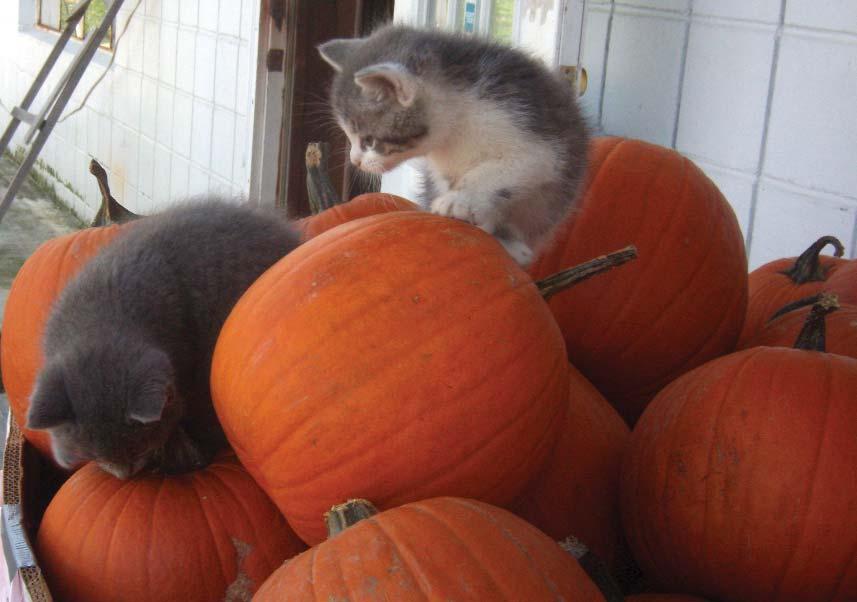
These kittens at my local Agway are modeling slightly larger pumpkins than pie types but not quite jack-o’-lantern sized. With these, you’d simply do the same procedure, but if roasting, cut it into smaller pieces.
How about a snack for you? Pumpkin seeds!
Who doesn’t remember the boxes of white pumpkin seeds that were so salty they made you pucker just to smell them? I loved them anyway, and when I found a way to roast my own without all the extra salt I began making a jar of them every year. The nutmeat is very sweet and nutritious, and by the name of pepitos it is included in some recipes. Here you soak the seeds in strong salt water, which helps to soften the shell but just leaves enough salty flavor that doesn’t overpower the nutty flavor.
Rinse the seeds and remove as much of the muck they are stuck to as possible. To a bowl that will hold about twice as much in seeds as you have add a quart of water and 1/4-cup of salt. Stir to dissolve; the water can be warm, but not hot. Add the seeds and let soak for 30 minutes to an hour, drain off the liquid. Preheat the oven to 300 degrees, lightly oil a cookie sheet and place the seeds in a single layer, bake for 20 minutes, stir, bake for 20 minutes more. Let seeds cool. Store in tightly closed jar.
AND FREE BIRD SEED!
Birds LOVE pumpkin seeds and the seeds from any squash or melon. I read about this in one of my birding magazines and tried it with squash seeds I’d saved, placing a quarter cup at a time in the trays of several feeders. There was a sudden bird riot and the squash seeds were gone in minutes.
To prepare clean and soak the seeds 30 minutes in salt water deep enough to cover to soften the seed coating, drain. Roast as outlined above, store for mid winter. You can just let them dry, but it’s difficult to tell they are completely dry so it’s safest to turn on the oven.
And next year...consider growing a few!
BIG CATS LOVE PUMPKINS!
Who would think big cats would play like kittens—with pumpkins! Pretty big pumpkins, swatting them like bizzy balls and chasing them in the water like beach balls! Each year Big Cat Rescue is lucky enough to receive left over pumpkins from stores after Halloween. Pumpkins are a great source of enrichment for the cats, as well as a great source of entertainment for the staff and volunteers at Big Cat Rescue. Watch the video on YouTube: BIG CAT HALLOWEEN!
Under the supervision of her cats Bernadette E. Kazmarski works in her home office and studio painting animals and nature, writing fiction and poetry and providing commercial print, web and logo design and illustrations as well as photographing events, and writing articles and publicity. Visit her website at www.bernadette-k.com
Photos: pages 8-9, page 16 copyrighted to Bernadette E. Kazmarski unless otherwise noted and may not be used without my written permission. Please ask if you are interested in purchasing one as a print, or to use in a print or internet publication.
&HEALTH WELLNESS
Core vaccinations are required for all dogs and cats and are recommended by veterinarians. Rabies is a zoonotic disease (can be spread from pets to people) and vaccines are required by law in PA. This is for good reason, as our local rabies cases are on the rise and found in the suburbs, and even in neighborhood cats. You can read up on the Center for Disease and Preventions website at: www.cdc.gov/rabies/location/usa/index.html.
Pet Vaccinations and The Value of an Exam
by Carla Mader
Other infectious diseases that spread from dog to dog and cat to cat such as Distemper, are kept at bay when pets are vaccinated properly. Once your pet receives core vaccines as a puppy or kitten, and after your veterinarian determines you can start titer testing, you can have blood titers drawn. This blood test will check the immunity of your pet to decide if additional vaccines are needed. Vaccines can have lasting efficacy, with the pet having immunity (after core vaccines given) for approximately 3 years and it is different in every animal, as in people. Many kennels and pet resorts now accept titers in addition to proof of vaccination. Many chronic illnesses and immune diseases can be made worse if vaccines are given, and vaccinations are contraindicated in those cases. Your veterinarian can best advise you when your pet should not have vaccines, and titers are used in these cases.
Many people do not understand the value of an exam prior to their pet receiving vaccinations and have the perception that it is not necessary to do so. Fido is due for his vaccines. When the reminder comes in the mail or emailed, and now yes – texted to you. So, if he comes in every year and possibly more often for a minor problem, why does he need an exam for vaccinations and what is the value of what you are paying for?
Most people do not realize that administering a vaccine is a procedure. Yes, a quick injection, but really a procedure. Your veterinarian is injecting the vaccine to illicit an immune response to the bacteria or virus (in most cases killed or modified as not to infect recipient with actual disease). In the event the body is ever infected, the body will have developed antibodies against the disease and will have a better chance of fighting it.
There is always the small chance your pet will have a vaccine reaction. Reactions are rare and if they do occur, they are mostly localized to the injection site with mild swelling. More rare severe anaphylactic reactions occur more immediately, within minutes of the injection with collapse, facial
swelling, respiratory problems or death. If caught immediately, intervention can have a favorable outcome.
This is where the physical exam comes in. The veterinarians must establish that the pet is healthy and without a compromised immune system to receive the vaccine(s). Even an ear infection can warrant postponing the vaccines, so the pet’s health is not compromised for a routine vaccine which can wait.
Your veterinarian will get a thorough history of your pet’s home environment, diet, supplements, parasite preventives, heartworm testing, medications and activities to get the entire picture of its overall health. Then, perform a thorough physical exam. Only then can the assessment be made about which vaccines your pet requires and the vaccine can be safely administered.
The physical exam is accomplished by examining the pet from head to tail. Starting at the head, the eyes, the ears, mouth, teeth are examined. Then the cardiac and respiratory systems are auscultated with a stethoscope. The veterinarians trained ears can pick up an abnormal cardiac rhythm, murmur or abnormal lung sounds. Then, the abdomen is palpated to make sure the gastrointestinal tract, liver, spleen, kidneys and bladder feel normal. The ribs are felt, to evaluate body condition for optimal weight. Peripheral lymph nodes are palpated. Also the musculoskeletal system is examined, checking joints for discomfort. Finally the coat and skin is checked for lumps and bumps, evidence of parasites or sores. Your pet’s neurological status is also assessed.
It is also every beneficial to have wellness exams done on your at least once a year and twice yearly for geriatric pets and cats. Many hidden issues and illnesses are discovered and can keep your pet healthy and can save you money over time. “Prevention is the Best Medicine!”
Please support our Advertisers
www.swpapug.org
ADVERTISERS
KS Jones Photography (see ad pg 3)
American Veterinary Charitable Fund (see ad pg 5)
DogWatch (see ad pg 5)
Renée Takacs, M.A., Intuitive Healer (see ad pg 7)
Through A Dog’s Ear (see ad pg 10)
Janet M Jackson, CRMT, Animal Consultant (see our ad pg 12)
Because We Care Petsitting (see ad pg 12)
Don Appetite Barkery (see ad pg 12)
Holistic Care for Animals (see ad pg 13)
Judith Levy (see ad pg 16)
Portraits of Animals (see ad pg 19)
All Natural Hoof Care (see ad pg 19)
Answers Pet Food (see ad on the back cover)
Providing a Healthy Sound Environment for Your Dog
by Carla Mader
Most of us don’t give much thought about how the soundscape of our world affects us or our animals. Our pets at home are exposed to sounds from televisions, telephones and traffic noise among many other disruptive sounds. Our dogs have a hearing range much greater than our own. This makes them sensitive to the unnatural, loud and random sounds of our world they are exposed to daily.
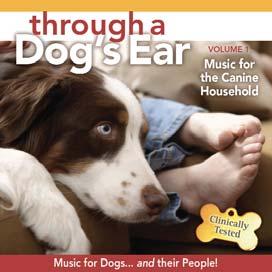
People, as well as dogs can benefit from the calming effects of music. A special group of professionals developed and rearranged classical music that helps improve the health and behavior of your canine companion. Through a Dog’s Ear utilizes psychoacoustically altered classical music to do just that. Produced by Joshua Leeds and performed by Lisa Spector and researched by Dr. Susan Wagner, DVM, the CD series, “Brings healthy nutrients into the Auditory Canal” per Lisa.
Joshua Leeds is a psychoacoustic researcher. He studies the effect of music and sound on the human nervous system and how heart rate and respiratory rate can all be affected by rhythm, pattern and tone.
Pianist, Lisa Spector, is a graduate of the Juilliard School of Music. Her love for dogs led her to volunteer as a puppy-raiser for Guide Dogs for the Blind. Lisa noticed that her very active four-month old guide dog pup would fall asleep under her nine-foot Steinway piano. She already knew that psychoacoustic studies had been done in people and how music was already being effectively used to help calm and reduce anxiety in autistic children. She wondered if and how it could apply to dogs and this led her to Joshua’s work. Lisa Spector approached Joshua about her experience with her own dog being calmed by her music.
Joshua was familiar with entrainment – major body pulses speeding up or slowing down by external rhythms and was intrigued by the notion that dogs may be entrained into deep relaxation, as with people. This led him to start researching to see if there was existing work in this area. He found a published study done by Dr. Deborah Wells an animal behaviorist from Ireland. The Wells Study concluded that dogs may be as discerning as people when it comes to musical preference*.
The Wells study led Joshua to produce four hours of classical music rearranged with Lisa, including two hours of solo piano. The simplified solo piano music was recorded at 50-70 beats per minute. They needed research to study the effects of their music on dogs. Joshua and Lisa teamed up with Dr. Susan Wagner, a veterinary neurologist from Ohio State University.
Dr. Wagner performed the research on 150 dogs in different settings such as veterinary clinics, shelters and homes, over the next 2 years, for BioAcoustic Research & Development (BARD). The research was conducted in 2 phases. BARD now collaborates with veterinarians, behaviorists and dog trainers.
The findings were incredible! ** In Phase One, over 70% of the dogs in shelters and veterinary clinics were noticeable calmer, and many fell asleep. 85% of the dogs in the home setting were calmer, with over half of the dogs falling asleep.
In Phase Two, the most calming music from Phase One was played for dogs with specific anxieties such as fear of thunderstorms,
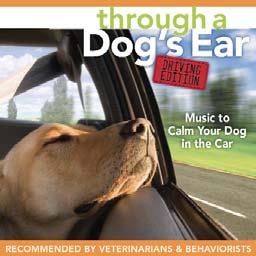
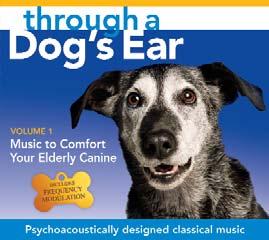
fireworks and strangers. Approximately 60 anxiety behaviors were measured, including drooling, pacing, barking and panting. One group of dogs listened to Through a Dog’s Ear, and another group listened to music from a classical music station. Twice as many anxiety behaviors were reduced in the group listening to Through A Dog’s Ear when compared to the non-psychoacoustically arranged classical music. Indications of the music therapy are far reaching. Through A Dog’s Ear can be played for dogs in all types of settings. It is for normal dogs, or those with health and behavioral issues. Through A Dog’s Ear has also helped many cats! It has been used pre and post operatively in veterinary clinics. It is great to use for dogs on crate rest post-operatively. The Through a Dog’s CD collection so far, includes Volumes 1-3 Music to Calm Your Canine Companion; The Driving Edition (designed for driver alert/dog relaxed); Music for the Canine Household; Victoria Stilwell’s Positively Noise Phobia Series is another recent release. CNP is an innovative desensitization training tool that combines three distinctive elements for the treatment and prevention of sound-sensitivities and noise-phobias. The latest release, Music to Comfort Your Elderly Companion, uses frequency modulation that adapts to a senior dog’s sensitive nervous system and hearing range. Most younger dogs are delightfully stimulated by exposure to new sounds, sights, smells, and visitors. They are highly adaptable. As dogs mature, however, they are quicker to go into sensory overload. Older dogs lose the ability to process rapid sensory input, and this may result in multiple behavioral changes.
Music to Comfort your Elderly Canine is helpful in relieving separation anxiety, sound phobias, and anxiety issues, as is our Calm your Canine series. However, we recommend Elderly Canine during the following older dog behaviors and treatments:
• Wandering
• Onset of unwelcome new behaviors
• Staring at walls
• Sleeplessness at night
• Pain management
• Non-responsiveness to cues once known
• Veterinary care
• New visitors in household
• Pre- and post-surgery
• Restlessness
It is recommended that the music be played at home first in a calm, positive setting, then in the situation which previously caused stress and behavior issues, whether that’s in the kennel or car. Detailed instructions on the use of Through a Dog’s Ear music can be found at ThroughADogsEar.com. On the website, you can purchase the CD’s and also the book, “Through a Dog’s Ear – Using Sound to Improve the Health & Behavior of Your Canine Companion” which explores the effects of the human soundscape on our canine companions.
*D. L. Wells, L. Graham and P.G. Hepper, “The Influence of Auditor Stimulation on the Behavior of Dogs Housed in a Rescue Shelter,” 11: 385-393; **Wagner, S., et al. BioAcoustic Research & Development Canine Research Summary (2004).
CAT CORNER
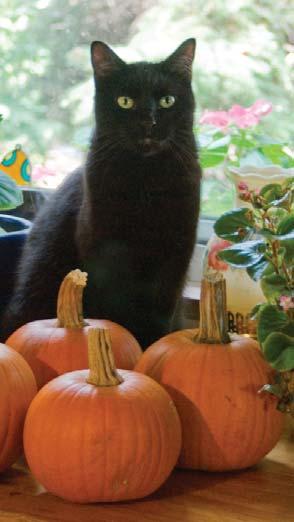
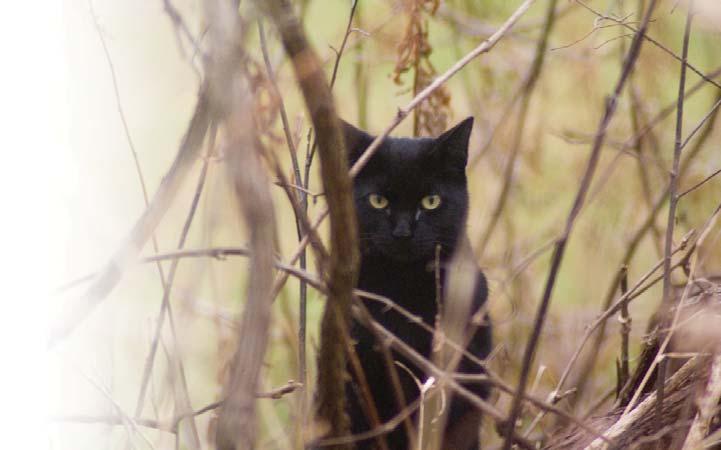
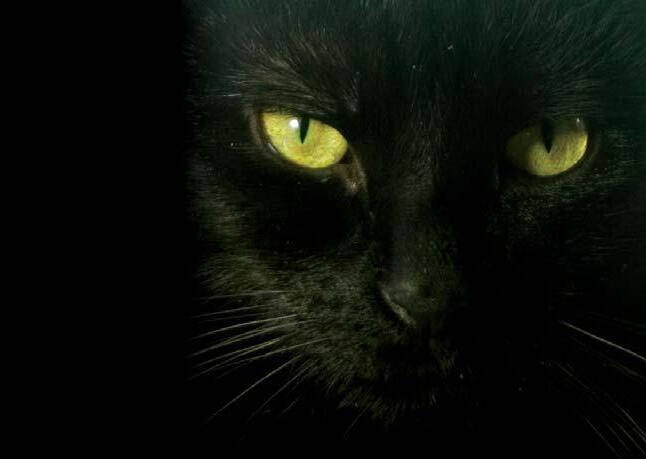
It’s Halloween week, and I’m seeing black cat decorations all around me. Black cats have gotten a bad rap for centuries — many cultures have perpetuated myths about them. They have been maligned and even tortured because of their alleged association with evil and witchcraft. Chinese believed a black cat was an omen for poverty, and German folklore says that a black cat jumping on a sick bed signals that death is near.
We cat lovers know the truth about black cats. They make very loving, playful companions. And so as I wait for the coming of Trick-orTreaters and The Great Pumpkin, I would like to take a moment to thank all the black cats who have crossed my path over the years. They weren’t bad luck at all, but a source of joy and wisdom. There are far too many to mention, but a few stand out.
The Wisdom of Black Cats
Thanks to Maya, who opened a friend’s heart, and continues to watch over the stepchild he has lost. Thanks to Puyi, named for a boy emperor, who as a tiny kitten had the courage to leap into my sister’s hands from the roof of an apartment building. He continues his journey by comforting my recently widowed mother.
And many kudos to Mabel, who came into my cousin’s life just in time to help him through difficult surgeries, rehabilitation and his final transition. Soon after arriving, Mabel began staring at him and wouldn’t let him out of her sight, as if she was trying to tell him something. It soon made sense as the familiar numbness radiated down his arm, telling him the tumor was back. She now watches over his parents.
And finally, thanks to Lovey, who used to visit us, and now has adopted us. I can’t sit down for more than three seconds before he jumps into my lap. And on a cold fall day, there’s nothing like a purring cat to warm you up.
I’d also like us all to remember the feral black cats who don’t have laps to sit in, and who risk injury and cruel pranks this Halloween season. They remind us of the violence that haunts humanity far worse than any horror movie character could. I know that once we rid ourselves of the underlying causes like poverty and ignorance, all creatures will be safe.
We can’t face the ills of society, however, by hating those who hurt black cats. We can only evolve by taking responsibility for doing our own work. It’s about having Puyi courage, and seeing where anger and judgment live in our own hearts. It’s about having Mabel persistence, and staring adversity right in the face. And it’s about living life as Lovey and Maya would — by being kind to a stranger and being patient with those around us.
Have you experienced the wisdom of a black cat? This Halloween, make a black cat proud!
Dr. Susan Wagner
is a board certified veterinary neurologist whose pioneering work acknowledges the bioenergetic interaction between people and animals. She is an advocate for change in the area of interpersonal violence and animal cruelty, and works toward a greater understanding surrounding the health implications of the human-animal bond.
Dr. Wagneris an Adjunct Assistant Professor at The Ohio State University Veterinary College, a Level IV Healing Touch for Animals practitioner and co-author of Through A Dog’s Ear.
utritional supplements are defined, by the National Research Council as “A substance for oral consumption by horses, dogs, or cats, whether in/on feed or offered separately, intended for specific benefit to the animal by means other than provision of nutrients recognized as essential or for provision of essential nutrients for intended effect on the animal beyond normal nutritional needs, but not including legally defined drugs.”
These nutraceuticals are thus intended to make up for dietary deficiencies. Ingredients include vitamins, minerals, herbs, amino acids, and other substances including enzymes, organ tissues, glandulars, metabolites, extracts, or concentrates. They are often available as powders, granules, pellets, pastes, liquids, and pills.
Some of the most popular supplements are joint, hoof, digestive, vitamin/mineral, electrolytes, etc. Others may include calming products and those intended for cough/allergy. They are generally easy to administer and do not require a prescription. These products are also readily available from tack and feed stores, as well as on-line.
Many of these products have mechanisms of action that are quite unclear, and may not even be readily absorbed. Supplements might exert benefits by providing precursor molecules deficient in the diet, having an antiinflammatory effect, or by providing an anti-oxidant effect.
The seven-step ACCLAIM system can help owners identify supplements most likely to be safe and efficacious. Here is the foundation of the ACCLAIM system:
A:A name you recognize.
C:Clinical experience.
C:Contents.
L:Label claims.
A:Administration recommendations.
I:Identification of lot.
M:Manufacturer information.
Supplements are widely considered to be safe, and there are few reports of adverse events following their use. The FDA has responsibility to oversee regulation of veterinary nutritional supplements, but they rank very low on the list of products to regulate, and thus get very little, if any, attention with regards to safety or efficacy.
Poor quality products may contain the type or amount of ingredient listed, or may potentially be contaminated with pesticides or other chemicals. They may contain other ingredients not listed on the label, especially of equipment was not cleaned properly between product runs. One example is the contamination of equine feeds with monensin, a growth stimulant in cattle, but is often fatal when fed to horses, even at very low levels.
Some manufacturers are part of the National Animal Supplement Council (NASC), and their mission is to work with government agencies to ensure that products are safe. This group is self-regulated.
In 2003 the NASC established an adverse event reporting system, and it also works to ensure the animal supplement industry is conducting itself responsibly by the following means:
• Established current good manufacturing practices (cGMPs) in 2004.
• Established product labeling guidelines.
• Established a scientific advisory committee, providing independent oversight for ingredients.
• This committee submitted risk stratification recommendations to FDA-CVM for all ingredients in members’ products (over 850 ingredients were reviewed).
• Established an independent quality audit program to verify implementation by member companies.
EQUINE AFFAIRS
EQUINE SUPPLEMENTS
By Brian S. Burks, D.V.M., Dipl. ABVP, Board Certified Equine Expert
Is supplementation necessary? In some instances, yes supplementation of your horse’s diet may be medically necessary; however, many other times supplements may simply end up behind your horse on the floor. The average horse in light work on good quality hay and grass probably does not, unless there are underlying medical conditions such a polysaccharide storage myopathy or Equine Cushing’s Disease. Most diets provide nutrients in excess of NRC requirements, so supplementation would seem superfluous. In certain areas there may be specific nutrients lacking in the soil, thus never making it into forages. In the northeast, this includes selenium. Some diets may lack proper amounts of sodium, copper, lysine, and vitamin E. Supplementation with B-vitamins is largely unnecessary as the intestinal microbes provide ample quantities and there are no known B-vitamin deficiencies in horses.
Horses that are in work above that of the average horse, i.e. showing, racing, may need additional quantities of vitamins and minerals.
Dr. Brian Burks is the owner of Fox Run Equine Center, a 24-hour medical-surgical center near Pittsburgh, Pennsylvania. The Center has been in western PA since 1984, and remains the premier equine hospital serving the tri-state area. Dr. Burks was an intern and then a resident in equine internal medicine. He is a Board Certified Equine Expert, by the American Board of Veterinary Practitioners. For additional information, please visit www.foxrunequine.com www.facebook.com/foxrunequinecenter
EQUINE AFFAIRS
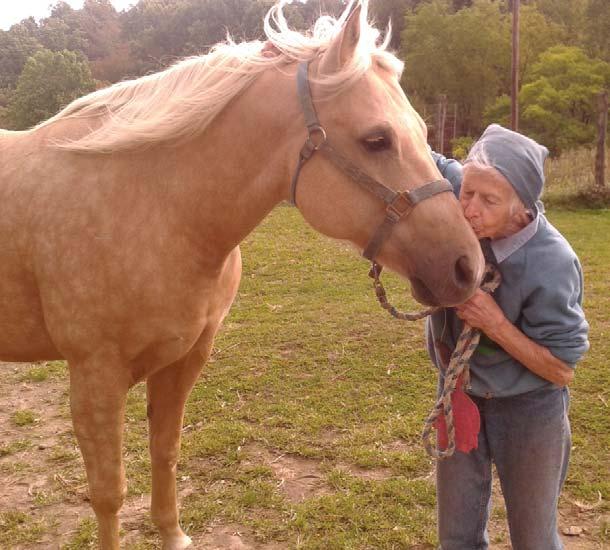
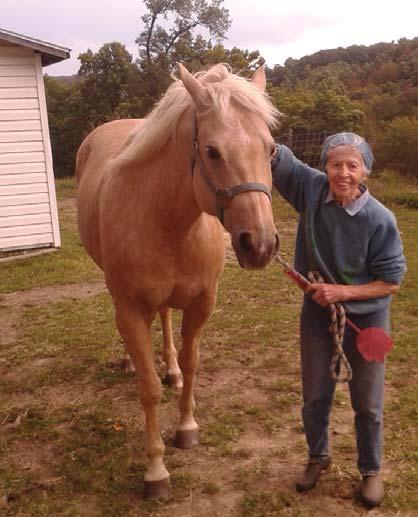
id you ever think the person standing next to you in the grocery store might just be a hero? I have, because I know someone who is. She didn’t save the world, but she believes we can save the lives of animals, one at a time, if we all work together. Her name is Helen Johnson, and
Everyday Heroes
she has been rescuing animals for over 60 years. Helen supports the Pegasus foundation, and currently has seven horses, several burros, a dog and a few goats. She dedicated her life to the animals, and is an
adamant vegetarian, who lives with her brother, Arthur, in the local community.
I met Helen for the first time seven years ago now, and have provided hoof care for her herd as long. I jokingly tell Helen she “has the worst and the best hooves within my clientele” because her beloved Jean has severe chronic founder and her colt Trigonomics the best. “Trigger,” as she calls him, was the last foal she obtained from the feed lots in Canada over five years ago now. Her tale is one of simple fate…and this is her story.
Helen began our conversation by telling me that Premarin is a drug used to help women through the uncomfortable phase of menopause by supplying hormone replacement, but thankfully it’s widespread usage has diminished due to animal rights pressures as well as the side effects produced by
the use of the drug itself. In order to obtain this drug, horses have been bred to larger and larger breeds, so that their urine could be collected while they were pregnant. This means that many babies are born that are unwanted, and these foals are often slaughtered before they have a chance to experience any quality of life. Helen knew of this practice, but since she lived in Pennsylvania, it seemed there was nothing she could do to help the horses that were so far away in the Canadian provinces. Then one day, she met a lady named Meredith.
Meredith owned and operated a Thoroughbred rescue in San Anita California. Helen had, by chance, seen an ad in Equus magazine, which supplied her with Meredith’s number as a contact, for the adoption process, of a premarin foal. Helen, already a friend of the animals, was excited to hear about her approval for adoption, and made the necessary arrangements to pick up her first premarin filly, Abigale. While talking, Meredith expressed a desire to find someplace to stop along the long route they travelled while hauling these horses. She was making a trip from Canada to Connecticut, and the distance often proved difficult on not only the horses, but themselves. Helen had an idea, and took a leap of faith when she called Kelly Fry.
Kelly would soon make an annual event at the Westmoreland County Fairgrounds that offered free care, and ample area, for these horses to have a chance for adoption. For 15 years, Helen assisted in reaching out to contacts to not only plan and execute these events, but promote them as much as possible. Helen’s ties with Second Chance Rescue also provided temporary housing and exceptional care for the horses, allowing for more time to find the home they would never have otherwise had.
For many years, Helen had worked with the Westmoreland County Fairgrounds to organize adoptions and placement for horses in need of rescue, but due to the rising costs of fuel required for these transports, they had to be discontinued. Helen tells me that many of these horses are still shipped in from Canada, and they are also available for adoption online to this day.
Helen has personally adopted many; she finds them a home and no money is exchanged, but rather a signed promise stating the horse will never be sold, and can be returned at any time, should the need arise. Helen dreams of a world where every horse has a safe place to call home, and no longer has to live in fear. She is a hero in the eyes of her beloved animals, and in mine as well. She is living proof that all it takes is a loving heart to change a life, and that together we can make a big difference.
I see so many animals in need of a home every day, but I’ve also seen how an animal can change your life just as much as you can
change theirs. Give your child a pet, and teach them how to care for it properly, and you can set them on a course for success. They learn responsibility, compassion, and respect for not only the animals they care for, but for the people in their life as well. Whether it’s taking a trail ride or a run at the dog park, having an animal introduces you into a community of friendly, caring people that you might not have met otherwise.
My animals are my friends, and the experiences I’ve had because of them have made me a better person. They trust me to be their guardian, and I will keep that promise, because I’m grateful for the life they have given me. “It is the policy of the Pegasus Foundation to no longer use language that accepts the current concept of animals as property, commodities and/or things. Rather than refer to ourselves or others as owners of animals we share our lives with, we now refer to ourselves and others as guardians of our animal friends and to animals as he or she rather than it. Guardians do not buy or sell animals; instead they rescue and adopt… We urge you to do the same. (Pegasus, 2012).” http://pegasusfoundation.org/index.html
Pittsburgh PetConnections visits
We all have our favorite veterinarian, groomer or pet sitter and are willing to travel for their services.
Living here in the Burgh, we are fortunate to have so many resources for pet care within an hour radius of the city. Some of which, are yet to be discovered.
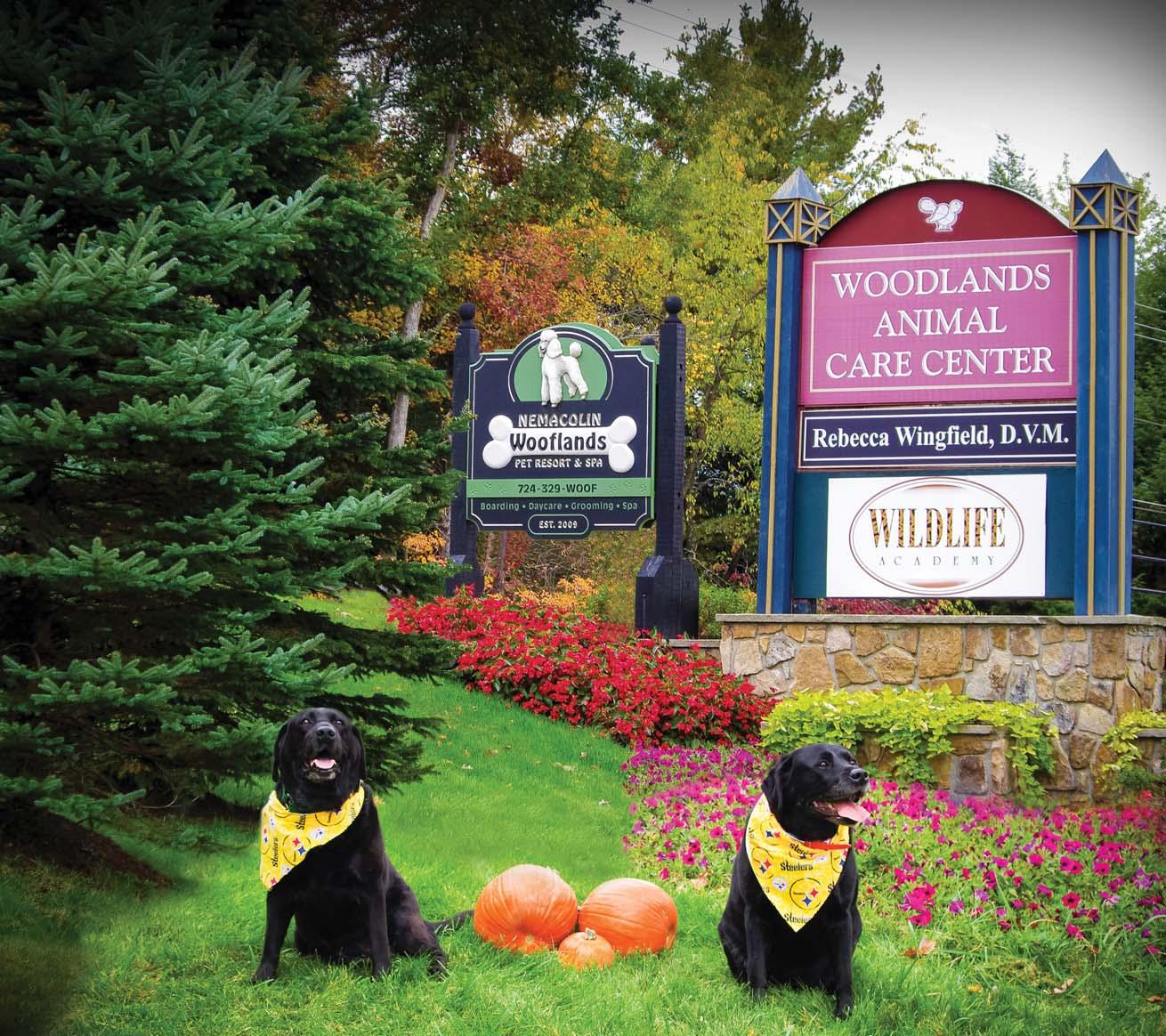
Nemacolin Woodlands is well known in Pittsburgh as a local world-class resort with fine dining and unparalleled amenities for people. Their best kept secret is the care and amenities they now offer for pets, as well as competitive services for non-resort guests in surrounding communities, and the Greater Pittsburgh Area. PetConnections Magazine was invited with our Labrador Retriever mascots, Cyndi and Angie (AKA, “the Girls”), to explore the resort and experience the services first hand.
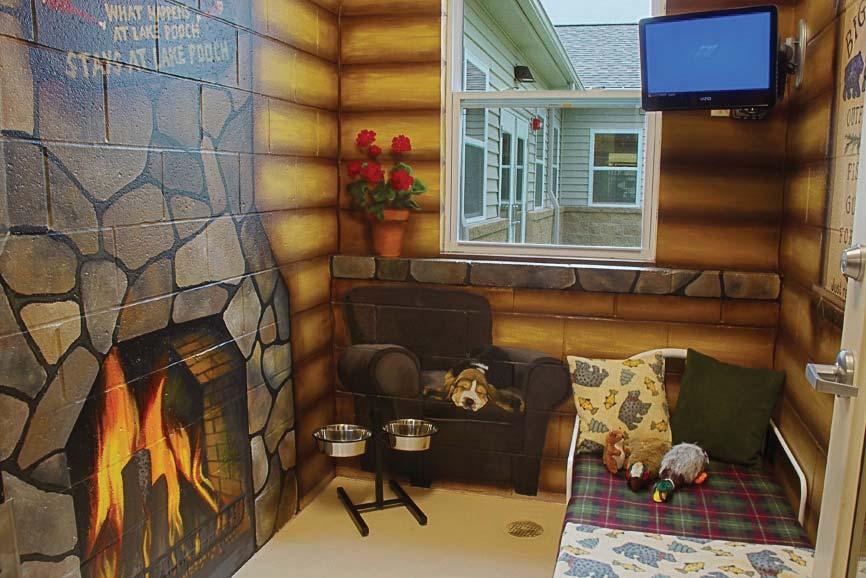
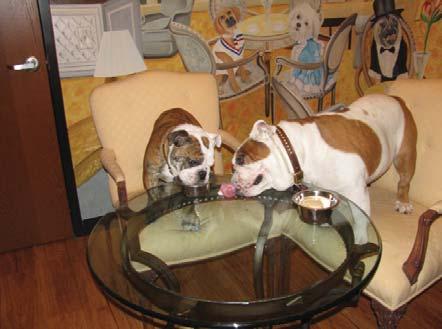
The staff was exceptional in helping us get ready for our big cover story in this month’s issue! The first stop was the Nemacolin Wooflands Pet Resort & Spa for our photo shoot. After all the hard work, the Girls were ready to relax and settle in for the night in their luxury suite. Yes, luxury –as in large suite, bed, television and webcam for us to monitor their stay.
After enjoying fine dining and settling into our own King suite, we logged onto the Wooflands website’s woofcam and checked on the Girls. It was very entertaining and satisfying to watch them try out their new bed and get their treats after dinner. We were also able to switch the camera to the play area, where the Girls meandered around the grounds then back in to the indoor play area. It was comforting to know how fast they settled in and obviously felt at home. They were ready for whatever came next!
We learned that Wooflands also offers boarding for dogs and cats with standard condos at affordable rates. Play time is included and there is also a long list of amenities and personalized care options, at a great value. Additionally, they also offer pick up and drop off service for the Greater Pittsburgh area.
Nemacolin Wooflands also offers dog daycare and training with their 4,500 sq. foot indoor Nemacolin Wooflands Canine Performance Training Center. Dolores Paroda, Training Instructor, offers everything from puppy kindergarten to Canine Good Citizen to Agility classes. She has a strong background in agility, studying under world team members. Dolores also offers private training consultations geared toward behavior issues. Visit nemacolinwooflands.com for a complete list of services and rates. We were impressed with the quality of services offered for the price.
The next morning we enjoyed the Safari tour, viewing and safely interacting with the Wildlife Academy’s resident Bears, Lions, Tigers and Hyenas. All the while, the Girls were getting their deep conditioning baths and blueberry facial spa treatments. Upon receiving them for departure, their black coats were glistening and we thanked Kelly Means, Groomer, for the pampered,thorough grooming. Kelly grooms all breeds and is also highly skilled with the scissors. She is capable of producinga show-ready poodle!
Dr. Rebecca Wingfield, DVM
Mountain Retreat Suite
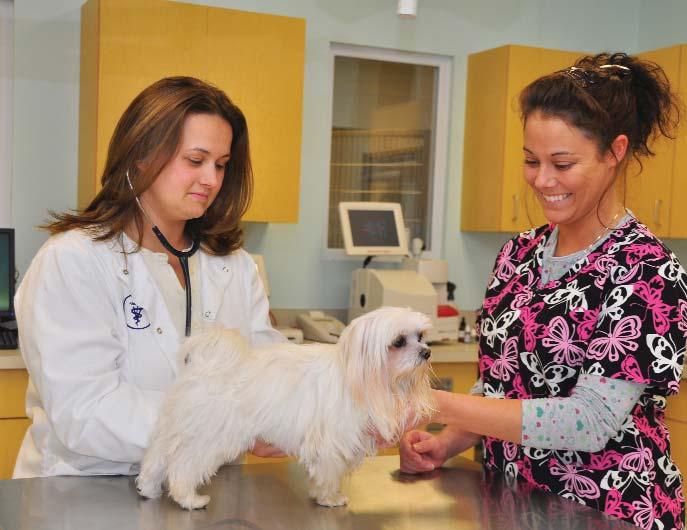
Our next stop was the Woodlands Animal Care Center with Dr. Rebecca Wingfield, DVM, and Shari Facchine, Certified Canine Rehabilitation Therapist, for a tour of their facilities and services. Once again, it was impressive to find specialized services at an incredible value. They are a full service veterinary facility, offering preventive care, nutritional support, surgery, dentistry, ultrasound technology, radiology –all with state-of-the-art equipment. They also offer emergency on call service 24/7, except holidays for new and existing clients.
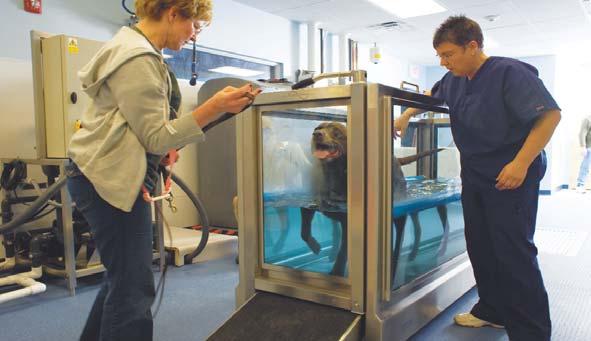
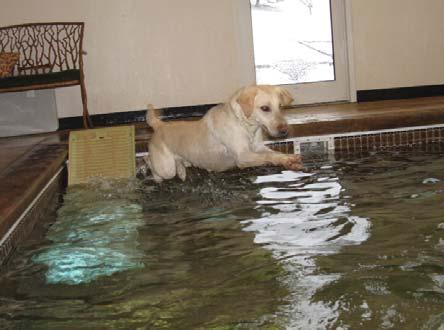
The rehabilitative services offered are a much needed local resource. Cutting-edge aquatic and low-level laser therapies can assist with decreased pain and increased healing rates for pets recuperating from surgery, trauma, joint disease and more. Shari employs the underwater treadmill and whirlpool to strengthen muscle, improve balance and range of motion. Therapeutic massage and electrical stimulation are also utilized for a multi-modality approach, with an all-inclusive rate. Please visit the website for hours of operation and to read more about the Woodlands Animal Care Center’s outstanding staff and facility at woodlandsanimalcarecenter.com.
Wrapping things up for this issue, we thoroughly enjoyed our stay, as did the Girls, coming home refreshed and already looking forward to our next visit! We highly recommend that you consider Nemacolin for all your pet’s needs, as well as enjoying and taking care of yourself at the resort. Unprecedented value is what you get!
Aquatic therapy
Ice Cream Social Cannonball!!!!!!
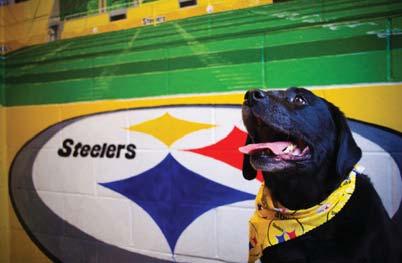
The Steelers Suite
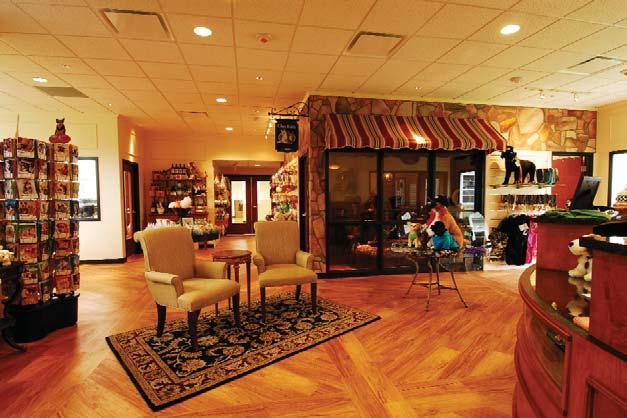
Chez Kitty and the Pet Shop
REMEMBRANCES
It is a coincidence when an animal lover acquires a new pet. Time, place and situation create the occasion for the pairing of two unique individuals –person and animal. As the life span of our pets is most often shorter than our own, we learn of the joy and loss of an animal friend. This may cause us to sometimes reflect on the meaning of our own existence. – Wayne Vanderaar
IN REMEMBRANCE OF:
Miss Terry Lynn Aka Leggs
March 19, 2007 –September 14, 2012
Leggs
Leggs, age of 5, will be surely missed by all who knew her. She was a very kind and loving girl who enjoyed her grooming and the love and attention she had received. Leggs would even lick your hand for a very long time just like a dog's gentle licks.
Rest in peace our Pretty Girl, Leggs. Miss you forever! Thanks to everyone who was there with me on the 14th. God bless you all! Vickie B and daughter Becca M.
Whimsey of a Greater Power
by Wayne Vanderaar
My cat lies upon The foot of counterpane, Repatriate from the folly Of a shelter’s cage. Having announced our bedtime With a kitten call, He snores his curled content At quiet evening’s wane.
How odd to think We share this time. Put upon our world And brought to this By simple random whimsey Of a greater power. What is the purpose For this small coincidence?
Several cats before Helped to measure life In spans of theirs. Having less than my Three-score-and-ten, They brought to me Joy upon their being, Grief upon their leaving.
And here I persist, Serving out my term With yet another cat, Having parented my part To assure future homes Of kids and cats, To perpetuate the whimsey Of a greater power.
So lies quiet desperation In sleepless search for More than a legacy Of Andy’s fifteen minutes, To make a mark Before the last cat, And foil the whimsey Of a greater power.