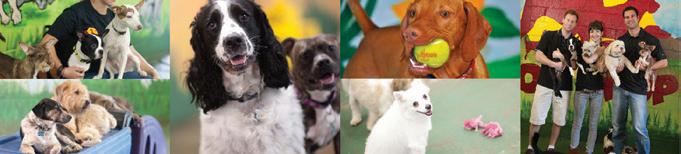
Our outdoor play yards have a 6 feet fence with additional fencing to prevent escape. Our outdoor play yards also have artificial grass.
Clean Air
Weather permitting, we have multiple garage doors that will be open to allow fresh air and clean breeze filter through for your dogs to enjoy while they are playing. This will maintain a clean and healthy facility free from bacteria and odor.
Fire Protection
Our facility has a fire alarm and heat sensor that automatically dispatches the Fire Department in the event of smoke or heat detection. Staff is close by for emergencies.
Veterinarians On-Site
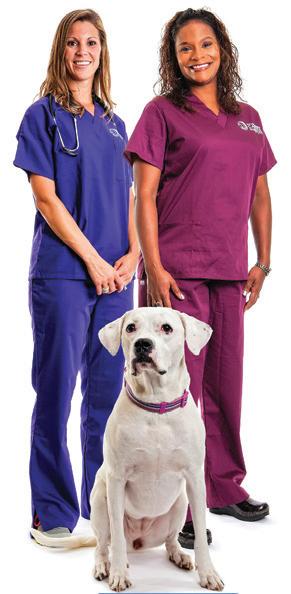
Big Easy Dog Daze is the ONLY DAYCARE/BOARDING FACILITY IN PITTSBURGH THAT HAS VETERINARIANS ON-SITE should immediate care be needed.
Grand Opening
July 1, 2015
Big Easy's Doggy Daycare, Dog/Cat Boarding Please call us today for booking information
Mon-Thur: 9am-7pm Fri: 9am-6pm Sat: 9am-12pm
Welcome to our Pittsburgh PetConnections
May-June Issue 2015 ● Volume 3 ● Issue 6!
News & Events
from the publisher | PetConnections
PetConnections is excited to be expanding to Central OH in mid-June and publishing our concurrent May-June launch edition with our great team there - Dr. Susan Wagner and Elaina Westfall. Our sales team is growing, and also includes Michael James, Robin Reinfeld, and Denise Iamurri-Bartman. PetConnections is also looking to grow our team with additional sales account manager professionals.
Our Pittsburgh pet event season is officially started! We kicked off the season with a bark at Healthy Pet Days on May 9th and also sponsored Sewickley Unleashed on May 16th. We met many of the attendees and PetConnections readers and their pets! We look forward to the upcoming summer events listed on our event page, as well as fall events we are sponsoring, including the Pittsburgh Pet Expo October 23-25, along with Healthy Pet Products, CARMAA’s Dogtoberfest and Southwestern PA Pug Rescue’s Pugtoberfest!
We also welcome or new advertising sponsors The Big Easy Animal Hospital, Camp Bow Wow, Lucky's Southside & Mars Dog Festival, Candelore’s Barking Beauties Pet Grooming, Vibrant Images, Good Nature Organic Lawn Care, Eternity Pet Memorials, Petland, Fundvelops, One Hour Air Conditioning & Heating, Canine Health, and Precious Pets Memorial. Every ad supports the donated and discounted ads for local organizations that PetConnections sponsors, so please support our advertising sponsors! See their locations on the map page. Check out our PetConnections Resource Directories for categorized listings.
This Issue
Read about our featured business, Vibrant Images. Also, Fostering, Getting Ready for Independence Day, Top Four Supplements by Murray Avenue Apothecary, Ear Infections in the Dog, Riding by the Seat of Your Pants and much more!
We encourage you to subscribe to PetConnections Magazine, as our readership is growing! Even though PetConnections is free at select locations, reserve your personal copy to be mailed every issue!
Visit www.pghpetconnections.com to subscribe today!
Submit your photos and stories, as well as remembrances to be featured online and in future issues to: info@pghpetconnections.com
Thank you for picking up PetConnections. Take care of yourself and your animals and be well! Warmly,
Carla Mader Publisher
Pittsburgh & Central Ohio PetConnections Magazine
Please submit any correspondence to: info@pghpetconnections.com
Advertising Inquiries
info@pghpetconnections.com 724-503-8695
All Rights Reserved | Copyright 2015 Pittsburgh PetConnections Bi-Monthly published by: Pittsburgh PetConnections, LLC.
Pittsburgh PetConnections LLC. was formed in 2012. Our mission is to publish a high quality, informative publication focused on the Human-Animal Bond. We support local businesses and also assist local non-profit businesses for pets and people, to give back to our great Pittsburgh communities.
Magazine Publication Staff
Carla Mader | managing editor
Kara Jones Photography | photography
Nicole Begley Photography | photography
Rusty Dog Studio | design ◆ layout ◆ advertising
Carla Mader | sales & distribution manager
Advertising Sales:
Robin Reinfeld | Sales Pittsburgh 412-780-2254 ● rrcd@aol.com
Denise Iamurri Bartman | Sales Pittsburgh & Central OH
Michael James | Sales Support Pittsburgh & Central Ohio mj.1@outlook.com
Elaina Westfall | Sales & Marketing Director Central Ohio
Contributing Writers
Our contributing writers have many years of combined experience and expertise in the fields of veterinary medicine and the Human-Animal Bond.
PetConnections | directories
Animal Educational Exhibits
North:
The Pittsburgh Zoo & PPG Aquarium pittsburghzoo.org
The National Aviary nationalaviary.org
Animal Behavior
Greater Pittsburgh Area:
Judith Levy, M,Ed., CEHP, RMT Feline Behavior
412-521-5133 | judithlevywellness.com
Animal Communication
Greater Pittsburgh Area: Renee Takacs, M.A. intuitguide.com
Greater Pittsburgh Area: Pittsburgh Career Institute 412-281-2600 | pci.edu
List your business today! info@pghpetconnections.com
“Take my picture and show me off. Let me express myself and make you smile. I am your forever friend; I am your pet. When you look at my picture, you will always remember that I love you. I am who I am because of you.”
Welcome to Vibrant Images. My name is Tabatha Knox, and I am a pet and nature photographer. What is pet photography? Is it a learned technique of using the camera? What do you see in the image of a pet? Do you see an expression that you sometimes forget was even there? Is it simply a way to make you smile each and every day?
Photography becomes creative art when we see it through expression. Pets and nature show us natural expression each and every day. As a pet photographer, I always look for that expression in my work. It is a natural expression that may happen through the lens in less than a moment’s time. However, that moment is what creates a smile every day we see it.
Vibrant Images
Vibrant Images now has a new home in Bridgewater, PA. The new location is surrounded by windows which offer natural lighting that works perfectly for a pet photography session in Vibrant Images’ new studio location. Nature’s light is always preferred for my work. This eliminates the need for any flash photography. All sessions are private and can be scheduled by appointment. The studio is available during nature’s light hours, or we can schedule a session in an outside setting that will work for you and your pet. The new location is also an art gallery featuring nature’s gifts. The art gallery has many pet photos enlarged on 20 x 30 posters. I hope this will give you the opportunity to look closely at some of my work. Did I meet the expression of the pet I photographed? Your thoughts are always welcomed.
Hope to see you soon.
Tabatha Knox Pet and Nature Photographer Seb1306@aol.com www.vibrant-images.com
Vibrant Images
401 Brkich Way, Suite 6 Bridgewater, PA 15009
June 7th
Petagogy 4th Anniversary Event & Pet Vendor Fair
June 14th Panera Pup Walk www.panerapupwalk.org
June 14th | 4:30pm
Holistic Horses Herb Walk
Kristen Hermann blythedale@comcast.net
412-296-2130
June 28th
Lucky’s Southside Dog Festival
July 1 st
The Big Easy Animal Hospital Grand Opening
July 11th
The Dog Stop Puparazzi
July 12th | 3:30pm
Essential Oils Presentation
Kristen Hermann blythedale@comcast.net
412-296-2130
July 19th
Mars Dog Festival
July 25th
Animal Rescue BarkaritavilleLeague
PetConnections | human-animal bond
getting ready for
Independence Day
by Dr. Susan Wagner
Most of us love fireworks, and here in Pittsburgh, we have some of the best! But while we are enjoying cook outs and rockets red glare, our four legged friends may be experiencing extreme anxiety. Here are some tips to help your entire household through the July 4th celebrations:
If your pets have a “safe place” they go to during anxious times, make sure they have access to it. If you’re able to sit with them, that’s great.
Thundershirts or Anxiety Wraps create a swaddling effect, and are very effective for some pets. Thunder shirts are now available for cats.
Dog Appeasing Pheromone (DAP) or Feliway wipes and sprays help some animals, but may have no effect on others. When they are effective, they really help, so they are worth a try.
Lavender essential oil is safe for dogs and cats. Be sure to find a high quality, therapeutic oil — not sprays designed for the home. One drop rubbed down the body or placed near the pet can be calming. Lavender can be repeated up to two more times if you don’t see an immediate effect.
Flower Essences such as Bach Rescue Remedy or Perelandra ETS (Emergency Trauma Solution) are very safe. If your pet won’t take them by mouth, you can
rub them on the inside of their ear flap on the hairless area. These can also be safely repeated.
Other calming sprays with or without aromatherapy can be found at www.CalmMyPet.com.
These are designed specifically for dogs or cats. These were developed by veterinarian Dr. Pamela Fisher, and she recommends using the Calm My Stress spray in conjunction with either the Calm My Dog or Calm My Cat spray. All of the sprays can be repeated.
Soothing music can be extremely helpful during stressful times. In a research study, psychoacoustically arranged Through A Dog’s Ear (TADE) CDs were shown to decrease twice as many anxiety behaviors when compared to standard classical music. You can read more at www.ThroughADogsEar.com. Through A Cat’s Ear is available as well, although the dog music can be very helpful for cats, too. TADE also can be purchased as the portable iCalm, so the music can be taken anywhere we need to go with our pets. Calm My Pet also offers soothing music.
Several natural calming supplements are available for our pets. You may want to ask your veterinarian about Composure, Harmonease, Zylkene or homeopathic preparations.
Most importantly, stay calm yourself!! Our pets pick up on our anxiety, and often the best medicine for them is a peaceful, compassionate human. ◆
PetConnections | canine companion
in dogs
by Dr. William Oldenhoff, DVM
If
you’re reading this, chances are that at some point you have had a dog with an ear infection. Otitis (ear inflammation) is one of the most common causes of veterinary visits. In fact, after vaccines and skin allergies, ear infections are the next most common reason that pet owners bring their dog to the veterinarian. A significant amount of myth and misinformation has developed around ear disease. In this discussion, we will first start with the basics of ear disease, and then discuss some of the misconceptions about otitis.
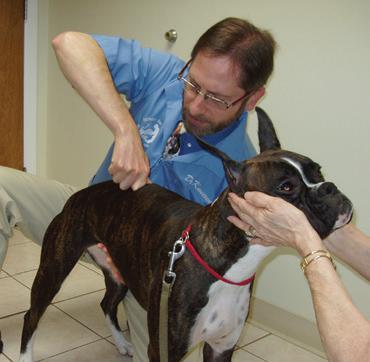
The most common symptoms of otitis are scratching the ears, head shaking and smelly discharge in the ear canal. If your dog exhibits any of these signs, you should schedule an appointment with your veterinarian. Your vet will be able to diagnose an ear infection by examining the ears and sampling the debris in the ear canal. Ear infections can be very painful, so sometimes your vet may recommend sedation or anesthesia to perform a thorough examination of the ear canals. It is important to consult your veterinarian before putting anything in your pet’s ears!
Dogs usually develop ear infections due to yeast or bacteria. These microorganisms live in the ears and
on the skin of mammals and normally do not cause problems. A normal ear canal is actually very resistant to infection, so something has to ‘go wrong’ for infection to develop. Rather than listing all of the different conditions that can lead to otitis, we will discuss acute (‘one time’) otitis and chronic (ongoing or recurring) otitis.
Acute otitis is the most common form of otitis. Dogs with acute otitis will typically respond well to a medicated ear drop from your veterinarian and the infection will not recur. Dogs with floppy ears or dogs who swim frequently may be more likely to develop these simple infections. Often there is not an ongoing disease predisposing them to recurring infection.
Dogs with chronic otitis are the dogs where the ear infection returns a few weeks or months after initially treating it. Your vet will often first treat these dogs the same as dogs with acute otitis. The biggest difference is that further investigation needs to be done regarding the underlying cause of ear infection. The most common causes of chronic otitis are allergies, hormonal abnormalities, excess oil production and disorders of skin formation (seborrhea). Dogs with chronic otitis require a
canine companion | PetConnections
short term plan and a long term plan; the short term plan involves eliminating the infection that is present, and the long term plan involves preventive maintenance to ensure that infection does not recur. Again, always discuss these treatments with your veterinarian. Your veterinarian may recommend referral to a veterinary dermatologist who specializes in skin and ear disorders.
When ear infections are allowed to continue without treatment, changes can occur to the ear canal including narrowing of the ear canal, scarring and even bone formation (calcification). Many of these changes are irreversible and may require surgery to correct. Thus, for dogs with chronic otitis it is vital to be proactive and prevent infections before they develop!
Now that we’ve covered some of the basics, let’s discuss some of the common questions about ear disease in dogs.
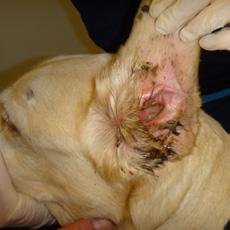
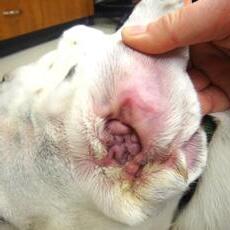
This is an image of a dog with severe bacterial ear infection.
How often should I clean my dog’s ears, and with what ear cleaner?
The simplest answer is that you should clean your dog’s ears as often as they need it! For most normal dogs, only occasional ear cleaning is needed. As discussed above, dogs with chronic otitis often need frequent ear cleaning to prevent infection even when their ears are doing well. These dogs often require specific medicated cleansers to prevent infection. As always, your vet is the best resource to recommend ear cleaners for your pet. Dog owners should not use rubbing alcohol, hydrogen peroxide or essential oils in their pet’s ears as these can be highly irritating to the ear canal lining. Does swimming cause ear infections?
Although swimming can contribute to a dog developing an ear infection, there must be other abnormalities present to allow infection to develop. Studies have been done where pure bacterial culture was literally poured into the ear canals of normal dogs. These normal dogs did not develop ear infections! Thus, if your dog develops otitis after swimming, you should discuss underlying causes and treatment options with your veterinarian. How often should I have my dog’s ear hairs plucked out?
Some dogs have a large amount of hair in their ear canals that can trap debris and moisture, leading to ear infection. This is especially common in poodles and poodle mixes (Labradoodles, golden-doodles, etc). In these dogs, plucking is very important to prevent ear infection. Frequency of plucking should be tailored to the individual pet, as some dogs have more hair than others. Plucking the hairs can sometimes cause irritation of the canal, and can contribute to development of otitis. If you find that your pet’s ears seem painful after being groomed, have them examined by your veterinarian. Your vet may recommend cleaners or drops for you to use after having your dog’s ears plucked.
Can I feed my dog anything to prevent ear infections?
Some dogs will develop ear infections secondary to food allergies. Your veterinarian may recommend a special prescription diet to help determine if food allergies are contributing. Grain-free diets have recently become very popular and are often promoted as a cure for many common diseases of pets, including ear infections. Unfortunately, there is no evidence to support these claims. When dogs become allergic to components of their food, it is almost always to a protein (most often beef, dairy or chicken) rather than grain. Additionally, food allergies cannot be ruled out by switching from one store brand to another; save yourself some headache and discuss diets with your veterinarian. If your pet suffers from chronic ear infections, discuss options with your veterinarian. Ear infections can be a significant cause of pain and can affect our relationship with our furry friends. Long-term success requires a strong commitment, but your dog will thank you! ◆
Dr. Oldenhoff is one of two board certified veterinary dermatologists in Western Pennsylvania. He and Dr. Sandra Sargent run the dermatology department at Pittsburgh Veterinary
Specialty Center on Camp Horne Road in the North Hills.
PetConnections | canine companion
Adrenaline Junky Dogs
by Tena Parker CPDT-KA Success Just Clicks Dog Training
“A tired dog is a happy dog” is a phrase that nearly every dog owner is familiar with. It suggests that dogs who are tired won’t have the energy to get into trouble and while it isn’t inaccurate, it doesn’t tell the whole truth. In many situations, I do think that phrase is quite true.
Plenty of dogs that I encounter are chronically under stimulated—they are lacking appropriate amounts of physical and mental exercise. This lack of stimulation is often a contributing factor to (and in some cases, a direct cause of) problem behaviors like barking, destruction in the home or yard, inappropriate chewing, escape artist tendencies, difficulties focusing, and general hyperactivity.
Many dog breeds have been designed to be fantastic athletes and do very active jobs to help humans. Border Collies, Labrador Retrievers, German Shorthaired Pointers, Jack Russell Terriers, American Pit Bull Terriers, and Siberian Huskies are just a small number of the dog breeds that have been designed to run and work for hours every day helping us do a variety of jobs. For active breeds like these, a 30 minute walk every day or being put outside in a big backyard isn’t even a drop in the bucket of the amount of mental and physical exercise that they require to feel fulfilled and stay out of trouble.
Increasing the physical exercise and mental exercise a dog gets can be a critical part in preventing and/or resolving a wide variety of behavior problems, but it is absolutely possible to over-exercise a dog.
I have encountered a slowly increasing number of dogs who are over scheduled, overworked, and over exercised. These dogs spend hours and hours everyday doing training activities, strength training, cardio training, conditioning exercises, training classes, and some even attend doggie daycare. Throughout the day, these dogs get very little down time and many of them begin to struggle with impulse control, high arousal levels, and an inability to settle or relax.
One of my concerns with over exercising dogs is that it can become a never-ending cycle. As dogs are physically conditioned to complete more exercise, it takes more to tire
them out—so it becomes a constant process of increasing a dog’s exercise regimen to tire them out. Imagine a person who wants to start running as a hobby. The first day he goes running, he may struggle to finish a mile, but the more he practices that distance, the easier it is and before he knows it, one mile doesn’t even tire him out. Then, since the one-mile distance doesn’t tire him out, he will start adding distance. Essentially dogs will need an ever increasing amount of exercise to get tired out—owners essentially create marathon runners, so to speak.
Another major concern I have with dogs who are over exercised is that they often become adrenaline junkies and workout addicts. When dogs (or people for that matter) exercise or participate in high arousal activities, their brain and body chemistry changes—they are flooded with pleasurable hormones, endorphins, and neurotransmitters. This pleasurable change in body chemistry can actually become addictive so dogs seek out other high arousal or intense situations to achieve these pleasurable feelings—basically they are rewarded for being amped up so they continue to try and achieve this body chemistry reward by acting wild.
These dogs tend to fight against relaxation because they don’t find it as rewarding as being amped up. They spend so much time in a high arousal or overly excited state that it is what they start to crave. Often times, these are the dogs who need the rest and relaxation the most because they are chronically sleep deprived as well. While specific sleep requirements for dogs isn’t exactly known, most sources indicate that dogs need about 13-18 hours of sleep each day (there are absolutely age, breed, and individual variations).
Rio, who is a highly excitable dog, has learned how to relax, even in very exciting environments, like Flyball practice with dogs running and barking all around him.
The effects of chronic sleep deprivation and over arousal can contribute to hyperactivity and problem behaviors, which owners then attribute to a dog who needs more exercise. So an already exhausted and over stimulated dog gets even more exercise to try and “tire them out,” when more exercise is the last thing in the world that dog needs.
So how much is too much? Well, there is no simple answer or equation to finding the right amount of exercise—it depends on the age, breed, and individual dog (along with the type of exercise being done). It is not uncommon, however, that an owner has to put a limit on the amount of exercise a dogs gets—yes they may want to play with the flirt pole for hours everyday, but it’s probably not good for them.
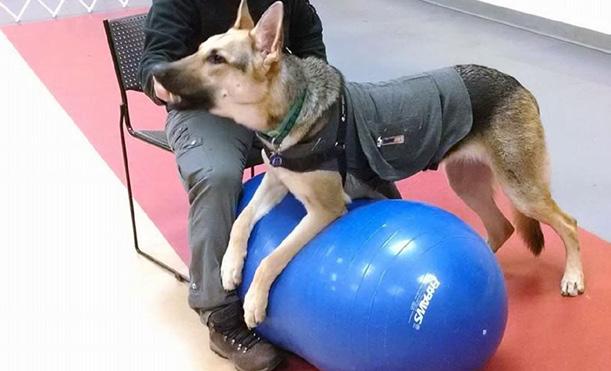
Each dog has their own needs but as a dog owner I try to ensure first and foremost that my dogs are getting an appropriate amount of sleep and rest, again in that 13 hour range at least. Then I make sure that they are getting mental exercise everyday by doing daily training sessions, having them use kibble dispensing toys, food puzzles, and/ or participating in scent games. Once their mental needs have been met, I make sure that I do some low-arousal exercises like moderately paced 1 – 3 mile walks, strength training exercises (workouts using balance equipment like Fitpaws discs, peanuts, etc.), and active training (practicing heelwork and active tricks like spin, rollover, sit-pretty, and bow). Lastly, I make sure they have opportunities to
canine companion | PetConnections
stretch their legs and really run it out by either playing fetch with toys, playing with the flirt pole, swimming after toys, or playing with a doggie friend. The last piece of the puzzle for some dogs is making sure time has been spent teaching them how to relax. It can take time and patience but it is possible to get a high arousal dog to choose relaxation, even in highly exciting environments.
If you are unsure if the behavior challenges your dog is exhibiting is a result of having an adrenaline junky dog or you’d like to get help teaching your wild child to relax, contact a skilled and qualified professional positive dog trainer for help! ◆
Greyson is doing some exercises using a FitPaws Peanut. By the end of class, he was exhausted even though the exercise he did was not high excitement.
PetConnections | advertiser locator
pg. 15
32 pg. 23
25 pg. 15 pg. 7 pg. 13 pg. 37 pg.
5th Ave Fido Pet Resort
All About Pets Veterinary Hospital
Animal Rescue League
Beaver Animal Clinic
Camp Bow Wow
Candelore's Barking Beauties Pet Grooming
Canine Health
Chartier Custom Pet Cremation
ChiroVet
Coventry Stables
Dog Stop
Eternity Pet Memorials Fundvelopes
Fuzzy Paws Pet Villa
Good Nature Organic Lawn Care
Gentle Journey Veterinary Hospice
Healthy Pet Products
Invisible Fence of Pittsburgh
Jefferson Memorial
Judith Levy Wellness
Manon’s Farm
Murray Avenue Apothecary
Nicole Begley Photography
Oddball Pets & Aquarium
One Hour Heating & A/C
Paws Here Awhile
Petagogy
Petsburgh Grooming
Pittsburgh Career Institute
Pittsburgh Pet Concierge
Pittsburgh Veterinary Specialty & Emergency Center
Precious Pets Memorial & Cremation
Renee Jennings
Rockin Horse Stables
Rusty Dog Studio
Sandys Cat Grooming
Success Just Clicks
Skinny Tim’s Tint & Detail
The Big Easy Animal Hospital
The Medicine Shop
Titan Bones
VCA Castle Shannon
Vibrant Images
Washington Area Humane Society
Western PA Humane Society
Woody's Dog Wash & Boutique
Cranberry
Monroeville
McKeesport
Irwin
Mt. Lebanon
Bethel Park
McMurray
Greensburg McDonald
Ross Twp.
Allison Park
Penn Hills New Kensington
Wexford
Robinson
PetConnections | rescue & shelter
FOSTERING:
A Rewarding Experience for Two-Leggers and Four-Leggers Alike
by Kristen Lane
Asan Open Door Shelter, the Western PA Humane Society accepts every companion animal that is brought to them, regardless of breed, temperament, health or age. Last year, more than 7,600 pets came through their doors. But what happens when there’s no more room? The Western PA Humane Society never euthanizes animals to make room for others, and no pet ever has a time limit. So that’s where you -- the generous public -- come in. The shelter is actively seeking foster parents to temporarily house their adoptable pets.
Getting Well Sooner
In addition to helping free up valuable space, fosters are needed for pets who are recovering from an illness or surgery. Shelter animals are highly susceptible to minor health conditions; for example, cats may contract upper respiratory infections, and dogs can come down with kennel cough. The average time period for fostering a recovering animal is 10 - 14 days. Pets who have had surgical procedures need a quiet place to recuperate, and studies show that animals recover more quickly in a foster home where it is quiet and relaxing. If you are able to foster a recovering cat, dog, or bunny, the Western PA Humane Society provides all of the medications, support and supplies you will need to bring your foster pet back to health.
It Gets Crowded in the Summer
From June - September, the number of animals the shelter accepts skyrockets because it’s “kitten season,” and people often bring in homeless nursing cats and kittens, as well as orphaned litters. Fosters are urgently needed to help these fragile and at risk felines, and free-up desperately-needed space.
Helping them Heal
The Western PA Humane Society takes in many strays, as well as animals confiscated from abusive and neglectful situations. These critters have often lived a difficult life, and don’t fare well in a shelter environment. Fostering these animals gives them a shelter break, and extra helpings of love and attention may help heal their emotional wounds and improve their behavior so they are more likely to be adopted once they return to the shelter.
Are You Ready to Foster?
Fostering is an experience like no other. It requires a commitment of time and patience, but it brings immense satisfaction. The hardest part of fostering is bringing your foster animals back to the shelter for adoption. And if you decide to adopt your foster pets, the shelter has a name for you… it’s “Failed Foster.” And that’s the best kind of foster there is. ◆
PetConnections | kitty korner
Cat Rescue Resource Guide
Low-Cost Spay & Neuter Organizations & Programs
This is an ever-changing list of resources for cat owners in Pittsburgh and beyond, though many of the listings, like the shelters, apply to dogs and other pets as well. It includes low-cost spay and neuter programs as well as TNR for community cats, pet-friendly rentals in Pittsburgh and across the US, and links to shelters for adoption and other services. In the future we will also list clinic dates with the organizations below when they are available.
TNR & Low-Cost Spay/Neuter for the Pittsburgh Area
Homeless Cat Management Team: www.homelesscat.org
City of Pittsburgh Free Spay & Neuter for City Residents
City of Pittsburgh free spay/neuter: www.pittsburghpa.gov/animalcontrol/spay_neuter.htm
City of Pittsburgh residents can apply for free spay or neuter vouchers for up to five pets, including stray/feral cats.
Low-Cost Spay/Neuter & TNR Programs at Allegheny & Surrounding County Shelters
Animal Friends: www.thingkingoutsidethecage.org
Animal Rescue League: www.animalrescue.org
Beaver County Humane Society: www.beavercountyhumanesociety.org
Washington Area Humane Society: www.washingtonpashelter.org - Colony Cat Project: faith.b2@verizon.net
Western Pennsylvania Humane Society: www.wpahumane.org
Low-Cost Spay/Neuter Organizations in Allegheny & Surrounding Counties
Western Pennsylvania Humane Society (WPHS): www.wpahumane.org
Surrounding Counties:
Beaver County Humane Society: www.beavercountyhumanesociety.org
Butler County Humane Society: www.butlercountyhs.org
Humane Society of Westmoreland County: http://members.petfinder.com/~PA83/about.html
Washington Area Humane Society: www.washingtonpashelter.org
Non-Shelter Feline Adoption
FosterCat: www.fostercat.org
Kopy Kat Sanctuary | Westmoreland County (Delmont): www.kopykatsanctuary.org
PetConnections | holistic care
by Dr. Doug Knueven The Holistic Vet
Acouple of years ago I was singled out in an editorial article in the Journal of the American Veterinary Medical Association. The author had allegedly read my book, The Holistic Health Guide: Natural Care for the Whole Dog, and took offense at my holistic perspective. In his rant against holistic veterinary medicine the author stated, “…EBM [Evidence-Based Medicine] adheres to the principle of methodological naturalism, which holds that scientific investigations must be limited to physical objects and processes that can be measured and manipulated and that obey laws of nature that can potentially be deduced. Methodological naturalism does not require taking a position on the existence or importance of supernatural forces; it merely excludes consideration of these from scientific investigation.”
You see, the scientific medicine of our day is based on the notion that all of reality is material and all the phenomena we experience can be reduced to atoms and molecules. According to this belief, holistic medicine, with its focus on body, mind, and spirit, is ridiculous because there is no spiritual aspect to reality. “Supernatural forces” are excluded from science, and science is all there is for EBMers. From the holistic perspective, Spirit is a vital aspect of reality and is not at all supernatural – it is the very essence of nature.
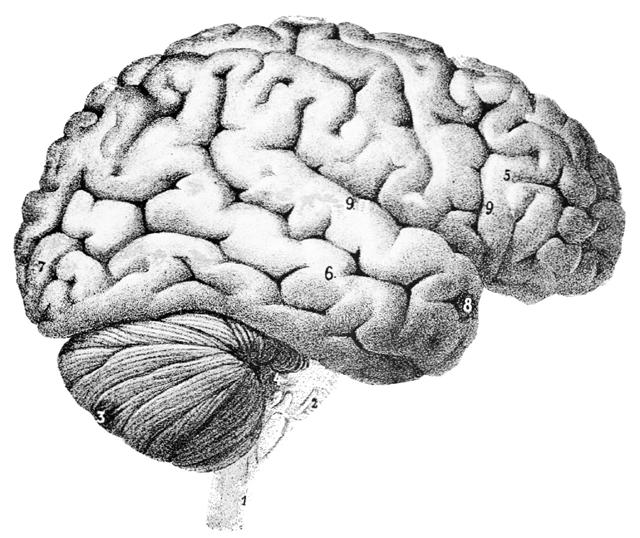
Insight into materialistic medicine can be gained by exploring the brain-mind problem; how does the brain produce the mind? The materialist view is that the mind is a byproduct of complex, computer-like, brain activity (although they have yet to explain exactly how this happens). Their evidence for this belief is that if the brain is dead, there is no consciousness. Furthermore, damage to specific areas of the brain, leads to predictable loss of mental function. We also know from modern imaging, like functional MRI, that certain thoughts and activities correspond with activation of specific brain areas.
It is obvious that brain activity is correlated with mind activity. What is not clear from any of these observations is what causes what. Does the brain’s activity cause the mind to change or does the mind’s musings cause the associated brain activity?
An alternative view is that the non-material mind uses the brain to interface with the physical world. I think of this like a TV studio broadcasting a program. The studio is like the mind/soul and the TV set is like the brain. If you unplug the TV set (kill the brain), then there is no picture (evidence of consciousness). But that does not mean the studio (mind/ soul) stops existing. You could even tinker with the TV’s circuitry and get predictable changes in the TV’s picture as is seen with the effect of manipulating the brain on consciousness.
The materialistic view that the mind is a product of the brain leads to some objectionable consequences. For example, if our brains are calling all the shots, then we are not responsible for our actions. Think about it; if all we are is an intricate arrangement of cells, then the brain is formed strictly by the combination of genetics and experience. Since we are not responsible for the DNA we were born with, nor for what happens to us, then we are not liable for the resultant actions of our brains and bodies. We have no free will. “My neurons made me do it!”
In fact, Frances Crick (co-discoverer of DNA’s molecular structure) summed this attitude up well when he stated that “…‘You,’ your joys and your sorrows, your memories and your ambitions, your sense of personal identity and free will, are in fact no more than the behavior of a vast assembly of nerve cells and their associated molecules.” What a pathetic view of human experience.
When confronted by this materialistic point of view, Albert Einstein said, “No, this trick won’t work…. How on earth are you ever going to explain in terms of chemistry and physics so important a biological phenomenon as first love?” Another Nobel Prize winning physicist, Niels Bohr, similarly stated, “We can admittedly find nothing in physics or chemistry, that has even a remote bearing on consciousness.”
Let’s take a look at research that may shed some light on the brain-mind problem. Since the 1950’s there have been over 150 studies on a phenomenon called Distant Mental Influences on Living Systems (DMILS). These studies looked into people using their intention to affect organisms from bacteria and yeast to small mammals and humans. Some of the studies involved an agent who directed either a calming or arousing intention toward a target person. According to 2 meta-analyses (one meta-analysis1 looking at 19 studies and the other meta-analysis2 looking at 37 studies), in the vast
majority of these investigations there was an appropriate response by the target’s autonomic nervous system as determined by changes in their skin conductance.
In these experiments the target and agent were isolated in separate rooms with no sensory contact. Intention and non-intention periods were randomly interspersed automatically and the target responses were recorded automatically. Furthermore, since the targets’ responses were not under their conscious control, the studies eliminated the possibility of the target influencing the results due to expectation or guessing, further assuring unbiased results.
An interesting subset of these DMILS studies investigated the effect of being stared at. For these, the agent simply stared at the target (who was in a different room) via a video monitor. Again, the staring periods were random and the target’s electrodermal reactions were automatically recorded. According to the same 2 meta-analyses mentioned above, almost all of the trials proved there was a significant effect. Doesn’t that make your hair stand on end?
The concept that conscious intention (such as prayer) can make physical changes at a distance is scoffed at by
the skeptic EBMers. They call it “magical thinking.” The materialistic view has no explanation for how this could happen therefore they conclude that it does not (ignoring valid research).
Well, according to the most authoritative research that these folks worship (meta-analyses), magical thinking is as real as it gets with a level of certainty that puts drug validation studies to shame. The mind is more than a biological computer. The power of the mind’s intention is only supernatural if you don’t fully understand nature. Let’s face it, they may be able to program a computer to beat humans at chess, but that computer will never experience the thrill of victory.
As a holistic veterinarian, I address my patients as a whole; body, mind, and spirit. That means that besides looking at their physical problems and listening to the caregiver’s concerns, I try to connect with the pet and get a feel for the condition of her inner being. According to the ancient Chinese, an individual’s spirit is the awareness that shines out of their eyes when they are truly awake. Holistic health cannot be explained in strictly physical terms. There is something magical that happens when the whole patient is attended to.
1. Schlitz M, Braud W. Distant intentionality and healing: assessing the evidence. Altern Ther Health Med. 1997;3(6):62-73.
2. Schmidt S, Schneider R, Utts J, Walach H. Distant intentionality and the feeling of being stared at: two meta-analyses. Br J Psychol. 2004;95(Pt 2):235-47.
PetConnections | holistic care
Top Four Supplements for Your Pet
by Susan Merenstein
At Murray Avenue Apothecary, we partner with you and your pet to provide optimal health. That’s why we carry pharmacist selected and designed supplements for pets! Just as humans need vitamins and supplements to stay healthy, your pets do too! Among the many supplements that we carry, our Top Sellers are MAA Dog Multivitamin Chews, MAA Cat Multivitamin Chews, Natural Flea & Tick Spray, and Healing Rub for Hot Spots & “Itchies”.
MAA Dog Multivitamin Chews
“MAA Dog Multivitamins are the best my dog has ever had! They keep him in great health!”
A complete multi-vitamin/mineral formula with digestive enzymes for dogs of all ages and breeds. Dog Multi is specifically formulated with a balance of vitamins, minerals, amino acids, fatty acids, digestive enzymes, antioxidants and other factors that work synergistically to help maintain the physical well-being of your dog. Dog Multi provides rapid conditioning of sick or post-operative dogs, and helps to maintain optimum health in dogs and puppies of all breeds, sizes, ages and activity levels. It is also beneficial for breeding dogs, pregnant and lactating bitches and stud dogs. Dog Multi incorporates over 55 synergistic factors, not always found in dog food or ordinary supplements, including water and fat-soluble vitamins such as, Vitamins A,C,D,E and a complete and balanced Stress B Complex including all eleven B Vitamins in their proper ratios. It has enteric-coated digestive enzymes to support absorption and utilization of factors from the dog’s diet. It contains Linoleic Acid (Omega 6 Fatty Acid) to support healthy skin and coat, and eleven vital minerals to support proper composition of body fluids, formation of red blood cells and bone, as well as maintenance of healthy nerve function and Antioxidants (A,C,E and Selenium) to support the immune system. Dog Multivitamins are also very palatable chicken liver flavored soft chews.
MAA Cat Multivitamin Chews
“My cat looks healthier than ever with MAA Cat Multivitamins. They also keep her coat looking beautiful.” A complete multi-vitamin/mineral supplement with digestive enzymes for cats of all ages and breeds, specifically formulated to help maintain the physical and mental well being of cats.
It provides over 40 nutrients including Taurine to support ocular, neurological, reproductive and cardiovascular health; Omega 3 and 6 fatty acids to support healthy skin
and coat; digestive enzymes that are enteric coated to support absorption and utilization of health building nutrients from the cat’s diet; and B Complex that is complete and balanced providing all eleven B Vitamins. It also contains New Zealand Green Mussel which is a rich source of glycosaminoglycans including chondroitin sulfates and hyaluronic acid to support joint health. It’s also a good source of Fatty Acids (omega 3, 6, 9) to support immune system function, skin health, and regulate metabolic functions as well as Amino acids to support growth and development of all body tissues and Glycoproteins to improve bladder health and support G.I. tract health. Cat Multivitamins also have antioxidants A, C, E and Selenium to help support proper immune system function. Cat Multi incorporates important nutrients not always found in cat food or ordinary supplements, and are also very palatable chicken liver flavored soft chews.
Natural Flea & Tick Spray
“Flea and Tick medication gets expensive! For less money, MAA’s Flea & Tick Spray works just as well and covers more area.”
Our natural repellent protects your pets from fleas, ticks, mosquitoes and flies. Our Flea & Tick Spray contains oils that keep pests from detecting a desirable scent from their skin thus creating avoidance, and does not contain any drugs or synthetic chemicals. Our key ingredients are Lemongrass Oil 4%, Cinnamon Oil 1%, Sesame Oil 1%, and Castor Oil 0.5%.
Healing Rub for Hot Spots & “Itchies”
“My dog kept me up at night with excessive Hot Spot and allergic scratching. I put Healing Rub on the area, and within half an hour, the itching stopped…and I slept.”
Try our Healing Rub for humans and animals. Its key ingredients are Zinc, Tranilast, Aloe, and Hydrocortisone. It may help hot spots, itching, and persistent licking. In humans, it is great for poison ivy, skin rashes, and skin inflammation. ◆
Transformational Life & Relationship Coaching/Energy Modalities
...a blended approach that can help you become the highest version of yourself
by Judith Levy M.Ed., CEHP, RMT, ACC
What Coaching / Transformational Coaching Are?
Coaching is a relatively new field and is growing fast. It is spotlighted on Oprah and CNN and written about in popular publications. The International Coach Federation (certifying board) defines coaching this way: “Professional coaching provides an ongoing partnership designed to help clients produce fulfilling results in their personal and professional lives. Coaches help people improve their performance and enhance the quality of their lives.”
Transformational Coaching offers a way for you to become empowered when old stories, beliefs and habits, that you may or may not be aware of, keep you feeling overwhelmed, frightened, powerless and stuck. This shift can be approached in a more easeful way than perhaps you may have tried before. With transformational coaching, you and your coach can discover root causes of these stuck points in the present moment, allowing the ability to move forward. The coaching process includes setting intentions / goals/ desires, creating awareness, planning and carrying out actions that lead to powerful changes in your life, relationships or business.
Transformational Coaching again, is designed to add a deeper layer of looking at how you want to evolve in your life and offers sustainable results - With Transformational Coaching, you can shift not only what you do but who you want to be in the world.
What Coaching Is Not?
Coaching is not Therapy: In Coaching the focus is not on dysfunction, mental illness or the past. Although the past comes up in coaching, the coach and client work to shift old childhood beliefs to new beliefs that will help to move one forward. Celebrating wins and receiving acknowledgements is another aspect of coaching that supports being in the present moment and creating strength to move toward what will fulfill you.
Coaching is not Consulting: In coaching you are the specialist and the belief is that you, in your body/mind awareness already have all the answers you need to move along your path. In the coaching process the coach guides the client by asking powerful questions and at times suggesting tools that strengthen one’s ability to move toward self discovery. Coaching is not Mentoring: Your coach does not take the stance as one who is more knowledgeable but rather assists you in finding your own knowing and creating whatever awesomeness you desire.
wellness for guardian | PetConnections
Energy Modalities
When we have experiences in life that are largely impactful and perhaps have been frightening or extremely negative to us, there is a freezing effect in the mind, in the muscles and even cells of the body. Meaning that the effects of the experience are “remembered” and get embedded such that we may get stuck in some aspects of the flow of our life. Some people experience emotional discomfort, physical ailments resulting from chronic stress, repetitive negative thinking and self limiting distorted beliefs. Many people feel frustration and like they cannot move forward no matter how hard they try.
Energy Modalities such as Meridian Tapping (Emotional Freedom Technique/Thought Field Therapy), Cellular Expansion and Brainspotting, can gently and quickly release negative events that are frozen in the mind-body system. Using energy modalities can assist you in changing how you see the world, relate to people and regulate your emotions. Energy work offers an integrative approach to coaching and healthcare treatment and is rooted in ancient mind-body healing traditions going back 5000 years.
Benefits That Can Be Attained with Blending Transformational Coaching & Energy Modalities
This integrative approach combining Coaching and Energy work is efficient as one can work to release these frozen “capsules” of memory from the mind and body using energy modalities. For sustainable results it is necessary to address what we hold in our bodies as well as our minds. Tapping (Thought Field Therapy), Cellular Expansion and Brainspotting can be used to address what old beliefs or memories we hold in our body as well as our mind. Once fears and negative thoughts and emotions are released we may have the ability to live more in the present. From this place of greater confidence and strength, we are able to take advantage of the benefits of coaching….working toward fulfilling our life purpose and creating the relationship we desire. ◆
Judith Levy holds multiple certifications in the Healing Arts and is a Certified Energy Health Practitioner and Certified Professional Coach and Couples Coach as well as a Reiki Master Teacher. Learn more about her work at www.judithlevywellness.com Skype and Phone Sessions available.
PetConnections | wellness for guardian
Healing and Transformation with Somatic Process and EMDR
(Body-Oriented)
By Renee Jennings MA, MSW, LCSW, CHt
In our natural state we are in flow and harmoniously attuned to our body’s innate wisdom and guidance. We are embodied. We feel at home in our inner landscape and we are knowingly connected to our Source – whether we call this source God, Higher Power, Buddha, Nature, Universe, Energy, Goddess, Allah, Love, or simply ‘self’. We are fully present in the ‘now’ and all that is. We are in the flow of Life as the waves and tides course through us, living life on life’s terms. From the mundane to the extraordinary, Life has meaning and purpose for us, even when we go through difficult and painful experiences.
Yet, how often do we experience ourselves or others in this way? We live in a culture that objectifies the body and promotes speed and multitasking, leaving us anxious, stressed, depressed, exhausted, apathetic, confused, feeling paralyzed or stuck, searching for peace and meaning. (Even writing about the body requires objectification!) In this way, we are disembodied – living in our heads and out-of-touch with the present, out of touch with our bodies and our wholeness. We may also have experiences of trauma, loss, abuse, chronic pain, and significant life transitions that contribute to this disconnection and make it difficult to be in touch with our bodies. On a physical level, these situations can affect our nervous systems and energy fields and create even more disconnection, dissociation and dis-ease.
How do we return, in a way that feels safe, to ourselves, our bodies? Somatic Process is a holistic and integrated modality that can be used in psychotherapy and coaching to address and reintegrate our natural state of wholeness. Somatic Process regards the body as the locus of all our experiences, the dynamic place of aliveness where all aspects of our being – emotional, mental, physical, energetic, and spiritual – are interconnected.
Somatic Process involves:
● Talking and Dialoguing
● Mindfulness
● Body Awareness
● Movement (often small and subtle)
(Eye Movement Desensitization and Reprocessing)
It may also involve touch, depending on the comfort level of the client and only with the client’s explicit permission and understanding. The sessions are truly a co-created experience between facilitator and client, each participating in the client’s healing and transformation.
Through Somatic Process, we access all facets of our being. We are able to address how the past is affecting our current situation, and we naturally move into new awarenesses that facilitate our ability to move forward with greater confidence and support. We are reconnected with our inner intelligence and our natural state. In fact, we actually change our brains, repattern our nervous systems, and clear energetic blocks through working with the body. Self-limiting habits that no longer serve us can diminish or dissolve, revealing solutions to our problems and healthy, affirming ways of being.
With an experienced and skilled facilitator, Somatic Process is easily integrated into other modalities, including Eye Movement Desensitization and Reprocessing (EMDR). EMDR works with the body, the nervous system, and the human energy field to clear and ‘digest’ beliefs and behavior patterns that are self-limiting. EMDR uses brief sets of tactile, auditory, and/or visual stimulation to address particular present-day issues and reactivate our innate ability to process information.
EMDR is most known and highly regarded for its effectiveness in healing trauma. It also addresses the same issues as Somatic Process, and is very effective in clearing blocks in one’s artistic or creative/performance process.
When used together, Somatic Process and EMDR can facilitate the following:
● Relief from Chronic Pain
● Increased Vitality and Energy
● Improved Mood and Concentration
● Release from Old Trauma Patterns
● Inner Peace and Calm
● Renewed Confidence and Purpose
● New Insights and Awarenesses
● Deep Meditative States
● Life-Affirming Beliefs
● Enriched, Fulfilling Relationships
● Connection to Self/Spirit
● Higher Consciousness
● Greater Health and Wellbeing
We have the ability to return to our natural and integrated state of embodied wholeness. Somatic Process and EMDR are two ways of bringing ourselves back to the present moment and strengthening our connection to our innate intelligence. Beneath the chaos and confusion, the generous flow of Life is always present and waiting for us. ◆
Renee Jennings is in private practice in Squirrel Hill. She may be reached at (216) 375-7859 or reneejenningslcsw@gmail.com. You can also find her professional page on Facebook.
wellness for guardian | PetConnections
ANIMAL RESCUE LEAGUE | VOLUNTEERING
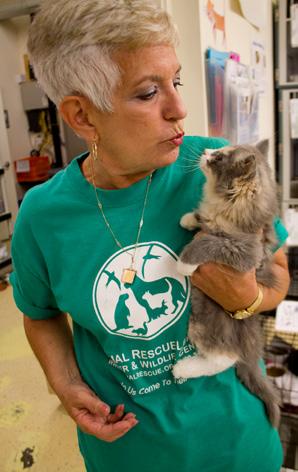
The Animal Rescue League Shelter & Wildlife Center is very proud of the commitment and dedication of our volunteers. Over 500 individuals have chosen to help us come to the rescue of thousands of animals per year. We have several opportunities if you’re interested joining them.
At our shelter, we have an enhanced safety and training program to provide new skills and learning, and to increase the adoptability of our animals. Our animal handling volunteers will become more skilled in understanding animal behavior and communications and how to help modify behavior problems and fearfulness. To learn more about volunteering at our shelter contact Monica Garcia at mgarcia@animalrescue.org or 412-345-7300 x235
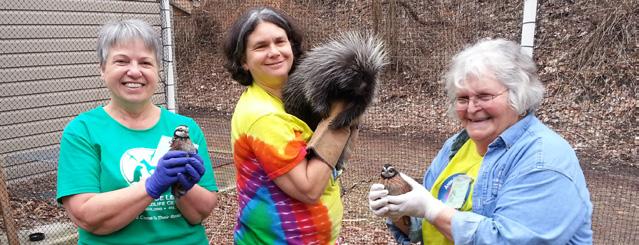
At our Wildlife Center, volunteers receive hands on experience working with Pennsylvania’s native wildlife and have the satisfaction of helping these injured and orphaned wild animals, who probably would not survive otherwise. To learn more about volunteering at our wildlife center contact Jenna Ladie at jladie@animalrescue.org or 412-345-7300 x509
Event and Outreach volunteers are responsible for the direct adoption of hundreds of animals each year. They help us to give homeless pets much needed publicity and spread the word about the great work done by the ARL. To learn more about volunteering at our events contact Christina Gigliotti at cgigliotti@animalrescue.org or 412-345-7300 x510
Volunteers enrich the lives of our animals. They give their time, heart and energy towards something they are so passionate about. They give our animals personal attention, hands-on care and love. Being a volunteer can be an incredibly rewarding experience.
Riding by the Seat of Your Pants
by Kristin Herman, Coventry Equestrian Center
Riding horses is something that we do with kinesthetic feeling. It is very unique because there is no other sport, which I am aware of, where you straddle an animal. Many riders who take on this activity try to analyze what they are doing when riding, and the best riders are the ones that ride with feel.
Our legs straddle the horse’s body, our seat envelops the horse's back and our arms (hands, elbows, and shoulders) communicate to the bit through the extension of the rein. Because the rider's eyes are in the front of the head, most riders focus their attention on everything in front of them: the horse's shoulders, neck, and head. But the majority of the horse, that is three-quarters of its body, is under the rider’s seat and behind the eyes. The better riders 'ride by the seat of their pants,' feeling the movement of the horse’s back, not by just looking at the front of the horse.
Students at Coventry Equestrian Center learn this method of ‘riding by the seat of their pants’ by feeling for the correct posting diagonal, as well as feeling for a soft
mouth with the horse. (I call this "Whole Horse Riding," or riding both the back and front ends of the horse simultaneously.) The average rider wants to look with the eyes for the posting diagonal instead of feeling for it with the seat. Effective communication with the horse while riding is done through feeling and listening to the horse when applying the aids, and not just by looking. Learning this technique of
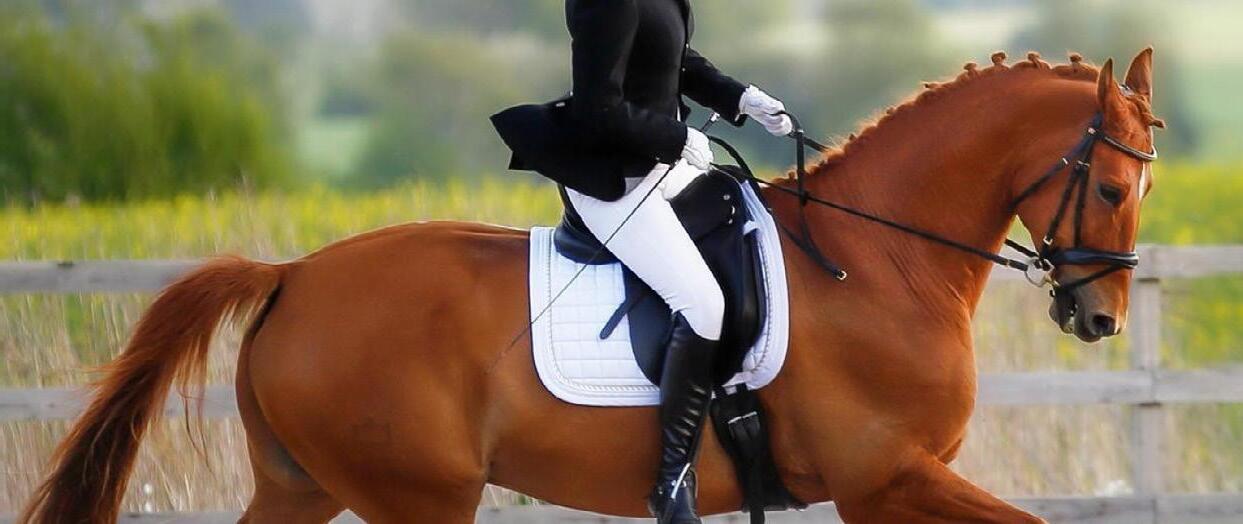
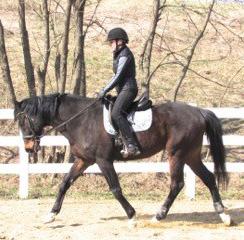
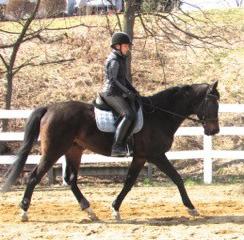
Here is a rider coming up in the posting trot. The horses’ inside hind leg is under it’s body as the rider rises with the outside shoulder moving forward.
feeling for the correct posting diagonal enhances the rider's ability to develop what is called ‘equestrian tact.’
Not all riders ride English and have to post the trot. Western riders sit the trot, or what is called a jog or
a slow trot. English riding horses usually have a longer trot stride, and as a result riders rise and fall in rhythm with the gait, rather than sit and bounce! However learning the simple technique of feeling for the correct posting diagonal or simply just feeling for the horse’s inside hind leg will develop any riders ability to communicate better with the horse. If a rider can feel the horse’s inside hind leg coming under her seat, then she will also know when to ask the horse to go more forward. The rider’s aids should always be applied in rhythm with the horse’s rhythm in order to have a clear communication.
The horse’s inside hind leg is the leg the horse carries most of its weight on and pushes off from in the trot. When it steps under the rider’s seat, is the time when the rider is supposed to rise to post the trot and or ask the horse to go more forward. It is pretty obvious that a rider should be able to feel the horse’s inside hind leg, as the horse is moving under the seat. I always tell riders that they have a 50/50 chance to feel for the correct hind leg since the horse only
has two. A horse with a bouncy trot is easier to feel than a horse with a smooth trot. Either way if you are sitting on a horse’s back and can’t feel its back moving your seat, maybe riding bareback would help, but that would make posting way more difficult.
The first step to learning how to feel for the correct posting diagonal and ‘ride by the seat of your pants,’ is just taking a moment to feel with the seat. While straddling the horse, ask yourself, “Can I feel the horse’s back moving my seat?” Let us hope it was a yes! Then the rider has to differentiate between the horse’s inside hind leg and outside hind leg. (The horse's inside leg is on the inside of the circle or wall, and outside is the leg to the outside of the circle or wall.) Learning to feel for each hind leg is a little more challenging. A stiff or tight rider will have a harder time feeling the horse's back move because they are tight. The looser rider will feel the horse’s back moving because their muscles are soft and will more easily feel the horse’s motion.
Assisting the rider to feel for the inside hind leg helps if the instructor says “now, now, now…” every time the inside hind leg comes forward and hits the ground under the seat. This exercise can be done at the walk or trot so that the rider can learn to associate something tangible like the hip moving when the hind leg comes forward. Eventually, the rider will learn to differentiate between the horse's inside hind leg and outside hind leg and learn to feel to come up into a posting trot with the inside leg. As a result, the rider will be on the correct posting diagonal without looking! In order to get the timing just right, the rider has to come up with the “n” sound of the word "now." Otherwise, they will be too late to catch the correct posting diagonal. A good horse will keep trotting and give the rider plenty of opportunity to figure it out.
equine affairs | PetConnections
Every signal the rider gives the horse should be done in rhythm with the horse’s varying gaits. Each gait has a different rhythm, so the rider has to feel the horse’s back with the seat and then signal the horse with their seat, legs or hands in timing with the horse's rhythm. Learning to ‘ride by the seat of your pants’ assists the rider to ride by feel and not by looking. Good riding is done by feeling the horse whether to gain access to the correct posting diagonal without looking or to encourage the horse forward in timing with its stride. Learning to ride by the seat of your pants is just another key to developing your journey to successful ‘equestrian tact.’ ◆
In this photo the rider is in the down beat of the posting trot and the horses’ inside hind leg is back and not under the horse. Also, the horses’ outside shoulder is back too. As she feels the inside hind leg coming forward she begins to post up without looking. The result is she rides by the seat of her pants!
PetConnections | in remembrance
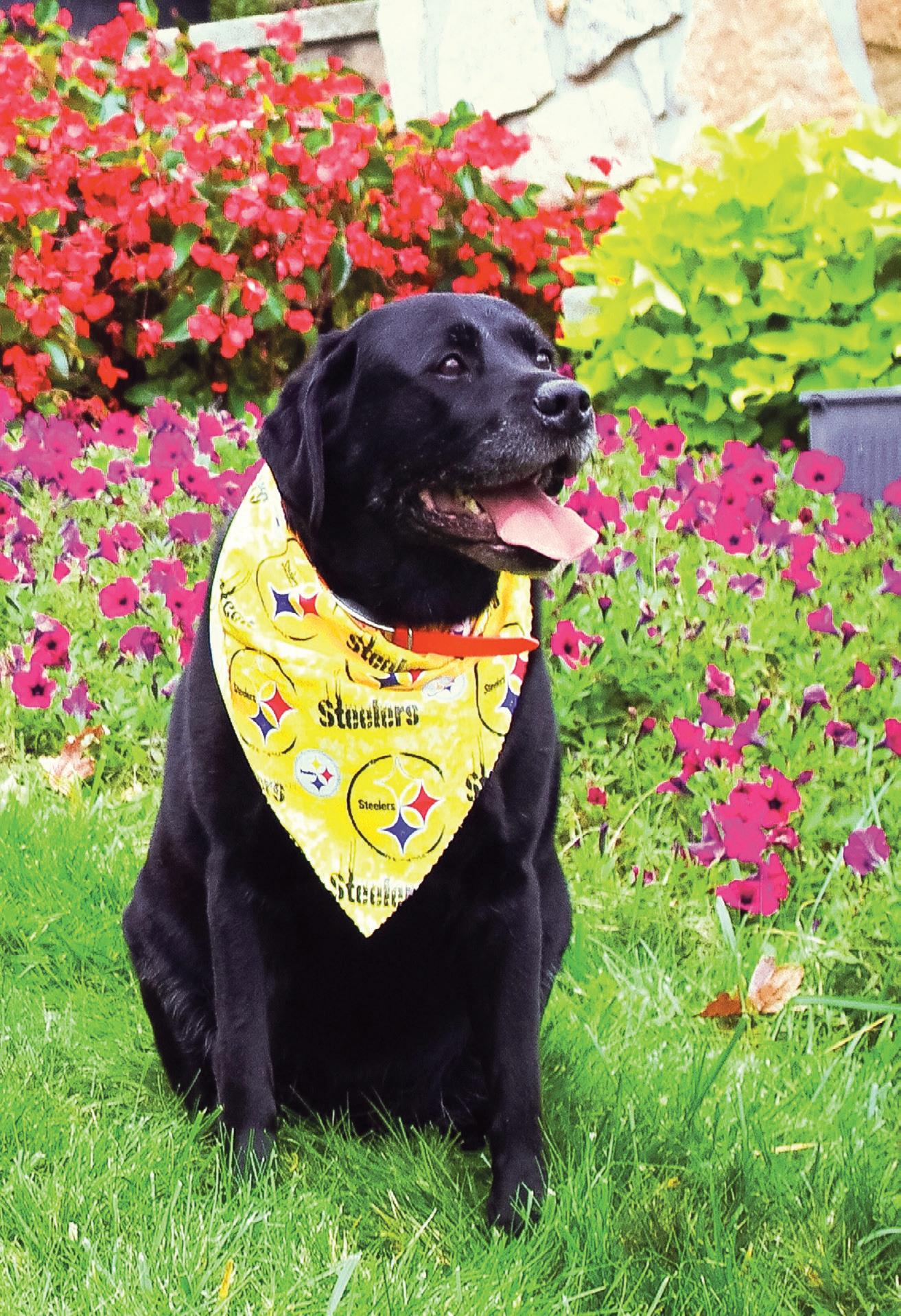
Angie came to us through my job, at an animal hospital where I was working at the time as a manager. My boss and managing veterinarian bred English Labrador Retrievers for guide dogs. We had a month previously adopted Cyndi from her, a 1-1/2 year old black female returned by a former owner.
Cyndi was settling in great at our house, when my Boss asked me to watch a pup in my office. The six-week old puppy was coal black with a little otter tail. She had been recovering from an entropian surgery of the eye and in for a recheck exam that day. She was house trained amazingly that early and I spent the day amused by her antics playing with water bottles in my office!
Well, of course it was love at first site and a week later I brought the pup home to become our second dog in the family. Her big red tongue rolled out of her mouth and my husband promptly named her “Angie” after the Rolling Stones song and logo!
Angie was with us for 12 years and never ceased to amaze us with her cleverness and boisterous personality. She loved to swim and enjoyed walks with Cyndi and her cat, Cleo. People and animals alike always took an instant liking to Angie. Angie never knew the life of a service dog, but I am sure she loved being spoiled and enjoyed all the adventures she experienced with our family.
Angie sadly succumbed to complications from cancer on May 2, 2015. Angle will be greatly missed by all who knew her!