Central Ohio PetConnections May-June 2015 Issue 1 - Volume 1
photo by
Ellen Whittle
6/14
NCCF Columbus
Pics & Pints with Pups
6/18
6/20
6/20 6/21
Pooches, Chows and BowWows
Run with the Pack 5k
Ohio Fuzzy Paws
1st Putting for Pups Golf Outing
Mingle with Our Mutts
The Ohio State University College of Veterinary Medicine
Annual Golf Outing
Pet Loss Support Group
4th Friday Dog Days of Summer
ACT Ohio Paddle with Your Pooch
Kitten Shower
Paws in the Plaza
Red, White & Boom! (see pg. 7)
Mingle with Our Mutts
CHA Picnic with the Pups & Adoption Extravaganza
Mingle with Our Mutts
4th Friday Dog Days of Summer
The Little Bar
Heritage Trail Dog Park
Scioto Audubon Metro Park
Cumberland Trail Golf Club
Franklin County Dog Shelter & Adoption Center
The OSU Golf Course
Villa Angela Care Center
Uptown Westerville
Mad River Springfield, OH
Cat Welfare Association
Creekside Gahanna
Downtown Columbus
Franklin County Dog Shelter & Adoption Center
CHA Animal Shelter
Franklin County Dog Shelter & Adoption Center
Uptown Westerville
Welcome to our Central Ohio PetConnections Magazine!
May-June Issue 2015 ● Volume 1 ● Issue 1
News & Events
PetConnections Magazine is very excited to be expanding into the Central Ohio community! The award-winning Pittsburgh edition started in September of 2012. PetConnections has grown to be the #1 free resource for news, information and everything pets, including wellness information for their human guardians. PetConnections offers bimonthly print and online directories, event calendars and articles. Our award-winning content on pets and horses was recognized by the Dog Writers Association of America in 2013. PetConnections supports local organizations and small businesses, and has established a large community network of readers, advertisers and distribution points. Please support our advertising sponsors! See their locations on the map page, and check out our PetConnections Resource Directories for categorized listings.
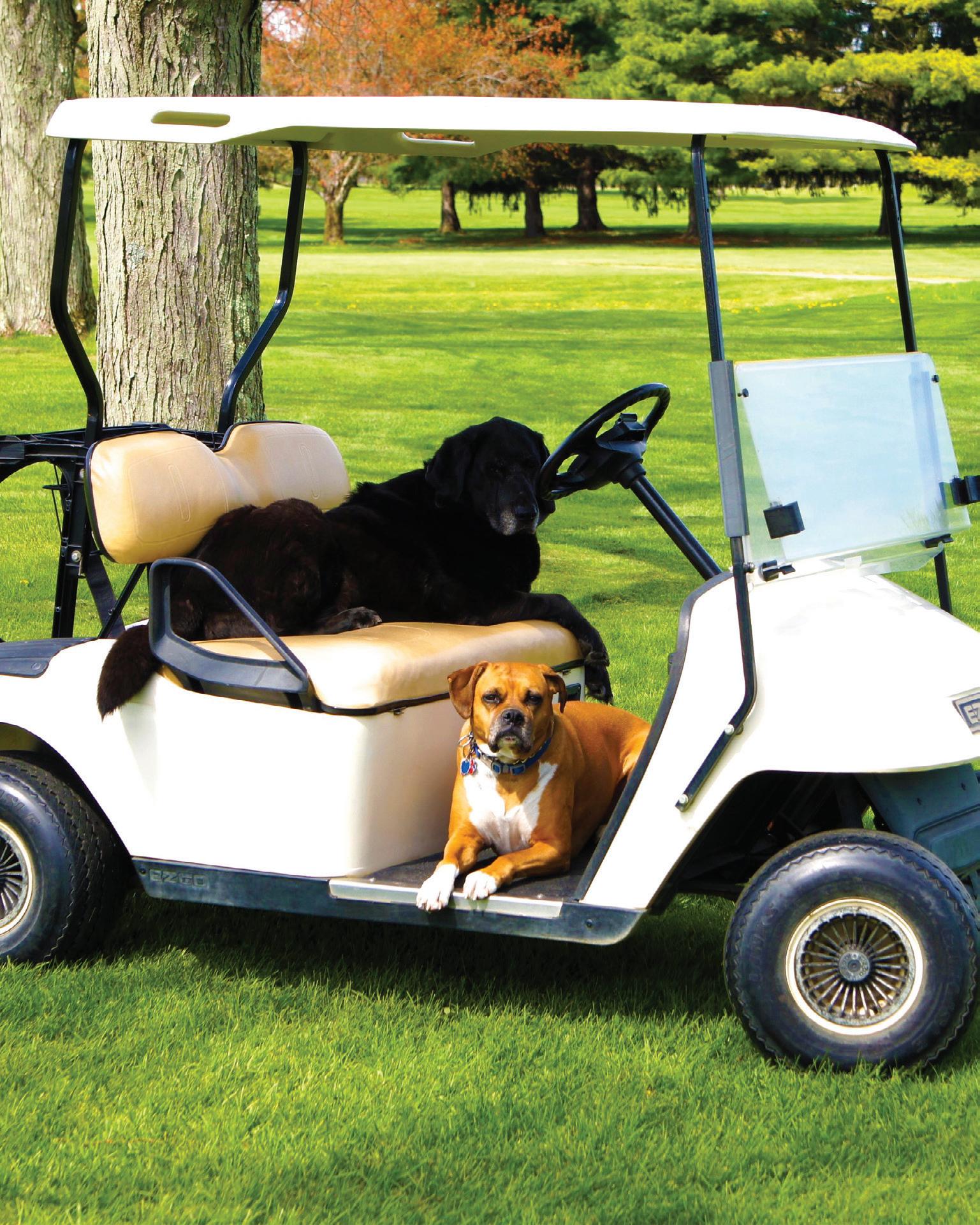
While PetConnections Magazine may not garner the same attention as the Memorial Tournament, we feel it’s destined to also become a Central Ohio mainstay. So in the spirit of golfing fun, we thought we’d introduce you to our canine experts on the cover— Demi and Oz Whittle from Thorn Apple Country Club. The photo was taken by their talented “mom”, Ellen S. Whittle.
Our Team
Publisher Carla Mader has an extensive background in veterinary technology and practice administration. She is also co-founder of HAAWC, the Human-Animal Advocacy & Wellness Centers, Inc.- a 501c(3) non-profit organization focusing on programmatic development for human-animal bond education, research, veterinary care assistance and animal assisted activities (www.haawc.org). Carla won the April 2014 Women in Business Spotlight award for PetConnections from Pittsburgh Magazine. Carla resides in Pittsburgh, PA and has two dogs, cats and a quarter horse.
Susan Wagner, DVM MS ACVIM is our Content Editor, and is a co-founder of HAAWC. In addition to being a veterinary neurologist, she practices and teaches integrative medicine, and has developed Equine Assisted Awareness — a program that utilizes horses for human healing. Having previously worked with Carla in specialty veterinary medicine, they have remained friends and collaborators. Susan’s writings on the spiritual nature of the human-animal bond have become a favorite segment for Pittsburgh readers. We hope you will enjoy them, too.
Please submit any correspondence to: info@pghpetconnections.com
All Rights Reserved | Copyright 2015 Central Ohio PetConnections Bi-Monthly published by: Pittsburgh PetConnections, LLC. Pittsburgh PetConnections LLC. was formed in 2012. Our mission is to publish a high quality, informative publication focused on the Human-Animal Bond. We support local businesses and also assist local non-profit businesses for pets and people, to give back to our great Central Ohio communities.
Elaina Westfall is our Marketing Director. Attending The Ohio State University (GO BUCKS!) brought Elaina to Columbus, and she has been here ever since. She completed her graduate degree from Otterbein University in business, and developed a passion for marketing and promotions. Elaina’s love for animals and work in a specialty veterinary hospital provided her with opportunities to be involved in the pet community. As the Marketing Director, Elaina looks forward to being a part of PetConnections’ involvement in community events and getting to know the readers and area businesses. She is very excited for the exceptional content that PetConnections Magazine provides for Central Ohio’s pet community.
Our sales team is growing, and also includes Elaina Westfall, Michael James and Denise Iamurri-Bartman. PetConnections is also looking to grow our team with additional sales account manager professionals.
This Issue
Read about Adopt-a-Cat-Month from the Capital Area Humane Society, Drivers Fore Survivors, the story of Ben & Mabel, Getting Ready for Red, White & Boom, Pet Allergies, Paddock Paradise for Horses and more! We encourage you to subscribe to PetConnections Magazine, as our readership is growing! Even though PetConnections is free at select locations, reserve your personal copy to be mailed every issue!
We welcome our May-June edition advertising Sponsors: MedVet, ASPCA Pet Insurance, Crystal Remembrance, Good Nature Organic Lawn Care, Canine Health, Fundvelopes, and Dr. Doug, the Holistic Vet.
Visit www.pghpetconnections.com to subscribe today.
Submit your photos and stories, as well as remembrances to be featured online and in future issues to: info@pghpetconnections.com
Thank you for picking up PetConnections Magazine.
Take care of yourself and your animals, and be well!
Warmly,
Carla Mader Publisher Pittsburgh
& Central Ohio PetConnections Magazine
Magazine Publication Staff
Carla Mader | managing editor
Nicole Begley Photography | photography
Rusty Dog Studio | design ◆ layout ◆ advertising
Carla Mader | sales & distribution manager
Contributing Writers
Our contributing writers have many years of combined experience and expertise in the fields of veterinary medicine and the Human-Animal Bond.
Advertising Sales:
Elaina Westfall | Sales & Marketing Director Central Ohio
Denise Iamurri Bartman | Sales Pittsburgh & Central OH
Michael James | Sales Support Pittsburgh & Central Ohio mj.1@outlook.com
PetConnections | directories
Adoption, Rescues, & Shelters
Capital Area Humane Society
614-777-7387
cahs-pets.org
CHA Animal Shelter
614-891-5280
chaanimalshelter.org
Colony Cats Adoption Center 614-593-0055
colonycats.org
Columbus Dog Connection
614-471-9000
columbusdogconnection.com
Cozy Cat Cottage Adoption Center 614-336-8510
cozycatcottage.org
Franklin County Dog Shelter & Adoption Center 614-525-3647
franklincountydogs.com
Pets without Parents 614-267-7297
petswithoutparents.net
Avian & Exotics
Medvet Medical & Cancer Centers for Pets (Hilliard) 614-870-0480
medvetforpets.com
Dog Parks
Alum Creek Dog Park alumcreekdogpark.com
Companion Club Dog Park 740-881-2000
columbusdogpark.com
Godown Road Dog Park worthingtondogpark.com
Heritage Trail Dog Park hilliardohio.gov/play/ heritage-trail-dog-park
Pizzurro Park and “Dog Park” gahanna.gov/departments/ parks/communityParks.aspx
Equestrian
Central Ohio Riding Club 614-873-6644
centralohioridingclub.com
Equus Now!
740-549-4959
equusnow.com
OSU Veterinary Medical Center 614-292-6661
vet.osu.edu/vmc
Landscaping & Lawncare Finlandscape
740-927-1994 finlandscape.com
Good Nature Organic Lawn Care
888-529-6723
whygoodnature.com
PetButler of Central Ohio 1-800-PET-BUTLER
petbutler.com
Synthetic Turf Innovations
614-260-4404
syntheticturfinnovations.com
Pet Burial, Cremation & Memorial, Services
Crystal Remembrance for Pets
888-930-7363
crystalremembranceforpets.com
Day Manofsky Funeral Service
614-532-5012
daymanofskyfuneralservice.com
Rutherford Funeral Homes
614-885-4006
rutherfordfuneralhomes.com
Schoedinger Pet Services
614-224-2691
schoedingerpetservices.com
Pet Friendly Businesses
Rusty Dog Studio 412-874-1039
rustydogstudio.com
Pet Insurance
ASPCA Pet Health Insurance
888-716-1203
aspcapetinsurance.com
Pet Resorts:
Boarding, Daycare, Grooming, Agility & Training ARF! Agility and Rally for Fun! arfagility.com
Advanced Boarding & Grooming 740-549-9999
advancedboardingandgrooming.com
Camp Bow Wow 614-527-2267
campbowwow.com
Lucky Bones Pet Resort
614-367-7297
luckybonesdaycare.com
Park Your Paws Doggie Daycare
614-262-PAWS
parkyourpaws.org
Pet Palace Pet Boarding Resort
petpalaceresort.com
The Dog Spaw Pet Grooming 614-245-4169
thedogspawsalon.com
Willow Wood Pet Resort & Training Center
614-304-1921
petresortwillowwood.com
Pet Retail, Supply & Accessories
Canine Health Supplements
lifevantage.com/peggymills
Collar Doos collardoos.com
Moochie & Co.
moochieandco.com
Pet People petpeoplestores.com
Titan Bones 724-622-3600
titanbones.com
Pet Pharmacies
Central Ohio Compounding Pharmacy 614-847-0109
compoundingpharmacycolumbus.com
SBH Medical - Compounding Pharmacy 614-847-6007
sbhmed.com
Veterinary Medicine
Elemental Veterinary Center & Pet Spa 614-824-4036
elementalvetcenter.com
Lifetime Pet Wellness Center 614-888-2100
lifetimepetwellness.com
Health & Harmony Animal Hospital 614-360-3941
healthandharmonyanimalhospital.com
Veterinary Specialty & Emergency
Mevet Medical & Cancer Centers for Pets
614-846-5800
medvetforpets.com
OSU Veterinary Medical Center 614-292-3551
vet.osu.edu/vmc
Wildlife
Columbus Zoo & Aquarium columbuszoo.org
Ohio Wildlife Center
614-793-WILD ohiowildlifecenter.org
SCRAM! Wildlife Control ohiowildlifecenter.org
List your business today! info@pghpetconnections.com
Titan
PetConnections | human-animal bond
Ben & Mabel
by Dr. Susan Wagner
June is Adopt-A-Cat Month, so I’d like to share the story of a gifted feline named Mabel. Mabel came to my cousin, Ben, right when he needed her. Her first home was with friends, but when living arrangements changed, it “worked out” that she would stay with Ben.
Ben was a pediatric brain cancer survivor. Now in his early twenties, he was enjoying life to the fullest. Ben especially loved golf, and he was quite good at it. His dream was to be a professional in the golf industry. One day, Ben noticed something unusual about Mabel. She was continually staring at him, and followed him everywhere. At first he didn’t think much of it, but the behavior persisted. Could there be a problem with Mabel, or was she trying to tell him something?
Soon it became apparent that Ben’s tumor had recurred. Mabel knew it, and was keying on him. But how could that be possible? The answer lies in energy. What do I mean when I use this term? Energy to most of us calls to mind something that turns lights on and off or runs our cars. We don't realize we are made of energy, and that we interact with people and animals on an instinctive, energetic basis. All living and non-living substances are made of vibrating electromagnetic energy – just like light, sound or microwaves. We literally send off an invisible electromagnetic field in all directions, like ripples created by pebbles tossed
into a pond. This energy field is a physical connection to our animal companions, wildlife and natural surroundings. It connects us to every being on the planet. Mabel’s energy field was sensing Ben’s, and she knew there was something wrong.
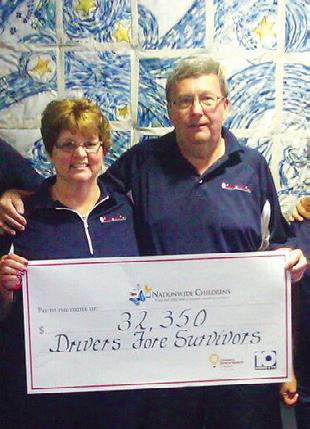
Ben did well with his ensuing therapies, and soon was back on the golf course. But within what seemed to be an exceedingly short period of time, Mabel was staring again. Ben knew what it meant. His battle wasn’t over, and what a warrior he was. While he was continuing treatment, Ben still found the energy to combine his love of golf with a desire to help children who were experiencing his challenges. He founded Drivers Fore Survivors — a nonprofit that sponsors an annual Central Ohio golf outing. All proceeds are donated to pediatric brain cancer research at Nationwide Children’s Hospital. And of course, Ben was the star player.
Ben now joins Drivers Fore Survivors in spirit form. Mabel comforted Ben’s parents as long as she could, helping to fill a very large void. She recently passed on, and we all know that she and Ben are together. Mabel was his ever present companion, guiding him through a very difficult journey. She was the best caddy he could have ever asked for. So as we continue our life’s journey, whether we encounter a minor obstacle or serious illness, may we all have a Mabel by our side. ◆
Getting Ready for RED, WHITE & BOOM!
by Dr. Susan Wagner
Most of us love fireworks, and here in Central Ohio, we have some of the best! But while we are enjoying cook outs and rockets red glare, our four legged friends may be experiencing extreme anxiety.
Here are some tips to help your entire household through the Independence Day celebrations:
If your pets have a “safe place” they go to during anxious times, make sure they have access to it. If you’re able to sit with them, that’s great.
Thundershirts or Anxiety Wraps create a swaddling effect, and are very effective for some pets. Thunder shirts are now available for cats.
Dog Appeasing Pheromone (DAP) or Feliway wipes and sprays help some animals, but may have no effect on others. When they are effective, they really help, so they are worth a try.
Lavender essential oil is safe for dogs and cats. Be sure to find a high quality, therapeutic oil — not sprays designed for the home. One drop rubbed down the body or placed near the pet can be calming. Lavender can be repeated up to two more times if you don’t see an immediate effect.
Flower Essences such as Bach Rescue Remedy or Perelandra ETS (Emergency Trauma Solution) are very safe. If your pet won’t take them by mouth, you can rub them on the inside of their ear flap on the hairless area. These can also be safely repeated.
Other calming sprays with or without aromatherapy can be found at www.CalmMyPet.com. These are designed specifically for dogs or cats. These were
developed by veterinarian Dr. Pamela Fisher, and she recommends using the Calm My Stress spray in conjunction with either the Calm My Dog or Calm My Cat spray. All of the sprays can be repeated.
Soothing music can be extremely helpful during stressful times. In a research study, psychoacoustically arranged Through A Dog’s Ear (TADE) CDs were shown to decrease twice as many anxiety behaviors when compared to standard classical music. You can read more at www.ThroughADogsEar.com. Through A Cat’s Ear is available as well, although the dog music can be very helpful for cats, too. TADE also can be purchased as the portable iCalm, so the music can be taken anywhere we need to go with our pets. Calm My Pet also offers soothing music.
Several natural calming supplements are available for our pets. You may want to ask your veterinarian about Composure, Harmonease, Zylkene or homeopathic preparations.
Most importantly, stay calm yourself! Our pets pick up on our anxiety, and often the best medicine for them is a peaceful, compassionate human. ◆
Pet Allergies
by Dr. Doug Knueven, DVM
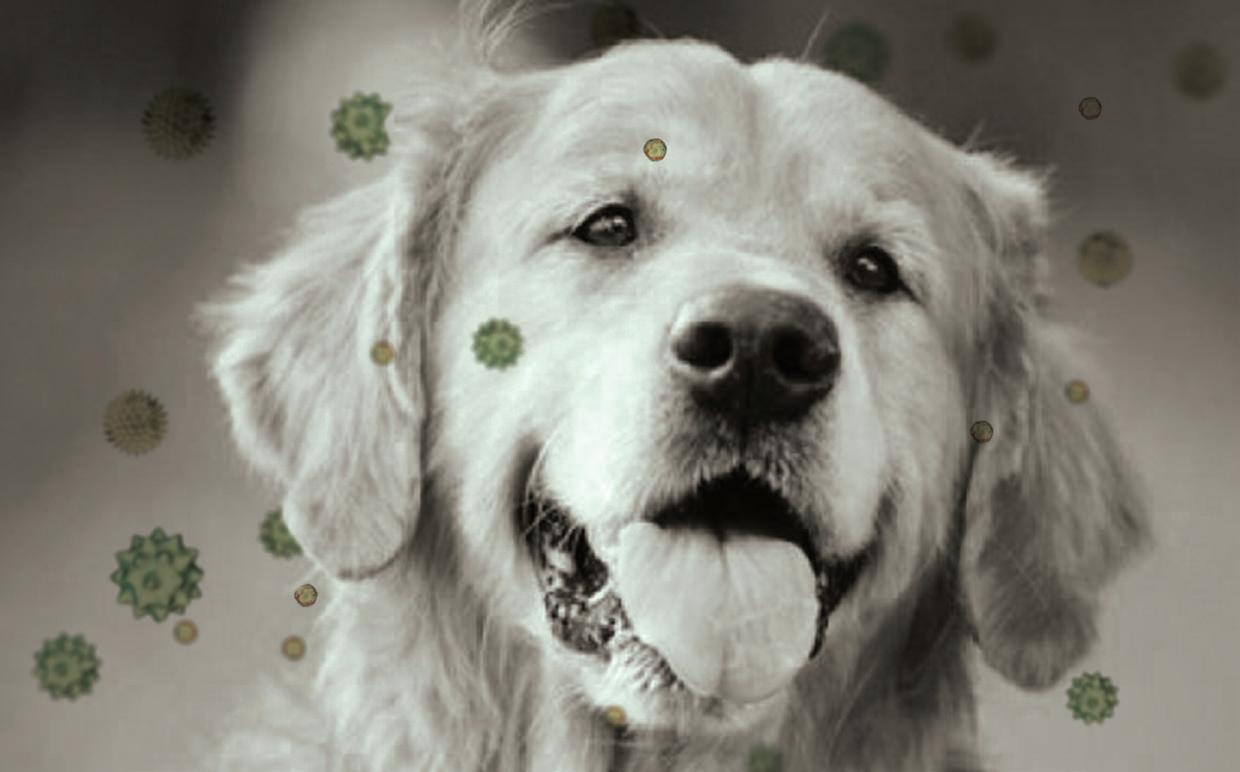
Is your pet itching, licking, and biting? Allergies are a very common problem for pets. The three main types of allergies are food allergies, inhalant allergies (pollens or dust mites), and flea bite allergies. All of these allergies tend to cause skin rashes that most commonly affect the tail base, groin area, arm pits, ears, and/or paws.
Flea bite allergies are the most common pet allergies, and this is the time of year that flea populations are at their peak. The bite of just one flea can make an allergic pet scratch for two weeks. Therefore, it may be difficult to pin down the origin of the problem since your pet could have been a victim of a hit-and-run flea attack. Furthermore, most flea prevention medications only kill the flea after it bites, which is too late for the flea-allergic pet.
If your pet’s skin is inflamed year round, then he may have a food allergy. Pets can be allergic to just about anything in their food, but the most common culprits are beef, dairy, chicken, lamb, fish, chicken eggs, corn, wheat, and soy. The only reliable test for food allergies is to put the pet on a very restricted, unique-ingredient diet for eight weeks to see whether the skin clears.
If a pet itches mostly in the winter, then a dust mite sensitivity is most likely. A house tends to be more polluted with dust in the winter when doors and windows are kept shut.
Dry pet foods are a complicating factor for allergies, as they are commonly inundated with grain storage mites. Even grain-free kibble is often contaminated, since these mites feed off any carbohydrates in the food. Many dogs with dust mite allergies are also sensitive to its grainy cousin.
Pollen allergies may occur in the spring, summer, and/or fall, depending on the plants to which the pet is sensitive. Blood tests and skin tests can be used to determine which of these allergies a pet has.
It is sometimes possible to desensitize a pet to an inhalant allergy with special allergy vaccines, but the most common conventional treatment for any allergy includes either antihistamines or cortisone. Antihistamines tend to have fewer serious side effects (mostly drowsiness), but they are also less effective than cortisone. While almost always great at stopping the allergy symptoms, cortisone also suppresses the immune system, stresses the liver, and increases the animal’s thirst and appetite. In my view, a more holistic approach to treating allergies is preferable.
Any allergy is a symptom of a sick immune system. Face it: A normal immune system does not react to foods, pollens, mites, or flea bites. Since allergies of all kinds are so common these days, you might wonder if we are doing something to over-sensitize our pets’ immune systems.
canine companion | PetConnections
The outdated practice of yearly vaccination is one major stress on a pet’s immune system. Even the more recent 3-year distemper vaccine protocol is probably excessive for most pets. I recommend that vaccine titers replace the usual shots. A vaccine titer is a blood test that measures the antibody level and can show whether or not the pet already has adequate immunity to the disease.
The insecticides in topical and oral flea/tick medications also strain an animal’s organs. (Doesn’t it bother you that the label cautions against skin contact and yet that is how you apply it to your pet?) Toxins in the air the pet breathes, the water he drinks, and the food he eats can also compromise his - or any animal’s - bodily functions. Reducing the toxic load on your pet’s system can keep him healthy and allergy-free. Consider more natural methods of parasite control. Please see the previously published article for detailed information about ways to safely prevent and treat your pet and its environment www.pghpetconnections.com/June2013/Natural-Flea-Prevention/.
Another factor is the balance of essential fatty acids in your pet’s food. Omega-6 fatty acids increase the inflammatory processes of the body, while omega-3s dampen inflammation. Pet diets are often lacking in omega-3 fatty acids and high in omega-6 fatty acids, a condition which means that such deficient diets promote inflammation.
A recent study concluded that 45 percent of dogs with seasonal allergies respond favorably to increasing the level of omega-3 fatty acids in the diet. The best source of omega-3s for pets is fish oil as opposed to flax seed oil. Allergic pets often benefit from daily supplementation of 1000 mg. of fish oil per 20 pounds of body weight.
Other supplements that can be helpful when treating allergies are digestive enzymes. Digestive enzymes can increase the absorption of fatty acids in the diet by 71 percent.
I have found that many pets with allergies respond favorably to balanced, raw diets. Processed foods tend to be pro-inflammatory, whereas the phytochemicals in whole, raw foods nourish the immune system.
Any time we want to positively influence the immune system, probiotics also can help. Probiotics facilitate the establishment of healthy bacteria in the animal’s intestine. Interestingly, 70 percent of an animal’s immune system is in the lining of the intestines. Studies show that supplementing with probiotics improves the health of the entire immune system.
In my opinion, Chinese herbal medicine is invaluable in the treatment of skin allergies. There are several conditions, from the Chinese perspective, that can cause allergy symptoms. Seasonal allergies are often the result of an invasion of “wind.” Sometimes there is “heat” or “dampness” associated with the condition. Other times allergies are the result of a “blood deficiency.” These Chinese disease entities require the special skills of veterinarians trained in Chinese herbal medicine to determine the cause of allergies and treat them effectively.
From a Western herbal perspective, licorice root can be helpful in reducing allergy inflammation. Licorice has been shown to increase blood levels of the cortisol that the body naturally produces. Giving your pet licorice root is much better than giving him cortisone pills or shots. Besides, licorice has a sweet taste that dogs usually tolerate well. As safe as this herb is, however, I do not recommend giving it to pets suffering from heart, liver, or kidney disease unless prescribed by a veterinary herbalist. Be sure to use only herbs from reputable companies.
Allergies can take time to bring under control. Because there are many issues that contribute to the problem, a multipronged approach is needed to solve it. ◆
PetConnections | canine companion
Manyby Marcy Wright
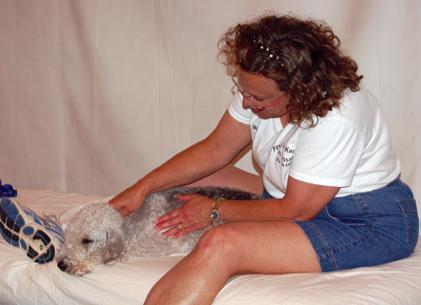
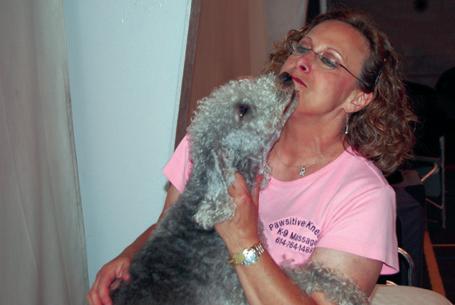
people understand the wonderful benefits of holistic care for humans, however, did you know that pets derive the very same benefits from this type of care? We tend to forget that animals are living beings with very similar organ, musculature and skeletal systems to that of humans. Just as animals experience bumps, bruises, injuries, and tight muscles, it naturally follows that if complementary and alternative care benefits us, our pets can benefit as well. And they do!
References to the use of massage and energy balancing in animals appear in the ancient writings of countries such as China, Japan and India. More recently, modern massage techniques have been widely accepted and used in the world of show and race horses. The small animal community has been much slower to realize the importance and benefits of complementary modalities. Recently, there has been an “explosion” of complementary care in performance canines and canine rehabilitation. Alternative care for health maintenance of the general small animal population is becoming much more widely accepted but, as yet, has not reached the same proportion of usage as in equine and canine performance and rehabilitation.
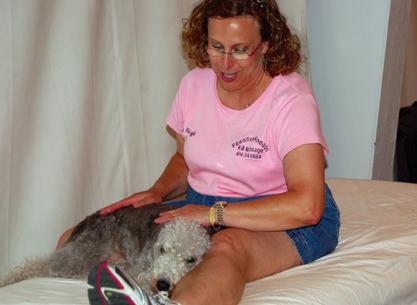
Massage is defined as any systematic form of touch which has been found to give comfort and promote health. Massage is applied to achieve and maintain body health and wellness.
The benefits are physical, mental and emotional. Massage increases circulation, reduces heart rate and respiration, calms the nervous system, speeds recovery from injury or illness, increases flexibility, reduces pain, helps older pets maintain posture and balance, and can help shy or abused animals develop a new level of calm and trust.
The different types of animal massage are general relaxation, range of motion, post- surgical or injury massage, massage for geriatrics, and sports massage, which entails the warm-up (pre-event) massage and the cool-down (postevent) massage. As with people, each animal is an individual and, therefore, may have a better response to one technique over another. To elucidate which massage technique is needed, a team approach is best. A brief history from owner observation is discussed, and any veterinary diagnosis is taken into account. Observation of gait and structural analysis helps to determine where discomfort may be occurring due to such things as compensation from injuries, the injury itself or incorrect body structure.
Other modalities complement massage therapy, such as Cranial Sacral, Healing Touch for Animals, Reiki, chiropractic, acupuncture and essential oils. Knowing that animal companions can receive the same level of holistic care as humans brings peace of mind to many pet owners, and amazing comfort to their animals. ◆
The Art of Cat Consciousness
by Victoria A. Vetere, PhD, HC
The smallest feline is a masterpiece.
~Leonardo Da Vinci
Whocan cast their eye upon a cat and not see poise, grace, calm and beauty? From the tiniest kittens to the great jungle cats, we are transfixed by the sheer majesty of these creatures. Cats deserve a special showplace all their own. ZenCat Gallery is this special place.
“Dedicated to increasing positive visibility for cats through art and products that reflect their beauty. Providing avenues for connection in the feline community. And serving to support feline welfare.” This is ZenCat Gallery: The Art of Cat Consciousness.
Being mesmerized by all things feline since I was a little girl, I sought to create something special to reflect what cats seem to signify ~ graceful, flowing lines, a feminine essence, individuality and freedom of form and movement. To me, cats signify art. Art that evokes a quiet, yet certain sense of calm and consciousness. Like Zen moments.
And so, in 2008, ZenCatGallery.com was created. ZenCat Gallery is an online cat-themed and Zen style online art gallery, also featuring a signature line of ZCG products. We showcase artists who also believe in ZCG’s mission of supporting feline welfare, as 15% of all artwork proceeds contribute to our Feline Assistance Fund (FAF). ZCG has to date held 5 consortium art shows and two fundraisers supporting Alley Cat Allies (a national cat welfare education & advocacy organization), and the PetPromise “City Kitty” program (TNR, foster care, and a food pantry) for felines and their caregivers in the Greater Columbus area.
Another important mission of ZCG is to create community among cat lovers. While dog people can connect via social outlets which include their dogs, cat people must venture forth socially without the security of holding onto a leash! ZCG has a wonderful Facebook page which provides a forum for feline fanatics to connect and share. Our fans also receive invitations to local ZCG events and social salons! Meeting at local cafes, we relax while participating in artful endeavors such as cat toy making, Zentangle drawing, jewelry crafting, and more. Our salons provide an upbeat note for those otherwise involved in the more challenging aspects of feline welfare work.
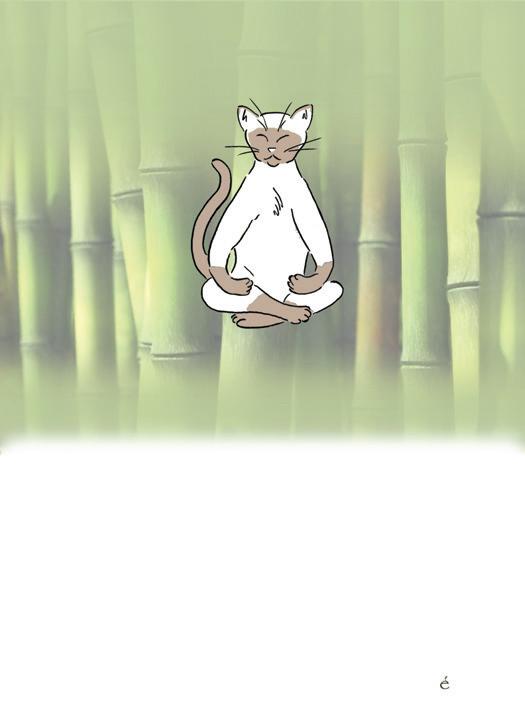
To celebrate and honor NATIONAL CAT MONTH, ZCG is starting a NEW TRADITION! Why not begin every New Year in June? Well we have by creating the ZENCAT CALENDAR of Calm & Consciousness (June 2015 – May 2016)! This unique calendar features the artwork of Debbie Hicks with twelve yoga poses demonstrated by our very own ZenCat! With peaceful background motifs, inspiring yoga quotes, feline holidays and amazing cat facts, this calendar is truly “the cat’s meow!”
We have also created a ZENCAT YOGA poster for all you yogis and yoginis, so you too can be as flexible as your cat! Check us out at www. ZenCatGallery.com and become a ZenCat! ◆
Meow, meow, purr, purr… Gazing at a cat, Her form itself the mantra, Her purr is pure bliss.
~Victoria A. Vetere ZenCat Visionary
PetConnections | kitty korner
Adopt a Cat Month at Capital Area Humane Society
by Mary Hiser | Communications Manager | Capital Area Humane Society
If
you are looking to add a new cat (or dog, rabbit, or pocket pet) to your family, please visit the Capital Area Humane Society! We are open for adoptions seven days a week (2-7pm weekdays and Noon-5pm Saturday and Sunday) at our shelter at 3015 Scioto-Darby Executive Court in Hilliard. For map and directions, visit www.cahs-pets.org.
Our everyday low adoption fees are $10 for adult cats and $25 for kittens.
This includes:
• Spay/neuter surgery
• First vaccinations
• Dewormer
• Flea and tick prevention
• Feline Leukemia and FIV tests
• Microchip and registration
• Rabies vaccine (if animal is old enough)
WHAT TO EXPECT
The Capital Area Humane Society takes pride in the quality of care provided to the animals. Our facility is a clean, bright, happy place. You can walk through the adoption area to meet animals looking for a new loving home. Our Customer Care team and volunteer matchmakers will help you spend some up close and personal time with animals you would like to meet. All adoptable animals are also listed on our website at www.cahs-pets.org which updates in real-time.
We take our mission to care for these animals very seriously, and that includes taking the time to find loving, responsible and life-long homes where they will be treated as cherished members of the family. All potential adopters are required to complete an application and meet with an adoption counselor.
Suitability (which includes dwelling size, children and other animals in the household and size, personality and energy level of the animal) is carefully considered during the interview. Potential adopters should come prepared with a photo ID and, if you rent, landlord information so we can verify that you have permission to have the pet you are considering.
If your adoption is approved, your new pet can go home with you the same day providing they have had their spay/ neuter surgery. If they haven't had their surgery yet, we will let you know when their surgery is scheduled and you can usually pick them up the next day.
WHY SHOULD I ADOPT
A SHELTER CAT WHEN MY NEIGHBOR IS WILLING TO GIVE ME A KITTEN FOR FREE?
There is no such thing as a “free” cat. With the tremendous number of homeless cats in our community (estimated at more than 400,000), responsible owners need to spay/ neuter their cats and provide veterinary medical care. Our adoption fee is a tremendous bargain when you consider all that is included.
I CAN’T ADOPT BUT I WANT TO HELP!
Terrific! Have you considered volunteering? Our cat socialization volunteers play an important role in keeping our cats happy and mentally stimulated while they are with us.
DO YOU HAVE A DESIRE TO BE A FOSTER PARENT?
We are looking for homes willing to foster kittens while they grow big and strong enough to be placed up for adoption.
DONATE!
The Capital Area Humane Society is a private, non-profit 501(c)3 organization that is 90% funded by private donations and fees for service. Gifts of all sizes enable us to provide care for nearly 10,000 animals each year. We also have a wish list on our website and are always looking for donations of canned and dry cat and dog food.
WHAT ELSE CAN I DO?
Follow us on Facebook at facebook.com/cahs1883 or Twitter @CapAreaHumane. If you know someone who needs help rehoming their pet, have them contact our Animal Support Center at (614)777-7387 ext. 208. If you know of an animal that is experiencing cruelty, neglect or abandonment (within Franklin County), contact our Cruelty Investigations Department at (614)777-7387 ext. 250.
Come visit us and see for yourself the difference you can make in the lives of homeless animals! ◆
by Judith Levy
M.Ed., CEHP
how you can help your ANXIOUS CAT
Ahappy
content cat will position its tail straight up and have a small hook at the end! Her eyes are soft and blink slowly as she looks at you. A stressed cat may show agitation with a swish of the tail and her eyes can look black and large with dilated pupils. There are many reasons why a cat feels stressed and many levels of stress that result in varying degrees of anxiety including trauma responses! Trauma responses are a result of a traumatic event or traumatic lifestyle in the past. This will be the cat that will freeze or try to become smaller when you pet her or who will run and hide every time there is a noise or new person in the house. These behaviors will be extreme in the traumatized pet.
Some stress is situational or a result of some change in the feline’s environment. This lower level of stress is relatively easy to fix while some more severe cases will require the help of a Behavioral Specialist or Veterinarian. In the case of more chronic stress, the cat’s immune system may be compromised over time and it is advisable to treat it.
Here are some additional indicators that your little furry companion is stressed and needs some help:
● Hiding ● Scratching
● Fur Pulling ● Marking
● Elimination in places other than the litter box
● Aggression toward a resident cat or toward you
Why Might Your Cat Be Stressed?
The following are common causes of anxiety in cats.
Medical Issues
You will always want to rule out any organic cause of fear in cats. Your Veterinarian can do this by examining your cat and/or doing blood work.
Change is Difficult for Felines
A move or a new person living in the home can cause stress. If you add a new pet to your home or even a new piece of furniture may cause the cat to feel threatened. A common occurrence that causes anxiety in cats is the sudden appearance of a neighboring cat thru the window.
Conflict with Resident Cat
At times when a different resident cat comes into maturity or the problem cat comes into maturity, there will be a conflict as a result of this maturation process. In this event, two cats that previously got along famously can now appear to have distain for one another! These roommate cats may feel there are not enough litter boxes or feeding stations to meet their needs. In essence, they have now become “two separate groups” of cats.
Separation Anxiety
Dogs are not alone when it comes to this issue. Cats too can develop separation anxiety and they may become stressed when you are gone. These cats may urinate out of the litter box or mark only when you leave home.
Stress in the Environment:
Believe it or not, a cat can appear to be stressed because you or your family members are stressed! Our pets are influenced by our moods and the energy we add to environment.
Cat
Reaches Senior Years:
Stress and anxiety can occur when a pet ages as a result of a loss of hearing or visual acuity. Your senior pet may also show signs of anxiety from an accumulation of years of small stressors and the cumulative effects of such stressors.
What Can You Do for Your Cat Companion?
The following are some changes and additions you can make to help calm your cat.
Play Therapy
Create calm by exercising your cat with play therapy. This will also stimulate your pet while venting pent up energy!
More Boxes, Feeding Stations & Waters
When cats mature they need more stuff! Add a couple of boxes in different locations if you are able. Add another food and water station.
Safe Places/Private Spaces, Resting Places
Made sure each cat has its own special place to hang out. You can create more space for cats by using vertical areas such as dressers or a cat tree. A bed on a shelf works nicely too!
Lavender and Rosemary Oil,
Calming Diffuser, Reiki & Flower Essences
There is ample information on the internet about these complimentary means of relaxing your precious little friend.
Scratch Posts
Cats scent mark with claws. Scratch posts also allow the cat to release tension as an alternative to destroying your furniture.
Eliminate Foods with Lots of Additives
A good healthy diet is always important when addressing a behavioral issue.
Eliminate Cats Looking
Out or Cats Looking in the Windows
This is necessary when aggression is occurring at the windows.
Give Your Cat Attention
Take a few minutes 2-3 times per day to give your pet quality time.
Provide a Calm Environment
Remember that your pet does respond to tension in the home.
Catnip
For some cats, catnip is stimulating and enjoyable. See if your cat likes it!
What You Should Not Do
It’s never a good idea to force a cat to do something it seems afraid of. So if you cat is hiding for example, you can lure the cat with food or plat but do not pull on the cat or force it to come out. Don’t over compensate by trying too hard to force the fix—Try adding the item mentioned or creating the calm needed and see what happens! Let your cat adjust at her own pace, you are simply changing the environment and your behavior so that your pet can feel more comfortable. In the case of cat/cat aggression, don’t force a cat to be with another cat or household pet if they are indicating they don’t want to be. You will want to reintroduce them slowly and in a systematic way.
If you are dealing with a severe problem or your cat is not getting better, call a cat behavior specialist to schedule a consultation. This may be especially necessary with aggression cases! ◆
By Judith Levy M.Ed.,CEHP Feline and Canine Behavioral Specialist www.judithlevywellness.com
“When I first contacted Judith Levy I knew I needed help with my second cat Juan. Juan had joined Mikey 3 in my home four months earlier, and Mikey 3’s agitation and aggression towards Juan hadn’t subsided. Mikey 3 was after Juan 24/7. Judith’s behavior modification suggestions were right on target and led to some immediate improvement in Mikey 3. Judith was confident that my cats could get along and recommended using floral essences and, subsequently, performed Reiki. It worked! Instead of waking up to fur flying, I awoke one morning to find Mikey 3 and Juan sleeping side-by-side on the sofa. Judith has restored a sense of peace in my home. I have become a huge fan of Judith Levy; she is truly an expert!”
PetConnections | wildlife
are you a Wildlife-Napper?
by Linda Forte-Spearing Volunteer for Ohio Wildlife Center
Daffodils.
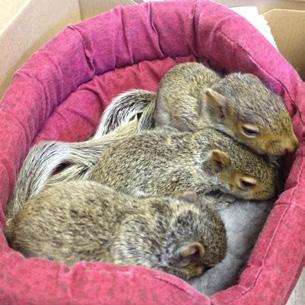
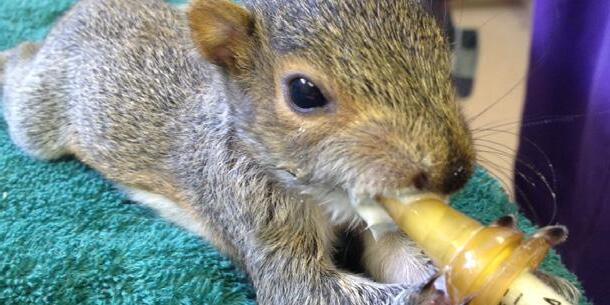
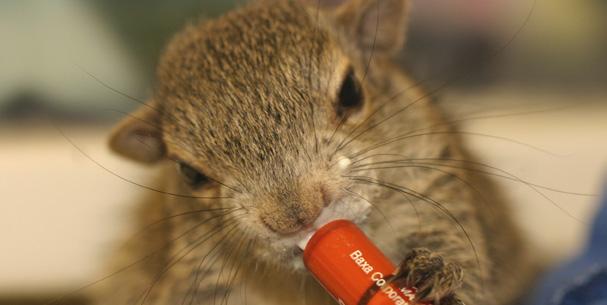
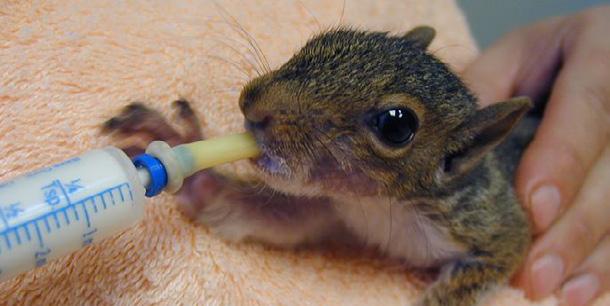
Tree pollen. Baby Animals. Spring has finally sprung in central Ohio—just ask the folks at Ohio Wildlife Center’s non-profit wildlife hospital in northwest Columbus. Armed with Pack ‘n Plays, kiddie pools, laundry baskets, aquariums and a battalion of dedicated volunteers, the hospital’s 2015 influx of orphaned wildlife is in full swing.
“It happens this time every year,” says Angela Latham, Community Engagement Coordinator for the Center. “Well-intentioned animal lovers bring us fledgling birds, litters of bunnies and buckets of infant squirrels not realizing they may have been better off without our assistance.”
Unlike people, wildlife mothers often leave their babies unattended for hours—and for their own good. This proven strategy keeps them hidden from hungry predators. Likewise, not all baby birds fall from their nests. Initial flights are often unsuccessful, leaving first-time fliers (fledglings) at ground level until they figure it out.
“Humans can be helpful,” says Latham, “but intervention is generally recommended when the parent is known to be dead or a young animal is noticeably injured.”
Animal parents are the most equipped to raise their young.
So before you pluck them from their natural environment, consider the following guidelines:
Birds
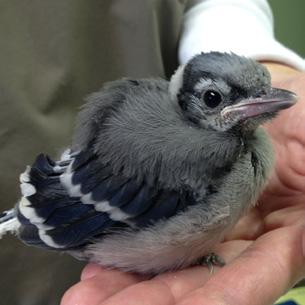
If you find a partially feathered nestling on the ground, and it’s not injured, pick it up and put it back in the nest. Birds have a poor sense of smell and will not reject their young if touched by a human.
If you can’t see the nest or it’s out of reach, construct one from a berry basket or a plastic container partially filled with paper towels or tissues to form a depression. (Be sure to punch holes in the latter for drainage.) Place the nestling inside and hang it from the tree closest to where you found it. Watch from a respectable distance for the next 30 to 60 minutes. If an adult does not return, the baby is likely an orphan and should be admitted to your local wildlife rehabilitator, as should any injured birds.
Rabbits
When it comes to bunnies, take special care to check for nests along grass lines, under fences, beneath patio furniture, in woodpiles and around fire pits before mowing your lawn, weed whacking, washing hard surfaces or igniting a flame.
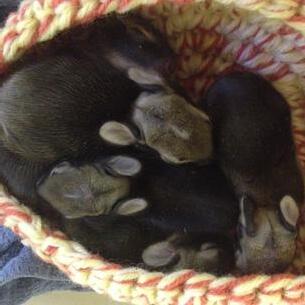
Rabbits camouflage their shallow burrows with grass and fur. If you disturb a nest, and the young are unharmed, cover it back up. If you’re aware of a nest and you don’t see the mother, don’t be alarmed. Rabbits only feed their young before dawn and after dusk.
If you’re concerned, place some string across the top of the nest in a crisscross pattern at dusk and leave for 12 hours. Or generously sprinkle baking flour around its perimeter
and check for footprints after dawn. Either way, you’ll have definitive proof that mom has been there.
If there is no sign the mother has visited the nest by morning, place the young rabbits in a towel-lined shoebox for warmth and transport them to your local wildlife rehabilitator. Always take injured rabbits to a wildlife rehabilitator without delay.
Squirrels
Squirrels typically have their young in tree cavities or make leafy nests 30 to 40 feet from the ground. Nests can be disrupted during a storm, when a tree is removed, or young may get too close to the edge and fall out when shifting positions.
If you find a baby squirrel, it’s important to give the mother adequate time to claim her young. Squirrels are not put off by human smells, but if their offspring are cold, they don’t seem to recognize them—so keeping them warm is their best chance for survival. You can do this by placing the baby in a towel-lined shoebox before returning it to where you found it.
Allow 3 hours for the mother to return. If close to evening hours, bring the squirrel inside and place a towel-lined shoebox on a heating pad (low setting) and try again in the morning. Do not feed the squirrel. If the mother still doesn’t make an appearance, keep warm and bring it to your local wildlife rehabilitator. Seek immediate medical assistance if the squirrel is injured.
SCRAM! Wildlife Control
Unfortunately, countless animals become orphaned each year when humans forcibly remove adult wildlife from human structures (e.g., garages, attics) and leave the babies behind.
If you do find unwanted critters living in, around or under your home or business, Ohio Wildlife Center urges you to call their 100% non-lethal Wildlife Control Service at (614) 763-0696 for sound advice and support. SCRAM! provides permanent solutions to prevent and resolve conflicts between people and Ohio’s native wildlife—even reuniting babies with parents after excluding them from structures to keep wild families intact. ◆
For additional information about SCRAM! or Ohio Wildlife Center, including a listing of the licensed wildlife rehabilitators in your area, visit www.ohiowildlifecenter.org For help with common wildlife situations, please call the Center’s monitored information line at 614-793-WILD
WHAT IS A PADDOCK PARADISE?
When horses are in their natural environment, they are in near constant motion in search of food and water supplies. Members of the herd contribute to this continual movement through what we call "pecking order" which relates to their dominance and position within the herd dynamic. This dynamic is easily broken if mares and geldings are separated, as in some traditional boarding practices, and removed if food and water are readily supplied in excess. The opportunistic equine will happily stand around, waiting for you to bring their next meal, at the expense of their health and well-being; these practices alter their innate behaviors and ultimately cause harm to the horse. The natural state of the equine should be preserved, and it can easily be restored (if it had been altered) by placing the horses between two fences instead of inside a corral or open fenced field; natural movement is encouraged by spreading out the hay and water sources, salt licks, and shelter along a "track" that encircles the field's perimeter, rather than simply fencing off square acreages.
Jaime has provided a hand drawn diagram of his own track in Lompoc, CA that we are happy to share with you in the photos. This area is approximately 8 acres and encircles a steep ridge so that additional fencing would not be needed due to the dense brush and lack of edible forages available.
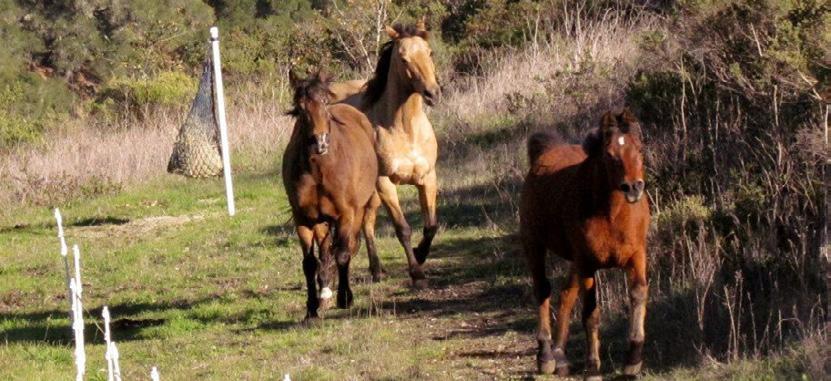
The larger circles where the feeding stations are placed are about 30' x 30' to give you an idea of the spacing between the fencing and track area. The photo of the three horses are actually his own Tess and Chance (Quarter horse-Arabs) as well as his 26-year-old Arab, Apollo, seen trotting the track at the front of the herd. As you can see, there is little to no grass on the track itself, and the majority of their food source is provided in hay nets along the path. This is most natural for the horse, because lush grass is not only unnatural in horse country, it is also harmful.
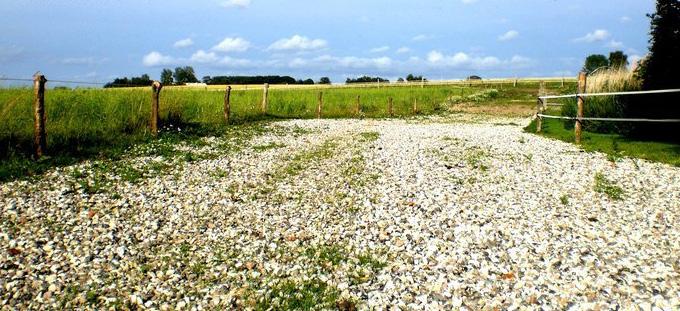
The third photo was taken by Dr. Florensa showing one of his client's paddocks in Denmark. Here you can see the rough terrain and rock base that is also beneficial to the horses’ hooves as well as their dietary needs. You may be thinking that a horse without shoes could never walk, much less live, on such a terrain, but I can assure you that there hundreds of thousands of barefoot horses across the globe doing just that right now! A proper diet and adequate movement is often the key that is missing when considering the horse’s soundness…not more supplements or corrective shoeing. I encourage you to follow the links, do some research for yourself and purchase your own copy of Paddock Paradise so that you too can begin providing "natural horse keeping practices" today! ◆
Transformational Life & Relationship Coaching/Energy Modalities
...a blended approach that can help you become the highest version of yourself
by Judith Levy M.Ed., CEHP, RMT, ACC
What Coaching / Transformational Coaching Are?
Coaching is a relatively new field and is growing fast. It is spotlighted on Oprah and CNN and written about in popular publications. The International Coach Federation (certifying board) defines coaching this way: “Professional coaching provides an ongoing partnership designed to help clients produce fulfilling results in their personal and professional lives. Coaches help people improve their performance and enhance the quality of their lives.”
Transformational Coaching offers a way for you to become empowered when old stories, beliefs and habits, that you may or may not be aware of, keep you feeling overwhelmed, frightened, powerless and stuck. This shift can be approached in a more easeful way than perhaps you may have tried before. With transformational coaching, you and your coach can discover root causes of these stuck points in the present moment, allowing the ability to move forward. The coaching process includes setting intentions / goals/ desires, creating awareness, planning and carrying out actions that lead to powerful changes in your life, relationships or business.
Transformational Coaching again, is designed to add a deeper layer of looking at how you want to evolve in your life and offers sustainable results - With Transformational Coaching, you can shift not only what you do but who you want to be in the world.
What Coaching Is Not?
Coaching is not Therapy: In Coaching the focus is not on dysfunction, mental illness or the past. Although the past comes up in coaching, the coach and client work to shift old childhood beliefs to new beliefs that will help to move one forward. Celebrating wins and receiving acknowledgements is another aspect of coaching that supports being in the present moment and creating strength to move toward what will fulfill you.
Coaching is not Consulting: In coaching you are the specialist and the belief is that you, in your body/mind awareness already have all the answers you need to move along your path. In the coaching process the coach guides the client by asking powerful questions and at times suggesting tools that strengthen one’s ability to move toward self discovery.
Coaching is not Mentoring: Your coach does not take the stance as one who is more knowledgeable but rather assists you in finding your own knowing and creating whatever awesomeness you desire.
Energy Modalities
When we have experiences in life that are largely impactful and perhaps have been frightening or extremely negative to us, there is a freezing effect in the mind, in the muscles and even cells of the body. Meaning that the effects of the experience are “remembered” and get embedded such that we may get stuck in some aspects of the flow of our life. Some people experience emotional discomfort, physical ailments resulting from chronic stress, repetitive negative thinking and self limiting distorted beliefs. Many people feel frustration and like they cannot move forward no matter how hard they try.
Energy Modalities such as Meridian Tapping (Emotional Freedom Technique/Thought Field Therapy), Cellular Expansion and Brainspotting, can gently and quickly release negative events that are frozen in the mind-body system. Using energy modalities can assist you in changing how you see the world, relate to people and regulate your emotions. Energy work offers an integrative approach to coaching and healthcare treatment and is rooted in ancient mind-body healing traditions going back 5000 years.
Benefits That Can Be Attained with Blending Transformational Coaching & Energy Modalities
This integrative approach combining Coaching and Energy work is efficient as one can work to release these frozen “capsules” of memory from the mind and body using energy modalities. For sustainable results it is necessary to address what we hold in our bodies as well as our minds. Tapping (Thought Field Therapy), Cellular Expansion and Brainspotting can be used to address what old beliefs or memories we hold in our body as well as our mind. Once fears and negative thoughts and emotions are released we may have the ability to live more in the present. From this place of greater confidence and strength, we are able to take advantage of the benefits of coaching….working toward fulfilling our life purpose and creating the relationship we desire. ◆
Judith Levy holds multiple certifications in the Healing Arts and is a Certified Energy Health Practitioner and Certified Professional Coach and Couples Coach as well as a Reiki Master Teacher.
Learn more about her work at www.judithlevywellness.com Skype and Phone Sessions available.
Angie Mader
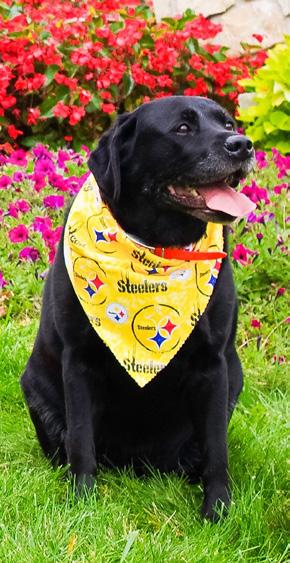
Angie came to us through my job, at an animal hospital where I was working at the time as a manager. My boss and managing veterinarian bred English Labrador Retrievers for guide dogs. We had a month previously adopted Cyndi from her, a 1-1/2 year old black female returned by a former owner.
Cyndi was settling in great at our house, when my Boss asked me to watch a pup in my office. The sixweek old puppy was coal black with a little otter tail. She had been recovering from an entropion surgery of the eye and in for a recheck exam that day. She was house trained amazingly that early and I spent the day amused by her antics playing with water bottles in my office!
Well, of course it was love at first site and a week later I brought the pup home to become our second dog in the family. Her big red tongue rolled out of her mouth and my husband promptly named her “Angie” after the Rolling Stones song and logo!
2003-2015
Angie was with us for 12 years and never ceased to amaze us with her cleverness and boisterous personality. She loved to swim and enjoyed walks with Cyndi and her cat, Cleo. People and animals alike always took an instant liking to Angie. Angie never knew the life of a service dog, but I am sure she loved being spoiled and enjoyed all the adventures she experienced with our family.
Angie sadly succumbed to complications from cancer on May 2, 2015. Angle will be greatly missed by all who knew her!