W W
1P e a r l C o r k h i l lP e y t e n H e s s
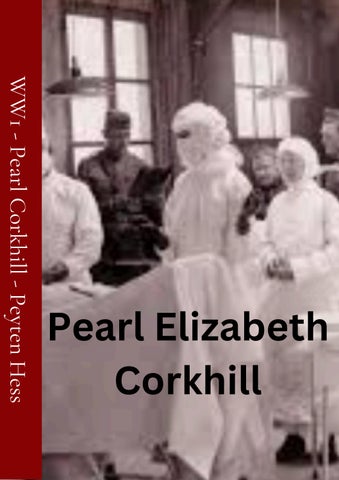
Pearl Elizabeth
Corkhill
Introduction: 3 MAIN: 4 -7
Involvement and Enlistment: 8
Propaganda and locations of involvement: 9-11
Nurses and impacts: 12-13 Pearl Corkhill: 14 References: 15-18
Contents:
Introduction:
World war one was the first major war across the world, using new and improved guns and even tanks. The war started in 1914 when the Archduke; Franz Ferdinand who was the heir to the throne in Austria-Hungary and his wife were assassinated and shot by a Serbian man because he believed that Austria shouldn’t control Bosnia and Serbia should. There were two main groups; the Triple alliance which consisted of the German empire, Italy, and Austro-Hungarian empire. Triple Entente, which was the Russian empire, the United Kingdom of Great Britain, Ireland and France. There were also allies of both sides and neutral states.
3
MAIN: Militarism:
Militarism means that countries are always ready to go to war. Even in times of peace, they build up and strengthen their armies to help protect allied countries.
4
MAIN: Alliances:
Alliances is ‘teams’ or ‘teammates’ for mutual benefit to help each other. Alliances help countries to protect each other during times of war.
Strengthened armies help protect allied countries when they have alliances.
5
MAIN:
Imperialism:
Imperialism is a stronger nation conquering and controlling a smaller one, increasing their power and influence on the world.
6
MAIN: Nationalism:
In simple terms, nationalism can be described as loyalty and devotion to a nation. For example, Australia’s nationalism towards Great Britain is extremely high as they are our mother country.
7
Involvement & enlistment: Involvement:
Australia’s reason for involvement in the war has one main reason. We, as a nation, felt it was our duty to help our mother country (the UK) because they were seen as the great protector of our interests and security. The UK was the reason settlement began over here in Australia.
Enlistment:
Soldiers also had many reasons; people wanted a regular pay to pay for the cost of living and to be able to afford everyday necessities, the people sought combat and adventure and they even wanted to do their duties to the British empire who was currently in the war already.
8
Propaganda & involvement locations
Propaganda:
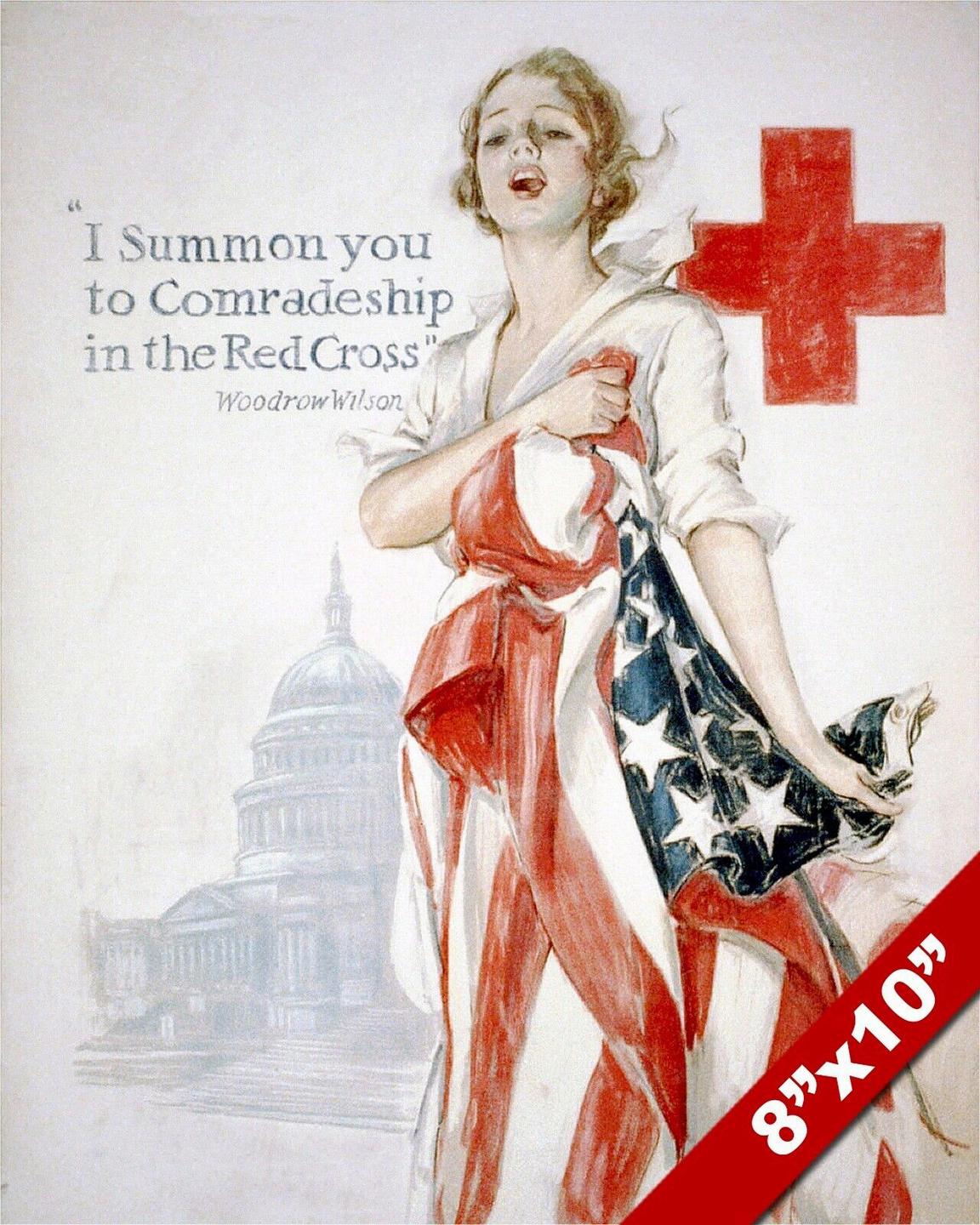
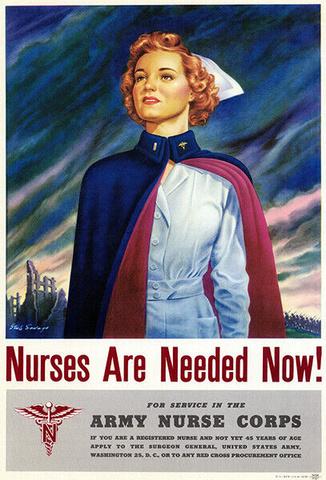
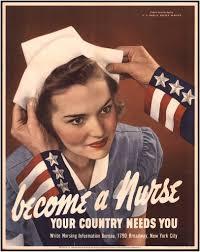
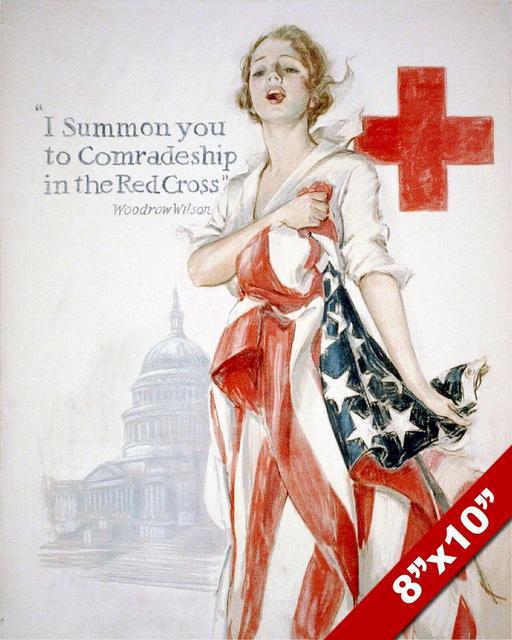
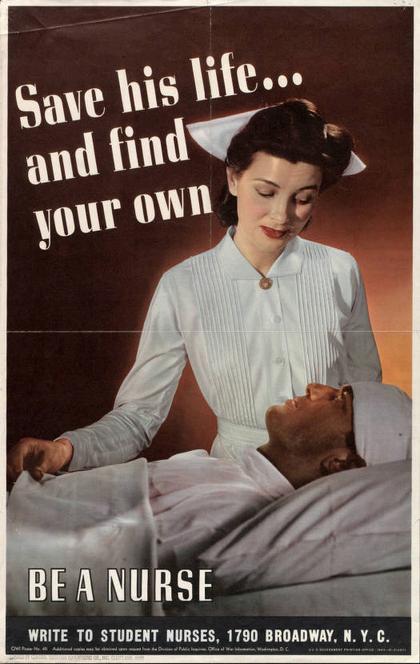
Propaganda posters were used throughout WW1 to make Australians hate the Triple Alliance, to increase funding and to encourage more Australians to enlist.
Involvement locations:
Australia was involved in many locations throughout the war. The three main locations of Australia's involvement being Gallipoli, the Western Front and the Middle East. We fought for countless reasons, but the main goal of the Gallipoli campaign was to distract the Turks so the British could land further down the Peninsula.
9
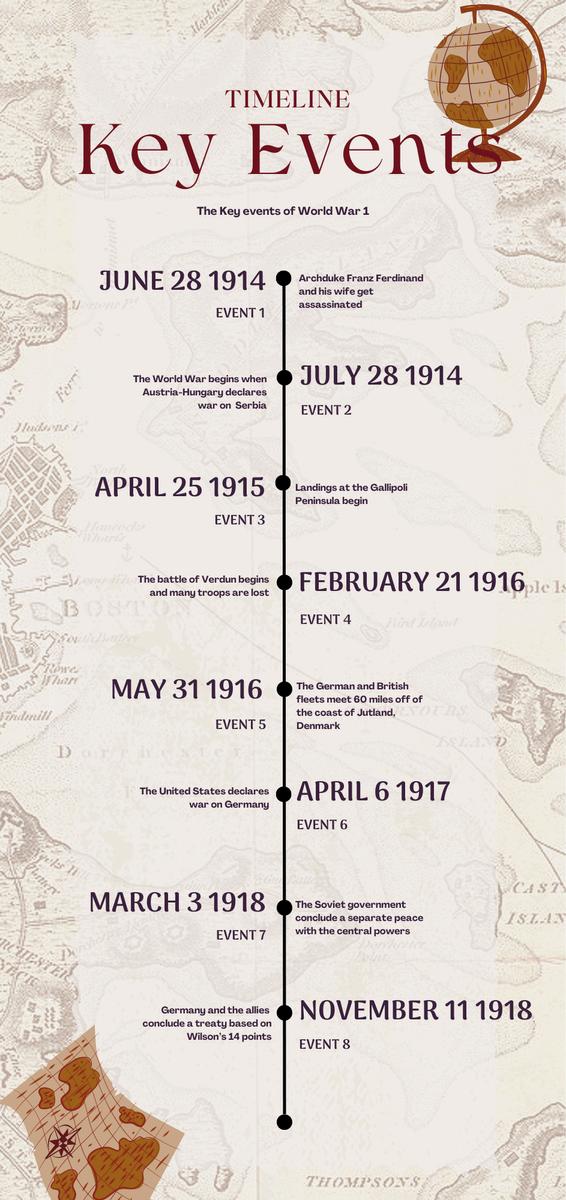
Timeline of the Key events during WW1
10
Propaganda:
11
Nurses:
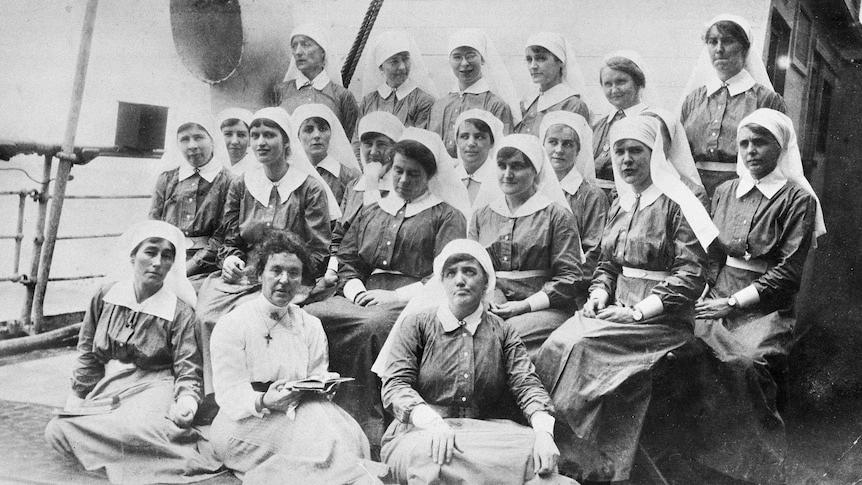
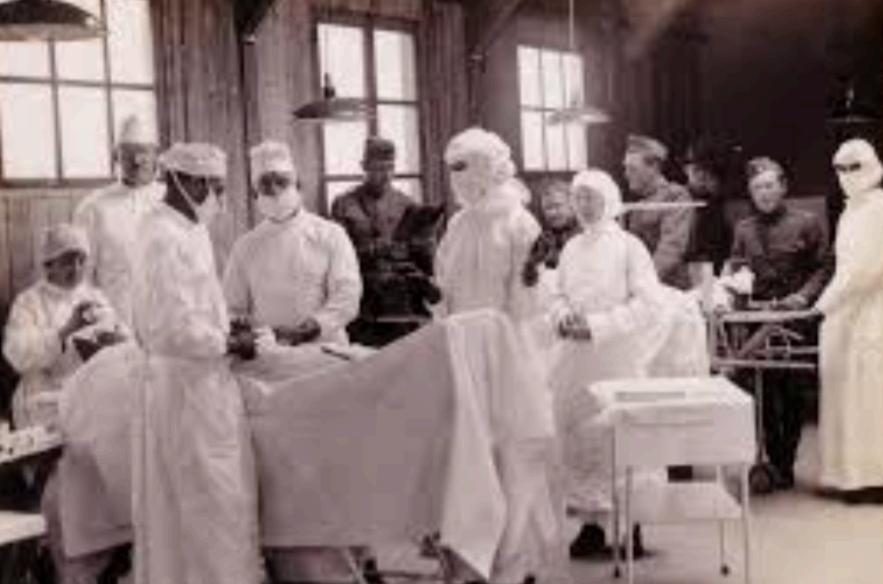
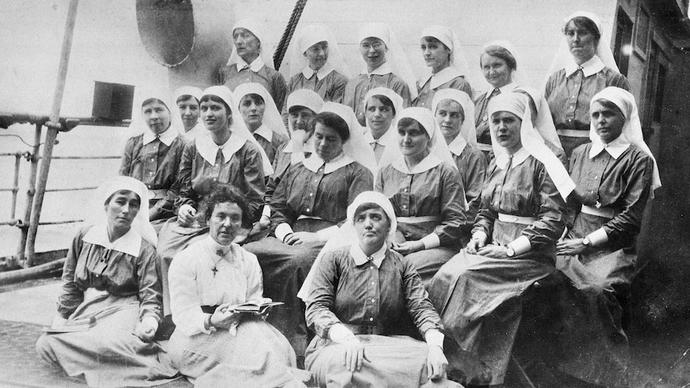
Throughout World War 1 many nurses contributed to healing wounded soldiers but had very strict guidelines. The nurses either had to be single or divorced (not married) and preferably between the ages of 25-40, they also had to have some sort of education and at least 3 years of training to be classed as qualified and able to help. Nurses worked in many countries in WW1, some examples are; Belgium, Egypt, Greece, France and India ‘which was on board hospital ships or trains, in casualty clearing stations close to the front line and at Australian and allied hospitals behind the lines in England, near the action.’
12
Impacts:
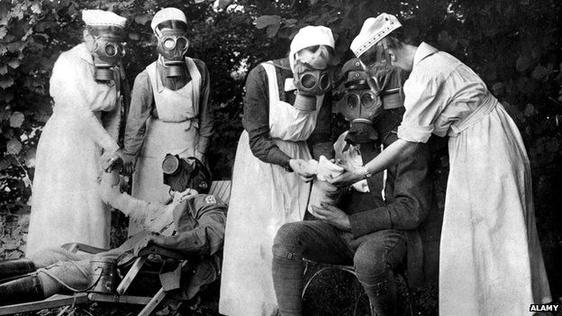
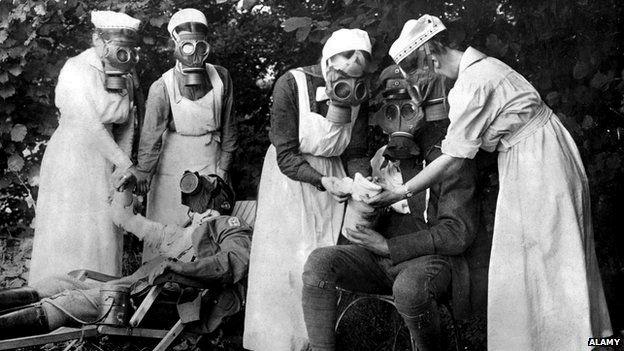
Nurses had many experiences and impacts throughout the war both short term and long term. Some short term impacts included dangerous, poor conditions and even disease. They also had to care for wounded and traumatized soldiers (some with shell shock or even trench foot but also many other diseases). Some long term impacts included being lead to the establishment of nursing as a professional field, the development of nurse training programs and even ‘advancements in medical techniques’ (Brainly, 2024)
13
Sister Pearl Elizabeth Corkhill:
Sister Pearl Corkhill was born on the 11th of March 1887. She enlisted on the 12th of June 1915 at the age 28. She received early education by a governess and when she was old enough, she attended the Tilba Tilba public and eventually graduated as a general nurse from the Burilda private hospital. She received 4 medals during her devotion to the Australian army; the Military medal for an incident near the front lines healing patients, the 1914-15star medal, the British war medal 1914-20 and the victory medal. Her last rank was ‘Sister’ before she later died on the 4th of December 1985 due to natural causes at the age of 98. 14
Australian Government (2022). Overview of Australia’s Involvement in the First World War | Department of Veterans’ Affairs. [online] www.dva.gov.au. Available at: https://www.dva.gov.au/newsroom/media-centre/mediabackgrounders/overview-australias-involvement-first-worldwar. References
Australian War Memorial (2013). Enlistment statistics, First World War | The Australian War Memorial. [online] Awm.gov.au. Available at: https://www.awm.gov.au/articles/encyclopedia/enlistment/w w1.
Australian War Memorial (2021). Propaganda posters | Australian War Memorial. [online] www.awm.gov.au. Available at: https://www.awm.gov.au/learn/schools/resources/anzacdiversity/european-anzacs/propaganda.
BBC Bitesize. (n.d.). How and why did World War One start? [online] Available at: https://www.bbc.co.uk/bitesize/articles/znhhrj6#zpvwwnb [Accessed 31 May 2024].
15
Canadian war museum (2008). Weapons on Land - Tanks and Armoured Vehicles. [online] Canada and the First World War. Available at: https://www.warmuseum.ca/firstworldwar/history/battlesand-fighting/weapons-on-land/chars-et-vehiculesblindes/#:~:text=British%20forces%20first%20used%20tanks . Carswell, B. (n.d.). Research Guides: Australians in World War 1: Nurses. [online] guides.slv.vic.gov.au. Available at: https://guides.slv.vic.gov.au/wwone_soldiers/nurses#:~:text= Australian%20nurses%20proved%20to%20be [Accessed 5 Jun. 2024].
corporatename :Old Parliament House, an E.A. within the R.A. (n.d.). Getting it Together: from colonies to Federation. A Museum of Australian Democracy at Old Parliament House schools learning resource. [online] getting-ittogether.moadoph.gov.au. Available at: https://getting-ittogether.moadoph.gov.au/national-story/people-andplaces/investigation3.html#:~:text=The%20British%20monarch%20was%20repre sented [Accessed 3 Jun. 2024].
16
corporateName =Department of Veterans’ Affairs; address=21 Genge St, C.C. (n.d.). Australian Army Nursing Service in World War I. [online] Anzac Portal. Available at:
https://anzacportal.dva.gov.au/wars-andmissions/ww1/military-organisation/australian-imperialforce/australian-army-nursing-service#2 [Accessed 1 Jun. 2024].
corporateName =Department of Veterans’ Affairs; address=21 Genge St, C.C. (n.d.). Roles of Australian women in World War I | Anzac Portal. [online] anzacportal.dva.gov.au. Available at: https://anzacportal.dva.gov.au/wars-andmissions/ww1/personnel/australian-women#1 [Accessed 1 Jun. 2024].
Department of Veterans' Affairs (2020a). Australian Army Nursing Service in World War I | Anzac Portal. [online] Anzac Portal. Available at: https://anzacportal.dva.gov.au/wars-andmissions/ww1/military-organisation/australian-imperialforce/australian-army-nursing-service.
17
Department of Veterans' Affairs (2020b). Enlisting in the Australian forces during World War I. [online] anzacportal.dva.gov.au. Available at: https://anzacportal.dva.gov.au/wars-andmissions/ww1/military-organisation/enlistment.
Merriam-Webster (2023). Definition of NATIONALISM. [online] www.merriam-webster.com. Available at: https://www.merriamwebster.com/dictionary/nationalism#:~:text=1.
Ray, M. (2019). Timeline of World War I. In: Encyclopædia Britannica. [online] Available at: https://www.britannica.com/list/timeline-of-world-wari. Vwma.org.au. (2022). Pearl Elizabeth CORKHILL MM. [online] Available at: https://vwma.org.au/explore/people/137790.
18