SUSTAINABILITY REPORT 2025
Schneeketten Beteiligungs AKTIENGESELLSCHAFT
Sustainability Report 2025
Schneeketten Beteiligungs AG
Kettenwerk 1
A-9371 Brückl
Klagenfurt District Court, FN 268808 g
Klagenfurt Tax Authority, Tax ID number 089/5979
Schneeketten Beteiligungs AKTIENGESELLSCHAFT
Sustainability Report 2025
Schneeketten Beteiligungs AG
Kettenwerk 1
A-9371 Brückl
Klagenfurt District Court, FN 268808 g
Klagenfurt Tax Authority, Tax ID number 089/5979
Sustainability reporting offers a valuable opportunity to inform stakeholders and the public about a company’s commitments, achievements and progress in the field of sustainability. Schneeketten Beteiligungs AG, a member of the pewag group, has embraced this responsibility voluntarily – now for the fourth consecutive year.
Despite global uncertainties and challenging forecasts – including within the sustainability discourse – Schneeketten Beteiligungs AG consistently pursues its path of sustainable development. Our sustainability efforts are not driven by regulatory requirements alone, but by our centuries-long tradition and deeply rooted values: striving for excellence in quality, technology, innovation-driven entrepreneurial spirit and a strong sense of responsibility towards people and the planet.
Operationally as well, progress was achieved in 2025: the corporate carbon footprint was reduced by 1 374 tonnes of CO2eq (32%). The share of renewable energy sources remained stable at 36%, thus continuing to exceed the EU average of 25%. In addition, the use of electric vehicles increased significantly (+73%), while the share of fossilfuel-based transport decreased accordingly.
In the social dimension, employee turnover was successfully reduced by 15%. Furthermore, the share of women in leadership roles remained stable at 23%, thus outperforming the average in a traditionally male-dominated industry.
These developments reflect a consistently pursued, values-based approach to longterm and sustainable transformation. They were made possible by the inspiring vision of the Founder of the pewag group, the strategic foresight of the Management Board and Management Team as well as by the dedication of all Employees. They deserve special thanks.
The Management Board Rob Bekkers Chairman of the Board

Anja Vrtacnik Head of ESG
WE ARE THE PEWAG GROUP
Schneeketten Beteiligungs AG is part of the pewag group.
The pewag group is an internationally operating group of companies with subsidiaries on all five continents and customers in over 100 countries.
With headquarters in Austria, pewag group is not only a leading manufacturer of high-quality traction and industrial chains as well as lifting solutions, but also offers customized services in the area of mechanical engineering, metal forming and forging.
The success story of pewag group goes back to the year 1479.
The values of the pewag group brands are demonstrated by our first-class quality and continuous innovation. You can rely on us.
striving for excellence in RESPONSIBILITY
Our goal is CO2 neutral production by 2030. We live sustainable and fair partnerships and an open way of working together. We take on social as well as environmental responsibility.


Through our entrepreneurial spirit – shaped by the joy of innovation – we strive to offer the best solutions for the market. Today and in the future. The high quality of our brands, products and services as well as the passionate commitment of our employees are our most valuable assets to exceed customer expectations and to live up to our corporate responsibility towards people and environment
For the pewag group, the connection between entrepreneurial actions and ethical principles is a tradition and a significant factor in long-term success. We strive for excellence with an emphasis on responsibility, entrepreneurship and technology
We ensure our technological strength by striving for quality, continuous improvement and innovation of our products and production processes.
striving for excellence in ENTREPRENEURSHIP
Through the specific expertise of each individual and decentralized responsibilities, we ensure healthy growth and a sustainably successful future.






[ESRS 2 | BP-1, BP-2]
Schneeketten Beteiligungs AG has no mandatory requirement to produce a sustainability declaration. Nevertheless, we want to transparently communicate our sustainability activities and impacts.
This is the fourth official sustainability report, which is also an integral part of the group management report. It is structured pursuant to ESG principles, with each chapter dedicated to one of the ESG focus areas. The appendix of this report includes an overview of the United Nations Sustainable Development Goals (SDGs) covered.
This report voluntarily takes into consideration the following recognized reporting frameworks and standards: CSRD (EU Directive 2022/2464 as regards corporate sustainability reporting), ESRS (European Sustainability Reporting Standards, 2023) and the GHG Protocol (Greenhouse Gas Protocol).
The key performance indicators (KPIs) are collected pursuant to the standardized definitions of the ESRS and converted into standardized units of measurement to enable the comparability of data across different countries and years. The data are based on reliable and documented sources; where estimates were made, this is explicitly noted.
The methods used for data collection and report preparation include individual and collective data gathering, both manual and digital processing of primary and secondary sources, followed by manual and digital processing of the collected data using specialized reporting software and finally, validation of the collected data by cross-checking with control data and by individual interviews.
As the corresponding national regulations in group’s country of residence – particularly the new Austrian Sustainability Reporting Act (NaBeG, 2026) – are still to be modified, they will be incorporated into the reporting in the coming, including the relevant requirements of the Taxonomy Regulation (EU Regulation 2020/852), if applicable.
[ESRS 2 | BP-1, BP2]
The sustainability report has been audited by an external auditor for the third consecutive year, as indicated in the attached independent assurance report.
[ESRS 2 | BP-1, BP2]
This report applies to Schneeketten Beteiligungs AG and its subsidiaries listed as follows. The data published here refers to the reporting year 2025, which corresponds to the calendar year 2025.
This report is prepared on a consolidated basis. The consolidated sustainability reporting follows the consolidation scope, principles and methods presented
in the consolidated financial statements (principle of full integration). Consequently, the subsidiaries included in the scope of consolidation are exempt from preparing their own annual sustainability reports in accordance with Articles 29(9) and 29a(8) of Directive 2013/34/EU.
This report addresses not only internal company processes but also considers – as outlined in the relevant chapters on materiality analysis, workers in the value chain, business conduct and resilient supply chain – significant environmental and social impacts along both upstream and downstream value chains.
Schneeketten Beteiligungs AG and the lsit of its subsidiaries per December 31, 2025:
■ Foreq AB
■ König Czech s.r.o.
■ König S.A.S.
■ König IP AB
■ König S.p.A.
■ pewag Canada Inc.
■ pewag Forestry UK Ltd.
■ pewag italia s.r.l.
■ pewag Nordic Oy
■ pewag Norway AS
■ pewag Schneeketten Deutschland GmbH
■ pewag Schneeketten GmbH
■ pewag sweden AB
■ pewag Traction Chain Inc.
■ Řetězárna Česká Třebová s.r.o.
■ Wallingford’s Inc.
MANAGEMENT TEAM AND SUPERVISORY BOARD
[ESRS 2 | GOV-1, GOV-2, GOV-3]
The key management, executive and supervisory bodies at Schneeketten Beteiligungs AG are the Management Board and the Supervisory Board.
The Management Board at the group level consists of one executive member. The operational subsidiaries are each led by one or two experienced managing directors.
In 2022, the percentage of women in leadership positions was 16%; by 2024, this has improved to 23% and remained at this level also in 2025. We are aware of the unique
challenges related to diversity in the manufacturing industry – both among the workforce and in leadership positions –and take measures to create an inclusive work environment where everyone has equal opportunities to develop both professional and personal excellence.
A central role of the leadership team is sustainability management, which is embedded as an integral part of the group’s strategic direction and development. The long-term sustainability strategies and goals are set by the Management Board and promoted and implemented at all levels of the organization.
The Management Board is supported by an interdisciplinary Management Team that brings in expertise from various areas. Key sustainability-related topics are identified and developed through a structured and balanced top-down and bottom-up process, involving internal and external sustainability experts.
The Supervisory Board on the group level consists of five members (currently one female and four male) with varied professional backgrounds, expertise and from diverse age groups. The Supervisory Board meets quarterly to discuss not only strategic business matters, but also topics related to sustainability, in particular with regard to planned investments.
Some of the subsidiaries also have a supervisory board. Depending on the legal framework, the employees are also represented in these.
The Management Board and the Supervisory Board work together in a constructive and trusting manner to ensure the long-term success of the group and to further develop sustainable value creation.
In 2025, they focused on key topics such as: improving energy efficiency, further reducing CO2 emissions, using recyclable materials and packaging, investing in the renewal of the rail connection at the Austrian site and shifting part of the logistics from trucks to rail. In addition, a software system was introduced to enable company-wide CO2 tracking.
[ESRS 2 | GOV-4, GOV-5]
As part of our corporate due diligence, we have established processes to identify potential sustainability risks at an early stage and address them systematically. In doing so, both actual and potential impacts on the environment and society are taken into account.
To identify and assess material impacts, risks and opportunities – particularly negative impacts on people and the environment – we apply a multi-stage process based on the United Nations Guiding Principles on Business and Human Rights as well as the OECD Guidelines for Multinational Enterprises, while also considering both internal and external stakeholder perspectives (see chapter “Stakeholders”).
The outcome of this process forms the basis of our materiality analysis (see chapter “Materiality Analysis”).
Building on this, specific policies and approaches have been developed for all ESG areas identified as material and these are implemented through concrete measures and targeted resource allocation. Progress is regularly monitored using defined key performance indicators and reviewed against clearly defined targets in order to ensure the effectiveness of the measures and promote continuous improvement.
This approach is supported by a structured risk management system and internal control mechanisms that ensure the sustainability reporting is complete, accurate and reliable. Established governance structures and clear responsibilities are in place to support this process.
The management and supervisory bodies are actively involved in the process and are regularly informed about progress and achieved results. Their expertise supports the effective steering and continuous development of sustainability measures
STRATEGY: WE TAKE RESPONSIBILITY FOR ESG
[ESRS 2 | SBM-1]
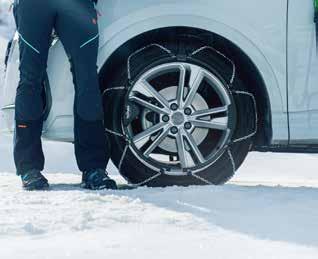
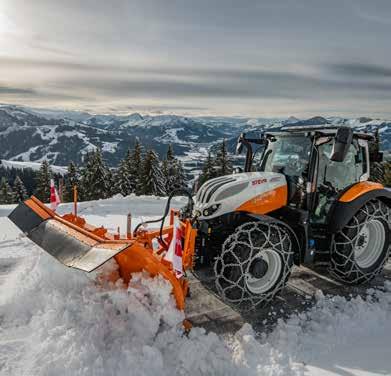
The business model of the group is anchored in the manufacturing industry, specifically the metal industry, with a focus on producing a broad range of snow and traction chains as well as forestry equipment, such as forestry chains and tracks as well as harvester bars and chains.
Production takes place at advanced in-house production sites in Europe and North America, while dedicated sales locations, together with international partners, ensure global market presence. This model enables high-quality manufacturing as well as efficient distribution.
Sustainability is an integral part of the company’s strategy and decision-making processes: Schneeketten Beteiligungs AG strives to live up to its corporate responsibility towards people and the environment.
This overarching mission drives all our members to develop solutions that make our product portfolio, our own business activities and our value chain more sustainable.
To ensure that the ESG principles are firmly integrated in all our business activities and processes, we take the following measures (the 4 strategic steps):
■ We are certified:
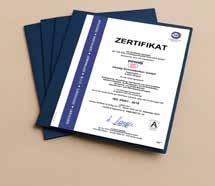
Many production sites are certified according to ISO 9001 “Quality management systems”, ISO 14001 “Environmental management systems” and ISO 50001 “Energy management systems”. The principles of ISO 45001 “Occupational health and safety management systems” have been successfully implemented at many sites and at some also certified. Our pewag academy has been distinguished according to ISO 29993 “Learning services for non-formal education and training”.
The pewag group considers cyber risks to be significant.
To mitigate these risks, extensive measures have been implemented since 2023 and further expanded in 2025.
Our main site in Austria, pewag Schneeketten GmbH, successfully obtained the TISAX assessment – an important enhancement to our quality management system. The TISAX information security standard is based on the VDA ISA catalog, is comparable to ISO 27001 and was specifically developed for the automotive industry.
Another major success in the area of sustainability was the first subsidiary that successfully completed the EcoVadis assessment in 2024 as well as 2025 and was awarded a silver medal, placing it among the top 15% of evaluated companies.
These certifications and awards enable us not only to regularly measure and manage our performance and progress, but also to identify our actual and potential ESG impacts at an early stage.
■ We support international sustainability initiatives and incorporate their principles into our business processes:
We uphold universal human rights.
In addition, we align our business activities with the SDGs as well as with the environmental targets of the Paris Agreement and the European Climate Law.

■ We contribute:
Schneeketten Beteiligungs AG invests a significant part of its profits in its own sustainability projects. Some of the passionate efforts and contributions from 2025 are highlighted in the dedicated chapters of this report.
■ We communicate about our sustainability journey: Our commitments and minimum ESG requirements are defined in our Code of Conduct.
Our performance and progress are published in our annual sustainability report.
We raise awareness and share our experiences in the online courses of the pewag academy.
We value honest feedback, thus all concerns, internal and external, can be expressed via our confidential grievance mechanism
[ESRS 2 | SBM-2]
The laws and regulations of the countries, in which our subsidiaries are located, form a minimum standard. We also strive to consider and actively engage both internal and external interest groups – not least through regular materiality assessment process.
Each of these groups contributes significantly to our success in its own way
Employees, because they deserve a healthy, safe and inclusive work environment in which they can fully develop their expertise. Investors and financial partners, because they support us in transforming our entrepreneurial vision into reality.
Customers and end-users, because they inspire us to continuously develop new and innovative solutions for their ventures. Suppliers, because they contribute their valuable expertise and are happy to join us in our sustainability journey.
Professional public and industry associations, because technical exchange provides important impulses for innovation and progress. Local communities, because we are passionate about creating a lasting positive impact on people and the environment through our products and services as well as through our partnerships.
This strong connection is reflected in an ongoing, open dialogue, with formats and content that we actively developed and shaped throughout the 2025 reporting year.
Stakeholder group
Employees
Investors and financial partners
Customers, End consumers and business partners
Suppliers
Professional public and industry associations
Local communities and the general public
Forms of engagement
Townhall meetings with the leadership team, structured employee reviews, employee surveys, internal communication channels, annual strategy conference, employee newspaper, works council committees
Annual review meetings, one-on-one meetings, financial reporting, additional forms of investor relations
Close customer support and consultation, open dialogue, customer events, trade fair appearances, customer surveys, participation in and presentations at industry conferences
Supplier meetings and surveys, supplier development
Partnerships with professional public and industry associations, participation in industry initiatives, cooperation with universities and research institutions, technical exchange with trade schools and educational institutions
Public provision of comprehensive information, multilingual online presence (in 15+ languages), open house events, presentations and workshops at schools (e.g., for career orientation)
[ESRS 2 | SBM-3, IRO-1]
Material impacts, risks and opportunities – particularly in legal, technological and reputational terms, as well as with regard to potential developments, improvements in resource efficiency, the decarbonisation of energy sources and resilience – are regularly identified, assessed and monitored as part of a structured internal process.
Relevant ESG aspects are taken into account and analysed across the value chain. The results of this process form the basis for further developing the sustainability strategy as well as for deriving, prioritising and implementing appropriate measures.
Our initial double materiality analysis, in which both the financial materiality and the ESG-related impacts of Schneeketten Beteiligungs AG on the environment and society were evaluated, was conducted in 2022. Then, particularly the United Nations Sustainable Development Goals (SDGs) were taken into consideration.
Due to new ESG developments, the materiality analysis was updated in 2024/25. The financial materiality of ESG topics was assessed internally based on their impacts on our corporate group.
In turn, to evaluate our (positive and negative) impacts on the environment and society, more than 34 internal stakeholders (through interviews, workshops and surveys) as well as 16 external stakeholders (through surveys) were involved.
Out of the 24 identified ESG impact areas, the following have proven to be particularly significant, as shown in the materiality matrix below, where the size of the dots symbolizes financial materiality:
■ Environment (E): Use of recyclable input materials, waste management and its reduction, reduction of direct CO2 emissions (Scope 1 and 2), transition to green energy sources, reduction CO2 emissions in the value chain (Scope 3);
■ Social (S): Product safety, human rights, customer satisfaction, working conditions of pewag group employees, equity and equal opportunities;
■ Governance (G): Cybersecurity, data protection, anti-corruption and antibribery, digitalization, protection of whistleblowers.
POLICIES, ACTIONS, METRICS, TARGETS
[ESRS 2| MDR-P, MDR-A, MDR-M, MDR-T]
Information on policies (MDR-P), actions (MDR-A), metrics (MDR-M) and targets (MDR-T) is included in the respective chapters on the material ESG topics.


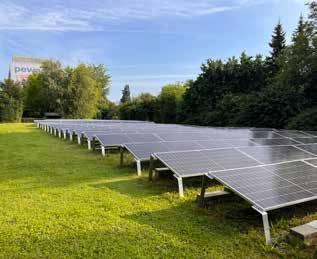
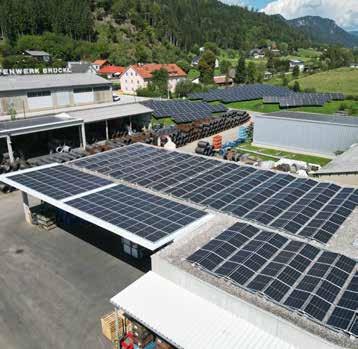
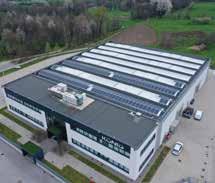
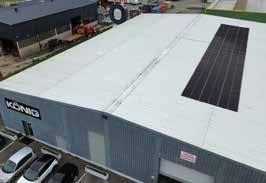
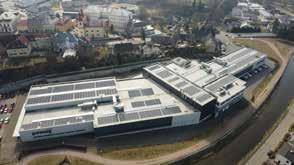
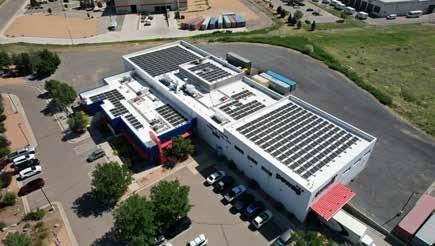
Decarbonization • 8+ locations powered by self-generated green energy
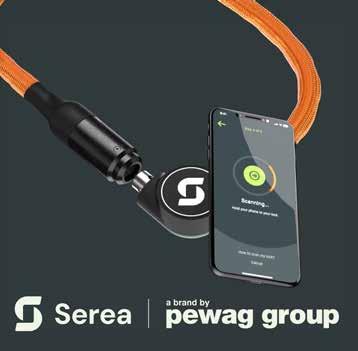
Serea Smart Lock • 2026 Winner of the German Design & Innovation Award Ranked in the top 15% based on
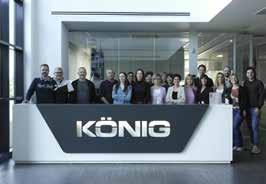

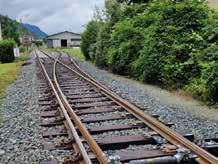
Logistics decarbonization • from trucks to rail
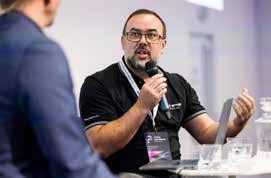
Digitalization • Keynote at the Microsoft conference A member of the pewag group
E4-1
E5-5
E5-6

we take responsibility.
CLIMATE CHANGE MITIGATION AND ADAPTATION
[ESRS E1 | E1-1, E1-2]
Schneeketten Beteiligungs AG strives to conserve natural resources as well as to reduce the overall environmental footprint of production, goods and services throughout their life cycle.
The group is aligned with the Paris Agreement and the EU Climate Law, both of which aim to limit global warming to well below 2°C, ideally to 1.5°C, compared to pre-industrial levels. The EU Climate Law enshrines this target into binding European law and requires EU member states to achieve climate neutrality by 2050.
The group-wide Code of Conduct establishes binding commitments to climate change mitigations and adaptation, energy efficiency and the transition to renewable and lowcarbon energy sources – including self-generated renewable energy.
Corresponding investments are planned and are being implemented step by step as part of the group-wide transformation strategy, in particular to further decarbonize operations and continuously increase the share of (selfgenerated) renewable energy.
As an important attribute, many subsidiaries are certified according to ISO 14001 (“Environmental management systems”) and ISO 50001 (“Energy management systems”).
Both energy consumption as well as CO2 emissions are regularly monitored.
GOAL: CO2 NEUTRAL PRODUCTION BY 2030
[ESRS E1 | E1-3, E1-4]
Schneeketten Beteiligungs AG has set itself an ambitious goal in alignment with the Paris Agreement as well as European Climate Law: to achieve CO2 neutral production by 2030.
What does this goal mean?
We are determined to significantly reduce our CO2 emissions by the year 2030, ultimately aiming for CO2 neutral production. We are targeting specifically the Scope 1 and 2 emissions of the most relevant greenhouse gases, otherwise known as CO2-equivalent.
All subsidiaries are committed to this goal, whereby the subsidiaries newly incorporated into Schneeketten Beteiligungs AG are granted a 5-year phase-in period.
How will we achieve this?
As a first step, we have analyzed the targeted CO2 emissions and identified our CO2 hotspots, as presented in the infographic below.
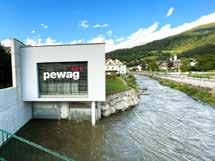
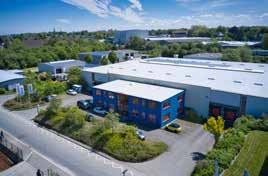
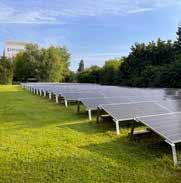
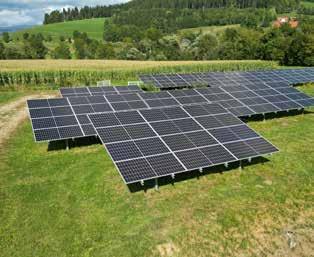
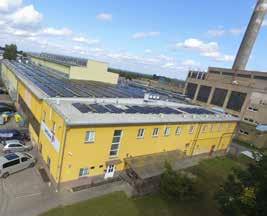
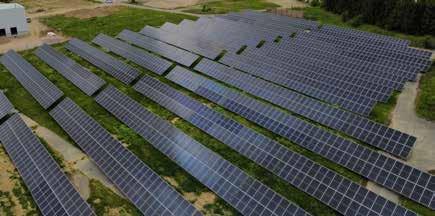
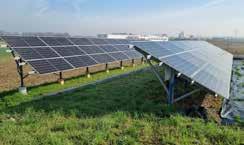
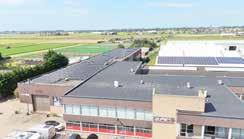
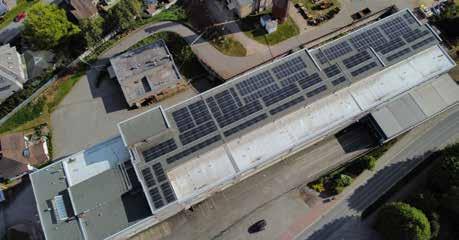
Scope 1 represents direct emissions from our own operations and sources, such as transport with company vehicles and gas purchased. This also includes self-generated energy for our own use, which comes completely from renewable sources (photovoltaics and hydro power plant) and is therefore already CO2 neutral.
Scope 2 represents indirect emissions from purchased energy (e.g. electricity, heat and cooling).
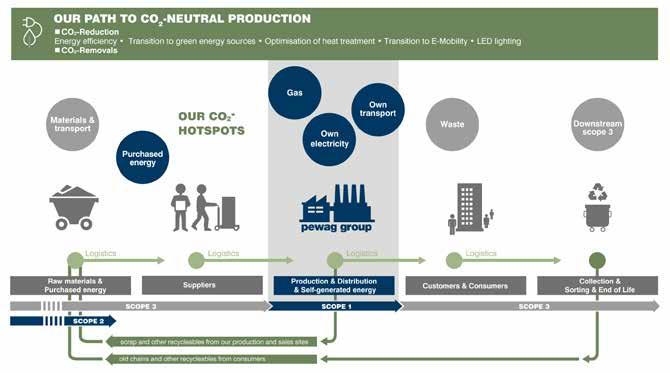
Derived from the results, we have developed a roadmap for Schneeketten Beteiligungs AG as well as for each manufacturing site, outlining specific measures to achieve our goal.
Our main focus is the reduction of CO2 emissions, targeting specifically the Scope 1 and 2 emissions. Our key reduction measures are: energy efficiency, including the optimization of our production processes (e.g. heat treatment) to reduce energy consumption, and transition to green energy sources either by implementing self-generated renewable energy (photovoltaic plants, hydro power plants) or with purchased renewable energy.
We are also focusing on optimization of our own logistics and transport (E-mobility). Finally, even smaller steps such as installing LED lighting contribute to decarbonization, especially in offices and warehouses.
Our decarbonization measures are largely aligned with the EU “Fit for 55” initiative. This EU’s plan for a green transition aims to reduce CO2 emissions by 55% by 2030. It proposes a coherent and balanced framework for reaching the EU’s climate objectives in a way, which on one hand ensures a just and socially fair transition, while on the other hand strengthens innovation and competitiveness of EU industry and last of all also underpins the EU’s position as leading the way in the global fight against climate change.
Some of the EU-decarbonization measures include: setting ambitious renewable energy targets (42.5% renewable energy share by 2030), ensuring energy efficiency, shifting from fossil gas to renewable and low-carbon gases and reducing emissions from transport.
Thanks to these targeted reduction measures, Schneeketten Beteiligungs AG and its subsidiaries have already been able to significantly reduce their Scope 1 and 2 emissions since 2022 – from 24% in 2022 to 32% in 2025.
In 2025 alone, the transition to renewable energy sources avoided an additional 1 374 tonnes of CO2 emissions, equivalent to the carbon capture capacity of approximately 41 220 newly planted trees. A positive trend and another important step towards our climate goal.
The remaining, currently unavoidable emissions will be further analysed and offset in the coming years, in particular through possible carbon removal measures and the targeted use of CO2 certificates. Notably, the use of CO2 certificates will be strictly limited to residual emissions.
Scope 3 emissions represent the indirect emissions from activities in the value chain.
These are not addressed with our main goal of CO2 neutral production. Nevertheless, we want to fully understand their impact. Thus, we have already examined the subcategories of Scope 3 emissions significant to our value chain and set out systems to monitor them.
Research conducted in 2023, along with external independent studies revealed that subcategories such as raw materials purchased (steel and aluminum) as well as upstream and downstream transport might be the most impactful and should therefore be considered material. Some of these impacts are already being successfully mitigated through our measures towards the circular economy
[ESRS E1 | E1-5]
he manufacturing processes in the metal industry are energyintensive, which is why Schneeketten Beteiligungs AG and its subsidiaries strive to replace fossil energy sources such as gas and non-renewable electricity with renewable and low-carbon energy sources wherever possible.
In the reporting year 2025, total energy consumption amounted to 21 509 MWh, which represents an increase of 11% compared to the previous year. In some subsidiaries, up to 79% of total energy demand was already covered by renewable energy sources (both purchased and selfgenerated), while the figure at group level was 36%.
This puts us well above the global average of 15% and the EU average of 25.2%. The original EU target of covering at least 32% of energy needs from renewable sources by 2030 has already been successfully exceeded, while the more ambitious updated EU target of 42.5% is within reach.
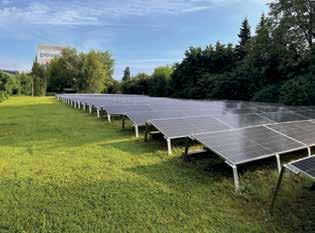
Thanks to our own photovoltaic systems and a hydroelectric power plant, the amount of self-generated renewable energy more than doubled from 1 270 MWh in 2022 to 2 635 MWh in 2023. In 2025, the figure stabilized at 2 147 MWh, which represents a slight decrease but still reflects a consistently positive overall trend compared to previous years.
The share of in-house energy supply across the group reached 10%, with individual subsidiaries achieving up to 68%, marking another milestone on our path towards decarbonization and the achievement of SDG 7 (Affordable and clean energy).
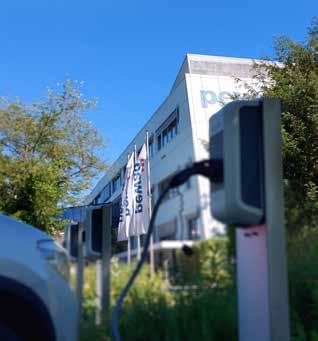
The transition to e-mobility within the company fleet is also a key component of our sustainability strategy.
In 2025, the share of kilometres driven by company-owned electric vehicles continued to increase – from 7% in 2023 and 22% in 2024 to reaching 35% in 2025. Including kilometres driven by low-carbon (hybrid) vehicles, this corresponds to a 75% increase compared to the previous year, while the share of kilometres driven using fossil-fueled vehicles decreased accordingly.
and subsidiaries in reporting year 2025
Depiction 7: KPIs – Energy consumption
[ESRS E1 | E1-6, E1-7, E1-8]
Greenhouse gas emissions have been monitored and recorded across the group on a regular basis since 2022. Gross greenhouse gas (GHG) emissions, including CO2, CH4 und N2O, are calculated in CO2 equivalents in accordance with the principles and methodology of the GHG Protocol.
Both Scope 1 and Scope 2 emissions are calculated using activity-based data (rather than spend-based data), thus enabling greater data accuracy.
In the 2024 reporting year, emission factors were updated: in addition to revised default values from the Intergovernmental Panel on Climate Change (IPCC), also location-based emission factors from the International Energy Agency (IEA)
were applied for Scope 2. To ensure comparability over the years, emissions data for 2023 were retrospectively adjusted to reflect the updated factors. The original data remains transparently documented and is available in the archive.
Market-based emission factors for Scope 2 are currently available for individual subsidiaries only. A group-wide implementation of market-based Scope 2 emission factors is planned for future reporting periods.
In Scope 3, the relevant subcategories are also recorded in accordance with the GHG Protocol. For the current business model and industry, these include in particular: Category 1 (purchased goods, especially steel and aluminium), Categories 4 and 9 (upstream and downstream transportation and distribution), and Category 6 (business travel). These emissions are also determined using
activity-based data; however, they are estimates – primarily using supplier-specific emission factors, supplemented by default conversion factors where necessary.
The methodology is regularly updated and further developed, including through the gradual inclusion of additional Scope 3 subcategories. This ensures that all material Scope 3 emission sources – based on the 2023 analysis as well as industry-specific findings – are taken into account.
At present, parts of the Scope 3 data are still based on estimates, as they are not primary data but are derived from information provided by suppliers and partners along the value chain. Many of these stakeholders are not currently subject to mandatory sustainability reporting requirements
but are in the process of developing corresponding CO2 data monitoring systems. Over the coming years, a continuous improvement in data quality for Scope 3 emissions is therefore expected.
The results of our CO2 monitoring process are presented in the table below. To track our targets and progress, the additional KPI “avoided CO2 emissions thanks to renewable energy” is also reported. Internally, this is further illustrated in terms of “newly planted trees”.
Further topics, such as carbon removal and internal carbon pricing, will be analysed in the coming years in order to assess their potential contribution to the envisioned sustainable transformation of the group.
(Scope 1 + 2)
Depiction 8: KPIs – GHG emissions
1 Location-specific conversion factors according to IEA (IEA (2024), Emission factors).
2 When considering the total CO2eq emissions from the value chain (so-called Scope 3), it should be noted that this data was not yet available in the reporting year 2022. In 2023, the 2 most relevant (out of a total of 15) subcategories were initially introduced; in reporting year 2024, 2 additional relevant subcategories
were added. Furthermore, these figures are estimates, as not all partners along the value chain currently collect this data. Therefore, a year-on-year comparison is not yet meaningful at this time.
3 Avoided thanks to renewable energy: This refers to energy generated from renewable sources (water, wind, sun) that helps avoid CO2 emissions by replacing fossil fuels.
Other sites of pewag group
Other sites of pewag group ►
[ESRS E2]
Schneeketten Beteiligungs AG complies with all local environmental regulations. Emissions are recorded regularly and with great care; continuous performance improvements are based on an environmental management system in accordance with ISO 14001.
In some of the manufacturing processes, such as galvanizing, the use or generation of some pollutants and substances of concern is currently technically inevitable. There, we set ourselves the goal of continuously reducing such impacts and we actively investigate suitable substitutes to maintain product and environmental stewardship.
Environmental KPIs
To minimize risks and ensure prevention, proven corrective measures are implemented, supported by regular environmental audits and ongoing optimization of process technologies.
In 2025, as well as in previous reporting years, no air emissions exceeding the thresholds defined in the E-PRTR regulation were detected at any locations of Schneeketten Beteiligungs AG. No other environmentally relevant pollutants were used or generated. The handling of substances of (very) high concern under the REACH regulation is documented and transparent, following a standardized monitoring system.
and subsidiaries in reporting year 2025
Depiction 9: KPIs – Pollution
[ESRS E3]
Schneeketten Beteiligungs AG handles water resources with great care, even though no water is being consumed in areas of high-water stress.
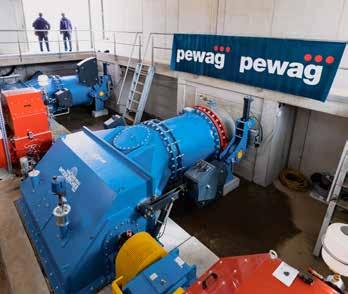
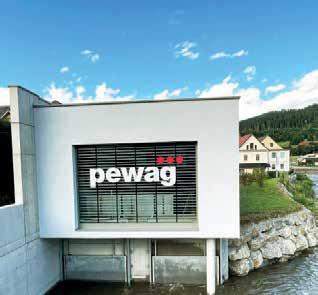
At our production sites in Austria and Czech Republic, water from different sources, including rainwater, is used in production processes for cooling purposes. This occurs in a closed loop system, thus ensuring the water is not contaminated.
Furthermore, stream water is used for the generation of renewable energy in our hydroelectric plants in Austria. These have been carefully designed and constructed to ensure that aquatic life remains intact.
Water consumption – that is the amount of water drawn into the company’s boundaries during the reporting period and
not discharged back to the water environment – is strongly dependent on the production volume; therefore, both water withdrawal and discharge are regularly monitored and the quality of discharged water is regularly tested.
In the manufacturing industry, total water consumption typically accounts for between 3% and 15% of total water withdrawal.
In 2025, total water consumption at Schneeketten Beteiligungs AG and its subsidiaries remained at the lower end of this range, at 5%.
Environmental KPIs of Schneeketten Beteiligungs AG and subsidiaries in reporting year 2025
Depiction 12: KPIs – Water use
[ESRS E4]
Double materiality analysis, in which both the financial as well as ESG-related impacts on and by a company are assessed, showed no significant impacts regarding biodiversity and ecosystems.
Nevertheless, Schneeketten Beteiligungs AG is committed to preserve green areas at its own locations. In 2025, an infrastructure of 244 726 m² was maintained, with the area of natural and near-natural surfaces currently representing 58% of the total infrastructure.
KPIs
Schneeketten
and subsidiaries in reporting year 2025
Depiction 13: KPIs – Infrastructure
[ESRS E5 | E5-1, E5-2]
Schneeketten Beteiligungs AG dedicates itself to careful handling of resources and integrates the principles of the circular economy into its business model, focusing primarily on longevity, reusability, repairability and recycling.
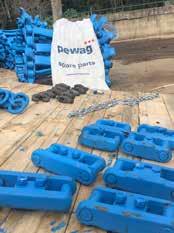
It is therefore self-evident to use raw materials as sparingly as possible while maintaining product quality. Continuous efforts are made not only to optimize the load-bearing capacity, weight, and durability of our products, but also to extend their lifecycle – for example, by providing spare parts and repair services – and to improve their recyclability.
We promote closed loop systems by supporting the use of sustainable, renewable natural resources, while reducing waste and increasing reuse and recycling.
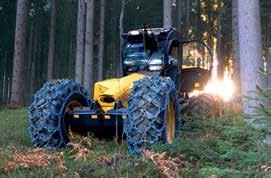
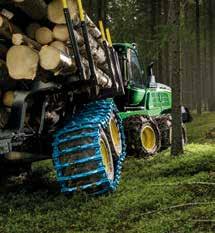
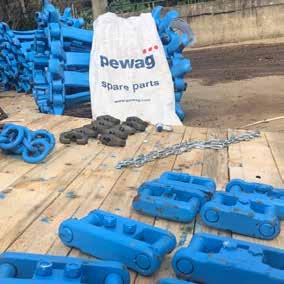
Especially in the forestry sector, Schneeketten Beteiligungs AG pursues a resource-efficient and circular approach aimed at extending product life cycles and promoting closed material loops. By providing suitable spare parts for all forestry tracks, repairs can be carried out directly on site, thereby extending their service life.
[ESRS E5 | E5-4, E5-5]
The resource inputs for our product portfolio are primarily steel and aluminum, sourced regionally wherever possible.
Our products – including snow and traction chains as well as forestry equipment, such as forestry chains and tracks as well as harvester bars and chains – are designed for a long service life and engineered for durability. The use of steel as the primary material generally supports recyclability at the end of the product life cycle.
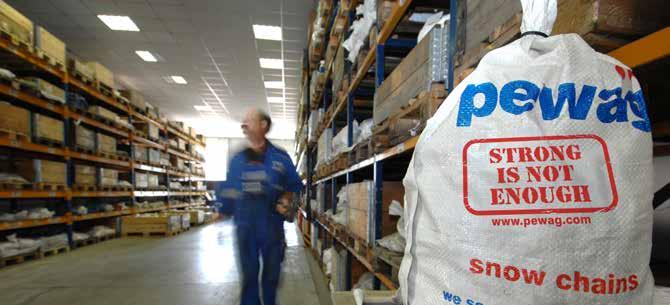
Sustainability is also taken into account in packaging: wooden crates and recyclable bags are intended for multiple reuse cycles.
In production, efforts are also made to avoid waste and, wherever possible, to direct residual materials generated either to internal or external reuse or to recycling.
In year 2025, within Schneeketten Beteiligungs AG and its subsidiaries, a total of 1 102 tons of waste was generated and disposed of. Thereof 68% was recycled, 7% hazardous and 24% not recycled (non-hazardous).
Environmental KPIs of Schneeketten Beteiligungs AG and
Depiction 14: KPIs – Resource use

social we take responsibility.
[ESRS S1 | S1-1 – S1-5]
Schneeketten Beteiligungs AG respects, upholds and promotes internationally proclaimed human rights, both at the workplace and in the own area of influence, such as along the value chain and in the local communities
As an important attribute, many subsidiaries have successfully implemented the principles of ISO 45001 (“Occupational health and safety management systems”), with several having achieved certification since 2024.
We recognize that the contribution of our employees is our greatest asset. Our dedication to providing good working conditions and secure employment at all our locations around the world is one of the foundations of our business model.
This is reflected in our Code of Conduct with a range of commitments, such as ensuring health and safety, encouraging work-life balance, providing flexible working time and adequate wages, alignment with the collective agreements in the EEA region as well as enabling social dialogue and freedom of association. Our performance is regularly monitored by the selected KPIs.
[ESRS S1 | S1-6]
As of the reporting date December 31, 2025, Schneeketten Beteiligungs AG and its subsidiaries employed 366 own employees worldwide (headcount): thereof 38% female, 62% male and 0% other.
The employee turnover rate has successfully reduced from 17% in 2024 to 15% in 2025. Also other observed indicators reflect a culture of secure employment: the share of permanent employment contracts remained consistently at 96%, with equal representation among male and female employees.
Despite a decline in total employment compared to the previous year, the gender distribution remained stable, indicating a culture of equal treatment and equal opportunities.
The share of full-time employees remained constant at 93%. Due to family-related reasons, 15% of all female employees and 3% of all male employees opted for part-time work.
The number of employees is recorded both as headcount and as full-time equivalents (FTEs) – as of the balance sheet date and as an annual average.
and subsidiaries per December 31 and per year average
Own employees per December 31
Depiction 16: KPIs – Own employees per December 31 and per year average as well as employee turnover Own employees Per Dec 31, 2025 Per Dec 31, 2024 Per Dec 31, 2023
NON-EMPLOYEE WORKERS
[ESRS S1 | S1-7]
In 2025, including 22 non-employee workers – such as agency workers in production and other external personnel –the total number of persons in the own workforce amounted to 388 employees.
and subsidiaries per December 31 Non-employees
Depiction 17: KPIs – Non-employee workers
WORKING CONDITIONS
[ESRS S1 | S1-8, S1-10, S1-11, S1-15]
All employees worldwide are entitled to paid family-related leave – supporting the work-life balance – and are covered by social protection in the events of income loss.
In the EU/EEA region, collective bargaining coverage stands at approximately 94% and 66% of employees are represented by employee representatives.
Outside the European Union and European Economic Area (EU/EEA), comparable structures are not as widely established. However, Schneeketten Beteiligungs AG respects freedom of association and promotes social dialogue at all its locations worldwide.
All employees receive fair and adequate remuneration that exceeds local statutory minimum wages and/or collective agreements – reflecting a clear commitment to fair working conditions worldwide.
and subsidiaries in reporting year 2025
Depiction 18: KPIs – Working conditions
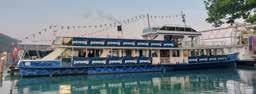
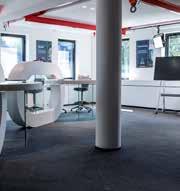
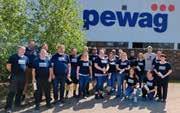
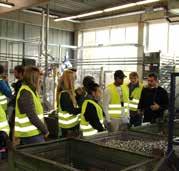
bike2work, CZ Summer gathering Factory tour pewag academy
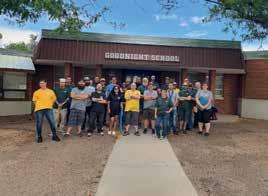
Giving back to local communities

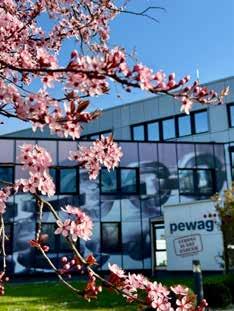
Springtime at workplace Team building
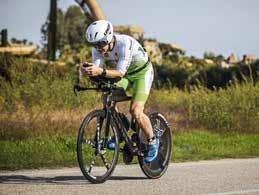

pewag racing team Company run, DE
End-of-Year celebrations
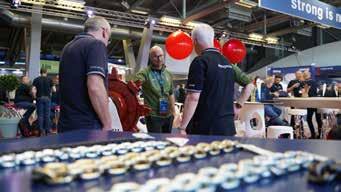
pewag congress
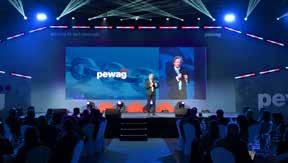
pewag congress
[ESRS S1 | S1-13]
The focus is also on the continuous encouragement of the personal and professional development of our employees.
Annual performance reviews are an opportunity to jointly reflect upon and manage the achievements, individual goals and development possibilities. In 2025, 92% of all male employees and 90% of all female employees participated in these reviews.
Skills development takes place through both in-person training and the pewag academy, our ISO 29993-certified online learning platform. This platform offers our employees worldwide a wide range of educational content: from
compliance training such as fire safety, cybersecurity and data protection to product training, technical seminars and live webinars, which also external partners can attend.
Apart from that, also external training is facilitated, including training in machine safety, specialized qualifications and language courses.
In 2025, a total of 1 728 training hours were conducted – an average of 4.7 hours per employee; thereof 5.3 hours per male employee and 3.9 hours per female employee.
Voluntary and gratuitous training opportunities as well as mentoring are not included in this total, as they are not yet incorporated into the standardized tracking of training and development hours.
subsidiaries in reporting year 2025
Training and skills development
Depiction 19: KPIs – Training and skills development
OCCUPATIONAL HEALTH AND SAFETY
[ESRS S1 | S1-14]
The occupational health and safety of our employees are a fundamental principle for Schneeketten Beteiligungs AG – from personal protective equipment, machine safety, fire protection through to handling chemicals. All subsidiaries conduct various projects for accident prevention and raising awareness.
Even despite this effort, not all workplace accidents can be completely avoided. The accident rate according to OSHA increased from 3.2 in 2023 to 3.8 in 2025 (the number of accidents remained the same throgh the years, but the rate increased due to a smaller workforce). However, it still remains within the industry average range of 3 to 5.
OSHA-rate indicates the number of recordable work-related accidents per 200 000 hours worked, which equals to 100 fulltime employees, over a 1 year period.
In order to continuously improve the occupational health and safety, additional measures were introduced, one of them being the implementation and – in some cases also certification – of ISO 45001 principles (Occupational health and safety management systems).
As in previous years, there were no fatalities or work-related illnesses. In 2025, the cases of sickness and the total number of absence days – including days lost due to illness and accidents – was reduced by 36% compared to 2024. This result is not solely attributable to the 5% reduction in workforce, but also to the impact of targeted health-promoting measures.
and subsidiaries in reporting year 2025
Depiction 20: KPIs – Occupational health and safety
[ESRS S1 | S1-9, S1-12, S1-16, S1-17]
Last but not least, Schneeketten Beteiligungs AG nurtures a culture of open, honest, non-discriminatory and teamoriented exchange based on transparent communication.
Diversity is welcomed and underpinned by equal treatment and equal opportunities for all, including gender equality and equal pay for work of equal value, equal access to training and skills development, inclusion of persons with disability and enacting measures against violence and harassment in the workplace.
The share of women in top management positions increased from 21% to 23% – an above-average level in a traditionally male-dominated industry.
In addition, since 2024 a new ESRS gender pay gap indicator was introduced, which at 27% does not reflect the full reality at an aggregated level, as its definition does not take into account the different roles and responsibility held by men and women in the manufacturing industry.
We place great importance on transparent and honest feedback. Therefore, any concerns – both internal and external – can be reported via our confidential grievance mechanism
In the reporting year 2025, no reports were submitted.
In line with the multi-year presentation of key figures and as already reported in the previous year, one complaint related to workplace harassment was submitted in 2024. This was thoroughly investigated by an independent body within the organization. As a result, appropriate measures were taken, including the termination of one employment relationship.
In addition, preventive measures were implemented, in particular through targeted training sessions and discussions on the guidelines of the pewag group regarding respectful behavior and the prevention of harassment.
The aim of these measures is to prevent similar incidents in the future and to further strengthen our commitment to a respectful and safe workplace.
Persons with disabilities
Depiction 21: KPIs – Diversity, equity, inclusion
Dec 31, 2025 Per Dec 31, 2024 Per Dec 31, 2023
Incidents, complaints and severe human rights impacts
Description of the nature of such incidents
Total number of complaints filed through grievance mechanisms
Total amount of fines, penalties and compensation for damages from such incidents
Depiction 22: KPIs – Grievance mechanism
[ESRS S2]
To ensure a sustainable, responsible and resilient value chain, Schneeketten Beteiligungs AG carefully selects its suppliers and partners. In particular compliance with the ESG minimum requirements is an essential criterion for cooperation.
Standards for fair working conditions are promoted along the entire value chain. They include, among others, secure employment, appropriate working hours and remuneration, freedom of association and social dialogue, occupational health and safety, as well as equal treatment and equal opportunities for all. In addition, fundamental labor-related human rights are promoted, in particular the prohibition of child and forced labor, as well as data protection.
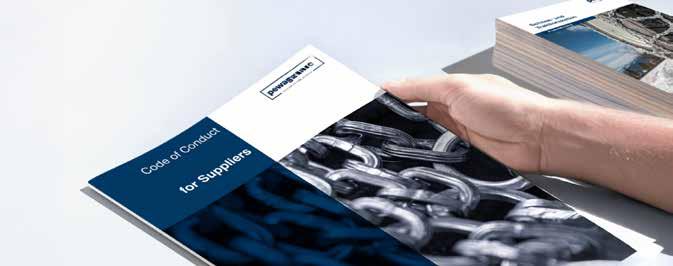
Compliance with these expectations is supported by a separate Code of Conduct for Suppliers and by providing external stakeholders with access to our confidential whistleblowing channel. Further measures are currently under review.
[ESRS S3, S4]
Taking responsibility for ESG means that also the interests of other stakeholder groups, such as affected communities, consumers and end-users are considered in the process of developing our sustainability strategy.
In relation to affected communities, particular consideration is given to potential impacts on economic, social and cultural rights, as well as civil and political rights, especially with regard to environmental and safety aspects.
For consumers and end-users, the focus is on product safety, access to product information, data protection and non-discrimination.
Engagement with relevant stakeholders takes place through various communication channels, including the confidential whistleblowing channel as well as site-specific formats such as open-house days.

governance we take responsibility.
CORPORATE CULTURE AND BUSINESS ETHICS
[ESRS G1 | G1-1, G1-3, G1-4]
Schneeketten Beteiligungs AG strives to live up to the corporate responsibility towards people and the environment. Thus, the performance is systematically tracked with selected KPIs not only concerning the environmental and social aspects, but also regarding business ethics. The overarching targets and corresponding actions plans are being developed.
To identify and assess the material impacts, risks and opportunities, discussions were held with internal and external stakeholders. The double materiality analysis identified the following topics as material: cybersecurity and AI, data protection, digitalization and business ethics, including the prevention of corruption and bribery.
Schneeketten Beteiligungs AG complies not only with the applicable regulations, international standards and industryspecific guidelines, but also holds itself to the highest standards of integrity
Internally, this is ensured at all locations worldwide through compliance management, training our employees and implementing our own Code of Conduct. The latter reflects the commitment of each of our team members to co-create an ethical corporate culture with zero tolerance for corruption, bribery, anti-competitive or other unlawful behavior and where respect for human rights and the environment is enhanced by transparency, effective cybersecurity and data protection on one hand as well as protection of whistleblowers on the other.
Externally, this corporate culture of responsibility towards people and the environment is actively encouraged along the entire value chain with the help of a separate Code of Conduct for Suppliers.
Apart from that, business activities are regularly and carefully monitored through embedded internal control systems
as well as with selected annual third-party assessments. Breaches are taken seriously and can ultimately lead to termination of employment or business partnerships.
Any concerns regarding business ethics, human rights, the environment as well as other compliance matters can be submitted either directly to the designated contact person or via a confidential grievance mechanism, which is accessible to internal and external persons: compliance@ pewag-group.com. The investigations are carried out internally by independent and skilled officers bound by confidentiality.
Preventative and safety measures for whistleblower protection are duly enacted according to applicable EU and national legislation.
In the reporting year 2025, no confirmed incidents of corruption, anti-competitive behavior, data protection violations or the like were reported or discovered.
and subsidiaries in reporting year 2025
Business ethics
CONFIRMED INCIDENTS OF CORRUPTION AND BRIBERY
Total number of confirmed incidents of corruption and bribery
Description of the nature of these incidents
Number of convictions
Amount of fines from convictions
Public legal cases against the company and own workforce
Confirmed incidents in which own workforce was dismissed or disciplined
Confirmed incidents relating to business partners, that were terminated or not renewed
Whistleblowing & Grievance mechanism
REPORT FROM INTERNAL WHISTLEBLOWING SYSTEM
Number of received reports
Number of investigations and proceedings initiated as a result of such reports
of justified reports
Description of the type of committed violations
Number of processed retaliation incidents
Description of the type of retaliation
Depiction 24: KPIs – Governance
POLITICAL ENGAGEMENT
[ESRS G1 | G1-5]
Schneeketten Beteiligungs AG does not engage in political lobbying but is active in various trade associations and nurtures strategic partnerships.
Furthermore, some subsidiaries are engaged in lobbying activities within the Italian trade association Assocatene as well as its umbrella organization Anima Confindustria
Meccanica Varia, the lobbying contact for 34 affiliated trade associations. A key concern of these activities is the promotion of clear and uniform safety standards for traction aids used in winter – especially with regard to alternative products such as snow socks.
The aim is to ensure a high level of road safety through binding regulations while fostering a fair competitive environment.
and subsidiaries in reporting year 2025
Political influence and lobbying activities
Company’s engagement in political activities
Who is responsible for the oversight of these activities?
Contributions to political party / to elected representatives / to persons seeking political office
Company’s engagement in political activities
Who is responsible for the oversight of these activities? Management Team Management TeamWhich topics are covered by the lobbying activities? Snow socks Snow socks
The company’s position on these topics Clear safety regulations Clear safety regulations
REGISTER AND HISTORY
EU Transparency Register ID number
Member of the top management or supervisory board with a position in public administration in the last 2 years
Depiction 25: KPIs – Political influence and lobbying activities
[ESRS G1 | G1-2]
Schneeketten Beteiligungs AG has proven itself to be a long-term partner for customers and suppliers. To ensure a sustainable, responsible and resilient value chain, we choose suppliers and partners with great care. Thus, compliance with ESG minimum requirements and local regulations is an essential criterion for cooperation.
These fundamental ESG principles – including climate change mitigation and decarbonization, human rights and fair working conditions as well as business ethics –are embedded in the group-wide Code of Conduct for Suppliers. They are communicated throughout the value chain and implemented through a three-stage approach. In the first phase, our values and expectations are communicated regularly, particularly since 2023 through bilateral engagement and via our website. In the second phase, ESG self-assessment questionnaires have been introduced in 2025, with the aim of including all key suppliers by 2028. In the third phase, the introduction of additional audits is being considered.
Building on such understanding of corporate responsibility along the value chain, responsible raw material management takes on particular importance. The approach
is based on clearly defined principles of transparency, traceability and sustainability along the supply chain. The focus is on carefully considering the origin of critical raw materials with the aim of avoiding potentially negative social or environmental impacts.
The use of conflict minerals is generally avoided. If their use is deemed necessary in exceptional cases, the corresponding due diligence processes are implemented according to internationally recognized standards and OECD guidelines – including the provision of the Conflict Minerals Reporting Template (CMRT) – to ensure that supply chains do not contribute to the financing of conflicts or human rights risks
[ESRS G1 | G1-6]
Schneeketten Beteiligungs AG places importance on fair and reliable payment practices towards its suppliers and business partners. Payment terms are consistently complied with in accordance with the respective contractual agreements. The aim is to support cooperative and predictable collaboration along the value chain.
Internal processes are in place to ensure timely invoice verification and payment processing.
Depiction 26: KPIs – Payment practices

This final section contains all supplementary information – including the reference list according to the United Nations Sustainable Development Goals (SDGs) and the independent assurance report.
[ESRS - ]
Schneeketten Beteiligungs AG, as part of the pewag group, is committed to the 17 Sustainable Development Goals (SDGs) of the United Nations and contributes to all 17 SDGs across environmental, social and governance areas, with the aim of continuously improving in each of these fields.
The following SDGs have been identified as the most significant areas of impact: SDG 3 – Good health and well-being; SDG 6 – Clean water and sanitation; SDG 7 –Affordable and clean energy; SDG 9 – Industry, innovation and infrastructure; SDG 12 – Responsible consumption and production; SDG 13 – Climate action.


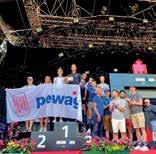


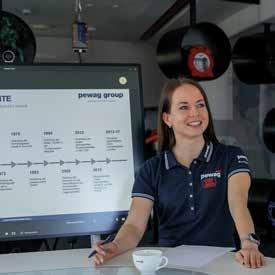
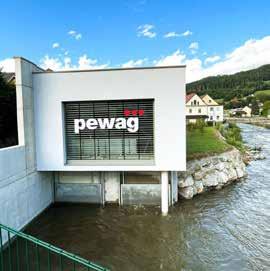



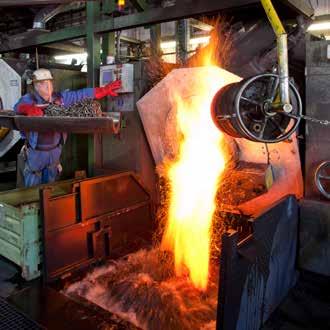

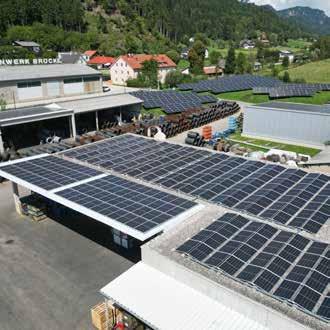


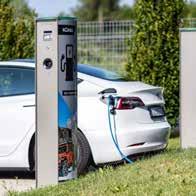


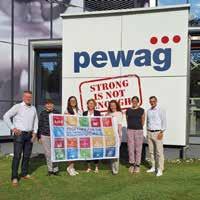


Some of the contributions of the pewag group


Goal: End poverty in all its forms everywhere. • Goal: End hunger, achieve food security and improved nutrition and promote sustainable agriculture.
Our contribution: For the pewag group, long-term employment contracts as well as fair and timely payment are self-evident. In addition, timely payment is a minimum requirement along the entire supply chain, to enable personal planning capability and financial security.
Goal: Ensure healthy lives and promote well-being for all at all ages.
Our contribution: In addition to meeting the high safety standards of its products — a guarantee made to the customers and end-users — the pewag group places a strong emphasis on health and occupational safety throughout all processes, as well as on health-promoting activities for its employees.
Goal: Ensure inclusive and equitable quality education and promote lifelong learning opportunities for all.
Our contribution: The pewag academy offers product and technology training as well as internal training sessions as e-learning courses and in mixed forms (blended learning). The pewag group also facilitates apprenticeships and internships in various areas.
Goal: Achieve gender equality and empower all women and girls.
Our contribution: The pewag group aims to create an environment, where women have equal opportunities and are encouraged to take leadership positions.
Goal: Ensure availability and sustainable management of water and sanitation for all.
Our contribution: The pewag group handles water resources with great care. The focus on water quality and management is not only a characteristic of our internal processes. We also offer a variety of solutions to our customers in this area, such as pewag lifting solutions pump chains for the waste water industry.
Goal: Ensure access to affordable, reliable, sustainable and modern energy for all.
Our contribution: The pewag group increasingly sources its energy from renewable sources. Through investments in its own modern photovoltaic systems, biomass heating plants and hydropower plants, it also produces renewable energy itself. In addition, many pewag group sites are ISO 50001 certified (energy management).
Goal: Promote sustained, inclusive and sustainable economic growth, full and productive employment and decent work for all.
Our contribution: Economic growth and creating fair working conditions are inseparably connected to the pewag group. Depending on the operational possibilities, we offer flexible working conditions, such as home office and part-time positions. Some of our sites also provide a possibility of time-off in the low season or a 4-day work week.
Goal: Build resilient infrastructure, promote inclusive and sustainable industrialization and foster innovation.
Our contribution: The pewag group continuously works on strengthening the resilience of its supply chains as well as IT security and digitalization. One of the measures to counter cyber risks is the successfully completed TISAX information security assessment. The manufacturing processes are certified: ISO 9001, ISO 14001, ISO 50001, ISO 29993, ISO 45001, LEEA.
19, 20, 22, 23
13, 26, 27, 37


Goal: Reduce inequality within and among countries.
Our contribution: The pewag group embraces diversity and is committed to equal treatment and equal opportunities, regardless of nationality, ethnic origin, gender, age, religion etc.
Goal: Make cities and human settlements inclusive, safe, resilient and sustainable.
Our contribution: In addition to the transition to LED lighting, the pewag group is dedicated to energy efficiency in its buildings. Some pewag group locations provide the neighboring residences with district heat from excess self-generated renewable energies.
Goal: Ensure sustainable consumption and production patterns.
Our contribution: The pewag group integrates the principles of the circular economy into its business model: durability and longevity through the provision of high-quality products; reparability through the supply of spare parts and repair services; resource conservation by minimizing resource use and researching recycled raw materials; reusability and recycling at the end of the product lifecycle (scrap metal, plastic, wood, cardboard).
Goal: Take urgent action to combat climate change and its impacts.
Our contribution: To achieve the goal of CO2 neutral production by 2030, the pewag group is focusing on energy efficiency, renewable energies and optimized manufacturing processes as well as e-mobility. Many pewag group sites are also certified: ISO 14001 and ISO 50001.
Goal: Conserve and sustainably use the oceans, seas and marine resources for sustainable development.
Our contribution: In addition to the reduction of plastics both in products as well as in packaging, the pewag group also supports innovative underwater projects such as “Nemo’s Garden”.
Goal: Protect, restore and promote sustainable use of terrestrial ecosystems, sustainably manage forests, combat desertification, and halt and reverse land degradation and halt biodiversity loss.
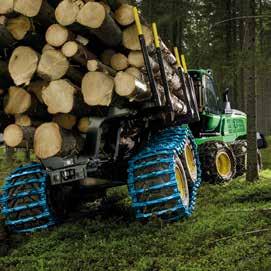
Our contribution: The products, such as pewag bluetrack forestry tracks guarantee optimized grip while also providing a good soil protection of the sensitive forest floor. In addition, the pewag group is committed to preserving natural areas at its sites.
Goal: Promote peaceful and inclusive societies for sustainable development, provide access to justice for all and build effective, accountable and inclusive institutions at all levels.
Our contribution: The pewag group is active in over 100 countries and has devoted itself to the highest standards of integrity. This is ensured through compliance management and our own Code of Conduct. The same values are promoted along the entire value chain using a separate Code of Conduct for Suppliers.
Goal: Strengthen the means of implementation and revitalize the Global Partnership for Sustainable Development.
Our contribution: The pewag group nurtures long-term and sustainable partnerships. It also actively participates in local sustainability initiatives, such as the United Nations Global Compact Network Austria and Graz Pro Sustainability in order to promote the exchange of best practices.
[ESRS - ]
AS OF DECEMBER 31, 2025
We have performed a limited assurance engagement on the consolidated sustainability reporting of the Schneeketten Group for the financial year ending December 31, 2025.
Based on the assurance procedures performed and the evidence we have obtained, nothing has come to our attention that causes us to believe that the consolidated sustainability reporting is not prepared, in all material respects, in accordance with the requirements of Article 29a of Directive 2013/34/EU, including:
■ compliance with the European Sustainability Reporting Standards (hereafter ESRS) and
■ the implementation of the process for determining the information to be reported in accordance with the ESRS (hereafter “materiality analysis process”) and its presentation in Disclosure 1.3.
We conducted our limited assurance engagement in accordance with legal requirements and Austrian professional standards for other assurance engagements and supplementary statements. In a limited assurance engagement, the procedures performed are less extensive compared to those in a reasonable assurance engagement, therefore a lower level of assurance is obtained.
Our responsibilities under these regulations and standards are further described in the section “Responsibilities of the auditor of the consolidated sustainability reporting” of our assurance report.
We are independent of the Group in accordance with Austrian Generally Accepted Accounting Principles and professional regulations and Art. 22 et seq. AP-RL, and we have fulfilled our other professional responsibilities in accordance with these requirements.
Our audit firm is subject to the provisions of KSW-PRL 2022, which substantially correspond to the requirements of ISQM 1, and applies a comprehensive quality management system, including documented policies and procedures for complying with ethical requirements, professional standards and applicable legal and regulatory requirements.
We believe that the evidence we have obtained up to the date of the assurance report is sufficient and appropriate to provide a basis for our summary conclusion as of that date.
The legal representatives are responsible for the other information. The other information includes all information in the consolidated financial statements and in the consolidated management report, with the exception of sustainability reporting and our assurance report.
Our summary conclusion of the sustainability reporting does not extend to this other information and we will not provide any form of assurance thereon. In connection with our assurance engagement on the sustainability reporting, we have the responsibility to read this other information and consider whether this other information is materially inconsistent with the sustainability reporting or with our knowledge obtained during our limited assurance engagement or otherwise appears to be materially misstated. If, based on the work we have performed, we conclude that a material misstatement of this other information exists, we are required to report that fact. We have nothing to report in this context.
The legal representatives are responsible for the preparation of the sustainability reporting, including the development and implementation of the materiality analysis process in accordance with the applicable requirements and standards.
This responsibility includes:
■ identifying the actual and potential impacts as well as risks and opportunities relating to sustainability aspects and assessing the materiality of these impacts, risks and opportunities,
■ the preparation of the sustainability report in compliance with the requirements of Art. 29a of Directive 2013/34/ EC, including compliance with the ESRS and
■ designing, implementing and maintaining internal controls that the legal representatives deem relevant to enable the preparation of sustainability reporting that is free from material misstatement, whether due to fraud or error, and to enable the implementation of the materiality analysis process in accordance with the requirements of the ESRS.
This responsibility also includes the selection and application of appropriate methods for sustainability reporting as well as making assumptions and estimates for individual sustainability disclosures that are reasonable under the given circumstances.
The supervisory board is responsible for overseeing the materiality analysis process and the preparation of the sustainability reporting.
When reporting on forward-looking information, the company is required to prepare such forward-looking information on the basis of disclosed assumptions about events that may occur in the future and possible future actions of the Group. Deviations are likely to occur, as expected events often do not occur as assumed.
Our objectives are to plan and perform the assurance engagement to obtain limited assurance about whether the sustainability reporting, including the materiality analysis process presented therein, is free from material misstatement, whether due to fraud or error, and to issue a report that includes our summary conclusion. Misstatements may result from fraud or error and are considered material if, individually or collectively, they could reasonably be expected to influence the decisions of users made on the basis of the sustainability reporting.
Throughout the limited assurance engagement, we exercise professional judgment and maintain professional skepticism.
Our responsibilities include:
■ performing risk-based audit procedures, including obtaining an understanding of internal controls relevant to the engagement, in order to identify disclosures that are likely to contain material misstatements, whether due to fraud or error, however not for the purpose of expressing a summary conclusion on the effectiveness of the Group’s internal controls; and
■ designing and performing audit procedures related to disclosures in the sustainability reporting disclosures that are likely to contain material misstatements. The risk of not detecting material misstatements resulting from fraud is higher than for those resulting from error, as fraud may involve collusion, forgery, intentional omissions, misrepresentations or the override of internal controls.
An assurance engagement to obtain limited assurance report requires performing procedures to obtain evidence about the sustainability reporting. The nature, timing and extent of the selected assurance procedures depend on professional judgment, including the identification of
disclosures in the sustainability reporting where material misstatements may occur, whether due to fraud or error.
In performing our limited assurance engagement on the sustainability reporting, we proceed as follows:
■ We gain an understanding of the company’s procedures relevant to the preparation of the sustainability reporting.
■ We assess whether all relevant information identified through the materiality analysis process has been included in the sustainability reporting.
■ We assess whether the structure and presentation of the sustainability reporting are in accordance with the ESRS.
■ We conduct inquiries of relevant personnel and perform analytical procedures on selected disclosures in the sustainability reporting.
■ We perform sample-based, result-oriented audit procedures on selected disclosures in the sustainability reporting.
■ We reconcile selected disclosures in the sustainability reporting with the corresponding disclosures in the consolidated financial statements and the other sections of the consolidated management report.
■ We obtain evidence about the methods used for developing estimates and forward-looking information.
The limited assurance engagement on the sustainability reporting is a voluntary assurance engagement.
We issue this assurance report on the basis of the audit engagement contract concluded with the client, which is also subject to the attached General Conditions of Contract for the Public Accounting Professions (AAB 2018) and is effective vis-à-vis third parties.
With regard to our responsibility and liability arising from this engagement, Section 7 of the AAB 2018 applies.
The assurance report on the audit engagement may only be made available to third parties together with the consolidated sustainability reporting and only in its

The auditor responsible for the assurance engagement of the sustainability reporting is Mag. Paola Strozzi.
Klagenfurt am Wörthersee, May 26, 2026

Auditors