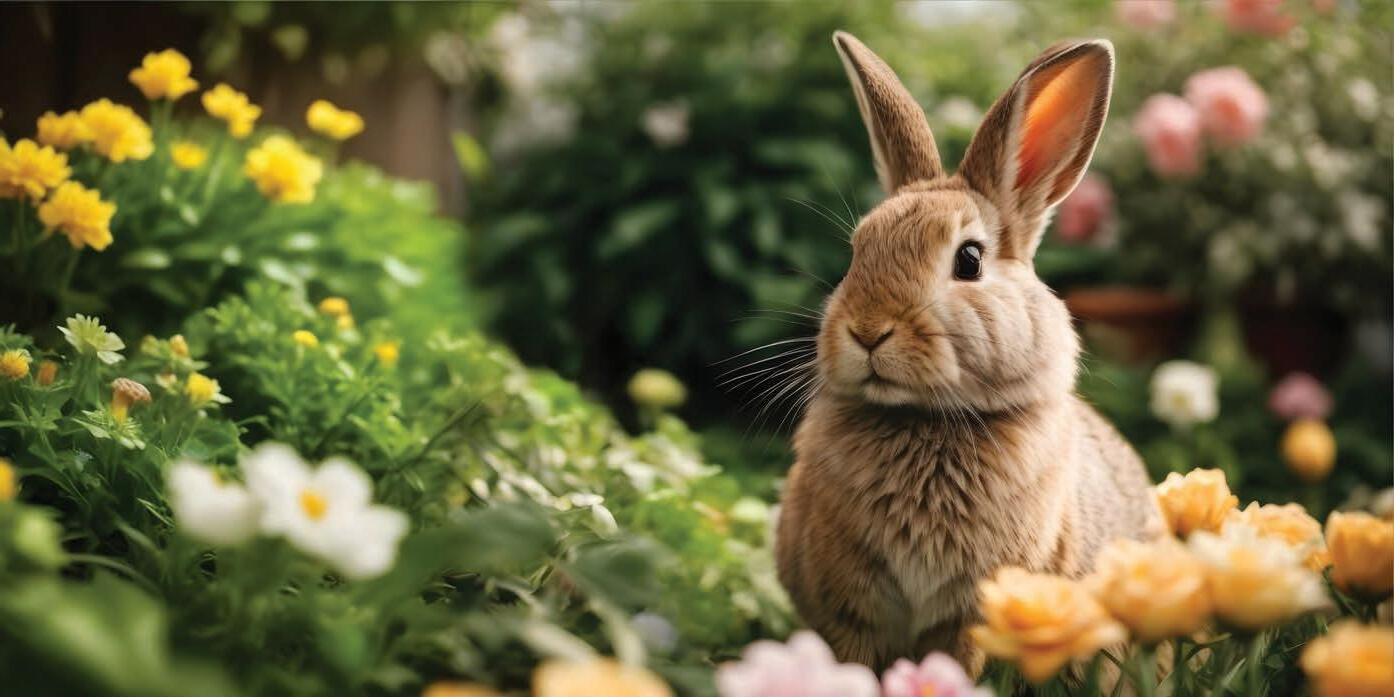
Bringing a healthy nature-diverse diet closer to your beloved pets
About Bunny Nature
In today’s world, where the well-being of our pets is increasingly important, research and development, coupled with the consistent implementation of new findings into advanced products in small animal nutrition, are crucial. Our aim is to offer the best products, ensuring a continuous enhancement of our range at all levels.
Customer-Centric Design: Packaging with clear information value
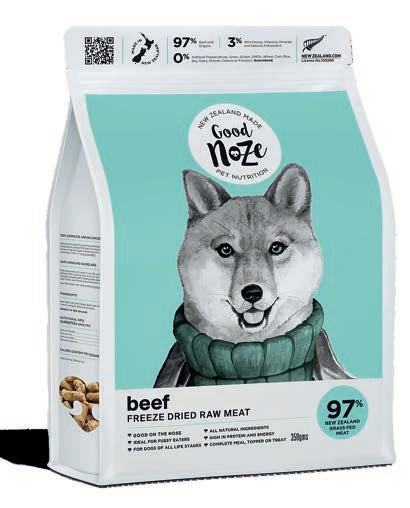
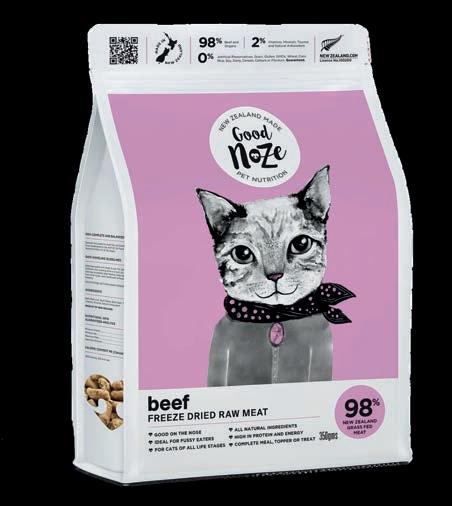
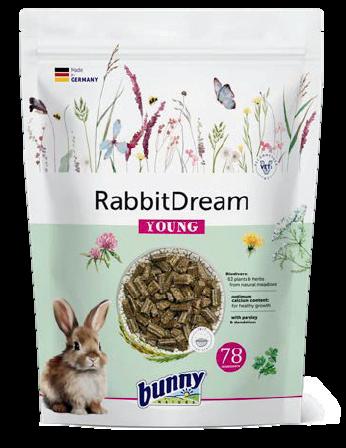
We’ve redesigned our packaging to create a modern, cohesive look that’s visually appealing and clearly communicates key information.
Evolution of formulation: Abundance of natural flavors and nutrients – significant acceptance enhancement
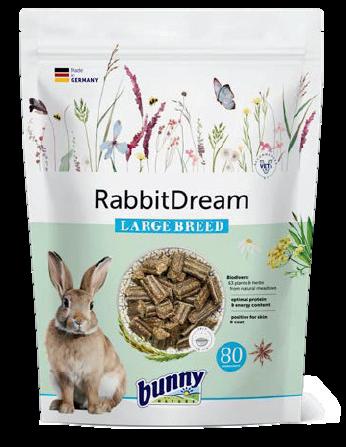
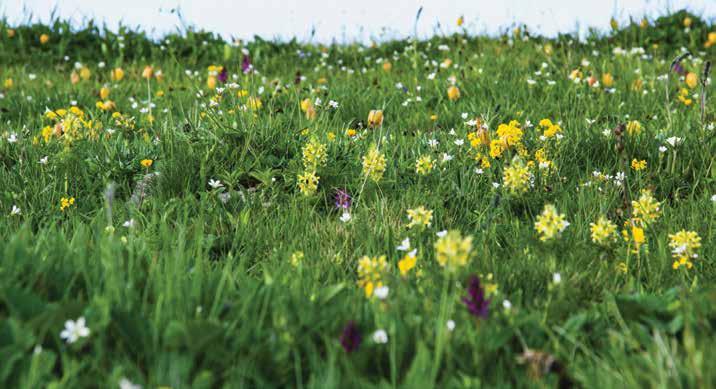
One of the biggest changes to our products is the new herbivore-friendly formula. We've increased the variety of plants and meadow herbs from 42 to 63—an unmatched step that closely reflects a natural diet.
Specific adaptations for various small mammals: Tailored solutions for every animal
Alongside overall improvements, we've made specific adjustments for small mammals to better meet their unique needs. These tailored changes are backed by extensive research and development, ensuring each species gets the care it requires.
Manufacturing: gentle and natural
Producing our products requires expert care to ensure consistent quality and effectiveness. Using a specialized process, we gently handle ingredients to retain their natural flavors and nutrients.
SMALL STEPS
Small pets are not just adorable companions; they are intelligent beings with a natural instinct for seeking nutrient-dense foods. In the wild, they spend hours foraging for the best sustenance to last them days whilst evading prey. Fortunately, in a home, your small pets enjoy the luxury of having hay and food delivered right to their doorstep!
As simple as it may look, these small babies have their complexities and details which you cannot overlook as a parent. This issue is dedicated to these little wonders. We explore ways to make downtime and mealtime an exciting and enjoyable experience for your beloved small pets.
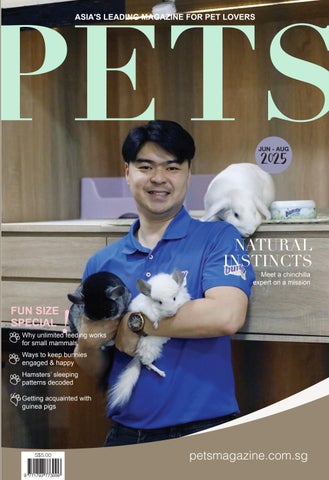
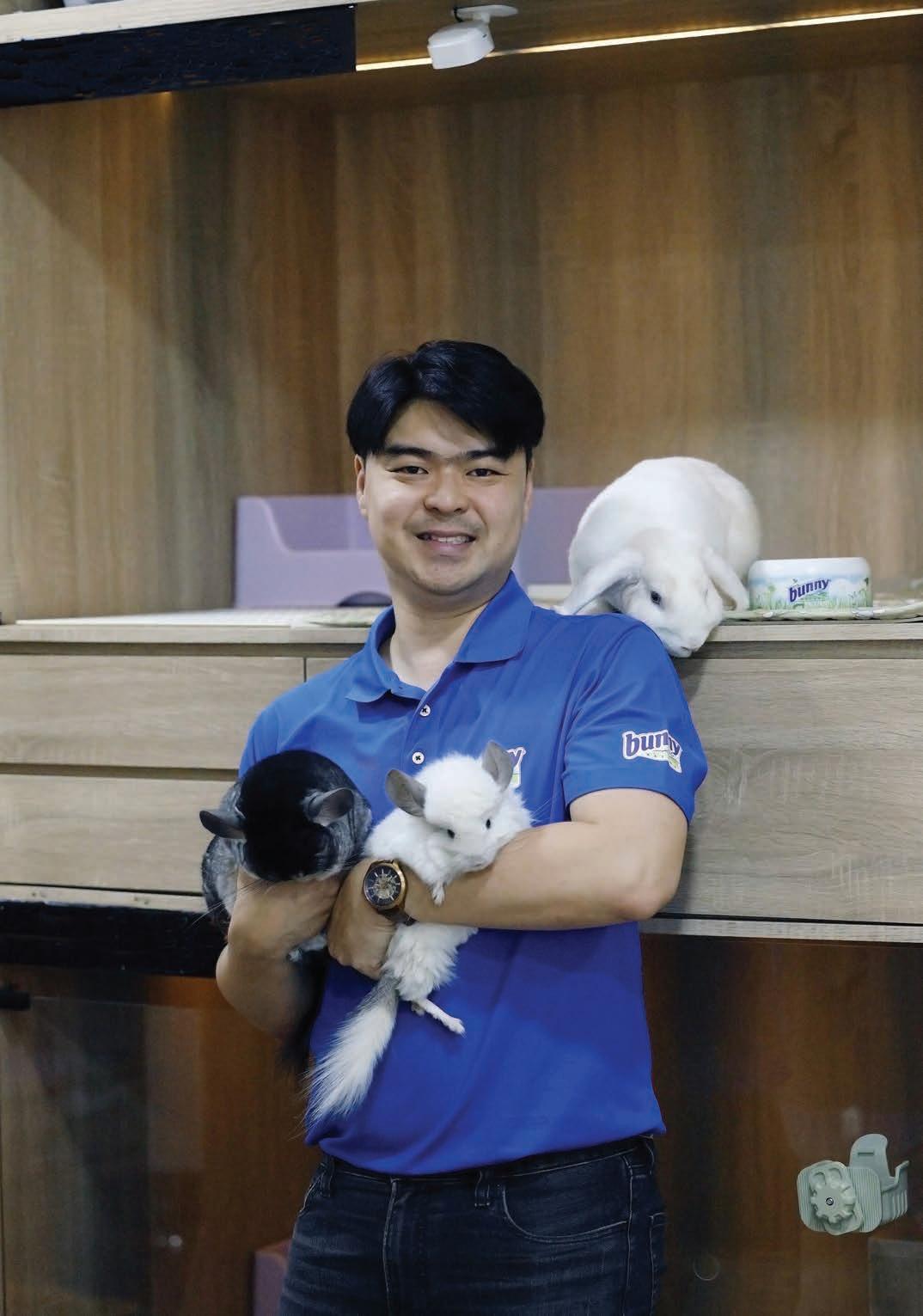
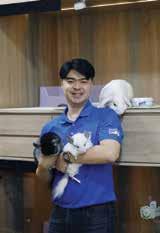
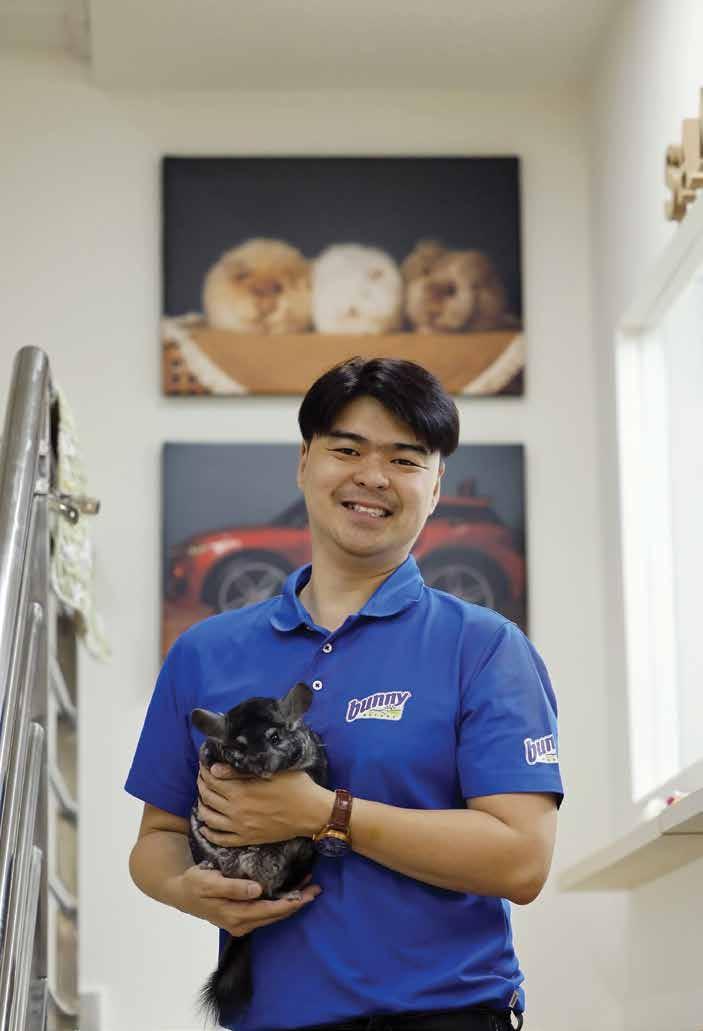
Our cover personality, Charleston Chua is an expert on small animals. He is inspired by the concept of natural feeding: from ingredient selection to animal species-oriented diet in pure nature, and shares tips on getting our small furkids properly nourished.
Get tips to transform mealtime into a game by hiding their food in pet-friendly toys such as a homemade toy of a hanging toilet paper roll to encourage foraging. Learn fun facts about those squeaky guinea pigs. Bored bunnies? Read on for ways to keep your rabbits happy and entertained.
Remember folks, small steps make big changes.
Zulfa JK Managing Editor
PETS Magazine is produced quarterly by Darby Media Pte Ltd. The issues within a year are March to May, June to August, September to November and December to February.
PUBLISHER / DIRECTOR
MANAGING EDITOR
GRAPHIC DESIGNER Veronica Ng J.L. Zulfa Jureni-Kung
Dela Cruz, Richard San Luis
FOR EDITORIAL / ADVERTISING SALES, PLEASE EMAIL veronica@darbymedia.com.sg
FOR SUBSCRIPTION ENQUIRIES, PLEASE EMAIL contact@petsmagazine.com.sg
PETS Magazine is published by Pet Lovers Centre. All rights reserved. MCI (P) 083/02/2023
The publisher accepts no responsibility for any unsolicited manuscripts, illustrations, or photographs. All rights reserved. No part of this publication may be produced, stored in retrieval system, or transmitted in any form or by any other means, including electronically, mechanically, photocopying, or recording without the written consent of the publisher. The articles written for this publication do not reflect views or opinions of the publisher. While every reasonable precaution is taken to ensure the accuracy of the information published, the publisher accepts no responsibility for wrong information supplied by source or interviews; errors or omissions; or any consequences of reliance on the information published.
ChuaAsia Business Developer @ Bunny Nature KC Sim
Located inside Singapore’s Enabling Village, this café’s presence speaks loud and clear. The café welcomes pets, and is also a place where persons with disabilities can train in various skills, carve out a career of their own, and connect with people. At the on-site grooming centre, basic training courses are offered for persons with disabilities who will perform bathing and drying duties under the supervision of certified groomers. Grooming services are offered not just for canines and felines but also for rabbits, guinea pigs, and birds. Expect a comforting selection of Asian homestyle claypot dishes, rice plates, and local drinks, with prices that are accessible. Just honest food, kind people, and a good place to be.
For more information, visit baileyandpatch.com
Pampered Pawcation & Pupnics
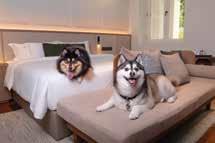
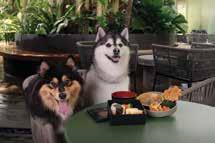
The new Amara Sanctuary Sentosa is elevating its pet-friendly offerings with an upgraded Pampered Paws package, as well as the launch of new pet dining and celebratory experiences. Four-legged guests can now indulge alongside their owners, from gourmet dining options to party packages. On top of the existing Pampered Meows package, the refreshed Pampered Paws package includes an upgraded amenity box filled with premium dog treats and pet essentials, as well as daily breakfast for furkids. An e-Pampered Paws Pocket Guide, spotlights walking trails, and Instagram-worthy photo spots throughout the resort, making it easy to plan picture-perfect moments with their furry companions. Guests can add-on a Family Pupnic experience with their Pampered Paws stay or pre-order a picnic bag, one day in advance, for their day-trip in Sentosa.
For more information, visit sentosa.amarahotels.com
Connecting Hearts
The cafe seats 100 and has a private room for human as well as pet parties.
FROM TOP Pups living it up at the Courtyard suite. | Human-grade pets breakfast at Sanctuary tearoom alfresco.
Living Large
Once considered “internet’s saddest cat” and with his cute, squishy face and slightly downturned eyes, you might get the impression BenBen is a little bit sad. When the stray arrived at a shelter nine years ago, he had deep cuts, a crushed spine, and a cauliflower ear. A wild animal apparently paralyzed him and the tomcat's medical condition was so severe the shelter planned to euthanize him. Luckily, a kind couple saved his life the day before the scheduled procedure. The vets warned them that the kitty would never walk again, and his condition required lifelong medication. But the woman, who worked for an ER vet clinic, decided to give BenBen a shot. Today BenBen is living his best life at his forever home. With his winsome good looks and his inspiring story, BenBen has become a huge hit on the internet. He has more than 638,000 followers on Instagram. His popularity has come as a bit of a shock to his human parents who are dedicated to helping other wonderful kitties like BenBen.
Catch him at @benbencatcat
Bunny Tips
Make feeding an enriching experience for your pet rabbits. Here are ways to encourage their natural urge to go foraging.
1 2 3 4
Use a treat ball to feed them, they will nose it around to get the pellets.
Cardboard tunnels stuf fed with hay and fresh herbs mixed in their hay are always popular.
Stuf f paper bags with hay and herbs and your bunnies will wrestle their way in.
Stuf f a toilet tube roll with hay for your bunnies to pick out their favourite bits
Benben’s inspirational story reminds us why we love cats and do what we can to help them.
HAPPY PETS, HEALTHIER HUMANS
EVIDENCE THAT PETS ARE GREAT AT CURBING LONELINESS AND YOU REAP WHAT YOU SOW
It is no secret that pets provide better coping strategies for stress, can promote greater empathy and compassion, and that their companionship can protect people from the ravages of loneliness.
These benefits are reflected in a recent survey from the American Psychiatric Association, which revealed that 86 percent of owners feel their pets have a mostly positive impact on their mental health; and that some 90 percent consider the animal to be a member of the family.
But understanding the degree to which pets contribute to the mental health and wellbeing of their owners is a matter of some debate among scholars. While most academics agree that certain benefits are well established, others may not be as rooted in scientific evidence as some believe.
Better Cardio And Mental Health
Among the established benefits is that pet and owner interactions can enhance one’s quality of life. Research shows that playing with a dog can improve one's mood, that reading to a pet can help children with learning development issues, that pets can lessen levels of the stress-related hormone cortisol in their owners, and that having a pet can increase one's physical activity levels.
There is also broad consensus on the mental health benefits that come from frequently connecting with another living thing.
Improved Outcomes For The Elderly And Those With Medical Conditions
Pet ownership has also been shown to help a wide variety of people, including some dealing with specific mental health conditions. One study published by the American Psychological Association in the Society of Counseling Psychology's Human-Animal Interaction Bulletin, found that therapy dogs are particularly helpful in reducing symptoms like inattention and diminished social skills related to attention-deficit/hyperactivity
disorder (ADHD) in children. Another shows how petting an animal can relieve symptoms of anxiety, and additional research demonstrates how having a pet can increase social behaviors of kids with autism.
A 2022 study shows that victims of PTSD are also buoyed by pet ownership. It is also worth noting that some older adults may gain benefits from pet ownership. The comfort from having pets is especially important for those that have fewer close relationships with friends and family, such as older adults, the study reveals. Having a dog can help the elderly connect with others when they take it out for a walk or a visit to the park. These small social interactions can be really important to people who experience social isolation in addition to providing vital companionship at home.
Matching A Pet With The Right Owner
For people who want to own pets, matching the right pet to each owner is essential. The health benefits of having a pet are more likely determined by the manner of interaction between the owner and animal.
That means choosing the right pet both individually and within a specific breed or species. While the benefits of dog and cat ownership are by far the most studied, other research has been conducted on the health benefits of human-pet interaction with other animals as well. These include fish, guinea pigs, horses, and even pet insects.
In choosing a pet, one needs to consider things like the type of activities one likes to do, who else in the home will be impacted by the animal, cost, and affordability, one's goals and objectives, and the amount of time one wants to spend caring for the pet.
For someone who prefers to hang out on the couch with his pet, he might be better suited for a lower-energy dog, a cat, or a small pet such as a guinea pig. Regardless of which animal one chooses, it is also important to remember most pet owners get out of the relationship what they put in.
et Lovers FAVOURITES
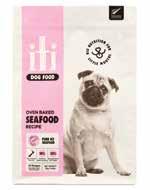
ITI
SOLUTIONS TO A HEALTHY LIFESTYLE FOR YOUR FURRY FRIENDS
Oven Baked Dog Dry Food Seafood Recipe 1kg
Your little furry friend needs big nutrition too. This recipe is made from 100% natural meat, seafood, and produce sourced from freerange farms in clean, green New Zealand. That means no growth hormones, no GMOs, and only the best ingredients nature has to offer. Natural supplements like green-lipped mussels and Manuka honey are also added to support healthy joints, skin, coat, and digestion. This complete and balanced meal contains up to 35% beef, organs, and seafood as well as rich in prebiotics and Omega for a healthy heart and eye. We love that this food is bite-sized and nutrient-dense, delivering concentrated energy in smaller portions to support satiety, weight management, and overall well-being.
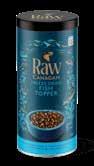
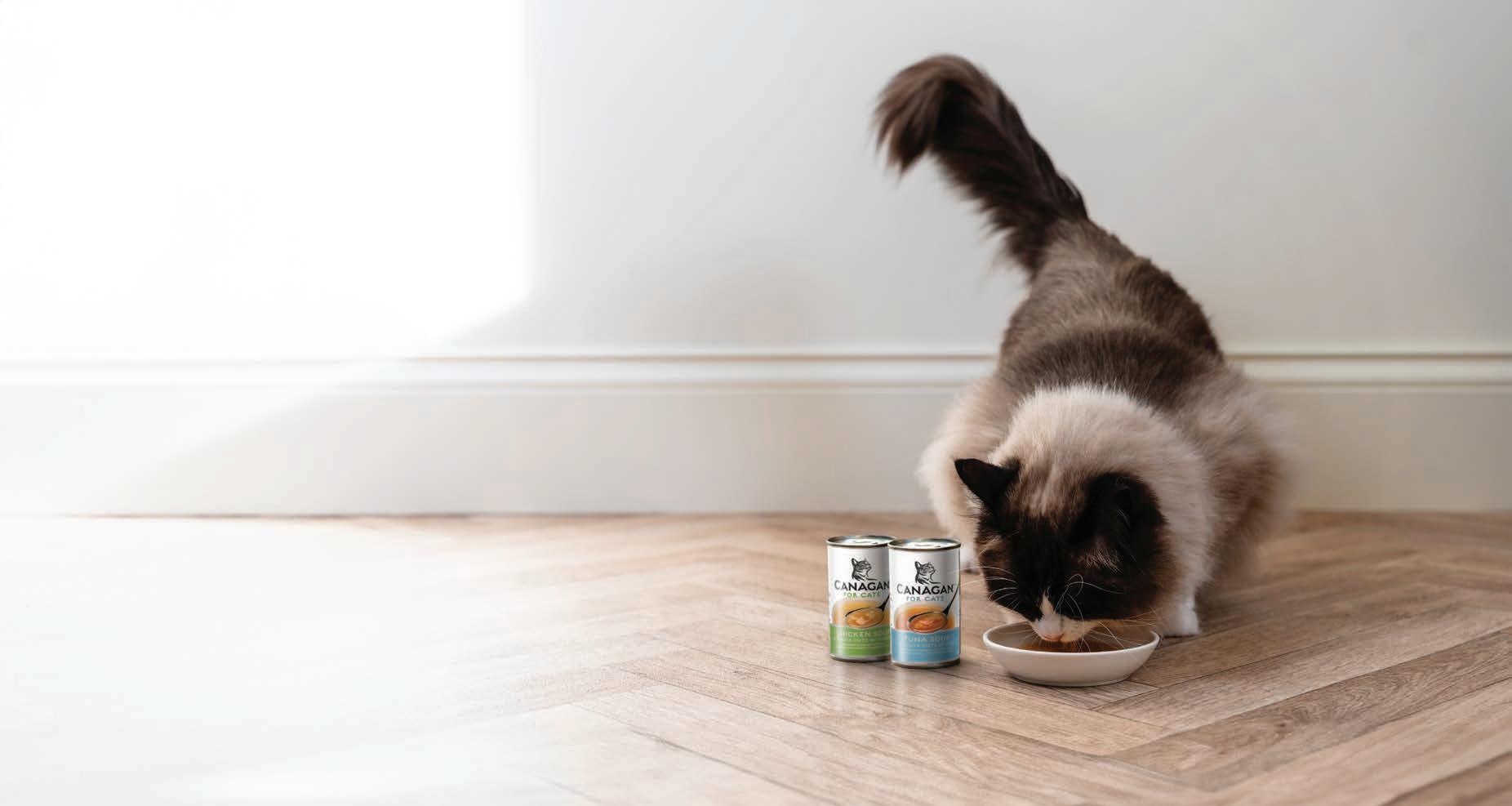
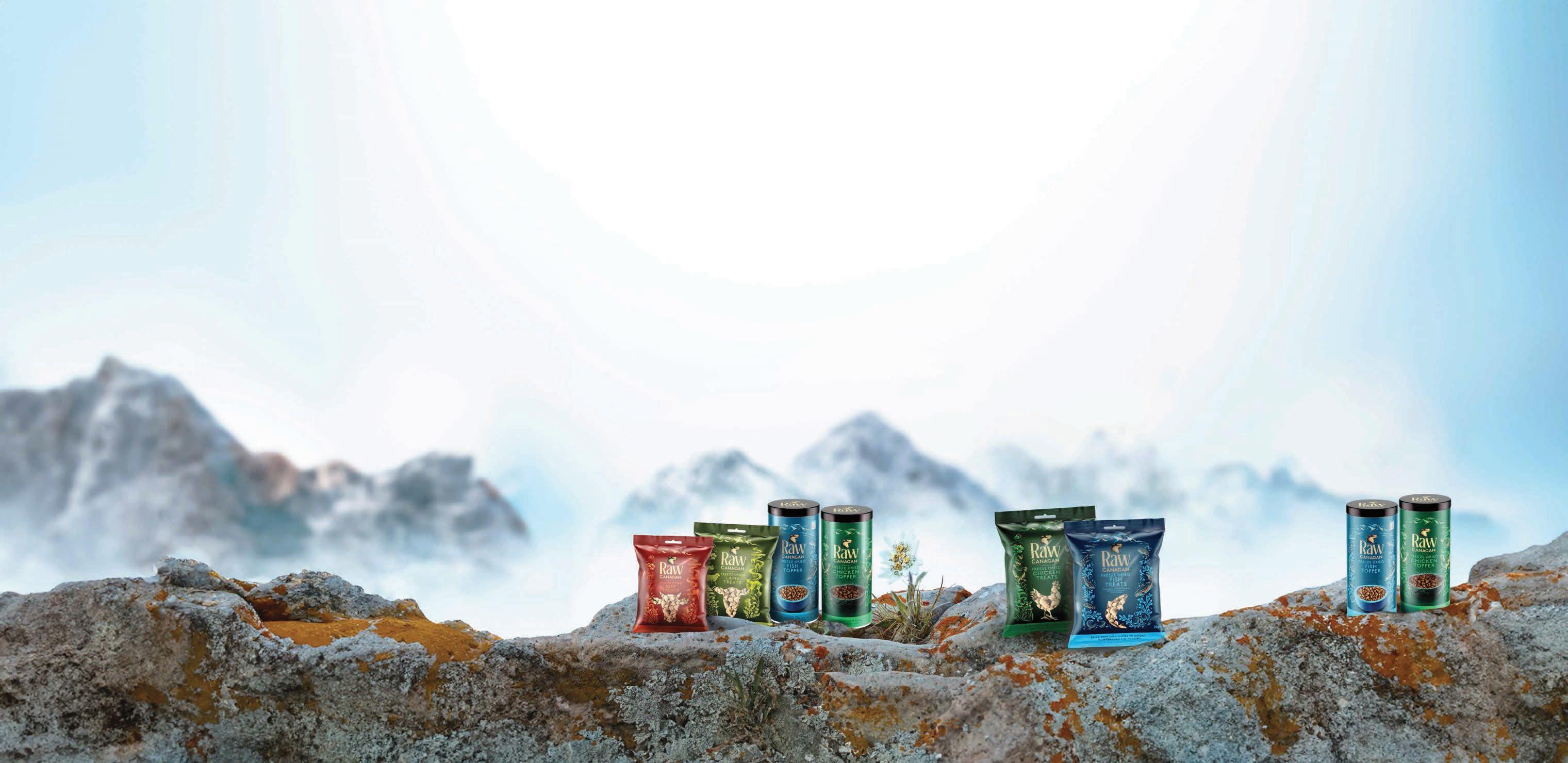
CANAGAN
Raw Freeze Dried Fish Topper for Dogs 50g
Make every meal delighful for your furry companion. Delicious bites of pure ocean fish; the perfect meal topper or natural treat that your dogs will go wild for. The flakes of fish provide a tasty source of easily digestible high-quality protein, omega-3 fatty acids, and essential nutrients for optimal heart health and a shiny coat. The sweet potato content is a premium source of slow-release energy, rich in anti-oxidants, and a great source of soluble fibre. Cranberry is rich in Vitamin C and helps promote a healthy urinary tract.
SUPER PAWBULOUS Dental Chews Antioxidant Support for Dogs 350g
Dental care for your dogs can be fun and easy! Packed full of natural ingredients with no gelatin, artificial colors, or flavors, these chews offer a tasty and healthy way to manage your dog's dental care. A chewable formula with an irresistible flavor infused with coconut oil and made with high-quality milk sourced from South Korea. Maintain your dog's oral health today by reducing plaque and tartar, freshening breath, and healthy gums, all while providing a tasty treat.
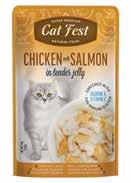
CAT FEST
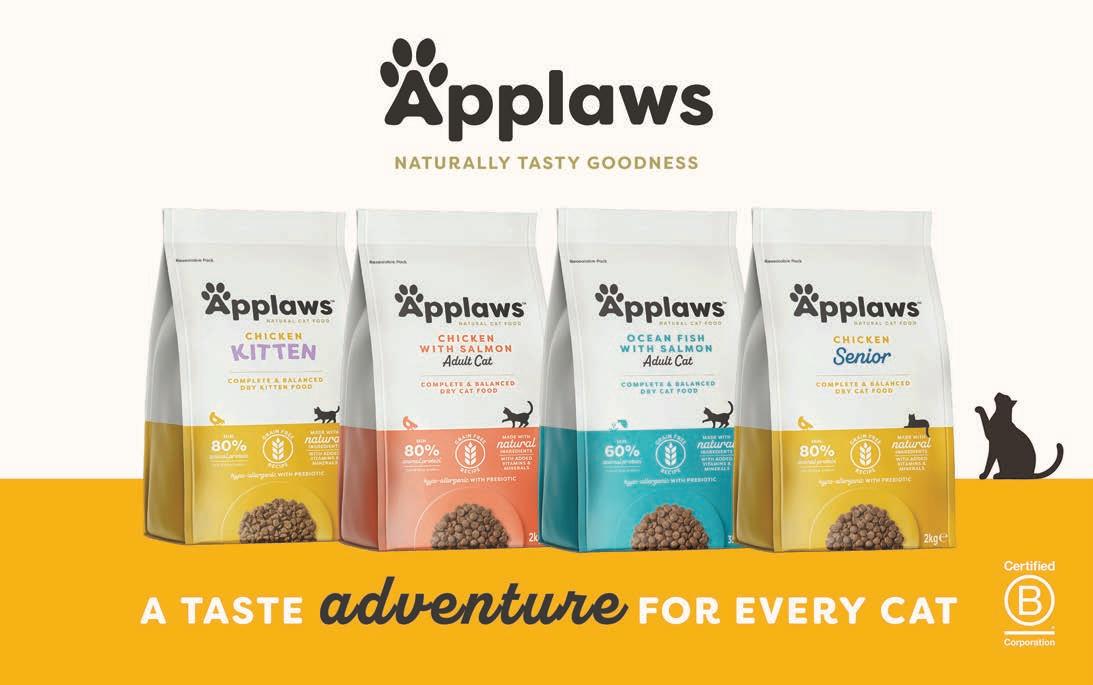
Chicken With Salmon In Tender Jelly 70g
Packed with irresistible flavor, this delectable seafood combination delivers an enticing aroma and taste that cats love. The blend of tender chicken meat and exquisite salmon creates a unique flavor and aroma that will captivate even the most discerning gourmets. This nutritious recipe includes yeast extract, prebiotics and anchovy oil, formulated to provide a balanced, nutritious meal for your feline companion. A versatile meal for the pickiest cat - simply serve as a complete meal or a tasty topper over dry food.
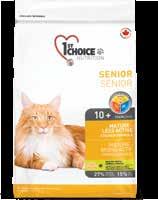
1ST CHOICE
Mature - Less Active Senior Cat Dry Food 2.72kg
A delicious complete diet specially designed for senior or inactive cats. With age, inevitable aging processes occur in the body of cats: the level of metabolism and appetite decreases, activity decreases, joint problems appear, and the immune system works worse. Formulated with these specific needs in mind, not only calorie-adjusted, but enriched with vitamins and minerals to improve your pet's quality of life and longevity.
Thanks to the glucosamine and chondroitin content and a controlled calcium and phosphorus ratio, this formula promotes overall joint and bone health. Antioxidants help reduce inflammation, slow the aging process, and delay the onset of age-related diseases. The recipe is also formulated to help prevent crystal formation and maintain a healthy urinary system.
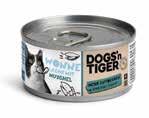
DOGS'N TIGER
Salmon & Mussel Fillet for Cats 70g
Delicate wet food for cats, made from fine fillets of salmon, and mussel with delicious broth. This food is not only tasty, but also species-appropriate, as it is produced free from grains, sugar, artificial flavourings, colourings, and preservatives. The delicious broth ensures a juicy consistency and supports your cat's water balance.
The high-quality proteins contents help to maintain your cat's lean muscles, while omega-3 fatty acids contribute to supple skin and a beautiful coat. This food also contains taurine, which is important for normal visual and heart function in cats.
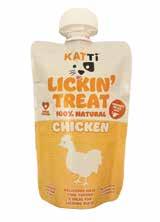
KATTI Chicken Lickin' Treats for Cats
An irresistibly creamy, lickable natural treat made with 100% natural ingredients with no artificial flavours or colors. This protein-rich treat is made with wholesome GMO-free as well as grain and gluten free ingredients. Simply pour into a bowl, serve as a savory topper, or freeze for a refreshing warm-weather treat. You can also serve as a training treat and is a tasty way to keep cats hydrated.
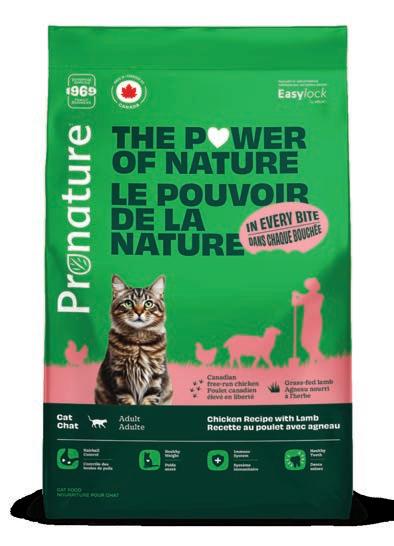
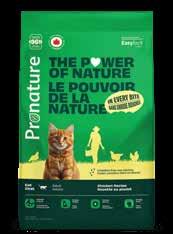
A nutritious and tasty meal that your cat will love! This recipe is complete and balanced for adult cats of all breeds which means kitty will get all the essential nutrients to maintain a strong immune system, healthy teeth, and a healthy weight. There is also everything she needs to help control those pesky hairballs, thanks to its fiber-rich contents.
Made with free-range Canadian chicken, and containing no artificial colors, flavors, or preservatives, highquality local ingredients, and 100% Canadian whole grains. Less is more and this simple recipe, with no unnecessary ingredients, will keep your cat healthy and happy.
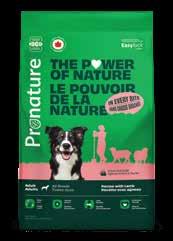
Dog Dry Food Lamb Recipe 4kg & 11.3kg (all breeds)
No chicken? No worries. If you are looking for a balanced diet that is chicken-free, consider this beautiful grass-fed lamb, single animal-protein recipe. In fact, the lamb is also the first ingredient to ensure your dog meets his protein and essential amino acid needs. The rest of the ingredients are locally sourced, and 100% of the whole grains are sourced from Canada. You will be pleased to know that the recipe supports your dog’s immune system, nourish his coat with omega-3 fatty acids, and maintain his joint mobility with glucosamine and chondroitin.
SUPER PAWBULOUS
BURP!
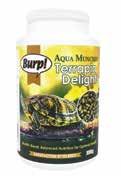
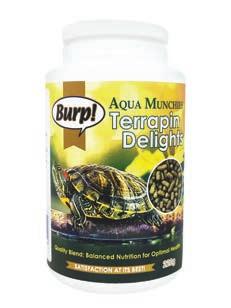
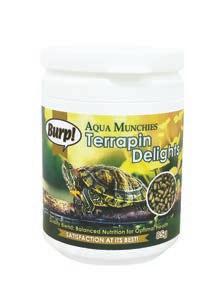
Aqua Munchies Terrapin Delights 85g & 220g
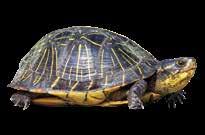
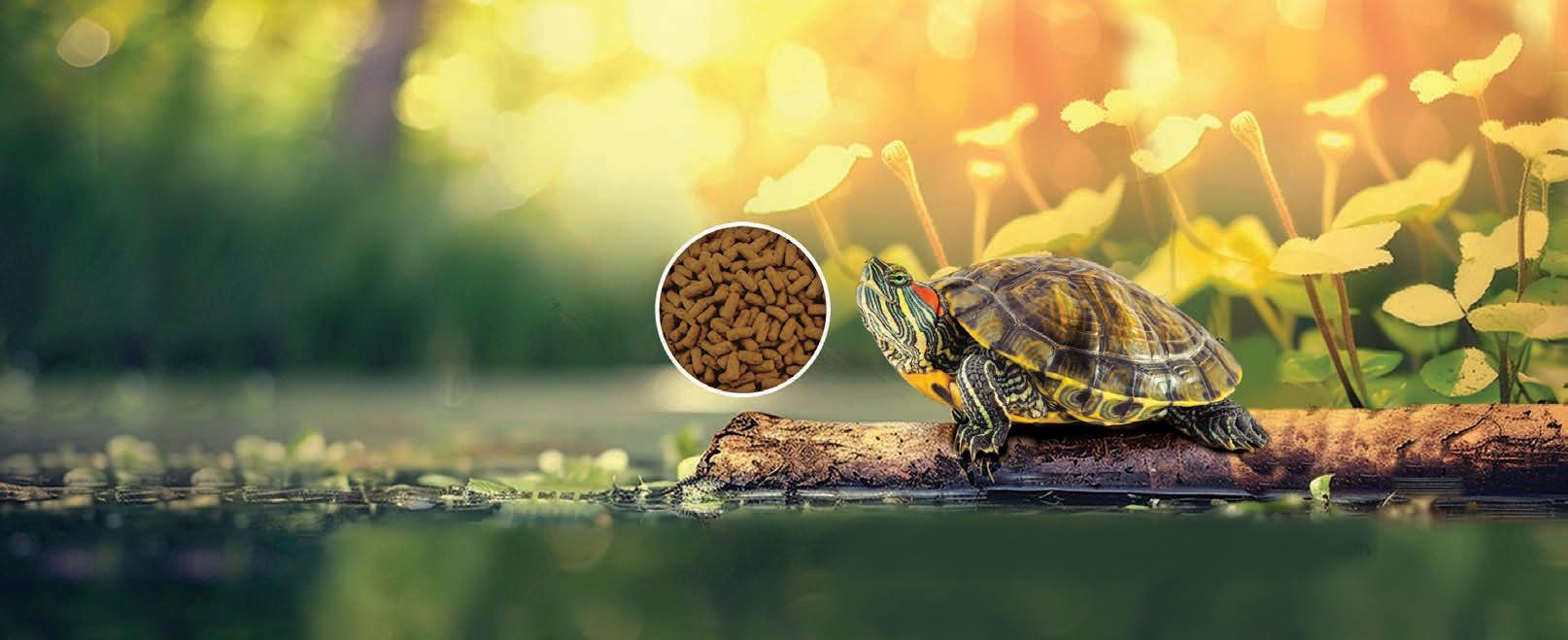
Your pet terrapin requires a mixed diet consisting of both animal and plant matter. These terrapin pellets serve as a complete and base diet formulated with essential nutrients, phosphorus, and calcium to prevent soft shells and healthy growth. The nutrient-dense recipe contains a powerful blend of grains, shrimp, fish, and tasty freeze-dried chicken to keep your pet terrapin nourished and healthy.
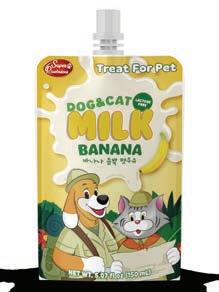
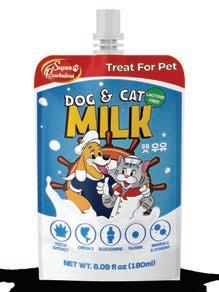
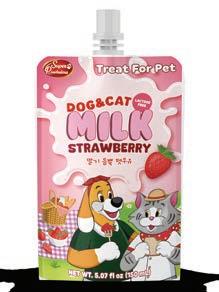
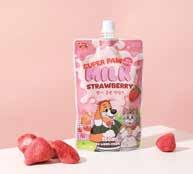
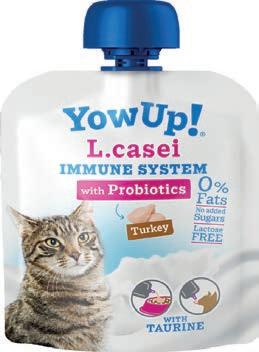
Strawberry Milk for Dogs & Cats 150ml
A lactose-free milk formulated just for your pets. Made with New Zealand free range milk, this milk is pure as it gets, and free from artificial preservatives Feeding is convenient and requires no water mixing. It is rich in yucca extract to reduce ammonia, offering antiinflammatory properties to enhance your pet’s overall well-being.
Omega-3 fatty acids help maintain your pet’s radiant skin, cleanse blood vessels, and improve gut health. Taurine, an essential nutrient, supports kidney function, while glucosamine and calcium aid in sustaining healthy joints. This wholesome and nutritious treat serves as a perfect pick-me-up, and it can be combined with dry food to promote hydration and enhance your pet’s meals when served alongside their kibbles. Simply shake and serve!
Like humans and dogs, cats can get glaucoma in one or both eyes. In cats, this eye disease is called feline glaucoma. It tends to occur in cats that are middle-aged or older. The disorder can affect any breed of cat.
Glaucoma causes a painful increase in pressure inside the eye and can lead to blindness. With early veterinary treatment, including eye drops to reduce pressure, cats can usually retain their vision and live comfortably with this disease.
EYEFUL MATTERS
WHAT TO KNOW ABOUT GLAUCOMA IN CATS
There are two types of feline glaucoma: primary and secondary. Primary or open-angle glaucoma is rare, inherited, and often affects certain cat breeds such as Burmese and Siamese. Secondary or acute angle-closure glaucoma is more common and can affect one or both eyes.
Unsplash | Raoul Droog
Symptoms of Feline Glaucoma
Pain around the eye
Dilated, or enlarged eyeball
Redness in the whites of the eyes
Swollen eyeball
Watery eye discharge
How is Cat Glaucoma Diagnosed?
Eye disorders may have several signs, so specific eye tests are needed to diagnose glaucoma in cats. Your vet will begin by discussing your cat's history and performing a physical examination.
It is often difficult to tell whether your cat has glaucoma or not, as the progression of the condition happens over a long period of time, often months or longer. Most cats will continue behaving normally despite having eye discomfort. That makes it harder for you to notice any warning signs. However, glaucoma that is related to severe eye inflammation may be easier to detect, as your cat may show signs of being in pain.
5 Causes Of Feline Glaucoma
Feline glaucoma has several causes and risk factors. Some include:
Squinting 1 2 3 4 5
Uveitis (inflammation inside the eye)
Anterior lens luxation (displacement of the entire lens, which blocks drainage)
Eye trauma
Advanced cataracts
Tumor or similar or growth inside the eye
The vet will perform a test using a tonometer. This device is used to measure intraocular pressure or the fluid pressure of the eye. If the pressure is higher than normal and there is vision loss, your cat may have glaucoma.
Treatments & Relief
Treatment may require both surgery and medications such as eye drops to reduce intraocular pressure. Your vet may also prescribe steroids to reduce inflammation. The vet will want to reduce pressure in the affected eye to prevent further damage. Glaucoma caused by uveitis is managed by reducing the inflammation and treating the underlying cause. Your vet may recommend surgery to remove the painful eye, especially if your cat has lost sight in that eye.
The Outlook
There is no way to reverse the eye damage done by glaucoma, so early detection is the best way to preserve vision and prevent extreme pain. Although glaucoma is generally a progressive condition, dedicated treatment and management with regular veterinary evaluation can help cats live relatively normal lives.
Pexels | Daka
HOP & SKIP
WAYS TO KEEP YOUR PET RABBIT HAPPY AND OCCUPIED
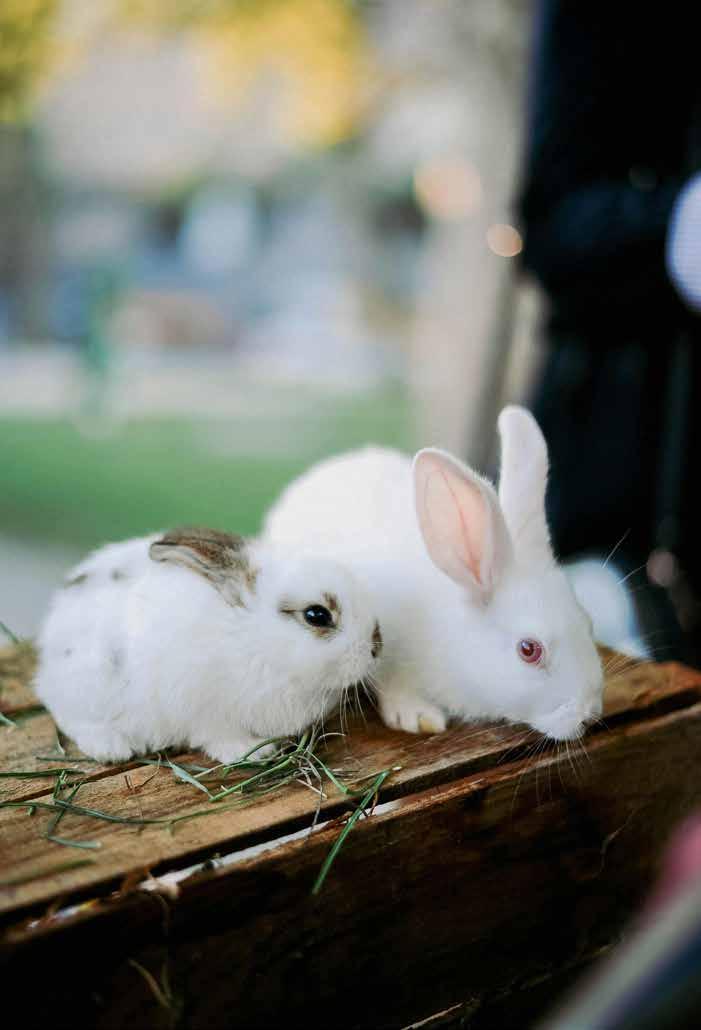
In the wild, rabbits would spend their time digging, running, jumping, rearing up, hiding, eating, socialising with other rabbits and being alone sometimes too.
To allow your pet rabbits to carry out their natural behaviours they need to be given plenty to do. We call this enrichment.
As wild rabbits would spend 80% of their waking time foraging in the wild, most enrichment for our own pet rabbits revolves around hay and grass!
Adding Accessories In Their Enclosure As Enrichment
TOYS
Willow balls and other toys can be placed around the enclosure for your rabbits to play with. Anything that keeps your rabbits safely stimulated and active is great for their well-being.
TUNNELS & HIDE OUTS
Tunnels encourage your rabbits to be much more active, and provide a substitute burrow. These can be bought from pet shops or can be as cheap and easy as a cardboard box with a hole cut at each end. Consider this your DIY project. Simply replace the box when they have demolished it!
Because rabbits are prey animals, rabbits need to know they have both an entrance and an exit so they feel safe to enter a tunnel without being trapped. So just remember they need a hole at each end or they will avoid it.
Managing Behaviour
DIGGING
If your rabbits are not on grass then they will need a digging pit. This could be a large litter tray or planter filled with earth. This will need to be changed regularly. If your rabbits are on grass then make sure they are not able to dig out of their enclosure.
FORAGING
Rabbits love to snuffle around for titbits so rather than put their food in a bowl, put it around the enclosure, in their tunnels or under some hay, this will encourage their natural urge to go foraging.
PLATFORMS
Rabbits, as prey animals, like to check out their surroundings. You will have provided them with a secure, predator-proof enclosure of course, so you know they are safe but it is a natural instinct of theirs to keep a lookout. To allow them to do this, give them something to stand on, perhaps a block of wood or a sturdy box, which can double as a tunnel.
REARING UP
Make sure that the rabbits always have at least 1 metre (just over 3 feet) of height so they can stretch up. This will avoid a painful spinal deformity and allows them to check the horizon for predators and feel safe so that they can get on with their busy day of foraging!
MIX IT UP
Switch toys and furniture around every now and again so your bunnies do not get bored. Do keep their main bedroom, whether that be a hutch or something else, and tunnels in the same place though as they need to know that their home base is secure and safe.
FUN SIZE
TASTY 100% NATURAL FOOD AND TREATS PACKS COMPLETE NUTRITION FOR SMALL PETS
Small furkids such as rabbits, hamsters, and guinea pigs have different needs. In fact, food suitable for one species can be wrong for another, with some only feeding on plants and others relying on animal proteins in their diet.
The Science Of Nutrition For Small Animals
The following are Bunny Nature’s processes to ensure small mammals receive complete nutrition.
100% NATURAL
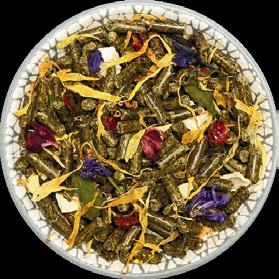
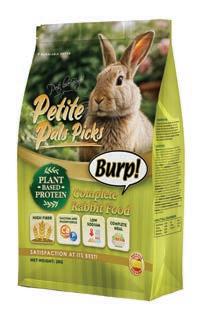
Bunny Nature food contains over 63 different types of biodiverse plants, focusing on promoting natural forages and ingredients that these small animals would usually graze on in the wild. Bunny Nature pellets are a completely balanced diet using high-quality ingredients, with no added preservatives, colours, flavour enhancers, sugar, and molasses.
HEALTH AND LONGEVITY
Each recipe is unique and balanced in composition according to the diet restrictions for various mammals and is the secret to a long and active life.
TRIMELLO SHAPED PELLET
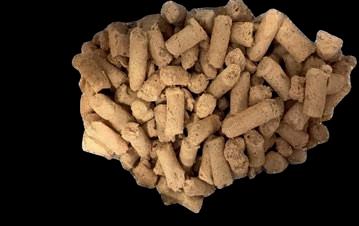
Thanks to TriMello® technology, the pellets for rabbits, guinea pigs, hamsters, and chinchillas are designed specifically to optimise dental health and prevent future dental disease so that your pet enjoys them completely. No more sorting, each pellet is a feast!
Germany-based Bunny Nature is known for their focus on natural ingredients and sustainability as the ideal balanced diet for small mammals, corresponding exactly to their original habitats and the needs of the animals. Their Enjoy Nature range of treats makes snacking a nutrient-filled affair with a fun mix of plant-based and protein recipes.
PROTECTION AND WELL-BEING
Thanks to the ideal proportion between raw fibers and starch, your pet is not overweight. The 3 different fibre lengths in each pellet, not only promote more chewing but also absorption for good gut health.
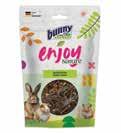
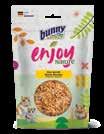
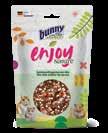
From Left clockwise Vitamin pack supplementary food for dwarf rabbits and mammals. The vitamin dispenser is rich in natural vitamins, high in fibre and contains natural antioxidants for a balanced diet. | Worm Wonder is single food for hamsters, dwarf hamsters, mice, gerbils and rats. It is a protein-rich snack that contains omega fatty acids for skin and coat and is rich in nutrients. | Apple Wood is single food for dwarf rabbits and mammals. Dried apple wood for rabbits and rodents with an aromatic flavour, high in fibre and for long-lasting snacking fun. | Enjoy Nature Mix With Soldier Fly Larvae is a supplementary food for hamsters, dwarf hamsters, mice, gerbils, and rats. For more details, visit www.reinbiotech.com
Lighten Up
Side Kick
AT HOME
GOOD-LOOKING PET ESSENTIALS AROUND THE HOME
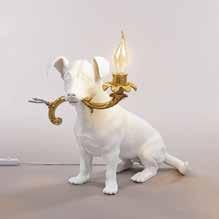
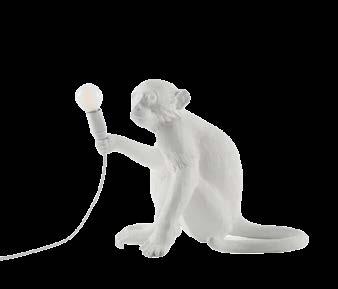
We love the whimsical air of these lamps from Seletti, perfect to light up a cosy corner. The Seletti Rio Lamp by the imaginative designer Marcantonio marries humour and lifelike realism into a unique lighting piece that promises to be a conversation starter in any design-savvy home. His signature lifelikerealism is infused with a touch of irreverent wit - a delightful nod to the unexpected, and its humorous undertone adds a touch of interest to your decor.
For more information, visit journeyeast.com
FROM TOP The Rio lamp with the whimsical canine playfully cradling a broken-off piece of a chandelier. Dimensions: 42cm x 25cm x 34cm (LxWxH). | The Monkey sitting lamp adds a strong theatrical impact in which art, design, and the world of nature blend together. Dimensions: 34cm x 30cm x 32cm (LxWxH)
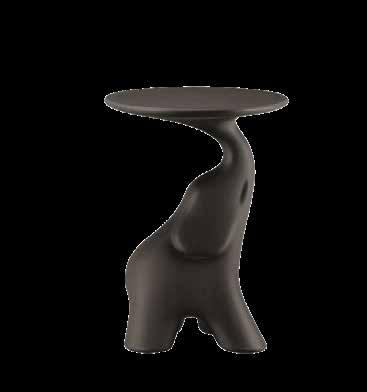
Make way for this cute side table. Designed by Stefano Giovannoni, Pako is a small and adorable side table. With its long trunk, it holds a circular top that allows you to place various objects on top.
For more information, visit journeyeast.com
Paco side table is made of polyethylene and perfect for outdoors too.
Dimensions: 40 X 40 X 56 CM
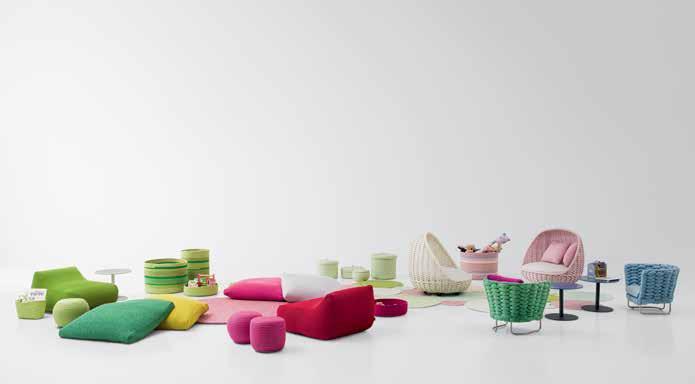
A pet-friendly space can be functional and refined too. Playful, vibrant, and thoughtfully designed, The Kids Collection by Paola Lenti is not just about colour, and imagination — it also reflects a deep commitment to future generations. Recyclable, recycled, and biodegradable materials; processes free from harmful substances; the exclusion of hazardous finishes and the selection of raw materials that are as eco-friendly as possible — all hallmarks of the brand’s philosophy are central to this collection.
For more information, visit proof.com.sg
In Living Colour
are seven items in
The Loop bench and seater explore fluid forms through continuous curves and thoughtful geometry. Made of Birch plywood, the bench features neartouching undulations that create a versatile seating and stunning hide-outs for furkids too. The seater achieves a cantilevered design with strategic thickness variations, balancing minimalism, structural stability, and ergonomic comfort.
For more information, visit andblackfurniture.com
There
the new Kids Collection. Each is small-scaled and perfect for furkids too.
The bench challenges traditional perceptions of furniture-making by replacing multi-element compositions with seamless surfaces that loop into self-supporting forms.
On The Loop
CURVY INTERVENTIONS
LIVING LARGE IN SMALL SPACES THAT ARE CHILD AND PET-FRIENDLY REQUIRES KEEPING THE LOOK CURATED AND UNCLUTTERED
Photography by Kevin Mak @ 1km Studio
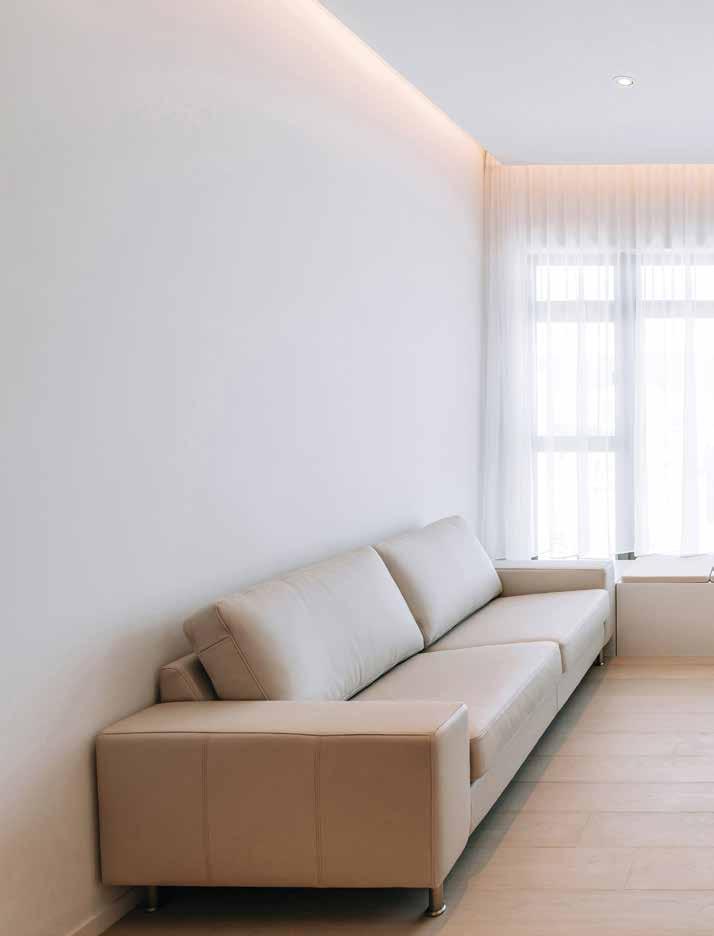
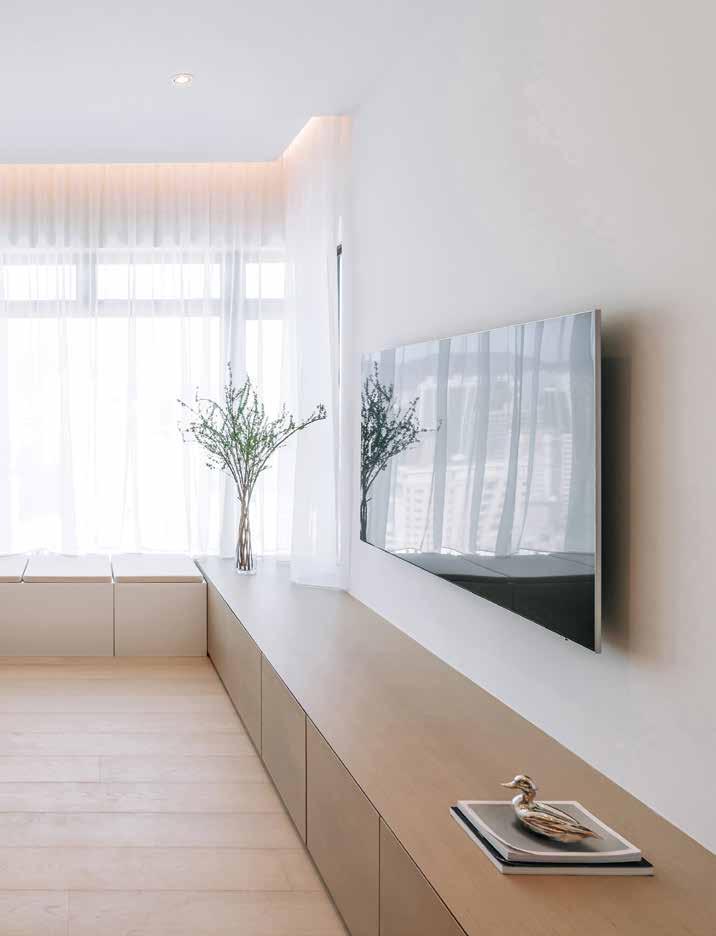
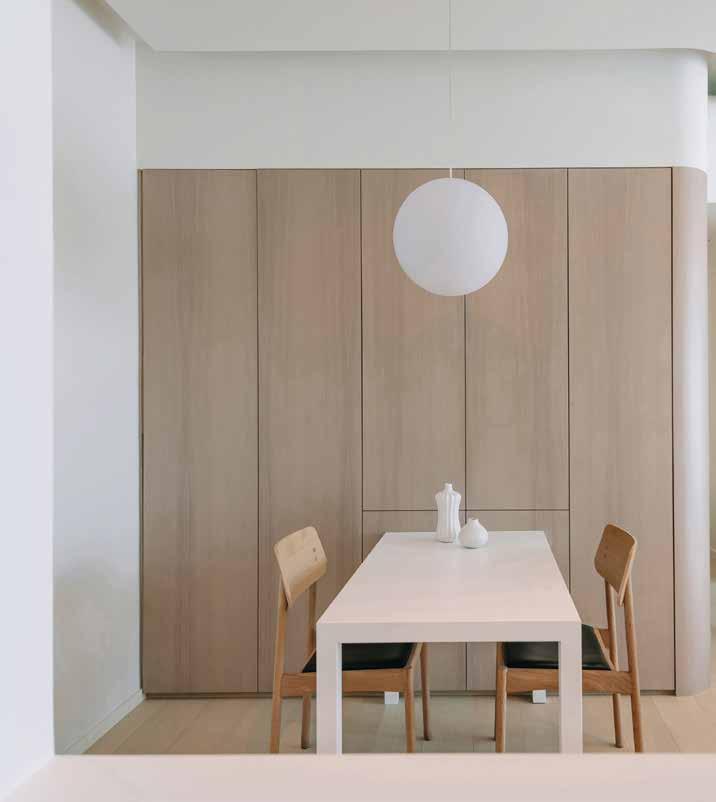
The living room offers enough storage – open, closed, and secreted away – to keep every object organised and accessible.
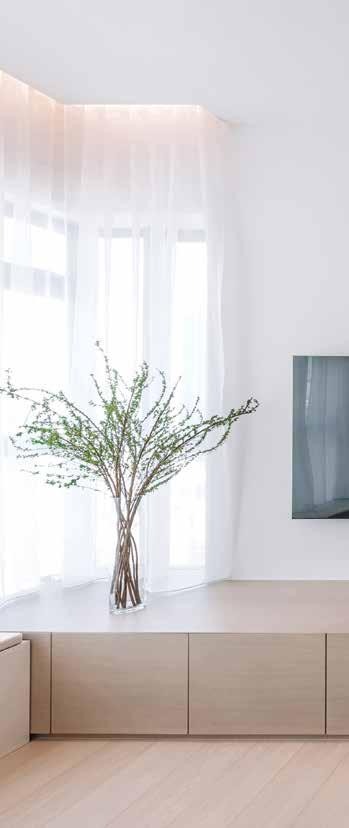
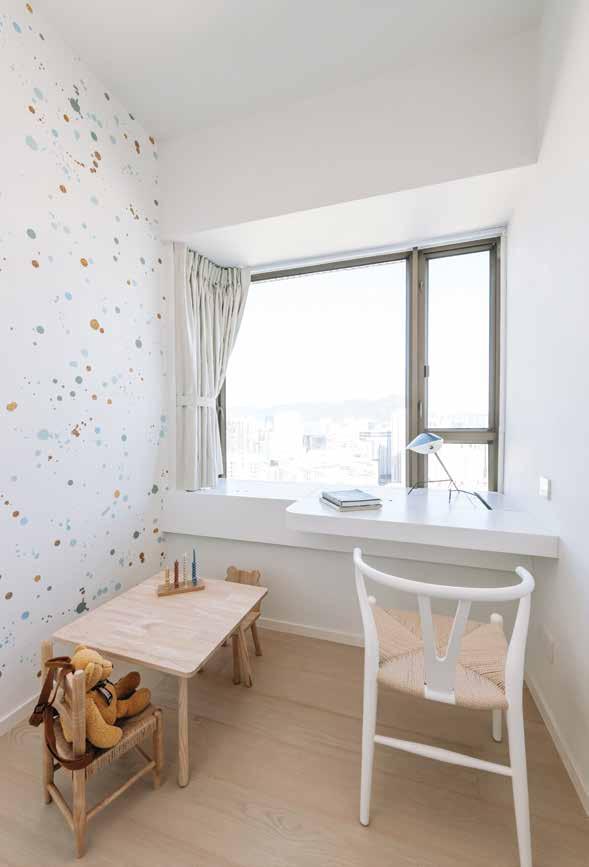
The best small apartment living ideas use the space constraints to their advantage. Even with its small footprint, this small apartment in Hong Kong delivers on all fronts, offering up a corner for creative work, a generous living space for some down-time, and enough storage – open, closed, and secreted away – to keep every object organised and accessible.
Adrian Chan Design and Research Office (ADRO) introduces a feature undulating wall to this apartment as an architectural element that unifies the spatial layout for a family and their new baby, and conceals their belongings. The clients were concerned about how clutter was affecting their relationship and family organization in a small space, and the home needed to be welcoming and nurturing for the new baby, both physically and experientially.
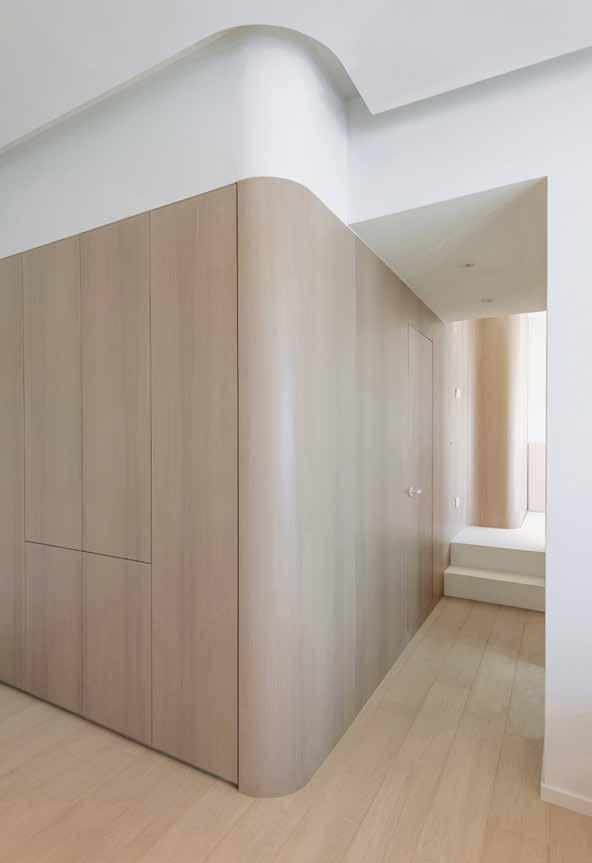
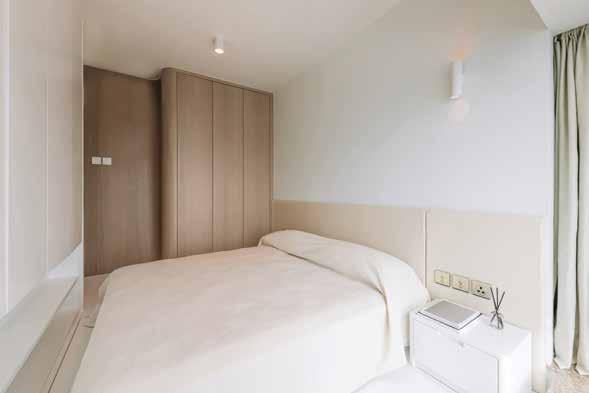
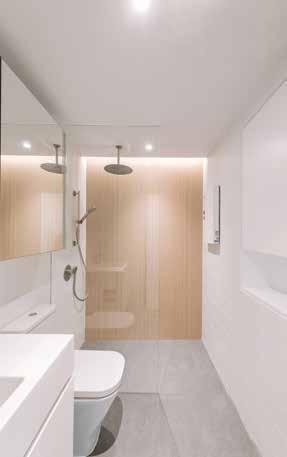
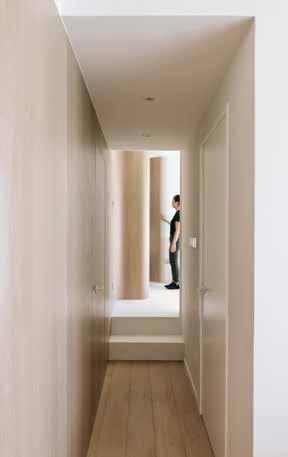
The curvy wall has a dual purpose—it serves as a wayfinding mechanism and also integrates a bathroom, and storage and mechanical systems with its gentle curvilinear surface that extends from the kitchen through the corridor and into the bedroom.
A peek-a-boo wall looks into the kitchen whilst opening the visual space.
Curated & Uncluttered With An Efficient Storage System
Furthermore, the implementation of “horizontal” in addition to “vertical” cabinetry exposes empty wall space to amplify the illusion of spaciousness (“vertical” cabinetry, such as closets and dressers, is typical in most homes). Hydraulic hardware is incorporated to lift up an entire master bedroom floor, creating storage underneath for off-season clothes and valuables.
In the corridor, the ceiling contains integrated built-in millwork to store Chinese dried food items and luggage, as with the bedroom desk and living room bench that transform into storage through a flip-up mechanism.
The team approached the project with a thorough analysis of the clients' belongings and projected growth over the next decade by considering each individual’s evolving needs. Plentiful storage does not detract from an elegant, soft, and sensual interior.
The undulating wall to this apartment serves as a stunning architectural element.
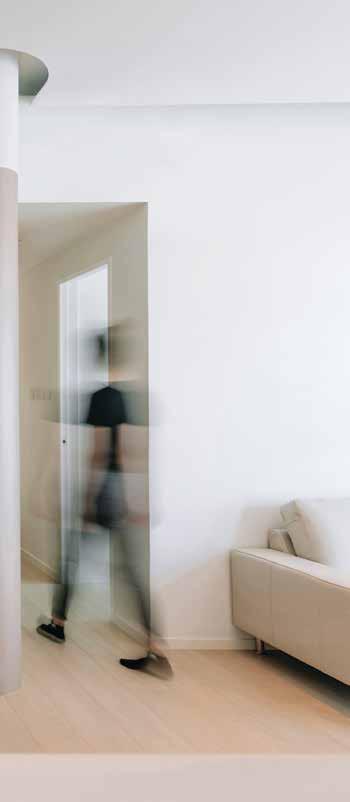
OPPOSITE PAGE When closed, the undulating wall serves as a wayfinding feature leading to the bedrooms. ON THIS PAGE The bed in the master bedroom reveals storage underneath for off-season clothes and valuables. | Serving a dual function, the curvy wall reveals ample storage.
A sense of order is achieved through modest but precise design gestures— meticulous planning and an integrative design strategy by the team encourage circuitous flow amongst the family members. The curved wall system offers organization and maximal storage, made possible through a light-handed and cost-effective manner using oak veneer. As there was minimal use of material and little need for demolition, the team was able to propose an economical way of creating an architecturally interesting and elegant backdrop, with a neutral palette that elevates the family’s daily rituals.
SOURCE Adrian Chan Design and Research Office, adroffice.com
OPPOSITE PAGE A cosy corner for work overlooking the city skyline.
ON THIS PAGE FROM LEFT The bathroom features a minimal aesthetic in a neutral palette. | The corridor leading to the private spaces in the apartment.
For healthy gut health, we should be feeding our small pets unlimited nature-harvested pellets, unlimited hay, and fresh clean water.”
June - August 2025
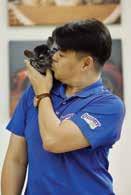
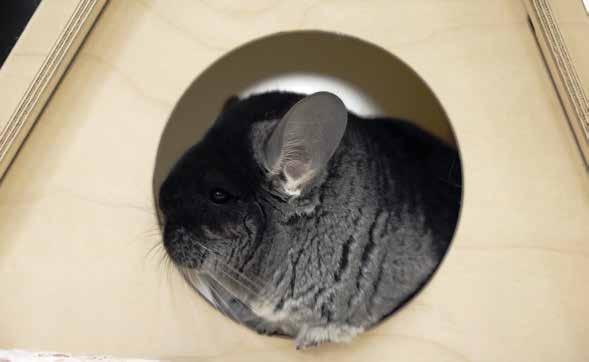
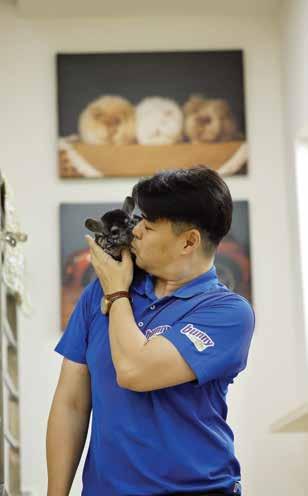
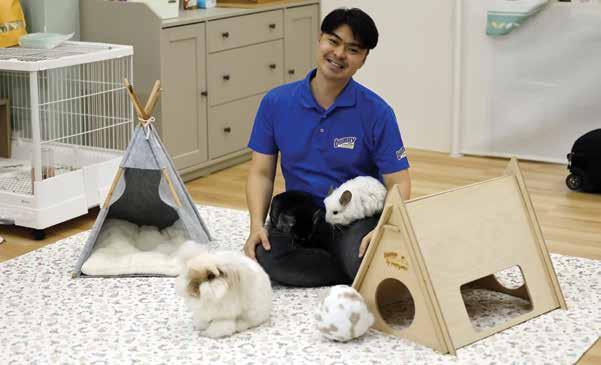
Chua is pictured with his chinchillas and resident furkid at SamLex Sg, a boarding and grooming place for rabbits.
NSTINCTATURAL
I S
THIS CHINCHILLA NERD AND EXPERT IS ON A MISSION TO ENCOURAGE UNLIMITED FEEDING IN
SMALL PETS
Photography KC SIM
"Nccessity is the mother of invention" – this proverb quite literally is the reason behind Charleston Chua’s journey as Asia Business Developer for Germany-based small pet food manufacturer Bunny Nature.
A self-professed chinchilla nerd, Chua’s journey began when he simply wanted to reach out to learn about keeping his pet chinchilla well, and healthy over 20 years ago. Years of digging and research led him to Bunny Nature’s novel concept of feeding small animals with a species-oriented natural diet that mimics food from their original habitat.
“Asian pet parents are used to giving pellets as a supplementary feeding concept; pets are fed limited pellets and unlimited hay. Even humans don’t eat supplements as a complete meal. I am inspired by Bunny Nature’s concept of unlimited feeding with bio-diversified plants that promote better health, which aligns with Traditional Chinese Veterinary Medicine,” shares Chua.
The 45-year-old also specialised in herbal cures and acupuncture for small animals.
“For healthy gut health, we should be feeding our small pets unlimited nature-harvested pellets, unlimited hay, and fresh clean water.”
The founder of the Asia Chinchilla Association remains a passionate small pet parent caring for a rambunctious family of 20 chinchillas, five rabbits, three hamsters, and a school of tropical fish. Since chinchillas are notoriously agile, one wonders how he keeps them tame. Understandbly, it takes years for Chua to build that aura of confidence and connection with his furkids.
“My chinchillas recognize my voice. They behave instantly when they hear me in the room.”
Today, Chua is a trained judge and educator for chinchillas and often travels to judge shows and give seminars.
Suffice it to say, his first chinchilla, who inspired his journey in the pet food industry, is 24 years old this year and still cute.
PETS (P) | WHAT INSPIRED YOU TO START THIS BUSINESS AND WHY.
CHARLESTON CHUA (CC) | I joined Bunny Nature since 2018. Founded in 1988, Bunny Nature started as a rabbit farm wanting to make their own feed and transformed into a healthy pet feed manufacturer. Our objective was and still is to produce the ideal healthy food for small mammals, corresponding exactly to their original habitats and the needs of the animals.
I first got to know Bunny Nature in 2014, when I was operating a small animal distribution business and pet stores and searching for a nature feed for these small animals: rabbits and rodents.
I specialised in herbal cures and acupuncture and am certified by Chi University in Florida in TCVM (Tradition Chinese Veterinary Medicine). So I am inspired by Bunny Nature’s concept of natural feeding: which is to feed these small animals from a unique ingredient selection harvested from nature that is species-oriented. That is how products are developed in Bunny nature.
This concept aligns with what I believe and learned in TCVM. I imported, distributed, and marketed Bunny Nature pet food as well as small live animals.
Bunny Nature is a testament that their unlimited feeding concept in small animals with bio-diversified plants found in their natural habitat, indeed promotes better health. For example, rabbits are prone gastrointestinal issues (G.I), which can lead to death if not detected early. Feeding rabbits with Bunny Nature food can minimize this chronic health issue.
My mission is to bring small animal wellness to the world and am a proud member of the Bunny Nature family.
P | PLEASE SHARE THE INITIAL CHALLENGES YOU FACED IN THE EARLY YEARS OF THE BUSINESS AND HOW YOU OVERCAME THEM.
CC | ‘Bringing healthy, nature-diversed diet closer for your beloved pets’ - marketing this new and unique concept of unlimited feeding was and continues to be challenging.
No pet food brand want to see their products killing pets. Therefore, it is important to know the feeding concept for each brand.
Bunny Nature’s concept innovates around the behaviours of animal species and adapting the food (plants) from their habitat. We encourage unlimited pellets and unlimited hay. Clean fresh water is definitely a must-have.
I do sales through product education and personally give seminars empowering pet parents with pet care needs and how our products align and can benefit their pets. I also work closely with an in-house veterinarian to gain knowledge of common health issues and give feedback to our R&D team to develop solutions.
P | WHAT IS THE TYPICAL BUYING BEHAVIOR OF SMALL PET PARENTS?
CC | Pet owners are typically influenced by their strong emotional connection to their pets, viewing them as family members, which leads to increased spending on a wide range of products and services, and a growing emphasis on pet health and wellness.
However, small pet owners love being indoors and they need more products suitable for an indoor setting such as a wide variety of interactive accessories, housing, snacks, and toys. I hope to offer safer accessories, healthier food, and better wellness.
Asian pet parents are used to giving pellets as a supplementary feeding concept; pets are fed limited pellets and unlimited hay. Even humans don’t eat supplements as a complete meal.
Chua advises pet parents to understand the needs of their pets’ breed, age, and ideal weight before drawing a nutrition plan.
Chinchilla Nerd
P | PLEASE SHARE YOUR FIRST MEMORABLE PET EXPERIENCE.
CC | I am a chinchilla nerd and co-founder of the Singapore Chinchilla Lovers group. I am also the founder of the Asia Chinchilla Association. I work closely with my associate in America the Empress Chinchilla Breeder Corporative (ECBC). I’m a trained judge and educator for chinchillas and often travel to judge shows and give seminars.
This journey has been the most memorable pet experience, which began when I just wanted to reach out to learn about keeping my pet chinchilla well, and healthy over 20 years ago.
P | PLEASE TELL US ABOUT YOUR CURRENT PETS.
CC | I have more than 20 chinchillas, 5 rabbits, 3 hamsters, and a 6-foot tank of tropical fish. My oldest chinchilla stands this year at the age of 24 - still cute and lively.
P | WHAT ABOUT THEIR PERSONALITIES DO YOU FIND CUTE?
CC | While each species has their personalities, my rabbits are cuddlier and they just like to stick beside you. Hamsters are easier for my kids to handle because of their smaller size. Chinchillas on the other hand, I would say they are smart but not for children below 12 years old, as some are very fast and active for handling. Even adults find difficulties handling a chinchilla.
P | HAVE YOU ALWAYS BEEN A SMALL PET PERSON?
CC | While research shows that about 63% of pet owners started with small animals, I am one that got stuck and didn’t move on to larger species like dogs and cats. There are just too many small animals to care for. As an animal lover, I may move to having dogs and cats someday in the future.
Chua’s pet chinchillas recognize his voice and are on good behavior instantly when he is within earshot.
Chinchillas’ Fun Facts
1
SUPER JUMPERS
Exotic, adorable, and mysterious, chinchillas can be tricky to care for even for adults. Chua recommends only children above 12 years old can consider these agile animals as pets.
Although they are super small, they can leap up to six feet if threatened. If they are evading a predator, their strong hind legs can help them launch straight up into the air - without a running start.
3
TEETH TALE
Like rabbits and their cousins, guinea pigs, their teeth never stop growing. This means that they need something to chew on like treats, toys, and hay to keep them busy and wear down those teeth.
2
LONG LIFE
They can live up to 20 years if given top-notch care.
4
THICKEST FUR
They may have up to 75 hair per follicle. Literally - chinchilla fur is the thickest of all mammals!
Highly agile, chinchillas are not for children below 12 years old, as some are very fast and active for handling.
KNOW THE DIFFERENCE BETWEEN THE POODLES VARIETY
Pexels | Sharon Snider
One of the most well-loved breeds, the poodle first originated in medieval Europe as a duck-hunting dog. These extremely smart, energetic and friendly dogs are known for their signature curly coat and three size varieties: toy, miniature, and standard. Under the poodle's frilly, low-shedding coat is a powerful athlete and an overall wonderful companion. These dogs typically get along with people very well and can be trained in a variety of tasks, including work as service and therapy dogs.
The Largest And First Poodle
Originally bred as water retrievers, they were used for hunting and retrieving game. Standard Poodles make excellent family pets due to their friendly temperament and outgoing personality. They are highly trainable and excel in various dog sports, such as obedience, agility, and tracking.
This type of Poodle stands at least 15 inches tall and weighs 40–70 pounds. Caring for a Standard Poodle means keeping up with regular grooming, as their distinctive curly coat can become matted. There are also a number of health issues associated with Standard Poodles, including hip dysplasia, progressive retinal atrophy (PRA), and bloat.
Pros Vs Cons
PROs
The Perfect Apartment Companion
This temperament, and their manageable size, makes Mini Poodles a good fit for families and apartment living.
Miniature Poodles were bred down from Standards; they are 10–15 inches tall and 10–15 pounds. Just like their larger counterparts, Mini Poodles have a curly coat that comes in all kinds of colors and requires regular grooming.
Health-wise, Miniature Poodles have a high incidence of hip dysplasia, patellar luxation, and eye conditions such as cataracts and PRA.
Smallest Poodle
At just 4–6 pounds, the Toy Poodle is the smallest type of Poodle and stands no more than 10 inches tall. They were bred down from Standards and Minis in the 20th century to serve as companion dogs. Because of this, their temperament is similar to other Poodles, just in a much smaller size.
As with Standard and Miniature Poodles, Toys have a curly coat that needs regular grooming. Patellar luxation, dental problems, and eye diseases such as PRA and cataracts are common health issues in Toy Poodles.
These intelligent, loyal, and loving dogs make great pets, but they do have high grooming and exercise requirements.
Generally does well with children
Smart and easy to train
Low shedder
CONs
Requires a significant amount of grooming
Requires sufficient daily exercise
Needs lots of attention
The Poodle Variety At A Glance
While Standard, Miniature, and Toy Poodles share many similarities (such as their intelligence and curly coat), there are important differences between them. Here are some top considerations:
TYPE OF POODLE
HEIGHT Inches
WEIGHT Pounds
ACTIVITY
LEVEL
Requires one to two hours of daily exercise (swimming, walking, hiking, running)
Requires 30-60 minutes of daily exercise (swimming, walking, short runs, playing fetch, obstacle courses)
BARKING LEVEL Infrequent Frequent Frequent
LIFESPAN Years
15+ 10-15 10-15 4-6 >10 40-70 12-15 13-15 12-18
Requires 30-45 minutes of daily exercise (swimming, walking, playing fetch)
8 Fun Facts About Poodles
ORIGINATED IN GERMANY AS HUNTING DOGS
Poodle-like dogs appear in engravings by German artist Albrecht Durer as early as the late 15th to early 16th centuries. Despite their stereotypical association with France, poodles were initially bred in Germany to be water retrievers. The word poodle is derived from the German “pudelin,” which refers to splashing in the water.
2
SMALL POODLE SIZES CAME ALONG LATER
The miniature, toy, and (unofficial) teacup poodle were all first bred and downsized from the original standard poodle size. The smaller poodlesize variants were first bred to be companions and lap dogs for the wealthy.
3
THE NATIONAL DOG OF FRANCE
Though first hailing from Germany, the poodle’s descendants include the Barbet, a similarly-curly-coated French water dog. In French, the dogs are referred to as caniche, which refers to the dogs’ history as duck hunters. The French monarch King Louis XVI was so fond of his toy poodles that he declared them a national symbol.
4
“HYPOALLERGENIC”
While no dog breed is 100% hypoallergenic, this breed is known for its low-allergen coat. The curly coat of the poodle sheds less than other coats, which has led to some popular hybrid breeds like the Labradoodle for allergy sufferers. The poodle coat also produces less dander and dead hair than other canine coat types.
5 6
POODLE COATS COME IN A VARIETY OF CLIPS
While the iconic continental clip is favored by conformation contenders in dog show rings, many poodle pet owners find the shorter clips to be easier to maintain. The continental clip was historically designed to keep the poodle warm during the cold weather. The tufts of hair over the joints and torsos were intended to insulate them in the cold water, but now are largely a style choice for owners and groomers.
THE SMARTEST BREEDS
The poodle is the second smartest dog breed and can learn quickly. A poodle is said to be able to learn new commands after less than five repetitions.
7
GOOD SERVICE DOGS
Poodles are excellent mobility dogs because they do so well at complicated tasks. They are commonly used as guide dogs for visually impaired people. They also provide assistance to those with physical disabilities and serve as therapy dogs.
8
THERE ARE THREE DISTINCT BREEDS OF POODLES
The breed standard coat colors and haircuts are similar between the smallest toy poodle, the mid-sized miniature, and the standard poodle. Some breeders wanted all the qualities of the standard poodle but in a compact package, so the miniature and toy poodles were developed. The standard poodle is the largest and oldest variety of the three size variants.
SOUND SAFE&
SAFETY TIPS FOR DOG OWNERS
Despite all you do as a dog parent, your dog might still run away, eat something toxic, or end up with some kind of health problem. However, it is important to learn about major threats to your dog's safety so you can avoid them in the first place.
Toxins
You probably know that chocolate is dangerous for dogs – but did you know that your kitchen might be full of foods toxic to them? Like, for example, onions, garlic, grapes, raisins, salt, nuts, mushrooms, tomatoes – and many, many more. Learn which ones are most likely to poison your dog. Then, take the necessary precautions to avoid exposure to your dog. It is especially important, that you know what to do if your dog does become exposed to a toxin.
Pexels | Tankilevitch
2
No Dog Bites
Socialising your dog from a young age is vital for their overall wellbeing and can positively impact their behaviour at the veterinary clinic. Exposure to various environments, people, and other animals helps them become familiar with new situations, minimising anxiety, and aggression. Obedience training teaches your dog basic commands, enabling better control and facilitating a smoother veterinary experience.
If you know your dog has been aggressive towards people, then you must do your best to keep him out of situations that might trigger the aggression and allow opportunity to bite.
Pexels | Alinaskazka
Prevent Dog Fights
A dog fight is a terrifying thing to witness. Dog play often looks similar to fighting, so it’s hard to tell when that line is about to be crossed. Begin by learning what normal play looks like with your dog. When in doubt, separate the dogs if one or both dogs seem overly excited or tense.
Pexels | Kevernedenahan
Keeping Cool
Hot weather can be dangerous to our dogs. In order to keep your dog safe, learn about heat stroke, sunburn, and suitable times for dog walks at the park. Find out how to prevent these things from endangering your dog.
Pexels | Yunus Besir
Car Safe
Keep dogs restrained in cars. The distraction of a dog moving freely about the car can easily take your attention away from driving, leading to an accident or, a close call. Even if your dog is a perfect angel, an accident can still occur. Always keep your dog restrained with a car harness, crate or barrier. Don't allow him to ride in the front seat, as he can be injured by airbags or thrown into the windshield.
Pexels | Viktoriab
Water Safety
Do not assume your dog knows how to swim, no matter the breed. Some dogs hate or fear the water and refuse to try so never force a dog into the water. You can try getting in the water and coaxing your dog with toys. If he is not interested, do not push it.
When introducing your dog to water for the first time, take it slowly. Begin with a gentle, shallow body of water where your dog can wade. Make sure to supervise your dog at all times. When in the pool, make sure he knows where the exit steps are located and he is wearing a doggie life jacket.
Pexels | Bethany Ferr
Wellness Checks
Most diseases are much easier to prevent than to cure. That routine veterinarian visit is not all about vaccines. More importantly, your vet is examining your dog for signs of health problems that are just beginning or have gone undetected. That way, your vet may be able to help your dog before he even becomes sick.
Pexels | Tima Miroshnichenko
Unsplash | Katharina Gloth
KITTY ROYALTY
MEET THE ‘ARCHANGEL CAT’ WITH EMERALD GREEN EYES AND A MONA LISA SMILE, THE RUSSIAN BLUE
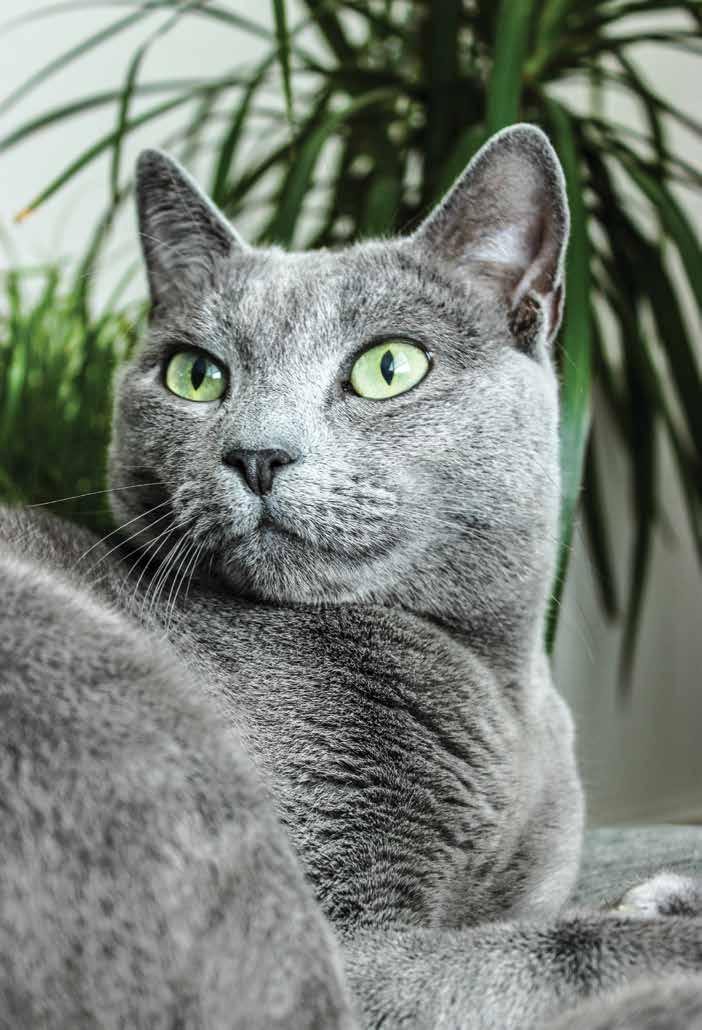
Russian blues, unsurprisingly, hail from Russia. Some experts speculate that they are a natural breed that developed in the Archangel Isles in Northern Russia and their signature short-but-thick coats were to protect them from those harsh winters. A true modern kitty royalty, this cat was a favorite of Russian czars, and today's breed is a descendant of those long-ago royal cats.
These graceful cats are gentle and sweet. Although Russian blues can be shy around strangers, they absolutely adore their owners. If you are looking for a cat who will greet you at the door, follow you around the house, and sit next to you on the couch, the Russian blue meets these criteria. What's more, they are some of the most beautiful cats among the pure breeds because of their shimmering blue-gray coats and emerald-colored eyes.
They are omens of good luck.
2 3 4
They have a slightly upturned mouth which gives them a smile similar to the Mona Lisa.
According to folklore, Russian Blues were kept in newborns’ rooms to chase away evil spirits.
Their eyes change from yellow to green over time. Russian blue kittens are born with blue eyes that turn to bright green in adulthood.
Temperament
As sweet and loyal cats, they love to follow their owners around and greet them at the door when they arrive. These pets can be cautious and shy but are incredibly affectionate once they get acquainted with a new human. When Russian blues feel confident and comfortable in their new homes, they become playful, loving pets.
They typically get along with kids and other animals, including other cats and the family dog and despite their affectionate nature, they are calm and not at all clingy. That said, while these sensitive lapcats enjoy being with their people, they can become uncomfortable or withdrawn around strangers.
Caring
Their trademark short, dense and plush coat is easy to care for, requiring minimal grooming. Although no cat breed is truly non-allergenic, it seems that some allergy sufferers can live successfully with certain cat breeds, including the Russian blue.
TRIM THEIR NAILS. Monthly nail trims can help keep your cat’s nails from growing too long and snagging or becoming torn or damaged. A scratching post is another tool to have in your home to help keep your feline’s nails short.
KEEP THE LITTER BOX CLEAN. Russian Blue cats are notorious for being very clean. Keep your feline’s litter box spotless, or they may use another room they feel is cleaner than their “bathroom.”
PLAY TIME. As intelligent cats, they are entertaining, playful and can be trained to play fetch. Although not a particularly vocal breed, they usually will respond when talked to and encouraged to "talk" back.
Diet and Nutrition
Consult your veterinarian about the best food to feed your Russian blue. The Russian blue is known to love eating, so one thing to watch out for is overfeeding. Keeping your cat lean is the best way to avoid weight-related health issues like diabetes, heart disease, and arthritis.
Feed your Russian blue measured amounts of cat food at regular meal times two to three times a day. Avoid leaving food out all day as it can lead to constant snacking, which can contribute to an overweight cat. Always have fresh water available 24 hours a day.
HAPPY DAYS
JOYFUL THINGS THAT MAKES THE DAY PERFECT FOR YOUR FELINE
Just like us humans, the things cats find interesting, fun, or exciting can change as they age—your cat may love her toy with feathers one day, but find it boring the next. As a kitty parent, it is your job to recognize when your cat's interests change, so you can keep her happy, healthy, and engaged.
CAT NAPS
Cats' mastery of sleeping and napping is unrivalled. They sleep for a whopping 12-16 hours daily, and some, in true feline flair, sleep for an incredible 20 hours.
Pexels | anete Lusina
LOVE FOR HUNTING
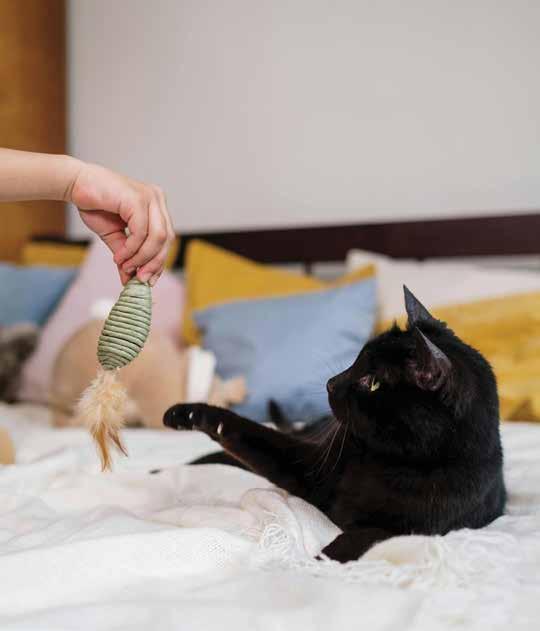
This fundamental predatory tendency, which even the most sluggish housecat cannot deny is ingrained into their DNA, whether pursuing a wiggling thread or a dancing laser pointer. Hunting is about catching prey and allowing cats to exercise and refine their skills.
PASSSION FOR SCRATCHING
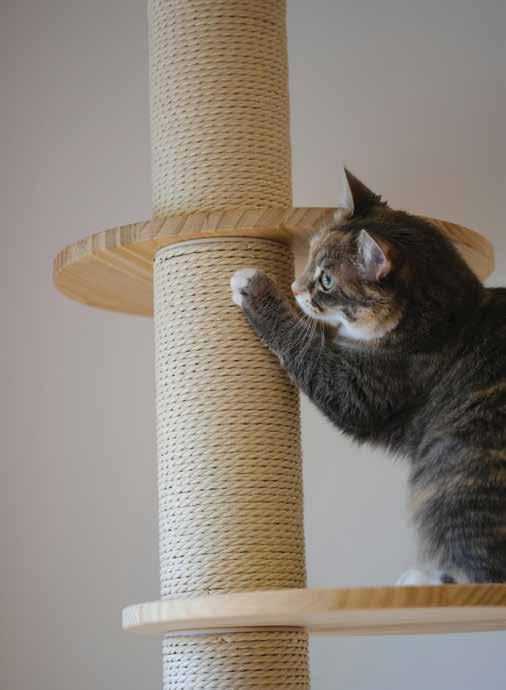
A natural desire for kitties, scratching helps them remove the outer coat, develop territorial markings, stretch their muscles, and keep their claws sharp. You can invest in a sturdy scratching post to protect your furnishings to accommodate this instinct. Cats have texture preferences, so consider sisal, cardboard, or carpet-covered posts. Be sure to place the scratching post near their favourite napping spot to encourage frequent use. This way, your furniture remains intact while keeping your kitty friend happy.
LOVE FOR THEIR HUMAN
Although cats are often depicted as independent animals, they need love, attention, and companionship—and they love to get it from their humans. Some signs your cat loves you include purring, bunting (or putting her head on you), sleeping on or near you, rubbing on you, meowing, licking, and even sticking her butt in your face.
GOOD FOOD
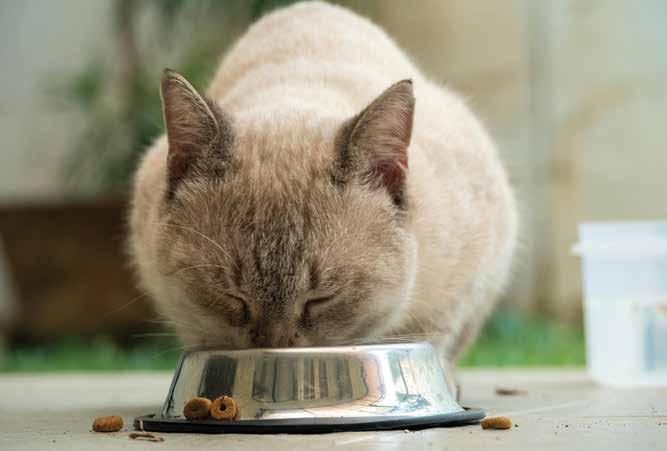
Cats love to dive into a big plate of fresh food at dinnertime. Be sure to refresh the food bowls as stale and spoiled food not only tastes bad —it can grow mold or host multiple types of bacteria, like Salmonella and Staphylococcus, too. Whenever you serve your kitty's meals, check the expiration dates on both wet and dry food. This will ensure you are only feeding her fresh, nutritious, and safe meals.
WATER BABIES
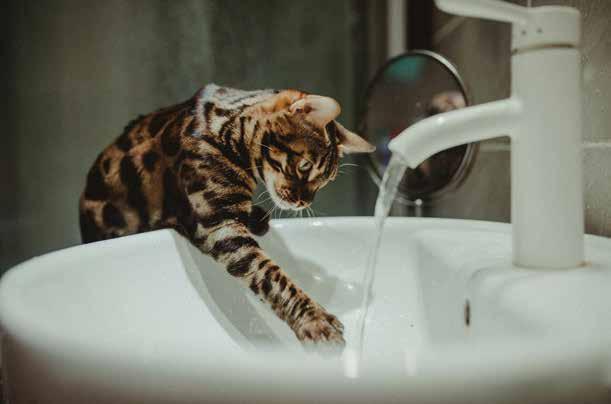
If you have a cat, you know they will try to drink water from running faucets whenever the opportunity presents itself. Fortunately, there are tons of drinking fountains designed especially for cats so they always have cool, fresh, running water available.
WELL GROOMED
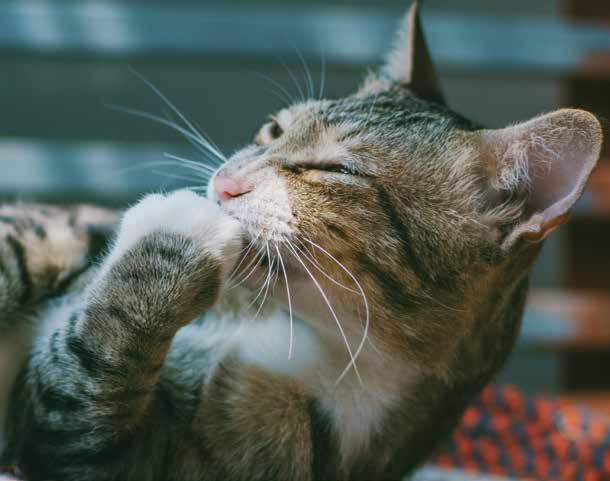
Adult cats spend approximately half of their waking hours grooming? Clearly, it is an important part of a kitty's life! Some of the reasons why kitty loves to groom include: personal hygiene to keep their coats clean, reduce stress, and keep them cool in hot weather.
PEACEFUL COMPANIONS
CHERRY BARBS ARE EASYGOING FISH AND ARE GREAT ADDITION TO COMMUNITY TANKS
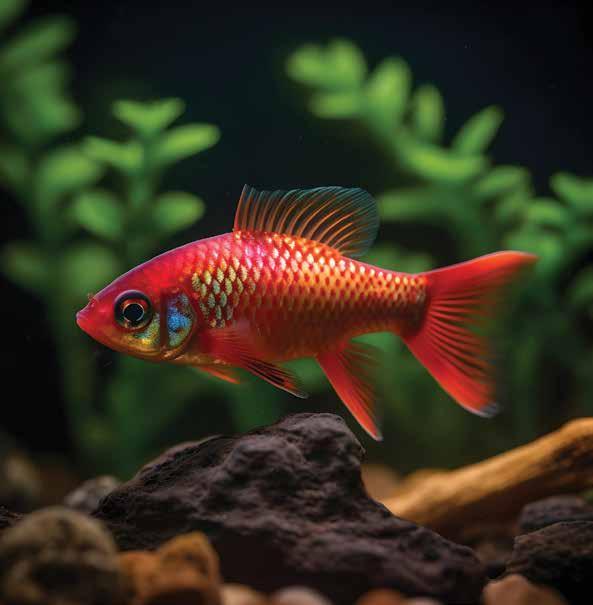
Named for the males' vibrant red color during spawning season, the Cherry Barb makes a great schooling addition to many freshwater community tanks. They are commonly sold at pet stores because of their vivid redness, energetic personality, and ease of breeding. Learn all about how to care for this popular and peaceful barb.
Diet And Feeding
In nature, these omnivores like to eat small bugs, micro-worms, crustaceans, zooplankton, and even algae. They are not picky eaters, so provide them with a variety of dry, frozen, and live fish foods to make sure they do not lack any essential nutrients. You can supplement with fresh veggies and frozen treats on occasion. Most Cherry Barbs raised in captivity are very well accustomed to a pelleted diet and are not too picky about the type.
Habitat And Care
Being a shyer fish, the Cherry Barb likes to have lots of places to hide in their home aquarium. They should be added to your aquarium first, so they can get settled and not have to compete for hiding places. Since they like to stick in a group, you may need to make lots of hiding places to accommodate more than one fish at a time. Planted tanks or aquascapes make a great home for Cherry Barbs with good water quality and lots of places to hide.
They are relatively easy to care for as long as you keep up with your regular maintenance.
Species Overview
COMMON NAME/S Cherry Barb
SCIENTIFIC NAME Puntius titteya
ADULT SIZE 2 inches
LIFE EXPECTANCY 4 to 6 years
SOCIAL Peaceful
DIET Omnivore
ORIGIN Sri Lanka
Tank Mates
They are community fish that can live with similar-sized, peaceful creatures, such as tetras, danios, and plecos. While cherry barbs will swim anywhere to feed, they tend to hang out in the middle to bottom levels of the tank, so you may consider pairing them with fish that swim in the upper half like guppies.
CRUNCHY GREENS
SAFE VEGETABLES FOR BIRDS TO EAT
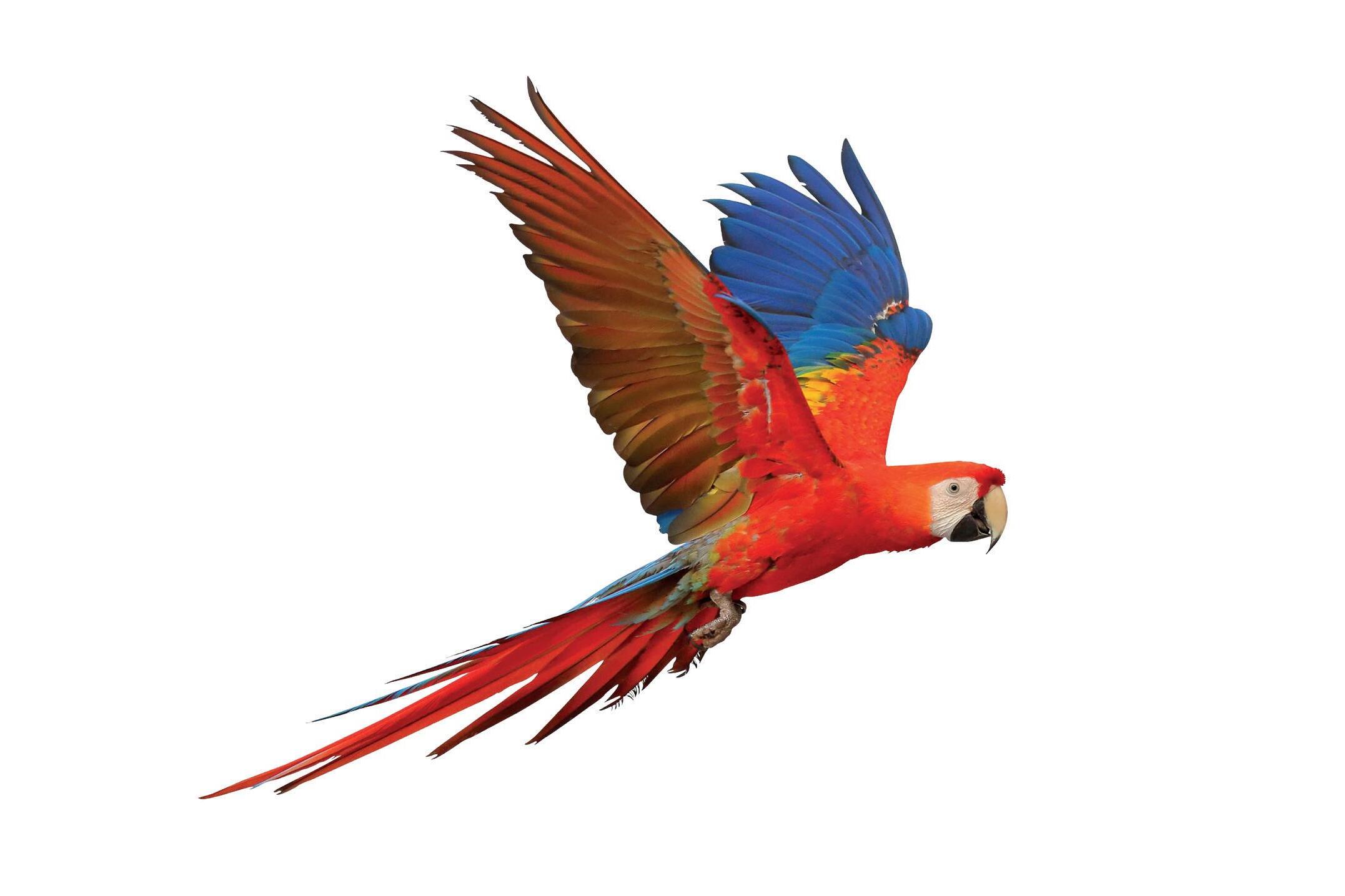
Vegetables provide essential nutrients and minerals birds need for good health. A diet that include a variety of vegetables can help keep your birds’ feathers bright and healthy, their bones strong and their immune systems functioning properly.
Here are some vegetable safe for birds to eat.
Corn On The Cob
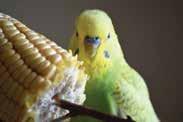
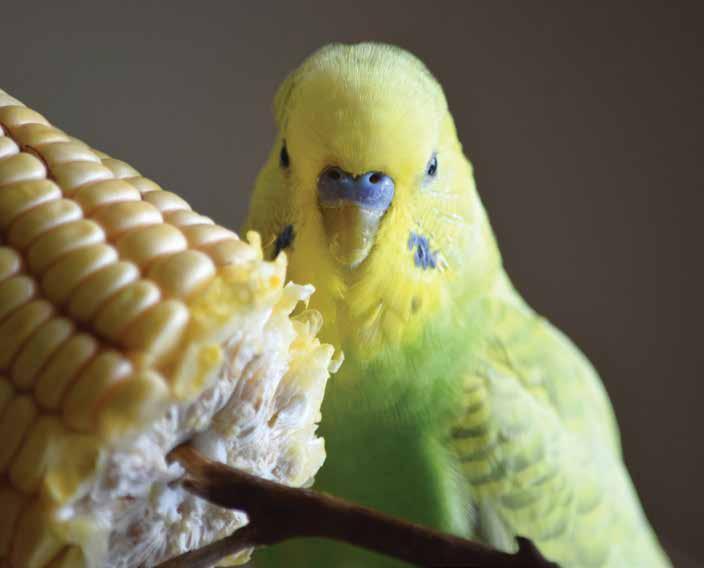
The aroma of cooked corn can make it more enticing. Corn on the cob can be boiled, microwaved, baked, or grilled. You can even warm it over a barbeque. Never add butter, oil, salt, or other seasonings for flavor. You can strip the corn and place it in a bowl or hand-feed each piece to the parrot. Alternatively, you can hang the corn on the cob in the cage, allowing the parrot to peck at will.
Pexels | Magali Guimaraes
Broccoli
Broccoli and cauliflower are chockful of nutritional goodness for birds. Offer these healthy veggies either raw or steamed. Birds have tons of fun breaking broccoli and cauliflower apart! Chock full of goodness for your bird, both are a great source of vitamins and antioxidants.
Snap Peas
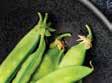
Snap peas are great interactive veggies that offer a satisfying crunch that birds enjoy. Birds can peel them open and find the peas inside – a great option for enrichment!
Carrots
Carrots are great for supporting your bird’s eye health. These crunchy, nutrition-packed veggies are great for helping your bird exercise their jaw. Carrots are best offered raw when washed and peeled.
Bell Peppers
Birds can eat peppers of all kinds. The bright, fun colors of bell peppers are a particular draw for your feathered companion. Bell peppers are full of great vitamins like Vitamin C, potassium, and beta-carotene. Offer your bird bell peppers today for an immune system boost!
Veggie Safety Tips For Birds
There are a few important safety tips to keep in mind when offering veggies to your birds.
1
2
Avoid canned veggies. These foods often have added salt or sugars that make them unhealthy. If canned veggies are your only option, rinse them well before offering to your feathered friend.
Check the food you offer daily and wash the dishes to prevent bacterial infection or mold growth.
3 4
Make sure to keep dishes away from the bottom of the cage and their droppings.
Cut fruits and veggies into appropriate-sized pieces. Do not make the pieces too small to prevent your bird from swallowing them whole. This gives your birds something to do and prevents choking.
TINY EXPLORERS
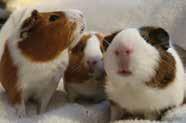
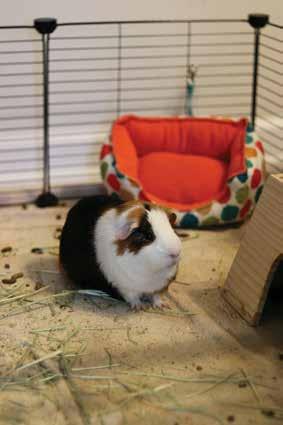
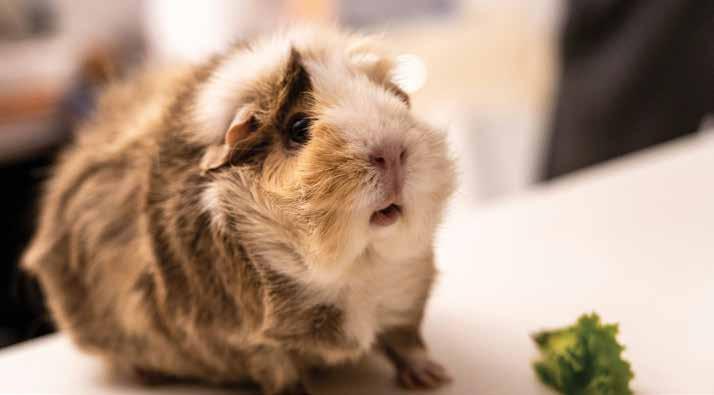
12 FACTS YOU NEED TO KNOW BEFORE GETTING GUINEA PIGS
Guinea pigs can make lovely pets but you should know a few things before making that big commitment. They may be small but they have very specific and complex needs and it is important for prospective owners to know more about their future pets before bringing them home.
1
Active For 20 Hours A Day
Guinea pigs are very active, they can be awake for up to 20 hours a day - you do not need much beauty sleep when you are a guinea pig! This means that they need lots of space to move about in. This space can be outdoors or indoors but should have a sleeping space, as well as a large exercise run that your guinea pigs can explore, run around, and play in.
2
They Make 11 Individual Sounds - They Are Serious Chatterboxes! The infamous 'wheek-wheek' is one of 11 sounds that guinea pigs make. This 'wheek-wheek' noise is usually a sign of excitement but your guineas will make all sorts of noises for different reasons. Chutting, a purring type of sound means a guinea pig is relaxed, while squeaks often indicate an alarmed or scared guinea pig. Guinea pigs also coo to soothe and comfort each other and will chatter and show their teeth to each other if they are angry or want some space.
Loves To Hide
3
While guinea pigs are active, they're not particularly agile little fellows. Your guinea pigs will enjoy tunnels and places to hide, but they are not big climbers. Their environment must be hazard-free to make sure they cannot injure themselves by falling off anything.
Prone To Health Issues
Guinea pigs can develop various health problems, such as dental disease, scurvy (vitamin C deficiency), abscesses, tumors, gastrointestinal diseases, skin diseases like bumblefoot, respiratory infections, inner ear infections, and urinary problems. Be sure to feed your pet an appropriate diet that is high in fiber, in addition to keeping their environment safe and clean.
They Require Vitamin C
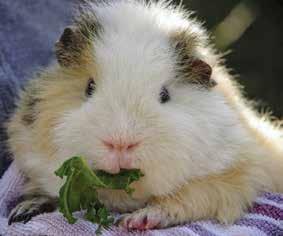
They do not produce vitamin C and therefore also need a fresh portion of grass-based guinea pig nuggets and some safe, washed leafy greens daily, such as broccoli and kale. Feeding the correct diet will help keep your guinea's digestive system working nicely and keep their teeth the correct length and shape.
4 5
Social Creatures
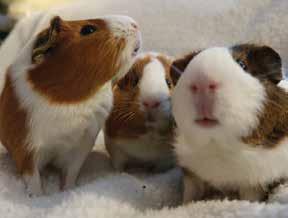
In the wild guinea pigs live in groups of between five and ten and so keeping guinea pigs in pairs or small groups is ideal. Good combinations include single-sex pairs or a combination of neutered male with one or more females. The right pairings will help keep your guinea pigs happy.
Making friends with your guinea pig is also important. Careful, considerate handling by an adult from an early age will help guinea pigs be calm and relaxed in human company. 6
7
Curious & Cautious - They Are Small After All!
Guinea pigs are prey animals in the wild. This means they are naturally cautious and like to hide. Your guinea pigs first instinct will be to freeze when they are greeted with new sights or smells. This is another reason why lots of toys, hiding places, and tunnels will help keep guinea pigs happy and sociable whether kept outside or inside.
Very clever
9
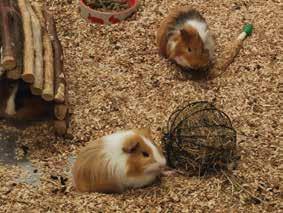
Guinea pigs are very intelligent. Whether your guinea pigs are inside or outside, a combination of space, toys and things for them to explore will keep them from getting bored. They will generally enjoy toys that they can gnaw, forage, or hide in. Interesting food (wrapped or hidden in guinea pig safe ways) is also a winner. Wicker or straw objects, tunnels and houses can also bevery popularwith guinea pigs.
Tiny Explorers - And They Can See You From Most Angles! They have brilliant spatial awareness, as well as a great sense of smell and hearing. Because of the shape of their head, they can also see above and behind themselves!
10
They use these senses to find places to hide, and nooks and crannies to find refuge. To help your guinea pigs feel safe, secure and happy, their home should include small covers and tunnels in their enclosure for your guinea pigs to have somewhere to explore and hide.
11
8
They Require Grooming
These little guys do not need to be bathed too often because they generally groom themselves. When bathing, wet your guinea pig, gently shampoo, and rinse in warm water. Towel dry and keep your pet away from drafts until they are fully dry. Also, brush your guinea pig’s fur weekly to prevent mats. By taking good care of your pet’s grooming and hygiene, you can help prevent health issues.
You Can Adopt Guinea Pigs At Shelters Before heading out to buy a guinea pig, check with your local shelters or rescues for guinea pigs in need of a new home. Many guinea pigs end up at shelters and are in need of a second chance at a forever home. Shelter guinea pigs are generally social and easy-going. It should be easy to bond with an older guinea pig.
Generally Easy To Tame
12
While guinea pigs may be nervous or skittish at first, with consistent gentle handling, they usually become tame very easily. Careful handling is a must, and children should be supervised with them, but they are unlikely to bite even when stressed.
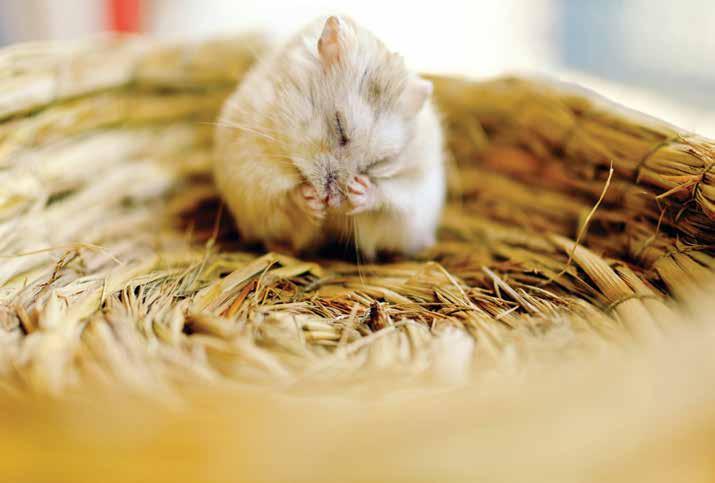
SHUT EYE
UNDERSTANDING YOUR HAMSTER’S SLEEP ROUTINE
It may be disappointing to find your hamster fast asleep during the day when you want to play, but a hamster has its own routine, and although this can be adapted slightly, this is something you will have to accept. It is important to understand how your hamster sleeps to ensure that you have a healthy and happy little friend. You should also know when to leave them alone because even though they are cute you would not want an upset hamster!
When Sleeping Becomes A Concern
If your hamster is sleeping more than usual it may be hibernating or sick. Hibernation can occur if your hamster is housed in a cold environment that routinely drops below 50 degrees.
In tropical environments, and it is sleeping more than usual, there is a good chance that it is sick. Respiratory and digestive issues are common in hamsters and if yours is not feeling well, it may be lethargic and sleep more often than not. A visit to your veterinarian may be in order if you think your hamster is sick.
If your hamster is not sick, it may simply be getting older and sleeping more. Older hamsters do not sleep as deeply or intensely as younger hamsters therefore they sleep more often. This is a completely normal thing and is not of concern.
How Long Do Hamsters Sleep?
While humans only sleep once a day, hamsters possess polyphasic sleep-wake rhythms, meaning they normally sleep for 12–14 hours a day. This indicates that they sleep for longer periods of time during the day, thus their 12–14 hours of sleep will be divided into smaller chunks.
Sleeping Patterns Of Syrian Hamsters
The sleep cycle of hamsters is well studied because it has been the focus of much circadian rhythm sleep research, particularly those involving Syrian or golden hamsters. Research indicates that hamsters spend almost the same length of time as humans do during the rapid eye motion (REM) phase of sleep, which accounts for up to 25% of human sleep. Although studies have been done, it is unknown if hamsters dream similarly to humans. The REM period of sleep is commonly recognised as the time when people dream. However, many people believe that if you notice a hamster twitching its eyes or paws slightly, it could be an indication of dreaming and other brain activity. If you notice these movements when your hamster is sleeping, don’t freak out.
The fact that hamsters are nocturnal creatures in captivity is another crucial fact about their sleep schedule. This indicates that they behave contrary to what most people do: being active at night or sleeping throughout the day. Naturally, some people work at night; therefore, just like hamsters, they sleep during daylight hours. However, the majority of hamster owners find that their pets are most active when they are soundly resting in their beds. Unsplash | Kong Jun