The magazine for the owners and management of international casinos
Volume 22: Issue 189


The magazine for the owners and management of international casinos
Volume 22: Issue 189
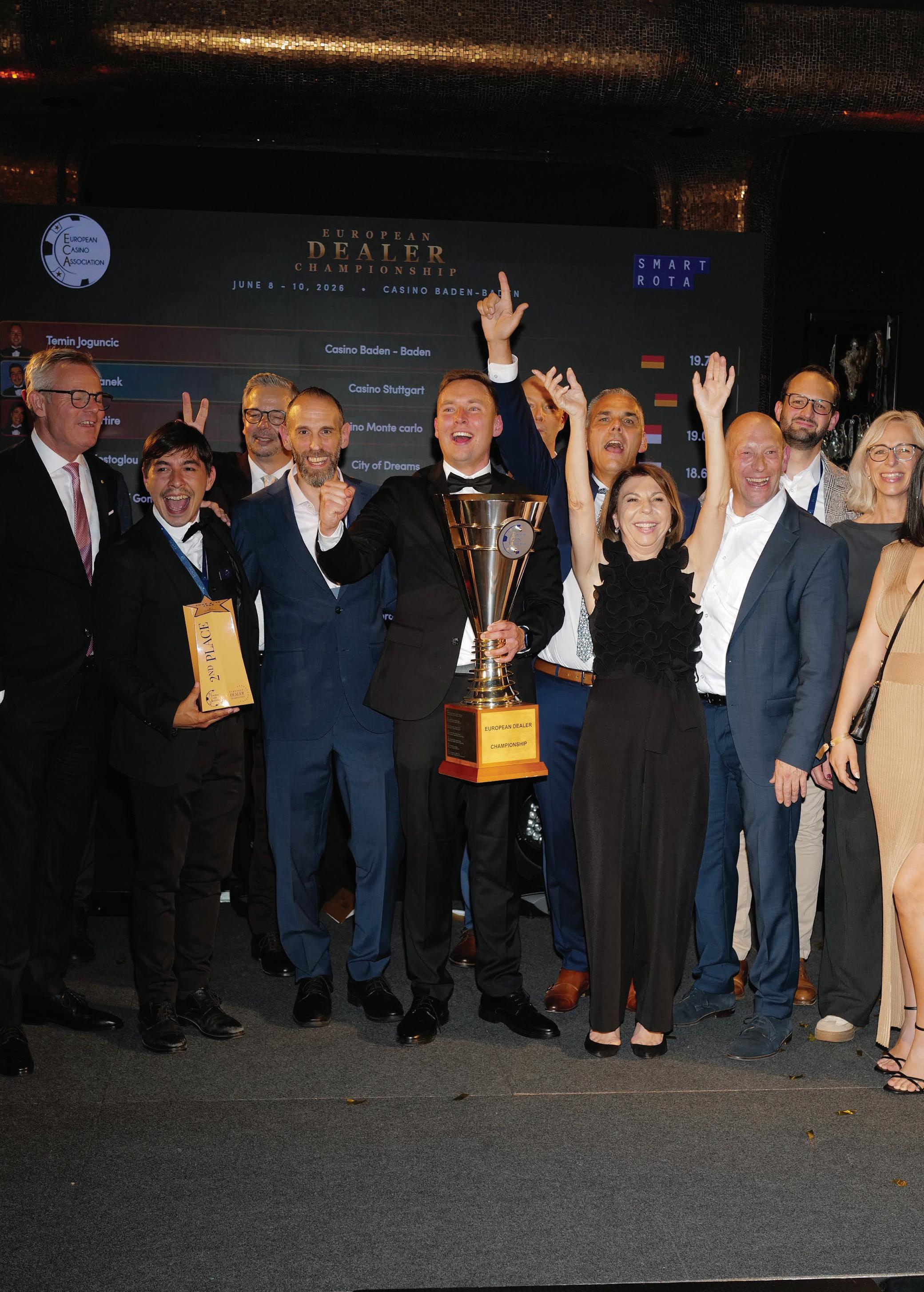
The pinnacle of dealing excellence. Meet the winner of the 2026 European Dealer Championship


Published by Outsource Digital Media Ltd
Publisher: Peter White
Tel: +44 (0) 1892 740869
Mob: +44 (0) 7973 273714 peter@outsourcedigitalmedia.com
Editorial:
Editor in Chief : David McKee dmckee@huntingtonpress.com
Editor EMEA: Damien Connelly damien@outsourcedigitalmedia.com
Associate Editor Asia: Bill Healey healeywe@gmail.com
Online iGaming Editor: Mark McGuinness markmcguinness847@gmail.com
Columnist: Raymond Chan ymrchan@hotmail.com
Associate Editor EMEA: Andrew Behan a.behan@librasgroup.com
Las Vegas Correspondent: Ryan Slattery RyanSlats@gmail.com
International Correspondent: Lyudmyla Kyrychenko lyudmyla.kyrychenko@outsource digitalmedia.com
Production:
Designer: Stewart Hyde stewart@de5ign.co.uk www.de5ign.co.uk
Accounts: Helen Holmes accounts@outsourcedigitalmedia.com
IT Director: Pasha Kuzminskiy pasha@outsourcedigitalmedia.com
he Devil made me do it.” If you doubted that the United States has entered a no-accountability zone, check out the cushy fate of Texas Tech quarterback Brendan Sorsby. Exposed as a degenerate gambler who bet on his own teams, Sorsby was due to ride the bench for his final year in college. Then the judicial bench intervened.

In a decision that has boggled minds from coast to coast, Lubbock District Court Judge Ken Curry enjoined the NCAA from enforcing its own rules. Mind you, the august body recently mulled letting coaches and athletes wager on collegiate sports, but that push died for lack of support.
Curry’s rationale for clemency? Crybaby QB Sorsby would suffer “irreparable” harm if he rode the pine. Actions evidently no longer bring consequences.
Sorsby knew the anti-gambling rules. Such defiance should result in penalization. Not for Curry: Let nothing stand in the way of chasing the almighty dollar, wherever it leads. Had Sorsby fixed games for money, he still would probably have gotten a free judicial pass.
He makes a poor choice of martyr. A salaried mercenary now playing for his third university, he already had (per Courthouse News) “placed thousands of bets totaling tens of thousands of dollars.” Why? In a dogate-my-homework excuse, Sorsby claimed it would help him bond with teammates. Maybe not looking constantly for a lucrative exit would have been a better bonding exercise.
Already a rich man (Texas Tech was paying him $5 million this season), Sorsby has now decided to cash out quickly and enter the NFL supplemental draft. Professional teams will soon be falling all over themselves to shower millions more on an athlete so irresponsible that he is a sure bet to violate the league’s cardinal rule on gambling: When in doubt, don’t do it.
As CBS Sports observed, the money-hungry Sorsby “was never a martyr, and the national blowback from his high-profile lawsuit against the NCAA cannot have been worth it. He was easily going to be the most unpopular figure in college football this season.”
Texas has been making headlines lately for having done nothing to help compulsive gamblers for the past six years. Not one thin dime. With the hypocrisy typical of the pseudo-Religious Right (wolves in sheep’s clothing), Texas politicians denounce the ‘scourge of gambling’ but won’t spend one thin dime for addicts not named “Brendan Sorsby.”
Fortunately, there’s a happy ending. Las Vegas Sands has made a angelic $100,000 donation to the Texas Coalition on Problem Gambling. According to the Texas Tribune, the money will “increase the number of trained therapists to treat gambling addiction.” Yes, it’s the gaming industry doing the Lord's work.
Kudos to Sands for acting where the public sector has shamefully failed its responsibility.
David McKee Editor







By Peter White, Publisher, Casino Life Magazine
here was a time when success in the casino industry was measured by who had the biggest gaming floor, the latest slot machines or the most recognizable brand. Today, the landscape looks very different.
TThe world’s leading casino operators are discovering that growth is no longer achieved alone. It is built through partnerships.
Whether it's a global sports book aligning with a major football club, a casino working alongside a luxury hotel or an integrated resort combining gaming with world-class entertainment, collaboration has become one of the industry’s most valuable assets.
Customers no longer choose destinations solely to gamble. They are looking for memorable experiences. Fine dining, live entertainment, premium accommodation, sporting events and personalized service have become just as important as the casino itself. The gaming floor is now one part of a much larger entertainment ecosystem.
Technology partnerships are proving equally important. Artificial intelligence is transforming customer engagement, payments are becoming faster and more secure, and data is helping operators understand player behavior more effectively than ever before. The best operators recognize they cannot innovate in every area by themselves. Strategic technology partners are becoming essential to future growth.
The same principle applies to responsible gaming. Collaboration between operators, regulators, technology providers and specialist organizations is helping create safer environments. It is also strengthening public confidence in regulated gaming. This spirit of partnership extends beyond individual businesses. Governments, tourism authorities and the hospitality sector all benefit when successful casino destinations attract international visitors, investment, and employment. The strongest markets are those
where public and private sectors work towards the same objective: creating sustainable, world-class entertainment destinations.
As the industry becomes increasingly competitive, partnerships are evolving from marketing opportunities into strategic business decisions. They build trust, open new markets, encourage innovation and create experiences that no single organization could deliver on its own.
The future of gaming will belong to those operators that understand one simple truth: Success is no longer about standing apart from the competition. It is about standing alongside the right partners.
In an industry built on relationships, perhaps the most valuable investment any casino can make is not in another gaming table or slot machine, but in the partnerships that shape its future.
Bally’s Chicago takes aim to bring the first integrated resort to the Second City. By David McKee
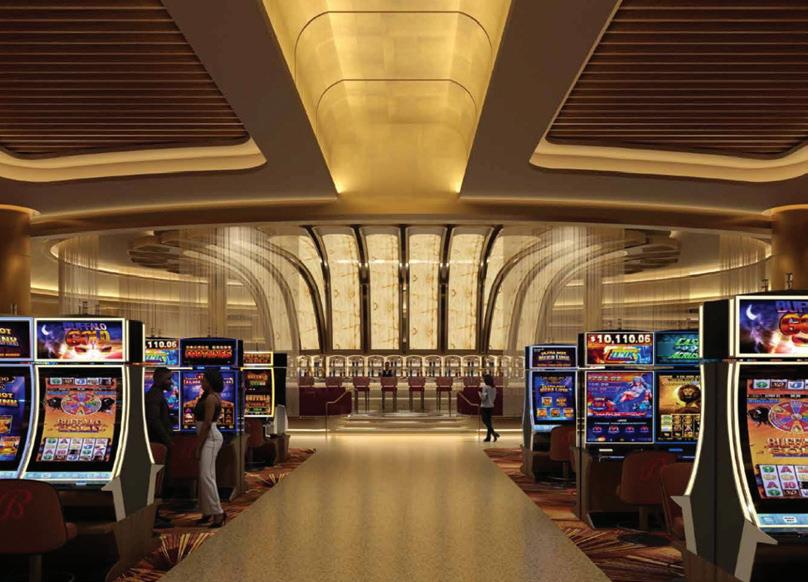
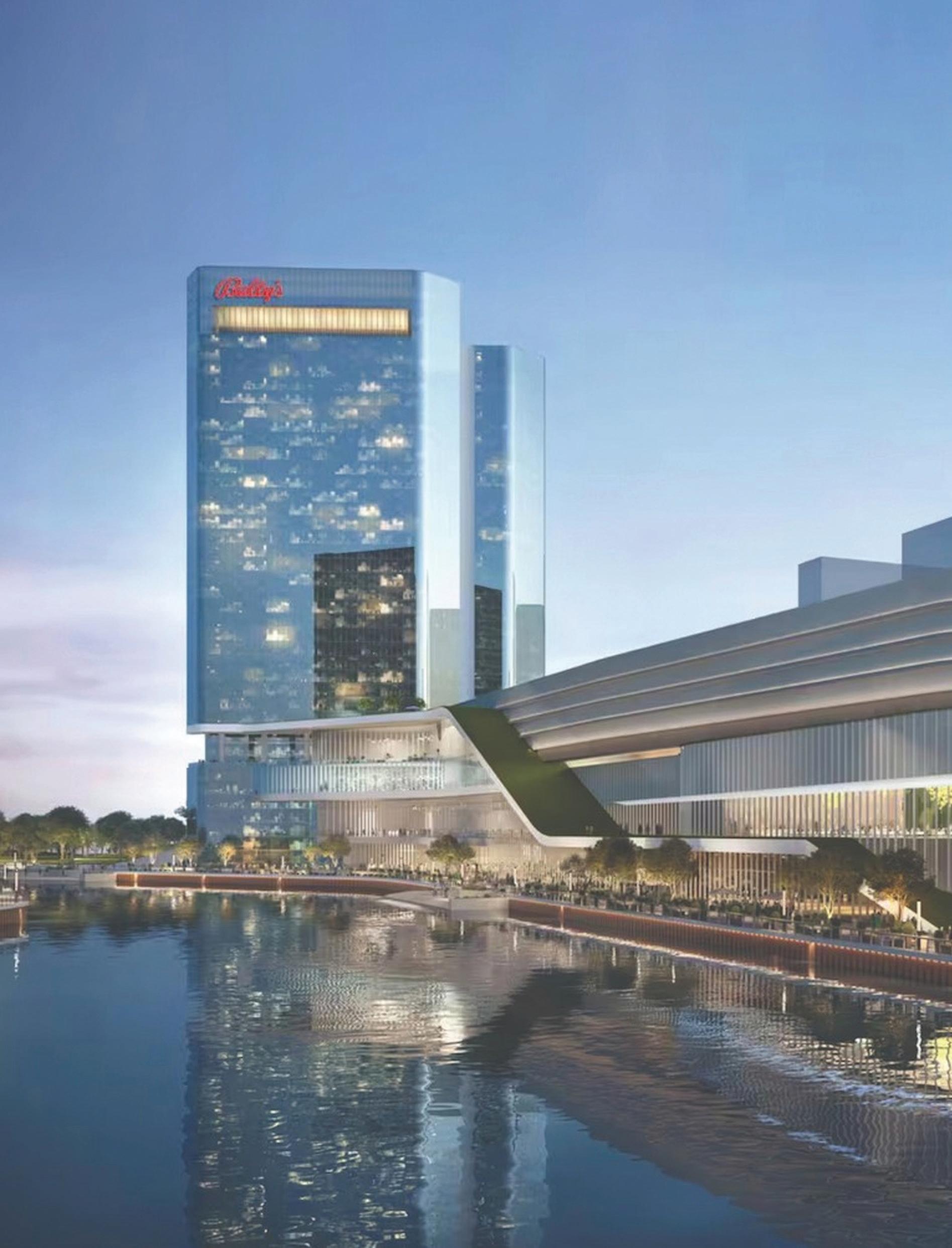
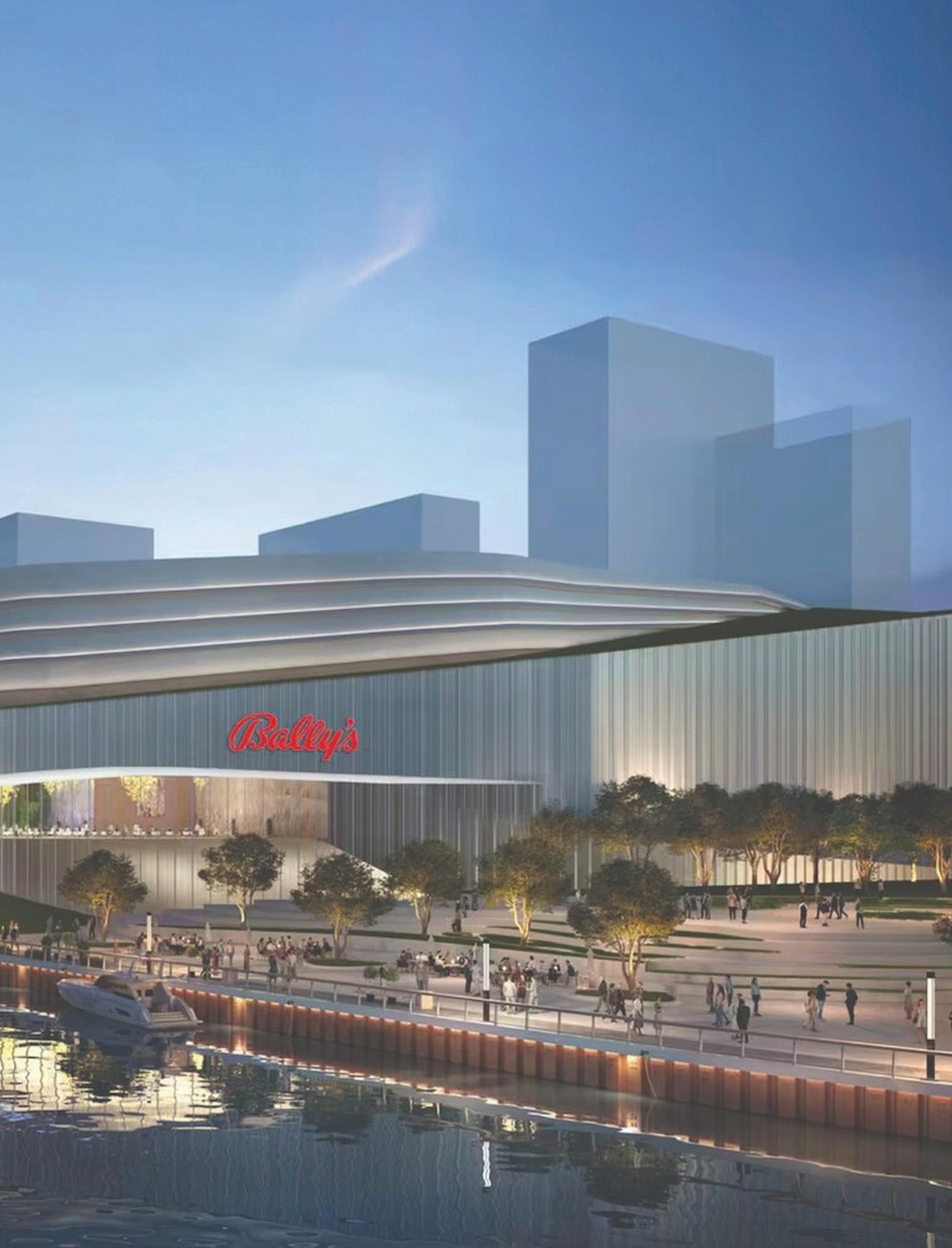
It has not been an easy road for $2 billion Bally’s Chicago but a happy ending is in sight. Having recently topped out construction, the megaresort project is now putting flesh on the bones of what will be the Windy City’s biggest pleasure palace. Fronting on the Chicago River, Bally’s Chicago rises on the site of what used to be the Chicago Tribune printing plant, visible to anyone heading downtown from O’Hare International Airport.
This wasn’t always a sure thing. Many suburban casinos have already beaten it to the post, especially Rivers Des Plaines and Wind Creek Southland. But Bally’s Chicago will have something unique: placement right in the heart of the Second City. It’s elbowing into the City of Big Shoulders with hotel rooms and amenities that many of the suburban casinos will be unable to rival.
Bally’s had enjoyed a downtown foothold in the form of temporary Bally’s Casino, in venerable Medinah Temple. But, with a big assist from Gaming & Leisure Properties Inc., permanent Bally’s Chicago will be a ground-up addition to the city.
There will be a burden of expectations. After all, Bally’s Chairman Soo Kim had predicted that the eventual resort would be “eating a lot of people’s lunches.” The man charged with bringing Bally’s Chicago on line is General Manager Ryan Coppola, an Illinois native. We spoke with him recently about, among other things, Bally’s Chicago’s certification as a Minority Business Enterprise (MBE) by the National Minority Supplier Development Council, the first such acclamation of a publicly traded gaming company.
At a time when “diversity” is a dirty word in the United States, Bally’s is justly proud of this
recognition. As Kim said, “This recognition marks an important milestone not only for Bally’s but for the broader industry … to earn this certification reflects our belief that inclusive business practices strengthen organizations, support innovation, and create meaningful economic opportunities in the communities we serve and nationwide.”
And with that, we turn the microphone over to Coppola. We began by asking him the $2 billion question …
What opening date do you envision?
We are currently anticipating an opening in early 2027. We just hit our biggest milestone recently: the topping out in April. So we’re on track for that anticipated opening. Our commitment to hitting that date really shows up every time we nail one of these milestones.
What is the significance of MBE certification and how rare is it in the casino industry?
Very rare. We’re very proud that Bally’s is the first publicly traded gaming company that’s achieved MBE certification. Being the first is obviously an incredibly meaningful milestone that reflects what’s in Bally’s DNA: diversity of leadership. It shows up tremendously in Chicago. It outlines our approach to the business and ultimately we see it strengthen our innovation, the long-term performance, and – as you’ve probably seen with our rapid growth – it's another reference point of how valuable and strong that DNA can be.
What does it mean in concrete terms?
It really sets a new benchmark for our industry, being the first MBE-certified organization that is publicly traded. It really demonstrates, through a very visible example, how that diversity is embedded in how and what we operate. We have the Host Community Agreement that we are highly committed to, and been compliant with the entire way. It’s not treated as a separate initiative: It’s absolutely woven into what we do day to day and who we are. So thinking about a company of our scale, it shows that inclusive business practices and how we drive financial performance go hand in hand.
Bally’s is a highly diverse company. Why is that important?
When you think about the importance of diversity in a company like ours, we need talent. We need to attract the best and brightest – emerging talent as well as existing talent – in the industry and across other industries as they might join our cause. It turns into a strategic advantage for us. About half of our employees identify as minorities today. Almost half of them are women. At the leadership level it really stands out. Regularly, 75 percent of our board – and 50 percent of the executive team – are women and people of color.
The diverse perspectives that we have drive better decisions, bigger innovation. It allows us to have more sustainable growth. Ultimately it ensures that we authentically reflect our communities and also our customer base, wherever we’re operating.
What kind of responsible-gambling programs will you have in place?
We have a very comprehensive responsiblegaming program. When you look at our foundation of responsible gaming it is the bedrock of our operations. We have invested in many programs across the enterprise, as well as locally. Within the company we have ongoing employee training annually. We align those materials with the latest research and best practices in the industry. We provide accessible resources to any guests who need support. We do community-outreach programs. And we also adhere to and exceed many of the standards that are outlined in our Host Community Agreement.
It is the cornerstone of everything we do. It has to be a safe, responsible environment. We have to make certain that it’s top of mind at all touch points for guests and team members alike, as well as being responsible-gaming advocates for Bally’s knowing that we’re one of one in the Chicago borders.
How many jobs will Bally’s Chicago create?
We anticipate approximately 3,000 jobs in total, across the resort when we’re fully open. That spans a wide range of disciplines and career levels, everything from no skill set that we’ll train up, to highly skilled folks we’ll attract.
What are you looking for in applicants and how wide of a net are you casting? Is this a local or national or international pitch?
What gets me so excited about this project is the vast net that we’ve cast and the interest level that we’ve already received, locally, regionally, nationally, and then internationally. We’re looking for all backgrounds and all skillset levels.
When you think about Chicago, the history of the people here, it has this incredibly resilient culture and a fantastic, strong work ethic – this amazing hometown pride. We’re looking for that locally and also bringing folks in that have this incredible passion for taking care of people and hospitality. Then, even more-skilled individuals from the industry that we’ll need to help open and support the operations of such a large integrated resort … we’re searching nationally and internationally for them and have already interested some of the best in the business, across the globe.
There’s no shortage of casinos in Chicagoland. How do you differentiate Bally’s Chicago?
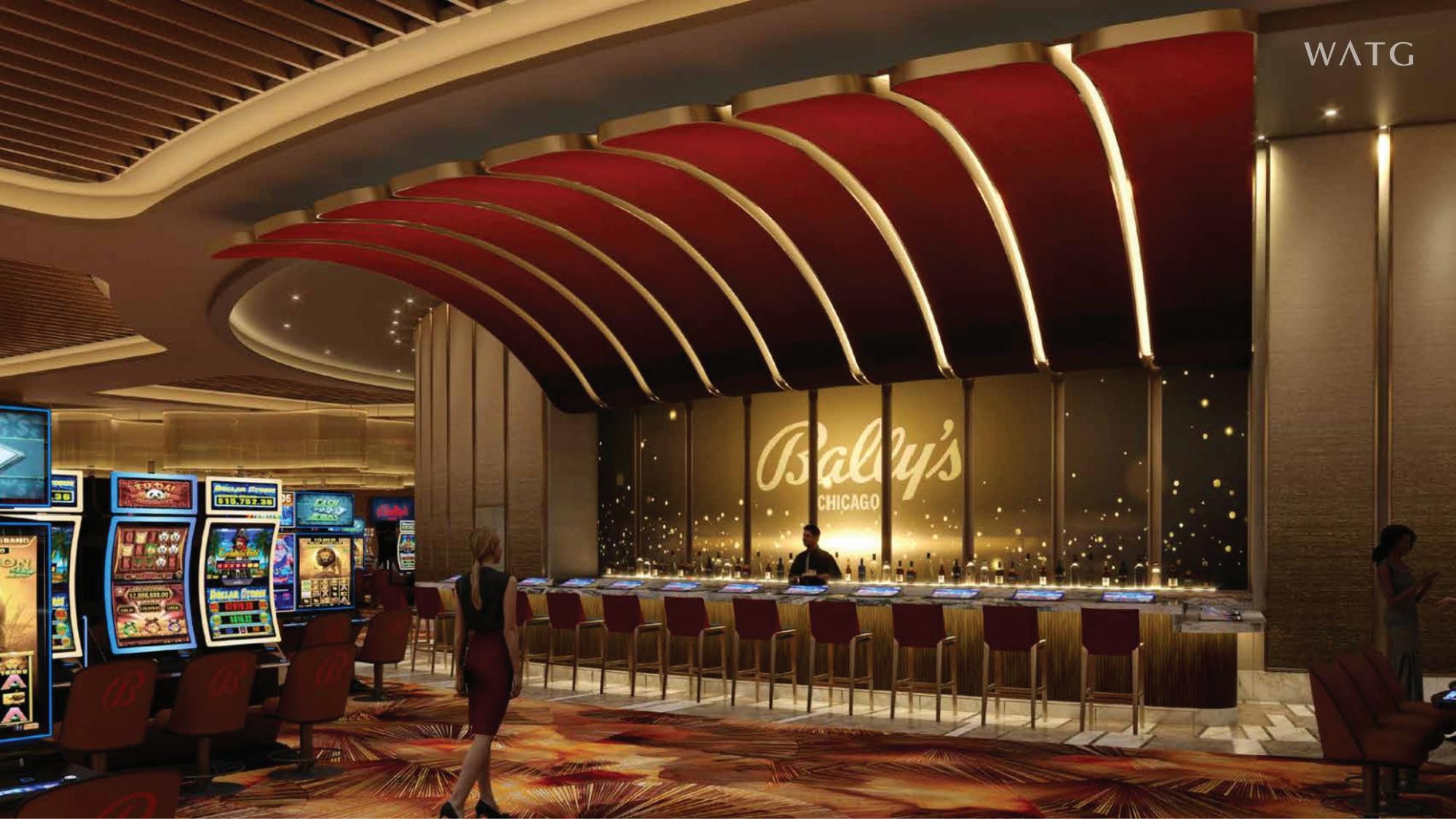
When you look at our competitive set, particularly in the Chicago market, it’s pretty clear that we’re different, just from how we stack up as an asset. Our state-of-the-art entertainment theater is going to stand out, not just in the market but across the nation and internationally. And then our hotel tower, spa, the civic spaces in our parks … when you put the whole campus together and contrast to our competitors, we stand apart just from that.
You look at our temporary casino, it’s the most successful temporary that has ever existed in Illinois. We’re growing share, we’re growing volumes. So you put all that together and see how we stack up against the competition, we’re highly differentiated, highly attractive for guests. It really appeals not just to gamers but also to entertainment-seekers, staycationers, international travelers, conventions and groups, as well as the day trippers.
The F&B is going to be unreal. The hotel is going to be a top-tier amenity and also the spa. And then the convention and banquets business will be significant as well. All of those are incredibly different channels for attracting different kinds of guests and that’s how we’ll stand out.
What will your gaming inventory be?
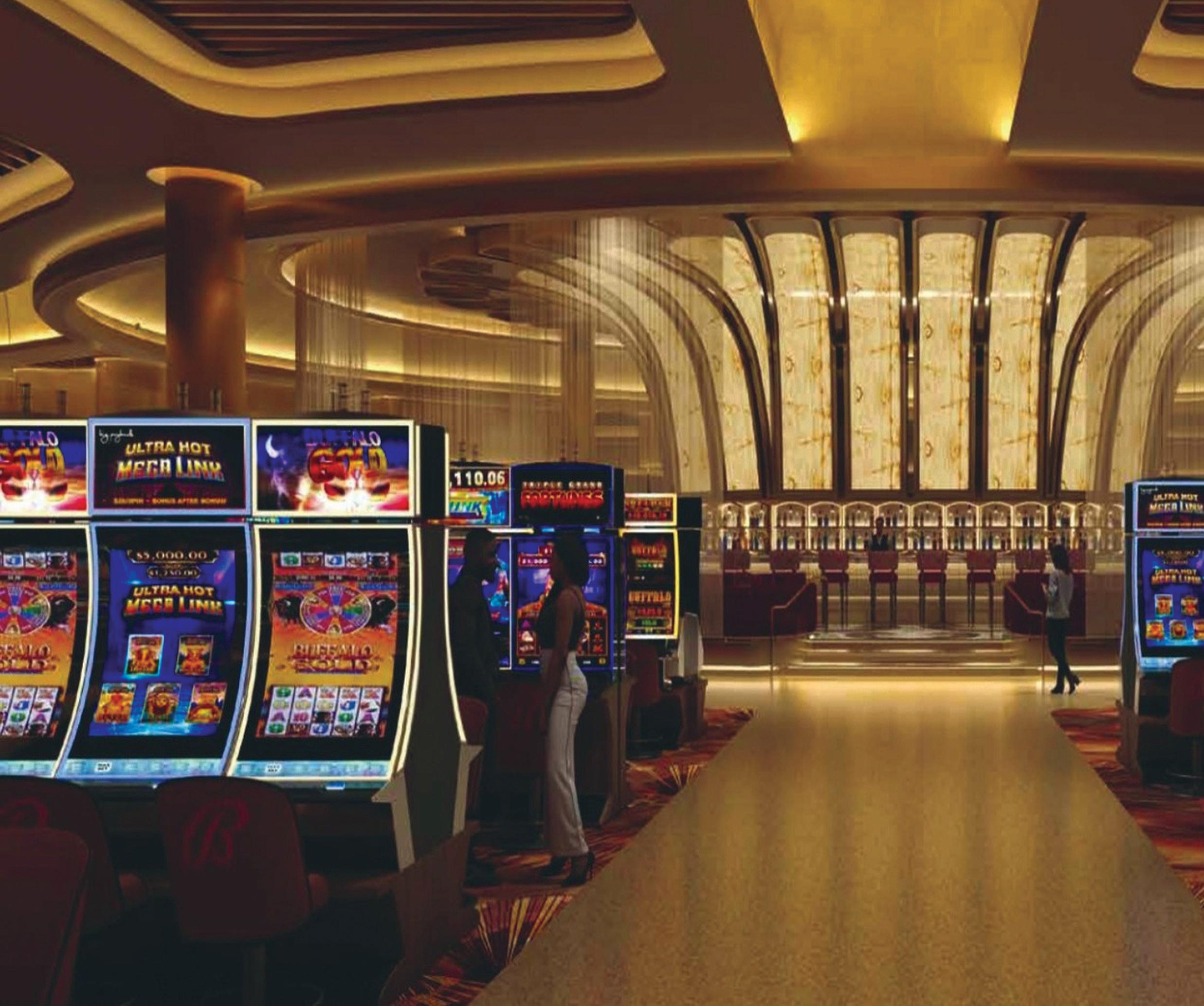
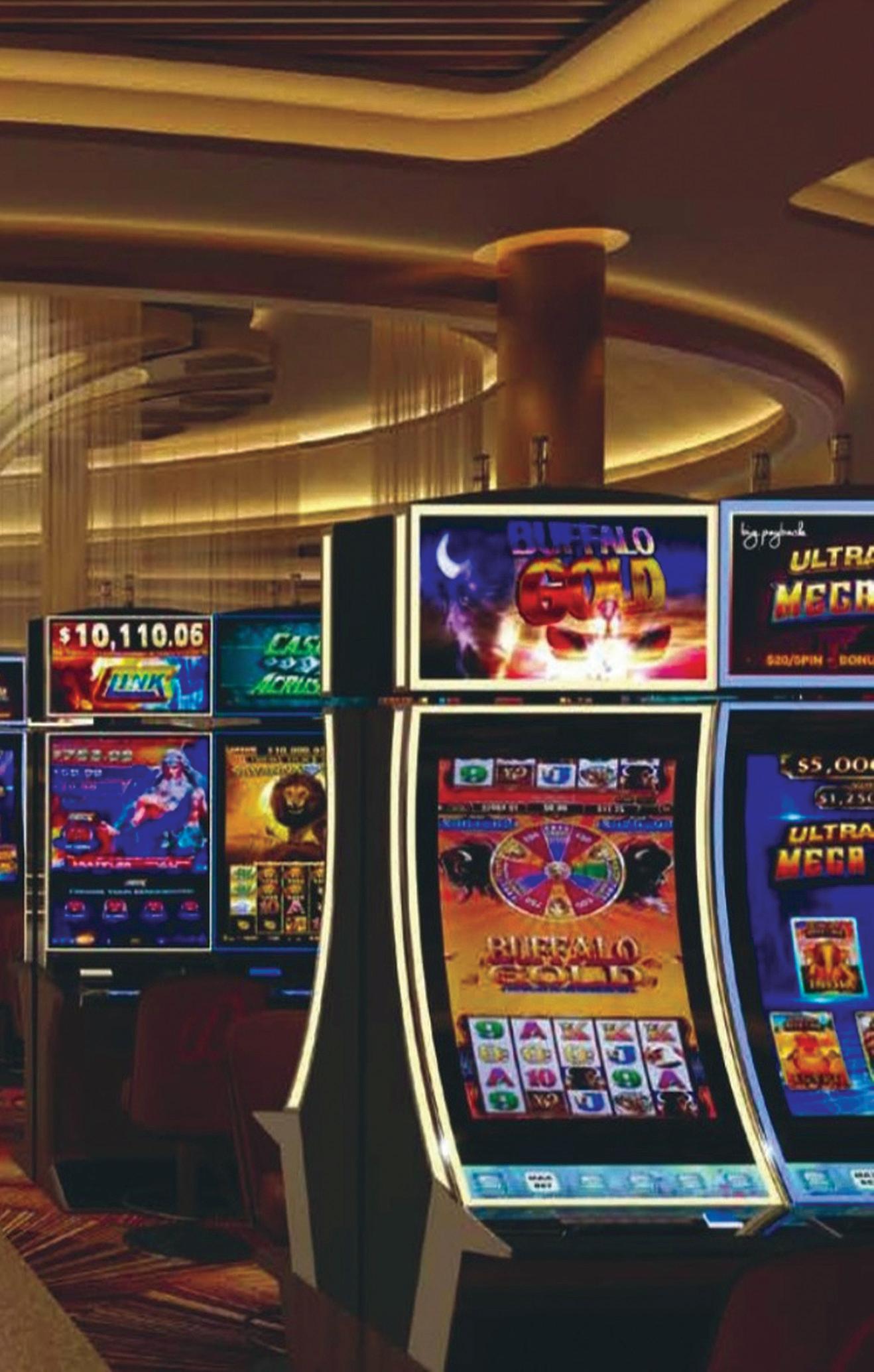
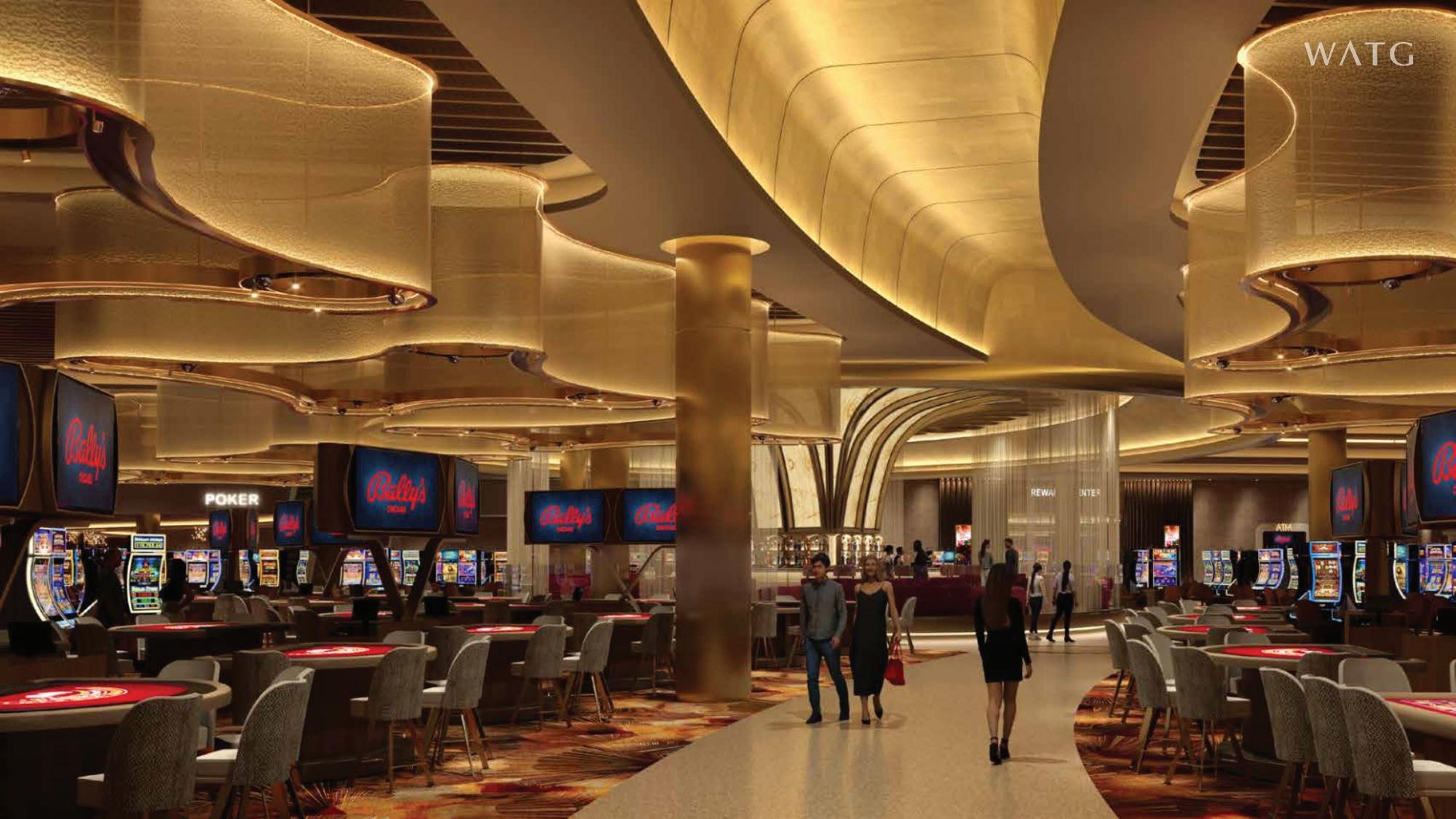
We have a significant amount of tables that covers all the game types you like to see, hundreds of those, including poker. Thousands of slots, and that will be every type of popular and emerging technology that you could imagine, across thousands of units. We have VIP areas. We have high-limit areas. We have premium-guest-experience spaces that can be rented out or reserved for play.
Who is the sort of customer you’re hoping to attract?
You’ll obviously have the avid gamers that are attracted to our offering. The fact that it’s unique to the city will be highly attractive. You’ll have a broad audience of locals, tourists, business travelers, entertainment fans – it’s going to be a big crossover because you’re going to have big pre- and post-game parties. Our sports bar is going to have an incredible environment for viewing.
We believe we’re going to attract a significant amount of international travelers, considering Chicago has 55 million annual tourists. We’ll stand out as a great entertainment option for them. Whether it’s gaming, dining, live entertainment, groups, tourism or even just folks who want to get out and enjoy the river walk, they will want to come over and see what we’re doing – and enjoy the property because it’s going to be absolutely gorgeous.
The best-performing casinos in Chicagoland are well in the suburbs. How do change that?
If you look at saturation, you have over a dozen

casinos that are not in the city. You have broad distribution outside the city. The majority of the volume is there. When you think about where we compete today as a temporary and our fair share of the market, we over-index because of our success, our business plan and our location, being near a very dense population. It’s relative to how you’re looking at distribution versus penetration.
We’re going to be a differentiated offering in the third-biggest MSA in the country. When you think about the suite of offerings and products in a fully integrated resort, with that broad and diverse set of amenities, we will be in a much different market class than even the regional casinos. That’s what’s so unique about this project.
How’s your vehicular access?
Phenomenal. When you think about I-90, and right where we are between Chicago Avenue and Grand Avenue, it’s hundreds and hundreds of thousands of vehicles a day that travel north and south on the highway, but also east and west. Those are two of the biggest feeders in and out of the city. We are uniquely situated where we are not only next to the main-artery highway, but then the two main surface-street arteries in and out of the city.
We’re also located on the river, where we get to pick up water taxis. Then, with the new extension of the river walk over to our site – and connecting to the Chicago Avenue bridge that’s getting built – we also have an incredible amount of pedestrian traffic that we can forecast. You think about River North and how vibrant that community is and then that traffic flowing over into our new, River West location, we’re incredibly situated.
What will your parking capacity be?
It is significant. We’re still massaging some of the spacing but I’m certain we’re going to be north of 2,500. we’re nearing closer to 3,000 the more we massage the layouts.
How are other forms of transit access?
We’ve been talking with our city partners on what kind of infrastructure we can set up, primarily at the corner of Jefferson and Chicago. It’s a fantastic opportunity for CTA stops. We’ve thought a lot about different areas where we can secure bikes and have bike racks. Then there are organizations that are reaching out about having more private-type opportunities for ride shares. We’ll also have a bus program of our own. We have shuttles today that will continue to operate out into the communities.
Congratulations. You may be the first casino executive to mention bike parking.
It’s one of the best features of Chicago. When I walk around, I see a significant amount of people traveling around by bike. So we thought about how we make sure we have a significant amount of bike parking. We believe we’re going to be very local, in terms of our attractiveness, and we want to help feed and entertain the community around us. I believe people are going to jump on their bike and be at our site in a matter of minutes.
What message would you like to put out to your community, prior to your opening?
What I hope people take away from this project – and for me this is an incredibly special opportunity because I grew up outside Chicago and it feels like home to me – is that we are hyper-focused on reflecting the community. You’ll see that in the design, in how thoughtful the teams were in inception of how this can come together and really connect with the community.
We love the spirit of Chicago: How resilient, hard-working it is and just how much grit this city has. It really shows up in everything we do. We’re part of that because the majority of this team is either from Chicago or has adopted Chicago and fallen in love with it.
I really hope people, as we get to opening, understand that this team at Bally’s Chicago lives, breathes, eats, sleeps Chicago every day. We’re incredibly proud for this opportunity. It’s not lost on us how unique and fortunate we are to be here. We take it incredibly seriously, and aim to deliver a world-class experience and asset that will help change the trajectory of Chicago’s future positively, and make a longlasting impact on the community, the people, the residents, and the gaming industry for many, many generations to come.


Capitalizing on both its proximity to the Las Vegas Strip – and its location on the front line of the city’s annual Formula 1 race route – Ellis Island Casino, Hotel & Brewery has invested north of $35 million on a property-wide renovation and expansion. The results have both excited locals and drawn tourists from the comfy confines on the neon-lit Strip for an alternative, more unique boutique-resort experience.
Anamarie Ellis, the resort’s vice president of operations says finding a balance, and attracting both locals and visitors has come about in a “very organic way. It’s just treating everyone like the local,” she says on a tour of the property with Casino Life. “Non-locals want to have that experience too. Whether they’re just stopping in during their trip or staying here with us, we always hear how they want to try an off-Strip experience and go where the locals go.”
Located on Koval Lane, right next to the Grand Prix Plaza and just a block behind the Paris-Las Vegas Hotel & Casino, the property opened by Frank Ellis in 1968 as a bar and restaurant called Village Pub. It was renamed Ellis Island in 1985, when Frank’s son, Gary Ellis, took over a few years later as CEO. A casino was added and eventually the family purchased the hotel next door. Ellis Island now operates a 301-room hotel along with the new-look casino.
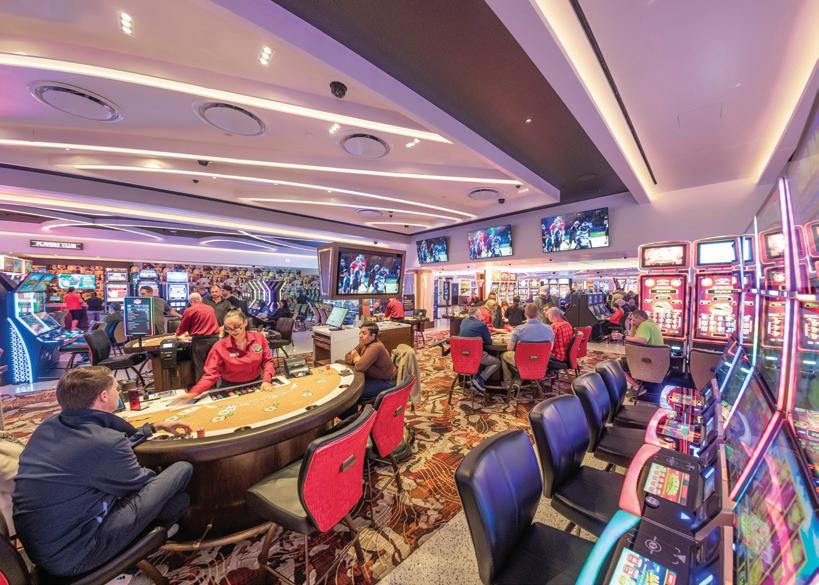
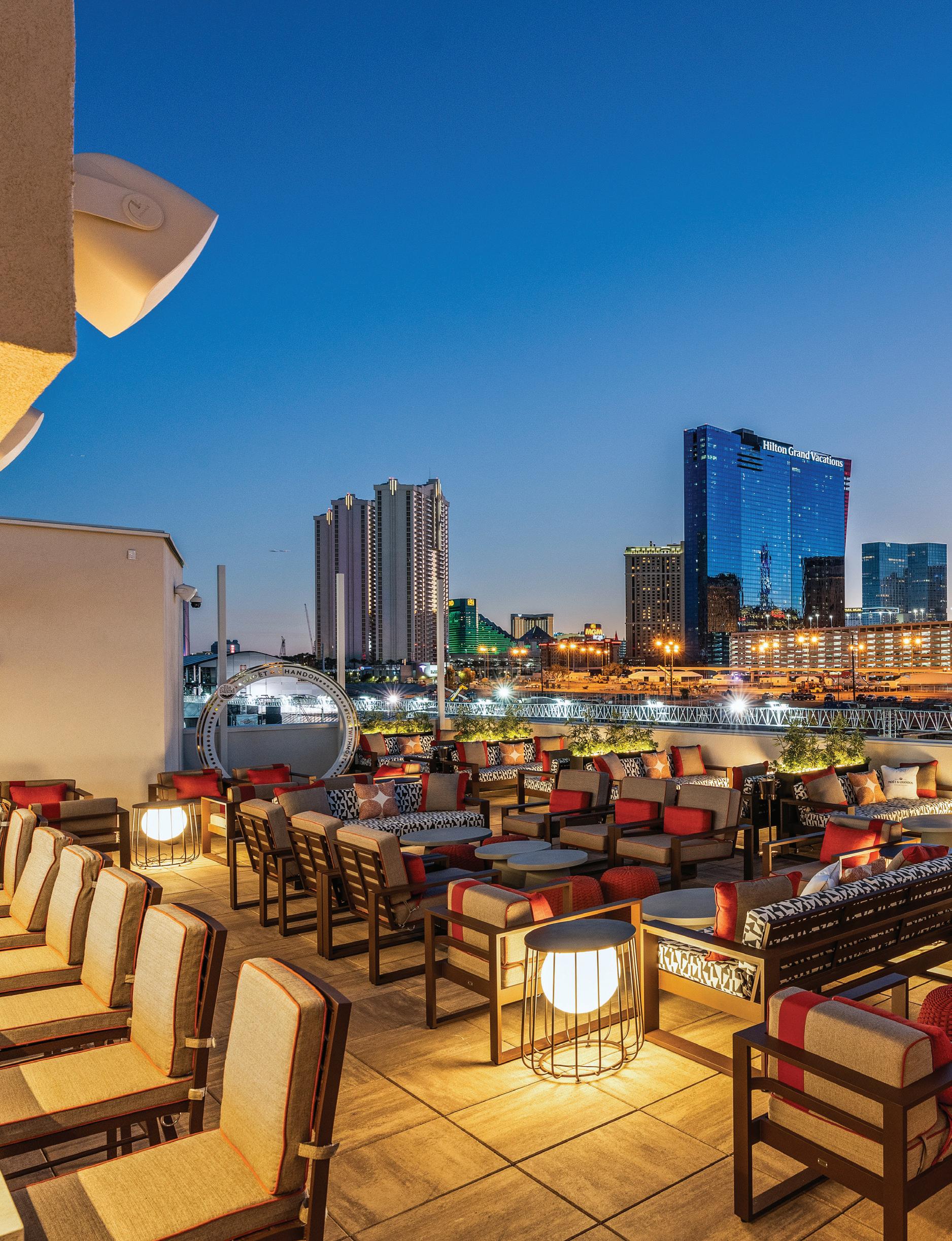
Led by architectural firm Steelman Partners, the roughly two-year project doubled the space of the casino floor. It includes a new casino bar, a highlimit gaming area, and a Boomer’s Sportsbook. The expansion also added a rooftop bar, The Deck, which opens out onto the Las Vegas Strip.
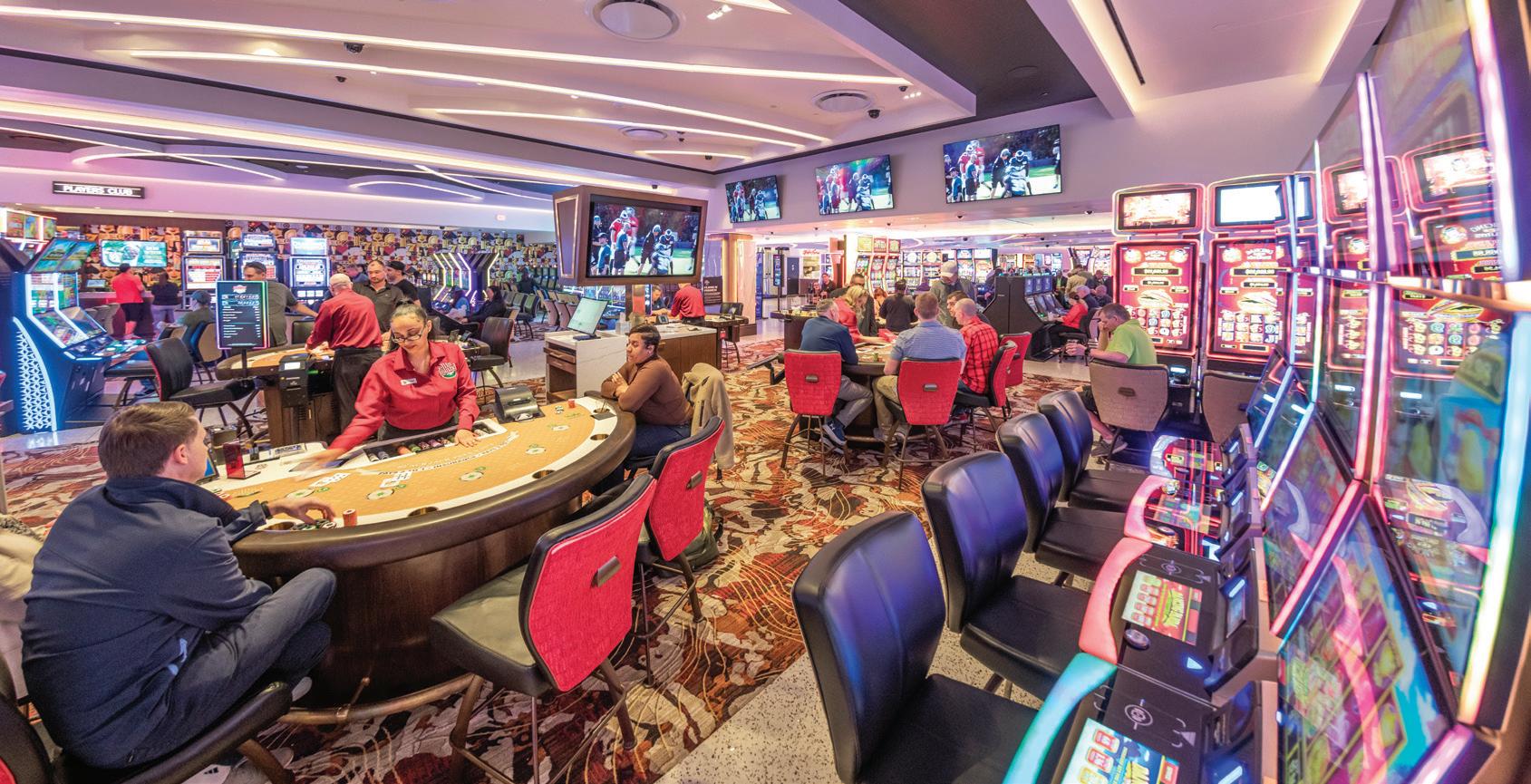
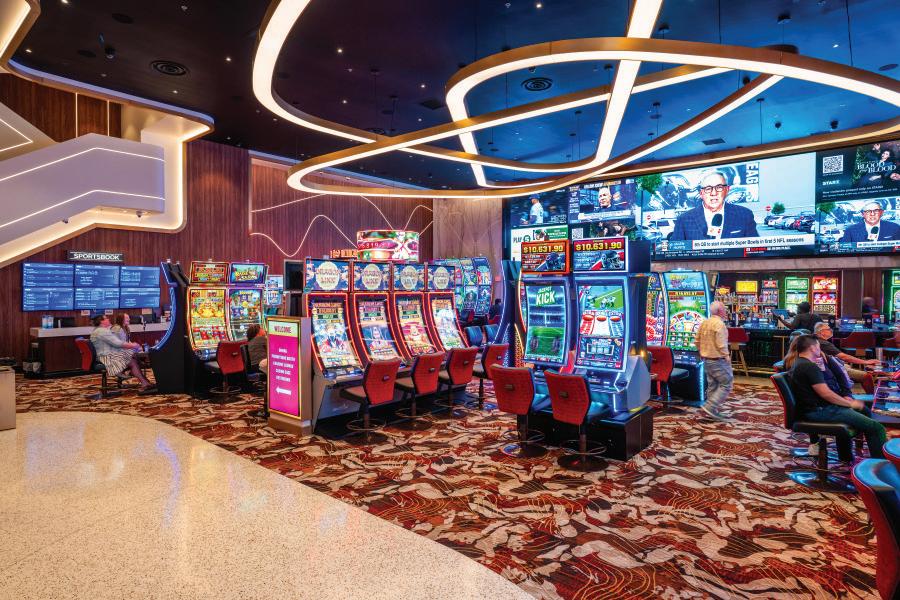
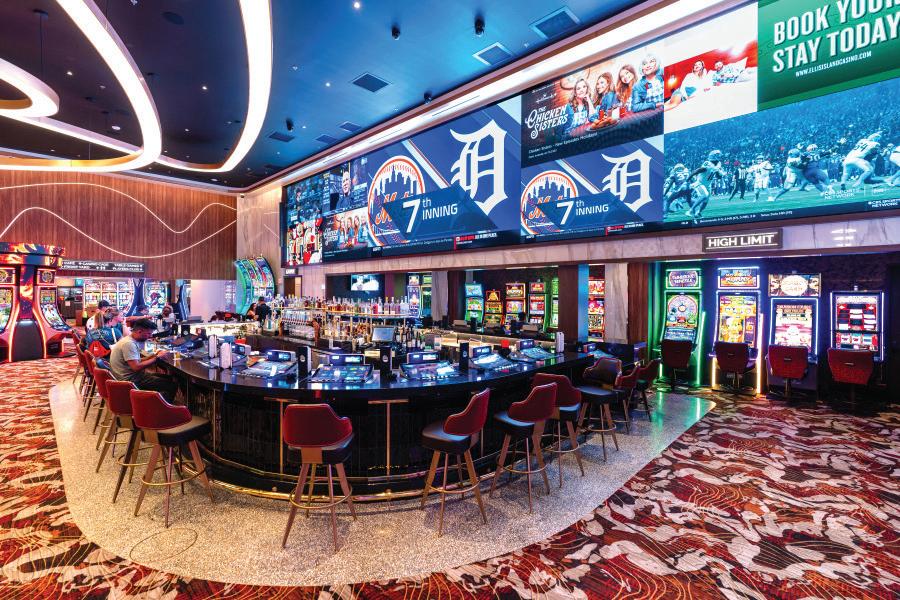
Suzanne Steelman Taylor, vice president of strategy at Steelman Partners, says the expansion was “about creating energy and connection – an elevated, yet inviting environment that builds on the property’s legacy while introducing bold new experiences.” She explains, “From the vibrant center bar and massive LED screen to the striking custom artwork, every
detail was designed to engage guests and make this favorite destination feel both dynamic, and refreshingly new.”
The main purpose of the extensive remodel was to expand the casino floor. Known for having looserthan-average slots and low-minimum table games, Ellis Island needed the additional space to grow and meet demand. But in order to increase the size of the casino, the property had to sacrifice some parking and remove the on-site brewery.
“We had kind of outgrown the brewery facility we had here, so it made more sense to move it offsite in order to gain space to expand the casino,” explains Vice President of Development Christina Ellis-Stalker.
First and foremost, Ellis Island caters to locals as a true gambling hall with affordable food-and-beverage options. So it’s not surprising that those were the areas management targeted to improve. But it was the casino that garnered most of the attention.
On the food front, aside from refreshing a couple of dining venues, not much has changed. Village Pub remains the property’s signature restaurant. Open around the clock, the remodeled café has a much more modern look as it continues to serve staples such as burgers, sandwiches, beer-battered fish and chips, and a handful of steaks, including an unheardof $9.99 filet-cut, top-sirloin steak special.
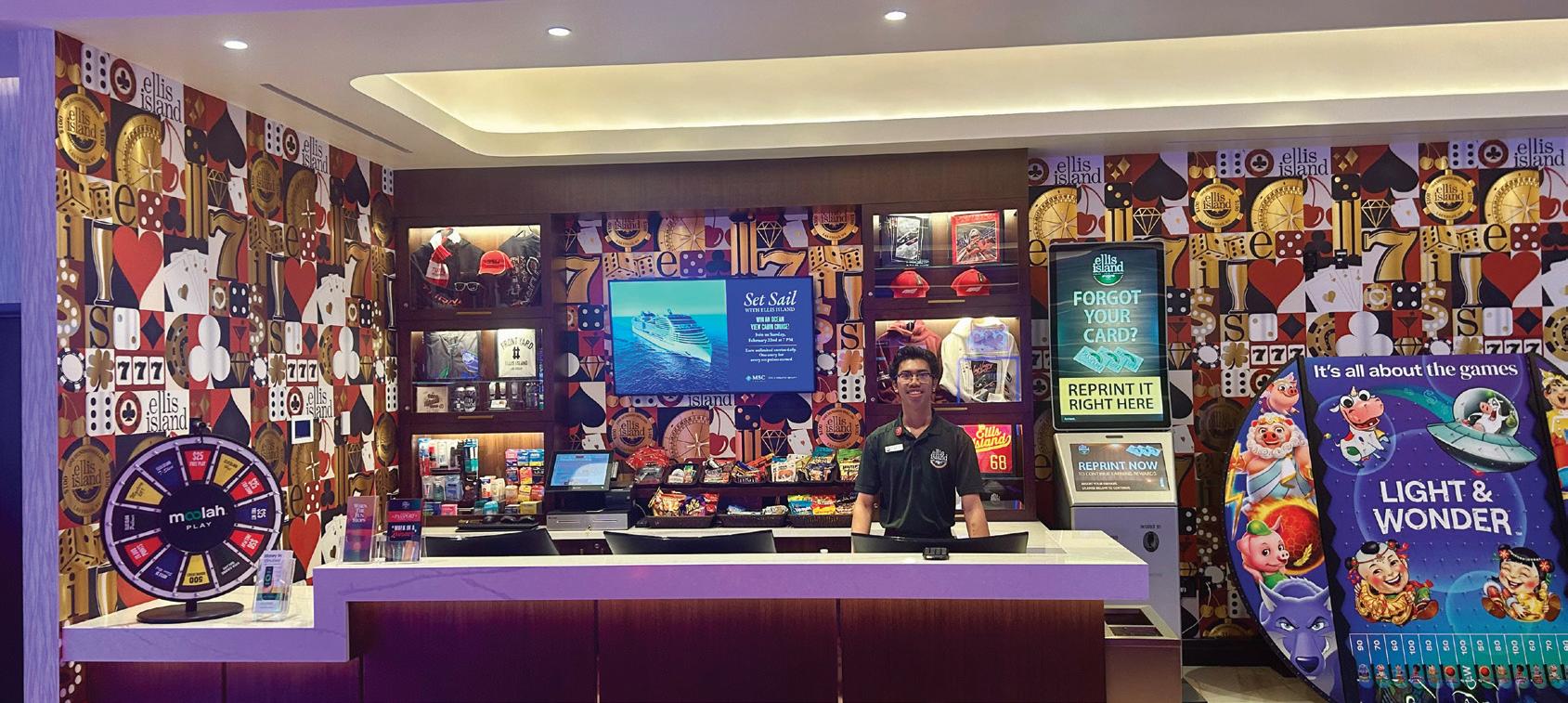
Other refreshed options include Ellis Island BBQ, Metro Pizza and Via Focaccia deli. Those fast-casual outlets serve as quick bite eateries, while The Front Yard beer garden and its outdoor counterpart, The Deck, have established themselves as party spots and places to catch televised sporting events.
On the casino side, by removing the brewery operations, including the large casks used for fermentation, the property was able to double the size of the casino, creating space for an additional 120 slot machines. Ellis Island now has more than 400 slots, reels and video poker machines, along with a casino floor with 15 table games.
“We’ve always had blackjack, roulette and craps,” explains Anamarie Ellis of the table game options. “But when we reopened the new section we added Heads-Up Hold ‘em, Three-Card Poker and others.”
Not only did the casino gain space and grow outward, it climbed upwards as well. “We loved the lower ceiling for table games and it’s great for guests, but as machines get larger and larger the ceilings have to rise as well. So this was a great opportunity to open up this space. We had really no limitation on height either,” says Ellis.
Yet, the heartbeat of the gaming area is the new Center Bar, which has 25 seats with bar-top games and front-row seating in front of a new 50-foot by 11-foot LED screen – ideal for settling down with an Ellis Island craft beer and taking in a game.
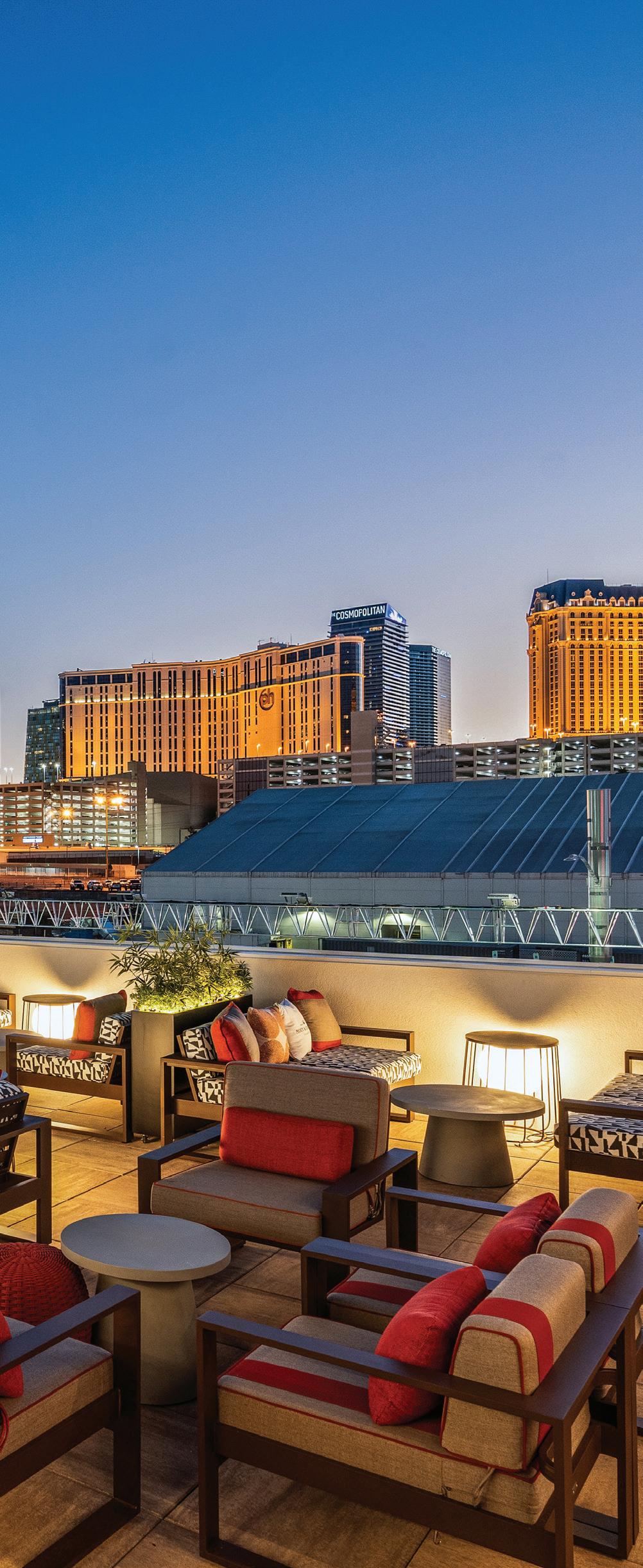
But perhaps the most dramatic move was the addition of The Deck – a complement to the resort’s widely successful Front Yard that, when introduced a few years back, helped launch the property’s resurgence and attract a whole new crowd of locals. The Deck brings a new experience to the property by offering sweeping views, especially attractive for Formula 1 and whenever there are fireworks on the Strip.
“It’s an incredible view,” says Christina Ellis-Stalker. “The number one goal was extending the casino floor but, with the extension of the building, we had an area on top of the roof that we got to thinking about. Through the design process, working with the architects, we were like “What can we do up there?’ This was where we landed.”
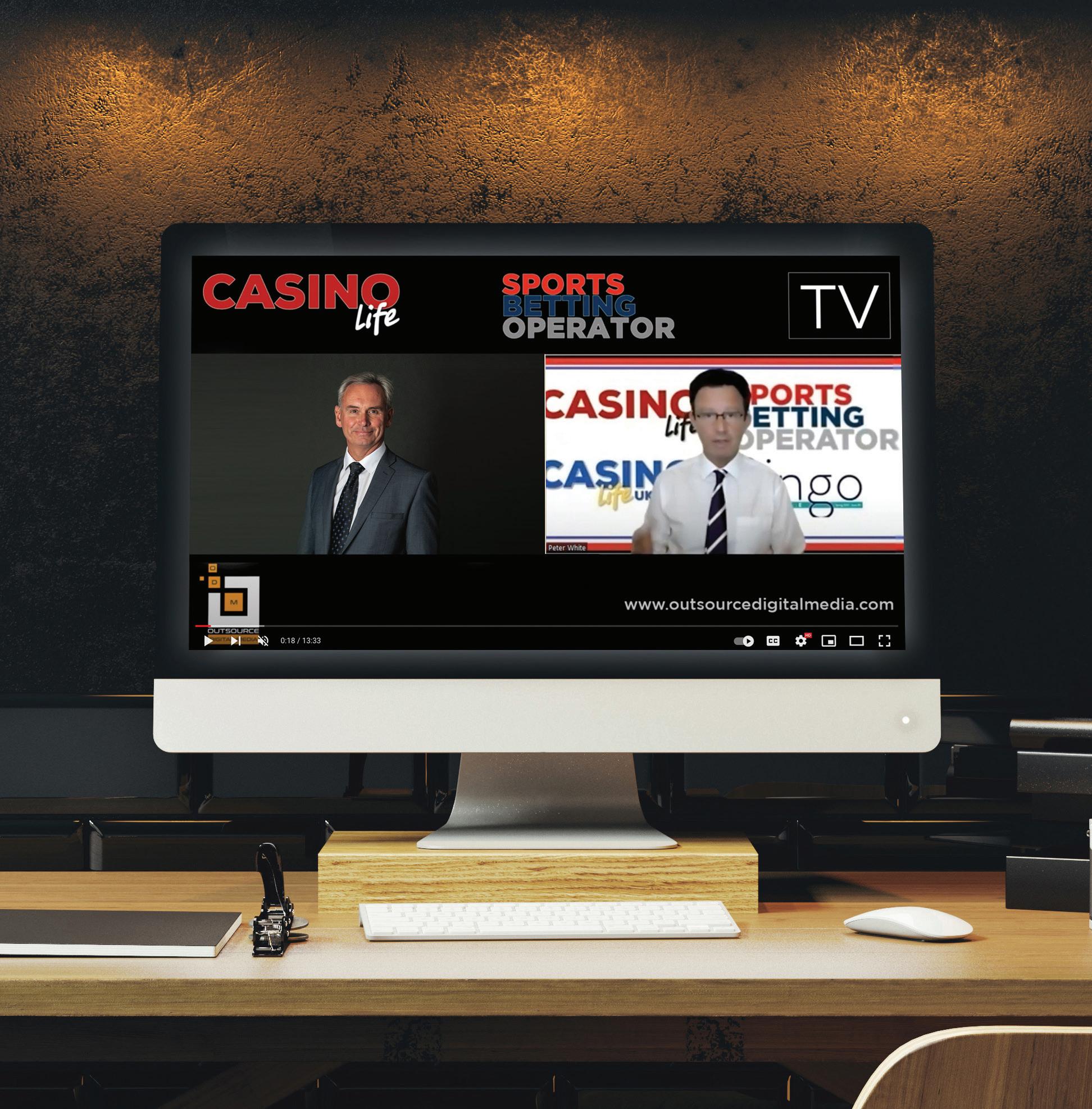
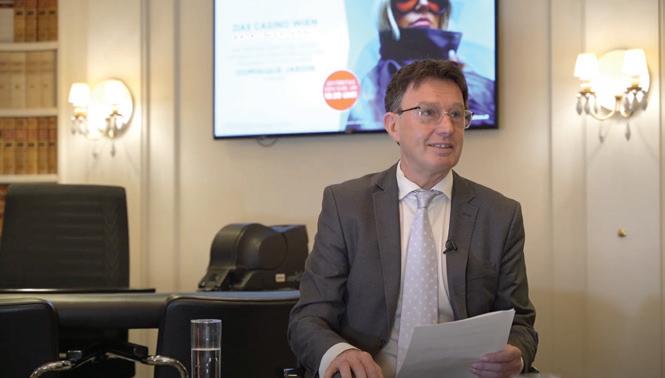
Get Into Casino Life & Sports Betting Operator TV and gain insights from Presidents, CEOs, Owners and Senior Management at the World’s Leading Resort Casino and Sports Book Operators along with latest developments from manufacturers and Suppliers along with Gaming Equipment and Systems providers from Senior representatives at a select number of leading organisations in the Global Gaming Industry.
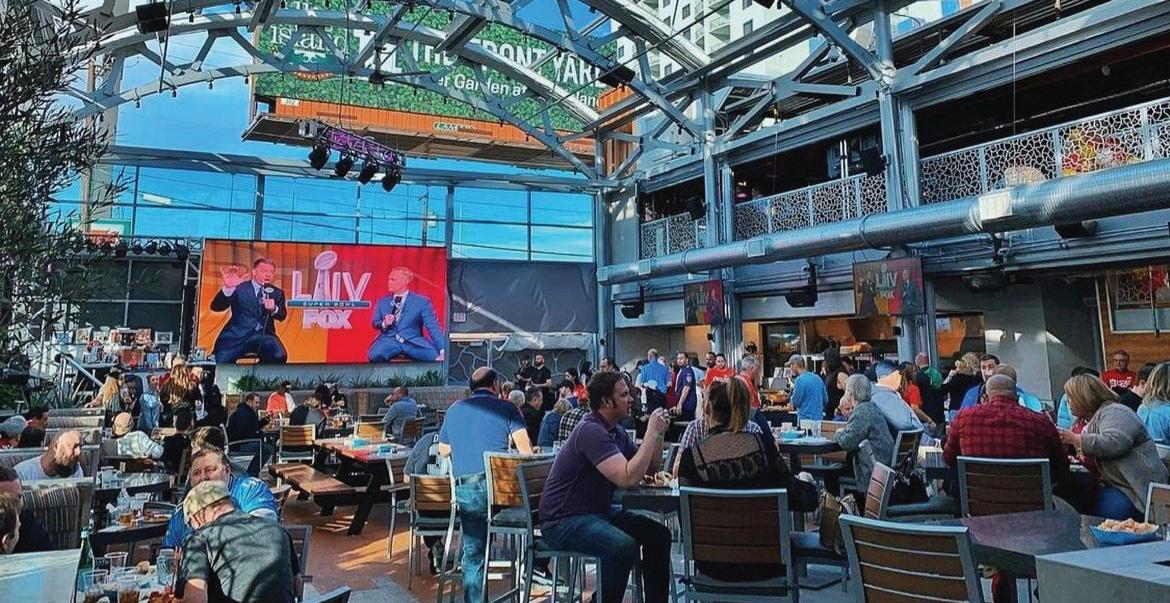

Adds Anamarie Ellis, “It was an opportunity to make the most of our space and we wanted to really capitalize on that. With our footprint we can always build up. This was the shell of what could be the future and right now it has an incredible view of Las Vegas Boulevard. This was our opportunity to make the property what our dad always dreamed and envisioned it to be, for our family and our guests.”
Growth and modernization was always the ultimate goal for this renovation of Ellis Island. As Ellis-Stalker states, the company set out to take a “good property and make it great” as a way to reward its everyday customers and longtime team members, as well as attract travelers and create new experiences for their guests.
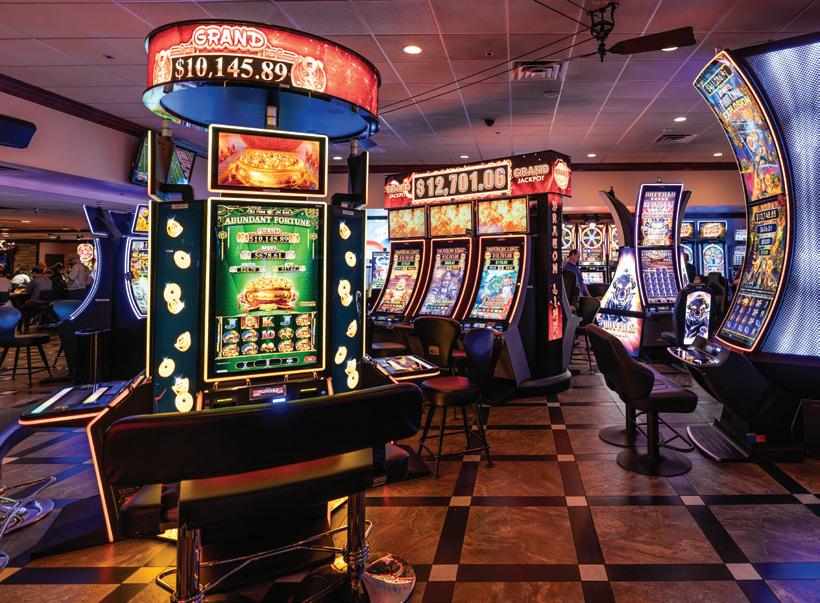
“We added the front yard and saw what that did to the property,” she says. “We then asked ourselves, ‘What can we do next? Where can we grow?’ That’s how the evolution of this project came together.”
While touring the property, the sisters reminisced about the project and the challenges of running a casino with constant construction. They learned much along the way, making decisions on everything from the color of the carpet to the shade of chairs and types of games that would hit the floor, all in an effort to keep their regulars comfortable and coming back.
“We really doubled down on the value component. It’s what got us here. Ellis Island is old Vegas, valuedriven, with an attention to detail,” says Ellis-Stalker. “Now we have this bright, shiny new property and we want to show it off. It’s the same feeling as the old Ellis Island. It’s just a slightly different package.”
Casino Reports sits down with the leader of the American Gaming Association for some frank talk. By
David McKee
It’s not easy being the president and CEO of the American Gaming Association.
Not only are you the political face of a controversial industry, you’re often having to play defense. AGA prexy Bill Miller faces almost daily provocations, ranging from that congressional candidate that wants to ban gambling ads entirely to those incursions onto the industry’s turf by unlicensed rivals.
One of Miller’s primary objectives – federal action against offshore iGaming – remains unrealized. He spent four years prodding Attorney General Merrick Garland, to no avail, and Attorney General Pam Bondi has come and gone without lifting a finger to help. Will incoming Todd Blanche be any better?
That’s the kind of challenge Miller faces and which he does with good spirits and boundless optimism. The Trump administration has not made that task any easier. Over a recent weekend, Donald Trump recently spammed out an endorsement for Cyprusbased Internet casino Stake, something that would be anathema to licensed, law-abiding United Statesbased firms.
Doubling down on the poke in the eye, Trump then went on Truth Social to endorse the aggressive prediction-market expansionism of Commodity & Futures Commission Chairman Michael Selig (whom Miller recently called “a joke”) with regard to sports betting. Trump’s pedal-to-the-metal approach to iGaming and sports betting seemed an apt jumpingoff point for Casino Life’s conversation with Miller one fine June morning …
How difficult does it make your job when, in the space of a week, the president of the United States endorses an offshore casino and calls for unrestricted prediction-market growth in the U.S.? I didn’t take this job because it was easy. [laughs] I took this job because it’s challenging and because I get an opportunity to represent commercial operators, tribal operators, sports books, manufacturers,
domestic, international. This prediction-market issue is one where we clearly have a different point of view as it relates to sports betting and iGaming.
I say it all the time: We don’t have any issue with the president. We don’t have any issue with making America the crypto capital of the world. We don’t have any issue, generally, with prediction markets, although the insider elements, some of the assassination [bets] that are very outside of the lanes of the AGA, are problematic for different reasons. Our issue is really a simple one. It’s that the federal government was never authorized – or intended – to be the official regulator of sports betting in America.
Does the Stake endorsement end any hopes of the Department of Justice cracking down on offshore casinos?
There’s a lot of nefarious characters that operate outside of the borders of the United States that consumers have access to and that’s been a problem. It was a problem that we raised to the last
administration, in terms of prioritizing this, and we’ve done the same thing in this administration. Now, I understand the Department of Justice has a lot on their plate. They have to deal with global terrorism, international crime rings and things like that.
What we continue to ask is, because we have a robust, legal, regulated system here in the United States, that the Department of Justice and State Department should focus on illegal gambling, because they fund other illicit activities. To the degree that this administration prioritizes that more than the last administration, it’s still yet to be seen. But we’re going to continue to make that something that is an important priority.
What is the current temper of Congress on those two issues?
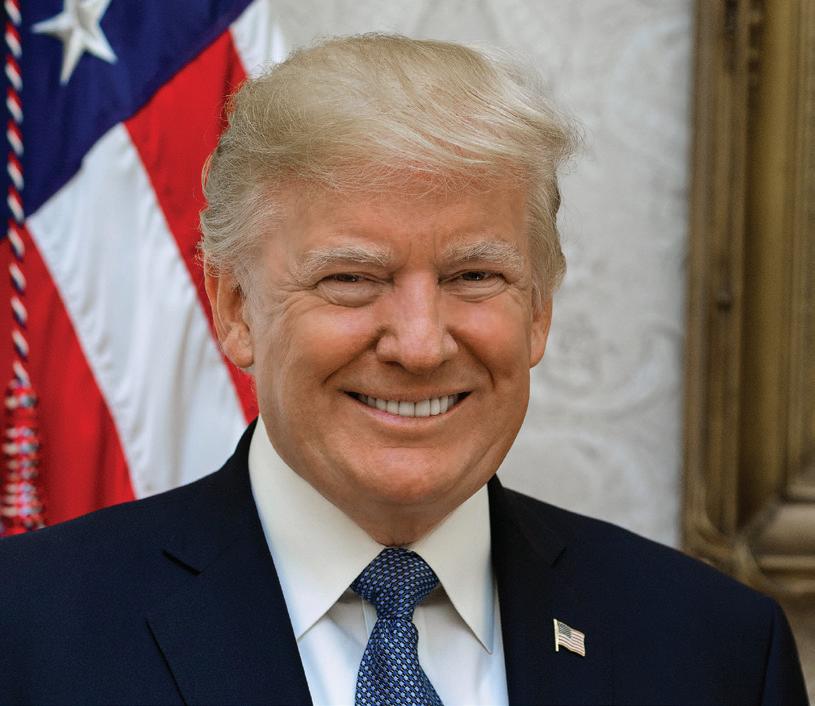
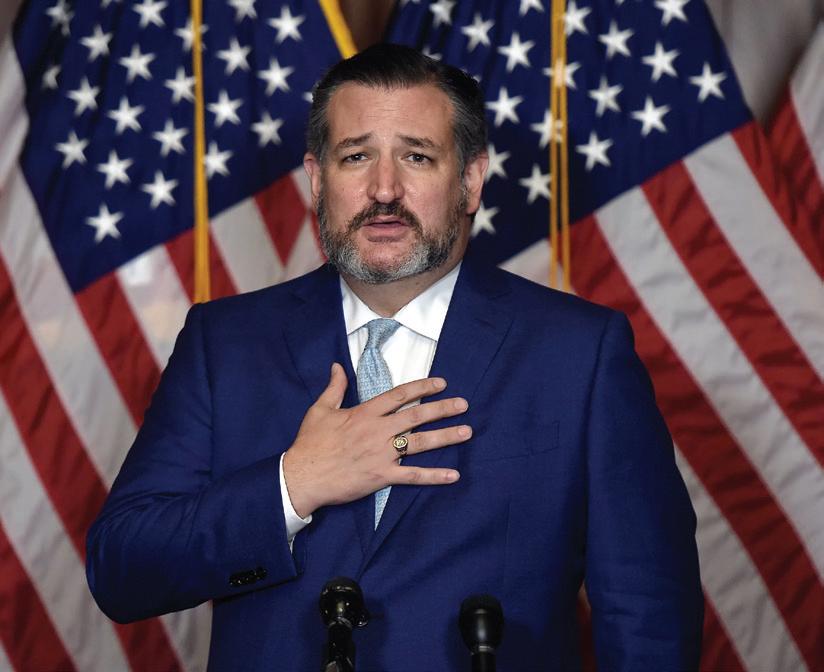
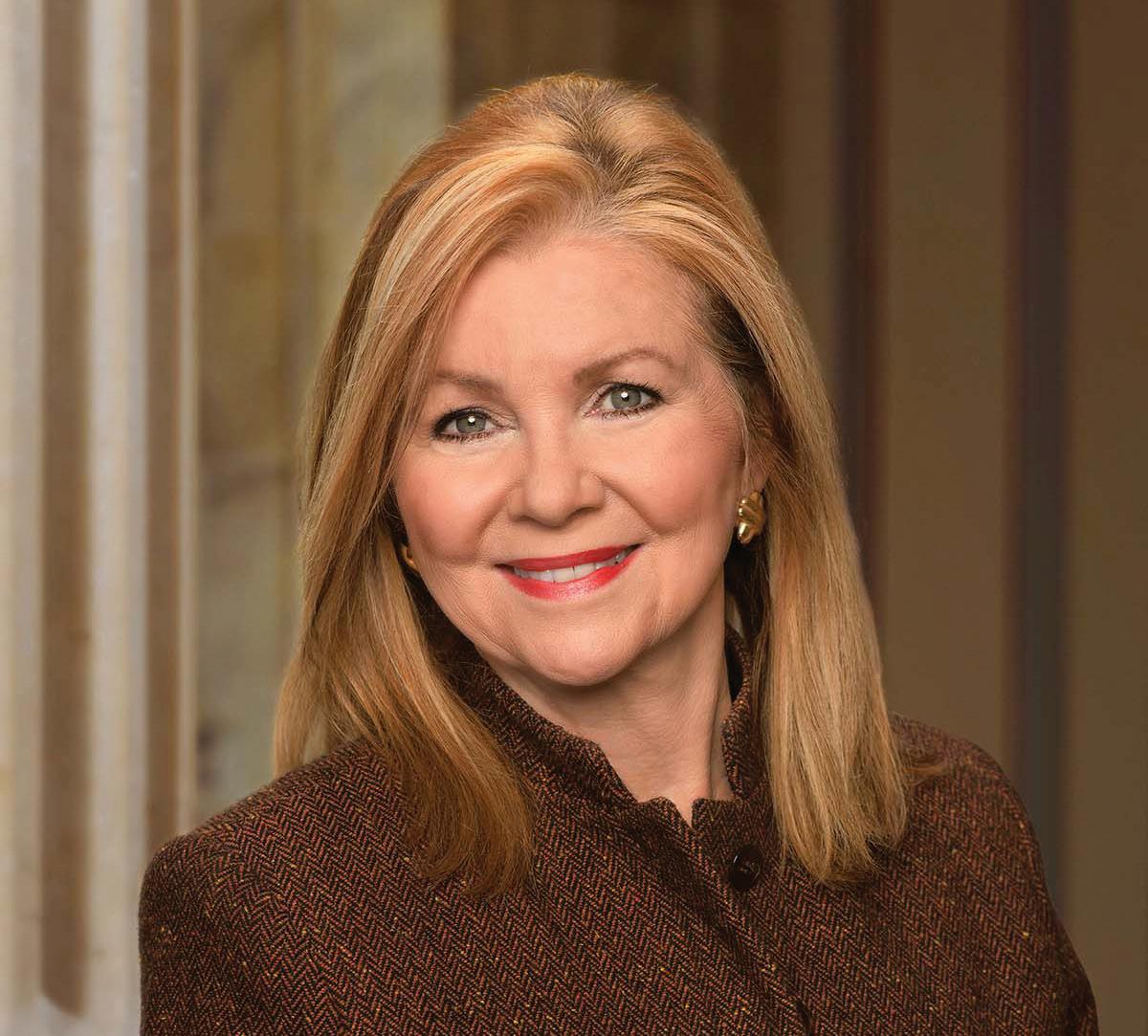
The Senate Commerce Committee Subcommittee on Consumer Protection was pretty uniform in terms of their concern and skepticism around whether prediction markets that are used to mimic sports bets are anything other than sports bets. On both the Republican and Democrat sides you saw pretty strong statements from both Chairman Ted Cruz and Chairwoman Marsha Blackburn, and Ranking Member John Hickenlooper and Ranking Member Maria Cantwell.
Across the dais, Republicans and Democrats were saying, ‘We don’t think it’s appropriate for this to happen through the CFTC. The courts have an opportunity to act but Congress has important role to play.
We’re seeing a backlash against gambling, especially sports betting. Why is that and what can be done to counteract it?
I don’t know that there’s a backlash per se against sports betting. It’s important to remember that we’re only seven years removed from allowing Americans to bet legally on sports. It’s a pretty nascent legal regulated industry. It doesn’t mean the industry didn’t exist. The industry existed offshore and with organized crime. The PASPA decision that was handed down in 2018 allowed for consumer protections. It allowed states to make the determinations on whether or not they wanted to offer sports betting.
The industry is working quite well with the regulators, law enforcement, making sure that there’s a deterrence that gets created when someone runs afoul of the rules of the road. Sometimes that’s being banned from the league. Sometimes it’s a scholarship
getting taken away. Sometimes it’s people being fired: the Alabama baseball coach [Brad Bohannon] who bet against his own team.
Is the industry making a good enough case for itself?
We should always be doing better. The industry has an incredible story to tell. We employ 1.8 million people around the country. It was really an important moment for the industry when, during Covid, the industry got treated the same as every other American business, in terms of financial support from the federal government. That had never happened before. After 9-11, the gaming industry was carved out from relief. 2008-9, the rescue plan – the gaming industry was carved out. Hurricane Katrina, Super Storm Sandy … all situations where the gambling industry was viewed as a vice industry, therefore not appropriate to help when a disaster came.
Covid was the first time when we were actually treated like the rest of the country and that is an important inflection point. Part of it’s because there are now a thousand casinos in America. We come into cities and towns that got left behind by other industries. We create an incredible economic lift, create jobs and careers — and pay a lot of money in taxes to support social services. We always need to be vigilant about telling what the industry means and what benefits we create, but that’s required of every business in America.
Where do you stand on Sen. Richard Blumenthal’s GAME Act and other proposed advertising restrictions?
The First Amendment is an important element to
advertising. The Federal Communications Commission has powers as it relates to deceptive advertising. I don’t want to focus specifically on that bill other than to say there’s always been a lot of talk about the amount of advertising, as it relates to sports betting. Advertising created a really important way to move tens of millions of people – who were betting without any consumer protections – into the legal market. I continue to assert that’s a positive. Fast-forward to where we are today. For the legal, regulated, sports betting industry advertising has been, year over year, down nine percent each year. The high-water mark was probably 2022.
What other legislation appears to have traction at this point?
We’re working hard to try and get the full, 100 percent deductibility of losses, which was a tax provision that was inserted into the “One Big, Beautiful Bill.” We think we have bipartisan support to get that done. It’s just hard to move anything in Congress right now. But we continue to hear good signals. We continue to spend a lot of time up on the Hill, making sure people understand why that’s important just from a matter of fairness.
Then clearly, prediction markets are front and center. There are a number of opportunities to provide very strong guardrails for the CFTC on what they should and shouldn’t allow. Anything resembling sports betting or iGaming is not appropriate for the CFTC. The Curtis/Schiff bill has been introduced in the Senate. There’s similar legislation in the House and we think that we’ve got a real shot. Those senators want to protect their state’s rights. For those members that have tribal populations, they know and understand what tribal sovereignty means. They also recognize that the federal government, through the CFTC, is trampling on that tribal sovereignty.
Are you seeing any dissolution in your ranks on this issue?
No, none at all. I would say the opposite. Our opponents are extremely well-funded but they don’t have any good arguments. You have one regulator in Washington, D.C. that’s going to regulated the entire, national sports betting industry, in addition to corn futures, soybeans, oil, precious metals – and they have 500 people versus the state- and tribal-regulated system that has 8,400 people?
Every time we have an opportunity to debate our case versus theirs it’s not even a contest. They have a lot of money and they’re waving it around to a lot of legitimate organizations: leagues, broadcasters, others, in order to try and rent or purchase some legitimacy, because they can’t make the argument that what they do is as regulated as the gaming industry on a state-by-state basis. We see it every time: They’ve got great lawyers. They’ve got more money than anyone can imagine. But at the end of the day they’ve still got to go before a legislative body. They’ve still got to go before a judge and they come up with some cockamamie, twisted view that this is just like soybean futures. That there’s economic consequence to the Nationals playing the Marlins on a one o’clock Tuesday afternoon game. Just doesn’t really hold up.
Pennsylvania and Virginia are among the states wrestling with the ‘skill game’ issue. Does the AGA have a stance on this?
Very much so. We’ve been in that fight for four years now, hard. We worked hard to get Virginia Gov. Glenn Youngkin to veto a skill-game bill a couple of years ago. They came back with a new governor, Abigail Spanberger, and fortunately she recognized that there’s cannibalization and it’s not dissimilar to unregulated, untaxed gaming without any consumer protections.
Those people operate at a pretty significant competitive advantage. In Pennsylvania, all you do is plug the machine in and start making money, versus go through the regulatory background investigation, get licensed, pay a license fee and then pay pretty significant taxes to Pennsylvania or Virginia or Missouri. Pennsylvania is still the biggest challenge, both in terms of the number of skill games, in excess of 100,000. Resolution there is probably the most difficult. But we’ve started to see real leadership in Virginia and Missouri. My hope is we’ll see similar leadership in Pennsylvania. We’re working hard on it.
Thanks to the AGA, smoking is now on the Global Gaming Expo agenda. Why has this issue become the hill on which the industry has chosen to die?
I don’t know that I would agree with that characterization …

I thought you might not … Different states have made different determinations as it relates to smoking. I spent a long time before I was in politics as a bartender and a DJ. I was awfully happy when they got rid of smoking in bars. But they didn’t have any good air-cleaning systems in any of the bars and restaurants I worked in. The trajectory is towards eliminating smoking. But there’s a number of complicated things to think about and the system is processing them in an appropriate way.
On the positive side, how was 2025 for the industry?
We’ve had Q1 numbers already and total GGR was about $20 billion and that’s up six percent. In terms of sports betting, it’s up 8.6 percent at $4.2 billion. iGaming is up at $1 billion. There’s definitely headwinds economically. But what we’re seeing is continued strength in the industry.
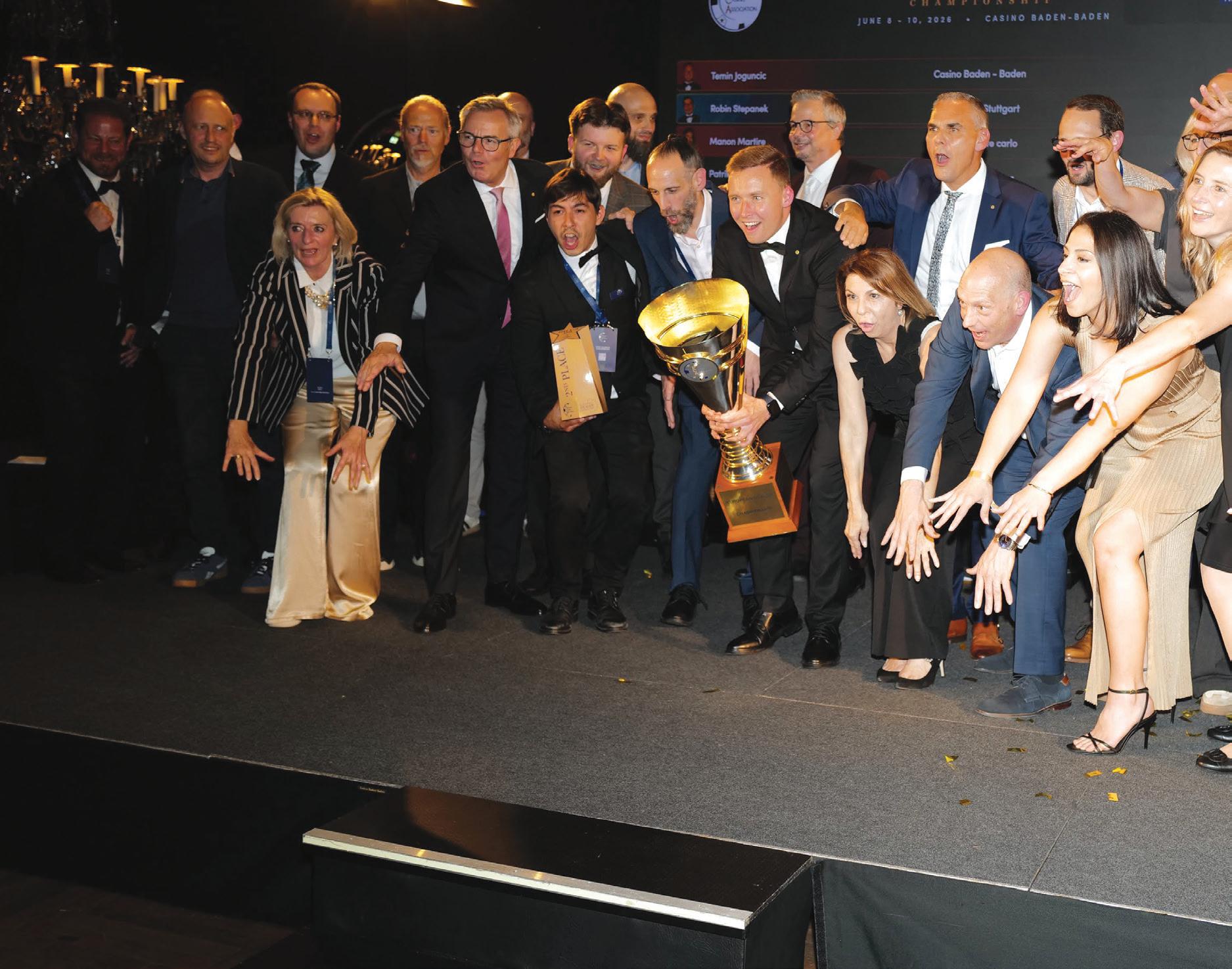
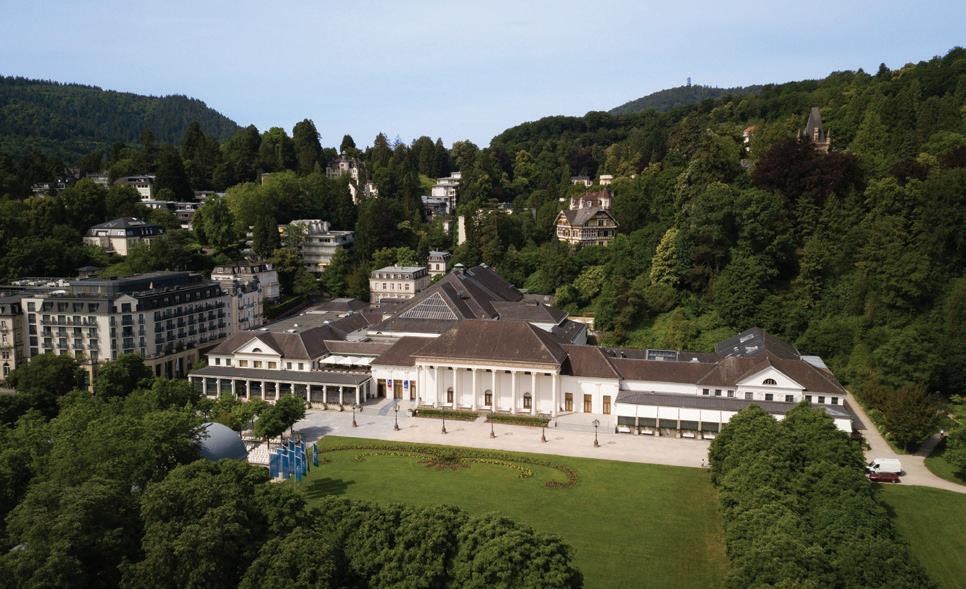
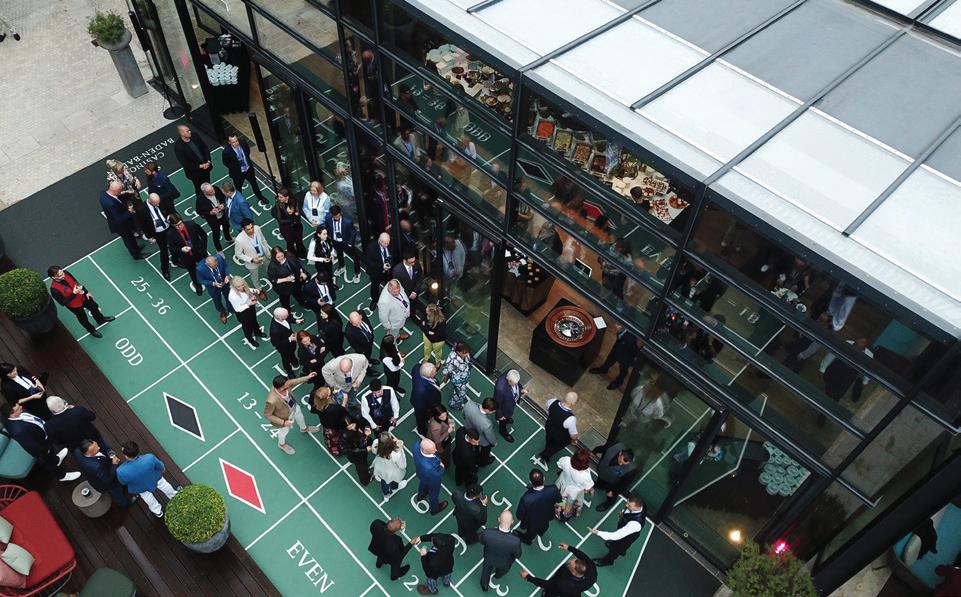
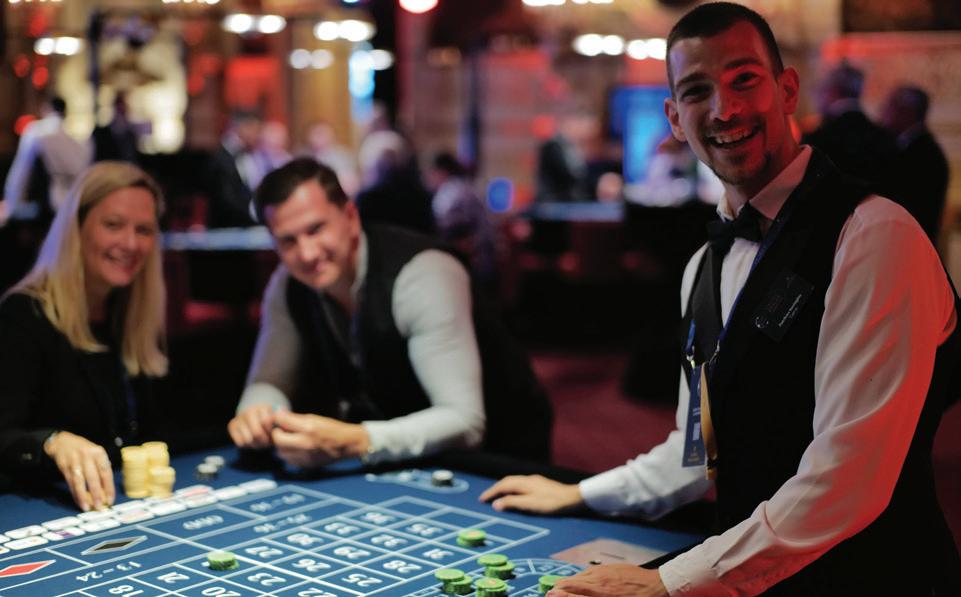
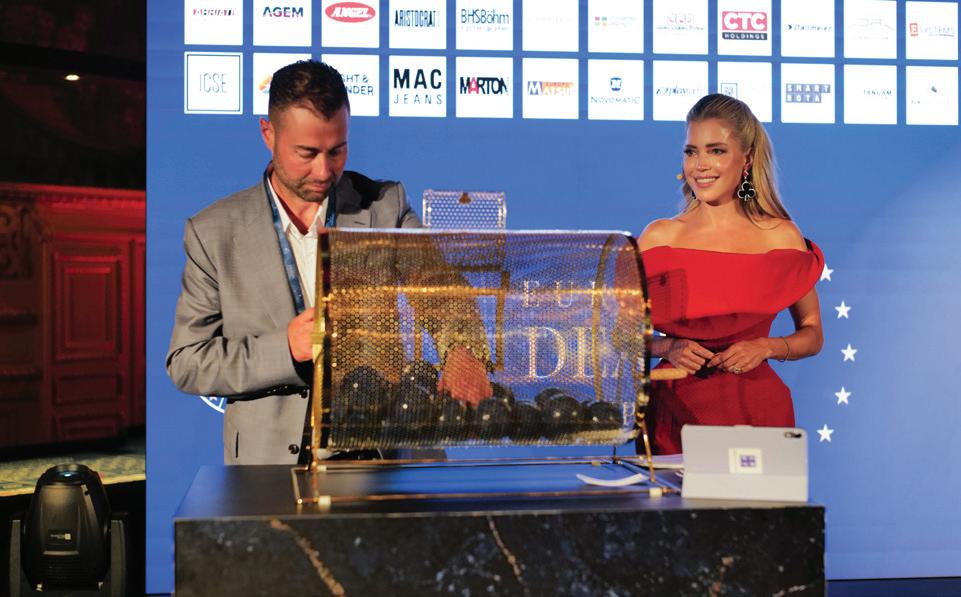
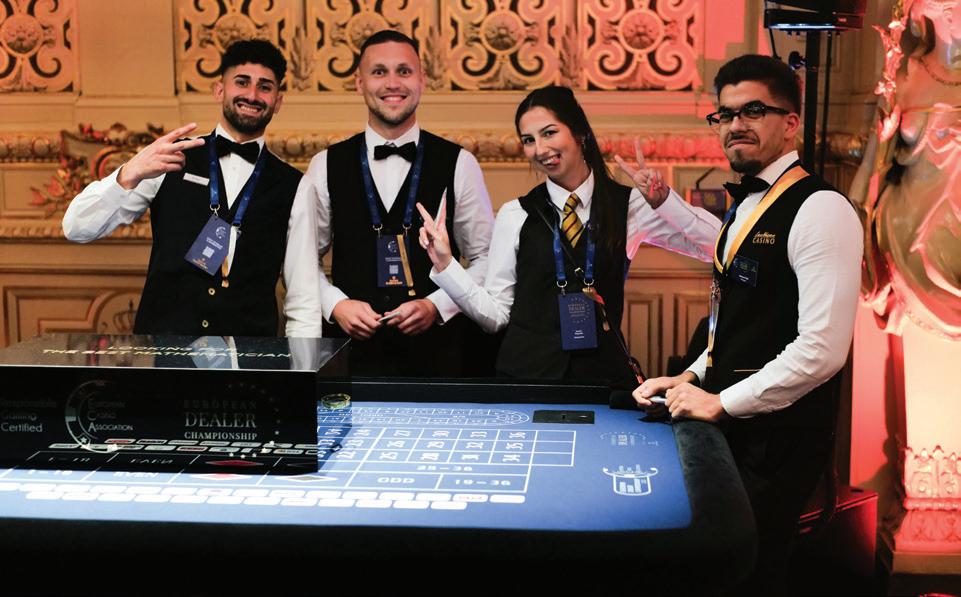
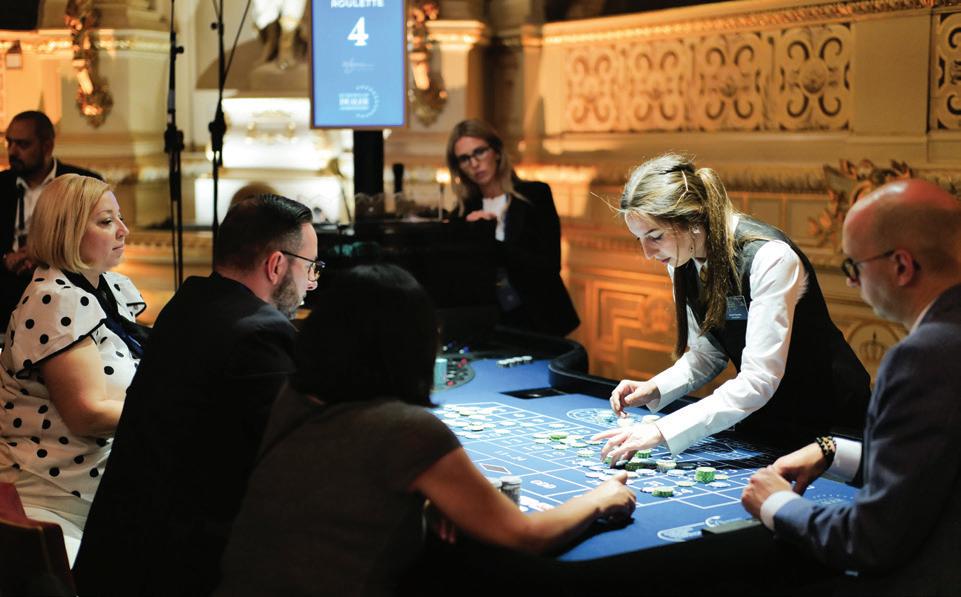
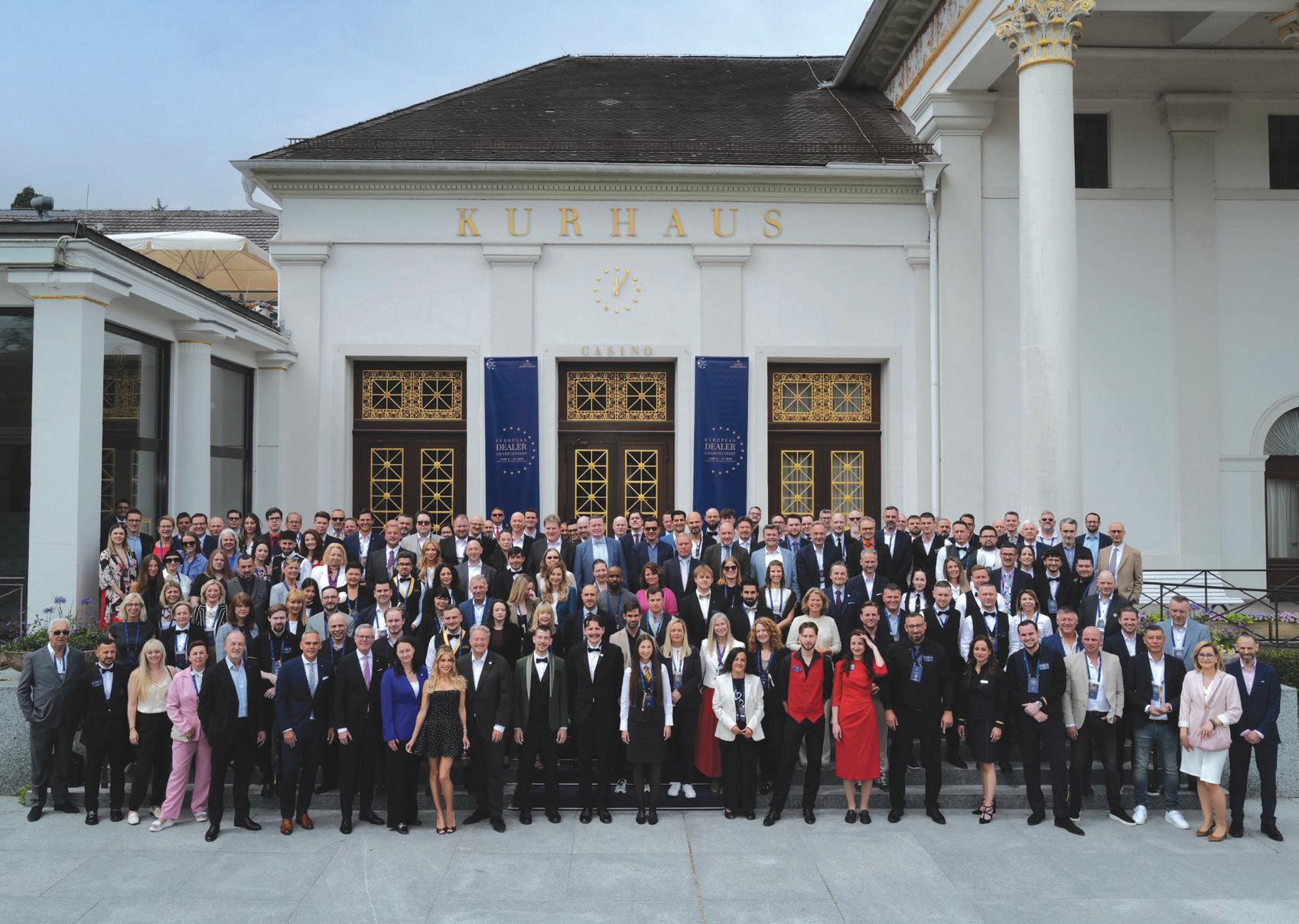
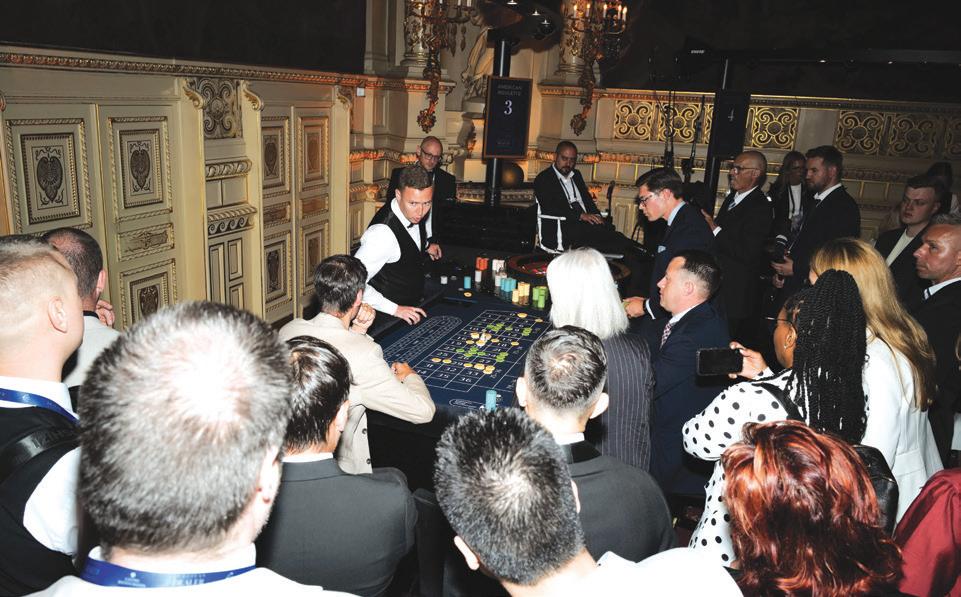
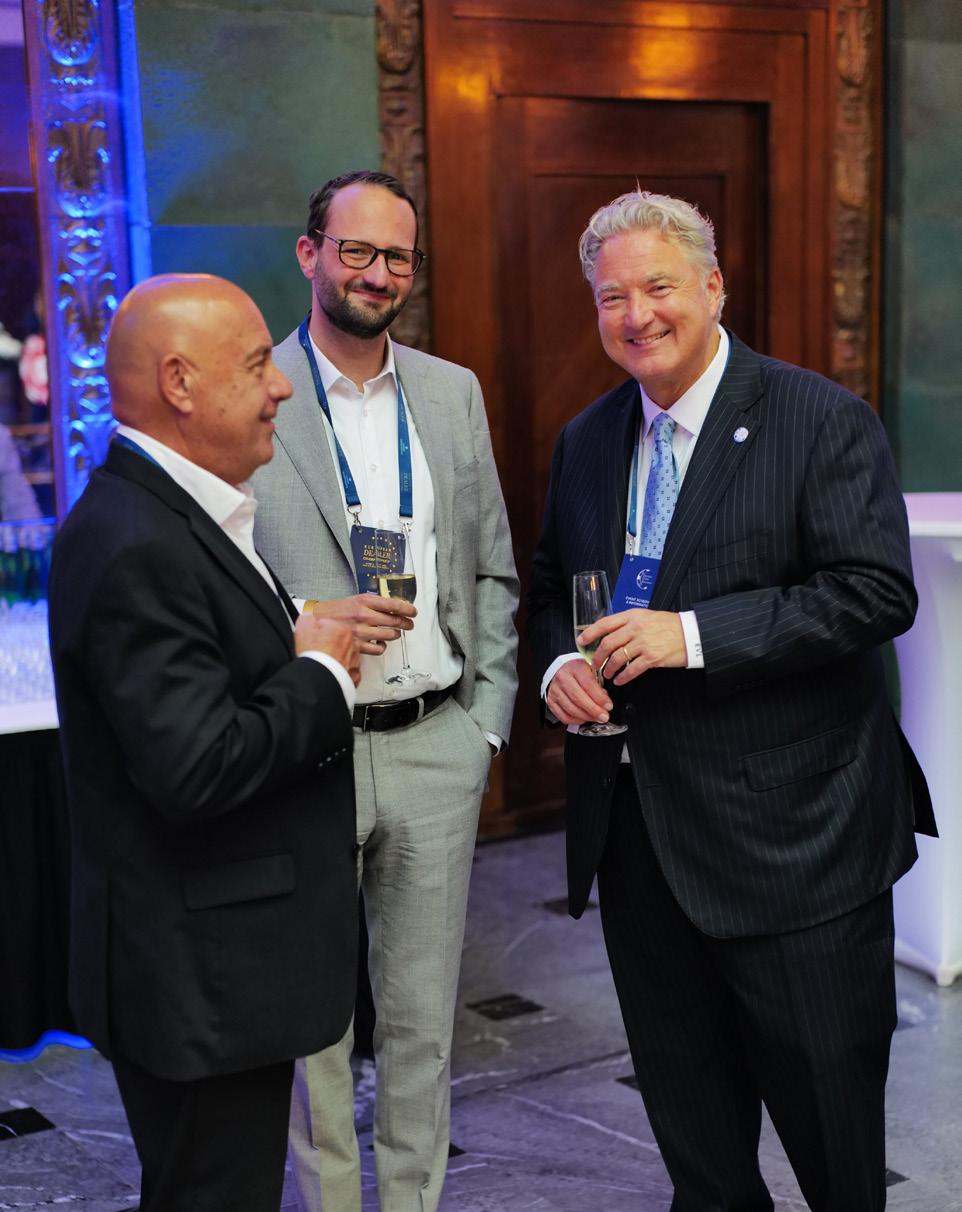
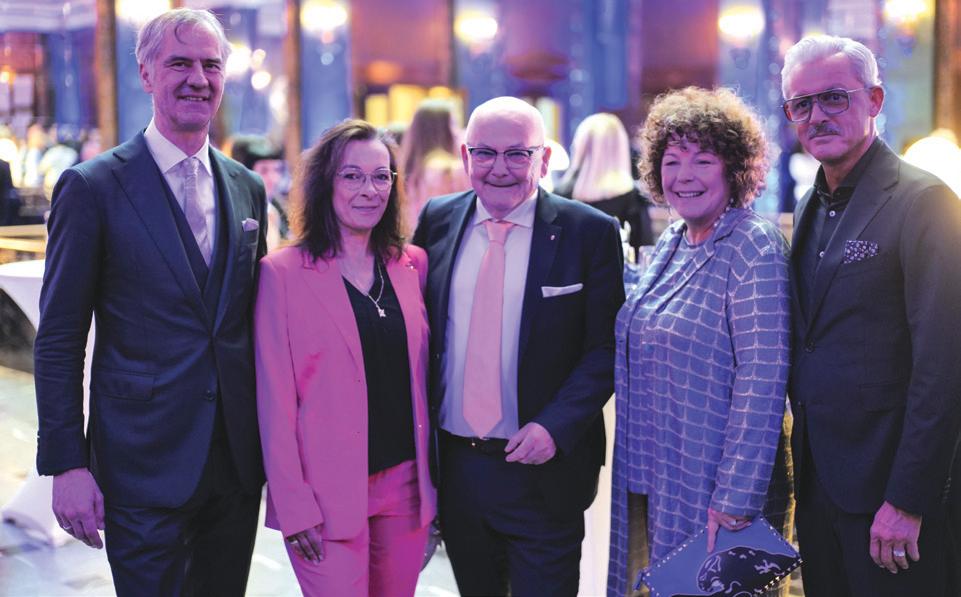
Casino Baden-Baden was the scene for the 2026 European Dealer Championships.
By Peter White
For more than a decade, Casino Life has had the privilege of following the European Dealer Championship as it has grown into one of the most prestigious events on the international gaming calendar. More than simply a competition, the Championship celebrates the professionalism, technical excellence and hospitality that lie at the heart of Europe's licensed casino industry.
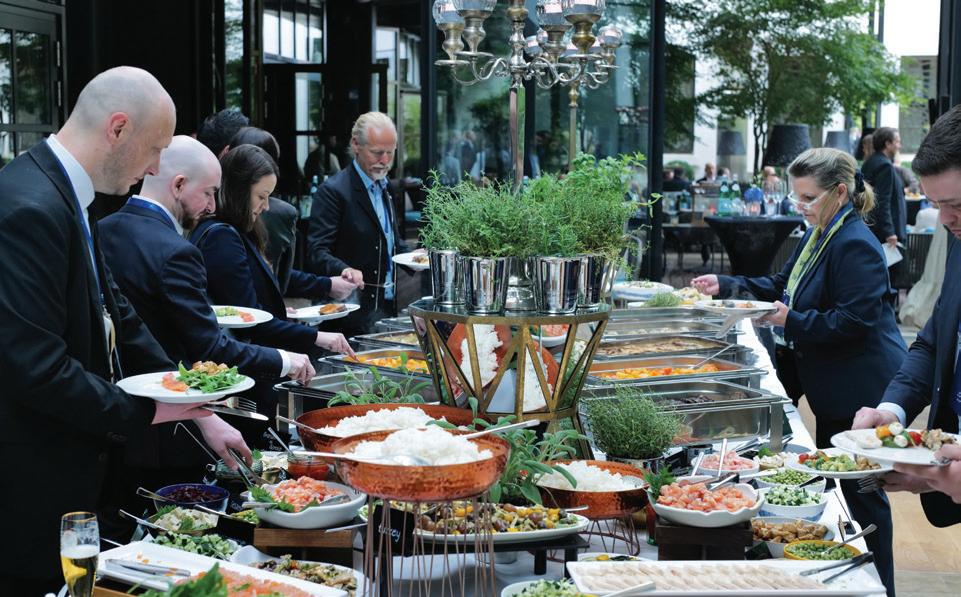
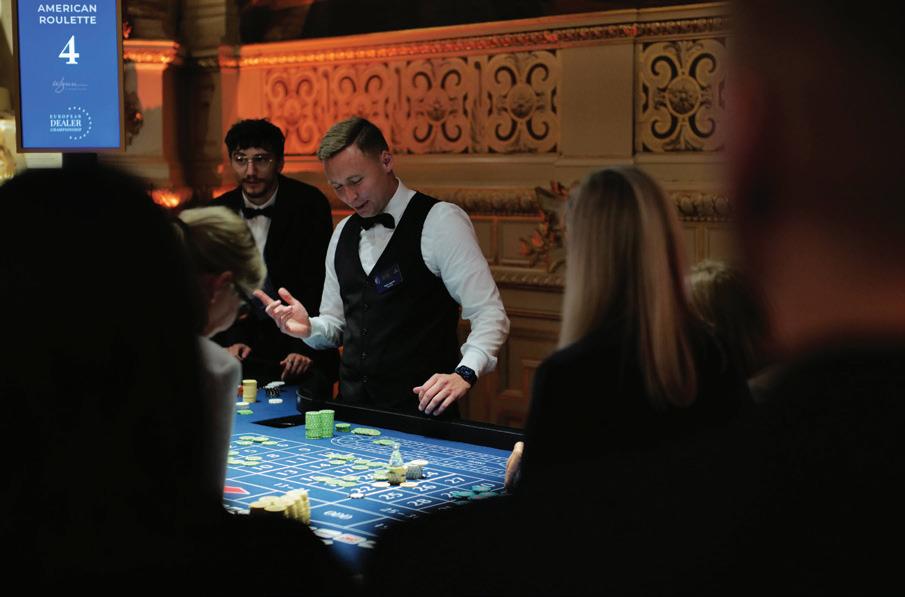
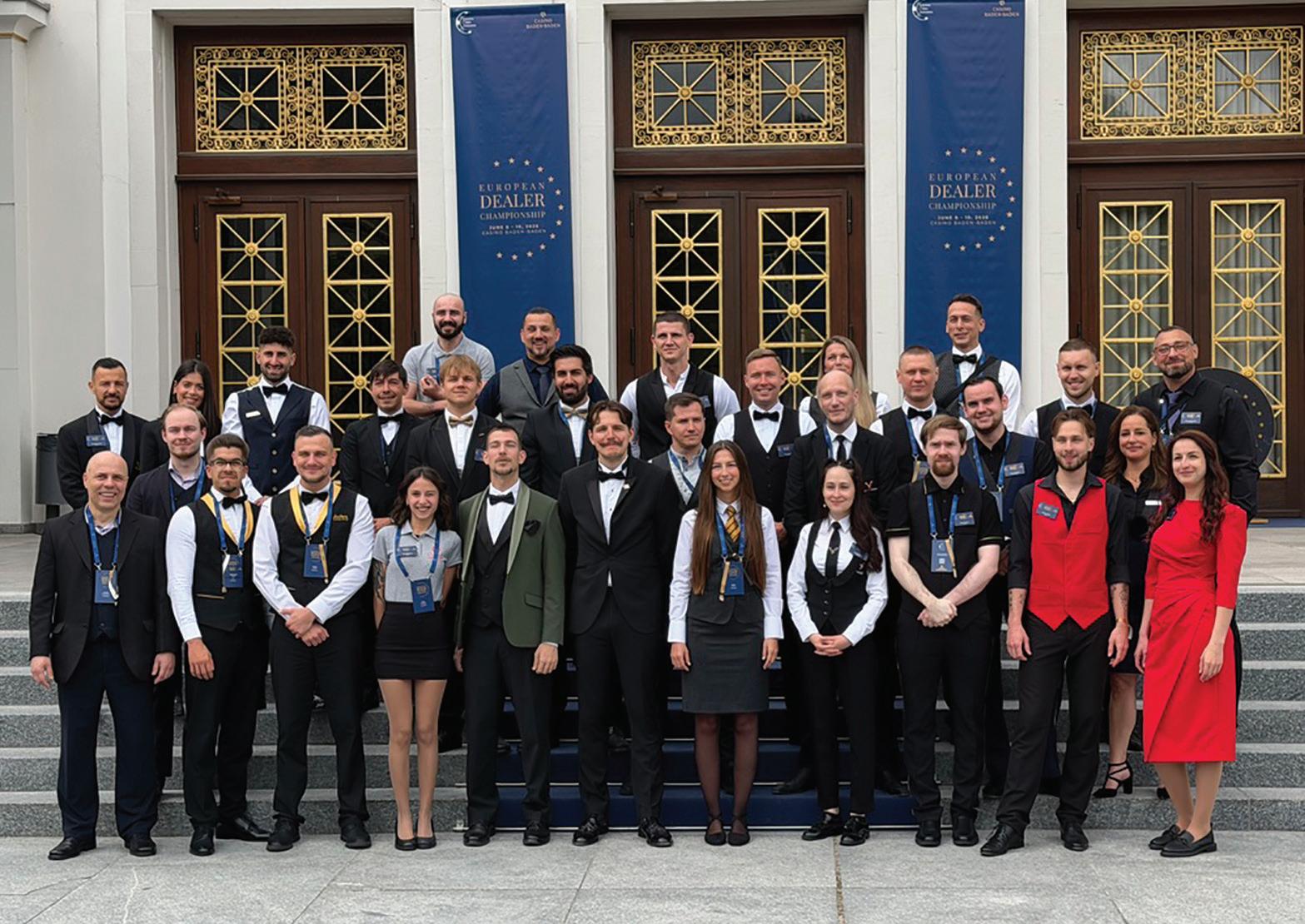
This year’s finals, hosted in the magnificent surroundings of Casino Baden-Baden on June 8-10, once again brought together Europe's finest dealers, each having earned the honor of representing their country. While every competitor arrived with ambitions of becoming European Dealer Champion, the event is about far more than winning a title. It showcases the exceptional skill, precision and guest service that define the very best gaming professionals. It also provides an opportunity for dealers, executives
and industry leaders to exchange ideas, strengthen relationships, and promote best practices across Europe’s casino sector.
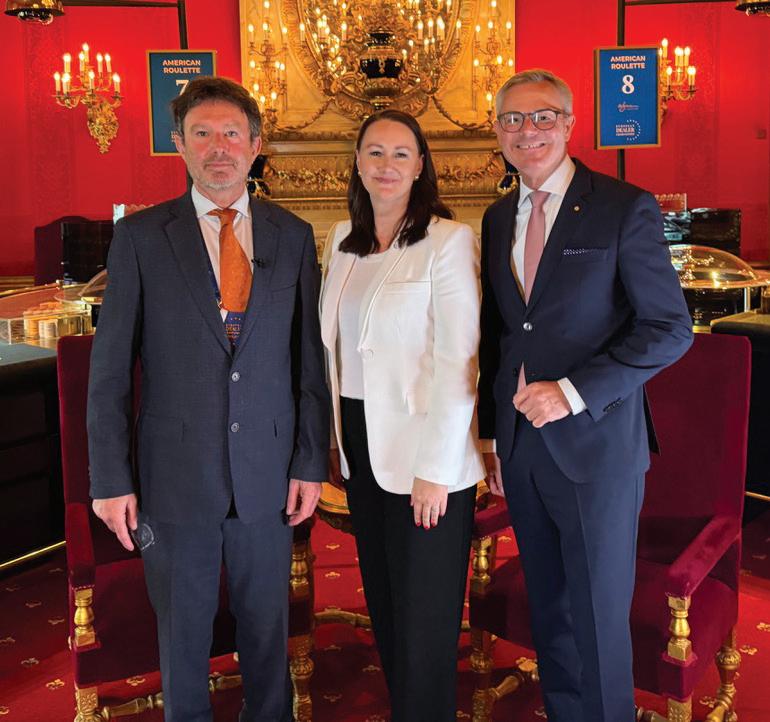
Under the leadership of CEO Tobias Wald and his dedicated team, Casino Baden-Baden proved a magnificent host. It delivered an event that reflected the elegance, heritage and world-class hospitality for which the venue is internationally renowned.
As European Casino Association Chairman Erwin van Lambaart explained, the Championship is “living proof of what licensed European casinos stand for: professionalism, integrity and genuine craftsmanship.” Those sentiments were echoed by Senior Vice Chair Tiina Siltanen, who believed the event continued to inspire excellence and strengthen collaboration across the industry.
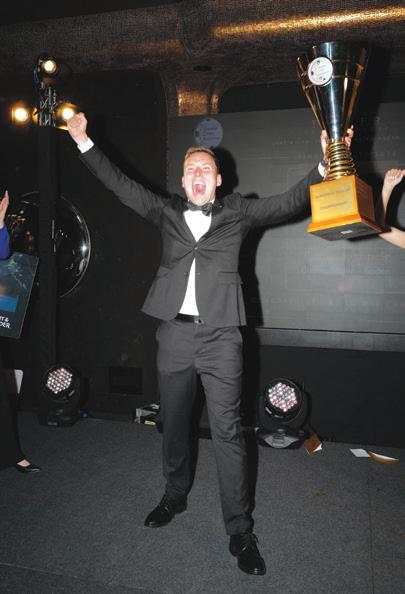
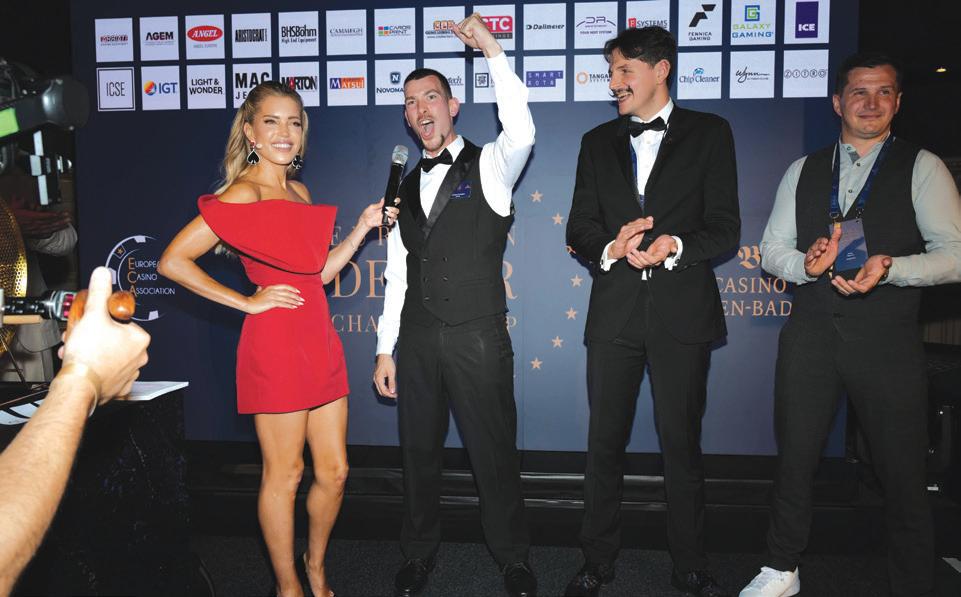
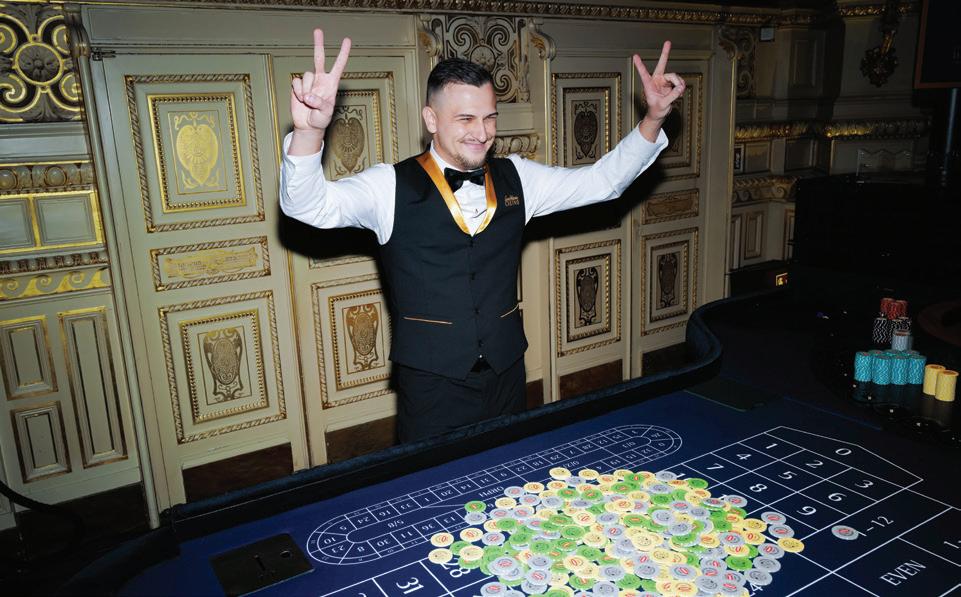
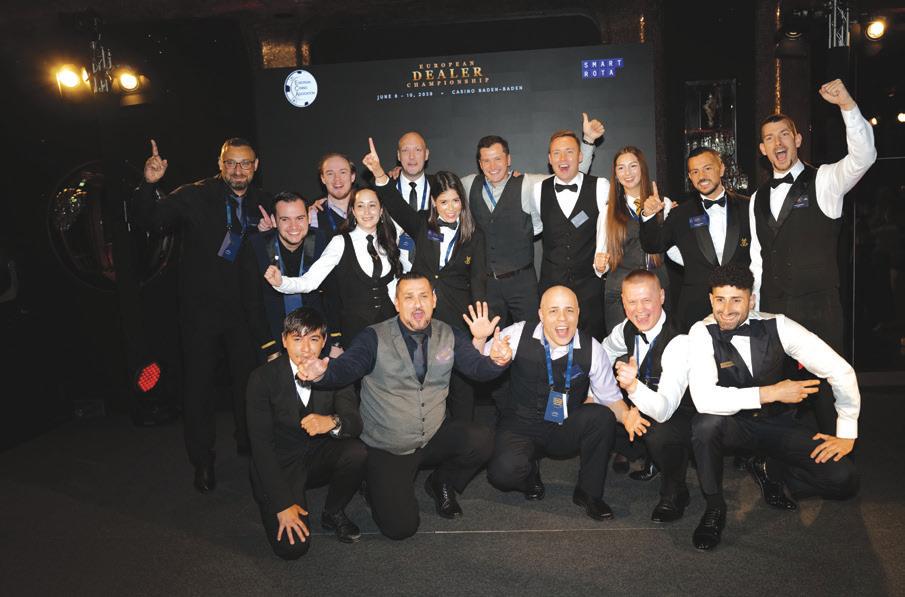
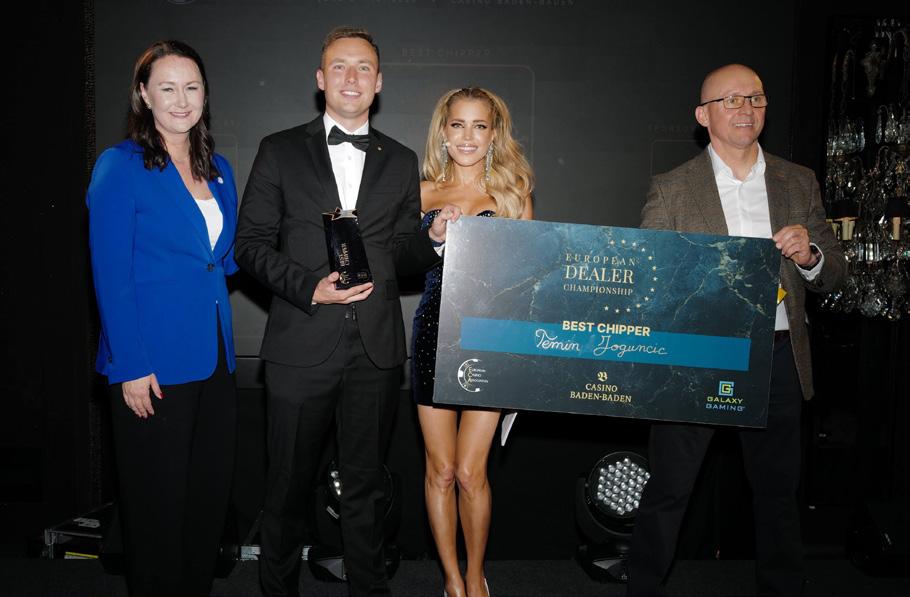
This year's Championship concluded with an emotional home victory for Casino Baden-Baden's Temin Joguncic. His outstanding performance
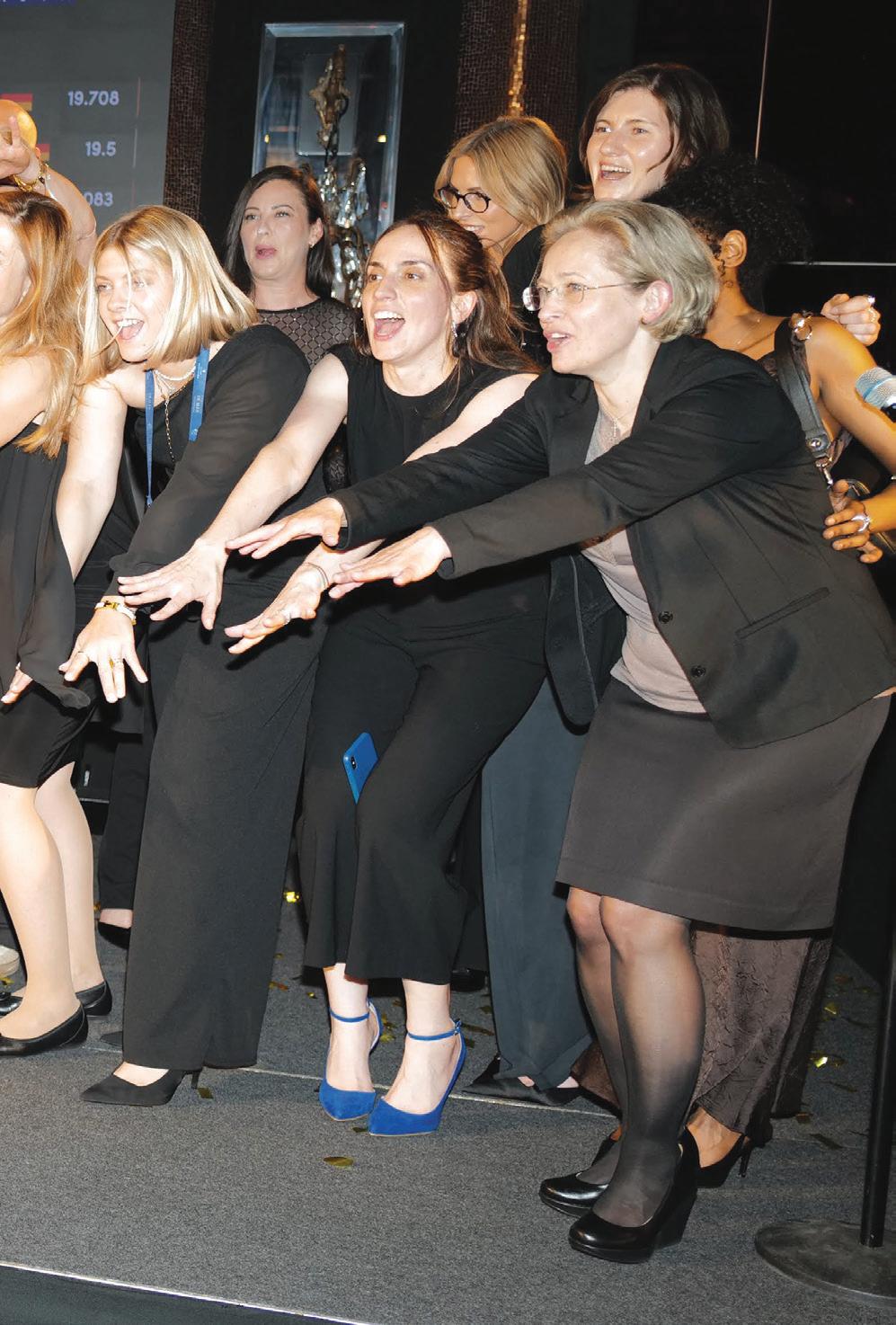
embodied the dedication, composure and professionalism that make the European Dealer Championship one of the casino industry’s mostrespected annual events.
Erwin van Lambaart, chairman, European Casino Association | CEO, Casinos Austria AG & Österreichische Lotterien GmbH
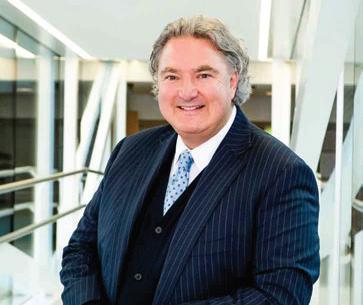
As chairman of the European Casino Association, what message do you believe the European Dealer Championship sends about the professionalism, expertise and high standards that exist within Europe’s casino industry?
The European Dealer Championship is living proof
of what licensed European casinos stand for: professionalism, integrity and genuine craftsmanship. Behind every game lies serious training, real expertise and a deep commitment to our guests. The Championship gives a face to our industry. It shows the public and policymakers that licensed casinos are a high-quality, responsible part of Europe's hospitalityand-entertainment landscape.
This year’s Championship was hosted in the magnificent surroundings of Casino Baden-Baden. How important is it for the ECA to partner with prestigious venues such as this, and what role did Tobias Wald and his team play in making the event such a success?
Holding the Championship at Casino Baden-Baden showed that licensed casinos are true cultural and tourist landmarks within their communities. Tobias Wald and his team delivered a tailor-made setting that combined flawless tournament operations with outstanding hospitality for dealers, partners and guests. That is precisely how our sector should be seen: a responsible, high-quality pillar of European entertainment and hospitality, and as a material contributor to tourism, as well as social engagement.
The European casino industry continues to evolve, with new technologies, changing customer expectations and increasing regulation. How important is it that dealer excellence remains at the heart of the live-casino experience despite these changes?
Technology is reshaping our industry, yet the dealer remains the human face of the licensed casino. Their skill, composure and personal care create the welcoming, memorable experience that defines a great casino visit. By celebrating this excellence, we make clear that innovation in Europe should always serve a warm, human-centered form of entertainment, where guests feel looked after by true professionals. We believe that technological developments and opportunities, like AI, will give our dealers and enterprises even better customer-engagement opportunities.
As CEO of Casinos Austria and Austrian Lotteries, you understand the importance of investing in people. How do events such as the European Dealer Championship help motivate employees
and encourage the next generation to pursue careers in the casino industry?
The Championship sends a strong signal to our people and to the next generation: Licensed casinos offer genuine, great careers and not just jobs. Competitors return home as proud ambassadors, raising standards across the gaming floor. It shows younger people that our industry invests seriously in training, education and long-term development, creating attractive, secure roles at the heart of the entertainment, hospitality and tourism sectors.
Looking beyond this year’s Championship, what are your priorities for the European Casino Association over the next year? How will initiatives like the European Dealer Championship continue to support those ambitions?
The ECA will focus on demonstrating the real value of licensed casinos: as part of the tourism and hospitality industry; as contributors to public finances and local communities; and as employers offering rewarding careers. The European Dealer Championship supports this ambition perfectly, showcasing skilled jobs, professional training and the positive role our casinos play in the places they call home. The illegal online market is flourishing unfortunately across Europe, which must be stopped. We need to block illegal offerings, which will bring significant local taxes in for all European markets and at the same will protect the significant role that casinos and their dealers play.
You've attended many European Dealer Championships over the years. What was your personal highlight from this year’s event and what memories will you take away from it?
My highlight was watching dealers from so many countries become one professional family, bound together by shared standards and a real passion for their craft. Seeing Temin Joguncic take the title on home ground, in such an iconic venue, captured everything this event represents: excellence, hospitality and pride in belonging to Europe’s licensed casino community. The genuine pride and festive celebration is the same as seeing top athletes winning the World Cup in soccer or a medal at the Olympics.
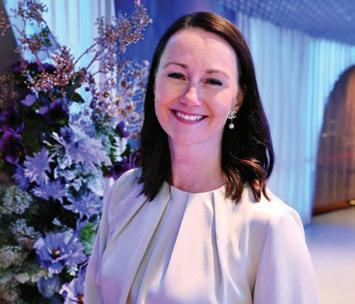
Tiina Siltanen,
from VP Casino Veikkaus Finland and senior vice chair for the European Casino Association.
As senior vice chair of the European Casino Association, you had the honor of presenting the awards to this year’s winners. What does the European Dealer Championship represent for the industry and why is it such an important event in the casino calendar?
The European Dealer Championship is much more than a competition. It is a celebration of the professionalism, dedication and passion that gaming professionals bring to our industry every day. Dealers are at the heart of the casino experience and this event showcases the very best talent from across Europe. The atmosphere at the event is amazing! What makes the Championship so important is that it highlights the unique combination of technical expertise, customer service and composure that defines excellence in our profession. At the same time, it brings together colleagues from different countries and casino traditions, creating a valuable opportunity to learn from one another and strengthen our shared professional community. That is why it remains one of the most anticipated and respected events in the European casino calendar.
The standard of competition continues to improve year after year. What qualities stood out most to you in this year's finalists and what do they tell us about the future of the profession? What impressed me most was the complete skill set demonstrated by the finalists. Reaching the final stage of the European Dealer Championship has become increasingly challenging, because the overall standard continues to rise every year. The margin between competitors is often extremely small.
Today’s top dealers must excel in three key areas: technical precision, mathematical accuracy and outstanding hospitality. Being exceptional in one or two of these areas is no longer enough. The finalists demonstrated a consistently high level across all three, which is what truly distinguishes the best professionals in our industry. This tells me that the future of the profession is very bright. The next generation of dealers is highly skilled, adaptable, and customer-focused, while maintaining the highest standards of game integrity and professionalism.
Beyond recognizing individual excellence, how do events such as the European Dealer Championship help strengthen collaboration, professionalism and the sharing of best practice between casinos across Europe?
One of the greatest strengths of the European Casino Association is that it brings together professionals from across Europe in an environment that encourages learning, networking and the exchange of ideas. This competition is a great example of it.
While there is only one winner, every participant returns home with new insights, techniques and experiences that can be shared with colleagues in their own organizations. The Championship creates a platform where best practices can be observed first-hand and where professionals can learn from different approaches to customer service, game management, and operational excellence.
This exchange of knowledge helps raise standards across the industry as a whole. It also strengthens the relationships between casinos and reinforces a shared commitment to professionalism, integrity, and continuous improvement. For the European
Casino Association, fostering these connections and supporting the development of our industry's talent is one of the most valuable outcomes of the event.
Joguncic, dealer, Casino Baden-Baden
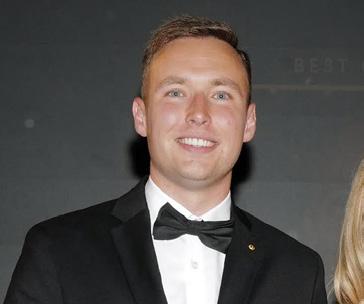
Congratulations on becoming the 2026 European Dealer Champion. When your name was announced as the winner, what was your first thought and when did the achievement really sink in?
To be honest, there wasn’t a single thought in my mind. When my name was announced, all I felt was pure joy. Now, a week later, I am back in my daily routine. But every time I think back to the EDC or look at pictures, what I have achieved still feels surreal. It’ll take some time for that to really sink in.
The competition tests technical ability, game management and customer interaction under intense pressure. Which aspect did you find the most challenging and where do you think you performed at your very best?
Speaking of my own experience – and also from what I’ve heard from other competitors over the years – the most challenging aspect of the Dealer Championship is handling the pressure. It seems strange, given that what we do during the competition is basically our daily business. This year, I managed pretty well to blend the pressure and just be myself at the table.
Casino Baden-Baden has a reputation for excellence. How has working there helped shape you as a dealer and what support did your colleagues give you in preparing for the championship?
I cherish every single day at work here in this prestigious and beautiful casino. My colleagues had my back throughout the competition and supported me a lot. But without one of them, all of this would not have been possible: Arpad Mezösi. Over the last four years, he has invested so much time and worked with me to become a better dealer. Now we have won the EDC.


Sports Betting Operator provides technology features, news and new product information, keeping online gambling companies up to date with the fastest growing gambling sector in the world

A highly regarded team of Internationally experienced journalists, all of whom have a wealth of knowledge in online and land-based gaming involving, legislation, e-commerce, responsible gambling along with the latest online operating systems and solutions.

The role of a croupier is about much more than dealing cards or spinning a roulette wheel. What, in your opinion, separates a good dealer from a truly exceptional one?
Being able to let the work you do at the table become incidental. A dealer who is confident, smooth, and fluent in his movements with the cards and chips has the ability to direct his main focus to every single player at the table. By doing so, he can provide each guest with a unique experience.
Winning the European Dealer Championship is the pinnacle for many croupiers. What does this title mean to you personally and what ambitions do you have now that you’ve reached the top?
It is tough to put into words what this title means to me. I have worked so hard over the last couple of years for this. On the one hand, I am extremely proud, but on the other hand I am also sad that this chapter of my life seems to be over for now. At the moment, I haven’t figured out yet what my next big goal will be. But I am a very ambitious person and am looking forward to my future in this industry.
Casinos are built around unforgettable moments. Looking back at your career so far, what has been your own unforgettable moment – and has winning the European Dealer Championship now taken that top spot?
Winning the EDC in my hometown, in the casino where I started working in this amazing profession, already seemed like a fairytale. However, this has happened before. The first German Dealer Championship I won, in 2024, was also hosted by Casino Baden-Baden. It is impossible to say which event has been more emotional for me. But I will definitely have two memories that I will look back on for the rest of my life.
Tobias Wald, CEO, Baden-Württembergische Spielbanken GmbH & Co. KG, Casino Baden-Baden
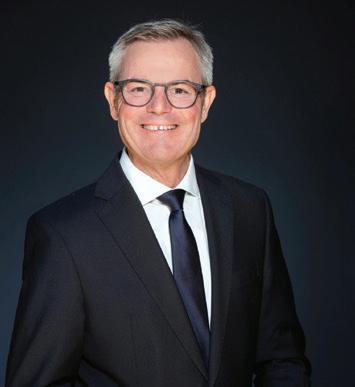
Casino Baden-Baden had the honor of hosting the 2026 European Dealer Championship Finals. What did it mean for your team to welcome Europe's finest dealers and what were your ambitions for this year's event?
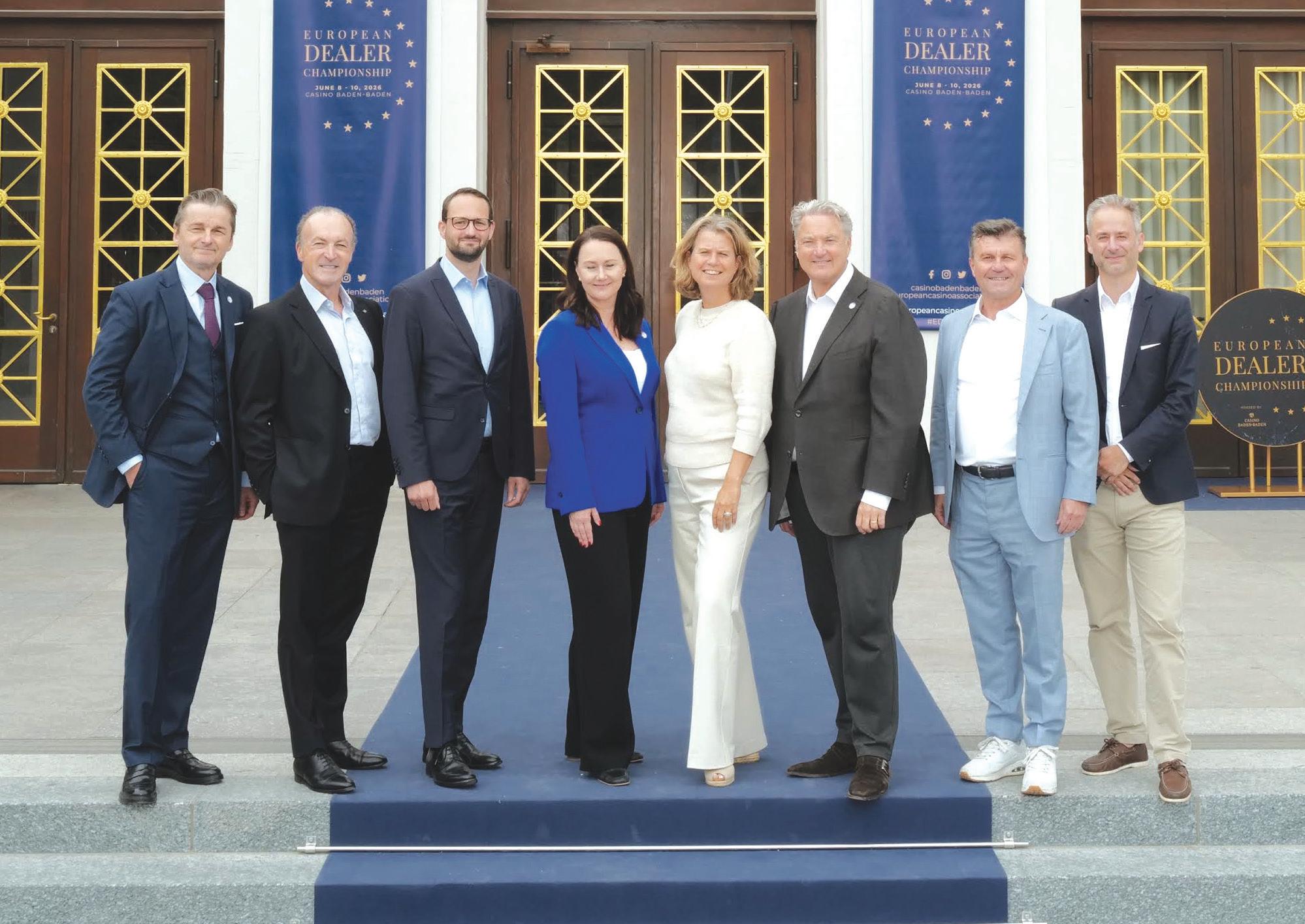
We are deeply honored that this flagship event is being held this year at our world-famous casino. The European Dealer Championship is not only important for our participating croupiers – including Germany’s best and second-best dealers – but is also the most significant competition in the European casino industry. It showcases the depth and professionalism of the dealer profession, fosters enthusiasm for the unique casino atmosphere and promotes the reputation of the industry. Our goal has been to provide the participants with optimal competition conditions while offering the highest level of hospitality.
As in other industries, high-profile events such as the EDC not only serve as an excellent showcase to the outside world, but also foster a strong sense of pride among employees. A format like this once again demonstrates the exceptionally high standards at which our professionals operate, how individuals can truly make a difference, and how honorable and respected the professions within our industry are.
Baden-Baden is one of Europe's most iconic casino destinations. How important was it to showcase not only the casino itself, but also the hospitality, heritage and professionalism that it represents?
Above all, we are delighted and proud to serve as the host and organizer of this important event this year. Baden-Baden and its casino are uniquely suited to this role. Ever since the casino was founded, the spa town on the River Oos has been a magnet for an international clientele. It has a long tradition of welcoming, inspiring and delighting guests from all over the world.
In addition to what Marlene Dietrich famously called “the most beautiful casino in the world,” Baden-Baden offers an outstanding hospitality sector, as well as a rich variety of cultural and recreational attractions. As early as the 19th century, Baden-Baden was regarded as the “Summer Capital of Europe,” and in 2021 it was inscribed as part of the UNESCO World Heritage Site, “The Great Spa Towns of Europe.” This unique combination makes a visit to BadenBaden truly special and attracts hundreds of thousands of visitors every year.
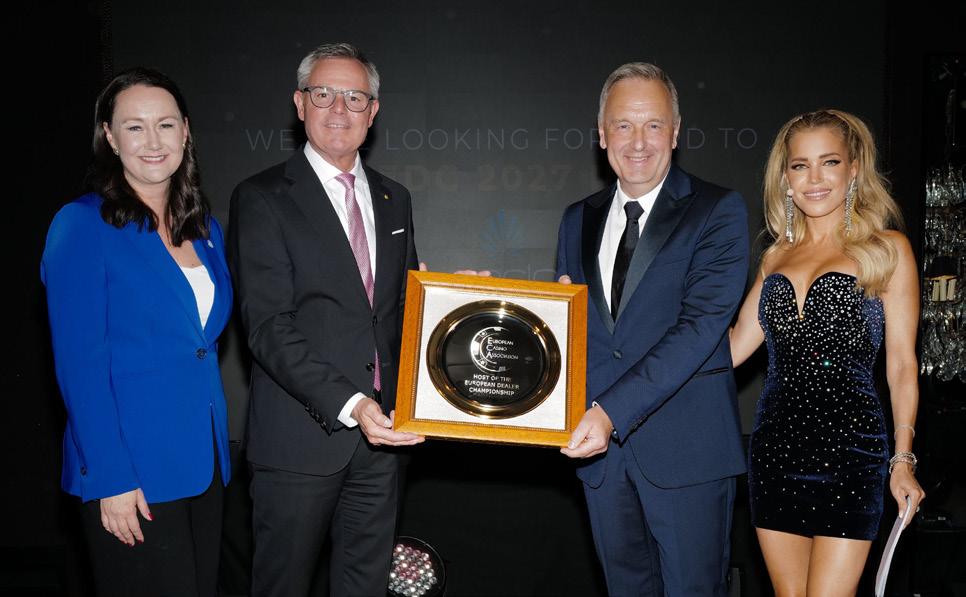
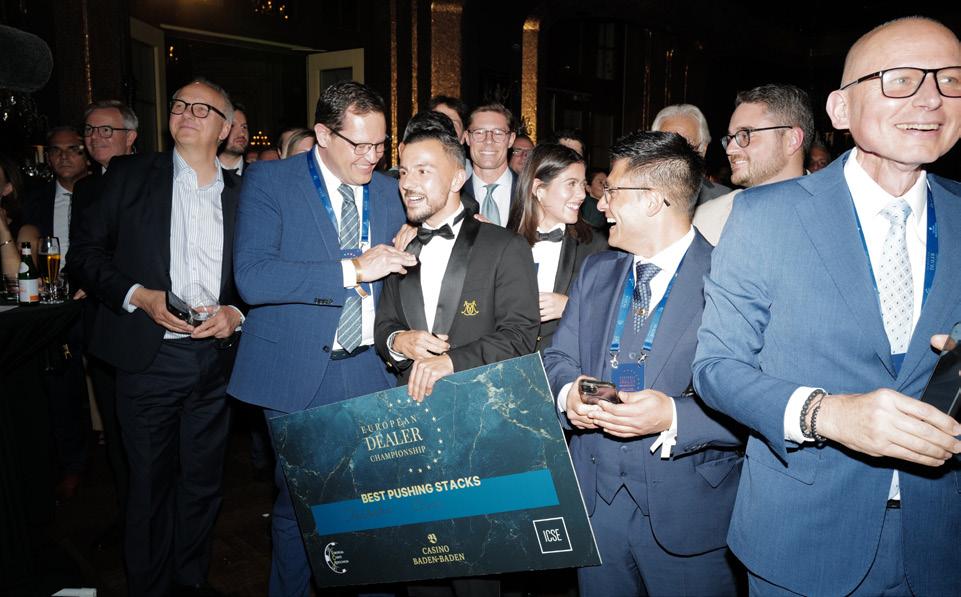
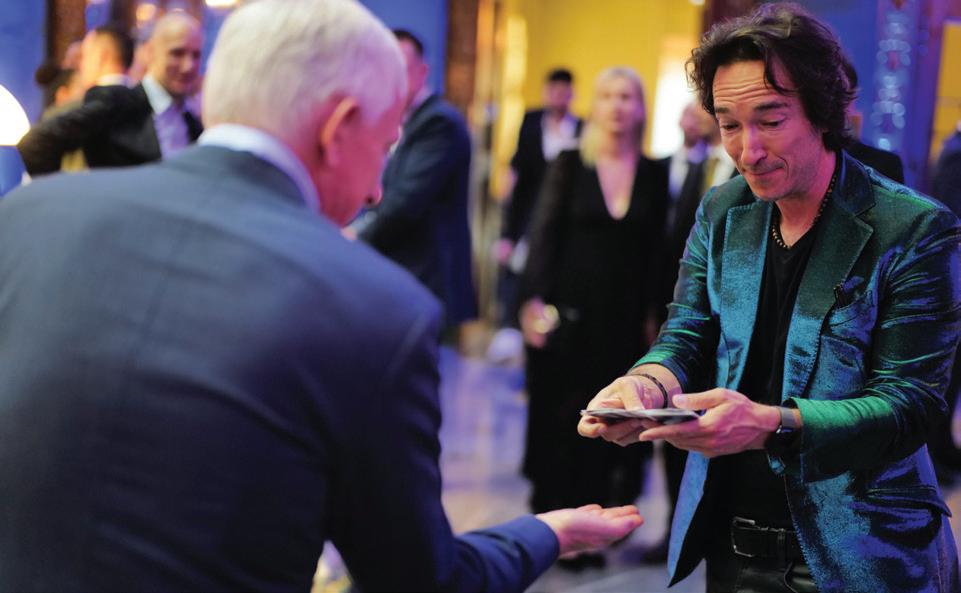

Hosting the EDC is a major undertaking. How rewarding was it for you, and for the entire team at Casino Baden-Baden, to welcome delegates and competitors from across Europe? What are you most proud of in the way your staff delivered this year's finals?
We truly are proud and words can hardly express the pride we feel. Our entire team has been looking forward to this event for months and an immense amount of passion, dedication, and attention to detail has gone into ensuring its flawless delivery. As hosts, we are delighted to bring together an entire industry that is, at its core, defined by hospitality. Croupiers do far more than simply ensure that games run smoothly. They are ambassadors, hosts and role models all at once.
My pride therefore extends to each and every one of our more than 500 employees, whose commitment makes the three casinos of Baden-Württembergische Spielbanken truly special. Once again, they have demonstrated their extraordinary dedication – and wholehearted effort – in planning and delivering this event.
Finally, the European Casino Association would like to extend its sincere appreciation to the many sponsors whose generous support helps make the European Dealer Championship possible. Events of this caliber simply cannot be delivered without the commitment of industry partners who continue to invest in excellence, education and the future of our profession.
The 2027 European Dealer Championship will be held at the amazing Perla Casino, in Slovenia
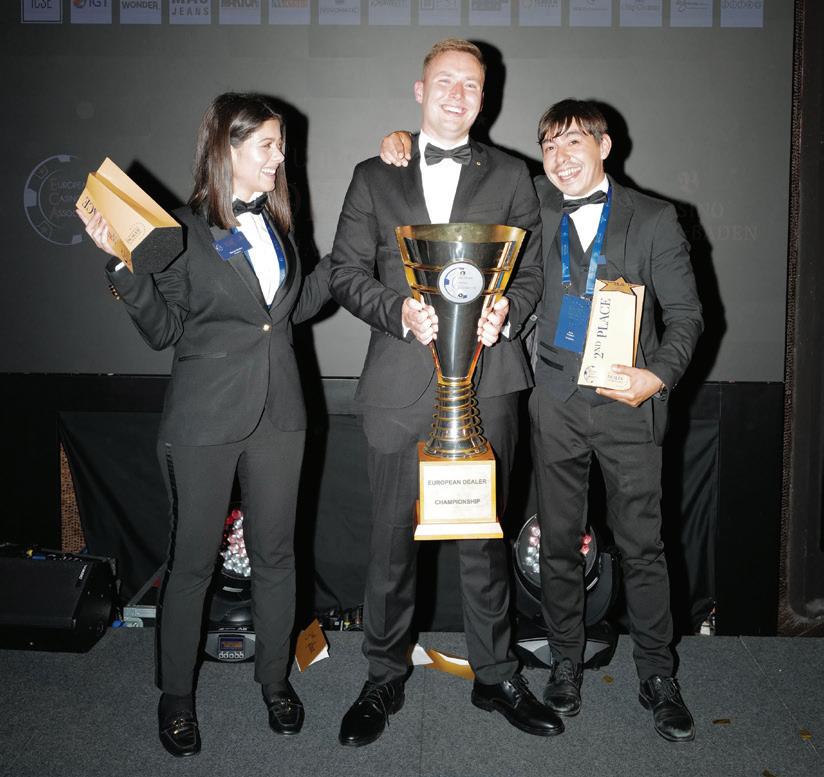
European Dealer Champion 2026: Temin Joguncic, dealer, Casino Baden-Baden
Runners-up: Robin Stepanek, Germany, Casino Stuttgart
Second Runner-up: Manon Martire, Monaco, Casino de Monte-Carlo
Best in Pushing Stacks: Christopher Elena, Monaco, Casino de Monte-Carlo
Best in Cutting Chips: Christopher Elena, Monaco, Casino de Monte-Carlo
Best Chipper: Temin Joguncic, Germany, Casino Baden-Baden
Best Card Handler: Oskar Flodin, Finland, Casino Helsinki
Best Mathematician: Miran Penzes, Cyprus, City of Dreams Mediterranean
Thanks go to ABBIATI Casino Equipment, CLS Group, CTC Group, Dallmeier Electronic, Galaxy Gaming, ICSE, Light & Wonder, Matsui Europe, Smart Rota, Tangam Systems, Veikkaus Oy, TCS John Huxley, Aristocrat, Casinos Austria, Chip Cleaner ICE Barcelona, Cammegh, Playtech, Cards Print, Hippodrome Casino, PST Seating, Angel Europe, Holland Casinos, DR Gaming Technology, Casino Baden-Baden, Novomatic, Wynn Al Marjan Island, ZITRO, Fennica Gaming, IGT, Martron Gaming and Le Casino Monte-Carlo. Your continued support of the European Dealer Championship is recognized and greatly appreciated by the entire industry.
By Al O’Grady
In a previous article, I wrote about tipping the dealer and tried to make a case for tipping, for those that do not tip. But let us assume that we are all on board and agree that we should tip the dealer if we win. How much is appropriate?
There is no right or wrong answer. Actually, there is if you are not tipping enough, but generally, ‘However the spirit moves you’ is the right answer. If the Blackjack Gods were you on your side for your gambling session, those Gods will inspire you for a tipping amount.
Assuming it is within appropriate ranges, every blackjack dealer will be eternally grateful for the gratuity because it makes up a significant portion of our pay. But if you are a self-conscious player and don’t want to be viewed as short-changing someone (and you are not sure you are tipping enough), here are some guidelines that might help you with a respectable gratuity.
First, a flat rate does not work. It is either too much or too little. To throw the dealer a $5 chip regardless of your winnings will either be bang on, undervalued or downright insulting to the dealer. If you win $200 to $300, a nickel tip works just fine. If you win over $1,000, you are getting into cheapskate territory, and if you make a killing it with a $5,000 win, a $5 tip is laughable.
That leads us to a basic percentages. It is consistent with waiters in nice restaurants. Usual standards are that you tip them 10-15 percent. Why not use that consistent standard with blackjack dealers? While this may be a simplistic approach, it has some flaws. Regardless of the percentage you use, you are skewing the tip at the low end and the high end of the winnings.
The answer is a sliding percentage rate depending on the amount won. It is as easy as 1-2-3. For winnings up to $500, you tip one percent of your gain.
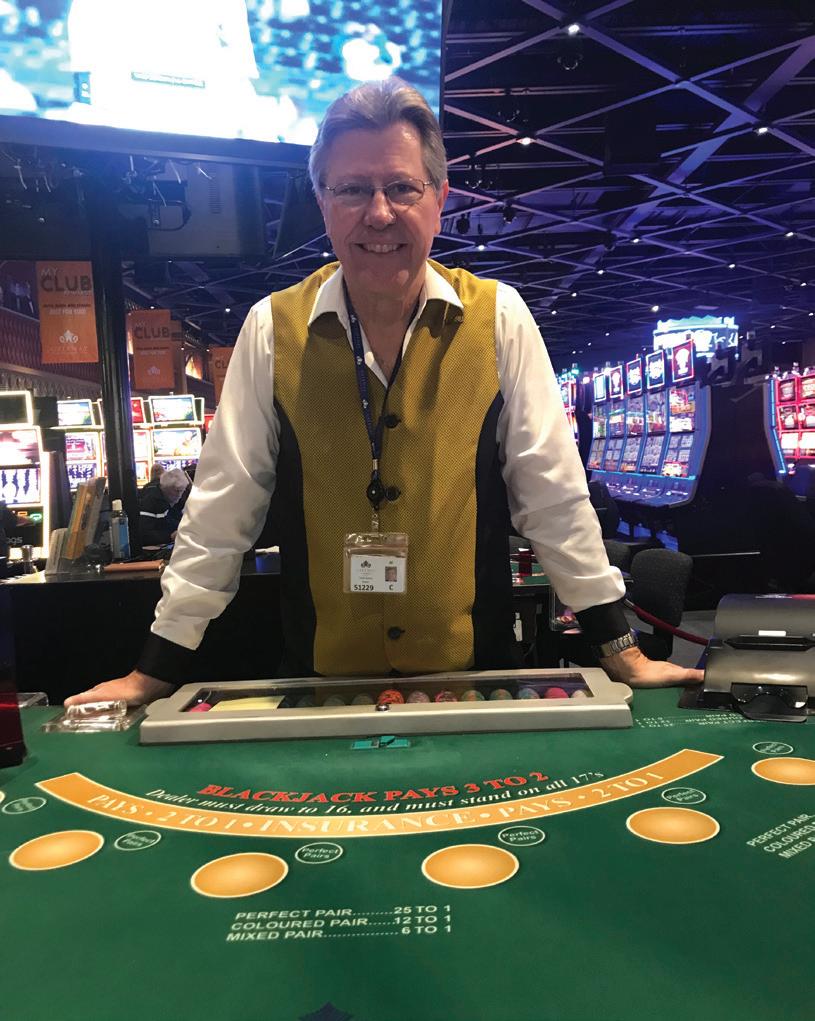
Al O'Grady
But as your winnings increase, so does the percentage rate. So if you were to win $500 to $1,000, increase the percentage to two percent. And if you were having a really good day at the tables, winning more than $1,000, consider a three percent tip.
So if you won $500, one percent of 500 is $5. A nickel gratuity is within acceptable guidelines. If you won $1,000, two percent of 1,000 is 20, resulting in a $20 tip. That may seem generous, but don’t forget, you just won $1,000. Finally, if you made a killing and took the casino for $2,000, three percent of 2,000 is $60.
I would trim that back slightly to $50. This is not an exact science, but it goes on the same principle as our income-tax system. It is a progressive tax rate where the more you make, the greater percentage you pay. The same philosophy applies for tips. The more you win, the more you tip on a percentage basis.
I can hear the naysayers screaming already. “Who do you think you are, telling me how much to tip?”
“You should be grateful that I gave you a tip in the first place.” “Where do you get this sense of entitlement?”
“If you don’t like your pay, quit and do something else.”
I can hear the arguments clear across the country.
Let me make this perfectly clear. I am not telling you how much to tip the dealer. However the spirit moves you is greatly appreciated by all the dealers. I am only
putting this out for those that want to tip but do not know what is appropriate. They do not want to come away looking like a cheapskate.
I also do not view tips as a sense of entitlement. I view it more as a social contract. I provide a certain service to the patron. They may win; they may lose. If they lose, no gratuity is expected; however, if you win, some dealer appreciation is a part of that dealer/ player protocol.
Many players will argue that point. They feel a tip is strictly optional or not forthcoming regardless of the outcome. That point always baffles me because if they are in Vegas, they will tip the valet, the bellhop, the waitress, yet draw the line when it comes to tipping the blackjack dealer.
The argument goes, if it is so bad, quit. That is easier said than done. Do not judge someone unless you have walked a mile in his shoes. A lot of dealers are doing this job out of economic necessity and are unable to find other employment because of the state of the economy, circumstance, fate — call it what you will. They are pigeonholed into their dealer role. They simply cannot quit at the drop of a hat.
On a personal note, I lost my corporate, MondayFriday, 9-to-5 job through no fault of my own. I was 56 and still had a mortgage, bills, etc. What now? I can handle cards; I am a gambler at heart and I can put my arithmetic skills against anyone. Dealing blackjack was a natural transition for me. There could be other things that I could be doing, but what employer is going to hire someone in his sixties?
Tips at the end of the day are a subjective call made by the patron. If he feels the service was professional, he was entertained and he won, he will tip accordingly. There are those that do not tip and that is not the point of this article. But just as there are those that do not know what to do on a soft 17, they do not know what to do regarding tipping. That is the point of this article.
If you tip appropriately, on behalf of all dealers, we thank you from the bottom of our hearts. If you are in the overly frugal territory, I hope I gave you something to consider.
Good luck at the tables and don’t forget to tip the dealer.

Cammegh secures a UAE gaming-related vendor license as its global expansion accelerates
asino Life Magazine highlights Cammegh Limited, the world-renowned manufacturer of precision-engineered roulette wheels and table-display systems, celebrated globally for its “World-Class Roulette Wheels.” Synonymous with engineering excellence, reliability, and innovation, Cammegh continues to set the industry benchmark for livecasino gaming equipment used in leading casinos and regulated markets worldwide.
CCammegh Ltd. is delighted to announce that it has been officially granted a Gaming-Related Vendor (GRV) license by the General Commercial Gaming Regulatory Authority (GCGRA), an independent entity of the UAE Federal Government. The GCGRA has exclusive jurisdiction to regulate, license and supervise all commercial gaming activities in the United Arab Emirates.

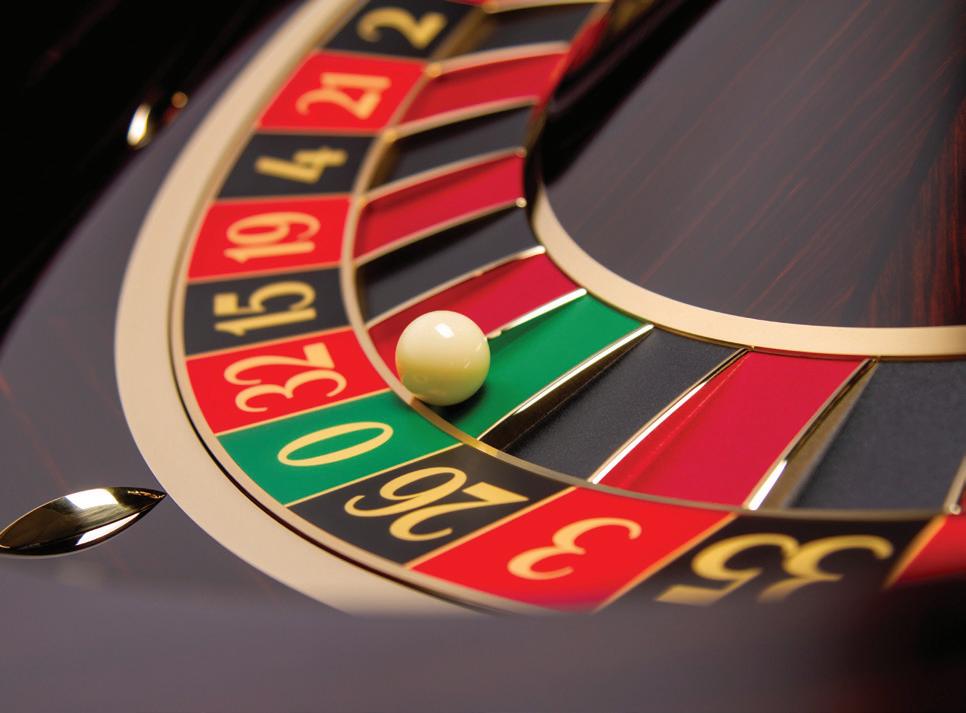
This milestone marks an important step in Cammegh’s continued international growth, enabling the company to supply its industry-leading products and services within the UAE’s regulated gaming sector. With decades of experience and a reputation for precision engineering, innovation, and reliability, Cammegh is trusted by leading casinos and gaming operators worldwide. The newly awarded license reflects the company’s commitment to meeting the highest regulatory standards and supporting the development of a well-regulated and responsible gaming environment in emerging markets.
Commenting on the achievement, Andrew Cammegh, sales director for Cammegh Ltd., said: “We’re delighted to have received our Gaming-Related Vendor license from the GCGRA. This represents an exciting opportunity for Cammegh to expand into the UAE, and contribute to the growth of a dynamic and well-regulated gaming market. We look forward to building strong partnerships in the region, and delivering the quality and innovation that our customers have come to know and expect.”
He added, “Cammegh also looks forward to working closely with our customers in the UAE, and supporting the region’s vision for a robust and internationally recognized gaming industry.”
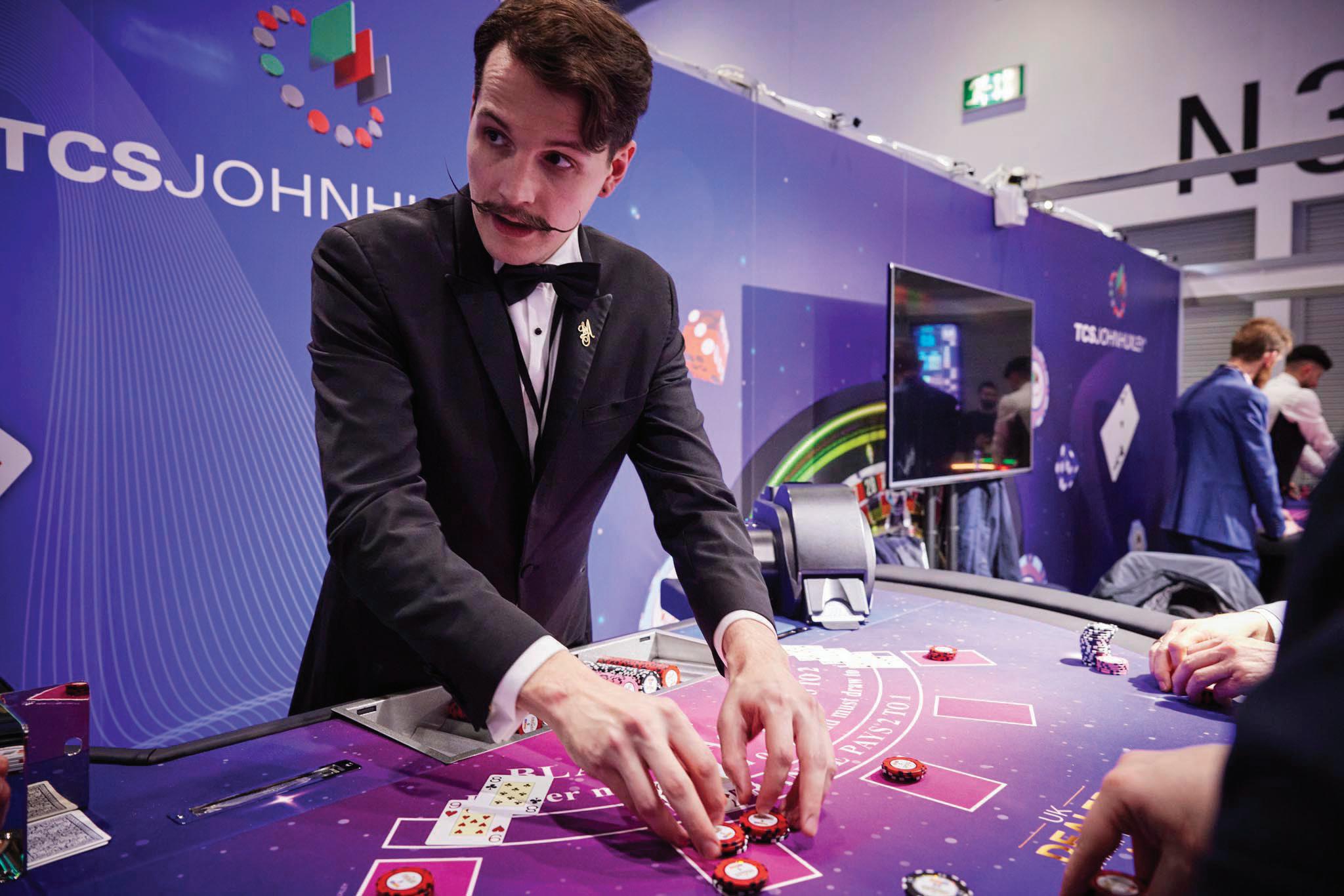
Casino Life previews the London Gaming Show 2027 with Chair Nick Harding. By Peter White
Nick, before we look ahead to 2027, what was the overall feedback from exhibitors and visitors following the 2026 London Gaming Show?
Feedback from both exhibitors and visitors was excellent. People clearly appreciated the way that the show is developing its three core elements. Exhibitors were able to see that we have listened to the feedback obtained through one-to one-meetings between our executive team and senior members of their teams.
Were there any particular comments, success stories or business outcomes from exhibitors that stood out to you after the 2026 event?
Specifically the Boomerang team kindly told us that it had been one of the most productive events that they had ever been to, which was fantastic to hear. Our new post-show rebooking program was taken up enthusiastically. By the end of January, a majority
of exhibitors had rebooked for ’27, which was a great endorsement for Nikki Lazenby and her team.
Looking back, what do you consider to have been the biggest achievements of the 2026 London Gaming Show?
As you know I am a relative newcomer to the exhibition industry (having spent 40 years as a visitor), but it was great to see the efforts of the team over the previous 12 months come together in a flawless presentation. While ‘you can never please all the people all the time,’ I could count the number of grumbles on one hand. So the biggest achievement must be happy visitors and happy exhibitors, job done!
How have the insights and feedback gathered from the 2026 event influenced your planning and strategy for the 2027 show?
We had written and verbal feedback from over 60
percent of our exhibitors, and this was incredibly helpful. We are now using this to shape next January’s show. It’s like any business: You have to keep adjusting, finessing and experimenting.
The London Gaming Show has now established itself on the industry calendar. How do you see the event continuing to evolve as it enters its next phase of growth?
This year we are aiming to work closely with our existing UK casino exhibitors to ensure that they are happy and, at the same time, welcome more European casino exhibitors. We also plan to stimulate new discussions with land-based sports betting suppliers and operators, in order to continue to broaden the scope and appeal of the London Gaming Show.
The feedback from the UK casino sector has been that they value a niche, London-based show that offers a pleasant, less frenetic environment in which to do business. We hope to now plant some new seeds, and welcome the UK and European sports betting industry on the same basis.
What can exhibitors and visitors expect to be different or enhanced at the 2027 show compared with previous editions?
Overall we were very happy with the ’26 show, so I don’t foresee any earth-shattering changes. There will just be subtle improvements to what was clearly a well-received format, delivered by a team that is also growing and developing the skills necessary to exceed expectations.
Are there any new exhibition sectors, product categories or industry verticals that will be introduced in 2027?
SIExpo is now morphing into ‘CompSoc UK’ and that will be the new branding for the Competitive Socializing element of EAG. It is an exciting sector, of which the UK is a touchstone internationally, and we look forward to welcoming even more exhibitors in ’27. The effervescent and talented Jade Craig is once again managing the seminar program. This year we are bringing the four BACTA seminars down from the gallery and incorporating those into Jade’s program.
Technology continues to reshape the gaming landscape. Which emerging trends do you expect to be among the major talking points at the 2027 show? This may well be one of the seminar topics, but in any
event we are increasingly seeing the marriage of AI with traditional products in every part of EAG. I have no doubt that this will continue to grow.
International participation has been a key objective for the show. What progress have you made in attracting new exhibitors and delegates from overseas markets?
We are seeing a great deal of interest in the CompSoc sector and our sales team seem to have their phones welded to their heads on international calls. I am confident that we will see a healthy increase in foreign exhibitors to this sector. From the outset, when we launched the London Gaming Show we knew that our exhibition dates are close to those of ICE in Barcelona. But we have been consistent in our view that the sector values a smaller, more-niche show in the worlds greatest capital city, and this seems to be gaining support from that sector.
Responsible gaming, compliance and regulation remain key industry priorities. How will these subjects be addressed within the 2027 seminar and networking program?
They certainly will. We have a licensing-andcompliance seminar as part of the program. The UK Gambling Commission will be present at the BACTA Business Lounge, together with other UK regulators attending as VIPs.
We create standout designs that elevate your digital and print marketing needs
Once your project is ready, we’ll take care of all your printing needs, ensuring the best value for your budget while saving you the hassle of dealing with printers directly.
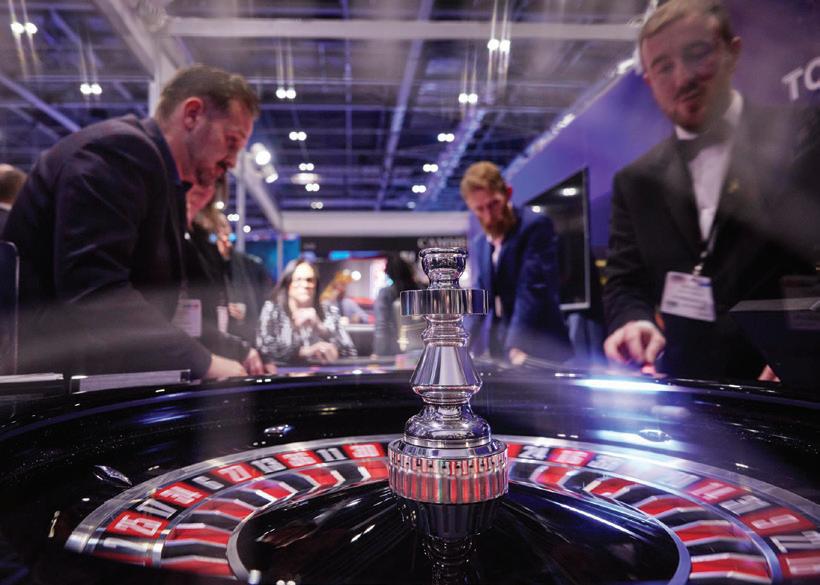
Looking at the wider gaming sector, what do you believe are the biggest challenges and opportunities facing operators over the next 12 to 18 months?
Inflation, taxation and unemployment bearing down heavily on the industry as a whole.
For companies that have yet to attend or exhibit at the London Gaming Show, what would you say are the key reasons they should be part of the 2027 event?
It is the only leisure show that includes ‘Gaming,’ ‘Amusement’ and ‘Competitive Socializing.’ Those three sectors, once occupying fairly distinct silos, are now increasingly melding together as part of morediverse entertainment venues. Come and see them all under one roof in London.
Finally, what is your vision for the London Gaming Show over the next five years? What message would you like to send to the global gaming industry ahead of the 2027 exhibition?
We will shortly be launching our new brands for the EAG show and its three subsidiary components. This a significant event for us, as it puts down a marker and tells our customers that we are not standing still, we are moving forward. We will continue to refine our presentation and content, and we believe that this will drive growth overall for exhibitors and visitors alike.
London is a superb city and access to the show via the Elizabeth Line from central London is fantastic. Over the next five years we will continue to grow. We may add further verticals in terms of leisure, and gaming-associated products and services, possibly to include a conference and events component.
See you next January!
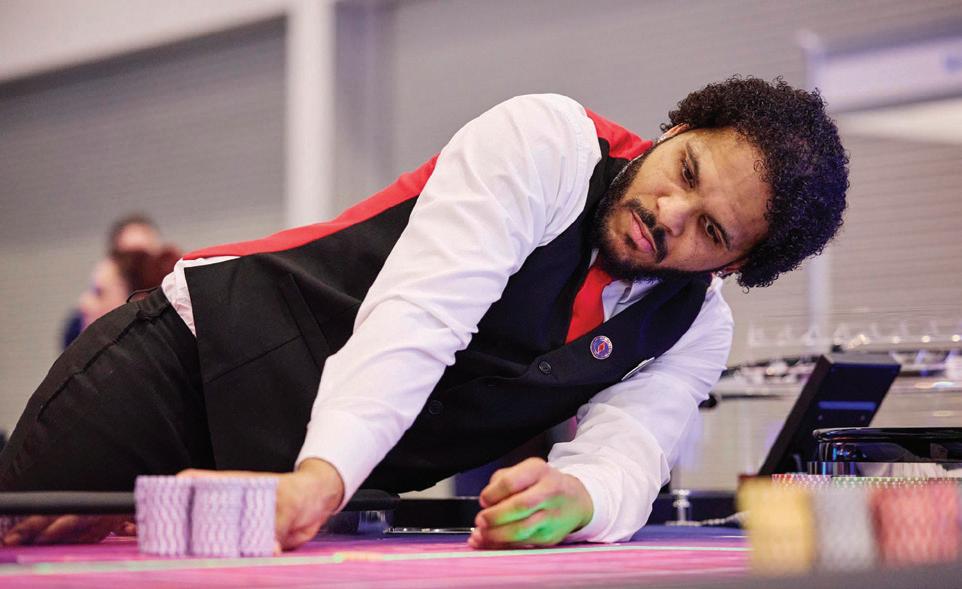
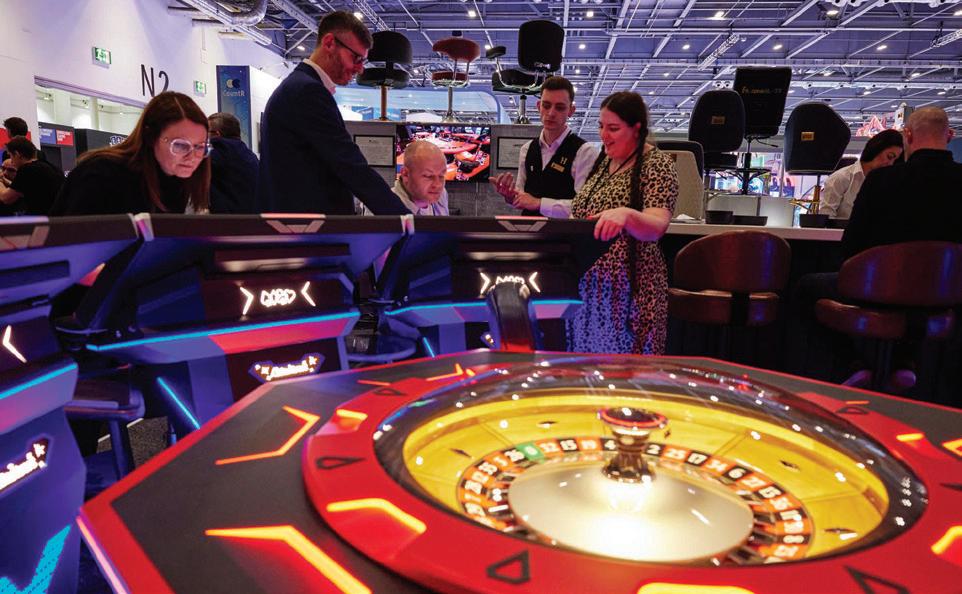
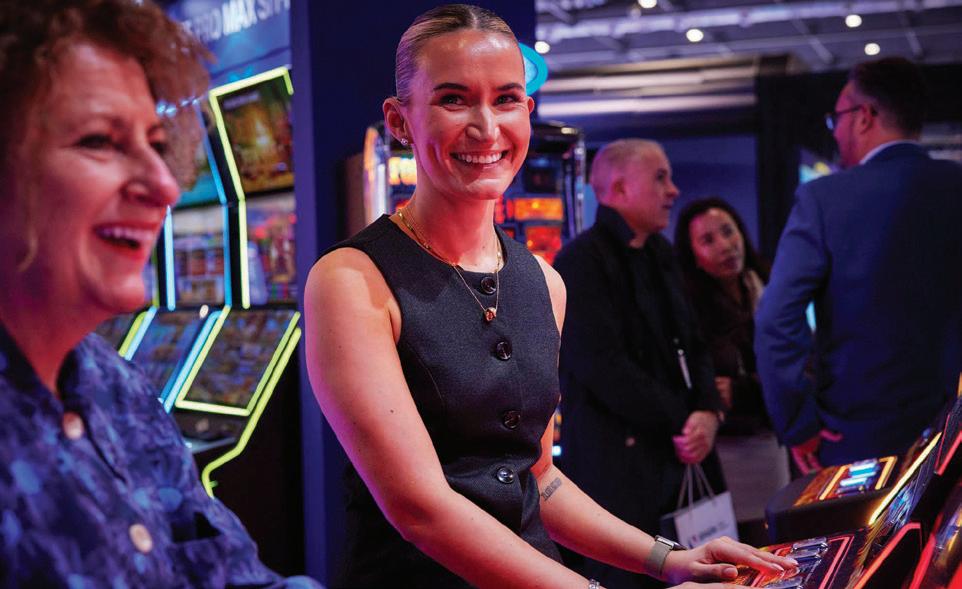


“Advertising of gambling” – an expression the law does not define. By Antonio Lobo Vilela
lmost 40 years.
AThat’s how long Macau’s advertising law sat unchanged. A fossil of a time before Google, before social media, before online casinos. Well, that’s about to change. The new Advertising Law (Law No. 7/2026 of May 11), which comes into force on January 1, 2027, replaces the 1989 statute and introduces a dramatically stricter regime for gambling advertising.
This appears a noble move: Restrict what promotes gambling, protect the vulnerable. But for the industry that defines Macau, the new provisions raise questions about the balance between social responsibility, commercial reality and the city’s unique identity.

The 1989 law prohibited gambling advertising only when gambling was the “essential target” of the message. Article 19(1) of the new law completely changes the paradigm: “It is forbidden to disseminate, by any means, advertising of gambling.” The qualification “essential target” has disappeared, making the prohibition general, with three narrow exceptions: advertising (i) by casino gaming concessionaires within the “gaming zones of their respective casinos;” (ii) by concessionaires of all other forms of permitted gambling “in the gaming establishments they operate and on their respective authorized official websites;” and (iii) during “conventions and exhibitions related to gaming machines, equipment and systems.”
Left out of this list are casino-gaming promoters –entities whose lawful, regulated activity consists of bringing clients to the gaming tables. Their activity, though legal, becomes, for communication purposes, invisible.
Here’s where it gets fuzzy: What constitutes “advertising of gambling?” Does a commercial advertisement for playing cards, shufflers or dice published in a newspaper fall within the prohibition? The law is silent. The final version of the law replaced the expression “gambling activities” (included in the draft law’s initial version) with “gambling,” thereby broadening the scope of the prohibition. The Legislative Assembly’s report on the draft law notes the change but does not explain its rationale.
Manufacturers of gaming equipment and systems and media publishers are left in legal uncertainty, as the law refers clarification to guidelines from the Economic & Technological Development Bureau (DSEDT) – a fragile mechanism. It is possible that this vagueness is a deliberate legislative choice. By leaving key terms undefined, the legislature may have intended to grant DSEDT a wide margin of administrative discretion to adapt prohibitions to new forms of gambling communication as they emerge.
This approach has the advantage of flexibility. However, it carries a significant cost: legal uncertainty for regulated entities, whose lawful conduct may become unlawful overnight should DSEDT amend the guidelines to that effect. Regardless of whether the vagueness was intentional or accidental, the mechanism itself is problematic. Instructions do not constitute a primary source of law nor do they have external efficacy.
The experience of the 2015 guidelines, issued by the former Economic Services Bureau, should have served as a lesson. Although well-intentioned, those guidelines adopted interpretations of the 1989 law that were, at best, broad and, at worst, of dubious legality, effectively prohibiting what the law did not expressly forbid. The new law risks repeating the same mistake: entrusting the most complex questions to instructions devoid of external efficacy.
More troubling is the law’s silence on responsiblegambling communications. Article 42º-A of the Gaming Law obliges casino gaming concessionaires to promote preventive-awareness actions. A campaign with the message “Gamble responsibly” is, on its face, “advertising of gambling”: It promotes an attitude towards gambling. The law creates no exception. The result will be less public information, not more. Transparency, a central element of harm prevention, will be sacrificed to a blind prohibition.
The prohibition is not limited to casino games of chance. Article 19 sweeps wider and expressly covers all other forms of permitted gambling in Macau –mutual betting, interactive gaming and operations offered to the public – that is, lotteries and sports betting. An advertisement for the Pacapio lottery or a bet on the World Cup will be equally illegal.
Nor does the law clearly define what it means by “gambling.” Skill-based games, amusement arcades and video games fall into a gray area. Are they considered “gambling” or not? The law does not answer. This ambiguity may have a chilling effect on the operators of such spaces, who do not know whether they can promote their games without risking a fine.
The casino gaming concession contracts oblige concessionaires to “carry out, in Macau and abroad, advertising and marketing campaigns of their properties.” Yet the new law removes from them the
Macau is now adopting one of the strictest gambling advertising regimes in the world – a paradox for the global capital of casinos. Las Vegas broadly permits it, regulating by content, not by blanket prohibition."
tools to do so outside the casino-gaming zones. The separation between what is gambling and what is not appears clear on paper. In practice, advertisers are left in an untenable position: They must prove that the essential message is shopping, not the gaming tables – but the law does not define how.
The impact on some Macanese media publishers may be significant. Last month, I sat with a gaming equipment manufacturer who asked me a simple question: “Can we advertise a deck of cards?” Two lawyers. Two different answers. That’s not a legal regime – that’s a guessing game. Under the new law, an advertisement for a simple deck of playing cards – a lawful product – is almost certainly caught by a broad interpretation.
These companies, already navigating a difficult digital transition, face the prospect of losing a key financial pillar. Gaming promoters and manufacturers of gaming equipment, for their part, are relegated to silence or to uncertain administrative clarification.
Macau is now adopting one of the strictest gambling advertising regimes in the world – a paradox for the global capital of casinos. Las Vegas broadly permits it, regulating by content, not by blanket prohibition. Hong Kong, even with its traditionally restrictive approach, permits advertising for lotteries, horse racing and football betting, subject to conditions. For example, not in children’s programs, not between 4:00 p.m. and 8:30 p.m., and without exaggerating the likelihood of winning. Singapore allows targeted promotions to tourists outside casinos under a prior-authorization system. It expressly excludes from the prohibition communications
intended to discourage the use of gambling services.
Macau permits none of this. The message is clear: Gambling exists but its promotion must be invisible – a trajectory that contrasts sharply with Macau’s aspiration to be a “World Center of Tourism and Leisure.” The law deepens Macau’s economic paradox: a region that depends on gambling for its revenue but legislates as if gambling did not exist for the public.
Good policy requires precision. The gambling advertising provisions of the new law are a classic case of using a cannon to kill a fly – solving by brute force what demanded a more careful hand. What the law should have done was to create at least a fourth exception to the general prohibition: institutional responsible-gambling advertising and informative advertising about the lawful existence of gambling, provided that there is no appeal to consumption, no images of players or gaming moments, and with a mandatory warning.
In particular: (i) awareness campaigns promoted by concessionaires or by the Macau SAR government, with messages such as “Gamble responsibly,” should

be expressly excluded from the prohibition, subject to prior notification to DSEDT; and (ii) manufacturers of gaming equipment and systems should be allowed to advertise their products in specialized trade publications, provided the advertisement does not refer to specific casinos. The law should provide for the definition of what constitutes “advertising of gambling” to be referred to an administrative regulation – which has external efficacy.
Without safeguards like these, the law doesn’t protect people more – it protects them worse. How? By hiding prevention, stifling lawful commerce and contradicting the casino-gaming-concession contracts. A good law is not measured by the harshness of its prohibitions. On the contrary, what is paramount is its intelligence in distinguishing what is harmful from what is merely inconvenient.
Macau has spent years building a responsible gambling framework with dedicated government campaigns, industry certifications and legal obligations for casino-gaming concessionaires. It would be ironic to see all that thrown away not by what the law says but by what it carelessly omits. The balancing act is delicate, but the final text of the law is not a balance – it is a poorly secured tightrope.
7,435
4,330