Bally's plants its flag in the United Kingdom
The magazine for the owners and management of international casinos


Published by Outsource Digital Media Ltd
Publisher: Peter White
Tel: +44 (0) 1892 740869
Mob: +44 (0) 7973 273714 peter@outsourcedigitalmedia.com
Editorial:
Editor in Chief : David McKee dmckee@huntingtonpress.com
Editor EMEA: Damien Connelly damien@outsourcedigitalmedia.com
Associate Editor Asia: Bill Healey healeywe@gmail.com
Online iGaming Editor: Mark McGuinness markmcguinness847@gmail.com
Columnist: Raymond Chan ymrchan@hotmail.com
Associate Editor EMEA: Andrew Behan a.behan@librasgroup.com
Las Vegas Correspondent: Ryan Slattery RyanSlats@gmail.com
International Correspondent: Lyudmyla Kyrychenko lyudmyla.kyrychenko@outsource digitalmedia.com
Production:
Designer: Stewart Hyde stewart@de5ign.co.uk www.de5ign.co.uk
Accounts: Helen Holmes accounts@outsourcedigitalmedia.com
IT Director: Pasha Kuzminskiy pasha@outsourcedigitalmedia.com
Gaming is an industry that, with rare exceptions, plays by the rules. It engenders jobs by the hundreds of thousands and pays its taxes—often through the nose. For this it is rewarded by being kicked in the butt by ungrateful politicians.
Case in point: “skill games.” Let’s call them what they are, namely blackmarket slot machines. They’re the bane of casinos across the United States. But for lawmakers who can never get enough tax dollars, they’re another untapped resource.

In Missouri, the state is finally getting serious about cracking down on the black market in slots, after years of inaction. Granted, it had to be prodded into it by a federal court ruling and the threat of FBI intervention. But it’s finally uprooting the offending devices.
Not so fast. VLT manufacturers are trying to worm their way back into the Show-Me State’s gas stations and convenience stores. They’re proffering a big, fat bribe in the form of $300 million in promised tax dollars for education. And education is something that always gets the short end of the funding stick in the United States.
Never mind that casino companies have invested billions of dollars in creating Missouri’s casinos and hundreds of millions more staffing them, as well as creating entertainment for the citizenry. Companies like Century Casinos understandably look askance on the state’s unlicensed slot routes, which are parasites on the casino business. But Big Gaming’s good deeds count for little when a revenue fix is needed.
It’s much the same in Virginia, where a spineless Legislature has just given its benediction to legalizing black-market slots that operate without supervision or safeguards in the Cavalier State. For all its civilized veneer, Virginia is particularly backward in that its gaming industry has grown in patchwork, spastic fashion and still has no regulatory oversight. Business conditions that might be propitious one month can become impossible the next.
Legalizing “skill” games has to chap the backside of Churchill Downs. It has spent a lot of time and money seeding Virginia with slot parlors, some of which border on full-size casinos. The Lege is only too willing to scupper that for the sake of a quick tax take from unlicensed, unregulated new slot routes.
Fortunately, new Gov. Abigail Spanberger showed fortitude. She vetoed the legitimization of these black-market slots. As she put it, “Legalizing these machines at this moment would also reward operators who knowingly disregarded state law for years and set a troubling precedent for how business is conducted it Virginia.” Preach it, governor. The orderly, regulated expansion of gambling is being undercut by the very people who should be providing adult supervision. Big Gaming deserves much better.
David McKee Editor


The casino experience economy, moving beyond gaming revenue. By
Peter White
Over the past three months, I have travelled extensively across the United Kingdom, visiting a broad cross-section of casino operators. My travels have taken me from flagship venues such as the Grosvenor Victoria in London, operated by Rank Group, through to regional destinations, including Alea Glasgow, part of the Metropolitan Gaming estate. What stands out from this journey is not simply the diversity of operators, brands and formats, but the consistency of change taking place across them.
The modern casino is undergoing a clear and deliberate evolution. It is no longer defined solely by its gaming floor but by its ability to operate as a fully integrated entertainment destination.
Across multiple operators in the UK, I observed a decisive shift towards hospitality-led environments. Food and beverage is no longer an adjunct to gaming; it has become a central pillar of the customer experience. High-quality dining concepts, premium bar offerings and entertainment-driven spaces – often anchored by live sport, large-format screens, and social gathering areas – are now fundamental to the proposition.
In many venues, these elements are not simply supporting the gaming offer; they are driving footfall. The casino floor increasingly sits within a broader ecosystem, one where guests may visit to dine, watch sports, socialize or simply enjoy the atmosphere. Gaming is forming just one part of a wider experience.
There are also standout examples within the UK market that have arguably moved further ahead in executing this model. The Hippodrome Casino, in London, is a prime case in point. It has successfully blended gaming with theatre, live entertainment, multiple bar and dining concepts, and a strong sportsviewing proposition. It demonstrates how a casino can operate as a true multi-dimensional venue, appealing to a wide demographic well beyond traditional gaming audiences.
This transformation is not isolated to the UK. It reflects a broader European movement, in which operators are actively repositioning casinos within the wider leisure economy. Nowhere is this more evident than in France, where Groupe JOA has embraced what its CEO, Laurent Lassiaz, describes as a “gambletainment” strategy, built around a deliberate,
50/50 balance between gaming and non-gaming activities.
JOA’s approach is particularly instructive. By integrating strong F&B concepts, sports-bar environments, live entertainment and communityfocused programming, the business has redefined the role of the casino. It is no longer a venue purely for gamblers but a lifestyle destination designed to appeal across multiple demographics.
The casino is becoming a place where individuals who may have no intention of gambling still choose to visit. Families, social groups, sports fans and casual diners are all now part of the target audience. This diversification is not incidental; it is strategic, and it is reshaping both perception and performance.
What connects these developments, across different UK operators and into continental Europe, is a growing recognition that casinos are competing within a much-broader entertainment landscape. The competitive set is no longer limited to other gaming operators; it now includes restaurants, sports bars, cinemas, event spaces and digital entertainment platforms.

In this environment, the value proposition must extend well beyond gaming yield. Experience design, atmosphere, service quality, and the seamless integration of hospitality and entertainment have become the true differentiators.
Loyalty models are also evolving accordingly. Operators are beginning to recognize and reward total customer engagement – not just time spent on the gaming floor but spend and participation across food, beverage, and entertainment. This creates a more holistic relationship with the guest and a more sustainable revenue model.
The direction of travel is clear. The casino of today and certainly of tomorrow is not simply a place to gamble. It is an entertainment hub, a social venue, and a hospitality-driven destination designed to attract and engage a far broader audience than ever before.
Those operators who fully embrace this shift, each in their own way, will not only remain relevant but will help define the next generation of the casino experience.
7,435 MEMBERS


4,330 MEMBERS







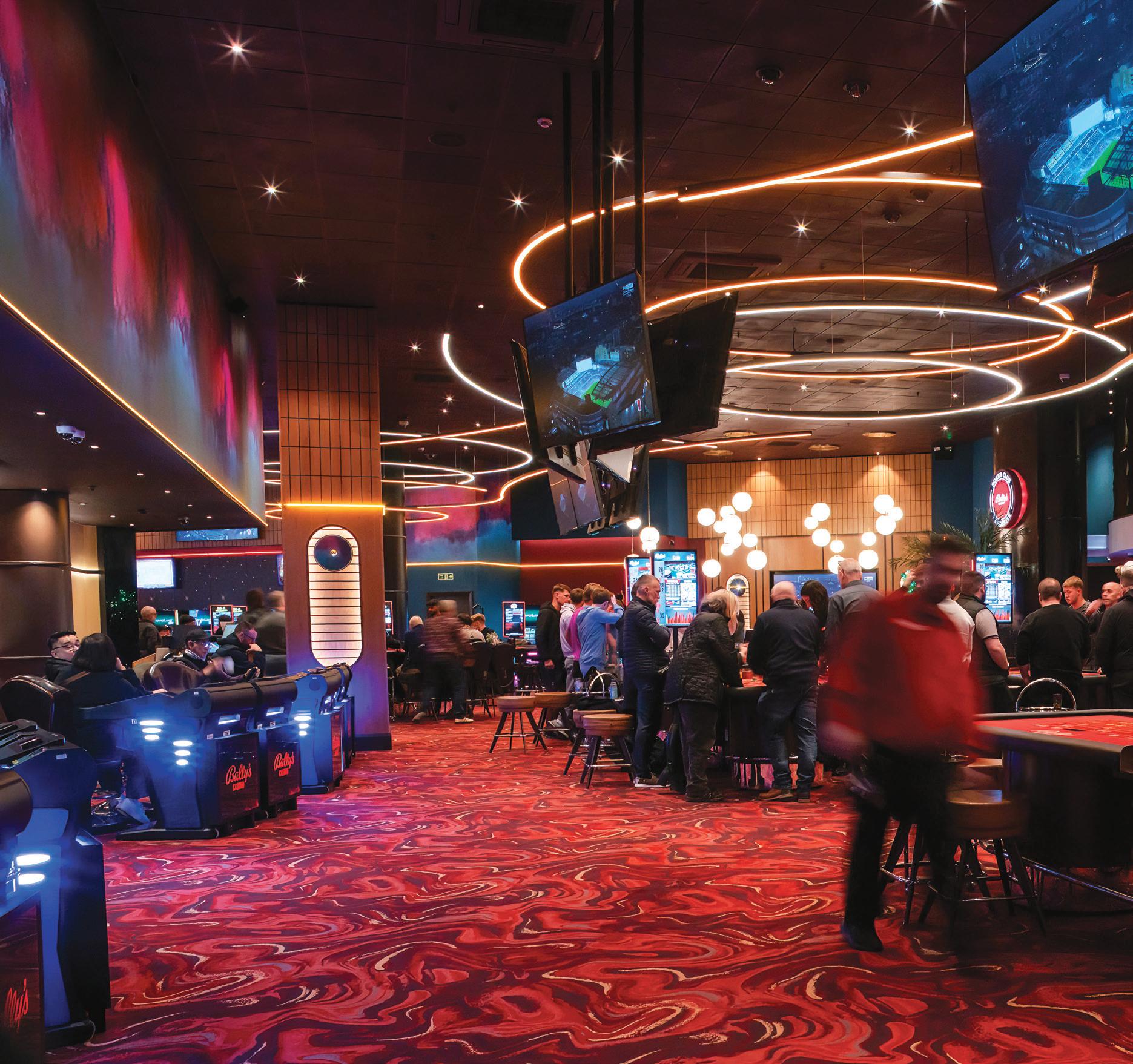
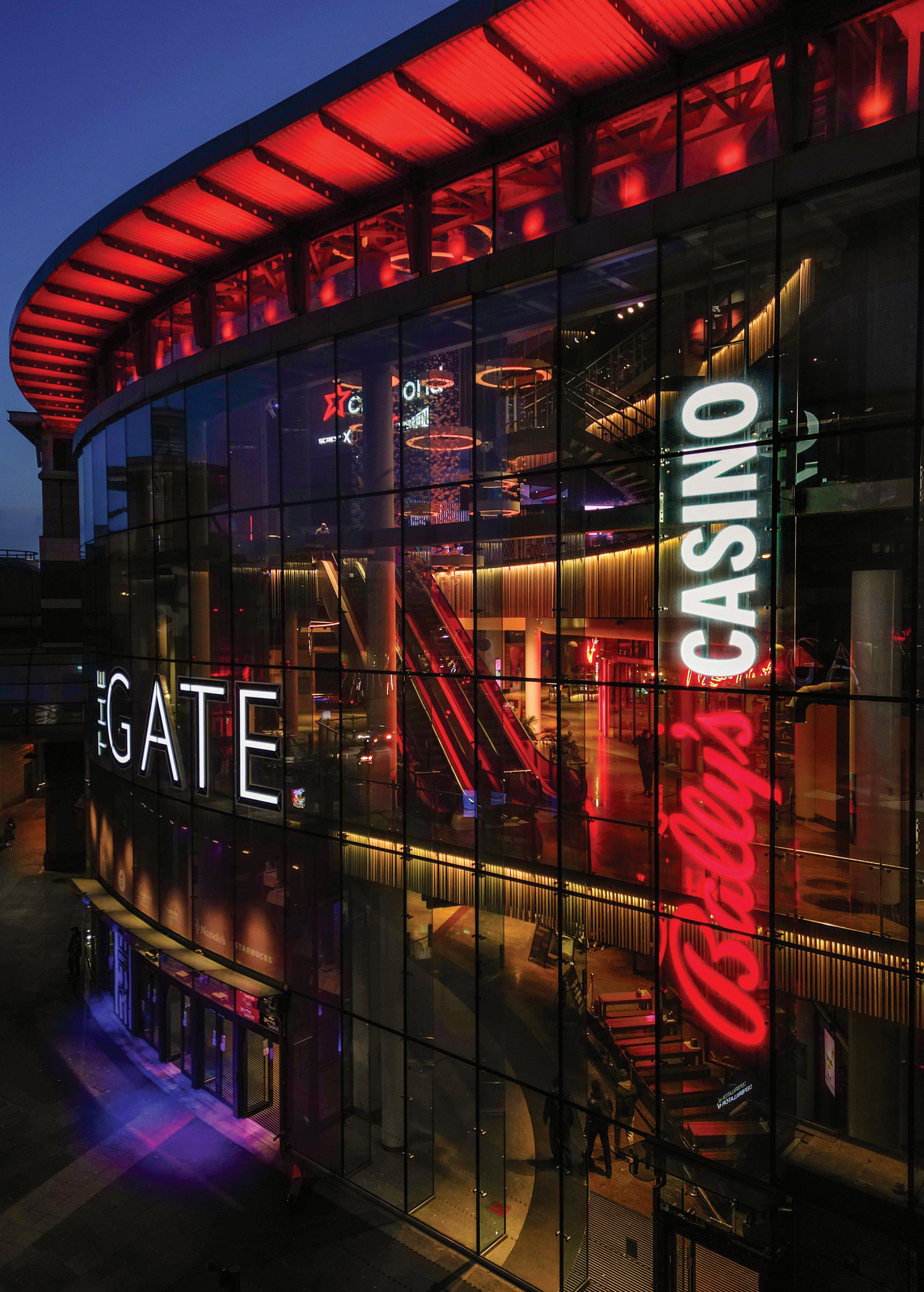
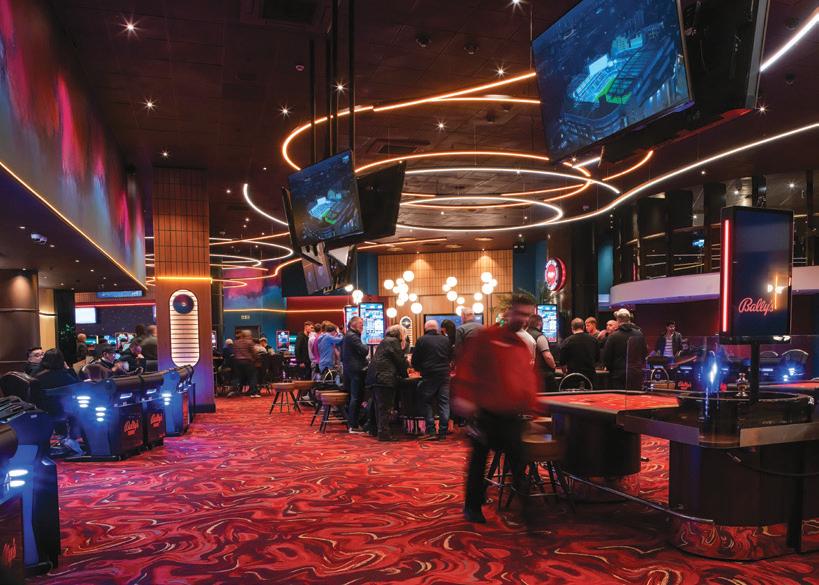
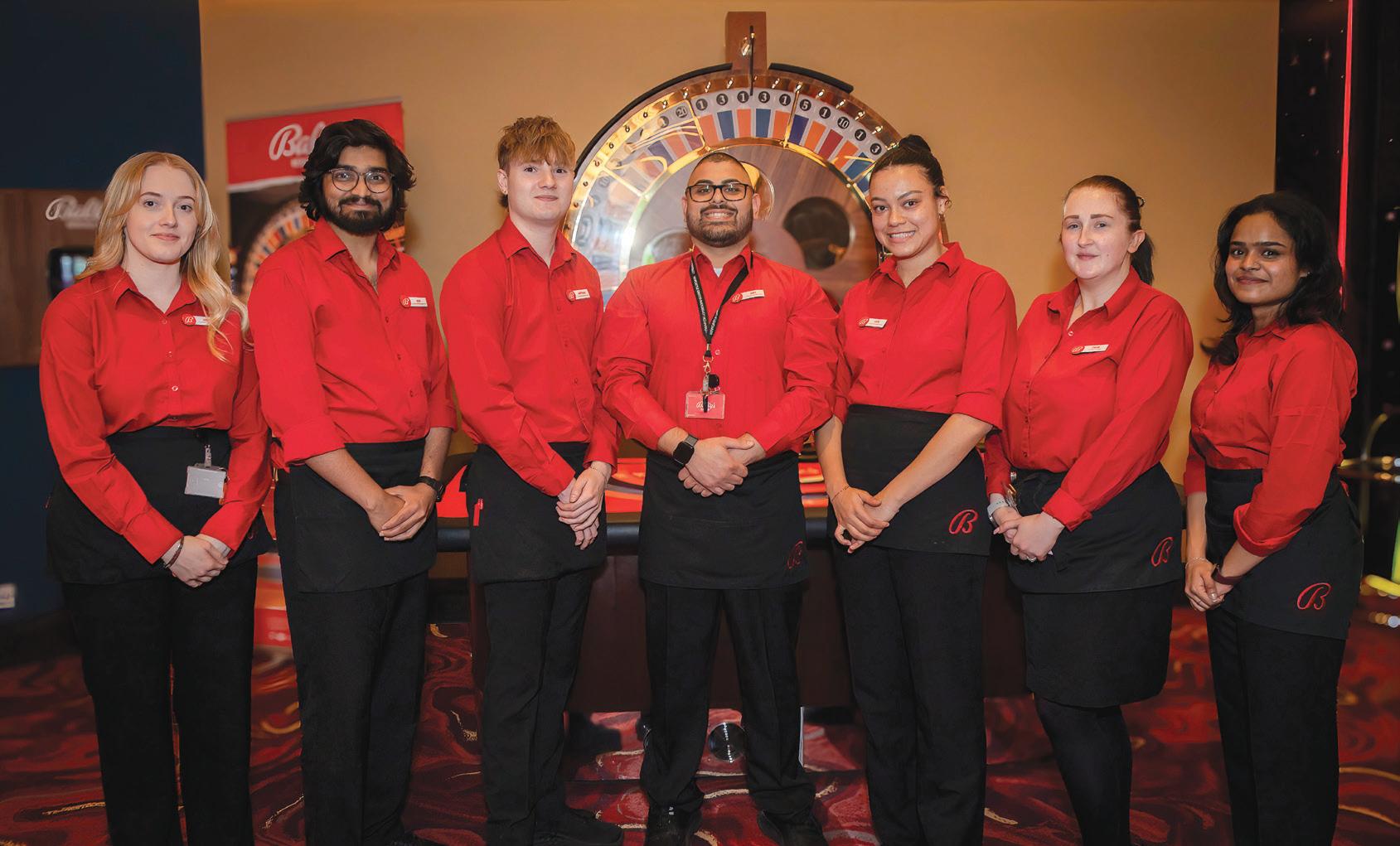
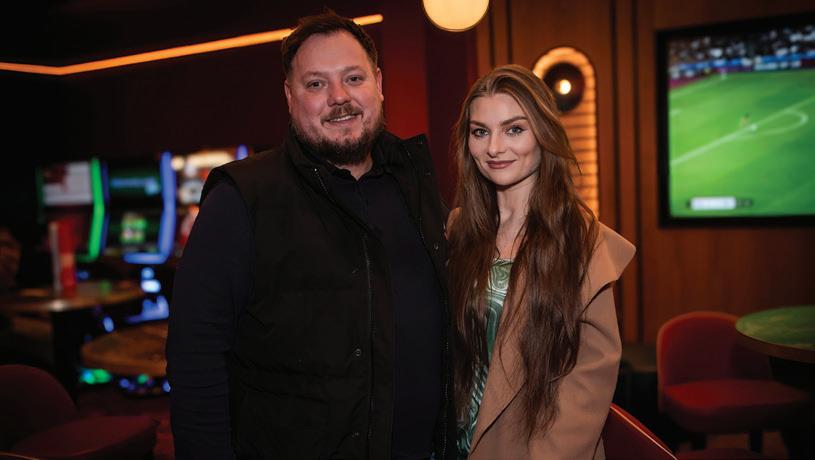
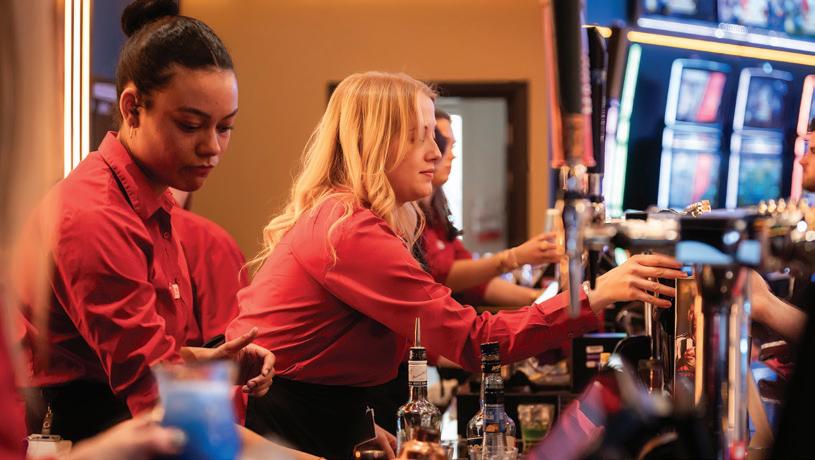
As the United Kingdom’s land-based sector continues its evolution into fully immersive entertainment destinations, few venues better reflect this shift than Bally’s Casino Newcastle. Following a major refurbishment and highprofile relaunch, the venue has been reimagined as a modern, multi-dimensional hub at the heart of the city’s nightlife.
In this exclusive interview, General Manager David Tait discusses the vision behind Bally’s first UK flagship, the blend of gaming, sport and hospitality shaping its appeal, and how the brand is positioning itself as a central pillar of Newcastle’s vibrant entertainment scene.
When Bally’s acquired its Newcastle foothold in 2025, some questioned the company’s focus. After all, it is mainly concentrated in the United States. However, it has long had an online British presence in both iGaming and sports betting. It is also engaged in a multi-pronged expansion, with new megaresorts in train in Chicago, New York City and Las Vegas – and is considering going as far afield as Japan. As they say in the States, stay tuned.
Bally’s Casino Newcastle has undergone a significant transformation. What was the
overall vision behind the refurbishment and relaunch of the venue?
The goal was to reposition Bally’s Newcastle as a leading city-center entertainment destination, offering a high-quality, exciting experience. Following major investments in design and technology, the venue now delivers a modern, luxury environment. It combines gaming, live sports, dining and entertainment under one roof, at the heart of Newcastle’s nightlife.
This marks Bally’s first land-based flagship casino in the UK. How important is Newcastle to Bally’s broader expansion strategy?
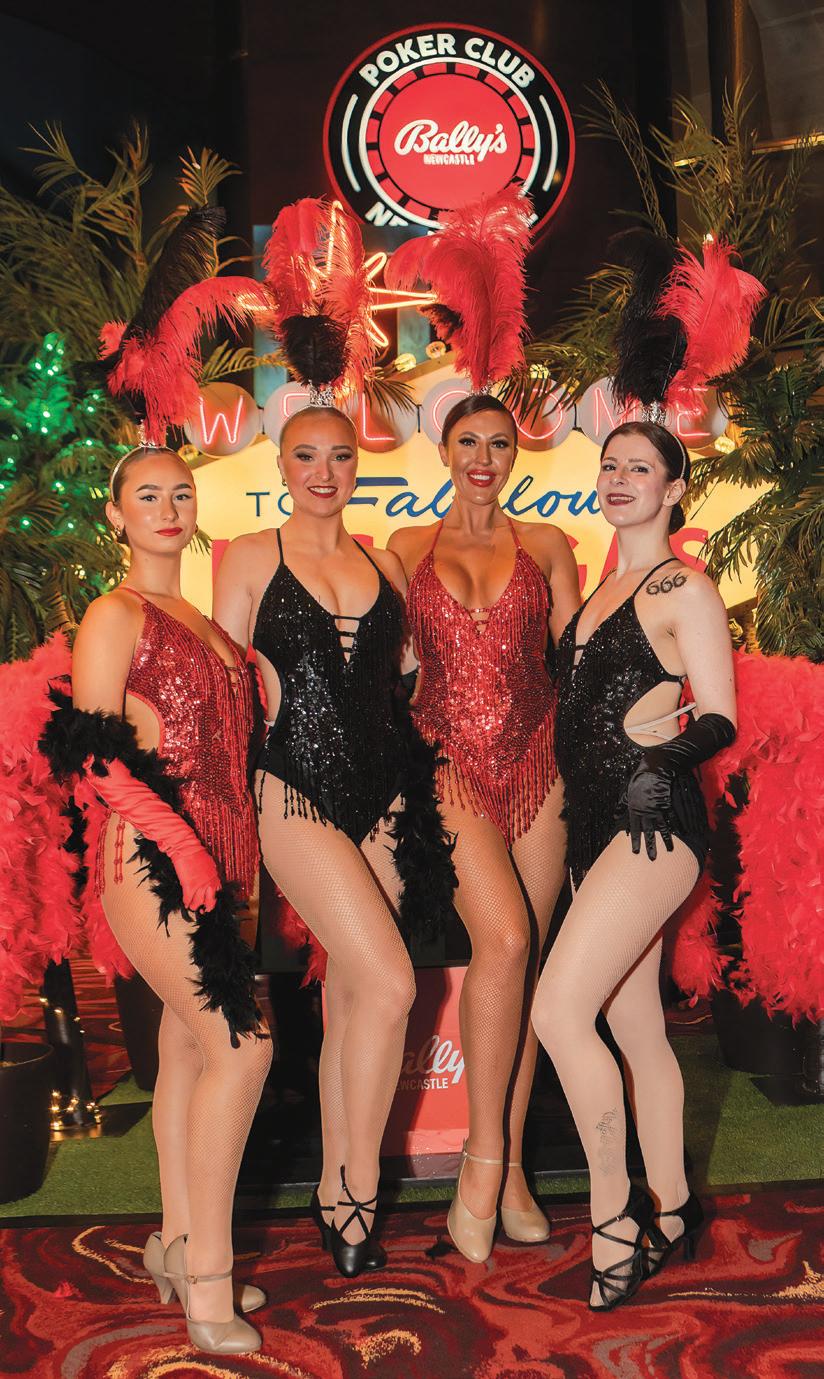
This is a key step into the retail market. It reflects significant investment. It demonstrates Bally’s commitment to expanding its global footprint and delivering world-class experiences in the UK.
Having overseen the refurbishment yourself, of what aspects of the new venue are you personally most proud?
Above all, I’m proud of the team. They’ve been outstanding throughout. The strong customer response to our upgraded gaming offer, enhanced sports viewing and live-entertainment program has also been a highlight.
Bally’s is a globally recognized gaming brand. How have you translated the Bally’s experience and atmosphere into the Newcastle venue?
By combining Bally’s global expertise with a locally focused approach, creating a premium venue that reflects the brand’s energy while resonating with the Newcastle community.
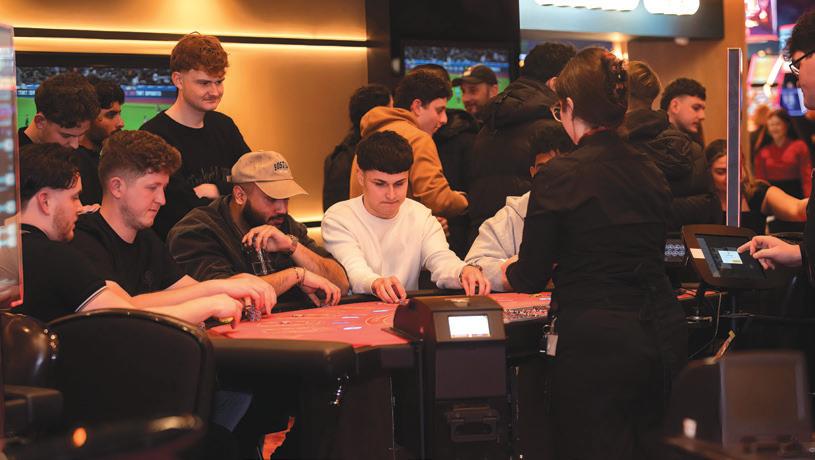
The casino aims to bring a touch of Las Vegas to the city. What elements of the design and entertainment offering help create that experience for guests?
Through a mix of high-quality design, a broad gaming offer, live entertainment and an energetic, always-on atmosphere
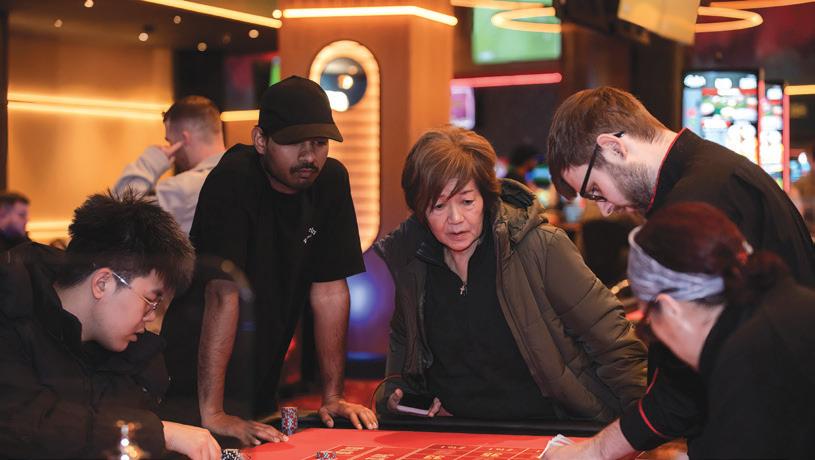
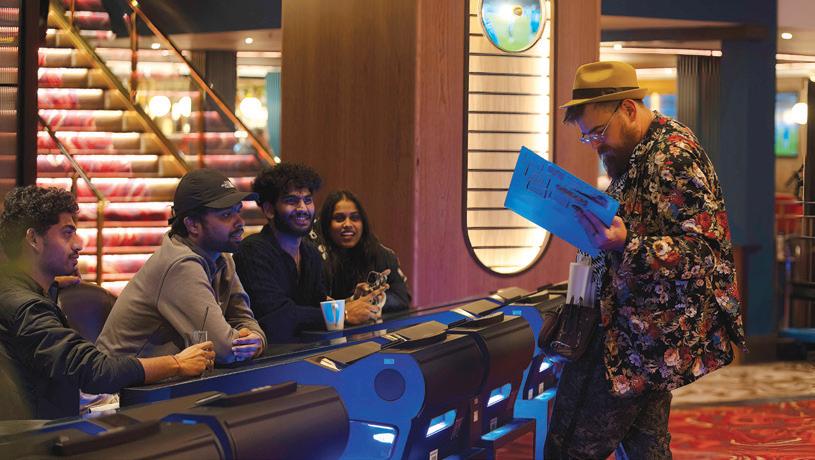
The venue now features slots, live table games, electronic roulette terminals and a dedicated poker room. How have you balanced the gaming mix to appeal to both experienced players and newcomers?
We’ve introduced a wide range of options – from slots and electronic roulette to live tables and poker – ensuring appeal for both experienced players and newcomers.
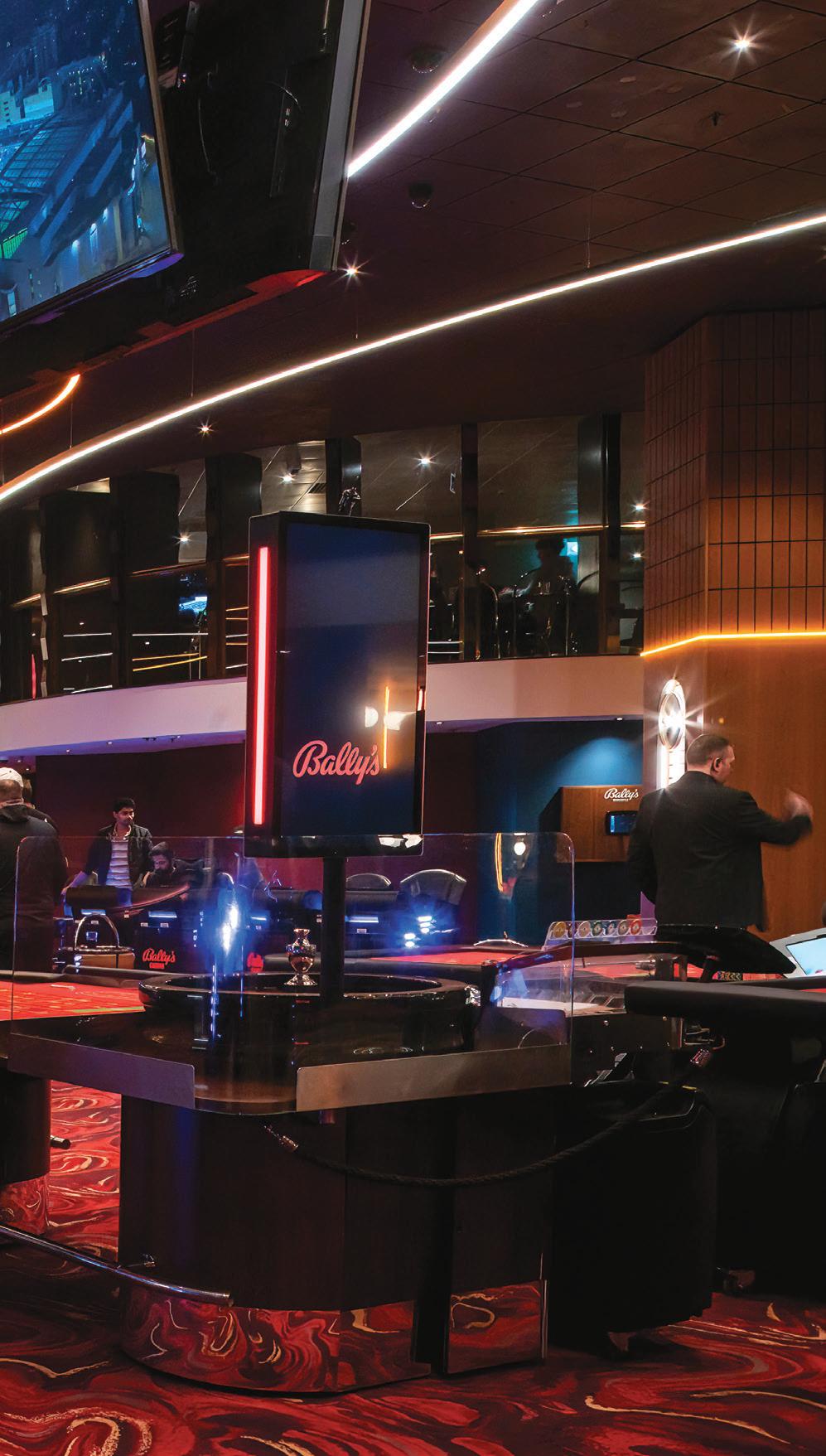
Live sport is a key part of the offering, with 44 screens throughout the venue. How important is sports viewing in creating a broader entertainment destination?
It’s a key part of the offer. The screens and dedicated viewing areas help attract a broader audience and enhance the overall experience.
Beyond gambling, Bally’s Casino Newcastle also offers dining, live music and weekend
“
By combining Bally’s global expertise with a locally focused approach, creating a premium venue that reflects the brand’s energy while resonating with the Newcastle community."
entertainment. How central is this wider hospitality experience to the casino’s strategy?
Very. Dining, live music and entertainment are essential in creating a complete leisure destination.
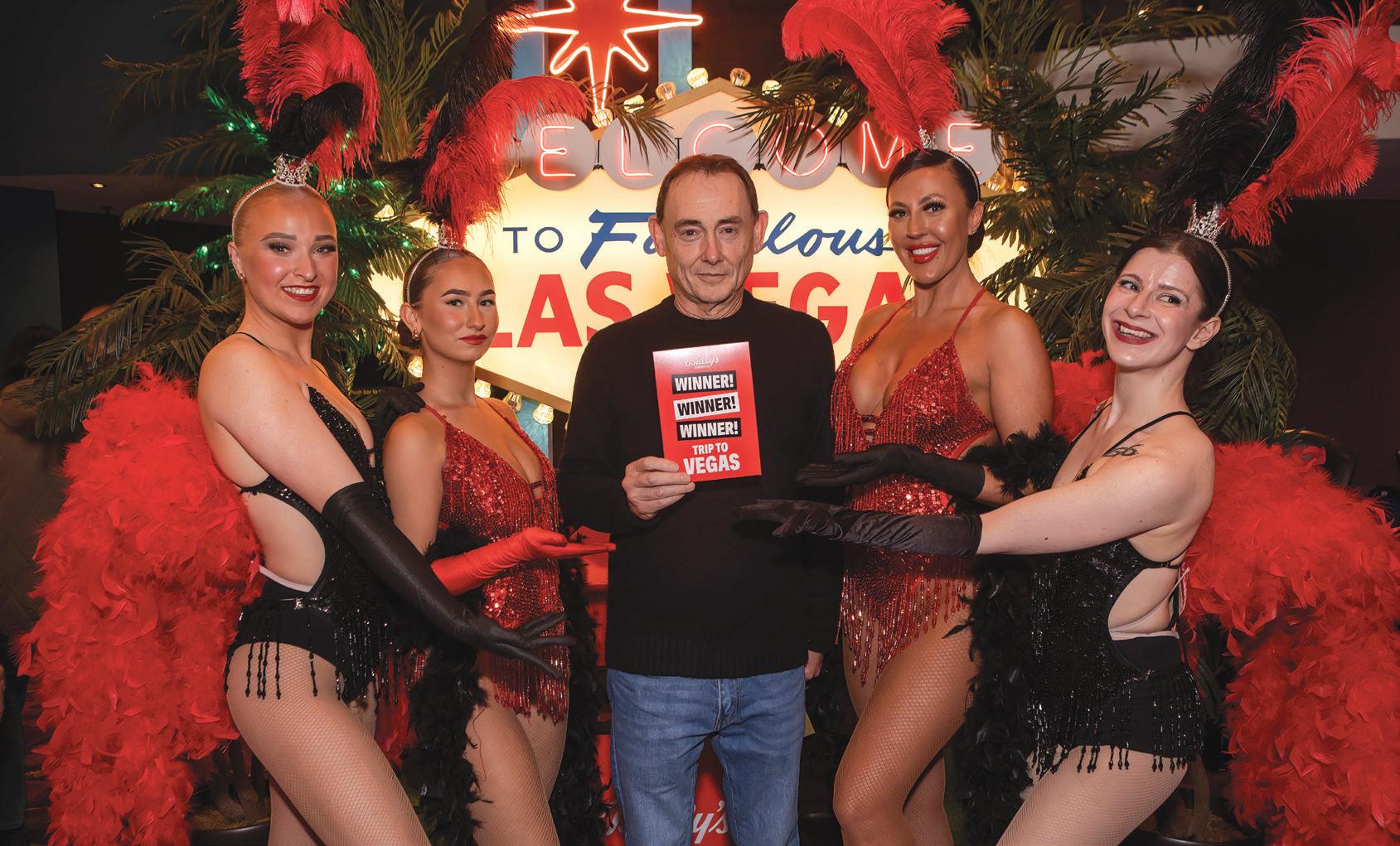
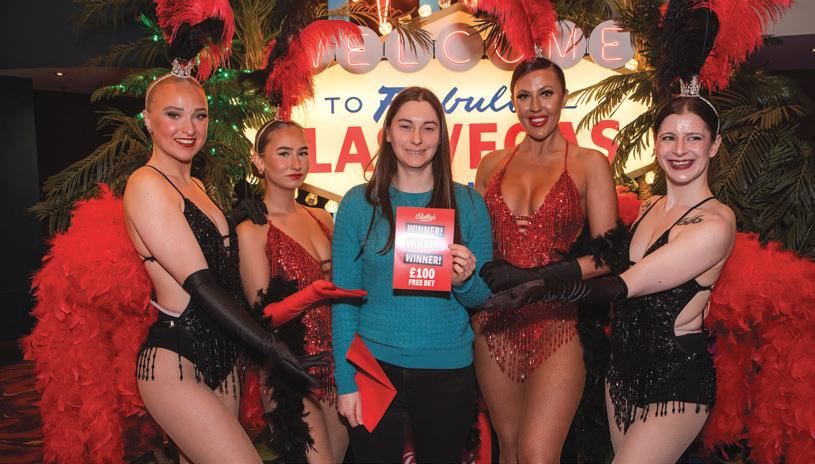
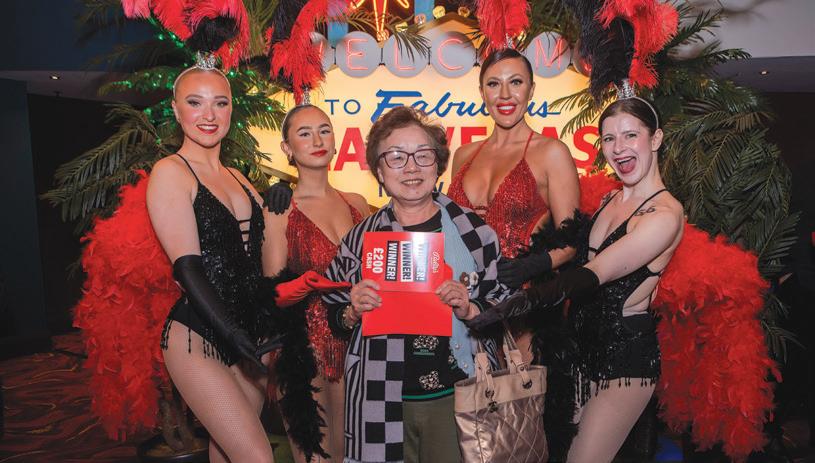
The relaunch event included a prize draw for a trip to Las Vegas and a range of interactive experiences. What kind of atmosphere were you hoping to create on launch night?
A vibrant, welcoming atmosphere with a strong community feel. It was fantastic to see such engagement, especially with a regular customer winning the top prize.

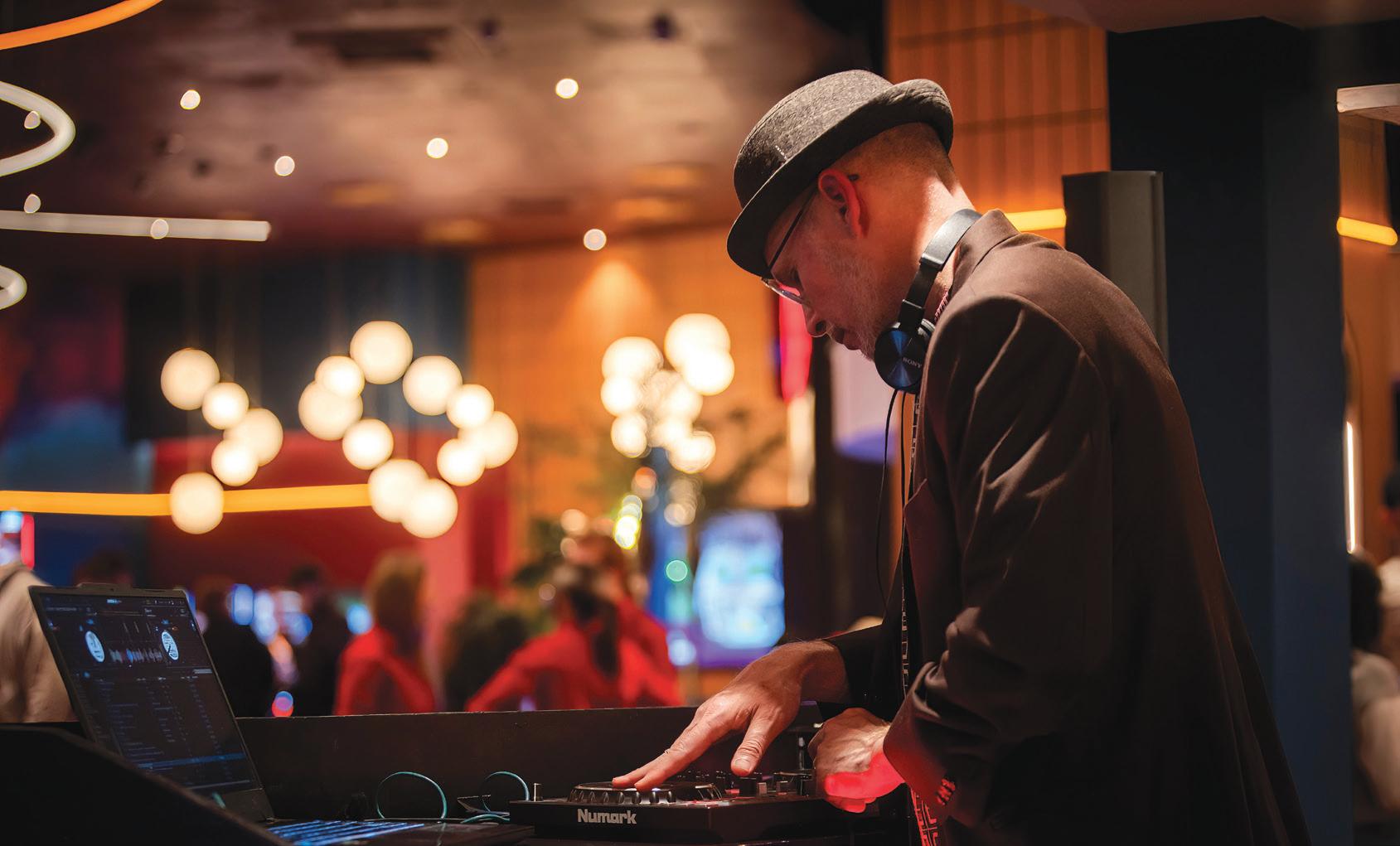

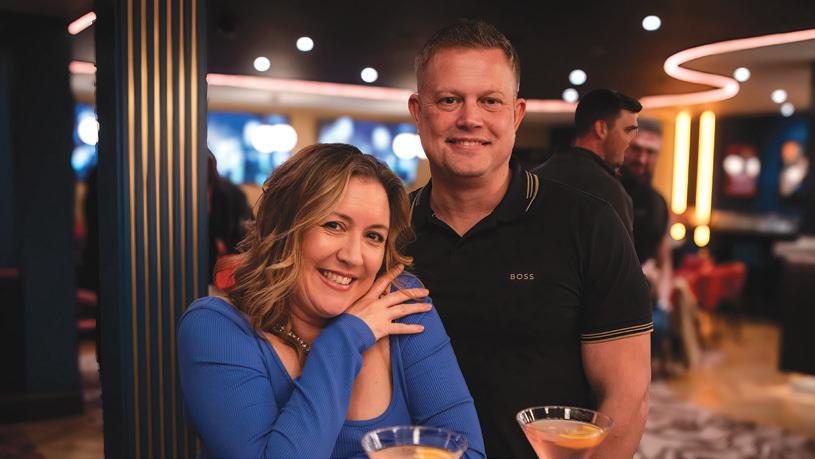
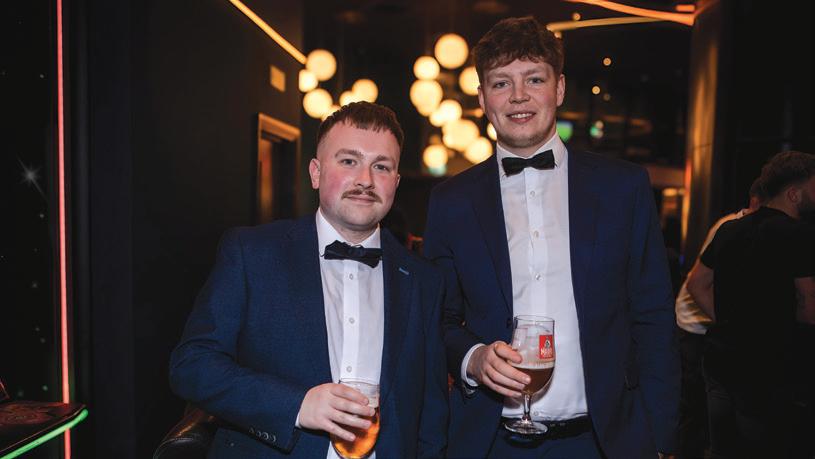
Bally’s membership program will also be introduced to guests. What benefits can players expect from becoming members?
Members can expect tailored rewards, exclusive offers and an enhanced overall experience.
Bally’s has spoken about becoming part of the Newcastle community. What does that mean in practical terms for the venue and the team?
It means building on our loyal customer base, attracting new audiences and supporting local initiatives, while becoming a go-to destination –especially on match days. We are also enormously proud of the work we do in the local communities and in supporting initiatives.
With events such as the evening with Newcastle United legend Shay Given, how important are local partnerships and community engagement to your plans?
They’re especially important. We’ll continue to develop relationships that strengthen our community presence and show how important our communities are to us.
Looking ahead, what role do you see Bally’s Casino Newcastle playing in the city’s night life and entertainment scene?
We aim to be a central part of Newcastle’s night
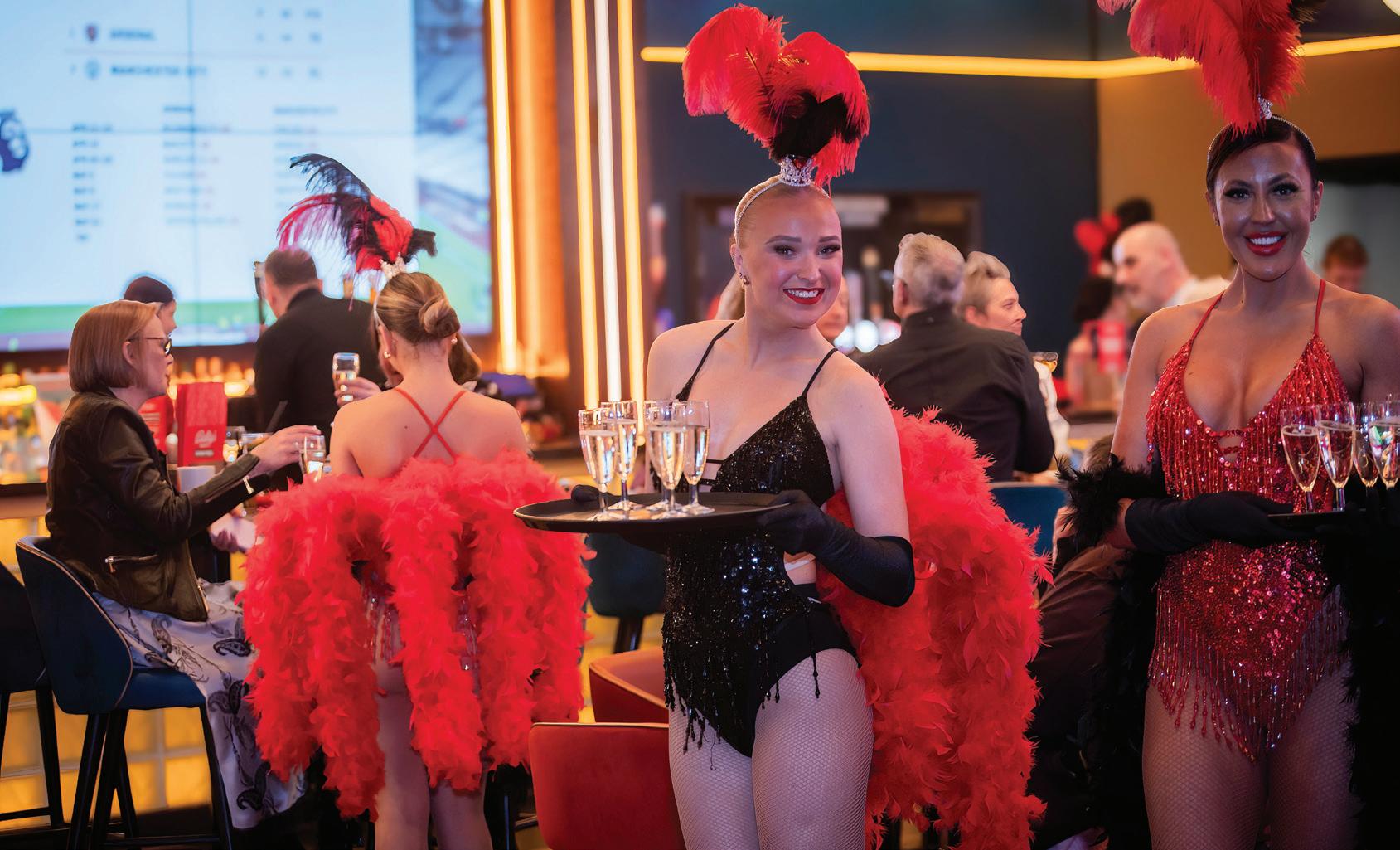
life, offering a 24/7, all-in-one entertainment experience with gaming, sport, dining and live events in a vibrant, state-of-the-art casino, with first-class service for all our customers.
What excites you about the future of landbased casinos?
The opportunity to evolve beyond gaming by combining entertainment and hospitality to create more engaging, all-round experiences. Following significant change over the past year – including regulatory updates, the introduction of new gaming machines and sports betting products, the Bally’s acquisition, the refurbishment and relaunch – our focus now is on consolidation and strengthening the gaming offering.
At the same time, we will continue to grow and develop the leisure and entertainment offerings to further establish ourselves as a central pillar of Newcastle’s night life scene.
What is your final message to your customers?
A big thank-you to our loyal customers. For those yet to visit, come and experience what we have to offer – we look forward to welcoming you.

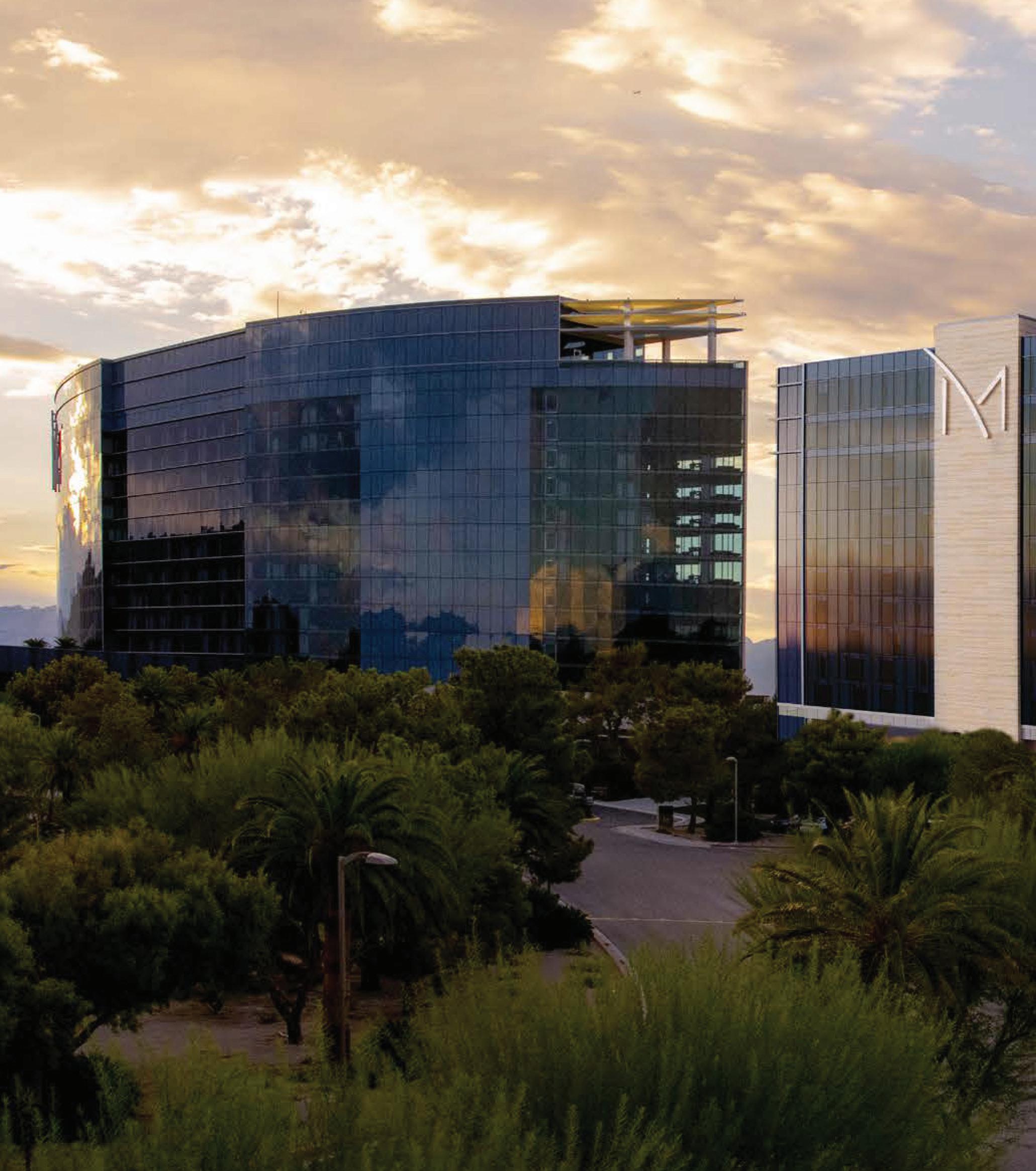
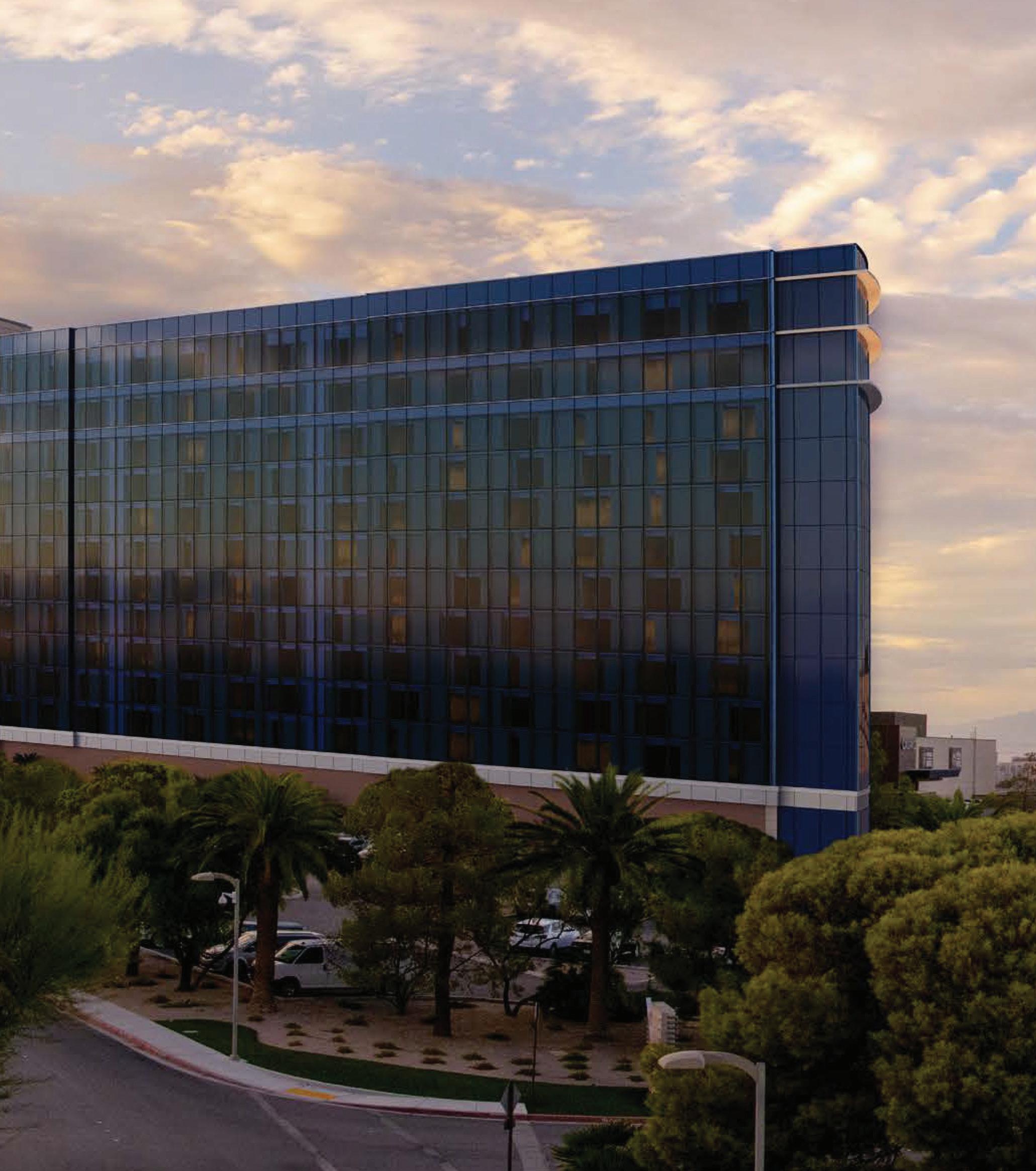
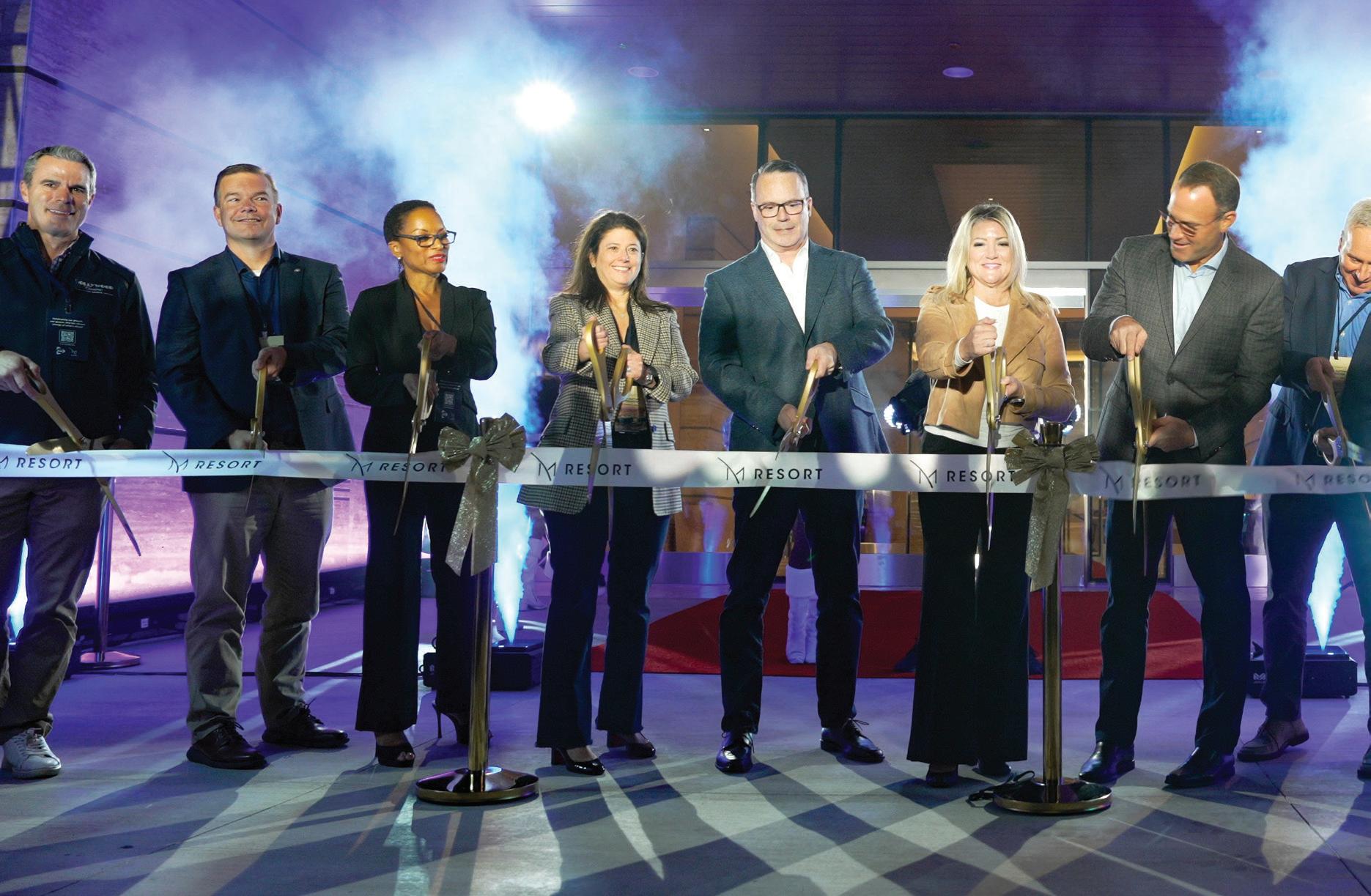
MCasino Resort, 20 minutes south of Las Vegas, is seen by many as they make the drive between Southern California and Las Vegas. The Penn Entertainmentrun property has experienced many changes over the years.
Director of Marketing Yuta Motoyama said that “what really sets the resort apart is that we deliver a true resort experience with Strip-level luxury, but in a more relaxed, elevated environment. We’re located on Las Vegas Boulevard, but in Henderson, which gives us a unique distinction as the southernmost resort in the valley.”
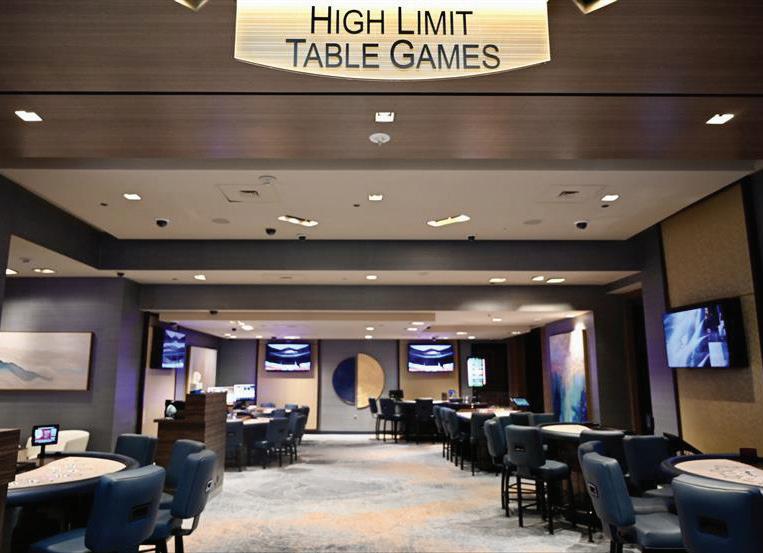
Motoyama continued, “Our property was designed with space, light and comfort in mind. From expansive rooms with floor-to-ceiling windows to a 96,000-square-foot casino floor and open-air amenities, guests get the full Vegas experience, without the congestion you typically find on the Strip. It’s intentional and our guests really value that balance.”
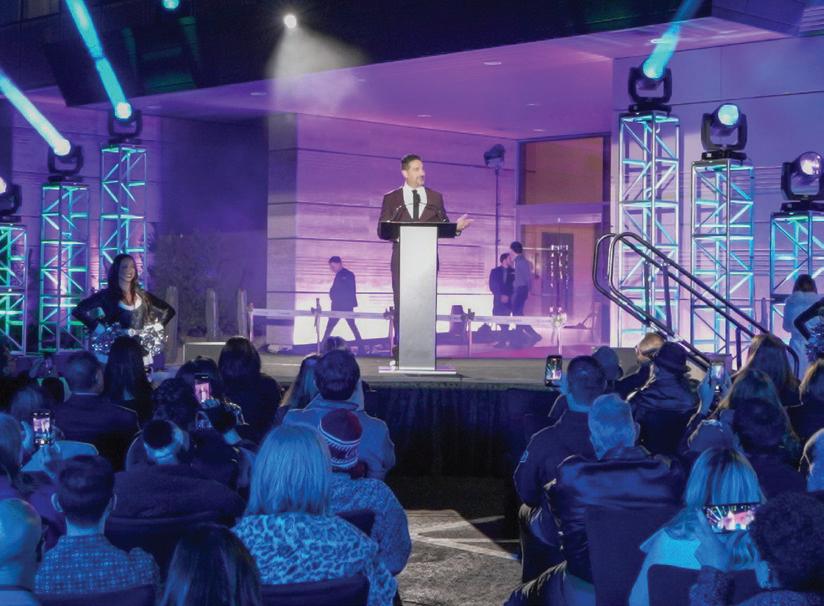
On December 3, M Resort opened a second hotel tower, testifying to the property’s drawing power. The tower essentially doubled M Resort’s room capacity, which reached 765 with the addition. Largely financed
by Gaming & Leisure Properties, the expansion was completed on budget and ahead of schedule, a rarity in present-day Las Vegas.
Motoyama added that “from a casino perspective, the recent expansion means increased foot traffic, longer stays and a broader customer mix. It’s also elevated the overall perception of the property, allowing us to compete at an even higher level while still maintaining the personalized experience we’re known for.”
The expansion also added a new ballroom, meaning significantly more meeting and event space. It’s allowing Penn to attract larger groups, conventions and high-value guests.
Just off the I-15 highway, the resort is easily accessible. Regarding demographics, Motoyama stated that the resort’s “customer base is a strong mix of local, regional guests and loyal Penn Play members. We serve a very loyal Las Vegas and Henderson local market, but we also draw heavily from Southern California, Arizona and Utah.” He adds that the clientele is “especially drive-in visitors looking for a premium experience that’s easy to access and avoids the Strip traffic.

“
“We’ve also seen growing interest from group and event travelers, particularly with our expanded meeting and convention space.”
“We’ve also seen growing interest from group and event travelers, particularly with our expanded meeting and convention space,” the marketing director continued. “So today it’s really a blend of locals, regional visitors and destination guests who want something a bit different from the traditional Strip stay.”
Another draw for casino gamers are the resort’s tournaments. “They host a wide range of gaming promotions and tournaments,” Motyama said, “particularly focused on slot and table game players, as well our annual Penn Millionaire Slot Tournament with a $1 million grand prize.”
Sports tourism is also a drawing card. “Our sportsfocused events and partnerships with Las Vegas sports
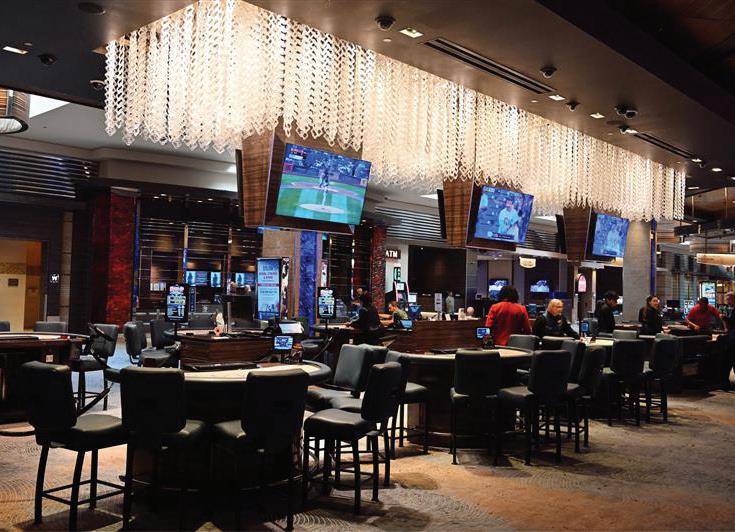
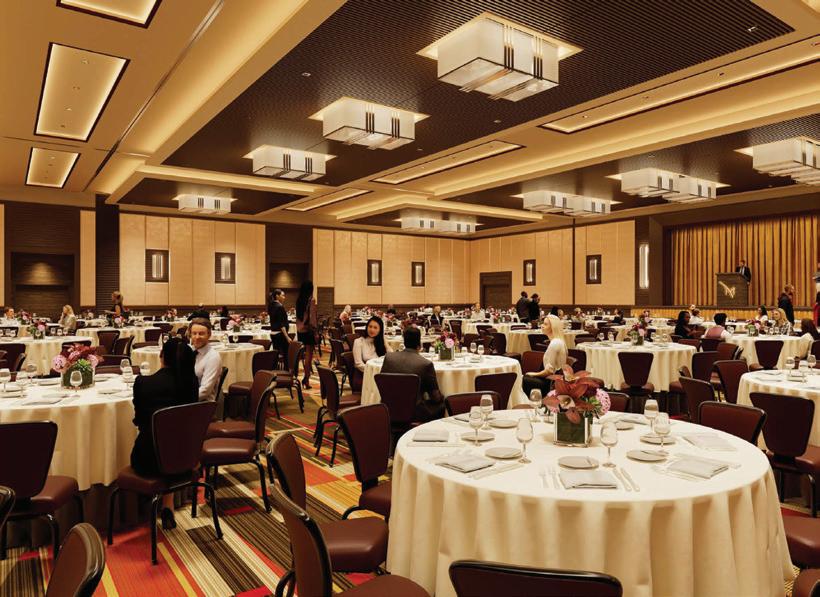
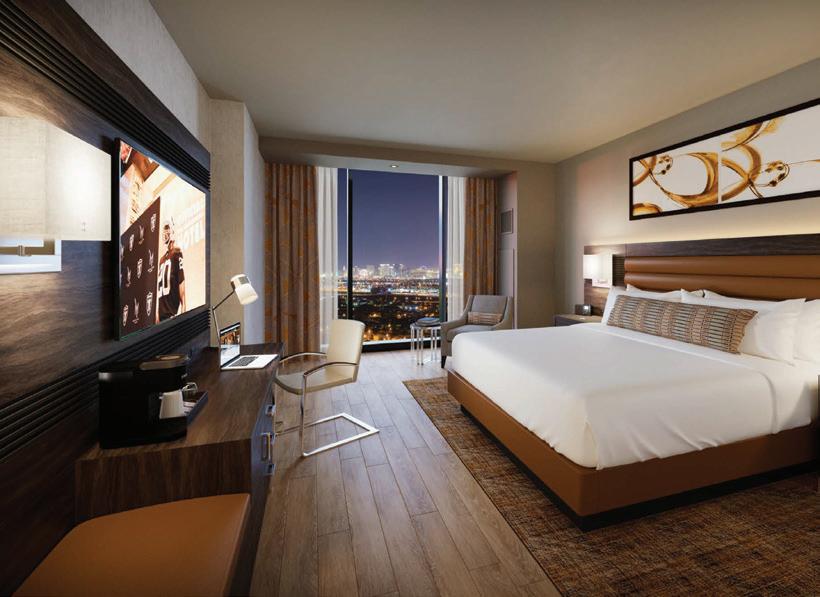
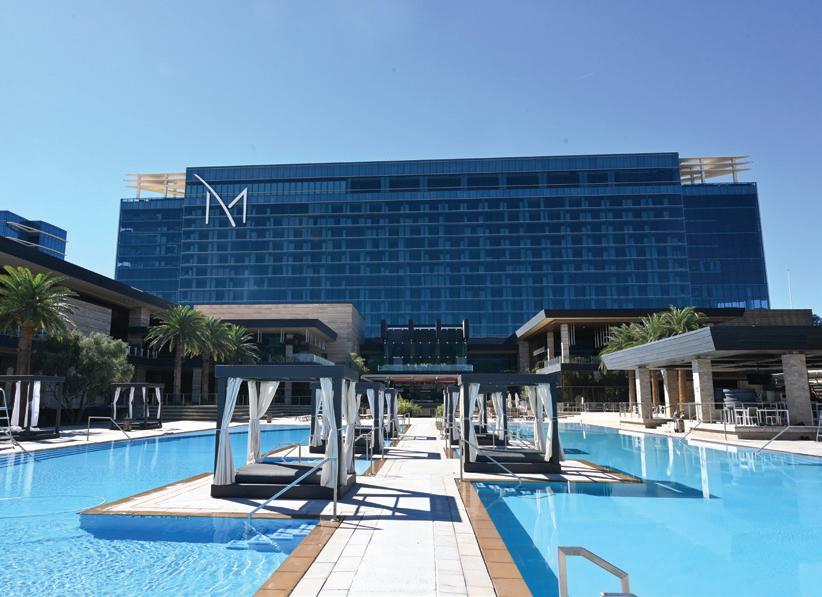
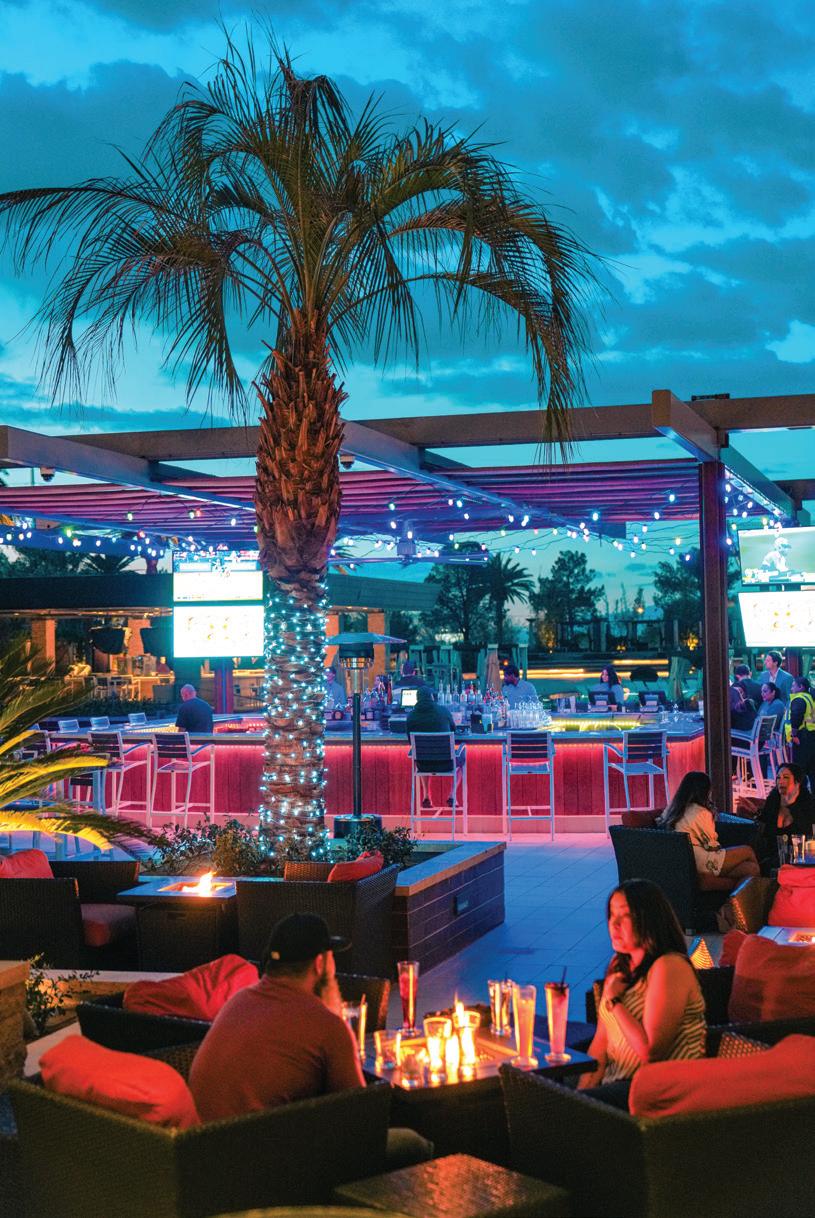
“Our sports-focused events and partnerships with Las Vegas sports teams like the Las Vegas Raiders and Henderson Silver Knights are a key driver, especially during football and hockey seasons.”
teams like the Las Vegas Raiders and Henderson Silver Knights are a key driver, especially during football and hockey seasons,” Motoyama explained. “These events absolutely draw strong participation – not just from locals but from regional players who plan trips around them. Because of our size and layout, we’re able to create a more personalized and accessible tournament experience, which is something our guests really respond to.”
Upon entering the resort, one’s first impression is how clean and modern the property is. It is designed to allow natural lighting in through a series of skylights and the non-reflective windows. The natural lighting and the rich colors used make the property a visual pleasure.
The Vig Deli Lounge offers made-to-order sandwiches, wraps, salads and pizza – an open venue to eat in or take one’s food back to the hotel room. The deli’s vast menu options enable grabbing a quick meal for dining in or simply for a short break from gambling. For sports tourists there is the Knight Time Hockey Bar. It features Golden Knights NHL memorabilia, a full menu, and local and Canadian beers on tap.
The casual-dining restaurant is strategically positioned within the casino, offering good views of the full floor. Featuring numerous televisions, one is also able to watch NFL football games and other sporting events. This and other dining amenities can be viewed at: https://www.themresort.com/dining.
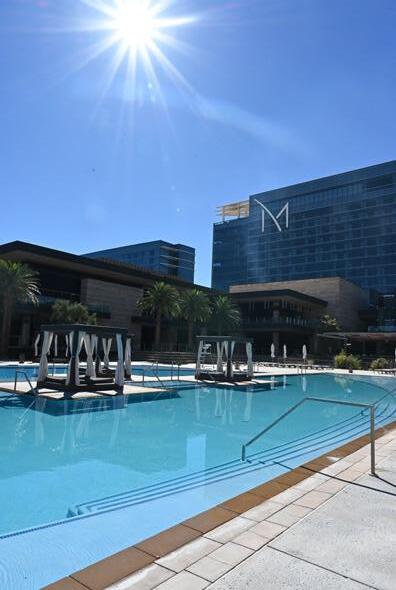
For other forms of relaxation, M Resort features a 100,000-square-foot pool venue. It features two 5,460-square-foot, heated, infinity-edge pools.
Social media links for the resort include: Facebook: www.facebook.com/mresortspacasino Instagram: www.instagram.com/mresortspacasino Twitter: www.twitter.com/mresort

Cadence Crossing, the new Boulder Highway casino in Henderson, launches in one of America’s fastest-growing communities. By Ryan Slattery
With a community rapidly growing around it, Boyd Gaming has closed its aging, three-decade-old Jokers Wild Casino on Boulder Highway in Henderson, Nevada. Boyd replaced it with an upgraded new casino named after the neighborhood sprouting nearby.
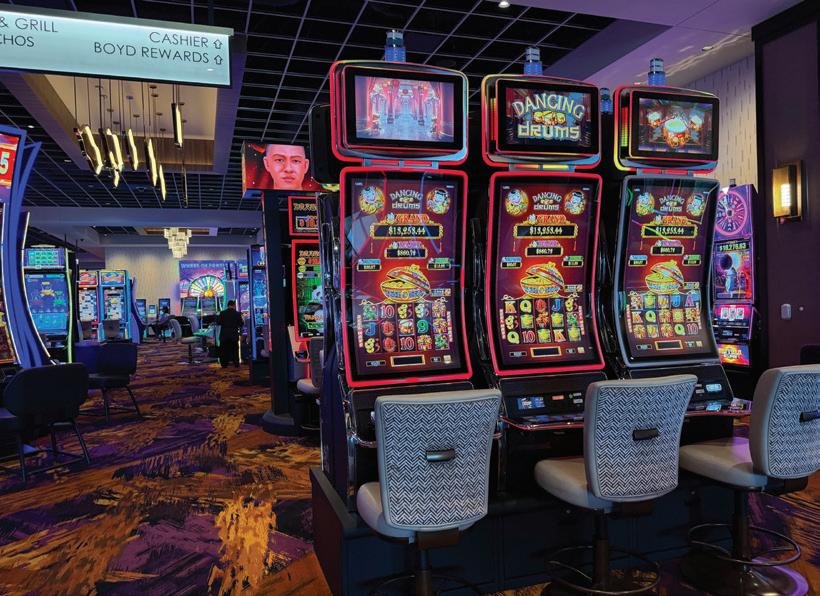
Cadence Crossing opened March 25, marking a major change for a flourishing community lacking a true, state-of-the-art casino. In replacing Jokers Wild, Cadence Crossing brings to market a place where locals can go to chase after progressives and play the very latest slot machines in a fresh environment. The casino also has two restaurants – a sit-down gastropub which features live music four nights a week, and a quick-service Mexican eatery serving loaded nachos, tacos and burritos.
Cadence Crossing is a much-needed upgrade over Jokers Wild Casino, which opened in 1993, and saw few renovations in recent years. It lacked innovation and the latest slot products. Boyd Gaming felt a renovation was necessary to attract nearby residents
and keep them from visiting other properties.
Located on the south end of Boulder Highway, Cadence Crossing doesn’t really compete with the casinos farther north on the road. Its closest competitors are Sunset Station and the casinos on Water Street in downtown Henderson.
The Cadence property sits on the edge of the thirdlargest master-planned community currently being constructed in the United States. It is trailing only The Villages and Lakewood Ranch in Florida in national rankings.
“We’ve been at this site for over 30 years now and the neighborhood continues to grow around us, so we knew we had to bring something new to the neighborhood. That’s what motivated us to do this,” explained David Strow, Boyd Gaming’s vice president of corporate communications, during a tour of the property just two weeks after it opened.
He continued, “What we’ve seen over the last five years is an incredible amount of residential growth going up with the Cadence project. You’re talking about literally thousands of new homes being built in this area. So you have a rapidly growing customer

base that has sprung up here, so it was time for us to up our game as well. Jokers Wild had a good run but we needed to deliver an updated, modern entertainment product at this location to appeal to all those people at Cadence.”
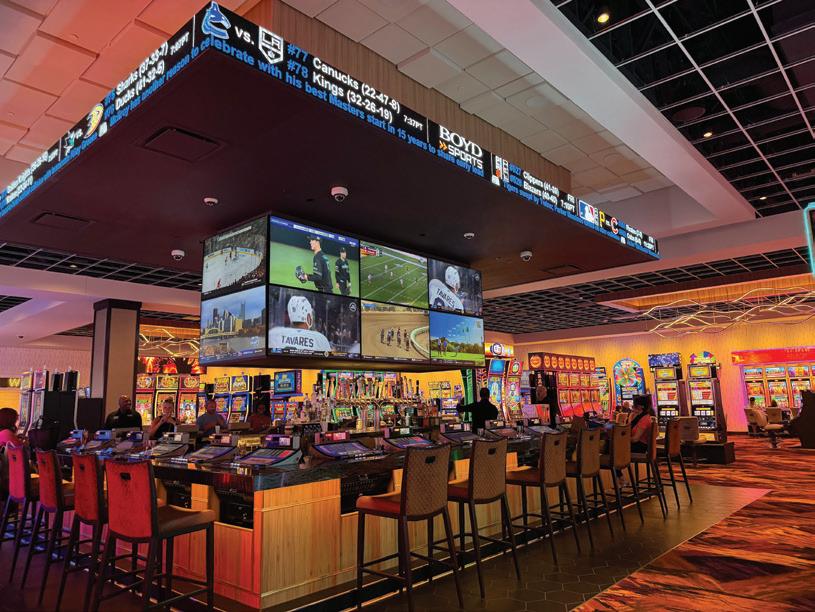
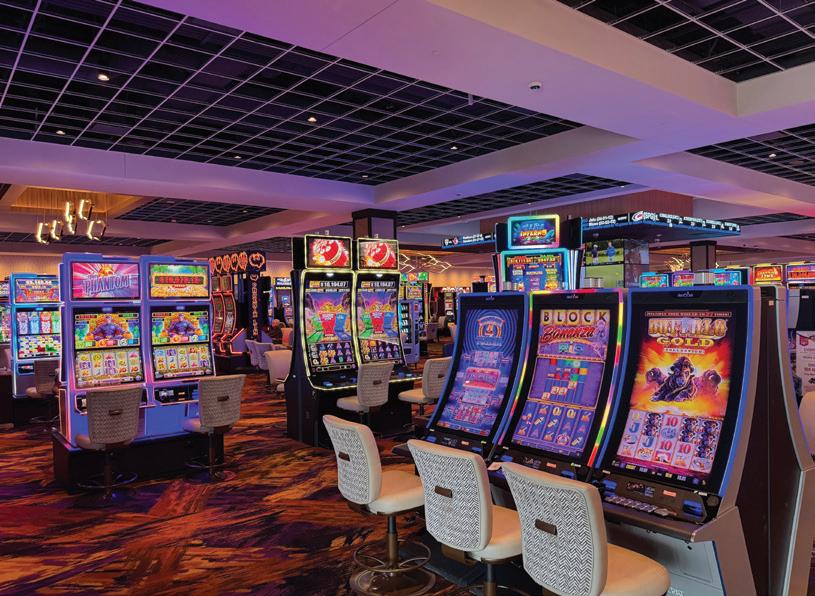
With an open layout and modern look, the design is modeled after some of Boyd’s newer projects, such as Treasure Chest Casino in New Orleans or Sky River Casino near Sacramento. At opening, Cadence Crossing featured more than 450 slot machines –roughly 150 more than Jokers Wild. Strow said a majority of the machines are brand new, with only a few holdovers making the trek across the parking lot from the old casino. Popular slot titles and video poker machines like Megabucks, Dragon Link, Spooky Link, Buffalo Gold, Mega Stampede, Game King X and All-Star Poker III all made it to the casino floor, along with a giant Wheel of Fortune machine.
But because the casino footprint is on the small side, there wasn’t room to add a traditional pit to accommodate table games. Instead, Cadence is relying on electronic table tables (ETGs) to fill the void and cater to the crowd that enjoys them, which continues to grow. (Table games represent a relatively small slice of the Las Vegas locals-play revenue pie.)
“The surprising thing is electronic table games are tremendously popular,” Strow explains. “They’ve really taken off in the last few years, so even when players have the option of choosing between a traditional
table game and an ETG, a lot of players are selecting electronic table games. I’m not an expert, so I’m not sure why. Maybe it’s because there are lower limits or more betting options? I just don’t know. But I can tell you they’re a growing part of casino floors across the country.”
There are also hundreds of video poker machines, many with linked jackpot progressives. Not only are they on the casino floor itself but there are dozens of bartop machines as well.
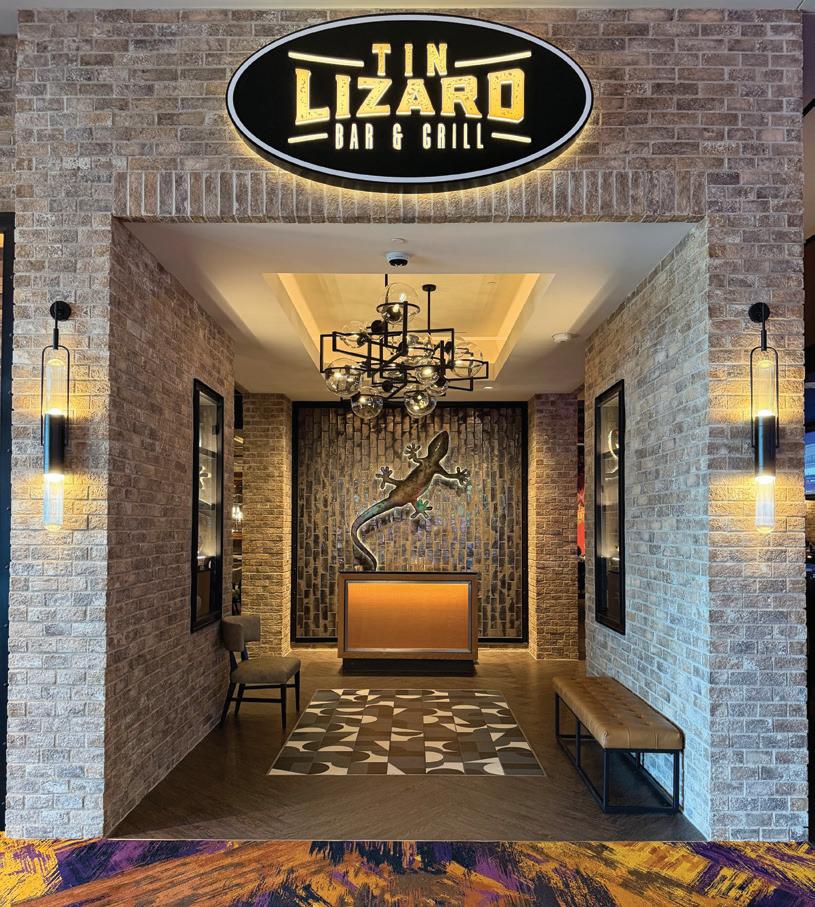
The louder, more-energetic center bar, located in the heart of the casino, has 22 bar-top machines and several televisions to watch sports. Guests visiting the bar adjacent to Tin Lizard Bar & Grill can expect a more laid-back experience, with live music Thursday through Sunday. The acts are similar to those found at other Boyd properties in Las Vegas, such as Bailiwick at The Orleans. Bands at Cadence play on a small stage against the backdrop of a colorful mural displaying the names of such Boyd properties as Gold Coast, Sam’s Town and the historic Stardust, a former Boyd resort which closed in 2006.
On the dining side, Tin Lizard, a successful eatery with locations in several Boyd properties in the Midwest, makes its Las Vegas debut at Cadence. “It’s just a fun brand,” Strow says. The menu is more than typical pub fare. It does serve breakfast with items like biscuits and gravy, and country-fried steak, as well as a daily special of $5.99 for quarterpound cheeseburger and fries, as well as pizzas and sandwiches. Diners will also find elevated offerings, such as grilled salmon, braised-beef short ribs, steaks and pasta with Cajun chicken. A second 24-hour restaurant, Tacos Los Gauchos, serves al pastor tacos and burritos, as well as nachos covered in cheese and loaded with a choice of pork, steak or beef tongue.
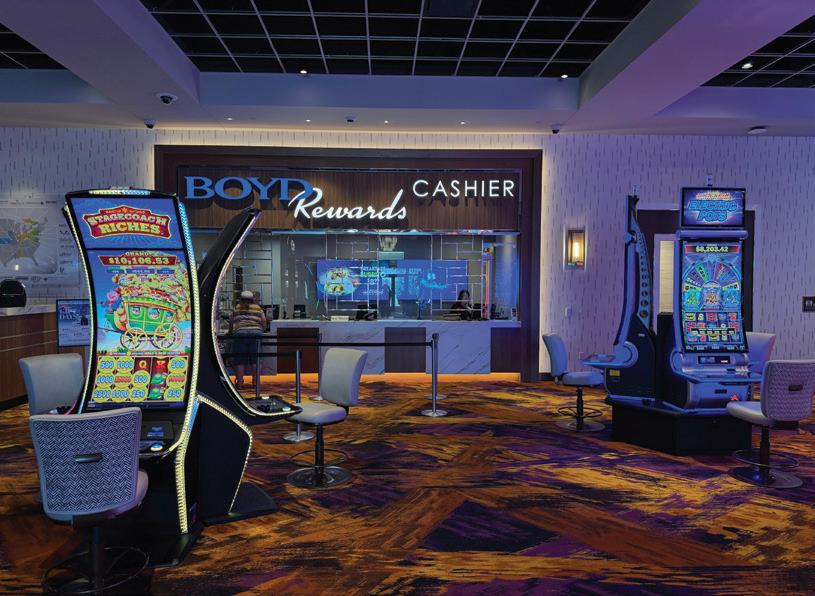
Strow has been pleased with the early visitation, citing the number of new signups to its Boyd Rewards players program as encouraging. “We’ve seen a great reception from customers so far,” he said. “We had a good customer base at Joker’s Wild and they’re loving the new place. But we’re also drawing in a lot of new customers. We really want to appeal to the residents of this community and we’re off to a great start.” While Cadence Crossing is newly opened, there
are already plans to expand it. Jokers Wild will soon be demolished and used for parking in the near term. Strow says Boyd is planning to add a hotel tower with approximately 200 rooms, along with additional casino space that would include dealer-manned table games and more restaurants. There is no timeline for when the project will begin.
“There’s a lot you can do with this space and we’re excited about the possibilities of having a bigger property here in the future,” he said. “Right now, we’re hopeful that Cadence Crossing becomes a gathering point for this community.”


Truist Securities takes a deep dive into prediction markets. By
David McKee
Legacy casino companies and their digital offshoots look askance and with trepidation at prediction markets. That’s especially true when the latter threaten to encroach not just on sports betting but on iGaming itself.
The notion that the turn of a card or a roulette wheel constitutes an “economic event” is an invitation to scoff. But what might be learned of and from prediction markets? Why do people patronize them? What are their downsides?
If for no other reason than to know one’s adversary, the results of Truist Securities study of prediction markets bears great interest. The survey, released in mid-March, were compiled by 446 respondents, culled from Survey Monkeys.
While incumbent Kalshi came out tops with users, adapters DraftKings and FanDuel showed promise, according to Truist analyst Barry Jonas. He was unsurprised that patronage was heaviest in states without online sports betting (OSB), such as California and Texas. What did confound him was the relatively small number of 21 year-olds dabbling in event contracts.
“While we’ve always viewed OSB products as superior, many users prefer PMs – with perceived pricing advantages, more skill-like attributes and non-sports variety,” Jonas reported. That being said, insider trading was a definite concern with market users (not without reason) and many non-OSB players would defect to OSB once it became legal where they live.
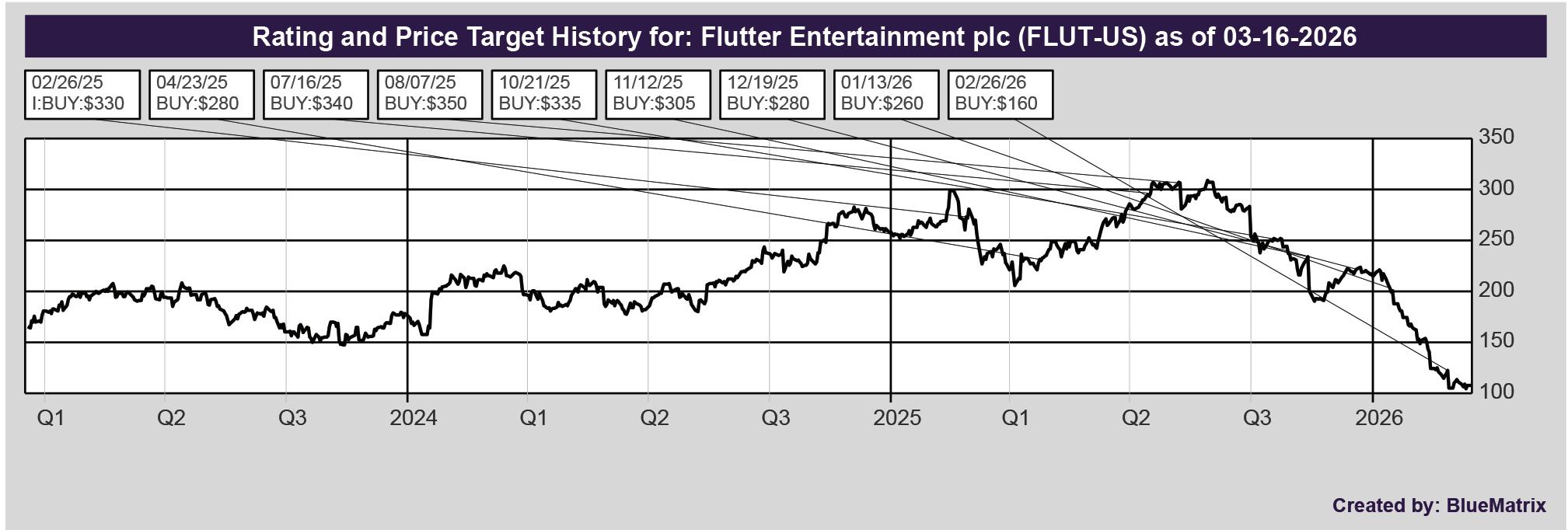
Jonas acknowledged the peril that FanDuel and DraftKings face: Courts might kibosh prediction markets and relatively soon. Still, he felt they were a good short-term investment, especially to grow one’s player database.
Although some teenyboppers (three percent of

respondents) are gambling on prediction markets, the older cohort of players is not. Only seven percent of event-contract gamblers were 50 or older. The 30to-39 age bracket comprised 36 percent, 31 percent were between 40 and 50, and 21 percent were in their twenties.
Disposable income may have something to do with that. The plurality of users (37 percent) made between $50,000 and $100,000 a year. Another 30 percent made $100,000 to $150,000. Those making as much as $250,000 comprised 16 percent and the truly wealthy ($250,000 a year or more) were four percent of the player pool.
Educated players also hewed to prediction markets, with 31 percent of bettors holding undergraduate degrees, while another 26 percent had achieved graduate degrees. “Some college/associate degree” characterized 25 percent and 19 percent of bettors had stopped at high school.
So the players are young(er), comfortably off and well-educated. What else? For one thing, there’s a huge overlap with OSB and daily fantasy betting: 74
Table 1: Average Contract Size vs Win Rate
$1-20
$21-50
$51-100
$101-250
$251-999
$1,000-4,999
$5,000+
percent. Only 42 percent had dabbled in other, nonsports forms of event contracts, but 65 percent had dipped at least one toe into cryptocurrency whilst 60 percent played the stock market.
Respondents were pretty evenly split on the purpose of their prediction-market activity. A quarter did it for entertainment, while an equal percentage did so as part of their investment portfolios. Twenty percent considered event contracts a legitimate form of asset while 18 percent conceded that it was “speculative gambling with an intellectual veneer.”
They’re betting fast and furiously, though, with fully half doing so multiple times a week and 21 percent doing it at least once a day. Only one percent merely toyed with prediction markets. Nineteen percent were once-a-week punters and eight percent wagered once a month.
Sports betting represented the overwhelming volume of activity: 76 percent. Economic indicators (53 percent) were closely followed by election results (47 percent), corporate events (44 percent) and even the weather (39 percent).
Another non-surprise was where the betting activity went. No less than 83 percent bet on NFL games, with 81 percent also favoring NBA action. Like Pete Rose, 59 percent bet on baseball and 47 percent on NHL hockey.
Whales, however, are a largely unknown species in the event-contract sea. Only two percent of respondents placed wagers exceeding $5,000 and just five percent fell into the $1,000-to-$5,000 wager category. Most of the action landed between $51 and $999.
The small plurality (26 percent) went for $51 to $100 bets, while another 25 percent wagered between $101 and $250 a contract. Still another 22 percent bet more than $250 but less than $1,000. A whopping 68 percent, however, made parlay wagers on sports.
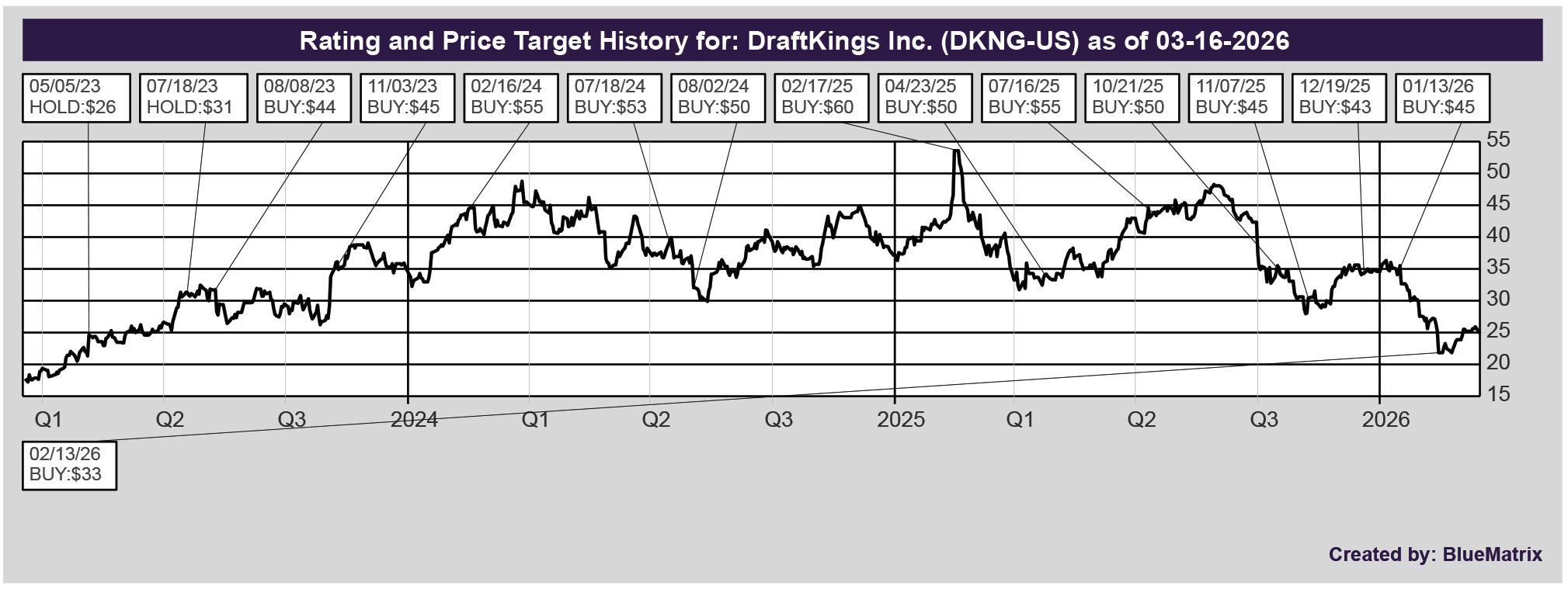
The controversial Kalshi remained the favorite among sports bettors, with 60 placing wagers there. However, both DraftKings (46 percent) and FanDuel (44 percent) were seen to be making rapid traction. They had bypassed such legacy event-contract purveyors as Polymarket (34 percent), Robinhood (34 percent) and Coinbase (23 percent).
That traction seemed to be accelerating, with 68 percent of bettors having tried the DraftKings OSB application in the previous month. Another 60 percent had recently tried FanDuel’s sports betting app.
However, OSB-only operators weren’t tracking as fast. BetMGM’s app had been trialed by 38 percent and 22 percent had taken a flyer on Caesars Sportsbook lately. On a darker note, unlicensed Bovada had been used by 11 percent … and illegal bookies had been employed by eight percent.
Still more good news for DraftKings was that its sports betting app was liked best by 20 percent compared to Kalshi’s 17 percent, closely trailed by FanDuel’s OSB product at 15 percent. DraftKings Predictions, though, has a ways to go, trailing Kalshi eight percent to 17 percent, with FanDuel Predictions lagging behind at four percent. Also in the mix were Polymarket (favored by seven percent) and Robinhood, five percent’s preference.
Explaining their choice, 39 percent cited “overall experience.” Nineteen percent like their app of preference based on how often they won and 13
percent named interface as their biggest criterion. Player rewards were the prime reason for 11 percent’s loyalty.
Defectors from traditional sports betting were legion: 85 percent of respondents. Of those, 71 percent had been playing with legacy OSB operators. Another 40 percent bet at casinos, 36 percent went the offshore route, 46 wagered socially and 25 percent took their chances with outlaw bookies.
One might say prediction-market users are promiscuous, as 65 percent toggle between event contracts and traditional OSB. (Strange to call an eight-year-old industry “traditional,” isn’t it?) Twenty-eight percent were dabblers in OSB, while seven percent hadn’t had any truck with the legacy betting industry.
OSB traditionalist found themselves fighting for wallet share, as only 14 percent of respondents spent more on that form of gambling. Meanwhile, 62 percent spent “significantly more” or “slightly more” on event contracts and 23 percent divided their money equally between OSB and prediction markets.
Why? More than half of bettors (53 percent) felt the element of skill was more prevalent in prediction markets and 52 percent thought the odds were better. Being able to bet on things other than sports (up to and including nuclear war, in one infamous Polymarket offering) appealed to 47 percent. Fortythree percent got more intellectual stimulation from event contracts. The absence of bet limits – a player sore point vis-a-vis OSB – was cited by 32 percent.
How offerings are priced also provided important data. Thirty-six percent said it was fairer and more competitive in prediction markets, and 34 percent said they trusted event contracts more. “A better informational edge” was cited by 40 percent as a reason to prefer prediction markets to OSB.
Not that the trust factor cut only one way. Among Truist’s sample, 31 percent said OSB pricing was better. And 29 percent said event contracts were more speculative and prone to manipulation than traditional sports wagers. However, Achilles heels of OSB were ease of account setup and sheer transparency, with 15 percent each among respondents citing these as reasons to prefer event contracts.
Only 23 percent felt they won as often at OSB as prediction markets. Fifty-eight felt they won more often on event contracts, while 19 percent found OSB the morewinning proposition. Thirty percent found prediction-market promotions more generous, with 47 percent thinking the two industries roughly as generous as each other.
Should states like Texas and California legalize OSB (and California’s gaming-enabled tribes have set that as a goal for 2028), prediction markets would become vulnerable. Forty-three percent of respondents from non-OSB states said they would defect to OSB, if it became an option. Another 46 percent, however, would stay with event contracts.
A quarter of Truist’s respondents hailed from either the Lone Star State or the Golden State. Of them, 34 percent deemed event contracts “fully legal and regulated.” But 59 percent were not so sure and five percent thought them illegal (but wagered anyway).
Besides, if OSB has image problems, so do prediction markets. As of this writing, The Financial Times has reported that a broker connected to U.S. Secretary of Defense Pete Hegseth had been placing event-contract wagers that coincided with United States military actions, raising the dual concerns of insider trading and national security.
Whether or not they were thinking of this kind of apparent market manipulation, 40 percent “are somewhat concerned that insider trading or information asymmetry materially affects outcomes.” Some 21 percent considered themselves “extremely concerned.” Seventeen percent professed little or no worry, while 23 percent perceived the risks but basically didn’t care.
Nearly a third of bettors – 32 percent – told Truist they felt that insider trading was happening “frequently” in event contracts. Another 39 percent thought it was taking place “occasionally” and therefore staying them from making wagers.
The pricing issue also worked against event contracts with some, like the 35 percent who fought shy of “wide bid-ask spread, low liquidity and high fees” associated with prediction markets. Forty-three percent cited this as an occasional worry and 14 percent said it was a rare occurrence, while eight percent thought it a nonevent.
A whopping 70 percent of punters believed they were coming out ahead in event contracts. Fifty-four percent felt they were “up slightly” and 16 percent said “up materially.” Twenty percent were just treading water and nine percent admitted to being “down slightly.” Two percent had lost their shirts.
For all the concerns voiced by respondents about event contracts, 70 percent are planning to gamble more in that fashion over the coming year. Both “a better mobile experience and better interface design” would spur more such activity (20 percent said so), while 18 percent would like even more categories upon which to bet, something of which both individual states and the U.S. Congress are presently taking a dim view.
Insider trading was enough of a worry for 18 percent to say they want to see more and better guardrails in place. As for the legal haze hovering over prediction markets, 16 percent said they’d like “greater regulatory clarity and legal certainty,” which may not happen for another year to 18 months, depending on court calendars.
Only four percent of prediction-market users surveyed said they wouldn’t recommend them. A whopping 85 percent would.
So legacy OSB and casino operators have their work cut out for them. But they have levers to pull, given the image and trust issues that are dogging prediction markets. They can also study Truist’s results to discover areas of vulnerability (like bet limits and pricing) that can be remedied.
It’s mainly a question of how much they care to do.


The industry’s biggest illusion – and why it’s costing operators millions. By Shaun Mcamley
The gaming industry asserts that it has transitioned to a digital framework. However, this assertion is misleading.
The industry has indeed ventured into online platforms, introduced applications and engaged in various digital activities. Nonetheless, it has not successfully established true digital businesses. This distinction is not merely a matter of semantics; it represents a critical difference between possessing a sustainable revenue stream and merely leasing one.
Across Asia, Europe and beyond, operators proudly point to their digital transformation:
“We have an online platform.”
“We have a mobile app.”
“We are investing in digital.”
Upon closer examination, a markedly different perspective emerges. Profit margins are limited. Costs associated with customer acquisition are escalating. Customer retention rates are variable.
In numerous instances, the digital operation barely achieves break-even status. This predicament is not rooted in technological shortcomings. Rather, it is a structural issue.
Many operators have developed systems that resemble a business only superficially. What exists is often a disparate collection of tools, inadequately integrated, lacking clear ownership and commercial accountability.
The industry is not short of technology. If anything, it is oversupplied. Operators today can choose from:
• Multiple platform providers
• Hundreds of game suppliers
• Sophisticated CRM and bonus engines
• Advanced analytics and reporting tools
• A growing ecosystem of payment solutions
Despite having all the necessary components on paper to build a thriving digital operation, performance continues to vary widely. The reason for this is straightforward.
Many have confused technology with strategy. Simply implementing a platform doesn't guarantee a successful business. Similarly, integrating games doesn’t truly foster engagement and running acquisition campaigns doesn’t guarantee long-term revenue. While technology is essential for carrying out tasks, it does not substitute for the strategic thinking that drives results.
Faced with pressure to act quickly, many operators have turned to white-label platforms and third-party solutions. The advantages are clear:
• Lower initial investment.
• Quicker time to market.
• Simplified internal processes.
In the short run, this approach proves effective. Brands launch, players are attracted and activity kicks off. However, what is often missed is what lies beneath the surface. These models aren’t built to foster ownership; they are crafted for access. Having access isn’t the same as having control.
When operators choose to adopt third-party platforms, they’re not merely outsourcing technology. They’re handing over essential parts of their business. Their data no longer remains entirely under their control. Customer interactions become influenced by the limitations of these systems. Product development is often driven by external roadmaps, while commercial agreements are bound by complex layers of revenue sharing.
An operator might think they're building a digital enterprise. But in reality, they're functioning within the framework set by others.
The true costs of relying on white-label solutions and third-party providers don’t appear immediately. They build over time. What begins as speed-to-market quickly shifts into a performance challenge. Once the initial momentum fades, the limitations become clear. Innovation slows and margins shrink as control sits with external providers. At the same time, differentiation disappears as competitors run on the same infrastructure. Most critically, internal capability never develops.
The organization remains dependent and unable to move forward without the provider, while the provider has little incentive to prioritize individual needs. The result isn’t a weak market; it’s a structurally constrained business. Left unchecked, this model leads to rising acquisition costs, shrinking margins and a permanent dependency on third-party providers with little ability to adapt or compete.
Even when operators strive to gain more control, they frequently fall into a second trap. They place digital initiatives in the wrong part of the organization. It ends up being housed within marketing, IT or gaming. In each of these scenarios, it merely functions as a support role.
There’s a lack of clear leadership, defined accountability and ownership over the results. Marketing focuses on acquiring customers, IT manages infrastructure and casino operations manage gaming. Yet no one is truly responsible for the overall business performance. Without clear ownership, performance inevitably suffers.
Every successful business operates with a clear focus. Revenue is tracked, costs are managed and performance is evaluated. However, in the realm of digital gaming, this discipline often becomes diluted. Budgets are spread thin across departments and success is often measured by activity levels rather than actual profitability. With responsibilities scattered, clarity is lost and digital initiatives become just that –initiatives, not a core business focus.
This is ultimately a leadership gap. Most organizations don’t lack technology; they lack ownership of the digital business and accountability for its performance.
When results fall short, the response is usually predictable: increased marketing spend, more promotions and new tools rolled out. There’s often no single person held accountable for ensuring that digital operations translate into profitability.
One of the biggest missed chances in land-based gaming isn't tucked away in the data. It’s found in the daily walk around your property.
Across integrated resorts and casino venues, as much as 80 percent of visitors never engage in

gambling. Some never even venture into the casino itself. They come for the dining, retail, entertainment and hotels – the overall experience. They are already your customers, already part of your ecosystem. Yet from a gaming perspective, they essentially don't exist.
This isn’t because they’re invisible but rather because the industry struggles to connect with them effectively. Here’s where many operators go astray. The sector hasn’t overlooked this audience; it has actively pursued them. However, they’ve often relied on the wrong tools and approaches.
CRM systems, loyalty programs and promotions are all aimed at one goal: converting non-gamblers into gamblers. But the truth is that this 80 percent of visitors isn’t holding back on conversion. They were never likely to gamble in the first place.
No amount of points, bonuses or free play can transform a non-gambler into a gambler. Yet the industry continues to impose a gambling framework on this non-gambling audience, hoping for a different outcome.
Budgets get allocated, campaigns are rolled out and data is examined, yet the fundamental situation remains unchanged. This issue isn't about marketing or data. It’s a product problem. If gambling is your sole engagement point, then anyone who doesn’t gamble is inherently excluded by design.
The industry's digital strategy has mainly concentrated on driving conversions – acquiring players, encouraging deposits and maximizing lifetime value. What you need is a complementary strategy that prioritizes engagement – not as a replacement for conversion, but as a critical addition. After all, for 80 percent of your audience, conversion isn’t the end goal; engagement is.
Engagement fosters frequency. Frequency creates habit. Habit cultivates value. Without this additional focus, conversion strategies will always face limitations, as they only optimize for a small segment of the player base.
The industry continues to overlook the true potential of social gaming. Too often, it is regarded merely as an extra feature, a marketing tool, a retention tool or a lightweight extension of the core business. This viewpoint is misguided.
Social gaming should not be seen as an add-on. It represents a crucial product layer. This layer is designed for the 80 percent:
• No barriers to entry
• No need to understand gambling
• No reliance on deposits or wagering
Instead, it emphasizes:
• Accessibility over friction
• Frequency over intensity
• Entertainment over outcomes
This shift changes the game entirely. For the first time, operators have the opportunity to:
• Engage the majority of their audience, rather than just a select few
• Extend the resort experience beyond the casino floor
• Foster daily interactions instead of sporadic visits
• Generate a new, scalable revenue stream from an audience that was previously out of reach
Not by changing the customer, but by finally offering a product that truly fits their needs. This is not just engagement for the sake of engagement. It introduces a scalable commercial layer, typically driven by inplatform purchases and a controlled, virtual economy that monetizes behavior without requiring players to gamble.
In environments where digital frameworks are well organized, the differences become apparent. The platform is seen not merely as a launch but as an ongoing product. Key elements include:
• A dedicated team
• A clear roadmap
• Continuous adaptation informed by player behavior
Engagement is tracked daily rather than monthly, enabling frequent player interactions rather than sporadic ones. The experience is built on data analysis rather than assumptions. This is the essence of a digital business: not just a platform but a cohesive system of engagement, ownership and execution.
At this point, the message is clear: Operators have an abundance of technology at their fingertips. What really distinguishes operators is how they execute. Effective execution relies on:
• Taking ownership
• Embracing accountability
• Focusing on the product
• Committing to ongoing improvement
This requires operators to go beyond simply implementing solutions. Instead, the emphasis should be on enhancing performance.
Asia is experiencing robust digital growth, with high mobile usage and increasing player demand as new markets emerge. However, much of this growth is unstructured and exhibits several challenges. Currently, it tends to be:
• Fragmented across various channels
• Influenced by gray-market dynamics
• Limited by inconsistent regulations

Moreover, many operators are venturing into the digital landscape without the necessary internal capabilities to navigate it effectively. This leads to:
• A shortage of digital leadership
• Heavy dependence on third-party providers
• A focus on immediate results over long-term strategy
The outcome is growth without a solid foundation, activity without sustainability and revenue without control. Despite these hurdles, the opportunity remains substantial. However, success will only come to those willing to adopt a different approach.
A genuine digital business isn't determined by the platform you choose to launch. Instead, it hinges on what you truly control. You have authority over:
• Your data
• Your customer relationships
• Your product roadmap
• Your commercial model
You work with:
• A committed team
• A transparent profit and loss statement
• Clearly defined accountability Real long-term value stems from ownership, not just access. This is why most operators still don’t have a digital business.
Technology is not the problem; ownership is. The tools are there, control isn’t. Until that gap is closed, nothing changes. You can rent your digital future or you can build it. You cannot do both.
make
influence
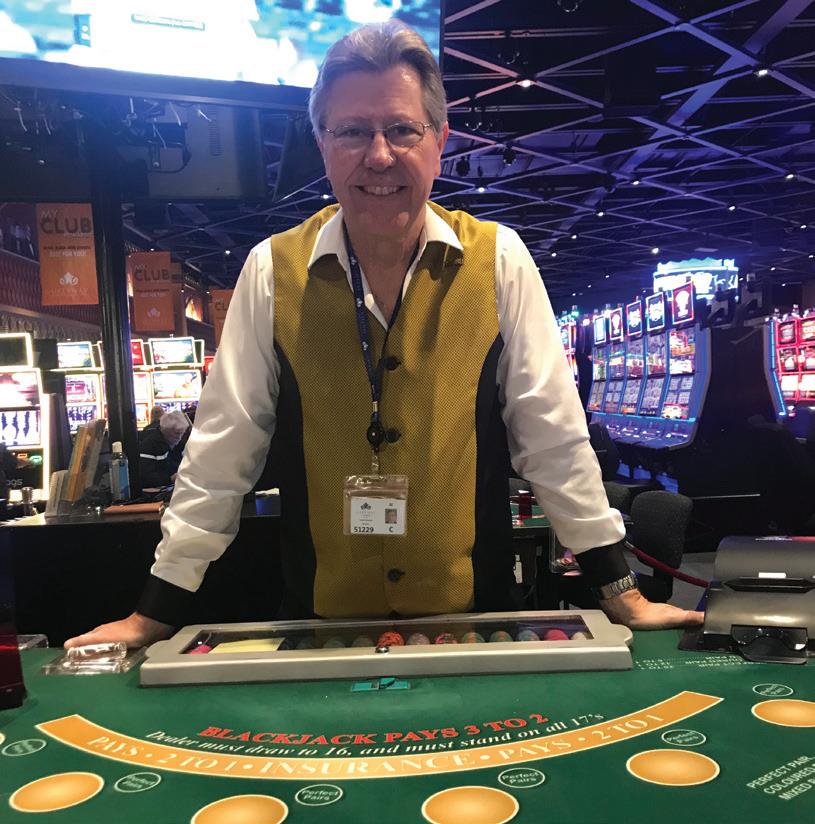
In a previous article, I have written about how I have you pegged in the first five minutes as to the type of player you are. I can tell if you are a serious, experienced player; I can tell if you are a good player and I can tell if you have not got a clue.
I can do this by how much you buy in for, the currency denominations and the quality of the bills. If you buy in for $2500 at a $25 table with primarily $100 bills, my first thought is that you are in the seriously experienced group. If you are buying in for $500 with $50s and $100s, you are probably a good player. And if you buy in for $50 with crumpled $5s and $10s, you should not be at the table.
The currency buy-in is not the only test. I am looking at how each player plays. Are they doubling down and splitting in basic situations? Are they hitting or sticking when the player has a 15 against my six or are they making an advanced play of doubling down a soft 18 against my five? The currency buy-in, playing basic strategy and just how you hold yourself at the table are all factors that determine what type of player you are.
But there is another type of player that is in a specific niche; he is the “know-it-all.” This is either the experienced-advanced player or even a good player who thinks he is better that what he really is. He is quick to critique other players’ actions, and he tells the dealer how to deal and – my favorite – he tries to do blackjack calculations faster than the dealer.
If this is you, let me give you some friendly advice: STOP doing this. I will only make a fool out of you. For starters, if someone makes a basic strategy error, do not jump all over him and tell him the right play. At the end of the day, it is their money and they can play anyway they want.
What you should do is always be respectful and politely tell them the basic strategy and why. The inexperienced player will be far more receptive to constructive criticism than destructive criticism. If the inexperienced player continues to play contrary to basic strategy, other than leaving the table there is nothing you can do about it.
Players seem to forget that basic strategy is not a 100 percent guarantee. It is only a percentage play. You can do everything wrong at the table and still win, and you can do everything right at the table and still lose. People will always remember the time an inexperienced player made a strategy blunder that cost everyone at the table. Had the player played correctly, the result would have been different.
But there is another side to that story. People rarely remember when the inexperienced player makes a strategy blunder. Everyone wins when the opposite would have been true, had he played correctly.
Here is another reason you should not act like a knowit-all when comes to basic strategy, I guarantee you that the so-called expert will make a strategy mistake as well. I love pointing out those mistakes to them. They stick on a 16 and I have a seven showing. I pull a four and then a 10, and everyone loses. Had the so-called expert played perfectly, the opposite would have been true. Depending on how condescending the so-called expert is to the amateur is directly proportional to me giving him advice.
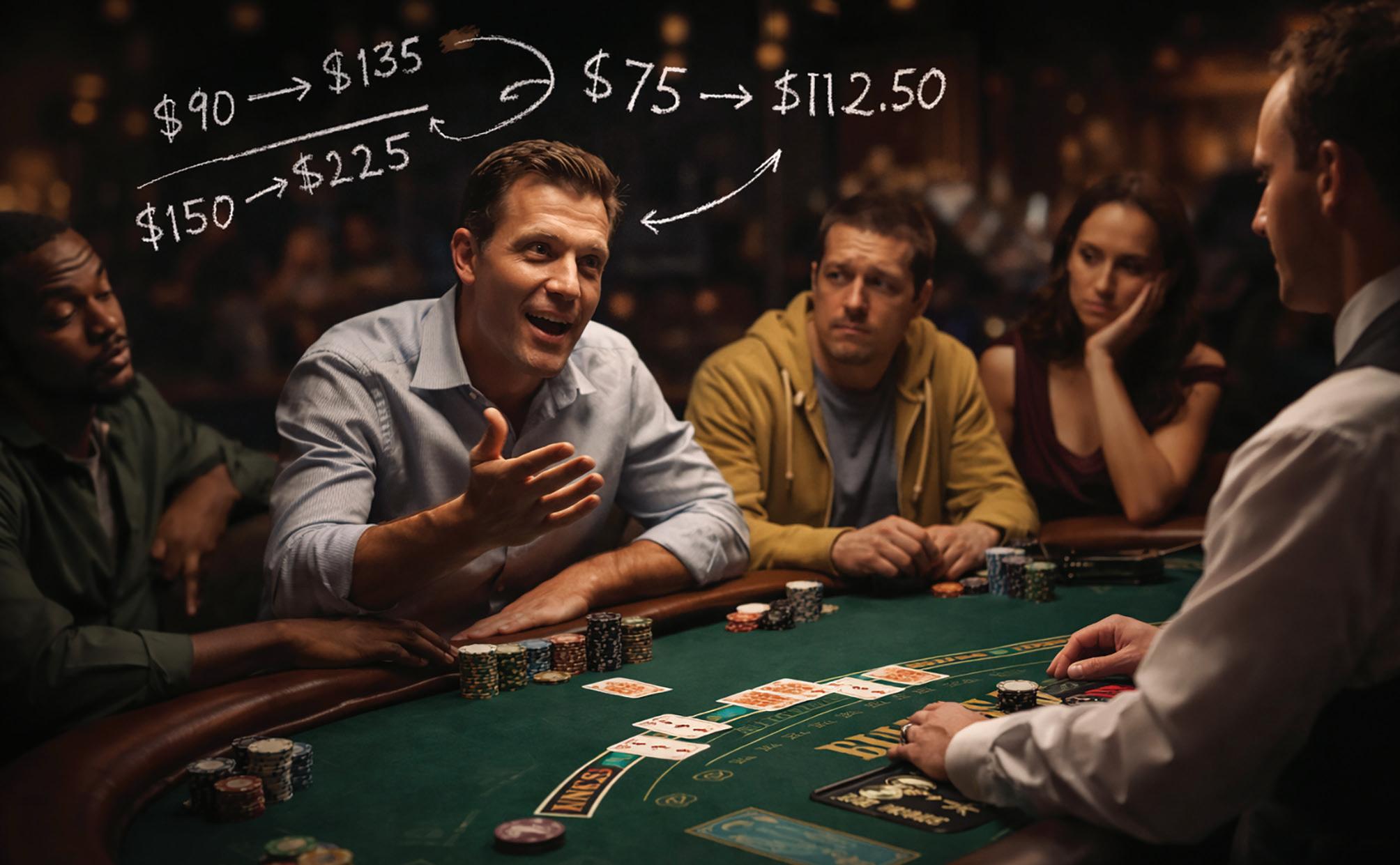
And now for the climax for dealing with the knowit-alls. For some reason, they need to show everyone how smart they are calculating 3:2 odds on blackjack payouts, and they can do it faster and more accurately than the dealer. This is low-hanging fruit for me. They will announce that a $75 blackjack pays $112.50, a $90 blackjack pays $135 and a $150 blackjack pays $225.
The know-it-all thinks he is so much smarter than everyone at the table including the dealer. News flash. Every dealer can do these in his sleep. Blackjack payouts are part of the training program for every casino, and we have shortcuts and tricks for the bigger bets that will dazzle most.
Here is a math test for you. How quickly can you calculate 3:2 odds on the following bets?
1. $275
2. $325
3. $462.50
These were actual bets and the know-it-all did not have a clue. Take your time and try to do the calculation in your head. If you can do it in your head, how long did it take you? If you are intimidated by this,
do not worry about it. That is why the casino pays us the big bucks.
These were actual bets. I was able to solve all of them in three seconds or less. I do not want to sound like I am bragging but I will put my math ability against anyone. That does not mean I am better than everyone, but I will put my math ability in the top five percentile.
Here is a dealer’s secret for making these calculations. Break it down to two numbers. For Question One, a $275 wager. That is the same as 200 + 75. A $200 wager pays $300 and a $75 wager pays $112.50: 300 + 112.50 = $412.50. Question Two, a $325 bet getting a blackjack. Break it down to two numbers (300 + 25). A $300 wager pays $450, a $25 wager pays $37.50 (450 + 37.50 = $487.50). The last one was my favorite one, a $462.50 blackjack wager. Break it down to two or even three numbers (400 + 60 + 2), the 0.50 we will address. The result is that 400 pays 600, 60 pays 90, two pays three and the 0.50 pays $1. The result 600 + 90 + 3 + 1 equals $694.
For the know-it-alls, simply keep your comments to yourself. Do not criticize someone’s basic strategy. You too will make a strategy mistake, making you hypocritical. Do not try to show off your math ability to everyone. I guarantee those people could not answer the three questions.
You play your game, let someone else play theirs and let the dealer do his job. Good luck at the table and do not forget to tip the dealer.


EGT returns to G2E Asia showcasing products, building partnerships and leveraging insights to drive sustainable growth across Asian gaming markets
Among the companies displaying at Global Gaming Expo Asia, to be held at Venetian Macao, is EGT. The Bulgarian gaming equipment manufacturer will showcase its products for the local markets at the event. EGT’s Mariana Manchina spoke with Casino Life Publisher Peter White in advance of G2E Asia. Here’s what she had to say …
With EGT returning to Global Gaming Expo Asia, how important is the event for your broader strategy and growth plans in Asia?
Yes, that’s right. This year we are pleased to return to G2E Asia. We have high expectations for our performance, which we are confident we will meet and exceed. We see the event as one of significant
importance for our expansion strategy in the Asian region, as it brings together a highly targeted audience, giving us the opportunity to directly showcase our innovative solutions to potential partners.
G2E Asia will allow us to build meaningful connections, assess operator and player response and gain real-time insights into market development. Last but not least, it provides a valuable platform to identify and pursue future opportunities.
What are the key objectives for EGT attending this year’s G2E Asia?
Our main objective is to strengthen relationships with our current partners while laying the foundations of new, high-potential collaborations with key industry
players. We are focused on turning engagement at the event into long-term, sustainable growth. In addition, the feedback we collect during the show will be invaluable in evaluating how well our products meet the tastes and requirements of local gaming communities, and what further enhancements we can implement to make them even more appealing – and successful.
What can visitors expect from the EGT booth at this year’s G2E Asia?
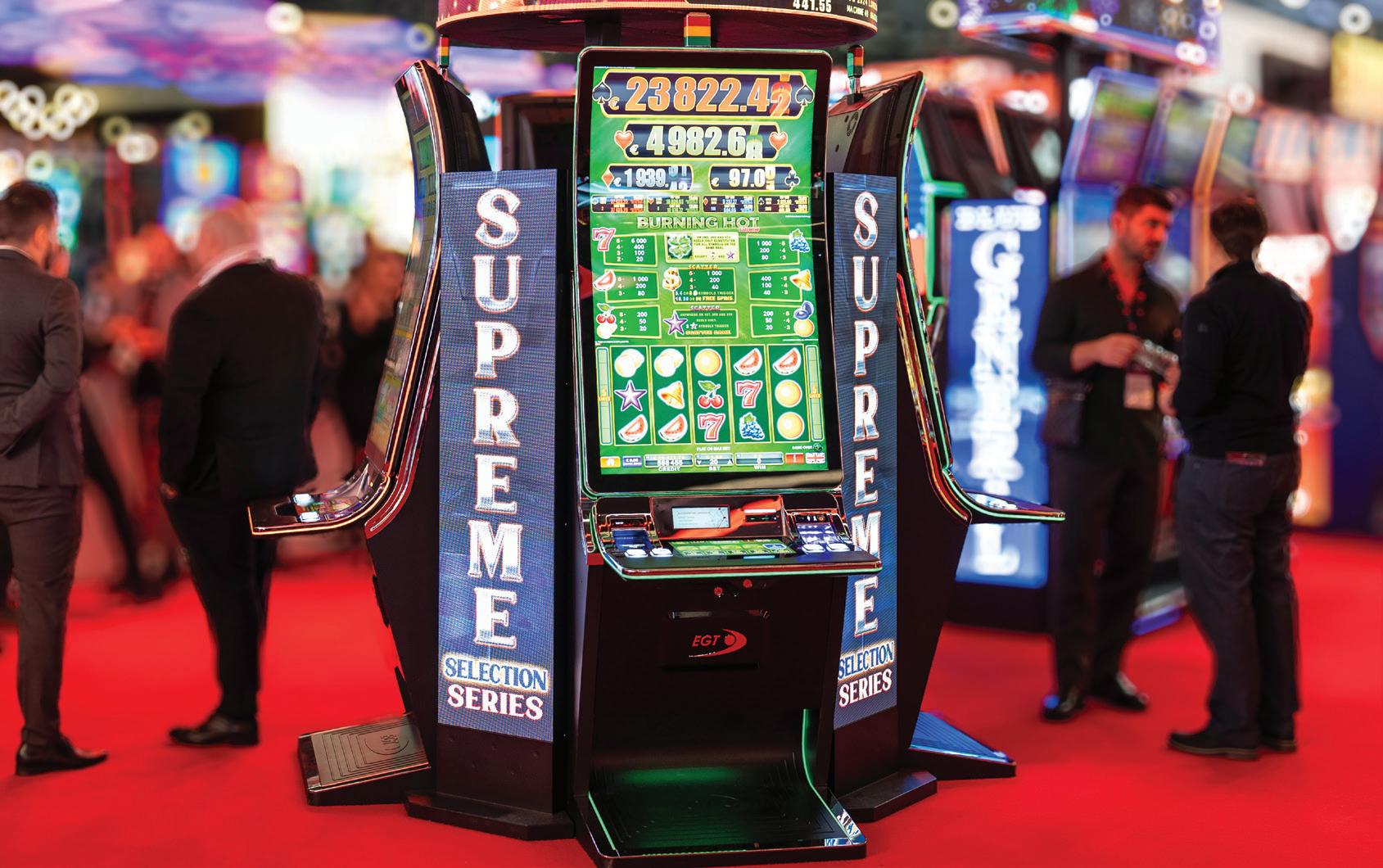
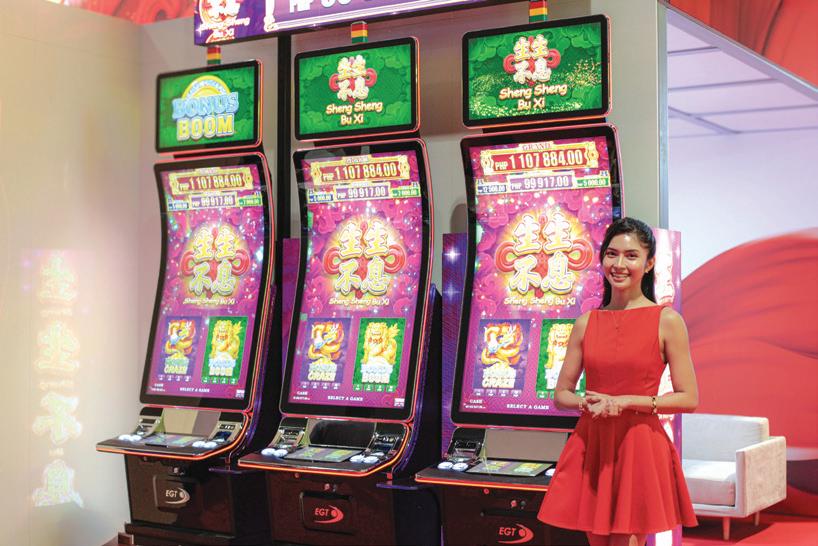
Visitors to booth B1701 will be able to see EGT’s latest slot and ETG developments tailored for the Asian market, as well as proven top performers from our portfolio. Among the products that are expected to generate the greatest interest are the three Asianthemed jackpots: Zhao Cai Shuang Yu, Sheng Sheng Bu Xi and Cai Fu Tian Jiang. Being multi-level progressive solutions, they offer a perfect combination of attractive, Far Eastinspired design, high winning potential, irresistible bonuses and captivating gameplay. They definitely won’t go unnoticed by our guests.
Another brand-new Asian-themed offering that we will introduce at G2E Asia will be the multi-game Supreme Wang Union. This is a versatile collection, bringing together roulette, card games and well-known video slots in
a single product. The mix of familiar titles with modern features and jackpot connectivity provides casinos with a flexible solution to satisfy different customer profiles from one unified setup. Paired with some of the most popular gaming terminals from EGT, like S 32 T and GS 32 T Supreme Wang Union will provide players with an engaging gaming experience filled with exciting wins and lots of fun.
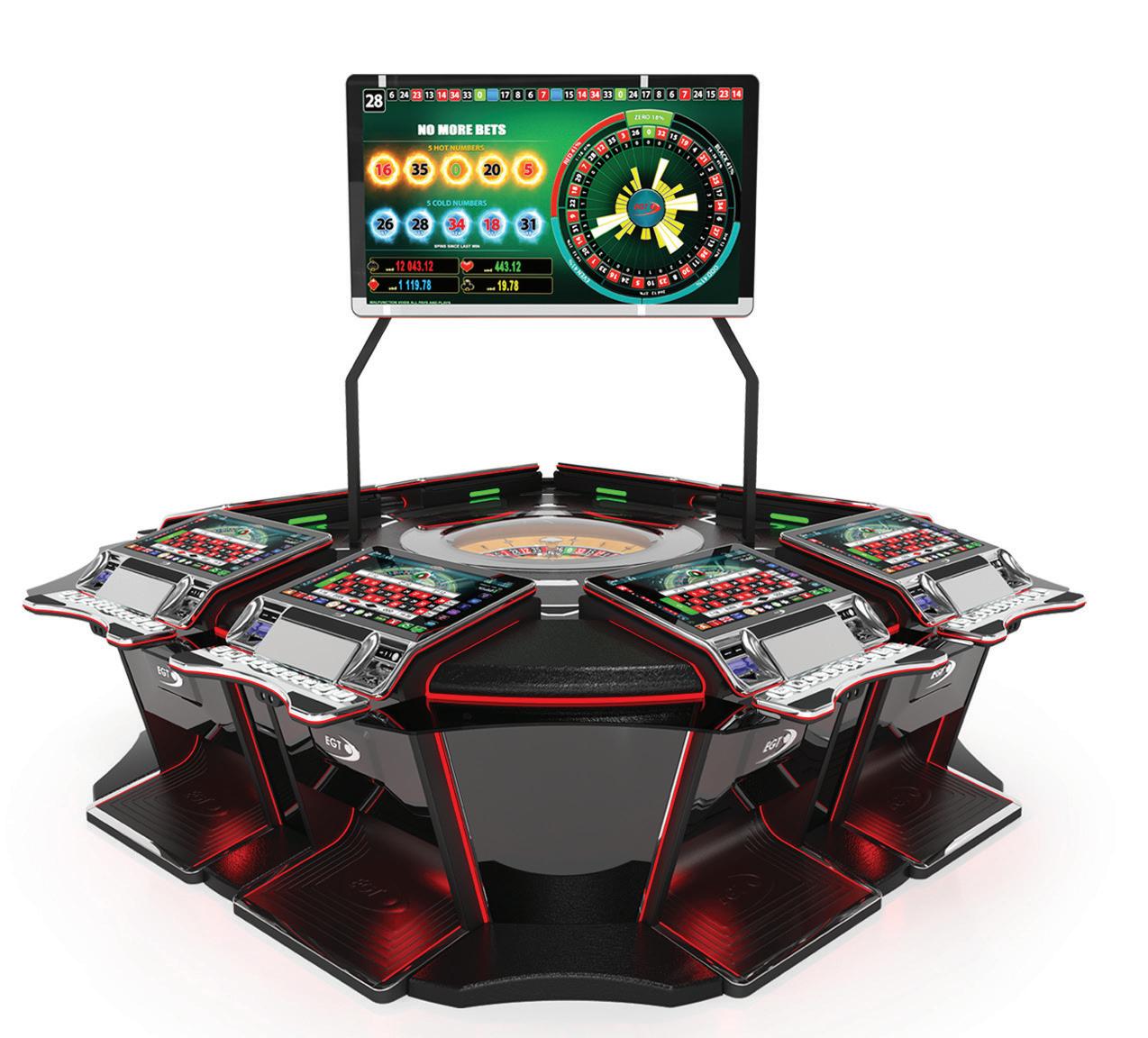
The selection for the show will be complemented by the G RSA roulette center and the G R8 SQ roulette.
Both have established themselves as the preferred choice in many countries around the world with their elegant outlook, great flexibility and excellent performance. These products are already installed in a number of gaming halls, where they are among players’ favorites.
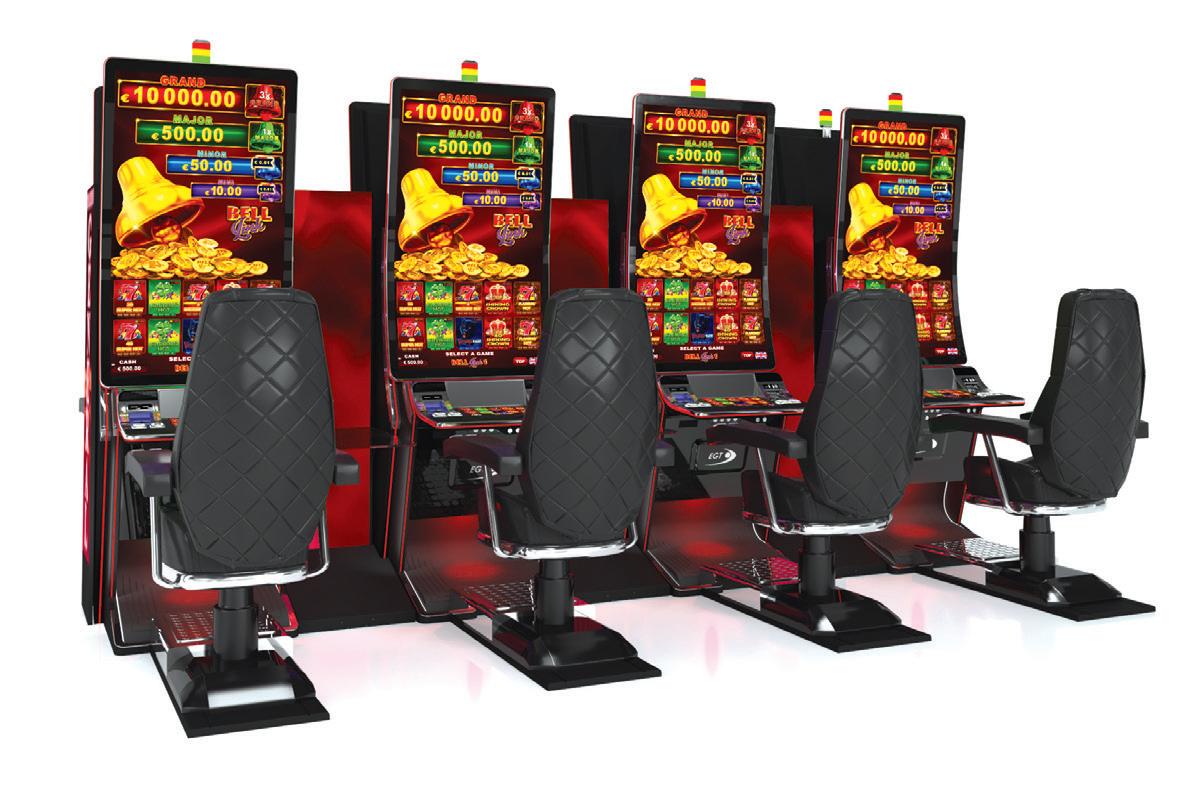
On display will be also the bestseller jackpots Bell Link, Bell Link Boost, and Gods & Kings Link, as well as hit slot cabinets from the General and Supreme series.
Can you tell us more about the role of progressive jackpot systems in your current portfolio, particularly for this market?
Progressive jackpot systems are gaining traction globally, with Asian markets being no exception. As a result, the majority of jackpots in EGT’s portfolio are progressive, as are the three products we will showcase at the Macao exhibition.
Our progressive systems aim to create an additional layer of thrill and entertainment for the players. They are an attraction point with fascinating and dynamic bonuses, and functionalities that drive strong engagement, as well as floor visibility.
How do you tailor your games and cabinets specifically for Asian player preferences?
When developing solutions for Asia, our primary focus is to consider the distinct characteristics of individual markets within the region. We carefully consider cultural preferences, player behavior and evolving trends. At the same time, we also constantly monitor regulatory requirements to ensure that we offer products that are fully compliant with the legal framework in each jurisdiction.
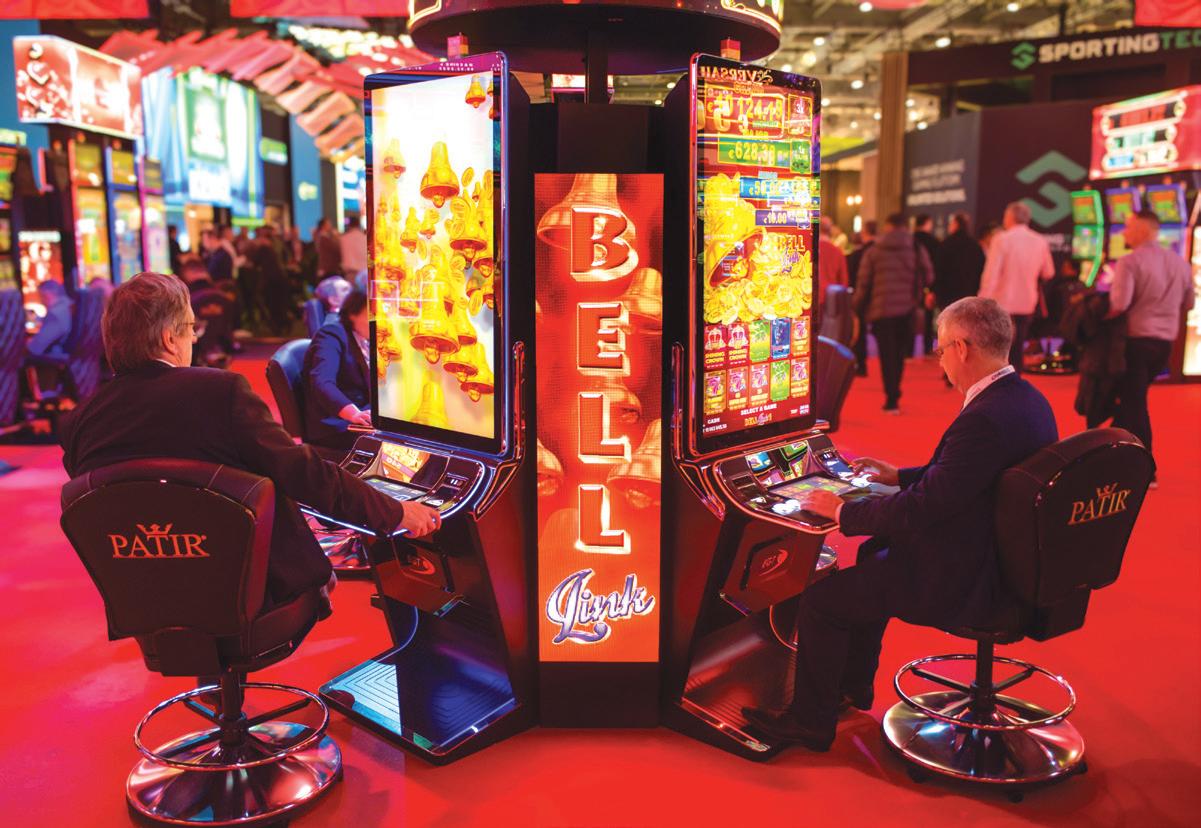
The players tend to value the engaging visuals, familiar themes, and features which create a sense of excitement and community. The success of our products lies in blending global expertise with local understanding that engages the audiences.
To what extent do language, themes and cultural nuances influence your product development?
They play a fundamental role. Nowadays, in an increasingly diverse global landscape, it is essential for gaming equipment manufacturers to develop solutions that reflect cultural identity and local nuance.
Our product-development process is always grounded in extensive research and a deep understanding of local player preferences. We go beyond simple localization, such as language translation, to create original solutions that blend authentic regional themes with our global design expertise. This approach allows us to deliver products that not only resonate with players culturally but also perform strongly on the gaming floor.
Finally, what message would you like to send to operators and partners visiting your stand at G2E
I would like to personally invite operators and partners to visit us at stand B1701. They can expect an impressive showcase of next-generation products and technologies, tailored solutions for their business needs, and, of course, a welcoming atmosphere and positive energy from our team.
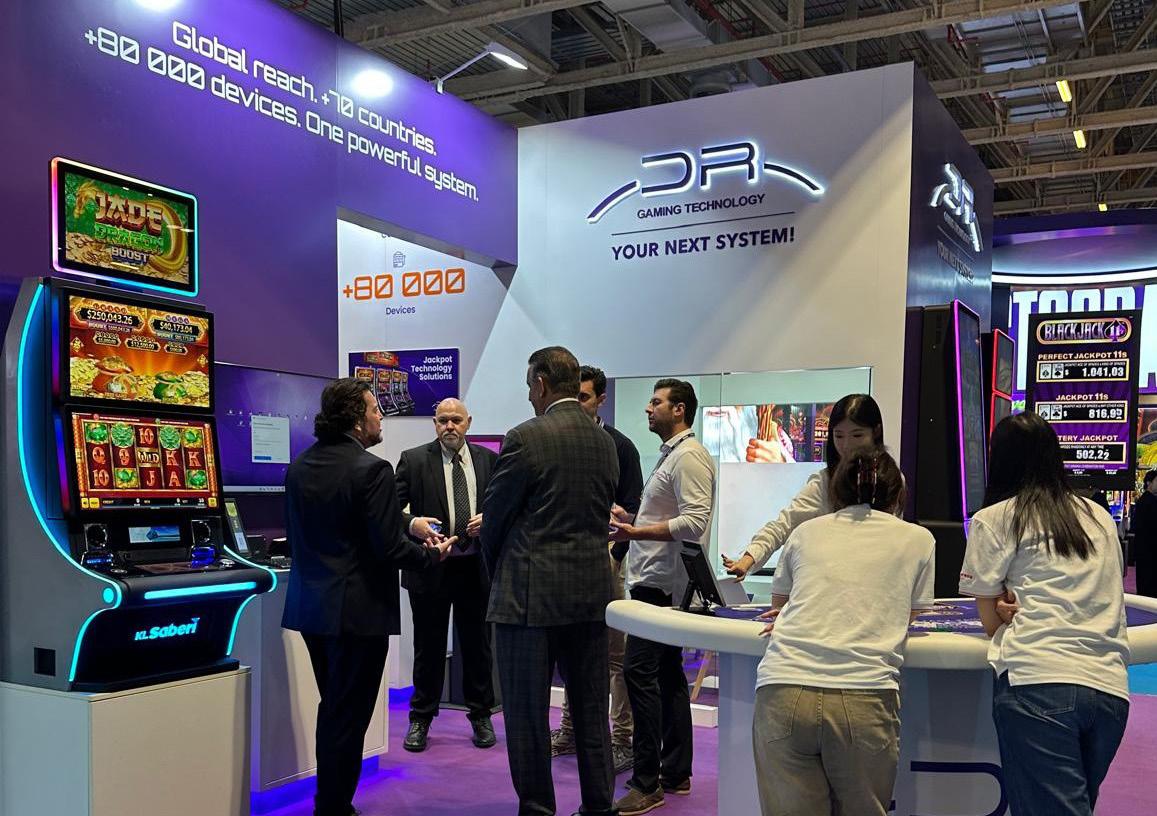
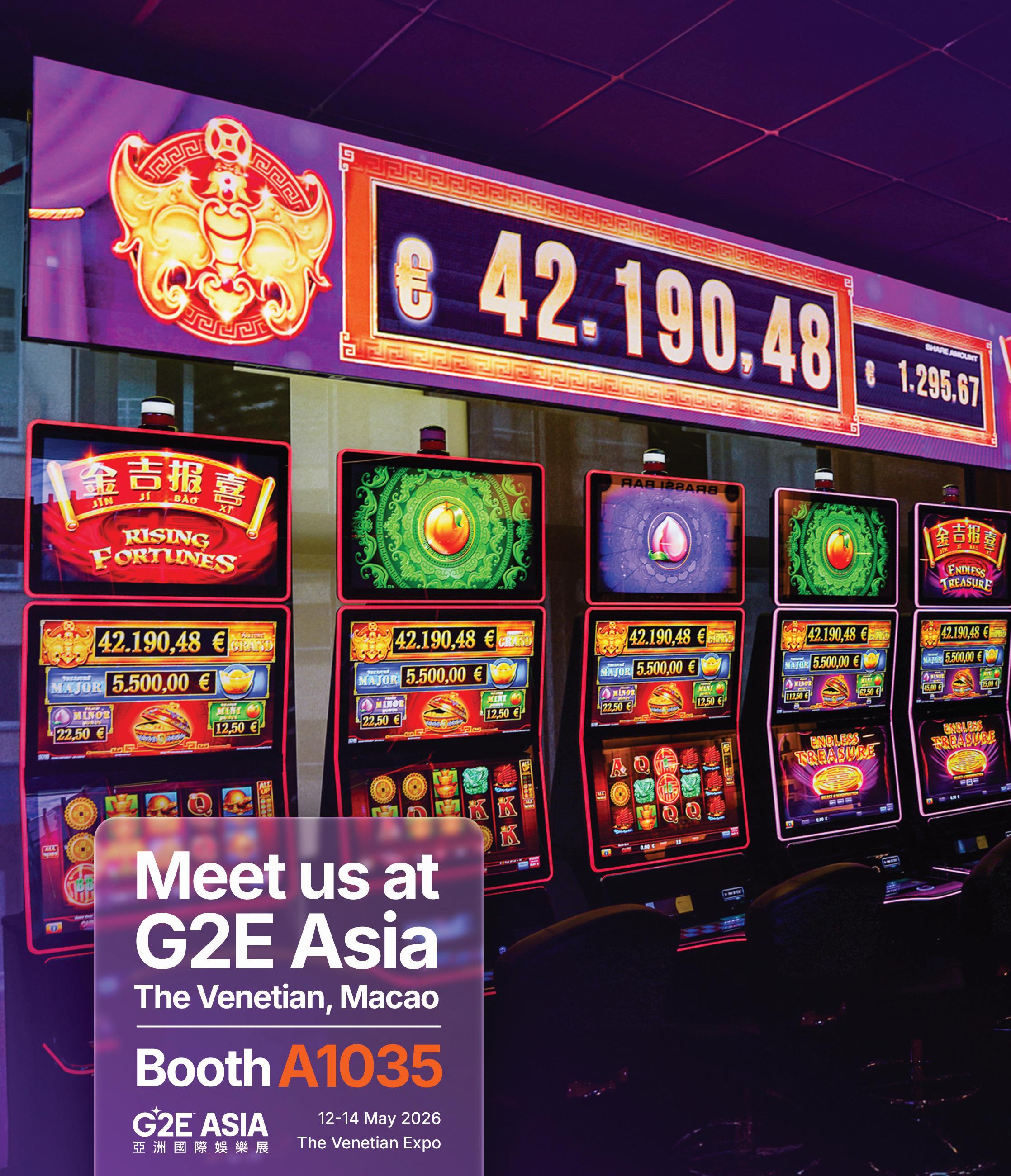
R Gaming Technology will exhibit at G2E Asia 2026, at the Venetian Expo Macao (Booth A1035). DRGT will be presenting a fully integrated casino-management and jackpot ecosystem, engineered for performance, scalability, and measurable operational impact.
DBuilding on its strongest growth year to date, DRGT continues to differentiate through a development model grounded in live, on-site validation. Through its sister company, Infiniti Casinos, the group operates properties across Belgium, France and Mexico. There, all core technologies are deployed, stress-tested and refined under real operating conditions prior to commercial rollout.
This includes continuous, high-volume transactional testing, player-behavior tracking and regulatorycompliance validation. This ensures that every solution demonstrated at G2E Asia has already been proven in live casino environments with real players.
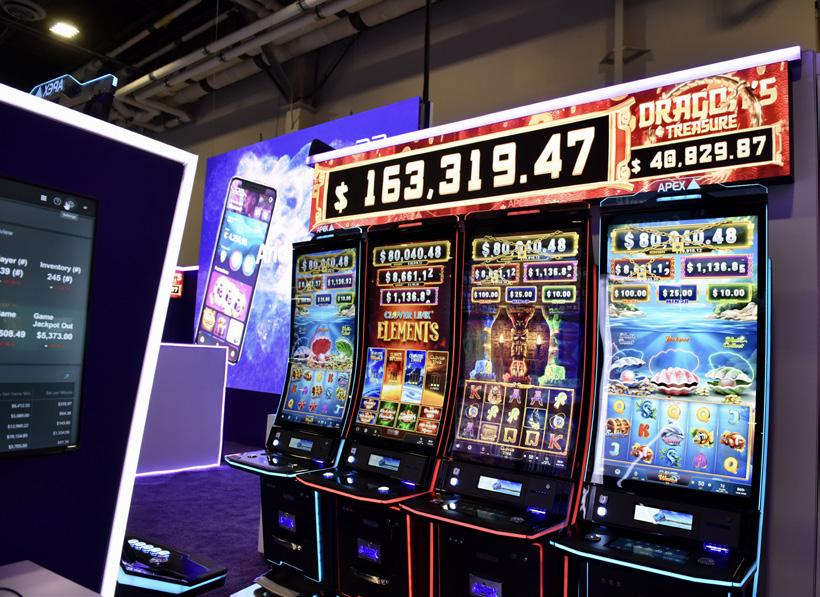
At the center of DRGT’s G2E Asia showcase is its unified, data-led platform combining CMS, jackpots, player engagement tools and operational applications into a single ecosystem. This approach eliminates system fragmentation and enables operators to manage the entire casino floor, player lifecycle, and promotional strategy through one, connected infrastructure.
Key products on display will be the drPlayerKiosk and the drGate:
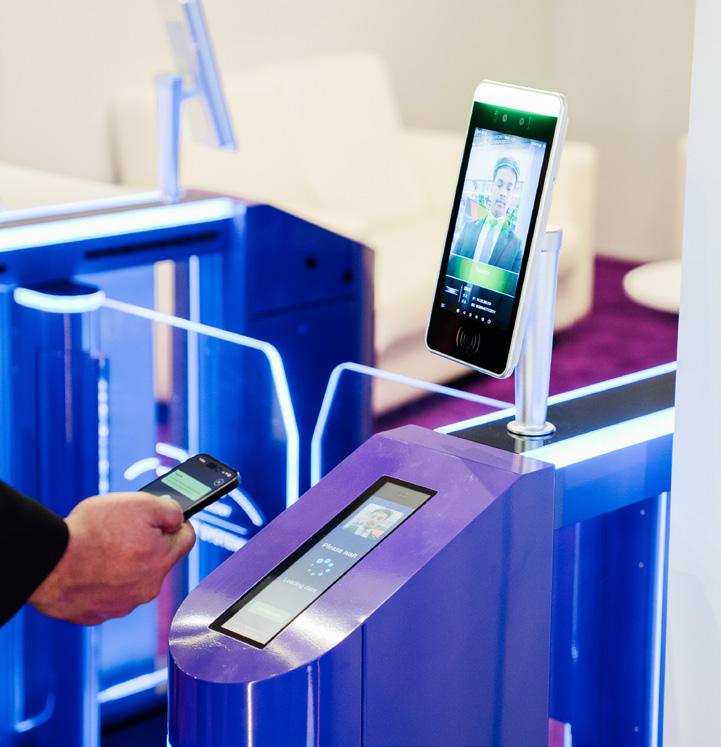
• The drGate is DRGT’s advanced access-control solution incorporating facial-recognition technology. Already deployed and validated in Infiniti Casinos, drGate enables accurate, automated player identification at entry, forming the foundation for real-time tracking, compliance and seamless player journeys from the moment a guest enters the property.
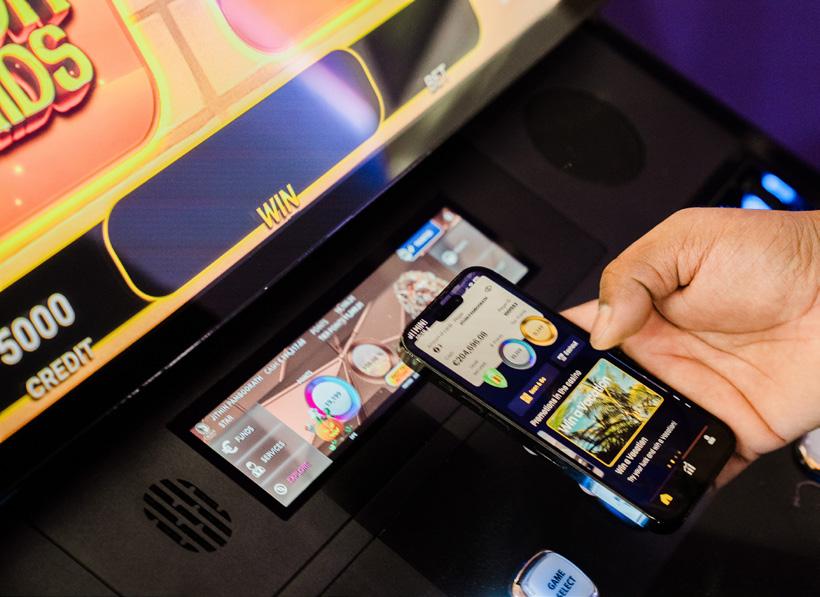
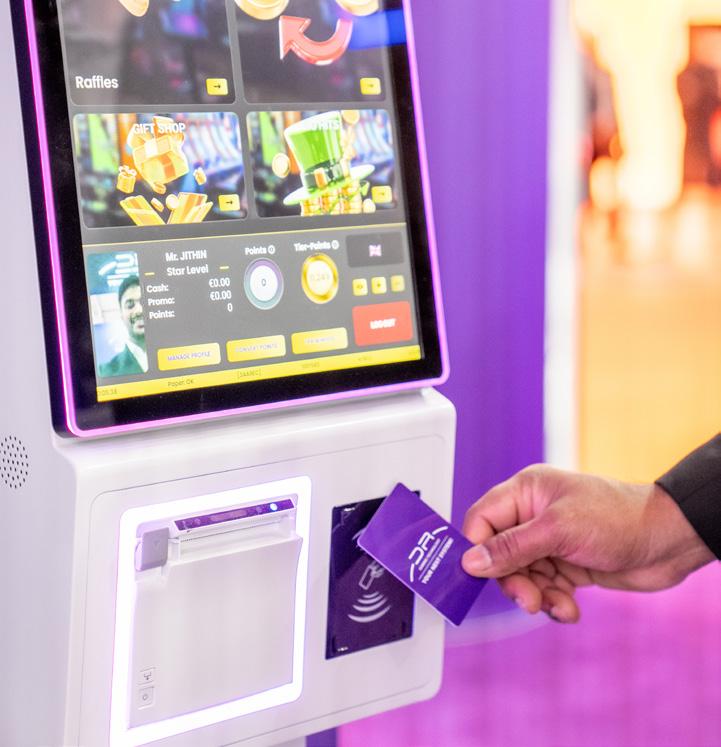
• The drPlayerKiosk consolidates playeraccount management, wallet transactions, and real-time interactions into a single self-service device, helping to reduce queues and relieve staff pressure.
Complementing this is the company’s NextGen Apps suite, including:
• drAnalytics for real-time, actionable performance insights
• drPlayerApp for mobile-first player engagement and wallet interaction
• drManagementApp for operational control and oversight
• drServiceHub for coordinated, responsive floor service
• drFloorPlan for dynamic floor optimization and visibility
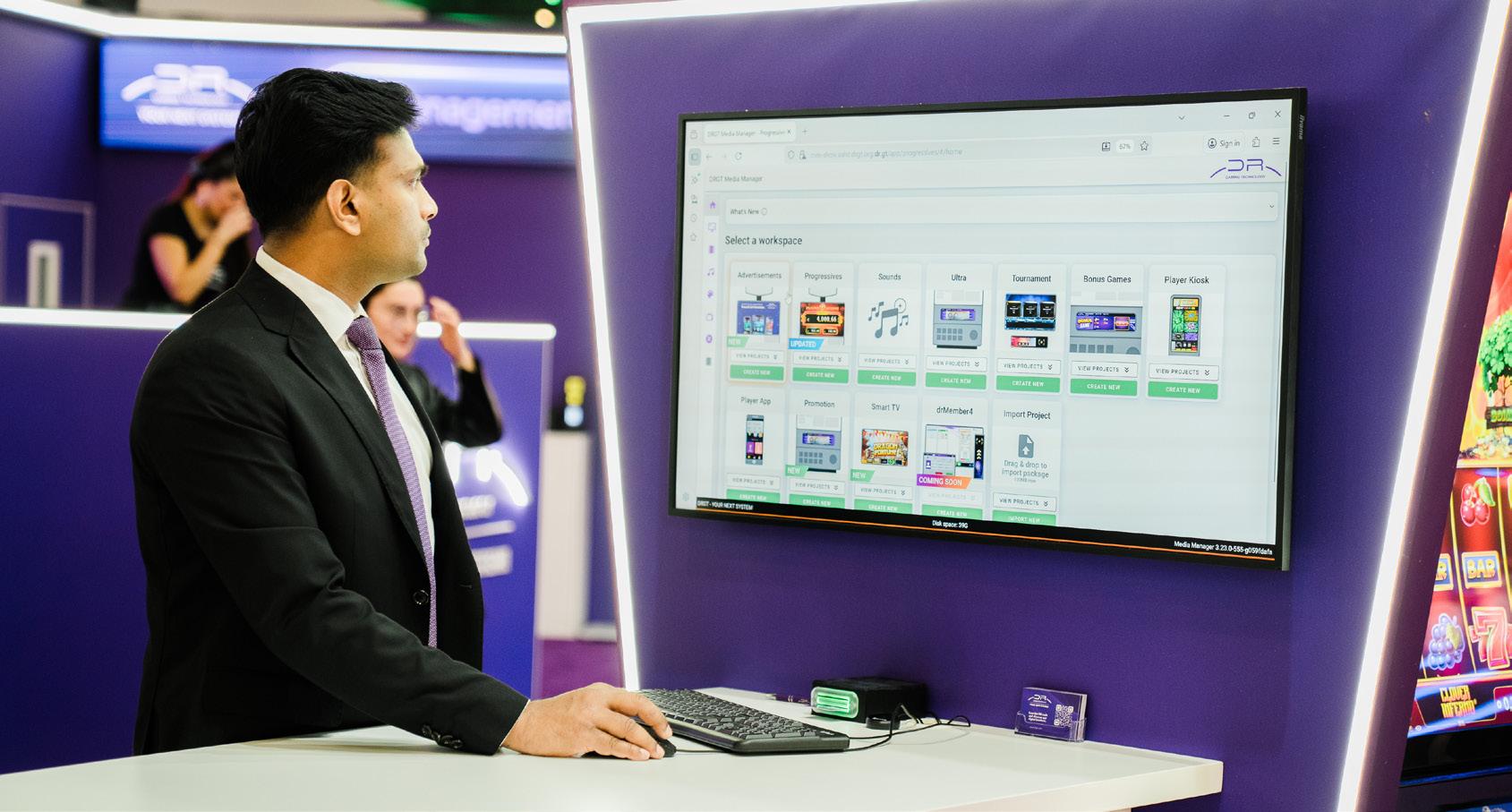
Together, these applications operate on a shared data layer, ensuring that player activity, operational events, and transactional data are continuously captured and converted into usable intelligence across the business. DRGT will also highlight its drMediaManager, enabling targeted, system-driven content delivery across the gaming floor – aligned with player segmentation, promotions and real-time triggers.
A central focus of the company’s G2E Asia presence will be its cashless gaming functionality. This will not be as a standalone feature but as an integrated component of the broader ecosystem.
By enabling fully tracked, cashless transactions across all touch points, DRGT ensures that every interaction is linked to a verified player profile. This creates a closedloop environment wherein player recognition, rewards, promotions and analytics are all driven by accurate, real-time data.
The result is not only improved player convenience and reduced cash handling, but materially enhanced commercial outcomes. These include more-precise segmentation, more-effective promotions and increased playerlifetime value.
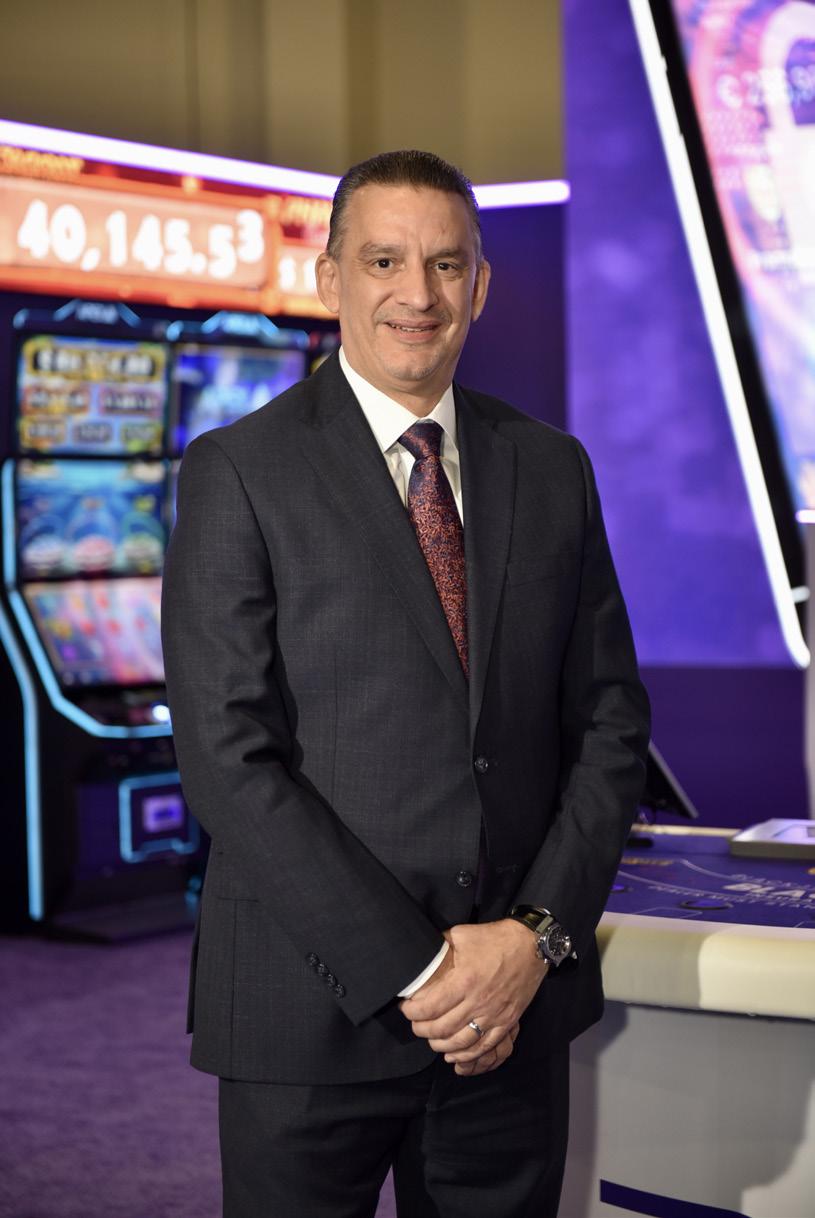
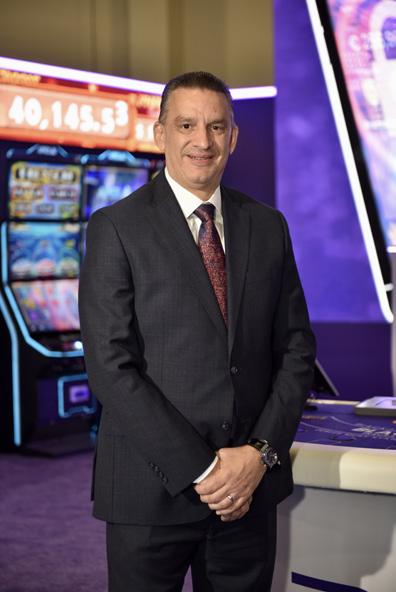
“All of our solutions are built with one objective: predictable performance in real operating environments,” said Marco Herrera, CEO of DRGT. “Because we deploy and test everything within our own Infiniti Casinos in Belgium, France, and Mexico, we are able to validate system stability, transaction volumes and player interaction before any commercial release. That removes uncertainty for operators and ensures what we deliver performs exactly as expected on the floor.”
By combining development, deployment and live operational testing within the same group, DRGT is able to significantly reduce implementation risk for its customers. Systems are not only integrated by design but also pre-validated under real-world conditions, shortening installation timelines and improving firsttime-right delivery.
“Operators in Asia and globally are looking for technology that is already proven at scale,” Herrera added. “Our model allows us to move beyond theory. What we’re showing at G2E Asia has already been live, measured and optimized. That translates into faster rollouts, fewer post-install challenges and systems that deliver from Day One.”
Visitors to G2E Asia 2026 are invited to experience DRGT’s live-tested ecosystem at Booth A1035 at the Venetian Expo Macao.

The iGaming community descends upon London for iGB L!VE’s latest edition. By Peter White
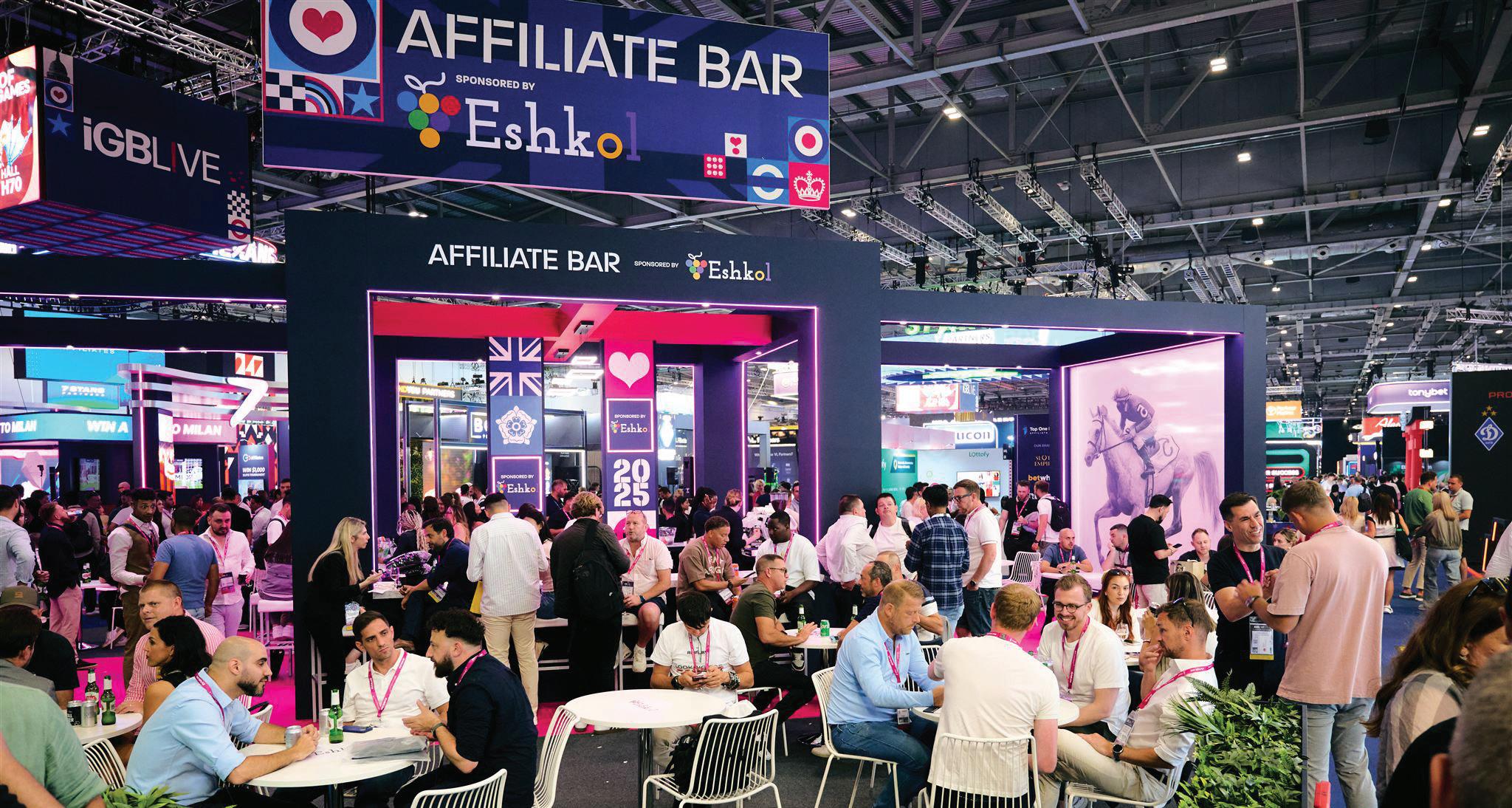
Gaming – and iGaming in particular –seems to be evolving faster than ever. That will give attendees plenty to discuss at this summer’s iteration of iGB L!VE.
For that reason, and for many others detailed herein, the show continues to move with the times. Each edition of the expo is unique and 2026 will be no exception. For a preview peek, Publisher Peter White spoke with show Managing Director Stuart Hunter. Their conversation follows …
Can you start by providing a flavor of what’s new about iGB L!VE 2026?
The World Gaming team has been focused on making ‘new’ a central aspect of the iGB L!VE experience, and attendees can expect that commitment to be evident throughout the event. Highlights will include the launch of the inaugural iGB L!VE Africa Summit, dedicated sessions on doing business in Latin America, a completely reimagined format for the iGB Affiliate Awards in a prestigious new setting, and a significantly expanded Sustainable Gambling Zone, the largest in the event’s history.
Altogether, we are on track to deliver the most dynamic and market-focused edition of iGB L!VE to date. It remains the premier mid-year platform to connect with key decision-makers, thought leaders and the influential figures who are shaping the industry.
What makes iGB L!VE London the home of the iGaming community?
London is the birthplace of and remains the home of iGaming. Over 50 of the most influential companies in the sector and 37,000 iGaming professionals base themselves in the United Kingdom, so it remains an industry destination for business networking and where the industry meets to shape the future. With so many investors and iGaming decision-makers based in London, iGB L!VE is closer to the people who are critical to the future development of the iGaming industry.
Drawing on the attributes of our host city, London’s position as a global financial center is the backdrop to a key content stream. Reflecting such shifts as increased UK gaming taxes, evolving European
regulations, and global legislative developments, we are hosting exclusive, invitation-only events centered on iGaming mergers and acquisitions.
The World Gaming M&A Summit (WGM&A) will combine curated networking, a VIP experience and a formal dinner, offering a unique forum.
Tier One iGaming operators are being invited to express interest in attending, where they can connect with strategic buyers, explore partnerships and engage with legal experts, investment banks, consultants, and accountants.
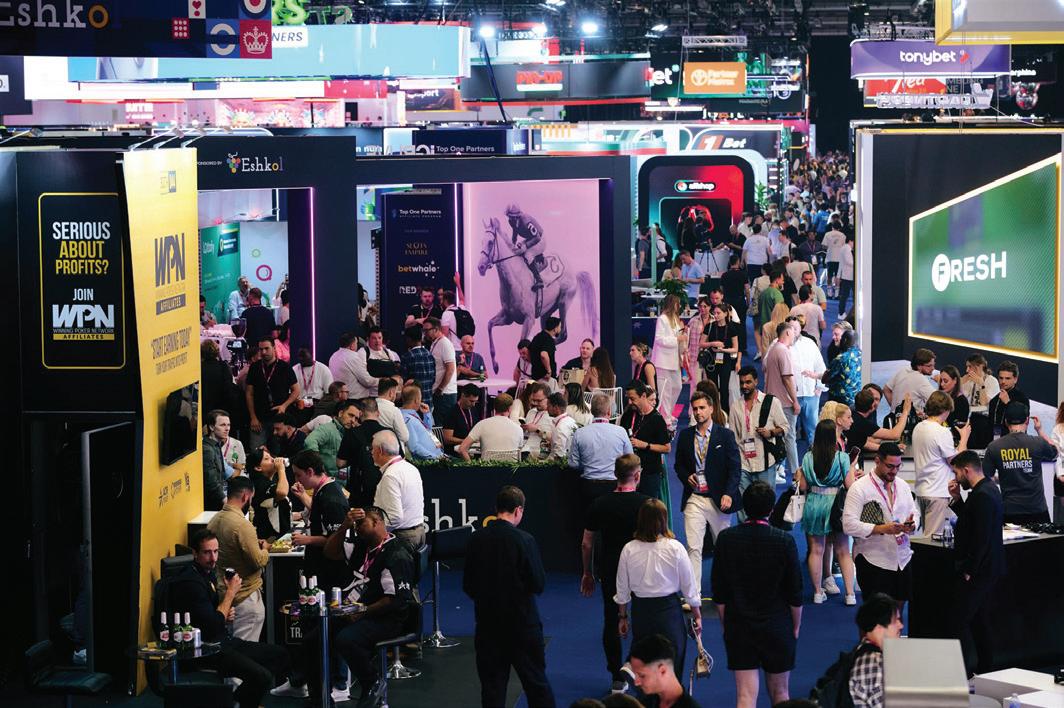
The summit is designed to provide direct access to London’s financial expertise, anchored in one of the world’s leading stock markets for publicly listed iGaming companies.
What’s new about the iGB Affiliate Awards?
One of the standout updates for 2026 is the relocation of the awards to The Shard, one of London’s most recognizable landmarks. This new venue better reflects the fast-paced, high-energy nature of the industry. The format has also been redesigned, introducing a more informal, standing-style event that encourages organic networking. Guests will be able to move freely, connect with more peers and gain greater value from attending, all set against the backdrop of London’s striking nighttime skyline.
Is it fair to say that the judging process for the iGB Affiliate Awards is the most rigorous in the gaming space?
The improvements we have made mean that our process is now the most rigorous and fair in the sector. Among the changes I would highlight are the strength and diversity of the judging panel, the use of NDAs, the highest possible transparency around the judging, and the feedback loop we have created with the community.
The process is fine-tuned each year, based on feedback from the iGaming affiliate community as well as our judges. It’s about establishing trust and an understanding that submissions are treated entirely on their merits and the same as everyone else’s.
A core objective of the awards is to showcase disruptive and fast-growing businesses. I think our
results reflect how wholeheartedly our judges embrace that principle. The iGB Affiliate Awards simply can’t be bought, we don’t make people pay to enter, and we have put multiple safeguards in place to ensure the process – and the results – are fair and transparent.
With the global gaming-events calendar becoming increasingly crowded, how does iGB L!VE differentiate itself and justify its place as a mustattend event?
iGB L!VE offers an invaluable mid-year touchpoint for the industry, an opportunity to reconnect, reassess strategies and prepare for the rest of the year.
Feedback consistently shows that iGB L!VE is viewed as a key opportunity to advance discussions, and to strengthen the connections formed at ICE and iGB Affiliate Barcelona, all within the setting of another major global city.
Although more compact than ICE, our strength lies in the quality of our exhibitors and the distinct composition of our audience. The aim is to build on the momentum of ICE and iGB Affiliate Barcelona by delivering another highly focused, industry-driven, mid-year business event.
How important are the show’s international credentials and how are you building on them?
The global reach of iGB L!VE is a defining strength. In 2025, professionals from 149 countries attended, second only to ICE Barcelona in terms of international representation. Maintaining and growing that reach requires ongoing effort. We are committed to continuously investing in both our marketing and our partnerships across the industry.

Feedback has highlighted the importance of making travel and business engagement in London as seamless as possible. In response, we have introduced a tailored Visa Support initiative in collaboration with the law firm of Branch Austin McCormick.
While most attendees can follow straightforward guidance via the event website, this service provides additional support for those with more complex requirements. It’s a practical enhancement that reinforces accessibility while reflecting the event’s increasingly global profile and our commitment to helping participants achieve their business goals.
How is iGB L!VE working to foster a culture of enterprise within the sector?
As a leading event in the gambling industry, we see it as our responsibility to support innovation and encourage entrepreneurship. The iGB Startups Accelerator, taking place on June 30, is designed for founders, innovators, investors and operators. This half-day program focuses on early-stage businesses entering or scaling within gaming and betting. It combines expert insights, founder experiences, investor viewpoints and interactive sessions aimed at accelerating growth, funding, and market entry. It also creates strong networking opportunities by bringing together startups, venture capital firms, operators and industry leaders.
Alongside this, Pitch iGB serves as a startup competition where five, selected, early stage companies present live to a panel of judges and an industry audience. Each delivers a four-minute pitch followed by a four-minute Q&A session. The initiative highlights innovation while connecting founders with potential investors, partners and operators. While these businesses may be small in size, they bring significant creativity and drive. Both programs are designed to help forge the connections that are essential for emerging companies to succeed.
In what ways do these programs help startups?
We were the first event organizer in the gambling industry space to leverage the strength of our brands to support startups in accelerating their growth and gaining market visibility. At the 2025 edition of Pitch iGB, affiliate management platform BetPass impressed the judging panel with its curated marketplace, designed to connect affiliate networks with high-value opportunities.
BetPass founder Bruno Barroso reflected on the significance of winning which he said gave the startup instant credibility with a global audience. He confirmed that it opened doors to conversations with top-tier operators, investors and potential partners that would have taken months – if not years – to secure.
In common with previous Pitch iGB winners, Barrosso also highlighted how difficult it is for startups to attract investment from financial institutions. He said the latter often struggle to understand the iGaming sector’s dynamics, especially in emerging markets. There’s no doubt that Pitch iGB has a big role to play in providing a platform for new businesses and delivering the connections that help speed their development.
How is iGB L!VE continuing to promote responsible gambling and player safety in 2026?
I’m extremely proud that we were the first event organizers to introduce a player-protection area to the show floor when the Consumer Protection Zone (CPZ) was launched at ICE 2018. Since then, the CPZ has rebranded as the Sustainable Gambling Zone (SGZ) to reflect current thinking. The SGZ at iGB L!VE will be the biggest the show has featured and will have a high-profile presence.
The digital-first focus of the show makes it a natural place to demonstrate technology-driven solutions that
are particularly applicable and impactful in the online gaming space. Many of the Tier Two and Tier Three operators, new entrants and operators from new/ emerging markets who make up the core of the show’s audience, are in need of safer gambling/KYC solutions to either prepare for future regulations or to position themselves for acquisition. The SGZ provides an opportunity for visitors to network with industry peers who put the duty of care and sustainable play at the top of their agenda, to learn from experts, and to brainstorm the most effective solutions to tackle problem gambling.
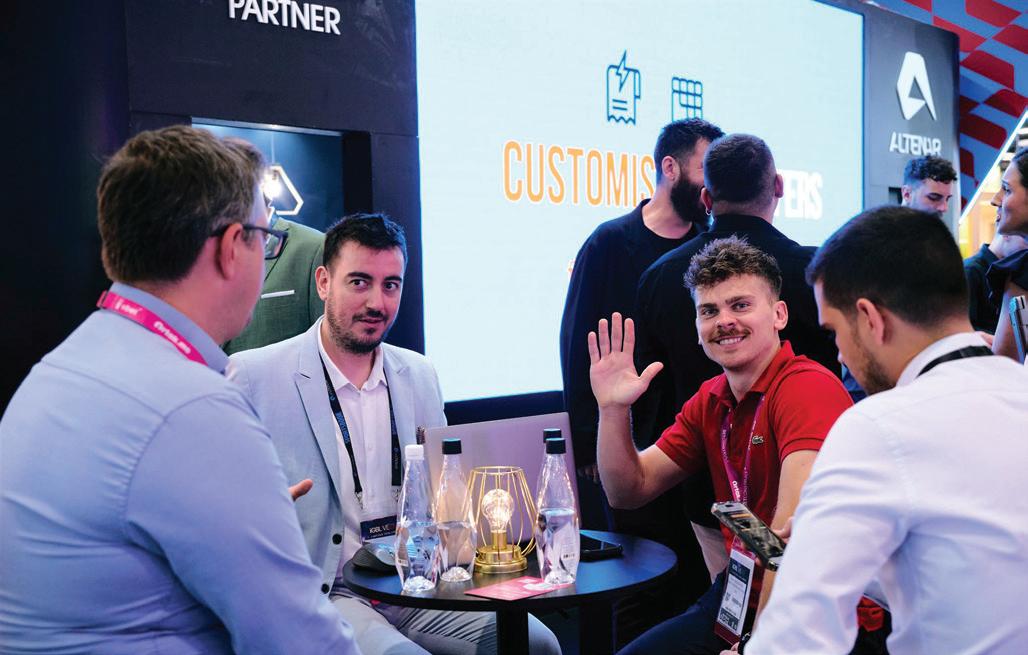
In a world where digital networking is easier than ever, what makes face-to-face events like iGB L!VE still so essential?
Well-run, professional and targeted face-to-face events remain hugely important. iGB L!VE continues to grow, attracting industry professionals from throughout the world. That reflects the strength of the brand, but also the importance of face-to-face events in a sector which places so much importance on trust and interpersonal relationships.
How will iGB L!VE maintain quality while scaling?
As an organizing team we are totally focused on delivering the best quality experience for all of our stakeholders. This is non-negotiable. To compromise on quality for the sake of numbers is the complete opposite of our business philosophy.
Our strategy across all of our live events is to grow in line with the industry and its ever-evolving needs. That is in physical size or by adapting our format and offerings. Remaining dynamic and industry-focused ensures that you remain a business-critical platform. We recognize that all of our customers – whether they are exhibitors or visitors – make an investment by attending our events and that we have to earn their continued support.
As the event continues to grow, how important is attendee insight in shaping the experience?
It’s fundamental. Any event organizer that fails to engage with customers and seek their input is preparing to fail. Everything that delegates will experience at iGB L!VE in July is the result of
hundreds of conversations that the team has held with our stakeholders. None of the big decisions are taken in isolation, which means that our events, including iGB L!VE, are by the industry and for the industry. The post-show research that we undertake identifies both the initiatives that worked as well as those that require attention. In that respect iGB L!VE attendees are constantly shaping the show experience.
Finally, for our readers around the world planning to attend iGB L!VE in London, what’s your message about the unique opportunities and experiences they can expect?
Our theme for 2026 is “All In” – a concept that resonates across casino, affiliate marketing, and, in a FIFA World Cup year, sports betting. Delivered by the World Gaming team, iGB L!VE ’26 will bring together operators, affiliates, technology providers, and game developers in London to continue the conversations and partnerships that began earlier in the year at ICE and iGB Affiliate Barcelona. The focus is on strengthening the trust-based relationships that underpin business growth.
At its core, iGB L!VE is a Tier One business event that highlights cutting-edge technologies, delivers valuable market insights and facilitates high-quality networking, including exclusive industry gatherings. Like all our events, it has been developed in close collaboration with our global community. That is why it is widely recognized as a place where industry professionals come not just to meet but also to do deals.
Register for the 2026 edition of iGB L!VE (1st- 2nd July) at https://www.igblive.com

Mark McGuinness
Artificial intelligence (A) has become the iGaming industry’s most powerful instrument for safeguarding players. It is also the most powerful instrument for monetizing them. The question facing every corporate board is which purpose comes first.
The industry has spent the past 18 months positioning AI as the great savior of responsible gambling. Every earnings call, every compliance briefing, every trade-press interview now features a reference to predictive markers, early intervention and machine-learning models that identify harm before it becomes a headline. The vocabulary is reassuring. The reality, as ever, is it feels much more complicated.
Behind the glossy earnings presentations sits an uncomfortable truth. In many operators, the same neural networks that identify a player in distress are drawn from the same data lakes, built by the same engineers. They are judged against many of the same
key performance indicators (KPIs) as the systems that personalize marketing and maximize lifetime value. This is not an oversight. It is an architectural and operational decision.
That decision deserves scrutiny and it is a concern of regulators: black box AI.
Every behavioral signal an operator captures is dual-purpose in nature. Session length, deposit velocity, loss-chasing patterns, time-of-day volatility: These are the fingerprints of potential player harm. They are also, almost without exception, the variables that predict a player’s commercial value. A customer who deposits at 3 a.m. after four consecutive losses is, statistically, a high-risk individual. In the same dataset, they are often the most profitable, a moral and commercial dichotomy.
If your responsible-gambling model and your customer relationship management (CRM) model share inputs, share teams or share accountability, the commercial incentive will, over time, contaminate the protective one. This is not a moral accusation. It is a structural inevitability. Optimization pressure flows downhill and it flows toward revenue. You can’t be judge and jury at the same time.
The UKGC has been unusually direct on this point. Its assurance work through 2024 and 2025 repeatedly emphasized that automated customerinteraction systems must be designed around harm indicators, not retention indicators. The distinction is not cosmetic. It is the difference between a license retained and a license reviewed.

tell a regulator, a court or a bereaved family why your system did or did not intervene, the system is not fit for purpose.
A genuinely protective AI deployment has characteristics that are technically verifiable and commercially uncomfortable. The first is independence of objective function. The model must be trained to minimize harm, not to maximize retention, reactivation or churn prevention. If a data scientist cannot tell you, in a single sentence, what the model is trying to minimize, the model is not protecting anyone.
The second is asymmetry of cost. A protective system must be willing to be wrong in the player’s favor. False positives, where a healthy recreational player is offered a break, has cooled down or is subject to enhanced due diligence, must be treated as acceptable collateral. If the internal debate is dominated by the “over-intervention” problem, the incentives are already skewed.
The third is isolation from commercial telemetry. The marketing stack should not inform the safer-gambling stack. A player flagged by the protection model should not, that same afternoon, receive a reactivation bonus triggered by the CRM or PAM platform. That this still happens routinely across the sector is a documented failure of governance.
The fourth is explainability. The UKGC’s emphasis on algorithmic transparency is not a bureaucratic inconvenience. It is a moral minimum. If you cannot
Here is where boards and marketing must be honest with themselves. A meaningful deployment of protective AI will, in the short term, reduce revenue. It will close accounts that would otherwise have deposited. It will block bonuses to players who would otherwise have returned. It will generate friction where the commercial function would prefer velocity.
If the introduction of AI-driven player protection has had no measurable negative effect on your top-line GGR, the probability is high that it is not doing what you claim it is doing. This is the question I would invite every CEO to put tomorrow morning to their compliance officer: Show me the revenue we have walked away from this quarter. If the answer is a round number or, worse, a blank stare, the protection is at best theatre.
None of this means the two objectives are permanently irreconcilable. The emerging evidence from the more-mature Northern European markets suggests the opposite.
Operators in the Netherlands and Sweden, where interventions have been aggressive and prescriptive, have found that players subjected to early, wellcalibrated protective outreach tend to demonstrate higher long-term engagement, lower post-intervention churn, and dramatically reduced complaints volume.

The recreational player, treated well, stays. The problem player – allowed to deteriorate – eventually leaves in a manner that is catastrophic for both parties and increasingly adverse for the operator’s banking relationships, payment rails, and regulatory standing.
The lesson is not that protection is free. The absence of protection is, in the medium term, is considerably more expensive.
There is, therefore, a genuine commercial argument for genuine protection. But it is a medium-term argument and it requires a CEO willing to absorb short-term NGR compression in exchange for a sustainable license – and a durable customer base. In a public-markets environment that rewards the next quarter, that willingness is not evenly distributed across the sector.
The direction of travel is unambiguous. The UKGC’s financial vulnerability regime, the DCMS implementation of the Gambling Act White Paper, and parallel moves from the Malta Gaming Authority and Sweden’s Spelinspektionen point toward the same end state. Operators will be required to demonstrate, not merely assert, that their automated systems act in the player’s interest. “We have an AI model” will no longer suffice. The questions will be: What does it optimize? Who audits it? When it is wrong? In whose favor does it err?
Those who cannot answer these questions with a straight face in 2026 will be answering them under oath in regulatory reviews in 2027.
What is required is a governance framework as rigorous as the one applied to financial controls. Separate teams. Separate objective functions. Separate reporting lines to the board. A safergambling function that reports not to the commercial director but directly to the CEO and, via the audit committee, to the board itself. Independent third-party review of model performance. And a cultural understanding, articulated from the top, that revenue foregone in the service of player protection is not a failure but a measure of integrity.
This is not a call for more committees. It is a call for the structural separation of competing interests. That is the principle that governs every other regulated industry, from banking to pharmaceuticals.
The honesty test for AI in our sector is simple and very uncomfortable. That’s a fact. Show me the model. Show me the objective function. Show me the players it protected this quarter and the revenue you walked away from as a consequence. Show me the internal debate and show me who won it.
If you cannot answer, any of the above, you do not have a player-protection system. You have a marketing story. In the regulatory climate now taking shape, a marketing story is the most expensive thing you can own. It’s a fact.
Mark McGuinness is a global marketing leader with 20-plus years of experience across Web3, iGaming, and crypto. He specializes in building communityfirst brands, scaling growth strategies, and integrating NFTs, tokens and decentralized ecosystems into engaging digital experiences. As CMO of Devilfish.com, he is redefining social poker for a new generation of free-to-play players via monetization of digital avatars and microtransactions within the co-creator ecosystem.

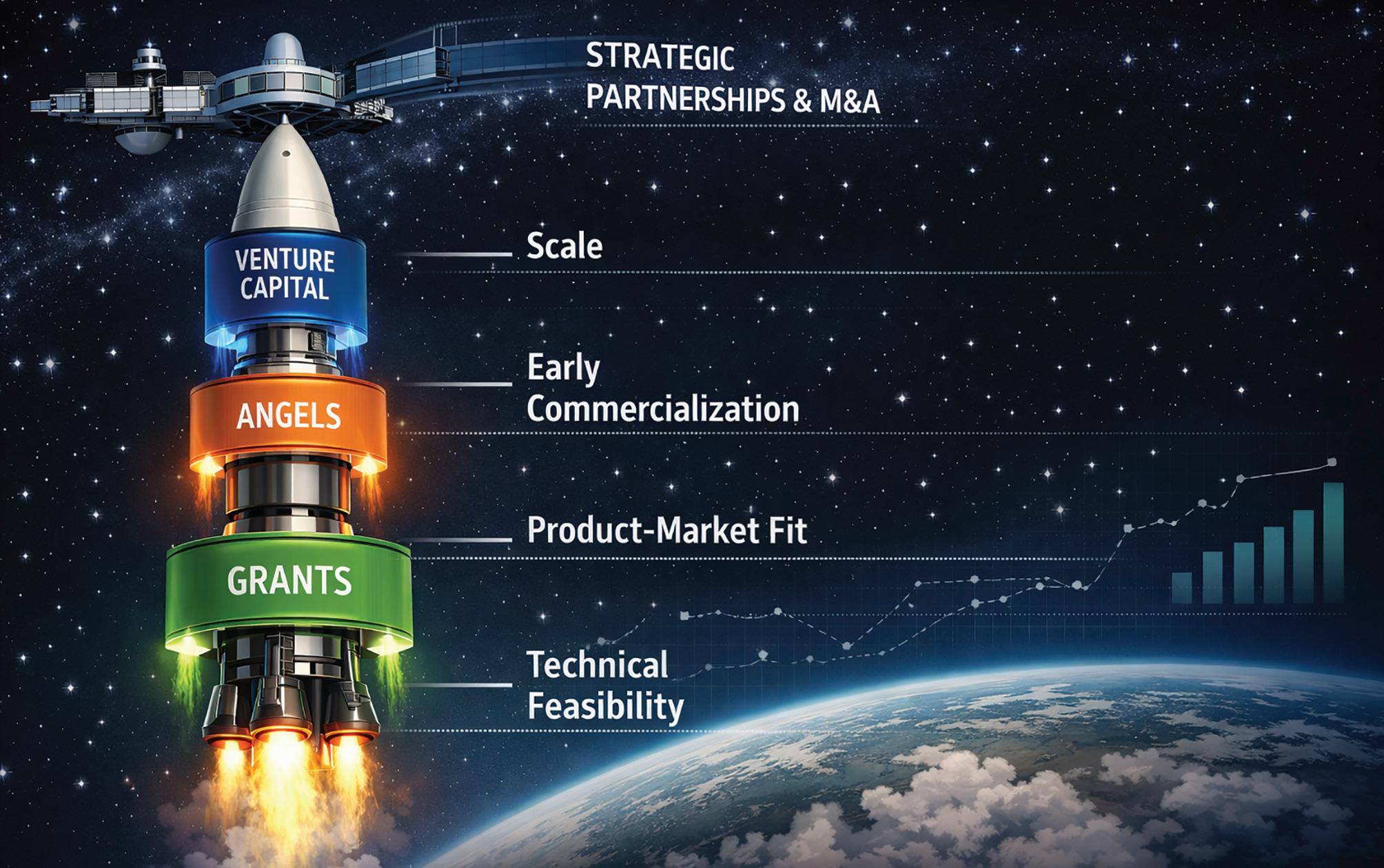
n research-based entrepreneurship, the challenge is rarely the existence of brilliant ideas. It’s deciding how to fund the journey from early proof to real adoption.
IEarly stage ventures often need capital for far more than engineering: validating customer demand, building prototypes, meeting regulatory or safety requirements, protecting IP and running iterative trials that can take longer than traditional investors expect. Because of this, the best funding source depends on stage, risk profile and the specific milestones the company must reach next.
A strong capital strategy matches each type of investor or funding program to a distinct purpose. This can include stretching the runway, de-risking technology and accelerating go-to-market strategy, while preventing early dilution or distractions.
A common mistake is treating funding as a single event rather than a sequence of milestone-driven needs. In reality, early ventures move through different stages: technical feasibility, product-market fit signals, early commercialization,and scaling. Each state attracts different funding types.
• Grants are often best when the goal is to reduce technical uncertainty, build early prototypes, or support research activities that contribute to public or scientific value. They can also buy time while teams validate assumptions that investors are not yet ready to underwrite.
• Angels are typically stronger when the company needs early validation and believes the team can execute quickly – especially when there is compelling initial evidence (e.g., prototypes, pilot interest, early IP defensibility).
• Venture capitalists usually become more relevant when the venture can demonstrate credible traction, expanding market potential and a pathway to scalable business outcomes.
• Strategic partnerships or even mergers and acquisitions can provide resources beyond cash – access to distribution, domain expertise, co-development capabilities, pilot customers, or credibility in regulated or complex markets. Most importantly, it can be an exit strategy for founders and early investors who wish to be rewarded for their patience.
When founders align funding to the next set of measurable milestones, capital becomes a tool for progress rather than a tradeoff that forces premature scaling.
Research-based startups often have two simultaneous stories: the scientific narrative and the commercial narrative. Investors don’t fund experiments – they fund the likelihood of converting experiments into repeatable outcomes. That means your capital plan must explain what will be learned at each stage and how those learnings reduce risk.
For example, early proof may be a lab result or a technical prototype. But funding readiness improves when you can answer questions such as:
• Who will pay and why?
• What problem is urgent enough to create willingness to adopt?
• How long is the path from prototype to deployment?
• What evidence supports feasibility and differentiation?
• What milestones will be completed with the next tranche of funding?
A well-designed strategy makes it easier for each funding source to see where they fit – and why the next step matters.
A practical capital strategy should include three elements:
1. Stage-aligned funding mix (what you will use – grants versus angels versus venture capital versus partners – and why)
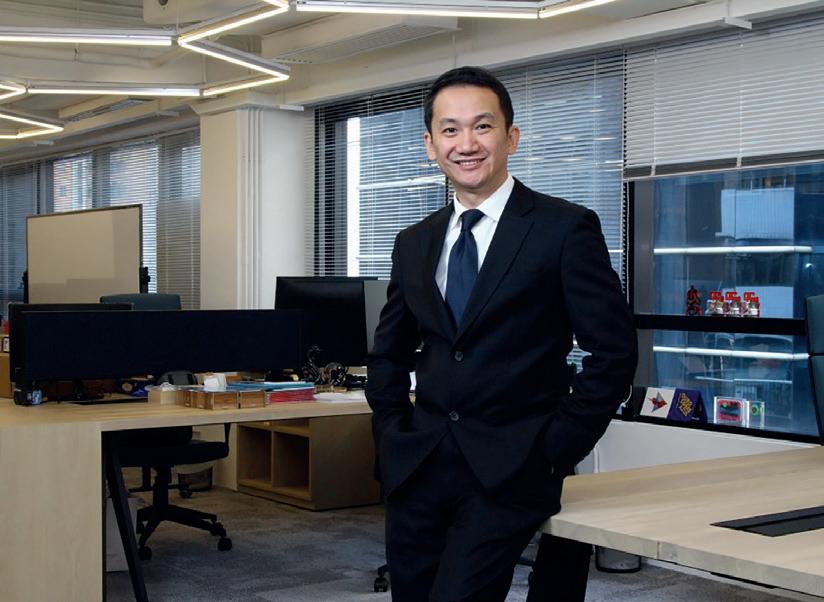
Raymond is a software engineer by profession with a track record in corporate innovation and entrepreneurship. He co-founded two prosperous startups, TGG Interactive and Global Gaming Group in USA and Asia respectively, where he served as director and CEO to lead the electronic gaming businesses from 2007 to 2018. Earlier in his career, Raymond was a founding member of the business intelligence team at ETRADE from Morgan Stanley and played a pivotal role in designing the TiVo customer intelligence system in Silicon Valley.
2. Milestone map (what you will complete with each funding source)
3. Runway logic (how long you can operate and what happens if milestones slip)
Investors are ultimately assessing whether your plan converts uncertainty into certainty over time. The strongest founders design their fundraising as part of execution – not as a periodic scramble.
Raising capital in research-based entrepreneurship is most effective when it is treated as a strategic system rather than a single fundraising event. Grants, angels, venture capitalists and strategic partnerships each play a distinct role – de-risking research, proving market signals, scaling adoption and accelerating credibility.
When founders match funding sources to the right milestones and communicate progress in a way investors can measure, capital becomes a force multiplier. The result is not just a better chance to raise money but also a clearer route to building ventures that genuinely solve real problems and create longterm positive impact.