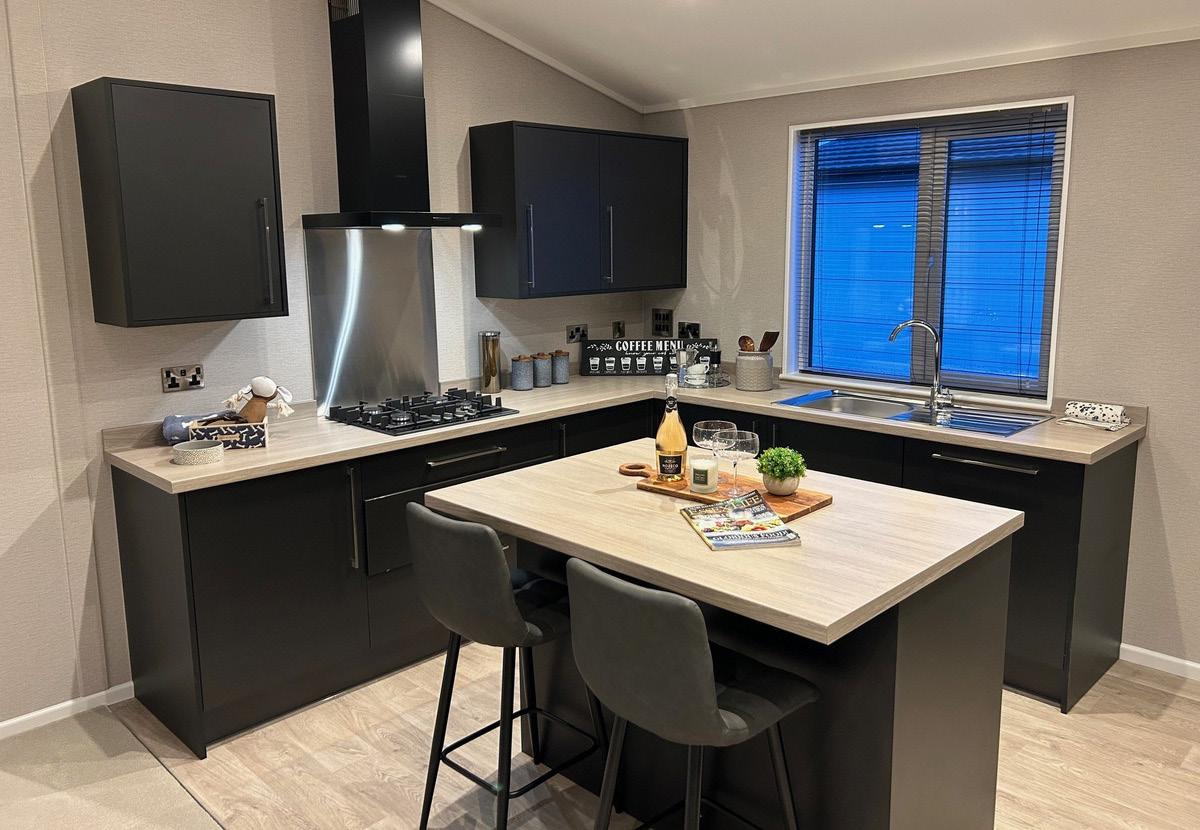
How thoughtful design and calming spaces can positively impact your wellbeing every day.
HOW PLANTS CAN BRIGHTEN BOTH ROOMS AND MOOD
Discover how adding greenery can enhance your home while boosting mood and wellbeing.
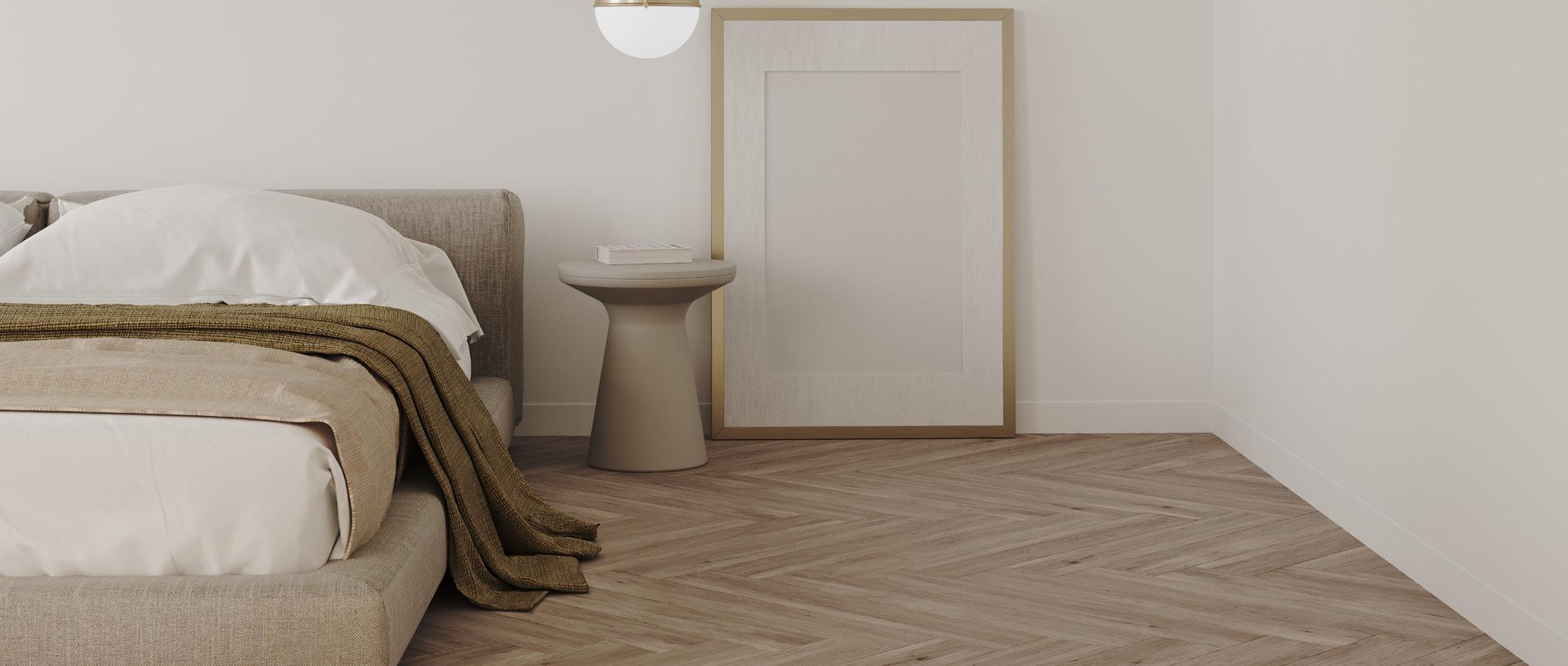
WHY BETTER SLEEP STARTS WITH YOUR BEDROOM
Simple bedroom changes can help create a calmer space and improve the quality of your sleep.
Welcome to our
magazine
The UK housing market remains resilient this month, with buyer confidence continuing to improve despite wider economic uncertainty. House prices have stayed broadly stable across many areas, while increased mortgage competition and steady demand are encouraging more movement in the market as we move further into 2026.
Inside this month’s issue of Gateway, we explore how your home environment can play an important role in supporting mental wellbeing, how adding plants can brighten both your living spaces and your mood, and why creating the right bedroom environment is key to achieving better sleep. Alongside these features, we also showcase a carefully selected collection of standout homes currently available with us at Fisk.
Enjoy!
John Pring FNAEA(Honoured) & MARLA | Director
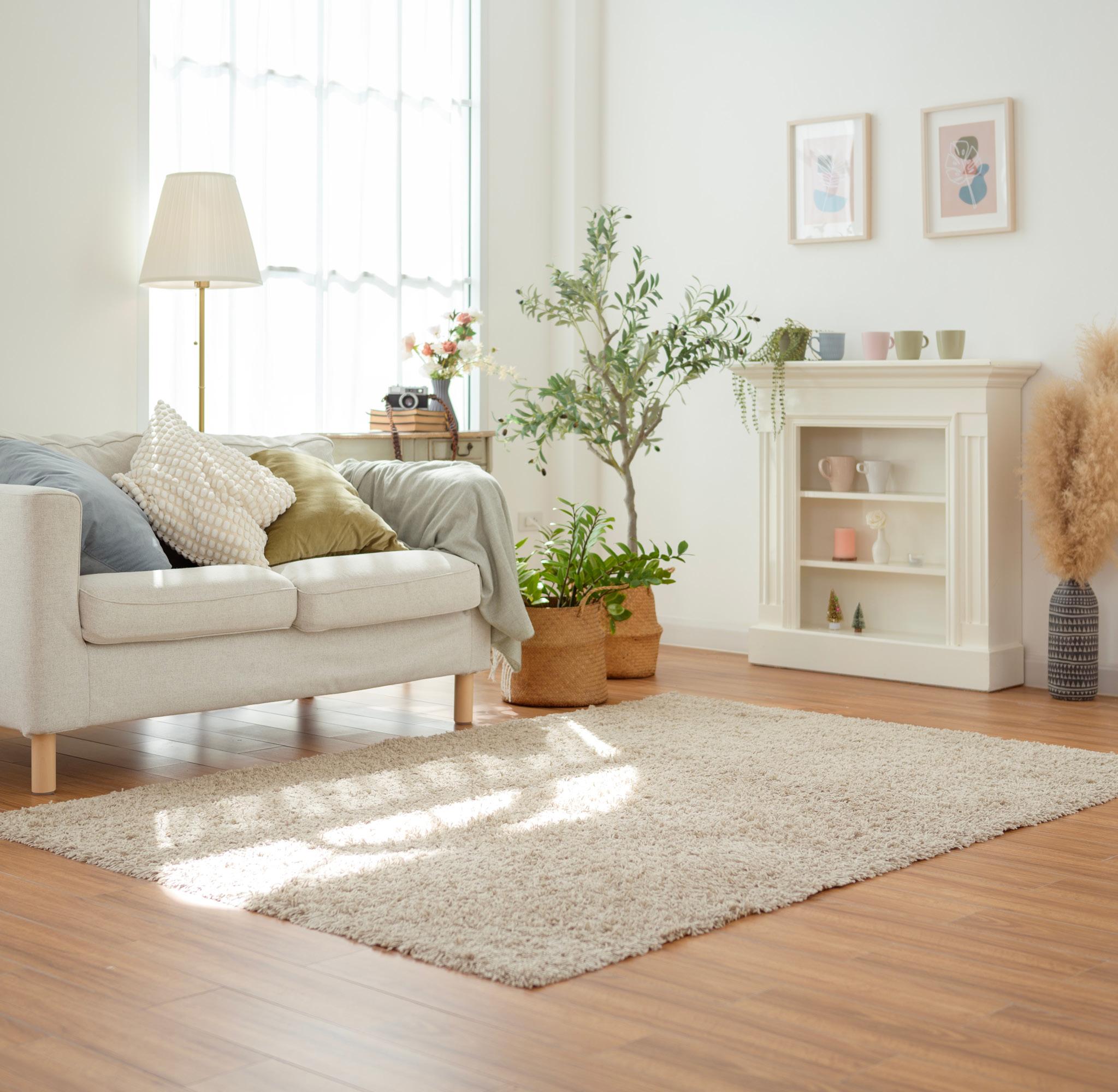
CAN YOUR HOME IMPROVE YOUR MENTAL HEALTH
How thoughtful design and calming spaces can positively impact your wellbeing every day.
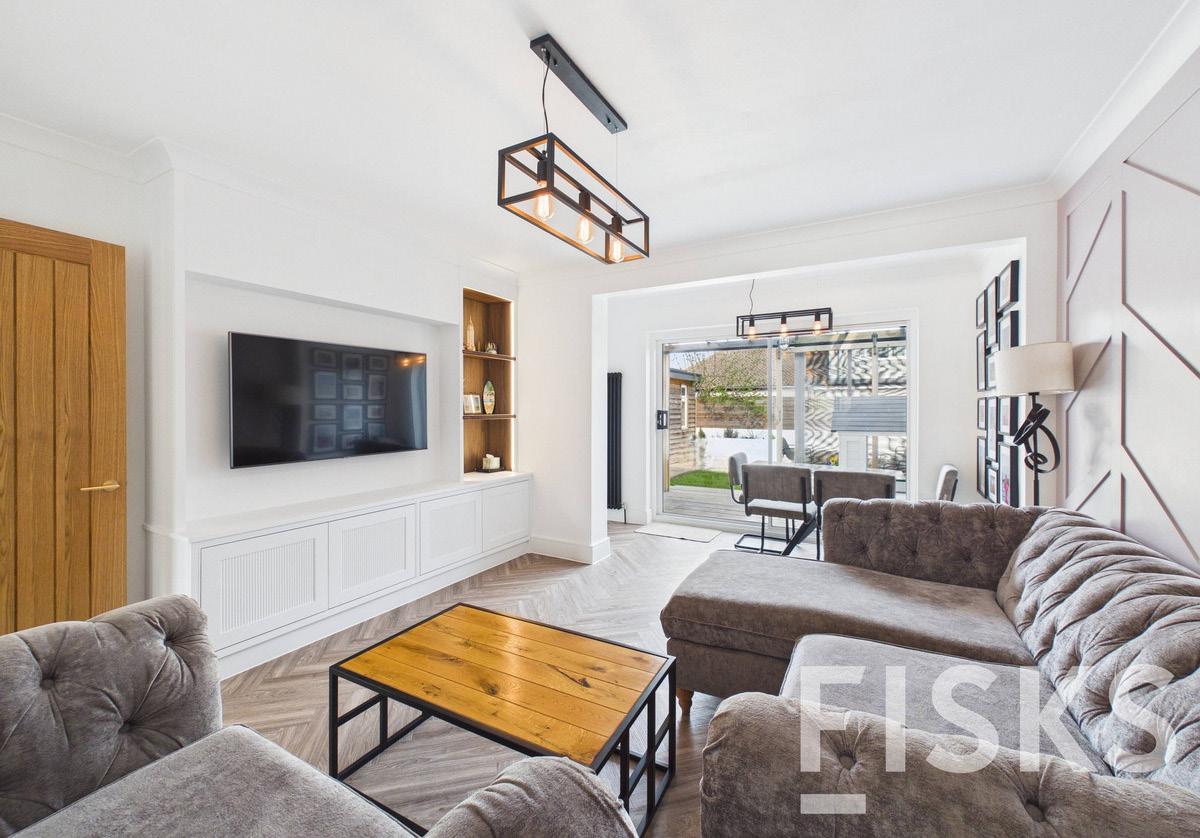
In a world where stress follows us everywhere — through phones, work schedules, and constant digital noise — the home has become far more than simply a place to sleep. It is now expected to function as an office, a sanctuary, a social space, and a retreat. Increasingly, designers and psychologists agree on one thing: the spaces we live in have a direct impact on our mental wellbeing.
From lighting and layout to colour palettes and natural materials, modern homes are being designed not only for comfort, but for emotional balance.
THE PSYCHOLOGY OF SPACE
The human brain constantly reacts to its surroundings, often subconsciously. Cluttered rooms can increase feelings of anxiety and overstimulation, while organised, open spaces tend to encourage calmness and focus. Studies in environmental psychology suggest that people feel more relaxed in spaces with natural light, greenery, and soft textures.
This explains why minimalist interiors continue to dominate modern design. Clean lines, neutral tones, and intentional spaces reduce visual stress and create a sense of order — something many people crave in busy urban lifestyles.
Homes are no longer simply decorated; they are carefully curated to support how people want to feel.
NATURAL LIGHT CHANGES EVERYTHING
One of the most powerful mood-enhancing features in any home is natural light. Exposure to daylight helps regulate sleep patterns, improve concentration, and boost serotonin levels — often referred to as the “happiness hormone”.
Large windows, skylights, and open-plan layouts are now highly desirable not only because they appear luxurious, but because they genuinely improve everyday wellbeing. In cities such as London, where grey weather and darker winters can affect mood, bright interiors have become especially valuable.
Designers are increasingly using mirrors, lighter wall colours, and reflective materials to maximise available sunlight and create brighter living environments.
WHY CLUTTER AFFECTS THE MIND
A disorganised home can quietly contribute to mental fatigue. When the brain is constantly processing visual mess, it becomes harder to relax or concentrate.
This is one reason storage design has become central to modern interiors. Hidden storage, multifunctional furniture, and carefully planned layouts allow spaces to feel cleaner and more peaceful without sacrificing personality.
The popularity of decluttering philosophies reflects a wider lifestyle shift: people are beginning to prioritise mental clarity over excessive consumption.
THE RISE OF WELLNESS DESIGN
A growing trend in luxury property is “wellness-focused living”. Homes are now being designed around health and relaxation rather than purely aesthetics.
Features commonly found in high-end residences include:
• Meditation rooms
• Spa-inspired bathrooms
• Indoor gardens
• Air purification systems
• Acoustic insulation for quieter living
• Wellness gyms and recovery spaces
The aim is simple: to create an environment that reduces stress and encourages restoration.
This movement has also fuelled interest in biophilic design — an approach that incorporates nature into interiors through plants, wood, stone, water features, and organic textures. Research consistently shows that people feel calmer and more emotionally balanced when surrounded by natural elements.
CREATING EMOTIONAL COMFORT
The most emotionally supportive homes are not necessarily the largest or most expensive. Often, they are spaces that feel personal, calming, and emotionally secure.
Soft fabrics, warm lighting, calming scents, meaningful artwork, and comfortable furniture all contribute to a feeling of safety. Even small details — such as a reading corner, a favourite chair, or a peaceful balcony — can create moments of calm in everyday life.
In many ways, modern interior design is becoming less about impressing others and more about supporting personal wellbeing.
THE FUTURE OF LIVING
As conversations around mental health continue to evolve, architecture and interior design are changing alongside them. Developers, designers, and homeowners increasingly recognise that homes influence not only how we live, but also how we feel.
The future of luxury may not be defined solely by size, location, or exclusivity. Instead, true luxury could become something far more personal: a home that genuinely improves quality of life. Because in today’s world, wellbeing has become the ultimate design feature.
Meet the team...
Harriet Plampton Sales & Lettings Consultant
If you have any questions about this issue of Gateway or would like more information on the featured articles, please contact our editor, Perry Goodwin, at perry@fisks.co.uk.
Kimberley Cook Property Management Administrator
John Pring Director
Penny Ash Property Manager
Ryan Stanton Area Manager
Emma Jarrett Property Consultant
We cover the whole of South Essex. Contact us for a free valuation on 01268 565555
Leanne Wright Administration Manager
Mia Zetter Administrator & Sales Progressor
Tina Webster Management Accountant
OUR VISION & STRATEGY
The residential estate agency market is increasingly populated by large corporations; nevertheless, our independent familyrun estate agency continues to succeed and grow a loyal client base, due to our core values, ethos and flexible approach to clients’ requirements.
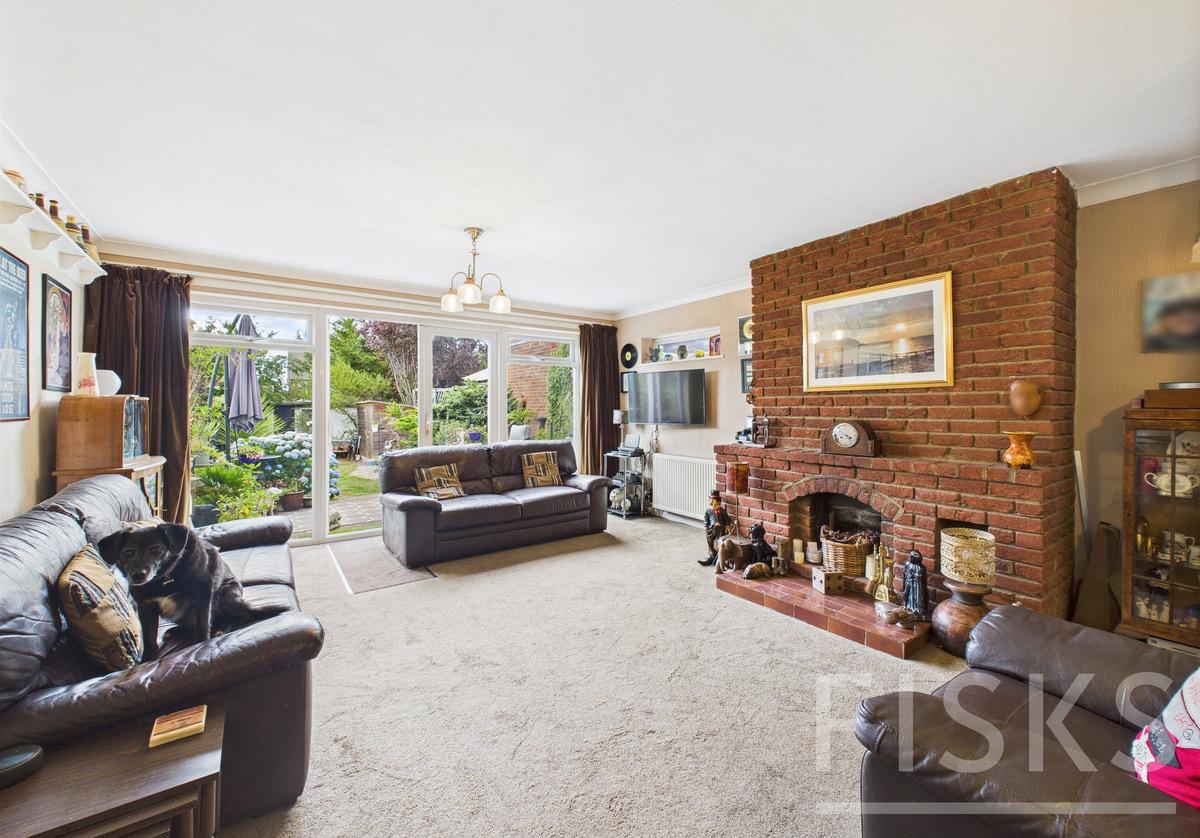
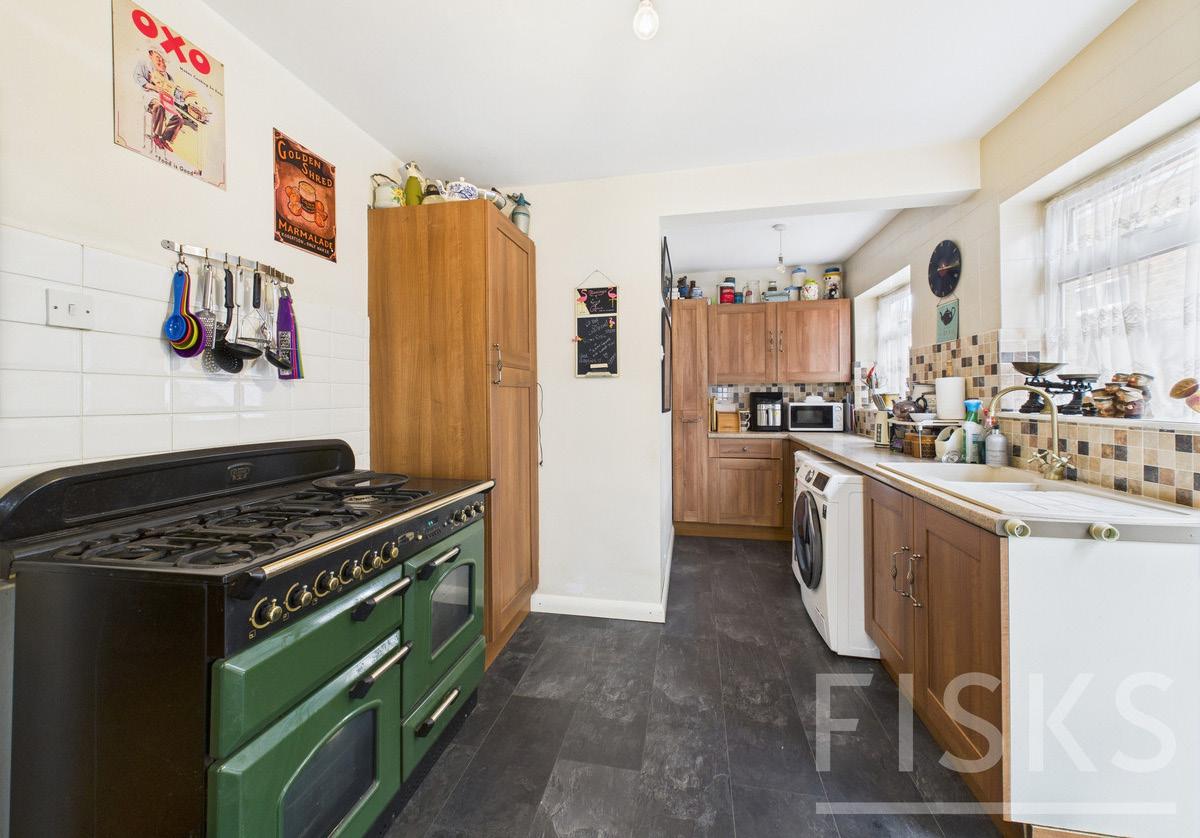
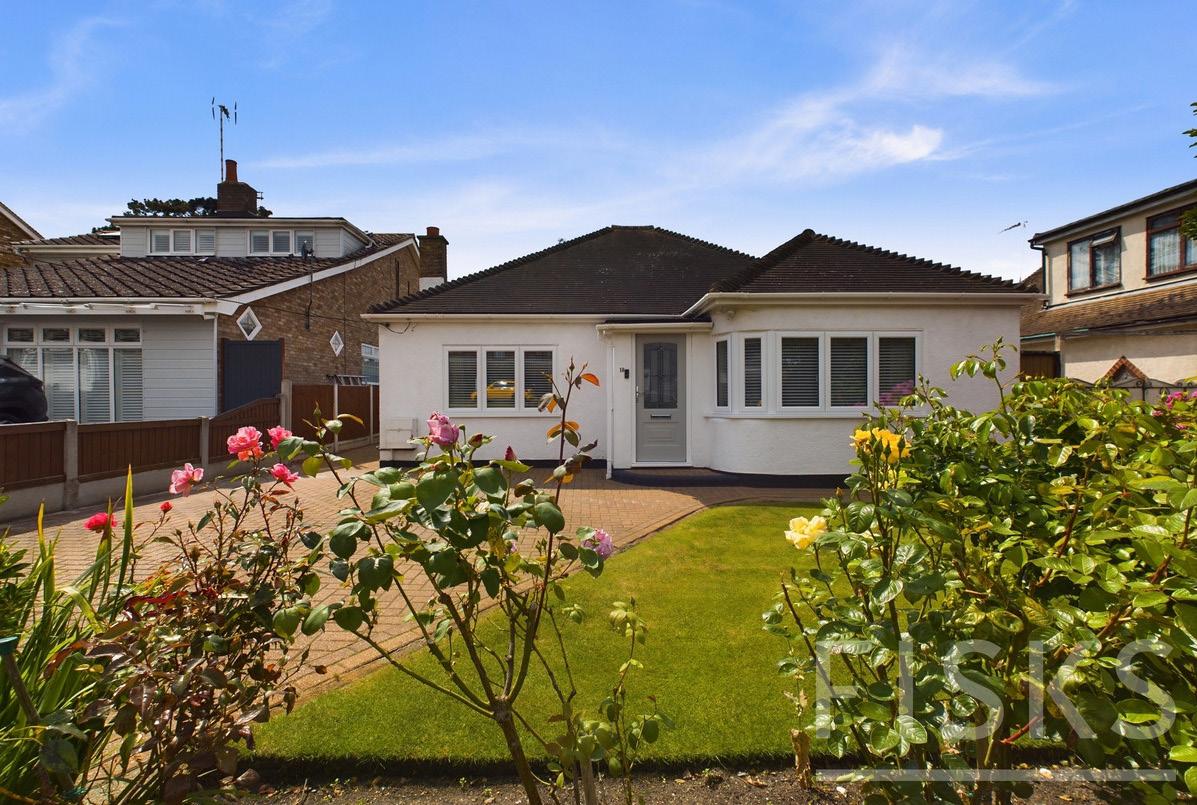
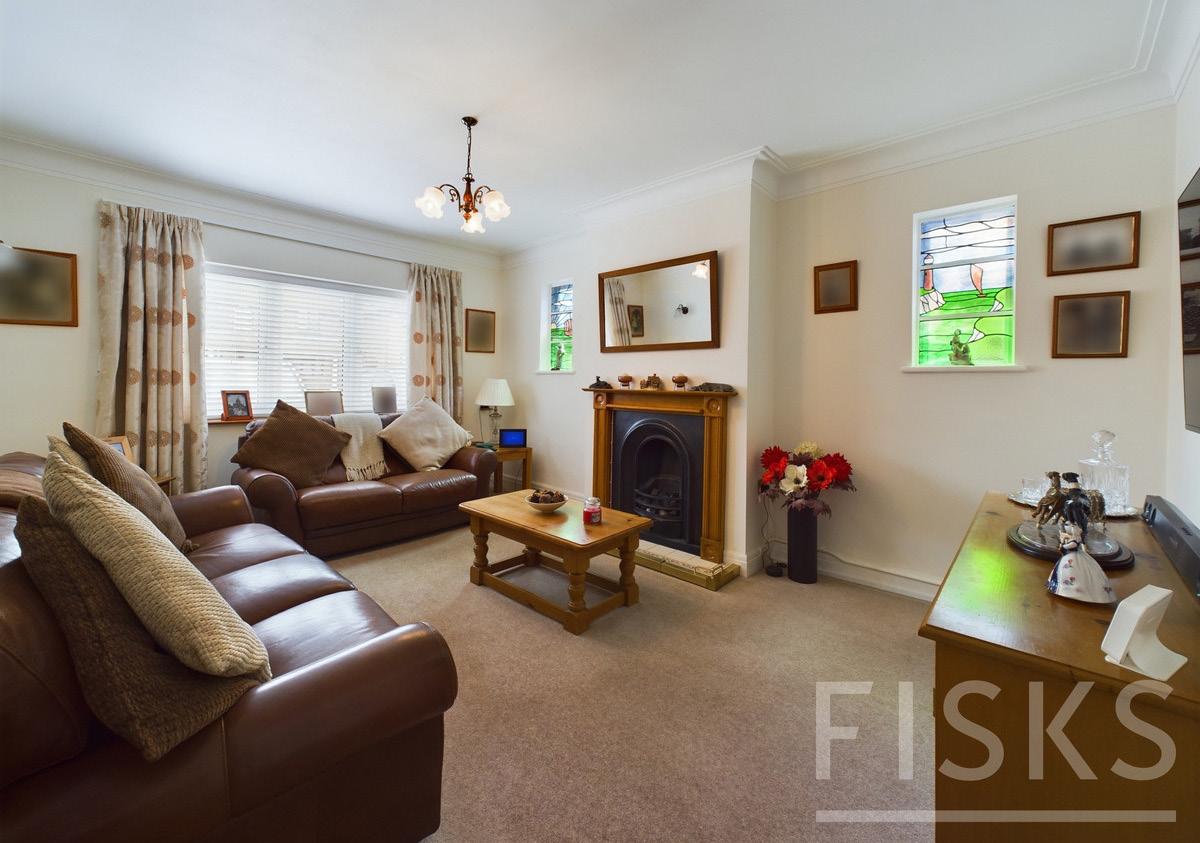
STANLEY ROAD, BENFLEET
£350,000
Two Bedroom Detached
Bungalow
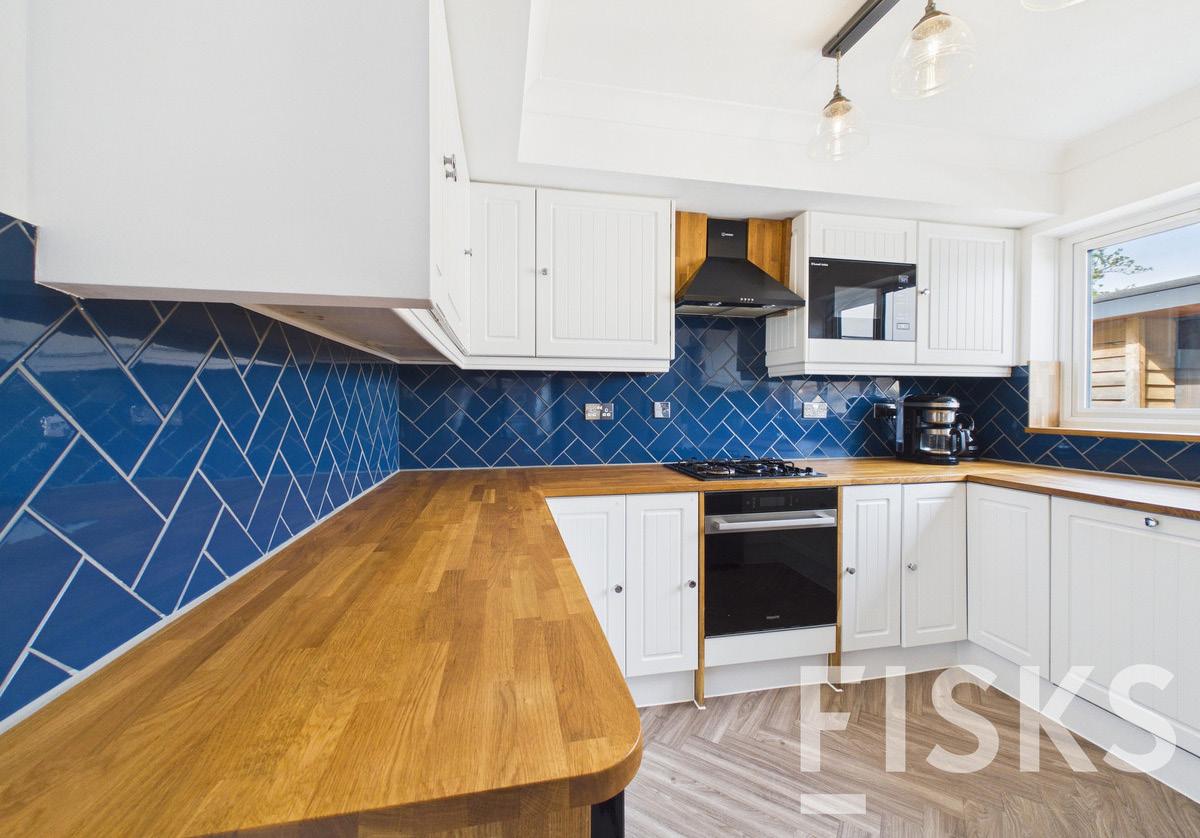
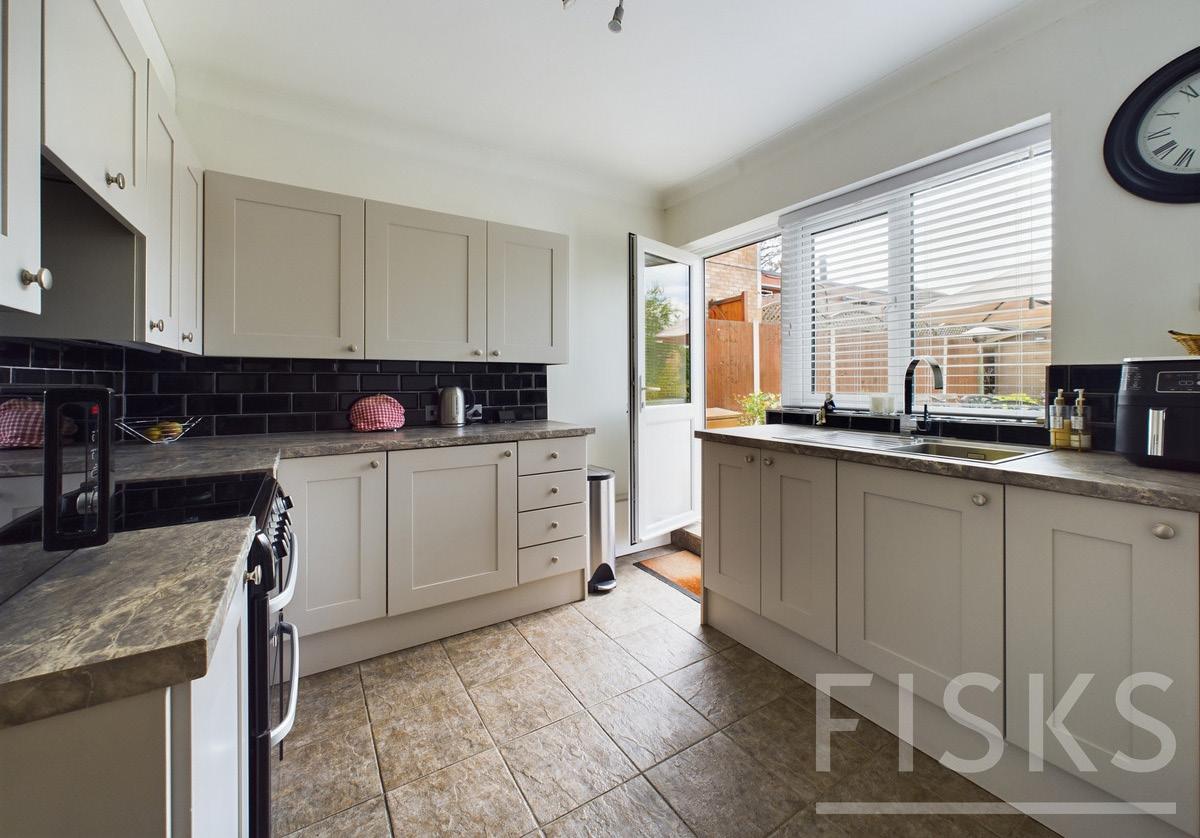
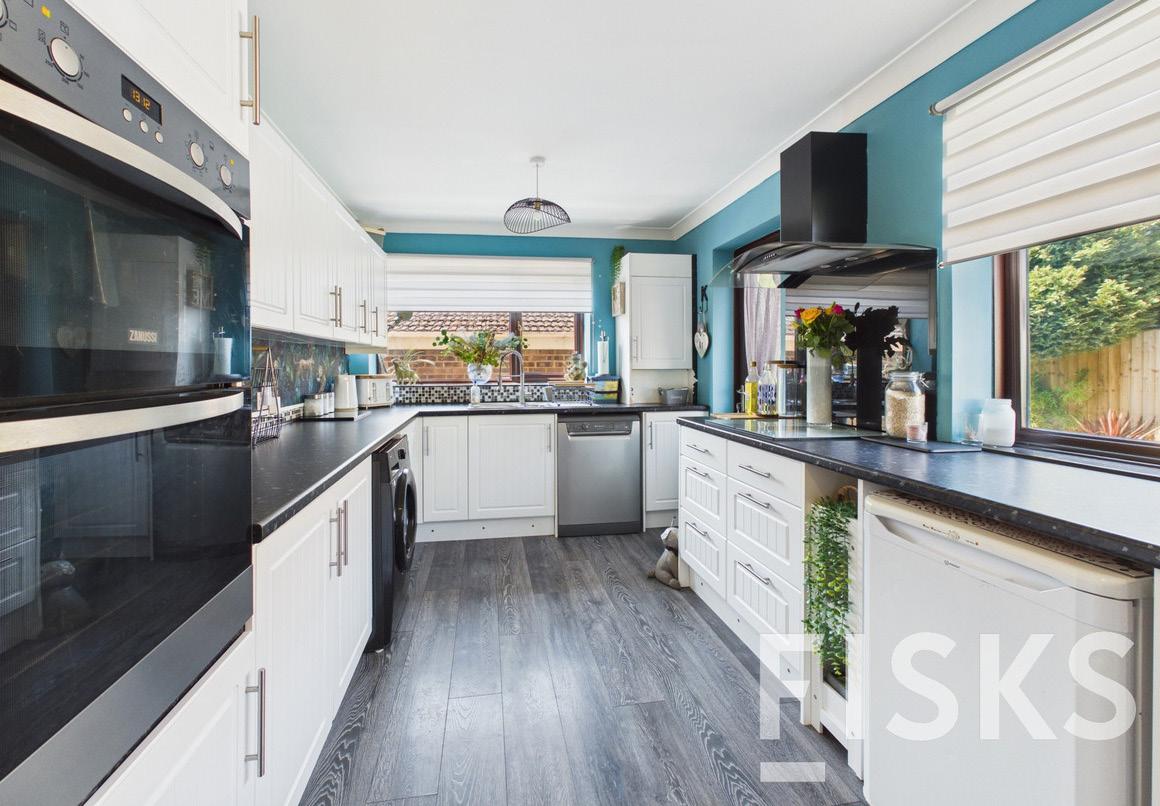
Fitted Kitchen
Conservatory To The Rear
Well Kept Rear Garden
Ample Parking
Wet Room
Great Condition
CALL 01268 565555
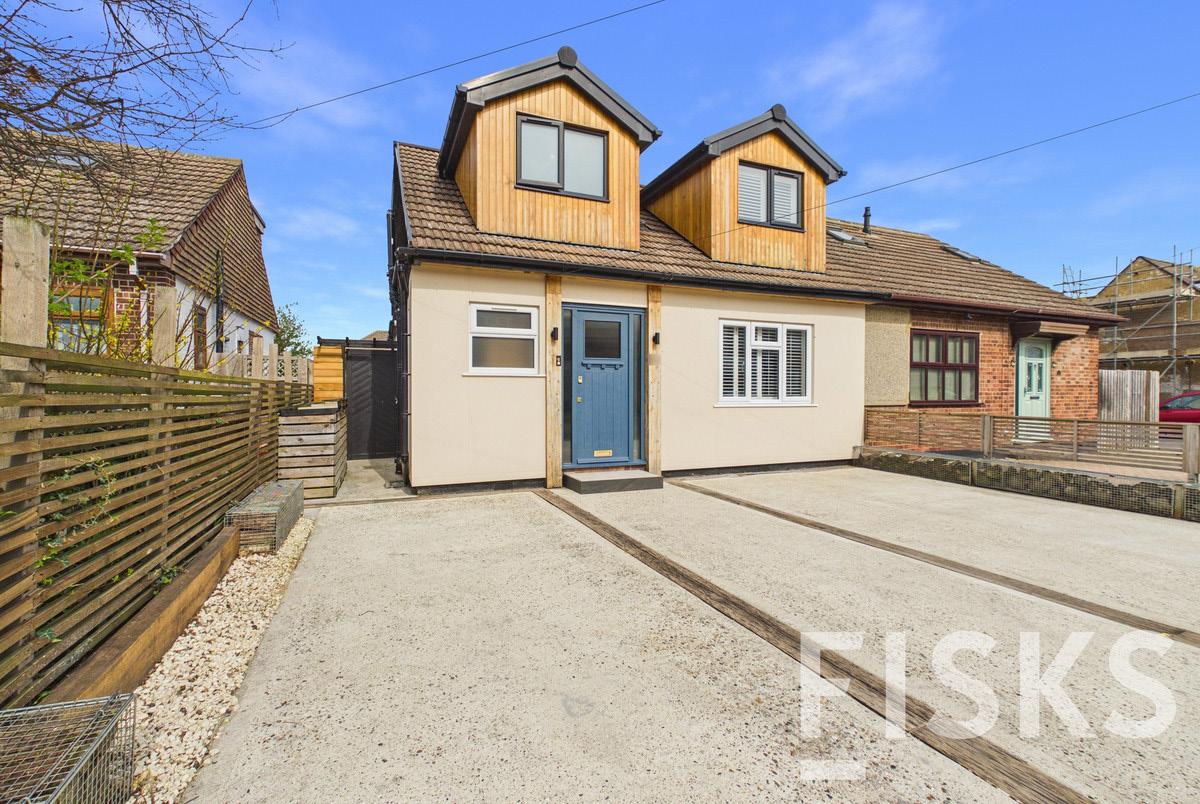
GREENWAYS, BENFLEET
£500,000
Four Bedroom Semi Detached Chalet
Immaculately Presented Throughout
Close Proximity To Benfleet Train Station
South Benfleet Primary & Appleton School Catchments
Workshop With Power & Insulated
CALL 01268 565555
DOWNER ROAD NORTH, BENFLEET FEATURED
£450,000
Must Be Viewed
Catchment To Robert Drake
Primary School & The Appleton
Secondary School
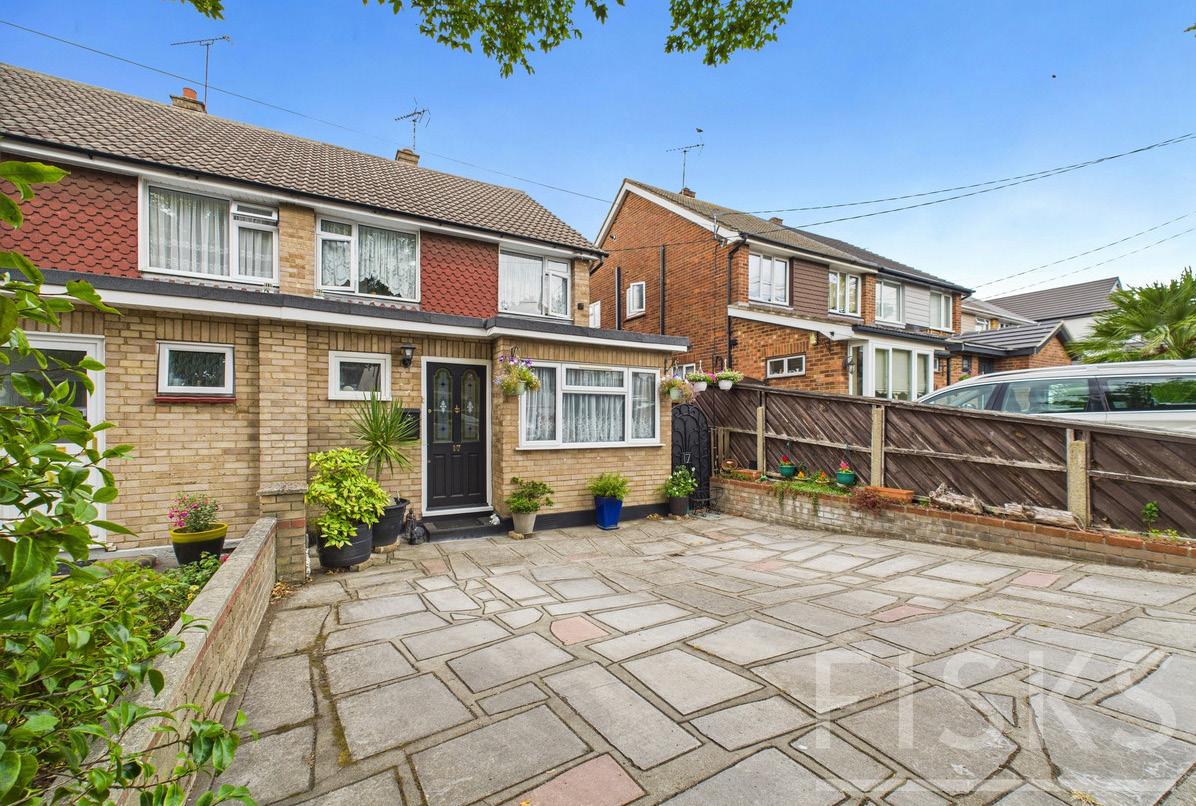
Downstairs Shower Room
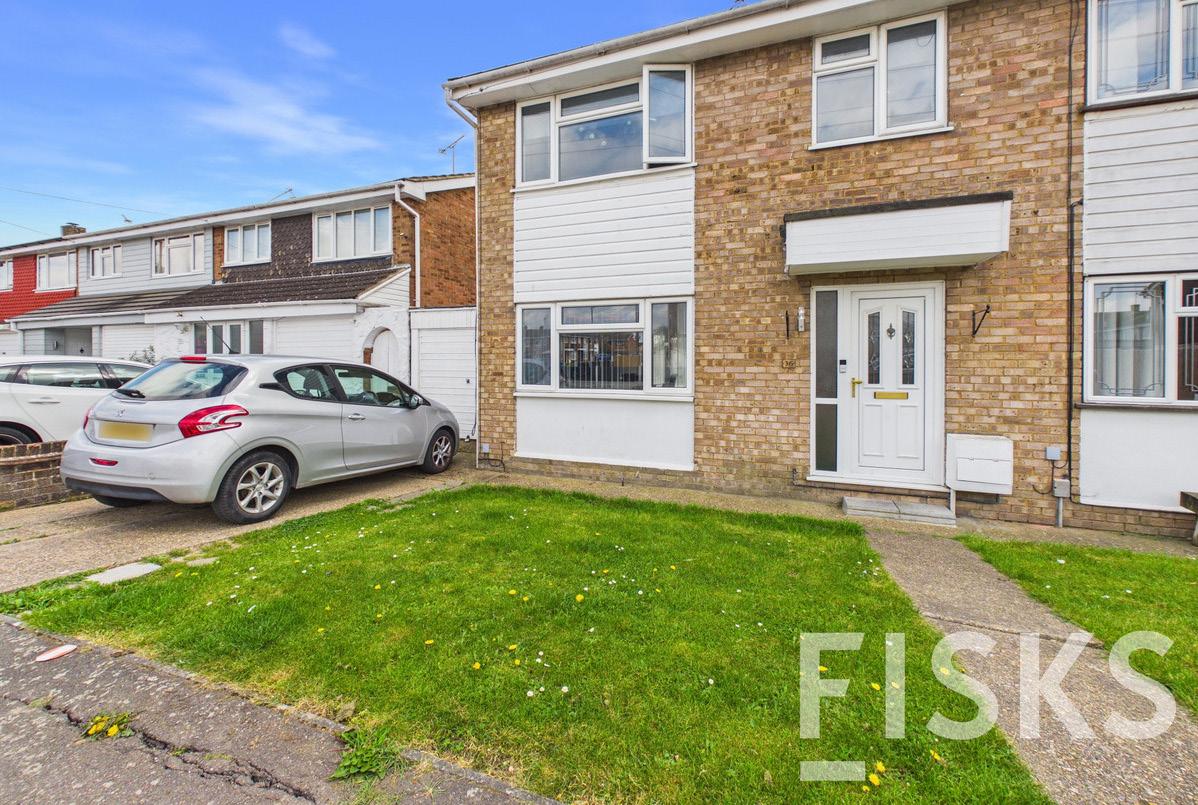
Four Bedroom Semi Detached House
Extended Driveway
CALL 01268 565555
HOMEFIELDS AVENUE, BENFLEET
£500,000
Two/Three Bedroom Detached Bungalow
Potential To Extended To Rear & In Loft STPP
Fantastic Access To Main Roads/Bus Links & Shops
Immaculate Condition Throughout 130ft West Facing Rear Garden
Outbuilding With Power
SOUTH VIEW ROAD, BENFLEET
£700,000
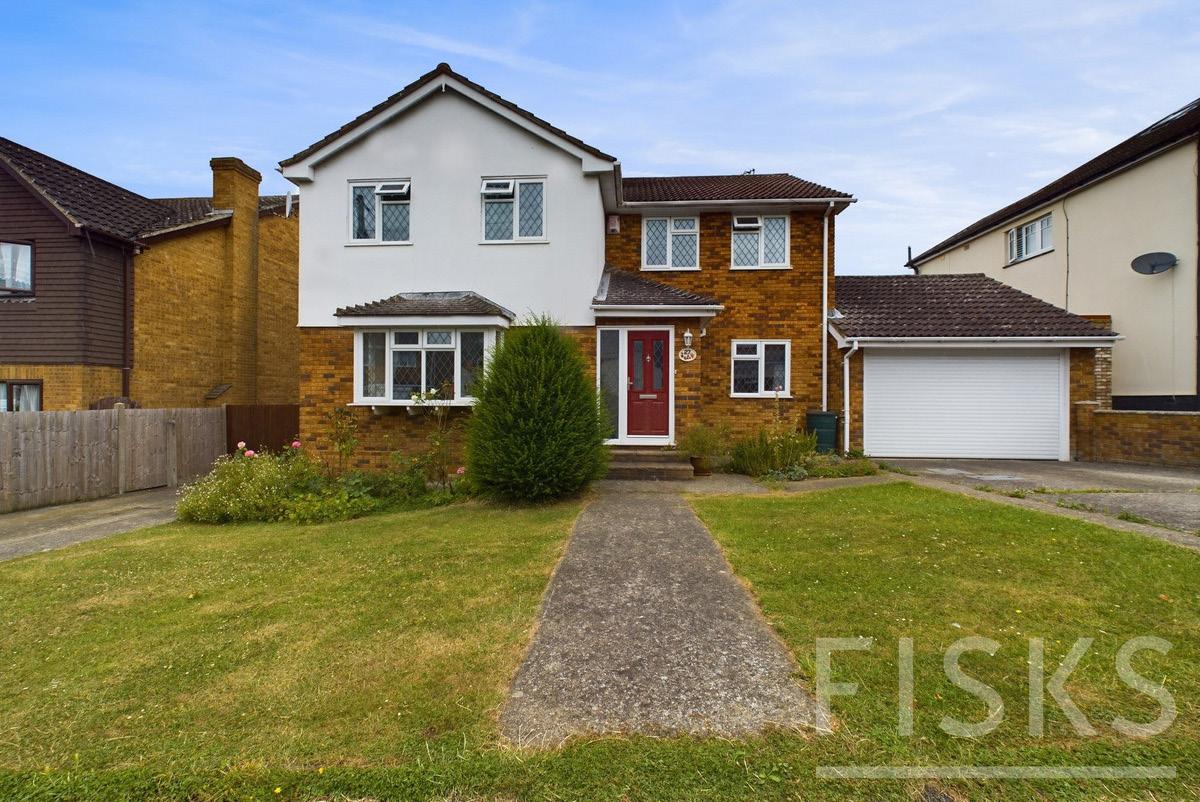
Detached Four Bedroom House
Double Garage
Huge 2421.23 sqft
Self Contained Annexe
En-Suite to Master Bedroom
Utility Room
Large West Facing Rear Garden
CALL 01268 565555
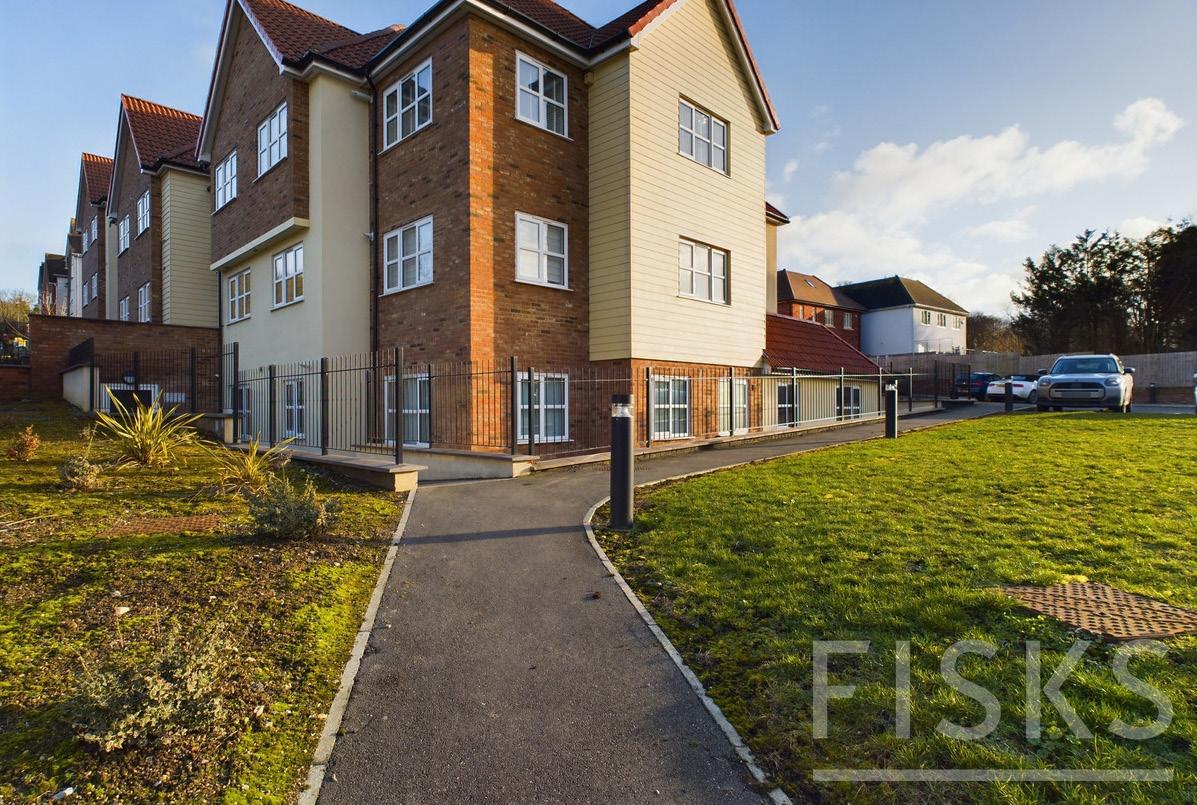
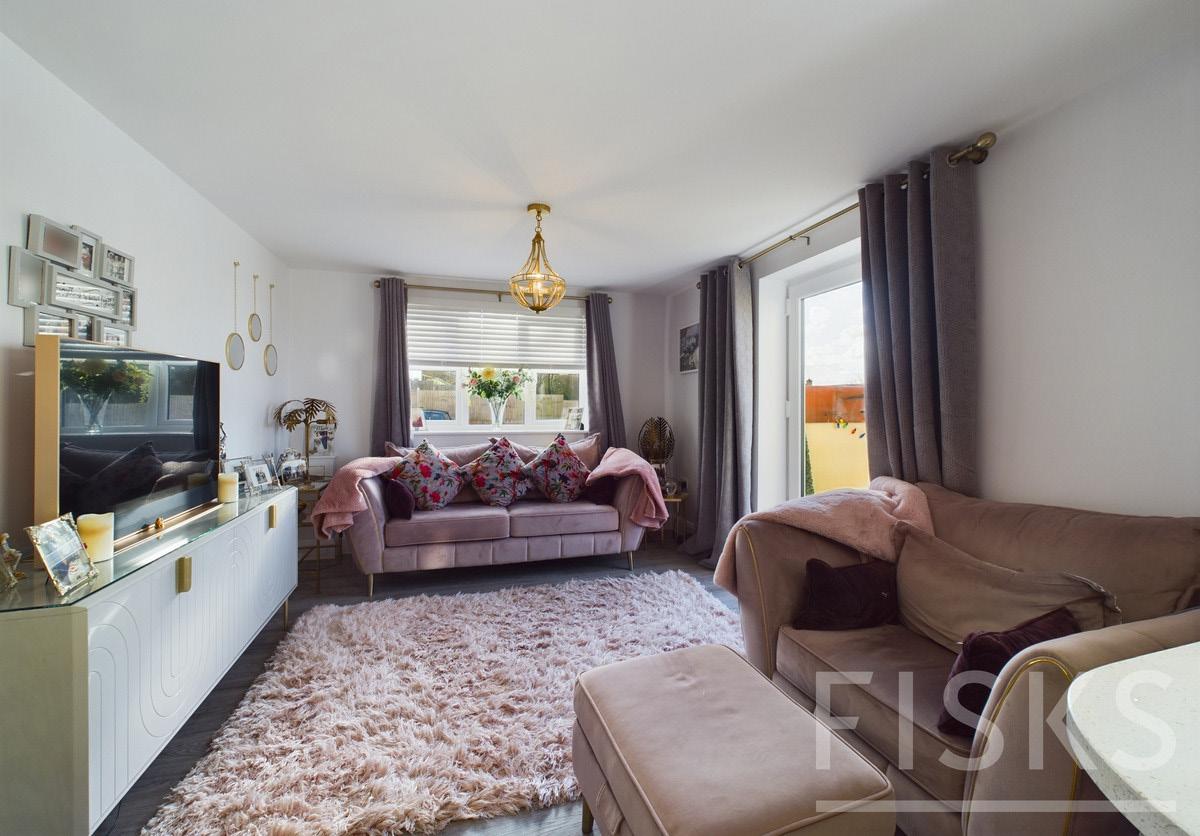
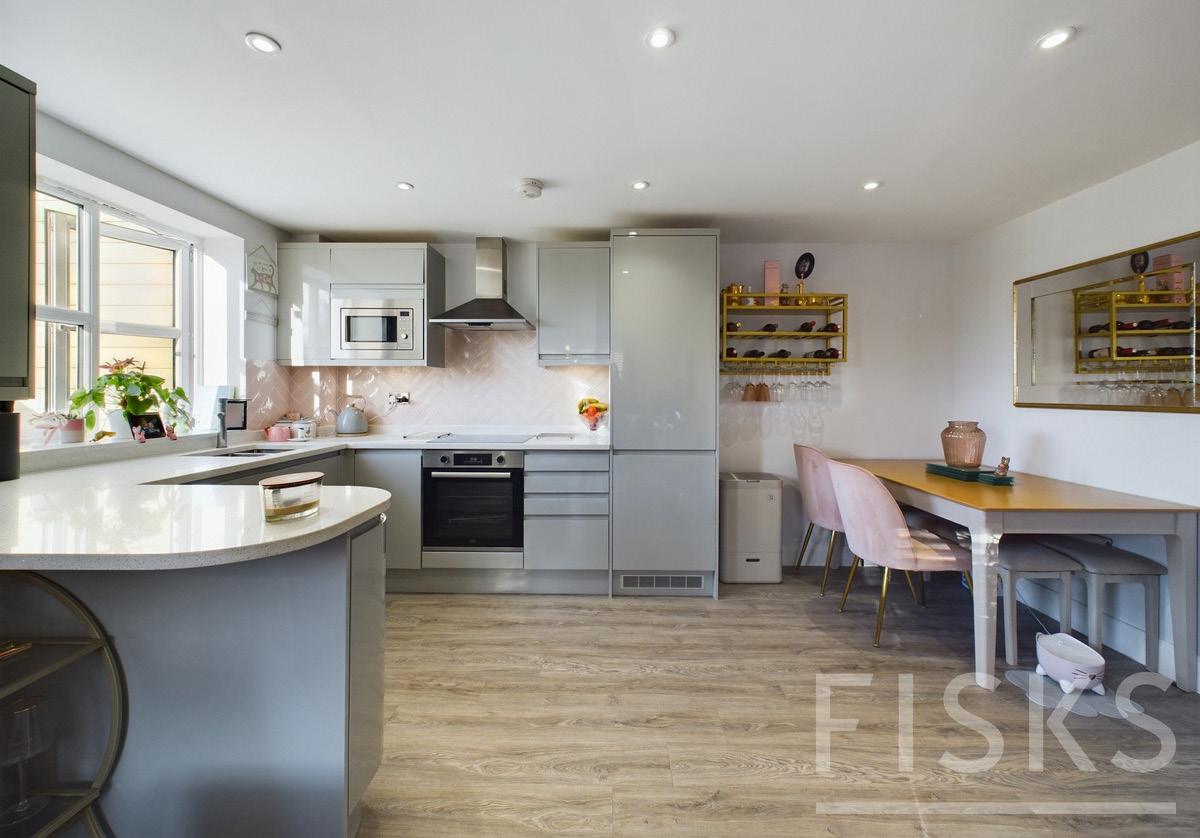
LONDON ROAD, BENFLEET
£310,000
Two Double Bedroom Apartment
Private Outdoor Terrace
Sought After Development
Ground Floor
Allocated Parking Space
Immaculate Condition Throughout
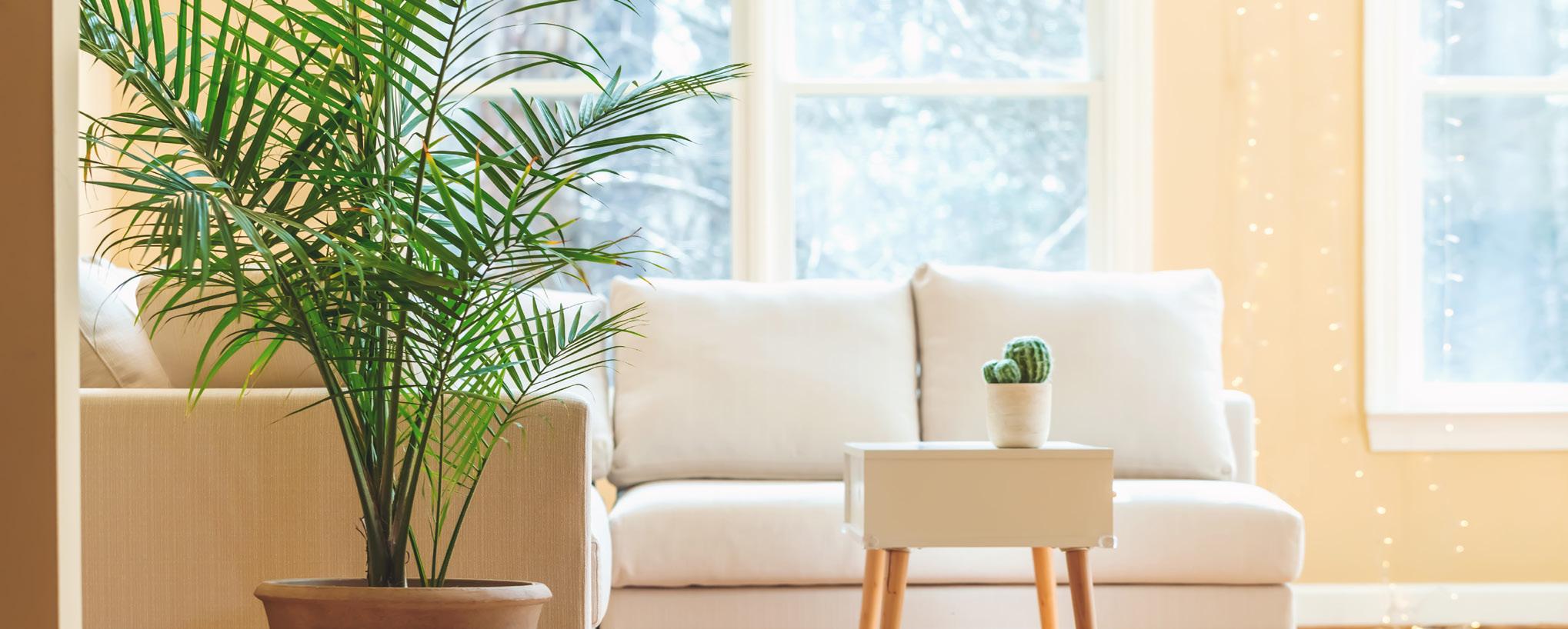
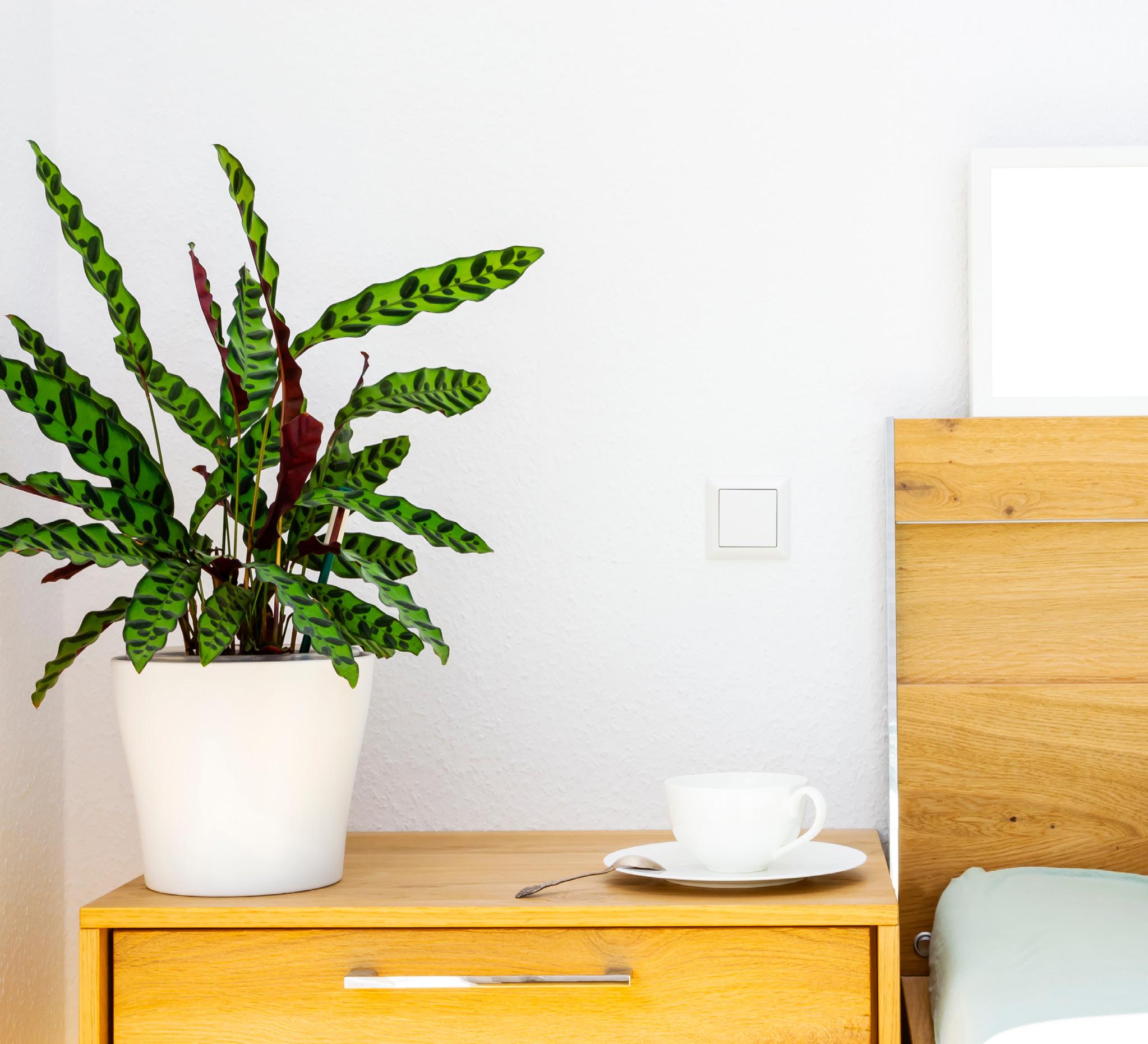
HOW PLANTS CAN BRIGHTEN BOTH ROOMS AND MOOD
Discover how adding greenery can enhance your home while boosting mood and wellbeing.
In recent years, houseplants have become far more than a passing interior trend. From small city flats to large family homes, greenery is appearing in almost every type of living space. Yet the growing popularity of indoor plants is not simply about aesthetics — it is also about wellbeing.
As people spend more time at home, many are discovering that plants can completely change the atmosphere of a room. They add colour, softness, and life to interiors, while also helping spaces feel calmer and more welcoming. In many ways, bringing nature indoors has become one of the simplest ways to improve both the look of a home and the mood of the people living in it.
WHY GREENERY MAKES SPACES FEEL BETTER
There is something naturally comforting about plants. Even a single plant can make a room feel fresher, brighter, and more relaxed. Interior designers often use greenery to soften modern spaces, particularly in homes with neutral colours, clean lines, or minimalist décor.
Plants also help rooms feel less sterile. In modern homes filled with technology, screens, and artificial lighting, greenery introduces a sense of balance and warmth.
This connection to nature is especially valuable in busy urban areas, where outdoor green space can sometimes feel limited.
THE LINK BETWEEN PLANTS AND WELLBEING
Studies have shown that being around nature can help reduce stress and improve mood. While indoor plants may seem like a small addition, many people say they create a noticeable sense of calm at home.
Caring for plants can also become part of a slower, more mindful daily routine. Watering, pruning, and simply taking time to notice growth encourages people to slow down and focus on their surroundings.
For those working from home, plants are often used to make home offices feel less clinical and more comfortable. Adding greenery to workspaces can help create a calmer environment and make long days indoors feel more manageable.
PLANTS AS PART OF INTERIOR DESIGN
Houseplants are now considered an essential part of modern interiors. Rather than being treated as decoration alone, they are used to shape the overall atmosphere of a space.
Large leafy plants can make empty corners feel softer and more inviting, while smaller plants bring life to shelves, kitchens, and bathrooms. Hanging plants, indoor trees, and herb gardens have all become increasingly popular in contemporary homes.
Natural materials such as wood, linen, and stone are also often paired with greenery to create interiors that feel warm and grounded.
EASY WAYS TO INTRODUCE PLANTS AT HOME
One reason plants have become so popular is that they are accessible. Creating a greener home does not require a large budget or major redesign.
Simple additions can make a difference, including:
• A small plant on a bedside table
• Herbs in the kitchen
• Larger plants in unused corners
• Hanging greenery near windows
• Low-maintenance plants for busy households
Even a few touches of greenery can help a room feel brighter and more lived-in.
MORE THAN A TREND
While interior trends often come and go, the appeal of houseplants appears to be lasting. They offer something many people are looking for in modern life — comfort, calmness, and a stronger connection to nature.
As homes increasingly become places for rest, work, and wellbeing, plants are proving to be far more than decorative accessories. They are helping people create spaces that feel healthier, softer, and more enjoyable to live in. Because sometimes, improving a home does not require major renovation. Sometimes, it starts with something as simple as bringing a little greenery indoors.
Why use FISKS?
The industry has changed hugely with the development of digital technology - this has created two different styles of agency, the traditional high street agency, and the modern online agency. At Fisks, we believe that the best solution is to be both.
Fisks still do the traditional marketing methods that you are comfortable with, such as high street shop locations with window displays, applicant mailing lists, text and email facilities, linked offices, portals such as Rightmove, leaflet drops, floor plans, boards and branded cars.
These marketing tools have been tried and tested for many years, but with the ongoing digital revolution we have also embraced change. These new marketing methods come in the form of a digital property lifestyle magazine that’s produced in house and emailed to over eight thousand people a month, targeted social media campaigns across all the major platforms such as Facebook, Instagram and Twitter, 4k video tours of your property for our successful YouTube channel, enhanced portal marketing, and from a customer service point of view, we have vendor log-ins so you can see viewers feedback and offers on your home at any time.
Our Ethos & Values
We focus on our clients’ requirements and instructions rather than just doing what’s quickest and easiest for us.
Our comprehensive training program ensures that our staff channels their entrepreneurial spirit and enthusiasm for the benefit of our clients, whilst maintaining the professionalism and customer service associated with our brand.
Fisks,
Landlords: Protect your investment with our full property management and marketing...
Protecting your investment should not be taken lightly, with our full management service you can be sure to get the support you deserve...
ARLA - the gold standard professional industry body.
Audited and insured client accounts to protect your money.
Rent guarantee and legal cover - protect yourself with insurance and the increased costs of evicting (subject to status).
Legal hotline - specialised property lawyers helping to answer your questions.
Inventories - protect your deposit with a professional inventory, including time stamped photographs.
Inspection - allay your fears that your asset is being looked after.
Section notices - fully trained and experienced staff can advise and serve the appropriate notice.
Accurate accounting - from monthly statements to overseas landlords, to expenditure and income, we hold all the information the accountant will need.
Gas certificates and EPCs - keep your property complying with the law.
Don’t just take our word for it, we have many happy customers...
“Happy customer. Very professional service. We had no problems with the sale of our house or the purchase of our new home through Fisks. Staff very pleasant, would definitely recommend.”
- Mr and Mrs Hall
“Fantastic team that pulled out all the stops and helped every step of the way. Friendly pleasant staff.”
- Mrs S Sheavyn
... come and put us to the test!
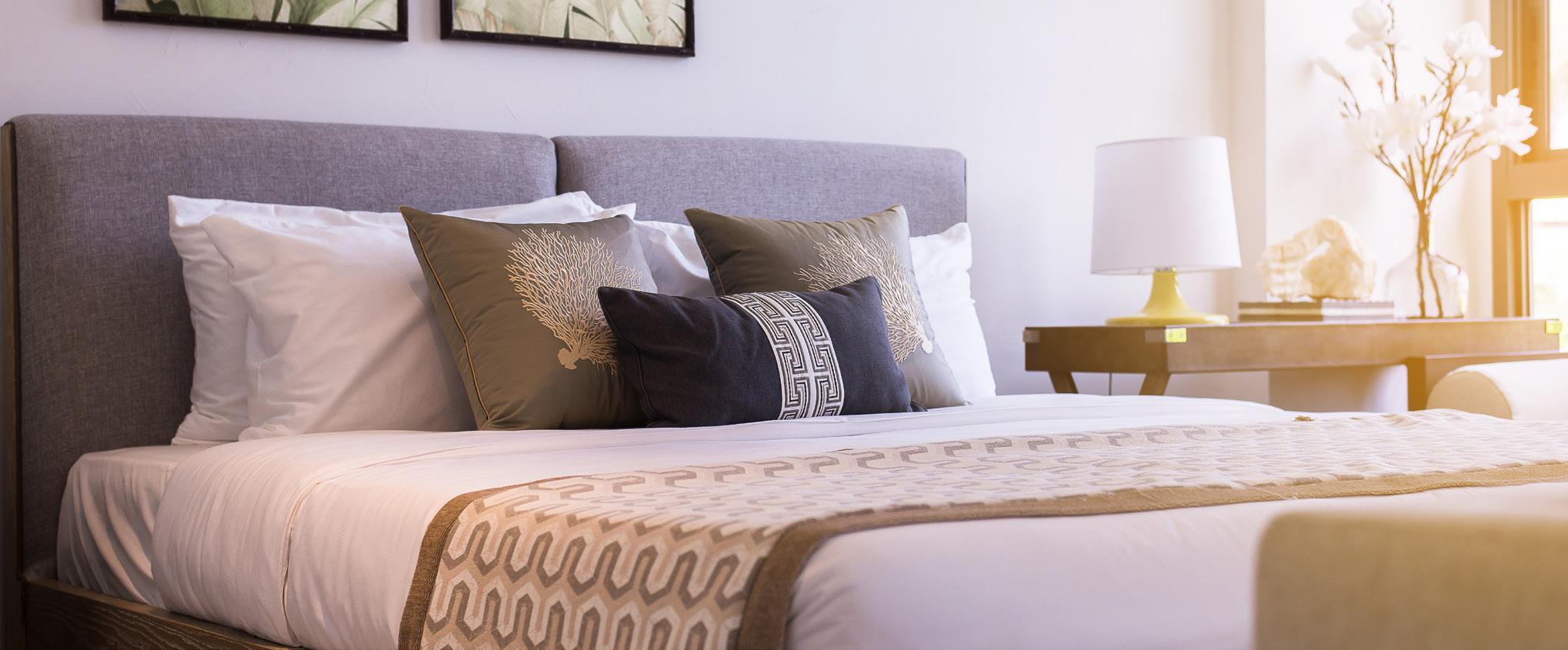
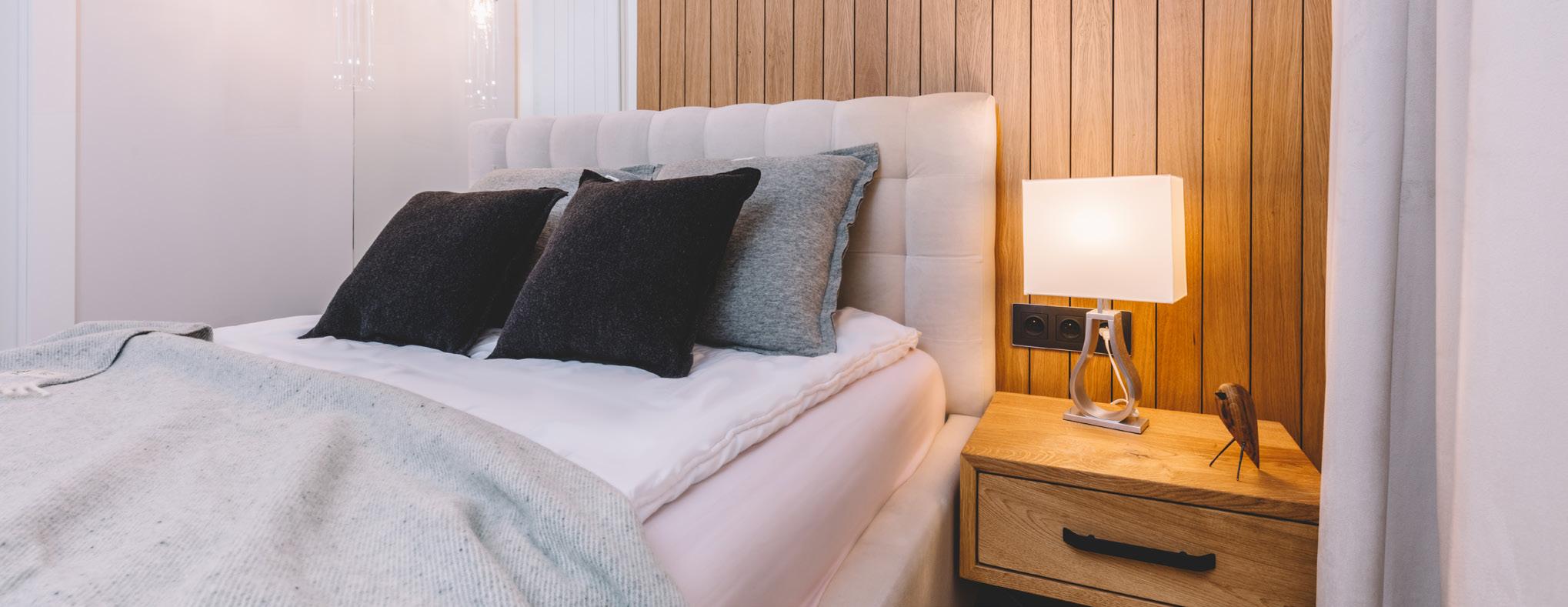
WHY BETTER SLEEP STARTS WITH YOUR BEDROOM
Simple bedroom changes can help create a calmer space and improve the quality of your sleep.
In today’s busy world, getting a good night’s sleep can often feel more difficult than ever. Long working hours, endless screen time, and everyday stress all play a part in leaving people feeling exhausted. Yet while many blame busy schedules for poor sleep, the problem may begin much closer to home — in the bedroom itself.
The environment we sleep in has a powerful effect on how well we rest. From lighting and layout to colour choices and comfort, small details can make the difference between restless nights and truly restorative sleep.
THE BEDROOM HAS BECOME MORE IMPORTANT THAN EVER
Modern life has changed the way people use their homes. Bedrooms are no longer simply places to sleep; they have become spaces where people relax, unwind, scroll through phones, watch television, and sometimes even work.
As homes have become more multifunctional, many people are beginning to recognise the importance of creating a bedroom that feels calm and separate from everyday stress.
Interior designers increasingly describe the bedroom as a “sleep sanctuary” — a private space designed to encourage rest, comfort, and quietness.
LIGHTING MAKES A BIGGER DIFFERENCE THAN YOU THINK
One of the biggest influences on sleep is lighting. Bright overhead lights and harsh blue light from phones or laptops can interfere with the body’s natural sleep cycle, making it harder to switch off at night.
Warm, softer lighting helps create a calmer atmosphere and signals to the brain that it is time to relax. Bedside lamps, dimmable lighting, and layered lighting schemes are becoming increasingly popular for this reason.
Natural light also matters. Bedrooms that receive daylight during the morning often help regulate healthier sleep patterns, particularly during darker winters.
COMFORT OVER PERFECTION
For years, bedrooms were often designed to look impressive rather than feel comfortable. Now, priorities are shifting.
Soft bedding, supportive mattresses, calming colours, and cosy textures are becoming more important than overly styled interiors. Neutral tones, warm woods, and natural fabrics help create a peaceful atmosphere that encourages relaxation.
The goal is not perfection, but comfort — a room that feels lived-in, personal, and restful.
CLUTTER CAN AFFECT REST
A cluttered bedroom can quietly increase stress levels without people fully realising it. Piles of clothes, unnecessary furniture, and untidy surfaces create visual noise, making it harder for the mind to relax.
This is why storage solutions have become essential in modern bedroom design. Simple organisation, hidden storage, and cleaner layouts can help a space feel calmer and more spacious.
Even small habits — such as making the bed each morning or keeping phones away from bedside tables — can improve the overall atmosphere of the room.
CREATING A SPACE TO SWITCH OFF
Perhaps the most important role of the bedroom is psychological. After busy days filled with constant notifications and distractions, people need spaces that help them mentally slow down.
Calming scents, quiet surroundings, soft lighting, and reduced screen time all contribute to a healthier evening routine. More homeowners are also introducing reading corners, blackout curtains, and softer décor choices to make bedrooms feel more relaxing.
The idea is simple: when the room feels calm, the mind often follows.
THE FUTURE OF SLEEP-FOCUSED DESIGN
As conversations around wellbeing continue to grow, sleep is becoming a greater focus in both interior design and property trends. Developers and homeowners alike are recognising that a well-designed bedroom is not a luxury — it is an important part of everyday health.
Because better sleep does not always begin with expensive technology or complicated routines. Sometimes, it starts with creating a bedroom that truly allows people to rest.
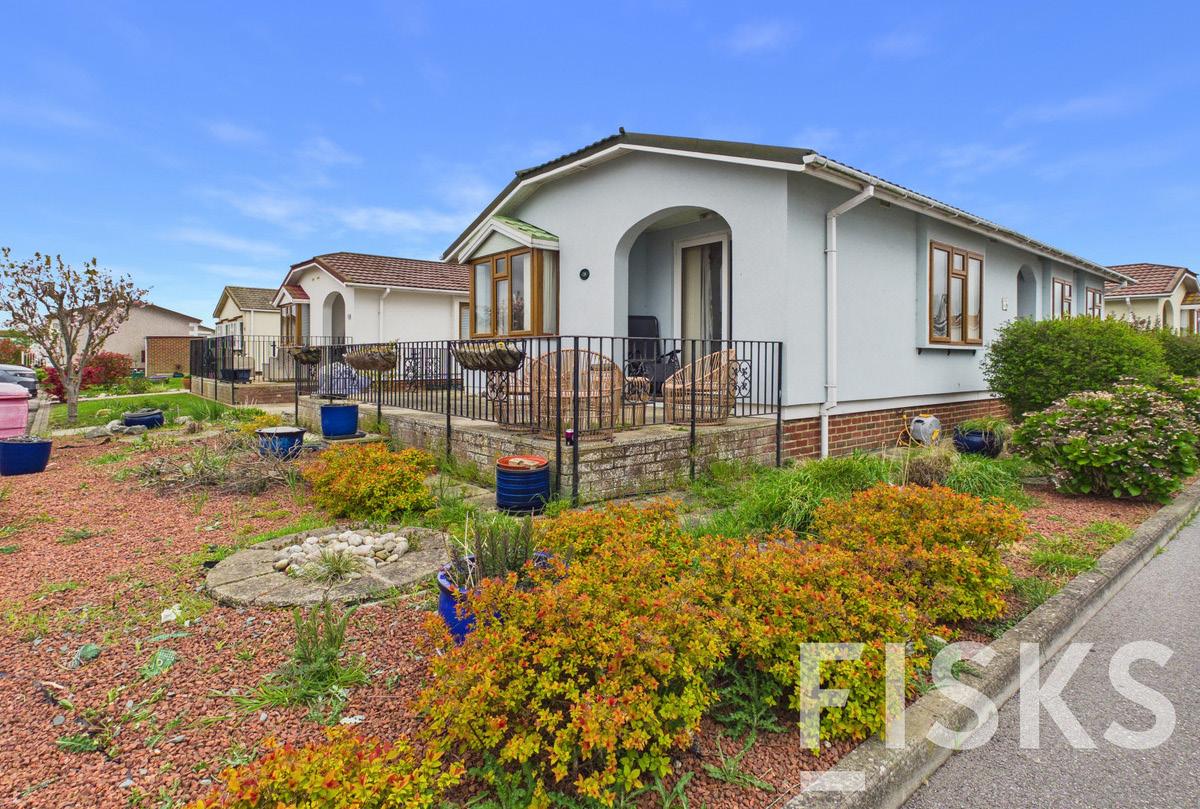
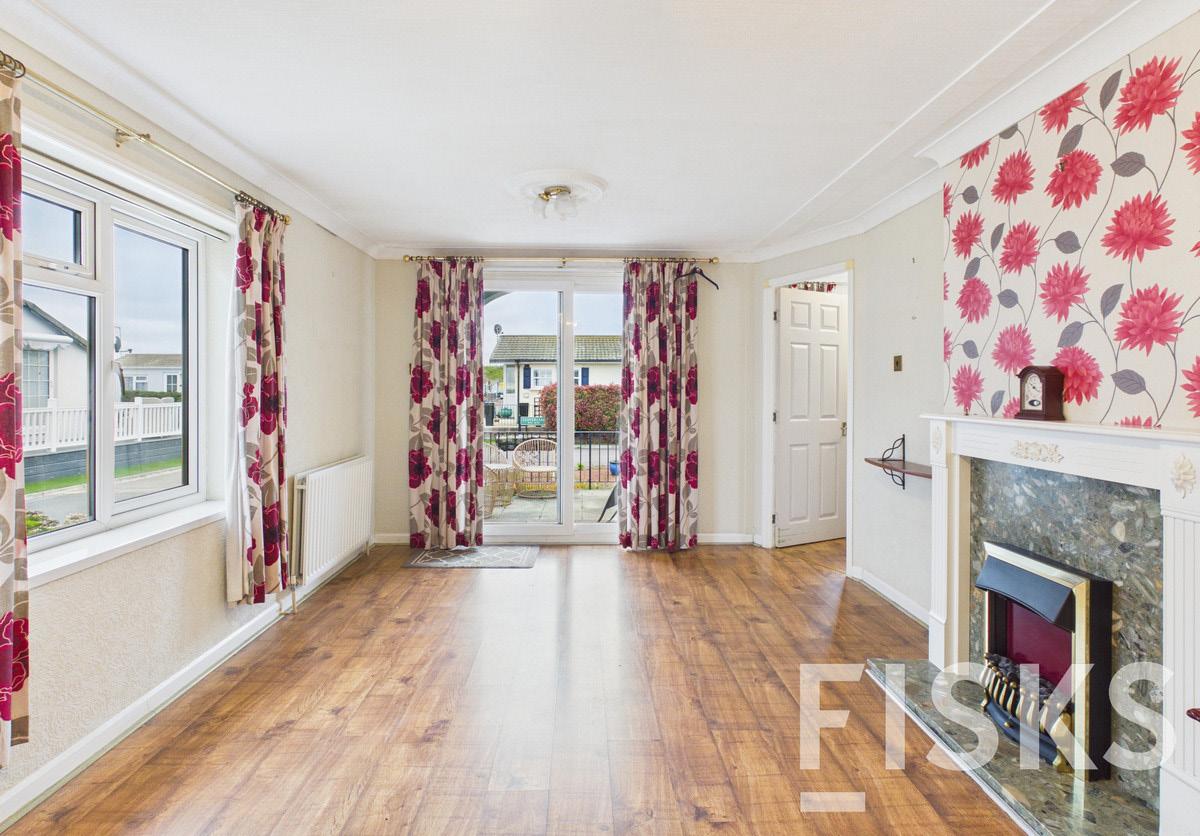
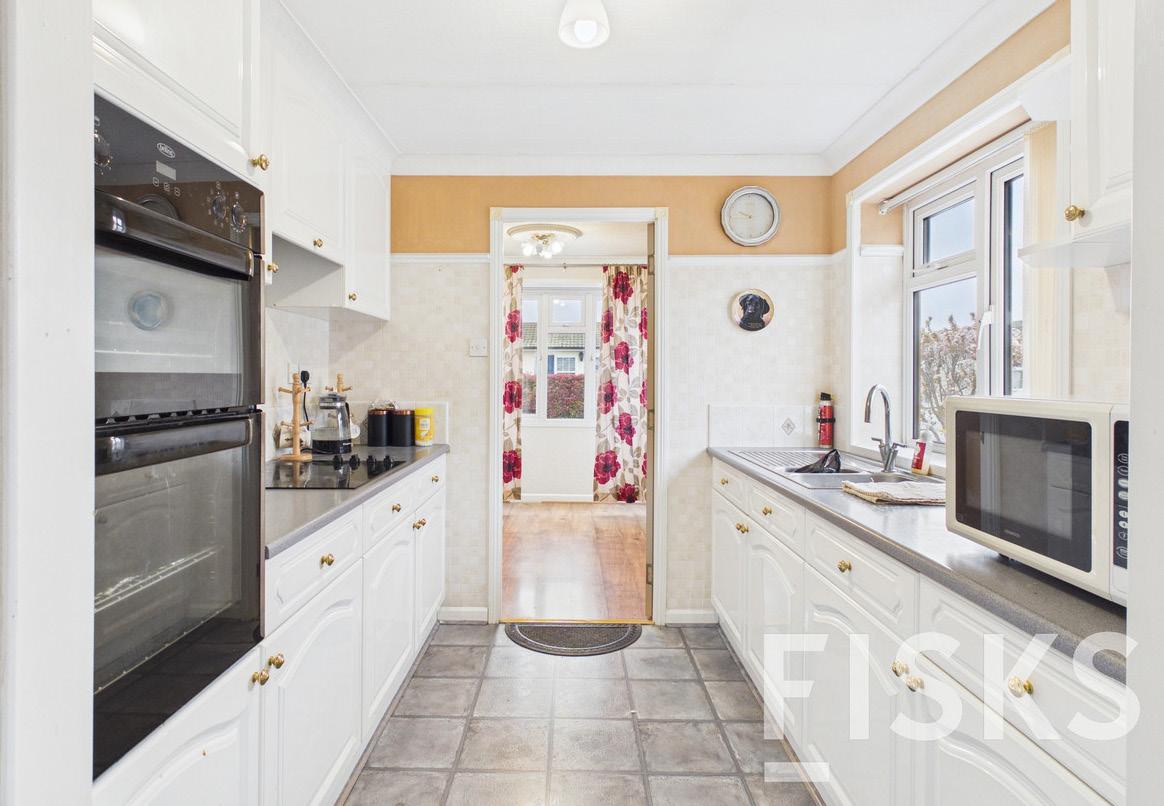
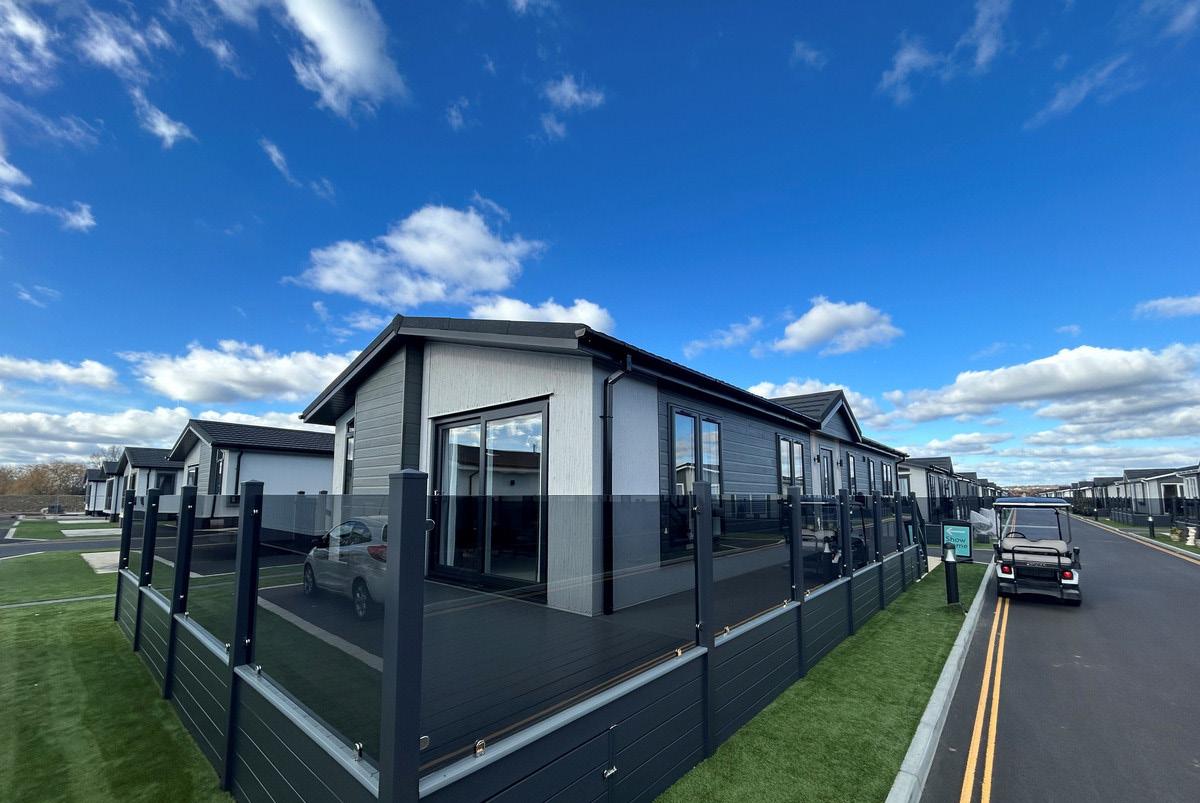
CREEK ROAD, CANVEY ISLAND
£158,000
Large Corner Plot
No Onward Chain
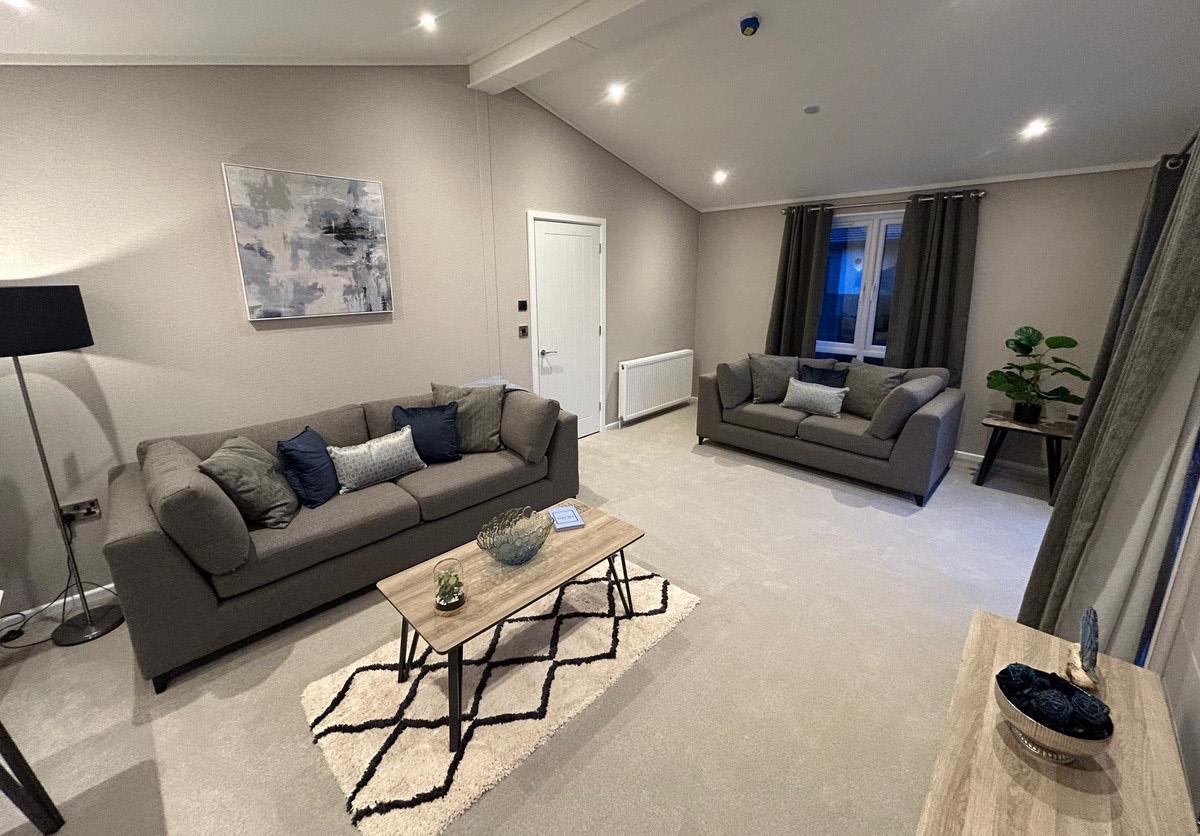
Light And Spacious
Over 50s Community
Shop, Bar, Restaurant And Swimming Pool On Site
No Stamp Duty
Council Tax Band A
CALL 01268 510510
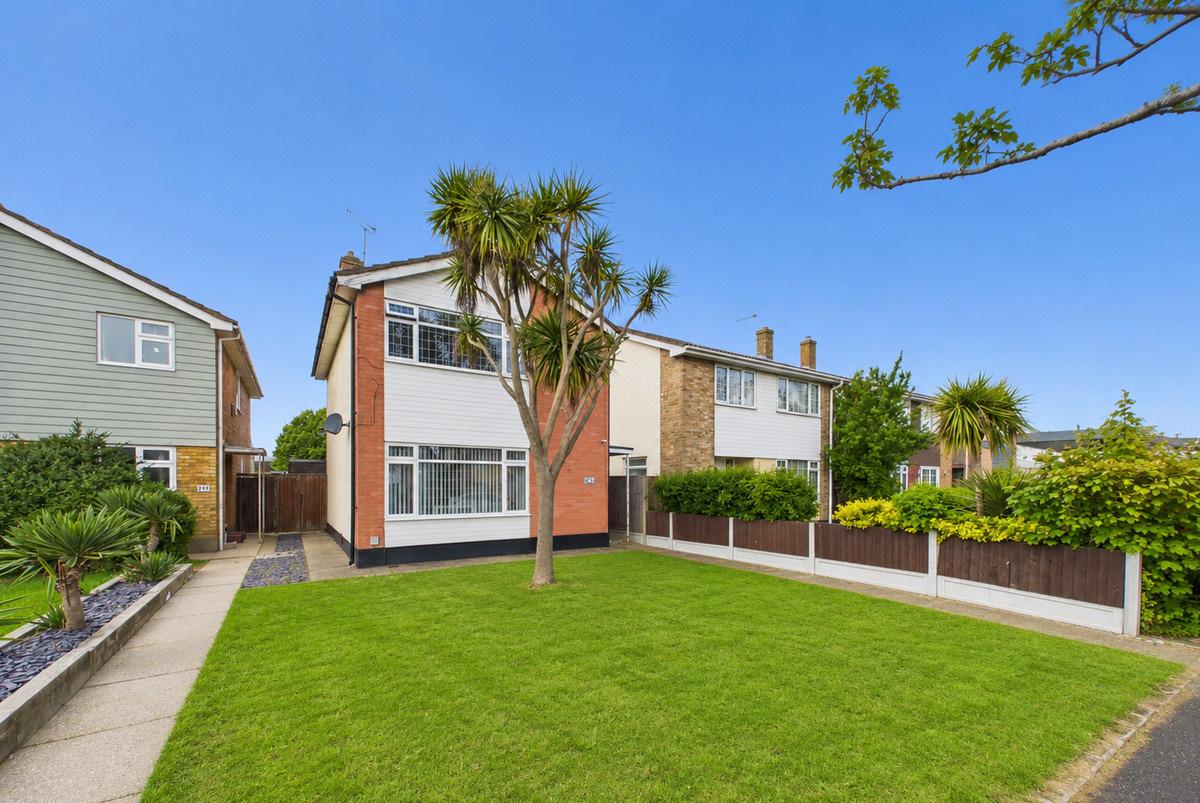
FURTHERWICK ROAD, CANVEY ISLAND
£350,000
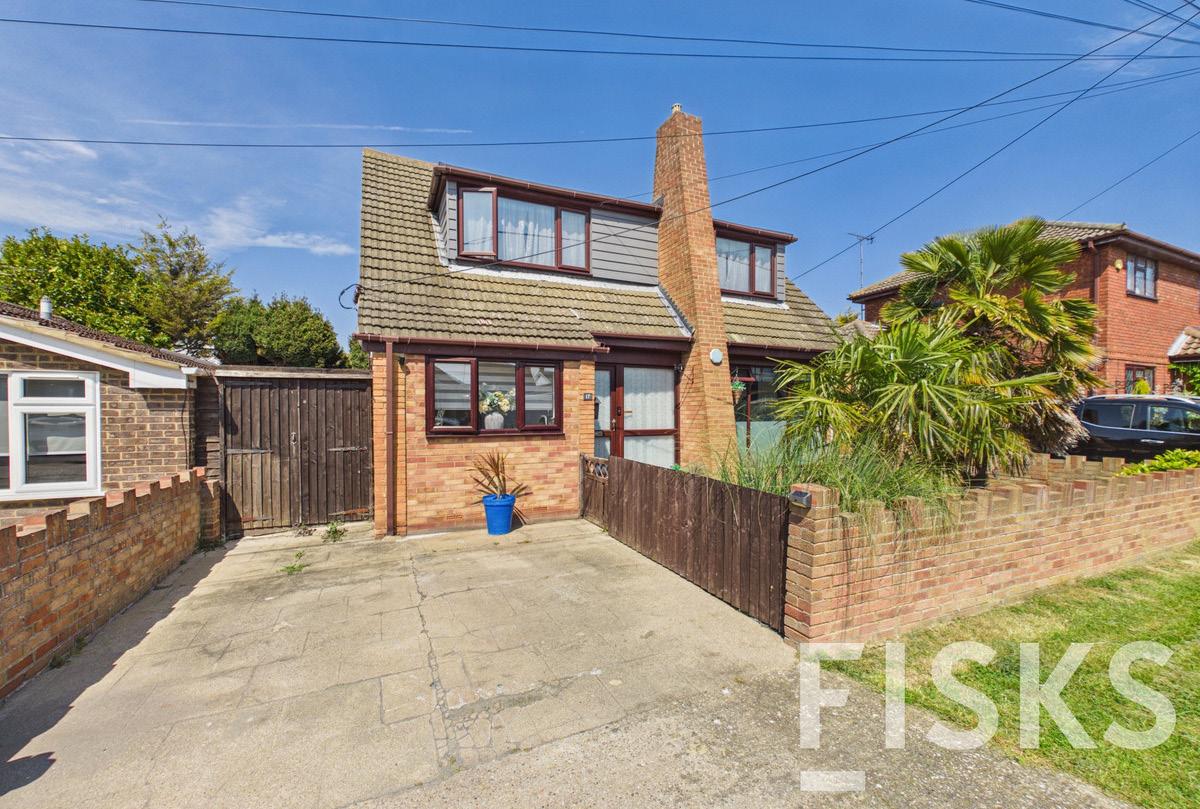
Three Bedroom Detached Home
Moments From The Seafront
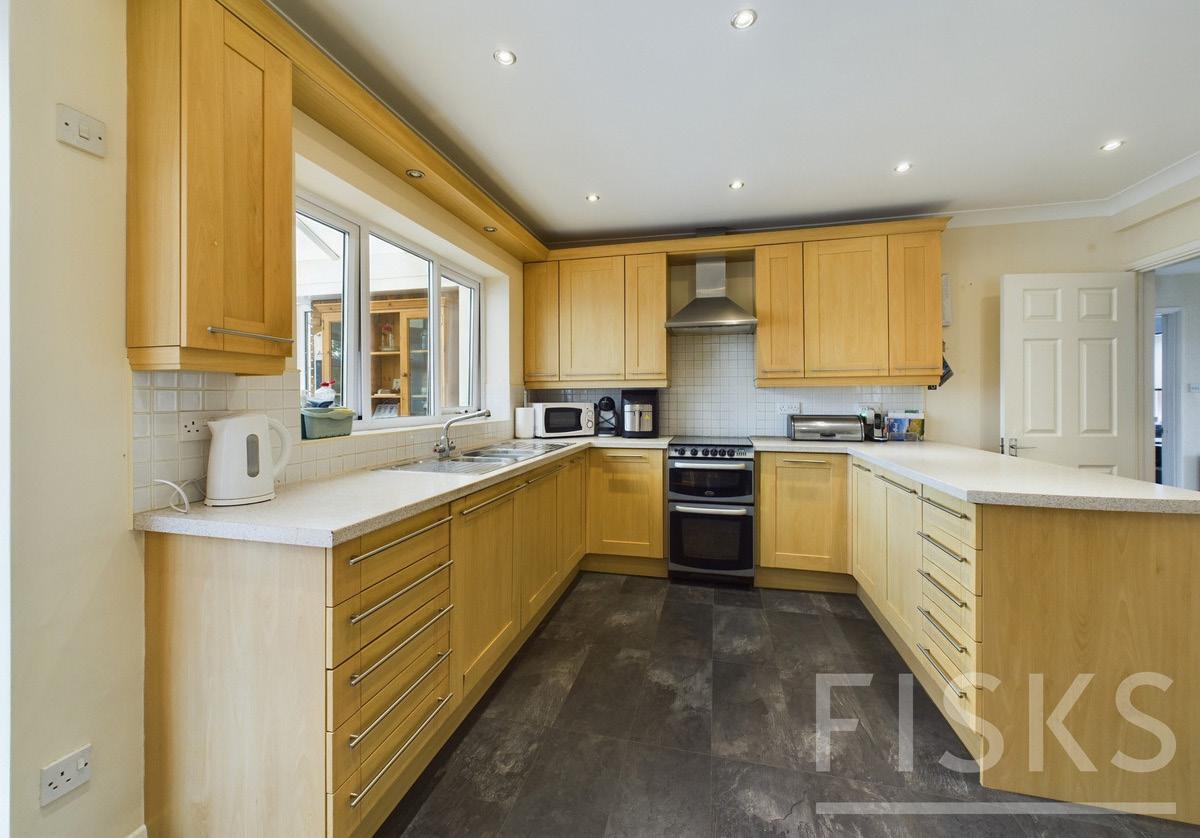
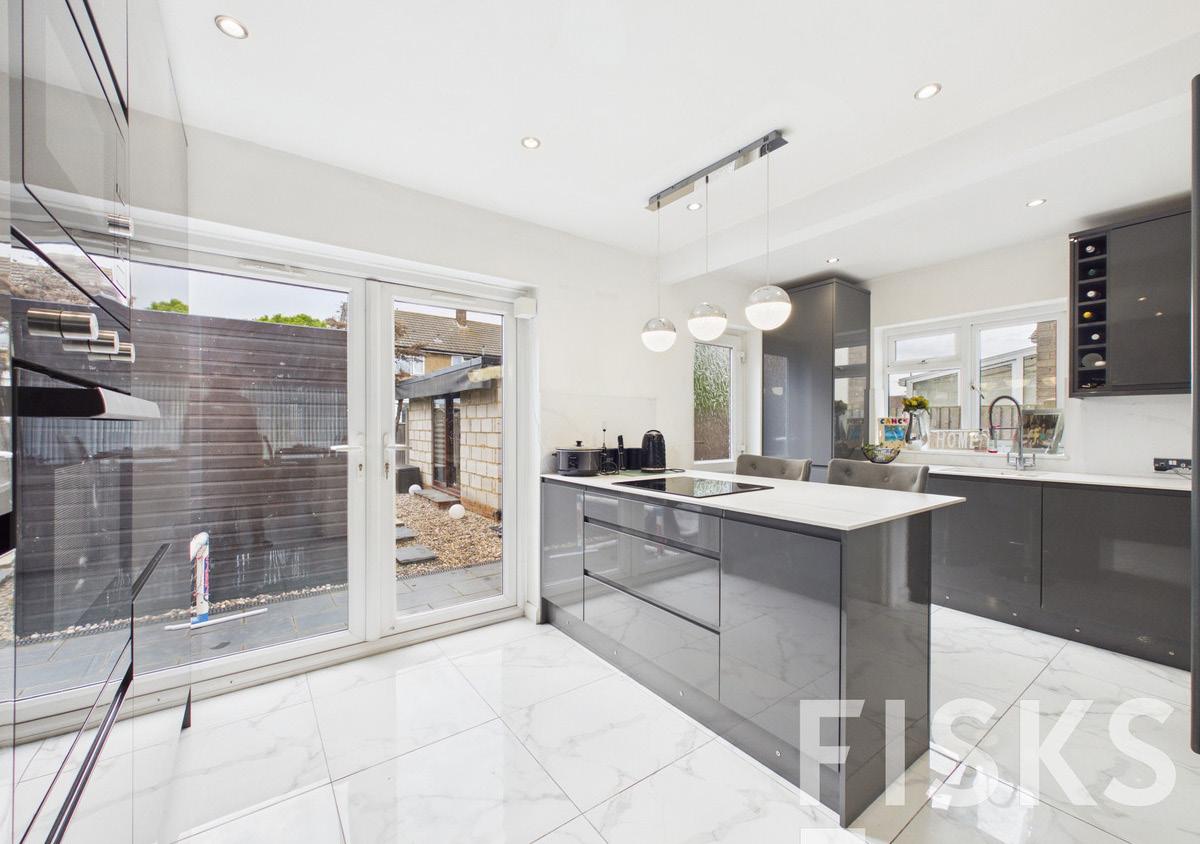
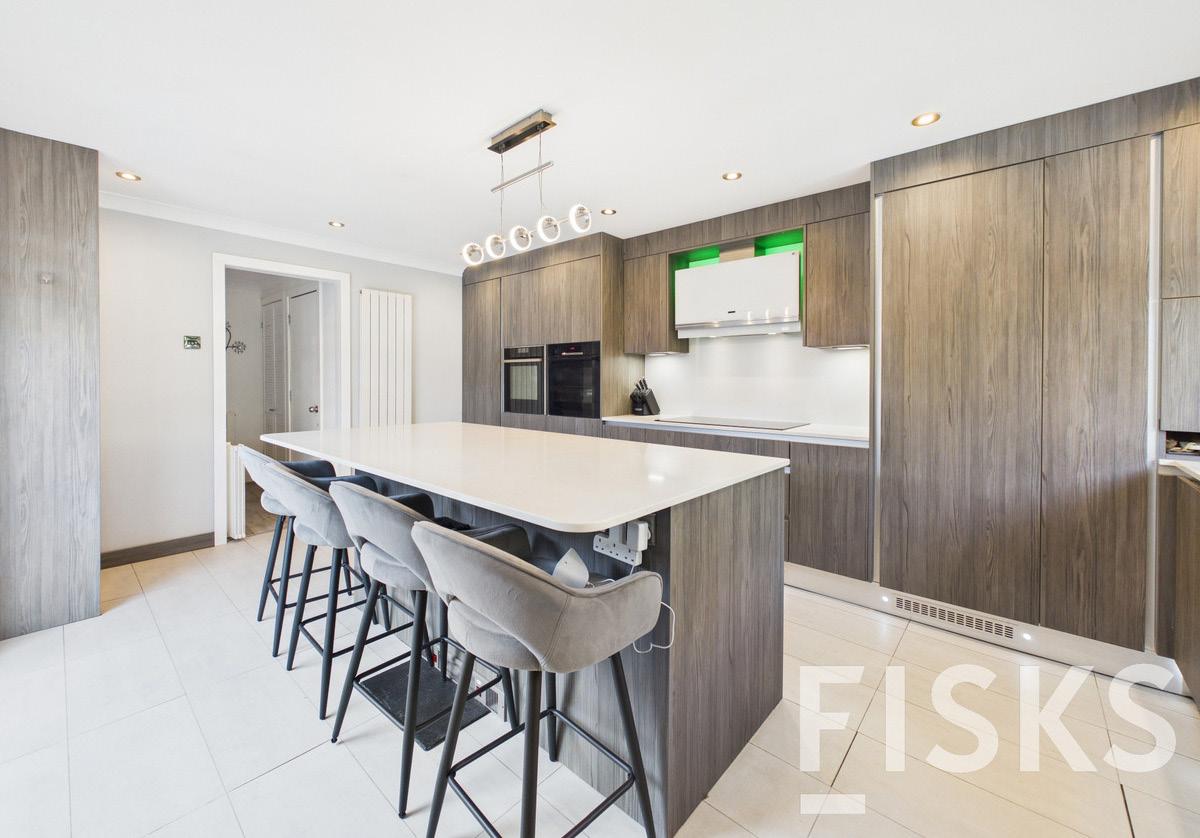
Modern Kitchen/Breakfast Room With Island
Stylish Family Bathroom
Downstairs Cloakroom Powered Outbuilding Currently Used As A Gym
ATHOS ROAD, CANVEY ISLAND
Five Bedroom Detached Family Home
Sought-After Athos Road Location
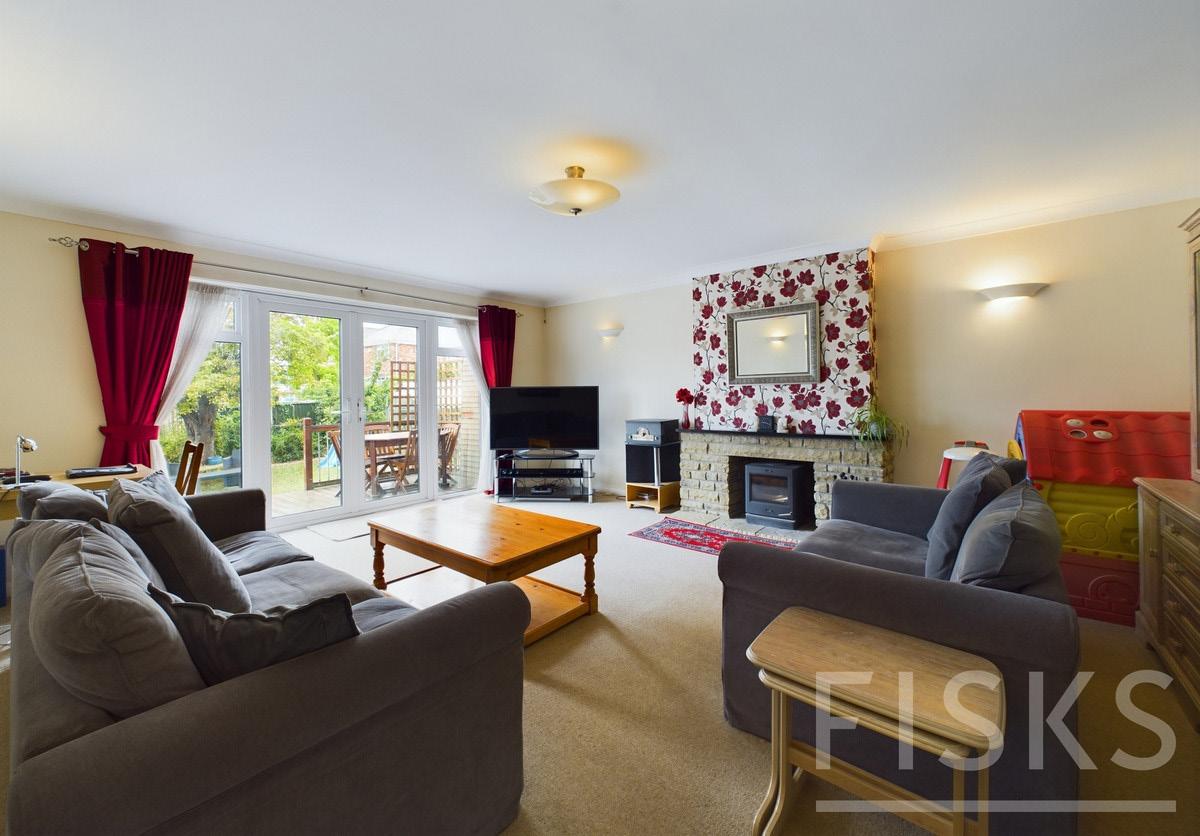
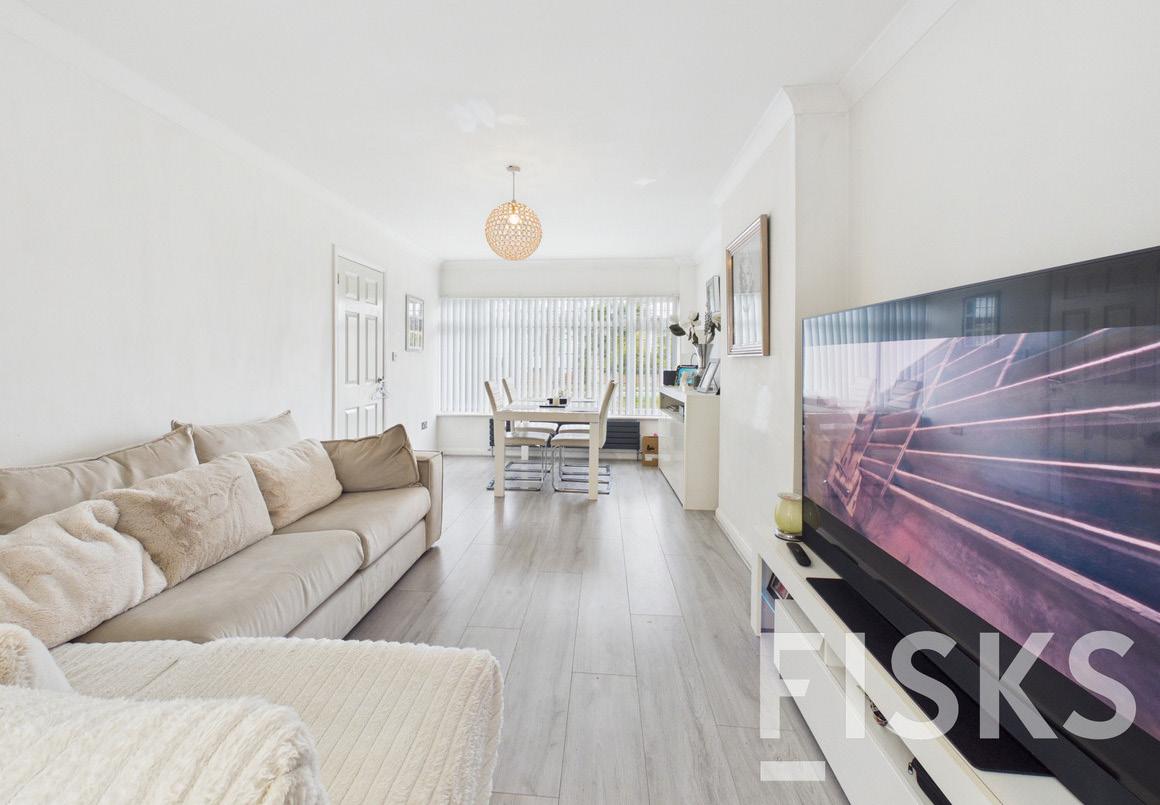
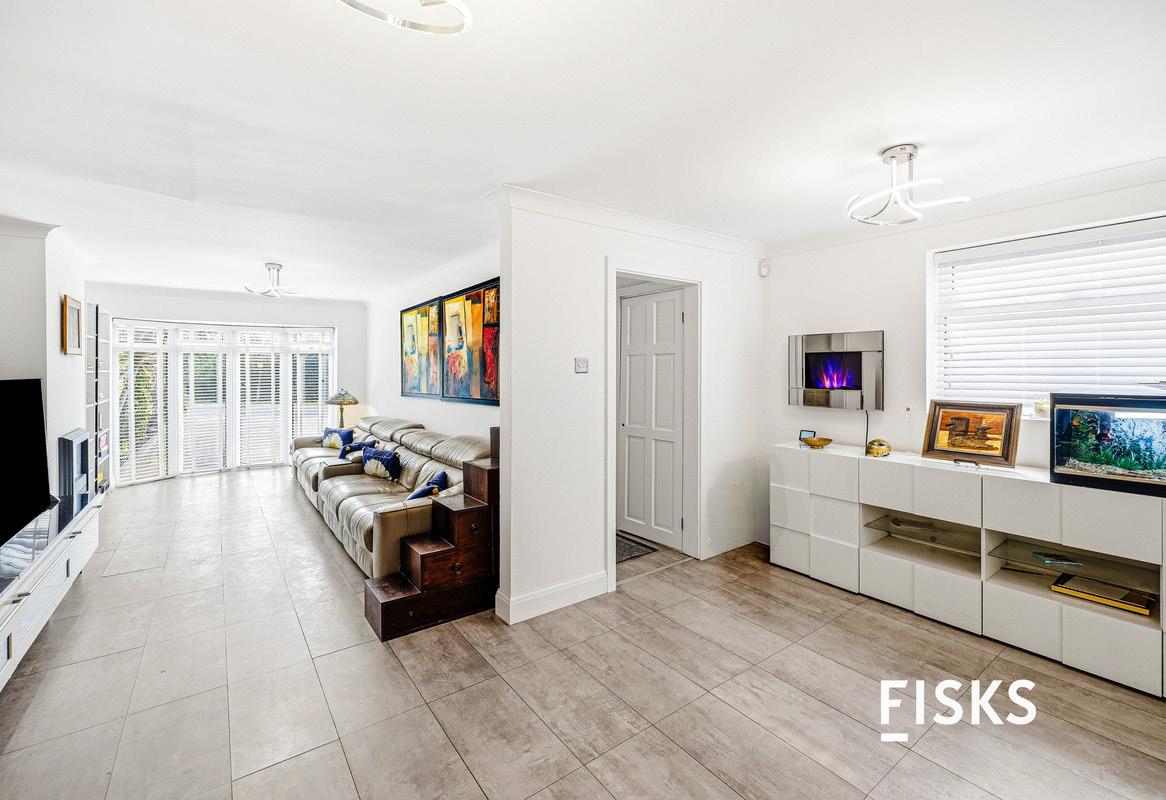
Spacious Open Plan Lounge/ Diner
French Doors Leading To Rear Garden
Downstairs Bedroom With EnSuite
£450,000 CALL 01268 510510
THORNEY BAY ROAD, CANVEY ISLAND
£575,000
Four-Bedroom Detached Coastal Home Set Over Three Floors
Prime Thorney Bay Road Location, Moments From The Beach
Close To Popular Cafés, Shops And Seafront Walks
High-Spec Kitchen With Integrated Appliances & Central Island
Spacious And Stylish Lounge Ideal For Entertaining
Open Plan Lounge/Dining Room With Patio Doors To Back Garden No Onward Chain Driveway And Garage Epc Rated D Council Tax Band C £325,000