The World Health Organization no longer defines health as the absence of illness but as “a state of complete physical, mental and social well-being.”
Hospitals today are vital hubs for acute and specialized care, offering life-saving treatments. They cater primarily to individuals already experiencing illness or injury, fulfilling a critical role in diagnosing, treating, and managing complex health conditions. They also drive medical research and innovation, advancing technologies that improve patient outcomes.
Emerging healthcare innovations—such as AI-driven efficiencies and precision medicine—are transforming patient care through virtual diagnoses, personalized treatments, and enhanced monitoring of outcomes. These advancements streamline workflows, boost staff efficiency, and minimize errors, creating a more responsive and effective healthcare environment.
A critical gap in today's healthcare landscape is the lack of places dedicated to preventative health— environments that actively support staying healthy rather than solely treating illness. While hospitals are necessary, their reactive focus on illness highlights a gap in addressing broader determinants of health.
In the United States, about 80% of counties are considered healthcare deserts, impacting roughly one-third of the population.
Colon Cancer Rates Rising Among Health-Conscious Young Adults, Environmental Factors Suspected Air Pollution Accounts for 5.6 Million Noncommunicable Disease Deaths Annually, Reports WHO
By 2050, the global population of people aged 60 and older is expected to double, reaching over 2 billion, with nearly 80% living in low- and middle-income countries.
Urban Environments Linked to Rising Depression and Diabetes Rates
Mental
Mental disorders are estimated to for roughly 8 million deaths
...affecting nearly 1 billion people worldwide.
WHO Estimates24% of Global Deaths Attributable to Unhealthy Environments
Three-Quarters of U.S. Adults Are Now Overweight or Obese
Healthspan Lags Behind Lifespan
Nearly a Decade, WHO Reports
75% of global deaths are caused by preventable diseases such as cardiovascular disease, diabetes, stroke, respiratory diseases, and certain cancers.
to be responsible deaths per year
1.8 Billion Adults at Risk Due to Insufficient Physical Activity, Warns WHO ...the economic burden of chronic diseases, projected to cost $47 trillion globally by 2030...
According to the CDC, 6 in 10 adults in the U.S. live with a chronic disease, and 4 in 10 have two or more, most of which are preventable with lifestyle and environmental interventions.
A Gap in Society
Hospitals and clinics are often intimidating or stressful. Focusing on acute illness, they deter individuals from regular check-ups or preventative care.
Advances in healthcare technology are revolutionizing patient care within hospital walls, however, these innovations often bypass the root causes of health challenges like lifestyle, social inequities, and environmental factors. To truly impact public health our built environment and healthcare systems must evolve to prioritize prevention, community well-being, and proactive interventions alongside treatment.
What is missing are accessible, inviting, and community-centered spaces where individuals can learn about how their bodies function, adopt healthy habits, and monitor their well-being.
Link between Health & Environment
Sedentary lifestyles, poor dietary habits, and stress are often exacerbated by environments that discourage physical activity, social interaction, and access to healthy food. For example, car-centric urban design limits walkability, while neighborhoods without green spaces or recreational areas reduce opportunities for exercise and stress relief.
Climate change is intensifying chronic health conditions and magnifying the built environment's adverse effects on well-being. Although physicians often recognize the connection between health and the built environment, they are not equipped to tackle the poor design at the root of these issues.
In 2025, the UN will host a High-Level Conference on Non-Communicable Diseases (NCDs), focusing on global efforts to combat the rising impact of heart disease, cancer, and diabetes. The conference will address prevention, healthcare equity, and sustainable solutions to alleviate the burden of these diseases worldwide.
Designers have a powerful role in shaping the conversation around the connection between NCDs and the built environment. By illustrating how intentional design can influence healthier behaviors, designers can highlight the impact of urban design, architecture and interior design in preventing diseases.
Only 22% of health is attributed to genetics. Access to, and quality of, medical care accounts for another 11%. The remaining 67% of an individual’s health is attributed to social determinants including the built environment, social and economic factors, and individual behavior.
Hacking Everyday Spaces for Health
For this challenge we ask you to hack an existing typology with design solutions that demonstrate how the built environment can proactively improve health. How does the design you propose challenge the way we currently live, work, educate, play and move through spaces?
We encourage participants to consider the scale that best facilitates access and effectiveness—be it a small, adaptable intervention or a large, multi-functional hub—as well as explore where a proactive health space could be situated to have the greatest impact on society. Should it be an urban solution integrated into the fabric of busy city centers, a neighborhood intervention in underutilized community spaces, or a more intimate interior approach embedded in everyday life?
Key to this challenge is identifying locations that naturally invite community engagement and seamlessly integrate into daily routines, making these sites and spaces as approachable and indispensable as a local park or grocery store.
We urge designers to think creatively, balancing bold innovation with practicality, and to propose solutions that empower individuals to take ownership of their health through education, connection, and action.
Where can we make the biggest impact?
A Blue Zone is a region where people live significantly longer and healthier lives, often reaching 100 years or more. These areas share common lifestyle factors, such as strong community connections, a plant-based diet, regular physical activity, and a sense of purpose, which contribute to their residents' exceptional longevity and well-being. These communities emphasize natural movement (walking, gardening), social support, balanced diets, and intergenerational family structures.
Singapore has established “Active Ageing Hubs” integrated within public housing estates, offering programs for physical exercise, nutrition, social interaction, and health screenings for older adults. These centers provide preventive health activities and also serve as community meeting points, tackling both physical and social health factors.
Denmark’s “Health Houses” (Sundhedshuse) are community healthcare facilities that combine preventive health services with rehabilitation, mental health counseling, and wellness programs. Often built as part of larger community centers, they focus on promoting well-being and preventing health deterioration rather than acute care.
Netherlands: Buurtzorg is a pioneering model of neighborhood-based healthcare that relies on small, self-managed teams of nurses who provide preventive and personalized care at home, reducing the need for more costly acute care. The organization emphasizes a holistic approach to health, supporting physical and social well-being.
How has architecture and the built environment contributed to positive health outcomes in different parts of the world?
Program DNA
A space that people could access as frequently as possible would reinforce that health is a daily practice rather than a reaction to illness, significantly reducing the prevalence of preventable diseases. Here are some examples to consider for your program.
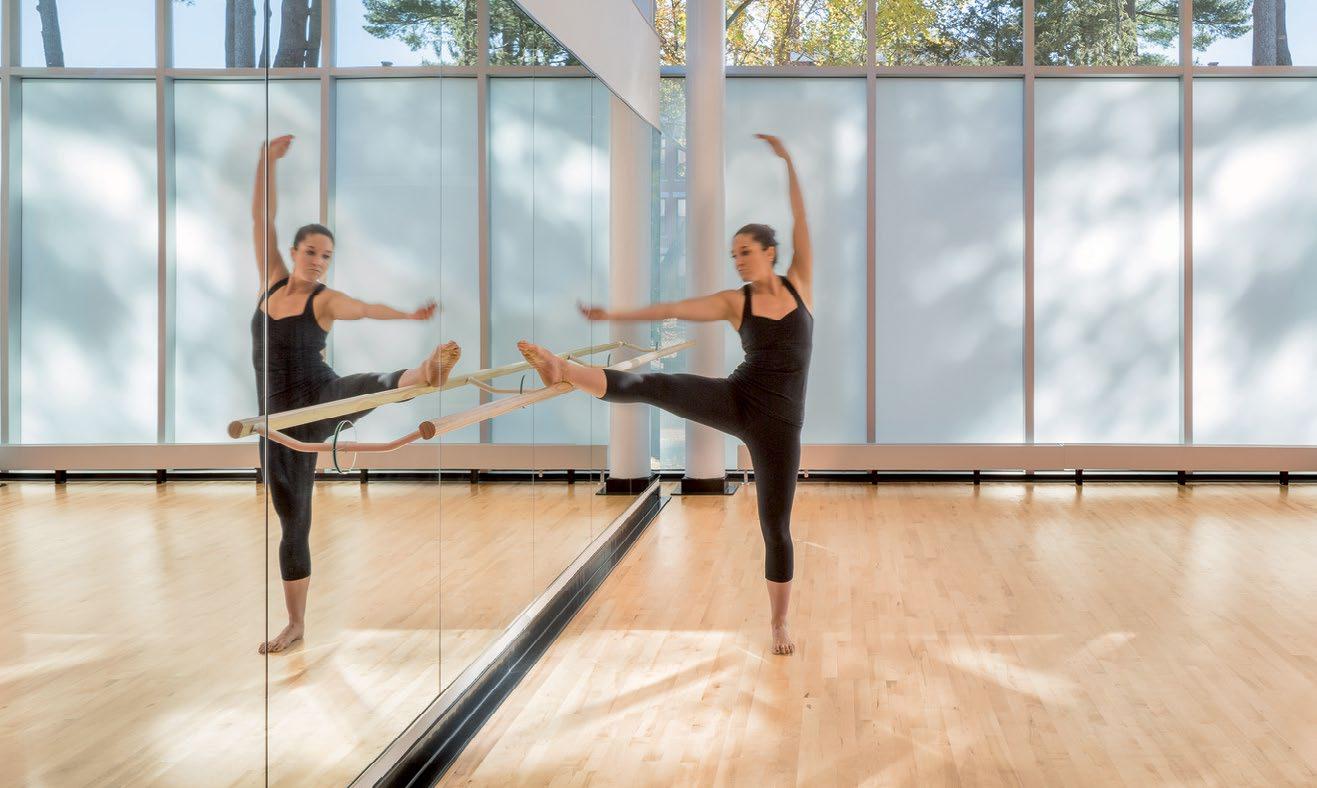
ClarkUniversityBickmanFitnessCenterExpansion
Preventative
Healthcare Facilities
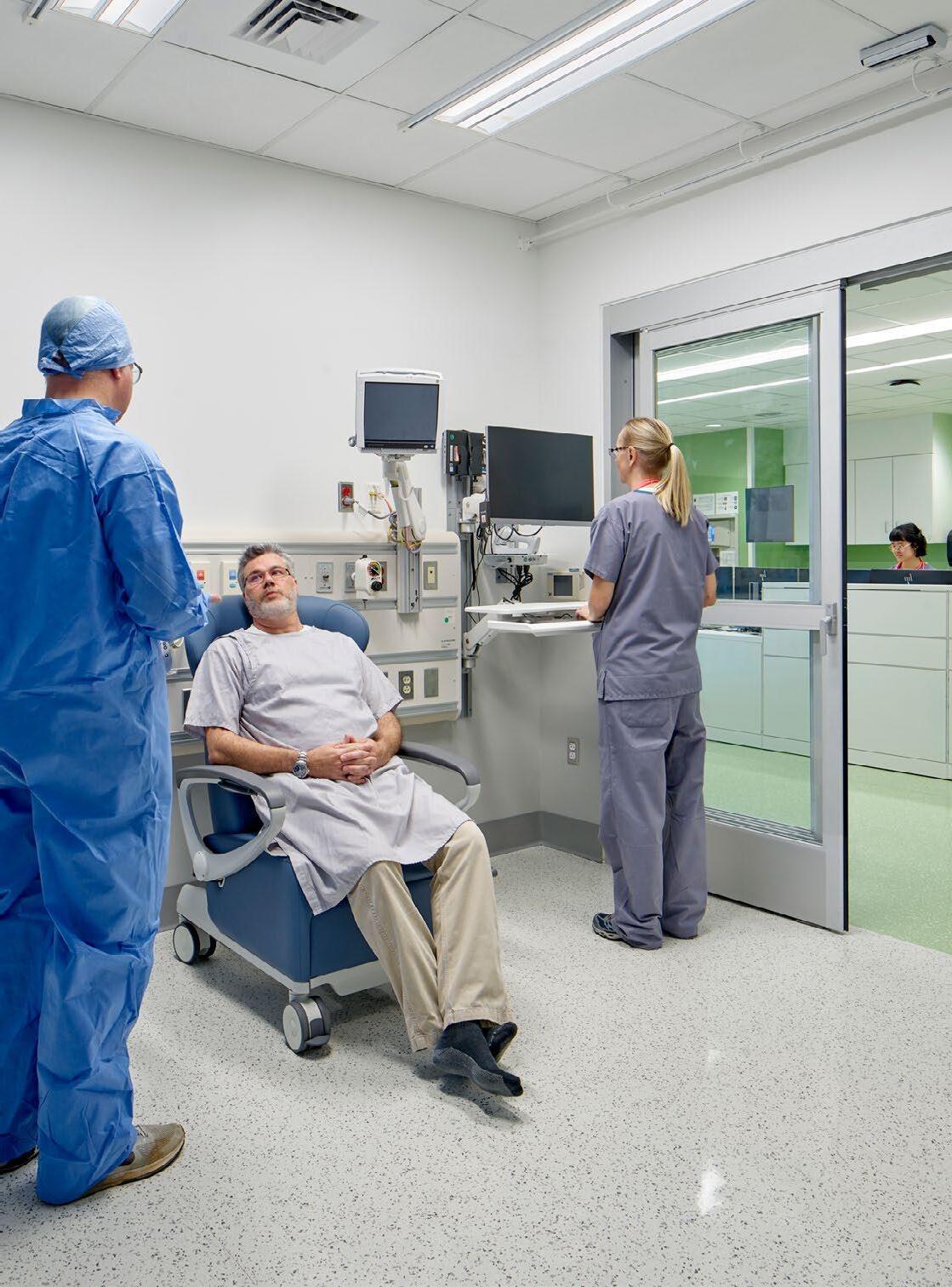
Regular, low-cost or free health screenings (e.g., blood pressure, blood glucose)
Health education classes on nutrition, exercise, stress management, and chronic disease prevention
Immunization and vaccination services
Educational and Social Spaces
Spaces for cooking demonstrations, healthy meal planning, and dietary education, promoting nutritional literacy in the community
Social zones like cafés with healthy food options, co-working areas, and community gardens to cultivate community ties and reduce social isolation
Programs and spaces designed for intergenerational engagement, including family health workshops and activities, building a sense of community and shared wellness goals
Mental Health and Mindfulness Areas
Counseling and support groups, addressing issues like stress, anxiety, and social isolation
Quiet rooms for meditation, relaxation, and reflection, fostering mindfulness practices proven to reduce stress and improve cognitive health
Wellness workshops focused on managing mental health and building resilience skills
Materials & Environmental Wellness
Sustainable materials and energy-efficient designs, aligning the center with community values and reinforcing a holistic approach to longterm health and environmental wellness
Material Health – making sure our material selection keeps people healthy
Physical Activity Spaces
Flexible indoor and outdoor areas for guided physical activities like yoga, stretching, strength training, and walking or running trails designed with accessibility in mind
Equipment and spaces for adaptive physical fitness programs for all ages and abilities, increasing inclusivity and overall accessibility
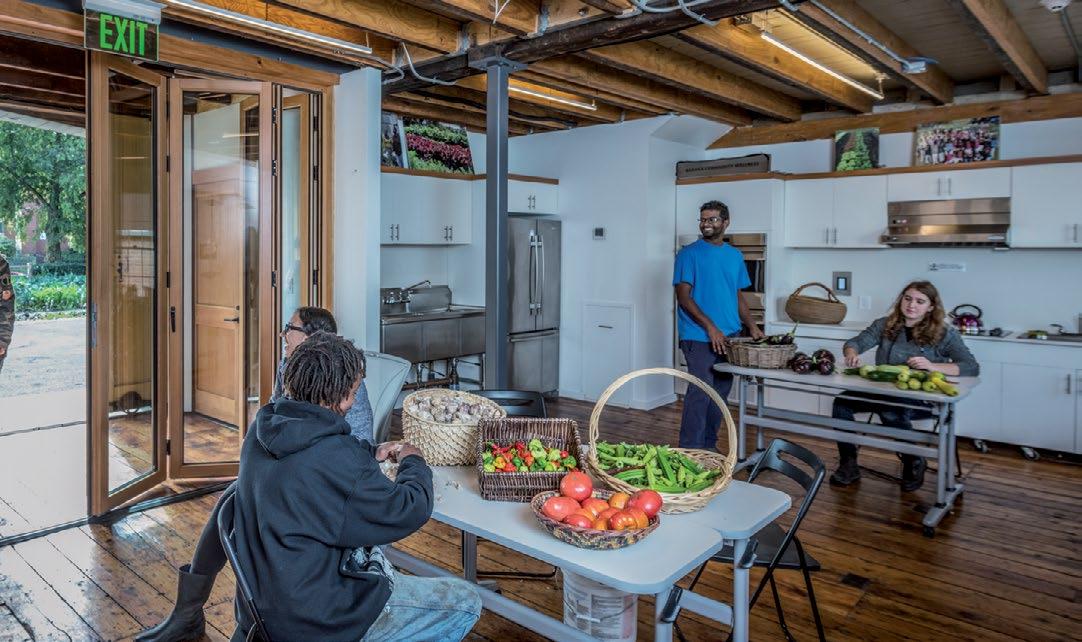
FowlerClarkEpsteinFarm
Landscape Biophilic Design
Using biophilic design to integrate natural light, plants, and outdoor access, which has been shown to reduce stress, improve mental health, and encourage longer visits
Healing Gardens promoting stress reduction, mindfulness and spaces of reflection
New Technologies, Digital Health and Tracking Tools
Interactive health kiosks and digital tools where members can track metrics like heart rate, weight, and physical activity, encouraging a proactive approach to personal health
Virtual programs that extend the center’s resources to individuals who may have limited mobility or need remote health coaching, increasing accessibility
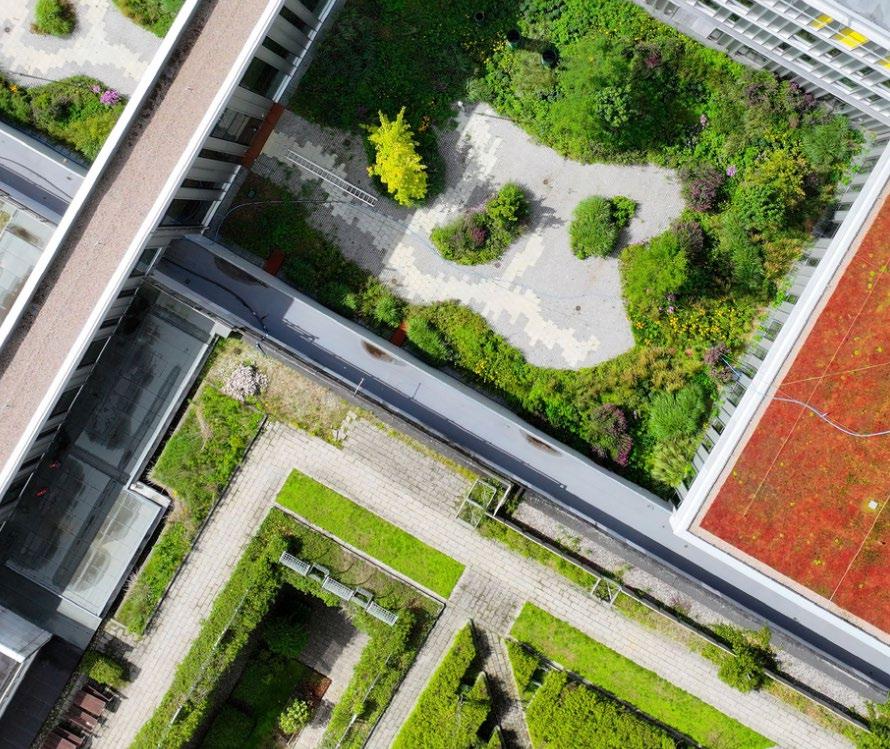
HvidovreHospitalDenmark
The Challenge
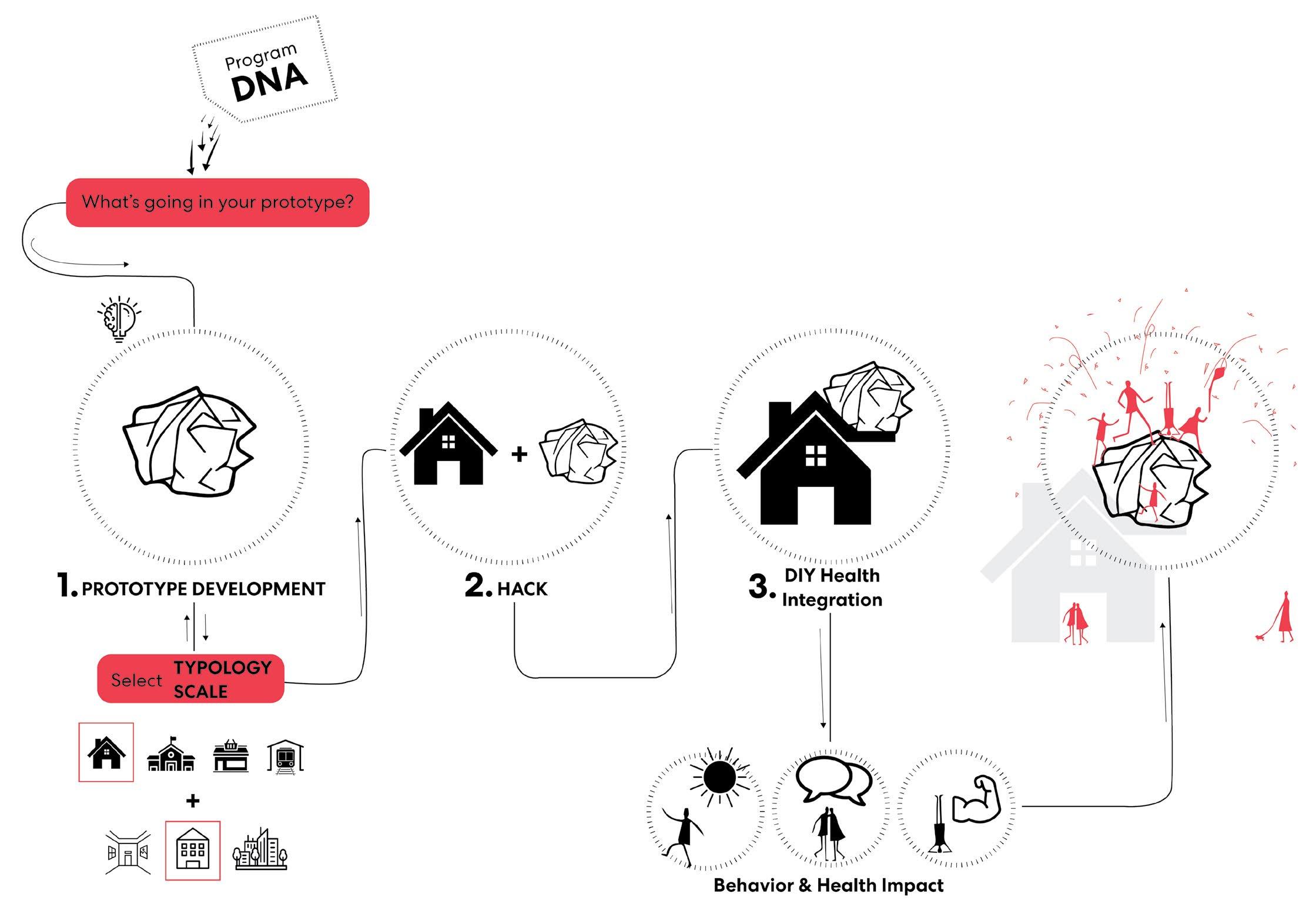
Create a new health prototype that hacks an existing typology.
Prototype Development
Your design must:
‒ Rethink the existing experience: How does your intervention shift how people interact with the typology?
‒ Demonstrate a clear impact: How does your design actively promote healthier behaviors and improve occupant wellbeing?
‒ Integrate landscape and biophilic design in a meaningful way, using nature to enhance physical and mental health.
‒ Where appropriate, your prototype should incorporate elements from the Program DNA on the previous page, if they make sense to your proposed idea.
2
Select a Typology & Scale to Hack
How does your prototype transform an existing typology or create a new one? Your hack can vary in scale and the amount it impacts the existing site and typology.
Select a typology:
Multifamily housing
Education
Mall
Select a scale:
Interior Design: Focus on the transformation of an existing indoor space.
Transit hub / station
Park / Public Plaza
Another typology of your choice
Architecture: Develop a standalone or modular building.
Urban Design: Envision a larger intervention at the neighborhood or city scale, integrating public spaces, infrastructure, or networks.
DIY Health Integration
How does your prototype transform the space to actively change occupant behavior and experience? How does it leverage existing social structures to strengthen connections and promote community well-being?
Choose any climate zone and context, and demonstrate how your prototype adapts to these conditions to remain effective and resilient in both environmental and cultural settings.
By lowering barriers to entry and fostering a sense of community, your prototype should encourage proactive health management and reduce preventable conditions, alleviating the strain on hospitals.
Incorporating health as a core design principle is crucial across all building types and client needs. This competition challenges participants to prioritize health and well-being in their designs, whether creating healing environments for healthcare, inclusive spaces for education, or community-centric places that foster connection and accessibility.
By embracing sustainability, resilience, and health-focused innovation, the goal is to design spaces that not only enrich lives but also address the complex and evolving needs of diverse occupants, ultimately shaping healthier communities.
A Tribute to Robin Guenther
Robin always had a drive to do the extraordinary. This yearning to be bold—to dare to challenge the status quo—is what fueled her passion for healthcare architecture. By the late ‘90s, her relentless advocacy for the use of healthy materials and her dedication to sustainability ignited a global movement. Today, hospitals around the world have been transformed from bastions of “sick care” to beacons of health. And the trend continues. We have Robin to credit for that.
“There are only two choices: we either believe we create the future through every decision we make, or we believe the future is determined and our job is simply to keep on the path. I’m dedicated to the first choice.”
Resources
Watch
Design Forum: Strategies for Success
Watch the recording of the Design Forum. to learn valuable content on how to get started, and organizing your time over the three days.
Design Forum: Sneak Peak
Hear our internal experts discuss "anywhere but the hospital", healing gardens, and community health.
Phil Freelon, A Personal History
Phil Freelon, On Our Way
Phil Freelon, Building a Legacy
Michael Murphy: Architecture that's built to heal
Read
SHL's Competition Best Practices
Living Design Framework
Precede
Open Source Health Dashboard
Daylight and Architecture
The Peckham Experiment
Design as Preventive Care
Fair Society, Healthy Lives
The Marmot Review
Assets
3D White Box Model (3dm, Rvt)
The following white box models are provided as examples. You may use them for your design or incorporate your own model.
Multifamily housing School Mall
Transit hub / station Park / Plaza
InDesign Template
Details
Submissions
A 16:9 ratio, digital book containing all 2d and 3d visuals required to communicate your ideas, along with a title and explanatory text (150-word min, 500-word max). Your book should not exceed 5 pages and should be single pages, oriented in landscape format.
Use the InDesign template provided in the Assets folder. Submissions must be anonymous and therefore can not identify the team, include individual names or studio locations.
Save your hero/main image in JPG format, naming it with your project title and the term “hero” (i.e., title_hero.jpg). JPG files must be no larger than 5 MB.
When submitting your entry online, you will be asked to enter:
‒ Entry Name
‒ Team members
‒ Two sentence description of your big idea
‒ Explanatory text that appears in your board.
Make sure to hit “submit” in the app when you are finished.
Shortlisted teams
If you are shortlisted – we are asking participants to do a short 10 minute presentation to the firm, followed by 5 minutes of Q&A per team.
Award criteria
Jurors will be asked to rate each competition entry on three factors:
‒ The strength of the design concept
‒ How well you demonstrate the health impact on occupants
‒ The clarity and the professionalism of the submission – specifically the aesthetic and narrative content
Prizes
First Place: $10,000
Second Place: $6,000
Third Place: $4,000
Merit Awards: $1,000
Submission Deadline Sunday, February 23, 2025 by midnight in your time zone.