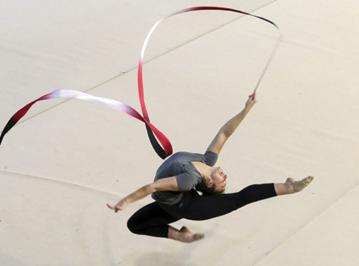







Curelitzia announced first in the ladies’ category and Overall Winners at #StepItUP2019. Mopane comes first in the Men’s category and Tuks Bophelong comes first in the mixed category.




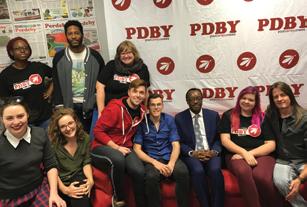
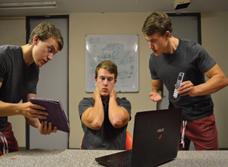
And we made him all uncomfortable on our couch.
Last week we had the honour of showing Prof. Kupe around the PDBY office building. We even tried to cover up the old termite damage that came from Pssst...’s appalling living conditions. But in all seriousness we were very happy to see Prof. Kupe paying some interest in the lives of students. We also got to hear how Prof. Kupe worked at his own student newspaper and he told us about how he had to sell the newspaper to students door to door.
Prof. Kupe’s stories about the hassles of producing a publication years ago really show how lucky we have it sometimes. Learning InDesign is the hardest part about putting the
Calling all students. Have your theses, dissertations, project reports, academic papers, etc proof read for accuracy, consistency, grammar and spelling. Only R500 per hour.
Contact Dr Aussie Austin PhD at telephone 082-4429888 or e-mail aussie.eng@gmail.com
www.pdby.co.za
Twitter: @PDBYnews @PDBYSport @PDBYe
Instagram: @PDBYMedia
Facebook: PDBYMedia
Tel: (012) 420 6600
This week I was sent a letter and I think it is a very valid point. This is an issue that I have spoken about before and that many other students have expressed their frustrations about. It seems that all too often the efforts that the university makes fall short of the aspects that take students into consideration. This is in the small things such as closing down food places without a strategy to continue providing quality food on campus. It blows my mind too, Concerned UP staff member. Maybe their plan is to focus on the hybrid learning so you can stay home and then who cares about protection from the weather or healthy meal options.
It’s important to not let these things get to you though. Take the cards you are dealt and make it work.
paper together these days, and it is quite easy to learn. But this comes down to our academics too.
As a tutor, I get to mark some papers and sometimes it is quite shocking how slap-dash some students can be with the work they submit. Glory be to the guy that invented copy-paste, but that doesn’t mean that we should be spending less time working on things.
Speaking of spending time on things, this week we bring you a story the Features team has been working on for quite some time. We tried to look at prescription drug abuse on campus. Give it a read! If you have thoughts on the matter, send me a message! I’d love to start a discussion
Go wild, stay fighting! Shaun Sproule Editor
Ihail, rain or
blows the mind. Literally. That UP could erect a bus station without shade or shelter for students just off Hatfield Campus. Surely that should have been part of the initial plans and construction more than a year ago? Come hail, rain or sunshine... — Concerned UP staff member
Advertising Sales
Tel: 012 420 6600
Cell: 083 318 9738 carel.willemse@up.ac.za
Editorial
Editor-in-chief carel.willemse@up.ac.za
Carel Willemse @Ed_in_Chief
Editor perdeby@up.ac.za
Shaun Sproule @ShaunSproule
News news@pdby.co.za
Features features@pdby.co.za
Katie Atkinson @katieatkinson4
Entertainment entertainment@pdby.co.za
Sam Mukwamu @sammysouthside
Sport sport@pdby.co.za
Ricardo Teixeira @the1trueRicardo

Copyright
Online Content onlinecontent@perdeby.co.za
Prudence Ramsboka @robyn_prudence Web webeditor@pdby.co.za
Adivhaho Maphwanya @i_adi_m Copy copy@pdby.co.za
Georgina Glass @georginaaliceglass
Visuals visuals@pdby.co.za
Elmarie Kruger @elmarie.kruger
Multimedia multimedia@pdby.co.za
Ofentse Malele @fentse_malele
Layout layout@pdby.co.za
Kayla Thomas @kaylathomas1998
PDBY appreciates that freedom of speech is an inalienable right enshrined in the Constitution of the Republic South Africa. We encourage our readers to engage in discussion and debate on issues that affect them through letters to the Editor, comments on our website, tweets, or posts on Facebook. We ask our readers to keep the following in mind:
1. PDBY will not edit letters, comments, tweets, or Facebook posts in any way.
2. PDBY will label letters, comments, tweets, or Facebook posts as opinion. These do not represent the views of PDBY in any way.
3. The PDBY editorial must approve letters, comments, tweets, or Facebook posts before they are published.
4. PDBY will not publish letters, comments, tweets, or Facebook posts that are defamatory, or libelous, or that contain offensive content.
5.
Alison Massey
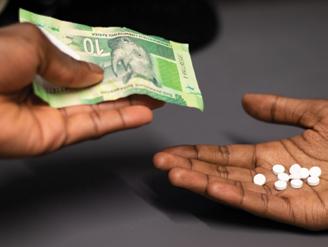
Most of us know of someone who has bought Ritalin or Concerta during a stressful period at university. Some of you may even have done this yourselves. The use of these drugs is rife at South African universities, but most students do not know much about the legalities surrounding the drugs they are buying.
Ritalin and Concerta are drugs which contain the active ingredient methylphenidate (MPH) and are usually prescribed to a patient diagnosed with Attention Deficit Hyperactivity Disorder (ADHD) to help them focus and control their symptoms. Dr William Oosthuizen of the UP Centre for Law and Medicine, provided PDBY with a study entitled “The use of methylphenidate as a cognitive enhancer by health sciences students at a South African University”. The researchers in the study explain that “students often perceive these drugs as safe to obtain” despite their scheduling, because of the “increased public awareness” that these drugs can help with concentration. According to the study, of the 2659 students surveyed, “6.9% […] were taking MPH on a daily basis, of which 3.1%
Two most important crimes created by the statute are a) dealing in drugs and b) use or possession of drugs”
had a confirmed ADHD diagnosis”. The study also explains that of those surveyed, “means of procurement outside of a pharmacy setting accounted for approximately 40.7%”, while 59.3% of the students studied obtained the MPH through valid prescriptions.
What many students may not know is that MPH is listed under Part II of the South African Drugs and Drug Trafficking Act, provided to PDBY by Dr Oosthuizen. This section of the Act is entitled “Dangerous Dependence-Producing Substances”, and includes other recognisable drugs such as morphine and opium. According to Dr Oosthuizen, the “two most important crimes created by the statute are a) dealing in drugs and b) use or possession of drugs”. Because MPH is classed under this Act, there are specific guidelines as to what types of punishments will be allocated to offenders. Dr Oosthuizen explains that “punishment for crimes relating to the substances in this schedule are more severe than for drugs in the other categories”. Depending on the specific case, a person caught for “use and possession” can be given a fine and/or up to 15 years of imprisonment, at the discretion of the courts. Being caught for dealing is much worse, though, with a punishment of a fine and/or up to 25 years of imprisonment at the courts’ discretion. Although these drugs might be thought of as mere “concentration pills” by students, it is clear that they are seen as potentially dangerous by the relevant authorities and therefore there are stringent rules around their distribution.
Katherine Atkinson
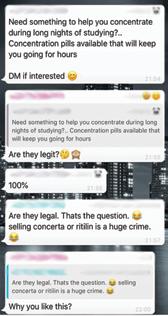
The informal trade of Concerta and Ritalin among UP students is believed to be somewhat prolific. While this informal practice has carried on for several years, its facilitation through academic WhatsApp groups has become a recent trend among students. To obtain a broader perspective on the trade
of Concerta and Ritalin among UP students, PDBY enquired with UP Spokesperson, Thamie Mthembu, about this informal and unlawful trade. Mthembu confirmed that “two separate cases were reported to the [UP] authorities last year, involving students who allegedly advertised the sale of schedule six medication on student WhatsApp groups. The incidents were immediately investigated and referred to the University’s legal department for further action.”
At the time of print, PDBY was made aware of individuals selling Concerta or Ritalin on WhatsApp groups within the faculties of law, engineering and humanities. PDBY posed as a buyer and contacted a seller who advertised “concentration pills” on one of these WhatsApp groups. The seller said they could not disclose the name of these “concentration pills” but guaranteed that they work for 12-14 hours, pricing them at R55 per pill. The seller said that the pills could be collected on campus, but that because they have their regular clients, they will need to receive new stock before selling again.
a Concerta prescription, from whom they buy Concerta and then sell to others. The seller explained that over the past year, they had about 20 different students they sold to, five of whom they referred to as “regular customers”. They also confirmed that sales peak during certain times of the year, such as Engineering Week. In addition to the use of these prescription pills for study purposes, the seller added that some students use the substances for partying purposes.
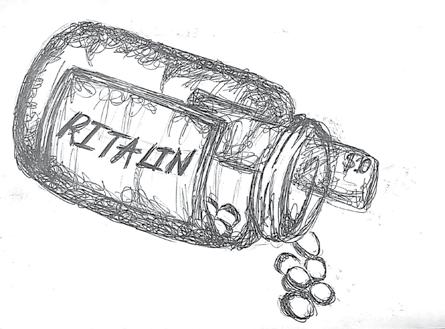
PDBY then interviewed two sellers, both UP students, who have actively engaged in this unlawful practice. According to one of the sellers, who deals both Concerta and Ritalin, Ritalin is more prevalent among students on campus, however, both it and Concerta are widely used. The student, who has sold these substances on campus for over 18 months, says that they get student buyers from all faculties. Most of these students, however, are engineering and law students.
Furthermore, the seller explained that they have a prescription for Ritalin and sell pills to students who do not have such a prescription. They also noted that they have a friend with
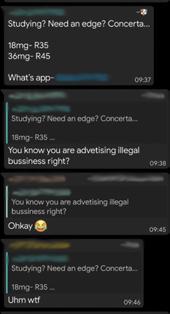
When asked about how they price their Ritalin, the seller explained that they sell a 20mg Ritalin pill for R40 and a 30mg pill for R50, adding that they knew of others who sold 10mg pills too. These prices are similar to prices advertised on a particular academic WhatsApp group, which advertised 18mg Concerta pills for R35 and 36mg Concerta pills for R45. When asked whether they were aware of the negative medical consequences of consuming Concerta and Ritalin without being prescribed these substances by a medical professional, the seller explained their position. They said that they were aware of medical consequences, adding that depression is a problem for these students, but if students want to obtain these substances, they eventually would. When asked whether they were aware that selling prescription medication to students was unlawful, they said they were. The seller adds that the risks involved do not outweigh the benefits, although it was a good source of income for them. Sometimes the trade of Concerta and Ritalin is more informal than




the situation described above. Speaking from experience to PDBY, the second seller said that students do not necessarily need to find a seller, instead relying simply on friends or students living in residence. The seller added that they had a prescription for Concerta and that people in their residence would ask them directly for these pills. The seller also explained that they had initially begun giving out Concerta pills for free until they had realised how expensive they were. They then started charging for it, but eventually stopped because it had gotten “out of hand”. At the time of print, PDBY had contacted two buyers who, although originally keen to be interviewed, did not follow-up. In order to determine the discrepancy in prices between lawfully and unlawfully obtaining Concerta and Ritalin pills, PDBY contacted a Dischem dispensary to find out exactly how much a monthly prescription of 30 Concerta and 30 Ritalin pills cost. According to Dischem, 20mg long-acting Ritalin is the cheapest at R530, while 30mg long-acting Ritalin costs R779. Concerta costs R703 for 18mg and R774 for 36mg. Depending on whether Concerta or Ritalin is sold, and what dosage is sold, student sellers should make a profit between R300-R700 when all 30 tablets are sold. However, if the seller uses medical aid to cover the entire cost of their Concerta or Ritalin prescription, they walk away with 100% of profits.
While the full extent of the unlawful trade of prescription medications such as Concerta and Ritalin remains unclear, Spokesperson Mthembu says that if a student is found buying or selling prescription medication while on any University-related property or premises, the university will act accordingly since this contravenes UP’s Disciplinary code. “UP will act against anyone found guilty of flouting its policies and will take the necessary steps, including reporting it to the appropriate authorities, where illegal activities are suspected”, says Mthembu.

Earnest Nyamutsamba
Technology, Entertainment and Design University of Pretoria (TEDxUniversityofPretoria) is a recently registered society at the University of Pretoria. PDBY interviewed Linnet Kimathi, the Marketing and Communications manager for TEDxUniversityofPretoria who said that TED granted them the licence to use their brand in April 2018 and that is “essentially when planning started”. Kimathi says that after the first TEDxUniversityofPretoria event on 19 September 2018, the founding members decided they wanted TED to have a longer lasting presence on campus. Therefore, TEDxUniversityofPretoria became registered as a UP society in 2019, after screening from the SRC. Kimathi says that there has already been a lot of interest and they have a lot of members. TEDxUniversityofPretoria is an independent organisation licensed by TED. The x stands for an independent society that originates and resides within a designated community. There are many branches of TEDx that are found in various locations. The TEDxUniversityofPretoria society therefore had to get a license from TED, the parent society based in Vancouver, Canada. Upon applying for a suitable name, the society had applied to use the name TEDxUP. However, there was already a TEDxUP, where the UP stands for University of Palestine. Hence, TED required the name to be TEDxUniversityofPretoria instead of TEDxUP to avoid confusion.
UP is an institution that is influenced and inspired by students from various
backgrounds, with various ideas. Interviewing Malebo Nkosi, the vice chairperson for TEDxUniversityofPretoria, she says “this is an institution of learning, there are so many ideas” and TEDxUniversityofPretoria is about how they get these ideas out there and explore them. Further, Nkosi explains that the TEDTalks are about getting people to think about how to implement ideas and solutions. The society seeks to offer the much-needed platform for sharing ideas and furthering the cause of societal awareness and change for the greater good. Kimathi says that the impact is to “create a community of people who are sharing knowledge” to get this knowledge out into the same space. She also explained that TEDxUniversityofPretoria is about connecting people.
TEDxUniversityofPretoria is interested in working with other societies at UP. “TED is about being multidisciplinary […] our mandate is to be able to go out there and to be able to introduce people to multi-disciplinary, [multi]faceted things,” says Kimathi. In the name of bringing the larger UP community together, TEDxUniversityofPretoria also plan to branch out to other UP campuses besides Hatfield campus.
TEDxUniversityofPretoria aims to “create a community of people who are sharing knowledge”
TEDxUniversityofPretoria has already started hosting events. One of their first events this year was called “Bigger Than Us” and took place on 24 April at the Conference Centre on Hatfield campus. The event was a
Of the 18 nominations that Tuks FM received at the 2019 Liberty Radio Awards, they walked away with a total of ten. The Liberty Radio Awards took place on 13 April at the Sandton Convention Centre and is the only industry-wide award ceremony in South African radio. Tuks FM’s victory included awards such as best night-time show, best music show, best breakfast show, best afternoon show, and most impressively, the coveted campus station of the year award and the radio innovation award. Leanne Kunz, the Tuks FM station manager, views the radio innovation award as a special award as it fit in the mixed category, where Tuks FM was competing against the biggest and most wellresourced commercial radio stations such as Jacaranda FM and KFM 94.5. In winning the Campus station of the year award, Kunz said “it was a wonderful confirmation that the changes brought about and the decisions made from a management perspective were the right ones”. Max M’membe, the head of the presenting department and a presenter herself, said she was “immensely proud of the team”, further expressing the gratitude of gaining recognition for all their hard work.
Kunz attributes Tuks FM’s success to the full transformation it underwent last year. The format shifted from a predominantly rock music-focused radio station to a Top 40 radio station that combines RnB, house, pop and hip-hop in their playlists. The structure and operations within the station changed, with emphasis being placed on the training of the team, intense marketing that finds different ways
live stream from Vancouver, Canada which streamed to various TEDx societies located all over the globe. PDBY interviewed Emmanuel Amadeus Adu-Awuku, who is the chairman of TEDxUniversityofPretoria. AduAwuku said that TED “implemented this new thing called TEDxLive where […] people apply for licence to be able to live stream”. AduAwuku further explains that TED give respective societies “a license and a pass for the duration of the conference so that you can also stream it for your [society members]”. Adu-Awuku says that they could choose between twelve sessions and that TEDxUniversityofPretoria chose the session called “mind-shift”. Topics which the mindshift live stream covered included using psychedelics to treat PTSD and markers of unhealthy relationships. Adu-Awuku says that the event was successful and they had about 50 people who “really engaged”. TEDxUniversityofPretoria has many more upcoming events for the remainder of the year. On 6 May they will host TEDxUniversityofPretoria Red Circle 1 which will reveal the theme of their September 2019 grand conference to the UP student community. This includes a talk session where invited members will share their thoughts about this theme and how they would want TEDxUniversityofPretoria to evolve. On 5 August, the society will host TEDxUniversityofPretoria Saloon, an event which will “review the ground-breaking ideas that came out of previously recorded Afrocentric TED talks, both locally African and overseas”. Of course, however, their main event is TEDxUniversityofPretoria 2019 which will take place in September again and include live speakers in a conference style, who will be recorded and uploaded onto the TEDx YouTube channel.
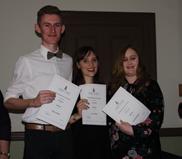
Throughout April the university not only celebrated the graduation of the class of 2018, but also ongoing academic successes as undergraduate and honours students were rewarded for their work in 2018.
The Department of English hosted their annual recognition of academic achievement award ceremony on 11 April at Kya Rosa. Certificates were awarded for the highest achievers in each English module offered by the Department from first year to honours level.
of approaching clients, and altogether changing the culture and ethos of the station, resulting in the transformation of Tuks FM’s vision and mission.
Since last year Kunz says Tuks FM placed more focus on its volunteers and their skill development. She explained that the stringent training of the team has been a priority, ensuring that they are provided with “industry-credible training” that optimises their performance and professionalism in their respective divisions. To retain the quality of the content produced by the team and to keep them motivated and energised, balcony sessions are held every Friday at Tuks FM. According to Kunz, the balcony sessions are a social element, where artists perform at Tuks FM and the team is given the opportunity to socialise and “be friends outside the Tuks FM workspace”. Another way of motivating the team is by bringing in Alumni, said Kunz, the big names that have come from Tuks FM, to shed some guidance and motivation to the team. M’membe expressed the “cohesive good team” the transformation has produced. A team that “works well together and supports each other” in a positive space.
“Young, Fresh, Relevant”, the Tuks FM mantra requires Tuks FM to keep up with the trends in the best way it can. Technological progression has propelled Tuks FM to initiate its podcast so as to incorporate a digital and social element in Tuks FM’s content, said Kunz. M’membe explained that, “constant reinvention and awareness of the environment to find content” ensures that Tuks FM lives by its mantra. The station’s readiness and eagerness to grow indicates its desire to “deliver a service to [listeners], to entertain and inform” said Kunz.
Tuks FM’s transformation has experienced its own challenges, starting with the loss of the older listenership that felt that Tuks FM was “losing [its] identity” said Kunz. As Tuks FM is a campus radio station, the budget is limited, therefore restricting the technological advancements the station can make. This is another reason that the Radio Innovation award was so special, according to Kunz, who said the team filmed content with their cell phones. “You can do a lot with a little, if you really just think outside the box” expressed Kunz. Tuks FM’s goal for this year, according to Kunz, is to “build on the momentum” a major focus being on marketing. A survey conducted by the station last year revealed the low percentage of students who actually listen to the radio. Therefore, the station intends to increase listenership through intense marketing to make students aware of their presence and the Tuks FM content that is relevant to them, said Kunz. Another goal is to upkeep Tuks FM’s active community engagement. They have already completed the annual “Back to Varsity” student drive, the collaboration with Menlyn Park Shopping Centre that collected stationery, blankets and non-perishable food items to the value of R50 000, in February. Kunz also spoke of their “Hear the Sights” initiative, for which they won the Radio Innovation award. This involves the team taking students from the Prinshof school for the visually impaired to the Pretoria zoo and giving them an audio-tactile learning experience.
Tuks FM is filled with “colourful personalities […] with a spark” said Kunz, who further voiced that all students who wish to join or be involved with Tuks FM should “be [themselves], be authentic, know the brand” and familiarise themselves with the radio space. M’membe describes it as an open environment for people who “care about broadcasting, society and Pretoria”, where the attitude is one of “producing content that matters”.
Kate Watson received the award for Best Student in English 100, Kayla Thomas the award for Best Student in English 200 and Allison Massey the award for Best Student in English 300. Jana Muller received the award for Best Student in English Honours. Micaela Shaw won the Juanita Hall Memorial Award for an English 300 student going on to Honours, and Rozanne Roos won the Philip Milstein Prize for a second language student who showed significant improvement. Certificates were also awarded to the three highest achievers for each semester of the undergraduate modules and to the highest achiever of each Honours module. For a complete list of award winners, visit the English department’s UP webpage.
The evening was hosted by Head of Department, Professor Molly Brown, and featured a musical performance by a staff member and student of the English Department, Kirsten Dey and Rozanne Roos.
The Department of Historical and Heritage Studies also hosted their annual awards ceremony in the Merensky Auditorium on 12 April. The ceremony took place as part of the Humanities Faculty’s centenary year and had the theme “Advice to my younger self”. Dean of the Humanities Faculty, Professor Vasu Reddy, spoke at the event and his advice was to “take time to get to know yourself” and “just reflect” to make the most of the time as a student.
Certificates were awarded for outstanding performance in the History and Heritage and Cultural Tourism modules from first year to honours level. Yolande Meintjes, recipient of the awards for outstanding performance in Heritage and Cultural Tourism, best research report at honours level, and outstanding performance in History and Heritage and Cultural Tourism at all undergraduate years, said her advice to her younger self was to “stop stressing and believe in yourself”. The recipient of the awards for best research report in History at honours level, outstanding performance in History at honours level, and outstanding performance in History and Heritage and Cultural Tourism at all undergraduate years, Elize Soer, advised to “save everything on Google Drive”. Recipients of awards for outstanding performance in History and Heritage and Cultural Tourism, over all three years at undergraduate level or at honours level, also included Winnie Senomoadi and Nicola Irving. A special award for a student who “displayed exceptional empathy and support towards a fellow student” was awarded for the first time by Head of Department, Professor Karen Harris, to Margaret Mosetlhe.
Prof. Harris explained that watching students “grow and blossom when they were insecure at first” is the highlight of the annual awards ceremony.
Hlompho
Moichela
Acollaboration between UNASA UP and SpeakOut birthed the University of Pretoria’s first Sexual Assault Awareness Week (SAAW) which took place from 15 to 18 April. The initiative, created by UNASA, is inspired by the Sexual Assault Awareness Month campaign in the United States. The theme for 2019, ‘I Ask’, reiterates the importance of consent.
The Humanitarian Officer of UNASA UP, Michelle Smorfitt, said that the initiative is very important to the organisation due to the emphasis it places on humanitarian affairs.
The goals of SAAW include letting “survivors […] know that there is a huge community of people who are fighting for them and who are here for them”
SAAW helps fulfil UNASA UP’s mission for this year, which is to deepen its focus on humanitarian drives, furthering the Sustainable Development Goals.
The programme for the week started with a Visibility walk where participants held placards captioned “I ask for consent”. This walk ended with a handprint ceremony at the Merensky wall where participants pledged to believe and support sexual assault survivors. The SpeakOut director, Stephanie Cookson, expressed that the turnout and engagement from students in terms of pledging support was “really exciting and heart-warming”.
The week also included a seminar where sexual assault stories were shared as well as an activation at the piazza that gave stakeholders such as CSA&G the opportunity to raise awareness about safety issues. The week ended with free selfdefence workshops.
As stated in the Criminal Law (Sexual Offences and Related Matters) Amendment Act 6 of 2012, ‘consent’ means voluntary or unforced agreement. Africa Check revealed that in 2018 in South Africa, 110 rapes were reported to the police daily, and a total of 50 108 sexual offences were recorded for the year, inclusive of rape. These statistics show a low understanding of consent. Cookson says that “consent is a fundamental thing” and that “people do not owe you anything […] people do not owe you their bodies”. Cookson reiterated that consent is not just about physical touch, but could also include sharing photos, for example. Speaking of sexual assault, Smorfitt voiced that “sexual assault is a prominent issue and social taboo on campus and is a clear violation of someone’s human rights”. She consequently expressed that SAAW was a big success. The contribution of volunteers and the organisation and management of the week “achieved [UNASA UP’s] mission through creating awareness, creating exposure for support services and showing support”. Although a success, Smorfitt says there is “space for improvement”. She says that her “hopes for the next SAAW programme is that it is bettered and taken to the next level. That the impact of the programme reaches many more people and begins to #ChangetheCulture at the University of Pretoria and South Africa.”
Although SAAW saw a higher percentage of women present than men, the presence of men is needed so that constructive dialogue can bring about effective change. This statement is reiterated by Cookson who said, “conversation is important and men should be involved in the conversation”. Cookson also mentioned the #ChangeTheCulture initiative and the importance of inclusivity. The #ChangeTheCulture initiative encourages both men and women to pledge a commitment to break down societal constructs that blame and shame victims by not holding perpetrators responsible or institutions accountable. Cookson explains that the reason why a large percentage of men are not part of the conversation is because of the fear to make a commitment to a movement which might result in judgement. Cookson emphasised that the #ChangeTheCulture initiative starts with having open conversations about sexual assault within your personal relationships.
It is important to break the stigma that men cannot be victims of sexual assault as they are, too, a percentage of the victims of sexual assault. At SAAW’s seminar on 17 April, where sexual assault stories were shared, Rees Mann, the founder of the non-profit company South African Male Survivors of Sexual Assault (SAMSOSA) spoke. Mann is a victim of sexual abuse and gang rape and highlighted the importance of “dismantling toxic masculinity and socialistic positioning”. Mann vocalised the unspoken code of “emotional bankruptcy”, where a lot of men put on a mask and pretend to be okay. This, according to Mann, leaves men in a vulnerable position as they struggle to fully express their problems when they have been assaulted. During the seminar Pierre Brouard, a clinical psychologist and the Deputy director of CSA&G, also spoke and shared the importance of information and research. Brouard highlighted the difficult situation the LGBTQ+ community faces in areas where an undesired “sexual orientation is criminalised”.
Cookson says that she believes the teal colour used during SAAW represents not only healing, but also “strength and resilience”. Cookson says that one of the goals for SAAW is for “survivors and the loved ones of survivors, be it gender-based violence, rape, sexual assault […] to know that there is a huge community of people who are fighting for them and who are here for them”. Cookson wishes to express, in the form of advice, that anyone who wants to report being sexually abused or assaulted but is held back by fear, should understand that there is never going to be an easy way to solve this but there is help. Victims are never alone and if they cannot confide in someone close to them, then support structures within the university such as student support services, student counselling and CSA&G do exist.
Katherine Atkinson
Once again, April has been a month which celebrates academic success at the University of Pretoria. The autumn graduation ceremonies took place from 2 to 30 April 2019 and awarded 11 649 qualifications to graduates from all of UP’s faculties. According to the UP website, this number includes 10 600 undergraduate qualifications and the conferment of 229 PhDs and 1 496 Master’s qualifications. Further, three honorary doctorates were awarded including, an honorary Doctor of Commerce degree to Professor Mary
Elizabeth Barth, an honorary Doctor of Philosophy degree to Ms Elinor Sisulu and a PhD awarded to Minister of Higher Education and Training, Ms Naledi Pandor.
his PhD in Environment and Society at UP. Tinyiko Gwambe
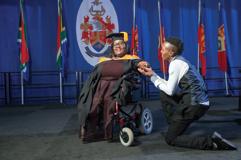
During the April graduations, Gwambe graduated from her Bachelor of Social Work degree with distinction. According to the UP website, Gwambe is wheelchairbound as she was born with tetra-amelia syndrome. This is an extremely rare autosomal recessive congenital disorder characterised by the absence or malformation of all limbs. Despite the hardships that come with living with this disorder, Gwambe has persevered and shown academic excellence throughout high school and her university career.
While all of these achievements are exceptional, there are a few truly inspirational students who formed part of these statistics. Below are four students who overcame significant challenges to obtain their degree:
Erika Barnard
Barnard is a graduate from the Faculty of Theology with a rare genetic disorder called Familial Dysautonomia. Despite Barnard having a disorder that impairs her autonomic nervous system, she managed to complete her four-year degree programme in just three years. Furthermore, Barnard received an award from Vice-Chancellor and Principle, Professor Tawana Kupe, for achieving high marks throughout her degree. Above her degree, Barnard and her husband are foster parents to four girls who, according to UP’s website, were “exposed to many forms of violence, abuse and injustice”. Barnard is also an arts and drama teacher at Laerskool Garsfontein and works at Dutch Reformed Church in Monument, Pretoria.
Izak Boshoff
After receiving both his undergraduate degree and honours from UP, Boshoff, a wheelchairbound student, received his master’s degree in Environmental Studies during the April graduation period. Boshoff is now enrolled for
“Turn your challenges or disappointments into motivation, and success will come your way” commented Gwambe to UP. Lisa Sanders Sanders has beaten cancer four times in her lifetime. According to UP’s website, Sanders suffers with a condition called Li-Fraumeni Syndrome, which affects a gene that usually stops the growth of tumours, causing a lifelong battle with cancer. Sanders was first diagnosed with cancer of the soft tissue in her right leg at two. Her most recent diagnosis was at age 25, when she was diagnosed with colon cancer. Despite this, Sanders has graduated with a master’s degree in Translation and Interpreting Studies, with her dissertation on translating Japanese anime subtitles. Sanders plans to go to the Tokyo University of Foreign Studies in Japan to do her degree.
No matter who you are, achieving a degree is a special feat. Vice-Chancellor and Principal Professor Tawana Kupe would like to share the following message with UP’s 2019 autumn graduates: “Well done to all our UP graduates. I am extremely proud of you! It is heartwarming that during our 32 Autumn graduation ceremonies 11 649 degrees, diplomas and certificates were awarded. Through hard work and perseverance, you succeeded and reached your dreams. In today’s day and age, lifelong learning is of critical importance so why not consider enrolling to study further? I applaud all of you. Make today and every day matter! Make South Africa and Africa’s future matter!”



Stephanie Cookson and Shanté Kroukamp
In July 2017, News24 wrote that “the trend of taking ADHD medication without a prescription has been around for a number of years and is now considered commonplace in universities.” Over a year later, in November 2018, Addiction Centre published an article claiming that one third of college students abuse Concerta and other prescription drugs. It therefore may not come as a surprise that there seems to be an informal illegal trade of Concerta and Ritalin among students at the University of Pretoria. Although this trade may have occurred for a number of years, it has recently become publicised with sellers advertising these schedule six drugs on academic WhatsApp groups. What is worrisome is the potential biological and psychological effects that Concerta and Ritalin may have on students who are not meant to be taking these drugs. In South Africa, schedule six drugs are defined as substances with a high potential for addiction. Similarly, the Drug Enforcement Administration (DEA) of the United States define schedule II substances, schedule six in South Africa, as dangerous drugs with a high potential for abuse and with use potentially leading to severe psychological or physical dependence. Schedule six drugs can only be obtained with a doctor’s prescription and professional control over the supply of these substances. The dispensing is limited to a 30-day supply at most. Ritalin and Concerta can only be prescribed by a psychiatrist or general practitioner and dispensed by a pharmacist. Despite apparent strict regulations surrounding Ritalin and Concerta, it seems that these drugs are fairly easy to access. This was suggested during an interview that PDBY conducted with a student who uses their own prescription to sell Ritalin and sells Concerta for others who have a prescription. The student, who wishes to remain anonymous for legal reasons, says that “you can bull**** your way into getting it, it’s super easy.” The student, Anonymous A, is on a government grant for Ritalin and says that the process of obtaining a prescription involves mental-health checks. “I have to go to the clinic and they just do […] a [psychological] evaluation asking […] if you don’t hurt yourself, if you’re feeling depressed, if you have suicidal thoughts.” However, Anonymous A says that government evaluations to obtain Ritalin
are not as thorough as the evaluations done by private doctors. According to Anonymous A, all that is needed is proof of household income and “they’ll give it to you for free, just like that”.
The accessibility to Ritalin and Concerta is of concern considering that they are both psychostimulant methylphenidates and have the same chemical compilation as that of “uppers” like cocaine and methamphetamine. Ritalin and Concerta are versions of the same drug, called methylphenidate hydrochloride. Therefore, they have the same active ingredient, but with notable differences. Concerta has a gradual-release pattern and is long-acting, whereas Ritalin has an immediate-
focus.” These benefits do not necessarily translate to those who engage in non-medical use of prescription stimulants (NPS). Another study cited by Dr Colin states that “several research studies have observed that NPS most likely does not confer an academic advantage, and is associated with excessive drinking and other drug use.” When asked if Ritalin and Concerta abuse could be linked to higher rates of depression during academically demanding periods, Dr Colin referred to a study published in the Journal of Medical Ethics to confirm that there is a link between NPS and depression. The study examined the side effects of NPS in comparison with placebo and found that 21% of students experienced depression or sadness
release pattern, is short-acting and instantly increases dopamine and norepinephrine levels. In short, these stimulants have stabilising effects on the brain and are used in the treatment of Attention Deficit Hyperactivity Disorder (ADHD) and narcolepsy. When Ritalin and Concerta is taken by an individual with ADHD, the resting level of brain activity is increased to a more functional level where these individuals are able to pay attention and concentrate.
To find out more about the effects of Ritalin and Concerta on people who have not been prescribed these drugs, PDBY spoke to Dr Franco Colin, a psychiatrist based in Pretoria. According to Dr Colin, studies have found that when Ritalin and Concerta are used correctly by those with ADHD “students indicate very clear benefits for concentration and cognitive
Mahmooda Milanzie
In light of the unlawful trade of Concerta and Ritalin happening among some students at the University of Pretoria, PDBY sat down with Dr Linda Blokland, a clinical psychologist who is also the head of Student Counselling at UP. When asked about students who use Concerta and Ritalin to enhance their study abilities, Dr Blokland says that “there are many students who really do struggle and their numerous reasons for that, they either come out of a disadvantaged education system or they have not mastered adequate study skills” Dr Bokland notes the detrimental side effects that taking unprescribed Ritalin and Concerta can have on your body, saying that “when your body doesn’t need it, the potential for addiction is very high and then when one tries to stop the potential for depression is also very high” Dr Blokland further says that “nobody should ever take any kind of drug, even if it’s a prescription drug, without
going through a health care professional who can give a proper evaluation and prescribe a correct dose and monitor the process. If a student feels that they are not coping, or that they need something extra their first port of call should be a health care professional.” Whether you take Concerta and Ritalin or not, PDBY has compiled a list of accessible tips to help you with your studies:
Do what you can handle Dr Blokland says that everyone is different and while some people can handle a busy schedule, others need to focus on getting the minimum right. There is only so much our brains can handle in a day. Tech 21 Century writes that every day, our brain processes about 34 gigabytes of information which is sufficient “to overload a laptop within a week”. Considering this, it is important to take time to relax so that you do not develop too much stress. Although, according to Healthline, stress is essential for survival because it keeps you up on your feet, it
due to NPS compared with only 9% of students who were given a placebo. Depression is not the only common side effect of these schedule six drugs. Other common side effects include sleep problems, change in appetite, and anxiety. These side effects were experienced by another student, Anonymous B, who was prescribed Concerta at the age of twelve. According to them, Concerta induced behavioural changes such as worsening of mood and temper. Eventually they were prescribed Ritalin instead of Concerta. However, they said that they “don’t like to take it [Ritalin] for prolonged periods of time because [they] lose [their] appetite, become more anxious and can’t sleep properly”. Anonymous B, who no longer uses a prescription for Ritalin but rather buys from a friend when needed, says they do not like
can contribute to chronic illnesses such as cancer if not handled well. Dr Blokland says, “pace yourself, learn to pace yourself”
Find the right work environment
Find a place that you can work in for a prolonged period of time. If you are easily distracted, the library is a good place to work for peace and quiet. If you are someone who does not mind the noise and works better outside, then you could try areas such as the Piazza, the Aula or campus restaurants. Working in these areas may mean investing in a set of earphones and finding a playlist of concentration music or listening to white noise. Joining a study group may be of assistance if you battle with motivation or in case you have overlooked something that your classmates may have paid attention to.
There are many great apps that help with emotional support, meditation, introspection and concentration which may enhance your study experience. If you get distracted by your phone during study sessions, then try the app “Forest – stay focused, be present”. The app makes you
Ritalin as there becomes a heavy reliance “where you feel as if you cannot function without it”.
Lesser known side effects of Ritalin and Concerta include disorientation, paranoia, hallucinations, psychoses, aggression, compulsive behaviour and a manic-like state. Physiological effects may include increased heart rate, convulsions, increased blood pressure, headaches and sinus arrhythmia. Long term use or abuse may lead to addiction as well as permanent changes in the brain’s serotonin levels and frontal cortex activity. Anonymous A acknowledges the multiplicity of side effects that these drugs may have on you, saying that it is “different for every person. You don’t know the effect it’s gonna have on you unless you take it for a long time.” Anonymous A has been taking Ritalin since primary school, and says they understand the effect that it can have on someone. They also experienced loss of appetite which affected their weight and they claim that Ritalin can cause depression in some people. Anonymous A believes that if students feel the need to take such medications just to pass, there is a flaw in the education system rather than in student’s intellectual capabilities. When PDBY asked Anonymous A why they sell concentration medication despite the negative side effects and illegality, they explained that “at the end of the day, we’re all students and we do **** to get through our stuff, and as I say, if not from me, it’s gonna be from someone else,” adding that they understand the need for these medications among students. Some, however, believe that students have become too reliant on such drugs. This sentiment was expressed by a staff member at Student Health Services, who wishes for anonymity and to be referred to as “the campus doctor”. The campus doctor said that students view concentration medications as a crutch and are desperate to pass modules which makes them disregard the long-term consequences. The campus doctor adds that these medications can lead to psychological dependency, which is why such medications are schedule six. Whether you believe that students need access to such medication or are too reliant on it, the fact that Ritalin and Concerta use and abuse seems to be the norm reflects pressures felt by students. While it is understandable that some students feel the need to resort to such coping mechanisms, the potential side effects, especially for those who are not prescribed these drugs, beckons whether there is more to be lost than to be gained.
plant a tree with a timer. If you do not use your phone during your study session, the tree grows. If, however, you cave and use your phone, the tree will die. “Meditation” and “Calm” allow you to meditate and relax. Engaging in a brief meditation before working may put you in the right mindset.
Seek help
If students feel that they are not managing with the work load, Dr Blokland says that they should seek help from medical professionals. Dr Blokland says that “we have the faculty student advisors who can help with study skills and programmes and we have an educational psychologist who can help with identifying real study problems, we have the disability unit to put things in place if people do have real study problems […] and we have psychologists here to give emotional support”. If any student feels that they have become dependent on or addicted to Concerta or Ritalin, they can seek assistance through the Narcotics Anonymous organisation at www.na.org.za or contact them on their helpline: 083 900 6962 and WhatsApp: 074 038 3804.

Ritalin and Concerta both require prescriptions in order to be purchased from a pharmacy, owing to their schedule six classification. In an interview with PDBY, Dr Johan Momberg and Dr Erwin Lingenfelder weighed in on this process of acquiring Concerta and Ritalin prescriptions. Both doctors are general practitioners who obtained their qualifications from the University of Pretoria and are currently based at Hatmed, the practice they helped found in 1995. ADHD is the attention disorder alleviated by Concerta and Ritalin, and subsequently, is required to be present for a legitimate prescription to be granted to a patient. Accordingly, both doctors illuminate that this condition of ADHD can be assessed by an Adult Self Report Scale whereby patients use the set of eighteen questions
to rank their symptoms from never to very often. Some of these include the inability to finish tasks, hyperactivity and fidgeting, poor memory and being easily distracted. Dr Momberg explains that the questionnaire will then be discussed and “a general conversation with the patient” will be had, entailing their marks, previous problems and overall academic performance. Additionally, Dr Momberg notes that younger patients are usually “referred to [doctors] by educational psychologists” that deal with career guidance or academic problems. Overall, if the patient’s answers or reference appears satisfactory and the qualifying symptoms are met, then the doctor will approve the prescription. Such prescriptions can be dispensed by “any medical doctor”, according to Dr Lingenfelder. It appears that a self-reported checklist could easily be exploited and misused by dishonest patients. This would be an alarming loophole in the medical prescription process. Yet, Dr Lingenfelder maintains that this can be combatted by “the doctor’s common sense” and critical analysis skills. Interestingly, a study done by the Annals of Clinical Psychiatry concluded that this “Adult ADHD Self-Report Scale symptom checklist is a reliable and valid scale for evaluating ADHD [in] adults”. This seems to be encouraging regarding the validity and regulation of Ritalin and Concerta prescriptions, despite illegal trade among students.
Dr Lingenfelder attributes the strict regulation of Concerta and Ritalin to a “historical legacy”. He suggests that, the conditions of ADD and
ADHD were not known twenty-five years ago and were rarely diagnosed. These drugs have thus “always [been] in that schedule six group” as “both contain a chemical called methylphenidate”. Dr Lingenfelder equally highlights that schedule six also contains “serious painkillers” such as morphine and pethlidine, which are highly addictive. The regulation and classification of both Ritalin and Concerta can, be linked to their chemical composition, possibility of addiction and past categorisation. Despite such strict regulation, in 2016, the South African Journal of Psychiatry found that 41.7% of university students used methylphenidate based medication to enhance concentration and while 26.4% used such medication to “improve study habits”, regardless of not being diagnosed with a condition.
The possible increase in ADHD diagnoses and consequent spike in the need for concentration medication is another relevant topic of discussion. Dr Momberg suggests that in contemporary society “there has been more of an awareness” raised whereas in the past children were often physically hit or punished if they did not concentrate. He also highlights the fact that attention disorders “often [run] in families”. Parents that were not diagnosed therefore often displayed the same symptoms as their children diagnosed with ADD/ADHD as these disorders were “definitely underdiagnosed”.
Additionally, it was highlighted that doctors who do not follow proper diagnostic procedures and unethically give patients illegal
prescriptions would face serious consequences. Dr Momberg notes that the doctor can be “reported to the Health Professionals Council” and Dr Lingenfelder adds that the doctor can be repudiated. This process will begin with an initial warning if it is found that “random prescriptions” were given with no medical basis. If the infringement occurs again then the doctor can “be scrapped from the role for a period of time”. Moreover, it is significant to acknowledge the issue of the “oversupply of medical practices” that Dr Lingenfelder brought to attention. As South Africa is saturated with medical practices, some are not as ethical as they should be and essentially ‘sell’ prescriptions and sick certificates for around R300 in order to survive.
Despite the demand for methylphenidatebased medication, Hatmed appears relatively unaffected. Dr Momberg opines that Hatmed does not see an excessive number of students trying to get prescriptions for Concerta or Ritalin, but there are a few. Both Dr Momberg and Dr Lingenfelder indicate that they do not think anything could be done to influence how patients utilise or sell their prescriptions. It is “outside [the doctor’s] control” how the patient decides to use the “thirty tablets” each prescription covers. Dr Lingenfelder further highlights that doctors cannot prevent serious dealers from obtaining multiple, illegal prescriptions and selling them to university students. The responsibility of the doctor is weighted in ethically prescribing Ritalin or Concerta for those that truly need it, not monitoring how the needed medication is potentially sold. Finally, Dr Lingenfelder expressed his sympathy towards “students in desperate positions” who use the medication under dire academic circumstances.
On 10 April, the University of Pretoria hosted a live stream of the first-ever black hole image at the Kumba Virtual Reality Centre. Not only was UP’s involvement in the Event Horizon Telescope (EHT) project elaborated on, but Vice-Chancellor and Principal, Professor Tawana Kupe, spoke passionately about UP and Africa taking a leadership role in new scientific discoveries. UP astrophysicist, Professor Roger Deane, was part of an international team of over 200 people who worked on EHT. UP’s involvement with the ground-breaking discovery is an example of “what can be achieved if we work together across borders and disciplines,” says Prof. Kupe. This speaks strongly to the aspirations of the Future Africa campus and Prof. Kupe’s long-term vision for UP and Africa as the “new hub of scientific discovery.” Future Africa
Future Africa is a new research institute and campus housed at the Hillcrest Campus. It aims to serve as a pan-African platform to find solutions to pressing world issues through African research and innovation. It forms part of the Square Mile in Africa which is similar to other spaces of international innovation, like Silicon Valley. “This means UP is ideally located to engage with the wider scientific society to work across disciplines toward creating innovative solutions to the major challenges facing South Africa and Africa,” says Prof. Kupe. The aim to transform lives through scientific innovation will be done through research conducted at postgraduate and postdoctoral level, as well as research fellowships and hosting visiting scholars. Professor Bernard Slippers, Future Africa’s Interim Director, says “such research can and should be led by Africans, for Africa and for the world.” As a science platform for transdisciplinary research, Future Africa’s goal is to take science forwards. Prof. Kupe says “Future
Africa is becoming and will become an agent of change.” Prof. Kupe hopes UP can form an important part of African leadership within scientific innovation. The need for initiatives like Future Africa is growing, largely due to the fourth industrial revolution which Prof. Kupe cited at the release of the black hole image. The Future Africa project has three programmes, including the African Science Leadership Programme, Tuks Young Research Leadership Programme, and the Early Career Research Leader Fellowship Programme. Through such programmes, UP will “revolutionise knowledge creation in and by Africans” through Future Africa, according to Prof. Kupe.
Astronomy at UP
On top of this initiative, Prof. Kupe also has high hopes for the development of astronomy at UP. Prof. Deane began at UP in January 2018 as the university’s only astronomer. The university hopes to increase this number to 14 by July 2019. There has been a large increase in students registered for first year astronomy, reaching a hundred in 2019. Prof. Deane explained that “UP has an opportunity” to “expand South Africa’s role in this cutting-edge development,” referring to new research around black holes. “Students are hugely interested,” he said, which is positive considering UP’s decision to invest in Very Long Baseline Interferometry (VLBI), the technique used to create the image of the black hole. This is being done in the hopes of ensuring South Africa and Africa play a leadership role in VLBI arrays.
Astronomy-related success stories are needed to “spur the youth into science” says Prof. Deane, who has worked on Square Kilometer Array (SKA) as well as the MeerKat telescopes. With the Astronomy and the Computer Science departments working together for UP to be a significant contributor to SKA and other projects, it seems that UP is taking great strides in line with Prof. Kupe’s vision for the university to contribute to
global knowledge about science, manifested in his sentiments on Future Africa.
Why invest in astronomy?
PDBY asked Dr Phillip Calcott, a South African astrophysicist, why investing in South African astronomy and other sciences is important. He explained that the SKA is the next big development in South African astronomy, and while it holds incredible potential, it also requires incredible funding.
The SKA is an array of radio telescopes that will have a total collecting area of approximately one square kilometre and is a good example of why investment in science and research is beneficial to South Africans.
“Take the SKA,” he says, “you’re not just bringing in people who can do astronomy, you’re bringing in people who can deal with
big data, who can crunch massive data sets at higher speed and that kind of skill base, and it feeds off into every area of the economy.”
Dr Calcott thinks that in the new industrial era, it will be important to “be excellent at a whole lot of things, that only really comes from fundamental research a lot of the time.”
The potential for the SKA is comparable to the revolutionary nature of the Hubble Telescope, according to Dr Calcott, who added that “the quality and quantity of the data is unprecedented, so that’s where South Africa will be totally world class in astronomy.” With South Africa’s unique geographic advantages, Dr Calcott believes that fundamental scientific research, such as the advances being made in astronomy, will be critical for SA’s future.

Cassidy Bessa
Sousa is an entrepreneur, model, and creator who boasts over 10k followers on Instagram (iamjoshdylan). He has quickly become a South African social media influencer and inspires people through his creativity and tenacity that he has shown through his accomplishments. PDBY got the opportunity to talk to him and pick his brain about social media, art, and entrepreneurship.
Your Instagram has grown exponentially in the past year and you have quickly become a social media influencer. What inspired you to start this journey and where do you hope it will lead you?
This may seem slightly odd but music, definitely music. Something many people do not know about me is that I actually used to be a DJ throughout high school. I feel as though this is where my creative journey began. This was the point where I started to realise that I had a creative mind and being able to experience what it felt like to share what went on in my head with people, and seeing the positivity that I could spread by sharing it, is what drives me to carry on creating to this day.
With regards to social media, we’ve seen you do it all, from YouTube to Instagram. Which platform is your favourite and why?
Oh no, we shall never speak of the YouTube days again from this day forward! I was actually watching some of the content that I created in high school and I was cringing so hard! Despite

the cringe, going back to things you’ve created in the past and realising how much you’ve grown since then is always a great feeling. If anyone would like to watch prepubescent Josh ruining his current day persona, feel free to go check out my channel ‘IamJoshalosh’[…] I don’t really do much YouTube content at the moment as it is super time consuming. Nowadays I prefer Instagram as a platform. I feel as though it makes the process of building relationships with everyone who follows me a lot easier and it allows a much more intimate experience as I can share more of my life through Instagram stories.
Social media is something that we all use on a daily basis and it gets toxic for everyone. How do you deal with social media’s pressure and keep up your mental health?
There is a certain irony about social media. It is a place where people share so many positive aspects of their lives and seem to neglect the negative ones. Yet in reality, there cannot be good without bad. When it comes to coping with the pressures of social media, I think that it is important to separate social media from reality. If there is no such thing as bad then what exactly is good? This exclusion of the negative aspects of life on social media has led to us warping our ideas of what reality is. This results in us placing such high pressures on ourselves to live the “ideal life” - a picture painted by many influencers on social media.
It is important for us to realise that we decide what our reality is. If we base our reality solely on what we see on social media, we will be chasing a lifestyle that only acknowledges the good/happy/ positive and ignores the bad/sad/negative. [...] We decide the frame of mind with which we approach social media. If you would like to use social media to thrive in your life, do not use social media to compare, use it to inspire. Seeing what others have makes it very easy for us to notice what we don’t have. This often leads us down a rabbit hole of negative thinking and depression. Make it a habit to, instead of seeing what others have, see the possibility of what you could have yourself. Instead of wasting time and energy hating those who are successful, invest that same time and energy into learning how they made it to where they are.
What advice would you give someone who wants to enter the fashion industry and how would you describe your personal style?
If I could give only one piece of advice, I would tell you to focus on building relationships and being impressionable. When you focus on doing this, more and more opportunities will start coming your way. The next step is to take every opportunity and run with it, as this will lead to you building even more relationships and becoming even more impressionable.
I’d describe my style as offbeat suave - an idea inspired by ThrowAwayTwenty which is a fashion brand started by two of my friends. I strive to always dress charming and confident in a way that stands out from the conventional. It is important to me to always have a classic yet unique look as I find this contrast appealing.
How did you become an entrepreneur at your age and how would you suggest a young graduate to also follow their dreams of entrepreneurship?
An essential part of being an entrepreneur is having some sort of drive within you. I have always been entrepreneurial by nature - most likely due to the things I have experienced in life. When I was 12, my father passed away which left my mother and I to fend for ourselves. Times were tough as all of our financial burdens were laid on her as a single parent with a lower-middle class job. Seeing my mother put up with this challenge and struggling to put food on the table is what lead to me making a life changing decision.
Emily Harrison
YouTube is one of the biggest entertainment platforms on the planet, yet it is also one of the most controversial. Many young South Africans rely on the platform as a main source of entertainment. According to Google, six out of ten people worldwide prefer to watch videos online than on TV. Not only is the platform used for visual entertainment but also to stream music.
The reason for this dependability is largely due to the fact that YouTube is a free service where entertainment services like Dstv, Netflix, and most music streaming services create monthly expenses. However, with the constant swarm of controversies surrounding YouTube, it is becoming doubtful that it will be able to persist as a reliable free service.
YouTube has had many high profile controversies. Among them was the recent copyright issue in which creators abused the “copy strike” option as a form of revenge leading to videos being needlessly taken down and channels deleted, because YouTube did not check the validity of the claims. There was also an investigation done by Buzzfeed News, with regards to videos that involved children in abusive and exploitative situations, which were getting millions of views and going unnoticed by YouTube.
The most recent controversy is another child exploitation problem. The issue came to light with a video made by American YouTuber, Matt Watson, in which he highlighted the fact that with
YouTube’s recommendation algorithm made it easier for predators to access the exploitative content
a few short clicks, YouTube’s recommendation algorithm suggests videos exclusively featuring young girls. Watson then showed how in the comment section of these videos, child predators were adding time stamps for moments in the videos when the young girls were seen in compromising positions. These commenters were also leaving links to child pornography. This flaw in YouTube’s recommendation algorithm made it easier for predators to access the exploitative content. After big brands like Disney and Nestle pulled their advertisements from the platform when Watson’s video went viral, YouTube stated that it banned 400 channels and disabled comments on millions of videos. YouTube also told creators to monitor their comment section, as inappropriate comments could lead to demonetisation. The creators were left to solve the problem themselves instead of the company dealing with it in a more effective manner. This, along with the need to have a consistent video upload schedule in order for YouTube’s algorithm to recommend your videos leads to serious creator burnout and dissatisfaction.
YouTube shows little awareness of how the controversies effect the creators and their livelihood. A lack of ad-revenue due to
I decided that financial worries would not be something I would encounter when I grew up. After making this decision, I used the money that my father left me to buy DJ equipment and to send myself on a DJ101 course offered at SoulCandi. From there on, I practiced this skill daily until I was confident enough to perform live in front of people. I made all the money I spent on the course and equipment back within a year by being the go-to DJ for all the parties happening at my school. I would say that this was the beginning of my journey to becoming an entrepreneur.
Something that I have benefitted a lot from on this journey is understanding the concept of investment. An investment doesn’t have to be monetary or tangible. There are plenty intangible investments that you can make and the most important one is time. How are you investing your time and what is the return on this investment? It is so important to be investing in things that yield the highest possible return whether that return be monetary, happiness or learning a skill. In my case, at the time, it was DJing which yielded not only a monetary return but also taught me many things about how to handle clients. Not only that, it also yielded a return in happiness as music is one of my passions. If you consistently invest in things that yield the highest possible return, you will achieve success in whatever you are striving towards.
After graduating with your BCom degree from Wits, how did you know where to go from there and has your degree assisted you in being where you are today?
Surprisingly, transitioning from varsity to my current career has been such a pleasure for me. The reason for this is because throughout varsity, I was working on my career whilst juggling course work and that was the real challenge. My marks at the time did take a little bit of a dip but in hindsight, it was all worth it. This is because throughout varsity I was able to establish a client base from which I am working on today which means I have been able to sustain myself since leaving without having to take up a job in corporate.
You have just launched a brand called JD Creations. Tell us more about the brand and how it came about.
JD Creations is social media content creation company that I have just started with my business partner Dumisa Rankin. We have identified an emerging market when it comes to social media and influencer marketing and this is the gap that we aim to fill by creating engaging content that enables brands to communicate and build relationships with their consumers. We have only just launched and have already had the privilege of working with a few big name brands including Mini Cooper South Africa as well as Mugg & Bean. You seem to have so many plans for the future. What is your 10-year plan?
I am so excited for the future that I often wish I could skip to the future just to see where I am 10 years from now. My ideal future 10 years from now would include JD Creations being a corporate giant in South Africa when it come to digital marketing. I also want to see myself being more involved in the South African music industry in the future. I see myself being a game changer when it comes to getting South African talent into the international entertainment market. In 10 years from now I want to be able to make investments in various aspects of South Africa in order to see our country further develop. One of these investments includes a youth development program aimed at empowering youth to develop their creative and entrepreneurial talents in order to grow our economy and achieve our goal of getting South Africa internationally recognised. There are so many things that I am working towards and the future is definitely looking bright.
problems YouTube should solve, means less income for creators. It is likely that creators will start to leave the platform if YouTube continues to be a negative environment for them. The constant controversy surrounding YouTube shows how the platform is becoming too big to handle. YouTube simply cannot keep up with the amount of content uploaded every single day and this leads to things like the child exploitation problem existing without detection and immediate consequences. Besides for visual entertainment, many young South Africans use YouTube to stream free music. However, over the last decade YouTube and the music industry have been at odds surrounding how much YouTube pays record labels for the use of their music.
This issue was somewhat resolved when the platform released their own music streaming service, YouTube Music. YouTube Music, however, pays record labels the least out of all music streaming services, according to Statista. The app was recently released in South Africa and is free to stream from as you would normal videos, however, if you want to play the music in the background or download audio only, you will have to pay R59.99 monthly.
These controversies lead to questions of why people should actively support such a platform. When considering that young South Africans have other financial responsibilities, it is understandable why this platform is so attractive. With the recent launch of the YouTube Music app in South Africa, it is likely that even more people will start using the platform. YouTube must start showing awareness that they cater for such a large audience and therefore need to be more responsible with the content they feature. It will be up to YouTube to create a better platform for both their audience and creators as so many people rely on it for entertainment and their livelihood. YouTube has tapped into a market that desperately needs to be more accessible and because of this, needs to move forward in a more responsible way.
Ammaarah Mookadam
Mitch Williams is a YouTuber and studying second year computer engineering. He started YouTubing at the end of his matric year as a source of sharing more memories with family and friends as he began to move away from his home in Johannesburg and “to put stuff out there into the world, build a brand and create a life worth looking back on.” His channel is under his name Mitch Williams.
Williams fits more into the vlogger category as he tries to portray life in a “very honest and authentic way instead of skits or comedy challenges. There’s so much nonsense on the internet and social media so if you’re going to build a brand out of yourself, might as well make it your real self or else you’re going to be acting for the rest of your life.” In terms of gaining popularity, Williams’ aim for his YouTube channel is not monetary but he is enjoying the perks of “people approaching me. People that I don’t know come up to me and [say] ‘aah we watched your video, this is so cool!’ and somebody even asking for selfies - incredible!”
His videos showcase university student life in both its glory and stress, and as much as he has gained popularity among the Tuks student body, his viewer analysis consists “more of people
from high school and who are interested in coming to study here or study computer engineering in general.” Staying at Tuks Village, and in light of the recent backlash of res culture, Williams has found a niche of smart friends from diverse backgrounds “and with that comes a lot of good discussions and good relationships.
No fights, no pettiness. Everyone’s just struggling together and that sense of community is very nice in such a small space. Stuff

On 4 May 2019, StepitUP took place from 17:30 in the evening and ran through to 23:00 with performances taking place at Amphitheatre and AULA.
One of the first performances were the ladies of House Erica with their theme of “oh shucks South African spies.” House Erica executed a creative performance with innovative moves and great volume. They took home the best ladies multiculturalism prize and placed third in the ladies category at the end of the evening.
Next up, the audience experienced Tuks Bophelong’s “behind every soldier,” who gave the audience a captivating storyline about a soldier’s life. Despite their few numbers, Tuks Bophelong made the stage their own. They also placed first in best mixed
multiculturalism and placed first in best mixed category.
Following Tuks Bophelong, House Azalea introduced their theme of “Azalea’s army.” They began their performance with energy however it dwindled towards the end and they seemed to lose the audiences interest.
After this, the audience got to witness Marula Legae with an unclear theme of sleeping. Their coordination and choreography was decent and they provided entertainment by alluding to touchy University subjects in their performances such as recent name changes.
Hatfield Studios and Dregeana provided a collaboration with a theme of “there’s no place like home.” The performance was captivating at first until a dancer was injured and the mood of the performance affected. Dregeana and Hatfield Studios won best mixed band, best mixed theme and placed second in the mixed category.
Following this, the audience was treated to House Mags with “fight night.” House Mags was almost flawlessly in sync with great choreography and energy. They did a good job at maintaining the interest of the audience. House Mags placed second in the ladies category.
The Tower introduced a new theme of “Greek labola.” Their moves were overused but their spirit and energy was captivating. The Tower went home with best men’s multiculturalism and they placed third in men’s category.
Ammaarah Mookadam
Lilly Singh is making her big move from online to on air. Singh, better known for her YouTube alter ego, Superwoman, made the announcement that she’s getting her own late night show while visiting as a guest, The Tonight Show with Jimmy Fallon on 14 March. They were joined by fellow late night host, Seth Meyers, to officially toast and celebrate Singh’s newest project. Her new show will replace Last Call with Carson Daly on NBC and is to be called A Little Late with Lilly Singh She’ll also be the executive producer of the show alongside her friend, Polly Auritt, who heads Singh’s production company, Unicorn Island Productions.
Singh’s hosting this new show is historic as this makes Lilly Singh the first woman to host a late night show in recent times. CNN claimed that “it’s no secret that the world of late night has long been a boys’ club, from the heyday of Johnny Carson in the 1970s to David Letterman and Jay Leno in the 1990s.” Singh not only takes the leap for women in this male-dominated field, but does so as a woman of colour, a child born from immigrant parents and part of the queer community. There hasn’t been a host this non-conforming on American late night television since Trevor Noah replaced John Stewart on The Daily Show.
“Lilly is truly a star and we’re thrilled to welcome her to our NBC family,” said Doug Vaughan, executive vice president of NBC Entertainment. “She is a multi-talented performer who will surely have a great rapport with not only all her guests but also with our devoted late-night audience. We can’t wait to get started.”
Lilly made a name for herself as Superwoman on YouTube
like that can be remedied by a 2am chat with your friends.”
“The perception of YouTube is very American-based. I consider this as a hobby but I really would like to [succeed] in my degree and get a job. As an internet platform, and as important as it is in everyone’s lives, people tend to blow things out of proportion. We’re all just trying to get along and people make mistakes and it’s important to realize that. But in the same light, people need to take responsibility for what they post. You can’t not expect a pushback if you’re posting something very triggering and offensive.”
As much as Williams keeps it real with his content, he has set boundaries when it comes to his personal life. At first, his friends were shy when faced with his camera but have since “warmed up to the idea of being part of his vlogs” and have become recurring figures in his videos and have also begun to enjoy the perks of being famous-by-association.
When asked for his advice to give to other aspiring YouTubers, Williams had to take a moment to think about it. He emphasised the importance of authenticity and detested influencer facades. He recalled a millennial philosophy he once read about “documenting, not creating. Just film your life, capture what’s going on and people will find that interesting. I want to be a part of that kind of internet discourse and not the loud, in-your-face, attention-seeking kind.”
Hopefully we’ll next see Williams filming with drones but when it comes to his content, we can expect to see him struggling with mathematics assignments, riding bike to campus, getting back to his fitness routines and always keeping it real.
Ikageng dwindled in number but still managed to keep the crowd pleased.
Following this, Madelief introduced “Dina and the divorcees.” Their performance went well until a dancer was dropped in a lift and suffered serious injury. She was airlifted to Milpark Hospital where they treated serious injuries however doctors say she will recover.
Subsequent to this unfortunate event, OP Village picked up the vibe again with their theme of “wonder women.” It was a good performance however lacked the “A Factor” without a band.
The audience then got to experience “London” with House Asterhof. They displayed a great performance with innovative moves however demonstrated poor behaviour when they disregarded the final winners at the end of the evening by cheering for themselves. House Asterhof only achieved best band.
House Ukuthula then provided men’s best theme with “corruption on the monopoly board.” Their performance was very creative and they provided great excitement for the audience despite the revoked rule to include lifts in their dance. House Ukuthula placed second in the men’s category.
Mopane delivered “keeping up with the load shedders” and offered great energy, volume and originality for the audience.
Mopane won best men’s band and placed first in the men’s category. The best performance of the night was “how to train your dragon” with Curelitzia. Their performance engrossed the audience, especially with their use of props. Curelitzia won best ladies theme, first in the ladies category and first overall.
Despite the unfortunate injuries sustained, the night still went well. Each residence worked hard on their performance and it paid off due to the successful turnout of 2019s Stepit UP.
videos and became more serious regarding topics of racism, sexism, mental health and homophobia. She created a safe space of expression for herself and her fans in her YouTube community and cultivated a worldwide loving fanbase with fans ranging from ages of four to forty.
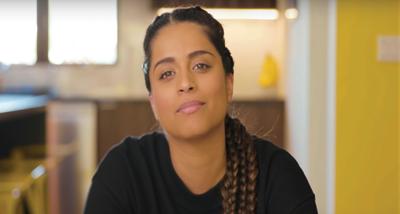
almost nine years ago, posting relatable content and playing caricatures of her Indian parents. As the years progressed, Singh started to divert from humorous, easy binge-watching
With over 14 million subscribers, multiple celebrity cameos and corporative collaborations in 2016, Singh’s next endeavour was her self-help book, How To Be A Bawse ? It hit number one on The New York Times ’ monthly business bestseller list. What began as making fan-favourite parody videos of rap/ pop songs took a professional route for Singh as she has now sat in the studio and recorded credible music alongside Humble The Poet and exclusive sets for their music videos. She’s been on two world tours – last year was her first time in South Africa – where she hosts fan-meeting conventions as well as philanthropic campaigns. Over the years Singh has had minor roles in TV series and movies and even her own YouTube Original documentary, A Trip To Unicorn Island , but last year she had a major role, starring opposite Michael B. Jordan in HBO’s adaptation of Fahrenheit 451 . She’s frequently featured on the Forbes List and the reigning queen of YouTube but manages to always remain grounded to her roots. We can expect the same free-spirited energy and serious approach from Singh’s YouTube videos in A Little Late with Lilly Singh . Her career trajectory has only been about breaking barriers while entertaining others, so her late night show will only prove how super a multi-faceted woman like her can be.
Your cousin knows what you’re thinking, and no, this edition’s topic isn’t about binge drinking (not even Nesquick). Instead, your iconic cousin wants to discuss the bane of student existence: “campus access control systems”, or, as they are colloquially known: “those f***ing turnstiles”.
help get you out. Spoiler: these people are never members of campus security. One would think, but one would be wrong.
Perhaps many of you can relate to the scenario of being late for a test or exam (it happens to the best of us), and after you made a heroic rush to campus, the turnstile denies you access just because. This is a gamble, of course, since your options are to retry the same turnstile until it budges, to cycle between the turnstiles, or to go to a different gate entirely. The success of this is all dependent on the temperament of the turnstile in question, and how many virgins it expects you to sacrifice to grant you access that day. Again – not really a promotion of academic excellence, is it? These are, of course, merely ponderings.
3/4/2019 Crossword Puzzle Maker: Final Puzzle
Surely there have been times when you’ve arrived on campus in the pouring rain, after practically needing a jet ski to so much as leave your house, only to realise that when those finger scanners get wet, they don’t work. Try as you might to towel your fingers on any dry patch of clothing you have left at this stage, all you get in return are those annoying beeps and the flashing red light that says, “No dice, buddy”. Worse yet, if you’ve arrived at a gate that isn’t main entrance, you’re expected to walk all the way there to have your card manually scanned. At this point, most people recognise the day as a write-off and go home. How does this lack of access promote good academic practices among us, I wonder?
Every UP student goes through the trial of getting stuck in a turnstile at least once – if it hasn’t happened yet, beware: your turn is coming. Most people will give you nothing more than a shrug and a half-hearted “askies” before leaving you to sort out your own peril. Others might be rude and outright laugh at you, but sometimes there are kind souls out there who give their time and effort to
Your cousin hopes that if you have ever been a victim of any of the above situations, that you have fully recovered from the trauma. And if you haven’t, your cousin sincerely hopes that none of this bad luck ever befalls you – unless you’re able-bodied and take the Humanities building lift from the third floor to the fourth – then you can get stuck.
Don’t go chasing turnstiles, stick to the boom gates and main entrances that you’re used to.
Campus Cousin
P A N I C P X B S G N X S P N
Z
I O Y U A P N K N N Z U N R O
N N O I T A C I L P P A S O I
ACROSS
S O N W X R R V I P E R S C T
2 Where to go if you want to pretend you’re studying, but really you’re sneaking a nap.
O D I N O E A N L E K C E R S
7 You can study here surrounded by nature and the occasional sneaky couple. DOWN
D R Q P S R H T T D A S A T I Y S T U D Y I N G M C Y L I D S
M M R S F K B E F I L S R A U
1 A peaceful corner watched over by the OG Oom Gert.
N L V F S H M F Y U A Z T S A
2 The name is deceiving, this quiet spot is perfect for a casual study session.
3 Six floors of uninterrupted silence.
I T U F F E O N E D E F S T H
4 For Legal Eagles, the ideal study location.
5 Overpriced coffee always aids with memory and concerntration.
A S O U N C R L O P I T F I X
Z N R T X H E P I T K M I N E
6 The back of this building offers a cool and quiet corner to escape the busting crowds and summer heat. Winter...less helpful.
Z O A Z R S F S E D E Y N A R
D R Q P S R H T T D A S A T I
Y S T U D Y I N G M C Y L I D
S S A P G N I G N I W Z S O A
B T S M G Z A Q L H K U I N A
SUPPLEMENTARY P A N I C P X B S
APPLICATION CLUELESS COFFEE DEPRESSION EXHAUSTION FAIL FINAL HOLIDAYS INSOMNIA MIDYEAR NOTES PAIN PANIC PASS
PROCRASTINATION
STRESS
STUDYING SUFFERING
APPLICATION CLUELESS COFFEE DEPRESSION EXHAUSTION FAIL FINAL HOLIDAYS INSOMNIA MIDYEAR NOTES PAIN PANIC
PROCRASTINATION STRESS STUDYING SUFFERING
SUPPLEMENTARY WINGING
specific reference to its vital role in child development. He says that the “stronger the children’s mother tongue, the easier it is for them to learn new languages.” The mother tongue has also been linked to emotional and
encouraging the knowledge of the history, traditions, language and culture of those minority groups. Yet the protection of the mother tongue remains a challenge in South Africa.
African languages thus becomes a function of the Department of Arts and Culture. Universities have little option but to teach in English and in some instances in Afrikaans where it is possible.”

If you are applying for a position as a journalist, please submit with your application an article of about 400 words, in English, on any relevant topic (with reference to the particular portfolio you wish to apply for).
If you are applying for a position as a photographer, videographer or graphic artist, please submit with your application a portfolio of at least 5 images, audio clips and/or videos.
Mariesa Potgieter
Twenty-nine TuksNetball players will be competing in the upcoming National Premier League that starts on 10 May. Most of the Gauteng Jaguars team is filled with UP players, but UP will also represent in the Gauteng Golden Fireballs team, the Limpopo Baobabs and the Spar Smileys team. PDBY spoke to head coach of the Gauteng Jaguars, Jenny van Dyk, to find out what their game plan is for the National Premier League.
To ensure the great success they had last year in this year’s Premier League, van Dyk says that they “haven’t stopped working since last year”. She feels that “even though there’s a lot of new players within all the different teams, it is the consistency of a system that’s been working well for us for the past few years that gives us the great success we have.” For her, the success has been there because they “have depth within our squads and through the university system we tend to get quite a lot of strong players.” Van Dyk says that what is important is to change the dynamics and game plan to “keep the players on their toes and to learn to adapt and to work according to what you are up against.”
Van Dyk sets high expectations for the team and expects them to “play netball in a very high standard.” She wants them to “win all their matches”, because they want to “win for the third consecutive year.” Van Dyk’s goal for the team is “to make sure that we are a consistent team and to be adaptable at all times.” The other thing she wants to focus on is “how to perform under pressure.” They want to be “calm and composed” for each match in the Premier League in order to ensure a win. For the League, van Dyk would like to see her team play “beautiful netball.” Further she says, “I would like to see them really step up and perform in a way that complements how hard they have been working for the past year. I would like to see energy and I would like to see players lift each other up and players assisting each other and supporting each other” to create a “unity” in their team. Van Dyk feels confident about her team, because they have “a strong team with a bunch of great leaders” and many of them helped secure their first win in the Premier League. She feels that for the team it is “quite important to know that we got that experience and we’ve got the same characters that got us to that victory for the first time.”
The TuksSquash ladies first team has landed on the top of the NSA league log after claiming a victory against the Harlequins during a league game on 17 April. The team was made up of the following players, Jessica McDonald, Kim McDonald, Nothando Ntimane and Mariska Wiese. The NSA league, based in northern Gauteng, is made up of squash players from different clubs who play against each other. Mariska Wiese sat down with PDBY to discuss the season so far, upcoming fixtures, training and career goals.
Wiese explained the significance of the victory against the Harlequins, “It means a lot to us as a team to know that we have reached the top position of the league. It shows that our hard work has paid off. But it is still early in the season, so it is going to take more hard work and commitment to keep the position throughout the season”. Wiese attributes this success to the hard work and dedication of both the players and the coaches.
Wiese discusses the highlights of the teams 2019 season and reviews the performance during Blitz League, “It means a lot to us as a team to know that we have reached the top position of the league. It shows that our hard work has paid off. But it is still early in the season, so it is going to take more hard work and commitment to keep the position throughout the season” However Wiese cautions against celebrating too much, “It is still quite early in the season, but we are hoping to play in the finals at USSA this year so we can add that to our highlights as well”.
Wiese confirms that the teams have already started training for USSA and details the routines, “We practice three times a week, both on and off court, doing fitness as well as practicing our shots. We also have match practice by playing tournaments and league”.
As for personal career aspirations for the 2019 season, Wiese reveals plans in place to achieve these goals, “This year my main goal is to work hard to be part of the South African squash team that will be going to Shanghai in 2020 to participate in the World University Squash Championships. I am training hard, three to four times a week, and playing tournaments to better my Squash SA ranking. It will take a lot of discipline, but I know that with the support I have from my family, teammates and coach I will stay motivated to reach my goal”.
Ntokozo Zondo
TuksTennis took three teams to Sun City over the weekend of 12 to 15 April to compete in the annual Wilsons SA Universities Tournament. This tournament is aimed at preparation and introducing the universities to the competition they will be playing in the upcoming season and is a stepping stone to University Sports South Africa (USSA) Tournament, which will be taking place in December. The first team placed first and the second and third teams placed sixth and seventh respectively.
Kyla Yelverton, a first team player, discussed the significance of the club participating in this tournament, “a great tournament for the teams to prepare for USSA. It also helps the teams gauge their standards and performance against the other universities so as to know what to work on for USSA at the end of the year”.
TuksTennis’ first team has won the tournament for the second time in a while, with their last win being a decade ago. Yelverton reveals the details of this victory, “The first team won the
tournament for the first time since 2009; this is the last tracked date of the tournament and it could in fact be the first time that Tuks had ever won the tournament. The second and third teams also performed very well. It is important to note that the second and third team played against first teams to end where they did” Yelverton explains the goals each team had going into the tournament, “The goal for the first team was to of course win the tournament, and for the other teams to do as well as possible. Overall, TuksTennis achieved these goals. The first team won the final against their long-known rival Kovsies 28.26.”
The club has begun training for the Gauteng North League which will begin in May and will assist in preparation for the highlight event of the season. With all these events during the season the club needs to acquire funds for away games for players to be able to compete, Yelverton discussed the funding initiatives in place for the club, “Funds are raised by means of social events and winning tournaments. More funding initiatives are on the way for USSA in December”.
On 1 to 2 May, the Rhythmic World Championship qualifiers were held at the University of Witwatersrand, with two of UP’s students participating. This competition determines who qualifies to go to the world championships to be held in Baku, Azerbaijan from 16 to 22 September 2019. This will be the last chance to participate in a world championship before the 2020 Olympic Games.
The competition was held over two days to give the gymnasts two opportunities, with the best score for each apparatus being taken into consideration. Allison Beyers, the head judge of the trials, explained to PDBY that “the results of the trials first have to be ratified by the SAGF (South African Gymnastics Federation) and the team selection is made by the Technical Committee and the SAGF Executive Committee.” Therefore it will only be revealed later who has made the team for the world championships.
UP students Shannon Gardiner and Chris-Marie van Wyk both competed in the trials. Van Wyk previously competed in the 2017 World Championships and the 2018 Commonwealth Games, and Gardiner competed in the 2018 World Championships. There were 12 gymnasts competing and Gardiner and van Wyk both did well over the two days. Beyers commented on both of their performances by saying, “Both Shannon and Chris-Marie can be proud of their performances. I’m sure if you ask them and their coaches, there is still much to be improved, but the hard work is showing.” Beyers further commented that “they both represented Tuks very well and are both fighting for a spot on the team.” However, the competition was tough, because the senior section in the sport is growing. Beyers explains that she has “seen huge improvement over the years. Ten years ago we had four seniors, we now have about
15. The senior section is now much more competitive with five or six gymnasts competing for three spots.”
PDBY spoke to van Wyk to ask her about her general performance over the two days. On the first day, van Wyk felt that “there’s a lot of room for improvement” but she was, however, “satisfied with my hoop routine, because I consider hoop one of my weakest apparatus, but it was one of my stronger performances [of the day] and I’m really proud of that.” Further she was “really disappointed with her clubs routine, because I consider clubs one of my stronger apparatus and it didn’t go as well as I wanted it to go.” On the second day, van Wyk felt “really disappointed” because of her last two performances which were clubs and ribbon “I really would have wished to perform clean routines for both those routines but I didn’t manage to do that simply because I wasn’t focused enough and I was so nervous that I became relaxed and didn’t focus on the things I’m supposed to focus on,” she says. However, she was still satisfied with hoop and ball and said that “once again hoop was the surprise and it was my best performance [of the day] and ball would be a close second.”
When asked how to

Ricardo Teixeira
On Wednesday 1 May, it was announced that former UP athlete and Olympic gold medallist Caster Semenya had lost her court case against a ruling by the International Association of Athletics Federations. The verdict handed out by the court of Arbitration for Sport ruled that Semenya must comply with the rules set by the IAAF, which is aimed regulating, by means of medication, the testosterone levels of female athletes in international events. The court said that the ruling is “a necessary, reasonable and proportionate means of achieving the IAAF’s aim of preserving the integrity of female athletes in the restricted events.” The ruling applies to athletic events covering distances of between 400 metres and 1600 metres, including the 800-metre event for which Semenya has won gold in the 2012 and 2016 Olympics. Regarding the ruling, the IAAF has said that they are “grateful for the ruling”, adding that it gives runners “time to begin medicating.” Semenya, who has been fighting the IAAF since 2009, said in a statement that “the IAAF has tried to slow me down. But this has actually made me stronger. The decision of the CAS will not hold me back.”
overcome bad performances, van Wyk replied by saying, “I think overcoming a bad day in sports is one of the most difficult things to do. It really takes a lot of courage and mental strength to get yourself from a low to a high again, especially when you make a mistake at the beginning of your routine and you still have your whole routine ahead of you.” For her, one of the main components to overcome this is “to always look at the silver lining and [to] make it a learning experience rather than dwelling on the negatives.”
The participants do not know how many gymnasts the technical committee will choose for the team. Van Wyk commented, saying, “I was very stressed about the results [because] we don’t know how many they are going to send. The maximum is four and they can send four [or] they can even send none.” Van Wyk is however still “hoping for the best”.