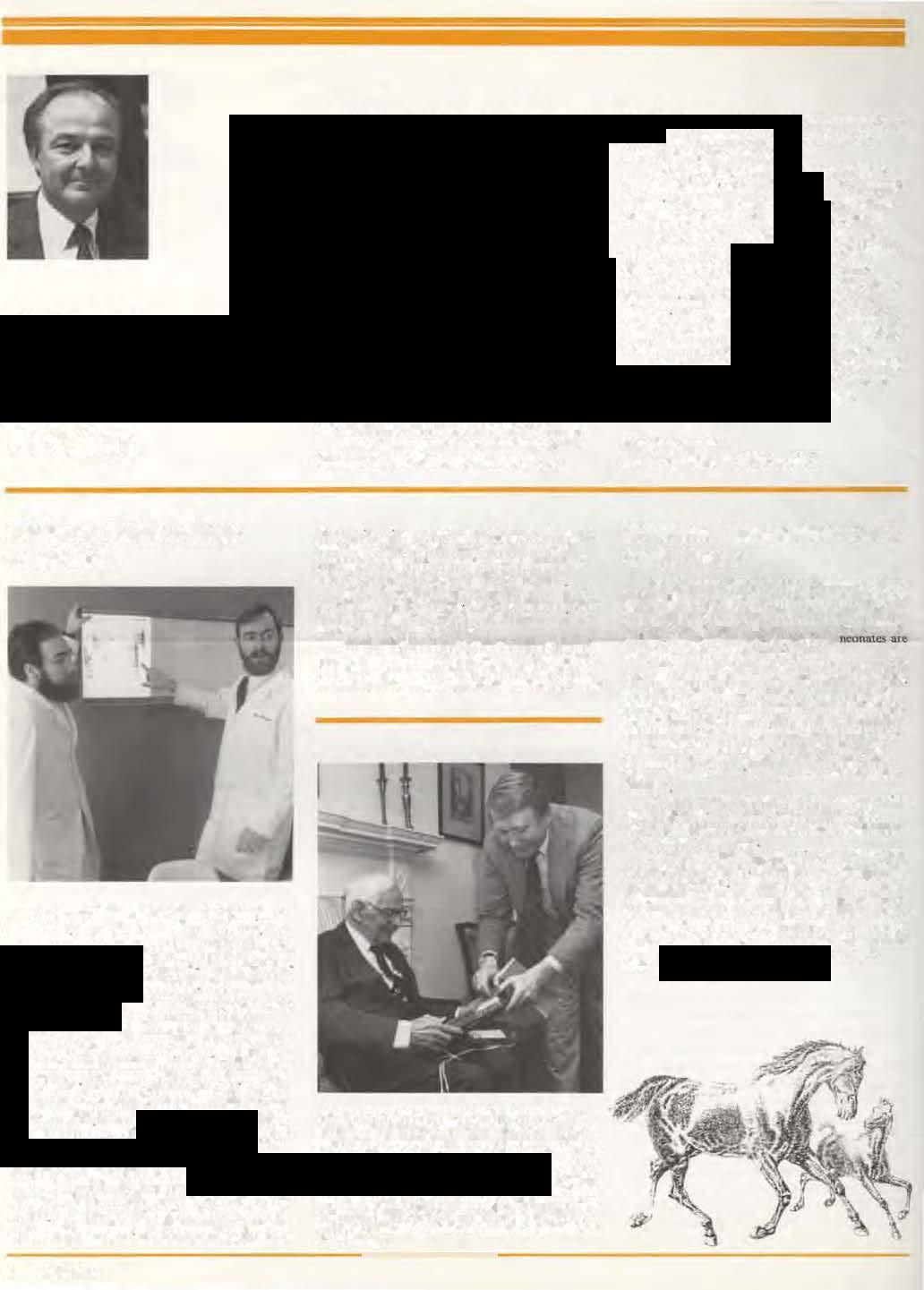
The Study of Abnortnal Muscle Function in Horses
Abnormalmuse!�funcuon1sanimportani�use ore�ercisell!loleranteinbothhumanbemasand horses.Inman,somemyopathicconditionscanbe crippling.Examplesaremyotonicdymophyand someofthe''storagedi�''wheremeuaboliJmIs altered,andabnormalproductsaccumulateinth� musc:lc.AlthoughamyotonicdyJtrophy·llkecondl· tiondoesoccurinhorses,stora&ediseaseshaveoot yetbeenreported,andwearemorecommonlyfaced withmuscledysfunctionthatpreventsthehorsefrom eJCerdsiognormallyorpcrfonnln&!us/her expected work..Anoth�rdisorderofmusclefunction,hyper· lco.lemicperiodicparo.lysls,whichoccursInboth human�andInQuarterHOI'lJe$,cancause •ever�weaknesli,recumbenC)andparaly>lsandhas beenimplicatedasthecauseofdeathinsomehorses. Nutrili<lnaldericiencyofVitaminEandseleniumc.an ca�UCmyopathiesinmanyanimals,Includingthe hore,aswellasmmnn.
SomeyearsagoaUal.sonwasestabliJhed betweenseveralcliruc\ansatNewBoltonC�01erand Dr.HenryRosenbera'sresearchsroupintheMalig· nantHyperthermiaLaboratory01HahncmennUniversity.Thatcollaborationbasnourished.andour investigationofmulekfunctionandmll5cledt.ordusbasexpanded.Myresearchhasml&lledclos� eoUabortuoo"'ithDrJ FletcherinIh\laboratoC) andal\0withDr.S.WidandatHllhncmann In addition,Drs.BraundandMehtaatSco«Ritchey RtsearcbatAuburnUru•usitycouaborateonth� 5tudies.

Th�majordysfuncuonw�ha•ebeen•tudy•n&i� ''tyingup"orchronicintertnluentrhabdomyolysu (CIR)orex�rtionalrhabdomyolySIS.Thedinlcal tc:nn"tyinaup"n:ferstotheappearanceursuffnc.' andin<everec:ase5inabilitytomo•e.Then:•n: varyingdegreesof<evcrityfromamildlyimpaired stiffor''poor"galtandslowinadownwithreluctancetocontinueexercis�tomarkedaenerallz.«t mu5elestiffness,anJtletyanddi su�.sc•ercpli.Jn {occasionallytotbepointorbeill8 violmtand simularlngnnacuteabdominalcnslssuch35atwuted intestine)sweaJ.ing,anddifficultywalking.
Inaddition,lhemuscleslhenuelvesdevelopa "leak"1ntheir membrane,andenzymesw\llch normallyreKideinthemu•clecell5pillthrouah1he mll!clemembranemtotheblood.Otherlntracellull\r substancessuchasmyoglobin,whichilimportantin carryingolCygenrorthemu.scle,alsospilloutItIsthe lattersubstancewtucb.rultisclearedfromtheblood bythek.id�y.discoloBtheurineadarkredorport wmeorcoffeecolorinsev�r�ca.\es. Tomany horsementhisisa "red Oag" for ''tymgup". However,althoughthisgrosslyvisiblemyoglobinuria adi.agnostlcCordamagedmuscle,Itsabsenced�s notmeanmuscledamageorcrampinah¬ o..'CWTed.We�qulleafewhone�that''tyup"yet ha�nonnalappeannsunne.
Moresensitiveindicatonofmuscledamaaeand leakattOtht<presenceor"m�lcenzyme�"inthe bloodandthelevelsmcreasctoavariabledear� dependmaontheamountl�ked.Althouahincrea� levelsmthebloodmdi"'teabnormalmuscl�and muscle"bn:akdo,.n",lhcelevationdocsnotal.,..ay. corn:lateWllhth�se'erity ofclinical Aism. Also. someelevationnormallycanbeseenurlyina borse'stniningprogramandin�ponse10exercise. Aslh=enzymesar�clearedfromthebloodat diffcra�trates,m�asurinsbothofthemhelpsoneto identify"'henlhebonehada problemorifth�
conditioniscon6nuina.Somehorsesmaynotovertly "lyup"butperformpoorlyandhaveabnormal increase.in1h�enzymes.HorsesmayshowSJ&DS evenbeforetheyhavereallyexertedthemselves,i.e. intheearlySt�tgesofex�ciseorwhenjustwttllr.ins out totheracetrackpriortoworl..Morthorses probablyshowsigmduringorafterexercise,butthe conditionapparmtlyisrareafteranactualrnce.
Signsmaybeveryintermittentanditmaybe h:npossib)etoid�ntlfya''trigger" Ctrtainlydietcan beafactor.Whendrafthorseswereincommonuse theconditionwasknownas"Mondaymorning disease"asthehorsesshowedsigrnsonMonday followingadayofrestonSundaywbilebeina muinulinedontheirregtilar"workday''heavy carbohydratemeals.Horrnono.lfactorsareprobably imporrantru; the conditionisreponedmorefrequentlyinyoungfemalehorses(filhes).andpreventmgeJtruscyclingsometimeselimmalesthecondition. Changesinex�cisepattern,nressandgeneticfactors areallprobablyimponant.However,tileexactcause ctndmechanismsfor thedisordttn:ma1ntobe dcttttnined.Ourstudiessuggestlhatabnormal musclemembranefunctionJsonemechanism.
Anotherequinemyopathyhverysimilarto myotonicdystropllyinluunanbeings.Hor•e.""ha myoLOnledystrophy-likesyndromemayhavellfas.ly enlargedmusclegrOUP>(likeweightlifters)andtheir p�tisllltcredandprogressivelydctmor.ues Tbc horsetIhaveknownwithlheconditionbaveall� eulhaniz<!datarelativ�lyyoungage.Sharplytappina themuscle usuallyelicitsa"myotontcdimple"or musclecontractionwhkhh�lawtotel:u.Some formsofmyotorua,mcludiDgmyotomedysuophy, inhumansareinberiled.
Athirdmyopathy""havestllrtedlnvest>galtng ��hyper�alem•cperiodicparnysuIHPP).TbuconditionISinheritedandbasbeeoreponedonlyIn her=whoare oftneQoartt'l'Horsebreedorpart QuarterHorsebred.ItsonSdmaybea.<artyllSa fewmonthsornge.Horseshaveintennittenlboutsof muscletremblingandweakness,contractionof the lips,abnonnalmovemeruofthet.hirdeyelidlikem tetanut,andtheysometimesgodownandareunable torl�e.Atrheselimes,tlu:irbloodpotu�ium ls elevllt�'<i.Ther�isapotentialforcnrdi&carrbyUunitl\ andthesehavebeenimplirotedMtheco.us�ofdl!ll111 in\Omcofthesehorses.Aff�tedhoneshave an abnormalmusclemembrane;the"membr�tnepoten· tial''islessnegative.01ndiselosertodepolarl7ingor "filing"thannonnal.Ahighpotusiummeal(for example:alfalfah!IYorrtntcultil\gtimotbyhay, 1wectfeedWithmolasses)can trigger onset of5\&DS beeawe it alterstheOWlofionsacres�th�mwcle membrane.ExaC!llywhatitisinthemembranethat re�ultsinthisalterodmembrane,bemofore,bas001 beendeterminedanduudiesorotherionsimportant mcontractionandn:laxanonormuse�alsoan needed.
Wbeneverwehaveahor.ewtlh asuspected musclediSOrderweobtllinllSmuchclirucalbis(oryas possibletotrytodeterminepotentialt:riggas,when stgnsStllrted,fr�uency.etc.Climcallabomtorydata onblood�lectrol)'lesandmulCkcnzymesare recorded.lnsomeselee1cases'''"mayalsorun hormonel�elstodetcnnineifaffilyiscycling normallyoriftheretsevidtnceofabnon11lllthyrotd function.AJlhougbhypothyroidismcancausesigru ofmyopathy,lhavenotyctfoundev1denceof abnormalthyroidhormonelevelsinhorsesthatIY
up,nndthehorsesabownootherclimcal�ignsof dcnngedthyro1dfunction.
Abnormalelectrolyte(ion)starusoraboonnal mov=entacross m=brane>canaffectmuscle funchon.Our&tudiesandthoseofHilrrisandSnow inNewmarket,En,glandandalsowork inmaoba•·� implicatedabnonnalpotessiumbalanceorpassage acrossthemu5elcmembranae(unnmtembraneDux) asapos$lblocauseof tyinguporCut.Unfortunately,bloodlevelsofelectrolytesarenotaccmate Iodice.•ofcellle•els,especiallyforelectrolytessuc:h aspotassiumwhichis hillhestincellsandrei!Uively lowout�idccells�imultllDcously. Measuring unne andblood levtlsofelccrrol)'lesandcomputing unn11ryexcretionhasbeen)Ugg�tedtobeamtthod ordetcnnfnirtgtutalbodystatu}oratlell.5twnetber thehorseisdepleted:forexample,ifurinel�lsor polas1lumanlo"'"''thannormal,onecan115mmerlie horseistry!natoconserveItbeellu.seorhaving tn>urrietcntmtakeand/orbodystoc�s.Ifahorsehu abnormllllylowurinepotassiumor<odium,�upple� mentationtsIDJuared(andhasbeensuccessfulin �electedcase<�asatrea1mmtforCfR).However.one wouldUketodctcrmtnewll�etthisfnK'tlonal excretionactuallydoesaccurutclyn:Oeacellular Ieveliorthese$ubonancesT�r�dbloodcell(R�Cl pot.u\lumhasbeenreponedtorenectbodyceUular (includmgmuJCiecdl)l�elsbut,tomyknowledge, tllisbasnevtrbeensatisfactorilyvalidated-certamlynotforthehors�.Tberefo�.v.earcmeasuring mii.\Ciee�llpow•iumle•els10thote1\o�webiOP'Y aodcompanngth�lev�bwuhtheRBCandunne l�eb.S.Undbora,theu:cbnidllDwboplaJSavital roleinthc..e"udie.,hasbeendct�rminintthebest methodolO&Yfor muselepoU15-\ium.and •h�hcamparii1Jle\-el�inRBCandmuscle.Weare 11tsoIOVesti&!llln&the effectsofaltereddietary potas!olumintalc�ootheselevelsand"'e'Ubeableto correlatethe�ewithoursimultaneousmusclefunctionstudies.Intheri!CehorsepopulationthatIsnot availablrforb1opsy,wean:currentlylookingat urlllerractiontllex�retionllDd measurlnaredblood cellpotassiumlevelstnhorsesthatarenormaland111 tbo'•withCIRtodeterminewhether1hereisa correlationbetweenthetwoclinicallaborotary1es1s 3ttdwhetherhors•�withClRdifferfromnormal. Surgicalblnp�iesareobtAinedfrnmthrsemi· mombrllOousmusclewiththehorsestandingand <edated.Thl1musclei.�alargebelliedmuscleoflhe hindquarterlo.:omprt�e.Jorappro�mately904ifast twitcbfibersandtstheone wehaveruedforour •tudiesasitisimponantInlocomotion.Thealign meotormll!clefibersallowsdissectionofmUS<lle stnp�forcontraC1ionsrud•es.andit41argcsill:allow� multiplebiopsieswithnoIUeffeaonthehorse.
Tbc�onofmuscleisdividedformecbaoical function11udies,b1ochemu:al(incluchnsLipid)analysis,micro'ICOpkevaluation,includingbistocl!crnis· try.detemunauo11ofpotassiumconteru,srudyof dectrnl}1eeha.nnelsinthemusclemembrane.and usessmentorcalciumuptakellOdreleaseinthemna muscl�metnbranesmvolvedwilhmwclecontraction.
Bric:Oy.forthemusclefunctionstudies.suiptof altsnedmusclefibers111etllsseetedandplmcedma musclebathintt10lutionthatmaintainshealthand viabilityorthemuscle(andalsoallowsadditionof drli&Sllldothercbemkalstoevalua�thcirefftoct). fbepaucrnofcontractionandn:lttx&Uonandforce generatedcanbemeasured.Asectionofmusclets processedforstudyingcalciumrei�fromlhe
componenuUl>of..:d111mUJd�conrracuonand �lauuon.Asmallp�«eormuscleutulrumliiQrlt•t MWcdbde-clopandtheccUlinecanbem&ID!Iined roraprolonacdperiod,allowinalo11Ju:nnstudrtt 11nilcvaluallonorlon(cl«trolyttespcdallypotas· •iwnandJOdJum)currentamtoandouroriruhvldual «11\.A•"'c:belle.cthecau-corrnUKiedYJfunction raidoInrllfmembrane(inCIR.HPPandmyo. ronla·lmuchorour..o,..rocusaonthis.At.cctlonof nuudt-ise\'lllrarodmkro•eopk:a!JyforIUSU'IIcture lUidfibretypeTheblodaco:uaal 11per· formedbychrollllll01111PhK'method<.4emailJ«• uonorftlusdt11analyudfoepotaUtumrontrnr IHiqspenrorhotomctryrollowrnatpeoalprc:PIIfa· liOIImo:thocU.
TodAr�,.chavefOWidtllaraccrurnproponicm ol�'"libCIRhaveproiOI!Jedmullclc1"-IICI\cot thatc:unbenurmallt.cdbyplwoytorll(DIIanun,a d.ruathataffects•il<llurnundpowsiummuvcmcul acroumembran«andIsrn�tcommonlyknown b..,au•�ofoleuor In�llor>ll)l) l>henyrnln'"3l�P effeclivecllmcnllyIn 1topplnafhesehorse�rrom havln11Clll. rhcnytolnulaoAhortensrheprolonsed twlt�hnfhc>r•e-withmyoroniaandweareprl:llenlly qudyinaIt>err"''InHPP HorseswrthCIRal$0 .haw'""'"'11htutoon•Intheirmu.sdemcchanlo Stu41�onOllctum�lea.canduptakeanlldfo.:tsor VU10WdrupareOIIIO•nJ.Ourlniliallludi�•ho,.ed alowerthrehnl<lroccak1wnrdc:a.sc111honnwuh ("IJl.Theonu$CkcWIIftworkandinH:stiptiOOof loncba.undsbumqcctoow$ludJCS.Mouofthr d414onculturedmwcltcellsmu>lst1Ubeanalyr.t:d Oowe��.rouralttud>DuntheHPJ>miiiCk«<llhal abownanabnormalmambra.ncauretu. Bl«b«m'nlllludtnba�ca.llt.>Wnalteredrhm phollpidt111hur�e�WithCIR:thesearetrlljOt COI!IJ'OIIrnllofmuodcmcmbtaneJandthi•aplo \UpporHahcredmembranerunctioo.Hist�he:mutT)' andblstoloaYha�cshownnoalteredfibertypinaan<! oflrnminomAIliJ)IImicrOt<:OpiccleJmenri•c chanprnhn�WllhCIR,butborsc-wuba MD·likesyndromehadmarLodchao,e>.Ob\ltou•ly if•bioi'$)'hraLcnwbcnththone"•·ryedup"' dlaOJCJ.ftllU'btmarkedbwthaclTCprotnhl) II"CUndar\,tx>l1'lfmaty,TbJIII,Jiio'IUppoNth< hypulhetborallt"teclmembr&Md)sfwoaltlninClR (auG.10111torthecha�rnMDmaybediM'ro :aboonnalak:iiJf"lealandsublclqucntmUJCk' n«rOWJ)
Wildlife Report
1989wMunCJthtlbusyyearfortheWildlife: Strvloc,rect�lvtnaarecord395C8lles.Ourrett:ll.\t/ placementrateftllthoYl!llfWICI4S...Therearcat rn:scntappro�i!Wllcl)50llntandsecondyClll .rudentvolunra-rswhoputmaarcatdealor1helr lltttitedft«umc10hdpprovidethebestcare l'Q\<Ibktoourpat�nu.
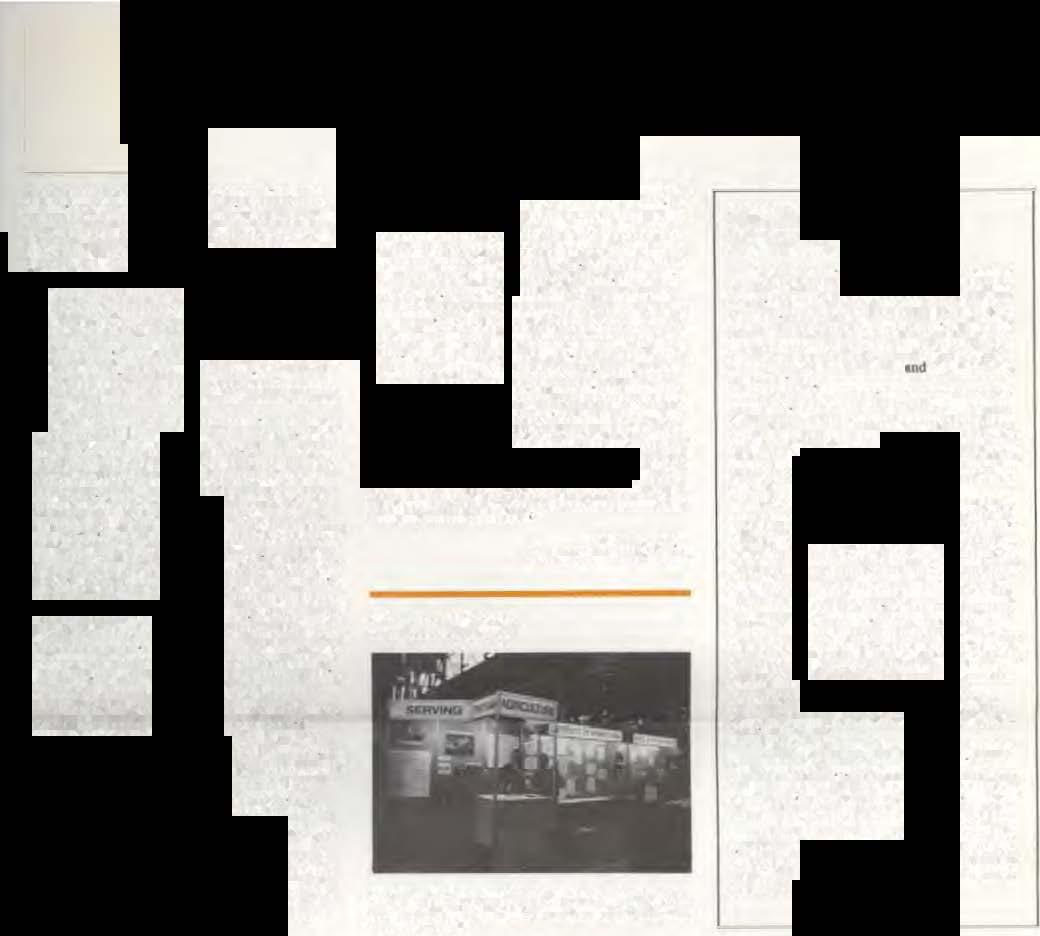
\hhAvebec:t!•('I')'lu.:ltvIDha•c:an� il!fmslinWildlifeby�nalpeopleinVctc:nn.ary Sdloolc:ummunory,apcaall)�.Da•id11lomi0n. "'boh.l•cdonatedtheirume10prov1derbeurrn<»t cartCoraurltuu•edanilllals.Subll<'qucnltoDr. Wllll2mMed,.ay'tre..qpWioo,�.ClwleJNewtoo wrakenonthLroleorWildlifeadviSOr
Someofourmostlnterestlngcases lodudet
• Ane.JIIIlnllPcn:arwcfalcoa,roundunderthe WAllWhitmanbrldae.wubrouaht10theWildlife Senicc,"'116IMledandplacedintoanoc.bernHIIn PluladdpbilbytheStateGameCommislionan4 tht�ntFund.
e A.ledtallha•k�rcfcrndfromTri·SIIIC81rd Rescue1DOcti"'VC!"'llhIfraaiiCedulnaanJ
OurstudiesoopOUWtumarcoaaomaandWill continuebod!Innormalhonesond•ctsw.thvaryona pouuslum,honeswi1hCDlandt1to-cwithHPP.We arcCllp.tndin&ourInvitrostudies10lookatvarious o1hc:rmediators.TherearenorcporuonmuliC.Iecdl cultureandionchannelsinanyequinemyop:tthltt. anJwe'reespeciaJ.Iyimcrestedinpursuo111thc:R m•dics.Vanousotherbi�bcmicalanAiy�oe�arebeii1J performed AtSamRitcbey,"udi"onr�blood cellnuod.olylTCbesn&rooduaedonourhoBOu altered1edbloodcdlmembrurcharacterhab«n auocwolwitbaomcmyopatlne$modwfl!C'cicsand IIan•JtOd•nooisiOUDdwtthcmamcqurnc awoPIIthica.tit••couldbeagoodnorun••i•t�r«n· lnJcllqJomtic:tOOl.Wearealsonud)'lllltbedlAlcal ��>IXCUandvariousmusckcba:ratteri<UOofliD orr.pnnaor2bor5t5withthemyotont.:dy,lro�hY· like•yndromc Oarrescarr:hhasalreadyacncrated �ubsranlialon&lnaJInformationforpr·esrntatlondl varltiUI<clenlificmeetingsandllhbtkourcoUAborll· tlvoaonroru:.hoffersaveryuniQueopponuuhyfor uudyloamuscledisorders
JU/llfll<h,V.MU. AfiOCUJtJ•.ttJ!awtufMNJdn�
Farm Show
Student Equine Symposium
The UniversnyofPcno.ylnnta'•uudcm chapterorlheAmetklllll\uOCiaticmofEquine Pl'actouonc:nheldirsrounhannualEquine SympogumonNo•cmbcrIll.1989Morelban onehundreda�udcnu•ncndedincludina1.9 •icili11JUIJdcnU(romCorntll,1\tf�.Obio State,NorthOuoltnaSt•!e,ndVi,..UU.Polyted!lnstiiUIC

The )CIIIyJ}'IDP\)IIIUOll'tf\ludmuthe oppomunrytoleammc>rcab<:lut•pecifieareas ofequinemedicineandrniCikcprocedureato whichtheynormal!)'...,ouldno1beexpos«�until thrifI!Cllilltyear. Inudlllllun, P�un'astudents Cll.nmeetandbecomebeueracqua.lnlcdwith thecllnlchuulltNewlklllonCenler. Porthomornl1111N•••lot'ofth•proar:un, studentsattcuclcdthretwetlabsofthelr�boice. whir:hwere:tnuahtbyc:llnklnnMwhovolunteeredtheirtime.111elobsprovidedbands-on apericn�Inavarldyoftopltalnduditlithe utroftbeYAOla•cr.teclrniquoofarthro�a�plesuraeryudInternalnuuon,neonaw iotemivccare,r.:producttVCa.am.loftbcman: andstallion,OC\Iro!os•�andopluhalmoiOJJC c:xanu,CCboardtoiOJ)',flddIIDCSI!Icsll.the:we.' ornerwblocbinlamet�CJAdtqnara,!heusc eytolocindiqnotrnaroprratory.jo1n1and abdomlrutldileax,rl<holna:r.suraical approadlo10colic.u<lrh�an,rl'tllyIUid •ursJalapptuad\ntothelimbolindupper rcspllaiOT)'traa,
PennVcrcrlnarySchool's11lumnlsoacry sponsoredthetuochlorellpartldpatJ.Oi lludentsanddrrucu111whichwasfollowedbya talkbyDrSueMcDonnell.PhD.�McDonnellspokeonberwcnk rn t�alhon lttba•·ior. ThedaleforEqutneSymJlOsiumVwillbe announcedbythee��dolthe�ehoolyear.More !D!ormalioooathise>entc:anheobtamedCrom .'\JJX)Hanman,the1990p«:AidentorPenn's chapteroftheSCAAE..P.
1114>�··�.....�lllb,_......... 19AtlaLfi<'>OIIJ,aff...SIll-'.......tlll!Jtriqlilt WN�..IO"Jt:'\t.et.._
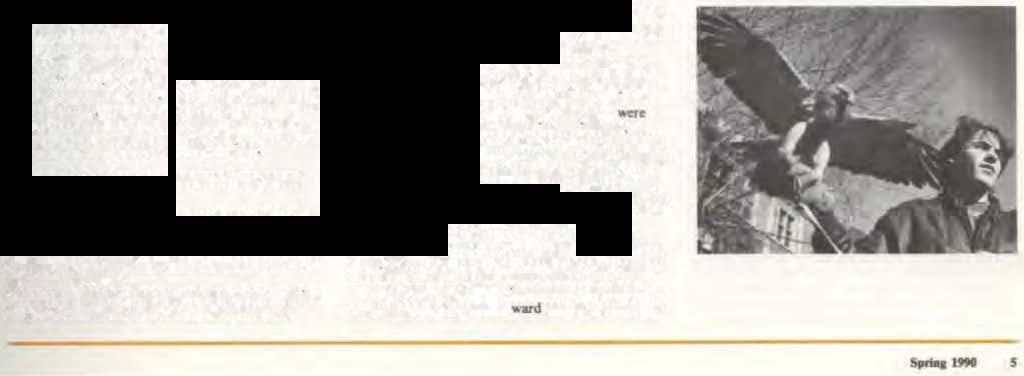
tlblolltr'IUldut10gunshotinjuries.Afteracvenal IIIIJCfleJIUrepairthetibiotarsalfractureandsural· cultreutmcntotaseverecaseofbumblefool,thebird WIUrehabUitatcdandafter14moothsIncaptivity wOJl'l!leoJedalNewlk>ltooCenter.
• 1\mallardducklb:ltwashltbyaQarwQ �dmt!I(CIwilhafracturedradiusandulna,cranull olnnlo"and 9ducklinJS.Alloftheduckllnpand rhemo\llttduel:•-ereevCt1111A11yn:kas.cd.
• AnImmaturebaldet���entedmJonhorcdir: IUTJU'l'..UadJnutcd.Thebird, whor:bhidbeen ohcx,waofoundoutsidetheB.laclnraterArumal Rc:(IIJICIllMaryland.Tlxleasortheeaale bfokcnandablllldwaslodaoltn!hen�htltaDr. GallSmilb,anociateprofCDOCof>W'IeYY.mnovt:d thellulletmdstabii!Mi!hefraaureaoolthcxtcrnal CiuuonlltvitzS.Thesurgayta.rodalrn.-rfive hours.ThebirdwasuaruponcdtoTri-Statefor lona·tcnncareandamoresuitablecnvlroruncnlro ucommodmitsscvca-f()O(wmVJlln.
• Th�•nnlcr.WildlifemembeRaubtedDr. OlnnyPICt�InD«Topsyof-cralufthebhdsthat diedmtheoilspiDontheArthurKIDInNewJmcy.
111eWildUfeServiceISc:urrmtlylobbyiOJfor renovalloo.soflbcwildlife andoutdoorfadht·
to.Weare also In 1hcprocn•orImprovingour selectionofrtferencematerials1111dobllllningmore eqliipmrnttoprovide1heb.:.•rpoo5lbtecareforour puuents.
T-wentieth Annual Sytnposiutn

TheT\W'IttkthAnnoalSympmtUmYourVereclllll.rillllat�dYourDogonJanuary27,19110featured fourspeakmdiSCUSSU�gsuchdivenctnplcsascanine dentisrry.theroleorendosoopyInsmmllcmmal medicine.Uverdiseaseindoes,andLymedisease.


Canine Dentistry
TheOn1\peaker,DrColinE.ttan1:1.professor orsw�.providedmo�ervle<Aofcanine dentlttry B«ausepedodontald�hadbeen cover«tlA11previous!Yllll'O'iUmthetalkdealtwith notmalandabnormJlcaninedmtilionanduauma_
TI>edo•Ita'28deciduous('bab ')tCICihand42 pe�mauentteeth.ThedeciduouslCC!theruptinthe firstfewweeksafterbirth,andaresmaller.ntuTower and�hill'perthanlllcpermanentteeth-nowonder thatwenilaetscratchedbylllet«thofplayful puppic�lThedcclduuusD!l:thlifelustdurin&chewing whentl�em•l•ll�is3-6montlaold-theyareplllhed out bythepcnrumemtectbtlwaredcvdopin& beneaththm�.
TheUP!>C:IJllWhas10pern\lllli:Dtteeth011each \Idemdudinttb�large�'llllineantienmas�ialteeth. Thelower)owhasIIteethoneachaide Inthdrom ofe.�ch)ow,betweenllleverylongcanJncIeeth,arc the1lx\otftllincisorteelll.WhenIheJaw•arcclosed toaetherIn11do&witha'nom1al'bite(al�o�'lllleda 'lci>�Of\' bite),thelowt:IcaninetoothUcabetween theupp4trautlneandcornuincisorteeth,lhtuppo:.r 1ncl>or100thlipshe�iglnlyon1�ldcthelowermclso1 tCk.\111tip•1111dthelowercamauialt®thliesinside andj�UtbenlndthetrPPefcamJWJaltMt.h.
11K&UffllnormallyarealiJ)Itpinkcolor,or lrul)'lavehl•cl.piJ!mmt.Thepalaletil.suebetween theupptorteeth"ridgedThetongue''verylon.g. andcav�redbySQI\shonprojcr.nlon•('ll&llillae') someofwhichformpartofthetanemechanlsm.'the iJUldtJiltingorthecheeksislightoinkOlblocl. in color,undn�>rmallyslightlymoistKndalistening. CompAredtotheprhn!Uvedoa,suchuthe waif.fewdna'ha•-ranormaloedu•lon(thepauBIL InwhichtheIC'dhfittogcthtTWhClltbeonoutbis clo•ed,andwhichdetemlincaIa!,.,effectJYethe1Cd:b 11.1cv.hencalledoo10boldorICIUJ. erisalotof roi1J'uliOnoverthewms'over-bile'and'undcr-bue'; bccau\C!ofd11sIprefernottouselhcacterms,butto lookAIthejnw•asnunilto�c\\hatthearrnngemenl b.111egenesthatcontrolbowlonetheUp!l(!T'and low�rlow•willbeareindepert(!enlufeachother Mo.uybt�ds,\UchOJbulldogs.pu&J,Bostonterriers,Pekngese,arebrachycephalic(*hon·faeeddut toaeonJ!<mltaldefectorthebono.orthebruleofthe •lull),lDtlle>edogs:.tJKlower)11"'(mandible) u•WillvI•nunnalandtheuppnjs"Isexccssivdy short.Insonicothetbrc:edswithverylunaldolidwccplmbcl�kulls.thelo,.erjawmaymUbe normal,hutiltllOsbonrofitproperlywiththe abnormollyIonsupptrjaw Ingtlteral.anexccs>lvelv•hnnlnwe:rjawisr111e.
Innt!IAIln$umc:es,jrtwlengthnbnormnlldcsdo not1!91150problemsthataJ'fectthehelllthorthedog (thoughthcrewiDbelesscrrecllvcclean.Wlsofthe teethdurlnachewing,andgum�asemaydevelop more111pidlythanwouldotberw�bethecase). Havill•lmthantiltusual42teethhcommonin do&�.pann:ul&rlylhetoybreeds;occastoo�y.there llf1!moretccthlltarutonnal;oellhctorthe-eoorulltjoruarrcmthehealthofthedoa.
Sinceonhodontiec:ortectiooISnotctblcalanless thtellltlmal'•healthissuffering,1Ucllprcx:edure�oarr ntr�:animal!withcoagcnJI.AIabnorm��lit.iessevere enouahtorequireonhodonilctreutmcnlorextractionbCCIIU>cofmalocclusion�ho>uldbeneutered.
Otteor•hemo.ncommonfnhetlledprobleouis reteminnorthedeciduousteeth.seenIIICKtoftenin tO)'breeddo�.duetothemanl�nathofthejaw prellcntln�thedevelopingpmrumen.1toothfrom pushinaagainsttherootofthedeciduoustooth.This canleadtoproblemsintheway1hatheupperand lowereanlneIeethfutogether,becOIUcthenormal sd$)QnbilethMtlnle:rlockstheUl'J)¢1'andlo�rjaws
1.1notpmen&toguldesubsequcntdC"'do entoftbc jaw•andteeth.lkcauseorl.llal! crr on funbcrde\elopmentofthepermanentteeth,andtbc likelihoodofbuJJd-upofplaqueliJiddebrisbet.wcen tltepttmancnlteethandadjaa:ntdi!CiduoUl lCd:b, theUSUJilveterinaryrecommendalionIJitot:l!Ua£1llle deddUOU�toothas5000asitI�ObviOU5rromthe eruptionf)athwuyofthepennnnenrIO<lththatt11e deciduous1oothwmberetained-1lrnplyput,there t!tould110t�rwo&elloferuptedteethInthemouth althe\�melime
An<>thc:rproblemis'mediallydl.srlacedlower caniMt«th'wh= lh:lowt:Ia111lneIeethdonot crupl•rtbenormalanglrtoeachothc:r,andoneor bothi!lluethenc:augbl.instdctileupf'Ct'canine 100tb,cheeffectIschatthelo...,.tuothwillpushmto thrplllaletl.,iurOlgumtl$5U<')Ialinstderueupper toothandmaycauseulcerationIU'Idhleeding:tim prohltm1�usuallycorrec:W>Ie(usln&unorthadontic �crewor�etlvatodwireJystembelweenthelower eanJucteerh,QtaninclinedplRncbutcedHIJlllnstthe upperanlneteerh).
Athlrdcommononhodondcabnormalityb 'll:velblre'.w�the�ortheupJ,"CrIIJidlo\OCT ind•ort«lhmeet theJaw•ar"'eloaed:tlus .mouldnr.erbeattepUdasanormalbueinthemow rmg,beautoetheeffectIStoputtileindsotteeth underabnormalpressure,causingc-�•vcwear,or evenfn11.iure.
Afoutth ubnormalityb'illltcrl!1t croubile' , wherethetiporoneormorelowerlncl•orIeethiB pa•ltit,med ulide.theupperIncisort«lhwhenthe jaw•til��lo.ed.ThisIsapartlllularl�easyobno>IJUI}Irytospot,o.:cun!ngasitd�attbeveryfromof theml'luth.Tbebealthofthedttl(isnot.lrt.�cted.and trta�mentlsnotethicaL·Pooe.ior.ro...bile'ismuch leucommon-mtluscoodiuon,lhclo\\ercama.s��al(Ot)lmc>!Ju)•oothlicsouuidrtheuppercamassial(rounhpmnolo.r)tooth.
TOC1thdecay(caries)ismuthlesscommonin dopthnnItillnhumans.Mn>�Irregularitiesinthe sluip4torcolorationofthesurfaceoftheteethordogs tUcnotcorle-tcovitles.'Enamelhy!Mlpl11$1n'relults fromndisturbanceInthehealthofthepuppyat2-3 monthtofagewhenthecrownofthetoothisbeing formo:ddeepwitltinwjawbune;fununatcly,now thatdi"�J'CCvaccmelacewavailableandeffective, thbc-ondluonisrare. The m0$1commoncauseof sllrfQI)Cd!A<.'OlorationisSial�ofc:nock$and cr�lc:orromplaqueaa:wpulatlon.
TrawuaIIacommollCllu>eoforaldtst:ase. rcsuhinaInInjuriessuchasfn�atureorthejawor dlslocntlunoflhetemporo-mundlbui!U'jointinsome dop.Thetearemanysu�fultechnique.tfor munasemcntoftheseprobiB115. ll!efraetured(requl!lltlyindogs,most commonlythelndsor,canine,oruppnearnauutl tctlh.The�fortreaunmtisbluedonwb.etherlllc pulpofthetoorbisexposed-Ifilb,theblood •a�baodnervetimleinsideortilttoothwilldie lllult'YeJLLuaUytheboorarolltldtllerootwillbe wCJI).cned11$llresultofanab�dcvdoplogfrom thotlpoftheroot.Thiscanbe prevented byroot canal�endodonuc)treatmentandrestorallon: doponcUnsonthesizeandpo�hionorth�tooth(and thereforetbepressure t.halllletoothwillhaveto
wlllurarulv.hmitisdo5t:dfoiUfullyq.ainstits opposnenumber)oneofsncralt«hnlquescanbe IW!d Somrcanbeperformeddunnallsingle nnesthcilccpl5odc.whereasothltfl,such&5replacementwithnverystrongsteelcrownmnworking poli�'Cdoa,requireaminimumorIWOt\lle&thetic eptSOCll!l.
Otherabnormalitiesfoundlndudttumor&, someofwbl'haremaligruwt.Sun&lc•lrCRttimlcan bewed'1\l��fuli)'totreatbenign.rod maUr.nnnt111mon,andradlatitttllh�tap;oul.>mefitial rorother�.
Wllbcont.de:ntlouscare.a.ndpmodicvisitsto yourvtterinar111nforexmnmclto>n,iliJpossiblefor youtok«pyourdog'steethiDex«Uenccondition. TbealtcrnollveIs10 ignoretilellroblonuthat deveiQp,withunfartunatet:(ln-�qucnc�foryour dot.
Peon'1veterinarydentistryprt;>(rtlmlllll:tlotof f!rru.theonlyfWJ.timeclmldantnavcteriltBf) denu,trv.e"k�thenmdent..!roidri!Cyproyam� andtheONrull·ilimdentAlhu&JatisllllaVderinary School.Penn'sveterinarytlcnUSlrypi'Ojll'UlisiDuJ1181cdwllhthesurgerypmgnon1mt1flttdentsrotaiC throuahthedentistry111inic.
CVI1neHilt><').8115<:,FRCVS.DipM.\'S,Dip.iVDC Pf(lfti'<Mo/511'1<1>'·Schon/ol\'<tafiiiJif1Mcdidnr.llntwn1[1 tl(�murhAuli
BrushiatJTedbto PnvcntPel'iodontalDl5easc
p,.....,�lllldl.ccatmcttl"'IUftl.USCUt;. hotnlllrtAfCduaJoiru<:�ronIIC'I'ol'"n,-our wtctlllAII.lllani!,.autselt,GNI1h<>nldsranwhen IhedosI! )'OWIB. lbolh bru•hingdaily"VCI'Y•H,.;ttvetlllle d'IBltatt1•toooopenlle.A•oft�hlld'ttoOth hru•hliilf�nlSllC)isU&cd-IIyouNYCr.everal do111,Ultn$CJ)Ilrillebrushroreaclldog.Tbe to)breeJ•motybt'toos111111l'"�llTIIlUM!o(� tmnh-uc1c:otlontir1"'4••witin5tr�.Use rfapQthU.obl�urlllrinseWlirtliOUOf1kllllf� �l'l'lio:d,..llhIll.:bnnbbtlpt111tpllnlh< �tlonorlbcdo&Theyouncawdllf ��ohc11 11111•11 1•�tbcmill<�ali�the UOJj,llkclylObe.H1IUIMdcnllfrlcaareIIIJI rc,;.,mmencledbecauseoflh<:fudllllllC)liiO<lucc. Ityounrenott1lrrenl{)obru..hlnayourdog's teethnodnrcWillingtoaivet1a1ry, I•ouest tluuyou•tunI.U'aduaUy.C'oenllyholtlthemomh ,lcw;dh)�n:lingthernut1Je�ndlc���ocrja-..willl thelin¥m�ndthumbofooeband,lhtmwtth ill('(llhCIhUftd,\IIi\il!tbru'hlntPOl)lhtOUI• '"'"•urfxcorthefranlteoetb.Thi•will�tbe d<'Jusa!tothrIC'nsanonof�IIIJbnullcdillld thtlillieofthebnuhingulalerildthlll,ouare ll>IIIK.withoutbeing�rrtedWIthe!)rusb-.ill belhD�eddownhis/ht;rlhroAl.Alter�rev.days olbrushmatheoutsideolthelrornteethonlY; mnVl'tothencxls!llgol:tylle'nlly5lltllnsth� bnnh ln1othepotichoftheclleuk'><'uto bl'ltlhtheoutsiderurfactoltbttatbmthe l:tockolrb�mouthAlter•I�rnoreday'-;and Ifthednal•�dllooo�n1wttb)OU.mD•c10 lhrnn�ltb:p,which•10U>etheflna�and thumbnfmehandtopullupontheupper,.,.. so&itoojlalthemoiiLb.thusallOWIIIJthe btutbtoraschlbeil.urj.deturlacnc>llhettetlL fit�utloog•t.:rmvaluc:obruthu11mu."� donereguhcrly-dailyia better everyothe1 dny,un bntshinglel>chonunc:.:•w��15of littleornovalue. CH.
Lyme Disease
R<Utltlyaareatd<alofcono;,:rnhubent expressedU.OutLymediscaK,Dr,MerylP. Luunau,anl•t•ntprofessorofmt'dldne,dl�u�� symrtoi!IJandtrtatmentofthedtlai.\CInthedoa,h ilnotanr"'d�JeaK. and 11 11 notcounnedtothe UnitedSuata.f"II'SIdt:lcribcdtnmantnIIIO'IIo S•(den,hQll�foundinEurope,,\ooa,and Autll'llha.11,aute.asptnXhetc,'"u11a.aUJp«ted untilthe1930',..1ttook.howev.:r,WIUitbc70'•and 80''"'henhWlUlinall)'provenIhita�J)IIOCbet:e,.as the.:.ouworthedl�easeandthatll,.ll•trarumilledb) tlwtopeopleo11dlllllmala.
rhcfl!Jt(ll;het:e, Borr�inburj/dorfm,Isfound primdrllyIn1hec.lecrlick(llmdoclumml11i),butthe orpnl'mhubeenisolatedfromotlietbhlnaht\CCts, OJe.,lliO'oqUitoe..andOeas,anditha;bol:nft.aiAted rtoo1theurll\e,blood,andmilL111anlrnablnf�lt'd withtheOtJ.nlS11LThe deer uctfet\1•ooIDWI nxlenu,brr<b,andotherarum.th,ti!Ci�man. 1111
1111 11
...........u.tt,..,.....&-..
U.tWIIIH-lalo(oNIII_.fll11-.lldbloLorl• ,.,.,,.,•'mar.
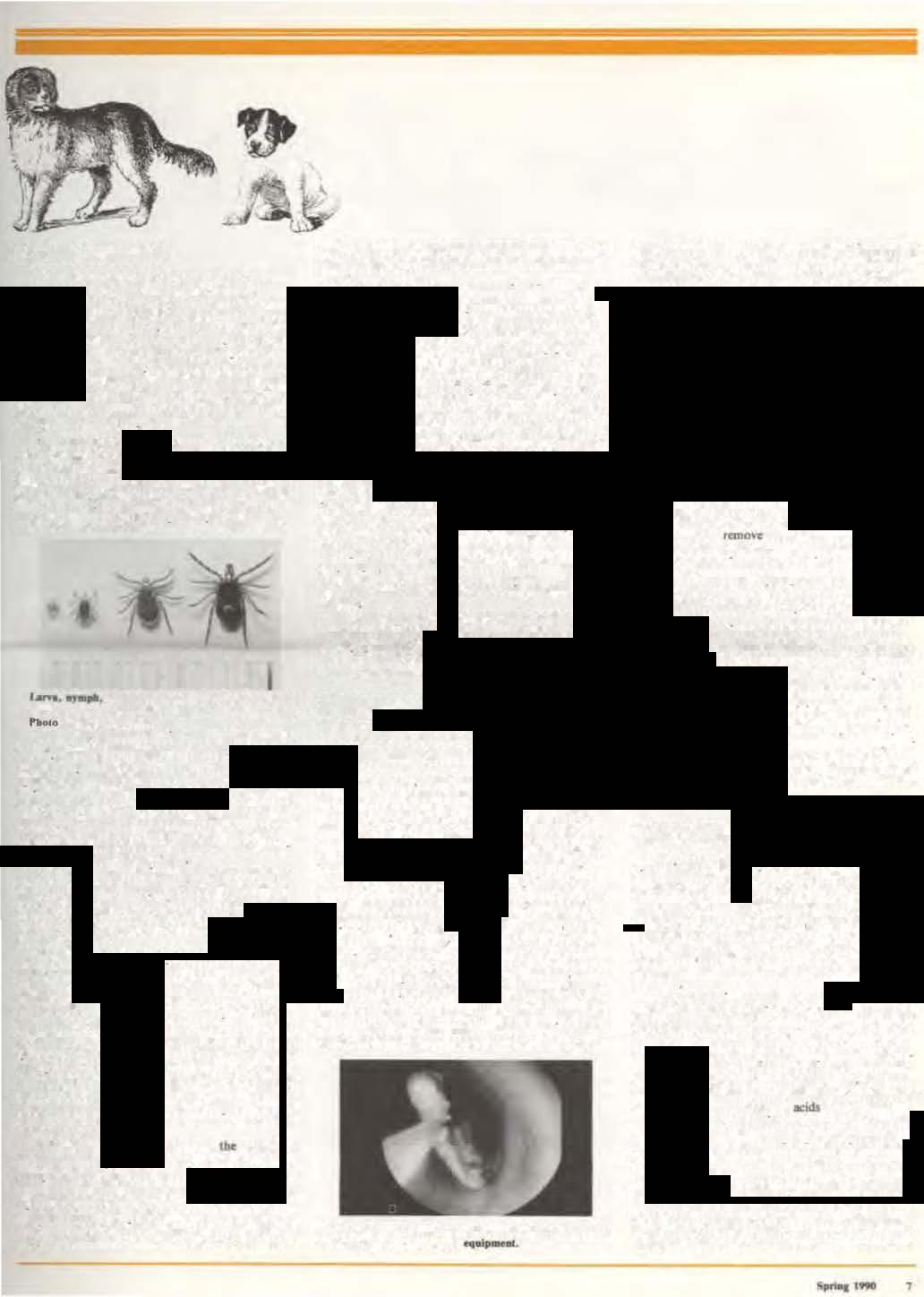
In1!1r�dopmeot,theliCkraucothro••lhthree •tuJto.A\(1-I•Uedtinylat\·ar.theticksfeedonce111 the'""""'"•nuner,111uaUyonmille,theuntolund rrne.aellu11n•thefnUowinaaprlnau8ltaaed. pmhtladlllednympht.The<efen!on,.,faral>oul I�Ill(ourdays,(alJOffandmoll.tOClntfJC&> OldullsInthefall.The.tultsCefd1111dahorqmlduce. A�Jl'l1tflll1oDbqualbecycka,atnInthe •rnn,Joutnmcr.l.an-ararefoundonhlaher•c&CtO non.lhllfrcmtntl:u-&e"b01t1•
Whenthetlo�feeds,IItran•mit1tl�oplrcxhet:c 111t.lorhntt.ButtransmiJsionofthediJCUCQlla!Jo occurthrouattcontactw1thurine,n�lik.urblood tluouJihintAct•lilit.Thusourdoctor•.nurAC1 ond nudemsshouldwearaJoves whencollecttDtlurioe from11url!llllcnts.
Initially,mmustpeople,L)'lm'dhe<cawn11 dr�r.uhattberlc:kbileiilt,aomeumetIIC'COm· paoJcdh_ynt�·Uke•rmpumuandafccllnaofaeneral mala.uc.TJlt:\e<ymptomsappearabout I-lweeu att.crthebttcan.lla.A fromJda)l1<116"eeh. ""'"'""f•nntallpeoplebtttcnbylUItnlc.;tedlid. exllibittherubor�othersymptoms.Theruhmay fade.onlytol"ellppe&rat1luerdateat1differ�t 11tcIfoneianottreattllwnhIUiliblotiCl.Months aftertnfecuon,peoplemayshowti�D'oranhnw, nmro�QJand/orcardiacdi-.ln\Ornehuman eaRsthereIIIIIYbeafaci&lpalsy.1ftheraucntIsDOt t!Uitll,the�canb«omcc:hmnJCandaffect IIIIDIY"'JJllJU11!11U, J)os$40OOlexbibttherub,thiU O""'loCrW DOarty1n.Jiatiollthaitbeanimalmayhe>c:'-c inf«tedbylh<!p&rixbde.f'tnt'''"'thatso� kio\llltDohmlndudeintemutkntlamcno.tthatma) 'lt•rtfromlimhtolimb.Later,momhaafterthe inuiAltnlccdon,doasrarelymayhavewdJacSliD'. TheanimalmAybeSICkorlameIntermittently end notClnarootii1UCI\J$basis.Indoll,IIiJ•u•pcclw
thatLymtdUcalrmaycatl$e&JommllonephntiJand protein•na�be1011t:hrou&blheurine.Thilhut>Ot beml«llinp«�pk.
BecalllCLymedisealc!eanm.alltfcstlladfrnwc.b 11varietyofway�.diagnosiscanbedlfncult.An antibodyuteratthebeainmQJofthelnfeclionmay belnconch•ti�canditmaybenece�<-arytorq>ea�the te.t in2 • •v.ecb.Thebe$&101yioooDilrmthe d.iqnod51$t0isolltethespirocbctefromJOIDt0UJd. blood,orurine(rumthepat.ient.Trealmcnlconsist.s oftaraed(l1.(Soflll\libiotics.'<1auofliltt.unethese arc&i�monllly,bowt"\<"er,m 'ie'lerechromehuman �.aJUibiotlc.smayha'elObeJi��nUllra"cnously.
AposlttvellDtibodYtiterQIUOSIthe•pirochete doe1notmeantbaradoghasthedl!;cllJieotWlll•how 5ignslateron.DuringaMludyofdo&•In•hcltenln theOdi\WIIn'VnUey,itwasfoundthatnbnut20"of thedoasinthePhiladtlphia&bellen,<40�ofthedoss IntheDdllwareCountysbelo:r,and:UitrDfthedo�t� mtbeChette•Countydleltu,hadpo•ili•elitm.�"tf th..")•huwec.lnoJiyuorthedl\CUC.Sr>mcantmals maybeabletoO\lmomethe!J)t.roehttelllfecuonor becomecarri"'withoutilin<:s$.Oopthaiwere l!lfpmmcntallyinfecledatNonhC'atoliMSwc UmvcnttyW\'rc.t.own10'IUO.:On�ert(badpottllvc anullod)Uttt)bUtdidnotahowcluu.:al•i•nsof di.rtue
Prt\lcnttonofL)'lm'diseale"anbedifficult. Tid.�onltCIIproceduresmustbe�d.Sclenwuare _,.•or""'-10.:oauoJtheorpnult'"'•th11uny l)&ra!Sitoodwa�pwhldllaYJqpinsidetiel:..Ttlis �ll("cslborDIUIIbtrorspiroc.bdntntlv:tiel.
Diagnostic and Therapeutic Endoscopy inSmallAnimal Medicine
Dr.RnbertJ Wuhabau.wlnantprofessorof medictne,dixuuedendoscopyandtl•aPf'licalloMin snWI.aJ11111J&lmedicineffinorically,ri&ldIIJbt$'IWe ftntusedhyphy<�dllll>toperformmdCM�rop)oa hunwlpllttent.J Itwam'tuntiltlu:1950'�IUidtbe ild•rmoltibcroptic:stha.t�flYb«amea11iabk diallllO�tictoolInhumanandarutnalmed1dnc Endo•copypcrmi!Stbe.;llnlciJLIIto�iewtb< h•m•northep.suolntl:5tinalU1ld.wuhoutsuraery. Tileendo�c'OpcLubelsalong,slender,n�n>letube thntISln�enedthroughthemouthm10lheJftStrolnle511nnttrael Thbtubecontain>bundl�oloptic fiberswllf(h�r��nsmitthelmaie\ernlhmuahthe obJCCll�eltttJa1thetiportbcendOtco�toa mattnlf)'lllllnuattbetopofthemstnnnmtTilt ru�alsocontamsdwlneiJIforthep&SUJtofbtOJI!!Y irutrumcnu.atrorwau:rimufllalion.IJidsu.c:tlon. Oneebanndabocontain$aliaJu-trarumlttmafiber bundletorro•idciDarnillationoftheaa.uromteitinal tnct.Thetiportheendoscopecanbedell«ted.up,
do•n.ofl�a�.aUO"Aina1COtllpltte•"ISUalsun-ey oCthelitebct111eununed.Them.tt'k-opicrubeia connec1ec.lb)'an"umbilical"e.•rdtoamadline hou•lnathepowerandUahtsout�:et.alrand wa:ter pumpa,••v.cll1.1asuctiondt'l·tce.
TheendoscopeatVHUPasequippedWltba camera1batallowstranmnnionollmlllt'to1VCR forrccurdinapurposeiand10atd.-·islonKJetnfor vicwln&- ItI•anacellentteaclllnatoolas511Jdmts ma)vi"'theprooed.m•hllcilIJtnPI'VIf'CI.>and video11110canbeproducedrorteachmapurposes.
Pnortodectdin&10tuttndc.:opyrordlagnos· ticortreaunentpwpMeS,ncJiuJinlph'aretakmand ulttllJOflttiraphyis.omctlm�utlll.tedtodetermine thecAUJCofdlsorder.Only1hendCX"ttheclinialan decidewhethertou�eendosco(lyor•urM.eryror dl11,1no<�lcortrcntmentpurpose�.
ThecndOKO('t'maybeurlilrcdloe.��umioethe Clo<'JihiiU\,�1omac.h,smallorlaraclntesrlnc.1t allo"'thecllnldantoobJef'lethtlflltUCIUTCIandto obtainboor"'"'orOtuduntple.\ifnc>:tt.lal.Itlila) abobe111ec.lto foreianbudietrromthe es<lphaaw.stomacltortrachea,andtoplacefeecliq tubel\inIIUmautnnealornutntionaJ\Uppon..

Whilecl'ld�pyIsmueblesaID\IUhcthan ruram·.lhc:reare�ulln$k'tnvolvtllwhentreatin& •mallanimal patients.ThedOiorCAlnlustbe anesthtttttlltopreventebewmaortheendoscope tube. Humanpaue111.�usuallyarconl;s«iated. ntetaparosc:opcIIaJmallttend�andan tn•trumentu\Cdforeuminalonoftheahdominal 111dUlrcmalllrPJlSwithowIIIIIJO<IUr&Cfl'Itcanbe =ployedtoobWDtwueoamplaandbtOp&�C<from thrli�n.lidne)itorothrsabdomlnalotru.ctures.. EndOiCIOp)oifentbecbrucPJ>anlllternatl\eto •WICT)'UlltSlessnres&fulanJkaco.tly.ltllnor ,. i thau1rtol.sthouabasruUant��hettabreqwred Or WuhabaubadanAKC fellow•h•ptn IQIrMI!tcn•lollYandtheendo.�:<1picequipmentwas pur..:h�•ec.lthrouahtheacncrosuyoftheKennelClub ofPhtl�dclphla
Liver Disease
Dr Jc:rryR.Waddle,lt<1urer'"mechane, diOClt<\Cdll�crdi�tndo&>.Theh•er,tilelargest alandIntbebody,�rveaa multitudeorVitnJ functtOUI.InthedogIt!alocatedcentrallybelundthe dlarhrum, Inftont ofthe�tmnach11ndJu•t undrf· neaththel.utrib.Theliverhastourlobes.andthe &llllbladdcrIIbctv.eentwooftlle.e;.mIherlj�ltlside ofthrl:tod)'ThebUedoe�conncctltheaallbiAdderto the•molllnte•tlne10thatbileCADbeCJ�Oettllmtothe intesltne
Theliver11nchlysuppUedwtthbloodfromtwo mamsource�;thehepoucanen.:arrtQo�ncnared bloodpttmpcdlromtbebeantotheh•cr. and the ponlllvdndtalrunutrient-ncbbloodfromthe llltestlneaandotherabdominalOr-prl)Intotheli\ICT s.r.�rlllvitalprotans,todudt11Jllbunuoand clouinafiiCton,arcproducedbytheli�ctAlbumw rqu.latestbeOutdbas.no:c"'liNntiuue.,•ndclottin1 fiiCiortrrcvcntblcnlina.Bile alJoOll&lltateIn theU�c.-andarelloredmthepllbladd�.Wlihow bi1t,(Ill-"!001�abtorbc1Jcuilybythebody. Thell•er'slllftabolicfoncuonIJmo•ttmpoiUnt. betccarbohydrau.tueCOII"ertedtoJIIJCOII<tobe storedudutilized�tomeetCJ>QI}'requlranenn: prote!JUandfauarebroltaldown and COIIvmed intoothertU�tances.Theorpual5oltmoVao lwttnl,wasteproduc:ts.andbacteriafromtheblood. lnaddiuon,the liver storesminert�laMIWvitm�in• andI•anadditional1ilewhereredbloodcellsart
Aboot,,.....,1MJacromo•...Srro.., a d111'•aophaacu wtta'""ldpor••11,-..pk
produced.Or WaddlepointedClutthottheliveris quitelarac.•ndthatonec:anfunctionevenlrpanof 11isc��.maaect.
Whenth.cliverlldiscasedanddocs001function normaU)'a•P«UUmofclinical.aan•canrc:5Ult. Amonatbemareanorexia,nauseaandvnmiunadue tothebuild-upoftoxinswlucllatenot3dequately tllmiiUitedbytbeliver.lnsc:vc.rec:.u•es,!Jverdys. function � result Instupor,coma,d10orienwtion, bUndnC!IsAndsrizures.Jaundicedevelopswheu blllmbln,rhebreakdownproduct ofhemoglobin, occurnuiPt�mthebloodiruteadorbclnamelabol· ludb)theliver livercfue&��tcan "lllocau.etluid buUd-up,particulndyIn�abdomen,duetoa redu,!lonlnalbummprOductionandlnttetitpressurehllhtportalcinrulatioo.lfthe.&JburmnIIlow. Ouldswllllc:a�fromblood•cssdunda.!o::umulaJ.ein tiuutsandtheabdominalcavity
Whenliverdis�iiJsiUpe;;ted,anumberor tc.ruwillhelpthecliniciantodeterminewhetherthe liverI�theprimaryproblemorwhetherItitoffected bydlseBRol11notherorgan.Ocnerulblood1'-"!itswill 11lvetheveterinarianfnformntionabout tbelevelof livercnzyrnc:s.bilauhio.alhumn.p.lutt,....,cholesterol,andtheclomn&factors.However,•uohtelitll arenot!rverfuDCtion�t.Todetcnnlntbowtbe orpo1\J.nctio.ruaddltionalc�arcneededtodeter· minewhetherBSP,adye,isclearedrromthe blood whetherbileacidsttJedc.rorednomuilly fromtheblO<>il,andbowQUJ(:klyammoniacanbe r:learedfromthesystem Loaddition.n�eliographs
andultrasaundoftheabdomenmaydc.tetrchanges inliver•iuorSITIIall!:e.AbiopsyIsmostorteo neededforo$J)Ccific:dial!llosis
Acommonproblem,(CCJIinyounadoss.i5thc vascularshunt.HueaCOII:IC<1ionex!Rsbct-.eenw venacavaandtheponalvein.BloodfromtheponaJ •·einbypa.uesthellver,deprlvillitbcOlllllnof nutricnu.Ift.heshuntOCCUl$outsidetheliver,tllc:rc isagood�hQOcethatitClll1bercpu)red.However,If tbedoaha.�multipleshuntJoriftheyarcwithinthe Uvet,theprognosl$forrepairisPOOl,Thesignsseen inaffC<lledpupsare106$orappetnc,vomltl\11 ,and dla.rrhea.trlhdtmimalJareuc:utedearly,before tno muchda.1naaetotheliverhasO<.'CIIrred.the prOJII<)\loIsaood. Thes"""U.aPPQTV.tthhtjber rrequeo�rInYodtshlrewrkrl;J111drnmiacure. toebn.,u.ten.
ThereareauwriberofdruaiWhich11retoucto theliver,sur:bCISnnti-convu.IA.n�wlti<:hhavea cumulativeetfett,halothane,anti-panlSltlcdrugs, sulforuunides,lu:toconazotc.ami,inJotnecases, tctrllCyc:lina. Itisl!lwaysoest10c:hetkWith�he vcttrh�afianbeforeadmill!lte.rlnaanydfUJ.Chemi· (alsllkeant11lc,cblordaue.c:arboot�Hllc�lurideand otb�••Meal•nliverJOX!m.Anum�ofbiological sub5bUICCS,inf«rlmisIIDdparasiucqeusuwellas bu-terial. .-\raJ,fungalandJifOtt>ZCMIor••ni>m<can beto�letothelives-UwerfunctionIt1110arfottedby acuterana-eadti&,arotchetoolylicon�rnid,heat stl'ollt,1ur1JicalhypoteDSJonorbypolCIO(lawblood oll)'gen).traun\11nodioDammru.oryt>owelcmea.se.
Chronicactivebepatitlsisudi!ICIIScuftheIJver n:cogn.l:wl'"&C\'etulbreedsor hw:ludln&Dobermanpcnsclaen.LoDobcmlaus, di>c;-.ciSmort .:ommanly.c:entnmiddle-111Mrem.ales.The!lledog�i bAvtcllnicahiiJUordlnmicu�t'rdlltl!StandaIJver blopt)'fho,...tcarrlngandOf1liOinaliver Co111't'tlev$areiucreasedintileliver.Thereilno cure,andlfeatmeoti5supportin. rhecauseofthe dlsc:a.ieIsnotkoown.Westbighlandwhiteterrier! may11l�oarnic:Tedbyachronicliverdl!;easewith elevauedcopperlevelsinthcirliver, Inlkdllngtoo terriers,•liverdiseasecallsedbyproar4tlvecapper aa:wnulationhebeensho,..ntobeahereditary disuse.
Lhcr.:anecr6.1J1Dlherll\erdi�rdtraff«ting dop.holtcnumetastaticbavtntt11�onainlncanc.er oftil< ""'n'll'llllTYglands,spkoen,lytllphuodc:\,!!It:.. nu,reIs-.IJOaprimaryhtPttocdlulltrca.ronoma wblchorialoalc:sintheliver.
ireatmcmoffiverdisellScI<ofllllldlfncult.U lbcl.lvertsaffectedduetodi5C8Seufant>thcrorgan, trerulnatheprimarycauseoftcmwillhecuoqgh,If lhcli�ctl'theprimarysite,supportivechen�pysuch asIVOulds,�tntibiodcs,alowprcneiodirt,and JomrtinJnplumatransfnslorulireU\o:dIntrcannCDt Or.W1ddleaplllined,""'hllt•tknowalot ab<lutthrlr>erandilsfuncti0<1,111Qe.;,rnucbwblcll needstob.:<tudiedrothatrhenutmemofU�•• duc;ueautbeiJDproved".
Emergency Service at New Bolton Center
Largecnlmnlmedicalsnd\uraic:ul"tnellll!Ddcs oftenocturwhentheveterirutri3.11ilaoucforthe day,Aftcr-huur-cnu:rgrocyclinic:t�,Jta!t'edbycJlni. claUJwith•\fletlficinterestInumtficngy vetcrlnDJ')'Olfldlcine,arenotcommonlytvaUableto wac1n1malowners.NowtheOcorteD.Widener Hospitallorl.&r&eAnimalsa1Peon'sNewBolton CCnt•rCilrnpUJhasanemerifelleyc:UnJdmonduty everyrullbt(;om6p.m.w6a.m.:Inthepastlht hospitalprovidedemergencyloC!f\ietstaffedbya rot11tlonofres1deotsandeliui.calfaeulr:yoncalL
Theemergencydutyperformedon11rotating. buiscouldbedemandingontheresidentsand cllnlehtmwhowererequired10fllllInafullday's workpriorto110dfollowinathatnlllltllyemergen-
cysbift.ThepotcnclalcxuledlotilRindfvidual10 bewot\dnsr.,r36 boursdurint�lhe,.eel.andeven longeron11\eweekends.Nowtlli:rei\!etwo ptoplt,Or.Y\IC�ROS$ier1111dOr.Jatlo:tJohn�ton whohondl�tilemajorityoltheemeraane)cues duttna thenightandweekend.
PatimtaadsninedduriJ&th�tdl!hlbenefit hom�presenceoftheemtrad�Cli..:rviceclinicnn..Bothc1inidamhav�C:OlDJllet.c:dresidency trarnlnJandareprimarilytoter.,._c:dtneiiiCJgency anderilkalcareme<lidne.Tilt<�are�encedin maldnacriticalcaredecisionsunlilemiiTIJIother school'semeraencyS)'$leJn$wh�reWIinu:mb U!lttallyonfirstcall.Tltisisparticularlyimponruu iocolicC�L�<:��,whereearly intervention�anim· provetheoutcome,Thehopeis 1haclrsurgeryis required,»decirloncanbemad<:rapidly,the llllimalitabllludandundnaeocralanesthesia morequicklythllninthe�Otllsystem.lnaddi-llon, if••pedallitisrequlmlfoeorthopcdle forexample,themima1canbesc.abiliud pr�parcdquicklywhikthespecial:rt11onhis way.TlaetsneraencyclinidllrucatrpcTformuhratound1111dradiograpbicCUil15andUte)bovethe 24-hOU!�UIJPllno(thelaboratori�fc;ltbloodtests ondothur1etcl.,arydiagnvstlc:worl.-up�.A n rsl Jtllfl\.sprcsen1aswenasaresident.
•·webanditanyemerser.:y,whetheritt.a hotp1tnl�tientorapanentbcinabro�aghtIn," gidDrRQS!Ier."Wea.rtlll•o,;vallablerorphone coruultarlon•witbpraaitioncnamilureanimal ownmtfliDemugcoey�."111<questinru varyrromwluutodowith•t:lllfWJ!bdiarrheato colicandotherUfc--lhrcatmio&sltwllfOnl.
Tltcputl.:ntcorninginmaybe"bovinewitha brokenleg,usheepwithneurnltlt�icdl'cll�eora boruwhhcolic.Tberemaybehospitalputicol5 needlnapromptaucmtionandtreatment."We


mnoitmtl•cho�pitalcaseadurin1thrnightand providoerncrgcrlcyLrealmentstrtheneedar.lses," $4ido,,1ohn�ton."Nolongctwillllwaucndlng !lllnnrl4nhavetocomeIntho:middleorriTeni.&ht. We.tocHcareorIheImmediateproblemnodthen btlef&h�o;hnicla:ointhemomlna.''Durin&rbe foallt1jj�on11.separatestart1>oncallforthose pnlien".
WbMlhcConnellylnJemiveCAreUniropens InM&)'.tileemergencyservtcewliJbtfurther eo.hanted�erlticallyillaolrnub���beadmined dir�ytorhctnltl\.t!VCcareunitfor•tabiliztllion. Wtdmonitoring.
1'11eemergengysc::rvi�hru.ntlsumemcdoperalion•utIheWfdenerHospitallindhilShelped ltlllkelhenrrholD'Slllllllll&emctr\1orta.!C$aneasier wkforallInvol�ed.Ateamapt)roacbdirectedat pro�ldln1continuityofthewpponKl"'i.;esfor eachQ.\efromadmiss.i011lbrouahJurCI'l'Yand (IOStopc.nuivec:anisthegooLAte•"ninlprogram l5aboInthefutun:plans Borh�ilnk�IUUvevery t.tdcrdaboutthesenico: ·•As�ctcnnariansand llllimaJOwnt'nillthearubecomemore&WIIreof the&ervkc,"•aidDr.Rossiet,"l�eurvlcewillbe �vc:umoreInth:mood."CurrcntJytlaeWidener Hospitalhru1dh:sabout800erncrgcn.;yal.ltS llllllutllly,thisindude:tpatient�udmlltdddurlQg� OilY.Thc$tpati=sarehandledbyorocotinste;w) orcllnidllUJ.
Or. JohmtonisagradullleoftheCol�of Vetermary MediCine,TheOhioSuncUnavonity. Sbet.1Jo�1dCertifiedin InternalMedicineand hllscomplcsedaresidencyinlurp:ry,bcinaboan1 ell$ibleIn 1991.Dr Rosslerillljp'll.duatcorthe SchooltlfVete:rlnaryMedicine,Unlvmlcyor MontrealandhasromJ)lttedara:oiclen�-yIniotcmal rnedlclncandi�alsoboarddiJ11lle.


- -
Dewclaws
Tbecaninedewclawisthedog'sfilthtoenail (firstmetacarpalbone)locatedon theinsideoftb.e pa5lem.HhMnoknownfunction,exceptinthe Lundebund(NorwegianPuffinDog),whichhasat lea.s1two runetionuld�wclawsooeacbfool.These aidwhenlhedogisclimbingrockycUffsinaccessible tomantoflushpuffins.Pufrmsnowarcprotectedby lawandthedogsnolongerbnm.bu.ttheystiUhuve themOSIinterestingfeetindogdom.. lnotherbreeds,thedewclawsusualiyare removed.Ifnottrimmedregularly,theymaygrow backlmotbeflesh,ormaysnagandtearaway.Most dogbreedenremovedewclawswhenpuppiesareless than11week.old.AIthisage,anesthesiaandsuturing arenotnecessary.
Animportantexceptionare!bebreedsinwhich dewclawsarerequiredbythebreedSU\nilords.The GreatPyreneesmusthavesingledewclaw�infrom. doubleinback.T'heBriard musthavedouble dewclawsonthebacklegs,ealled"battardfingers" InFr!Uli:C.
lfyourdo,gba&dewclaws,theysboold� trimmed11bout1.werytwoweeks.Aningrowndewclawisvery)J:ll:nfulbutmnynotbl!ooticed. pa.rtlculadyinlong-baiteddogs.Surgeryinanolder dogiscloctive-e>.lTPcattwhilegroomingcan preventproblems.Feet.<hPuldbetx811linedregulady • chrc:kbetweenthetoes formattedbaitorforeign material(tar.�bble��,etc.).Ablunt•rlppedscissorsis ausefulj!roPJDI.ngtool.
Identification
Whena�tislost,poslrlveidentifi(4tlonmust beliVllilu.ble.Cottaraaudt;ijliWliYbelostor removed.Wbilemanyanimalsarethesamecolor,a photographmaybebclpfu1toidentifythepet. TattooingiSamethodfTCqul!mlyus�d.There areseveralorganizationswhichwillregis1erthe rtumber. However,thenumbersmaybedifficultto real.!.iURlo"·ucr>mayrm.JilbwdtoJU<:atesomeooe whocBIIdothetauoo1og.Somedogclubshold tattooclini�andollentatlooingisavailablealeye clinics.

An.ewmeth.od.implantingmicrochips,isbeing developedandisavailableinsomeare!<ll.Thechip, COIItainluga l()..digltrode, isimplantedbyaveter· ioarianundertheJikinattbebaseoftheneck, betweentheshoulderblades.AscannerwOllocate lbeGbipand.atoU-freenumbercnnbecaUedtofind outlbenameoftheowner.TheAmericanKennel Clubisin�estiglltlngtheuseofthismethodfor pe.o:nanenridenlil'icationordogb.
Parvovirus
Conuarytomanyrepominlaypublications. tbuei!notscientilicevidencethatthereisanew strainofparvovirus.Thereo.lsoisnoevidencetlult parvovirusvaccinesinuscsince1978willnotpro1ec1 againstparvov!rusdisease.
MuchinaccurateinformationrecentlyhBSmistedmWiyindividualdogowners,lrennelownersand even'Someveterinarian.�.Thereisno'•ne:w'''11\CCine necessary(orprotectionagainsta"new''strain.
Acommoncaustofvaccinationfailureisthe presenceofmaternal1111tibodiesinthecolostrum. ThiscanInterferewithsue�:essfulvnccinationagainst Parvovirusupto18weeksofage. Vaccination schedulesvaryindi[t'eremsituations,but your veterinarianmayrecommendadditionalParvovims vaccinea•cwentyweeksofage.
Cryptorchidism
Cryptorchidismisa conditioninwbicboneor botht�ticlesdonotdescend� ntothesc.romm (unilrueralorbilateralcryptorchidism).hofttnis incorrec:tl�referredtoBSmonorebldism.an extremelyrareconditionlnwhichonlyonetesticleis present.
Dog$bowrulesstatethatamalewhlohdoesnot haverwooonnaltesticlesnormallylocatedinthe scrotummaynotcompeteatMYdogshowandwill bedi5qualified.ITadogisdisqualifiedforthis �onditiononthreescp;trate.occuioos.bytbret differemjudg�,ilmayootbeshownagain.
Ithasbeenreportedthattheconditionoccursin moreth<m109\o ofmaledogs.hisscminmany breedsandfrequencyincreaseswithinbreeding.ltiS consideredinlleritedbutwedonorknowtheexact mode.Affectedanimalsarefenileandtbeinddtl1Ce isio.creBSediftheseunima.l5areusedforbreeding. Infteriumceofthetraitisbestpredictedbyan amosomalrecessivemodoJ.Botbmalesandfemales cancarrythegenemdpB5slttotheiroffspring.The llomozygousmale(carryingrwogenesforthetrait. onerrotneacbparem)willl)ecmnorclud The femalemaybea h.omozygousorheterozygQu!. carrier,passingthogmetoallorsomeofher orftpril�&.TheInheritanceofcryptorchidismmaybe morecomplicated,butadecreaseintho::inc.Tderu:e willOCCIJIifaffectedmale�areuotusedforbreedillJI.
Tbeusualrecommendationisca;;tration.Medicaltreatment15oflittlevalueinInducing1estlcular desceni.Thereurlne<ttesticlemaydeveloparune· 1ioningrumorwhichmaycausefeminization.
111dogs, testesnormllllyaredesce•Jdedatten daysofage.Bolbtesticlesshouldbeinthescrotum bythreemonthsofage.Asaruleorthumb,an undescendedtesticlecan beconsideredpermanently ret>ainedal!dxmontbsofage.An"entire"malehas bol.btesticlesdescended,
CAUTION Itt
Thedosageofcertaindrugsmaynotbel.besame indlfferrntspeciesandthedoseforbumansshould ootb�usedasaguideline.BesunHbatdirectionsare followedcarefully.

JverrneclinIswidelyusedindogsasaheartworm preventative.INOOGS,IVERMECTlNSHOULD BEUSEDONLYASAHEARTWORMPREVENTATIVEANDfNTHERECOMMENDED DOSAGB.Thedogsmullbeweighedtodetermine thecorrectdose.ThesameproductIsusedinhorses. cattleandotheranimalsjnvariousfotl!lSiru:luding injectable.Thecostisonenlessfordrug�used in farmQJlirnaJS,sosomekennelownersusethese productsondogs.Nurnerousadversereactionshave beenreponed-usuallytheresultofincorrect dosage.ThecorrectdosageCordogsisroucbsmaller thanforlargeanimals.Overdosagemayresultin vomiting,diarrhea,lossofappelite,lethargy,convulsions,etc.
AspirinandTylenol" sb.ooldneverbeused in cats. ln.dogs,thedosageCoraspirinislessthanin humans 1uhouldbeusedasdirecaedbyaveterinarIan."Baby"D.Spirin1!14Ybeprereroblo.
Tetracyclinecancausemalformedanddiscoloredteeth.Itshouldnotbegiven10pregnam bitchesoryOungpuppies.Thereareotherantibiotics whicharenotharmfultothedevelopingfe1uspeniciUioandampicillinareconsideredsafe.Drug administrationtonpregnant11nlmalshouldbe avoided.
CarelesslydiscardedtraShmaybecomeadeadly b.azardforaniotalsundbirds.Plastic$ix-pack holders,plasticbagsnndotherdebriscanbelethal Therearereportsofwildbirds5tran&Jedby"necklaces'' fromsix-packs,raccoonswithheadswedged inemptYpeanutbutterjarsandOtherpotentilllly fatalsituations.
Disposeoflitterproperly-helpprotecttile environmentandpreventecolOgicaldlsastett.
KeeprabiesvaccioatlcuL•up-to-dateindog.•and cats.Thisdiseaseisbeingreportedfrequently.Theft nrereportsthatofthe50millioncau;estimatedtobe intheUnitedSl8les,lessthan5%havebeen immunized.Morerabiesca=arereportedlncats Ulaninotherdomesticanimals.Vaccinatinganimal� protectshumans.
Whenemptynon-stickpansareallowedtobum onthestove-ornon,.;tiekdrippansunderelectrlt stovecoilsoverheat-birdsintbehouseholdmaybe affected. U�uallytheon5etisrapidandthereis suddendealbduetorespiratoryfailure.Othersjgn! maybedifficultornoi�ybrea�hingamidrowsiness. TreatmentIs irnmedlateremovalofll•ebirdiJtoan areawherethereisfreshalr.
Book Review
TbeCQradlBo11/l.ofC.WAcomprehensiveMedical ReferenceforEveryCa1andKittenbythe faculty, staffanda5$o<:i!UesortheComcllFelineHealth Center,Carnell Univc:rsityandeditedbyMordecai Si<gnLVillardBooks,.NewYork,.NY.S24.9S. Hardcover.
Thisbookprovidesin(orm�liononft:linehealth problems,wownerscanhomerWlderst.andthe medicalproblemsoftheireats.Itisdesignedtohelp lbcownerworkinpan:n.ershipwithaveterinarian, nottoreplaceproperveterinarybelp.Therelsan extensivemedicalglossary.
Therearepictureswithbriefdescriptionsof breeds.TheMainecooncatisconsideredanative Ameri.caobreedandsomebelieveit1sthelargtstor thepurebreeds.TbeCymricisalong-baitedManxbothusuallyhavenotall,butlbere11re"stumpies" w ithatailstumpofonetofiveinchesand"lo.Wes'' withacompletetail.Tbesph.)nxlsahai rlesscat.The Birmanhaswhite"gloves"(fur)onaUfourpaws, F'ony'OneregistrablecatbrccdJareinc.luded.
Therearechaptersonbehaviorandmitbehllvior withadviceonhowtomodifysuchproble=as hoURsailing,clawingandscmtchiogandGggre$$ion rowordpeopleBSwellas01herCllls.
Thenutritionalrequirementsoftheeatarc well-covered.Catsaresukrcamlvores.Ca1sshould )laveaccesstofresh,cleanwater111alltimes. Cat foodlabelsshouldhaveastatementofnutrition:U adequacy.Commercial,nutritionallybalancedproductsareusuallypreferabletoabomel!14dediet whichcanbedlllicull,inconvenientandtime· consuming.Feedingdogfoodtoacntis.acommon �rror-cntsrequireahigherpercentageofprotein. Overd.osingwithvitaminandmineralsupplementsas wellasadietofallmeatorallfishcnnresultrn modlcalproblems.
Tilechapteronmedicalemergenciesco�l'li whatto-do,principlesofrestraintasweDasa suggestedcat fus1-aidkit.
Acquiringacatiseasy.KittensareeveryWhere QJldmonyofthemarefree.Thefirstchapter� goodadviceonwheretogoandhowtochoo�. Animalsheltersareanimportantsource.Thereisa widerangeofChoiceandndoptingwill$avealife. Thlsisabookforcatfanciersandv�1erioarl.an.<. -avaluablereferenceandowner'smanualwith up..to-dateinformation.Itisnmust foranycat .library.
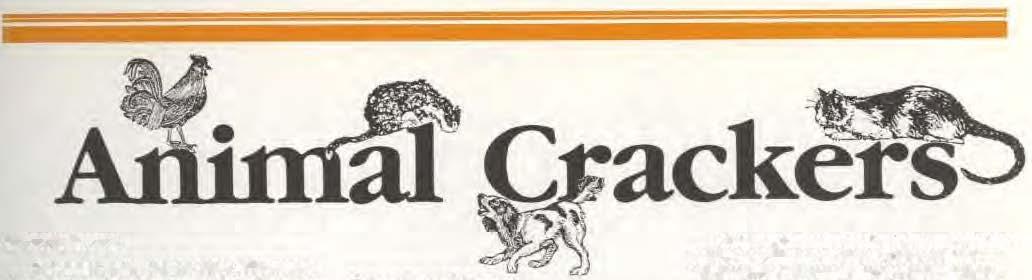
Or.E.J,LMwsonSoulsby,amemberofthe&hool's foc:u1Jyror14vea"'11t1dnowheadoftheCambti�t Vctennat>Scht10lInhisltlltiveEngland.wucteaiM aLifePtffbyHerMl\iesl)·Qu«nElirabethUon ;>.pril.a. Hue.U�:Ititle11notyet!mown,butu reponedtil;dyto�BaronSmllsbyofSwaffh.:lm ProorintheCountyorC•mbridgeshire.HewillsitAJ aQutJotn·atlvc111theRouse:ofLords..
Dr.CtilW.Rt)rr1\".113)ha•beenappomt.ed &hubolAl1odateInAViJmDisuseDia&nostleiot theSchubotExoticBirdHealthCenterattheTexas Vctcrinn.ryMctllc:alCenter.TmmsA&MUniveulty, Dr.NeatAndclmau(V'6�)wasthe1989Dr.Jame.� H.Ya.rboruualot.�crurorRJ.the3thInternational RacingOreyhoundSympa.'Jium,heldinPalmBeacu, FL.DrAndclmonis1111authorityonmedicalsuraery andtreatmentofruclnKgreyhounds.
Dr.tllliGlan,asslstQntprofessorofmedicineand medh:alacnctiQ,Iwrcc•:hcdaS10,000�from theRobertH.WonnFnundnionforhisstudy "Clcnctetoffd!MblOOdjtoupsintheUolted Statet"Dr.Glan••�rt:�Ceiledsupponfromthe Gardl>nSt:ueCatClubofNtw Jffley. Tb"Baud RoWlt.lClubof'l.meriQIIJsupportinghisrcseatcbOll aV13JttuiK!r<:UI<I•i�inbiuscthounds.
Or.Jorv�•.•J<ei'Kr,prMcssorofmicrobiologyon Cl1oicalStuditl,h1111re<:eiv.-da�.000gra:nt from theAmencanCaucerSocict'/forrussrudy"Control orthecxprbtlunorthebovineandh!nnanC·tYJ)e leukemiartiH>\lfloM$hyhustbOIUble factors.''
Dr.hmtlIJ,l,flllha.\h«<opromo1cdtoa•gudat< prof1:..sorofpurashologyInpathobiology Dr. RkhardR.Ml...tl•(V'U)buhempromotedto profer.sorotanntorn)'InanimAlbiology.andDr. &mudB."'bplffllUIS�promotedtoprofeuor orbioc:hcrniun·InallUI1albiology.Dr. RobtrtJ. WaJIJ•bnt\'121hasbernappointedassistant'".,. (�Clfmedicine'"ClinlcalStudies�
TheDrill!Scl.:oCiyt'lte>t'ntedttslimJruemauon�l DistlfliUuhedScholarA"l1111tol>r.EliDobdb Atwoodr.awr?Da'CV'56).TheDeltaSocirty,ll natlorulloraan�tlondevotedtothesrudyofUte humanrclution>hl)'l10•nimnl&andthenaLUrol environment,aelcet�dherfortheawardbecau1>0uf ''thes!inlnCIInltmpnctolbere.'<emplaryresearch. pubUCilliOfllltllldtCACMillio�(lvancingtheint�l ltctuol undcrJIIUldlns ofhuman·animalintcrac· dons."The ationtookplaceattheFifth AnnualCo nntheRetarlnnshlp bctwL'Cn HlliiUIIISandAnlm11l'heldInMonliCoinNovember.
Or.LoubOt-l'oll•(V'I2lhasbeenappointeddire<:· torof•c.-tc:rin•t.n·re.ourcolortheUmv=ilyof ,<,ury�111datO..himCir�Dr.O..Tollaisclutinnanof companuoY�medlttnl!andIUiOCialeprof=rof medidneandtMth11lntpaltheUniversityofMary landSchoolorMtdldne
Dr.NormtnlLAltmulV'63)basbeenappointed directoroftheSylvlll<ti'TComprehensiveCancer Centeratthe UmveultyofMiruniMedicalS;;hool.
Dr.Rlcllanf0.Omtln�tV'S7lrrceivcdthePenn.,yl. vanloVeterlnnoyMedicalA>.!iOwarlonAward,,r Meritforhismanycornmunityactivities.
Dr.Cbarlt:tW.1\...,ola(V'S7)assumedth.,PVMI\ presidcn.:yemJanuuryI,1990.DT.JeUreyM.011 (V'T71W1tStlectedPVMAvicepresldmt.Dr.Chlrlet D.Cl:ar._tv'61)wa.�appointedassecretary� IRUUJcrortbePVMA.


Or.Ro&trCuas,adjunctprofessotoranluuol ccoloar,andmemberoftheSchool'•D<•araof Ovcru'Crl,rccavedtheDr.ArthurJ.BlanL')'Mento· natMNiaAwardfromtheM.'U')'IandVl!tmnary McdlcalA.uodationtor"20/20sqment."Carina forCiod'1Creatures.''AlsobtmotcdwruAllr:c:Pifer, theproduccrofthe20/20RgmenlonIhe�ution clfvct.ninaryStudents,filmedhereIUtheSchc�e>l lbl.l'"oanunWJUnarmtedbyRacerOt.ras
Ur,Oa>ldE.fret.-num,asfulantproftJSOrorsurl!CfY,fcc:fhcdaUolversityResearchFoundation uwart.ltu>tudy"EffectofproteinldntUrCUL1ivalltm onL·nl�ninctrnnsponby\beAntlluminalpoleol cryptcell>inratcolon."
FacultyandstartartheSchoolcontributedmurc thenS22,000totheUnitedFund.11ntncrt'.1SCofover $11.000fromlastyear.
llt.8�"1Simon(V'80)wa.thetcelpientofthe AVMAOuutandiltllSwderuAwardfortit�Enmon lllr:tllalllellthOfficerCOUJ'$CltdtlttltheUS'\lr ForceSchoolofA�Mcdielne.BroollAir forceBa�oe,Texas.Dr.SimonJJa.lhenm\(Ifm11.Jor lll1di•<t••tf.ll\"d10KadmaAir&s.e,Jal'l'n· Or,UondF.Rttbln0".531.professororopbtb.llmo. ltlgy,IJtheauthorotlnhrnt«<EyeD•CQSe\/11 Pul'f!llm/Vos•.pubUshcdbyTheWllllamJand Wllldll5Co, llr.A(lrlomR.Monison,professorofMQUtoony,hill! beenoppointedtotheBoardofTruit�ofthe AmericanA.�ociationfortheAc�:redltatiout>flMt>· oratoryAnimalCare.
Or,DltldM.l'etridr(\�76)hllllbe.mMPJX!IIlted dlr�tl)rllfregulatory-affairsfortheSc.harinc·Pit;ujlh '\nimtilHcalt.llcomponmtorScberint·Plou&hCot· poration.HeIsresponsiblerortherrq���rallon..nt.l •ubtniMtonor,.,gU)atorydoauneou10lupponthe IIJ)j)(l)vaJOf"eiCTinaryproducu¥.'Ofldwldc-andfOI fonuulaunaandapplyingrqul.atory.tnucat�tn IIUlUluueIhe�wi.bofthearuma!healthbuslnct�s. 1\pplkarioootortheOassof1904numbered$49.u 12�lnc:re:ucfromlastyea.r;40()orthenpplieaun�are fetnnie,liJ1inCllllllscof20"-.Penn!l)'lvanlnappllca· lionsdecrea.\edby2.6f fromlwslyear
Or.G�rhardSchad,professororpaooiloiOIIY.JIIIVC tht80ihAnnlvi'T$aryAddressfortheI·IQimlntholosi· c;ulSodctyofWuhlltllton,theoldeatM>detyforthe �tullyofpnnultologyintheUnitedState.1.'f'hetitle ofliliualkwa."lbeHOO.kwonn·�TurnApln: CommenuonEpidrmlologyandControl."
Or. Ja) farrell,asSOCiateprotessorofJl'.utiltOllll), biUbeeninvitedagaintoserveonenNIHtp«ial .rud).caJon.Inthepresentease.tlconcem•the InternationalTrop>calMedicineRnearc:bCcntm l'he appotnlmont. recognin:sDr.Farrdl'latobal �pati&cmtheLd$hmauiasesorhumall5.
Dr.Ctr)Smith, assl!otanl profebOrofpopulatlool bloioayandepidemiology,1111VcillcdtoAraenuna underthe$J)OnsorshlpofMSDAavct 111l�lureun thecontrolorparasitesofcattleandtodernonatratc theiatettupdateofhismathematlcolmodciJnnd computerprogramsfordecisioubeJwccndjfferent antbelmlntlo·buedwatrgiesforcost-e.ffecuvccontrolMbovinegastroimestlnolpAl(I.Uiel, Ot.Plillllplkou,855inamprofessorofPllflllltllloiY, WVthtI))ClkUatlhrMarchmoetinaof� prestlalotUNewYorkAcodem)'ofScience..HI•
to)'lltwas..ThetoleofTH1andnucdhinth� developmentofavll.(clncCotlelshm;tnlull."
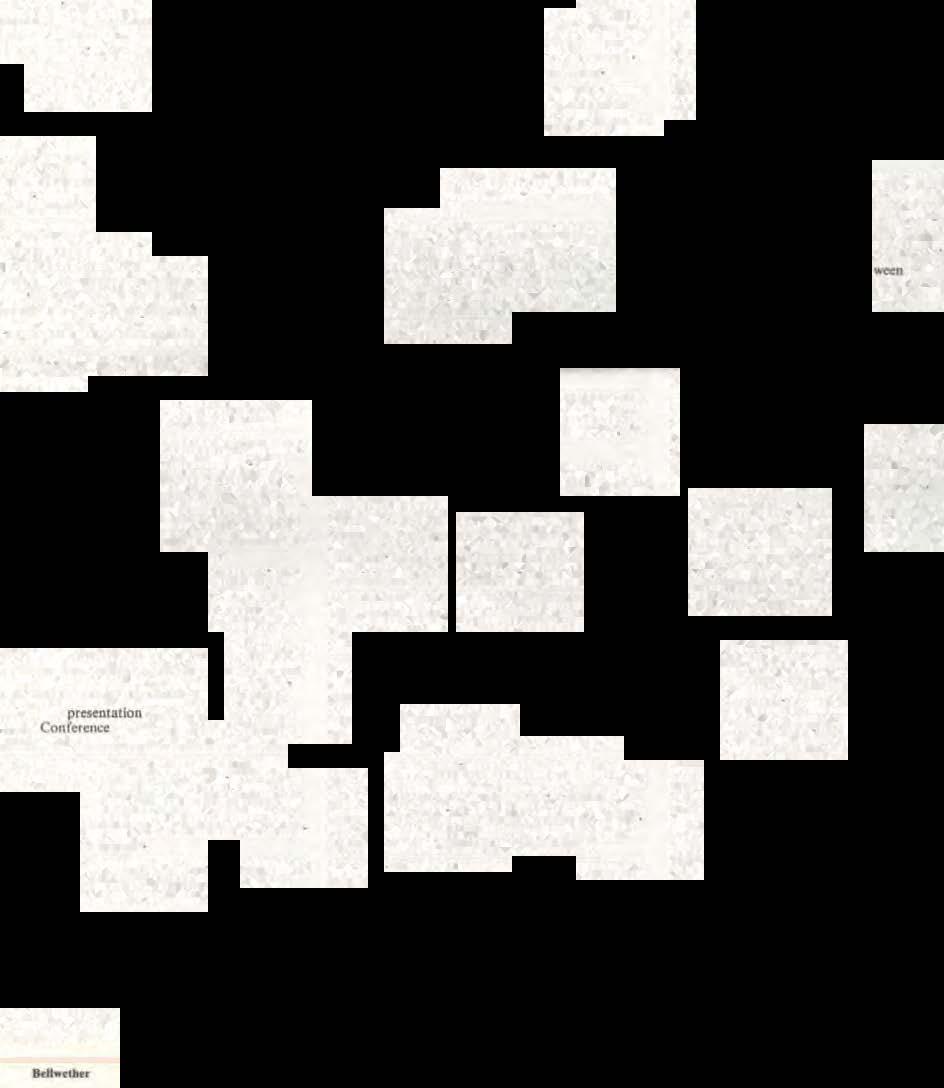
ThrGraduaiJ!GroupurPa....ltolouIIablornedlat.l aradwllegroupcenteredIn SchoolofVctmnary Medicioe.loU.Bllwdoa,ap-a.dwuenudmtin p:uasiwlogy.tharcdtheSt•ubcol'ri1e,nmonetary awardandcatlficau.atveuatmllllllytJytheN""' JnseySociayforPaniSltoloaY.forthebestStudent presentationat•mcerillJoftheSQclrty,heldat. Rut&ersUnivcr�ty.SbJirlniIntheawardwna formc:r!>l:nderu..Plllrldlfarley,Or.TbcHnRJNolan, adjunc:tousisraruprofes,urofpllnllirnlogy,o:ontJn. uestoserveasvicepresidentfortheNewJer.�ey SocietyorParasitology.
Or.OnidT.Galligan(V'8t),aul•tantprofessorof animalhealthccooolllica,recelvfdc1fcllow1blpfor the11190Nationallcad�shipDevelopmentProgram fromtheNationalCenterforFood1111dAgncultural PCllicyarRcsoureofclrthel'ururc.W111runston. D.C.TIRprogramlnvol>""four10eeklofmtC!!IJC! 1mdyoftheintcm:lauowJupsbtf fOOd,qricultural,4Ddrda1cdpolide.arodthepolic:)�l!lllki.o& process.andl$dcsilnedl'ornud-levclprufenion;ili. ,.llhm-on.gJeadenlupj>l>lr:tllialantipro•encxpcn. c:nc:einagrlcullun>-rela!Ct.lUConJr-.tiOib.
Dr.DeuW,Jlitbanbo11,wbtantprofCfisorof �urgc:ry,.......,re-appuinlcd<.:birlcsW,Jtalc:nScbohu loEquineSurgery.
Or.MllninJ. Button,�UJIS11llll professorolr�pro· ductivcstudles,wn�numedCltori!A'nnilMarion DIUcyJonesScholarInReproductiveStudie��.Dr. PatriciaSuticb(V'83),IQeturcrInn:production.and Dr.ElalarW•lson.WUI!IntproftUOrofrcproduc� tion.werereappointeduJon"Scholars
lkE.NeilMoon!,prufC\>OrofphyaioiOI)',lectured on"Conu:ibutionorCompar.a.heCar.dlacEecuophy�iology"1UtheC�eCerdlol�S)•mpuStuminAmsterdam.Dr.Moorewuco.dU'Cd.otofa owo-<laysymposiumon"Antihypcnensi•eUldAnti· cholesterolDrugs"heldinPhlladdphlamOctober. Hepn:scnlcd�l•�•ureon"BasicElectrophysitllogtc:alPrinciplesofQudiltc.'Urhythmllll"Ill lite AmericanCollegeofCardiologySymposiumheldIn PhiladelphiainNovW!bcr.InJanuuryheWillinvited byrheFoodandDrugAdministrationtobeoneof fourexpertwitnesses111thoCardiorcmtlAcfvi�ory PaneltodiscusstbeNIH1ponsorcrlCa.rdlacAir� hylhmia.SupprosnooTrialresult�Or,Moore au.endedthe9thlntcrnatlnoalConJirCS!noNew Frontier�ofArrhythmotu,1990wl�y• .HeWASa memberoftheorpnl7jnfl�c>mmtttec,chairedthe rolllldtableon"Proates>In£,,11Crim�ntnlElcaropbys:inlogy"andpmented1111otillnalpaperrntitled "ChcmkalRomOfiCOII/U>Ablan!cmufHettro£l:DCDUSM}'OCI11cil3l11\tllryIUAMdlttorDeo:n:asing VentricularArr.hytbmu&l'f>e•il." InM��rebhepn� $ClUedaseminar31theOepanmcntoll'ltannacology,UolvcrsityofPu«toRicoandpaMicipoUI.'dina symposrumatthebospitaJuftheUniversityof PuertoRicowhereheprcircntet.l•noverviewofthe CardiacArrhytluiiiaSuppreSSionTrialrt:Sults..Dr. Moorewasappalntetlud.junc:�proftsl!(lrofmedio!ne, DepartmentofMedicine,HolutenonnuMedical School,andappulntednrnemt>erofthegovc:miog boardoftheCenterofElccettencerorCardiClvascular StudlesoftheGntdurueHealth Syltem, Oradwue Hospil.al.Pblladclphia.
- ---- -- --- --
lklh..llor ' z
Ethics 9009
Elhlcs9009,...lnttodUttduacor�cour1<'in 19M610acquaintfreshm�vct�nnarystudrnl$w1th elidaWue5anti11Jm•etenn&rym�c:l11ucal rncr..:c.Itarrctt���edmtheromwofEtlllcal <inndRounds,atrdmiquedesancd10rmm�e:rile medicaland>UIIICIIIdiJcwaJOIU'IIUdmr.,.Ill fi\COUnletla1er.
n�COtlrKctp<)\CSstu�nb10th�c:onniettOCOIIllletedbyl'fK!itionrr-"lbe.u.,.erL�"'urR etmthUofthe,.t<eklyptexntaiiOIIOfIproblrm, tfucuukMb)truur-of<1udm11andfacullymod· mto«.anda�ur\\Jlllltlz.atJonolUlevrc:wpoim•from the•i�discussion11oupsand1heclinicianpre· SC!Iter.''����'Or.SheldonSletnbera,onearthe cou�organ!le".""fbeproblelllllprCSL-ntedhave rancedfromlhequc•tron'Shouldrescardr�nunah btu•edtotninveterinarynudenr.'to'Trearrnmlof thet�rmanalcancerpatlen1:ho"much,bowfar,and MwOhen.'
"WedelibcrllltlYoffer1hiJcour<eearlyIn1be !ludmu'vet.c:rinarytralninJI.Tltc:ycanuroInonthe <1hi<"'lli.sueiunh�roperedbymcdl.:a.lfiCl•.01 <oounc.,UteyareJl•Wpc:runcntmc.Jac:.alirtfonnatron WithinUlecontextorrbeproblemWewnnlrhcmto beIW&KthatVCI�tinarymedicall'fartitc:IC(IUitt:S JudscmeruandthaiIhewoucoditQtu.edInthecourse llre]CUI bqJMIIllofacatect·lonacon.xm"
1MCOUI3Cbasbttn•etl"dl'�"edand• numberorpnlelhiont:r�haveprtKntedca.a.We
Scholarships

ThePerunylvliJliaVeterinaryfoundauon a"ardcdtheOr.SamudScheid)M�orialScholar· shlj)10laur••••utoandtheOr.SamudBO.m Mtlll(ll'lal toGfl10f)Erdaa.1\tcvu MlldetlandLaw....a:Rdlbtctlolarethereclrornbof theRichardOorrSdrolanhof(l,MichaelMlhlrried hallrecdvcdrbe1\190Prw:,VeterloaryStholanhop A�>11rd'TbeLlo)d'sUndmorllm,Uoyd'&Broken 1.0d1\CIIIJlCk)'.-.,muJouuflquJneR�hand EduauionPropamCorruruuccScholanlupwu PfC.KDIN10AmyL.Grief.
Thelanta5terKC!!UiclClubhuawarded )C})ol:arsbipstoMlchadR.Mo)crandl(albl...,n Oo!G,..,W1l1laaRhcsIslbereoplenlofaoc:holar· iblp 11•oen bylht91U.hnJ(onC('IUOlJKmndOub. Hill'sPetProduct•11"'11J'dc..l�c:holanlupsto.l.llurftn Smilh,OonaldNdffer,Mardo:Koe«lla,nndllflcolt Plrkty,ThePl�lnficldKennelClubha.sawarded KhollltlhlpowMlll'yLouCkroaeand.lllll�l.lont:J.
In1989aolein'ssdlolaraproanmwue.cabli,lledrhrouall1hr&rncrosltyor�e.raJdono" Thesesdo.olanhi('lareawarded10stud�wltohav� diJtlnauishedthcmt1lllvcsthrouahoul5tandlna�chol· arshlpandgoodcltiunshipwithintheSchool In order10remainel!Jlbleforti!Qc,awards,'oudtul$ mll.llmaintarnalQ.P.A of l.Oor be.uer.
Thefimrtttl'oeotorthectwlcsSan..tPb)llt>
F.WolfDean'sScbolanhtpbllowardN.Knam, Clwof1992.Rc:crpienl$of1heAnneUnnWltlte Dean'>Scholarth!Plarc�'malIIf�TurKr,�of 1992.JeulterAllllrn.Clauor1991,andU.•• �0....of1990 VIII,0111or1991, and1w1r1•lkGnw.Clauor1990,arc1he rcclpicnl5orTireBruceJ.HomDean'sScholat'lhlp. ThePala£eH.SciuDean'sScholarshipwaa.... roI!MdrSllbr,Clauof1993
.laclldohi•wucbotcDtobea New Yorlt. FmncnSdlolar.
�rouldlintothan.l;theroll""'�fredRuclc, V.M.O.,SU3&11Mc.OonouJ)I.V.M.O.,Nadont Oakley,V.M.O,Joh:nSimms, V.M.O..H.Sleven Steinberg,V.M0.,Jerry N Nonhin&on,D.V.M.. WilliamDoney,V.M.O.,MidacLei.tdr,VM.D. CarolAnnGray,V.M.O.,Gcorac Olaru.berJ,V.M0 • Jerry0Frantt.V.M.D.,Ralph Wc:ma,V.M.O Fou::ulryprcsc:nrcnincluded:WU!iamMo�u, DV.M..JoanHmdriclcs.".M.D..Ph.D..Colin Haney,MRCV.S.FCD'JlUJfkll1typrUC�Ucr• '"fl�'itC\'mSchiffer,D.V\1.,Oa•idKronfdd, Ph0,M.R.CV.S.,StuartHelfand.D.V.M • Paul LllDJIICr,V.M.O,Marl<Cofone,V.M.D.,and Oen.ldineN.Kauffman,D.V.M.Ourmo<.lerators "ereOn.Ala.oB«lt.ColinHan.ey.RobcnOllher. JoanHmdrickl.WiUiamMoyer,MerylLiumotn, DeanRkbard><H!,JoanO'Bieo,DavidNunamaker. W HarkerRbodel,BcruonMM!in,GailSmuh, ltob�rtWashabnu,DonaldAbt,andShddon S!clnberg.
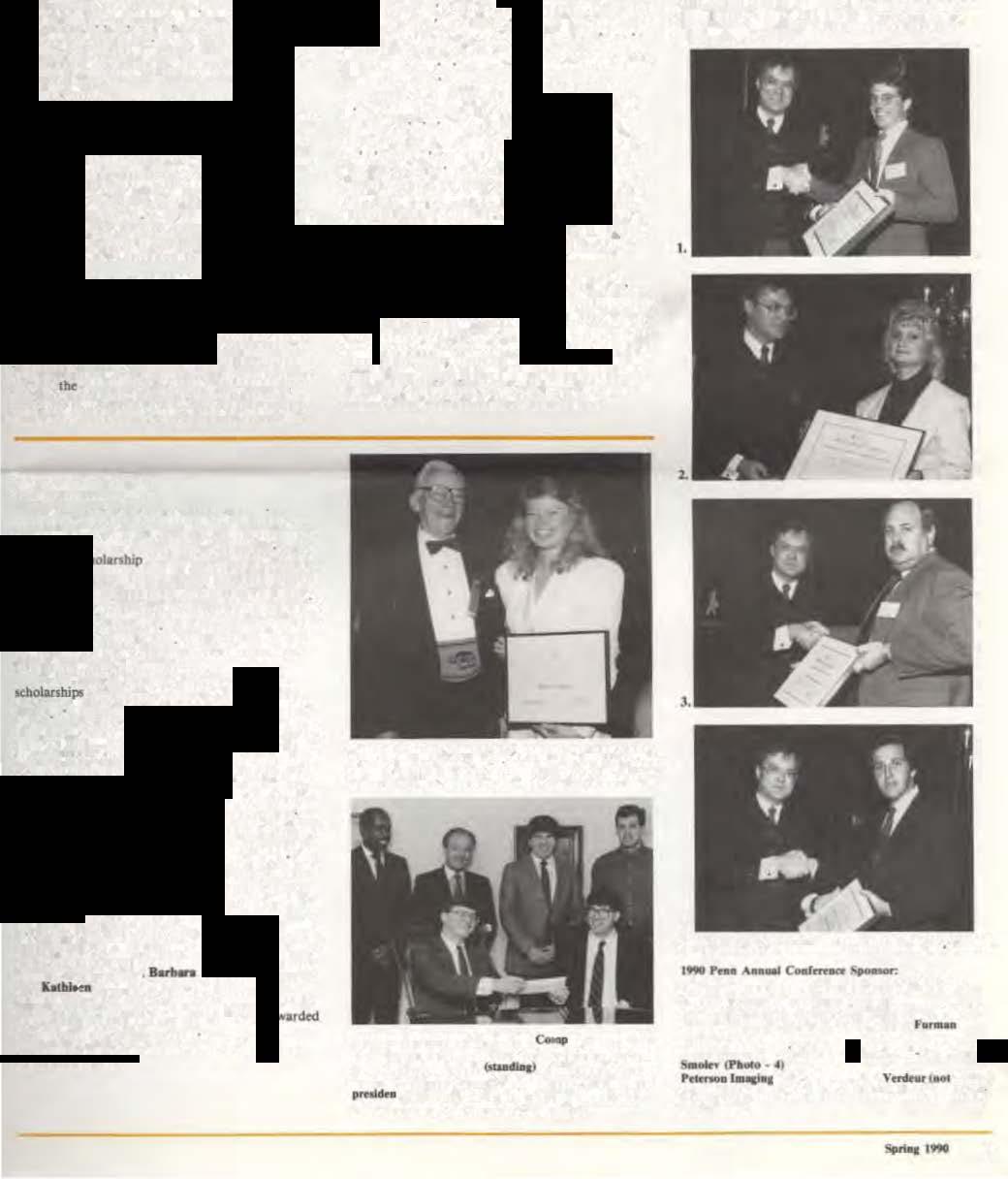
"IwouldlikelothanJ.th�all,"sa�sDr Stemhera."AndIamhopinJthatmorepraanlonen andfacultywi.UCQfDc:forwatdandvolunteertomake cuepte�Cntauon•andactaumodmaton.Alllltalt� Is11noteornCIIIJtome.OnlyICwehaveobroad prtll'litlonerpanldpationC8JIweapos�thestudents toawrderangeorcthk:aJ
n1"-"'a.5TOT1l£115VETF.JU'IMUAI'S, ...E.'OUBITORS,141"�<'f:1Tlli•"'JI\ n:a.l,IOANS,ANDOt.RSTIJOIJ'"TS,IrACULT\ AND'ITAn'fORMAJUSCTlf• 1990PENNANNUALCO"ffYYI.F..NC£ANOnn:R SUC'CESSft.lll'VF"'T.
�-tro•tkl:?jobCau•J.,.._.,lk �CbpteroftkAVMA.ntloI«INitdiiOII-or 11,000.Silo-!Mo�..-e(W·dto&l�J.,,.,.,Dna I'A,.loJ.Amrtwo,QrilCedo:ru,SoonP«ttttat,viH t,SCAVMA,uult-tt4)PbllllpGolle-rlliHI JobM<!Calllf),•ke...-.sWat.SCA\'MA

...
CAr!Jllata�Apprtdlltlaa..,...,,_,todb)DrCloarla ,__ .......uo..acoer-..
HIU'aPOlPI'HII<U • Dr.UwaneM-(Piocrto·ll
1MPoooA.oo..ac-r........Porroa; A.J.B•ckaSon,loc.• MJ.0...,1Klouol"o"' • 1) OolllobP...,...,..rlcah,Joe.·Mr.&any ... (l'ltoto • 31 o..-lolotlt<»'"'\l'lftlll.v)\1�....\tr..... 41 ..,lll<'.·Mr.leolaT, ......I "ut•Mao-atmnlorNortllAoamco Mr.RobmEl> (eoe*""'
---
dJ1emmasmcounreredby pnoctlon&meruuamlll-Ieobopetoheatfrom alumoJwillin&torontn"butttotluscounc."
KohioulJad<.<on��es.lbc\\'nlonJ.d.flerl!lfnntJ�Oiln· dollonSchnlon:hlpat t�\\esunhulttK.C.ctoa1bowoi �tl4lwnSqu.,.,Gatd<ol'rcJIIMr.WUU.aChl•ltolm.
Storlol.... u
Bellwether 28
lkllt+ttherqpublishedbyrh�Schoolof l't'lntnoryMI'Ciicineorrh�U1t/l•ersfly0/Pennsyl••umo.
t:ditor. //111$1,./0r.
HtlmtJ ll�ks MarteGafll/antJ
»Htm: Pboro,npbtri: Dr.M.lllfrpbiM At/am
IXIiJJier(,4JtrmolCmckeslL..nnt
JunttR.I-Q//on Anthlln.rll Plr)/1�HDit:.man """BoltonLfJils,on: Htlma ll�k.r OJthcrlneurrrnore

l�i>'d/IkeroJrearyourpruk:e,c•rlticirmsor (Ot/1/IIMI�. PleDSeatldff'SS)'()Iff�(lr�>spond


���C�/().'
lltlm• \\tcks, Univenfly0/Pl<nnsylvurua, !khOtJIofVererinory.\li<dlt'lne,JBOOSpruce
Slfwl, PJriludelplria,PA 191�10(115)
898-1·475
'lOIII'oftheseanidesorrtoIH'ff'produ�in un)'jurm11·ithor111he(Ntmrsstonofthl!.Niilors ufBellwether.1990Cop)'rtfllrlb)tireTrusrees oftireU�tlversityofPennsylwtnia,

Bellwether 28
UniversilyofPennsylvania SchoolofVeterinaryMedicine
3800 SpruceStreet
Philadelphia,PA 19104-6008
Addresscorrectionrequested
l'rtn�eoonrc:q-clclpaper NonprofitOrganization USPostage PAlD Philadelphia,PA PermitNo. 2563