12 minute read
OUR TEACHING LAW FIRM

OUR
TEACHING LAW FIRM
The Gittis Legal Clinics at Penn Carey Law bridge the knowledge learned in traditional classroom study with real-world practical experience on behalf of actual clients. Through our clinics, students build relationships with diverse clients, develop essential lawyering skills, enhance their professional development, and apply their talents and creativity in a law firm setting housed in a state-of-the-art office located in the Law School. Under the close supervision and mentoring of the clinics’ experienced faculty, students hone their skills in a professional office environment while serving the community, the nation, and the world.
Our clinics are specially designed to help students develop core lawyering competencies and foster professional identities. They offer challenging experiential learning opportunities in litigation, business transactions, child advocacy, mediation, legislation, interdisciplinary practice, international lawyering, appellate lawyering, and IP and technology law.
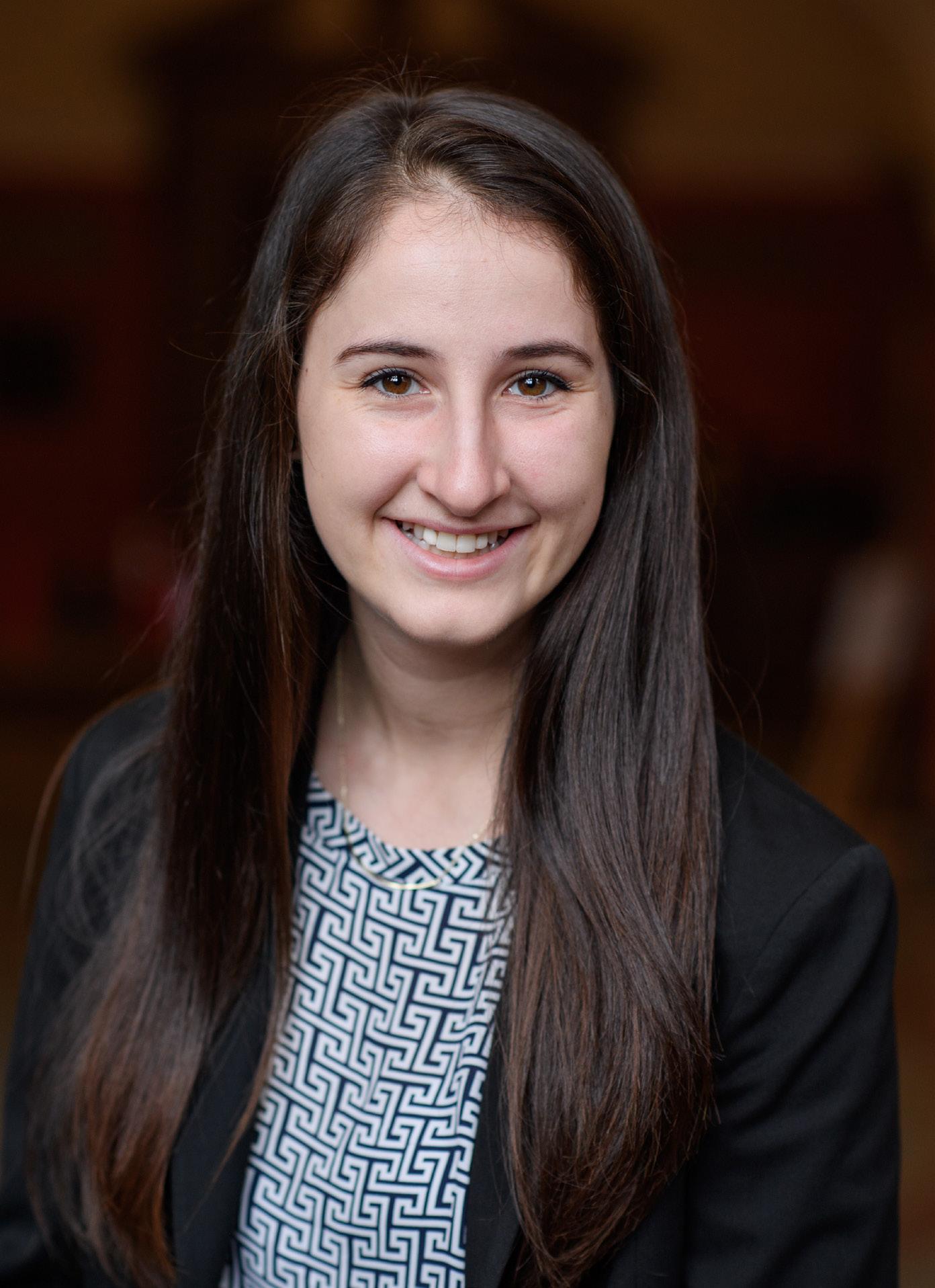
MARY FELDER L’21
Incoming Law Clerk to Honorable Anita Brody, U.S. District Court for the Eastern District of Pennsylvania, Philadelphia, PA
“The Transnational Legal Clinic, the Civil Practice Clinic, and my externship at the City of Philadelphia Law Department provided me with unique, hands-on learning opportunities that were best suited to the way I learn. In just my third semester of law school, I began to master a new area of the law and gained experience interviewing clients, filing motions, and representing a client in immigration court. By my last semester, I was conducting a trial in Pennsylvania state courts. Through these opportunities and the thoughtful supervision that I received, I developed many of the skills needed to be a more effective and more compassionate lawyer.”
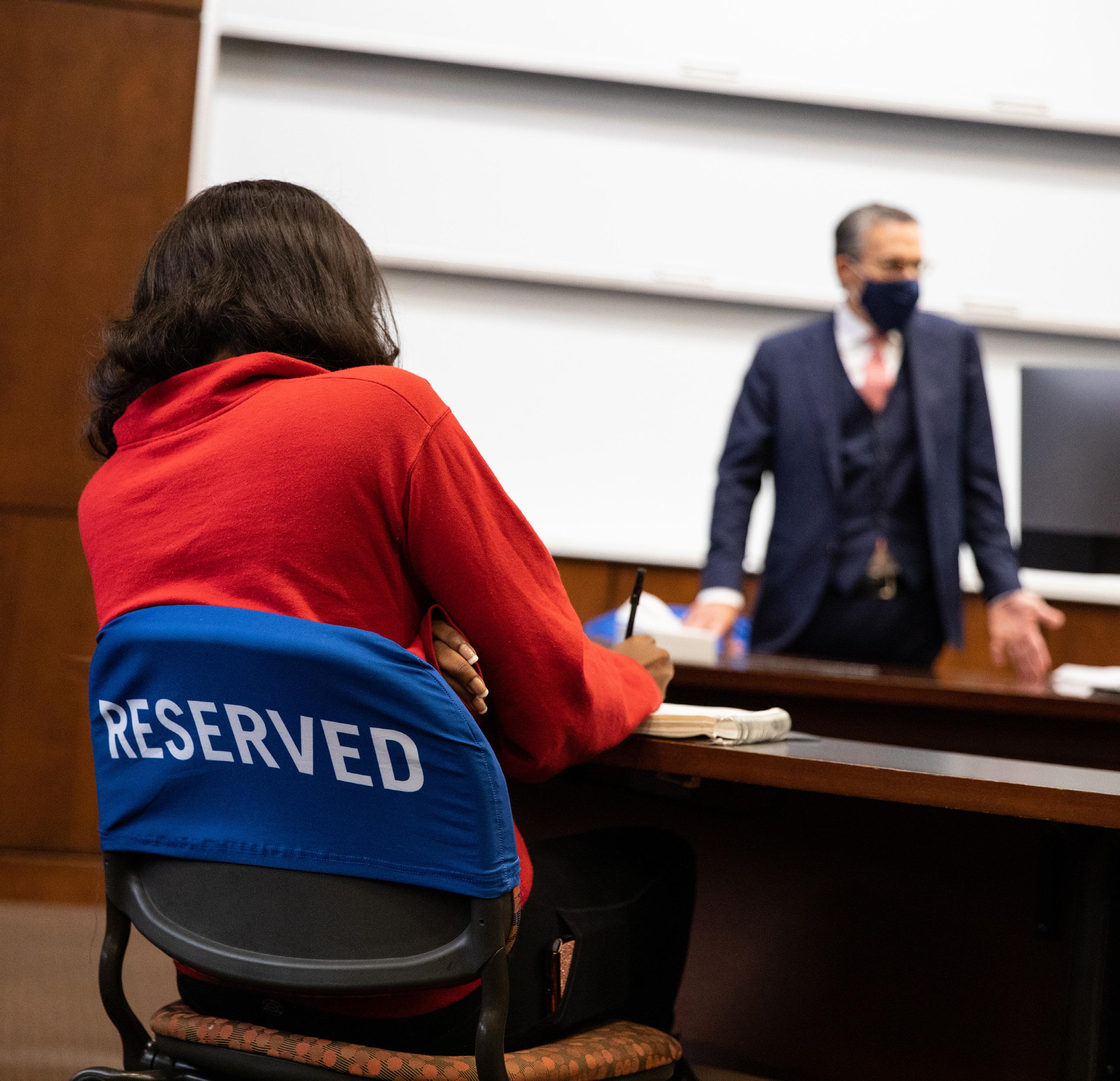
Practice Professor of Law Louis Rulli (left) leads a class in the Civil Practice Clinic

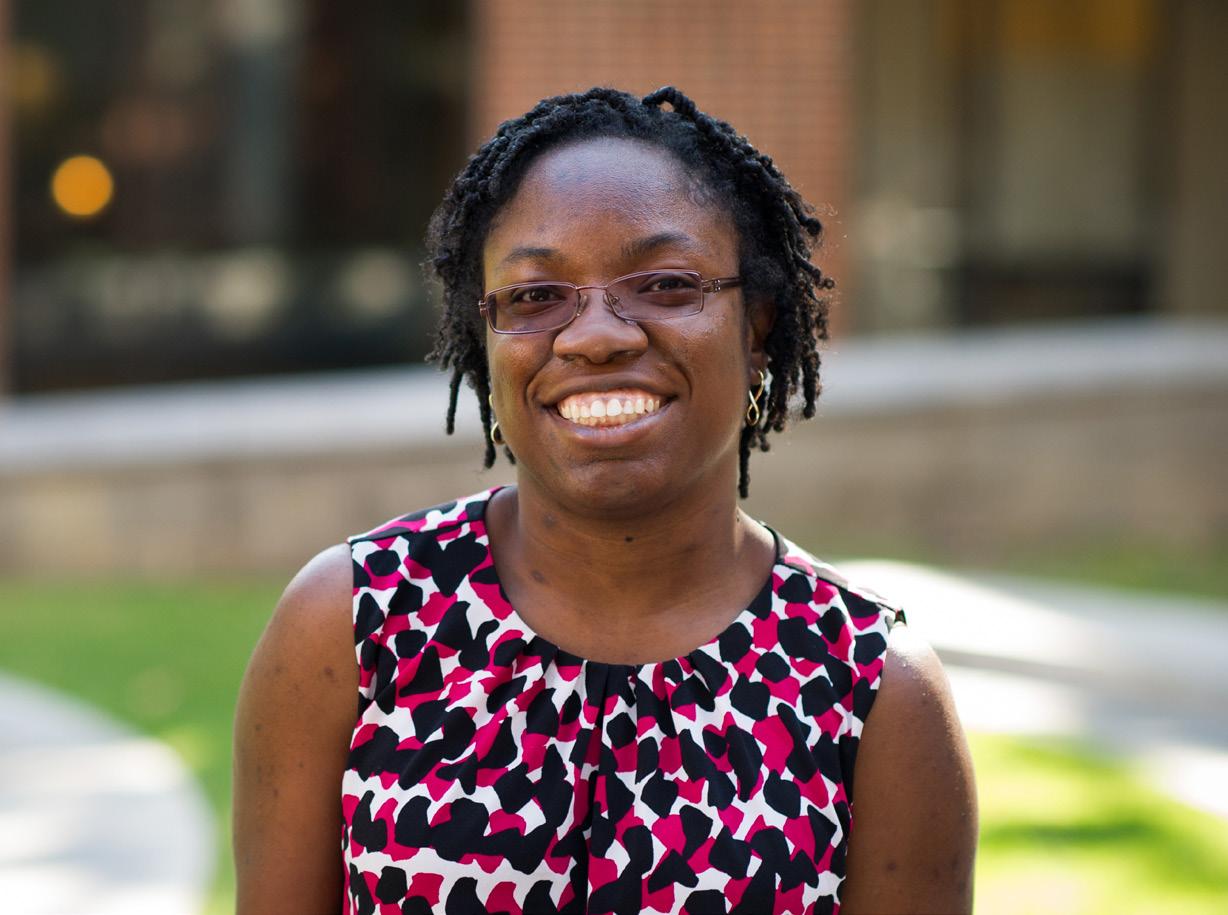
Detkin IP & Technology Legal Clinic Director Cynthia Dahl

APPELLATE ADVOCACY CLINIC
Students work closely with the clinic co-directors and with lawyers who volunteer on a pro bono basis from DLA Piper, as well as engage with any public interest advocacy groups with whom the clinic is partnering. Students learn and practice all aspects of appellate cases: conducting legal research, writing briefs, communicating with clients, and preparing for oral argument. Students work in teams on cases, some direct representation, and some amicus, in addition to attending a weekly seminar focused on appellate strategy and practice.
CIVIL PRACTICE CLINIC
In our general litigation clinic, students are certified by state and federal courts to provide legal representation to indigent clients in civil matters. Students interview and counsel clients, develop case strategies, draft pleadings, engage in discovery, negotiate with opposing parties, and provide representation in court hearings and administrative proceedings. In this intensive civil litigation course, students participate in weekly “case rounds” discussions about their cases and learn essential lawyering skills while promoting access to justice for poor and disadvantaged clients. Students are engaged in litigation on issues such as landlord-tenant, homeownership, civil forfeiture, consumer debt, wage theft, social security disability, and more, representing clients in proceedings in the Court of Common Pleas, Municipal Court, U.S. District Court, and administrative agencies.
Recently:
When an immigrant’s real property was stolen from her through a fraudulent deed conveyance while she was out of the country, Civil Practice Clinic students filed a lawsuit in state court, conducted extensive discovery, hired a handwriting expert, argued motions in court, and ultimately obtained justice through an excellent settlement on the day of trial.
The Clinic successfully represented elderly clients and veterans who had lived in their homes for many years but did not have legal title. In these cases, student teams filed actions to quiet title through adverse possession in state court, and, after detailed pre-trial filings and evidentiary hearings, they won legal title for their low-income clients. The hearings were held in the same City Hall courtroom that was used to film the movie “Philadelphia.”
Students have also engaged in larger projects, helping clear criminal records of many individuals, representing workers wrongfully denied the ability to drive for shared transportation services, and partnering with the City in conducting outreach and community education to immigrants wrongfully denied earned wages. In a precedent-setting Pennsylvania Supreme Court case, a team of Civil Practice Clinic students, along with their faculty supervisors, filed an amicus curiae (friend-of-the-court) brief contending that the forfeiture of an elderly mother’s home and car for several marijuana sales by her adult son constituted an excessive fine under the Eighth Amendment.
CRIMINAL DEFENSE CLINIC
The Criminal Defense Clinic, conducted in partnership with the Defender Association of Philadelphia, combines hands-on trial experience with an educational component tailored to developing essential criminal defense skills. Students observe arraignments, preliminary hearings, and trials, and participate in mock classroom exercises to prepare them for actual court appearances. Students then serve as defense counsel in actual misdemeanor and felony cases in the Philadelphia Court of Common Pleas and the Philadelphia Municipal Court under the close supervision of a senior trial attorney employed by the Defender Association.
Recently:
Students have appeared in Municipal Court on behalf of dozens of Defender Association clients in felony preliminary hearings and misdemeanor bench trials.
They conducted initial interviews of dozens of Defender clients in felony and misdemeanor cases.
They successfully litigated motions to suppress physical evidence and for dismissal of cases based on excessive pre-hearing delay and discovery violations.
They prepared writs of certiorari and motions to quash to the Court of Common Pleas. They received trainings in a variety of topics, including immigration law, appellate practice, and the use of expert testimony in narcotics cases.
Penn Carey Law’s Detkin IP & Technology Legal Clinic provides hands-on practical experience in the commercialization of creativity and innovation. Students who enroll in the Detkin Clinic become IP counselors to a variety of clients, which in any semester may include scientists, entrepreneurs, artists, and large and small entities, including Penn’s Center for Innovation. By helping a wide variety of clients with their transactional IP issues, students practice at the intersection of law, business, technology, and the arts. The clinic has created strong collaborations with other Penn professional schools (including the Schools of Engineering and Applied Sciences, Medicine, Business [Wharton], and Arts and Sciences), to allow law students to learn with an interdisciplinary perspective how best to serve clients.
Recently:
Students counseled clients about patentability and infringement risk for early-stage Penn technologies, including a method to better deliver treatment to and monitor growth of cancerous tumors and a compound to help athletes mitigate the effects of traumatic brain injury.
They advised on copyright and trademark for an author and illustrator of a series of children’s books and for another nonprofit delivering educational programming to Haitian schoolchildren.
They developed a protection strategy for the processes and sculptures of a women-owned glassblowing studio upcycling recycled glass.
ENTREPRENEURSHIP LEGAL CLINIC
The Entrepreneurship Legal Clinic is one of the oldest transactional clinics in the nation. Students gain experience in lawyering for entrepreneurs and organizations while creating positive social impact through targeted client representation. Clients include underrepresented entrepreneurs from underserved communities, social enterprises focused on public good in addition to growth, and organizations undertaking socially transformative projects. Students experience first-hand the essential role performed by transactional business law practitioners and develop and refine their own business and legal skills through work in a broad range of areas that include start-up counseling, enterprise structuring, entity formation, contract negotiating and drafting, and the protection of intellectual property.
Recently:
Students have worked with a microbrewery focused on employing formerly incarcerated, formerly homeless, and other marginalized people.
They counseled a trade association of mobile food vendors about how to navigate and advocate for better City regulations for this industry.
And they represented a fashion business founded by a Black female entrepreneur trying to overcome barriers to raising capital and scaling her business to compete with mainstream brands.
INTERDISCIPLINARY CHILD ADVOCACY CLINIC
The Interdisciplinary Child Advocacy Clinic brings together law and social work students to represent adolescents, children, and families in dependency, custody, and civil legal matters. Clients share a history of trauma, poverty, and being impacted by systems such as child welfare and immigration that can only be effectively addressed through an interdisciplinary practice. The clinic’s unique model of working with medical, mental health, and social work experts also provides an unparalleled opportunity for clients to receive the highest level of legal services. Supervised by interdisciplinary faculty, law students work collaboratively with social work students from the Penn School of Social Policy and Practice to advocate for the client’s legal and social service needs. Law students learn fundamental lawyering skills within the context of child and family advocacy and through the lens of a trauma-informed and client-centered service model.
Recently:
The clinic expanded its collaboration with the Philadelphia Nurse-Family Partnership to provide legal support and representation to pregnant and parenting youth who have been impacted by the child welfare system. In one case, students successfully represented a young mother seeking to re-enter foster care and leave the family shelter system. In another matter, students opposed the discharge of their client during the pandemic and successfully argued for extended
Interdisciplinary Child Advocacy Clinic Director Kara Finck

jurisdiction and additional supports to transition her and her son to a more stable situation.
As a member of the Family Justice Partnership with Children’s Hospital of Philadelphia and Community Legal Services, the clinic provided legal services to address the social determinants of health for children and families in Philadelphia. Students helped staff an onsite utility clinic to assist low-income families with applying for assistance with their gas, water, and electricity bills.
As part of the clinic’s work with immigrant families, students successfully represented parents and relatives seeking to gain custody of children who have been abused or neglected in their home country. Additionally, students developed a legal training on custodial decision-making for noncitizen parents fearful of deportation and detention. Partnering with community-based organizations, students presented at local community centers and churches and conducted individual meetings with participants.
LEGISLATIVE CLINIC
The Legislative Clinic is one of only a handful of law school clinical programs in the nation devoted exclusively to legislative lawyering and the formation of public policy. The clinic combines legislative fieldwork in Congress, state and local legislatures, and national non-profits with classroom study of legislative process, statutory drafting, and legislative advocacy. Lawyers are increasingly called upon to pursue legislative and regulatory solutions for their clients. In the clinic, students learn about legislative solutions while conducting actual legislative and public policy work on issues of state and national importance. Students spend an average of two to three days per week engaged in legislative work at chosen sites, most frequently in the U.S. Senate and House of Representatives in Washington, D.C.
Recently:
A student working with U.S. Senator Patrick Leahy and the Senate Judiciary Committee researched and wrote on legislative issues involving unaccompanied immigrant children, Economic Communications Privacy Act reform, the internet, criminal justice reform, and judicial nominations.
A student attached to U.S. Senator Richard Blumenthal’s office focused deeply on antitrust and price-fixing issues, conducting research and writing and developing policy positions related to proposed health insurance mergers and airline surcharges.
Another student interning in the late U.S. Representative Elijah Cummings’ office conducted research on obtaining increased funding for a historically Black college, helped arrange witnesses for a legislative hearing on a pending witness protection bill, and attended briefings on prison healthcare reform.
A student interested in state legislative affairs chose to work with a member of the Pennsylvania House of Representatives, for whom she conducted extensive
Mediation Clinic Director Douglas Frenkel (right) speaks with a student


research and analysis on redistricting reform and drafted a comprehensive redistricting bill.
Another student worked closely with a Philadelphia City Councilmember on critical local issues such as affordable housing, community land trusts, and gun violence.
MEDIATION CLINIC
The Mediation Clinic teaches conflict resolution and creative problem solving. After studying negotiation and mediation theory and observing mediators in practice, students are trained in a wide range of mediation skills. Under faculty supervision, students then serve as front-line mediators for civil litigation in Pennsylvania trial courts, employment discrimination claims, child custody (domestic and international), neighborhood violence, and campus discipline cases. Seminar topics range from restorative justice to judicial settlements to online dispute resolution.
Recently:
Students conducted an intensive mediation and mediation representation work as part of a novel program of divorce mediation offered by the New York City Legal Services’ Access to Justice Program.
Students mediated Hague Convention international child abduction disputes on referral from the U.S. State Department. Students worked on a matter that involved a six-year-old child allegedly kidnapped to the Midwestern United States from Europe.
TRANSNATIONAL LEGAL CLINIC
Students in the Transnational Legal Clinic engage in direct representation of individuals in asylum and other immigration proceedings while also participating in broader systemic advocacy to advance the human rights of migrants in the United States and around the world. Students explore their role as lawyers in relationships and settings that cross cultures, languages, borders, and legal systems. Working in teams, students directly engage in and are exposed to varied advocacy arenas, including
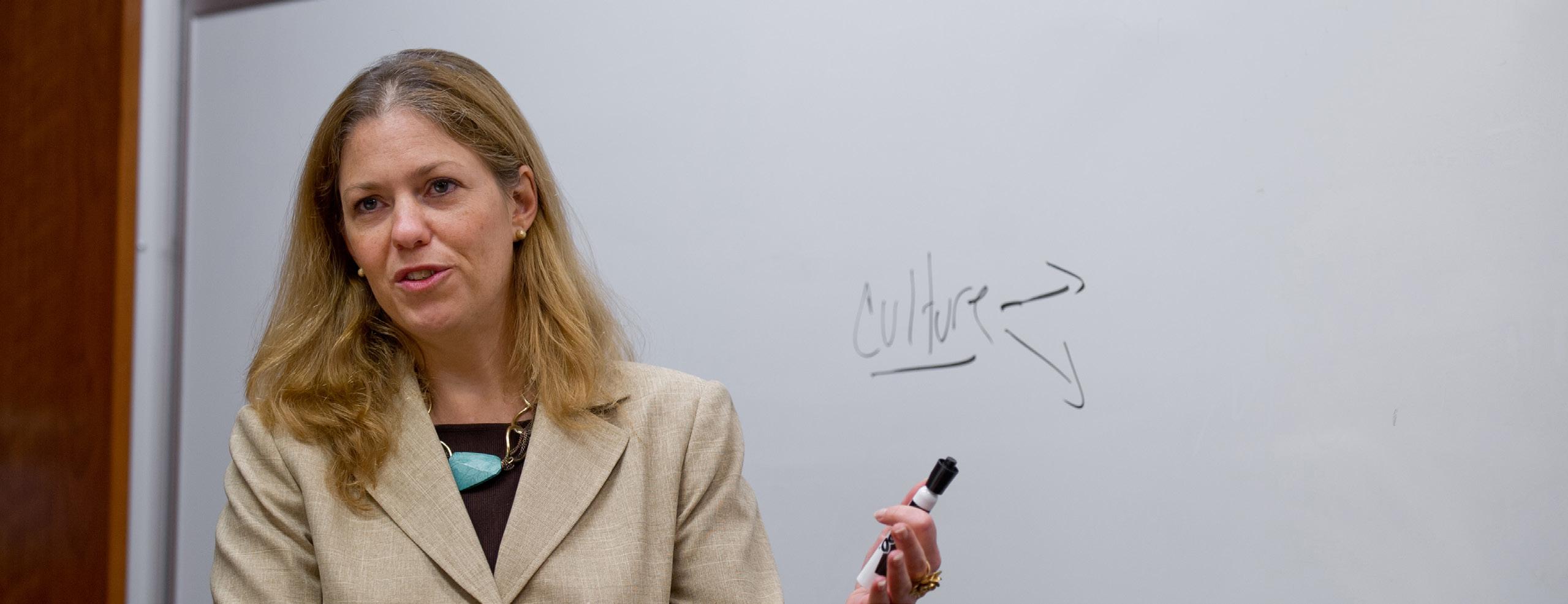
Transnational Legal Clinic Director Sarah Paoletti
litigation, community-based advocacy, legislative and other policy initiatives, investigation and report writing, and media advocacy. Benefiting from close faculty supervision and mentorship, students develop core lawyering competencies such as interviewing, counseling, legal research and writing, case theory and narrative development, persuasion, and negotiation, all with the aim of advancing the goals of their individual and organizational clients and partners.
Recently:
Students have represented individuals and families who fear targeted violence, some at the hands of their government and others at the hands of their domestic partners and family members, in a diverse range of countries where significant corruption and discrimination led to their governments’ inability and unwillingness to protect them. Where necessary, students have pursued appeals before the Board of Immigration Appeals and in Circuit Courts.
Students have submitted urgent action communications to U.N. human rights bodies to address egregious violations against immigrants held in detention centers in Georgia. They participated in litigation at the Inter-American Commission on Human Rights on abuses against unaccompanied children held in immigrant detention and on a case seeking termination of the “Stay in Mexico” program. Students drafted amicus briefs addressing international human rights law specific to arbitrary and prolonged detention in cases before the U.S. Courts of Appeals for the First and Ninth Circuits. Looking beyond the U.S. borders, students have aided advocates in Nepal to advance the rights of the country’s migrant workers, pursuing law reform and other initiatives as Nepal transitions to a new constitution and a federal system of government.
Students have traveled to El Paso, TX; Lumpkin, GA; Leesport, PA; and Tijuana, Mexico, to provide pro bono support to asylum seekers through faculty-supervised service immersion weeks.