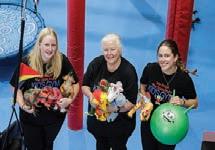
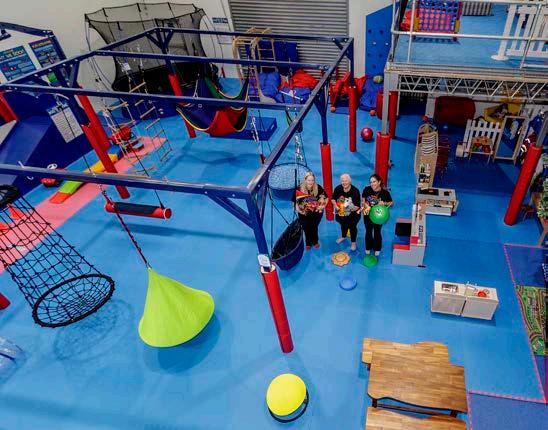
“Excellentcleaningservice. These ladies went aboveandbeyonddusting,cleaning,straightening upthekidsroomsandevenemptyingallthe bathroom bins. 10 out of 10 service!”
- Brooke M.
Where students FLOURISH
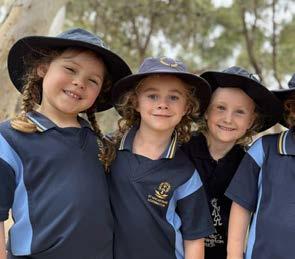
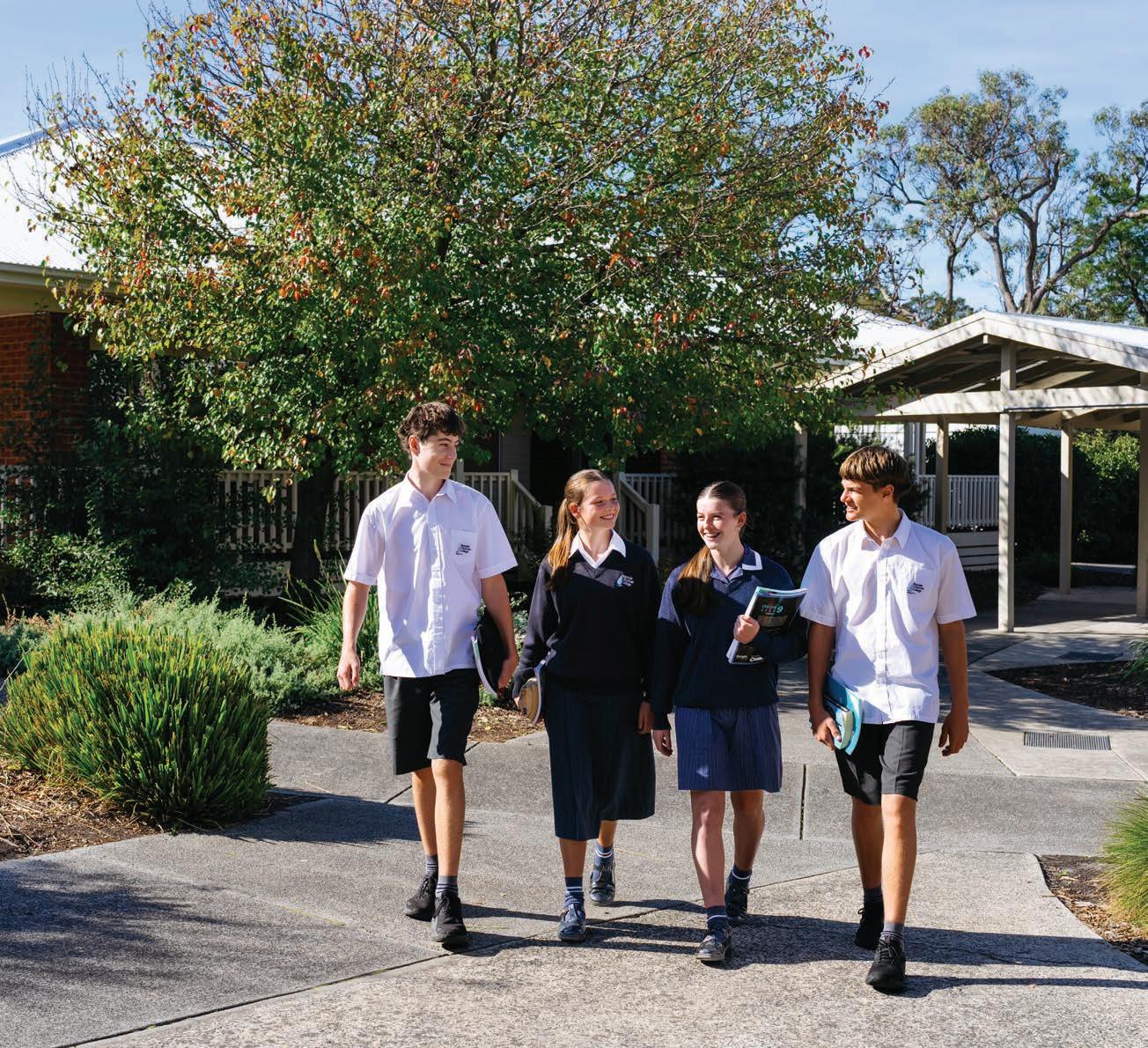
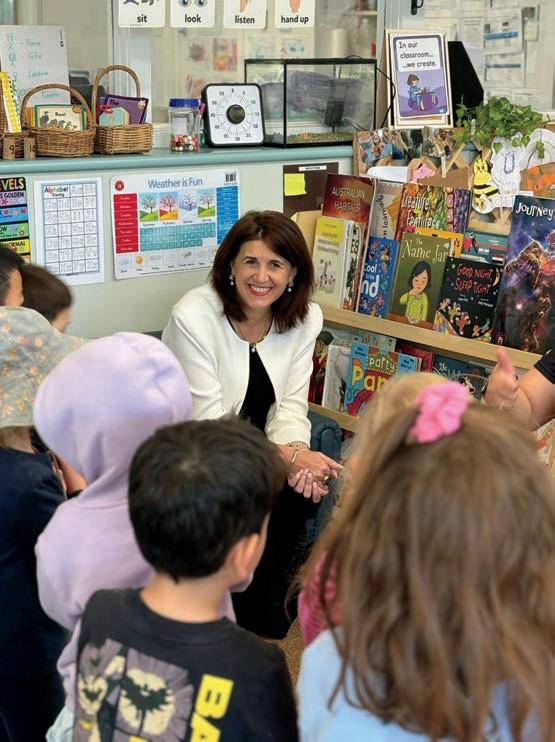
With a strong reputation as the school of choice in the region, Dromana College remains committed to delivering high quality education built on the values of respect, responsibility, integrity and personal best.
Dromana College offers a dynamic and inclusive learning environment where every student is supported to reach their full potential. Whether through academic achievement, the arts, sport or student leadership. Students are encouraged to peruse excellence and grow as confident, capable young adults.
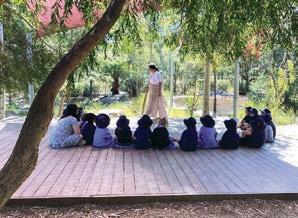
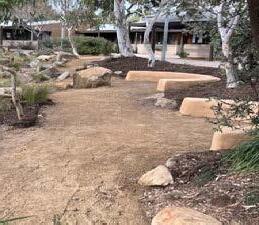
One of the great strengths of Dromana College is their beautiful and expansive campus. Nestled in the natural landscape of the Mornington Peninsula,
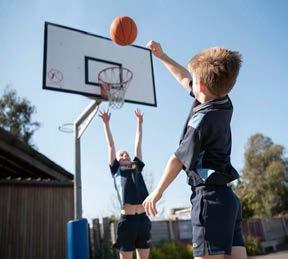
the school is surrounded by open spaces and native flora, creating a calm and inspiring backdrop for learning. The facilities include state-of-the-art classrooms, a fully equipped performing arts centre and an outstanding range of sports amenities such as an indoor stadium, multi-purpose courts, a fitness centre and extensive playing fields.
In 2025, Dromana College students achieved outstanding results across VCE and VET pathways. Beyond the classroom, success was celebrated in the arts, national sporting competitions and numerous leadership initiatives. Looking ahead, enrolments remain strong and interest in their programs continue to grow.
DROMANA COLLEGE PROUDLY CONTINUES TO SET THE STANDARD FOR OUTSTANDING SECONDARY EDUCATION ON THE MORNINGTON PENINSULA
Dromana College is a school where students flourish, supported by dedicated staff and a connected school community.
Dromana College
110 Harrisons Road, Dromana W dromana.sc@education.vic.gov.au
P 5987 2805
FB @romana College
IG @Dromana.college
Cover Photo Gabriel daniellebphotography.com.au Mt Martha
Editor & Publisher
Melissa McCullough melissa@mpnews.com.au
General Enquiries
info@peninsulakids.com.au
Design Sam Loverso sam@mpnews.com.au
Advertising
Molly Mitchell 0407 225 261 molly@mpnews.com.au
All material is copyright, and may not be reproduced without the express permission of Mornington Peninsula News Group, or the original copyright holder in the case of contributions. Copyright of contributed material rests with the contributor.
Disclaimer: The authors and publisher do not assume any liability to any party for any loss, damage, or disruption caused by errors or omissions, whether such errors or omissions result from negligence, accident, or any other cause.
This publication is not intended as a substitute for the medical advice of physicians. The reader should regularly consult a physician in matters relating to health and particularly with respect to any symptoms that may require diagnosis or medical attention.
Peninsula Kids is produced quarterly.
15,000 copies distributed between Mordialloc and Portsea.
As winter settles over the Mornington Peninsula there’s a distinct magic in the air and a gentle hush that blankets our beautiful area. For parents and carers, this season brings both new challenges and unique opportunities in caring for our kids.
The shorter days and cooler weather might mean fewer beach afternoons, but it opens the door to a different kind of adventure—whether that be mazes, treetops, crafting, dinosaurs, or taking care of new feathered friends in your own backyard.
Caring for children during a peninsula winter means embracing the weather flip-flops! Community centres and indoor play centres are a haven on rainy days offering a variety of activity sessions and space to connect with other families. And on those drier, crisper days, we are spoilt for choice of places to stretch our legs and shake the winter sillies off.
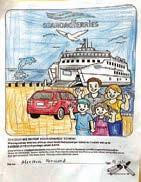
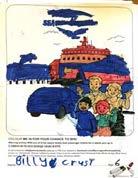
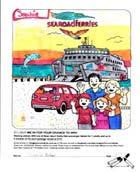
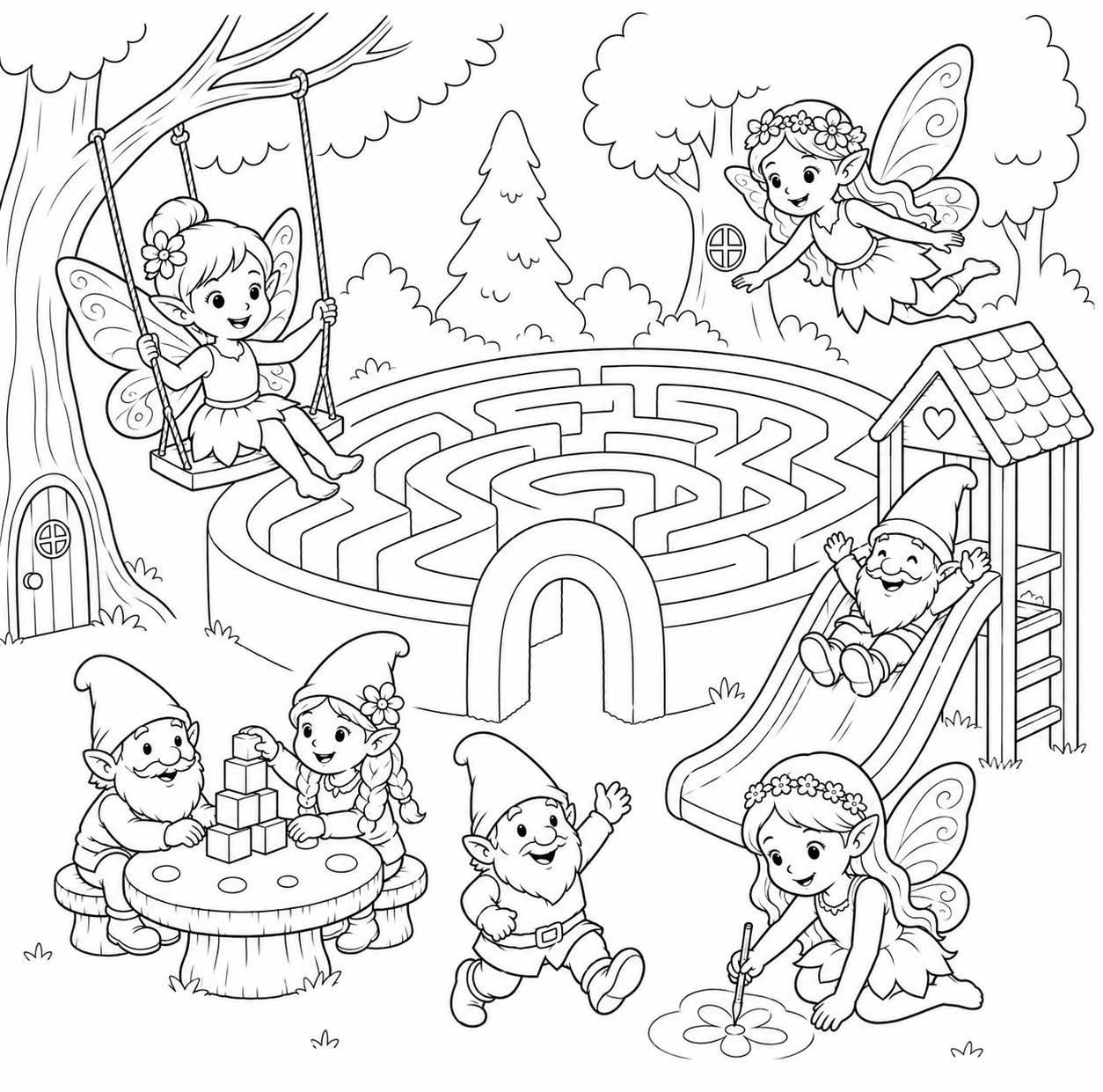
In this edition, our colouring in page is sponsored by Ashcombe Maze & Gardens. Get colouring on those rainy days for your chance to win 1 of 3 Evergreen Pass annual memberships for a family of 4, valued at $180 each! ashcombemaze.com.au
Local cafes and bakeries become meeting spots for a hot chocolate before a brisk walk along the foreshore, or to warm your bones after time well spent around the local footy oval. Or why not bring the family together in the best room of the house: the kitchen. Take your toastie to new levels with Alex Charasse’s recipe for croque monsieur on page 44!
Most importantly, winter is a time to nurture our kids’ (and our own) wellbeing— physically, emotionally, and socially. Check in with them, encouraging open chats about how they’re feeling, and don’t forget to make time for yourself. A little goes a long way. Community groups and sporting clubs keep kids connected, active, and resilient, even when it’s tempting to hibernate.
Lastly, I’d like to congratulate the colouring-in competition winners from the autumn mag. Aleesha, Billy and Sophie have each won a family foot passenger ticket aboard Searoad Ferries, another amazing way to spend time together this winter. searoad.com.au
Here’s to a season full of care, warmth, heart, and a dash of peninsula wonder.
Advertising Molly Mitchell
Design
Sam Loverso
Digital Dannielle Espagne
8 Backpack Safety
Between laptops, lunch boxes, textbooks and sports gear, their backpacks can weigh enough to rival what some adults haul to the gym. Parents and schools can work together to reduce the risk and protect developing bodies so they can focus on learning, not aching shoulders.
10 Why Sleep Matters for Our Kids
Sleep is incredibly important for children’s health and wellbeing. It regulates their emotions and helps them grow and develop. So, what happens when they don’t get enough sleep?
12 Rate Rises and Your Family Budget
If your mortgage repayment has gone up recently, you’ve probably noticed the impact on your household budget.
14 Understanding Perfectionism
While wanting to do well is a normal part of growing up, for some children this pressure can start to affect their confidence and wellbeing. Knowing how to respond supportively can make a real difference.
16 What's Mine, What's Theirs
One of the most important things I’ve come to understand as a parent is the difference between what my child needs… and what I need in that moment, because they’re not always the same.
18 Understanding the Heartbreaking Impact of Baby Loss
Experiencing the loss of a baby during pregnancy or following birth, is one of the most devastating life events a parent can face. There is no “right” way to grieve, and people grieve in many different ways.
SAFETY
By Suzanne Gough
By the time our children reach the school gate each morning, many are already carrying more than just homework and a water bottle. Between laptops, lunch boxes, textbooks and sports gear, their backpacks can weigh enough to rival what some adults haul to the gym.
Our research found that many students regularly carry between 10 and 15 per cent of their body weight on their backs. It’s more than just uncomfortable; studies show it’s linked to changes in posture, altered walking patterns and higher reports of muscle fatigue and back pain. For young bodies still growing and developing it can be a big problem.
Researchers from Bond University and Varsity College on the Gold Coast examined 21 studies from 15 countries and consistently found the same pattern.
Heavier school bags were associated with forward trunk lean, increased muscle strain and ongoing discomfort. Even when pain is mild, the cumulative effect of carrying too much weight every school day over months and years, matters.
The recommendation adopted in many Australian schools is that a child’s backpack should be no more than 10 percent of their bodyweight.
Parents and schools can work together to reduce the risk and protect developing bodies so they can focus on learning, not aching shoulders.
Together these features help keep the load close to the body’s centre of mass, promoting good posture and reducing the forward lean often seen when bags hang low or pull backwards.
Choosing the right backpack
Selecting a well-designed backpack is the first step in reducing strain on growing bodies.
Well designed backpacks typically include:
•Two adjustable, padded shoulder straps
•A firm, padded back panel for comfort
•Multiple compartments to help distribute weight and organise items
•A hip or waist strap where possible.
Children are more likely to wear a backpack correctly if it fits well and feels comfortable, so where possible involve your child in choosing their backpack.
Look for backpacks endorsed by an Australian professional organisation, such as the Australian Physiotherapy Association or the Chiropractors’ Association of Australia.
Avoid buying the largest backpack available – it should be appropriate to your child’s size
Fit and wearing style
Even the best backpack can cause problems if it is not worn correctly.
When fitted properly, a backpack should sit snugly against the back and feel balanced when loaded.
It should also be worn over both shoulders at all times.
Single strap or one-shoulder carrying may seem easier or more fashionable, but it creates uneven loading and alters how children walk. Over time, this asymmetry can increase the risk of pain and injury.
Packing matters
How items are packed also matters.
Pack the heaviest items first, placing them in the centre of the bag and closest to their back, using the compartments to stop items moving when walking.
It’s important to distribute weight evenly and keep external pockets as light and even as possible.
Reduce weight where possible - lighter lunch boxes and drink bottles help – and carry only what is needed for the day, emptying the bag each night.
Small weight reductions, repeated daily, can make a big difference over a school year.
Warning signs to watch out for
A backpack maybe too heavy if your child:
• frequently changes posture when wearing it
• struggles to put it on or take it off
• complains of pain when wearing the pack
• experiences tingling or numbness in arms
• has red marks on their shoulders.
If your child complains of ongoing back, hip or shoulder pain, consult your doctor.
By working together, families, students and schools can reduce unnecessary strain and support healthy growth and learning.
Suzanne Gough is a Professor and Head of Physiotherapy at Bond University.
why sleep matters
FOR OUR KIDS
By Dr Alex Agostini
Sleep is incredibly important for children’s health and wellbeing. It regulates their emotions and helps them grow and develop. So, what happens when they don’t get enough sleep?
Sleep needs vary by age, but most school-aged children require 9–11 hours of sleep each night, with teenagers needing 8–10 hours. Many families struggle to achieve these targets, particularly during busy school terms or hot summer nights, leading to sleep problems being common. Research suggests around one in five Australian children are not getting enough sleep, and more than 40 percent experience difficulties with their sleep patterns.
Have you ever noticed that your child seems irritable after a poor night’s sleep? They wake up grumpy, find it harder to focus, and are generally more emotional. As adults, we know how difficult it can be to engage well with the world when we’re tired, but for young people, it’s even harder – everything feels bigger and reactions can be more intense. Yet, the consequences of poor sleep extend far beyond being a bit grumpy with research showing that insufficient sleep can significantly impact physical and mental health, as well as school performance. When children and teens aren’t getting enough sleep we may see a change in their eating behaviours. A restless night can lead to slower
movement in the morning, running late and often skipping breakfast. While the immediate goal might be getting them into the car and off to school, missing breakfast usually means children arrive at school hungry, which reduces their ability to focus and learn.
Sleep also affects how we eat. Sleep plays an important role in regulating the hormones that let us know when we are hungry or full. When a child or teen doesn’t get enough sleep, it becomes harder for them to regulate both their appetite and food choices. It’s easy to picture hungry teens scouring the kitchen for late night snacks; and when they’re tired, they’re far more likely to reach for a pack of chips than a nutritious option that supports growing bodies and brains.
Sleep is also vital for growth. I’m sure you’ve heard a parent exclaim ‘you’ve grown overnight!’; in some ways, that’s not far from the truth. Human Growth Hormone, which supports growth and repair, is
Knowing how important sleep is, how can we help young people get enough of it? The starting point is for parents and children to work together to improve sleep habits. Firstly, it’s important that children understand why sleep matters. When young people know the consequences of poor sleep, they are more likely to prioritise it, rather than seeing bedtime as something parents simply impose.
From here, it helps to think about behaviours around bedtime that could help (or hinder) sleep. A cool, dark, quiet bedroom is a good start, as these conditions promote sleep. It’s also helpful to use the bedroom primarily for sleep so that the brain learns to associate that space with rest, which means avoiding TVs or gaming stations in the bedroom.
Going to bed at roughly the same time every night and waking at the same time every morning also helps the body establish a natural rhythm, improving sleep by signalling when we should be asleep and when we should be awake. Parents can also work with their children to develop a relaxing prebedtime routine that signals it’s time to wind down. This might include putting away technology an hour before bed, a warm bath or shower, reading a book, journalling, or colouring in. The key is choosing activities the child or teen finds calming and enjoyable.
Finally, the best sleep habits are often the ones children see modelled by their parents. It can be hard for young people to understand why they must put their screens away if adults continue scrolling or watching television late into the night. When parents prioritise their own sleep, children are far more likely to do the same.
After all, good sleep isn’t a luxury; it’s one of the most powerful investments we can make in our children’s health, learning and future.
Dr Alex Agostini is a sleep expert with the School of Psychology at Adelaide University.
Rate Rises and Your FamilyBudget
What it means and
what you can do about it
By Jo & Carl Violeta
If your mortgage repayment has gone up recently, you’ve probably noticed the impact on your household budget.
The Reserve Bank of Australia (RBA) has increased the cash rate multiple times this year. When that happens, most banks and lenders pass those increases on to borrowers by raising home loan interest rates. For families already juggling expenses like groceries and school costs, that can start to feel like a lot.
So what’s actually going on, and what can you do about it?
Why are interest rates going up?
In simple terms, the RBA uses interest rate rises to help control inflation. By increasing the cash rate, the goal is to slow spending across the economy and bring inflation back down over time.
How does this affect your household?
If you’re on a variable home loan, your lender may have already passed on some or all of those rate rises.
Even a small increase can make a noticeable difference. For example, a 0.75% rise on a $600,000 loan could mean paying around $284 more per month*. Over a year, that adds up.
For many families, that extra cost is being absorbed alongside already rising expenses, which can put real pressure on the household budget.
What can you do?
The good news is there are a few practical steps you can take to manage the impact.
1. Review your current rate
A lot of people assume they’re already on a competitive rate, but that’s not always the case.
Take a few minutes to look at what you’re currently paying and compare it to what’s available in the market. You can use comparison websites or speak with a mortgage broker to get a clearer picture.
2. Ask your lender for a better deal
This is one of the simplest and most effective steps, and it’s often overlooked.
Call your lender and ask if they can offer you a lower interest rate. It helps to have a couple of competitor rates on hand so you can show you’ve done your research.
If you’re not quite sure what to say or how to approach the conversation, having a simple plan can make it feel much easier. Even a short call can lead to meaningful savings.
If they don’t offer a discount, or it’s not enough, you can then decide whether it’s worth exploring a refinance.
3. Consider fixing part or all of your loan
Fixing your interest rate can give you some certainty around your repayments, which can make budgeting easier.
Fixed rates are usually set for one to five years. During that time, your repayments won’t change, even if rates increase again.
The trade-off is flexibility. If rates were to drop, you wouldn’t benefit during the fixed period, and it can be more complicated to make changes to the loan
Another option is to split your loan, with part fixed and part variable. This can give you a balance between certainty and flexibility.
4. Stay on top of your loan if your fixed rate is ending
If you’re currently on a fixed rate, it’s important to know when that term is due to end.
Once it expires, your loan will usually roll onto your lender’s standard variable rate, which may be higher than expected given recent rate rises.
When that notification comes through, it’s worth taking the time to review your options rather than letting it roll over. Comparing rates and having a quick conversation with your lender can make a noticeable difference.
If needed, refinancing to a different lender may put you in a better position.
Final thoughts
There’s no denying that rising interest rates can put pressure on the family budget, especially when combined with other cost of living increases.
But small steps can make a meaningful difference.
5. If you’re looking to buy, plan for higher rates
Rate rises don’t just affect existing homeowners. They also impact buyers. Higher interest rates can reduce your borrowing capacity, sometimes quite significantly, and increase the cost of repayments.
The key here is preparation. Different lenders can offer different borrowing amounts and interest rates, so it’s worth doing your research or speaking to a broker to understand your options before you apply.
Checking your rate, having a conversation with your lender, and understanding your options can help you feel more in control, even in a changing environment.
If you’re unsure where to start, begin with something simple like reviewing your rate or preparing for a quick call to your lender is often enough to get the ball rolling.
*Based on a $600,000 loan over 30 years, with an interest rate increase from 5.25% to 6%.
Jo and Carl Violeta are self-confessed numbers nerds, parents of an energetic toddler and a super switched-on teenager, and co-founders of the awardwinning business, Violeta Finance. They are a husband and wife team who are passionate about empowering their community with financial education, love the odd glass of wine, and get a kick out of helping families achieve their homeownership and financial dreams. www.violetafinance.com.au
Understanding
By Triple P
You may notice your child putting pressure on themselves to get things just right, whether at school, in sport, with friends or at home. While wanting to do well is a normal part of growing up, for some children this pressure can start to affect their confidence and wellbeing. Knowing how to respond supportively can make a real difference. Does your child often get upset when they make small mistakes? Or give up quickly when trying something new? It could be they’re showing signs of perfectionism. While having high expectations can be beneficial, when children feel they need to be perfect this can lead to mental and physical health problems. Research shows perfectionism can be closely linked to anxiety disorders in children and teenagers. Left unaddressed, childhood anxiety usually continues into adulthood.
The good news is, if you feel your child has some perfectionistic tendencies, there are lots of ways you can help turn things around.
WHAT ARE THE SIGNS OF PERFECTIONISM IN CHILDREN?
Perfectionism is a trait that can show up at any stage during childhood or adolescence. It can be caused by genetic or environmental factors. In young children, this might look like scribbling heavily over their drawings or ripping them up. Older children might avoid trying new things because they’re worried they won’t be good at them. Other signs of perfectionism in children and teenagers can include:
•Having unrealistic or extremely high expectations of themselves (such as in school, sports, music, dance or over their bodies)
• Becoming anxious or upset over small mistakes
• Self-criticism and negative self-talk (“I’m hopeless, I can’t do anything right, I’m not good/pretty/smart enough, I’m a failure”)
• Giving up quickly or reluctant to try new things
• Seeking validation and reassurance
• Friendship problems, including avoiding social situations
Showing your child that it’s okay to make mistakes and fail sometimes is one of the simplest ways you can help. Whether it’s a toddler spilling their drink, a child pronouncing a word incorrectly or a teenager forgetting to do their homework, how you react and what you say next can make a big difference.
Highly critical or overly strict parenting styles, along with unrealistic expectations, can be linked to perfectionism and anxiety in children. By approaching mistakes – or even poor choices – with empathy and guidance, you’ll be helping your child truly learn from them and grow. It’s also helpful to share your own mistakes and failures and how you overcame them with your child. This helps normalise them and shows your child you’re not perfect either, which can help take the pressure off them. It also encourages your child to talk to you when things go wrong rather than staying silent because they’re afraid you might disapprove.
Remember, you are your child’s most important role model. If you’re a bit perfectionistic too, being kind to yourself when you make mistakes sends an important message.
Another way to help your child overcome perfectionism is to praise them for effort instead of results. If parents and carers focus on results, children can sometimes feel like they’re not good enough, even when they’re trying their best. Celebrating their efforts, on the other hand, helps your child develop a growth mindset, where mistakes and failures are all part of the learning process.
To do this, it can help to identify something specific your child has done well while attempting to do something and praise them for it, no matter how young or old they are:
“I love how you drew a circle for the lion’s face/ rode your bike for three whole seconds/ spent an hour studying for that exam.”
Acknowledging their feelings and frustrations, and following this up with encouragement, can also help
“It can be frustrating when we can’t do things right away. You can’t do it yet, but you’ll get there.”
“It is hard, but you can do hard things. Do you want a break, or do you want to keep going?”
“Mistakes can make you feel bad, but they also help us learn and grow. They’re good for us.”
PERFECTIONISM FOR CHILDREN
Expecting little or nothing at all from children is not the answer to perfectionism. It’s all about finding the right balance between not expecting too little or too much. Combined with a warm and supportive parenting style, this can build your child’s confidence and help them reach their goals without sacrificing their wellbeing.
Having high but realistic expectations of your child shows them you believe in them. It also encourages them to try new things and teaches them the value of hard work. All of these go a long way in supporting children and teenagers to find fulfilment later in life.
Remember, extremely high expectations can come from anywhere, be it home, school, sporting clubs, dance academies or elsewhere. The sooner you can identify where your child might be feeling overly pressured, the sooner you can address the problem.
Above all, having a close and supportive relationship with your child can help them embrace a growth mindset and flourish. Often, this doesn’t require big changes. It can be as simple as letting small mistakes pass, drawing silly pictures together with your young child or telling your teenager about the time you failed an exam at school. By showing them that no one is perfect and accepting your child for who they are rather than who they could be, you open the door to a world full of bright possibilities.
IF YOUR CHILD IS STRUGGLING...
If you feel your child is struggling with perfectionism, anxiety or mental health problems and may need some extra support, get in touch with your doctor or health professional. Help and guidance is available.
Triple P’s free online support helps families across Australia to raise resilient, happy children. For more evidence-based screen time strategies, check it out on the www.triplep-parenting.net.au
here are moments in parenting that don’t just belong to our children: a slammed door; tears that don’t stop; frustration that comes out sideways, and suddenly, something rises in us - tension, irritation, helplessness, a need for it to stop. If we’re honest, in those moments, it’s not just about them anymore. One of the most important things I’ve come to understand as a parent is the difference between what my child needs… and what I need in that moment, because they’re not always the same.
Overwhelmed, uncomfortable, desperate to bring things back to calm and, without even realising it, we can start responding from that. I remember a moment in our home where one of my children was really struggling with something. It felt big to her. She was emotional, caught in it, trying to make sense of how she felt, and alongside that, there was frustration from my husband. A sense that the reaction was too much for the situation. A need for it to settle, to move on, to not be so intense.
It would have been easy to meet that moment with control, to shut it down, to minimise what she was feeling so we could all feel more comfortable again, but what became really clear was this: that
Her experience was hers, but the uneasiness, the urgency, the need for it to stop… that was coming from somewhere else, and what she needed wasn’t for her feelings to be reduced; she
Children learn how to move through their emotions by being with someone who can stay steady in them, not someone who needs them to hurry up and be okay.
This shows up in more subtle ways too.
The need to “silver line” things.
To offer solutions quickly.
To restore someone before they’ve even had a chance to feel what’s there.
On the surface, it looks like support, but often, it’s us trying to move the moment along… because sitting in it feels uncomfortable.
Especially if we grew up in environments where big emotions weren’t welcomed; where they were dismissed, rushed, or quietly shut down.
It makes sense that we’d carry that forward.
When we rush someone out of a feeling, they don’t learn how to move through it…they learn how to move away from it.
The challenge isn’t to get it right every time; the challenge is to notice.
To pause, even briefly, and ask: what’s coming up in me right now?
And is this about my child… or is some of this mine?
When we don’t ask that question, we can unknowingly place our discomfort onto them; we can ask them to calm down… not because they’re ready, but because we are.
We can offer solutions… not because they need them, but because we don’t want them to sit in the feeling.
We can minimise… not out of lack of care, but because we don’t know how to be with it.
If we want to raise children who feel safe in their emotion - who don’t grow up believing they have to suppress or justify how they feel - then part of the work is learning to separate what belongs to us from what belongs to them.
Not every time, but more often than we did before.
We all do the best we know how, but when we begin to notice our reactions, our urgency, our discomfort, our need to fix, we create space.
SPACE to respond instead of react.
SPACE to let our children feel what’s theirs.
SPACE to not make their experience about what we need in that moment, and sometimes, that’s the most powerful support we can offer: not fixing, not solving, just staying.
Amanda Stokes is an educator, facilitator, and the founder of The Knowing Self Program that supports emotional awareness, psychological safety, and stronger relationships across school communities. Her work draws from both professional experience and personal lessons learned the hard way.
To learn more, visit www.theknowingself.com.au
DON’T JUST TRAVEL.
searoad.com.au
By Eliza Strauss
ebaby loss UNDERSTANDING THE HEARTBREAKING IMPACT OF
xperiencing the loss of a baby during pregnancy or following birth, is one of the most devastating life events a parent can face. The grief that accompanies this profound sorrow can feel overwhelming and isolating regardless of when the loss occurred. Bereaved parents commonly want to hide away from the world. They can feel that healing is impossible and that no one really understands what they are going through.
Throughout pregnancy, a mother is primed to nurture and protect their baby. A relationship and bond has been formed. A future has been imagined, and her identity has been changed. When a baby dies, mums can feel heartbroken, lost, empty, and isolated. It can be excruciating for bereaved mums to see other pregnant women and their babies.
Expectant dads grieve too. Sometimes their grief looks different; however they too have lost their child and an imagined future – a new role, a readiness for the next stage of life. Dads may feel the emotional weight of looking after their partner in their grieving. As a result, in some instances, dads may experience a delayed grief response.
Understanding Emotions
There is no “right” way to grieve, and people grieve in many different ways. People’s pathways towards integrating their loss into their ongoing lives differ from one person to the next.
Losing a baby can stir a complex mix of feelings. Sadness, numbness, disbelief, anger, guilt, and confusion often intertwine, making it hard to process emotions.
Rumination and flashbacks to what happened including the time when the news was given that the baby had died, thinking about time spent in hospital, going over conversations from health professionals, are common.
Physical symptoms such as feeling foggy and unable to concentrate, not sleeping well, under-eating or overeating are also common. Understanding that these reactions are completely normal can help with feelings of isolation.
Honouring Baby
Some parents choose to do little or nothing, while others find actions or rituals help them to make meaning of the death of their baby. Finding meaningful ways to remember your baby can aid in the healing process.
It’s okay to celebrate baby in small (or big) ways:
• sharing stories and their name on social media
• honouring the due date
• talking to trusted friends/family members about the baby
• creating a special day each year to honour their memory.
Keeping the baby’s memory alive helps bereaved parents to keep their baby in their hearts and in the hearts of those around them.
Ways Some Parents Honour Their Baby
• a hand-crafted urn with baby’s name, an important date or a few meaningful words
• writing - memor y book or journal
• bereavement keepsake jewellery
• donating to a baby loss organisation
• walking/running with a charit y fundraising for their baby
• engaging in rituals such as lighting a candle on special dates
• celebrating with baby’s siblings or family members and sharing feelings about the baby
What Lies Ahead: Sad Days ... Better Days
It is important to remember that grief is not linear. Some days may seem easier than the ones before, only to find that unexpectedly bereaved parents are back feeling the deep sadness and grief again.
Engaging in self-care activities that nurture the soul and prioritising well-being plays a significant role in the healing process.
Seeking Connection
As parents navigate this heartbreaking experience, building connections with others can provide warmth and understanding. They may consider:
• joining online forums or local suppor t groups
• sharing experiences and listening to others which can foster a sense of community and lessen feelings of isolation
• reaching out to the many pregnancy and baby loss organisations for information and support
For pregnancy and baby loss specific support organisations, please go to: mypebbleurn.com.au/seekingsupport
Remembering Baby: Continuously Honouring Their Memory
No matter how short a baby’s life, continuing to seek an ongoing bond and connection with baby is common and normal. The bond that is shared is everlasting and a testament to their unique existence and the impact they had on the life of the bereaved parent that reflects the love that will continue … always.
Terminology: Eliza recognises that individuals have diverse gender identities. In this article, Eliza uses the term ‘mother/mum’ or ‘father/dad’ throughout. It is for practical reasons she uses these words and it is not intended to exclude or offend those who do not identify with these terms.
Eliza Strauss is a specialist bereavement midwife, founder of My Pebble Urn, and founder of The Perinatal Loss Centre. www.mypebbleurn.com.au
Local Author Spotlight
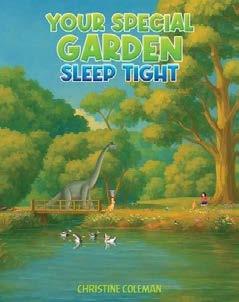
Your Special Garden ‘Sleep Tight’, Christine’s first book, is more than a story; it is a thoughtfully designed tool that nurtures a sense of safety at bedtime, supporting children to calm their minds and experience a peaceful night’s sleep.
Every life is shaped by a unique story. Christine’s began in Melbourne in the 1950s, growing up in a loving home where her mother stayed at home with the children and her father worked tirelessly, sometimes holding up to five jobs at a time, to support the family. Despite the challenges, these were happy, secure years that laid a strong foundation for the person she would become.
Years later, that sense of certainty was quietly disrupted. In 1980, Christine married, and following the birth of her second child, her life took an unexpected turn. At a time when postnatal depression was rarely recognised or openly discussed, she identified the signs in herself. The experience profoundly changed her. She became more serious, often feeling lost, overwhelmed by tears, and gradually overtaken by self-doubt. Yet, as difficult as this period was, it also marked the beginning of a journey of deep self-discovery.
During this time, Christine spent many nights visiting her maternal grandmother while her husband remained at home with the children. Slowly, she began to speak more openly with her Nan about how she was feeling and to admit that she was struggling. These conversations brought great relief. Her grandmother simply listened, never judging, allowing Christine the space to cry and feel heard. www.beddie.com.au
French Crêperie Café
Authentic French galettes (gluten-friendly) and crêpes, pastries, sandwiches, smooth coffee, and our artisanal lemonade.
Catering Options:
Our vintage caravan, crêpe cart, bar cart and catering platters are available for events. Mon to Fri 8am till 3pm CLOSED TUESDAYS Sat & Sun 8:30 till 2:30
On one such visit, as it was time to leave, her Nan gave her a book, an old volume from the 1930s that offered a different perspective on the whys of life. This small but meaningful gesture marked the beginning of Christine’s road to recovery.
After her grandmother passed away, Christine turned to writing. She began pouring her emotions into poetry, typing through tears and allowing her thoughts to flow freely from the deepest parts of her soul. By the end of each poem, she felt a sense of lightness, as though the sadness, anger or fear she carried had been gently lifted.
In 1994, Christine attended a workshop that concluded with a guided meditation. Having never experienced meditation before, she trusted the process, followed the presenter’s voice, and found herself in another profound, life-changing moment. She was guided to a place in her mind she came to call her ‘Special Garden’, a space where she felt safe and at peace.
Over the years, Christine learned to adapt and deepen this practice, discovering how powerful quietening the mind was to her sense of wellbeing. Eventually, she wondered whether this experience could also benefit her children. She began introducing them to their own Special Garden, creating bedtime journeys and encouraging them to add their own details along the way. She was delighted by how easily they embraced the idea and how, over time, they learned to use their gardens independently to support a peaceful night’s sleep.
After the death of Christine’s mother, she encouraged her children to use their Special Garden as a place to connect with their grandmother - to see her, talk with her and simply enjoy her presence. These nightly
conversations gave them a safe space to express their emotions while maintaining a sense of connection and cherishing happy memories. Christine believes it is important for each of us to find our own path to healing, but if there is one tool that both children and adults can benefit from, it is discovering a place of safety within their own Special Garden. Christine has three adult children and eight grandchildren. She worked in Special Education for 25 years before retiring. Her experience developing Social Stories for children on the autism spectrum inspired her to create her books. Writing Your Special Garden ‘Sleep Tight’ has been a deeply meaningful experience. Her children have long shared stories of their Special Gardens with her, and now her grandchildren do the same, continuing to inspire the stories and illustrations that bring this gentle concept to life
yourspecialgarden@gmail.com
Repeat Day Repeat Day Repeat Day
Possibly created by someone who loved doing the same thing over and over again, Repeat Day is an unofficial holiday that encourages people to re-do or re-state things multiple times.
Celebrate by repeating everything you say or do, or watch movies where events repeat themselves, such as Groundhog Day and Edge of Tomorrow.
Did You Know?…
The plot device employed in a film or story where a certain span of time repeats itself is called a time loop?
26 JUNE
Take Your Dog to Work Day
Studies have shown that bringing pets to work can increase productivity. The unofficial holiday was created as a way to encourage dog adoption and to celebrate the love and joy dogs bring to the lives of their pet parents. Celebrate by taking your furry friend to work on this day. Make sure you let your co-workers know and clear it with anyone who may have allergies or other issues.
Did You Know?…
That in ancient China, royals would carry little dogs in their sleeves to keep warm?
Lasagna Day
Lasagna originates from Italy, with its earliest roots traced to ancient Greek and Roman times. While inspired by the Greek flat pasta laganon, modern layered lasagna blossomed in Naples during the Middle Ages, with the first documented recipe appearing in the 14th-century Italian cookbook Liber de Coquina.
Celebrate by making the dish for all your meals. What about an egg and bacon lasagna for breakfast, an eggplant lasagna for lunch, and a classic lasagna for dinner? Make a dessert lasagna to end a perfect Lasagna Day.
That lasagna is the singular for lasagne, a wide flat pasta? In recent years the terms are used both to refer to the pasta
Op-Shop Day
World Kissing Day
The perfect holiday for those of you who like a good bargain and are a fan of old, vintage items. The origins of the holiday are unknown, but it can be assumed that the inventor of this unofficial holiday aimed to encourage people to visit their local thrift shop and to bring home some second-hand and thrifted goodies. Celebrate by hosting a thrift shop party. Decorate with second-hand treasures and ask your guests to wear and bring thrifted items to swap.
That the word thrift comes from the Old Norse þrift
While the exact origins of the unofficial holiday are unknown, it is thought that it began in the United Kingdom. It has now become popular throughout the world. In some cultures kissing between people of opposite sex is frowned upon while in others kissing is seen as a symbol of intimacy and is only reserved as a way to convey love. Celebrate by stealing kisses from your sweetheart throughout the day. Sometimes, the best way to tell someone you care is to give him or her a quick peck on the cheek.
Did You Know?…
That kissing involves using 34 facial muscles? Humans have a total of 42 facial muscles.
Source: www.timeanddate.com
flu checklist:
WHAT AUSSIE PARENTS SHOULD DO NOW TO STAY AHEAD OF FLU SEASON
By Kate Gunthorpe
As students winter routines ramp back up, health experts are urging parents to act early, with flu season fast approaching.
Australia recorded more than half a million flu cases last year, the highest on record, with early data already pointing to another strong season ahead. Children are among the key drivers of transmission, often bringing illness home to families.
The first few weeks back at school after the break are a critical window. Schools are one of the fastest environments for viruses to spread: new classrooms, shared spaces and kids back in close contact.
The good news is there are a few simple things parents can do now to reduce the risk and keep their kids well for the term ahead.
BOOK YOUR FLU VACCINATION EARLY
The most effective way to protect children from influenza is annual vaccination. Vaccination remains the best protection we have against serious illness from the flu. But one of the biggest misconceptions is that you wait until flu is already circulating before acting; by then, you’re already behind.
For families with needle-nervous kids, there are now more options available. One of the newer options this year is a nasal spray flu vaccine, which can be a great alternative for children who are anxious about needles. The key message is simple; whether it’s the nasal spray or the injection, getting protected early is what matters most.
GETTING VACCINATED EARLY HELPS:
Reduce the risk of severe illness
Keep kids in school and parents at work
Limit the spread to more vulnerable family members
BUILD GOOD HYGIENE INTO THEIR DAILY ROUTINE
Hand hygiene remains one of the simplest and most effective ways to stop the spread of illness. Kids don’t naturally think about hygiene; it needs to become part of their routine. Before eating, after the playground, after the bathroom; those are the key moments to reinforce. A small hand sanitiser in the school bag can help when soap and water aren’t available.
MAKE HANDWASHING STICK (AND ACTUALLY WORK!)
It’s not just about washing hands; it’s about washing them properly. A quick rinse isn’t enough. We want kids washing for at least 20 seconds and covering all areas of their hands.
A simple trick for parents: Get them to sing ‘Happy Birthday’ twice while washing; it sounds basic, but it works and kids remember it.
TEACH COUGH AND SNEEZE ETIQUETTE EARLY
Respiratory droplets are one of the main ways flu spreads in classrooms. Teaching kids to cough or sneeze into their elbow instead of their hands is a small habit that makes a big difference. Packing tissues in school bags also helps reinforce the habit and reduces the spread to shared surfaces.
DON’T UNDERESTIMATE THE IMPORTANCE OF STAYING HOME WHEN SICK
One of the biggest drivers of flu outbreaks in schools is children attending while unwell. It can be inconvenient but keeping kids home when they’re sick is one of the most important things parents can do. It protects other
ACCESSIBLE PROTECTION FOR BUSY FAMILIES
For many families, convenience plays a very big role in staying on top of their health.
Australians visit their local pharmacy around 18 times per year, making it one of the most accessible healthcare touchpoints in the community For busy parents, being able to walk into a pharmacy and get vaccinated without needing to wait for a GP appointment makes it much easier to stay protected.
THE BOTTOM LINE
Flu isn’t just a bad cold; it can have a real impact on kids, families and school communities. A few simple steps – especially vaccination and good hygiene – can go a long way in keeping children healthy, in school, and learning.
TerryWhite Chemmart is one of Australia’s leading community pharmacy networks, with more than 630 pharmacies nationwide. Dedicated to accessible, frontline healthcare, TerryWhite Chemmart pharmacists deliver vaccination services, prescribing, health screenings and personalised advice, supporting communities with integrated, patient-centred care.
Kate Gunthorpe (BPharm, GradCertAdvPracPresPharm, GradCertPubPolicy, MPS) is Deputy Chief Pharmacist for TerryWhite Chemmart. In her role, Kate supports pharmacists across the country to deliver safe, accessible clinical care in community
the man cave
By Dr Tim Moss
Some days, starting a conversation in the car after school can be like trying to get blood from a stone. But there is one event that’s guaranteed to spark enthusiastic discussion in our car on the way home from school and in the days after: a visit from The Man Cave.
The Man Cave workshops in our schools provide a safe space for young men and boys to talk openly and honestly about the things that concern them. For my older son, The Man Cave workshops provided an environment to talk about underground support for Andrew Tate and created an opportunity to address misogyny at school. My younger son was surprised to learn about the hidden struggles of some of his friends, and how few of his peers have multiple positive male role models; he valued the chance to support an upset friend. Experiences like these have been repeated thousands of times over 12 years, during The Man Cave workshops, with over 110,000 Australian young men and boys.
These rich experiences have been translated into evidence that provides insight into the things that young men and boys are thinking about: their place in the world, their needs, and the sorts of things that are holding them back from being their best. Data from The Man Cave workshops show:
• 1 in 5 boys feel alone in what they’re going through
• 1 in 10 boys have no hope for the future
• 1 in 2 boys think the biggest problem facing young men is poor mental health
• 2 in 5 boys feel like they have to act strong, even if they feel scared or nervous
• 1 in 5 boys think they should solve their problems alone
These findings are consistent with national data showing that 1 in 3 young men aged 16-24 have a mental health condition (anxiety, depression or substance use) and international studies that show increasing rates of loneliness in young men. The data also show how traditional masculine traits like stoicism and independence can get in the way of boys seeking help. At a time when suicide is the greatest killer of young Australian men, The Man Cave data urge action.
The most value from The Man Cave’s work comes from their demonstration of programs and approaches that succeed in supporting boys and young men. Their workshops reduce the number of boys and young men who feel lonely or hopeless, and who believe they must always be strong and independent. They increase the number of boys who feel capable of managing their mental health and wellbeing. They do this by setting an example.
The principles that guide The Man Cave’s activities are things that we can all do to support boys and young men:
1. Be a role model. A foundation of trust can be built from sharing our own stories and leading by example.
2. Talk with boys and young men, not to them or about them. Try to understand them. Balance depth with play, and meet them where they are –both emotionally and physically.
3. Make it safe for boys and young men to be vulnerable. Resistance to honest and open communication occurs when there’s a need that’s not being met.
4. Recognise and encourage characteristics like stoicism, discipline and independence as strengths, just like empathy, authenticity and help-seeking when they’re appropriate. They’re all useful tools but it’s important to choose the right one (or combination) for the job.
The Man Cave workshops also use a strategy that is known to work when it comes to engaging men and boys in topics related to their health: they go to where boys are. They do this not only through their workshops in schools,
but also online. With tens of thousands of followers and millions of interactions, The Man Cave’s social media accounts magnify their engagement with young men and boys. They also provide parents with valuable insight into the world of their children.
The types of conversations that started in our car after visits from The Man Cave continue, and they’re not just confined to the car. We’ve fostered the sense of having a safe space together where no topic is taboo and all questions and answers are welcomed. We’re still faced by the same problems as everyone else, but we have greater and more diverse experience, information sources and resources to deal with them.
Don’t forget to check out healthymale.org.au for evidence-based information and articles about men’s and boys’ health, and the Dad Starts Now podcast for real life stories about men’s adventures becoming fathers.
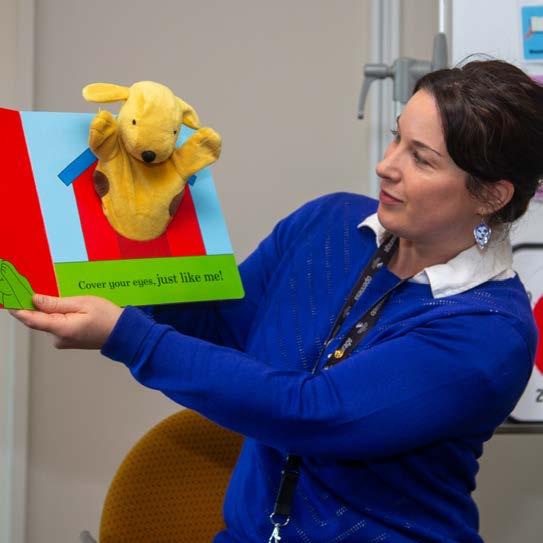
Stories, songs, and fun!
Join us at Mornington Peninsula Shire Library for Storytimes.
A fun, relaxed way for kids to enjoy stories, songs, and play while families connect with others in the community.
Storytime supports early literacy, social skills, and a love of learning. It’s free for babies, toddlers and preschoolers, with sensory* and Greek sessions running at Mornington Library Family Storytimes* are on at specific OLiV (Our Library Van) locations.
Find out more:
library.mornpen.vic.gov.au/storytimes 5950 1710
Available during the school term.
*Some sessions require bookings.
You can check out The Man Cave online at themancave.life
What is POTS?
Postural orthostatic tachycardia syndrome (POTS) is a health condition that causes dizziness and a fast heartbeat when you stand up, as well as a range of other symptoms. It can make daily activities very difficult.
When standing up, gravity pulls blood down into the lower part of the body, away from the brain. The body’s autonomic nervous system should react instantly to push the blood back up towards the heart and brain. In people with POTS, there is a problem with this process — blood doesn't get up to the brain as it should, making the heartbeat faster to improve blood flow.
POTS can affect people of any age, but it is more common in adolescent and young adult females.
What is tinnitus?
Tinnitus is when there is ringing or other noises in the ears. People with tinnitus hear sounds that aren't being made. Though it is sometimes known as ‘ringing in the ears’ the noise may sound like humming, hissing, whistling, clicking, roaring, whooshing, or buzzing.
Up to 1 in 5 people have tinnitus at some point in their life and it is more common in older people.
What is the spleen?
The spleen is an organ found in the upper left side of the abdomen. The three main roles of the spleen are filtering blood, supporting the immune system, and storing iron, red blood cells and platelets all which keep the blood healthy and protecting from infection.
What is nappy rash?
Nappy rash refers to skin conditions that affect the skin area covered by nappies. It causes a sore, red rash which can be uncomfortable and should be treated. Nappy rash is common in babies and toddlers and can be mild or severe, depending on the cause and how it's managed. Nappy rash can appear quite quickly and for no obvious reason. Frequent nappy changes, careful cleaning of the skin and using a barrier cream almost always helps it heal.
How straight teeth support whole body health
When most people think about straight teeth, they think about appearance. And while a confident smile matters, what I see every day in practice is that alignment plays a much bigger role in overall health. From both a dental and orthodontic perspective, the position of your teeth affects how well you can clean them, how your bite functions, and how comfortably your jaw works.
Oral health starts with alignment
When teeth are crowded or overlapping, plaque and bacteria can build up in areas that are hard to reach, even with good brushing. Over time, this can lead to gum inflammation and tooth decay.
Bite balance and jaw function
Orthodontics is not only about straightening teeth, but also about how the top and bottom teeth fit together. When the bite is off, people may experience uneven wear on teeth, jaw tightness or fatigue, headaches, neck and facial tension.
Chewing and digestion
Chewing is the first step in digestion and in turn gut health. When teeth are aligned well, food is broken down more effectively before it reaches the stomach. If alignment is poor, chewing can be less efficient, which means the digestive system has to work a lot harder.
Breathing and sleep
Jaw shape and the dental arch development can also influence how we breathe. In some cases, this may be linked with mouth breathing, snoring, or disrupted sleep. There is growing awareness of conditions like obstructive sleep apnoea, where breathing is affected during sleep. This limits the oxygen that gets to your brain, can also dry out your gums and lead to further gum inflammation.
Confidence matters too
Alongside the clinical aspects, there’s also a noticeable shift in how people feel. When patients become more comfortable with their smile, it often improves confidence in everyday life, from speaking to simply feeling more confident in themselves.
AI & maths anxiety
Could AI help students feel
better about learning maths?
By Dr Florence Gabriel & Dr John Kennedy
Maths anxiety is a significant challenge for students worldwide. While personalised support is widely recognised as the most effective way to address it, many teachers struggle to deliver this level of support at scale within busy classrooms.
New research from Adelaide University shows how artificial intelligence (AI) could help address challenges such as maths anxiety by using a student’s inputs and identifying signs of anxiety or disengagement during learning.
Published in npj Science of Learning, the study suggests that when AI systems are designed to use the right data and goals, they can adapt their responses to help counteract negative emotional experiences associated with maths, before these feelings escalate.
AI has the potential to transform how maths anxiety is supported, by offering timely, tailored interventions that step through learning and build student well-being. Maths anxiety is an emotional response characterised by fear, tension, and apprehension when a student is faced with a mathematical problem or test. In some cases, it can be so paralysing that it limits a student’s learning and performance.
While it’s normal to feel some level of anxiety when encountering challenging subjects, excessive maths anxiety can lead to avoidance, reduced self-confidence and a loss of control – even long-term aversion to mathematical learning. Tailored AI models have the potential to change the way students engage with maths. By helping students set realistic, motivating goals aligned with their individual capabilities, and by responding with encouragement when signs of frustration appear, AI can help students feel more competent, motivated and in control of their learning.
The research proposes a new model of mathematics learning where emotional development is treated as central to the design of AI rather than secondary. Key recommendations suggest AI could support learning by:
-Tailoring learning activities: adjusting the difficulty of maths tasks in real time to balance challenge and success.
-Providing emotionally intelligent feedback: recognising patterns of frustration or disengagement and responding in constructive, personalised ways.
-Supporting student autonomy: enabling goal-setting and personalised learning pathways that give students greater control.
-Helping teachers: offering real-time insights to support more targeted emotional and instructional interventions for students who need it most.
More than a third of adults and children experience maths anxiety. Those with the greatest maths anxiety can perform almost four years behind those with the lower levels of maths anxiety.
Current AI models are trained to provide users with answers they’re happy with, but this can bypass the cognitive processes of learning. When students rely on tools that simply generate answers, they only learn how to prompt the system rather than how to think through a problem.
We need to go beyond this basic use of AI and towards tools designed from the ground up for education – tools that understand local contexts, diverse learning goals and the emotional dimensions of learning. This requires a shift in the way researchers work: away from asking what AI can do for educators, and towards asking how educators can shape AI for the benefit of all learners.
Effective educational AI should not only break problems into simpler steps but also tailor the type of hints it gives and the emotional tone of its responses to support positive attitudes to learning. That might include recognising delays in responses, deleted text, or patterns of hesitation during problem-solving. But this requires a different approach to training the AI to that commonly used today. When AI can adapt to a learner’s emotional state as well as their cognitive needs, it brings us closer to truly supportive and intuitive learning tools.
Dr Peter Scott and Associates are specialist orthodontists offering orthodontic care for children, teens and adults alike in both the Mornington Peninsula and inner Melbourne.
Dr Peter Scott is also a consultant at the Royal Children’s Hospital.
Specialist Orthodontists
Creating Beautiful Smiles on the Peninsula for Over 35 Years
Expertise in Child and Adult Orthodontics
Early Assessment Of Dental Development and Facial Growth
Ideal Age of Initial Assessment 7-9 Years
Early Intervention Where Appropriate for Best Outcome
No Referral Necessary
Interest Free Payment Plans Available Braces and Aligners
Dr Florence Gabriel is an Enterprise Fellow in Education Futures and a Senior Research Fellow at the Centre for Change and Complexity in Learning.
Dr John Kennedy is a Senior Lecturer within the College of Education, Behavioural and Social Sciences and specialises in Complexity for Education. www.adelaideuni.edu.au
Open morning for families across the Mornington Peninsula
Families across the Mornington Peninsula are warmly invited to experience the vibrant learning community of St Macartan’s Parish Primary School at its upcoming open mornings and school tours.
Choosing the right primary school is one of the most important decisions a family makes and the best way to understand a school is to see it in action. At St Macartan’s, families can meet the principal, leadership team, staff and students, gaining an authentic insight into daily school life and the strong sense of community that defines the school.
More than just a tour, this is an opportunity to experience St Macartan’s in real-time. Visitors can explore expansive grounds, vibrant play spaces and thriving gardens, where learning extends well beyond the classroom. From the highly regarded sustainability program and Stephanie Alexander Kitchen Garden to outdoor learning and caring for animals, students are immersed in meaningful, hands-on experiences every day.
Inside the classroom, St Macartan’s is committed to excellence in teaching and learning. Its explicit instruction approach, particularly in English and Mathematics, provides students with strong foundations in literacy and numeracy. This structured, evidence-based model supports clarity, confidence and consistent progress, equipping learners with essential skills for lifelong success.
Beyond academics, the school places a strong emphasis on wellbeing, student voice and active engagement. A rich co-curricular program including visual and performing arts, camps, student leadership, buddy programs and whole-school productions ensures every child’s interests and strengths are nurtured. Classrooms are calm and purposeful, outdoor spaces invite exploration and each child is known, supported and celebrated.
Grounded in faith and strong values, St Macartan’s fosters a culture of compassion, respect and kindness. Strong partnerships between school
and home create an environment where students flourish socially, emotionally and academically and develop a genuine love of learning.
Visitors consistently remark on the welcoming atmosphere and strong sense of belonging within the school community.
Student-led school tours and meet with leadership are also available at other times.
Bookings are essential and can be made online.
Building the Next Chapter
It is a genuine honour to serve as Principal of Bayside Christian College, a school with a rich history and a clear commitment to partnering with parents in the education of their children.
For more than 40 years, Bayside Christian College has provided a distinctly Christian education grounded in strong values, academic excellence and a lived expression of faith. Established by families with a shared vision, the college continues to place strong, healthy parent partnerships at the heart of its identity. This enduring sense of shared purpose shapes both our culture and our direction.
Student wellbeing remains central to our mission. We are committed to fostering a caring community where every student experiences safety, belonging and connection. We know that positive relationships are foundational to effective learning, and our dedicated staff work closely with families to ensure each child is supported, known and encouraged to grow.
We are grateful for our positive NAPLAN, VCE and VET results, which reflect the professionalism and commitment of our teaching and support staff. In 2026, we
are revising teaching and learning across the college to ensure our pedagogy aligns with best practice and continues to deliver strong outcomes for every student.
A distinctive strength of Bayside Christian College is our investment in vocational education and career pathways. While we value academic achievement, we are equally committed to preparing students for life beyond school. Set on more than 80 acres, our trade centre provides handson opportunities in agriculture, horticulture and hospitality. Our industrial kitchen supports the development of practical culinary skills for both our students and those from neighbouring schools. Greenhouse facilities, paddocks and farm animals further enrich our agriculture program, offering meaningful, real-world learning experiences that encourage responsibility, service and care for creation.
Health and sport are also integral to college life. Our facilities include two gymnasiums, outdoor sporting areas, an astroturf oval and a running track. Students participate in SIS interschool competitions, and we are proud of the Bayside
Raiders basketball club, with 18 teams competing in the Frankston District Basketball Association. Many students are also actively engaged in local sporting clubs, strengthening community connections.
The Arts continue to flourish at Bayside. Our annual musical production is a highlight of the college calendar, showcasing creativity, teamwork and dedication. These productions, often recognised through nominations and awards, reflect the vibrant culture of collaboration within our community.
We are proud of the breadth of opportunities available to our students and remain committed to an environment where young people are challenged, supported and known. Our focus on faith formation, academic growth, wellbeing and community reflects the founding vision of the college.
I warmly invite you to visit Bayside Christian College and experience the faith, warmth and excellence that define our school.
Mr Stephan Munyard
Mid-Year Enrolments Open
Five locations on the Peninsula
Each centre has a dedicated dining space. Fresh meals prepared every day.
Healthy • Nutricious • Delicious
New Winter menu - view online
Locally owned and operated for over 35 years Book your tour today, contact
Growing Little Minds for Over 35 Years
Little Grasshoppers is a family business that has been supporting Mornington Peninsula families for over 35 years, building a trusted reputation for high quality early learning, genuine care and strong community connection.
As a locally owned and operated early learning provider, the focus has always been simple: creating safe, nurturing environments where children feel secure, supported and inspired to learn and develop each day.
With a firm belief that there is something special about being local, living and working on the Mornington Peninsula allows their leadership team and educators to genuinely understand the needs of local families, schools and the wider community. Every member of their leadership team lives locally and is deeply connected to the peninsula community we proudly support.
A recent parent survey found that 100% of enrolled families feel confident, satisfied and supported during their child’s transition into care, with families consistently describing their teams as approachable, caring and professional. This reflects their ongoing commitment to building strong relationships with both children and parents.
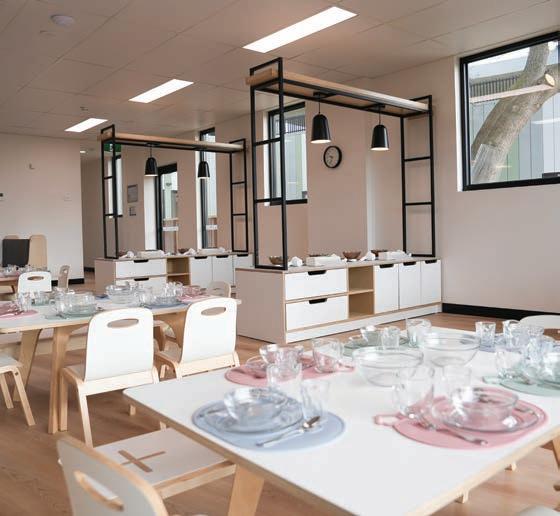
Each Little Grasshoppers centre features a dedicated dining space where children and educators come together to share meals and try new fresh seasonal ingredients, with the new winter menu now available to view online.
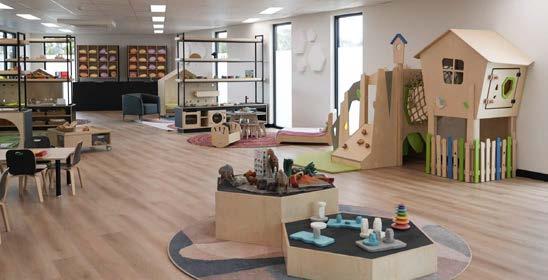
At Little Grasshoppers, families can feel confident their child is in a safe, caring and nurturing environment where every day is thoughtfully planned and personally guided. They provide consistent and reliable care, calm daily routines, play based learning, individual development tailored to each child, fresh seasonal meals prepared onsite and warm educators who build genuine connections with every family.
For over three decades, Little Grasshoppers has been supporting confident parents and thriving children, and they look forward to welcoming new families into their Mount Eliza community.
Photos, Lori Hand fromThe Height Life
21st-century teaching and learning practices, based on values of integrity, respect and kindness.
Celebrating Learning at Seawinds Early Learning Centre
At Seawinds, every child’s learning journey is celebrated every day.
Seawinds Early Learning Centre is a quality, not-for-profit ELC within Capel Sound Community Hub, celebrating early childhood as a time of curiosity, connection, and discovery. They care for and educate children from 6 months to 6 years, offering CCS-eligible long day care and fully funded sessional kindergarten.
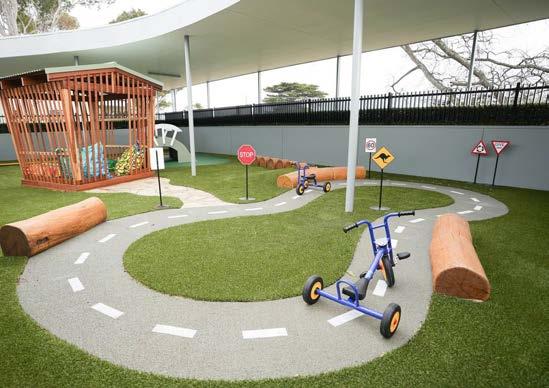
Learning is celebrated through Bush Kinder, Beach Kinder, and regular Out and About excursions, as well as meaningful connections with Grand-Friends at Regis Aged Care. Children also enjoy the large outdoor playground, providing rich opportunities for play, exploration, and physical development in a natural learning environment.
Their experienced and dedicated team brings a mix of long-term knowledge and fresh perspectives, creating a safe and nurturing environment where children are supported to learn and explore.
Where Every Child's Potential Shines
Our commitment to excellence has been nationally recognized, with Principal Warren Bull recently honored with The Smith Family-NEiTA Award for Powering Potential at the 31st National Excellence in Teaching Awards. This prestigious accolade celebrates educators who help children facing disadvantage reach their full potential.
What Makes Us Different:
Evidence-informed teaching practices that deliver real results
Comprehensive support for every student and family
Safe, nurturing classrooms where children are truly seen and understood
Diverse curriculum including specialist programs in Art, AUSLAN, Music, PE, and Science
Modern facilities with dedicated learning spaces and expansive grounds
Enrichment opportunities including our celebrated FEAST theatre production, camps, and sports programs
We believe every child deserves the opportunity to thrive. That's why we go beyond academics—providing uniforms, meals, learning adjustments, and connections to support services when needed.
Our school culture is built on respect, integrity, and kindness, creating a dynamic learning environment where your child will be empowered to reach their full potential.
E: Frankston.east.ps@education.vic.gov.au
W: frankstoneastps.vic.edu.au
Part of the Central Peninsula Network—committed to educational excellence
A: 11A Allambi Avenue, Capel Sound
P: 5930 0054
E: elc@seawindselc.vic.edu.au.
W: seawindselc.vic.edu.au
11A Allambi Avenue, Capel Sound
03 5930 0054
seawindselc.vic.edu.au
Thinking about getting a tutor
?
By Dr Bronwyn Reid O’Connor & Dr Ben Zunica
Media reporting estimates one in six Australian students get tutoring at some point in their schooling, to help them catch up, qualify for specific schools or prepare for important exams.
But how should parents approach the task of finding a tutor? Our 2025 research highlighted the lack of national standards for tutor qualifications, safety practices and teaching quality. This means parents often have little guidance on choosing a provider they can trust. Unlike school teachers, anyone can call themselves a “tutor” in Australia.
Here are five considerations to help families make more informed, confident decisions about hiring a tutor.
Start With Clear Goals
Begin by talking to your child to get a shared understanding of what you and they hope tutoring will achieve. Also have a discussion with their classroom or subject teacher who can give advice on the focus, frequency and type of tutoring.
For some students, the goal may be improved performance on assessments. For others, the priority might be rebuilding confidence, strengthening maths or literacy skills, or developing an enjoyment of learning.
Then identify two or three measurable goals. This allows parents to monitor progress over time and hold tutors accountable.
Ask your tutor how they might go about achieving these goals to ensure everyone is on the same page.
It is important to review progress after a few months, and check in with the classroom teacher. If goals are not being met, the arrangement should be reconsidered. Effective tutoring should complement classroom learning and aim to make itself unnecessary over time.
2
Understand Your Budget and the Support You Need
Tutoring varies widely in format, cost and purpose.
One-to-one sessions can provide targeted support, but can be more expensive. Group settings may offer structure, peer motivation and reduced cost.
Families should also decide whether they prefer a qualified teacher or whether a university student or specialist tutor with relevant subject expertise can meet their needs.
For example, if your child needs help catching up, a tutor with a teaching qualification who understands the relevant curriculum and teaching methods might be best. If your child needs help with difficult homework questions, a university student may be OK.
Importantly, higher fees do not always guarantee higher quality tutoring. Parents should instead look to try and match up their goals, the tutor’s expertise and their household budget.
You also need to consider how many hours you want your child tutored each week. Evidence suggests shorter, high-quality targeted sessions are best.
3
Check Safety and Qualifications
Because the tutoring industry is sparsely regulated, parents need to make sure tutors are safe and appropriately skilled.
At a minimum, families should request a Working With Children Check or equivalent and evidence of relevant qualifications.
Relevant qualifications may include a teaching degree, subjectspecific university studies or other credible training, for example, via the Australian Tutoring Association.
If your child is in early primary school, you should consider sitting in on the sessions or at least remaining close by.
4
Meet the Tutor First
Parents should arrange a preliminary meeting with the tutor or tutoring centre before you commit.
This meeting can reveal whether the tutor’s communication style, expectations and learning environment are a good fit for the child. Parents should ask how the tutor assesses student needs, aligns instruction with the school curriculum, provides feedback, and handles homework or preparation requirements.
This meeting may also provide an opportunity to determine whether the tutor(s) foster a safe, supportive environment in which the child feels comfortable.
A reputable tutor should be happy to engage in these initial conversations free of charge.
Red flags could include guarantees of rapid or dramatic results, requests for large up-front payments, or reluctance to explain teaching approaches and qualifications.
Also watch out for tutors who avoid communication with parents or schools, avoid discussing progress, or rely exclusively on worksheets and test drilling. This approach is unlikely to develop your child’s understanding.
High-quality tutors should be transparent about their methods, welcome questions, and view tutoring as a supportive complement to school learning rather than a replacement.
Dr Bronwyn Reid O’Connor is a Senior Lecturer in Secondary Mathematics Education, Sydney School of Education and Social Work. Dr Ben Zunica is a Lecturer in Secondary Maths Education, Sydney School of Education and Social Work. www.sydney.edu.au
COW MILKING
Acro Kids
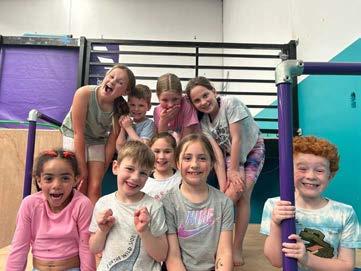
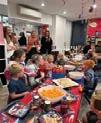
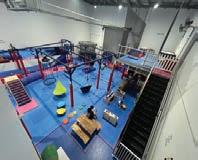
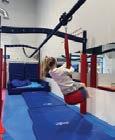
Acro and ninja parties for ages 1 years and up. Exclusive use of Acro Kids venue with superstar coaches running the show. Heaps of fun for kids and easy for parents!
A: 6 Sophie Court Mornington 4 Jarrah Drive, Braeside
M: 0477 079 970
E: parties@acrokids.com.au
W: acrokids.com.au
Partry Portal
Mornington's own party venue. Enjoy fully hosted parties with karaoke, games, LED floor and more. Floor is lava interactive!
Great for ages 7+. Packages to suit your needs. W: partyportal.com.au
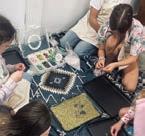
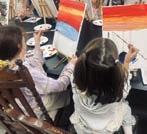
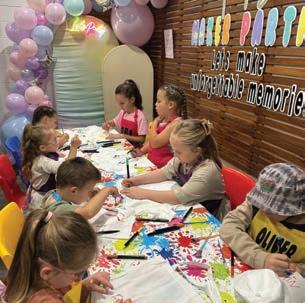
Create to Connect Weekly classes, Birthday parties , Holiday program and Workshops. For creative kids who love to imagine, explore and create. A welcoming studio focused on connection, creativity and impressive take-home results.
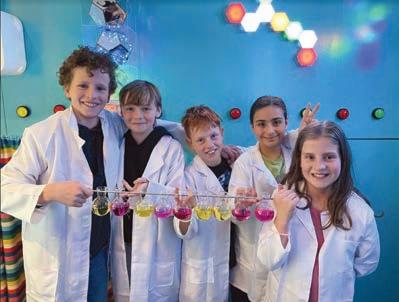
An escape room experience for kids. Can you help Alex the laboratory assistant stop the evil Professor Prism from destroying the world? Perfect for birthdays.
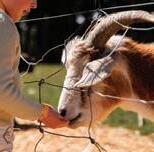
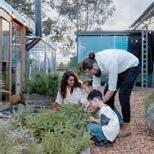
Fresh air, friendly animals, nature play and plenty of room to roam. Offering fun relaxed kids’ birthday parties with good food, and space for unstructured, unguided play in a setting that feels slower, calmer and more memorable.
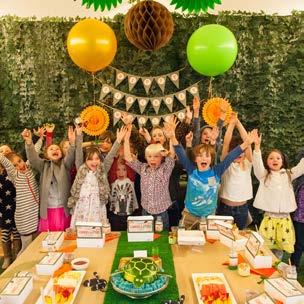
Planning your child’s party doesn’t have to be stressful - let us take care of the details so you can relax and enjoy the celebration too. From setup to clean-up we’ve got you covered. P: 8759 1431 M: 0403 795 562
FB: @kidztownpartyvenues
W: kidztown.com.au
Reptile Encounters
Book an unforgettable party with Melbourne’s wildest guests! From snakes to lizards and everything in between. Educational, interactive, and wildly fun - perfect for curious kids and animal lovers of all ages!
P: 1300 4 CROCS
FB & IG: @reptileencounters
W: reptileencounters.com.au
Charlie SillyPants Parties
The ultimate kids’ show! Come on an adventure full of magic and laughter with Charlie SillyPants and friends. Parties, preschool and childcare. M: 0411 957 185
W: charliesillypants.com.au
Have a “Very Silly Christmas” by having the silliest magician in Magicland Charlie SillyPants at the kids’ next party!
You receive $50 off a 1 hour party/show or it’s only $100 for a 30 minute live ZOOM party.
Checkout Charlie SillyPant’s crazy shows on his Youtube channel.
www.youtube.com/c/ charliesillypants/
www.facebook.com/ charliesillypants
YOU CAN’T GET ART WRONG!
Celebrate with us
partyPLANNING
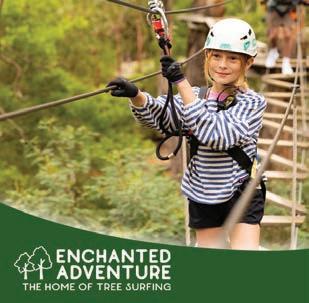
Enchanted Adventure
Celebrate a winter birthday with an adventure to remember! Book a birthday party package at Enchanted Adventure before 31 August 2026 and RECEIVE 4 FREE ADDITIONAL CHILDREN’S TICKETS - SAVING OVER $100. Open to all party packages. T&Cs apply.
A: 55 Purves Road, Arthurs Seat P: 5981 8449
E: groups@enchantedadventure.com.au
FB & IG: @enchantedadventure
W: enchantedadventure.com.au
T&S Creative
Where kids’ parties become creative experiences. Boutique maker parties filled with hands-on fun, from slime making and sip & paint to wearable art. Our parties are fully hosted memorable for kids and stress-free for parents.
A: 5 Eramosa Road E, Somerville
E: info@tsemporium.com.au
IG: @ts_emporium_
FB: @tsemporium22
M: 0494 554 169
Steph The Fairy Maker
Nestled in our Enchanted Garden, with a sprinkle of magic, a dash of creativity and fun! Party offerings include: Fairy Science Potion making, MYO Fairy Garden, Moon Shadow Witch & Wizard Academy, and Dragon Rider Quest.
A: The Tyabb Packing House Village, Tyabb M: 0418 387 677
E: creativeartsreach@yahoo.com
FB & IG: @stephthefairymaker
W: stephthefairymaker.com
We Rock The Spectrum
Somerville
Fun, inclusive celebrations for kids of all ages and abilities. Exclusive venue hire, exciting play equipment, and a stress-free experience for everyone. Book online for an unforgettable day.
Perfect for ages 1+, parties include exclusive use of the venue for 1.5 hours with two dedicated staff members. BYO food, with optional catering, lolly bags, and themed room upgrades available.
Weekday parties also available.
5/450 Nepean Hwy, Chelsea
M: 0425 166 109
IG: @littlebuttonsmessyplay
W: littlebuttonsmessyplay.com.au
Soul Circus
Soul Circus
Parties are available on Saturdays from 9.30am-12pm & 12.30pm - 2pm.
Combine traditional party games with circus skills. Swing on the trapeze, climb the silks, jump on the mini tramps and hula the hula hoops. Parties are available on Saturdays.
Here you’ll combine traditional party games with circus skills. Swing on the trapeze, climb the silks, jump on the mini tramp’s and hula the hula hoops
A: 15 Virginia Street, Mornington
A: 15 Virginia Street Mornington
M: 0405 500 117
M: 0405 500 117
W: soulcircus.info
W: soulcircus.info
FAMILY OWNED!
Open Monday to Friday 6.30am to 6.30pm
• Small, boutique, family-owned and run, natural daycare centre
• Four bright, open-plan learning spaces designed to inspire creativity and exploration.
• Big sliding doors to combine the inside and outside learning environments,
• Opportunities for children to explore our natural yards where they can engage in muddy, messy exploration.
• We cater for rotating rosters
• Kindergarten program
The children at Cherry Lane are able to investigate their interest with educators supporting the children to extend their own learning, this can be through, e.g.: wood work, hot glue guns, using sewing machines, incursions, regular outings, incursions or learning in our outdoor classroom. The children can flow through the indoor and outdoor environments whilst learning through play. Within these nurturing environments, our dedicated educators are committed to providing enriching experiences tailored to each child’s unique needs and interests.
Recipes
Ingredients
2 slices of bread
100g bechamel sauce
2 slices of ham
3 slices of Swiss cheese
80g of grated cheese
Bechamel sauce
10g butter
10g flour
100g milk
Salt Pepper Nutmeg
Make a roux with butter and flour.
Add butter and flour to a saucepan and cook while whisking for 1-2 minutes.
Warm up the milk, add it to the butter and flour and cook, whisking, until it thickens.
Add salt, pepper and nutmeg to taste.
How to build
Divide the bechamel onto both slices of bread.
Place the ham and Swiss cheese on one piece of bread over the bechamel.
Place other slice on top and add the grated cheese to the top of bread over the bechamel.
Bake in the oven at 200 C for about 10 min until the cheese is golden.
monsieur croque
Ingredients
250g flour, sifted
1 pinch of salt
4 large eggs
50g melted butter
15g sugar
500ml milk
2 Tablespoons oil for cooking
Method
Mix the eggs and sugar.
Add the flour and milk slowly alternating.
Make sure to whisk very well to avoid lumps of flour.
The consistency should be a bit runny, not stiff.
Let the batter rest for 20 minutes.
Preheat a pan to medium and wipe with oil on a brush or paper towel.
Add the batter to the pan making sure it is very thin.
Cook well on one side then flip and cook a few seconds more.
Eat with sugar and lemon, berries, Nutella or anything that satisfies your sweet tooth!
*make sure the pan is not too hot!
sweet crepes
Almost French Epicure, located in Melbourne’s CBD, is part of the award winning Almost French brand, recognised as French Bakery of the Year Australia at the 2026 Prestige Awards.
Founded by Alex Charasse, the brand is known for its dedication to traditional French techniques, premium ingredients and authentic culinary experiences.
Almost French Epicure café and restaurant offers a stunning range of French sweets, desserts, pantry products, savoury food and personally curated French charcuterie boards, bringing a true taste of France to homes, events and gatherings across Melbourne. www.almostfrenchepicure.com.au
Twelve South’s CableStay
A simple but surprisingly clever accessory designed to stop charging cables disappearing behind desks, hotel bedside tables and workspaces. Unlike adhesive cable clips or magnetic organisers, CableStay uses weight rather than friction or glue. It pairs a colour-matched 1.5m woven USB-C cable with a weighted soft-touch anchor that keeps the cable exactly where you left it.
RRP: $49.95 twelvesouth.com.au scan for a chance to win!
to the Moon at FAC
Circus meets space travel! Mission to the Moon takes you on a captivating journey with three quirky, acrobatic astronauts, blending circus artistry, clowning, and real space science.
Inspired by NASA’s Artemis program - which saw humans once again step foot on the Moon - this show imagines jugglers defying gravity and tumbling among the stars!
Presented by: Frankston Arts Centre and Highwire Entertainment as part of Season 2026 Saturday, 18 July 2026 | 11:00 AM - 11:55 AM
RRP: Family of 4: $55 artscentre.frankston.vic.gov.au
L’OR Barista Coffee Machine
Enjoy café-quality coffee at home with the L’OR Barista Premium Latte Machine. Designed to brew two espressos at once or a double shot in a single cup, this sleek matte machine also includes capsules and an integrated milk frother for the ultimate coffee experience.
Barista Premium Latte Machine and Pods Starter Kit.
RRP $292.50 shop.lorespresso.com.au
LEGO Friends Travel Boat Adventure
SWelcome aboard! Comes with 4 minidolls and 2 dolphins so kids can role-play with the characters as they relax on the boat and spot sea life.
RRP: $119.99
LEGO Raptor & Titanosaurus Tracking Mission
Exciting chases and a high-stakes mission. Endless play for mission-focussed fans in this set, featuring dinosaurs, toy vehicles, a detail-packed station and more.
WaterWipes ™ Newborn & Baby Sensitive Wipes
WaterWipes™ is a science-backed solution with minimal ingredients to help you protect and care for your baby’s skin. The only baby wipe brand certified as a skin microbiome-friendly by MyMicrobiome to preserve the skin’s natural balance and protective barrier to support healthy skin development in those crucial early years. Now with their Sensitive+ range, WaterWipes™ wipes are now twice as strong, noticeably thicker and softer, all while remaining the world’s purest wipes for sensitive skin. Containing only 99.9% purified water and a drop of fruit extract, WaterWipes™ offers an effective clean while gently caring for sensitive skin – whether it’s a squirmy nappy change or messy hands.
60 Pack RRP: $8.50 waterwipes.com
Nestled amongst the Christmas trees Ma’s Christmas Corner is where the magic of Christmas comes alive all year round!
Step into a world of festive wonder filled with twinkling lights, joyful decorations, and that warm Christmas feeling - no matter the season.
With over 100 years of expertise, BONA is the trusted global leader in timber floor innovation and care. The Bona Premium Spray Mop is consistently voted one of the world's best spray mops. Forget about filling up a bucket. Just spray and clean! 2.5L refills of hard surface and hardwood cleaners are also available. Stockists: Howards, Spotlight, KG Electronic, National Tiles, Bowens & Amazon. RRP: $101.50 bona.com.au
Meet Wilbur the baby Raptor, Lollipop the baby Triceratops & Nibbles the baby T-Rex. Winter opening hours Fri 10am-3pm • Sat & Sun 10am-4pm
&
By Yvette O'Dowd
Parents quickly notice a pattern: babies often feed when they wake, and then drift off to sleep once they’ve fed. It seems logical, then, to assume that one causes the other. If a full tummy leads to sleep, surely more milk means longer sleep?
This is one of the most common myths about babies — and one of the most frustrating when reality doesn’t match expectation.
Feeding and Sleep: Rhythm, Not Cause
Feeding and sleep are deeply intertwined in a baby’s daily rhythm. Newborns spend much of their early weeks in a cycle of waking briefly, feeding, and then resting again. Their biology makes it look like feeding “switches on” sleep, but the truth is gentler and more complex.
Babies are wired for frequent, responsive feeding, and they are also wired for frequent, short sleep periods. The two often follow each other simply because they both happen so often. That doesn’t mean one directly controls the other.
Why a Full Tummy Doesn’t Equal Long Sleep
It’s tempting to believe that filling a baby’s stomach will guarantee a solid stretch of rest. But a baby’s stomach is not a fuel tank; it doesn’t simply “fill up” and then empty on a predictable schedule. Likewise, a mother’s breasts are not mechanical containers that top up and then drain.
Research from the Geddes–Hartmann Human Lactation Research Group in Perth, Western Australia, shows just how far this myth is from reality. Using ultrasound imaging, their team has demonstrated that:
-Babies don’t empty the breast. A significant volume of the milk remains after a feed. The breast is more like a flowing spring than a tank, always producing and adapting.
-Milk production is continuous. The breast responds dynamically to the baby, not to a timer or to how “full” it looks or feels.
This means it’s not about “getting enough into them” to force a long sleep. Babies don’t operate on a simple input-output equation. Their waking is driven by development, by their nervous system, by connection and comfort; not just by how many millilitres of milk they’ve swallowed.
When Babies Fall Asleep at the Breast
Many parents notice another pattern: their baby drifts off to sleep while feeding — often on the first breast — but then wakes the moment they are transferred into the cot or bassinet. Frantic crying follows, and the only way to settle them is to offer the breast again. The cycle repeats, and parents worry they must not have “enough milk” to keep the baby asleep.
But this isn’t about milk volume at all. What’s happening is linked to how babies fall asleep and where they are in their sleep cycle.
Falling asleep at the breast usually happens during the first, light stage of sleep.
Sudden transfer from the warmth, smell, and security of a parent’s body to a separate sleep space can disturb this fragile stage.
On waking, the baby’s instinct is to feed again. Sucking is their primary way to return to comfort, regulation, and the next sleep cycle.
It isn’t that the first feed wasn’t “enough”; it’s that the transition was too abrupt for the baby’s sensitive system. Babies are wired for closeness, and their survival instincts prompt them to seek the breast again whenever they feel unsafe or unsettled.
Gentle Ways to Transfer a Sleeping Baby
If your baby falls asleep at the breast but wakes when you put them down, try these gentle strategies:
•Wait for deep sleep signs
-Look for heavier breathing, relaxed hands, and a still face; these signal your baby has moved beyond the lightest sleep stage.
•Warm the sleep space
A cold sheet can feel like a shock after your warm body. Place a warm cloth or even your hand on the mattress for a few moments before transfer (remove before laying baby down).
•Transfer gradually
Lay your baby down on their front or side first, hold a moment then roll onto their back. Once you feel their body relax and become still, move your hands away slowly. If you use a swaddling wrap, lay this open on their bed before you feed, then wrap once they settle.
•Stay flexible
Sometimes the most realistic option is to let your baby continue sleeping in arms or in a safe contact-sleeping arrangement, especially in the early months.
Letting Go of the Myth
The myth that a bigger feed equals longer sleep often sets parents up for disappointment and self-doubt. When the baby still wakes after being “tanked up,” parents may blame themselves or worry something is wrong.
But nothing is wrong. This is normal infant behaviour. Babies aren’t machines where input guarantees output. They are human beings with complex needs, rhythms, and a powerful drive to stay close to their caregivers.
A More Helpful Perspective
Instead of seeing feeding as the cause of sleep, it can help to reframe them as companions; two natural needs that often follow one another but are not dependent on each other.
When we respond to babies as whole people — hungry, tired, needing closeness, seeking comfort — we can better support both their feeding and their sleep without falling into the trap of unrealistic expectations.
Takeaway
Babies want to feed when they wake. Babies want to sleep after they feed. These rhythms are real — but they are not cause and effect.
A full tummy does not equal a long sleep. The breast is not a fuel tank, and neither is the baby’s stomach. Both are part of a flowing, responsive system. When we let go of the myth, we free ourselves to respond with compassion and flexibility, instead of frustration and doubt.
Yvette O’Dowd is not your typical grandmother! This mother of three and 'Granny' of three has been a breastfeeding counsellor since 1992. In 2014, Yvette established the Southern Natural Parenting Network, incorporating South Eastern Babywearing Group. With 11,000 members world-wide, the group supports parents interested in breastfeeding, babywearing, co-sleeping, baby-led weaning and modern cloth nappies and other aspects of gentle, natural parenting. www.facebook.com/SouthernNaturalParentingNetwork
MANAGING c olic
is my newborn baby crying for a reason?
By Lotta Johansson
Welcome to our comprehensive parent’s guide on managing colic in newborns and babies. If you’re a parent with a colicky baby, know that you’re not alone. In this article, we’ll explore what colic is, its symptoms, potential causes, and most importantly advice and tips to soothe your little one.
From understanding the role of the gut microbiota to exploring the benefits of probiotics, we’ll equip you with the knowledge and tools to navigate this challenging phase of parenthood.
WHAT IS COLIC? CRYING AND COLIC SYMPTOMS IN BABIES
Baby colic is characterised by excessive crying in otherwise healthy babies, usually occurring in a baby’s first few months of life. Despite it being a common condition, it is nonetheless distressing and worrying for parents.
As many as 20% of infants are diagnosed with the condition, which is defined by long periods of crying and hard-to-soothe behaviour without any apparent cause.
Crying episodes typically last for three or more hours a day, three or more days a week, and persist for at least three weeks. It often occurs in the late afternoon or evening, causing distress and frustration for both the parents.
Symptoms usually peak when an infant is about six weeks old and decline significantly after three or four months.
WHAT ARE THE CAUSES OF COLIC?
The exact cause of colic remains unknown, but several contributing factors have been explored. Researchers have considered food hypersensitivity or allergy, gut immaturity, dysmotility, and even maternal-infant interaction as potential causes. Additionally, a growing body of evidence suggests that the gut microbiome plays a role in colic development.
COLIC AND THE GUT MICROBIOTA
Is your baby unsettled after feeding? A newborn who cries all the time? Studies have consistently shown that babies with colic have an altered gut microbiota. In fact, infant colic is one of the most thoroughly studied conditions in the field of paediatric microbiome research.
Low levels of Lactobacillus and Bifidobacterium and high levels of E. coli have been observed in colicky infants compared to non-colicky infants.
Such an imbalance of the microbiota could be a possible cause for abnormal gut motility and increased gas production, implicating dysbiosis as a key driver in infantile colic.
PROBIOTICS FOR COLICKY BABIES: A PROMISING SOLUTION
Science reveals that probiotics containing specific strains of beneficial bacteria can help regulate the gut microbiota and promote a healthier digestive environment.
Additionally, probiotics play an important role in supporting a healthy immune system. The introduction of beneficial bacteria into the baby's gut can help strengthen the immune system, potentially reducing the likelihood of infections or inflammation that could exacerbate colic symptoms.
A PARENT'S GUIDE TO MANAGING COLIC IN NEWBORNS AND BABIES
How do I know if my baby has colic?
Your baby may have colic if he or she is under five months of age and has frequent and prolonged periods of crying, fussing, or irritability without apparent cause. Furthermore, no amount of consoling from the caregiver seems to bring the baby relief.
When to see a doctor
Babies with colic are healthy and do not necessarily need to see a doctor. However, there are some conditions that appear similar to colic, including acid reflux or allergies to milk or other proteins.
Consult a healthcare professional if:
•Your child has a fever
•Your child is vomiting frequently
•Your child seems lethargic and does not want to eat
•Your child does not gain weight properly
•The problems continue past four months of age
•You feel you need support (a baby who cries excessively can be stressful)
Take care of your baby… and yourself
Caring for a colicky child can be upsetting and exhausting, especially for first-time parents, it can be good to remember that it will eventually resolve.
Parents dealing with colicky babies are more prone to anxiety and postnatal depression. Always seek advice from healthcare professionals and accept support from friends, family, and neighbours, when offered.
Ways to soothe colicky babies
While every baby is different, and the soothing techniques that work for one may not work for another, below is a list of soothing strategies worth trying if your baby has colic:
•Taking your baby out for a ride in a stroller or car
•Using a white noise machine
•Massaging your baby’s belly in a gentle, clockwise motion to release gas
•Cuddling, rocking, or gently bouncing your baby
•If using formula, use an angled baby bottle to reduce air swallowing and gas
•Swaddling your baby in a blanket safely in conjunction with SIDS recommendations
•Giving your baby a warm bath
•If breastfeeding, removing dairy, soy and other allergens from your diet
•Try a clinically proven baby probiotic for colic relief
Always read the label and follow the directions for use. Consult your healthcare professional if symptoms persist.
DISCOVER THE MAGIC OF BABY SENSORY
Join Baby Sensory Mornington Peninsula for an amazing Term 3 featuring their stunning Winter Wonderland class, dressing up as favourite book characters for Book Week, practising magic skills, learning some French and having a splish splash splosh in our gorgeous Baby Pirates class (and so much more!)
It is now widely recognised that babies learn more during the first year than at any other time in their life.
Baby Sensory is a learning and development class specifically designed for babies from birth to 13 months. Everything they do is based on 35+ years of research into how your baby develops in this precious first year.
Each week the parent-baby classes are packed with an incredible variety of activities, all designed to aid your baby’s brain development as well as to enhance social and emotional skills.
The warm, relaxed environment makes Baby Sensory Mornington Peninsula classes a fabulous place to connect with other new parents in our community.
Come and join in the fun!
@babysensorymorningtonpeninsula
@babysensorymorningtonpeninsula
babysensory.com.au/morning-vic
Lotta Johansson is a microbiologist and part of the Scientific Affairs team at BioGaia.
WHERE CLASSICAL BALLET MEETS MODERN CARE
At True Form Dance, classical ballet is taught with integrity, care, and a deep respect for childhood. This is true classical training—grounded in real technique. Each class is thoughtfully structured to build strong foundations in alignment, musicality, and precision.
What sets True Form Dance apart is its commitment to both excellence and wellbeing. The program leaves behind the toxic traditions often associated with ballet, replacing them with a positive, supportive environment where children feel safe to learn and grow. Students are encouraged to challenge themselves while developing confidence, resilience, and a genuine love of dance.
Ideal for families seeking high standards without harshness, the school offers disciplined learning in a nurturing space. At True Form Dance, achievement is fostered without anxiety, and structure exists without stress.
Led by passionate educators who understand the impact of teaching culture, True Form Dance ensures every child is seen as an individual— supported to flourish not just as a dancer, but as a confident, happy young person.
trueformdance.com.au
Excellence Meets Wellbeing
My Pebble Urn is a compassionate business founded by specialist Bereavement Midwife, Eliza Strauss. Eliza understands that saying goodbye to your baby is an unimaginable journey.
Hand-crafted from natural materials, these delicate urns symbolise the connection and everlasting love you hold for your baby. Their smooth, rounded shape allows you to hold the urn with the warmth of a gentle embrace, connecting you to your baby.
The urns are designed and made with love, care, and a deep sensitivity, offering a beautiful and meaningful way to honour your baby's life, no matter how short.
They can be personalised with baby’s name, an important date or a few meaningful words.
Eliza also creates keepsake urns for older babies, children, and adults, designed to hold a portion of ashes as a lasting memorial.
For information and enquiries, please contact Eliza via the enquiry form on her website.
We Rock The Spectrum Somerville aims to provide a safe and inclusive environment where children of all abilities can play and grow together. The facility is equipped with specialised sensory equipment designed to support the needs of children with autism, as well as other developmental challenges, while also providing a fun and engaging space for neurotypical children.
A range of social groups are offered, including after-school and Sunday programs, monthly excursions, and engaging school holiday activities.
Families can also enjoy 'open play' throughout the week with favourites like the zip slider, swings, home corner, baby and toddler zones, and air hockey table. Open to children of all abilities and suited for ages from crawling to 16!
The gym is air-conditioned and heated to ensure comfort year-round. Adults are required to wear socks on the floor, while bare feet or grippy socks are recommended for children. To maintain a clean and safe environment, no food or drink is allowed on the gym floor, but the foyer is equipped with tables and chairs for your convenience. Tea, coffee, and some small snacks are available, and you're welcome to bring your own as well.
Check website to schedule for open play availability as this varies to accommodate social groups, private bookings, birthday parties and school holidays.
Bookings via the website are strongly recommended.
werockthespectrumsomerville.com.au
SCAN HERE TO BOOK
Growing numbers of women – including mums - around the world are using cannabis. Some as an alternative to alcohol and others for health conditions.
“Medicinal cannabis is now legally available in Australia and evidence suggests women use it as an alternative to stronger and more addictive medications for pain management, menopause, endometriosis, insomnia and anxiety,” said Rachel Payne MP, from Legalise Cannabis Victoria.
A recent University of Michigan study found that the “gender cannabis gap” is closing.
“For millennia, ancient cultures used cannabis and its prohibition is relatively recent. In Australia it was made illegal less than 100 years ago,” said Rachel.
“Now, cannabis is being decriminalised or legalised around the world as we recognise the plant’s many benefits. The fastest growing groups of cannabis consumers include women and people over 50.”
Alice Davy recently appeared on the podcast My Joint: Conversations about Cannabis with Rachel Payne. Alice is a single mum who live with multiple sclerosis, endometriosis and ADHD.
“She was on a destructive rollercoaster of prescription opioids until she was prescribed medicinal cannabis. She's now off all other medications and, in her view, it made her a better mum,” said Rachel.
Unfair stigma persists but it is changing. Rachel recently held a Women’s Health Forum with experts, and she intends to do more soon.
“The truth is women have been using cannabis for thousands of years and as a society, we are finally getting back to a point where we can be honest about it. Cannabis is not for everyone, but for those it helps - it is life changing.”
Member for South-Eastern Metropolitan Region
Legalise Cannabis Victoria, 384A Nepean Highway, Chelsea 9651 8972
rachelpayne.com.au
Rachel Payne MP
WHY YEAR-ROUND SWIMMING LESSONS ARE WORTH IT
Paul Sadler Swimland: The Survival Specialists
It's tempting to hit pause on swimming lessons when the weather turns cold. But here's the truth: the skills your child builds in the water don't take a break – and neither should their lessons.
The team at Paul Sadler Swimland have been helping children build real, life-saving water skills since 1972. Their heated pools (32°C water, 27°C deck) make year-round swimming comfortable and consistent. Because consistency is everything when it comes to water safety.
Children who take a break from lessons often regress, returning to find they've lost ground they worked hard to gain. On the other hand, those who swim year-round build stronger skills, greater confidence, and a deeper understanding of how to keep themselves safer in and around water.
Research shows formal swimming lessons can reduce a child's drowning risk by up to 88%. And with 34% of drownings occurring in autumn and winter, water safety is a year-round priority – not just a summer one.
Paul Sadler Swimland Carrum Downs are not just teaching children to swim. They’re teaching them to survive.
149 Hall Rd, Carrum Downs carrumdowns@paulsadlerswimland.com paulsadlerswimland.com.au
OUR SUPER HEROES WEAR RASHIES
Our year-round lessons are designed to build real skills that last a lifetime!
paulsadlerswimland.com.au
SOUL CIRCUS LET EVERYBODY SHINE
Looking for something fun, active and confidence-building these school holidays?
Join Soul Circus for holiday circus fun during the school holidays, where kids can climb, swing, spin and move through exciting aerial circus activities.
Soul Circus’ holiday programs are designed so every child shines. Children build strength, coordination and confidence in a safe, supportive and inclusive club environment, guided by experienced aerial circus coaches. No experience is needed — just curiosity, movement and fun.
Then continue the journey into term classes at Soul Circus. Their weekly classes support children to develop skills at their own pace, build friendships and discover what their bodies are capable of. From preschoolers to teens, beginners to more experienced students, Soul Circus aerial circus school offers a place for everyone. Holiday programs fill fast. Term classes are now taking enrolments.
Paul Sadler Swimland Carrum Downs 149 Hall Rd, Carrum Downs carrumdowns@paulsadlerswimland.com
ANN-MARIE HERMANS MP
As the Upper House State Member for South East Metropolitan, Ann-Marie Hermans proudly represents families across Frankston, Seaford, Patterson Lakes, Skye, Carrum and Carrum Downs. With strong ties to the region, her parents were married in Frankston, and she has spent many years living in Melbourne’s South East, where she and her husband Mark raised their four children.
A passionate advocate for families, Ann-Marie believes parents should have an active voice in the way their children are raised and supported. Drawing on her background as a former teacher, she understands the powerful role education plays in shaping a child’s future and remains committed to supporting teachers, schools and early learning communities across Victoria.
Dedicated to standing up for Victoria’s forgotten people, Ann-Marie continues to fight for meaningful change and a stronger future for local families. She encourages residents to reach out and share their stories, concerns and experiences with her office.
Suite 1/31 Princes Highway, Dandenong ann-marie.hermans@parliament.vic.gov.au 9794 7667
ann-mariehermans.com.au
Art Education with Katrina Frazer
Mornington art education for children, teenagers & adults
• Term Courses
• Holiday Workshops
• Adult Workshops
• Private Tuition
Term 3 Weekly Classes for children, teens & adults now booking
• Bespoke Workshops Visit thisartfullife.com.au to book
THIS ARTFUL LIFE
Located in the heart of Mornington, the studio caters to ages seven through to adults, offering classes and workshops across a wide range of styles and mediums including painting, drawing, ceramics, textiles, felting, collage and mixed media.
Katrina is a highly experienced, registered Visual Arts educator with over 33 years of teaching experience, including 26 years in P–12 Independent Colleges across Bayside Melbourne. Her bespoke courses are thoughtfully designed to extend and enrich the creative journey of students from Year 1 to adult.
Students also have the opportunity to participate in a biannual exhibition, celebrating their creativity within a supportive artistic community.
PENINSULA FAMILY LAW – LOCAL HEART. EXCEPTIONAL FAMILY LAWYERS
Family law is deeply personal and often marks one of the most significant transitions a family will face. At Peninsula Family Law, this understanding sits at the heart of everything they do.
Founded by Mornington Peninsula local Grace McGuinness, the firm was established during lockdown in response to a simple truth: families needed better access to experienced, high-quality family law, without pressure, urgency or unnecessary cost.
From this, the firm’s now-signature 90-minute Zoom consultation was created, allowing clients to share information online and receive comprehensive, practical advice wherever they are, at a reduced rate.
Grace duxed her Masters of Family Law and brings two decades of legal and commercial experience. She leads a highly regarded team of solicitors known not only for their legal expertise, but also for their empathy and sound judgement. Many team members are parents themselves, offering a lived understanding to advice that directly shapes families’ futures. Working flexibly across home offices and local spaces, the team is united by a strong commitment to supporting clients when it matters most.
Whether guiding cooperative separations or navigating more complex situations, the focus remains on calm, fair, resolutionled outcomes that help families avoid court wherever possible.
While the firm now supports clients from Melbourne to Sydney, Brisbane, Cairns, Northern Rivers and Perth, its growth has been driven organically through word of mouth and trusted referrals across the legal, financial and health sectors. Clients consistently value the team’s calm authority, clear communication and, when appropriate, a touch of humour that helps ease difficult moments.
As Grace McGuinness explains, “When family life changes, we empower our clients to make informed decisions with confidence.”
Escape to Enchanted Adventure, the Mornington Peninsula’s Outdoor Adventure Park, where unforgettable memories are made amongst gardens, mazes and adventure experiences designed for all ages.
Open seven days a week, there’s plenty of time to climb, slide, wander and explore these school holidays. Race down the iconic tube slides, conquer the treetops on tree surfing, get lost in the mazes or discover hidden pathways winding through the gardens.
Whether you’re planning a full day out or a spontaneous adventure, Enchanted Adventure is the perfect place for all ages to unplug, get outdoors and spend quality time together.
Pack a picnic or stop by the café, then settle in for a day filled with laughter, adventure and fresh air.
Adventure is waiting around every corner.
55 Purves Road, Arthurs Seat 9069 3970
@enchantedadventure
@enchantedadventure enchantedadventure.com.au
Epowering Growth Through Playful Connections
Animal-assisted child-led play therapy empowering children ages 3-17 to achieve their full potential through the powers of play and the companionship of a trained therapy dog or therapy rabbit.
Animal-assisted play therapy, counselling & early intervention
• School-based programs • Parent support & coaching
• In-clinic sessions • In-home & community support
Engage Playfully is a trauma informed, neuro-affirming therapeutic service supporting children across Frankston and the Mornington Peninsula to build confidence, emotional regulation, and meaningful connections.
With a unique blend of play therapy and animal-assisted interventions, children are guided by experienced practitioners alongside certified therapy dogs and a therapy rabbit, creating a safe and engaging environment where they can explore, learn, and thrive.
Sessions are child led and strengths based, ensuring every child progresses at their own pace while feeling understood and supported. Engage Playfully offers school based programs that can be accessed through the School Mental Health Menu, clinic sessions, and flexible outreach options, making therapy accessible for families with diverse needs. As a NDIS registered provider, the team collaborates closely with parents, schools, and allied health professionals to deliver early intervention, functional capacity building, and practical strategies that translate into everyday life.
Families and schools consistently report improvements in wellbeing, engagement, and emotional resilience reflecting the heart of Engage Playfully’s mission: empowering children through connection, play, and gentle therapeutic support.
Keryn@engageplayfully.com.au
0466 410 165
@engage playfully
@Engage playfully
ORIGINAL FINGERPRINT JEWELLERY FOR SALE
Smallprint Mornington Peninsula has spent more than a decade helping local families turn life’s most precious moments into beautiful handcrafted keepsakes. From the tiny fingerprint of a newborn to the touch of a loved one, each sterling silver piece is individually handmade, creating jewellery that is deeply personal, meaningful, and completely unique.
Now, current owner Fabiola is ready to pass this much-loved business onto someone new. After 11 wonderful years, the opportunity is open for a new owner across the Bayside or Mornington Peninsula area to continue creating treasured keepsakes from the comfort of a home studio.
The sale includes all equipment, comprehensive training, and ongoing support, with no prior experience necessary. Many Smallprint jewellers successfully balance the business alongside family life or part-time work, making it a flexible and rewarding opportunity.
For more information, contact 0420 971 324 or fabiola.curavic@smallprint.com
au.smallprint.com
HELPING CHILDREN THRIVE THROUGH EARLY INTERVENTION
At Mayfield Health, supporting children means supporting the whole family. Across South-East Melbourne and the Mornington Peninsula, the Mayfield Health team provides Occupational Therapy, Speech Pathology, Music Therapy, Art Therapy, and early intervention services designed to help children grow with confidence in a safe, engaging, and supportive environment.
With clinics in Frankston and Dandenong, Mayfield Health takes a family-centred approach to therapy, recognising that every child learns differently and every family’s journey is unique. Sessions are play-based, evidence-informed, and tailored to each child’s strengths, interests, and goals, helping build communication, emotional regulation, independence, and everyday life skills in ways that feel meaningful and achievable.
What families value most is the genuine care and connection built with therapists. The team works closely with parents, caregivers, educators, and support networks to create practical strategies that extend beyond the clinic room, empowering children and families to thrive together every step of the way.
If you've ever stood at the kitchen window watching the kids race around the backyard and thought, "We should really get some chooks," you're not alone. Plenty of mums on the peninsula have that exact thought. Then come the worries.
What about foxes? The smell? The cost? What happens when we go away over the school holidays?
Here's the honest truth after thirteen years of helping local families get started. Most of those worries are based on advice that's twenty years out of date.
A small suburban yard has plenty of room for a happy little flock. A well-built coop keeps the foxes out. A clean coop barely smells at all. Feeding, collecting eggs and a quick tidy take only a few minutes a day. A neighbour with a key handles your weekend away, often in exchange for the eggs.
Hens are hardier, cheaper and easier to look after than most people expect. The fresh eggs and the look on the kids' faces are the easy part. We can help with the rest.
3590 Frankston-Flinders Road, Merricks Open 7-days, 10am to 4pm 0406 691 231 talkinghens.com.au
Looking for backyard but unsure tart?
Talking Hens is a business that enjoys backyard hens. We specialise in friendly, egg laying hens with quality products to keep them happy and healthy. There’s nothing like the friendship and entertainment that you receive from our laying hens - a pleasure to be shared!
Talking Hens
3590 Frankston-Flinders Rd
Merricks, Vic 3916
Our
Family Zoo
By Maura Pierlot
Illus.
by
A. Yi
$19.99
In a home bursting with animals, there's always room for one more. But who will it be?
What's the perfect pet for a home already filled with lots and lots of fun and energetic animals? The biggest and best surprise is just around the corner ...
Forest Cuties Cozy Colouring Book
By Jake McDonald $23.99
Welcome to a little corner of colouring joy with Cutie Colouring:Forest Cuties! Discover the perfect way to relax with favouriteforest friends from far and wide. Each colouring page features simpleimages with clear outlines to fill with your favourite colours. Get cosy with more than 45 adorable, bold and simple picturesto colour and complete.
Ah, Nits!
By Philip Bunting
$19.99
So, you’ve got head lice? Congratulations! You’re at the very beginning of a wonderful journey with your new pets. This handbook is here to help you take care of your adorable little buddies and make them feel at home in your hair.
Squash, the Cat
By Sasha Mayer $19.99
Squash, who looks a lot like the vegetable, is an early-breakfast, lots-of-naps kind of cat. Maggie is a wake-up-late, wild-playdate kind of girl. Despite their differences, they are the best of friends. That is until one day, Squash confuses Maggie's new toy for a dangerous beast and makes a terrible mistake.
The Future Book
By Mac Barnett
Illus. by Shawn
Harris
$27.99
You might think you know what the future is like, and what words and phrases we use. But lots of things are different here in the future. Have you seen the colour BLORANGE? You haven’t? We invite you to turn the pages of this book to discover what else has changed in the future, and to see just how certain word combinations lead to a silly narrative that will have you rolling in the aisles of the BOLLY BOLLY HOO HOO.
Scan for your chance to take home one of two book prize packs. peninsulakids.com.au/giveaways
The Boy & The Shark By
Cate James
$24.99
William is stuck at his little sister's noisy birthday party. William does not like parties. William likes sharks. He wonders if sharks do not like parties either. Perhaps he should find one and ask ...
When You Dream Big
By Peter H. Reynolds
$19.99
She glanced down ... her ten toes reminded her to keep moving in the right direction: forward. Always forward. It's Dream Big Week at school! Everyone is excited to share their dreams for the future except Charley. She has no idea what she wants for her future. But on her walk home, Charley learns that even if she doesn't know exactly what she wants to be when she grows up, she knows what kind of person she wants to be.
Oceanforged: The Silent Island By Amelia
Mellor
$16.99
Guided by a mysterious message, Cori, Tarn and Jem sail north to meet the secretive Loyalists, who will help them on their quest for the Oceanforged Armour. The Loyalists believe that a piece of armour may be hidden in Mutemount. But sea monsters once lurked in those waters, and no one who has travelled near the silent island in the last century has ever returned …
I Survived the Dust Bowl, 1935
By Lauren Tarshis $15.99
In her 25th I Survived book, Lauren Tarshis brings this desperate time of poverty and fear to life through the thrilling story of an eleven-year-old boy who risks his life to save his family and friends during the worst dust storm of all, an event that would become known as ‘Black Sunday’. Includes a section of non-fiction back matter with more facts and photos about the real-life event.
Puzzle Time! (Hot Dog 20)
By Anh Do
Illus. by Dan McGuiness $14.99
Hotdog, Kev and Lizzie are off to Games Galaxy! They’ll challenge themselves with awesome puzzles, games and riddles.
But can they outwit the other teams to take home the TV prize?!
Whatever happens, it will be out of this world!
Dream On
By Shannon Hale
Illus. by Marcela
Something is missing from Cassie's life. Her parents don't have much money, she has to share her bedroom (and bed!) with her sisters, and her family never seem to have time for her. To make matters worse, her best friend Vali is always busy with a new friend. When Cassie gets a letter from a magazine sweepstakes with the words 'you're the winner' stamped on the front, she thinks it's the answer to all her problems.
Dracula’s Brunch Club
By Brian Gosnar Illus. by Keenan Gaybba $19.99
Count Dracula is not your average vampire. Well, sure, he’s undead, hates garlic, and will burn up in sunlight—but unlike other vampires, he has a knack for baking. And it’s his brunch club’s famous blood-orange-jelly donuts that give his fellow vampires the energy source they need to live forever. But when Transylvania experiences a mysterious jelly shortage, it allows his nemesis, Constantine, to swoop in and steal the brunch club—and the vampires’ loyalty—from Dracula.
Benny’s Bad Day (Choose Your Ending Book #1)
By Nathan Luff
Illus. by Wayne Bryant $16.99
Benny's idea of a good day at school is when things are calm, predictable and boring. But today is not one of those days. You see, Benny has zero control over what is about to happen. But you do! Just how bad is Benny's day going to get? Well, that's up to you to choose. Because with you in charge, things are about to turn dramatic, or funny, or gross, or perhaps just plain weird!
By Rebecca Johnson $17.99
Milly has just moved to a new town and a new school, and she desperately needs a friend. The only problem is she is too shy to make one. Then, on her birthday, Milly is gifted her dream puppy—a mischievous Labrador she calls Sunshine. Sunshine is smart, and friendly … and a lot of hard work! But while Milly tries to teach Sunshine some manners, can Sunshine teach Milly how to be brave?
Into the Storm
By Hayley Lawrence
$19.99
Silas's life is spiralling out of control when he receives an invitation from Eve to trek the Tasmanian wilderness, with a disclaimer: It will be cold. Remote. Treacherous. And I cannot guarantee passage home alive. The trek is a sheer vertical climb. In Antarctic conditions. Subject to violent storms. Untamed, unpeopled and dangerous. Also, exactly what Silas needs to reset his compass.
Camp Champ (Gymnastics Diaries #5)
By Laura Sieveking Illus.
by Camilla Frescura $14.99
Georgia is invited to a special camp for gymnasts called the National Training Camp. But Georgia can’t help but worry. She won’t know many people there at the camp, and her new coach wants her to learn a tricky new skill. Will she get her skill in time for the final display? Or will she fail in front of everyone?
By Meredith Costain
Illus. by Danielle McDonald $17.99
Warning: You are about to read my utterly biggest secrets. Can I trust you? ok then. I'm Ella, and this is my diary. Ella and her bffs are wearing disguises, taking fingerprints and following footprints. Why? Because a real-life detective is visiting their school, and their classroom is at the centre of a mystery.
By Erin Hunter
$19.99
Willow and Luna have been on their own since they were kittens. After their mother’s death, they settled into a scrappy life in the heart of the city. But when a mysterious fire rips through their makeshift shelter, they’re left searching for a new home. Luna is immediately drawn in by the strange, secretive animals they meet in the park—animals they can somehow talk to ... and who unlock her ability to perform magic.
Messy Pets (Ella’s World #6)
Read along with Ella, and develop your child’s love of reading, focusing on phonics. It’s Pet Day at the park. There are lots of pets. But when the pets run, it gets messy!
Meet Bob the puppy, and his humans, Ella and Olivia! Bob and his pals are going to puppy school! The best part of puppy school is meeting new friends, but there’s one student who is unlike any puppy Bob has ever seen ...
Magic Awakens (Renegades)
Sunshine Lights the Way (Puppy Love #2)
By Yvette Poshoglian Illus. by Camilla Frescura $9.99
Puppy School Rules (Book #4)
By Yvette Poshoglian
Illus. by Danielle McDonald $8.99
Super Sleuths (Ella Diaries: Mystery Special #1)
Cespedes $22.99
Discover year-round magic with the newly launched Evergreen pass, designed for locals, families, mothers’ groups, homeschool communities and those searching for the perfect gift.
Offering unlimited access to the maze and gardens for 12 months, exclusive event pre-sales, exclusive seasonal offers and updates, plus 10% off across cafe purchases, gifting items and additional guest tickets.
Memberships start from just $40 for children, $55 for seniors, $65 for adults and $180 for families of four, with children aged three and under free. Available online or in-store now Wander among brand-new gnomes and fairies these school holidays, explore woodlands soon to bloom with thousands of bluebells, and enjoy the Lavender Labyrinth flowering beautifully all winter long.
COLOUR ME IN FOR YOUR CHANCE TO WIN!
WIN 1 of 3 Evergreen Pass annual memberships for a family of 4, valued at $180 each
Email entries to info@peninsulakids.com.au or PM your artwork to facebook.com/MorningtonPeninsulaKids.
Drawn on 21/08/2026. Winner notified by email. Prize must be collected from Peninsula Kids offices during office hours, 9am-5pm located at 1/15 Wallis Drive, Hastings, unless otherwise stated.
Bold explorers
Early Childhood at Woodleigh, a new discovery every day.
New Friday Playgroup at Penbank Campus. Scan here
Learn more or book now Three Campuses, Early Childhood to Year 12 Minimbah Campus • Penbank Campus • Senior Campus