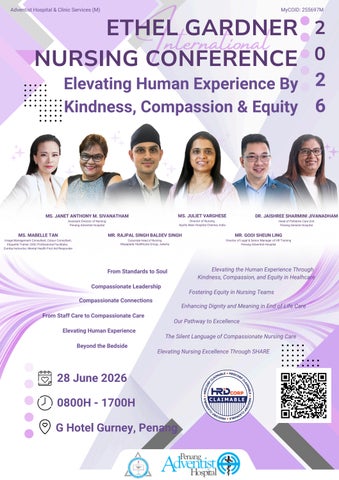
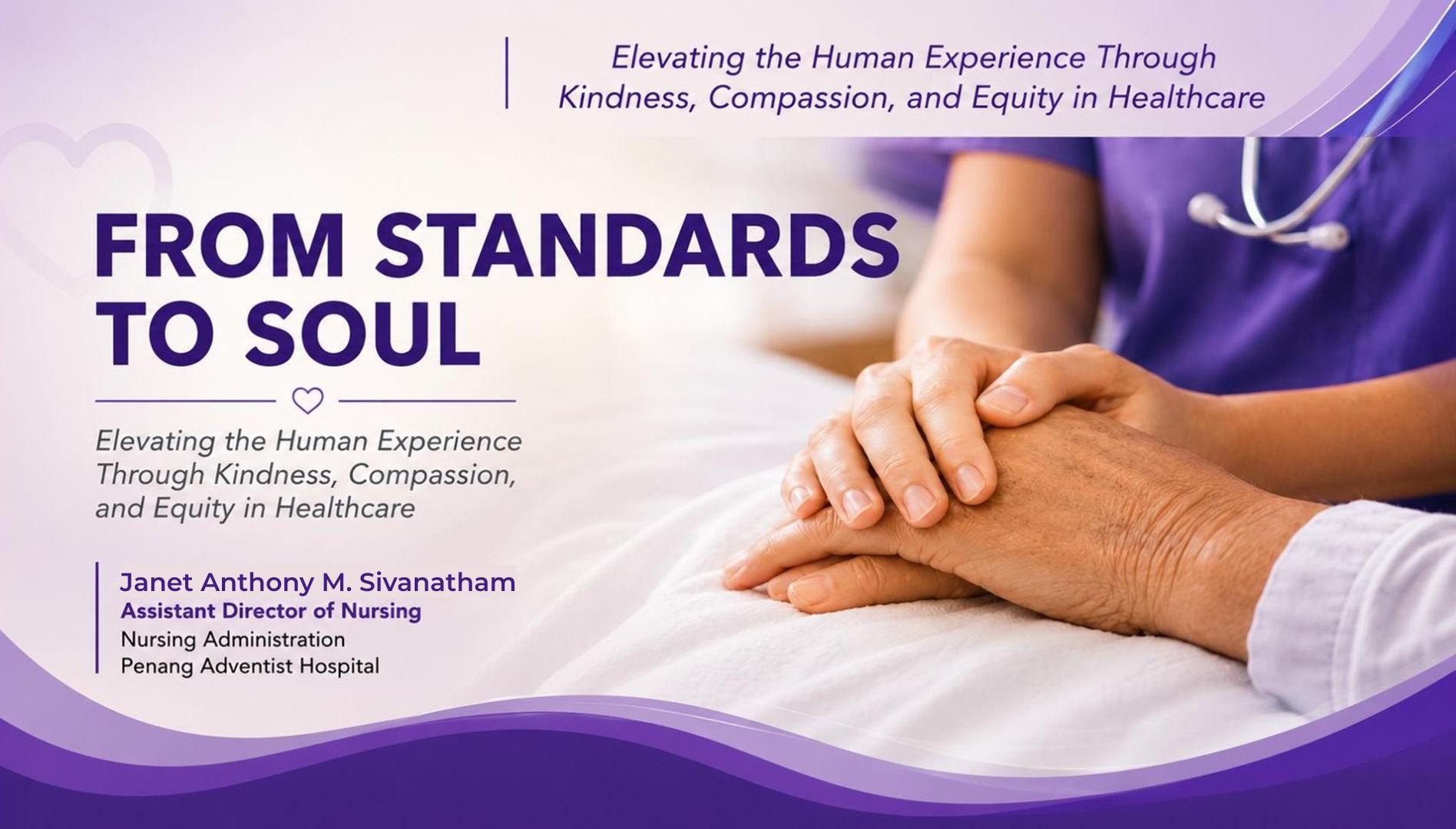
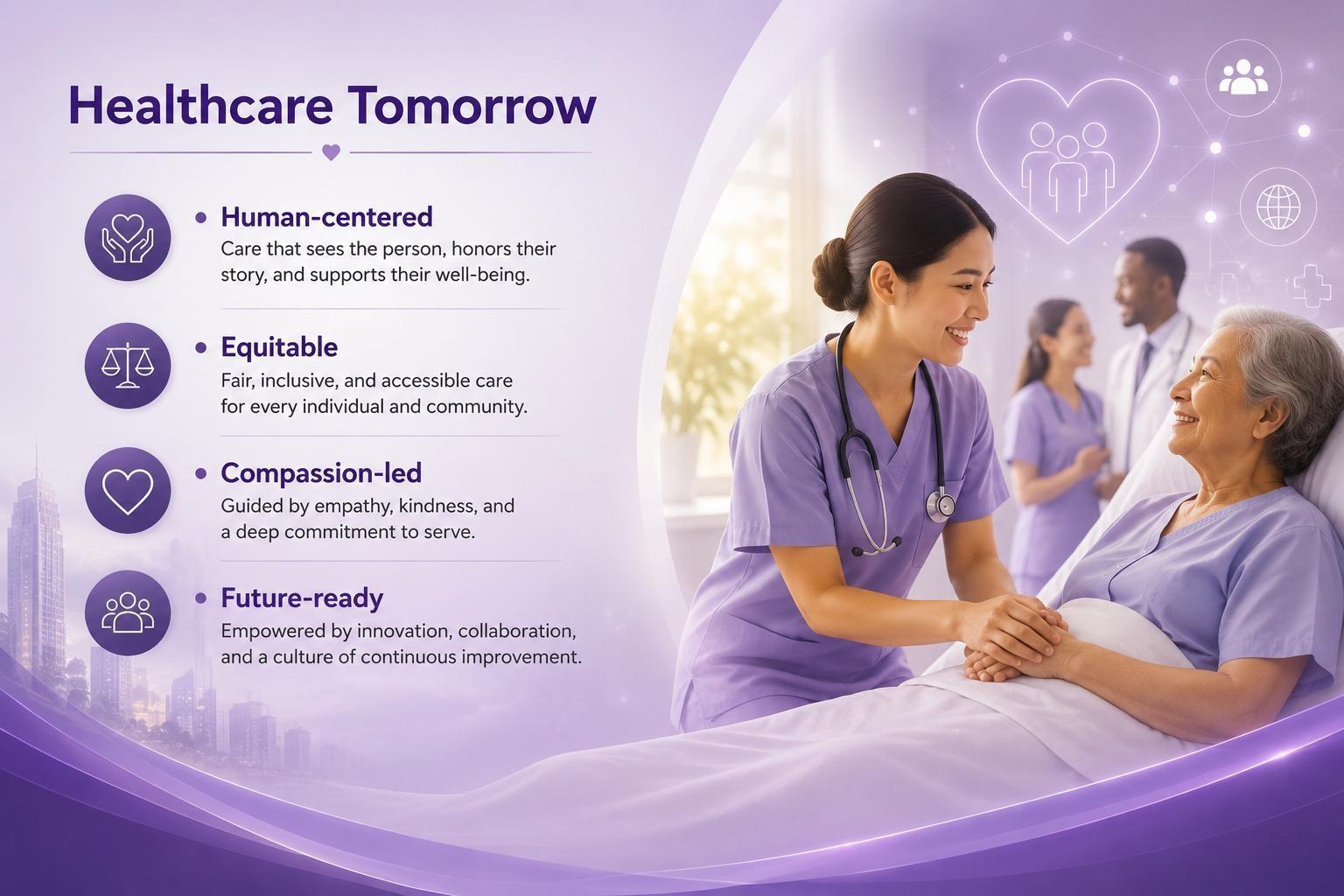
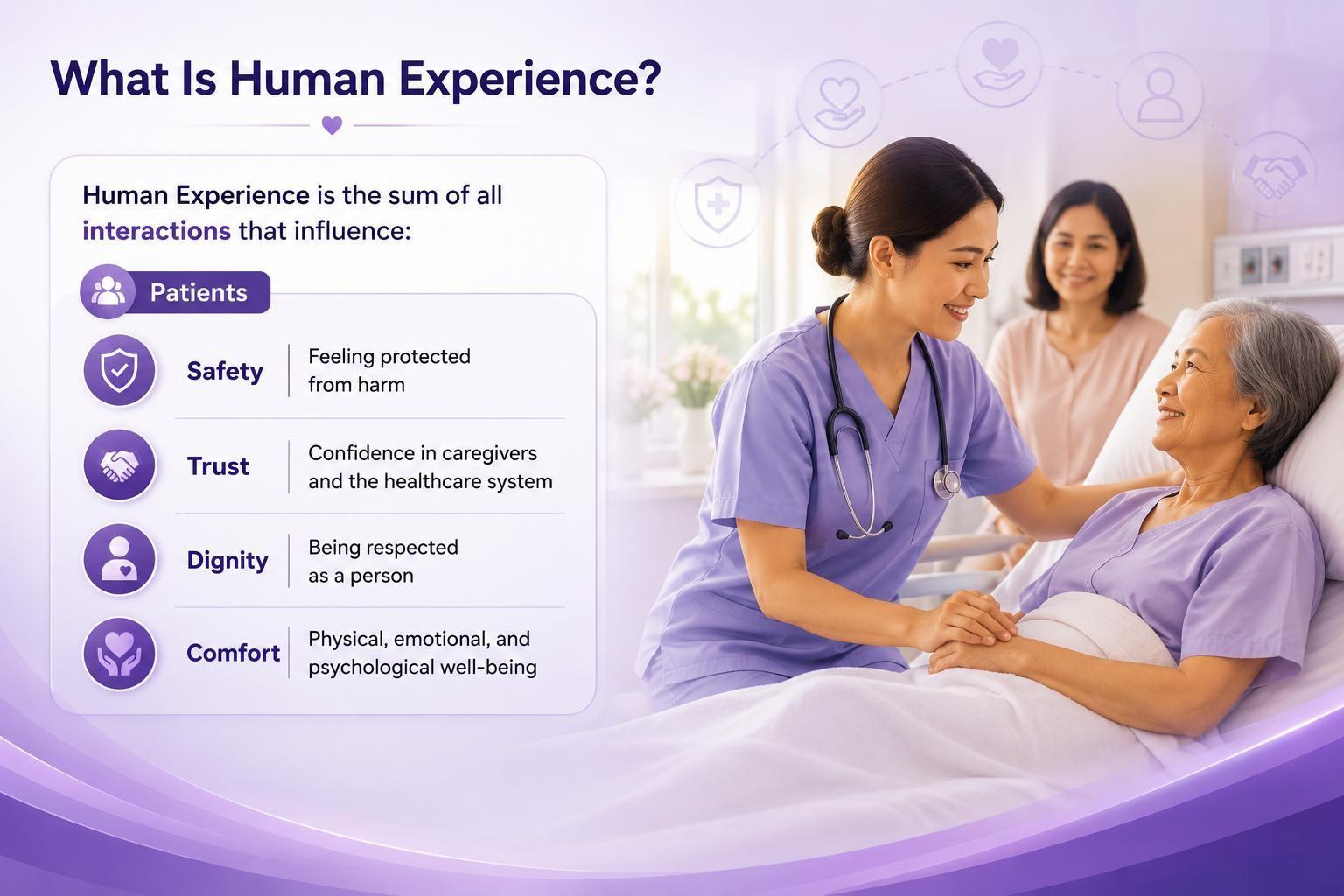
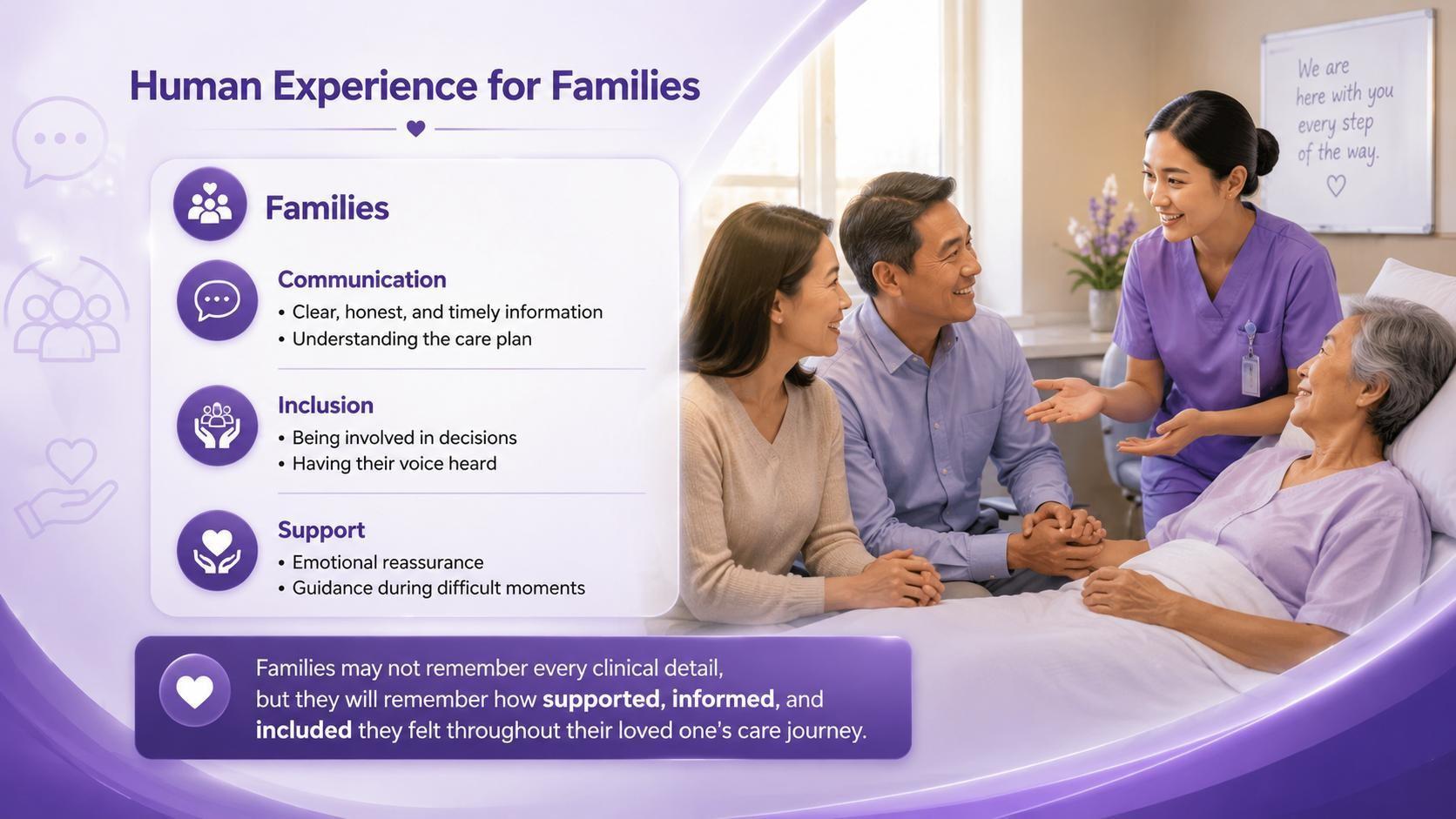
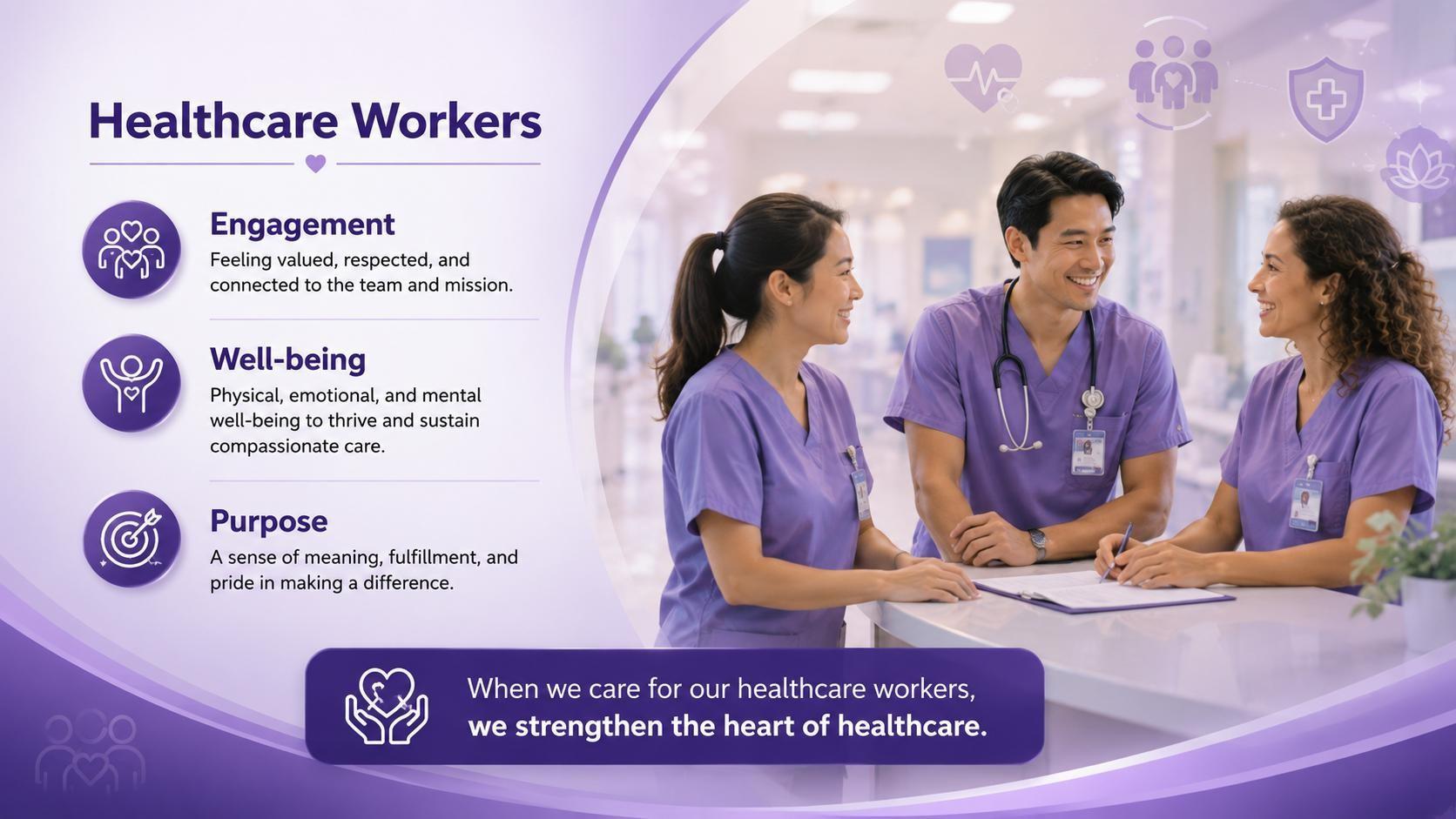
Elevating the Human Experience Through Kindness, Compassion, and Equity in Healhcare
Enhancing Dignity and Meaning in End of Life Care
Our Pathway to Excellence
The Silent Language of Compassionate Nursing Care
Elevating Nursing Excellence Through SHARE
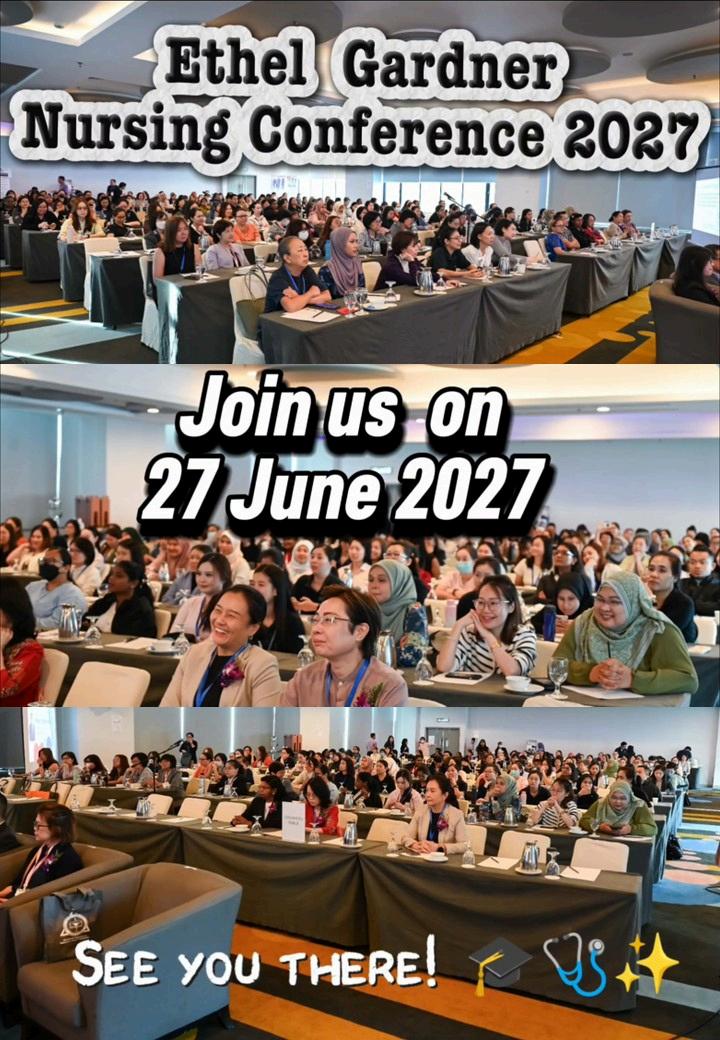
ETHEL GARDNER NURSING CONFERENCE
Elevating Human Experience By Kindness, Compassion & Equity
PROGRAM OVERVIEW
To inspire and equip nursing professionals with practical strategies to weaving kindness, compassion, and equity into daily clinical practice, education, and leadership, ultimately enhancing patient outcomes and fostering a more humane healthcare environment.
OBJECTIVES
To re-centre nursing care on human dignity, connection and personcentred relationships across all settings and specialties.
To inspire nurses and nurse leaders to create care environments where kindness and compassion are visible, measurable and consistently practiced
To promote equitable, inclusive and culturally safe care so that all patients, families and staff feel respected, heard and valued.
TARGETED AUDIENCE
Nurses
Medical
Assitant
Allied
Health Profession
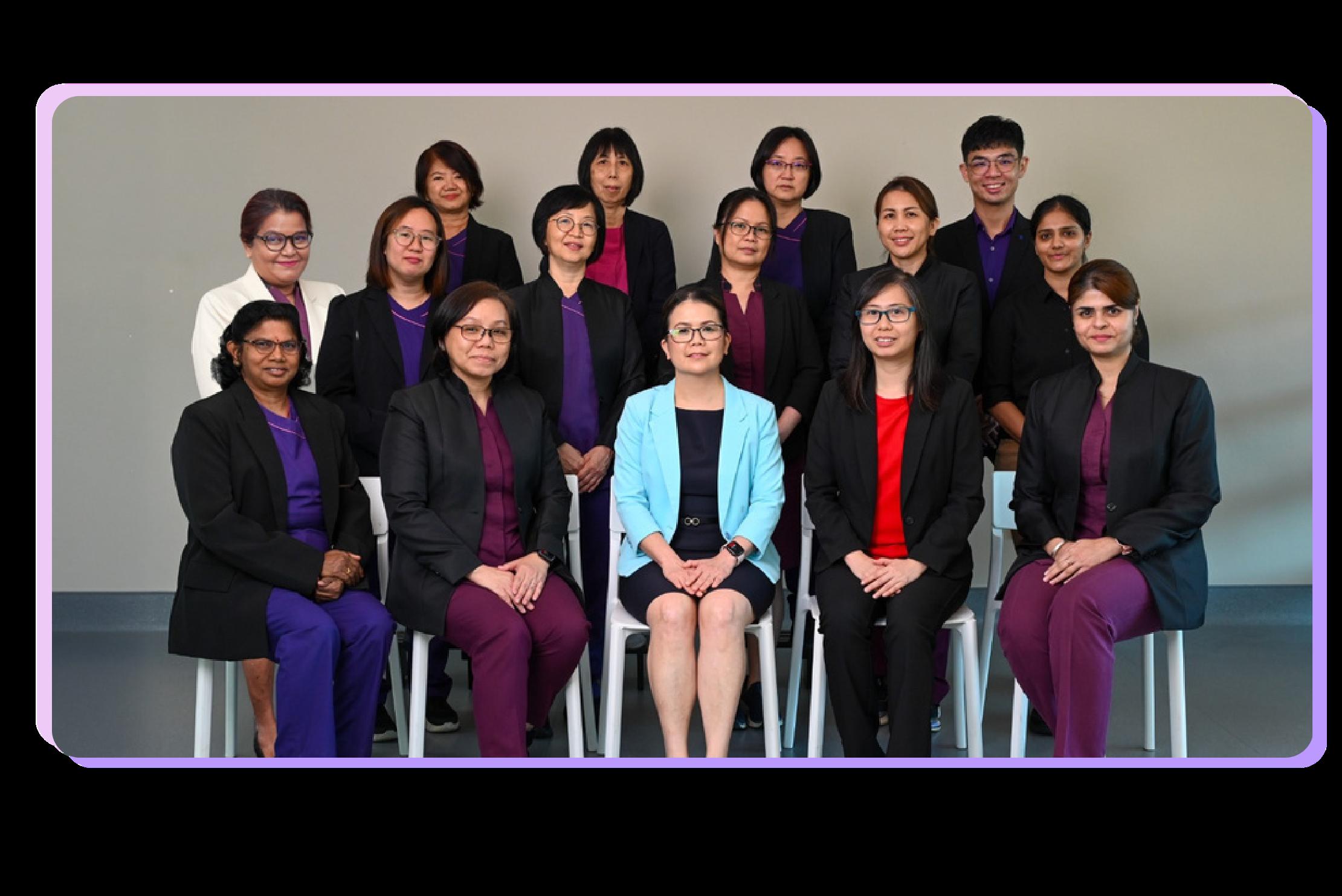
Standing from left : (Third Row)
Standing from left : (Middle Row)
NURSING CONFERENCE
Elevating Human Experience By Kindness, Compassion & Equity
ORGANISING COMMITTEE
Sitting from left : Koay Eng Sim, Woon Gaik Hong, Teoh Poh Choo, Ong Chun Khai
Janet Anthony, Chew Ann Ling, Heah Mooi Chen, Jernih M, Janet JS, S. Reena
S. Mangalaesvari, Viviane Chin, Dr. Noraidah, Leong Chew Wai, Sarjit Kaur
NAME
POSITION
Dr. Noraidah Guntalib Advisor
Viviane Chin Chia Yi Chairperson
Sarjit Kaur Kunden Singh Vice Chairperson
Mangalaesvari N Subramanian Secretary
Teoh Poh Choo Assistant Secretary
Chew Ann Ling Treasurer
Koay Eng Sim Vice Treasurer
Jernih Majalu
Ong Chun Khai
Woon Gaik Hong
Reena Subramaniam
Janet Anthony M Sivanatham
Heah Mooi Chen
Leong Chew Wai
Janet Joseph Sameh
Marketing
Registration
Program Planner
Member
Elevating Human Experience By Kindness, Compassion & Equity
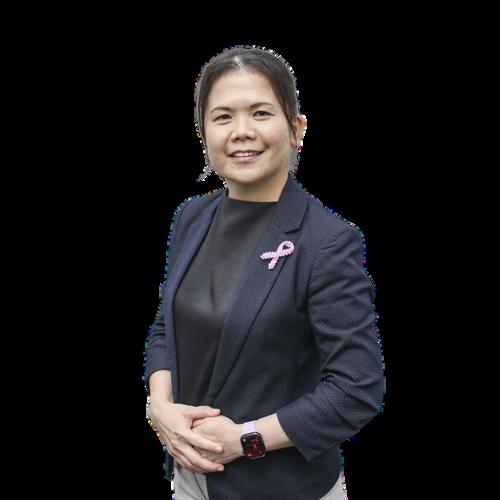
MESSAGE FROM THE CHAIRPERSON
Chairperson, Organising Committee
Ethel Gardner International Nursing Conference 2026
Elevating Human Experience By Kindness, Compassion & Equity
MESSAGE FROM THE CEO
Chief Executive Officer
Penang Adventist Hospital
Malaysia
Elevating Human Experience By Kindness, Compassion & Equity
MESSAGE FROM THE CNO
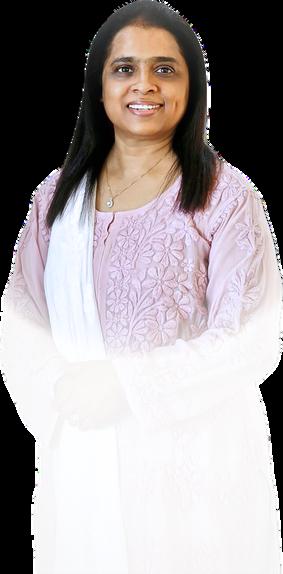
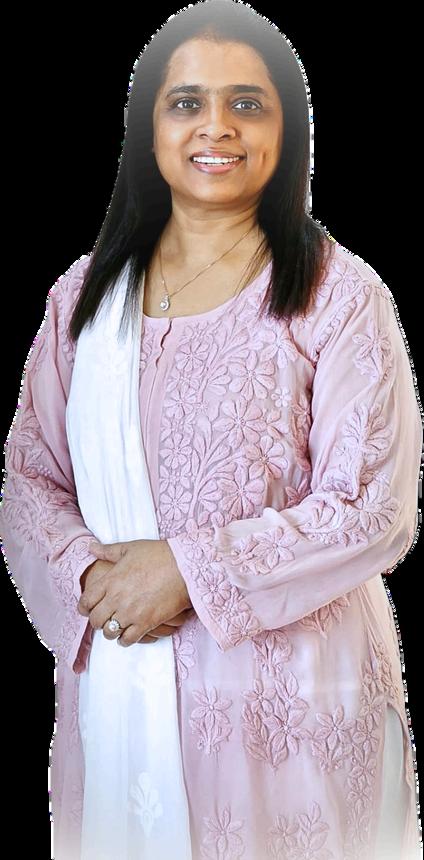
Dr. Noraidah Guntalib @ Noy
It is a privilege to extend my warm greetings to all participants of the Ethel Gardner International Nursing Conference. As we gather under the theme, “Elevating Human Experience through Kindness, Compassion, and Equity,” we are reminded that nursing is more than the delivery of clinical care—it is a calling to serve humanity with empathy, dignity, and respect.
In an increasingly complex healthcare environment, acts of kindness and compassion remain powerful forces that heal, comfort, and restore hope. Equally important is our commitment to equity, ensuring that every individual receives safe, person-centered care regardless of background or circumstance.
May this conference inspire us to strengthen our dedication to compassionate practice, foster meaningful collaborations, and continue advancing excellence in nursing for the benefit of the communities we serve. Together, let us elevate the human experience and make a lasting difference in the lives entrusted to our care.
Wishing all participants a fruitful and inspiring conference.
Chief Nursing Officer
Penang Adventist Hospital
Malaysia
NURSING CONFERENCE
Elevating Human Experience By Kindness, Compassion & Equity
SPEAKER
0800 - 0830 REGISTRATION & ARRIVAL OF GUESTS
0830 - 0832
0832 - 0840
0840 - 0850
0850 - 0905
0905 - 0940
0940 - 1030
Prayer of Blessing by the EGNC 2026 Committee Member
Welcoming Remarks by the EGNC 2026 Chairperson
Opening Speech
Keynote Address From Standards to Souls:
Elevating the Human Experience Through Kindness, Compassion, and Equity in Healthcare
Compassionate Leadership: Fostering Equity in Nursing Teams
1030 - 1050 TEA BREAK
1050 - 1140
1140 - 1230
Compassionate Connections:
Enhancing Dignity and Meaning in End of Life Care
From Caring for Staff to Compassionate Care: Our Pathway to Excellence Story
Ms. Jernih Majalu
Nurse Manager Penang Adventist Hospital
Ms. Viviane Chin
Nursing Staff Development Manager Penang Adventist Hospital
Mr Albin Phua
Chief Executive Officer Penang Adventist Hospital
Ms. Janet Anthony M. Sivanatham
Assistant Director of Nursing Penang Adventist Hospital
Ms. Juliet Varghese
Director of Nursing, Apollo Main Hospital Chennai, India
Dr. Jaishree Sharmini Jivanadham Head of Palliative Care Unit, Penang General Hospital
Mr. Rajpal Singh Baldev Singh
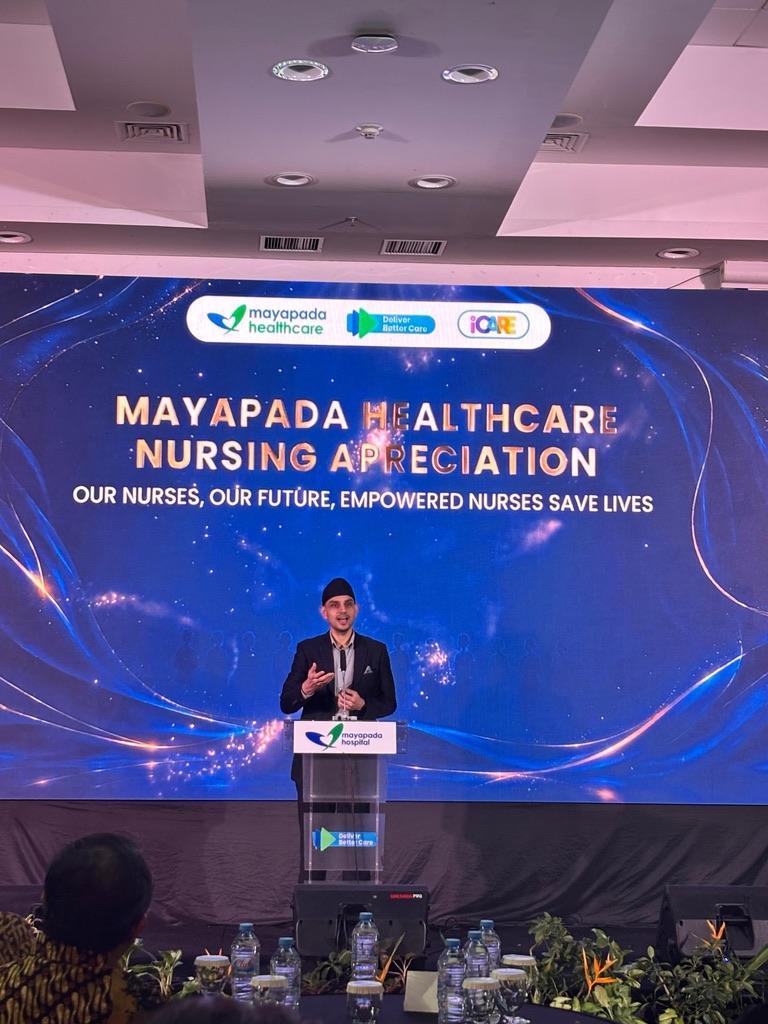
Corporate Head of Nursing, Mayapada Healthcare Group, Indonesia 1230 -
Ms Jernih Majalu & Ms Janet Sameh Moderator
1430 - 1520
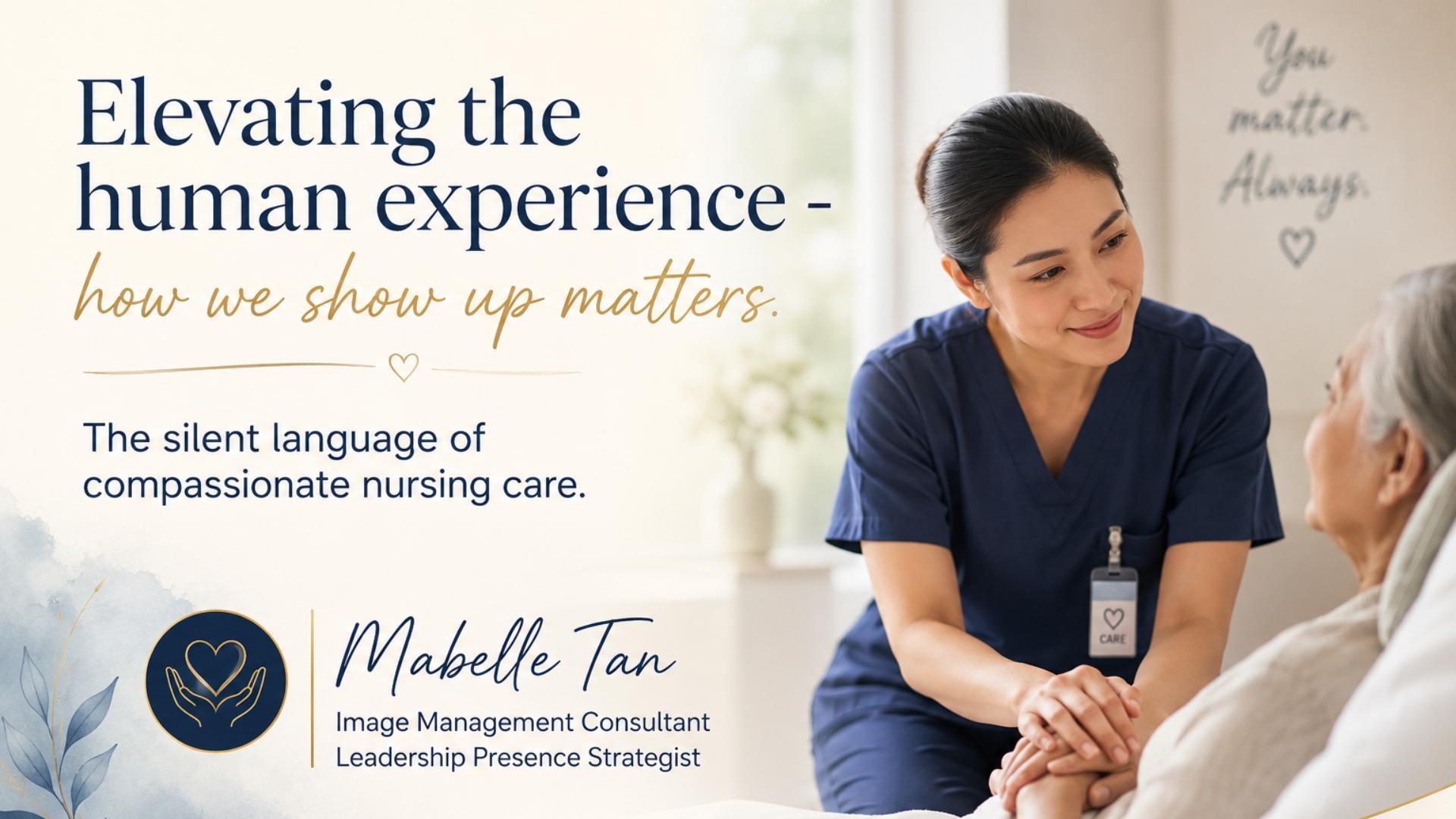
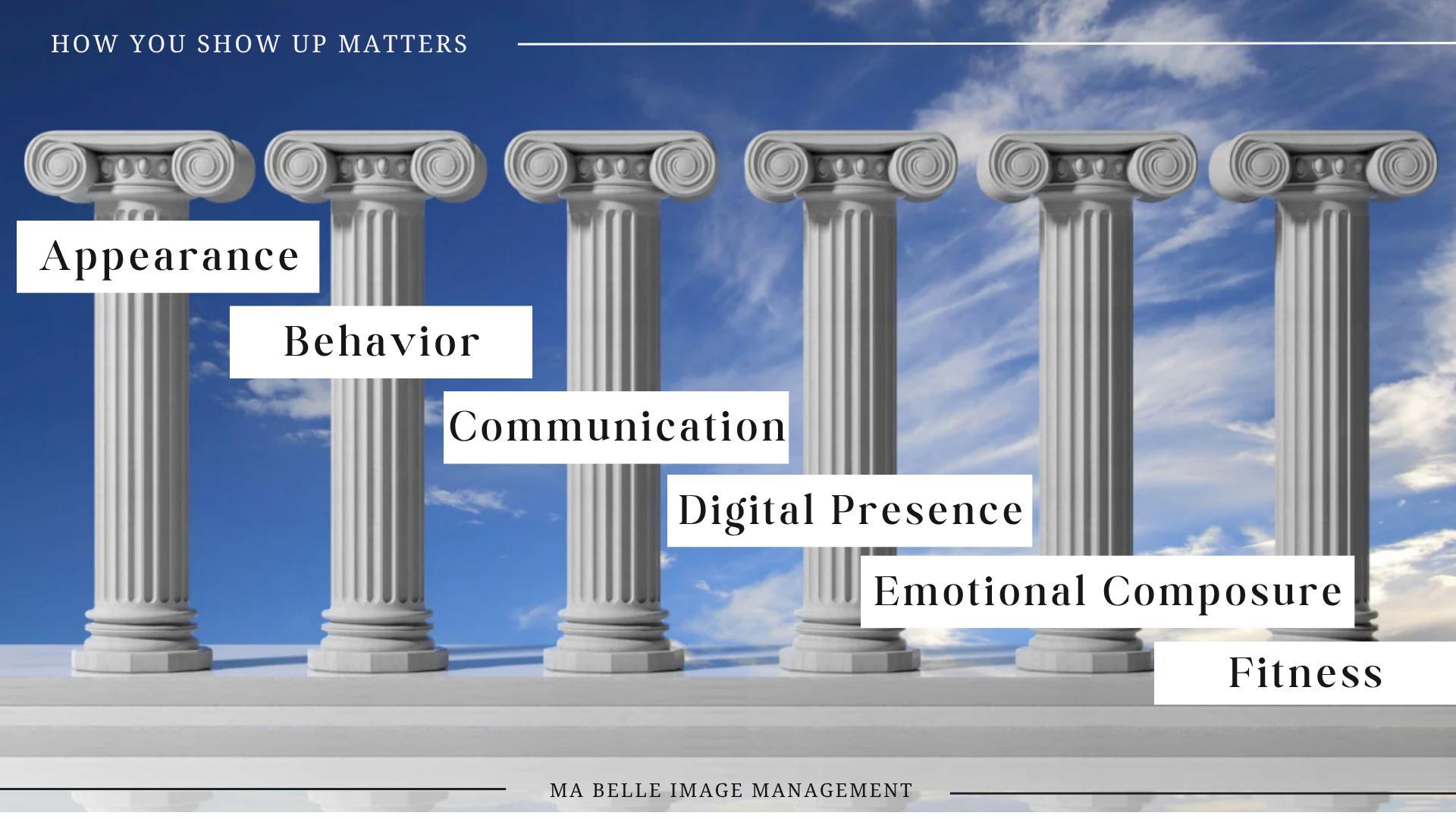
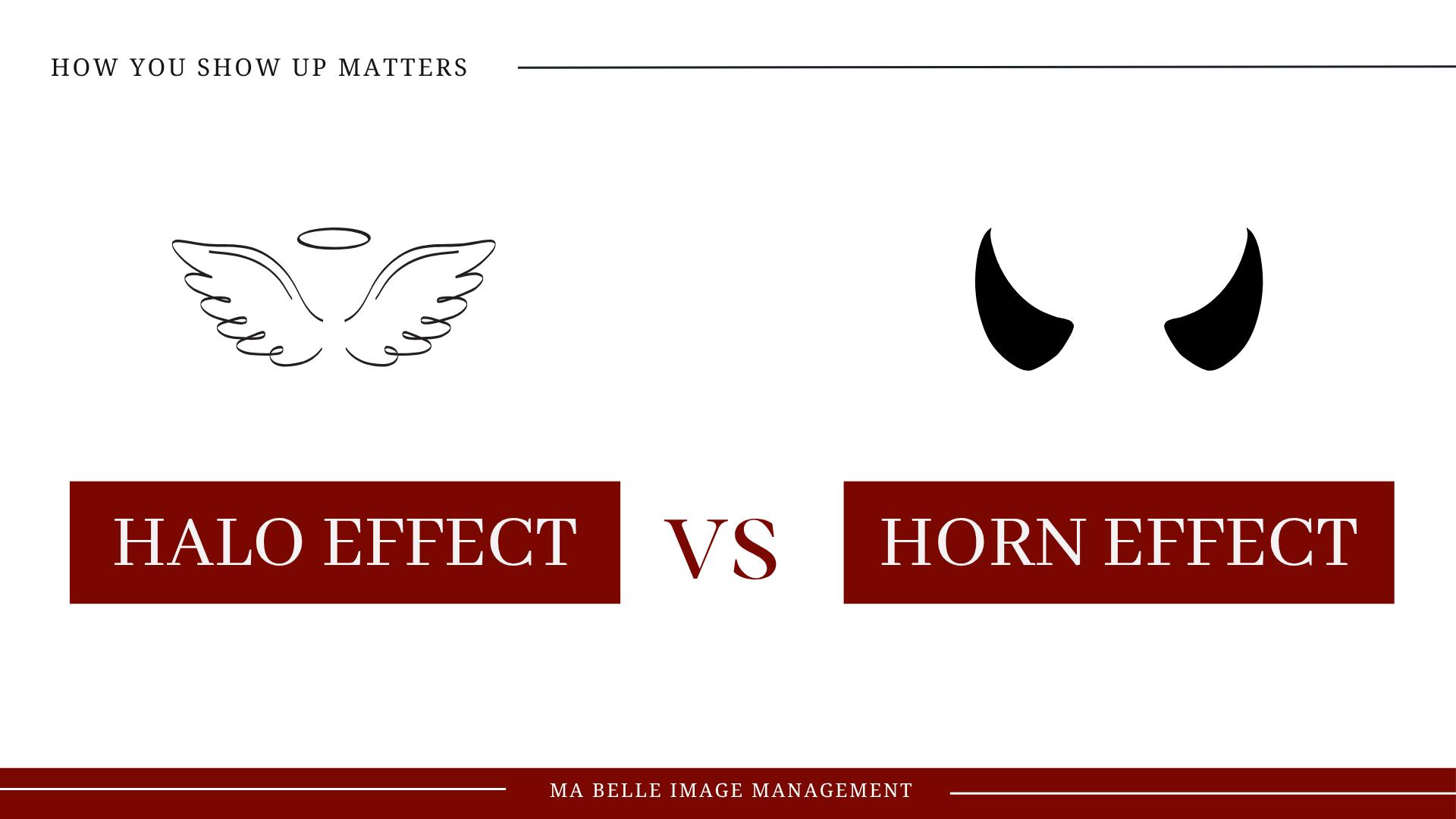
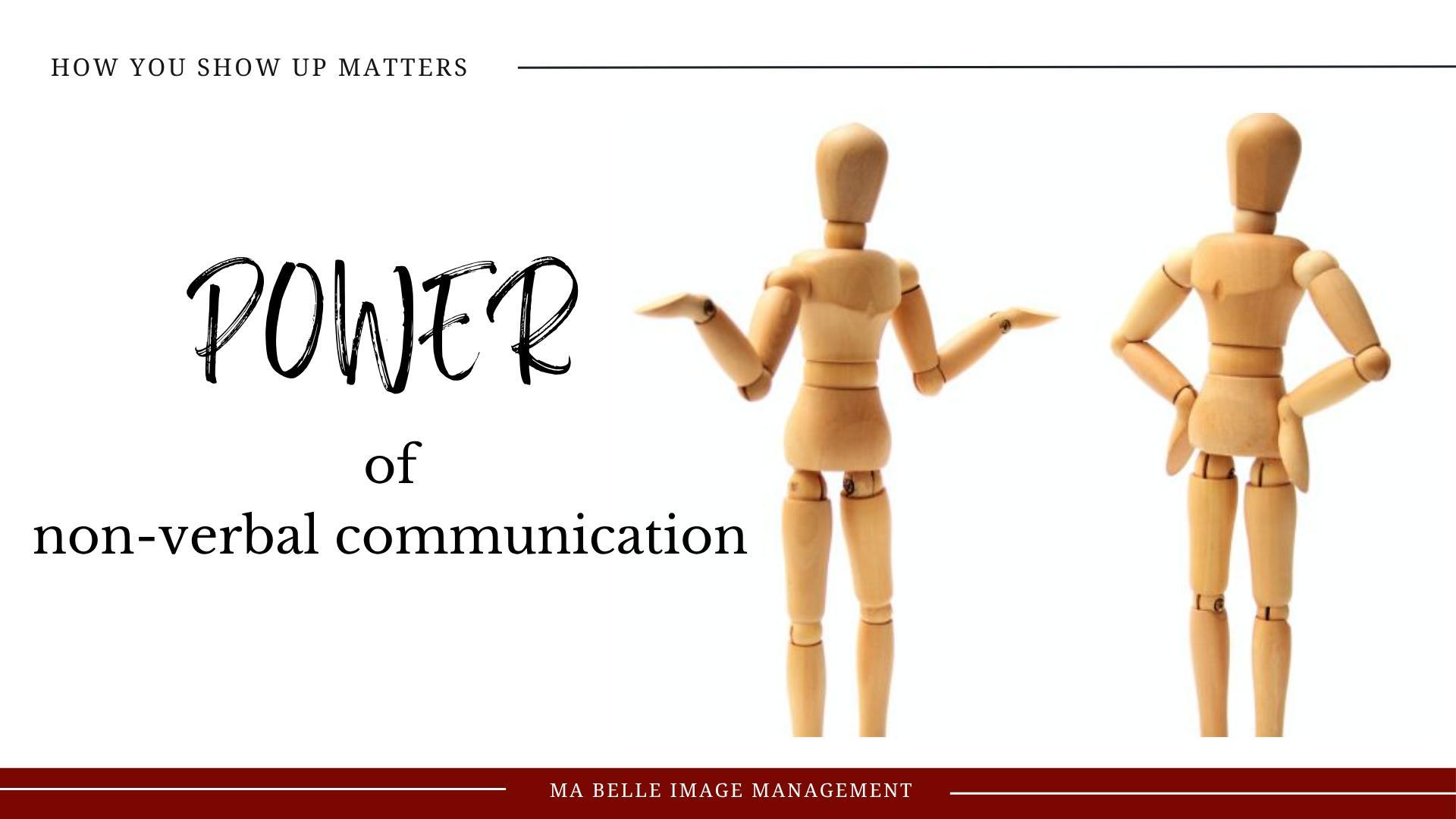
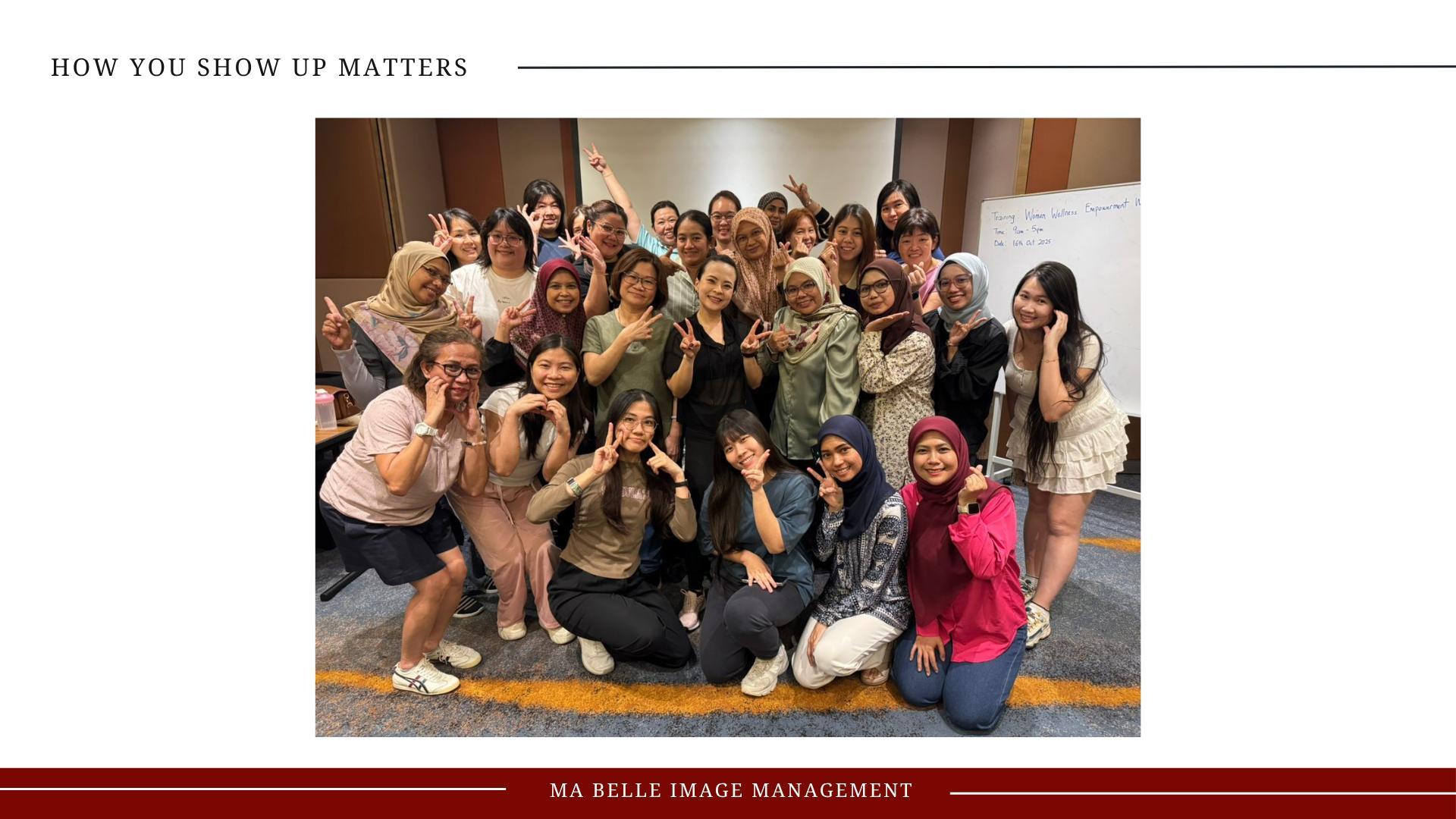
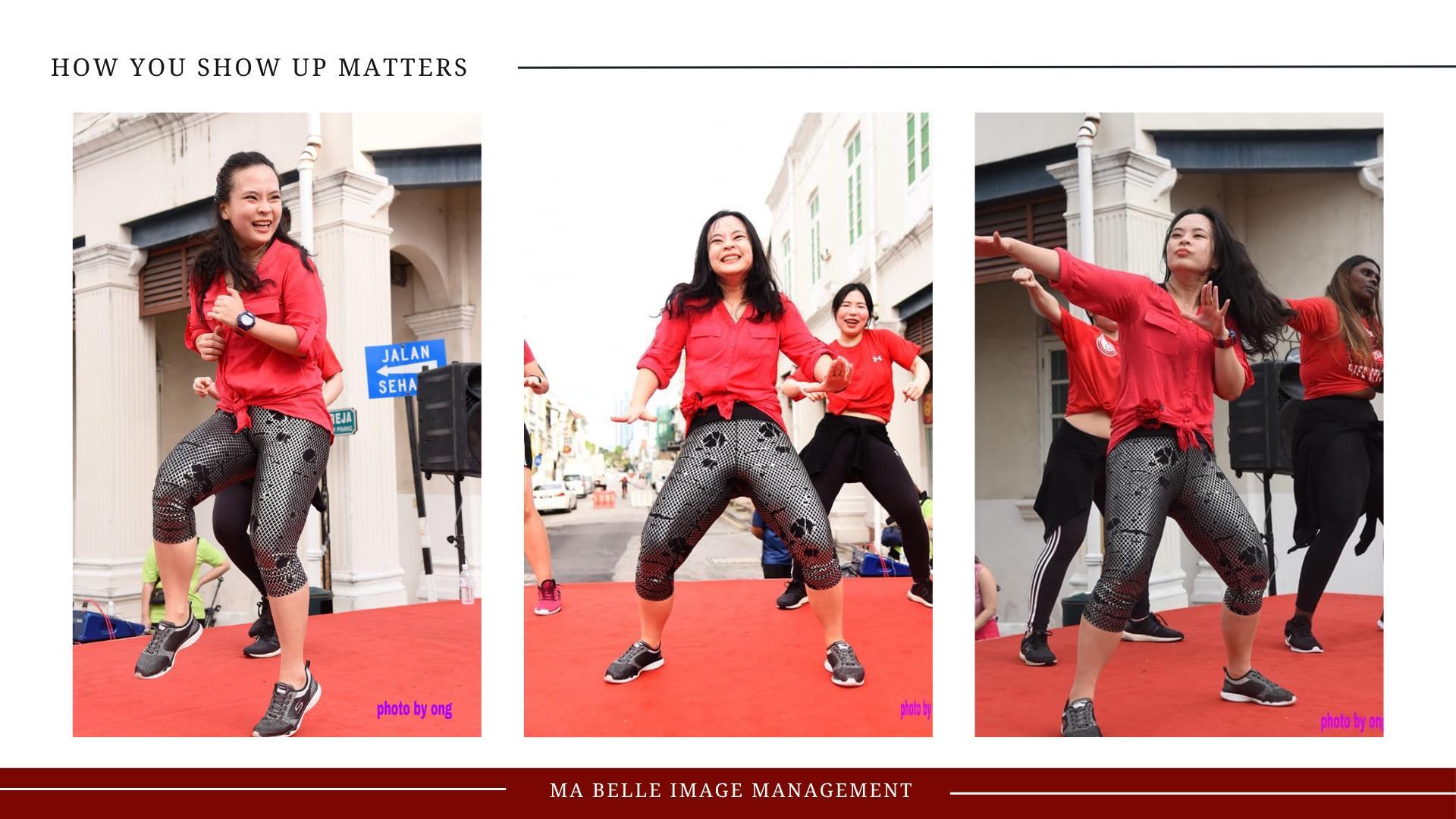
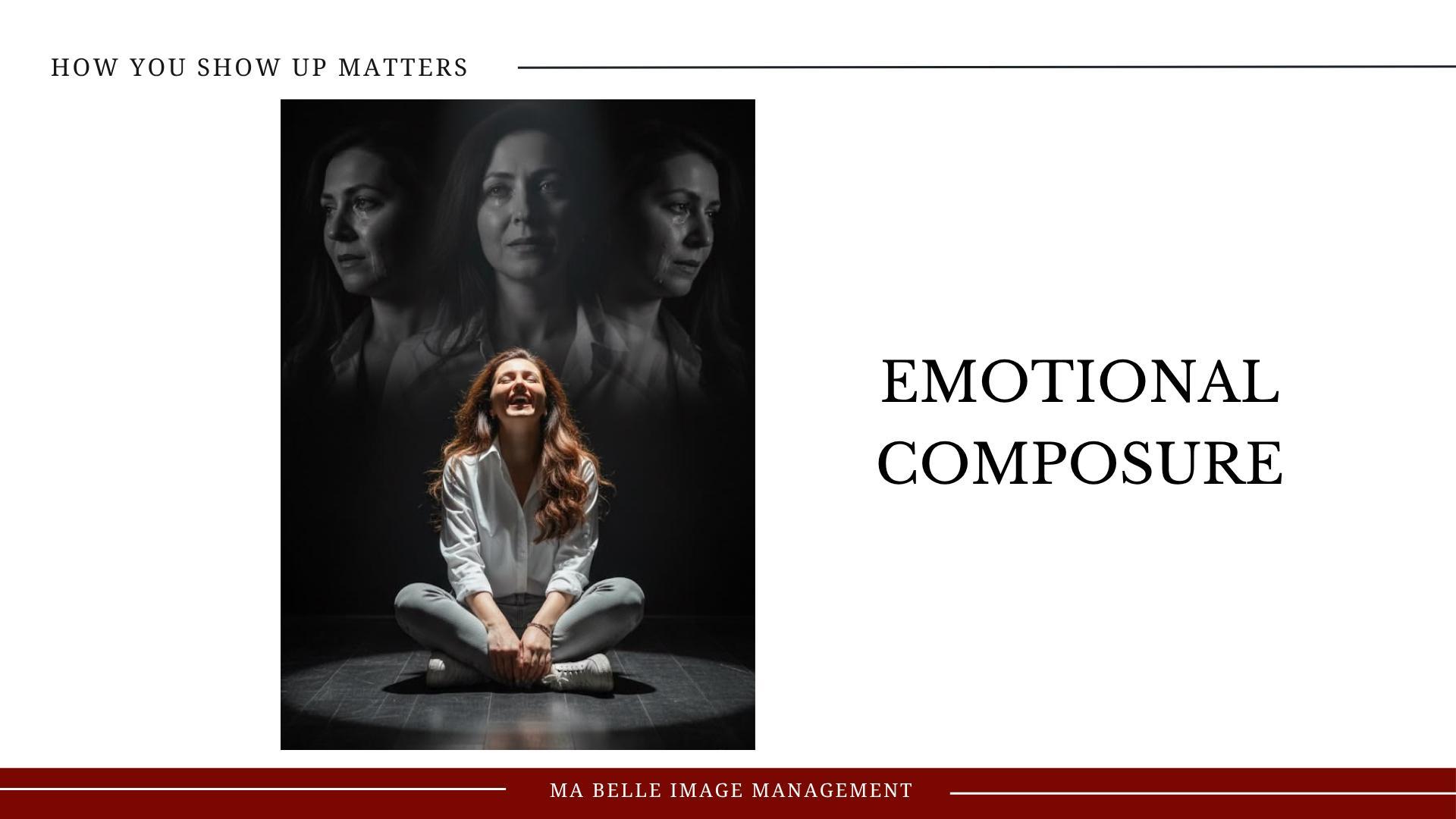
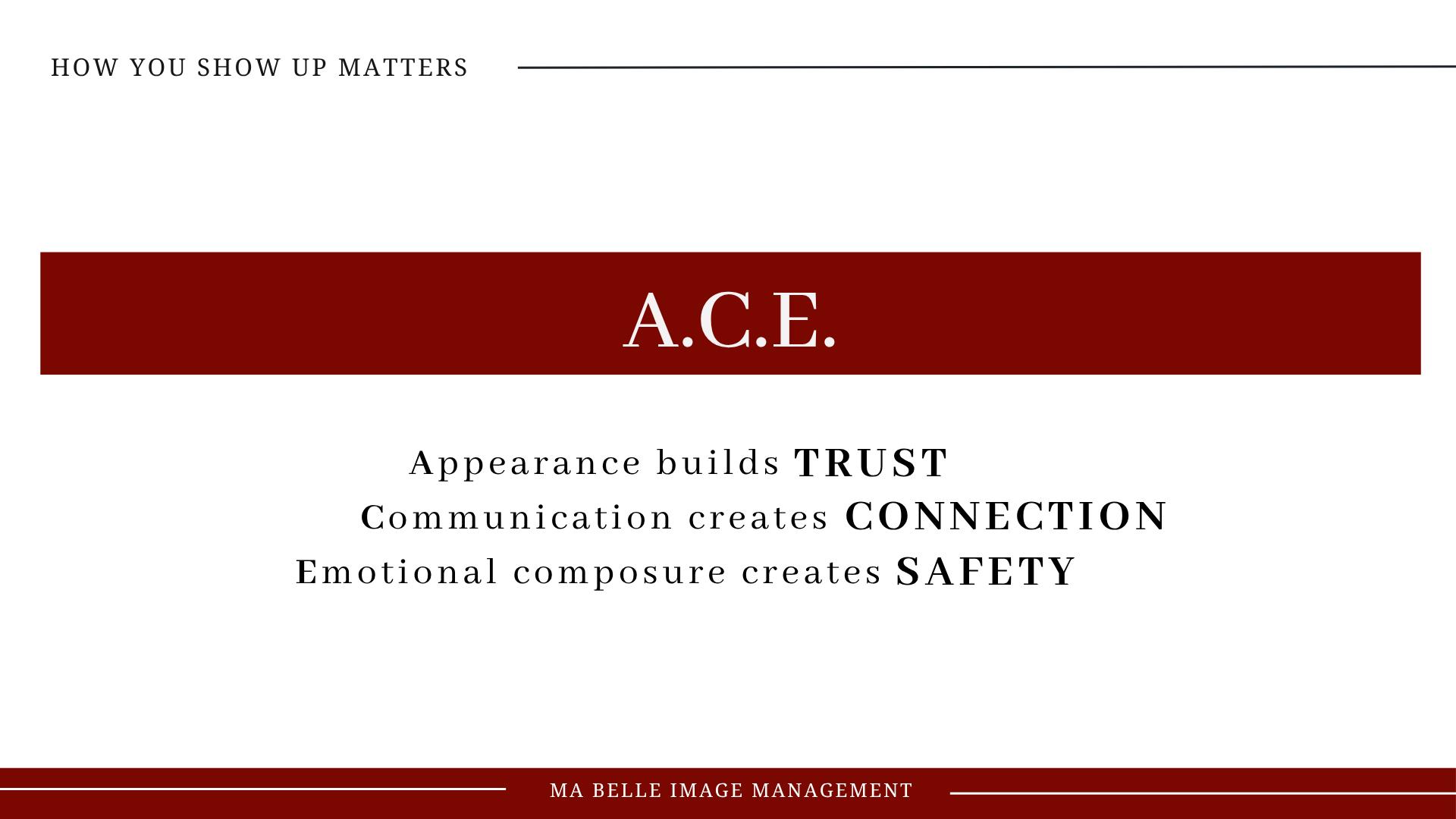
Elevating Human Experience: How We Show Up Matters - The Silent Language of Compassionate Nursing Care
1520 - 1610 Beyond the Bedside: Elevating Nursing Excellence through SHARE
Ms Mabelle Tan
Image Management & Colour Consultant, Etiquette Trainer, DISC Professional Facilitator, Mental Health First Aid Responder
Mr. Jayce Gooi Sheun Ling
Director of Legal, Senior Manager of HR Training Penang Adventist Hospital 1610 -
1640 - 1650 Closing Remarks by the EGNC 2026 Vice Chairperson
Ms. Jernih Majalu & Ms. Janet Sameh Moderator
Ms. Sarjit Kaur Nurse Manager Penang
NURSING CONFERENCE
Elevating Human Experience By Kindness, Compassion & Equity
ny M. Sivanatham
Assistant Director of Nursing, Penang Adventist Hospital
Janet Anthony M. Sivanatham is a senior nursing leader with over 25 years of healthcare experience She currently serves as the Assistant Director of Nursing at Penang Adventist Hospital, where she oversees inpatient wards, specialized units, and Operating Theatre services while leading Nursing Quality and Patient Safety initiatives
With extensive expertise in clinical governance, accreditation readiness, and healthcare quality improvement, Janet plays a key role in preparing the organization for international standards such as JCI and MSQH accreditation. Her work focuses on translating healthcare standards into practical strategies that drive measurable improvements in patient outcomes and nursing excellence
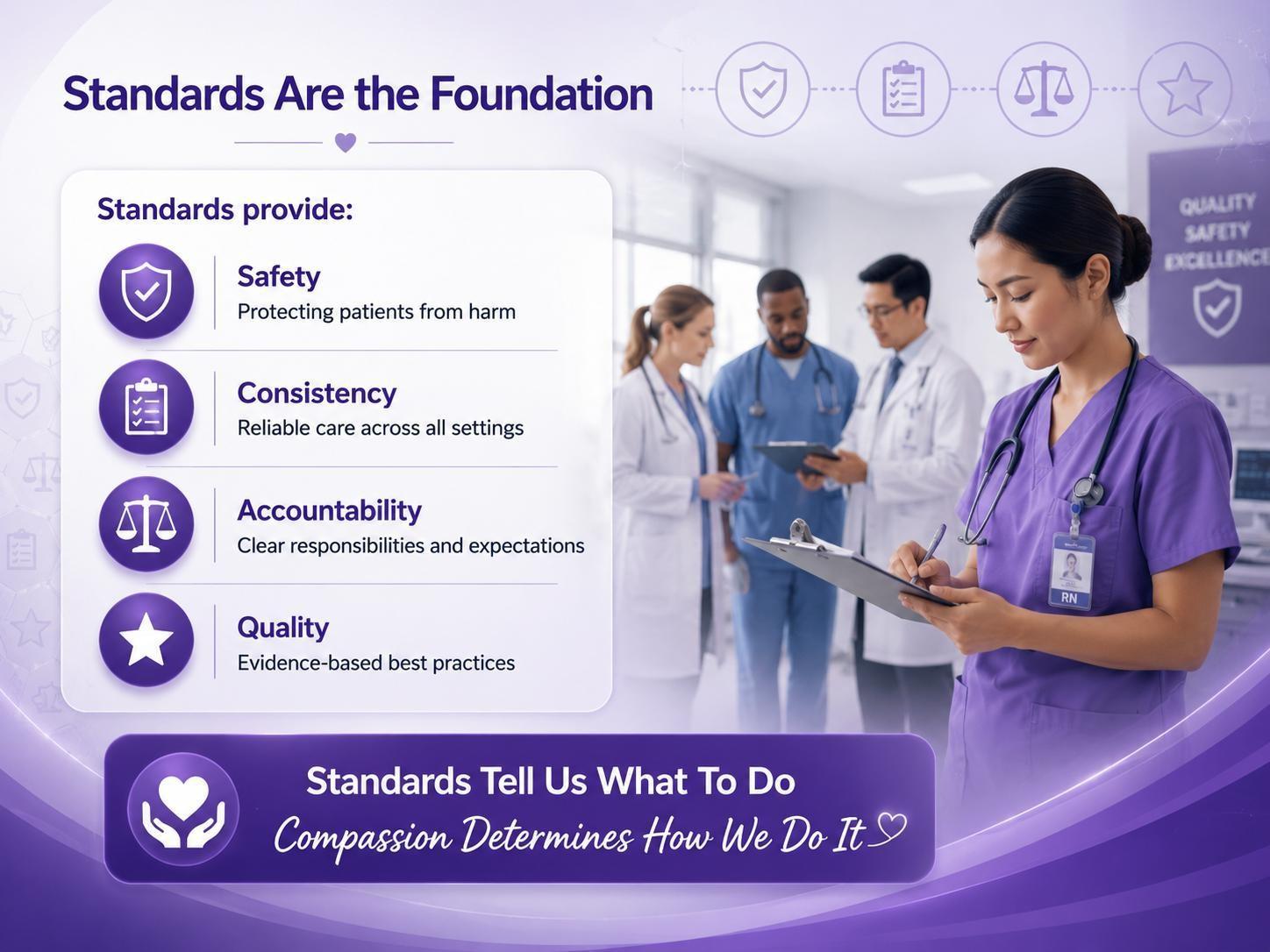
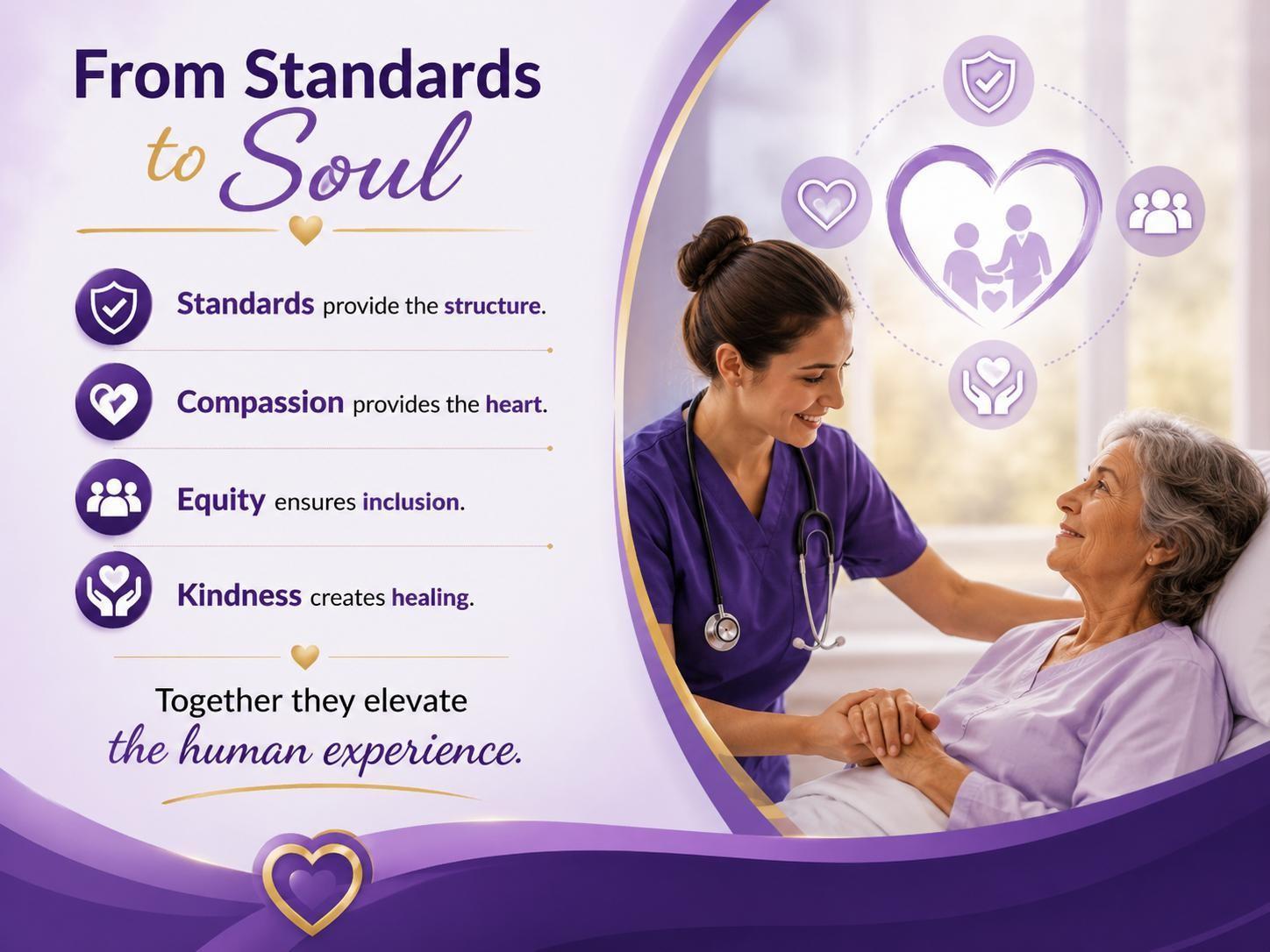
From Standards to Souls: Elevating
the Human
Experience Through Kindness, Compassion, and Equity in Healthcare
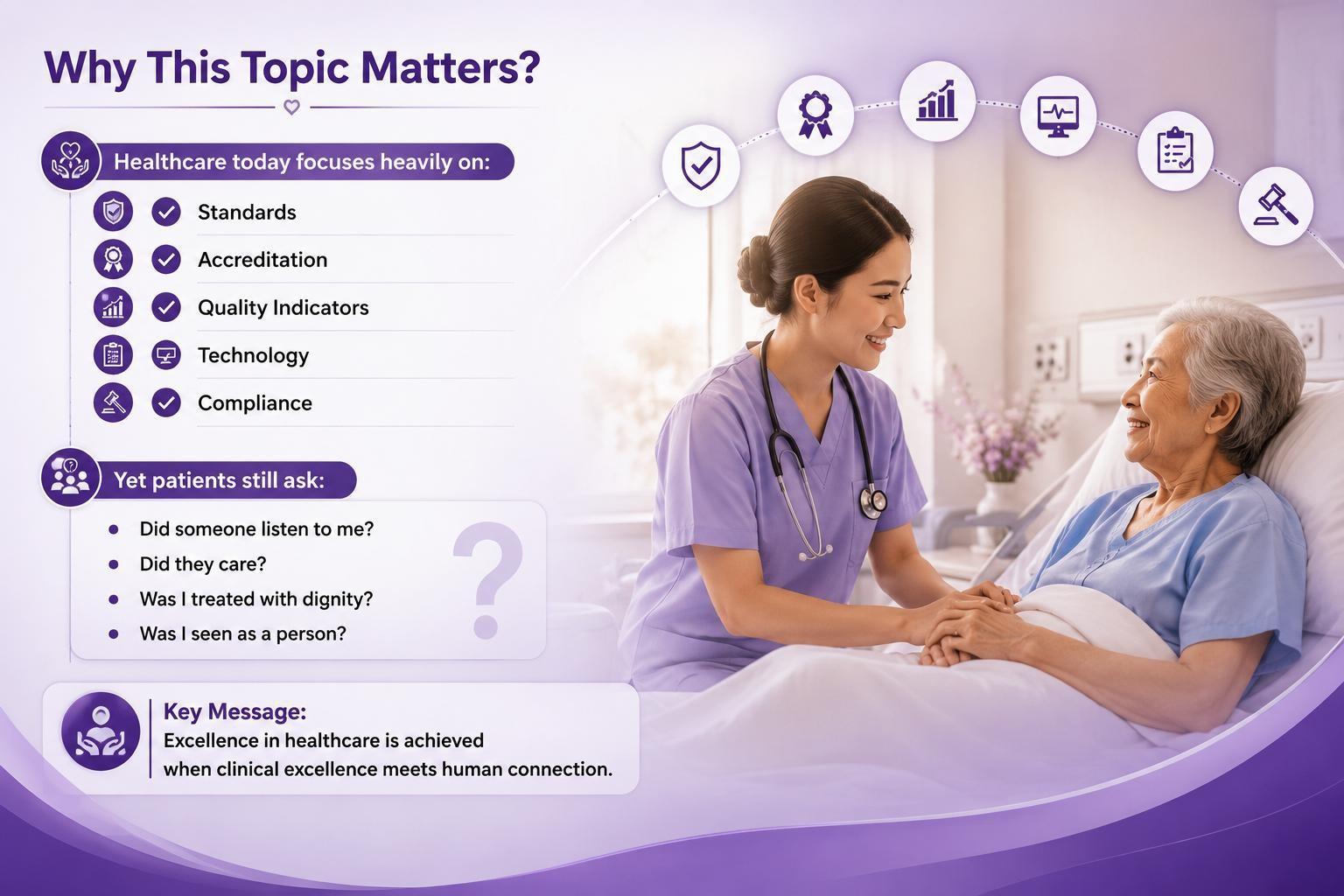
Healthcare is often measured by standards, efficiency, and clinical outcomes, but the true heart of healthcare lies in the way we make people feel during their most vulnerable moments. Beyond treatment and technology, patients seek kindness, compassion, dignity, and the reassurance that they are seen and valued as human beings
“From Standard to Soul” explores how healthcare professionals can elevate the human experience through empathy, meaningful connections, and equitable care for all. This talk reflects on the importance of creating healing environments where every patient, regardless of background or circumstance, feels respected, heard, and cared for. It is also a reminder that compassion is not just an added value in healthcare it is the soul of healing itself. Through simple acts of humanity, we have the power to transform fear into comfort, pain into hope, and care into something truly unforgettable
NURSING CONFERENCE
Elevating Human Experience By Kindness, Compassion & Equity
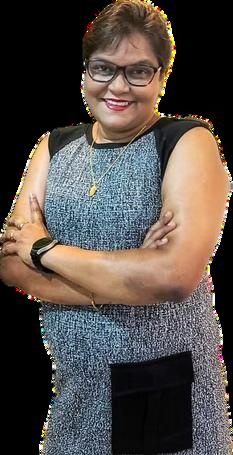
Ms Juliet Varghese Director of Nursing, Apollo Main Hospital Chennai, India
Ms. Juliet Varghese is a distinguished nursing leader currently serving as the Director of Nursing at Apollo Main Hospital Chennai, the flagship hospital of the Apollo Group in India With over 28 years of experience in nursing leadership and clinical practice
practice, she plays a key role in advancing nursing services, strengthening patient care standards, and promoting healthcare excellence across leading healthcare institutions.
A Gold Medalist in both B.Sc. and M.Sc. Nursing from L.T. College of Nursing, SNDT University, Ms. Juliet has consistently demonstrated academic and professional excellence Prior to joining Apollo, she held senior leadership positions at Jupiter Hospital, Thane, and NH-SRCC Children’s Hospital, Mumbai, where she led initiatives to enhance nursing standards and improve patient-centered care
Her professional passion lies in critical care nursing. She currently heads the Critical Care Council at the Apollo Group and serves as the Patient Safety Convenor for the Fall Task Force, leading initiatives aimed at strengthening patient safety and improving clinical outcomes. She is also actively involved in collaborative research that advances clinical practice, nursing education, and patient safety
Ms Juliet’s leadership and contributions have been widely recognized She is a recipient of the Best Nursing Leader Award – Pan Apollo Level, the Nursing Excellence Award by The Economic Times (2025), and a three-time recipient of the Apollo Nursing Excellence Award
Compassionate Leadership: Fostering Equity in Nursing Teams
Compassionate leadership is increasingly recognized as a vital approach in strengthening nursing teams and promoting a positive healthcare work environment It emphasizes empathy, active listening, and genuine concern for the well-being of nursing staff, enabling leaders to support nurses both professionally and emotionally. Through compassionate leadership, trust, open communication, and mutual respect are fostered, creating a culture where team members feel valued and motivated to contribute effectively to patient care.
Within this leadership approach, equity becomes an important focus. Compassionate leaders strive to ensure fairness in opportunities, responsibilities, recognition, and access to professional development. By acknowledging individual needs, addressing potential biases, and encouraging inclusive participation, leaders can promote equitable practices within nursing teams
Such leadership strengthens collaboration, improves staff morale, and supports the development of resilient teams capable of delivering safe, highquality, and patient-centered care in complex healthcare settings while promoting professional growth and shared accountability.
NURSING CONFERENCE
Elevating Human Experience By Kindness, Compassion & Equity
Dr Jaishree Sharmini Jivanadham Head of Palliative Care Unit Penang General Hospital
Dr. Jaishree Sharmini Jivanadham is the Head of the Palliative Care Unit at Penang General Hospital, a position she has held since 2015. She obtained her Master’s degree in Internal Medicine from the University of Malaya in 2010 and subsequently completed her subspecialty training in Palliative Care in 2015
Dr Jaishree has served in several healthcare institutions including Hospital Seberang Jaya, Hospital Bukit Mertajam, and University Malaya Medical Centre. She also gained international experience with one year of clinical work in the Palliative Care Department at Concord Hospital Sydney, Australia
Actively involved in advancing palliative care services in Malaysia, Dr Jaishree has contributed to the drafting of the National Palliative Care Strategic Plan and serves on committees for the national palliative subspecialty training programme and the National Specialist Register (NSR) for Palliative Care She is also a faculty member with the American Society of Clinical Oncology for palliative care training.
In addition, Dr. Jaishree is the Chairman of Persatuan Kerjasama Paliatif Pulau Pinang, an organisation that brings together institutions and individuals to advocate and strengthen palliative care services in the state Her special interests include palliative care advocacy and community-based care.
Compassionate Connections: Enhancing Dignity and Meaning in End of Life Care
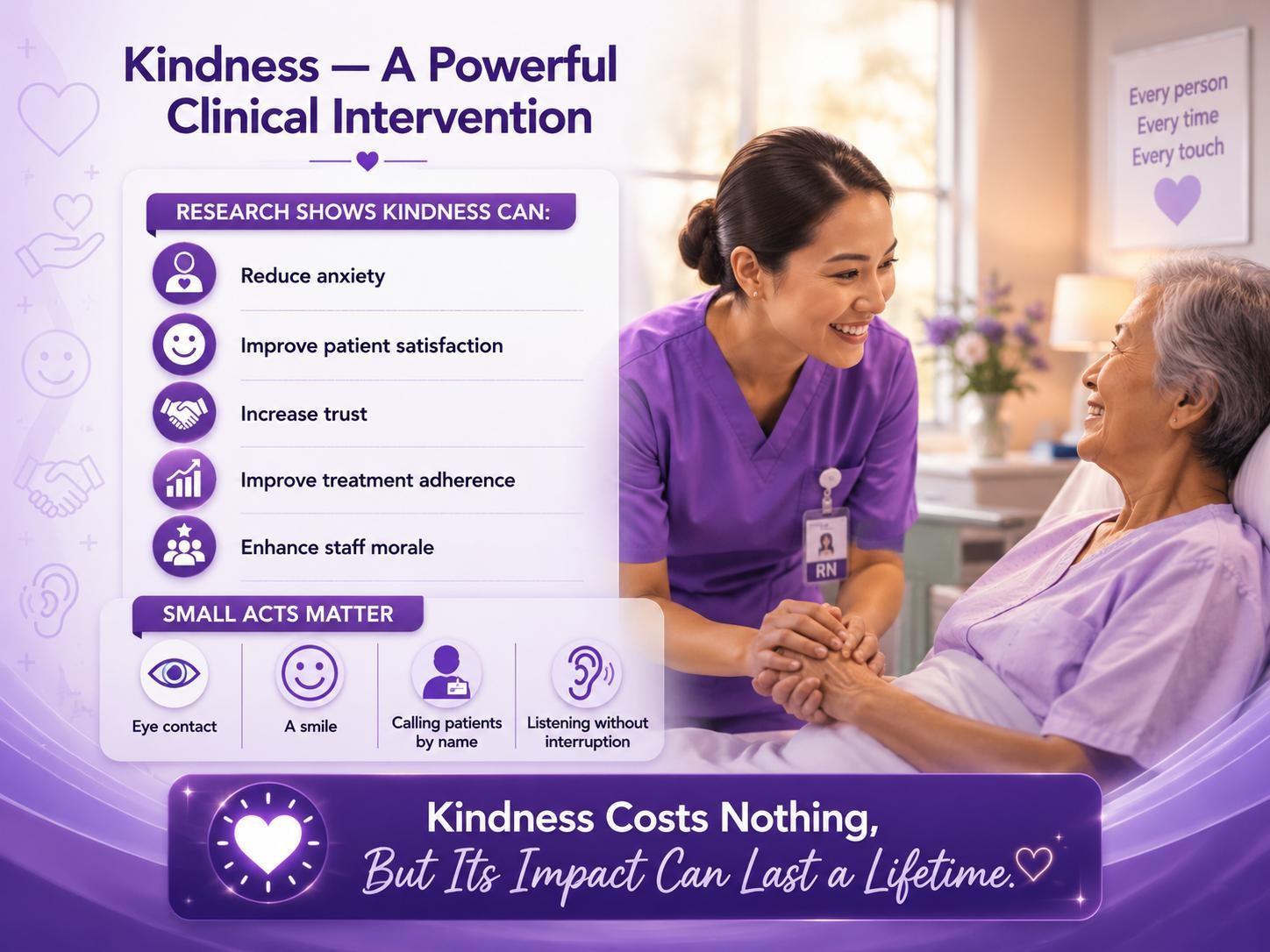
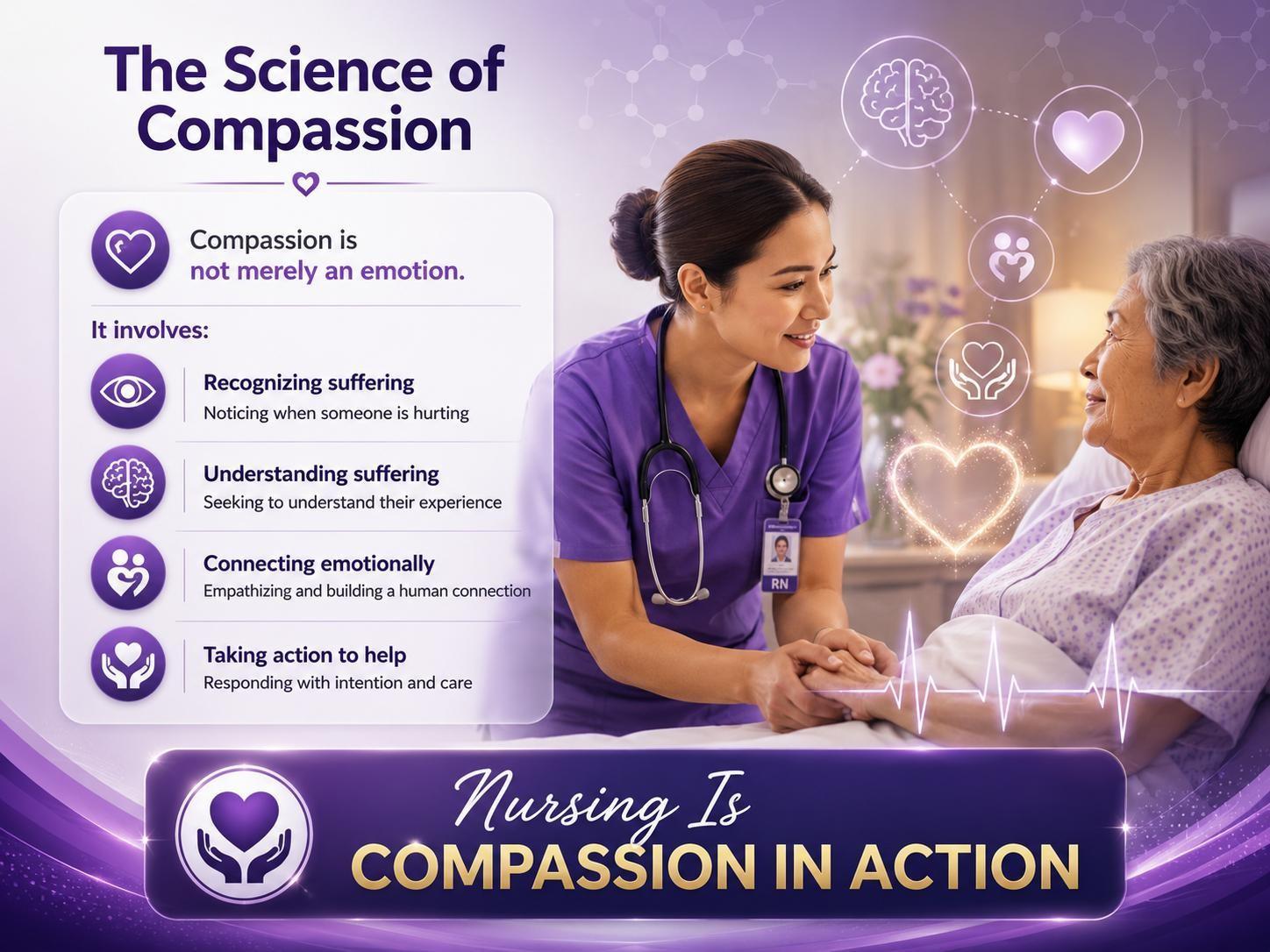
Compassionate connection in end-of-life care extends beyond clinical management to emphasize dignity, meaning, and holistic well-being. It involves an empathetic, person-centered approach that prioritizes presence, active listening, and respect for individual values and choices. By creating a supportive and comforting environment, caregivers can reduce fear, alleviate emotional distress, and help patients maintain a sense of identity. Central to this approach is the recognition of the patient as a whole person rather than a diagnosis, as reflected in practices such as the Patient Dignity Question. Compassionate care also encompasses a family-centered perspective, supporting loved ones through anticipatory grief and fostering shared understanding. Interventions such as dignity therapy and life review enable patients to reflect on their lives, derive meaning, and leave a lasting legacy. Respecting cultural, spiritual, and personal preferences further strengthens this process. Ultimately, compassionate connection transforms the end-oflife experience into one characterized by comfort, respect, and profound human connection
NURSING CONFERENCE
Elevating Human Experience By Kindness, Compassion & Equity
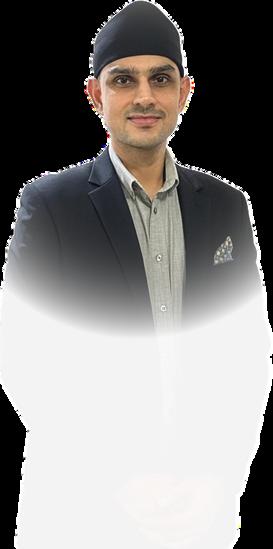
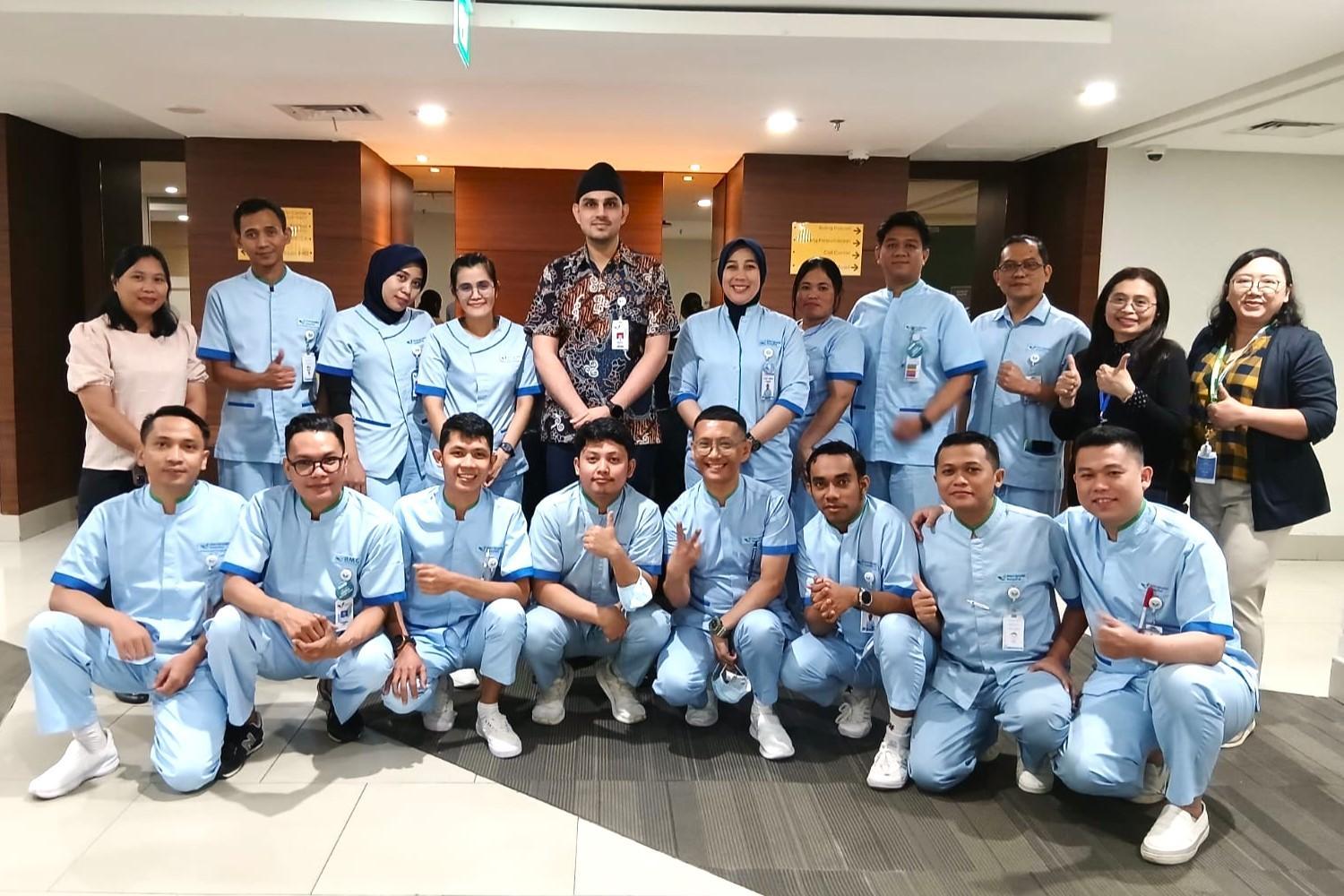
Mr Rajpal Singh Baldev Singh Corporate Head of Nursing, Mayapada Healthcare Group, Indonesia
Rajpal Singh Baldev Singh is a visionary healthcare executive and nursing leader with nearly 20 years of experience in nursing leadership, healthcare transformation, and international accreditation He currently serves as the Corporate Head of Nursing at Mayapada Healthcare Group in Jakarta, overs
overseeing nursing services across multiple hospitals and leading the organization’s journey toward international recognition programs including ANCC Pathway to Excellence and Magnet Recognition.
Previously, he held senior leadership positions within IHH Healthcare, including Director of Nursing and Senior Operations Manager at Pantai Hospital Ipoh, where he led large nursing teams and implemented operational and digital transformation initiatives that significantly improved patient outcomes and operational efficiency.
Rajpal is also a TEDx speaker, Six Sigma Green Belt, and PhD candidate in Healthcare Management, with strong expertise in workforce culture, digital healthcare innovation, and accreditation readiness. His leadership focuses on building resilient nursing systems, improving patient-centered care, and advancing nursing excellence across healthcare organizations.
From Caring for Staff to Compassionate Care: Our Pathway to Excellence Story
Compassionate patient care begins with a healthcare workforce that feels valued, supported, and empowered. In nursing, where professionals spend the most time with patients and families, the quality of the work environment directly influences both staff well-being and the patient experience.
This presentation shares the journey of Mayapada Healthcare Group, Indonesia, in strengthening compassionate care by first focusing on the people who deliver it the nurses. Through structured initiatives including competency development, preceptorship programs, leadership development, and workforce optimization, the organization has worked to create a professional practice environment that supports nursing excellence.
A key milestone in this journey is the organization’s commitment to the Pathway to Excellence® program, which promotes shared governance, nurse engagement, professional growth, and a culture of safety and respect in the workplace
Drawing from real organizational experience across multiple hospitals, this session highlights how investing in nurses can transform care delivery. When nurses feel supported and empowered, compassionate care naturally follows benefiting patients, families, and healthcare systems alike
NURSING CONFERENCE
Elevating Human Experience By Kindness, Compassion & Equity
Mabelle Tan is a corporate trainer and speaker specializing in Executive Presence, Professional Image, Emotional Intelligence, and Interpersonal Communication. She helps Ms Mabelle Tan Image Management & Colour Consultant, Etiquette Trainer, DISC Professional Facilitator, Mental Health First Aid Responder
professionals and leaders strengthen their personal brand by aligning their appearance, behaviours, and communication with their professional goals.
Her training focuses on building confidence, enhancing workplace relationships, and improving communication impact through practical and relatable approaches grounded in emotional intelligence and communication psychology.
Mabelle is a Certified Image Management Consultant, Certified Colour Consultant, Certified Etiquette Trainer, Certified DISC Professional Facilitator, and HRD Corp Accredited Trainer. She has delivered training and workshops for organizations such as Guardian Malaysia, Prudential, Great Eastern, MAXIS, and AT&S, as well as educational institutions including Universiti Sains Malaysia and INTI International College.
In addition to corporate training, she frequently serves as a speaker, facilitator, emcee, and moderator at professional events. Her mission is to equip individuals with the tools to present the best version of themselves authentically, strategically, and with impact.
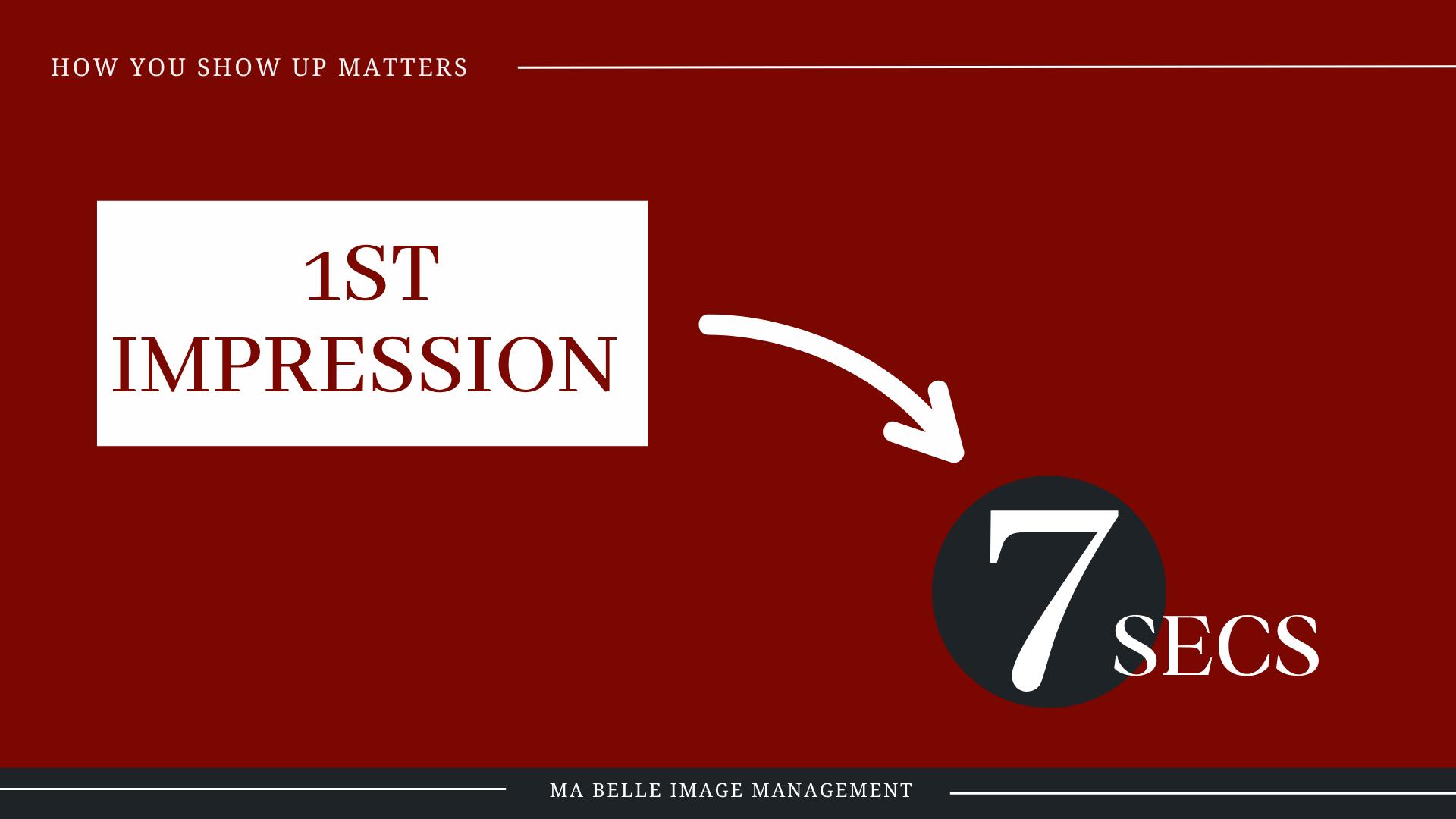
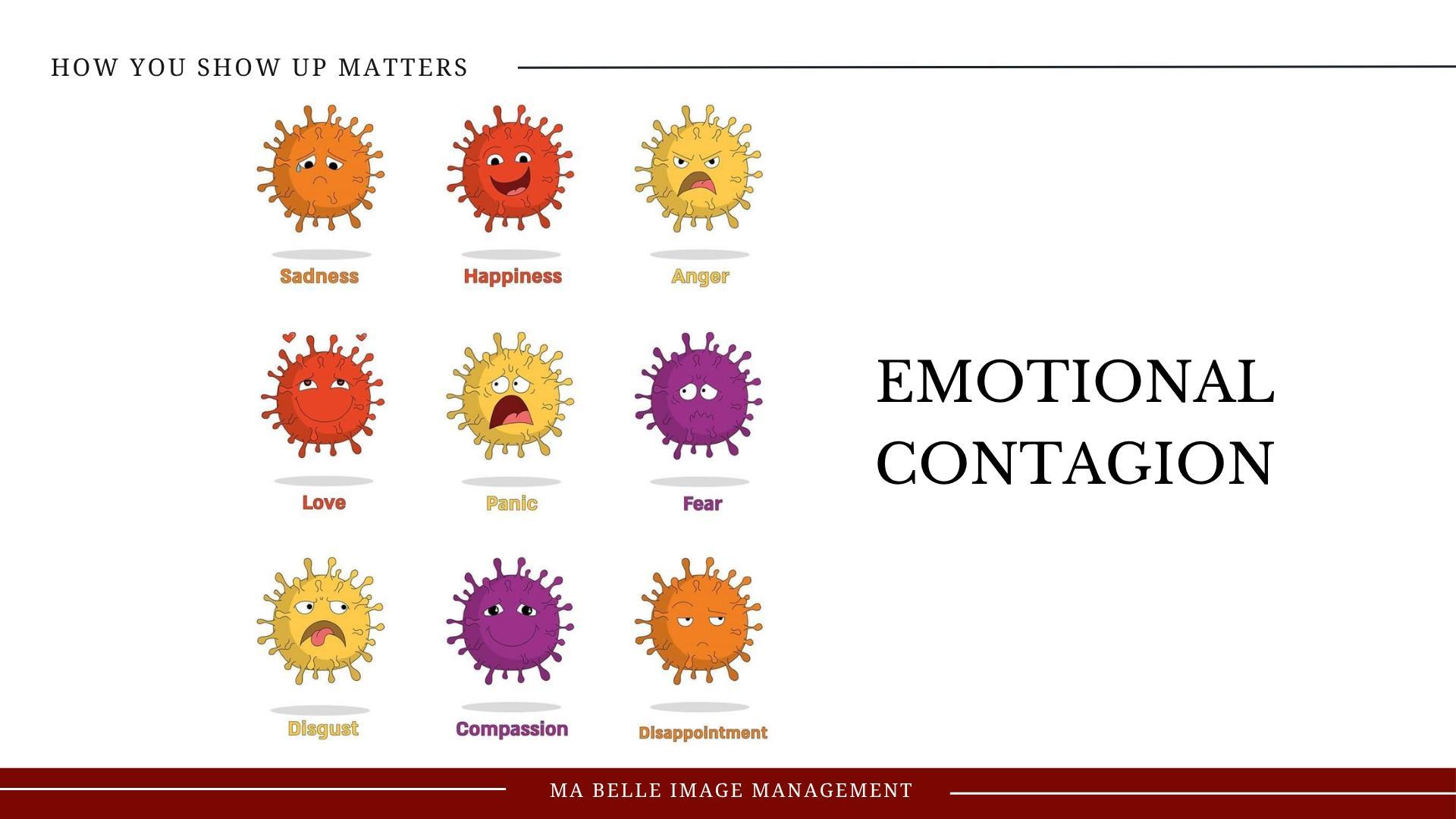
Elevating Human Experience: How We Show Up Matters - The Silent Language of Compassionate Nursing Care
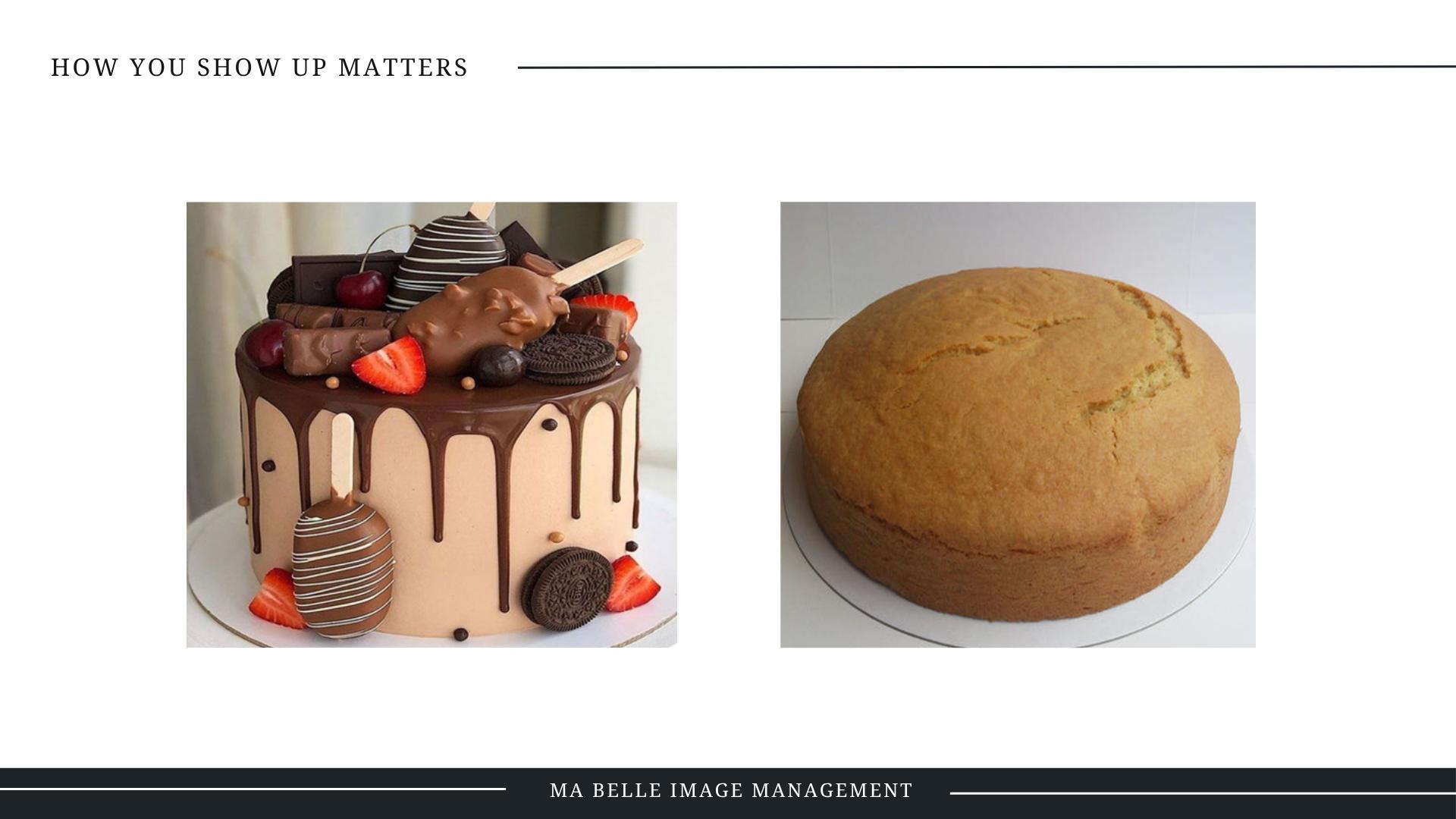
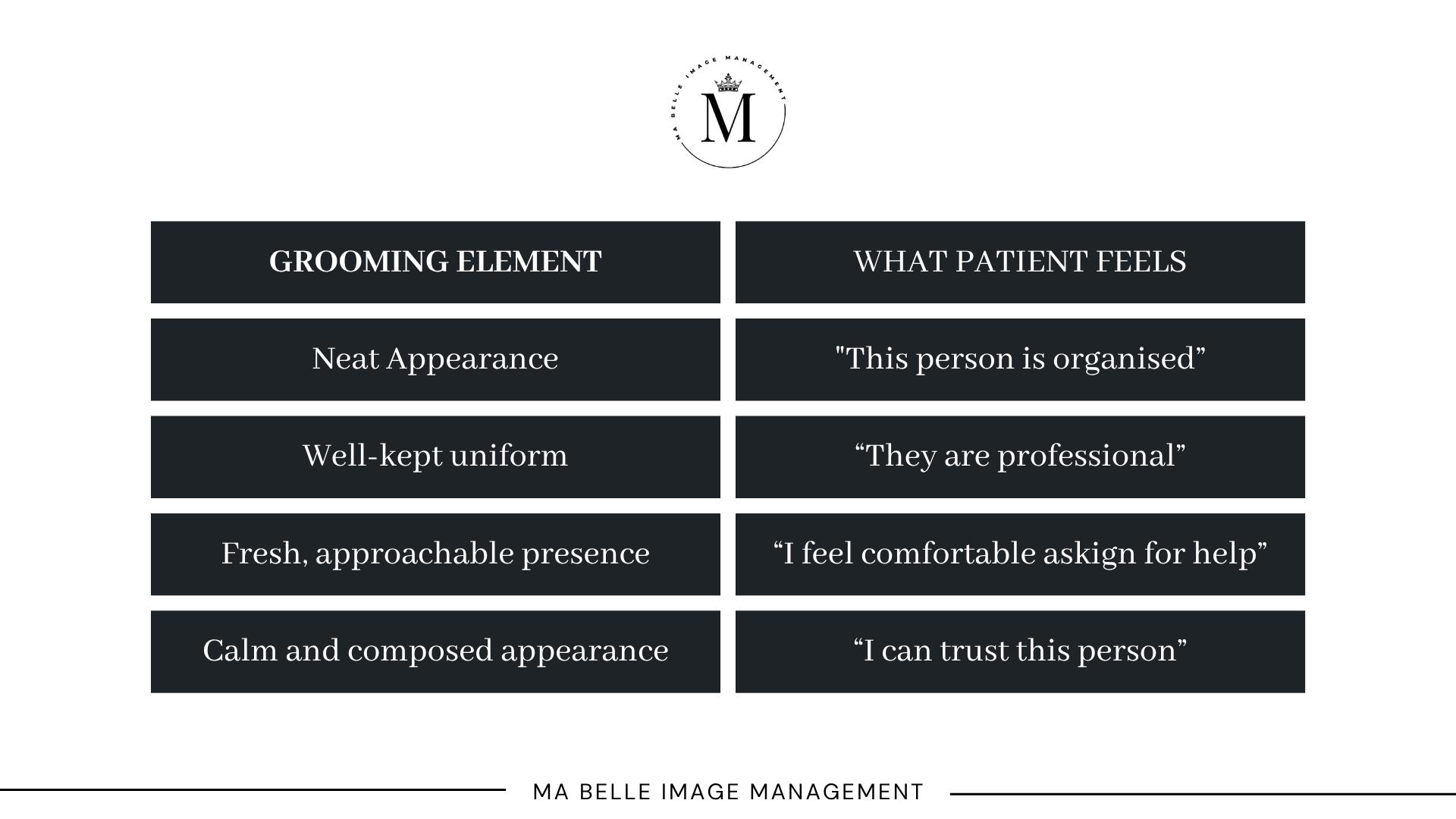
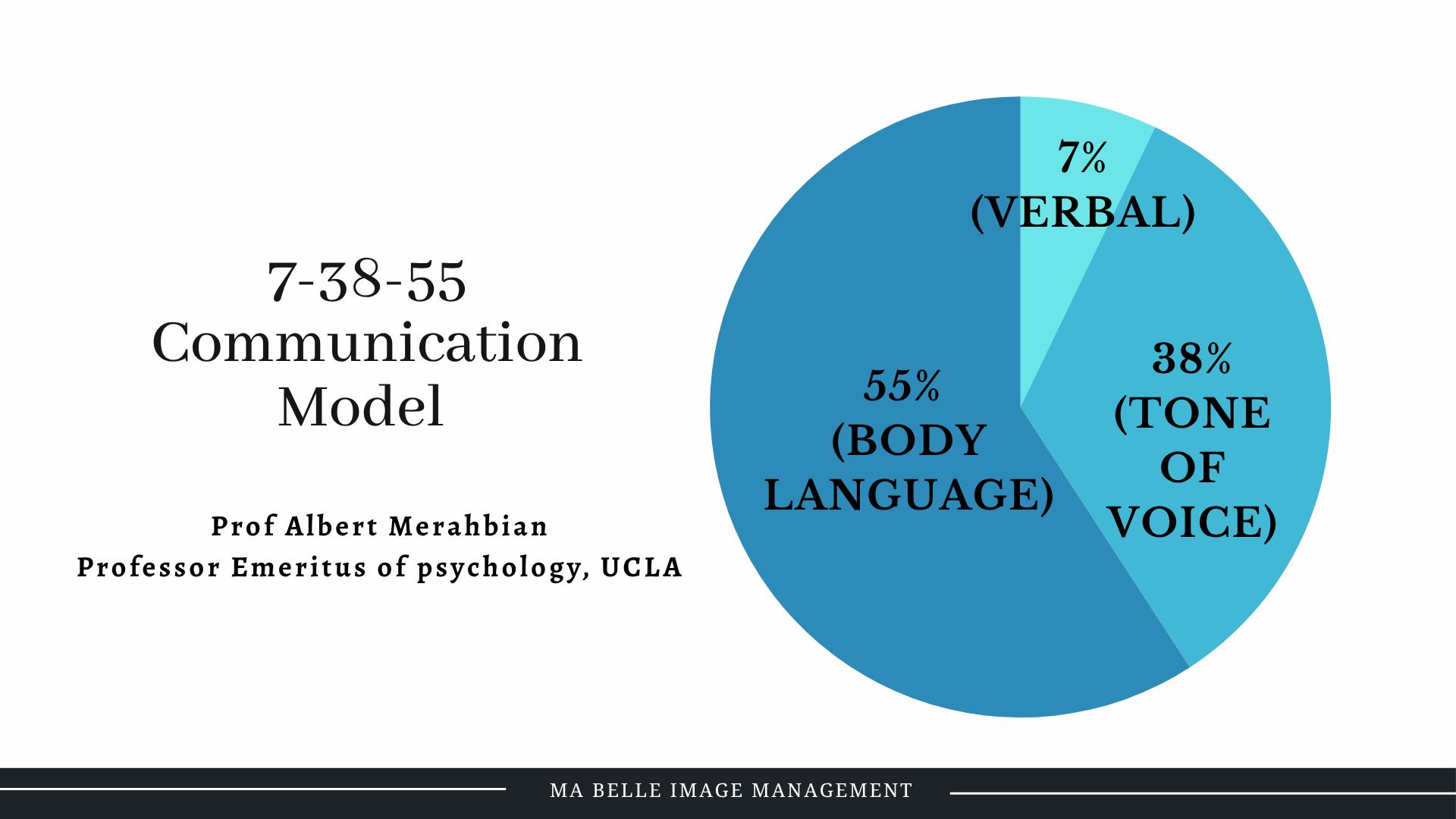
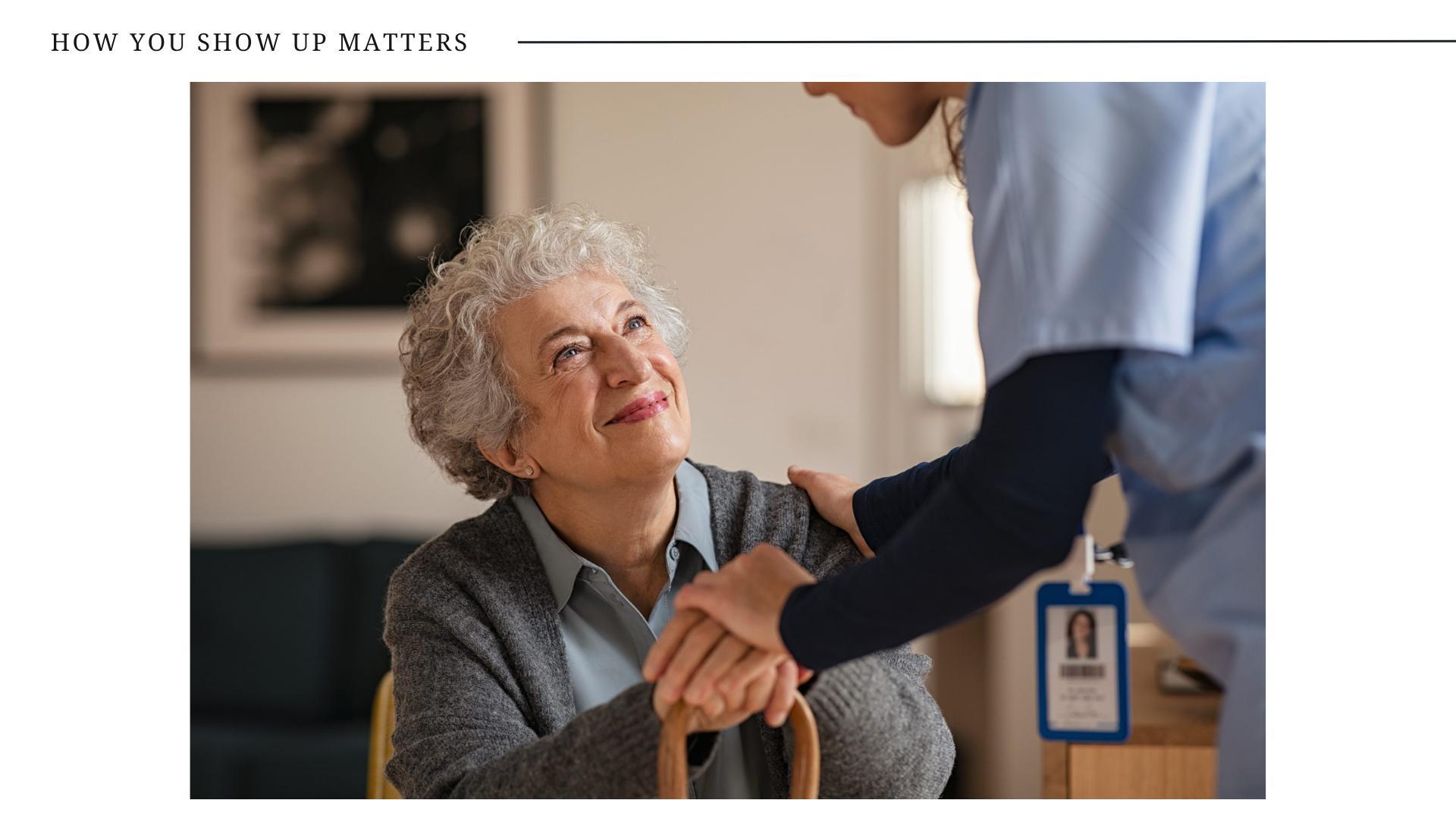
In healthcare, compassionate care extends far beyond clinical expertise. Every interaction, expression, tone, gesture, and even professional grooming contributes to the human experience of healing.
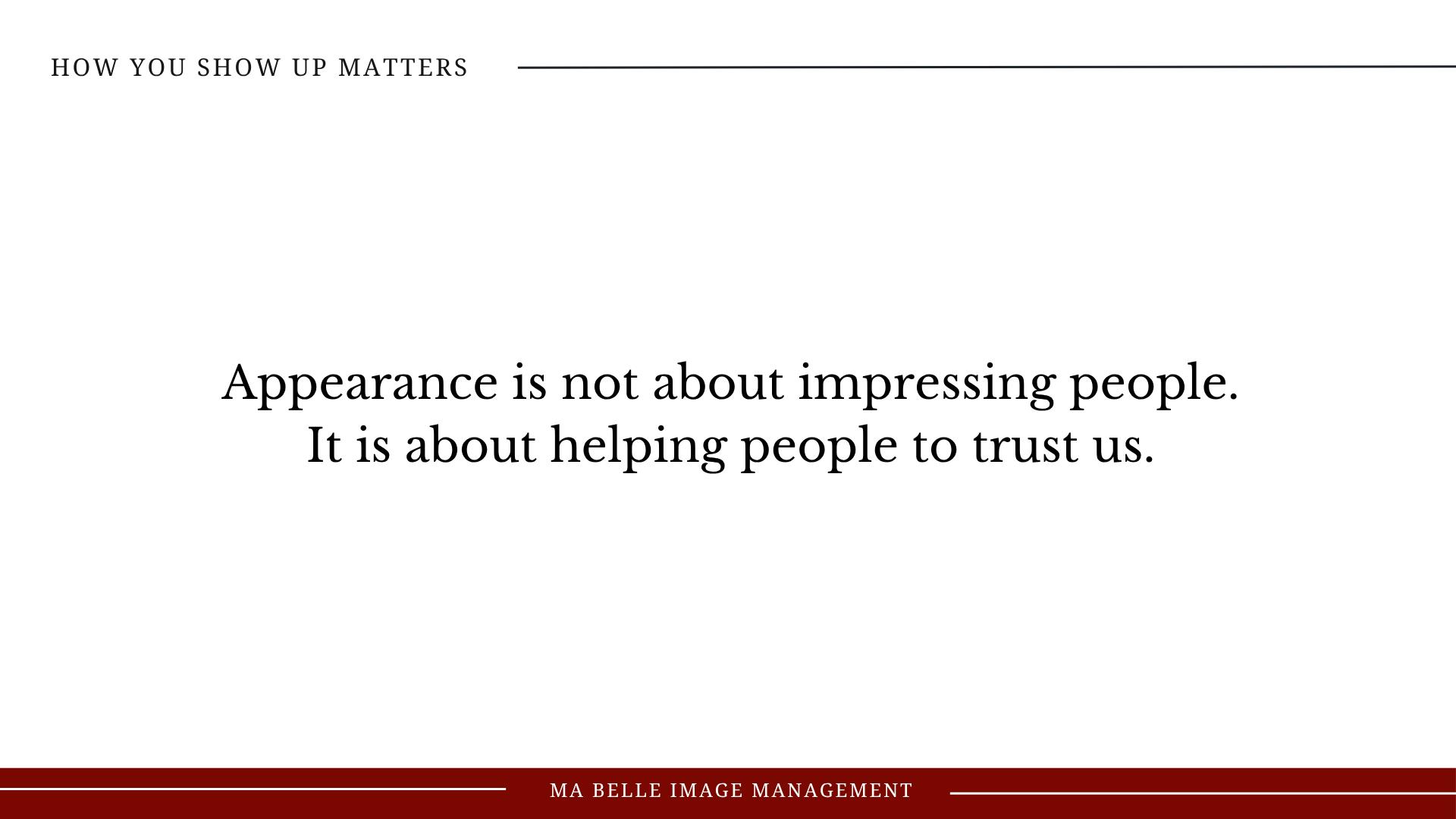
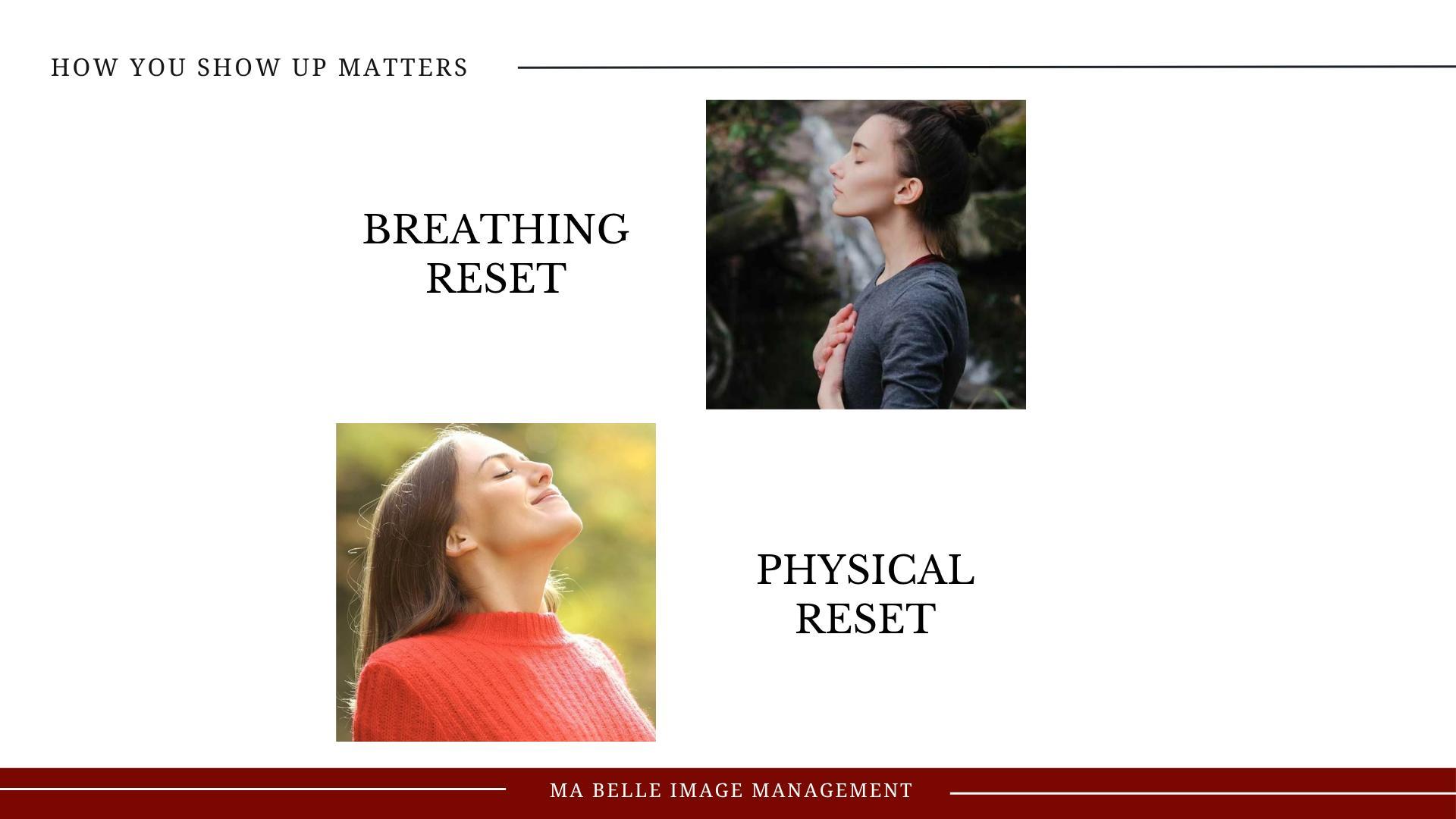
In today’s fast-paced healthcare environment, the silent language of compassion how we “show up” through our presence, empathy, attentiveness, and emotional awareness often leaves a deeper impact than words alone.
This session explores how nurses and healthcare professionals can foster trust, reassurance, and meaningful human connection through intentional presence and everyday interactions with patients and families
Participants will gain insight into how small yet significant moments of care
— from a calming tone of voice to a composed and professional appearance
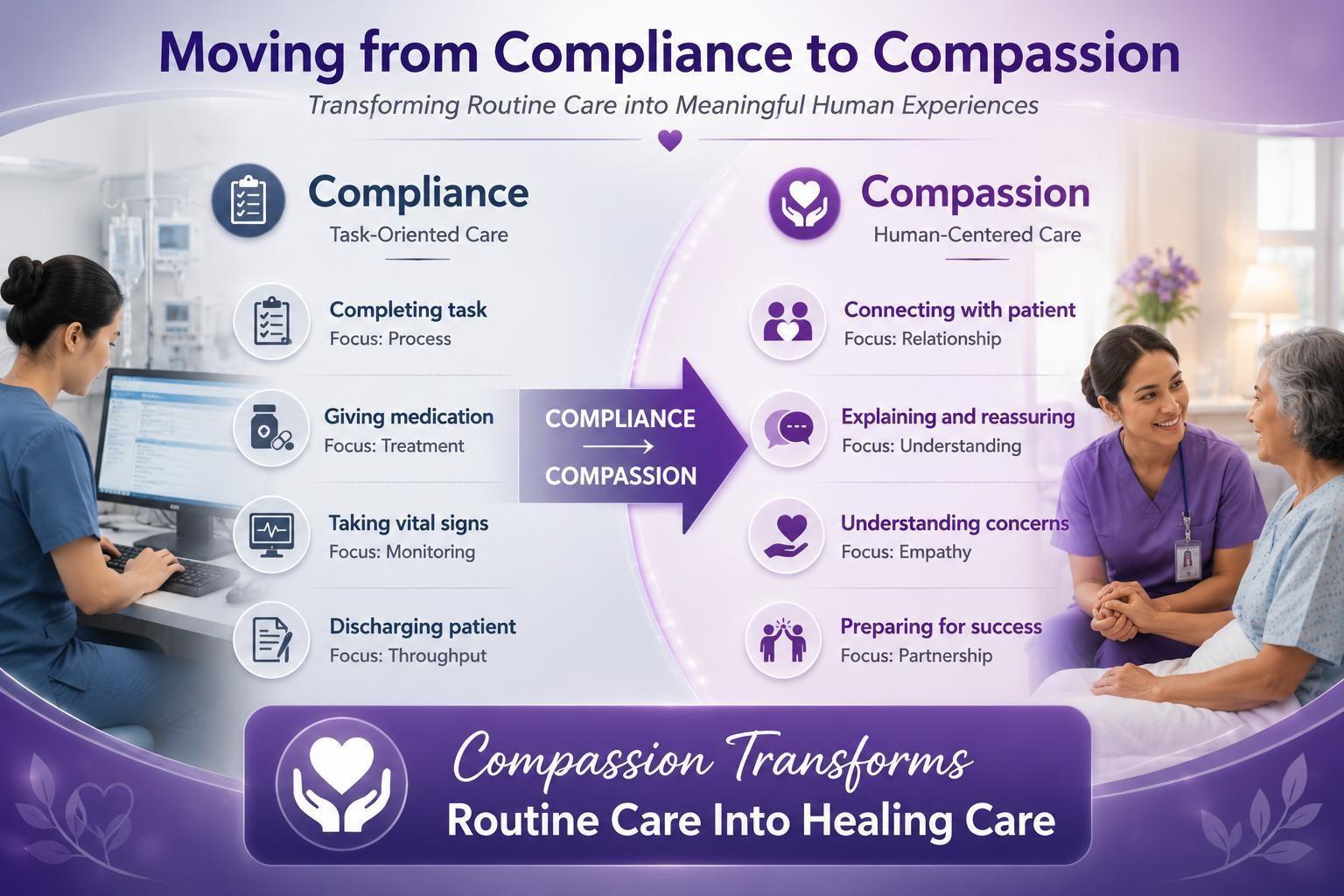
— can influence comfort, dignity, and patient confidence during vulnerable times. By shifting from purely task-oriented care to connection-centered healing, healthcare professionals do more than treat a condition; they honor the person behind it. Ultimately, how we show up shapes not only the patient experience, but also the culture of compassionate care we create together.
NURSING CONFERENCE
Elevating Human Experience By Kindness, Compassion & Equity
Mr Jayce Gooi Director of Legal, Senior Manager of HR Training, Penang Adventist Hospital
Mr Jayce Gooi is a healthcare leader with over two decades of experience in legal affairs, corporate governance, and human resource development He currently serves as Senior Manager of HR Training and Director of Legal at Adventist Hospital & Clinic Services (M)
In his role, he leads the implementation and facilitation of the SHARE customer service program, delivering training that enhances patient experience and service excellence across the hospital He also oversees legal affairs and corporate governance for the Adventist Group of Companies.
His diverse leadership background spans human resources, operations, compliance, and legal governance, enabling him to integrate organizational culture, regulatory standards, and staff development to support high-quality healthcare delivery
Beyond the Bedside:
Elevating Nursing Excellence through SHARE
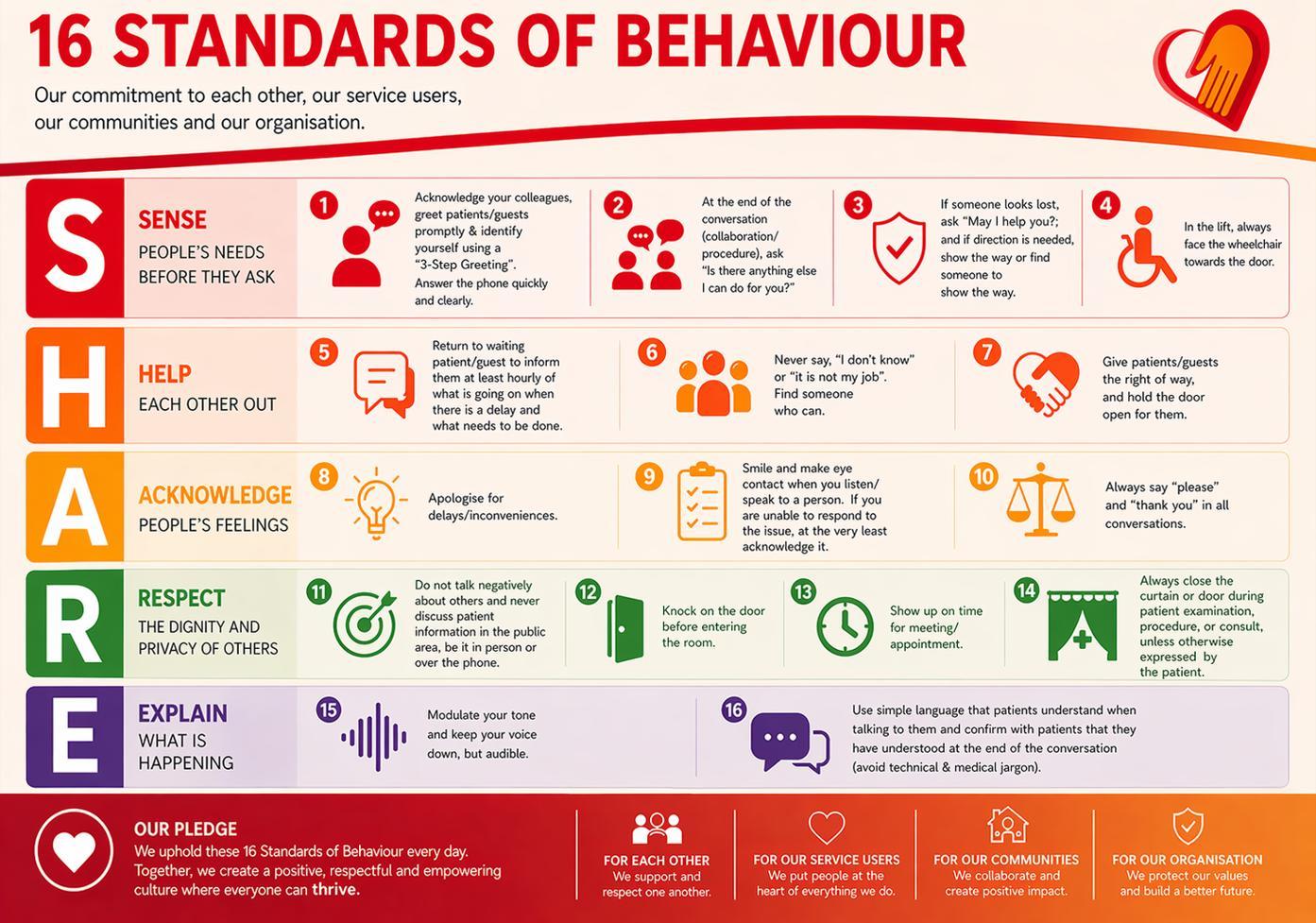
Excellence in nursing extends far beyond clinical competence — it is expressed in every interaction, every corridor conversation, and every moment of human connection This session introduces the SHARE Programme, Penang Adventist Hospital's structured customer service framework built on five core principles: Sense people's needs before they ask, Help each other out, Acknowledge people's feelings, Respect the dignity and privacy of others, and Explain what is happening.
Drawing from PAH's institutional experience in embedding SHARE across its workforce, this session explores how a values-driven service programme translates into improvements in patient experience, staff engagement, and organisational culture. Participants will gain practical insights into how frontline nursing teams can move beyond task completion to deliver compassionate, dignified, and person-centred care — every time, at every touchpoint
ETHEL GARDNER
NURSING CONFERENCE 2026
Elevating Human Experience By Kindness, Compassion & Equity
PRESENTATION SLIDES
Compassionate Leadership
FOSTERING EQUITY IN NURSING TEAMS
Ms Juliet Joji Varghese Director - Nursing
Apollo Main Hospital, Chennai, India
A WORK IN PROGRESS
We are all learning to become compassionate leaders.
None of us has perfected the art — and that is the point. This is an honest, evolving practice, not a finished destination.
VISION OF PENANG ADVENTIST HOSPITAL
Penang Adventist Hospital is committed to demonstrating the love and healing ministry of Christ by providing comprehensive, competent and excellent healthcare for all.
Teachings from the Bible
Mark 1:41
Moved with compassion, Jesus reached out his hand and touched him, and said to him, ‘I am willing; be cleansed.’
Matthew 14:14
When he went ashore he saw a great crowd, and he had compassion on them and healed their sick.
DEFINITION How is compassion defined?
“A strong feeling of sympathy for people or animals who are suffering and a desire to help them.”
— The Oxford Learner’s Dictionary Researchers studying compassion in healthcare emphasize the second half of that definition most: “a desire to help them.”
INSTITUTIONAL RECOGNITION
Compassion is a global healthcare standard
American Medical Association
Its very first Principle of Medical Ethics states that medical services should be provided with “compassion and respect for human dignity.”
UK National Health Service
Lists compassion as one of the six core values enshrined in its constitution.
Global Mandate
Many countries around the world mandate that compassion be exhibited in healthcare, per a 2011 Hastings Center Report.
Factors affecting compassion
According to an American Behavioral Scientist study, compassion involves three main factors:
1 Noticing Notice with an intent to understand and help
2 Feeling Developing an emotional response to another’s suffering and experiences.
3 Responding Being motivated to alleviate that suffering. It’s a desire to act
PATIENT OUTCOMES
Benefits of compassionate healthcare
Patient Benefits
Quicker recovery and better management of long-term conditions.
Lesser anxiety.
Stronger adherence to treatments, follow-ups, and reviews when patients feel comfortable with their providers.
LEADERSHIP FRAMEWORK
The 4 Core Pillars of Compassionate Leadership
Leaders in nursing build equality and team well-being by consistently applying four distinct behavioural practices:
How can you cultivate compassion in leadership
Practice Active Listening and Presence
Be fully there — attention is the first gift of compassion.
Advocate for Your Team
Stand visibly for your team's needs and wellbeing.
Build a Culture of Appreciation
Recognize effort, not only outcomes.
Provide Supportive Mentorship
Guide growth with patience and encouragement.
Prioritize Your Own Self-Care
You cannot pour from an empty cup.
INCLUSION IN PRACTICE
Fostering an Equal and Inclusive Team
Adopt Inclusive Leadership
Nurse leaders must actively champion workplace diversity, ensuring all voices have equal weight in care planning and unit governance.
Ensure Fair Task Distribution
Rotate high-acuity assignments and demanding shifts equitably so no single team member faces chronic burnout.
Cultivate a “Just Culture”
When mistakes happen, focus on systemic issues rather than individual blame — treat incidents as teaching moments.
Respect Hierarchies and Roles
Honor the unique contributions of every tier of staff.
Equality means respecting the value and voice of every role.
Short, stand-up team meetings used by healthcare teams to emotionally reset, share daily clinical risks, and build team empathy. Rather than focusing solely on patient charts, these intentional pauses help prevent burnout, improve psychological safety, and ensure caregivers are supported before treating others.
Why compassion huddles matter
Combatting Burnout
They create a safe, nonjudgmental space to share emotional burdens, helping prevent compassion fatigue.
Boosting Patient Safety
Improved team cohesion and proactive sharing of patient concerns significantly lower rates of clinical errors and adverse transfers.
Promoting PersonCentered Care
Emphasizing empathy before the shift begins reminds teams to view daily processes through the patient's eyes.
How to Run a Compassion Huddle
Typically led by a charge nurse or unit manager, the team gathers at the start of a shift. The agenda focuses on emotional well-being and psychological awareness:
1 Emotional Check-in
2 Support Assessment
Ask each team member to share a single word describing how they are showing up today.
Provide space for anyone to flag if they're “carrying something heavy” so the team can adjust assignments.
3 Safety & Successes
4 Shared Strength
Invite each participant to mention one patient safety concern or one positive observation.
Briefly identify one personal or team strength to lean on for the day.
EQUITY Equity in Nursing Leadership
Removes structural barriers
To ensure fair career advancement, equitable resource allocation, and diverse representation at all levels of healthcare management.
Provides tailored support
Mentorship and advocacy that underrepresented nurses need to succeed and drive systemic change.
OUTCOMES Why Equity and Compassion Matter in Nursing
Improved Patient Care
Nurses who feel supported by an equitable team are better equipped to provide emotionally resonant, empathetic care to patients.
Reduced Burnout
Compassion fatigue is real. A supportive team acts as a built-in system, offering a safe space to debrief after stressful shifts.
Better
Retention
Equity and diversity create a deep sense of belonging. When nurses feel respected regardless of background or rank, turnover drops.
THE CHALLENGES
Why Equity Matters for Teams
Geographical and institutional mal-distribution
Staff shortage and increased workload
Limited academic progression
Public vs private divide
Increased working hours
Biased promotions
Gender disparities
Lack of mentorship
FOUNDATIONS OF EQUITY
Key Pillars of Equity in Nursing Teams
Psychological Safety
A climate where every nurse can speak up, ask questions, and admit mistakes without fear.
Equitable Resource
Allocation Fair distribution of staffing, assignments, and support across every shift and unit.
Inclusive
Leadership Leaders who actively invite and weigh every voice in decisions that affect the team.
STRATEGY
Core Strategies for Nurse Leaders
Foster Open Dialogue
Utilize team huddles and peer support programs to discuss challenges, respect varying perspectives, and build mutual trust.
Implement Structured Frameworks
Institutionalize mentorship, diverse workforce representation, and fair promotion pathways.
Transparent scheduling of duties
Advocate
for Systemic Change
Apply fairness principles in delegation, vacation approvals, and disciplinary processes consistently.
It factors in both patient acuity — the complexity of care required — and the existing workload of staff, to prevent burnout, ensure patient safety, and maintain high-quality care.
LISTENING FORUMS · 01
Chat in Chamber
Aprivate,one-on-oneconversationspace whereeveryteammembercanspeak candidlywithleadership—awayfromthe pressuresofthefloor. It signals that leadership's door — and chamber — is genuinely open.
Transparency at scale — building trust through visibility, not hierarchy.
Exit Interviews
Structuredconversationswithdepartingstaff— capturinghonestfeedbackonequity,workload,and culturethatishardertosurfacewhilesomeoneisstillon theteam. Every departure is a data point for the team that stays.
APOLLO HOSPITALS GROUP
Our Mission, Vision, and Values
Mission
Dr. Prathap C Reddy Founder Chairman, Apollo Hospitals Group
“Our Mission is to bring healthcare of international standards within the reach of every individual. We are committed to the achievement and maintenance of excellence in education, research and healthcare for the benefit of humanity.”
Vision
“To make India a global healthcare destination.” Apollo's vision for the next phase of development is to ‘Touch a billion lives.’
Emphasizing emotional and psychological wellbeing alongside physical recovery.
Healing Environment
Treating patients like family, promoting a warm and supportive hospital atmosphere.
Humanitarian
Approach
Balancing technical excellence with genuine human connection and empathy and compassion.
Thank You
Compassionate Leadership · Fostering Equity in Nursing Teams
COMPASSIONATE CONNECTION: ENHANCING
DIGNITY AND MEANING AT END OF LIFE
Dr Jaishree Sharmini J Palliative Care Consultant
LEARNING OBJECTIVES
◦ Define compassionate connection in end-of-life care.
◦ Recognize factors affecting dignity in dying patients.
◦ Apply communication strategies that foster trust and comfort.
◦ Identify practical nursing interventions to preserve dignity.
◦ Reflect on YOUR own role in creating meaningful end-of-life experiences.
WHY?
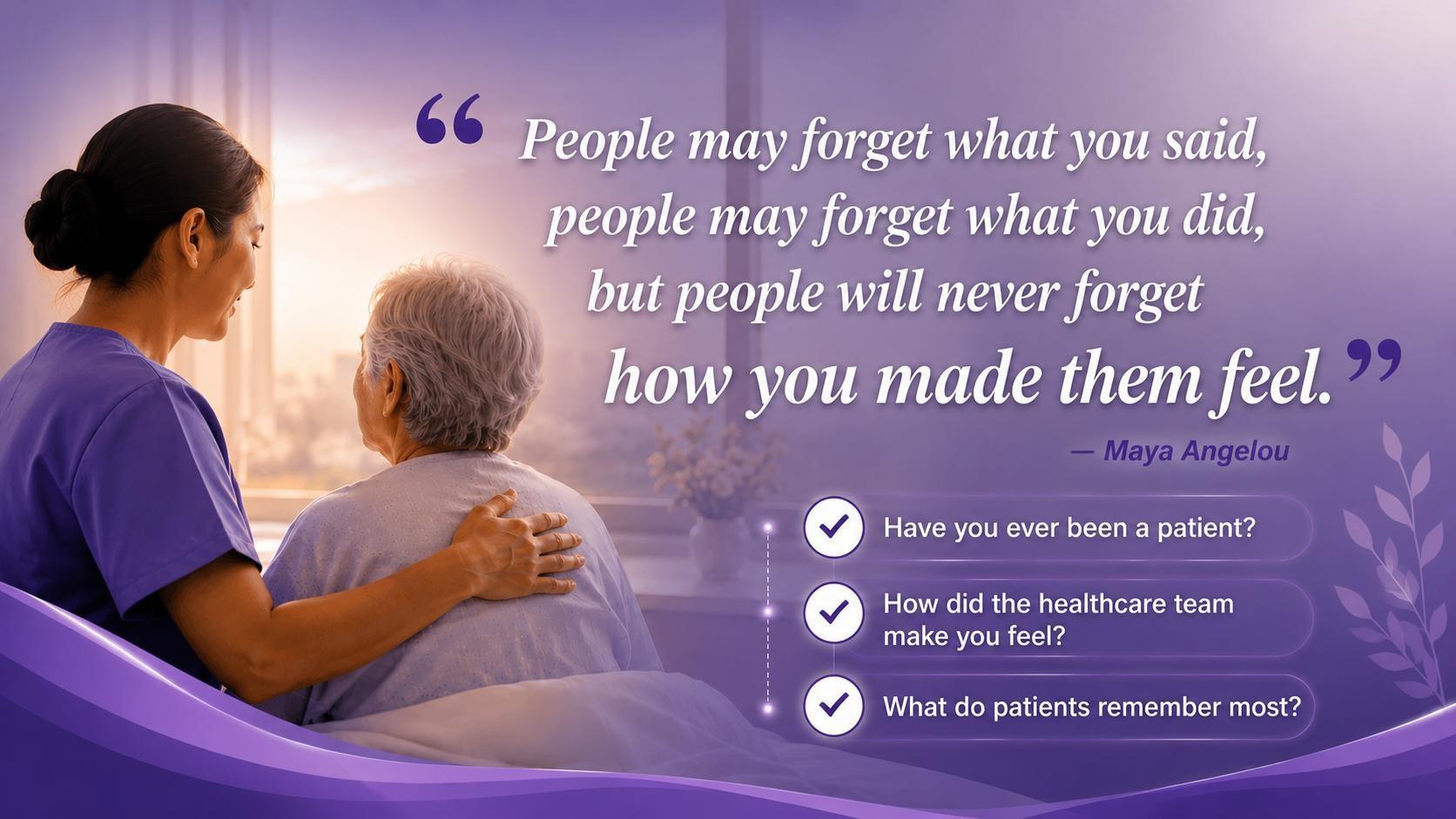
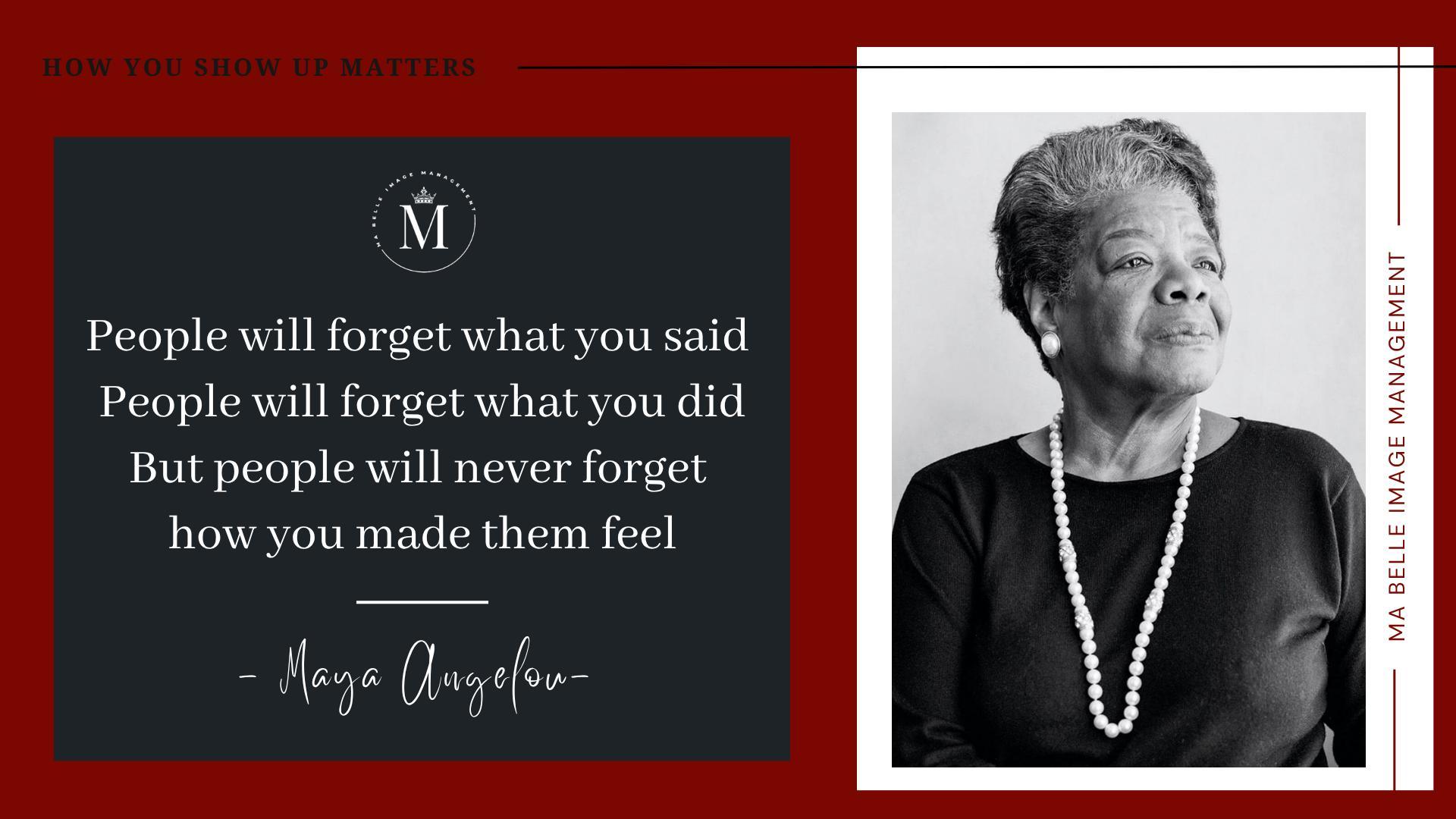
◦ "People may forget what you said, but they will never forget how you made them feel."
◦ At the end of life, patients often remember:
◦ Presence rather than procedures
◦ Compassion rather than cures
◦ Human connection rather than technology
◦ Nurses spend the most time with patients and families.
WHAT IS COMPASSIONATE CONNECTION?
◦ Being fully present
◦ Active listening
◦ Understanding suffering
◦ Responding with kindness
◦ Building trust and emotional safety
◦ It is not about fixing every problem.
◦ It is about accompanying patients through their journey.
for video
WHAT DOES DIGNITY MEAN?
◦ Dignity is:
◦ Feeling valued as a person
◦ Being treated with respect
◦ Having choices respected
◦ Maintaining identity
◦ Preserving autonomy whenever possible
◦ Even when independence is lost, dignity can remain.
WHAT THREATENS DIGNITY AT END OF LIFE?
◦ Physical factors:
◦ Incontinence
◦ Dependence
◦ Fatigue
◦ Breathlessness
◦ Psychological factors:
◦ Fear
◦ Anxiety
◦ Loss of control
◦ Social factors:
◦ Isolation
◦ Family conflict
◦ Healthcare factors:
◦ Poor communication
◦ Lack of privacy
◦ Task-focused care
ABC OF COMPASSIONATE NURSING
◦ A – Acknowledge
◦ Recognize emotions and concerns.
◦ B – Be Present
◦ Give undivided attention.
◦ C – Connect
◦ Build meaningful relationships.
◦ Small moments often have lasting impact.
THERAPEUTIC PRESENTS
◦ Presence means:
◦ Sitting rather than standing over patients
◦ Maintaining eye contact
◦ Allowing silence
◦ Avoiding rushing conversations
◦ Sometimes the most therapeutic intervention is simply staying.
COMMUNICATION THAT HEALS
◦ Helpful phrases:
◦ ✓ "Tell me what worries you most."
◦ ✓ "What is most important to you right now?"
◦ ✓ "How can I help make today easier?"
◦ ✓ "You are not alone."
LISTENING BEYOND WORDS
◦ Patients communicate through:
◦ Facial expressions
◦ Silence
◦ Behaviour changes
◦ Body language
◦ Ask:
"What are you trying to tell me?"
◦ Not:
"Why are you behaving this way?"
MAINTAINING DIGNITY THROUGH PERSONEL CARE
◦ Simple actions matter:
◦ Knock before entering
◦ Explain procedures
◦ Cover exposed body parts
◦ Respect personal preferences
◦ Address patients by preferred names
◦ Dignity is preserved one interaction at a time.
SUPPORTING CHOICE AND CONTROL
◦ Even small choices matter:
◦ Meal preferences
◦ Clothing
◦ Visitors
◦ Daily routines
◦ Spiritual practices
◦ Loss of control increases suffering.
◦ Choice restores personhood.
FAMILY CENTERED COMPASSION
◦ Families are experiencing suffering too.
◦ Nursing roles:
◦ Provide information
◦ Validate emotions
◦ Encourage participation
◦ Prepare families for dying process
◦ Families remember how they were treated long after the death.
CULTURAL AND SPIRITUAL SENSITIVITY
◦ Ask:
◦ "Are there any cultural practices we should know about?"
◦ "Is faith or spirituality important to you?"
◦ Respect:
◦ Religious rituals
◦ Family structures
◦ Personal beliefs
◦ There is no "one-size-fits-all" approach.
COMPASSION DURING THE FINAL DAYS
◦ Focus on:
◦ Comfort
◦ Symptom control
◦ Reassurance
◦ Family presence
◦ Calm environment
◦ Remember: The goal shifts from prolonging life to maximizing quality of remaining life.
POWER OF SMALL ACTS
◦ Examples:
◦ Holding a hand
◦ Playing HIS favourite music
◦ Helping with a video call
◦ Moistening lips
◦ Arranging family visits
◦ Small acts create lasting memories.
CASE REFLECTION 1
◦ Mr Mansor, age 72:
◦ Advanced cancer, restless and withdrawn.
◦ Questions:
◦ What may threaten his dignity?
◦ How can a nurse establish compassionate connection?
◦ What practical actions can improve his experience?
◦ (Group discussion)
CASE REFLECTION 2
Mrs Lim, 78 years old, has advanced heart failure. She repeatedly tells the nurses:
◦ "My children have their own lives. I don't want to be a burden."
◦ She has become withdrawn and refuses assistance with bathing.
◦ Discussion Questions
◦ What concerns may be hidden behind her statement?
◦ How might loss of dignity be affecting her?
◦ What compassionate responses could a nurse use?
◦ How can nurses support her sense of worth and personhood?
CASE 3
◦ A patient's son confronts the nurse:
◦ "Nobody is doing anything! My father is getting worse every day!"
◦ The patient has metastatic cancer and is actively dying.
◦ Discussion Questions
◦ What emotions may be driving the son's anger?
◦ How should the nurse respond?
◦ What statements may escalate the situation?
◦ How can compassion be shown while maintaining professionalism?
CARING FOR OURSELF
◦ Compassion fatigue is real.
◦ Strategies:
◦ Debriefing
◦ Peer support
◦ Reflection
◦ Boundaries
◦ Self-care
◦ You cannot pour from an empty cup.
TAKE HOME MESSAGE
◦ Compassion is shown through presence.
◦ ✓ Dignity is preserved through respect and choice.
◦ ✓ Communication is a powerful therapeutic intervention.
◦ ✓ Small actions have profound impact.
◦ ✓ Every
nurse can make a difference at the end of life.
◦
"What is one thing you will do differently tomorrow to enhance compassionate connection and dignity for your patients?"
Nursing Excellence: Mayapada Healthcare’s
5-Year Journey
From Caring for Staff to Compassionate Care: Building the Foundation for Pathway to Excellence® and Magnet®
Corporate head of Nursing
Rajpal Singh
Mayapada Healthcare Group
The Challenge
Healthcare is changing globally.
Nursing shortages
Burnout and turnover
Higher expectations
Global personnel shortage.
Rising staff attrition.
Increased patient demands.
Workforce mobility
Increased staff movement. Patient experience
Greater focus on outcomes.
Value-based care
WHO 2020 Report
Shift in healthcare delivery.
Global nursing shortage estimate.
Our Vision
Aroadmap for nursing excellence and high-quality care.
To build a compassionate, competent and globally recognized nursing workforce that delivers safe, high-quality, patientcentered care while advancing nursing excellence through education, innovation, leadership and research.
Our Strategic Journey
Not an accreditation project; a workforce transformation strategy.
Why Start With Nurses?
Research links work environments to patient outcomes.
2024: Building the Foundation
Our objective is to create compassionate and competent nurses.
Before it all started.
Patient-Centered Care
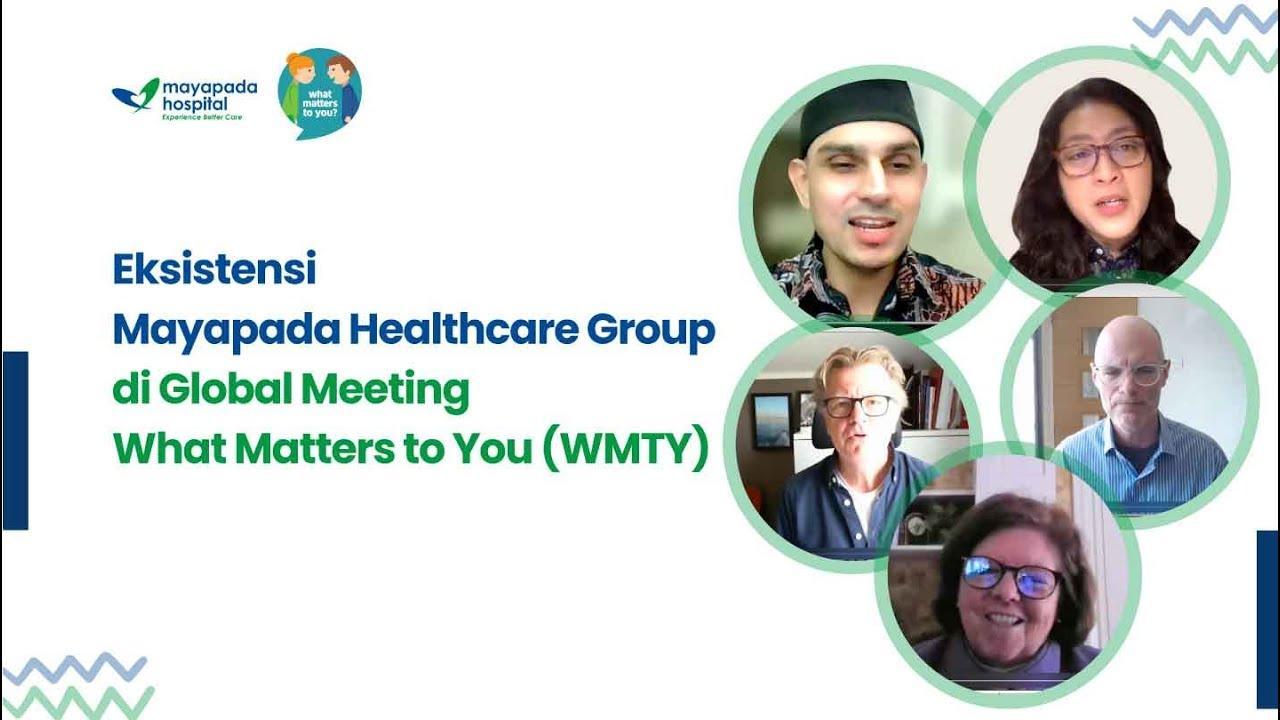
WMTY (What Matters To You) — First implementation in Indonesia.
Personalised care
Better communication
Shared decision making
Human connection
Improved patient experience
Standardized Nursing
Initiatives to ensure safer care and reduced variation.
Standardized Handover Sensitive Indicators
Standardized Policies
Standardized Consumables Implementation
WorkforceTransformation
Transition from traditional models to Modified Cubicle Nursing (MCN).
Traditional
Nurse works independently.
MCN Model
Team Leader, real-time supervision, coaching
Cross checkingand better allocation
Improved patient safety and staff support
Reduced missedcare
Investing in Our Nurses
Learning is part of clinical practice within our education framework.
Mayapada Nursing Education Framework
Journal Club
English Club
Professional Engagement
Building professional identity and creating pride in the profession.
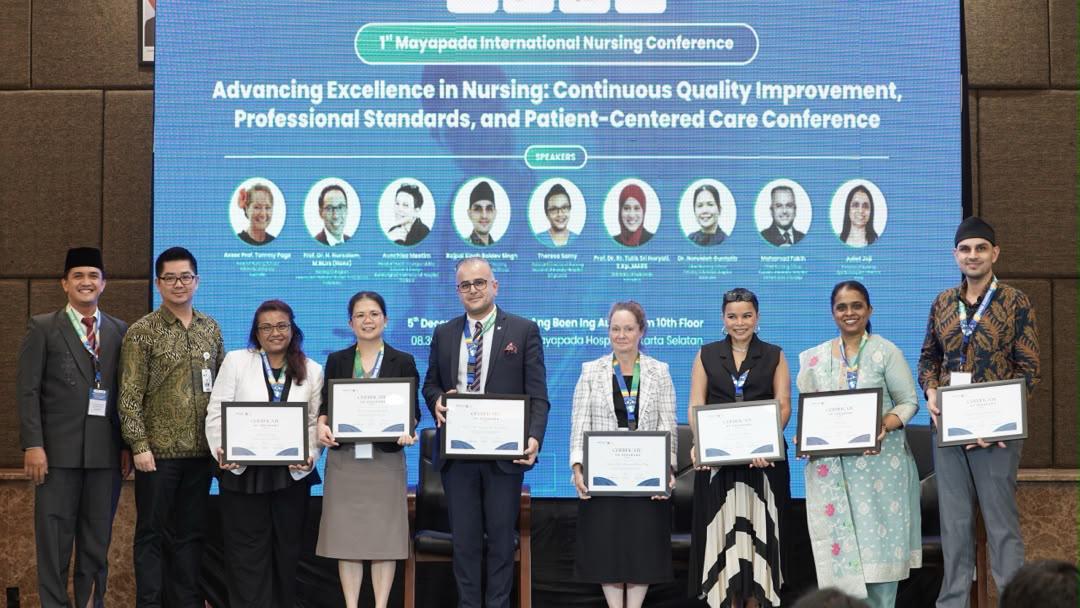
1st Mayapada International Nursing Conference
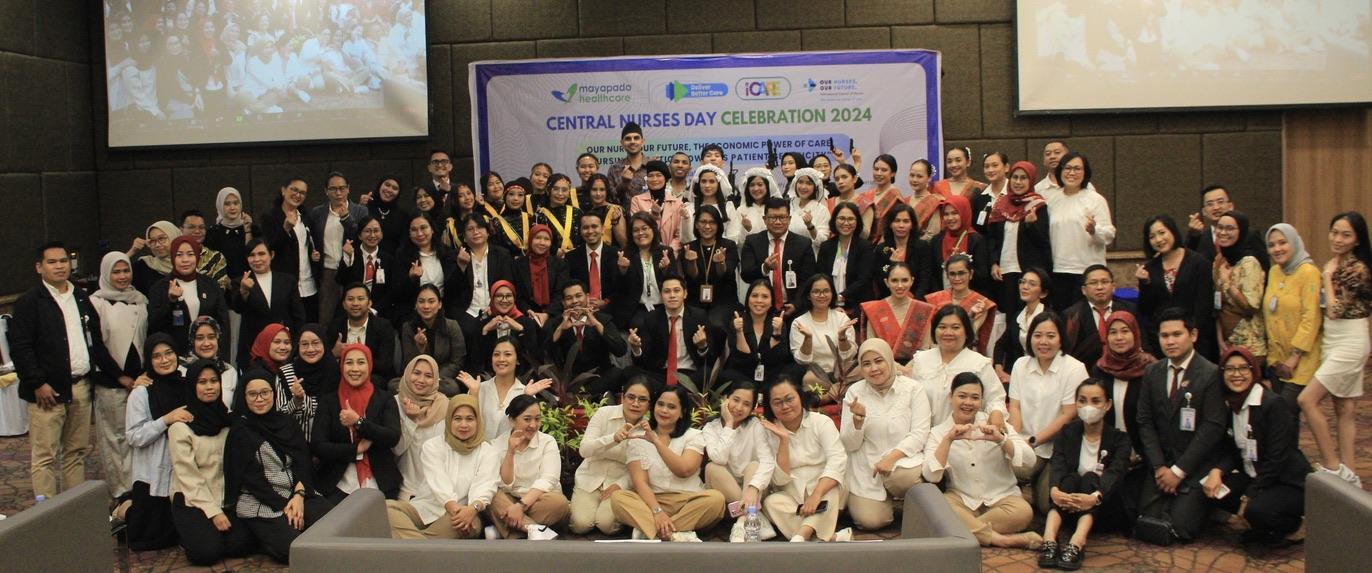
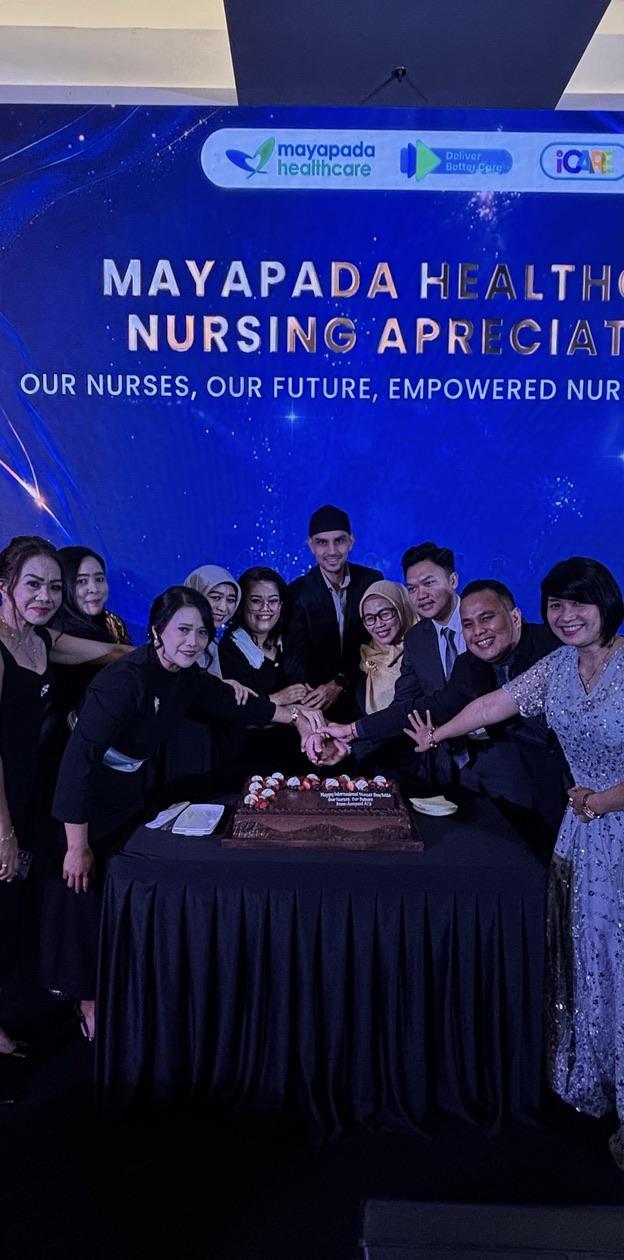
1st Mayapada International Nurses Day Celebration
2025: Strengthening Professional Excellence
The theme for the year: Education drives excellence.
Key initiatives to support nurse growth and competency.
goFLUENT
Development
Specialist Nursing Development
Programs designed to develop specialty nursing capability.
Leadership Development
Leadership creates culture through targeted coaching and rewards.
Kanit Coaching
Department KPI
Reward
Research and Global Presence
Increasing international visibility and academic output.
International Conferences
International Abstract and Poster Submission
International Publications
Nursing Website
2026 Pathway to Excellence®
2026 Major Initiatives
Enhancing the patient experience and clinical pathways.
Quality and Benchmarking
Innovation
Leveraging technology and specialized training for clinical excellence.
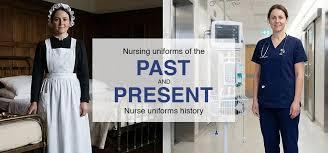
Our new nursing uniform is more than a uniform; it represents pride.
Pride
Professionalism
Visibility
Belonging
Deliver Better Care
Outcomes WeAre Building
A comprehensive approach to developing nursing excellence.
Compassionate Nurses
WMTY, Patient Navigator, Education
Portal
Innovative Nurses
AI, WEEP, ERAS
Competent Nurses
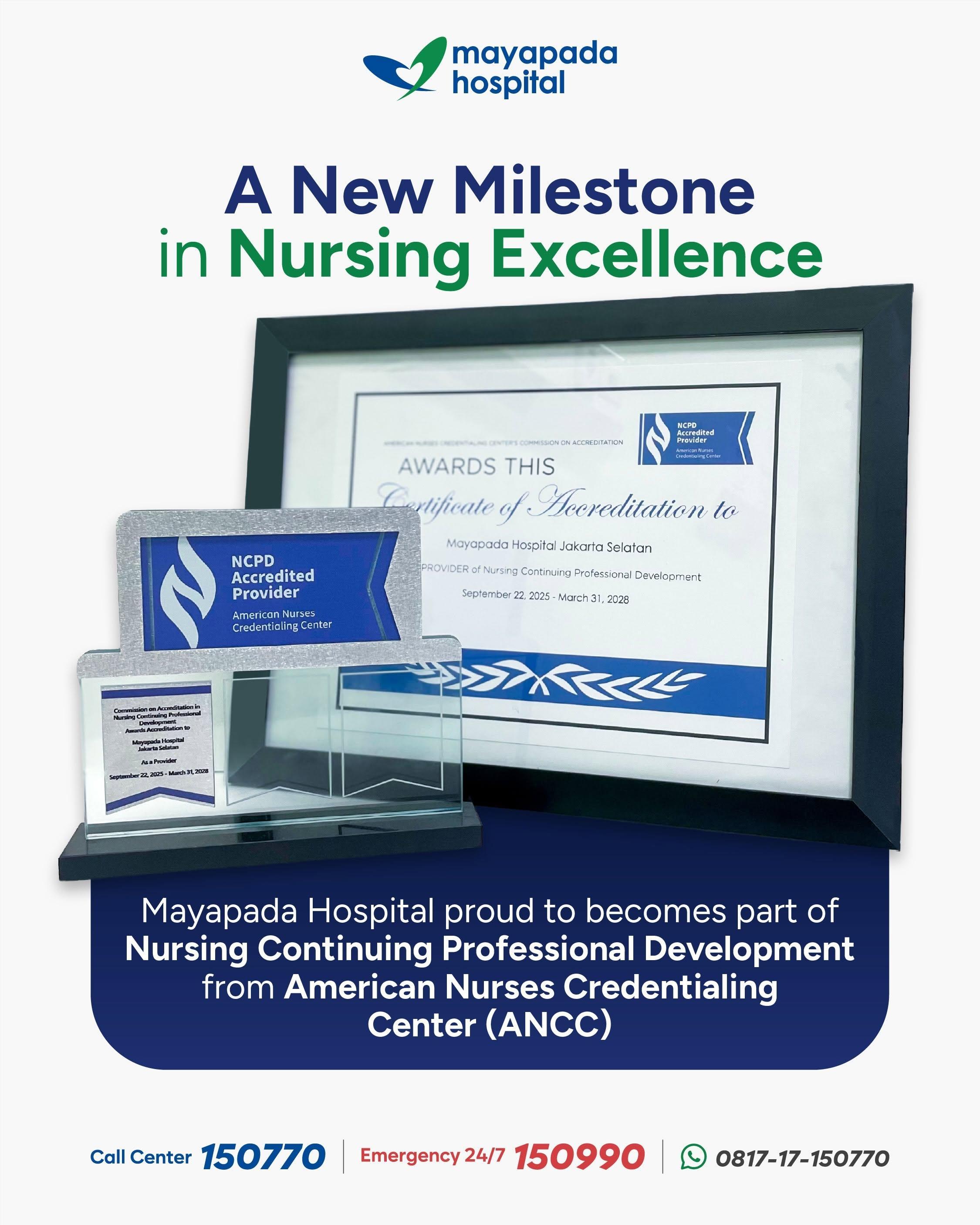
Specialist programs, Certified Global Nurse, NCPD
High Performing
MCN, NSI, Dashboard
Global Nurses
IHI, APSIC, IHF, HMA - International conferences
Why Pathway Before Magnet?
Pathway builds the culture that Magnet recognizes as mature excellence.
Our Magnet Vision 2028
Afuture-ready workforce defining global excellence.
Compassionate in Care
Competent in Practice
Innovative in Thinking
Digital in Capability
Global in Outlook
Final Message
Pathway to Excellence is not an award; it is a promise.
Nurses will have a voice.
Leaders will listen.
Learning will never stop.
Beyond the Bedside:
Elevating Nursing Excellence Through SHARE
Jayce Gooi| Senior Manager - HR Training
Ethel Gardner Nursing Conference 2026
About the Speaker
Jayce Gooi
Senior Manager of HR Training
Penang Adventist Hospital
Trains PAH’s staff in the 5 SHARE principles across all hospital departments through structured training, monthly briefings, and leadership engagements.
Session Overview
What we will cover in the next 50 minutes:
1. SHARE – history and purpose.
2. SHARE - how it drives patient experience.
3. AIDET and nurse rounding – the frameworks that bring SHARE to life.
4. SHARE - how PAH hardwires these behaviours into daily nursing practice.
5. What Elevating Nursing Excellence Through SHARE looks like.
Fred Lee
Disney doesn’t simply provide rides—it creates experiences.
Hospitals don’t simply provide medical treatment—they also create experiences.
— Fred Lee, founder of the SHARE framework and author of If Disney Ran Your Hospital
His central insight was that Disney and hospitals are more alike than they appear.
Traditional Service vs SHARE approach
Traditional Service SHARE Approach
Complete the task
Reduce fear and suffering
Follow the script
Focus on satisfaction scores
Respond to the person's emotions
Build trust and loyalty
Meet expectations
Create memorable caring moments
Introducing the SHARE Programme
SHARE is PAH’s structured customer service framework — 5 principles that define how every staff member shows up for patients, families, and colleagues.
First developed in the late 1980s within the Adventist Health System, SHARE was created to translate Christian caring values into specific, observable behaviours — for every person in the hospital, not just clinical staff. Housekeeping, food service, reception, maintenance, and management: everyone.
Mission Statement
“Penang Adventist Hospital is committed to demonstrating the love and healing ministry of Christ by providing comprehensive, competent, and excellent healthcare for all.”
VALUES
Letter Value
What It Means
C Community Treat every patient and colleague as part of one caring community.
A Achievement Deliver excellent clinical care and service consistently.
R Relevant Anticipate changing patient needs and communicate clearly.
I Integrity Take ownership and be honest, especially when things go wrong.
N Nurture Show empathy, compassion, and emotional support.
G Godliness Serve others with dignity, humility, and respect.
Nursing Excellence Starts With Purpose
“You can have all the clinical skills in the world. But if patients don’t feel heard, seen, and respected — they do not feel cared for.”
Excellence in nursing is not just what you do — it is how every patient feels when you do it.
It lives in the corridor conversation. The knock before entry. The introduction by name. The explanation given before leaving the room.
These moments are not extras. They are the job.
Sense people’s needs before they ask
A son bringing his elderly mother for a check-up · Specialist Complex
“ My mother was in a wheelchair, and as soon as she saw us coming out from the lift, she came over to assist and guided us through the entire registration process — without us ever having to ask. This exemplifies proactiveness, and she was so friendly. Tip-top customer service.
Recognising: Rosalind Ooi, Customer Relations · April 2026
— A grateful patient of Penang Adventist Hospital
Sense people’s needs before they ask
Anticipatory care is the highest form of attentiveness.
A patient who has to ring the call bell has already waited too long.
• Proactively offer pain relief, position changes, water
• Check in during rounds before the patient has to ask
This is nurse rounding at its core — structured, purposeful, and patient-centred.
Help each other out
A patient after life-saving surgery · Surgical & Medical Wards
“ Heartfelt thanks to the ward nurses for their compassionate hearts — guiding me, giving moral support, letting me hold their hands, and chatting with me to ease my fear while they removed the tubes and dressed me. The doctors, the dietitian, the physiotherapist, the nurses — I must admit I came to the right hospital, with a great team.
Recognising: The Surgical & Medical Ward team · May 2026
— A grateful patient of Penang Adventist Hospital
Help each other out
Excellence is never a solo effort.
When nurses support each other, patients feel the difference — in response times, in consistency, and in the emotional tone of the ward.
In practice:
• Step in when a colleague is overwhelmed without being asked
• Cross-cover tasks across the team during peak periods
• Build a culture where asking for help is strength, not weakness
A team that helps each other is a team patients trust.
Acknowledge people’s feelings
A first-time blood donor · Laboratory
“ She calmed me down and supported me during my first blood donation. She held my hand from beginning to end and kept motivating me when I was in pain. I don’t think I could have gone through the whole process without her. Thank you so much.
Recognising: Soo Chee Ee, Laboratory · April 2026
— A grateful patient of Penang Adventist Hospital
Acknowledge people’s feelings
Patients are not just bodies to be treated. They are people who are afraid, in pain, and often far from home.
“Patients remember how caregivers made them feel, not just whether procedures were performed correctly.” — Fred Lee, creator of the SHARE framework
Acknowledgement does not require extra time — it requires intention.
In practice:
• “I understand this must feel frightening. Let me explain what’s happening.”
• Sit at eye level when delivering difficult news
• Validate before educating — never dismiss what a patient feels
This is where AIDET begins — with the A: Acknowledge.
Respect the dignity and privacy of others
A daughter accompanying her elderly mother · Daycare (Gastro)
“ The staff was very friendly and polite. My mother couldn’t speak or understand English well, so she spoke to her in simple Hokkien, doing her best to make my mother feel comfortable and less nervous. Your dedication and compassion make a real difference every single day.
Recognising: Sietra (Chitra), Daycare · March 2026
— A grateful patient of Penang Adventist Hospital
Respect the dignity and privacy of others
Dignity is not a procedure. It is a posture.
Every patient has the right to be treated with decency — regardless of condition, background, or behaviour.
In practice:
• Always close the curtain before any procedure
• Address patients by their preferred name
• Maintain confidentiality — in corridors, at the nurses’ station, and in writing
• Never discuss a patient within earshot of others
Explain what is happening
A patient on his diagnosis and treatment · Heart Centre
“ His explanation is exceptionally good — he makes patients fully and easily understand their current health condition. I truly appreciate the time and effort he put into ensuring the best outcome and an accurate diagnosis. It has been an honour to receive care with such dedication and integrity.
Recognising: Dr Jeremy Quah & Ms Saranya, Heart Centre · January 2026
— A grateful patient of Penang Adventist Hospital
Explain what is happening
Uncertainty is one of the greatest sources of patient anxiety.
When nurses explain — before, during, and after — patients feel safe.
In practice:
• Tell the patient what you are about to do before you do it
• Give clear, jargon-free explanations of procedures and next steps
• Close the loop — tell the patient what to expect after you leave
This connects directly to AIDET — D (Duration) and E (Explanation).
AIDET — A framework for every encounter
AIDET (Studer Group) structures every patient encounter to reduce anxiety and build trust.
A — Acknowledge
Make eye contact. Use the patient’s name. Shows that you see them as a person.
I — Introduce
State your name and your role clearly.
D — Duration
Set expectations: “This will take about 10 minutes.”
E — Explanation
Tell the patient what you are doing and why.
T — Thank You
Close every encounter with gratitude. It leaves a lasting impression.
Nurse Rounding
The landmark study
Studer Group researchers tested structured nurse rounding across 27 nursing units in 14 hospitals, published in the American Journal of Nursing (Meade, Bursell & Ketelsen, 2006).
What they tested
Nurses rounded on every patient on a 1–2 hour schedule, each time addressing the 4
Ps — Pain, Potty (toileting), Position, and Possessions within reach.
Why it matters
It is one of the most cited and most replicated interventions in patient experience — simple, low-cost, and tied directly to outcomes patients and staff feel every shift.
What the data showed
Across 27 nursing units in 14 hospitals (Meade, Bursell & Ketelsen, 2006).
Nurse Rounding — Proactive,
Not Reactive
Purposeful hourly rounding is widely recognized by major healthcare bodies— including the Institute for Healthcare Improvement (IHI) and the Agency for Healthcare Research and Quality (AHRQ)—as a core evidence-based practice for elevating the patient experience and improving safety.
At PAH, structured hourly rounds allow nurses to:
• Anticipate needs before patients feel the need to use the call bell
• Address the 6 Ps — Pain, Position, Personal Care, Possessions, Pumps/Peripheral, Promise (to return)
• Build relational trust through consistent, expected presence
• Catch early signs of deterioration before they escalate
Rounding is SHARE in action —
Sensing, Helping, Acknowledging, Respecting, and Explaining, all in a single visit.
SHARE in Action at PAH
PAH’s SHARE Programme is not aspirational — it is operational.
How it works:
• Each month focuses on one SHARE principle
• Unit Heads brief their teams using structured talking points
• Staff practise key behaviours tied to the monthly focus
• Compliance and engagement are tracked and reported
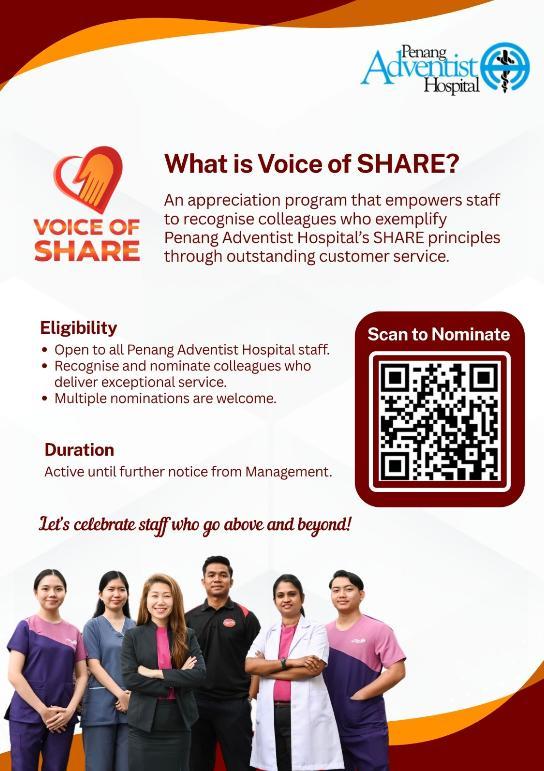
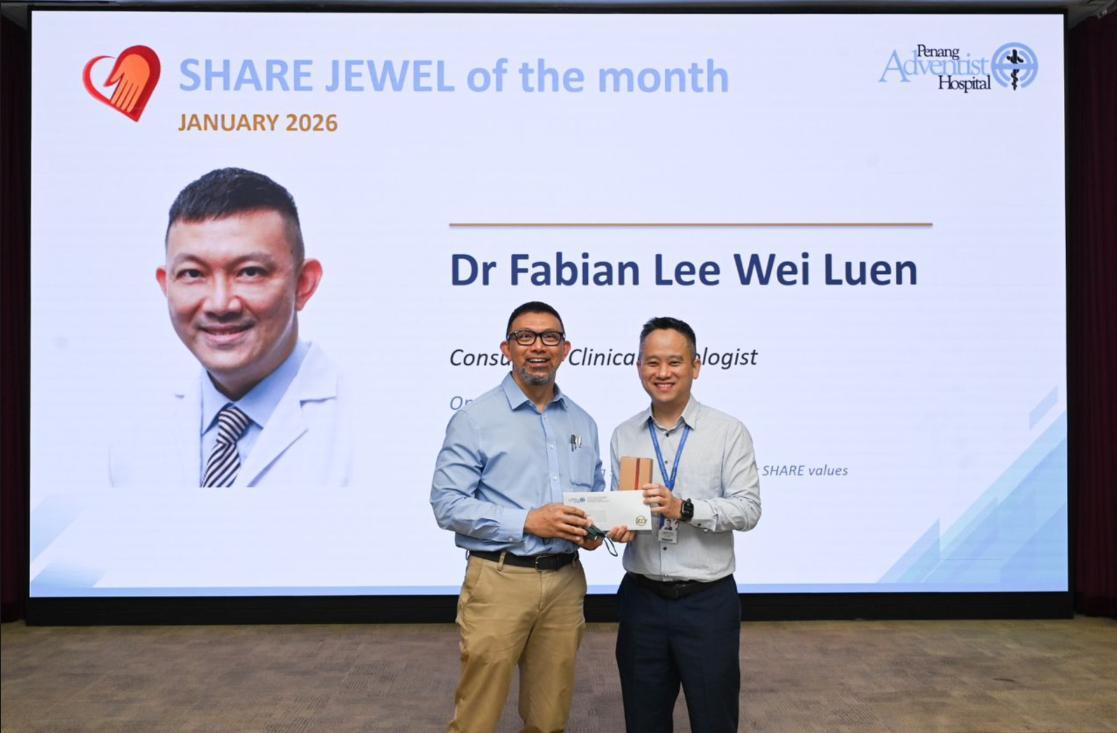
• Excellence is recognised through SHARE compliment cards — patients, visitors, and staff nominate colleagues who demonstrate SHARE behaviours, with management reviewing and celebrating each nomination
Result:
A workforce where service excellence is not an event — it is a standard, embedded through repetition, accountability, and leadership.
A Patient’s Heartfelt Tribute
Shared by a patient living with a rare disorder, under Dr A’s care for 6 years
“ When he saw me struggling to put on my sandals, without hesitation, he humbly stepped forward to help. It may seem like a small gesture — but to a patient facing physical challenges, it meant the world. In my journey through illness, I have never met a doctor with such humility and kindness.
— A grateful patient of Penang Adventist Hospital
Recognising Excellence in Care
Dr A Medical Specialist
Ms A Nurse
Knowledgeable, kind, patient and empathetic. Always takes time to explain clearly and provides reassurance during difficult moments. Treats every patient with dignity and compassion.
Consistently kind, caring and reassuring. Her presence always brings comfort and assurance at every follow-up appointment.
“Both Dr A and Ms A represent the very best of what healthcare professionals can be — technically skilled, deeply human, and truly caring.”
What Excellence Looks Like
Excellence is not a score. It is a daily decision.
A nurse who practises excellence:
• Rounds before the patient rings — not after
• Uses AIDET in every patient encounter, every shift
• Closes curtains. Gives names. Explains next steps.
• Sees the person, not just the diagnosis
These are not extraordinary acts. They are consistent ones.
Consistency, practised across every nurse, every ward, every day — that is what hardwires excellence.
“
Not all of us can do great things. But we can do small things with great love.
MOTHER TERESA
SAINT TERESA OF CALCUTTA
Thank You & References
Beyond the Bedside: Elevating Nursing Excellence Through SHARE
Lee, F. (2004). If Disney ran your hospital: 9½ things you would do differently. Bozeman, MT: Second River Healthcare Press.
Lee, F., & Laird, R. D. (2020). Beyond Disney: Heartwiring Healthcare Excellence – Restoring the Art of Compassion and Empathy. Second River Healthcare.
Studer, Q. (2003). Hardwiring Excellence: Purpose, Worthwhile Work, Making a Difference. Gulf Breeze, FL: Fire Starter Publishing.
Meade, C. M., Bursell, A. L., & Ketelsen, L. (2006). Effects of nursing rounds: On patients’ call light use, satisfaction, and safety. American Journal of Nursing, 106(9), 58–70.
Baker, S. J. (2010). Rounding for outcomes: An evidence-based tool to improve nurse retention, patient safety, and quality of care. Journal of Emergency Nursing, 36(2), 162–164.
Al-Anati, L., et al. (2024). Structured interactions between nurses and patients through intentional rounding: A scoping review. International Nursing Review, 71(2).