



Thank you for checking out Otterbein’s 2025–2026 digital yearbook!
Thank you for checking out Otterbein’s 2025–2026 digital yearbook!
In 1984, Otterbein was one of just thirteen universities nationwide to receive a challenge grant from the distinguished National Endowment for the Humanities (NEH). For more than 40 years, this grant and the donors who gave generously to realize it has strengthened the work of the Humanities Center at Otterbein, enabling it to support student and faculty travel across the globe, host guest speakers, promote research and professional development, and nurture personal growth in an ever-changing climate of the humanities.
In 1984, Otterbein was one of just thirteen universities nationwide to receive a challenge grant from the distinguished National Endowment for the Humanities (NEH). For more than forty years, this grant—and the donors who gave generously to realize it—has strengthened the work of the Humanities Center at Otterbein, enabling it to support student and faculty travel across the globe, host guest speakers, promote research and professional development, and nurture personal growth in an ever-changing climate of the humanities.
This digital yearbook, which is a new addition to the Humanities Center’s initiatives, would not be possible without your support.
We hope to showcase the vitality of our devoted students and faculty members who keep the humanities flourishing at Otterbein and beyond.
This digital yearbook, which is a new addition to the Humanities Center’s initiatives, would not be possible without your support. We hope to showcase the vitality of our devoted students and faculty members who keep the humanities flourishing at Otterbein and beyond.

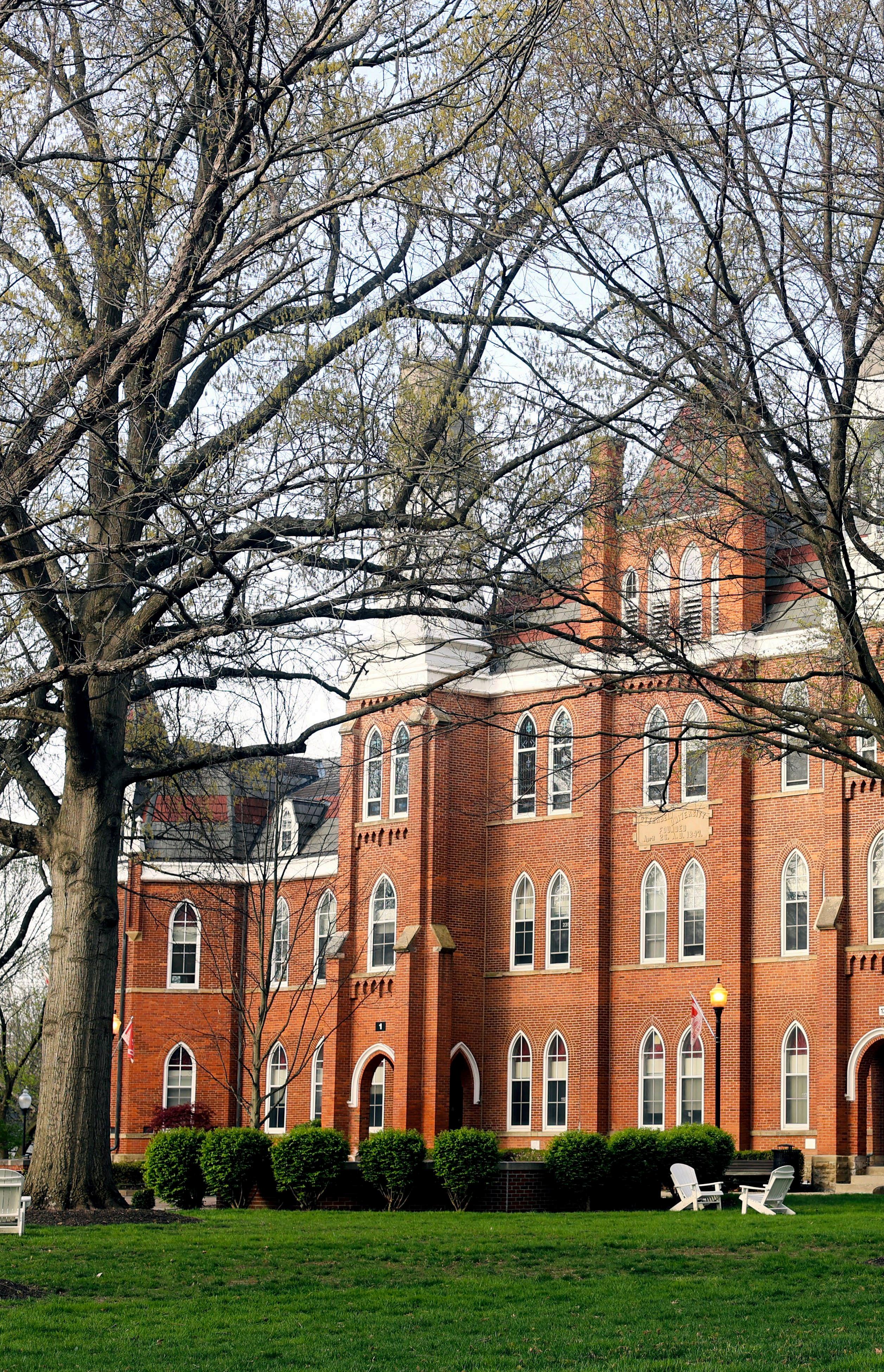


A close-up of a chair’s upholstry in the Seminar Room.
10
12 Jeremy Smith, Ph.D.
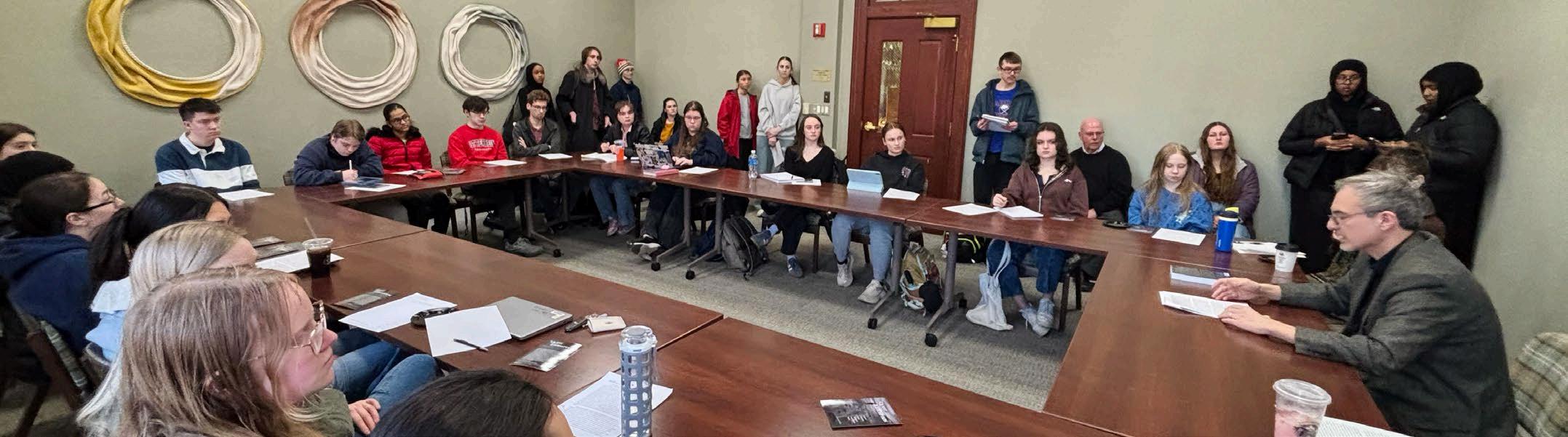
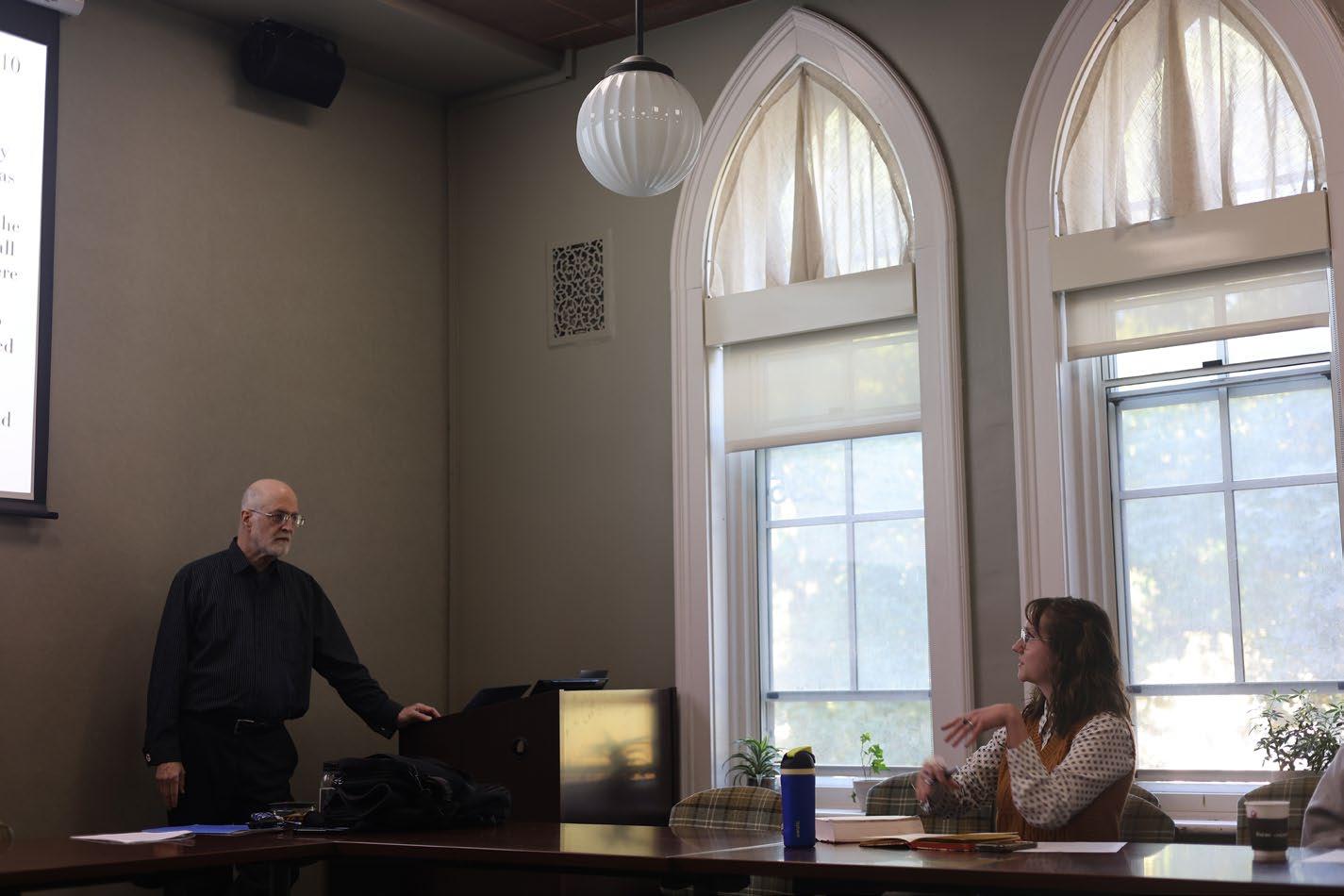
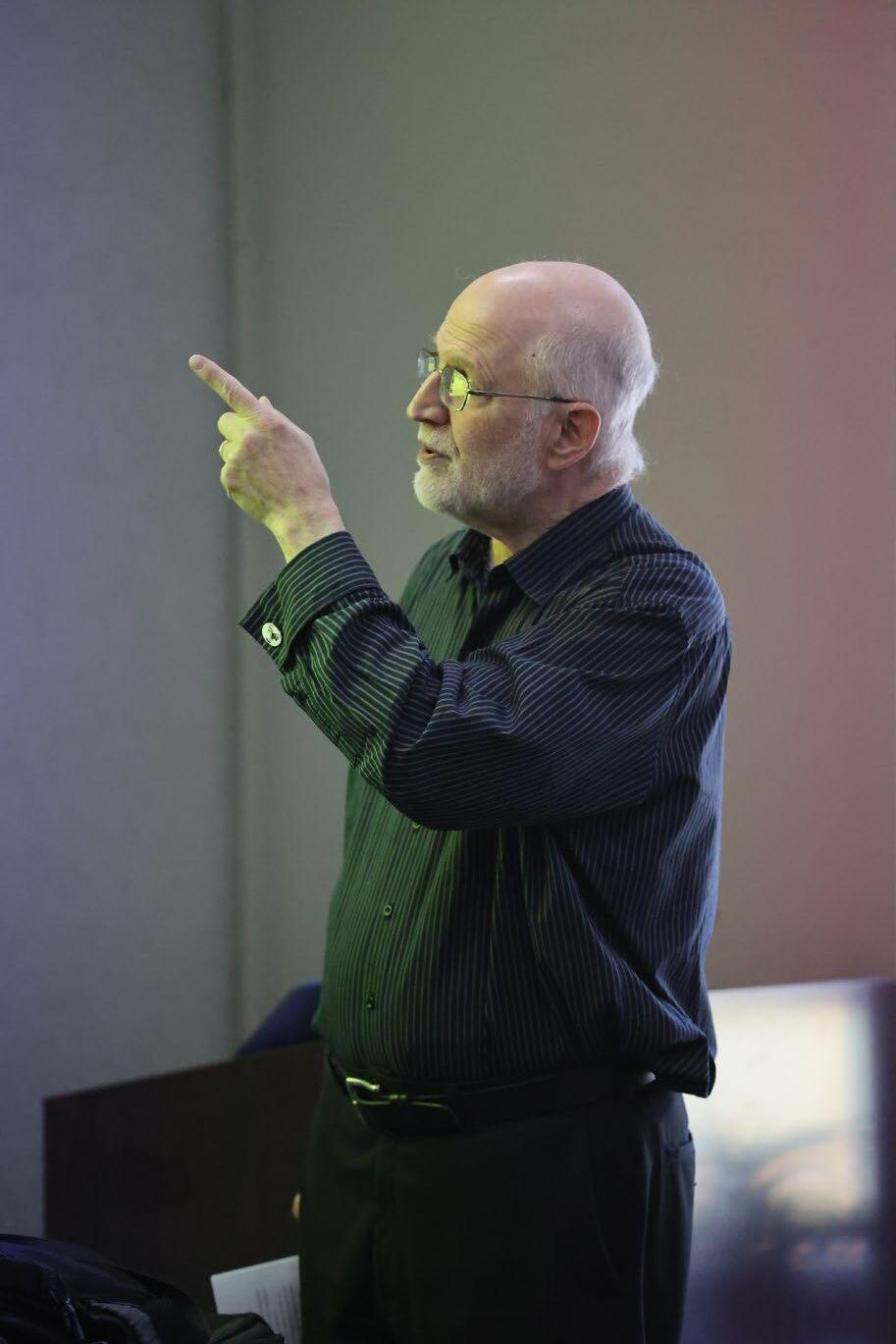
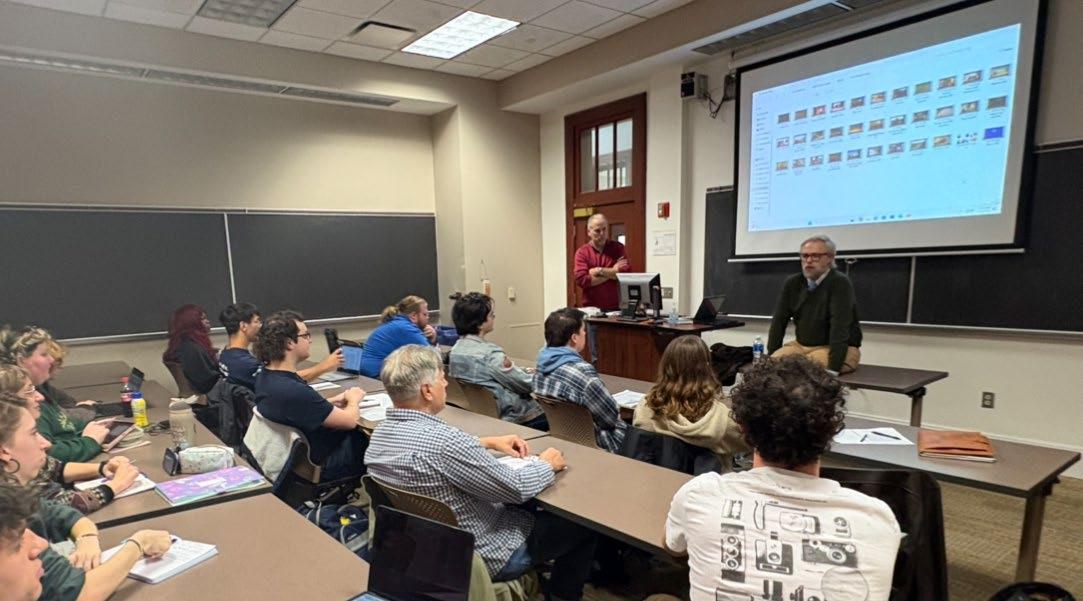
The Humanities small Talks are faculty lectures held in our new Humanities Center Seminar Room. Faculty share their research-in-progress or recent publications (that they’re passionate about) with students and other faculty members followed by a lively Q-and-A/discussion afterwards.
PROFESSOR, DEPARTMENT OF ENGLISH
DIRECTOR, WOMEN’S, GENDER & SEXUALITY STUDIES PROGRAM
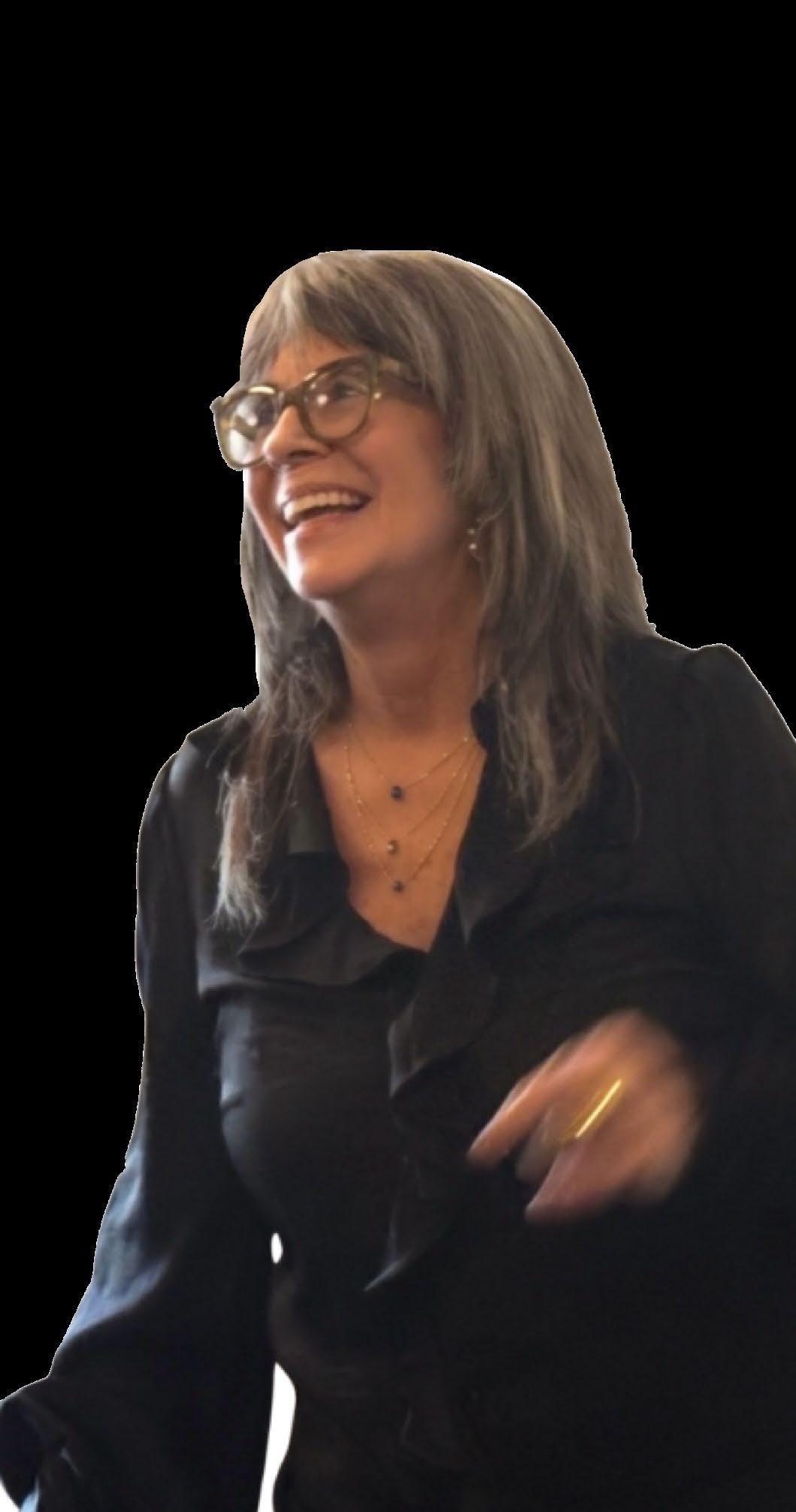
In her lecture, Dr. Tammy Birk challenged the very concept of civility. Titled “Against Civility: The Killjoy and Complainer Ruin it All,” this Humanities small Talk asked students to reconsider if politeness and composure are always virtuous acts or dispositions—or whether, in some cases, they are coercive and conceal darker truths.
Taking inspiration from feminist scholar Sara Ahmed and Roxane Gay, Dr. Birk unpacked the idea that “civility” often assumes a level playing field that simply does not exist in the real world. When injustices shape people’s lived experiences, the expectation to remain calm, agreeable, and reasonable can undermine efforts for social reform.
At the heart and center of the lecture were the twin figures of the killjoy and the complainer. Often dismissed as disruptive or overly negative, these figures were re-framed as necessary agents of change. To challenge societal norms, Dr. Birk argued, is to risk becoming the problem in the eyes of power.
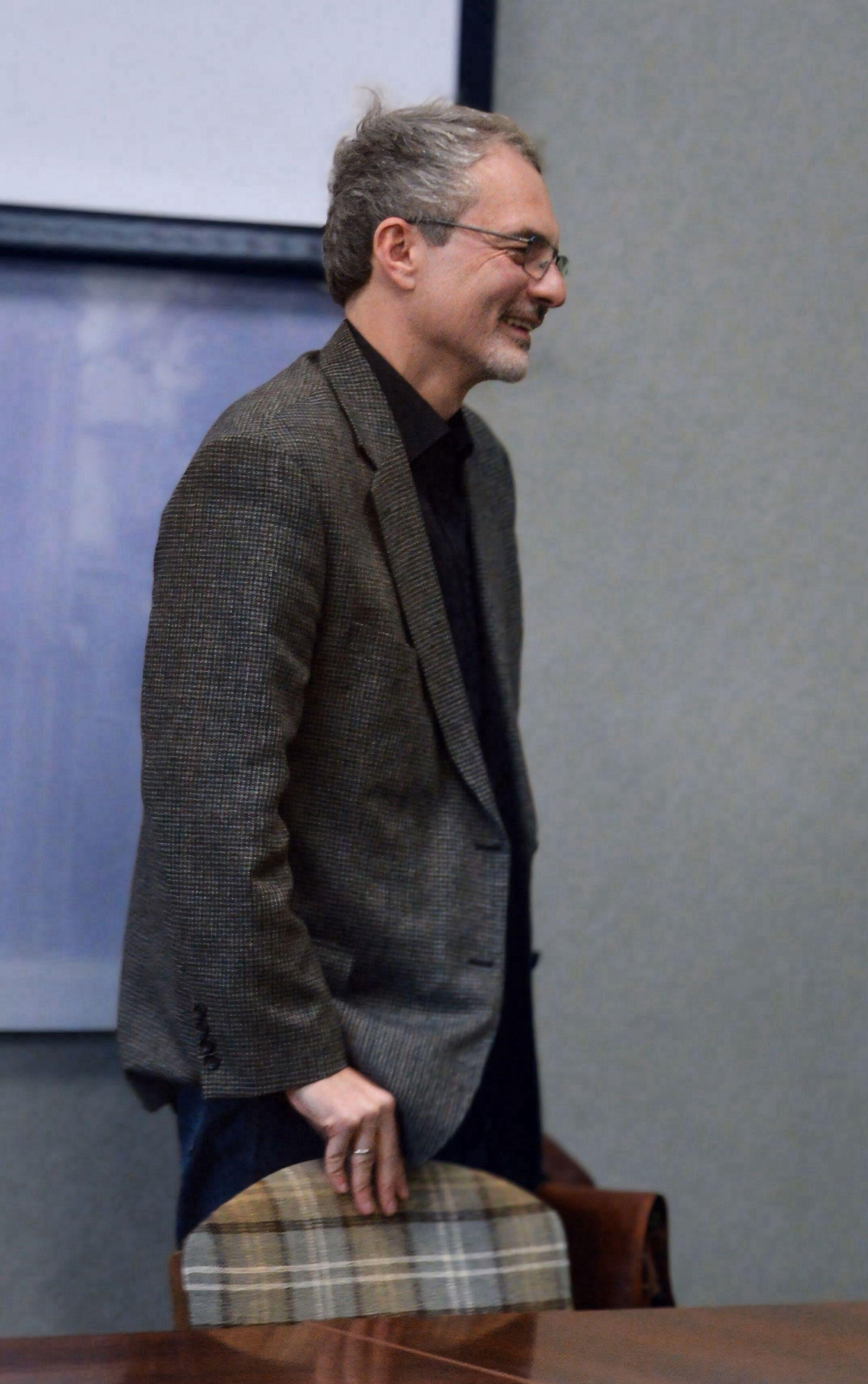
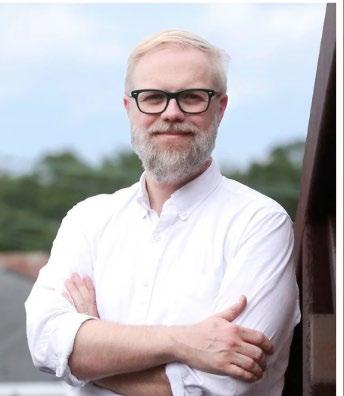
In his lecture, Dr. Rares Piloiu situated the work of Joseph Roth (1894-1939) in the context of the general feeling of discontent, anxiety, and even despair that spread over large swaths of the intelligentsia in German-speaking Central Europe at the turn of the century.
According to Dr. Piloiu, this pessimism about the future led to responses on the part of younger generations of artists and intellectuals that favored radically utopian redemptive political projects, often conceived of in traditional religious terms (for example, eschaton, heresy, and messianism).
As Dr. Piloiu explained, Joseph Roth, the journalist and novelist at the center of this talk, dedicated his energy and literary imagination to developing this ambiguous, contradictory, or paradoxical idea of redemption—a redemption that belongs to the past even as it inspires the future. In more than fifteen novels and countless journal articles, essays and short stories, Roth addresses some of the thorniest problems encountered by the modern individual, from political disillusionment to moral paralysis, and from social estrangement to historical dissolution. n
PROFESSOR EMERITUS, DEPARTMENT OF ENGLISH
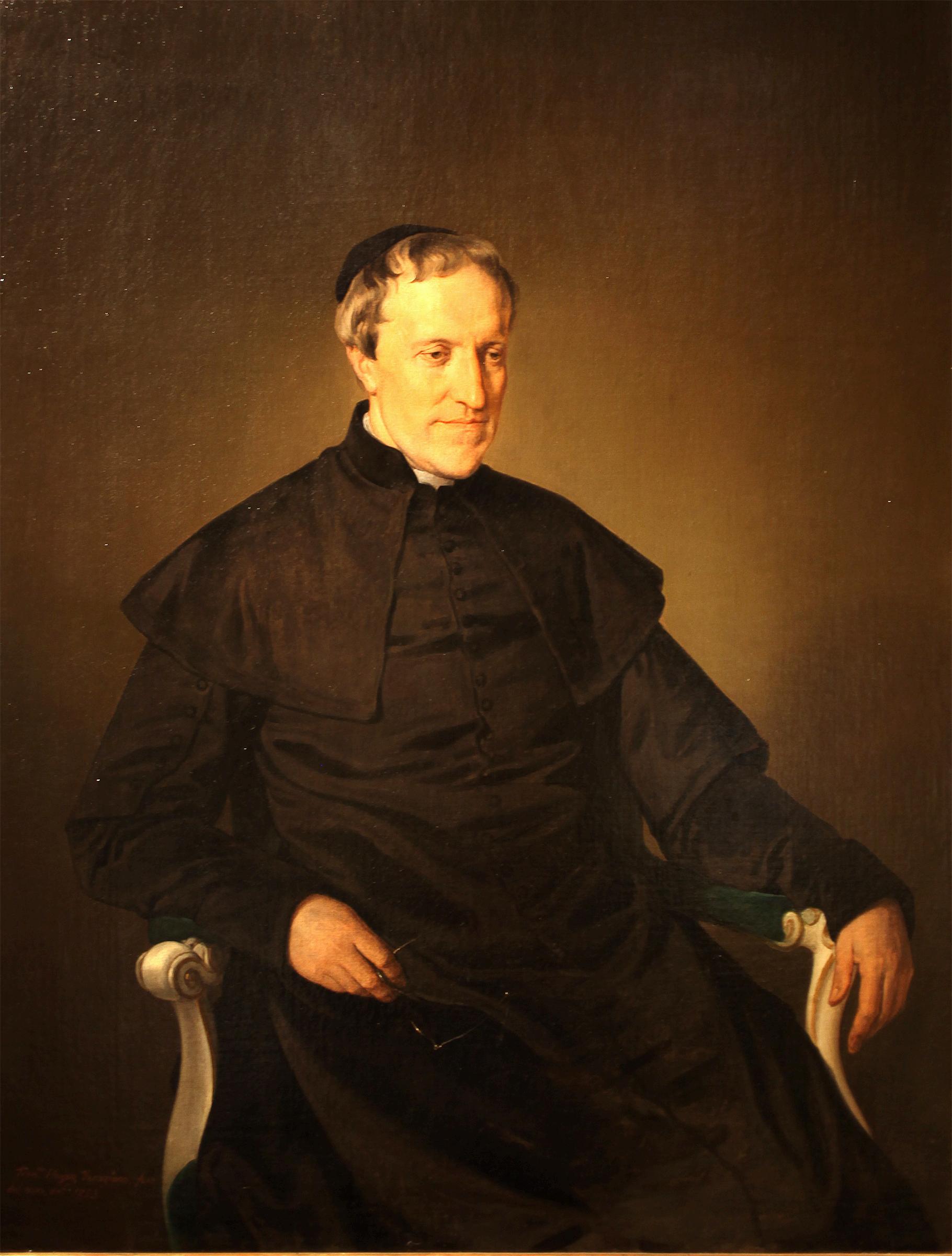
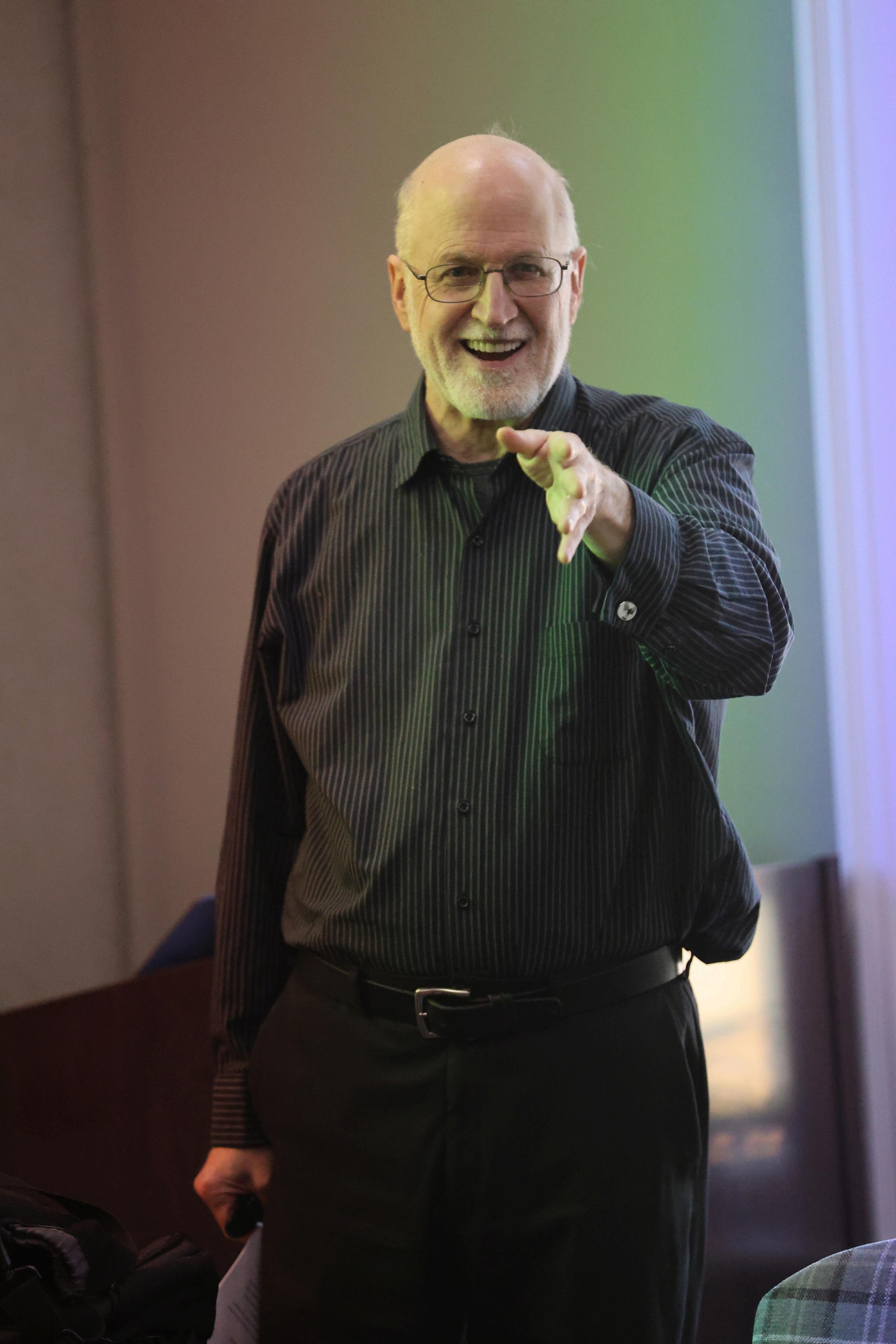
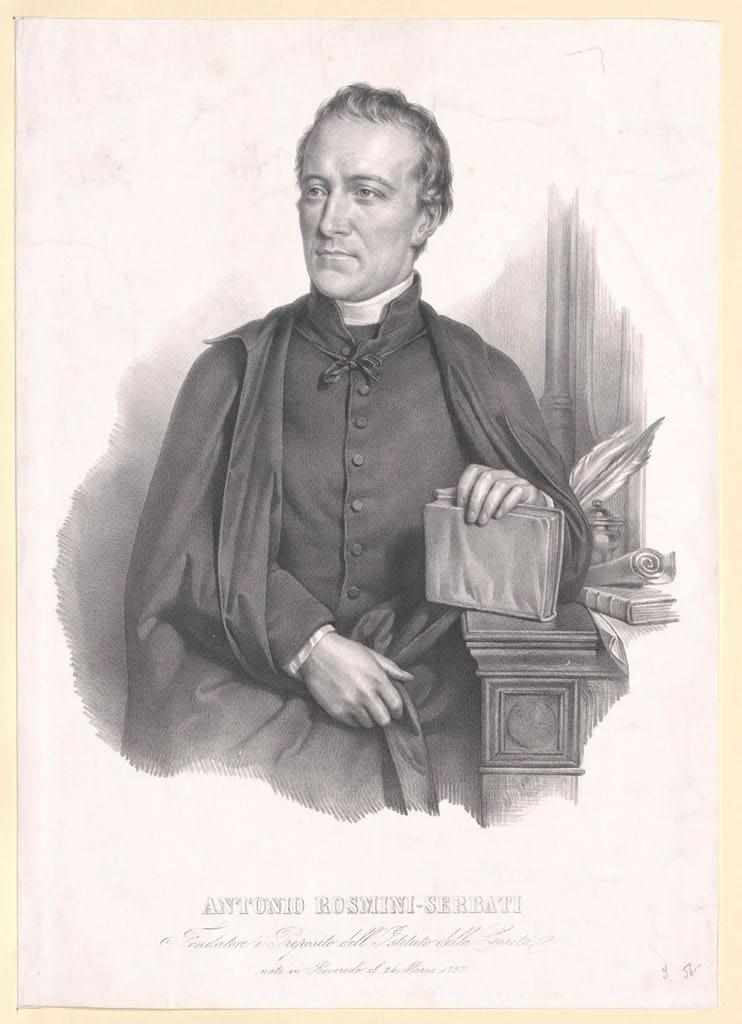
Inthis small talk, Dr. Jeremy Smith introduced attendees to the Italian philosopher Antonio Rosmini (1797-1855). Rosmini, who is little known outside of Italy, is regarded there as a figure at least as important as the German philosopher Immanual Kant (1724-1804).
This is because, as Dr. Smith argued, Rosmini’s work does justice in a remarkable way to the reality of life in all its dimensions: the aesthetic, moral, and religious in addition to the physical, biological, and social.
At the core of Dr. Smith’s view of the radical importance of Rosmini’s work for us today is the idea that the mind is something unique. In other words, the mind is not just one thing among other things. Instead, the very nature of the mind lies in what Rosmini calls the intuition of being.
When we engage in thinking and in perceiving, then, we are participating in the act of being. As Dr. Smith explained, Rosmini lets us consider how as a participant in the act of being, the human mind participates also in the absolute or divine mind—acquiring in the process, as Rosmini puts it in his one-thousand-page magnum opus Theosophy, “a likeness to God.” n
centur y Italian philosopher whose work sits uneasily within and often outside the dominant philosophical canon.

These grants support enrichment activities for humanities-related courses. The Humanities Center covers up to half of the total budget for the event or program. These funds can, for example, help to pay the costs of bringing a speaker to campus; partially cover the costs of a student publication; assist in covering the costs of a film discussion group or book club.
HONORS PROGRAM
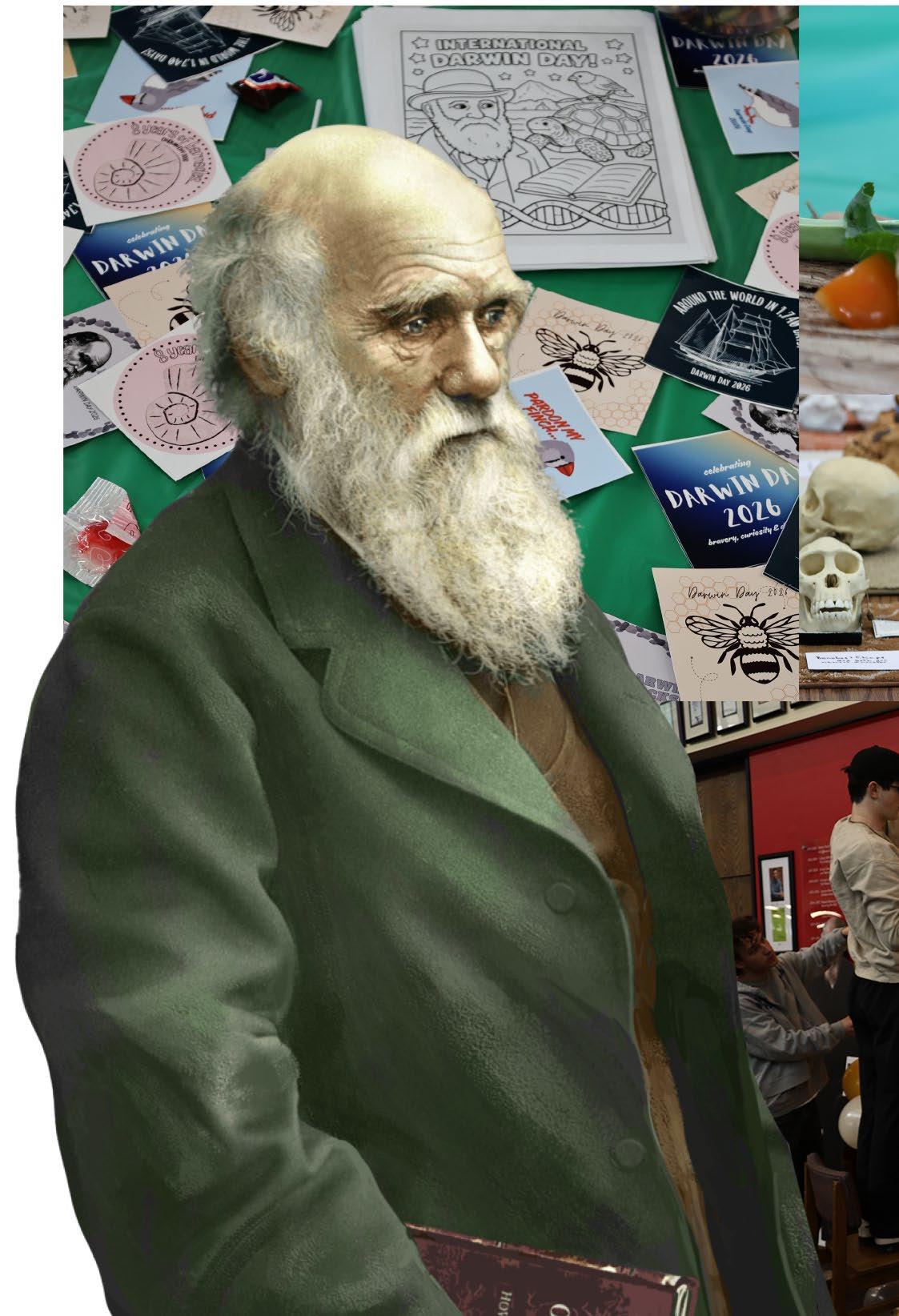
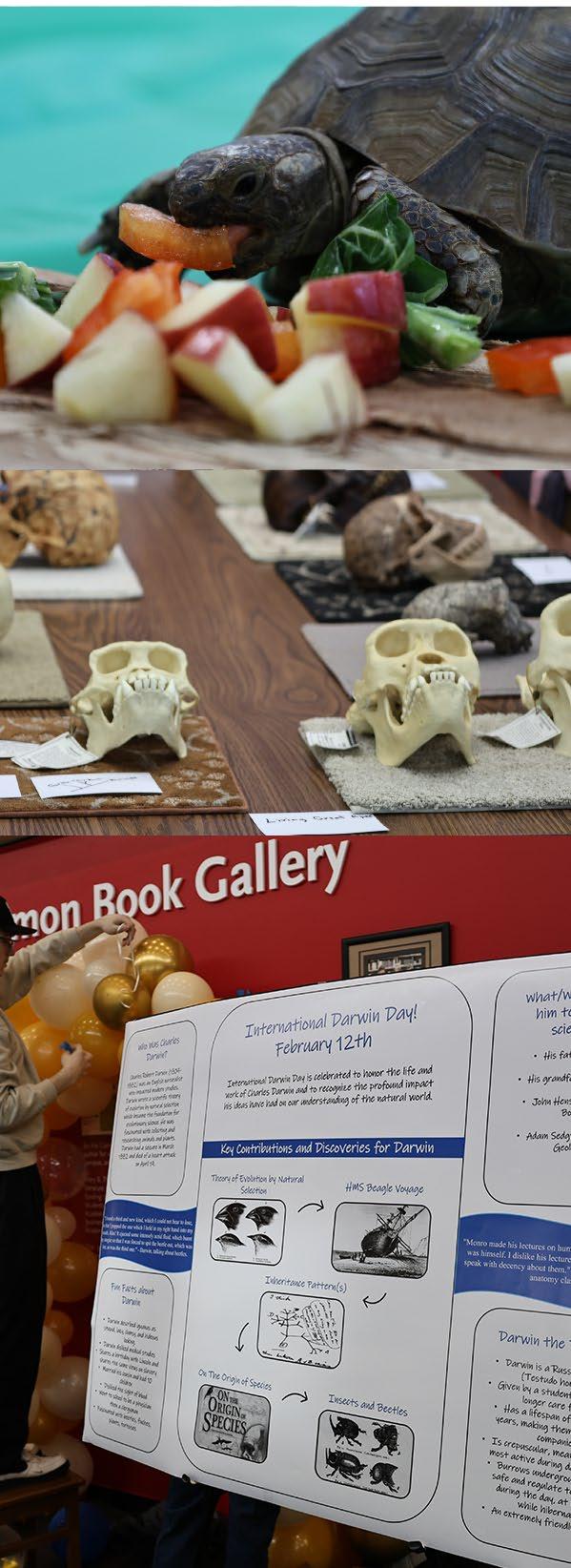
Convened on the second floor of the Courtright Memorial Library as part of Dr. Laurie-Rose’s HNRS 2200 course (Evolution and Revolution in Science), this event strengthened the community’s sense of Darwin’s impact—not only on the sciences but also on the social sciences and humanities.
Students in the course prepared informational posters and activities for this purpose (e.g., students created and printed 3D finch beaks to illustrate the need for specialized types of seed). They hosted a visit from Darwin the tortoise from Otterbein’s Zoo & Conservation Science program and provided education on tortoises as well.
Darwin Day was meant to celebrate the ideals associated with scientific inquiry—secular science, intellectual bravery, and the promotion of humans’ connection to nature. It provided a historical view of evolutionary theory and its impact on society and culture, offering lessons that challenged perspectives and inspired the next generation of humanities scholars. n
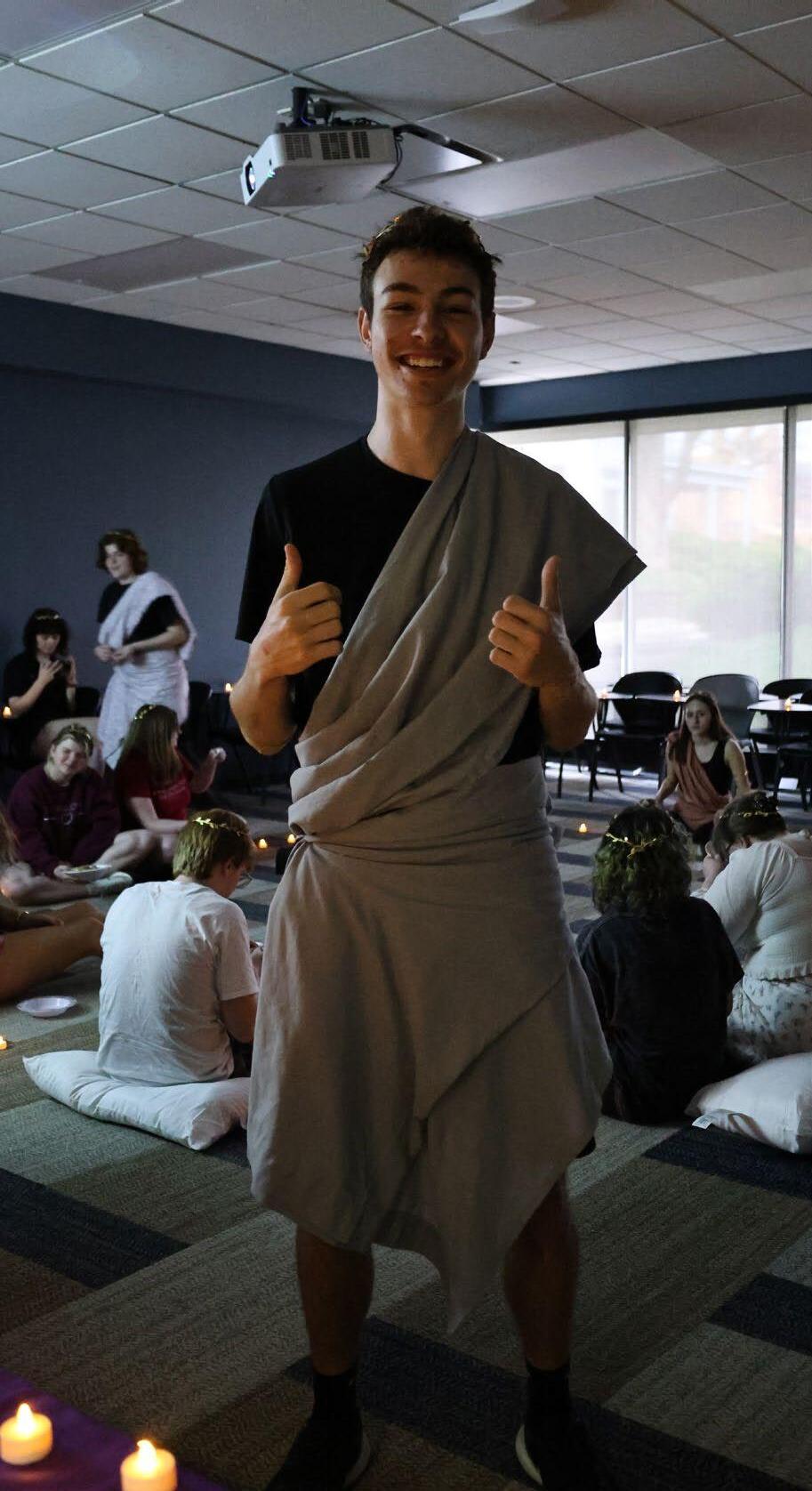
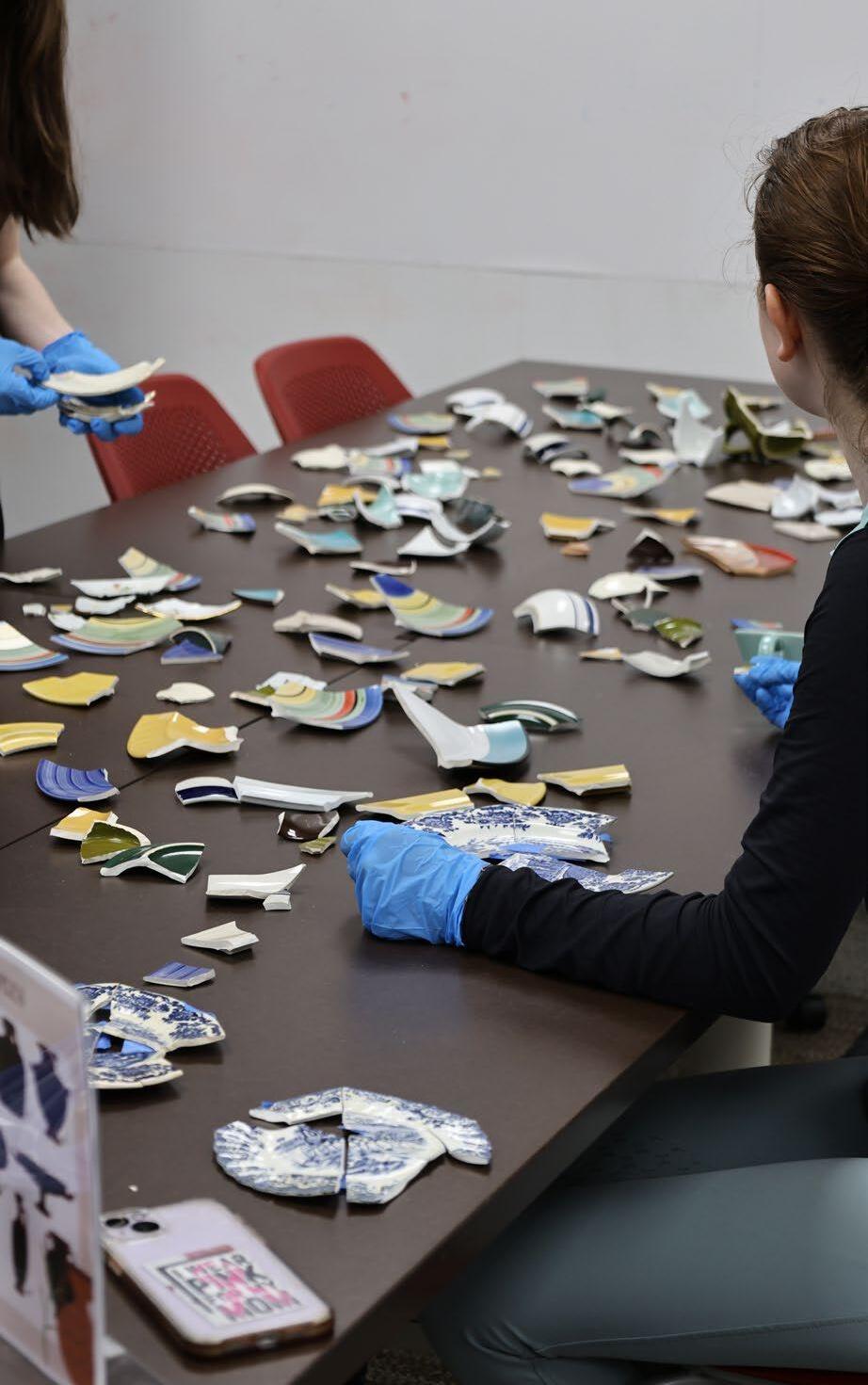
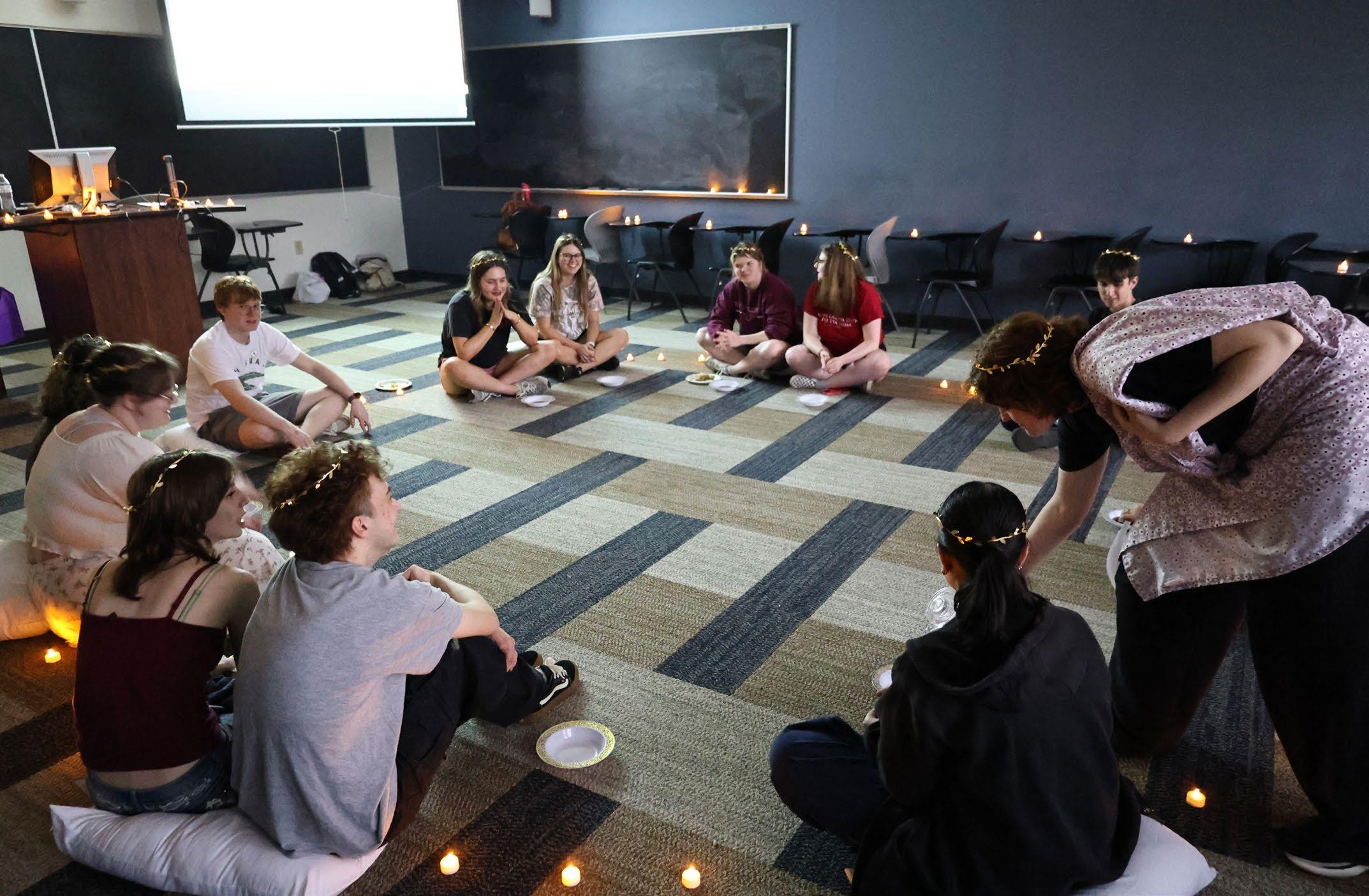
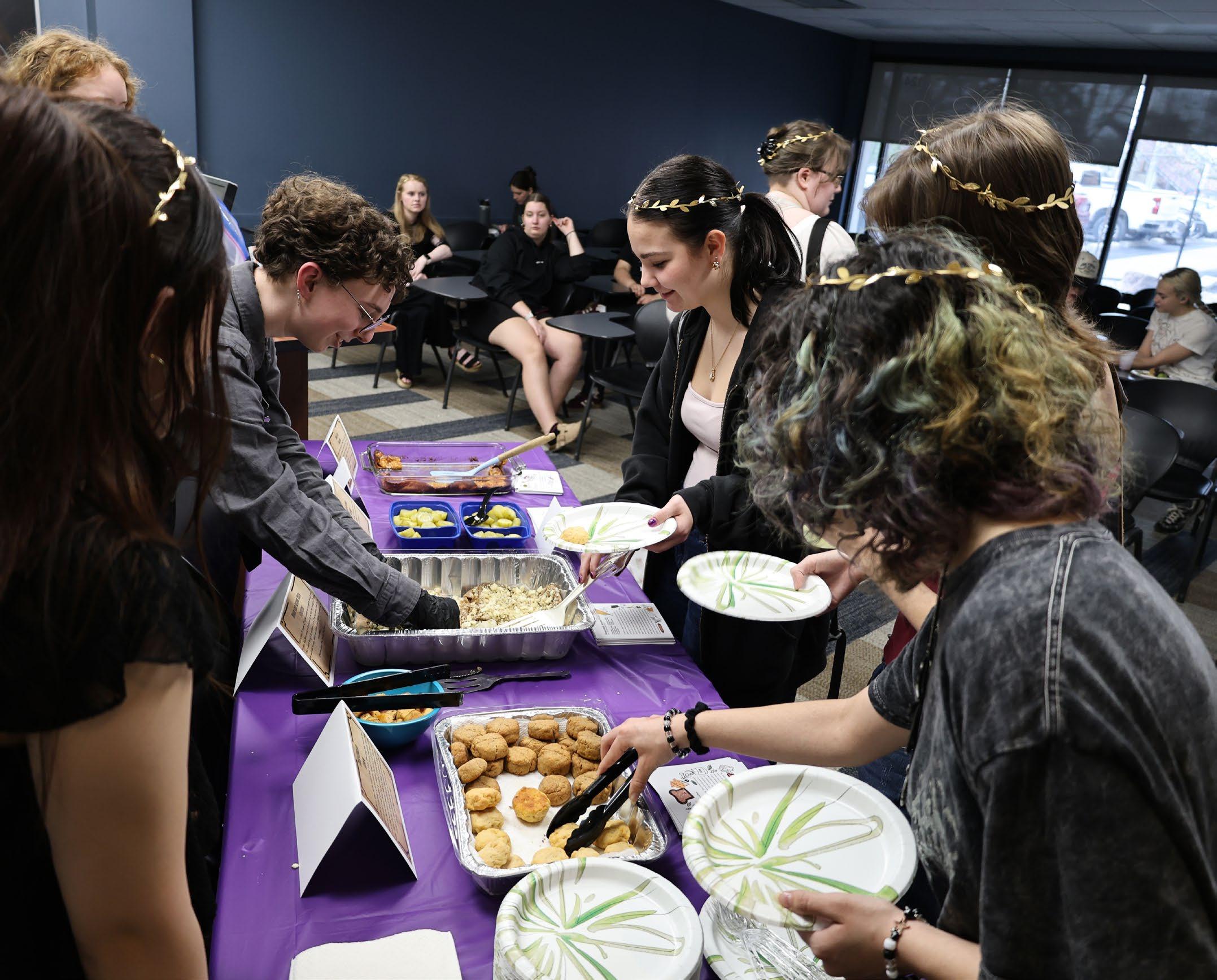
Serving as the final project for HNRS 2800, Dining in Greece and Rome was designed as an Honors event that allowed students to share what they learned over the course of the semester while building community with their peers.
Organized by Sarah Beal, the event centered on the idea that dining can be a way to understand cultural diversity. Students developed a series of interactive stations, each highlighting a different aspect of ancient Greek and Roman dining practices.
These included Roman recipes, with food available to sample; a mock Greek symposium; a student designed game about feasting; and an archaeological pottery sorting activity. Each station combined informational materials with hands-on participation, creating an environment where learning was both interactive and collaborative. n
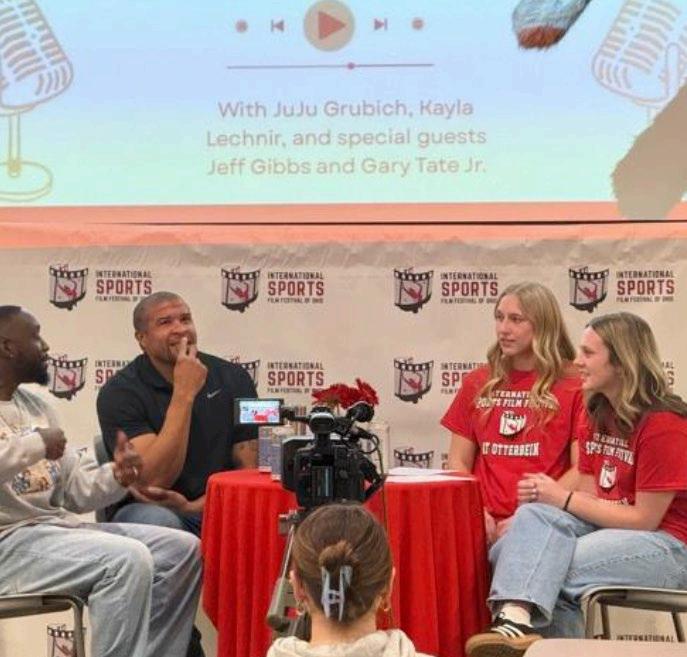
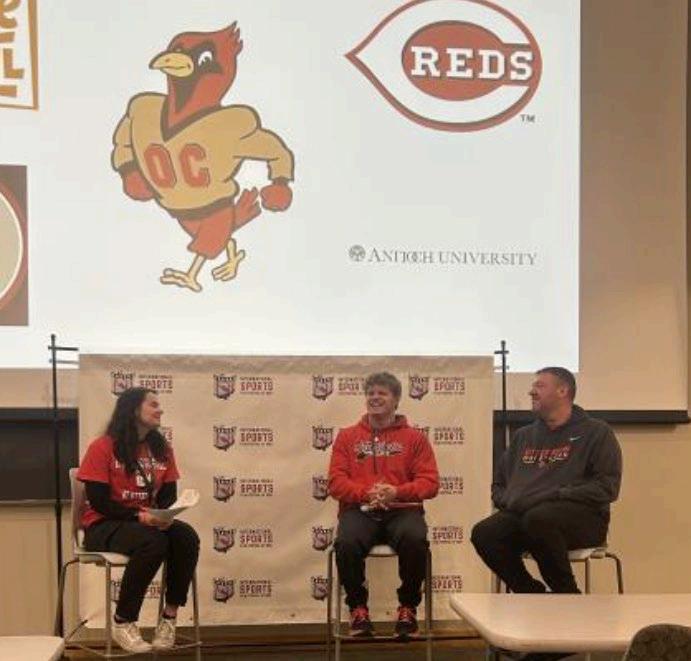
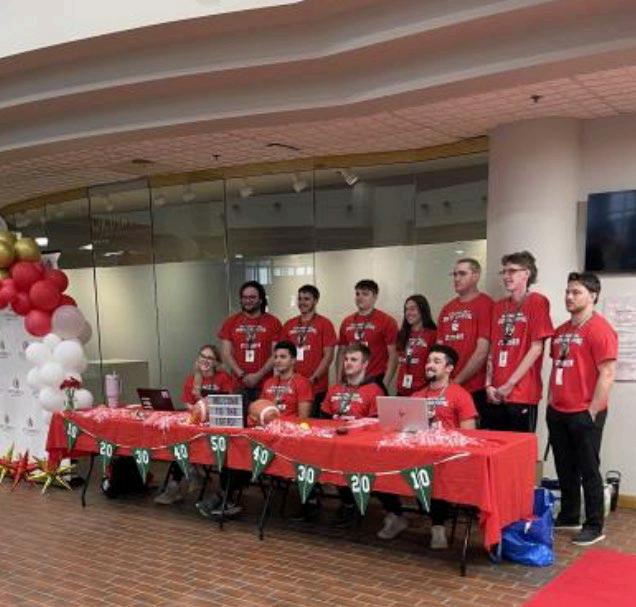
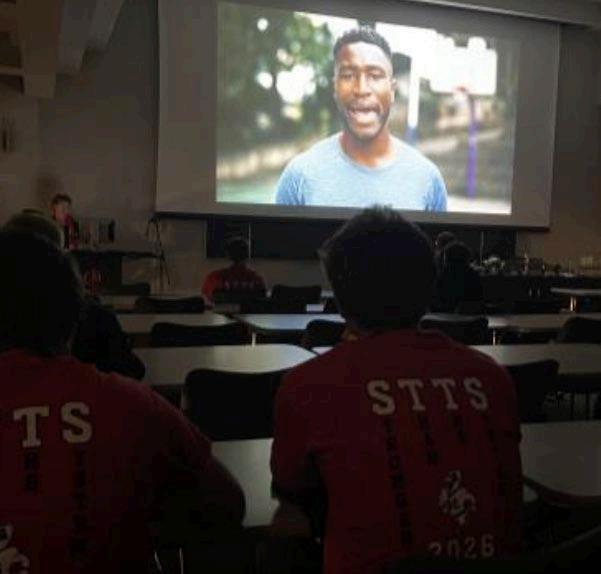
The Humanities Center helped to sponsor an annual International Film Festival organized and executed by Dr. Chawansky’s Sports Management class devoted to Event Planning. Held from March 23-26 in Roush Hall, the festival consisted of film screenings, followed by discussion and analysis. Films screened and discussed this year included Oliver Ferraro’s and Chris Sukorsky’s A Shot in the Dark (2017), a film following Anthony Ferraro, a blind wrestler aiming to win a state title while navigating a number of challenges; David Hamlin’s Game On: Hoops and Dreams in Rural China (2025), which depicts a remarkable village basketball tournament that takes place in Guizhou, China; Howard Shu’s 10,000 Days of Chasing My Dreams (2024), which looks back on Shu’s twenty-seven year career playing competitive badminton; and finally Ryan Gimeson’s Pulse (2024), which focuses on the stress of athletic competition.
The discussion of the films that the festival screens involve ideas and enact methods at the heart of the Humanities–for example, the narrative and cinematic features of the films, the historical and social contexts for the issues they depict, and so on. With sport playing such a central role in society’s culture, it is a convenient touchstone for a community event to maximize the reach of our themes. n


SPONSORED BY THE DEPARTMENT OF ENGLISH
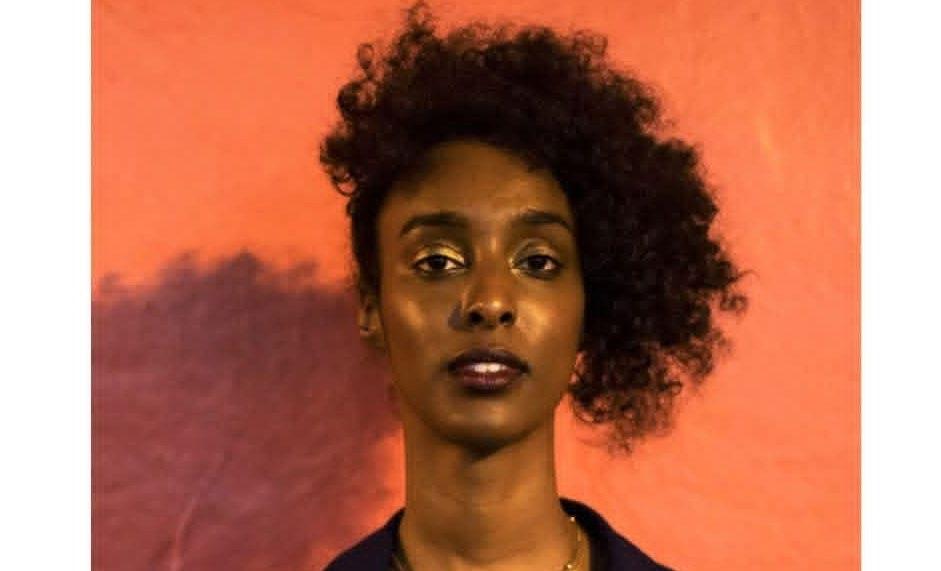
Ladan
Osman is the author of Exiles of Eden (2019), winner of the Hurston/ Wright Legacy Award and The Kitchen-Dweller’s Testimony (2015), winner of the Sillerman Prize. A 2021 Whiting Award winner, she has received fellowships from the Lannan Foundation, Cave Canem, the Michener Center, and the Fine Arts Work Center. Osman’s first short film Sam Underground (2018) profiles Sam Diaz, a teenage busker who would become the 2020 American Idol. She’s the co-director/writer of Sun of the Soil (2019), a short documentary on the complicated legacy of Malian emperor, Mansa Musa. Osman’s latest film work, The Ascendants (2020), a music short documentary series is streaming now. She lives in New York. n
SPONSORED BY THE DEPARTMENT OF ENGLISH
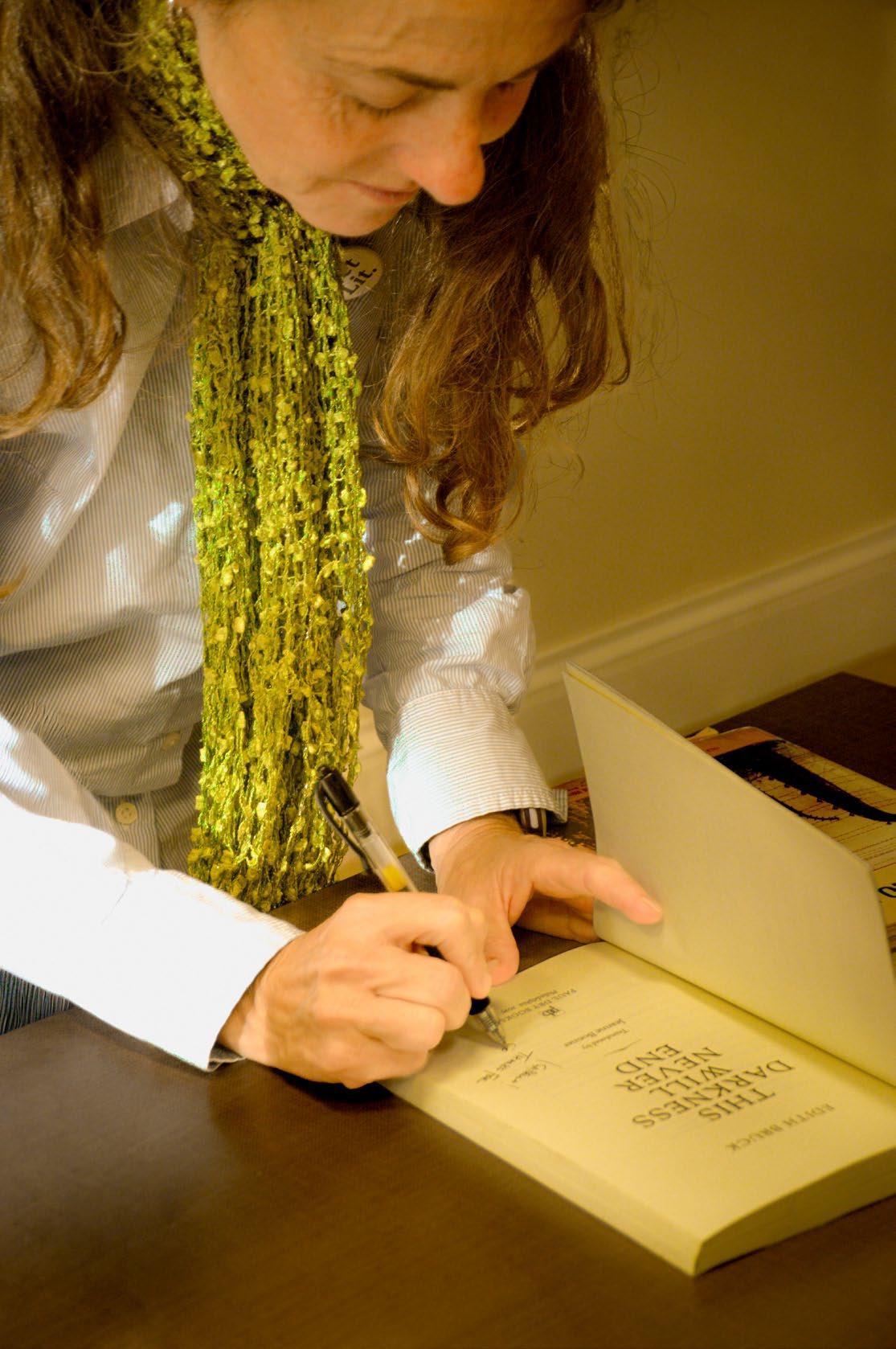
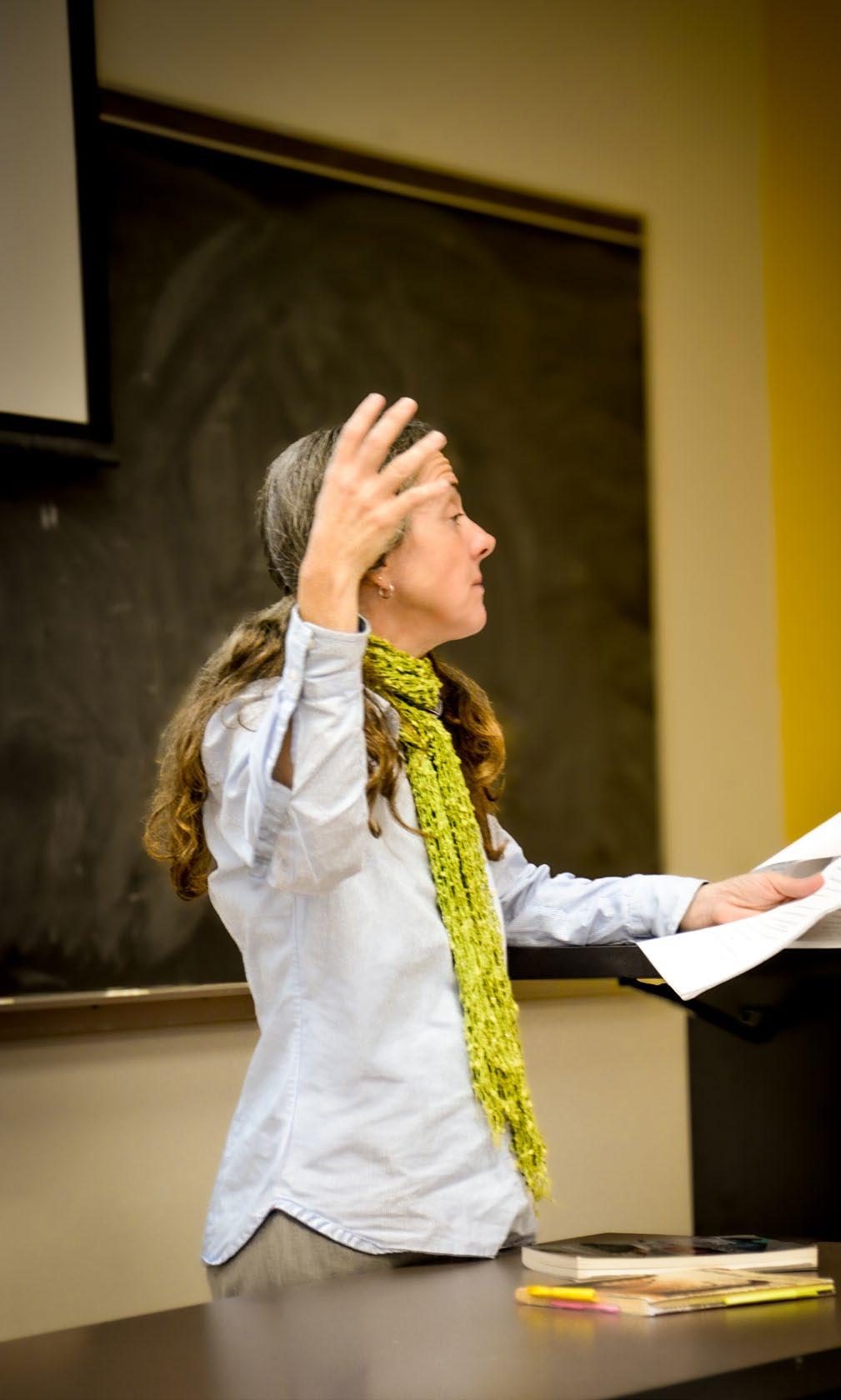
“‘The Age I Had Been When I Lost Everyone and Everything’: The Life and Works of Edith Bruck”
Jeanne Bonner (Wesleyan University) presented a talk on the life and work of Auschwitz survivor Edith Bruck. Bonner translated—from the original Italian—the latest collection of Bruck’s short stories to appear in English. The title of this collection is This Darkness Will Never End (2025). The next day, Bonner also spoke and facilitated discussion in Dr. Paul Eisenstein’s ENGL 2232/INST 2616 (The Literature of the Holocaust) course. n
SPONSORED BY THE WOMEN’S, GENDER & SEXUALITY STUDIES PROGRAM
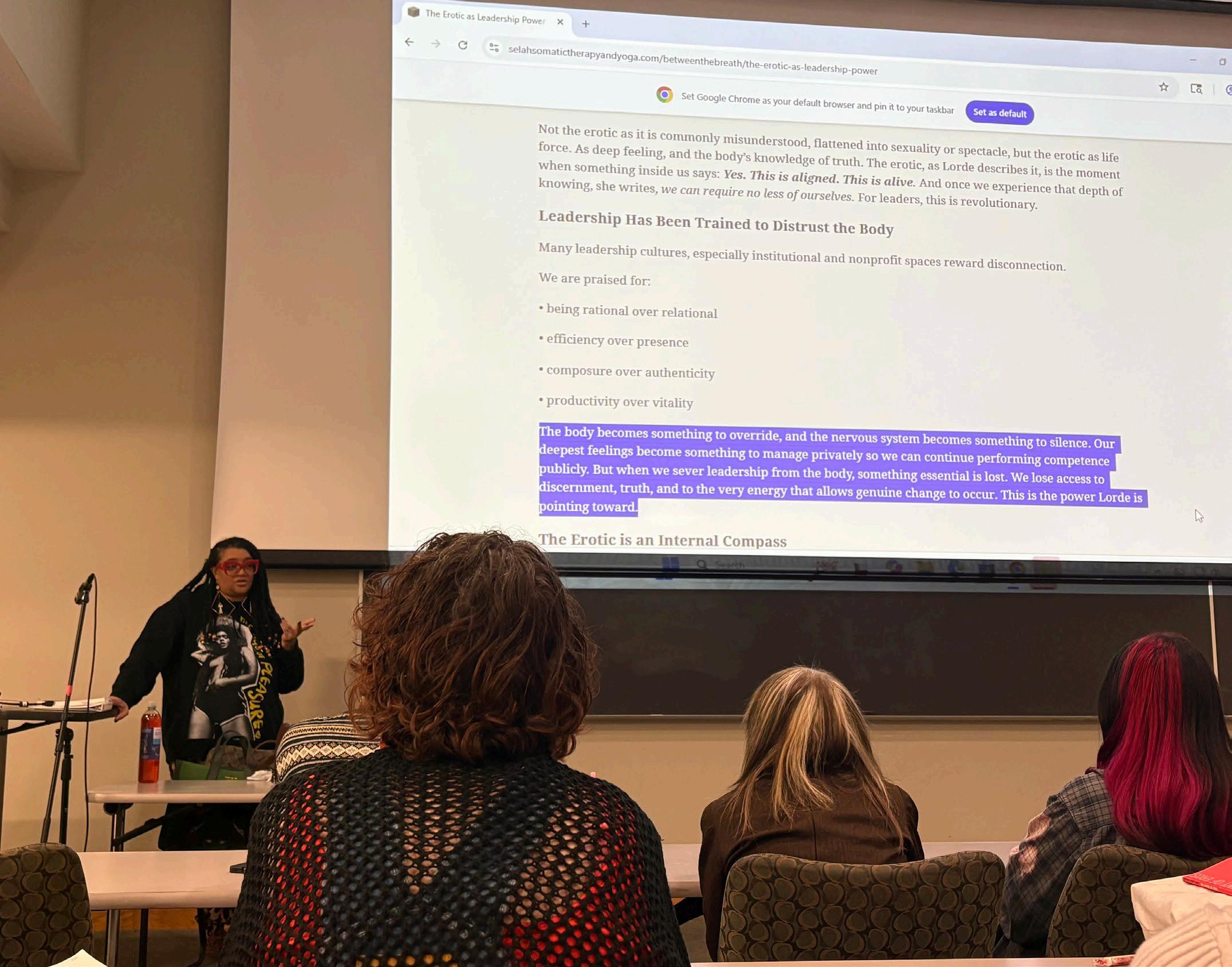
Erin Upchurch, the longtime director of Kaleidoscope Youth Center in Columbus, transitioned to another full-time career: workshopping and facilitating conversations on the politics of rest, especially for marginalized and underrepresented communities. Upchurch’s gave a lecture and led a mini workshop on the politics of rest for all students on March 24. A few hours later, she facilitated a companion workshop with LGBTQ and Black students. n
SPONSORED BY THE DEPARTMENT OF ENGLISH
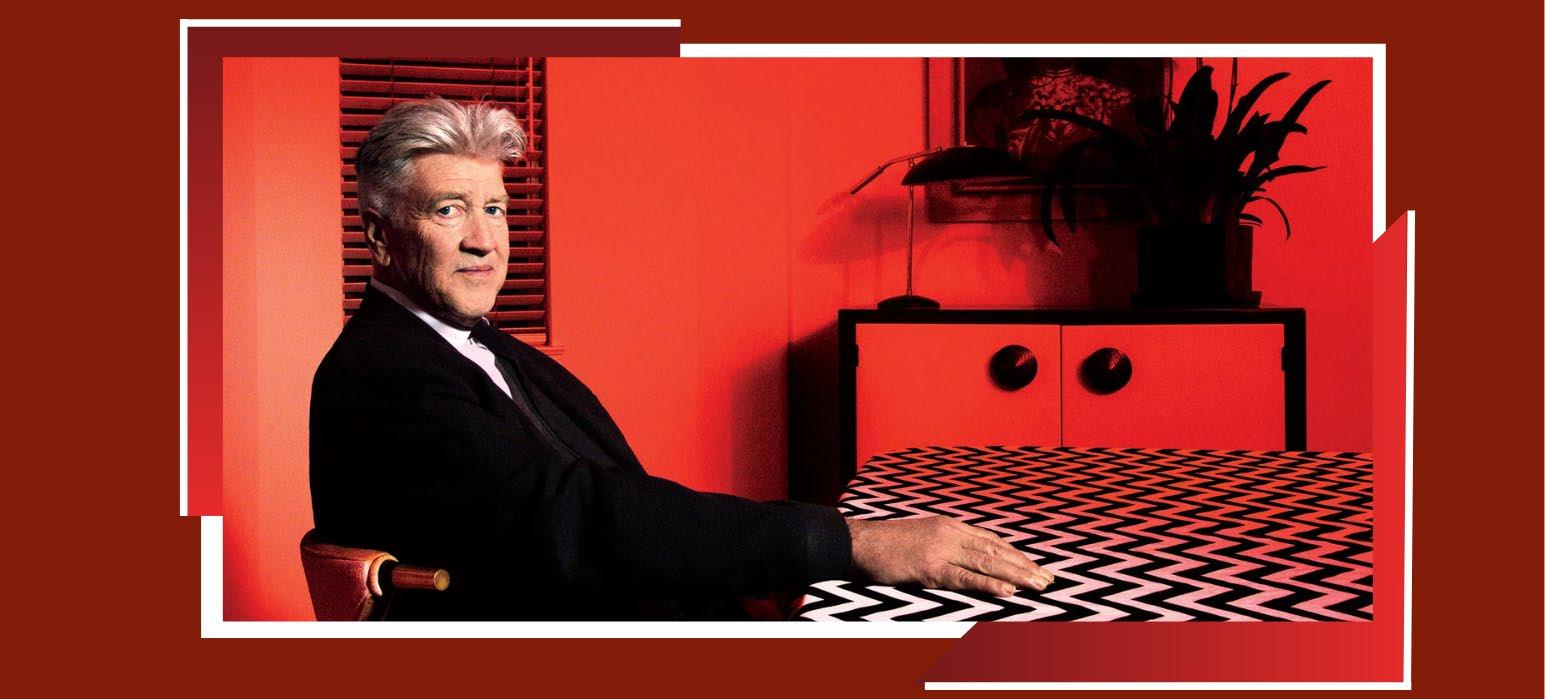
Mike Miley (Metairie Park Country Day School) presented a talk on the renowned filmmaker David Lynch. Miley’s talk was rooted in his recent book David Lynch’s American Dreamscape: Music, Literature, Cinema (2025), and focused in part on musical ballads that have thematic affinities with Lynch’s Twin Peaks. Earlier the same day, Miley also spoke and facilitated discussion about Lynch’s 1999 film The Straight Story and its link to folk music in Dr. Paul Eisenstein’s FMST 3280 (The Films of David Lynch) course. n

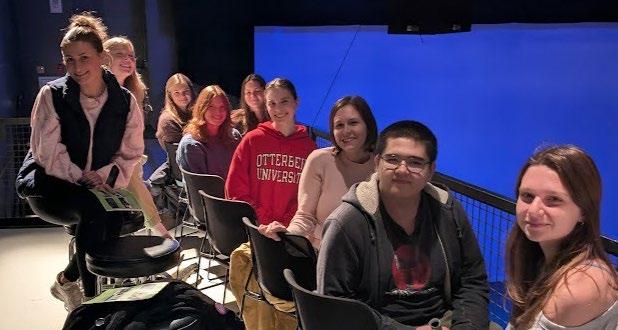
The Humanities Center helped to make it possible for students in Dr. Koehler’s ENGL 3000 (Studies in Environmental Literature and Writing) to attend a performance of Mareas/Tides at the Wexner Center in November 2025. Dr. Koehler’s class had the specific title “Blue Humanities,” which reframes historical and literary questions around the ocean and other waterways. This Blue Humanities framework offer exposes students to new geographies for thinking about climate justice, as it considers also local and regional places in terms of their environmental histories— for example, energy extraction on the Gulf Coast; or drought and the fight for indigenous water rights on the Colorado River; or transnational and oceanic contexts for environmental history, whether that be the climate impacts of colonialism in the Atlantic world or Amitav Ghosh’s recent claim in The Nutmeg’s Curse (2022) that the Indian Ocean is likely to be the “chief theatre of planetary crisis” in future decades. An ocean-themed interdisciplinary performance featuring Marion Ramirez and Ojeya Cruz Banks and combining dance, music, visual imagery, and improvisation, the Mareas/Tides performance complemented and augmented the course’s consideration of readings by Elizabeth Rush and Leanne Betasamosake Simpson on wetlands, tides, and sea level rise. n
THE DEPARTMENT OF ENGLISH
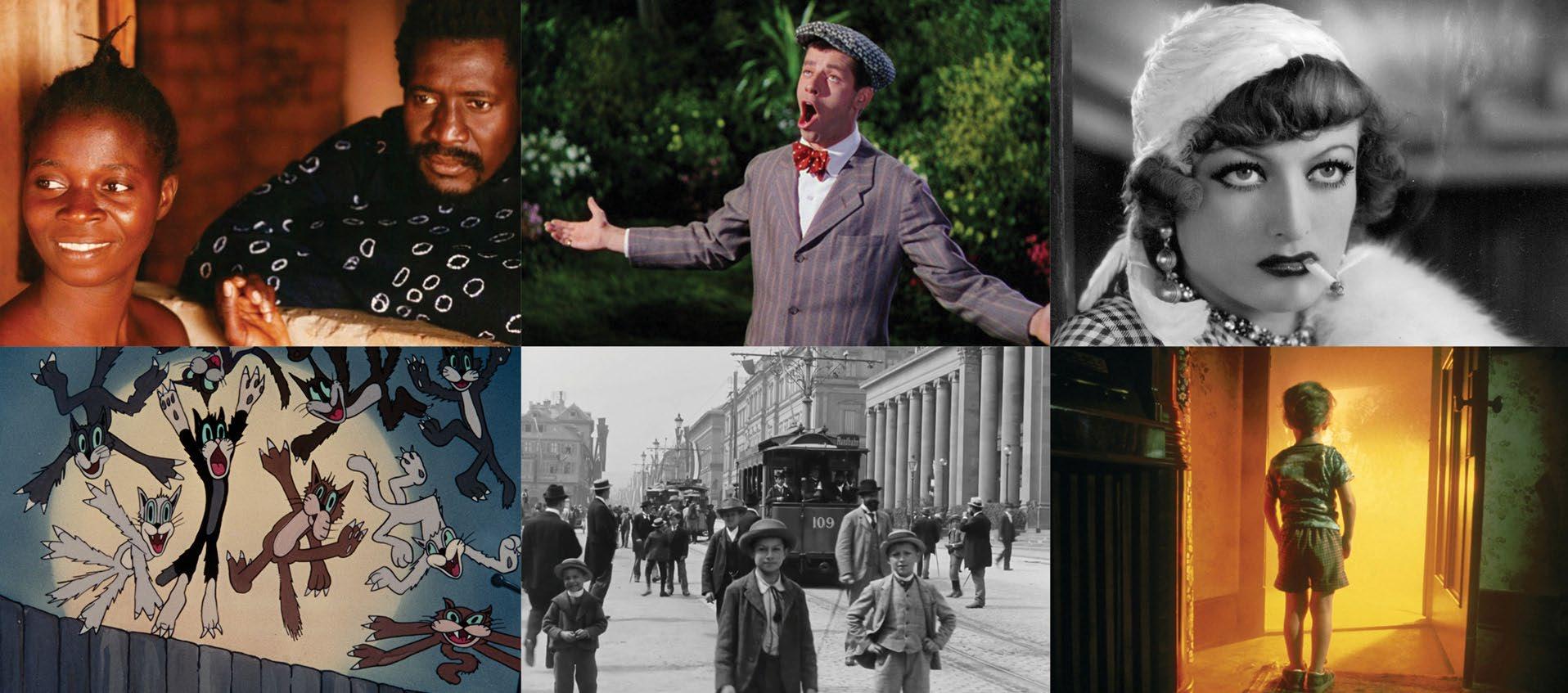
Organized by Dr. Steigman, Film Studies students were able to attend screenings at Cinema Revival: A Festival of Film Restoration, a five-day event that took place at the Wexner Center for the Arts at Ohio State. The festival featured newly restored films from directors like Mamoru Oshii, Steven Spielberg, Otto Preminger, Flora Gomes, and Erich von Stroheim. The festival also included appearances and discussions with film preservationists and industry professionals such as Robert Furmanek, Grover Crisp, and David Stenn. n
With this grant, the Center will help support Humanities faculty who wish to provide enrichment experiences for their students. The Humanities Center will provide grant money to support activities in which faculty and students are engaging together in humanities-related activities beyond the Otterbein campus.
Our faculty has racked up some serious travel points for all their travel this year! These Humanities Center grants support faculty attendance and participation at regional, national, and international conferences, workshops, and symposia where the scholarship that is being shared and discussed relies on the questions, methods, and habits of thinking that define the humanities. All part-time and full-time faculty members are eligible to apply.
Tammy Birk, Ph.D.
ENGLISH
Presenter, “Against Civility: The Killjoy and Complainer Ruin It All”
American Comparative Literature Association Annual Conference
February 26–March 1, 2026
Montreal, Canada
ENGLISH
Presenter, “Counter-Hermeneutics, Juke Joint Theology, and Eschatology in Contemporary Black Poetry”
Association for the Study of Arts of the Present October 22–25, 2026 Houston, Texas
Participant, Discussion panels convened by The Georgia Review and The Watering Hole Association of Writers and Publishers March 4–7, 2026 Baltimore, Maryland
Madison Felman-Panagotacos, Ph.D.
HISTORY, POLITICAL SCIENCE, LANGUAGES & CULTURES
Presenter, “Overwriting National Ideology: Critical Fabulation in Constructing Argentine Queer Futures”
National Women’s Studies Association November 13–16, 2025
San Juan, Puerto Rico
Presenter, “Extractivism, Drag Kings, and Collective Labor in Piel de Lava’s Petróleo” Latin American Studies Association May 25–30, 2026
Paris, France
PHILOSOPHY & RELIGION
Presenter, “Lucidity in the Dark: Poems, Songs and Narratives in/of Tibetan Carceral Worlds” American Academy of Religion November 21–24, 2025
Boston, Massachusetts
Presenter, “Money-Making Monastics: Refugee Status, Globalized Buddhism and the Performative Value of Poverty”
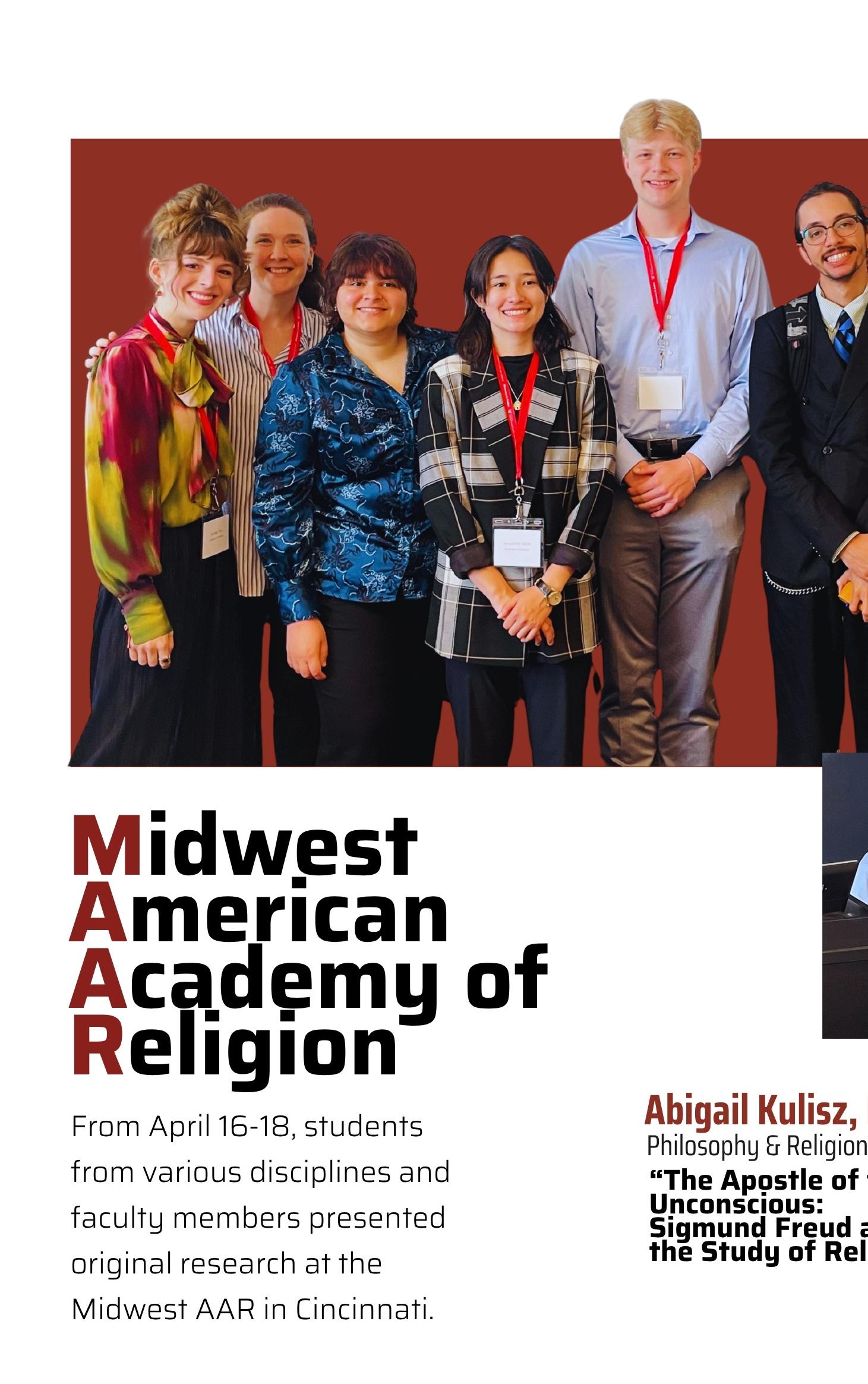
Midwest American Academy of Religion April 16–18, 2026 Cincinnati, Ohio
Jessie Glover, Ph.D.
THEATRE & DANCE
Interlocutor, Participatory workshop on publicly engaged practices for just and imaginative futures
Imagining America National Gathering
October 3–5, 2025
Las Cruces, New Mexico
Janice Glowski, Ph.D.
ART & ART HISTORY; DIRECTOR, THE FRANK MUSEUM AND GALLERIES
Presenter, “Teaching Himalayan Art: Pedagogical Challenges and Opportunities” and “GLAM-ing it Up: Exploring Narratives of Asia through Galleries, Libraries, Archives, and Museums”
Association for Asian Studies
March 12–15, 2026
Vancouver, Canada
Jon Johnson, MFA
ART & ART HISTORY
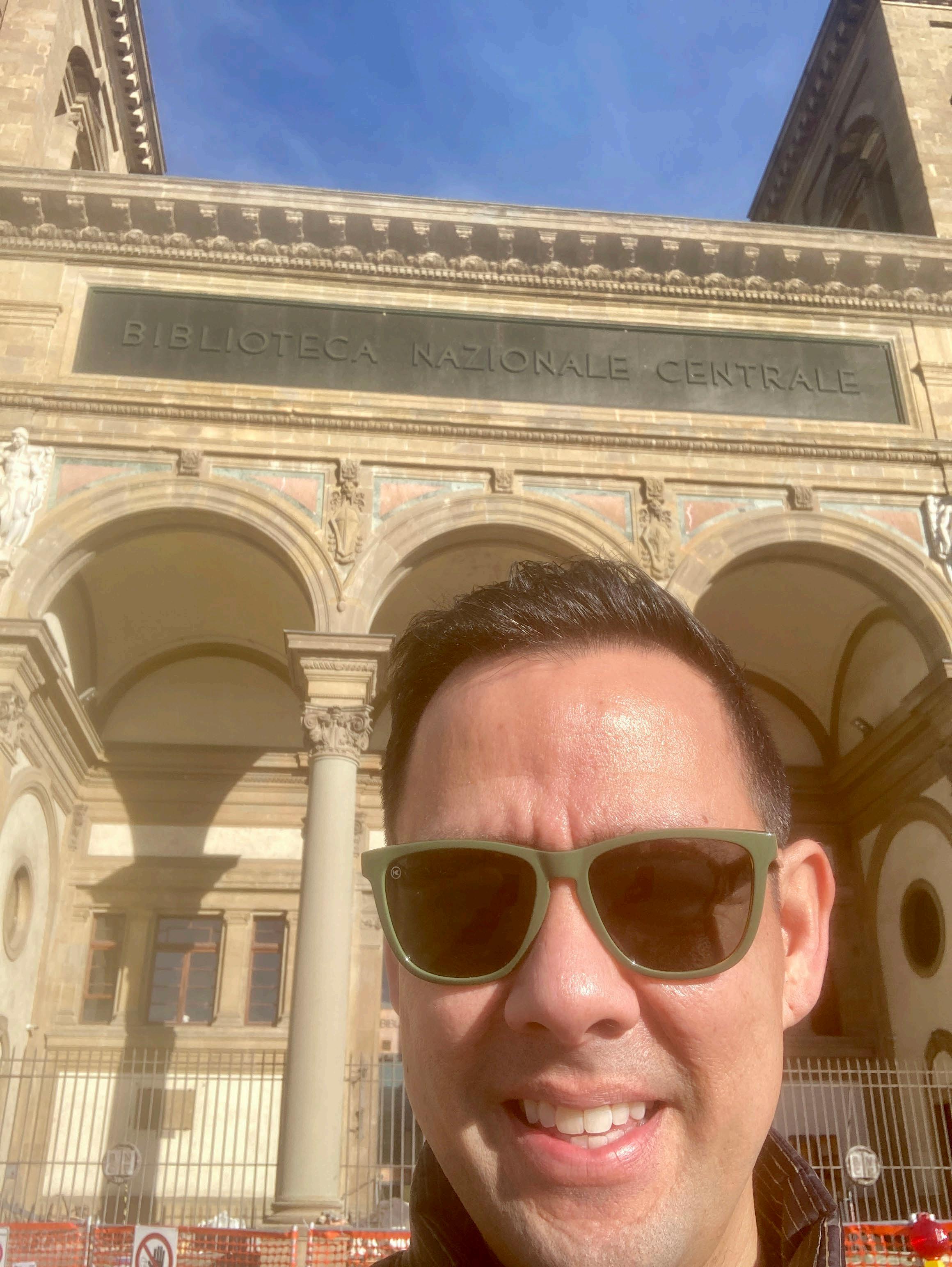
Presenter, “Spells Against Acceleration: Embodied Filmmaking and the Poetics of Super 8mm”
The Renaissance of Material Media in Photography, Film, and Beyond
December 4–7, 2025
Florence, Italy
Amanda Kline, MFA
ART & ART HISTORY
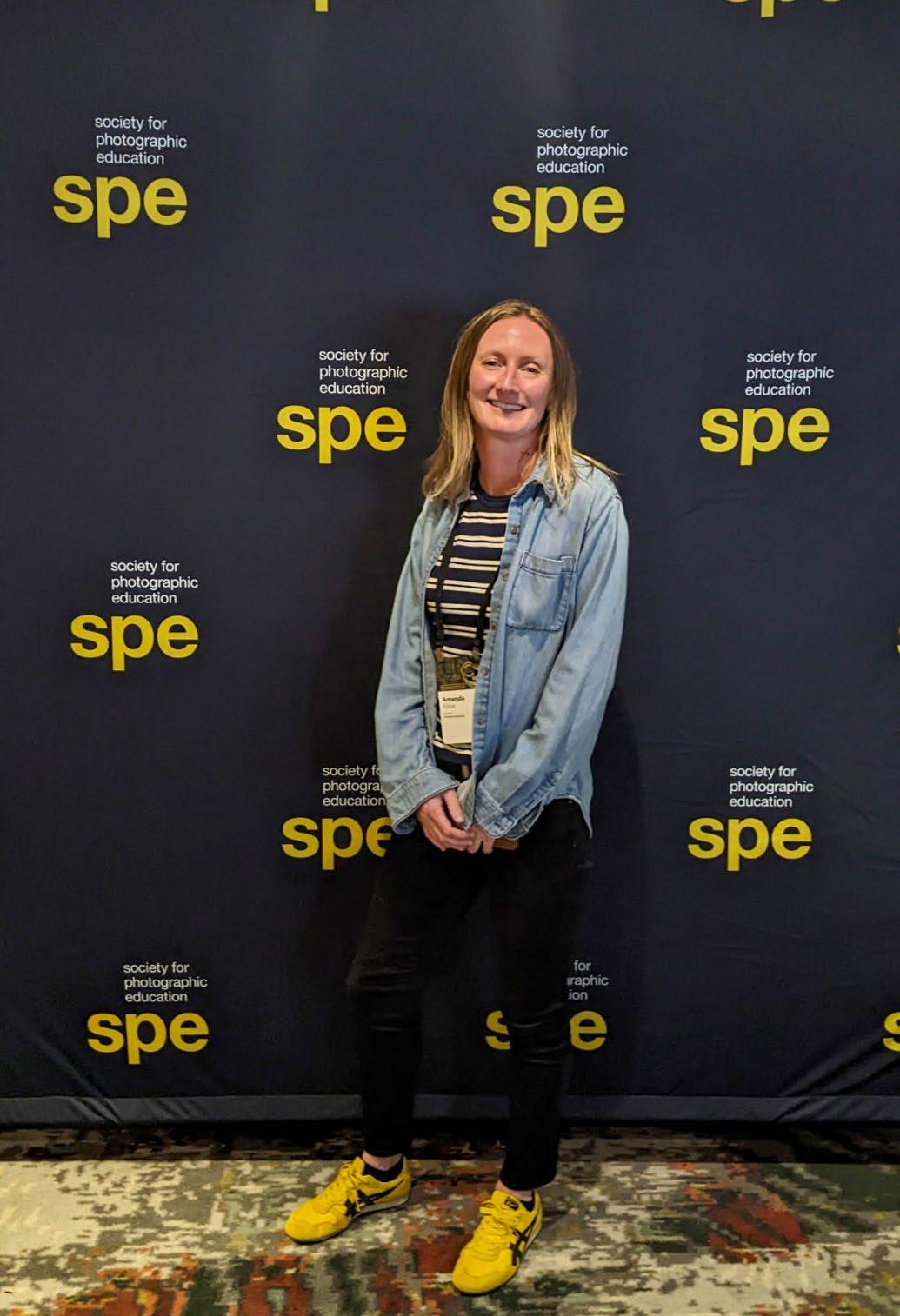
Director of the SPE Media Festival
Society for Photographic Education
March 19–21, 2026
Atlanta, Georgia
Margaret Koehler, Ph.D.
ENGLISH
Co-Facilitator, “Global Kinship: Opening Boundaries of Thinking in the Climate Humanities”
Modern Language Association
January 8–11, 2026
Toronto, Canada & Online
Presenter, “Poetry and the Rise of Public Health in the 18th Century”
American Society for 18th-Century Studies
April 8–12, 2026
Philadelphia, Pennsylvania
Taylor McDonald, Ph.D.
HISTORY, POLITICAL SCIENCE, LANGUAGES & CULTURES
Presenter, “Neighborly Metaphors and Canada–US Relations amid the Trump Tariff Threat”
American Political Science Association Annual Conference
September 11–14, 2025
Vancouver, Canada
Alexandria Wilson-McDonald, Ph.D.
HISTORY, POLITICAL SCIENCE, LANGUAGES & CULTURE s
Roundtable Contributor, “Genealogies of Resistance in the War on Gender: Historical Memories and Innovative Approaches”
Association for Slavic, East European, and Eurasian Studies
November 20–23, 2025
Washington, DC
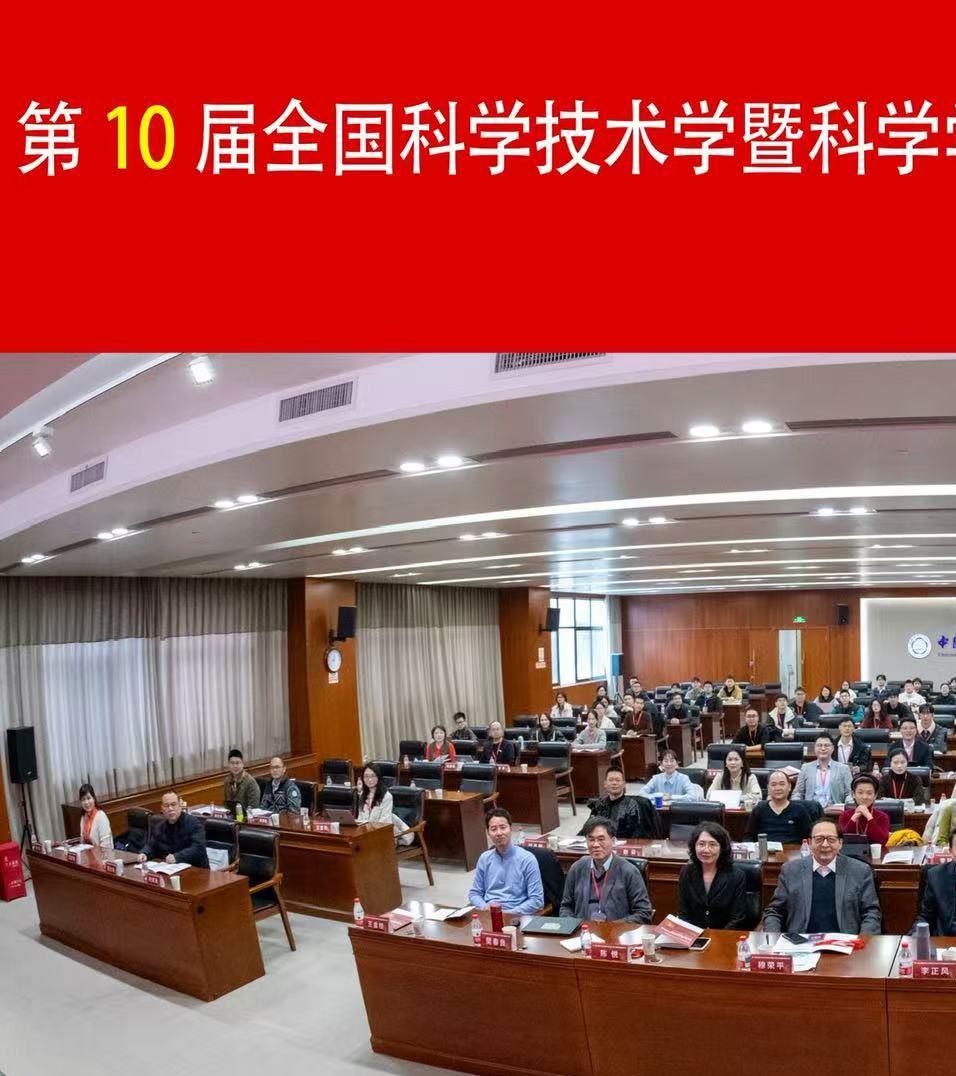
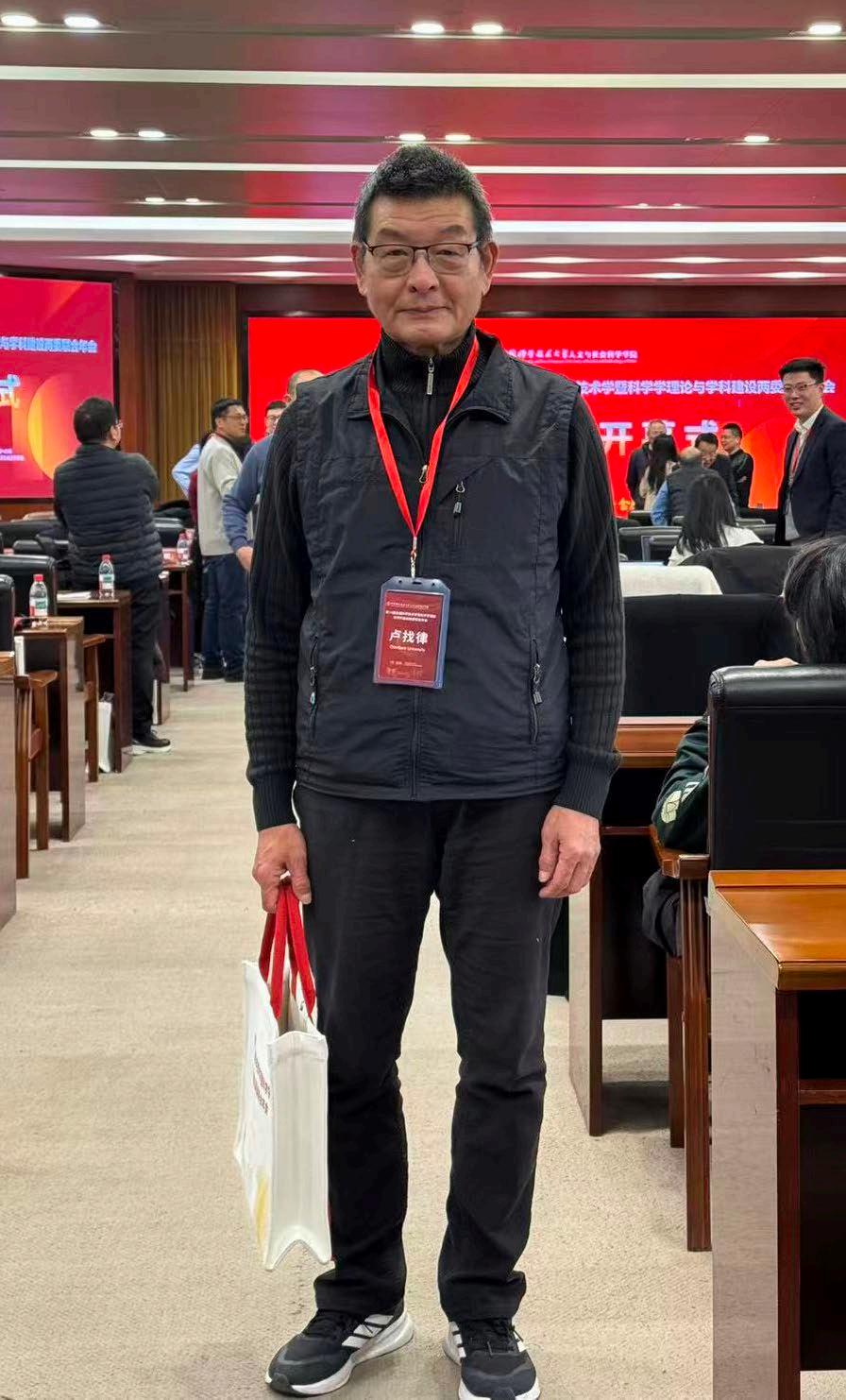
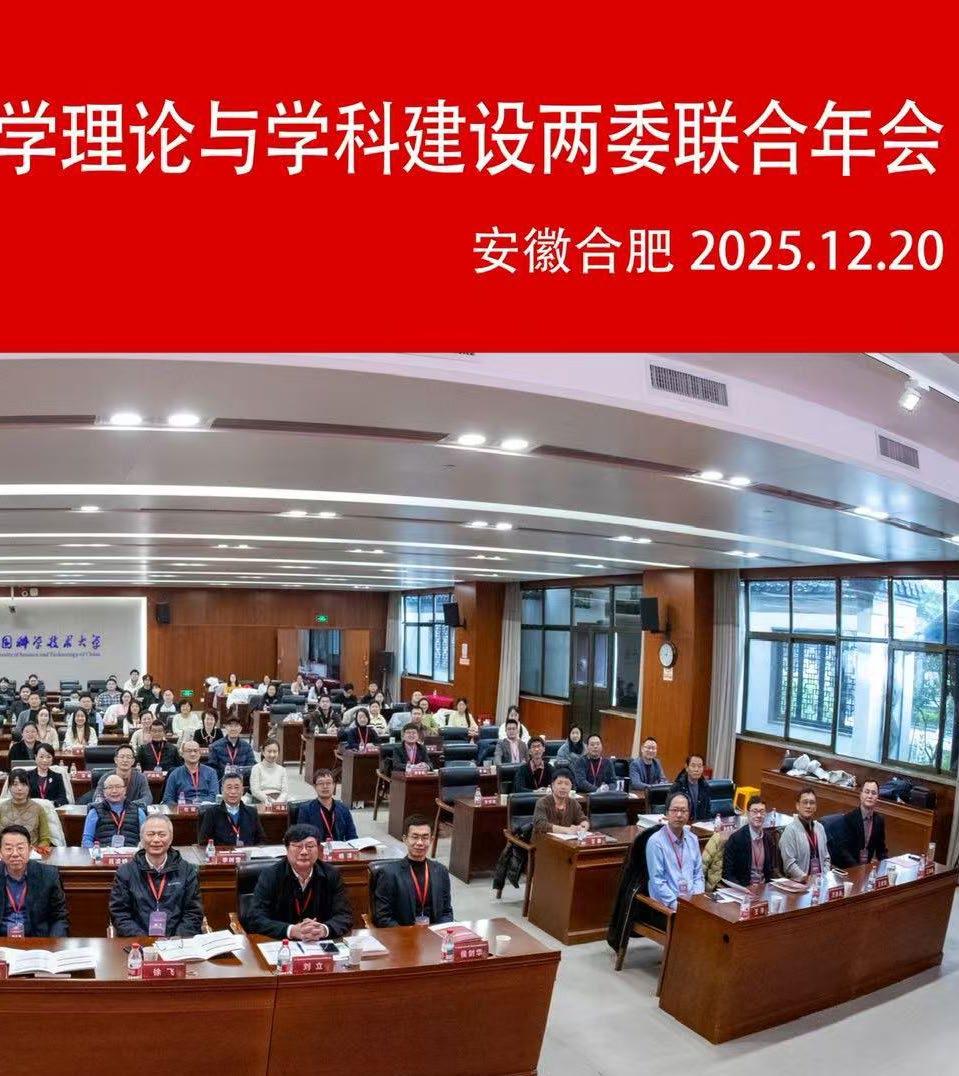
Lu Zhaolu, Ph.D.
PHILOSOPHY & RELIGION
Participant
China’s National Conference on the Philosophy of Science and Technology
December 5–7, 2025
Hefei, China
Participant
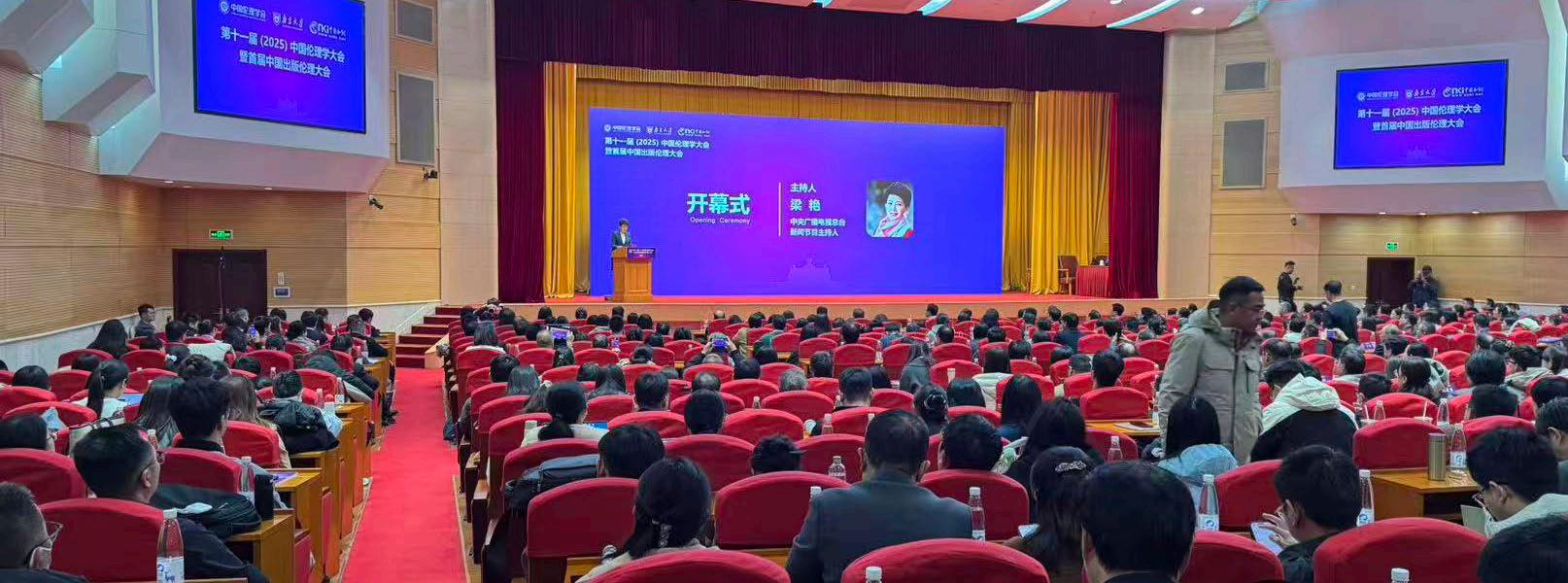
National Conference of China Association for Ethical Studies
December 12–14, 2025
Nanjing, China

Zhaolu, Ph.D.
PHILOSOPHY & RELIGION
Hefei, China
December 5–7, 2025
Nanjing, China
December 12-14, 2025
Jonathan Johnson, MFA
ART & ART HISTORY
American University of Florence—December 4–7, 2025
Florence, Italy
Amanda Kline, MFA ART & ART HISTORY
Society for Photographic Education—Mar 19-21, 2026
Atlanta, GA
The Humanities Center Summer Writing Awards recognize and reward faculty who are in the process of writing and disseminating scholarship. The Center’s Summer Writing Awards recognize Otterbein faculty members who are committed to spending their summers engaged in the writing process.
“Wild
Using the concepts of wild analysis and construction, which Freud develops, most significantly, in two essays, “Wild Psychoanalysis” (1910) and “Constructions in Analysis” (1937), I reflect on the type of authority that Freud draws upon to write his final book, Moses and Monotheism (1939).
K. Daniel Cho, Ph.D. EDUCATION
“Successive
In Group Psychology and the Analysis of the Ego (1921), Freud argues that the glue of a group is its tie to the Leader. Do groups thus dissolve at the demise or death of the Leader? I explore this question by looking at how Ralph Ellison’s Invisible Man (1952) stages the transfer of authority from Leader to Successor.
Paul
Eisenstein, Ph.D.
ENGLISH
While university museums and art galleries are frequently thought of as providing learning opportunities for art students, I explore how they also constitute a “radical counterspace” in which new ideas and contemporary topics are confronted and grappled with. My essay is part of a larger project I am working on that considers the contributions of the art museum and galleries as spaces of democracy on university campuses.
Amy Johnson, Ph.D. ART & ART HISTORY
At a historical moment before disciplinary divisions had hardened into their modern formation, the fields of poetry and medicine were proximate, crosspollinating, and reciprocal. The contemporary resurgence of interest in medical poetry erases this interdisciplinary history. My project engages with—and seeks to restore—this history by examining 18th-century British poetry as a surprisingly rich site of medical observation, analysis, and meaning-making..
Margaret
Koehler, Ph.D.
ENGLISH
“At
How does the concept apocalypse—whose original meaning has nothing to do with end times but indicates, instead, the revelation of a mystery or a secret—help us understand our current political moment? My essay explores how the Apostle Paul and the German philosopher Walter Benjamin (1892-1940) help us to understand what it means to receive, to be open to, or to seize the potentialities writ large in the apocalypse understood as a moment of revelation.
Abby Kulisz, Ph.D.
PHILOSOPHY & RELIGION
“A Comparative Analysis of David Auburn’s play adaptation of Romanian novelist Mihail Sebastian’s Journal: 1935-1944 and Sebastian’s own play adaptation of John Steinbeck’s novel The Moon is Down”
My essay explores David Auburn’s adaptation of Sebastian’s Journal into a one-man play, staged in New York City by the Keen Company in 2004. Because Sebastian’s journal reflects on his own experiences of exclusion as a Jew in Romanian society, it offers Auburn a lens through which to examine issues of enduring relevance: society’s tendency to scapegoat, the allure of political violence, and the human capacity to endure amid historical upheaval..
Rares Piloiu, Ph.D.
COURTRIGHT MEMORIAL LIBRARY
“Wilsonian Rhetoric and Korea’s 1919 March First Movement”
Compiling a range of March First Movement-related primary sources that highlight the interplay between local Korean independence activism and what historian Erez Manela has described as the global “Wilsonian moment,” I argue that the use of Wilsonian rhetoric was not only applied in international settings or in conversations with Western audiences but that they were used within Korea by colonial authorities, by Korean independence activists who organized March First, and by Koreans critical of the movement’s strategies..
Deborah Solomon, Ph.D.
HISTORY, POLITICAL SCIENCE, AND LANGUAGES & CULTURES
Tammy Birk, Ph.D.
DEPARTMENT OF ENGLISH
DIRECTOR, WOMEN’S, GENDER & SEXUALITY STUDIES PROGRAM
Dr. Birk’s podcast exemplifies what it means to produce and disseminate scholarship in a way that is very accessible to a general (non-specialized) audience. Available on platforms such as Spotify and Apple Podcasts—and now nearing the end of its second season—The Feminist Professor introduces and catalyzes dialogue about a variety of timely topics such as The Politics of Rest, Bro Culture, LGBTQ Equity and Personhood, and Hope. By her own admission, Dr. Birk’s goal in the podcast is to create a space for learning in a climate of misinformation and fear.
Dr. Birk produces a kind of script for each episode. This involves her in reading and rereading the theoretical texts that are often the touchstones for individual episodes and in writing what are essentially ten-to-twelve-page papers that form the basis for each episode.
The Feminist Professor has enjoyed remarkable growth in popularity—a sign that there is an appetite in the public sphere for intellectual conversations rooted in the questions and methods of the Humanities. Initially, Dr. Birk had not really tracked the number of her listeners, but according to the analytics that the producers of podcasts can generate, The Feminist Professor has seen a steady and auspicious increase in the number of people downloading (listening to) its episodes. Most episodes average between 5,000 to 8,000 listeners. And a Season One episode entitled “On Preparing for Trump” was downloaded more than 12,000 times. n
Humanities Center faculty project grants support a range of research activities. These activities include travel to carry out archival work; costs associated with the publication of a book, such as permissions; and expenses related to course development and teaching in the Humanities at Otterbein.

These grants support students undertaking undergraduate research projects in the fields/disciplines that belong to the Humanities at Otterbein. Applicants can seek funds for actual expenses (e.g., registration for conferences or symposia, travel to archives, purchase of books, costs associated with the production of posters or other media, etc.). Applicants can also seek funds to create the time to execute and produce their research artefact (i.e., to offset the wage-earning work they might otherwise have had to take on in lieu of working on their project).
These grants support students majoring in the fields/disciplines that belong to the Humanities at Otterbein who have earned an unpaid internship that requires them to use knowledge, methods, or skills that they have developed in Humanities courses. Applicants can seek funds for actual expenses associated with the internship (e.g., transportation expenses). Applicants can also seek funds to offset the wage-earning work they might need to give up in order to take on and complete the internship.
“The
Reimagining
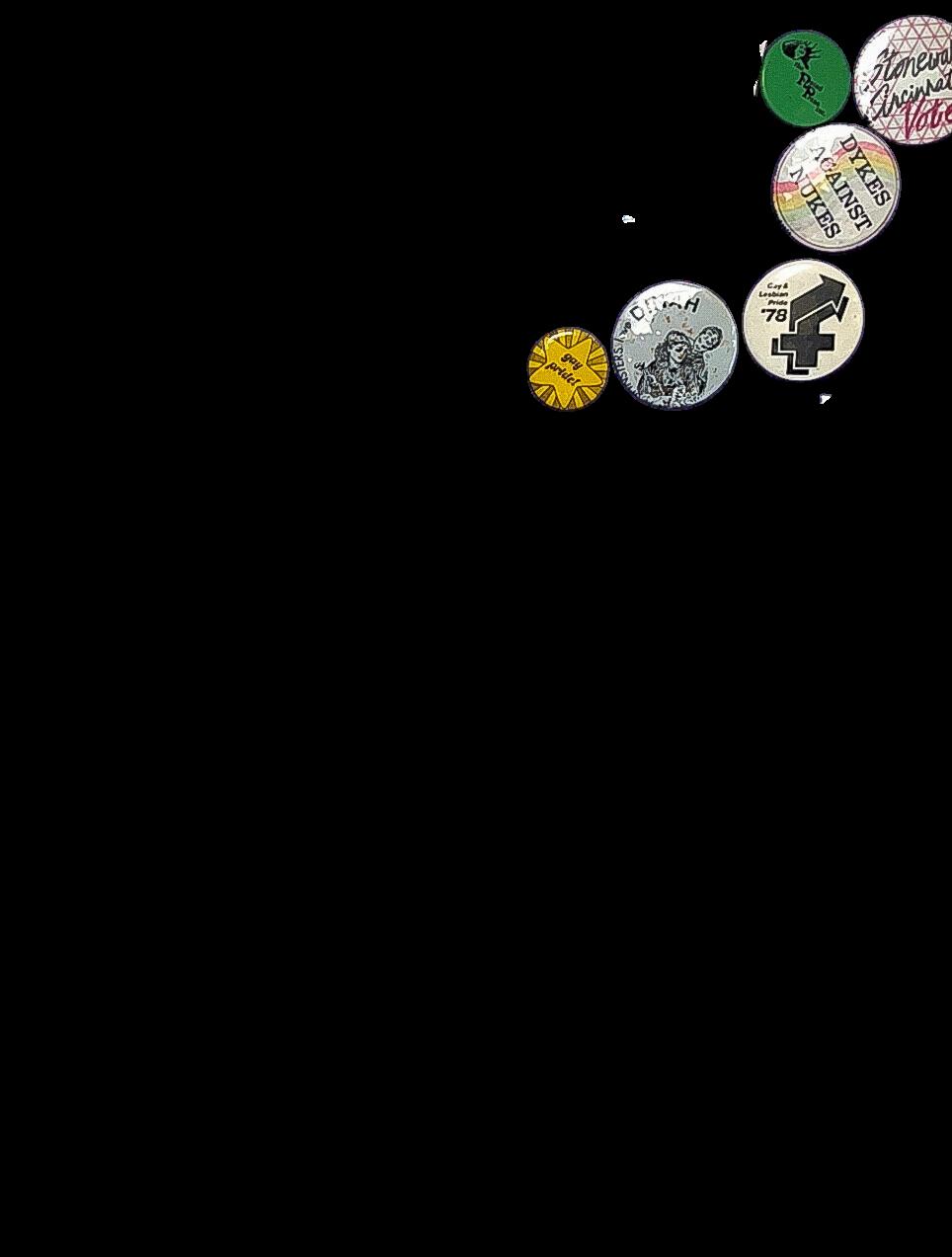
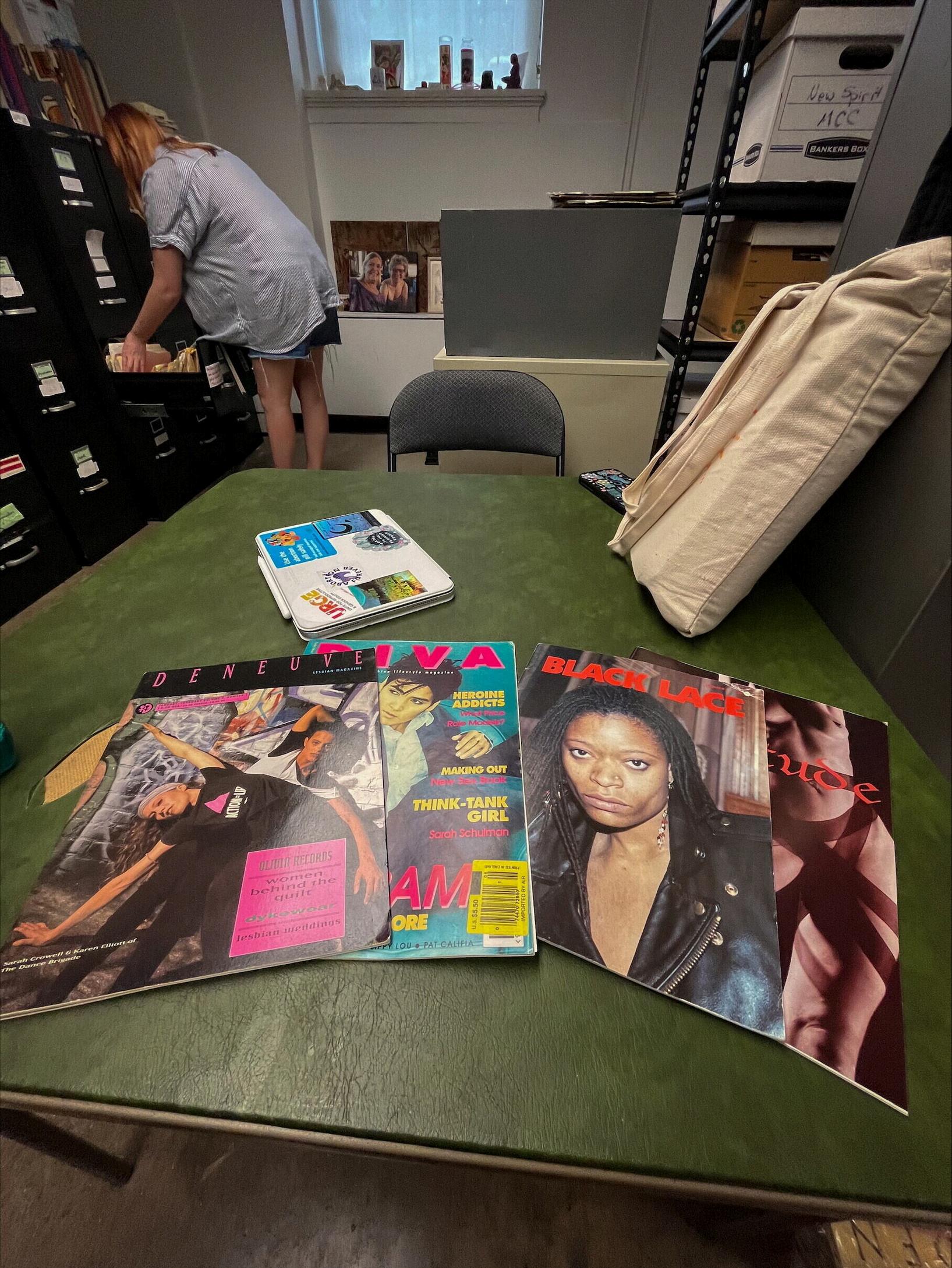
The objective of my project is to explore lesbian identity, define it in a way that is not transexclusionary, and expand it so that it can be recognized as both a sexual and gender identity. I believe that a lesbian identity provides a way for any non-man identifying lesbian to also describe their relationship to their gender identity. Lesbian studies is more traditionally focused on sexual identities and practices and relatively silent on gender. In my project, I will work at the intersection of gender and sexuality studies while critically expanding Lesbian studies.
The funding I received helped me acquire books that were necessary for my research. It also funded my trip to a volunteer-run Lesbian Archive in Cincinnati, OH. In this archive, I was able to work with primary artifacts and articles that helped to deepen my inquiry into lesbian gender. I am interested in taking theory and applying it to experiences of the lived-body. n
ENGLISH (CREATIVE WRITING, FILM STUDIES) | RESEARCH SUPPORT
Ireceived Humanities Center Funding for travel to New York City in the summer of 2025 to see “Cabaret at the Kit Kat Club” on Broadway. The Honors Thesis project I completed this year was on backstage musicals with a strong focus on Bob Fosse’s 1972 film, Cabaret. To deepen my consideration of this work, I really wanted to take advantage of the fact that the stage production was running on Broadway during this time. Too, I sought to include my thoughts and experience as an audience member in the creative preface to my project.
This production began with a unique interactive prologue that had audience members and cast members sharing the same space prior to the start of the show. The show itself saw the text through a new lens which was very interesting. The choice to produce the show in the round felt very intimate and appropriate for the cabaret setting and also for how the show implicates its audience in the narrative. This experience contributed to—and sharpened—my interpretation of the show/ film for my project, and it helped me to form ideas and thoughts appropriate to the preface to my critical analysis. n
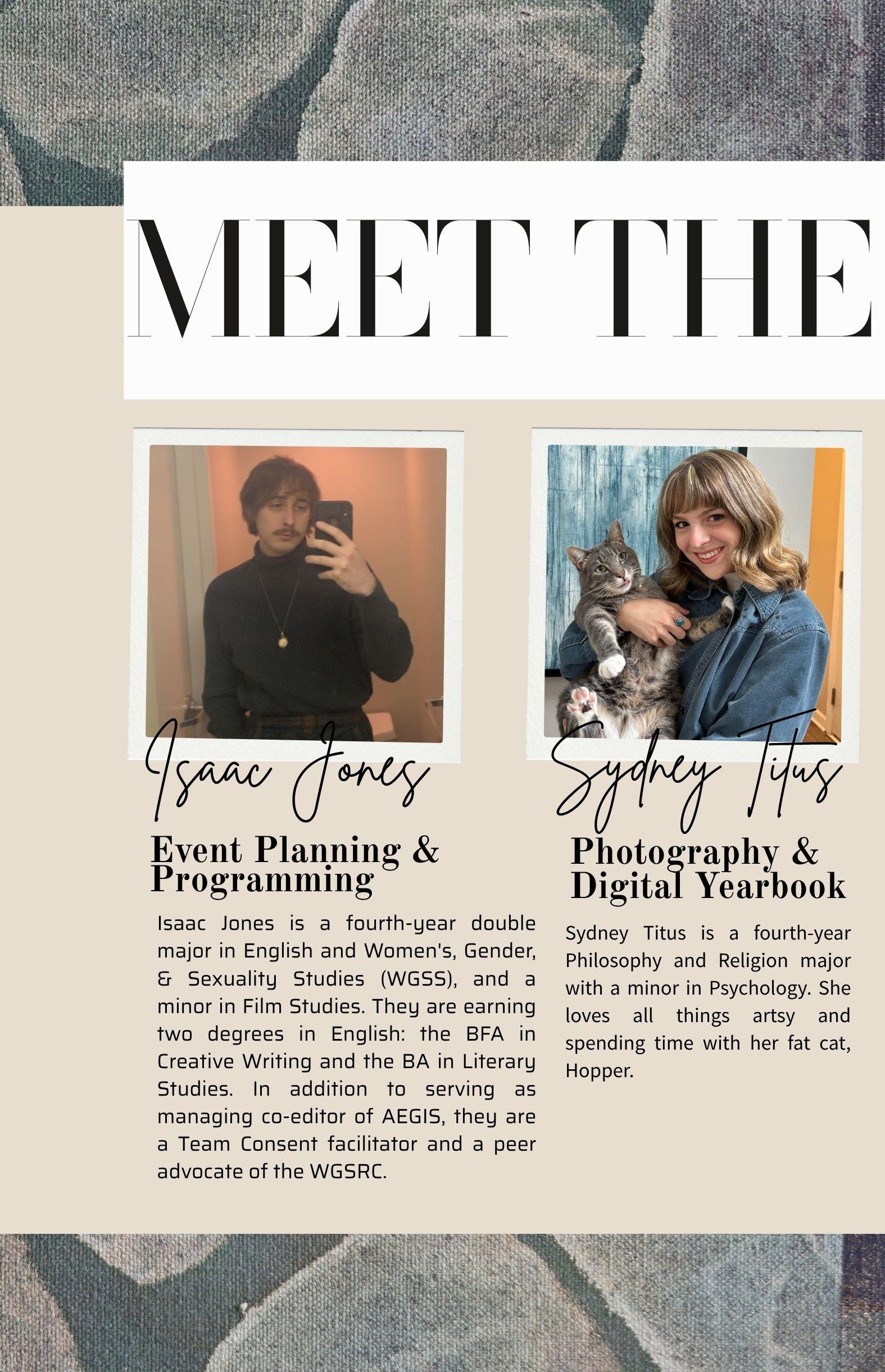
Isaac Jones is fourth year a BFA creative writing and a BA in WGSS, literary studies with a film studies minor. In addition to managing co-editor of Aegis, they are a humanities fellow, a Team Consent facilitator, and a peer advocate at the WGSRC.
ENGLISH (CREATIVE WRITING, LITERARY STUDIES) AND WGSS | RESEARCH SUPPORT
My project combines historical, journalistic, literary exegesis, and memoiristic work to track a genealogy of my regions’s good life fantasies.
The fund made the procurement of mainstream and esoteric Appalachian texts available for study in addition to funding my work at the Oliver Tucker Museum in Beverly, OH. The former precipitated my entry into the Appalachian literary imaginary for my distinction project, Fidelity on Some Afternoons. The project is a creative-critical meld of essays and poetry about the twilight of rural optimisms and the modes of life produced from material, communal, and spiritual disintegration.
My project champions an ethic of fidelity taken from Camus’ The Myth of Sisyphus, a keyword found in the line: “but Sisyphus teaches the higher fidelity that negates the gods and raises rocks.” As I interpret it, this fidelity is one to our history as continuous, our values as unstable, and ourselves as composites. My belief, and indeed what I argue for, is the negative act of ambivalence that creates a space that makes imagining new ways of life possible.
Isaac Jones is fourth year a BFA creative writing and a BA in WGSS, literary studies with a film studies minor. In addition to managing co-editor of Aegis, they are a humanities fellow, a Team Consent facilitator, and a peer advocate at the WGSRC. Isaac Jones is fourth year a BFA creative writing and a BA in WGSS, literary studies with a film studies minor. In addition to managing co-editor of Aegis, they are a humanities fellow, a Team Consent facilitator, and a peer advocate at the WGSRC.
There is then an interregnum of inaction within ambivalence, which I believe is the precise point where we must begin to take action. Just as the infant learns to navigate the world through mistakes and corrections, we too must waddle forward with a nascent understanding of the culture we endeavor to produce. Thus, my work at the Oliver Tucker Museum was a way of enacting this ethic. There, I worked to archive and organize the museum, creating a database for its exhibitions. I was helping to organize our history because to depart from something, we first must know where we are, who we were, and what we mustn’t be again. n
ENGLISH (FILM STUDIES) AND WGSS | RESEARCH SUPPORT
“The
Isaac Jones is fourth year a BFA creative writing and a BA in WGSS, literary studies with a film studies minor. In addition to managing co-editor of Aegis, they are a humanities fellow, a Team Consent facilitator, and a peer advocate at the WGSRC.
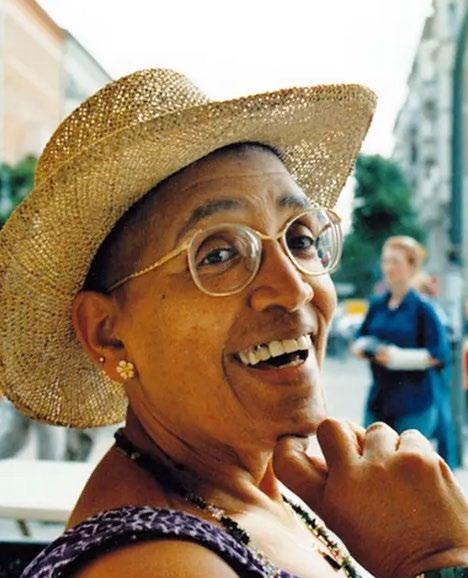
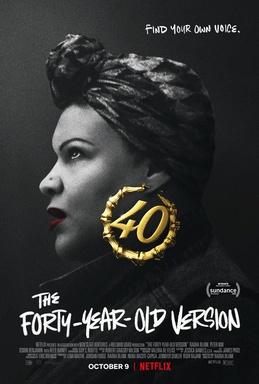
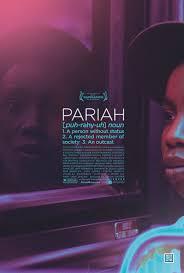
The notion of the erotic is often misunderstood and flattened by patriarchal perceptions of it, but feminist thinkers have been focused on developing a rich and complex relationship to it since the publication of Audre Lorde’s “Uses of the Erotic” (1978). In this project, I will rely on Lorde’s essay and reframing of the erotic to illuminate new understanding of both the practice of “lesbian dreaming” and Dee Rees’ film Pariah (2011). In the course of this exploration, my project aims to sharpen our understanding of the erotic as uplifting and supportive of women. Pariah is a film that is engulfed in Lorde’s poetic sensibilities, since in Rees’ film, the erotic is not being forced to be thought of in terms of only physical pleasure, but as Alike’s (the main character) own self-liberation.
Humanities Center funding helped me to work fewer hours over the summer so that I could focus on my research project. It also allowed me to purchase recent feminist and queer theory scholarship that was central to my project. This scholarship includes the following books: Mari Ruti’s The Ethics of Opting Out (2017), Alexis Pauline Gumbs’ Survival Is a Promise: The Eternal Life of Audre Lorde (2024), Adrienne Maree Brown’s Pleasure Activism: The Politics of Feeling Good (2019) and Sara Ahmed’s The Feminist Killjoy Handbook (2023) n
ENGLISH | INTERNSHIP SUPPORT
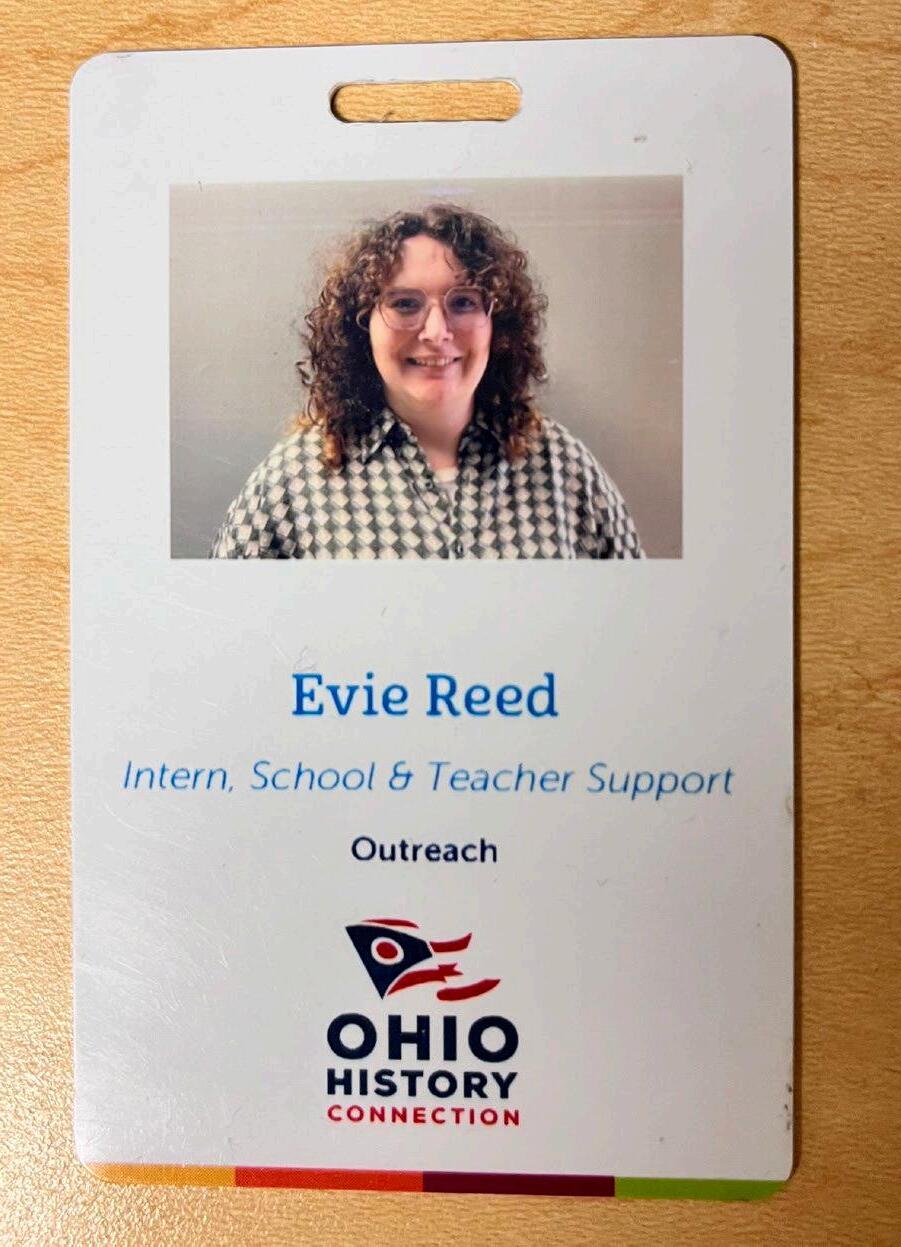
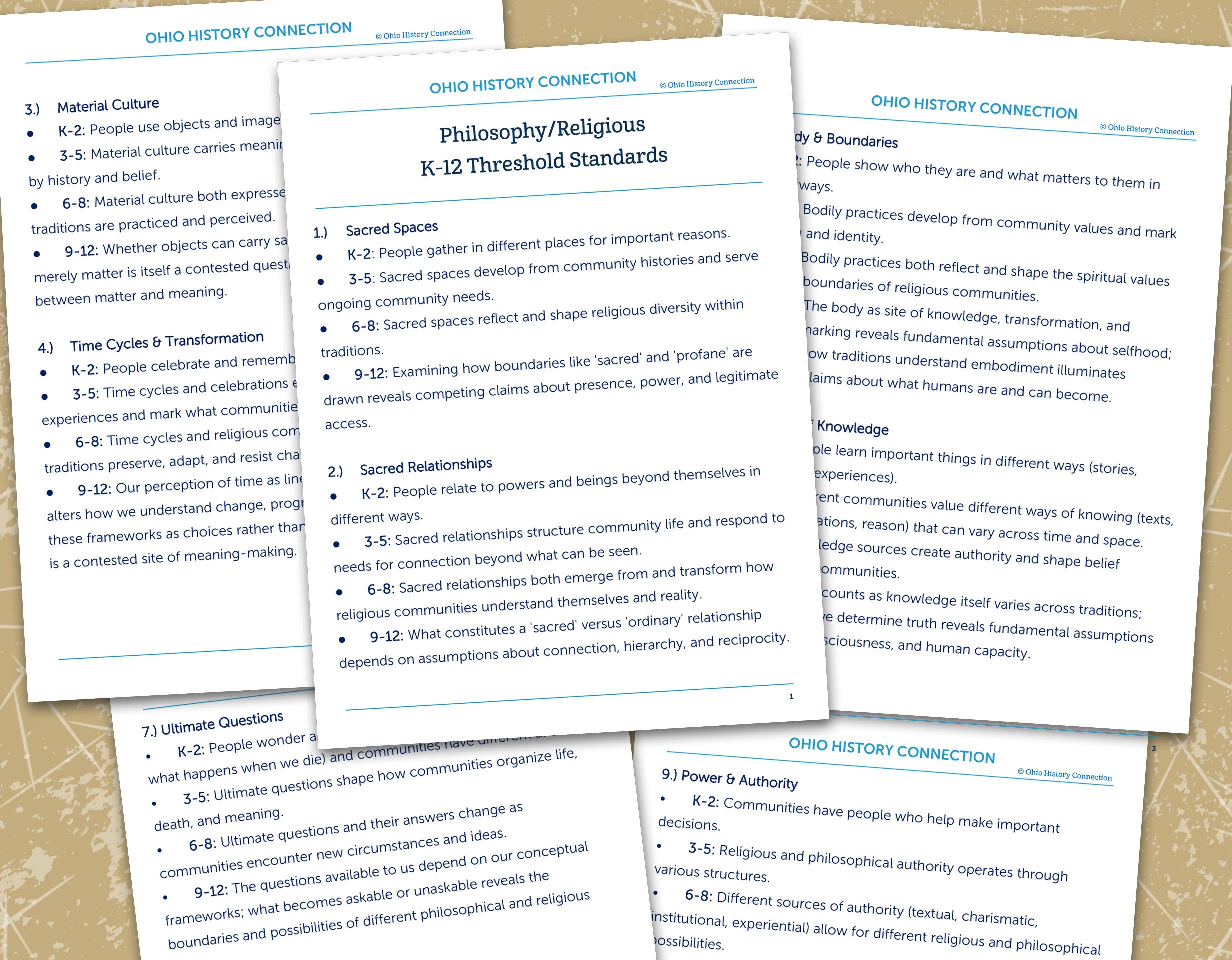
Evie Reed was chosen as the Fall 2025 School & Teacher Support intern at the Ohio History Connection (OHC). Their internship began on September 15, 2025 and ended on November 21, 2025. In this role, Evie created a professional development resource for K-12 teachers that articulated and clarified “threshold standards” for talking about religious understandings of sacred places and material objects, of time and its relationship to tradition, and of bodily practices as a shaper of spiritual values. n
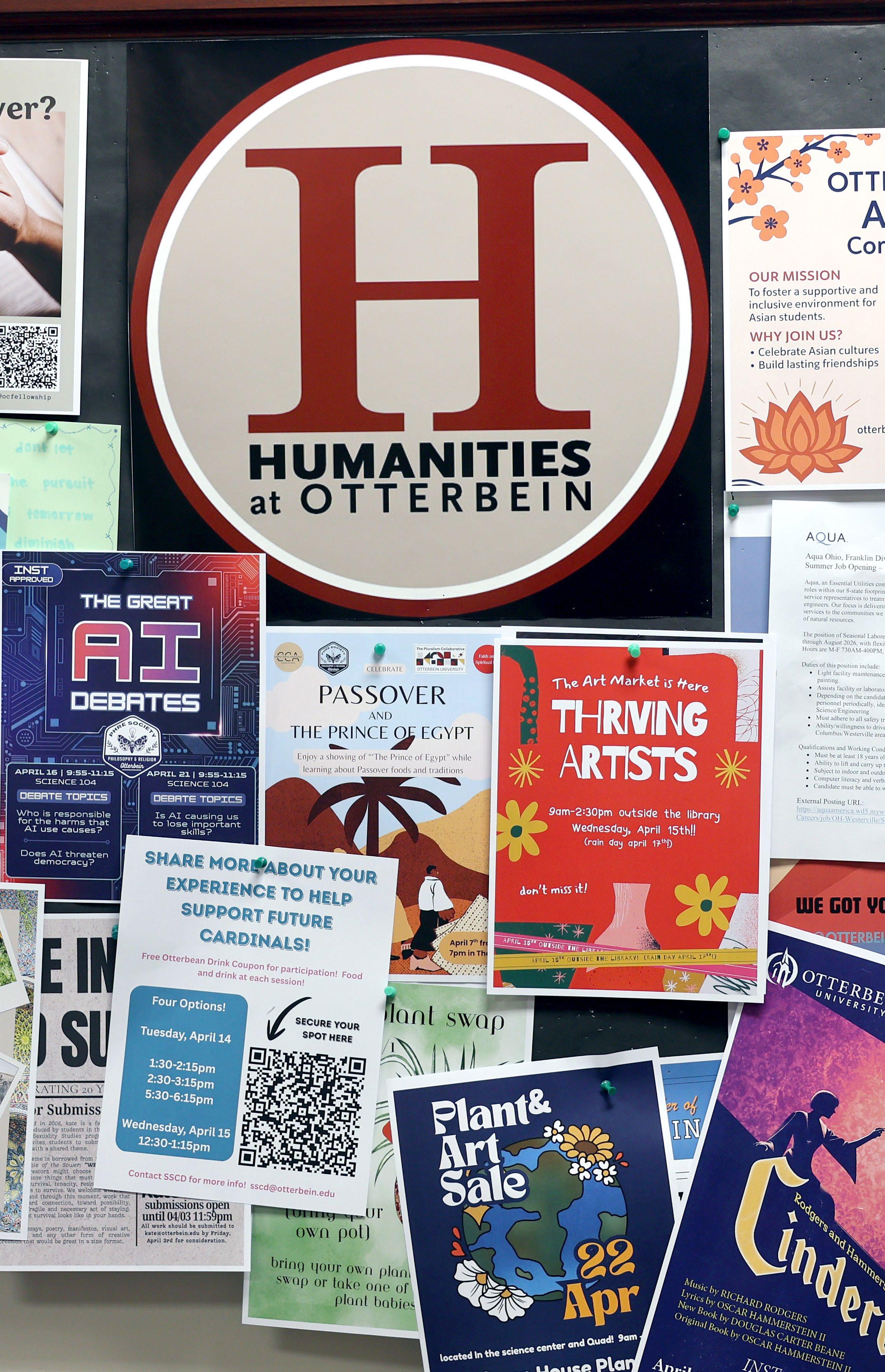
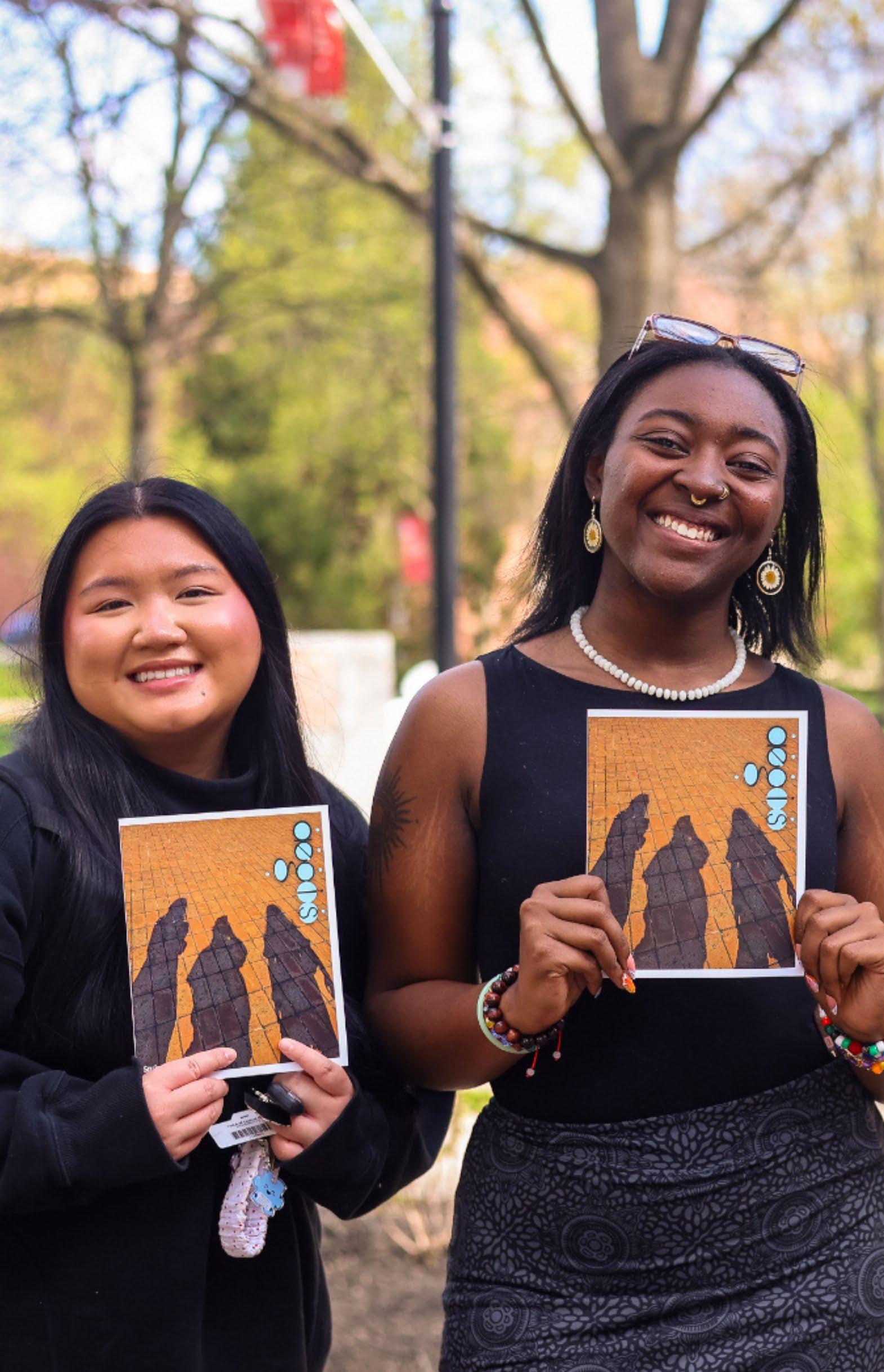
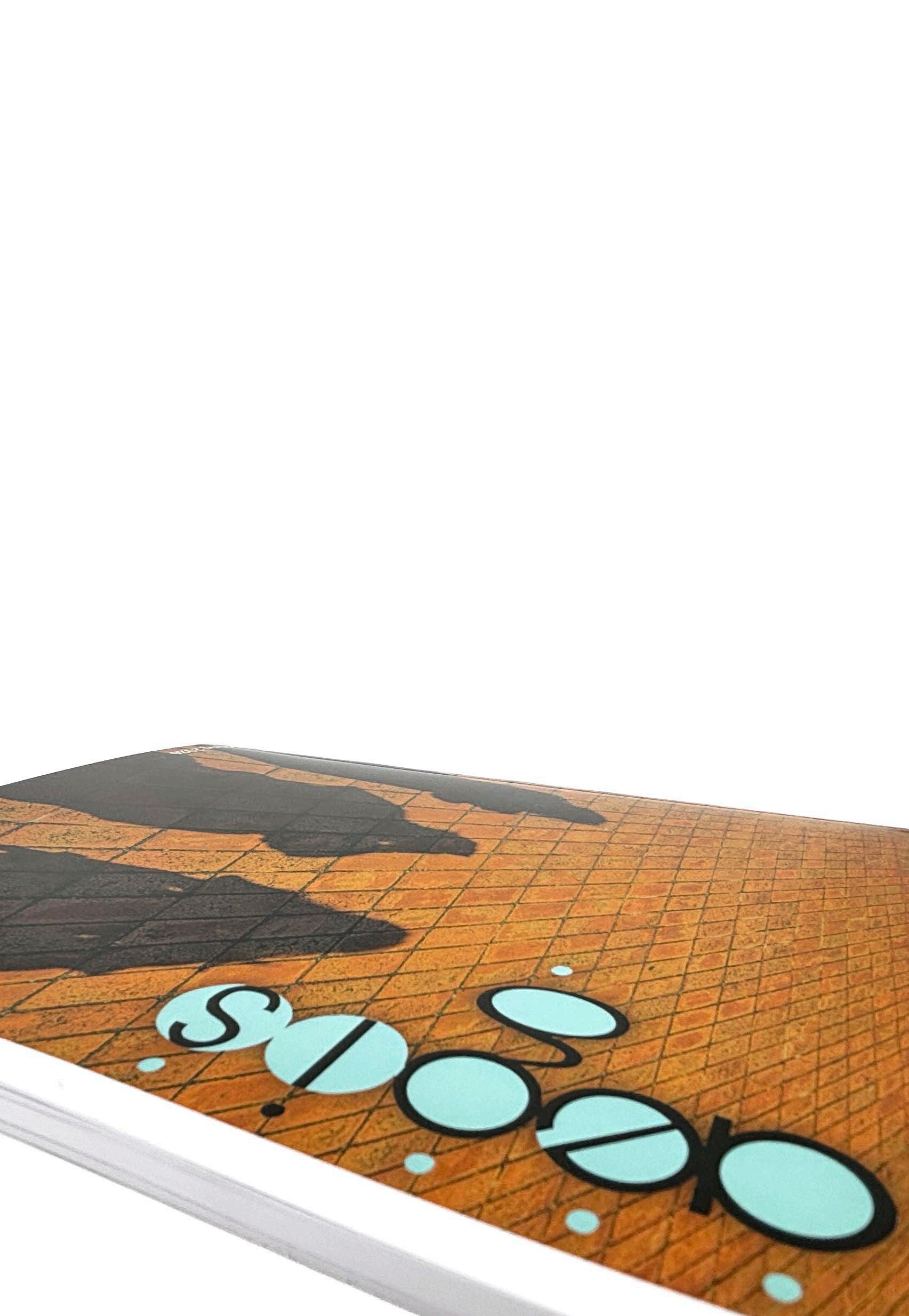
The twenty-second edition of AEGIS—yes, that’s right, this peer-reviewed journal is now in its third decade—appeared at the annual launch party held on April 14, 2026 in the plaza in front of Towers Hall. The journal is entirely student run—with two managing editors (Isaac Jones & Olivia Sweet) and an eleven-person editorial board comprised of students across the Humanities at Otterbein. The journal’s faculty advisor is Dr. Phyllis Lynne Burns (English).
The theme of the 2026 edition of AEGIS is inspired by Matthew J. Newcomb’s eponymous and horrifically relevant essay “Feeling the Vulgarity of Numbers: The Rwandan Genocide and the Classroom as a Site of Response to Suffering” (which appeared in the Journal of Advanced Composition in 2010). The problematics of numbers can be understood in the following line: “affectively the distance from three to five is much greater than one million to one-and-a-half-million.”
As a journal designed to catalyze a deeper critical appreciation of the humanities at Otterbein University, Aegis publishes undergraduate scholarly essays and book reviews that advance the presence and values of the humanities on campus and beyond. Aegis is published annually in the spring semester.
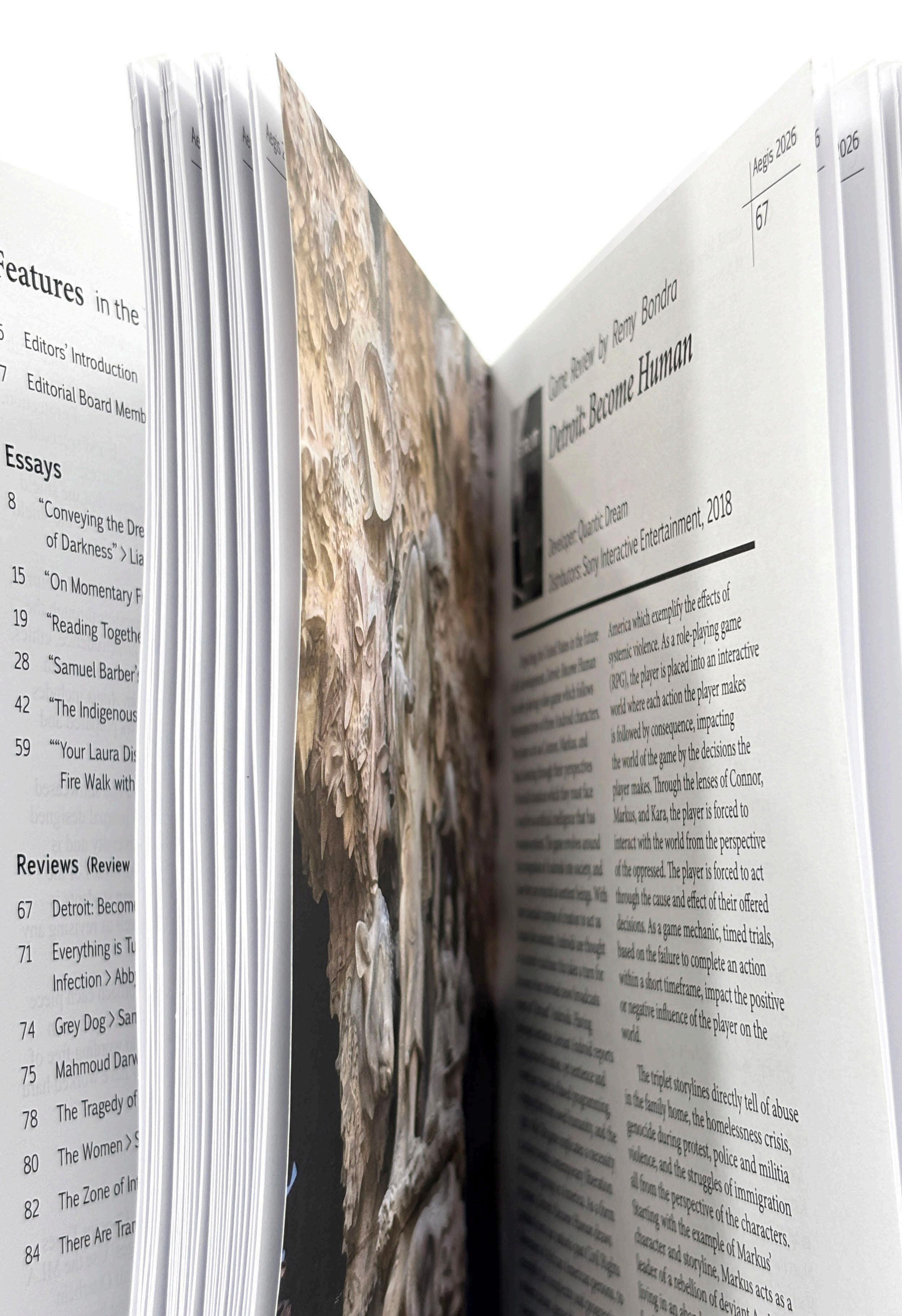
The 2026 edition of the journal consists of six published articles, seven book reviews, and one film review. All this published work coheres around or is in dialogue with the journal’s theme, which deals with just how to respond to mass death, crisis, and upheaval. In their introduction to the journal, the editors cite Virgina Woolf’s diary entry during World War I, which reads as follows: “The future is dark, which is the best thing it can be, I think.” Taking their cue from Woolf, the editors make this claim about the students whose work appears in the journal—and by extension the community of scholars in the Humanities at Otterbein: “Our place as scholars, creatives, and concerned persons [is] to find a way of viewing or framing the darkness, to look at it differently, to find light there.”
You can view a copy of the 2026 edition of the journal in the Digital Commons@Otterbein at https://digitalcommons.otterbein.edu/. n

Digital Commons @ Otterbein is an institutional repository of a collection of digital materials that captures and preserves the intellectual output of the university community.
The Digital Commons responds to two strategic issues facing Otterbein: provides a central component of a readily accessible depository for selected archival material, video and still images, current news and events, procedural and policy guidelines, and other information that benefits the university community and other public users;and serves as a tangible indicator of Otterbein’s quality, thus increasing its visibility, prestige, and public value.
The mission of the Digital Commons @ Otterbein is to advance scholarship, promote research and cross-disciplinary collaboration through the dissemination and preservation of research, instructional and creative digital materials created by the Otterbein community, and sustain the historical legacy of Otterbein University.
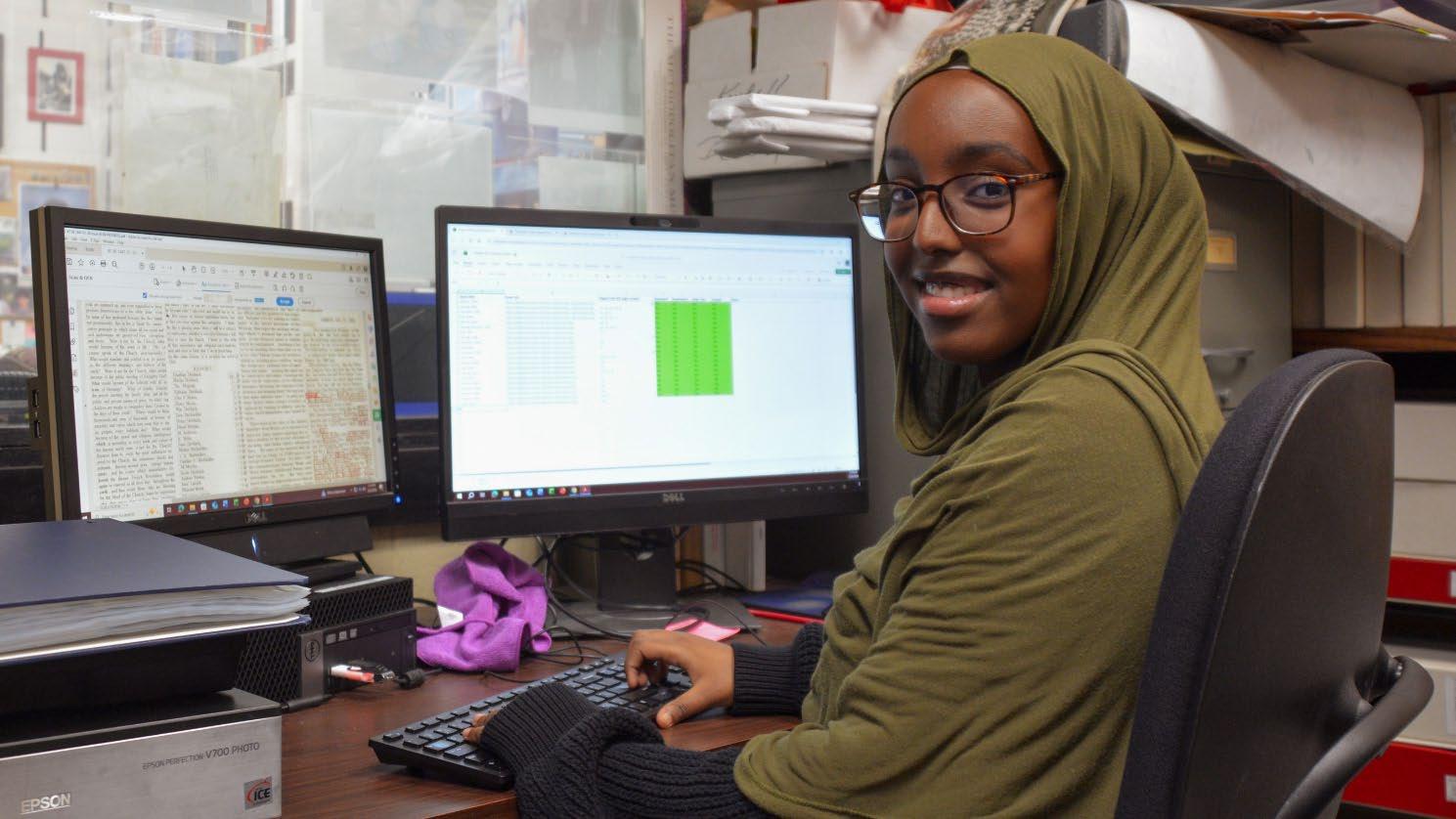
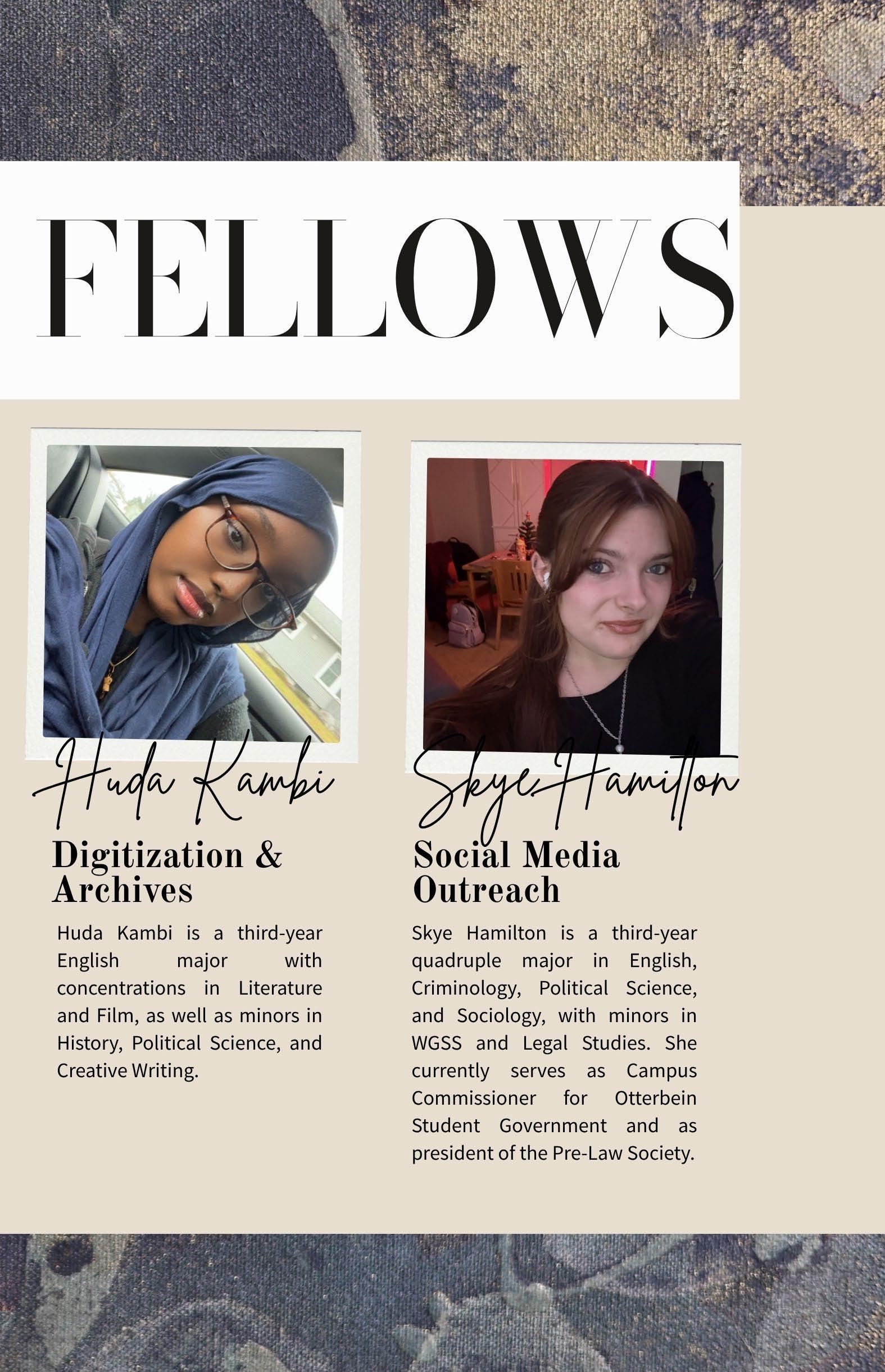
As this year’s digital archivist, Huda acts as a bridge between fragile historical materials and public digital access. Working at a dedicated station surrounded by century-old newspapers and personal scrapbooks, most of her job involves “cleaning up” raw scans so they’re ready for the library’s online database. She corrects Optical
Character Recognition (OCR) errors so the computer actually reads the text correctly, making documents searchable and usable.
She also removes sensitive personal information such as old phone numbers and addresses from publications such as Towers magazine to protect people’s private information. While she
occasionally handles the physical materials (and notes that bare hands are often safer than gloves for fragile materials) most of her work happens behind the screen. The files she receives on USB drives are gradually transformed into polished, ready-to-publish web pages through her efforts. Thanks to Huda, Otterbein’s history is given a second life online. n
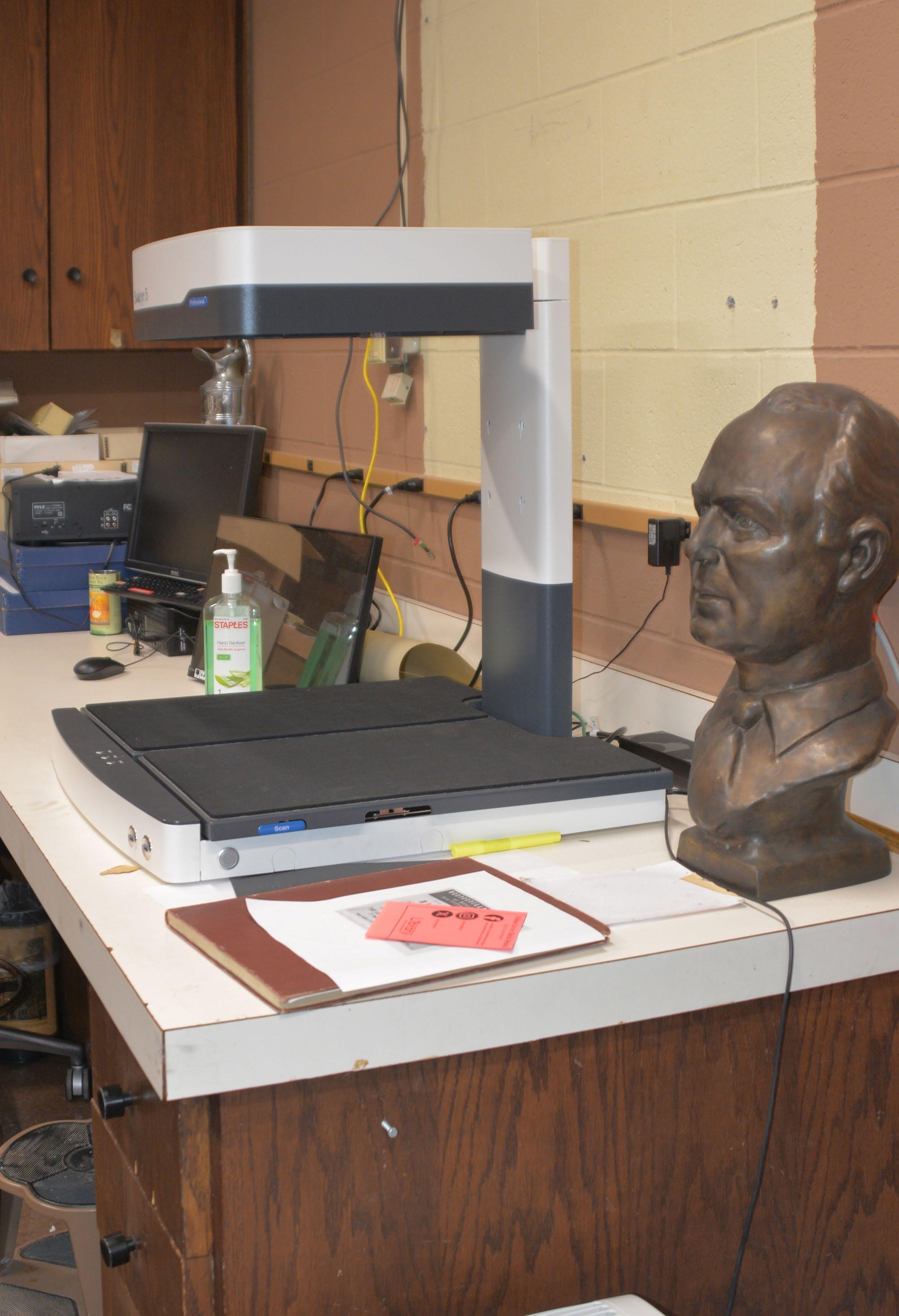
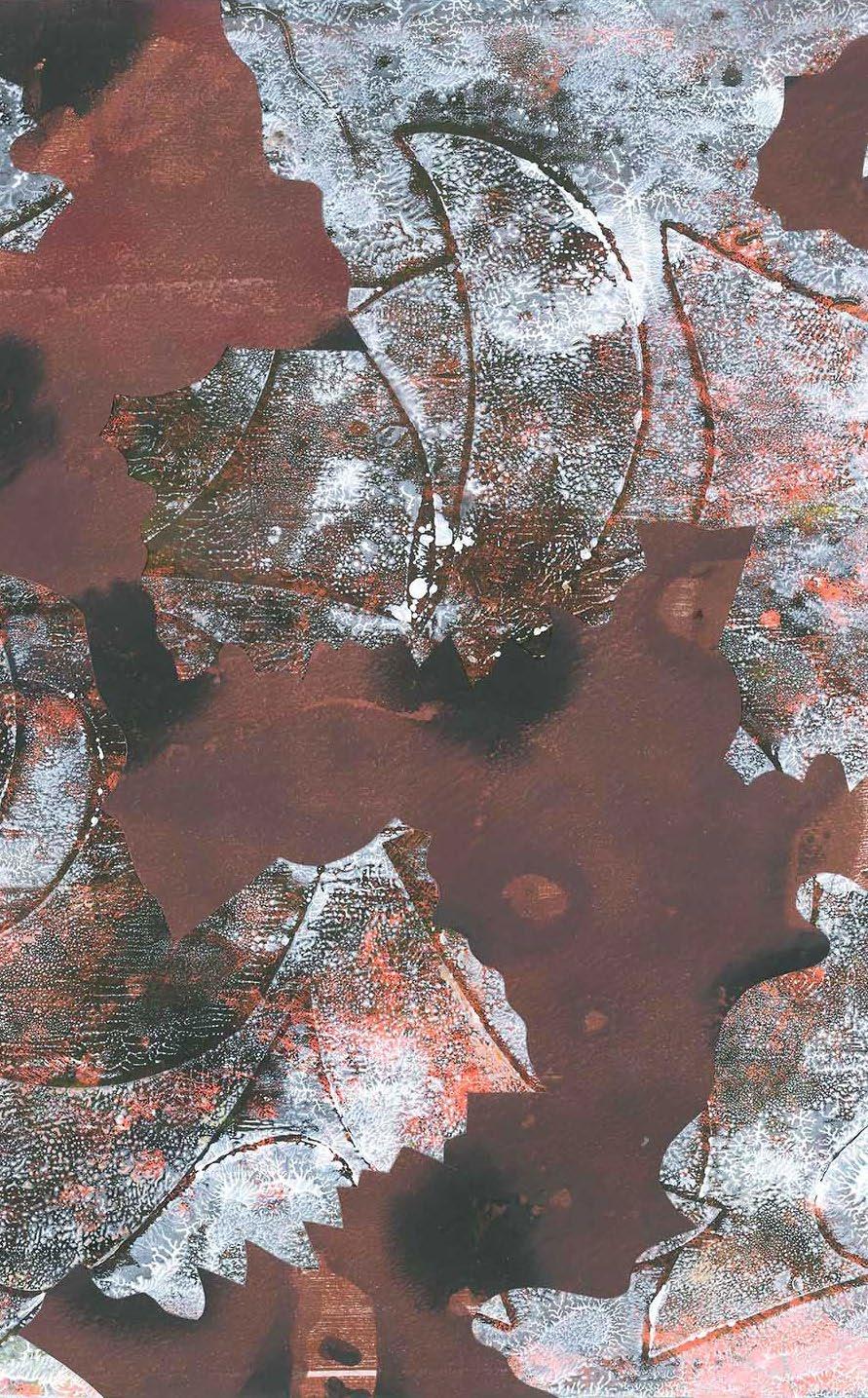
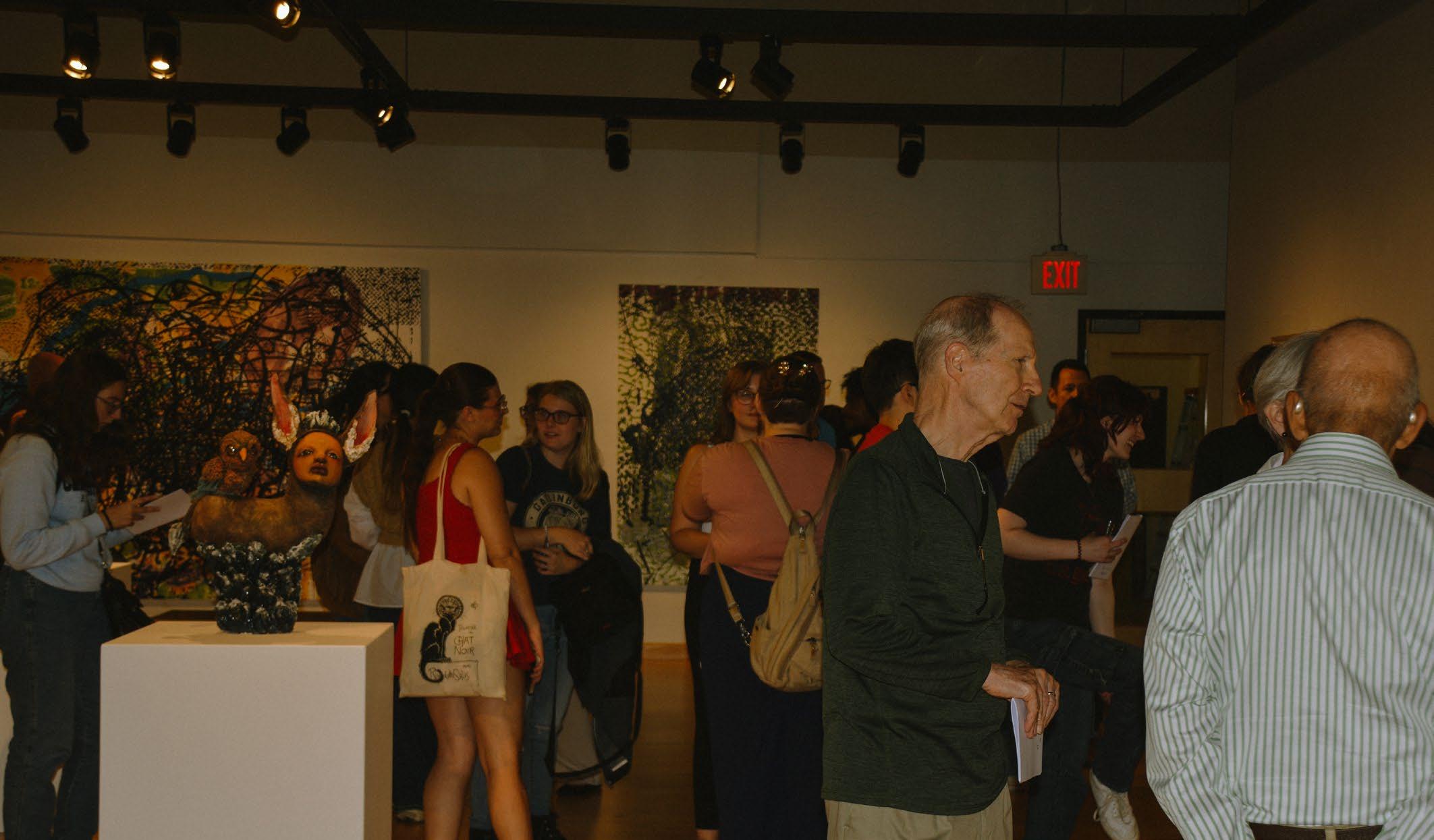
The Humanities Center and its fellows help to publicize and support the exhibitions on display at the Fisher Gallery, the Miller Gallery, and the Frank Museum of Art. It does this because one of the central commitments of the Humanities is to the history, theory, and criticism of the Arts. As you will see in the following pages, the exhibitions typically include a Public Reception at which presentations by the artist(s) whose work is being exhibited (or by other experts) help those in attendance to understand the formal and thematic elements of the works.
(August 20- November 9, 2025)
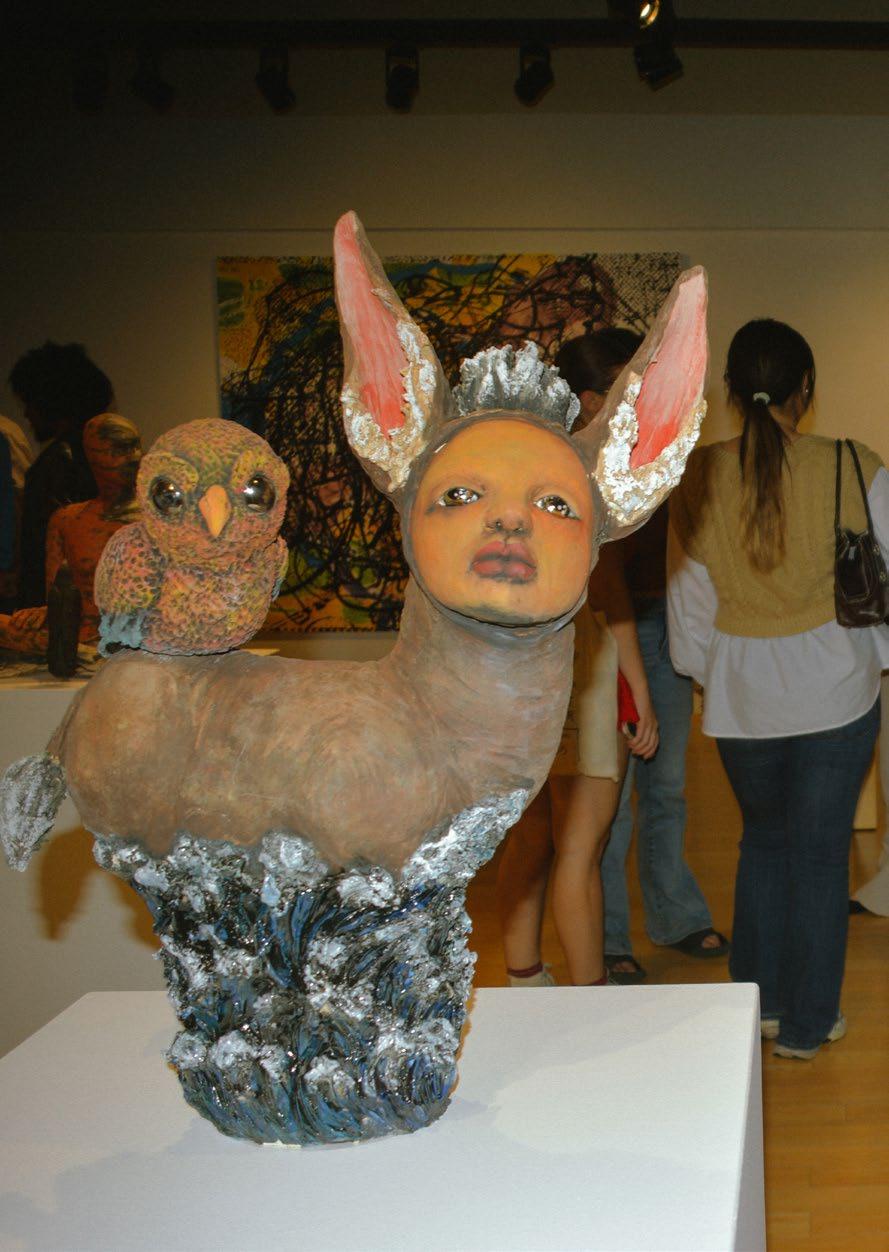
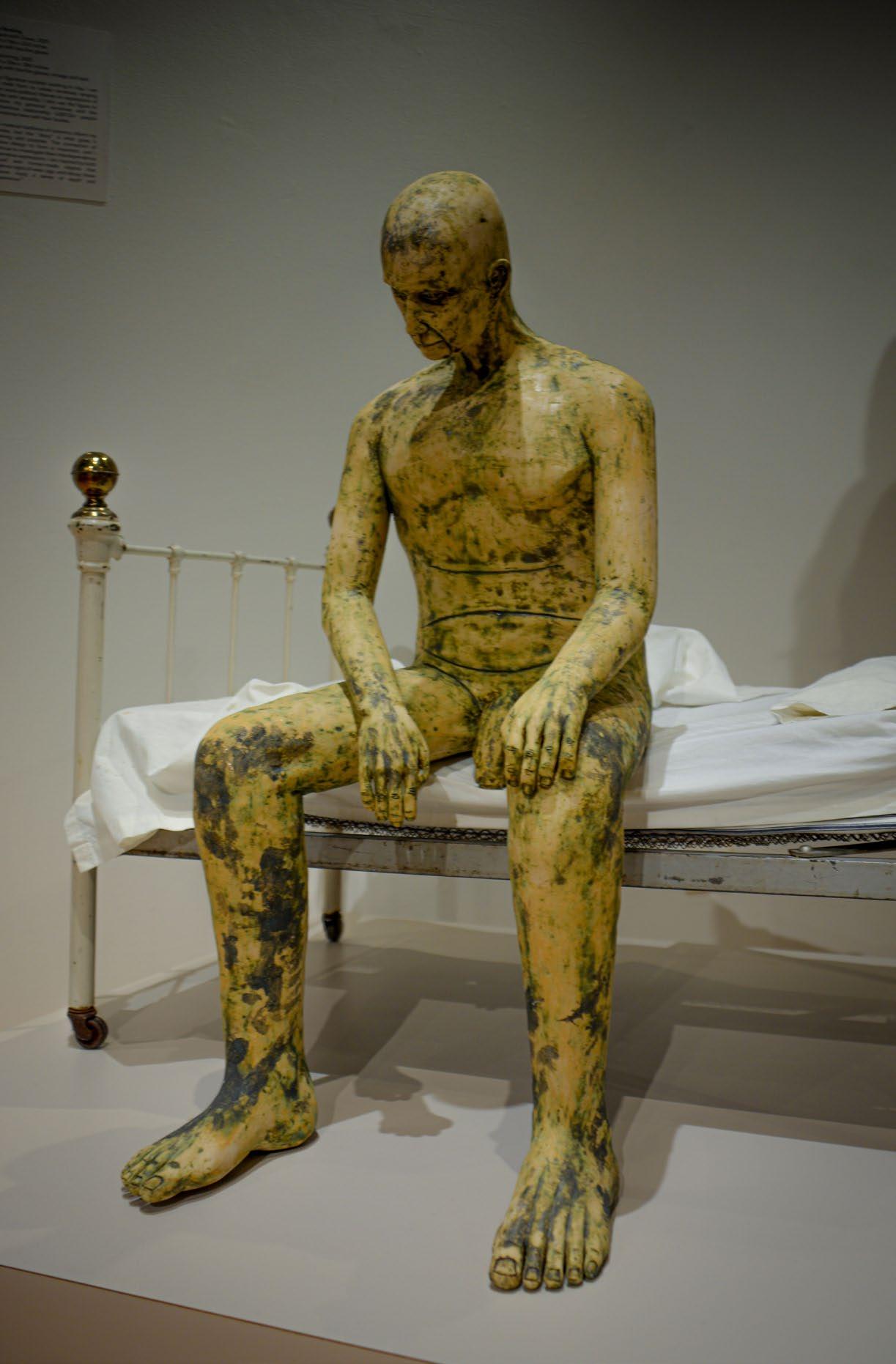
Gathering Currents brought together the creative work of Otterbein
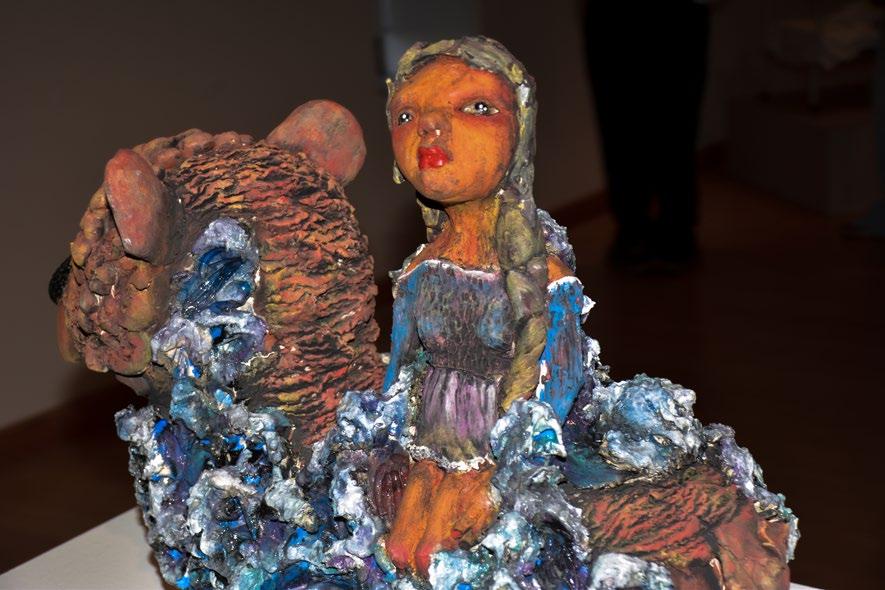
University faculty and staff artists, whose practices carried stories, questions, and imagery across multiple disciplines and media. Working in many capacities, all of the creatives in this exhibition impacted teaching and learning at Otterbein, either directly in the classroom or through teaching and research support, exhibition creation and installation, or art collections management.
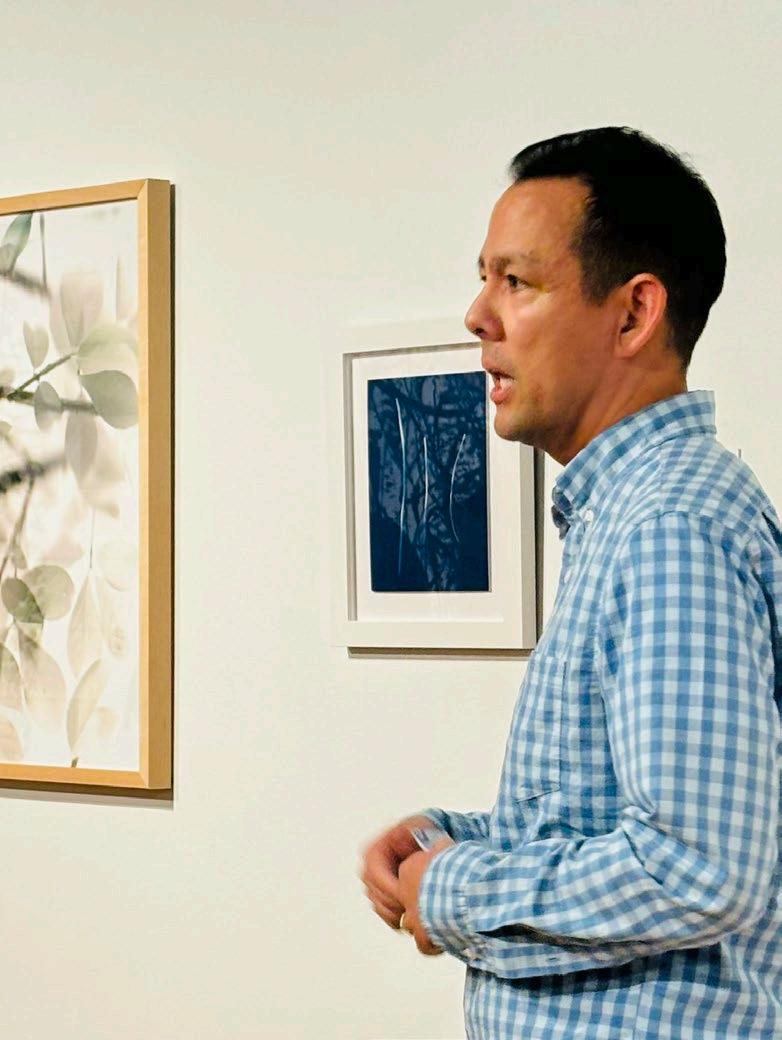
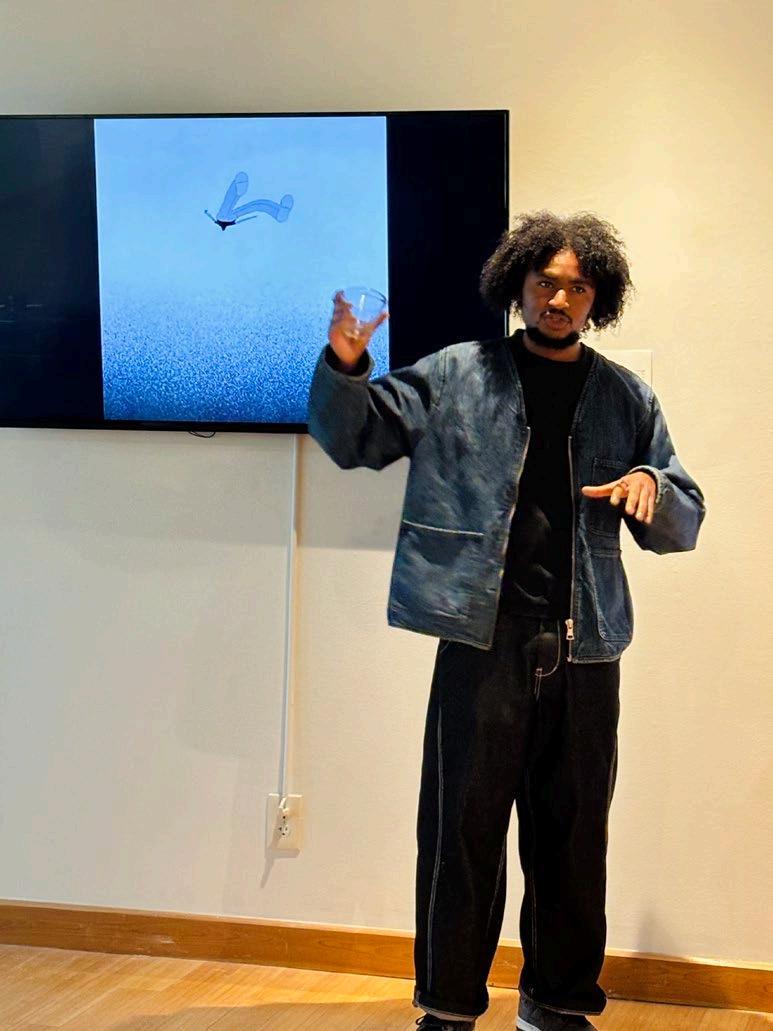
Visitors were invited to investigate the art in this exhibition as both the creative work of individuals and as currents that gathered and shaped the teaching and learning community at Otterbein. n
(January 6 - March 1, 2026)
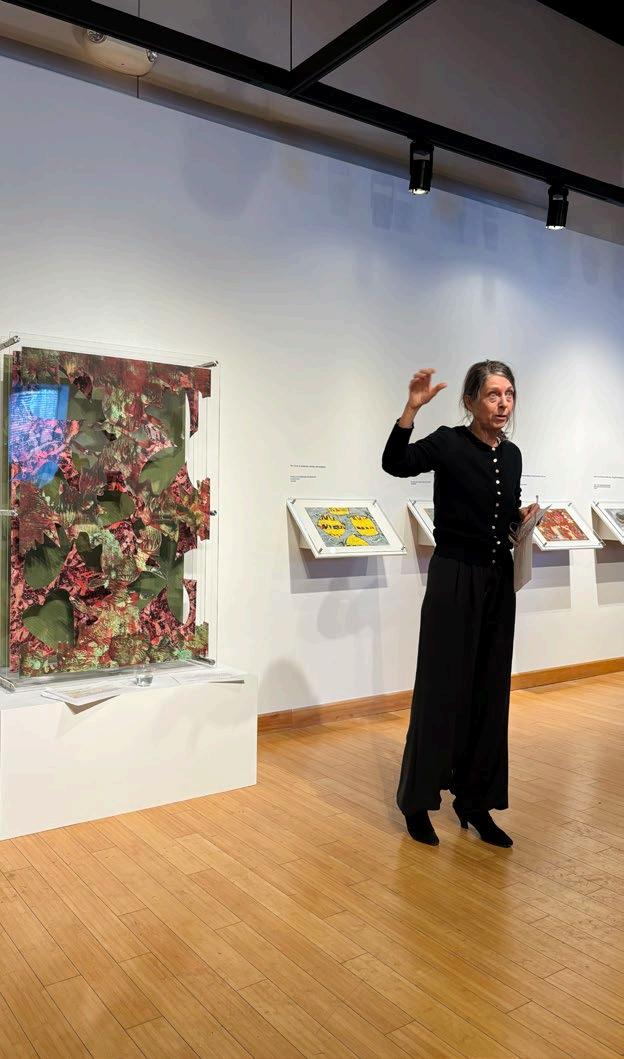
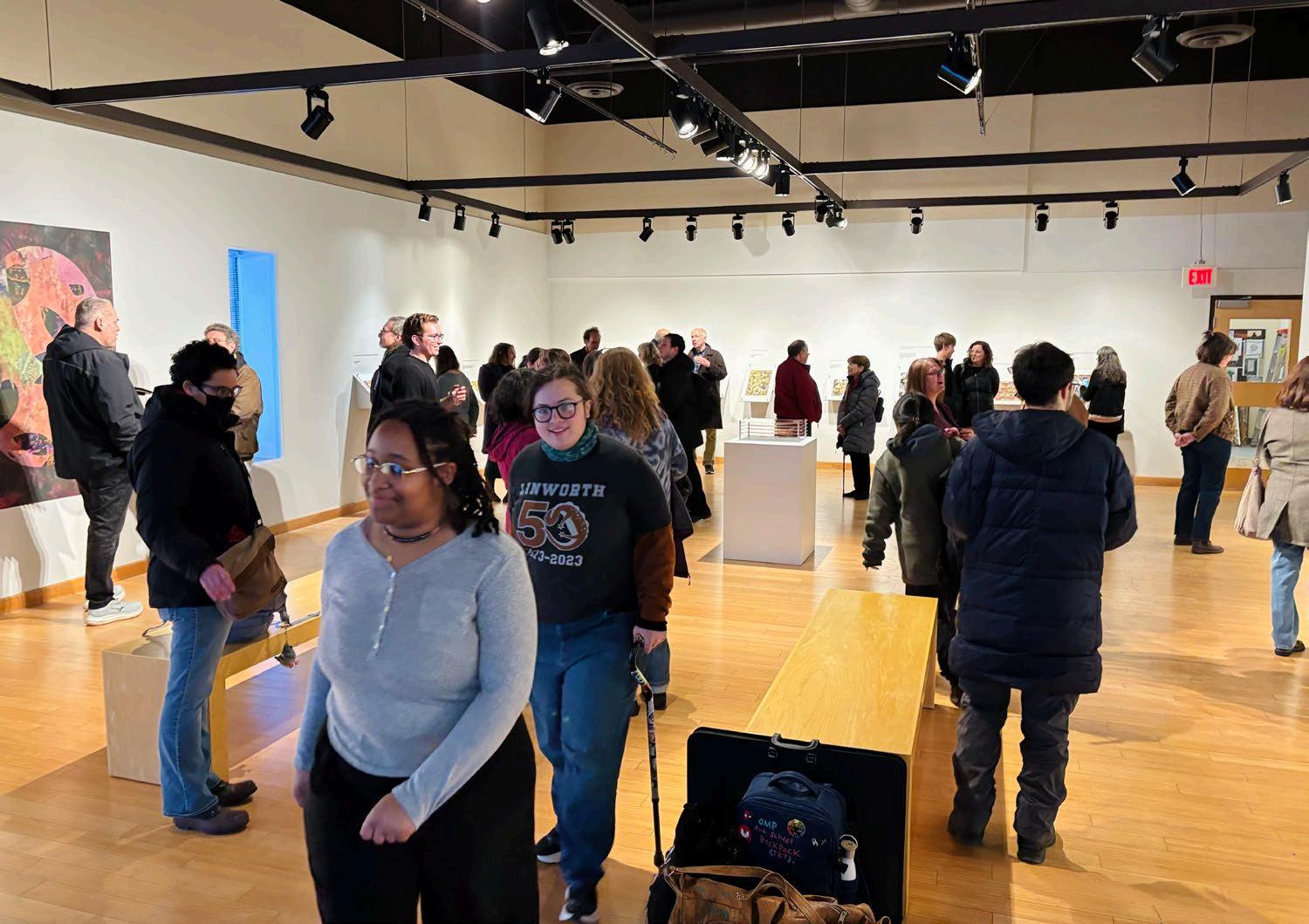
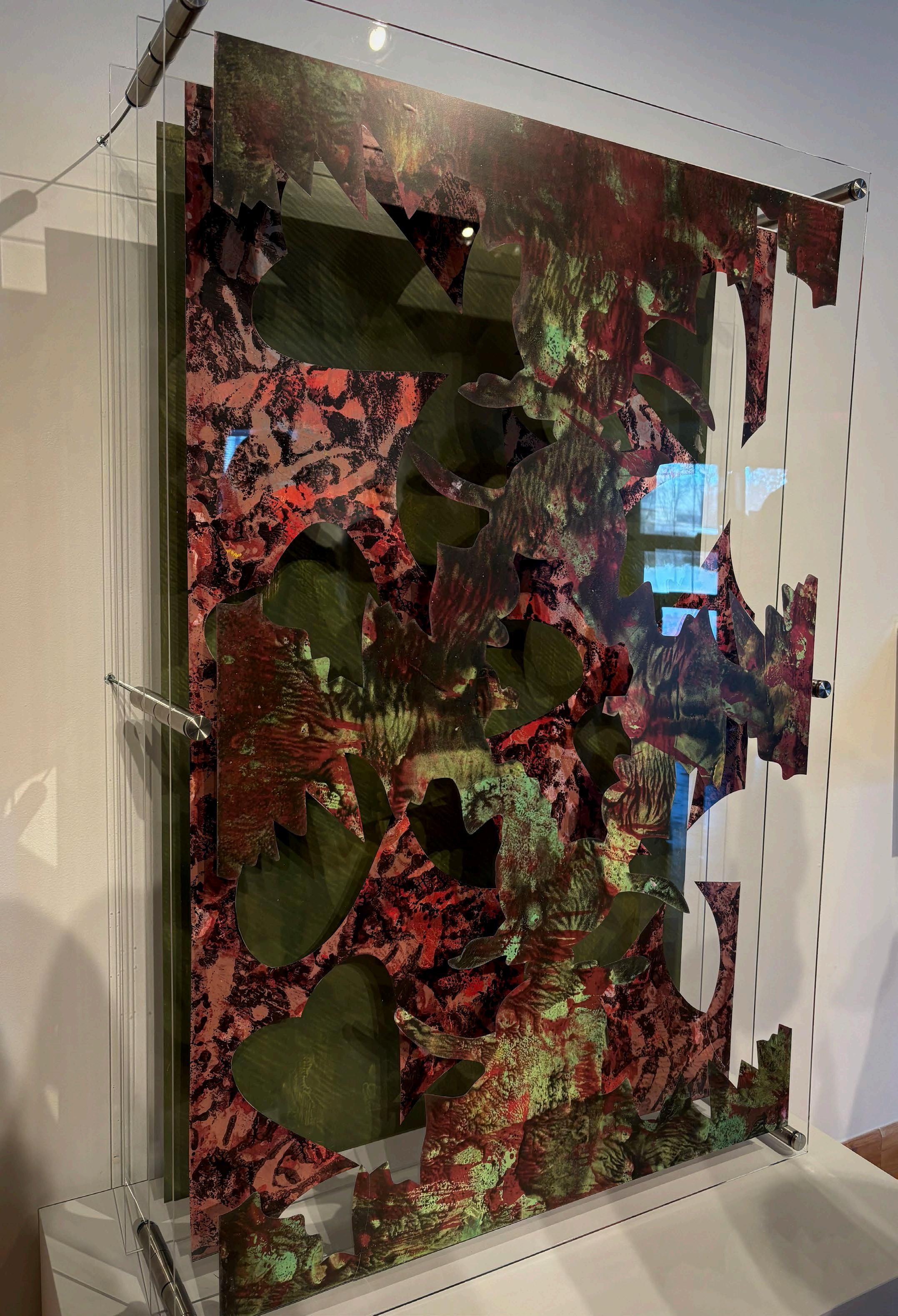
This Sabbatical exhibition features new work by visual artist Louise Captein, a professor in Otterbein’s Department of Art & Art History. The works in the exhibition are the result of a fresh approach to painting and collage that Captein has been developing over several years. The Mystery is the Meaning installation takes space as a medium and uses stacked grounds to “produce” shapes that result from apertures of every kind. The work reflects Captein’s explorative process related to apperception—of the space without and the space within, and the paper-thin difference between them. n
(January 8 - April 23, 2026)
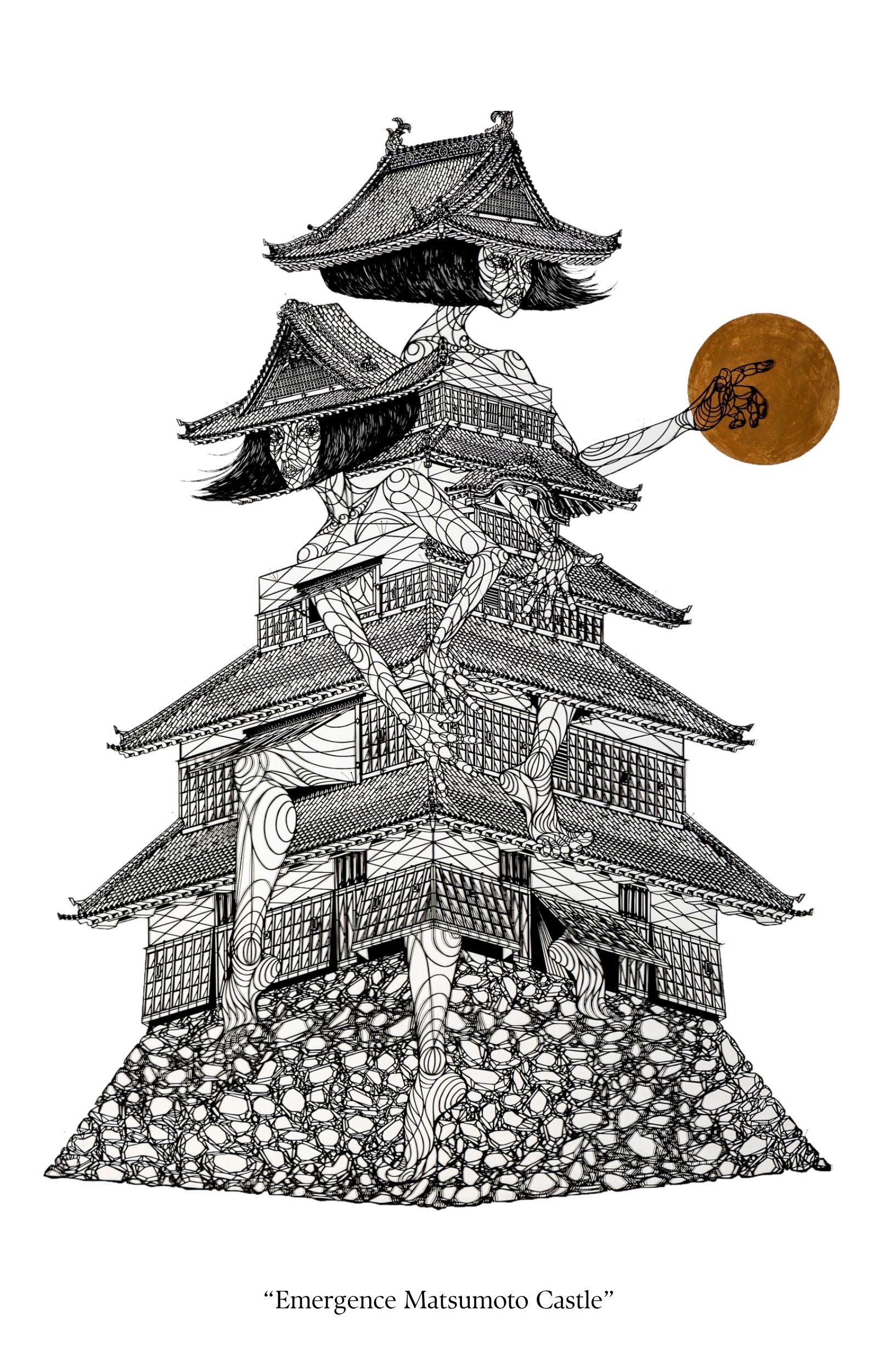
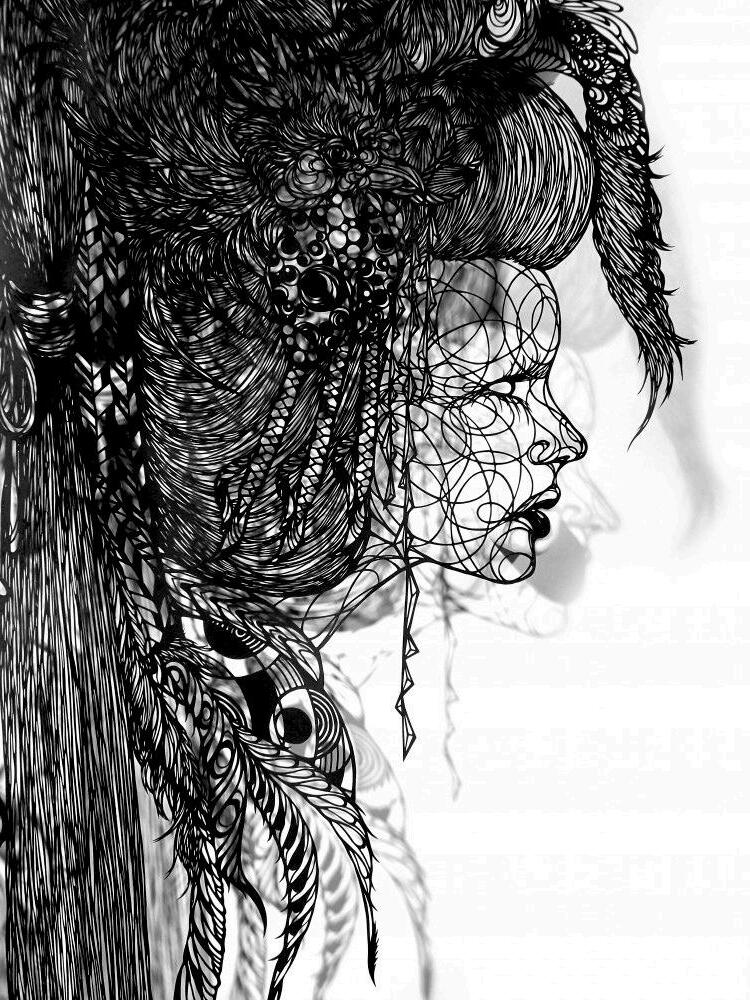
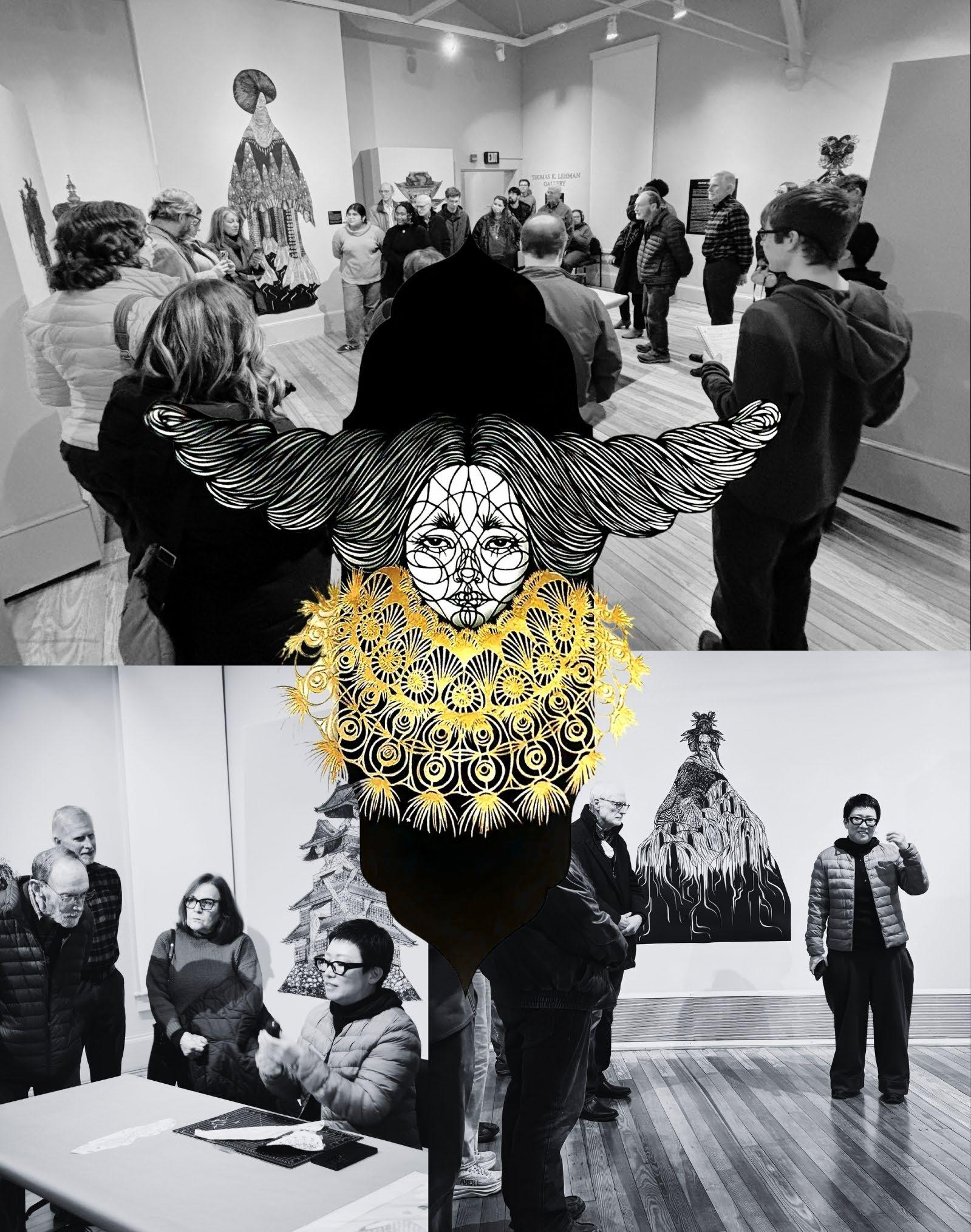
“Paper Cosmologies draws on Florida-based Japanese artist Hiromi Mizugai Moneyhun’s (⽔⾙ 宏美) Ukiyo and Emergence series, which turn single sheets of washi paper into universes that refuse a frame.
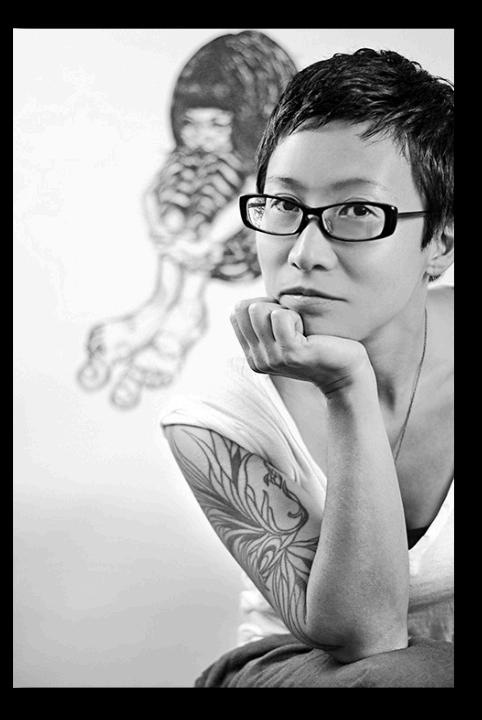
Through kirie (切り絵) the ancient and painstaking Japanese art of paper cutting Moneyhun realizes complex and fantastical worlds where female figures inherit the elegance of bijin-ga (美⼈画) beauty, even as they emerge, entangle, and transform into animals, architecture, and landscapes. The diaphanous, yet commanding and playful paper forms ask: “What if our ideas of separation are an illusion?”
(January 8 - April 23, 2026)