Building a Manitoba where seniors can thrive
As we celebrated Canada Day, many of us gathered with family, friends, neighbours, and community members to reflect on what makes Manitoba such a special place to call home.
Among our province's greatest strengths are the seniors who helped build the communities we cherish today. Through their leadership, hard work, volunteerism, and care for others, older Manitobans have shaped our province for generations.
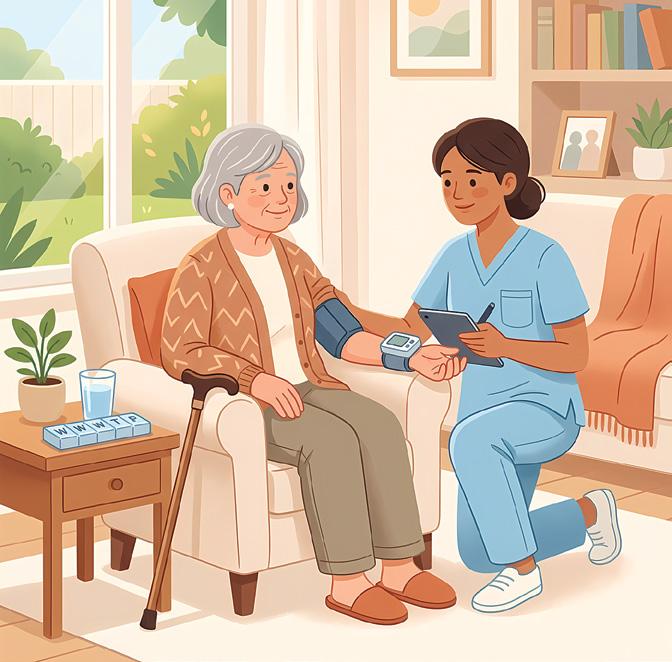
Our government believes every senior deserves to age with dignity, independence, and connection to their community. That's why we are making targeted investments that help older Manitobans remain active, healthy, and supported close to home.
We know that aging in place is about much more than health care. It means having access to nutritious food, transportation, social connections, community programs, and the right supports when challenges arise.
vices, particularly in rural and northern communities where seniors often face additional barriers to accessing help.
To improve community-based supports, we are providing $182,000 in ongoing funding to strengthen seniors' resource and navigation services in Winnipeg. These funds include funding for programs provided by Black Seniors Support, Golden Rule Seniors Resource Centre and Pembina Active Living. These organizations help seniors access health care, community programs, social opportunities, and culturally responsive supports that reduce isolation and keep people connected.
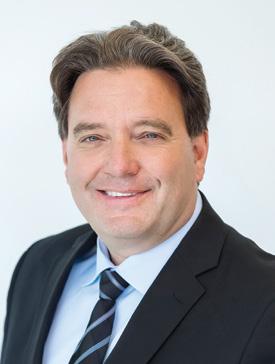
Hon. Uzoma Asagwara Minister's Message
This year, our government is investing an additional $250,000 in the Alzheimer Society of Manitoba, bringing provincial support to $575,000 annually. This funding will help expand dementia education, caregiver supports, navigation services, and early intervention programs for seniors and families across Manitoba.
We are also increasing funding for Age & Opportunity by $100,000 annually, bringing provincial support to $267,000. This investment will strengthen elder abuse prevention and response ser-
Food security is another critical part of healthy aging. No senior should have to worry about where their next meal is coming from. That is why our government is proud to continue the Seniors Food Security Program through our partnership with Heart to Home. We are also working with Indigenous, rural, and northern organizations to ensure seniors across Manitoba can access nutritious food and the supports they need to remain healthy and independent. Together, these investments reflect a simple but important belief: seniors deserve support not only when they need medical care, but throughout every aspect of their daily lives.
The work of supporting seniors belongs to all of us. Governments have a role to play, but so do families, neighbours, community organizations, and volunteers. Building age-friendly communi-
ties means creating places where older adults feel respected, included, and empowered to continue contributing their knowledge, experience, and leadership.
I encourage all Manitobans to take a moment to recognize the seniors in their lives. Reach out to a neighbour, spend time with a loved one, or simply take time to listen to the stories and experiences of those who helped build the Manitoba we know today.
Together, we can continue building a province where seniors are valued, supported, and able to thrive in the communities they call home.
The Hon. Uzoma Asagwara is the Minister of Health, Seniors and Longterm Care and Deputy Premier.
Community champions show the power of one idea
One of the things I've learned over the years is that every act of generosity has a story behind it.
For some, it's a way to give back after a child has received care. For others, it's about supporting children's health in a way that feels meaningful to them.
Community Champions support children’s health in countless ways. That might mean hosting a garage sale, a workplace fundraiser, celebrating a birthday by giving back or a business donating a portion of its sales.
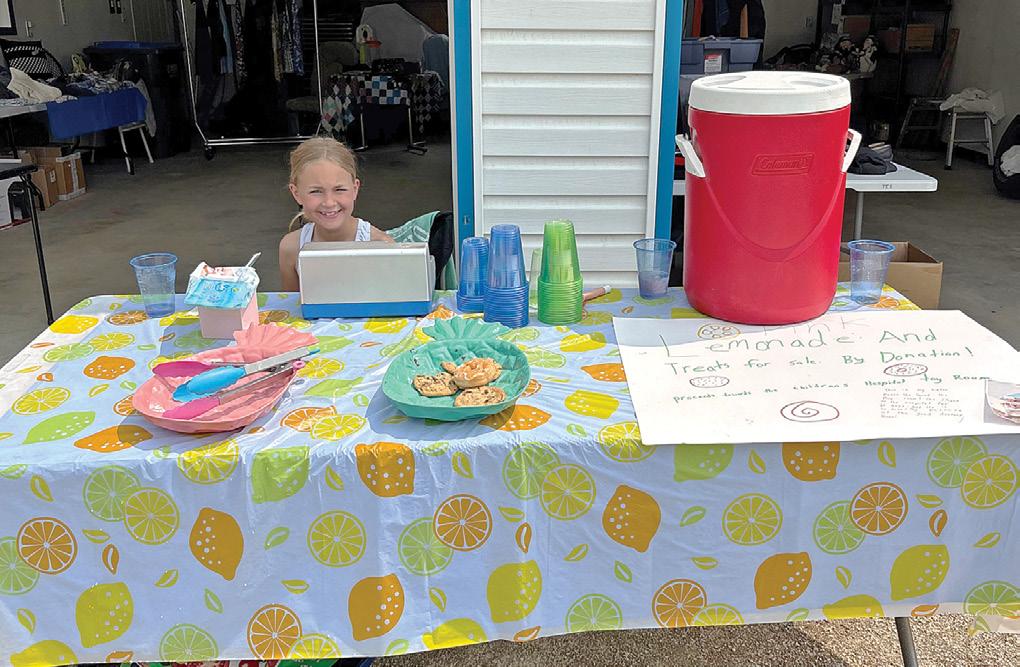
For Community Champion Macy Mahon, it meant organizing a neighbourhood lemonade stand to support children receiving care at HSC Children's Hospital. Some Community Champions also inspire the next generation to give back. I've even seen teachers introduce philanthropy in the classroom, helping students learn that giving back can start at any age.
What inspires me most is seeing where those ideas lead.
Some Community Champion initiatives raise a few hundred dollars. Oth-
ers become traditions that continue for decades. The Children's Hospital Book Market, for example, has raised more than $10 million since it began more than 65 years ago, while the BMO Bear's Paw Golf Tournament has raised more than $2 million since it started in 1987. Those accomplishments are amazing, but they all started with someone deciding they wanted to help.
That's why I believe so strongly in community fundraising. It gives people an opportunity to support children's health in a way that feels meaningful to them while helping ensure children and families have access to the equipment, research, programs and care they'll need when it matters most.
Every fundraiser, regardless of its size, helps strengthen the community of support that makes better care possible for children and families. It also reminds us of what's possible when people come together around a common goal.
If you've ever thought about organizing a fundraiser, I'd encourage you to explore the idea. You don't need a
large budget or years of event-planning experience. Whether it's a neighbourhood garage sale, a school project, a community event or something completely unique, every fundraiser starts with an idea.
If you've been thinking about becoming a Community Champion, I'd encourage you to reach out to Paula Kreitz, our Community Engagement Officer, at pkreitz@goodbear.ca. She'd be happy to talk through your idea, answer your questions and explain how
the Foundation can support your fundraiser.
I'm continually inspired by the generosity our community shows children and families receiving care at HSC Children's Hospital. Every Community Champion reminds me that meaningful change often begins with one idea—and someone deciding to take that first step.
Stefano Grande is the president and CEO of Children’s Hospital Foundation of Manitoba.
Community Champion Macy Mahon with her Lemonade Stand.
Stefano Grande Healthy Living
IF YOU ARE A SENIOR. . . . . .
You should consider having the following in place
Will
The preparation of a will may seem like a daunting task, however, it is essential to ensure that your property is disposed of according to your wishes upon your death. If you pass away without a valid will, the law states what is to happen to your estate.
Power of Attorney
A power of attorney is a document which appoints an individual to handle your affairs in the event you become mentally incapable of making your own decisions. Nothing prevents you from continuing to make your own decisions while you are still competent.
A power of attorney is an extremely valuable document to have in place in case anything happens to you which affects your mental ability, such as a stroke, coma or dementia.
Health Care Directive (Living Will)
A health care directive, commonly called a living will, is a document which appoints an individual to make decisions with regard to your health care only, while you are alive but unable to express your decisions yourself. This document is distinct from a power of attorney and deals only with health care decisions such as whether life sustaining treatments, such as CPR or blood transfusion, should be continued or withdrawn.