David Magazine v8_i14 | Get Ready For a Spring Fling
#1 PRESCRIBED HIV TREATMENT*
*Source: IQVIA NPA Weekly, 04/19/2019 through 01/20/2023.
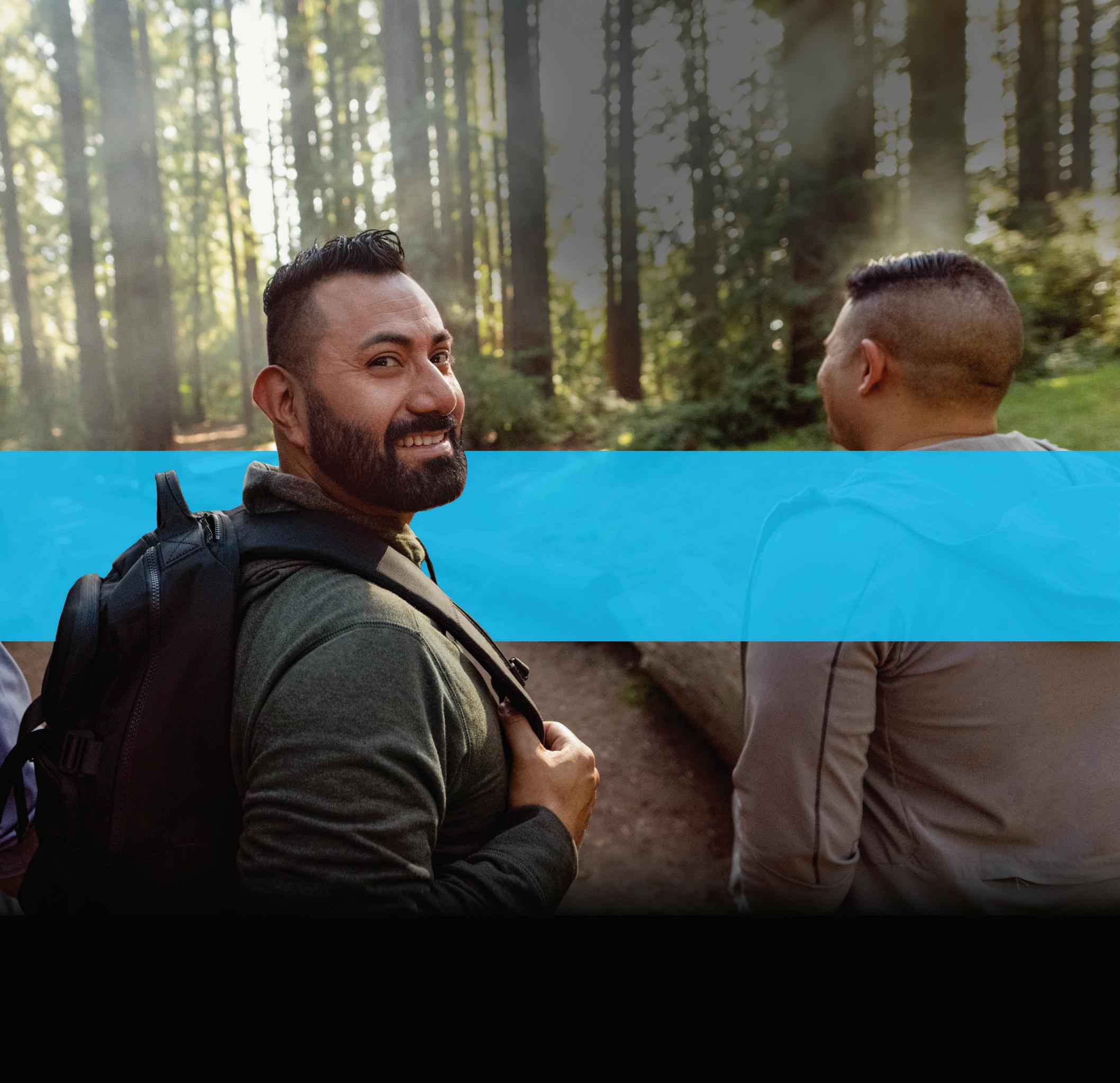
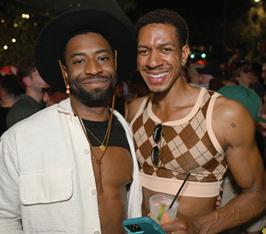
ELIAS SWITCHED TO BIKTARVY
Listen to REAL STORIES being told by REAL VOICES.
No matter where life takes you, Because HIV doesn’t change who you are.
BIKTARVY® is a complete, 1-pill, once-a-day prescription medicine used to treat HIV-1 in certain adults. BIKTARVY does not cure HIV-1 or AIDS.
Ask your healthcare provider if BIKTARVY is right for you.
People featured take BIKTARVY and are compensated by Gilead.
IMPORTANT FACTS FOR BIKTARVY®
This is only a brief summary of important information about BIKTARVY® and does not replace talking to your healthcare provider about your condition and your treatment. (bik-TAR-vee)
MOST IMPORTANT INFORMATION ABOUT BIKTARVY
BIKTARVY may cause serious side e ects, including:
Worsening of hepatitis B (HBV) infection. Your healthcare provider will test you for HBV. If you have both HIV-1 and HBV, your HBV may suddenly get worse if you stop taking BIKTARVY. Do not stop taking BIKTARVY without first talking to your healthcare provider, as they will need to check your health regularly for several months, and may give you HBV medicine.
ABOUT BIKTARVY
BIKTARVY is a complete, 1-pill, once-a-day prescription medicine used to treat HIV-1 in adults and children who weigh at least 55 pounds. It can either be used in people who have never taken HIV-1 medicines before, or people who are replacing their current HIV-1 medicines and whose healthcare provider determines they meet certain requirements.
BIKTARVY does not cure HIV-1 or AIDS. HIV-1 is the virus that causes AIDS.
Do NOT take BIKTARVY if you also take a medicine that contains:
dofetilide
rifampin
any other medicines to treat HIV-1
POSSIBLE SIDE EFFECTS OF BIKTARVY
BIKTARVY may cause serious side e ects, including:
Those in the “Most Important Information About BIKTARVY” section.
Changes in your immune system. Your immune system may get stronger and begin to fight infections that may have been hidden in your body.
Tell your healthcare provider if you have any new symptoms after you start taking BIKTARVY.
Kidney problems, including kidney failure. Your healthcare provider should do blood and urine tests to check your kidneys. If you develop new or worse kidney problems, they may tell you to stop taking BIKTARVY
Too much lactic acid in your blood (lactic acidosis), which is a serious but rare medical emergency that can lead to death. Tell your healthcare provider right away if you get these symptoms: weakness or being more tired than usual, unusual muscle pain, being short of breath or fast breathing, stomach pain with nausea and vomiting, cold or blue hands and feet, feel dizzy or lightheaded, or a fast or abnormal heartbeat.
Severe liver problems, which in rare cases can lead to death. Tell your healthcare provider right away if you get these symptoms: skin or the white part of your eyes turns yellow, dark “tea-colored” urine, light-colored stools, loss of appetite for several days or longer, nausea, or stomach-area pain.
The most common side e ects of BIKTARVY in clinical studies were diarrhea (6%), nausea (6%), and headache (5%).
These are not all the possible side e ects of BIKTARVY. Tell your healthcare provider right away if you have any new symptoms while taking BIKTARVY.
You are encouraged to report negative side e ects of prescription drugs to the FDA. Visit www.FDA.gov/medwatch or call 1-800-FDA-1088.
Your healthcare provider will need to do tests to monitor your health before and during treatment with BIKTARVY.
Continued on next page.
Please see Important Facts, including important warnings, continued on the next page and at BIKTARVY.com.
Meet a few of the extraordinary people who take BIKTARVY. Watch their stories at BIKTARVY.com
BEFORE TAKING BIKTARVY
Tell your healthcare provider if you:
Have or have had any kidney or liver problems, including hepatitis infection.
Have any other health problems.
Are pregnant or plan to become pregnant. It is not known if BIKTARVY can harm your unborn baby. Tell your healthcare provider if you become pregnant while taking BIKTARVY.
Are breastfeeding (nursing) or plan to breastfeed. Do not breastfeed. HIV-1 can be passed to the baby in breast milk.
Tell your healthcare provider about all the medicines you take:
Keep a list that includes all prescription and over-the-counter medicines, antacids, laxatives, vitamins, and herbal supplements, and show it to your healthcare provider and pharmacist.
BIKTARVY and other medicines may a ect each other. Ask your healthcare provider and pharmacist about medicines that interact with BIKTARVY, and ask if it is safe to take BIKTARVY with all your other medicines.
HOW TO TAKE BIKTARVY
Take BIKTARVY 1 time each day with or without food.
GET MORE INFORMATION
This is only a brief summary of important information about BIKTARVY. Talk to your healthcare provider or pharmacist to learn more.
Go to BIKTARVY.com or call 1-800-GILEAD-5.
If you need help paying for your medicine, visit BIKTARVY.com for program information.
By Chris Azzopardi
Let’s Try This Again
Photos: Ebru Yildiz, Matt Nelson
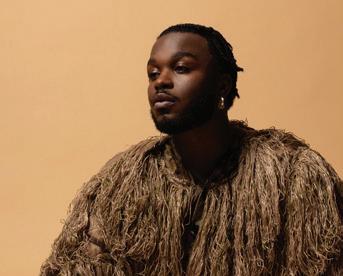
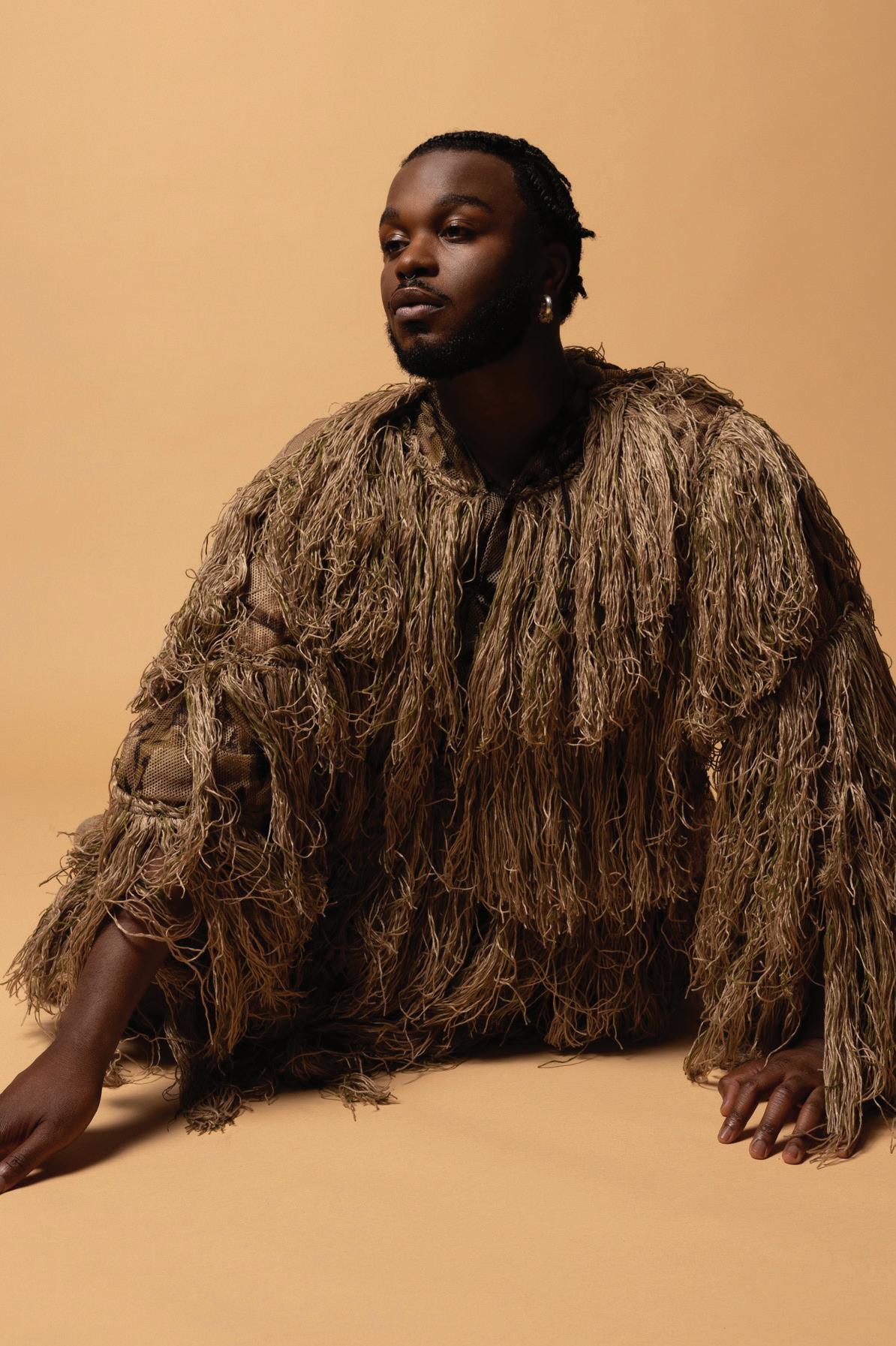
It’s a sign of the times that a rapper can be Black, openly queer and free from the genre’s deep-seated hypermasculinity, and not just be Lil Nas X. Most of the artists currently expanding the limitations of hip-hop won’t end up as household names, but they are worthy of stardom nonetheless. Count Cakes da killa among them. At the forefront of hip-hop and dance music since 2011, Cakes, now 33, was part of a wave of queer hip-hop artists that included Le1f, Mykki Blanco and House of Ladosha, musicians who helped roll out the red carpet for an artist like Lil Nas to run, not just walk.
In 2011, when Cakes was in his 20s, the world was so surprised that an artist like Cakes could even exist that what he was creating was overshadowed by who he is. In his mind, he was a musician first and foremost, but that’s not the way his place in music was spun; many called him a “queer rapper,” tokenizing his sexuality. The title of Cakes’ latest album, “Black Sheep,” refers to his experience in the music industry during a critical moment in hip-hop that shaped where we are currently but also sidelined him in the process — or as press materials put it, “a coronation of his graduation to foremother.” For the album, once again a melding of rap, house, jazz and dance, the New York rapper teamed up with the same producer, Sam Katz, as he did for his last album, 2022’s “Svengali.”
Recently on Zoom, where he appeared in a geometric-patterned caftan, Cakes spoke about the benefits of not being a mainstream rapper, big artists who ride on the trend-making coattails of smaller ones and what he thinks is a major turning point for the visibility of queer performers.
You are an incredibly versatile artist. With this album, where were you in your life that led to its creation?
I kind of have to live life a lot before I start writing. The intention is never to write a certain type of record. So there’s never a specific genre intention, but I do have a certain arsenal of sounds that I’m known for, and it just bounces around. For this, it’s split — the first half of it is more dance- and electronic-focused, and then that electronic kind of carries off, and then it becomes more rap and boom bap. This is just the music that I make naturally, and I feel like it’s a kind of style that’s missing in the market. I could have easily just made a drill record or a ballroom record, but for me, I’m also trying to do things that are not so prevalent.
Are you purposely going against the grain?
Is this just you wanting to make the music that you want to make regardless of what’s happening in mainstream music culture?
It’s definitely more the latter. But as a homosexual, I feel like I’m always going to go against the grain, just naturally. It’s not like I’m trying to be different. I just am different. And I also feel like when I first started making music, it was at a time where there was still an underground scene, and this was a bit before social media became so prevalent. And I feel like at that time, you couldn’t sound like someone else, so you couldn’t even work with the same producer. That’s ingrained in me, where it’s like every artist has to have their identity.
What helps to keep moving your sound forward?
I think me being authentic is always going to make me be ahead. Because once you get into that kind of system of being a mainstream artist, you’re dealing with a lot of pressure to be more palatable to a large amount of people. I don’t have that job. I don’t have that pressure. So, for me, just not having that pressure alone makes me a little more, I guess, ahead of the curve.
But I also attribute that to me still being active in nightlife. I see a lot of the times people actively trying to make dance albums or [have] these alternative moments, and a lot of those sounds are associated with clubs, venues or actual scenes. And if you don’t have any connections in those kinds of scenes, you’re appropriating. What keeps me in the mix is that I actively enjoy going out and being in the mix.
Why did you land on “Black Sheep” for the title of this album?
Because when I started writing it, I was in a very weird place and feeling very isolated, but not in a dramatic way. I’ve always felt very much like an outsider among outsiders, even amongst the peers that I came out with. And so I kind of just took that energy and decided to use it to frame the whole album.
Was that inspiration a result of the beginning of Covid?
No. During the Covid era, I really didn’t care. This was after, just trying to figure out slowly getting back into the swing of touring and the swing of things and just figuring out what my place was. Because I do feel like I have a set place. I will always be a footnote, but as someone that’s not dead or dying, I’m like, “How do I then reestablish myself in the market?”
You recently retweeted this from JD Samson, a fellow artist who is queer: “Straight people mimicking queer trends for underground credibility continues.” What would you like to add to that conversation, and how does mainstreaming by straight artists affect queer artists?
It’s a double-edged sword because in one sense it’s those things that are so ingrained in our identities that make us unique. So when someone else who’s not a part of the community puts that on like it’s drag, which is fine, it becomes an issue when they start getting financial gain from it, where it’s just like, “Oh, this is me.” And then as an originator of something, you kind of look like you’re following a trend versus being the pioneer of something. But the other side of that is, it’s kind of a blessing. Because it just shows how we as a society are slowly becoming more accepting of seeing those types of things in mainstream media. Because at one point, I can remember for a drag queen to be on television or on a commercial was salacious. Now everyone’s a fucking drag queen. I just think with most art, if you’re being inspired by a scene or by a movement, you just have to do it in a tasteful way and just cite your sources, and that’s fine. But the general public really just... let me not
call them “dumb.” It’s just that most people are kind of like sheep in a sense, where they could hear a country record and not like it, but if a mainstream artist does it, suddenly that adds validity to it.
When I heard “Mind Reader,” a single from the new album, I was picking up some C+C Music Factory vibes. What sonic headspace were you in when you created that song?
Well, the hook, I definitely wanted to write a hook that did feel kind of very C+C and very Soul II Soul, because it’s kind of just my vibe overall. I feel like not a lot of people do that kind of hip-house fusion right, to me. So I wanted to do something like that, and I think it was easy for me to write the lyrics. The harder part was trying to find a singer that could actually carry the vocal the way I wanted them to. I had met Stout a couple months prior at a bar. She has that kind of powerhouse voice, like a Martha Wash, because she’s from the church and we don’t really hear vocals like that a lot in dance music. I wanted to bring that back.
How did you get to that point of wanting to find a singer like Martha Wash for that song?
Well, if you are going to do a record like that, you have to do it right. I know I couldn’t carry the vocal even with all the Auto-tune and pitching, and I definitely just wanted it to be reminiscent of that time, but I didn’t want it to feel outdated, so I couldn’t skip on not having the vocal be correct.
More than 10 years into your career, how does the support feel now for LGBTQ+ artists versus when you started?
Well, I always say that I don’t think that that is just a hip-hop or rap problem. I think that that was very much a society problem, because even when you look at genres like country music or rock — I mean, rock could be a little bit more free-form, but in the mainstream sense, it is kind of very gendered. So I think it’s just across the board. Rap just kind of gets that connotation. But for me as an artist, I don’t really focus on the spaces I may or may not be welcome to because, like I said, making music was never my career. So for me, I just was
focused on making my money. Because like I said, when I started, it was like there’s no way a drag queen would have a talk show or we’ll have “Drag Race” and there’s no way a gay artist will ever become a mainstream moment, so just enjoy touring the world and making a little money. I think what started the shift in society accepting these very visible queer people is queer people started supporting queer talent. Because for so long, going to Prides, you would see Martha Wash or Crystal Waters. And that’s not to say that there weren’t queer people making music, it’s just the gay dollar wasn’t going into gay acts. Slowly that shift started happening where queer people decided, “Hey, we have money. We want to support people that talk about the things we want to talk about and look like us.” That was kind of the main shift.
What’s your earliest memory of wanting to make music?
Well, I never wanted to make music. It kind of started off as a joke. When I was in college, I would just upload videos of me rapping, making fun of people that I went to school with. And from that, somebody hit me up and was like, “Oh, would you be willing to come to the studio and come to New York and record?” Being young and living in Jersey, I always had an excuse to go to New York. So that’s kind of how it started, because at that time it was kind of unheard of to be gay. Also, on top of that, being feminine and open and making rap music, it wasn’t an option. So it wasn’t like a career shift where I was like, I’m going to be this artist. It was mainly like, “Oh, if I do this and become a little underground person, I could get more drink tickets when I go out.”
Chris Azzopardi is the Editorial Director of Pride Source Media Group and Q Syndicate, the national LGBTQ+ wire service. He has interviewed a multitude of superstars, including Cher, Meryl Streep, Mariah Carey and Beyoncé. His work has also appeared in The New York Times, Vanity Fair, GQ and Billboard. Reach him via Twitter @ chrisazzopardi.
Photo: David Clifton-Strawn
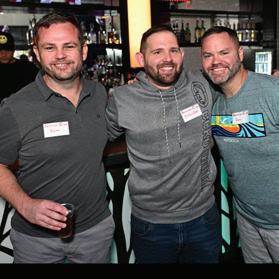
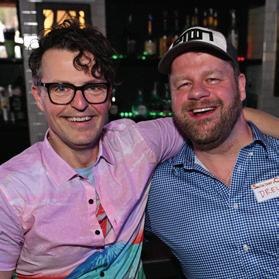
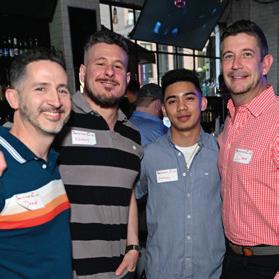
Photos by: Russ Bowen-Youngblood
Diamond Shines Bright
By Skip Sheffield
Photos: Photo Studio Miami
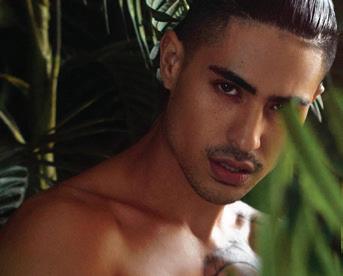
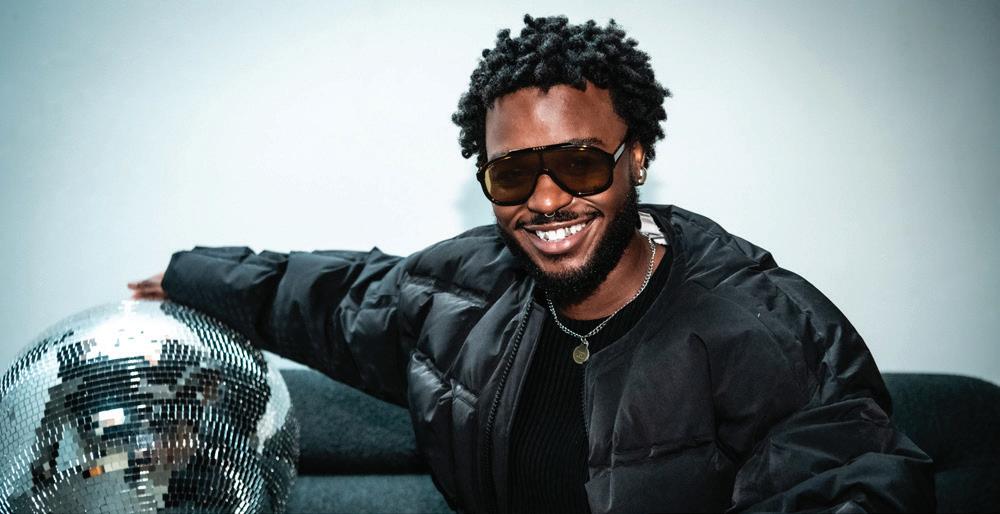
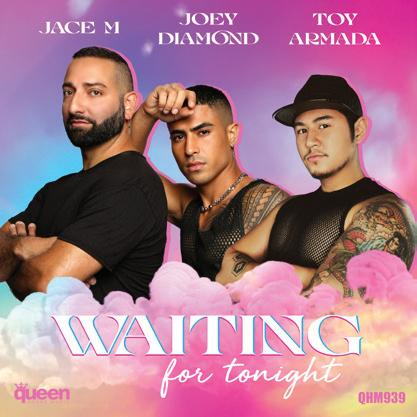
Out singer Joey Diamond and his producer, Jace M, made waves last year with their remake of *NSYNC’s favorite “Tearin’ Up My Heart.” Now, with the help of Toy Armada, they are taking on JLO, re-imagining her 1999 classic, “Waiting for Tonight”.
Diamond fondly recalls bopping along to Jennifer Lopez’s original as a child and credits the diva with empowering a young generation of people of color like him, encouraging them to have hope for the future. “The song is a huge inspiration as my goal, with both my covers and original tracks, is to see people vibing, dancing, and having the time of their lives on the dance floor,” he says.
Jace M. and Toy Armada infuse the new version with lots of drums and full synths, but Jace feels Joey’s vocals really drive the beat home. “Joey’s range is stunning, and the passion he exudes in the song is intoxicating.”
We caught up with Joey Diamond at his Miami home to learn more.
How did you, Jace M, and Toy Armada come together to remake “Waiting for Tonight”?
After the success of “Tearing up my Heart,” we thought it might be fun to do another nineties classic. We looked for something with an up-tempo Latin vibe that still had that nostalgic feel.
What did you think the first time you heard Jace M and Toy Armada’s production of the song?
I’m convinced that Jace and Toy are actually warlocks and that every song they create is embedded with a spell that makes listeners crave chocolate pudding.
What is a typical day for you?
Typically, I hit the studio in the morning for about five hours. Then, in the afternoon, I start my second job, which is producing subscription-based video content. Depending on the day, that could mean meeting up with another content creator and filming magic together, or it could be my fiancé and I traveling and documenting our adventures.
Where do you go?
We go everywhere, from cities to mountains. I especially love going to the beach and dipping my toes in the water. I especially love Haulover nude beach.
Do you have a guilty pleasure?
I binge-eat the Unicorn ice cream from Walmart. It’s so delicious. I could go through a pint a day.
What book is on your nightstand?
It’s been a hot minute since I’ve had the time to open a book for enjoyment, but the last one was Dr. Michael Bennett’s F*uck Feelings.
Who is someone you follow online?
I follow Bad Bunny. I love him, and I’m super intrigued by his fashion.
Jace M and Toy Armada’s “Waiting for Tonight” featuring Joey Diamond is available on all digital platforms via Queen House Music.
Coping with Mental Health Challenges
Edited by Mikkel Hyldebrandt
The LGBTQ community often faces unique mental health challenges due to societal stigma, discrimination, and the internal struggle of self-acceptance. It’s crucial for individuals within this community to prioritize their mental well-being and seek support when needed. Here’s a comprehensive guide on coping with mental health issues tailored specifically for the LGBTQ community.
Anxiety
Anxiety disorders are prevalent among LGBTQ individuals, stemming from experiences of discrimination, rejection, and the fear of being ostracized. To cope with anxiety:
- Practice deep breathing exercises and mindfulness techniques to calm your mind during moments of heightened anxiety.
- Seek therapy from a mental health professional who specializes in LGBTQ issues. Therapy can provide a safe space to explore and address underlying anxieties.
- Engage in physical activities such as yoga or running, which can help reduce stress and promote relaxation.
- Build a supportive network of friends, family, or LGBTQ support groups where you can openly discuss your feelings and receive validation and understanding.
Depression
Depression is prevalent within the LGBTQ community, often resulting from internalized homophobia, rejection, and the struggle for acceptance. To cope with depression:
- Establish a daily routine that includes activities you enjoy and gives you a sense of purpose.
- Practice self-care activities such as taking a warm bath, listening to music, or spending time in nature.
- Challenge negative thought patterns by practicing self-compassion and gratitude.
- Consider medication or therapy as treatment options, and don’t hesitate to reach out for professional help if needed.
Meditation
Meditation can be a powerful tool for managing stress, anxiety, and depression, while also promoting overall well-being. To incorporate meditation into your daily routine:
- Start with short meditation sessions of 5-10 minutes and gradually increase the duration as you become more comfortable.
- Find a quiet and comfortable space where you can sit or lie down without distractions.
- Focus on your breath or a guided meditation to help anchor your attention and calm your mind.
- Experiment with different meditation techniques such as mindfulness, loving-kindness, or body scan meditation to find what resonates best with you.
Addictive Disorders
LGBTQ individuals are at a higher risk of developing addictive disorders as a means of coping with stress, trauma, and discrimination. To address addictive behaviors:
- Seek professional help from a therapist or support group specializing in addiction treatment.
- Identify triggers and develop healthy coping mechanisms to manage cravings and urges.
- Build a strong support system of friends, family, or LGBTQ support groups who can offer encouragement and accountability.
- Practice self-compassion and forgiveness, recognizing that recovery is a journey and setbacks are a natural part of the process.
Prioritizing mental health and seeking support are essential for LGBTQ individuals navigating the complexities of their identities in a society that may not always be accepting. By implementing coping strategies tailored to their specific needs and challenges, individuals within the LGBTQ community can cultivate resilience, self-acceptance, and emotional well-being. Remember, you are not alone, and there is help available.
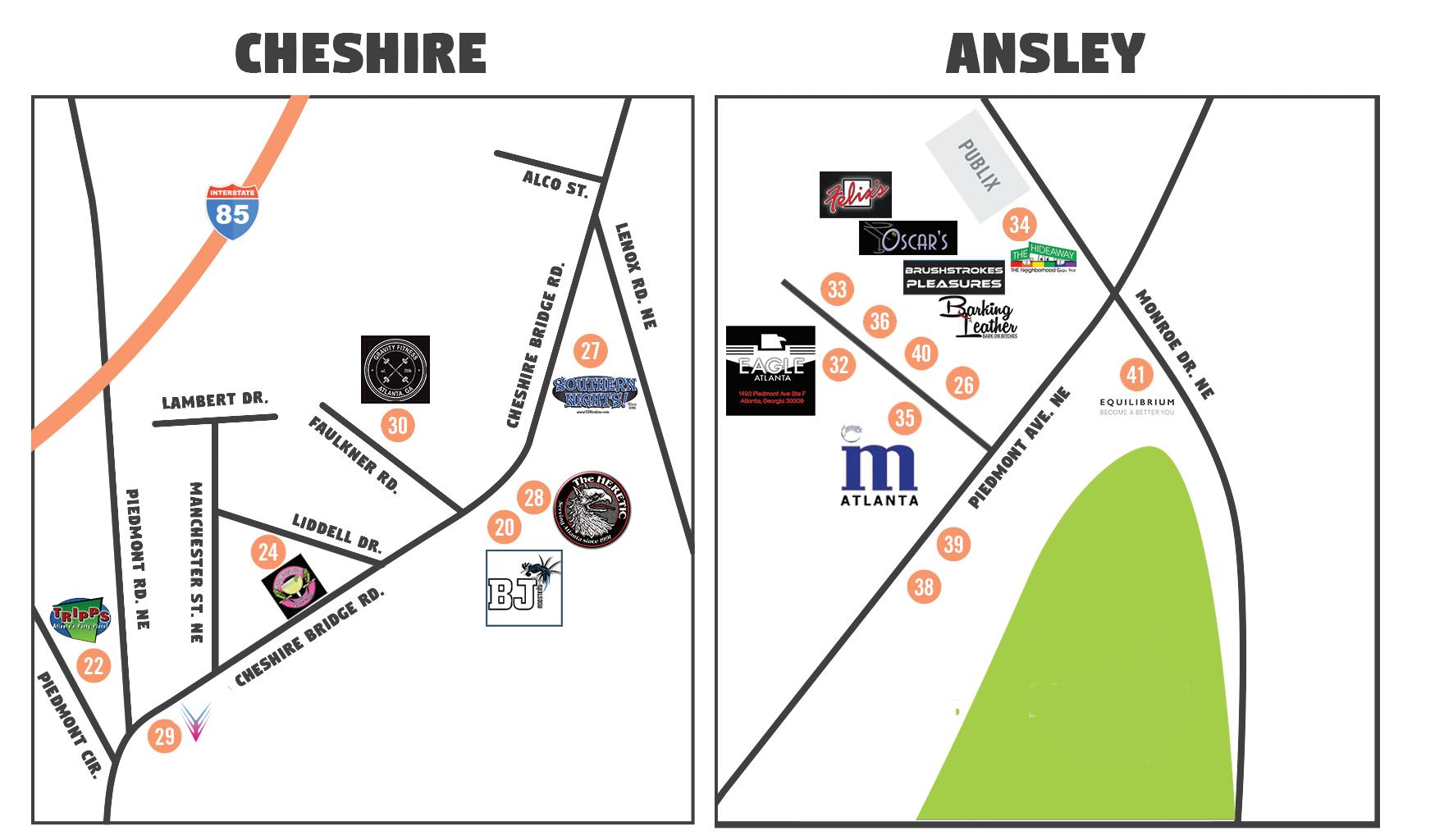
NEW ONLINE CALENDAR
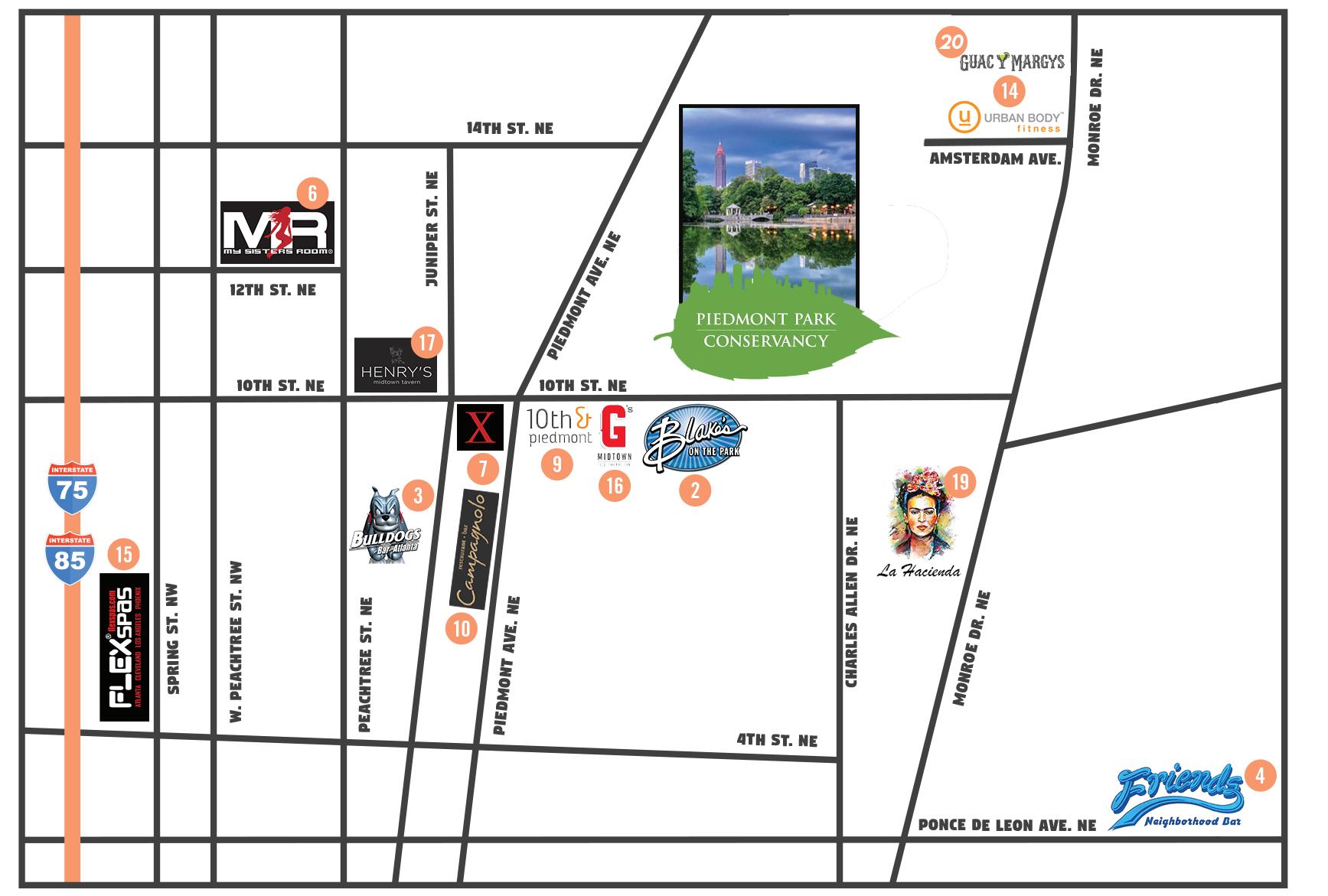
BARS & CLUBS MIDTOWN
BLAKE’S ON THE PARK blakesontheparkatlanta.com 227 10th St NE
BULLDOGS 893 Peachtree St NE
FRIENDS NEIGHBORHOOD BAR friendsonponce-atl.com 736 Ponce De Leon Ave NE
BARKING LEATHER AFTER DARK barkingleather.com 1510 Piedmont Ave NE
CHESHIRE
SOUTHERN NIGHTS VIDEO 2205 Cheshire Bridge Rd NE
ANSLEY
BOY NEXT DOOR MENSWEAR boynextdoormenswear.com 1000 Piedmont Ave NE, Ste A
GCB & PLEASURES brushstrokesatlanta. com 1510-D Piedmont Ave. NE FITNESS MIDTOWN
URBAN BODY FITNESS urbanbody tness. com
500 Amsterdam Ave N
CHESHIRE
GRAVITEE FITNESS graviteeatl.com
2201 Faulkner Rd NE
SPAS/BATHS
ADULT
FLEX SPA exspas.com 76 4th St NW
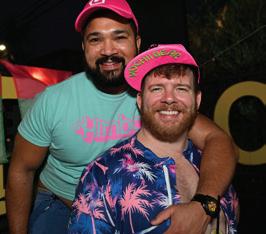
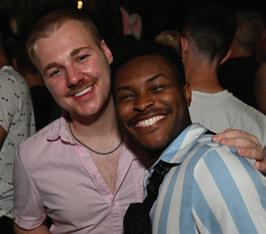
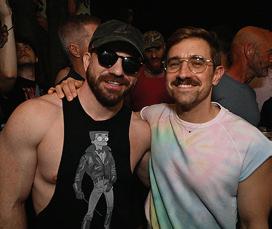
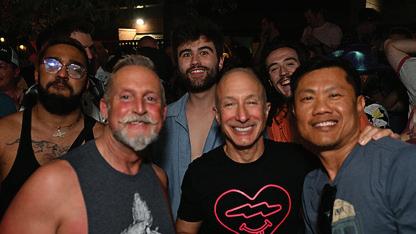
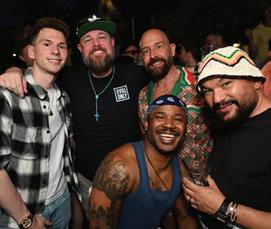
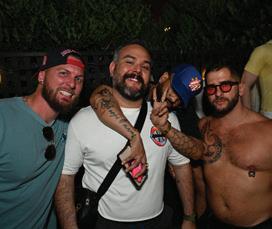
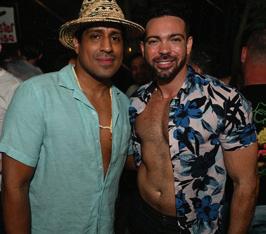
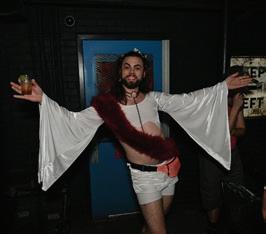
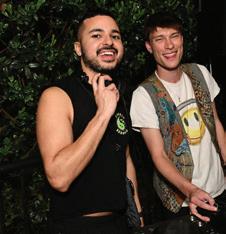
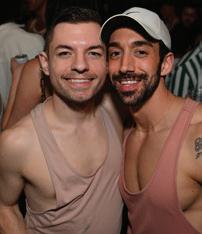
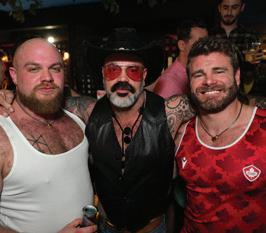
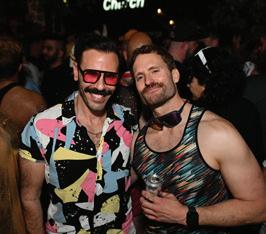
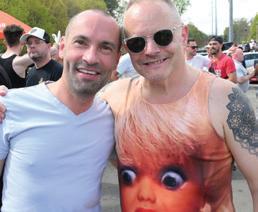
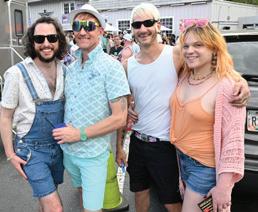
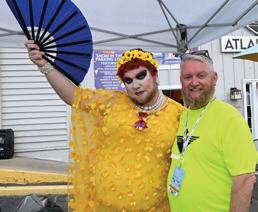
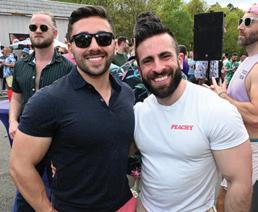
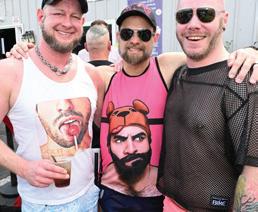
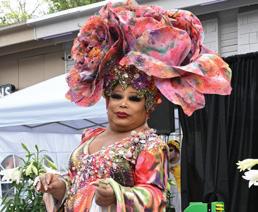
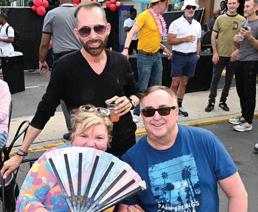
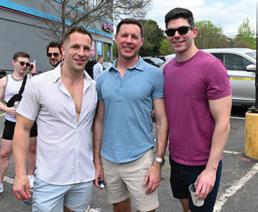
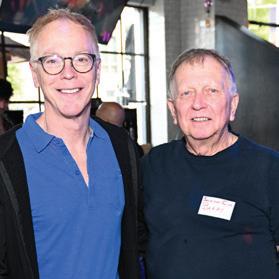
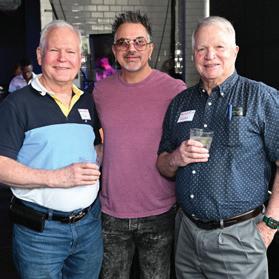
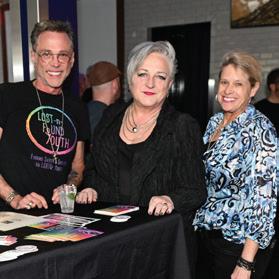
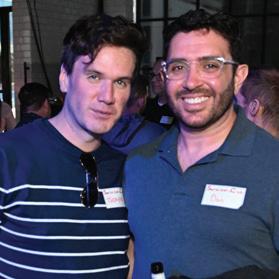
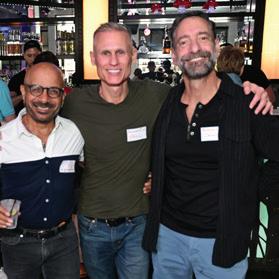
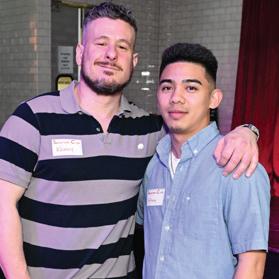
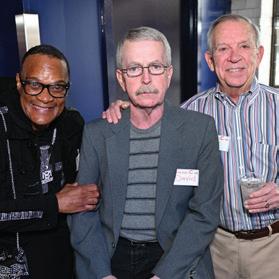
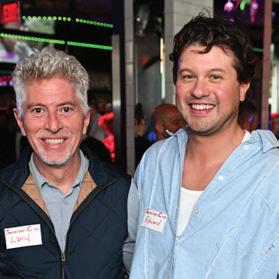
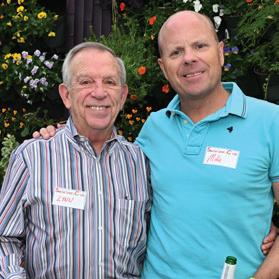
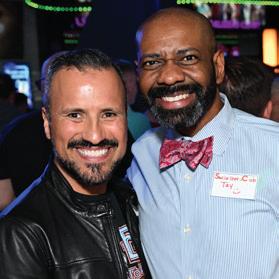
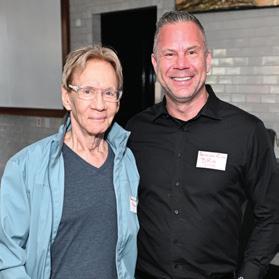
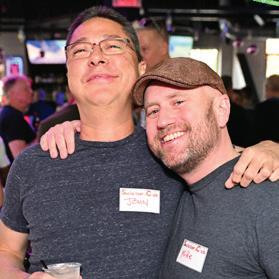
Socializers
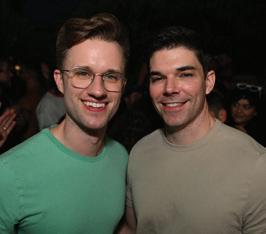
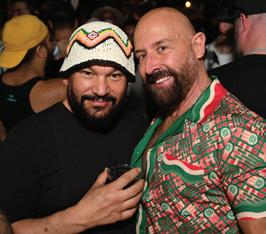
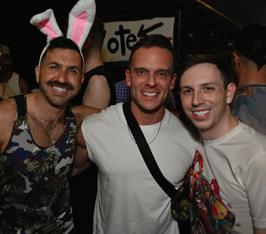
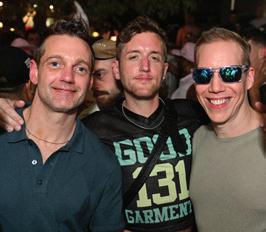
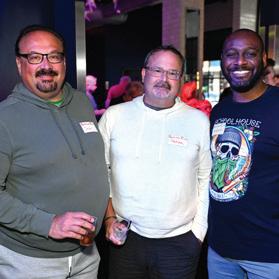
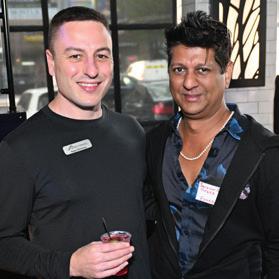
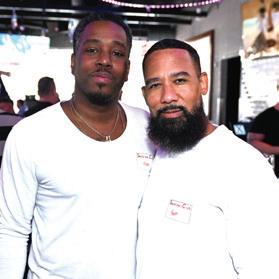
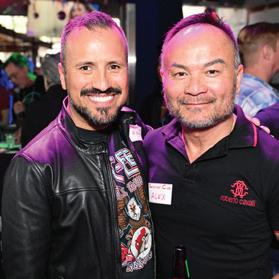
Photos by: Russ Bowen-Youngblood
We all have those moments of ‘wait, did they just say that?’ Lucky for you, we compile the best of the best right here on this page. Want to join in on the b*tch session? Submit your own nuggets to info@davidatlanta.com.
You knew spring and summer were coming, and yet you kept eating.
When he’s hot, it’s like ‘what’s the catch’?
I’m pretty normal despite what the prophecy says about me.
Reverse gaslighting where I pretend to know exactly what you are talking about.
My dog canʼt be my emotional support animal. Heʼs too anxious!
I just looked at the calendar. My days are numbered.
I'm evolving: I used to use my scale for drugs, now I use it for sourdough.