





















Edited by Mikkel Hyldebrandt
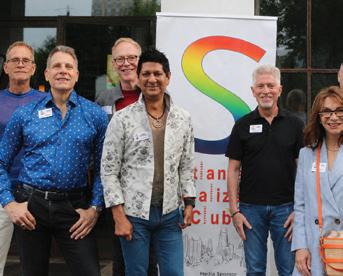
Photo: Russ Youngblood/Barry Cooper
In a city celebrated for its vibrant LGBTQ+ community, few organizations have grown as rapidly – or as meaningfully – as the Atlanta Socializers Club. What began in 2021 as a simple response to the isolation and loneliness experienced during the COVID-19 pandemic has evolved into a thriving community of more than 5,000 members, making it one of the largest LGBTQ+ social organizations in the Southeast.
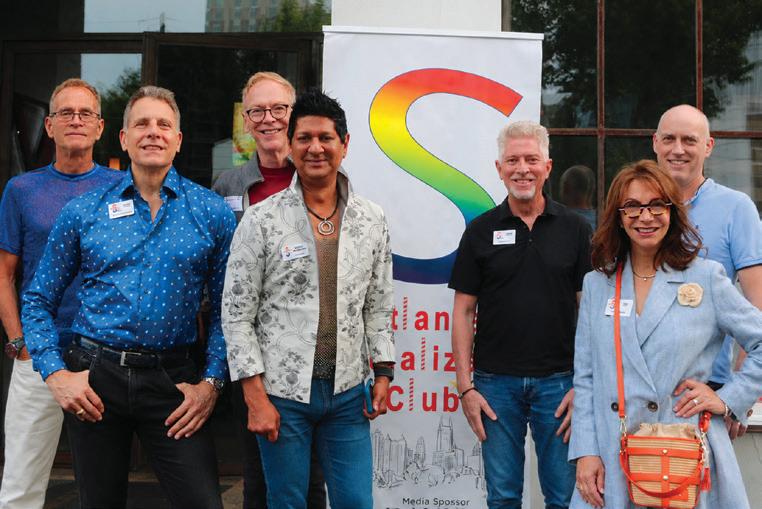

As the Atlanta Socializers Club celebrates its fifth anniversary, its success reflects not only the power of community but also the dedication of a remarkable leadership team whose professional accomplishments are matched by their commitment to service.
Founder Roger Rutkowski launched the Atlanta Socializers Club with a simple but powerful goal: to create opportunities for LGBTQ+ individuals to build authentic friendships and meaningful connections.
“We recognized that many people were struggling with isolation long before the pandemic, and COVID only magnified those challenges,” says Rutkowski. “The club was created to bring people together, build community, and remind people that they belong.”
Today, the organization hosts monthly social events, cultural outings, volunteer activities, charitable fundraisers, and partnerships with some of Atlanta’s most respected arts and community organizations. Along the way, it has helped hundreds of people form friendships, find support networks, and become more engaged in the city they call home.
The club’s continued growth is guided by an accomplished board of directors whose professional expertise spans business, healthcare, travel, architecture, and community leadership.


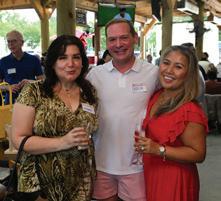
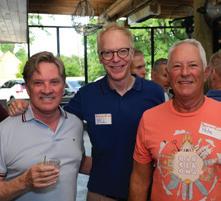
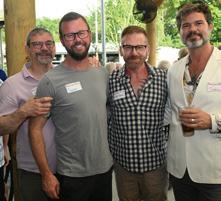
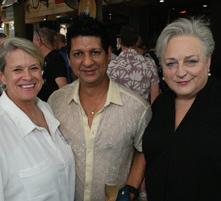
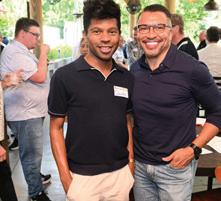
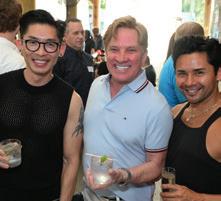

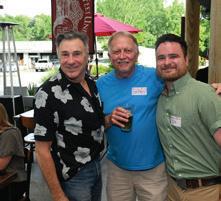
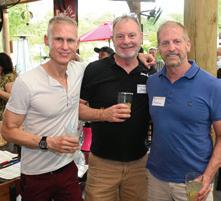
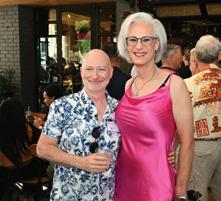
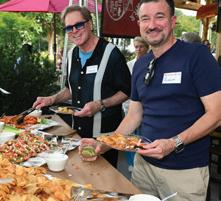
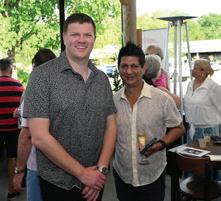
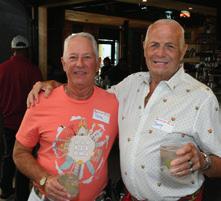
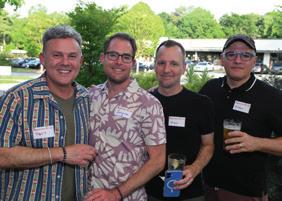
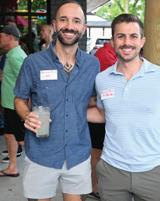
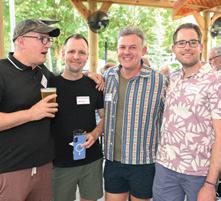
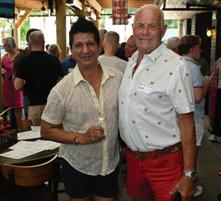
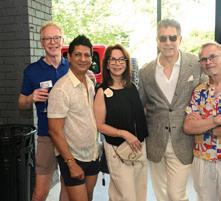
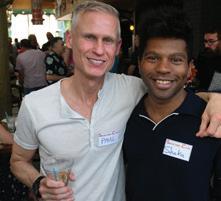
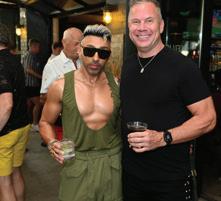
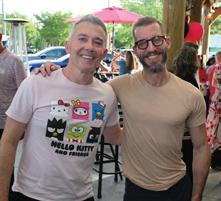
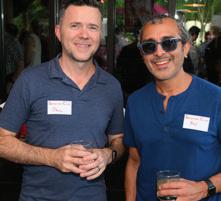
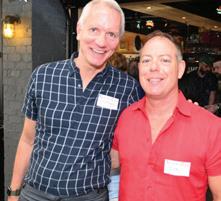
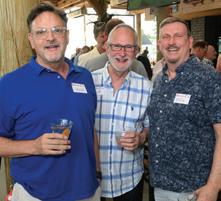
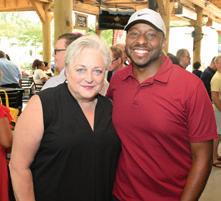
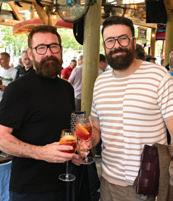
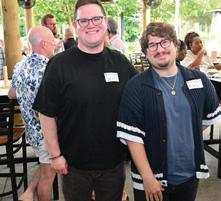
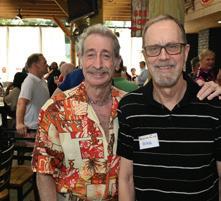
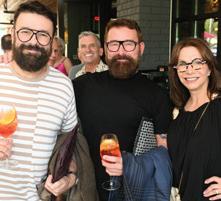
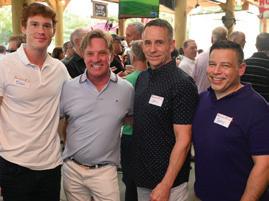
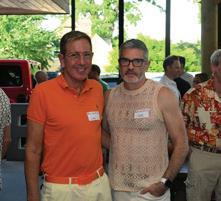
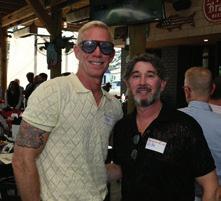
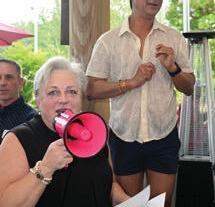
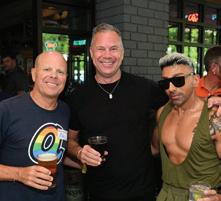
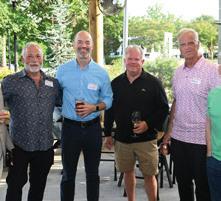
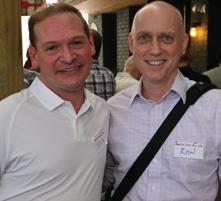
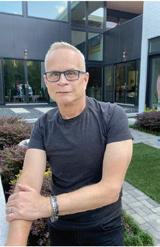
At the helm is Roger Rutkowski, founder of the Atlanta Socializers Club and Head of Legal Operations at MercedesBenz USA. A nationally recognized legal operations leader, Rutkowski has received multiple industry awards while also serving numerous nonprofit organizations dedicated to supporting LGBTQ+ youth and advancing community engagement.
Gregory Barnard, an award-winning Georgia realtor, brings extensive business and relationship-building expertise to the organization. Known throughout the Atlanta real estate community for his professionalism and client service, Barnard has played a key role in helping the club expand its visibility and reach throughout the metropolitan area.
The club also benefits from the guidance of Dr. Ron Trible, a respected infectious disease physician whose calm, evidencebased approach earned him recognition as a trusted source of information during the COVID-19 pandemic. His commitment to public health and community education reflects the organization’s broader mission of supporting the well-being of its members.
Travel entrepreneur Sue Duffy, owner of Suvi Travel, contributes a passion for creating meaningful experiences and fostering connections across cultures. Her expertise in hospitality and travel has helped inspire many of the group’s popular social and destination-focused activities.
Larry Hurst, a CFO provides financial leadership and strategic oversight that help ensure the organization’s continued growth and sustainability. His stewardship has been instrumental in supporting the club’s expanding programs and community initiatives.
Russ Youngblood, a well-known Atlanta photographer and former Grand Marshal, brings a deep connection to the city’s LGBTQ+ community and a talent for capturing its spirit and diversity. His longstanding community involvement and creative perspective have helped strengthen the club’s visibility and engagement throughout the region.
Completing the leadership team is Bill Rutkowski, an accomplished architect whose creative vision and design expertise bring a unique perspective to the organization’s planning and development efforts. His commitment to community-building reflects the club’s emphasis on creating welcoming spaces where everyone feels valued and included.
While social gatherings remain central to the organization’s mission, the Atlanta Socializers Club has evolved into something much larger.
The group has partnered with organizations including the Atlanta Opera, Atlanta Symphony Orchestra, Out Front Theatre Company, and numerous local nonprofits. It has organized fundraisers for LGBTQ+ youth, supported charitable initiatives throughout the region, and become a visible force for inclusion and community engagement.
Atlanta Socializers Club has been a valued partner of David Magazine since its early days, and the publication is proud to continue serving as the group’s exclusive media partner. The longstanding relationship reflects a shared commitment to supporting, uplifting, and strengthening the community through meaningful engagement and impactful initiatives.
Perhaps most importantly, the club has demonstrated that meaningful connections can transform lives. For many members, what began as attendance at a social event evolved into lifelong friendships, professional networks, volunteer opportunities, and a stronger sense of belonging.
As the Atlanta Socializers Club enters its next chapter, its leadership remains focused on the same mission that inspired its founding five years ago: combating isolation and building community. In an increasingly digital world, the organization serves as a reminder that genuine human connection still matters.
Five years after its launch, the Atlanta Socializers Club stands as a testament to what can happen when people come together with purpose, compassion, and a commitment to ensuring that nobody has to navigate life alone.
And if its first five years are any indication, the club’s impact on Atlanta’s LGBTQ+ community is only just beginning.

By Scott King
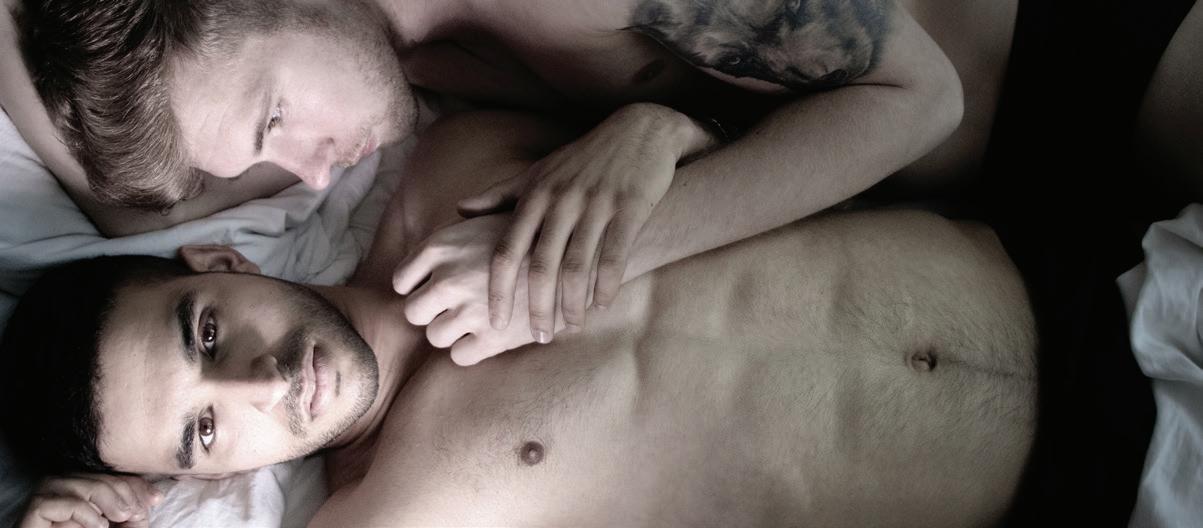
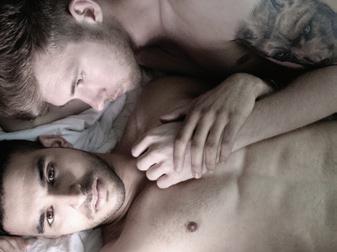
Sex. The twin flame, and logical conclusion, of hooking up.
I’m talking specifically about the acts of sex themselves, not the awkward literal and metaphorical dances that precede them.
What strikes me now is not even how we found sex before the internet, but how we learned it. During and after college, my best friend and I basically learned how to successfully bottom through a collaboration of gathered rumor, trial and error, whispered conversations, bad advice, fragments of pornography, and what I can only describe as cultural and social osmosis.
We absorbed information accidentally back then. Some older guy would mention something in passing. Somebody at a party would make a joke. Somebody would tell you what hurt and what didn’t. You slowly assembled yourself, and your peccadillos, from scraps.
In 2026, a teenager with a smartphone can watch 9,000 instructional videos before he ever kisses anybody. Despite your local hall monitor’s warnings about the dangers of pornography, that is probably healthier in a lot of ways. There was a lot of confusion back then. A lot of unnecessary shame. A lot of physical discomfort that could have been avoided by fivel minutes of Googling.
But there was also something strangely and deliciously human about not fully knowing what you were doing. You learned another person’s body by being trapped there with it. That is maybe the biggest difference I have noticed between sex before and after the internet: attention itself.
Before smartphones, once sex started, there was almost nothing else to focus on. You just had the room, the awkwardness, the excitement, the breathing, the bodies, the occasional streetlight coming through the blinds. When the encounter was over, it was over. You lingered in it because there was nowhere else for your brain to go.
That’s probably why cigarettes after sex became such a profound part of sexual culture. Cigarettes provided a ceremonial ending. A coda. Something to do while your physical and spiritual body settled back into ordinary life.
Post-internet, the phone enters the sexual encounter almost as a third participant. Most gay sex now is initiated through the phone anyway. The apps have become the infrastructure underneath desire itself. You still occasionally meet somebody at a bar or through friends, but realistically? Most gay sexual encounters now begin with somebody staring into a screen. And the phone doesn’t disappear once the sex begins.
This one time at band camp a young man — probably 25 to my 41 at the time — came over to my apartment. He was incredibly cute, but I could tell from the constant texts he was sending me on the Uber ride over that I was in for a “cultural experience.” He knocked on my door. I opened it expecting eye contact, maybe a smile, maybe a little nervous chemistry. Instead, he walked in looking down at his phone, muttered “hey,” and kept texting. We got to the bedroom, and he finally put the phone down on the dresser. But even lying there with me, I could tell where his real attention was: with that phone five feet behind him, waiting. A few minutes later he said he had to pee and took the phone into the bathroom with him. Then he came back into the bedroom still holding it and set it down beside us in bed.
Those of you who know me know that I am SO not into threeways. I pointed at the phone and said, “You and your lover there need to get the fuck out of here.” I expected attitude in return, which I probably deserved, but he didn’t give me any. He just quietly grabbed his phone, got dressed, and left. I’m not saying he was a bad person. Honestly, he seemed anxious more than rude. Like he physically could not tolerate being unreachable for twenty consecutive minutes. I usually last longer than that, but you know what I mean.
That is the real revolution the internet created. Not just easier access to sex, but the destruction of uninterrupted presence. The internet gave us access, efficiency, abundance, information, connection. It also quietly trained us to divide our attention forever. And sex, maybe more than almost anything else, suffers when attention fractures.
The apps may engineer the meeting, but they still can’t manufacture the feeling of another person’s weight against your chest in a dark room after sex. That part remains stubbornly prehistoric. Before the internet, after the ceremonial cigarette, your lover would leave and you had a few options.
As the Pet Shop Boys put it in “Left to My Own Devices:”
*When I get home, it’s late at night I pour a drink and watch the fight Turn off the TV, look at a book Pick up the phone, fix some food.”
That was pretty much it. And let’s face it, you were probably going to watch tv. TV was the pre-internet internet. The thing we all connected to to get outside of ourselves.
In 2026, after sex, you might fix some food, but when you lie back down on the couch, I’m guessing you go right back to your phone. You know why? Cuz whatever’s happening on the phone is whatever is happening to you. It’s the future. It’s the present. And it contains the entirety of the past.
I dare you not to touch it.













By Jordan Logan Photos: Ames Studio
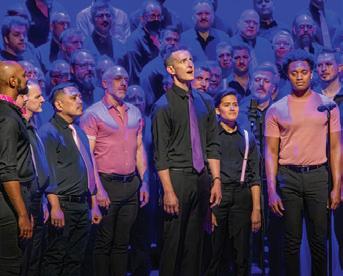
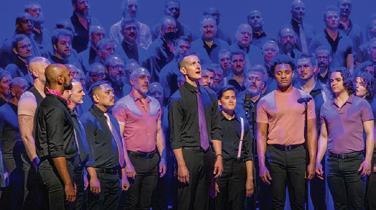
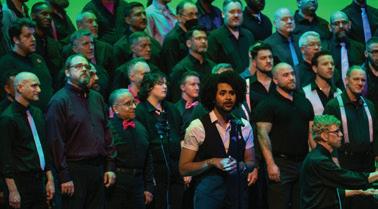
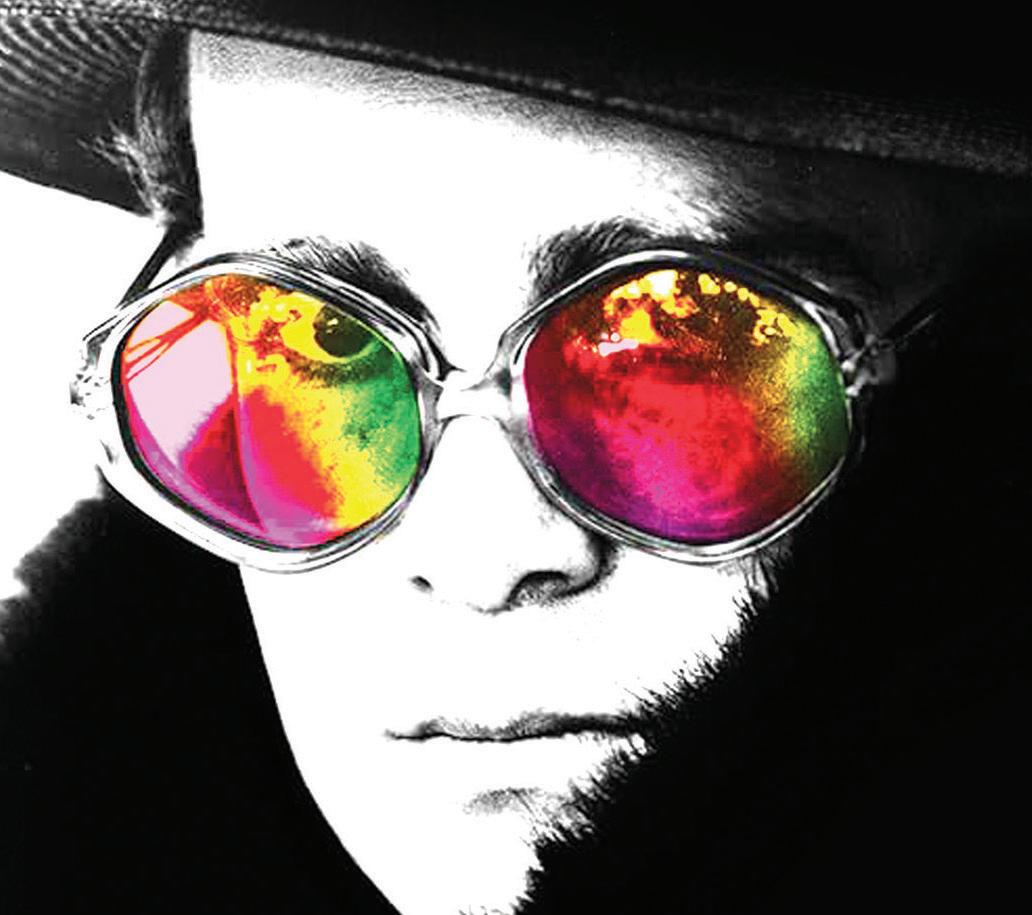
During the month of June the Atlanta Gay Men’s Chorus will honor the legacy of Elton John, an artist whose music and public life have shaped generations of LGBTQIA+ people. On June 13, the chorus will present Beyond the Yellow Brick Road: A Tribute to Elton John at the Mable House Barnes Amphitheater, joining forces with Yacht Rock Schooner, a local ensemble dedicated to recreating the evocative, melodic textures of the late 70s and early 80s. Celebrating the songs and stories that helped many in the community find courage, visibility and belonging.
For decades, John’s music has carried a profound cultural impact for LGBTQIA+ listeners. His blend of theatricality, vulnerability, and unapologetic self-expression resonated deeply at a time when queer representation in mainstream entertainment was rare. Long before widespread acceptance, his presence in pop culture offered a sense of possibility, a reminder that authenticity could coexist with success. John publicly came out as bisexual in a 1976 Rolling Stone cover story, telling the magazine, “I think everybody is bisexual to a certain degree.” The statement was groundbreaking.
During the 1970s, LGBTQIA+ people faced widespread discrimination, including police raids on gay bars, physical violence, job loss, and social ostracism. Many risked losing child custody or facing legal consequences simply for being in same-sex relationships. In that climate, John’s openness was more than a personal revelation; it was a cultural milestone. His visibility helped normalize queer identity in a world where many LGBTQIA+ people were forced to hide.
For listeners who felt isolated or unsafe, his music became a refuge and a symbol of hope. Songs like “I’m Still Standing,” released in 1983, took on layered meaning within the community. While written as a pop anthem of perseverance, it echoed the lived experiences of queer people navigating discrimination, rejection, and the early years of the HIV/AIDS crisis. Its message of survival against the odds became a rallying cry. Other songs resonated for different reasons. “Rocket Man,” with its themes of loneliness and emotional distance, spoke to those who felt separated from their families or communities. Many LGBTQIA+ people of the era concealed their identities out of fear of losing loved ones, employment, or safety. The song’s sense of drifting between worlds mirrored the emotional landscape of those who lived in silence.
John’s impact extended far beyond his music. As the HIV/AIDS epidemic devastated LGBTQIA+ communities in the 1980s and early 1990s, he became a vocal advocate for compassion, research, and public awareness. In 1992, he founded the Elton John AIDS Foundation, which
has since grown into one of the world’s leading organizations dedicated to ending stigma and expanding access to treatment and prevention. His philanthropy helped shift public perception at a time when misinformation and fear were widespread.
For the Atlanta Gay Men’s Chorus, honoring John’s legacy is about more than celebrating his catalog of hits. It is also about recognizing the emotional and cultural role his work has played in queer history and in Atlanta’s history specifically. John lived in Atlanta for more than 30 years, becoming a familiar figure in the city’s arts and philanthropic communities. David Aurilio, the executive director of Voices of Note Inc., said the show is about “recognizing an artist whose influence helped our community feel seen, empowered, and unafraid to live out loud.” His presence left a lasting imprint on local LGBTQIA+ culture.
For additional information regarding AGMC’s newest show, Beyond the Yellow Brick Road: A Tribute to Elton John, please visit VoicesofNote.org.





























































































































































































Edited by Mikkel Hyldebrandt



You may arrive planning to give your time, but you’ll often leave with something just as valuable: a sense of purpose.
Queerly Beloved, summer in Atlanta is more than just sunshine, rooftop cocktails, and poolside selfies. For LGBTQ+ people, it’s a season packed with opportunities to connect, celebrate, give back, and rediscover what makes our community so special. Some of the most rewarding experiences come from showing up, getting involved, and embracing the people around you – and often don’t require an unlimited entertainment budget! If you’re looking to make this your queerest – and coolest – summer yet, here are a few ways to do it.


Atlanta offers plenty of opportunities to enjoy summer without spending much money. Gather a group of friends for a picnic in Piedmont Park. Explore the BeltLine. Visit local farmers markets. Take a hike at one of the area’s nearby nature preserves. Spending time outdoors has been shown to reduce stress, improve mood, and boost overall well-being. Better yet, these activities create opportunities for conversation and connection without the pressure—or expense—of bars and clubs.
Sometimes the best memories come from a sunset walk with friends rather than a night spent waiting in line for the next big event.

You don’t need a huge budget to support the community. Choosing where you spend your dollars can make a meaningful impact. Grab coffee from a queer-owned café. Shop local artists at community markets. Purchase your Pride gear and other clothing from local designers and businesses. Visit LGBTQ+-owned restaurants and wellness spots. Every purchase helps strengthen Atlanta’s vibrant queer economy while supporting entrepreneurs who invest back into the community.

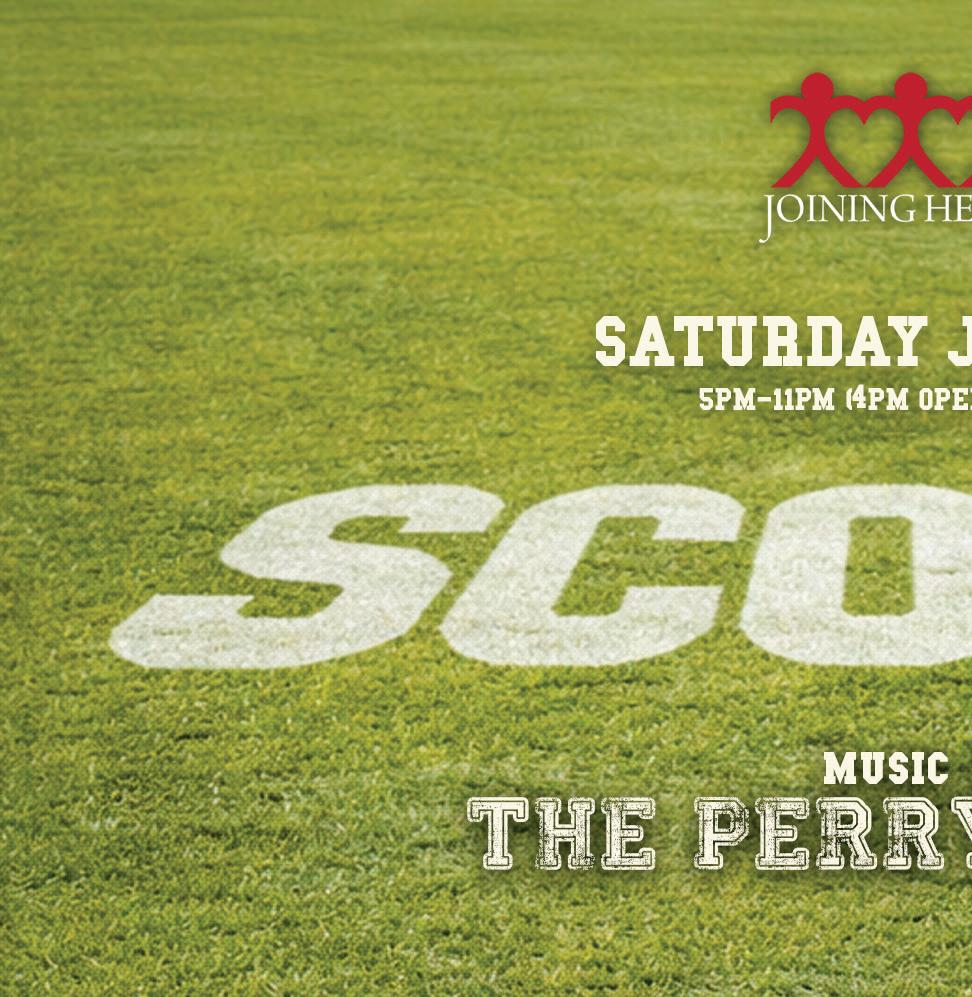
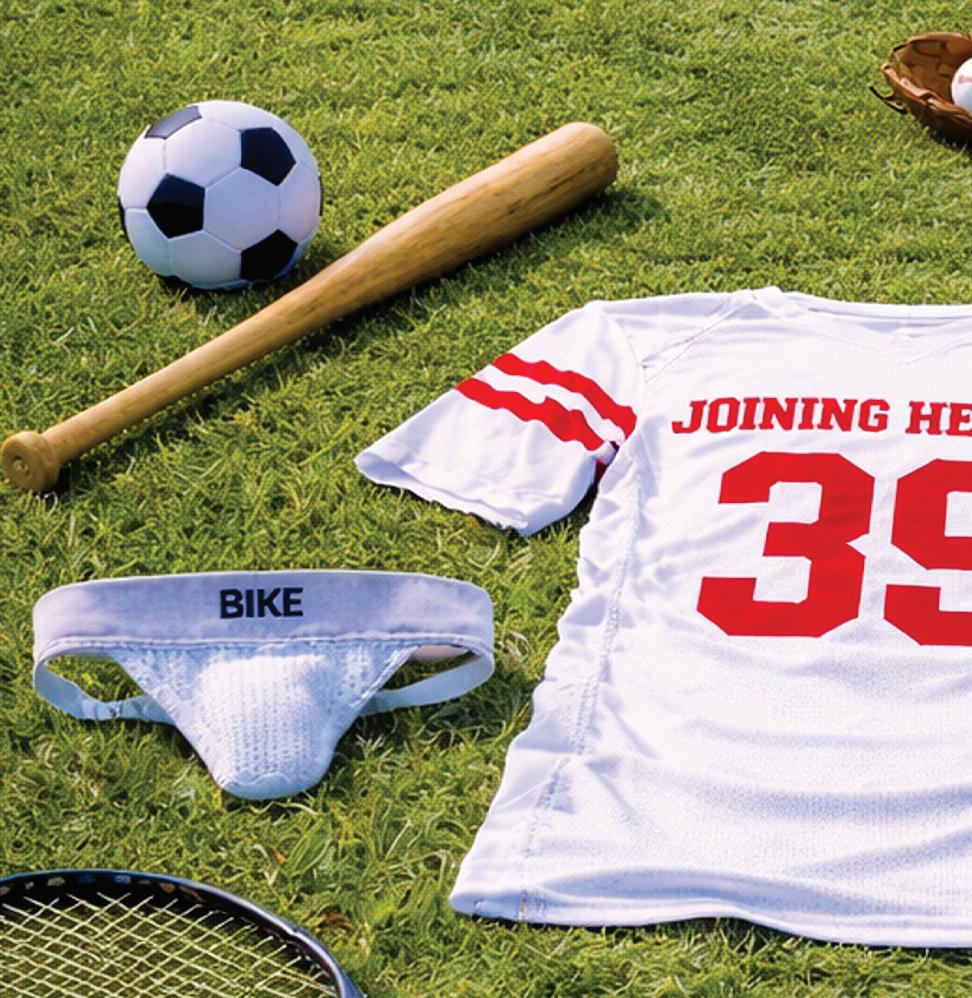
Nothing says Atlanta summer quite like a pool party, and few events capture the spirit of our community better than Joining Hearts. The annual fundraiser, which culminates with the iconic Joining Hearts Pool Party, brings together thousands of LGBTQ+ Atlantans and allies for a day of music, connection, and purpose. Beyond the fun, the event raises critical funds for organizations serving people living with HIV/AIDS.

Even small choices can help create a stronger, more visible LGBTQ+ Atlanta.
Likewise, AIDS Walk Atlanta & 5K remains one of the city’s most important community traditions. Whether you register as a participant, volunteer, or donor, showing up for the walk is a reminder that our community’s strength has always come from supporting one another. The event honors those we’ve lost while helping fund organizations that continue the fight against HIV.
Summer is also packed with neighborhood festivals, drag brunches, outdoor movie nights, Pride-themed events, and community fundraisers. Keep an eye on this publication, social media, and community organizations for opportunities to get involved.


Summer often comes with pressure to achieve the “perfect” beach body. Here’s a better goal: feel good in the body you already have. Take a dance class. Join a walking group. Try yoga in the park. Attend a community fitness event. The objective isn’t perfection—it’s confidence, joy, and selfcare. Many LGBTQ+ people spend years learning to feel comfortable in their own skin. Summer can be an opportunity to celebrate that journey rather than criticize yourself along the way.

Wear the shorts. Go to the pool party. Take the shirt off if you want to. Show up exactly as you are.
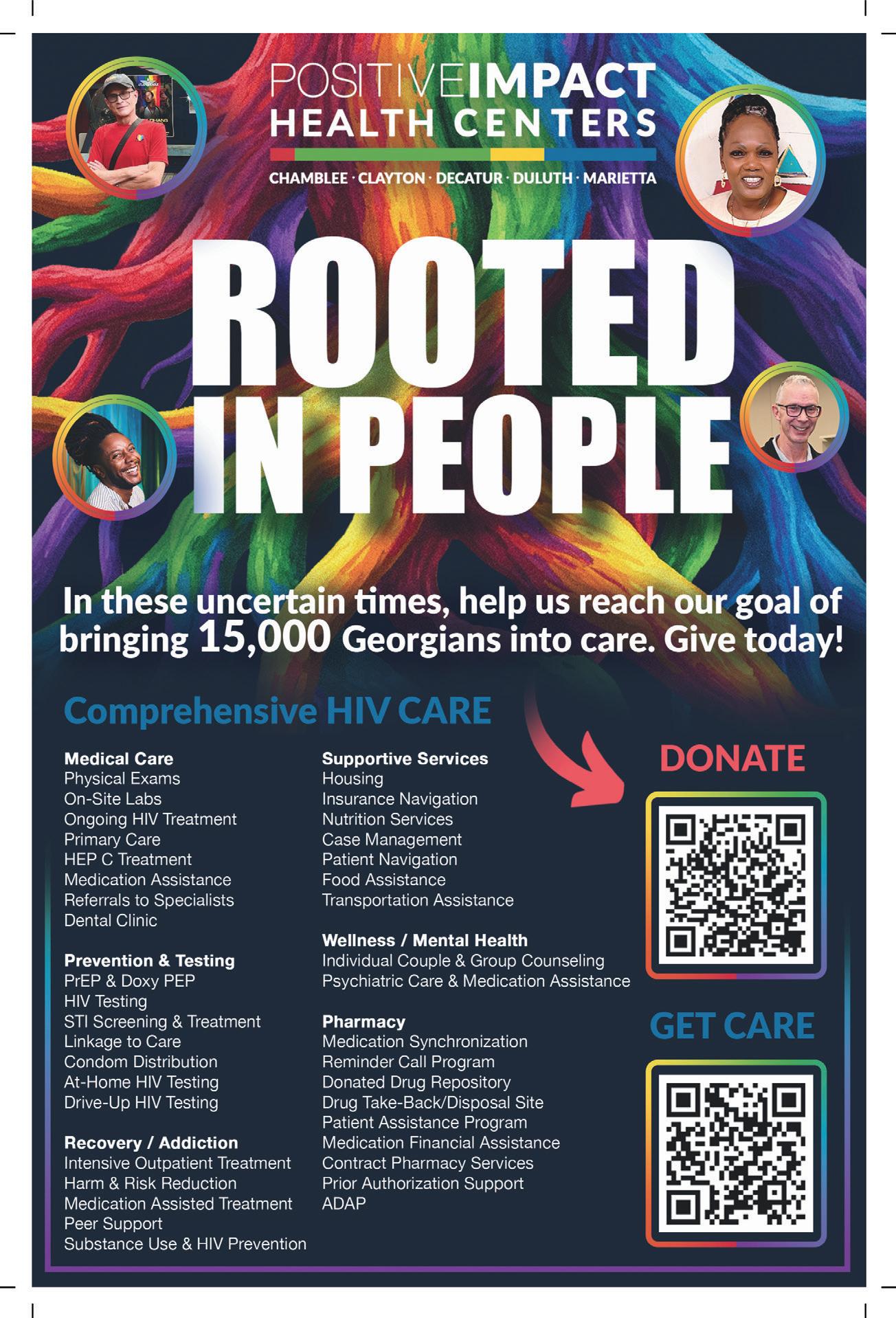
One of the best ways to feel connected to the community— and yourself—is through service. Organizations such as AID Atlanta, Lost-n-Found Youth, PALS Atlanta, and Positive Impact Health Centers often welcome volunteers throughout the year. Whether you’re helping distribute food, assisting at a fundraiser, supporting LGBTQ+ youth, or helping someone care for their beloved pet during a health crisis, volunteering creates meaningful connections while making a tangible difference.
At its heart, the queerest summer isn’t about attending every event on the calendar. It’s about building connections. Invite friends over for a cookout. Organize a game night. Check in on someone who’s been quiet lately. Reach out to a newcomer at an event. Strengthening relationships is one of the most meaningful investments you can make in your own happiness. Years from now, you probably won’t remember every party. You’ll remember the people.

And that’s what makes a great LGBTQ+ summer: community, connection, and the freedom to be yourself.



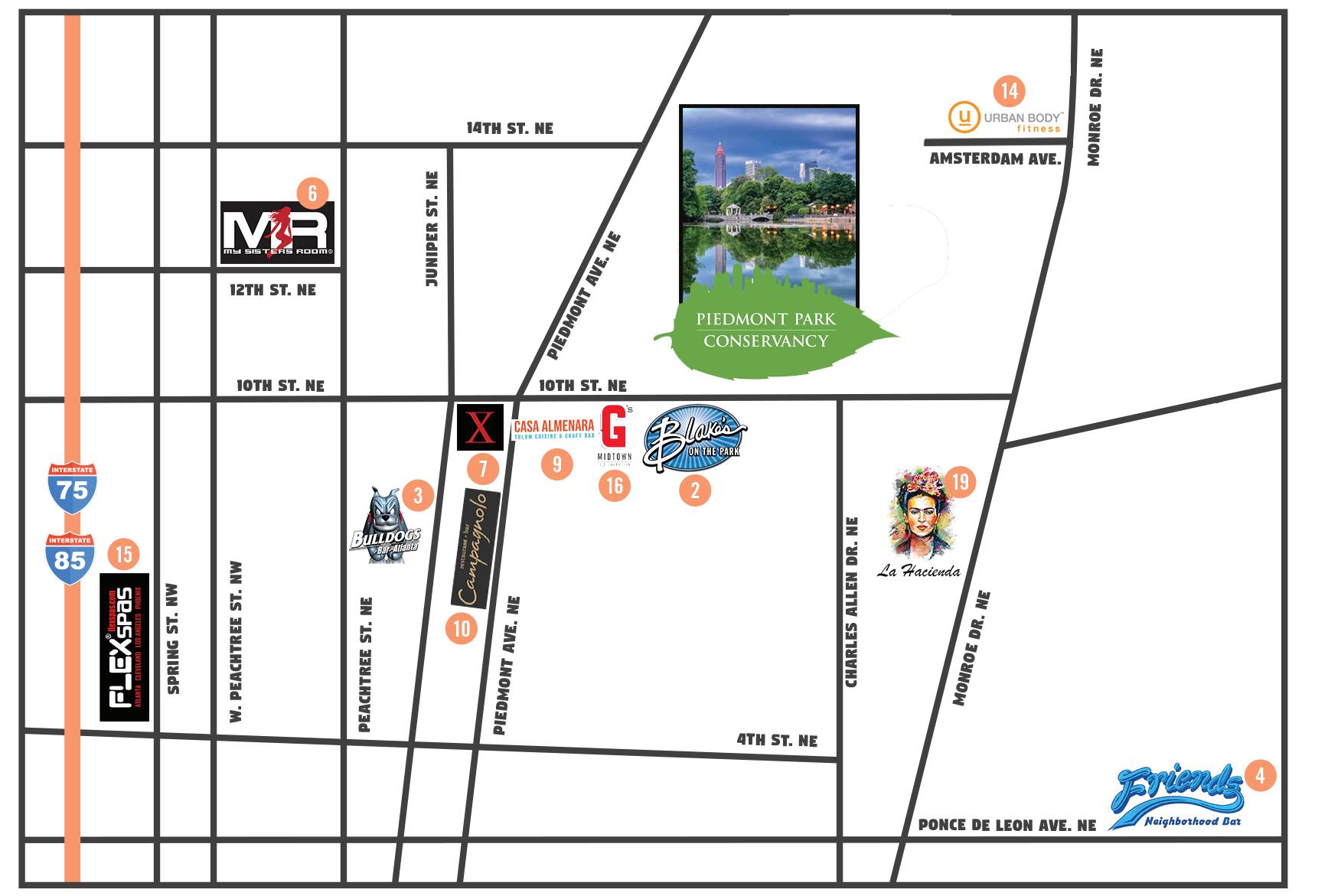
BARS & CLUBS MIDTOWN
BLAKE’S ON THE PARK blakesontheparkatlanta.com 227 10th St NE
BULLDOGS 893 Peachtree St NE
FRIENDS NEIGHBORHOOD BAR friendsonponce-atl. com
736 Ponce De Leon Ave NE
MY SISTER’S ROOM mysistersroom.com 66 12th St NE
X MIDTOWN xmidtown.com 990 Piedmont Ave NE
THE T modeltatlanta.com 465 Boulevard SE
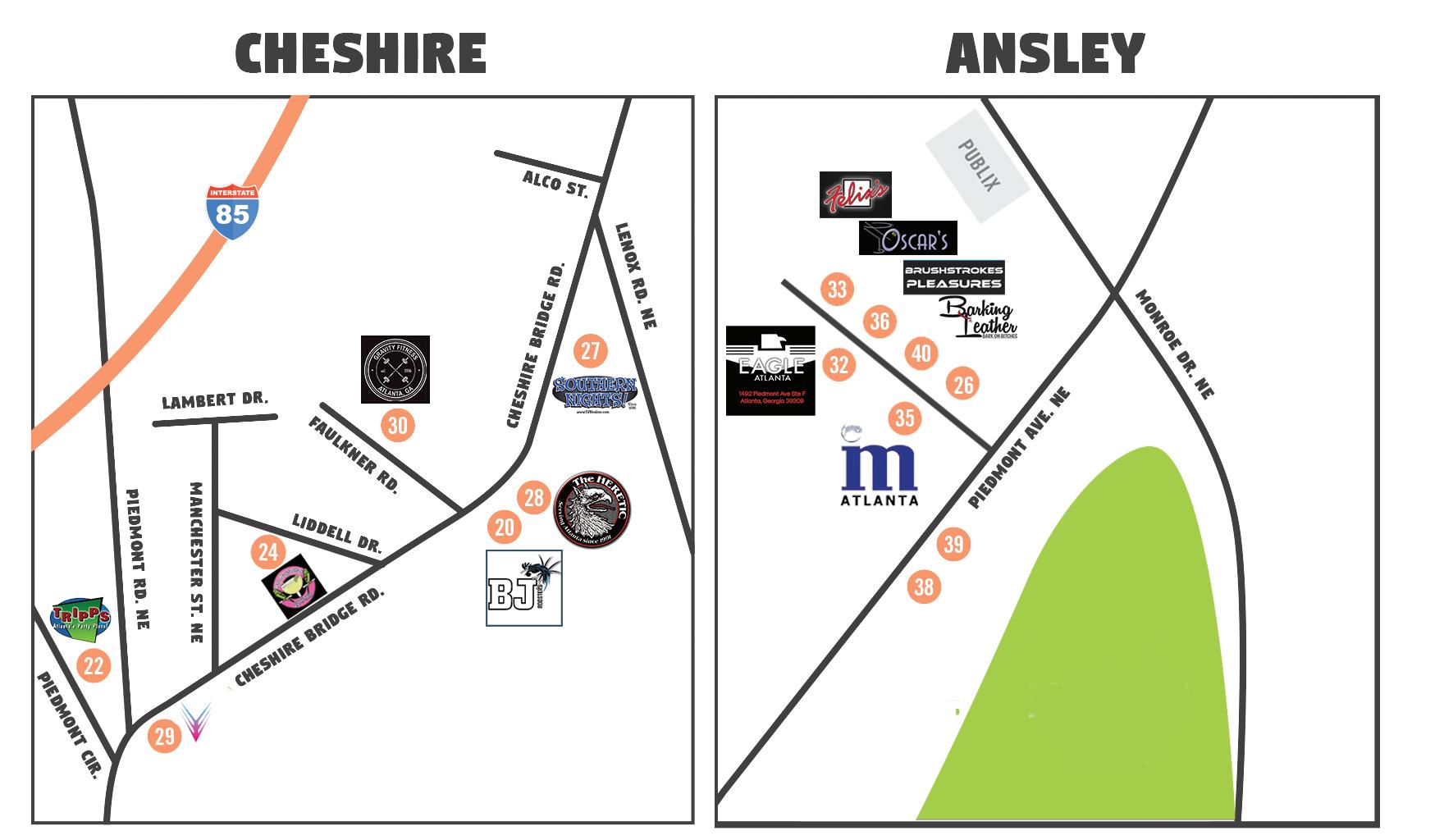
CHESHIRE
HERETIC hereticatlanta.com 2069 Cheshire Bridge Road
BJ ROOSTERS bjroosters.com 2043 Cheshire Bridge Road NE
WESTSIDE
MARQUETTE 868 Joseph E. Boone Blvd NW
840ATL 840 Ralph David Abernathy Blvd
BOGGS SOCIAL & SUPPLY 1310 White St. SW Atlanta, GA 30310 boggssocial.com
ANSLEY
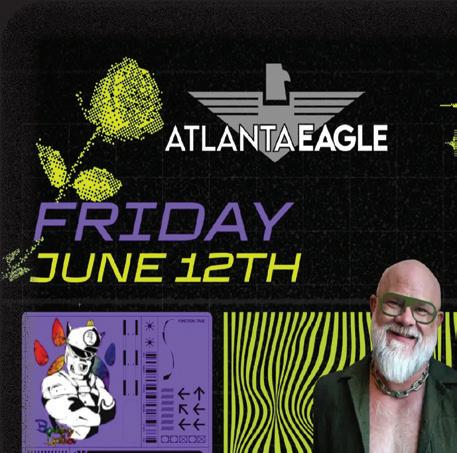
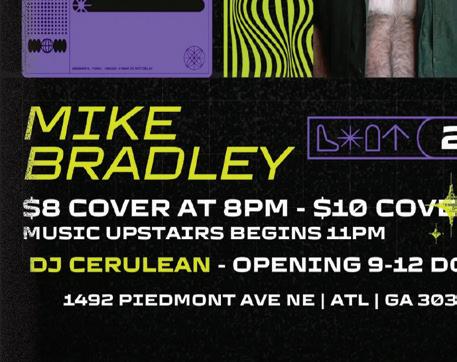
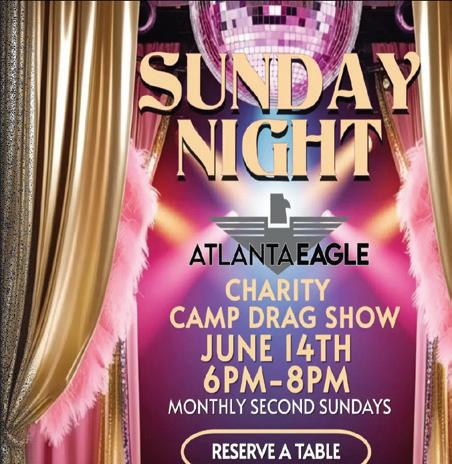
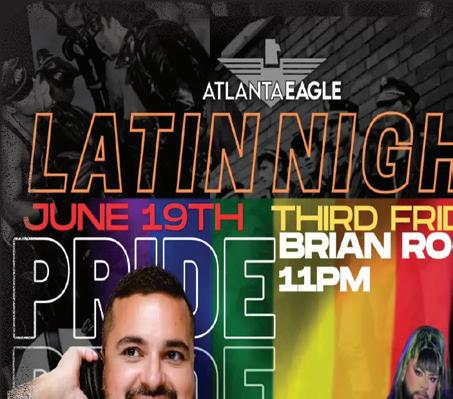
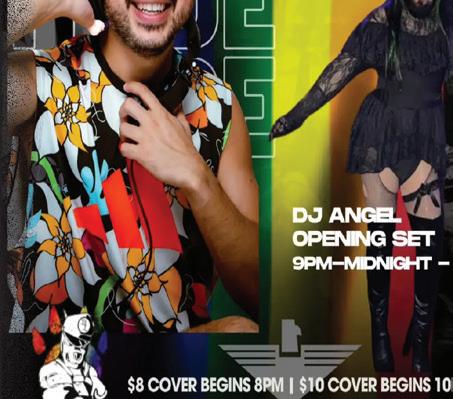
ATLANTA EAGLE 1492 Piedmont Ave NE
FELIX’S 1510 Piedmont Ave NE
MIXX mixxatlanta.com 1492 Piedmont Ave NE
OSCAR’S oscarsatlanta.com 1510 Piedmont Ave NE
WOOFS woofsatlanta.com 494 Plasters Ave NE
TRIPPS : tripps-bar 1931 Piedmont Cir NE
EAST ATLANTA, GRANT PARK & EDGEWOOD
MARY’S marysatlanta.com 1287 Glenwood Ave SE
LORE ATLANTA loreatl.com 466 Edgewood Ave loreatl.com
DINING
MIDTOWN
CASA ALMENARA 991 Piedmont Ave NE casa-almenara.com
LA HACIENDA lahaciendamidtown. com
900 Monroe Dr NE
TUK TUK THAI FOOD LOFT TUKTUKATL.COM 1745 Peachtree Rd NW
DEKALB
LIPS ATLANTA atldragshow.com 3011 Buford Hwy NE
RETAIL MIDTOWN
BOY NEXT DOOR MENSWEAR boynextdoormenswear.com 1000 Piedmont Ave NE, Ste A
ANSLEY
BARKING LEATHER barkingleather.com 1510 Piedmont Ave NE
GCB & PLEASURES brushstrokesatlanta.com 1510-D Piedmont Ave. NE
FITNESS
MIDTOWN
URBAN BODY FITNESS urbanbodyfi tness. com
500 Amsterdam Ave N
CHESHIRE
GRAVITY FITNESS gravityfi tnessatl. com
2201 Faulkner Rd NE
SPAS/BATHS ADULT
FLEX SPA flexspas.com 76 4th St NW
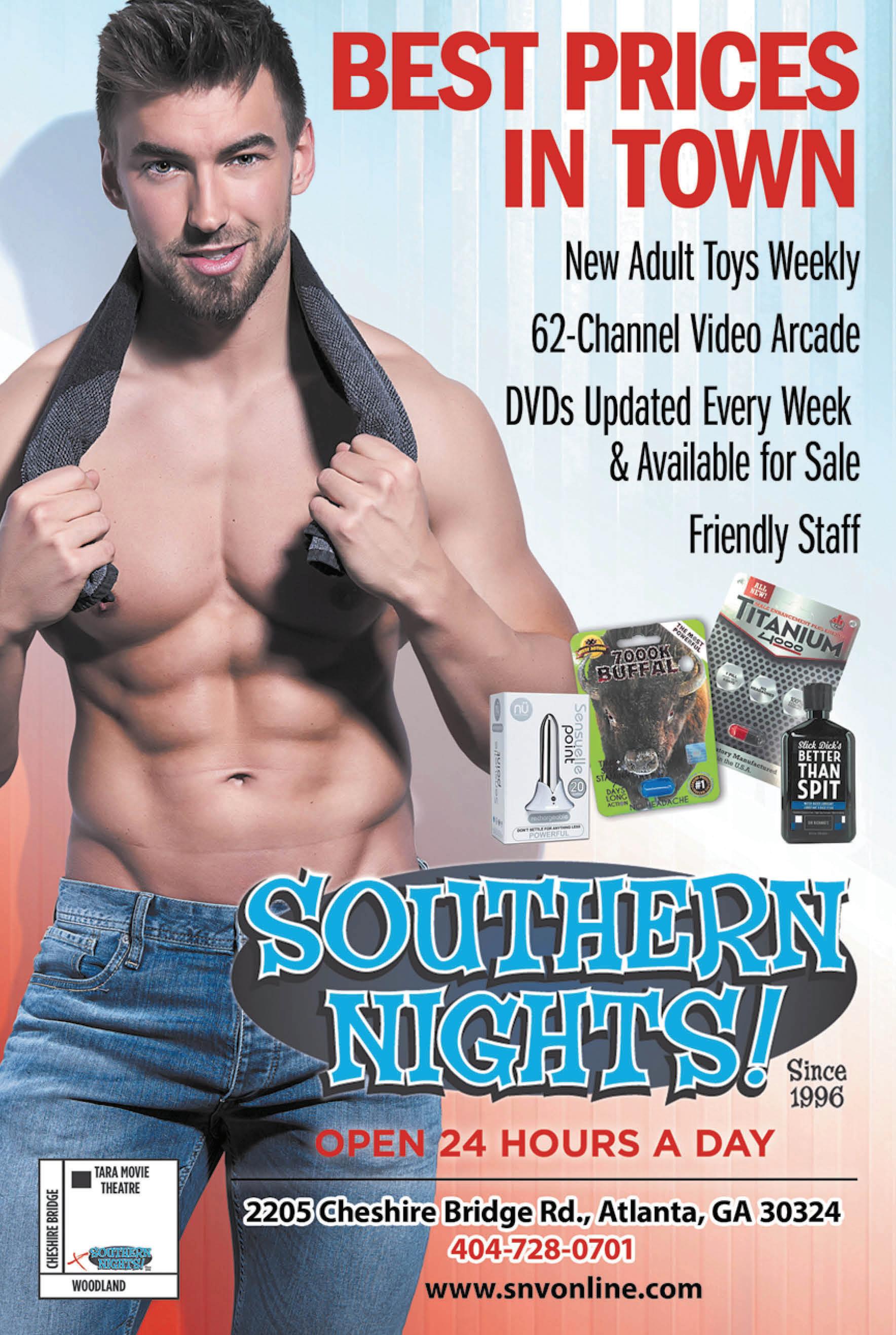
SOUTHERN NIGHTS VIDEO 2205 Cheshire Bridge Rd NE
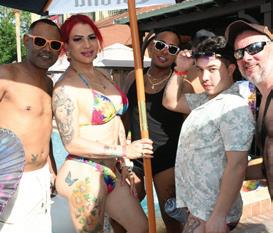
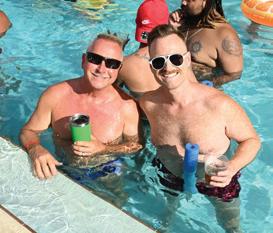
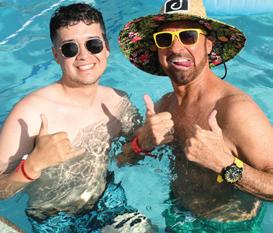
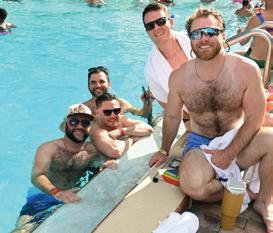
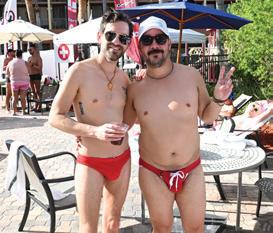
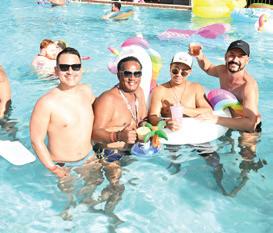
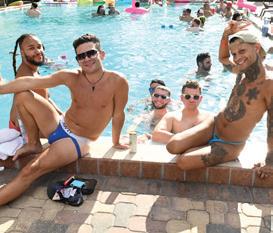
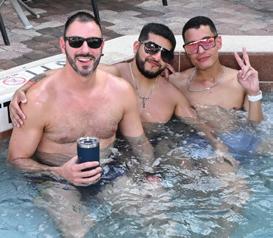
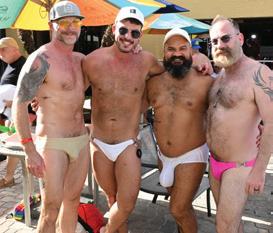
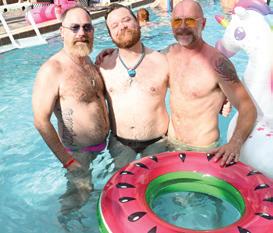
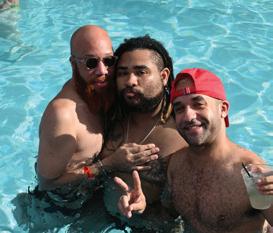
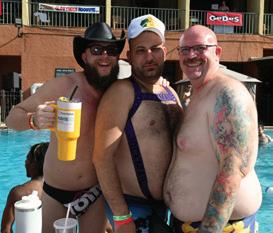
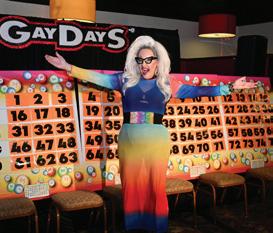
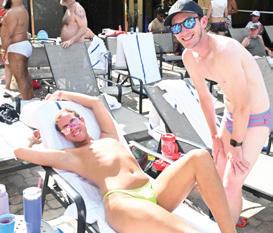
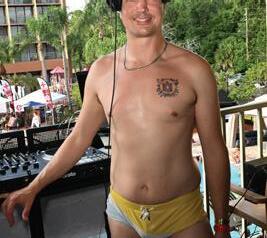
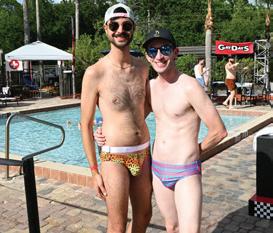
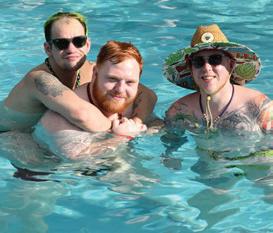
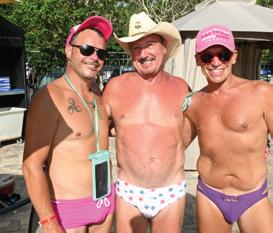
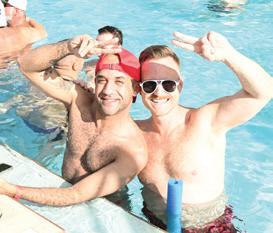
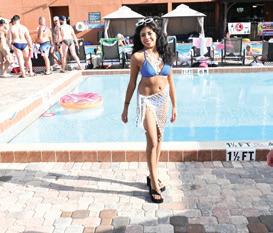
GAYDAYS 35th Anniversary
Pool Party@ Holiday Inn Orlando




















































































We all have those moments of ‘wait, did they just say that?’ Lucky for you, we compile the best of the best right here on this page.
Want to join in on the b*tch session? Submit your own nuggets to info@davidatlanta.com.


Nothing scarier than hot drinks with lids.
You threw dirt on me and flowers grew. I’d be mad too.
I don’t trust anyone, because my ex still texts me even when he is with “the love of his life.”

I’ve learned I can be both a beacon of light and an ominous void.
You know, when I say weʼre just going to keep it cutesy, itʼs a warning that we are going on a bender.
Rest now, bitch face, we have much work yet to do.
We can’t all be maxxing. Some of us must do the minimum.
Taking videos of lasers at the club is the gay equivalent of straights filming fireworks